Tuesday, April 28, 2026
Home Blog Page 129

India Brics Chair 2026: EAM Jaishankar Reveals Bold Vision

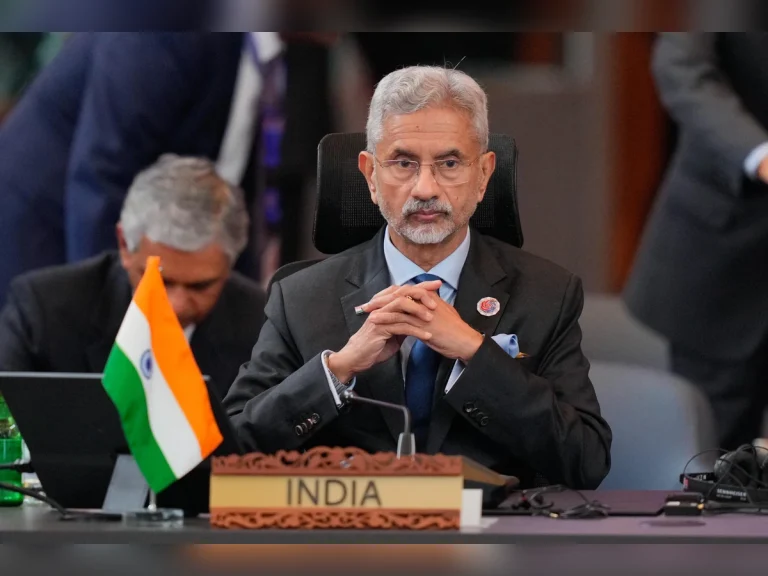
New Delhi – External Affairs Minister S Jaishankar outlined comprehensive objectives for India Brics chair 2026 on Tuesday, emphasizing the grouping’s crucial role in advocating for “reformed multilateralism” during a period of unprecedented global complexity. Speaking at an event where he unveiled the logo, theme, and website for the upcoming presidency, Jaishankar positioned India Brics chair 2026 as an opportunity to strengthen cooperation among emerging markets and developing economies.

The India Brics chair 2026 tenure is being closely monitored internationally as the grouping seeks to establish itself as a key platform for highlighting issues and concerns of developing economies and the Global South.

Context of Global Challenges

India Brics chair 2026 comes against a backdrop of repeated criticisms from US President Donald Trump, who has accused the bloc of attempting to replace the US dollar with national currencies in international trade. Despite these external pressures, Jaishankar emphasized that the grouping must remain focused on its core mission of representing developing nations’ interests.

The minister noted that Brics has evolved over 20 years into a “significant platform for cooperation among emerging markets and developing economies,” expanding both its agenda and membership to respond to “changing global realities while remaining focused on people-centric development.”

Call for Reformed Multilateral Institutions

A cornerstone of India Brics chair 2026 priorities involves pushing for comprehensive reform of global multilateral institutions. “At a time when the world is also navigating multiple complex challenges, the call for a reinvigorated, inclusive and effective multilateral order has never been more urgent,” Jaishankar stated.

The minister emphasized that through India Brics chair 2026, “Brics must commit to a reformed multilateralism that reflects contemporary realities – one where institutions like the UN, WTO, IMF and World Bank are representative and inclusive.” This position reflects growing frustration among developing nations with existing global governance structures.

India’s Approach as Constructive Platform

India perceives Brics as a “constructive platform for dialogue and development” that complements rather than challenges the broader multilateral system. Under India Brics chair 2026, the nation will be “guided by the principles of mutual respect, sovereign equality and consensus,” according to Jaishankar.

Also Read: Jaishankar Marco Rubio Call: Breaking News on Trade Deal Progress

The external affairs minister pledged that India Brics chair 2026 would be “inclusive, practical, people-centric and outcome-oriented,” signaling a pragmatic approach focused on delivering tangible results for member nations and their populations.

Four Core Priorities Defined

India Brics chair 2026 has identified four fundamental priorities: resilience, innovation, cooperation, and sustainability. These priorities will be advanced across the three established pillars of the grouping – political and security cooperation, economic and financial issues, and cultural and people-to-people exchanges.

The theme chosen for India Brics chair 2026, “Building for resilience, innovation, cooperation and sustainability,” reflects the belief that cooperation among members can address shared challenges in a balanced and inclusive manner.

Resilience as Foundation

Under the resilience pillar of India Brics chair 2026, the focus will be on building structural institutional strengths capable of weathering global shocks. Jaishankar specified that this would encompass critical areas including agriculture, health, disaster risk reduction, energy, and supply chains.

This emphasis on resilience through India Brics chair 2026 acknowledges the vulnerability of developing economies to external shocks, from pandemics to climate events and economic disruptions.

Innovation Driving Development

Innovation represents a central driver for India Brics chair 2026 objectives, with Jaishankar highlighting that emerging technologies are essential for addressing socio-economic challenges faced by developing countries. The focus on innovation recognizes that technological advancement can help member nations leapfrog traditional development constraints.

Through India Brics chair 2026, the grouping will work to ensure that its members can harness technological progress for inclusive growth and development.

Sustainability and Climate Action

Cooperation in sustainability under India Brics chair 2026 will advance climate action, promote clean energy adoption, and support sustainable development pathways. This priority aligns with global imperatives while ensuring developing nations’ concerns about balancing growth with environmental protection are adequately addressed.

Jaishankar noted that the New Development Bank, founded by Brics members, has become an important instrument of economic cooperation by promoting infrastructure and sustainable development, providing financial support aligned with India Brics chair 2026 objectives.

Addressing Complex Global Landscape

The external affairs minister acknowledged that the global environment presents complex and interlinked challenges. Geopolitical uncertainties, complicated economic landscapes, climate-related risks, technological changes, and development gaps continue to affect countries worldwide.

India Brics chair 2026 positions the grouping as an important forum encouraging dialogue, cooperation, and practical responses to these multifaceted challenges, emphasizing solutions tailored to developing nations’ specific circumstances.

Membership Evolution and Expansion

India Brics chair 2026 leads a significantly expanded grouping, now comprising 10 nations. This expansion reflects the growing appeal of Brics as a platform for emerging economies seeking greater representation in global affairs and economic cooperation opportunities outside traditional Western-dominated institutions.

Strategic Timing and Implications

The India Brics chair 2026 tenure comes at a critical juncture in international relations, with traditional multilateral structures facing legitimacy challenges and developing nations demanding greater voice in global decision-making. Jaishankar’s articulation of objectives signals India’s intention to use its chairship to advance substantive reforms while maintaining constructive engagement with the existing international order.

Through India Brics chair 2026, the nation aims to demonstrate that alternative platforms for cooperation can coexist with and strengthen, rather than undermine, the broader multilateral system.
Critical Minerals Supply Chains: Urgent Global Meeting Tackles Crisis

0

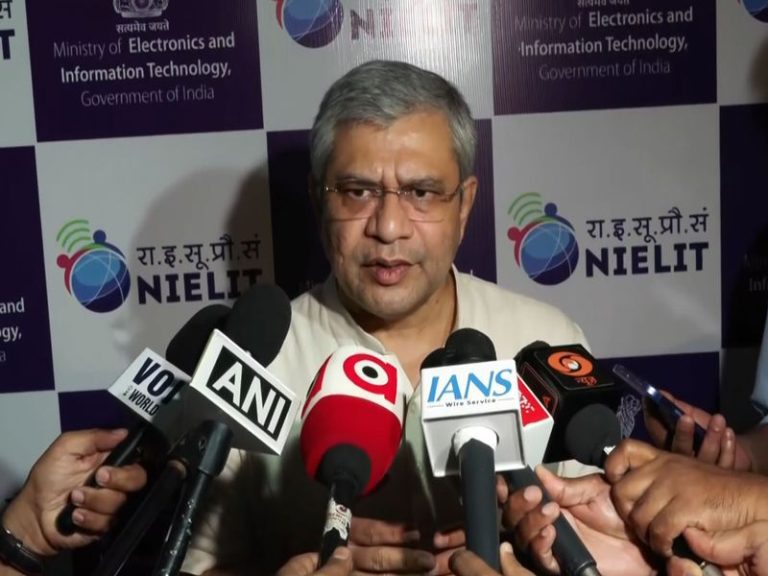
New Delhi – Union Minister Ashwini Vaishnaw participated in a crucial multinational meeting in Washington on Monday, joining finance ministers from 10 countries to discuss strengthening critical minerals supply chains. The gathering, hosted by US Treasury Secretary Scott Bessent, focused on addressing growing concerns over China’s overwhelming dominance in the sector and the urgent need for diversification.

The high-level meeting included representatives from G7 nations, Mexico, and the European Union, with officials indicating that discussions laid essential groundwork for possible future collaborations in critical minerals supply chains development.

China’s Dominant Position Raises Alarm

Washington emphasized the necessity for “prudent derisking” during the discussions on critical minerals supply chains, expressing serious concern that global supply chains have become increasingly vulnerable to disruption and manipulation due to excessive concentration in a few geographies. This reference directly pointed to China’s commanding position in the sector.

China currently leads production of 30 minerals deemed critical by the US Geological Survey and accounts for approximately 70% of rare earths mining globally. Even more concerning, China controls over 90% of processing capacity worldwide, giving it unprecedented leverage over critical minerals supply chains that are essential for modern technology and defense applications.

Shared Commitment to Address Vulnerabilities

According to the US Treasury Department’s readout, “Throughout the course of discussions, attendees expressed a strong, shared desire to quickly address key vulnerabilities in critical minerals supply chains. The United States highlighted actions and investments it has already undertaken, as well as planned steps to create resilient, secure, and diversified critical minerals supply chains.”

This unified approach reflects growing international recognition that dependence on a single nation for critical minerals supply chains poses significant economic and national security risks that require immediate coordinated action.

Impact on India’s Manufacturing Sector

Following the meeting, Vaishnaw took to social media platform X to emphasize the importance of strengthening critical minerals supply chains for India’s economic development. He specifically highlighted how robust critical minerals supply chains would significantly aid India’s manufacturing capabilities and electronics sector, both of which are priority areas for the nation’s economic growth strategy.

The electronics sector, in particular, depends heavily on rare earth elements and other critical minerals for manufacturing semiconductors, batteries, displays, and various electronic components essential to modern devices.

Pax Silica Invitation Signals Deeper Cooperation

The gathering on critical minerals supply chains came as the United States prepares to invite India to join Pax Silica, its flagship initiative for building secure supply chains for semiconductors, AI technology, and critical minerals. US ambassador-designate Sergio Gor announced in New Delhi on Monday that India would be invited to join the grouping as a full member next month.

Also Read: Trump 25% Tariff Iran: Shocking Minimal Impact on India Revealed

Pax Silica currently includes Japan, South Korea, and the UK, and India’s inclusion would mark a significant expansion of this strategic initiative aimed at creating alternative critical minerals supply chains independent of Chinese dominance.

Existing India-US Minerals Cooperation

India and the United States have already established a foundation for collaboration on critical minerals supply chains. In October 2024, the two countries signed a memorandum of understanding specifically focused on strengthening critical minerals supply chains cooperation and coordination.

Additionally, both nations launched the Strategic Mineral Research Initiative, which aims to recover and process lithium, cobalt, and rare earths from industries such as aluminum, coal mining, and oil and gas. This initiative represents an innovative approach to developing domestic critical minerals supply chains through recycling and extraction from existing industrial processes.

Minerals Security Partnership Membership

In 2023, India joined the US-led Minerals Security Partnership, demonstrating its commitment to developing robust critical minerals supply chains. This 14-nation grouping, which includes the European Union, was formed specifically to catalyze investments to build “robust, responsible critical minerals supply chains to support economic prosperity and climate objectives.”

The partnership provides a framework for member nations to coordinate investments, share technology, and develop alternative sources for critical minerals supply chains outside of Chinese control.

High-Level Scientific Collaboration

Vaishnaw, who returned to India on Monday evening, also met with Michael Kratsios, director of the White House’s office of science and technology policy and Trump’s top science adviser. This meeting underscores the scientific and technological dimensions of critical minerals supply chains development.

Kratsios is scheduled to attend the India AI Summit in February, suggesting that discussions on critical minerals supply chains will continue in the context of artificial intelligence development, where rare earth elements and specialized minerals play crucial roles in hardware manufacturing.

Strategic Importance for National Security

The focus on critical minerals supply chains extends beyond economic considerations to encompass national security concerns. Modern defense systems, renewable energy technologies, electric vehicles, and advanced electronics all depend on reliable access to critical minerals, making supply chain resilience a matter of strategic importance.

Future Outlook and Cooperation

The Washington meeting on minerals supply chains represents a significant step toward creating a more diversified and resilient global supply network. As nations recognize the risks of over-dependence on single sources, collaborative efforts to develop alternative critical minerals supply chains will likely intensify, with India positioned to play an increasingly important role in this strategic sector.

Muslim Brotherhood Terrorist Designation: US Makes Shocking Move

Washington D.C. – The United States has implemented a significant Muslim Brotherhood terrorist designation on Tuesday, specifically targeting the Egyptian, Lebanese, and Jordanian branches of one of the Arab world’s oldest and most influential Islamist movements. The Treasury Department announced the formal classification, citing alleged support for Palestinian militant group Hamas as a primary justification for the unprecedented action.

This Muslim Brotherhood terrorist designation follows a process that Washington formally initiated last November, bringing sanctions against an organization that has maintained substantial political and social influence across the Middle East for decades.

Treasury Department’s Formal Accusations

The Muslim Brotherhood terrorist designation labels the three chapters as specially designated global terrorists, a classification that carries significant legal and financial consequences. The Treasury Department has specifically accused the trio of supporting or encouraging violent attacks against Israel and US partners in the region.

“Chapters of the Muslim Brotherhood purport to be legitimate civic organizations while, behind the scenes, they explicitly and enthusiastically support terrorist groups like Hamas,” the Treasury Department stated, outlining the rationale behind the Muslim Brotherhood terrorist designation.

Sanctions Framework and Implications

The Muslim Brotherhood terrorist designation brings comprehensive sanctions against the targeted branches, affecting their ability to conduct financial transactions, access international banking systems, and operate openly within the global financial framework. These measures represent one of the most severe actions the United States can take against an organization without direct military intervention.

Under this Muslim Brotherhood terrorist designation, any individuals or entities found to be providing material support, financial assistance, or resources to the designated branches could face secondary sanctions and legal consequences under US law.

Historical Context of the Movement

The Muslim Brotherhood, established nearly a century ago, has evolved into one of the Arab world’s most significant Islamist movements, with branches and affiliates operating across numerous countries. The organization has historically maintained both political and social welfare activities, operating mosques, hospitals, schools, and charitable organizations.

The Muslim Brotherhood terrorist designation specifically targets the Egyptian, Lebanese, and Jordanian branches, while the movement’s other international chapters remain unaffected by this particular action. This selective approach reflects specific intelligence and policy concerns related to these three national organizations.

Also Read: Trump Warns Iran: Vows Strong Action Over Protester Executions

Long-Standing Political Debate

The Muslim Brotherhood terrorist designation fulfills a long-standing objective of Republicans and right-wing voices who have advocated for such measures for years. These political figures have consistently argued that the organization poses a threat to regional stability and Western interests, despite its claims of operating legitimate civic and political activities.

The push for this Muslim Brotherhood terrorist designation has been a contentious issue in US Middle East policy, with debates about whether such action would effectively counter terrorism or potentially alienate moderate Islamist voices in the region.

Allegations of Hamas Support

Central to the Muslim Brotherhood terrorist designation are accusations that the Egyptian, Lebanese, and Jordanian branches explicitly and enthusiastically support Hamas, which the United States already classifies as a terrorist organization. The Treasury Department alleges that these branches provide various forms of support that enable Hamas operations and promote violence.

The Muslim Brotherhood terrorist designation statement emphasizes what officials describe as a pattern of dual operations: presenting a facade of legitimate civic engagement while allegedly conducting support activities for designated terrorist groups behind the scenes.

Regional Political Implications

The Muslim Brotherhood terrorist designation carries significant implications for regional politics, particularly in Egypt, Lebanon, and Jordan, where the organization has historically maintained varying degrees of political influence and social presence. The Egyptian branch, in particular, has played a major role in the country’s modern political history.

This Muslim Brotherhood terrorist designation may affect diplomatic relations between the United States and these Middle Eastern nations, as governments navigate the complex political landscape created by the sanctions against organizations that maintain social and political networks within their borders.

Financial and Operational Consequences

Organizations receiving the Muslim Brotherhood terrorist designation face severe restrictions on their financial operations. Banks and financial institutions worldwide typically sever relationships with designated entities to avoid potential violations of US sanctions laws and the associated penalties.

The Muslim Brotherhood terrorist designation also enables US authorities to freeze any assets belonging to the designated branches that fall under American jurisdiction and prohibits US persons from engaging in transactions with these entities.

International Response Anticipated

The Muslim Brotherhood terrorist designation announced by the Treasury Department will likely generate varied responses from international partners and Middle Eastern governments. Some nations may welcome the action as aligned with their own security concerns, while others may view it as interference in regional political dynamics.

European nations and other allies will need to determine their own positions regarding the Muslim Brotherhood terrorist designation, as they balance counterterrorism cooperation with the United States against their own assessments of the organization and regional stability considerations.

Enforcement and Future Developments

The implementation of this Muslim Brotherhood terrorist designation will require coordination between multiple US government agencies, including the Treasury Department, State Department, and intelligence services. Enforcement mechanisms will focus on identifying financial transactions, material support networks, and individuals connected to the designated branches.

The Muslim Brotherhood terrorist designation represents a significant shift in US policy toward this influential Islamist movement and establishes a framework for potential future actions against other branches or affiliated organizations worldwide.

India Highest-Risk Category Australia: Shocking Student Visa Changes

New Delhi – Australia has implemented significant changes to its student visa assessment framework, placing India highest-risk category Australia classification alongside several other nations. The changes, which became effective from January 8, have raised concerns among Indian students and educational institutions, as India represents one of Australia’s largest source countries for international students.

The reclassification moves India highest-risk category Australia specifically from Assessment Level 2 (AL2) to Assessment Level 3 (AL3). The assessment level system ranges from AL1, representing the lowest risk, to AL3, designating the highest risk tier for student visa applications.

Countries Affected by the Reclassification

While the move placing India highest-risk category Australia has garnered significant attention due to India’s status as the second-largest source of international students, several other South Asian nations have also been affected. Nepal, Bangladesh, and Bhutan have similarly been added to the highest-risk category under the new framework.

Pakistan, notably, already occupied the highest-risk tier before these recent changes and continues to remain in Assessment Level 3.

Official Justification for Changes

Australian authorities have defended the decision to place India highest-risk category Australia status, stating that “this change will assist with the effective management of emerging integrity issues, while continuing to facilitate genuine students seeking a quality education in Australia.”

The government emphasized its commitment to maintaining standards: “The Australian government wants all students to have a positive study experience during their stay in Australia and receive a high-quality education. It is important that Australia’s international education system and Student Visa Program has the right settings to provide international students with confidence they are investing in the best possible education.”

Immediate Implications for Indian Applicants

The India highest-risk category Australia designation brings substantial changes to the visa application process. Indian students aspiring to study in Australian educational institutions will now face meticulous screening and rigorous background checks as part of the enhanced scrutiny measures.

Specific additional requirements for applicants from India highest-risk category Australia include comprehensive scrutiny of bank statements, additional English language certification requirements, thorough verification of educational institutions, and detailed verification of referees provided in applications.

Extended Processing Times Expected

A significant consequence of placing India highest-risk category Australia classification is the anticipated increase in visa processing times. The additional layers of scrutiny and verification required for highest-risk category applications mean that Indian students should expect longer waiting periods before receiving visa decisions.

This extended timeline could affect students’ enrollment plans, accommodation arrangements, and overall educational timelines, requiring earlier application submissions and more careful planning.

India’s Significance in Australian Education

Despite the India highest-risk category Australia reclassification, the country remains crucial to Australia’s international education sector. According to the Australian education ministry, India is only second to China in terms of international students enrolled in educational institutions across Australia.

As of 2025 data, Indian students comprise approximately 1.4 lakh (140,000) students studying in Australia, while China sends around 1.9 lakh (190,000) students. This substantial presence underscores the significant impact the India highest-risk category Australia change will have on both countries’ educational and economic relationships.

Also Read: Ministry of Education Hosts QS Rankings Workshop to Boost Global Standing of Indian Universities: 2026

Fake Degree Scandal Behind the Decision

Though no official reason has been explicitly stated for placing India highest-risk category Australia status, the development coincides with reports of significant fraudulent documentation incidents. Recently, Kerala Police uncovered a massive fake degree racket that supplied fraudulent documents to over 10 lakh (one million) applicants seeking admission to international universities.

This scandal created a massive political firestorm in Australia, raising serious concerns about the integrity of documentation from certain source countries and prompting the reassessment of risk levels.

Australia’s Competitive Position in Global Education

Julian Hill, the Australian minister for International Education, provided context for the stricter measures by explaining that Australia has become “the least worst country of choice amongst the Big 4” destinations for international students. The Big 4 refers to Australia, the United States, United Kingdom, and Canada.

This positioning, according to Hill, prompted a stronger emphasis on documentary evidence and risk filtering to protect visa integrity and maintain Australia’s reputation as a quality education destination.

Impact on Genuine Students

The India highest-risk category Australia classification raises concerns about potential obstacles for genuine students who may face increased burden of proof and longer processing times. Education consultants and student advocacy groups worry that legitimate applicants might be unfairly affected by enhanced scrutiny measures designed to address fraudulent applications.

However, Australian authorities maintain that the system aims to facilitate genuine students while managing integrity risks effectively.

No Official Indian Response Yet

As of the implementation date, there has been no official reaction from Indian authorities regarding the India highest-risk category Australia designation. The lack of formal response suggests that diplomatic channels may be handling discussions about the reclassification privately.

The move represents a significant shift in how Australia assesses Indian student visa applications and could potentially affect bilateral educational cooperation and cultural exchange programs between the two nations in the coming years.

Jaishankar Marco Rubio Call: Breaking News on Trade Deal Progress

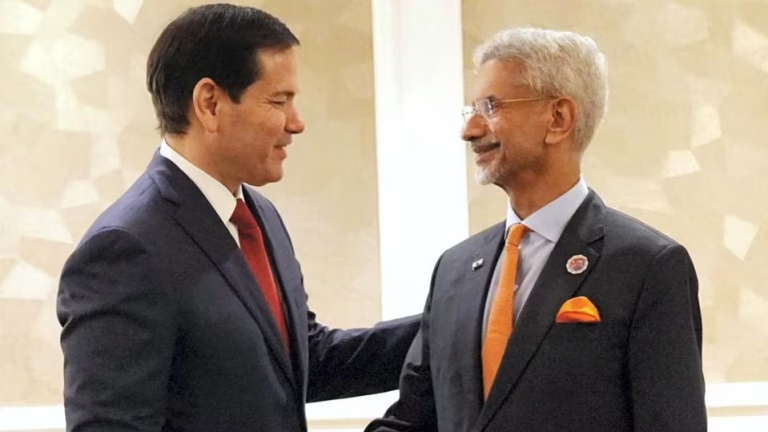
New Delhi – External Affairs Minister S Jaishankar and US Secretary of State Marco Rubio held a significant phone conversation on Tuesday, discussing cooperation in trade, defence, and security amid months of strained bilateral relations. The Jaishankar Marco Rubio conversation marked a rare engagement that both countries characterized as positive, signaling potential progress in resolving trade-related differences that have plagued India-US relations.

The phone call came a day after US ambassador-designate Sergio Gor announced that the two sides remain actively engaged in concluding a trade deal, with the “next call on trade” scheduled for Tuesday.

Key Discussion Points Revealed

Following the conversation, Jaishankar Marco Rubio engagement was detailed through social media posts from both sides. “Just concluded a good conversation with @SecRubio. Discussed trade, critical minerals, nuclear cooperation, defence and energy,” Jaishankar stated, adding that the two sides agreed to “remain in touch on these and other issues” without providing additional details.

Ambassador-designate Gor confirmed that the Jaishankar Marco Rubio call was “positive” and that the two leaders “discussed next steps regarding our bilateral trade negotiations, critical minerals and a possible meeting next month.” This potential February meeting could prove crucial for advancing stalled negotiations.

Background of Bilateral Strain

The positive tone of the Jaishankar Marco Rubio conversation stands in contrast to approximately two decades of strained India-US relations. President Donald Trump imposed 50% tariffs on Indian goods in mid-2025, including a 25% penalty on Russian energy purchases, creating significant friction between the world’s largest democracies.

Despite multiple rounds of negotiations, the two sides have been unable to conclude a bilateral trade agreement. The failure to reach a deal has been attributed to various factors, with both sides offering different explanations for the impasse.

Also Read: Trump 25% Tariff Iran: Shocking Minimal Impact on India Revealed

Contentious Claims About Trade Deal Failure

US Commerce Secretary Howard Lutnick made controversial statements last week, claiming that a trade pact couldn’t be sealed in 2025 because Prime Minister Narendra Modi didn’t call Trump. Lutnick suggested the Indian side was not comfortable with the deal—a claim swiftly and firmly rejected by the Indian government.

These assertions added tension to an already complicated relationship, making the positive nature of the Jaishankar Marco Rubio conversation even more significant as a potential turning point in diplomatic relations.

Ambassador’s Optimistic Arrival Message

In his arrival speech on Monday, Ambassador-designate Gor struck an optimistic tone despite acknowledging the challenges ahead. He emphasized that as “real friends,” the two sides could disagree but will “always resolve their differences in the end” as he outlined plans to pursue an ambitious agenda.

Gor acknowledged regarding the trade deal that it was “not an easy task to get [it] across the finish line, but we are determined to get there.” This determination appears reflected in the constructive nature of the Jaishankar Marco Rubio phone conversation.

Critical Minerals and Energy Cooperation

The Jaishankar Marco Rubio discussion prominently featured critical minerals, reflecting their growing importance in global supply chains and technological development. Critical minerals are essential for semiconductors, electric vehicles, renewable energy technologies, and defense applications, making cooperation in this sector strategically vital for both nations.

Energy cooperation also featured in the Jaishankar Marco Rubio talks, particularly relevant given the ongoing complications related to Russian energy purchases and the associated US tariffs on India.

Defence and Nuclear Cooperation

Defence ties remain a cornerstone of India-US relations, and the Jaishankar Marco Rubio conversation reaffirmed this priority. Nuclear cooperation, which has been a significant aspect of bilateral relations since the landmark civil nuclear deal, also received attention during their discussion.

These strategic sectors continue to provide stability to the relationship even as trade disputes create friction in other areas.

Pax Silica Invitation Expected

Adding to the positive developments, Gor announced that the US will invite India next month to join Pax Silica, the flagship American initiative to build a secure and resilient global supply chain for semiconductors and AI technology. This invitation represents a significant strategic opportunity for India and demonstrates continued US commitment to deepening technological cooperation.

Additional Complications in Bilateral Relations

Beyond trade and tariff issues, the Jaishankar Marco Rubio conversation occurred against the backdrop of other complications affecting India-US ties. President Trump has made persistent claims of brokering a ceasefire to end an intense four-day conflict between India and Pakistan in May 2025, claims that India has firmly rejected.

Growing concerns in New Delhi over Trump’s developing relationship with Pakistan Army Chief Field Marshal Asim Munir have added another layer of complexity to bilateral relations, making constructive dialogue like the Jaishankar Marco Rubio phone call even more important.

Looking Ahead to February Meeting

The possibility of a February meeting between Jaishankar Marco Rubio offers hope for concrete progress on outstanding issues. Such a face-to-face meeting could provide the opportunity for more detailed discussions on trade negotiations, critical minerals partnerships, and broader strategic cooperation.

The positive characterization of the Jaishankar Marco Rubio phone conversation by both sides suggests a mutual willingness to move beyond recent tensions and work toward mutually beneficial agreements. As both nations navigate complex global challenges, maintaining strong bilateral ties remains in their shared strategic interest.

Trump 25% Tariff Iran: Shocking Minimal Impact on India Revealed

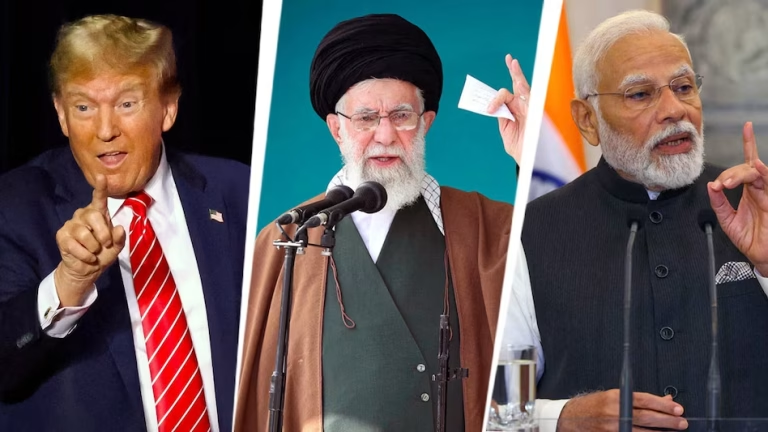
New Delhi – US President Donald Trump has declared that the Trump 25% tariff Iran trading partners will face becomes “effective immediately,” marking a significant escalation in American pressure on Tehran. This announcement came after days of threatening action against Iran over the government’s violent crackdown on widespread protests in Tehran and other Iranian cities, which has reportedly claimed hundreds of lives in recent days.

Trump made the declaration through social media, stating: “Effective immediately, any Country doing business with the Islamic Republic of Iran will pay a Tariff of 25% on any and all business being done with the United States of America. This Order is final and conclusive.”

Limited Impact on India-Iran Relations

Despite the sweeping nature of the Trump 25% tariff Iran announcement, experts and officials indicate the measure will have minimal impact on India. The primary reason is the relatively modest trade volume between New Delhi and Tehran, currently valued at less than $2 billion annually. This represents a dramatic decline from historical levels and positions Iran outside India’s top 50 global trading partners.

India’s trade with Iran during 2024-25 was worth $1.68 billion, accounting for approximately 0.15% of the country’s total trade volume. Imports from Iran amounted to just $0.44 billion during this period, further demonstrating the limited scope of economic engagement between the two nations.

Lack of Formal Implementation Clarity

There remains uncertainty regarding whether the United States has begun implementing the Trump 25% tariff Iran measure in the absence of any formal notification. Officials noted this lack of clarity on condition of anonymity, highlighting the confusion surrounding the immediate applicability of the announced tariff.

If the Trump 25% tariff Iran policy were implemented against India, it would add to existing tariffs totaling 50%, which already include a 25% punitive levy over Russian energy purchases. This potential cumulative effect raises concerns about the broader impact on India-US trade relations.

Historical Context of India-Iran Trade Decline

The current low levels of India-Iran trade represent a significant departure from the past. India stopped importing oil from Iran—once the main commodity in bilateral trade—in May 2019 due to sanctions imposed by Trump during his first presidential term. This decision resulted in a dramatic collapse of two-way trade from $17.03 billion in 2018-19 to current levels.

Officials predict that “India’s trade value with Iran is expected to go down further in the current financial year due to external economic factors,” suggesting the Trump 25% tariff Iran announcement may have even less practical impact than current figures indicate.

Comparison with Iran’s Major Trading Partners

The Trump 25% tariff Iran policy stands to affect other nations far more significantly than India. Iran’s key economic partners have maintained and even grown their trade volumes despite crippling Western sanctions, presenting a stark contrast to India’s position.

Iran’s total imports in 2024 were worth almost $68 billion. The country’s leading import partners include the United Arab Emirates ($21 billion or 30% of Tehran’s imports), China ($17 billion or 26%), Turkey ($11 billion or 16%), and the European Union ($6 billion or 9%). These nations face far greater exposure to the Trump 25% tariff Iran measure than India.

Banking Sector Response to Sanctions

Indian banks have largely reduced their involvement in payments related to Iran due to fears of exposure to sanctions in their operations in the West. This cautious approach by the banking sector has contributed to the decline in bilateral trade and further insulates India from the potential impact of the Trump 25% tariff Iran policy.

The financial sector’s risk-averse stance reflects broader concerns about maintaining access to Western financial systems and avoiding secondary sanctions that could affect their global operations.

Strategic Chabahar Port Exception

Despite the Trump 25% tariff Iran announcement and broader sanctions regime, India maintains a significant presence in Iran’s strategic Chabahar port. The two nations concluded a 10-year agreement on the development of a terminal at the facility located on the Gulf of Oman, demonstrating continued strategic cooperation in specific sectors.

Importantly, the Trump administration granted a six-month exemption from US sanctions applicable to the Chabahar port in October 2024. This exemption suggests recognition of India’s strategic interests and the port’s importance for regional connectivity, particularly for accessing Afghanistan and Central Asia.

Future Trade Trajectory

The combination of existing sanctions, reduced oil imports, cautious banking sector involvement, and now the Trump 25% tariff Iran measure suggests India-Iran trade will continue its downward trajectory. External economic factors and geopolitical considerations are likely to further diminish bilateral trade volumes in the current financial year.

The minimal expected impact of the Trump 25% tariff Iran policy on India reflects the success of previous American sanctions in reducing India-Iran economic ties. While the announcement represents a significant policy move targeting Iran’s global trade relationships, India’s already limited engagement with Tehran means the practical consequences for New Delhi remain relatively modest compared to other major trading partners of Iran.

Pakistan Drone Intrusions: Army Chief Reveals Critical Defense Plans

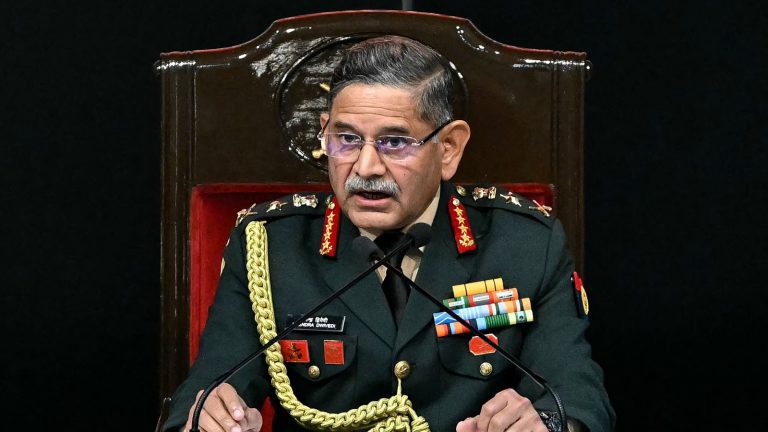
New Delhi – Army Chief General Upendra Dwivedi has confirmed that India formally asked Pakistan to control its drone activities following multiple Pakistan drone intrusions in Jammu earlier this week. Speaking at a press conference ahead of the 78th Army Day on January 15, the army chief revealed that Islamabad had launched defensive drones to assess whether New Delhi was preparing military action against it.

The Indian Director General of Military Operations contacted his Pakistani counterpart on Tuesday, explicitly stating that such Pakistan drone intrusions were unacceptable. Hours after these comments, drones were spotted at two separate locations in Jammu, prompting army fire. Additionally, a suspected Pakistani drone was observed in Rajasthan’s Jaisalmer on Monday night.

Understanding the Defensive Drone Strategy

General Dwivedi explained the reasoning behind these Pakistan drone intrusions, noting that they occurred during a sensitive period. “In the period around January 15 (Army Day) and January 26 (Republic Day), Pakistan usually fears that the Indian Army may take some action,” he stated.

The army chief described the Pakistan drone intrusions as involving small drones flying with lights on at low altitudes. “Only a few were sighted — six or seven on January 10 and two to three on January 11-12. These drones were defensive drones launched to see if any action was being planned against them,” Dwivedi clarified.

He added that the Pakistan drone intrusions might also serve another purpose: identifying gaps in Indian deployments for potential terrorist infiltration. However, he firmly stated, “But there are no gaps.”

Proposed Rocket-Missile Force Development

Addressing broader defense capabilities, General Dwivedi announced India’s plans to establish a rocket-cum-missile force at the earliest opportunity. This initiative aims to boost combat effectiveness with weapons capable of hitting targets at various ranges, particularly relevant given the ongoing concerns about Pakistan drone intrusions and other security threats.

“It is the need of the hour that we raise such a force. Today, rockets and missiles complement each other…We are looking at a rocket-missile force as China and Pakistan have already raised their own rocket forces. And the faster we organise it, the better it will be for our combat effectiveness,” the army chief emphasized.

Components of the New Force

The proposed force would incorporate multiple weapon systems, including long-range Pinaka rockets tested at 120 km range, new rockets with ranges between 150 to 400 km, Pralay missiles, BrahMos supersonic cruise missiles, and other government-sanctioned weapon systems. This comprehensive approach would provide India with layered defense capabilities against threats including Pakistan drone intrusions.

Force Restructuring and Modernization

The push for a rocket-missile force aligns with the army’s decade of transformation, with force restructuring being a key pillar. General Dwivedi outlined several new structures now in place, including Rudra brigades for high-tempo multi-domain operations, Bhairav battalions for agility and disruptive effect, and Shaktibaan regiments.

“Divyastra batteries of artillery will use UAS/C-UAS (unmanned aerial systems/counter-UAS) for extended reach and real-time targeting,” he said, highlighting capabilities particularly relevant for countering Pakistan drone intrusions.

As many as 31 government sanction letters have been approved in the last 15 months to bring organizational changes, including raising integrated battle groups (IBG) and aviation brigades.

Operation Sindoor’s Strategic Impact

General Dwivedi highlighted Operation Sindoor as a powerful demonstration of coordinated joint service planning and execution. The four-day military confrontation with Pakistan in May provided valuable lessons being incorporated into the theaterisation model.

“Operation Sindoor helped in resetting the strategic assumptions as the Indian military struck deep inside Pakistan to dismantle terror infrastructure,” he stated, adding that the operation remains ongoing and future misadventures would be resolutely responded to.

The army chief noted that drones received major acceleration after Operation Sindoor, with the establishment of organizations comprising skilled operators for surveillance, force application, anti-radiation, jamming, and loitering munitions.

Kashmir Security Situation

Addressing the security situation in Jammu and Kashmir, where Pakistan drone intrusions have been particularly concerning, General Dwivedi reported positive developments. “In 2025, 31 terrorists were eliminated, of which 65% were Pakistan origin, including the three perpetrators of the Pahalgam attack neutralised in Operation Mahadev,” he revealed.

Active local terrorists are now in single digits, with terrorist recruitment almost non-existent—only two in 2025. The army chief pointed to clear indicators of positive change, including robust development activity, tourism revival, and the peaceful Sri Amarnath Yatra that saw over four lakh pilgrims.

Theaterisation and Joint Operations

The army chief emphasized commitment to integrated structures through theatre commands, describing it as a deliberate, consultative, and well-synchronized process. “Modern conflict demands multi-domain synchronization,” Dwivedi stated, noting that theaterisation represents long-awaited reform for optimal use of military resources.

The situation in Jammu and Kashmir remains sensitive but firmly under control, with the theme of “terrorism to tourism” gradually taking shape despite occasional security concerns like Pakistan drone intrusions.

Trump Warns Iran: Vows Strong Action Over Protester Executions

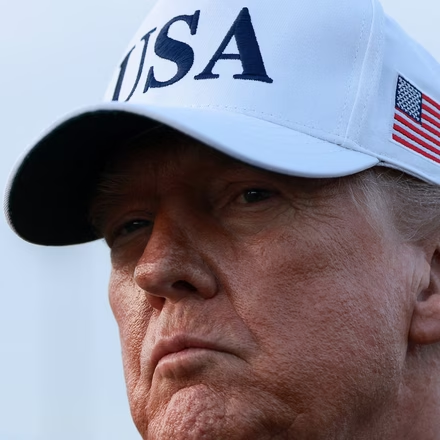
Washington D.C. – US President Donald Trump has issued a stern warning to Iranian authorities, stating that America would respond with significant force if the nation proceeds with executing protesters amid the ongoing civil unrest. During a recent interview, Trump warns Iran that “we will take very strong action if they do such a thing,” addressing reports suggesting executions could commence imminently.

The president made these remarks during an interview conducted while he was touring a manufacturing plant in Michigan. When questioned about his ultimate objective regarding the Iranian situation, Trump characteristically responded, “The end game is to win. I like winning.”

Uncertainty Surrounding Casualty Numbers

Trump warns Iran while acknowledging the difficulty in determining the exact scale of violence and bloodshed occurring within the country. “I hear numbers — look, one death is too much — but I hear much lower numbers, and then I hear much higher numbers,” the president stated, expressing uncertainty about the actual death toll from the protests.

The president indicated he was awaiting a comprehensive briefing on the developing situation. Speaking to reporters aboard Air Force One, Trump warns Iran that consequences would follow swiftly. “The killing looks like it’s significant, but we don’t know yet for certain. I’ll know within 20 minutes — and we’ll act accordingly,” he explained.

Strong Warning Against Mass Executions

Trump warns Iran specifically about the reports of planned hangings of detained protesters. “We don’t want to see what’s happening in Iran happen. And you know, if they want to have protests, that’s one thing, when they start killing thousands of people, and now you’re telling me about hanging — we’ll see how that works out for them. It’s not going to work out good,” the president emphasized.

During his Michigan visit, where he delivered a speech on the economy, Trump warns Iran through both his public remarks and social media presence, telling protesters that “help is on its way.” This message of support for Iranian demonstrators represents a significant stance from the American administration.

Capital Charges Raise International Alarm

Concerns have escalated significantly after Iranian prosecutors announced that some detained protesters could face capital charges of “moharebeh,” which translates to “waging war against God.” This charge carries the death penalty under Iranian law, prompting international human rights organizations to sound the alarm.

Also Read: US Strike Iran: Urgent Warning as Americans Ordered to Evacuate

Amnesty International expressed deep concern about the situation, stating that “concerns are mounting that authorities will once again resort to swift trials and arbitrary executions to crush and deter dissent.” The organization’s warning underscores the pattern of Tehran’s response to previous protests.

Specific Cases Heighten Urgency

Iran Human Rights has highlighted particular cases that illustrate the immediacy of the threat. The organization cited 26-year-old Erfan Soltani, who was arrested in Karaj, a satellite city of Tehran. According to family sources, Soltani has already been sentenced to death and could face execution as early as Wednesday, demonstrating how rapidly the judicial process is moving against detained protesters.

Threshold for Intervention Already Crossed

Trump warns Iran despite the fact that Washington’s previously stated threshold for intervention—the killing of protesters—has already been crossed. This raises questions about what specific actions the United States might take in response to the ongoing violence and potential executions.

The president’s statements represent a continuation of American support for the Iranian people while simultaneously threatening consequences for the Iranian government’s actions. The administration’s position places Washington in direct opposition to Tehran’s handling of the protests.

International Community Watches Closely

The international community continues to monitor the situation closely as Trump warns Iran and tensions escalate. Human rights organizations have documented the arrests of thousands of protesters, with many facing serious charges that could result in lengthy prison sentences or execution.

The Iranian government’s classification of protest activities as “moharebeh” represents a significant escalation in its response to civil unrest. This charge has historically been used to justify harsh punishments, including execution, for those deemed to be fighting against the Islamic Republic.

Uncertain Path Forward

As Trump warns Iran and awaits further intelligence briefings, the situation remains fluid and dangerous. The president’s commitment to “act accordingly” once he receives complete information suggests that American policy toward Iran could shift dramatically based on developments in the coming days.

The combination of mass protests, government crackdown, and potential executions creates a volatile situation with significant implications for regional stability and international relations. Trump’s promise of “very strong action” leaves open the question of what specific measures the United States might employ to respond to Iranian authorities’ treatment of protesters.

Govt Committed to Quality Healthcare for All, Including Remote Islands: Raksha Mantri Rajnath Singh: 2026

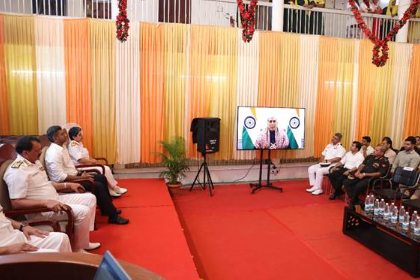
In a landmark humanitarian outreach, the Indian Navy has organised the first-ever Joint Services Multi-Speciality Mega Surgical Camp in the Lakshadweep islands, bringing advanced healthcare directly to remote communities. Addressing the camp virtually, Raksha Mantri Shri Rajnath Singh reaffirmed the Government’s commitment to ensuring equitable access to quality healthcare for every citizen, especially those living in geographically isolated and island territories.


First-of-its-Kind Tri-Services Medical Camp in Lakshadweep

The nearly week-long camp is being conducted at Indira Gandhi Hospital, Kavaratti, marking the first such large-scale multi-speciality medical initiative in the Lakshadweep archipelago. Organised by the Indian Navy, the initiative brings together a Tri-Services medical team from the Armed Forces Medical Services, demonstrating the expanding role of the Armed Forces in humanitarian assistance and nation-building beyond defence.

Raksha Mantri highlighted that the camp has delivered:

  • Comprehensive health screening

  • Early diagnosis and specialist consultations

  • Planned surgical interventions

  • Cataract operations

  • Free distribution of medicines

He noted that such interventions will contribute to long-term health benefits for island communities.


Healthcare at the Doorstep: A Step Towards ‘Swasth Bharat’

Shri Rajnath Singh emphasised that the Government is working with the resolve of building a ‘Swasth Bharat’ (Healthy India). Along with strengthening healthcare infrastructure, initiatives such as Ayushman Bharat and Jan Aushadhi Kendras are ensuring affordable and accessible care across the country.

He described the Lakshadweep camp as a powerful example of how advanced diagnostics and specialist care can reach the most remote citizens, ensuring that no region remains underserved.


‘Synergy, Scope and Scale’ Make the Camp Unique: CNS

Formally inaugurating the camp, Chief of the Naval Staff Admiral Dinesh K. Tripathi described the initiative as unique on three counts:

  • Synergy: A truly joint effort involving medical professionals from all three Services working alongside the local civil administration

  • Scope: Wide range of specialties including cardiology, ophthalmology, nephrology, neurology, gastroenterology, dermatology, endocrinology and cataract surgery

  • Scale: Large deployment of doctors, nurses, paramedical staff, equipment and logistics support across multiple islands

He stressed that such initiatives strengthen inter-service cooperation and civil–military collaboration, while delivering meaningful welfare outcomes for citizens.


Massive Outreach Across Five Islands

As envisioned by the Raksha Mantri, the Indian Navy is conducting camps across five islands — Amini, Androth, Agatti, Kavaratti, and Minicoy — ensuring maximum outreach and accessibility.

Key deployments include:

  • 29 Medical Officers

  • 2 Nursing Officers

  • 42 Paramedical personnel

  • Dedicated surgical teams at Agatti and Minicoy

  • Specialised ophthalmology team at Kavaratti for cataract surgeries

Medical equipment, medicines and specialist facilities have been augmented to complement the existing government healthcare infrastructure in Lakshadweep.


Nearly 50 Sight-Restoring Surgeries in Just Two Days

A standout achievement of the camp has been the completion of nearly 50 cataract surgeries within just two days, performed by specialists from Army Hospital (Research & Referral). These procedures have restored vision and transformed lives across the islands, with many more surgeries scheduled in the coming days.


Stories That Reflect the Human Impact

Restoring the Patriarch – Kuni Koya (65), Amini Island
Suffering from hypermature cataract and near blindness, Kuni Koya’s successful surgery symbolises the core mission of the camp — ensuring that even the most remote citizens are not left behind in darkness.

The Agatti Breakthrough – Khalid C (68)
For years, Khalid lived with fading vision. After undergoing advanced eye surgery on Agatti — a first for the island — he described the moment emotionally:

“Today, the Navy gave me back the blue of my home.”

Such stories reflect the deep humanitarian impact of the initiative beyond statistics.


Focus on Preventive Care and Holistic Wellbeing

Beyond clinical interventions, the camp places strong emphasis on holistic health, aligned with the Prime Minister’s vision that good health means overall wellbeing.

Participants received guidance on:

  • Preventive healthcare

  • Lifestyle modification

  • Mental wellbeing

  • Nutrition awareness

  • Benefits of millets as a traditional, sustainable diet

  • Yoga and wellness practices for long-term health

This integrated approach combines curative, preventive, and promotive healthcare.


Aligning with National Vision of Equity in Healthcare

The initiative reflects the spirit of flagship programmes such as Ayushman Bharat – PM Jan Arogya Yojana and India’s global health philosophy of ‘One Earth, One Health’. By ensuring that high-quality healthcare reaches even the most remote islands, the camp embodies the Government’s commitment to inclusive development and equitable access to essential services.


Conclusion

The Joint Services Multi-Speciality Mega Surgical Camp in Lakshadweep stands as a powerful example of compassionate governance, military professionalism, and national commitment to social welfare. With advanced healthcare delivered at the doorstep of remote island communities, hundreds of lives are being positively transformed. The initiative not only restores health and dignity but also reinforces the belief that every citizen, regardless of geography, deserves access to world-class care.


For more real-time updates, visit Channel 6 Network.

Source: PIB

Dharmendra Pradhan Chairs 13th NITSER Council Meeting, Calls for Industry-Led Curriculum and PhD Reforms

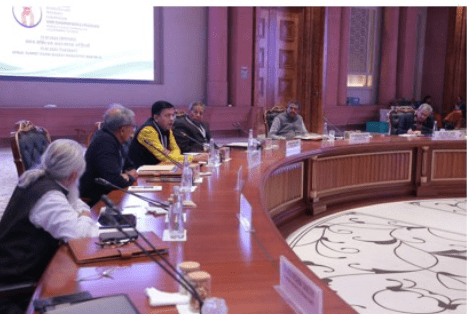
Union Education Minister Shri Dharmendra Pradhan chaired the 13th Meeting of the Council of National Institutes of Technology, Science Education and Research (NITSER) at Bharat Mandapam, New Delhi, calling for deep reforms to align higher technical education with national priorities. Emphasising that curricula and research must directly respond to emerging industry needs, the Minister urged institutions to adopt industry-led curriculum frameworks and make PhD programmes more application- and product-oriented to strengthen India’s innovation ecosystem.


High-Level NITSER Council Meeting Held at Bharat Mandapam

The meeting was held on 13 January 2026 under the chairmanship of Shri Dharmendra Pradhan and was preceded by the 3rd Meeting of the Standing Committee of the Indian Institutes of Science Education and Research (IISERs).

The Minister reviewed presentations on:

  • Enhancing academic and research standards

  • Improving governance efficiency

  • Strengthening innovation and entrepreneurship ecosystems across NITs and IIESTs

  • Charting the future roadmap for India’s premier technical institutions

He reiterated that these institutions are central to building a future-ready workforce and achieving the national vision of Viksit Bharat.


Curriculum Must Align with National Priorities

A central theme of the meeting was the urgent need to modernise curricula in line with India’s strategic and economic priorities.

The Minister stressed that academic programmes and research must be aligned with critical and emerging domains such as:

  • Industry 4.0

  • Artificial Intelligence and Data Analytics

  • Cybersecurity

  • Quantum Technologies

  • Semiconductors

  • Green Hydrogen

  • Advanced Manufacturing

He also proposed the creation of industry-led curriculum committees to ensure that programmes are designed around emerging job roles and 21st-century skills, rather than outdated academic frameworks.


Major Push for Industry-Centric PhD Reforms

The Council discussed comprehensive 360-degree reforms in doctoral education, with strong emphasis on relevance, outcomes, and accountability.

Key proposals include:

  • Industry-led and industry-funded PhD programmes

  • Product-based PhDs focused on real-world solutions

  • Allocation of PhD scholars to faculty based on performance metrics

  • Launch of specialised PG/M.Tech programmes aligned with sector-specific industry needs

These reforms aim to make doctoral research more impactful and closely connected to national innovation goals.


Strengthening Innovation and Entrepreneurship Ecosystems

The Council strongly underlined the need to transform campuses into innovation-driven ecosystems that nurture job creators, not just job seekers.

Key decisions included:

  • All 13 NITs currently without incubation centres must establish them immediately

  • At least 10 NITs to initiate the setting up of Research Parks

  • Organisation of a National Pitching Conclave in July 2026 for NIT-incubated startups, in collaboration with investors and industry leaders

These steps are expected to significantly boost startup culture and technology commercialization in public institutions.


Accreditation and Quality Assurance Take Centre Stage

All NITs and IISERs agreed to:

  • Complete external peer review within one year

  • Actively participate in the national accreditation framework (NAAC)

  • Recognise accreditation as a core quality assurance mechanism

The Minister also stated that premier technical institutions must come under structured accreditation frameworks to ensure accountability and continuous improvement.


Promoting Inclusivity Through Bharatiya Bhashas and AI

A strong commitment was also made toward inclusive education, particularly for learners from diverse linguistic backgrounds.

Institutions resolved to:

  • Promote learning through Bharatiya Bhashas

  • Leverage Artificial Intelligence tools for multilingual education

  • Ensure that language is not a barrier to access, understanding, or excellence in higher education

This aligns closely with the inclusive vision of the National Education Policy (NEP) 2020.


Distinguished Participation Reflects National Importance

The meeting witnessed participation from a wide range of national leaders across education, innovation, governance, and policy, including:

  • Members of Parliament Shri Ghanshyam Tiwari and Shri Shashank Mani

  • Prof. Anil D. Sahasrabudhe (NAAC, NETF)

  • Prof. M. Jagadesh Kumar (former UGC Chairman)

  • Ms. Debjani Ghosh (NITI Aayog)

  • Shri Deepak Bagla (Atal Innovation Mission)

  • Senior Secretaries from Education, MeitY, DST

  • Directors and Chairpersons of IISERs, NITs, IIESTs, IIT Delhi, IISc Bengaluru

  • Senior Ministry of Education officials

The breadth of participation underscored the national strategic importance of the reforms discussed.


Conclusion

The 13th NITSER Council meeting marks a decisive step toward transforming India’s premier technical institutions into globally competitive hubs of applied research, innovation, and workforce development. With a strong focus on industry alignment, doctoral reform, accreditation, entrepreneurship, and inclusivity, the roadmap outlined under the leadership of Shri Dharmendra Pradhan is poised to significantly strengthen India’s higher education ecosystem and accelerate progress toward the vision of Viksit Bharat @2047.


For more real-time updates, visit Channel 6 Network.

Source: PIB