Tuesday, April 28, 2026
Home Blog Page 130

Consumer Affairs Department Accelerates Digital Reforms to Strengthen Consumer Justice in Eastern India: 2026

In a decisive push to modernise India’s consumer grievance redressal ecosystem, the Department of Consumer Affairs organised a Regional Workshop on Consumer Protection in Patna, bringing together key stakeholders from Bihar, West Bengal, Jharkhand, and Odisha. The workshop focused on reducing case pendency, improving compliance with consumer commission orders, leveraging digital platforms for faster justice, and addressing emerging risks such as dark patterns in digital markets.


Regional Workshop in Patna Brings Eastern States on a Common Reform Platform

The workshop, held in Patna, Bihar, convened senior officials, consumer commissions, and state representatives to strengthen institutional capacity and improve the functioning of consumer protection mechanisms across Eastern India.

Participants deliberated on:

  • Reducing backlog of cases

  • Improving execution of consumer commission orders

  • Using technology to speed up dispute resolution

  • Addressing unfair trade practices in digital and e-commerce markets

The session reflected a shared recognition that consumer justice must evolve with changing market realities and digital behaviour.


Strong Push for Digital Consumer Justice Through E-Jagriti and NCH 2.0

Delivering the keynote address, Smt. Nidhi Khare, Secretary, Department of Consumer Affairs, outlined the government’s ongoing reforms to modernise consumer grievance redressal systems nationwide.

She highlighted the growing impact of National Consumer Helpline (NCH 2.0) as a pre-litigation platform offering:

  • Multilingual access

  • Online complaint registration

  • Faster resolution through technology-enabled processes

A key focus of her address was the nationwide rollout of E-Jagriti (CONFONET 2.0) — a single, integrated digital ecosystem for consumer commissions. The platform integrates:

  • e-Daakhil (online filing)

  • End-to-end case management

  • Video conferencing for hearings

  • Data dashboards for monitoring performance

  • AI-based tools for efficiency

She noted that E-Jagriti marks a shift from fragmented legacy systems to a transparent, real-time, and efficient digital ecosystem, with particular relevance for geographically dispersed regions of Eastern India.


Digital Platforms to Expand Access in Rural and Remote Districts

Emphasising regional equity, Smt. Khare observed that digital tools can significantly improve access to justice in rural and remote districts of Bihar, Jharkhand, and Odisha. She urged State and District Consumer Commissions to actively use:

  • Video hearings

  • Automated case workflows

  • Performance dashboards

  • Digital monitoring tools

These measures, she said, are essential to reduce delays and ensure timely execution of consumer protection orders.


Focus on Agriculture, Pulses and Price Stability

Beyond consumer justice, Smt. Khare also addressed the importance of strengthening domestic production and procurement systems, particularly in the pulses sector.

She highlighted:

  • The shift in household consumption from cereals towards pulses

  • India’s continued dependence on imports of arhar, chana and urad from countries such as Myanmar, Australia, and Brazil

  • Bihar’s strong agricultural potential for expanding pulses cultivation

She reaffirmed the government’s commitment to MSP-based procurement when market prices fall below support levels, while ensuring farmers can also benefit when open market prices are higher — balancing farmer welfare with food security objectives.


Bihar Welcomes Digital Governance and Consumer-Centric Reforms

Shri Pratyaya Amrit, Chief Secretary, Government of Bihar, welcomed the focus on digital reforms and described them as essential for future-ready governance. He emphasised that citizens must be recognised not only as beneficiaries, but as consumers with enforceable rights.

He praised initiatives such as E-Jagriti and expressed confidence that discussions on complex issues like dark patterns would lead to meaningful regulatory and institutional outcomes. He assured that the State of Bihar would actively implement the recommendations emerging from the workshop and reaffirmed alignment with the national vision of Viksit Bharat @2047.


Technical Sessions Address Core Challenges in Consumer Protection

The workshop featured four in-depth technical sessions covering critical dimensions of reform:

  • Technical Session I: E-Jagriti: Advancing Consumer Justice Through Digital Innovation
    Focused on digital transformation, hybrid hearings, technology-enabled case management, and performance monitoring.

  • Technical Session II: Ensuring Speedy Disposal: Best Practices for Minimizing Adjournments
    Explored judicial time management, procedural reforms, and technology-based scheduling mechanisms.

  • Technical Session III: Ensuring Compliance: Effective Execution of Consumer Commission Orders
    Examined strategies for strengthening post-order enforcement and inter-departmental coordination.

  • Technical Session IV: Dark Patterns and Consumer Protection in Digital Markets
    Addressed emerging risks such as misleading interfaces, manipulative design practices, and the need for regulatory preparedness in digital commerce.

Parallel sessions also covered Legal Metrology reforms (including E-Maap and the Jan Vishwas Bill) and market intervention mechanisms for price stabilisation.


Broad-Based Participation Reflects Institutional Commitment

The workshop witnessed wide participation from:

  • Principal Secretaries and Secretaries of Consumer Affairs and Agriculture

  • Presidents, Members, and Registrars of State and District Consumer Commissions

  • Senior State officials and NIC representatives

  • Chairman & MD of NCCF

  • Voluntary Consumer Organisations

The inaugural session was led by Shri Pratyaya Amrit and Shri Abhay Kumar Singh, Secretary, Food and Consumer Protection Department, Bihar, with the Vote of Thanks delivered by Shri Anupam Mishra, Additional Secretary, Department of Consumer Affairs.


Conclusion

The Patna regional workshop marks a significant step toward building a faster, more transparent, and technology-driven consumer justice ecosystem in Eastern India. With strong emphasis on platforms such as E-Jagriti and NCH 2.0, alongside renewed focus on enforcement, digital market risks, and institutional capacity, the Department of Consumer Affairs is laying the foundation for a modern consumer protection framework. The shared commitment of states to deepen digital adoption and inter-State cooperation signals meaningful progress toward accessible and efficient consumer justice for all.


For more real-time updates, visit Channel 6 Network.

Source: PIB

CDS Anil Chauhan Inspires NCC Cadets at Republic Day Camp 2026, Calls Them Future Leaders of Viksit Bharat

Chief of Defence Staff (CDS) General Anil Chauhan addressed young cadets at the National Cadet Corps (NCC) Republic Day Camp 2026 in Delhi Cantt, motivating them to pursue purposeful lives, adopt the right values, and contribute to nation-building. Calling the cadets the future leaders of a developed India, he urged them to walk the path of discipline, vision, and service towards building a strong and secure nation.


CDS Visits NCC Republic Day Camp at Delhi Cantt

General Anil Chauhan visited the NCC Republic Day Camp (RDC) 2026 at Delhi Cantt on January 13, 2026, where he interacted with cadets and officers. Addressing the gathering, the CDS expressed pride in attending the RDC for the fourth consecutive time, noting the consistently high standards, discipline, and enthusiasm displayed by NCC cadets.

He observed that each visit brings a renewed sense of energy, patriotism, and commitment to national service, reflecting the growing strength of the NCC ecosystem.


“Choose the Right Path to Reach the Right Destination”

Emphasising the importance of values-based decision-making, the CDS advised cadets to develop clarity of purpose early in life.

“If you take the right path, you reach the right destination; it’s important to choose the right path today,” he said.

Drawing from his own career journey, General Chauhan encouraged cadets to consider a career in the armed forces and to cultivate qualities such as discipline, integrity, resilience, and leadership.

He urged them to actively contribute to building a “Samridhh, Sashakt, Surakshit Bharat by 2047” — a prosperous, empowered, and secure India.


“You Are the Future Leaders of Viksit Bharat”

In a powerful message to the youth, the CDS told the cadets:

“You are the future leaders of Viksit Bharat.”

He highlighted the critical role young citizens will play in shaping India’s future, stressing that leadership begins with character, service, and responsibility towards society and the nation.

The address reinforced the vision of youth as central partners in India’s journey toward becoming a developed nation.


January: A Month That Celebrates India’s National Spirit

General Chauhan also spoke about the significance of the month of January, describing it as a period that celebrates India’s heritage, values, and spirit of nationalism through key national observances:

  • 12 January – National Youth Day (Swami Vivekananda’s birth anniversary)

  • 14 January – Veteran’s Day

  • 15 January – Army Day

  • 23 January – Parakram Diwas (Netaji Subhash Chandra Bose’s birth anniversary)

  • 26 January – Republic Day (Adoption of the Constitution)

  • 30 January – Martyr’s Day

He noted that these occasions collectively honour India’s freedom struggle, constitutional values, sacrifices of soldiers, and enduring spirit of patriotism.


Conclusion

The CDS’s interaction with NCC cadets at the Republic Day Camp 2026 served as a powerful reminder of the transformative role of youth in nation-building. By inspiring cadets to choose the right path, pursue disciplined lives, and dedicate themselves to national service, General Anil Chauhan reaffirmed the NCC’s mission of nurturing responsible citizens and future leaders. His message resonated strongly with the vision of building a Viksit Bharat by 2047, driven by committed and value-based leadership.


For more real-time updates, visit Channel 6 Network.

Source: PIB

January 13, 2026: Nifty Ends Lower at 25,732 Despite Strength in Financials; Trent, L&T Drag Markets

Indian equity benchmarks closed in the red on January 13, 2026, as selling pressure in heavyweight stocks across retail, infrastructure, and energy sectors outweighed gains in banking and select commodity-linked counters. The session reflected continued volatility and sector rotation, with investors remaining highly selective in their positioning.

Also Read: January 13, 2026 (opening): Nifty Slips in Early Trade as IT and Pharma Drag; Eternal, ONGC Lead Gainers


Market Close: Benchmarks Slip in Late Trade

At the closing bell (15:30 IST), the Nifty 50 settled at 25,732.30, down 57.95 points or 0.22%.

Intraday levels reflected sharp swings through the session:

  • Open: 25,897.35

  • High: 25,899.80

  • Low: 25,603.30

january 13Broader and sectoral indices showed mixed performance:

  • Nifty Next 50: 68,522.00 (−0.26%)

  • Nifty Financial Services: 27,586.00 (+0.25%)

  • Nifty Bank: 59,578.80 (+0.22%)

The gains in banking and financial services provided some support, but were insufficient to offset broader market weakness.


Top Gainers: ONGC, Eternal and Banks Support the Market

Selective buying was visible in energy, banking, and healthcare counters, supported by strong volumes and traded value.

  • ONGC surged 3.30% to ₹243.50, with volumes of 225.27 lakh shares, emerging as the session’s top gainer amid strength in oil and gas stocks.

  • Eternal rose 3.16% to ₹294.25, backed by exceptionally strong volumes of 503.50 lakh shares, indicating heavy investor participation.

  • Screenshot 2026 01 13 162402ICICI Bank gained 1.66% to ₹1,436.50, providing stability to the index.

  • Hindalco advanced 1.61% to ₹935.00, extending momentum in metal counters.

  • Max Healthcare climbed 1.60% to ₹1,029.90, reflecting defensive buying in healthcare.

These gains underline continued investor preference for fundamentally strong and sectorally resilient stocks.


Top Losers: Retail, Infra and Heavyweights Face Selling

On the downside, sharp selling pressure was seen in several heavyweight stocks, dragging the benchmark lower.

  • Trent plunged 3.71% to ₹3,906.00, emerging as the biggest laggard of the session.

  • Larsen & Toubro (L&T) declined 3.21% to ₹3,890.00, weighing heavily on the index due to its large market capitalization.

  • Screenshot 2026 01 13 162411Dr. Reddy’s Laboratories fell 2.27% to ₹1,187.90.


  • IndiGo slipped 1.99% to ₹4,753.50 amid profit booking in aviation stocks.

  • Reliance Industries eased 1.77% to ₹1,456.90, adding to the pressure on the headline index.

The weakness in heavyweights like Trent, L&T, and Reliance played a decisive role in pulling the market lower.


Market Sentiment: Volatility and Sector Rotation Continue

The session highlighted a divided market, where gains in banking, metals, and select defensives were countered by sharp declines in retail, infrastructure, and conglomerate stocks. This pattern reflects ongoing sector rotation rather than broad-based risk aversion.

Traders are likely to remain cautious in the near term, tracking global cues, earnings updates, and institutional flows for clearer direction.


Conclusion: January 13, 2026

The Nifty’s close at 25,732 reflects a market struggling to find firm direction, with strong buying in ONGC, ICICI Bank, and Eternal offset by steep losses in Trent, L&T, and Reliance. While financials continue to provide support, sustained weakness in heavyweight stocks could keep volatility elevated in the short term. Investors may continue to favour stock-specific opportunities amid an uncertain broader trend.


For real time stock Updates, visit NSE website.

January 13, 2026 (opening): Nifty Slips in Early Trade as IT and Pharma Drag; Eternal, ONGC Lead Gainers

Indian equity benchmarks traded lower in early morning deals on January 13, 2026, as weakness in IT, pharma, and select large-cap stocks weighed on sentiment. However, selective buying in energy, metals, and banking counters provided some support, indicating continued stock-specific action rather than broad-based selling.

Also Read: January 12, 2026: Nifty Ends Higher at 25,790 as Metals Rally; Coal India, Tata Steel Power Gains


Benchmarks Open Lower Amid Volatility

At 10:09 IST, the Nifty 50 stood at 25,756.60, down 33.65 points or 0.13%.

Intraday levels highlighted a volatile start to the session:

  • Open: 25,897.35

  • High: 25,899.80

  • Low: 25,700.85

january 13'Sectoral performance was mixed:

  • Nifty Next 50: 68,684.55 (−0.02%)

  • Nifty Financial Services: 27,578.40 (+0.22%)

  • Nifty Bank: 59,600.45 (+0.25%)

Gains in banking and financial services helped cushion the fall in the headline index.


Top Gainers: Energy, Metals and Banks Attract Buying

Buying interest was visible in select large-cap stocks, backed by healthy volumes and traded value.

  • Eternal jumped 3.00% to ₹293.80, with heavy volumes of 169.27 lakh shares, emerging as the top gainer.

  • ONGC rose 2.04% to ₹240.51, supported by strength in crude-linked stocks.

  • Hindalco gained 0.90% to ₹928.40, extending momentum in metal counters.

  • Screenshot 2026 01 13 100925ICICI Bank advanced 0.80% to ₹1,424.40, lending stability to the index.

  • State Bank of India (SBI) added 0.74% to ₹1,022.65, reflecting continued confidence in PSU banking.

The strength in banks and commodity-linked stocks suggests investors are selectively positioning in fundamentally strong sectors.


Top Losers: IT, Pharma and Capital Goods Under Pressure

On the downside, selling pressure was concentrated in technology, pharmaceuticals, and infrastructure stocks.

  • Larsen & Toubro (L&T) declined 2.24% to ₹3,929.00, emerging as the biggest drag on the index.

  • HCL Technologies fell 2.16% to ₹1,631.50 amid weakness across the IT pack.

  • Screenshot 2026 01 13 100935Dr. Reddy’s Laboratories slipped 1.42% to ₹1,198.20.

  • Bharti Airtel eased 1.33% to ₹2,016.80.

  • Cipla dropped 1.22% to ₹1,447.30.

The decline in heavyweight stocks like L&T and HCL Tech capped any meaningful upside in the benchmark.


Market Sentiment: Selective Buying Continues

The early session reflects a mixed and stock-specific market, with investors rotating between sectors rather than exiting equities. Strength in banking and energy stocks indicates underlying confidence, while profit booking in IT, pharma, and capital goods suggests caution at higher valuations.

Traders are likely to track global cues, earnings expectations, and institutional flows for further direction through the day.


Conclusion: January 13, 2026

The Nifty’s dip to around 25,756 in early trade signals cautious sentiment, driven by weakness in IT and pharma heavyweights. However, strong performance by Eternal, ONGC, ICICI Bank, and SBI highlights continued opportunities in select sectors. Going forward, market direction is expected to remain data-driven, with sector rotation continuing to define short-term moves.


For real time stock Updates, visit NSE website.

74 COURT CASES, 1 DEMAND for Bold Justice in Dharmasthala

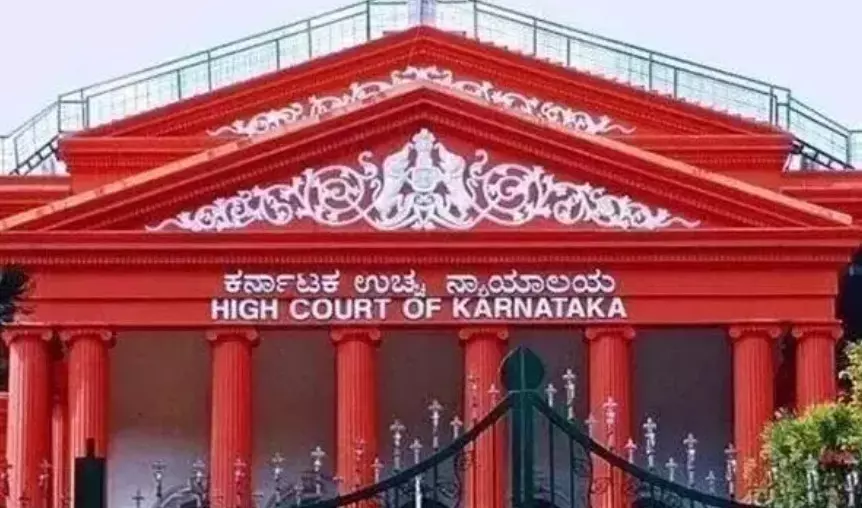
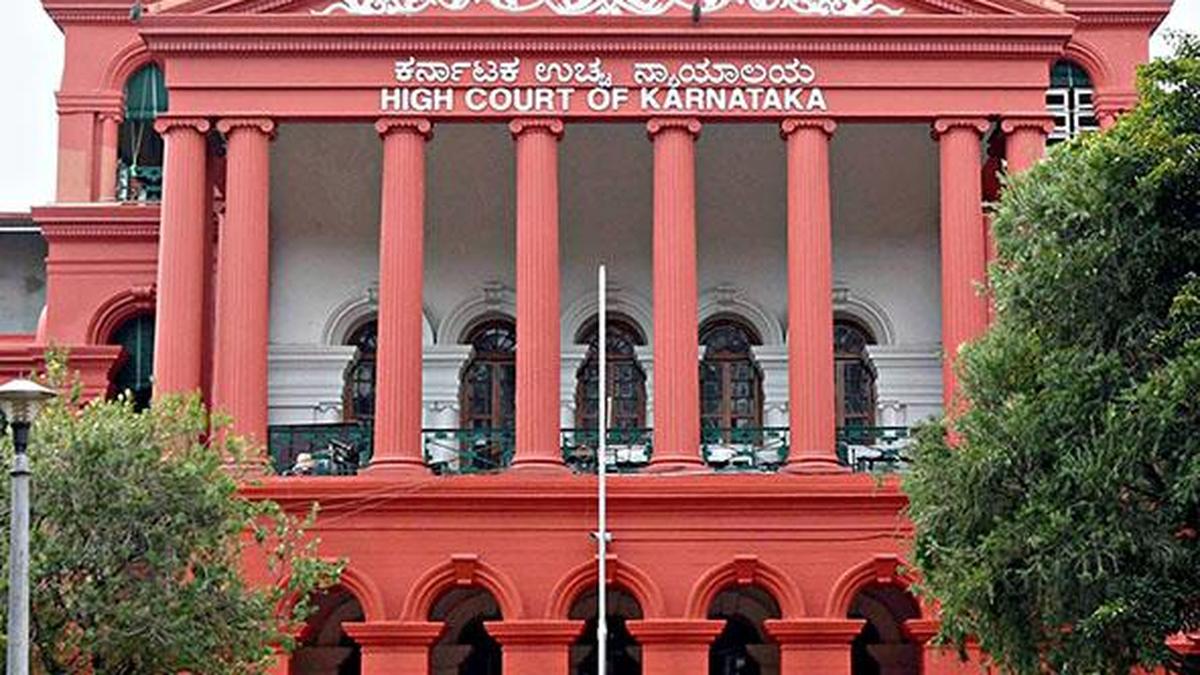
The Karnataka High Court has directed the State Investigation Team (SIT) to respond to a public interest litigation (PIL) seeking the registration of separate First Information Reports (FIRs) for the unnatural deaths of 74 unidentified individuals in Dharmasthala between 1990 and 2021. The PIL, filed by a concerned citizen and human rights advocate, contends that these deaths, spanning three decades, have not been adequately investigated and that multiple fatalities may have been ignored or underreported. The High Court’s notice to the SIT signals judicial urgency in addressing historical gaps in accountability and transparency.

The PIL underscores the consequences of historical administrative oversight, where deaths of unidentified persons remained uninvestigated or inadequately documented for decades. Human rights organisations have argued that lack of formal FIRs has created a vacuum in legal accountability, leaving the circumstances of these deaths unresolved. Each case, activists contend, deserves independent inquiry to determine whether deaths resulted from natural causes, negligence, accidents, or foul play. The High Court’s intervention now ensures that these gaps cannot be ignored, pressing authorities to treat each incident with the seriousness it warrants.

CHALLENGES IN INVESTIGATING DECADES-OLD CASES

Investigating deaths spanning more than three decades presents inherent challenges. Records may be lost, witnesses may have relocated or passed away, and physical evidence may have deteriorated. The SIT will have to reconstruct timelines, rely on archival documents, and potentially gather testimonies from long-retired officials. Legal experts note that while these difficulties are significant, they are not insurmountable. Historical investigations require meticulous cross-referencing of administrative records, media reports, hospital and morgue logs, and local eyewitness accounts to build a coherent narrative for each death.

LEGAL PRECEDENTS AND JUDICIAL OVERSIGHT

Experts point out that the High Court’s directive aligns with judicial precedents across India where courts have intervened to address systemic negligence in cases of unidentified deaths or unresolved crimes. Courts have consistently held that absence of timely action by authorities cannot deny victims and their families the right to justice. By mandating SIT responses, the Karnataka High Court is reinforcing the principle that accountability is not limited by time and that institutional lapses must be rectified through proper legal mechanisms.

THE ROLE OF HUMAN RIGHTS ORGANISATIONS

Civil society groups have played a crucial role in bringing attention to these unresolved deaths in Dharmasthala. Through petitions, reports, and media engagement, they highlighted patterns of administrative neglect and the absence of proper documentation. Activists emphasise that public oversight is essential to ensure authorities cannot disregard vulnerable populations. They argue that formal investigations, backed by FIR registration, will create transparency and trust, preventing similar negligence in the future. The court’s notice validates their efforts, giving legal weight to civil advocacy.

COMMUNITY RESPONSE AND LOCAL IMPACT

The PIL and subsequent High Court notice have sparked discussions within the Dharmasthala community. Local residents, particularly those living near pilgrimage and festival sites, have expressed concern over historical negligence in addressing unnatural deaths. Community leaders have welcomed judicial intervention, noting that accountability and transparency are crucial for maintaining public confidence. Several have offered to assist the SIT in locating witnesses or documents, underscoring the importance of community cooperation in reconstructing decades-old events.

TECHNOLOGICAL AND ADMINISTRATIVE TOOLS

The SIT is expected to use a combination of digital archives and administrative tools to manage this complex investigation. Digitisation of records, geographic mapping of incidents, and cross-referencing with health and police department data are likely to form the backbone of the inquiry. Officials may also employ forensic techniques to reassess preserved evidence or consult retired medical professionals involved in past cases. These measures aim to ensure that even decades-old incidents are examined thoroughly and systematically.

POTENTIAL OUTCOMES OF FIR REGISTRATION

Registering separate FIRs for each death has far-reaching implications. It establishes a legal framework for formal investigation, allowing authorities to record evidence, interview witnesses, and potentially identify culpability. Additionally, it provides families with a documented acknowledgement of each death and the opportunity for closure. FIR registration also ensures that no single administrative report overshadows individual cases, promoting transparency and fairness in investigation.

ACCOUNTABILITY IN GOVERNANCE

The case highlights the importance of accountability in governance. Uninvestigated deaths, particularly of unidentified individuals, reflect systemic weaknesses in law enforcement, record-keeping, and administrative oversight. By ordering SIT to respond, the High Court reinforces the principle that governance failures cannot remain unexamined. Judicial scrutiny serves as a reminder that public institutions are accountable not only for present actions but also for rectifying historical negligence.

IMPACT ON FUTURE INVESTIGATIONS

The outcome of this PIL could have implications beyond Dharmasthala. Establishing a precedent for investigating decades-old deaths may prompt other States to re-examine unresolved cases. Authorities may be compelled to revisit historical records, register FIRs where required, and ensure that administrative lapses do not deprive victims and families of justice. Legal experts suggest that this could strengthen the accountability framework in India’s investigative and judicial systems.

REINFORCING PUBLIC TRUST IN LAW ENFORCEMENT

Ultimately, the High Court’s directive is not just about registering FIRs—it is about restoring public trust in law enforcement and governance. For the citizens of Karnataka, the action signals that historical oversight will not protect negligence and that the judiciary is committed to upholding justice. Proper investigation of the 74 deaths can provide closure, ensure accountability, and demonstrate that institutional responsibility extends across time. The PIL and the court’s response are a reminder that even decades later, the quest for justice remains valid and enforceable.

According to the PIL, the deaths involved unknown persons whose identities were never established and whose cases were either closed prematurely or subsumed under general administrative records. Activists argue that the lack of formal FIRs has prevented any meaningful investigation, leaving families without closure and denying justice. The plea stresses that each death represents a distinct incident that requires independent examination under the law, ensuring potential foul play or negligence is properly scrutinised.

The High Court noted that decades-long delays in registering FIRs for these cases could amount to a violation of fundamental rights, including the right to life and the right to legal recourse. It emphasised that procedural lapses should not shield potential offenders or hinder investigations. The court also highlighted that SIT, as the designated investigative authority for sensitive or complex cases, is in a position to determine the veracity and scope of each death and to take appropriate action.Karnataka High Court asks SIT to respond to PIL seeking registration of separate  FIRs for unnatural death of 74 unknown persons in Dharmasthala during  1990-2021 - The Hindu

DECADES OF MYSTERY AND UNANSWERED QUESTIONS

The Dharmasthala region, known for its religious prominence, has historically attracted large gatherings of devotees and visitors. The PIL points out that many deaths occurred in and around pilgrimage periods, raising concerns about whether negligence, accidents, or intentional harm could have contributed to fatalities. Families of missing or unidentified individuals have reportedly struggled to obtain information, with records either incomplete or inaccessible. Human rights groups argue that a transparent investigation is essential to prevent historical oversight from becoming systemic impunity.

Legal experts note that registering separate FIRs for each death is critical to ensuring accountability and a proper chain of investigation. Without individual FIRs, potential patterns, such as recurring negligence, malpractice, or criminal activity, may remain obscured. Furthermore, distinct FIRs would allow investigative authorities to focus on specific circumstances, witnesses, and evidence related to each death, increasing the likelihood of uncovering truth and providing justice for victims’ families.

The PIL also highlights that the failure to investigate over decades has eroded public trust in law enforcement and administrative institutions. Human rights advocates argue that comprehensive investigation of past unnatural deaths is a moral and legal obligation. The High Court’s order reinforces the idea that historical inaction cannot prevent present accountability, signalling that judicial oversight is essential when administrative mechanisms fail to act in time.Dharmasthala case: Karnataka HC issues interim stay on SIT probe till Nov  12 | Bengaluru

SIT RESPONSE AND LEGAL IMPLICATIONS

The SIT has been asked to respond to the PIL within a stipulated timeframe, providing details of any prior investigations, reasons for delays, and whether formal FIRs can still be registered for the 74 cases. The court’s notice also implies that failure to comply with the directive could lead to stricter judicial intervention. Officials from the SIT indicated that the process would involve reviewing decades-old records, cross-referencing administrative reports, and, where possible, interviewing witnesses or officials from the time of each death.

Legal observers suggest that the court’s involvement could set an important precedent in addressing historical cases of unidentified deaths. While statutes of limitations typically apply to certain offences, unnatural deaths, especially those potentially involving criminal culpability, remain open to investigation regardless of elapsed time. Experts note that systematic examination of these cases could help identify patterns of negligence, improper record-keeping, or even deliberate wrongdoing, providing a roadmap for accountability in similar cases nationwide.

Civil society groups have welcomed the High Court’s directive, asserting that it represents a step toward restorative justice. They argue that beyond legal formalities, formal FIRs and transparent investigation processes can restore dignity to the deceased and confidence to the community. Activists emphasise that even if culprits are not found, documentation and closure are critical to maintaining the rule of law. The court’s attention to the PIL underscores the judiciary’s role in safeguarding human rights, even decades after incidents occur.Mother of Sowjanya files PIL in K'taka HC seeking 74 separate FIRs in Dharmasthala  deaths

As Karnataka awaits the SIT’s response, the case draws attention to systemic issues in historical record-keeping, law enforcement responsiveness, and governance of sensitive regions. The High Court’s order may compel authorities to revisit decades of administrative neglect, providing a rare opportunity to establish accountability, uncover truth, and deliver justice in the Dharmasthala cases. For citizens, the court’s intervention is a reminder that time does not absolve responsibility, and legal mechanisms remain available to address even long-standing injustices.

Follow: Karnataka Government

Also read: Home | Channel 6 Network – Latest News, Breaking Updates: Politics, Business, Tech & More

Bengaluru’s Commute Revolution:1 BOLD INNOVATION

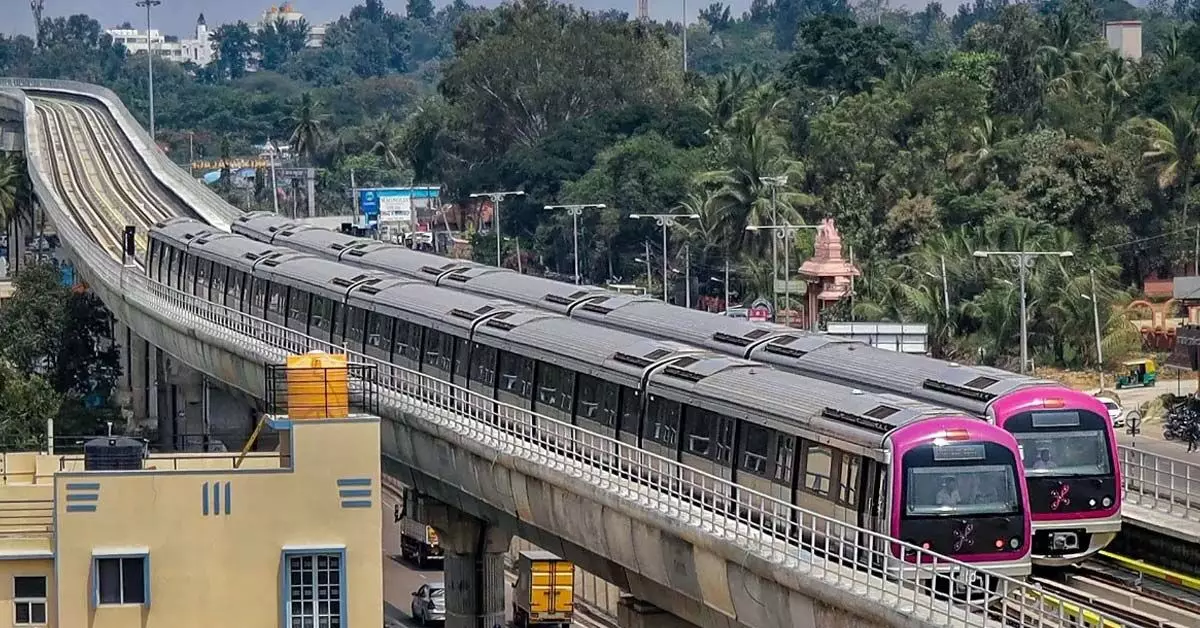
The Bengaluru Metro Rail Corporation Limited (BMRCL) has launched a mobile-based QR-enabled unlimited travel pass, marking a significant step toward digitising and simplifying public transport in the city. The new passes are designed to provide commuters with seamless access across metro lines without the need for physical tokens or smart cards. Officials say the initiative is aimed at enhancing convenience, reducing queue times at stations, and encouraging greater adoption of metro services as Bengaluru grapples with increasing urban mobility challenges.

BMRCL’s mobile QR-based unlimited travel passes are set to transform daily commuting in Bengaluru. Previously, passengers had to queue for tokens or recharge smart cards, often wasting valuable time during rush hours. With the new digital system, commuters can purchase, store, and activate passes directly through their smartphones, eliminating delays and reducing physical crowding at stations. The unlimited feature encourages frequent metro use, allowing passengers to travel freely between stations without worrying about ticket limitations. By simplifying access, BMRCL aims to make metro commuting more attractive than private transport, addressing traffic congestion and easing pressure on Bengaluru’s increasingly crowded roads.

COST-EFFECTIVE AND FLEXIBLE TRAVEL

The unlimited travel passes offer significant cost savings for regular metro users. By providing weekly or monthly validity options, commuters can plan expenses efficiently and avoid paying for individual trips repeatedly. This is particularly beneficial for office-goers and students who travel multiple times daily. The flexibility of the system allows users to renew passes instantly via the app, ensuring uninterrupted travel. Additionally, passengers can track usage and expiry notifications digitally, giving them control over their commuting budget. Officials believe that by offering both affordability and convenience, BMRCL can attract more citizens to adopt metro services as their primary mode of transport.

CONTACTLESS AND SECURE SYSTEM

A key advantage of the mobile QR pass is its contactless nature, especially relevant in the post-pandemic context. Commuters simply scan their mobile QR code at entry and exit gates, minimizing physical interaction with ticketing machines and staff. The system also incorporates secure digital payment gateways, protecting user data and transactions. BMRCL has assured that all QR codes are dynamically generated and encrypted to prevent misuse or duplication. This approach reduces the risk of fraud compared to traditional tokens or smart cards. Security, convenience, and hygiene together make the new pass system a modern solution for urban metro commuting in Bengaluru.

ENHANCING OPERATIONAL EFFICIENCY

The implementation of QR-based unlimited passes is expected to improve operational efficiency across the metro network. Reduced ticket counters and simplified scanning procedures mean less crowding at gates and faster passenger movement. Station staff can focus on managing passenger flow and security rather than manually issuing tickets. Additionally, the system provides BMRCL with real-time data on station usage, peak hours, and travel patterns, which can be used to optimise train schedules and frequency. Overall, the technology allows for smoother station operations, enhancing both commuter satisfaction and resource management within the metro system.

SUPPORTING ENVIRONMENTAL GOALS

By encouraging frequent metro use, BMRCL hopes the unlimited travel pass will contribute to Bengaluru’s environmental objectives. Reduced dependence on private vehicles can lower traffic congestion, vehicular emissions, and fuel consumption. With growing air pollution concerns and road overcrowding, promoting mass transit is essential for sustainable urban development. The convenience of unlimited travel passes makes metro commuting more appealing, potentially drawing car users to public transport. In the long run, increased metro ridership can reduce the city’s carbon footprint while improving air quality. This initiative positions BMRCL as a key player in environmentally conscious urban planning.

DATA-DRIVEN TRANSPORT PLANNING

The QR-based system allows BMRCL to collect and analyse comprehensive commuter data. Patterns such as station footfall, peak travel hours, and route popularity can be monitored in real-time. This data empowers authorities to make informed decisions on service frequency, train scheduling, and station upgrades. Moreover, insights can guide future expansion projects, ensuring resources are allocated efficiently. By leveraging digital technology for data-driven planning, BMRCL can improve service reliability, reduce overcrowding, and enhance the overall commuter experience. Such analytics also help forecast demand surges during festivals, office events, or new line inaugurations.

INTEGRATION WITH OTHER MODES OF TRANSPORT

BMRCL plans to integrate the QR-based unlimited travel pass with other city transit options, including buses and suburban rail. This unified mobility approach would allow commuters to use a single pass across multiple transport modes, simplifying travel and reducing the need for multiple tickets. Integration would enhance last-mile connectivity and encourage citizens to rely more on public transport rather than private vehicles. Experts believe such interoperability is crucial for developing a smart, sustainable urban transport ecosystem. By bridging metro and bus services digitally, Bengaluru can move closer to a seamless, efficient, and commuter-friendly public transport network.

ACCESSIBILITY AND USER INCLUSIVITY

BMRCL has focused on making the mobile QR pass user-friendly for commuters of all ages and technical literacy levels. The app interface is designed to be intuitive, with clear instructions in multiple languages. Customer support has been strengthened to assist first-time users and resolve technical issues. Training for station staff ensures that passengers receive guidance in scanning and troubleshooting. By prioritising accessibility, the corporation aims to ensure that the benefits of digital passes are available to all residents, including students, office workers, and senior citizens. Inclusivity is a core principle of this initiative.

BOOSTING RIDERSHIP AND URBAN MOBILITY

The launch of mobile QR unlimited passes is expected to significantly boost metro ridership in Bengaluru. By offering convenience, flexibility, and cost-efficiency, BMRCL encourages more residents to switch from private vehicles to public transport. Higher ridership can support increased frequency of trains and better maintenance of services due to greater revenue generation. Additionally, a growing metro user base can help reduce congestion on city roads, improving travel times for everyone. The initiative represents a strategic move to strengthen Bengaluru’s urban mobility ecosystem while making metro travel more appealing and sustainable.

THE FUTURE OF DIGITAL PUBLIC TRANSPORT

BMRCL’s QR-based unlimited travel passes signal the future of public transport in Bengaluru, where digital solutions streamline commuting, enhance safety, and improve operational efficiency. With plans for integration, data analytics, and continuous upgrades, the system reflects global best practices in urban transit. As the city continues to expand, digital ticketing and seamless mobility will be central to managing growing population pressures and traffic demands. The initiative is a step toward a more commuter-centric, technology-driven public transport framework, positioning Bengaluru as a leader in smart city solutions and modern urban transit planning.

The QR-based unlimited pass can be purchased through the BMRCL mobile application, allowing commuters to select validity periods ranging from one week to one month. Once purchased, a dynamic QR code is generated, which can be scanned at entry and exit points at metro stations. This contactless system not only reduces physical interaction but also integrates seamlessly with the corporation’s existing ticketing infrastructure, ensuring a smooth transition for both commuters and staff.

BMRCL officials highlighted that unlimited travel passes are particularly targeted at regular commuters, including office-goers, students, and daily riders who use the metro multiple times a day. The unlimited pass eliminates the need for multiple ticket purchases, offering both time and cost efficiency. Authorities believe the system will encourage more residents to shift from private vehicles to public transit, reducing traffic congestion and contributing to Bengaluru’s environmental goals.ನಮ್ಮ ಮೆಟ್ರೋ ಪ್ರಯಾಣಿಕರಿಗೆ ‌ʼಗುಡ್‌ ನ್ಯೂಸ್ʼ | ಮೊಬೈಲ್ ಕ್ಯೂಆರ್ ಆಧಾರಿತ ಪಾಸ್  ಪರಿಚಯಿಸಿದ BMRCL | BMRCL launches mobile QR-based unlimited travel passes

DIGITAL CONVENIENCE AND USER EXPERIENCE

The mobile QR system incorporates several user-friendly features. Passes can be renewed automatically through the app, with notifications alerting commuters as expiry dates approach. Integration with digital wallets and online banking ensures multiple payment options, and BMRCL has assured robust security measures to protect user data and transaction information. Officials also plan to provide support for occasional commuters, with the ability to temporarily switch between unlimited and single-journey tickets as needed.

Station staff and control room operators have undergone training to manage the new system, including QR verification and troubleshooting potential technical issues. BMRCL officials emphasized that while technology is central, human oversight remains essential to ensure a smooth commuter experience. Early trials conducted at selected stations reportedly received positive feedback, with passengers appreciating reduced wait times and the convenience of not carrying physical cards or tokens.Bengaluru Metro commuters can use QR code-based tickets at Phase 2 stations  | Bengaluru News - Times of India

The corporation also indicated plans to integrate QR-based passes with other modes of public transport in the city, including buses, as part of a broader initiative to create a unified mobility ecosystem. Such integration would allow commuters to travel seamlessly across multiple transit systems using a single digital pass, reflecting global trends in urban mobility solutions.

Experts in urban transportation have welcomed the move, noting that contactless ticketing and unlimited travel options are standard in many global metro systems. They argue that digital passes not only enhance convenience but also provide authorities with real-time data on ridership patterns, peak travel times, and station usage. This data can inform service planning, improve scheduling, and optimise resource allocation across the network.Namma Metro goes fully digital: QR-based unlimited travel passes introduced  from January 15

The launch of QR-based unlimited passes comes at a time when Bengaluru’s metro network is expanding, with new lines and extensions being added to connect peripheral areas. BMRCL hopes that the convenience and flexibility offered by digital passes will increase ridership, reduce dependence on private vehicles, and contribute to sustainable urban transport planning. Residents and daily commuters now have a new tool to make metro travel easier, faster, and more efficient, marking a step forward in the city’s ongoing transport evolution.

Follow: Karnataka Government

Also read: Home | Channel 6 Network – Latest News, Breaking Updates: Politics, Business, Tech & More

25 YEARS of Bhoomi and Karnataka’s Promise to Farmers: Digital Miracle

Karnataka’s Bhoomi project stands today as one of India’s most enduring and impactful examples of successful e-governance, transforming land administration and redefining the relationship between the State and its farmers. Launched at a time when land records were mired in opacity, corruption, and bureaucratic delay, Bhoomi digitised millions of land records, bringing transparency, efficiency, and accessibility to a system that directly affects rural livelihoods. More than two decades later, the project is widely regarded as a governance milestone that reshaped public service delivery in Karnataka.

The Bhoomi project has also influenced how citizens perceive the role of the State in everyday governance. For many rural households, Bhoomi was their first direct interaction with a digital government service that actually worked as promised. This experience helped build confidence in technology-led reforms and encouraged wider acceptance of other digital initiatives in agriculture, welfare delivery, and local administration. In this sense, Bhoomi acted as a gateway reform, changing expectations of efficiency and responsiveness from public institutions.

Another long-term benefit has been the professionalisation of land administration. With standardised digital processes in place, the discretion of individual officials has been reduced, and decision-making has become more evidence-based. Revenue officials now rely on verifiable data rather than handwritten registers, improving consistency and reducing disputes. This shift has also made it easier to train new personnel, ensuring continuity and institutional memory within the department.

The project has had a notable impact on land markets by improving clarity and reducing transaction risks. Buyers and sellers are better able to verify ownership details before entering into agreements, lowering the incidence of fraud. Clear records have also facilitated smoother land acquisition for public infrastructure projects, as disputes over ownership and compensation are resolved more quickly. While challenges remain, Bhoomi has undeniably improved the overall efficiency of land-related transactions.Bhoomi, a governance success - The Hindu

Bhoomi’s experience has highlighted the importance of decentralised service delivery within a centralised data framework. While records are maintained in a unified system, access points at the taluk level ensure that services remain close to citizens. This balance between central control and local accessibility has been crucial to the project’s success. It demonstrates that digital governance need not be distant or impersonal if designed with local realities in mind.

As debates continue on land reforms and digital governance across the country, Bhoomi’s journey offers a grounded perspective. It shows that meaningful reform is rarely instant and requires sustained investment, adaptation, and trust-building. Karnataka’s experience suggests that when governance initiatives focus on solving real problems rather than showcasing technology, they are more likely to endure. In that sense, Bhoomi remains not just a past success but an ongoing reference point for future reforms in public administration.

Before Bhoomi, farmers depended heavily on village accountants to access Records of Rights, Tenancy, and Crops, commonly known as RTCs. These documents were essential for securing loans, settling disputes, and proving ownership, yet obtaining them often involved long waits, unofficial payments, and uncertainty. The absence of accurate, updated records led to frequent disputes and manipulation. Bhoomi was conceptualised to break this cycle by placing land records on a secure digital platform, accessible directly to citizens without intermediaries.

The scale of the initiative was unprecedented at the time of its launch. Millions of land records across thousands of villages had to be digitised, verified, and standardised. This required not only technological innovation but also administrative coordination across districts. Bhoomi succeeded in creating a centralised database that integrated ownership details, crop information, and tenancy status, making land data uniform and reliable across the State. The project marked a fundamental shift from discretionary power to rule-based governance.

For farmers, the impact was immediate and tangible. RTCs could be obtained from computer kiosks at taluk offices within minutes, for a nominal fee. This eliminated repeated visits to revenue offices and reduced dependence on middlemen. The certainty and speed of access empowered farmers, particularly small and marginal landholders, who previously lacked the resources to navigate complex bureaucratic systems. Bhoomi thus became not just a technological reform, but a social equaliser.

Over the years, Bhoomi has evolved beyond its original mandate. It has been integrated with other government systems, supporting agricultural planning, credit delivery, and welfare schemes. Banks rely on Bhoomi data to verify land ownership before issuing loans, reducing fraud and delays. Government agencies use the database for planning irrigation projects, crop insurance, and disaster relief. What began as a land records project has grown into a backbone of rural governance in Karnataka.

TRANSPARENCY, TRUST, AND TECHNOLOGY IN LAND GOVERNANCE

One of Bhoomi’s most significant achievements has been its role in curbing corruption. By automating processes and minimising human discretion, the project reduced opportunities for rent-seeking. Changes to land records now follow a documented, auditable process, making arbitrary alterations difficult. Farmers can track mutations and corrections, enhancing trust in the system. This transparency has had a ripple effect, strengthening confidence in the revenue administration as a whole.

The project also introduced accountability mechanisms that were rare in traditional governance models. Every transaction on the Bhoomi platform is logged, creating a digital trail that can be reviewed and audited. This has improved internal discipline within the revenue department and provided higher authorities with tools to monitor performance. Such institutional accountability has been a key factor in the project’s sustainability over time.Bhoomi – Karnataka Land Records Online (RTC) | LegalRaasta

Bhoomi’s success lies not only in digitisation but in its user-centric design. Interfaces were developed keeping rural users in mind, with clear formats and local language support. Service centres were set up at accessible locations, reducing travel burdens for villagers. Training programmes were conducted to familiarise officials and citizens with the new system, ensuring adoption rather than resistance. This emphasis on usability distinguished Bhoomi from many early e-governance projects that struggled due to poor ground-level integration.

Another crucial element was political and administrative continuity. Successive governments in Karnataka, regardless of political affiliation, continued to support and expand Bhoomi. This bipartisan commitment ensured that the project was not derailed by changes in leadership. Regular updates, maintenance, and integration with emerging technologies allowed Bhoomi to remain relevant as governance needs evolved.

The legal robustness of Bhoomi has also contributed to its credibility. Digitised records under the project have gained acceptance in courts, reducing disputes over authenticity. This has expedited land-related litigation and provided greater certainty in property transactions. Legal recognition reinforced the system’s authority, encouraging citizens to rely on digital records rather than informal documentation.

Despite its achievements, Bhoomi has not been without challenges. Issues such as data entry errors, delays in mutation approvals, and the digital divide have been raised periodically. Farmers in remote areas have sometimes struggled with access or technical literacy. However, the government’s willingness to acknowledge and address these issues through updates and grievance mechanisms has prevented them from undermining the project’s overall credibility.

A MODEL FOR INDIA AND THE FUTURE OF DIGITAL GOVERNANCE

Bhoomi’s influence extends far beyond Karnataka. It has served as a model for land record modernisation initiatives across India, inspiring similar projects in other States. Its success demonstrated that large-scale digitisation in a complex sector like land administration is possible with the right blend of technology, policy, and political will. National programmes on land record digitisation have drawn lessons from Bhoomi’s design and implementation.

The project’s long-term impact can be seen in improved rural credit access. Clear land titles and accessible records have enabled farmers to approach formal financial institutions with confidence. This has reduced reliance on informal moneylenders and contributed to financial inclusion. By strengthening the link between land ownership and institutional credit, Bhoomi has played a quiet but significant role in supporting rural economic stability.How To Buy Agricultural Land In Karnataka | Agri Farming

In the context of governance reform, Bhoomi represents a shift from reactive administration to proactive service delivery. Instead of citizens chasing offices for documents, services are delivered through standardised systems. This inversion of the traditional power dynamic is central to modern governance and aligns with broader goals of citizen-centric administration. Bhoomi’s endurance shows that such reforms can be sustained if they are grounded in real needs.

As technology advances, Bhoomi is being aligned with newer initiatives such as GIS mapping, satellite imagery, and real-time data integration. These enhancements aim to improve accuracy, support land-use planning, and prevent encroachments. Linking Bhoomi with spatial data could further strengthen disaster management, agricultural planning, and infrastructure development. The project’s ability to adapt to technological change will determine its relevance in the coming decades.

Experts caution, however, that digitisation must be accompanied by constant data verification and human oversight. Land remains a sensitive and emotive issue, and errors can have serious consequences. Ensuring that grievance redressal mechanisms remain strong is essential to maintaining trust. Karnataka’s experience suggests that technology is most effective when it complements, rather than replaces, institutional responsibility.

The Bhoomi project also carries lessons about governance culture. Its success was not accidental but the result of clear objectives, stakeholder engagement, and sustained commitment. It shows that transparency and efficiency are not abstract ideals but practical tools that improve lives when applied thoughtfully. In an era where governance is increasingly judged by outcomes, Bhoomi stands as evidence that reform can be both ambitious and grounded.

As Karnataka looks ahead, Bhoomi remains a reminder of what is possible when policy vision meets execution discipline. In a country where land disputes and administrative delays continue to affect millions, the project’s legacy is profound. It has changed how farmers interact with the State, how officials manage records, and how governance itself is perceived. More than a digital database, Bhoomi is a testament to the power of technology-driven reform to deliver dignity, certainty, and trust to citizens.

Follow: Karnataka Government

Also read: Home | Channel 6 Network – Latest News, Breaking Updates: Politics, Business, Tech & More

Purulia Frost Record Low 2026 – Detailed Analysis of Farmland Impact, Climate Change Signals, and Governance Lessons for Bengal Agriculture

The Purulia frost record low 2026 has stunned farmers, scientists, and policymakers alike. For the first time in decades, farmlands in Purulia district were covered in unusual frost, as temperatures plummeted to record lows. While the sight of frost on crops was visually striking, it triggered panic among farmers, who fear devastating losses to winter vegetables, pulses, and cash crops. The incident highlights the intersection of climate variability, agricultural vulnerability, and governance challenges in Bengal.


2. Purulia Frost Record Low 2026: The Incident

  • Location: Purulia district, West Bengal, known for its dry climate and rugged terrain.
  • Event: Unusual frost formation on farmlands, covering crops with a thin icy layer.
  • Cause: Sharp temperature drop to record lows during January nights.
  • Impact: Farmers reported wilting of vegetables, damage to potato crops, and stress on pulses.
  • Community reaction: Shock, fear, and urgent appeals for government intervention.

3. Scientific Explanation

  • Frost occurs when surface temperatures fall below freezing, causing water vapour to crystallise.
  • In Purulia, clear skies, low humidity, and cold winds created ideal conditions.
  • The district’s topography and soil type amplified the effect, making crops more vulnerable.
  • Meteorologists linked the frost to climate anomalies and shifting winter patterns.

4. Agricultural Impact

  • Crops affected: Potatoes, tomatoes, peas, mustard, and pulses.
  • Farmers fear yield reduction and financial losses.
  • Frost damage can cause:
    • Leaf burn and wilting.
    • Delayed growth cycles.
    • Reduced market value of produce.
  • Long‑term risk: Decline in soil fertility and crop resilience if frost events recur.

5. Governance Challenges

The frost incident reflects deeper governance issues:

  • Lack of early warning systems for farmers.
  • Weak crop insurance coverage in semi‑arid districts.
  • Limited access to frost‑resistant seeds.
  • Need for climate‑resilient agricultural policies.

6. Government External Links for Assistance


7. Historical Context of Weather Extremes in Purulia

  • 1990s: Severe droughts crippled agriculture.
  • 2010s: Erratic monsoons reduced crop yields.
  • 2020s: Heatwaves became common, stressing water resources.
  • 2026: Frost adds a new dimension to Purulia’s climate challenges.

8. Community Impact

  • Farmers expressed fear of crop failure and loss of income.
  • Daily wage earners dependent on agriculture faced job insecurity.
  • Women farmers, who form a large part of the workforce, reported added burdens.
  • Civil society groups demanded compensation and immediate relief packages.

9. Global Comparisons

Similar frost events worldwide:

  • California, USA: Citrus crops damaged by unexpected frost.
  • Spain: Olive and grape harvests hit by cold snaps.
  • China: Frost events in northern provinces disrupt vegetable supply.

Purulia’s case mirrors these global struggles where climate anomalies disrupt agricultural economies.


10. Governance Lessons

The Purulia frost teaches:

  • Early warning systems must be strengthened.
  • Crop insurance schemes should be expanded.
  • Climate‑resilient seeds and farming techniques are essential.
  • Community awareness campaigns can reduce panic and improve preparedness.

11. Future Outlook – Agriculture in Bengal

India must move towards:

  • Smart weather forecasting tools accessible to farmers.
  • Diversification of crops to reduce vulnerability.
  • Eco‑friendly frost protection methods (mulching, sprinklers).
  • Cross‑regional cooperation to share best practices in climate resilience.

12. Conclusion

The Purulia frost record low 2026 is more than a weather anomaly—it is a wake‑up call for Bengal’s agricultural governance. As farmers struggle with losses, policymakers must act swiftly to provide relief and build resilience. For Purulia, the lesson is clear: climate change is no longer a distant threat—it is reshaping livelihoods today.

Also read: Home | Channel 6 Network – Latest News, Breaking Updates: Politics, Business, Tech & More

Bengal Voter Hearing Centres Expansion 2026 – Detailed Analysis of EC’s Plan for Logical Doubts, SIR Process, and Governance Lessons for Electoral Integrity

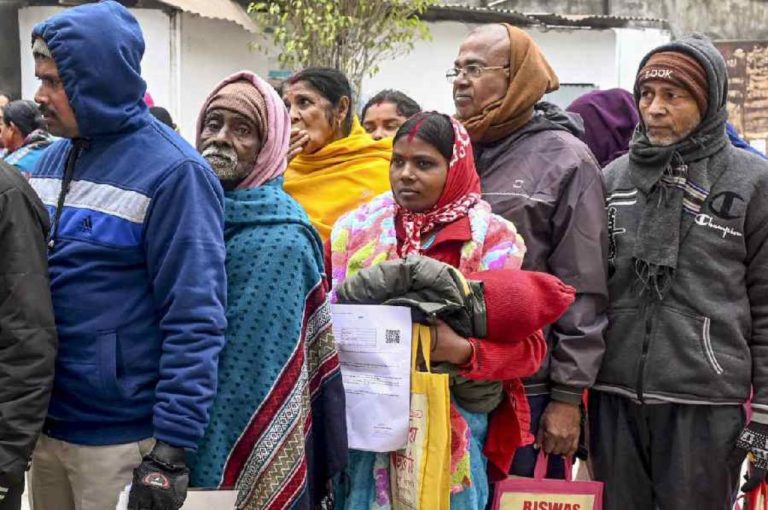
The Bengal voter hearing centres expansion 2026 reflects the Election Commission’s attempt to address mounting concerns over the Special Intensive Revision (SIR) of electoral rolls. With villagers, political parties, and civil society groups raising alarms about wrongful deletions and repeated hearings, the EC has announced plans to set up additional centres dedicated to handling “logical doubts” flagged during the verification process. This move is designed to ease the burden on voters, improve transparency, and restore trust in electoral governance.


2. What Are “Logical Doubts”?

  • “Logical doubts” refer to discrepancies flagged by IT systems during the voter roll verification process.
  • Examples include:
    • Duplicate entries.
    • Mismatched addresses.
    • Age inconsistencies.
    • Missing documentation.
  • These doubts often force voters to attend hearings, sometimes multiple times, leading to loss of wages and frustration.

3. The EC’s Expansion Plan

  • More centres will be opened across districts to handle logical doubts separately.
  • Objective: Reduce congestion at existing hearing venues.
  • Centres will be staffed with trained officials to ensure fair handling of cases.
  • The EC hopes this will minimise wage losses and speed up grievance redressal.

4. Bengal Voter Hearing Centres Expansion 2026: Political Context

  • Mamata Banerjee and TMC allege the SIR is a clandestine attempt to disenfranchise voters.
  • BJP defends the exercise, claiming it exposes fictitious voters and illegal infiltrators.
  • Civil society groups warn of mass disenfranchisement if errors persist.
  • The EC’s expansion plan is seen as a damage‑control measure amid growing protests.

5. Governance Challenges

The controversy reflects deeper governance issues:

  • Psychological stress caused by bureaucratic processes.
  • Weak grievance redressal mechanisms for voters.
  • Lack of sensitivity in handling elderly and vulnerable citizens.
  • Trust deficit between citizens and institutions.

6. Government External Links for Assistance


7. Historical Context of Electoral Roll Disputes in Bengal

  • 2000s: Allegations of bogus voters became common in Kolkata and border districts.
  • 2011–2019: Electoral roll revisions often coincided with political clashes.
  • 2024–25: SIR flagged millions of discrepancies nationwide.
  • 2026: Current protests reflect Bengal’s long history of contested voter lists, now with heightened political stakes.

8. Community Impact

  • Families fear wrongful deletions of genuine names.
  • Daily wage earners suffer financial losses due to repeated hearings.
  • Elderly citizens feel humiliated and burdened by bureaucratic demands.
  • Minority communities express concern about targeted exclusions.

9. Global Comparisons

Similar voter roll controversies worldwide:

  • USA: Allegations of voter suppression through purges in Georgia and Florida.
  • UK: Concerns about disenfranchisement under new voter ID laws.
  • Nigeria: Disputes over duplicate registrations and ghost voters.

Bengal’s case mirrors these global struggles where electoral integrity collides with human vulnerability.


10. Governance Lessons

The EC’s expansion plan teaches:

  • Human sensitivity must guide bureaucratic processes.
  • Digital tools must be audited to prevent wrongful flagging.
  • Community engagement ensures inclusivity.
  • Mental health awareness is vital during stressful civic exercises.

11. Future Outlook – Democracy in Bengal

India must move towards:

  • Digitised grievance redressal portals for voter roll issues.
  • Periodic audits of electoral rolls by independent agencies.
  • Public dashboards showing deletions and additions transparently.
  • Educational campaigns to help citizens verify their status.

12. Conclusion

The Bengal voter hearing centres expansion 2026 is more than a bureaucratic adjustment—it is a test of India’s democratic resilience. By opening more centres to handle “logical doubts,” the Election Commission seeks to ease voter burdens and restore trust. For Bengal, the lesson is clear: democracy must never come at the expense of human dignity and livelihood.

Also read: Home | Channel 6 Network – Latest News, Breaking Updates: Politics, Business, Tech & More

Bengal Voter List Irregularities Case 2026 – Detailed Analysis of Supreme Court Deadline to EC, TMC Plea, and Governance Lessons for Electoral Integrity

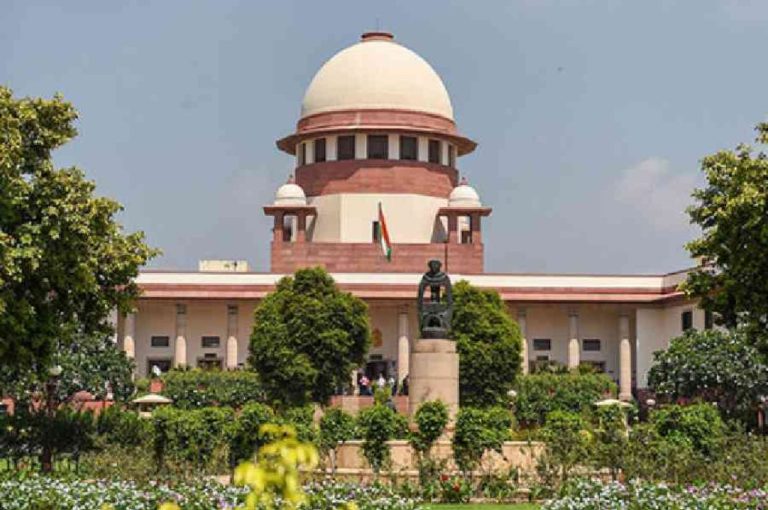
The Bengal voter list irregularities case 2026 has become a flashpoint in India’s democratic discourse. The Supreme Court of India has directed the Election Commission (EC) to respond within one week to a petition filed by Trinamool Congress (TMC) MPs, who alleged widespread irregularities in the ongoing Special Intensive Revision (SIR) of electoral rolls in West Bengal. The case underscores the fragile balance between electoral integrity, bureaucratic processes, and political trust.


2. The Supreme Court’s Order

  • The apex court gave the Election Commission one week to file its response.
  • The directive came after TMC MPs alleged massive irregularities in voter lists.
  • The Court emphasised the importance of timely resolution to protect democratic rights.
  • The case reflects the judiciary’s role as a guardian of electoral fairness.

3. The TMC MPs’ Plea

  • Allegations:
    • Wrongful deletions of genuine voters.
    • Confusion over accepted documents.
    • Elderly and ill voters forced to attend repeated hearings.
  • MPs argued that the SIR process was being misused to disenfranchise voters, particularly minorities and rural communities.
  • The plea sought judicial intervention to ensure transparency and accountability.

4. The Election Commission’s Position

  • The EC defended the SIR as a routine exercise to update rolls.
  • Officials claimed discrepancies were flagged by IT systems.
  • The Commission promised corrective measures but faced criticism for lack of sensitivity.
  • The Supreme Court’s deadline now forces the EC to justify its actions in detail.

5. Bengal Voter List Irregularities Case 2026: Political Context

  • Mamata Banerjee has repeatedly called the SIR a “deliberate attempt to disenfranchise voters.”
  • BJP defends the exercise, claiming it exposes fictitious voters and illegal infiltrators.
  • Civil society groups warn of mass disenfranchisement if errors are not corrected.
  • The Supreme Court case adds urgency, highlighting the human cost of bureaucratic mismanagement.

6. Governance Challenges

The case reflects broader governance issues:

  • Psychological stress caused by bureaucratic processes.
  • Weak grievance redressal mechanisms for voters.
  • Lack of sensitivity in handling elderly and vulnerable citizens.
  • Trust deficit between citizens and institutions.

7. Government External Links for Assistance


8. Historical Context of Electoral Roll Disputes in Bengal

  • 2000s: Allegations of bogus voters became common in Kolkata and border districts.
  • 2011–2019: Electoral roll revisions often coincided with political clashes.
  • 2024–25: SIR flagged millions of discrepancies nationwide.
  • 2026: Current Supreme Court case reflects Bengal’s long history of contested voter lists, now with heightened political stakes.

9. Community Impact

  • Families fear wrongful deletions of genuine names.
  • Daily wage earners suffer financial losses due to repeated hearings.
  • Elderly citizens feel humiliated and burdened by bureaucratic demands.
  • Minority communities express concern about targeted exclusions.

10. Global Comparisons

Similar voter roll controversies worldwide:

  • USA: Allegations of voter suppression through purges in Georgia and Florida.
  • UK: Concerns about disenfranchisement under new voter ID laws.
  • Nigeria: Disputes over duplicate registrations and ghost voters.

Bengal’s case mirrors these global struggles where electoral integrity collides with human vulnerability.


11. Governance Lessons

The Supreme Court case teaches:

  • Human sensitivity must guide bureaucratic processes.
  • Digital tools must be audited to prevent wrongful flagging.
  • Community engagement ensures inclusivity.
  • Judicial oversight is vital to protect democratic rights.

12. Future Outlook – Democracy in Bengal

India must move towards:

  • Digitised grievance redressal portals for voter roll issues.
  • Periodic audits of electoral rolls by independent agencies.
  • Public dashboards showing deletions and additions transparently.
  • Educational campaigns to help citizens verify their status.

13. Conclusion

The Bengal voter list irregularities case 2026 is more than a legal dispute—it is a test of India’s democratic resilience. The Supreme Court’s one‑week deadline to the Election Commission underscores the urgency of protecting electoral integrity. For Bengal, the lesson is clear: democracy must never come at the expense of human dignity and voter rights.

Also read: Home | Channel 6 Network – Latest News, Breaking Updates: Politics, Business, Tech & More