Tuesday, April 28, 2026
Home Blog Page 131

1 DEADLINE, A CITY’S WAIT and the June 30 Promise

Follow: Karnataka Government

Also read: Home | Channel 6 Network – Latest News, Breaking Updates: Politics, Business, Tech & More

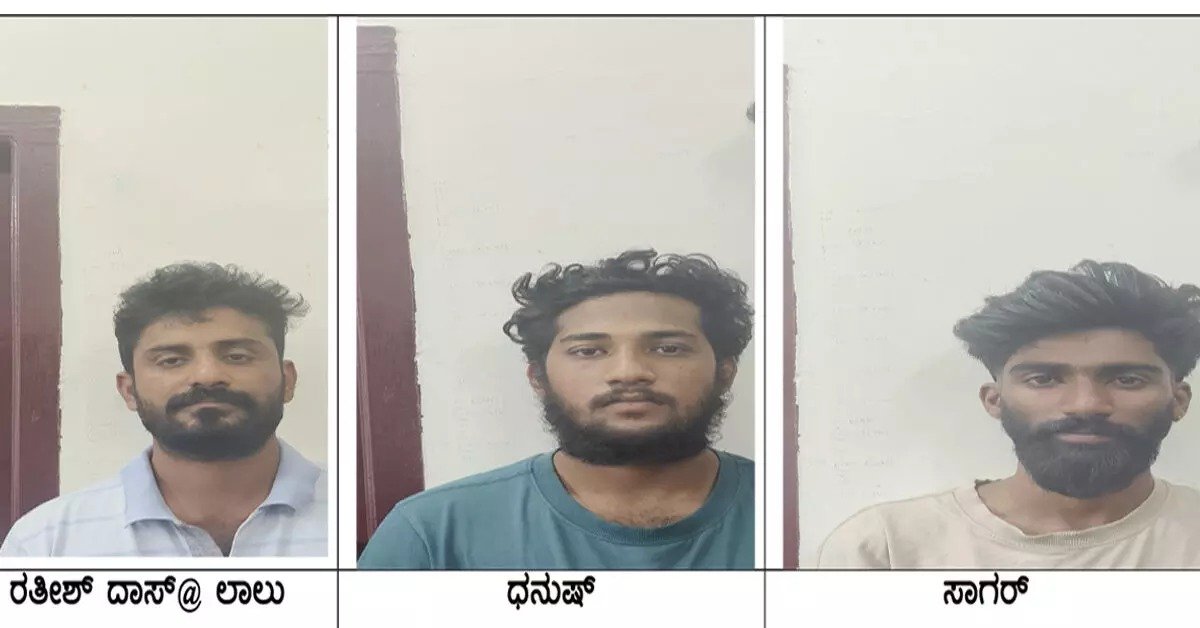
3 ARRESTS and a Shaken Conscience in Mangaluru: STRONG JUSTICE

Follow: Karnataka Government

Also read: Home | Channel 6 Network – Latest News, Breaking Updates: Politics, Business, Tech & More
Protect Student Trust: 1 DIGITAL PROMISE

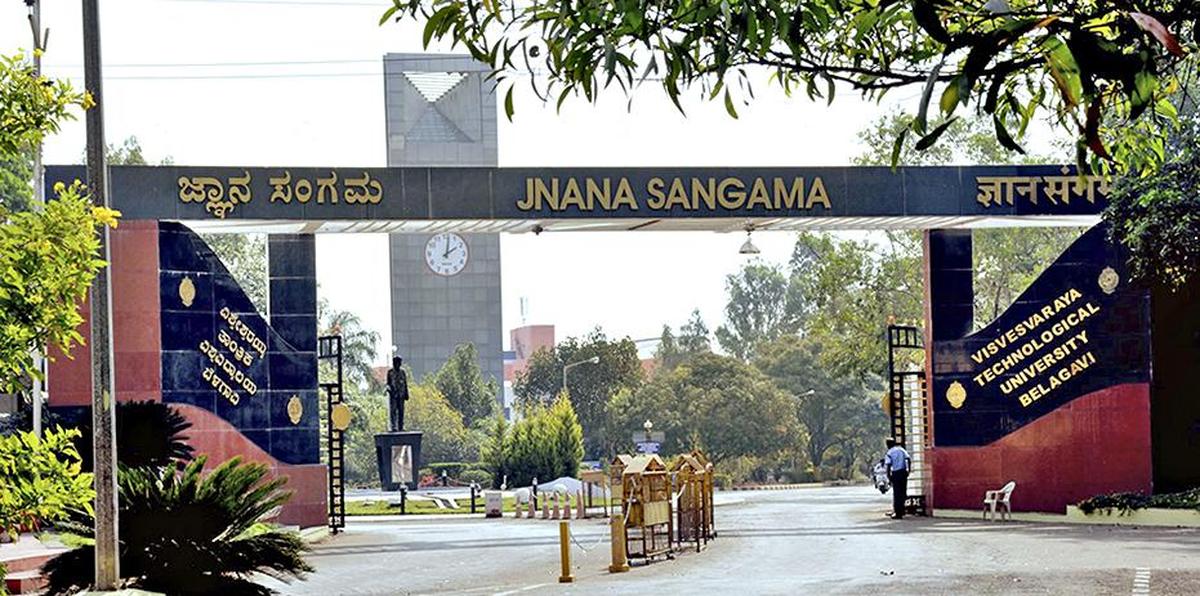
Visvesvaraya Technological University (VTU) is set to launch a dedicated mobile application to digitally track and verify student activity points, a move aimed at preventing fraud and bringing greater transparency to the co-curricular credit system. The decision follows repeated complaints and internal reviews that revealed misuse, fabrication of certificates, and inconsistencies in the allocation of activity points, which are mandatory for degree completion under VTU regulations. University officials say the new app will mark a decisive shift from manual, paper-based verification to a centralised, technology-driven monitoring mechanism.

The proposed application is also expected to introduce a culture of long-term planning among students when it comes to co-curricular engagement. Instead of rushing to accumulate points in the final semesters, students will be able to monitor their progress from the first year itself. University officials believe this will encourage sustained participation in activities rather than last-minute, token involvement. By visualising progress semester by semester, the app may nudge students to explore diverse interests, including community service, innovation challenges, and leadership roles.

Another significant feature under consideration is integration with attendance and academic records. VTU sources indicate that the university is examining whether activity participation can be cross-verified with institutional calendars and student attendance data to enhance authenticity. Such integration would ensure that activity claims align with actual timelines and academic commitments, making fraudulent submissions increasingly difficult. While this feature may be introduced in later phases, it reflects the university’s intent to create a tightly knit digital ecosystem rather than a standalone tracking tool.

College administrators have pointed out that the app could also help identify gaps in opportunities offered to students. Data analytics generated through the platform may reveal patterns such as limited access to sports or cultural activities in certain regions or institutions. VTU officials say this information could be used to design targeted interventions, funding support, or partnerships to ensure equitable exposure for students across affiliated colleges. In this sense, the app could evolve into a planning and policy-support tool rather than merely a monitoring mechanism.

There is also discussion around making the platform multilingual to ensure inclusivity. Given that VTU caters to students from diverse linguistic and socio-economic backgrounds, officials acknowledge that language barriers could hinder effective usage. Providing regional language options and simplified interfaces may help bridge the digital divide, particularly for first-generation learners. The university has indicated that user experience design will be prioritised to prevent the system from becoming intimidating or exclusionary.

Student unions have sought assurances that the app will not become overly rigid or reduce co-curricular engagement to a numbers-driven exercise. They argue that creativity, leadership, and social impact cannot always be quantified neatly. In response, VTU authorities have stated that while standardisation is necessary for fairness, qualitative assessment elements will continue to be recognised through structured evaluation parameters. The challenge, officials admit, lies in balancing flexibility with accountability.

Faculty members involved in student mentorship have welcomed the move, noting that clear documentation can help guide students more effectively. With access to verified records, mentors can better advise students on areas they may need to focus on, whether it is teamwork, social responsibility, or innovation. This could strengthen the mentoring ecosystem within colleges, aligning co-curricular growth more closely with academic and career planning.

From a regulatory perspective, the app may also simplify compliance during inspections and audits. Accreditation bodies often seek evidence of student engagement beyond academics, and inconsistent documentation has been a recurring challenge. A centralised digital repository of verified activity data could significantly reduce friction during such evaluations, presenting a clearer picture of institutional performance. VTU officials believe this will enhance the university’s standing in national academic assessments.

Ultimately, the success of the initiative will depend on consistent enforcement and cultural acceptance. Technology alone cannot eliminate malpractice if stakeholders remain indifferent or complicit. VTU’s leadership has emphasised that the app must be accompanied by awareness, ethical reinforcement, and institutional accountability. If these elements align, the initiative could redefine how co-curricular learning is valued and validated, marking a significant step towards integrity-driven academic governance.

Activity points were introduced by VTU to encourage holistic development among engineering students, covering participation in sports, cultural events, social service, innovation activities, and technical competitions. However, over the years, the system has come under strain due to uneven implementation across colleges. The absence of a uniform verification mechanism allowed scope for manipulation, with some students allegedly submitting false certificates or inflating participation records to meet graduation requirements. The proposed app is expected to address these gaps by standardising data entry and validation across all affiliated institutions.

According to senior VTU officials, the application will allow students to upload details of activities they participate in, while colleges and authorised coordinators will verify and approve submissions in real time. Each activity will be tagged to specific criteria laid down by the university, ensuring that only eligible programmes earn points. The app will also generate a digital audit trail, making it easier for the university to identify discrepancies and take corrective action where necessary.VTU to launch app to track activity points for students to prevent fraud -  The Hindu

DIGITAL OVERSIGHT AND ACCOUNTABILITY

The university administration has emphasised that the app is not merely a technological upgrade but a governance reform. By introducing a digital tracking system, VTU aims to eliminate subjectivity in awarding activity points. Officials noted that earlier, verification depended heavily on individual faculty members or college committees, leading to inconsistencies and allegations of favouritism. The app will create a common framework that applies uniformly to all students, regardless of the college they study in.

Under the new system, event organisers such as sports bodies, cultural associations, and recognised clubs will also be required to register activities on the platform. This ensures that students can claim points only for events that are officially recognised by VTU. Each activity entry will carry metadata such as date, venue, duration, and supervising authority, reducing the possibility of backdated or fabricated submissions. University sources said this level of documentation would significantly strengthen the credibility of the activity point system.

The app is also expected to benefit colleges by reducing administrative workload. Faculty members currently spend considerable time verifying certificates, maintaining records, and responding to university queries. A centralised digital system will streamline these processes, allowing academic staff to focus more on teaching and mentoring. VTU officials believe that automation will also minimise clerical errors that often lead to disputes during final audits before degree issuance.VTU to act on private companies demanding money from students instead of  providing paid-internships - The Hindu

Students, meanwhile, have expressed cautious optimism about the move. Many acknowledge that while activity points were introduced with good intent, the lack of clarity often led to confusion. A digital dashboard that clearly displays accumulated points, pending approvals, and eligibility requirements could help students plan their participation more effectively. However, some students have raised concerns about accessibility and training, particularly for those from rural backgrounds or colleges with limited digital infrastructure.

RESTORING TRUST IN THE ACTIVITY POINT SYSTEM

VTU authorities have made it clear that the app’s launch is also a response to growing scrutiny from accreditation bodies and regulatory agencies. With increasing emphasis on outcome-based education and student development metrics, universities are under pressure to demonstrate the integrity of their assessment systems. Any perception of widespread fraud could undermine institutional credibility. By proactively introducing a transparent tracking mechanism, VTU hopes to reinforce confidence among stakeholders, including employers, regulators, and students themselves.

The university has indicated that the app will include safeguards against misuse, such as role-based access controls and periodic audits. Only authorised personnel will be able to approve or modify activity records, and any changes will be logged. In cases where fraudulent submissions are detected, disciplinary action may be initiated against students and, if necessary, college officials. VTU officials stressed that the intent is corrective rather than punitive, but accountability will be non-negotiable.

Implementation will be phased, with pilot testing planned in select colleges before a full-scale rollout. Feedback from students and faculty during the pilot phase will be used to refine features and address technical issues. The university is also planning orientation sessions and user manuals to ensure smooth adoption. Officials acknowledged that resistance to change is natural but insisted that digital transformation is essential to safeguard the system’s integrity.

Education experts have welcomed the initiative, describing it as a timely intervention. They argue that co-curricular credits are increasingly important in shaping well-rounded graduates, but their value diminishes if assessment mechanisms lack credibility. A transparent, verifiable system not only deters fraud but also reinforces the idea that participation, not paperwork, is what truly counts. Experts caution, however, that technology must be complemented by clear policy guidelines and consistent enforcement.UGC bars foreign students from ODL programmes to respect state jurisdiction  and prevent fraud - EducationTimes.com

As VTU prepares to launch the app, the move is being seen as part of a broader shift towards digital governance in higher education. If implemented effectively, it could serve as a model for other universities grappling with similar challenges. For students, the app represents both a safeguard and a responsibility, ensuring that activity points reflect genuine engagement. For the university, it is an attempt to restore trust in a system meant to reward learning beyond the classroom, reinforcing the principle that integrity is as important as innovation in academic life.

Follow: Karnataka Government

Also read: Home | Channel 6 Network – Latest News, Breaking Updates: Politics, Business, Tech & More

1 Grief and Alarm After Woman Dies in Elephant Attack in Hassan

A woman lost her life in a tragic elephant attack in Hassan district, sending shockwaves through nearby villages and reigniting concerns over escalating human–wildlife conflict in the region. The incident occurred in a forest-fringe area where residents have long reported frequent movement of wild elephants near agricultural land and habitations. What began as an ordinary day for the victim ended in a devastating encounter that has left the local community grieving and fearful. The incident has once again highlighted the fragile balance between wildlife conservation and human safety in Karnataka’s forest-adjacent districts.

Beyond immediate administrative action, conservationists argue that the Hassan tragedy should serve as a turning point in how human–wildlife conflict is addressed at the policy level. They stress that piecemeal interventions following deaths rarely produce lasting change. Instead, a district-wise conflict mitigation plan, tailored to local geography and elephant movement patterns, is essential. Such plans must be backed by consistent funding, trained personnel, and political will. Without institutional commitment, experts warn that each fatal incident will continue to be treated as an isolated event rather than a symptom of a deeper ecological crisis.

Another critical concern raised after the incident is the lack of reliable data-sharing between forest officials and local communities. Villagers often complain that information about elephant movement reaches them too late or not at all. In the Hassan case, several residents claimed they were unaware that a tusker was active nearby on the day of the attack. Wildlife specialists suggest that community alert networks, involving local volunteers, forest guards, and village leaders, could significantly reduce response time and prevent surprise encounters.

The role of infrastructure development has also come under scrutiny. Roads, railways, and irrigation projects in and around forest areas have fragmented habitats and altered traditional elephant routes. Environmentalists point out that development projects often proceed without adequately factoring in wildlife movement, increasing conflict zones. The Hassan incident has revived demands for stricter environmental assessments and mandatory wildlife passages in development planning to ensure that animal corridors are not permanently disrupted.

Social activists working in forest-border regions highlight that women are often disproportionately affected by such incidents. They are more likely to be outdoors during early mornings and evenings for household chores, water collection, or farm work. The death of the woman in Hassan has brought renewed attention to gendered vulnerability in wildlife conflict, prompting calls for targeted safety measures, awareness programmes, and support systems specifically designed for women in high-risk areas.

As the district mourns yet another life lost, there is growing consensus that coexistence cannot rely solely on cautionary advisories to villagers. It requires structural change, ecological sensitivity, and long-term planning that places human dignity and wildlife conservation on equal footing. The Hassan tragedy stands as a somber reminder that unless systemic gaps are addressed urgently, forest-edge communities will continue to live under the shadow of fear, and preventable deaths will remain a painful reality.

According to preliminary information from forest and police officials, the woman was attacked by a wild elephant that had strayed close to human settlements. Residents who heard distress cries rushed to the spot but were unable to intervene due to the animal’s aggressive behaviour. By the time forest personnel arrived, the woman had succumbed to severe injuries. Her body was later shifted for post-mortem examination, and officials initiated formal procedures. The death has intensified demands for immediate preventive measures, compensation, and long-term solutions to recurring elephant incursions.

The Hassan district administration has acknowledged that elephant movement in the area has increased in recent months, particularly during early mornings and late evenings. Locals say repeated warnings have been issued in the past, but the lack of permanent solutions has left communities vulnerable. The woman’s death has not only caused personal tragedy for her family but has also deepened anxiety among residents who live and work near forest boundaries, often with limited protection.Woman dies in elephant attack in Hassan - The Hindu

Forest officials have described the incident as deeply unfortunate and have assured that steps are being taken to monitor elephant movement and prevent further encounters. However, villagers argue that assurances alone are no longer enough, as similar incidents have occurred in the past. The latest fatality has turned attention once again to systemic gaps in wildlife management, early warning systems, and coordination between forest authorities and local administrations.

Rising Human–Elephant Conflict in Hassan Region

Hassan and neighbouring districts have increasingly become hotspots for human–elephant conflict due to shrinking forest corridors, expanding agriculture, and fragmented habitats. Elephants, which traditionally migrate along established routes, are now forced to pass through farmlands and villages in search of food and water. Forest experts note that the destruction of natural corridors and increased human activity have disrupted elephant behaviour, making encounters more frequent and unpredictable.

Residents in forest-border villages report that elephants often enter fields to feed on crops such as ragi, sugarcane, and paddy, causing extensive damage. In many cases, farmers attempt to chase the animals away using firecrackers or loud noises, a practice that can provoke aggressive responses. Officials caution that such actions, though driven by fear and desperation, often increase the risk of fatal attacks. The Hassan incident is believed to have occurred during one such close encounter near human habitation.

The woman who died is said to have been engaged in routine activity when the elephant appeared unexpectedly. Witnesses say there was little time to react or seek safety. Forest officials confirmed that the elephant involved was a wild tusker that had been moving across multiple villages over the past few days. Tracking teams had been monitoring its movement, but the speed and unpredictability of the animal made intervention difficult.

Human–elephant conflict has resulted in multiple casualties across Karnataka over the years, affecting both humans and animals. Elephants are sometimes injured or killed in retaliation, through electrocution, poisoning, or accidents. Conservationists argue that such outcomes are tragic for both sides and reflect deeper failures in land-use planning and wildlife protection. The Hassan death has renewed calls for science-based conflict mitigation strategies that prioritise both human safety and animal welfare.Elephant Attack News: Woman Killed by Wild Elephant in Hassan

Forest department data indicates that compensation claims related to crop loss and human injury or death due to wildlife encounters have steadily risen. While compensation provides some relief, affected families often say it cannot replace lives lost or address the psychological trauma caused by such incidents. The woman’s family in Hassan has been assured financial compensation, but relatives and neighbours say the loss has left an irreplaceable void.

Experts emphasise that early warning systems, such as real-time alerts through mobile networks and community-based monitoring, can significantly reduce risks. In some regions, trained elephant task forces and watchtowers have helped prevent casualties. However, residents in Hassan allege that such measures are either absent or inconsistently implemented, leaving them exposed to danger.

Community Fear, Administrative Response, and the Way Forward

The woman’s death has triggered fear and anger among villagers, many of whom are now reluctant to step out early in the morning or after dusk. Schools in nearby areas reportedly issued advisories, and some agricultural activities have been temporarily halted. Community leaders say daily life has been disrupted, particularly for women and elderly residents who feel most vulnerable. The incident has underscored how wildlife conflict affects not just safety but also livelihoods and social stability.

District officials and forest department personnel visited the site following the incident and held discussions with local residents. Authorities assured villagers that additional patrols would be deployed and that efforts would be intensified to track and, if necessary, drive the elephant back into deeper forest areas. However, villagers expressed scepticism, pointing out that similar promises were made after previous incidents without lasting impact.

The Forest Department has reiterated guidelines urging residents to avoid venturing out alone in high-risk areas and to report elephant sightings immediately. Officials have also appealed to the public not to attempt to confront or chase elephants. While these advisories are well-intentioned, residents argue that avoiding fields and roads is not always practical, especially in agrarian communities where daily survival depends on outdoor work.

Wildlife experts have called for a more integrated approach to address the crisis. Suggestions include restoring elephant corridors, strengthening solar-powered fencing, deploying rapid response teams, and involving local communities in monitoring efforts. Long-term planning, they argue, must balance development needs with ecological realities. Without restoring natural habitats and migration paths, human–elephant conflict is likely to intensify further.

The Hassan incident has also drawn attention to the emotional toll such tragedies take on communities. Psychologists note that repeated exposure to fear and loss can lead to chronic stress and anxiety among residents of conflict-prone areas. Support mechanisms, including counselling and community engagement, are often overlooked in the aftermath of such incidents. The woman’s death has left neighbours traumatised, with many describing a pervasive sense of helplessness.

Politically, the incident has sparked demands for accountability and policy action. Local leaders have urged the State government to prioritise wildlife conflict mitigation and allocate greater resources to affected districts. They argue that reactive measures after fatalities are insufficient and that proactive planning is essential. The issue is expected to feature prominently in upcoming administrative reviews and public discussions on forest management.

In conclusion, the death of a woman in an elephant attack in Hassan is a stark reminder of the growing tensions between humans and wildlife in Karnataka’s forest-border regions. It represents not just an isolated tragedy but part of a broader pattern of conflict driven by environmental change, habitat loss, and inadequate mitigation measures. While authorities have promised action, the incident has exposed deep-rooted challenges that require urgent and sustained attention.Woman dies in K'taka elephant attack - IBTimes India

For the grieving family, the loss is immeasurable, and for the community, the fear lingers long after the incident. Addressing human–elephant conflict demands empathy, science-driven policy, and strong cooperation between government agencies and local residents. Until such measures are effectively implemented, tragedies like the one in Hassan risk repeating themselves, leaving behind grief, anger, and unanswered questions about coexistence between humans and wildlife.

Follow: Karnataka Government

Also read: Home | Channel 6 Network – Latest News, Breaking Updates: Politics, Business, Tech & More

Hope and Diplomacy as German Chancellor Friedrich Merz Visits Bengaluru: LANDMARK 2-DAY MOMENT

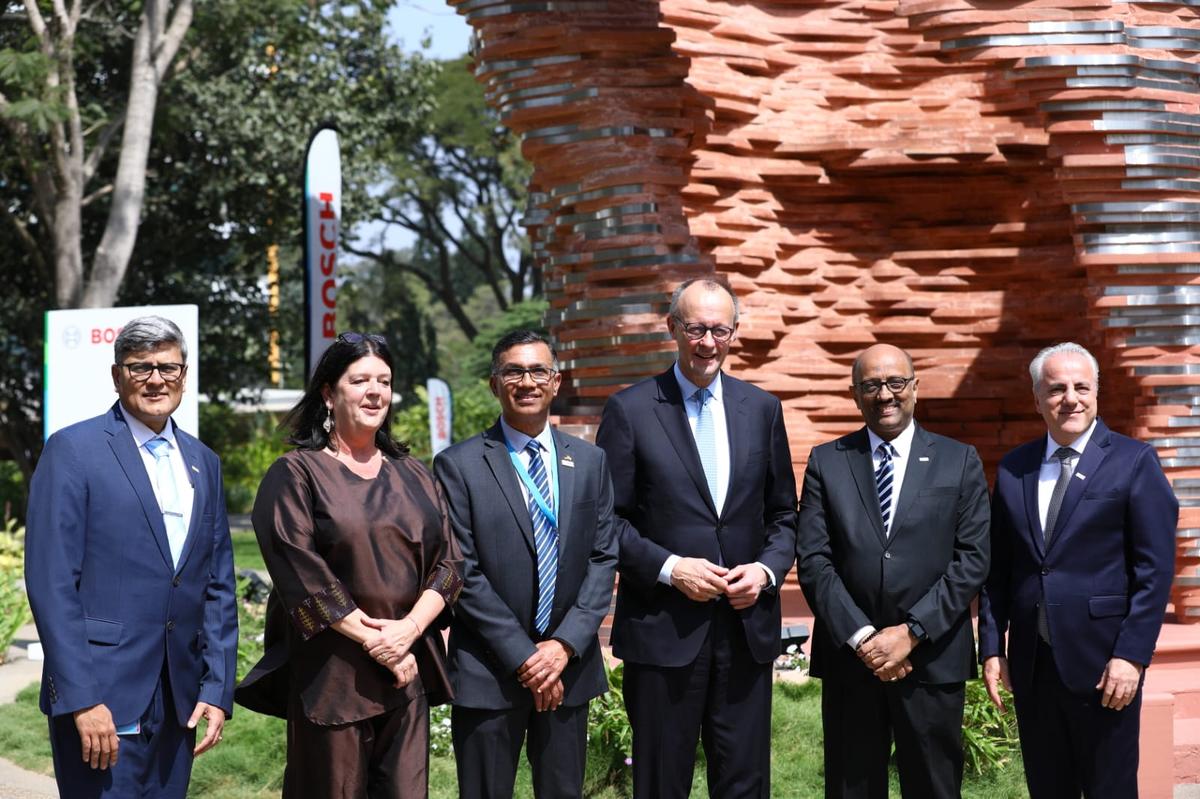
German Chancellor Friedrich Merz’s visit to Bengaluru marked a significant chapter in India–Germany relations, placing the city firmly at the centre of global conversations on technology, research, and innovation. As part of his official India tour, Merz visited the Bosch campus and the Indian Institute of Science (IISc), two institutions that symbolise Bengaluru’s role as a global hub for engineering excellence and scientific research. The visit was closely watched by policymakers, industry leaders, academics, and students, as it reflected Germany’s growing strategic interest in deepening partnerships with India, particularly in the areas of advanced manufacturing, clean technology, artificial intelligence, and higher education.

The Chancellor’s engagements in Bengaluru were carefully curated to highlight long-term collaboration rather than ceremonial diplomacy. At the Bosch campus, Merz interacted with senior executives, engineers, and researchers working on next-generation mobility, automation, and sustainability solutions. At IISc, one of India’s most prestigious research institutions, he engaged with scientists and students, underscoring the importance of academic exchange and joint research in addressing global challenges. Officials accompanying the Chancellor noted that Bengaluru was chosen deliberately, as it represents the intersection of industry, innovation, and academia that both countries seek to strengthen.

Merz’s visit comes at a time when Germany is reassessing its global partnerships amid shifting geopolitical realities and economic transitions. India, with its large talent pool, expanding economy, and focus on technology-led growth, has emerged as a key partner in this strategy. Bengaluru, often described as India’s Silicon Valley, provided the ideal backdrop for conversations on future-ready cooperation. The visit also carried symbolic weight, signalling trust, mutual respect, and a shared vision for inclusive and sustainable development.

The Karnataka government and local industry bodies welcomed the Chancellor’s presence, describing it as a boost to the city’s global standing. Officials highlighted that German companies have been long-term investors in the State, contributing to employment, skill development, and industrial growth. Merz’s engagements were seen as reaffirming Germany’s commitment to India not just as a market, but as a partner in innovation and knowledge creation.German Chancellor in Bengaluru: Friedrich Merz visits Bosch campus, IISc -  The Hindu

Technology, Industry, and the Bosch Engagement

The Bosch campus visit formed a central part of Chancellor Merz’s Bengaluru itinerary. Bosch, a flagship German multinational, has had a deep and enduring presence in India, with Bengaluru serving as one of its largest global R&D centres. During his interaction with company leadership, Merz was briefed on ongoing projects related to electric mobility, automotive software, industrial automation, and climate-friendly technologies. Engineers showcased innovations being developed in India for global markets, highlighting the country’s growing role in shaping international technology trends.

Merz reportedly expressed appreciation for the scale and sophistication of research being conducted at the Bengaluru campus. He noted that Indo-German industrial cooperation has evolved beyond manufacturing to encompass high-value research and digital innovation. According to officials, the Chancellor emphasised that such collaboration is essential for addressing challenges such as climate change, energy transition, and sustainable urbanisation. Bosch executives, in turn, highlighted the importance of India’s talent ecosystem and supportive policy environment in enabling long-term investments.

The interaction also touched upon workforce development and skill-building. Merz underscored the need for continuous upskilling in an era of rapid technological change, particularly in areas like artificial intelligence, robotics, and green technologies. He praised Bosch’s efforts in training young engineers and fostering a culture of innovation. The discussion reflected broader concerns in both Germany and India about preparing future workforces for technology-driven economies while ensuring social inclusion.

Industry observers noted that the Bosch visit sent a strong message to other German companies operating in or considering investments in India. It reinforced confidence in Bengaluru as a stable and dynamic destination for research and development. Analysts pointed out that German firms increasingly view India not only as a production base but also as a source of innovation that can influence global operations. Merz’s presence at the campus was thus seen as both symbolic and strategic, reinforcing long-standing industrial ties.

The Chancellor also interacted briefly with young professionals and engineers, listening to their experiences of working in a multicultural, global environment. Such interactions, officials said, reflect Germany’s interest in people-to-people connections as a foundation for diplomatic and economic relations. The emphasis on talent mobility and collaborative innovation resonated strongly in Bengaluru’s cosmopolitan ecosystem.

Science, Academia, and IISc Conversations

Chancellor Merz’s visit to the Indian Institute of Science highlighted the academic dimension of India–Germany relations. IISc, with its legacy of cutting-edge research and international collaboration, served as a fitting venue for discussions on science diplomacy. Merz met with senior faculty members, researchers, and students, engaging in conversations about joint research initiatives, doctoral exchanges, and innovation ecosystems.The visit highlighted Bengaluru’s unique position as a bridge between industry and academia, and as a city capable of shaping global innovation narratives.

During his interaction, Merz emphasised that universities and research institutions play a crucial role in shaping long-term global partnerships. He noted that challenges such as climate change, public health, and sustainable energy cannot be addressed by governments alone, but require collaboration between scientists across borders. IISc researchers briefed the Chancellor on ongoing work in areas such as renewable energy, materials science, aerospace engineering, and artificial intelligence, many of which already involve international cooperation.German Chancellor in Bengaluru: Friedrich Merz visits Bosch campus, IISc -  The Hindu

The Chancellor reportedly expressed interest in expanding institutional partnerships between German universities and IISc. He highlighted Germany’s strong tradition of applied research and vocational training, suggesting that deeper collaboration could combine theoretical excellence with practical impact. Faculty members welcomed this approach, noting that joint programmes and funding mechanisms could significantly enhance research outcomes and global visibility.

Students at IISc viewed the visit as a rare opportunity to engage with a global leader and gain insight into international research landscapes. Merz addressed questions on career opportunities, innovation ecosystems, and the role of science in policymaking. He encouraged young researchers to think globally while remaining rooted in solving local and regional problems. The interaction underscored the human dimension of diplomacy, where ideas and aspirations flow alongside formal agreements.

The IISc engagement also highlighted the growing importance of science and technology in diplomatic relations. Experts noted that Germany and India share complementary strengths, with Germany’s engineering tradition aligning well with India’s growing research capabilities. Bengaluru’s academic environment, they argued, offers fertile ground for translating research into real-world solutions, making it a natural partner for German institutions.

Beyond formal discussions, the visit was seen as a morale booster for India’s scientific community. Recognition from a global leader reinforced the international relevance of Indian research institutions. It also signalled that science and innovation remain central to global cooperation, even amid geopolitical uncertainties.

Broader Implications for India–Germany Relations

Chancellor Merz’s Bengaluru visit must be viewed within the larger context of India–Germany strategic relations. Both countries have been working to deepen cooperation in areas such as clean energy, digital transformation, defence, and education. Bengaluru, with its unique blend of industry and academia, offered a microcosm of these priorities. Observers noted that the visit reinforced Germany’s long-term commitment to engaging with India beyond traditional diplomatic channels.

The timing of the visit is also significant. As Germany navigates economic transitions and seeks resilient global partnerships, India’s growth trajectory and technological capabilities present valuable opportunities. For India, engagement with Germany brings access to advanced technologies, investment, and global best practices. The Bengaluru engagements highlighted how these interests converge at the ground level, through research labs, startups, and educational institutions.

Karnataka officials emphasised that the Chancellor’s visit could translate into tangible outcomes, including expanded research collaborations, increased investment, and skill development initiatives. They pointed out that German companies already play a significant role in the State’s industrial landscape, and deeper engagement could further strengthen this relationship. The visit was also seen as enhancing Bengaluru’s brand as a global innovation city.

Diplomatic analysts noted that such visits help build trust and familiarity, which are essential for sustained cooperation. By engaging directly with engineers, researchers, and students, Merz moved beyond protocol to connect with the people shaping the future of technology and science. This approach aligns with Germany’s emphasis on inclusive and knowledge-driven diplomacy.German Chancellor Friedrich Merz to visit Bengaluru and Ahmedabad on Jan  12-13. What's on the agenda? | Today News

A Visit That Resonates Beyond Protocol

In conclusion, German Chancellor Friedrich Merz’s visit to Bengaluru, including his engagements at the Bosch campus and the Indian Institute of Science, was more than a diplomatic stopover. It was a statement of intent, reflecting Germany’s desire to strengthen its partnership with India through technology, research, and people-to-people connections. The visit highlighted Bengaluru’s unique position as a bridge between industry and academia, and as a city capable of shaping global innovation narratives.

The interactions underscored shared values of sustainability, innovation, and collaboration, offering a hopeful vision of international cooperation in a complex world. For Bengaluru, the visit reinforced its global relevance and potential as a hub for future-ready partnerships. For India and Germany, it marked a step towards deeper, more meaningful engagement, rooted in mutual respect and shared aspirations. As the conversations initiated during this visit evolve into concrete collaborations, the impact of this landmark moment is likely to resonate well beyond the city and into the broader fabric of global cooperation.

Follow: Karnataka Government

Also read: Home | Channel 6 Network – Latest News, Breaking Updates: Politics, Business, Tech & More

Frustration and Accountability as High Court Questions Bengaluru–Mysuru Corridor: STUNNING 25-YEAR VERDICT

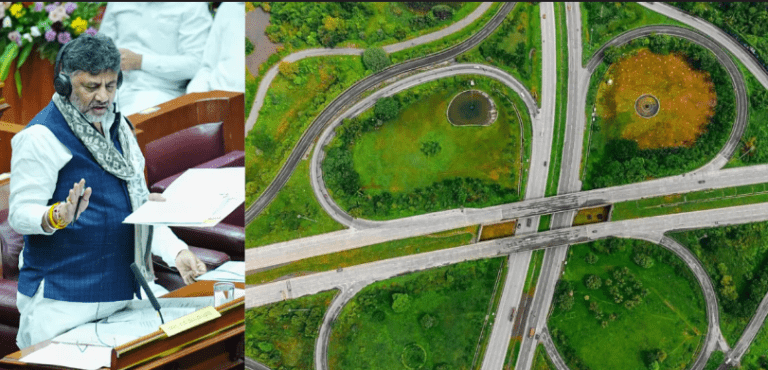
In a sharp indictment of prolonged delays and administrative failures, the Karnataka High Court has asked the State government to scrap the ambitious Bengaluru–Mysuru Infrastructure Corridor project, observing that barely one kilometre of the road has been built in the last 25 years. The court’s remarks came during the hearing of petitions related to land acquisition and project implementation, where it expressed deep dissatisfaction over the lack of tangible progress despite decades of approvals, policy changes, and political commitments. The observation has reignited debate around stalled mega infrastructure projects and the cost of governance paralysis.1 km built in 25 years: High Court asks Karnataka to scrap Bengaluru-Mysuru  Infrastructure Corridor project - The Hindu

The court noted that the project, once projected as a transformative corridor aimed at easing congestion and boosting regional development, has instead become a symbol of delay, litigation, and alleged irregularities. Judges pointed out that public resources, time, and land had been locked in uncertainty while citizens saw little benefit on the ground. The strong suggestion to scrap the project reflects judicial frustration over repeated assurances made by successive governments without corresponding outcomes. The remarks have placed the State administration under intense scrutiny, forcing it to defend the viability of continuing with the long-pending plan.

The Bengaluru–Mysuru Infrastructure Corridor was originally conceptualised to provide a high-speed connectivity route between the State capital and Mysuru, while also enabling township development along the corridor. Over the years, however, the project became mired in legal disputes, land acquisition controversies, and allegations of favouritism and policy manipulation. The High Court observed that the failure to execute even a minimal stretch over such a long period raises serious questions about planning, accountability, and intent.

A Project Mired in Delays, Disputes, and Doubts

During the proceedings, the High Court questioned how a project of such scale could remain largely incomplete for a quarter of a century. The judges noted that while governments changed, policies evolved, and multiple deadlines were announced, the ground reality remained unchanged. The court observed that citizens were repeatedly promised infrastructure development, but instead witnessed uncertainty, stalled construction, and mounting legal complications. This, the court said, undermines public confidence in large infrastructure initiatives.

The bench also highlighted the extensive land acquisition undertaken for the project, pointing out that farmers and landowners have been kept in prolonged limbo. Many landowners, the court observed, neither received timely compensation nor clarity on the future of their lands. The prolonged uncertainty has disrupted livelihoods and fuelled resentment, making the project socially contentious in addition to being administratively stalled. The court’s remarks reflected concern over the human cost of delayed decision-making.

Legal battles surrounding the corridor have played a central role in its stagnation. Multiple petitions challenging land acquisition, changes in project alignment, and contractual arrangements have reached courts over the years. The High Court noted that instead of resolving these disputes decisively, the State allowed them to linger, resulting in repeated halts to progress. Judges questioned whether the government possessed the administrative will and institutional capacity to see the project through in its current form.

The court also raised concerns about the credibility of repeated assurances given by project proponents. It noted that timelines had been revised multiple times without explanation or accountability. The observation that only one kilometre was built in 25 years was described as indicative of systemic failure rather than isolated inefficiency. In this context, the court suggested that scrapping the project might be a more responsible option than continuing to invest time and resources into an unviable plan.Karnataka High Court: BMIC Project Killed at Cost of Citizens, Environment

Governance Questions and the Road Ahead

The High Court’s suggestion to scrap the project has significant implications for the State government, which must now decide whether to defend, restructure, or abandon the corridor altogether. Legal experts point out that while the court has not issued a final order scrapping the project, its strong remarks place moral and administrative pressure on the government to reassess its approach. The government is expected to submit a detailed response explaining why the project should continue and how it plans to overcome decades-long obstacles.

Politically, the observation is likely to trigger sharp reactions across party lines. Opposition leaders have seized upon the court’s remarks to criticise successive governments for mismanaging public infrastructure projects. They argue that the corridor exemplifies how grand announcements often collapse under poor execution and lack of transparency. Ruling party leaders, meanwhile, are expected to defend their record by pointing to legal hurdles and inherited complications, while promising corrective measures.

Urban planners and infrastructure experts have weighed in on the broader lessons from the case. Many argue that mega projects require clear governance frameworks, realistic timelines, and strong institutional oversight. The Bengaluru–Mysuru corridor, they say, suffered from shifting priorities, inadequate coordination between departments, and an overreliance on private participation without sufficient safeguards. The High Court’s remarks are being seen as a wake-up call for more disciplined infrastructure planning in the State.

The future of connectivity between Bengaluru and Mysuru remains a critical issue regardless of the corridor’s fate. Traffic congestion, urban sprawl, and economic integration between the two cities continue to pose challenges. Experts suggest that instead of reviving a controversial project, the government could explore alternative solutions such as upgrading existing highways, improving rail connectivity, or developing phased infrastructure plans with clearer accountability. The court’s observation opens the door for rethinking development models rather than persisting with legacy projects.

From a governance perspective, the episode raises deeper questions about accountability for long-delayed projects. Civil society groups have demanded audits to determine how public funds were utilised and who should be held responsible for decades of inaction. They argue that without accountability, similar failures will recur in future infrastructure ventures. The High Court’s sharp comments have strengthened these calls, shifting the conversation from mere delay to responsibility and reform.

In conclusion, the Karnataka High Court’s observation that only one kilometre of the Bengaluru–Mysuru Infrastructure Corridor was built in 25 years marks a critical moment in the project’s troubled history. By asking the State to consider scrapping the plan, the court has highlighted systemic governance failures, prolonged human costs, and the erosion of public trust. Whether the government chooses to defend or abandon the corridor, the episode stands as a cautionary tale of how ambitious infrastructure visions can falter without transparency, accountability, and decisive execution.

The High Court’s observations have also revived public debate on the accountability of private developers involved in long-pending infrastructure projects. Legal experts point out that public–private partnership models rely heavily on mutual trust, enforceable timelines, and clearly defined responsibilities. In the case of the Bengaluru–Mysuru Infrastructure Corridor, repeated renegotiations and extensions have diluted accountability, making it difficult to fix responsibility for delays. The court’s remarks implicitly question whether such arrangements, without strict monitoring, serve public interest or merely prolong uncertainty under the guise of development.Only 1 Km Built In 25 Years': HC Asks Karnataka Govt To Scrap Bengaluru-Mysuru  Corridor Project | India News - News18

Residents living along the proposed corridor alignment have expressed mixed reactions to the court’s stance. While some welcomed the suggestion to scrap the project, citing years of anxiety and stalled livelihoods, others worry about the future of their lands and investments. Many villages along the corridor have remained under development restrictions for decades, preventing construction, sale, or agricultural expansion. Locals argue that either clear execution or formal withdrawal is necessary to restore normalcy, as prolonged indecision has imposed an invisible but severe economic burden on affected communities.

The judicial criticism has also intensified scrutiny of bureaucratic decision-making processes. Former officials and policy analysts note that frequent changes in leadership, coupled with a lack of continuity in project management teams, contributed to the corridor’s stagnation. Each administrative transition brought revised priorities and interpretations, further complicating implementation. The High Court’s frustration reflects a broader concern about how long-term infrastructure projects are handled in the absence of institutional memory and stable governance structures.

Environmental considerations linked to the corridor have resurfaced following the court’s remarks. Environmentalists argue that prolonged uncertainty has prevented proper ecological assessments and mitigation measures from being implemented. Land earmarked for the project has remained in a state of limbo, neither conserved nor responsibly developed. Experts suggest that scrapping the project could open avenues for revisiting land-use plans with a stronger focus on sustainability, balancing development needs with environmental protection.

The court’s comments may also influence future judicial approaches to stalled infrastructure projects across the State. Legal observers believe that the strong language used in this case signals a shift towards stricter judicial scrutiny of prolonged delays. Courts, they argue, may increasingly demand measurable outcomes rather than accepting assurances and revised deadlines. This could set a precedent that compels governments to either deliver projects within reasonable timeframes or formally abandon them instead of allowing indefinite drift.

For policymakers, the corridor episode serves as a lesson in managing public expectations. Grand infrastructure visions often generate optimism and political capital, but failure to deliver erodes trust. Analysts note that repeated announcements without progress can create cynicism among citizens, weakening support for future projects. The High Court’s intervention underscores the need for honest communication, realistic planning, and transparent reporting to maintain public confidence in development initiatives.

As the State government prepares its response to the court, all eyes will be on whether it chooses reform, revival, or withdrawal. Whatever the outcome, the Bengaluru–Mysuru Infrastructure Corridor has already left a lasting imprint on Karnataka’s development discourse. The High Court’s sharp observations have transformed it from a stalled road project into a broader symbol of governance challenges, reinforcing the message that infrastructure development must be guided not just by ambition, but by accountability, clarity, and timely execution.

Follow: Karnataka Government

Also read: Home | Channel 6 Network – Latest News, Breaking Updates: Politics, Business, Tech & More

Fear and Relief as Accident Uncovers ‘Kidnapped’ Children in Dharwad: SHOCKING 1 TURN

A road accident on the outskirts of Dharwad led to an unexpected rescue operation after police discovered that children travelling in the damaged vehicle had allegedly been kidnapped. What initially appeared to be a routine traffic incident soon unfolded into a disturbing case involving allegations of abduction and a troubling criminal past. The accused, who was driving the vehicle, was later found to have a case registered against him under the Protection of Children from Sexual Offences (POCSO) Act in 2018. The incident has sent shockwaves through the district, raising serious concerns about child safety, policing gaps, and the need for stronger community vigilance.

The accident occurred when a four-wheeler lost control and collided with a roadside structure, drawing the attention of local residents and passersby. Eyewitnesses rushed to the scene to assist those inside the vehicle and alerted the police. When officers arrived and began preliminary questioning, inconsistencies in the driver’s statements and the frightened behaviour of the children raised immediate suspicion. Upon closer examination, police found that the children were unable to clearly explain their relationship with the accused, triggering further investigation that ultimately led to their rescue.

According to initial police findings, the children did not belong to the accused and were allegedly being taken away without the consent or knowledge of their families. The incident transformed from a traffic mishap into a serious criminal investigation within hours. Authorities quickly separated the children from the accused and placed them under protective care while initiating efforts to trace their parents or guardians. The swift response by bystanders and police officials is being credited with preventing what could have turned into a far more tragic outcome.INDIA - Implication of the POCSO Act in India on Adolescent Sexuality: A  Policy Brief - International Campaign for Women's Right to Safe Abortion

Senior police officers stated that the accused attempted to mislead authorities by claiming that the children were relatives and that he was taking them on a routine journey. However, his version of events failed to withstand scrutiny. Verification checks revealed that the accused had a criminal record, including a POCSO case registered against him in 2018. This revelation intensified the gravity of the case, prompting police to widen the scope of the investigation to determine whether the incident was an isolated act or part of a larger pattern of criminal behaviour.

The rescue has triggered widespread concern among parents and child rights activists in Dharwad and neighbouring districts. Many have questioned how an individual with a past case involving sexual offences against children was able to move freely with minors without attracting attention. The incident has renewed calls for stricter monitoring of repeat offenders and more robust child protection mechanisms at both community and institutional levels.

From Accident Scene to Criminal Probe

Police officials explained that the turning point in the case came from the children’s visible distress at the accident site. Unlike typical accident victims, the children appeared confused and fearful when questioned, avoiding eye contact and giving inconsistent answers. Officers trained in child-sensitive policing noted these signs and decided to probe further instead of treating the matter as a routine traffic case. This decision proved crucial in uncovering the alleged crime.

During questioning, the accused reportedly failed to provide basic details such as the children’s school names, parents’ identities, or the purpose of their travel. These gaps raised red flags, prompting officers to conduct background checks through police databases. The discovery of the accused’s prior POCSO case significantly altered the direction of the investigation, leading to his immediate detention for further interrogation. Police sources said the accused’s criminal history indicated a pattern that required careful examination.

The children were shifted to a safe location and produced before child welfare authorities, as mandated by law. Counsellors and social workers were engaged to provide emotional support and assess their condition. Officials stated that ensuring the children’s physical and psychological safety was the top priority. Efforts were simultaneously launched to identify their families, with police coordinating with local stations, missing persons records, and child welfare committees across districts.

Investigators are now examining whether the children were lured, coerced, or forcibly taken. Preliminary inputs suggest that the accused may have exploited the trust of the children or their families, though officials have refrained from sharing details that could compromise the investigation. Police have also seized the vehicle involved in the accident and are analysing travel routes, phone records, and any possible accomplices linked to the accused.

Legal experts note that the presence of a prior POCSO case significantly strengthens the seriousness of the current charges. If the allegations of kidnapping are substantiated, the accused could face multiple sections under the Indian Penal Code in addition to stringent provisions under child protection laws. The case highlights the importance of thorough background checks and continuous monitoring of individuals previously accused or convicted in crimes against children.The Protection of Children from Sexual Offences (POCSO) Act, brought in 13  years ago as a stringent law to shield minors from sexual predators, is now  being seen as one that is

The accident itself, which initially caused panic among local residents, has since been viewed as a critical intervention point that possibly saved the children from further harm. Residents in the area have described the incident as unsettling but also a reminder of the importance of alertness and timely reporting. Many acknowledged that without the accident, the alleged crime might have gone unnoticed for much longer.

Child Safety, Systemic Gaps, and Public Response

The Dharwad incident has reignited discussions around child safety and the effectiveness of existing monitoring systems for offenders with histories of sexual crimes. Child rights advocates argue that individuals booked under serious offences such as POCSO should be subject to stricter surveillance, particularly when they are in proximity to minors. They have called for better coordination between law enforcement agencies, schools, and community organisations to identify potential risks early.

Parents across the district have expressed anxiety and anger following reports of the incident. Many fear that similar cases could be unfolding unnoticed in other areas. Community leaders have urged families to educate children about personal safety and to remain vigilant about who they trust with their care. The incident has also prompted renewed calls for awareness programmes that teach children to recognise and report unsafe situations.

Police officials, meanwhile, have defended their response, emphasising that the case demonstrates effective policing at the ground level. They credit the alertness of officers and the cooperation of the public for the timely rescue. At the same time, senior officials have acknowledged the need for systemic improvements, particularly in tracking repeat offenders and ensuring that information about past cases is readily accessible to frontline personnel.

The role of child welfare committees has come under focus as well. Experts stress that beyond immediate rescue, long-term rehabilitation and counselling are essential for children who may have experienced trauma. Authorities have assured that professional support will continue until the children are safely reunited with their families or placed in appropriate care arrangements. Ensuring confidentiality and sensitivity, officials say, is crucial to protect the children from further harm.Accident leads to rescue of 'kidnapped' children in Dharwad; accused had a POCSO  case against him in 2018 - The Hindu

Political leaders and civil society organisations have also reacted strongly to the incident, demanding accountability and preventive measures. Some have called for stricter laws and faster trials in cases involving crimes against children, arguing that delays and loopholes embolden repeat offenders. Others have highlighted the importance of community policing and neighbourhood watch systems to complement formal law enforcement efforts.

The case has further exposed gaps in public awareness about reporting suspicious behaviour. Experts point out that citizens often hesitate to intervene or inform authorities due to fear or uncertainty. The Dharwad rescue, however, illustrates how prompt reporting and cooperation can lead to positive outcomes. It has been cited as an example of how accidents or chance encounters can become opportunities for intervention when handled responsibly.

As the investigation continues, police have appealed to the public for patience and cooperation. They have urged anyone with information related to the accused or the children to come forward. Officials have reiterated that protecting the identity and dignity of the children remains paramount and have warned against speculation or sensationalism that could compromise the case.

In conclusion, the Dharwad incident stands as a stark reminder of the vulnerabilities children face and the constant need for vigilance. What began as a road accident turned into a life-altering rescue, exposing serious allegations against an individual with a troubling past. The case has underscored the importance of alert policing, community awareness, and robust child protection systems. While the rescue has brought relief, it has also raised uncomfortable questions about systemic gaps that must be addressed to prevent similar incidents in the future. For now, the focus remains on ensuring justice, accountability, and above all, the safety and well-being of the rescued children.

The incident has also prompted authorities to revisit protocols related to monitoring individuals with previous cases involving children. Senior officials have indicated that internal discussions are underway to strengthen coordination between police stations, child welfare departments, and district administrations. The aim is to ensure that information about repeat offenders is flagged more effectively and shared in real time, reducing the chances of such individuals operating unnoticed. Experts believe that tighter data integration and regular reviews could significantly improve preventive action in similar cases.

Meanwhile, the Dharwad police have reiterated the need for community participation in safeguarding children. They have urged residents to report suspicious movements or behaviour involving minors without hesitation, stressing that timely information can prevent serious crimes. Awareness campaigns focusing on child safety, early warning signs, and emergency reporting mechanisms are expected to be intensified in schools and residential areas. Officials say the rescue, though accidental in origin, serves as a powerful reminder that vigilance at every level is essential to protect vulnerable children

Follow: Karnataka Government

Also read: Home | Channel 6 Network – Latest News, Breaking Updates: Politics, Business, Tech & More
East Burdwan Voter Protest 2026 – Detailed Analysis of Highway Blockade, Wage Losses, and Governance Lessons for Electoral Roll Hearings in Bengal

The East Burdwan voter protest 2026 has drawn attention to the human cost of bureaucratic exercises in India’s democracy. Villagers in East Burdwan blocked a major highway, fuming over loss of daily wages caused by repeated hearings during the Special Intensive Revision (SIR) of electoral rolls. Their anger reflects the intersection of livelihood and electoral integrity, raising questions about how governance can balance civic duties with economic realities.


2. East Burdwan Voter Protest 2026: The Protest

  • Location: East Burdwan district, West Bengal.
  • Action: Villagers blocked a highway, disrupting traffic and drawing media attention.
  • Cause: Repeated summons for voter roll hearings forced workers to miss daily wages.
  • Sentiment: Protesters described the process as unfair, humiliating, and economically damaging.
  • Outcome: Authorities engaged in dialogue, but villagers demanded systemic changes.

3. The Special Intensive Revision (SIR) Process

  • Purpose: To update and correct electoral rolls before upcoming elections.
  • Method: Hearings conducted to verify discrepancies flagged by IT systems.
  • Issues raised:
    • Elderly and ill voters forced to travel long distances.
    • Confusion over accepted documents.
    • Allegations of backend deletions without transparency.
  • Critics argue the process is hurried, inconsistent, and error‑prone, leading to widespread anxiety.

4. Political Context

  • Chief Minister Mamata Banerjee has repeatedly criticised the SIR as a “deliberate attempt to disenfranchise voters.”
  • BJP defends the exercise, claiming it exposes fictitious voters and illegal infiltrators.
  • Civil society groups warn of mass disenfranchisement if errors are not corrected.
  • The East Burdwan protest adds urgency to the debate, highlighting the human cost of bureaucratic mismanagement.

5. Governance Challenges

The protest reflects broader governance issues:

  • Psychological stress caused by bureaucratic processes.
  • Weak grievance redressal mechanisms for voters.
  • Lack of sensitivity in handling elderly and vulnerable citizens.
  • Trust deficit between citizens and institutions.

6. Government External Links for Assistance


7. Historical Context of Electoral Roll Disputes in Bengal

  • 2000s: Allegations of bogus voters became common in Kolkata and border districts.
  • 2011–2019: Electoral roll revisions often coincided with political clashes.
  • 2024–25: SIR flagged millions of discrepancies nationwide.
  • 2026: Current protests reflect Bengal’s long history of contested voter lists, now with heightened political stakes.

8. Community Impact

  • Families fear wrongful deletions of genuine names.
  • Daily wage earners suffer financial losses due to repeated hearings.
  • Elderly citizens feel humiliated and burdened by bureaucratic demands.
  • Minority communities express concern about targeted exclusions.

9. Global Comparisons

Similar voter roll controversies worldwide:

  • USA: Allegations of voter suppression through purges in Georgia and Florida.
  • UK: Concerns about disenfranchisement under new voter ID laws.
  • Nigeria: Disputes over duplicate registrations and ghost voters.

Bengal’s case mirrors these global struggles where electoral integrity collides with human vulnerability.


10. Governance Lessons

The East Burdwan protest teaches:

  • Human sensitivity must guide bureaucratic processes.
  • Digital tools must be audited to prevent wrongful flagging.
  • Community engagement ensures inclusivity.
  • Mental health awareness is vital during stressful civic exercises.

11. Future Outlook – Democracy in Bengal

India must move towards:

  • Digitised grievance redressal portals for voter roll issues.
  • Periodic audits of electoral rolls by independent agencies.
  • Public dashboards showing deletions and additions transparently.
  • Educational campaigns to help citizens verify their status.

12. Conclusion

The East Burdwan voter protest 2026 is more than a local agitation—it is a wake‑up call for India’s democracy. Villagers blocking a highway to demand justice over wage losses highlights the human cost of flawed bureaucratic processes. For Bengal, the lesson is clear: democracy must never come at the expense of human dignity and livelihood.


Also read: Home | Channel 6 Network – Latest News, Breaking Updates: Politics, Business, Tech & More

Tea Sector PF Dues Crisis 2026 – Detailed Analysis of ₹100 Crore Arrears, Ritabrata Banerjee’s Charge, and Governance Lessons for Bengal’s Plantation Economy

The tea sector PF dues crisis 2026 has reignited debates about labour rights, governance, and accountability in Bengal’s plantation economy. Ritabrata Banerjee, former Rajya Sabha MP and trade union leader, alleged that Provident Fund arrears in the tea industry have crossed ₹100 crore under Prime Minister Narendra Modi’s tenure. His statement highlights the systemic neglect of plantation workers, many of whom depend on PF savings for survival after decades of hard labour.


2. The Allegation

  • Ritabrata Banerjee accused the Centre of failing to protect tea workers’ PF rights.
  • He claimed dues have reached ₹100 crore, reflecting widespread non‑compliance by tea garden managements.
  • The issue has become a political flashpoint, with opposition parties framing it as evidence of exploitation.
  • Workers fear losing their retirement security and social safety nets.

3. What is Provident Fund (PF)?

  • PF is a mandatory savings scheme for workers, managed by the Employees’ Provident Fund Organisation (EPFO).
  • Employers must contribute a percentage of wages to PF accounts.
  • PF ensures financial stability post‑retirement and acts as a social security cushion.
  • In tea gardens, PF is critical because wages are low and workers rely heavily on statutory benefits.

4. Tea Sector in Bengal

  • Bengal is India’s second largest tea producer after Assam.
  • Key regions: Darjeeling, Jalpaiguri, Alipurduar, and North Dinajpur.
  • Workforce: Over 3 lakh workers, mostly women.
  • Challenges: Low wages, poor housing, lack of healthcare, and irregular PF contributions.
  • Tea exports contribute significantly to India’s foreign exchange earnings, yet workers remain vulnerable.

5. Tea Sector PF Dues Crisis 2026: Governance Challenges

The PF dues crisis reflects deeper governance issues:

  • Weak enforcement of labour laws in plantations.
  • Delayed inspections by EPFO and labour departments.
  • Management negligence in depositing PF contributions.
  • Political neglect, as tea workers often lack strong representation.

6. Government External Links for Assistance


7. Historical Context of PF Issues in Tea Gardens

  • 1990s: PF defaults became common in closed and sick tea gardens.
  • 2000s: Workers staged protests demanding PF clearance.
  • 2015–2020: Multiple cases filed in courts against tea garden owners.
  • 2026: Current allegation of ₹100 crore dues highlights persistent exploitation.

8. Community Impact

  • Workers fear loss of retirement savings.
  • Families struggle with financial insecurity due to PF arrears.
  • Women workers, who form the majority, face double vulnerability—low wages and unpaid PF.
  • Civil society groups demand urgent intervention and compensation schemes.

9. Global Comparisons

Similar labour crises worldwide:

  • Sri Lanka: Tea workers face wage disputes and pension arrears.
  • Kenya: Plantation workers demand better social security.
  • Bangladesh: Garment workers often denied provident fund benefits.

Bengal’s case mirrors these global struggles where labour rights clash with corporate negligence.


10. Governance Lessons

The PF dues crisis teaches:

  • Strict enforcement of PF laws is essential.
  • Transparency in PF deposits must be ensured through digital tracking.
  • Worker unions play a vital role in accountability.
  • Political will is necessary to protect vulnerable communities.

11. Future Outlook – Tea Sector Reforms

India must move towards:

  • Smart PF monitoring systems with real‑time dashboards.
  • Revival packages for sick tea gardens.
  • Social audits to ensure compliance.
  • Cross‑border cooperation with Nepal and Bhutan for plantation worker rights.

12. Conclusion

The tea sector PF dues crisis 2026 is more than a financial dispute—it is a test of India’s labour governance. With arrears crossing ₹100 crore, workers face insecurity and exploitation. Ritabrata Banerjee’s charge underscores the urgency of reform. For Bengal, the lesson is clear: economic growth must not come at the cost of workers’ dignity and social security.

Also read: Home | Channel 6 Network – Latest News, Breaking Updates: Politics, Business, Tech & More

Suvendu Adhikari ED Supreme Court Clash 2026 – Detailed Analysis of ‘Pack Your Bags’ Remark, Mamata File Raids, and Governance Lessons for Bengal Politics

The Suvendu Adhikari ED Supreme Court clash 2026 has intensified Bengal’s political storm. After the Enforcement Directorate (ED) moved the Supreme Court over raids linked to files associated with Chief Minister Mamata Banerjee and I‑PAC, Suvendu Adhikari, Leader of the Opposition in West Bengal, issued a provocative statement to top police officers: “Pack your bags.” His remark was interpreted as a warning that accountability is imminent, further escalating tensions between the ruling Trinamool Congress (TMC) and the Bharatiya Janata Party (BJP).


2. The ED’s Move to Supreme Court

  • The ED approached the Supreme Court of India seeking intervention in its ongoing investigation.
  • The agency alleged obstruction during raids on files linked to Mamata Banerjee and I‑PAC.
  • The move reflects ED’s strategy to escalate the matter beyond state jurisdiction.
  • The Bengal government responded by filing a caveat, ensuring it would be heard before any order is passed.

3. Suvendu Adhikari’s Statement

  • Adhikari told senior police officers to “pack your bags”, implying they may face consequences once investigations progress.
  • His remark was seen as both a political warning and a symbolic assertion of BJP’s confidence in ED’s actions.
  • TMC leaders condemned the statement, calling it intimidation of state officials.
  • The comment sparked debates about political rhetoric and institutional respect.

4. Suvendu Adhikari ED Supreme Court Clash 2026: Political Context

  • The confrontation comes amid ED raids on I‑PAC, the political consultancy firm working with TMC.
  • Mamata Banerjee accused the Centre of weaponising agencies to harass opponents.
  • BJP leaders argue ED is exposing corruption and irregularities.
  • The clash reflects the larger battle for Bengal’s political narrative ahead of elections.

5. Governance Challenges

The controversy highlights systemic issues:

  • Agency neutrality in politically sensitive contexts.
  • Trust deficit between Centre and state institutions.
  • Public perception of bias in enforcement actions.
  • Need for judicial oversight to balance federal tensions.

6. Government External Links for Assistance


7. Historical Context of ED vs TMC

  • 2019–2021: ED and CBI raids on TMC leaders during Narada and Saradha scams.
  • 2024–25: Multiple raids on opposition leaders across states, intensifying debates on agency misuse.
  • 2026: Current confrontation escalates to the Supreme Court, marking a new phase in the conflict.

8. Community Impact

  • Citizens express concern about erosion of democratic norms.
  • TMC cadres mobilise in Kolkata, chanting slogans against BJP.
  • Civil society groups debate the role of agencies in democracy.
  • Opposition parties frame the issue as a larger democratic struggle.

9. Global Comparisons

Similar controversies worldwide:

  • Turkey: Opposition accuses government of using agencies to suppress dissent.
  • USA: Debates over FBI investigations during election cycles.
  • Pakistan: NAB raids often criticised as politically motivated.

Bengal’s case mirrors these global struggles where state power and democratic freedoms collide.


10. Governance Lessons

The Suvendu Adhikari clash teaches:

  • Judicial independence must be safeguarded.
  • Transparency in enforcement actions builds public trust.
  • Federal dialogue can reduce tensions between Centre and states.
  • Civil society vigilance is crucial to protect democratic rights.

11. Future Outlook – Democracy in Bengal

India must move towards:

  • Codified rules for agency raids during election periods.
  • Judicial oversight of politically sensitive investigations.
  • Public dashboards for transparency in enforcement actions.
  • Strengthening federal institutions to balance Centre‑state relations.

12. Conclusion

The Suvendu Adhikari ED Supreme Court clash 2026 is more than a political skirmish—it is a test of Bengal’s democratic resilience. Adhikari’s “pack your bags” remark symbolises the intensity of confrontation, while ED’s move to the Supreme Court underscores the seriousness of the investigation. For India, the lesson is clear: democracy must be defended not only at the ballot box but also in the courts where its principles are tested.

Also read: Home | Channel 6 Network – Latest News, Breaking Updates: Politics, Business, Tech & More