Tuesday, April 28, 2026
Home Blog Page 132

Prashant Tamang Death Tribute 2026 – Detailed Analysis of Idol’s Legacy, Hill Unity, and Governance Lessons for Cultural Icons in Bengal

The Prashant Tamang death tribute 2026 has left an indelible mark on Bengal’s cultural and political landscape. Tamang, who rose to fame as the winner of Indian Idol Season 3 in 2007, was more than a singer—he was a symbol of Darjeeling’s pride, Nepali identity, and youth aspiration. His untimely death united hill leaders, fans, and communities in collective mourning, demonstrating how cultural icons transcend politics and become symbols of unity in diversity.


2. The Homecoming of Prashant Tamang

  • His body was brought back to Darjeeling, where thousands gathered to pay respects.
  • Leaders across political divides—Gorkha Janmukti Morcha (GJM), Trinamool Congress (TMC), and others—stood together in grief.
  • Fans lined the streets, singing his songs and holding candles.
  • The atmosphere reflected both mourning and celebration of his legacy.

3. Prashant Tamang’s Rise to Fame

  • Born in Darjeeling, Tamang worked as a police constable in Kolkata before auditioning for Indian Idol.
  • His victory in 2007 was historic, as he became the first Nepali‑speaking Indian Idol winner.
  • His success was powered by mass voting campaigns from the hills, symbolising collective pride.
  • Tamang’s journey inspired countless youth from marginalised communities to pursue dreams in music and beyond.

4. Prashant Tamang Death Tribute 2026: Cultural Significance

  • Tamang embodied the aspirations of the Nepali‑speaking community in Bengal.
  • His victory was celebrated as a cultural assertion of identity.
  • He bridged divides between hills and plains, becoming a pan‑Bengal figure.
  • His songs often carried themes of love, struggle, and belonging, resonating deeply with fans.

5. Governance Challenges Reflected in His Legacy

  • Lack of institutional support for hill artists.
  • Migration pressures forcing youth to seek opportunities outside Darjeeling.
  • Cultural representation gaps in mainstream Indian media.
  • Need for policies that nurture regional talent and integrate them into national platforms.

6. Government External Links for Assistance


7. Historical Context of Hill Icons

  • A.B.A. Ghani Khan Choudhury (Malda): Political icon who shaped regional identity.
  • Subash Ghisingh (Darjeeling): Gorkhaland movement leader.
  • Prashant Tamang (Darjeeling): Cultural icon who united communities through music.
  • Each figure demonstrates how regional icons influence both politics and culture.

8. Community Impact

  • Fans expressed grief but also pride in Tamang’s achievements.
  • Hill leaders used the moment to call for unity beyond politics.
  • Youth saw his legacy as a reminder to dream big despite challenges.
  • Civil society groups demanded greater recognition of hill artists in Bengal’s cultural policies.

9. Global Comparisons

Similar cultural icons worldwide:

  • Bob Marley (Jamaica): United communities through reggae and identity.
  • Freddie Mercury (UK, of Parsi origin): Symbol of minority pride in global music.
  • Selena (USA): Mexican‑American icon whose death united communities.

Prashant Tamang’s case mirrors these global examples where artists become symbols of identity and unity.


10. Governance Lessons

The tribute teaches:

  • Cultural icons must be supported institutionally, not just celebrated posthumously.
  • Regional identity matters in national cultural representation.
  • Community pride can be harnessed positively for social cohesion.
  • Cross‑cultural platforms like Indian Idol can empower marginalised voices.

11. Future Outlook – Cultural Policy in Bengal

India must move towards:

  • Dedicated cultural funds for hill and minority artists.
  • Heritage festivals celebrating Nepali, Lepcha, and other hill traditions.
  • Digital platforms to showcase regional talent globally.
  • Cross‑border cultural diplomacy with Nepal and Bhutan to strengthen ties.

12. Conclusion

The Prashant Tamang death tribute 2026 is more than a moment of mourning—it is a reminder of the power of cultural icons to unite communities across divides. His journey from a police constable to Indian Idol winner symbolised hope, pride, and resilience. In death, as in life, Tamang continues to inspire Bengal and beyond. For Darjeeling, the lesson is clear: artists are not just entertainers, they are custodians of identity and unity.

Also read: Home | Channel 6 Network – Latest News, Breaking Updates: Politics, Business, Tech & More
Malda Congress Defection to TMC 2026 – Detailed Analysis of 700 Worker Shift, Panchayat Leaders’ Move, and Governance Lessons for Bengal Politics

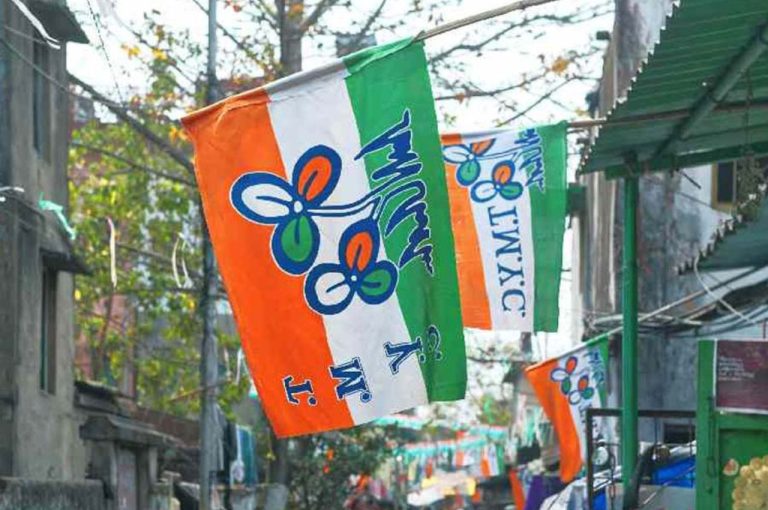
The Malda Congress defection to TMC 2026 has emerged as a significant turning point in Bengal’s political landscape. In a dramatic show of strength, 700 Congress workers and six panchayat leaders from Malda district joined the Trinamool Congress (TMC), signalling a major erosion of Congress’s grassroots base in North Bengal. The event underscores the fluidity of Bengal’s political alignments, the growing dominance of TMC, and the challenges faced by the Congress in retaining relevance.


2. The Defection Event

  • Location: Malda district, a traditional Congress stronghold.
  • Participants: 700 grassroots workers and six elected panchayat leaders.
  • Ceremony: Organised by local TMC leaders, with symbolic handovers of party flags.
  • Message: The defectors cited lack of leadership in Congress and confidence in Mamata Banerjee’s governance as reasons for their shift.

3. Political Context

  • Malda has historically been a Congress bastion, dominated by the Ghani Khan Choudhury family’s legacy.
  • Over the past decade, Congress has struggled to retain influence amid the rise of TMC and BJP.
  • The defection reflects Congress’s weakening organisational structure in Bengal.
  • TMC framed the event as proof of its expanding grassroots reach ahead of upcoming elections.

4. Governance Challenges

The defection highlights broader governance and political issues:

  • Weak opposition structures in Bengal.
  • Grassroots dissatisfaction with Congress leadership.
  • TMC’s consolidation strategy through welfare schemes and local outreach.
  • Impact on panchayat governance, as defected leaders now align with ruling party priorities.

5. Government External Links for Assistance


6. Historical Context of Malda Politics

  • 1980s–2000s: Congress dominated Malda under A.B.A. Ghani Khan Choudhury.
  • 2011: TMC’s rise under Mamata Banerjee began eroding Congress’s base.
  • 2019–2024: BJP made inroads, further fragmenting opposition votes.
  • 2026: Mass defection to TMC signals Congress’s near collapse in Malda.

7. Community Impact

  • Local residents see defections as a shift in power balance.
  • Panchayat governance expected to align more closely with TMC’s welfare schemes.
  • Congress supporters express disillusionment, fearing loss of representation.
  • Civil society groups debate whether defections strengthen democracy or weaken opposition accountability.

8. Global Comparisons

Similar political defections worldwide:

  • Italy: Frequent party realignments weaken opposition stability.
  • Bangladesh: Grassroots defections to ruling party common in rural politics.
  • Nigeria: Mass defections often reshape electoral outcomes.

Bengal’s case mirrors these global struggles where defections redefine political landscapes and weaken opposition parties.


9. Malda Congress Defection to TMC 2026: Governance Lessons

The Malda defection teaches:

  • Strong grassroots leadership is essential for party survival.
  • Welfare schemes and local outreach can consolidate ruling party dominance.
  • Opposition accountability is crucial for democratic balance.
  • Community trust must be nurtured to prevent mass defections.

10. Future Outlook – Bengal Politics

India must move towards:

  • Strengthening opposition structures to ensure democratic competition.
  • Transparent panchayat governance to prevent misuse of defections.
  • Community‑based political engagement to rebuild trust.
  • Cross‑regional comparisons to refine strategies for party survival.

11. Conclusion

The Malda Congress defection to TMC 2026 is more than a local event—it is a reflection of Bengal’s shifting political dynamics. With 700 workers and six panchayat leaders joining TMC, Congress faces existential challenges in one of its last strongholds. For Bengal, the lesson is clear: political survival depends on grassroots strength, leadership credibility, and the ability to adapt to changing realities.

Also read: Home | Channel 6 Network – Latest News, Breaking Updates: Politics, Business, Tech & More
Mahakal Temple Siliguri Foundation 2026 – Detailed Analysis of Stone Laying Ceremony, Cultural Significance, and Governance Lessons for Heritage Development in Bengal

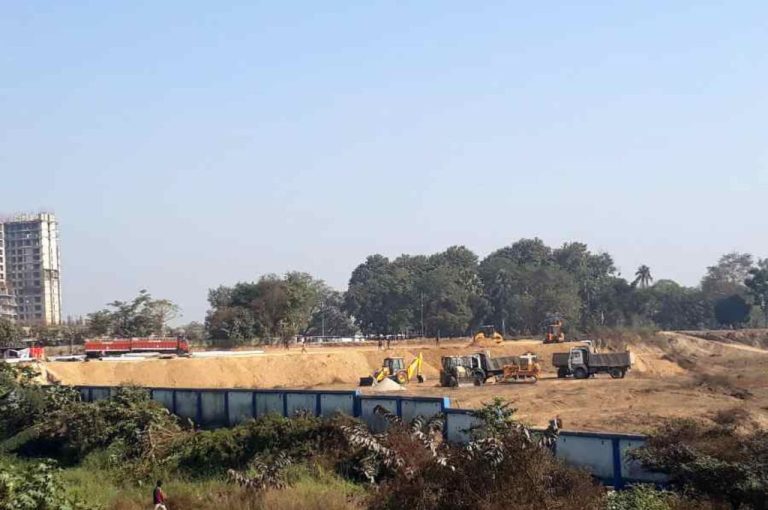
Mahakal Temple Siliguri Foundation 2026 – Detailed Analysis of Stone Laying The Mahakal Temple Siliguri foundation 2026 marks a milestone in Bengal’s cultural and spiritual landscape. On January 16, 2026, the foundation stone of the temple will be laid near Siliguri, a gateway town to North Bengal and the Himalayas. The project is expected to become a major religious and tourism hub, blending heritage, spirituality, and regional development.


2. The Ceremony

  • Date: January 16, 2026.
  • Venue: Near Siliguri, strategically located at the crossroads of North Bengal.
  • Attendees: Religious leaders, government officials, and community representatives.
  • Objective: To formally begin construction of the Mahakal Temple, envisioned as a centre of worship and cultural identity.

3. Significance of Mahakal Worship

  • Mahakal is a revered form of Lord Shiva, symbolising time, eternity, and cosmic power.
  • Temples dedicated to Mahakal exist in Ujjain (Madhya Pradesh) and other parts of India.
  • The Siliguri temple will add to Bengal’s spiritual map, complementing sites like Tarapith, Dakshineswar, and Kalighat.
  • The project reflects Bengal’s syncretic tradition of blending devotion with cultural heritage.

4. Cultural and Regional Importance

  • Siliguri is a gateway to Darjeeling, Sikkim, Bhutan, and Nepal, making it a strategic location for pilgrims and tourists.
  • The temple is expected to attract visitors from across India and neighbouring countries.
  • It will serve as a cultural anchor for North Bengal, reinforcing regional identity.
  • The project also aims to boost eco‑tourism and spiritual tourism in the region.

5. Governance Challenges

The temple project reflects broader governance issues:

  • Balancing heritage and modern infrastructure.
  • Ensuring environmental sustainability in construction near sensitive ecological zones.
  • Managing tourism flows to avoid congestion in Siliguri.
  • Community participation to ensure inclusivity in development.

6. Government External Links for Assistance


7. Historical Context of Temple Foundations in Bengal

  • Dakshineswar Temple (19th century): Became a centre of spiritual renaissance under Ramakrishna.
  • Kalighat Temple: One of the Shakti Peethas, symbolising Bengal’s deep devotional traditions.
  • Tarapith Temple: Famous for tantric worship and folk traditions.
  • 2026 Mahakal Temple: Represents a modern initiative to expand Bengal’s spiritual geography.

8. Community Impact

  • Local residents expect economic uplift through tourism.
  • Artisans and workers will benefit from construction and related industries.
  • Religious communities see the temple as a symbol of cultural pride.
  • Civil society groups call for inclusive development that respects local traditions.

9. Global Comparisons

Similar temple projects worldwide:

  • Nepal: Pashupatinath Temple attracts millions of pilgrims annually.
  • Thailand: Modern Buddhist temples blend heritage with tourism.
  • Indonesia: Balinese temples serve as both spiritual and cultural hubs.

The Siliguri Mahakal Temple mirrors these global efforts where religious heritage drives tourism and identity.


10. Governance Lessons

The Mahakal Temple project teaches:

  • Cultural heritage must be integrated with modern planning.
  • Community involvement ensures sustainability.
  • Tourism management is vital to avoid over‑commercialisation.
  • Environmental safeguards must be prioritised in sensitive zones.

11. Future Outlook – Heritage Development in Bengal

India must move towards:

  • Smart heritage tourism platforms with digital guides.
  • Eco‑friendly construction practices in temple projects.
  • Cross‑border cultural diplomacy with Nepal and Bhutan.
  • Educational campaigns to engage youth in heritage preservation.

12. Conclusion

The Mahakal Temple Siliguri foundation 2026 is more than a religious event—it is a statement of Bengal’s cultural resilience and spiritual identity. By laying the foundation stone on January 16, the project sets the stage for a new centre of devotion, tourism, and heritage. For Bengal, the lesson is clear: temples are not just places of worship, but also pillars of community, culture, and development.

Also read: Home | Channel 6 Network – Latest News, Breaking Updates: Politics, Business, Tech & More

Jalpaiguri Jumbo Calf Rescue 2026 – Detailed Analysis of Tea Garden Incident, Human‑Wildlife Conflict, and Governance Lessons for Elephant Conservation in Bengal

The Jalpaiguri jumbo calf rescue 2026 has captured public attention across Bengal. A baby elephant fell into a pit inside a tea garden in Jalpaiguri district, sparking panic among workers and villagers. Forest officials rushed to the site and successfully rescued the calf after hours of effort. The incident highlights the fragile balance between tea plantation economies and elephant habitats, underscoring the urgency of better conflict‑management strategies.


2. Jalpaiguri Jumbo Calf Rescue 2026: The Incident

  • Location: Tea garden in Jalpaiguri district, North Bengal.
  • Victim: A jumbo calf, separated from its herd.
  • Cause: The calf accidentally slipped into a pit dug for plantation work.
  • Rescue: Forest officials used ropes, earth‑moving equipment, and coordinated manpower to pull the calf out.
  • Outcome: The calf was reunited with its herd, much to the relief of villagers and workers.

3. Human‑Wildlife Conflict in North Bengal

  • North Bengal is home to dense forests, tea plantations, and elephant corridors.
  • Elephants frequently stray into plantations in search of food.
  • Tea gardens act as buffer zones, often blurring boundaries between human activity and wildlife habitats.
  • Seasonal factors like fog, floods, and food scarcity push elephants into human settlements.

4. Tea Plantation Vulnerabilities

  • Tea plantations are located adjacent to forests like Gorumara, Jaldapara, and Buxa Tiger Reserve.
  • Workers often face risks from elephants while plucking leaves.
  • Lack of protective infrastructure (fencing, watchtowers) increases vulnerability.
  • Plantation economy depends on daily wage labourers, making safety lapses more costly.

5. Governance Challenges

The Jalpaiguri rescue reflects:

  • Weak buffer zone management between forests and plantations.
  • Inadequate compensation schemes for victims of wildlife encounters.
  • Poor awareness campaigns among plantation workers.
  • Need for climate‑resilient strategies as fog and floods intensify conflicts.

6. Government External Links for Assistance


7. Historical Context of Elephant Rescues in Bengal

  • 2015: Elephant herd rescued from flooded tea gardens in Jalpaiguri.
  • 2018: Calf trapped in a ditch near Alipurduar, freed by forest officials.
  • 2021: Herd entered plantations during monsoon, leading to multiple rescue operations.
  • 2026: Current incident adds to the pattern of seasonal elephant straying.

8. Community Impact

  • Families of workers expressed relief at the calf’s safe rescue.
  • Villagers feared retaliation from the herd if the calf was not saved.
  • Children and elderly suffered psychological trauma from sudden elephant encounters.
  • Civil society groups demanded compensation and relocation of hazardous zones.

9. Global Comparisons

Similar human‑elephant conflicts worldwide:

  • Sri Lanka: Elephants often stray into paddy fields, leading to crop damage.
  • Kenya: Elephants enter farms during droughts, sparking clashes.
  • Thailand: Elephant calves frequently rescued from wells and pits.

Bengal’s case mirrors these global struggles where wildlife conservation collides with human safety.


10. Governance Lessons

The Jalpaiguri rescue teaches:

  • Buffer zone management is critical in elephant corridors.
  • Community awareness reduces panic during straying events.
  • Rapid response teams must be strengthened.
  • Climate adaptation strategies are needed for fog and flood seasons.

11. Future Outlook – Conservation in Bengal

India must move towards:

  • Smart surveillance systems using drones and sensors.
  • Eco‑friendly barriers to protect plantations.
  • Compensation schemes for victims and families.
  • Cross‑border cooperation with Bhutan for elephant corridors.

12. Conclusion

The Jalpaiguri jumbo calf rescue 2026 is more than a heart‑warming story—it is a reminder of the fragile balance between conservation and community safety. As tea plantation workers continue to face risks from elephants, Bengal must strengthen buffer zone management, community awareness, and climate resilience strategies. For Jalpaiguri, the lesson is clear: protecting elephants must go hand in hand with protecting rural livelihoods.


Also read: Home | Channel 6 Network – Latest News, Breaking Updates: Politics, Business, Tech & More
Nobody’s Father Can Separate Mumbai From Maharashtra’: Fadnavis’ Bold and Defiant Hit at Uddhav, Raj Thackeray Ahead of BMC Polls 2026

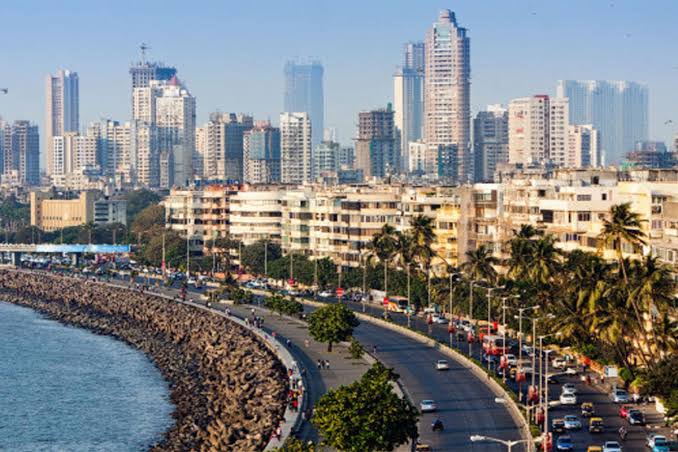
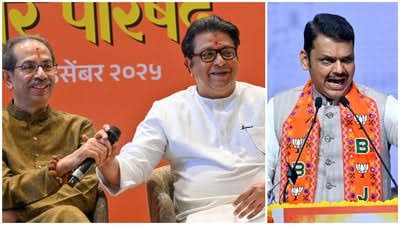
Maharashtra Chief Minister Devendra Fadnavis has launched a fierce rebuttal to political rivals Uddhav Thackeray and Raj Thackeray, following remarks by the Thackeray cousins that the Brihanmumbai Municipal Corporation elections could be pivotal for the future of Marathi people and their influence in Mumbai. Speaking at a major election rally in Mumbai, Fadnavis asserted that no one, regardless of lineage or political standing, can separate Mumbai from Maharashtra, underscoring the city’s deep cultural and historical ties to the state. His comments marked a significant escalation in the rhetoric ahead of the high-stakes civic polls scheduled for January 15, 2026, where control of India’s richest municipal body is up for grabs.

Fadnavis’s remarks came amid intense campaigning, with parties across the political spectrum amplifying issues like regional pride, identity politics and governance records. The chief minister’s statement was aimed not only at countering the Thackerays’ narrative but also at reassuring Marathi voters and undecided citizens that Mumbai’s future will remain firmly within the fabric of Maharashtra’s political and cultural identity.

Fadnavis Declares Mumbai Inseparable From Maharashtra

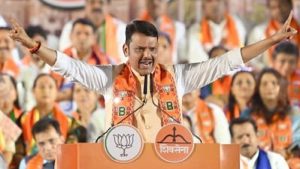
Addressing supporters at a rally in Shivaji Park, Fadnavis took aim at the opposition, claiming that attempts to frame the BMC election as a struggle for cultural survival were misleading and emotionally charged for political gain. He argued that Mumbai’s status as part of Maharashtra is unassailable and rooted in the collective will of its residents, not subject to change by any political figure or family legacy.

Fadnavis reiterated that Mumbai’s development and integration with the rest of the state should transcend factional battles and that attempts to create division over identity were distractions from substantive issues like civic infrastructure, public services and administrative efficiency. In his speech, he emphasised that the election should be about governance performance and citizens’ welfare rather than symbolic assertions of regional belonging.

CM Devendra Fadnavis at the rally at Shivaji Park in Dadar on Monday.

Context of the Thackeray Comments

Earlier in the campaign cycle, Uddhav Thackeray and Raj Thackeray had sought to cast the civic polls as a defining moment for Marathi speakers in Mumbai. They raised concerns that the demographic and political dynamics of the city were shifting in ways that could marginalise local Maharashtrian interests if not countered effectively at the ballot box. Critics of the chief minister’s narrative have sometimes described these fears as part of a broader strategy to mobilise voters on cultural lines.

The Thackerays’ focus on identity politics has resonated with segments of the electorate who see Mumbai’s rapid growth and influx of new residents as diluting the influence of traditional Marathi communities. This sentiment has been a recurring theme in Maharashtra politics, particularly in urban centres where economic expansion and migration have transformed social structures.

Political Strategy and Appeal to Marathi Voters

In his rebuttal, Fadnavis also highlighted the importance of inclusive development and inclusive governance. He stressed that policies benefiting all residents, regardless of linguistic or community background, would strengthen Mumbai’s role as a global city while honouring its roots in Maharashtra’s history. Critics argue that such a message also serves to broaden voter appeal beyond narrow identity segments and underscores the ruling alliance’s focus on administrative performance.

The chief minister further noted that while Marathi remains a critical cultural element and is emphasised in educational policy, the political narrative should not devolve into exclusionary rhetoric. He called for substantive dialogues on urban challenges such as infrastructure, sanitation and housing, suggesting that tangible governance outcomes should be central to electoral decision-making.

Reactions From Opposition Leaders

In response to Fadnavis’s comments, leaders from the Thackeray alliance have defended their emphasis on cultural issues, asserting that safeguarding the interests of the Marathi people in Mumbai is not about exclusion but about preserving heritage and ensuring equitable representation. They argue that rapid urban growth and political realignments have left traditional communities feeling overlooked, making identity issues legitimate for electoral debate.

Some opposition voices contend that the ruling party’s response has at times downplayed the emotional and historical significance of such concerns, framing them instead as political tactics rather than genuine grassroots sentiments. However, both sides agree that the upcoming BMC polls will serve as a key indicator of how voters balance identity narratives with governance performance.

Voter Considerations in the BMC Election

As the civic polls approach, voters in Mumbai have been weighing a range of issues. Beyond debates over identity, many residents are focused on practical concerns such as traffic congestion, noise and air pollution, waste management, water supply, housing affordability and public health infrastructure. These everyday challenges form an important backdrop to the political campaigns of all parties, and their prominence in voter priorities suggests that the outcome may hinge on how well candidates articulate solutions to these problems.

Analysts note that while emotive appeals can energise specific voter bases, pragmatic governance issues often drive broader electoral outcomes. In a city as diverse and fast-paced as Mumbai, balancing cultural pride with policy effectiveness could prove decisive in determining which party or alliance gains control of the BMC’s significant budget and administrative authority.

Significance of Mumbai’s Role in Maharashtra Politics

Mumbai’s political importance extends far beyond its municipal boundaries. As India’s financial capital and a hub of economic activity, decisions made at the BMC level can have cascading effects on regional development, investment flows and public policy priorities across Maharashtra. Control of the municipal corporation typically affords considerable influence over urban planning, resource allocation and civic service delivery — factors that underscore why the city’s elections attract heated debate and high-profile interventions.

Fadnavis’s insistence on Mumbai’s inseparability from Maharashtra can thus be seen as both a cultural assertion and a strategic appeal to voters who see the city’s identity as intertwined with their own sense of belonging and future prospects.

Looking Ahead to Polling Day

With election day approaching, both the Mahayuti alliance led by Fadnavis and opposition forces including the Thackeray duo are intensifying their outreach efforts across Mumbai’s wards. Campaigns are focusing on town halls, public meetings, community events and door-to-door engagement as they seek to mobilise supporters on multiple fronts. While debates over cultural identity and political narratives will continue, the practical concerns of urban governance are likely to remain central to voter decision-making.

As Mumbai prepares for voting, the rivalry between different political leaders underscores the competitive nature of civic politics in the city and highlights how elections to local bodies like the BMC can reflect broader currents in state and national discourse.

Read More: https://channel6network.com/wp-admin/post.php?post=66981&action=edit

January 15 BMC Polls 2026: From Schools to Offices, What’s Closed and What’s Open in Mumbai in a Crucial and Smooth Process

Mumbai is set to witness a crucial democratic exercise on January 15 as voters step out to participate in the Brihanmumbai Municipal Corporation elections. With civic polls being held across the city, the Maharashtra government has declared the day as a public holiday in several areas to ensure maximum voter turnout. This has created widespread interest among residents, students, office-goers, and business owners about what will remain open and what will be closed on this important Wednesday. From educational institutions to government offices and essential services, the city’s daily rhythm will see a noticeable shift as polling day approaches.

Public Holiday and Government Office Closures

The declaration of a public holiday applies mainly to government and civic body offices within the Mumbai municipal limits. This means municipal offices, state government departments located in the city, and other public sector establishments will remain closed for routine work. However, emergency services and essential administrative wings will continue to operate to ensure that citizens do not face inconvenience. Private companies are not legally bound to shut down, but many employers have been advised to allow flexible work hours or paid leave so that employees can exercise their right to vote without any pressure.

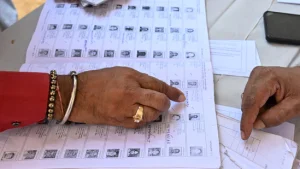
BMC polls 2025: The civic polls are scheduled to take place across several cities of Maharashtra on January 15.

Schools, Banks and Essential Services on Polling Day

Schools and colleges in Mumbai will remain closed on January 15 as they are commonly used as polling stations. Many educational institutions also serve as counting and security hubs during elections, making it impractical to hold classes on the same day. Parents have been informed in advance to make alternative arrangements for their children. While online classes may be conducted by some private schools, most are expected to observe a full holiday. Universities and professional institutes are also likely to suspend examinations or reschedule them to avoid clashes with polling operations.

Banks and financial institutions have been a point of concern for many residents, especially those who need to complete urgent transactions. Since January 15 has been declared a public holiday for civic polls, public sector banks and cooperative banks in Mumbai will remain closed. However, private banks may operate with reduced staff depending on internal policies. Digital banking services such as mobile apps, net banking, UPI payments, and ATM withdrawals will continue to function normally, allowing people to manage their finances even if physical branches are shut.

Post offices, municipal service counters, and government-run customer service centers will also remain closed for regular operations. This includes facilities related to property tax payments, water bill collection, and document verification. Citizens are advised to complete any urgent official work before January 15 or wait until the next working day. Emergency helplines, disaster management units, and hospitals will operate as usual to ensure public safety and healthcare services are not disrupted.

Public transport will continue to play a crucial role on polling day. BEST buses, suburban local trains, metro services, and taxis will operate normally across Mumbai. In fact, additional transport arrangements are often made on election days to help voters reach polling booths easily. Authorities have indicated that special routes and shuttle services may be introduced in some areas, especially in densely populated wards. Traffic police will also be deployed in large numbers to manage congestion near polling centers and ensure smooth movement of voters.

Markets, grocery stores, pharmacies, and essential retail outlets will remain open. There is no restriction on the operation of shops selling daily necessities, food items, or medicines. Restaurants, malls, and entertainment venues may also remain open, although footfall could be lower due to the public holiday and election-related restrictions. Some areas around polling booths may have temporary security zones where movement is regulated, which could affect nearby businesses for a few hours.

Private offices and corporate workplaces will follow different approaches. While some companies may declare a full-day holiday, others may operate with reduced staff or allow work-from-home options. The key requirement is that employers must give their employees enough time to vote. This means workers cannot be denied leave or penalized for stepping out to cast their ballot. Many firms in Mumbai have already circulated internal notices encouraging employees to participate in the democratic process.

Why January 15 Is Crucial for Mumbai

Security will be tight across the city on January 15. Police, home guards, and central security forces will be deployed at polling stations, sensitive areas, and key junctions. Alcohol sales will be banned in Mumbai from the evening of January 13 until the end of polling on January 15 as part of the dry day regulations. This is a standard practice during elections to maintain law and order and prevent any disturbances.

As Mumbai gears up for this important civic exercise, residents are being urged to check their voter details, locate their polling booths, and plan their day accordingly. While certain services will be unavailable due to the public holiday, most essential facilities will remain functional. January 15 will not only decide the future leadership of the Brihanmumbai Municipal Corporation but will also showcase the city’s commitment to democratic participation.

For many citizens, the day offers a chance to step away from their usual routine and take part in shaping Mumbai’s local governance. Whether you are a student enjoying a day off, an office-goer heading to the polling booth, or a business owner keeping your shop open, the spirit of democracy will be visible across the city. As Mumbai balances civic duty with everyday life, January 15 promises to be a day of both participation and responsibility.

Read More: https://channel6network.com/maharashtra-makar-sankranti-school-holiday/

Breaking Good News: Maharashtra Makar Sankranti Schools Closed — 14 or 15? Latest Update for Mumbai and Other Cities

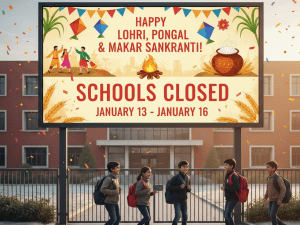
Makar Sankranti is one of the most widely celebrated festivals in Maharashtra, marking the transition of the sun into Capricorn and symbolizing new beginnings, harvest, and positivity. Every year, families across the state observe the day with traditional sweets, kite flying, and community gatherings. However, as the festival approaches in 2026, a familiar question has once again emerged among parents, students, and school authorities: on which day will schools remain closed, January 14 or January 15?

The uncertainty this year is mainly due to the way the festival date is calculated. Makar Sankranti is not based on the lunar calendar like many other Indian festivals but on the solar calendar. The festival is observed when the sun enters the zodiac sign of Makara or Capricorn. In 2026, this astronomical transition is taking place late on January 14, which has led to confusion over whether the holiday should be declared on January 14 or January 15.

In Maharashtra, school holidays are usually announced by the state education department and local district authorities based on official government calendars. These calendars are prepared well in advance and include holidays for national events, religious festivals, and regional observances. For Makar Sankranti, the holiday date can sometimes vary depending on the time of the solar transition and regional traditions.

Makar Sankranti

For the academic year 2025–26, many schools in Maharashtra had initially listed January 14 as the Makar Sankranti holiday in their tentative calendars. This is because January 14 is traditionally associated with Sankranti in most parts of India, including Maharashtra. Over the decades, people have grown accustomed to celebrating the festival on this date, even if the actual astrological moment occurs late in the day.

However, this year the sun enters Capricorn close to midnight on January 14, making January 15 the first full day of Makara according to astrological calculations. This has prompted discussions among cultural bodies and some educational institutions about whether January 15 should be considered the more accurate festival day.

In Mumbai and several other cities, parents began receiving mixed messages from schools and local groups as the festival approached. Some private schools informed parents that classes would remain suspended on January 14, as per the original academic calendar. Others hinted that January 15 might be observed as a holiday instead, especially if the state government issues a revised circular.

The Maharashtra education department has clarified in recent updates that, unless officially revised, the holiday mentioned in the state school calendar will remain valid. This means that for most government and aided schools, January 14 is expected to be the official Makar Sankranti holiday. Students and teachers in these institutions can therefore plan their festival celebrations without worrying about a sudden change.

Private schools, however, have some flexibility in how they observe holidays, as long as they meet the minimum working day requirements set by education boards. Some private institutions, especially those following certain cultural or astrological guidelines, may choose to give a holiday on January 15 instead of or in addition to January 14. This is why parents are being advised to check directly with their school management for confirmation.

The confusion has also been amplified by social media posts and forwarded messages claiming that the holiday has been shifted to January 15 across Maharashtra. Education officials have urged people not to rely on unverified information and to wait for official communication from their school or the education department.

For students, the holiday is an important break in the middle of the academic term. Makar Sankranti often falls close to exam periods in many schools, making the festival break a welcome opportunity to relax and spend time with family. In rural areas, where the festival is also linked to harvest celebrations, the holiday holds even greater cultural importance.

In Mumbai and other urban centers, Makar Sankranti is marked by kite flying, terrace gatherings, and the exchange of tilgul and other traditional sweets. Schools often organize cultural programs and special assemblies around this time, which further highlights the significance of the festival in the educational environment.

If the holiday remains on January 14 as expected, schools will reopen on January 15 and continue with their regular schedules. If any institution decides to observe the holiday on January 15 instead, January 14 may be treated as a regular working day or used for limited academic activities.

Parents who are planning travel or family gatherings around the festival should keep a close eye on messages from their child’s school. Most schools will send official notices through their communication apps, emails, or diaries to confirm the exact holiday date.

Official Holiday Status for Makar Sankranti and What Parents Should Know

As of now, the latest updates indicate that January 14 will be the primary Makar Sankranti holiday for most schools across Maharashtra, including Mumbai. Any deviation from this will depend on individual school policies and any last-minute directives from local authorities.

With the festival just around the corner, families are hoping for clarity so they can enjoy the celebrations without academic worries. Whether the holiday falls on January 14 or 15, the spirit of Makar Sankranti remains the same, bringing warmth, joy, and a sense of renewal to homes across Maharashtra.

Read More: https://channel6network.com/nhrc-ratnagiri-school-pollution/

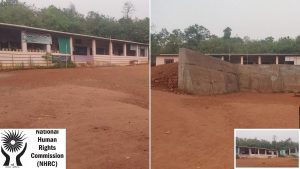
NHRC Takes Cognisance of Complaint by Ratnagiri Urdu School Students Over Dust and Noise Pollution From Bauxite Mining

The National Human Rights Commission (NHRC) has taken suo motu cognisance of a complaint filed by students and parents of a local Urdu medium school in Ratnagiri district, raising serious concerns about the impact of dust and noise pollution caused by nearby bauxite mining operations. The move comes amid mounting community distress over environmental degradation and its effect on public health, particularly that of children attending the school.

The complainants allege that the sustained pollution from the mining site has created hazardous conditions, with fine particulate matter settling on school premises and noise levels frequently disrupting classes. The NHRC’s decision to intervene underscores the gravity of the situation and the authorities’ responsibility to address environmental rights alongside human rights obligations.

Students and Parents Raise Alarm Over Pollution Impact

Students from the Urdu school, backed by their parents and local community leaders, submitted written representations to the NHRC detailing their grievances. According to the complaint, dust from the bauxite mining activities drifts directly onto school grounds, covering textbooks, classroom furniture and playground areas. The effect, students say, is not only discomfort but health-related issues such as persistent coughing, eye irritation and breathing difficulties.

Parents have echoed these concerns, asserting that the mining site’s operations have intensified over recent months without adequate mitigation measures. Many families have reported that children have been falling sick more frequently, particularly with respiratory problems and allergic reactions. These complaints highlight the intersection of environmental degradation and children’s right to education and health.

The noise pollution emanating from heavy machinery and blasting operations at the mine has also been cited as a significant disturbance. School authorities claim that the constant clatter makes it difficult for teachers and students to maintain normal classroom functioning, affecting students’ concentration and learning outcomes.

NHRC Orders Response From State Government

In response to the complaint, the NHRC issued notices to the Maharashtra state government and relevant environmental regulatory authorities, asking for a detailed report on the situation. The commission has sought information on the measures taken by state agencies to monitor and control dust and noise pollution stemming from mining activities near the school.

The NHRC’s intervention is significant because it compels the government to justify existing monitoring systems and mitigation efforts. It also places the spotlight on enforcement of environmental norms stipulated under national and state pollution control regulations. The commission is expected to review the responses and may recommend corrective action if the situation is found to violate statutory norms or human rights standards.

Civil society advocates have welcomed the NHRC’s step, saying that it sends a strong message that environmental rights, particularly for vulnerable groups such as children, are inseparable from fundamental human rights. They argue that schools should be safe and healthy spaces, free from pollution that can imperil students’ wellbeing.

NHRC
The National Human Rights Commission has sought reports from Ratnagiri district authorities and the Maharashtra Pollution Control Board over pollution caused by bauxite mining near an Urdu school | File Photo

Bauxite Mining and Environmental Concerns in Ratnagiri

Ratnagiri district, located in the Konkan region of Maharashtra, has natural deposits of bauxite, an ore used in aluminium production. Mining companies have been active in the region for several years, contributing to local employment and economic activity. However, environmental activists and residents have long raised concerns about the ecological impact of extraction processes, including deforestation, soil erosion, water contamination and air pollution.

Bauxite mining typically involves removing topsoil and vegetation cover, which can loosen soil and increase dust dispersion. When mining is close to residential areas or public institutions like schools, the risk of pollution affecting daily life increases significantly. Noise pollution from drilling, blasting and heavy vehicle movement further compounds community grievances.

The Maharashtra Pollution Control Board (MPCB) has set standards to regulate dust emissions and noise levels from industrial activities, including mining. Nevertheless, enforcement of these standards is often a point of contention in areas where economic interests intersect with environmental protection.

Community Voices and Local Response

Local residents and community representatives have been vocal about the urgency of addressing pollution near the school. Many parents have expressed frustration at what they see as slow or insufficient action by local authorities to curb mining-related pollution. Some families have even considered relocating their children to schools in areas perceived to be less polluted, though financial constraints make such moves difficult for many.

Community activists have also urged the district administration to conduct independent environmental assessments around the mining site and the school. Such studies, they argue, would provide empirical data on air quality and noise levels, helping inform appropriate remedial measures.

The conflict highlights a broader challenge faced in many parts of India where industrial activities coexist with residential and public use spaces. Finding a balance between economic development and environmental health is often fraught with competing interests, making regulatory oversight and community engagement all the more important.

The NHRC’s involvement brings heightened scrutiny to these dynamics, potentially leading to stronger oversight and accountability. Residents are hopeful that a sustained focus from national authorities will lead to tangible improvements in pollution control and better protection for local schools and communities.

Experts Weigh In on Environmental and Health Risks

Environmental experts have noted that prolonged exposure to dust and noise pollution can have long-term health consequences, particularly for children whose respiratory systems and nervous systems are still developing. Fine particulate matter can penetrate deep into the lungs and even enter the bloodstream, increasing the risk of chronic respiratory conditions and other health problems.

Noise pollution, meanwhile, has been linked to stress, hearing impairment and cognitive disruption, especially in learning environments where concentration is critical. Experts say that when educational institutions are situated close to industrial sites without adequate buffer zones or pollution control measures, the risks to children’s health and academic performance increase substantially.

These concerns support the arguments made by the students and parents in Ratnagiri, giving additional weight to the NHRC’s decision to examine the matter at a national level.

Way Forward: Recommendations and Expectations

The NHRC has asked the state government to provide responses on mitigation measures, monitoring protocols and any steps taken to protect the school environment. In similar cases, the commission has recommended actions such as installing dust-suppressing systems, imposing noise restrictions during school hours, improving green cover around sensitive zones and ensuring compliance with environmental impact assessment norms.

Stakeholders expect that the NHRC may also suggest regular monitoring and community engagement mechanisms, including periodic reporting on pollution levels and redressal of citizen complaints. If the state’s response is found inadequate, the commission could recommend more stringent actions or direct supervisory measures.

For the parents and students who lodged the complaint, the NHRC’s involvement has offered a sense of validation and hope. Many believe that authoritative oversight is needed to ensure that industrial activities do not compromise children’s rights to health, education and a safe environment.

The outcome of the NHRC’s review could have implications beyond the Ratnagiri case, potentially influencing how environmental and human rights issues intersect in other parts of the country as well.

Read More: https://channel6network.com/thane-thackeray-brothers-marathi-pride-polls/

Germany Visa-Free Transit: Revolutionary Facility for Indian Travelers

New Delhi – Germany announced on Monday that it would provide a Germany visa-free transit facility to Indian passport holders for transiting through the country, aiming to make travel significantly easier for Indians. This groundbreaking development means Indian nationals will no longer need an airport transit visa for layovers in Germany’s international transit areas while catching connecting international flights. The Germany visa-free transit initiative represents a major step forward in bilateral relations and will benefit thousands of Indian travelers who transit through German airports annually.

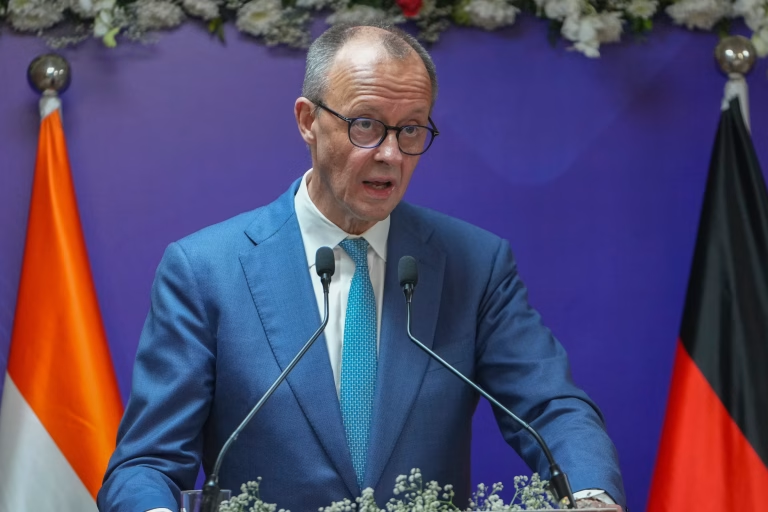
The move was announced during German Chancellor Friedrich Merz‘s first official visit to India, underscoring the importance both nations place on strengthening their relationship. At a joint press conference, Prime Minister Narendra Modi thanked Merz for the decision, calling the Germany visa-free transit facility a step that would not only facilitate and ease travel for Indian nationals but also strengthen people-to-people links between the two countries.

Understanding the Germany Visa-Free Transit Facility

The Germany visa-free transit facility allows Indian passport holders to pass through German airports during layovers without obtaining a separate transit visa. However, it is crucial to understand that this facility does not automatically allow travelers to leave the airport, enter Germany, or stay in the country. The provision specifically applies only to passengers remaining within the international transit area while awaiting their connecting international flights.

Previously, Indian nationals were required to obtain a Schengen transit visa, also known as a category A visa, even if they stayed within the international transit area at major German airports such as Frankfurt, Munich, or Berlin. This mandate applied despite passengers not actually entering Germany or the wider Schengen area, creating unnecessary bureaucratic hurdles and expenses for Indian travelers.

Who Benefits from Germany Visa-Free Transit

Under the new Germany visa-free transit facility, transiting will become considerably easier for Indian passport holders, as they can now pass through German airports for onward international connections without needing to apply for a separate transit visa. This change particularly benefits business travelers, tourists, and students who frequently use German airports as transit points when traveling to destinations across Europe, the Americas, and other continents.

The Germany visa-free transit facility eliminates both the time and financial costs associated with obtaining transit visas, which previously required Indian travelers to submit applications, provide documentation, and pay visa fees even for brief layovers lasting just a few hours. This streamlined process will make German airports more attractive transit hubs for Indian passengers.

Important Limitations and Requirements

While the Germany visa-free transit facility represents significant progress, travelers must understand its limitations. The facility does not apply to travelers visiting Germany for tourism, business, or family visits. Indian nationals will still need the appropriate visa to enter Germany or other Schengen countries for any purpose beyond simple transit through the airport’s international zone.

Also Read: Trump India Envoy Sergio Gor: Bold Entry With Friendship Promise

This means that if Indian travelers wish to leave the airport during their layover, explore German cities, or conduct business meetings outside the airport, they must still obtain the relevant Schengen visa before their journey. The Germany visa-free transit facility exclusively covers situations where passengers remain within the designated international transit areas of German airports.

Strategic Context of Merz’s India Visit

Chancellor Friedrich Merz visited India on Monday as part of a broader initiative to strengthen economic and security cooperation between the European Union’s largest economy and India. Merz met with Prime Minister Narendra Modi in Ahmedabad, where the Germany visa-free transit announcement was made alongside discussions on various bilateral issues.

Berlin and New Delhi are currently navigating a highly unstable global landscape, facing economic and geopolitical pressures from the world’s two biggest economies, the United States and China. In this context, the Germany visa-free transit facility serves as both a practical measure to facilitate travel and a symbolic gesture of closer ties between the two democracies.

Broader Bilateral Cooperation Agenda

During his trip to India, German Chancellor Friedrich Merz discussed closer business and defense ties with New Delhi, aiming to bolster Germany’s economy amid tensions with its key trading partners, China and the United States. The Germany visa-free transit facility announcement was part of a broader package of cooperation initiatives between the two nations.

Both sides are expected to sign approximately 10 agreements covering key areas such as critical minerals and traditional medicines. These agreements demonstrate the multifaceted nature of Germany-India relations, with the Germany visa-free transit facility representing just one element of an expanding partnership.

Impact on Germany-India Relations

The Germany visa-free transit facility strengthens people-to-people connections between the two countries, a priority emphasized by Prime Minister Modi during the joint press conference. By removing bureaucratic barriers to transit travel, Germany demonstrates its commitment to facilitating easier movement for Indian citizens, which in turn promotes tourism, business exchanges, and cultural interactions.

The timing of the Germany visa-free transit announcement during Merz’s first visit to India as Chancellor highlights the priority both governments place on deepening bilateral ties. The facility aligns with broader efforts to enhance connectivity and cooperation between India and Germany across multiple sectors.

Practical Implementation Details

The Germany visa-free transit facility will be implemented at all major German airports, including Frankfurt, Munich, and Berlin, which serve as primary transit hubs for international travelers. Indian passport holders transiting through these airports can now proceed directly to their connecting flights without the previously required transit visa processing.

This Germany visa-free transit arrangement significantly reduces travel planning complexity for Indian passengers, who no longer need to factor in transit visa application timelines when booking flights through German airports. The facility is expected to increase the attractiveness of German airports as preferred transit points for Indian travelers heading to various global destinations, potentially benefiting German airlines and airport services while strengthening the bilateral relationship between Germany and India through enhanced connectivity and simplified travel procedures.

Rajghat Power Plant Redevelopment: Ambitious Transformation Into Leisure Hub

0

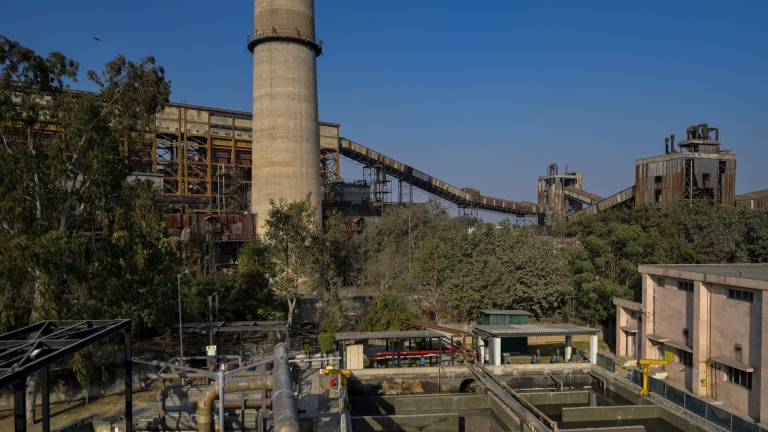
New Delhi – The Delhi government has unveiled an ambitious plan for Rajghat power plant redevelopment, proposing to repurpose the defunct facility as a major public leisure complex. The comprehensive vision includes transforming turbine halls into open-air concert venues, creating modular open-air plazas, establishing multilevel rooftop cafes, and hosting weekly night markets featuring local artisans. This Rajghat power plant redevelopment initiative represents one of the most significant urban transformation projects undertaken by the Delhi government, aiming to breathe new life into a facility that has remained unused since its decommissioning.

Officials announced the detailed proposals on Monday, revealing that the power department has drawn extensive inspiration from the successful Battersea Power Station redevelopment in London, United Kingdom. The Rajghat power plant redevelopment team has conducted extensive studies of the Battersea project, which was successfully transformed more than 40 years after its decommissioning.

Historical Context and Site Specifications

Set up in 1980, the Rajghat coal-powered plant spreads across 45 acres in central Delhi, positioned along the Yamuna River. The facility officially ceased operations and was decommissioned in December 2015 due to its significant contribution to air pollution in Delhi. Since its closure, the site has remained unused despite several previous redevelopment proposals that failed to materialize, making the current Rajghat power plant redevelopment initiative particularly significant.

The location’s proximity to the Yamuna and its position in central Delhi provide unique advantages for the Rajghat power plant redevelopment project, offering accessibility while creating opportunities for integrating riverfront elements into the overall design.

Battersea Model Inspires Design Philosophy

The Rajghat power plant redevelopment draws direct inspiration from the Battersea Power Station, located on the bank of the River Thames. The coal-fired London facility was redeveloped into a mixed-use district and reopened in October 2022, successfully retaining the building’s character while introducing cultural venues, public plazas, restaurants, riverfront walkways, and offices. This model provides a proven blueprint for the Rajghat power plant redevelopment, demonstrating how industrial heritage sites can be transformed into vibrant community spaces.

Government officials studying the Battersea project have identified key principles that will guide the Rajghat power plant redevelopment, particularly the importance of preserving architectural character while creating modern, functional public spaces.

Also Read: Cold Wave Health Risks: Urgent AIIMS Warning for Vulnerable Groups

Cultural Venues and Entertainment Spaces

According to government proposals for Rajghat power plant redevelopment, the repurposed turbine halls will host open-air concerts and theatre performances with the chimneys serving as a dramatic backdrop in a mixed-access model. The plan includes constructing a modular open-air plaza near the Rajghat chimney featuring a versatile stage and tiered seating for 1,000 people, inspired by Battersea’s use of industrial backdrops for visual impact.

Cultural programming is envisioned as the anchor for nighttime footfall in the Rajghat power plant redevelopment, creating safe, vibrant public spaces while generating economic activity after dark. Weekly event lineups would blend Delhi’s diverse cultural tastes, offering everything from classical performances to contemporary entertainment.

Culinary and Retail Components

The Rajghat power plant redevelopment proposals include utilizing parts of the plant’s existing structure, such as the boiler house and administrative buildings, to establish rooftop cafes with panoramic views of the illuminated chimney, the Yamuna River, and Delhi’s skyline. The department is also examining creation of a dedicated food street within the complex, where licensed vendors would sell popular Delhi street food, chaat, kebabs, and Old Delhi specialties.

This culinary component of the Rajghat power plant redevelopment is expected to generate steady nighttime employment while offering affordable leisure options for residents, contributing to the broader vision of creating a vibrant night-time economy.

Innovative Architectural Adaptations

The Rajghat power plant redevelopment includes innovative suggestions for reimagining existing structures. The chimney base with an elevated platform could be transformed into a Skydeck featuring telescopes and paid entry, offering unique views of the surrounding area. A section of the turbine hall could be converted into a compact multipurpose venue modeled on the Bharat Mandapam, with 1,000-seat capacity for educational seminars and summits.

The five-page proposal for Rajghat power plant redevelopment suggests branding this space as “Rajghat Sabhagar,” with an adjacent open courtyard hosting mini festivals and cultural events throughout the year.

Transportation and Accessibility Enhancements

To make the Rajghat power plant redevelopment site more accessible during nighttime hours, proposals include extending Delhi Metro’s late-night service from ITO or deploying dedicated DTC e-buses. These transportation enhancements are critical to ensuring the success of the night-time economy that the project aims to create.

Riverfront Integration and Heritage Elements

Additional proposals for Rajghat power plant redevelopment near the complex include a Yamuna riverfront promenade with LED-lit walkways, seating areas, and leisure zones, aimed at encouraging evening walks and social activity. Plans for a late-night heritage museum using augmented and virtual reality are also being explored, allowing visitors to engage with Delhi’s power history beyond conventional daytime hours.

Ownership Complexities and Future Timeline

The land for the defunct Rajghat power plant has complex ownership arrangements, with approximately 70% owned by the Delhi government and the remainder by the Delhi Development Authority. The central government’s Land & Development Office holds the original lease and claims some reversionary rights. Power minister Ashish Sood emphasized the need for creating major open spaces in Delhi on the lines of the India Gate area, stating that the Rajghat power plant redevelopment could serve as a model space with a thriving night-time economy. The various proposals under consideration remain in initial stages, requiring coordination among multiple stakeholders before implementation can begin.