Tuesday, April 28, 2026
Home Blog Page 128

Jalpaiguri Elephant Rescue Chaos 2026 – Detailed Analysis of Stray Calf Incident, Human‑Wildlife Conflict, and Governance Lessons for Bengal

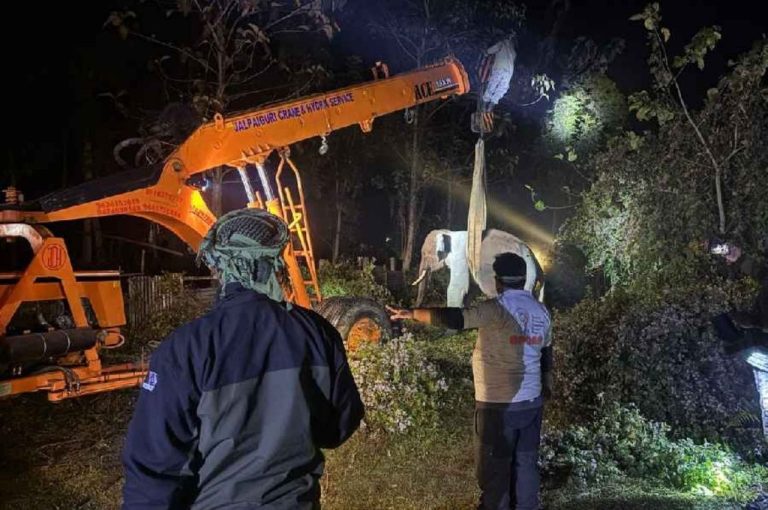
The Jalpaiguri elephant rescue chaos 2026 has become a dramatic reminder of Bengal’s growing human‑wildlife conflict. An elephant calf strayed into Jalpaiguri town, throwing the area into turmoil for nearly eight hours. Crowds gathered, traffic was disrupted, and panic spread as the animal wandered through lanes and fields. Eventually, forest officials tranquillised the calf and lifted it out safely, but the incident highlighted the fragile balance between conservation and urbanisation in North Bengal.


2. The Incident

  • Location: Jalpaiguri town, North Bengal, a region known for tea gardens and forest corridors.
  • Event: A stray elephant calf entered the town, causing chaos.
  • Duration: The rescue operation lasted eight hours.
  • Action: Forest officials used tranquilliser darts and cranes to lift the calf.
  • Community reaction: Shock, fear, and curiosity as crowds gathered to witness the rescue.

3. Why Elephants Stray into Towns

  • Habitat loss due to deforestation and tea garden expansion.
  • Fragmented corridors that disrupt elephant movement.
  • Urban encroachment into forest areas.
  • Search for food and water during dry seasons.
  • Disorientation of calves separated from herds.

4. Human‑Wildlife Conflict in North Bengal

  • North Bengal is a hotspot for elephant movement, with corridors linking Assam, Bhutan, and Nepal.
  • Villages and towns often face crop raids and property damage.
  • Train accidents involving elephants are common in the region.
  • The Jalpaiguri incident reflects the intensifying conflict between humans and wildlife.

5. Jalpaiguri Elephant Rescue Chaos 2026: Governance Challenges

The incident highlights systemic governance issues:

  • Weak enforcement of corridor protection laws.
  • Lack of early warning systems for towns near forests.
  • Insufficient manpower in forest departments.
  • Need for community awareness about handling stray wildlife.

6. Government External Links for Assistance


7. Historical Context of Elephant Incidents in Bengal

  • 2010s: Frequent train collisions killed dozens of elephants in North Bengal.
  • 2018: Herds entered Alipurduar villages, damaging crops.
  • 2022: Stray elephants wandered into Siliguri outskirts.
  • 2026: Current Jalpaiguri calf incident adds to the long list of conflicts.

8. Community Impact

  • Residents faced traffic disruptions and safety concerns.
  • Farmers worried about crop damage from wandering elephants.
  • Children and elderly expressed fear of future incidents.
  • Civil society groups demanded better coordination between forest and civic authorities.

9. Global Comparisons

Similar elephant‑related conflicts worldwide:

  • Sri Lanka: Elephants raid villages, leading to farmer deaths.
  • Thailand: Stray elephants enter towns searching for food.
  • Africa: Human‑elephant conflicts escalate near expanding farms.

Jalpaiguri’s case mirrors these global struggles where wildlife corridors clash with human expansion.


10. Governance Lessons

The Jalpaiguri rescue teaches:

  • Corridor protection is essential for elephant safety.
  • Community awareness campaigns can reduce panic.
  • Rapid response teams must be strengthened.
  • Technology (GPS collars, drones) can track elephant movement.

11. Future Outlook – Wildlife Management in Bengal

India must move towards:

  • Digitised elephant tracking systems accessible to forest officials.
  • Eco‑friendly fencing to protect villages without harming wildlife.
  • Cross‑border cooperation with Bhutan and Nepal for corridor management.
  • Integration of conservation with urban planning in North Bengal towns.

12. Conclusion

The Jalpaiguri elephant rescue chaos 2026 is more than a dramatic incident—it is a wake‑up call for Bengal’s wildlife governance. As towns expand into forest corridors, conflicts will intensify unless proactive measures are taken. For Jalpaiguri, the lesson is clear: coexistence with wildlife requires planning, awareness, and respect for nature’s boundaries.

Also read: Home | Channel 6 Network – Latest News, Breaking Updates: Politics, Business, Tech & More
Kulti Coal Mine Cave In 2026 – Detailed Analysis of West Burdwan Tragedy, Safety Failures, and Governance Lessons for India’s Mining Sector

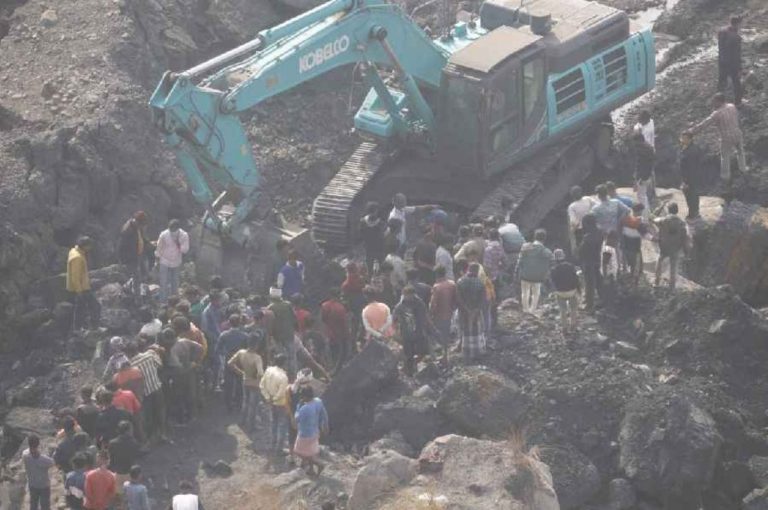
The Kulti Coal Mine Cave In 2026 has once again exposed the dangers of abandoned mines in India. Three people lost their lives when a section of an unused coal mine collapsed in West Burdwan’s Kulti area. The incident has sparked outrage among local communities, raised questions about mine safety regulations, and highlighted the governance challenges of managing abandoned mining sites.


2. Kulti Coal Mine Cave In 2026: The Incident

  • Location: Kulti, West Burdwan district, West Bengal.
  • Event: Cave‑in at an abandoned coal mine.
  • Casualties: Three people confirmed dead.
  • Rescue: Local authorities and police rushed to the site, but the collapse left little chance of survival.
  • Community reaction: Shock, grief, and demands for accountability.

3. Why Abandoned Mines Are Dangerous

  • Unstable structures: Without maintenance, abandoned mines are prone to collapse.
  • Illegal entry: Locals often enter abandoned mines for scavenging coal or grazing livestock.
  • Environmental hazards: Toxic gases, waterlogging, and soil erosion.
  • Governance gap: Lack of monitoring by mining authorities.

4. Historical Context of Kulti

  • Kulti has a long history as part of the Raniganj coal belt, India’s oldest coal mining region.
  • Once a hub of industrial activity, many mines were abandoned after becoming unprofitable.
  • Communities around Kulti have lived with the legacy of unsafe abandoned pits for decades.
  • Past incidents of collapses and accidents have repeatedly highlighted the risks.

5. Governance Challenges

The tragedy reflects systemic governance issues:

  • Weak enforcement of mine closure protocols.
  • Poor rehabilitation of abandoned sites.
  • Lack of community awareness about dangers.
  • Inadequate compensation mechanisms for victims.

6. Government External Links for Assistance


7. Community Impact

  • Families of victims face economic hardship.
  • Villagers demand compensation and rehabilitation.
  • Fear spreads among locals who live near abandoned mines.
  • Civil society groups call for urgent safety audits.

8. Global Comparisons

Similar abandoned mine tragedies worldwide:

  • China: Frequent collapses in unregulated coal mines.
  • South Africa: Illegal miners trapped in abandoned shafts.
  • USA: Environmental hazards from abandoned mines in Appalachia.

Kulti’s case mirrors these global struggles where abandoned mines pose risks to both lives and ecosystems.


9. Governance Lessons

The Kulti cave‑in teaches:

  • Strict monitoring of abandoned mines is essential.
  • Community awareness campaigns can prevent illegal entry.
  • Compensation frameworks must be strengthened.
  • Environmental rehabilitation should be part of mine closure.

10. Future Outlook – Mining Safety in India

India must move towards:

  • Digitised mine monitoring systems with real‑time alerts.
  • Transparent closure protocols enforced by DGMS.
  • Community‑based safety committees in mining districts.
  • Cross‑regional cooperation to share best practices in mine rehabilitation.

11. Conclusion

The Kulti coal mine cave‑in 2026 is more than a local tragedy—it is a reminder of India’s unfinished business in mine safety governance. With three lives lost, the incident underscores the urgent need for systemic reforms in abandoned mine management. For Bengal, the lesson is clear: economic progress must never come at the cost of human lives and community safety.

Also read: Home | Channel 6 Network – Latest News, Breaking Updates: Politics, Business, Tech & More
Bengal Nabanna Protest HC Pleas 2026 – Detailed Analysis of BJP Leaders’ Legal Moves, Suvendu Adhikari Attack, and Governance Lessons for Democracy

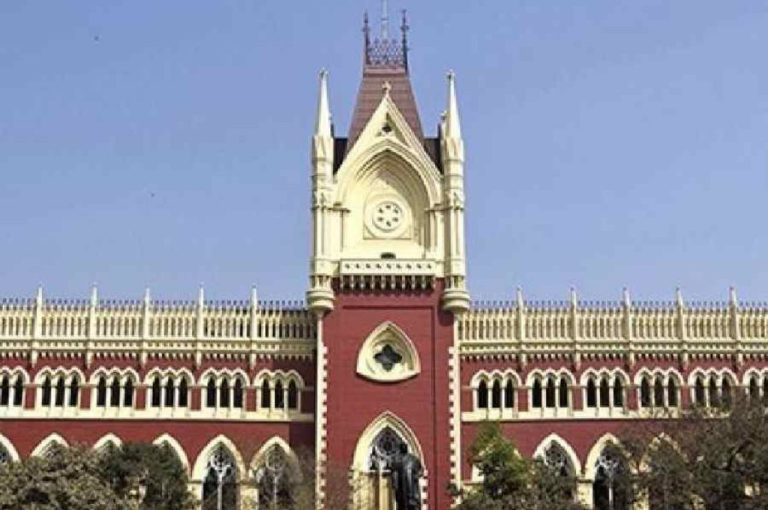
The Bengal Nabanna protest HC pleas 2026 have added a new dimension to Bengal’s turbulent political climate. Three BJP leaders filed separate petitions in the Calcutta High Court challenging the handling of the Nabanna protest and seeking judicial intervention in the alleged attack on Suvendu Adhikari, Leader of the Opposition. The case underscores the intersection of street politics, legal battles, and democratic accountability in West Bengal.


2. The Pleas in Calcutta High Court

  • Three BJP leaders moved the High Court with distinct petitions.
  • Issues raised:
    • Alleged police excesses during the Nabanna protest.
    • Failure to protect Suvendu Adhikari from attack.
    • Demand for judicial oversight of protest management.
  • The pleas reflect BJP’s strategy of shifting political battles into the judiciary.

3. The Nabanna Protest

  • Nabanna, the state secretariat in Howrah, has been a frequent site of political demonstrations.
  • BJP organised a protest alleging corruption and misgovernance by the TMC government.
  • Clashes broke out between protesters and police, leading to detentions and injuries.
  • The alleged attack on Suvendu Adhikari became the focal point of controversy.

4. Bengal Nabanna Protest HC Pleas 2026: Political Context

  • TMC accused BJP of provoking violence during the protest.
  • BJP framed the incident as evidence of state repression.
  • Civil society groups expressed concern about erosion of democratic space.
  • The High Court petitions highlight the legalisation of political disputes in Bengal.

5. Governance Challenges

The Nabanna protest controversy reflects systemic governance issues:

  • Balancing law and order with democratic rights.
  • Neutrality of police forces during politically sensitive protests.
  • Judicial oversight in politically charged cases.
  • Trust deficit between citizens and institutions.

6. Government External Links for Assistance


7. Historical Context of Nabanna Protests

  • 2017–2019: Nabanna became a flashpoint for opposition protests against TMC policies.
  • 2021: Post‑Assembly elections, BJP intensified demonstrations at Nabanna.
  • 2024–25: Multiple protests saw clashes between police and opposition cadres.
  • 2026: Current petitions mark a shift from street politics to courtroom battles.

8. Community Impact

  • Citizens faced traffic disruptions due to highway blockades.
  • Families expressed concern about safety during protests.
  • Youth activists saw the protest as a symbol of resistance.
  • Civil society groups debated whether protests strengthen democracy or weaken governance.

9. Global Comparisons

Similar protest‑related legal battles worldwide:

  • USA: Court cases over police handling of Black Lives Matter protests.
  • France: Judicial scrutiny of police actions during Yellow Vest demonstrations.
  • Hong Kong: Legal challenges to restrictions on pro‑democracy protests.

Bengal’s case mirrors these global struggles where street protests spill into courtrooms.


10. Governance Lessons

The Nabanna protest HC pleas teach:

  • Judicial independence must be safeguarded.
  • Transparency in police actions builds public trust.
  • Dialogue between government and opposition can reduce confrontation.
  • Civil society vigilance is crucial to protect democratic rights.

11. Future Outlook – Democracy in Bengal

India must move towards:

  • Codified rules for protest management balancing rights and law enforcement.
  • Judicial oversight of politically sensitive policing.
  • Public dashboards for transparency in protest‑related detentions.
  • Strengthening federal institutions to balance Centre‑state relations.

12. Conclusion

The Bengal Nabanna protest HC pleas 2026 are more than legal petitions—they are a test of India’s democratic resilience. By moving the High Court, BJP leaders have sought to transform a street confrontation into a judicial battle. For Bengal, the lesson is clear: democracy must be defended not only in protests but also in courts where its principles are tested.

Also read: Home | Channel 6 Network – Latest News, Breaking Updates: Politics, Business, Tech & More

Bengal Nipah Virus Cases 2026 – Detailed Analysis of Confirmed Infections, Contact Tracing, and Governance Lessons for Public Health

The Bengal Nipah virus cases 2026 have triggered alarm across the state’s health system. Two confirmed infections have been reported, prompting the West Bengal health department to place 90 contacts under close surveillance. Nipah virus, a zoonotic pathogen with a high fatality rate, has historically caused outbreaks in Kerala and Bangladesh. Its emergence in Bengal underscores the urgent need for preparedness, surveillance, and community awareness in managing infectious diseases.


2. Bengal Nipah Virus Cases 2026: The Incident

  • Two confirmed Nipah cases detected in Bengal.
  • The state health department immediately launched contact tracing, identifying 90 individuals linked to the patients.
  • These contacts are being monitored for symptoms such as fever, headache, and respiratory distress.
  • Hospitals have been instructed to isolate suspected cases and strengthen infection control measures.

3. What is Nipah Virus?

  • Nipah virus (NiV) is a zoonotic virus transmitted from animals (fruit bats, pigs) to humans.
  • It can also spread through human‑to‑human transmission, especially in healthcare settings.
  • Symptoms include:
    • Fever and headache.
    • Respiratory distress.
    • Neurological complications such as encephalitis.
  • Mortality rates can range between 40–75%, making it one of the most dangerous emerging pathogens.

4. Bengal’s Response

  • The health department has activated rapid response teams.
  • District hospitals have been placed on high alert.
  • Awareness campaigns are being launched in affected areas.
  • Samples are being sent to the National Institute of Virology (NIV), Pune for confirmation.
  • Preventive measures include:
    • Avoiding consumption of fruits bitten by bats.
    • Strengthening hygiene in livestock farms.
    • Training healthcare workers in infection control.

5. Governance Challenges

The Nipah outbreak highlights systemic challenges:

  • Limited diagnostic capacity in rural hospitals.
  • Weak surveillance systems for zoonotic diseases.
  • Shortage of trained infectious disease specialists.
  • Need for coordination between central and state agencies.

6. Government External Links for Assistance


7. Historical Context of Nipah in India

  • 2001: First Nipah outbreak in Siliguri, West Bengal, with high mortality.
  • 2018: Kerala outbreak killed 17 people, prompting nationwide awareness.
  • 2021 & 2023: Sporadic cases in Kerala reignited concerns.
  • 2026: Current Bengal cases mark a return of Nipah to eastern India, raising fears of wider spread.

8. Community Impact

  • Villagers expressed fear of quarantine and stigma.
  • Families of contacts worried about loss of wages during monitoring.
  • Schools and local markets reported decline in attendance.
  • Civil society groups demanded transparent communication to prevent panic.

9. Global Comparisons

Similar Nipah outbreaks worldwide:

  • Bangladesh: Frequent outbreaks linked to consumption of raw date palm sap contaminated by bats.
  • Malaysia (1998–99): Pig farms became epicentres of transmission, leading to mass culling.
  • Philippines: Sporadic cases linked to livestock exposure.

Bengal’s case mirrors these global struggles where zoonotic spillovers disrupt communities and test governance systems.


10. Governance Lessons

The Nipah outbreak teaches:

  • Early detection and rapid response are critical.
  • Community awareness reduces risky behaviours.
  • Cross‑border cooperation is vital, especially with Bangladesh.
  • Investment in public health infrastructure must be prioritised.

11. Future Outlook – Public Health in Bengal

India must move towards:

  • Integrated disease surveillance systems covering zoonotic pathogens.
  • Expansion of laboratory networks for rapid diagnostics.
  • Training programmes for healthcare workers in outbreak management.
  • Public‑private partnerships to strengthen rural healthcare.

12. Conclusion

The Bengal Nipah virus cases 2026 are more than isolated infections—they are a reminder of the fragile balance between human health and ecological systems. With two confirmed cases and 90 contacts under surveillance, Bengal faces a critical test of its public health preparedness. For India, the lesson is clear: pandemic resilience requires vigilance, investment, and community trust.

Also read: Home | Channel 6 Network – Latest News, Breaking Updates: Politics, Business, Tech & More
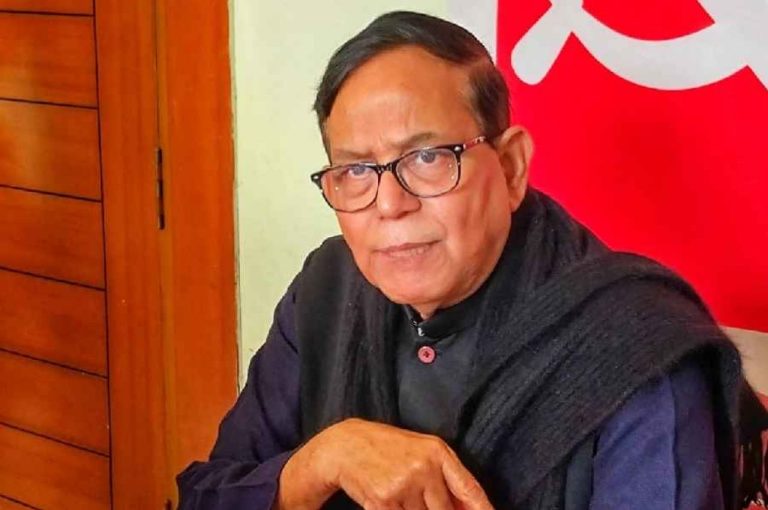
Bengal SIR Voter Exclusion Controversy 2026 – Detailed Analysis of Md Salim’s Allegations, EC’s Role, and Governance Lessons for Electoral Integrity

The Bengal SIR voter exclusion controversy 2026 has become a major flashpoint in the state’s political discourse. Md Salim, CPM state secretary, accused the Election Commission (EC) of turning the Special Intensive Revision (SIR) of electoral rolls into a tool of exclusion rather than inclusion. His remarks highlight the deep mistrust between opposition parties and the EC, with allegations that the process is being conducted in a partisan and selective manner to influence the outcome of the 2026 Assembly polls.


2. Md Salim’s Allegations

  • Salim argued that the EC’s objective should have been to cleanse voter rolls and ensure free and fair elections.
  • Instead, he claimed the SIR has become a mechanism of disenfranchisement, targeting vulnerable communities.
  • He accused the EC of acting as an agent of the RSS‑BJP and the Narendra Modi government, alleging that the process is politically motivated.
  • Salim cited booths in Malda where over 500 voters per booth were summoned for hearings, calling it arbitrary and suspicious.

3. Political Context

  • The rollout of SIR triggered controversy across Bengal, with opposition parties accusing the EC of working at the behest of Union Home Minister Amit Shah.
  • The CPM’s position is nuanced: while it supports cleansing voter rolls of bogus entries, it opposes the selective and partisan implementation.
  • TMC has also alleged mass disenfranchisement, while BJP defends the process as necessary to remove fictitious voters.
  • The controversy reflects the larger battle for electoral legitimacy in Bengal.

4. Bengal SIR Voter Exclusion Controversy 2026: Symbolism and Narrative

  • Salim’s remarks framed the SIR as part of a larger RSS‑BJP agenda of exclusion.
  • He argued that when communal narratives failed, the BJP shifted to administrative measures to achieve its goals.
  • Vulnerable groups—economically weak, women, Matuas, and Muslims—were disproportionately targeted, according to Salim.

5. Governance Challenges

The controversy highlights systemic governance issues:

  • Electoral integrity vs. political manipulation.
  • Transparency gaps in how voters are flagged for hearings.
  • Weak grievance redressal mechanisms for citizens.
  • Trust deficit between institutions and communities.

6. Government External Links for Assistance


7. Historical Context of Electoral Roll Disputes in Bengal

  • 2000s: Allegations of bogus voters became common in Kolkata and border districts.
  • 2011–2019: Electoral roll revisions often coincided with political clashes.
  • 2024–25: SIR flagged millions of discrepancies nationwide.
  • 2026: Current controversy reflects Bengal’s long history of contested voter lists, now with heightened political stakes.

8. Community Impact

  • Families fear wrongful deletions of genuine names.
  • Daily wage earners suffer financial losses due to repeated hearings.
  • Elderly citizens feel humiliated and burdened by bureaucratic demands.
  • Minority communities express concern about targeted exclusions.

9. Global Comparisons

Similar voter roll controversies worldwide:

  • USA: Allegations of voter suppression through purges in Georgia and Florida.
  • UK: Concerns about disenfranchisement under new voter ID laws.
  • Nigeria: Disputes over duplicate registrations and ghost voters.

Bengal’s case mirrors these global struggles where electoral integrity collides with human vulnerability.


10. Governance Lessons

The SIR controversy teaches:

  • Human sensitivity must guide bureaucratic processes.
  • Digital tools must be audited to prevent wrongful flagging.
  • Community engagement ensures inclusivity.
  • Judicial oversight is vital to protect democratic rights.

11. Future Outlook – Democracy in Bengal

India must move towards:

  • Digitised grievance redressal portals for voter roll issues.
  • Periodic audits of electoral rolls by independent agencies.
  • Public dashboards showing deletions and additions transparently.
  • Educational campaigns to help citizens verify their status.

12. Conclusion

The Bengal SIR voter exclusion controversy 2026 is more than a bureaucratic dispute—it is a test of India’s democratic resilience. Md Salim’s allegations underscore the urgency of protecting electoral integrity and ensuring that voter roll revisions do not become tools of disenfranchisement. For Bengal, the lesson is clear: democracy must never come at the expense of human dignity and voter rights.


Also read: Home | Channel 6 Network – Latest News, Breaking Updates: Politics, Business, Tech & More
Bengal Form 7 Voter List Controversy 2026 – Detailed Analysis of EC Clarification, Political Reactions, and Governance Lessons for Electoral Integrity

The Bengal Form 7 voter list controversy 2026 has become a central issue in the state’s political discourse. Amid allegations of wrongful deletions and disenfranchisement, the Election Commission of India (EC) clarified that there is no limit on the number of Form 7 submissions. This announcement came as protests erupted across districts, with villagers, political parties, and civil society groups demanding transparency in the Special Intensive Revision (SIR) of electoral rolls.


2. Bengal Form 7 Voter List Controversy 2026: What is Form 7?

  • Form 7 is used to request the deletion of names from the electoral roll.
  • Grounds for deletion include:
    • Death of a voter.
    • Change of residence.
    • Duplicate entries.
  • The controversy stems from allegations that Form 7 is being misused to target genuine voters, particularly minorities and rural communities.

3. The EC’s Clarification

  • The EC stated that there is no cap on Form 7 submissions.
  • Officials emphasised that each submission must be verified through hearings.
  • The clarification was intended to counter claims that the process was arbitrary.
  • However, critics argue that unlimited submissions could open the door to mass deletions.

4. Political Context

  • TMC MPs filed a plea in the Supreme Court alleging voter list irregularities.
  • Mamata Banerjee accused the BJP of using Form 7 to disenfranchise voters.
  • BJP leaders defended the process, claiming it exposes fictitious voters.
  • Civil society groups warned of erosion of democratic trust if transparency is not ensured.

5. Governance Challenges

The Form 7 controversy reflects deeper governance issues:

  • Weak grievance redressal mechanisms for voters.
  • Lack of sensitivity in handling elderly and vulnerable citizens.
  • Trust deficit between citizens and institutions.
  • Need for judicial oversight to balance federal tensions.

6. Government External Links for Assistance


7. Historical Context of Electoral Roll Disputes in Bengal

  • 2000s: Allegations of bogus voters became common in Kolkata and border districts.
  • 2011–2019: Electoral roll revisions often coincided with political clashes.
  • 2024–25: SIR flagged millions of discrepancies nationwide.
  • 2026: Current Form 7 controversy reflects Bengal’s long history of contested voter lists.

8. Community Impact

  • Families fear wrongful deletions of genuine names.
  • Daily wage earners suffer financial losses due to repeated hearings.
  • Elderly citizens feel humiliated and burdened by bureaucratic demands.
  • Minority communities express concern about targeted exclusions.

9. Global Comparisons

Similar voter roll controversies worldwide:

  • USA: Allegations of voter suppression through purges in Georgia and Florida.
  • UK: Concerns about disenfranchisement under new voter ID laws.
  • Nigeria: Disputes over duplicate registrations and ghost voters.

Bengal’s case mirrors these global struggles where electoral integrity collides with human vulnerability.


10. Governance Lessons

The Form 7 controversy teaches:

  • Human sensitivity must guide bureaucratic processes.
  • Digital tools must be audited to prevent wrongful flagging.
  • Community engagement ensures inclusivity.
  • Judicial oversight is vital to protect democratic rights.

11. Future Outlook – Democracy in Bengal

India must move towards:

  • Digitised grievance redressal portals for voter roll issues.
  • Periodic audits of electoral rolls by independent agencies.
  • Public dashboards showing deletions and additions transparently.
  • Educational campaigns to help citizens verify their status.

12. Conclusion

The Bengal Form 7 voter list controversy 2026 is more than a bureaucratic dispute—it is a test of India’s democratic resilience. The EC’s clarification that there is no limit on Form 7 submissions underscores the urgency of protecting electoral integrity. For Bengal, the lesson is clear: democracy must never come at the expense of human dignity and voter rights.

Also read: Home | Channel 6 Network – Latest News, Breaking Updates: Politics, Business, Tech & More
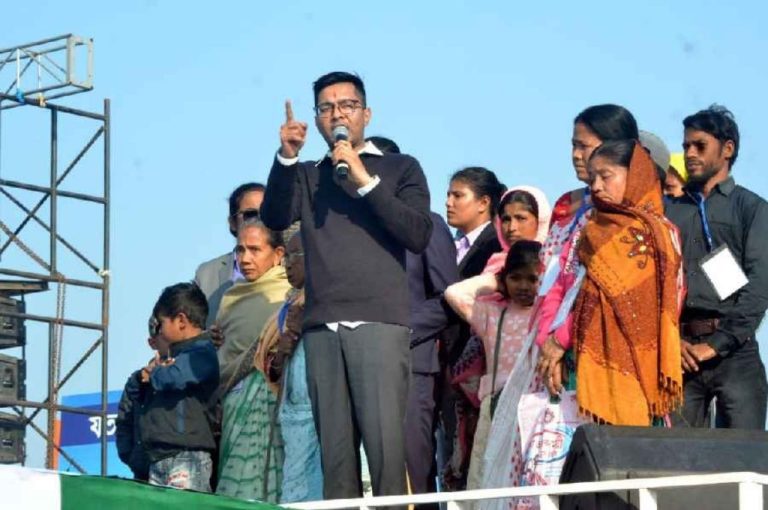
Abhishek Banerjee Fires Three‑Pronged Salvo at BJP in Cooch Behar, Welcomes ‘Dead Voters’ on Stage

Abhishek Banerjee Fires Three: Abhishek Banerjee’s fiery speech in Cooch Behar has intensified Bengal’s political battle. The TMC MP launched a three‑pronged attack on the BJP, accusing them of voter list manipulation, misuse of central agencies, and neglect of grassroots issues. In a symbolic move, he even “welcomed dead voters” on stage to dramatize alleged irregularities in the electoral rolls.


1. Introduction

The Abhishek Banerjee BJP confrontation in Cooch Behar (January 2026) has become a defining moment in Bengal’s pre‑election narrative. By combining sharp rhetoric with symbolic gestures, Banerjee sought to expose what he described as systematic disenfranchisement and political intimidation. His speech reflects the larger struggle between TMC and BJP over control of Bengal’s political landscape.


2. The Three‑Pronged Salvo

Abhishek Banerjee’s attack focused on three key areas:

  • Electoral Roll Irregularities
    • Alleged wrongful deletions of genuine voters.
    • Symbolic “welcome” of dead voters on stage to dramatize the issue.
    • Accusation that BJP is using the Election Commission to manipulate democracy.
  • Misuse of Central Agencies
    • Criticism of Enforcement Directorate (ED) and CBI raids targeting TMC leaders.
    • Framing these actions as political vendetta rather than genuine investigations.
  • Grassroots Neglect
    • Highlighted farmers’ struggles, unemployment, and wage losses.
    • Claimed BJP is ignoring local governance issues while focusing on centralised control.

3. Abhishek Banerjee Fires Three: Political Context

  • The confrontation comes amid Special Intensive Revision (SIR) hearings on voter lists.
  • TMC alleges mass disenfranchisement, while BJP insists the process exposes fictitious voters.
  • The Supreme Court has already directed the Election Commission to respond to TMC’s plea within one week.
  • Abhishek’s speech is part of TMC’s broader campaign to frame BJP as anti‑democratic.

4. Symbolism of “Dead Voters”

  • Banerjee invited symbolic “dead voters” on stage to dramatize alleged roll manipulation.
  • This gesture resonated with villagers who fear wrongful deletions.
  • It underscored TMC’s narrative that BJP is erasing identities to win elections.

5. Governance Challenges

The confrontation reflects systemic issues:

  • Electoral integrity vs. political manipulation.
  • Agency neutrality in politically sensitive contexts.
  • Trust deficit between citizens and institutions.
  • Need for judicial oversight to balance federal tensions.

6. Community Impact

  • Villagers expressed anger at repeated hearings and wage losses.
  • Youth saw Abhishek’s speech as a call to defend democratic rights.
  • Minority communities echoed concerns about targeted exclusions.
  • Civil society groups demanded transparent grievance redressal mechanisms.

7. Global Comparisons

Similar controversies worldwide:

  • USA: Allegations of voter suppression through purges in Georgia and Florida.
  • Turkey: Opposition accuses government of using agencies to suppress dissent.
  • Pakistan: NAB raids often criticised as politically motivated.

Bengal’s case mirrors these global struggles where state power and democratic freedoms collide.


8. Governance Lessons

The Abhishek Banerjee salvo teaches:

  • Judicial independence must be safeguarded.
  • Transparency in electoral processes builds public trust.
  • Federal dialogue can reduce tensions between Centre and states.
  • Civil society vigilance is crucial to protect democratic rights.

9. Future Outlook – Democracy in Bengal

India must move towards:

  • Codified rules for electoral roll revisions during election periods.
  • Judicial oversight of politically sensitive investigations.
  • Public dashboards for transparency in voter roll changes.
  • Strengthening federal institutions to balance Centre‑state relations.

10. Conclusion

The Abhishek Banerjee BJP confrontation in Cooch Behar 2026 is more than a campaign speech—it is a test of Bengal’s democratic resilience. By launching a three‑pronged attack and symbolically welcoming “dead voters,” Banerjee dramatized the stakes of electoral integrity. For India, the lesson is clear: democracy must be defended not only at the ballot box but also in the institutions where its principles are tested.

Here are some relevant government external links you can use for context, credibility, and references in your article about Abhishek Banerjee’s three‑pronged salvo at BJP and voter list controversies in Bengal:

Also read: Home | Channel 6 Network – Latest News, Breaking Updates: Politics, Business, Tech & More
Purulia Frost Record Low 2026 – Detailed Analysis of Farmland Impact, Climate Change Signals, and Governance Lessons for Bengal Agriculture

The Purulia frost record low 2026 has stunned farmers, scientists, and policymakers alike. For the first time in decades, farmlands in Purulia district were covered in unusual frost, as temperatures plummeted to record lows. While the sight of frost on crops was visually striking, it triggered panic among farmers, who fear devastating losses to winter vegetables, pulses, and cash crops. The incident highlights the intersection of climate variability, agricultural vulnerability, and governance challenges in Bengal.


2. The Incident

  • Location: Purulia district, West Bengal, known for its dry climate and rugged terrain.
  • Event: Unusual frost formation on farmlands, covering crops with a thin icy layer.
  • Cause: Sharp temperature drop to record lows during January nights.
  • Impact: Farmers reported wilting of vegetables, damage to potato crops, and stress on pulses.
  • Community reaction: Shock, fear, and urgent appeals for government intervention.

3. Scientific Explanation

  • Frost occurs when surface temperatures fall below freezing, causing water vapour to crystallise.
  • In Purulia, clear skies, low humidity, and cold winds created ideal conditions.
  • The district’s topography and soil type amplified the effect, making crops more vulnerable.
  • Meteorologists linked the frost to climate anomalies and shifting winter patterns.

4. Purulia Frost Record Low 2026: Agricultural Impact

  • Crops affected: Potatoes, tomatoes, peas, mustard, and pulses.
  • Farmers fear yield reduction and financial losses.
  • Frost damage can cause:
    • Leaf burn and wilting.
    • Delayed growth cycles.
    • Reduced market value of produce.
  • Long‑term risk: Decline in soil fertility and crop resilience if frost events recur.

5. Governance Challenges

The frost incident reflects deeper governance issues:

  • Lack of early warning systems for farmers.
  • Weak crop insurance coverage in semi‑arid districts.
  • Limited access to frost‑resistant seeds.
  • Need for climate‑resilient agricultural policies.

6. Government External Links for Assistance


7. Historical Context of Weather Extremes in Purulia

  • 1990s: Severe droughts crippled agriculture.
  • 2010s: Erratic monsoons reduced crop yields.
  • 2020s: Heatwaves became common, stressing water resources.
  • 2026: Frost adds a new dimension to Purulia’s climate challenges.

8. Community Impact

  • Farmers expressed fear of crop failure and loss of income.
  • Daily wage earners dependent on agriculture faced job insecurity.
  • Women farmers, who form a large part of the workforce, reported added burdens.
  • Civil society groups demanded compensation and immediate relief packages.

9. Global Comparisons

Similar frost events worldwide:

  • California, USA: Citrus crops damaged by unexpected frost.
  • Spain: Olive and grape harvests hit by cold snaps.
  • China: Frost events in northern provinces disrupt vegetable supply.

Purulia’s case mirrors these global struggles where climate anomalies disrupt agricultural economies.


10. Governance Lessons

The Purulia frost teaches:

  • Early warning systems must be strengthened.
  • Crop insurance schemes should be expanded.
  • Climate‑resilient seeds and farming techniques are essential.
  • Community awareness campaigns can reduce panic and improve preparedness.

11. Future Outlook – Agriculture in Bengal

India must move towards:

  • Smart weather forecasting tools accessible to farmers.
  • Diversification of crops to reduce vulnerability.
  • Eco‑friendly frost protection methods (mulching, sprinklers).
  • Cross‑regional cooperation to share best practices in climate resilience.

12. Conclusion

The Purulia frost record low 2026 is more than a weather anomaly—it is a wake‑up call for Bengal’s agricultural governance. As farmers struggle with losses, policymakers must act swiftly to provide relief and build resilience. For Purulia, the lesson is clear: climate change is no longer a distant threat—it is reshaping livelihoods today.

Also read: Home | Channel 6 Network – Latest News, Breaking Updates: Politics, Business, Tech & More
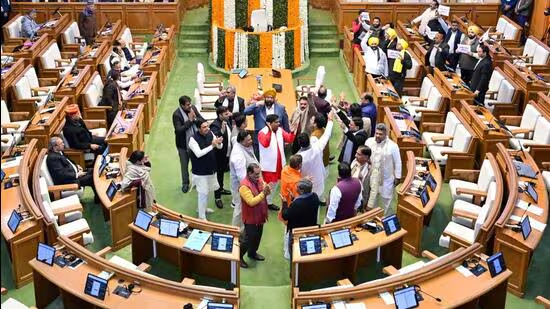
Atishi Disqualification Demand: Explosive Political Battle Erupts

New Delhi – Six ministers of the Delhi government have submitted a formal letter to the Legislative Assembly Speaker seeking cancellation of Leader of Opposition Atishi’s membership as an MLA, marking an unprecedented Atishi disqualification demand that intensifies political pressure on the Aam Aadmi Party leader. The Atishi disqualification demand stems from allegations by Bharatiya Janata Party members that she “committed sacrilege” during House proceedings last week.

The controversy surrounding the Atishi disqualification demand erupted on January 6 during a special Assembly discussion commemorating the 350th martyrdom anniversary of Guru Tegh Bahadur, a revered figure in Sikh history.

Allegations and Counter-Allegations

BJP legislators supporting the Atishi disqualification demand allege that the AAP leader disrupted the solemn proceedings with remarks they characterize as “disrespectful” to Sikh Gurus. However, Atishi and her party have vehemently denied these charges, calling the Atishi disqualification demand a politically motivated fabrication designed to undermine the opposition.

The dispute has triggered protests and counter-protests that disrupted proceedings during the recently held Winter Session of the Delhi Assembly, turning the chamber into a battleground over religious sensitivities and political accountability.

Culture Minister’s Accusations

At a press conference on Tuesday, Delhi Culture Minister Kapil Mishra amplified the Atishi disqualification demand by alleging that the opposition leader had gone “missing” since the controversy erupted to evade accountability for her alleged remarks.

“The words used during the session amount to sacrilege and constitute a crime and a sin. The incident was recorded and the verbatim transcript of the video was read out by the Speaker in the House on January 7 at 11.30am. No member present objected to the accuracy of the transcript at that time,” Mishra stated, lending weight to the Atishi disqualification demand.

Punjab Police Involvement Allegations

Mishra further complicated the Atishi disqualification demand by raising allegations of “misuse of Punjab government resources,” suggesting that AAP’s national convener Arvind Kejriwal directed the Punjab Police to file “false cases” to intimidate those raising the sacrilege issue.

The minister appealed to Punjab Chief Minister Bhagwant Mann to not involve his state’s police in the Delhi matter, adding another layer to the controversy surrounding the Atishi disqualification demand.

Also Read: Delhi Carbon Credit Framework: Revolutionary Revenue Strategy for 2026 Unveiled

Forensic Audit Ordered

Following days of heated exchanges over the Atishi disqualification demand, Assembly Speaker Vijender Gupta took a significant step on January 8 by sending official video recordings of the January 6 proceedings for an independent forensic audit to ascertain the facts objectively.

This forensic examination is expected to provide crucial evidence either supporting or refuting the Atishi disqualification demand, making it a pivotal development in the unfolding controversy.

Punjab Police FIR Creates New Dimension

In a parallel development that has complicated the Atishi disqualification demand, Punjab Police in Jalandhar registered an FIR on Friday against Mishra and others for allegedly uploading and circulating “doctored” videos of the incident. This police action has drawn sharp criticism from the Delhi Assembly.

The Delhi Assembly secretariat sent a notice to Punjab Police, stating their FIR was a breach of the legislature’s privilege, as the video is considered property of the House, directly challenging the investigation that contradicts the Atishi disqualification demand.

Speaker Questions Investigation Timeline

Speaker Gupta noted on Tuesday that Punjab Police had requested 10 days to respond to the Assembly’s notice but were granted only three, with a deadline of January 15. His comments questioning the investigation’s pace add complexity to the Atishi disqualification demand proceedings.

“The Punjab police claims to have conducted a forensic audit of a video within half a day before they filed an FIR, but they now want 10 days to respond… This clearly seems like a politically motivated attempt at delaying the investigation,” Gupta observed.

AAP Counterattack and Demands

The Aam Aadmi Party stepped up its counteroffensive against the Atishi disqualification demand on Tuesday, demanding a public apology from Delhi Cabinet Minister Kapil Mishra over alleged “beadbi” (sacrilege) of Sikh Guru Sahibs and calling the act unforgivable.

AAP leader and Delhi unit president Saurabh Bhardwaj cited the Punjab Police forensic investigation, claiming it established that the word “Guru” was never spoken by Atishi, directly challenging the basis of the Atishi disqualification demand.

Forensic Evidence Claims

“The forensic report makes it clear that the word was not in the original video. Despite this, Kapil Mishra added subtitles referring to the Guru Sahibs. This is a clear act of beadbi. A sitting BJP minister has insulted the Guru Sahibs for dirty politics. The Sikh community across India and abroad is watching,” Bhardwaj asserted.

He demanded an unconditional apology to the global Sikh community and accused the BJP of shielding leaders facing serious allegations, effectively turning the Atishi disqualification demand narrative on its head.

Legal and Political Implications

The Atishi disqualification demand has evolved into a major political confrontation with significant legal ramifications. The dispute involves questions of legislative privilege, forensic evidence authenticity, religious sensitivities, and inter-state police jurisdiction.

“If Kapil Mishra believes he can escape accountability, he is mistaken. The law will take its course,” Bhardwaj warned, suggesting that the controversy surrounding the Atishi disqualification demand is far from resolved.

The outcome of the forensic audit and the Speaker’s decision on the Atishi disqualification demand will likely have far-reaching consequences for Delhi politics and potentially set precedents for handling similar controversies in state legislatures nationwide.

Delhi Carbon Credit Framework: Revolutionary Revenue Strategy for 2026 Unveiled

New Delhi – The Delhi Cabinet has approved a groundbreaking Delhi carbon credit framework on Tuesday, designed to generate revenue for environmental initiatives by converting the city’s emission reductions into tradable financial assets. This pioneering move aims to create a new funding stream for climate action without imposing additional costs on the state treasury, marking a significant shift in how cities can finance their environmental programs.

The Delhi carbon credit framework represents a comprehensive approach to monetizing the capital’s environmental efforts, transforming green initiatives into quantifiable financial instruments that can be traded on domestic and international carbon markets.

How the Framework Operates

Under the Delhi carbon credit framework, the government will measure and certify greenhouse gas reductions achieved through existing green projects. These include the city’s expanding fleet of electric buses, large-scale tree plantation drives, solar energy adoption programs, and improved waste management systems that are already operational across the capital.

The Delhi carbon credit framework will convert these verified reductions into carbon credits, which will then be sold on domestic and international carbon markets. Each carbon credit represents one tonne of carbon dioxide or its equivalent in other greenhouse gases prevented from entering the atmosphere.

Revenue Allocation and Fund Creation

The proceeds generated through the Delhi carbon credit framework will be deposited directly into a new consolidated fund specifically created for development and environmental initiatives. This ensures that revenue from environmental projects is reinvested into further climate action and sustainability programs.

Chief Minister Rekha Gupta emphasized the significance of the initiative, stating, “This initiative reflects Delhi’s strong commitment to combating climate change while unlocking new financial pathways for sustainable development. Delhi will emerge as a leading state in harnessing the carbon market.”

Understanding Carbon Market Mechanics

The Delhi carbon credit framework operates within the broader carbon market system, where revenue is generated when a project verifiably reduces emissions below a predetermined threshold. These credits are then sold on the markets to corporations or governments seeking to offset their own unavoidable emissions, creating a financial incentive for emission reductions.

Also Read: Capital Expenditure: Massive Rs. 2,100 Crore Boost In Revised Delhi Budget

This market-based approach allows the Delhi carbon credit framework to create value from environmental stewardship while helping other entities meet their climate commitments, establishing a win-win scenario for all participants.

Zero-Financial-Liability Design

A distinctive feature of the Delhi carbon credit framework is its “zero-financial-liability” structure. Officials explained that expert agencies will be paid a success fee only after revenue is realized, ensuring no upfront expenditure by the government. This risk-free model protects the state treasury while enabling professional expertise in credit generation and marketing.

The Delhi carbon credit framework thus eliminates financial risk for the government while ensuring professional management through performance-based compensation for technical experts.

Eligible Projects and Initiatives

Environment Minister Manjinder Singh Sirsa outlined how the Delhi carbon credit framework would monetize emission reductions from various initiatives. These include electric mobility expansion, urban forestry programs, Yamuna rejuvenation efforts, and waste-to-energy plants currently operating or planned across the capital.

“Delhi is already undertaking large-scale environmental transformation. This framework allows us to quantify emission reductions and monetise them. The revenue will be reinvested into pollution control and climate resilience,” Sirsa explained, highlighting the self-sustaining nature of the Delhi carbon credit framework.

International Standards and Verification

To ensure credibility and market acceptance, the Delhi carbon credit framework includes plans to establish a robust monitoring, reporting, and verification system meeting international audit standards. Credits may be registered under globally recognized platforms like VERRA and Gold Standard, or through India’s own emerging carbon market.

This adherence to international standards within the Delhi carbon credit framework ensures that credits generated will be accepted and valued in global markets, maximizing revenue potential.

Inspiration from Successful Models

The Delhi carbon credit framework draws inspiration from successful carbon monetization projects elsewhere in India. Indore Municipal Corporation earned ₹50 lakh from carbon credits generated through composting, biomethanation, and solar projects, demonstrating the revenue potential of such initiatives.

Similarly, Meghalaya’s agroforestry programme paid farmers up to €40 per tonne of carbon sequestered, while Arunachal Pradesh’s small hydro project generated over 16,000 tonnes of credits. These precedents informed the design of the Delhi carbon credit framework.

Existing Green Infrastructure Advantage

The Delhi carbon credit framework benefits from substantial existing green infrastructure already deployed across the capital. The city’s expanding fleet of electric buses, one of the largest in India, provides significant emission reduction potential that can be immediately monetized under the new system.

Large-scale tree plantation drives, solar energy installations on government buildings, and modernized waste management facilities all contribute measurable emission reductions that the Delhi carbon credit framework can convert into revenue.

Future Climate Resilience Investment

Revenue generated through the Delhi carbon credit framework will directly fund future pollution control measures and climate resilience projects. This creates a virtuous cycle where environmental action generates funding for additional environmental initiatives, accelerating Delhi’s transition toward sustainability.

Additional Cabinet Decision

In a separate decision, the Delhi Cabinet approved the closure of the Delhi Financial Corporation, a state-run SME lender, after sustained losses eroded its net worth to minus ₹15.45 crore and pushed bad loans to 55.8%. Officials stated there was “virtually no room for recovery,” necessitating the closure.

The Delhi carbon credit framework represents a forward-thinking approach to environmental finance, positioning the capital as a pioneer in leveraging market mechanisms for climate action while creating sustainable revenue streams for continued environmental improvement.