Wednesday, December 31, 2025
Home Blog Page 134

Delhi pollution: CAQM Strictly Revises GRAP Schedule to Tighten Air Quality Measures in Delhi-NCR- Nov 2025

The Commission for Air Quality Management in NCR and Adjoining Areas (CAQM) announced a revised Graded Response Action Plan (GRAP) for the National Capital Region (NCR) on 21 November 2025. This revision makes the GRAP schedule more stringent to prevent further deterioration of air quality in Delhi-NCR amid worsening pollution levels.

Understanding GRAP and Its Purpose

GRAP is an emergency response mechanism activated based on average Air Quality Index (AQI) levels and meteorological forecasts for Delhi-NCR. It coordinates multiple stakeholders and implementing agencies to take timely and effective actions to combat air pollution. The revised plan is based on scientific data, expert recommendations, and lessons learned from past years to optimize pollution control efforts.


Key Amendments in the Revised GRAP Schedule

The major changes in the GRAP schedule include shifting pollution control measures to earlier stages, effectively making the response more proactive and stringent:

  • Stage I (Poor Air Quality, AQI 201-300): Measures previously under Stage II (such as uninterrupted power supply to avoid diesel generators, better traffic management, public advisories, and augmentation of public transport services) are now implemented at Stage I.

  • Stage II (Very Poor Air Quality, AQI 301-400): Measures previously under Stage III, including staggered office timings for public and municipal bodies in Delhi and key NCR districts, are moved to Stage II.

  • Stage III (Severe Air Quality, AQI 401-450): Measures previously under Stage IV, such as permitting government and private offices to operate at 50% capacity with the rest working from home, are now enforced at Stage III.

Immediate Implementation and Enforcement

CAQM has directed all responsible agencies across the NCR to immediately adopt and enforce the revised GRAP schedule. This updated framework aims to intensify pollution control, especially during the high-risk winter season, to safeguard public health and improve air quality more effectively.

Conclusion

The revised GRAP schedule represents a critical step to combat the persistent air pollution challenges in Delhi-NCR by implementing stricter, earlier interventions. This proactive approach balances scientific assessment with ground realities to prevent further deterioration of the region’s air quality and protect the health of millions of residents.


For more real-time updates, visit Channel 6 Network.

Source: PIB

10th Session of APDIM on Inclusive Disaster Risk Data Governance Concludes at Vigyan Bhawan, New Delhi

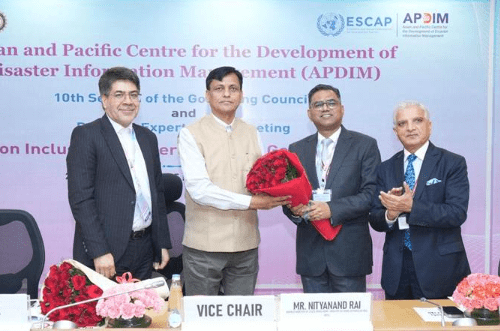
The 10th Session of the Asian and Pacific Centre for Development of Disaster Information Management (APDIM) on Inclusive Disaster Risk Data Governance was held at Vigyan Bhawan, New Delhi, bringing together key stakeholders across the Asia-Pacific region to strengthen disaster resilience and cooperation. The Indian delegation, led by Minister of State for Home Affairs Shri Nityanand Rai, reaffirmed India’s commitment to championing a comprehensive agenda for disaster risk reduction under Prime Minister Shri Narendra Modi’s visionary leadership.

India’s Leadership and Capacity-Building Agenda

In his inaugural address, Shri Nityanand Rai emphasized India’s dedication to regional disaster resilience through a capacity-building framework that includes risk assessment, geospatial applications, impact-based forecasting, early warning dissemination, and climate-resilient infrastructure planning. He highlighted that India’s active chairmanship and collaboration with multilateral forums such as UN ESCAP and APDIM are aligned with the Prime Minister’s 10-Point Agenda for Disaster Risk Reduction. This agenda prioritizes investments at the local level, technology leverage, academic and research network strengthening, enhanced risk data, and regional cooperation.


Collaborative Regional Commitment

The session brought together delegations from member states including Bangladesh, Iran, Maldives, Kazakhstan, Mongolia, and Turkey, along with observer representatives from Tajikistan. Leading officials from UN ESCAP and APDIM Secretariat and representatives from various observer organizations participated to foster a unified approach to disaster risk data governance.

The meeting reviewed past activities, discussed plans for 2026, and formulated the strategic work plan for 2026-2030. Its outcomes are intended to steer APDIM’s future programs and contribute materially to the Sendai Framework for Disaster Risk Reduction and the 2030 Agenda for Sustainable Development.

Conclusion

The 10th APDIM session concluded with a strong, shared commitment to enhance regional collaboration and apply innovative strategies for disaster risk reduction across the Asia-Pacific. Guided by India’s proactive leadership and the Prime Minister’s 10-Point Agenda, the session reinforced the importance of data-driven governance and resilient infrastructure in effectively managing disaster and climate risks in the region.


For more real-time updates, visit Channel 6 Network.

Source: PIB

IICA and DGR Successfully Conclude Third Batch of Certification Program for Senior Defence Officers in Corporate Governance: 2025

The Indian Institute of Corporate Affairs (IICA), in partnership with the Directorate General Resettlement (DGR), Ministry of Defence, successfully concluded the third batch of its Directors’ Certification Program in Corporate Governance for Defence Officers on 21st November 2025 at the IICA campus in Manesar, Gurugram. This two-week intensive program certified 30 senior officers, both serving and recently retired, across the Indian Army, Navy, and Air Force, bringing the total number of trained officers to 90 since the program’s inception in August 2024.

Comprehensive Training for Corporate Governance

The certification program delivered 35 specialized sessions covering a wide spectrum of corporate governance topics, including frameworks, regulatory provisions under the Companies Act 2013 and SEBI LODR regulations, financial stewardship, audit committee functions, enterprise risk management, corporate social responsibility (CSR), and sustainable governance. Employing diverse methodologies such as lectures, case discussions, interactive sessions with practicing independent directors, and experiential learning, the program bridges the gap between military leadership expertise and corporate boardroom competencies.


Strategic Insights from Key Dignitaries

The valedictory ceremony featured addresses by distinguished dignitaries. Shri Gyaneshwar Kumar Singh, DG & CEO of IICA, welcomed the participants and highlighted the alignment between military strengths—such as strategic thinking, risk assessment, ethical framework, and the ability to stay objective under pressure—and the qualities required for effective independent directorship. Dr. K P Krishnan, former Secretary of the Government of India, in his inaugural address, emphasized the fiduciary responsibilities of independent directors as protectors of minority shareholders and stakeholders. Smt. Sukriti Likhi, Secretary of the Department of Ex-Servicemen Welfare, underscored the importance of this partnership in creating avenues for defence personnel to leverage their leadership skills in the civilian corporate sector.

Empowering Defence Officers for Corporate Roles

The program equips participants to serve as impartial and visionary board members in public and private sector companies. It facilitates registration with the Independent Directors’ Databank (IDDB), managed by IICA, which hosts over 35,000 registered independent directors, including more than 10,000 women. The initiative reflects a strategic effort to channel military values of trust, integrity, and strategic decision-making into the corporate governance framework, addressing the demand for dynamic and ethical leadership in Indian corporations.

Conclusion

The IICA-DGR Certification Program marks a significant step in empowering senior defence officers with essential corporate governance knowledge, enabling their successful transition into corporate leadership roles. The partnership exemplifies the convergence of military discipline and corporate accountability, fostering visionary and ethical boardroom stewardship vital for India’s evolving corporate landscape and economic growth.


For more real-time updates, visit Channel 6 Network.

Source: PIB

Curtain Raiser Event for Sixth International Agronomy Congress 2025 Highlights Focus on Smart Agri-Food Systems and Environmental Stewardship Introduction

The curtain raiser for the Sixth International Agronomy Congress (IAC) 2025 was held at Agni Hall, NASC Complex, New Delhi, setting the stage for a major three-day event dedicated to advancing sustainable agronomy for India’s future. The gathering included senior leadership from ICAR, the Indian Society of Agronomy, scientists from IARI, and media representatives, marking a collaborative platform to boost agronomic research and innovation.

Advancing Sustainable Agronomy in India

Dr. S.K. Sharma, President of the Indian Society of Agronomy, welcomed the audience and highlighted the Congress’s goal to foster scientific cooperation and policy linkages that could accelerate agronomic advancements nationwide. The event spotlighted the critical role agronomy plays in supporting resilient, efficient, and ecologically balanced agricultural systems.


Keynote Address on India’s Agricultural Achievements and Future Directions

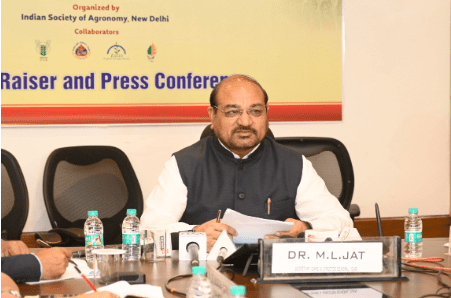
Dr. M.L. Jat, Secretary of DARE and Director General of ICAR, delivered the keynote address emphasizing India’s milestone achievements such as a record food grain production of 357.73 million tonnes and a remarkable 95 percent reduction in crop residue burning since 2020. He framed the Congress theme — “Re-Envisioning Agronomy for Smart Agri-Food Systems and Environmental Stewardship” — as a guiding vision to promote sustainable practices in agriculture.

Dr. Jat stressed the importance of system agronomy approaches, including natural and regenerative farming, alongside the integration of data-driven technologies like artificial intelligence and the Internet of Things (IoT). These innovations are key to closing yield gaps, improving nutrient use efficiency, reducing import dependency, and enhancing overall sustainability within Indian agriculture.

Engagement with Participants and Forward-Looking Policy Integration

During the interactive session, Dr. Jat responded to queries, reassuring that recommendations emerging from the Congress would undergo prompt compilation and be integrated into national agricultural planning frameworks. This commitment underscores the Congress’s role in shaping practical and impactful policy measures.

Conclusion and Media Outreach Call

Dr. S.S. Rathore, Organizing Secretary of the Congress, concluded the event with a vote of thanks and emphasized the importance of extensive media coverage. He urged that the insights and outcomes of the IAC should reach farmers, policymakers and the scientific community to maximize impact on India’s agri-food systems.


For more real-time updates, visit Channel 6 Network.

Source: PIB

High-Altitude Risks and the Tragic Death of Suman Debnath

Tragic Death of Suman Debnath: On November 21, 2025, a tragic incident unfolded in West Sikkim when Suman Debnath, a 38‑year‑old government official from Bengal, lost his life during the popular Goechala trek. His suspected cause of death was high‑altitude sickness, a condition that has claimed multiple lives in the Himalayan region. This essay expands the original report into a detailed 3000‑word narrative, weaving together the incident, medical science, trekking culture, environmental context, and policy implications.


⚡Tragic Death of Suman Debnath:  The Incident

  • Victim: Suman Debnath, superintendent with CGST and Customs in Bengal.
  • Location: Phedang, at 11,800 feet, ~25 km from Yuksom.
  • Symptoms: Acute headache, nausea, breathlessness, extreme fatigue.
  • Timeline: Collapsed around 9:05 pm on November 17, 2025.
  • Rescue: Fellow trekkers assisted, but his condition worsened. A rescue team retrieved the body under difficult terrain and weather.
  • Aftermath: Body transported to Gyalshing district hospital for autopsy, then handed to family.

Police registered an unnatural death case, though preliminary findings point to altitude‑related complications.


🌍 The Goechala Trek

The Goechala trek is one of India’s most celebrated high‑altitude treks:

  • Offers breathtaking views of Mt. Kanchenjunga and other Himalayan peaks.
  • Popular among both domestic and international trekkers.
  • Altitude ranges from 5,600 ft (Yuksom) to 16,200 ft (Goechala viewpoint).
  • Known for its rugged terrain, unpredictable weather, and thin air.

While stunning, the trek poses serious risks for those unprepared for altitude changes.


🩺 High-Altitude Sickness Explained

High‑altitude sickness (also called Acute Mountain Sickness, AMS) occurs when the body fails to acclimatize to reduced oxygen levels at high elevations.

Symptoms

  • Headache
  • Nausea and vomiting
  • Fatigue and weakness
  • Dizziness
  • Breathlessness
  • Sleep disturbances

Severe Forms

  • High‑Altitude Pulmonary Edema (HAPE): Fluid accumulation in lungs.
  • High‑Altitude Cerebral Edema (HACE): Swelling in the brain.

Both can be fatal if untreated.

Risk Factors

  • Rapid ascent without acclimatization.
  • Overexertion.
  • Pre‑existing medical conditions.
  • Lack of awareness or medical check‑up before trekking.

📊 Statistics and Context

  • In Bengal, three tourists died in Sandakphu (11,900 ft) in 2024 due to altitude sickness.
  • Across India, dozens of trekkers and tourists succumb annually to altitude‑related complications.
  • Globally, AMS affects 25–50% of people ascending above 8,000 ft without acclimatization.

This underscores the predictable yet preventable nature of such tragedies.


🧭 Lessons from the Incident

The death of Suman Debnath highlights several critical lessons:

  1. Acclimatization is non‑negotiable.
  2. Medical preparedness (check‑ups, awareness of symptoms) is essential.
  3. Emergency infrastructure (rescue teams, oxygen supplies) must be strengthened.
  4. Community awareness among trekkers and guides can save lives.

🏞️ Trekking Culture in Bengal and Sikkim

  • Trekking has grown in popularity among urban professionals seeking adventure.
  • Destinations like Sandakphu, Singalila, and Goechala attract thousands annually.
  • Tourism boosts local economies but also increases risks.
  • Many trekkers underestimate the physical and medical demands of high‑altitude travel.

🔬 Scientific Insights

  • Oxygen levels at 11,800 ft are about 65% of sea level.
  • The body requires days to weeks to adapt.
  • Rapid ascent leads to hypoxia (oxygen deficiency), triggering AMS.
  • Preventive measures include gradual ascent, hydration, carbohydrate‑rich diet, and avoiding alcohol.

🏛 Policy and Governance

Authorities have responded with:

  • Registering unnatural death cases for investigation.
  • Advising trekkers to undergo medical check‑ups before expeditions.
  • Promoting awareness campaigns on altitude risks.

However, more systemic measures are needed:

  • Mandatory acclimatization schedules.
  • Certification for trekking guides.
  • Emergency medical posts along trekking routes.
  • Collaboration with mountaineering institutes.

🌱 Broader Environmental Context

Climate change is intensifying risks:

  • Unpredictable weather increases storm and lightning hazards.
  • Glacial retreat alters trekking routes.
  • Deforestation and urbanization reduce natural buffers.

Thus, trekking safety must be integrated into climate resilience planning.


🧑‍🤝‍🧑 Social Impact

  • The incident shocked Bengal’s bureaucratic community, as Debnath was a serving official.
  • Families of trekkers face trauma and loss.
  • Local communities dependent on tourism suffer reputational damage when tragedies occur.

📖 Comparative Case Studies

  • Nepal: Strict acclimatization protocols for Everest treks.
  • Peru (Andes): Medical stations along Inca Trail.
  • Japan (Mt. Fuji): Awareness campaigns and regulated climbing seasons.

West Sikkim could adopt similar models.


🩺 Medical Recommendations

Doctors advise:

  • Ascend gradually.
  • Plan rest days.
  • Eat carbohydrate‑rich meals.
  • Drink plenty of fluids.
  • Avoid alcohol.
  • Undergo medical check‑ups before trekking.

🧭 Long-Term Vision

The tragedy underscores the need for:

  • Institutionalized trekking safety policies.
  • Integration of medical science with tourism planning.
  • Community‑based awareness programs.

By 2030, Bengal and Sikkim could establish themselves as safe trekking destinations if reforms are implemented.


Conclusion

The death of Suman Debnath is a stark reminder of the dangers of high‑altitude trekking. While nature’s beauty beckons, it demands respect and preparation. Through better policies, medical awareness, and community engagement, such tragedies can be prevented. His story should inspire a collective commitment to safer, more responsible adventure tourism.

Government External Links

Here are official portals you can consult for reliable information:

These links provide official updates, safety advisories, and tourism policies relevant to trekking and public health.

Also read: Home | Channel 6 Network – Latest News, Breaking Updates: Politics, Business, Tech & More

India, Australia, and Canada Launch Trilateral ACITI Partnership to Boost Technology, Green Energy, and AI Collaboration: 2025

India, Australia, and Canada have launched the Australia-Canada-India Technology and Innovation (ACITI) Partnership, a landmark trilateral initiative aimed at deepening collaboration in critical and emerging technologies. Announced on the sidelines of the G20 Summit in Johannesburg, the partnership marks a significant step toward strengthening supply chain resilience, advancing green energy innovation, and accelerating the adoption of artificial intelligence for the benefit of citizens across all three nations.​

Strategic Rationale Behind the ACITI Partnership

The ACITI Partnership is rooted in the shared vision of India, Australia, and Canada to build a secure, sustainable, and resilient technological ecosystem. The initiative is designed to complement existing bilateral cooperation frameworks and leverage the unique strengths of each country. India brings its robust IT sector and growing innovation ecosystem, Australia contributes its expertise in mining, critical minerals, and renewable energy, while Canada offers advanced research capabilities and leadership in artificial intelligence and clean technology.​

By pooling resources and expertise, the three democracies aim to address global challenges such as climate change, supply chain vulnerabilities, and the rapid pace of technological transformation. The partnership is also seen as a strategic move to diversify supply chains away from overdependence on any single region, particularly in sectors critical to national security and economic growth.​


Focus Areas: Green Energy, Critical Minerals, and AI

The ACITI Partnership places a strong emphasis on green energy innovation, with the three countries committing to accelerate the development and deployment of clean technologies. This includes joint research and investment in renewable energy sources, energy storage solutions, and the transition to net-zero emissions. The partnership will also focus on building resilient supply chains for critical minerals, which are essential for the manufacturing of electric vehicles, batteries, and other clean-tech products.​

Artificial intelligence is another key pillar of the initiative. The three nations will collaborate on the development and mass adoption of AI to improve public services, enhance productivity, and drive innovation across sectors. This includes exploring ethical frameworks for AI deployment, fostering cross-border research partnerships, and supporting startups and entrepreneurs in the AI space.​

Implementation and Next Steps

To move the partnership forward, officials from India, Australia, and Canada have agreed to convene in the first quarter of 2026. These meetings will focus on establishing concrete action plans, identifying priority projects, and setting up mechanisms for regular dialogue and collaboration. The partnership is expected to create new opportunities for joint ventures, technology transfer, and capacity building, benefiting industries, academia, and civil society in all three countries.​

The launch of the ACITI Partnership also aligns with India’s broader push toward global technology partnerships and strengthening supply-chain security through multilateral frameworks at the G20. It reflects a growing trend among democracies to collaborate on technology and innovation as a means of addressing shared challenges and shaping the future of the global economy.​​

Conclusion

The Australia-Canada-India Technology and Innovation (ACITI) Partnership represents a bold new chapter in trilateral cooperation, driven by a shared commitment to innovation, sustainability, and resilience. By focusing on green energy, critical minerals, and artificial intelligence, the partnership aims to create a secure and sustainable future for all three nations. As officials prepare to meet in early 2026, the world will be watching closely to see how this ambitious initiative translates into tangible outcomes and sets a new standard for global technology collaboration.​


For more real-time updates, visit Channel 6 Network.

Source: PIB

Indian Naval Ship Savitri Strengthens Maritime Security with Seychelles in Joint EEZ Surveillance

Indian Naval Ship (INS) Savitri, an Offshore Patrol Vessel (OPV) of the Indian Navy, recently visited Port Victoria, Seychelles, to undertake joint Exclusive Economic Zone (EEZ) surveillance operations with the Seychelles Coast Guard. This visit reaffirms the deep bilateral maritime partnership shared by India and Seychelles and highlights India’s ongoing commitment to regional security and maritime cooperation in the Indian Ocean Region.

Strengthening Bilateral Maritime Cooperation

INS Savitri’s arrival was marked by a warm welcome from the Seychelles Coast Guard, underlining the strong mutual respect and strategic ties between the two countries. During the port call, INS Savitri handed over critical spares to Seychelles Coast Guard, bolstering the latter’s operational readiness. This gesture is part of India’s continued effort to enhance the capabilities of its maritime partners and contribute to the stability and security of the shared maritime domain.

The ship engaged in an array of harbour activities that included professional dialogues, subject matter expert exchanges, and the sharing of best practices. Such interactions are fundamental in building cohesive operational frameworks and fostering interoperability between the navies.

Joint EEZ Surveillance and Operational Activities

INS Savitri is set to embark personnel from the Seychelles Coast Guard to collectively conduct joint EEZ surveillance, aimed at enhancing maritime domain awareness and security in Seychelles’ waters. This collaborative surveillance effort is significant for safeguarding maritime resources and deterring illicit activities such as piracy and illegal fishing in the region.

Additionally, the ship’s operational capabilities and the Indian Navy’s maritime heritage were showcased during a special open day event for visitors, strengthening people-to-people ties and promoting naval diplomacy.

Strategic Vision and Regional Impact

The deployment of INS Savitri aligns with India’s strategic vision of ‘Mutual and Holistic Advancement for Security and Growth Across Regions’ (MAHASAGAR), which seeks to foster a secure, stable, and cooperative Indian Ocean Region. India’s role as a preferred security partner and first responder is underscored through such regular engagements and capacity-building initiatives with friendly navies in the area.

This outreach extends beyond Seychelles, with INS Savitri also undertaking previous port calls and joint exercises such as those in Mozambique, enhancing regional maritime collaboration and security architecture. Such initiatives are vital in addressing common challenges like piracy, maritime terrorism, and safeguarding critical sea lanes of communication.

Conclusion

The visit of INS Savitri to Seychelles and the joint EEZ surveillance undertaken with the Seychelles Coast Guard exemplify India’s proactive role in fostering regional maritime security and cooperation. This partnership not only enhances mutual capabilities but also strengthens the broader framework of maritime collaboration essential for ensuring peace, stability, and prosperity in the Indian Ocean Region.


For more real-time updates, visit Channel 6 Network.

Source: PIB

Palmyra Palms as Natural Lightning Protectors in Bengal

Palmyra Palms: Lightning is one of nature’s most awe‑inspiring yet deadly phenomena. In West Bengal, India, lightning strikes claim hundreds of lives every year, making it a pressing public safety issue. To combat this, the state government has launched an ambitious initiative: planting 75,000 palmyra palm trees across three districts as a natural safeguard. This essay expands on the article’s report, weaving together scientific explanations, historical context, environmental implications, and social dimensions to provide a holistic view of the project.


⚡ The Problem: Lightning Fatalities in Bengal

  • Annual toll: Around 500 deaths per year in West Bengal are attributed to lightning strikes.
  • Global comparison: India ranks among the countries with the highest lightning fatalities, largely due to its tropical climate and dense rural populations.
  • Why Bengal is vulnerable:
    • High humidity and atmospheric moisture.
    • Increasing temperatures linked to climate change.
    • Agricultural practices that leave people exposed in open fields.
    • Urbanization and deforestation reducing natural buffers.

Lightning is not just a random hazard; it is a predictable outcome of atmospheric instability. In Bengal, the monsoon season intensifies this risk, with farmers, outdoor workers, and rural communities most exposed.


🌴 Why Palmyra Palms?

The palmyra palm (Borassus flabellifer), locally known as taal, is a tall, hardy tree native to South Asia. It can grow up to 100 feet and live for decades. Its unique physical and biological traits make it an ideal candidate for lightning protection:

  • Height advantage: Lightning tends to strike the tallest object in a given area. Palmyra palms, towering above most structures, attract strikes away from people and smaller buildings.
  • Deep root system: Functions like natural earthing, channeling electrical charges safely into the ground.
  • Moisture content: The tree’s sap and high water content conduct electricity effectively, reducing the chance of fire or damage.
  • Longevity: Once mature, a palmyra palm can survive for 40 years or more, providing sustained protection.

This is why officials describe the initiative as a “nature‑gifted protective measure”.


📅 Implementation Strategy

The government’s plan is ambitious and carefully structured:

  • Scale: 75,000 saplings across Bankura, Purulia, and East Burdwan.
  • Coverage: About 300 km of roads will be lined with palms.
  • Spacing: Saplings planted at 4‑meter intervals.
  • Priority zones: Schools, colleges, hospitals, agricultural lands, and other lightning‑prone areas.
  • Timeline: Seeds are being collected immediately, with planting scheduled before the next monsoon.

While the trees take 30 years to mature, the project is seen as a long‑term investment in public safety.


🌍 Climate Change and Rising Lightning Strikes

Officials note that lightning incidents have increased in recent years, driven by:

  • Climate change: Higher temperatures and more atmospheric moisture create ideal conditions for thunderstorms.
  • Urbanization: Expanding cities alter local weather patterns.
  • Deforestation: Loss of tall trees removes natural lightning conductors.
  • Agricultural residue burning: Adds particulates to the atmosphere, intensifying storm activity.

Thus, the palmyra palm initiative is not just about planting trees — it is a response to broader environmental shifts.


🏛 Historical and Cultural Significance of Palmyra Palms

The palmyra palm is deeply woven into Bengal’s cultural fabric:

  • Food: Its fruit (taal) is used in sweets like taal kheer and taal er bora.
  • Crafts: Leaves are used for weaving mats, baskets, and fans.
  • Symbolism: In rural Bengal, the palm is often seen as a guardian tree, standing tall against storms.
  • Traditional use: Historically, villagers recognized its protective qualities, often planting palms near homes and fields.

By reviving palmyra palms, the government is also restoring cultural heritage.


🔬 Scientific Basis: Trees as Lightning Conductors

Lightning follows the path of least resistance. Tall, conductive objects — like trees — attract strikes. The palmyra palm’s effectiveness lies in:

  • Height dominance: At 100 feet, it often towers over surroundings.
  • Conductivity: Moisture and sap act as natural conductors.
  • Root depth: Provides grounding, dispersing electrical energy safely.
  • Distribution: Planting palms in rows creates a protective corridor, reducing risk for nearby communities.

This is similar to how lightning rods work, but with a natural, sustainable twist.


🌱 Challenges and Limitations

Despite its promise, the initiative faces hurdles:

  • Maturity period: Trees take 30 years to become fully effective.
  • Maintenance: Saplings require care in early years to survive.
  • Community acceptance: Farmers may resist planting trees that occupy land.
  • Immediate risk: The project does not solve the current lightning threat — it is a generational solution.
  • Scientific debate: Some experts argue that while trees can divert lightning, they cannot guarantee safety in all scenarios.

📖 Comparative Case Studies

Other regions have experimented with natural lightning protection:

  • Kerala: Coconut palms, though shorter, provide partial protection.
  • Thailand: Palmyra palms are valued for both agriculture and storm resilience.
  • Africa: Baobab trees, with massive trunks, act as natural conductors.

West Bengal’s initiative is unique in its scale and explicit focus on lightning safety.


🧑‍🤝‍🧑 Social Impact

The project has multiple social dimensions:

  • Safety: Reducing fatalities in rural communities.
  • Employment: Sapling collection and planting create jobs.
  • Education: Schools and colleges benefit from safer environments.
  • Awareness: Promotes climate resilience and environmental consciousness.

🌳 Environmental Benefits Beyond Lightning

Planting palmyra palms also contributes to:

  • Carbon sequestration: Trees absorb CO₂, mitigating climate change.
  • Soil conservation: Roots prevent erosion.
  • Biodiversity: Palms support birds, insects, and small mammals.
  • Sustainable resources: Leaves and fruit provide economic value.

Thus, the initiative doubles as an ecological restoration project.


🏗 Policy and Governance

The forest department is spearheading the project, with:

  • Chief conservator Bidyut Sarkar emphasizing its life‑saving potential.
  • Divisional officers coordinating seed collection and planting.
  • Community involvement encouraged to ensure success.

This reflects a policy shift toward nature‑based solutions.


📊 Long‑Term Vision

Officials stress that while the project won’t yield immediate results, it is designed for future generations. By 2055, when the trees are mature, Bengal could have a natural lightning shield spanning hundreds of kilometers.


🧭 Broader Lessons

The initiative offers lessons for other regions:

  • Nature‑based solutions can complement technology.
  • Long‑term planning is essential for climate resilience.
  • Cultural heritage can be harnessed for modern challenges.

Conclusion

The Bengal government’s plan to plant 75,000 palmyra palms is more than a tree‑planting drive. It is a visionary attempt to harness nature’s own defenses against lightning, while restoring ecological balance and cultural heritage. Though challenges remain — especially the long maturity period — the initiative represents a bold, generational investment in safety and sustainability.

Here are some official government portals of West Bengal that you can explore directly:


🔎 Why these links matter

  • The State Portal is the central hub for government announcements, citizen services, and updates.
  • The Health Portal provides information on hospitals, medical institutions, health statistics, and public health programs.
  • The Urban Development Portal covers municipal services, property management, and infrastructure projects.

These are official external links maintained by the Government of West Bengal, so they’re reliable sources for policies, notices, and citizen services.

Also read: Home | Channel 6 Network – Latest News, Breaking Updates: Politics, Business, Tech & More

1 Koramangala BPO Owner Rescued After Abduction by Fake Policemen: Shocking

In a dramatic late-night rescue, the Southeast Division Police in Bengaluru saved the owner of a BPO company based in Koramangala who had been abducted by a gang impersonating police officers. The gang reportedly extorted ₹18.90 lakh from him before he was rescued. The incident has once again raised alarms over criminals misusing police identity to carry out targeted kidnappings. The swift intervention by the Bengaluru police averted a possible escalation, bringing attention to the vulnerability of business owners in the city.

The rescue operation has now placed significant pressure on investigators to identify the masterminds behind the impersonation racket. Police sources indicate that those arrested may only be part of a larger chain, possibly linked to groups that scout commercial areas and identify potential targets. Authorities are examining digital footprints, bank trails, and phone records to track how the communication was coordinated. Officers believe the arrests will lead to more revelations as questioning continues. This suggests the case could expand beyond a single incident, compelling the police to pursue a deeper crackdown.

Officials are also questioning whether the gang received help from insiders working in financial services or digital sectors who may have provided access to personal business data. Such collaborations, if proven, could push the crime into the category of organized economic offenses rather than isolated kidnappings. Analysts warn that criminal networks targeting entrepreneurs increasingly use data-driven profiling to maximize extortion value. The ongoing probe will determine how such sensitive information was accessed and why this particular BPO owner was selected as a victim.

Legal experts argue that impersonating law enforcement must attract stricter penalties, as the crime does more than cause economic damage. It erodes the trust between citizens and genuine police personnel, making public cooperation weaker during real investigations. They state that victims in such cases fear reporting incidents promptly, assuming they may further complicate their situation. This hesitation serves as an advantage for criminals, allowing fraud and extortion to thrive without early detection. Authorities are being urged to make impersonation an aggravated offense under Karnataka law.

Meanwhile, business associations across Bengaluru have requested government support to increase safety for small and medium enterprises. Members point out that many entrepreneurs work late hours and handle cash or sensitive data, making them vulnerable to intimidation. They argue that economic growth can only be sustained if security measures are updated to match the sophistication of modern crime networks. Groups are recommending awareness workshops, shared safety databases, and faster verification tools for suspicious encounters involving people claiming to be police officials.Managers held hostage in Bengaluru: Police arrest 8 people posing as cops |  Bengaluru News - The Times of India

Police officials are considering new public advisory measures to prevent such crimes. Plans include campaigns encouraging citizens to verify identity cards, QR-coded badges for officers on public duty, and helpline services dedicated to authentication calls. Officers insist that the public must learn to demand verification during any search or seizure procedure conducted outside official premises. They believe citizens should feel empowered to question doubtful officers without fear of retaliation. Training the public to identify warning signs could significantly reduce impersonation crimes in urban zones.

There is also a growing conversation around the need to regulate the manufacture of police-like uniforms and accessories. Tailors, costume designers, and online markets often sell items that resemble official gear, making it easy for criminals to stage impersonation acts. Community groups have suggested a licensing system for uniform makers, along with tracking mechanisms for the sale of official-looking badges. Restricting access to such material is seen as a proactive step to curb misuse. Policymakers are expected to debate these ideas in upcoming sessions.

Community leaders in Koramangala say the incident has increased awareness but also heightened anxiety among residents. They expressed gratitude for the police response but fear that criminal networks may target financially active neighborhoods again. Residents are asking for more night patrolling and CCTV coverage around business hubs. They also emphasize collaboration between the police and private security agencies employed by offices across Bengaluru. According to them, vigilance must extend beyond major roads into internal lanes where abductions are easier to execute without witnesses.

Technology experts are advising businesses to strengthen internal alert systems so that employees can quickly report suspicious activity. Many organizations lack rapid emergency channels or panic protocols for managers and owners working late. Digital consultants suggest adopting mobile safeguarding apps and location-sharing features when staff are meeting unknown individuals. Safety training, they argue, must become a mandatory part of company policy, especially for those handling finances or client data. Security preparedness is being seen as part of business continuity in an evolving crime environment.

Criminologists monitoring urban crime trends say the abduction reflects a shift from random opportunistic crimes to targeted offenses planned using research and intelligence. They warn that impersonation-based extortion is likely to increase unless cities strengthen policing technologies, streamline public verification tools, and speed up prosecution in such cases. They believe strict sentencing and publicized convictions act as powerful deterrents. According to experts, economic hubs like Bengaluru require continuous monitoring due to rapid business growth attracting both legitimate investment and criminal attention.

For now, the rescued BPO owner is cooperating with investigators while receiving protection to prevent retaliation. Officials are documenting his statement to reconstruct the timeline of the abduction and extortion demands. Police teams have been deployed to trace assets connected to the arrested suspects and identify accomplices who may still be at large. With inquiries expanding across districts, the case now symbolizes a larger fight against fraudulent use of authority. Residents and business communities await further arrests, as Bengaluru focuses on restoring trust and reinforcing safety against sophisticated criminal impersonation.Managers held hostage in Bengaluru: Police arrest 8 people posing as cops |  Bengaluru News - The Times of India

The Abduction Incident


According to the officials, the gang approached the BPO owner by posing as police personnel conducting an inquiry. The unsuspecting victim was forced into a vehicle and taken to an undisclosed location where he was threatened and coerced into transferring money. As per preliminary reports, the accused demanded a large amount, and the victim was forced to pay ₹18.90 lakh. Investigators believe the gang operated with extensive planning, targeting individuals involved in high-income businesses. The case quickly gained priority due to the gravity of impersonating law enforcement officials.

Police Response and Rescue Operation
As soon as the abduction was reported, a specialized team from the Southeast Division swung into action, tracing the suspects through technical surveillance and location tracking. The police maintained complete confidentiality to avoid alerting the abductors. After hours of coordinated tracing, the team managed to locate and rescue the victim safely, apprehending suspects involved in the operation. Officials also seized evidence, including devices used for extortion. The prompt response has been praised for preventing potential harm and enabling immediate investigation into the gang’s network.Bengaluru: BPO Managers Rescued After Gang Posing As Police Kidnaps And  Extorts Rs 8.9 Lakh | Outlook India

Modus Operandi and Key Leads


Preliminary probes suggest that the abductors used fake police identity cards and vehicles to mislead and intimidate the victim. Investigators suspect that the gang may have targeted other business owners, using similar impersonation methods. Officials are also looking into whether the criminals had access to personal financial information about their target. The police aim to determine how the gang obtained these details and whether insiders or digital sources were involved. The investigation is now expanding to uncover possible links with organized crime groups specializing in extortion and fraud.

Growing Concern Over Police Impersonation Crimes
The case has triggered public concern regarding increasing incidents of fake policemen being used for extortion across metropolitan areas. Criminals exploiting law enforcement identity has led to serious trust issues among citizens about verifying police legitimacy during encounters. Experts emphasize the need for stricter regulations, improved public awareness, and technological verification tools to authenticate police personnel on the spot. The Bengaluru police have assured citizens that such crimes will be dealt with severely, stating that impersonation undermines both public safety and the credibility of law enforcement agencies.

Conclusion
The timely rescue of the Koramangala BPO owner has drawn attention to the rising threat of organized gangs impersonating police officials to carry out extortion and abduction. While the victim’s safe recovery highlights the efficiency of Bengaluru’s Southeast Division police, the incident underscores the urgent need for preventive strategies to secure business owners and strengthen verification measures. Investigators continue to track the gang’s broader network, with citizens expecting stringent legal action and reinforced vigilance against such deceptive and dangerous crimes.

Investigators are also exploring whether the gang monitored the victim’s movement for days before striking. Early evidence indicates that the abductors might have followed him during his daily commute, identifying the right moment when he was alone. Such surveillance-driven crimes show how criminals patiently study routines to avoid risks and maximize returns. Police officers warn that predictable habits make business owners especially vulnerable. They advise altering travel schedules and informing trusted circles about late-night work plans to reduce exposure to targeted attacks.

The incident has sparked discussion among corporate circles about background checks for personal drivers, office attendants, and security guards. Many companies hire staff without verifying criminal history due to time constraints or cost-saving measures. Experts warn this creates loopholes that can be exploited by individuals who pass sensitive information to gangs. Some organizations are now considering outsourcing verification processes to professional agencies to protect employees and ownership. The trend highlights a shift toward more structured approaches to workplace safety.

Public safety advocates argue that crime prevention cannot be driven by fear alone but must include trust-building between citizens and police forces. They emphasize that people should not avoid approaching real officers due to anxiety caused by impersonation incidents. Instead, they propose education campaigns that teach citizens how to safely verify identity while cooperating with genuine law enforcement. This balanced approach, they believe, can strengthen both public confidence and security mechanisms without creating panic or mistrust.

As Bengaluru’s police force continues its pursuit of those involved, the city faces a pivotal moment in redefining crime prevention strategies for high-value economic zones. Officials must now combine conventional vigilance with digital intelligence and community partnerships. The Koramangala abduction case has become a reminder that rapid urban growth brings sophisticated criminal challenges that demand equally sophisticated responses. The successful rescue stands as a testament to the police system’s capabilities, but the real measure will be the lasting changes implemented to protect businesses and citizens from similar threats in the future.

Follow: Karnataka Government

Also read: Home | Channel 6 Network – Latest News, Breaking Updates: Politics, Business, Tech & More
Outrage as Bengaluru ATM Van Robbery Triggers Threat of Dismissal: 6 Fearful Warnings

Home Minister Dr. G. Parameshwara has issued a stern warning following the shocking ATM cash van robbery in Bengaluru, stating that any police personnel found to be involved will face immediate suspension and dismissal from service. He called the crime “an unforgivable breach of public trust” and demanded swift investigation into the suspected role of security staff and police-linked individuals. The incident, which involved the theft of large sums of cash from a van transporting money to various ATMs, has generated outrage among citizens who expect strong accountability from the department.

OFFICIALS UNDER SCRUTINY AS POLICE ROLE COMES UNDER THE LENS

The Home Minister said that preliminary findings indicate possible negligence or misconduct by individuals responsible for escorting the cash vehicle. He warned that uniforms cannot become a shield for crime. According to officials, there are doubts about coordination between the security agency and those tasked with safeguarding the van, raising suspicion that the robbery may not have been a random act. Dr. Parameshwara insisted that the department must protect its integrity by punishing anyone responsible, stating that “discipline is the backbone of policing.”

Senior officers have been instructed to investigate procedural lapses, including whether the van followed required protocols for ATM cash transfers. Typically, such vehicles must maintain strict route secrecy, avoid predictable timing and ensure proper escort. However, preliminary findings show deviations from guidelines, prompting questions about whether insiders passed information to criminals. The Minister emphasised that if proven, the accused will not only be dismissed from service but also prosecuted under stringent laws. Officials have been ordered to submit a detailed report.Bengaluru ATM van robbery: Home Minister warns of dismissal of police  personnel involved in crime - The Hindu

CITIZENS DEMAND SECURITY REFORMS AND ACCOUNTABILITY

Public reaction to the robbery reflects deep mistrust toward private security companies involved in transporting currency across Bengaluru. Many citizens question why ATM vans operate with inconsistent security standards despite carrying high-value cash. Residents said such incidents expose ordinary people to danger, especially when crimes occur in public spaces or near busy commercial roads. Bengaluru’s rapid growth has increased ATM usage, prompting demand for better tracking systems and strict background checks for security workers. People also believe police must supervise such operations more carefully.

Industry experts working with ATM cash management services argue that lack of regulatory oversight has led to uneven security practices. They say that private companies often pay low wages, causing high attrition and vulnerability among guards handling large amounts of cash. According to them, training gaps and inadequate monitoring leave room for collusion or coercion. The Bengaluru robbery has reignited debate on whether banks should rely solely on private agencies without clear supervision from law enforcement. Many insist that public safety cannot be outsourced without strict accountability.

Security analysts believe that the robbery reveals deeper flaws in how financial logistics operate in metropolitan cities. They say that India’s cash economy depends on reliable transport networks, and frequent lapses threaten economic stability. The absence of GPS control systems in some vans, coupled with outdated communication between field teams and command centres, makes these vehicles easy targets. Analysts argue that without modern surveillance technologies, ATM vans will continue to face risks that could escalate into violent crimes, placing lives at risk beyond financial loss.

The political tone surrounding the incident has also intensified. Opposition critics claim the robbery reflects declining law-and-order standards under the current administration. They argue that criminals feel emboldened when enforcement agencies fail to modernise protocols or punish misconduct swiftly. In response, the government counters that it is adopting a zero-tolerance policy and investigating the possibility of internal betrayal. The Home Minister’s strong language underscores the urgency of retaining public confidence, especially as Bengaluru’s reputation as a technology hub relies on safe financial operations.

Banking sector officials are pushing for digital alternatives to reduce reliance on physical cash transfers. They argue that expanding secure digital infrastructures would reduce risks associated with transporting currency. However, they also acknowledge that many small businesses and large sections of the workforce depend heavily on cash transactions, especially in suburban areas. Until digital penetration becomes universal, ATM networks will remain essential. Experts stress that this dependence demands higher standards in training, technology and surveillance of cash transit systems, along with strict collaboration with law enforcement.

Karnataka Home Minister issued a strict warning in the aftermath of the Bengaluru ATM cash van robbery case, where an armed gang looted a vehicle transporting money. The shocking incident has not only raised questions about the loopholes in security arrangements for cash vehicles but has also exposed the involvement of certain police personnel linked to the crime. The Home Minister announced that those found guilty would be dismissed from service immediately, reflecting a zero-tolerance stance toward corruption within the police force. The case has intensified public concerns over law and safety accountability.Bengaluru ATM van robbery: Home Minister warns of dismissal of police  personnel involved in crime - The Hindu

Details of the Incident
The robbery unfolded when a cash van carrying money to various ATMs was intercepted by a group of armed men. Reports indicate that the attackers executed the plan with precision, leaving security personnel unprepared. During investigation, officials suspected collusion from individuals within the system, which led to scrutiny of police officials who may have shared information, compromised protocols, or turned a blind eye. The gang reportedly made away with a significant amount of cash, further heightening the seriousness of the crime and its wider operational implications.

Home Minister’s Strong Warning
Following the incident, the Home Minister addressed the media to clarify the government’s position. He emphasized that any police employee found involved—whether through participation, negligence, or providing information—would not only face suspension but would be dismissed without hesitation. His statement was aimed at rebuilding public confidence in law enforcement systems while sending a loud message to the police department itself. He made it clear that protecting criminals, directly or indirectly, would invite the severest punishments. The government also vowed to strengthen monitoring systems surrounding police conduct.

Accountability and Police Responsibility
The incident has brought back the debate on internal accountability measures within the police force. Experts argue that involvement of law enforcement in criminal networks is not new, but such actions go unpunished unless they become public controversies. The Home Minister’s assurance to take immediate action is being seen as an opportunity to restore trust. Analysts also point out that negligence in handling sensitive information about cash routes and operational details must be treated as a serious breach, given that security failures directly enable crimes of this scale.

Investigative Developments
The ongoing investigation has brought multiple suspects under police custody while forensic teams and surveillance footage are being examined to trace the exact sequence of events. Officials are also analyzing whether the robbers had prior knowledge of the route and schedule, which could not have been accessed without assistance from within. A special team has been formed to expedite the investigation and question relevant personnel. The Home Minister has asked the department to submit detailed internal reports, ensuring no officer escapes scrutiny. Investigators hope to recover stolen money and decode the network behind the robbery.

Public Reaction and Security Concerns
The public has expressed outrage over the robbery, especially regarding the suspected links between criminals and policing elements. Bengaluru residents argue that if law enforcement cannot secure cash vans or maintain ethical conduct, their ability to protect citizens becomes questionable. Many social commentators have also pointed out that the incident reflects deeper systemic issues, including financial motives within underpaid personnel or corrupt practices that go unchecked. Frequent crimes targeting financial transit systems have led to calls for revamping rules governing ATM vehicle operations, staff training, and route monitoring.

Government Proposals for Reform
In response to growing criticism, the government has discussed increasing accountability measures and tightening protocols surrounding cash transportation vehicles. These proposed reforms include mandatory GPS tracking, stricter uniform deployment rules, frequent coordination checks between banks and police, and enhanced background verification of private security staff. The Home Minister hinted that reforms would also focus on disciplinary action procedures to create deterrence within the police force. Meanwhile, other ministers have pushed for improvements in surveillance coverage, especially in high-risk routes.

The Bengaluru ATM van robbery case has exposed deeper cracks in both security logistics and police accountability systems. The Home Minister’s stern warning of dismissal for officers involved highlights a strong political message prioritizing ethical policing and public security. However, experts believe that only comprehensive reforms, transparent investigations, and systemic checks can prevent such incidents from recurring. As the case unfolds, citizens await whether strict action will follow through and whether the robbery becomes a turning point in restoring public trust in policing standards across the state.Bengaluru ATM heist: Police officer, cash van in-charge held as cops crack  case; seize ₹5.7 crore | India News

Legal experts suggest that accountability must extend to contract agencies, banks and supervisory officials who fail to enforce due diligence. They propose stricter licensing frameworks for cash-handling agencies and criminal liability for negligence that enables financial crimes. Advocates argue that dismissing individual officers is not enough unless systemic loopholes are corrected. They call for periodic audits of security companies, standardised training norms and mandatory renewal of permits. Without these measures, authorities risk addressing symptoms while ignoring the structural weaknesses enabling repeated crimes.

Many citizens believe the government’s response must focus not only on punishment but also prevention. They want guaranteed transparency in the outcome of investigations and public disclosure of reforms implemented. The robbery has struck a nerve in a city where residents heavily depend on ATM networks due to fluctuating online payment systems and crowded bank branches. Bengaluru’s fast-paced urban culture requires reliable financial access, and any breach threatens daily routines. People stress that strong reforms must be combined with public awareness, showing that safety is being actively restored.

Ultimately, the Home Minister’s warning marks a critical test for Bengaluru’s policing and financial security systems. If the investigation reveals collusion, it could reshape how the State monitors personnel within law enforcement and private security operations. If the case leads to comprehensive reform, experts believe it could strengthen public trust and reduce future crime risks. The incident highlights the delicate interplay between money, accountability and technology in modern cities. Bengaluru now awaits decisive action, hoping this outrage will translate into lasting reform rather than temporary shock.

Follow: Karnataka Government

Also read: Home | Channel 6 Network – Latest News, Breaking Updates: Politics, Business, Tech & More