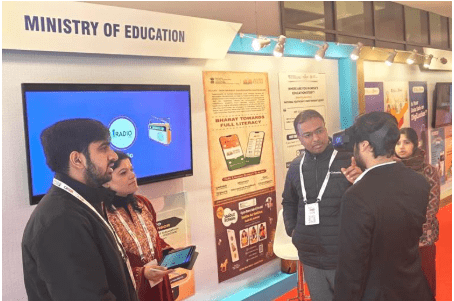
The National Youth Festival (NYF) 2026, underway from 9–12 January 2026 at Bharat Mandapam, New Delhi, is emerging as a vibrant showcase of India’s digital education revolution. The festival highlights flagship initiatives of the Ministry of Education, Government of India, aligned with the vision of the National Education Policy (NEP) 2020, reinforcing the nation’s commitment to inclusive, technology-driven, and future-ready learning.
NYF 2026 Celebrates Youth, Innovation and Educational Transformation
NYF 2026 is celebrating the energy, creativity, and aspirations of India’s youth, while also serving as a national platform to demonstrate how digital innovation is reshaping education and skill development across the country.
Visitors to the festival are engaging directly with transformative education platforms that reflect the government’s push towards equitable access, experiential learning, and lifelong education opportunities.
Rashtriya e-Pustakalaya, DIKSHA and Virtual Labs Take Centre Stage
A major highlight of the festival is the Rashtriya e-Pustakalaya, which offers young learners access to a rich digital repository of books and academic resources, promoting a strong reading culture and self-directed learning.
Several advanced learning platforms are also being showcased, including:
DIKSHA – enabling teacher and student access to high-quality digital content
Together, these tools demonstrate how technology can deepen understanding and bridge learning gaps.
PM eVidya and Career Platforms Promote Equity and Employability
The PM eVidya initiative is being highlighted as an integrated digital education ecosystem that ensures equitable access to quality education through online, digital, and broadcast modes.
Career readiness and skill development are also a key focus at NYF 2026. The My Career Advisor app is being showcased as a tool that supports youth in:
Making informed career choices
Understanding emerging opportunities
Enhancing employability through guidance and awareness
These platforms reflect a shift from rote learning to career-oriented, outcome-driven education.
Lifelong Learning and Foundational Education Get Strong Focus
The festival strongly emphasizes that learning must be continuous and inclusive across age groups.
ULLAS (Understanding Lifelong Learning for All in Society) is being promoted as a national movement to strengthen adult education through community participation.
e-Jaadui Pitara is showcased as a joyful, play-based digital learning platform designed for caregivers and young learners at the foundational stage, supporting early childhood education in engaging ways.
These initiatives reinforce the idea that education is a lifelong journey, not limited to classrooms.
Vidyanjali Encourages Youth Participation in School Education
The Vidyanjali portal, the Ministry of Education’s school volunteer initiative, is also drawing strong attention at NYF 2026. The platform enables:
Youth volunteers
School alumni
Professionals and institutions
Community members and CSR partners
to connect directly with government schools and contribute through mentorship, skill-sharing, and resource support. It represents a powerful model of community-driven educational development.
Conclusion: National Youth Festival 2026
The National Youth Festival 2026 is not only celebrating youth energy but also showcasing the future of Indian education. By bringing together platforms like Rashtriya e-Pustakalaya, DIKSHA, PM eVidya, ULLAS, Vidyanjali, and innovative digital tools, the festival powerfully demonstrates India’s commitment to inclusive, technology-enabled, and globally competitive education. These initiatives collectively strengthen the foundation for achieving the transformative goals of NEP 2020 and empowering the next generation of learners.
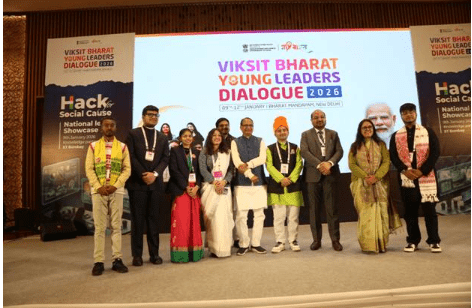
Union Minister for Agriculture and Rural Development, Shri Shivraj Singh Chouhan, called upon India’s youth to embrace collective responsibility, discipline, and purpose-driven leadership while addressing participants at the Viksit Bharat Young Leaders Dialogue 2026. The interaction, held at Bharat Mandapam, showcased the government’s commitment to placing young voices at the heart of India’s journey towards becoming a developed nation.
Youth–Policy Engagement Takes Centre Stage at Bharat Mandapam
As part of the pre-event proceedings of the Viksit Bharat Young Leaders Dialogue 2026, Shri Shivraj Singh Chouhan interacted with selected young leaders during the Track-wise Presentations before the Panel of Hon’ble Union Ministers. The session created a structured platform for meaningful dialogue between senior policymakers and outstanding youth representatives from across the country.
The engagement marked an important milestone in the Dialogue process, reinforcing the government’s vision of institutionalising youth participation in governance and national development.
Young Leaders Present Ideas on Sustainability, Agriculture and Innovation
During the interaction, participants presented their ideas, policy perspectives, and grassroots innovations across key thematic areas, including:
Building a Sustainable and Green Viksit Bharat
Enhancing Productivity through Smart and Sustainable Agriculture
Innovation with Tradition: Building a Modern Bharat
The presentations highlighted the diversity, creativity, and problem-solving capacity of India’s youth, reflecting alignment with national priorities such as inclusive growth, environmental sustainability, and technological advancement.
Minister Emphasises Purposeful Living and Collective Responsibility
Addressing the young leaders, Shri Shivraj Singh Chouhan underscored that nation-building is a collective responsibility, not an individual pursuit. Drawing from India’s civilisational ethos, he remarked that life finds true meaning when dedicated to the service of society and the nation.
He encouraged participants to:
Set large and ambitious goals
Cultivate discipline, dedication, and focus
Build inner strength and resilience as future leaders
The Union Minister also acknowledged the guiding vision of the Prime Minister in creating platforms that enable authentic and meaningful youth engagement in shaping India’s future.
MY Bharat Platform Strengthens Youth Participation in Governance
The Viksit Bharat Young Leaders Dialogue 2026 is being organised by the Ministry of Youth Affairs and Sports through the MY Bharat platform. The initiative aims to create a structured ecosystem where young citizens can actively contribute to policy discourse, governance innovation, and national transformation.
The successful conduct of the interaction at Bharat Mandapam reaffirmed the Government of India’s commitment to recognising youth as key stakeholders in the journey towards a developed India.
Conclusion
The interaction led by Shri Shivraj Singh Chouhan at the Viksit Bharat Young Leaders Dialogue 2026 highlighted the growing role of youth in shaping India’s developmental trajectory. By providing a platform for dialogue, ideas, and collaboration between policymakers and young changemakers, the initiative strengthens the foundation for a more inclusive, participative, and future-ready India.
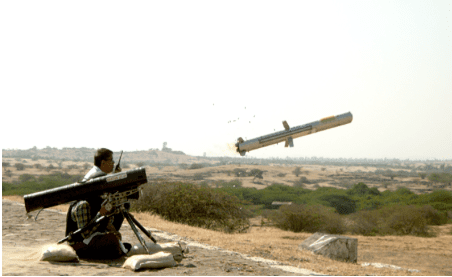
In a significant boost to India’s defence self-reliance, the Defence Research and Development Organisation (DRDO) has successfully conducted the flight test of the indigenously developed Man Portable Anti-Tank Guided Missile (MPATGM) with top-attack capability. The successful trial against a moving target marks a critical milestone toward the missile’s induction into the Indian Army.
Successful Trial at KK Ranges, Maharashtra
The third-generation Fire-and-Forget MPATGM was flight-tested on January 11, 2026, at the KK Ranges in Ahilya Nagar, Maharashtra by DRDO’s Defence Research & Development Laboratory (DRDL), Hyderabad. The missile successfully engaged and destroyed a moving target, demonstrating its precision, reliability, and operational effectiveness under realistic combat conditions.
The achievement reinforces India’s growing capability to design and develop advanced guided weapon systems domestically.
Equipped with State-of-the-Art Indigenous Technologies
The MPATGM incorporates several advanced technologies developed entirely within the country, reflecting the strength of India’s defence R&D ecosystem. Key features include:
Imaging Infrared (IIR) Homing Seeker for accurate target acquisition
All-electric Control Actuation System
Advanced Fire Control System
Tandem Warhead capable of defeating modern Main Battle Tanks
High-performance propulsion and sighting systems
These subsystems have been developed by DRDO’s specialised laboratories, including:
Research Centre Imarat (Hyderabad)
Terminal Ballistics Research Laboratory (Chandigarh)
High Energy Materials Research Laboratory (Pune)
Instruments Research & Development Establishment (Dehradun)
Day–Night Capability and Flexible Launch Options
The missile’s IIR seeker enables effective operations in both day and night conditions, enhancing battlefield versatility. A Thermal Target System, developed by the Defence Laboratory, Jodhpur, was used to simulate an enemy tank during the trial, ensuring realistic testing conditions.
The MPATGM can be launched from:
A tripod-based portable launcher
A military vehicle-mounted launcher
This flexibility enhances its suitability for deployment across diverse operational terrains.
Industry Collaboration Strengthens Defence Manufacturing
Bharat Dynamics Limited (BDL) and Bharat Electronics Limited (BEL) are the Development-Cum-Production Partners (DcPP) for the MPATGM programme. Their involvement reflects the growing role of Indian defence public sector enterprises in translating advanced R&D into deployable military hardware.
Leadership Applauds Achievement
Raksha Mantri Shri Rajnath Singh congratulated DRDO, its industry partners, and the broader defence ecosystem for the successful test. He described the achievement as a major step toward strengthening Aatmanirbhar Bharat in defence manufacturing.
Secretary, Department of Defence R&D and Chairman DRDO, Dr. Samir V. Kamat, also praised the team, stating that the successful trial paves the way for the weapon system’s induction into the Indian Army.
Conclusion
The successful flight test of the MPATGM represents a landmark moment in India’s defence technology journey. With advanced indigenous capabilities, day-night operational readiness, and proven effectiveness against moving targets, the missile significantly enhances the Army’s anti-tank warfare capability. More importantly, it reinforces India’s strategic push toward self-reliance in critical defence technologies, positioning the country as a growing force in indigenous weapons development.
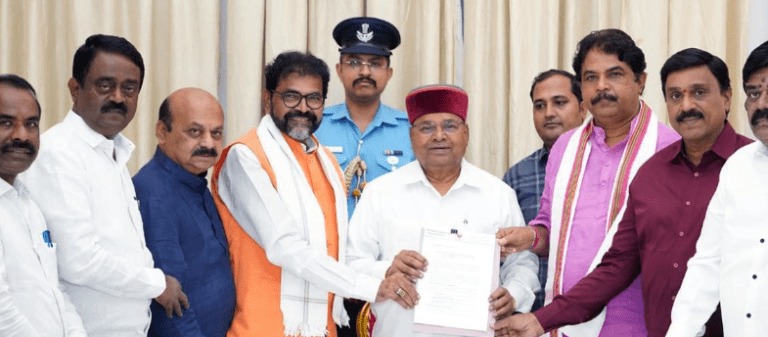
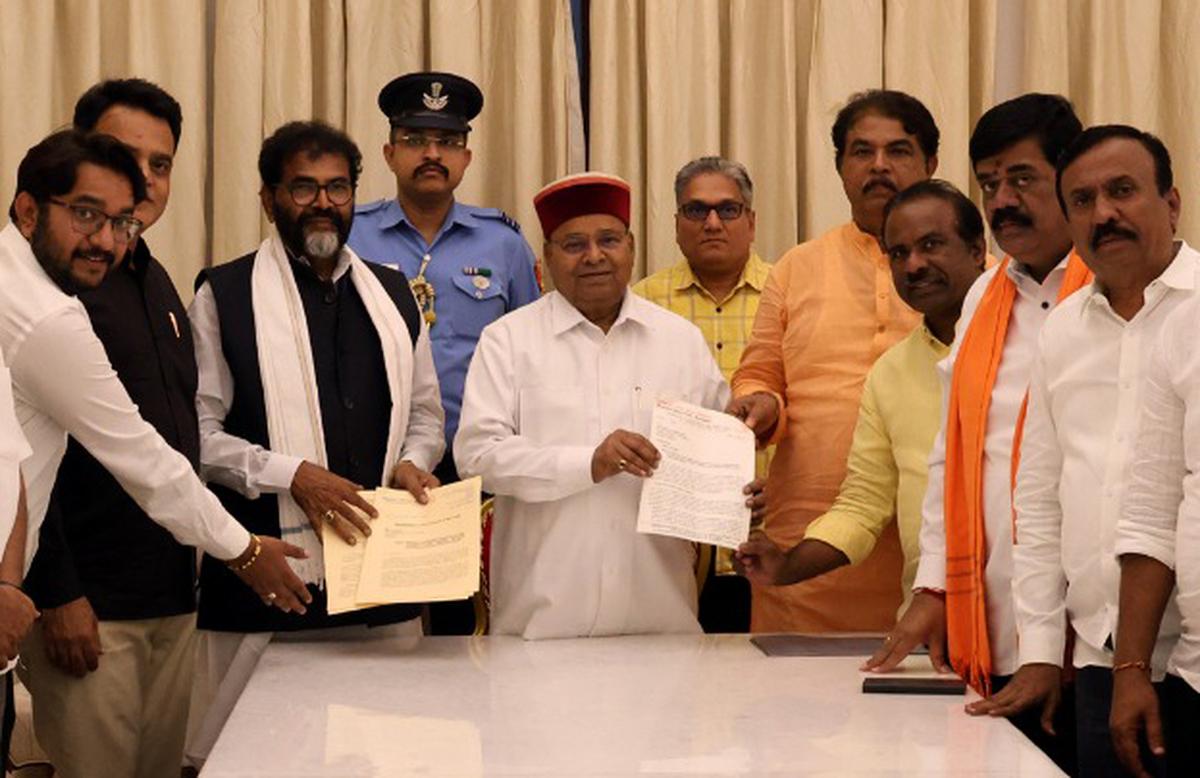
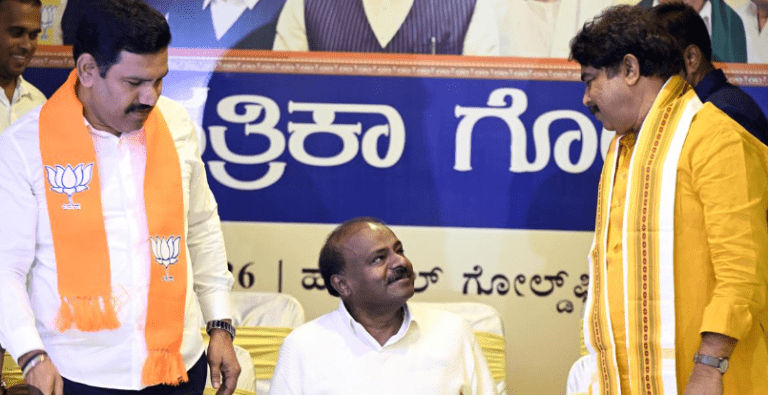
The Bharatiya Janata Party (BJP) has submitted a formal petition to the Karnataka Governor, highlighting what it calls the increasing “criminalisation” within the state police force and the corresponding deterioration of law and order across the state. The party, through its senior leaders, expressed concern that multiple incidents of negligence, corruption, and misuse of authority by police personnel have created an environment of fear and mistrust among citizens. The petition urges the Governor to intervene and ensure strict oversight, claiming that current administrative measures are insufficient to curb misconduct and restore public confidence in law enforcement. The move signals heightened political pressure on the state government regarding safety and policing.
According to sources familiar with the petition, the BJP has cited specific instances where officers allegedly failed to act against politically connected individuals, delayed action on public complaints, or were themselves implicated in criminal activities. The party argues that such trends have eroded the credibility of the police force and undermined citizens’ trust in law enforcement. The petition reportedly calls for a comprehensive review of police appointments, transfers, and disciplinary mechanisms to ensure accountability and transparency. It also highlights that deterioration in law and order can adversely affect not just public safety but also economic activity and social harmony.
The BJP’s action comes amid rising political debates over the state’s handling of crime and public security. Party leaders have argued that lax policing and administrative complacency have allowed criminal elements to operate with impunity, particularly in urban centres such as Bengaluru, Mysuru, and Hubballi-Dharwad. The petition stresses the need for strict enforcement of the law and speedy resolution of cases to reassure citizens. It also demands that the Governor use constitutional powers to direct the government to take immediate corrective measures.
Political Implications and Public Perception
The petition has significant political undertones, reflecting the BJP’s strategy to highlight governance concerns while positioning itself as a party committed to law and order. Analysts note that the issue of police accountability resonates strongly with voters, especially urban residents who are sensitive to crime-related developments. By raising the matter with the Governor, the BJP signals a direct challenge to the ruling state administration, pressing the issue beyond party debates within the legislative assembly. This move also allows the BJP to frame itself as a watchdog on governance, emphasising citizen safety and administrative efficiency.
Public perception of the police force has been affected by a series of high-profile incidents involving alleged negligence or misconduct. Citizens’ complaints about delayed responses, bribery, and corruption have amplified the BJP’s arguments. In particular, the party points to cases involving organized crime, land disputes, and politically sensitive offences where prompt action was reportedly lacking. By highlighting these cases, the BJP aims to draw attention to systemic flaws rather than isolated events, framing the issue as a broader institutional problem requiring intervention at the highest levels.
The petition also raises questions about the current mechanisms for police oversight. BJP leaders have suggested that state-level monitoring committees and internal disciplinary boards have not been effective in curbing misconduct. They argue that accountability structures are either weak or influenced by political considerations, leading to selective enforcement. Strengthening these mechanisms, the party contends, is critical to ensure that officers act in accordance with law and ethical standards. The emphasis on structural reform signals a long-term concern about governance rather than a short-term political complaint.
Law and Order Challenges Across Karnataka
Karnataka has faced multiple law and order challenges in recent months, ranging from urban crime spikes to rural disputes escalating into violent confrontations. The BJP petition highlights that in several districts, incidents of assault, theft, and extortion have reportedly risen, with citizens expressing frustration over inadequate police intervention. The party claims that this deterioration affects not only daily safety but also investor confidence, public confidence in governance, and the overall image of the state. In addition, allegations of political bias in policing have further fuelled public criticism, with the BJP arguing that impartiality is essential for restoring trust.
The petition calls for specific measures, including stricter background checks during police recruitment, increased transparency in transfers and promotions, and independent oversight of complaints against officers. BJP leaders argue that such reforms are necessary to ensure a professional and accountable police force capable of maintaining law and order. Emphasising preventive policing and community engagement, the party also suggests deploying technology-driven monitoring to track performance and responsiveness, particularly in sensitive urban areas.
Political analysts note that the petition is likely to intensify scrutiny of the state government’s law and order record. Opposition parties often use such filings to generate public debate and force administrative action, especially when governance issues intersect with high-visibility incidents. In this case, the BJP’s focus on “criminalisation” within the police force is designed to raise both moral and administrative concerns, putting pressure on the state administration to respond decisively.
The Governor’s response to the petition will be closely watched, as it can influence subsequent actions by the state government. Constitutional experts point out that while the Governor does not directly control policing, the office can request reports, recommend investigations, and urge the government to adopt remedial measures. The BJP’s petition, therefore, serves both as a formal grievance and a strategic step to attract attention at the highest levels of state oversight.
The move also resonates with wider public debates about policing standards in India. Across several states, questions about accountability, political interference, and citizen safety have prompted calls for reform. The BJP’s petition positions the party within this national conversation, highlighting the importance of professional, impartial, and effective law enforcement. By framing the issue as a threat to governance and civic life, the party seeks to elevate policing reform from an internal administrative matter to a matter of public concern.
In conclusion, the BJP’s petition to the Karnataka Governor regarding the alleged criminalisation of the police force and the deterioration of law and order underscores growing political and public concern over policing standards. By combining case-specific examples with calls for structural reform, the party aims to pressure the state government into action while highlighting its own commitment to citizen safety. The petition reflects the intersection of governance, accountability, and politics, signalling that law and order will remain a key issue in Karnataka’s public discourse in the months ahead.
The issue’s long-term impact will depend on whether administrative reforms are implemented and whether public trust in law enforcement can be restored. For citizens, the petition highlights ongoing vulnerabilities, while for political parties, it offers both a point of critique and a potential pathway for advocacy. The Governor’s role, along with the state government’s response, will shape the narrative around accountability and professional conduct within Karnataka’s police force in the coming months.
The BJP’s petition has also sparked discussions among civil society organisations and citizen groups, many of which have supported calls for greater transparency and accountability within the police force. Local activists emphasise that public confidence in law enforcement is essential for effective governance and social cohesion. They argue that addressing issues such as delayed response times, corruption, and alleged collusion with criminal elements is crucial not only for justice but also for broader civic stability. Several groups have urged independent audits and citizen oversight mechanisms to complement administrative reforms.
Legal experts have weighed in on the petition, noting that while the Governor cannot directly control policing, constitutional provisions allow for oversight and recommendations. They suggest that the Governor could instruct the state government to submit detailed reports on pending cases, disciplinary actions, and measures to prevent misconduct. Such interventions, they note, could set precedents for strengthening accountability mechanisms across the state. The BJP’s move, therefore, may also influence administrative and legal discourse on policing beyond Karnataka.
The issue has drawn attention to the broader challenges of police administration in India, where large workloads, political pressure, and limited resources often complicate enforcement. BJP leaders argue that structural reforms are essential to prevent misuse of power and ensure impartiality. Measures such as merit-based promotions, independent complaint monitoring, and stricter internal audits have been highlighted as potential solutions. The petition frames these steps as necessary to restore public trust and reinforce the rule of law in Karnataka.
Opposition parties have also responded to the petition, with some calling it a politically motivated move designed to target the ruling government. They argue that highlighting selective incidents does not reflect the overall performance of the police force and that reforms must be implemented in a collaborative, non-partisan manner. This exchange has intensified political debate, making law and order a central topic in state-level discourse ahead of upcoming elections and public scrutiny.
The petition has additionally highlighted the role of technology and digital monitoring in modern policing. BJP leaders have suggested deploying real-time reporting systems, crime-tracking dashboards, and mobile applications to enhance responsiveness and transparency. By integrating technology into law enforcement, the party argues that accountability can be strengthened, enabling citizens to track complaints and monitor progress. Such proposals align with national conversations on e-governance and smart policing, linking Karnataka’s challenges to broader administrative innovations.
Finally, the BJP has indicated that the petition is just the first step in sustained efforts to push for police reforms in Karnataka. Party officials have stated that they will continue to monitor developments closely, engage with citizens, and follow up with additional recommendations as necessary. The petition, they argue, reflects a long-term commitment to professionalising law enforcement and ensuring public safety. Its success, however, will depend on the state government’s willingness to implement meaningful reforms, the Governor’s oversight, and ongoing public engagement to restore confidence in Karnataka’s policing system.
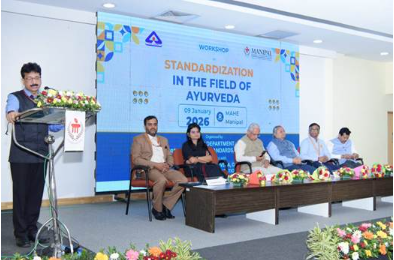
A national-level workshop on standardization in Ayurveda underscored the growing consensus that collaboration between academia, regulators, industry, and researchers is essential to strengthen quality, safety, and global credibility of India’s traditional healthcare systems. Organized by the Bureau of Indian Standards (BIS) in collaboration with Manipal Academy of Higher Education (MAHE), the event brought together key stakeholders to chart a clearer path for the future of Ayurveda.
BIS–MAHE Collaboration Sets the Tone for Quality-Led Growth
The workshop was organized by the Bureau of Indian Standards (BIS) under the Ministry of Consumer Affairs, Food and Public Distribution, in collaboration with Manipal Academy of Higher Education (MAHE) through its Division of Ayurveda, Centre for Integrative Medicine and Research. It was held on 9 January 2026 at the TMA Pai Auditorium, MAHE, Manipal.
Exclusively designed for faculty members, researchers, startups, and industry professionals in the Ayurveda ecosystem, the programme witnessed participation from nearly 180 delegates from across India, reflecting growing national momentum around standardization and quality assurance.
Theme Emphasizes Harmony Between Tradition and Modern Science
The workshop theme, inspired by BIS’s guiding motto “Manakah Patha Pradarshaka”, highlighted the role of standards as a guiding force in harmonizing classical Ayurvedic wisdom with modern scientific and regulatory frameworks.
Discussions consistently emphasized that structured standardization is not a constraint on tradition, but rather a tool to strengthen Ayurveda’s credibility, scalability, and global acceptance.
Leaders Stress Responsibility to Build Global Trust
Addressing the gathering, Jayant Deopujari, Chairperson, Ayurveda Sectional Committee, BIS, described the workshop as a crucial step toward bridging traditional knowledge with contemporary requirements through meaningful standardization. He emphasized the collective responsibility of stakeholders to position Ayurveda as a globally trusted healthcare system.
The inaugural session was graced by Dr. Sharath K Rao, Pro Vice-Chancellor (Health Sciences), MAHE, Manipal, who underlined the urgent need for standardization across traditional systems. He assured full institutional support from MAHE in advancing this national priority.
Shrishti Dixit, Head of AYUSH Department, BIS, reaffirmed BIS’s commitment to strengthening quality, safety, and trust in Ayurveda. She noted that robust standards form the foundation of credibility, which is essential for international recognition and wider adoption.
Expert Sessions Focus on Startups, Industry and Multidisciplinary Collaboration
The workshop featured insightful sessions by eminent experts including:
Prof. Rabinarayan Acharya
Dr. Muralidhar R Ballal
Dr. Manesh Thomas
Sh. Devendra Reddy
Discussions focused on:
The role of standards in supporting Ayurveda startups
Importance of multidisciplinary collaboration
Industry’s responsibility in ensuring quality and regulatory compliance
Practical pathways for embedding standardization into education, research, and manufacturing
Participants actively engaged in interactive discussions, sharing practical experiences and innovative ideas to strengthen the ecosystem.
Roadmap Calls for Academia–Industry–Policy Convergence
Concluding the programme, Raghavendra Naik, Scientist-C, BIS, presented a comprehensive roadmap for the future. He emphasized the need for:
Strong interdisciplinary research
Deepened academia–industry partnerships
Targeted capacity-building initiatives
Continuous engagement between policymakers, institutions, and practitioners
The roadmap envisions a collaborative, sustainable ecosystem where standardization becomes a shared mission rather than a regulatory obligation.
Conclusion
The national workshop at MAHE, Manipal marked an important milestone in India’s journey toward building a quality-driven and globally credible Ayurveda ecosystem. With strong participation from academia, industry, and regulators, the event reinforced the idea that standardization is the bridge between tradition and global trust. The outcomes are expected to catalyse stronger collaboration, innovation, and policy alignment, ultimately strengthening Ayurveda’s position on the global healthcare map.
Experts from across government, academia, and industry have called for the integration of artificial intelligence (AI), digital diagnostics, and blockchain-based traceability to enhance quality assurance in India’s medicinal plant sector. The recommendations emerged from a two-day national seminar hosted by IIT Delhi, which focused on building farm-gate quality systems to improve the global competitiveness of Ayush raw materials.
National Seminar at IIT Delhi Highlights Urgency of Digital Transformation
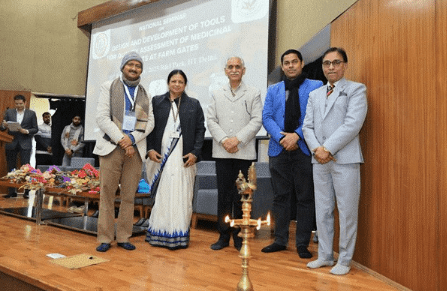
The National Seminar on “Design and Development of Tools for Quality Assessment of Medicinal Plants at Farm Gates” was held on 8–9 January 2026 at the Indian Institute of Technology (IIT) Delhi. The event brought together policymakers, scientists, technologists, researchers, and industry leaders to deliberate on strengthening quality, traceability, and standardisation of medicinal plant raw materials right from the point of origin.
The discussions underscored that building credibility in India’s medicinal plant ecosystem must begin at the farm gate, where authenticity, purity, and quality can be scientifically verified before products enter the wider supply chain.
Leadership Emphasises Innovation, Regulation, and Traditional Knowledge
The seminar was inaugurated with keynote addresses by:
Prof. Dr. Mahesh Kumar Dadhich, CEO, National Medicinal Plant Board (NMPB)
Prof. Dr. Tanuja Nesari, Director, Institute of Teaching and Research in Ayurveda (ITRA)
Both speakers highlighted the need to integrate technological innovation, robust regulatory frameworks, and India’s traditional knowledge systems to build global confidence in Indian medicinal plant raw materials.
Their remarks set the tone for a policy-driven, science-backed approach to quality-led growth in the Ayush ecosystem.
Day One: End-to-End View of the Medicinal Plant Value Chain
Technical sessions on the first day examined the entire value chain, including:
Sustainable cultivation and regenerative agricultural practices
AI-enabled quality assessment and digital phenotyping
Digital documentation and traceability mechanisms
Supply chain integration for domestic and export markets
Experts from institutions such as ICAR–DMAPR, IIT Delhi, WHO, Ministry of Ayush, CCRAS, Himalaya Wellness, and Herbalscape Crops shared evidence-based insights and field experiences.
The consensus was clear: India is both technically and institutionally ready to adopt AI-based diagnostics and integrated quality frameworks to enhance credibility in global markets.
Day Two: Roadmap for AI and Blockchain Integration
The second day focused on actionable roadmap development through two expert brainstorming sessions on:
Integration of Artificial Intelligence in the Medicinal Plant Industry
Use of Blockchain Technology for Supply-Chain Transparency and Traceability
Participants agreed that digital tools at the farm gate — including portable testing devices, AI-powered decision-support systems, and blockchain-backed traceability platforms — are no longer optional. Instead, they are essential to ensure authenticity, safety, export compliance, and international competitiveness.
Quality at the Point of Origin: A Strategic Imperative
A strong consensus emerged that quality must be built at the farm level, directly supporting the mandate of the National Medicinal Plant Board to empower farmers and collectors. Experts noted that technology-led interventions can:
Reduce adulteration and variability in raw materials
Minimise farmer losses
Strengthen export readiness
Improve compliance with pharmacopoeial standards
The seminar also highlighted the integration of traditional knowledge systems such as Vriksha Ayurveda with modern scientific quality frameworks, demonstrating how India’s heritage can be digitised and globally validated.
Aligning with National Priorities: Atmanirbhar Bharat and Make in India
The outcomes of the seminar strongly align with India’s broader policy goals of Atmanirbhar Bharat and Make in India, positioning high-quality, traceable Ayush raw materials as a strategic national strength.
Participants emphasised the need for sustained support for:
Pilot projects
Technology deployment at the farmer level
Capacity building initiatives under NMPB-supported programs
These measures are expected to make farm-gate quality assurance the cornerstone of India’s medicinal plant economy.
Conclusion
The IIT Delhi-hosted national seminar marked a significant step toward building a future-ready medicinal plant ecosystem in India. With broad consensus on the adoption of AI, blockchain, and digital quality tools, the event laid the groundwork for a national framework that prioritises quality, traceability, and global competitiveness. If implemented effectively, these recommendations could transform India into a global benchmark for trusted, technology-enabled Ayush raw materials.
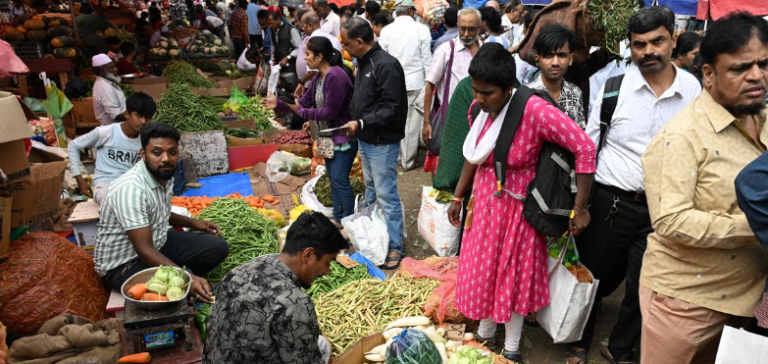
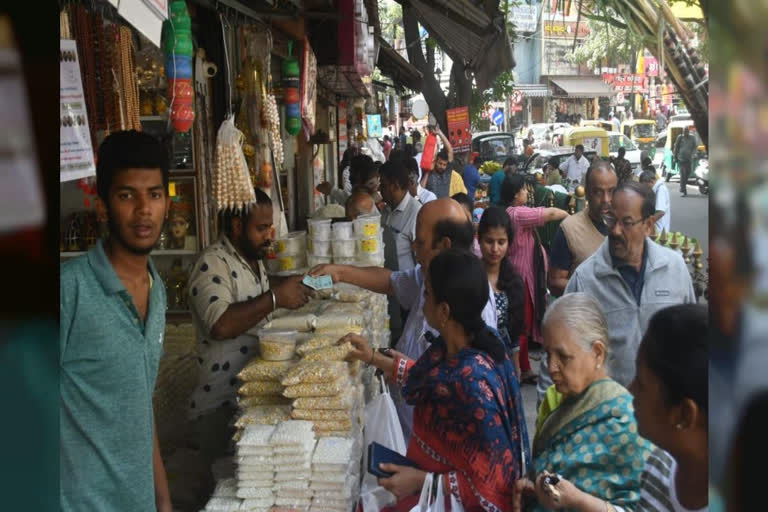
Bengaluru is witnessing a bustling start to the Sankranti festivities as local markets experience a sharp surge in shoppers, with streets and commercial hubs crowded with families and festive buyers. Vendors across the city report significantly increased footfall, particularly in traditional markets such as KR Market, Russell Market, and Avenue Road, as residents stock up on essentials, festive sweets, and decorative items. The surge in demand has coincided with a noticeable rise in prices, prompting discussions among shoppers and consumer rights groups about affordability. Traders, however, attribute the price rise to increased procurement costs, seasonal demand, and supply chain constraints, framing it as a normal consequence of the festive season.
Shoppers have been seen queuing outside stores from early morning, with many making bulk purchases of traditional items such as jaggery, sesame seeds, sugarcane, and ghee, which form an integral part of Sankranti celebrations. Decorative items like torans, rangoli colours, and traditional attire are also in high demand. Retailers report that perishable commodities, including vegetables, fruits, and milk products, have seen a price hike of 15 to 20 percent compared to the previous weeks. The festive mood, however, has not dampened enthusiasm, as families participate in customary shopping sprees, eager to prepare their homes for celebrations.
Local authorities have taken note of the surge in market activity, issuing advisories to manage crowd movement and ensure smooth traffic flow. Parking arrangements have been temporarily increased in commercial areas, while police and municipal officials are monitoring crowd management to prevent congestion and accidents. In addition, markets are implementing safety and hygiene measures in the wake of post-pandemic public awareness, ensuring shoppers can move freely while maintaining essential precautions. Officials have also urged shoppers to be cautious about pricing and quality, reminding vendors of regulations against overcharging during festivals.
Price Hikes, Consumer Behaviour, and Vendor Strategies- Markets
The rise in commodity prices ahead of Sankranti has generated debates among consumers, with some expressing concern over affordability while others accept it as part of seasonal fluctuations. Key staples like jaggery and sesame seeds, which form the basis of traditional Sankranti delicacies such as ellu-bella and til laddus, have reportedly become costlier by 20 to 25 percent due to higher transportation and procurement expenses. Retailers justify the price increase by citing increased fuel costs, vendor shortages, and heightened demand as families prepare for festival rituals.
Consumer behaviour has adapted to these changes, with some shoppers switching to smaller packets or buying from wholesale markets to balance costs. Online grocery platforms have also recorded higher traffic, with users opting for doorstep delivery to avoid crowded marketplaces. Analysts note that the dual demand in physical and digital markets has contributed to price inflation, as both channels compete for limited festive stock. For many Bengaluru residents, careful planning and early shopping have become strategies to manage both cost and availability during Sankranti.
Vendors are also adjusting their strategies in response to the festive surge. Many have extended operating hours, stocked additional inventory, and offered bundle deals to attract buyers. Some specialty shops, particularly those selling traditional items like sweets, handicrafts, and ornamental torans, have witnessed a tenfold increase in sales compared to non-festive periods. Seasonal workers have been employed to manage inventory and assist shoppers, reflecting the temporary intensification of commercial activity. The vibrant atmosphere has not only boosted business but also reinforced Bengaluru’s reputation as a city where traditional festivals are celebrated with enthusiasm and energy.
Market observers note that Sankranti also reflects deeper socio-cultural trends in urban Bengaluru. The festival, associated with harvest and prosperity, continues to foster community interaction despite urban lifestyles. The preparation for Sankranti has turned marketplaces into social hubs, with residents exchanging greetings, gifting sweets, and participating in last-minute shopping rituals. The festive spending, while contributing to temporary price rises, also fuels the local economy, benefiting small traders, vegetable vendors, and artisans involved in festival-specific production.
In conclusion, the lead-up to Sankranti in Bengaluru has transformed local markets into centers of vibrant activity, marked by crowded streets, soaring demand, and rising prices. While shoppers navigate logistical challenges and higher costs, vendors experience a period of heightened commerce that underscores the cultural and economic significance of the festival. The current surge in activity reflects not only the city’s festive spirit but also the broader dynamics of urban consumer behaviour during traditional celebrations. Residents, authorities, and traders alike are negotiating the balance between celebration, commerce, and crowd management, ensuring that Sankranti remains both joyful and orderly.
The surge in market activity ahead of Sankranti has also highlighted the role of traditional street vendors and small-scale artisans in Bengaluru’s festive economy. Many of these vendors rely on this short period to earn a substantial portion of their annual income. Stall owners selling items such as sugarcane sticks, handwoven mats, and traditional clay diyas report significantly higher daily earnings compared to regular weeks. For several artisans, the festival is an opportunity to showcase locally made handicrafts that might otherwise struggle to reach wider audiences, reinforcing the symbiotic relationship between cultural traditions and livelihoods.
In addition to physical markets, e-commerce platforms and mobile-based ordering systems have seen a surge in activity, as consumers look for convenience and the assurance of availability. Many families, especially in the IT and corporate hubs of Bengaluru, are choosing online shopping to avoid crowded spaces and manage time efficiently. Delivery companies have reported a noticeable spike in demand, prompting temporary hiring of delivery staff and extended operational hours. The convergence of digital and physical marketplaces underscores how traditional festivals are adapting to urban and technological realities.
The price increase of certain commodities has led to a wave of consumer comparison shopping. Shoppers are visiting multiple markets to find the best deals and are increasingly relying on price alerts from apps and social media groups. In some areas, local resident associations have circulated tips and lists highlighting reasonably priced vendors. Such informed consumer behaviour is gradually influencing vendor practices, encouraging competitive pricing and better quality standards. Economists suggest that this pattern may signal a long-term shift in how urban residents approach seasonal shopping.
Vegetable and fruit vendors have been particularly affected by heightened demand, as perishable goods form a core part of Sankranti celebrations. Traders report that high temperatures and transportation delays have contributed to marginal shortages in some areas, driving prices upward. Items like bananas, sugarcane, sesame seeds, and gourds have seen marked increases compared to last week. Some vendors are experimenting with pre-packaged festival kits that combine essential ingredients at fixed prices, catering to time-pressed buyers and ensuring steady sales despite fluctuating supply.
The festive rush has also prompted city authorities to focus on traffic and crowd management more rigorously. Police personnel and traffic controllers have been deployed in high-density shopping zones to prevent congestion and ensure pedestrian safety. Temporary no-parking zones have been enforced around busy markets, and public transport services have been increased to accommodate the growing number of commuters. Municipal officials have also emphasised sanitation measures, particularly around crowded stalls, to maintain hygiene and public health during the festival rush.
Financial institutions and ATMs have seen increased activity as well, with residents withdrawing cash to pay for traditional purchases. Many small vendors, especially those operating in informal setups, prefer cash transactions, leading to higher footfalls around local banks and automated teller machines. Some banks have proactively increased cash reserves and opened extended counters to meet this surge in demand. Observers note that while digital payments are growing, cash remains the preferred mode for many festival-related transactions, reflecting a mix of modern and traditional purchasing habits.
Cultural programmes and local fairs in the city have complemented the festive shopping, drawing additional crowds to market areas. Street performances, rangoli competitions, and food stalls create a lively atmosphere, further encouraging consumer spending. For local businesses, this combination of commerce and culture provides a boost that is both economic and social, as families engage with community traditions while completing their shopping. Vendors have reported that well-organised cultural events significantly increase foot traffic and sales, especially for decorative and gift items.
Consumer groups and resident associations have also highlighted concerns about price inflation during the festival. While seasonal rises are expected, some shoppers feel that certain items have been disproportionately marked up. Consumer rights activists have urged authorities to monitor pricing and ensure compliance with regulations to prevent exploitation. Educational campaigns advising buyers on quality checks and price comparisons have been circulated through local media, reflecting growing awareness and advocacy for fair trade practices during festivals.
The Sankranti rush has created temporary employment opportunities across the city, from delivery personnel to stall assistants and traffic coordinators. Seasonal labourers, including students and part-time workers, are being employed to manage inventory, guide shoppers, and handle logistics. This short-term employment helps many earn additional income, highlighting the festival’s broader economic impact beyond consumer spending. For local youth, participation in these roles also provides experience in customer service and operations management, skills that are transferable to future jobs.
Finally, the festival’s economic impact extends to supporting traditional food and sweet-making industries. Confectioners, jaggery producers, and dairy suppliers report that Sankranti sales account for a significant portion of their yearly turnover. The demand for traditional sweets like til laddus, sakkare pongal, and other regional delicacies has surged, prompting increased production and supply chain adjustments. Vendors have coordinated with farmers and suppliers to ensure consistent stock, highlighting the interdependence between agriculture, food processing, and urban consumption during major cultural festivals.
The combined effect of heightened demand, rising prices, and bustling crowds has made Sankranti one of the most economically and culturally significant periods for Bengaluru markets, reflecting both the city’s vibrancy and the complexities of urban festive commerce.
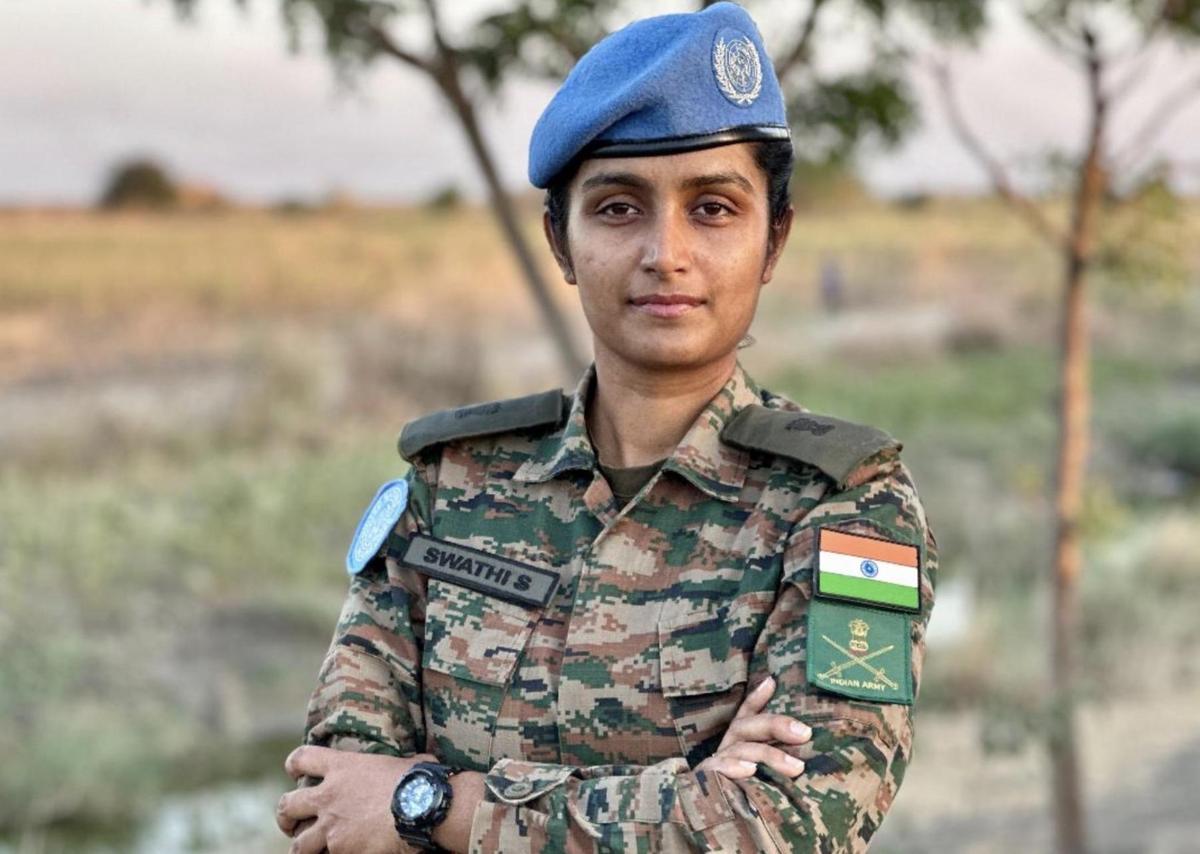
An Indian Army officer from Bengaluru has brought global recognition to the country after winning the prestigious United Nations Secretary-General’s Award for 2025, an honour reserved for individuals who demonstrate exceptional service, leadership, and commitment to peacekeeping and humanitarian values. The announcement has been welcomed with pride across defence circles and civil society, as the award places the spotlight on India’s long-standing contribution to international peace missions. The officer’s achievement is being described as a moment of national honour, reflecting not only personal excellence but also the professionalism and discipline of the Indian Army on the world stage.
The recognition has also prompted renewed conversations within defence and policy circles about the evolving nature of India’s military diplomacy. Peacekeeping awards, experts say, are not merely ceremonial but reflect trust placed by the international community in a country’s armed forces. India’s consistent emphasis on training its personnel in international humanitarian law, civilian protection, and conflict sensitivity has played a role in building this trust. The Bengaluru officer’s award is being viewed as evidence that such institutional investments are yielding results, strengthening India’s credibility in multilateral peace and security frameworks.
Senior retired officers have pointed out that individual achievements at international platforms often have a ripple effect within the armed forces. Such recognition raises morale among serving personnel and reinforces the belief that professionalism and ethical conduct are noticed and rewarded globally. They argue that it also helps counter negative stereotypes about peacekeeping forces by highlighting positive role models. For young officers preparing for overseas deployments, the award serves as a benchmark, encouraging them to balance operational effectiveness with empathy and restraint in complex conflict environments.
The award has also drawn attention to the psychological and emotional dimensions of peacekeeping service. Defence psychologists note that operating in conflict zones while maintaining neutrality and compassion requires high emotional intelligence. The Bengaluru officer’s success is being cited as an example of how emotional resilience and leadership can coexist in military roles. There have been calls for greater focus on mental health support for peacekeepers, ensuring that those who serve under intense stress receive adequate care during and after deployments. The recognition has thus sparked broader discussions on the holistic well-being of soldiers.
Looking ahead, the officer’s achievement is expected to inspire deeper engagement between India and the United Nations on peacekeeping reforms and innovations. As global conflicts grow more complex, the demand for skilled, principled peacekeepers is likely to increase. The UN Secretary-General’s Award for 2025, bestowed on an Indian Army officer from Bengaluru, stands as a reminder that individual integrity and commitment can shape international perceptions. It reinforces the idea that peace is built not only through policies and mandates, but through the actions of dedicated individuals on the ground.
The United Nations Secretary-General’s Award is among the most respected recognitions within the UN system, acknowledging extraordinary dedication under challenging and often dangerous conditions. The Bengaluru-based officer was recognised for exemplary service during a United Nations peacekeeping mission, where leadership, ethical conduct, and compassion were said to have gone beyond the call of duty. According to officials familiar with the citation, the officer played a crucial role in stabilising conflict-affected areas, protecting civilians, and strengthening trust between local communities and international peacekeepers. The recognition highlights the human dimension of peacekeeping, where courage is matched with empathy and responsibility.
The news of the award has generated widespread appreciation within Karnataka, particularly in Bengaluru, which has a deep association with the armed forces through training institutions, veterans’ communities, and defence establishments. Friends, colleagues, and former instructors have described the officer as disciplined, grounded, and deeply committed to service. Defence officials noted that such international recognition reinforces India’s credibility as a responsible global actor and a pillar of UN peacekeeping operations. For many young aspirants from the city and beyond, the achievement has emerged as a source of inspiration, reaffirming the value of service-driven leadership.
The Ministry of Defence also welcomed the honour, stating that the award reflects India’s consistent contribution to global peace and security. India has historically been one of the largest contributors of troops to UN peacekeeping missions, and individual recognitions such as this, officials say, bring attention to the sacrifices and professionalism of Indian soldiers serving far from home. The award ceremony, scheduled to be held later this year, is expected to see senior UN officials and representatives from member states acknowledge the officer’s work. The recognition marks a defining milestone in the officer’s career and adds to India’s growing list of international honours in peacekeeping.
Service Beyond Borders and the Spirit of Peacekeeping
The officer’s work during the UN mission reportedly involved operating in a region marked by prolonged conflict, political instability, and humanitarian distress. Peacekeeping in such environments demands not only military competence but also cultural sensitivity, negotiation skills, and emotional resilience. According to accounts from colleagues, the officer consistently demonstrated the ability to balance operational responsibilities with humanitarian priorities. Protecting civilians, facilitating dialogue, and ensuring the safety of vulnerable populations were central to the officer’s approach. These qualities are believed to have played a key role in the UN’s decision to confer the award.
UN peacekeeping missions often function under intense pressure, with personnel required to make critical decisions in uncertain and volatile situations. The Bengaluru officer is said to have led by example, maintaining calm and clarity during crises. Reports indicate that the officer was instrumental in coordinating with local leaders, humanitarian agencies, and fellow peacekeepers to de-escalate tensions and prevent violence. Such coordination is vital in peacekeeping environments, where trust-building can determine the success or failure of missions. The officer’s ability to foster cooperation across diverse groups has been widely praised.
The award citation reportedly emphasises ethical leadership and respect for human rights, values that are central to UN peacekeeping principles. In regions affected by conflict, allegations of misconduct can undermine missions and erode public trust. Against this backdrop, the officer’s conduct was highlighted as exemplary, reinforcing the importance of discipline and integrity. Defence analysts have noted that such recognition strengthens the moral authority of peacekeeping forces and sets benchmarks for others. For the Indian Army, the award underscores its emphasis on values-based leadership in international deployments.
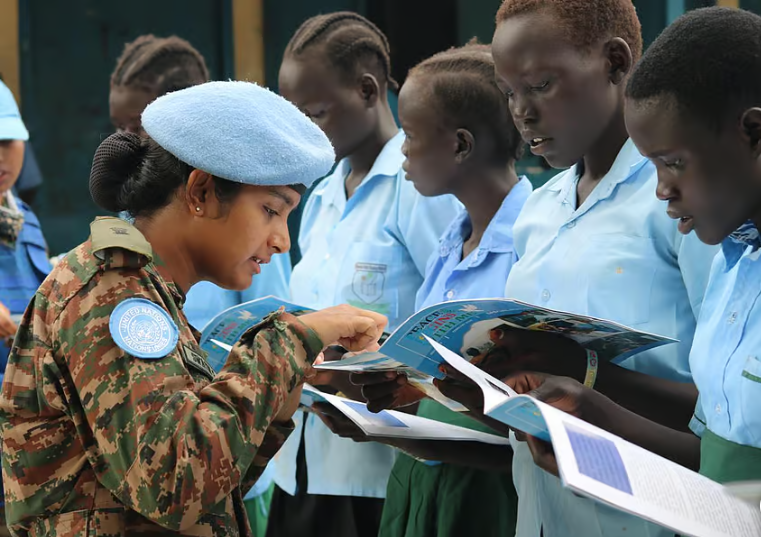
Beyond operational achievements, the officer’s humanitarian initiatives during the mission have also been acknowledged. Accounts suggest active involvement in community outreach efforts, including facilitating access to medical aid, supporting education initiatives, and ensuring the protection of women and children. These efforts align with the evolving role of peacekeepers, who are increasingly expected to contribute to long-term stability rather than merely maintaining ceasefires. The officer’s work illustrates how military personnel can play constructive roles in rebuilding trust and hope in conflict-affected societies.
The recognition also sheds light on the personal sacrifices involved in peacekeeping. Extended deployments away from family, exposure to danger, and emotional strain are common realities for peacekeepers. Colleagues have described the officer’s resilience and sense of purpose as key strengths that enabled sustained performance under demanding conditions. Such attributes, they say, reflect the training and ethos instilled by the Indian Army. The award thus symbolises not just individual merit but the collective values of the institution the officer represents.
India’s Global Role and the Meaning of Recognition
India’s contribution to UN peacekeeping has long been a cornerstone of its foreign and defence policy. With decades of participation in missions across continents, Indian peacekeepers have earned a reputation for professionalism and empathy. The Bengaluru officer’s recognition by the UN Secretary-General reinforces this legacy at a time when peacekeeping operations face increasing complexity. Conflicts today are often characterised by non-state actors, fragile political settlements, and humanitarian crises, making the role of peacekeepers more challenging than ever. Individual honours such as this highlight how Indian officers are adapting to these evolving demands.
Defence experts have noted that international recognition carries strategic significance. It enhances India’s standing within multilateral institutions and strengthens its voice in discussions on global security and peace operations. Awards conferred by the UN Secretary-General are rare and selective, making the achievement particularly noteworthy. For the Indian Army, it reinforces confidence in its training standards and operational doctrines. It also serves as validation of India’s commitment to upholding international norms and contributing constructively to global stability.
The award has also resonated within civilian circles, prompting discussions about the often-unseen work of peacekeepers. Unlike conventional military operations, peacekeeping efforts rarely receive sustained public attention unless crises occur. The recognition of an Indian officer offers an opportunity to highlight the everyday challenges and quiet heroism involved in maintaining peace. Civil society groups and veterans’ associations have called for greater public awareness of peacekeeping missions and the role India plays in them. They argue that such recognition should inspire broader appreciation for service beyond national borders.
In Bengaluru, the officer’s home city, the news has been met with pride and celebration. Educational institutions, defence communities, and civic groups have described the achievement as a moment of collective honour. Many see it as a reminder that global service and local roots can coexist, and that individuals from Indian cities can make meaningful impacts on international platforms. The recognition has also sparked interest among young people considering careers in the armed forces, highlighting opportunities to serve not only the nation but humanity at large.
As India continues to engage with global peace initiatives, the officer’s award is likely to be cited as an example of the country’s constructive role in international affairs. Policymakers and defence planners view such honours as reinforcing the case for sustained participation in peacekeeping missions. They argue that peacekeeping enhances India’s diplomatic influence while providing valuable operational experience to its forces. The Bengaluru officer’s achievement thus intersects personal excellence with national interest, creating a narrative of service that transcends borders.
In conclusion, the Indian Army officer from Bengaluru winning the United Nations Secretary-General’s Award for 2025 stands as a powerful symbol of dedication, courage, and compassion. The honour recognises exceptional service in the pursuit of peace and underscores India’s enduring commitment to global stability. Beyond the medal and ceremony, the award tells a deeper story of leadership under pressure, ethical conduct, and humanitarian engagement. For India, it reinforces a legacy of peacekeeping excellence. For the officer, it marks a defining chapter in a career devoted to service. And for aspiring peacekeepers, it offers a reminder that integrity and empathy can leave a lasting imprint on the world.
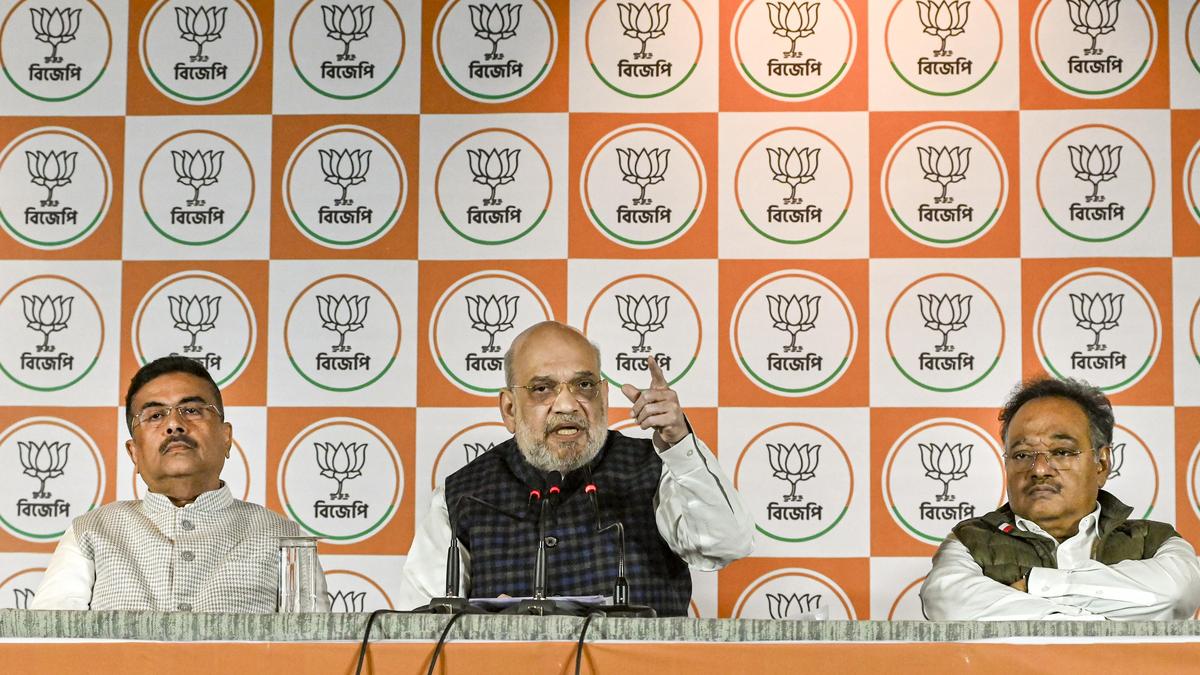
The Bharatiya Janata Party’s central leadership has indicated a preference for contesting upcoming local body elections through coalitions, a move that has sparked intense internal debate within the party. The strategy, driven largely by concerns over protecting cadre interests and retaining grassroots influence, reflects the complex political calculations shaping the BJP’s approach to municipal and panchayat-level contests. While alliances are often viewed as pragmatic tools to secure power, they also carry risks of alienating loyal workers who have built the party’s presence on the ground. The emerging discussion reveals a party attempting to reconcile electoral arithmetic with organisational morale at a crucial juncture.
The issue has also exposed generational differences within the party’s organisational structure. Senior leaders who have witnessed multiple electoral cycles tend to prioritise winnability and administrative control, often viewing alliances as necessary adaptations to changing political realities. Younger cadres, however, see local body elections as their first real entry point into active politics and leadership. For them, coalition politics can appear as an obstacle rather than an opportunity. This generational tension has added another layer to the debate, with youth wing leaders urging the high command to protect spaces where new leaders can emerge organically.
Another concern repeatedly raised by district-level functionaries relates to governance after elections. In coalition-run local bodies, decision-making authority is often shared or contested, leading to delays and internal conflict. BJP cadres fear that even when the party is part of the ruling arrangement, credit for development work may not flow clearly to them. This ambiguity, they argue, weakens their ability to connect with voters and build political capital. Several workers have pointed out that clear party control at the local level has historically helped the BJP showcase efficiency and discipline, qualities that distinguish it from rivals.
Political analysts note that the coalition preference may also reflect defensive calculations rather than expansionist ambition. In regions where anti-incumbency or social coalitions pose challenges, alliances are seen as a way to minimise losses rather than maximise gains. This shift in posture has prompted introspection within the party about its current standing at the grassroots. While the BJP continues to command significant support, the reliance on coalitions suggests acknowledgment of evolving voter behaviour and stronger local opposition networks. How the party responds to this reality will shape its adaptability in the long run.
As the party moves closer to finalising its strategy, communication with cadres will be critical. Several leaders have emphasised the need for the central leadership to clearly articulate the rationale behind alliances and reassure workers of their continued relevance. Without such clarity, even a successful electoral outcome could leave behind organisational dissatisfaction. The coming weeks are likely to see intense consultations between central and state units as the BJP attempts to align electoral strategy with cadre confidence. The resolution of this internal debate will serve as a key indicator of how the party balances power, principle, and people at the grassroots level.
According to senior party functionaries, the inclination towards coalitions is rooted in the changing dynamics of local politics, where fragmented mandates and strong regional players often determine outcomes. Central leaders believe that alliances could prevent vote splitting and ensure a greater share of seats, particularly in competitive urban and semi-urban bodies. However, this top-down assessment has been met with apprehension at the state and district levels. Many grassroots workers fear that coalition arrangements could sideline long-standing cadres, dilute the party’s ideological identity, and create confusion among voters accustomed to clear party lines.
The concern over cadre interests has emerged as a central theme in internal discussions. Local body elections, unlike parliamentary or assembly polls, rely heavily on booth-level mobilisation and personal networks cultivated over years. Party workers argue that alliances often result in seat-sharing compromises that deny tickets to loyal activists in favour of coalition partners. This, they warn, can demotivate cadres who see local elections as their primary opportunity for political growth. The central leadership, however, maintains that safeguarding long-term influence sometimes requires short-term adjustments, especially in regions where winning independently may prove challenging.
The debate has gained urgency as preparations for local body polls intensify across several states. These elections are widely seen as a litmus test of organisational strength and public mood ahead of larger electoral battles. For the BJP, which has built its national dominance on a strong grassroots network, the stakes are particularly high. Any perception of neglecting cadre interests could have ripple effects beyond local elections, potentially impacting mobilisation and unity in future contests. This has forced the leadership to tread carefully, balancing electoral pragmatism with organisational cohesion.
Coalition Arithmetic Versus Grassroots Sentiment
The BJP’s growing openness to coalitions in local body polls reflects a broader shift in its electoral strategy. In regions where multi-cornered contests have become the norm, central leaders argue that alliances are essential to counter strong opposition combinations. They point to past instances where vote fragmentation led to unexpected defeats, despite the party enjoying significant popular support. By aligning with smaller parties or influential local groups, the BJP hopes to consolidate votes and maintain control over key municipal and panchayat institutions.
However, grassroots leaders caution that local elections operate on a different logic from state or national polls. Personal reputation, community ties, and local issues often outweigh party branding. In such contexts, alliances can complicate candidate selection and messaging. Party workers fear that accommodating coalition partners may force the BJP to compromise on candidate quality or ideology, weakening its local credibility. They also worry that coalition partners may not share the same level of commitment to organisational discipline, leading to friction during campaigns and governance.
Another major concern relates to ticket distribution. Local body elections offer thousands of positions across wards and panchayats, making them a critical avenue for nurturing future leadership. Cadres argue that denying tickets to loyal workers in favour of alliance candidates could disrupt this leadership pipeline. Several state-level leaders have reportedly conveyed these concerns to the central leadership, urging it to consider the long-term organisational cost of alliances. They emphasise that local elections are not just about winning seats but about sustaining a motivated and expanding cadre base.
Central leaders, on the other hand, contend that protecting cadre interests does not necessarily mean contesting every seat independently. They argue that strategic alliances can actually enhance opportunities by ensuring the party remains in power and can influence local governance. According to this view, being part of ruling coalitions allows BJP cadres to retain access to resources, visibility, and administrative leverage, even if some seats are conceded. This perspective frames coalitions as instruments of survival and influence rather than ideological compromise.
The divergence between central strategy and grassroots sentiment has highlighted internal communication challenges. While top leaders focus on macro-level electoral trends, local workers emphasise micro-level realities. Bridging this gap requires nuanced decision-making that accounts for regional variations. Party insiders suggest that the leadership is exploring flexible models, where alliances are considered selectively based on local conditions rather than imposed uniformly. Such an approach, they believe, could mitigate discontent while preserving strategic advantages.
Organisational Stakes and Future Implications
The coalition debate has broader implications for the BJP’s organisational health. Local body institutions serve as training grounds for party workers, offering experience in governance and public engagement. Any strategy that disrupts this ecosystem risks weakening the party’s long-term foundation. Cadres argue that morale and loyalty are sustained when workers see a clear pathway for advancement. If alliances are perceived as blocking this path, it could lead to disengagement or internal dissent, particularly among younger activists.
Political observers note that the BJP’s rise has been closely tied to its ability to mobilise cadres with a sense of ownership and ideological purpose. Local elections play a crucial role in reinforcing this bond. The current debate, therefore, is not merely about electoral tactics but about preserving the party’s distinctive organisational culture. Analysts suggest that repeated reliance on coalitions could gradually transform the BJP from a cadre-driven party into a more conventional electoral machine, altering its internal dynamics.
At the same time, the realities of contemporary politics cannot be ignored. Urbanisation, regional parties, and shifting voter loyalties have made local elections increasingly unpredictable. Central leaders argue that refusing alliances on principle could leave the party isolated in key regions. They stress that coalition politics, if managed carefully, need not undermine cadre interests. Clear agreements, transparent ticket allocation processes, and defined roles for party workers within coalition arrangements are among the measures being discussed to address concerns.
The timing of this debate is also significant. Local body polls often set the tone for subsequent assembly elections by shaping narratives of momentum and decline. A poor performance could embolden opponents and dampen cadre morale, while a strong showing could reinforce confidence. For the BJP, which faces intensified competition in several states, the margin for error is slim. This has increased pressure on the leadership to adopt strategies that maximise winnability without fracturing the organisation.
Some state leaders have proposed hybrid models, where the BJP contests independently in areas where it has strong grassroots presence, while opting for alliances in more competitive or fragmented regions. Such an approach, they argue, respects local realities and cadre sentiments while retaining strategic flexibility. The central leadership is reportedly open to these suggestions, indicating that final decisions will likely involve consultations with state units. This iterative process reflects an attempt to balance central direction with decentralised insight.
As discussions continue, the BJP’s handling of this issue will be closely watched by both supporters and rivals. The choice between coalition arithmetic and cadre-centric politics encapsulates a broader challenge faced by large national parties operating in diverse local contexts. For the BJP, which has prided itself on organisational discipline and grassroots strength, the outcome of this debate could shape its trajectory in local governance and beyond.
In conclusion, the BJP’s preference for coalitions in local body polls underscores the complex interplay between electoral strategy and organisational integrity. While central leaders view alliances as pragmatic tools to secure power and prevent vote fragmentation, grassroots workers fear the erosion of cadre interests and identity. Navigating this tension will require careful calibration, transparent communication, and sensitivity to regional dynamics. As the party prepares for upcoming local elections, its ability to strike this balance may well determine not only immediate outcomes but also the resilience of its organisational foundation in the years ahead.
Indian equity markets closed on a positive note on January 12, 2026, with benchmark indices extending intraday gains in the final hour of trade. Strong buying in metal stocks, sustained strength in financials, and selective accumulation in consumption names helped the Nifty 50 end firmly in the green, despite weakness in IT and select financial heavyweights.
At the close (15:30 IST), the Nifty 50 settled at 25,790.25, up 106.95 points or 0.42%. The index witnessed a steady recovery through the session after a subdued start.
Open: 25,669.05
High: 25,813.15
Low: 25,473.40
Broader indices and key sectors also supported the rally:
Nifty Next 50: 68,699.05 (+0.30%)
Nifty Financial Services: 27,518.50 (+0.50%)
Nifty Bank: 59,450.50 (+0.34%)
The overall market breadth reflected a risk-on sentiment, led by strong participation in cyclical sectors.
Top Gainers: Metal Stocks Steal the Spotlight
Metal and commodity-linked stocks dominated the gainers’ list, supported by strong volumes and high traded value, indicating robust institutional participation.
Coal India jumped 3.39% to ₹432.55, with heavy volumes of 144.08 lakh shares and traded value of ₹618.50 crore, emerging as the session’s top performer.
Tata Steel climbed 2.75% to ₹183.30 on the back of strong volumes (257.82 lakh shares), signaling renewed optimism in the steel space.
Asian Paints gained 2.50% to ₹2,896.20, extending its momentum on consumption-led buying.
JSW Steel rose 2.26% to ₹1,185.00, reinforcing the strength across metal counters.
Hindalco advanced 2.21% to ₹920.90, supported by sustained interest in aluminium producers.
The broad-based rally in metals suggests expectations of improved demand outlook and firm global commodity prices.
Top Losers: IT and Financials Face Profit Booking
Despite the strong close, a few heavyweight stocks witnessed selling pressure, limiting the upside.
Infosys declined 1.02% to ₹1,597.60, weighing on the IT pack.
Bajaj Finance fell 1.00% to ₹950.00, indicating cautious sentiment in select NBFC names.
TMPV eased 1.00% to ₹350.60.
Bajaj Auto slipped 0.88% to ₹9,478.50 amid mild profit booking.
Eicher Motors dropped 0.85% to ₹7,443.00, continuing the weakness seen in auto stocks earlier in the day.
The divergence highlights that while broader sentiment improved, investors remained selective in positioning.
Market Trend: Cyclicals Lead, Rotation Continues
The session clearly reflected a sector rotation theme, with investors shifting focus towards metals and commodity plays, while trimming exposure in IT and select financials. Strength in banking and financial services indices further reinforced confidence in the broader market structure.
With key indices closing near the day’s high, short-term sentiment appears constructive, although stock-specific volatility is likely to persist.
Conclusion
The Nifty’s strong close at 25,790 marks a decisive comeback after intraday consolidation, driven primarily by a sharp rally in metal stocks and supportive action from financials. Coal India, Tata Steel, JSW Steel, and Hindalco emerged as clear leaders, while weakness in Infosys and Bajaj Finance capped broader gains. Going ahead, market participants are expected to track earnings cues and global commodity trends for further direction.






 Nifty Next 50: 68,699.05 (+0.30%)
 Asian Paints gained 2.50% to ₹2,896.20, extending its momentum on consumption-led buying.
 Bajaj Auto slipped 0.88% to ₹9,478.50 amid mild profit booking.