Tuesday, April 28, 2026
Home Blog Page 136

Innovation Boost: Maharashtra to Create a Rs 4,000–5,000 Crore Fund for Funding Innovations and Startups

The Maharashtra government has announced plans to establish a substantial innovation fund worth between Rs 4,000 crore and Rs 5,000 crore to support startups, emerging technologies and high-growth enterprises in the state. This initiative is designed to strengthen the state’s position as a leading hub for entrepreneurship in India and foster a robust ecosystem where innovation, research and commercialisation can thrive. The move is expected to spur economic growth, attract investments and create employment opportunities across key sectors.

The proposed fund is part of the government’s broader strategy to enhance ease of doing business, support homegrown talent and encourage startups to scale. By pooling resources specifically for innovation financing, Maharashtra aims to address one of the critical hurdles that new enterprises often face: access to capital. This fund is intended to work alongside existing incentive schemes, tax benefits and infrastructure support mechanisms that the state has been offering to entrepreneurs over the years.

A Strategic Push for Innovation and Entrepreneurship

Officials involved in formulating the fund say that the financial pool will help bridge the funding gap that many early-stage and mid-stage startups encounter. Traditionally, startups rely on angel investors, venture capital firms and private equity for capital. However, access to these sources can be uneven, especially for founders from non-metropolitan areas or those working on deep tech and research-intensive ventures.

With the establishment of a dedicated government-backed fund, Maharashtra seeks to complement private investment and crowd in additional capital from institutional investors. The state plans to structure the fund in a way that ensures flexibility, enabling it to support a wide range of sectors including information technology, biotechnology, clean energy, agriculture tech, health tech and advanced manufacturing.

According to government advisers, a portion of the fund may be earmarked specifically for startups in strategic areas that align with global challenges and national priorities. These could include climate tech, artificial intelligence, cybersecurity, precision agriculture and healthcare innovations. By focusing on future-oriented industries, Maharashtra hopes to position itself at the forefront of India’s technology and innovation landscape.

Opportunities for Early-Stage and Growth-Stage Startups

The new fund is expected to work on a co-investment model, where the government pool co-invests alongside private investors in promising enterprises. This approach can attract more seasoned venture capital firms to back startups that might otherwise be considered too risky. For early-stage startups, even modest funding rounds can unlock critical milestones such as product development, market validation and team expansion.

Growth-stage startups could also benefit from follow-on funding as they move toward scaling operations, expanding into new markets or investing in research and development. Access to a significant government-supported capital pool may offer these firms a competitive edge, enabling them to pursue longer-term innovation cycles without immediate pressure for profitability.

Entrepreneurs and ecosystem builders in Maharashtra have welcomed the proposal, noting that a well-structured innovation fund can act as a catalyst for broader entrepreneurial culture. They argue that consistent access to capital encourages risk-taking and experimentation, which are essential for disruptive innovation.

Boosting Startup Ecosystem and Job Creation

Maharashtra is already home to several thriving startup clusters, particularly in Mumbai, Pune and Nagpur. These cities have developed vibrant ecosystems with co-working spaces, accelerators, incubators and research institutions. The new innovation fund is expected to expand these ecosystems further by attracting national and international startups to establish operations in the state.

In addition to supporting founding teams, the fund could contribute to job creation across multiple levels — from technical and engineering roles to marketing, sales and administrative positions. As startups grow and scale, they typically recruit heavily, which helps absorb skilled talent and reduce brain drain. Job creation in high-growth sectors also strengthens the broader economy, boosting household incomes and increasing consumer demand.

The fund is likely to encourage cross-sector collaboration between academia, industry and government. Universities and research institutions could play a significant role in incubating early ideas and helping spin them out into commercial ventures. By fostering such collaborations, Maharashtra could see a more seamless flow from research discoveries to marketable products and services.

Innovation and startups

Governance Structure and Implementation Plan

While exact details are still being finalised, authorities have indicated that the fund will be managed through a transparent governance framework, ensuring that capital is allocated based on merit and potential impact. A governing board comprising government representatives, industry experts, venture capital professionals and academic leaders may be constituted to oversee investment decisions and monitor outcomes.

The state government is also exploring mechanisms to ensure that the fund benefits startups across various regions, not just in urban centres. This inclusive approach could help entrepreneurs from tier-II and tier-III cities gain access to resources that would otherwise be concentrated in major metropolitan hubs.

To support this, the government is expected to launch outreach programmes, capacity-building initiatives and mentoring networks that connect startups with experienced founders, investors and domain specialists. These programmes can help startups refine their business models, scale sustainably and access subsequent rounds of capital.

Expected Economic Impact

Analysts believe that the Rs 4,000–5,000 crore fund could significantly enhance Maharashtra’s economic competitiveness. By nurturing innovation and supporting scalable enterprises, the state could see growth in sectors that contribute high value to the GDP. Startups often create high-value jobs and attract foreign direct investment, both of which have multiplier effects on the broader economy.

The ripple effects of a strong startup ecosystem also extend to supply chains, service industries and ancillary businesses that support entrepreneurial activity. From legal and financial services to logistics and software development, a flourishing startup environment tends to generate demand across multiple sectors.

Local investors and industry associations have expressed optimism that the innovation fund could position Maharashtra as a preferred destination for startup capital in India. With neighboring states also vying for investment and talent, a well-supported funding model could help Maharashtra stand out as a leader in empowerment of new enterprises.

Challenges and Considerations

Despite broad enthusiasm, experts caution that the success of the fund will depend on effective execution, clear governance policies and integration with broader economic strategies. It is essential that startups supported by the fund demonstrate growth potential, scalability and social or economic impact. To ensure this, robust evaluation frameworks and performance benchmarks will be critical.

There are also concerns about ensuring transparency and minimizing bureaucratic delays. Startups often require quick decisions to seize market opportunities, and any major bottleneck in the fund’s disbursement process could dilute its effectiveness. Ensuring flexibility in investment decisions while maintaining accountability will be a major test for the fund’s governance architecture.

Stakeholders also note that capital alone is not sufficient. Startups need access to markets, mentorship, domain expertise and infrastructure support. Therefore, the fund is expected to be part of a larger strategy that includes policy reforms, regulatory ease, and ecosystem accelerators to maximize overall impact.

Looking Ahead

The decision to establish a dedicated innovation fund is a bold step towards institutionalising support for startups in Maharashtra. If implemented successfully, the Rs 4,000–5,000 crore pool could transform the entrepreneurial landscape of the state and contribute to India’s larger push toward becoming a global innovation hub.

Startups, investors and industry watchers will be closely monitoring the rollout of this initiative, eager to see how it reshapes funding dynamics and supports the next generation of Indian innovators. With significant resources on the table and a strategic focus on inclusive growth, Maharashtra could be setting a powerful precedent for how states can proactively nurture innovation and long-term economic vitality.

Read More: https://channel6network.com/women-voters-women-first-poll-bet/
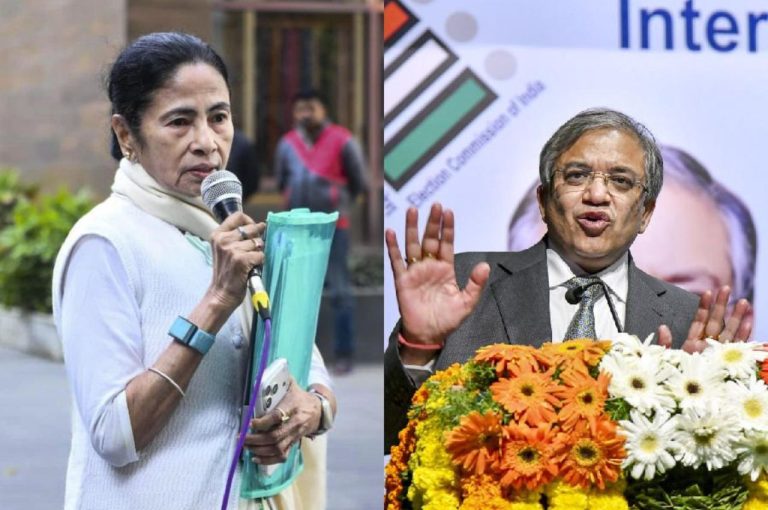
Mamata Banerjee SIR Disenfranchisement Allegation 2026 – Detailed Analysis of Letter to CEC, Electoral Integrity, and Governance Lessons for Democracy

The Mamata Banerjee SIR disenfranchisement allegation 2026 has intensified Bengal’s political storm. In a strongly worded letter to Chief Election Commissioner Gyanesh Kumar, the West Bengal Chief Minister accused the Election Commission of India (ECI) of orchestrating a “deliberate and clandestine attempt to disenfranchise voters” through the ongoing Special Intensive Revision (SIR) of electoral rolls. Her intervention comes amid widespread complaints of wrongful deletions, bureaucratic harassment, and confusion surrounding voter hearings.


2. The Letter to CEC

  • Mamata Banerjee wrote directly to CEC Gyanesh Kumar, reiterating her concerns about the SIR process.
  • She alleged that the revision exercise was being misused to target genuine voters, particularly the poor, minorities, and rural communities.
  • The letter described the process as opaque, intimidating, and politically motivated.
  • Mamata demanded immediate corrective measures and transparency in the handling of voter lists.

3. The Special Intensive Revision (SIR) Process

  • Purpose: To update and correct electoral rolls before upcoming elections.
  • Method: Hearings conducted to verify discrepancies flagged by IT systems.
  • Issues raised:
    • Elderly and ill voters forced to travel long distances.
    • Confusion over accepted documents.
    • Allegations of backend deletions without transparency.
  • Critics argue the process is hurried, inconsistent, and error‑prone, leading to widespread anxiety.

4. Political Context

  • Mamata Banerjee has repeatedly called the SIR a “farce”.
  • BJP defends the exercise, claiming it exposes fictitious voters and illegal infiltrators.
  • Civil society groups warn of mass disenfranchisement if errors are not corrected.
  • The letter adds urgency to the debate, highlighting the human cost of bureaucratic mismanagement.

5. Governance Challenges

The controversy reflects:

  • Psychological stress caused by bureaucratic processes.
  • Weak grievance redressal mechanisms for voters.
  • Lack of sensitivity in handling elderly and vulnerable citizens.
  • Trust deficit between citizens and institutions.

6. Government External Links for Assistance


7. Historical Context of Electoral Roll Disputes in Bengal

  • 2000s: Allegations of bogus voters became common in Kolkata and border districts.
  • 2011–2019: Electoral roll revisions often coincided with political clashes.
  • 2024–25: SIR flagged millions of discrepancies nationwide.
  • 2026: Current controversy reflects Bengal’s long history of contested voter lists, now with heightened political stakes.

8. Community Impact

  • Families fear wrongful deletions of genuine names.
  • Elderly citizens feel humiliated and burdened by hearings.
  • Minority communities express concern about targeted exclusions.
  • Civil society groups demand transparent grievance mechanisms and mental health support during stressful bureaucratic exercises.

9. Global Comparisons

Similar voter roll controversies worldwide:

  • USA: Allegations of voter suppression through purges in Georgia and Florida.
  • UK: Concerns about disenfranchisement under new voter ID laws.
  • Nigeria: Disputes over duplicate registrations and ghost voters.

Bengal’s case mirrors these global struggles where electoral integrity collides with human vulnerability.


10. Mamata Banerjee SIR Disenfranchisement: Governance Lessons

The Mamata Banerjee letter teaches:

  • Human sensitivity must guide bureaucratic processes.
  • Digital tools must be audited to prevent wrongful flagging.
  • Community engagement ensures inclusivity.
  • Mental health awareness is vital during stressful civic exercises.

11. Future Outlook – Democracy in Bengal

India must move towards:

  • Digitised grievance redressal portals for voter roll issues.
  • Periodic audits of electoral rolls by independent agencies.
  • Public dashboards showing deletions and additions transparently.
  • Educational campaigns to help citizens verify their status.

12. Conclusion

The Mamata Banerjee SIR disenfranchisement allegation 2026 is more than a political statement—it is a wake‑up call for India’s democracy. Her letter to CEC Gyanesh Kumar underscores the human cost of flawed bureaucratic processes and the urgency of protecting electoral integrity. For Bengal, the lesson is clear: democracy must never come at the expense of human dignity and voter rights.

Also read: Home | Channel 6 Network – Latest News, Breaking Updates: Politics, Business, Tech & More

Nupur Sanon, Stebin Ben share glimpses from their Hindu ceremony after Christian wedding

0

Nupur Sanon, Stebin Ben Celebrate Love With Dual Wedding Traditions

Nupur Sanon, Stebin Ben recently shared new photographs from their Hindu wedding ceremony, offering a closer look at the traditional rituals that followed their earlier Christian nuptials. The couple’s wedding celebrations, held in Udaipur, brought together close family members and friends for a multi-day event that blended faith, culture, and personal choice.Nupur Sanon And Stebin Ben Wedding Pics: Unseen Video From Couples Hindu  Wedding Goes Viral After Dreamy Christian Ceremony Photos

The couple had first tied the knot through a Christian ceremony in December, where both appeared in elegant white outfits. The event was intimate yet graceful, reflecting a calm and emotional beginning to their married life. Bridesmaids, including Kriti Sanon, complemented the ceremony in coordinated green outfits, adding to the visual harmony of the occasion.

Following this, the wedding celebrations continued in January with a series of traditional events, including a lively sangeet and the much-awaited Hindu wedding rituals. The couple’s decision to honour both traditions received warm reactions online, with many appreciating the balance between modern values and cultural roots.

Nupur Sanon, Stebin Ben’s Hindu Wedding Draws Attention

The newly shared images from the Hindu ceremony show Nupur Sanon, Stebin Ben taking pheras in a serene and traditional setting. Nupur chose a red and peach lehenga that blended soft pastel tones with classic bridal red, creating a refined and graceful look. Her attire reflected traditional design while keeping the overall styling subtle and elegant.Why Did Nupur Sanon And Stebin Ben Have Christian Wedding?

Stebin Ben complemented her look with a traditional ensemble that matched the tone of the ceremony. The photographs captured quiet moments from the rituals, highlighting the spiritual and emotional side of the wedding. The couple captioned the images with a short line expressing comfort and togetherness, keeping the focus on emotion rather than spectacle.

The Hindu wedding followed a vibrant sangeet night, where guests enjoyed dance performances and music. One of the highlights of the evening was a performance by Nupur’s mother, Geetu, which added a personal and emotional touch to the celebration. The bridesmaids also performed a coordinated routine, bringing warmth and energy to the event.

Later in the evening, the bride and groom joined the celebrations on the dance floor, sharing relaxed and joyful moments with their guests. The sangeet served as a bridge between the two wedding ceremonies, combining family involvement with celebration.

Kriti Sanon’s Bridesmaid Moment Stands Out

Kriti Sanon played an active role throughout her sister’s wedding celebrations. During the Christian ceremony, she was seen in a green outfit matching the bridesmaid theme. For the Hindu wedding, she opted for a white and gold lehenga that kept the focus on the bride while maintaining a graceful presence.Nupur Sanon And Stebin Ben Share Dreamy Hindu Wedding Pics From Udaipur

One of the most talked-about moments from the Hindu ceremony was Kriti assisting Nupur during the sindoor ritual. She was seen holding Nupur’s maang teeka while Stebin completed the ritual, a small but meaningful gesture that reflected their close bond as sisters.

Designers associated with the wedding praised the couple’s coordinated styling, highlighting the classic embroidery, jewellery details, and understated elegance of both ceremonies. The focus remained on craftsmanship and tradition rather than excess display.

A Wedding That Balanced Faith and Family

What stands out in Nupur Sanon, Stebin Ben’s wedding is the thoughtful way both ceremonies were conducted. Instead of choosing one tradition over the other, the couple embraced both, allowing space for personal belief and family values. This approach resonated with many who value inclusivity and respect for cultural diversity.


View this post on Instagram


A post shared by Nupur Sanon (@nupursanon)

The wedding did not rely on grand statements or public spectacle. Instead, it unfolded through meaningful rituals, family participation, and quiet celebration. From the Christian vows to the Hindu pheras, each moment reflected intention rather than performance. Also Read: From Maharashtra to Tamil Nadu, Have Women Voters Made ‘Women First’ the Best Poll Bet for Parties?

Conclusion

Nupur Sanon, Stebin Ben’s wedding celebrations showcased a simple yet meaningful blend of traditions. With intimate ceremonies, family involvement, and thoughtful choices, the couple marked their union with grace, balance, and warmth.

North Bengal Tiger Census 2026 – Detailed Analysis of Gorumara and Chapramari Survey, Conservation Challenges, and Governance Lessons for Big Cat Protection

The North Bengal tiger census 2026 is set to begin on January 18, with experts preparing to count big cats in the Gorumara National Park and Chapramari Wildlife Sanctuary. This exercise is part of India’s nationwide tiger monitoring program, coordinated by the National Tiger Conservation Authority (NTCA) and the Ministry of Environment, Forest & Climate Change. The census aims to provide updated data on tiger populations, habitat conditions, and conservation challenges in Bengal’s forests.


2. The Census Plan

  • Conducted by forest officials, wildlife experts, and trained volunteers.
  • Methods include:
    • Camera traps placed strategically across forest zones.
    • Pugmark tracking and scat analysis.
    • Line transect surveys to estimate prey density.
  • Duration: Several weeks, with preliminary results expected by March 2026.
  • Objective: To assess tiger presence, population trends, and habitat health in Gorumara and Chapramari.

3. Gorumara National Park

  • Location: Jalpaiguri district, North Bengal.
  • Area: 80 sq km.
  • Known for: Indian rhinoceros, elephants, gaurs, and diverse birdlife.
  • Tiger presence: Historically low, but occasional sightings reported.
  • Census significance: To confirm whether tigers are resident or transient visitors.

4. Chapramari Wildlife Sanctuary

  • Location: Adjacent to Gorumara, covering 9.6 sq km.
  • Known for: Elephants, leopards, and rich biodiversity.
  • Tiger sightings: Rare, but census will determine movement patterns.
  • Importance: Acts as a corridor linking larger forest ecosystems.

5. Bengal’s Tiger Landscape

  • Major tiger habitats: Sundarbans, Buxa Tiger Reserve, Gorumara, Chapramari.
  • Sundarbans: Home to the famous Royal Bengal Tiger, adapted to mangrove ecosystems.
  • North Bengal forests: Smaller populations, often transient due to corridor connectivity with Bhutan and Assam.
  • Census helps clarify distribution and conservation needs.

6. North Bengal Tiger Census 2026: Governance Challenges

The census reflects broader issues:

  • Habitat fragmentation due to tea plantations, roads, and railways.
  • Human‑wildlife conflict in buffer zones.
  • Poaching threats despite strict laws.
  • Climate change impacts altering prey availability and forest ecology.

7. Government External Links for Assistance


8. Historical Context of Tiger Censuses in Bengal

  • 2006: NTCA launched all‑India tiger census with modern methods.
  • 2014: Bengal recorded stable tiger numbers in Sundarbans.
  • 2018: Camera traps confirmed tiger presence in Buxa.
  • 2022: Census highlighted corridor movements in North Bengal.
  • 2026: Current survey focuses on Gorumara and Chapramari, where tiger presence remains debated.

9. Community Impact

  • Local villagers express curiosity and concern about tiger presence.
  • Plantation workers fear increased encounters if tiger numbers rise.
  • Eco‑tourism operators hope census results will boost wildlife tourism.
  • Civil society groups demand compensation schemes for conflict victims.

10. Global Comparisons

Similar tiger monitoring efforts worldwide:

  • Nepal: Chitwan National Park uses camera traps to track tiger recovery.
  • Bangladesh: Sundarbans tiger census highlights cross‑border conservation needs.
  • Russia: Amur tiger surveys combine drones and genetic sampling.

Bengal’s case mirrors these global struggles where big cat conservation depends on science, community, and governance.


11. Governance Lessons

The North Bengal census teaches:

  • Scientific monitoring is essential for credible conservation.
  • Community involvement reduces conflict and builds trust.
  • Cross‑border cooperation with Bhutan and Assam strengthens corridors.
  • Climate resilience strategies must be integrated into tiger protection.

12. Future Outlook – Tiger Conservation in Bengal

India must move towards:

  • Smart surveillance systems using drones and AI.
  • Eco‑friendly tourism policies to reduce habitat disturbance.
  • Public dashboards showing tiger census data transparently.
  • Educational campaigns to engage schools and colleges in conservation.

13. Conclusion

The North Bengal tiger census 2026 is more than a scientific exercise—it is a test of Bengal’s ecological resilience and governance capacity. By counting big cats in Gorumara and Chapramari, experts aim to clarify tiger presence, strengthen conservation strategies, and balance community safety with ecological integrity. For Bengal, the lesson is clear: protecting tigers means protecting forests, communities, and the future of biodiversity.

Also read: Home | Channel 6 Network – Latest News, Breaking Updates: Politics, Business, Tech & More

Splitsvilla X6 Season 16 Brings a New Turn to Reality Television

0

Splitsvilla X6 Opens a New Chapter With a Bold Format

Splitsvilla X6 has officially premiered and marked the beginning of a fresh season filled with new faces, strong personalities, and a changed format. The sixteenth season of the long-running dating reality show introduces a new concept that separates emotions and ambition into two different spaces. Early episodes have already attracted attention for their structure, host dynamics, and contestant introductions.Splitsvilla X6: From rumoured contestants to premiere date- all you need to  know about the upcoming season | - The Times of India

This season of Splitsvilla X6 is built around the theme of Pyaar vs Paisa. The format places contestants into two villas based on contrasting values. One villa focuses on emotional connections and relationships, while the other highlights strategy, money, and competitive thinking. This division has added a new layer of tension and unpredictability to the show from the very beginning.

The hosting panel has also been refreshed. Karan Kundrra joins Sunny Leone as a co-host for the first time, bringing a different energy to the show. Their presence sets the tone for the season, balancing guidance with entertainment. The villas are overseen separately, creating a clear contrast between romance-driven decisions and strategic gameplay.

Splitsvilla X6 Theme and Hosting Style Shape Early Episodes

The Pyaar Villa in Splitsvilla X6 is designed around forming emotional bonds and romantic connections. The female contestants introduced in this villa include Akanksha Choudhary, Anjali Schmuck, Anisha Shinde, Diksha Pawar, Sadhaaf Shankar, Soundharya Shetty, and Simran Khan. These participants enter the show with a focus on relationships, communication, and compatibility.Splitsvilla 16', A Major Twist Brought To The TV Dating Reality Show,  Here's What We Know

Alongside them in the Pyaar Villa are the male contestants Chakshdeep Singh, Yogesh Rawat, Sorab Bedi, Anuj Sharma, Tayne De Villiers, Ayush Sharma, Harshit Gururani, and Himanshu Arora. Their early interactions have already set the stage for alliances, emotional connections, and the first signs of rivalry.

The Paisa Villa, introduced later, brings a sharper and more competitive tone to Splitsvilla X6. This villa includes male contestants Kushal Tanwar, Aarav Chugh, Vishu Bajaj, Ayush Jamwal, Gaursh Gujral, Ron Kariappa, Deeptanshu Saini, and Mohit Magotra. These participants are positioned as strategic players, entering the game with confidence and a focus on winning advantages.

The contrast between the two villas is central to the season’s structure. While one side prioritises emotions, the other focuses on control and planning. This division affects how contestants interact during challenges, eliminations, and cross-villa moments. The hosts play a key role in maintaining this balance, guiding contestants without interfering directly.

Splitsvilla X6 Contestant Mix Signals an Unpredictable Season

What stands out in Splitsvilla X6 is the mix of personalities across both villas. The show does not rely only on romance or conflict but instead combines emotional decisions with calculated moves. This approach has changed the pace of the show compared to earlier seasons. Also Read: Jana Nayagan Legal Turn That Reached the Supreme Court in 2026

The confirmed contestant list reflects diversity in background, mindset, and approach. Early episodes show that alliances may not remain fixed, especially when contestants from different villas interact. The structure allows shifts in loyalty and strategy, making outcomes less predictable.

Conclusion

Splitsvilla X6 begins with a clear attempt to refresh the format while retaining the core idea of connection and competition. With a divided theme, strong hosting presence, and a varied contestant lineup, the season sets the foundation for steady drama and evolving relationships in the weeks ahead.

Obscene Controversy 2026: Toxic Teaser Draws Official Attention in Karnataka

0

Obscene Teaser Row Around Yash’s Toxic Gains Momentum

Obscene content allegations have placed the upcoming Kannada film Toxic, starring actor Yash, under official scrutiny in Karnataka. The controversy began after the film’s teaser, released on January 8 to mark Yash’s 40th birthday, sparked criticism from political and social groups over its visual presentation. The teaser, which was widely shared across public platforms, has now become the subject of a formal review process.Obscene

A women’s political wing raised objections, stating that certain visuals in the teaser cross acceptable public boundaries. According to their representation, the teaser includes scenes that they believe affect social values and are inappropriate for unrestricted public viewing. The complaint stressed that content released without age warnings or disclaimers can influence children and young viewers negatively.

Following this, the Karnataka State Women’s Commission took note of the concerns and formally approached the Central Board of Film Certification. The Commission requested the certification body to examine the teaser as per existing guidelines and submit a report on any action taken. This step has elevated the issue from online debate to an official regulatory process.

Obscene Visual Debate and Cultural Sensitivity Concerns

At the center of the Obscene controversy is a short but stylised sequence in the teaser involving Yash and a woman inside a car. The scene, filmed in a dark and dramatic tone, relies on visual suggestion rather than dialogue. While some viewers viewed it as artistic expression, others felt it crossed a line in how women were visually portrayed.Complaint filed against Yash's Toxic teaser; concerns raised over  objectionable visuals

The complaint submitted to authorities claimed that such visuals, when released openly on social media and video platforms, fail to respect cultural sensitivity. The concern was not limited to adult audiences but extended to minors who could access the teaser easily. The representation argued that public content carries a responsibility, especially when it reaches wide and mixed-age audiences.

Social media reactions added fuel to the Obscene debate. While a section of users criticised the teaser for objectification, others defended it as part of modern cinematic storytelling. The film’s director responded indirectly to the criticism through a public message that hinted at deeper themes of consent and power dynamics. Meanwhile, some filmmakers openly praised the teaser’s boldness, calling it a strong creative choice.Sivakarthikeyan's 'Parasakthi' Releases Amid Political, Box Office Buzz

Despite differing opinions, the issue moved beyond personal views once the Women’s Commission stepped in. By forwarding the matter to the certification board, the focus shifted to whether the teaser adheres to existing content norms rather than public sentiment alone.

Obscene Allegation Review and What Lies Ahead

The Obscene teaser issue does not mean the film itself has been censored or banned. The current action is limited to reviewing the teaser content and assessing whether it violated any certification or public display guidelines. Authorities have asked for a proper examination and an official response outlining the findings.

Toxic remains one of the most anticipated films scheduled for release in 2026, featuring a large ensemble cast and a major box-office clash planned for March. However, this controversy highlights the growing scrutiny around promotional content and how teasers are presented to the public. Also Read: Jana Nayagan Legal Turn That Reached the Supreme Court in 2026

Conclusion

The Obscene teaser controversy around Toxic reflects the ongoing tension between creative freedom and public responsibility. The final outcome will depend on regulatory review, but the episode has already sparked a wider discussion on content sensitivity in modern cinema.

Buxa Bird Festival 2026 – Detailed Analysis of 251 Species Recorded, Rare Sightings, and Governance Lessons for Avian Conservation in Bengal

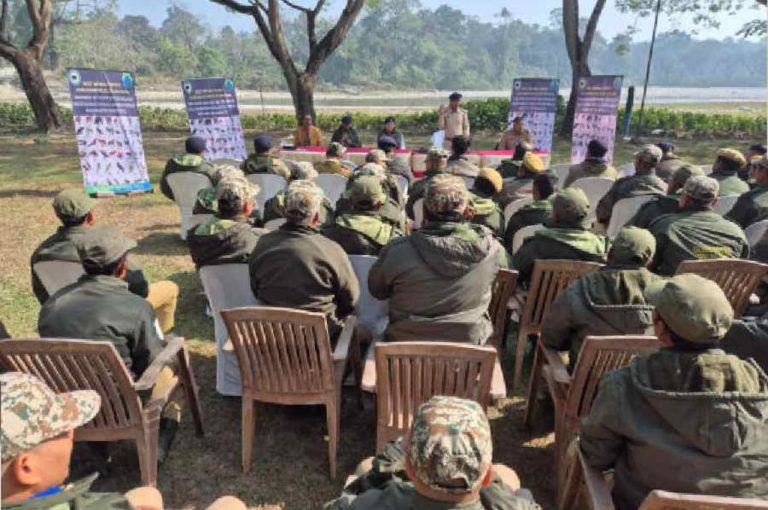
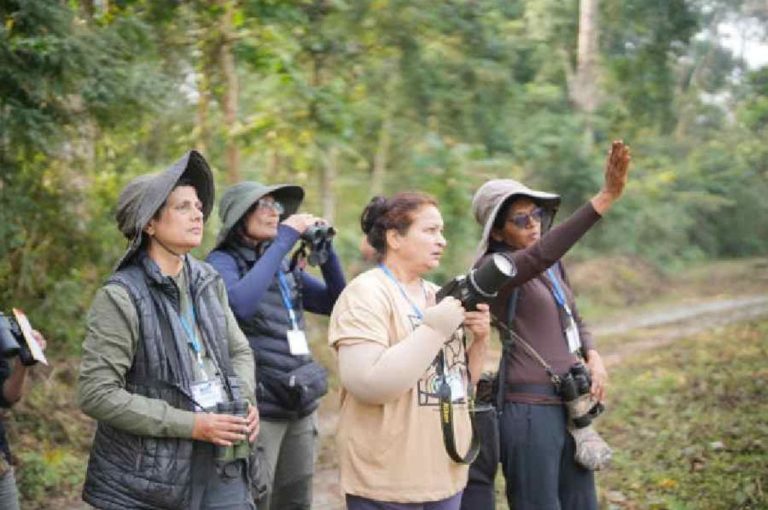
The Buxa Bird Festival 2026 has reaffirmed North Bengal’s reputation as a paradise for birdwatchers and ornithologists. Held at Jainti in Alipurduar district from January 6–8, the three‑day event documented 251 bird species, a significant increase from the 226 species recorded last year. Most strikingly, seven species were sighted for the first time in Buxa Tiger Reserve (BTR), underscoring the region’s growing importance as a hub of avian diversity.


2. Buxa Bird Festival 2026: The Festival

  • Organised by the Buxa Tiger Reserve authorities.
  • Venue: Jainti, a scenic location within BTR.
  • Participants: More than 20 bird enthusiasts, ornithologists, and photographers from across India.
  • Activities: Extensive bird documentation, photography reviews, and conservation discussions.
  • Outcome: 251 species recorded, including rare and migratory birds.

3. Rare Sightings – Seven New Species

Among the seven species recorded for the first time in BTR were:

  • Yellow‑wattled lapwing
  • Ferruginous flycatcher
  • Nepal house martin
  • Eurasian crag martin
  • Rusty‑flanked treecreeper
  • Greater painted‑snipe
  • Slaty‑bellied tesia

These sightings thrilled bird experts and photographers, adding new dimensions to Buxa’s biodiversity profile.


4. Significance of the Findings

  • BTR is home to around 450 bird species, making it one of India’s richest avian habitats.
  • The increase from 226 to 251 species in one year reflects improved documentation and conservation efforts.
  • Rare sightings highlight the ecological resilience of BTR despite human pressures.
  • The festival helps create a baseline for avian population studies.

5. Governance Challenges

The festival also points to broader challenges:

  • Habitat loss due to deforestation and encroachment.
  • Climate change impacts such as fog, floods, and shifting migration patterns.
  • Human‑wildlife conflict in buffer zones.
  • Need for eco‑tourism policies that balance conservation with livelihood.

6. Government External Links for Assistance


7. Historical Context of Buxa Bird Festivals

  • 2015: Early editions documented around 150 species.
  • 2018: Migratory birds from Central Asia recorded.
  • 2021: Rare sightings of hornbills and raptors.
  • 2025: 226 species documented.
  • 2026: Record 251 species, including seven new ones.

8. Community Impact

  • Local communities benefit from eco‑tourism opportunities.
  • Homestays and guides earn income during festivals.
  • Awareness about conservation spreads among villagers.
  • Youth participation in birdwatching fosters environmental stewardship.

9. Global Comparisons

Similar bird festivals worldwide:

  • Keoladeo National Park (India): Annual bird counts attract global ornithologists.
  • Chitwan (Nepal): Migratory bird festivals highlight Himalayan flyways.
  • Costa Rica: Birdwatching tourism contributes significantly to GDP.

Buxa’s case mirrors these global efforts where bird festivals combine science, tourism, and conservation.


10. Governance Lessons

The Buxa Bird Festival teaches:

  • Citizen science can enrich biodiversity documentation.
  • Community involvement ensures sustainable conservation.
  • Digital platforms can track migratory patterns.
  • Cross‑border cooperation with Bhutan and Nepal can strengthen Himalayan bird corridors.

11. Future Outlook – Avian Conservation in Bengal

India must move towards:

  • Smart surveillance systems using drones and acoustic sensors.
  • Eco‑friendly tourism policies to reduce habitat disturbance.
  • Public dashboards showing bird counts and migration data.
  • Educational campaigns to engage schools and colleges in birdwatching.

12. Conclusion

The Buxa Bird Festival 2026 is more than a celebration of avian diversity—it is a testament to Bengal’s ecological richness and conservation potential. With 251 species recorded and seven new sightings, the festival has strengthened BTR’s position as a global birdwatching destination. For Bengal, the lesson is clear: protecting birds means protecting ecosystems, communities, and the future of sustainable tourism.

Also read: Home | Channel 6 Network – Latest News, Breaking Updates: Politics, Business, Tech & More

Alipurduar Tea Worker Cash Transfer 2026 – Detailed Analysis of Manoj Tigga’s Proposal, Plantation Struggles, and Governance Lessons for Socio‑Economic Uplift

The Alipurduar tea worker cash transfer 2026 proposal by BJP MP Manoj Tigga has sparked fresh debate on the future of Bengal’s tea industry and the welfare of its workers. Speaking in Parliament and to local media, Tigga demanded that unused plantation development funds be directly transferred to tea workers’ accounts. His argument is rooted in the belief that direct benefit transfers (DBTs) would ensure transparency, reduce corruption, and provide immediate relief to thousands of struggling families in North Bengal’s brew belt.


2. The Proposal

  • Tigga suggested that unused central and state funds earmarked for tea plantation development should be redirected to workers.
  • Mode of transfer: Direct cash deposits into workers’ bank accounts.
  • Objective: To provide financial security and socio‑economic uplift for tea workers.
  • He argued that middlemen and bureaucratic delays often prevent funds from reaching the intended beneficiaries.

3. Tea Plantation Struggles in Bengal

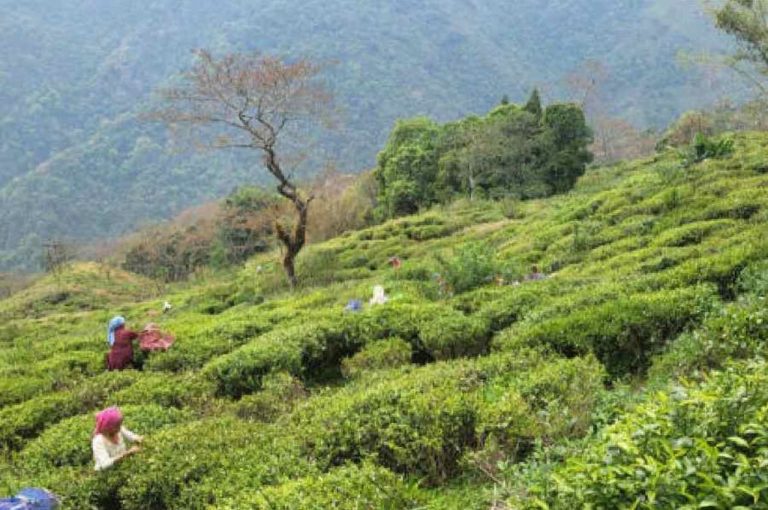
  • North Bengal’s tea belt includes Alipurduar, Jalpaiguri, Darjeeling, and Cooch Behar.
  • Workers face low wages, poor housing, lack of healthcare, and seasonal unemployment.
  • Plantation closures and lockouts have worsened economic insecurity.
  • Families often rely on migration, daily wage labour, and remittances to survive.
  • Tigga’s proposal aims to address these systemic issues by empowering workers directly.

4. Political Context

  • BJP frames the proposal as part of its commitment to worker welfare.
  • TMC counters that the state government already provides welfare schemes like housing, healthcare, and subsidised rations.
  • Civil society groups argue that DBTs could bypass corruption but must be monitored carefully.
  • The debate reflects larger tensions between state vs. central approaches to welfare delivery.

5. Governance Challenges

The proposal highlights:

  • Transparency gaps in fund allocation.
  • Weak monitoring mechanisms in plantation welfare schemes.
  • Trust deficit between workers and management.
  • Need for financial literacy among workers to manage direct transfers.

6. Government External Links for Assistance


7. Historical Context of Tea Worker Welfare

  • Colonial era: Tea plantations relied on migrant labour with minimal welfare.
  • Post‑Independence: Plantation Acts introduced basic housing and healthcare provisions.
  • 1990s–2000s: Liberalisation led to closures and wage stagnation.
  • 2010s–2020s: State and central schemes attempted to provide relief, but corruption and inefficiency persisted.
  • 2026: Tigga’s proposal reflects a shift toward direct empowerment of workers.

8. Community Impact

  • Workers welcomed the idea of direct cash transfers as immediate relief.
  • Families hoped it would reduce dependence on exploitative moneylenders.
  • Plantation unions demanded clarity on implementation.
  • Civil society groups warned of risks if transfers are not accompanied by financial literacy programs.

9. Global Comparisons

Similar welfare strategies worldwide:

  • Brazil: Bolsa Família program provided direct cash transfers to poor families.
  • Kenya: Mobile money transfers used for rural welfare schemes.
  • Bangladesh: Direct transfers to garment workers improved transparency.

Bengal’s case mirrors these global experiments where direct transfers empower workers but require strong monitoring.


10. Governance Lessons

The Alipurduar proposal teaches:

  • Direct transfers can reduce corruption but must be accompanied by safeguards.
  • Financial literacy is essential for effective use of funds.
  • Community participation ensures accountability.
  • Integrated welfare policies must combine cash transfers with healthcare, housing, and education.

11. Future Outlook – Tea Worker Welfare in Bengal

India must move towards:

  • Digitised welfare platforms for plantation workers.
  • Smart monitoring systems to track fund usage.
  • Portable social security benefits across plantations.
  • Eco‑friendly diversification of plantation economies to reduce dependence on tea alone.

12. Alipurduar Tea Worker Cash Transfer 2026: Conclusion

The Alipurduar tea worker cash transfer 2026 proposal by Manoj Tigga is more than a financial suggestion—it is a call for structural reform in Bengal’s tea industry. By advocating direct transfers, Tigga has reignited debates about transparency, worker empowerment, and socio‑economic uplift. For Bengal, the lesson is clear: true welfare lies not only in schemes but in ensuring that benefits reach the hands of those who need them most.

Also read: Home | Channel 6 Network – Latest News, Breaking Updates: Politics, Business, Tech & More

Kylie Jenner-Chalamet Speculation Grows After Awards Night Detail in 2026

0

Kylie Jenner-Chalamet Rumours Gain Attention After Viral Image

Kylie Jenner-Chalamet became one of the most discussed celebrity pairings online after a photograph allegedly taken during an awards ceremony began circulating on social media. The image showed a name card placed at Timothée Chalamet’s table that appeared to read “Kylie Jenner – Chalamet.” Though the authenticity of the image has not been confirmed, it was enough to trigger widespread speculation that the couple may have secretly married.See the photoshopped-out ring': Are Kylie Jenner and Timothée Chalamet  secretly engaged? Here's why Redditors think so

The photograph quickly gained attention across platforms, with fans closely examining the wording on the name card. Many questioned whether the hyphenated surname suggested a legal or personal change in status. Neither Kylie Jenner nor Timothée Chalamet has commented on the image, leaving the situation open to interpretation.

The speculation gained further momentum after Chalamet referred to Kylie Jenner as his “partner” during his Best Actor acceptance speech. The term stood out to viewers, especially given the couple’s history of keeping their relationship largely private. While the word itself does not confirm marriage, fans viewed it as a possible signal of a deeper commitment.Kylie Jenner's Cool Reaction To Breakup Rumours With Timothee Chalamet

Timothée has previously used the same term while acknowledging Kylie at another awards event, which suggests consistency rather than a sudden change. Still, the timing of the speech and the viral image added fuel to ongoing curiosity surrounding the couple’s relationship status.

Kylie Jenner-Chalamet Relationship Remains Largely Private

The Kylie Jenner-Chalamet relationship first became public over two years ago, surprising many due to their different public personas. Since then, the couple has appeared together occasionally but has avoided addressing rumours or confirming details about their personal life.Kylie Jenner & Timothee Chalamet Caught Sharing Steamy Kiss at Golden Globes

In recent months, reports of a possible breakup had circulated online following Chalamet’s busy promotional schedule for his latest film projects. The absence of public appearances together led some to believe that the relationship had ended. However, the recent events at the awards ceremony have challenged those assumptions.

The couple’s choice to remain silent has only added to the speculation. In the absence of official statements, fans and media outlets continue to analyze small details, such as language used in speeches and visual cues from public events.Kylie Jenner Trolled for 'Mommying' Timothee Chalamet in Viral Clip; Fans  Post Mean Comments | PINKVILLA: Entertainment

Meanwhile, Timothée Chalamet’s professional life continues to reach new heights. His recent Golden Globe win has positioned him as a strong contender for an Academy Award for his performance in Marty Supreme. The win placed him ahead of several established actors, reinforcing his standing as one of the most successful performers of his generation.

This success has brought additional attention to his personal life, a pattern commonly seen when celebrities reach peak career moments. Public interest often extends beyond work achievements, especially when relationships involve high-profile figures like Kylie Jenner.

Kylie Jenner-Chalamet Speculation Highlights Celebrity Pressure

The ongoing discussion around Kylie Jenner-Chalamet reflects the intense scrutiny placed on celebrity relationships. Small details, whether intentional or not, are often magnified and assigned meaning without confirmation. A name card, a single word in a speech, or a brief public appearance can quickly become the basis for widespread assumptions.

Despite the rumours, there is currently no verified information confirming a marriage or change in relationship status. Both individuals have maintained their privacy, choosing not to clarify or deny the speculation. Also Read: Jana Nayagan Legal Turn That Reached the Supreme Court in 2026

This approach aligns with how the couple has handled attention in the past. By keeping personal matters out of public discussion, they retain control over what is shared and when.

Conclusion:
Kylie Jenner-Chalamet rumours gained momentum after a viral image and a carefully chosen word in an awards speech. While speculation continues, there is no official confirmation, leaving the couple’s relationship status firmly in the realm of public curiosity rather than fact.

Jalpaiguri Wild Boar Attack 2026 – Detailed Analysis of Human‑Wildlife Conflict, Tea Plantation Vulnerabilities, and Governance Lessons for Bengal

The Jalpaiguri wild boar attack 2026 has once again brought the spotlight on the escalating human‑wildlife conflict in North Bengal. On January 9, a wild boar strayed into a tea plantation in Jalpaiguri district, killing one worker and injuring two others. The incident triggered panic among plantation labourers and reignited debates about habitat loss, climate change, and weak conflict‑management strategies in the region.


2. The Incident

  • Location: Tea plantation in Jalpaiguri district, North Bengal.
  • Victims: One worker killed, two others injured while attempting to flee.
  • Cause: The boar, disoriented and aggressive, charged at workers during routine tea‑leaf plucking.
  • Community reaction: Panic spread across the plantation; workers suspended operations temporarily.
  • Forest department response: Officials rushed to the site, monitored the boar’s movements, and initiated patrols.

3. Human‑Wildlife Conflict in North Bengal

  • North Bengal is home to dense forests, tea plantations, and wildlife sanctuaries.
  • Species involved in conflicts: elephants, leopards, rhinos, and wild boars.
  • Tea plantations act as buffer zones, often blurring boundaries between human activity and wildlife habitats.
  • Seasonal factors like fog, floods, and food scarcity push animals into human settlements.

4. Tea Plantation Vulnerabilities

  • Tea plantations are located adjacent to forests like Gorumara, Jaldapara, and Buxa Tiger Reserve.
  • Workers often face risks from wildlife while plucking leaves.
  • Lack of protective infrastructure (fencing, watchtowers) increases vulnerability.
  • Plantation economy depends on daily wage labourers, making safety lapses more costly.

5. Governance Challenges

The Jalpaiguri attack reflects:

  • Weak buffer zone management between forests and plantations.
  • Inadequate compensation schemes for victims of wildlife attacks.
  • Poor awareness campaigns among plantation workers.
  • Need for climate‑resilient strategies as fog and floods intensify conflicts.

6. Government External Links for Assistance


7. Historical Context of Wildlife Attacks in Bengal

  • 2015: Elephant attacks in Jalpaiguri tea gardens killed several workers.
  • 2018: Leopard strayed into plantations, injuring multiple labourers.
  • 2021: Fog led to rhinos and boars wandering into villages.
  • 2026: Current incident adds to the pattern of seasonal wildlife straying.

8. Community Impact

  • Families of victims face economic hardship due to loss of income.
  • Workers express fear of returning to plantations.
  • Children and elderly suffer psychological trauma from sudden attacks.
  • Civil society groups demand compensation and relocation of hazardous zones.

9. Global Comparisons

Similar human‑wildlife conflicts worldwide:

  • Nepal: Rhinos from Chitwan National Park often wander into villages.
  • Kenya: Elephants stray into farms during droughts.
  • Indonesia: Tigers enter villages in Sumatra due to habitat loss.

Bengal’s case mirrors these global struggles where wildlife conservation collides with human safety.


10. Jalpaiguri Wild Boar Attack 2026: Governance Lessons

The Jalpaiguri attack teaches:

  • Buffer zone management is critical in wildlife reserves.
  • Community awareness reduces panic during straying events.
  • Rapid response teams must be strengthened.
  • Climate adaptation strategies are needed for fog and flood seasons.

11. Future Outlook – Conservation in Bengal

India must move towards:

  • Smart surveillance systems using drones and sensors.
  • Eco‑friendly barriers to protect plantations.
  • Compensation schemes for victims and families.
  • Cross‑border cooperation with Bhutan for wildlife corridors.

12. Conclusion

The Jalpaiguri wild boar attack 2026 is more than a tragic accident—it is a reminder of the fragile balance between conservation and community safety. As tea plantation workers continue to face risks from wildlife, Bengal must strengthen buffer zone management, community awareness, and climate resilience strategies. For Jalpaiguri, the lesson is clear: protecting wildlife must go hand in hand with protecting rural livelihoods.

Also read: Home | Channel 6 Network – Latest News, Breaking Updates: Politics, Business, Tech & More