Tuesday, April 28, 2026
Home Blog Page 137

Arpita Khan Shuts Down Rumours Linked to Mahhi Vij

0

Arpita Khan Shuts Talk Around Mahhi Vij and Nadim Friendship

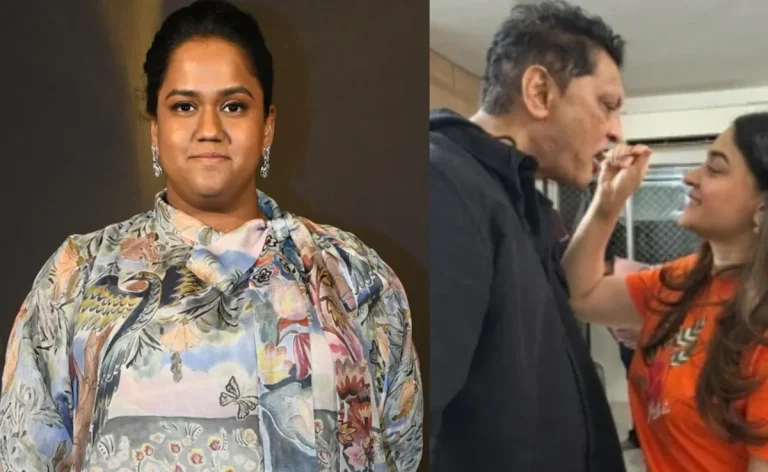
Arpita Khan Shuts down the growing rumours surrounding actress Mahhi Vij and Nadim Nadz after online speculation began linking the two romantically. The discussion started after Mahhi shared a heartfelt birthday post for Nadim on social media, which quickly drew attention due to its emotional wording. The situation gained further traction as the post appeared shortly after Mahhi and her husband Jay Bhanushali announced their separation.Arpita Khan Sharma Reacts to Trolling Around Mahhi Vij and Nadim Nadz | Filmfare.com
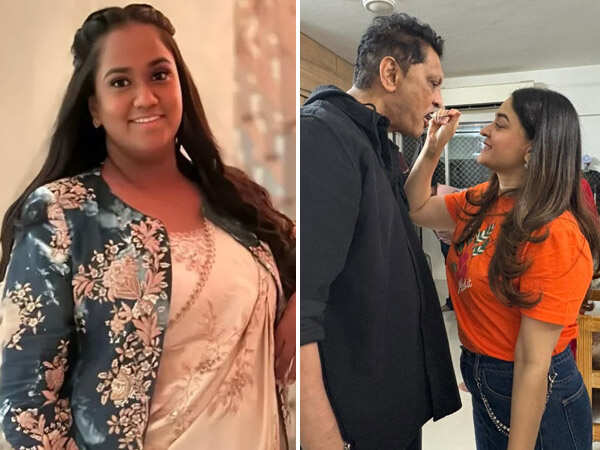
Reacting to the claims, Arpita Khan, sister of actor Salman Khan, expressed her disbelief over the assumptions being made. Through her social media story, she questioned how easily people draw conclusions without understanding personal relationships. Her response made it clear that she found the rumours unnecessary and unfair.

The post shared by Mahhi spoke about trust, safety, and emotional comfort, which many users misread as a romantic declaration. However, those close to the situation stated that the bond being discussed was misunderstood and taken out of context. The sudden spread of speculation highlighted how personal expressions online can quickly turn into public judgment.

Arpita Khan Shuts Noise as Friends Step In With Clarity

As the rumours continued, actress Ankita Lokhande publicly supported Mahhi Vij. In her message, she clarified that Nadim has long been a close family figure to both Mahhi and Jay. According to her, Nadim has always been seen as a father figure within their household, including for their daughter Tara. Ankita stressed that there was no romantic angle and that the assumptions were hurtful.माही विज और नदीम के लिंकअप की अफवाहों पर फूटा सलमान खान की बहन का गुस्सा, अर्पिता खान बोलीं- मुझे हैरानी होती है | Arpita Khan Sharma Supports Mahhi Vij Amid Nadim
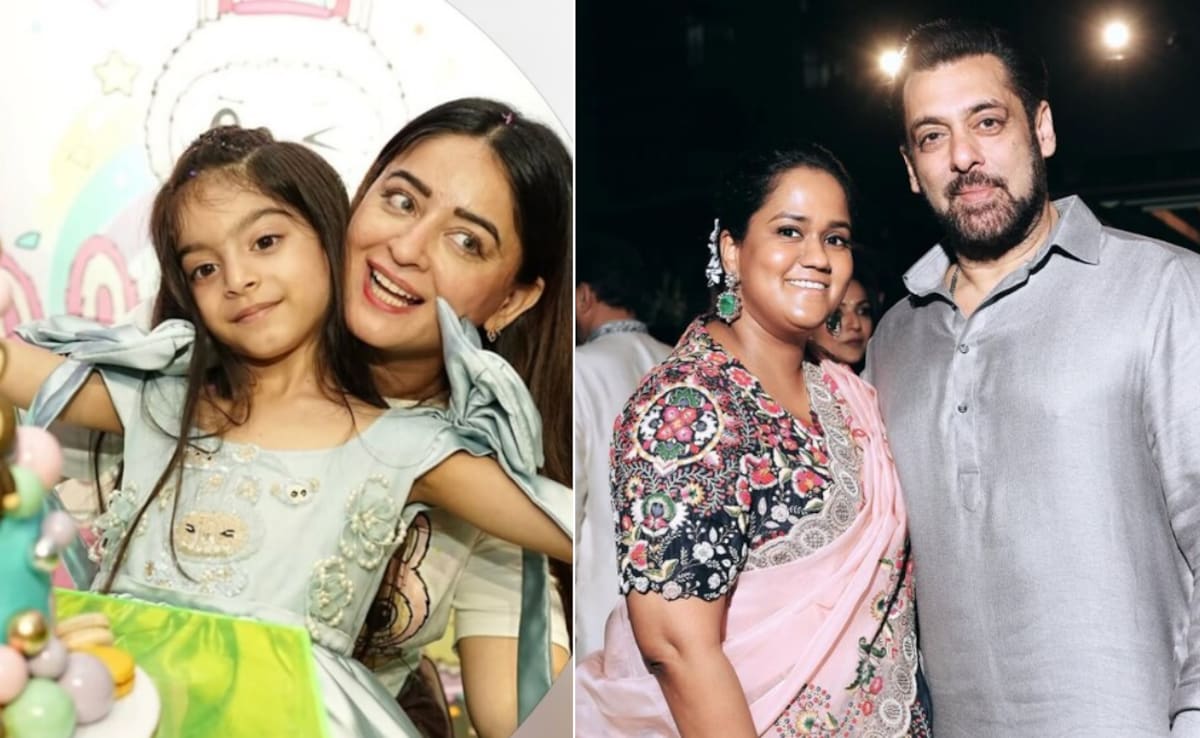
Mahhi Vij herself later addressed the issue through a video message. She spoke firmly about her long-standing friendship with Nadim and expressed disappointment over how people interpreted her words. She stated that Nadim has been part of her family life for several years and that the bond has always been based on trust and respect. Her response reflected frustration over how sensitive relationships are often misunderstood online.

The controversy unfolded soon after Mahhi and Jay Bhanushali announced their separation earlier this month. In their statement, the couple confirmed they would continue to co-parent their children. While the announcement was shared with maturity, the rumours added unnecessary attention during an already personal phase.


View this post on Instagram


A post shared by Mahhi Vinod Vij (@mahhivij)

Public reactions to the incident were mixed. While some users continued to speculate, many supported Mahhi and criticized the rush to judgment. The situation once again highlighted the lack of boundaries often seen on social media when personal lives become public discussion points.

Arpita Khan Shuts the Door on Baseless AssumptionsArpita Khan Shuts

Arpita Khan’s response played a key role in calming the narrative. By speaking up, she reinforced the idea that not every emotional message implies a romantic link. Her words reflected concern over how easily friendships are questioned, especially when celebrities are involved. Also Read: Jana Nayagan Legal Turn That Reached the Supreme Court in 2026

The incident has sparked broader conversation about online behavior and respect for personal relationships. Many viewers noted that assumptions made without facts can harm individuals and families.

Conclusion:
Arpita Khan Shuts down the rumours surrounding Mahhi Vij and Nadim by calling out baseless speculation. The episode serves as a reminder that friendships and family bonds should not be reduced to gossip based on social media posts.

Prashant Tamang Dies At 43, Raising Focus on Young Heart Risks

Prashant Tamang Dies After Sudden Cardiac Arrest in Delhi

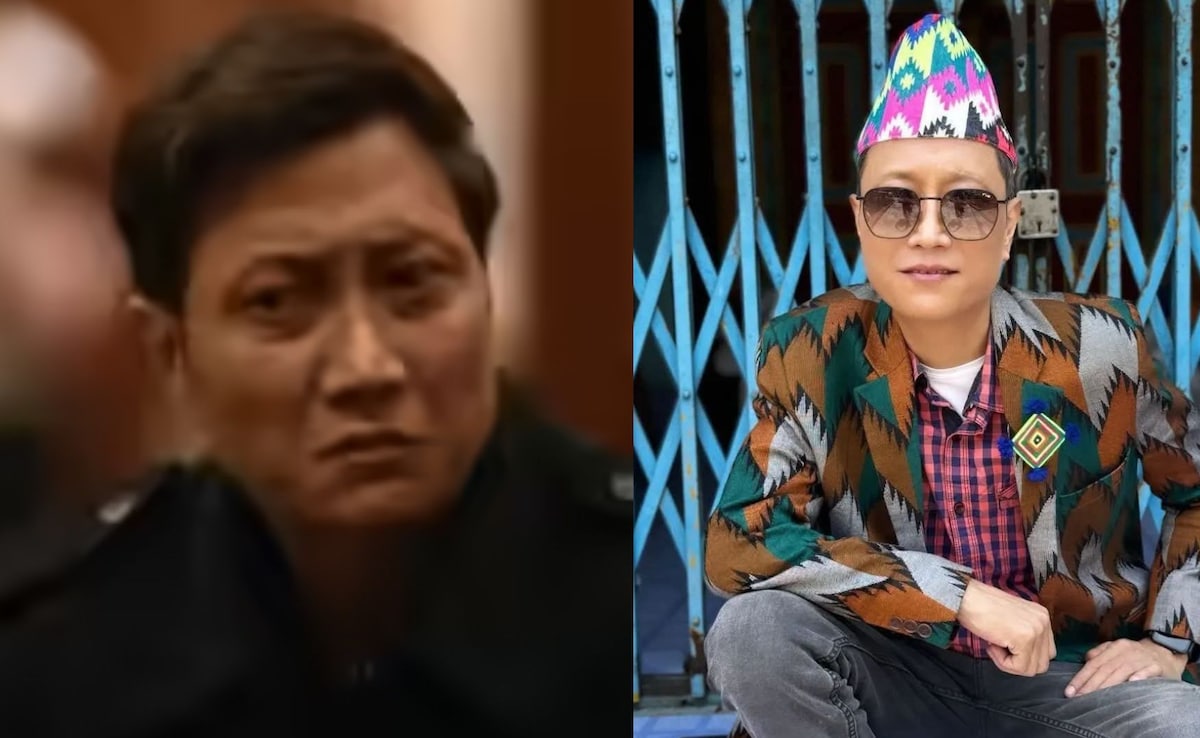
Prashant Tamang Dies at the age of 43 after suffering a cardiac arrest at his residence in New Delhi, leaving the music and film industry in shock. The singer and actor, who rose to national fame after winning the third season of Indian Idol, was reportedly unwell early Sunday morning but chose not to seek immediate medical help. By the time he was taken to the hospital, doctors declared him dead.Video of one of Prashant Tamang's final performances resurfaces after his  death, shocked fans mourn his legacy | Bollywood

Prashant Tamang became a household name after his Indian Idol victory, which marked a turning point in his career. Over the years, he also established himself as an actor, most recently appearing as Daniel Lecho in the second season of the series Paatal Lok. His sudden passing has deeply affected fans and colleagues alike, many of whom expressed disbelief at the loss of someone considered active and healthy.

According to family members, Tamang had recently been travelling frequently due to professional commitments. He had returned from Dubai after a show and then travelled to Arunachal Pradesh before coming back to Delhi. His sister shared that they spoke over a video call shortly before his death and that he had spent quality time with his daughter and family just a day earlier. These details have made the loss feel even more sudden and difficult to process.Prashant Tamang, Paatal Lok 2 Actor And Indian Idol 3 Winner, Dies At 43 In  Delhi

Medical experts explain that cardiac arrest occurs when the heart suddenly stops pumping blood due to an abnormal rhythm. This leads to loss of consciousness and stops oxygen supply to vital organs. Without immediate medical intervention, cardiac arrest can be fatal within minutes. Unlike a heart attack, which is caused by blocked blood flow, cardiac arrest happens due to electrical failure in the heart, though a heart attack can sometimes trigger it.

Prashant Tamang Dies Case Highlights Rising Heart Risks in Young Adults

The death of Prashant Tamang has once again drawn attention to the increasing number of cardiac arrest cases among younger adults. Health professionals note that lifestyle changes over the past decade have significantly increased heart disease risks in people under 50.Why healthy-looking people die in their sleep: Doctors explain after Prashant  Tamang's demise - Health News | The Financial Express

Long hours of sitting, limited physical activity, and screen-heavy routines weaken heart health over time. Poor dietary habits, including high intake of processed foods, excess sugar, and irregular meal timings, contribute to cholesterol imbalance and weight gain. These factors slowly damage blood vessels, even in people who appear fit on the outside.

Chronic stress also plays a major role. Work pressure, financial worries, and lack of proper rest elevate stress hormones, increasing blood pressure and disturbing heart rhythm. Sleep deprivation further worsens the situation by affecting metabolism and recovery. Many young adults sleep less than the recommended hours, unknowingly placing strain on their hearts.

Smoking, vaping, alcohol consumption, and the use of stimulants such as energy drinks increase the risk of irregular heartbeats. These substances can interfere with the heart’s electrical system, sometimes leading to sudden collapse without warning. Even occasional use can be dangerous when combined with dehydration or exhaustion.Actor-singer Prashant Tamang of Indian Idol, Paatal Lok fame dies at 43 of  heart attack, Mamata Banerjee pays tribute | Bollywood

Doctors also warn that some heart conditions remain undiagnosed until a sudden event occurs. Genetic factors, hidden rhythm disorders, or structural heart issues may not show clear symptoms. Fatigue, breathlessness, or palpitations are often ignored, delaying early diagnosis.

Health specialists stress that regular check-ups, moderate exercise, balanced meals, and stress management can significantly reduce heart-related risks. Early medical attention when discomfort appears can make a critical difference.

Prashant Tamang Dies Leaving a Strong Reminder

Prashant Tamang’s passing has gone beyond personal loss and entered a larger public conversation about heart health awareness. His life and career showed energy, discipline, and dedication, yet his death highlights how silent heart conditions can be. Also Read: Park Min Young and BTOB Lead a Grounded Romance in “Nine to Six”

The incident serves as a reminder that age does not guarantee protection from cardiac issues. Awareness, early action, and preventive care remain essential, especially for young adults living fast-paced lives.

Conclusion:
Prashant Tamang Dies at 43 due to cardiac arrest, leaving behind a legacy in music and cinema and a strong reminder about the importance of heart health awareness among younger generations.

From Maharashtra to Tamil Nadu, Have Women Voters Made ‘Women First’ the Best Poll Bet for Parties?

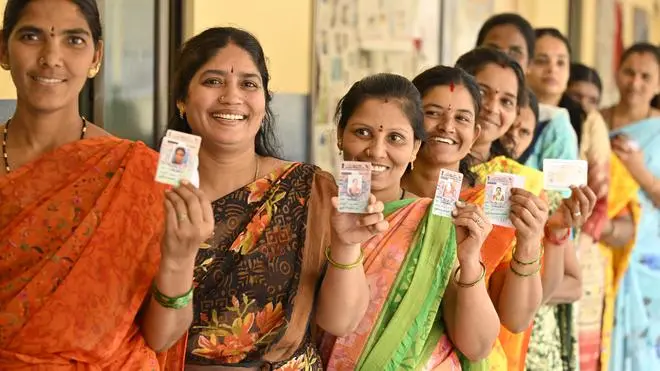
As elections loom across India, political parties are increasingly tailoring their campaigns around women voters, underscoring a shift towards “women first” as a key electoral strategy. From state assemblies to municipal polls, women have emerged as a critical voting bloc whose preferences can sway results, prompting parties to adopt women-centric agendas and welfare promises. This trend highlights how women’s political influence is rising at both local and state levels, turning gender-focused policies and outreach into instrumental components of electoral strategy.

Political analysts describe women as emerging “kingmakers” in elections, with parties seeking to address their aspirations and needs through targeted welfare programmes, promises of economic empowerment and increased political representation. The growing importance of women voters comes amid broader demographic changes and a recognition that women are not only a substantial portion of the electorate but also influential decision-makers within households and communities.

Women Voters as a Strategic Voting Bloc 

In recent years, women’s participation in elections has gained prominence, influencing how political strategies are crafted. Parties increasingly recognise that when women voters turn out in high numbers, their choices can decisively affect outcomes. This shift is particularly visible in states where elections are closely contested and margins of victory are narrow. In such scenarios, engaging women voters through policies aimed at improving their socio-economic conditions can yield significant political dividends.

In states such as Maharashtra and Tamil Nadu, parties are designing messages and welfare proposals that speak directly to women’s concerns. These strategies include promises of financial assistance, improved healthcare access, education support and greater job opportunities. By foregrounding women’s issues, parties hope to forge stronger emotional and political bonds with a critical segment of the electorate.

The role of women voters has become crucial in elections.

Welfare Schemes and Women-Centric Policies

Welfare schemes that specifically benefit women have often played a central role in shaping political fortunes. Direct benefit transfer programmes, employment support initiatives and cash assistance plans aimed at women can have both social impact and political resonance. Political strategists contend that tangible benefits lead to visible improvements in daily life, enhancing public perceptions of governance and responsiveness.

Across states, the deployment of women-focused schemes has coincided with electoral cycles, making them a focal point in public discussions about governance effectiveness. This convergence of welfare and politics reflects how governments and political organisations are leveraging gender-targeted programmes to build trust and loyalty among voters, while also showcasing achievements that directly improve women’s quality of life.

Case Studies: Maharashtra and Tamil Nadu

In Maharashtra, the role of women voters has become increasingly significant in both municipal and state elections. Parties have emphasised schemes that support women’s economic participation, social welfare and protection. The narrative around women’s empowerment has been woven into broader electoral campaigns, where women’s issues are highlighted alongside development and infrastructure goals.

Similarly, in Tamil Nadu, political players are paying close attention to women as a voting bloc with specific expectations. Campaign outreach frequently includes commitments to enhance women’s safety, healthcare and economic opportunities, aiming to resonate with female voters across urban and rural constituencies. These states illustrate how gender-sensitive platforms are being integrated into mainstream electoral messaging to appeal to diverse voter groups.

Why Women Voters Are Becoming Central to Elections

Several factors help explain why women voters have become pivotal in electoral politics. Improved literacy rates, mobile connectivity and social awareness have increased women’s access to information, enabling them to make informed electoral choices. Women’s voting patterns often reflect priorities such as family welfare, education, community services and public safety, which in turn influence how parties frame their policy promises.

Furthermore, women’s collective influence is not limited to their own votes but extends to family and community decision-making, amplifying their political impact. As a result, parties view women not simply as a demographic category but as strategic partners whose support can determine electoral success.

Challenges and Criticisms

Despite the growing focus on women voters, some critics argue that rhetoric can sometimes outpace substantive action. While parties may promise benefits and representation for women, the effective implementation and sustainability of such policies remain crucial. There is also a debate over whether gender-centric electoral appeals genuinely address structural inequalities or primarily serve short-term political advantages.

Moreover, experts caution against oversimplifying women voters as a monolithic group. Women represent diverse socio-economic backgrounds, regional identities and ideological perspectives. Tailoring policies with nuance and genuine engagement is essential to address their varied needs and expectations.

Looking Ahead: Women as Decisive Electorate

As electoral contests unfold in 2026 and beyond, the increasing emphasis on women’s issues and voter outreach is likely to continue shaping political narratives. Parties that successfully align their platforms with women’s concerns, while demonstrating credible plans for implementation, may benefit from stronger support at the polls. At the same time, the trend reflects broader democratic dynamics, where inclusive engagement and representation are gaining prominence as cornerstones of electoral success.

Women’s expanded role in the electoral process underscores the evolving nature of democracy in India, where voter priorities are becoming more nuanced and reflective of socio-economic aspirations. Whether this leads to lasting structural changes in governance or remains a cyclical feature of electoral strategy will depend on how well political commitments translate into real-world improvements for women across states.

Read More: https://channel6network.com/ec-stops-ladki-bahin-funds-bmc-2026/

Jana Nayagan Legal Turn That Reached the Supreme Court in 2026

0

Jana Nayagan Producer Challenges High Court Stay on CBFC Clearance

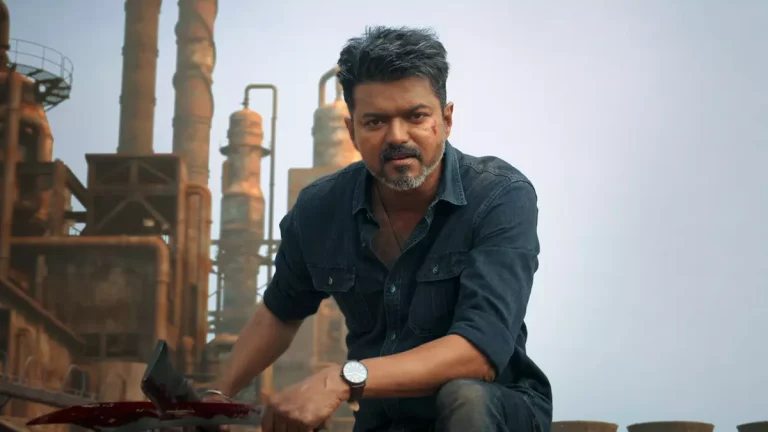
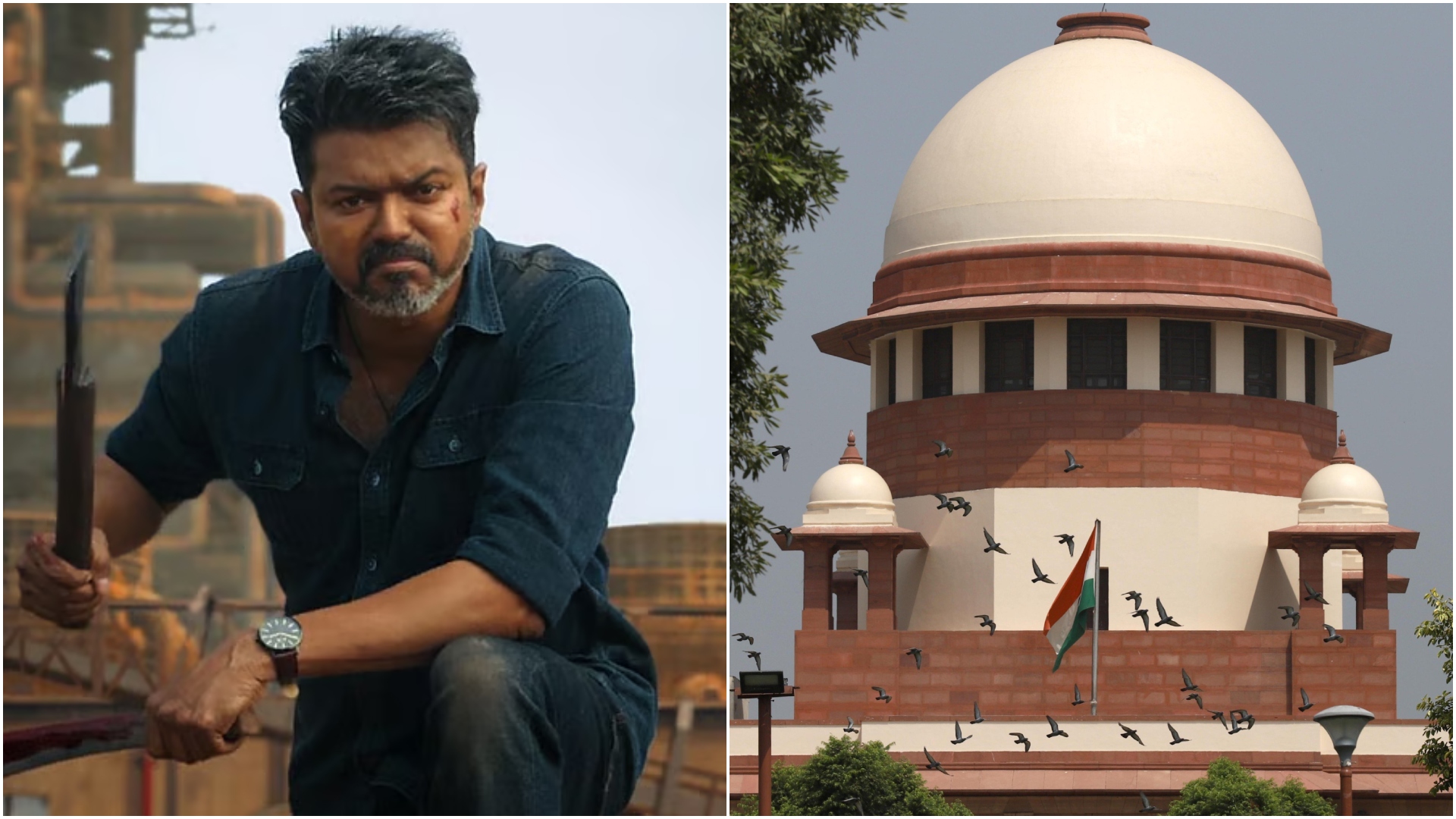
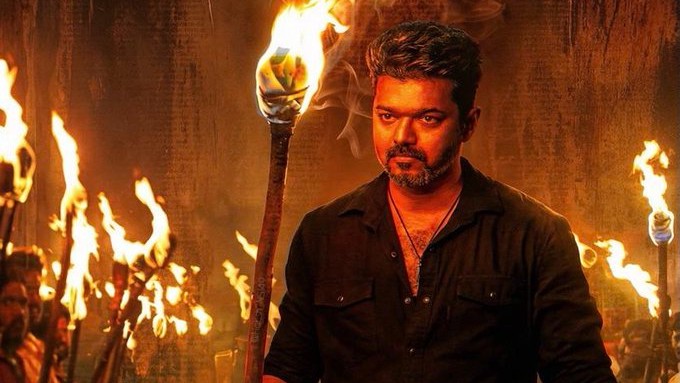
Jana Nayagan has entered a crucial legal phase after the producer approached the Supreme Court against an interim order passed by the Madras High Court. The dispute relates to the certification of the Tamil film starring actor Vijay, which remains pending following conflicting decisions within the High Court. The move marks a significant development in the film’s release journey.Vijay-starrer Jana Nayagan's maker moves SC

The producer, KVN Productions LLP, filed a Special Leave Petition challenging the order of a division bench of the Madras High Court that stayed an earlier direction issued by a single judge. The single bench had instructed the Central Board of Film Certification to grant certification for the film immediately. However, the division bench suspended that direction and scheduled further hearings.

The matter began after Jana Nayagan was submitted for certification in December 2025. The CBFC initially suggested certain modifications to the film. The producers accepted these changes and submitted a revised version on December 24, 2025. Soon after, the CBFC’s regional office in Chennai informed the producers that the revised version would be certified.

According to the producers, they were unable to complete the final upload process due to technical issues on the certification portal. They informed the CBFC about these problems. Despite this, on January 5, 2026, the producers received a communication stating that the CBFC Chairperson had decided to refer Jana Nayagan to a Revising Committee under Rule 24 of the certification rules.

Jana Nayagan Court Orders Highlight Certification Process GapsVijay's Jana Nayagan: Supreme Court Appeal on CBFC Order

The referral to the Revising Committee was reportedly based on a complaint concerning the film’s content. The complaint raised concerns related to religious sentiments and the portrayal of armed forces. Notably, the complaint was filed by a member of the Examining Committee who had earlier cleared the film.

The Chairperson’s decision to refer the film for further review was formally uploaded on January 6. On the same day, the producer approached the Madras High Court. A single bench heard the matter and ruled in favor of the producer, directing the CBFC to issue the certificate without delay.

The single bench observed that once the Examining Committee had reviewed the film and recommended certification, a later complaint by one of its own members could not be sustained. The court stated that allowing such reversals would weaken the credibility of the certification process and undermine the authority of the Examining Committee.

However, the CBFC quickly filed an appeal before a division bench of the High Court. The division bench heard the appeal urgently and stayed the single bench’s direction on the same day. The bench observed that the CBFC was not given sufficient time to present its response before the earlier order was passed.Jana Nayagan Row: CBFC Moves Supreme Court with Caveat

The division bench also noted that the producers had not directly challenged the Chairperson’s January 6 decision in their writ petition. During the hearing, the bench questioned the producers for announcing a release date before securing final CBFC clearance. The court remarked that such announcements placed unnecessary pressure on the judiciary to issue urgent orders.

The matter has now been adjourned for further hearing before the High Court, while the producer has chosen to approach the Supreme Court seeking relief from the stay order.

Jana Nayagan Case Raises Larger Certification Concerns

The Jana Nayagan case has drawn attention to procedural delays and internal disagreements within the certification process. It highlights how technical issues, complaints, and administrative decisions can significantly affect a film’s release timeline.Jana Nayagan Censor Row: Madras High Court Orders CBFC To Issue Certificate To Vijay Starrer | Outlook India

For filmmakers, the situation underlines the importance of final certification before announcing release dates. For the CBFC, the case raises questions about clarity in decision-making after initial approvals are granted.


View this post on Instagram


A post shared by Mo (@mo.of.everything)

The Supreme Court’s response to the producer’s petition is expected to play a key role in determining the immediate future of Jana Nayagan and may also influence how similar certification disputes are handled. Also Read: Park Min Young and BTOB Lead a Grounded Romance in “Nine to Six”

Conclusion:
The Jana Nayagan certification dispute has moved to the Supreme Court, marking a critical moment for the film and raising broader concerns about the CBFC review process. The final outcome will shape both the film’s release and future certification practices.

2026 Golden Globes Night That Redefined Red Carpet Style

2026 Golden Globes Bring Focus Back to Detail and Design

2026 Golden Globes turned the spotlight firmly on fashion craftsmanship as leading film and television personalities arrived at The Beverly Hilton for one of the most watched award ceremonies of the year. Hosted by comedian Nikki Glaser, the evening combined celebration, performance recognition, and a strong return to classic Hollywood style. The red carpet became a visual highlight, reflecting careful design choices rather than quick trends.All eyes on Priyanka Chopra Jonas as she brings blue glam to the Golden  Globes in Dior gown - India Today

This year’s ceremony leaned toward bold shapes, rich colors, and traditional elegance. Many outfits stood out not because they were loud, but because they were thoughtfully created. Diamonds, structured silhouettes, and custom tailoring dominated the night. The atmosphere felt measured and refined, reminding viewers that award-season fashion often reflects months of planning behind a few moments on the carpet.

Several leading fashion houses invested significant time in producing these custom garments. Selena Gomez appeared in a black velvet bustier dress created by Chanel, a piece that required hundreds of hours of detailed handwork. The dress featured carefully placed floral elements made from feathers, silk chiffon, and organza. Amanda Seyfried wore a white strapless gown by Versace, complete with a flowing stole that added drama while maintaining simplicity. These looks highlighted patience and effort, reinforcing the value of slow fashion.

2026 Golden Globes Highlight the Power of Individual StylePriyanka Chopra on date night with Nick, newlywed Selena Gomez with Benny:  Check out celebs at Golden Globes 2026 | Mint

The 2026 Golden Globes also delivered a few unexpected fashion moments that stood out for their meaning rather than excess. Actor Wunmi Mosaku appeared in a bright yellow gown by Matthew Reisman while announcing her pregnancy. The look was striking yet restrained, drawing attention without overshadowing the moment itself. It was a reminder that fashion can support personal stories without distraction.

Odessa A’Zion chose a vintage black feathered coat from Dolce & Gabbana’s archives. The decision to wear archival fashion brought a sense of history to the red carpet. It reflected a growing interest in revisiting earlier eras of style while keeping the presentation modern and composed.

Men’s fashion at the event followed a similar path of balance and detail. Hudson Williams drew attention in a white Giorgio Armani tuxedo paired with a classic cummerbund. The look stood out not because of bold decoration, but because of its clean tailoring and confident simplicity. Other actors, including Michael B. Jordan and Jeremy Allen White, opted for timeless suits accented with carefully chosen brooches. These small details added personality without overpowering the overall look.

The general tone of the evening suggested a shift away from overly experimental outfits. Instead, designers and stylists focused on fit, fabric quality, and finishing touches. This approach aligned well with the ceremony’s focus on performance and craft, creating a sense of cohesion between fashion and film.

2026 Golden Globes Fashion Reflects a Return to Purpose2026 Golden Globes

Fashion at the 2026 Golden Globes felt intentional. Rather than chasing attention, many looks were designed to last beyond the moment. The emphasis on time-consuming craftsmanship mirrored the effort behind the performances being honored during the ceremony.

The event also highlighted how red carpet fashion continues to evolve. While glamour remains central, there is increasing respect for the process behind each garment. From months of design planning to hours of handwork, these outfits represented collaboration between designers, stylists, and performers. Also Read: Park Min Young and BTOB Lead a Grounded Romance in “Nine to Six”

By focusing on structure, quality, and subtle expression, the 2026 Golden Globes offered a reminder that style does not need excess to make an impact. It needs clarity and purpose.

Conclusion:
The 2026 Golden Globes balanced celebration and restraint, showing how thoughtful design and classic elegance continue to define award-season fashion. The night reinforced that careful craftsmanship still holds strong value on Hollywood’s biggest stages.

Film Tourist Family Gains Attention Ahead of Oscars 2026

0

Film Tourist Family Moves From Local Screens to International Focus

Film Tourist Family has entered wider public discussion after receiving strong support and attention ahead of the Academy Awards 2026. The film’s growing presence on the global stage reflects how regional stories from India are steadily finding space in international cinema conversations. What began as a film rooted in familiar emotions and everyday experiences is now being spoken about in the context of one of the world’s most watched film platforms.Kindness-packed. Love-loaded. The family we all need is here ❤️ ▶️ https://www.hotstar.com/in/movies/tourist-family/1271421093 #TouristFamily streaming now on #JioHotstar #TouristFamilyStreamingNow #AbishanJeevinth #Sasikumar #Simran #SeanRoldan ...

The response around Film Tourist Family has been driven by its relatable theme and grounded storytelling. Audiences connected with the film during its initial run, and that connection has now extended beyond local screens. Messages of support, appreciation, and encouragement have followed as the film is linked to the Oscars 2026 conversation. While the awards process is long and competitive, reaching this level of attention itself marks progress.

Indian cinema has often struggled to balance cultural specificity with global appeal. Film Tourist Family appears to sit comfortably in that space. Its story does not depend on scale or spectacle. Instead, it focuses on human relationships, movement, and the quiet challenges faced by ordinary people. These elements often translate well across cultures, which may explain why the film has begun attracting international interest.

The Academy Awards journey involves several stages of review and voting. Even early recognition places a film in a space where global audiences, critics, and industry professionals start paying attention. For Film Tourist Family, this moment represents visibility rather than final validation, but visibility is a crucial step.

Film Tourist Family Reflects a Changing Direction in Indian Films

Film Tourist Family stands as an example of how Indian films are gradually changing how they present stories to the world. Instead of relying on loud narratives or familiar formulas, the film leans into realism. This approach aligns with a growing global preference for films that feel honest and personal rather than exaggerated.From our screens to the world stage 🔥 Wishing Team #TouristFamily all the success at #Oscars2026 ❤️ #JioHotstarTamil #TouristFamily #TouristFamilySreamingNow #JioHotstarTamil

The support surrounding Film Tourist Family also highlights how audience-driven appreciation can influence a film’s journey. When viewers speak positively and share their experiences, it builds momentum that goes beyond marketing. This organic attention often matters when films enter international spaces where storytelling quality becomes the main focus.

Indian films reaching the Oscars conversation are no longer rare exceptions, but they are still significant. Each film that makes its way into global discussions adds to a larger shift. Film Tourist Family contributes to this movement by representing a type of cinema that values restraint, emotion, and clarity.

The film’s recognition also encourages filmmakers working in regional and independent spaces. It shows that stories rooted in local life can still resonate widely when told with care. This does not guarantee awards or nominations, but it strengthens the presence of Indian cinema on platforms where competition is intense.

Film Tourist Family and the Meaning of Global Recognition

For the team behind Film Tourist Family, this phase brings both opportunity and responsibility. Global attention invites closer scrutiny, but it also opens doors for future projects. It allows filmmakers to reach new audiences and engage with international distributors and festivals.TouristFamiy 25th Day in theatres அன்பான உள்ளங்களுக்கு நன்றி 😍🤗

At a broader level, the film’s journey reminds audiences that global stages are not reserved only for large productions. Thoughtful storytelling continues to find its way through, even in competitive environments like the Academy Awards.


View this post on Instagram


A post shared by JioHotstar Tamil (@jiohotstartamil)

The coming months will determine how far Film Tourist Family travels in the Oscars 2026 process. Regardless of the final outcome, the film’s presence in this space already marks an important chapter. Also Read: Park Min Young and BTOB Lead a Grounded Romance in “Nine to Six”

Conclusion:
Film Tourist Family reaching international attention ahead of Oscars 2026 reflects a steady shift in how Indian stories are being seen globally. The film’s progress shows that simple, human narratives still matter on the world stage.

Film Homebound Moves Closer to Global Recognition at the Academy Awards

Film Homebound Enters the Academy Awards 2026 Shortlist

Film Homebound has reached an important stage in its journey after advancing to the top 15 shortlist in the International Feature Film category at the Academy Awards 2026. This development places the film among a select group of global entries that will move forward into the next round of voting. For Indian cinema, this moment carries weight, as it reflects steady progress on an international platform that has long remained difficult to access.Film Homebound

The film is directed by Neeraj Ghaywan, a filmmaker known for his grounded storytelling and focus on human emotions. With Film Homebound now in the shortlist, attention has turned toward how Indian films are being received beyond domestic audiences. The shortlist announcement itself is not a final nomination, but it is a strong indicator that the film has connected with members of the Academy during the initial review phase.

The Academy Awards process involves multiple rounds of evaluation. Reaching the top 15 means Film Homebound has already passed one of the most competitive filters. Hundreds of films from different countries compete in this category each year, making this step a notable achievement.

Film Homebound Shortlist Marks a Quiet but Strong Global Impact

The journey of Film Homebound to this stage has not been driven by loud promotion or aggressive campaigning. Instead, the film’s progress reflects the strength of its storytelling and direction. Neeraj Ghaywan’s approach focuses on realism, personal struggles, and emotional depth, elements that often resonate with international juries.98th Academy Awards: India's Homebound Enters Top 15 In Oscars 2026 Race

Indian cinema has been steadily evolving in how it presents stories to global audiences. Rather than relying on scale or spectacle, films like Film Homebound emphasize character-driven narratives. This shift has helped Indian films gain attention in international festivals and award circuits over the past decade.

Being shortlisted places Film Homebound in conversations that extend beyond national boundaries. It also increases visibility for the film among distributors, critics, and global audiences who closely follow the Academy Awards race. While the final nomination list will narrow further, reaching this stage already sets the film apart.

The shortlist phase is crucial because it leads directly into focused voting. Academy members now rewatch, discuss, and evaluate these selected films in greater detail. This process determines which titles will move into the final nomination lineup.

Film Homebound Reflects Changing Paths for Indian Cinema

The progress of Film Homebound highlights how Indian films are exploring quieter themes with wider relevance. Stories rooted in everyday experiences, migration, relationships, and emotional displacement often find common ground across cultures. This universality plays a key role in international recognition.'Homebound' shortlisted in International feature category at Oscars

Neeraj Ghaywan’s work has consistently followed this path. His direction avoids excess and focuses instead on authenticity. Film Homebound continues this style, which appears to have connected with viewers from different cultural backgrounds.

For Indian filmmakers, such milestones signal that global platforms are more open to diverse voices when the storytelling is clear and sincere. It also encourages future projects to aim beyond local markets without losing their cultural grounding.

The Academy Awards shortlist does not guarantee a nomination, but it opens doors. It brings the film into serious consideration and places it among the strongest international works of the year. This visibility can influence future opportunities for the director, cast, and production team. Also Read: Park Min Young and BTOB Lead a Grounded Romance in “Nine to Six”

Conclusion:
Film Homebound reaching the Academy Awards 2026 shortlist marks a meaningful step for Indian cinema. Regardless of the final outcome, the film’s progress reflects growing global interest in simple, honest storytelling from India.

Suvendu Adhikari ED Sandeshkhali Warning 2026 – Detailed Analysis of BJP Leader’s Remarks, Mamata Banerjee Confrontation, and Governance Lessons for Bengal

The Suvendu Adhikari ED Sandeshkhali warning 2026 has added a new dimension to Bengal’s political storm. Speaking to reporters, BJP leader and Leader of Opposition Suvendu Adhikari defended the Enforcement Directorate’s (ED) decision not to resist Chief Minister Mamata Banerjee during her dramatic visit to their office. He warned that if officials had resisted, the situation could have escalated into a Sandeshkhali‑like attack, referencing the violent clashes in North 24 Parganas that shocked the state in 2024.


2. The Confrontation

  • Mamata Banerjee had stormed into the ED office in Kolkata, accusing the agency of harassment over raids on I‑PAC.
  • ED officials chose not to physically resist her entry, citing protocol and safety.
  • Suvendu Adhikari later remarked that this “inaction” was wise, as resistance could have provoked violence.
  • His comments reignited debate over agency neutrality, political intimidation, and law‑and‑order risks.

3. Suvendu Adhikari’s Remarks

  • He said: “If officials had resisted Mamata, there would have been a Sandeshkhali‑like attack.”
  • Framed Mamata’s actions as intimidation of institutions.
  • Defended ED’s cautious approach as necessary to avoid escalation.
  • Accused TMC of using mob pressure to undermine central agencies.

4. Political Context

  • The remarks come amid heightened tensions over ED raids on I‑PAC.
  • TMC frames the raids as political vendetta.
  • BJP insists the ED is acting within its mandate to investigate corruption.
  • Civil society groups debate whether agencies are being weaponised or intimidated.

5. Sandeshkhali Reference

  • Sandeshkhali (2024): Violent clashes erupted between villagers and political cadres, leading to deaths and injuries.
  • The incident became symbolic of lawlessness and mob violence in Bengal politics.
  • Suvendu’s reference suggests fears of similar escalation if ED had resisted Mamata.
  • The comparison underscores the fragile law‑and‑order situation in politically charged districts.

6. Governance Challenges

The controversy reflects:

  • Agency vulnerability in politically sensitive contexts.
  • Trust deficit between state and Centre.
  • Public perception of bias in enforcement actions.
  • Need for institutional safeguards to protect democratic processes.

7. Government External Links for Assistance


8. Historical Context of Agency Clashes in Bengal

  • 2019–2021: CBI and ED raids on TMC leaders during Narada and Saradha scams.
  • 2021: I‑PAC staff detained briefly in Tripura, sparking protests.
  • 2024 Sandeshkhali violence: Became a turning point in debates over mob intimidation.
  • 2026: Current confrontation intensifies debate on agency neutrality and political intimidation.

9. Suvendu Adhikari ED Sandeshkhali Warning: Community Impact

  • Citizens express concern about erosion of democratic norms.
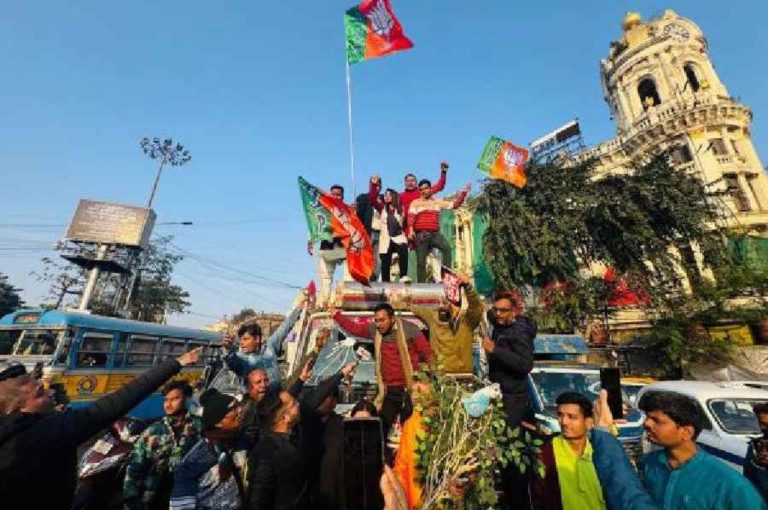
  • TMC cadres mobilise in Kolkata, chanting slogans against BJP.
  • Civil society groups debate the role of agencies in democracy.
  • Opposition parties frame the issue as a larger democratic struggle.

10. Global Comparisons

Similar controversies worldwide:

  • Turkey: Opposition accuses government of using agencies to suppress dissent.
  • USA: Debates over FBI investigations during election cycles.
  • Pakistan: NAB raids often criticised as politically motivated.

Bengal’s case mirrors these global struggles where state power and democratic freedoms collide.


11. Governance Lessons

The Suvendu Adhikari episode teaches:

  • Agency independence must be safeguarded.
  • Transparency in enforcement actions builds public trust.
  • Federal dialogue can reduce tensions between Centre and states.
  • Civil society vigilance is crucial to protect democratic rights.

12. Future Outlook – Democracy in Bengal

India must move towards:

  • Codified rules for agency raids during election periods.
  • Judicial oversight of politically sensitive investigations.
  • Public dashboards for transparency in enforcement actions.
  • Strengthening federal institutions to balance Centre‑state relations.

13. Conclusion

The Suvendu Adhikari ED Sandeshkhali warning 2026 is more than a political remark—it is a reflection of Bengal’s volatile political climate. By defending ED’s “inaction” and invoking Sandeshkhali, Suvendu highlighted the risks of confrontation between agencies and political leaders. For India, the lesson is clear: democracy must be defended not only at the ballot box but also in the institutions that safeguard its integrity.


Also read: Home | Channel 6 Network – Latest News, Breaking Updates: Politics, Business, Tech & More

Election Commission Stops Ladki Bahin Money Transfer Ahead of BMC Elections 2026

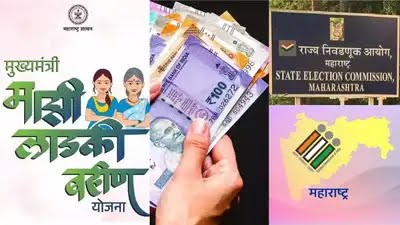
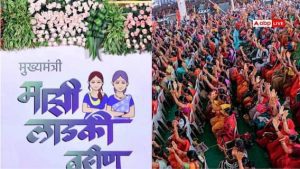
The Election Commission of India has ordered an immediate halt to the transfer of funds under the Ladki Bahin welfare scheme in Maharashtra as the Brihanmumbai Municipal Corporation elections approach. The decision, taken under the Model Code of Conduct, aims to ensure that no government welfare measure is perceived as influencing voters during the sensitive pre-election period. The move has sparked widespread debate across political and civil society circles, with supporters calling it a necessary safeguard for free and fair elections while critics argue it disrupts financial assistance meant for women from economically vulnerable households.

Why the Election Commission Halted Ladki Bahin

The Ladki Bahin scheme was launched to provide direct cash support to eligible women, particularly those from low-income families, with the goal of improving household security, nutrition, and women’s financial independence. Over the past months, the initiative had been rolled out across multiple districts, and beneficiaries were receiving regular installments directly into their bank accounts through a direct benefit transfer system. With the BMC polls now imminent, the Election Commission has stepped in to prevent any continuation of the payments until the electoral process concludes.

According to officials familiar with the decision, the halt applies only to new or scheduled transfers that would have taken place during the period when the Model Code of Conduct is in force. The Election Commission has clarified that the scheme itself has not been cancelled and that funds will resume once the election process is completed. However, for many beneficiaries who rely on the money for essential expenses such as food, school fees, or medical needs, even a temporary pause has created uncertainty and anxiety.

Political Reactions and Impact on Beneficiaries

The ruling coalition in Maharashtra has defended the Ladki Bahin scheme as a long-term social welfare measure that should not be politicised. Leaders from the government side argue that the initiative was designed well before the BMC elections were announced and that its interruption could hurt women who have come to depend on the financial support. They maintain that welfare schemes are a routine part of governance and should not be automatically viewed as electoral inducements.

Opposition parties, on the other hand, have welcomed the Election Commission’s intervention. They claim the timing of recent transfers and promotional activities surrounding the scheme appeared aimed at boosting the ruling coalition’s prospects in urban civic polls, particularly in Mumbai, where women voters form a significant segment of the electorate. By stopping the transfers, they argue, the Commission has restored a level playing field and upheld the spirit of electoral neutrality.

Legal experts note that the Model Code of Conduct empowers the Election Commission to restrict government actions that could influence voter behavior, even if those actions are part of ongoing schemes. While the Commission generally avoids disrupting essential services, cash transfer programs are often scrutinized more closely because of their potential to be perceived as immediate benefits linked to voting decisions. Past elections in various states have seen similar pauses on new project announcements, subsidies, and financial disbursements once polling dates are declared.

Election Commission Stops Ladki Bahin Money Transfer Ahead Of BMC Elections

For beneficiaries, the impact is both practical and emotional. Many women enrolled in the Ladki Bahin scheme use the funds to manage household budgets in a period marked by rising prices of food, fuel, and utilities. Community groups have reported that some recipients had planned expenses around the expected installment dates and are now being forced to make short-term adjustments. While most understand that the pause is temporary, the lack of a clear timeline for resumption has added to their worries.

Read More: https://channel6network.com/maharashtra-ladli-behna-rs3000-transfer/

In Mumbai, where the BMC elections are being closely watched as a barometer of political strength, welfare schemes like Ladki Bahin have become part of the broader electoral narrative. Civic polls determine who controls one of India’s wealthiest municipal bodies, responsible for crucial services such as water supply, waste management, public health, and urban infrastructure. With high stakes on both sides, every policy move is being closely examined for its potential electoral impact.

The Election Commission has reiterated that its role is not to judge the merits of any welfare program but to ensure that the electoral process remains free from undue influence. Officials have stated that once polling is over and results are declared, the Maharashtra government will be free to resume transfers under the scheme, provided they follow standard administrative procedures. This assurance has been offered to calm fears among beneficiaries and to underline that the pause is procedural rather than punitive.

Political analysts suggest that the controversy could shape campaign messaging in the days leading up to voting. The ruling parties may highlight their commitment to women’s welfare and promise a swift restart of payments after the polls, while the opposition is likely to focus on issues of transparency, timing, and the ethical use of public funds. For voters, especially women who directly benefit from the scheme, the episode underscores how closely social welfare and electoral politics are intertwined.

As the city prepares for voting, the Ladki Bahin pause has become a symbol of the broader tension between governance and campaigning. It raises important questions about how governments can continue delivering welfare without crossing electoral lines and how institutions like the Election Commission can enforce neutrality without causing hardship. The coming weeks will reveal whether the temporary suspension has any lasting impact on public opinion or on the eventual outcome of the BMC elections, but for now, it has firmly placed women’s welfare and electoral integrity at the center of Maharashtra’s political conversation.

Read More: https://channel6network.com/soldier-paternity-leave-death-maharashtra/

Abhishek Banerjee BJP Confrontation 2026 – Detailed Analysis of Taherpur Rally, ED Raids, and Governance Lessons for Bengal’s Democracy

The Abhishek Banerjee BJP confrontation 2026 has become a defining moment in Bengal’s political narrative. At a rally in Taherpur, Nadia district, Trinamool Congress (TMC) national general secretary Abhishek Banerjee launched a scathing attack on the Bharatiya Janata Party (BJP), declaring that his party would not bow before the “butchers and zamindars” of the saffron camp. His remarks came against the backdrop of Enforcement Directorate (ED) raids on I‑PAC, the political consultancy firm working with TMC, which he framed as part of a larger conspiracy to destabilise Bengal.


2. The Taherpur Rally

  • Venue: Taherpur, Nadia district, a politically sensitive region.
  • Audience: Thousands of TMC supporters, workers, and local residents.
  • Key message: TMC will resist BJP’s attempts to intimidate Bengal through agencies and propaganda.
  • Abhishek’s rhetoric: “We will not bow before the butchers and zamindars of BJP.”
  • He linked the ED raids to BJP’s fear of losing ground in Bengal.

3. ED Raids and Political Fallout

  • The ED raided I‑PAC offices in Kolkata, citing alleged irregularities.
  • TMC leaders accused BJP of weaponising agencies against opponents.
  • Abhishek framed the raids as an attack on Bengal’s dignity and democracy.
  • Opposition parties criticised both BJP and TMC, portraying the issue as a power struggle.

4. Abhishek Banerjee BJP Confrontation 2026: Attack on BJP

  • Abhishek accused BJP of acting like zamindars, exploiting people and intimidating opponents.
  • He likened BJP’s tactics to colonial oppression, invoking historical memory.
  • Declared that Bengal’s people would resist attempts to subjugate their voice.
  • His rhetoric resonated with rural audiences familiar with zamindari exploitation narratives.

5. Governance Challenges

The confrontation reflects:

  • Use of central agencies in politically sensitive contexts.
  • Trust deficit between state and Centre.
  • Public perception of bias in enforcement actions.
  • Need for institutional safeguards to protect democratic processes.

6. Government External Links for Assistance


7. Historical Context of Political Confrontations in Bengal

  • 1940s–50s: Anti‑zamindari movements shaped Bengal’s political consciousness.
  • 1970s: Left Front mobilised against exploitation and central dominance.
  • 2011: Mamata Banerjee’s rise framed as resistance against CPI(M) “zamindari politics.”
  • 2026: Abhishek’s rhetoric revives historical memory to frame BJP as modern zamindars.

8. Community Impact

  • TMC cadres energised by Abhishek’s defiance.
  • Rural audiences resonated with zamindari references, linking politics to lived history.
  • Citizens expressed concern about erosion of democratic norms.
  • Civil society groups debated the role of agencies in democracy.

9. Global Comparisons

Similar confrontations worldwide:

  • Turkey: Opposition accuses government of using agencies to suppress dissent.
  • USA: Debates over FBI investigations during election cycles.
  • Pakistan: NAB raids often criticised as politically motivated.

Bengal’s case mirrors these global struggles where state power and democratic freedoms collide.


10. Governance Lessons

The Taherpur rally teaches:

  • Political rhetoric must connect with historical memory to mobilise communities.
  • Agency independence must be safeguarded.
  • Transparency in enforcement actions builds public trust.
  • Civil society vigilance is crucial to protect democratic rights.

11. Future Outlook – Democracy in Bengal

India must move towards:

  • Codified rules for agency raids during election periods.
  • Judicial oversight of politically sensitive investigations.
  • Public dashboards for transparency in enforcement actions.
  • Strengthening federal institutions to balance Centre‑state relations.

12. Conclusion

The Abhishek Banerjee BJP confrontation 2026 is more than a fiery speech—it is a reflection of Bengal’s historical struggle against exploitation and central dominance. By invoking the imagery of “butchers and zamindars,” Abhishek framed BJP as oppressors and positioned TMC as defenders of Bengal’s dignity. For India, the lesson is clear: democracy must be defended not only at the ballot box but also in the narratives that shape public consciousness.

Also read: Home | Channel 6 Network – Latest News, Breaking Updates: Politics, Business, Tech & More