Wednesday, April 29, 2026
Home Blog Page 151

Trump Military Force Venezuela: Critical Senate Resolution Advances

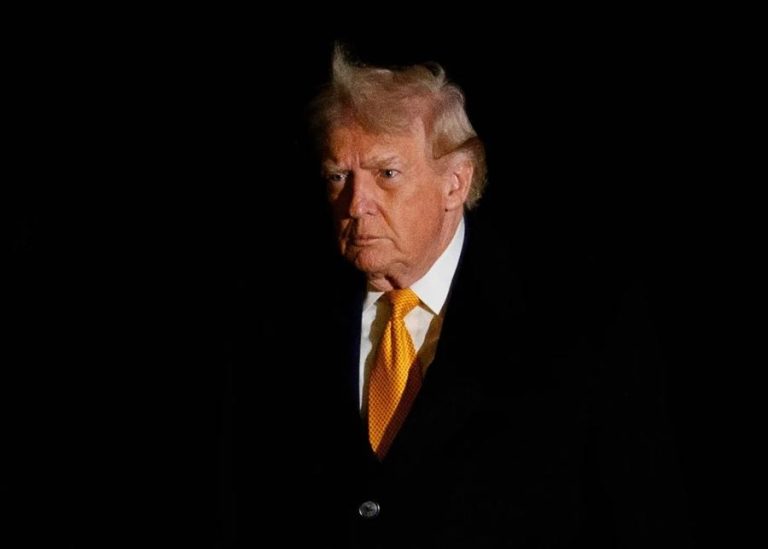
Washington D.C. – The US Senate on Thursday moved forward with a critical resolution that would significantly restrict Trump military force Venezuela operations without prior Congressional approval. The procedural vote to advance the War Powers resolution passed 52–47, marking a rare bipartisan effort to check presidential authority in military matters. This development comes just days after Washington carried out military operations in the Latin American country that resulted in the capture of Venezuelan President Nicolas Maduro. The step clears the way for additional debate in the 100-member chamber regarding future Trump military force Venezuela actions.

Bipartisan Support for Trump Military Force Venezuela Restrictions

Five Republican senators supported the bipartisan effort to advance the resolution seeking to prevent Trump military force Venezuela operations without Congressional authorization. The measure was introduced by Republican Senator Rand Paul of Kentucky and received crucial support from fellow Republicans Lisa Murkowski of Alaska, Susan Collins of Maine, Josh Hawley of Missouri, and Todd Young of Indiana. This coalition of Republicans joining all Democrats in backing the measure demonstrates significant concern across party lines about unchecked executive military authority regarding Trump military force Venezuela capabilities.

War Powers Resolution Details on Trump Military Force Venezuela

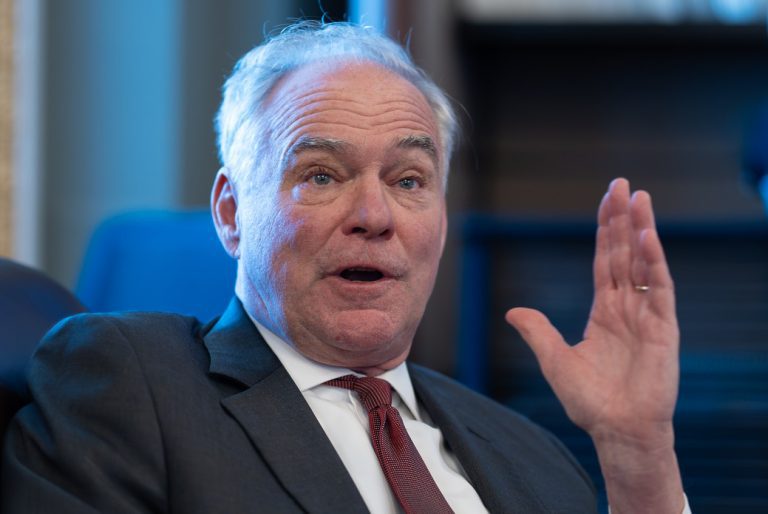
The resolution specifically addresses Trump military force Venezuela actions by requiring the president to obtain Congressional approval before undertaking any further military operations against the Latin American nation. The measure was voted out of committee with bipartisan support, clearing the way for consideration on the Senate floor. This procedural advancement represents a significant check on presidential power and could fundamentally alter the administration’s approach to Trump military force Venezuela policy. The resolution co-sponsored by Senate Democratic Leader Chuck Schumer of New York, along with Senators Tim Kaine of Virginia and Adam Schiff of California, highlights rare bipartisan opposition to the administration’s approach.

Implications for Venezuela Oil Control and Trump Military Force Venezuela

The advancement of this resolution could complicate the administration’s plans to seize control of Venezuela’s oil exports, a key component of the broader Trump military force Venezuela strategy. Following the recent capture of President Maduro, Trump stated that Washington would run the country “until such time as we can do a safe, proper, and judicious transition.” However, the Senate’s action on restricting Trump military force Venezuela operations suggests lawmakers are concerned about the scope and duration of American involvement in Venezuelan affairs without proper Congressional oversight and authorization.

Timeline for Vote on Trump Military Force Venezuela Resolution

Lawmakers expect a vote on final passage of the Trump military force Venezuela resolution as early as next week, though it could also take place later on Thursday if senators agree to fast-track the process. The procedural advancement with a 52-47 vote demonstrates sufficient support exists to bring the measure to a final vote. This timeline is particularly significant given the recent military operations and the administration’s stated intentions to maintain control over Venezuelan governance and resources, making the restrictions on Trump military force Venezuela actions an urgent matter for Congressional consideration.

Potential Hurdles for Trump Military Force Venezuela Resolution

Even if the resolution restricting Trump military force Venezuela operations passes the Senate, it would still require approval from the House of Representatives, where a similar proposal narrowly failed last month. This presents a significant obstacle to the measure becoming law. Additionally, the resolution would almost certainly face a presidential veto, meaning supporters would need to secure a two-thirds majority in both chambers to override such a veto. These hurdles make the path forward for restricting Trump military force Venezuela actions challenging despite the bipartisan Senate support.

Also Read: Trump Venezuela Oil Deal: Shocking 50 Million Barrel Seizure Plan Revealed

Background: Recent Trump Military Force Venezuela Operations

The Senate action on Trump military force Venezuela restrictions comes days after the US launched what it described as a “large-scale strike” in the Venezuelan capital, Caracas, on Saturday. During this operation, President Nicolas Maduro and his wife, Cilia Flores, were captured in a joint operation involving intelligence agencies and US law enforcement. Maduro and Flores were flown out of the country and were indicted in the Southern District of New York on charges of alleged “drug trafficking and narco-terrorism conspiracies” and are currently facing trial. This dramatic operation prompted Congressional concerns about unchecked Trump military force Venezuela authority.

Presidential Justification for Trump Military Force Venezuela

Trump said the US action was aimed at bringing “outlaw dictator Nicolas Maduro to justice,” framing the Trump military force Venezuela operations as a law enforcement and humanitarian intervention. However, the scope of the operation—involving military assets and resulting in effective control over a sovereign nation—has raised Constitutional questions about the proper balance between executive and legislative authority in matters of war and military deployment. The administration’s stated intention to run Venezuela until a transition can occur has particularly concerned lawmakers about the potential for extended military involvement.

Constitutional Debate on Trump Military Force Venezuela Authority

The advancement of the War Powers resolution represents a fundamental debate about Constitutional authority regarding Trump military force Venezuela operations. The War Powers Resolution of 1973 was designed to check the president’s power to commit the United States to armed conflict without Congressional consent. Senator Rand Paul and his bipartisan coalition of supporters argue that the recent Trump military force Venezuela actions exceed executive authority and require explicit Congressional authorization for any future military operations. This Constitutional debate will likely intensify as the resolution moves toward a final vote, potentially setting important precedents for future executive military actions.
Turkman Gate Violence: Shocking 6 More Arrests After Stone Pelting Incident

0

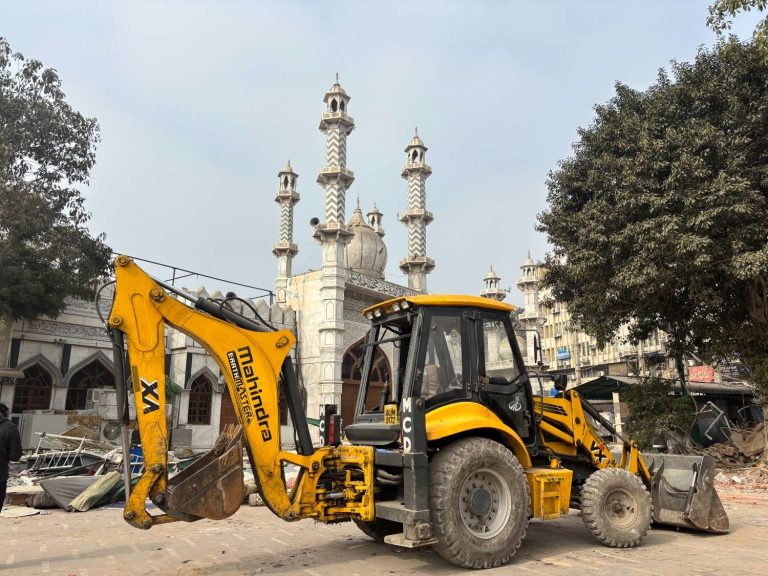
New Delhi – Six more people were arrested on Thursday for their alleged involvement in the Turkman Gate violence that erupted during an anti-encroachment drive near a century-old mosque in central Delhi. This brings the total number of arrests to 11 following the incident that occurred on Wednesday. Deputy commissioner of police (central) Nidhin Valsan identified those arrested as Mohammed Afaan, Mohammed Adil, Mohammed Hamza, Mohammed Ubaid, Mohammed Athar, all aged between 20 to 30, and Shahnawaz Alam, 45. All six individuals are residents of the Turkman Gate area and face charges related to stone pelting at police personnel during the demolition drive.

Details of the Turkman Gate Violence Incident

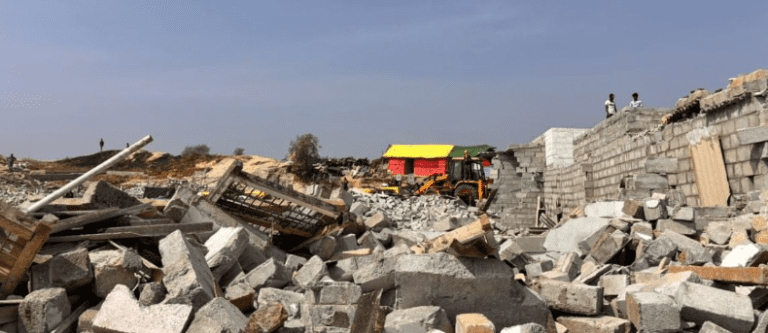
The Turkman Gate violence erupted during an overnight anti-encroachment operation that deployed 32 bulldozers to raze structures covering 36,428 square feet of the Ramlila Ground, according to the Municipal Corporation of Delhi. The operation targeted a banquet hall, a private diagnostics centre, a room where Haj pilgrims stayed, portions of a road, a footpath, and a car park abutting the mosque. The Turkman Gate violence began after a brief bout of stone pelting by some local residents, which triggered a lathi charge by police forces deployed at the site.

First Information Report in Turkman Gate Violence Case

On Wednesday, police registered a first information report and arrested five people initially—Mohammed Kashif, his brother Mohammed Kaif, Mohammed Areeb, Mohammed Adnan and Mohammed Sameer, all aged between 20 and 30 and residents of Chandni Mahal and Darya Ganj. In the FIR documenting the Turkman Gate violence, a constable stated that all residents had been informed that the anti-encroachment drive would be carried out and that no damage would be caused to the mosque. Despite these assurances, around 30-35 people approached the barricades at approximately 12:40 am, raising slogans against the police administration.

Stone Pelting During Turkman Gate Violence

The FIR further detailed how the Turkman Gate violence escalated when people in the crowd started pelting stones at police personnel. “Police made announcements through a loud-hailer informing that Section 163 (Power to issue order in urgent cases of nuisance or apprehended danger) of BNSS was in force in the area, but the crowd did not disperse and continued stone pelting after damaging the barricades,” the complaint stated. This description captures the intensity of the Turkman Gate violence that unfolded during the early morning hours.

Special Investigation Teams Formed for Turkman Gate Violence

Police announced on Thursday that they have formed a special team to probe the Turkman Gate violence case comprehensively. “The team is formed under an ACP and is headed by an inspector with four sub inspectors. One team will focus on identifying those who pelted stones and the other will focus on mobilisation using social media as a lot of people posted inflammatory and fake statements on their profiles,” a senior police officer explained. This two-pronged approach aims to address both the physical violence and the digital misinformation surrounding the incident.

Social Media Misinformation in Turkman Gate Violence

Police are monitoring the role of two women who allegedly made “inflammatory” statements on their social media profiles related to the Turkman Gate violence. “A woman who has over 32,000 followers on social media shared a video saying that the mosque was being demolished which was factually incorrect. This amounts to rumour mongering. She will be called in for questioning. A team went to her house to serve notice but it was locked,” a senior police officer stated. The other woman gave false statements to local media, again constituting rumour mongering.

YouTubers Under Scanner for Turkman Gate Violence Mobilization

A second officer revealed that a list of 10 YouTubers has been compiled based on investigations into social media activity during the night of the Turkman Gate violence. “We are examining the profiles of all of them and they’ll be called in for questioning if they mobilised people using fake information,” the officer said. This scrutiny reflects authorities’ concerns about how social media platforms were potentially used to incite the violence and spread misinformation about the actual nature of the anti-encroachment drive.

Legal Background of Turkman Gate Violence

The developments occurred after the Delhi High Court on January 7 issued a notice to the Municipal Corporation of Delhi and other requisite agencies in a petition by the managing committee of Masjid Syed Elahi challenging the MCD’s decision to remove encroachments. The committee contended that the property in question was being used by it and lease rent was paid to the Delhi Waqf Board. Significantly, the court effectively did not stay the demolitions, paving the way for the operation that resulted in the Turkman Gate violence.

Families Deny Involvement in Turkman Gate Violence

Among those arrested in the Turkman Gate violence case, Kaif is a fourth-year Chartered Accountancy student, Atthar is a delivery agent, and Alam is an auto driver. Speaking about the arrests, Alam’s mother Raziya, 85, denied his role in the incident and claimed it was a case of mistaken identity. “Our neighbour Ubaid has also been arrested and his brother’s name is also Shahnawaz. I think they have arrested the wrong person. My house was locked at the time of stone pelting and my son was inside with his family,” she stated.

Community Impact of Turkman Gate Violence

A relative of Ubaid, who wished to remain anonymous, said that Ubaid’s paralyzed father had to be hospitalized after the arrest. “His father is also paralysed. He got more sick after the arrest and is now hospitalized,” the relative explained. These family accounts highlight the broader community impact of the Turkman Gate violence and subsequent arrests. As investigations continue with special teams examining both the physical rioting and alleged social media mobilization, authorities maintain that all residents of the area had been properly informed about the anti-encroachment drive beforehand, though tensions clearly remained high in the historically sensitive Turkman Gate area of central Delhi.

Delhi Assembly Chaos: Dramatic Forensic Probe Ordered Over Atishi Video

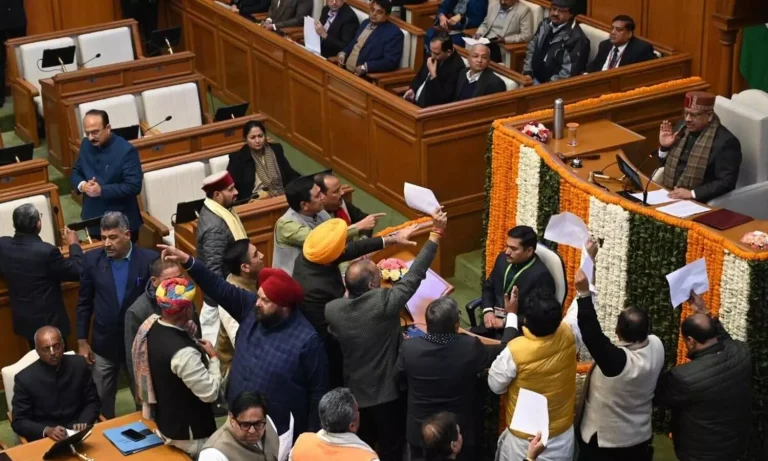
New Delhi – The Winter Session of the Delhi Assembly descended into severe Delhi Assembly chaos on Thursday as the fourth day of proceedings witnessed non-stop sloganeering, MLAs rushing into the Well of the House, and repeated adjournments that left legislative business completely paralyzed. Even as important bills and reports continued to pile up, the Delhi Assembly chaos centered around alleged remarks made by Aam Aadmi Party leader and Leader of Opposition Atishi, with Bharatiya Janata Party MLAs demanding action against her for allegedly “disrespecting Sikh gurus.”

Forensic Probe Ordered Amid Delhi Assembly Chaos

After three adjournments, meetings with senior leaders from both BJP and AAP, and representations from the parties, Assembly Speaker Vijender Gupta ordered a forensic examination of a controversial video clip allegedly showing Atishi’s remarks. The Delhi Assembly chaos prompted the Speaker to send the clip to the State Forensic Science Laboratory, Delhi. “Instructions have been issued to the Assembly secretariat to provide the concerned video clip to the forensic department, and the forensic examination report has been sought within 15 days,” Gupta announced, hoping to bring clarity to the situation that has brought legislative work to a standstill.

Conflicting Claims Fuel Delhi Assembly Chaos

The Delhi Assembly chaos intensified as both parties presented conflicting narratives about the video’s authenticity. The AAP has alleged that the video clip of Atishi had been “tampered with” and claimed it had itself sought a forensic probe. Speaker Gupta noted, “Despite being repeatedly called to the House, the Leader of the Opposition, Ms Atishi, has not yet presented her version before the Assembly. Therefore, this inquiry is being conducted to ascertain the factual position.” Atishi has been absent from the House for two consecutive days during the ongoing controversy.

BJP’s Allegations in Delhi Assembly Chaos

The BJP has alleged that Atishi made “insensitive” remarks about Guru Tegh Bahadur on Tuesday after a special discussion on a Delhi government programme marking the 350th martyrdom anniversary of the Sikh guru held in November. Delhi BJP president Virendra Sachdeva said the remarks attributed to Atishi were unacceptable. “When the Assembly was paying tribute to the sacrifices made by Guru Tegh Bahadur ji and the Sahibzaade, the derogatory words are not worth using anywhere. We strongly condemn it. The public is agitated on this issue,” he stated, announcing that BJP would hold a protest outside the AAP office on Friday.

AAP’s Response to Delhi Assembly Chaos

Atishi has vehemently denied the allegations fueling the Delhi Assembly chaos, claiming she was speaking about the BJP avoiding a discussion on pollution and about its protest in the Assembly over the stray dog issue. “The BJP deliberately added a false subtitle and inserted the name of Guru Tegh Bahadur Ji into it,” she said, referring to the video circulated by BJP leaders. AAP MLA and deputy leader of opposition Mukesh Ahlawat wrote to Speaker Vijender Gupta, questioning how Kapil Mishra accessed the clip, which was allegedly not part of the official Assembly record.

Thursday’s Disrupted Proceedings During Delhi Assembly Chaos

Thursday’s proceedings began on a stormy note at 11am, with BJP MLAs carrying posters rushing into the Well and demanding action against the Leader of Opposition, including cancellation of her House membership. The Delhi Assembly chaos saw AAP MLAs also raising slogans from opposition benches, demanding the resignation of BJP leader Kapil Mishra over allegations that he circulated a misleading video involving Atishi. Amid the uproar, proceedings were adjourned for 30 minutes. When the House resumed, continued protests by BJP MLAs in the Well forced another adjournment till 1pm.

Video Authentication Concerns in Delhi Assembly Chaos

The AAP legislative party demanded the full footage from Assembly cameras, in which Atishi’s statement was “clearly visible and audible.” This demand arose from concerns about the authenticity of the clip posted by Kapil Mishra. The Delhi Assembly chaos surrounding video authenticity led Speaker Gupta to formally direct that the video be sent for forensic examination and also refer the matter to the privileges committee, hoping that scientific analysis would resolve the contentious issue.

Legislative Work Suffers Due to Delhi Assembly Chaos

With another day lost to disruptions, the winter session’s legislative agenda has been significantly pushed back. The Delhi Assembly chaos has prevented crucial legislative work from being conducted. The session, which began on January 5, was originally scheduled to conclude on Thursday. However, cabinet minister Parvesh Verma urged the Speaker to extend the sitting by a day, a request that was accepted. Little legislative work has been conducted over the past two days.

Mounting Pending Business Amid Delhi Assembly Chaos

Key pending business includes supplementary demands for grants for 2025-26 and the passage of the Delhi Appropriation (No. 1) Bill, 2026. At least eight Comptroller and Auditor General reports are also awaiting tabling, including state finance audit reports for 2020-21 through 2023-24, sectoral audit reports, a performance audit on children in need of care and protection, and reports on the functioning of the Delhi Jal Board and several higher education institutions. According to the list of business, three bills remain pending for passage: The Court Fees (Delhi Amendment) Bill, 2026; The Delhi Jan Vishwas (Amendment) Bill, 2026; and the Delhi Shops and Establishments (Amendment) Bill, 2026.

Future Implications of Delhi Assembly Chaos

The Delhi Assembly chaos has raised serious questions about legislative functioning and political decorum. The government has also proposed a discussion on air pollution and measures being taken to address it, but such important matters remain sidelined due to ongoing disruptions. As the forensic examination report is awaited within 15 days, the Delhi Assembly chaos continues to cast a shadow over the winter session’s effectiveness and the ability of elected representatives to conduct essential legislative business for the capital’s governance.

Russian Oil Tanker Seized: Shocking US Operation With Indians Aboard

Washington D.C. – In a dramatic maritime operation on Wednesday, a Russian oil tanker seized by US military forces in the North Atlantic has brought international attention to escalating tensions over Venezuela sanctions. The vessel, identified as the Russian-flagged oil tanker ‘Marinera’, carried a crew of 28 people, including three Indian nationals. This Russian oil tanker seized operation was conducted after US forces tracked the vessel from the Caribbean Sea, according to Russia’s Transport Ministry. The seizure marks a significant escalation in US enforcement actions against vessels allegedly violating sanctions related to Venezuela.

Crew Composition of Russian Oil Tanker Seized

The Russian oil tanker seized in the operation had a diverse international crew representing multiple nationalities. According to reports, the vessel was chartered by a private trader and operated under the name Bella 1, flying the flag of Guyana. The 28-member crew included six citizens of Georgia, 17 nationals from Ukraine, three Indian citizens, and two Russians. The presence of Indian nationals aboard the Russian oil tanker seized has raised concerns about the welfare and legal status of these crew members following the military operation.

How the Russian Oil Tanker Seized Operation Unfolded

The Russian oil tanker seized incident occurred after the vessel slipped through a US maritime “blockade” of sanctioned tankers and rebuffed initial US Coast Guard efforts to board it. Two US officials confirmed that the operation was carried out jointly by the Coast Guard and the US military. The Russian oil tanker seized was tracked meticulously across international waters, with US forces pursuing it through treacherous storms in the North Atlantic. Russia’s transport ministry reported that it had lost all contact with the vessel, the Marinera, after US naval forces successfully boarded it.

Venezuela Connection to Russian Oil Tanker Seized

The Russian oil tanker seized by US authorities was specifically targeted due to its alleged links to Venezuela, a nation under extensive US economic sanctions. The vessel had reportedly changed its identity multiple times in attempts to evade detection. Originally named Bella 1 and operating under the Guyanese flag, it later changed its name to Marinera after fleeing the American blockade of Venezuela the previous month. Images showed a helicopter hovering near the vessel as US forces attempted to board the sanctioned tanker in what became a complex maritime interdiction operation.

Dual Seizure: Second Vessel Alongside Russian Oil Tanker Seized

The Russian oil tanker seized was not the only vessel captured in this coordinated operation. US authorities confirmed on Wednesday that they had seized two sanctioned oil tankers linked to Venezuela in the North Atlantic and Caribbean regions. Alongside the Russian-flagged Bella 1/Marinera, US forces also seized the M Sophia, a Panama-flagged vessel described as a “stateless, sanctioned dark fleet motor tanker.” US Secretary of Homeland Security Kristi Noem explained that both ships were either last docked in Venezuela or en route to it, justifying the aggressive interdiction actions.

Russian Response to Oil Tanker Seized Incident

The Russian oil tanker seized operation drew sharp criticism from Russian officials who characterized the action as an act of piracy. Andrei Klishas, a senior Russian lawmaker from the ruling United Russia party, described the US action as “outright piracy.” The incident represents what appears to be the first time in recent memory that US military forces have seized a Russian-flagged vessel, marking a significant escalation in maritime tensions between the two nations. Russia’s Transport Ministry emphasized the loss of all communication with the vessel following the boarding by US naval forces.

Details of Coast Guard Pursuit of Russian Oil Tanker Seized

US Secretary of Homeland Security Kristi Noem provided detailed information about the pursuit leading to the Russian oil tanker seized operation. In a social media post, she revealed that the Motor Tanker Bella 1 had been attempting to evade the Coast Guard for weeks, even going so far as to change its flag and paint a new name on the hull while being pursued. “The heroic crew of the USCGC Munro pursued this vessel across the high seas and through treacherous storms—keeping diligent watch, and protecting our country with the determination and patriotism that make Americans proud,” Noem stated, praising the Coast Guard’s persistent efforts.

International Support for Russian Oil Tanker Seized Operation

The Russian oil tanker seized operation received support from international allies. The United Kingdom confirmed it provided assistance to US forces during the interdiction. “UK Armed Forces provided pre-planned operational support, including basing, to US military assets interdicting the Bella 1 in the UK-Iceland-Greenland gap following a US request for assistance,” the UK defence ministry stated. This collaboration highlights the coordinated international effort to enforce Venezuela-related sanctions.

Implications of Russian Oil Tanker Seized Incident

The Russian oil tanker seized operation comes just days after a dramatic US Special Forces operation in Caracas that resulted in the capture of Venezuelan President Nicolas Maduro. The timing of the Russian oil tanker seized incident, combined with the recent Venezuelan operation, suggests an intensified US campaign against what it terms the “ghost fleet” or “dark fleet” of vessels attempting to circumvent sanctions. The presence of Indian nationals and other international crew members aboard the Russian oil tanker seized raises important questions about crew welfare, legal jurisdiction, and the broader implications of such aggressive maritime enforcement actions in international waters.

Sharjeel Imam CAA Protests: Explosive Claim About Withdrawal Before Riots

0

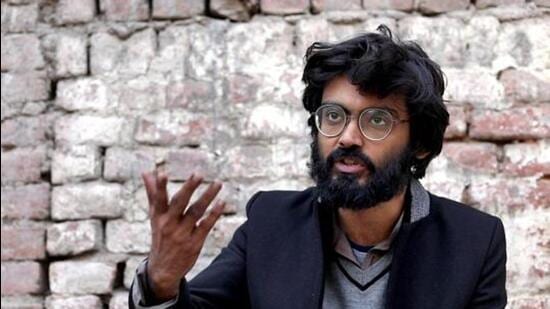
New Delhi – Student activist Sharjeel Imam made a significant statement in a Delhi court on Thursday, claiming he had withdrawn from the Sharjeel Imam CAA protests well before violence erupted in northeast Delhi in February 2020. Appearing before additional sessions judge Sameer Bajpai at Karkardooma Courts, Imam argued through his counsel that several co-accused had requested him to step away because they believed his speeches were giving a “communal colour” to the movement and could potentially harm it. This marks the first time Imam has sought to distance himself from other co-accused in the case.

Timeline of Sharjeel Imam CAA Protests Involvement

According to the defense arguments presented by advocate Talib Mustafa, the Sharjeel Imam CAA protests involvement ended by January 2, 2020. “The accused thought that the protest was turning communal and that I was the most renowned figure among them who was giving it that colour. So, I withdrew from the movement by January 2. Till then, there was no violence,” Mustafa submitted to the court. The counsel contended that even according to the prosecution’s case, Imam’s alleged involvement was limited to December 2019, several weeks before the violence that shook northeast Delhi in February 2020.

Defense Strategy in the Sharjeel Imam CAA Protests Case

The arguments mark a significant shift in the defense approach to the Sharjeel Imam CAA protests case. Mustafa argued that the prosecution’s own evidence showed Imam was sidelined midway through the agitation and had no role in any alleged conspiracy behind the February 2020 riots. The defense specifically emphasized that the timeline presented by prosecutors ruled out Imam’s participation in planning or executing the riots. This strategic shift in the Sharjeel Imam CAA protests defense came just two days after the Supreme Court rejected Imam’s bail plea.

Activities During Sharjeel Imam CAA Protests Period

During his involvement in the Sharjeel Imam CAA protests, police allegations claimed Imam drafted pamphlets and addressed protest sites at Shaheen Bagh and Jamia Millia Islamia. However, Mustafa argued that these acts, even if accepted, did not attract provisions of the Unlawful Activities (Prevention) Act (UAPA). The counsel maintained that Imam had consistently advocated non-violence while associated with the protests. “I told everyone that with elections impending, mobilisation should not increase and violence should not take place. Till I was heading the protest, there was no violence,” Mustafa stated, adding that Imam’s role was confined to coordinating speakers at some protest sites.

WhatsApp Groups and Sharjeel Imam CAA Protests Coordination

Seeking to further distance Imam from alleged escalation of protests, Mustafa claimed Imam was never part of the Delhi Police Support Group (DPSG) WhatsApp group, which the prosecution claims was used by other accused to coordinate chakka jams and renewed mobilization. Instead, during the Sharjeel Imam CAA protests period, Imam had created a separate group called Muslim Students of Jamia (MSJ) solely for peaceful protest against CAA. This distinction, the defense argued, demonstrated Imam’s commitment to non-violent demonstration methods.

Trump Visit Timing and Sharjeel Imam CAA Protests

The defense rejected the prosecution’s claim that the Sharjeel Imam CAA protests were timed to coincide with then US President Donald Trump’s February 2020 visit to India. Mustafa argued that Trump’s schedule was made public only after Imam was arrested on January 28. “By the time the direction of the protest allegedly changed, I was already in custody,” the counsel submitted, emphasizing the impossibility of Imam’s involvement in later planning stages given his arrest date.

Distancing from Umar Khalid in Sharjeel Imam CAA Protests

In a pointed submission regarding the Sharjeel Imam CAA protests narrative, the defense specifically distanced Imam from former JNU student Umar Khalid. Rejecting police claims that Khalid had mentored Imam, Mustafa told the court: “There is no call record or meeting to show that I was mentored by Umar Khalid. We had not spoken for almost six years on campus.” This represents a crucial element in the defense’s strategy to separate Imam from other accused in the conspiracy case.

Supreme Court Decision Impact on Sharjeel Imam CAA Protests Case

The arguments came shortly after the Supreme Court refused bail to Imam and Khalid in the alleged conspiracy case. A bench of justices Aravind Kumar and N V Anjaria held on January 5 that the gravity and statutory nature of offenses, coupled with their “central and formative roles” in the conspiracy, disentitled them to relief at this stage. However, the top court granted bail to five co-accused—Gulfisha Fatima, Meeran Haider, Shifa-ur-Rehman, Mohd Saleem Khan and Shadab Ahmed—observing that their continued incarceration was not indispensable for fair trial.

Broader Context of Sharjeel Imam CAA Protests Prosecution

As many as 18 accused are facing prosecution in the case, which pertains to an alleged coordinated conspiracy culminating in communal violence in northeast Delhi in February 2020 that left 53 people dead and hundreds injured. Eleven of the accused are currently out on bail. The Sharjeel Imam CAA protests case represents one of the most significant legal proceedings related to the 2020 Delhi riots, with implications for understanding the events leading to the violence and determining accountability for the tragic loss of life.

Iran Protests Nationwide: Trump Issues Powerful Warning Against Crackdown

Washington D.C. – US President Donald Trump issued a stern warning to Iranian authorities on Thursday, threatening severe consequences if they resort to violence against protesters as Iran protests nationwide continue to intensify. During an interview with radio host Hugh Hewitt, Trump made clear his administration’s position on the unfolding situation. “I have let them know that if they start killing people, which they tend to do during their riots — they have lots of riots — if they do it, we are going to hit them very hard,” the president stated, signaling strong US intervention if Iranian authorities crack down violently on demonstrators.

Understanding the Iran Protests Nationwide Movement

The Iran protests nationwide have emerged as the most significant civil unrest since the demonstrations following Mahsa Amini’s death. These widespread protests stem from a severe economic crisis that has gripped the Islamic Republic, pushing citizens across urban and rural areas to take to the streets demanding change. On Thursday night, residents of Iran’s capital poured into the streets and shouted slogans from their homes, responding to a call by the country’s exiled Crown Prince Reza Pahlavi for mass demonstrations. This marked a critical escalation in the Iran protests nationwide that have spread across multiple cities and towns.

Communication Blackout During Iran Protests Nationwide

As the Iran protests nationwide intensified, Iranian authorities moved swiftly to suppress information flow. Internet access and telephone services were cut almost immediately after the protests began on Thursday evening. Internet company Cloudflare and digital rights group NetBlocks reported widespread outages, directly attributing them to Iranian government interference. This communication blackout represents a familiar tactic employed by authorities to prevent coordination among protesters and limit international visibility of the Iran protests nationwide, making it difficult for demonstrators to organize and for the outside world to monitor events.

Crown Prince’s Call Mobilizes Iran Protests Nationwide

The demonstrations represent the first major test of whether Crown Prince Reza Pahlavi, whose father fled Iran shortly before the 1979 Islamic Revolution, could successfully mobilize the Iranian public. Pahlavi had specifically called for demonstrations at 8 pm local time on Thursday and Friday. When the designated time arrived, witnesses reported that neighborhoods across Tehran erupted in chants. “Great nation of Iran, the eyes of the world are upon you. Take to the streets and, as a united front, shout your demands,” Pahlavi stated, directly encouraging the Iran protests nationwide to continue and expand.

Also Read: Trump Veto Override Vote: Critical House Republicans Challenge Unfolds

Protesters’ Demands and Revolutionary Slogans

The Iran protests nationwide have featured bold anti-government rhetoric that demonstrates the depth of public anger. Protesters shouted slogans including “Death to the dictator!” and “Death to the Islamic Republic!” Significantly, some demonstrations have included chants supporting the shah, with protesters declaring “This is the last battle! Pahlavi will return!” Such expressions once could have carried the death penalty but now reflect how drastically public sentiment has shifted. Thousands were visible on the streets despite government attempts to suppress the Iran protests nationwide through communication blackouts and security presence.

Casualties and Detentions Mount

The human cost of the Iran protests nationwide has been substantial. According to the US-based Human Rights Activists News Agency, at least 41 people have been killed and more than 2,270 detained so far. These figures underscore the violent response from authorities and the risks protesters face when participating in demonstrations. The mounting casualties have increased international pressure on Iran’s civilian government and Supreme Leader Ayatollah Ali Khamenei, with the Trump administration now explicitly warning of consequences for further bloodshed during the Iran protests nationwide.

Economic Crisis Fuels Iran Protests Nationwide

Thursday’s unrest followed protests that had erupted on Wednesday in cities and rural towns throughout the country. The Iran protests nationwide have been driven primarily by Iran’s struggling economy, which has left many citizens desperate and angry. More markets and bazaars closed in solidarity with demonstrators, showing widespread support for the movement even among business communities. The economic hardship has created conditions where large segments of the population are willing to risk government retaliation to demand change.

Pressure Intensifies on Iranian Leadership

As the Iran protests nationwide grow in scale and intensity, pressure is mounting on both Iran’s civilian government and Supreme Leader Ayatollah Ali Khamenei. Crown Prince Pahlavi directly warned Iranian authorities in his statement: “I warn the Islamic Republic, its leader and the Revolutionary Guard that the world and President Donald Trump are closely watching you. Suppression of the people will not go unanswered.” Despite the scale of the unrest, the protest movement has largely remained leaderless, making it unclear how much sustained impact Pahlavi’s call will have in the coming days.

International Attention on Iran Protests Nationwide

The Iran protests nationwide have captured global attention, with the international community closely monitoring developments. Whether the demonstrations reflect genuine support for Pahlavi himself or simply a broader longing for life before the 1979 Islamic Revolution remains unclear. However, what is certain is that the Iran protests nationwide represent a critical moment for the Islamic Republic, testing both the government’s willingness to use force and the protesters’ determination to demand fundamental change despite severe risks and government suppression efforts.

Mamata Banerjee Protest Rally: Dramatic ED Showdown Over I-PAC Raid

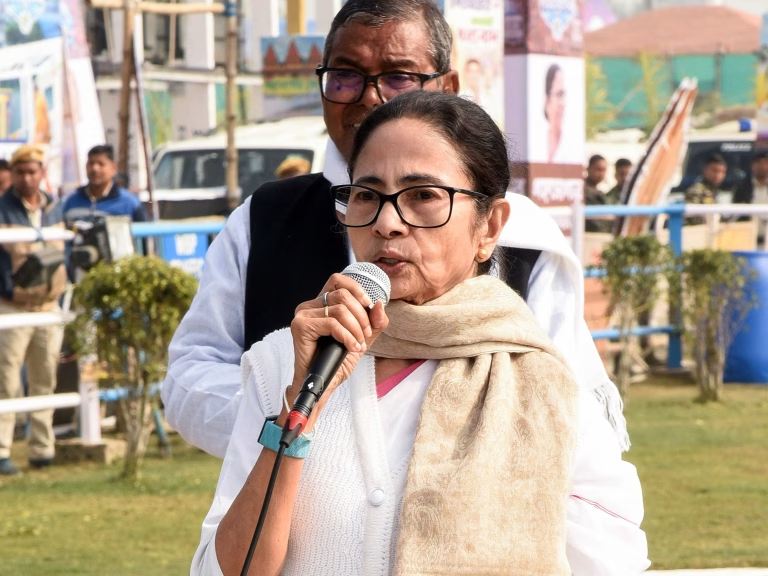
West Bengal – West Bengal Chief Minister Mamata Banerjee is set to lead a significant demonstration on Friday, January 9, 2026, following a dramatic confrontation with the Enforcement Directorate during raids on political consultancy firm I-PAC’s premises in Kolkata. The Mamata Banerjee protest rally will commence from Jadavpur 8B bus stand and conclude at Hazra crossing, covering over 5 kilometers through the city. The TMC supremo has called upon supporters and citizens to participate in this demonstration against what she terms as politically motivated searches by central agencies.

Details of the Mamata Banerjee Protest Rally Route

The Mamata Banerjee protest rally has been strategically planned to cover a substantial distance through Kolkata’s key areas. Starting from Jadavpur 8B bus stand, the procession will traverse more than 5 kilometers before reaching Hazra crossing. The chief minister has issued a public appeal urging people to join this demonstration, which comes immediately after Thursday’s intense standoff with ED officials. This Mamata Banerjee protest rally represents the TMC’s response to what the party leadership describes as systematic harassment by central probe agencies.

The ED Raid Controversy at I-PAC Office

The controversy erupted on Thursday when the Enforcement Directorate conducted searches at the residence and office of Pratik Jain, who Banerjee identified as the in-charge of Trinamool Congress’s IT cell. The raids were reportedly part of a money laundering investigation linked to an alleged multi-crore rupee coal pilferage scam. However, Banerjee has contested the nature and intent of these searches, claiming they were designed to access her party’s confidential electoral strategies and voter data ahead of the upcoming Bengal assembly elections.

Conflicting Accounts of Thursday’s Showdown

The dramatic events of Thursday saw conflicting narratives emerge from both sides. The ED accused the chief minister of storming into the residence during their operation and allegedly removing key evidence. Conversely, Banerjee maintained that the agency was confiscating crucial party documents, including hard disks containing information about TMC’s assembly poll candidates, financial records, and political papers. She defended her intervention, questioning whether she should not resist attempts to “steal” her party’s documents and falsely implicate her in cases.

Allegations of Political Vendetta Behind Mamata Banerjee Protest Rally

The primary motivation behind the Mamata Banerjee protest rally stems from allegations of political vendetta. Banerjee has characterized the ED searches as an orchestrated attempt to “loot” her party’s electoral strategy, voter lists, and organizational data. She pointed out the timing of such raids, noting they consistently occur immediately before elections. With West Bengal assembly polls expected in the coming months, the chief minister views these actions as deliberate interference in the democratic process rather than legitimate law enforcement.

Sharp Criticism of Union Home Minister

During her statements on Thursday, Banerjee launched a scathing attack on Union Home Minister Amit Shah, describing him as “naughty” and accusing him of misusing central agencies to intimidate opposition parties. She questioned whether this represented proper law enforcement, criticizing what she called “the nastiest and naughty home minister” who “cannot protect the country” but instead “sends agencies to harass before elections.” The chief minister directly appealed to Prime Minister Narendra Modi to “control” his Home Minister and urged the government to defeat TMC “in a democratic way.”

Also Read: Delhi Court Clears Kejriwal: Major Victory in 2019 Dwarka Case

Chaotic Scenes at Pratik Jain’s Residence

Visuals from Thursday afternoon captured intense moments as Mamata Banerjee arrived at Pratik Jain’s residence while ED operations were underway. The scenes showed people frantically running with files amid media chaos and questioning. Banerjee herself was photographed holding documents in a green file cover while addressing reporters, claiming the ED attempted to seize sensitive organizational data. The chief minister stated that the agency had “stolen everything, all data, SIR list,” referring to strategic information required for electoral planning.

TMC’s Response and Future Implications

The Mamata Banerjee protest rally represents TMC’s organized response to what it perceives as systematic targeting by central agencies. Banerjee warned that such actions would backfire, stating that the government’s seat count would be “reduced to zero” through these tactics. She emphasized that the ED was attempting to access not just documents but the party’s entire electoral machinery, including candidate lists, voter databases, and poll strategies. As the Mamata Banerjee protest rally unfolds today, it marks a significant moment in the escalating confrontation between the West Bengal government and central agencies ahead of crucial assembly elections.

BDA Demolitions Near Thanisandra Spark Probe Amid Kogilu Row: 1 Shocking Controversy, and Accountability

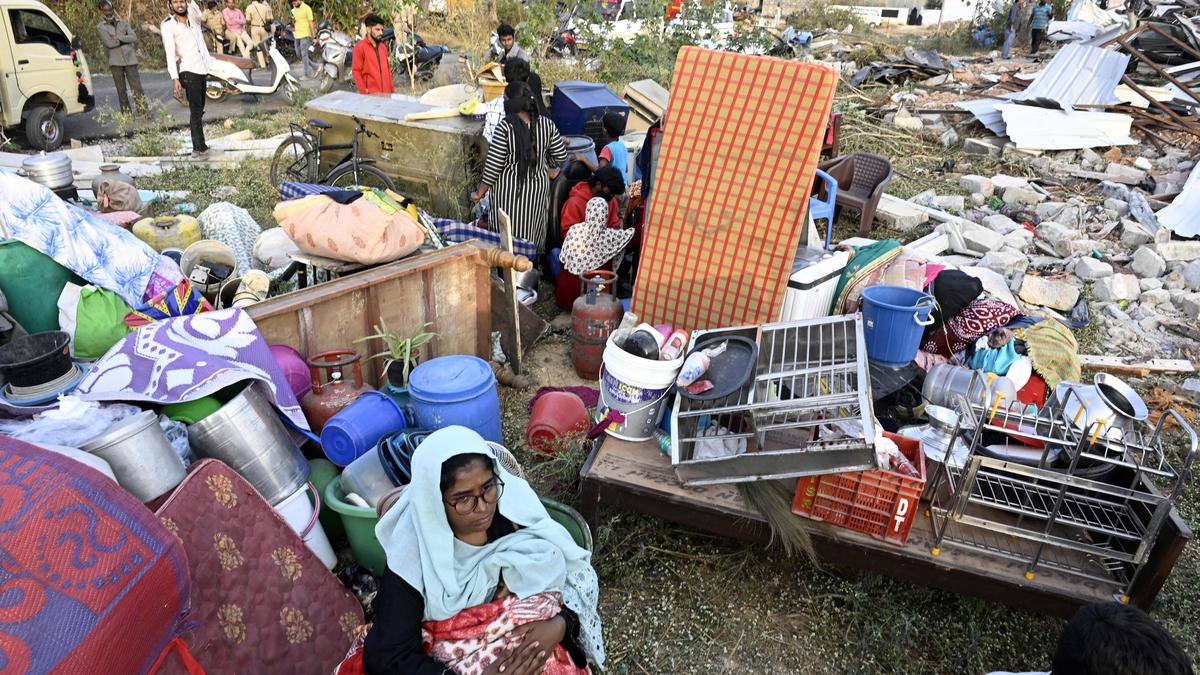
Tensions escalated in Bengaluru as the Bangalore Development Authority (BDA) conducted demolition operations near Thanisandra without issuing prior notices to residents, following a spate of similar actions in the Kogilu area. The move drew immediate public and political attention, with residents alleging a lack of transparency and due process. The BDA maintained that the demolitions were necessary to remove illegal constructions and encroachments in accordance with urban planning regulations, but the absence of formal notices has triggered a probe ordered by the BDA Commissioner to investigate procedural lapses.

Authorities confirmed that the demolition targeted structures deemed illegal under city development norms, including partially constructed residential and commercial units. Residents claimed they were given no prior warning, leaving them unprepared to secure belongings or seek temporary shelter. Legal experts have raised concerns over the BDA’s adherence to the Karnataka Town and Country Planning Act, emphasising the need for proper notices and time for appeals to avoid violations of citizens’ rights.

The BDA Commissioner has directed an immediate internal review to ascertain whether the demolitions complied with legal procedures. Officials will examine records, communication with residents, and adherence to standard operating protocols. The investigation will determine accountability and identify measures to prevent similar procedural oversights in future urban enforcement actions. Residents’ associations have been invited to participate in the review to ensure transparency and fairness.

RESIDENTS’ GRIEVANCES AND PUBLIC RESPONSE

Local residents expressed outrage over the demolitions, arguing that lack of prior notice disrupted their lives and left them vulnerable. Many claimed that they were unaware of legal requirements or pending orders, citing insufficient communication from municipal authorities. Community leaders and advocacy groups have urged the government to prioritise rehabilitation and provide temporary relief, warning that repeated demolition actions without notice could lead to social unrest and legal challenges.Amid Kogilu row, BDA takes up demolition near Thanisandra without notices; Commissioner  orders probe - The Hindu

Several civil society organisations have highlighted the need for a balanced approach between enforcing urban regulations and safeguarding citizens’ rights. They emphasised that while encroachments must be addressed, demolitions should be accompanied by proper communication, grievance redressal, and rehabilitation measures. Experts stressed that arbitrary action undermines public trust in urban governance institutions and can exacerbate tensions in already sensitive areas.

LEGAL AND ADMINISTRATIVE IMPLICATIONS

Legal analysts noted that bypassing notice procedures could open the BDA to judicial scrutiny. Residents could challenge the demolitions in courts, arguing violations of fundamental rights to property and due process. Officials clarified that the probe would also examine whether appropriate approvals and internal clearances were obtained, ensuring accountability within the municipal authority. The review may result in administrative actions against officers found responsible for procedural lapses.

PRECEDENT AND URBAN DEVELOPMENT POLICY

The Thanisandra demolitions come amid heightened scrutiny of urban development practices in Bengaluru, following the Kogilu controversy. Observers note that such incidents highlight the need for a coherent policy that balances city planning, regulatory enforcement, and citizen welfare. Officials indicated that findings from the current probe could influence future procedures, reinforcing the importance of prior notices, resident engagement, and transparent communication in demolition operations.

Urban planners stressed that uncoordinated demolitions without notice undermine the city’s development objectives. They recommended integrating urban enforcement with social support systems, such as temporary shelters, relocation assistance, and legal guidance, to ensure residents’ rights are protected while maintaining the integrity of city plans. Proper planning and procedural compliance, experts said, are critical to prevent public backlash and ensure sustainable urban development.Govt weighs rehabilitation of genuine locals amidst eviction row in Kogilu

BDA’S RESPONSE AND NEXT STEPS

The BDA has maintained that the demolitions were part of ongoing efforts to remove illegal constructions encroaching on green belts, roads, and civic infrastructure. Officials stated that the review ordered by the Commissioner will evaluate the decision-making process and establish accountability. Depending on findings, remedial measures could include compensation, rehabilitation, or administrative action against officers responsible for procedural lapses.

Authorities also indicated plans to enhance communication strategies, including prior notices, public advisories, and stakeholder consultations, to ensure residents are informed of pending actions. Officials acknowledged that transparency and fairness are essential for maintaining public trust and preventing disputes. Measures such as dedicated helplines and grievance portals are being considered for smoother enforcement processes.

IMPACT ON RESIDENTS AND LOCAL COMMUNITIES

Residents affected by the Thanisandra demolitions face immediate disruption, including loss of partially constructed homes, livelihood impacts, and displacement. Community leaders have called for urgent intervention to provide temporary accommodation and support for affected families. Social workers highlighted the psychological and financial stress on residents, stressing the need for compassionate urban governance that balances enforcement with citizen welfare.

LOOKING AHEAD: POLICY REFORMS

The Thanisandra incident has reignited debates on demolition policies, urban governance, and residents’ rights in Bengaluru. Officials indicated that the findings from the ongoing probe could lead to revised procedures, ensuring prior notice, legal safeguards, and rehabilitative support are integral to future enforcement operations. The government aims to create a transparent, accountable, and citizen-centric framework for urban regulation that prevents conflicts while maintaining the city’s developmental vision.

The probe, which is expected to conclude within weeks, will set a precedent for municipal operations, potentially influencing how authorities conduct demolition drives across Bengaluru. Balancing regulatory enforcement with empathy, transparency, and legal compliance is now being prioritised to prevent further controversies and maintain public trust in urban administration.

NewsFirst Exclusive: Satellite images expose illegal construction at Kogilu  Layout

Follow: Karnataka Government

Also read: Home | Channel 6 Network – Latest News, Breaking Updates: Politics, Business, Tech & More

IISc Partners with Mysore Royal Family-Led Firm to Promote Entrepreneurship: Innovation, 1 Vision, and Cybersecurity

In a move set to boost India’s cybersecurity ecosystem, the Indian Institute of Science (IISc) has partnered with a Mysore royal family-led firm to promote entrepreneurship and innovation in the cyber security domain. The initiative aims to support start-ups, research-driven ventures, and young entrepreneurs working on cutting-edge cybersecurity solutions, strengthening India’s capabilities in protecting digital infrastructure. Officials said the collaboration combines IISc’s research expertise with the firm’s entrepreneurial guidance, funding support, and mentorship, creating a platform for technological innovation with national significance.

The partnership will focus on nurturing start-ups that develop products and services in areas such as threat detection, network security, data privacy, encryption, and blockchain security. By providing incubation, mentorship, and access to advanced research facilities, the initiative seeks to bridge the gap between research and commercial application. Entrepreneurs will be encouraged to convert research ideas into market-ready solutions that address the growing cybersecurity challenges faced by Indian enterprises and government agencies.

IISc officials highlighted that the collaboration is part of a broader strategy to make India self-reliant in cybersecurity technology. With digitalisation increasing rapidly across sectors, the country faces complex security threats, ranging from ransomware attacks to critical infrastructure vulnerabilities. By promoting entrepreneurship in this space, the initiative aims to develop indigenous solutions, reduce dependency on foreign software, and create a skilled talent pipeline for the nation.IISc, Mysore royal family-led firm to promote entrepreneurship in cyber  security - The Hindu

MENTORSHIP AND FUNDING SUPPORT

The Mysore royal family-led firm will provide mentorship to start-ups on business strategy, product development, and market deployment. Funding assistance, including seed capital and early-stage investment, will be available to promising ventures. Officials emphasised that pairing technical guidance from IISc with entrepreneurial support ensures that start-ups have both the scientific foundation and business acumen necessary for success in a competitive industry.

Entrepreneurs selected under the programme will also have access to IISc’s state-of-the-art research laboratories and cybersecurity testing infrastructure. This will allow teams to test and refine their solutions under real-world conditions. Researchers and faculty members will provide guidance on advanced concepts such as quantum-resistant encryption, secure AI models, and cybersecurity analytics, fostering innovation and technical excellence.

FOCUS ON YOUTH AND SKILL DEVELOPMENT

A significant component of the initiative is skill development for young professionals and students interested in cybersecurity. Training programs, workshops, and internships will provide practical exposure to threat analysis, penetration testing, and secure coding practices. Officials noted that building a skilled workforce is critical for sustaining innovation, and the initiative will also focus on nurturing entrepreneurship skills alongside technical expertise.

The collaboration also aims to create a start-up ecosystem in Karnataka that supports cybersecurity ventures. By connecting entrepreneurs with investors, corporate partners, and government agencies, the programme seeks to accelerate growth, scale solutions, and create commercial opportunities. Officials stressed that fostering innovation in cybersecurity not only addresses immediate national needs but also positions Karnataka as a hub for digital security entrepreneurship.

ACCELERATING CYBERSECURITY ENTREPRENEURSHIP

The IISc-Mysore royal family initiative is designed to accelerate entrepreneurship in cybersecurity by providing start-ups with structured support. Entrepreneurs will receive guidance on product ideation, prototyping, and commercialisation strategies. Officials emphasised that combining technical expertise with business mentorship will allow early-stage ventures to overcome common hurdles, such as market entry challenges, funding constraints, and technical scalability. By creating a nurturing ecosystem, the programme aims to transform innovative research concepts into commercially viable solutions that address India’s growing cybersecurity needs.

ACCESS TO STATE-OF-THE-ART FACILITIES

Start-ups selected under the initiative will have access to IISc’s cutting-edge laboratories, high-performance computing systems, and cybersecurity testing platforms. These facilities will allow teams to simulate cyber-attacks, test software resilience, and implement advanced encryption methods in controlled environments. Officials highlighted that hands-on access to such infrastructure is crucial for accelerating research, improving product quality, and ensuring that start-ups meet both industry standards and national security requirements.

FOCUS ON EMERGING THREATS

The initiative places strong emphasis on tackling emerging cybersecurity threats, including ransomware, AI-driven attacks, and vulnerabilities in critical infrastructure. Researchers and entrepreneurs will collaborate to develop predictive and adaptive security solutions. Officials stated that understanding threat intelligence and building resilient systems is a priority, ensuring that India remains proactive rather than reactive in the face of evolving cyber risks. This focus also prepares start-ups to compete globally by addressing contemporary security challenges.

MENTORSHIP FROM INDUSTRY LEADERS

In addition to technical guidance, entrepreneurs will benefit from mentorship by industry leaders with experience in cybersecurity business operations. Advisors will provide insights into market trends, regulatory compliance, client acquisition, and scaling strategies. Officials noted that this dual approach—technical excellence combined with business acumen—is critical for nurturing start-ups capable of long-term success and sustainability in a competitive sector.

EMPOWERING YOUNG TALENT

A key objective of the initiative is to empower young professionals and students with skills, mentorship, and exposure to entrepreneurial opportunities. Through workshops, internships, and training programs, participants will gain practical knowledge in areas such as secure coding, penetration testing, and network defence. Officials emphasised that equipping youth with these competencies will strengthen India’s cybersecurity workforce while fostering a culture of innovation and problem-solving.

INDIGENOUS CYBERSECURITY SOLUTIONS

The collaboration aims to promote the development of indigenous cybersecurity solutions that meet national needs. Officials highlighted that India’s reliance on foreign software and technologies can pose security risks. By fostering homegrown innovations, the initiative ensures digital sovereignty, strengthens critical infrastructure, and reduces vulnerabilities across sectors such as finance, energy, defence, and healthcare. This approach aligns with broader national priorities of self-reliance and secure digital growth.

PROMOTING START-UP ECOSYSTEM

The initiative is expected to strengthen Karnataka’s start-up ecosystem by creating opportunities for networking, investment, and collaboration. Entrepreneurs will have access to investors, corporate partners, and government agencies to scale their solutions. Officials emphasised that connecting research with commercialisation ensures that innovative ideas are transformed into market-ready products, driving economic growth and creating new employment opportunities in the technology sector.

BUILDING A FUTURE-READY STATE

Through the IISc-Mysore royal family partnership, Karnataka aims to build a future-ready state equipped to handle digital threats while fostering innovation. Officials stated that the initiative represents a long-term investment in talent, research, and entrepreneurship. By integrating academic excellence with business support, the programme positions Karnataka as a hub for cybersecurity innovation, enabling start-ups to contribute to national security, technological leadership, and the growth of India’s digital economy.

PROMOTING INDIGENOUS TECHNOLOGY

The initiative emphasises the development of homegrown cybersecurity solutions. By encouraging research-driven start-ups, the programme seeks to reduce reliance on foreign software and technologies in critical sectors such as banking, defence, and telecommunications. Officials said that promoting indigenous solutions aligns with national priorities, enhances digital sovereignty, and ensures India’s preparedness against emerging cyber threats.What Is Cybersecurity and Why Should It Be Your Priority? | Certiprof

NATIONAL AND GLOBAL COLLABORATION

Officials indicated that the programme will explore partnerships with international cybersecurity firms, research institutions, and technology hubs. This will enable knowledge exchange, exposure to global best practices, and collaborative research opportunities. Entrepreneurs and researchers will benefit from a broader perspective on cybersecurity trends, helping them design solutions that are globally competitive while tailored to India’s unique challenges.

A STEP TOWARD DIGITAL SECURITY LEADERSHIP

By combining IISc’s research capabilities with entrepreneurial support from the Mysore royal family-led firm, Karnataka aims to strengthen its position as a leader in cybersecurity innovation. The initiative is expected to catalyse the growth of start-ups, encourage research-driven commercialisation, and create a pipeline of skilled professionals capable of addressing the country’s cybersecurity challenges. For young entrepreneurs, it represents a platform to contribute to national security while building sustainable businesses.

FUTURE OUTLOOK

The partnership sets a precedent for collaboration between academia and private enterprise in India’s technology sector. Officials believe that similar models could be replicated in other emerging tech domains, such as AI, quantum computing, and blockchain. By fostering entrepreneurship in cybersecurity, the initiative promises long-term benefits for India’s digital economy, national security, and innovation ecosystem, ensuring that the country is well-equipped to meet the demands of an increasingly digital world.What is Cybersecurity?

For IISc, the Mysore royal family-led firm, and participating entrepreneurs, the programme represents a convergence of heritage, scientific excellence, and forward-looking innovation, positioning Karnataka as a key contributor to India’s cybersecurity leadership on both national and global stages.

ENCOURAGING COLLABORATIVE INNOVATION

The initiative encourages collaboration between researchers, entrepreneurs, and industry experts to develop cutting-edge cybersecurity solutions. By fostering teamwork, knowledge-sharing, and cross-disciplinary problem solving, the programme ensures that start-ups can leverage diverse expertise to address complex challenges. Officials noted that collaborative innovation will not only enhance product quality but also accelerate time-to-market, enabling Karnataka-based ventures to compete on national and global platforms effectively.

ACCESS TO FUNDING AND RESOURCES

Start-ups participating in the programme will gain access to seed funding, grants, and venture capital connections. Officials emphasised that financial support is critical for early-stage companies to develop prototypes, conduct testing, and scale operations. Coupled with mentorship and technical guidance, funding access ensures that innovative cybersecurity solutions move efficiently from concept to implementation, strengthening the overall ecosystem for technology-driven entrepreneurship.

ENHANCING NATIONAL CYBERSECURITY CAPACITY

By nurturing entrepreneurship in cybersecurity, the initiative directly contributes to strengthening India’s national cybersecurity capacity. Start-ups and research teams will work on technologies that protect critical infrastructure, safeguard data, and develop resilient networks. Officials highlighted that building a pool of skilled innovators and indigenous solutions will enhance India’s preparedness against cyber threats, reduce dependence on foreign systems, and support the country’s vision of secure digital growth.

INSPIRING FUTURE TECHNOLOGY LEADERS

The IISc and Mysore royal family-led initiative aims to inspire the next generation of technology leaders. By combining research excellence, entrepreneurial mentorship, and practical exposure, young innovators are encouraged to pursue ambitious projects in cybersecurity. Officials stated that fostering such talent will create a pipeline of skilled professionals capable of leading India’s technological advancements, ensuring long-term sustainability, global competitiveness, and a resilient digital ecosystem for the nation.

Follow: Karnataka Government

Also read: Home | Channel 6 Network – Latest News, Breaking Updates: Politics, Business, Tech & More

Karnataka’s Yuva Nidhi Scheme Sees Surge in Engineering Graduate Registrations: Opportunity, 48,000 Aspirants, and Youth Empowerment

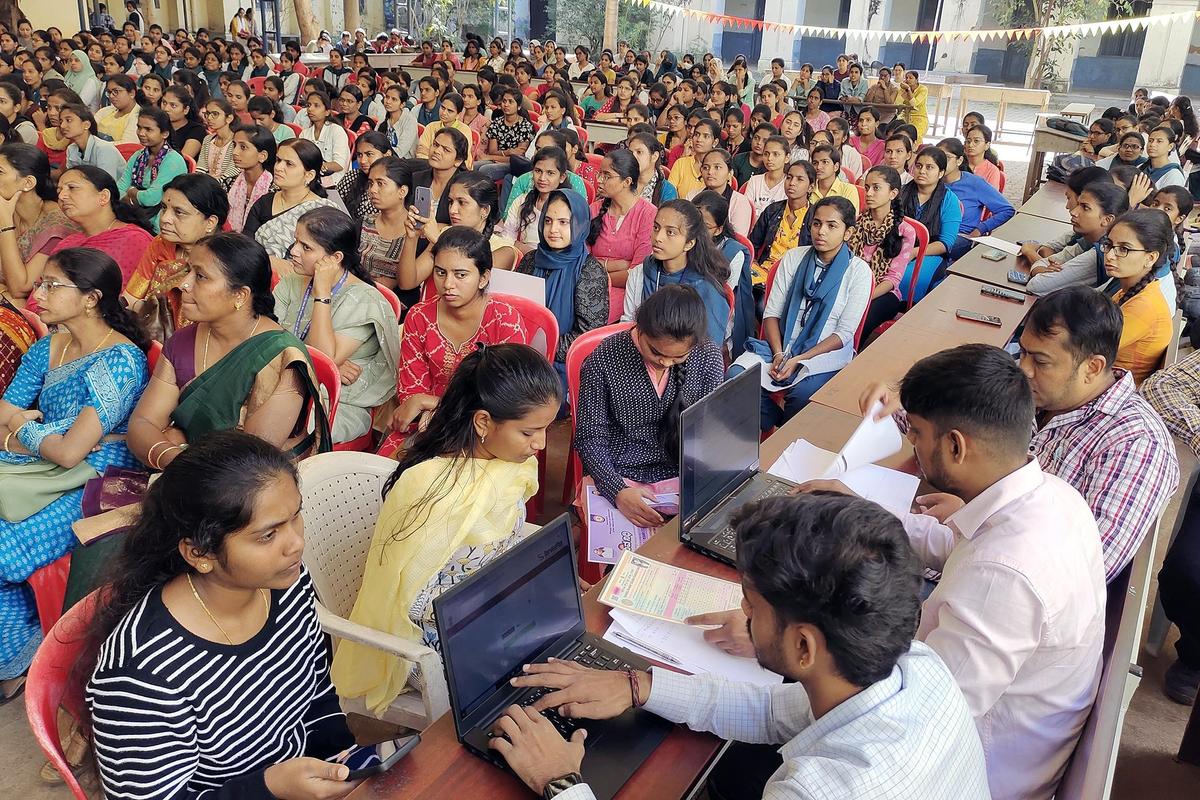
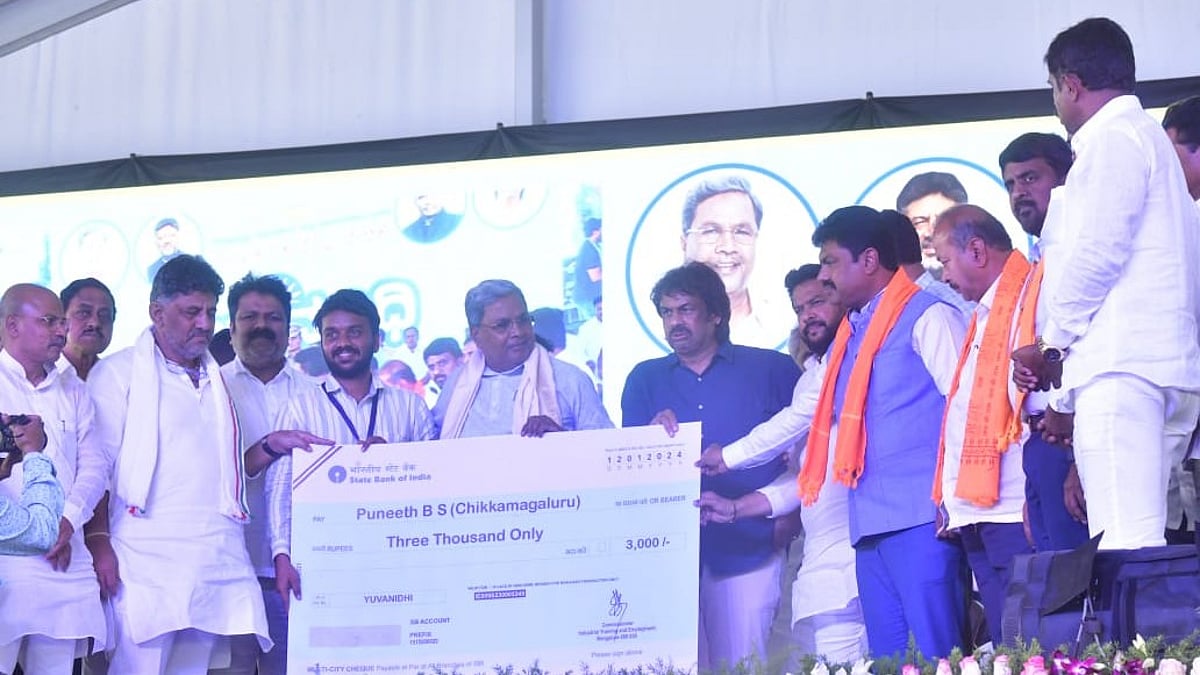
Karnataka’s Yuva Nidhi scheme has witnessed a significant response from the State’s unemployed youth, with 48,000 engineering graduates registering under the programme, officials said. The scheme, designed to provide skill development, career guidance, and entrepreneurship support, aims to tackle the rising unemployment among technically trained youth. Minister for Youth Empowerment and Skill Development emphasised that the initiative reflects the government’s commitment to bridging the gap between education and employment, offering graduates practical pathways to meaningful careers.

The Yuva Nidhi scheme provides a combination of career counselling, skill mapping, and financial assistance for start-ups or employment-oriented training programs. Officials noted that the platform is tailored to engineering graduates who often face challenges in finding jobs aligned with their specialisation. By providing mentorship, internships, and exposure to industry requirements, the scheme helps young professionals enhance employability while equipping them with entrepreneurial capabilities.

Authorities highlighted that registrations under the programme have accelerated in recent months due to targeted awareness campaigns across colleges, universities, and online platforms. Workshops and webinars introduced graduates to the benefits of the scheme, focusing on practical outcomes such as internships, job placements, and seed funding for innovative projects. The response indicates a strong demand for structured support among young engineers navigating a competitive job market.

TRAINING AND SKILL DEVELOPMENT

One of the core objectives of Yuva Nidhi is to equip unemployed engineering graduates with market-relevant skills. Training modules cover emerging areas such as artificial intelligence, data analytics, machine learning, renewable energy systems, and robotics. Experts noted that integrating technology-oriented training with soft skills development ensures that participants are well-prepared for professional roles across diverse industries. By improving competency levels, the programme enhances graduates’ chances of securing employment in both private and public sectors.Unemployment: 48,000 engineering graduates have registered under Yuva Nidhi  scheme - The Hindu

ENTREPRENEURSHIP AND START-UP SUPPORT

Yuva Nidhi also encourages entrepreneurial ventures by offering financial support and mentoring to graduates with innovative ideas. Registered participants can access seed funding, incubation centers, and expert guidance to convert concepts into viable businesses. Officials emphasised that fostering entrepreneurship among young engineers not only addresses unemployment but also contributes to economic growth, job creation, and the development of a self-reliant ecosystem. The initiative is seen as a catalyst for nurturing a culture of innovation in Karnataka.

BRIDGING EDUCATION AND INDUSTRY

The scheme aims to bridge the gap between academic learning and industry expectations. Officials noted that many engineering graduates struggle to secure jobs due to a mismatch between curriculum and professional requirements. Through internships, industry projects, and skill workshops, Yuva Nidhi ensures graduates acquire practical knowledge, enhancing their readiness for real-world challenges. Companies partnering with the scheme can identify trained candidates suited to their technical needs, creating a mutually beneficial ecosystem.

REGIONAL OUTREACH AND INCLUSIVITY

Registrations under Yuva Nidhi span across Karnataka, including smaller towns and rural districts where engineering graduates often face limited employment opportunities. Authorities emphasised that the scheme targets inclusivity, ensuring that youth from diverse socio-economic backgrounds gain access to training, mentorship, and financial support. Outreach initiatives in less urbanised regions are aimed at empowering graduates who might otherwise struggle to find career opportunities locally.

CAREER COUNSELLING AND MENTORSHIP

The programme also provides personalised career counselling and mentorship to participants. Graduates receive guidance on resume building, interview preparation, and career planning. Industry experts and academic mentors work with participants to identify suitable career paths, helping them make informed decisions. Officials highlighted that mentoring plays a crucial role in boosting confidence and providing graduates with the skills to navigate competitive job markets effectively.

DIGITAL ACCESS AND MONITORING

Registrations, training modules, and mentorship under Yuva Nidhi are facilitated through an online platform, ensuring transparency and ease of access. The digital framework allows participants to track progress, access resources, and connect with mentors and industry experts. Officials noted that this approach also enables real-time monitoring of programme outcomes, helping authorities identify gaps, measure impact, and make data-driven improvements to the initiative.

LONG-TERM EMPLOYMENT IMPACT

Authorities expressed optimism that the Yuva Nidhi scheme will have a long-term impact on graduate employment in Karnataka. By combining skill development, career guidance, and financial support for entrepreneurship, the initiative aims to reduce unemployment among engineering graduates while fostering innovation. Officials emphasised that the success of the programme depends on sustained engagement with participants, continuous curriculum updates, and active industry collaboration to align outcomes with evolving professional demands.Siddaramaiah launches 'Yuva Nidhi' scheme for unemployed youth in  Karnataka's Shivamogga

FUTURE EXPANSION PLANS

Plans are underway to expand Yuva Nidhi to cover graduates from other technical disciplines, including pharmacy, biotechnology, and computer science. Officials aim to scale the initiative to include larger cohorts, regional training hubs, and industry partnerships to maximise employment outcomes. The State government indicated that continued investment in such programmes reflects a broader commitment to youth empowerment, skill development, and building a future-ready workforce in Karnataka.

A PROMISE FOR THE STATE’S YOUTH

For the 48,000 engineering graduates registered under Yuva Nidhi, the programme represents hope, opportunity, and a structured pathway toward professional growth. Beyond immediate employment, it provides the tools, guidance, and mentorship needed to navigate career challenges and realise ambitions. Karnataka’s initiative demonstrates that government support, when combined with skill development and innovation-focused programmes, can meaningfully address youth unemployment while contributing to the State’s economic development and technological progress.Mangalore Today | Latest main news of mangalore, udupi - Page Yuva-Nidhi -launched-by-Congress-government-for-unemployed-youth-in-Karnataka

ADDRESSING SKILL GAPS AMONG GRADUATES

A key goal of the Yuva Nidhi scheme is to address skill gaps that prevent engineering graduates from securing relevant jobs. Officials noted that many graduates possess theoretical knowledge but lack exposure to practical applications required in the workplace. Through targeted training modules, workshops, and industry projects, participants can develop skills in coding, data analysis, cloud computing, and hardware systems. By bridging this gap, the programme ensures graduates are job-ready, improving their employability and increasing their chances of securing positions in competitive industries.

PROMOTING ENTREPRENEURIAL THINKING

Yuva Nidhi encourages graduates to think beyond traditional employment by nurturing entrepreneurial skills. Participants with innovative ideas can access mentorship, business plan guidance, and funding assistance. Officials emphasised that fostering entrepreneurship empowers youth to create jobs for themselves and others, contributing to Karnataka’s economic growth. The scheme also hosts entrepreneurship bootcamps and networking sessions, allowing graduates to connect with investors, mentors, and like-minded peers, creating a vibrant ecosystem for innovation and enterprise.

COLLABORATION WITH INDUSTRY PARTNERS

To maximise employment opportunities, Yuva Nidhi collaborates with industry partners across IT, manufacturing, and emerging technology sectors. These partnerships enable graduates to participate in internships, live projects, and placement drives. Companies benefit by recruiting candidates who are pre-trained in domain-specific skills, reducing onboarding time and enhancing productivity. Officials highlighted that such collaboration aligns the programme’s training content with real-world industry requirements, ensuring graduates are equipped to meet the demands of evolving workplaces.

FOCUS ON EMERGING TECHNOLOGIES

The scheme emphasises training in emerging technologies such as artificial intelligence, machine learning, blockchain, and the Internet of Things (IoT). These areas are critical for future employment and innovation, offering graduates opportunities in high-demand sectors. By integrating hands-on projects and simulations, Yuva Nidhi ensures participants gain practical experience alongside theoretical knowledge. Experts believe that early exposure to these technologies prepares graduates to contribute meaningfully to India’s digital economy.

SUPPORT FOR RURAL AND UNDERREPRESENTED GRADUATES

Recognising regional disparities in employment opportunities, Yuva Nidhi targets graduates from rural and underrepresented backgrounds. Online access, regional workshops, and mentorship programmes ensure equitable participation. Officials emphasised that graduates from smaller towns often face limited exposure to industry networks, and the scheme helps bridge this divide by connecting them to opportunities in urban centres and across Karnataka.

MENTORSHIP AND GUIDANCE NETWORKS

Participants benefit from structured mentorship programs pairing them with industry professionals, academic experts, and successful entrepreneurs. Mentors provide guidance on career planning, technical problem-solving, and business development. Officials noted that mentorship builds confidence, improves decision-making, and helps graduates navigate complex employment landscapes. Feedback from participants indicates that these personal connections significantly enhance motivation and career clarity.

MEASURING IMPACT AND OUTCOMES

The government has implemented monitoring systems to track the effectiveness of Yuva Nidhi. Metrics include employment placements, start-up launches, and skill development milestones. Officials highlighted that data-driven assessment ensures continuous improvement, allowing authorities to refine training modules, mentorship approaches, and resource allocation. This approach helps maintain high standards of programme delivery and maximises the impact on the State’s youth population.

A PATHWAY TO EMPLOYMENT AND SELF-RELIANCE

For Karnataka’s 48,000 registered engineering graduates, Yuva Nidhi offers a structured pathway toward employment, entrepreneurship, and skill enhancement. Beyond temporary relief, the programme empowers participants to gain meaningful employment, start ventures, and contribute to economic growth. By combining mentorship, skill development, and financial support, the scheme demonstrates a holistic approach to youth empowerment, ensuring that graduates are not only employable but also capable of driving innovation and self-reliance across Karnataka’s rapidly evolving economy.

STRENGTHENING THE STATE’S WORKFORCE

The Yuva Nidhi scheme is poised to strengthen Karnataka’s workforce by creating a pool of skilled and industry-ready engineering graduates. Officials noted that this initiative will help bridge the gap between the education system and professional requirements, ensuring that graduates are capable of meeting the technical demands of modern industries. By producing a trained and competent workforce, Karnataka can attract investment, foster innovation, and maintain its competitive edge in sectors like IT, manufacturing, and emerging technologies.

BUILDING HOPE AND FUTURE PROSPECTS

For the thousands of engineering graduates registered under Yuva Nidhi, the programme represents more than just employment assistance—it offers hope and a tangible path toward a stable future. Access to skill training, mentorship, and entrepreneurship support equips youth with tools to succeed, reducing uncertainty and anxiety associated with unemployment. The initiative exemplifies Karnataka’s commitment to its young professionals, ensuring that talent is nurtured, opportunities are expanded, and the State’s next generation is prepared to lead in technology, innovation, and industry.

Follow: Karnataka Government

Also read: Home | Channel 6 Network – Latest News, Breaking Updates: Politics, Business, Tech & More