Thursday, April 30, 2026
Home Blog Page 162

UDD Notifies Final Amendment to Bengaluru Setback Rules: LANDMARK SHIFT, 1 CITY, MILLIONS IMPACTED

The Urban Development Department (UDD) of Karnataka has issued a final notification amending setback rules for buildings in Bengaluru, bringing significant changes to urban planning norms in the rapidly expanding metropolis. The move, which will directly affect developers, homeowners, architects, and civic authorities, is aimed at balancing urban density with safety, sustainability, and public convenience. Officials said the amended norms seek to rationalise space usage, facilitate better amenities, improve road widths, and enhance the city’s aesthetic and environmental outcomes.

The revised setback regulations come after months of consultations with planners, local bodies, industry stakeholders, resident welfare associations, and experts in urban design. Bengaluru—India’s third-largest urban economy and one of the fastest-growing cities in the country—has been grappling with unplanned growth, traffic congestion, shrinking public spaces, and infrastructure deficits. The amended rules, according to the UDD, are intended to provide clearer, more practical guidelines that align with the city’s evolving needs.

The final notification marks the culmination of a process that saw proposed drafts, public feedback, expert committee reviews, and legal vetting. Setback norms determine how far a building must be positioned from roads, plot boundaries, and adjacent structures; they are central to urban design, affecting everything from sunlight and ventilation to fire safety and street capacity. The changes are expected to influence future construction, redevelopment projects, and regulatory compliance across the Greater Bengaluru region.
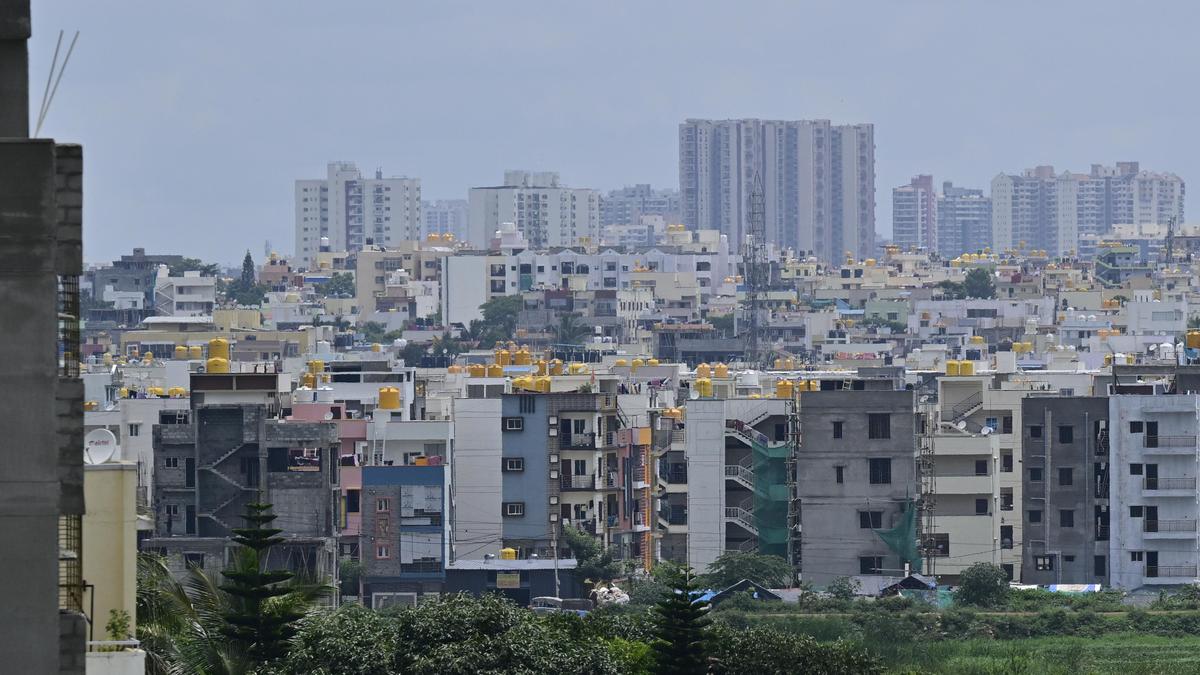
New setback rules for buildings in Bengaluru on plots up to 150 sqm - The  Hindu


What the amended setback rules mean

Under the new notification, setback requirements for buildings in various zones of Bengaluru have been recalibrated, taking into account road widths, plot sizes, and the nature of adjoining land use. Key changes include:

• Revised distance norms: For residential plots, commercial complexes, and mixed-use developments, the minimum mandatory distance from roads and property boundaries has been adjusted. Plots abutting wider arterial roads will require larger setbacks, while internal residential layouts will have proportionate regulations that reflect local conditions.

• Differential setbacks by road category: The norms now explicitly link required setbacks to road classifications—urban arterial, collector, local streets, and service roads. This approach aims to prevent encroachment on key thoroughfares and improve traffic movement.

• Pedestrian and public space considerations: Amended rules include provisions for minimum clearances that facilitate sidewalks, street trees, and utility lines. This reflects an effort to prioritise pedestrian safety and public amenities in addition to vehicular traffic.

• Alignment and visibility standards: For intersections, commercial corners, and high-traffic zones, the regulations prescribe specific clearance distances to enhance visibility and reduce accident risks.

Officials said the changes are designed to ensure that building design and placement do not compromise open spaces that are critical to light, air, safety, and overall quality of urban life. The notification also clarifies how existing lawful structures will be treated, whether through grandfathering of certain provisions, transitional relaxations, or required retrofits in major redevelopment projects.


Why setback rules matter in Bengaluru

Setback rules are a fundamental component of urban planning. When properly implemented, they:

• Improve urban livability: Adequate setbacks ensure that buildings do not crowd the street, thereby preserving light, ventilation, and aesthetic openness.

• Enhance safety: Proper clearances aid emergency access, fire safety, and visibility at intersections—especially crucial in densely built cities like Bengaluru.

• Support infrastructure: Efficient setback norms allow space for utilities, street trees, footpaths, and drainage lines, which are essential for sustainable urban living.

• Reduce congestion: By regulating where structures can be positioned, setback rules prevent narrow, obstructed roadways that can worsen traffic woes.

In Bengaluru’s context, where rapid development has often outpaced planning, setbacks influence everything from the capacity of roads to handle traffic to the experience of residents along major corridors. Urban planners have long argued that inconsistent or outdated setback norms have contributed to problems such as informal encroachments, hazardous cross-visibility zones, and inadequate public space.


Consultations, objections, and finalisation

Before issuing the final notification, the UDD circulated draft amendments for public review. Stakeholder consultations were held with the Bruhat Bengaluru Mahanagara Palike (BBMP), Bengaluru Development Authority (BDA), local chambers of commerce, builders’ associations, resident welfare groups, and expert panels including architects and urban design professionals.

Several submissions emphasised the need for flexibility in Special Planning Areas (SPAs), heritage precincts, and campus developments, where uniform setback norms might not be practical. Respondents also urged clarity in terms of grandfathering existing approvals, transitional concessions for ongoing projects, and a robust mechanism for dispute resolution.

Public objections were examined by the UDD’s expert committee, which incorporated modifications based on technical merit and policy alignment. Officials emphasised that the final notification represents a balance between aspirational urban planning goals and on-ground feasibility.

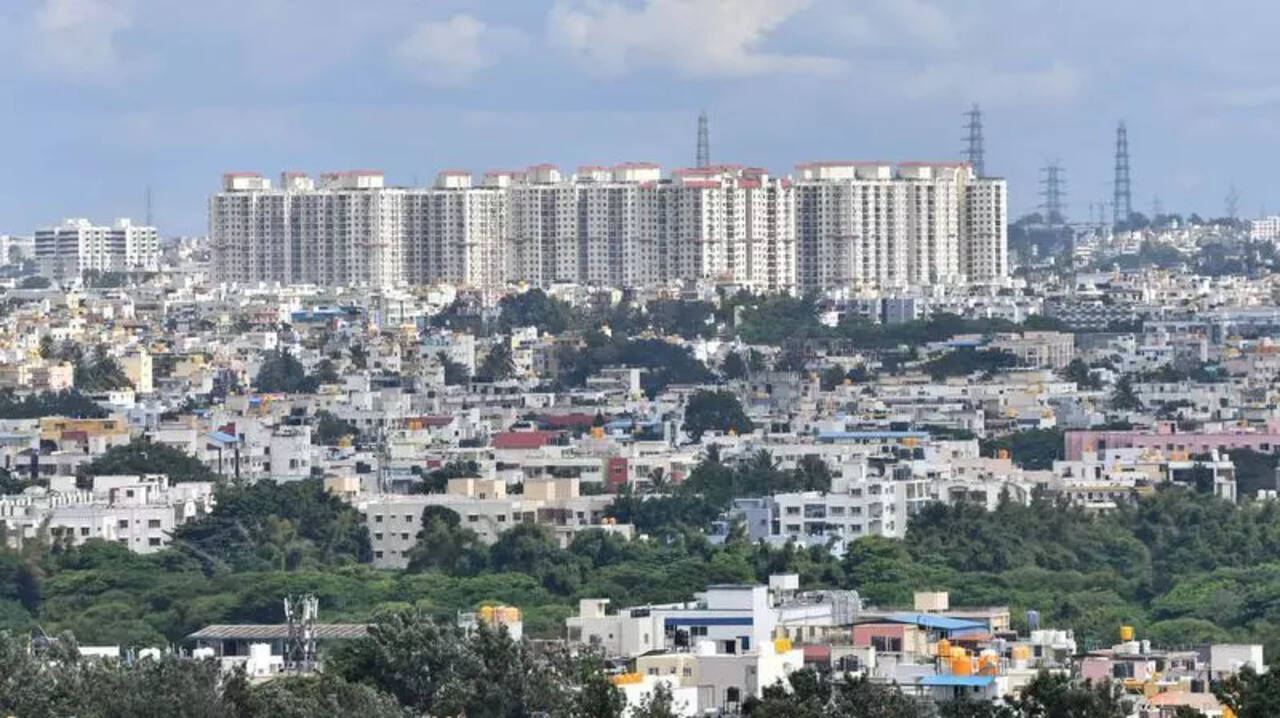
Urban planners welcomed the consultative process, though some cautioned that the real test lies in implementation and enforcement. “Inclusive rule-making is just the first step. Effective compliance mechanisms will determine whether these changes truly benefit Bengaluru’s urban fabric,” one senior planner said.Karnataka government relaxes setback norms for small plots in Bengaluru |  Bengaluru News - The Times of India

Developer and industry response

Reactions from developers and builders have been mixed. Many in the real estate sector acknowledged the need for updated regulations, citing improved clarity and reduced ambiguity compared to older rules. Some expressed optimism that clearer setback norms tied to road categories will help streamline approvals and reduce litigation.

However, some builders raised concerns about potential cost increases due to larger setback requirements on major roads, particularly for high-rise and commercial projects where every square foot counts. They argued that in certain commercial zones, economic viability might be impacted if usable floor area is reduced significantly due to mandatory open spaces.

Industry bodies have suggested that the government consider incentive-based provisions, such as concessions in Floor Area Ratio (FAR) or development rights linked to green building compliance or public amenity contributions. Such incentives, they argued, could offset the impact of larger setbacks while promoting broader urban objectives such as greening and pedestrianisation.

Several developers also sought clarity on transitional provisions—specifically how previously sanctioned projects will be governed under the new norms. UDD officials assured that transitional rules would be published alongside implementation guidelines to provide legal certainty to the sector.


Impact on homeowners and residents

For existing homeowners and apartment associations, the amended setback norms offer both opportunities and challenges. On the positive side, better-defined public space requirements mean improved sidewalks, clearer road visibility, and potentially enhanced neighbourhood aesthetics.

Resident welfare associations (RWAs) emphasised that larger, regulated setbacks could reduce the sense of overcrowding, improve ventilation between buildings, and contribute to better sunlight penetration—especially in narrow inner-city lanes. Many RWAs also welcomed provisions for pedestrian pathways and street trees, which they said had been historically overlooked.

However, some residents expressed concern about how enforcement will be managed in established neighbourhoods where buildings pre-date current planning norms. They called for transparent communication from civic authorities on how compliance will be ensured without displacing legitimate structures or penalising homeowners unfairly.

Urban activists highlighted that while new norms are welcome, implementation must be sensitive to ground realities. Blanket enforcement without contextual adaptation, they cautioned, could disrupt small-scale developers and homemakers who built in good faith under older rules.


Civic authorities prepare for implementation

With the final notification now in place, civic bodies such as the BBMP and BDA are gearing up for operationalisation. Officials said that implementation guidelines will be issued shortly, detailing procedures for building plan approvals, compliance checks, and enforcement mechanisms.

Training programmes are being planned for field officers, plan examiners, and enforcement staff to ensure uniform interpretation of the amended norms. Digital tools are also being explored to facilitate remote plan scrutiny and public tracking of approvals, reducing dependency on physical files and manual processes.

BBMP officials noted that infringement of setback norms will attract penalties as per municipal bylaws, and repeated violations could lead to legal action, including stop-work notices or demolition orders for unsafe encroachments. Authorities said that enforcement would be phased in, with initial focus on new plan approvals and high-growth corridors.

To support compliance, the UDD is reportedly considering an online portal where developers and the public can calculate setback requirements based on plot size and road category, helping reduce ambiguity during application stages.

Bengaluru eases setback rules for small residential plots, boosting home  construction


Legal and environmental perspectives

Legal experts welcomed the finalisation of setback rules, saying that regulatory clarity reduces disputes and empowers adjudicators to make consistent decisions. They emphasised that urban planning rules must be predictable, transparent, and aligned with judicial precedents to withstand challenges in courts.

From an environmental perspective, setback norms tied to wider public spaces can contribute to better stormwater drainage, reduced flooding risk, and improved heat mitigation through additional green space. Urban heat island effects, a persistent issue in Bengaluru, are exacerbated by dense construction and limited open areas; properly enforced setbacks can play a small but meaningful role in micro-climate regulation.

Environmentalists also noted that setbacks can serve as space for biodiversity corridors, rain gardens, and native tree planting—enhancing urban ecology. They urged civic authorities to integrate setbacks with broader public realm improvements rather than treating them as mere statutory clearance lines.


Broader planning context in Bengaluru

The amended setback norms come at a time when Bengaluru is navigating multiple planning reforms, including updates to town planning schemes, transit-oriented development (TOD) policies, and parking regulations. The city’s master plan process is underway, aiming to integrate long-term infrastructure, housing, mobility, and environmental goals.

Setback rules, though seemingly technical, have far-reaching implications in this broader context. They influence street character, building form, and public space quality—components that define the city’s liveability. As Bengaluru continues to grapple with rapid urbanisation, such regulations are critical tools for shaping growth in a sustainable and equitable manner.

The notification also aligns with national urban mission priorities, including Smart Cities and AMRUT, which stress pedestrianisation, open spaces, and infrastructure resilience.


Envisioning implementation challenges and solutions

Despite broad recognition of the need for updated norms, experts acknowledge implementation challenges. These include legacy structures that do not conform to modern standards, informal developments, and the administrative capacity required to enforce rules uniformly across a sprawling urban region.

To address these, some urbanists have advocated for “zoning-based phase-in” approaches, where high-density, commercial, and arterial corridors adopt stringent norms first, while inner-city and heritage precincts receive context-sensitive adaptations.

Others suggest incentives such as transferable development rights (TDR) or bonus FAR for developments that provide public amenities within setback areas—creating a win-win for developers and the public realm.

Digital geospatial tools and building information modelling (BIM) integration can further improve plan scrutiny and compliance, reducing the scope for subjective interpretation or corruption.

Follow: Karnataka Government

Also read: Home | Channel 6 Network – Latest News, Breaking Updates: Politics, Business, Tech & More
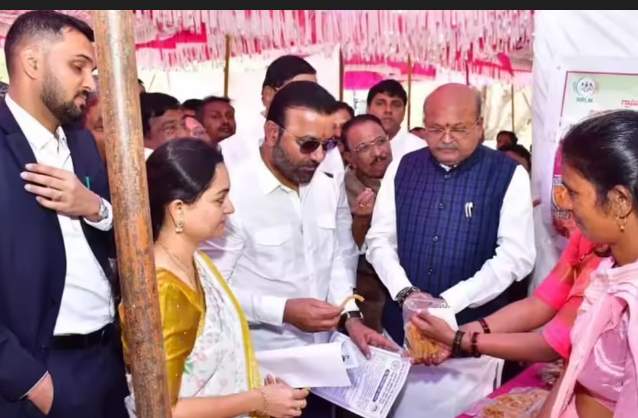
Dharwad Emerges as No. 1 District in Karnataka’s Welfare Guarantees, Renewing Public Hope

Dharwad district has emerged as the top-performing district in Karnataka in the implementation of the State government’s ambitious guarantee schemes, according to official data and administrative assessments. The achievement has been projected by the government as a validation of its welfare-driven governance model, while district officials credit meticulous planning, coordinated execution, and continuous monitoring for the milestone. As guarantee schemes continue to shape the political and social narrative of Karnataka, Dharwad’s performance has become a benchmark for other districts to emulate.

The guarantee schemes, introduced with the stated aim of providing economic relief and social security to vulnerable sections, have been under close scrutiny from both supporters and critics. In this context, Dharwad’s ranking has drawn statewide attention, with policymakers, administrators, and political leaders analysing the factors behind its success. For residents of the district, the recognition has reinforced confidence in the delivery of welfare benefits that directly impact daily life.


Understanding the guarantee schemes framework

The Karnataka government’s guarantee schemes were conceived as a comprehensive welfare package targeting women, students, unemployed youth, senior citizens, and economically weaker households. These schemes include free bus travel for women, monthly financial assistance to women heads of families, free electricity up to a specified limit, free rice distribution, and unemployment assistance for qualified youth.

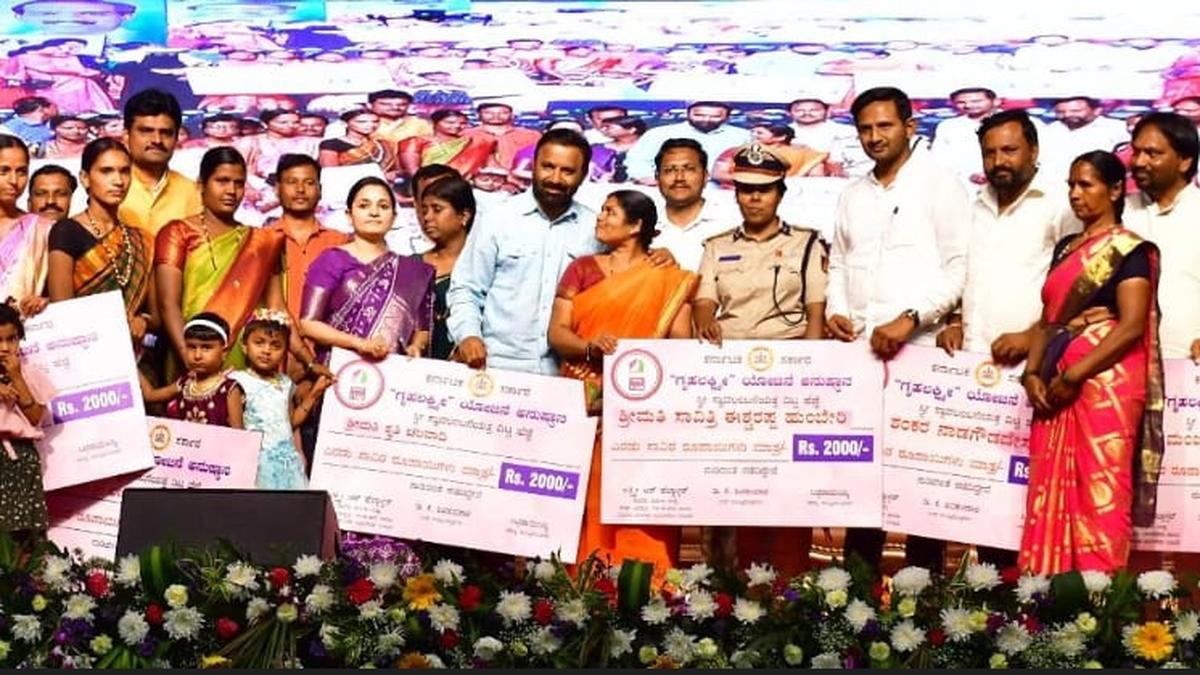
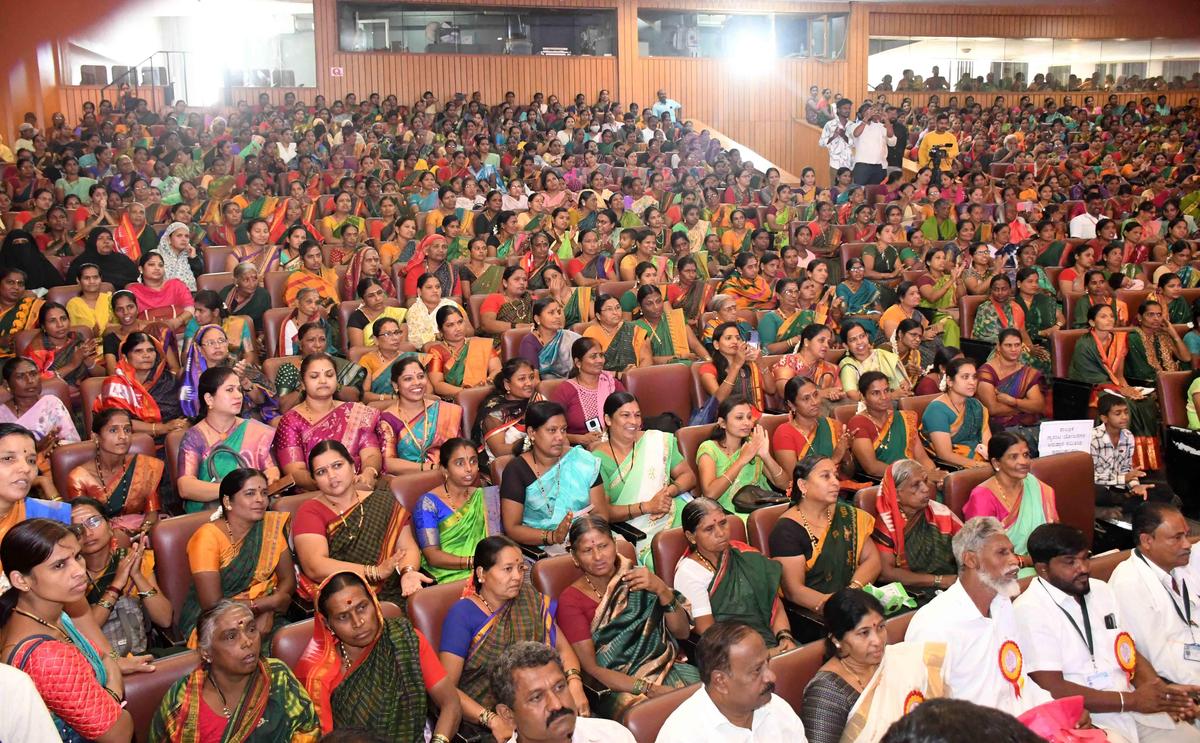
Together, these initiatives represent one of the largest welfare outlays in the State’s history. Their success depends not only on financial allocation but also on effective identification of beneficiaries, robust grievance redressal systems, and transparent monitoring mechanisms. District administrations play a critical role in translating policy into tangible outcomes, making district-level performance a key indicator of overall success.Dharwad hosts convention of guarantee scheme beneficiaries - The Hindu


Dharwad’s top ranking and official assessment

According to officials, Dharwad topped the State based on parameters such as coverage of eligible beneficiaries, speed of benefit delivery, grievance resolution rates, and minimal exclusion errors. The district reportedly achieved near-universal coverage of eligible households under multiple schemes, ensuring that benefits reached intended recipients without significant delays.

Senior officials in the district administration said a data-driven approach was central to Dharwad’s performance. Real-time dashboards, regular field-level reviews, and close coordination between departments helped identify gaps early and address them promptly. “The focus was on execution rather than publicity. We ensured that every eligible person was identified and enrolled,” an official said.


Role of district administration and coordination

The district administration’s role has been widely acknowledged as a key factor in Dharwad’s success. Officials said that inter-departmental coordination was strengthened through weekly review meetings involving revenue, social welfare, food and civil supplies, transport, energy, and rural development departments.

Taluk-level officers were given clear targets and timelines, while frontline workers such as village accountants, anganwadi staff, and fair price shop dealers were sensitised about scheme guidelines. This ensured uniform interpretation of eligibility criteria and reduced confusion among beneficiaries.

District authorities also emphasised accountability. Officers were required to submit progress reports regularly, and field inspections were conducted to verify claims. This hands-on approach, officials said, created a culture of responsibility and urgency.


Beneficiary identification and outreach efforts

One of the major challenges in implementing large-scale welfare schemes is accurate beneficiary identification. Dharwad tackled this through extensive outreach campaigns, including village-level camps, ward meetings, and mobile help desks. Special attention was given to marginalised communities, migrant workers, and urban poor settlements.

Officials said door-to-door verification drives helped identify eligible beneficiaries who might otherwise have been excluded due to lack of documentation or awareness. Dedicated helplines and facilitation centres were set up to assist applicants with enrollment and grievance registration.

Residents in rural areas said these outreach efforts made a significant difference. Many beneficiaries reported that officials personally visited villages to explain the schemes and help with applications, reducing dependence on middlemen.


Women-centric schemes and social impact

Women-centric schemes have been among the most impactful components of the guarantee package, and Dharwad’s performance in this area has been particularly strong. Free bus travel for women reportedly saw high uptake, improving mobility for students, workers, and homemakers alike.

Women beneficiaries said the scheme reduced daily travel expenses and enabled greater participation in education, employment, and healthcare. The monthly financial assistance to women heads of families was also cited as a critical support during periods of rising living costs.

Social activists noted that these schemes had intangible benefits as well, including increased confidence and autonomy among women. Dharwad’s effective implementation, they said, demonstrated how administrative efficiency could amplify social outcomes.


Food security and energy guarantees

The free rice distribution scheme and subsidised electricity supply formed another pillar of the guarantee framework. In Dharwad, fair price shops reportedly maintained consistent stock levels, and monitoring mechanisms helped prevent diversion and delays.

Officials from the food and civil supplies department said biometric authentication and digitised records improved transparency. Beneficiaries confirmed that regular distribution schedules were largely adhered to, reducing uncertainty for low-income households.

Similarly, the free electricity scheme up to a specified consumption limit provided relief to households struggling with energy costs. While concerns were raised statewide about power supply and financial sustainability, Dharwad officials said careful monitoring helped balance beneficiary needs with grid stability.Dharwad tops State in guarantee schemes implementation - The Hindu


Grievance redressal and citizen feedback

An effective grievance redressal mechanism has been a cornerstone of Dharwad’s success. The district reportedly recorded one of the highest grievance resolution rates in the State, with complaints being addressed within stipulated timelines.

Officials said complaints related to exclusion, delays, or technical errors were tracked through an integrated system, allowing officers to identify recurring issues and address systemic gaps. Periodic audits and third-party reviews were also conducted to assess implementation quality.

Beneficiaries said the ability to register complaints easily and receive timely responses enhanced trust in the administration. Civil society groups noted that transparent grievance handling was essential to sustaining public confidence in welfare programmes.


Political reactions and government response

The ruling Congress highlighted Dharwad’s achievement as evidence that the guarantee schemes were not merely electoral promises but deliverable commitments. Ministers praised district officials and field workers, urging other districts to replicate Dharwad’s model.

Opposition parties, while acknowledging Dharwad’s performance, raised questions about long-term fiscal sustainability and uniformity across districts. They argued that success in one district should not overshadow challenges faced elsewhere, including delays and exclusion errors.

In response, the government maintained that continuous evaluation and course correction were part of the implementation process. Officials said Dharwad’s example would inform best practices and help improve performance statewide.


Experts weigh in on Dharwad’s model

Policy experts and economists analysed Dharwad’s performance as a case study in administrative efficiency. They noted that while financial resources were essential, the decisive factor was governance capacity at the district level.

Experts highlighted Dharwad’s emphasis on data integration, local accountability, and citizen engagement as replicable strategies. They cautioned, however, that sustaining such performance required consistent funding, political support, and capacity-building for officials.

Some experts also stressed the importance of measuring outcomes, not just coverage. They said future evaluations should assess whether the schemes led to long-term improvements in livelihoods, education, and health.


Challenges and areas for improvement

Despite its top ranking, Dharwad faced challenges common to large welfare programmes. Officials acknowledged issues such as occasional technical glitches, documentation gaps, and the need to continuously update beneficiary lists.

Urban migration and changing household compositions also posed challenges for accurate targeting. District authorities said mechanisms were being refined to account for such dynamics and ensure that benefits reached genuine beneficiaries.

Civil society groups urged greater transparency in publishing beneficiary data and audit findings. They said proactive disclosure would strengthen public trust and deter misinformation.


Impact on public perception and governance

Dharwad’s success has had a noticeable impact on public perception of governance. Residents expressed greater confidence in the administration’s ability to deliver services effectively. Some said the timely receipt of benefits reduced dependence on informal credit and improved household stability.

Political observers noted that visible welfare delivery could influence electoral outcomes, particularly in districts where trust in government institutions had been eroded. Dharwad’s performance, they said, underscored the political significance of administrative competence.


Lessons for other districts

Officials from other districts have reportedly sought insights from Dharwad’s approach. Best practices such as decentralised monitoring, regular field engagement, and integrated data systems are being discussed at the State level.

The government has indicated plans to institutionalise successful strategies through guidelines and training programmes. By standardising effective practices, officials hope to reduce disparities in implementation across districts.Dharwad tops State in guarantee schemes implementation - The Hindu


Long-term sustainability and fiscal considerations

While Dharwad’s achievement has been widely praised, questions remain about the long-term sustainability of guarantee schemes. Economists caution that sustained funding and prudent fiscal management are essential to prevent strain on public finances.

The government has argued that welfare spending stimulates local economies and generates multiplier effects. Dharwad’s experience, officials said, supported this view, with increased consumer spending and economic activity observed in some sectors.

However, experts emphasised the need for continuous evaluation to balance welfare objectives with fiscal discipline.


Conclusion

Dharwad’s emergence as the top-performing district in the implementation of Karnataka’s guarantee schemes marks a significant milestone in the State’s welfare journey. The district’s success reflects a combination of administrative efficiency, proactive outreach, and effective grievance redressal, demonstrating that large-scale welfare programmes can be delivered effectively with the right governance framework.

As the State looks to strengthen and expand its welfare initiatives, Dharwad’s experience offers valuable lessons. Sustaining this momentum, addressing challenges, and ensuring equitable outcomes across all districts will determine whether the guarantee schemes leave a lasting legacy of social security and inclusive development in Karnataka.

Follow: Karnataka Government

Also read: Home | Channel 6 Network – Latest News, Breaking Updates: Politics, Business, Tech & More
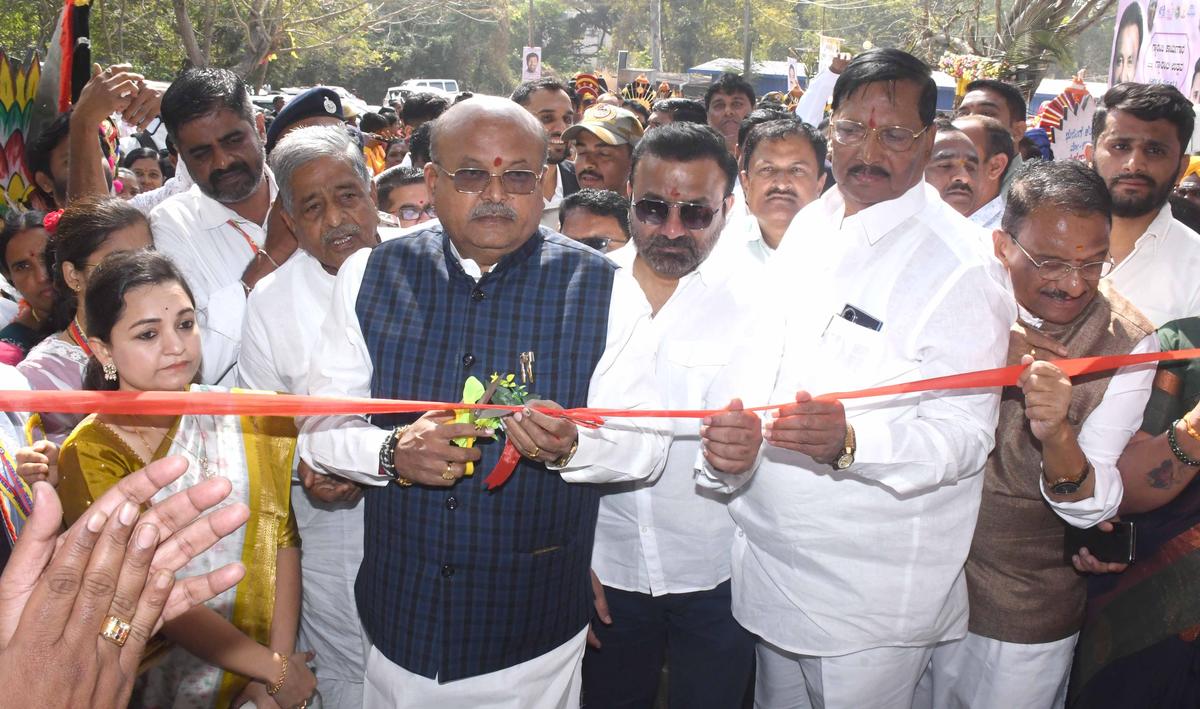
Chair Hurled at Somanna During Koppal Ceremony Sparks Outrage and Political Turmoil: 1 Shocking Chaos

Follow: Karnataka Government

Also read: Home | Channel 6 Network – Latest News, Breaking Updates: Politics, Business, Tech & More
Special Court Issues Notice to 3 Senior Congress Leaders in RSS Defamation Case: Explosive Legal Turn

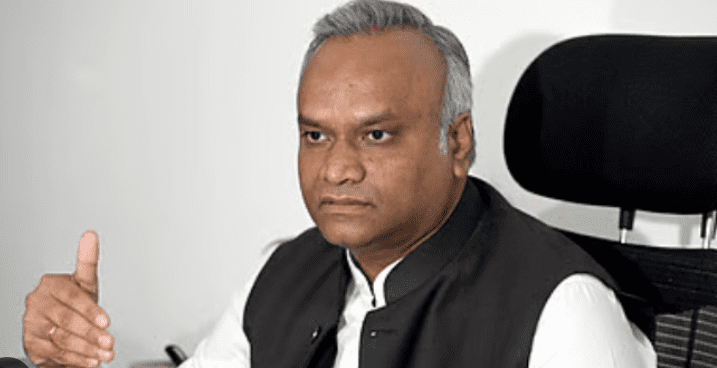
The political and legal landscape in Karnataka witnessed a significant development after a special court issued notices to Congress leaders Priyank Kharge, Dinesh Gundu Rao, and MLA Nalapad in connection with a defamation complaint filed by a member of the Rashtriya Swayamsevak Sangh (RSS). The order has intensified an already charged political atmosphere, placing the spotlight on the growing confrontation between the ruling Congress and the ideological organisation closely associated with the BJP.

Senior advocates observing the case said that its outcome could influence how political speech is framed in the future, particularly when remarks concern organisations that are not electoral entities but play an ideological role in public life. They noted that courts may be compelled to further clarify where criticism of ideology ends and actionable defamation begins. Such clarification, legal experts said, would be significant for legislators, activists, and public commentators who frequently engage in sharp political critique.

Meanwhile, the development has renewed debate within political circles on the strategic use of defamation law. Critics argue that repeated resort to legal complaints risks shifting political contestation from public platforms to courtrooms, potentially chilling robust debate. Supporters, however, insist that legal recourse is necessary to check irresponsible rhetoric. As the case proceeds, it is expected to remain a reference point in Karnataka’s evolving discourse on political accountability and freedom of expression.

The complaint, which alleges defamatory remarks made against the RSS, has triggered sharp reactions across party lines, with the Congress terming the case politically motivated and the BJP asserting that the law must take its course. The special court’s decision to issue notices has elevated the matter from political rhetoric to judicial scrutiny, raising questions about freedom of speech, political accountability, and the limits of public discourse.


Background of the defamation complaint

According to sources familiar with the proceedings, the defamation complaint was filed by an RSS member who claimed that statements made by the three Congress leaders had tarnished the image of the organisation. The complainant alleged that the remarks were not only defamatory but also intended to provoke public hostility against the RSS and misrepresent its ideology and activities.

The statements in question were reportedly made during political speeches, public meetings, and media interactions, particularly in the context of recent political debates and controversies involving the RSS and the BJP. The complainant argued that such remarks went beyond political criticism and amounted to character assassination of the organisation and its members.

Taking cognisance of the complaint, the special court issued notices to Priyank Kharge, Dinesh Gundu Rao, and Nalapad, directing them to appear and respond to the allegations. The court has not expressed any opinion on the merits of the case at this stage, but the issuance of notices marks the formal initiation of judicial proceedings.Special court issues notice to Priyank Kharge, Dinesh Gundu Rao and Nalapad  on defamation complaint of RSS member - The Hindu


Profiles of the leaders named in the case

Priyank Kharge, a senior Congress leader and Minister in the Karnataka government, is known for his outspoken criticism of the BJP and the RSS. As the son of Congress president Mallikarjun Kharge, he has emerged as a prominent voice in the party’s ideological battles, often articulating strong views on secularism, constitutional values, and social justice.

Dinesh Gundu Rao, another senior Congress leader and former minister, has also been vocal in his criticism of the RSS, frequently questioning its role in politics and society. Known for his organisational skills and political experience, Rao has played a key role in shaping the party’s narrative in Karnataka.

Nalapad, a Congress MLA, has courted controversy in the past and is known for his aggressive political style. His inclusion in the complaint suggests that the remarks under scrutiny may have come from multiple platforms and contexts, reinforcing the complainant’s argument of a concerted attempt to defame the RSS.


Congress reaction: ‘An attempt to silence dissent’

The Congress party reacted strongly to the court’s decision, describing the defamation complaint as an attempt to intimidate and silence political opponents. Party leaders said criticism of the RSS was part of legitimate political discourse and that using defamation laws to target elected representatives set a dangerous precedent.

Senior Congress leaders maintained that their party respects the judiciary and will respond to the notices through legal channels. However, they insisted that the case reflected a broader pattern of legal action being used to suppress dissenting voices. “This is not about defamation; this is about shrinking democratic space,” a Congress spokesperson said.

Priyank Kharge, in an initial response, said that questioning the ideology and actions of any organisation was well within the rights of a democratically elected representative. He added that the Congress would contest the case legally and continue to speak on issues it believes affect the constitutional fabric of the country.


BJP and RSS response: ‘Law must take its course’

Leaders from the BJP welcomed the court’s decision, stating that no one is above the law. They argued that while political criticism is acceptable, defamatory remarks that damage reputations must be dealt with through legal means. BJP leaders accused the Congress of indulging in baseless allegations and demonising the RSS for political gain.

RSS functionaries said the organisation had been patient in the face of repeated attacks but was compelled to seek legal recourse when criticism crossed the line into defamation. They emphasised that the complaint was filed by an individual member exercising his legal rights, not by the organisation as a whole.

According to them, the case was not intended to curb free speech but to uphold accountability and ensure responsible public discourse. “Freedom of speech does not mean freedom to defame,” an RSS-affiliated leader said.Court Issues Notices to Kharge, Rao, Nalapad Over RSS Remarks


Legal perspectives on defamation and political speech

Legal experts note that defamation cases involving political speech often tread a fine line between protecting reputation and safeguarding free expression. Indian law recognises both civil and criminal defamation, and courts have repeatedly emphasised the need to balance these competing interests.

In this case, the court’s decision to issue notices indicates that it found sufficient grounds to hear the complainant. However, experts caution that issuing a notice does not imply guilt and that the accused will have ample opportunity to present their defence.

Some legal scholars point out that political speech enjoys a certain degree of protection, particularly when it relates to matters of public interest. At the same time, they note that allegations presented as facts, rather than opinions, can attract defamation liability if they are found to be false and damaging.


Broader political implications in Karnataka

The case has added a new dimension to the ongoing political rivalry in Karnataka, where the Congress and the BJP are locked in a constant battle for narrative dominance. With the Congress currently in power, opposition parties have been quick to portray the ruling dispensation as disrespectful towards national organisations and institutions.

For the Congress, the notices come at a time when it is attempting to project itself as a defender of constitutional values and free speech. Party leaders fear that prolonged legal battles could divert attention from governance and development issues, while also being used by opponents to question their conduct.

Political analysts say the case could further polarise public opinion, particularly if it becomes a recurring theme in political campaigns and debates. They warn that excessive reliance on legal action to settle political disagreements risks undermining democratic norms.


Previous instances and patterns

This is not the first time political leaders in Karnataka have faced defamation complaints over remarks made against ideological organisations or rival parties. In recent years, several cases have been filed across the country, reflecting an increasing tendency to seek judicial intervention in political disputes.

Observers note that such cases often take years to conclude, during which they continue to shape political narratives. While some are dismissed at preliminary stages, others proceed to trial, depending on the nature of the statements and the evidence presented.

The current case, involving three prominent Congress leaders, is likely to draw sustained attention, particularly given the high-profile nature of those named and the sensitive ideological issues involved.


What lies ahead

The special court is expected to hear the responses of Priyank Kharge, Dinesh Gundu Rao, and Nalapad in the coming weeks. Their legal teams are likely to argue that the statements in question fall within the ambit of political criticism and do not constitute defamation under the law.Special court issues notice to Priyank Kharge, Dinesh Gundu Rao and Nalapad  on defamation complaint of RSS member - The Hindu

Depending on the court’s assessment, the case could either be dismissed at an early stage or proceed to a more detailed examination of evidence and testimony. Either outcome will have implications not just for the individuals involved but also for the broader debate on free speech and political accountability.


Conclusion

The issuance of notices to Priyank Kharge, Dinesh Gundu Rao, and Nalapad by a special court in a defamation complaint filed by an RSS member marks a critical moment in Karnataka’s political discourse. As the matter moves into the legal arena, it underscores the increasingly complex intersection of politics, ideology, and law.

While the Congress views the case as an attempt to muzzle dissent, the BJP and RSS argue it is a necessary step to uphold accountability. Ultimately, the court’s handling of the case will be closely watched, not only for its legal outcome but also for what it signals about the boundaries of political speech in a vibrant but deeply polarised democracy.

Follow: Karnataka Government

Also read: Home | Channel 6 Network – Latest News, Breaking Updates: Politics, Business, Tech & More
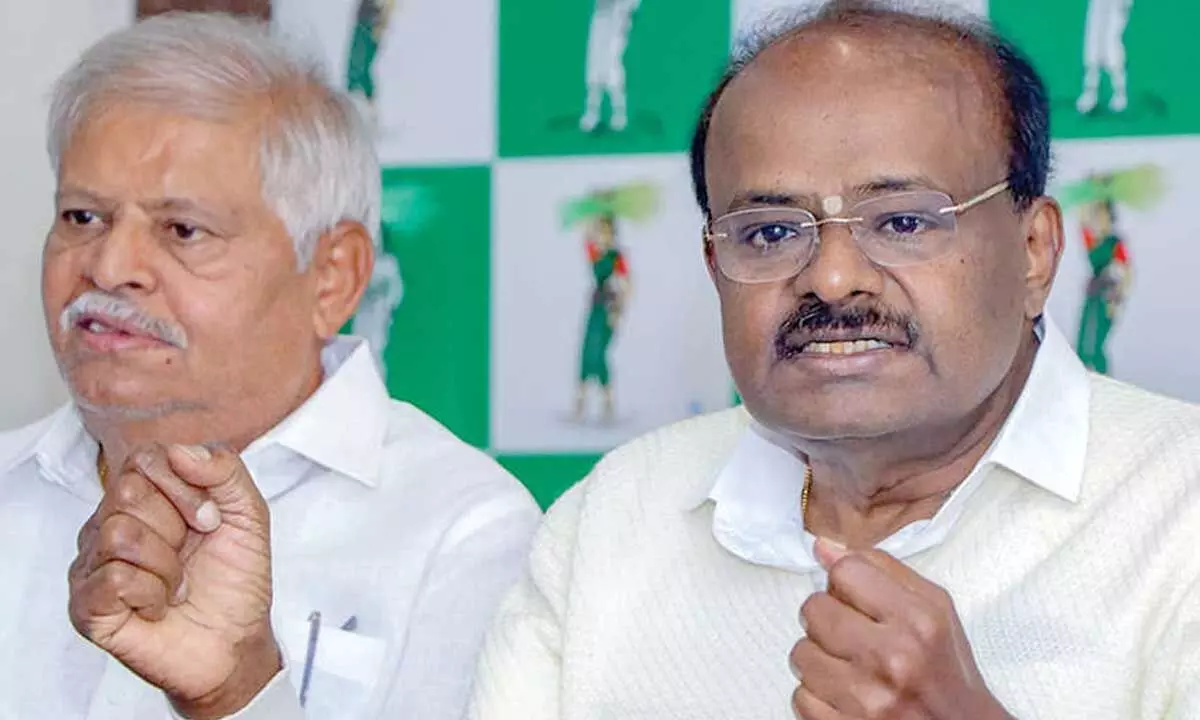
HD Kumaraswamy Demands CBI Probe into Ballari Incident, Alleges 1 Government Shielding Accused

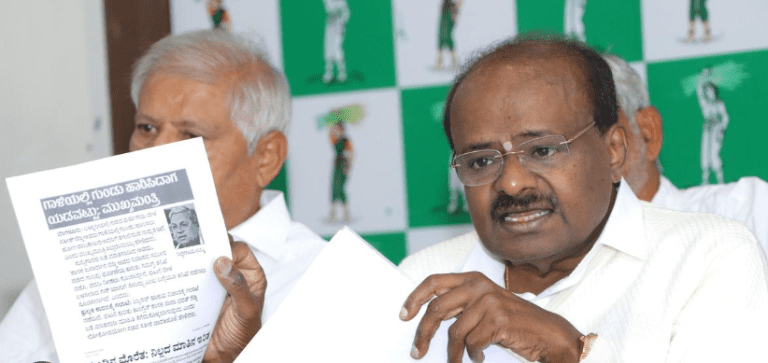
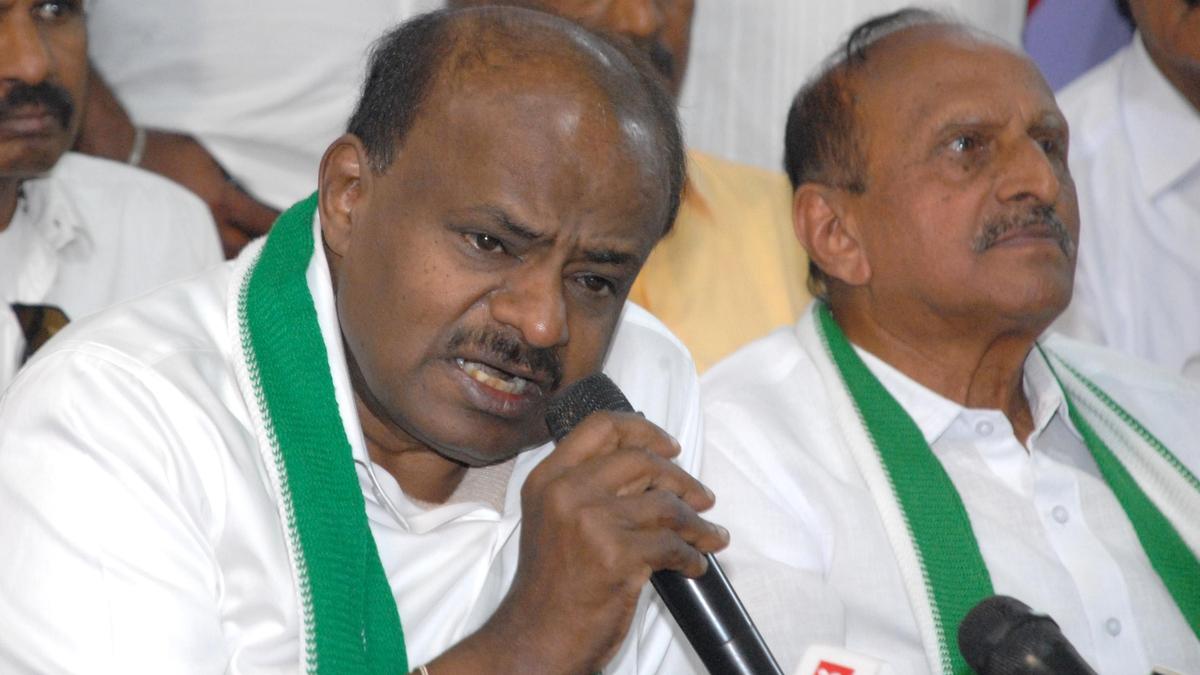
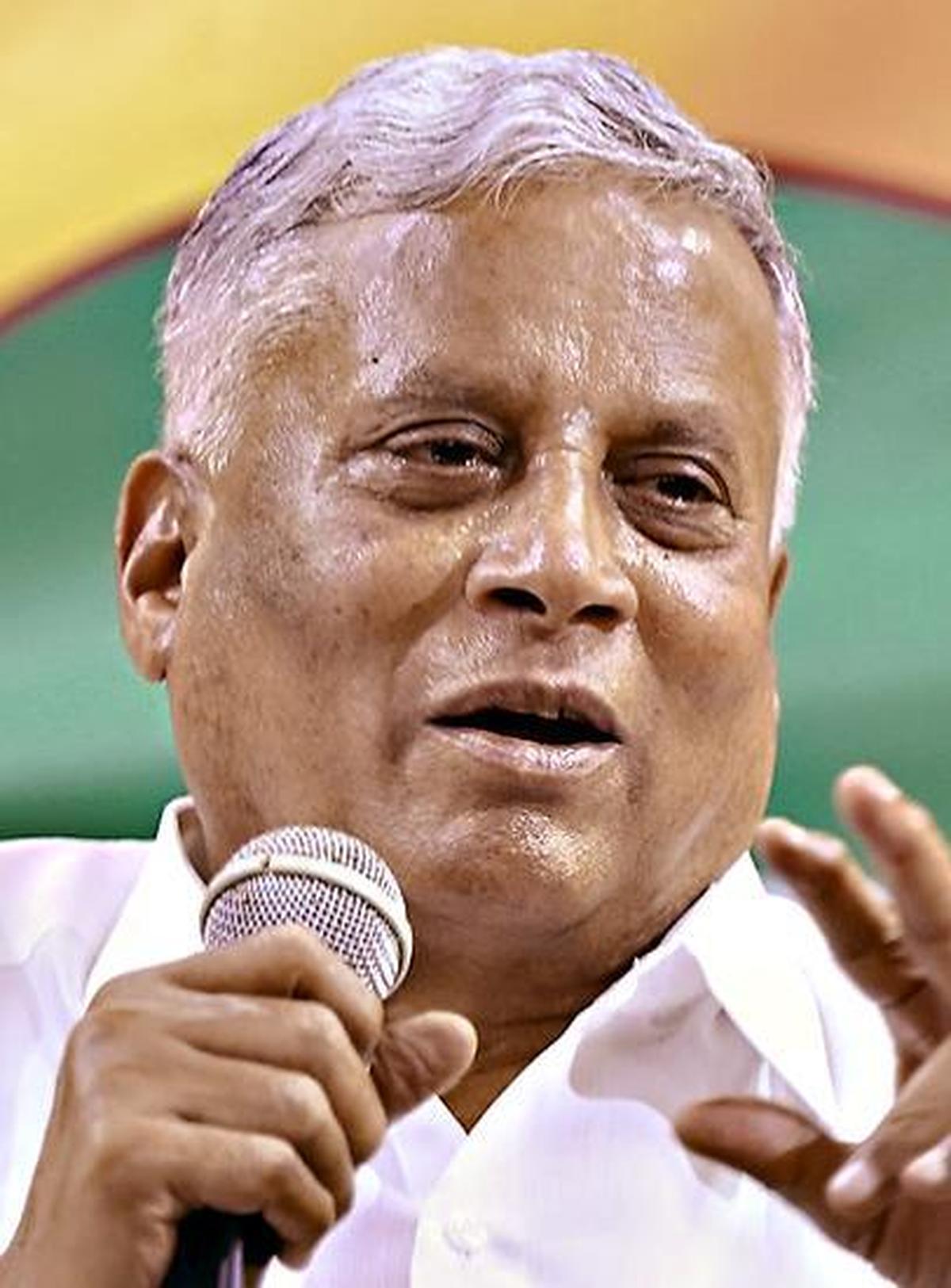
Former Chief Minister and Janata Dal (Secular) leader H.D. Kumaraswamy on Tuesday sought a Central Bureau of Investigation (CBI) inquiry into the controversial Ballari incident, accusing the State government of deliberately attempting to shield those responsible. Escalating his attack on the ruling dispensation, Kumaraswamy claimed that the manner in which the investigation was progressing raised serious doubts about the government’s intent and commitment to justice. He alleged that political pressure, administrative interference, and selective silence were being used to protect influential individuals allegedly involved in the case.

Serious allegations against the State government

Addressing the media in Bengaluru, Kumaraswamy said the Ballari incident was not an isolated lapse but a grave matter with far-reaching implications for law and order in Karnataka. He alleged that the government’s response had been defensive rather than proactive, suggesting an attempt to manage the fallout rather than uncover the truth. According to him, the delay in decisive action, inconsistencies in official statements, and the absence of accountability from senior officials pointed to a deliberate effort to shield the accused.

Kumaraswamy asserted that when cases involve politically connected individuals or powerful interests, State agencies often come under pressure, making an independent probe impossible. “This is precisely why a CBI inquiry is necessary. Only a central agency, functioning outside the influence of the State government, can ensure a fair and impartial investigation,” he said.HDK seeks CBI inquiry into Ballari incident; accuses government of trying  to shield accused - The Hindu

Background of the Ballari incident

The Ballari incident, which has triggered political outrage, reportedly involved serious allegations that have shaken public confidence in governance and policing. While the government has maintained that due process is being followed, the opposition has questioned the credibility of the investigation from the outset. The incident has drawn attention not only because of its gravity but also because of the region’s history of politically sensitive cases and allegations of misuse of power.

Kumaraswamy noted that Ballari has long been associated with controversial episodes involving mining, political patronage, and administrative complicity. He argued that this historical context made it even more crucial to ensure transparency and independence in the current investigation. “People of Ballari and the State deserve to know the truth, not a watered-down version shaped by political convenience,” he said.

Alleged attempts to dilute the case

The JD(S) leader accused the government of attempting to dilute the seriousness of the case by controlling the narrative and limiting the scope of investigation. He alleged that initial charges were being softened and that key questions were being avoided by the authorities. According to him, there was a visible reluctance to probe the role of influential individuals who may have been involved either directly or indirectly.

Kumaraswamy claimed that officers who initially acted with integrity were either sidelined or pressured, while others were instructed to toe the official line. “This pattern is not new. We have seen it repeatedly whenever the truth threatens those in power,” he said, warning that such actions would erode public trust in institutions meant to uphold justice.

Demand for accountability at the highest level

Emphasising that responsibility could not stop at lower-level officials, Kumaraswamy demanded accountability from senior bureaucrats and political leaders. He questioned why ministers concerned had not made clear, unambiguous statements condemning the incident and assuring strict action. Silence, he said, was itself a form of complicity.

He also demanded that the Chief Minister clarify the government’s position on a CBI inquiry and explain why it was hesitant to hand over the case if it had nothing to hide. “If the government is confident about its integrity, it should welcome an independent probe. Resistance only strengthens suspicion,” Kumaraswamy said.

Political reactions and counter-allegations

The demand for a CBI inquiry has intensified political confrontation in the State, with opposition parties rallying around the issue and the ruling party dismissing the allegations as politically motivated. Leaders from the Congress have accused Kumaraswamy of attempting to score political points by sensationalising the incident. They have maintained that the State police are capable of conducting a fair investigation and that calling for a CBI probe at this stage is unnecessary.

Government representatives have argued that the demand for a central agency probe undermines the credibility of State institutions. They have also pointed out that CBI inquiries are often time-consuming and do not automatically guarantee faster or better outcomes. However, opposition leaders counter that credibility, not speed, is the primary concern in a case of this nature.HDK seeks CBI inquiry into Ballari incident; accuses government of trying  to shield accused - The Hindu

H.D. Kumaraswamy’s demand for a CBI inquiry into the Ballari incident has transformed the case into a major political flashpoint in Karnataka. By accusing the government of shielding the accused, he has questioned not only the integrity of the investigation but also the broader commitment of the administration to justice and accountability. As political rhetoric intensifies and public attention grows, the government faces a critical test. Its response will determine whether the controversy subsides or escalates into a larger confrontation over institutional credibility and the rule of law.

JD(S) plans statewide agitation

Kumaraswamy announced that his party would launch a statewide agitation if the government continued to resist the demand for a CBI inquiry. He said the JD(S) would mobilise public opinion through protests, memoranda, and awareness campaigns to highlight what it described as an attempt to suppress the truth. The party, he said, would also raise the issue in the Legislature and seek intervention from the Governor if necessary.

According to Kumaraswamy, public pressure was essential to ensure justice. “When governments fail to act, it is the responsibility of the opposition and civil society to speak up. We will not allow this issue to be buried,” he declared.

Impact on governance and public trust

The controversy has once again brought into focus concerns about governance and accountability in Karnataka. Analysts note that repeated allegations of cover-ups and selective investigations have contributed to growing public cynicism. The Ballari incident, they say, has become a test case for the government’s commitment to transparency and the rule of law.

Legal experts have pointed out that while a CBI inquiry is not a panacea, it can help restore public confidence in cases where State agencies are perceived to be compromised. They also caution, however, that political consensus and judicial oversight are crucial to ensure that such probes are not derailed by jurisdictional conflicts or bureaucratic delays.

Historical context of CBI probes in Karnataka

Karnataka has witnessed several high-profile CBI investigations in the past, particularly in cases involving corruption, mining irregularities, and custodial violence. Some of these probes have led to convictions, while others have dragged on for years without conclusive outcomes. Kumaraswamy himself has, in the past, both supported and criticised CBI inquiries depending on the circumstances, a fact highlighted by his political opponents.

Addressing this criticism, Kumaraswamy said his demand was based on the seriousness of the allegations and the apparent conflict of interest in the current investigation. “This is not about politics. This is about justice. When the system fails, extraordinary measures are required,” he said.

Government’s defence and official stance

The State government has maintained that it is committed to a thorough and unbiased investigation. Senior officials have stated that all evidence is being examined and that no one will be spared if found guilty. They have also urged opposition leaders not to prejudge the outcome or demoralise investigating officers through public statements.

However, critics argue that such assurances have become routine and often fail to translate into concrete action. They point to previous cases where initial promises of strict action faded over time, leaving victims and their families disillusioned.

Voices from Ballari

Residents of Ballari have expressed mixed reactions to the political developments. While some welcomed Kumaraswamy’s demand for a CBI probe, others expressed fatigue over prolonged political battles that, they fear, may not bring tangible results. Several local activists said what the region needed was swift justice and systemic reforms to prevent similar incidents in the future.Kumaraswamy alleges 'cover-up' of Ballari firing incident

Families affected by the incident have reportedly demanded clarity and transparency from the authorities. They have called for regular updates on the progress of the investigation and protection from any form of intimidation. Civil society groups have also urged the government to prioritise victims’ rights over political considerations.

Legal possibilities and the road ahead

Legal experts say that the decision to hand over a case to the CBI can be taken either by the State government or directed by the courts. If the government refuses, opposition parties or affected individuals may approach the High Court seeking judicial intervention. Such a move could further intensify the political and legal battle surrounding the case.

For now, the Ballari incident remains at the centre of a growing political storm. Kumaraswamy’s demand has added pressure on the government at a time when it is already facing scrutiny on multiple fronts. Whether the government agrees to a CBI inquiry or continues with the State-led investigation will likely shape the political narrative in the coming weeks.

Conclusion

H.D. Kumaraswamy’s demand for a CBI inquiry into the Ballari incident has transformed the case into a major political flashpoint in Karnataka. By accusing the government of shielding the accused, he has questioned not only the integrity of the investigation but also the broader commitment of the administration to justice and accountability. As political rhetoric intensifies and public attention grows, the government faces a critical test. Its response will determine whether the controversy subsides or escalates into a larger confrontation over institutional credibility and the rule of law.

Follow: Karnataka Government

Also read: Home | Channel 6 Network – Latest News, Breaking Updates: Politics, Business, Tech & More

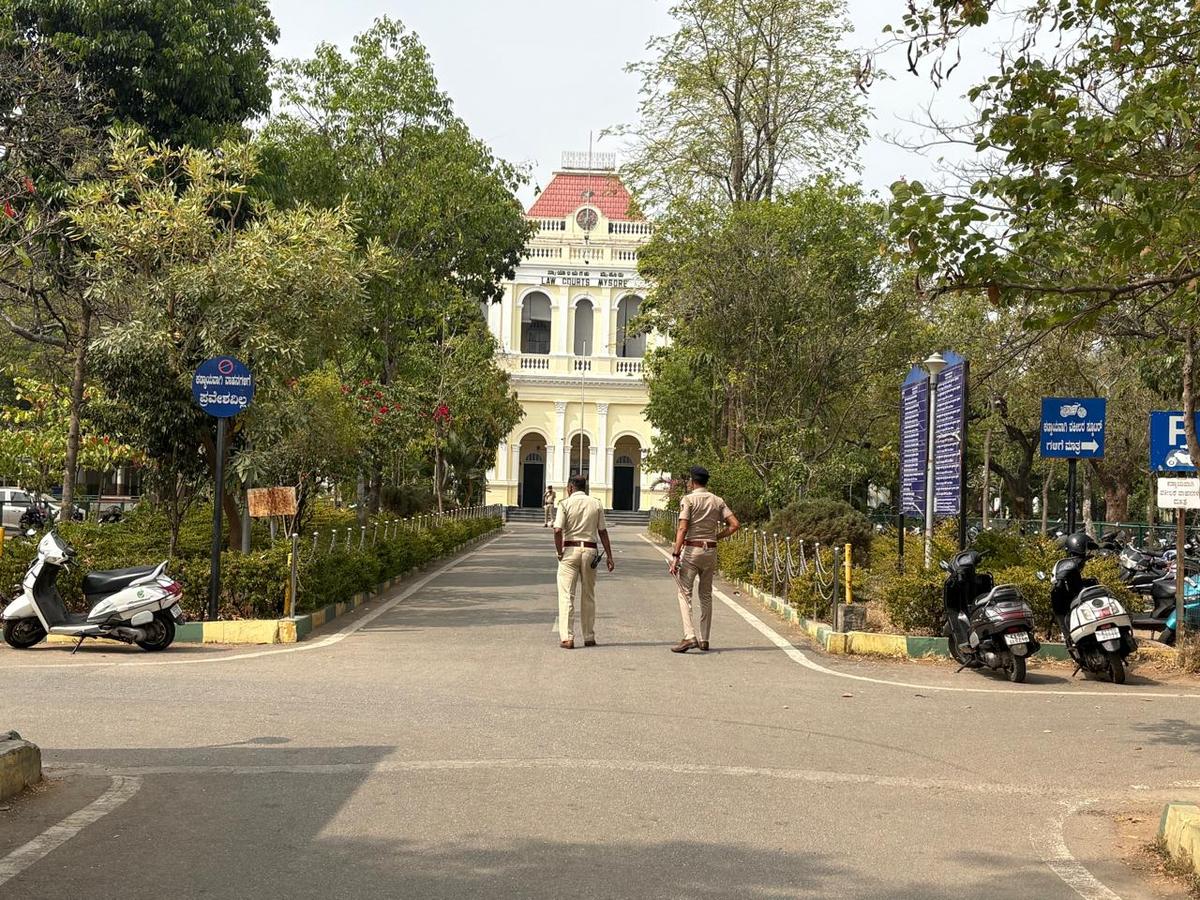
1 Tense Scare: Mysuru Court Premises Evacuated After Bomb Threat Triggers High-Alert Response

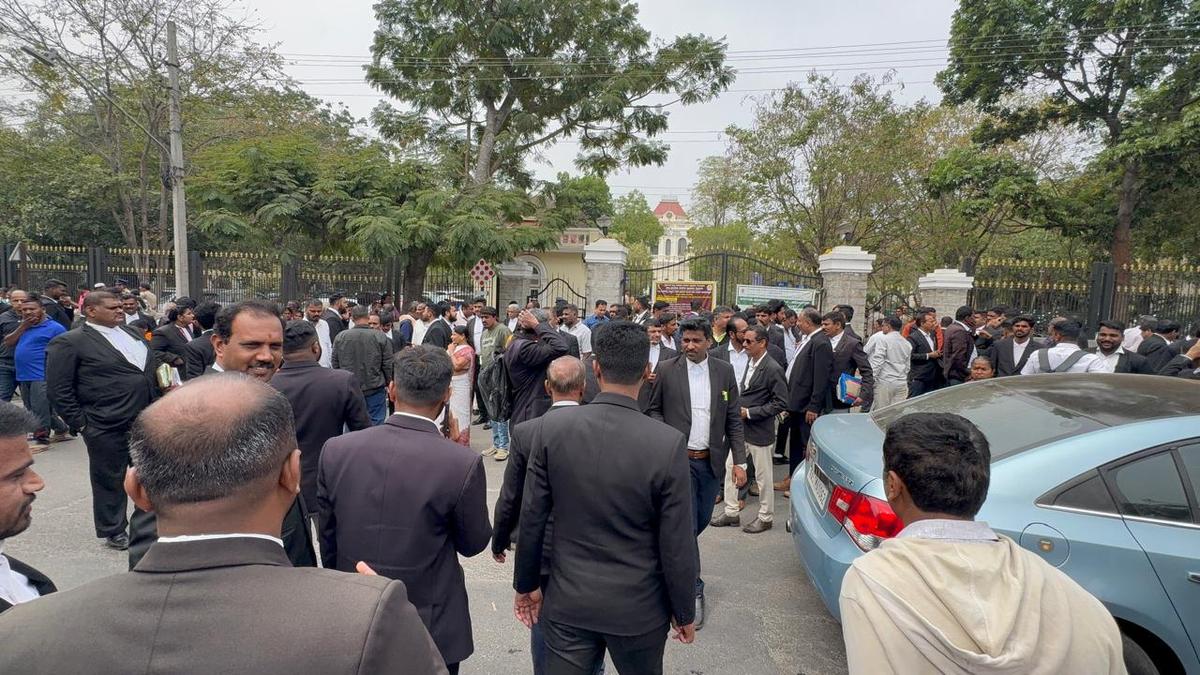
The Mysuru district court complex was evacuated on Tuesday following a bomb threat that sparked panic among litigants, lawyers, judicial staff, and the general public, leading to the temporary suspension of court proceedings. The threat, received through an anonymous communication, prompted swift action from the police and district administration, who treated the warning with utmost seriousness amid rising concerns over public safety in sensitive institutional spaces. Though no explosive material was immediately detected, the incident exposed vulnerabilities in security preparedness and reignited debates around judicial infrastructure safety in Karnataka.

Sudden disruption in a busy court complex

The threat surfaced during peak court hours, when hundreds of people were present across various court halls attending hearings, filing petitions, or awaiting verdicts. According to officials, an alert was received suggesting the possible presence of an explosive device within the premises. Within minutes, police authorities initiated evacuation protocols, asking everyone to leave the court complex calmly. Judges were escorted out, and ongoing proceedings were halted mid-session. For many litigants, especially those travelling from rural areas, the abrupt disruption added anxiety and confusion to an already stressful legal process.

Lawyers practicing at the Mysuru courts described scenes of urgency as police personnel guided people out through multiple exits to avoid congestion. While some panic was inevitable, authorities said the evacuation was largely orderly due to cooperation from members of the Bar Association and court staff. Several advocates later remarked that regular emergency drills were lacking, making the response dependent largely on real-time instructions from police officers.Mysuru court premises evacuated over 'bomb threat' - The Hindu

Massive security deployment and search operation

Soon after the evacuation, the entire court complex was cordoned off, and a large contingent of police personnel took charge of the area. Bomb detection and disposal squads were pressed into service, along with sniffer dogs trained to detect explosives. Fire and emergency services were placed on standby, and ambulances were stationed nearby as a precautionary measure. Entry into the premises was completely restricted, and traffic movement around the court area was diverted to prevent crowding.

The search operation lasted several hours, with teams systematically checking court halls, record rooms, corridors, parking areas, and adjacent buildings. Police officials stated that even minor objects such as unattended bags, dustbins, and storage spaces were thoroughly examined. Senior officers personally supervised the operation, underscoring the seriousness with which the administration treated the threat. By evening, preliminary assessments suggested that the threat might have been a hoax, though officials stressed that no conclusion would be drawn without a full investigation.

Judicial proceedings come to a halt

The evacuation led to the suspension of all judicial work for the day, affecting dozens of cases ranging from routine hearings to sensitive criminal trials. Many litigants expressed frustration over the postponement, as court dates are often fixed after long intervals. Advocates pointed out that such incidents, even when false, have serious consequences for the justice delivery system, including delays, additional costs, and emotional strain on those involved in prolonged legal battles.

Court authorities later announced that fresh dates would be issued for cases that could not be heard due to the evacuation. However, lawyers demanded clarity on whether special benches or extended working hours would be arranged to compensate for the lost day. The incident has once again highlighted how external security threats can directly impact the functioning of judicial institutions.

Police begin probe into origin of threat

Even as search operations continued, the police launched an investigation to trace the source of the bomb threat. Cybercrime experts were roped in to analyze the mode of communication through which the warning was received. Officials said that anonymous threats are often routed through digital platforms or untraceable phone numbers, making detection challenging but not impossible. Call detail records, internet logs, and surveillance footage from the court premises and surrounding areas are being examined as part of the probe.

Senior police officials stated that strict action would be taken if the threat is confirmed to be a hoax. Under existing laws, issuing false bomb threats is a serious offence that can attract severe punishment, including imprisonment. Authorities emphasized that such acts not only waste public resources but also create fear and disrupt essential public services.

Reactions from legal fraternity

The Mysuru Bar Association expressed concern over the incident, calling for enhanced security measures at court complexes across the State. Senior advocates noted that courts are open public spaces by nature, making them vulnerable to threats if adequate screening mechanisms are not in place. While police presence is usually visible at entry points, many court complexes lack advanced security infrastructure such as baggage scanners and metal detectors.

Some lawyers also questioned whether intelligence inputs were being adequately shared with district-level authorities. They argued that in a climate where public institutions have increasingly become targets of threats, courts must not be treated as low-risk zones. The Bar Association is expected to submit a formal memorandum to the government seeking comprehensive security audits of court premises.Mysuru court premises evacuated over 'bomb threat' - The Hindu

Administration assures safety measures

District administration officials assured the public that all necessary steps were being taken to ensure safety and prevent recurrence of such incidents. They stated that coordination between the judiciary, police, and civil administration would be strengthened in the coming days. Officials also hinted at the possibility of conducting mock drills and sensitisation programmes for court staff and lawyers to handle emergency situations more effectively.

The evacuation of the Mysuru court premises following a bomb threat was handled with urgency and caution, reflecting the seriousness with which authorities view potential risks to public safety. While no explosive was found, the incident disrupted judicial functioning, unsettled citizens, and highlighted gaps in security preparedness. As investigations continue, the episode has renewed calls for stronger, more systematic security measures in courts across Karnataka. Ensuring the safety of judicial spaces is not just a matter of protecting buildings, but of preserving public trust in the institutions that uphold the rule of law.

The incident has prompted discussions at the State level on standard operating procedures for bomb threats in judicial institutions. While evacuation protocols exist, officials acknowledged that response time and communication channels need improvement to minimize panic and confusion.

Impact on public confidence

Beyond the immediate disruption, the bomb threat has raised concerns about public confidence in the safety of civic institutions. For many citizens, courts represent a place of justice and order, and threats to such spaces can have a deep psychological impact. Several litigants said they felt shaken by the incident, especially elderly individuals and women who were unsure about how to react during the evacuation.

Security experts note that even hoax threats can achieve their intended goal of creating fear and uncertainty. They argue that visible preparedness and swift, transparent communication are key to reassuring the public. In this case, while authorities acted quickly, some citizens felt that clearer instructions could have reduced anxiety during the evacuation.

Broader context of institutional security

The Mysuru court bomb threat comes amid a series of similar alerts reported in different parts of the country over the past few years, targeting schools, hospitals, railway stations, and government offices. While most of these threats eventually turned out to be hoaxes, each incident has forced authorities to reassess security protocols. Experts warn that complacency is dangerous, as a single lapse could have catastrophic consequences.

Judicial complexes, in particular, face unique challenges due to the high footfall and emotionally charged nature of legal disputes. From criminal trials to property conflicts, courts often host individuals under significant stress, making security management a delicate task. Balancing openness with safety remains a persistent challenge for administrators.

Calls for long-term solutions

In the aftermath of the incident, several voices have called for long-term solutions rather than ad hoc responses. Suggestions include installing modern surveillance systems, introducing visitor passes, and deploying trained security personnel specifically for court environments. Some have also proposed the use of technology-driven solutions such as artificial intelligence-based monitoring to detect suspicious behaviour.ECI VIOLATED SC ORDER ON SIR......SC TO HALT SIR.....SIR EXERCISE ILLEGAL?  #supremecourtofindia

Legal scholars argue that while such measures may require significant investment, they are essential for safeguarding the integrity of the justice system. They also stress the need for coordination between State and central agencies, especially in intelligence gathering and threat assessment.

Investigation continues as normalcy returns

By late evening, after preliminary checks yielded no suspicious findings, authorities began preparations to reopen the court premises the following day. Police maintained a presence overnight as a precaution, and additional checks were scheduled before resumption of proceedings. Officials reiterated that the investigation into the threat would continue until its origin and intent are clearly established.

As normalcy gradually returned, the incident left behind a lingering sense of unease, serving as a reminder of the fragile balance between public access and security. For Mysuru, a city known for its cultural heritage and relative calm, the bomb threat was an unsettling episode that underscored the evolving nature of security challenges in public spaces.

Conclusion

The evacuation of the Mysuru court premises following a bomb threat was handled with urgency and caution, reflecting the seriousness with which authorities view potential risks to public safety. While no explosive was found, the incident disrupted judicial functioning, unsettled citizens, and highlighted gaps in security preparedness. As investigations continue, the episode has renewed calls for stronger, more systematic security measures in courts across Karnataka. Ensuring the safety of judicial spaces is not just a matter of protecting buildings, but of preserving public trust in the institutions that uphold the rule of law.

Follow: Karnataka Government

Also read: Home | Channel 6 Network – Latest News, Breaking Updates: Politics, Business, Tech & More
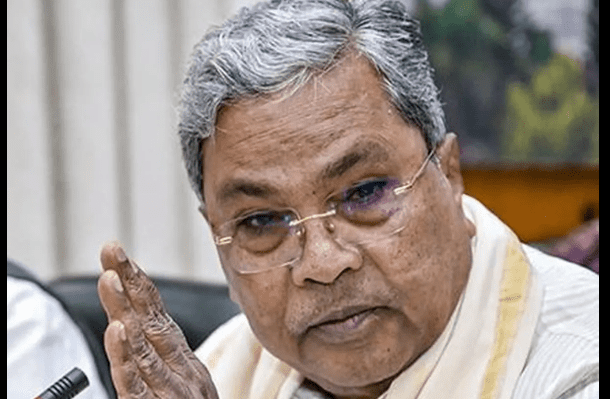
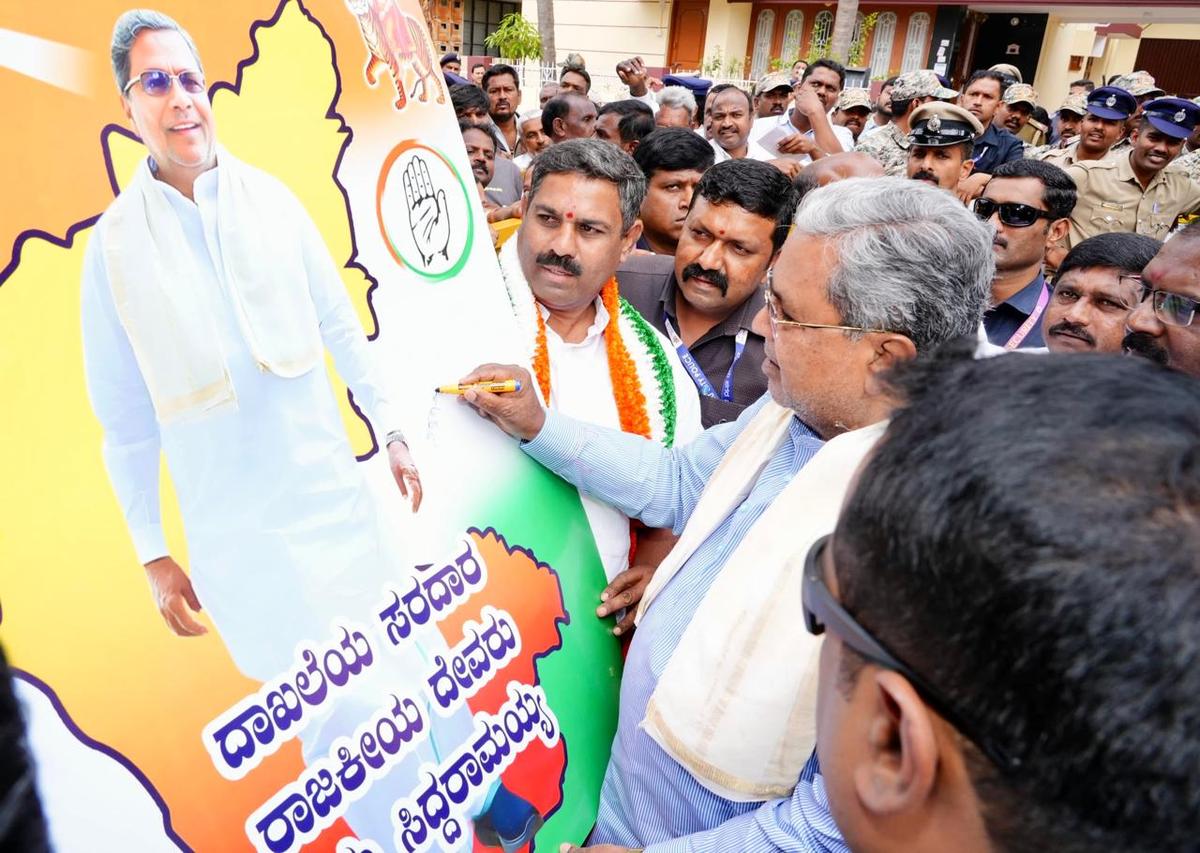
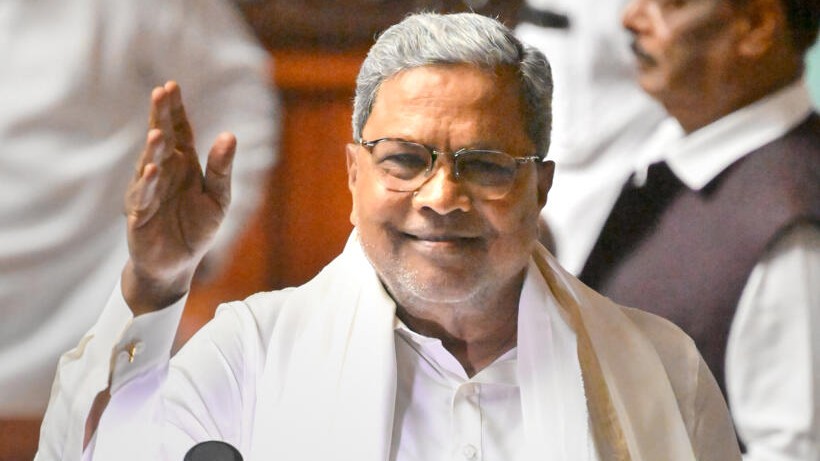
Siddaramaiah Set to Break Devaraj Urs’s Record as Karnataka’s Longest-Serving Chief Minister on January 7

Karnataka is on the cusp of a significant political milestone as Chief Minister Siddaramaiah is set to become the longest-serving Chief Minister in the State’s history on January 7, surpassing the record held by legendary leader Devaraj Urs. The moment carries both historical weight and emotional resonance, as Siddaramaiah’s political journey has often been compared, both by supporters and critics, to that of Urs, who is widely regarded as a transformative figure in Karnataka’s socio-political landscape.

According to official records, Siddaramaiah will complete more cumulative days in office than Devaraj Urs, who served as Chief Minister between 1972 and 1977, and again from 1978 to 1980. While Urs’s tenure was marked by sweeping land reforms and social justice initiatives, Siddaramaiah’s political career has spanned decades of grassroots activism, ideological commitment, and multiple electoral victories. The impending record has sparked debate across political circles, with reactions ranging from celebration and pride among supporters to critical comparisons and cautionary notes from opponents.

Siddaramaiah’s ascent to this record is not the result of a single uninterrupted term, but rather a culmination of multiple tenures shaped by political resilience, shifting alliances, and evolving voter mandates. Observers note that his longevity reflects not just electoral success, but also his ability to adapt to Karnataka’s changing political dynamics while retaining a core support base among backward classes, minorities, and economically weaker sections.

As January 7 approaches, the political establishment, civil society, and the general public are reflecting on what this milestone signifies for Karnataka’s governance, leadership legacy, and future political discourse. For many, it is a moment of pride that underscores continuity in leadership; for others, it is an occasion to scrutinise performance, policy outcomes, and the broader impact of prolonged political power.Siddaramaiah breaks Devaraj Urs's record, becomes the longest-serving CM of  Karnataka - The Hindu


A POLITICAL JOURNEY ROOTED IN SOCIAL JUSTICE

Siddaramaiah’s political journey began far from the corridors of power he now occupies. Born into a modest family, he entered public life through student politics and grassroots movements, gradually establishing himself as a leader with a strong ideological leaning towards social justice and secularism. His early years were marked by active participation in socialist movements, which later shaped his policy priorities and political identity.

Over the decades, Siddaramaiah transitioned from being a legislator to a key political strategist and mass leader. His association with backward class movements and advocacy for social equity earned him a loyal following, particularly in rural Karnataka. Political analysts often point out that his ability to connect with ordinary citizens, articulate their grievances, and position himself as a champion of the marginalised has been central to his sustained relevance.

His first tenure as Chief Minister brought significant policy initiatives, including welfare schemes aimed at poverty alleviation, food security, and education. Programmes such as subsidised food distribution, social pensions, and educational support were rolled out with the stated objective of inclusive growth. Supporters argue that these initiatives strengthened the social safety net and improved access to basic services for millions of households.

Critics, however, have questioned the fiscal sustainability of such welfare-driven governance, arguing that excessive focus on subsidies could strain the State’s finances and divert attention from long-term structural reforms. Siddaramaiah has consistently countered these arguments, asserting that social justice and economic growth are not mutually exclusive, and that empowering the poor is a prerequisite for sustainable development.

The Chief Minister’s political resilience has been tested multiple times, including electoral defeats, internal party challenges, and shifting political alliances. Yet, he has managed to re-emerge as a central figure in Karnataka politics, culminating in his return to office with a decisive mandate. The impending record-breaking moment is thus seen as a testament to endurance as much as achievement.


THE SHADOW AND LEGACY OF DEVARAJ URS

Devaraj Urs occupies a revered place in Karnataka’s political history. His tenure is remembered for bold land reforms, empowerment of backward classes, and efforts to dismantle entrenched social hierarchies. Urs’s policies fundamentally altered the socio-economic structure of the State, earning him a reputation as a visionary leader who prioritised equity over political expediency.

Breaking Urs’s record is therefore not merely a numerical milestone but a symbolic moment laden with historical significance. Supporters of Siddaramaiah argue that surpassing Urs in terms of days served does not diminish Urs’s legacy but rather reflects the continuity of social justice-oriented leadership in Karnataka. They point out that Siddaramaiah has often acknowledged Urs as an inspiration and has publicly expressed respect for his contributions.

Political historians caution, however, that longevity alone should not be conflated with legacy. Urs’s impact is measured not just by the length of his tenure but by the transformative nature of his reforms. They argue that comparisons between the two leaders must account for differing political contexts, economic conditions, and societal challenges.Siddaramaiah confident on completing term, equals Devaraj Urs record as longest  serving CM

Opposition leaders have been quick to draw such distinctions, asserting that while Siddaramaiah may surpass Urs in duration, matching his historical stature requires far-reaching reforms and long-term societal impact. They have urged the Chief Minister to focus on governance outcomes rather than symbolic milestones.

At the same time, sections of civil society see the record as an opportunity to renew discussions on social justice, governance priorities, and the evolving meaning of leadership. The milestone has sparked debates in academic forums, media discussions, and public gatherings, reflecting the enduring relevance of Urs’s legacy in contemporary Karnataka politics.


GOVERNANCE, POLICIES, AND PUBLIC PERCEPTION

Siddaramaiah’s tenure has been characterised by an emphasis on welfare schemes, secular governance, and administrative outreach. Flagship programmes targeting women, students, farmers, and the urban poor have been rolled out with the aim of reducing inequality and improving quality of life. Government data indicates increased coverage of social security schemes and higher utilisation of public services during his terms.

Supporters credit the Chief Minister with prioritising inclusivity and ensuring that development reaches the most vulnerable sections of society. They argue that his governance model has strengthened the social contract between the State and its citizens, particularly among historically marginalised communities.

Critics, however, point to challenges such as infrastructure gaps, unemployment concerns, and fiscal pressures. They argue that while welfare schemes provide immediate relief, sustained economic growth requires investment in industry, skill development, and innovation. Political opponents have also accused the government of using welfare measures as electoral tools rather than components of a comprehensive development strategy.

Public perception of Siddaramaiah remains complex and layered. Surveys and political analyses suggest that while he commands strong loyalty among certain voter segments, opinions are more divided among urban and middle-class voters. The record-breaking milestone has amplified these discussions, prompting renewed scrutiny of governance performance alongside acknowledgment of political endurance.


POLITICAL REACTIONS AND SYMBOLISM

The announcement of Siddaramaiah surpassing Devaraj Urs’s record has elicited varied reactions across the political spectrum. Leaders within the ruling party have hailed the moment as historic, describing it as a reflection of public trust and effective leadership. They have highlighted Siddaramaiah’s journey as evidence of democratic continuity and grassroots empowerment.

Opposition parties have responded with a mix of caution and critique. While some leaders acknowledged the significance of the milestone, they emphasised that historical comparisons should focus on outcomes rather than tenure length. Others accused the ruling party of attempting to politicise the record for symbolic gains.

Within the Congress party, the milestone has been portrayed as a morale booster, reinforcing Siddaramaiah’s stature as a senior statesman and mass leader. Party workers see the record as validation of their ideological commitment and organisational strength in the State.

For the general public, reactions range from pride to indifference, depending on political affiliation and personal experiences with governance. Social conversations indicate that many citizens view the milestone as noteworthy but remain more concerned with day-to-day issues such as employment, cost of living, and public services.Karnataka Politics: Siddaramaiah to Become Longest-Serving CM


A MOMENT OF HISTORY AND THE ROAD AHEAD

As January 7 approaches, Siddaramaiah is expected to mark the occasion with restraint, in keeping with his public statements that there is no comparison between him and Devaraj Urs. He has repeatedly emphasised that records are secondary to responsibilities, and that his focus remains on governance and service delivery.

Political observers note that the milestone places additional expectations on the Chief Minister. Breaking a historic record invites closer scrutiny, heightened expectations, and intensified political competition. How Siddaramaiah navigates this phase could shape both his personal legacy and the trajectory of Karnataka politics in the coming years.

The record also serves as a reminder of the evolving nature of leadership in a democratic society. Longevity in office reflects public mandate and political skill, but lasting legacy depends on the depth and durability of policy impact. For Siddaramaiah, surpassing Urs’s record is both an achievement and a challenge — an opportunity to reinforce his commitment to social justice while addressing emerging governance demands.

In the broader historical narrative of Karnataka, January 7 will stand as a symbolic marker — a day when one leader’s journey intersected with the legacy of another. Whether this moment ultimately reshapes political discourse or remains a numerical footnote will depend on how governance unfolds in the years ahead. For now, it is a sentimental and historic moment, underscoring the enduring power of leadership, memory, and public trust in Karnataka’s democratic journey.

Follow: Karnataka Government

Also read: Home | Channel 6 Network – Latest News, Breaking Updates: Politics, Business, Tech & More

Louis Vuitton Has Officially Marked a New Chapter With Shin Min Ah

0

Louis Vuitton Has Officially Appointed Shin Min Ah as House Ambassador

Louis Vuitton has officially announced South Korean actress Shin Min Ah as its newest house ambassador, confirming a relationship that has been developing quietly over the years. The decision reflects the brand’s focus on long-term cultural relevance rather than short-term visibility. Known for her consistent screen presence and understated public image, Shin Min Ah’s appointment signals a strategic alignment between luxury fashion and global entertainment.LV'S NEWEST MUSE 👑 Louis Vuitton has officially appointed actress Shin Min Ah as its newest house ambassador, further strengthening a partnership built on years of collaboration. Known for her acclaimed roles

The actress has built a steady career across television and film, earning recognition for performances that resonated with wide audiences. Her association with Louis Vuitton did not begin overnight. Prior to the formal announcement, she was frequently seen attending the brand’s high jewelry showcases in both Spain and South Korea, representing the house at select international events. These appearances gradually positioned her as a natural extension of the brand’s image.

Louis Vuitton’s leadership highlighted the ease with which Shin Min Ah carries the brand’s designs, noting her ability to reflect both elegance and approachability. This balance is considered valuable as luxury houses continue to appeal to a broader global audience without losing their heritage.

Louis Vuitton Has Officially Strengthened a Longstanding Association

Louis Vuitton has officially emphasized that Shin Min Ah’s selection was influenced by years of organic collaboration rather than a single campaign moment. Her previous appearances in Louis Vuitton collections were widely noted, especially during high-profile jewelry events where her styling drew public and industry attention.Louis Vuitton宣布申敏儿正式成为新任品牌大使! - vibes by 8world

One such appearance, where she attended a wedding wearing Louis Vuitton’s diamond collection, gained significant traction across social platforms. The look was widely shared, not because it was promotional, but because it appeared effortless and contextually appropriate. Industry observers noted that this response demonstrated public trust in her fashion choices, an important factor for luxury brands.

LVMH representatives reportedly viewed this response as evidence of genuine synergy rather than manufactured influence. Shin Min Ah’s public image has remained consistent over time, avoiding controversy while maintaining relevance. This stability aligns with Louis Vuitton’s preference for ambassadors who represent continuity rather than momentary trends.

Her previous attendance at brand events also allowed internal teams to assess how she engaged with international audiences, media, and brand messaging. These factors collectively contributed to the decision to formalize the partnership.

Louis Vuitton Has Officially Chosen Cultural Influence Over Noise

Louis Vuitton has officially positioned Shin Min Ah as a representative who brings cultural value rather than loud visibility. Her career choices reflect a preference for meaningful roles over constant exposure, a trait that resonates with the brand’s long-term identity.Shin Min Ah Resmi Jadi Brand Ambassador Louis Vuitton, Tampilkan Pesona Elegan di Pemotretan Terbaru - fashion Cantika.com

By appointing her as a house ambassador, Louis Vuitton signals its intention to connect with audiences through authenticity. Shin Min Ah’s work in well-received series such as “Hometown Cha-Cha-Cha” and “Our Blues” established her as a relatable yet respected figure. This balance allows the brand to communicate luxury without distancing everyday viewers.

As part of her new role, Shin Min Ah is expected to participate in global campaigns, attend international fashion events, and represent the brand across multiple platforms. Her presence is anticipated to strengthen Louis Vuitton’s reach in Asian markets while maintaining its established global stature.

Louis Vuitton Has Officially Set Direction for Future Collaborations

Louis Vuitton has officially indicated that this partnership will extend beyond appearances, focusing on storytelling and brand representation. Industry analysts note that luxury houses are increasingly selective about ambassadors, prioritizing alignment over popularity metrics.


View this post on Instagram


A post shared by Koreanophiles (@koreanophiles)

Shin Min Ah’s appointment reflects this shift. Rather than positioning her as a trend figure, Louis Vuitton appears to be investing in a long-term narrative that blends cinema, culture, and craftsmanship. This approach mirrors the brand’s broader strategy of maintaining relevance without diluting its core values. Also Read: BJP Civic Bodies Maharashtra: Aggressive Campaign Targets 29 Municipal Corporations

Her upcoming engagements are expected to include fashion weeks, jewelry showcases, and select campaigns that highlight craftsmanship and design heritage. These activities will further integrate her public identity with the brand’s evolving image.

Conclusion

Louis Vuitton has officially welcomed Shin Min Ah into its ambassador family, marking a move rooted in consistency and shared values. The partnership reflects a careful balance between global luxury and cultural authenticity, setting the tone for future collaborations built on trust rather than noise.

Actor Ashish Vidyarthi 1 Night Accident That Shook Guwahati

0

Actor Ashish Vidyarthi Injured in Guwahati Road Accident

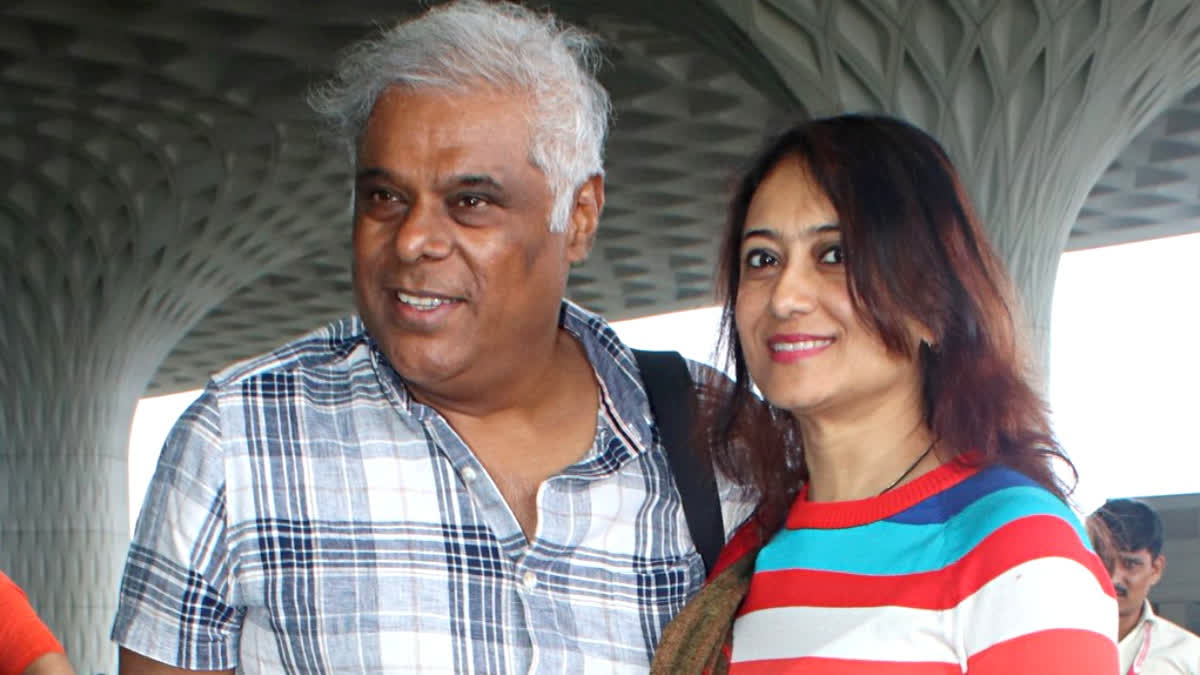
Actor Ashish Vidyarthi and his wife Rupali Baruah were injured in a road accident that occurred late Friday night in Guwahati’s Zoo Road area. The incident took place around 11 pm and involved a motorcycle that reportedly struck the couple while they were crossing the road. The accident has drawn public attention due to the location, timing, and the involvement of a well-known public figure.Ashish Vidyarthi, Wife Rupali Barua Injured In Road Accident In Guwahati; Shares Health Update- Watch | Bollywood Bubble

According to initial information, the accident happened under the jurisdiction of Geetanagar Police Station. The motorcycle was travelling from the Chandmari side when it collided with the couple. Both Ashish Vidyarthi and his wife sustained injuries in the impact, while the biker was also hurt.

Soon after the accident, police personnel reached the spot and arranged for medical help. The injured were shifted to Apollo Hospital in Guwahati for treatment. Their condition is currently under medical observation.

Actor Ashish Vidyarthi Accident Details and Police Action

Actor Ashish Vidyarthi accident was reported to the police shortly after it occurred. Officials from Geetanagar police station confirmed that the incident was logged at around 11 pm. Emergency response teams acted quickly to ensure that all injured individuals received immediate care.Ashish Vidyarthi And Wife Rupali Barua Injured In Guwahati Road Accident, Actor Shares Health Update

Police sources stated that the motorcycle involved in the accident was moving at the time the couple attempted to cross the road. The exact speed of the vehicle and visibility conditions at the time are still being examined. Authorities are reviewing whether traffic rules were followed and if any negligence played a role.

The biker involved in the collision also suffered injuries and was given medical attention. Police have not released further details regarding the biker’s identity or condition. An investigation is ongoing to understand the circumstances that led to the collision.

Traffic officials indicated that statements will be recorded from all parties involved once their medical condition allows. CCTV footage from nearby areas is also expected to be reviewed as part of the investigation.

Actor Ashish Vidyarthi Health Update and Public Response

Actor Ashish Vidyarthi and his wife are currently admitted to a private hospital in Guwahati. Hospital sources have not issued a detailed medical bulletin, but officials confirmed that both are under observation. Their injuries are being treated, and doctors are monitoring their recovery.Ashish Vidyarthi reveals details of road accident in Guwahati after sharing health update: 'A bike hit us…' | Mint

The news of the accident spread quickly, leading to concern among fans and well-wishers. Many expressed relief that the injuries were not reported as life-threatening, while also raising concerns about pedestrian safety in busy city areas during late hours.

Ashish Vidyarthi, known for his work across multiple Indian film industries, has been associated with Guwahati through personal and professional connections. The incident has once again brought attention to road safety issues in urban areas, especially near busy crossings.

Actor Ashish Vidyarthi Case Highlights Road Safety ConcernsAshish Vidyarthi Injured In Late-Night Guwahati Road Accident, Confirms He & Wife Are Safe | Curly Tales

Actor Ashish Vidyarthi accident has sparked conversations about late-night traffic movement and pedestrian safety in Guwahati. Zoo Road is a busy area, and despite reduced traffic at night, accidents continue to occur due to speed, visibility issues, and lack of caution.


View this post on Instagram


A post shared by GPlus (@guwahatiplus)

Traffic authorities have reiterated the importance of following speed limits and remaining alert, especially in residential and commercial zones. Pedestrians are also advised to use designated crossings and remain cautious during nighttime hours. Also Read: BJP Civic Bodies Maharashtra: Aggressive Campaign Targets 29 Municipal Corporations

Police officials stated that further details regarding the accident will be shared once the investigation progresses. Any action required will be taken based on the findings.

Conclusion

Actor Ashish Vidyarthi accident serves as a reminder of the risks present on city roads, even during late hours. As investigations continue and recovery progresses, the incident underscores the need for greater awareness and responsibility from both motorists and pedestrians to prevent such accidents in the future.

Nikitha Rao Godishala 27-Year Case That Shocked Two Nations

Nikitha Rao Godishala Case Draws International Attention

Nikitha Rao Godishala case has drawn widespread attention after the 27-year-old Indian woman was found dead inside a residence in Maryland, United States. Authorities believe she was killed on New Year’s Eve, and the case has now turned into an international investigation after the main suspect reportedly fled to India.Nikitha Rao Godishala, a data and strategy analyst, was found murdered at  her ex-boyfriend, Arjun Sharma's, Maryland home

Nikitha Rao Godishala was working as a data analyst and living in Maryland. According to police officials, she was found with multiple stab wounds inside the home of her former boyfriend. What has raised serious concern is that the same man had earlier contacted authorities to report her missing before leaving the country.

Police have identified the suspect as 26-year-old Arjun Sharma, Nikitha’s former partner. He has been charged with murder, and law enforcement agencies are continuing efforts to locate him. The case has also prompted involvement from the Indian embassy, which is coordinating with the victim’s family.

The incident has triggered discussions about domestic violence, cross-border crime, and the challenges of bringing suspects to justice when they leave the country.

Nikitha Rao Godishala Investigation and Police Findings

Nikitha Rao Godishala investigation began after authorities received a missing person report filed by Arjun Sharma. Shortly after making the report, Sharma is believed to have left the United States and travelled to India. When police later entered his residence, they discovered Nikitha’s body inside the home.Accused ex-boyfriend, unknown motive, last Instagram post: What we know so  far about Indian woman found dead in the US

Investigators stated that the injuries on her body were consistent with a violent attack, and evidence collected from the scene pointed toward homicide. Police believe the crime occurred on New Year’s Eve, though the exact timeline is still under review.

Based on the findings, authorities officially charged Arjun Sharma with murder. A warrant has been issued for his arrest, and efforts are underway to track his movements and confirm his current location. Law enforcement agencies are also working with federal authorities to explore extradition options if he is confirmed to be in India.

Officials have stated that the case remains active and ongoing, and additional charges could be added as more evidence is examined. Police have not disclosed certain details to protect the integrity of the investigation.

Nikitha Rao Godishala Background and Family Response

Nikitha Rao Godishala had moved to the United States for professional opportunities and was employed as a data analyst. Friends and colleagues described her as focused on her career and future. Her sudden death has left her family and community in shock.Indian Who Fled US After Murdering Telugu Ex-Girlfriend Arrested | English  Bombay Samachar

Her family in India has been informed about the developments through official channels. The Indian embassy has confirmed that it is in contact with local authorities in the United States and is providing support to the family as required. Arrangements related to legal processes and further steps are being discussed with officials.

Family members have sought justice and clarity, urging authorities to ensure the suspect is held accountable. The case has also drawn attention on social media, where many have expressed concern over safety and accountability in cases involving former partners.

Nikitha Rao Godishala Case Highlights Legal and Diplomatic Challenges

Nikitha Rao Godishala case highlights the difficulties that arise when a crime crosses international borders. When suspects leave a country shortly after an alleged crime, the legal process becomes more complex and time-consuming.

Extradition depends on diplomatic agreements, legal procedures, and cooperation between governments. Authorities have not yet confirmed whether a formal extradition request has been submitted, but officials indicated that all legal options are being considered.

The case has also renewed discussions about early warning signs in abusive relationships and the importance of timely intervention. Experts note that incidents involving former partners often require closer monitoring when missing person reports are filed under unusual circumstances. Also Read: BJP Civic Bodies Maharashtra: Aggressive Campaign Targets 29 Municipal Corporations

Conclusion

Nikitha Rao Godishala case stands as a tragic reminder of the serious consequences of unresolved personal conflicts and delayed justice. As the investigation continues, authorities in both the United States and India face pressure to ensure accountability. The outcome of this case may set an important precedent for handling cross-border criminal investigations involving violent crimes.