Thursday, April 30, 2026
Home Blog Page 161

Janardhana Reddy’s Banner Tearing Sparks Ballari Clash, Says Shivakumar: 1 Controversial Act

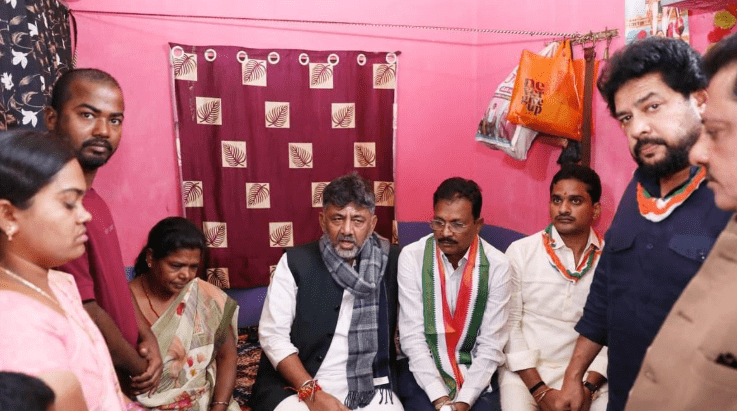
In a dramatic statement, Karnataka Home Minister G. Parameshwara and senior Congress leader D.K. Shivakumar have asserted that the recent violence in Ballari was triggered by the controversial act of former minister and mining baron G. Janardhana Reddy, who allegedly tore a banner depicting Valmiki during a political event. The incident, which occurred amid heightened political tensions in the district, has resulted in multiple injuries, property damage, and the deployment of heavy security forces to restore order. Shivakumar described the act as deliberate provocation, claiming it ignited clashes between supporters of rival political groups.

Eyewitnesses reported that the unrest began when Janardhana Reddy, while attending a local function, tore a banner featuring images revered by the Valmiki community. The act was interpreted as an insult by community members, leading to immediate verbal confrontations that quickly escalated into physical clashes. Locals said stones were thrown, vehicles damaged, and several shop fronts vandalised. Law enforcement had to intervene to prevent the situation from spiralling further, deploying additional personnel and imposing temporary restrictions on public gatherings in sensitive areas.

Authorities confirmed that several people were injured in the clashes, including members of the Valmiki community and bystanders caught in the crossfire. Police have registered cases against Janardhana Reddy and ten others under sections of the Indian Penal Code relating to rioting, criminal intimidation, and causing public mischief. Law enforcement sources said that investigations are underway to determine the full extent of the violence and identify additional participants in the clashes.

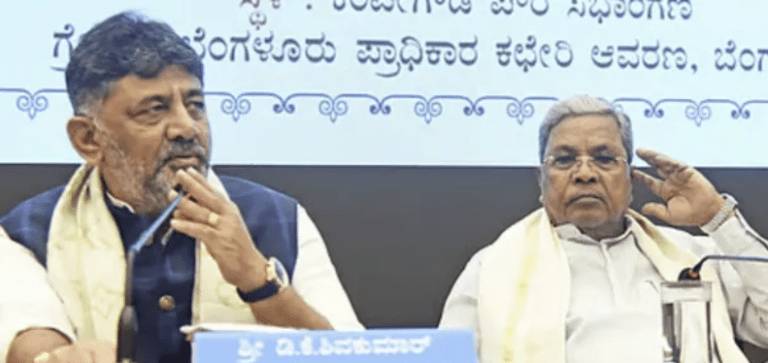
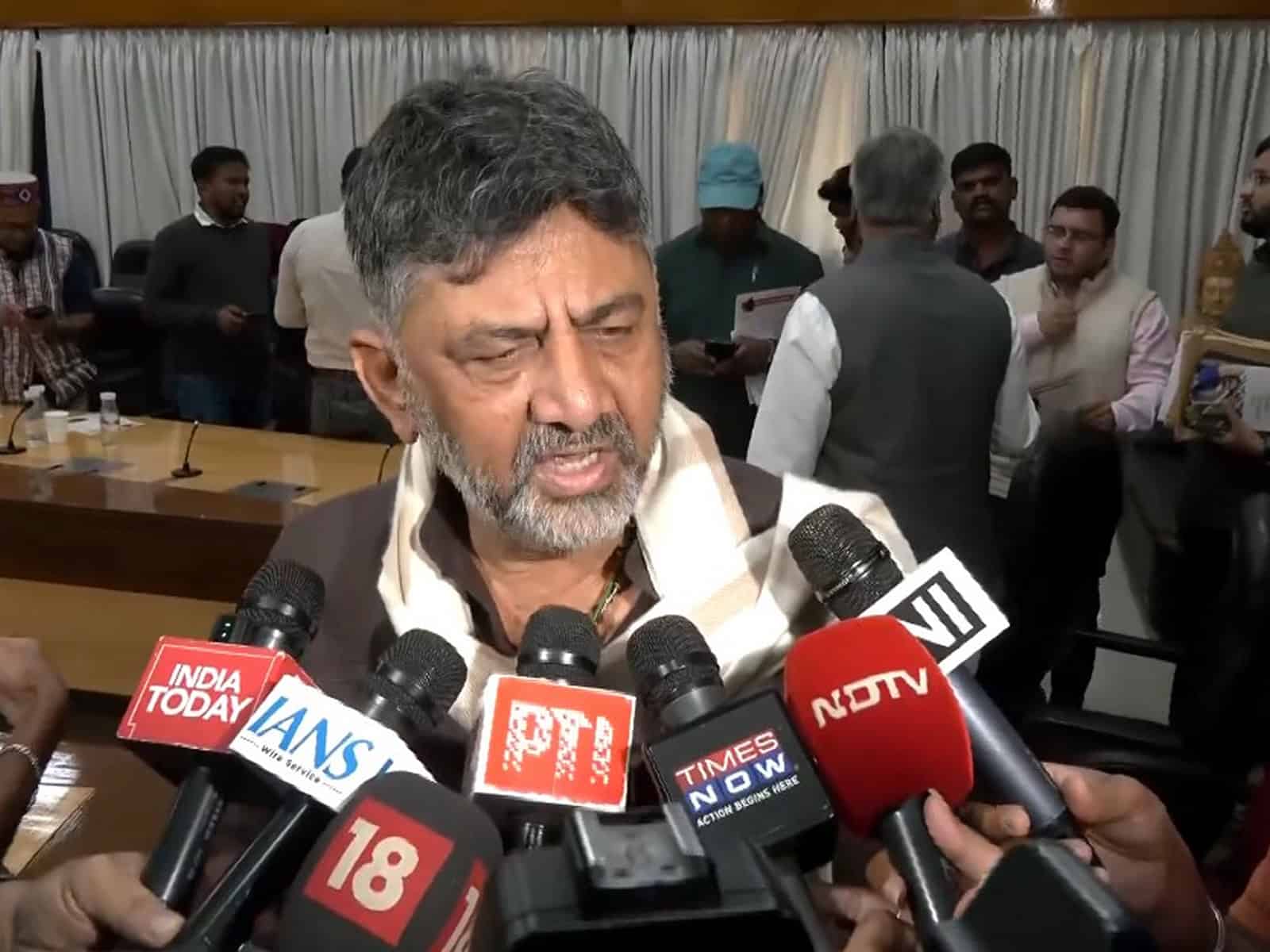
Shivakumar, speaking to the media, emphasised that political leaders must act responsibly and avoid inflammatory behaviour. “The violence in Ballari is a direct consequence of an irresponsible act by a senior political figure. Tearing a banner that holds religious and social significance is provocative and unacceptable,” he said. He urged the government to ensure a judicial inquiry into the incident to hold the perpetrators accountable and prevent similar episodes in the future.There was no violence until Janardhan Reddy was allowed into Ballari":  Karnataka DCM DK Shivakumar

Political Fallout and Public Reaction

The incident has sparked a political firestorm in Karnataka, with opposition parties condemning Janardhana Reddy’s actions and demanding swift legal action. Leaders from various communities have expressed outrage over what they describe as deliberate provocation aimed at polarising public sentiment. Social media platforms were flooded with posts condemning the act, while community organisations called for calm and restraint to prevent further escalation.

BJP sources, however, claimed that the violence was blown out of proportion and accused the Congress leadership of attempting to politicise the matter. They argued that local law and order lapses contributed more to the unrest than any individual act. The political tussle has intensified debates about accountability, freedom of expression, and the responsibility of public figures in maintaining communal harmony.

Residents of Ballari expressed mixed reactions. Many acknowledged the provocatory nature of the act but urged both political parties and law enforcement to work together to restore peace. Several local leaders appealed to citizens to avoid engaging in retaliatory acts and emphasised that political differences should never escalate into violence. Shops and schools in sensitive areas were closed temporarily as a precautionary measure, with police maintaining strict surveillance.

The Karnataka government has deployed additional security personnel, including reserve police and armed units, to prevent further clashes. Authorities also announced a temporary suspension of large public events in the district until the situation stabilises. Officials said that curbing misinformation and monitoring social media for provocative content are among the steps being taken to maintain law and order.


Investigation and Legal Measures

Police have registered a First Information Report (FIR) against Janardhana Reddy and ten others, citing violations under sections related to rioting, unlawful assembly, and public mischief. Investigators are examining CCTV footage, eyewitness accounts, and social media content to establish the sequence of events leading to the clashes. Sources said that the police are also considering whether additional arrests are necessary to contain tensions in Ballari.

Law enforcement officials emphasised that ensuring justice is a priority. “Our objective is to identify the instigators, apprehend those responsible for violence, and prevent future incidents of this nature,” said a senior police officer. Authorities have urged the public to cooperate with investigations and refrain from spreading unverified information, which could exacerbate tensions.

The High Court has been apprised of the situation, and legal experts note that any judicial inquiry into the matter could provide a transparent account of the events and ensure accountability. Shivakumar has reiterated that such a probe is essential not only for justice but also for sending a message that provocative actions by influential individuals will not be tolerated.

The incident has prompted the government to review security arrangements for political events, particularly in sensitive areas where community sentiments are strong. Officials said that stricter monitoring of banners, speeches, and public conduct at political gatherings will be enforced to prevent incidents of provocation.

Gali Janardhana Reddy illegal mining case: CBI moves Karnataka High Court  for attachment of properties


Community Concerns and Social Implications

The Valmiki community, directly affected by the banner-tossing incident, expressed deep hurt and called for legal and administrative action. Community leaders highlighted that symbols and banners hold significant cultural and religious value, and disrespecting them can ignite communal tensions. Meetings were convened among local leaders to de-escalate the situation and foster dialogue between opposing groups.

Educational institutions and social organisations in Ballari have initiated peace-building measures, including awareness campaigns about communal harmony, dialogue sessions between youth groups, and workshops on conflict resolution. Officials noted that engaging the younger population is crucial in preventing retaliatory violence and promoting long-term community cohesion.

The social implications of the incident are significant. Experts warn that acts of provocation by influential individuals can embolden fringe elements, polarise communities, and disrupt law and order. Civil society groups have urged political leaders across parties to adopt restraint, emphasising that public responsibility must supersede political rivalry.

Local media coverage has played a dual role, both highlighting the provocation and helping authorities disseminate information about curfew timings, safety measures, and investigation updates. Law enforcement continues to urge residents to avoid circulating unverified claims or rumours, which could inflame tensions further.


Security Measures and Administrative Response

In response to the unrest, the Ballari district administration has deployed additional police forces, set up temporary checkpoints, and established rapid response teams to contain any flare-ups. Officials are closely monitoring key locations, including government offices, religious sites, and commercial hubs, to prevent opportunistic violence. Authorities also announced that drones and surveillance cameras would be used to keep track of crowd movements in sensitive areas.

Police have requested that political leaders visiting the district exercise caution and avoid statements or actions that could escalate tensions. Shivakumar emphasised that responsible leadership is vital to preventing violence and maintaining communal peace. “Political influence carries the responsibility to act judiciously. Any provocative action, especially involving revered symbols, can trigger unrest,” he said.

The administration has also initiated community engagement programmes, encouraging local leaders and citizens to participate in peacekeeping efforts. Awareness campaigns about legal consequences of rioting, unlawful assembly, and damage to public property have been launched to deter participation in potential unrest. The coordinated approach aims to balance law enforcement with social dialogue to restore normalcy.

Authorities are coordinating with neighbouring districts to prevent spillover of unrest. Checkpoints, patrols, and intelligence sharing are being enhanced to ensure that tensions remain contained within Ballari. Officials emphasised that the district remains under high alert, with continuous monitoring of political, religious, and community gatherings.BJP Leader Janardhana Reddy on the run, After Name Surfaces in Ambidant  Scam - The Cognate


Political Repercussions and Calls for Judicial Probe

The incident has intensified political debates across Karnataka, with opposition leaders demanding a judicial inquiry to ascertain accountability. Shivakumar and other senior Congress leaders have explicitly called for a thorough investigation, stating that influential figures should not be above the law. They have argued that such a probe would serve as a deterrent against future provocative actions by political personalities.

BJP leaders, meanwhile, have maintained that the unrest was exaggerated for political gain and claimed that local administrative lapses were more responsible than any single act. The political tussle has heightened tensions between state-level party offices, and both sides are now engaged in a legal and public discourse about responsibility, law and order, and community protection.

Legal analysts noted that the High Court or a specially appointed judicial commission could provide a transparent assessment of the sequence of events. Such a probe would examine the role of Janardhana Reddy, the administration, law enforcement response, and the reactions of community groups to prevent future recurrence. The emphasis on judicial scrutiny reflects the seriousness of the incident and its potential long-term social implications.

Public opinion in Ballari remains cautious but vigilant. Residents have expressed relief at the heightened security presence while appealing to political figures to act responsibly. Local community organisations have called for calm, dialogue, and reconciliation to ensure that political rivalries do not escalate into communal unrest in the future.


Conclusion: Lessons and Way Forward

The Ballari violence triggered by Janardhana Reddy’s act of tearing the Valmiki banner underscores the delicate balance between political expression and public responsibility. Officials and community leaders agree that acts perceived as provocative, especially in sensitive contexts, can have far-reaching consequences, including physical violence, property damage, and communal tension.

The Karnataka government, through increased security deployments, community engagement, and legal action, is attempting to restore normalcy while ensuring accountability. The call for a judicial inquiry by Shivakumar and others aims to establish clarity on responsibility and provide a framework to prevent similar incidents in the future.

As investigations continue, the episode serves as a stark reminder that political leaders, public figures, and citizens alike must exercise restraint, respect cultural symbols, and prioritise peace. Law enforcement agencies, administrative authorities, and civil society must work in tandem to ensure that political provocations do not undermine social harmony. The Ballari incident highlights the pressing need for responsible leadership, swift legal action, and proactive measures to maintain public order in politically sensitive regions.

Follow: Karnataka Government

Also read: Home | Channel 6 Network – Latest News, Breaking Updates: Politics, Business, Tech & More
Police Recover 60 Stolen Bikes in Karnataka Operation: Major Bust, 4 Arrested, ₹50 Lakh Seized

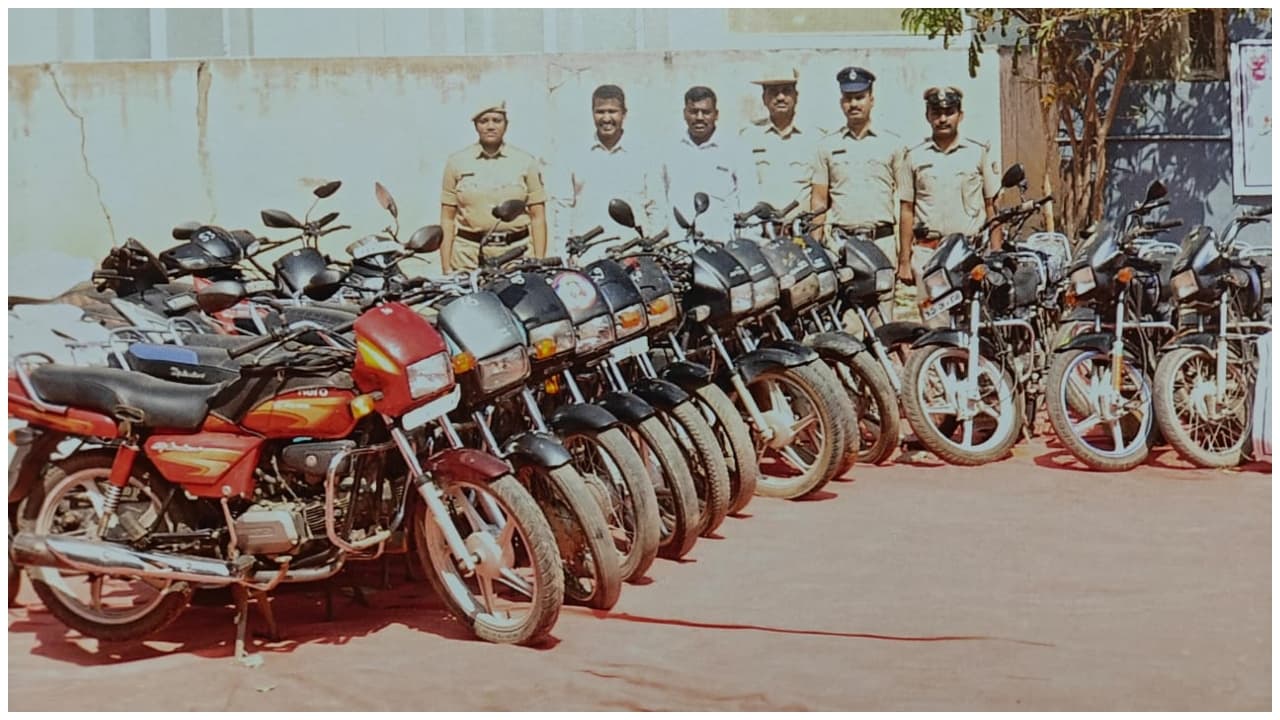
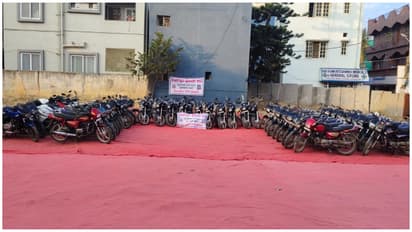
In a significant law enforcement operation, Karnataka police arrested four individuals in connection with a large-scale theft racket and recovered 60 motorcycles valued at approximately ₹50 lakh. The arrests mark a major breakthrough in tackling organised vehicle thefts in the State, highlighting the effectiveness of coordinated policing and intelligence-driven investigations. Authorities said that the stolen motorcycles, comprising a mix of premium and mid-range models, were being prepared for illegal sale outside the State before the gang’s activities were disrupted.

Police officials stated that the arrests followed weeks of surveillance, tip-offs, and coordination between multiple police stations. Investigators traced the stolen vehicles to a clandestine storage facility in a suburban area, where the four accused were allegedly dismantling some bikes and arranging documentation to sell others illegally. “This operation was the result of meticulous investigation, involving intelligence gathering, patrolling, and monitoring known suspects,” said a senior officer involved in the case.

The suspects, all local residents in their mid-20s to early 30s, were booked under relevant sections of the Indian Penal Code for theft, criminal conspiracy, and possession of stolen property. Police also confirmed that they are examining whether the accused were part of a larger organised crime syndicate involved in vehicle thefts across Karnataka. Officers said further interrogations are ongoing to ascertain the gang’s networks, methods, and other potential accomplices.

Recovered motorcycles included sports bikes, commuter bikes, and scooters, most of which were stripped of original registration plates and engine numbers to avoid detection. Police officials highlighted that the recovered vehicles have now been documented and are being returned to their rightful owners. The operation underscores the growing concern of organised bike thefts in urban and semi-urban areas, and the need for stringent preventive measures and public vigilance.


Investigation and Recovery Operations

According to police reports, the operation began after multiple complaints were registered regarding stolen motorcycles in different parts of Bengaluru and neighbouring districts. Investigators used CCTV footage, GPS tracking, and local intelligence to trace patterns of theft, identifying hotspots and potential hideouts. The arrests were made after officers conducted a raid on a suspected storage location in the early hours, seizing all 60 bikes in one operation.Bengaluru: Four Arrested for Stealing 60 Hero Honda Splendor Bikes Worth  ₹50 Lakh | Asianet Newsable

Police revealed that the accused had been operating in shifts, targeting high-density areas such as IT hubs, residential complexes, and parking lots. Sources said that the gang often used sophisticated techniques to bypass security, including digital locks, duplicate keys, and tampering with ignition systems. Investigators believe that the organisation had been operating for several months before being detected, and the recovered vehicles represent only a portion of their total operations.

The Karnataka police emphasised that rapid coordination between local law enforcement units was critical in apprehending the suspects. Teams from city police and suburban stations worked jointly to track the gang’s movements, monitor suspicious activity, and execute the recovery operation with minimal risk. Officials said the success demonstrates the value of intelligence-led policing in curbing organised property crimes.

Authorities also highlighted the importance of citizen cooperation in the operation. Multiple complaints and timely reporting by motorcycle owners played a significant role in helping police identify theft patterns. “Prompt reporting and detailed information from the public allowed us to narrow down suspects and locate the storage facility efficiently,” said a police spokesperson.


Legal Proceedings and Charges

The four accused were produced before the local magistrate, where they were formally charged under multiple provisions of the Indian Penal Code, including sections relating to theft, criminal conspiracy, and possession of stolen property. Legal experts noted that the gang could face several years of imprisonment if convicted, as well as substantial fines. Police have requested that the accused remain in custody during ongoing investigations to prevent them from tampering with evidence or fleeing.

Further interrogations are being conducted to establish the full extent of the gang’s network. Investigators are examining whether the suspects were acting independently or as part of a larger criminal syndicate with interstate connections. Officials have indicated that vehicle theft is often linked to organised crime and that the proceeds are frequently channelled into other illegal activities, including illicit sales, fake documentation, and smuggling.

Police have also urged citizens to take precautions against vehicle theft, including parking in secure areas, using anti-theft devices, and registering bike numbers with local authorities for easy tracking. Authorities highlighted that preventative measures, combined with active policing, are key to reducing incidents of organised theft in urban areas.


Impact on Public Safety and Community Awareness

The recovery of 60 motorcycles has been widely welcomed by the community, many of whom had reported missing vehicles in recent months. Law enforcement officials stressed that such operations not only restore public property but also enhance trust in policing systems. “Actions like these reassure citizens that organised crime is being tackled effectively,” said a senior district officer.

Community leaders also highlighted the importance of ongoing awareness campaigns to prevent thefts. Public safety initiatives, including registration drives, anti-theft workshops, and collaboration with neighbourhood associations, have been strengthened in the wake of the recovery. Authorities emphasised that active citizen participation, timely reporting, and vigilance are crucial complements to law enforcement efforts.

Officials warned that organised vehicle theft continues to be a concern in rapidly urbanising areas, with criminals increasingly using technology to bypass security. GPS tracking, digital alerts, and coordination with police helplines were encouraged as additional measures to protect vehicles. Police noted that the current operation could deter similar gangs, but constant vigilance remains necessary.


Recovery and Rehabilitation of Victims

Authorities have begun notifying owners of the recovered motorcycles, facilitating documentation checks to ensure rightful return. The process involves verifying ownership, inspecting vehicle condition, and completing legal formalities before handing over the bikes. Police said that most of the recovered vehicles were in near-original condition, while a few required minor repairs due to tampering or dismantling by the accused.

Victims of the theft expressed relief at the recovery, with many praising the swift action of law enforcement. Several residents stated that regular police patrols, CCTV installations, and improved community coordination had contributed to the successful recovery. Authorities stressed that the operation demonstrates the importance of reporting stolen vehicles promptly and maintaining accurate documentation for all registered vehicles.Bengaluru: Four Arrested for Stealing 60 Hero Honda Splendor Bikes Worth  ₹50 Lakh | Asianet Newsable

Law enforcement officials have assured the public that investigations will continue to identify any additional accomplices and trace any stolen vehicles yet to be recovered. Citizens are urged to cooperate with authorities, provide information about suspicious activities, and ensure that their vehicles are equipped with anti-theft measures.


Preventive Measures and Future Strategy

Following the operation, Karnataka police have announced plans to enhance surveillance and preventive measures in theft-prone areas. These include increasing patrolling in urban zones, deploying additional CCTV cameras, and setting up rapid response teams to track stolen vehicles. Investigators emphasised that early intervention is key to disrupting organised networks before they expand.

Authorities are also collaborating with neighbouring states to monitor potential interstate movement of stolen vehicles. Coordination with transport departments, vehicle registration authorities, and online marketplaces for used bikes is being strengthened to prevent illegal sales. Law enforcement officials stressed that a comprehensive, multi-pronged approach is essential to effectively combat organised motorcycle thefts.

The operation has also highlighted the role of technology in tracking and apprehending criminals. GPS-enabled tracking devices, mobile applications for reporting theft, and digital databases for stolen vehicles are being integrated into ongoing crime prevention strategies. Experts emphasise that combining traditional policing with modern technological tools is crucial for tackling organised property crime efficiently.


Conclusion: A Step Towards Safer Urban Spaces

The arrest of four suspects and the recovery of 60 stolen motorcycles worth ₹50 lakh marks a major success for Karnataka police in curbing organised vehicle theft. The operation demonstrates the effectiveness of intelligence-led policing, coordinated investigations, and public cooperation in maintaining law and order.

Officials reiterated that while the arrests provide immediate relief to victims, continued vigilance, preventive measures, and community engagement are essential to sustain public safety. Citizens are urged to follow security practices, promptly report thefts, and cooperate with authorities to ensure that organised theft networks are dismantled.

The operation also sends a strong message to criminal elements that organised vehicle theft will not be tolerated, and that coordinated enforcement efforts can successfully disrupt such networks. For residents, the recovery not only restores stolen property but also reinforces confidence in law enforcement’s ability to maintain secure urban environments.

Authorities have also indicated that the recovered motorcycles will undergo thorough verification before being returned to their owners to ensure no disputes arise regarding ownership. Each vehicle’s chassis number, engine number, and registration documents are being cross-checked against police records and insurance documents. Officers emphasised that this careful process is crucial to prevent any misallocation and to ensure that the rightful owners are compensated for any damages incurred during the theft or while in the possession of the accused.Bengaluru: Four Arrested for Stealing 60 Hero Honda Splendor Bikes Worth  ₹50 Lakh | Asianet Newsable

Police are examining the methods used by the gang to identify vulnerable targets and avoid detection. Preliminary inquiries suggest that the accused often selected densely populated urban areas with limited surveillance or security coverage. They reportedly studied parking patterns, residential complexes, and commercial hubs to plan thefts efficiently. Experts note that understanding these patterns not only aids the current investigation but also informs broader strategies for preventing future incidents in urban and semi-urban areas.

The Karnataka police have stressed the importance of creating awareness among citizens about safeguarding their vehicles. Recommendations include installing anti-theft alarms, steering locks, GPS trackers, and parking in secure, well-lit areas. Police officials noted that informed citizens who adopt proactive security measures significantly reduce the risk of falling victim to organised thefts. Campaigns are being planned in collaboration with resident welfare associations and commercial hubs to educate vehicle owners about these precautions.

Finally, authorities reaffirmed their commitment to dismantling the larger networks behind such organised thefts. While the current arrests mark a significant achievement, investigations continue to trace other members of the gang and recover any remaining stolen property. Law enforcement agencies also indicated that this operation will serve as a model for future crackdowns on organised property crime, combining intelligence-led policing, community cooperation, and technological support to ensure safer urban spaces across Karnataka.

Follow: Karnataka Government

Also read: Home | Channel 6 Network – Latest News, Breaking Updates: Politics, Business, Tech & More
Tiger Found Dead in Bhadra Tiger Reserve: Tragic Loss, 1 Iconic Predator, Conservation Alarm

In a grim development, a tiger was found dead in the Bhadra Tiger Reserve (BTR) in Karnataka, raising concerns among wildlife officials and conservationists. Authorities confirmed that the carcass was discovered by forest patrolling teams in the core area of the reserve, prompting immediate investigations to determine the cause of death. The incident has drawn attention to ongoing challenges in  conservation, including human-wildlife conflict, poaching, and habitat pressures.

Forest department officials said that a forensic team has been deployed to examine the carcass, collect biological samples, and conduct a thorough autopsy. Preliminary assessments suggest the tiger could have died due to natural causes, but investigations are ongoing to rule out poisoning, injury, or human interference. “We are treating this case with utmost seriousness to determine the exact cause and prevent similar incidents,” said a senior wildlife officer.

Bhadra Reserve, spread across Chikkamagaluru and Shimoga districts, is home to several , elephants, leopards, and other wildlife species. The reserve plays a crucial role in Karnataka’s tiger population management and conservation efforts. Officials said they have stepped up patrolling in the surrounding areas to ensure the safety of other tigers and prevent any potential threats to wildlife in the region.

Conservationists expressed concern over the loss, highlighting that every death has broader implications for the delicate ecological balance of the reserve. “are apex predators; their loss affects prey populations and the overall ecosystem,” said a senior wildlife biologist. The incident underscores the importance of continuous monitoring, scientific management, and community participation in protecting these iconic animals.


Investigation and Wildlife Monitoring Measures

Forest department authorities have deployed specialized teams to monitor tiger movements and prevent poaching in the reserve. Camera traps, tracking collars, and patrolling schedules have been intensified to ensure no other animals are under immediate threat. Officials said that detailed records from camera traps and field observations will help in understanding the circumstances leading to the death.

Additionally, the carcass has been sent for post-mortem analysis at a designated wildlife laboratory. Samples of tissue, blood, and stomach contents are being tested for signs of disease, poisoning, or trauma. Veterinary experts stressed that such investigations are crucial not only for identifying the cause of death but also for preventing potential disease outbreaks that could affect other wildlife in the reserve.Tigress Found Dead in Bhadra Tiger Reserve

Authorities are also engaging with local communities living near the periphery of Bhadra Tiger Reserve to ensure that human-animal conflict is minimized. Villagers are being urged to report any unusual wildlife sightings or incidents immediately. Community participation is considered vital to safeguarding tigers, as locals can provide early warnings and help in implementing preventive measures.

The incident has prompted the Karnataka Forest Department to review its emergency response protocols. Rapid response teams equipped with veterinary support and patrolling vehicles have been placed on high alert to respond to any similar incidents in the future. Experts emphasised that swift action is essential to ensure the conservation of the remaining tiger population in the reserve.


Conservation Significance and Ecological Impact

Tigers are classified as apex predators, and their presence is essential for maintaining ecological balance within forest ecosystems. The death of a single tiger can disrupt the prey-predator dynamics, leading to overpopulation of certain species and subsequent ecological stress. Conservationists emphasised that Bhadra Tiger Reserve, being part of the Nilgiri Biosphere, is vital for the genetic diversity and connectivity of tiger populations in Karnataka and neighbouring states.

Experts highlighted that the population in Bhadra has been carefully monitored under Project initiatives, which aim to protect habitats, reduce poaching, and maintain breeding success. “Every individual tiger plays a role in genetic health and territorial stability. Losing even one is a setback for conservation efforts,” said a senior wildlife officer. The incident is expected to reinforce the need for intensified anti-poaching measures and habitat protection in the reserve.Pregnant tigress found dead in Bhadra Reserve

Officials have also noted that the mortality is a reminder of the challenges faced by wildlife in protected areas. Habitat encroachment, vehicular movement, and forest fragmentation continue to pose indirect threats to tiger survival. Strengthening forest corridors, preventing illegal activities, and monitoring prey populations are critical for long-term conservation goals.

The Karnataka Forest Department has assured that all measures are being taken to prevent similar incidents in the future. Authorities said that collaboration with conservation NGOs, wildlife research institutions, and local communities will be strengthened to enhance protection measures and ensure sustainable management of the population.


Community and Stakeholder Reactions

Local conservation groups have expressed deep concern over the death and urged immediate investigation. Many pointed out that incidents of tiger mortality, whether due to natural causes or human interference, underscore the fragile balance between human activities and wildlife conservation. “It is vital that every death is studied scientifically to inform conservation strategies,” said a representative of a wildlife NGO.

The incident has also raised awareness among local communities about the importance of and the need to coexist responsibly. Officials have begun awareness campaigns, educating residents about the significance of for forest ecology and the legal protections afforded to them under the Wildlife Protection Act. Villagers are being encouraged to adopt measures that reduce human-tiger conflict and report illegal activities within reserve boundaries.

Tourists and wildlife enthusiasts have expressed disappointment at the news, but many have pledged support for ongoing conservation efforts. Social media discussions have highlighted the importance of responsible tourism, stricter enforcement of forest regulations, and funding for wildlife protection initiatives. The Bhadra Tiger Reserve continues to attract visitors, but authorities emphasise that visitor activities must be regulated to prevent stress or disruption to wildlife habitats.Seven-year-old tigress found dead in Bhadra Tiger Reserve; territorial  fight suspected: Report | Bengaluru

With investigations underway and preventive measures reinforced, forest officials remain committed to protecting the remaining tigers in Bhadra. The incident serves as a stark reminder of the continuous vigilance required in wildlife conservation and the collective responsibility of authorities, communities, and the public in preserving India’s natural heritage.

Officials have highlighted that the tiger found dead was an adult, estimated to be around six to eight years old, and had been part of the reserve’s monitoring programme under Project Tiger. Its movements had been regularly tracked using camera traps and sightings, and its territory was considered stable. Wildlife biologists noted that the sudden death, irrespective of cause, disrupts territorial hierarchies, as maintain strict boundaries to avoid conflict. The absence of a dominant adult in a particular area can lead to increased territorial disputes among younger tigers, potentially resulting in injuries, stress, or even mortality in subsequent months.

The post-mortem examination, which is being conducted at a designated wildlife laboratory, is focusing on multiple possible causes, including natural death due to age or disease, injury from intraspecies conflict, poisoning, or accidental encounters with human activity. Officials have stressed that until the laboratory reports are received, it would be premature to speculate about foul play. “Our priority is to gather accurate scientific evidence to understand the precise circumstances of this tiger’s death,” said the deputy director of Bhadra Tiger Reserve. The process involves analyzing tissue, stomach content, and blood samples, as well as examining the carcass for external injuries.

While poaching remains a concern in many reserves, Bhadra has historically recorded low instances due to strict patrolling and surveillance. However, forest authorities are cautious, noting that even a single lapse in vigilance could have fatal consequences for apex predators like tigers. Anti-poaching squads, equipped with tracking and monitoring tools, have been deployed throughout the reserve to prevent any further incidents. Forest officials emphasised that their focus is not only on immediate safety but also on long-term protection, including habitat management and community awareness.

The ecological significance of the tiger in Bhadra cannot be overstated. As an apex predator, the tiger regulates prey populations, maintains forest health, and ensures biodiversity balance. Biologists warned that a reduction in tiger numbers, even by one, can have cascading effects on prey species such as deer, wild boar, and sambar, potentially leading to overgrazing and forest degradation. Conservationists argue that monitoring individual tigers and preserving their territories is essential to maintaining the ecological equilibrium of the reserve, which is part of the larger Western Ghats biodiversity hotspot.

Community involvement has been identified as a critical component of Bhadra’s conservation strategy. Villagers in the periphery are being sensitised to the importance of reporting wildlife sightings, refraining from forest encroachment, and preventing livestock grazing in sensitive tiger habitats. Forest officials noted that effective conservation is a collaborative effort, where local populations are treated as partners rather than passive observers. Educational campaigns are being rolled out to strengthen understanding of human-wildlife coexistence and the legal implications of harming protected species.

Authorities are also reviewing existing preventive measures to mitigate risks associated with human-tiger interactions. Steps such as improving visibility on forest trails, regulating tourism, enforcing anti-littering norms, and monitoring water holes have been reinforced. These measures are designed not only to protect tigers but also to safeguard other wildlife species that share the reserve’s ecosystem. Officials highlighted that controlled eco-tourism initiatives, if managed responsibly, can contribute to conservation funding while minimising stress to animals.

The incident has reignited discussions about wildlife corridors and habitat fragmentation in Karnataka. Experts have emphasised that connecting tiger habitats through contiguous forest patches and ecological corridors is vital to maintain genetic diversity and reduce territorial stress. Bhadra Tiger Reserve, forming part of the Nilgiri Biosphere, plays a crucial role in linking tiger populations across Karnataka, Kerala, and Tamil Nadu. Losses in one reserve could impact the broader landscape, highlighting the need for integrated landscape-level conservation planning.

Finally, the Karnataka Forest Department has reiterated its commitment to transparency and timely updates regarding the investigation. Officials stated that once laboratory results are obtained, detailed information about the cause of death will be shared with the public and conservation partners. Meanwhile, forest teams continue round-the-clock monitoring, ensuring that remaining tigers are protected and that any potential threats are addressed promptly. Conservationists have urged that this unfortunate incident serves as a reminder of the fragile balance in wildlife ecosystems and the collective responsibility to protect India’s iconic tiger population for future generations.

Follow: Karnataka Government

Also read: Home | Channel 6 Network – Latest News, Breaking Updates: Politics, Business, Tech & More
Karnataka High Court Rules Employers Must Ensure Drivers Have 1 Valid Licence

The Karnataka High Court has unequivocally ruled that employers are legally obliged to ensure that any driver operating vehicles on their behalf holds a valid driving licence. The ruling, which emerged from a case involving an accident caused by an unlicensed driver, underscores the principle that employer responsibility extends beyond mere contractual obligations and includes proactive verification of credentials. This landmark decision reiterates that public safety is a shared responsibility, and employers cannot evade liability by claiming ignorance regarding the licensing status of their drivers.

The bench observed that while drivers themselves are accountable for adhering to traffic laws, employers have a duty of care to the public. Assigning a vehicle to an unlicensed driver is not merely a procedural lapse; it constitutes a legal and ethical violation with potential consequences under civil, criminal, and motor vehicle laws. The High Court’s directive emphasises that employers are expected to conduct thorough due diligence, verify licences, and maintain proper documentation as part of their operational and administrative responsibilities.

For businesses, transport operators, institutions, and private households, the judgment serves as a clear mandate to implement verification, documentation, and training measures. For the public, it reinforces confidence that accountability extends beyond individual drivers to those who assign them responsibility.

Ultimately, the decision embodies a broader vision of shared responsibility on the roads. It is a reminder that legal compliance, ethical hiring, and proactive verification are indispensable components of safer, more accountable transport systems in Karnataka and beyond. By ensuring that drivers are properly licensed, employers contribute directly to protecting human life, reducing accidents, and fostering a culture of responsible mobility.

Legal experts say the ruling clarifies a critical grey area in Indian transport law. While previous regulations have primarily focused on driver accountability, this judgment explicitly links employer liability to road safety outcomes. “It sets a precedent that employers are not passive parties in the event of violations or accidents,” said a senior advocate specialising in motor vehicle and labour law. “This decision reinforces that hiring practices must include verification protocols to prevent avoidable incidents.”Driving Licence in Karnataka – How To Apply, Fees & Process

The case before the High Court involved a serious road accident in which an unlicensed driver, employed by a private firm, caused injuries to multiple individuals. Petitioners argued that the employer failed to ensure the driver’s legal and functional competence, thereby contributing to the incident. The court accepted the argument, asserting that employers have a proactive duty to ensure compliance with traffic regulations before allowing anyone to operate vehicles in the public domain.


Employer Responsibility: Legal and Practical Dimensions

The High Court made it clear that employers are expected to verify the authenticity of a driver’s licence and confirm that it corresponds to the class of vehicle being driven. For instance, a driver operating a commercial bus, goods vehicle, or heavy transport vehicle must hold a licence specific to that category. Verification extends beyond merely checking licence numbers; it includes confirming validity, expiry dates, and issuing authority. Failure to do so can result in administrative penalties, criminal liability in the event of accidents, and civil claims for damages.

The court highlighted that employers cannot shift responsibility by citing contractual arrangements. An employment contract or outsourcing agreement does not absolve an employer of liability in case of accidents caused by unlicensed drivers. Experts note that this ensures accountability across sectors, including private companies, transport operators, gig economy services, and individual employers who hire drivers for personal or professional use.

Additionally, the ruling underscores that proper documentation is essential. Employers must maintain records of licences, verification checks, and periodic renewals. In the event of an accident or legal scrutiny, such documentation serves as proof of due diligence, potentially mitigating liability. “Record-keeping is not optional; it is a legal safeguard that reflects the employer’s commitment to road safety,” said a transport law consultant.


Implications for Businesses and Transport Operators

The judgment has far-reaching implications for companies across Karnataka that rely on vehicle operations. Logistics companies, courier services, private buses, taxi aggregators, and corporate transport units must now ensure robust licence verification protocols. Many firms are expected to implement digital systems for tracking licence validity, scheduling renewals, and maintaining compliance reports.

For individual employers, including private households employing drivers for personal vehicles, the judgment emphasises that the responsibility of verification is no less significant. Experts suggest that employers establish formal checks, request periodic renewals, and confirm that drivers possess appropriate vehicle endorsements. Even temporary hires, substitutes, or outsourced drivers fall under the scope of this responsibility.

Transport industry representatives welcomed the clarity but pointed out practical challenges. Many small operators rely on contract drivers with variable work schedules. Ensuring timely verification, documentation, and record-keeping requires administrative investment. “The judgment is welcome from a safety standpoint, but businesses will need guidance on structured processes for compliance,” said a representative from the Karnataka Transport Operators’ Association.


Road Safety, Public Interest, and Legal Precedent

Road safety activists hailed the High Court ruling as a significant step toward reducing accidents caused by unlicensed or inexperienced drivers. Studies consistently show that a substantial percentage of road incidents involve drivers without proper licensure or inadequate training. By extending accountability to employers, the court has strengthened preventive mechanisms that go beyond punitive action against individual drivers.

The ruling also reflects a broader principle that public safety cannot be delegated entirely to individuals. Employers, by virtue of assigning responsibility for operating a vehicle, create potential risks for the public. The court’s decision reinforces that legal frameworks must ensure both proactive compliance and ethical responsibility in everyday transport operations.

Legal analysts note that the verdict may influence other jurisdictions and states. It clarifies employer liability in both commercial and private settings, potentially prompting policy revisions in transport regulations and compliance guidelines. Observers also predict increased scrutiny by traffic authorities, particularly during vehicle inspections and audits.Karnataka Driving Licence on PVC Card Print


Sector-Specific Measures and Compliance Practices

In response to the ruling, several transport companies have already begun implementing stricter verification processes. These include scanning and digitally storing licences, cross-checking with regional transport authorities, and periodic audits of driver credentials. Companies providing ridesharing or delivery services are exploring automated licence validation systems to streamline compliance while managing large driver networks.

Educational institutions and private organisations that operate staff transport are also adopting the High Court’s guidance. Many are instituting policies requiring prior approval for driver assignments, renewal alerts for licences, and in-house verification teams. Such measures not only reduce legal exposure but also contribute to enhanced safety standards for passengers and the public.

Some firms are providing training sessions for drivers to reinforce the importance of lawful and safe driving, linking legal compliance with operational safety. Industry experts emphasise that combining verification with training creates a culture of responsibility, rather than relying solely on procedural adherence.


Case Studies and Illustrative Examples

Several past incidents in Karnataka and across India illustrate the importance of employer accountability. In one case, a commercial vehicle operated by an unlicensed driver led to a multi-vehicle collision, resulting in fatalities and substantial property damage. Courts held the transport company liable for damages, citing failure to verify driver credentials. Similarly, private households have faced legal action when domestic drivers without licences caused accidents.

These examples highlight the practical necessity of the High Court’s ruling. Experts note that legal clarity reduces ambiguity in enforcement, encourages systematic verification, and incentivises employers to adopt responsible hiring practices. Moreover, consistent compliance across sectors can contribute to broader traffic safety outcomes and reduce preventable accidents.


Future Directions and Recommendations

Authorities have indicated that the High Court’s decision will likely be accompanied by stricter monitoring and potential amendments to compliance guidelines. Employers are encouraged to adopt standard operating procedures, periodic audits, and digital verification systems to minimise liability. Legal experts recommend creating checklists for driver verification, maintaining logs of inspections, and scheduling refresher training programs.

Traffic safety consultants suggest that the ruling could be integrated into corporate governance norms, occupational safety guidelines, and transport sector regulations. By aligning road safety with corporate responsibility, the decision reinforces the broader principle that public welfare is inseparable from legal and operational diligence.

The ruling also underscores the importance of public awareness. Employers and individuals alike must understand that verifying driver licences is not merely a bureaucratic formality but a critical factor in preventing accidents and protecting lives.How I changed the address on my DL from one state to another | Team-BHP


Conclusion: Shared Responsibility for Safer Roads

The Karnataka High Court’s ruling clarifies a vital aspect of road safety law, firmly establishing employer accountability for driver licensure. By holding employers legally and ethically responsible, the court has strengthened preventive measures against accidents, negligence, and public endangerment.

For businesses, transport operators, institutions, and private households, the judgment serves as a clear mandate to implement verification, documentation, and training measures. For the public, it reinforces confidence that accountability extends beyond individual drivers to those who assign them responsibility.

Ultimately, the decision embodies a broader vision of shared responsibility on the roads. It is a reminder that legal compliance, ethical hiring, and proactive verification are indispensable components of safer, more accountable transport systems in Karnataka and beyond. By ensuring that drivers are properly licensed, employers contribute directly to protecting human life, reducing accidents, and fostering a culture of responsible mobility.

Follow: Karnataka Government

Also read: Home | Channel 6 Network – Latest News, Breaking Updates: Politics, Business, Tech & More
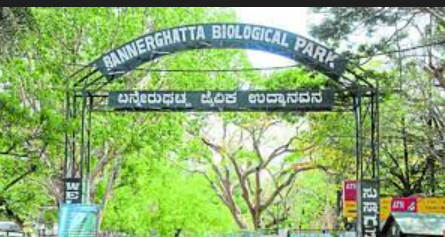
Bannerghatta Biological Park Gains from Safari Bans Elsewhere: 1 Strategic Advantage

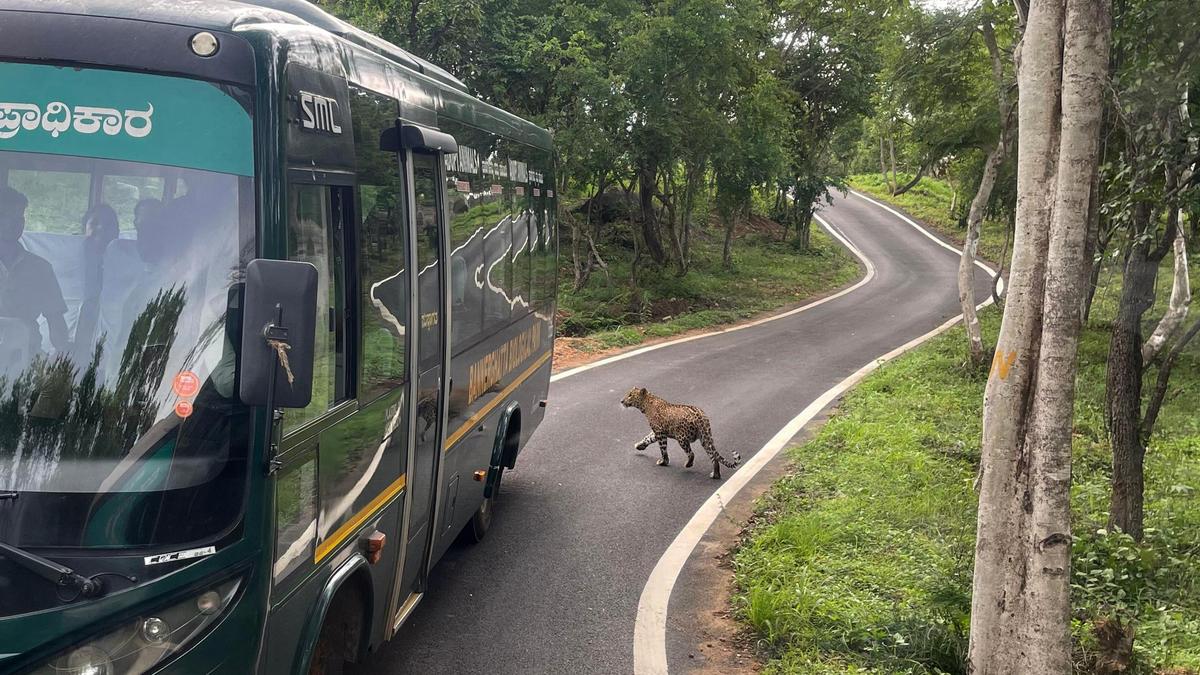
Bannerghatta Biological Park (BBP) in Bengaluru has witnessed a significant surge in visitor numbers following temporary safari bans and operational restrictions at other popular wildlife destinations in Karnataka and neighbouring states. The move, largely aimed at conservation and habitat protection in high-traffic parks, has redirected wildlife enthusiasts, school groups, and tourists toward Bannerghatta, creating both opportunities and challenges for the park’s administration.

Officials from the Karnataka Forest Department said the increase in footfall has allowed BBP to showcase its diverse animal collection, including tigers, lions, elephants, and reptiles, while promoting conservation awareness. “The park has always maintained high standards of animal care and visitor safety,” said a senior forest official. “With other safari destinations temporarily unavailable, Bannerghatta is providing wildlife experiences while educating the public on the importance of biodiversity.”

BBP, known for its safari and zoo facilities, serves as a major educational hub, hosting thousands of school and college students annually. Officials noted that the increased visitor numbers have provided opportunities to enhance conservation messaging, conduct awareness workshops, and promote volunteer programmes. “It’s not just about revenue or crowds; this is a chance to build a generation that values wildlife,” said a park educator.

The surge has also brought attention to the park’s unique positioning. While other destinations restrict access to sensitive habitats or temporarily close certain trails to protect wildlife, Bannerghatta has managed to balance conservation needs with public engagement. Administrators said that rigorous visitor management protocols, including timed entries and vehicle limits per safari, have allowed safe and controlled interaction with animals without disturbing their natural behaviour.Bannerughatta Biological Park gains from safari bans in other popular  destinations - The Hindu

Officials said the park has intensified collaboration with schools and colleges to channel the surge in visitors toward educational programmes. Special guided tours, wildlife photography workshops, and interactive sessions with forest officers have been organised to engage students more meaningfully. “When students understand the science behind conservation and animal behaviour, the experience becomes far more impactful than just a safari ride,” said an education coordinator at BBP. These initiatives aim to nurture future conservationists while ensuring that increased footfall contributes to knowledge and awareness rather than mere recreation.

The park has also taken steps to enhance visitor infrastructure in response to the increased traffic. Additional parking spaces, shaded waiting areas, and improved sanitation facilities have been introduced to manage peak-day crowds. Eco-friendly measures, such as solar-powered lighting and water recycling, are being integrated to ensure that higher visitor numbers do not compromise sustainability. Administrators emphasised that visitor comfort and convenience are essential to maintaining long-term engagement while keeping environmental impact minimal.

Veterinary and animal welfare teams at the park have been bolstered to handle the increased visitor pressure. Experts monitor animal stress levels, health conditions, and behavioural changes closely, adjusting safari schedules as needed to prevent disturbance. The park has also implemented measures like limiting the number of vehicles per zone and enforcing strict guidelines for noise and litter. “Our priority is the well-being of animals. Every precaution is taken to ensure that they continue to thrive even with the increased human presence,” a senior zoologist said.

Community participation has been encouraged as part of the park’s management strategy. Local residents have been involved as guides, volunteers, and service providers, creating employment opportunities and fostering a sense of stewardship. Officials said that community involvement not only improves visitor experience but also strengthens conservation efforts, as local knowledge helps protect sensitive habitats and species. “When the community feels ownership, they become allies in conservation,” a forest department official noted.

Looking ahead, BBP plans to continue expanding educational outreach and sustainable tourism practices. Future initiatives include mobile apps for wildlife information, online booking and scheduling to reduce congestion, and immersive educational experiences such as virtual safaris. Authorities hope that these innovations, combined with rigorous conservation standards, will allow the park to accommodate growing visitor interest without compromising its ecological mission. The current surge, officials said, represents both a challenge and an opportunity to cement Bannerghatta’s status as a model of responsible wildlife tourism.


Visitor Trends, Operational Strategies, and Conservation Focus

The recent visitor spike coincides with temporary closures and safari restrictions at parks such as Dandeli Wildlife Sanctuary, Bandipur, and Nagarhole, which implemented measures to protect habitats during breeding seasons and monsoon periods. Experts said these closures often result in redistribution of tourist traffic, benefiting parks like Bannerghatta that maintain regulated and sustainable visitor management systems.

Officials said BBP has strengthened operational planning to accommodate the surge, including increasing staff presence, ensuring vehicle and guide availability, and expanding ticketing counters. Timed slots for safaris and special educational tours have been introduced to prevent overcrowding. “We have to ensure that the animals’ daily routine is not disrupted while managing larger crowds,” said a senior wildlife officer.

The park has also intensified conservation education, offering interpretive talks, interactive kiosks, and guided trail walks. Special sessions on animal behaviour, ecological balance, and habitat preservation are being conducted for school groups. Experts emphasised that such engagement is critical to fostering long-term environmental stewardship among visitors.

BBP officials highlighted that revenue generated from increased visitors is being reinvested in habitat improvement, veterinary care, and infrastructure development. “Every ticket contributes to better animal welfare and conservation projects,” said a park administrator, adding that sustainability remains the central priority.


Educational and Ecotourism Opportunities

The surge in visitors has created opportunities for educational programmes tailored to different age groups. School students participate in guided safaris and conservation workshops, while college-level visitors engage in citizen science projects, habitat monitoring, and volunteer initiatives. The park administration said such programmes aim to make visitors active participants in wildlife conservation rather than passive observers.

Tourism experts noted that the park’s ability to maintain high-quality experiences under increased visitor pressure is crucial for its long-term reputation. “Visitor satisfaction is directly tied to how well the park balances conservation with engagement,” said an ecotourism consultant. Proper interpretation, safe viewing, and regulated movement within safari zones are essential to ensure positive experiences.

Administrators have also collaborated with local communities to provide additional support services, including guided tours, transportation, and food services, enhancing the overall visitor experience. Local vendors have benefited from increased footfall, creating indirect economic gains while reinforcing community involvement in conservation efforts.

While the increased traffic is welcomed, officials remain vigilant about potential stress on the park’s ecosystems. Guidelines for visitor behaviour, strict waste management protocols, and restricted zones have been enforced to mitigate environmental impact. “We want visitors to connect with nature, but not at the cost of disrupting animal welfare or ecological integrity,” said a forest department spokesperson.


Challenges of Managing Increased Visitor Numbers

The rise in visitors has introduced challenges that the park administration is actively addressing. Traffic congestion, vehicle emissions, and potential human-animal interactions are being closely monitored. Officials said they have implemented eco-friendly shuttle services within the park and increased monitoring to ensure compliance with safari rules.

Veterinary teams and wildlife staff have been put on high alert to handle any incidents arising from stress among animals or accidents. “Animal behaviour is sensitive to human presence,” said a senior zoologist. “Maintaining appropriate distances, reducing noise, and controlling group sizes are essential to prevent stress or aggression.”

Moreover, the park faces logistical pressures during peak seasons, such as school holidays and weekends. Authorities said advance booking systems, digital ticketing, and staggered entry timings are being reinforced to maintain orderly visitor flow. These measures, while necessary, require constant oversight and coordination between staff, volunteers, and forest officials.

Environmental groups have urged the park to continue prioritising animal welfare over visitor numbers, warning that unsustainable traffic could disrupt breeding cycles and natural behaviours. The park administration responded that all measures are guided by wildlife experts, and visitor management will continue to align with conservation priorities.

BANNERUGHATTA BIOLOGICAL PARK (2026) All You Need to Know BEFORE You Go  (with Photos) - Tripadvisor


Balancing Revenue, Engagement, and Conservation

While the influx of visitors provides financial benefits, administrators emphasise that revenue is not the primary goal. Funds are being channelled toward habitat enrichment, veterinary care, improved enclosures, and educational outreach. “Our focus is holistic—ensuring animal welfare, providing meaningful visitor experiences, and supporting conservation education,” said the park director.

Officials also highlighted the importance of maintaining scientific monitoring alongside increased visitation. Animal behaviour studies, population health checks, and habitat assessments are being conducted to ensure that the surge does not have negative ecological consequences. Data collected will inform future visitor management strategies.

Conservationists applauded the park’s proactive stance in integrating education, sustainable tourism, and wildlife protection. They noted that Bannerghatta’s success could serve as a model for other parks facing similar challenges, demonstrating that visitor engagement and ecological stewardship can coexist.

The current scenario, according to experts, also presents an opportunity to cultivate a new generation of environmentally conscious citizens. Students, families, and tourists visiting the park are exposed to biodiversity, conservation challenges, and the importance of ethical interaction with wildlife, fostering long-term awareness and responsibility.


Looking Ahead: Sustaining Growth Without Compromise

The Forest Department plans to sustain the current growth in visitor interest by further expanding educational programming, upgrading safari infrastructure, and strengthening community partnerships. Officials said long-term planning includes digital interpretive guides, mobile apps for self-guided tours, and eco-friendly transportation solutions within the park.

The administration reiterated that animal welfare will remain the guiding principle. All expansions, visitor management plans, and educational initiatives are being designed with input from zoologists, ecologists, and wildlife behaviour experts. Measures include restricted access zones, noise control, and careful scheduling of high-traffic areas.Bannerughatta Biological Park

Experts believe that Bannerghatta’s ability to handle this period of increased interest without compromising conservation standards will set benchmarks for other parks across India. Success will demonstrate that wildlife tourism can be leveraged for awareness and funding while upholding ecological and ethical standards.

As visitor numbers continue to rise, Bannerghatta Biological Park stands at a crossroads. The challenge lies in converting this influx into a lasting opportunity for conservation education, community engagement, and sustainable tourism. Officials remain optimistic that with careful planning, the park can serve as both a sanctuary for wildlife and a hub for responsible ecotourism, proving that preservation and public enjoyment can coexist.

Follow: Karnataka Government

Also read: Home | Channel 6 Network – Latest News, Breaking Updates: Politics, Business, Tech & More

Government First-Grade Colleges Set Admission Target for This Year: Ambitious Push, 75% Hope, Students at the Centre

The Karnataka government has set an ambitious target of achieving at least 75% admissions in government first-grade colleges across the State this academic year, signalling a renewed focus on strengthening public higher education and reversing years of declining enrolment. The move comes amid concerns over falling student numbers in government institutions, growing preference for private , and questions over the sustainability of the public system.

Officials have emphasised the role of technology in achieving the admissions target. have been instructed to update websites with detailed course information, eligibility criteria, fee structures, and scholarship details. Social media campaigns and messaging platforms are being used to reach prospective students, particularly in semi-urban and rural areas. The department hopes that enhanced digital visibility will attract students who may otherwise consider private colleges due to lack of awareness about government options. “Information is the first step toward choice,” said a senior official, noting that many eligible students remain unaware of government in their district.

Several are also introducing mentorship programmes for incoming students to improve retention rates. Senior students and alumni are being roped in to guide first-year students, helping them navigate academics, co-curricular activities, and career planning. Officials said such mentorship initiatives aim to make students feel integrated and supported from the outset, reducing dropouts and improving overall satisfaction. “A welcoming and engaging environment is as important as the course itself,” said one principal, stressing that holistic student experience will be key to meeting enrolment targets sustainably.

Civil society groups have welcomed the government’s renewed focus on first-grade colleges but urged that quality enhancement measures accompany the admissions drive. They recommended upgrading laboratory facilities, library resources, and digital infrastructure to ensure students receive education comparable to private institutions. Experts noted that government colleges often have the potential to deliver high-quality teaching at low cost if they receive adequate support and resources. “Meeting targets is only half the battle; the real goal is to retain students and ensure meaningful learning,” a senior education consultant said.

As the admission season progresses, the coming months will test both the administrative capacity of the and the effectiveness of outreach strategies. Observers noted that the 75% target, if achieved, could serve as a benchmark for other States grappling with declining government enrolments. Beyond the numbers, the effort reflects a broader commitment to strengthening public education and reinforcing its role in social equity. For students, parents, and educators alike, the initiative represents both hope and a challenge: to restore faith in government as institutions of opportunity, learning, and long-term growth.

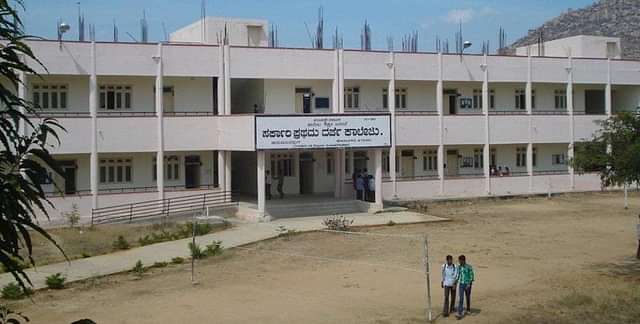
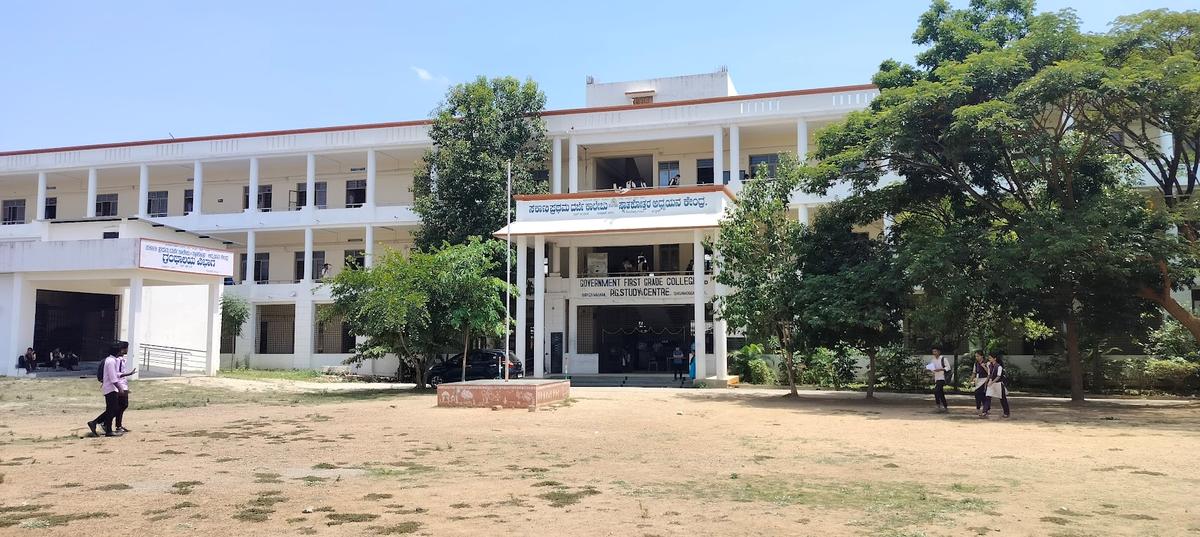
Government First Grade College (GFGC), Tumkur - Admission 2026, Fees,  Courses, Placement, Ranking

Senior officials in the Department of Collegiate Education said the target has been communicated to principals of government first-grade colleges, along with directions to intensify outreach, improve academic offerings and ensure a student-friendly environment. The emphasis, officials said, is not merely on numbers but on restoring confidence in government colleges as affordable, quality institutions catering especially to students from rural, semi-urban and economically weaker backgrounds.

Government first-grade colleges form the backbone of Karnataka’s undergraduate education system, particularly in districts where private colleges are either scarce or unaffordable. However, enrolment trends over the past decade have shown a steady decline in many such colleges due to factors such as competition from private institutions, migration to urban centres, perceived quality gaps and limited course diversity.

By setting a clear numerical target, the government hopes to energise college administrations and introduce accountability into the admissions process. Officials said achieving 75% occupancy would not only improve academic vibrancy but also strengthen the case for additional funding, faculty recruitment and infrastructure development.

The move has drawn mixed reactions from educators, students and policy experts. While many have welcomed the renewed attention to public colleges, others have cautioned that targets alone will not address deeper structural issues affecting enrolment.


Why Admissions Have Declined and What the Government Plans to Do

Data from the Collegiate Education Department indicate that several government first-grade colleges have been operating at less than 50% capacity in recent years, with some rural colleges recording even lower figures. Officials attribute this trend to multiple factors, including demographic changes, students opting for professional courses, and aggressive marketing by private colleges offering perceived placement advantages.

Another major factor, educators say, is the mismatch between courses offered and evolving student aspirations. While many government colleges continue to focus on traditional arts and science programmes, students increasingly seek skill-oriented and interdisciplinary courses aligned with employment opportunities.

In response, the government has instructed colleges to actively promote existing courses and highlight advantages such as low fees, scholarships and experienced faculty. Principals have been asked to engage with pre-university colleges, hold counselling sessions, and use community outreach to attract students.

Officials also said efforts are under way to introduce new programmes, including vocational, skill-based and emerging discipline courses, subject to approval and resource availability. Some colleges have already begun offering add-on courses, certificate programmes and industry-oriented modules to make degrees more attractive.

The department has further emphasised the importance of improving campus facilities, including libraries, laboratories and digital infrastructure. “Students must feel that government colleges can offer a holistic learning experience, not just affordable education,” a senior official said.


Role of Principals, Faculty and Local Outreach

The success of the 75% admissions target largely depends on the role played by college leadership and faculty, officials said. Principals have been asked to take ownership of admissions performance and work closely with staff to create a welcoming academic environment.

Faculty members have been encouraged to engage directly with prospective students and parents, addressing concerns about teaching quality, examination patterns and career prospects. Some colleges have begun organising open-house events and orientation programmes to familiarise students with campus life.

In rural areas, teachers have been asked to visit nearby villages and schools to spread awareness about admission deadlines, course options and financial assistance schemes. Educators say such grassroots engagement is essential to reach first-generation learners who may lack access to information.

However, faculty associations have pointed out that staff shortages and administrative burdens make outreach challenging. Several government colleges continue to function with vacant teaching posts, relying on guest lecturers. “Targets must be matched with adequate staffing and support,” said a senior lecturer, warning that overburdened faculty cannot be expected to shoulder additional responsibilities indefinitely.No permanent faculty at govt. first-grade evening college in Shivamogga -  The Hindu


Students’ Perspectives and Affordability Advantage

For many students, especially those from low-income families, government first-grade colleges remain the most viable option for higher education. With minimal tuition fees, access to scholarships and proximity to home, these institutions offer a lifeline to those who cannot afford private colleges.

Students currently enrolled in government colleges said the affordability factor remains a strong draw, but perceptions around quality need improvement. “Fees are low, and teachers are supportive, but infrastructure and exposure need to improve,” said a final-year arts student from north Karnataka.

Several students said that better career guidance, internship opportunities and campus placements would significantly enhance the appeal of government colleges. They said many peers choose private institutions because they promise industry connections, even if those promises are not always fulfilled.

Parents, too, expressed cautious optimism about the government’s focus on admissions. “If government colleges improve facilities and ensure regular classes, more parents will trust them,” said a farmer whose daughter plans to enrol in a government college.


Experts Warn Against Numbers-Only Approach

Education experts have welcomed the intent behind the admissions target but cautioned against viewing it purely as a numerical exercise. They argue that sustainable enrolment growth requires long-term reforms addressing curriculum relevance, faculty strength and student support systems.

“Filling seats is not enough. Students must stay, learn and graduate with meaningful outcomes,” said a former university vice-chancellor. He said retention rates, learning quality and employability must be considered alongside admissions.

Experts also stressed the need for decentralised planning, noting that challenges differ across regions. Urban government colleges may struggle with competition from private institutions, while rural colleges face issues such as migration and limited awareness. “A one-size-fits-all approach will not work,” an education analyst said.

Some experts suggested linking admissions targets with incentives such as additional grants, infrastructure support or new course approvals for colleges that show improvement. They also called for systematic monitoring to ensure that pressure to meet targets does not result in lowering academic standards.


Government’s Broader Vision for Public Higher Education

Officials said the admissions drive is part of a broader effort to revitalise government higher education institutions. Alongside enrolment targets, the department is working on faculty recruitment, curriculum updates and digital integration.

There are also plans to strengthen academic autonomy and encourage innovation at the college level. Officials said colleges would be encouraged to collaborate with local industries, research institutions and civil society organisations to enrich learning experiences.

The government believes that strong public colleges are essential for social equity and regional development. “Government first-grade colleges are not just educational institutions; they are social institutions that promote inclusion,” an official said.Government First Grade College Gauribidanur, Chikkaballapur: Details and  Reviews


A Test Year for Government Colleges

As the admission season gathers pace, the 75% target has become both a challenge and an opportunity for government first-grade colleges. Success could help restore faith in public higher education and justify greater investment. Failure, however, may intensify debates about consolidation or restructuring of underperforming institutions.

Educators say the coming months will reveal whether the government’s push translates into meaningful change or remains a short-term drive. Much will depend on how effectively colleges communicate their strengths, address weaknesses and engage with students.

For thousands of aspiring undergraduates, the outcome will shape their educational choices and futures. As one college principal put it, “This is not just about meeting a percentage. It is about proving that government colleges still matter.”

Follow: Karnataka Government

Also read: Home | Channel 6 Network – Latest News, Breaking Updates: Politics, Business, Tech & More

Belagavi Kala Mandir Set to Be Leased Out: Bold Decision, 1 Cultural Legacy at Stake

Follow: Karnataka Government

Also read: Home | Channel 6 Network – Latest News, Breaking Updates: Politics, Business, Tech & More

Police Commissioner S.D. Sharanappa Calls for Science and Technology to Shape 1 Humane Society

Bengaluru Police Commissioner S.D. Sharanappa has said that science and technology, driven by continuous innovation, must go beyond convenience and efficiency to fundamentally improve the mindset of people and enhance everyday life for the common man. Speaking at a public interaction programme attended by students, professionals, police personnel and civic representatives, he stressed that technological progress should ultimately serve human values, social harmony and ethical conduct, rather than remain confined to gadgets, surveillance systems or digital platforms.

Mr. Sharanappa observed that while technology has rapidly transformed communication, mobility and governance, its deeper purpose must be to cultivate responsible behaviour, empathy and civic sense among citizens. He said innovations should help reduce conflict, encourage lawful conduct and promote mutual respect in society. “Science and technology should not only make life faster or smarter. They must make life better, safer and more humane,” he said, underlining the need for people-centric innovation.

The Police Commissioner noted that law enforcement agencies increasingly rely on technology for crime prevention, investigation and public service delivery. However, he cautioned that tools alone cannot create a peaceful society unless accompanied by a shift in mindset. According to him, technology should be designed and deployed in ways that encourage positive behaviour, discourage violence and misinformation, and strengthen trust between citizens and institutions.

His remarks come amid rapid digitisation in policing, including the use of artificial intelligence, data analytics, surveillance cameras and online service platforms. While these tools have improved efficiency, Mr. Sharanappa said the real challenge lies in ensuring that technology bridges social divides rather than deepening them. He emphasised that inclusive innovation must address the needs of ordinary citizens, particularly those from marginalised and vulnerable sections.Sharanappa Dhage - Determined Cop


Technology as a Tool for Social Change, Not Just Enforcement

Mr. Sharanappa highlighted that policing in the modern era is no longer limited to enforcing law and order but increasingly involves community engagement, conflict resolution and preventive intervention. He said science and technology can play a crucial role in these areas by enabling early identification of social stress points, facilitating communication, and promoting awareness.

He pointed out that data-driven policing, when used responsibly, can help identify accident-prone zones, crime hotspots and vulnerable communities, allowing authorities to take preventive measures. However, he stressed that such systems must be transparent and accountable to avoid misuse or erosion of public trust. “Technology should empower citizens, not intimidate them,” he said.

The Commissioner said innovations in communication technology offer opportunities to improve police-public interaction. Mobile applications, helplines and digital grievance platforms have made it easier for citizens to seek assistance and report issues. However, he said these platforms must be accessible, user-friendly and responsive to ensure that people feel heard and supported.

He also underlined the role of technology in spreading awareness and shaping attitudes, particularly among the youth. Digital campaigns, interactive content and educational tools can be used to promote road safety, cyber hygiene, gender sensitivity and respect for the law. Mr. Sharanappa said positive messaging, backed by credible information, can counter misinformation and reduce fear and mistrust.

Referring to the misuse of technology, he warned that unchecked spread of false information, hate speech and online harassment can inflame tensions and disrupt social harmony. He said technological innovation must therefore be accompanied by ethical safeguards and digital literacy. “We cannot allow technology to become a weapon against social cohesion,” he said, urging collaboration between technologists, policymakers and educators.


People-Centric Innovation and the Role of Institutions

The Police Commissioner stressed that the success of science and technology should be measured not by sophistication alone but by its impact on everyday life. He said innovations must address practical problems faced by common people, such as traffic congestion, public safety, access to services and grievance redressal.

As he concluded his address, Mr. Sharanappa urged innovators, administrators and citizens to work together to ensure that science and technology remain aligned with human values. He said the ultimate goal of innovation should be to create safer streets, more inclusive cities and a society where people feel respected and secure.

Observers said the Commissioner’s remarks reflect a broader shift in thinking within law enforcement, moving from reactive policing to preventive and participatory models. By emphasising mindset change, he highlighted the limits of enforcement-driven approaches and the potential of technology as a catalyst for social transformation.

Experts attending the programme said his views resonate with global discussions on ethical technology and human-centred design. They noted that as cities become smarter, the focus must remain on citizens rather than systems. Technology, they said, should serve as a bridge between institutions and people, not a barrier.

For the common man, Mr. Sharanappa’s message offered reassurance that innovation need not be intimidating or exclusionary. When guided by empathy and responsibility, science and technology can simplify daily life, enhance safety and foster mutual respect. The challenge, he said, lies not in inventing new tools, but in using them wisely to build a more understanding and humane society.

Citing examples from policing, Mr. Sharanappa said technology has helped streamline passport verification, emergency response and traffic management. However, he acknowledged that gaps remain, particularly in reaching senior citizens, migrant workers and economically weaker sections who may lack digital access or literacy. He said institutions must invest in outreach and support systems to ensure that technological benefits are equitably distributed.

He also spoke about the importance of inter-departmental collaboration, noting that challenges like road safety, cybercrime and urban security require coordinated efforts across agencies. Technology, he said, can act as a unifying platform by enabling data sharing, joint planning and real-time coordination. However, he cautioned that such integration must respect privacy and legal boundaries.

Mr. Sharanappa called upon educational institutions to play a proactive role in shaping socially responsible technologists. He said students pursuing science and engineering must be encouraged to think beyond commercial success and consider the societal implications of their work. “Innovation without empathy can become dangerous,” he said, urging educators to integrate ethics, social responsibility and civic awareness into technical curricula.KALABURAGI NEW POLIC COMMISSIONER DR SHARANAPPA S.D IPS 2009 BATCH TAKEN  CHARGE TODAY

The Commissioner also highlighted the need for continuous training of police personnel to keep pace with technological change. He said officers must not only learn how to use new tools but also understand their limitations and ethical dimensions. “Technology should assist judgment, not replace it,” he said, stressing that human discretion and compassion remain central to policing.


Mindset Change as the Real Measure of Progress

A recurring theme in Mr. Sharanappa’s address was the idea that mindset change is the true indicator of progress. He said science and technology should inspire people to follow rules voluntarily, respect diversity and resolve disputes peacefully. According to him, a society that relies solely on enforcement has failed to internalise values.

He observed that many social problems, including road rage, domestic violence and cyber abuse, stem from attitudes rather than lack of laws. Technology, he said, can help by promoting awareness, facilitating counselling and providing platforms for dialogue. However, he emphasised that technological solutions must be accompanied by sustained social engagement.

The Police Commissioner said community-based initiatives, supported by digital tools, can foster trust and cooperation. For instance, neighbourhood watch groups, online forums and feedback systems can encourage collective responsibility. He said such approaches reduce the burden on law enforcement while strengthening social bonds.

He also addressed concerns about over-reliance on surveillance and monitoring technologies. While acknowledging their role in crime prevention, he said excessive focus on control can create fear and resentment. “A society should feel protected, not watched,” he said, calling for balanced use of technology that prioritises consent and transparency.

Mr. Sharanappa noted that technological progress often outpaces social adaptation, creating anxiety and resistance. He said policymakers and institutions must manage this transition carefully by engaging with communities and addressing their concerns. “Change imposed without understanding will always face resistance,” he said.


Looking Ahead: Innovation With a Human Face

As he concluded his address, Mr. Sharanappa urged innovators, administrators and citizens to work together to ensure that science and technology remain aligned with human values. He said the ultimate goal of innovation should be to create safer streets, more inclusive cities and a society where people feel respected and secure.

Observers said the Commissioner’s remarks reflect a broader shift in thinking within law enforcement, moving from reactive policing to preventive and participatory models. By emphasising mindset change, he highlighted the limits of enforcement-driven approaches and the potential of technology as a catalyst for social transformation.

Experts attending the programme said his views resonate with global discussions on ethical technology and human-centred design. They noted that as cities become smarter, the focus must remain on citizens rather than systems. Technology, they said, should serve as a bridge between institutions and people, not a barrier.Dr. Sharanappa S.D., IPS,Police Commissioner, conducted a meeting with all  officers of inspector rank and above. During this meeting, he issued  directives to enhance the patrolling duties of officers and staff to

For the common man, Mr. Sharanappa’s message offered reassurance that innovation need not be intimidating or exclusionary. When guided by empathy and responsibility, science and technology can simplify daily life, enhance safety and foster mutual respect. The challenge, he said, lies not in inventing new tools, but in using them wisely to build a more understanding and humane society.

Follow: Karnataka Government

Also read: Home | Channel 6 Network – Latest News, Breaking Updates: Politics, Business, Tech & More

VTU to Crack Down on Private Companies Demanding Money Instead of Paid Internships: Strong Action, 1 Promise, Students First

Follow: Karnataka Government

Also read: Home | Channel 6 Network – Latest News, Breaking Updates: Politics, Business, Tech & More

As BDA Turns 50, DKS Urges Institutional Reform, End of Bold Corruption

As thecompleted 50 years of its existence, Deputy Chief Minister and Bengaluru Development Minister D.K. Shivakumar on Monday called for sweeping institutional reforms within the urban planning body, stressing that corruption, procedural delays and loss of public trust must be addressed urgently. Speaking at a programme marking the golden jubilee of the BDA, Mr. Shivakumar said the authority, which was once envisioned as a professional urban planning institution, had over the decades drifted from its original mandate and now required deep structural correction rather than cosmetic changes.

The Deputy Chief Minister also flagged the issue of land acquisition and compensation, stating that outdated processes and prolonged disputes have eroded public confidence in the BDA. He said farmers whose land is acquired often face years of uncertainty over compensation, leading to resentment and litigation. Mr. Shivakumar said reforms must ensure fair, transparent and time-bound compensation mechanisms. “Development cannot come at the cost of injustice to landowners. If people feel cheated, projects will inevitably face resistance and delays,” he said, stressing that humane policies are essential for sustainable urban growth.

Mr. Shivakumar further emphasised the need to digitise BDA records comprehensively to curb manipulation and misuse. He said legacy records, manual files and poor archival systems have enabled irregularities and made accountability difficult. Digitisation, he said, would ensure traceability of decisions, faster service delivery and reduced scope for corruption. He added that citizens should be able to track applications, approvals and grievances online without depending on intermediaries. “Transparency is the strongest antidote to corruption. Technology must be used to empower citizens, not confuse them,” he said.

Addressing concerns over unauthorised layouts and rampant encroachments, the Deputy Chief Minister said weak enforcement and political pressure had allowed violations to flourish. He noted that illegal developments not only strain infrastructure but also deprive the government of revenue and residents of basic services. Mr. Shivakumar said the BDA must adopt a firm but fair approach, combining strict action against violations with regularisation policies that are legally sound and socially just. He said selective enforcement would no longer be tolerated.

 Bangalore Development Authority (BDA)

The Deputy Chief Minister also spoke about affordable housing, stating that the BDA must prioritise the needs of lower- and middle-income groups rather than catering largely to speculative real estate interests. He said Bengaluru’s housing crisis has worsened due to rising land prices and inadequate supply of affordable homes. “Urban planning is not just about roads and layouts. It is about dignity, shelter and access for all sections of society,” he said, urging the authority to align its policies with social welfare objectives.

Referring to environmental challenges, Mr. Shivakumar said the BDA must integrate ecological considerations into every stage of planning. He noted that loss of lakes, green cover and natural drainage systems has increased the city’s vulnerability to flooding and heat stress. He said future development must respect carrying capacity and natural ecosystems. “We cannot build recklessly and then blame nature for our mistakes. Sustainable planning is no longer optional; it is a necessity,” he said.

Several retired officials who served the BDA in its early decades recalled the authority’s formative years, saying it once enjoyed a reputation for professionalism and efficiency. They said early layouts were designed with wide roads, civic amenities and open spaces, reflecting a long-term vision. However, they acknowledged that political interference and rapid urban expansion gradually diluted planning discipline. Many said the current leadership’s acknowledgment of institutional failures was a necessary first step toward revival.

Representatives of employee unions said staff morale had suffered due to constant criticism, legal scrutiny and workload pressures. They urged the government to strengthen human resources, fill vacancies and protect honest officers while acting firmly against wrongdoing. Union leaders said systemic reforms should not become a pretext for indiscriminate action against employees. They welcomed the focus on training and capacity-building, saying skilled and motivated staff are critical for effective urban governance.

As the event concluded, speakers repeatedly underlined that the BDA’s next phase must be defined by public trust rather than land allotment numbers. Observers noted that the Deputy Chief Minister’s remarks signalled a political willingness to confront long-standing problems, though translating intent into outcomes will be challenging. With Bengaluru’s future closely tied to the effectiveness of its planning institutions, the coming years will test whether the BDA can truly reinvent itself and reclaim its relevance in a rapidly changing urban landscape.

Recalling the circumstances under which the BDA was formed in 1976, the Deputy Chief Minister said the agency was meant to ensure planned growth of Bengaluru, equitable land distribution, and creation of infrastructure to support a rapidly expanding city. However, he acknowledged that unplanned urbanisation, political interference, and vested interests had weakened the institution. “We are celebrating 50 years, but this is also a moment of introspection. We must ask ourselves honestly whether BDA has lived up to the expectations of Bengalureans,” he said, adding that citizens today often associate the authority with controversy instead of development.

Mr. Shivakumar said corruption allegations had consistently damaged the credibility of the BDA and alienated ordinary people who approach it for sites, approvals or regularisation. He stressed that the government would not tolerate malpractice and assured that systems would be put in place to improve transparency and accountability. “Urban development cannot function on middlemen, files that never move, and citizens who are forced to run from pillar to post. If Bengaluru is to be a global city, its planning institutions must function with integrity,” he said.

Highlighting the changing nature of Bengaluru’s urban challenges, the Deputy Chief Minister said the city of today is vastly different from the one the BDA was designed for five decades ago. Population growth, migration, pressure on infrastructure, traffic congestion, water scarcity and climate vulnerability demand a new approach to planning. He said the BDA must move away from a land-centric model focused largely on layouts and sites, and instead become a modern metropolitan planning authority capable of long-term, data-driven decision-making.

Mr. Shivakumar also underlined the need for professional capacity-building within the BDA. He said urban planning today requires expertise in transport integration, environmental sustainability, affordable housing and technology-driven governance. “We cannot run a 21st century city with 20th century systems. Officers must be trained, technology must be upgraded, and decisions must be based on evidence, not influence,” he said. He added that the government was examining global best practices to restructure the authority and redefine its role.Latest Electoral bonds News, Photos, Latest News Headlines about Electoral bonds-The Hindu

Referring to public dissatisfaction over delays in site allotments and layout development, the Deputy Chief Minister said such issues have created distrust between citizens and the BDA. He noted that many allottees have waited decades for possession of sites or basic amenities, while litigation has stalled several projects. “People invest their lifetime savings with hope. When institutions fail them, it is not just administrative failure but moral failure,” he said, calling for time-bound delivery and clear communication with the public.

Mr. Shivakumar said coordination between multiple agencies had become a major challenge in Bengaluru’s governance. With bodies such as the BBMP, BDA, BWSSB, BESCOM and traffic police functioning in silos, urban planning often lacks cohesion. He said institutional reform must also address this fragmentation. “Roads are dug up repeatedly because agencies do not talk to each other. Planning must be integrated, and BDA has to play a central coordinating role,” he said.

Senior officials present at the event acknowledged that the authority had faced criticism over land acquisition practices, court cases and alleged irregularities in allotments. Some officers said that legal disputes over land had significantly constrained BDA’s functioning and delayed projects. They also pointed to staff shortages and outdated procedures as persistent problems. However, they expressed hope that the golden jubilee would mark a turning point towards reform and renewal.

Urban experts attending the programme said the Deputy Chief Minister’s remarks reflected a growing recognition that Bengaluru’s planning institutions need fundamental overhaul. They noted that while the BDA had contributed to the creation of major layouts and infrastructure in the past, it struggled to keep pace with the city’s rapid expansion. Experts said reforms should include clearer demarcation of responsibilities, greater public participation in planning, and stronger regulatory oversight to prevent misuse of power.Bangalore Development Authority under lens as govt decides to investigate claims of irregularities | Bengaluru News - Times of India

Citizen groups and resident welfare associations have long demanded greater transparency in BDA functioning. Many have complained about lack of access to information, delays in grievance redressal, and opaque decision-making. Some activists welcomed the government’s emphasis on reform but said implementation would be key. “We have heard promises before. What people want now is visible change on the ground, not just speeches,” a civic activist said.

Mr. Shivakumar concluded his address by saying that the golden jubilee should not be reduced to a ceremonial milestone. Instead, he said, it should serve as the beginning of a new phase for the BDA, rooted in integrity, professionalism and public service. “Bengaluru deserves institutions that work for the people, not against them. If we are serious about the future of this city, reforming the BDA is not optional, it is inevitable,” he said.

As the BDA enters its sixth decade, the challenge before the government will be to translate these commitments into concrete administrative and structural changes. With Bengaluru continuing to expand at an unprecedented pace, the effectiveness of its planning authority will play a crucial role in shaping the city’s livability, equity and sustainability in the years to come.

Siddaramaiah vs DK Shivakumar outcome in Karnataka may hinge on 'corruption scandals'

Follow: Karnataka Government

Also read: Home | Channel 6 Network – Latest News, Breaking Updates: Politics, Business, Tech & More