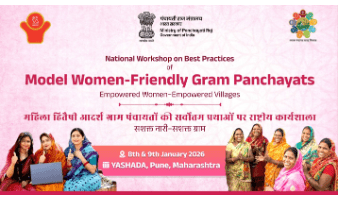
The Ministry of Panchayati Raj, Government of India, in collaboration with the Rural Development and Panchayat Raj Department, Government of Maharashtra, will organise a two-day National Workshop on Best Practices of Model Women-Friendly Gram Panchayats (MWFGPs) at Yashwantrao Chavan Academy of Development Administration (YASHADA), Pune, on 8–9 January 2026.
The workshop aims to showcase exemplary grassroots practices and strengthen the capacity of Gram Panchayats to promote gender equality and women’s empowerment at the village level.
Inaugural Session and Key Dignitaries
The workshop will be inaugurated by Sushil Kumar Lohani, Additional Secretary, Ministry of Panchayati Raj.
The inaugural session will be attended by senior officials including:
Eknath Rajaram Dawale, Principal Secretary, Rural Development and Panchayat Raj Department, Government of Maharashtra
Niranjan Kumar Sudhansu, Director General, YASHADA
Vipul Ujwal, Director, MoPR
Deepa Prasad, UNFPA India
Wide Participation from States and UTs
Around 240 participants from 13 States and Union Territories—including Andhra Pradesh, Chhattisgarh, Dadra & Nagar Haveli and Daman & Diu, Goa, Gujarat, Karnataka, Kerala, Madhya Pradesh, Maharashtra, Odisha, Rajasthan, Tamil Nadu, and Telangana—will take part in the workshop.
Participants include:
Elected representatives and Secretaries of best-performing MWFGPs
Block Development Officers
Directors of State Institutes of Rural Development & Panchayati Raj (SIRD&PR)
State Nodal Officers
This diverse participation is expected to enrich peer learning and inter-state exchange.
Focus Areas and Capacity Building
The workshop will deliberate on five key thematic areas:
Participation in Governance
Health & Nutrition
Education and Skill Development
Access to Economic Opportunities
Safety & Security
Best-performing Model Women-Friendly Gram Panchayats will present their innovative strategies and field-level interventions through presentations and panel discussions. Participants will also receive training on dashboard indicators and portal features for tracking progress and outcomes.
Experiential Learning and Knowledge Exchange
A key objective of the workshop is to develop MWFGPs as Experiential Learning Centres, enabling them to serve as role models for other Gram Panchayats. The platform will facilitate structured exchange of best practices and scalable solutions across participating States and UTs.
Background: Model Women-Friendly Gram Panchayats Initiative
The Model Women-Friendly Gram Panchayats Initiative was launched by the Ministry of Panchayati Raj on 5 March 2025 with the objective of establishing at least one women- and girl-friendly Gram Panchayat in every district.
Under Theme 9 of the Localization of Sustainable Development Goals (LSDGs):
744 Gram Panchayats across 32 States and UTs have been identified as MWFGPs
Selection was based on Panchayat Advancement Index (PAI) Version 1.0, theme-wise scores, inter-departmental consultations, and inputs from women-centric organisations
The Ministry has also developed a dedicated MWFGP Dashboard with 35 indicators across six sub-themes to monitor progress. Master Trainers have been engaged nationwide to provide mentoring and capacity-building support to MWFGPs.
Conclusion
The National Workshop at YASHADA, Pune, marks a significant step in advancing women-centric grassroots governance in India. By enabling structured learning, peer exchange, and capacity enhancement, the initiative reinforces the Ministry of Panchayati Raj’s commitment to building inclusive, equitable, and empowered Gram Panchayats, aligned with India’s broader sustainable development and gender equality goals.
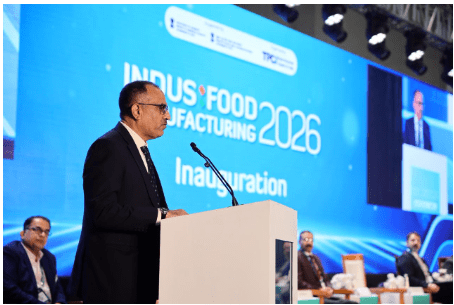
Indusfood Manufacturing 2026, along with FoodTech 4.0, commenced on January 6, 2026, at Yashobhoomi, marking the launch of a major platform dedicated to food processing, packaging, automation, and manufacturing technologies. Organised by the Trade Promotion Council of India (TPCI), the event brings together stakeholders from across the food processing value chain, including technology providers, manufacturers, policymakers, and global partners.
Food Processing as a Growth Engine
The event was inaugurated by Avinash Joshi, Secretary, Ministry of Food Processing Industries (MoFPI). In his address, he highlighted India’s surplus agricultural production, strong manufacturing ecosystem, and young, skilled workforce, underscoring the need to deepen food processing through value addition, quality enhancement, and technology adoption.
“India today has surplus agricultural production, a strong manufacturing base and a young, skilled workforce. The opportunity before us is to further strengthen food processing through value addition, quality enhancement and technology adoption so that we create employment, increase farmers’ incomes and expand exports,” he said, adding that platforms like Indusfood Manufacturing play a crucial role in translating potential into outcomes.
High-Level Participation and Global Engagement
The inauguration witnessed participation from senior industry leaders, policymakers, and international representatives, including Mohit Singla, Chairman, TPCI; Yashvir Singh; Volker Klima, Embassy of the Federal Republic of Germany; and representatives from global and domestic technology and manufacturing firms.
Their presence reflected growing international interest in India’s food processing and agri-manufacturing ecosystem, particularly in areas of automation, digital transformation, and sustainable production.
Technology, Automation and Manufacturing at the Core
Indusfood Manufacturing 2026 and FoodTech 4.0 are designed as future-focused platforms, showcasing innovations in:
Food processing and packaging technologies
Automation and smart manufacturing
Quality assurance and value-added processing
Digital and AI-driven solutions across the food value chain
The events aim to foster collaboration between industry, technology providers, policymakers, and global partners, enabling scalable and export-ready manufacturing solutions.
Driving Jobs, Farmer Incomes and Exports
Emphasising the broader economic impact, the Secretary, MoFPI, noted that enhanced food processing capacity directly contributes to job creation, higher farmer incomes, and export growth. By strengthening backward linkages with agriculture and forward linkages with global markets, the sector plays a pivotal role in inclusive and sustainable development.
Towards Viksit Bharat 2047
Over the coming days, Indusfood Manufacturing 2026 and FoodTech 4.0 will feature live technology showcases, conferences, and business interactions, reinforcing India’s commitment to a future-ready, sustainable, and export-oriented food manufacturing ecosystem. The platform aligns with the national vision of Viksit Bharat 2047, positioning food processing as a key pillar of long-term economic growth.
Conclusion
The opening of Indusfood Manufacturing 2026 and FoodTech 4.0 at Yashobhoomi marks a significant step in strengthening India’s food processing and manufacturing capabilities. With a sharp focus on value addition, technology adoption, and global integration, the platform is set to catalyse innovation, enhance competitiveness, and unlock new opportunities for farmers, manufacturers, and exporters alike.
In a significant move to strengthen India’s media and entertainment innovation ecosystem, WaveX, the startup accelerator initiative under the Ministry of Information and Broadcasting, signed a Memorandum of Understanding (MoU) with the Foundation for Innovation and Technology Transfer (FITT), Indian Institute of Technology Delhi. The collaboration aims to accelerate innovation, incubation, and entrepreneurship in media, entertainment, broadcasting, and communication technologies.
The MoU was signed at Shastri Bhawan in the presence of Sanjay Jaju, Secretary, Ministry of Information & Broadcasting.
Strengthening the WaveX Innovation Framework
Under the partnership, FITT–IIT Delhi will support the implementation and expansion of the WaveX Programme, a national initiative focused on building and strengthening incubation centres across the country. FITT will provide:
Strategic and operational guidance for incubator setup
Access to IIT Delhi’s technical expertise and research facilities
Mentorship, intellectual property (IP) support, and capacity-building
Facilitation of engagement with other IITs and innovation hubs
The collaboration leverages IIT Delhi’s academic and research strengths to create a robust national incubation network for media-tech startups.
WaveX’s Role: Funding, Policy and National Visibility
WaveX, under the Ministry of Information & Broadcasting, will provide financial support, policy guidance, and national visibility to the programme. Through this collaboration, WaveX aims to enable startups with:
Structured funding and incubation support
Access to infrastructure and mentorship
Industry partnerships and investor exposure
Opportunities to scale into national and global markets
The initiative seeks to build a future-ready media and entertainment technology ecosystem aligned with emerging digital and creative technologies.
Government Vision for Media-Tech Entrepreneurship
Speaking on the occasion, Sanjay Jaju said that WaveX is envisioned as a national catalyst for innovation in media and entertainment technologies. He noted that the programme will accelerate startups driving core technological disruption in the media industry, as well as innovators building new applications on existing platforms. He added that WaveX aims to catalyse the wider ecosystem by establishing world-class incubation facilities for media and entertainment startups.
FITT–IIT Delhi on Academic–Industry Collaboration
Nikhil Agarwal, Managing Director, FITT–IIT Delhi, said the partnership reflects FITT’s commitment to technology-driven entrepreneurship in emerging and creative sectors. He emphasised that by combining policy support, academic excellence, and industry engagement, the collaboration aims to build a strong national incubation platform at the intersection of media, technology, and innovation.
Leveraging IIT Delhi’s Innovation Ecosystem
The partnership marks an important step in leveraging IIT Delhi’s strengths in research, innovation, and technology commercialisation to support startup growth under the WaveX framework. It is expected to enhance the scale, quality, and impact of incubation support available to startups in broadcasting and entertainment technologies.
About FITT–IIT Delhi
The Foundation for Innovation and Technology Transfer (FITT) is the industry interface organisation of IIT Delhi. It plays a key role in innovation, incubation, technology commercialisation, IP management, and startup ecosystem development, serving as a bridge between academia and industry.
About WaveX
WaveX is a national media and entertainment technology innovation and incubation programme under the Ministry of Information & Broadcasting, implemented through the National Film Development Corporation Ltd. The initiative supports startups working in broadcasting, communication, media, and emerging technologies through structured incubation, mentorship, industry access, and global exposure.
Conclusion
The MoU between WaveX and FITT–IIT Delhi marks a strategic step towards building a globally competitive media and entertainment technology startup ecosystem in India. By aligning government policy support with academic excellence and industry engagement, the collaboration is set to accelerate innovation, entrepreneurship, and technology-led growth in the broadcasting and entertainment sectors.
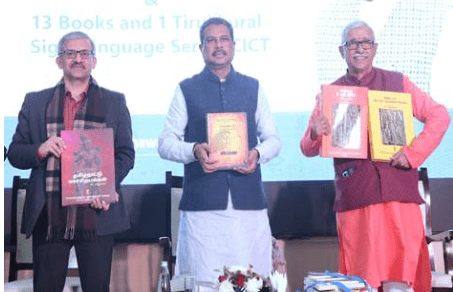
Union Minister for Education Dharmendra Pradhan on Tuesday released 55 literary works in classical Indian languages in New Delhi, marking a significant step towards preserving and promoting India’s rich linguistic and cultural heritage. The publications span Tamil, Odia, Malayalam, Telugu, Kannada, and include a special Tirukkural interpretation in Indian Sign Language, reinforcing the vision of inclusive access to classical knowledge.
Wide-Ranging Scholarly Contributions
Of the 55 works released, 41 books were developed by the Centres of Excellence for Classical Languages under the Central Institute of Indian Languages (CIIL), while 13 books and a Tirukkural Sign Language series were brought out by the Central Institute of Classical Tamil (CICT).
The collection features important scholarly texts across Kannada, Telugu, Malayalam, Odia, and Tamil, reflecting sustained academic engagement with India’s classical traditions and knowledge systems.
Indian Languages at the Core of National Identity
Addressing the gathering, Shri Dharmendra Pradhan said that under the leadership of Narendra Modi, the Government has taken extensive measures to strengthen and promote Indian languages—from expanding the Scheduled Languages list to translating classical texts and encouraging education in Indian languages.
He observed that Indian languages have stood the test of time despite repeated historical attempts to marginalise them, and continue to remain vibrant carriers of civilisational wisdom.
Languages as a Unifying Force
The Union Minister highlighted that India is the mother of democracy and a nation of immense linguistic diversity. He emphasised society’s responsibility to preserve the country’s historical, cultural, and literary wealth and ensure that future generations remain connected to it.
He reiterated the Prime Minister’s consistent emphasis that all Indian languages are national languages, describing languages as a powerful unifying force that binds society together.
Inclusive Knowledge Through Sign Language
Shri Pradhan underlined the significance of presenting the essence of the Tirukkural in Indian Sign Language, calling it a meaningful step towards an inclusive India. He said the initiative ensures equitable access to classical knowledge for the hearing-impaired community and represents a valuable contribution to India’s intellectual and cultural literature.
Alignment with National Education Policy 2020
The Minister noted that the National Education Policy (NEP) 2020 advances the vision of education in Indian languages, strengthening cultural rootedness while fostering unity in diversity. Contrasting this approach with the colonial-era Macaulay mindset, he said Indian civilisation has always viewed languages as bridges for dialogue and cultural harmony, not barriers.
Institutions Driving Language Promotion
Shri Pradhan congratulated the Bharatiya Bhasha Samiti, the Centres of Excellence, CIIL, and CICT for their dedicated efforts in promoting Indian languages and classical knowledge traditions.
Dignitaries Present
The event was attended by Vineet Joshi, Secretary (Higher Education), Ministry of Education; Chamu Krishna Shastry, Chairman, Bharatiya Bhasha Samiti; Shailendra Mohan, Director, CIIL; R. Chandrasekaran, Director, CICT; and senior officials of the Ministry of Education.
Conclusion
The release of 55 literary works in classical Indian languages, including the Tirukkural in Indian Sign Language, underscores the Government of India’s commitment to linguistic inclusivity, cultural pride, and knowledge accessibility. By placing Indian languages at the heart of education and research, the initiative strengthens India’s civilisational legacy and advances the vision of a culturally confident and inclusive nation.
The Investor Education and Protection Fund Authority (IEPFA), under the Ministry of Corporate Affairs, Government of India, in collaboration with the Securities and Exchange Board of India (SEBI) and Market Infrastructure Institutions (MIIs), successfully organised a “Niveshak Shivir” in Bengaluru on January 3, 2026. The one-day investor facilitation camp was designed as a comprehensive, single-window platform to help investors resolve issues related to unclaimed dividends, shares, and pending IEPFA claims.
Single-Window Platform for Investor Assistance
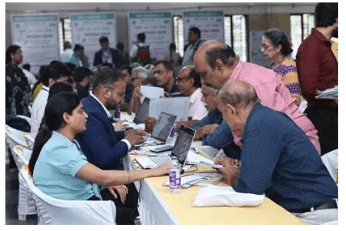
Held at Sri Y Muniswamappa Kalyaana Mantapa in Yeswanthpur, the camp witnessed enthusiastic participation from investors across Karnataka. It offered end-to-end support for:
Unclaimed dividends and shares pending for six to seven years
On-the-spot KYC and nomination updates
Resolution of pending IEPFA claims
Direct interaction with company representatives and RTAs
Dedicated kiosks set up by stakeholder companies and Registrars and Transfer Agents (RTAs) enabled investors to engage directly with officials, eliminating intermediaries and expediting resolution.
Senior Officials and Stakeholder Participation
The event was graced by senior officials from IEPFA, SEBI, MIIs, and RTAs, including Smt. Anita Shah Akella, CEO, IEPFA and Joint Secretary, Ministry of Corporate Affairs; senior representatives from SEBI; and officials from leading market infrastructure institutions. Their presence reinforced the collaborative approach to investor protection and service delivery.
Launch of Investor Awareness Booklet
As part of the initiative, IEPFA launched an explainer booklet titled “A Complete Guide to IEPFA Claims and Investor Services”. The publication aims to enhance investor awareness, simplify claim procedures, and facilitate seamless resolution by providing clear, step-by-step guidance.
Strong Participation and Positive Impact
Over 900 investors and claimants from Bengaluru and nearby regions participated in the camp. Hundreds benefited from direct, on-the-spot engagement with officials, significantly reducing timelines for grievance redressal that would otherwise take months. The initiative received widespread appreciation for its efficiency, transparency, and effectiveness.
Part of a Nationwide Outreach Series
Following successful editions in Pune, Hyderabad, Jaipur, and Amritsar, Bengaluru became the next city to host the Niveshak Shivir. The programme targets cities with high volumes of unclaimed investments, reaffirming IEPFA’s commitment to building an investor-centric, transparent, and accessible financial ecosystem across India.
Conclusion
The Bengaluru Niveshak Shivir underscores unwavering focus on investor awareness, protection, and trust-building. Through direct facilitation, strategic collaboration with regulators and market institutions, and sustained outreach, IEPFA continues to bring investor services closer to citizens—strengthening confidence in India’s financial markets.
Chairperson of the Insolvency and Bankruptcy Board of India (IBBI), Ravi Mittal, on Monday launched the PGIP Programme Website of the Indian Institute of Corporate Affairs (IICA) at an event held on the institute’s campus. The launch marks a significant step towards strengthening digital engagement, alumni connectivity, and industry integration for students of the Post Graduate Insolvency Programme (PGIP).
Enhanced Institutional Support for PGIP Students
Addressing the students as Chief Guest, Shri Ravi Mittal assured them of stronger institutional support from the insolvency regulator. He announced that efforts would be made to provide one-year internship opportunities at IBBI for a few selected PGIP students, offering them valuable exposure to regulatory and policy-level work.
He further informed students that those interested in academic and policy research could apply for an upcoming IBBI research programme, and upon selection, would have the opportunity to work on the rolls of IBBI—bridging academia, research, and regulatory practice.
IICA’s Commitment to Capacity Building
The welcome address was delivered by Gyaneshwar Kumar Singh, Director General & CEO, IICA. He highlighted the institute’s continued focus on capacity building, academic excellence, and close engagement with regulators and industry, noting that initiatives like the PGIP website strengthen IICA’s role as a premier institution in the insolvency and corporate governance ecosystem.
PGIP Centre: Academic Rigour and Industry Interface
During the event, Sudhaker Shukla, Head of the Centre for Insolvency and Bankruptcy, IICA, presented an overview of the activities and achievements of the PGIP Centre. He outlined the programme’s academic rigour, strong industry interface, and expanding alumni network, which together enhance the employability and professional readiness of PGIP graduates.
PGIP Website: A Digital Bridge Between Students and Alumni
The newly launched website serves as a dedicated digital platform to connect PGIP alumni with current students. It is designed to facilitate:
Continuous interaction and mentorship
Knowledge sharing and problem-solving
Enhanced industry exposure through alumni engagement
The platform is expected to strengthen the PGIP community and create long-term professional networks within the insolvency and corporate affairs domain.
Positive Student Feedback
In an interactive session, students expressed appreciation for IICA’s sustained support, highlighting opportunities to participate in conclaves, seminars, and meaningful interactions with industry experts. They noted that such engagements have significantly enriched their academic learning and professional development.
Conclusion
The launch of the IICA PGIP Programme Website by IBBI Chairperson Ravi Mittal underscores a growing emphasis on digital integration, regulatory-academic collaboration, and student-centric capacity building. With enhanced internship and research opportunities, and a stronger alumni-student interface, the initiative is set to further strengthen India’s insolvency and bankruptcy talent ecosystem.
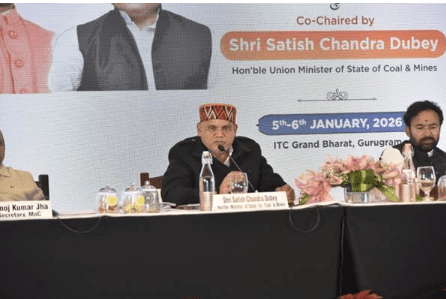
The Ministry of Coal organised a two-day Chintan Shivir on January 5–6, 2026, at Manesar, under the chairmanship of Union Minister for Coal and Mines G. Kishan Reddy and co-chaired by Minister of State Satish Chandra Dubey. The conclave brought together senior leadership of the coal ecosystem to review sectoral progress and chart a clear, execution-focused roadmap aligned with India’s long-term energy security and development priorities.
Strategic Platform for Reform and Institutional Transformation
The Chintan Shivir was attended by Vikram Dev Dutt, senior officials of the Ministry of Coal, CMDs of Coal and Lignite PSUs, and top executives including leadership from Coal India Limited. The forum enabled participants to move beyond routine administration and engage in outcome-oriented deliberations on reforms, performance, productivity, and institutional transformation.
Coal’s Central Role in India’s Energy Security
In his keynote address, Shri G. Kishan Reddy emphasised that coal remains an indispensable pillar of India’s energy security, even as the country advances its clean energy transition. He highlighted that coal provides reliable base-load power and supports critical sectors such as steel and cement.
The Union Minister noted that FY 2024–25 marked a historic milestone, with India achieving its highest-ever coal production of over 1,047 million tonnes, reflecting improved capacity creation, operational efficiency, and coordination across the value chain.
Focus on Uniformity, Safety, and Community Welfare
Shri Reddy called for reforms anchored in uniformity and standardisation across Coal PSUs, with clear benchmarks and predictable outcomes. He stressed:
Time-bound plans to maximise equipment utilisation and asset productivity
Rigorous safety norms with the goal of zero accidents
Integration of community welfare initiatives in coal-bearing regions
Strong emphasis on afforestation, mine reclamation, and ecological restoration
He also noted that rising domestic production and improved logistics have led to a significant reduction in coal imports, resulting in substantial foreign exchange savings and positioning India closer to self-reliance.
From Deliberation to Delivery
Urging faster execution, the Union Minister directed that outcomes of the Chintan Shivir must cascade to all organisational levels. He called upon Coal PSUs to move decisively from planning to performance, setting higher benchmarks in productivity, safety, sustainability, innovation, and community engagement.
Operational Priorities and Accountability
Addressing the gathering, Shri Satish Chandra Dubey reaffirmed coal’s critical role in ensuring stability as India expands renewable energy capacity. He stressed:
Strengthening washery capacities to improve coal quality
Institutionalising clear accountability, with designated officers for each mine block
Accelerating First Mile Connectivity projects for mechanised evacuation and logistics efficiency
He also highlighted the growing role of digital platforms and technology-driven solutions in enhancing efficiency, safety, and service delivery.
Execution, Technology, and Measurable Outcomes
In his opening remarks, Secretary Vikram Dev Dutt stated that policy clarity and institutional reforms are firmly in place, and the focus must now shift to delivery, discipline, and measurable outcomes. He underscored that technology adoption—digital systems, real-time monitoring, AI-enabled platforms, and data-driven decision-making—must become standard practice across the coal value chain.
He emphasised that environmental responsibility, sustainability, and social accountability are integral to operational excellence.
Thematic Sessions and Reform Agenda
The Chintan Shivir featured structured sessions on:
Reforms Planned, focusing on modernising Fuel Supply Agreements, KPIs for quality and delivery, AI-enabled tender evaluation, governance reforms, and digital transformation
Cost Optimisation in Operations, targeting productivity enhancement
Speeding Up Exploration and Early Operationalisation of Mines
Coal Quality Improvement, Underground Mining, and Competitiveness with Commercial Mining
Each session involved interactive deliberations aimed at identifying bottlenecks and evolving actionable solutions.
Strengthening Capacity Building: Ministry of Coal
During the event, Shri G. Kishan Reddy inaugurated a new Executive Hostel at the Indian Institute of Coal Management, Ranchi. The facility is designed to strengthen residential and training infrastructure, reinforcing IICM’s role in leadership development and capacity building for the coal sector.
Conclusion
The two-day Chintan Shivir marked a decisive shift from reform discussions to a performance-driven execution culture in the coal sector. With clarity of direction, accountability, and a strong focus on measurable outcomes, the Ministry of Coal reaffirmed its commitment to reinforcing national energy security, self-reliance, and sustainable development. As India progresses towards Viksit Bharat 2047, the coal sector stands poised to play a critical, responsible, and future-ready role in the country’s growth story.
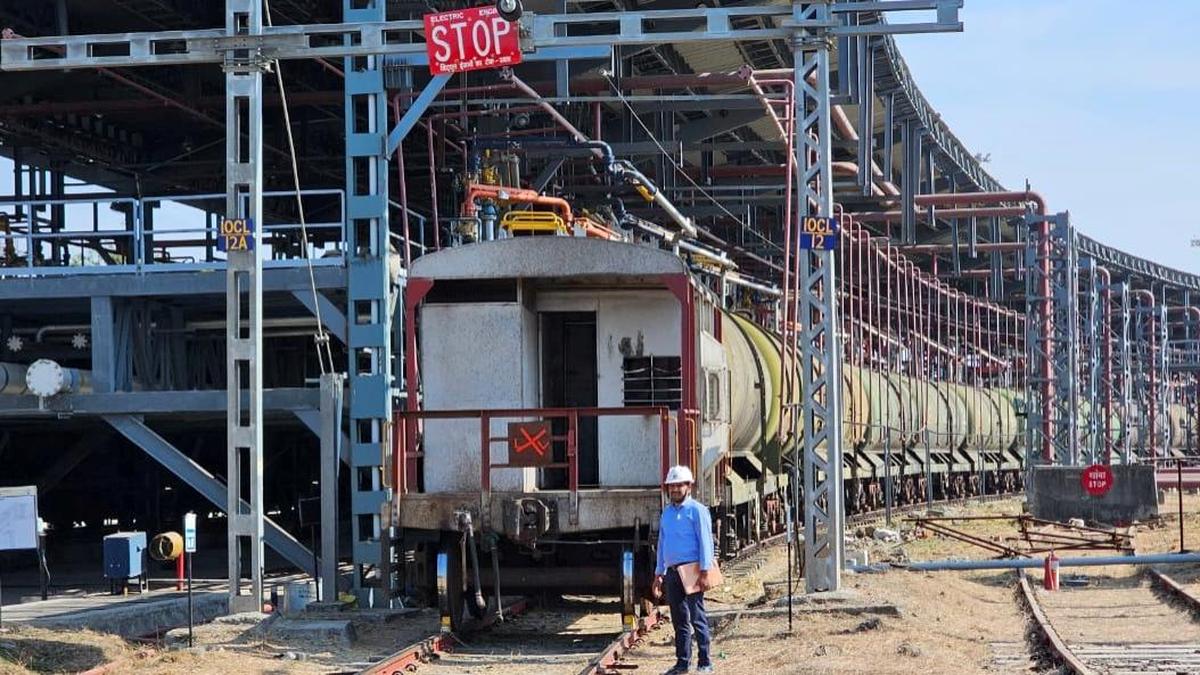
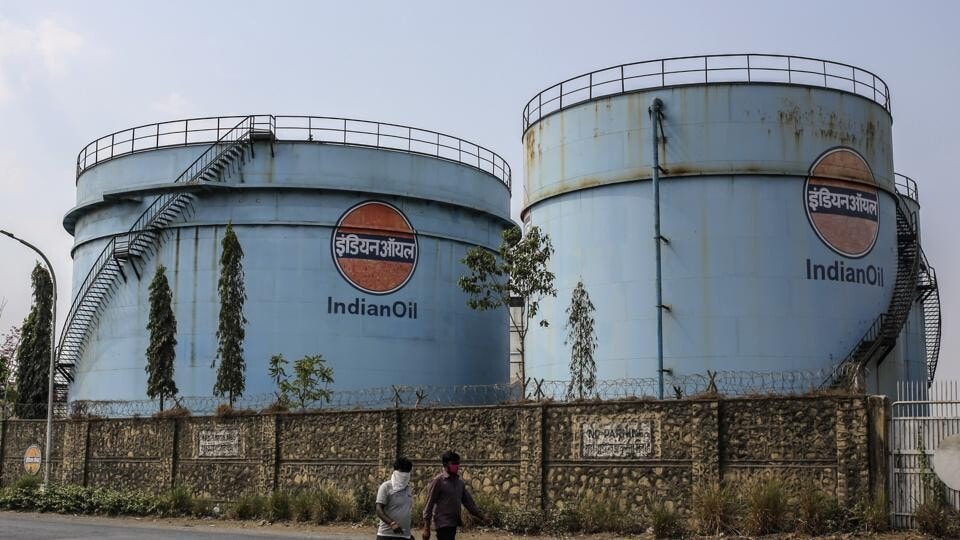
Indian Oil Corporation Limited’s (IOCL) Pakni siding has reported a significant achievement in revenue generation, with petroleum loading operations yielding ₹34.71 crore. The figure reflects the cumulative earnings from various petroleum products transported and distributed through the siding, highlighting the strategic importance of the Pakni facility in Karnataka’s energy supply chain. Officials noted that this milestone not only underscores IOCL’s operational efficiency but also contributes substantially to the State’s revenue through taxes, duties, and associated economic activity.
Local transporters and tanker operators have praised IOCL’s efficiency at Pakni siding, noting that streamlined loading operations reduce waiting times and allow for quicker turnaround of tankers. This has a direct impact on operational costs for logistics companies, enabling them to increase delivery capacity and improve service reliability. Trucking associations in the region acknowledged that revenue growth at the siding also reflects broader improvements in supply chain coordination, benefiting the entire petroleum distribution network in Karnataka.
The workforce at Pakni siding has been a key contributor to operational success. Skilled personnel overseeing the loading, weighing, and dispatch of petroleum products ensure accuracy and safety at every step. Continuous training programs focus on best practices in handling flammable substances, emergency response protocols, and compliance with environmental regulations. Employees expressed pride in contributing to the siding’s record revenue, noting that operational excellence is closely tied to careful attention to safety and procedural diligence.
Community engagement around Pakni siding has also seen growth alongside revenue achievements. IOCL has initiated programs to educate local residents about safety measures, environmental conservation, and emergency preparedness. Awareness campaigns include demonstrations of fire safety equipment, guidelines for handling petroleum-related incidents, and interactive sessions for students and residents. Officials said that building community awareness ensures smooth operations while fostering positive relations with the public.
The revenue achievement of ₹34.71 crore has financial implications for both the State government and IOCL. A portion of earnings contributes to statutory taxes and levies, supporting public infrastructure and welfare initiatives. Analysts pointed out that high-performing distribution hubs like Pakni siding play an integral role in Karnataka’s fiscal ecosystem, generating steady revenue streams while supporting energy supply and industrial growth. The financial health of such facilities underlines the strategic importance of efficient petroleum logistics in regional economic planning.
Historical data indicates consistent growth in petroleum loading at Pakni siding over the last five years, reflecting rising demand for fuel products across Karnataka. Officials attributed this growth to increasing industrial activity, urbanization, and expanding transport networks. The siding has adapted to meet higher throughput requirements by adopting advanced scheduling software, expanding storage capacities, and implementing automated tracking systems. These measures have collectively contributed to the record ₹34.71 crore revenue.
Environmental considerations remain central to Pakni siding’s operations. Measures such as spill containment systems, regular monitoring of storage tanks, and adherence to emission standards are strictly enforced. Officials emphasized that operational efficiency and revenue growth are balanced with sustainable practices, ensuring minimal environmental impact. Safety audits, conducted regularly by internal and external teams, guarantee compliance with national and international standards for petroleum handling and storage.
Strategic planning for future expansions includes upgrading loading arms, increasing storage capacity, and incorporating IoT-based monitoring systems. Authorities are also exploring renewable energy options for auxiliary operations, aiming to reduce carbon footprints and improve sustainability. These forward-looking initiatives indicate that IOCL intends not only to maintain but also to enhance operational efficiency, safety, and revenue performance at Pakni siding.
Experts in logistics and petroleum distribution highlighted that revenue milestones like the one achieved at Pakni siding set benchmarks for other facilities across India. By combining technology, skilled workforce, and stringent compliance, the siding demonstrates how operational excellence translates into both financial performance and public service. Analysts also noted that lessons from Pakni’s success could inform best practices for other petroleum hubs in the country.
Finally, stakeholders including employees, local businesses, and transport operators see the revenue milestone as a reflection of collective effort and coordinated execution. The achievement reinforces IOCL’s commitment to efficient energy distribution while contributing to Karnataka’s economic development. With continuous improvements in infrastructure, technology, and workforce training, Pakni siding is expected to sustain high revenue growth, support regional energy needs, and serve as a model for petroleum logistics excellence nationwide.
The Pakni siding, which serves as a critical hub for the loading and dispatch of petroleum products, has seen consistent growth in throughput over the past few years. Enhanced infrastructure, streamlined operational protocols, and adoption of digital tracking systems have enabled IOCL to optimize loading efficiency and reduce delays. These improvements have directly contributed to the increased revenue figure, reflecting both higher volumes and improved process management.
Officials explained that the revenue collection encompasses multiple streams, including storage charges, handling fees, and transport-related levies. Each consignor using the siding pays applicable tariffs, contributing to the overall financial performance of the facility. The ₹34.71 crore revenue milestone indicates not only operational success but also the effectiveness of IOCL’s financial management systems and its ability to maximize returns from logistical operations.
The revenue achievement at Pakni siding also underscores the siding’s importance in meeting Karnataka’s energy demands. Petroleum products dispatched from the facility supply fuel to industrial, commercial, and retail sectors across the State, supporting economic activity and ensuring energy security. Local businesses and transport operators benefit from the reliable supply chain facilitated by the siding, strengthening regional development and employment opportunities.
Operational Efficiency and Infrastructure Development
IOCL has invested significantly in upgrading the Pakni siding, incorporating modern loading arms, automated monitoring systems, and advanced safety protocols. These measures have enhanced the speed and accuracy of petroleum loading while minimizing environmental risks associated with handling fuel products. Officials highlighted that adherence to strict safety and environmental standards is integral to operational excellence and maintaining public trust.
The siding’s infrastructure improvements have also reduced turnaround times for tanker loading and dispatch. Digital tracking systems allow real-time monitoring of inventory, enabling precise coordination between loading schedules and transport logistics. This has contributed to higher throughput, reduced operational bottlenecks, and ultimately increased revenue generation. Authorities emphasized that the investment in modernizing the siding is an example of how technology integration drives both efficiency and financial performance.
Revenue growth is further supported by IOCL’s adherence to transparent pricing and regulatory compliance. Standardized tariffs, periodic audits, and robust accounting practices ensure that all financial transactions are accurately recorded and reported. Officials noted that the ₹34.71 crore figure reflects both commercial success and strict compliance with government regulations, ensuring the siding operates as a reliable and accountable revenue-generating asset.
Economic Impact and Regional Benefits
The financial performance of Pakni siding has ripple effects across Karnataka’s economy. The facility not only generates direct revenue but also stimulates ancillary economic activities, including trucking, warehousing, and distribution services. Local employment has benefitted from increased operational demand, with skilled and unskilled workers engaged in loading, inspection, transport, and administrative tasks. Analysts note that the siding’s revenue growth contributes indirectly to regional economic development and stability.
Furthermore, reliable petroleum loading operations support industries dependent on fuel supply, such as manufacturing, agriculture, and transport sectors. Industrial establishments and logistics companies rely on timely delivery of petroleum products to maintain production schedules and transportation networks. The efficiency of Pakni siding ensures minimal disruption, enhancing business confidence and economic productivity.
The revenue milestone also underscores Karnataka’s strategic importance in India’s petroleum distribution network. Pakni siding acts as a key node connecting storage depots, transport corridors, and urban fuel distribution points. Officials highlighted that sustained revenue growth reflects the siding’s role in ensuring uninterrupted energy supply to the State while contributing to the overall financial health of IOCL and public exchequer.
Safety, Compliance, and Future Plans
Safety and compliance remain core priorities for IOCL at Pakni siding. Regular inspections, adherence to environmental guidelines, and employee training programs ensure that operations are conducted safely and sustainably. Officials confirmed that revenue growth does not come at the expense of safety or environmental responsibility, with continuous monitoring and audits ensuring adherence to national standards.
Looking ahead, IOCL plans to further optimize operations at Pakni siding through infrastructure expansion, adoption of green technologies, and digital automation. Proposed initiatives include automated tank gauging, predictive maintenance systems, and enhanced safety monitoring equipment. Officials believe these measures will further boost throughput, reduce operational delays, and enhance revenue generation in the coming years.
Authorities also highlighted the potential for increased public-private collaboration at the siding, inviting logistics partners and service providers to enhance supply chain efficiency. By integrating modern technology, streamlining procedures, and fostering partnerships, Pakni siding is positioned to achieve sustained revenue growth while supporting Karnataka’s energy security and economic development objectives.
Local business owners in districts supplied through Pakni siding expressed optimism about the impact of consistent petroleum loading operations. Many small and medium-scale enterprises, including transport firms and manufacturing units, noted that timely fuel availability has enabled smoother operations and reduced logistical bottlenecks. Shop owners, vehicle operators, and service providers emphasized that efficient supply chains directly affect productivity and costs, making the siding’s record revenue a reflection of broader economic benefits beyond IOCL’s accounts.
Officials also highlighted the role of regulatory oversight in achieving operational efficiency and revenue growth. Routine audits, adherence to statutory guidelines, and transparent billing processes ensure accountability and public trust. The revenue milestone of ₹34.71 crore demonstrates how structured management, combined with technological modernization and skilled manpower, can optimize logistics performance while benefiting the State exchequer and local communities alike.
A wave of panic gripped the judicial establishments in northern Karnataka on Monday as bomb threats were reported at the High Court in Dharwad and the District Courts in Gadag and Bagalkot. Court officials, staff, lawyers, and visitors were immediately evacuated following the alarming notices, prompting a swift response from law enforcement and bomb disposal squads. The incident caused widespread fear, disrupted ongoing hearings, and brought normal court proceedings to a halt for several hours, highlighting the vulnerabilities of public institutions to security threats.
Eyewitnesses described scenes of tension and confusion as court staff hurriedly guided litigants and visitors to designated evacuation points. Many citizens reported feeling anxious and frightened as the announcements came over the public address system, prompting families and individuals to leave personal belongings behind in the rush. Lawyers present at the High Court in Dharwad praised the efficiency of the evacuation, noting that despite the initial panic, staff remained composed and ensured that no one was harmed during the process.
In Gadag, local residents who had accompanied litigants to the District Court expressed relief at the swift action taken by authorities. Several elderly visitors and persons with disabilities were assisted by volunteers and security personnel, highlighting the inclusive nature of the emergency response. Court staff coordinated with local police to ensure that evacuation routes were clear, minimizing the risk of crowding or accidents during the hurried movement of people out of the buildings.
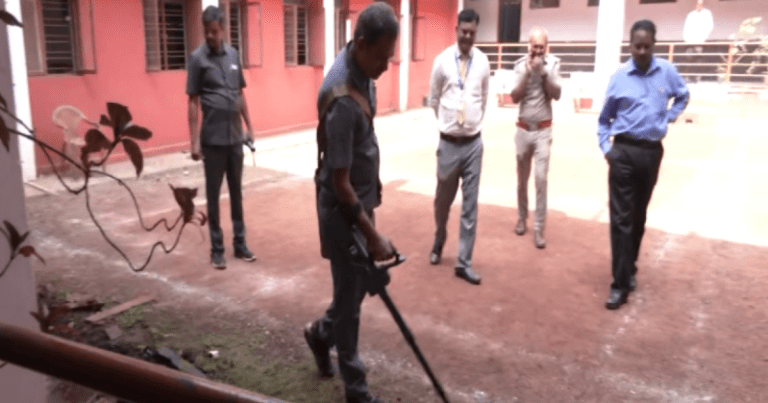
Bomb disposal teams conducted a meticulous search of every floor, courtroom, and office space in all three judicial complexes. Explosives detection dogs were used to sweep the premises, while bomb disposal experts employed specialized equipment to inspect suspicious objects and mail deliveries. While no actual threat was discovered, authorities emphasized that these steps are critical in building confidence among the public and ensuring that even potential hazards are taken seriously.
Officials indicated that lessons learned from the incident would lead to improved future preparedness. Discussions are underway to enhance training for court staff in emergency response, including first aid, crowd management, and coordination with law enforcement. Authorities also plan to install additional surveillance cameras, improve communication systems, and conduct regular mock drills to test the effectiveness of evacuation procedures and emergency coordination between police and judicial authorities.
Local civic bodies and community organizations praised the prompt response of authorities but urged continued vigilance. Residents noted that maintaining calm, following official instructions, and avoiding speculation are essential during such situations. The incident has also sparked discussions on broader security reforms, including tighter screening of visitors, improved threat detection mechanisms, and the establishment of rapid-response task forces for public institutions across Karnataka.
According to officials, the threat was received in the form of a telephonic call and an email, both indicating the possible presence of explosive devices within the premises. Court authorities, prioritising the safety of staff and visitors, immediately evacuated all sections of the High Court in Dharwad, as well as the district judiciary complexes in Gadag and Bagalkot. Lawyers and litigants expressed shock at the sudden evacuation, with many describing scenes of confusion as staff guided people to safety zones.
Law enforcement agencies, including local police and the Karnataka State Bomb Detection and Disposal Squad, were rushed to all three locations. Sniffer dogs, metal detectors, and bomb disposal robots were deployed to conduct thorough searches of courtrooms, corridors, and parking areas. Traffic around the judicial complexes was temporarily restricted to prevent any obstruction and to ensure smooth access for emergency response teams. Officials emphasised that no explosive devices were found, but the comprehensive sweep continued to ensure complete safety.
The High Court registrar confirmed that all ongoing hearings were suspended, and cases were rescheduled to later dates. Judges and court staff were kept under precautionary measures until the premises were declared secure. “Our priority is to ensure the safety of every individual in the building. We have coordinated with law enforcement agencies to conduct a meticulous inspection before allowing normal functioning to resume,” said a senior court official in Dharwad.
Law Enforcement Response and Investigation
Police sources revealed that the telephonic and electronic threats are being treated as serious, and an investigation has been initiated to trace their origin. Cybercrime experts are analyzing the emails, while local police are reviewing CCTV footage to identify any suspicious activity near the affected judicial complexes. Authorities are also questioning individuals who may have inadvertently or deliberately facilitated the threat.
Security officials emphasised that the quick evacuation was critical in preventing potential casualties and maintaining public order. Special squads from the Karnataka State Police were stationed at strategic locations to monitor the surroundings, while additional personnel were deployed to guard entry and exit points. Law enforcement maintained that the high alert was necessary given the sensitive nature of judicial institutions and the potential for widespread panic if a threat is perceived as real.
Investigators are exploring multiple angles, including the possibility of the threat being a hoax designed to disrupt court proceedings or create fear among the public. “Even if it turns out to be a false alarm, it highlights the need for heightened vigilance and advanced preparedness in handling such situations,” a police spokesperson said. Authorities are also liaising with intelligence agencies to determine whether the threat has any larger implications beyond the immediate district courts.
Impact on Judicial Proceedings and Public Reaction
The bomb threat caused significant disruption to court schedules in all three districts. Lawyers, litigants, and staff faced delays, with some hearings postponed for several days. Court employees were instructed to remain on standby for emergency duties, while legal representatives were asked to coordinate with respective court registrars regarding rescheduling. Judges emphasised the importance of remaining calm and ensuring that all safety protocols are followed meticulously.
Members of the public who were present during the evacuation expressed anxiety and frustration at the sudden disruption. “We were waiting for our hearing when suddenly we were told to evacuate. Everyone was running and unsure what was happening. It was a terrifying experience,” said a litigant from Gadag. Lawyers present in Bagalkot noted that while the evacuation was necessary, clear communication and guidance from court staff helped avoid panic among the public.
Authorities also issued public advisories urging citizens not to spread rumours or unverified information regarding the threat. Social media platforms witnessed a flurry of posts about the alleged bomb, prompting police to caution against speculation, which could exacerbate fear. Officials reiterated that public cooperation is crucial in managing such emergencies effectively.
Security Measures and Preventive Steps
In response to the incident, the judiciary in Dharwad, Gadag, and Bagalkot has strengthened security protocols. Entry points have been reinforced with metal detectors and frisking procedures, while CCTV coverage is being enhanced to monitor all critical areas. Court staff have been trained in evacuation drills, and emergency communication systems have been updated to ensure rapid dissemination of information in case of future threats.
Law enforcement agencies indicated that similar protocols could be extended to other district courts in the State to prevent disruptions. Officers highlighted that constant vigilance, periodic drills, and coordination between judicial authorities and police are key to safeguarding both personnel and visitors. Measures also include random security audits, deployment of additional guards during high-profile cases, and heightened surveillance during sensitive hearings.
Officials emphasised that while no explosives were found during the inspection, the incident serves as a reminder of potential vulnerabilities in public spaces. Authorities encouraged citizens, lawyers, and staff to report suspicious activities immediately, adhere to evacuation instructions, and maintain calm during security alerts. These preventive measures aim to build a culture of preparedness and resilience in Karnataka’s judicial institutions.
Political and Administrative Reactions
The bomb threat has drawn reactions from political and administrative circles, with leaders urging calm and commending the prompt action by law enforcement. The Chief Minister’s office released a statement lauding the coordination between judicial authorities and police, underscoring the importance of citizen safety in all circumstances. Political parties, while expressing concern, emphasised that speculation should be avoided until investigations provide clear facts.
District collectors in Dharwad, Gadag, and Bagalkot convened emergency meetings with law enforcement and court officials to review security protocols and ensure that ongoing operations would not compromise safety. Administrative officials highlighted the need for a comprehensive review of threat response mechanisms, including integration of technology, rapid communication channels, and contingency planning for mass evacuations.
Security experts noted that judicial complexes are high-risk zones given the sensitive nature of cases and the presence of large numbers of people. They recommended adopting state-of-the-art surveillance systems, bomb detection technology, and continuous training of security personnel to respond swiftly to threats. Experts emphasised that even hoax threats must be treated seriously to prevent casualties and maintain public confidence in institutional safety.
Conclusion: Vigilance, Preparedness, and Public Cooperation
The bomb threat in Dharwad, Gadag, and Bagalkot underscores the need for heightened vigilance in public institutions. While the threat was ultimately unfounded, the swift evacuation and comprehensive inspection by law enforcement ensured that no harm came to staff, lawyers, or visitors. Authorities reiterated the importance of public cooperation, adherence to emergency protocols, and avoidance of misinformation.
The incident also highlights the role of technology, coordination, and training in preventing potential disasters in sensitive locations. Moving forward, the judiciary and law enforcement agencies are likely to adopt more rigorous preventive measures, ensuring that Karnataka’s judicial institutions remain secure and capable of functioning uninterrupted even in the face of threats. Citizens and officials alike are reminded that vigilance, preparedness, and calm are the strongest tools in responding to such emergencies.
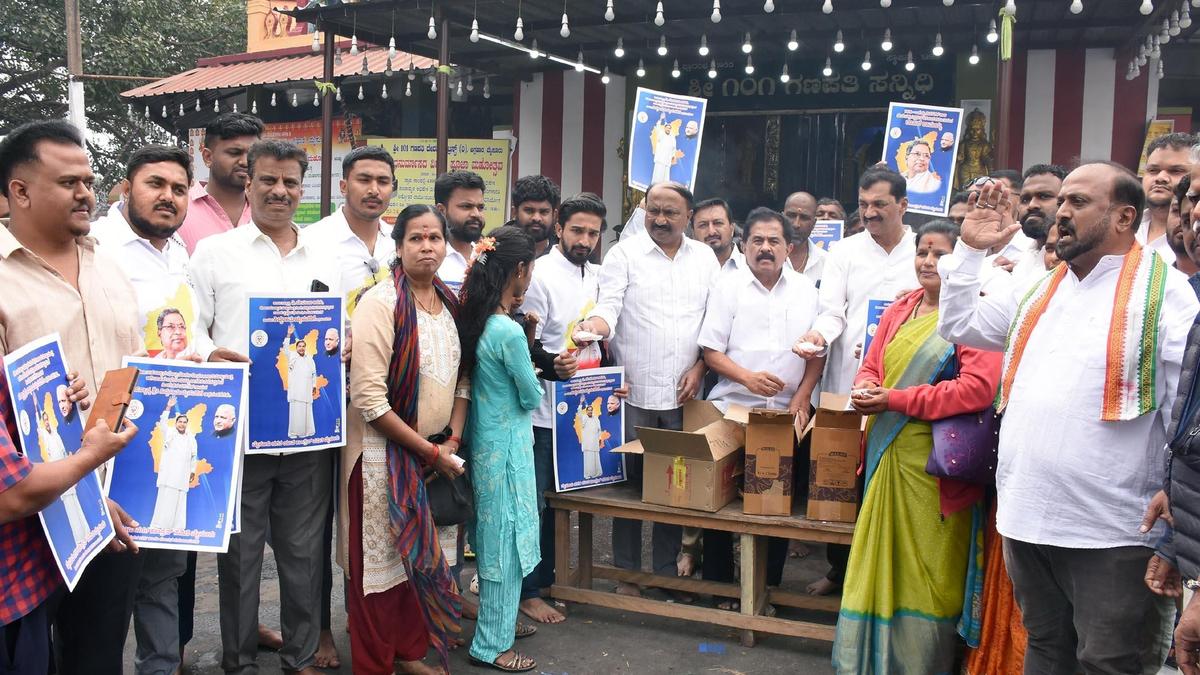
Karnataka witnessed a jubilant celebration as Chief Minister Siddaramaiah officially became the longest-serving Chief Minister in the State’s history, surpassing the record set by the legendary Devaraj Urs. Across districts, the milestone was marked with feasts, special poojas, and the distribution of sweets to the public, drawing large crowds of well-wishers and party supporters. The event highlighted not only Siddaramaiah’s political longevity but also the enduring connection he maintains with citizens and grassroots communities across Karnataka.
In Bengaluru, government offices and local party units organized special events to commemorate the occasion. Temples in various localities conducted poojas and rituals seeking continued prosperity and welfare for the State. Devotees thronged the sites, offering prayers and participating in ceremonial activities. Siddaramaiah’s supporters were seen distributing sweets to the public, creating a festive atmosphere reminiscent of major cultural celebrations in Karnataka.
In Mysuru, the celebrations took a distinctly cultural turn, with local temples and community halls hosting poojas and special rituals to mark the milestone. Residents gathered in large numbers to witness the ceremonies, and priests offered blessings for the Chief Minister’s continued leadership. Cultural troupes performed traditional dances and music, highlighting Karnataka’s rich heritage while commemorating Siddaramaiah’s historic achievement. Families brought children to participate in the festivities, and volunteers distributed sweets and refreshments to everyone present, reinforcing a sense of shared community joy.
In the coastal districts of Karnataka, including Mangaluru and Udupi, public celebrations were equally vibrant. Party units organized feasts for residents, while local temples conducted special poojas to mark the occasion. The festivities included recitation of Vedic hymns, community singing, and public gatherings where citizens shared their experiences of development initiatives under Siddaramaiah’s administration. Elderly residents recalled improvements in healthcare and social welfare schemes, citing the Chief Minister’s efforts to make governance inclusive and accessible to all sections of society.
Rural areas of northern Karnataka also witnessed significant celebrations, with local leaders organizing feasts, cultural programs, and community prayers. In districts such as Ballari, Raichur, and Koppal, volunteers ensured that sweets reached even remote villages. The initiative was widely appreciated by residents, who viewed it as a gesture of recognition for their support and engagement with government schemes. Farmers and local youth actively participated in the events, highlighting Siddaramaiah’s focus on agrarian development and employment generation during his tenure.
In Bengaluru, public engagement was at its peak, with thousands of citizens flocking to community centers and party offices to be part of the celebrations. Volunteers distributed sweets in queues that stretched across neighborhoods, and local schools were roped in to organize cultural performances in honor of the milestone. Citizens expressed their admiration for the Chief Minister, with many noting visible improvements in city infrastructure, healthcare access, and educational facilities during his tenure. These urban celebrations were carefully managed with security and traffic arrangements, ensuring smooth and safe participation.
Senior Congress leaders across Karnataka used the celebrations to underscore Siddaramaiah’s administrative achievements. Speeches highlighted landmark initiatives such as the enhancement of rural health services, expansion of primary and higher education, implementation of social welfare schemes for marginalized communities, and promotion of women’s empowerment programs. Leaders emphasized that the record-breaking tenure reflected not only political stability but also the ability to execute long-term policies with measurable impact on citizens’ lives.
The celebrations also reflected an emphasis on social inclusivity and communal harmony. Special attention was given to involve differently-abled citizens, economically disadvantaged families, and senior citizens in all events. Volunteers ensured that everyone could partake in feasts and cultural programs, symbolizing the government’s commitment to inclusive governance. Observers noted that the Chief Minister’s approach to public engagement reinforced the perception of accessibility and responsiveness, enhancing his rapport with citizens across the State.
Finally, the milestone was seen as an opportunity to reflect on Siddaramaiah’s broader legacy. Political analysts highlighted that surpassing Devaraj Urs’ record is not merely symbolic but also indicative of sustained public trust and administrative continuity. Citizens, party leaders, and civil society members collectively celebrated this achievement while acknowledging the challenges of modern governance. The combination of feasts, special poojas, and public participation across urban and rural Karnataka underscored the emotional connection Siddaramaiah has cultivated over decades of public service, making this historic milestone a moment of pride for the State.
Senior Congress leaders praised Siddaramaiah for his administrative acumen and political resilience. “This record is a testament to his dedication, governance, and vision for Karnataka. His tenure has seen initiatives in health, education, and rural development that have positively impacted millions,” remarked a party spokesperson. The celebrations were not limited to the capital but extended to rural areas, where local party offices hosted feasts and community events in honour of the Chief Minister.
The milestone also prompted reflection on Siddaramaiah’s political journey, including his efforts to implement social welfare schemes, infrastructure projects, and policies aimed at inclusive growth. Public functions included speeches highlighting achievements in sectors such as education, healthcare, agriculture, and industrial development. Citizens attending the celebrations expressed admiration for the Chief Minister’s dedication to public service and the tangible changes they had witnessed during his tenure.
Community Celebrations and Cultural Significance
Across Karnataka, local communities organized feasts and poojas in temples and community halls to commemorate the record-breaking milestone. Religious leaders offered blessings and prayers for Siddaramaiah’s continued guidance and governance. Traditional music, folk performances, and cultural activities accompanied the rituals, creating a vibrant and celebratory atmosphere. In several districts, sweets were distributed to children and elderly citizens, symbolizing prosperity and public goodwill.
The celebrations also served as an opportunity for the Congress party to strengthen its grassroots connections. Party members mobilized volunteers to organize events in remote areas, ensuring that the celebrations reached citizens from all walks of life. The Chief Minister’s focus on accessibility and engagement with rural populations was evident in the large-scale participation in local festivities, reflecting the impact of his policies on communities across the State.
Political analysts noted that the celebrations, while ceremonial in nature, also reinforced the symbolic importance of political continuity and leadership. Siddaramaiah’s long tenure is being portrayed as an example of administrative stability, which has allowed long-term projects and welfare schemes to reach fruition. Citizens participating in the events expressed appreciation for the Chief Minister’s consistent efforts to address local issues and improve quality of life.
The State administration facilitated these events, ensuring security, crowd management, and smooth conduct of public gatherings. Police and local authorities coordinated with party offices to maintain order, allowing residents to participate safely in celebrations. The inclusion of special poojas and feasts underscores the fusion of cultural, religious, and political acknowledgment of this historic milestone.
Public Engagement and Distribution of Sweets
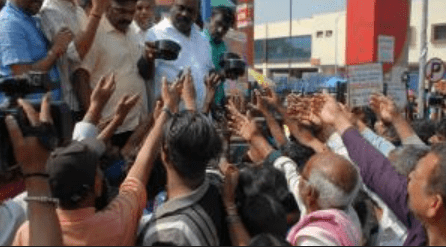
One of the most visible aspects of the celebrations was the large-scale distribution of sweets in major towns and villages. Local volunteers ensured that citizens could partake in the festivities, reflecting Siddaramaiah’s efforts to maintain close ties with the public. In Bengaluru, iconic neighborhoods witnessed queues forming for free sweets and refreshments, with families and children expressing excitement at being part of the milestone celebration.
The event also emphasized social inclusivity, with arrangements made for senior citizens, differently-abled persons, and economically disadvantaged groups to participate. Community leaders highlighted that the celebrations were intended not only to honor the Chief Minister but also to reinforce the government’s commitment to equitable development and social welfare. These gestures, analysts noted, contributed to the popularity and public goodwill associated with Siddaramaiah’s leadership.
Alongside public celebrations, symbolic acts such as tree planting, donation drives, and small community service initiatives were organized to mark the occasion. Volunteers and party workers coordinated with local NGOs and social organizations to ensure that the festivities had a lasting impact beyond ceremonial observances. This blend of celebration and social contribution highlighted the Chief Minister’s focus on governance aligned with public welfare.
The celebrations also provided an opportunity for citizens to reflect on the changes witnessed under Siddaramaiah’s tenure, ranging from improvements in infrastructure and healthcare access to rural development and empowerment schemes. Residents attending the events expressed hope that the Chief Minister’s policies would continue to positively influence the State’s growth trajectory, reinforcing the significance of his record-breaking tenure.
Political Significance and Reactions
The milestone of becoming Karnataka’s longest-serving Chief Minister carries political as well as symbolic weight. Senior party leaders described it as recognition of Siddaramaiah’s leadership, strategic vision, and commitment to inclusive governance. Across the State, Congress offices displayed banners and posters commemorating the achievement, while social media campaigns celebrated the Chief Minister’s contributions to development and welfare initiatives.
Opposition parties maintained a restrained response, with some acknowledging Siddaramaiah’s tenure while others focused on ongoing political debates. Analysts suggested that the celebrations, while primarily ceremonial, also serve as an assertion of political stability and continuity, reinforcing the Chief Minister’s position as a key leader in Karnataka politics.
Citizens interviewed at the celebrations expressed pride in being part of a historic milestone. Many highlighted that long-term governance allows for sustained implementation of welfare schemes and infrastructural projects, which they associated with tangible improvements in quality of life. The celebrations thus became both a social and political acknowledgment of Siddaramaiah’s contributions to the State.
The record-breaking tenure was also contextualized in comparison to previous Chief Ministers, including Devaraj Urs, whose legacy is widely respected in Karnataka. Siddaramaiah’s achievement is seen as a continuation of effective governance while responding to contemporary challenges in health, education, economy, and social equity. Political observers noted that the public celebrations reinforced the emotional and symbolic connection between citizens and their leader.