Thursday, April 30, 2026
Home Blog Page 159

UP Voter Roll Deletion: Massive 2.89 Crore Names Removed After SIR

Uttar Pradesh – The Election Commission of India has announced a significant development in Uttar Pradesh’s electoral landscape with the UP voter roll deletion affecting nearly a fifth of the state’s current voter list. This massive revision has reduced the electoral roll substantially, marking one of the largest such exercises in the state’s history.

Historic Scale of UP Voter Roll Deletion

The UP voter roll deletion on Tuesday saw approximately 2.89 crore voters removed from the state’s electoral list following the conclusion of the enumeration phase of the Special Intensive Revision (SIR). Uttar Pradesh Chief Electoral Officer Navdeep Rinwa confirmed that the electoral roll, which previously had 15.44 crore voters, was reduced to 12.55 crore after this comprehensive revision exercise.

The magnitude of the UP voter roll deletion represents an 18.7 percent reduction, meaning roughly one in every five voters has been removed from the draft list. This substantial decrease has raised important questions about electoral integrity and the accuracy of voter registration processes in India’s most populous state.

Understanding the UP Voter Roll Deletion Process

According to the Election Commission of India’s statement, a total of 12,55,56,025 electors from the original 15,44,30,092 electors as per the Electoral Roll dated October 27, 2025, submitted their Enumeration Forms by the last enumeration date of December 26, 2025. The UP voter roll deletion reflected what the commission described as “overwhelming participation in the first phase of SIR.”

The systematic approach to the UP voter roll deletion involved careful categorization of removed voters. The commission provided detailed breakdowns showing deceased voters accounting for approximately 46.23 lakh (2.99 percent), shifted voters comprising 2.17 crore (14.06 percent), and duplicate voters totaling 25.46 lakh (1.65 percent) of the deletions.

Categories Within UP Voter Roll Deletion

The UP voter roll deletion exercise revealed interesting patterns in voter list discrepancies. The largest category affected by the deletion consisted of voters who had shifted their residence, accounting for over 2.17 crore names. This substantial number suggests significant internal migration within Uttar Pradesh and movement to other states.

Deceased voters formed the second major category in the UP voter roll deletion, with 46.23 lakh names removed. While this represents nearly 3 percent of deletions, it highlights the importance of regular electoral roll updates to maintain accuracy and prevent potential fraud.

Also Read: Siddaramaiah Longest-Serving CM: Historic Karnataka Leadership Milestone Achieved

Duplicate entries, comprising 25.46 lakh voters in the UP voter roll deletion, represented 1.65 percent of removed names. These duplications could have resulted from multiple registrations, clerical errors, or attempts at fraudulent voter registration.

Claims and Objections Period

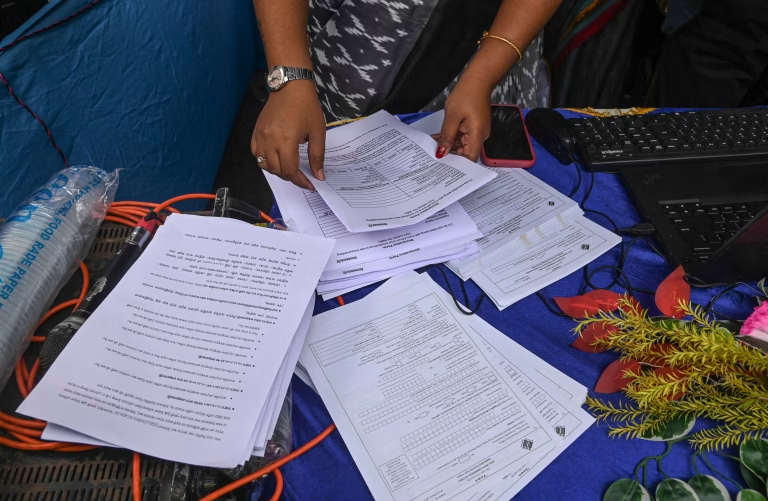
The Election Commission emphasized that the UP voter roll deletion is not final. Genuine electors whose names were removed can still be added back to the electoral roll during the Claims and Objections period, which runs from January 6, 2026, to February 6, 2026. Affected voters must fill Form-6 along with a Declaration Form and other relevant documents to be reinstated.

This provision in the UP voter roll deletion process ensures that legitimate voters inadvertently removed from the list have an opportunity to correct errors and reclaim their voting rights before the electoral roll is finalized.

Extension and Timeline

The UP voter roll deletion exercise faced timeline challenges. Originally scheduled to end on December 11, the state sought a 15-day extension after noticing that nearly 2.97 crore names were being excluded from the draft list. This extension allowed additional time for enumeration and verification, though the final deletion count of 2.89 crore remained substantial.

Comparative Analysis with Other States

The UP voter roll deletion must be viewed within the broader context of similar exercises across India. The Election Commission recently concluded SIR in Tamil Nadu and Gujarat, where electoral rolls were shortened by 97 lakh and 74 lakh voters respectively. Additionally, Assam’s special enumeration resulted in the UP voter roll deletion of 10.56 lakh names.

While these numbers are significant, the scale of the UP voter roll deletion dwarfs other states’ reductions, both in absolute numbers and as a proportion of the voter base. This difference reflects Uttar Pradesh’s massive population and the complexity of maintaining accurate electoral rolls in India’s largest state.

Electoral Integrity Implications

The UP voter roll deletion raises important questions about electoral integrity and administrative efficiency. The removal of nearly one-fifth of registered voters suggests either significant previous inaccuracies in the electoral roll or substantial demographic changes that were not previously captured.

Participation and Verification

The Election Commission’s statement highlighted “overwhelming participation” in the first phase of SIR, with over 12.55 crore voters submitting enumeration forms. This high participation rate in the UP voter roll deletion process demonstrates public engagement with electoral procedures and the commission’s outreach effectiveness.

Conclusion

The UP voter roll deletion of 2.89 crore names represents a landmark exercise in electoral roll maintenance. As the Claims and Objections period progresses, the final numbers may shift slightly, but this revision will significantly impact Uttar Pradesh’s electoral landscape. The exercise underscores the importance of regular voter list updates and the Election Commission’s commitment to maintaining accurate, fraud-free electoral rolls for India’s democratic processes.
Siddaramaiah Longest-Serving CM: Historic Karnataka Leadership Milestone Achieved

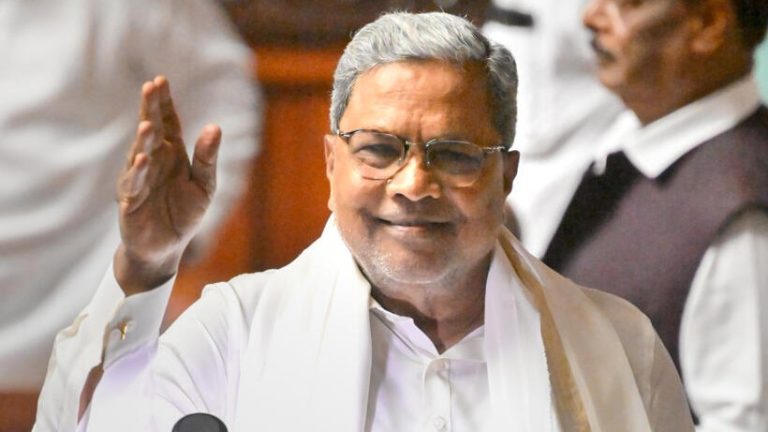
Karnataka – Karnataka witnessed a historic political moment on Wednesday as Chief Minister Siddaramaiah became the state’s longest-serving chief minister. The Siddaramaiah longest-serving CM milestone represents a significant achievement in Karnataka’s political landscape, surpassing the cumulative record previously held by former Chief Minister D Devaraj Urs.

Breaking the Historical Record

The Siddaramaiah longest-serving CM achievement came after he completed more than 2,793 days in office across his multiple terms. This surpassed the record set by Devaraj Urs, who led Karnataka from 1972 to 1977 and again from 1978 to 1980, completing 2,792 days in office. The milestone marks a pivotal moment in Karnataka’s political history and demonstrates Siddaramaiah’s enduring influence in state politics.

Speaking in Bengaluru about the Siddaramaiah longest-serving CM record, the chief minister expressed confidence about completing a full five-year term. However, he acknowledged that the final decision rested with the Congress high command, showing respect for party hierarchy even as he celebrated this personal achievement.

Deputy CM’s Strong Support

Deputy Chief Minister DK Shivakumar publicly backed the Siddaramaiah longest-serving CM achievement and dismissed suggestions of internal party confusion. “Let good things happen. I wish him all the best. Good luck,” Shivakumar stated when asked about the chief minister’s comments regarding completing his full term.

Shivakumar’s support for the Siddaramaiah longest-serving CM milestone extended beyond mere congratulations. He firmly rejected reports of internal discord within the party. “You are creating confusion. We don’t have any confusion. You have confusion. I wish him all the best, good luck,” he emphasized, attempting to project party unity during this significant moment.

Earlier in the day, Shivakumar had congratulated Siddaramaiah on crossing the milestone, saying, “I wish him success. May God bless him. I pray that God gives him good health and the opportunity to serve the people.”

Political Context and Speculation

The Siddaramaiah longest-serving CM achievement comes at a politically sensitive moment, with speculation over possible leadership changes gaining momentum after the Congress government crossed the halfway mark of its five-year term on November 20, 2025. This speculation has been linked to reports of a power-sharing understanding between Siddaramaiah and Shivakumar when the government was formed in 2023.

Also Read: BJP Civic Bodies Maharashtra: Aggressive Campaign Targets 29 Municipal Corporations

Despite the celebratory nature of the Siddaramaiah longest-serving CM record, questions about leadership transition continue to circulate within political circles. The chief minister’s assertion about completing his full term appears designed to address these speculations directly while maintaining party unity.

BJP’s Comprehensive Attack

The Karnataka BJP unit used the Siddaramaiah longest-serving CM milestone to launch sweeping attacks on his tenure. In a lengthy post on social media, the BJP framed the record not as an achievement but as evidence of alleged misgovernance, repeatedly referring to Siddaramaiah as the “outgoing” chief minister.

“Outgoing CM Siddaramaiah. Hey, you have finally become the CM for the longest time, limping, crawling, and fearing resignation. So, first of all, our congratulations to you,” the BJP’s post stated sarcastically, attempting to diminish the Siddaramaiah longest-serving CM accomplishment.

Allegations of Misgovernance

The BJP’s response to the Siddaramaiah longest-serving CM achievement included accusations of misplaced priorities from the outset. They cited government-backed celebration of Tipu Jayanti and alleged mishandling of an unprecedented drought in Karnataka. The opposition also claimed that anti-corruption mechanisms were weakened by replacing the Lokayukta with a weaker Anti-Corruption Bureau.

The party accused the government of deepening social divisions, pointing to the Veerashaiva Lingayat controversy and incidents they linked to fanaticism. They alleged that the political environment led to attacks on Hindu activists and a decline in law and order.

Economic Criticisms

Economic management formed another major line of attack against the Siddaramaiah longest-serving CM tenure. The BJP alleged Karnataka accumulated the highest loan burden in its history, accusing the government of borrowing heavily to fund what they called unrealistic guarantees. They contrasted his political image with allegations of personal extravagance, mentioning expensive watches.

“In your first term as CM, 4257 farmers of Karnataka committed suicide. They took the highest loan in the history of Karnataka,” the BJP’s post claimed, attempting to cast shadows over the Siddaramaiah longest-serving CM achievement.

Corruption Allegations

The opposition presented a series of corruption allegations, including claims of illegal land grabbing linked to the Mysuru Urban Development Authority, alleged siphoning of ₹187 crore from the Karnataka Maharshi Valmiki Scheduled Tribe Development Corporation, and bribery in excise licence renewals. The party alleged that commission demands from contractors had risen to 60%.

Conclusion

The Siddaramaiah longest-serving CM record represents a significant milestone in Karnataka politics. Despite BJP attacks and internal speculation, the chief minister remains confident about completing his full term, supported by his deputy and the party leadership. As Karnataka politics continues evolving, this achievement will remain a defining moment in the state’s political history.

Laxmi Nagar Triple Murder: Shocking Suicide Pact Investigation Unfolds

0

New Delhi – A devastating crime has shocked east Delhi as authorities investigate the Laxmi Nagar triple murder case involving a 25-year-old man who confessed to killing his mother, sister, and 14-year-old brother. The incident has raised serious questions about financial distress, family dynamics, and the possibility of a failed suicide pact.

Accused Surrenders in Laxmi Nagar Triple Murder

The Laxmi Nagar triple murder case came to light on Monday when Yashveer Singh, a cab driver by profession, walked into the Laxmi Nagar police station around 5:00 PM and surrendered to authorities. His confession initiated a complex investigation that continues to reveal disturbing details about the circumstances leading to the deaths of three family members.

During his initial statement regarding the Laxmi Nagar triple murder, Singh claimed he mixed dhatura—a poisonous plant—into sweets he fed his family members due to overwhelming financial stress. However, investigators noted that Singh has been providing varying accounts of the incident, making it challenging to determine the exact sequence of events.

Method and Timeline of Deaths

Officers investigating the Laxmi Nagar triple murder discovered that Singh allegedly prepared eight laddoos on Monday morning, claiming to have obtained dhatura from a nearby temple. According to his confession, he intended two laddoos for each family member, including himself, as part of what he described as a collective decision to end their lives.

The Laxmi Nagar triple murder investigation revealed a gruesome pattern of events. Two victims—Singh’s siblings—collapsed after consuming the poisoned sweets. However, when his mother did not succumb to the poison, Singh allegedly fed her sulphas (pesticide) tablets. Around 1:00 PM, he reportedly strangled all three victims with a muffler.

Evidence Recovery and Inconsistencies

Delhi Police recovered crucial evidence in the Laxmi Nagar triple murder case, including two remaining laddoos and two packets of pesticide tablets from the residence. These findings support some aspects of Singh’s confession while raising questions about others. Investigators remain skeptical about his claim that this was a mutual suicide pact, suggesting he may have planned and executed the murders independently.

The Laxmi Nagar triple murder investigation also revealed that Singh claimed to have attempted eating the poisoned sweets himself but ultimately refrained. After several hours of contemplation following the deaths, he decided to surrender to police rather than complete the alleged suicide pact.

Financial Stress Claims Under Scrutiny

The financial distress narrative central to the Laxmi Nagar triple murder case is now under intense scrutiny. Singh had been unemployed for the past six months, and the family reportedly had not paid rent for seven months. During interrogation, he broke down and told officers he convinced his family to end their lives because they couldn’t make ends meet.

However, contradictory information has emerged in the Laxmi Nagar triple murder investigation. Singh’s wife allegedly left him on Friday, and he had been constantly fighting with his mother and sister over money issues, suggesting deeper family conflicts beyond simple financial problems.

Also Read: Shahdara Double Murder: Shocking CCTV Evidence Shows Masked Suspect at Crime Scene

Property Sales and Past Disputes

Investigators examining the Laxmi Nagar triple murder discovered a troubling history of property disputes. Singh had reportedly pressured his father, Dharamveer Singh, to transfer family properties to him, which he subsequently sold. Family members claim he sold land worth ₹60 lakh and an ancestral house worth ₹1 crore between 2020-21.

Dharamveer Singh vehemently denied financial difficulties in the Laxmi Nagar triple murder case. “My son sold our village home near Panipat for 60 lakhs two months ago. He has previously taken crores by selling another property. He would lie about financial problems and then go to high-end restaurants and clubs,” he stated.

Family Background and Marital Issues

The Laxmi Nagar triple murder investigation revealed complex family dynamics. Yashveer Singh was formerly involved in weightlifting and participated in state-level competitions before suffering a hand injury in 2017-18. He married the same year against his family’s wishes, with his wife belonging to a different community.

The family moved to Laxmi Nagar in 2020, where Singh worked as a bouncer and driver. His father rarely visited due to disapproval of the marriage. Singh’s wife told police she left him because he was “harassing” her for money, adding another dimension to the Laxmi Nagar triple murder case.

Ongoing Investigation

Police continue interrogating Singh in the Laxmi Nagar triple murder while verifying claims from various family members. He has been formally booked for the murders as investigators work to establish whether this was indeed a failed suicide pact or premeditated murder motivated by financial disputes and family conflicts.

Conclusion

The Laxmi Nagar triple murder represents a tragic intersection of alleged financial distress, family discord, and disputed property transactions. As the investigation progresses, authorities must unravel conflicting testimonies to determine the true circumstances behind these devastating deaths. Bodies were handed over to the family after post-mortem on Tuesday, bringing some closure while many questions remain unanswered.

Kimmel Trump Dictator Comparison: Explosive Monologue Goes Viral

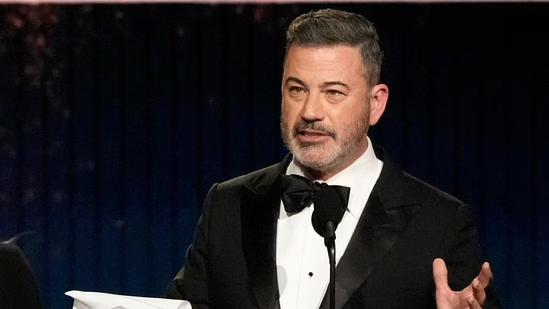
Washington D.C. – Late-night television witnessed a fiery moment as comedian Jimmy Kimmel delivered a scathing critique of President Donald Trump. The Kimmel Trump dictator comparison became the centerpiece of a monologue that accused the president of orchestrating military action against Venezuela as a distraction tactic from ongoing controversies.

Return from Holiday Break Brings Sharp Commentary

Jimmy Kimmel returned to his late-night show on January 5 after a holiday break, immediately launching into political commentary. The Kimmel Trump dictator comparison emerged from his analysis of recent presidential actions. “Donald Trump did so much crazy stuff over the last two weeks, it would take a nine-part Ken Burns documentary series to cover it all, but I’m going to do my best to boil it down,” Kimmel stated, setting the stage for his comprehensive critique.

The comedian’s approach to the Kimmel Trump dictator comparison demonstrated his willingness to tackle controversial political topics head-on. His monologue covered multiple Trump-related stories, beginning with commentary on the president hosting the lowest-rated Kennedy Center Honors telecast before pivoting to more serious accusations.

Epstein Files and Venezuela Connection

The Kimmel Trump dictator comparison gained momentum when the comedian drew connections between the Epstein files controversy and the Venezuelan military operation. “If you were wondering how bad these Epstein files are for Trump, turns out, they’re ‘invade Venezuela’ bad,” Kimmel declared, suggesting the timing was strategic rather than coincidental.

This aspect of the Kimmel Trump dictator comparison referenced the classic film “Wag the Dog,” where a fictional president creates an international crisis to distract from a personal scandal. “This is literally the plot of the movie ‘Wag the Dog.’ The president gets caught in a sex scandal, so he attacks a smaller country to distract us, and here we are, distracted,” Kimmel explained, drawing direct parallels between fiction and current events.

Clever Wordplay Delivers Punch

The most impactful moment of the Kimmel Trump dictator comparison came through masterful comedic timing and wordplay. Kimmel listed characteristics of a “criminal dictator” who drove his country into financial ruin while enriching his own family, leading viewers to initially assume he was describing Venezuelan President Nicolas Maduro.

The Kimmel Trump dictator comparison reached its climax when he revealed the actual target of his description. “Trump decided Maduro had to go, and yes, he’s a criminal and a dictator who’s driven his country into financial ruin, while he and his family have lined their own pockets, but Maduro is no saint either,” Kimmel joked, cleverly applying the same descriptors to both leaders.

War Criminal Allegations

Beyond the Kimmel Trump dictator comparison, the comedian also introduced references to “war criminal” behavior in his monologue. This escalation in rhetoric reflected the serious nature of military operations against another sovereign nation and the potential legal implications of such actions.

The Kimmel Trump dictator comparison thus encompassed multiple layers of criticism, from personal corruption allegations to concerns about authoritarian tendencies and international law violations.

Also Read: Trump Venezuela Oil Deal: Shocking 50 Million Barrel Seizure Plan Revealed

Viral Internet Response

The Kimmel Trump dictator comparison quickly gained traction across social media platforms, generating widespread discussion and debate. One viewer commented on social media platform X: “No wonder Trump hates Kimmel. Kimmel eviscerates him at every turn,” highlighting the ongoing tension between the comedian and the president.

Another user responded to the Kimmel Trump dictator comparison by noting, “For once, Kimmel was funny at least. Kudos!” suggesting that even critics found merit in the monologue’s execution.

Analysis of Protected Speech

Discussion surrounding the Kimmel Trump dictator comparison extended to considerations of free speech and media independence. One commentator on Reddit analyzed the situation: “Trump’s attempt to silence Kimmel and the resulting boycott of Disney basically gave Kimmel immunity. He’s now free to call out Trump for anything and everything, and he won’t get pulled off the air.”

This perspective suggests the Kimmel Trump dictator comparison represents more than isolated comedy—it reflects broader tensions between political power and media freedom.

Context of Maduro’s Capture

The Kimmel Trump dictator comparison emerged following a significant US military operation that resulted in the capture of Venezuelan President Nicolas Maduro and his wife Cilia Flores from Caracas. This unprecedented action provided the factual backdrop for Kimmel’s satirical commentary.

The timing of the Kimmel Trump dictator comparison, coming shortly after this major international incident, amplified its relevance and impact on public discourse.

Political Commentary Through Comedy

The effectiveness of the Kimmel Trump dictator comparison demonstrates how late-night comedy serves as political commentary in contemporary American culture. By using humor to address serious allegations and draw uncomfortable parallels, Kimmel engaged audiences who might otherwise avoid political discussions.

Conclusion

The Kimmel Trump dictator comparison represents a significant moment in political satire, combining clever wordplay with serious accusations about presidential motivations. As the monologue continues generating discussion across social media and news platforms, it underscores comedy’s role in challenging political power and encouraging public scrutiny of leadership decisions during controversial times.

IMD Cold Wave Warning: Urgent Alert for North and Central India

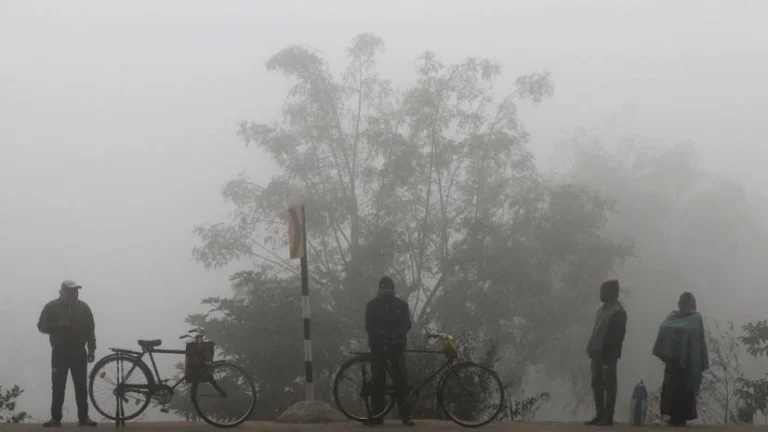
New Delhi – The India Meteorological Department has issued a critical weather advisory as a severe cold wave grips multiple regions across the country. The IMD cold wave warning on Tuesday alerted residents of northern and central India to prepare for intensified chilly conditions over the coming days.

Comprehensive IMD Cold Wave Warning Coverage

The IMD cold wave warning specifically targets several states experiencing dangerous temperature drops. According to the weather department’s bulletin, cold wave conditions are very likely over Punjab, Haryana, Chandigarh, and Odisha from January 7 to January 9. This widespread alert reflects the severity of current weather patterns affecting vast geographical areas.

The IMD cold wave warning extends beyond these primary regions to include Rajasthan, Madhya Pradesh, Vidarbha, Jharkhand, and Chhattisgarh, all of which will experience similar cold wave conditions throughout the week. This comprehensive coverage demonstrates the extensive impact of the current weather system.

Temperature Conditions Under IMD Cold Wave Warning

The IMD cold wave warning comes as parts of North and Himalayan states already witness chilly conditions with temperatures plummeting to fresh lows across several areas. The weather advisory highlights the urgent need for residents to take necessary precautions against the extreme cold.

In addition to the general cold wave alert, the IMD cold wave warning includes specific “cold day conditions” likely over Uttarakhand, Punjab, Haryana, Chandigarh, Bihar, and Uttar Pradesh on January 6 and 7. Delhi, West Rajasthan, and Madhya Pradesh face similar conditions on January 6, while East Rajasthan, West Bengal, and Sikkim will experience these conditions during January 6-8.

Jharkhand’s Response to IMD Cold Wave Warning

The impact of the IMD cold wave warning is particularly evident in Jharkhand, where mercury dropped below 10 degrees Celsius in 10 districts on Tuesday. Officials reported that Garhwa, Palamu, Latehar, Lohardaga, Gumla, and Chatra are among the districts where a ‘yellow’ alert has been issued, with cold wave conditions likely to prevail until January 7.

The severity reflected in the IMD cold wave warning for Jharkhand underscores the need for enhanced preparedness measures across affected districts. Local authorities have been monitoring temperature fluctuations closely to ensure public safety.

West Bengal Records Historic Low

Following the IMD cold wave warning, West Bengal’s capital Kolkata recorded its coldest January day at 10.2 degrees Celsius. This remarkable temperature drop marks a significant weather event for the region. According to weather department forecasts, the chill will intensify across southern West Bengal over the next couple of days.

Also Read: Delhi Air Quality Very Poor: Alarming Pollution Returns After Brief Relief

Historical data reveals that Kolkata’s minimum temperature in January had dropped below 11 degrees Celsius only once in the last 15 years—in 2023, when it dipped to 10.9 degrees Celsius. This context emphasizes the exceptional nature of the current IMD cold wave warning and its implications for residents.

Dense Fog Compounds Cold Wave Challenges

Accompanying the IMD cold wave warning is an additional alert for dense fog conditions likely to continue during morning hours over northwest, central, east, and northeast India over the next 5-7 days. This dual weather challenge significantly impacts visibility and daily activities across affected regions.

The weather department specifically noted that dense to very dense fog conditions are very likely to prevail in morning hours in some parts over Punjab and Haryana-Chandigarh during January 7-9. Dense fog in isolated pockets is expected for subsequent four days, further complicating travel and outdoor activities.

Regional Breakdown of Affected States

The IMD cold wave warning encompasses a diverse geographical spread affecting millions of residents. Punjab and Haryana remain at the forefront of concerns, with Chandigarh serving as the union territory experiencing simultaneous cold wave and fog conditions.

Rajasthan, divided into its western and eastern regions in the weather advisory, faces varying degrees of cold conditions. Madhya Pradesh, positioned in central India, serves as a crucial junction where cold wave patterns intensify.

Safety Implications and Precautionary Measures

The IMD cold wave warning necessitates immediate attention to safety protocols across affected regions. Vulnerable populations, including elderly citizens, children, and individuals with respiratory conditions, face heightened health risks during such extreme weather events.

Transportation sectors must adapt to reduced visibility caused by dense fog conditions mentioned in the IMD cold wave warning. Morning commuters should exercise extra caution, allow additional travel time, and stay updated on local weather advisories.

Conclusion

The comprehensive IMD cold wave warning serves as a crucial alert for residents across northern and central India. With temperatures dropping to historic lows in several regions and dense fog compounding challenges, the coming days require heightened awareness and preparedness. Authorities continue monitoring conditions closely while residents are urged to follow safety guidelines and minimize exposure to extreme cold.

Turkman Gate Demolition: Shocking Pre-Dawn Raid Sparks Violent Clashes

0

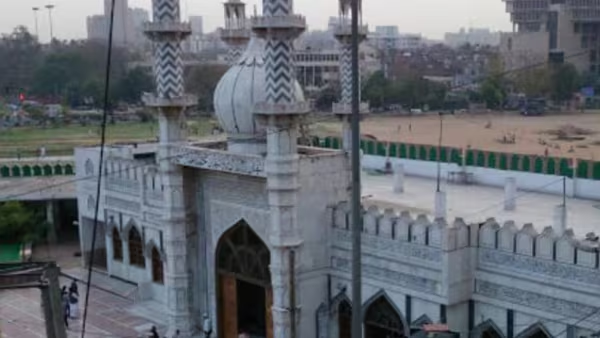
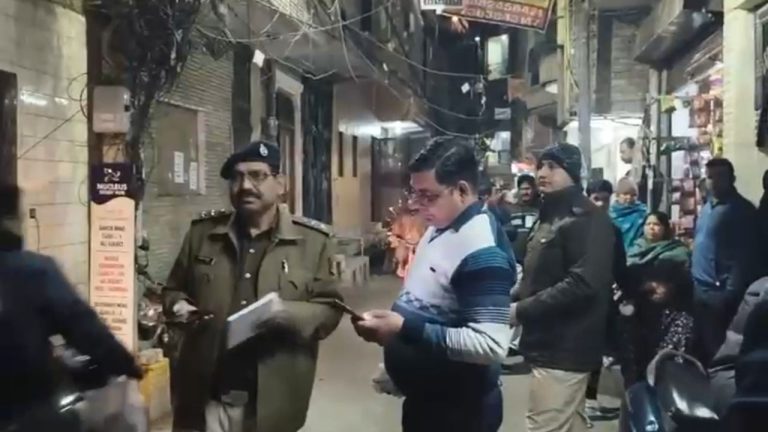
New Delhi – The old Delhi witnessed unprecedented tension early Wednesday morning as the Turkman Gate demolition drive began under controversial circumstances. Civic authorities and law enforcement agencies initiated the removal of encroachments surrounding a century-old mosque, sparking widespread protests and violent confrontations.

Unexpected Timing of Turkman Gate Demolition

The Turkman Gate demolition operation took residents by complete surprise when it commenced at 1:30 AM instead of the scheduled 8:00 AM start time. This dramatic change in timing has raised serious questions about the authorities’ approach to the sensitive operation. Videos circulating among local residents’ groups showed bulldozers and earth-movers demolishing structures near the mosque while substantial police forces maintained a perimeter around the area.

The pre-dawn timing of the Turkman Gate demolition appeared designed to minimize resistance, but it ultimately triggered significant local opposition. Residents, caught off-guard by the sudden action, quickly mobilized to protest the unexpected operation.

Violent Clashes and Police Response

The Turkman Gate demolition witnessed serious law and order challenges as tensions escalated between protesters and security forces. Multiple videos emerged showing police firing tear-gas shells while groups of people responded by pelting stones at security personnel. At least five police officers sustained injuries during the confrontations, highlighting the intensity of the situation.

Joint Commissioner of Police (Central Range) Madhur Verma confirmed that the Turkman Gate demolition was conducted pursuant to Delhi High Court directions. He emphasized that comprehensive law and order arrangements were implemented to ensure smooth operations. The entire area was strategically divided into nine zones, each supervised by an Additional Deputy Commissioner of Police rank officer.

Massive Security Deployment

To facilitate the Turkman Gate demolition, authorities deployed over 10 companies of Delhi Police and Rapid Action Force (RAF) personnel. This substantial security presence underscored the operation’s sensitive nature and anticipated resistance. Police officials positioned adequate forces at all sensitive points throughout the neighborhood.

Before executing the Turkman Gate demolition, several coordination meetings were held with Aman Committee members and local stakeholders. These meetings aimed to maintain peace and prevent untoward incidents, though the ultimate timing decision appeared to contradict these collaborative efforts.

Legal Background and High Court Notice

The Turkman Gate demolition proceeded despite the Delhi High Court issuing notice on Tuesday regarding a petition filed by the managing committee of Masjid Syed Elahi. The petition challenged the Municipal Corporation of Delhi’s decision to remove alleged encroachments from land adjoining the mosque and burial ground located at Ramlila Maidan.

On November 12, 2025, the High Court had given MCD and Delhi Public Works Department three months to clear 38,940 square feet of encroachments at Ramlila Ground near Turkman Gate. This order, based on a joint survey conducted in October 2025, included portions of roads, footpaths, a banquet hall, car parking, and a private diagnostics center.

Also Read: Delhi Riots Case Verdict: Supreme Court Frees 5 but Denies Bail to Khalid, Imam

MCD’s Encroachment Claims

The Turkman Gate demolition followed MCD’s December 22, 2025 notice declaring all structures beyond 0.195 acres liable for removal. The municipal corporation concluded that no documentary evidence established ownership or lawful possession of the land by the managing committee or Delhi Waqf Board. Notably, the 0.195-acre area houses the mosque itself.

The joint survey supporting the Turkman Gate demolition involved multiple agencies including MCD, Delhi Development Authority, PWD, Land and Development Office, Union Ministry of Urban Development, revenue department, and police.

Previous Resistance and Site Marking

Prior to the Turkman Gate demolition, MCD officials visited the site on Sunday to mark encroached areas but faced significant resistance from locals. This resistance prompted increased police deployment and likely influenced the decision to conduct operations during pre-dawn hours.

Security Concerns and Red Fort Connection

Officials had previously stated that Red Fort blast suspect Umar un-nabi visited the mosque before the November 10 explosion that killed 12 people, including Nabi, and injured over 20 others. This connection added another layer of complexity to the Turkman Gate demolition operation.

Resident Testimonies

A 32-year-old mobile phone shop owner near the mosque described remaining confined to his home since midnight. He reported police arrival around 1:00 AM and witnessed protesters pelting stones before police deployed tear gas shells. By morning, he indicated the situation had normalized.

Conclusion

The Turkman Gate demolition represents a flashpoint in Delhi’s ongoing struggle between development priorities and community concerns. The pre-dawn operation’s controversial timing, combined with violent clashes and pending legal challenges, ensures this incident will remain under intense scrutiny. As normalcy gradually returns to the area, questions persist about balancing enforcement efficiency with community sensitivity and legal due process.

Trump Venezuela Oil Deal: Shocking 50 Million Barrel Seizure Plan Revealed

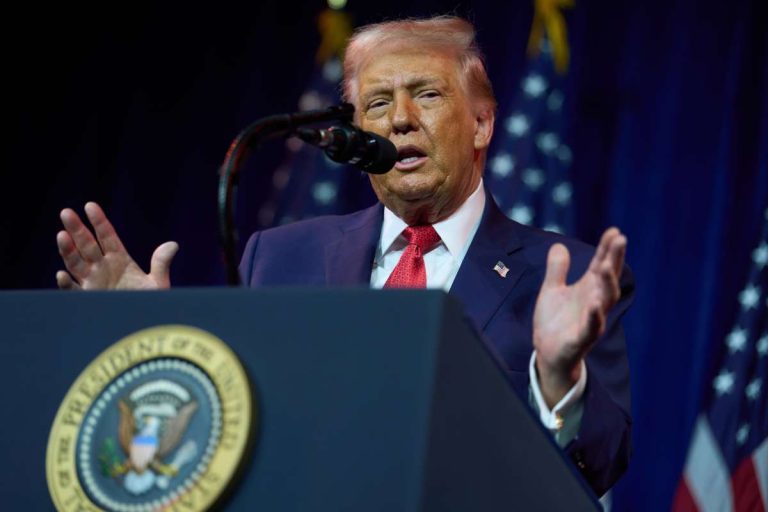
Washington D.C. – The Trump Venezuela oil deal has emerged as a groundbreaking development in international energy politics, with US President Donald Trump announcing plans to seize between 30 to 50 million barrels of sanctioned Venezuelan oil. This unprecedented move comes in the wake of significant political upheaval in the South American nation.

Historic Announcement of the Trump Venezuela Oil Deal

President Trump made the announcement through his Truth Social platform, revealing that Venezuela’s interim authorities would transfer the substantial oil quantity to the United States. The Trump Venezuela oil deal represents one of the most significant energy transactions between the two nations in recent history. According to Trump’s statement, this high-quality sanctioned oil will be sold at market prices, with proceeds controlled directly by the US President.

At current West Texas intermediate benchmark prices, the Trump Venezuela oil deal could be valued at over $2.8 billion. The President emphasized that the revenue generated would benefit both Venezuelan and American citizens, marking a strategic shift in how the US approaches Venezuelan oil resources.

Implementation and Logistics

Trump has directed Energy Secretary Chris Wright to execute the Trump Venezuela oil deal immediately. The implementation plan involves using storage ships to transport the oil directly to unloading docks across the United States. This logistical operation represents a massive undertaking in the energy sector, requiring coordination between multiple government agencies and private sector partners.

The volume specified in the Trump Venezuela oil deal would represent approximately 30 to 50 days of Venezuelan oil production before recent US blockades. This comparison highlights the significant scale of the transaction, particularly considering that Venezuela’s production has experienced a downward trajectory since its 1970s peak.

Context Behind the Deal

The Trump Venezuela oil deal emerges following a dramatic US military operation that resulted in the capture of Venezuelan President Nicolas Maduro and his wife Cilia Flores from Caracas. This operation fundamentally altered the political landscape in Venezuela, creating conditions for the interim government to engage in such unprecedented agreements with Washington.

Venezuela sits atop massive oil reserves, making the Trump Venezuela oil deal particularly significant for global energy markets. However, decades of economic stress and the departure of American oil companies have severely impacted the country’s production capacity. The current deal potentially opens doors for renewed American involvement in Venezuelan oil infrastructure.

Also Read: Maduro US Court Hearing: Defiant Leader Claims Kidnapping, Pleads Not Guilty

Economic Implications

The financial aspects of the Trump Venezuela oil deal extend beyond the immediate $2.8 billion valuation. The United States currently produces approximately 13.8 million barrels per day, making this Venezuelan oil transfer a supplementary but significant addition to American energy resources. The deal’s structure, with presidential control over proceeds, represents an unusual arrangement in international oil transactions.

Market analysts are closely watching how the Trump Venezuela oil deal will affect global oil prices and regional energy dynamics. The transaction could set precedents for how sanctioned oil from politically unstable regions is handled by major powers.

Political Reactions and Future Meetings

The White House is organizing a crucial Oval Office meeting for Friday with major oil company executives to discuss Venezuela’s future. Representatives from Chevron, Exxon, and ConocoPhillips are expected to attend, indicating that the Trump Venezuela oil deal may be just the beginning of broader American corporate engagement with Venezuelan resources.

Delcy Rodriguez, serving as interim president of Venezuela, addressed the situation with defiance, stating that her destiny is determined by God rather than external threats. This response suggests potential complications in implementing the Trump Venezuela oil deal despite the interim government’s apparent cooperation.

Strategic Energy Considerations

The Trump Venezuela oil deal aligns with broader American energy strategy under the current administration. By securing access to Venezuelan oil reserves, the United States strengthens its position in global energy markets while potentially influencing Venezuela’s political future. The deal’s emphasis on benefiting both nations’ citizens suggests an attempt to frame the transaction as mutually beneficial rather than purely extractive.

Energy Secretary Chris Wright’s immediate involvement in executing the Trump Venezuela oil deal demonstrates the administration’s urgency in capitalizing on the current political situation. The speed of implementation may prove crucial as regional dynamics continue evolving.

Conclusion

The Trump Venezuela oil deal represents a watershed moment in US-Venezuela relations and international energy politics. With 30 to 50 million barrels at stake and billions of dollars in potential revenue, this transaction will have lasting implications for both nations and the global oil market. As implementation proceeds and Friday’s corporate meetings approach, the world watches how this historic deal unfolds.

Labour Union and Pensioners Delegations Meet Dr. Jitendra Singh, Applaud Employee-Friendly Approach of Modi Government: 2026

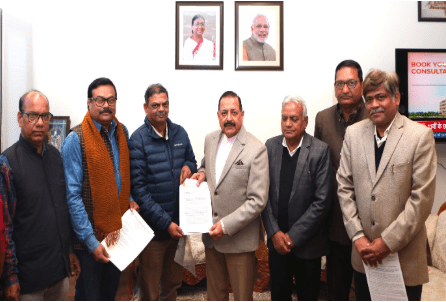
Office bearers of leading telecom and postal pensioners’ organisations affiliated with the Bharatiya Mazdoor Sangh (BMS) met Jitendra Singh, Union Minister of State (Independent Charge) for Science & Technology and Earth Sciences, and Minister of State for the PMO, Department of Atomic Energy, Department of Space, Personnel, Public Grievances and Pensions, at the Department of Personnel & Training (DoPT) headquarters in New Delhi. The interaction focused on a wide range of service, employment, and pension-related issues, with the delegation expressing appreciation for what they termed the Government’s employee-friendly approach.


Constructive Dialogue on Services and Pensions

The delegation conveyed that they were “highly appreciative of the government’s policies, which are pro-employees,” and utilised the meeting to place their views on matters impacting pensioners. Discussions covered issues related to service conditions, employment, and pension administration, with participants noting that the Government has generally remained receptive to representations and that such engagement should continue in a structured manner.


Participation from Telecom and Postal Pensioners’ Bodies

The interaction included representatives from key organisations such as the Bharatiya Doorsanchar Pensioners Sangh (BDPS) and the Bharatiya Postal Pensioners Sangh (BPPS), along with other allied bodies. The representatives highlighted concerns relevant to retirees from the telecom and postal sectors, emphasising the need for clarity, timely information flow, and effective coordination between pensioners’ organisations and the concerned departments.


Minister Assures Consultative and Receptive Approach

Listening patiently to the submissions, Dr. Jitendra Singh reiterated the importance of regular dialogue with stakeholder groups, particularly on issues affecting retirees. He assured the delegations that inputs from pensioners’ bodies are valuable for understanding ground-level concerns and for ensuring that administrative processes remain responsive and inclusive.

The Minister described the interaction as part of an ongoing consultative process between the Government and employee and pensioner organisations, underscoring the need for continued engagement on service and pension matters.


Issues Raised and Forward-Looking Engagement

Representatives also raised individual and organisational issues related to pension administration and sought sustained attention to ensure retirees do not face avoidable difficulties. Participants described the meeting as constructive and forward-looking, marked by mutual understanding and a shared commitment to problem-solving.


Delegation Members Present

Those present included Shri Hari Vinayak Sowani, All India General Secretary, BDPS; Shri Dharmaraj, former MTNL employee; Shri R.C. Pandey, General Secretary, BTEU (BSNL); Shri Ravishil Verma, General Secretary, AIGETOA; Shri Sashikant Kulkarni, All India President, BPPS; Shri J.P. Mali, All India Treasurer, BPPS; Shri Santosh Kumar Singh, former Organising Secretary, BPEF; and Shri Ananta Kumar Pal, Secretary General, BPEF.


Conclusion

The meeting reaffirmed the Government’s commitment to inclusive, consultative governance in matters concerning employees and pensioners. By maintaining open channels of communication and addressing concerns through dialogue, the interaction reflected a continued focus on responsive administration and pensioner welfare.


 For more real-time updates, visit Channel 6 Network.

Source: PIB

SARAS–2026 Exhibition to be Inaugurated on January 8 in Guntur, Showcasing Strong Women-Led Rural Entrepreneurship

The prestigious SARAS–2026 National Exhibition will be inaugurated on January 8, 2026, in Guntur, marking a major milestone in promoting women-led rural livelihoods and entrepreneurship. The national-level event will be hosted from January 6 to January 18, 2026, bringing together Women’s Self-Help Groups (SHGs) from across India to showcase their craftsmanship, enterprise, and cultural diversity.


Empowering Women SHGs Through National Exposure

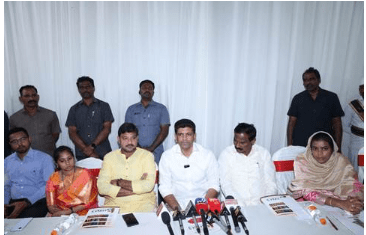
Briefing the media, Union Minister of State for Rural Development and Communications Pemmasani Chandra Sekhar described SARAS–2026 as a unique opportunity for local SHGs to gain exposure to national and global standards, explore new product avenues, and learn modern marketing strategies to scale their enterprises.

He emphasised that the Mela will serve as a vital platform for DWCRA (Development of Women and Children in Rural Areas) women of Andhra Pradesh, enabling them to interact with markets, buyers, and institutions beyond the state.


Grand Inauguration in the Presence of State and Union Leadership

The 13-day national exhibition will be formally inaugurated at 4:00 PM on January 8, 2026, by the Chief Minister of Andhra Pradesh, in the presence of Dr. Pemmasani Chandra Sekhar. Hosting an event of this scale for the first time, Guntur becomes a focal point for one of India’s flagship rural livelihoods initiatives.


National Platform for Rural Artisans and Entrepreneurs

As a National SARAS event, SARAS–2026 will bring together around 300 women artisans and entrepreneurs from 21 States and Union Territories, offering them national-level visibility, market access, and networking opportunities. The exhibition aims to strengthen sustainable livelihoods by connecting rural producers directly with consumers.


Celebrating India’s Craft and Culinary Diversity

The Mela will showcase India’s rich cultural and artisanal heritage through a wide range of authentic handmade products, including:

  • Bamboo and eco-friendly crafts

  • Handlooms and textiles such as Pochampally and Gadwal weaves

  • Traditional jewellery and handicrafts

  • Home décor, jute, and natural fibre products

A dedicated All-India SHG Food Court will offer visitors a taste of India’s culinary diversity, featuring regional delicacies such as Rayalaseema cuisine, Madugula Halwa, Bheemili Thandra, and Atreyapuram Pootharekulu.


Cultural Programmes and Capacity Building

Cultural and entertainment programmes will be organised every evening, including inter-state, state-level, and district-level performances, with special attractions for children.

In parallel, structured capacity-building and training sessions will be conducted for SHG members on key livelihood themes by expert resource persons. A dedicated Lakhapati Didi Pavilion will highlight the success stories of women entrepreneurs, showcasing diverse livelihood models and district-wise participation.


Safety, Logistics and Visitor Access

Comprehensive arrangements have been made to ensure the smooth and safe conduct of the event. The venue will be under 24×7 surveillance with over 100 CCTV cameras, supported by round-the-clock security personnel. Participating SHG members will be provided free accommodation, food, and transportation throughout the event period.

The exhibition will be held at the Open Ground opposite Reddy College, Adarsha Nagar, Narasaraopet Road, Guntur, and entry will be free for all visitors.


Organising Institutions

SARAS–2026 is being organised by the Guntur Zilla Samakhya, in coordination with the District Rural Development Agency (DRDA) and the Society for Elimination of Rural Poverty (SERP).


Conclusion

SARAS–2026 stands as a powerful platform for women’s economic empowerment, cultural exchange, and rural entrepreneurship. By bringing national markets, training, and exposure to Guntur, the exhibition reinforces the Government of India’s commitment to inclusive growth, sustainable livelihoods, and the transformative potential of women-led Self-Help Groups.


 For more real-time updates, visit Channel 6 Network.

Source: PIB

Pralhad Joshi and Nitin Gadkari Take Joint Ride in Hydrogen Fuel Cell Vehicle to Promote Clean Mobility: 2026

In a strong push towards clean mobility and green hydrogen adoption, Union Minister for New and Renewable Energy Pralhad Joshi and Union Minister for Road Transport and Highways Nitin Gadkari on Tuesday took a joint ride in a hydrogen Fuel Cell Electric Vehicle (FCEV). The symbolic drive showcased the Government of India’s commitment to sustainable transport solutions and a low-carbon future.


Promoting Green Hydrogen Through Action

On the occasion, Shri Pralhad Joshi personally drove the Toyota Mirai from Bharat Mandapam to the residence of Shri Nitin Gadkari in New Delhi. The initiative highlighted the government’s focus on green hydrogen as a key pillar of India’s clean energy transition and its integration into the transport sector.

The joint ride sent a clear message on the viability of hydrogen-based mobility and the need to scale up adoption of zero-emission vehicles in India.


Clean Mobility and India’s Energy Transition

The demonstration aligns with India’s broader strategy to reduce dependence on fossil fuels, cut carbon emissions, and promote innovative clean energy technologies. Green hydrogen, particularly in the transport sector, is seen as a critical enabler for decarbonising long-haul and heavy-duty mobility while supporting energy security.

Both ministers have consistently advocated the use of alternative fuels, including electric, biofuels, and hydrogen-based mobility, to build a future-ready and sustainable transport ecosystem.


About the Toyota Mirai Fuel Cell Electric Vehicle

The Toyota Mirai, a second-generation hydrogen Fuel Cell Electric Vehicle (FCEV), generates electricity through a chemical reaction between hydrogen and oxygen, emitting only water vapour as a by-product.

Key features of the Toyota Mirai include:

  • Driving range of approximately 650 kilometres

  • Refuelling time of under five minutes

  • Zero tailpipe emissions

  • Advanced fuel cell technology for high efficiency

The vehicle is regarded as one of the world’s most advanced zero-emission mobility solutions.


Hydrogen as the Fuel of the Future

The joint ride by the two Union Ministers underscores India’s ambition to emerge as a global leader in green hydrogen production and utilisation. With policy support, infrastructure development, and public awareness, hydrogen-powered mobility is expected to play a crucial role in achieving India’s net-zero and climate goals.


Conclusion

The joint hydrogen vehicle ride by Union Ministers Pralhad Joshi and Nitin Gadkari reflects a proactive and visible commitment to clean mobility and sustainable transport. By demonstrating hydrogen fuel cell technology in action, the government continues to build momentum for innovation-driven solutions that support environmental protection, energy security, and economic growth.


 For more real-time updates, visit Channel 6 Network.

Source: PIB