Thursday, April 30, 2026
Home Blog Page 158

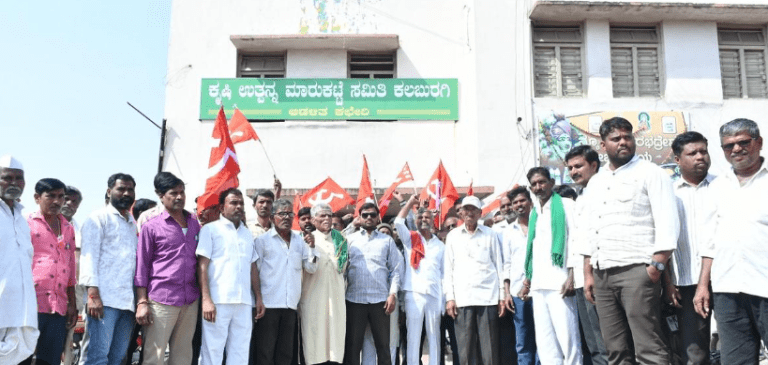
KPRS: FEROCIOUS 2 DEMANDS AND A BLEEDING HOPE OF FARMERS

Follow: Karnataka Government

Also read: Home | Channel 6 Network – Latest News, Breaking Updates: Politics, Business, Tech & More
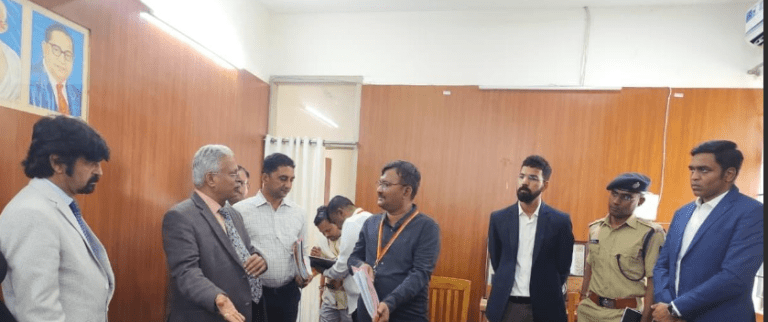
LOKAYUKTA : SHOCKING 1 QUESTION AND A FADING DREAM OF DEVELOPMENT

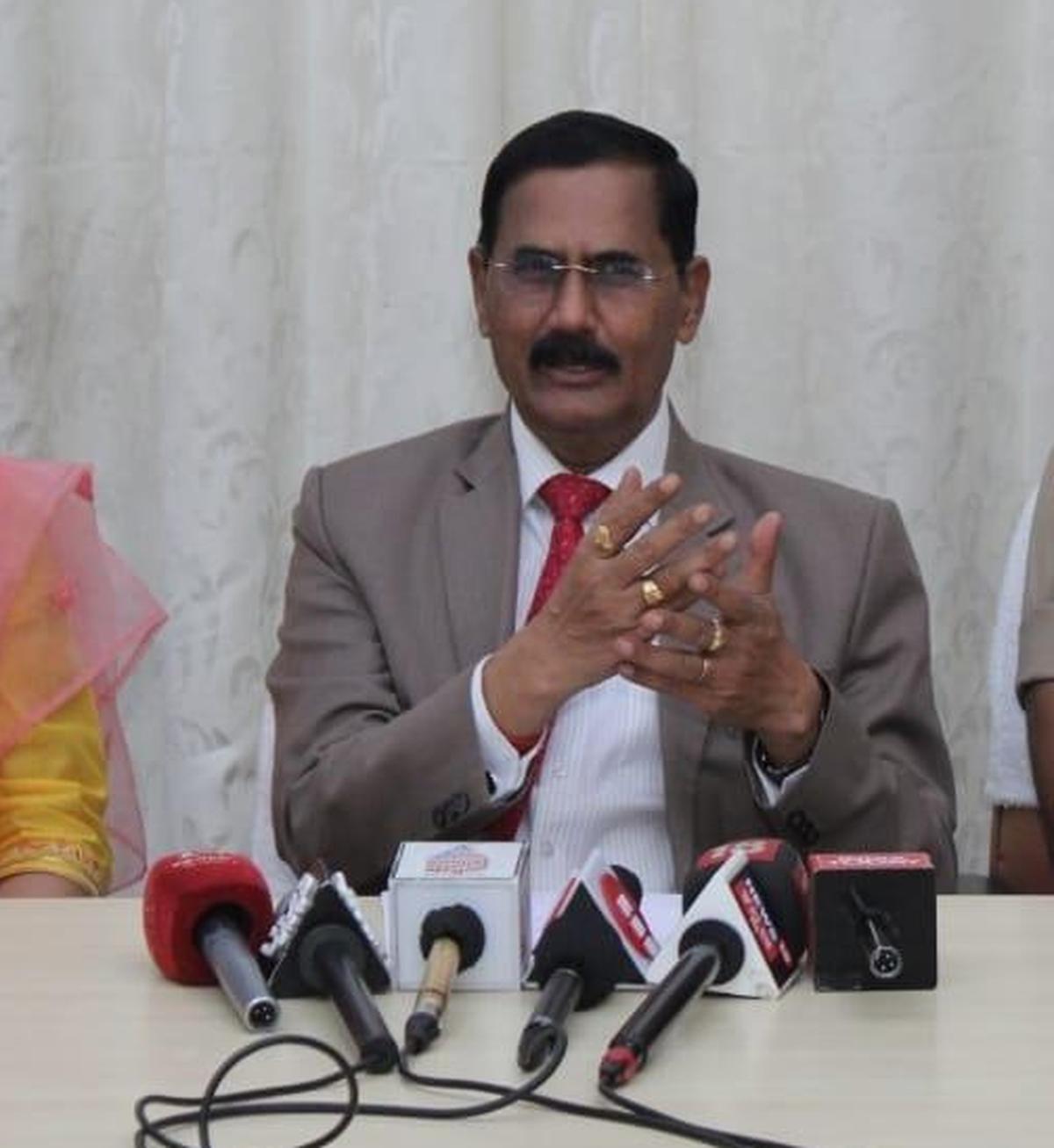
Karnataka Lokayukta Justice B.S. Patil’s sharp query on the absence of visible development in Yadgir district has triggered intense administrative unease and renewed scrutiny over the utilisation of government funds in one of the State’s most backward regions. By bluntly asking “where is the development,” the Lokayukta cut through layers of official reports and expenditure statements, laying bare a troubling disconnect between sanctioned funds and ground realities. His remarks have transformed a routine review into a moment of accountability, forcing officials to confront long-standing failures in governance and implementation.

Yadgir, carved out as a separate district with the promise of focused development, has for years remained emblematic of chronic underdevelopment. Despite repeated allocations under various schemes, the district continues to struggle with poor infrastructure, limited healthcare access, educational deficits, and persistent poverty. The Lokayukta’s intervention has brought these issues back into sharp public focus, questioning not just inefficiency but the integrity of fund utilisation.

During his observations, Justice Patil reportedly expressed dissatisfaction with explanations offered by officials, pointing out that budgetary allocations alone do not constitute development. Roads, schools, hospitals, drinking water facilities, and employment opportunities, he noted, are the true indicators of progress. The absence or inadequacy of these essentials, despite years of spending, prompted him to seek detailed explanations on how government funds were actually used.

The remarks have resonated strongly within administrative and political circles. For residents of Yadgir, the Lokayukta’s words echoed lived realities that have long been ignored. For officials, they signalled heightened scrutiny and the possibility of deeper investigations. What might have been dismissed as routine criticism has now assumed the tone of a warning, suggesting that systemic lapses could invite legal and institutional consequences.

The State government has acknowledged the observations, stating that it will furnish detailed reports on fund utilisation. However, critics argue that explanations after the fact cannot substitute for years of missed opportunities. The Lokayukta’s question has thus become a powerful indictment, challenging the credibility of development claims made over successive administrations.

As discussions intensify, the spotlight remains firmly on Yadgir, a district that has often featured in development indices for the wrong reasons. Justice Patil’s intervention has reopened an uncomfortable conversation about governance priorities, accountability, and the moral responsibility of the State toward its most marginalised regions.Karnataka Lokayukta asks where is the development in Yadgir district, seeks explanation on use of government funds - The Hindu

YADGIR’S PERSISTENT STRUGGLE AND UNFULFILLED PROMISES

Yadgir’s development narrative has long been marked by promises that failed to translate into meaningful change. Since its formation, the district was expected to benefit from targeted planning and resource allocation. Instead, it has consistently lagged behind in key indicators such as literacy, maternal health, employment, and basic infrastructure. The Lokayukta’s remarks have forced a re-examination of why progress has remained elusive despite sustained funding.

Officials have often cited structural challenges, including drought-prone geography, social backwardness, and limited private investment. While these factors are real, critics argue they cannot fully explain the scale of stagnation. Numerous schemes aimed at rural development, housing, sanitation, and livelihoods were sanctioned for Yadgir, raising questions about implementation and monitoring.

Justice B.S. Patil’s observations suggest that the issue may lie not in policy design but in execution. Development funds, once released, require transparent utilisation, regular audits, and outcome-based assessment. The Lokayukta’s demand for explanations indicates concern that these mechanisms may have failed, allowing inefficiency or misuse to go unchecked.

Residents of Yadgir have repeatedly voiced grievances over incomplete projects and poor-quality infrastructure. Roads that deteriorate within months, schools lacking basic facilities, and healthcare centres struggling with staff shortages are common complaints. Such conditions, they argue, point to systemic neglect rather than isolated lapses.

Civil society organisations working in the district have welcomed the Lokayukta’s intervention, describing it as overdue. They note that repeated surveys and reports have highlighted gaps, yet corrective action has been minimal. The current scrutiny, they hope, will compel authorities to move beyond paperwork and address tangible outcomes.

The political dimension of Yadgir’s underdevelopment cannot be ignored. Frequent changes in leadership, shifting priorities, and limited political clout have often left the district on the margins of decision-making. The Lokayukta’s questioning cuts through these dynamics, asserting that development is a constitutional obligation, not a discretionary favour.

By demanding clarity on fund utilisation, Justice Patil has effectively reframed the discourse. The issue is no longer about constraints alone, but about responsibility and accountability in delivering development where it is needed most.

USE OF GOVERNMENT FUNDS AND QUESTIONS OF ACCOUNTABILITY

The Lokayukta’s focus on the use of government funds strikes at the core of public accountability. In seeking explanations, Justice Patil has underscored that expenditure figures mean little without demonstrable impact. His observations suggest concern that funds allocated for Yadgir may not have been translated into commensurate benefits for its residents.

Government departments typically rely on utilisation certificates and progress reports to demonstrate compliance. However, such documents often fail to capture ground realities. The Lokayukta’s intervention highlights the limitations of paperwork-based accountability, advocating for a more rigorous assessment of outcomes.

Experts point out that backward districts like Yadgir are especially vulnerable to inefficient fund usage due to weak oversight and limited administrative capacity. In such contexts, even well-intentioned schemes can falter if monitoring is lax. Justice Patil’s demand for explanations signals a push toward strengthening oversight mechanisms.Karnataka Lokayukta asks where is the development in Yadgir district, seeks explanation on use of government funds - The Hindu

The possibility of further inquiry looms large. If discrepancies emerge between funds released and work executed, it could lead to investigations into dereliction of duty or misuse. While no specific allegations have been formally made, the tone of the Lokayukta’s remarks suggests impatience with routine justifications.

Officials, meanwhile, have sought to defend their record, citing ongoing projects and long-term plans. They argue that development is a gradual process and that recent initiatives have yet to bear fruit. However, critics counter that such explanations have been repeated for years, with little to show in terms of measurable improvement.

The public response to the Lokayukta’s remarks has been telling. Many see it as validation of long-standing grievances, while others express cautious hope that this scrutiny will lead to corrective action. For a district accustomed to being overlooked, the attention itself is significant.

Ultimately, the issue of fund utilisation goes beyond Yadgir. It raises broader questions about how development spending is monitored across the State and whether existing systems are adequate to ensure equity and effectiveness.

ADMINISTRATIVE RESPONSE AND POLITICAL IMPLICATIONS

The State government’s response to the Lokayukta’s observations will be closely watched. Providing explanations on fund utilisation is only the first step; the credibility of those explanations will depend on their transparency and verifiability. Any attempt to deflect responsibility or rely on generic statements risks further eroding trust.

Politically, the remarks have created discomfort. Opposition parties have seized upon them to criticise the government’s development claims, portraying Yadgir as evidence of misplaced priorities. Ruling party leaders, meanwhile, have emphasised ongoing efforts and future plans, seeking to contain the fallout.

Within the bureaucracy, the Lokayukta’s intervention has reportedly prompted internal reviews. Officials are reassessing project files and expenditure records, aware that inconsistencies could attract further scrutiny. This atmosphere of caution reflects the weight carried by the Lokayukta’s office in matters of administrative accountability.

Policy analysts suggest that the episode could catalyse a shift toward outcome-based governance. Linking funding to measurable results, strengthening independent audits, and involving local communities in monitoring are among the measures proposed to prevent recurrence of such situations.

For Yadgir’s elected representatives, the spotlight presents both a challenge and an opportunity. They face pressure to demonstrate tangible progress while also advocating more effectively for the district’s needs. Failure to do so could deepen perceptions of neglect and disenfranchisement.

The Lokayukta’s remarks have thus reverberated beyond a single district. They have sparked a broader debate on development equity, governance quality, and the ethical use of public funds in Karnataka.

A WAKE-UP CALL FOR BACKWARD REGIONS

Justice B.S. Patil’s pointed question serves as a wake-up call, not only for officials in Yadgir but for the State’s approach to backward regions as a whole. Development disparities persist despite decades of planning, suggesting that structural reform is urgently needed.

Experts argue that backward districts require more than standard schemes. Tailored interventions, sustained political attention, and empowered local institutions are essential to break cycles of deprivation. The Lokayukta’s intervention highlights what happens when these elements are missing.

For residents of Yadgir, the hope is that the current scrutiny will lead to lasting change rather than temporary attention. Past experiences have bred scepticism, as inquiries and inspections often fade without follow-through. The challenge lies in converting accountability into action.Karnataka Lokayukta asks where is the development in Yadgir district, seeks explanation on use of government funds - The Hindu

The moral dimension of the issue is equally significant. Public funds represent collective resources meant to uplift the most vulnerable. When development fails to materialise, it is not merely an administrative lapse but a breach of trust.

Justice Patil’s remarks have reminded the State of this responsibility. By questioning where development is, he has reframed governance as a moral obligation grounded in outcomes, not intentions.

As explanations are sought and reviewed, the real test will be whether the findings lead to reform. Strengthening oversight, improving implementation, and prioritising human development indicators must follow if Yadgir is to move beyond symbolic gestures.

BEYOND QUESTIONS TOWARD ACCOUNTABILITY

The Lokayukta’s intervention has opened a crucial window for introspection and reform. Asking where development has gone is only the beginning; answering that question honestly and acting on it is the harder task.

For Karnataka, the episode underscores the importance of institutions that can challenge complacency and demand accountability. The Lokayukta’s role in highlighting gaps serves as a reminder that governance must be constantly examined and corrected.

Yadgir’s future now depends on how seriously these observations are taken. If explanations lead to concrete corrective measures, the district could finally begin to realise its long-promised potential. If not, the moment will pass, leaving behind only sharper cynicism.

The residents of Yadgir have waited long for meaningful change. Justice B.S. Patil’s words have amplified their concerns at the highest level. Whether this translates into visible development will determine the lasting significance of this intervention.

In the end, the Lokayukta’s question resonates far beyond one district. It asks a fundamental question of governance itself: when funds are spent, promises made, and years pass, who answers when development fails to appear?

Follow: Karnataka Government

Also read: Home | Channel 6 Network – Latest News, Breaking Updates: Politics, Business, Tech & More

HUBBALLI: 1 ASTONISHING NIGHT AND A SHATTERED SENSE OF DIGNITY

Hubballi witnessed intense public outrage and political uproar after allegations surfaced that a woman was forcibly disrobed by police personnel during her arrest, triggering protests, counter-allegations, and urgent questions about custodial conduct and women’s dignity. The incident, which unfolded dramatically and rapidly escalated into a law-and-order challenge, has put the spotlight firmly on police accountability, procedural ethics, and the fragile trust between citizens and law enforcement.

According to initial accounts, the woman was arrested following a local dispute that drew police intervention. What might have remained a routine arrest soon turned controversial when allegations emerged that she was subjected to humiliating treatment while in police custody. Visuals, testimonies, and conflicting narratives began circulating soon after, transforming the episode into a high-voltage public issue. Crowds gathered, tempers flared, and Hubballi’s streets became the stage for confrontation between protestors and authorities.

The police have denied intentional wrongdoing, stating that the arrest was conducted as per procedure and that any perceived misconduct was neither deliberate nor malicious. Senior officials have claimed that the woman resisted arrest, leading to a scuffle during which her clothing was allegedly disturbed inadvertently. This explanation, however, has failed to pacify public anger, with many questioning how such an outcome could occur during a lawful arrest, particularly involving a woman.

Political leaders across parties reacted swiftly, some condemning the alleged act as an assault on dignity, while others urged restraint until facts are established. Women’s rights groups, civil liberties activists, and legal observers have demanded an impartial inquiry, stressing that even the perception of custodial humiliation represents a serious failure of policing norms.

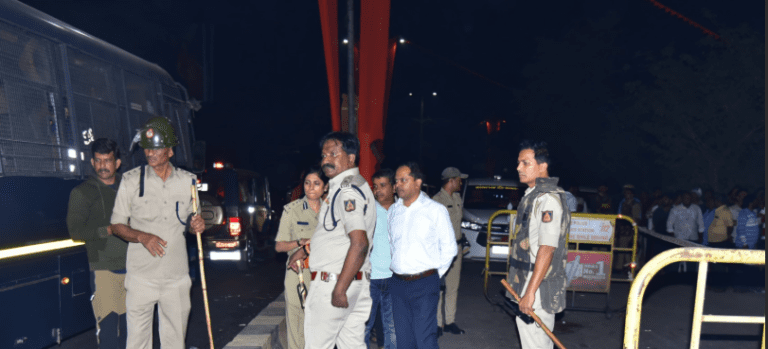
As tensions mounted, additional police forces were deployed to prevent further escalation. The district administration appealed for calm, assuring that the matter would be examined thoroughly. Yet, the emotional charge surrounding the incident reflects deeper anxieties about safety, power imbalance, and the vulnerability of women during encounters with authority.

The Hubballi episode has thus moved beyond a single arrest, becoming a larger symbol of public concern over how power is exercised and where accountability begins. The outcome of the inquiry will be closely watched, not only for justice in this specific case, but for what it signals about institutional sensitivity and reform.Hubbali police under fire for allegedly disrobing BJP women leader during arrest, controversial video surfaces - The Hindu

CONFLICTING VERSIONS AND THE BATTLE OVER NARRATIVE

As the incident dominated public discourse, sharply divergent versions of events emerged. The woman’s family and supporters alleged that she was deliberately stripped and humiliated during arrest, calling it a gross violation of human rights. They claimed that the act was punitive and meant to intimidate, asserting that such treatment could not be justified under any circumstance.

The police, on the other hand, presented a version centred on operational complexity. Officials stated that the woman was aggressive, resisted arrest, and that the situation became chaotic. According to them, the alleged disrobing was an unintended consequence of the physical struggle, not a conscious act by officers. They emphasised that no instruction or intent existed to humiliate the woman and that internal protocols were followed.

This clash of narratives has intensified scrutiny. Legal experts note that intent, while relevant, does not absolve responsibility if procedural safeguards were breached. Arresting officers are required to ensure minimal force, maintain dignity, and especially exercise heightened care when dealing with women. Any deviation, whether intentional or accidental, invites legal and moral accountability.

Eyewitness accounts have further complicated the picture. Some residents claim the police response was excessive, while others argue that the situation spiralled due to crowd interference. In the absence of conclusive evidence made public, speculation has flourished, amplifying emotions and polarisation.

The administration has acknowledged the seriousness of the allegations and confirmed that senior officers are reviewing available footage, statements, and arrest records. Suspension or reassignment of personnel involved has been demanded by activists, who argue that allowing officers to remain in position during inquiry undermines credibility.

The narrative battle unfolding in Hubballi underscores a recurring challenge in policing controversies. Once public trust is shaken, official explanations struggle to regain legitimacy unless accompanied by transparent and visible corrective action. The credibility of the investigation, therefore, will hinge not just on findings, but on how openly the process is conducted.

LEGAL, ETHICAL, AND INSTITUTIONAL QUESTIONS

The alleged incident raises fundamental questions about arrest procedures, especially concerning women. Indian policing guidelines mandate that women should be arrested by female officers, treated with dignity, and protected from physical or psychological harm. Any breach of these norms can attract serious legal consequences, including criminal liability.

As investigations proceed, Hubballi waits for clarity. The case will likely influence future policing protocols and judicial scrutiny of custodial conduct. More importantly, it will test whether institutions can rise to moments of crisis with accountability rather than defensiveness.

Ultimately, the incident challenges the state to reaffirm a fundamental principle: that law enforcement exists to protect, not degrade, and that dignity is non-negotiable, even in moments of conflict. The response to this crisis will determine whether that principle remains merely aspirational or truly enforced.High drama over stripping of BJP woman activist during arrest, Hubballi police deny charge - Public TV English

Legal scholars point out that custodial misconduct cases often falter due to lack of independent evidence and institutional reluctance. This makes judicial oversight crucial. Courts have repeatedly stressed that the power to arrest carries a corresponding duty to protect constitutional rights, including the right to dignity and bodily integrity.

Ethically, the case forces a re-examination of police training and culture. Critics argue that excessive reliance on force reflects deeper structural issues, including inadequate sensitisation, stress, and lack of accountability mechanisms. Supporters of the police counter that officers operate under extreme pressure and face unpredictable resistance, making split-second decisions unavoidable.

The Hubballi incident has also sparked debate within the force itself. Retired officers have called for clearer protocols and better equipment to manage arrests without physical confrontation. They argue that preventing such controversies requires investment in training, not just punitive action after incidents occur.

From an institutional perspective, the challenge lies in balancing morale and accountability. Swift punishment without due process can demoralise personnel, while delayed or defensive responses can erode public trust. The administration’s handling of this balance will shape perceptions far beyond Hubballi.

The alleged disrobing has thus become a lens through which broader systemic issues are being examined. It highlights how individual incidents can expose institutional vulnerabilities and provoke calls for reform that have long remained unaddressed.

PUBLIC OUTRAGE, PROTESTS, AND POLITICAL REACTIONS

The reaction on the streets of Hubballi was swift and intense. Protestors demanded immediate action, chanting slogans and confronting authorities. Women’s organisations staged demonstrations, framing the incident as an attack on dignity and a warning sign for all women interacting with law enforcement.

Political responses followed predictable lines, but with notable intensity. Opposition leaders accused the government of shielding police excesses, while ruling party representatives urged patience and due process. Statements ranged from outright condemnation to cautious calls for fact-based inquiry, reflecting the political sensitivity of the issue.Karnataka: BJP Woman Worker Alleges Stripping by Police During SIR Drive in Hubballi; Cops Deny Charges - The Logical Indian

Social discourse around the incident has been equally charged. Many citizens expressed fear and anger, questioning whether ordinary individuals are safe during police action. Others warned against rushing to judgment, stressing the need to allow investigations to conclude.

The administration’s appeal for calm has had limited effect, as emotions remain raw. Additional security measures were implemented to prevent further unrest, underscoring how quickly a custodial allegation can escalate into a broader law-and-order concern.

For Hubballi, the incident has reopened unresolved debates about policing methods and citizen rights. Past controversies have left lingering mistrust, and the present episode risks deepening those divides unless addressed decisively and transparently.

A MOMENT OF RECKONING FOR POLICING AND RIGHTS

Beyond the immediate controversy, the Hubballi incident represents a moment of reckoning for policing standards and civil liberties. The alleged humiliation of a woman during arrest strikes at the core of democratic accountability, where the state’s authority must be exercised within strict ethical boundaries.

Human rights advocates argue that such incidents are not anomalies but symptoms of deeper structural neglect. They call for independent oversight bodies, mandatory body cameras, and stronger grievance redressal mechanisms to ensure accountability. Without systemic change, they warn, public faith will continue to erode.

The government has reiterated its commitment to impartial inquiry and corrective action if wrongdoing is established. However, assurances alone may not suffice. Restoring trust will require visible reforms, clear communication, and empathy toward those affected.

For the woman at the centre of the controversy, the incident has irrevocably altered her life. Regardless of legal outcomes, the social and psychological impact of alleged custodial humiliation is profound. Her experience has become a rallying point for wider demands for dignity and justice.

As investigations proceed, Hubballi waits for clarity. The case will likely influence future policing protocols and judicial scrutiny of custodial conduct. More importantly, it will test whether institutions can rise to moments of crisis with accountability rather than defensiveness.

Ultimately, the incident challenges the state to reaffirm a fundamental principle: that law enforcement exists to protect, not degrade, and that dignity is non-negotiable, even in moments of conflict. The response to this crisis will determine whether that principle remains merely aspirational or truly enforced.

Follow: Karnataka Government

Also read: Home | Channel 6 Network – Latest News, Breaking Updates: Politics, Business, Tech & More

TRUCK DRIVER DEATH: BRUTAL 10 FAILURES AND A BROKEN PROMISE OF SAFETY

Follow: Karnataka Government

Also read: Home | Channel 6 Network – Latest News, Breaking Updates: Politics, Business, Tech & More
KOGILU: BOLD 28 CLAIMS AND A FRACTURED TRUTH OF HOME

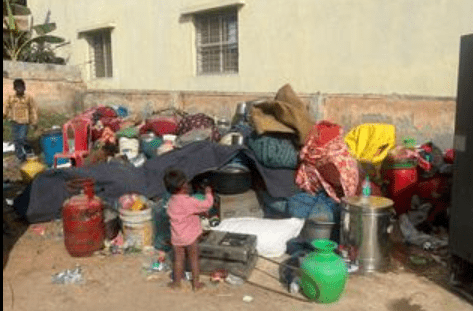
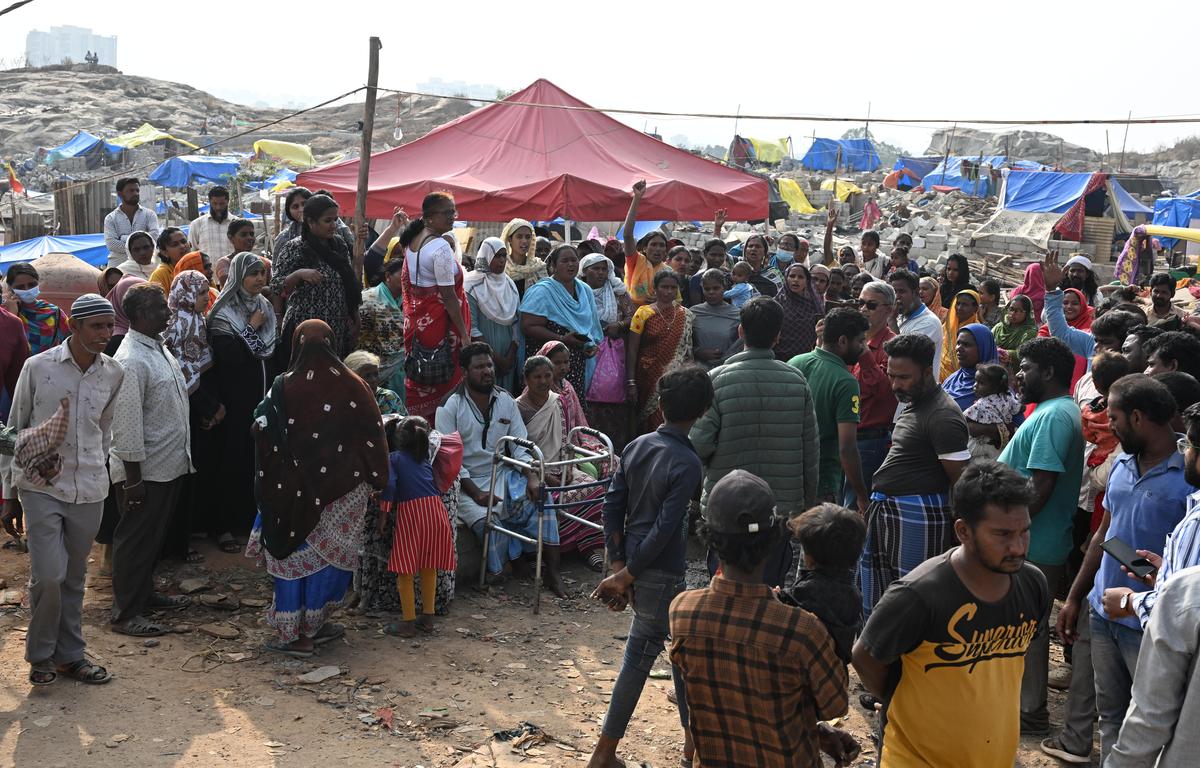
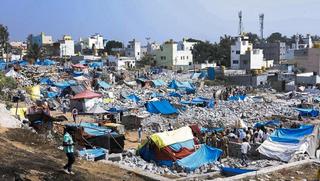
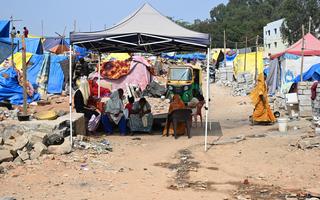
The Karnataka government has informed the High Court that claims made by petitioners about residing for 28 years in now-demolished houses at Kogilu are “factually incorrect,” triggering a fresh legal and political debate over land rights, rehabilitation, and state accountability. The submission, made during ongoing proceedings, challenges the narrative put forth by residents who alleged long-term habitation before their homes were razed as part of an official drive. The issue has since evolved into a broader confrontation between citizens asserting displacement and the State defending its records, processes, and authority.

Kogilu, located on the outskirts of Bengaluru, has witnessed rapid urban transformation in recent years. Infrastructure expansion, road widening, and development projects have placed pressure on land parcels whose ownership and usage histories are often disputed. In this case, residents approached the court claiming that they had lived in the demolished structures for nearly three decades, arguing that the demolition violated their right to shelter and due process. The State, however, has categorically rejected this assertion, stating that documentary and administrative records do not support the claim of continuous residence for 28 years.

According to the government, the structures in question were either recently constructed or unauthorised extensions that did not qualify for protection under existing rehabilitation or regularisation policies. Officials maintained that the demolition followed due notice and was carried out in accordance with law. The assertion that families had lived there for decades, the State argued, was not only misleading but also intended to create sympathy and judicial pressure.

The High Court, while not delivering a final verdict, has sought clarity on timelines, documentation, and procedural safeguards. The court’s scrutiny has brought the focus back to how urban governance intersects with informal housing, migration, and record-keeping. For the affected residents, the government’s stance has come as a sharp blow, undermining their central claim and weakening their demand for relief.

Public reaction to the case has been divided. While some view the government’s submission as a necessary assertion of facts against exaggerated claims, others fear it reflects a systemic inability to acknowledge long-standing informal settlements that fall outside official documentation. The controversy has reignited questions about whose version of history is recognised by the State and whose is dismissed.

As the matter proceeds, the Kogilu case has become emblematic of a larger urban dilemma, where development imperatives collide with human displacement. The High Court’s eventual ruling is expected to have implications beyond the immediate parties, potentially shaping how future disputes over demolished housing and rehabilitation claims are assessed in Karnataka.Claim of residing at now-demolished houses in Kogilu for 28 years 'factually  incorrect': Karnataka - The Hindu

DISPUTED RECORDS AND THE QUESTION OF HABITATION

At the heart of the Kogilu dispute lies the question of evidence. The residents’ claim of 28 years of residence is based largely on oral histories, voter identification, and local familiarity, while the State relies on land records, building approvals, and survey data. The government told the court that revenue documents do not reflect lawful residential occupation over the claimed period and that the land was earmarked for public or developmental use.

State counsel argued that long-term residence cannot be presumed merely because people were present at the site at the time of demolition. They emphasised that the law distinguishes between authorised dwellings, long-standing regularised settlements, and recent encroachments. According to the submission, the Kogilu structures fell into the latter category, making them ineligible for protection or compensation.

The petitioners countered that formal documentation often fails to capture the lived reality of marginalised communities. Many residents, they argued, had lived in the area across generations without formal titles but with the tacit acceptance of local authorities. They claimed access to electricity, water connections, and voter registration as proof of sustained habitation. The demolition, they said, occurred without adequate rehabilitation planning, rendering families homeless overnight.

The High Court has shown concern over this gap between lived experience and official records. Judges have sought explanations on how habitation is verified in areas with informal housing and whether procedural fairness was ensured before demolition. While the State insists notices were served, petitioners argue they were either inadequate or ignored the social consequences of displacement.

Urban policy experts observing the case note that such disputes are increasingly common as cities expand into peri-urban zones. Informal settlements often exist for years without regularisation, creating a grey zone where residents feel secure until development projects intervene. When demolition follows, the absence of formal proof becomes a decisive disadvantage.

The Kogilu case thus raises a critical question: should longevity of occupation alone confer certain protections, or must legality always prevail? The State’s position clearly favours documentary legality, while the petitioners seek recognition of social reality. The court’s eventual interpretation will determine how similar conflicts are addressed in the future.Claim of residing at now-demolished houses in Kogilu for 28 years 'factually  incorrect': Karnataka - The Hindu

STATE AUTHORITY, DEMOLITION POWERS, AND DUE PROCESS

The Karnataka government’s assertion before the High Court also touches upon the broader issue of how demolition powers are exercised. Authorities argue that unchecked encroachments hinder planned development and strain public infrastructure. From this perspective, firm action, even if unpopular, is necessary to enforce land-use norms and protect public interest.

In its submission, the State maintained that the Kogilu demolition was not arbitrary but followed established procedures. Officials claimed that surveys were conducted, notices issued, and opportunities provided for residents to respond. The allegation that the action was sudden or unlawful, the government said, does not align with the administrative record.

However, critics question whether procedural compliance alone is sufficient in cases involving human habitation. Legal scholars point out that courts have increasingly emphasised proportionality and humane considerations, especially when demolitions affect vulnerable populations. Even if structures are unauthorised, they argue, authorities have a duty to consider rehabilitation and alternative arrangements.

The petitioners’ lawyers have urged the court to examine whether the demolition respected constitutional protections, including the right to life and dignity. They argue that displacement without meaningful rehabilitation violates these principles, regardless of the legality of construction. The State, on the other hand, warns that diluting enforcement could encourage encroachment and undermine urban planning.

This tension reflects a larger governance challenge. As cities grow, governments are under pressure to deliver infrastructure quickly, often encountering resistance from informal settlements along the way. Demolitions become flashpoints, attracting legal challenges and public criticism. The Kogilu case illustrates how such actions can escalate into constitutional disputes when residents contest the State’s narrative.

The High Court’s role, therefore, extends beyond fact-finding. It must balance the State’s authority to regulate land with the judiciary’s responsibility to protect fundamental rights. How the court weighs these competing interests will shape the contours of demolition jurisprudence in Karnataka.

IMPLICATIONS FOR URBAN RESIDENTS AND POLICY

The outcome of the Kogilu case is being closely watched by urban residents across Bengaluru and other rapidly expanding cities in Karnataka. Many informal settlement dwellers fear that the State’s firm stance could embolden authorities to dismiss long-standing habitation claims if they lack formal documentation. For them, the government’s submission signals a narrowing of protection for those living in legal grey zones.

Conversely, supporters of strict enforcement argue that recognising undocumented claims could open floodgates, complicating urban governance. They contend that clarity and consistency in applying land laws are essential for sustainable development. From this viewpoint, the State’s rejection of the 28-year claim is a necessary corrective against exaggerated or false assertions.

Policy analysts suggest that the controversy highlights the need for clearer frameworks to address informal housing. Regularisation schemes, transparent surveys, and updated land records could reduce conflicts by bringing settlements into the formal system before disputes arise. Without such measures, courts are left to adjudicate complex social issues on a case-by-case basis.Claim of residing at now-demolished houses in Kogilu for 28 years 'factually  incorrect': Karnataka - The Hindu

The case also underscores the importance of communication and trust between authorities and communities. Sudden demolitions, even if lawful, can breed resentment and resistance. Proactive engagement, rehabilitation planning, and phased implementation may help mitigate backlash and litigation.

For the petitioners, the immediate concern remains relief and recognition. The government’s statement that their claim is factually incorrect has placed them on the defensive, forcing them to substantiate their history of residence. Their struggle reflects the vulnerability of those whose lives unfold outside formal records.

A JUDICIAL TEST OF FACTS AND FAIRNESS

As the Karnataka High Court continues to hear arguments, the Kogilu dispute stands as a test of how facts are established and fairness is interpreted in urban displacement cases. The State’s categorical denial of the 28-year residence claim has sharpened the legal battle, shifting focus to evidence, timelines, and administrative conduct.

The court’s eventual ruling is expected to clarify the standards required to prove long-term habitation and the obligations of the State when demolishing residential structures. Whether oral histories and indirect indicators can supplement formal records will be a key question. Equally important will be the court’s view on rehabilitation duties in cases deemed factually incorrect by the government.

Beyond the courtroom, the case has stirred public reflection on the meaning of home and belonging in a rapidly changing city. For many, residence is defined not by papers but by years of life lived in a place. For the State, legality and planning imperatives often take precedence. Reconciling these perspectives is one of the most pressing challenges of urban governance.

Whatever the verdict, the Kogilu case will leave a lasting imprint on policy and jurisprudence in Karnataka. It serves as a reminder that development, when divorced from social sensitivity, can fracture trust. At the same time, it underscores the necessity of accurate records and lawful processes in managing urban growth.

As Bengaluru expands and similar disputes emerge, the balance struck in this case may guide future action. The High Court’s handling of the “factually incorrect” claim will not only decide the fate of the petitioners but also signal how the law views history, habitation, and the right to shelter in an evolving urban landscape.

Follow: Karnataka Government

Also read: Home | Channel 6 Network – Latest News, Breaking Updates: Politics, Business, Tech & More

BALLARI CLASH: DRAMATIC 2 TRANSFERS AND A BOLD SENSE OF ORDER

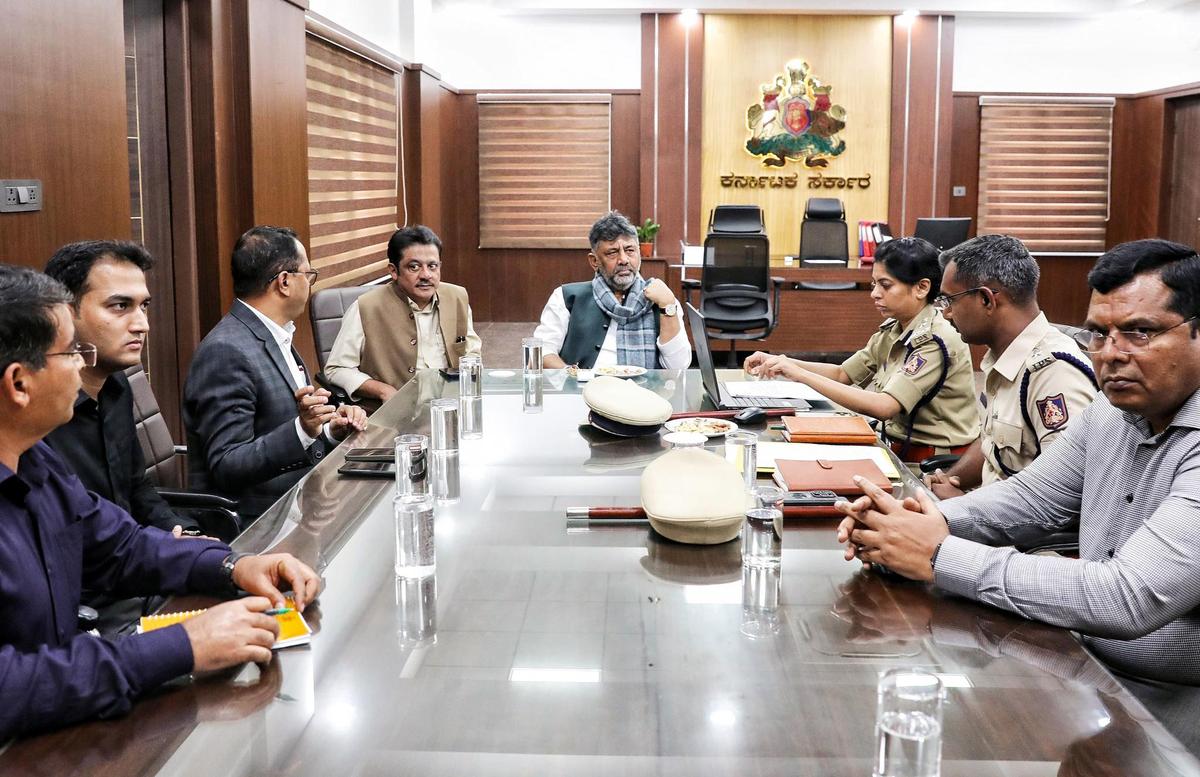
The administrative response to the recent Ballari clash has taken a decisive turn with the transfer of the Deputy Inspector General of Police, coming close on the heels of action taken against the district Superintendent of Police. The twin developments have sent a strong signal across Karnataka’s police and political circles, indicating that the state government is unwilling to ignore lapses in handling a volatile law-and-order situation. Ballari, already under intense scrutiny following violent incidents and political fallout, now finds itself at the centre of an institutional shake-up that raises critical questions about accountability, command responsibility, and governance.

The clash, which erupted amid heightened political tensions, exposed deep vulnerabilities in local policing and intelligence mechanisms. While initial official statements downplayed administrative failure, public pressure and political criticism steadily mounted. The decision to first act against the SP and subsequently transfer the DIG suggests a reassessment within the government, acknowledging that the issue may not have been confined to ground-level execution alone. Instead, it points toward broader supervisory and strategic shortcomings.

Sources within the administration indicate that the DIG’s transfer is intended to restore public confidence rather than serve as punitive action. However, perceptions on the ground are less forgiving. For many residents of Ballari, the move is seen as overdue recognition that senior officers must bear responsibility when violence spirals beyond control. Civil rights groups have argued that transferring officers after incidents should not become a routine damage-control exercise, but part of a deeper reform process aimed at preventing recurrence.

The timing of the transfer has also drawn attention. Coming soon after action against the SP, it underscores a cascading accountability framework, where lapses are examined up the chain of command. This approach, while welcomed by some, has unsettled sections of the police force, who fear that political compulsions may increasingly influence postings and transfers. The delicate balance between administrative oversight and operational autonomy is once again under debate.

Politically, the Ballari clash and subsequent transfers have become a flashpoint. Opposition parties have accused the government of reacting only after public outrage, while the ruling establishment maintains that decisive steps were taken once facts were established. Amid these competing narratives, the focus remains on whether the changes will translate into tangible improvements in law-and-order management or remain symbolic gestures.Ballari Banner Clash: DIGP Vartika Katiyar Transferred; New SP Appointed  Bengaluru | In connection with the clash that erupted over banners between  supporters of MLAs Janardhan Reddy and Bharat Reddy in Ballari,

For residents, the hope is that the pain and disruption caused by the clash will not be in vain. Many see the current moment as an opportunity for introspection and reform. If authorities can translate accountability into meaningful change, Ballari may emerge stronger, with renewed faith in its institutions.

As the district moves forward, the focus must remain on justice, stability, and trust. Administrative transfers can signal intent, but lasting peace will depend on consistent, transparent, and empathetic governance. The events in Ballari serve as a reminder that order is not maintained by authority alone, but by the confidence citizens place in those entrusted to uphold it.

For Ballari’s citizens, the immediate concern is stability. Markets, educational institutions, and daily life were disrupted during the clash, leaving lingering unease. The transfer of senior officers may calm tempers temporarily, but long-term peace depends on sustained engagement, effective policing, and trust-building measures. As the district absorbs yet another administrative shock, the broader implications of these decisions continue to unfold.

ADMINISTRATIVE ACCOUNTABILITY AND POLICING PRESSURES

The action against the SP followed by the DIG’s transfer has reignited discussion around how responsibility is assigned within the police hierarchy. Traditionally, district-level officers bear the brunt of disciplinary action when violence occurs, while senior supervisory roles often escape scrutiny. In this instance, the government’s decision to extend accountability upward marks a notable shift, suggesting an evolving approach to governance.

Police officials familiar with the Ballari situation point to a convergence of challenges that made the clash difficult to manage. Political mobilisation, historical rivalries, and rapid spread of information created a combustible environment. Despite intelligence inputs, the response mechanisms reportedly fell short, leading to delayed containment. Critics argue that such failures reflect not only operational gaps but also leadership lapses in anticipating escalation.

The DIG’s transfer has been interpreted in multiple ways within the force. Some officers see it as a corrective step that reinforces the principle of shared responsibility. Others worry that it sets a precedent where senior officers become vulnerable to swift administrative action during crises, potentially discouraging decisive field-level decisions. This tension underscores the broader challenge of ensuring accountability without undermining morale.

From a governance perspective, the episode highlights the importance of clear protocols during sensitive situations. Experts emphasise that transfers alone cannot address systemic weaknesses. Strengthening intelligence coordination, investing in training for crowd control, and fostering communication between civil administration and police are essential to prevent similar incidents. Without such measures, administrative reshuffles risk becoming reactive rather than transformative.

The Ballari clash has also prompted scrutiny of political influence over policing. Allegations of pressure, conflicting instructions, and delayed approvals have surfaced, though none have been officially substantiated. Nevertheless, the perception that law enforcement operates under political shadow persists, complicating efforts to establish credibility. The government’s handling of the DIG transfer will therefore be closely watched as a test of its commitment to institutional integrity.

Within Ballari, community leaders have expressed cautious optimism that the changes might lead to improved coordination. They stress, however, that trust must be rebuilt through consistent action, not just personnel changes. The memory of past unrest remains fresh, and residents are acutely aware of how quickly tensions can resurface if grievances are left unaddressed.NEWSTRAIL | English daily published in Bengaluru & Doha

IMPACT ON GOVERNANCE AND PUBLIC CONFIDENCE

The transfer of senior police officials following the Ballari clash carries implications that extend beyond immediate law-and-order concerns. It reflects on the state’s broader governance framework and its responsiveness to crises. For many citizens, the question is not merely who was transferred, but whether the system is capable of learning from failure.

Public confidence in institutions is shaped by transparency and accountability. While the government has emphasised that the transfers were administrative decisions, the absence of detailed explanations has fuelled speculation. Transparency advocates argue that clearer communication regarding the reasons and objectives of such actions could help dispel doubts and reinforce trust.

The episode has also sparked debate within political circles about preventive governance. Critics contend that warning signs in Ballari were visible well before the clash, suggesting missed opportunities for intervention. Proactive engagement with community stakeholders and stricter enforcement of preventive measures might have averted escalation. The post-incident transfers, in this view, address consequences rather than causes.

For the police force, the developments serve as a reminder of the intense scrutiny that accompanies crisis management. Senior officers are expected to balance operational demands with political sensitivities, a task that becomes particularly challenging in districts with volatile histories. The Ballari case may prompt a re-evaluation of training and support systems for officers in such environments.

Administratively, the government faces the task of ensuring continuity amid change. Frequent transfers can disrupt local knowledge and ongoing initiatives, potentially weakening institutional memory. As new officers assume charge, the emphasis must be on stability and coherence in strategy, rather than short-term corrective optics.

Ultimately, the success of these measures will be judged by outcomes on the ground. Reduced tension, effective conflict resolution, and improved public engagement will signal whether the administrative response has achieved its intended purpose. Until then, skepticism remains, tempered by cautious hope that lessons have been learned.

THE ROAD AHEAD FOR BALLARI

As Ballari navigates the aftermath of the clash and subsequent transfers, attention turns to the future trajectory of governance in the district. The immediate priority is restoring normalcy and preventing further unrest. Law enforcement agencies have reportedly increased monitoring and engagement, aiming to reassure residents and deter potential flashpoints.

Longer-term, the incident underscores the need for institutional reforms that go beyond individual accountability. Strengthening coordination between police, district administration, and political leadership is critical. Equally important is fostering community trust through dialogue and inclusive approaches to conflict resolution. Without these elements, administrative actions risk being perceived as superficial.

The transfer of the DIG, following action on the SP, has set a precedent that may influence how future crises are handled. Whether this leads to more robust governance or heightened caution among officials remains to be seen. What is certain is that Ballari’s experience will inform policy discussions across Karnataka, shaping approaches to law-and-order management in politically sensitive regions.Ballari DIG transferred after clash that killed Congress party worker in  Karnataka - The Hindu

For residents, the hope is that the pain and disruption caused by the clash will not be in vain. Many see the current moment as an opportunity for introspection and reform. If authorities can translate accountability into meaningful change, Ballari may emerge stronger, with renewed faith in its institutions.

As the district moves forward, the focus must remain on justice, stability, and trust. Administrative transfers can signal intent, but lasting peace will depend on consistent, transparent, and empathetic governance. The events in Ballari serve as a reminder that order is not maintained by authority alone, but by the confidence citizens place in those entrusted to uphold it.

Follow: Karnataka Government

Also read: Home | Channel 6 Network – Latest News, Breaking Updates: Politics, Business, Tech & More
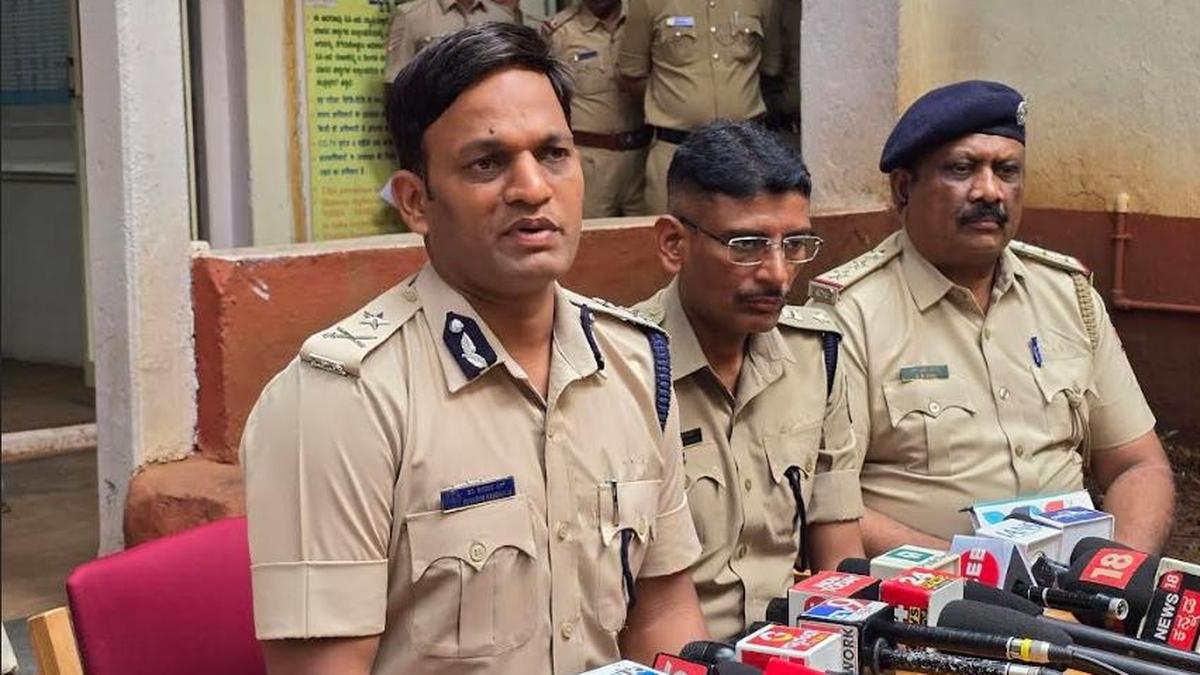
JANARDHANA REDDY: EXPLOSIVE 1 DEMAND AND A SHATTERED PROMISE OF JUSTICE

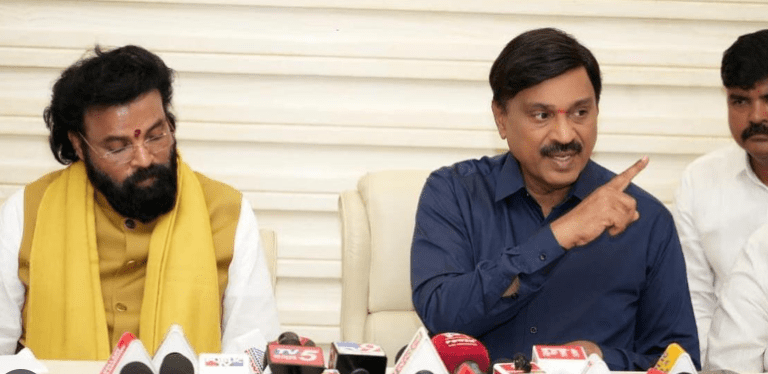
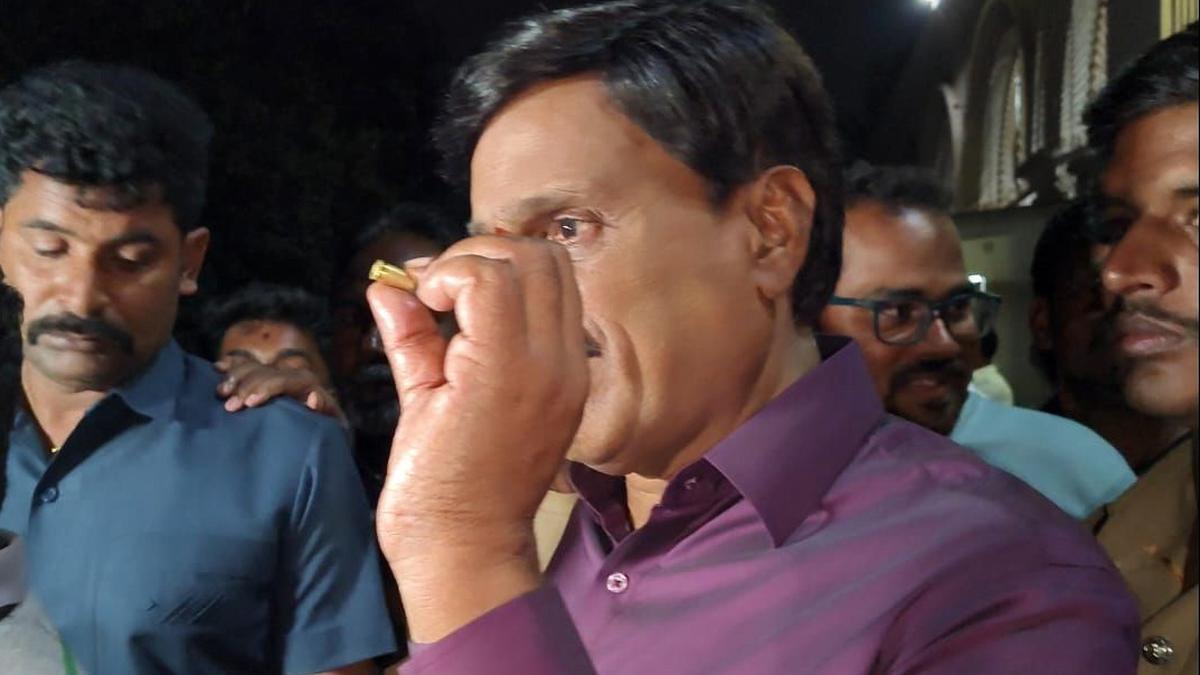
The political atmosphere in Karnataka’s Ballari district has once again turned volatile after mining baron and former minister G Janardhana Reddy demanded the immediate arrest of a sitting Congress MLA in connection with the murder of a Congress activist. The demand, made publicly and with unmistakable aggression, has reignited debates around political violence, factionalism, and selective justice in the region. Ballari, long known for its turbulent political history and power struggles, now finds itself at the centre of another controversy that threatens to deepen mistrust between rival parties and unsettle an already fragile law-and-order situation.

The murder of the Congress activist has sent shockwaves across the district, with party workers staging protests and alleging political conspiracy. While the police have stated that investigations are ongoing, Janardhana Reddy’s intervention has escalated the matter into a full-blown political confrontation. His allegation that a Congress MLA is directly involved has intensified pressure on the state government and law enforcement agencies, forcing them into the spotlight over questions of neutrality and accountability.

Reddy, addressing supporters and media, framed his demand as a fight for justice rather than political vendetta. He asserted that the victim’s family deserves answers and that shielding influential leaders would only embolden criminals. His remarks, however, have been met with strong resistance from Congress leaders, who accuse him of exploiting a tragic death for political mileage. The sharp exchange of accusations has widened the fault lines between the ruling party and opposition-aligned figures, turning a criminal investigation into a larger political battle.

Ballari’s residents are no strangers to such turbulence. Over the years, the district has witnessed frequent clashes rooted in political rivalry, economic interests, and caste dynamics. The latest episode has revived old fears that justice may once again become a casualty of power politics. Civil society groups and legal observers have urged restraint, warning that public statements by political heavyweights could influence investigations and inflame tensions on the ground.

As protests continue and political rhetoric sharpens, the state government faces the challenge of maintaining order while ensuring that the investigation proceeds without bias. The police have reiterated that no one will be spared if evidence establishes culpability, but skepticism remains among the public. The demand made by Janardhana Reddy has thus become more than a call for arrest; it has transformed into a litmus test for the credibility of Karnataka’s criminal justice system.One killed as banner row triggers clash, firing near Janardhan Reddy's  residence in Ballari - The Hindu

The unfolding controversy also raises deeper questions about the safety of political workers and the culture of intimidation that often surrounds grassroots activism. The slain Congress activist, described by colleagues as a dedicated party worker, has become a symbol of the risks faced by those operating at the lower rungs of political hierarchies. His death has prompted renewed calls for reforms to protect political volunteers from becoming pawns in larger power struggles.

With emotions running high and narratives hardening on both sides, Ballari stands at a critical juncture. Whether the investigation leads to arrests or not, the manner in which authorities handle the case will have lasting implications for public trust. For now, Janardhana Reddy’s explosive demand has ensured that the case will not fade quietly, keeping Ballari under intense political and public scrutiny.

POLITICAL ACCUSATIONS AND THE WEIGHT OF THE PAST

Janardhana Reddy’s demand cannot be viewed in isolation from his own complex political history. Once a dominant force in Ballari’s power structure, Reddy has been both influential and controversial, with a past marked by allegations, arrests, and dramatic comebacks. His re-entry into public discourse through this demand has revived memories of earlier conflicts that shaped the district’s political identity. Supporters see him as a leader unafraid to challenge entrenched power, while critics view his statements as calculated provocation.

The broader implications of the case extend to Karnataka’s political culture, where allegations and counter-allegations often overshadow institutional processes. Repeated episodes of violence linked to political rivalry have normalised a climate of suspicion, making it difficult for citizens to separate fact from rhetoric. In Ballari, this has resulted in a persistent erosion of trust, not only in politicians but also in the systems meant to regulate them. The current controversy has reopened these wounds, reminding residents how quickly governance issues can spiral into confrontations rooted in power rather than policy.

Media coverage has also played a crucial role in shaping public perception of the incident. Continuous debates, panel discussions, and partisan commentary have amplified emotions, sometimes at the cost of nuance. While visibility can accelerate accountability, it can also harden positions before investigations are complete. Observers caution that sensationalism may pressure authorities into premature decisions or, conversely, defensive inertia. The balance between informing the public and preserving the integrity of the legal process remains precarious.

At the grassroots level, political workers across party lines have expressed anxiety over their safety. Many see the murder as evidence of how expendable local activists can become amid larger power struggles. Calls for internal party mechanisms to protect workers and address grievances before they escalate have grown louder. Some leaders have acknowledged this concern, admitting that unless structural changes are made, similar tragedies could recur, perpetuating a cycle of violence and retaliation.

Ultimately, the unfolding developments in Ballari will serve as a reference point for how Karnataka confronts politically sensitive crimes. The outcome may influence future conduct of political actors, law enforcement responses, and public engagement with democratic institutions. For now, the district watches closely, aware that the path chosen in this case will signal whether justice can rise above rivalry or remain entangled in the relentless contest for power.

The Congress, meanwhile, has closed ranks around the accused MLA, dismissing Reddy’s claims as baseless and politically motivated. Senior party leaders have argued that the investigation must be allowed to proceed without interference, accusing Reddy of attempting to derail the process through media trials. They have also questioned his moral authority to comment on issues of legality and justice, pointing to his own past encounters with the law.

This war of words has spilled beyond Ballari, drawing reactions from state-level leaders and sparking debates within the Karnataka Legislative Assembly. Opposition members have demanded transparency, while treasury bench members have accused rivals of destabilising governance through irresponsible statements. The political temperature has risen steadily, with each camp seeking to control the narrative surrounding the murder.Banner clash outside Reddy's house turns deadly; Congress cctivist killed  in gunfire

Analysts note that Ballari’s political landscape has long been shaped by personality-driven politics rather than ideology. Rivalries often transcend party lines, rooted instead in local dominance and historical enmities. In such an environment, criminal incidents are frequently interpreted through political lenses, complicating efforts to establish objective truth. The current case exemplifies this pattern, with competing versions of events circulating widely.

The victim’s family, caught in the crossfire, has appealed for justice without delay. Their statements reflect grief and frustration, as they navigate a system where legal processes are overshadowed by political drama. Activists have emphasised that the focus should remain on evidence and accountability, not on who gains or loses politically from the case.

Law enforcement officials face a delicate task. Any perceived hesitation could be interpreted as political pressure, while swift action against a sitting MLA could trigger backlash and unrest. Senior officers have reportedly been instructed to follow procedure strictly, documenting every step to avoid allegations of bias. Yet, in a district as politically charged as Ballari, even routine actions are scrutinised intensely.

Janardhana Reddy’s insistence on arrest has thus amplified the stakes. For his supporters, it represents a stand against impunity. For his detractors, it is an attempt to reclaim relevance by stoking controversy. Regardless of intent, the impact is undeniable, pushing the case into the national conversation and placing Karnataka’s political culture under renewed examination.

JUSTICE, LAW ENFORCEMENT, AND THE ROAD AHEAD

Beyond the immediate political fallout, the case raises fundamental questions about justice and governance in Karnataka. Political murders, whether proven or alleged, erode public confidence and create an atmosphere of fear among activists and citizens alike. The Ballari incident has revived calls for stronger institutional safeguards to ensure that investigations remain insulated from political influence.

Legal experts argue that public demands for arrest, especially from influential figures, can undermine due process. Arrests, they stress, must be based on evidence rather than pressure. At the same time, they acknowledge the public’s frustration with delayed or inconclusive investigations in politically sensitive cases. Balancing these concerns is a persistent challenge for India’s criminal justice system.Janardhana Reddy's act of tearing Valmiki banner triggered violence in  Ballari: Shivakumar - The Hindu

The state government’s response will be closely watched. Any delay in addressing concerns could fuel further protests, while decisive communication and transparency may help calm tensions. Some observers have suggested appointing a special investigation team to reinforce credibility, though such moves often carry their own political implications.

For Ballari, the incident is another reminder of the need to move beyond cycles of violence and retribution. Community leaders have urged political parties to exercise restraint and allow the law to take its course. They warn that continued escalation could disrupt daily life and deepen divisions within the district.

Janardhana Reddy’s demand has ensured that the murder will remain in the public eye, forcing institutions to respond under intense scrutiny. Whether this leads to genuine accountability or merely another chapter in Ballari’s turbulent political story remains uncertain. What is clear, however, is that the case has exposed the fragile intersection of politics and justice, where truth often struggles to emerge unscathed.

As investigations continue, the hope among citizens is that the victim’s death will not be reduced to a political talking point. Justice, they argue, must be delivered transparently and fairly, irrespective of party affiliations or power equations. Only then can Ballari begin to heal from yet another episode that has shaken its conscience and tested its faith in the rule of law.

Follow: Karnataka Government

Also read: Home | Channel 6 Network – Latest News, Breaking Updates: Politics, Business, Tech & More

Lunch Pe Charcha Initiative: Bold Delhi CM Youth Engagement Program

New Delhi – Delhi Chief Minister Rekha Gupta has launched an innovative outreach program with the Lunch Pe Charcha initiative, inviting young people from across the capital to participate in an informal interaction ahead of National Youth Day. This unprecedented engagement format demonstrates a fresh approach to connecting political leadership with the city’s youth population.

Announcing the Lunch Pe Charcha Initiative

The Lunch Pe Charcha initiative was announced on Friday through social media platforms, with Chief Minister Gupta personally extending invitations to Delhi’s youth. The event is scheduled for Sunday, January 11, strategically chosen because National Youth Day on January 12 falls on a working day when most young people would be occupied with professional or academic commitments.

Through the Lunch Pe Charcha initiative, Gupta aims to create an accessible platform for direct dialogue between governance and the younger generation. The informal nature of the program, suggested by its name which translates to “Discussion Over Lunch,” signals a departure from traditional political engagement formats.

Focus Areas of Lunch Pe Charcha Initiative

The Lunch Pe Charcha initiative will center on three primary discussion themes. First, participants will have the opportunity to voice grievances accumulated over the past 11 years of governance in Delhi. This retrospective element of the Lunch Pe Charcha initiative acknowledges historical concerns and provides space for addressing long-standing issues.

Second, the Lunch Pe Charcha initiative includes an honest review of the last 11 months of the current government’s tenure. This component demonstrates accountability and willingness to evaluate recent performance transparently with the youth demographic that will shape Delhi’s future.

Third, and perhaps most significantly, the Lunch Pe Charcha initiative emphasizes translating youth suggestions into actionable steps. This forward-looking aspect positions young participants not merely as critics but as active collaborators in governance and policy formulation.

Social Media Engagement Strategy

The Lunch Pe Charcha initiative leverages digital platforms for maximum youth reach. Chief Minister Gupta urged young people to participate by commenting or sending direct messages on her social media accounts, recognizing that contemporary youth engagement requires digital accessibility.

In her social media post announcing the Lunch Pe Charcha initiative, Gupta wrote: “Inviting all youngsters from Delhi for Lunch Pe Charcha! 12 January is National Youth Day. Since it’s a working day and you’ll all be busy, Sunday, 11th January, let’s meet over lunch. There will be an open discussion on complaints from the past 11 years, an honest review of the last 11 months, and a chat on how to turn your suggestions into action. Let’s meet over lunch. COMMENT, DM!”

Connection to National Youth Day

The Lunch Pe Charcha initiative deliberately connects with National Youth Day, celebrated on January 12 to mark Swami Vivekanand’s birth anniversary. By scheduling the event on January 11, the program honors this important national observance while accommodating practical scheduling constraints.

In her video message promoting the Lunch Pe Charcha initiative, Gupta emphasized this connection: “On January 12, we celebrate National Youth Day, marking the birth anniversary of Swami Vivekanand. It is a day for youngsters, your day. I want to meet you, seek your suggestions and hear your complaints.”

Also Read: Siddaramaiah Longest-Serving CM: Historic Karnataka Leadership Milestone Achieved

Personal Invitation Approach

The Lunch Pe Charcha initiative features a notably personal tone from the Chief Minister. In her video message, Gupta posed a direct question: “On Sunday, January 11, would you like to have lunch with me?” This informal, conversational approach distinguishes the program from typical political events.

The Lunch Pe Charcha initiative’s emphasis on personal connection continues throughout Gupta’s messaging. She specifically requested that youth share complaints regarding the last 11 years and provide suggestions for the next 11 years, framing the interaction as a collaborative partnership.

Solution-Oriented Framework

Importantly, the Lunch Pe Charcha initiative encourages solution-focused dialogue rather than merely cataloging problems. Gupta stated: “Everyone talks about problems, but tell us about the solution.” This approach positions the program as constructive rather than simply providing a platform for grievances.

The Lunch Pe Charcha initiative thus aims to transform youth energy and idealism into practical policy recommendations that can be implemented within Delhi’s governance framework.

Governance Accountability Component

The Lunch Pe Charcha initiative includes explicit discussion of the current government’s 10-month performance record. Gupta committed to reviewing “what we have been able to do in the last 10 months of our government,” demonstrating willingness to subject recent governance to youth scrutiny.

This accountability element of the Lunch Pe Charcha initiative could establish a precedent for regular youth engagement and performance evaluation in Delhi’s political culture.

Future Engagement Promise

The Lunch Pe Charcha initiative appears designed as an ongoing program rather than a one-time event. Chief Minister Gupta concluded her invitation with: “We will keep meeting in the future,” suggesting the January 11 gathering represents the beginning of sustained youth engagement efforts.

Participation Mechanism

Interested youth can engage with the Lunch Pe Charcha initiative through multiple channels. The Chief Minister specifically encouraged comments and direct messages on her social media platforms, creating low-barrier entry points for participation.

Conclusion

The Lunch Pe Charcha initiative represents an innovative approach to political engagement in Delhi, emphasizing accessibility, accountability, and action. By creating an informal setting for substantive dialogue ahead of National Youth Day, Chief Minister Gupta positions youth voices as central to governance decisions. As January 11 approaches, the success of this first Lunch Pe Charcha initiative will be measured not only by attendance but by the quality of dialogue and subsequent policy implementation.

India Crude Oil Import Cost: Remarkable Drop Below $60 Per Barrel

New Delhi – India achieved a significant economic milestone as the India crude oil import cost fell below $60 per barrel on Monday, marking one of the lowest levels in five years. This development comes despite global geopolitical upheavals and sanctions against three major crude oil suppliers—Iran, Russia, and Venezuela.

Historic Price Decline in India Crude Oil Import Cost

The India crude oil import cost reached $59.29 per barrel on January 5, as measured by the daily average price of various crude grades known as the Indian basket. This represents the first time the India crude oil import cost has dipped below $60 since February 5, 2021, when it stood at $59.34 per barrel.

The Indian basket of crude oil represents a carefully balanced cocktail of sour grade and sweet grade crude oil processed in Indian refineries. This benchmark provides an accurate reflection of the actual India crude oil import cost paid by the nation’s energy sector.

Future Projections and Expert Forecasts

Economic forecasts suggest the India crude oil import cost will continue declining throughout 2026. A research report prepared by State Bank of India predicted that crude oil prices would “soften significantly in 2026” to reach $50 per barrel by June 2026. These projections indicate sustained relief for India’s energy expenditure in the coming months.

The US Energy Information Administration has also forecasted favorable trends for the India crude oil import cost. According to EIA’s short-term energy outlook published on December 9, 2025, Brent crude oil prices are expected to fall to an average of $55 per barrel in the first quarter of 2026 and remain near that level throughout the year.

Substantial Financial Savings

The declining India crude oil import cost has generated substantial financial benefits for the nation. The fall in international oil prices has impacted India’s crude oil import bill significantly, saving approximately $11 billion on an annualized basis during the first eight months of the current financial year (April-November 2025-26).

This reduction in the India crude oil import cost occurred even as the nation’s incoming crude shipments surged. According to the Petroleum Planning and Analysis Cell, India’s imports of crude oil increased 2.44 percent to 163.4 million metric tonnes in April-November 2025 from 159.5 MMT in the same period the previous fiscal year.

Import Bill Reduction Despite Volume Increase

The India crude oil import cost advantage is best illustrated through value comparisons. In value terms, the crude oil import bill fell approximately 12 percent to $80.9 billion in April-November 2025 compared to $91.9 billion during April-November 2024. This demonstrates how price reductions offset volume increases, delivering net financial benefits.

After peaking at approximately $71 per barrel in July 2025, the India crude oil import cost began softening. The falling trend became more pronounced during the third quarter (October-December 2025). In December 2025, the monthly average crude oil price for the Indian basket fell to a 58-month low of $62.2 per barrel.

Also Read: Labour Union and Pensioners Delegations Meet Dr. Jitendra Singh, Applaud Employee-Friendly Approach of Modi Government: 2026

Sanctions Impact on Supply Sources

The reduced India crude oil import cost achievement is particularly noteworthy given sanctions against three major crude oil producers. The United States has embargoed purchases of cheaper and discounted crude oil from Iran, Russia, and Venezuela, traditionally important sources for India’s energy needs.

Sector experts and industry executives confirmed that India completely stopped importing Iranian crude oil several years ago. Imports from Venezuela remain miniscule, while Indian refiners stopped purchasing Russian crude from mid-November. Some ships may remain in transit and some cargoes already purchased from non-sanctioned entities continue arriving, but the flow has essentially ceased.

Economic Implications and Currency Impact

The declining India crude oil import cost carries broader economic implications beyond immediate savings. Since oil prices constitute the largest component in India’s import basket and cannot be substituted with domestic production in the short term, contraction of the import bill significantly impacts the rupee.

SBI Group Chief Economic Advisor Soumya Kanti Ghosh’s analysis using recent history suggests substantial currency appreciation potential. Assuming a USD/INR base price of ₹90.28, the expected 14 percent correction in the India crude oil import cost may result in approximately 3 percent rupee appreciation, reaching approximately ₹87.5 per dollar. A portion of this currency appreciation could materialize in the fourth quarter of fiscal year 2026.

Long-term Outlook

The India crude oil import cost trends suggest continued favorable conditions through fiscal year 2027. The SBI report noted that “internal crude oil prices expected to soften, agnostic to recent geopolitical events,” indicating structural factors beyond temporary disruptions drive these trends.

Other factors remaining constant, the appreciation trend in the rupee is expected to continue into fiscal year 2027 as well, providing sustained economic benefits from the reduced India crude oil import cost.

Strategic Advantage for India

The falling India crude oil import cost provides strategic advantages for a nation that imports more than 88 percent of the crude oil it processes. This dependence makes India particularly vulnerable to oil price fluctuations, making current price levels especially beneficial for economic stability and growth.

Conclusion

The India crude oil import cost falling below $60 per barrel represents a significant economic development offering substantial financial savings and broader macroeconomic benefits. With forecasts suggesting continued softening through 2026, India stands positioned to capitalize on favorable energy market conditions despite global geopolitical complexities and supply chain disruptions.

Trump Veto Override Vote: Critical House Republicans Challenge Unfolds

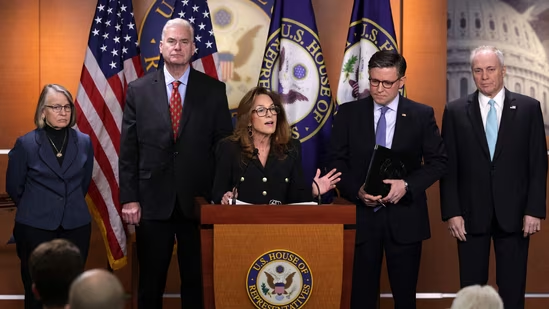
Washington D.C. – House Republicans are preparing for a historic confrontation with President Donald Trump as they schedule a Trump veto override vote for Thursday, December 8. This significant legislative action marks an unprecedented challenge to the president’s authority during his second term, focusing on two bills that previously enjoyed broad bipartisan support in Congress.

Background of the Trump Veto Override Vote

The Trump veto override vote stems from the president’s decision to veto two pieces of legislation at the end of December 2025. Both bills had received substantial bipartisan backing in Congress before Trump blocked them, making the upcoming override attempt particularly noteworthy in the current political landscape.

The first Trump veto override vote concerns a bill that would have provided regulatory relief and funding to expedite a long-delayed water pipeline project. This critical infrastructure initiative was designed to deliver clean drinking water to underserved communities in rural Colorado, addressing a significant public health concern that has persisted for years.

The second component of the Trump veto override vote involves legislation concerning the Miccosukee Tribe in Florida’s Everglades. This bill aimed to expand land protections and increase the tribe’s allotted territory within the Florida Everglades region, an issue that has garnered support from politicians across both chambers representing Florida constituencies.

Colorado Water Pipeline Controversy

The Trump veto override vote for the Colorado water pipeline bill has generated particular controversy due to the president’s reasoning for the veto. Trump stated that the legislation would “continue the failed policies of the past by forcing Federal taxpayers to bear even more of the massive costs of a local water project,” concluding with “Enough is enough.”

Representative Lauren Boebert has criticized Trump’s veto of the Colorado bill, suggesting it was politically motivated. She pointed to the timing, noting her support for a discharge petition to compel the release of Jeffrey Epstein records, implying potential retaliation through the veto decision. This accusation adds a political dimension to the Trump veto override vote that extends beyond policy considerations.

Everglades and Miccosukee Tribe Dispute

The Trump veto override vote regarding the Miccosukee Tribe legislation reveals deeper tensions between the tribe and the White House. The tribe has been in conflict with the administration over plans to construct what has been termed an “Alligator Alcatraz” immigrant detention facility, which would be affected by the underlying law.

In his veto notice, Trump accused the tribe of impeding his immigration policy and claimed the bill benefited “special interests.” This characterization contrasts sharply with Representative Carlos Gimenez’s (R-Fla.) description of the legislation as being about “fairness and conservation.” The Trump veto override vote will test whether Congress agrees with the president’s assessment or sides with the bipartisan coalition that originally supported the measure.

Also Read: Kimmel Trump Dictator Comparison: Explosive Monologue Goes Viral

Vote Mechanics and Requirements

The Trump veto override vote scheduled for Thursday requires a two-thirds majority of House members present to advance the bills into law despite the presidential veto. This high threshold represents a significant hurdle for override supporters, requiring substantial bipartisan cooperation to succeed.

If the Trump veto override vote succeeds in the House, both measures would then proceed to the Senate, where an equally demanding two-thirds threshold must be met to complete the override process. Currently, it remains unclear whether the override effort will gather sufficient support in the Senate, adding uncertainty to the outcome.

Political Implications

The Trump veto override vote represents a critical test of congressional independence and party loyalty. House Republicans must decide whether to support their president or override his vetoes on bills they previously approved. This decision carries significant political ramifications for individual members and the party as a whole.

The Trump veto override vote also highlights tensions within the Republican Party between different factions. Some members prioritize local constituent needs and bipartisan cooperation, while others maintain stronger alignment with presidential directives, even when those directives conflict with previously supported legislation.

Bipartisan Support Dynamics

Both bills subject to the Trump veto override vote had achieved broad bipartisan support before reaching the president’s desk. This consensus makes the veto decisions particularly unusual and increases the potential for successful override attempts. The bipartisan nature of the original support suggests some Republicans may be willing to vote against the president’s position.

The Trump veto override vote will reveal whether bipartisan coalitions can maintain cohesion when directly challenging presidential authority. Success would demonstrate congressional willingness to assert independence from executive pressure, while failure would reinforce presidential veto power.

Timeline and Expectations

As the December 8 Trump veto override vote approaches, political observers are closely monitoring congressional dynamics. The outcome will significantly impact future legislative-executive relations and may influence how Congress approaches subsequent presidential vetoes during Trump’s second term.

Conclusion

The Trump veto override vote represents a pivotal moment in congressional-presidential relations. With two-thirds majorities required in both chambers, success remains uncertain. However, the strong bipartisan support these bills originally received suggests the override attempt has realistic prospects. The December 8 vote will determine whether Congress can successfully challenge presidential authority on these critical issues affecting Colorado communities and Florida’s Everglades region.