Thursday, April 30, 2026
Home Blog Page 157

HASSAN: SHOCKING 1 INCIDENT AND A QUESTION OF TRUST

A troubling incident in Hassan district has raised serious concerns about police conduct after a local man was allegedly assaulted by a serving police inspector over a financial dispute. The victim, a resident of Hassan town, reported that the altercation stemmed from a disagreement regarding a financial transaction, which escalated into physical assault at the inspector’s hands. The incident has sparked outrage among residents and civil society groups, highlighting issues of accountability, abuse of power, and public trust in law enforcement.

According to the victim’s statement, the conflict began over an unpaid debt or alleged financial mismanagement, after which the inspector reportedly used his official authority to intimidate and physically attack the individual. The assault left the victim with visible injuries and emotional trauma, prompting him to file a formal complaint with higher police authorities. Local witnesses have corroborated the account, claiming that the inspector acted aggressively despite the dispute being a private financial matter.

The Hassan Police Department has confirmed receipt of the complaint and has initiated a preliminary inquiry. Senior officials stated that the matter would be investigated thoroughly, and appropriate action would be taken if the allegations are substantiated. The case has also drawn attention from local media and human rights advocates, who are calling for swift accountability and transparent handling to ensure justice and restore public confidence.

Public reaction has been one of anger and concern, with residents expressing disbelief that a law enforcement officer could allegedly misuse power in such a manner. Social media platforms in the region have amplified the incident, with calls for strict disciplinary action and assurances that police personnel should be held to the highest standards of conduct. The controversy underscores the need for stronger oversight mechanisms and accountability within the police force to prevent abuse of authority.

Civil society organisations have demanded an independent inquiry into the assault, emphasising that incidents involving police misconduct erode the community’s trust in law enforcement. Legal experts note that even a single case of abuse of power can have far-reaching implications for public perception and cooperation with the police, which is crucial for maintaining law and order. They also pointed out that internal departmental inquiries must be conducted transparently to avoid accusations of cover-up or bias

The incident comes at a time when police conduct across various districts is under heightened scrutiny, with growing calls for reform, ethical training, and clear protocols to prevent misuse of authority. Observers say that the Hassan case could serve as a litmus test for departmental responsiveness and commitment to accountability, as swift action would signal that no official is above the law.Stop Police Excesses on Peaceful Protesters | CJP

Authorities have assured the public that the investigation will be impartial and thorough, and that the inspector involved could face suspension, departmental action, or legal consequences depending on inquiry findings. Meanwhile, the victim has received medical attention and is pursuing legal recourse, supported by local advocacy groups. The incident has reignited discussions on police ethics, financial disputes involving officials, and the broader need for safeguarding citizen rights against institutional abuse.

The history of India's turbulent relationship with its police

The allegations against the Hassan police inspector have sparked widespread concern across the district, with residents questioning the integrity of law enforcement personnel. Community leaders emphasised that an officer entrusted with upholding the law should never exploit his position to settle personal disputes. Citizens reported heightened anxiety, particularly among those who engage in financial transactions with acquaintances, fearing similar abuse of authority. Local community forums have demanded immediate transparency and called for the inspector to be placed on suspension pending inquiry.

Civil society groups and human rights activists have also taken note of the incident, framing it as part of a larger pattern of power misuse by officials in positions of authority. They argue that isolated cases often reflect systemic gaps in monitoring and accountability mechanisms within the police force. Advocacy organisations have urged the state government to ensure independent supervision over the investigation, stressing that impartiality is crucial to restore public trust.

Social media has amplified the controversy, with residents posting videos, photos, and first-hand accounts of the aftermath. Online discussions reflect anger and disappointment, with many users demanding stricter penalties for officers who violate public trust. This digital attention has forced local authorities to act more swiftly than usual, underlining the role of public scrutiny in promoting accountability.

The victim, meanwhile, continues to receive support from legal aid organisations and community representatives. Psychological counselling has been recommended to help him cope with trauma resulting from both the assault and the sense of betrayal from someone meant to enforce the law. Experts note that addressing the emotional impact is as crucial as pursuing legal action, particularly when misconduct involves authority figures.

Local businesses and traders have expressed solidarity, emphasising that financial disputes are common in daily life and should never be resolved through intimidation or violence. Chambers of commerce in Hassan have reportedly called for an internal review to ensure no further incidents occur and to reinforce ethical behaviour among public officials. The public narrative is increasingly focused on accountability and systemic reform rather than only the individual case.

HASSAN: INVESTIGATION, LEGAL RAMIFICATIONS, AND GOVERNMENT RESPONSE

The police department has launched an official investigation into the matter, with senior officers overseeing the proceedings. The inquiry will determine whether the inspector acted within the bounds of law or committed a criminal offence. Investigators are expected to examine witness statements, medical records, and any video evidence, while also questioning the accused officer. Depending on findings, the inspector could face suspension, departmental penalties, or criminal prosecution under relevant sections of the Indian Penal Code.

Legal experts observing the case note that assault by a public servant in the discharge of duties is taken seriously under Indian law. Sections pertaining to criminal intimidation, voluntary causing of hurt, and abuse of authority could apply if allegations are proven. The case could also set a precedent, demonstrating that law enforcement officials are accountable not only in their professional capacity but also in private disputes where they misuse authority.

The state government has expressed concern and directed the district police commissioner to ensure a fair, unbiased, and timely inquiry. Officials emphasised that no officer is above the law and that swift action will be taken to maintain the credibility of the police force. These assurances are intended to reassure the public that institutional mechanisms will function effectively to uphold justice.

Meanwhile, neighbouring districts have been briefed to monitor similar cases, signalling proactive measures to prevent replication of such misconduct. Police leadership has announced workshops on ethics, financial responsibility, and citizen engagement to reinforce professional conduct. These training sessions are expected to include scenario-based learning, highlighting the consequences of overstepping authority.

Observers note that the Hassan case underscores broader governance challenges, where trust between citizens and law enforcement can be fragile. Strengthening grievance redressal mechanisms, whistleblower protections, and transparent complaint procedures will be essential to prevent future incidents. Analysts argue that public confidence can be rebuilt only through consistent enforcement of accountability, clear communication, and visible corrective action.Indian police use violence as a shortcut to justice. It's the poorest who  bear the scars | CNN

Follow: Karnataka Government

Also read: Home | Channel 6 Network – Latest News, Breaking Updates: Politics, Business, Tech & More

Indusfood 2026 to Showcase India’s Rising Leadership in Global Food Trade

The 9th edition of Indusfood 2026, India’s flagship global food and beverage (F&B) sourcing exhibition, will be held from January 8 to 10, 2026, at the India Expo Centre & Mart. Organised by the Trade Promotion Council of India (TPCI), the event aims to further consolidate India’s position as a trusted, competitive, and future-ready partner in global food supply chains.


Asia’s Premier F&B Trade Platform

Branded as Asia’s premier food and beverage trade show, Indusfood 2026 will bring together leading Indian food producers, international buyers, policymakers, global institutions, and industry leaders on a single platform. The exhibition is designed to facilitate trade collaborations, bilateral engagements, and long-term partnerships, strengthening India’s global food trade footprint.


High-Level Inauguration and Government Support

The event will be formally inaugurated by Chirag Paswan, Union Minister of Food Processing Industries, underscoring the Government of India’s commitment to enhancing export competitiveness, strengthening food processing ecosystems, and expanding global market access for Indian food products.


India–UAE Food Corridor and Global Highlights

A major highlight of Indusfood 2026 will be the launch of the India–UAE Food Corridor by Abu Dhabi Food Hub, aimed at enhancing food security, streamlining supply chains, and accelerating bilateral food trade.

Another notable attraction will be the 75-year milestone celebration of Saudi Arabian exhibitor Alsalan, symbolising Saudi Arabia’s long-standing food trade legacy and its deepening commercial partnership with India.


Strong International Participation

The exhibition is expected to see participation from over 120 countries, with thousands of verified global buyers and multiple high-level international trade delegations. This extensive global presence reinforces Indusfood’s role as a key gateway for Indian food producers to access international markets.


Business, Logistics and Export Infrastructure Focus

Indusfood 2026 will host dedicated global business and logistics platforms, including a special ‘Bharat Mart’ session by DP World, focusing on export infrastructure, logistics integration, and policy-level dialogue to boost India’s export efficiency and competitiveness.


Culinary Diplomacy and Skill Development

In a first, the World Culinary Heritage Conference will be hosted, bringing together Indian and international chefs, policymakers, and industry leaders to deliberate on heritage preservation, innovation, and culinary diplomacy.

Skill development will be another major pillar, with the India International Centre for Culinary Leadership (IICCL), in collaboration with Indian Federation of Culinary Associations (IFCA), conducting a five-day residential programme for 150 chefs. Participants will receive Level 1 ‘Ambassador of Indian Cuisine’ certification, strengthening global advocacy for Indian cuisine.


High-Profile Cultural and Business Engagements

Cultural and diplomatic engagements will include the ‘India on a Platter’ Gala Dinner at Taj Palace, hosted by the Ministry of Commerce and Industry, for ministers, ambassadors, global buyers, and international delegations.


Innovation, Start-ups and APEDA’s Bharati Initiative

Indusfood 2026 will also host international tasting and innovation platforms, including Cheese and Wine Tasting sessions by Cyprus. A key attraction will be APEDA’s ‘Bharati Initiative’, which will spotlight innovative Indian agri-food start-ups through Shark Tank–style pitch sessions, connecting entrepreneurs directly with global buyers and investors.

Curated engagements with industry bodies such as Forum of Indian Food Importers, Federation of Hotel and Restaurant Associations of India, and Karnataka State Brewers Association will further promote networking, knowledge exchange, and sectoral collaboration.


Global Delegations and Market Outreach

The exhibition will host several prominent global delegations, including trade association leaders from Turkey, senior government officials and retail buyers from Fiji, and global culinary leaders such as Andy Cuthbert and Willment Leong.


Conclusion

As global demand grows for safe, traceable, sustainable, and ethically sourced food, Indusfood 2026 is poised to serve as a catalyst for the next phase of India’s food trade expansion. With a strong focus on innovation, sustainability, value-added processing, start-ups, and export-led growth, the event will open new avenues for collaboration, investment, and global competitiveness, reinforcing India’s leadership in the international food trade ecosystem.


 For more real-time updates, visit Channel 6 Network.

Source: PIB

Department of Posts Signs MoU with Agriculture Ministry to Strengthen PAN-India Logistics for Farm Input Samples: 2026

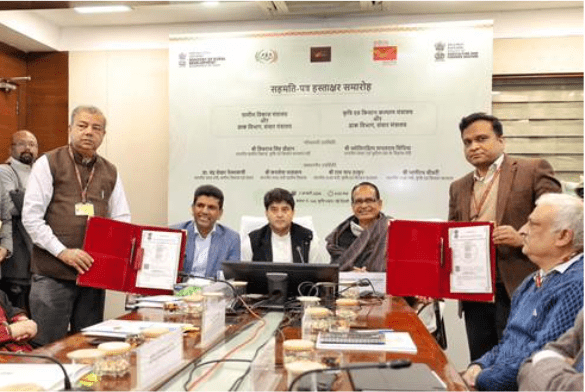
In a major step towards improving quality assurance in agriculture, the Department of Posts (DoP) and the Department of Agriculture and Farmers Welfare (DA&FW) signed a Memorandum of Understanding (MoU) to establish a nationwide logistics mechanism for the transportation of pesticide, seed, and fertiliser samples to designated laboratories across India.

The MoU was signed in New Delhi in the presence of Union Minister of Communications and Development of North Eastern Region Jyotiraditya M. Scindia and Union Minister of Agriculture & Farmers’ Welfare Shivraj Singh Chouhan.


Leveraging India Post’s Unmatched National Reach

Speaking on the occasion, Shri Jyotiraditya M. Scindia highlighted that under the Prime Minister’s vision of Viksit Bharat, India Post has evolved into one of the world’s most comprehensive logistics and distribution networks.

With over 1.60 lakh post offices, including nearly 1.40 lakh in rural areas, India Post ensures deep last-mile connectivity. The Minister noted that the Department handles lakhs of deliveries daily, including close to six lakh parcel deliveries during peak festive periods, underlining its operational scale and reliability.


Technology-Enabled Quality Management System

The collaboration forms a key component of the PAN-India Online Pesticide, Seed and Fertiliser Quality Management System, being developed by the Centre for Research and Industrial Staff Performance (CRISP).

The system is designed to:

  • Strengthen quality control mechanisms

  • Improve transparency and traceability

  • Ensure time-bound testing of agricultural inputs

  • Enable digital workflows for inspectors and laboratories


End-to-End, Secure and Traceable Sample Movement

Under the MoU, the Department of Posts will provide end-to-end logistics support for the secure and time-bound transportation of samples collected by Pesticide, Seed and Fertiliser Inspectors.

Key features of the logistics framework include:

  • Designated booking and consolidation points

  • Specialised handling and packaging protocols for sensitive samples

  • QR code-based address masking to ensure confidentiality

  • Digital tracking for complete end-to-end traceability

  • Temperature monitoring for select samples requiring controlled conditions

By leveraging India Post’s extensive network, including in remote and rural regions, the initiative ensures uniform and reliable coverage nationwide.


Protecting Farmers from Fake and Substandard Inputs

Addressing the gathering, Union Minister Shivraj Singh Chouhan emphasised that fake and substandard pesticides, seeds, and fertilisers cause severe financial losses and distress to farmers. He stated that the MoU would significantly strengthen enforcement by enabling faster and more reliable laboratory testing of agricultural inputs.

The Minister noted that with improved logistics and digital tracking, samples that earlier took 10–15 days to reach laboratories would now be delivered within 48 to 72 hours, enabling:

  • Quicker testing and corrective action

  • Stronger regulatory oversight

  • Greater confidence among farmers regarding input quality


Strengthening Institutional Coordination

The partnership reflects the Government of India’s broader focus on institutional convergence, using the logistics strength of India Post to support national agriculture programmes. By integrating technology, logistics, and regulatory processes, the initiative is expected to enhance quality assurance, transparency, and farmer protection across the agriculture sector.


Conclusion

The MoU between the Department of Posts and the Department of Agriculture & Farmers Welfare marks a significant step towards robust, technology-driven quality control in Indian agriculture. By ensuring faster, secure, and traceable movement of farm input samples, the initiative will help curb spurious products, strengthen farmer confidence, and reinforce the Government’s commitment to safeguarding agricultural livelihoods.


 For more real-time updates, visit Channel 6 Network.

Source: PIB

SHOCKING 1 FEAR: A TIGER ON THE LOOSE NEAR MYSURU

Follow: Karnataka Government

Also read: Home | Channel 6 Network – Latest News, Breaking Updates: Politics, Business, Tech & More
KARNATAKA: REVOLUTIONARY 1 INITIATIVE AND A SUSTAINABLE TURN IN HYGIENE

Karnataka has announced an ambitious expansion of menstrual cup distribution as part of its ongoing drive toward sustainable menstrual hygiene management, signaling a significant step in public health and environmental stewardship. The initiative, spearheaded by the Department of Health and Family Welfare in collaboration with state education and women’s welfare departments, aims to make menstrual cups accessible to a wider population of menstruating individuals, particularly students, women in rural areas, and low-income communities. By moving beyond conventional sanitary pads, the state government seeks to reduce environmental waste, promote cost-effective hygiene solutions, and encourage informed health practices.

The expanded menstrual cup programme is expected to have a transformative impact on school attendance and academic engagement, particularly among adolescent girls. Studies have shown that lack of access to reliable menstrual products often leads to absenteeism, as young girls stay home during their periods due to discomfort, embarrassment, or lack of privacy. By providing a sustainable and convenient alternative, Karnataka aims to reduce these barriers and enable uninterrupted education. Teachers and school health coordinators will play a pivotal role in guiding students on proper usage, hygiene practices, and disposal methods, fostering a culture of informed menstrual management within educational institutions.

Beyond schools, the initiative seeks to reach women in rural and semi-urban areas who often face challenges in accessing affordable menstrual products. Village-level health workers, Anganwadi centres, and local self-help groups will form the backbone of community distribution networks. These efforts will ensure that menstrual cups reach women who previously relied solely on disposable pads, which may be irregularly available or costly. By extending coverage to underrepresented populations, the programme aims to achieve both health equity and environmental sustainability simultaneously.

Financial implications of the initiative are significant, as menstrual cups, being reusable for up to a decade, dramatically reduce recurring expenses for families. Households that previously spent considerable sums annually on disposable sanitary products will benefit from long-term cost savings. This economic relief is particularly relevant for low-income communities, where menstrual hygiene can be an added financial burden. Additionally, the reduced dependency on single-use products alleviates pressure on local markets, waste disposal systems, and urban sanitation infrastructure, yielding broader societal benefits.

Environmental conservation remains a core pillar of the programme. The widespread adoption of menstrual cups could lead to a substantial reduction in non-biodegradable waste generated by single-use pads and tampons. Estimates suggest that a single user could prevent hundreds of disposable products from entering landfills over several years. For Karnataka, a state with high population density and growing urbanisation, the environmental benefits of reducing menstrual waste are considerable, contributing to cleaner surroundings, reduced microplastic pollution, and more sustainable waste management practices.

To ensure successful implementation, the government has planned comprehensive awareness campaigns, including workshops, digital content, and community engagement sessions. These campaigns aim to dispel myths surrounding menstrual cups, educate users on proper sanitation practices, and normalize conversations about menstruation. By fostering informed choices and creating a supportive environment, the state hopes to encourage widespread adoption and long-term behavioural change, ensuring that menstrual cups become a mainstream and accepted menstrual hygiene option.

Finally, the initiative represents a broader shift in public health policy toward sustainability and gender equity. Karnataka is setting a precedent by integrating eco-friendly solutions into essential healthcare services, demonstrating that environmental responsibility can coexist with social welfare. The success of the menstrual cup programme could inspire other states to adopt similar measures, potentially transforming menstrual hygiene management nationwide. As communities adapt to this change, the programme promises not only improved health outcomes and cost savings but also a significant step toward reducing stigma, promoting environmental consciousness, and empowering women and girls across the state.

The move comes against the backdrop of growing concern over disposable menstrual products, which contribute to plastic pollution, clog drains, and burden waste management systems. Menstrual cups, being reusable and durable for several years, offer an environmentally friendly alternative that can significantly lower disposable waste. Officials have emphasised that distribution will be accompanied by awareness campaigns, training sessions, and educational workshops to ensure proper usage, maintenance, and hygiene practices.

Initially piloted in select districts and schools, the menstrual cup programme demonstrated encouraging results in both uptake and user satisfaction. Feedback highlighted not only the product’s convenience and cost-effectiveness but also its positive impact on menstrual confidence and mobility for young women and girls. Based on this success, the state has decided to scale up the initiative, aiming for comprehensive coverage across government schools, colleges, urban localities, and rural communities.

Experts note that the expanded distribution represents a convergence of health policy, gender equity, and environmental consciousness. Beyond individual benefits, widespread adoption could relieve pressure on municipal solid waste systems, reduce pollution from incineration of disposable products, and promote broader cultural acceptance of sustainable menstrual practices. The initiative is being hailed as a pioneering example of how public health programs can simultaneously address social, environmental, and economic objectives.Karnataka to expand menstrual cup distribution as part of sustainable  hygiene push - The Hindu

A PUSH TOWARD SUSTAINABLE MENSTRUAL HYGIENE

The Karnataka government’s menstrual cup expansion is part of a larger vision to modernise menstrual hygiene management and ensure equitable access to sustainable solutions. Menstrual cups, typically made of medical-grade silicone, are designed to collect menstrual flow safely and can last up to ten years with proper care. Unlike disposable pads, which must be replaced frequently, cups reduce recurring expenses, making them particularly suitable for students, low-income women, and communities with limited access to sanitary products.

Health officials have underscored the importance of education alongside distribution. Workshops will be organised to teach insertion, removal, cleaning, and safe storage, addressing concerns related to hygiene and comfort. The state also plans to involve school nurses, health workers, and community volunteers in ongoing support, ensuring that recipients feel confident and empowered to use the products effectively.

The programme’s sustainability goals are significant. Estimates suggest that a single menstrual cup can replace hundreds of disposable pads over its lifetime, reducing plastic waste and easing environmental pressure. For Karnataka, a state with dense urban settlements and significant rural populations, the environmental and logistical benefits are substantial. The initiative aligns with global movements advocating reusable menstrual products as part of broader strategies to achieve zero-waste targets and climate-conscious public health policies.

Pilot phases revealed promising results in behaviour change. Students and women reported reduced absenteeism from school or work due to menstrual discomfort, as well as greater confidence in managing periods safely. Health experts emphasise that menstrual cups, when promoted correctly, not only offer physical benefits but also support menstrual literacy and gender equality by normalising sustainable menstrual care practices.

Community engagement remains a cornerstone of the initiative. Local leaders, teachers, and women’s collectives are being involved to disseminate accurate information, address misconceptions, and ensure culturally sensitive messaging. Such holistic approaches are expected to increase adoption rates and reinforce long-term acceptance of menstrual cups across diverse populations.

HEALTH, ENVIRONMENT, AND EMPOWERMENT

Karnataka’s strategy underscores the intersection of health, environmental responsibility, and social empowerment. By choosing reusable menstrual products, the government addresses three critical areas simultaneously: menstrual health management, environmental conservation, and financial accessibility. The cost savings for households, particularly for students and women in economically vulnerable segments, can be substantial over time.

From a health perspective, menstrual cups are generally considered safe when used according to instructions. They help maintain hygiene, reduce the risk of infections associated with improper disposal or prolonged use of disposable pads, and minimise skin irritation. Medical experts supporting the initiative emphasise the importance of proper training and guidance, which will form a key component of the distribution campaign.

Environmental experts have welcomed the government’s move, highlighting that menstrual waste contributes significantly to landfill accumulation and microplastic pollution. By promoting cups, the state reduces dependency on single-use sanitary products, thereby addressing an under-recognised environmental challenge.

The programme also carries social and psychological benefits. Empowering women and girls with choice, control, and knowledge about menstrual health enhances confidence and autonomy. Early adoption in schools fosters open discussions about menstrual health, dismantling stigma, and encouraging informed decisions. Public awareness campaigns, combined with government support, aim to normalise sustainable menstrual practices as standard care rather than optional alternatives.

The initiative further complements existing state programs distributing free or subsidised sanitary products. By integrating reusable cups into the broader menstrual health ecosystem, Karnataka positions itself as a leader in innovative, cost-effective, and sustainable hygiene solutions in India.Karnataka to expand menstrual cup supply to students statewide | News  Karnataka

CHALLENGES AND THE ROAD AHEAD

Despite the promise, challenges remain. Menstrual cups require behavioural adaptation, careful cleaning, and consistent usage, which may initially deter some users. Cultural perceptions, misinformation, and hesitation around insertion can slow adoption if not addressed through effective education. To mitigate these challenges, the government plans continuous monitoring, feedback mechanisms, and dedicated helplines to assist users in their transition from disposable pads to reusable cups.

Logistics and supply chain management also play a critical role. Ensuring adequate availability, timely distribution, and tracking uptake across urban and rural areas will require coordinated effort among health departments, local bodies, and community organisations. The government has emphasised that the initiative will be phased carefully to allow for training, evaluation, and course correction.

Experts note that success depends not just on distribution but on sustained cultural acceptance. Menstrual literacy campaigns, school programmes, and community workshops must continue to reinforce hygiene practices, address myths, and build trust in reusable products. Over time, these measures are expected to normalize menstrual cups as a practical, sustainable alternative.

The expanded programme represents a long-term investment in public health, environmental responsibility, and women’s empowerment. If effectively implemented, it could serve as a model for other states and regions, demonstrating how government initiatives can harmonise health, sustainability, and gender equity objectives.

Karnataka’s decision to scale menstrual cup distribution reflects a forward-looking vision, blending innovation with social responsibility. By combining education, accessibility, and environmental consciousness, the state is not only transforming menstrual hygiene but also setting a precedent for sustainable public health practices that could resonate nationwide.Karnataka to replace sanitary napkins with menstrual cups. Check details |  Karnataka News – India TV

The initiative stands as a testament to the state’s commitment to empowering women, reducing waste, and fostering healthier, more resilient communities—one menstrual cup at a time.

Follow: Karnataka Government

Also read: Home | Channel 6 Network – Latest News, Breaking Updates: Politics, Business, Tech & More

HAVERI: TRANSFORMATIVE 1 PROMISE AND A LONG-AWAITED HOPE

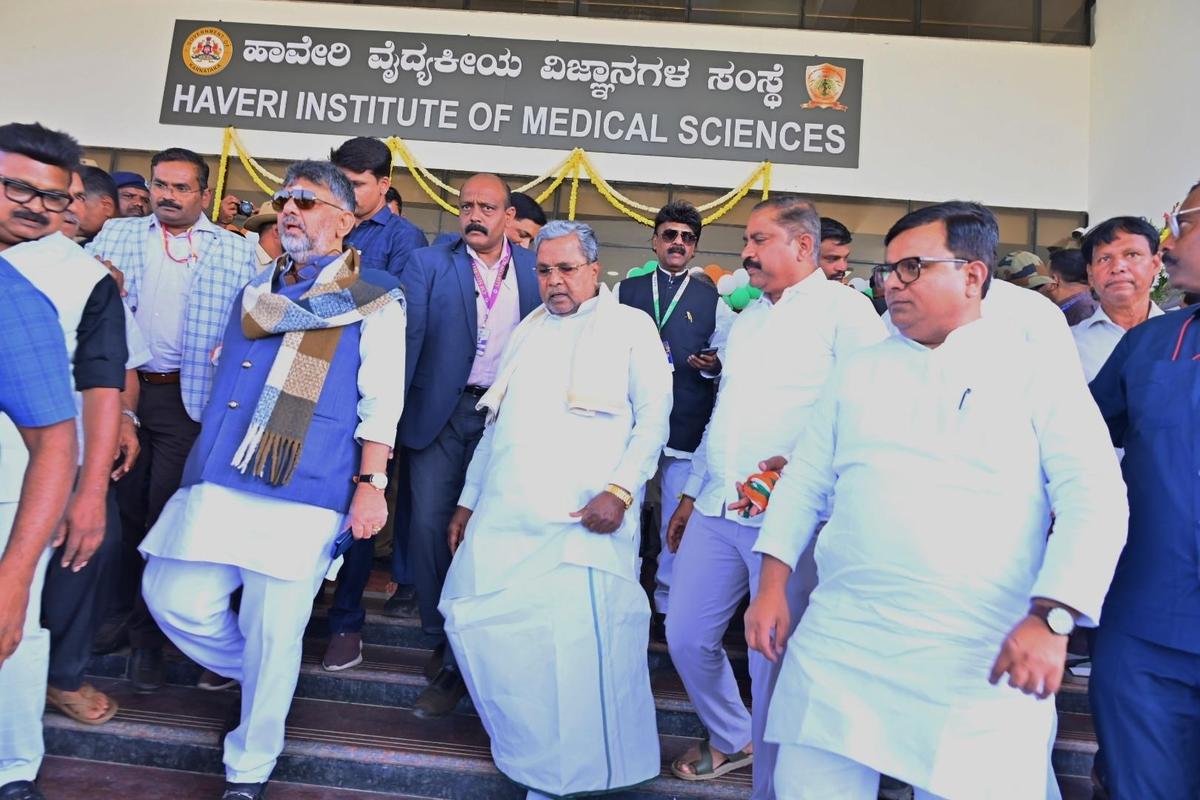
Chief Minister Siddaramaiah’s announcement of a superspeciality hospital for Haveri district has sparked a wave of optimism across the region, marking a potentially decisive moment in Karnataka’s public healthcare journey. For decades, residents of Haveri and neighbouring districts have depended on distant urban centres for advanced medical treatment, often travelling long hours under distressing circumstances. The Chief Minister’s declaration is being viewed not merely as an infrastructure commitment, but as an emotional assurance to a region that has long felt overlooked in access to quality healthcare.

The proposed superspeciality hospital is expected to offer advanced medical services across multiple disciplines, reducing the burden on tertiary hospitals in cities such as Hubballi, Dharwad, and Bengaluru. Addressing a public gathering, the Chief Minister emphasised that equitable healthcare is a cornerstone of social justice and that regional imbalance in medical infrastructure must be corrected. The announcement aligns with the government’s stated objective of strengthening district-level healthcare and reducing avoidable patient migration.

Haveri district, largely agrarian and semi-urban, has historically struggled with limited access to specialised treatment. Patients requiring cardiology, neurology, oncology, or advanced trauma care have often faced delays that proved costly, both financially and medically. The proposed facility is expected to bridge this gap, bringing critical care closer to people’s homes.

The announcement has also generated political attention, with local leaders welcoming the move as a long-pending demand finally being acknowledged. Civil society groups and healthcare advocates see it as an opportunity to transform the district’s health outcomes, provided the project is executed efficiently and staffed adequately.

The declaration of a superspeciality hospital in Haveri carries political as well as administrative significance. Healthcare has emerged as a key governance issue, especially after the pandemic exposed systemic vulnerabilities. By focusing on district-level capacity building, the government signals a shift from city-centric development to more inclusive regional planning.

Political observers note that Haveri’s inclusion reflects the government’s attempt to address historical imbalances. The district has often featured in development debates as an area requiring targeted intervention. The announcement allows the ruling administration to reinforce its narrative of welfare-oriented governance and commitment to rural and semi-urban development.

While timelines and specific budgetary allocations are yet to be detailed, the Chief Minister assured that the hospital would be developed with modern infrastructure and specialist manpower. For Haveri’s residents, the declaration represents hope, dignity, and the promise of timely medical care.CM announces superspeciality hospital for Haveri - The Hindu

WHY HAVERI NEEDS A SUPERSPECIALITY HOSPITAL

Haveri’s healthcare challenges are rooted in geography, demography, and infrastructure gaps. Despite being centrally located in Karnataka, the district lacks advanced medical facilities capable of handling complex cases. District hospitals and taluk-level healthcare centres manage routine and emergency care, but serious conditions often require referrals to urban hospitals, placing immense strain on patients and families.

Medical professionals point out that delays in referral-based systems can be life-threatening. Conditions such as heart attacks, strokes, severe trauma, and complicated pregnancies demand immediate specialised intervention. The absence of a superspeciality hospital has meant that patients often lose critical time during transport, sometimes with fatal consequences.

The Chief Minister’s announcement directly addresses this systemic gap. By situating advanced care within the district, the government aims to decentralise healthcare and reduce pressure on metropolitan hospitals. Experts argue that such decentralisation is essential for improving overall healthcare efficiency and equity.

From a socio-economic perspective, the lack of local specialised care has also imposed financial hardship. Travel costs, accommodation expenses in cities, and loss of daily wages add to the burden of already vulnerable households. A local superspeciality hospital could significantly reduce out-of-pocket expenditure and emotional stress.

Public health advocates also highlight that improved medical infrastructure can have a multiplier effect. It encourages early diagnosis, regular follow-ups, and better disease management. Over time, this can lead to lower mortality rates and improved quality of life.CM announces superspeciality hospital for Haveri - The Hindu

However, experts caution that infrastructure alone is insufficient. The success of the hospital will depend on staffing, equipment, maintenance, and integration with primary healthcare networks. Recruiting and retaining specialists in non-metro areas remains a challenge that the government will need to address proactively.

The announcement has thus been welcomed as a crucial first step, with expectations that planning and implementation will reflect the urgency of the district’s healthcare needs.

POLITICAL CONTEXT AND GOVERNANCE SIGNALS

The declaration of a superspeciality hospital in Haveri carries political as well as administrative significance. Healthcare has emerged as a key governance issue, especially after the pandemic exposed systemic vulnerabilities. By focusing on district-level capacity building, the government signals a shift from city-centric development to more inclusive regional planning.

Political observers note that Haveri’s inclusion reflects the government’s attempt to address historical imbalances. The district has often featured in development debates as an area requiring targeted intervention. The announcement allows the ruling administration to reinforce its narrative of welfare-oriented governance and commitment to rural and semi-urban development.

As excitement settles, expectations are giving way to cautious optimism. Residents, activists, and healthcare professionals are keenly watching how the announcement translates into action. Past experiences have taught communities that declarations must be backed by consistent administrative effort.

Key questions remain unanswered: when will construction begin, how will specialists be recruited, and what range of services will the hospital ultimately provide? Transparency on these aspects will be critical for sustaining public confidence.

Opposition leaders have cautiously welcomed the move while urging clarity on timelines and funding. Past experiences with delayed or incomplete projects have made public scrutiny inevitable. Critics argue that announcements must translate into tangible outcomes, especially in sectors as critical as healthcare.

The Chief Minister, however, reiterated that the project would be closely monitored to ensure timely completion. He stressed that healthcare infrastructure should not be viewed as an electoral promise but as a long-term investment in human capital.

Within the administration, the project is expected to involve coordination across departments, including health, public works, and finance. Effective governance will require transparent tendering processes, realistic timelines, and accountability mechanisms to avoid cost overruns and delays.

The political message underlying the announcement is clear: access to advanced healthcare should not depend on one’s proximity to Bengaluru or other major cities. By committing to Haveri, the government reinforces the principle that development must reach the periphery, not remain concentrated at the centre.CM announces superspeciality hospital for Haveri - The Hindu

IMPACT ON REGIONAL HEALTHCARE AND ECONOMY

Beyond healthcare outcomes, the proposed superspeciality hospital is expected to influence Haveri’s broader socio-economic landscape. Large healthcare facilities often become anchors for regional development, attracting ancillary services such as pharmacies, diagnostic centres, hostels, and transport services.

Employment generation is another anticipated benefit. From doctors and nurses to technicians, support staff, and administrative personnel, the hospital could create a wide range of jobs. This could also encourage skilled professionals to settle in the district, contributing to local economic growth.

Educational institutions may benefit as well. Medical colleges and nursing schools in nearby regions could explore academic collaborations, training programmes, and internships. Such linkages strengthen healthcare ecosystems and promote continuous skill development.

For patients, the psychological impact of having advanced care nearby cannot be overstated. Knowing that specialised treatment is accessible within the district fosters trust in the public health system. This trust is crucial for encouraging people to seek timely medical help rather than delaying care due to logistical constraints.

However, challenges remain. Ensuring uninterrupted power supply, reliable water resources, and advanced medical equipment maintenance will be essential. Public health experts also stress the importance of integrating the superspeciality hospital with primary health centres to ensure seamless referrals and follow-up care.

If implemented effectively, the hospital could serve as a model for decentralised healthcare in Karnataka. Success in Haveri may encourage similar initiatives in other underserved districts, gradually reshaping the state’s healthcare map.

EXPECTATIONS, CHALLENGES, AND THE ROAD AHEAD

As excitement settles, expectations are giving way to cautious optimism. Residents, activists, and healthcare professionals are keenly watching how the announcement translates into action. Past experiences have taught communities that declarations must be backed by consistent administrative effort.

Key questions remain unanswered: when will construction begin, how will specialists be recruited, and what range of services will the hospital ultimately provide? Transparency on these aspects will be critical for sustaining public confidence.

Healthcare analysts recommend phased development, starting with core superspeciality services and gradually expanding capacity. They also stress the need for digital health integration, telemedicine facilities, and emergency response systems to maximise impact.

The Chief Minister’s emphasis on equitable healthcare has set a moral benchmark. Delivering on this promise will require more than infrastructure spending; it will demand sustained political will, administrative competence, and community engagement.

For Haveri, the announcement represents more than a hospital. It symbolises recognition, inclusion, and the possibility of a future where access to life-saving care does not depend on distance or privilege.

In the broader context of Karnataka’s development narrative, the superspeciality hospital proposal stands as a test of governance credibility. If realised as envisioned, it could transform not only Haveri’s healthcare landscape but also public trust in the state’s ability to deliver meaningful change.

Ultimately, the true measure of this announcement will be seen not in foundation stones or press statements, but in lives saved, suffering reduced, and dignity restored to patients who no longer have to travel far in search of hope.

Follow: Karnataka Government

Also read: Home | Channel 6 Network – Latest News, Breaking Updates: Politics, Business, Tech & More

CEC: DECISIVE 1 BOLD TURNING POINT AND A FRAGILE ECOSYSTEM

Follow: Karnataka Government

Also read: Home | Channel 6 Network – Latest News, Breaking Updates: Politics, Business, Tech & More

SHIVAKUMAR: ASTONISHING 1 MESSAGE AND A TEST OF CREDIBILITY

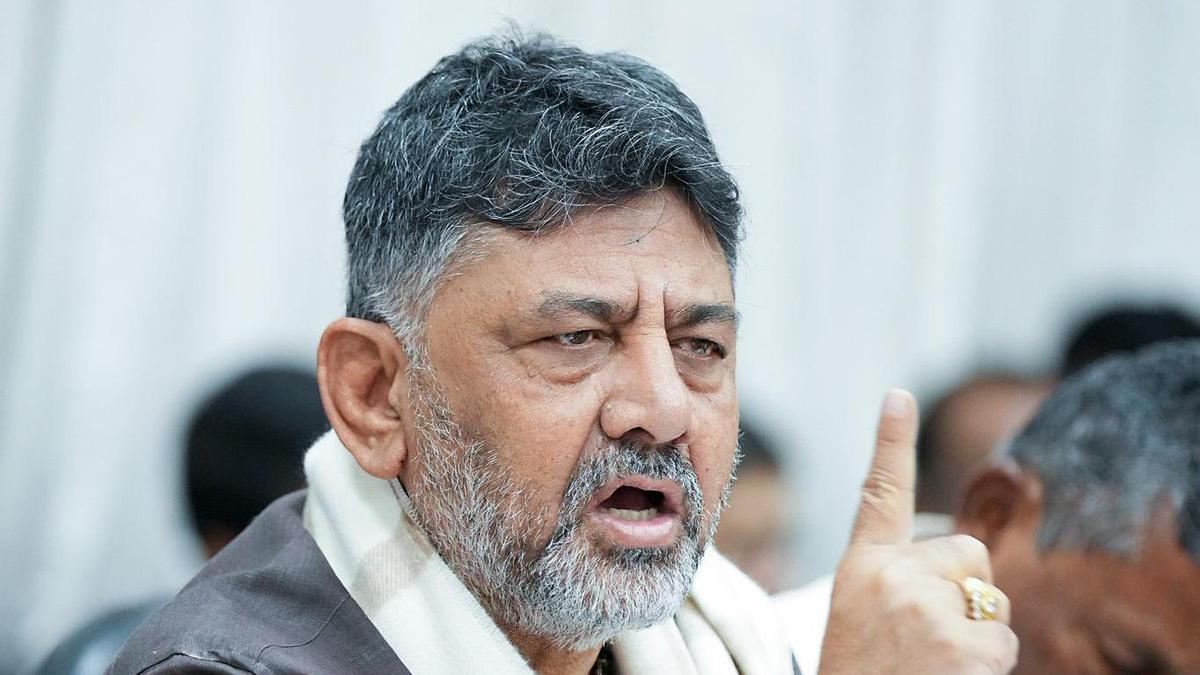
Senior Congress leader and Karnataka Deputy Chief Minister D.K. Shivakumar delivered a pointed political message when he declared that one can be a leader only by “walking the talk,” a remark that has resonated strongly across the State’s political landscape. The statement, though brief, carries layered implications for governance, party discipline, public accountability, and the evolving expectations of leadership in Karnataka. Coming at a time of heightened political scrutiny, administrative challenges, and internal party dynamics, the comment has been interpreted as both a reflection on personal leadership philosophy and a subtle critique of political inconsistency.

The statement has also reignited conversations within governance circles about performance audits and public accountability frameworks. Administrators and policymakers point out that “walking the talk” in governance requires measurable indicators, timelines, and transparency in execution. Without these, even well-intentioned leadership risks being perceived as hollow. DKS’s comment, therefore, places renewed pressure on departments to align their functioning with announced priorities and to communicate progress clearly to citizens. In this sense, the remark is not merely philosophical but operational, nudging the system toward outcome-based governance rather than announcement-driven administration.

Within political ranks, the message is being read as a reminder that leadership legitimacy is fragile and constantly under evaluation. Party insiders note that such statements can act as internal correctives, discouraging complacency and reinforcing the idea that authority must be justified through performance. At a time when public memory is shaped by rapid information flow and social scrutiny, inconsistencies are quickly exposed. Leaders who fail to match words with action risk reputational damage that can be difficult to reverse. The emphasis on credibility thus serves as both guidance and warning.

For the electorate, the remark reinforces a growing insistence on ethical and effective leadership. Citizens increasingly judge leaders not by speeches or symbolism but by tangible improvements in daily life. Infrastructure delivery, service efficiency, and responsiveness to public concerns are now central to political evaluation. By articulating this principle publicly, DKS has echoed a sentiment that many voters already hold. Whether this alignment between rhetoric and expectation translates into sustained trust will depend on consistent delivery, making the coming period a decisive test for leadership credibility.

DKS, as he is widely known, has often positioned himself as a leader who believes in action over rhetoric. His statement reinforces a broader narrative he has consistently articulated, that leadership is not conferred merely by position or speech, but earned through demonstrable commitment, consistency, and the courage to implement what one promises. In a political environment where public trust is fragile and promises are frequently questioned, the emphasis on credibility has struck a chord.

Observers note that the remark comes amid debates over governance performance, administrative reforms, and accountability within the political system. While DKS did not name individuals or parties, the timing has led to speculation that the comment was directed at leaders who make public commitments without ensuring delivery. The statement has also been viewed as a message to party colleagues, bureaucrats, and political opponents alike, reinforcing expectations of discipline and responsibility.Can be a leader only when one walks the talk: DKS - The Hindu

Supporters argue that DKS’s political journey lends weight to his words. Known for his organisational skills and hands-on approach, he has cultivated an image of a leader who prefers ground-level engagement over symbolic gestures. Critics, however, caution that such statements also invite scrutiny of one’s own record, making performance and follow-through even more critical.

The phrase “walk the talk” has become a recurring demand from citizens across India, reflecting frustration with governance gaps and unmet promises. By invoking it, DKS has aligned himself with a growing public sentiment that leadership must be measured by outcomes rather than declarations. The challenge now lies in translating this principle into sustained governance practices.Don't disturb me, says DKS on row over full term for Siddaramaiah |  coastaldigest.com - The Trusted News Portal of India

LEADERSHIP, ACCOUNTABILITY, AND THE POLITICAL SIGNAL

The statement by DKS goes beyond motivational rhetoric and enters the realm of political signalling. In contemporary politics, leadership remarks are rarely isolated; they are often read in context, shaped by events, alliances, and public expectations. DKS’s comment has been interpreted as a reaffirmation of accountability as a core value, particularly within the ruling establishment.

Political analysts suggest that the remark may serve multiple purposes. Internally, it reinforces expectations among party functionaries and ministers to align their actions with stated commitments. With governance under constant public and media scrutiny, such messaging helps establish a moral and administrative benchmark. Externally, it positions the Congress leadership as conscious of public disillusionment with political doublespeak and eager to project a results-oriented image.

The idea of “walking the talk” is especially significant in Karnataka’s current political climate, where administrative efficiency, development delivery, and policy implementation remain key public concerns. From infrastructure projects to welfare schemes, citizens increasingly demand not just announcements but visible progress. Leaders who fail to follow through risk losing credibility rapidly in an era of instant feedback and heightened awareness.

DKS’s assertion also touches upon the ethical dimension of leadership. Political authority carries power, but it also carries responsibility. When leaders publicly articulate values or promises, failing to act on them can erode institutional trust. By emphasising action, DKS underscores the moral obligation that accompanies leadership roles.

Within the Congress party, the statement may also be seen as reinforcing organisational discipline. As a senior leader with significant influence, DKS’s words can shape behaviour and expectations across ranks. It signals that performance, not proximity to power, should define leadership credibility.

At the same time, opposition parties have responded with cautious scepticism. Some leaders argue that statements about walking the talk must be matched by transparent governance and measurable outcomes. They contend that lofty principles must be tested against real-world decisions, policy trade-offs, and crisis management.

Nevertheless, the clarity of the message has ensured its impact. In a political culture often dominated by ambiguity and strategic silence, a direct articulation of leadership standards stands out. Whether it translates into sustained institutional practice remains the critical question.

PUBLIC EXPECTATIONS AND THE BURDEN OF DELIVERY

For the public, DKS’s remark resonates with a simple but powerful expectation: that leaders should do what they say. Years of exposure to unmet promises, delayed projects, and shifting narratives have fostered scepticism among citizens. As a result, statements emphasising integrity and follow-through carry emotional and political weight.

Civil society voices argue that leadership today must be participatory, transparent, and accountable. Walking the talk, in this sense, involves engaging with citizens, acknowledging shortcomings, and correcting course when necessary. It also means resisting the temptation to prioritise optics over substance.

Governance experts note that credibility is built incrementally. Each fulfilled promise strengthens trust, while each failure compounds doubt. Leaders who emphasise action must therefore institutionalise mechanisms that ensure monitoring, evaluation, and public reporting. Without such systems, even sincere intentions risk being undermined by bureaucratic inertia or political compromise.

DKS’s statement has also sparked discussion on leadership styles. Some see it as an endorsement of decisive, hands-on governance, while others caution that action must be inclusive and consultative. Walking the talk does not imply unilateralism; rather, it requires aligning policy decisions with stated values through democratic processes.

The burden of delivery extends beyond individual leaders to institutions as a whole. Political leadership sets the tone, but effective implementation depends on administrative machinery, coordination, and resource allocation. Ensuring that promises translate into outcomes requires sustained effort across departments and levels of government.Turning point for party: DKS on party's CWC meet in Ahmedabad

In this context, DKS’s words could serve as a rallying call for institutional reform and efficiency. By framing leadership as action-oriented, the message encourages a culture where results matter more than rhetoric. However, it also raises expectations that leaders themselves must be visibly accountable.

For younger voters and politically engaged citizens, such statements are closely watched. They represent an opportunity to assess whether political discourse is evolving toward greater honesty and responsibility. Failure to meet these expectations could deepen cynicism, while success could strengthen democratic engagement.

A TEST FOR POLITICAL CREDIBILITY: SHIVAKUMAR

Ultimately, DKS’s statement sets a high bar, both for himself and for others in positions of power. Declaring that leadership requires walking the talk invites scrutiny, comparison, and judgment. It transforms a principle into a standard against which actions will be measured.

Political history is replete with leaders whose credibility rested on their ability to align words with deeds. Those who succeeded left lasting legacies, while those who failed became cautionary tales. In invoking this principle, DKS places emphasis on a timeless measure of leadership effectiveness.

The coming months will determine how this message is operationalised. Policy decisions, administrative actions, and responses to public challenges will all be viewed through the lens of this declaration. Supporters will expect consistency, while critics will look for contradictions.

The broader impact of the statement lies in its potential to shape political discourse. If leaders across parties begin to emphasise delivery over declarations, it could mark a positive shift in governance culture. However, if the phrase remains a slogan without structural backing, it risks becoming another rhetorical device.No dispute over CM continuing in post: DKS - The Hindu

For Karnataka’s political leadership, the message arrives at a moment when public patience is limited and expectations are high. Walking the talk is no longer optional; it is increasingly seen as a prerequisite for legitimacy.

In the end, DKS’s remark captures a fundamental truth of democratic leadership. Authority is not sustained by words alone, but by the visible alignment of intent and action. Whether this principle defines the current political moment or fades into routine rhetoric will depend on how consistently it is upheld.

For now, the statement stands as both a challenge and a promise, a reminder that leadership is not about what is said from podiums, but about what is delivered on the ground.

Follow: Karnataka Government

Also read: Home | Channel 6 Network – Latest News, Breaking Updates: Politics, Business, Tech & More

BIAL: FORCIBLE SHOCKING 1 REBUKE AND A FRACTURED ROAD TO ORDER

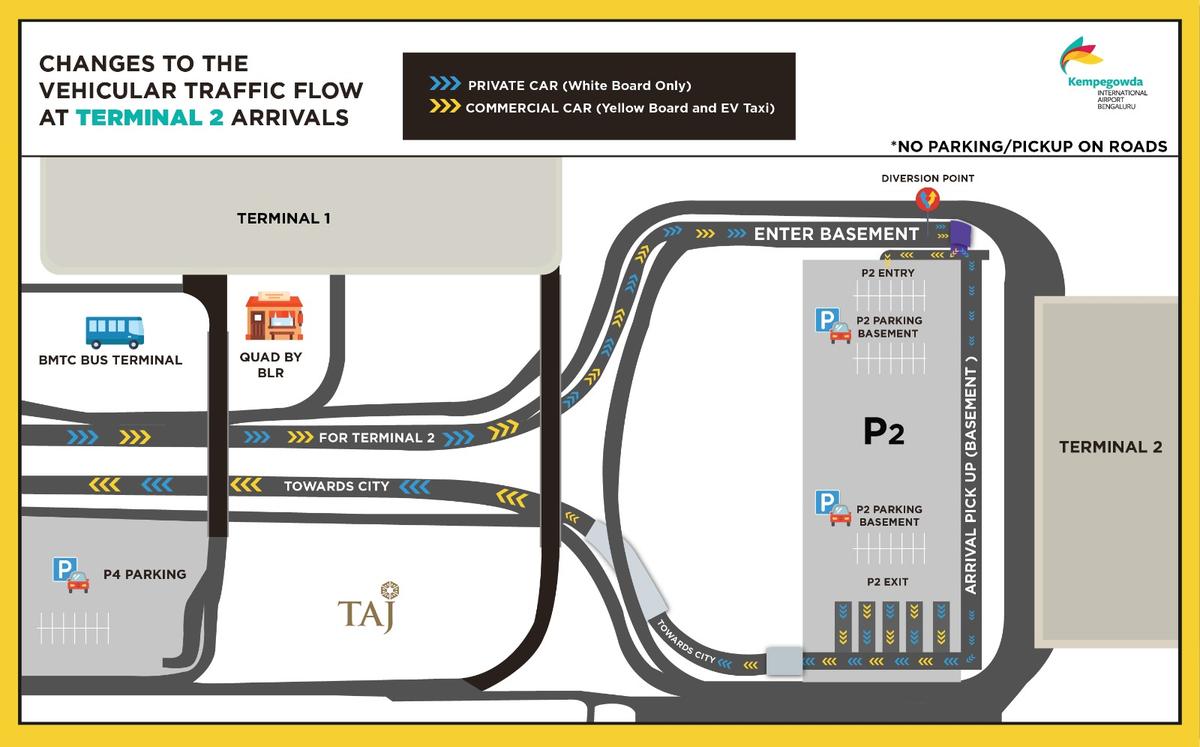
Bengaluru’s political and civic spotlight turned sharply toward airport management this week as a state Minister publicly admonished Bangalore International Airport Limited (BIAL) over its pick-up and parking regulations at Kempegowda International Airport. The reprimand reflects mounting frustration among commuters, airport users, transport unions, and political actors alike who argue that current protocols are causing unnecessary inconvenience, confusion, and tension on one of the city’s busiest transit corridors. By calling out BIAL, the Minister has injected urgency into a simmering debate over commuter rights, regulatory clarity, and the responsibilities of a private operator managing a public gateway.

The controversy stems from BIAL’s enforcement of specific pick-up and parking rules designed to manage traffic congestion and ensure security around the airport. However, commuters and taxi operators have complained that these rules are overly restrictive, inconsistently applied, and punitive in practice. Social media posts and citizen feedback have highlighted instances where vehicles were fined, turned back, or forced to pay high charges despite unclear signage or lack of alternative waiting areas. These experiences have fuelled resentment, particularly among first-time or infrequent airport users.MP urges BIAL to roll back new pick-up rules at Bengaluru airport |  Bengaluru News - The Times of India

The Minister’s comments came after a series of representations from residents and transport associations asserting that the regulations, while intended to streamline traffic, have instead created chaos. In a strongly worded statement, the Minister demanded that BIAL immediately review and rationalise its pick-up and parking policies to prioritise convenience and fairness. The rebuke also stressed that the airport, while managed by a private entity, operates as critical public infrastructure and must therefore be sensitive to commuter challenges.

BIAL officials, in response, defended the regulations as necessary for safety and smooth flow of vehicles in a high-traffic area. They pointed to peak-hour congestion, security protocols, and international standards as drivers behind their approach. However, the Minister countered that these justifications do not excuse situations where passengers are stranded, vehicles turned away without guidance, or exorbitant charges applied without transparent communication.

The debate has ignited broader public discourse on how essential facilities balance regulation with user experience. Airports worldwide face similar challenges, but stakeholders insist that Bengaluru’s airport must refine its approach in consultation with travellers and transport providers. The Minister’s intervention has elevated the conversation, signalling that the State expects tangible improvements rather than bureaucratic explanations.

As Bengaluru’s status as a global city grows, seamless airport access remains a key marker of urban functionality. The rebuke of BIAL underscores the urgency of rethinking regulatory frameworks that govern everyday commuter interactions. Whether this confrontation leads to concrete changes in policy or remains a moment of political posturing will be closely watched by millions who rely on the city’s airport daily.

COMMUTER WOES, REGULATORY RIGIDITY, AND PUBLIC OUTCRY

Public dissatisfaction with the airport’s pick-up and parking regime is not new, but recent momentum behind the complaints has turned it into a political flashpoint. Residents living near the airport, frequent flyers, app-based cab drivers, and even private vehicle owners have voiced similar frustrations. A recurring complaint is the lack of clear, easily visible signage indicating designated pick-up points, parking charges, and alternate waiting areas. Many motorists allege that abrupt instructions from traffic marshals leave them scrambling, unsure of where to wait or how to avoid fines.

Transport operators, including autorickshaw unions and taxi aggregators, have described the system as opaque and arbitrary. According to their accounts, rules are enforced rigidly even when flight delays or passenger confusion contribute to missed pick-up windows. For drivers who depend on airport runs for livelihood, such unpredictability translates into lost income and unnecessary penalisation.

The Minister’s public criticism also referenced specific incidents where passengers were reportedly left on the roadside or made to pay steep fees after travelling long distances to reach the airport. Family members picking up elderly or disabled travellers expressed concern over the lack of accessible waiting spaces close to the terminal. These narratives intensified pressure on authorities to revisit current policies.

BIAL’s defence rests on two major claims: that controlling congestion is essential for safety, and that unlimited waiting or haphazard pick-ups would lead to traffic snarls and security risks. While these assertions are standard practice in many global airports, critics argue that the airport’s implementation has lacked contextual sensitivity to Bengaluru’s unique traffic patterns and passenger needs.

In response to the Minister’s call for review, some commuters have urged the introduction of a grace period for pick-ups, clearer communication channels, and better integration of digital information systems that guide drivers to appropriate zones. There have also been suggestions to streamline entry-exit points and provide real-time updates on space availability to reduce confusion.Check the new passenger pick-up rules at Bengaluru airport from Dec 8 - The  Hindu

Urban mobility experts point out that airports operate as both transport hubs and public spaces, requiring regulations that balance order with practicality. Inefficient systems not only frustrate users but can also have economic implications by discouraging tourism and business travel.

This public outcry has placed BIAL’s operational framework under intense scrutiny, with many citizens watching closely to see if the rebuke will translate into meaningful reform or dissipate into bureaucratic inertia.

THE GOVERNMENT, BIAL, AND THE PUSH FOR BALANCE

The Minister’s intervention has significant administrative and political implications. By pushing back publicly against BIAL, which operates under a public–private partnership framework, the government is asserting its role as regulator, user advocate, and guardian of public convenience. This sets the stage for potential policy recalibration that could reshape how airport access is managed in Karnataka.

As discussions evolve, one thing remains clear: Bengaluru’s airport access policies are no longer merely a matter of operational detail. They have become a public issue, resonant with everyday frustrations and reflective of broader expectations for urban governance and service delivery.

Government officials have hinted at possible directives for BIAL to streamline procedures, enhance signage, revise penalty structures, and consult stakeholders more actively. There is also talk of deploying additional staff or technology to assist drivers and passengers during peak hours. While such discussions are in early stages, the Minister’s comments have already shifted the narrative from ad hoc complaints to systemic evaluation.

Political analysts suggest that the rebuke reflects broader electoral and civic pressures. Airports are high-visibility public spaces, and issues affecting them resonate with a large cross-section of urban voters, including professionals, students, and frequent travellers. By taking a firm stand, the government aims to position itself as responsive to citizen concerns, especially in a sector where private operators wield substantial autonomy.Karnataka Drivers' Union stage protest against BIAL over pick-up zones,  parking fees - The Economic Times

However, striking a balance will be complex. Over-correcting regulations could lead to unmanaged traffic, security loopholes, and inefficiencies. BIAL’s position is that any relaxation must be calibrated against safety imperatives. The challenge lies in crafting rules that are both user-friendly and operationally sound.

For its part, BIAL has not ruled out revisiting specific aspects of its pick-up and parking regime. Officials have indicated openness to dialogue with government representatives and commuter groups. Whether this engagement yields concrete amendments to the rules remains uncertain, but the momentum generated by the Minister’s rebuke suggests that complacency is no longer an option.

The airport authority’s next steps will be closely watched. Stakeholders are urging prompt action, citing the summer travel season and high passenger volumes as reasons to act without delay. The coming weeks may see task forces, joint committees, or review panels constituted to examine the issue comprehensively.

IMPACT ON COMMUTERS AND BUSINESS OPERATIONS

Commuters using Bengaluru airport for business, tourism, and family travel have felt the impact of pick-up and parking rules in varied ways. For frequent flyers, confusion over designated zones and fear of penalties have eroded confidence in airport access systems. App-based cab drivers report lost earnings due to enforced waiting limits and fines for minor infractions. Private vehicle owners express frustration over seemingly inflexible regulations during irregular flight schedules.

Airport-adjacent businesses, such as hotels, car-rental services, and logistics providers, also face indirect effects. Delays in pick-ups or constraints on parking flow can disrupt client schedules, bookings, and customer satisfaction. Hospitality sector representatives have called for clearer, more predictable regulations that support seamless entry and exit, particularly for guests unfamiliar with the airport layout.

Moreover, the issue has broader implications for Bengaluru’s reputation as a global tech and business hub. Efficient airport operations are often a benchmark for urban infrastructure quality. Persistent complaints create perceptions of bureaucratic friction, potentially affecting business travellers’ experiences.

Experts recommend that user feedback loops be integrated into operational planning. Regular surveys, hotlines, and digital platforms where commuters can voice concerns in real time could help authorities fine-tune regulations based on actual usage patterns.

Ultimately, the goal for all stakeholders – government, airport authority, transport operators, and commuters – should be a system that facilitates swift, fair, and transparent access without compromising safety or order.

The Minister’s rebuke may thus serve as a catalyst for change, encouraging collaborative problem-solving rather than unilateral enforcement. What emerges from this confrontation could become a model for how India’s major airports balance regulatory imperatives with commuter convenience.

As discussions evolve, one thing remains clear: Bengaluru’s airport access policies are no longer merely a matter of operational detail. They have become a public issue, resonant with everyday frustrations and reflective of broader expectations for urban governance and service delivery.

Follow: Karnataka Government

Also read: Home | Channel 6 Network – Latest News, Breaking Updates: Politics, Business, Tech & More

BWSSB: SWIFT BOLD 24 HOURS AND A RESTORED FLOW OF RELIEF

The Bangalore Water Supply and Sewerage Board’s replacement of 100 metres of a damaged water pipeline in Lingarajapuram within just 24 hours has drawn attention for its speed, coordination, and impact on residents who had been grappling with disrupted water supply. In a city where civic works are often criticised for delays and prolonged inconvenience, the rapid response by BWSSB has stood out as a rare instance of efficiency translating directly into public relief. The operation not only restored water flow but also offered a moment of reassurance to citizens increasingly sceptical of urban service delivery.

The pipeline damage in Lingarajapuram had caused sudden disruption, affecting households, small businesses, and daily routines in the area. Residents reported low pressure and complete interruption soon after the fault developed. Given Bengaluru’s dependence on scheduled water supply, even a short disruption can quickly escalate into a serious hardship. BWSSB officials, upon identifying the fault, moved swiftly to isolate the affected section and initiate replacement work.

According to officials, the damaged stretch was beyond temporary repair and required full replacement to prevent recurring leaks. The decision to replace 100 metres of pipeline instead of attempting patchwork repairs reflected a preventive approach aimed at long-term stability. Teams were deployed in shifts, ensuring that excavation, removal of the old pipeline, installation of the new section, and restoration of supply progressed without interruption.

For residents, the speed of the work came as a surprise. Many expected days of tanker dependence and road inconvenience. Instead, water supply was restored within a day, limiting disruption and easing immediate concerns. The quick turnaround has been widely discussed locally, with residents acknowledging that while infrastructure failures are frustrating, prompt response can significantly reduce their impact.BWSSB replaces 100 m of pipeline in Lingarajapuram in 24 hours - The Hindu

The episode has also brought BWSSB’s operational readiness into focus. Officials stated that preparedness, availability of materials, and coordination with local authorities enabled the 24-hour completion. In a city battling aging infrastructure and rising demand, such instances raise expectations for how emergencies should be handled.

While the repair itself addressed an immediate technical issue, its broader significance lies in the message it sends about responsiveness and accountability. For Lingarajapuram, the restored pipeline represents more than water flow; it reflects a moment where civic action aligned with public need.BWSSB replaces 100 m of pipeline in Lingarajapuram in 24 hours - The Hindu

ON-GROUND EXECUTION AND COORDINATED RESPONSE

The success of the Lingarajapuram pipeline replacement lay in meticulous on-ground execution and inter-departmental coordination. Once the leak was detected, BWSSB engineers conducted a rapid assessment to determine the extent of damage. The conclusion that a full replacement was necessary prompted immediate mobilisation of resources, including pipes, machinery, and skilled workers.

Excavation began soon after, with teams working through the day and night. Traffic management and safety measures were put in place to minimise inconvenience and risk to the public. Local residents noted that while there was temporary road disruption, officials communicated clearly about the nature and duration of the work, helping manage expectations.

The removal of the damaged pipeline section required careful handling to avoid further damage to surrounding infrastructure. Engineers supervised the process closely, ensuring alignment and secure installation of the new pipeline. Pressure testing and quality checks were conducted before restoring supply, a step officials emphasised as critical to preventing future leaks.

Coordination extended beyond BWSSB’s internal teams. Local ward officials and traffic personnel supported the operation, ensuring smooth movement of equipment and workers. This collaborative approach reduced delays that often plague emergency repairs in dense urban areas.

Officials involved in the operation highlighted preparedness as a key factor. Maintaining stock of essential materials and having rapid-response teams allowed BWSSB to act without waiting for approvals or supplies. Such readiness, they argued, is essential in a city where pipeline failures are not uncommon due to aging networks and ground movement.

Residents’ responses reflected cautious appreciation. While acknowledging that infrastructure breakdowns remain a concern, many praised the efficiency and professionalism displayed during the repair. For some, the experience altered perceptions of civic responsiveness, if only temporarily.

The Lingarajapuram repair thus became an example of how technical competence, planning, and communication can converge to deliver results. It demonstrated that even within constrained systems, effective execution can make a tangible difference.

AGING INFRASTRUCTURE AND URBAN WATER CHALLENGES

The incident also underscores Bengaluru’s broader water infrastructure challenges. Much of the city’s pipeline network is decades old, laid at a time when population density and demand were far lower. As the city expanded, these systems were stretched beyond their original capacity, increasing the frequency of leaks and bursts.

Lingarajapuram, like many older neighbourhoods, relies on pipelines that have undergone repeated repairs over the years. Temporary fixes, while cost-effective in the short term, often lead to recurring problems. BWSSB’s decision to replace an entire 100-metre stretch reflects growing recognition that long-term solutions are necessary.

Urban planners and water management experts have long argued for systematic pipeline replacement and network modernisation. However, such efforts require substantial investment, coordination, and political will. Emergency repairs, though effective in addressing immediate issues, do not substitute for comprehensive infrastructure renewal.BWSSB to hand over 700 km of road to BBMP for restoration - The Hindu

Water scarcity further complicates the situation. Bengaluru’s dependence on distant water sources means that any distribution failure can quickly escalate into crisis. Efficient maintenance of pipelines is therefore not just a technical necessity but a critical component of urban resilience.

The Lingarajapuram operation highlights both the strengths and limitations of current approaches. While BWSSB demonstrated capacity for swift action, the underlying causes of pipeline failure remain unaddressed. Preventive maintenance, regular audits, and phased replacement of old pipelines are essential to reduce such incidents.

Residents, meanwhile, remain caught between expectation and reality. They demand reliable water supply but are often resigned to disruptions. Instances like this repair raise hopes but also prompt questions about consistency and scalability across the city.

The challenge ahead lies in transforming isolated successes into systemic improvement. The Lingarajapuram case offers a template, but sustained effort is required to address Bengaluru’s aging water infrastructure comprehensively.

PUBLIC RESPONSE AND RESTORED TRUST

Public reaction to the rapid pipeline replacement has been largely positive, with residents expressing relief and cautious optimism. In a civic environment where delays and poor communication are frequent complaints, the 24-hour turnaround stood out as an exception that people were eager to acknowledge.

Many residents noted that timely information played a crucial role in easing frustration. Knowing that work was underway and that supply would be restored quickly reduced anxiety and dependence on alternative arrangements. Such transparency, they said, is as important as the repair itself.

Community leaders in Lingarajapuram pointed out that while the swift response deserves praise, it should become the norm rather than an anomaly. They emphasised that consistent performance is key to rebuilding trust between citizens and service providers.

BWSSB officials have stated that the organisation is working to strengthen emergency response mechanisms across the city. Lessons from the Lingarajapuram operation, they said, will inform future interventions, particularly in vulnerable areas with aging pipelines.

However, scepticism persists. Past experiences have taught residents that isolated successes do not always translate into long-term improvement. The true test, they argue, will be whether similar efficiency is displayed in less visible neighbourhoods and during more complex failures.

The incident has also sparked discussion about citizen engagement. Prompt reporting of leaks and cooperation during repairs were cited as factors that aided the operation. Strengthening this relationship could enhance overall service delivery.

For now, the restored water flow has brought immediate relief and a sense of reassurance. Whether it marks a turning point or remains a fleeting moment will depend on how BWSSB builds on this experience.

A SMALL FIX WITH BIG IMPLICATIONS

The replacement of 100 metres of pipeline in 24 hours may appear modest in scale, but its implications extend beyond Lingarajapuram. It challenges prevailing narratives about civic inefficiency and demonstrates what is possible with preparedness and accountability.

For BWSSB, the operation serves as both achievement and benchmark. It sets expectations for future responses and invites scrutiny of areas where similar urgency has been lacking. Meeting these expectations consistently will require institutional commitment and resource allocation.BWSSB resorts to helium to plug supply leakages

From a governance perspective, the incident highlights the value of proactive decision-making. Choosing replacement over repeated repairs reflects a shift toward sustainability, even within emergency contexts. Scaling such decisions could reduce long-term costs and disruptions.

For residents, the episode reinforces the importance of vigilance and engagement. Reporting issues promptly and cooperating during repairs can facilitate quicker resolutions. At the same time, citizens remain entitled to demand reliable services as a matter of right.

The broader lesson lies in the relationship between infrastructure and trust. When basic services fail, trust erodes quickly. When they are restored efficiently, trust can begin to rebuild, albeit cautiously. The Lingarajapuram repair has contributed positively to this dynamic.

As Bengaluru continues to grow and strain its resources, such moments acquire greater significance. They suggest that while challenges are immense, solutions are within reach when systems function as intended.

LOOKING AHEAD: FROM RESPONSE TO PREVENTION

The Lingarajapuram pipeline replacement offers an opportunity to shift focus from reactive fixes to preventive planning. BWSSB officials have acknowledged the need for systematic assessment of vulnerable pipeline segments to prevent sudden failures.

Investing in modern materials, adopting technology for leak detection, and maintaining updated infrastructure maps could significantly reduce response times and frequency of breakdowns. Such measures require sustained funding and prioritisation, but their long-term benefits are substantial.

Residents and experts alike stress that prevention is preferable to even the most efficient response. While the 24-hour repair was commendable, avoiding the disruption altogether would be ideal. This requires a strategic approach to infrastructure management.

The incident also invites reflection on urban resilience. As cities face increasing pressure from population growth and climate variability, reliable water infrastructure becomes critical. Strengthening it is not merely a technical task but a social imperative.

For Lingarajapuram, the immediate crisis has passed, but its memory lingers as a reference point. It shows what can be achieved under pressure and sets a standard against which future actions will be measured.

In the end, the swift replacement of a damaged pipeline has done more than restore water supply. It has restored, if briefly, a sense of confidence that responsive governance is possible. Whether that confidence endures will depend on how consistently such responsiveness is delivered across the city.

Follow: Karnataka Government

Also read: Home | Channel 6 Network – Latest News, Breaking Updates: Politics, Business, Tech & More