Thursday, April 30, 2026
Home Blog Page 156

Indian Stock Market Closing Update | January 7, 2026: Nifty Ends Lower as Financials Drag; IT Stocks Offer Support

Indian equity markets closed slightly lower on January 7, 2026, as continued weakness in banking, financial services, auto and pharma stocks weighed on benchmarks. Despite the pressure, IT stocks and select consumption plays provided partial support, preventing sharper losses.

Also Read: Indian Stock Market Update | January 7, 2026: Nifty Trades Lower Amid Sectoral Pressure; IT and Select Largecaps Show Resilience


Benchmark Indices: Nifty Ends in the Red

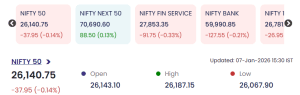
The Nifty 50 closed at 26,140.75, down 37.95 points (-0.14%), reflecting a cautious end to the trading session.

  •  January 7Open: 26,143.10

  • High: 26,187.15

  • Low: 26,067.90

  • Trend: Range-bound with mild negative bias

Other key indices showed mixed performance:

  • Nifty Next 50: 70,690.60 (+0.13%)

  • Nifty Financial Services: 27,853.35 (-0.33%)

  • Nifty Bank: 59,990.85 (-0.21%)

Persistent selling in financials and autos capped overall market momentum.


Top Gainers: IT and Consumption Stocks Shine

Selective buying was seen in IT majors and large-cap consumption stocks, which emerged as key gainers during the session.

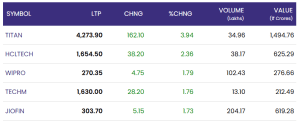
  • Titan surged 3.94% to ₹4,273.90, supported by strong volumes and buying interest.

  • HCL Technologies gained 2.36%, leading the IT pack.

  • Screenshot 2026 01 07 234711Wipro advanced 1.79%, while

  • Tech Mahindra added 1.76%, reflecting optimism in IT stocks.

  • Jio Financial Services rose 1.73%, supported by steady accumulation.


Top Losers: Pharma, Auto and PSU Stocks Under Pressure

Heavy selling was witnessed in pharma, auto and infrastructure stocks, dragging the indices lower.

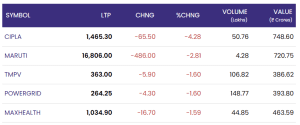
  • Cipla plunged 4.28%, emerging as the biggest loser of the session.

  • Maruti Suzuki declined sharply by 2.81%, reflecting profit booking in auto majors.

  • Screenshot 2026 01 07 234721Tata Motors DVR (TMPV) slipped 1.60%.

  • Power Grid fell 1.60%, while

  • Max Healthcare lost 1.59%, continuing weakness in healthcare stocks.


Market Sentiment

The broader market sentiment remained cautious, with investors preferring stock-specific positioning amid mixed global cues and ahead of key macro and earnings-related developments. Strength in IT stocks helped offset part of the decline caused by financials and defensives.


Conclusion: January 7, 2026

On January 7, 2026, Indian markets closed marginally lower, with Nifty ending below 26,150. While IT and consumption stocks offered resilience, sustained weakness in banking, pharma and auto stocks kept benchmarks under pressure. Going forward, markets are likely to remain range-bound, with investors closely tracking global trends, earnings announcements and sector-specific triggers.


For real time stock Updates, visit NSE website.

Indian Stock Market Update | January 7, 2026: Nifty Trades Lower Amid Sectoral Pressure; IT and Select Largecaps Show Resilience

Indian equity markets traded with a negative bias on January 7, 2026, as benchmark indices faced pressure from banking, financial services, and select heavyweight stocks. While pockets of strength were visible in IT and select large-cap stocks, overall sentiment remained cautious amid profit booking and mixed global cues.

Also Read: Markets Extend Losses Afternoon Trade on January 6 as Heavyweight Selling Intensifies


Benchmark Indices: Nifty Ends in the Red

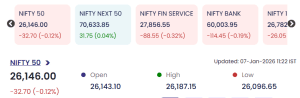
The Nifty 50 was trading at 26,146.00, down 32.70 points (-0.12%) in mid-session trade. The index opened slightly lower and moved within a narrow range during the session, reflecting a lack of strong directional triggers.

  •  January 7Open: 26,143.10

  • High: 26,187.15

  • Low: 26,096.65

  • Market Status: Cautious, range-bound with negative undertone

Other key indices showed mixed trends:

  • Nifty Next 50: 70,633.85 (+0.04%)

  • Nifty Financial Services: 27,856.55 (-0.32%)

  • Nifty Bank: 60,003.95 (-0.19%)

The underperformance of financial stocks weighed on broader market sentiment.


Top Gainers: IT and Select Largecaps Lead

Buying interest was seen in select IT and consumption-related stocks, which helped limit deeper losses in the market.

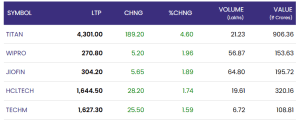
  • Titan gained 4.60% to ₹4,301, emerging as the top gainer amid strong volumes.

  • Wipro rose 1.96%, reflecting selective interest in IT stocks.

  • Screenshot 2026 01 07 112252Jio Financial Services advanced 1.89%, supported by steady accumulation.

  • HCL Technologies gained 1.74%, while

  • Tech Mahindra added 1.59%, indicating relative strength in the IT pack.


Top Losers: Pharma, Auto and PSU Stocks Under Pressure

Selling pressure was visible in pharma, auto, and infrastructure stocks, dragging the index lower.

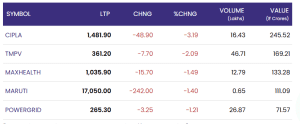
  • Cipla declined 3.19%, the biggest loser among key stocks.

  • Tata Motors DVR (TMPV) slipped 2.09%.

  • Screenshot 2026 01 07 112302Max Healthcare fell 1.49%.

  • Maruti Suzuki lost 1.40%, reflecting profit booking in auto majors.

  • Power Grid eased 1.21%, underperforming amid weakness in PSU stocks.


Market Sentiment and Outlook

The market remained range-bound with a negative bias, as investors preferred to stay cautious ahead of upcoming macroeconomic cues and earnings-related developments. Strength in IT stocks provided some stability, but persistent weakness in financials and select defensives capped upside momentum.


Conclusion: January 7, 2026

On January 7, 2026, the Indian stock market reflected consolidation with mild downside pressure, as Nifty traded lower amid mixed sectoral performance. While IT and select largecaps offered support, broader weakness in banking, pharma, and auto stocks kept the market subdued. Investors are likely to remain stock-specific in the near term, closely tracking global trends and corporate earnings for fresh direction.


For real time stock Updates, visit NSE website.

VIJAYAPURA: URGENT 1 DEMAND AND A COMMUNITY OUTCRY

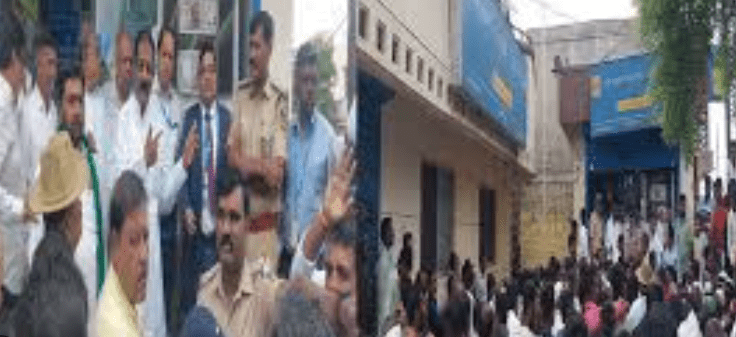
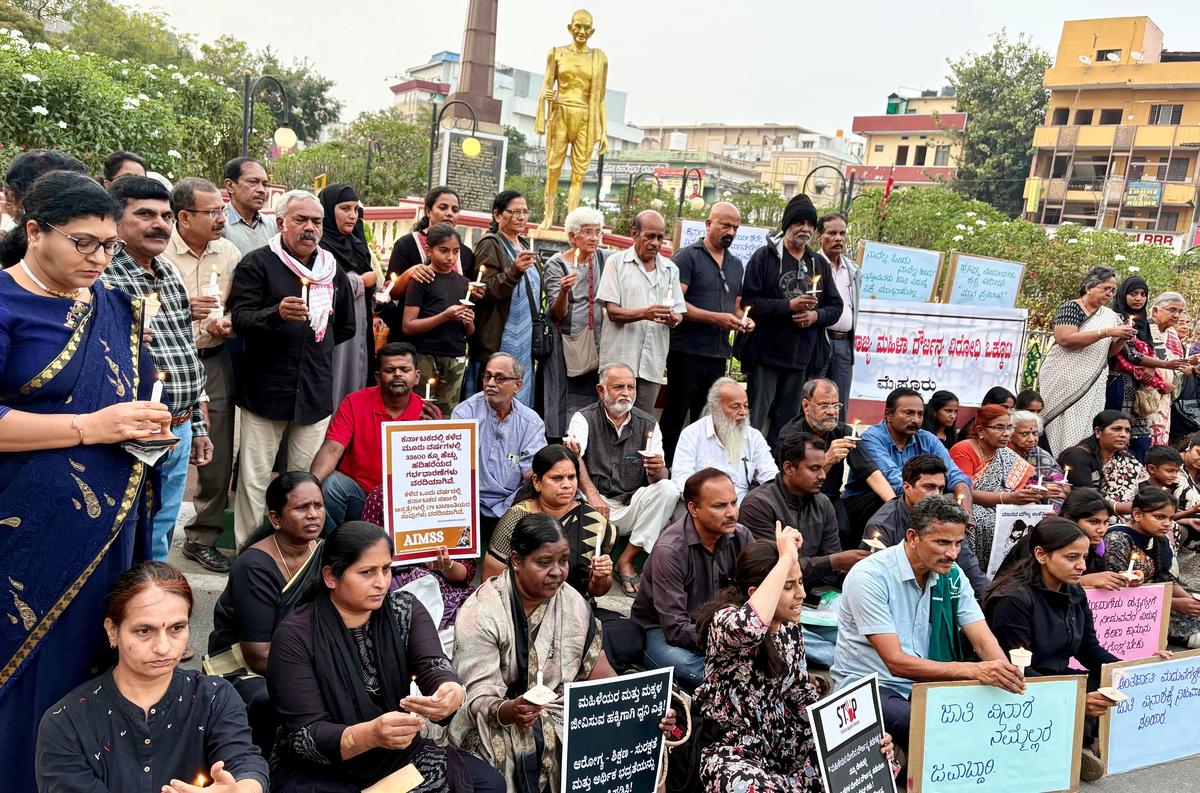
Various organisations have demanded the immediate release of activists arrested in Vijayapura, triggering widespread debate over civic rights, law enforcement accountability, and political activism. The arrested individuals, reportedly involved in protests related to local governance issues, have become the focus of intense advocacy by civil society groups, human rights organisations, and student bodies. Supporters argue that the arrests are politically motivated and that the activists’ detention reflects a concerning trend of curtailing dissent. Authorities, however, maintain that the arrests were carried out following established legal procedures and cite public order concerns.

The activists were reportedly participating in peaceful demonstrations when they were taken into custody. Eyewitnesses claim that the protests were primarily aimed at highlighting local administrative issues, including infrastructure deficits, education facilities, and social welfare implementation. According to supporters, the arrested individuals were acting as part of organised civic campaigns to bring attention to community grievances, and their detention has sparked widespread outrage.

Several non-governmental organisations (NGOs) and advocacy groups have issued statements condemning the arrests. They argue that detaining individuals for exercising their constitutional right to protest undermines democratic principles. Campaigns have been launched demanding immediate release, legal assistance, and fair treatment of the activists, with protests and vigils taking place in Vijayapura and other districts.

The arrests have also drawn the attention of student organisations, trade unions, and professional associations, all of whom have voiced concerns about the implications of restricting civic participation. Demonstrators argue that suppressing dissent discourages public engagement and weakens mechanisms for accountability. Leaders from these organisations emphasised that activism plays a vital role in highlighting community concerns and shaping policy decisions.Various organisations demand release of arrested Vijayapura activists - The  Hindu

Supporters have highlighted that the arrested activists were involved in campaigns aimed at addressing basic civic issues, such as water supply, sanitation, and education infrastructure. They claim that the government and local authorities have ignored repeated requests for dialogue, leaving peaceful protests as one of the few avenues for voicing grievances. By detaining activists, they argue, authorities are effectively silencing important community voices.

Human rights organisations have stepped in to provide legal assistance to the detained activists. Lawyers have been appointed to ensure their rights are protected, including access to legal counsel, timely hearings, and fair trial procedures. Advocacy groups have emphasised the importance of due process and have urged courts to expedite proceedings to prevent prolonged detention without clear charges.

CIVIL SOCIETY REACTIONS AND PUBLIC DEMANDS

Civil society groups have staged demonstrations outside Vijayapura police stations, demanding the activists’ immediate release. Speakers at these gatherings have called for transparency in the legal process and accountability for any alleged misuse of authority. Citizens attending the protests stressed that peaceful civic activism is a cornerstone of democracy and that arrests of this nature threaten public confidence in governance.

Organisations working on human rights, freedom of expression, and democratic engagement have sent petitions to higher authorities, including the state government and the National Human Rights Commission. These petitions highlight concerns regarding the proportionality of the response by law enforcement and call for measures to ensure that activists are not subjected to harassment, intimidation, or unfair treatment while in custody.

Social media platforms have amplified the issue, with hashtags advocating for the activists’ release gaining traction. Supporters argue that raising awareness online is a crucial tool to pressure authorities to respect constitutional rights. Online campaigns also encourage community participation, ensuring that the narrative of civic rights and activism reaches a wider audience beyond Vijayapura.

The incident has also prompted law enforcement agencies to reflect on engagement strategies with activist groups. Some officials have advocated for dialogue-based approaches to resolve disputes and protests peacefully, reducing the need for arrests and ensuring that grievances are addressed through consultation. Enhanced community policing and coordination with civil society are being discussed as preventive measures.

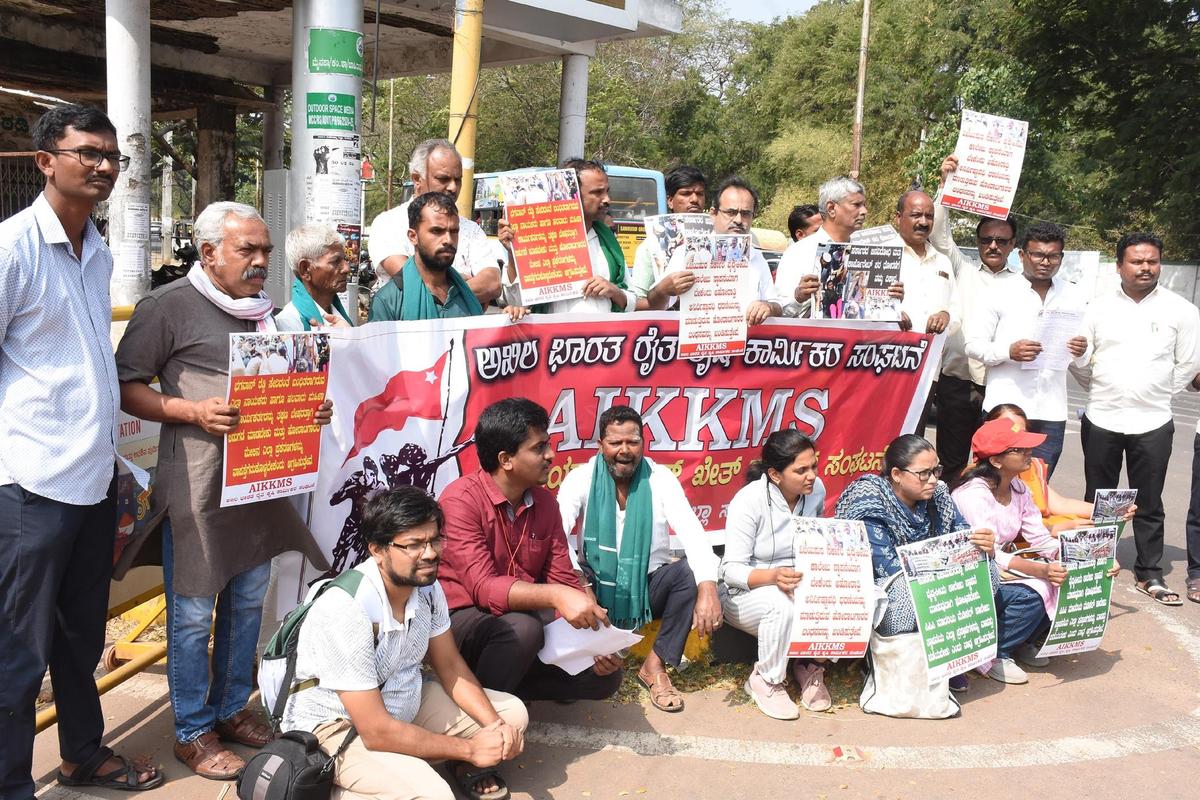
Local political leaders have weighed in, expressing mixed reactions. Some have urged the government to consider the demands for release, citing the importance of protecting peaceful civic activism. Others have defended law enforcement, stating that the arrests were necessary to maintain public order and that due process is being followed. This divergence of views reflects broader debates around civil liberties, governance, and political accountability.AIKKMS condemns arrest of Vijayapura medical college protesters - The Hindu

Trade unions and professional associations in Vijayapura have also expressed solidarity with the arrested activists. Meetings and conventions have been organised to discuss strategies for supporting detainees, including legal aid, public advocacy, and community mobilisation. Representatives emphasised that civic activism is essential for holding authorities accountable and addressing systemic issues that affect citizens’ daily lives.

The arrests have also prompted discussions in academic circles. Scholars and students argue that the right to protest is fundamental in a democracy and that restricting it sets a worrying precedent. Seminars and online webinars are being planned to discuss the legal frameworks governing protests, the role of civil society, and the balance between public order and individual freedoms.

LEGAL FRAMEWORK, POLICE ACTION, AND GOVERNMENT RESPONSE

Authorities have maintained that the arrests were carried out in accordance with legal provisions, citing potential violations of public order, traffic disruptions, and procedural lapses during demonstrations. Vijayapura police officials stated that the detained individuals are being treated in line with standard protocols and that investigations are ongoing. Law enforcement has emphasised that any decision regarding bail or release will be determined by the courts based on evidence and legal requirements.

Legal experts have highlighted that while governments have the authority to regulate public gatherings, such regulation must be balanced with constitutional protections. The Indian Penal Code and relevant sections of the Criminal Procedure Code allow for arrests when clear violations occur, but courts often scrutinise whether arrests were necessary, proportionate, and in line with civil liberties. In this context, the Vijayapura arrests are being closely monitored to ensure adherence to legal norms.

Human rights lawyers are emphasising that due process is critical to ensure justice for the detained activists. They argue that prolonged detention without charges, denial of legal counsel, or any form of intimidation could violate constitutional guarantees. Petitions filed by advocacy organisations request that the judiciary intervene to ensure fair hearings and timely adjudication of the case.

The state government has responded cautiously, acknowledging the public concern while stating that law enforcement was acting within legal limits. Officials emphasised that the situation is being reviewed, and any corrective measures necessary to protect rights and maintain order will be implemented. The government also expressed willingness to engage in dialogue with advocacy groups to address grievances and prevent escalation.

Observers note that the case reflects broader tensions between civic activism and law enforcement in India. Scholars argue that balancing public order with constitutional rights requires both restraint and accountability. They emphasise that resolving such conflicts transparently strengthens democratic institutions and ensures that citizens’ voices are heard without compromising safety or legal frameworks.

Social commentators have highlighted that arrests of activists, particularly during peaceful demonstrations, can have a chilling effect on civic participation. Residents expressed concerns that fear of detention may discourage others from voicing legitimate concerns about governance, infrastructure, and social issues. Advocates argue that protecting peaceful activism is essential to foster citizen engagement and community development.

COMMUNITY IMPACT AND FUTURE OUTLOOK

The arrests have mobilised various organisations to strategise ways to support civic activism while respecting legal processes. Workshops and public meetings are being planned to educate citizens about their rights, legal procedures during protests, and mechanisms for accountability. These initiatives aim to empower communities to participate actively in governance without fear of reprisal.

The incident has also prompted law enforcement agencies to reflect on engagement strategies with activist groups. Some officials have advocated for dialogue-based approaches to resolve disputes and protests peacefully, reducing the need for arrests and ensuring that grievances are addressed through consultation. Enhanced community policing and coordination with civil society are being discussed as preventive measures.Demonstration held at Gandhi Square to condemn 'honour killing' in Dharwad  and violence against women - The Hindu

Economically and socially, the arrests have drawn attention to ongoing challenges in Vijayapura, including infrastructure deficits, civic services, and governance issues. Advocates argue that activists play a critical role in highlighting these gaps and ensuring that local authorities respond effectively. Protecting civic participation ensures that development initiatives align with public needs.

Educational institutions and youth organisations have become actively involved, encouraging students to understand the balance between civic rights and legal responsibilities. Seminars and workshops on constitutional rights, protest laws, and civic engagement aim to create informed citizens capable of advocating for change responsibly.

In conclusion, the arrests of activists in Vijayapura have sparked a multifaceted debate encompassing legal, social, and civic dimensions. Calls for their release underscore the importance of protecting democratic freedoms, ensuring due process, and promoting dialogue between citizens and authorities. As investigations continue and advocacy efforts intensify, the incident highlights the critical need to safeguard civic engagement while maintaining law and order in a democratic society.

With growing public attention, legal scrutiny, and community mobilisation, Vijayapura’s case could serve as a benchmark for balancing civil liberties, public protest, and law enforcement accountability in India. The resolution of this issue will have lasting implications for activists, authorities, and the broader civic landscape.

Follow: Karnataka Government

Also read: Home | Channel 6 Network – Latest News, Breaking Updates: Politics, Business, Tech & More

SRI RAMPURA: SHOCKING 1 CRIME AND A TRAGIC CASE

The Srirampura police have registered a case against eight transgender individuals for allegedly abducting, torturing, and humiliating a 22-year-old transgender person. According to police reports, the incident occurred after the victim allegedly refused to repay money that the accused had spent on the victim’s gender-affirming surgery. The assault reportedly involved brutal physical violence, including shaving the victim’s head and inflicting severe injuries, leaving the victim traumatised. Authorities have launched an investigation into the matter, while human rights activists and members of the LGBTQ+ community have expressed outrage over the incident.

The victim, now under medical supervision, is receiving psychological counselling to cope with the trauma of abduction, assault, and public humiliation. Mental health professionals emphasised that survivors of such attacks often face long-term emotional distress, including anxiety, depression, and social withdrawal. Counselling sessions are aimed at restoring a sense of security and self-worth, while helping the individual navigate the legal and social processes that follow.

Local NGOs supporting LGBTQ+ rights have stepped in to provide additional care and shelter. Social workers reported that temporary safe housing has been arranged to ensure the victim’s safety and prevent further threats or intimidation from the accused or their associates. These organisations also offer legal assistance and advocacy, guiding the victim through filing complaints, obtaining medical reports, and ensuring police accountability.

The psychological toll of such incidents is often compounded by societal stigma. Mental health experts highlighted that gender-diverse individuals may hesitate to report crimes due to fear of discrimination or disbelief. Awareness campaigns and sensitisation training for law enforcement officials are considered critical in building trust and encouraging victims to come forward.

Medical practitioners treating the victim have documented physical injuries ranging from bruising to lacerations caused during the alleged assault. Combined with psychological trauma, these injuries highlight the severity of the attack and reinforce the need for immediate and comprehensive intervention by authorities.

COMMUNITY RESPONSE AND OUTRAGE

The assault has prompted strong reactions from local LGBTQ+ communities and human rights organisations. Leaders of these groups condemned the attack as a betrayal of community trust, emphasising that violence within marginalized communities undermines collective efforts for equality and safety. Calls for strict legal action against the accused have been widespread, with advocacy groups demanding accountability at all levels.

Social media platforms have amplified the outrage, with hashtags supporting the victim trending locally. Activists are using the incident to draw attention to the broader vulnerabilities faced by transgender individuals in India, highlighting the need for better legal protection, community support, and educational outreach.

Community leaders are also urging dialogue and conflict resolution mechanisms within transgender and LGBTQ+ circles. Workshops and awareness programs are being planned to educate community members about financial agreements, personal boundaries, and dispute resolution, aiming to prevent similar incidents in the future.

Legal experts and activists emphasised that intra-community violence must be treated with the same seriousness as any other criminal act. They stressed that recognition of such incidents, coupled with transparent legal proceedings, reinforces the principle that no individual, regardless of identity, is above the law.

The incident has also prompted local authorities to review police protocols for handling cases involving marginalized groups. Sensitisation training for officers and strict monitoring during investigations are being recommended to ensure fair treatment and protection for vulnerable victims.

LEGAL FRAMEWORK AND INVESTIGATION

The Srirampura police have registered a formal FIR against the eight accused under sections pertaining to abduction, assault, and criminal intimidation. Senior officers are overseeing the case to ensure that investigation is conducted impartially and efficiently. Experts noted that the legal framework provides for severe punishment in cases of abduction and torture, with potential for additional penalties under special protections for transgender persons.

Forensic experts are assisting in gathering evidence, including medical reports, photographs of injuries, and eyewitness testimonies. CCTV footage from the area is being examined to corroborate the victim’s account and establish timelines of the alleged crime. Police have also indicated that statements from the accused are being recorded under procedural safeguards to ensure a fair and transparent investigation.

Legal practitioners emphasised the importance of timely legal intervention to prevent further harassment of the victim. Court orders for protection, temporary restraining orders, and monitoring of accused movements are being explored to maintain the safety and dignity of the survivor during the investigation and subsequent trial.

Opinion | Youth Gender Transition Is Pushed Without Evidence | Dr Erica |  10 comments

The victim, a resident of Srirampura, alleged that the assault occurred following repeated demands for repayment of the funds provided for gender-affirming surgery. The accused reportedly forced the victim into a confined space, physically assaulted them, and subjected them to public humiliation. Witness accounts confirmed that the victim was coerced and threatened, highlighting a disturbing abuse of power and trust within the community. The severity of the injuries prompted the police to initiate medical examination and record statements for the ongoing investigation.

Authorities confirmed that eight individuals, all identifying as transgender, have been named in the FIR. The police are questioning the accused while gathering evidence, including witness testimonies, CCTV footage, and medical reports. Srirampura police officials have stated that all necessary measures are being taken to ensure the safety of the victim and to bring the perpetrators to justice. The investigation is being closely monitored by senior officers due to the sensitive nature of the case.

The incident has sparked widespread concern in local communities, particularly within LGBTQ+ circles. Activists have emphasised that while intra-community disputes are complex, acts of abduction, torture, and public humiliation are criminal offences that must be addressed with urgency. They have called for swift legal action and sensitisation among law enforcement agencies to ensure that victims feel supported and protected.

The incident has reignited discussions about the challenges faced by transgender individuals in India, including societal stigma, financial dependency, and vulnerability to violence. Advocates argue that this case underscores the urgent need for systemic protections, awareness programs, and legal frameworks tailored to the safety and welfare of gender-diverse populations. Strengthening such mechanisms is essential to prevent exploitation, abuse, and criminal acts within these communities.

The case raises broader issues regarding financial dependency and social dynamics within vulnerable communities. Experts note that gender-affirming surgeries often involve significant costs, and disputes over repayment can escalate if adequate legal or social support mechanisms are absent. They have urged government agencies, NGOs, and healthcare providers to establish clearer frameworks to prevent such conflicts and ensure the safety of individuals undergoing gender-affirming procedures.Expect State To Take 'Positive Decision' On Giving Reservation To Transgender  Persons In Public Employment: AP High Court

Medical professionals involved in the victim’s care have reported severe physical and psychological trauma resulting from the assault. Treatment includes both physical recovery and psychological counselling to address the emotional and mental impact. Human rights advocates stressed that access to trauma-informed care is crucial for survivors, especially in cases involving abuse within marginalised communities.

LEGAL ACTION, POLICE RESPONSE, AND COMMUNITY OUTCRY

The FIR registered by Srirampura police includes allegations of abduction, physical assault, and intentional humiliation. Senior police officials have assured that the investigation is being conducted impartially and that charges will be framed according to the severity of the offences. Legal experts have noted that the accused could face multiple charges under sections of the Indian Penal Code pertaining to abduction, assault, and criminal intimidation. The investigation is expected to involve forensic examination, evidence collection, and corroboration of victim statements.

Human rights organisations and LGBTQ+ advocacy groups have condemned the attack, emphasising that gender-diverse individuals are often vulnerable to violence, both from within and outside their communities. They have called for greater awareness, community support systems, and sensitisation programs to prevent intra-community conflicts from escalating into criminal acts. The organisations have also urged authorities to ensure that the victim receives adequate legal and psychological support throughout the judicial process.

Public reaction has been intense, with local communities expressing shock and concern over the brutal nature of the assault. Residents have urged law enforcement to take stringent action against the perpetrators to prevent similar incidents in the future. Many have also highlighted the importance of creating safe spaces and conflict-resolution channels within transgender and LGBTQ+ communities to avoid such tragic escalations.

Legal practitioners emphasised that cases involving intra-community violence require careful handling, balancing both legal accountability and social sensitivity. Proper documentation, timely evidence collection, and protection for the victim are critical to ensuring justice. Advocates stressed that the law must be applied without prejudice while ensuring that the victim’s dignity and safety are maintained throughout the process.Transgender Drugs, Surgery for Kids Would Be Banned if Florida Bill Passes  - Newsweek

Police have also indicated that counselling and support services will be made available to the victim during the investigation. Law enforcement authorities are working closely with local NGOs and social workers to provide temporary shelter, medical care, and legal guidance. The coordinated approach aims to safeguard the victim and prevent further victimisation or intimidation during the investigation.

The incident has reignited discussions about the challenges faced by transgender individuals in India, including societal stigma, financial dependency, and vulnerability to violence. Advocates argue that this case underscores the urgent need for systemic protections, awareness programs, and legal frameworks tailored to the safety and welfare of gender-diverse populations. Strengthening such mechanisms is essential to prevent exploitation, abuse, and criminal acts within these communities.

Follow: Karnataka Government

Also read: Home | Channel 6 Network – Latest News, Breaking Updates: Politics, Business, Tech & More

Indian Navy’s First Training Squadron Proudly Embarks on Long Range Training Deployment to South East Asia: 2026

In a significant step towards strengthening operational training and maritime diplomacy, the Indian Navy has deployed its First Training Squadron (1TS) on a Long Range Training Deployment (LRTD) to South East Asia. The deployment forms an integral part of the training curriculum of the 110th Integrated Officers’ Training Course (IOTC) and underscores India’s sustained maritime engagement with the region.


Composition of the Training Squadron

The First Training Squadron comprises four ships:

  • INS Tir

  • INS Shardul

  • INS Sujata

  • ICGS Sarathi

Together, these platforms will provide officer trainees with hands-on exposure to long-duration deployments, seamanship, navigation, logistics, and operational planning in an international maritime environment.


Port Calls and Regional Engagement

As part of the deployment, the squadron will undertake port calls at Singapore, Indonesia, and Thailand. These visits are aimed at reinforcing India’s maritime cooperation with South East Asian nations, in alignment with India’s Act East Policy and the vision of a free, open, and inclusive Indian Ocean Region.


Training, Interoperability and Cooperation

During the port visits, a wide range of professional and cooperative engagements are planned with host navies and maritime agencies. These include:

  • Structured training exchanges

  • Cross-deck visits

  • Interactions with subject matter experts

  • Joint Maritime Partnership exercises

Such engagements are designed to enhance interoperability, mutual trust, and operational understanding, while enabling the exchange of best practices in maritime operations and training.


International and Joint Services Participation

Reflecting India’s commitment to regional capacity building, the 110th Integrated Officers’ Training Course includes six international officer trainees from friendly foreign nations.

In addition, personnel from the Indian Army and the Indian Air Force are embarked for the deployment. This joint participation further strengthens inter-service cooperation, jointness, and cohesiveness among the Armed Forces.


Strengthening Training Excellence and Maritime Diplomacy

The Long Range Training Deployment highlights the Indian Navy’s emphasis on training excellence, leadership development, and exposure to diverse operational environments. At the same time, it contributes to maritime diplomacy, regional goodwill, and a cooperative approach to maritime security in South East Asia.


Conclusion

The deployment of the Indian Navy’s First Training Squadron to South East Asia represents a blend of rigorous professional training and proactive maritime engagement. By combining operational learning with international cooperation, the initiative reinforces India’s role as a responsible maritime partner and prepares the next generation of officers for the challenges of an increasingly interconnected maritime domain.


 For more real-time updates, visit Channel 6 Network.

Source: PIB

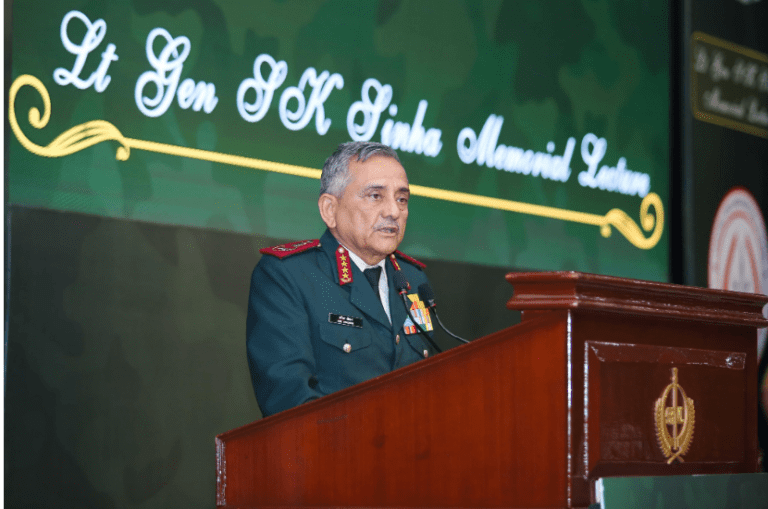
Late Lt Gen S. K. Sinha an Inspiration for India’s Firm Stand on Sovereignty: Raksha Mantri Rajnath Singh: 2026

Personalities like Lt Gen Srinivas Kumar Sinha continue to inspire India’s clear and resolute approach to national sovereignty, said Rajnath Singh, Raksha Mantri, in a video message delivered during a memorial lecture marking the birth centenary of Lt Gen Sinha. Paying rich tributes, the Defence Minister described Lt Gen Sinha as a soldier, diplomat, and statesman who consistently placed the nation above all else.


A Life Dedicated to the Nation

Recalling Lt Gen Sinha’s illustrious career, Shri Rajnath Singh highlighted his service under challenging circumstances during the Second World War, when he represented India on the Burma front, and later in 1947, when he played a pivotal role in coordinating the first airlift of the Indian Army to Srinagar amid the advance of Pakistan-backed forces towards Kashmir.

Describing him as a brave officer of exceptional intellect, the Raksha Mantri also lauded his outstanding performance at both Indian and British Staff Colleges, underlining his professionalism and strategic acumen.


Strengthening the Indian Army and the State

Shri Rajnath Singh noted that Lt Gen Sinha worked tirelessly to infuse modern thinking and institutional strength into the Indian Army during his tenures as Director of Military Intelligence, Adjutant General, and in various command appointments.

He added that Lt Gen Sinha’s service to the nation continued even after retirement. As India’s Ambassador to Nepal, he played a key role in strengthening bilateral relations, and as Governor of Assam and Jammu & Kashmir, he contributed significantly to security, stability, and development in sensitive regions.

Urging citizens to draw inspiration from his ideals, the Defence Minister said that such values are essential if India is to become a secure, self-reliant, and prosperous nation.


Lt Gen Sinha as a Soldier-Statesman

Addressing the gathering, Anil Chauhan, Chief of Defence Staff (CDS), described Lt Gen Sinha as a Soldier-Statesman, Scholar-Warrior, and a man of character. He called upon Armed Forces personnel to learn from Lt Gen Sinha’s balanced contributions across both military and civil domains.

The CDS emphasised that senior leadership must nurture a culture where professional military education, debate, and integrity are valued alongside gallantry. He urged middle-ranking officers to invest in intellectual growth as rigorously as physical training, and advised young officers to combine discipline with reflection, firmness with empathy, and courage with moral clarity.


Preparing for Complex Future Warfare

Highlighting the evolving nature of warfare—spanning cyber, space, information, and cognitive domains—Gen Anil Chauhan stressed the growing need for soldier-scholars who can think, analyse, and adapt. He called upon soldiers to blend Lt Gen Sinha’s courage in uniform, intellectual curiosity, and unwavering commitment to constitutional values.

Only by doing so, he said, will the Indian soldier not only safeguard borders and citizens, but also help shape India’s destiny in an increasingly complex global environment.


Conclusion

The memorial lecture on the birth centenary of Lt Gen S. K. served as a powerful reminder of the enduring relevance of principled leadership, intellectual depth, and national commitment. As India advances with clarity and firmness on issues of sovereignty, the life and legacy of Lt Gen Sinha continue to guide policymakers, soldiers, and citizens alike.


 For more real-time updates, visit Channel 6 Network.

Source: PIB

GRAND 1 EXTRAVAGANZA EXPO AND A TRANSFORMATIONAL PUSH FOR NORTH KARNATAKA REALTY

The three-day mega exposition showcasing realty, interiors, and construction materials has opened to huge public interest and is being hailed as North Karnataka’s largest event of its kind. The expo, held at the sprawling exhibition grounds in Hubballi, brings together developers, interior designers, suppliers, and potential homebuyers under one roof, creating a unique platform for networking, knowledge sharing, and business opportunities. Organisers emphasised that the event is designed not just as a commercial showcase but as an educational and experiential forum, allowing attendees to witness the latest trends, technologies, and innovations shaping the real estate and construction sectors.

Local authorities and industry representatives have noted that the exposition reflects the growing demand for modern urban and semi-urban infrastructure in North Karnataka. With rapid industrialisation, urbanisation, and migration to emerging cities like Hubballi, Dharwad, and surrounding towns, realty and construction sectors have experienced unprecedented growth. This exposition is expected to serve as a catalyst, connecting developers and suppliers directly with potential clients while also highlighting sustainable and innovative construction practices.

The three-day event has attracted hundreds of stalls featuring residential and commercial real estate projects, modular kitchens, interior décor, furniture solutions, smart home systems, and construction materials such as cement, steel, and eco-friendly building supplies. Industry insiders said the expo aims to bridge the gap between buyers and sellers by offering a transparent, interactive, and engaging environment where decisions can be made efficiently. The expo has also incorporated live demonstrations, seminars, and interactive workshops to educate attendees about modern design trends, home automation, and sustainable building practices.

Organisers noted that North Karnataka, traditionally underserved in real estate exhibitions compared to Bengaluru and other southern districts, has now found a platform to showcase its potential. Developers from Hubballi, Dharwad, Belagavi, and Bagalkot are participating in full force, exhibiting residential complexes, gated communities, commercial spaces, and retail projects. This convergence of industry players provides a holistic view of the construction ecosystem, from raw materials to interior finishes, empowering consumers with knowledge and choices.

The mega expo also serves as a launchpad for new projects, with developers unveiling plans for high-rise apartments, luxury villas, office complexes, and retail hubs. Potential buyers can interact with sales representatives, explore floor plans, and make informed investment decisions. Additionally, financing institutions are present, offering home loans, financial counselling, and customised plans for first-time buyers, enabling smoother transactions.

Local residents and business communities have expressed excitement at witnessing a large-scale exposition in their region. The event has drawn families, young professionals, students of architecture and civil engineering, and aspiring homeowners, all eager to explore innovative designs, sustainable building materials, and modern interior trends. Organisers have ensured that the expo is accessible, engaging, and family-friendly, with guided tours, information kiosks, and interactive zones to enhance the visitor experience.🏗️ Hubballi-Dharwad, Get Ready!, The first edition of the CREDAI RECON  EXPO 2026 is here —, ✨ North Karnataka’s grandest Realty, Construction &  Interiors Exhibition!, Experience the excitement with ...

Industry experts attending the event emphasised the role of expos in promoting transparency and accountability in the real estate sector. By providing direct interaction with developers and suppliers, consumers can clarify doubts, compare prices, and evaluate quality, reducing reliance on third-party agents. The event also enables vendors to demonstrate technological innovations, eco-friendly construction practices, and smart home solutions, aligning with the growing demand for sustainable living.

The expo is expected to significantly boost regional economic activity. Hotels, restaurants, transport services, and local vendors have reported increased footfall, reflecting the ancillary benefits of hosting large-scale trade events. Additionally, networking between industry players encourages collaborations, joint ventures, and investment inflows, strengthening North Karnataka’s position as an emerging hub for real estate and construction.

Environmental sustainability has emerged as a key theme at the exposition. Exhibitors are highlighting eco-friendly construction materials, energy-efficient designs, solar-powered solutions, and water-saving technologies. Seminars are being held to educate builders and buyers about sustainable construction practices that reduce carbon footprint while enhancing cost-efficiency and durability. This focus on green building aligns with global trends and regulatory requirements, promoting responsible urban development.

The event organisers emphasised that the exposition is designed to benefit all stakeholders, including consumers, developers, suppliers, and professionals. By combining education, business opportunities, and immersive experiences, the expo aims to elevate awareness about the real estate and construction industry while promoting North Karnataka as a viable and attractive investment destination.

INDUSTRY TRENDS, INNOVATIONS, AND BUYER EXPECTATIONS

The North Karnataka mega expo also offers a snapshot of emerging industry trends and innovations in realty, interiors, and construction materials. Developers showcased pre-fabricated construction technologies, modular interior solutions, smart homes, and automated facilities designed to enhance convenience and reduce construction timelines. These innovations are expected to redefine the housing experience for residents, offering efficiency, comfort, and sustainability.

Architects and interior designers participating in the expo highlighted the growing demand for modular kitchens, multi-purpose living spaces, ergonomic furniture, and energy-efficient lighting. Visitors can explore complete design solutions, combining aesthetics with functionality, to visualise how modern homes can integrate technology, sustainability, and style. The expo also features augmented reality (AR) and virtual reality (VR) demonstrations, allowing prospective buyers to experience homes and interior layouts virtually, enhancing decision-making and engagement.

Construction materials exhibitors are presenting eco-friendly alternatives such as fly-ash bricks, recycled cement, low-emission paints, and sustainable insulation options. These materials are increasingly preferred by builders and homeowners aiming to reduce environmental impact while ensuring durability. Experts emphasised that adoption of such solutions is gradually transforming the construction landscape in North Karnataka, aligning regional development with national sustainability goals.

Financial institutions at the expo are providing home loan guidance, flexible EMI schemes, and first-time buyer incentives, recognising the importance of accessible funding for property investments. Developers and banks are collaborating to simplify approval processes, expedite documentation, and offer customised financial products tailored to diverse income groups. Such measures aim to make real estate investments more accessible and encourage wider participation from young professionals and middle-income households.

The mega exposition also highlights commercial real estate growth in North Karnataka. Exhibitors are showcasing office spaces, co-working hubs, retail outlets, and industrial plots, reflecting the region’s evolving business ecosystem. As industries expand and startups proliferate, demand for quality commercial infrastructure is increasing. The expo allows businesses to explore options, compare specifications, and establish contacts with suppliers and construction firms.

Experts attending the event pointed out that buyer expectations are shifting significantly. Modern consumers seek transparency, quality assurance, sustainability, and technology-enabled solutions. The expo offers an interactive platform where developers can address concerns, demonstrate certifications, and highlight construction quality, ensuring that buyers make informed decisions while aligning with contemporary lifestyle requirements.

Seminars and workshops held during the exposition focus on practical aspects of real estate investment, including legal documentation, regulatory compliance, property registration, and construction safety. Industry veterans provide insights into project planning, market trends, pricing strategies, and post-purchase maintenance. These sessions aim to educate buyers, promote responsible investments, and enhance awareness of the rapidly evolving real estate sector.

Networking opportunities at the expo are equally significant for suppliers, contractors, and service providers. Exhibitors can forge business alliances, source materials, and explore new technologies. Architects, interior designers, and consultants benefit from exposure to innovative solutions, enabling them to offer advanced services to clients. The exhibition thus serves as a comprehensive platform facilitating knowledge exchange, business growth, and professional development.

ECONOMIC IMPACT AND FUTURE OUTLOOK

The mega expo’s economic impact is visible beyond the real estate sector. Hotels, restaurants, transport services, and retail establishments have seen increased demand, highlighting the multiplier effect of large-scale exhibitions. The event is also likely to attract investors, entrepreneurs, and real estate enthusiasts from other regions, further strengthening North Karnataka’s economic footprint.Yash Communication Belgaum on Instagram

Organisers and officials are optimistic that the exposition will become an annual event, providing continuity, consistent networking opportunities, and a benchmark for regional development. They noted that sustained engagement with stakeholders ensures that North Karnataka gains recognition as a significant hub for real estate, construction, and interior design innovations.

From a long-term perspective, the expo has the potential to accelerate urban development, promote sustainable construction practices, and enhance regional investment appeal. With greater awareness, improved connectivity, and access to quality materials and design expertise, the local real estate market is poised for robust growth. Experts suggest that the event could catalyse infrastructural improvements, township projects, and commercial development, benefiting the broader economy.

Socially, the exposition provides an opportunity to engage citizens in urban planning conversations, raising awareness about sustainable building, design trends, and investment literacy. By combining education, technology, and commercial engagement, the event ensures that residents are informed participants in shaping the urban landscape of North Karnataka.

Industry leaders emphasised that expos like this also serve as a knowledge-sharing platform, helping local businesses adopt global best practices, enhance competitiveness, and deliver higher quality products and services. The event strengthens the regional construction ecosystem, encouraging innovation, entrepreneurship, and skill development.

In conclusion, the three-day mega exposition of realty, interiors, and construction material is more than a showcase—it is a strategic initiative to boost economic growth, promote sustainable construction, and elevate North Karnataka’s position in the real estate market. By connecting developers, suppliers, buyers, and professionals under one roof, the event fosters collaboration, transparency, and informed decision-making, laying the foundation for a modern, vibrant, and sustainable regional real estate landscape.North Karnataka's Biggest Realty, Construction & Interiors Expo 2026

With the exhibition drawing to a close, organisers and participants alike are optimistic about the future. The event has demonstrated the region’s potential, engaged stakeholders, and highlighted opportunities for innovation and growth. As North Karnataka continues to develop, expos of this scale are likely to become critical instruments for economic, social, and infrastructural transformation.

Follow: Karnataka Government

Also read: Home | Channel 6 Network – Latest News, Breaking Updates: Politics, Business, Tech & More

IGNCA to Launch ‘Awazon ke Jugnu’, Celebrating and Preserving India’s Iconic Voices: 2026

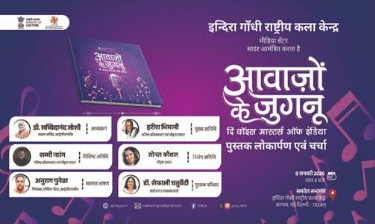
The Indira Gandhi National Centre for the Arts (IGNCA), an autonomous institution under the Ministry of Culture, is set to launch a unique cultural documentation initiative titled Awazon ke Jugnu on January 8, 2026, at 4:00 PM. Conceived after years of sustained scholarly and archival work, the initiative will be released in both book and audio formats, documenting and preserving the journeys of some of India’s most celebrated voices.


Documenting the Legacy of India’s Vocal Traditions

Awazon ke Jugnu traces the lives and careers of 31 distinguished individuals associated with All India Radio, FM channels, broadcasting, the voice-over industry, and stage poetry. The publication foregrounds the cultural and emotional power of voice-based narration—an art form that has shaped collective memory, trust, and warmth across generations.

By chronicling voices that carried stories, characters, and emotions into Indian homes, the initiative reflects on the enduring relevance of sound and voice, even in today’s rapidly evolving digital landscape.


Distinguished Dignitaries at the Launch

The launch programme will be chaired by Sachchidanand Joshi, Member Secretary, IGNCA.

The event will feature prominent figures from the world of broadcasting and voice acting:

  • Harish Bhimani, renowned broadcaster and voice actor, as Chief Guest

  • Shammi Narang, noted broadcaster and voice artist, as Guest of Honour

  • Sonal Kaushal, eminent voice actor, as Special Guest


Scholarly and Editorial Contributions

On the occasion, Anurag Punetha, Controller, Media Centre, IGNCA, will deliver the welcome address. The publication will be introduced by its compiler and editor, Shefali Chaturvedi, who will outline the vision, scope, and scholarly intent behind the work.


Radio, Voice and Cultural Memory

The publication reflects on radio and voice narration as deeply intimate cultural media, capable of forging emotional bonds that transcend time and technology. It highlights how voice—through radio broadcasts, poetry recitations, and voice-over performances—has remained a powerful storytelling tool, bridging traditional and contemporary forms of expression.


IGNCA’s Commitment to Cultural Preservation

The launch of Awazon ke Jugnu marks an important milestone in IGNCA’s continuing commitment to cultural documentation, archival excellence, and knowledge preservation. By presenting the work in both print and audio formats, the Centre ensures accessibility while honouring the very medium—voice—that the publication celebrates.


Conclusion

Awazon ke Jugnu stands as a thoughtful tribute to India’s rich vocal heritage, celebrating the artists who shaped the nation’s auditory imagination. Through meticulous documentation and authentic storytelling, the initiative reinforces the enduring relevance of voice as a cultural force and reaffirms IGNCA’s role as a custodian of India’s intangible cultural legacy.


 For more real-time updates, visit Channel 6 Network.

Source: PIB

Department of Posts and Ministry of Rural Development Sign Landmark MoU to Boost Rural Financial Inclusion and Livelihoods: 2026

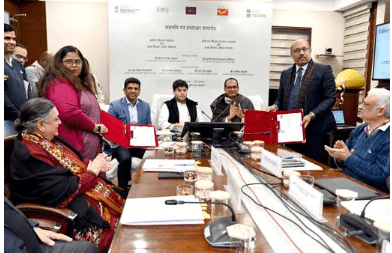
In a major push towards inclusive and sustainable rural development, the Department of Posts (DoP) and the Ministry of Rural Development (MoRD) signed a landmark Memorandum of Understanding (MoU) to deepen collaboration on rural financial inclusion, livelihood promotion, digital empowerment, and logistics enablement for Self-Help Groups (SHGs) and rural households across India.

The MoU was signed in New Delhi in the presence of Union Minister of Communications and Development of North Eastern Region Jyotiraditya M. Scindia and Union Minister of Rural Development and Agriculture & Farmers’ Welfare Shivraj Singh Chouhan.


Aligned with ‘Dak Sewa, Jan Sewa’ Vision

The collaboration aligns with the Government of India’s vision to strengthen “Dak Sewa, Jan Sewa”, repositioning India Post as a key driver of the rural economy. It also reflects priorities outlined in the Union Budget 2025–26, which emphasises leveraging India Post’s unmatched reach to promote financial inclusion, digital services, and livelihood opportunities in rural India.


India Post’s Network to Power Last-Mile Delivery

With over 1.5 lakh rural post offices, India Post Payments Bank (IPPB), and nearly 2.4 lakh Gramin Dak Sevaks, the Department of Posts will play a pivotal role in enabling last-mile delivery of financial and digital services, including in remote and underserved regions.

The partnership aims to:

  • Expand financial inclusion and doorstep banking

  • Promote entrepreneurship and women-led livelihoods

  • Strengthen digital capabilities at the grassroots

  • Improve market access for SHGs and community institutions


Doorstep Banking and Digital Empowerment

Under the MoU, IPPB will facilitate doorstep banking services, including savings, payments, and remittances through its digitally enabled platform. To empower SHG members, electronic tablets and Point of Sale (PoS) machines will be provided to enable:

  • Seamless digital transactions

  • Cashless payments

  • Improved bookkeeping and transparency

Certificates will also be issued to SHG members to formally recognise their participation, enhancing credibility for financial and market linkages.


Market Access and Logistics Enablement

Market access for SHG products will be strengthened through Dak Ghar Niryat Kendras, enabling domestic and international marketing and export opportunities for rural enterprises. India Post’s logistics and distribution capabilities will support efficient movement of goods, helping SHGs scale their businesses beyond local markets.


Aadhaar, Insurance and New Livelihood Opportunities

The collaboration will also support Aadhaar enrolment and updation in rural areas, easing beneficiary verification for MoRD schemes. Insurance coverage will be expanded through Postal Life Insurance (PLI) and Rural Postal Life Insurance (RPLI), with opportunities for SHG members to work as insurance agents.

Additionally, IPPB will onboard and train women SHG members as Business Correspondents, creating new livelihood opportunities while enhancing financial literacy and digital adoption in rural communities.


Transforming India Post into a Rural Growth Enabler

This inter-ministerial partnership underscores the Department of Posts’ evolving role as a trusted, technology-enabled, and citizen-centric institution. By converging postal services with rural development programmes, the initiative aims to accelerate women-led development, financial inclusion, entrepreneurship, and rural prosperity across the country.


Conclusion

The MoU between the Department of Posts and the Ministry of Rural Development marks a significant milestone in India’s rural transformation journey. By combining India Post’s vast last-mile network with MoRD’s development programmes, the partnership is set to deliver inclusive growth, stronger livelihoods, and digital empowerment, reinforcing the Government’s commitment to building a resilient and prosperous rural India.


 For more real-time updates, visit Channel 6 Network.

Source: PIB

DETAILED PROJECT REPORT: REVOLUTIONARY 1 PLAN AND A CONNECTIVITY BOOST FOR BENGALURU

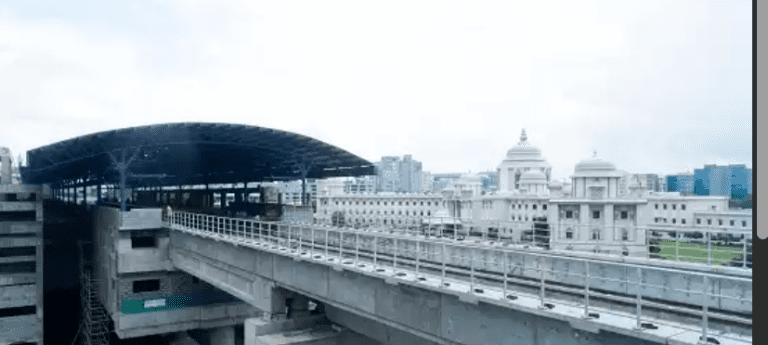
The Detailed Project Report (DPR) work has officially begun for the proposed Bengaluru–Tumakuru metro line, a move set to redefine regional connectivity and urban mobility in Karnataka. The announcement marks a significant milestone in the state’s transportation infrastructure, aiming to reduce travel time, ease congestion, and enhance economic integration between Bengaluru and the northern regions of the state. With rapid urbanisation and a growing population, Bengaluru has long struggled with traffic bottlenecks and overburdened transport networks. The metro line, once operational, is expected to offer a sustainable, efficient alternative to road transport while boosting regional development.

The proposed metro corridor will connect key residential, commercial, and industrial hubs, providing a seamless link between Bengaluru’s urban core and Tumakuru, an emerging economic centre. Officials from the Karnataka Metro Rail Corporation Limited (KMRCL) have stated that the DPR phase will include detailed surveys, route alignments, station planning, and cost estimation. These studies are crucial to ensure that the project is feasible, environmentally sustainable, and capable of addressing long-term transportation needs.

Local residents, commuters, and businesses have welcomed the DPR work, expressing hope that the project will significantly reduce travel time, which currently ranges from three to four hours by road depending on traffic conditions. The metro line is projected to offer a faster, safer, and more reliable alternative, potentially transforming the daily commute for thousands of passengers. This is particularly significant for professionals, students, and industrial workers who travel between Bengaluru and Tumakuru for work or education.

Transport experts highlight that the DPR stage is vital to determine the alignment, design, and technical specifications of the metro line. Surveys conducted during this phase will assess land acquisition requirements, environmental impact, ridership forecasts, and integration with existing transport networks. By conducting a comprehensive DPR, authorities aim to ensure that the metro line is financially viable, operationally efficient, and socially inclusive, catering to the needs of a diverse population.SALAR NEWS

The Bengaluru–Tumakuru metro corridor is expected to traverse multiple densely populated and industrial areas, necessitating careful planning to minimise disruption during construction. Coordination with local municipalities, transport authorities, and civic bodies is being prioritised to manage traffic diversions, resettlement issues, and utility relocation. Officials emphasised that public feedback will also be sought during the DPR stage, ensuring that community concerns are integrated into the project plan.

Once implemented, the metro line is expected to alleviate pressure on NH-48, the major highway connecting Bengaluru and Tumakuru, which is often congested due to heavy vehicular traffic, including commercial trucks and intercity buses. The metro is likely to attract a significant number of passengers who currently rely on road transport, thereby reducing vehicular emissions, fuel consumption, and the environmental impact of long-distance commuting.

The project is also expected to stimulate economic growth along the corridor. Improved connectivity could attract businesses, industries, and educational institutions to intermediate towns, fostering regional development. Real estate values are likely to rise near proposed metro stations, and ancillary services such as retail outlets, food courts, and parking facilities could see a surge in demand.

Officials stressed that the DPR will also examine potential integration with existing and planned metro lines in Bengaluru, as well as bus and suburban rail networks. A multimodal approach is being planned to allow seamless transfers, reduce wait times, and enhance passenger convenience. The project aims to set a benchmark for regional transport integration, combining speed, reliability, and affordability.

Environmental experts have welcomed the metro initiative, noting that mass transit solutions are essential for sustainable urban growth. By providing an alternative to private vehicles, the metro could significantly reduce carbon emissions, lower noise pollution, and contribute to cleaner air in Bengaluru and along the corridor. The DPR will include comprehensive environmental assessments to ensure minimal impact on surrounding ecosystems.

DETAILED PROJECT REPORT: SCOPE, CHALLENGES, AND TECHNICAL ASPECTS

The DPR work for the Bengaluru–Tumakuru metro line encompasses multiple technical and administrative dimensions, starting with feasibility studies and detailed surveys. Route alignment will consider population density, industrial clusters, road networks, and potential environmental and social impacts. The DPR will also evaluate construction methods, including elevated, underground, and at-grade sections, ensuring safety, cost efficiency, and minimal disruption.

A critical component of the DPR is ridership forecasting, which involves estimating the number of passengers likely to use the metro on a daily and annual basis. These projections help determine train frequency, station capacity, ticketing systems, and revenue generation potential. By accurately forecasting demand, authorities aim to optimise operational efficiency and financial sustainability.

Land acquisition is expected to be one of the key challenges. The proposed metro corridor passes through urban and semi-urban areas, requiring negotiations with private landowners, businesses, and government entities. The DPR will identify affected areas, prepare compensation plans, and explore design modifications to reduce the impact on residential and commercial properties. Officials emphasised that transparency and community consultation will be prioritised to ensure fair compensation and minimal displacement.

Integration with existing infrastructure is another complex aspect. The DPR will assess connectivity with Bengaluru’s Namma Metro network, BMTC bus services, suburban rail, and intercity transport hubs. Seamless transfers, unified ticketing systems, and coordinated scheduling are planned to make commuting efficient and convenient for passengers. Planners also aim to provide parking facilities, pedestrian pathways, and bicycle-friendly zones near stations to encourage multimodal access.

Environmental assessments form a significant part of the DPR. Construction of elevated or underground sections could affect flora, fauna, water bodies, and air quality. The DPR will include mitigation measures such as noise barriers, green corridors, rainwater harvesting, and energy-efficient stations. By adhering to environmental norms, authorities hope to balance urban expansion with ecological responsibility.

Financial analysis in the DPR will estimate total project costs, including construction, land acquisition, rolling stock, operations, and maintenance. Funding options will be explored, ranging from central and state government allocations, multilateral loans, public-private partnerships, and other financing models. Cost-benefit analysis will be conducted to ensure long-term viability while keeping fares affordable for commuters.Bengaluru-Tumakuru inter-district metro gets official push: DPR work begins

Construction logistics are expected to be challenging, given the urban density along parts of the corridor. The DPR will include traffic management plans, phased construction schedules, and utility relocation strategies. Coordination with municipal authorities and contractors is being prioritised to minimise inconvenience to residents, businesses, and commuters.

Public engagement is integral to the DPR process. Authorities plan to hold consultations, open houses, and information sessions to educate citizens about the metro’s benefits, construction timelines, and safety measures. Feedback collected from communities will help refine the design, address concerns, and ensure the project meets public expectations.

Safety measures are being incorporated at the planning stage. Emergency evacuation protocols, fire safety systems, CCTV surveillance, platform screen doors, and other modern safety infrastructure are being considered. The DPR aims to ensure that the metro line adheres to global standards of passenger security and operational safety.

Technical innovation is also a focus. Planners are exploring energy-efficient trains, regenerative braking systems, and smart ticketing solutions. Advanced signalling technology will ensure timely operations, while digital monitoring systems will facilitate maintenance and optimise performance. The DPR aims to integrate these technologies to make the Bengaluru–Tumakuru metro a modern, sustainable, and future-ready transport corridor.

REGIONAL IMPACT, ECONOMY, AND URBAN DEVELOPMENT

The proposed metro line is expected to have far-reaching implications for regional development. Tumakuru, historically an industrial and educational hub, could see increased investment, industrial expansion, and population growth as connectivity with Bengaluru improves. Easier commuting options may attract skilled professionals to relocate along the corridor, boosting local economies and creating new employment opportunities.

Real estate development is likely to accelerate near planned metro stations, with commercial and residential projects emerging in previously underdeveloped areas. Analysts suggest that this could help decentralise Bengaluru’s urban sprawl by promoting growth along the northern corridor. Improved transport infrastructure is also expected to enhance access to educational institutions, healthcare facilities, and commercial centres, positively affecting quality of life.

The metro project is anticipated to relieve congestion on key highways, including NH-48, which currently bears heavy traffic from intercity buses, private vehicles, and freight transport. Reduced congestion would lower travel time, improve road safety, and decrease fuel consumption, contributing to environmental sustainability. Residents along the corridor stand to benefit from cleaner air, reduced noise, and enhanced mobility options.

Economic analysts note that regional connectivity projects like this metro line stimulate peripheral economies by increasing access to markets, reducing logistics costs, and encouraging entrepreneurship. Small and medium enterprises along the corridor could experience growth as commuting becomes easier for both employees and customers. Additionally, tourism to Tumakuru and surrounding areas may receive a boost due to improved transport links.Bengaluru-Tumakuru metro extension gains momentum as BMRCL begins DPR  process

Urban planners highlight that the metro line offers an opportunity to integrate smart city concepts, such as transit-oriented development, mixed-use planning, and sustainable mobility. Stations could serve as hubs for commercial activity, green spaces, and last-mile connectivity solutions, creating more livable and efficient urban spaces. The DPR phase is expected to incorporate these elements to future-proof the corridor.

Social benefits are also significant. By providing a reliable and affordable transport option, the metro will enhance accessibility for women, students, and low-income commuters. Reduced dependence on private vehicles promotes inclusivity, safety, and equitable access to urban amenities, aligning with the government’s broader urban development and social welfare goals.

The project is being closely monitored by state and central government authorities, with regular progress reports expected throughout the DPR phase. Officials have stressed that community engagement, environmental safeguards, and financial transparency will guide the project, ensuring that the metro line meets both public expectations and regulatory standards.

In conclusion, the Bengaluru–Tumakuru metro line represents a transformative step in regional transport infrastructure. With DPR work underway, the state has initiated the first critical phase of planning, analysis, and stakeholder consultation. If implemented efficiently, the metro corridor promises faster commuting, sustainable development, economic growth, and improved quality of life for thousands of residents along the route. By prioritising technical feasibility, environmental responsibility, and social inclusivity, the project has the potential to set new standards for regional metro connectivity in Karnataka.

The initiative underscores the state government’s commitment to modernising transport, enhancing regional integration, and promoting sustainable urban development. While challenges in land acquisition, construction, and integration remain, the DPR work is a vital step toward creating a reliable, efficient, and future-ready metro line that can reshape travel patterns, support economic growth, and improve the lives of commuters between Bengaluru and Tumakuru.

Follow: Karnataka Government

Also read: Home | Channel 6 Network – Latest News, Breaking Updates: Politics, Business, Tech & More