Thursday, April 30, 2026
Home Blog Page 164

BJP Civic Bodies Maharashtra: Aggressive Campaign Targets 29 Municipal Corporations

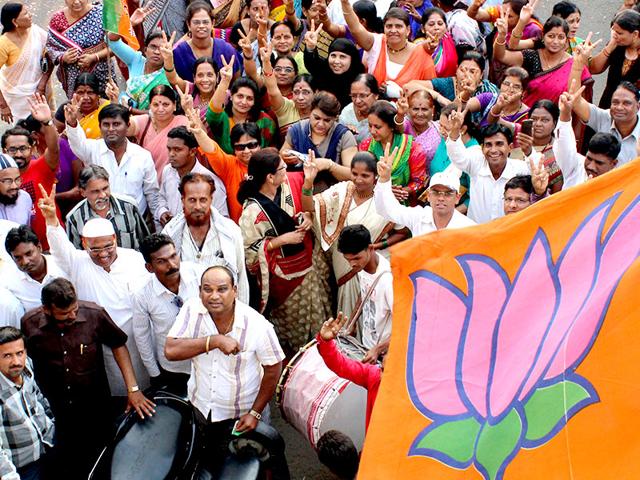
Maharashtra – The Bharatiya Janata Party has launched an ambitious campaign to dominate BJP civic bodies Maharashtra elections, targeting victory in at least half of the 29 municipal corporations scheduled for polls next week. Bolstered by an impressive 89% win rate in contested seats during the 2024 Assembly elections and over 48% seats won in municipal council and nagar panchayat elections last month, the party is deploying its top leadership for an intensive outreach effort. Despite ticket distribution controversies casting shadows over cities like Mumbai, Parbhani and Chandrapur, party leaders express confidence about surpassing their performance from nine years ago.

Historical Performance and Current Ambitions

The BJP civic bodies Maharashtra strategy draws from past experience when the party won 1,099 of 2,736 seats, representing 40.17% in 27 municipal corporations that went to polls between 2015 and 2018. This achievement came after BJP formed the government with the then undivided Shiv Sena in 2014. Now, party leaders are determined to emerge as the largest force both in terms of seats won and the number of corporations headed by BJP mayors. The ambitious target reflects the party’s growing confidence following recent electoral successes and organizational strengthening across the state.

Massive Rally Blitz Planned

Over the next week, Chief Minister Devendra Fadnavis will spearhead the BJP civic bodies Maharashtra campaign by conducting over 50 rallies across Mumbai, Pune, Nagpur and other cities. Party state unit chief Ravindra Chavan and election in-charge Chandrashekhar Bawankule will hold between 45-50 rallies across Maharashtra. This intensive campaigning schedule demonstrates the significance the party attaches to these local body elections. Key district leaders are shouldering responsibility for ground-level outreach programs, tapping into voters’ imagination through sustained engagement and targeted messaging.

RSS Support and Voter Surveys

A crucial element in the BJP civic bodies Maharashtra strategy involves support from the Rashtriya Swayamsevak Sangh, which has been providing inputs from voter surveys conducted over the last four months. According to senior party leaders, these surveys give the party valuable insights about combating shortfalls in potential areas and implementing corrective measures. This data-driven approach allows leaders to address local concerns effectively and tailor their messaging to specific constituencies. The RSS organizational network provides grassroots intelligence that complements the party’s electoral machinery.

Strategic Alliance Decisions

The BJP civic bodies Maharashtra approach includes carefully calculated alliance decisions in certain local bodies. Well before elections were announced, the party decided to align with Shiv Sena in Mumbai rather than the Nationalist Congress Party. This strategic choice reflects calculations about vote banks and historical loyalties in India’s financial capital. The decision to strengthen weak regions by inducting potential leaders from other parties has proven effective, with key NCP leaders poached ahead of polls in Solapur, helping the party secure major bodies in the first phase of local body polls.

Also Read: AAP Sarpanch Shooting Amritsar: Chilling Video Shows Fatal Attack

Leader Induction Strategy

The BJP civic bodies Maharashtra campaign benefits from a systematic leader induction strategy. This task was assigned to Ravindra Chavan soon after he became state unit chief in July last year. According to party leaders, every leader inducted from other parties brings at least 10% to 20% votes with them. Party insiders acknowledge that leaders who engineered the poaching spree hold significant importance within the organization. This strategy of absorbing opposition leaders has been instrumental since the 2014 Assembly polls in expanding BJP’s electoral base.

Mumbai Challenge: Thackeray Unity

The BJP civic bodies Maharashtra ambitions face significant challenges, particularly in Mumbai where Uddhav Thackeray’s Shiv Sena (UBT) and Raj Thackeray’s Maharashtra Navnirman Sena have joined forces. The historically potent Marathi versus Gujarati narrative in Mumbai civic elections poses a Herculean task for BJP. Opposition parties have set a narrative claiming the BJP-led government works in Gujarat’s interest at Maharashtra’s cost. With Prime Minister Narendra Modi and Union Home Minister Amit Shah leading the Central government, this narrative has stirred the Marathi manoos sentiment, with both Thackerays claiming to be their messiahs.

Shiv Sena Alliance in Mumbai

To address the BJP civic bodies Maharashtra challenges in Mumbai, the party aligned with Eknath Shinde’s Shiv Sena, conceding 90 seats after Shinde, who serves as deputy chief minister, drove a hard bargain. This move aims to woo Marathi-speaking voters. Shiv Sena leaders claim their strong performance in Assembly, Nagar panchayat, and municipal council elections in Konkan established that Konkani voters accept Shinde’s party as the original Sena. BJP hopes this alliance will help sway Konkani votes in Mumbai. The party, which jumped from 31 seats in 2012 to 82 in 2017 in the 227-seat Brihanmumbai Municipal Corporation, aims to win at least 90 seats this time.

Problem Areas and Weaknesses

The BJP civic bodies Maharashtra campaign faces difficulties in Muslim-dominated cities like Malegaon and Parbhani, where the party is on the backfoot. Internal infighting in Chandrapur may prevent the party from reaching the halfway mark in that civic body. These trouble spots require special attention and damage control measures. Political analysts note that BJP faces a dilemma over its alliance with Shinde and Ajit Pawar, wanting their help to win elections while controlling their equity in the Mahayuti coalition.

Party Confidence and Projections

Despite challenges, BJP civic bodies Maharashtra spokesperson Keshav Upadhye expressed confidence that phase one results will be reflected in phase two of local polls. The party has deployed its full might, with major leaders holding rallies across the state and highlighting development works by state and central governments. BJP has forged alliances with ruling partners in over 15 corporations and remains confident about winning most of them, setting the stage for a crucial test of the party’s organizational strength and popular support.

Assam Earthquake: Powerful 5.1 Magnitude Tremor Strikes Northeast India

0

Assam – An Assam earthquake measuring 5.1 on the Richter scale jolted the northeastern region early Monday morning, sending residents scrambling from their homes in the predawn hours. The seismic event, which struck at 04:17:40 IST, was centered in Morigaon district and felt across vast stretches of Assam and neighboring states. The National Centre for Seismology promptly reported the earthquake details, confirming its significant magnitude and widespread impact. While the tremor caused considerable alarm among sleeping residents, preliminary reports indicate no casualties or major structural damage, though authorities continue monitoring the situation closely.

Epicenter and Technical Details

The Assam earthquake originated with its epicenter precisely located at 26.37°N latitude and 92.29°E longitude, according to data from the National Centre for Seismology. The seismic event occurred at a depth of 50 kilometers beneath the earth’s surface in Morigaon district. This depth classification places it as a moderately deep earthquake, which can result in widespread shaking across large geographic areas. The 5.1 magnitude reading on the Richter scale categorizes this earthquake as moderate, capable of causing noticeable shaking and potential damage to vulnerable structures. The technical parameters recorded by seismological instruments provide crucial information for understanding the earthquake’s characteristics and potential aftershock patterns.

Impact Across Assam Districts

The Assam earthquake was felt across numerous districts throughout the state, demonstrating its significant reach. People in neighboring Kamrup Metropolitan, Nagaon, East Karbi Anglong, West Karbi Anglong, Hojai, Dima Hasao, Golaghat, Jorhat, Sivasagar, Charaideo, Cachar, Karimganj, Hailakandi, Dhubri, South Salmara-Mankachar and Goalpara districts experienced the tremors. The widespread distribution of affected areas reflects both the earthquake’s magnitude and the region’s geological characteristics that allow seismic waves to travel considerable distances through the earth’s crust.

Northern Bank Districts Affected

Districts on the northern bank of the Brahmaputra River also experienced the Assam earthquake significantly. Darrang, Tamulpur, Sonitpur, Kamrup, Biswanath, Udalguri, Nalbari, Bajali, Barpeta, Baksa, Chirang, Kokrajhar, Bongaigaon and Lakhimpur all reported feeling the tremors. This extensive list of affected districts demonstrates how the earthquake’s energy propagated throughout the region, crossing geographical features like the mighty Brahmaputra River. The river, which divides Assam into northern and southern banks, did not impede the transmission of seismic waves, resulting in uniform impact across both sides.

Regional Impact Beyond Assam

The Assam earthquake extended its reach well beyond state boundaries, affecting multiple northeastern states and even neighboring countries. The tremor was distinctly felt in Shillong, the capital of Meghalaya, located at a considerable distance from the epicenter. According to National Centre for Seismology reports, the earthquake’s effects were registered in some areas of central-western Arunachal Pradesh, various parts of Meghalaya, and several areas across Nagaland, Manipur, Mizoram, Tripura and West Bengal. This multi-state impact underscores the earthquake’s significant energy release and the interconnected geological structure of the northeastern region.

Also Read: Earthquake Japan Shimane: Powerful 6.3 Magnitude Tremor Strikes Prefecture

International Tremor Detection

Remarkably, the Assam earthquake was felt beyond India’s borders, with tremors detected in central-eastern Bhutan, parts of China, and Bangladesh. This international reach demonstrates the substantial nature of the seismic event and how geological formations transcend political boundaries. The cross-border impact necessitates regional cooperation in earthquake monitoring and emergency response protocols. Seismological data sharing between countries becomes particularly important in such scenarios to ensure comprehensive understanding of seismic events and their potential consequences across wider geographic areas.

Public Response and Safety Measures

The early morning timing of the Assam earthquake at approximately 4:18 am meant most residents were asleep when the tremors began. The sudden shaking forced people to scamper out of their homes to open areas from their sleep, a natural and recommended response during seismic events. This mass evacuation to open spaces, while chaotic, demonstrated public awareness of basic earthquake safety protocols. The experience served as a stark reminder of the region’s seismic vulnerability and the importance of maintaining preparedness for such natural disasters.

Casualty Assessment and Damage Reports

Authorities conducting preliminary assessments following the Assam earthquake reported no immediate casualties or major damage. This fortunate outcome can be attributed to several factors including the earthquake’s depth, the time of occurrence when most people were in relatively safe home environments, and improved building construction standards in recent years. However, authorities continue comprehensive surveys to identify any structural damage that may not be immediately apparent, particularly in older buildings and critical infrastructure. The absence of casualties represents a best-case scenario given the earthquake’s magnitude and extensive reach.

High Seismic Zone Classification

The Assam earthquake occurred in a region classified as a high seismic zone, making it inherently earthquake-prone. The northeastern region of India sits at the convergence of multiple tectonic plates, creating geological conditions conducive to frequent seismic activity. This high-risk classification necessitates stringent building codes, regular disaster preparedness drills, and robust early warning systems. The region’s seismic history includes numerous significant earthquakes, making continued vigilance and preparedness essential components of public safety infrastructure.

Aftershock Precautions

Following the Assam earthquake, authorities have urged residents to remain alert and follow safety precautions in case of aftershocks. Aftershocks are common following significant seismic events and can sometimes approach or even exceed the magnitude of the initial earthquake. Residents have been advised to keep emergency supplies accessible, identify safe spaces in their homes and workplaces, and stay informed through official channels. The Assam earthquake serves as a reminder of the region’s ongoing seismic vulnerability and the critical importance of maintaining constant preparedness for natural disasters in this tectonically active zone.

Vance Ohio Home: Shocking Break-In Attempt Foiled by Secret Service

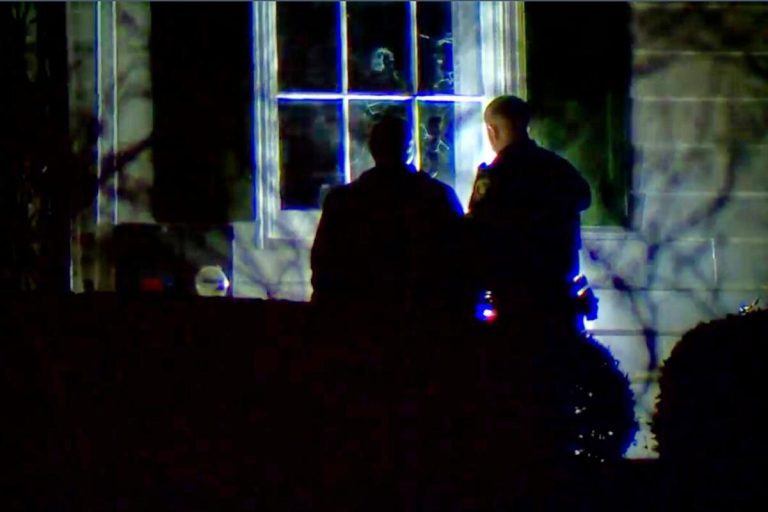
Ohio – A man who broke windows and attempted to enter Vice President JD Vance‘s residence was detained early Monday morning by Secret Service agents, authorities confirmed. The incident at the Vance Ohio home occurred shortly after midnight when agents assigned to protect the residence heard suspicious noises and quickly apprehended the intruder. The vice president and his family were not present during the attempted break-in, having returned to Washington on Sunday after spending the weekend in Cincinnati. The incident has raised fresh concerns about security threats targeting high-level government officials and their properties.

Details of the Break-In Attempt

The attempted intrusion at the Vance Ohio home unfolded around midnight when Secret Service agents detected a loud noise emanating from the property. According to two law enforcement officials who spoke on condition of anonymity due to the ongoing investigation, agents discovered a person who had broken a window with a hammer and was actively trying to gain entry to the residence. The suspect’s method of approach and the tools used suggest a determined effort to breach the security of the vice president’s home, raising questions about the individual’s intent and state of mind during the incident.

Extent of Property Damage

Beyond the damaged windows at the Vance Ohio home, the suspect caused additional property destruction during the intrusion attempt. One law enforcement official revealed that the man had vandalized a Secret Service vehicle positioned on the property’s driveway as he made his way toward the residence. This additional act of vandalism demonstrates the brazen nature of the attempted break-in and the suspect’s disregard for law enforcement presence at the location. The full extent of property damage is still being assessed as investigators document the crime scene and gather evidence.

Suspect Identification and Background

Law enforcement officials identified the suspect involved in the Vance Ohio home incident as William Defoor, 26, of Crestview Hills, Kentucky. Court records reveal that Defoor has a prior history with the criminal justice system, including an earlier vandalism charge in 2024. Following that previous charge, Defoor agreed to treatment under the county’s Mental Health Court system, suggesting potential mental health issues that may have contributed to his behavior. This background information has become crucial to understanding the motivation behind the attempted break-in and will likely factor into how the case proceeds through the legal system.

Criminal Charges Filed

The Vance Ohio home intruder faces multiple charges stemming from Monday morning’s incident. Defoor is scheduled to be arraigned Tuesday on misdemeanor charges including vandalism, criminal trespass, criminal damaging, and obstruction of official business, according to court records. While these charges are classified as misdemeanors rather than felonies, they reflect the serious nature of attempting to breach the residence of the sitting vice president. The relatively moderate charging decisions may reflect prosecutors’ assessment of the suspect’s mental state and prior involvement with the Mental Health Court system.

Also Read: US Venezuela Tension Explodes: Maduro Pleads Not Guilty Amid Palace Gunfire

Secret Service Response and Coordination

The swift response to the Vance Ohio home incident demonstrates the effectiveness of Secret Service protocols for protecting high-level officials and their properties. Agency spokesperson Anthony Guglielmi confirmed that agents assigned to the residence immediately detained the suspect after discovering the break-in attempt. The Secret Service is now coordinating with the Cincinnati Police Department and the U.S. attorney’s office as charging decisions are reviewed and the investigation continues. This multi-agency approach ensures thorough investigation and appropriate prosecution of crimes targeting protected individuals.

Vice President’s Response

Following the incident at his Vance Ohio home, Vice President Vance expressed gratitude to law enforcement for their rapid response. In a post on the social platform X, Vance acknowledged the incident and thanked the Secret Service and Cincinnati police. “I appreciate everyone’s well wishes about the attack at our home,” Vance wrote, adding, “As far as I can tell, a crazy person tried to break in by hammering the windows.” His characterization of the suspect as “a crazy person” aligns with information about the individual’s mental health history and prior involvement with specialized court programs.

Location and Neighborhood Context

The Vance Ohio home is located in East Walnut Hills, one of Cincinnati’s oldest and most established neighborhoods. The residence sits on hills overlooking the city, providing both scenic views and elevated positioning. Despite its upscale location, the home has been a focal point for political activity throughout Vance’s vice presidency. Protesters have frequently gathered outside the residence, including one notable confrontation last spring when demonstrators clashed directly with Vance himself. This history of protests and political attention may have contributed to security concerns surrounding the property.

Vice President’s Ohio Connections

The targeted Vance Ohio home represents significant personal connections for the vice president. Vance, a Republican, served as a U.S. senator representing Ohio before assuming his current role. He moved to Cincinnati after completing law school and spending time in Silicon Valley, establishing deep roots in the community. Vance was raised in nearby Middletown, which featured prominently in his bestselling memoir “Hillbilly Elegy.” His half-brother ran unsuccessfully for mayor of Cincinnati last year, further demonstrating the family’s continued engagement with local politics and community affairs.

Security Implications and Future Concerns

The attempted break-in at the Vance Ohio home raises broader questions about security protocols for protecting government officials’ private residences. While the Secret Service successfully prevented entry and quickly apprehended the suspect, the incident highlights ongoing vulnerabilities. Calls to listings for possible relatives of Defoor and an attorney who previously represented him were not immediately returned, leaving questions about his current mental state and motivation. As the investigation continues, authorities will likely review security measures at the Vance Ohio home to prevent similar incidents and ensure the safety of the vice president and his family when they return to Cincinnati.

Maduro US Court Hearing: Defiant Leader Claims Kidnapping, Pleads Not Guilty

New York City, USA – Toppled Venezuelan President Nicolas Maduro appeared in a New York federal court on Monday for his first Maduro US court hearing, defiantly pleading not guilty to serious drug trafficking charges while claiming he was kidnapped from his home in Caracas. The dramatic courtroom appearance marked a historic moment as the 63-year-old leader faced US District Judge Alvin Hellerstein in Manhattan, days after his controversial capture under orders from US President Donald Trump. The hearing has set the stage for what promises to be a contentious legal battle involving international law, sovereignty, and alleged narco-terrorism.

Charges Against the Venezuelan Leader

At the Maduro US court hearing, the former president faced four criminal counts that carry severe penalties. The charges include narco-terrorism, conspiracy to import cocaine into the United States, and possession of machine guns and destructive devices. These accusations stem from a 2020 indictment by US federal prosecutors that was part of a long-running investigation into narcotics trafficking involving current and former Venezuelan officials, as well as Colombian guerrillas. A revised indictment made public on Saturday added new details and named additional co-defendants, including Maduro’s wife Cilia Flores, expanding the scope of the prosecution’s case.

Maduro’s Defiant Court Statements

During the Maduro US court hearing, which lasted approximately half an hour, Maduro vehemently denied all charges through an interpreter. He told the court with conviction, “I am innocent. I am not guilty. I am a decent man. I am still president of my country,” before Judge Hellerstein interrupted him. The Venezuelan leader’s insistence on his continued presidential status signaled his refusal to accept the legitimacy of his removal from power. His statements indicated what legal observers expect will be a central component of his defense strategy challenging the lawfulness of his arrest.

Kidnapping Claims and Arrest Circumstances

A significant moment in the Maduro US court hearing came when Maduro directly addressed the circumstances surrounding his detention. “I’m here kidnapped since January 3, Saturday,” he declared to the court, establishing his position that the arrest was illegal under international law. He elaborated by telling the judge, “I was captured at my home in Caracas, Venezuela,” emphasizing that US authorities seized him on foreign soil. These statements signal what is expected to be a key line of defense, arguing that his arrest by US authorities violated Venezuela’s sovereignty and international legal principles governing jurisdiction and extradition.

Legal Defense Strategy

The Maduro US court hearing revealed the defense team’s approach to the case. Maduro’s lawyer has described the operation that brought him to the United States as a “military abduction,” arguing it violated international laws governing sovereign immunity and diplomatic protocols. This legal strategy focuses on the manner of Maduro’s capture rather than the underlying charges, potentially seeking dismissal based on procedural irregularities and jurisdictional challenges. The defense position raises complex questions about the limits of US law enforcement authority and the precedent this case might set for future international operations.

Cilia Flores’ Court Appearance

The Maduro US court hearing also included proceedings for Cilia Flores, who appeared alongside her husband and entered her own plea of not guilty. When asked to identify herself, Flores stated her name and told the court, “I am First Lady of Venezuela,” before declaring that she was “completely innocent.” Her assertion of her title as First Lady mirrored her husband’s claim to continued presidential authority, presenting a united front against the charges. Judge Hellerstein informed both Maduro and Flores of their right to notify the Venezuelan consulate about their arrests, following standard diplomatic protocol.

Court Proceedings Details

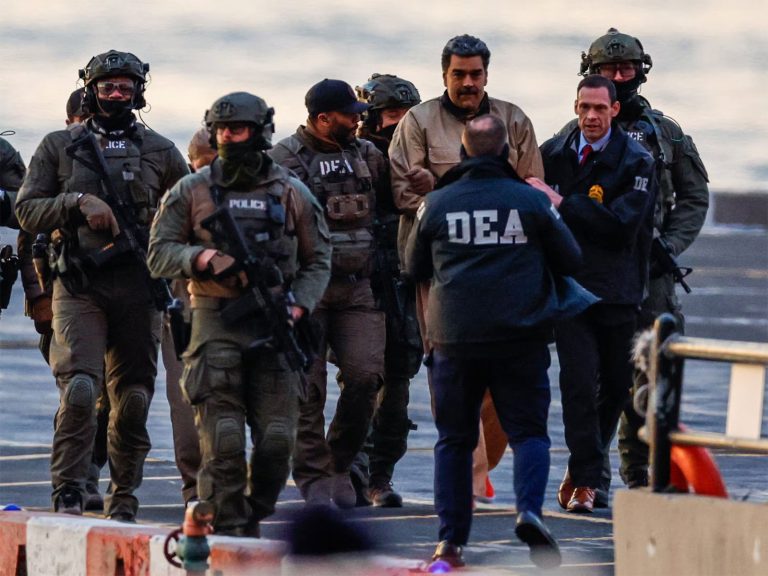
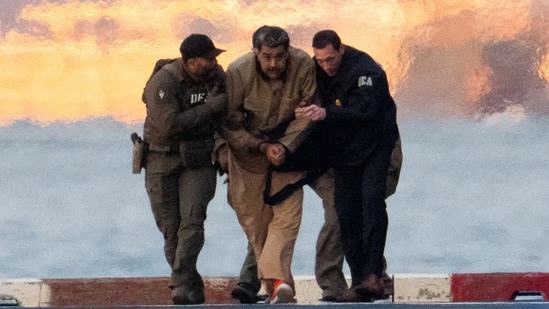
The Maduro US court hearing began at 12:02 pm local time with both defendants dressed in orange and beige prison clothing. Earlier that day, Maduro and Flores were escorted from a Brooklyn detention facility under heavy security measures. With his hands zip-tied, Maduro was led by armed guards in tactical gear to a helicopter that transported him to the Manhattan courthouse. During the proceedings, Maduro listened through headphones as the judge outlined the charges against him. When asked to confirm his identity, he responded in Spanish, maintaining his composure throughout the brief but momentous hearing.

Prosecution’s Allegations

The Maduro US court hearing brought renewed attention to US prosecutors’ allegations that Maduro oversaw an extensive cocaine-trafficking network. According to the indictment, this network collaborated with major criminal organizations including Mexico’s Sinaloa and Zetas cartels, Colombia’s FARC rebels, and Venezuela’s Tren de Aragua gang. These accusations paint a picture of systematic involvement in international drug trafficking at the highest levels of Venezuelan government. Washington has considered Maduro an illegitimate ruler since his 2018 re-election, which was characterized by allegations of widespread irregularities and fraud.

Maduro’s Historical Denials

Throughout his tenure, Maduro has consistently denied accusations presented at the Maduro US court hearing. He has previously stated that drug trafficking charges were merely a pretext for US efforts to control Venezuela’s substantial oil wealth. This defense narrative positions the legal action as politically motivated rather than based on legitimate criminal evidence. The Venezuelan leader has long portrayed himself as a victim of US imperialism and economic warfare designed to destabilize his government and gain access to the nation’s natural resources.

Next Steps in Legal Process

The Maduro US court hearing concluded with the scheduling of the next court date for March 17, giving both prosecution and defense time to prepare their cases. This upcoming hearing will likely involve more substantive legal arguments regarding jurisdiction, evidence admissibility, and the validity of the arrest. The case represents an unprecedented legal and diplomatic challenge, with implications extending far beyond the courtroom to international relations and the future of Venezuela’s governance.

Shahdara Double Murder: Shocking CCTV Evidence Shows Masked Suspect at Crime Scene

0

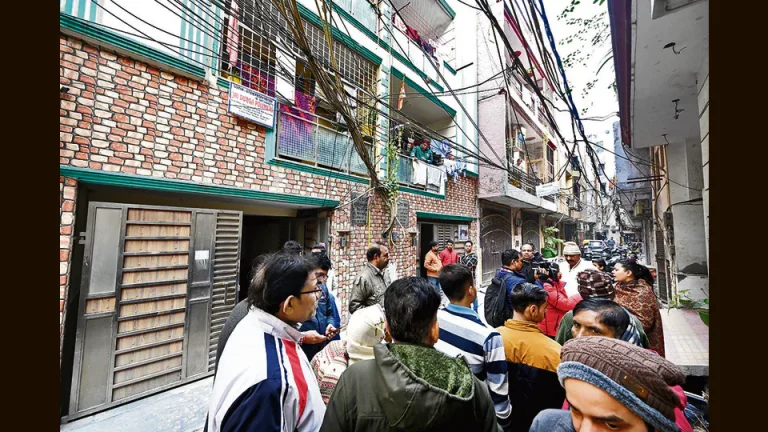
New Delhi – Delhi Police have intensified their investigation into the Shahdara double murder case after CCTV footage revealed a masked suspect outside the victims’ residence hours before the crime. The brutal killing of an elderly couple in east Delhi’s Mansarovar Park has sent shockwaves through the community, with investigators pursuing multiple leads including robbery and personal disputes. The couple’s son, who discovered the bodies and reported the crime, has been questioned extensively but released as the manhunt for the masked individual continues.

The Victims and Crime Scene

The Shahdara double murder claimed the lives of Virender Kumar Bansal, 75, a retired school teacher, and his wife Parvesh Bansal, 65, a homemaker. The couple was found dead in separate rooms of their third-floor residence in Rama Nagar Extension, Shahdara. The discovery was made in the early hours of Sunday, revealing a scene of brutal violence that has left investigators working to piece together the events leading to the tragedy. The location of the bodies in different rooms suggests the victims may have been targeted separately during the attack.

CCTV Evidence and Masked Suspect

Critical evidence in the Shahdara double murder investigation comes from multiple CCTV cameras that captured a masked suspect near the victims’ house. According to police officers, the suspicious individual was first spotted around 6:30 pm on Saturday and appeared again around 8:20 pm in the footage. The masked person was observed walking near the house, displaying behavior that investigators found suspicious and potentially connected to the crime. Significantly, the suspect appeared to be alone and arrived without any vehicle, suggesting either local knowledge of the area or deliberate planning to avoid detection.

Method of Attack and Missing Jewelry

The initial probe into the Shahdara double murder has revealed disturbing details about the manner of death. Investigating officers found that Virender was struck on the head and face with a heavy object, indicating a violent physical assault. His wife Parvesh was strangled to death, suggesting a different method was used against her. Adding to the complexity of the case, Parvesh’s jewelry was missing from her body, pointing toward a possible robbery motive. This missing jewelry has become a crucial element in determining whether theft was the primary motive or merely an opportunistic action during the crime.

Son’s Discovery and Initial Report

The Shahdara double murder was reported to police by the couple’s son, Vaibhav Bansal, 28, who lived with his parents in the same residence. Vaibhav works as a gym trainer in northeast Delhi’s Ghonda area and allegedly discovered the bodies at 12:15 am when he returned home from work. He immediately informed the police about the grim discovery. His absence from the home during the critical hours has made determining the exact time of the murders challenging for investigators, as there was a significant window during which the crime could have occurred.

Electronic Lock System and Entry Theory

A particularly intriguing aspect of the Shahdara double murder investigation involves how the perpetrator gained access to the residence. The house is equipped with an electronic lock system, yet there were no signs of forced entry. Police suspect that the accused either possessed a spare key or managed to create a duplicate key to gain access. This theory of planned entry is supported by the earlier observation that the television was switched on during the crime, which investigators believe was intentional to mask any screams that would follow the attack.

Also Read: Delhi Riots Case Verdict: Supreme Court Frees 5 but Denies Bail to Khalid, Imam

Questioning and Investigation Progress

In the Shahdara double murder probe, police have conducted extensive questioning of multiple individuals. Vaibhav Bansal has been interrogated multiple times since Sunday and has been released for now, though he remains part of the ongoing investigation. Authorities are also questioning his sister Ekta, the family’s domestic help, and other relatives to establish a comprehensive picture of the family dynamics and potential suspects. The post-mortem examination of both bodies was completed on Monday morning, providing forensic evidence to support the investigation.

Friendly Entry Theory

Police working on the Shahdara double murder case earlier indicated that the accused likely had a “friendly entry” into the house, suggesting the victims may have known their attacker or at least felt comfortable allowing them inside. This theory gains credibility from the absence of forced entry signs and the use of the television to mask sounds. The friendly entry possibility has led investigators to focus on individuals who had access to the home or were familiar with the family’s routine and security measures.

Multiple Investigation Angles

The Shahdara double murder investigation is proceeding along multiple lines of inquiry. Police are exploring possibilities of robbery given the missing jewelry, but they are also examining potential personal disputes that might have motivated the killings. The brutal nature of the attacks, particularly the use of different methods against each victim, suggests a level of personal involvement that goes beyond simple theft. The presence of the masked suspect hours before the crime indicates premeditation and surveillance of the residence.

Timeline Complications

Determining the exact timeline of the Shahdara double murder remains challenging for investigators. With Vaibhav away from home for an extended period and the masked suspect spotted hours before the bodies were discovered, police must work to narrow down when the actual murders occurred. This timeline is crucial for establishing alibis, analyzing movement patterns, and potentially identifying additional witnesses who may have seen or heard something relevant during the critical hours.

The Shahdara double murder investigation continues as Delhi Police pursue the masked suspect and analyze all available evidence to bring the perpetrators to justice.

ONGC Fire Andhra: Massive Blaze at Oil Well Triggers Panic, No Casualties

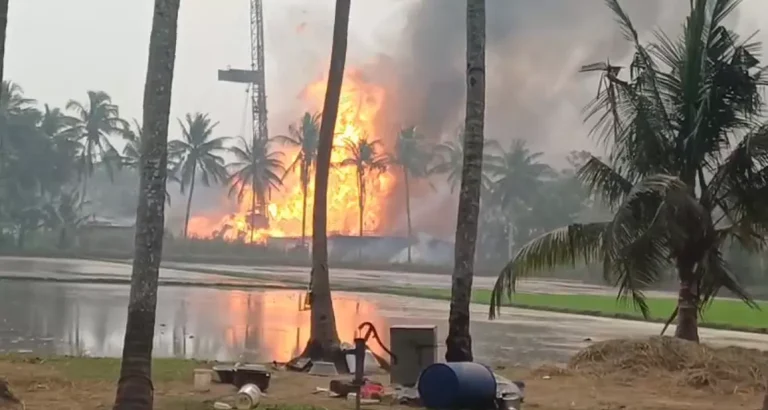
Andhra Pradesh – An ONGC fire Andhra Pradesh incident on Monday triggered widespread panic in Dr BR Ambedkar Konaseema district when a fire erupted at an oil well operated by the company’s production contractor Deep Industries. The dramatic incident at the Mori-5 well led to immediate evacuation orders and emergency response operations, though fortunately no casualties were reported. According to preliminary information shared by officials from the Maharatna company, there were no deaths or injuries resulting from the incident, providing significant relief amid the chaotic situation.

Location and Initial Response

The ONGC fire Andhra incident occurred at the Mori-5 well located in Mori village within the Razole area of Konaseema district. The oil well is specifically situated in Irusumanda village, an area where ONGC maintains production operations through its contractors. Senior officials of the Oil and Natural Gas Corporation from Rajahmundry immediately rushed to the site upon receiving reports of the fire. The swift response demonstrated the company’s preparedness for emergency situations, with multiple teams mobilized to address the developing crisis and prevent potential escalation.

Circumstances Leading to the Incident

The ONGC fire Andhra episode took place during routine repair work being carried out at the well facility. Production at the Mori-5 well had been temporarily halted to allow for necessary maintenance operations using a workover rig. During these repair operations, a powerful blowout occurred unexpectedly, releasing a massive volume of gas mixed with crude oil. The mixture shot high into the air, creating a dramatic and dangerous situation that immediately caught the attention of workers and nearby residents. The blowout’s intensity highlighted the inherent risks associated with oil and gas extraction operations.

Emergency Measures and Crisis Management

Following the ONGC fire Andhra outbreak, the company implemented comprehensive emergency protocols. In an official statement, ONGC confirmed that the affected area had been cordoned off to prevent unauthorized access and protect public safety. Cooling operations commenced immediately to reduce temperatures and prevent further escalation of the fire. The company mobilized its Crisis Management Teams, specially trained units designed to handle such emergencies. Preparatory work began to facilitate well-control measures, with plans in place for capping the well if required to contain the situation completely.

Evacuation and Community Impact

The ONGC fire Andhra incident prompted immediate evacuation orders from local authorities. Panchayat officials and the local administration instructed villagers to evacuate their homes as a precautionary measure. Many residents responded quickly, leaving their homes and moving their cattle to safer areas as the tense situation developed. The evacuation demonstrated the serious nature of the threat posed by the fire and gas release. Fire department official Balakrishna described the atmosphere, stating that villagers were in a state of panic and fear, underscoring the psychological impact of the incident on the local community.

Also Read: Delhi Riots Case Verdict: Supreme Court Frees 5 but Denies Bail to Khalid, Imam

Coordination with District Administration

The ONGC fire Andhra response involved close coordination between multiple agencies. Konaseema district administration officials were present at the location, working alongside ONGC personnel to coordinate firefighting efforts and implement comprehensive safety measures. This collaborative approach ensured that all available resources were deployed effectively to manage the crisis. The presence of district officials also helped facilitate communication with local residents and ensured that evacuation procedures were followed systematically, minimizing risks to civilian populations in the surrounding areas.

Technical Oversight and Monitoring

ONGC’s statement regarding the ONGC fire Andhra situation emphasized that senior management and technical experts were closely monitoring developments. This high-level attention reflected the seriousness with which the company approached the incident. Technical experts analyzed data from the site to determine the best course of action for controlling the well and extinguishing the fire. Their expertise proved crucial in formulating strategies to address both immediate dangers and longer-term concerns about well integrity and environmental impact.

Deep Industries’ Role and Contract Details

The ONGC fire Andhra incident involved facilities operated by Deep Industries Ltd, which serves as a Production Enhancement Contractor for ONGC. The company had secured a substantial contract worth ₹1,402 crore in 2024 at ONGC’s Rajahmundry Asset in Andhra Pradesh. Deep Industries had been operating the Mori-5 well for approximately one year at the time of the incident. This contractual relationship places responsibility for well operations with Deep Industries while maintaining ONGC’s overall oversight and emergency response capabilities. The incident raises questions about operational safety protocols and contractor supervision.

Safety Protocols and Prevention

The ONGC fire Andhra case highlights the critical importance of robust safety measures in oil and gas operations. Workover operations, during which the incident occurred, involve significant risks as they require intervention in active or recently active wells. The unexpected blowout suggests that either unforeseen geological conditions were encountered or existing pressure management systems failed to prevent the release. Industry experts emphasize that such incidents, while rare, underscore the need for continuous improvement in safety protocols, equipment maintenance, and worker training.

Ongoing Situation Assessment

As the ONGC fire Andhra situation continues being managed, authorities remain focused on completely controlling the well and ensuring no secondary incidents occur. The absence of casualties represents a significant positive outcome given the severity of the blowout and fire. However, comprehensive assessments of environmental impact, property damage, and operational implications continue. The ONGC fire Andhra incident serves as a reminder of the challenges inherent in India’s domestic oil and gas production sector and the constant vigilance required to maintain safety standards while meeting the nation’s energy needs.

Earthquake Japan Shimane: Powerful 6.3 Magnitude Tremor Strikes Prefecture

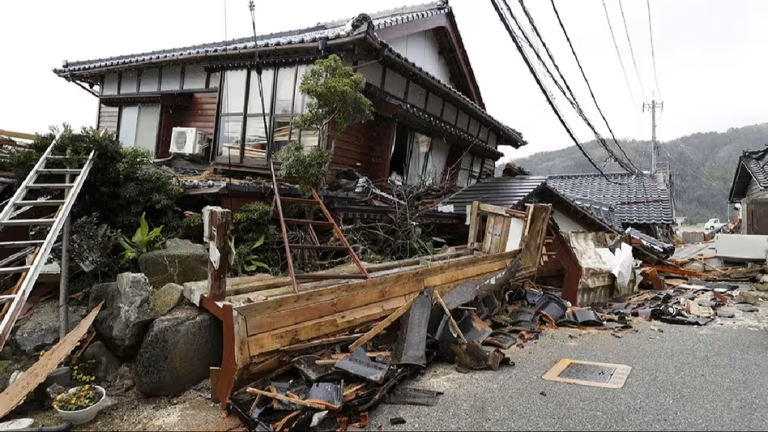
Japan – An earthquake Japan Shimane prefecture experienced on Tuesday morning has drawn attention to the seismically active region’s ongoing vulnerability to significant tremors. The preliminary magnitude of 6.3 recorded for this seismic event represents a considerable force capable of causing substantial damage and disruption to affected areas. As authorities continue monitoring the situation and assessing potential impacts, residents and emergency services remain on alert for aftershocks and any developing consequences from this natural disaster.

Magnitude and Preliminary Assessment

The earthquake Japan Shimane registered at a preliminary magnitude of 6.3 on the Richter scale, classifying it as a strong earthquake capable of causing moderate to significant damage depending on various factors including depth, distance from populated areas, and building construction standards. Preliminary magnitude readings are initial assessments made by seismological agencies and may be subject to revision as more comprehensive data becomes available from seismic monitoring stations across the region. The magnitude measurement provides crucial information about the total energy released by the earthquake at its source.

Seismic Intensity Scale Reading

According to the Japanese seismic intensity scale, the earthquake Japan Shimane registered an intensity of upper-5 in the prefecture. Japan employs a unique seven-level seismic intensity scale that differs from the magnitude measurement, focusing instead on the observed effects of shaking at specific locations. An upper-5 intensity reading indicates strong shaking that can cause considerable alarm among residents. At this intensity level, many people find it difficult to move and walking becomes challenging. Unsecured furniture may move, and dishes and books on shelves are likely to fall. Some walls may develop cracks, and utility poles might shake visibly.

Understanding Japan’s Seismic Scale

The intensity measurement for the earthquake Japan Shimane utilizes Japan’s distinctive 1-7 seismic scale, which provides a more localized assessment of earthquake impact compared to magnitude measurements. This scale ranges from intensity 0, where the earthquake is not felt by people, to intensity 7, representing devastating shaking. The upper-5 designation falls in the middle-to-upper range of this scale, indicating significant shaking that requires attention from emergency services and building inspectors. This measurement system allows Japanese authorities to quickly communicate the severity of shaking in different locations, enabling more effective emergency response and public safety measures.

Tsunami Assessment and Maritime Safety

Importantly, no tsunami alert has been issued following the earthquake Japan Shimane event. Tsunami warnings are critical considerations for earthquakes occurring in or near maritime regions, as underwater seismic activity can generate devastating ocean waves. The absence of a tsunami alert suggests that the earthquake’s characteristics, including its depth, location, and the type of fault movement involved, were not conducive to tsunami generation. However, authorities continue monitoring ocean levels and seismic data to ensure no delayed tsunami activity develops. Coastal residents and maritime operators have been informed of the current assessment, though vigilance remains advisable.

Also Read: US Venezuela Tension Explodes: Maduro Pleads Not Guilty Amid Palace Gunfire

Geographic Context of Shimane Prefecture

Shimane prefecture, where the earthquake Japan Shimane struck, is located in the Chugoku region on the main island of Honshu. The prefecture faces the Sea of Japan to the north and is characterized by mountainous terrain and a relatively dispersed population compared to major urban centers. Understanding the geographic context helps explain both the earthquake’s occurrence and its potential impacts. The region’s geology and position along tectonic plate boundaries make it susceptible to seismic activity, though it experiences fewer major earthquakes compared to some other Japanese regions.

Japan’s Earthquake Preparedness Culture

The earthquake Japan Shimane event underscores the nation’s constant readiness for seismic events. Japan sits on the Pacific Ring of Fire, where several tectonic plates converge, making it one of the world’s most earthquake-prone countries. Japanese society has developed comprehensive earthquake preparedness measures, including strict building codes, regular disaster drills, early warning systems, and public education programs. Buildings in Japan are engineered to withstand significant seismic forces through advanced construction techniques and materials. This preparedness culture has proven essential in minimizing casualties and damage during earthquakes.

Recent Seismic Activity Context

While details about immediate damage from the earthquake Japan Shimane are still emerging, this event occurs within the context of Japan’s ongoing seismic activity. The country experiences thousands of earthquakes annually, though most are minor and cause no damage. Recent significant seismic events, including a 7.5 magnitude earthquake off northern Japan in December 2025 that caused infrastructure damage in areas like Tohoku town in Aomori Prefecture, remind citizens of the persistent earthquake threat. These events contribute to continuous improvements in Japan’s disaster response capabilities and building safety standards.

Monitoring and Response Efforts

Following the earthquake Japan Shimane, authorities have activated standard emergency protocols to assess damage, check infrastructure integrity, and ensure public safety. Seismological agencies continue monitoring for aftershocks, which commonly follow significant earthquakes and can sometimes approach or exceed the magnitude of the initial event. Local government officials are coordinating with emergency services to inspect critical infrastructure including roads, bridges, utilities, and public buildings. Residents have been advised to remain alert and prepared for potential aftershocks.

Ongoing Situation

As the earthquake Japan Shimane situation continues developing, authorities maintain close surveillance of seismic activity and community conditions. The preliminary nature of the magnitude reading means final assessments may differ slightly from initial reports. Comprehensive damage assessments require time as inspectors examine affected structures and infrastructure. The earthquake Japan Shimane serves as another reminder of Japan’s seismic reality and the importance of maintaining constant preparedness for natural disasters in this tectonically active region.

Hindu Businessman Shot Dead in Bangladesh: Unidentified Assailants Strike Jessore

Jessore, Bangladesh – A Hindu businessman shot dead in Bangladesh’s Jessore district on Monday has raised fresh concerns about the safety of minorities in the Muslim-majority nation. The victim, identified as 38-year-old Rana Pratap Bairagi, was fatally shot by unidentified assailants in a targeted attack that occurred in broad daylight at a busy marketplace. Bairagi, who owned an ice-making factory and served as the acting editor of a newspaper, was killed in circumstances that remain under investigation by local authorities.

Victim’s Identity and Background

Rana Pratap Bairagi was a resident of Arua village in Keshabpur upazila of Jessore district in the Khulna Division. The Hindu businessman shot dead was known in the community for his entrepreneurial activities and media involvement. Bairagi owned an ice-making factory at Kopaliya Bazar in Monirampur and simultaneously served as the acting editor of ‘Dainik BD Khabar’, a newspaper published from Narail. His dual role as a businessman and media professional made him a prominent figure in the local community, though it remains unclear whether these activities played any role in his targeted killing.

Details of the Fatal Attack

The shooting that left the Hindu businessman shot dead took place around 5:45 pm at Kapalia Bazar, according to Additional Police Superintendent Abul Basar. The attack was executed with calculated precision by three men riding a motorcycle. Citing police and local residents, reports indicate that the assailants called Bairagi out of his ice factory and took him to an alley in front of the Kapalia Clinic and Diagnostic Centre, located on the western side of Kapalia Bazar. Once isolated in the alley, the attackers shot him in the head from close range before fleeing the scene immediately.

Brutality of the Murder

The violence inflicted on the Hindu businessman shot dead was particularly brutal. Monirampur Police Station Officer-in-Charge Md. Rajiullah Khan confirmed the horrific nature of the attack, stating that Bairagi was shot three times in the head. Additionally, his throat was slit by the assailants, suggesting the attack was not merely meant to kill but to send a message. The victim died on the spot from his injuries. The extreme brutality of the murder has shocked the local community and raised questions about the motive behind such a vicious attack.

Police Investigation Underway

Authorities have launched an investigation to identify those responsible for leaving the Hindu businessman shot dead at Kapalia Bazar. Police Officer-in-Charge Khan stated that the motive behind the murder was not yet known, and investigators are exploring multiple angles. Police also revealed that four cases are registered against the deceased in two police stations, though details of these cases were not immediately available. Investigators are examining whether these pending cases had any connection to the killing or if other factors motivated the assailants. The investigation aims to determine whether there was a communal angle to the attack or if it stemmed from personal or business disputes.

Context of Rising Violence Against Hindus

The incident of the Hindu businessman shot dead comes against a backdrop of multiple crimes targeting Hindus in Bangladesh. While it was not immediately clear if there was a communal angle to Bairagi’s killing, the timing and context have raised concerns among minority communities. The killing represents the latest in a disturbing series of violent incidents targeting members of the Hindu community across Bangladesh, prompting fears about the deteriorating security situation for religious minorities.

Also Read: Baloch Leader Jaishankar Letter: Urgent Warning on China-Pakistan Alliance

Recent Attacks on Hindu Community Members

Just days before the Hindu businessman shot dead in Jessore, another Hindu man named Khokon Chandra Das, 50, died on January 3 after being brutally attacked, hacked, and set on fire. On December 24, Amrit Mondal, another Hindu man, was lynched over alleged extortion in Rajbari town’s Pangsha upazila. Earlier on December 18, Dipu Chandra Das, 25, was lynched by a mob and his body set on fire over alleged blasphemy in Mymensingh city. These incidents demonstrate a troubling pattern of violence against the Hindu minority.

Pattern of Targeted Violence

The case of the Hindu businessman shot dead follows other alarming incidents. On December 23, unidentified men set fire to the home of Qatar expatriate workers Shukh Shil and Anil Shil in the Raojan area on the outskirts of Chattogram, though the residents managed to escape unharmed. The frequency and intensity of these attacks have created an atmosphere of fear within the Hindu community, with many questioning the adequacy of security measures and law enforcement responses.

Community Concerns and Security Questions

The murder of the Hindu businessman shot dead has intensified discussions about minority protection in Bangladesh. Community leaders and human rights observers have expressed concern about the apparent increase in targeted violence against Hindus. The sophisticated nature of Bairagi’s killing, involving multiple assailants who successfully lured him away from his workplace before executing the attack, suggests premeditated planning. The fact that the perpetrators remain unidentified despite the public nature of the attack raises questions about investigative capabilities and the potential for witnesses to come forward.

As authorities continue their investigation into why the Hindu businessman shot dead was targeted, the incident serves as a stark reminder of the challenges facing religious minorities in Bangladesh. The community awaits answers about whether this was a hate crime, a business dispute turned deadly, or connected to Bairagi’s journalistic activities, while hoping for swift justice and enhanced security measures to prevent future tragedies.

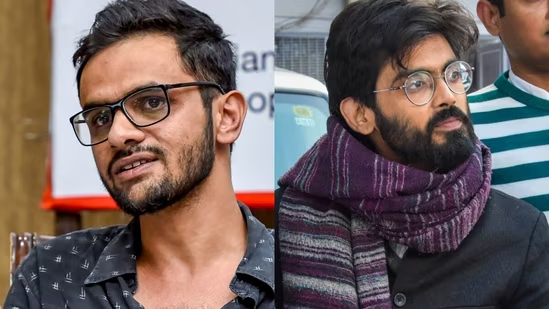
Delhi Riots Case Verdict: Supreme Court Frees 5 but Denies Bail to Khalid, Imam

New Delhi – The Supreme Court delivered a significant verdict on Friday in the Delhi riots case, granting bail to five co-accused while denying relief to Umar Khalid and Sharjeel Imam in the alleged larger conspiracy behind the 2020 riots. The bench of Justices Aravind Kumar and NV Anjaria made a crucial distinction between site-level coordinators and principal conspirators, emphasizing that continued incarceration of the five accused was not indispensable to conducting a fair trial at the present stage.

Court’s Balancing Act Between Liberty and Security

In the Delhi riots case judgment, the Supreme Court underlined that granting bail neither diluted the gravity of allegations nor amounted to any determination of guilt. The court described its decision as a calibrated exercise of constitutional discretion that balanced individual liberty with national security concerns. The bench emphasized that considering the roles attributed to the five accused, the nature of prosecution material, and the stage of proceedings, their liberty could be secured through strict safeguards without compromising the trial’s integrity.

Shifa-ur-Rehman: Logistical Role Without Strategic Control

The court’s analysis of Shifa-ur-Rehman’s involvement in the Delhi riots case revealed that while prosecution alleged his participation in fundraising and logistical arrangements at protest sites, the material on record did not demonstrate that he exercised control over funds or took strategic decisions. The Supreme Court observed that his alleged actions appeared derivative and executory in nature, carried out on instructions from others and confined largely to logistics rather than shaping the course of protests. In the absence of material showing continuing organizational control, mobilizing capacity, or any present investigative need for custodial detention, the court found that pre-trial detention objectives could be achieved through strict conditions short of incarceration.

Mohd Saleem Khan: Proximity Without Command

In Khan’s case within the Delhi riots case, the court observed that although prosecution relied on his alleged presence at meetings preceding chakka jams and proximity to violent acts, the material did not establish that he exercised independent command, initiated meetings, or formulated outcomes. The attribution against Khan was largely limited to coordination within a specific locality and execution of tasks discussed by others. The Supreme Court underlined that pre-trial detention cannot be sustained merely due to associative presence near alleged violence, especially when there is no evidence that the accused retains organizational resources or the ability to influence witnesses or repeat such conduct.

Meeran Haider: Site Coordinator, Not Strategic Leader

The bench found that Haider’s alleged role in the Delhi riots case was that of an organizer and coordinator of designated protest sites within the Jamia network, acting largely on instructions from higher-level actors. The prosecution material did not establish that he possessed autonomous decision-making authority or strategic control over the alleged conspiracy or escalation of protests. Drawing a crucial distinction between site-level coordination and conceptual leadership, the court held that the evidentiary foundation did not justify prolonged pre-trial incarceration, especially in the absence of material linking him to decisions that triggered violence.

Shadab Ahmed: Conduit Rather Than Conspirator

The court noted that prosecution portrayed Ahmed as a site-level executor and conduit for coordination at Chand Bagh in the Delhi riots case, rather than as a conspirator involved in planning or directing alleged unlawful acts. Even at its highest, the material suggested that his role was limited to conveying instructions and facilitating coordination on directions from others. There was no evidence that Ahmed exercised independent discretion over strategy, timing, or the modality of violence, making continued custodial detention unwarranted at the pre-trial stage.

Gulfisha Fatima: Ground-Level Facilitator

The court held that Fatima’s alleged role in the Delhi riots case, though not insignificant, was confined to ground-level facilitation and execution of directions conveyed by others at protest sites in Seelampur and Jafrabad. The prosecution itself distinguished her position from those alleged to have conceptualized and steered the broader conspiracy. In the absence of material showing independent command, strategic oversight, or control over multiple protest sites, the court concluded that her continued incarceration was not justified once the investigative purpose stood substantially fulfilled, subject to stringent safeguards.

Umar Khalid and Sharjeel Imam: Bail Denied

While the Supreme Court granted relief to five accused in the Delhi riots case, it specifically denied bail to Umar Khalid and Sharjeel Imam. The court’s decision to distinguish between these two accused and the others who were granted bail suggests a different assessment of their alleged roles in the conspiracy. The denial of bail indicates that the court found sufficient material to warrant their continued detention, possibly viewing their alleged involvement as more central to the conspiracy than the coordinative roles attributed to the five who received bail.

Legal Principles Established

The Delhi riots case verdict establishes important legal principles regarding pre-trial detention and bail considerations in conspiracy cases. The court emphasized that mere associative presence or coordination roles do not automatically justify prolonged incarceration when the investigative purpose has been substantially fulfilled. The judgment demonstrates the judiciary’s commitment to distinguishing between different levels of alleged involvement, recognizing that executory and derivative roles differ fundamentally from conceptual leadership and strategic control in conspiracy cases. This calibrated approach ensures that constitutional rights to liberty are protected while simultaneously addressing legitimate security concerns and ensuring fair trial processes.

US Venezuela Tension Explodes: Maduro Pleads Not Guilty Amid Palace Gunfire

Washington D.C. – The US Venezuela tension reached unprecedented levels as captured Venezuelan President Nicolas Maduro appeared in a New York federal courthouse on Monday, pleading not guilty to criminal charges while dramatic events unfolded back home. The situation marks one of the most significant diplomatic crises in recent Latin American history, with global implications that continue to reverberate across multiple continents.

Maduro’s Court Appearance and Palace Violence

Nicolas Maduro made his first public appearance since Saturday’s raid at the Daniel Patrick Manhattan United States Courthouse, where he formally entered a not guilty plea. During the proceedings, Maduro insisted he remains Venezuela’s legitimate president despite his capture by US forces. His wife, Cilia Flores, also pleaded not guilty to the charges brought against them. The judge scheduled Maduro’s next court appearance for March 17, setting the stage for what promises to be a lengthy legal battle.

The US Venezuela tension intensified dramatically when gunfire was reported near the Miraflores presidential palace in Caracas shortly after Delcy Rodriguez was sworn in as interim president. Drones were also spotted hovering over the palace grounds, raising security concerns and highlighting the volatile situation on the ground. These incidents occurred just hours after Rodriguez took her oath of office, signaling potential resistance to the leadership transition.

Military Operation Details

According to Pentagon officials, nearly 200 US troops entered Caracas to execute the operation that led to Maduro’s capture on Saturday. The military action has been characterized by various international actors as an unprecedented violation of Venezuelan sovereignty. Despite the successful extraction, US officials later clarified that America does not seek to occupy Venezuela, though President Trump announced the US would “run” the country until a proper transition can be established.

The indictment against Maduro alleges he provided logistical support for drug cartels, among other charges related to diplomatic passport violations. Maduro’s son has publicly called the capture a “kidnapping” and appealed for global support to secure his father’s release.

Regional Response and Colombian Threats

The US Venezuela tension has sparked a broader regional crisis, particularly involving Colombia. President Gustavo Petro, a former guerrilla fighter, declared Monday that he would “take up arms” in response to threats from Donald Trump. Petro’s statement on social media emphasized his willingness to break his personal vow never to touch weapons again, stating he would do so “for the homeland.” This rhetoric significantly raises the stakes of the US Venezuela tension and threatens to expand the conflict beyond Venezuela’s borders.

Meanwhile, Venezuela’s National Assembly has demanded Maduro’s immediate return, with the parliament chief vowing to “bring back” the detained leader. The Supreme Court’s decision to install Rodriguez as acting president has created a complex political situation, with the court promising to determine the legal framework for government continuity during Maduro’s “forced absence.”

International Condemnation

The US Venezuela tension has drawn sharp criticism from major world powers. China expressed being “deeply shocked and strongly condemns the use of force by the US against a sovereign country and the use of force against the president of a country.” Russia’s foreign ministry labeled the action “an act of armed aggression against Venezuela,” calling it “deeply concerning and condemnable.” Russia emphasized the importance of preventing further escalation and finding solutions through dialogue.

Brazil’s President Luiz Inacio Lula da Silva stated that “the bombings on Venezuelan territory and the capture of its president cross an unacceptable line,” describing the acts as “a grave affront to Venezuela’s sovereignty.” The Turkish President also warned Trump against creating chaos in Venezuela, while the UN chief raised significant concerns over Washington’s actions.

India’s Position and Global Implications

India responded to the US Venezuela tension by expressing “deep concern” and calling for peaceful dialogue. The Indian external affairs ministry reaffirmed support for the well-being and safety of Venezuelan people, urging all parties to address issues peacefully to ensure regional stability.

Switzerland has frozen assets linked to Maduro and his allies, adding financial pressure to the diplomatic crisis. Top Trump officials are scheduled to brief Congress on Venezuela plans, indicating the administration’s commitment to its current course despite international opposition.

Rodriguez’s Cooperation Pledge

In her inaugural address, Delcy Rodriguez pledged cooperation with the United States “in the name of all Venezuelans,” signaling a potential shift in Venezuela’s foreign policy stance. However, the gunfire near the presidential palace immediately following her oath-taking ceremony suggests that internal resistance may complicate any smooth transition.

Trump has indicated the US may reimburse companies for rebuilding Venezuela’s oil sector, hinting at economic considerations underlying the US Venezuela tension. As the situation continues evolving, the international community watches closely, concerned about precedents being set for sovereignty violations and the future of diplomatic relations in the Western Hemisphere. The coming weeks will prove critical in determining whether this crisis escalates further or finds resolution through diplomatic channels.