Thursday, April 30, 2026
Home Blog Page 165

Fast-Track Hearing in Honour Killing Case Welcomed: JUSTICE ACCELERATED, 1 CASE, COUNTLESS HOPES

Bengaluru has witnessed renewed calls for justice as authorities move to fast-track hearings in a high-profile honour killing case that has drawn widespread attention across Karnataka. The decision to expedite the judicial process has been welcomed by family members, civil society organizations, and legal experts, who argue that swift legal intervention is critical in cases involving violent crimes motivated by caste, family honour, or social pressures.

The case, which involves the brutal killing of a young individual allegedly by family members for refusing an arranged marriage, has sparked outrage across communities and social media platforms. Activists and human rights organizations have repeatedly demanded justice, emphasizing the need for a judicial process that is not only fair but also timely, given the emotional trauma suffered by victims’ families.

Authorities confirmed that a fast-track court has been designated to hear the matter, allowing accelerated examination of evidence, witness testimonies, and legal arguments. Legal experts have noted that honour killing cases require careful handling due to their sensitive social context, the involvement of family networks, and potential threats to witnesses. The establishment of a fast-track mechanism aims to prevent delays that are common in ordinary court proceedings.

Family members of the deceased expressed relief and gratitude over the fast-track hearing, stating that justice delayed often compounds their grief. Lawyers representing the victims have welcomed the decision, emphasizing that timely adjudication can also serve as a deterrent against similar crimes, signaling that society does not condone violence in the name of honour.


BACKGROUND OF THE CASE

The honour killing case came to light following the murder of a young adult who resisted familial pressure to marry within caste or community preferences. Reports indicate that the accused, comprising close family members, allegedly planned and executed the act to “preserve family honour,” a claim that has been widely condemned by social activists, human rights organizations, and legal authorities.

Investigations revealed that the victim had attempted to pursue personal freedom in matters of choice of partner and lifestyle, which triggered hostility from certain family members. Police reports indicated premeditation, with evidence including witness testimonies, communication records, and forensic reports pointing to deliberate actions leading to the murder.

Civil society organizations emphasized that honour killings are part of a broader social challenge, rooted in patriarchal norms, caste hierarchies, and rigid social expectations. Experts argued that swift legal proceedings, coupled with public awareness campaigns, are essential to dismantle the culture of violence associated with honour-based crimes.

The fast-track court decision also underscores the judiciary’s growing recognition of the need for speedy justice in cases that are socially sensitive, highly publicized, and have a significant impact on human rights. Authorities highlighted that delayed trials not only prolong the suffering of victims’ families but also risk losing crucial evidence and witness credibility.Honour killing cases need fast track probes by SITs: Punjab and Haryana  High Court


FAST-TRACK HEARING AND LEGAL PROCEDURE

The Karnataka High Court approved the establishment of a fast-track hearing specifically for this case, which allows for prioritized scheduling, accelerated submission of evidence, and continuous hearings without the typical adjournments that often slow down the judicial process. Legal experts noted that fast-track mechanisms are particularly effective in cases where immediate intervention is necessary to protect witnesses, gather timely evidence, and prevent social unrest.

Judicial officials have emphasized that while the pace of proceedings will increase, due process and fairness remain paramount. All parties involved—the accused, defense counsel, and prosecution—are expected to have adequate opportunity to present their arguments, submit evidence, and cross-examine witnesses. Courts have also ensured that additional security measures will be in place to safeguard witnesses and prevent intimidation, given the sensitive nature of the crime.

Legal representatives for the victim’s family highlighted that fast-track hearings reduce the likelihood of procedural delays, prevent evidence tampering, and maintain the momentum necessary for justice. Authorities confirmed that a dedicated team of prosecutors, investigators, and court staff has been assigned to manage the accelerated timeline, ensuring that the trial proceeds efficiently without compromising on legal integrity.


SOCIAL RESPONSE AND ACTIVIST REACTIONS

The fast-track decision has been met with widespread approval from activists, non-governmental organizations, and members of civil society. Campaigns against honour killings, which have gained momentum in recent years, hailed the court’s initiative as a positive step toward deterring caste- and family-based violence. Organizations emphasized that public support and societal vigilance are critical to complement judicial interventions.

Social media platforms have seen extensive discussion regarding the case, with citizens expressing relief at the prospect of expedited justice. Many highlighted that honour killings, often shielded by social silence and family complicity, require legal systems to act decisively. Activists called on law enforcement and judiciary to ensure that fast-track procedures are coupled with robust protection for witnesses, particularly given the fear of retribution in such cases.

Community leaders stressed the importance of raising awareness about individual rights, freedom of choice, and legal protections available under Indian law. They urged educational institutions, youth organizations, and civil society groups to participate in awareness campaigns, fostering a culture that rejects honour-based violence and upholds the dignity and autonomy of all individuals.


LEGAL EXPERTS’ PERSPECTIVE

Legal analysts emphasized that honour killing cases present unique challenges. Unlike ordinary homicide cases, they often involve familial and social networks that can intimidate witnesses, obscure evidence, or create pressure on law enforcement. Fast-track courts help mitigate these challenges by ensuring continuous hearings, prioritization of evidence collection, and dedicated judicial oversight.

Experts highlighted that Indian law categorically criminalizes honour killings under sections of the Indian Penal Code, including murder, abetment, and conspiracy. In addition, relevant provisions under the Protection of Children from Sexual Offences (POCSO) Act or laws relating to cruelty can be invoked depending on the victim’s age and circumstances. Fast-track hearings help consolidate multiple charges, witnesses, and evidence efficiently to ensure a coherent trial process.No fast track courts to hear honour killing cases in Delhi, HC to consult  govt for their formation | Legal News - The Indian Express

Legal scholars also pointed out that fast-track courts serve as a deterrent, signaling that societal violence in the name of honour will not go unpunished. “Speedy trials are essential, not just for justice to victims, but for shaping social norms and discouraging similar crimes in the community,” remarked one legal expert.


GOVERNMENT AND POLICE RESPONSE

Authorities in Karnataka confirmed that the police and prosecution teams are coordinating closely with the fast-track court to ensure smooth proceedings. Additional security personnel have been deployed to protect witnesses, family members, and court staff involved in the case. The state government has emphasized that honour killings are socially unacceptable, and legal mechanisms will be fully utilized to bring perpetrators to justice.

Police officials reiterated that comprehensive investigations have been conducted, including forensic analysis, witness interviews, and collection of digital evidence. Authorities have stated that they are committed to maintaining transparency and fairness while ensuring that the accused face legal consequences. The government has also promised periodic updates to the victim’s family and relevant organizations to ensure accountability.

Civil rights organizations welcomed the government’s intervention, emphasizing that quick action, combined with proper legal procedures, is essential to prevent impunity. Activists urged the administration to also focus on long-term measures, including education, awareness campaigns, and stricter enforcement of laws against honour-based violence.


IMPACT ON SOCIETY AND POLICY IMPLICATIONS

The fast-track hearing has broader societal implications, signaling the judiciary’s responsiveness to cases that challenge social norms and human rights. Experts noted that honour killings are often underreported due to familial pressure, caste-based social hierarchies, and fear of retaliation. Fast-track courts provide a mechanism to overcome these barriers, ensuring timely justice and reinforcing the rule of law.

Policy analysts emphasized that fast-track interventions in honour killing cases may lead to legislative reforms, including stricter sentencing, enhanced witness protection programs, and mandatory awareness campaigns in schools and communities. Authorities highlighted that preventing such crimes requires a combination of judicial efficiency, proactive law enforcement, and societal engagement.Supreme Court Upholds Acquittal In 1996 Bihar Honour Killing Case, Cites  Lack Of Evidence | India News - News18

Civil society leaders also stressed that education and empowerment are key to long-term prevention. Encouraging dialogue, promoting gender equality, and fostering respect for individual autonomy can reduce the occurrence of honour-based crimes. They noted that legal action alone is insufficient without broader societal change.


CHALLENGES AND FUTURE OUTLOOK

While the fast-track hearing is a positive development, legal experts warned of challenges. Maintaining witness safety, ensuring availability of evidence, and managing procedural complexities remain significant hurdles. Authorities emphasized the need for meticulous planning, coordination, and adherence to due process.

The case is expected to proceed over the coming months, with daily or frequent hearings to maintain momentum. Experts noted that continued media attention, civil society involvement, and legal vigilance will help ensure that justice is served effectively. Families of victims have expressed hope that the accelerated process will provide closure and reaffirm public faith in the legal system.

Authorities are also exploring additional measures, such as counseling for affected families, awareness campaigns, and community engagement programs, to complement judicial intervention. Legal experts emphasized that a holistic approach—combining speed, fairness, and social support—is essential to address the multifaceted challenge of honour killings.


COMMUNITY AND ACTIVIST REACTIONS

Community leaders and activists praised the judiciary’s proactive steps, calling it a milestone in addressing crimes against personal freedom and social rights. Organizations working on human rights issues highlighted that honour killings, while declining in some regions, continue to be a serious concern in certain parts of India. Fast-track hearings are seen as a critical tool to reinforce accountability and deter similar acts.

Civil society groups also urged other districts and states to consider fast-track mechanisms for cases involving honour killings, sexual violence, and other socially sensitive crimes. They emphasized that timely justice is essential not only for victims but also to uphold the principles of democracy, human dignity, and equality before the law.

Community members have lauded the judicial system for balancing speed with fairness, ensuring that all parties—victims, accused, and witnesses—receive appropriate treatment under the law. Residents hope that the fast-track mechanism will set a precedent for handling similar cases nationwide.


In conclusion, the decision to fast-track the hearing in the honour killing case marks a significant step toward justice, accountability, and social reform. By prioritizing timely adjudication, protecting witnesses, and ensuring legal integrity, the Karnataka judiciary has signaled its commitment to combating socially motivated crimes. As proceedings unfold, families, activists, and the broader community hope that swift and fair justice will not only provide closure to the victim’s family but also send a strong message that violence in the name of honour will not be tolerated.

Follow: Karnataka Government

Also read: Home | Channel 6 Network – Latest News, Breaking Updates: Politics, Business, Tech & More

Two Youths Die in Hubballi Motorcycle Crash: TRAGIC ACCIDENT, 2 LIVES LOST, ONE CITY IN MOURNING

Hubballi was gripped by grief and shock after a fatal road accident claimed the lives of two youths near Rayapur early on Saturday. According to reports from local authorities, the tragedy occurred when one of the victims, riding a motorcycle at high speed, lost control and collided with a road divider. Both individuals were pronounced dead at the scene, highlighting ongoing concerns about road safety, traffic discipline, and youth awareness regarding responsible driving.

Eyewitnesses described the accident as sudden and violent. The motorcycle reportedly swerved uncontrollably before hitting the divider, causing severe impact and leaving both riders fatally injured. Emergency services arrived promptly, but by the time assistance reached the site, the youths had already succumbed to their injuries. Local police cordoned off the area for investigation, while residents and commuters expressed shock at the incident.

Authorities confirmed that the victims were both residents of Hubballi, although their identities are yet to be formally released pending notification of families. Police have registered a case and initiated an investigation into the circumstances surrounding the accident. Preliminary reports suggest that high speed, loss of control, and possible lack of protective gear were contributing factors. The tragedy has reignited debates about road safety measures, enforcement of traffic regulations, and awareness campaigns targeting young riders.


ACCIDENT DETAILS AND EMERGENCY RESPONSE

Police officials reported that the motorcycle involved was a sports bike, capable of high speeds, and was being ridden recklessly along the city outskirts. The road near Rayapur, while generally considered safe, has narrow dividers and sharp curves, making high-speed travel particularly hazardous. Witnesses stated that the motorcycle overtook several vehicles moments before the crash, suggesting reckless maneuvering.

Emergency response teams, including paramedics and traffic police, were dispatched immediately. However, the severity of the impact meant that both riders sustained fatal injuries, including multiple fractures and head trauma. Authorities stressed the importance of helmet usage and adherence to speed limits, noting that accidents of this nature are often preventable with basic safety precautions.

Traffic police have begun a detailed inquiry, including forensic analysis of the crash site, examination of the motorcycle for mechanical faults, and interviews with witnesses. Authorities are also reviewing CCTV footage from nearby surveillance cameras to reconstruct the sequence of events. The investigation aims to establish whether negligence, rash driving, or other factors were primarily responsible for the fatalities.

Officials have cautioned residents about the dangers of high-speed travel, particularly for young riders who may underestimate risks. Hubballi has witnessed multiple road accidents in recent years, with young men often being the most affected. The city administration and traffic authorities have announced plans to increase patrols, awareness campaigns, and stricter enforcement of traffic regulations to prevent similar tragedies.


COMMUNITY AND FAMILY REACTIONS

The accident has sent shockwaves through the local community. Friends, neighbors, and classmates of the victims expressed grief and disbelief, recalling the youths as energetic, ambitious, and well-liked in their neighborhoods. Residents gathered near the crash site to pay respects, while local authorities coordinated with families to provide support and facilitate necessary formalities.

Families of the deceased are reported to be in deep mourning. Close relatives have appealed to the community to exercise caution on the roads and to ensure younger members are aware of the risks associated with high-speed travel. Social organizations in Hubballi have also joined in the grief, emphasizing the importance of safe driving practices and road discipline.

Local schools, colleges, and community groups have announced plans to organize road safety awareness programs in the aftermath of the tragedy. Educators and administrators highlighted the need to educate young riders on helmet usage, speed limits, and traffic rules, noting that prevention through awareness is key to reducing fatalities among youth.This accident happened in Coochbehar , West Bengal. A group of 5 to 6 bikes  were riding on the roads and first 2 bikes were kinda racing each other at  higher speeds., The biker and 2 passengers in ...


TRAFFIC SAFETY AND GOVERNMENT RESPONSE

The Hubballi city administration has acknowledged the recurring problem of road accidents and has announced measures to curb reckless driving. Traffic authorities are planning checkpoints, random speed monitoring, and awareness campaigns targeted specifically at youth and sports bike riders. Officials emphasized that high-speed travel, overspeeding, and lack of protective gear significantly contribute to road fatalities in urban and semi-urban areas.

Experts from road safety organizations noted that India’s accident statistics are alarming, with young men aged 18–30 being disproportionately affected. They highlighted that factors such as overconfidence, peer pressure, and inadequate adherence to traffic rules are common causes of motorcycle accidents. Authorities have stressed the importance of following traffic regulations and using helmets with certified safety standards.

Local traffic police have also appealed to parents and guardians to monitor young riders and ensure responsible behavior. Educational campaigns will include practical demonstrations, interactive workshops, and engagement with local schools and colleges to instill a culture of road safety. Authorities emphasized that preventing such accidents requires collaboration between citizens, families, and law enforcement agencies.


EXPERT INSIGHTS AND STATISTICS

Road safety experts have pointed out that motorcycles are particularly vulnerable to fatal accidents due to minimal protection for riders. They noted that Helmets reduce the risk of head injury by nearly 70%, yet non-compliance remains high among youth, particularly on city outskirts or sparsely monitored roads. Additionally, accidents at high speeds often result in multiple injuries, making timely medical intervention crucial but sometimes insufficient.

Statistical data from Karnataka indicates that Hubballi-Dharwad region has recorded a noticeable number of motorcycle-related fatalities in the past five years. Authorities attribute these incidents to overspeeding, rash overtaking, non-use of helmets, and poor road maintenance in certain stretches. The recent Rayapur incident adds to these concerns and has prompted renewed efforts to implement preventive measures.Two killed as motorcycle hits road divider in Hubballi - The Hindu

Experts also noted that public engagement is essential. Road safety campaigns targeting young drivers should focus on behavioral changes, not merely punitive measures. By fostering awareness about consequences, responsible driving habits can become culturally ingrained among youth, reducing fatalities and enhancing public safety.


LEGAL AND POLICE ACTIONS

Police have registered a case of unnatural death under relevant sections, including negligent driving leading to fatality. Investigators are examining the motorcycle for mechanical defects, rider documentation, and adherence to traffic rules. Witness testimonies will play a key role in determining the exact sequence of events leading to the accident.

Authorities have also emphasized that enforcement of traffic laws is critical. High-speed zones, speed breakers, and visible warning signage are being considered for accident-prone stretches. In addition, campaigns to discourage dangerous stunts and racing on public roads are planned, as these activities have been linked to multiple fatalities among youths.

Legal experts explained that in fatal road accidents, culpability can extend to multiple parties, including the rider, vehicle owner, or road maintenance authorities, depending on the findings of investigations. The case is expected to undergo a thorough judicial review if negligence or violations are confirmed.


SOCIETAL IMPACT AND AWARENESS

The loss of young lives in Hubballi has raised awareness about the societal cost of road accidents. Families face emotional trauma and financial strain, while communities lose vibrant, contributing members. Experts emphasized that accidents of this nature not only affect immediate families but have long-term social consequences, highlighting the urgency of preventive measures.

Community organizations are mobilizing support for families affected by road tragedies, offering counseling, financial aid, and awareness programs. Local NGOs are also collaborating with police and schools to implement interactive workshops aimed at youth, emphasizing the dangers of overspeeding, driving under influence, and reckless riding.

Residents expressed concern about insufficient road safety infrastructure in suburban and semi-urban areas. Suggestions included better street lighting, clear lane markings, visible road signs, and designated speed limits to ensure safer commuting conditions for motorcycles and other vehicles.


FUTURE PREVENTION AND ROAD SAFETY MEASURES

Authorities have emphasized that prevention requires a multi-pronged approach involving law enforcement, education, infrastructure, and citizen responsibility. Measures being considered include:

  • Regular speed monitoring and strict enforcement of traffic rules.

  • Increased patrolling on accident-prone stretches.

  • Public awareness campaigns targeting youth riders.

  • Community-driven initiatives promoting responsible riding.

  • Upgrading road infrastructure, including dividers, speed breakers, and signage.

Experts highlighted that sustained efforts, combined with behavioral interventions and legal deterrents, are necessary to reduce fatalities. The tragic Rayapur incident serves as a grim reminder of the need for continuous vigilance, citizen education, and proactive governance in ensuring road safety.Two killed as motorcycle hits road divider in Hubballi - The Hindu


COMMUNITY REACTIONS AND OUTLOOK

The tragic loss has evoked emotional responses from residents, community leaders, and political representatives. Citizens demanded stricter enforcement of traffic laws, while families emphasized the need for responsible driving culture among youth. Political leaders expressed condolences, highlighting the human cost of road negligence and urging the administration to act decisively to prevent future tragedies.

Local media and social organizations have joined efforts to educate residents about safe driving practices. Seminars, workshops, and social media campaigns are being planned to emphasize helmet use, speed regulation, and responsible riding behavior. Experts believe that a combination of awareness, infrastructure, and enforcement will be critical in preventing similar fatalities in the future.

Authorities have promised swift action to ensure justice, prevent recurrence, and improve safety. Residents are hopeful that the lessons learned from this tragedy will lead to tangible reforms, making Hubballi safer for commuters and reducing the frequency of fatal road accidents.


In conclusion, the motorcycle accident near Rayapur, Hubballi, which claimed the lives of two youths, underscores the critical need for road safety awareness, strict enforcement of traffic regulations, and proactive community engagement. While the loss has left families and communities grieving, it serves as a wake-up call for authorities, citizens, and youth riders alike. Through a combination of technological interventions, educational initiatives, and vigilant policing, authorities aim to prevent similar tragedies and ensure safer roads for all.

Follow: Karnataka Government

Also read: Home | Channel 6 Network – Latest News, Breaking Updates: Politics, Business, Tech & More

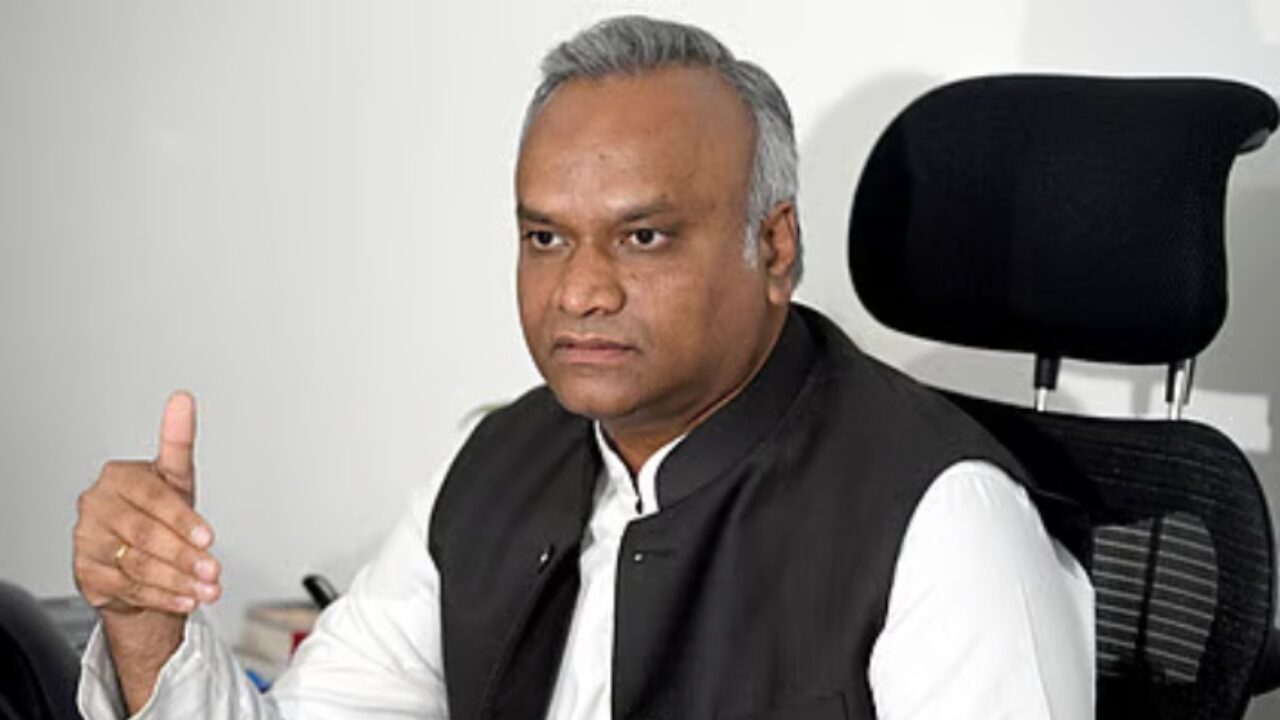
Priyank Kharge, Dinesh Gundu Rao, and Nalapad on Defamation Complaint: 1 BOLD LEGAL TURMOIL

Bengaluru witnessed a high-profile legal development as a special court issued notices to senior Congress leaders Priyank Kharge, Dinesh Gundu Rao, and MLA Nalapad regarding a defamation complaint filed by a Rashtriya Swayamsevak Sangh (RSS) member. The case, which has attracted attention across political and media circles, highlights the increasingly contentious nature of public discourse in Karnataka, as political statements, social media commentary, and public speeches come under legal scrutiny.

The complaint, lodged by the RSS member, alleges that remarks made by the three leaders amounted to defamatory statements, harming the reputation of the complainant and the organization they represent. Legal experts note that defamation cases involving political figures are complex, often balancing freedom of speech with protection against malicious allegations. The court’s notice signifies the beginning of formal legal proceedings, requiring the leaders to respond within the stipulated timeframe.

According to court officials, the notice requires Priyank Kharge, Dinesh Gundu Rao, and Nalapad to submit written replies addressing the allegations. Failure to comply with the notice could lead to further legal action, including summons, hearings, and potential penalties. The court has emphasized that adherence to procedural rules is essential, and all parties are expected to present evidence, witnesses, and documentation supporting their claims.

Political observers have noted that the case could have wider implications for the state’s political landscape. Both the Congress party and the RSS have significant public followings, and the proceedings are being closely monitored for potential political ramifications. Analysts suggest that legal actions of this nature can influence public perception, electoral narratives, and intra-party dynamics.


BACKGROUND OF THE DEFAMATION CASE

The defamation complaint reportedly stems from remarks made during public speeches, interviews, and social media posts by the three Congress leaders. While the precise nature of the statements has not been disclosed in detail by authorities, the complainant alleges that the remarks questioned the integrity and reputation of the RSS member, thereby constituting defamation under the Indian Penal Code.Special court issues notice to Priyank Kharge, Dinesh Gundu Rao and Nalapad  on defamation complaint of RSS member - The Hindu

Legal experts explained that defamation in India can be either civil or criminal. In criminal defamation cases, the complainant must establish that the statements were made with malicious intent, caused harm to reputation, and were published or communicated to third parties. In this instance, the RSS member has approached the special court seeking redressal under criminal defamation provisions, leading to the issuance of the notice.

The complaint also emphasizes that statements made by public figures carry greater weight due to their visibility and influence. Lawyers representing the complainant argued that the alleged defamatory statements could mislead the public, create a negative perception, and damage the social and professional standing of the complainant. The court will examine the context, intent, and impact of the statements during proceedings.

Meanwhile, party officials for Priyank Kharge, Dinesh Gundu Rao, and Nalapad have maintained that the statements were either factual observations, opinions, or political commentary, and not intended to malign the complainant. They have emphasized the right to free speech, particularly in the context of political debates, while acknowledging the need to respond to the legal notice in accordance with the law.


LEGAL PROCEDURE AND EXPECTATIONS

Upon receiving the notice, the three leaders are required to file their written responses within the timeframe specified by the court. Legal counsel will likely prepare detailed submissions, including clarifications, supporting evidence, and any witnesses willing to attest to the context of the statements. Court officials highlighted that the initial notice is procedural, aimed at ensuring fair hearing and adherence to legal norms.

The court may schedule hearings to examine evidence, assess witness testimonies, and evaluate whether prima facie grounds for defamation exist. If the court finds sufficient grounds, the case may proceed to a full trial, during which arguments from both sides will be heard, and legal remedies may be determined. Punishments in criminal defamation cases can include fines or imprisonment, though outcomes often depend on the gravity of the statements and the intent behind them.

Legal experts noted that political defamation cases often involve multiple stakeholders, including the media, social organizations, and civil society groups. Court proceedings can take months or even years, requiring careful documentation, cross-examination, and verification of evidence. They emphasized that procedural compliance and transparency are critical to ensure fair outcomes.

The special court has also indicated that additional notices may be issued if required, particularly to gather supporting documentation or clarify points raised in submissions. Authorities confirmed that the court will follow standard protocols, ensuring that all parties have an equal opportunity to present their case.


POLITICAL RAMIFICATIONS

The issuance of the notice has triggered reactions from political parties and civil society organizations. Congress party leaders have expressed concern over the use of legal mechanisms to target elected representatives, arguing that political debate should remain robust and free from intimidation. Party spokespersons emphasized that the leaders’ statements were intended for public discussion and did not constitute malice or defamation.

Conversely, the RSS member who filed the complaint argued that public statements made without evidence can cause serious harm to individuals and organizations. They emphasized that legal remedies exist to protect reputation and ensure accountability for statements made in the public domain. Analysts noted that the case illustrates the fine line between political commentary and defamation, highlighting the evolving challenges in managing public discourse.

Political observers also noted that high-profile legal notices against prominent leaders can influence public opinion and electoral narratives. Opposition parties may leverage the case to question credibility or highlight accountability, while supporters may rally behind the leaders, framing the notice as politically motivated. Analysts suggested that the legal proceedings could become a focal point in state-level political discourse, attracting media coverage and public attention.

Social media platforms have also seen discussions around the case, with citizens expressing diverse opinions. Some argue that public figures should exercise caution in statements to avoid defamation, while others defend the right to express opinions and criticize organizations or individuals without fear of legal consequences.Special court issues notice to Priyank Kharge, Dinesh Gundu Rao and Nalapad  on defamation complaint of RSS member - The Hindu


COMMUNITY AND PUBLIC RESPONSE

Local residents and political analysts highlighted that the case underscores the need for responsible public discourse. Many citizens expressed concern over the potential chilling effect on political debate, while others emphasized the importance of legal accountability for statements that can harm reputations. Observers noted that balancing freedom of speech with protection against defamation is a delicate task in a democratic society.

Civil society organizations have urged all parties to allow the legal process to proceed without interference, emphasizing transparency, fairness, and adherence to due process. They highlighted that politically sensitive defamation cases require impartial adjudication to maintain public trust in institutions and ensure justice for all parties involved.

Community members also discussed the implications of legal notices for social media commentary. With increasing use of online platforms for political expression, defamation claims against leaders may set precedents for managing online content, political criticism, and public debates. Experts noted that clear legal guidelines and ethical communication are essential to prevent misuse of social media while safeguarding reputations.


LEGAL EXPERTS’ INSIGHTS

Lawyers consulted on the case emphasized that the court will examine intent, context, and evidence before determining whether defamation has occurred. They noted that statements made in political or public forums often receive scrutiny regarding their factual accuracy, tone, and potential impact on the complainant.

Legal experts explained that defenses against defamation include demonstrating truth, fair comment, and absence of malicious intent. In this case, the leaders may argue that their statements were opinions or criticisms based on facts, rather than personal attacks or malicious allegations. Lawyers also highlighted that precedents in similar cases often influence outcomes, particularly in politically sensitive disputes.

Experts stressed that careful documentation, witness statements, and contextual evidence will be critical for both sides. The special court will assess whether statements caused harm, the extent of circulation, and the intent behind the remarks. Authorities emphasized that political defamation cases require meticulous evaluation to ensure justice without curtailing democratic expression.


GOVERNMENT AND ADMINISTRATIVE RESPONSE

State administrative authorities confirmed that they are monitoring the case and ensuring that legal protocols are followed. Officials emphasized that the matter is sub judice, and any commentary from administrative or political bodies must respect the ongoing judicial process. Authorities reassured citizens that the court will function independently and that decisions will be guided by evidence, law, and procedural fairness.

The government has also highlighted the importance of public awareness regarding defamation laws. Officials noted that understanding the boundaries between free speech, opinion, and actionable defamation is crucial for both public representatives and ordinary citizens. Campaigns to educate political leaders, activists, and social media users are being planned to reduce misunderstandings and potential legal conflicts.

Legal and administrative experts stressed that high-profile cases such as this serve as important reminders of the need for responsible communication. Public figures wield influence, and statements made without verification can have far-reaching consequences for individuals, organizations, and social cohesion.Comments Against RSS: Volunteer Sends Legal Notice To Priyank Kharge


FUTURE OUTLOOK

The issuance of the notice marks the beginning of a potentially lengthy legal process, with hearings, submissions, and judicial scrutiny expected in the coming months. Observers predict that the proceedings will attract attention not only for legal outcomes but also for their political implications in Karnataka’s landscape.

Analysts noted that the case could influence how political leaders communicate in public forums, social media, and media interactions. Responsible communication, fact-checking, and awareness of legal boundaries are likely to gain prominence in political discourse, especially in high-stakes, politically charged environments.

Residents and civil society groups have called for a fair and impartial judicial process, emphasizing the importance of balancing legal accountability with freedom of speech. Experts warned that politicization of legal cases can undermine public trust, while transparent adjudication reinforces confidence in institutions.

In conclusion, the special court’s notice to Priyank Kharge, Dinesh Gundu Rao, and Nalapad highlights the intersection of politics, law, and public discourse in Karnataka. The case underscores the importance of responsible communication, legal accountability, and the judicial system’s role in mediating disputes. As proceedings unfold, citizens, political observers, and media will closely monitor the developments, reflecting on broader implications for governance, democratic debate, and civic responsibility.

Follow: Karnataka Government

Also read: Home | Channel 6 Network – Latest News, Breaking Updates: Politics, Business, Tech & More

Dharmendra Pradhan Releases “Khutbat-e-Modi: Lal Qila Ki Faseel Se”, Urdu Compilation of PM’s Independence Day Speeches: 2026

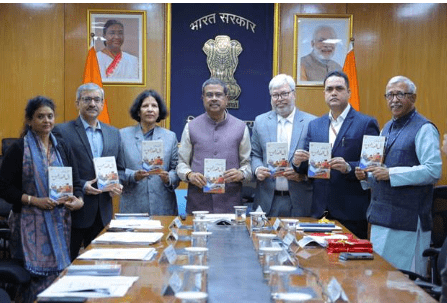
Union Minister for Education Dharmendra Pradhan on Monday released the book “Khutbat-e-Modi: Lal Qila Ki Faseel Se” in New Delhi. The Urdu publication compiles the Independence Day addresses of Prime Minister Narendra Modi delivered from the Red Fort between 2014 and 2025, marking a significant step towards linguistic inclusion and wider public engagement.


Urdu Publication Promoting Linguistic Inclusion

Published by the National Council for Promotion of Urdu Language (NCPUL) under the Ministry of Education, the book aims to make key national addresses accessible to Urdu readers across the country. NCPUL is mandated to promote, preserve, and propagate the Urdu language, and the publication aligns with its mission to bridge language with national discourse.


Capturing the Vision of New India

Addressing the gathering, Shri Dharmendra Pradhan described the Urdu compilation as a meaningful initiative that reflects the spirit of inclusivity. He noted that the Prime Minister’s speeches consistently emphasise themes such as Antyodaya (uplifting the last person), welfare of the poor, Swachh Bharat, national unity, and the aspirations of 140 crore Indians, encapsulating the vision of New India.

The Minister said the book captures the transformational journey of the nation and presents the Prime Minister’s ideas and developmental priorities in a language that resonates deeply with millions of readers.


Strengthening Public Engagement and Dialogue

Shri Pradhan highlighted that such publications serve as a powerful medium to directly connect citizens with the Prime Minister’s vision, encouraging informed discourse and broader participation in nation-building. He expressed hope that the book would find a place in libraries across the country, benefiting students, scholars, and general readers, and fostering dialogue on the idea of Viksit Bharat.


Expanding Urdu Literature on India’s Heritage

The Union Minister further urged NCPUL to proactively publish more works in Urdu related to India’s heritage, culture, lifestyle, and knowledge traditions. Congratulating the Council for the initiative, he conveyed his best wishes for its future endeavours in strengthening linguistic diversity and cultural outreach.


Dignitaries Present at the Release

The event was attended by several distinguished personalities, including Vineet Joshi, Secretary (Higher Education), Ministry of Education; Chamu Krishna Shastry, Chairman, Bharatiya Bhasha Samiti; Shams Iqbal, Director, NCPUL; Naima Khatoon, Vice-Chancellor, Aligarh Muslim University; and Shahid Akhtar, Chairman, NCMEI, along with senior officials of the Ministry of Education.


Conclusion: Khutbat-e-Modi

The release of “Khutbat-e-Modi: Lal Qila Ki Faseel Se” underscores the Government of India’s commitment to linguistic inclusivity and cultural outreach. By presenting the Prime Minister’s Independence Day speeches in Urdu, the publication not only broadens access to national विचार and policy vision but also reinforces the role of language as a bridge between governance and citizens in the journey towards Viksit Bharat.


 For more real-time updates, visit Channel 6 Network.

Source: PIB

State-Level National School Band Competition Concludes Successfully Ahead of Republic Day Celebrations 2026

The State-Level National School Band Competition 2025–26, organised as part of the Republic Day Celebrations (RDC) 2026, has successfully concluded across the country, witnessing enthusiastic participation from school children nationwide. The competition aims to instil a sense of oneness, belonging, discipline, and national pride among students, nurturing patriotism through music and collective performance.


A Multi-Tiered National Competition

The National School Band Competition is conducted in three stages—State Level, Zonal Level, and National Level (Final)—across four categories:

  • Boys Brass Band

  • Girls Brass Band

  • Boys Pipe Band

  • Girls Pipe Band

Guidelines for the 2025–26 edition were issued by the Ministry of Education in October 2025, ensuring uniform standards and nationwide participation.


Robust Participation Across States and UTs

At the State Level, 824 school band teams from 33 States and Union Territories registered for the competition. Out of these, 763 teams, comprising 18,013 school children, actively participated—reflecting the growing enthusiasm for the initiative.

Following rigorous evaluation, 94 teams have been shortlisted to advance to the Zonal Level competitions.


Road to the Grand Finale in New Delhi

The Zonal competitions will identify four winning band teams from each zone—Eastern, Western, Northern, and Southern—resulting in a total of 16 finalist teams. These teams will compete in the National Finale scheduled to be held in New Delhi on January 24, 2026.

The finalists’ performances will be evaluated by a jury appointed by the Ministry of Defence, including representatives from all three wings of the Defence Forces—Army, Navy, and Air Force—adding prestige and rigour to the assessment process.


Inter-Ministerial Collaboration for Youth Engagement

Since RDC 2023, the National School Band Competition has been jointly conducted by the Ministry of Defence and the Ministry of Education, reflecting a strong inter-ministerial commitment to holistic education and youth engagement.

The rhythmic precision and coordinated performances of school bands play a vital role in rousing passion, courage, and collective spirit, inspiring students and audiences alike while reinforcing values of unity and discipline.


Growing Footprint Compared to Previous Editions

The expanding scale of the competition highlights its increasing impact. During RDC 2025, 709 school band teams registered at the State Level, with 568 teams and 13,999 children participating. The higher participation figures in the 2025–26 edition underline the programme’s growing popularity and success.


Conclusion

The successful completion of the State-Level National School Band Competition 2025–26 marks an important milestone in the run-up to Republic Day Celebrations 2026. By blending music, discipline, and patriotism, the competition continues to nurture young minds, strengthen national unity, and promote holistic education—setting the stage for a vibrant and inspiring national finale in New Delhi.


For more real-time updates, visit Channel 6 Network.

Source: PIB

Dharwad Tops Karnataka in Implementation of Welfare Schemes: 1 GUARANTEE SUCCESS

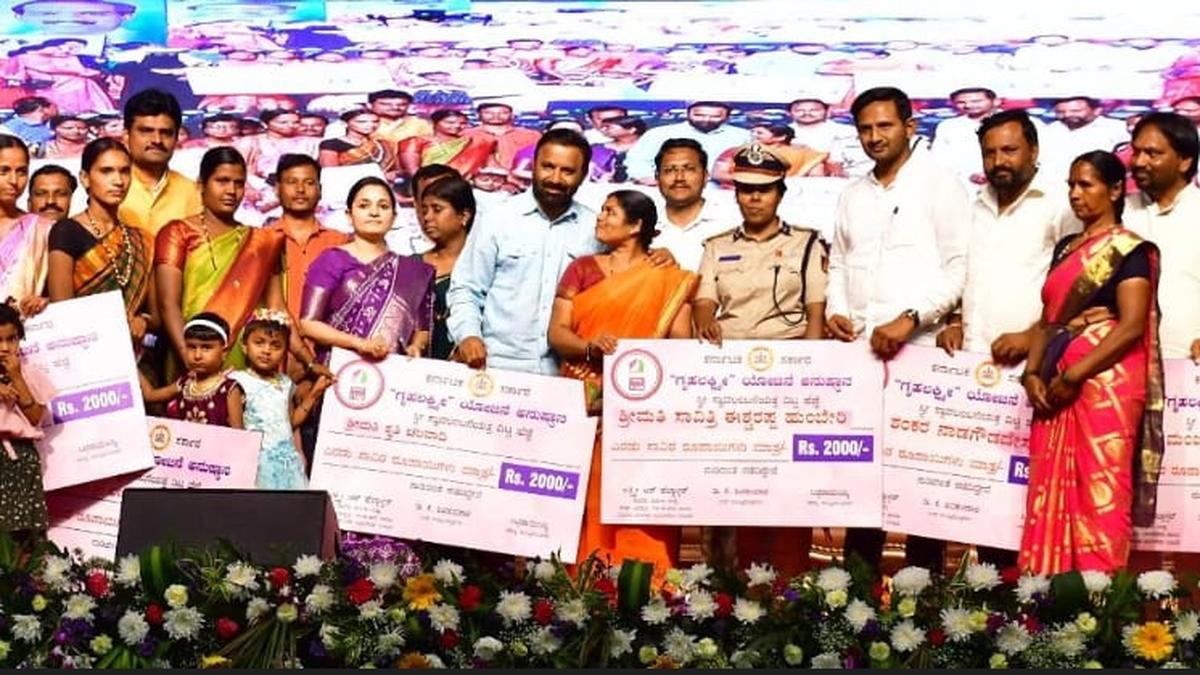
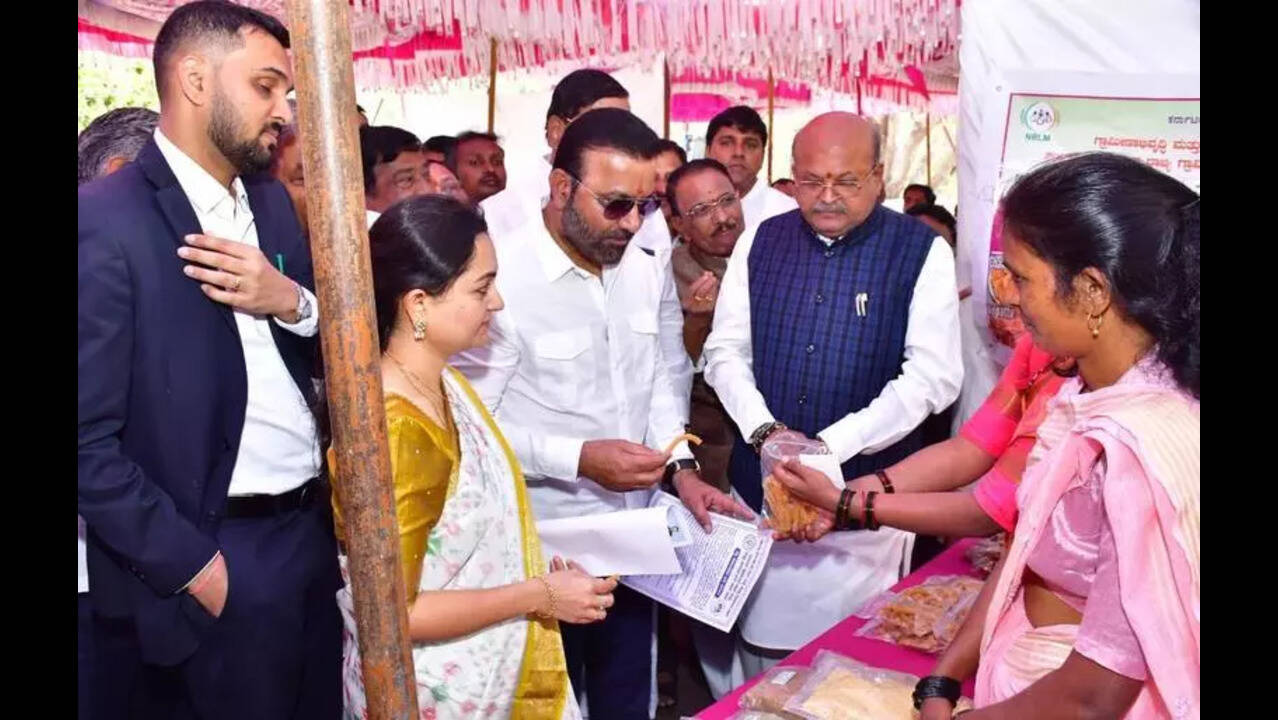
Dharwad has emerged as the leading district in Karnataka in the effective implementation of state-backed guarantee schemes, marking a milestone in citizen-centric governance. The district has been recognised for its efficiency, transparency, and proactive approach in delivering financial and social benefits under various welfare programs initiated by the state government. Officials highlighted that Dharwad’s performance exemplifies how coordinated administration, effective monitoring, and citizen engagement can significantly improve outcomes in public service delivery.

State authorities reported that Dharwad has successfully implemented several key schemes, including the Guaranteed Employment Program, the Rural Housing Scheme, and social security benefits for senior citizens, women, and marginalized communities. The district’s proactive approach has ensured that eligible beneficiaries receive timely support, reducing delays and enhancing public confidence in government programs. Officials emphasised that Dharwad’s model could serve as a benchmark for other districts seeking to improve welfare delivery mechanisms.

Local administrators attributed the district’s success to meticulous planning, rigorous monitoring, and strong coordination among government departments. Revenue officers, gram panchayat officials, and field-level staff worked closely to identify eligible beneficiaries, streamline documentation, and facilitate payments. Technology played a crucial role, with online databases and mobile applications allowing real-time tracking of scheme implementation and preventing duplication or misallocation of benefits.

The state government has praised Dharwad’s performance, noting that the district’s efficient execution of guarantee schemes demonstrates the potential of decentralized governance. Authorities emphasised that citizen satisfaction is central to the success of welfare programs, and timely delivery of benefits strengthens trust in public institutions. Officials confirmed that the district’s practices are being studied for replication across Karnataka, with the goal of ensuring uniform access to social security and welfare services.


STRATEGIES BEHIND DHARWAD’S SUCCESS

Experts analysing Dharwad’s performance identified several strategies contributing to its top ranking. First, the district implemented a rigorous verification system to ensure that only eligible beneficiaries received support. Second, field officers were empowered to resolve grievances and assist applicants in completing required documentation. Third, regular audits and reviews allowed authorities to detect and address discrepancies early, improving overall efficiency and accountability.

Local officials also highlighted the importance of awareness campaigns. Residents were informed about available schemes, eligibility criteria, and application procedures through community meetings, local media, and digital platforms. These efforts increased participation rates, reduced confusion, and encouraged citizens to avail themselves of benefits. Experts noted that informed citizens are more likely to report issues, improving the monitoring and effectiveness of public programs.

Dharwad’s administration has also embraced technology to enhance transparency. Online portals provide real-time information about pending applications, payment status, and grievance redressal. Mobile applications allow residents to submit complaints and track progress, while digital dashboards help authorities monitor performance metrics across different programs. Officials stressed that integrating technology with human oversight has been central to the district’s success.

Another key factor has been collaboration among various departments, including revenue, social welfare, and rural development. Regular inter-departmental meetings ensured coordinated efforts, avoiding duplication and delays in benefit delivery. Officials emphasized that collaborative governance allows for faster decision-making, prompt resolution of bottlenecks, and more equitable distribution of resources.


IMPACT ON CITIZENS

The effective implementation of guarantee schemes has significantly benefited citizens across Dharwad. Farmers reported timely receipt of crop insurance and subsidy payments, while senior citizens accessed pensions without delays. Women beneficiaries under skill development and financial inclusion programs expressed satisfaction with the support received, noting that it enhanced their economic independence and social security.

Residents in rural areas particularly praised the accessibility of services. The district administration’s outreach initiatives brought officials closer to villages, reducing the need for travel to distant offices and ensuring that even marginalized communities could access benefits. Many citizens highlighted the transparency of the process, stating that knowing the status of their applications online prevented exploitation by middlemen and unofficial intermediaries.

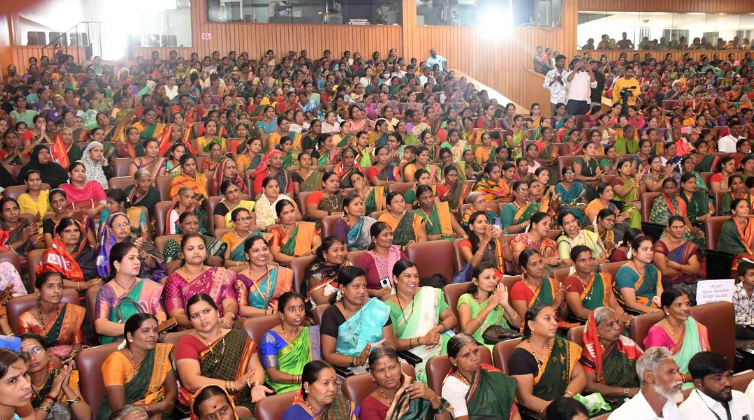
Businesses and local entrepreneurs also benefited from timely disbursement of credit-linked support and training programs. Authorities noted that streamlined welfare delivery encourages local economic activity, as residents can utilize financial assistance to invest in agriculture, small businesses, and skill development. Experts observed that efficient implementation of state schemes contributes not only to social welfare but also to broader economic growth.Dharwad hosts convention of guarantee scheme beneficiaries - The Hindu


GOVERNMENT RESPONSE AND FUTURE INITIATIVES

State officials commended Dharwad for setting a benchmark in welfare scheme implementation and announced plans to replicate its model in other districts. Training programs for administrative staff, capacity-building workshops, and technology integration efforts are being scaled up statewide. Authorities emphasized that continuous monitoring, citizen engagement, and transparency are crucial for replicating Dharwad’s success in other areas.

Officials also stressed that the district’s achievements highlight the importance of decentralized governance. Empowering local authorities, equipping field officers with resources, and fostering accountability are essential for improving service delivery. Dharwad’s performance demonstrates that when administration is citizen-focused, welfare schemes achieve their intended impact.

The government plans to further enhance efficiency by incorporating advanced analytics, real-time monitoring dashboards, and predictive tools to anticipate issues in scheme implementation. Authorities believe that leveraging technology alongside human oversight can strengthen welfare delivery, minimize errors, and ensure that benefits reach those most in need.


CHALLENGES AND RESIDENTIAL CONCERNS

While Dharwad’s performance is exemplary, experts caution that challenges remain. Inaccuracies in records, delays in documentation, and occasional miscommunication with beneficiaries can impact efficiency. Authorities acknowledged these issues and highlighted ongoing measures to streamline processes, including digitization of records, mobile verification teams, and online grievance redressal mechanisms.

Some residents expressed concern over accessibility for the elderly and those without digital literacy. Officials responded by establishing help centers, community support programs, and field assistance to ensure that no citizen is excluded from receiving benefits. Experts stressed that inclusivity is as important as efficiency in welfare program delivery, particularly in ensuring equitable access to all segments of the population.Dharwad tops State in guarantee schemes implementation - The Hindu

Experts also warned that political interference, resource constraints, or administrative bottlenecks in other districts could hinder replication of Dharwad’s model. Authorities emphasized the need for sustained commitment, regular audits, and citizen feedback to maintain high standards and achieve uniform implementation statewide.


POLITICAL AND SOCIAL IMPACT

Dharwad’s achievement has been hailed across the political spectrum as a model for effective governance. Analysts noted that efficient welfare delivery enhances public trust, strengthens social cohesion, and reduces grievances related to delayed or denied benefits. Political leaders from all parties highlighted the district’s practices in discussions, emphasizing transparency, accountability, and citizen-centric administration as critical for success.

The district’s performance has also inspired civil society organizations to actively monitor and assist with scheme implementation. NGOs and community groups are collaborating with government authorities to ensure that eligible residents receive timely benefits, provide assistance with documentation, and raise awareness about available programs. Experts noted that such partnerships are key to sustainable, long-term success in public service delivery.

Social activists praised Dharwad for focusing on inclusivity, ensuring that marginalized and vulnerable populations are not left behind. Programs targeting women, senior citizens, and economically weaker sections have seen high participation, highlighting the district’s commitment to equitable welfare distribution. Observers stressed that citizen empowerment and awareness are central to maintaining efficiency and accountability in public programs.


TECHNOLOGY AND INNOVATION

Technology has played a central role in Dharwad’s success. Real-time data tracking, integrated portals, and online verification systems have streamlined processes, minimized errors, and improved transparency. Mobile applications allow residents to submit complaints, track applications, and access information on entitlements. Authorities highlighted that integrating technology with human oversight ensures efficiency while maintaining accuracy.

Officials also pointed out that digital dashboards and analytics tools enable administrators to monitor performance across schemes, identify bottlenecks, and deploy resources effectively. Predictive analytics allows authorities to anticipate issues, such as delays in payments or misallocation of benefits, and take corrective action promptly. Experts noted that such innovations could redefine governance and enhance the delivery of public services in other districts.

The district administration has also initiated training programs to equip field staff with the necessary skills to operate digital tools. Village-level officers, revenue officials, and community volunteers received hands-on training to handle applications, verify documentation, and manage grievances, ensuring that technological interventions translate into practical benefits for residents.Dharwad tops state in guarantee schemes implementation: HM Revanna |  Hubballi News - The Times of India


FUTURE PROSPECTS

Looking ahead, Dharwad aims to maintain its leadership in guarantee scheme implementation by continuously improving processes, adopting new technologies, and strengthening citizen engagement. Authorities emphasized that regular audits, feedback mechanisms, and capacity-building initiatives are essential to sustain high standards of service delivery.

Experts believe that Dharwad’s approach provides a replicable model for other districts in Karnataka and across India. Combining technology, transparency, and citizen-focused governance can enhance efficiency, reduce disputes, and improve public trust in government programs. Authorities plan to document best practices, share them statewide, and offer training and support to districts seeking to emulate Dharwad’s success.

Residents expressed optimism that Dharwad’s achievement will encourage other districts to adopt similar measures. Citizens noted that transparent and timely delivery of welfare benefits has a transformative impact on their lives, boosting confidence in government systems and promoting social and economic empowerment. Experts emphasized that sustained commitment, collaboration, and innovation are essential to maintain and expand these gains.


In conclusion, Dharwad’s top ranking in the implementation of guarantee schemes underscores the district’s commitment to efficient, transparent, and citizen-centric governance. Through strategic planning, technology integration, and active community engagement, the district has ensured timely delivery of benefits, enhanced public trust, and created a model of excellence in welfare administration. Dharwad’s experience demonstrates that with proactive leadership and innovative solutions, public programs can achieve their intended impact, ensuring social equity, economic empowerment, and sustainable development for all citizens.

Follow: Karnataka Government

Also read: Home | Channel 6 Network – Latest News, Breaking Updates: Politics, Business, Tech & More
Karnataka Launches Bhu Suraksha Project to Digitise Land Records: 1 DIGITAL LAND REVOLUTIONARY STEP

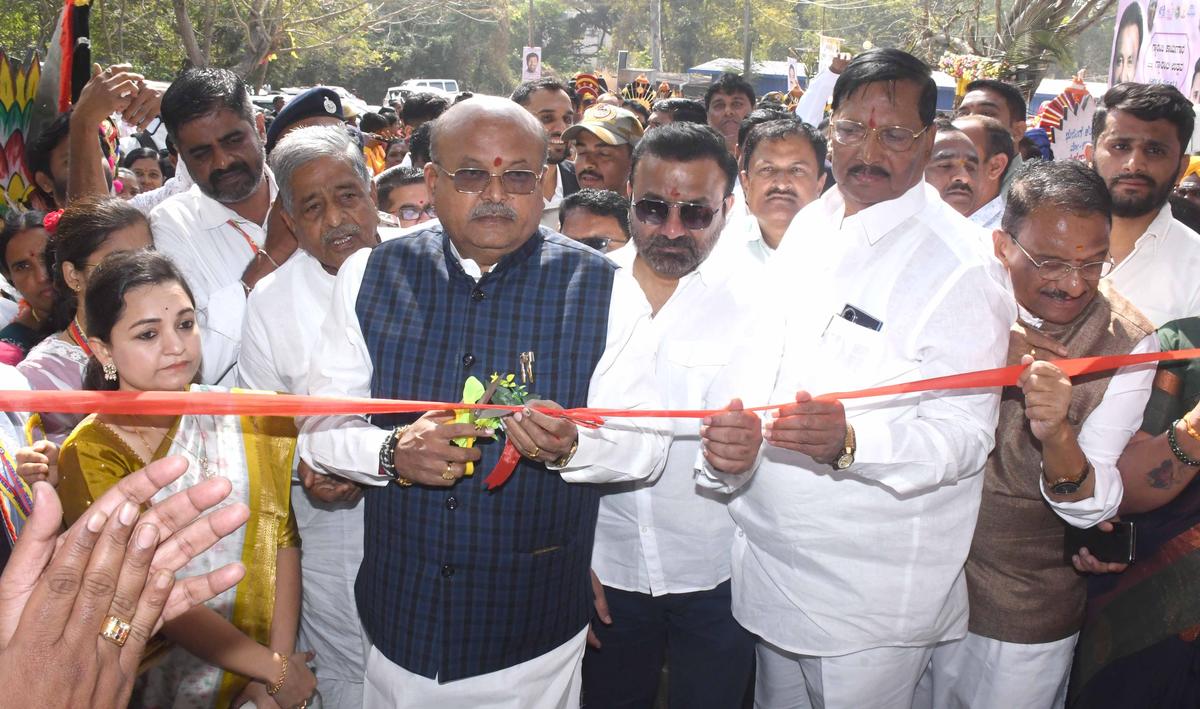
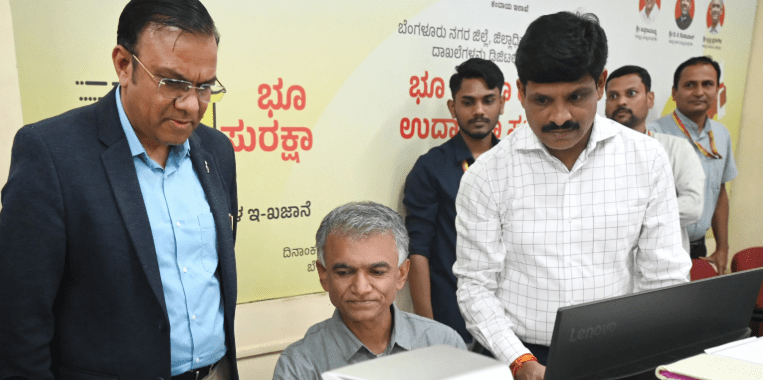
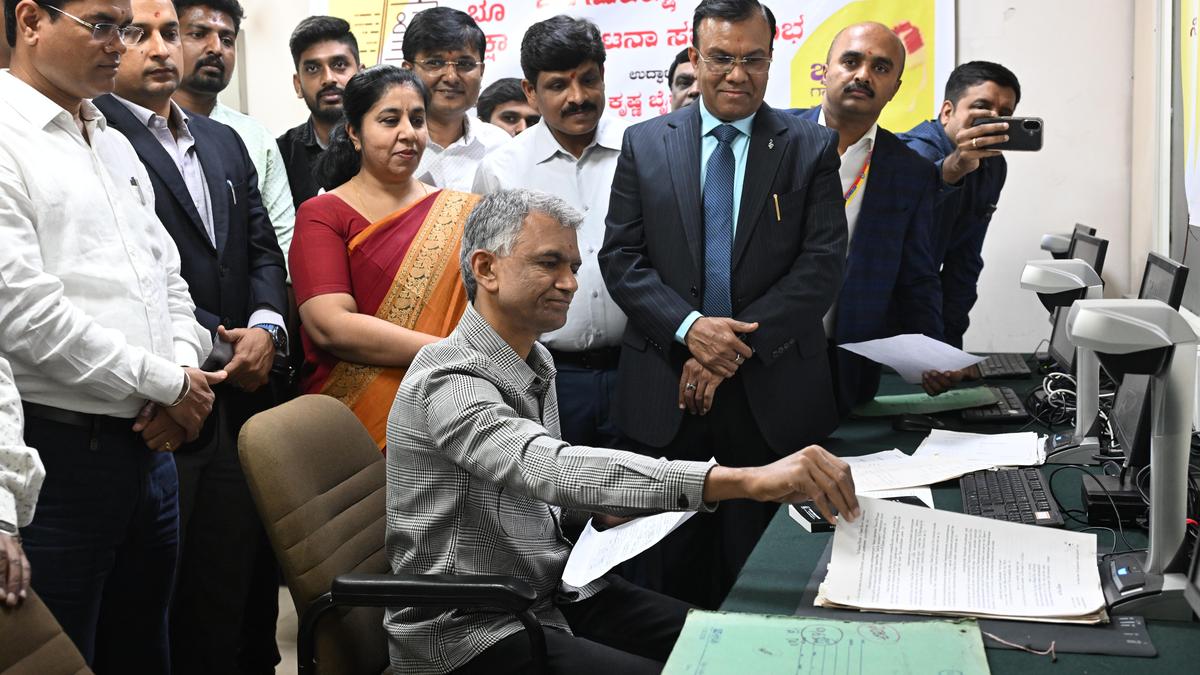
Bengaluru witnessed a major step towards administrative modernization with the launch of the Bhu Suraksha project, an ambitious initiative aimed at digitising land records across Karnataka. The project, unveiled by senior state officials, seeks to create a comprehensive, secure, and accessible digital repository of land ownership and related documents. Officials described the initiative as a transformative measure that will enhance transparency, reduce disputes, and facilitate ease of transactions for citizens, while strengthening governance in land administration.

Karnataka’s land records system has long faced challenges, including incomplete documentation, delays in updating ownership transfers, and disputes over property boundaries. The Bhu Suraksha project aims to address these issues by creating a unified platform that integrates all land records, cadastral maps, and ownership data. The digitisation effort will allow citizens to access verified land records online, reducing dependency on physical visits to government offices and minimizing bureaucratic delays.Bhu Suraksha project launched to digitise land records - The Hindu

State authorities emphasised that the project is part of a broader push to modernize governance and leverage technology for citizen services. Officials highlighted that secure digital records will prevent fraudulent land transactions, curtail illegal encroachments, and provide clarity on ownership disputes. By integrating geographical information systems (GIS), Bhu Suraksha will offer accurate maps, demarcate land parcels, and allow real-time verification of property details, ensuring administrative efficiency and accountability.

The initiative is also expected to boost economic activity by simplifying land transactions for developers, investors, and farmers. Experts said that a reliable digital record system reduces risks associated with property purchases and enables smoother access to loans, government schemes, and subsidies. Officials pointed out that farmers will benefit significantly, as clear ownership records are essential for securing credit and participating in agrarian development programs.


DIGITISATION PROCESS AND TECHNOLOGY IMPLEMENTATION

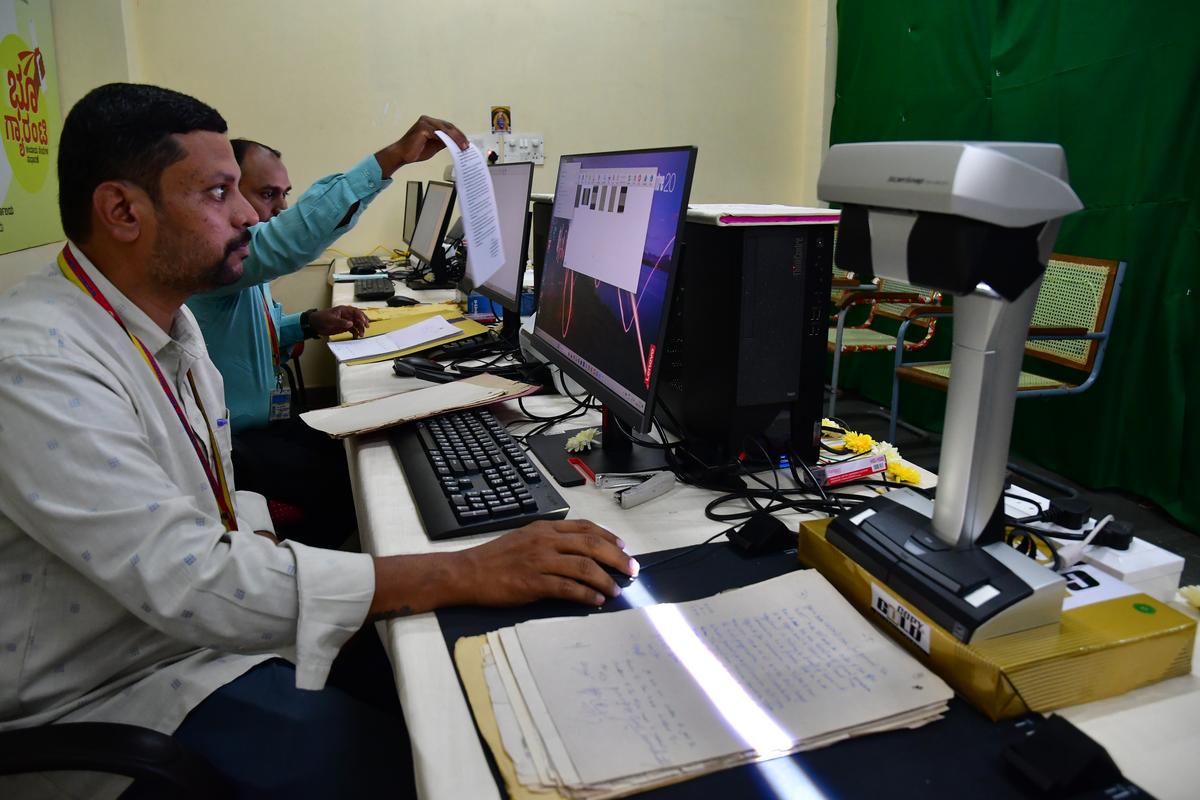
The Bhu Suraksha project employs advanced technology solutions to ensure secure, efficient, and accurate record management. The process involves scanning existing physical land records, updating ownership details, and creating digital maps using GIS technology. Satellite imagery and drone surveys will supplement cadastral mapping to provide precise land demarcation and prevent overlapping claims. Officials emphasised that integration with existing land databases will allow seamless updates and verification of property details across multiple government departments.

Training programs have been initiated for revenue department officials, village accountants, and data entry operators to familiarize them with the digitisation protocols and technology. These efforts aim to reduce errors, maintain consistency, and ensure accurate data entry during the transition from paper-based records to digital formats. Authorities stressed that the success of the project depends on effective collaboration between technical teams and field officials who possess on-ground knowledge of local land records.

Security measures for the digital platform are a key focus of the project. Officials confirmed that encrypted databases, secure servers, and access control mechanisms have been implemented to prevent unauthorized access and tampering. Regular backups, audit trails, and system monitoring will ensure the integrity of records and protect sensitive ownership information. Authorities highlighted that citizens can also verify transactions and access records through authenticated portals, enhancing trust in the system.

The project also includes a grievance redressal mechanism to address errors or discrepancies in digital records. Citizens who identify inconsistencies can file complaints online, which will be reviewed by authorized officers. This system ensures accountability and transparency, allowing residents to participate in maintaining accurate land records. Officials said that public engagement is crucial for building confidence and ensuring the credibility of the Bhu Suraksha platform.


IMPACT ON RESIDENTS AND LANDOWNERS

For ordinary citizens, the digitisation of land records promises significant convenience. Homeowners, farmers, and business owners will be able to access verified records online without multiple visits to government offices. The availability of authenticated documents digitally reduces the risk of forgery, ensures legal validity, and speeds up processes such as property registration, loan approvals, and inheritance settlements. Residents welcomed the initiative, stating that online accessibility of land records will save time, cost, and bureaucratic hurdles.

Farmers are expected to benefit substantially from Bhu Suraksha, as clear ownership records are often a prerequisite for availing government subsidies, insurance schemes, and bank loans. Officials highlighted that precise land maps will also facilitate irrigation planning, crop insurance claims, and allocation of agricultural resources. Farmers expressed optimism that the system will eliminate disputes arising from unclear or outdated land records, which have historically caused legal challenges and delayed benefits.Land records of Kalaburagi district to be digitised by June 2025 - The Hindu

Urban property owners are similarly optimistic, particularly in rapidly growing cities like Bengaluru, Mysuru, and Hubballi-Dharwad. The availability of accurate digital maps and ownership details will simplify buying and selling property, reduce litigation, and enhance investor confidence. Real estate professionals also emphasized that digitisation will bring transparency to land pricing, registration procedures, and property tax assessment, positively impacting the real estate sector.

Local authorities and village-level officials noted that the project will streamline administrative workflows. With digital records, officials can process requests faster, maintain accurate historical data, and respond to public queries efficiently. The reduction in paperwork is expected to decrease delays, prevent record manipulation, and minimize disputes related to missing or altered documents.


GOVERNMENT PERSPECTIVE AND POLICY INITIATIVES

State government officials described Bhu Suraksha as a flagship program under the broader vision of digital governance. Authorities emphasized that accurate, digitized land records are crucial for urban planning, infrastructure development, and effective revenue collection. The project aligns with national initiatives, such as Digital India and e-Governance, aimed at promoting transparency, reducing corruption, and providing citizen-centric services.

Authorities clarified that the digitisation process will be phased, with priority given to districts with high transaction volumes, historical disputes, or incomplete records. Special focus will be on integrating revenue, cadastral, and property registration data to create a unified database. Officials stressed that continuous monitoring, system audits, and updates will ensure the platform remains reliable and adaptable to evolving needs.

Political analysts observed that the Bhu Suraksha project could have long-term implications for governance and land administration in Karnataka. Transparent records reduce political manipulation, prevent illegal land acquisition, and empower residents to assert their rights. Experts also noted that such initiatives demonstrate the government’s commitment to modernization, providing a benchmark for other states seeking similar reforms.

The government has assured citizens that no genuine landowner will be disadvantaged during the digitisation process. Special provisions are being made for residents lacking formal documentation, elderly individuals, and farmers in remote areas. Officials emphasized that support centers, mobile units, and local assistance will be provided to facilitate smooth registration and verification.


CHALLENGES AND RESIDENTIAL CONCERNS

While the initiative has been widely praised, experts noted potential challenges in its implementation. Discrepancies in old records, missing documentation, and outdated survey data may complicate digitisation. Authorities are working to reconcile historical land records with modern cadastral maps, a task that requires technical expertise and local cooperation.

Residents also raised concerns about the accuracy of digitised maps and the potential for technical errors. Civic authorities assured citizens that a grievance redressal mechanism will be operational, allowing individuals to flag inconsistencies, request corrections, and verify ownership details. Officials emphasized that citizen participation is crucial for maintaining the integrity and reliability of the platform.

Another challenge highlighted by experts is cybersecurity. Given the sensitive nature of land ownership data, robust protection against hacking, data theft, and unauthorized manipulation is essential. Authorities confirmed that multiple layers of security, including encryption, access control, and regular audits, have been implemented to safeguard the digital records.

Urban planners highlighted that integrating Bhu Suraksha with other government departments, such as municipal corporations, public works, and revenue offices, will enhance administrative efficiency. Centralized digital records will allow better planning for infrastructure projects, property tax assessments, and civic services, ultimately benefiting residents and local authorities alike.


FUTURE PROSPECTS AND TECHNOLOGICAL INTEGRATION

The Bhu Suraksha project is expected to evolve with advancements in technology. Officials plan to integrate satellite imagery, drones, and GIS-based mapping tools to ensure precise boundary demarcation and prevent disputes. Artificial intelligence and machine learning may be used in future phases to detect anomalies in land records, identify irregular transactions, and assist in predictive planning for urban development.

Experts predict that once fully implemented, the project could serve as a model for other Indian states. Digitisation of land records not only promotes transparency and efficiency but also strengthens legal frameworks, reduces litigation, and empowers citizens. Authorities believe that Bhu Suraksha will contribute significantly to sustainable urban and rural development, providing clarity on land ownership for generations to come.Revenue Minister inaugurates Bhu Suraksha Yojane, project aimed at  digitising all base land records - The Hindu

Community leaders have welcomed the initiative, noting that clear and accessible land records empower residents to assert their rights, participate in local governance, and make informed decisions regarding property and agriculture. Farmers, in particular, view the initiative as a tool to secure ownership, claim benefits, and reduce disputes over inheritance and land sales.

Government officials highlighted that Bhu Suraksha is not merely a digitisation project but a long-term reform aimed at modernising land governance. Continuous updates, integration with state databases, and responsive citizen services will ensure that the platform remains relevant, accurate, and user-friendly. The government hopes that this project will enhance trust in public institutions and improve administrative accountability.


POLITICAL AND SOCIAL IMPACT

Political analysts noted that Bhu Suraksha could influence future urban planning and development policies in Karnataka. Transparent land records reduce the risk of political manipulation, discourage illegal encroachments, and facilitate equitable distribution of resources. Experts emphasized that citizen confidence in government systems is crucial for the success of large-scale initiatives like this.

Social activists have lauded the project for its potential to empower marginalized communities. Secure land ownership records enable women, farmers, and economically weaker sections to access government schemes, obtain loans, and assert legal rights. Authorities confirmed that special attention will be given to ensuring that these groups are not left behind during the digitisation process.

Civic authorities stressed that public awareness campaigns will accompany the digitisation process. Workshops, community outreach programs, and online portals will educate citizens about using the Bhu Suraksha platform, verifying records, and reporting discrepancies. Officials emphasized that citizen engagement is vital for ensuring the success and credibility of the project.

In conclusion, the launch of the Bhu Suraksha project marks a significant milestone in Karnataka’s journey toward digitized governance and transparent land administration. By combining technology, citizen participation, and rigorous verification protocols, the initiative promises to transform the way land records are maintained, accessed, and utilized. For residents, farmers, and property owners, the project offers a future of clarity, security, and efficiency in land management, reinforcing Karnataka’s position as a pioneer in e-governance and digital innovation.

Follow: Karnataka Government

Also read: Home | Channel 6 Network – Latest News, Breaking Updates: Politics, Business, Tech & More

MeitY, IndiaAI, Assam Government and IIT Guwahati Host Strong Human Capital Working Group Meeting Ahead of India AI Impact Summit 2026

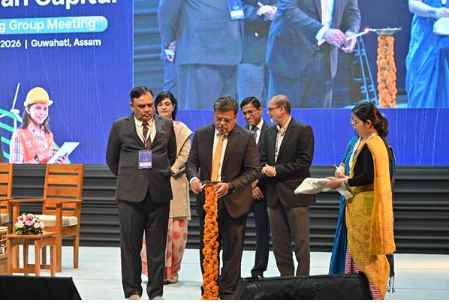
The Ministry of Electronics and Information Technology (MeitY), IndiaAI Mission, the Government of Assam, and Indian Institute of Technology Guwahati are jointly hosting a two-day Human Capital Working Group Meeting at the IIT Guwahati campus on January 5–6, 2026. The meeting brings together senior policymakers, academic leaders, industry experts, and practitioners to advance national deliberations on education reform, workforce transition, and inclusive, human-centric AI adoption.

Chaired by T. G. Sitharam, the convening serves as a key thematic precursor to the India AI Impact Summit 2026, scheduled to be held in New Delhi from February 15–20, 2026, and is expected to inform national policy outcomes.


Human Capital at the Core of India’s AI Journey

The opening session featured addresses by senior leaders including Syedain Abbasi, K. S. Gopinath Narayan, Devendra Jalihal, and Shikha Dahiya. Speakers emphasised that human capital is central to India’s AI transformation, calling for a shift beyond conventional skilling models towards lifelong learning, institutional readiness, and human augmentation.

Prof. Devendra Jalihal highlighted IIT Guwahati’s role as a convening platform linking policy, academia, industry, and students, underscoring the institute’s commitment to inclusive AI ecosystems and strong student engagement.


India AI Impact Summit 2026: Global South in Focus

Ms. Shikha Dahiya outlined the vision for the India AI Impact Summit 2026, noting its emphasis on democratisation of AI resources, inclusive and responsible AI adoption, and amplification of Global South perspectives. She highlighted the role of the IndiaAI Mission in building future-ready human capital through initiatives spanning compute capacity, indigenous datasets and models, and nationwide AI skilling, adding that outcomes from the Guwahati deliberations would directly inform global-level discussions at the Summit.


Inclusive, People-Centric AI Transition

Chairing the Working Group, Prof. T. G. Sitharam stressed that the transition to an AI-enabled economy must be inclusive and people-centric. He called for a move away from fragmented skilling towards lifelong learning ecosystems that prioritise adaptability, judgement, and human-centred capabilities alongside technical skills, ensuring that technological progress translates into dignity, opportunity, and resilience.


Policy Perspectives from Assam

Shri K. S. Gopinath Narayan highlighted that AI integration marks a fundamental shift in how economies and societies function. He cautioned against unchecked automation that could widen inequalities and emphasised human augmentation, continuous learning, micro-skilling, and AI literacy as essential public capabilities.

Shri Syedain Abbasi observed that unlike previous technology cycles, AI increasingly functions as an autonomous agent. He warned of risks arising from the concentration of AI capabilities among a few global players and called for indigenous compute capacity, strong public–private collaboration, and differentiated skilling pathways to safeguard India’s employment landscape.


Keynote and Panels: Day 1 Highlights

A keynote address on “Democratizing Competency in the Age of AI” by Gautam Barua examined the shift from education systems producing individual experts to models enabling large-scale human augmentation through domain-specific AI tools. The address stressed the need for sovereign, sector-aligned AI systems and social protection for workers affected by automation.

This was followed by a panel on “Gender-Responsive Strategies for the AI Transition”, moderated by Arpitha Desai, which examined AI’s impact on women in the workforce. Panellists highlighted risks of automation of entry-level roles, wage gaps, algorithmic bias, and unequal access to AI skilling, while underscoring inclusive design, explainable AI, and adoption-led reskilling.

Another panel on “Redefining Education for the Cognitive Age” explored how AI is reshaping pedagogy, assessment, and learning objectives. Discussions focused on moving from rote-based instruction to cognitive, process-oriented learning, leveraging AI for personalised education, reducing administrative burdens on teachers, and embedding adaptability, critical thinking, collaboration, and lifelong learning as core capabilities.


Towards Policy Outcomes for Viksit Bharat 2047: MEITY

The Working Group will continue deliberations on education reform, workforce transition, lifelong learning systems, and gender-responsive strategies, culminating in a consolidated set of recommendations to inform national policy outcomes.


Conclusion

The Human Capital Working Group Meeting at IIT Guwahati reinforces the Government of India’s commitment to building inclusive, human-centric AI ecosystems under the IndiaAI Mission. By aligning regional perspectives with national priorities and global ambitions, the convening sets the stage for impactful outcomes at the India AI Impact Summit 2026, contributing to India’s vision of Viksit Bharat 2047.


For more real-time updates, visit Channel 6 Network.

Source: PIB

C. R. Paatil Chairs 17th Empowered Task Force Meeting, Pushes Strong Tech-Driven Ganga Rejuvenation: 2026

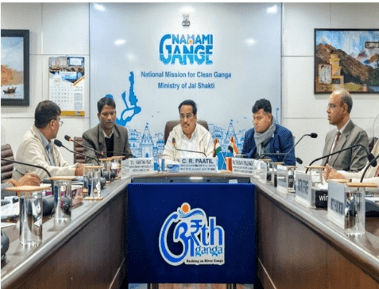
Union Minister for Jal Shakti C. R. Paatil chaired the 17th meeting of the Empowered Task Force (ETF) on January 5, 2026, reinforcing the government’s commitment to technology-driven river rejuvenation under the Namami Gange Programme. The meeting focused on strengthening data-based decision-making, advanced monitoring mechanisms, and compliance frameworks, with special emphasis on drainage mapping and smart surveillance of sewage treatment infrastructure.


High-Level Participation and Inter-Ministerial Coordination

The meeting brought together senior officials from the central and state governments, including the Minister of State for Jal Shakti, secretaries from the Departments of Water Resources and Drinking Water & Sanitation, and senior leadership of the National Mission for Clean Ganga (NMCG). Representatives from key ministries—Power, Housing and Urban Affairs, and Home Affairs—also participated, underlining the inter-sectoral nature of Ganga rejuvenation.


Progress in Pollution Abatement Infrastructure

Expressing satisfaction with on-ground progress, Shri Paatil lauded the completion of 15 pollution abatement infrastructure projects during the current calendar year. He termed this a significant achievement, attributing it to improved coordination, focused implementation, and effective monitoring.
Among states, Uttar Pradesh led with six completed projects, followed by Bihar and West Bengal with four and three projects respectively, while Uttarakhand and Delhi completed one project each.


Promoting Reuse of Treated Wastewater and Innovation

The ETF underscored the importance of safe reuse of treated wastewater as a cornerstone of sustainable river management. The Minister directed all states to expeditiously finalise policies aligned with the national framework and to set clear reuse targets supported by enabling policy notifications.
The meeting also highlighted innovative and research-led interventions, including aquifer mapping focused on paleo-channels, bioremediation, innovative sewerage treatment projects, and CETPs, as essential to building a resilient river management ecosystem.


GIS-Based Drain Monitoring: A First-of-Its-Kind Initiative

A key highlight was the review of the project on Aerial Survey for Drainage Mapping and GIS-Based Visualisation Dashboard for the State of Uttar Pradesh. The initiative leverages advanced geospatial tools—LiDAR-based scientific data integrated with drone-generated visual data—to create a live Drain Dashboard with 2D and 3D visualisation capabilities.

The dashboard enables:

  • Basin-level pollution monitoring

  • Identification of pollution hotspots

  • Prioritisation of drain remediation

  • Preparation of accurate DPRs with clear identification of primary, secondary, and tertiary drains and their pollution loads

Shri Paatil emphasised timely field-level validation by District Ganga Committees and stronger coordination among states and departments to ensure targeted interventions.


Strengthening STP Surveillance with AI and CCTV

To enhance compliance and operational effectiveness of Sewage Treatment Plants (STPs), NMCG is introducing CCTV-based real-time monitoring integrated with AI-enabled feature extraction and a centralised dashboard.
While STPs are already monitored through OCEMS—tracking parameters such as BOD, COD, DO, pH, and TSS and integrated with the public Ganga Pulse dashboard—the new system adds a crucial visual and physical monitoring layer to address operational gaps.


Cleanliness Drives, Transparency, and Urban Resilience

The Minister appreciated NMCG’s weekly cleanliness drives under the nationwide campaign “Ek Din, Ek Ghanta, Ek Saath” launched during Swachhata Hi Seva 2025. He also welcomed the public disclosure of STP performance via the Ganga Pulse portal.
Further, updates were shared on the River City Alliance, where NMCG, RCA, and UN-Habitat collaborated on workshops to help cities adopt river-sensitive urban development, nature-based solutions, and climate-resilient futures.


Financial Discipline and Governance

The ETF cleared the Annual Accounts of NMCG, noting strong financial discipline and a reduction in pending utilisation certificates—an achievement commended by the Jal Shakti Minister.


Conclusion

Concluding the meeting, Shri C. R. Paatil applauded the collective efforts of all stakeholders and expressed confidence that integrated, technology-driven, and data-backed initiatives will continue to accelerate Ganga rejuvenation. The convergence of advanced monitoring, policy reform, innovation, and transparency, he noted, is laying a robust foundation for a cleaner, healthier, and more resilient river ecosystem.


For more real-time updates, visit Channel 6 Network.

Source: PIB

Bullet Fragments Found Near Janardhana Reddy’s Residence: SHOOTOUT SCARE, 50 ROUNDS, ONE POLITICAL CRISIS

Ballari is grappling with heightened tension after a forensic team discovered bullet fragments near the residence of former minister G. Janardhana Reddy, following allegations by BJP leader B. Sriramulu that over fifty rounds were fired in a recent clash. The incident, which occurred amid escalating political rivalry in the region, has drawn significant attention from law enforcement authorities, political leaders, and the local community, sparking concerns about public safety and the security of political figures.

According to officials, the fragments were recovered during a systematic forensic investigation conducted by a team dispatched to the vicinity of Janardhana Reddy’s house. Preliminary reports suggest that the bullets may have been discharged from firearms during the clash between political supporters, although investigations are ongoing to determine the type of weapons used and the trajectory of the shots. Law enforcement agencies are examining whether the gunfire was targeted or part of a larger mob confrontation.

B. Sriramulu, a senior BJP leader and former minister, alleged that more than fifty rounds were fired in the area, describing the situation as “an unprecedented assault on law and order.” He claimed that the firing endangered residents, staff, and visitors to the neighborhood, urging the government to take swift action against those responsible. Sriramulu demanded a judicial probe or a CBI investigation into the incident, highlighting the seriousness of the allegations and the need for impartial oversight.

Local residents reported hearing loud gunshots and chaotic scenes during the clash, which occurred in the early hours of the morning. Many said they were forced to take cover as bullets allegedly ricocheted in residential areas, creating panic and fear among families. Witnesses described vehicles damaged by stray bullets and chaos on nearby roads, prompting calls for heightened security and immediate police intervention.

Authorities confirmed that no fatalities were reported in the immediate incident near Janardhana Reddy’s house, though several individuals sustained minor injuries during the melee. Police officials emphasized that the forensic team’s recovery of bullet fragments is a critical step in tracing the origin of the shots, identifying the weapons used, and establishing accountability. They assured residents that the investigation would be thorough and impartial, with cooperation from local political leaders to maintain peace.Forensic team finds bullet fragments near Janardhana Reddy's house; Sriramulu  alleges over 50 rounds fired - The Hindu


FORENSIC INVESTIGATION AND EVIDENCE COLLECTION

The forensic team deployed to the scene employed advanced techniques to collect bullet fragments, shell casings, and other ballistic evidence. Forensic officers noted that careful handling of these items is essential for subsequent ballistic analysis, which could link the bullets to specific firearms. Investigators also recorded witness statements, reviewed CCTV footage from the vicinity, and examined patterns of damage to property in the area to reconstruct the events leading to the discharge of firearms.

Preliminary findings suggest that the fragments recovered may correspond to high-caliber firearms, though authorities cautioned that lab tests are required for definitive identification. The team is conducting trajectory analysis to determine the direction of fire and whether the shots were aimed at specific individuals or were indiscriminate. Police officials emphasized that forensic evidence will be crucial in filing accurate charges and ensuring a robust legal case against those involved.

Law enforcement agencies have also intensified patrolling in the area, deploying additional personnel to prevent further clashes. Security arrangements around high-profile political residences, including Janardhana Reddy’s house, have been reinforced with barricades, surveillance cameras, and rapid response units. Officials highlighted that maintaining public order and protecting residents are top priorities while the investigation is ongoing.

Sriramulu criticized the local administration for perceived lapses in preemptive security measures, arguing that the presence of large crowds and political rallies without adequate policing created conditions for violence. He reiterated calls for an independent probe to ascertain responsibility, claiming that local law enforcement alone might not be able to provide an unbiased investigation due to political influence in the district.


POLITICAL RAMIFICATIONS

The discovery of bullet fragments has intensified political rivalry in Ballari. BJP leaders have demanded immediate government action, framing the incident as an example of escalating “goondaism” and misuse of political influence. They have accused supporters of certain factions of resorting to armed confrontations, claiming that such acts undermine democratic processes and civic safety.

The Congress party, however, denied any complicity, emphasizing that law enforcement authorities are conducting the investigation independently. Party representatives said that allegations should not be politicized, and warned against spreading unverified claims that could inflame tensions further. They also emphasized that investigations into political violence must follow due process and respect the rights of all parties involved.

Analysts note that incidents like these have broader implications for Karnataka’s political landscape. Ballari has historically been a focal point of political rivalries, with a history of intense competition between prominent leaders and their supporters. Experts warned that unchecked escalation could compromise public safety, strain law enforcement resources, and distract from governance and development priorities in the region.

The incident has drawn the attention of the Election Commission and state authorities, as political violence can influence public perception and voter sentiment. Officials said that maintaining law and order, ensuring transparent investigations, and preventing further clashes are critical to preserving the integrity of democratic processes in the district.Bullets Work This Way — Ron Spomer Outdoors


COMMUNITY AND RESIDENTS’ RESPONSE

Local residents expressed fear and frustration over the incident. Many reported sleepless nights and anxiety over their personal safety, urging authorities to ensure that high-tension political confrontations do not recur. Some residents demanded curfews or temporary restrictions on political gatherings until the investigation is complete. Others called for community meetings involving political representatives, local police, and civil society groups to restore calm and build trust among citizens.

Property owners near Janardhana Reddy’s house reported damage to vehicles, homes, and public spaces caused by stray bullets and commotion during the clash. Insurance and repair issues have added to the residents’ distress, prompting appeals to the government for compensation or support for affected families. Officials said that documentation of property damage is underway and compensation measures are being considered under existing law.

Local business owners also expressed concern over the impact on commercial activity. Shops near the area reported decreased footfall, as residents avoided streets due to safety concerns. Experts warned that repeated political confrontations involving firearms could have long-term economic consequences, reducing investor confidence and disrupting normal civic life.

Residents highlighted the need for a stronger police presence, rapid response teams, and better coordination between security agencies during political rallies and gatherings. They emphasised that public safety should take precedence over political agendas, and that preventive measures could avoid escalation of such incidents in the future.


INVESTIGATION AND LEGAL PROCEEDINGS

Police officials confirmed that a case has been registered in connection with the firing incident near Janardhana Reddy’s residence. Preliminary FIRs have been filed against unidentified individuals, and investigations are ongoing to establish culpability. Authorities stated that forensic evidence, witness statements, and video footage will play a critical role in identifying suspects and supporting legal proceedings.

Sriramulu has urged the government to consider forming a Special Investigation Team or involving the Central Bureau of Investigation to ensure impartiality. He claimed that political pressures could influence local authorities, and only an independent probe could deliver credible findings. Officials said that they are reviewing the request but emphasized that all legal procedures will be followed to ensure a transparent investigation.

Legal experts said that evidence from bullet fragments, combined with witness testimony and ballistic analysis, could form the basis of multiple charges, including unlawful possession of firearms, attempt to cause grievous harm, and rioting. They noted that timely collection and proper handling of evidence are crucial to successful prosecution in politically sensitive cases.

Meanwhile, political parties are expected to submit representations and seek clarifications from law enforcement agencies. Analysts predict that the case may escalate into a larger political confrontation, with implications for upcoming local and state elections. Both parties are positioning themselves as protectors of law and order, highlighting the sensitive nature of political accountability in the district.Lead Bullet Risks for Wildlife & Humans - Pinnacles National Park (U.S.  National Park Service)


SECURITY MEASURES AND PUBLIC SAFETY

Following the incident, authorities have implemented strict security measures across Ballari. High-profile residences, government offices, and public gathering spots are under constant surveillance. Barricades, mobile police units, and rapid response teams have been deployed to prevent recurrence of violence. Local police have issued advisories asking residents to remain vigilant and report suspicious activities immediately.

Security experts said that proactive measures, including intelligence gathering and coordination between police and community leaders, are critical to maintaining peace in politically volatile areas. Authorities have also initiated awareness campaigns, urging political supporters to avoid confrontations and follow legal channels for resolving disputes.

The incident has sparked debates over political accountability and the role of law enforcement in managing high-tension scenarios. Analysts emphasised that beyond investigation, preventive policing, crowd management, and conflict resolution mechanisms are essential for maintaining civic order. Experts warned that repeated incidents involving firearms near political residences could erode public trust in governance and law enforcement agencies.

Community leaders and NGOs have called for dialogue between political factions, law enforcement, and local residents to restore calm. They emphasized the importance of rebuilding trust and ensuring that political differences are addressed through legal and peaceful means rather than through violence or intimidation. Authorities are reportedly considering community policing initiatives and rapid dispute-resolution mechanisms to prevent further escalation.


The discovery of bullet fragments near Janardhana Reddy’s residence, coupled with Sriramulu’s allegations of over fifty rounds fired, underscores the fragile nature of political peace in Ballari. Authorities have assured the public that investigations will be thorough, impartial, and focused on maintaining law and order. Residents continue to live under heightened alert, awaiting clarity on the perpetrators, the sequence of events, and measures to prevent recurrence.

Experts emphasised that political violence not only endangers lives but also disrupts local governance, commerce, and civic life. They urged all stakeholders to prioritize public safety, ensure transparent investigations, and follow legal frameworks to address disputes. The ongoing situation in Ballari is a reminder of the need for vigilant policing, community engagement, and accountable political leadership to maintain stability.

In conclusion, the Ballari shooting incident represents a critical test for law enforcement, political leaders, and civil society. With forensic evidence now in hand and investigations underway, authorities are under pressure to ensure justice, maintain peace, and restore public confidence. The coming weeks are likely to determine not only the outcome of the case but also the broader political climate in the district, highlighting the delicate balance between political rivalry and public safety in Karnataka.

Follow: Karnataka Government

Also read: Home | Channel 6 Network – Latest News, Breaking Updates: Politics, Business, Tech & More