Thursday, April 30, 2026
Home Blog Page 166

Kogilu Residents Must Prove Citizenship for Flat Allotment: NATIVITY TEST, 1 RESIDENTIAL CRISIS, ONE CITY

Bengaluru is witnessing heightened tension as residents of Kogilu Layout have been informed that eligibility for the allotment of government flats will now require proof of nativity. Authorities have clarified that only individuals who can demonstrate local residency and citizenship will be considered for allocation, intensifying anxiety among families who have been awaiting their homes for years. The decision comes amid widespread speculation about illegal occupants and mismanaged allotments, prompting officials to tighten verification processes to ensure transparency and fairness in housing distribution.

Local residents have expressed mixed reactions to the announcement. Some welcomed the move as a necessary step to prevent irregular allotments, while others claimed that documentation requirements are cumbersome and may unfairly disadvantage long-term residents lacking formal records. Families who have been awaiting flats for years now face the challenge of producing legal proof of their nativity, including ration cards, voter ID, Aadhaar, and other official certificates. Authorities have stressed that these steps are essential to prevent misuse of public housing schemes.

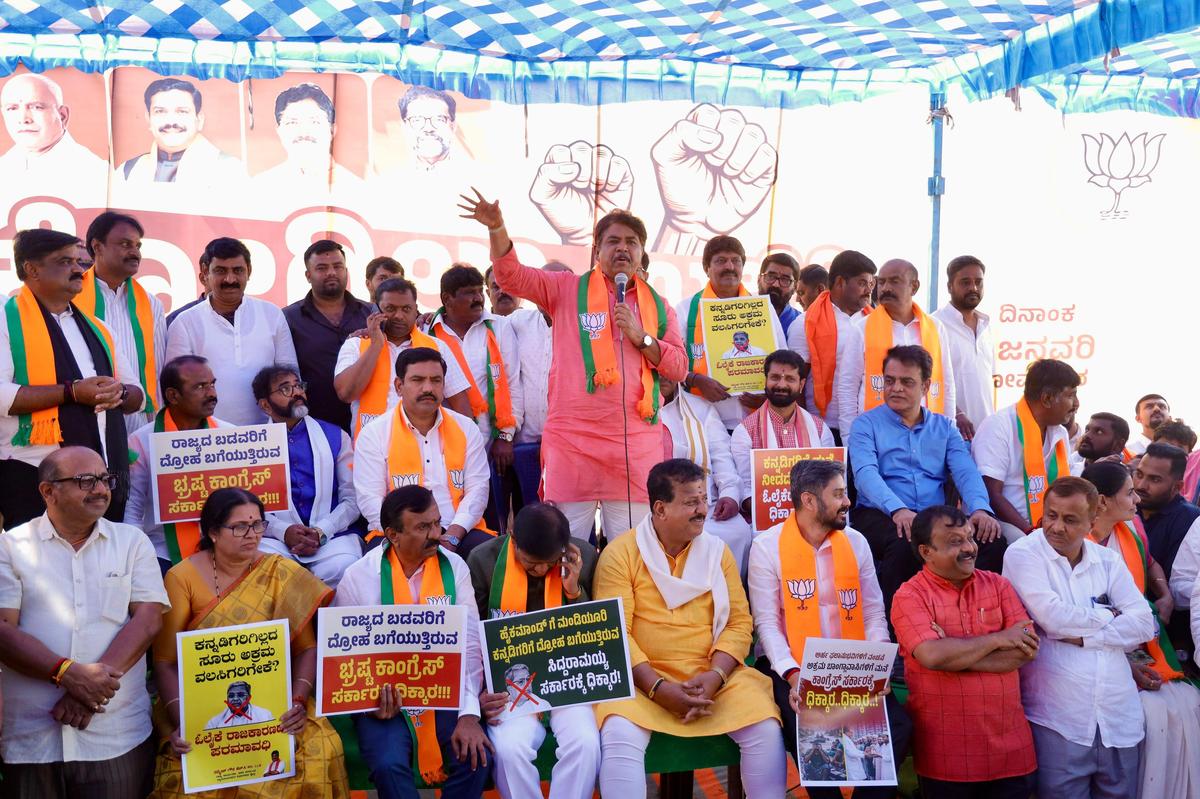
The Kogilu Layout issue has drawn attention from political parties, with the opposition accusing the government of delaying allocations and causing unnecessary stress to eligible residents. BJP leaders claimed that lax verification processes in the past have allowed ineligible individuals to occupy flats, while Congress leaders emphasised that strict scrutiny is needed to ensure justice and fair distribution. Residents caught in the middle are struggling to understand which documents are sufficient and how long the verification process will take.

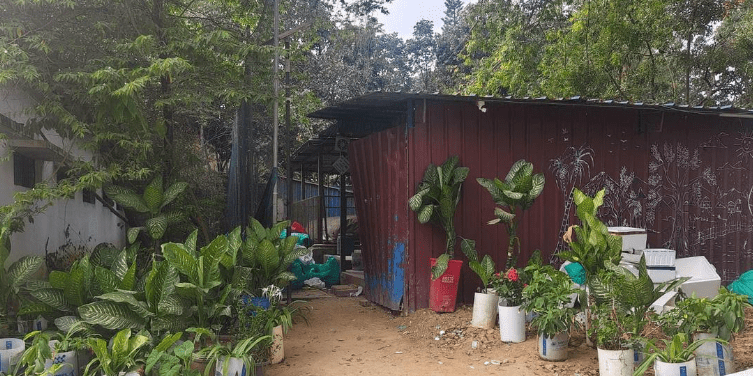
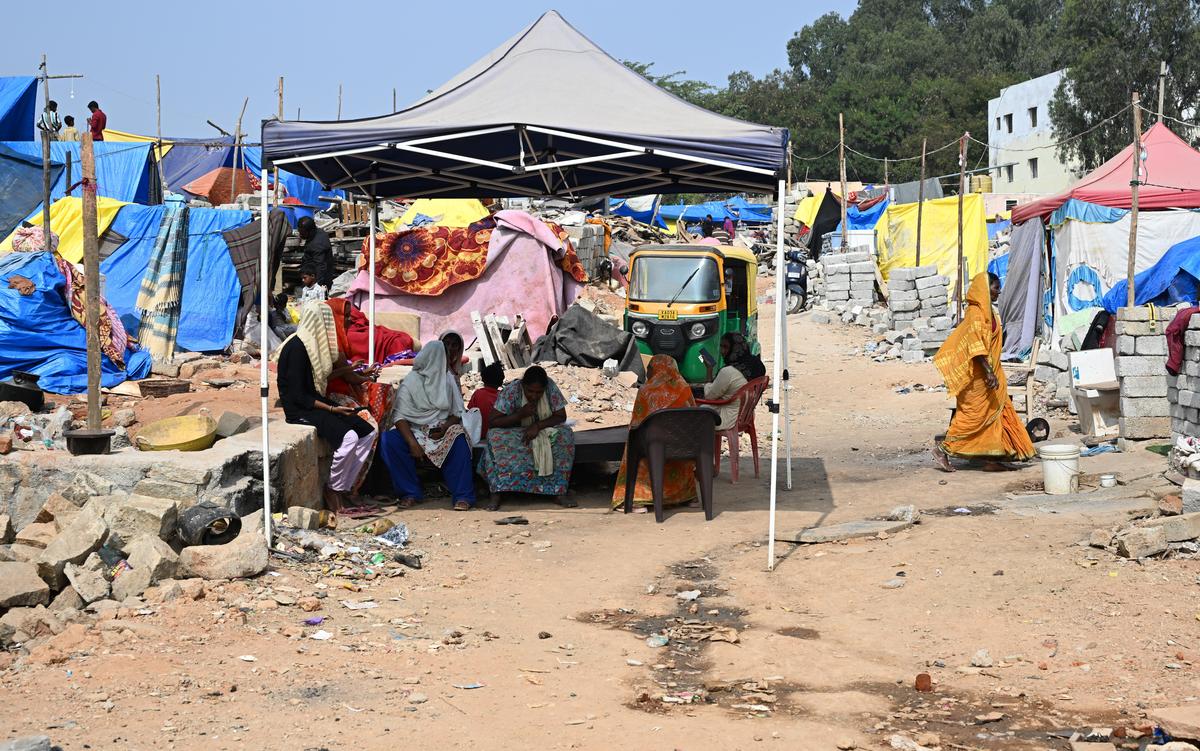
Officials clarified that nativity proof is now mandatory for all applicants to prevent fraudulent claims. Verification will be carried out through local municipal records, revenue department data, and other official databases. Authorities noted that families who fail to produce the required documentation will not be considered for allotment until the process is completed. This directive has created an urgency among residents, many of whom are scrambling to obtain missing documents, including birth certificates or local residence certificates.Kogilu residents have to prove their nativity to become eligible for  allotment of flats - The Hindu

VERIFICATION PROCESS AND DOCUMENT REQUIREMENTS

Government sources explained that eligible Kogilu residents must provide multiple forms of documentation to prove nativity. Acceptable proofs include voter identification, ration cards, Aadhaar linked to local addresses, school certificates, or other government-issued documents showing continuous residence in Karnataka. Officials stressed that incomplete or unverified submissions will be rejected, as the government seeks to prevent flats from being allotted to non-residents or illegal occupants.

The revenue department will play a central role in the verification process. Teams will cross-check submitted documents with official records to ensure authenticity. Municipal authorities have been directed to assist families in obtaining required documents, and special counters will be set up in civic offices to facilitate the process. Officials emphasised that while the process is stringent, the intent is to maintain fairness and prevent misuse of limited housing resources.

Residents without sufficient documents have raised concerns about potential exclusion. Some families claimed they have lived in Kogilu for generations but lack formal certificates, as earlier documentation was either never issued or misplaced. Civic authorities have suggested temporary affidavits, backed by local ward officers, to support such cases, but residents worry about delays and procedural hurdles. Legal experts have said that the government must balance strict verification with inclusive measures to avoid depriving genuine residents.

The Kogilu housing scheme, designed to provide affordable accommodation to eligible citizens, has faced criticism in the past for delays and administrative inefficiencies. Political observers noted that unclear eligibility criteria and past mismanagement may have led to disputes over allotments. The new nativity requirement aims to bring clarity and transparency, but it has also exposed gaps in record-keeping and documentation among long-term residents, highlighting the need for systemic reforms in public housing administration.

Authorities said that the verification process would be completed in phases. Initial rounds will focus on families with pending allotments, followed by reviews of previously allotted flats to ensure compliance. Officials clarified that no allocations will be finalized until verification is complete. This phased approach, while necessary for accuracy, may prolong the waiting period for residents who have been anticipating their flats for years, creating frustration and uncertainty in the community.


POLITICAL AND SOCIAL IMPACT

The nativity requirement has sparked debate among political leaders and social activists. BJP leaders have accused the government of allowing flats to be occupied by ineligible residents in the past, arguing that stricter verification is long overdue. They have called for audits of all housing schemes in Bengaluru to identify irregularities and correct past mistakes. Congress leaders, meanwhile, have emphasised that the new verification measures demonstrate commitment to transparency and social justice, ensuring that flats reach rightful residents.

Social activists have urged the government to consider long-term residents who may lack formal documentation. Many families in Kogilu have relied on informal records, such as school certificates or municipal acknowledgments, for decades. Activists argued that strict application of nativity proof without alternative verification methods may unfairly exclude deserving beneficiaries, potentially exacerbating social and economic inequalities in urban housing.

The issue has also raised concerns among housing rights organisations, which argue that delays in allotment due to verification procedures could negatively impact families in urgent need of housing. Advocates called for temporary relief measures, including interim accommodation or priority allotment for families with verified long-term residence. They emphasised that transparency must be coupled with fairness and empathy, particularly for economically weaker sections who have waited years for government housing.

Local residents have staged peaceful protests demanding clearer guidelines and faster processing of documents. Demonstrators said that while they support the principle of verifying nativity, the government must provide adequate support for families struggling to gather proof. Some residents suggested mobile verification units or on-site document assistance centers to ease the burden and expedite the process, especially for elderly citizens and families with limited resources.

The controversy has sparked media attention across Karnataka, highlighting systemic challenges in urban housing management. Experts noted that while nativity verification is essential, the government must ensure that processes are user-friendly and inclusive. Urban planners emphasised the importance of streamlining housing allocation systems, digitising records, and providing citizens with clear, accessible information to avoid confusion and disputes.Karnataka govt defers allotment of flats to Kogilu families


Authorities have also indicated that verification checks will extend to supporting documents such as family lineage certificates, land records, and other government-issued proof of residence. Revenue officials will coordinate with municipal and ward offices to validate claims, while police departments may assist in cases where identity verification requires additional scrutiny. Officials emphasised that the process aims to balance rigorous checks with procedural fairness, ensuring that eligible families are not unduly penalised.

Legal experts observed that the Kogilu directive could set a precedent for future housing schemes. By requiring residents to prove nativity, the government reinforces the principle that public housing is a right reserved for citizens and long-term local residents. Experts stressed that while this protects state resources, authorities must provide mechanisms for residents who face difficulty in obtaining documents, avoiding administrative exclusion and potential legal challenges.

The decision has highlighted gaps in civic record-keeping, particularly for families who have resided in Kogilu for decades but lack formal documentation. Experts suggested that digitisation of municipal records, creation of verified citizen databases, and community-assisted verification programs could address these challenges. Authorities said that such reforms are under consideration, aimed at preventing disputes and ensuring smooth allotment processes in the future.

Residents remain anxious as deadlines for submission of nativity proofs approach. Families with missing documents are reportedly rushing to acquire certificates, affidavits, and other official papers. Some residents expressed fear of losing their allotment rights despite living in Kogilu for generations, while others welcomed the clarity that the government’s directive provides. Officials have urged patience, assuring residents that every effort will be made to accommodate genuine applicants while maintaining the integrity of the housing program.


The nativity verification process in Kogilu has also sparked a wider conversation about governance and accountability in public housing schemes. Experts emphasised that ensuring equitable distribution requires not only documentation verification but also active engagement with residents, transparent processes, and timely communication. Civic authorities have promised helplines, mobile verification teams, and dedicated counters to assist residents in submitting and validating their proofs.

Political analysts believe that the controversy could influence public opinion ahead of upcoming municipal elections. While both the BJP and Congress have positioned themselves as defenders of citizen rights, residents are focused on timely allotment and clarity in procedures. Experts note that housing issues often have significant political implications, as they directly affect citizens’ daily lives, making transparency and efficiency critical in managing public expectations.Bengaluru: 15 housing criteria stand in the way of Kogilu Layout  rehabilitation

In conclusion, the Kogilu housing verification directive underscores the challenges of urban housing management in Bengaluru. While proving nativity ensures that flats are allotted to eligible residents, authorities must balance rigorous checks with inclusivity and support for long-term families lacking documentation. The initiative highlights the importance of clear communication, civic support, and efficient processes in public housing schemes. For the residents of Kogilu Layout, timely verification and allotment remain a pressing concern, with their hope for stable homes hanging on the successful implementation of the new guidelines.

Follow: Karnataka Government

Also read: Home | Channel 6 Network – Latest News, Breaking Updates: Politics, Business, Tech & More

Rajnath Singh Commissions ICGS Samudra Pratap, India’s First Indigenous Pollution Control Vessel: 2026

Marking a major milestone in India’s maritime capability and Aatmanirbharta in defence manufacturing, Raksha Mantri Rajnath Singh commissioned Indian Coast Guard Ship (ICGS) Samudra Pratap, the first indigenously designed Pollution Control Vessel (PCV) of the Indian Coast Guard, in Goa on January 5, 2026. Built by Goa Shipyard Limited (GSL) with over 60% indigenous content, the vessel is the largest ship in the Indian Coast Guard (ICG) fleet to date.


A Leap Forward in Indigenous Shipbuilding

Describing ICGS Samudra Pratap as an embodiment of India’s mature defence industrial ecosystem, the Raksha Mantri noted that the vessel reflects GSL’s modern, integrated approach to addressing contemporary maritime challenges. He reiterated the government’s sustained efforts to raise indigenous content in defence platforms to 90%, reinforcing the vision of Make in India and Aatmanirbhar Bharat.


Multi-Role Capabilities for Maritime Safety and Environmental Protection

While primarily designed for pollution control, ICGS Samudra Pratap integrates multiple operational capabilities into a single platform. The vessel will significantly enhance the Coast Guard’s effectiveness in:

  • Marine pollution response and oil spill containment

  • Firefighting and salvage operations

  • Coastal patrol and maritime safety

  • Extended surveillance and rapid response missions

Equipped with advanced pollution detection systems, dedicated response boats, high-end firefighting systems, and aviation facilities including a helicopter hangar, the ship is capable of operating effectively even in rough sea conditions.


Protecting the Marine Environment and Blue Economy

Highlighting marine environmental protection as both a strategic necessity and a moral responsibility, Shri Rajnath Singh said that platforms like Samudra Pratap place India among a select group of nations with advanced environmental response capabilities. He noted that timely containment of pollution incidents helps protect coral reefs, mangroves, fisheries, and marine biodiversity—directly supporting coastal communities and the blue economy.

“Clean seas ensure safe trade, safe lives, and a safe environment,” he said, adding that the vessel strengthens India’s Grand Maritime Vision and commitment to shared global responsibility for ocean heritage.


India as a Responsible Maritime Power

Addressing global maritime uncertainty, the Raksha Mantri stated that India consistently works to secure not only its own maritime interests but also peace and stability across the Indo-Pacific. This approach, he said, reinforces India’s standing as a Responsible Maritime Power, committed to peace, stability, and environmental responsibility.

He further underlined that the Indian Coast Guard must evolve from a platform-centric force to an intelligence-driven and integration-centric organisation, capable of responding proactively to emerging, technology-driven threats.


Women Officers on a Frontline Coast Guard Ship – A Historic First

In a landmark development, ICGS Samudra Pratap will have two women officers appointed to a frontline Coast Guard ship for the first time. Applauding the Coast Guard’s progress towards a gender-neutral and inclusive work environment, Shri Rajnath Singh said women officers are now serving as pilots, observers, air traffic controllers, logistics and law officers, and are actively deployed in frontline operations.

He described the appointment as a matter of pride and said the officers would serve as role models for future generations.


ICG’s Expanding Strategic Role

The Raksha Mantri praised the Indian Coast Guard’s multi-dimensional role—from marine pollution control and coastal cleanliness to search and rescue and maritime law enforcement. He asserted that the ICG’s growing strength sends a clear message to adversaries that any misadventure will be met with a bold and befitting response.

He also called for the development of specialised career streams within the ICG in areas such as maritime law enforcement, environmental protection, and maritime cyber security, while urging the force to move towards global leadership in maritime governance.


About ICGS Samudra Pratap

Samudra Pratap, meaning Majesty of the Seas, symbolises the Indian Coast Guard’s resolve to ensure safe, secure, and clean seas. The vessel has:

  • Displacement: 4,170 tonnes

  • Length: 114.5 metres

  • Speed: Over 22 knots

  • Endurance: 6,000 nautical miles

It is powered by indigenously developed propulsion systems and equipped with state-of-the-art pollution response gear, advanced navigation and automation systems, and modern armament for maritime security.

The ship will be based at Kochi, under the operational control of the Commander, Coast Guard Region (West).


Conclusion

The commissioning of ICGS Samudra Pratap marks a defining moment in India’s maritime and environmental security journey. Combining indigenous design, advanced technology, inclusivity, and strategic vision, the vessel strengthens the Indian Coast Guard’s role as a guardian of India’s maritime interests and reinforces India’s commitment to peace, sustainability, and self-reliance on the global stage.


For more real-time updates, visit Channel 6 Network.

Source: PIB

Passing Out Parade of 02/25 Batch at INS Chilka to Mark Proud Induction of Next Generation Naval Sailors

The Indian Navy is set to hold the Passing Out Parade (POP) of the 02/25 batch of trainees at INS Chilka on January 8, 2026, marking the successful completion of 16 weeks of intensive ab-initio training. The ceremony symbolises the formal induction of newly trained sailors into the Navy, ready to meet the operational challenges of modern maritime warfare.


Culmination of Rigorous Naval Training

The Passing Out Parade represents the culmination of a demanding training regimen designed to instil discipline, resilience, teamwork, and professional competence. The programme equips trainees with the physical endurance, technical skills, and mental preparedness required to serve aboard advanced naval platforms and operate in complex maritime environments.


02/25 Batch: Strengthening the Naval Workforce

The passing-out batch comprises approximately 2,700 trainees, including 2,100 Agniveers, of whom over 110 are women. The parade marks a significant milestone for the Agniveers as they formally begin their journey of service to the nation under the Agnipath scheme, contributing to a youthful, agile, and future-ready Navy.


Chief Guest and Distinguished Presence

The post-sunset ceremony will be reviewed by Sameer Saxena, Flag Officer Commanding-in-Chief, Southern Naval Command, who will grace the event as the Chief Guest.
The occasion will also be attended by the proud families of the passing-out trainees, along with distinguished naval veterans and eminent sports personalities, adding to the solemnity and significance of the event.


INS Chilka: Cradle of Naval Training

The Passing Out Parade underscores the Indian Navy’s emphasis on training as the bedrock of a professional fighting force. INS Chilka continues to play a pivotal role in transforming civilian recruits into confident and capable sailors, fostering values of discipline, integrity, and service to the nation.


Valedictory Function and Live Broadcast

Following the parade, the Chief Guest will preside over the Valedictory Function, during which awards and trophies will be presented to meritorious trainees and the Champion Division. On the occasion, the bilingual trainees’ magazine ‘Ankur’ will also be unveiled.
The event will be live streamed on the Indian Navy’s official YouTube channel, Facebook page, and broadcast on the regional Doordarshan network, enabling audiences across the country to witness the historic ceremony.


Conclusion

The Passing Out Parade of the 02/25 batch at INS Chilka stands as a proud moment for the Indian Navy, its trainees, and their families. As these newly trained sailors and Agniveers step into active service, the event reaffirms the Navy’s commitment to excellence in training and its mission to safeguard India’s maritime interests with professionalism and resolve.


For more real-time updates, visit Channel 6 Network.

Source: PIB

BJP Alleges Flats Allotted to Illegal Immigrants in Karnataka: POLITICAL STORM, 2 PARTIES, ONE CONTROVERSY

Bengaluru is witnessing a fresh political tussle as the BJP has alleged that the Karnataka government is allotting residential flats to illegal Bangladeshi immigrants, triggering a heated response from the ruling Congress party. The issue came to the forefront after BJP leaders claimed that numerous public housing units meant for local residents were allegedly being diverted to non-citizens, raising questions about the integrity of government housing schemes and the verification processes followed by authorities.

The BJP’s allegations have sparked intense political debate across the state, with party leaders urging the government to conduct thorough audits and disclose the identities of beneficiaries. According to the BJP, certain urban local bodies and housing authorities have been negligent in ensuring proper documentation, allowing illegal immigrants to obtain flats intended for underprivileged and eligible Indian citizens. The party has called for immediate action, suggesting that legal and administrative measures should be taken to investigate and reverse any wrongful allotments.

The Congress party, however, has strongly denied the allegations, calling them politically motivated and designed to polarize voters ahead of upcoming elections. Party leaders said that all housing allotments are carried out under strict regulatory frameworks, requiring documentation such as proof of citizenship, income certificates, and local residency verification. They stressed that housing authorities follow a multi-tier verification process, which makes it difficult for non-citizens to obtain flats illegally.

Political analysts note that the controversy reflects broader tensions around migration and housing policies in urban Karnataka. The issue touches upon sensitive topics, including the rights of migrants, urban housing shortages, and political accountability. While both parties have accused each other of misinformation, public discourse has intensified, with social media platforms and local news outlets amplifying claims and counterclaims.

BJP alleges govt. allotting flats to illegal Bangladeshi immigrants; Cong. hits  back - The Hindu


BJP CLAIMS AND DOCUMENTATION ISSUES

BJP leaders claim that in several urban housing schemes, applicants have allegedly produced fraudulent documents, claiming local residency while having foreign origins. Party spokespersons highlighted specific districts where the issue was reportedly prevalent, citing anonymous whistleblower reports and complaints from local residents. They argue that the government’s lack of stringent verification mechanisms has created loopholes, enabling illegal immigrants to access subsidized housing.

The opposition party has urged the state government to involve independent investigative agencies such as the CBI or Special Investigation Teams to conduct a thorough probe. They also suggested cross-referencing beneficiaries’ details with national databases such as Aadhaar and voter lists to confirm citizenship. BJP leaders have said that ensuring public housing reaches eligible citizens is critical to maintaining public trust and transparency in government schemes.

Housing rights activists and legal experts have noted that allegations of wrongful allotment, if true, could have legal implications under both state housing regulations and national immigration laws. They emphasized that clear documentation, periodic audits, and community verification are essential components of fair and lawful housing distribution. Activists urged authorities to act swiftly while ensuring that the rights of genuine beneficiaries are not compromised during investigations.

The BJP’s allegations have fueled protests in certain localities, with residents demanding accountability and clarity from the state government. Demonstrators argued that illegal allotments compromise access to affordable housing for deserving Indian citizens, particularly in urban and peri-urban areas where demand significantly exceeds supply. These protests have drawn attention from media and political observers alike, intensifying pressure on authorities to respond.

Government officials reiterated that strict verification protocols are in place for all public housing schemes. They said that identity checks, income verification, and local residency requirements are audited at multiple levels before final allotment. Authorities also highlighted that any application found to be fraudulent or non-compliant with documentation standards is immediately rejected, and legal action is initiated. Officials stressed that the digitization of application processes and integration with Aadhaar and voter ID databases have further strengthened transparency, making it increasingly difficult for non-citizens to gain access to government flats without proper verification.

The controversy has triggered discussions in the state assembly, with BJP legislators demanding detailed reports of all housing allocations in the last five years. They alleged that patterns of irregular allotment were visible in certain urban localities and sought a public audit. Congress leaders countered by presenting figures showing that the majority of flats were allotted to eligible local citizens and claimed that the opposition’s allegations lacked evidence. Debates in the legislature highlighted deep political divisions, with both parties using the issue to appeal to urban and semi-urban voter bases.

Housing experts noted that public perception is critical in such disputes. While documentation and audits are essential, visible accountability measures such as publishing beneficiary lists, conducting community inspections, and maintaining grievance redressal mechanisms can enhance trust. Experts also cautioned that politicization of housing schemes could exacerbate social tensions and communal sentiment, stressing the need for transparent, neutral processes to resolve disputes while safeguarding the rights of genuine beneficiaries.

Civil society organisations have urged authorities to engage independent monitoring agencies to ensure fairness in housing distribution. Some NGOs proposed setting up citizen committees to oversee allocations and handle complaints, promoting participatory governance. By involving community stakeholders, officials can not only verify beneficiaries effectively but also build confidence among local residents that government schemes are being administered equitably and without bias.

Meanwhile, social media platforms have become a focal point for public discourse on the controversy. Videos, posts, and opinion threads alleging illegal allotments have circulated widely, creating both awareness and confusion. Authorities have urged citizens to rely on verified information and warned against spreading unconfirmed claims. Experts stressed that while social media can be a tool for accountability, it also requires responsible use to prevent misinformation from escalating into communal or political unrest.

Political outbidding on Bangladeshi illegal immigrants - 360


CONGRESS REBUTTAL AND POLITICAL DEFENSE

In response, Congress leaders have dismissed the allegations as unfounded and politically motivated. They pointed out that all beneficiaries of housing schemes undergo rigorous verification procedures, including submission of ration cards, voter ID, income certificates, and proof of local residence. Officials clarified that any application failing these checks is rejected, and appeals are subjected to review by senior housing officers.

The ruling party also accused the BJP of attempting to communalize a development issue, diverting attention from the government’s achievements in public housing and urban welfare. Congress leaders said that the state has allocated thousands of flats under various schemes to underprivileged families, senior citizens, and differently-abled individuals, and that the housing process is transparent, auditable, and in compliance with legal mandates.

Political analysts suggest that the controversy is likely to escalate as parties leverage it to consolidate voter bases ahead of forthcoming municipal and state elections. Both sides are using media campaigns to reinforce their positions: the BJP emphasizing transparency and alleged irregularities, while the Congress highlights development accomplishments and procedural compliance. Analysts warn that misinformation or exaggerated claims could inflame public sentiments unnecessarily.

Social media has played a key role in amplifying the dispute. Videos, posts, and forwarded messages claiming illegal allotments have circulated widely, prompting authorities to issue clarifications and fact-check statements. Officials urged citizens to rely on verified information, warning that false claims could lead to social unrest or communal tensions in sensitive areas.


HOUSING SCHEMES AND ELIGIBILITY NORMS

Karnataka’s public housing schemes are designed to provide affordable residences to economically weaker sections, low-income groups, and specific marginalized communities. Beneficiaries must meet eligibility criteria, including proof of local residency for a stipulated period, income limits, and absence of other property ownership. Housing authorities maintain detailed records, which are subject to periodic audits by state agencies to ensure fairness and transparency.

The alleged allotment of flats to non-citizens, if substantiated, could undermine these objectives. Experts note that such incidents could reduce public confidence in government programs, discourage eligible residents from applying, and create political fallout. Authorities emphasized the importance of both preventive measures and corrective action, including verification, regular audits, and public disclosure of allotment lists.

Government officials said that any irregularities identified will be addressed immediately. They clarified that legal action against fraudulent applicants is already prescribed under the Karnataka Public Housing and Tenancy Acts, and administrative measures are being strengthened to prevent future lapses. Officials also highlighted ongoing efforts to digitize applications and implement centralized tracking systems to reduce human error and manipulation.BJP alleges govt. allotting flats to illegal Bangladeshi immigrants; Cong. hits  back - The Hindu

Critics, however, argue that procedural safeguards alone are insufficient if oversight is weak. Independent monitoring committees, community verification panels, and transparent public reporting can strengthen accountability and deter misuse. Analysts suggest that public participation, combined with technological interventions such as Aadhaar verification and GIS mapping, could further reduce the risk of illegal allotments.


POLITICAL AND SOCIAL IMPACT

The allegations have intensified the political battle between BJP and Congress, particularly in urban centers where housing demand is high. Opposition leaders argue that the issue reflects broader governance failures, while ruling party leaders claim that political opponents are exploiting migration anxieties for electoral gain. Analysts note that housing and migration are sensitive issues capable of influencing voter sentiment, making it a flashpoint for political contention.

Residents have expressed mixed reactions. While some support the BJP’s demand for stricter verification and transparency, others view the allegations as an attempt to communalize housing issues. Local NGOs have urged calm and emphasized the importance of due process before taking any punitive action against beneficiaries. Community leaders have also called for constructive dialogue between authorities, political parties, and residents to resolve misunderstandings.

Housing rights advocates stress that public awareness about eligibility and documentation requirements is key to preventing fraud. They recommended workshops, information drives, and accessible online portals to ensure applicants understand procedures and comply with norms. Experts argue that proactive education can reduce disputes, ensure equitable allocation, and safeguard the rights of deserving beneficiaries.

Environmental and urban planning specialists also weigh in, noting that illegal occupancy can strain infrastructure and services in residential complexes. They emphasized the need for integrated urban governance, combining housing management with civic amenities, security, and social services, to ensure long-term sustainability of public housing projects.

Follow: Karnataka Government

Also read: Home | Channel 6 Network – Latest News, Breaking Updates: Politics, Business, Tech & More

C. P. Radhakrishnan Inaugurates NCC Republic Day Camp 2026, Calls Cadets the “Face of New India”

The Vice-President of India, C. P. Radhakrishnan, formally inaugurated the National Cadet Corps (NCC) Republic Day Camp (RDC) 2026 at the DG NCC Camp on January 5, 2026. Addressing thousands of young cadets from across the country, the Vice-President hailed them as the “face of New India” and expressed strong faith in the youth’s role in nation-building.


RDC 2026: A National Platform for Youth Excellence

A total of 2,406 NCC cadets, including 898 girl cadets, drawn from 17 NCC Directorates across India, are participating in RDC 2026. The camp will culminate with the Prime Minister’s Rally on January 28, 2026.

During the camp, cadets will engage in a wide range of activities, including:

  • Best Cadet Competition

  • Small Arms Firing

  • Cultural Programmes

  • Republic Day Parade Marching Contingent

The camp showcases discipline, leadership, cultural unity, and military training among youth from all regions of the country.


Guard of Honour and Cultural Showcase

Cadets from all three wings—Army, Navy, and Air Force—presented a Guard of Honour to the Vice-President on his arrival. This was followed by a vibrant band display by the Girl Cadets of St Francis De Sales School, Guwahati, representing the NER Directorate. Shri Radhakrishnan also visited the NCC Hall of Fame, acknowledging the organisation’s rich legacy.


Youth at the Core of Aatmanirbhar Bharat

In his address, the Vice-President underlined the importance of disciplined and value-driven youth in achieving the vision of Aatmanirbhar Bharat, led by Narendra Modi. He noted that the NCC plays a crucial role in shaping skilled, responsible, and patriotic citizens who can contribute meaningfully to national development.

Highlighting the 78-year legacy of the NCC, Shri Radhakrishnan said the organisation has consistently nurtured confident and committed citizens who will lay the foundation of Viksit Bharat@2047.


“You Are the Face of New India”

Addressing the cadets directly, the Vice-President said, “You are not mere participants in RDC, but the face of New India.” He praised their achievements in:

  • Adventure and mountaineering activities

  • Youth Exchange Programmes

  • The successful Mount Everest summit by 10 NCC cadets in 2025

These accomplishments, he noted, reflect the courage, discipline, and global outlook of India’s youth.


NCC’s Role in National Service and Social Initiatives

Shri Radhakrishnan lauded the contribution of 75,000 NCC cadets during Operation Sindoor, where they voluntarily assisted in civil defence duties and disaster relief. He also appreciated their active involvement in social and environmental initiatives, including:

  • Relief work during the Wayanad floods

  • Puneet Sagar Abhiyaan

  • Ek Ped Maa Ke Naam campaign

  • Nasha Mukt Abhiyan

  • Blood donation drives

  • Har Ghar Tiranga campaign

These efforts, he said, reflect the NCC’s ethos of service before self.


Conclusion

The inauguration of RDC 2026 reaffirmed the it’s vital role in nation-building and youth empowerment. By combining discipline, service, cultural unity, and leadership, the NCC continues to shape a generation ready to lead India towards Viksit Bharat@2047. Concluding the event, Vice-President C. P. Radhakrishnan congratulated the cadets and conveyed his best wishes for a successful Republic Day Camp.


For more real-time updates, visit Channel 6 Network.

Source: PIB

Repatriation of Piprahwa Relics Symbolises Shared Stewardship and Living Buddhist Traditions: 2026

The repatriation of the sacred Piprahwa Relics was described as an act of shared stewardship rather than ownership during a panel discussion on “Buddhist Philosophy” held at the Rai Pithora Cultural Complex. The discussion was organised on the occasion of the inauguration of the Grand International Exhibition of the Sacred Piprahwa Relics by Narendra Modi, reaffirming India’s civilisational responsibility as the Motherland of Dhamma.


Scholarly Dialogue on Buddhist Philosophy

The panel discussion was chaired by Siddharth Singh, Vice-Chancellor of Nava Nalanda Mahavihara. The session brought together eminent scholars from leading academic institutions across the country, reflecting the plural and dialogic spirit of Buddhist thought.

Distinguished panelists included:

  • Nalin Kumar Shastri, Babasaheb Bhimrao Ambedkar University, Lucknow

  • Bala Ganpathi, University of Delhi

  • Anand Singh, Babasaheb Bhimrao Ambedkar University, Lucknow

  • Rajnish Mishra, Jawaharlal Nehru University, New Delhi

  • Ujjwal Kumar, University of Calcutta


Buddha’s Message: Dialogue Over Coercion

In his presidential address, Prof. Siddharth Singh observed that the teachings of the Buddha spread across the world not through force or coercion, but through dialogue, ethical conduct, and personal example. He emphasised that Buddhism, like other Dharma-based traditions, seeks the purification of the human mind and the alleviation of suffering rather than proselytisation.

He further highlighted that the Buddha’s relics continue to sustain living traditions by connecting contemporary practitioners with the historical Buddha, underscoring that the repatriation of the Piprahwa relics reflects collective cultural responsibility.


Buddhist Philosophy and Contemporary Relevance

Prof. Nalin Kumar Shastri described the repatriation as a reflection of the renewed relevance of Buddhist philosophy in modern times. He noted that Buddhist thought offers guidance on ethical governance, environmental sustainability, and mental well-being. Emphasising concepts such as Anattā, the Brahmavihāras, and Pratītyasamutpāda, he highlighted their importance for social harmony, ecological responsibility, and global peace.


Relics as Living Symbols of the Dhamma

Prof. Anand Singh explained that relics of the Buddha and his disciples function as symbolic embodiments of the Dhamma, integrating both the living presence of the Buddha and his teachings. He observed that relic veneration historically expanded Buddhist sacred geography through stūpas and caityas, while also accommodating local cultural elements without diluting core philosophical values.


India’s Civilisational Role as the Motherland of Dhamma

Prof. Bala Ganpathi stressed that Buddhism’s global acceptance lies in its philosophical depth and ethical universality. Describing the Piprahwa relics as living reminders of the Buddha’s message, he reaffirmed India’s enduring role as the Motherland of Dhamma and noted that Buddhist philosophy offers a humane framework for peace and coexistence in an increasingly fragmented world.


Philosophical Continuities in Indian Thought

Prof. Rajnish Mishra highlighted the deep intellectual continuities between Buddhist philosophy and classical Indian traditions. He pointed to the shared Śramaṇic and Brāhmaṇical milieu and noted that centres such as Varanasi historically nurtured debate, dialogue, and philosophical refinement.


Doctrinal Insights and Sacred Geography

Prof. Ujjwal Kumar drew attention to the Buddha’s deliberate choice of Sarnath for delivering his first sermon. He explained key doctrinal distinctions between stūpa and cetiya, noting that while a stūpa contains relics, a cetiya serves as a sacred reminder of the Buddha, with both holding central importance in Buddhist devotional and ethical life.


Collective Recognition of Cultural Stewardship

The panel collectively acknowledged the efforts of the Hon’ble Prime Minister and the Hon’ble Minister of Culture in facilitating the repatriation of the Piprahwa relics. The initiative was described as a gesture of cultural stewardship, global goodwill, and India’s enduring commitment to peace and shared human values.


Conclusion

The panel discussion on Buddhist philosophy reaffirmed that the repatriation of the Piprahwa relics transcends questions of ownership, symbolising shared stewardship of humanity’s spiritual heritage. By reviving dialogue around the Buddha’s teachings of compassion, ethics, and coexistence, the initiative reinforces India’s civilisational role in promoting peace and global harmony.


For more real-time updates, visit Channel 6 Network.

Source: PIB

Kidwai Memorial Institute Achieves ISO 14001:2015 Certification: GREEN MILESTONE, 1 HOSPITAL, ONE VISION

Kidwai Memorial Institute of Oncology (KMIO) in Bengaluru has achieved the ISO 14001:2015 certification for its solid waste management system, marking a significant milestone in the hospital’s sustainability and environmental responsibility efforts. The certification recognises KMIO’s structured approach to reducing environmental impact, ensuring safe handling of biomedical waste, and promoting sustainable practices within the hospital premises. Hospital officials said the achievement reflects years of systematic improvements in waste segregation, treatment, and disposal, in line with international environmental management standards.

The hospital administration noted that achieving ISO 14001:2015 certification involved detailed documentation and rigorous audits over several months. Every department was evaluated for compliance with waste management protocols, and corrective actions were implemented wherever gaps were identified. Officials emphasised that the process required collaboration between medical staff, housekeeping, administration, and environmental consultants. The successful certification is a result of this collective effort, demonstrating that effective environmental management in healthcare requires the participation of all stakeholders.

Staff morale at KMIO has received a significant boost following the certification. Employees reported a sense of pride and responsibility, knowing that their workplace meets international environmental standards. Nurses, technicians, and housekeeping personnel said that the structured waste management procedures make their work safer and more organized. Training programs not only enhanced their technical skills but also fostered a culture of environmental awareness and accountability. This cultural shift is expected to have long-term benefits in maintaining high standards of waste management.

The ISO certification has also attracted interest from other hospitals and medical institutions. Several healthcare providers have reached out to KMIO for guidance on implementing similar systems. Environmental consultants believe that KMIO’s achievement can serve as a model for regional hospitals, demonstrating that even large, high-volume facilities can manage biomedical and general waste efficiently while complying with international standards. Sharing best practices may lead to broader improvements in environmental management across the healthcare sector.

Patients and their families have expressed reassurance at the hospital’s commitment to environmental safety. Many said that knowing the hospital adheres to global standards for waste management enhances their confidence in its overall operations. Officials noted that the hospital’s clean and organized premises, along with visible waste segregation and treatment measures, provide a sense of safety and trust among patients visiting for cancer treatment and routine care.

KMIO’s initiative aligns with national and international health guidelines emphasizing responsible biomedical waste disposal. Improper waste handling can lead to contamination, spread of infections, and environmental hazards. By implementing an ISO-certified system, the hospital reduces these risks while creating a safer work environment. Public health experts highlighted that hospitals with ISO 14001:2015 certification set benchmarks for others, encouraging a culture of compliance and environmental consciousness across the medical community.

The certification also supports KMIO’s sustainability goals by promoting resource efficiency. Optimized waste management reduces the volume of untreated waste, lowers disposal costs, and minimizes environmental pollution. Officials noted that environmentally responsible practices can also improve operational efficiency by streamlining workflow, reducing health hazards for staff, and enhancing the hospital’s reputation. Long-term planning includes continuous monitoring to identify opportunities for further improvement.

Government representatives lauded KMIO’s achievement, highlighting the importance of environmental management in public health institutions. Authorities said that such certifications demonstrate leadership in sustainable healthcare and encourage other hospitals to adopt similar practices. They emphasised that the initiative contributes not only to patient and staff safety but also to community well-being by minimizing the ecological footprint of medical waste.

KMIO plans to conduct awareness programs for local communities, explaining the significance of biomedical waste management and environmentally safe practices. Public workshops and educational outreach initiatives are expected to encourage citizens to follow proper disposal methods at home and in local clinics. Officials believe that engaging the community is critical to achieving sustainable healthcare ecosystems and reducing environmental health risks in urban and peri-urban areas.

Experts pointed out that the hospital’s approach balances high-quality cancer care with environmental responsibility, illustrating that patient welfare and sustainability can coexist. They noted that hospitals generate significant amounts of biomedical waste daily, making proper management essential for public health. By achieving ISO certification, KMIO positions itself as a leader in integrating environmental governance into core medical operations, setting a precedent for other specialized healthcare institutions.

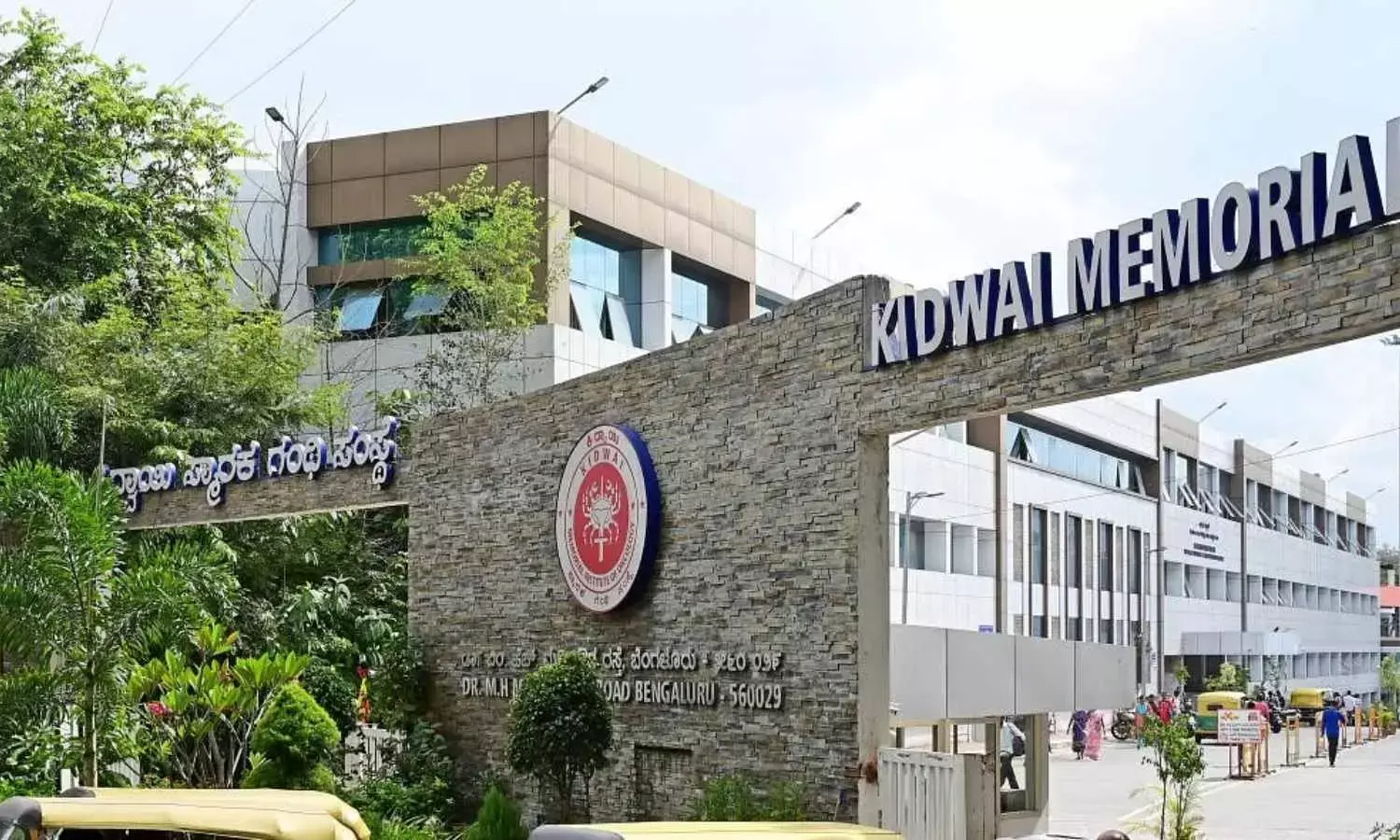
Finally, KMIO’s ISO 14001:2015 certification reinforces the importance of long-term environmental planning in healthcare. The hospital has committed to periodic audits, continuous staff training, and process improvements to maintain its standards. Officials emphasised that this milestone is not the endpoint but part of an ongoing journey toward sustainability. As Karnataka continues to develop its healthcare infrastructure, KMIO’s achievement serves as a benchmark for hospitals seeking to enhance patient care while protecting the environment.Kidwai Memorial Institute of Oncology Achieves ISO 14001:2015 Certification  for Solid Waste Management Facility

The ISO 14001:2015 certification covers all aspects of solid waste management, including collection, segregation, transportation, and disposal of biomedical and general waste. KMIO implemented a comprehensive plan that adheres to regulatory norms, minimizes environmental contamination, and ensures the safety of staff, patients, and the surrounding community. This includes dedicated waste handling units, staff training, and periodic audits to maintain compliance with global best practices.

Officials highlighted that the certification not only demonstrates regulatory compliance but also reinforces KMIO’s commitment to sustainability. With increasing awareness of environmental hazards associated with improper biomedical waste disposal, the hospital’s ISO certification sets an example for other healthcare institutions in Karnataka and across India. By achieving the standard, KMIO strengthens its reputation as a centre of excellence not only in oncology care but also in environmental stewardship.

The hospital’s administration has emphasised that this certification is part of a larger sustainability roadmap, which includes reducing single-use plastics, optimizing energy consumption, and improving water management systems. KMIO’s green initiatives aim to balance high-quality patient care with environmental responsibility, demonstrating that healthcare delivery and ecological consciousness can coexist effectively.


SOLID WASTE MANAGEMENT: SYSTEMATIC APPROACH

KMIO has implemented a detailed system for waste segregation, ensuring that infectious, hazardous, and general waste is separated at the point of generation. Colour-coded bins, labelled containers, and clearly defined disposal protocols ensure that biomedical waste is handled safely and efficiently. Hospital staff undergo regular training sessions to reinforce compliance with waste management procedures and to instill awareness of environmental and occupational hazards.

Transportation of waste within the hospital premises is done using designated trolleys and containers, preventing spillage and contamination. Waste collected from different departments is systematically transferred to the hospital’s treatment units, where it undergoes appropriate treatment such as autoclaving, chemical disinfection, or incineration, depending on its category. Regular internal audits ensure adherence to both ISO standards and national biomedical waste regulations.Kidwai Memorial Institute of Oncology achieves ISO 14001 certification for solid  waste management | News Karnataka

The hospital’s certification also focuses on monitoring and continuous improvement. Key performance indicators, including waste reduction, segregation accuracy, and treatment efficiency, are regularly reviewed. Feedback from audits and environmental assessments is used to refine processes, introduce new technologies, and enhance staff competency. Officials emphasised that ISO 14001:2015 certification is not a one-time achievement but a commitment to continuous environmental performance improvement.

Environmental experts praised KMIO’s initiative, stating that hospitals generate significant amounts of biomedical waste, which, if improperly managed, can lead to pollution, disease transmission, and occupational hazards. By achieving ISO certification, KMIO not only safeguards its immediate environment but also contributes to broader public health and environmental protection objectives.


IMPACT ON STAFF AND PATIENTS

The certification has had a positive impact on staff awareness and engagement. Hospital employees reported increased understanding of proper waste handling protocols and improved workplace safety. Training programs have equipped staff to identify different waste types, handle materials safely, and comply with treatment procedures, reducing the risk of infection or injury.

Patients and their families also benefit indirectly, as proper waste management ensures a cleaner, safer hospital environment. Minimizing hazardous exposure in public areas contributes to overall patient safety and improves the quality of healthcare delivery. Hospital management said that patient education about environmental initiatives is part of their outreach, helping cultivate awareness and community engagement.

Community representatives welcomed the certification, noting that hospitals are significant generators of biomedical waste in urban areas. KMIO’s systematic and certified approach reduces the risk of environmental contamination, protecting water bodies, soil, and air quality in surrounding neighbourhoods. Officials said such initiatives encourage other institutions to adopt similar environmental standards.

The hospital administration highlighted that ISO certification will help attract international collaborations and research opportunities, as sustainability is increasingly becoming a criterion in global partnerships. By aligning with international environmental management standards, KMIO reinforces its position as a leading oncology centre in the region.Kidwai Memorial Institute of Oncology completes 1000 Robotic Surgeries


FUTURE SUSTAINABILITY INITIATIVES

KMIO plans to expand its environmental initiatives beyond solid waste management. Measures include reducing the use of single-use plastics, implementing energy-efficient systems, and promoting water recycling within hospital premises. The administration is exploring advanced waste treatment technologies to further minimize ecological impact.

Public health experts noted that hospitals achieving ISO 14001:2015 certification set a benchmark for other healthcare providers. The standard not only ensures regulatory compliance but also instills a culture of environmental responsibility. Experts emphasised that such measures contribute to a healthier city environment and promote sustainable healthcare practices nationwide.

The ISO certification also enables KMIO to integrate environmental considerations into strategic planning. Officials said that environmental risk assessments will now be systematically included in all operational and infrastructural projects, ensuring that patient care expansion does not compromise ecological integrity.

As Karnataka continues to urbanize and healthcare demand grows, initiatives like KMIO’s ISO certification highlight the importance of balancing development with sustainability. The hospital’s commitment demonstrates that environmental responsibility and high-quality medical care can go hand in hand, setting an example for institutions across the State and the country.

Follow: Karnataka Government

Also read: Home | Channel 6 Network – Latest News, Breaking Updates: Politics, Business, Tech & More
KSRTC Expands Rural Bus Services: Astonishing 644 BUS, ONE CONNECTED KARNATAKA

The Karnataka State Road Transport Corporation (KSRTC) has announced plans to induct 644 new buses into its fleet, a move aimed at strengthening rural connectivity and improving passenger services across the State. Officials said the new buses would primarily serve rural and semi-urban areas, enhancing access to markets, educational institutions, and healthcare facilities. The initiative is part of KSRTC’s broader strategy to modernize operations, reduce travel gaps, and encourage public transport usage in less-connected regions.

Commuters in rural areas have expressed optimism over the fleet expansion, noting that the new buses will ease daily travel for work, education, and medical visits. Many villagers recounted struggles with overcrowded or irregular buses that made commuting unpredictable. Women commuters, in particular, highlighted safety and comfort concerns, saying that the introduction of modern, well-maintained buses will make travel less stressful. Students welcomed the announcement, emphasising that reliable bus services will allow them to reach colleges and coaching centers on time. Farmers also pointed out that better transport access will enable them to sell produce in distant markets without relying on costly private vehicles.

KSRTC officials are implementing measures to ensure the sustainability of the new fleet. Maintenance schedules will be strictly adhered to, with preventive servicing to reduce breakdowns and delays. Technicians and engineers are being trained to handle newer bus models, including those with alternative fuel systems. Special attention will be paid to vehicle hygiene, seating comfort, and onboard safety features. Officials said that fleet management software will track real-time operations, helping dispatchers monitor adherence to schedules and improve overall efficiency. The corporation hopes that these measures will enhance public confidence in KSRTC services and boost ridership across both rural and semi-urban routes.

The expansion is expected to create direct and indirect employment opportunities. KSRTC plans to recruit additional drivers, conductors, and maintenance staff to manage the increased fleet. Training programs are being conducted to ensure that staff are familiar with safety protocols, customer service expectations, and route knowledge. Indirectly, increased bus services are likely to stimulate economic activity in rural areas by enabling better market access for goods and improving connectivity for small businesses. Officials said that employment generation is a key consideration alongside mobility improvements, demonstrating the government’s holistic approach to rural development.

Safety remains a top priority for KSRTC with the fleet expansion. Each new bus will be equipped with features such as GPS tracking, fire extinguishers, and first-aid kits. Drivers will receive training on safe driving, handling emergencies, and navigating challenging rural roads. Officials highlighted that rural routes often have narrow roads, unexpected obstacles, and variable weather conditions, making driver preparedness essential. CCTV cameras installed on select buses will monitor passenger behavior and ensure accountability. KSRTC said that safety measures, combined with regular maintenance, aim to reduce accidents and enhance commuter confidence, particularly for women and school-going students.

The environmental impact of the fleet expansion is also being considered. Several new buses are expected to use cleaner fuels, reducing carbon emissions compared to older vehicles. Officials are exploring electric and hybrid options for high-demand routes as part of a long-term green transport strategy. Environmentalists welcomed the initiative, noting that promoting public transport reduces reliance on private vehicles, lowers traffic congestion, and contributes to air quality improvement. KSRTC has also committed to educating passengers on sustainable travel practices and incentivizing the use of public transport for daily commuting in rural and semi-urban areas.

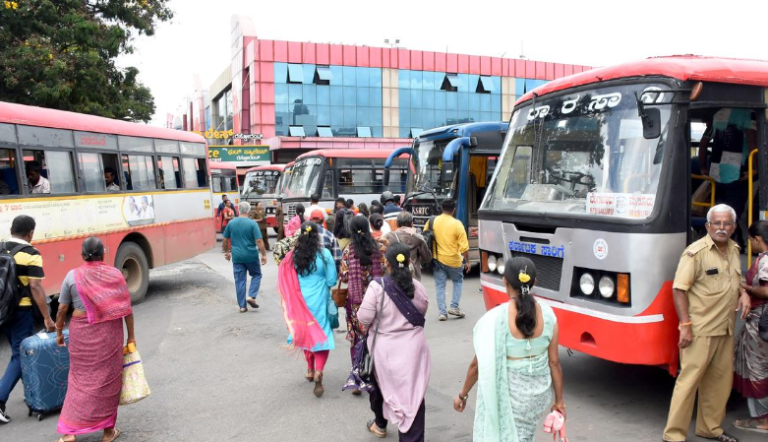
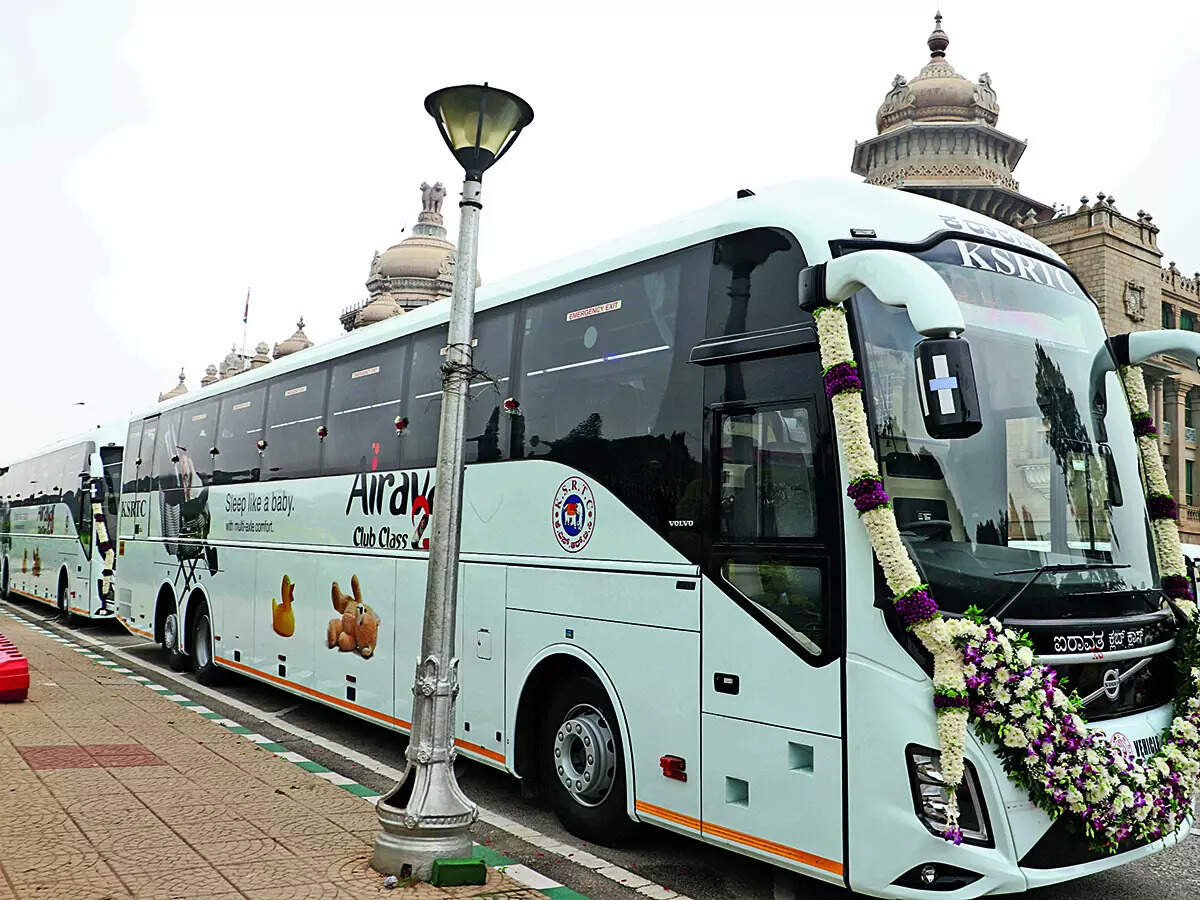
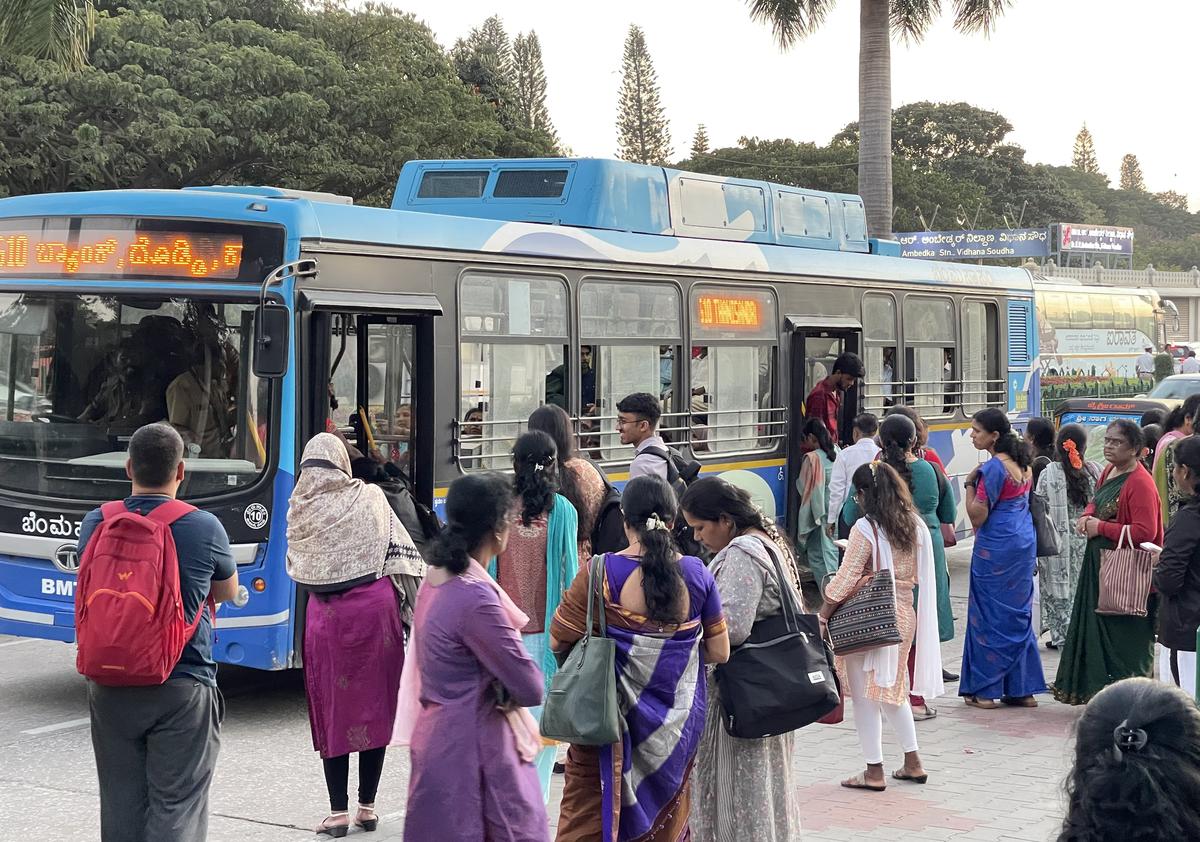
Community engagement is being emphasised as part of the rollout. KSRTC officials plan to conduct awareness campaigns in villages along the new routes, explaining bus schedules, fare structures, and safety protocols. Feedback mechanisms, including helplines and mobile apps, will allow commuters to report issues and suggest improvements. Officials believe that community participation is critical to ensuring that services meet local needs effectively. By involving residents, KSRTC hopes to create a sense of ownership among passengers, encourage responsible usage of buses, and maintain high standards of service across both rural and semi-urban networks.KSRTC Unveils Luxury Buses with Innovative Compensation Schemes

Finally, the induction of 644 new buses represents a strategic step toward bridging Karnataka’s urban-rural mobility divide. Improved transportation access can foster social inclusion, economic opportunity, and educational access for underserved communities. By connecting villages to towns and cities reliably, KSRTC enables residents to pursue employment, education, and healthcare without the barriers of distance or cost. Officials said the initiative reflects the State’s commitment to equitable development, demonstrating that investment in public transport is not just a service improvement but a transformative measure for regional growth. The expanded fleet promises to reshape rural connectivity for years to come.

According to KSRTC authorities, the new buses will include a mix of standard and deluxe services, ensuring that both comfort and affordability are addressed. The addition of 644 vehicles represents one of the largest single expansions of the fleet in recent years, reflecting the government’s commitment to improving rural mobility. Priority routes for these buses have been identified based on passenger demand, connectivity gaps, and economic significance.

The KSRTC management emphasised that rural routes often face challenges such as low passenger volumes, poor road conditions, and limited revenue potential. However, officials said the introduction of new buses is expected to stimulate ridership, provide reliable transport, and support local economies by linking villages with district headquarters and urban centers. Enhanced schedules and improved frequency are anticipated to encourage daily commuting for students, workers, and traders.

Passengers and rural residents have welcomed the announcement, noting that transport shortages often disrupt education, employment, and access to essential services. Many villagers said that prior to this expansion, buses were infrequent and overcrowded, forcing people to rely on private vehicles or informal transport services, which are often costlier and less safe.


MODERNIZATION AND FOCUS ON RURAL MOBILITY

KSRTC officials indicated that the new fleet would be equipped with modern amenities such as comfortable seating, better suspension systems for long-distance travel, and enhanced safety features including CCTV cameras and GPS tracking. Some buses are expected to run on alternative fuels, aligning with the State’s environmental objectives and reducing carbon emissions from public transport.

The expansion aligns with Karnataka’s broader rural development agenda, which emphasizes transport as a key enabler of economic growth. Reliable bus services can facilitate agricultural trade, improve access to healthcare, and allow residents to reach employment hubs without the need for costly personal transport. Experts argue that such measures also help reduce migration pressures on cities by improving rural livelihoods.

Authorities said that recruitment and training of additional drivers, conductors, and maintenance staff are being planned alongside the fleet expansion. Special attention will be given to driver safety, route familiarization, and customer service training. Officials noted that adequate human resources are critical to ensuring the success of the new services, particularly in remote and challenging terrain.

Public transport advocates have praised KSRTC’s move as a step toward bridging the urban-rural mobility divide. They pointed out that long-standing gaps in rural transport contribute to social and economic inequities. The induction of new buses is expected to reduce travel times, lower transportation costs, and promote greater inclusivity for residents of remote areas.KSRTC to add 2,000 new buses, cashless travel this year - The Hindu


ECONOMIC AND SOCIAL IMPACT

The expansion is likely to have significant economic implications for both KSRTC and the communities it serves. Increased ridership can enhance revenue collection for the corporation, while also creating employment opportunities related to vehicle operation, maintenance, and administrative functions. In addition, better transport links enable local businesses to expand their reach and improve supply chain efficiency.

For students and workers in rural areas, the new buses are expected to provide consistent and reliable access to schools, colleges, and workplaces. Officials noted that many students currently face difficulties attending educational institutions due to irregular or overcrowded buses, which affects attendance and academic performance.

Farmers in villages connected by these new routes are also likely to benefit, as the improved transport network facilitates easier access to markets for agricultural produce. Traders and small-scale entrepreneurs are expected to see improved logistics, allowing them to transport goods more efficiently and reach larger customer bases.

Environmental experts welcomed the move, particularly for the inclusion of buses running on cleaner fuel alternatives. By reducing reliance on private vehicles, the new fleet could help lower air pollution in rural and peri-urban areas. Officials indicated that future expansions may further prioritize sustainable transport solutions, including electric buses on high-demand rural routes.

Public feedback mechanisms are being strengthened as part of the rollout. KSRTC plans to collect passenger suggestions on scheduling, route efficiency, and service quality. Officials emphasised that citizen feedback will play a key role in shaping future expansions and modifications to routes, ensuring services meet local needs effectively.


CHALLENGES AND FUTURE OUTLOOK

While the expansion has been widely welcomed, officials acknowledge challenges in implementation. Rural roads in some districts remain in poor condition, requiring infrastructure improvements to ensure safe and timely bus operations. Maintenance facilities and fuel stations are being upgraded to support the larger fleet, particularly in remote locations.

Experts note that consistent service delivery, even with an expanded fleet, requires careful planning to address seasonal variations in demand, weather disruptions, and vehicle wear and tear. KSRTC officials assured that preventive maintenance and route monitoring systems will be strengthened to minimise service interruptions.

The initiative is also expected to inspire broader policy discussions on rural mobility and public transport investment. Analysts suggest that sustained improvements in bus services could reduce dependence on private transport, enhance road safety, and support economic growth by improving labor mobility.BMTC's new express buses gain traction with Namma Metro Yellow Line delay -  The Hindu

Authorities emphasised that the induction of 644 buses is just the beginning, with plans to continue modernizing the fleet and expanding rural connectivity. Long-term strategies include integrating digital ticketing, real-time tracking, and mobile apps to provide commuters with convenient, reliable information.

As Karnataka’s rural transport network strengthens, the expanded KSRTC fleet promises to improve accessibility, promote economic opportunity, and enhance the quality of life for residents across the State. For thousands of villagers and commuters, the new buses represent more than a ride—they signal better access to education, healthcare, and livelihoods, bridging the gap between rural communities and urban centers.

The initiative underscores the government’s commitment to equitable development, demonstrating that strategic investment in public transport is critical to ensuring that no part of the State remains isolated or underserved. By improving rural mobility, KSRTC is poised to play a key role in fostering inclusive growth and sustainable development in Karnataka.

Follow: Karnataka Government

Also read: Home | Channel 6 Network – Latest News, Breaking Updates: Politics, Business, Tech & More
Viksit Bharat – G Ram G Act Lays Foundation for Self-Reliant Villages: Shivraj Singh Chouhan in Erode” 2026

The Viksit Bharat – G Ram G Act marks a major policy shift towards building self-reliant and empowered villages, Union Minister for Agriculture and Farmers’ Welfare and Rural Development Shivraj Singh Chouhan said during his visit to Erode, Tamil Nadu, on Monday. Addressing farmers, labourers, and workers, the Minister highlighted that the new law strengthens employment guarantees, decentralises decision-making, and plugs leakages to ensure benefits reach the intended beneficiaries.


From Welfare to Self-Reliance: The Vision of G Ram G

Explaining the philosophy behind the Act, Shri Chouhan said the initiative is a concrete step towards Atmanirbhar (self-reliant) villages. The law focuses on:

  • Enhanced employment generation

  • Expansion of basic rural infrastructure

  • Greater self-sufficiency through community participation

He emphasised that truly developed villages can only be achieved through public participation, with villagers actively shaping their own development priorities.


Stronger Employment Guarantees and Anti-Corruption Measures

Drawing comparisons with the earlier MGNREGA framework, the Union Minister pointed out persistent challenges such as delayed work allocation and wage payments. To address these issues, the G Ram G Act introduces key reforms:

  • Employment guarantee increased from 100 to 125 days

  • Unemployment allowance if work is not provided within the stipulated time

  • Interest on delayed wages if payments are delayed beyond 15 days

  • Administrative expenditure raised from 6% to 9% to ensure timely salaries for field staff and smoother implementation

He asserted that these provisions eliminate systemic bottlenecks and reduce scope for corruption.


Gram Sabhas Empowered: Decisions Now at the Village Level

One of the most significant changes under the Act is the empowerment of Gram Sabhas. Shri Chouhan clarified that decisions on village development projects will now be taken locally, rather than at state or central capitals.
“Development decisions will no longer be made in Chennai or Delhi, but within the village itself,” he said, underscoring the government’s commitment to grassroots democracy.


Direct Benefit Transfers and Transparency

Addressing misinformation around the scheme, Shri Chouhan stated that reforms introduced under the leadership of Narendra Modi ensure that funds meant for labourers and workers are transferred directly into their bank accounts, leaving no room for intermediaries or siphoning of money.
“No one will be allowed to siphon off the money meant for labourers and workers,” the Minister asserted.


Boost for Turmeric Farmers: ICAR Lab and Board Office in Erode

During his visit to Erode’s renowned turmeric market, Shri Chouhan announced the establishment of a turmeric testing laboratory in the city and issued directions to Indian Council of Agricultural Research (ICAR) to set it up.
The proposed lab will support farmers through:

  • Quality testing and certification

  • Improved market credibility

  • Better price realisation and export potential

He also assured efforts to establish a regional office of the Turmeric Board in Erode, promising policy support and enhanced market access for turmeric growers.


Cold Storage, Seed Development and Market Reforms

Highlighting infrastructural gaps, the Union Minister stressed the urgent need for cold storage facilities in the Erode region. He said such facilities can be developed under central schemes and urged the Tamil Nadu government to utilise RKVY (Rashtriya Krishi Vikas Yojana) funds.
He also assured action against turmeric smuggling and announced that a meeting would be held in Delhi to address farmers’ concerns. Emphasising that quality seeds form the backbone of agriculture, he called for strengthened seed development initiatives through ICAR.


Engagement with Women Farmers and Agri-Innovators

As part of his visit, Shri Chouhan reviewed agricultural innovations by inspecting over 100 stalls showcasing farm products and technologies. He interacted with entrepreneurs on product quality and future potential, held discussions with over 1,000 women farmers, met representatives of farmer organisations, and engaged with progressive farmers. The visit also featured cultural programmes, reflecting strong community participation.


Conclusion: Viksit Bharat – G Ram G Act 

The Viksit Bharat – G Ram G Act represents a decisive move towards decentralised governance, stronger rural employment, and transparent delivery of welfare. With empowered Gram Sabhas, enhanced guarantees for workers, and targeted support for farmers—particularly turmeric growers in Erode—the initiative lays a strong foundation for self-reliant and prosperous villages across India.


For more real-time updates, visit Channel 6 Network.

Source: PIB

SAMPANN: Transforming Pension Administration for DoT Pensioners Through Digital Integration: 2026

In a significant step towards strengthening digital governance and improving public service delivery, the Government of India has enhanced pension administration for Department of Telecommunications (DoT) pensioners through SAMPANN (System for Accounting and Management of Pension). The initiative reflects the government’s broader commitment to transparency, efficiency, and paperless services, ensuring greater ease and dignity for telecom retirees.


What is SAMPANN? A Unified Digital Pension Platform

SAMPANN is an integrated, end-to-end online pension management system designed exclusively for DoT pensioners. It provides a single digital platform for the complete lifecycle of pension administration—from processing and sanctioning to disbursement.

Key features of the SAMPANN system include:

  • Direct pension disbursement to pensioners’ bank accounts

  • Centralised processing and sanctioning of pension cases

  • Digital profile management for pensioners

  • Access to detailed transaction records

  • Online grievance redressal mechanism

By consolidating multiple functions into one platform, SAMPANN significantly reduces delays, manual intervention, and procedural complexities.


DigiLocker Integration: A Major Digital Leap

Taking digital integration a step further, the government has now enabled the availability of crucial pension-related documents through DigiLocker, India’s secure digital document storage platform.

Documents now accessible digitally include:

  • Gratuity Payment Orders

  • Pension Certificates / electronic Pension Payment Orders (ePPOs)

  • Pension Commutation Payment Orders

  • Form 16

This integration allows pensioners to securely access, store, and retrieve official documents anytime, anywhere, eliminating dependency on physical copies and reducing the risk of loss or damage.


Enhancing Transparency, Convenience, and Trust

The integration of SAMPANN with DigiLocker enhances:

  • Transparency through real-time access to records

  • Convenience by enabling remote and paperless access

  • Authenticity via government-verified digital documents

  • Long-term digital preservation of pension records

For elderly pensioners in particular, these reforms reduce the need for repeated physical visits to offices and banks, improving overall service experience.


Aligned with the Vision of Digital India

The SAMPANN initiative aligns seamlessly with the Government of India’s vision of Digital India, promoting technology-driven governance, ease of living, and citizen-centric service delivery. By leveraging secure digital platforms, the system sets a benchmark for modern pension administration across government departments.


Conclusion

SAMPANN represents a transformative shift in pension administration for DoT pensioners, combining efficiency, transparency, and digital empowerment. With the added integration of DigiLocker, pensioners now enjoy seamless access to essential documents and services, marking a major milestone in the government’s journey towards fully digital, paperless, and inclusive governance.


For more real-time updates, visit Channel 6 Network.

Source: PIB