Thursday, April 30, 2026
Home Blog Page 167

CONTROVERSY, 1 WARDEN, ONE LANGUAGE: Private College Head Arrested for Derogatory Kannada Remarks

In a move that has stirred public outrage, the warden of a private engineering college in Karnataka was arrested on charges of making derogatory remarks against the Kannada language. The incident, reported on campus premises, quickly drew widespread attention on social media, prompting protests from local students, language activists, and political leaders. Authorities said that legal action was initiated under relevant sections of the Indian Penal Code and the Karnataka Official Language Act, which safeguards the dignity of the state language.

According to police sources, the warden’s comments were made during a private gathering on campus but were recorded and circulated widely, escalating the matter. The remarks were considered offensive and disrespectful to Kannada, leading to immediate complaints from students and faculty members. The administration of the college reportedly cooperated with law enforcement agencies during the investigation, enabling swift action.

Local language activists and cultural organisations condemned the incident, calling it an affront to Karnataka’s linguistic heritage. They demanded strict action and urged authorities to ensure such incidents do not recur. Several protests were organised near the college campus, with students and activists carrying placards emphasizing respect for Kannada and the importance of promoting regional languages within educational institutions.

Political leaders also weighed in on the matter. Some condemned the warden’s behaviour as unbecoming of an educational administrator, while others urged authorities to take stringent action to maintain respect for the Kannada language. Many stressed that linguistic sensitivity is essential in fostering cultural pride and unity among students and citizens alike.Bengaluru News: Hostel Warden Arrested Over Kannada Remarks


LEGAL AND SOCIAL IMPLICATIONS

Law enforcement officials stated that the arrest was made following due procedure, with the warden produced before a local magistrate. Police clarified that the charges pertain to derogatory remarks targeting a regional language, a matter considered serious under state law. Investigations are ongoing to ascertain the context and potential involvement of others, although preliminary findings suggest that the remarks were personal and not part of any organised campaign.

Legal experts noted that this case highlights the delicate balance between freedom of speech and respect for cultural sentiments. While individuals are entitled to express opinions, statements that demean a language or community can be punishable under Indian law. The arrest sets a precedent reinforcing that administrators and educators must exercise caution and sensitivity when making public or private comments.

The Karnataka Official Language Act, under which the complaint was filed, ensures that Kannada is given priority in government offices, educational institutions, and public communication. Derogatory remarks against the language are considered an offence because they undermine its status and cultural significance. Advocates argue that awareness of such legal provisions is critical, especially among those in leadership positions in educational institutions.

Social media played a significant role in amplifying the incident, with videos and screenshots going viral soon after the remarks were made public. While many users expressed outrage, some cautioned against using the situation for political gain or communal polarization. Authorities have urged people to maintain calm while investigations continue.


IMPACT ON THE EDUCATIONAL COMMUNITY

Students from the college expressed disappointment and shock at the warden’s comments, saying that such behaviour undermines the institution’s credibility. Several student groups have called for sensitivity training and mandatory workshops on regional language respect within colleges. Faculty members noted that the incident is an opportunity to reinforce cultural awareness and inclusivity in educational settings.

The management of the private college released a statement expressing regret over the incident and reaffirming their commitment to promoting Kannada and other cultural values. They said that they are cooperating fully with authorities and would initiate internal reviews to prevent recurrence. Experts suggest that administrative accountability in such cases is as important as legal action to maintain trust among students and the public.

The arrest has prompted discussions on social media about the responsibilities of educators in shaping cultural and linguistic awareness among students. Several student groups highlighted that leaders in educational institutions are role models, and their words carry weight that can influence young minds positively or negatively. The warden’s remarks, according to critics, risked normalising disrespect towards Kannada and undermining efforts to preserve regional identity.

Some cultural organisations have proposed that private colleges implement formal programmes celebrating Karnataka’s language, literature, and heritage. Activities such as Kannada essay competitions, debate forums, and literary clubs could reinforce appreciation among students. Advocates argued that such initiatives would create a culture of pride and respect, reducing the likelihood of incidents like the one involving the warden.

Parents of students attending the college expressed concern over the impact on their children. Many felt the incident created unnecessary tension within the campus and worried about its long-term effect on students’ understanding of cultural respect. Parent-teacher associations have reportedly requested the college administration to take stronger measures to reinforce inclusivity and language sensitivity across all levels of staff and student interactions.

Political leaders from across the spectrum weighed in on the incident, emphasising the significance of protecting Kannada in both public and private spheres. Some urged the State government to tighten regulations on language sensitivity in educational institutions, while others highlighted the importance of balancing legal action with educational interventions. All leaders, however, agreed that derogatory remarks against Kannada cannot be tolerated under any circumstances.

Legal analysts note that the arrest also underscores the effectiveness of Karnataka’s language protection laws. By taking swift action, authorities have sent a message that derogatory statements targeting Kannada will be addressed promptly. They argue that such measures are essential not only for justice but also for reinforcing societal norms that respect regional languages and cultural identity.

The warden has reportedly issued an apology following the arrest, though authorities indicated that legal proceedings will continue independently of personal statements. Experts suggested that while apologies are important, they cannot substitute for formal accountability, which serves to maintain public trust in the educational system and the law.

Student activism around the case has been particularly notable. Several student unions organised peaceful demonstrations on campus and in surrounding areas, demanding stricter enforcement of language protection measures and awareness campaigns. Leaders of these movements emphasised that protecting Kannada is not about limiting freedom of expression but ensuring respect for the cultural and linguistic heritage of Karnataka.

Educational psychologists highlighted that incidents like these can have both immediate and long-term impacts on student perception. Witnessing a senior figure disrespect a regional language may influence students’ attitudes, potentially fostering apathy or bias. Reinforcing positive messages about Kannada through workshops, curricular inclusion, and faculty conduct guidelines is therefore critical for shaping respectful behaviour.

Finally, cultural commentators and linguists observed that the incident opens a broader conversation about the coexistence of global and regional languages in private educational institutions. While English-medium colleges dominate the higher education landscape, regional languages like Kannada remain central to identity and cultural continuity. The challenge, they argue, lies in creating an environment where both linguistic pride and academic aspirations coexist without conflict.

Cultural organisations in Karnataka have highlighted the need for broader awareness campaigns emphasizing respect for Kannada and other regional languages. Educational institutions, they argue, should integrate language pride into curricula and extracurricular activities to cultivate respect from a young age.

The incident has also sparked a broader debate on the role of language in education. While English remains the medium of instruction in many private colleges, the importance of regional languages as carriers of culture and identity has gained renewed attention. Linguists and educators alike stress that promoting bilingual proficiency—respecting local languages while maintaining global competencies—is essential for holistic development.Google Shows Kannada as 'Ugliest' Language, Removes It After Outrage;  Apologises | Technology News


GOVERNMENT RESPONSE AND FUTURE MEASURES

State authorities have confirmed that the matter will be pursued rigorously, ensuring that legal provisions protecting Kannada are upheld. Officials indicated that complaints from students, activists, and cultural bodies will be taken into account during judicial proceedings. Police and educational regulators have been asked to monitor private institutions to prevent similar incidents.

Experts suggest that preventive measures, including mandatory cultural sensitivity workshops, can help avert conflicts arising from disrespect towards local languages. Additionally, college administrations are advised to establish clear codes of conduct for staff and faculty to reinforce accountability.

The warden’s arrest has sparked conversations across Karnataka about linguistic pride, respect, and cultural awareness. Many believe that while legal action is necessary, fostering empathy and education around language and culture is equally important. Observers noted that the case could serve as a wake-up call for educational institutions to promote values of respect, inclusivity, and awareness among staff and students alike.

As the case proceeds through the legal system, stakeholders are watching closely, emphasising the importance of ensuring justice while preserving social harmony. The episode serves as a stark reminder that in Karnataka, respect for Kannada is not merely cultural but also a legal and moral expectation, particularly for those entrusted with shaping young minds.

The arrest, protests, and public discourse together underline a critical lesson: educational leaders must uphold values of respect, cultural sensitivity, and ethical conduct at all times. Failure to do so can have far-reaching social, legal, and institutional consequences, shaping public perception and influencing policy debates for years to come.
K'taka HC Issues Notice to State on Challenge to Compulsory Kannada Study

Follow: Karnataka Government

Also read: Home | Channel 6 Network – Latest News, Breaking Updates: Politics, Business, Tech & More

Markets End Lower on January 5 as IT and Banking Stocks Drag Nifty; FMCG and Select Industrials Offer Support

Indian equity markets ended Monday’s session on a weak note, with benchmark indices slipping into the red amid sustained selling pressure in IT and banking heavyweights on January 5, 2026. Despite strong gains in select FMCG, auto, and industrial stocks, broader market sentiment remained cautious, leading to a negative close for frontline indices.

Also Read: January 5, 2026: Indian Markets Trade Range-Bound Midday as IT and Banking Weigh, Select Consumption Stocks Shine


Benchmark Indices: Nifty Slips Below Day’s Open

The Nifty 50 closed at 26,250.30, down 78.25 points or 0.30%, reversing early stability as selling intensified in the latter half of the session. The index opened at 26,333.70, touched an intraday high of 26,373.20, and fell to a low of 26,210.05, reflecting persistent intraday volatility.

Other key indices also ended lower:

  • Nifty Next 50 closed almost flat at 70,413.40

  • January 5, 2026Nifty Financial Services declined 0.17% to 27,851.45

  • Nifty Bank fell 0.18% to 60,044.20

Weakness in financials and technology stocks largely dictated market direction through the session.


Top Gainers: FMCG, Auto and Defence Stocks Show Resilience

Amid a weak broader market, select stocks from FMCG, auto, and defence segments posted healthy gains:

  • Nestlé India rose 2.76% to ₹1,315.00, supported by steady defensive buying in FMCG counters.

  • Bharat Electronics (BEL) gained 2.53% to ₹413.35, backed by strong volumes, reflecting continued interest in defence-linked stocks.

  • Screenshot 2026 01 05 211527Eicher Motors advanced 2.17% to ₹7,494.00, extending gains on positive demand expectations.

  • Hindustan Unilever added 1.60% to ₹2,385.50, reinforcing FMCG’s role as a defensive play.

  • Tata Steel edged up 1.56% to ₹185.73, supported by steady metal prices and strong trading volumes.

These stocks helped limit the downside, even as broader indices remained under pressure.


Top Losers: IT and Banking Heavyweights Pull Markets Down

Technology and banking stocks emerged as the biggest drags on the benchmarks:

  • HDFC Bank fell 2.31% to ₹978.50, exerting significant pressure on the Nifty and Bank Nifty.

  • Wipro declined 2.23% to ₹263.00

  • Screenshot 2026 01 05 211535Infosys slipped 2.21% to ₹1,604.10

  • HCL Technologies dropped 2.15% to ₹1,605.00

  • ONGC eased 1.41% to ₹238.05

The sell-off in IT stocks reflected ongoing concerns over global technology spending, while weakness in HDFC Bank weighed heavily on financial indices.


Market Trend: Defensive Buying Amid Risk-Off Mood

Overall market activity pointed to a risk-averse tone. Investors preferred defensive FMCG stocks and selectively accumulated autos and industrials, while cutting exposure to IT and banking stocks. Volumes were robust in several frontline counters, but broader participation remained limited.


Conclusion: January 5, 2026

Indian markets closed lower on January 5 as losses in IT and banking stocks outweighed gains in FMCG, auto, and industrial names. With global cues uncertain and the earnings season approaching, market sentiment is likely to remain cautious in the near term, with stock-specific action and sector rotation continuing to dominate trading activity.


For real time stock Updates, visit NSE website.

January 5, 2026: Indian Markets Trade Range-Bound Midday as IT and Banking Weigh, Select Consumption Stocks Shine

Indian equity markets continued to trade in a narrow range during the afternoon session on Monday, January 5, 2026, as investors remained cautious amid sectoral divergence. While frontline indices held marginal gains, persistent selling pressure in IT and select banking stocks capped upside, even as consumption, auto, and defence-related stocks provided support.

Also Read: Indian Markets Open 2026 on a Strong Note as IT Drags, Select Stocks Show Strength


Benchmark Indices: Flat to Mildly Positive

The Nifty 50 hovered higher at 26,342.10, up 13.55 points (0.05%), reflecting a lack of strong directional cues. The index opened at 26,333.70, touched an intraday high of 26,373.20, and tested a low of 26,263.60, highlighting continued consolidation.

Other key indices showed modest strength:

  • Nifty Next 50 rose 0.18% to 70,544.90

  • January 5, 2026Nifty Financial Services added 0.10% to 27,927.90

  • Nifty Bank edged up 0.12% to 60,221.90

Despite gains in broader indices, heavyweight stocks limited overall momentum.


Top Gainers: Defence, Auto and FMCG in Focus

Selective buying was visible in stocks linked to defence manufacturing, automobiles, and consumption:

  • Bharat Electronics (BEL) advanced 3.31% to ₹416.50, backed by strong volumes, reinforcing bullish sentiment around defence-sector prospects.

  • Nestlé India gained 2.65% to ₹1,313.60, supported by steady demand outlook in the FMCG space.

  • Screenshot 2026 01 05 125645Eicher Motors climbed 1.95% to ₹7,477.50, reflecting optimism in the premium motorcycle segment.

  • Maruti Suzuki rose 1.86% to ₹17,276.00, extending gains on expectations of stable auto sales.

  • Asian Paints added 1.70% to ₹2,819.80, indicating continued investor confidence in consumption-driven stocks.

These gains underscored a clear preference for defensive and domestic-demand-oriented plays.


Top Losers: IT and Banking Stocks Drag

Technology and banking stocks remained under pressure, acting as a drag on the benchmarks:

  • Infosys slipped 1.92% to ₹1,608.90

  • HCL Technologies declined 1.82% to ₹1,610.40

  • Screenshot 2026 01 05 125651Wipro fell 1.71% to ₹264.40

  • HDFC Bank dropped 1.85% to ₹983.10

  • ONGC eased 1.53% to ₹237.76

The weakness in IT stocks pointed to continued concerns over global tech spending, while the decline in banking heavyweight HDFC Bank weighed on the Nifty Bank index.


Market Sentiment: Cautious, Stock-Specific Action

Overall market sentiment remained cautious, with investors adopting a stock-specific approach. While money flowed into FMCG, auto, and defence stocks, selling pressure persisted in IT and select financials. Volumes were healthy in select counters, but broader participation remained limited.


Conclusion: January 5, 2026

Indian markets traded range-bound in the midday session, supported by gains in consumption, auto, and defence stocks, but restrained by losses in IT and banking heavyweights. In the near term, markets are likely to remain volatile and selective, with investors closely tracking global cues, sector-specific developments, and the upcoming corporate earnings season.


For real time stock Updates, visit NSE website.

Indian Markets Open 2026 on a Strong Note as IT Drags, Select Stocks Show Strength

Indian equity markets began the first full trading week of 2026 on a mixed and cautious footing on Monday, January 5. While frontline indices traded marginally higher, sectoral divergences remained sharp, with information technology stocks under pressure and select auto, metal, and industrial names providing support. Investor sentiment reflected a wait-and-watch approach amid global cues and stock-specific triggers.

Also Read: Indian Equity Markets End Strong as Nifty Climbs Above 26,300; PSU, Metals and Banks Lead Rally


Benchmark Indices: Modest Gains, Narrow Range

The Nifty 50 traded slightly higher at 26,352.75, up 24.20 points (0.09%), moving in a narrow intraday range. The index opened at 26,333.70, touched a high of 26,360.55, and slipped to a low of 26,263.60, indicating limited directional conviction.

Broader market indicators showed mild optimism:

  • Nifty Next 50 rose 0.13% to 70,511.60

  • January 5, 2026Nifty Financial Services gained 0.22% to 27,961.50

  • Nifty Bank outperformed, climbing 0.28% to 60,319.25

The marginal uptick in banking and financial stocks helped cushion the impact of weakness in IT counters.


Top Gainers: Industrials, Auto and Metals Lead

Buying interest was visible in select stocks across industrials, automobiles, and metals:

  • Bharat Electronics (BEL) surged 3.49% to ₹417.20, supported by strong volumes, reflecting continued optimism around defence and electronics manufacturing.

  • Screenshot 2026 01 05 102106Eicher Motors advanced 1.89% to ₹7,473.00, extending gains amid sustained demand expectations in the premium two-wheeler segment.

  • Maruti Suzuki rose 1.85% to ₹17,274.00, benefiting from positive outlook on passenger vehicle sales.

  • Asian Paints added 1.63% to ₹2,817.70, indicating steady investor confidence in consumption-led plays.

  • Tata Steel gained 1.56% to ₹185.73, tracking strength in metal stocks and stable global steel prices.

These gains highlighted selective risk-taking by investors in fundamentally strong names.


Top Losers: IT Stocks Under Pressure

The technology sector weighed heavily on the markets, with major IT stocks witnessing selling pressure:

  • Infosys declined 2.83% to ₹1,594.00

  • HCL Technologies fell 2.43% to ₹1,600.30

  • Screenshot 2026 01 05 102116Wipro slipped 2.06% to ₹263.45

  • Tech Mahindra dropped 1.35% to ₹1,590.20

Additionally, ONGC eased 1.97% to ₹236.70, reflecting weakness in select energy stocks. The decline in IT shares suggests concerns over global demand outlook and cautious positioning ahead of earnings season.


Market Mood: Selective Buying, Sector Rotation: January 5, 2026

Overall, market participants appeared selective, rotating capital into autos, defence, metals, and financials, while trimming exposure to IT. Volumes remained stock-specific rather than broad-based, reinforcing the cautious undertone at the start of the year.


Conclusion

Indian markets kicked off 2026 with modest gains but clear sectoral divergence. While banking, auto, and industrial stocks provided support, persistent weakness in IT stocks capped broader upside. Going ahead, market direction is likely to be guided by global cues, upcoming corporate earnings, and macroeconomic data, with investors expected to remain selective in the near term.


For real time stock Updates, visit NSE website.

Clear Skies Send Bengaluru’s Nights into a Cold Grip: CHILLING DROP, 1 CITY, SHARED SHIVERS

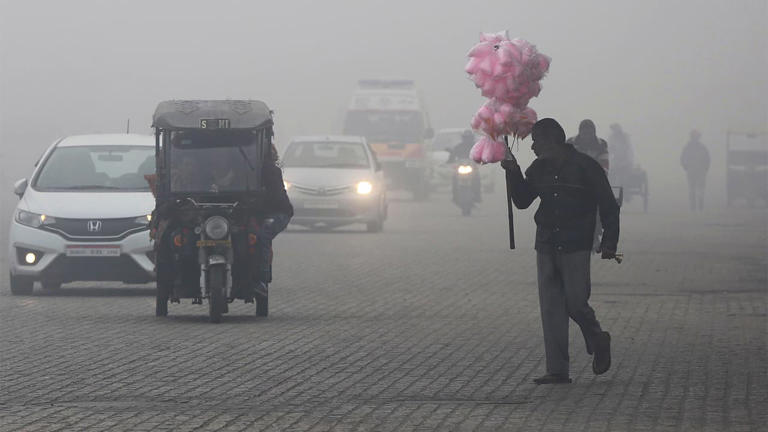
Clear night skies over Bengaluru have led to a noticeable dip in minimum temperatures, bringing a sharp winter chill that has caught many residents by surprise. The city, known for its relatively moderate climate, has experienced colder-than-usual early morning hours as cloud cover thinned and humidity levels dropped. Weather officials attribute the fall in temperatures primarily to radiational cooling, a phenomenon intensified by cloudless skies and calm wind conditions.

According to meteorological observations, several parts of Bengaluru recorded minimum temperatures significantly lower than seasonal averages over the past few nights. Peripheral areas, especially those closer to open land and greenery, experienced sharper drops compared to the dense urban core. Early morning walkers, street vendors, and sanitation workers reported biting cold conditions, with visible breath vapour and mist in some low-lying pockets.

Meteorologists explained that clear skies allow heat accumulated during the day to escape rapidly into the atmosphere at night. In the absence of clouds, which usually act as an insulating blanket, the earth’s surface cools faster, leading to lower minimum temperatures. This effect becomes more pronounced during winter months when solar radiation during the day is weaker.

Residents across the city have responded by pulling out sweaters, shawls, and blankets earlier than usual. Pharmacies reported a rise in demand for cold-related medication, while hot beverage stalls saw increased footfall during early mornings and late evenings. For many Bengalureans, the chill evoked a sense of nostalgia, reminiscent of colder winters from decades past.

While the drop in temperature has been welcomed by some as a refreshing change, others, particularly the elderly and those with respiratory conditions, have found the sudden cold uncomfortable. Doctors have advised caution, noting that abrupt temperature changes can exacerbate asthma, arthritis, and seasonal infections.


WHY CLEAR SKIES MEAN COLDER NIGHTS

Meteorological experts emphasise that Bengaluru’s recent cold nights are a textbook example of radiational cooling. During the day, the earth absorbs heat from sunlight. At night, this heat is released back into the atmosphere. When skies are cloudy, clouds trap some of this outgoing heat, keeping temperatures relatively stable. However, under clear skies, heat escapes freely, resulting in a sharper temperature drop.

In recent days, the region has seen reduced moisture in the lower atmosphere, further aiding cooling. Low humidity allows heat to dissipate faster, while calm winds prevent mixing of warmer air from higher altitudes with cooler air near the surface. Together, these conditions create ideal circumstances for colder nights.

Meteorologists also pointed to seasonal wind patterns playing a role. Northeasterly winds, typical during this time of year, bring in drier air masses from inland regions. Unlike moisture-laden winds, dry air lacks the capacity to retain heat, contributing to cooler night-time temperatures.

Urban geography influences how cold different parts of Bengaluru feel. Areas with more vegetation, lakes, and open spaces tend to cool faster at night compared to heavily built-up zones. Conversely, densely populated areas with concrete structures retain heat longer, creating what is known as the urban heat island effect. Despite this, even central parts of the city have experienced noticeable cooling due to the sustained clarity of the skies.

Weather officials noted that such temperature dips are not unprecedented but appear more pronounced when clear-sky conditions persist for multiple nights. They added that the absence of cloud cover over consecutive days amplifies cooling, making mornings progressively colder.

Interestingly, the cold nights contrast sharply with daytime conditions, which remain relatively pleasant. This wide diurnal temperature variation is typical of dry winter weather and is expected to continue as long as skies remain clear.Kneesocks weather in Bangalore🥶': City shivers as it braces for one of the  coldest Decembers | Trending


IMPACT ON DAILY LIFE AND HEALTH

The drop in minimum temperatures has subtly altered daily routines across Bengaluru. Morning joggers and walkers have adjusted their schedules or layered up more than usual. Schools reported children arriving in sweaters and jackets, while parents expressed concern over younger students being exposed to cold during early hours.

Public health experts warned that sudden cold spells can weaken immunity, particularly among children and the elderly. Doctors have advised people to stay hydrated, as cold weather often reduces the sensation of thirst, leading to dehydration. Maintaining adequate warmth, especially during early mornings and late nights, has been recommended.

Homeless populations and daily wage workers have been particularly vulnerable to the chill. Several civic organisations and volunteers have stepped in to distribute blankets and warm clothing in vulnerable areas. Night shelters reported higher occupancy as temperatures dipped, highlighting the social impact of even mild cold spells in an urban setting.

The colder nights have also influenced lifestyle choices. Restaurants and street vendors selling soups, teas, and warm snacks have seen increased demand. Conversely, open-air late-night activities have reduced slightly, with people preferring indoor gatherings.

Pet owners have been advised to ensure animals are protected from the cold, especially those kept outdoors. Veterinarians noted an increase in minor respiratory issues among pets during sudden temperature changes.

For many residents, the chill has been a reminder of Bengaluru’s once-distinct seasons, sparking conversations about how the city’s climate has evolved over the years. Older residents recall colder winters in the past, while younger generations are experiencing such conditions as relatively rare.


AGRICULTURE, WATER BODIES, AND THE ENVIRONMENT

Beyond urban life, the temperature drop has implications for the surrounding rural and peri-urban areas. Farmers in districts adjoining Bengaluru reported early morning dew formation, which can be beneficial for certain crops but harmful for others. Vegetable growers, in particular, are closely monitoring conditions to prevent crop stress.

Horticulture experts said cooler nights can slow plant metabolism, affecting growth rates. However, for crops suited to mild winter conditions, such temperatures can improve quality and shelf life. Farmers have been advised to take precautionary measures, such as covering sensitive crops during peak cold hours.

Lakes and wetlands around Bengaluru have exhibited increased mist formation during early mornings. Environmentalists note that such conditions indicate significant overnight cooling and are typical of clear winter nights. While visually striking, prolonged cooling can influence aquatic ecosystems by altering oxygen levels and water temperature.

Birdwatchers have reported increased activity during early mornings, as cooler temperatures affect feeding patterns. Migratory birds visiting water bodies around the city appear to be thriving under the current conditions, adding to the seasonal biodiversity.Bengaluru Weather Alert Today: Clear Skies, Chilly Nights Persist Cold Wave  In North Karnataka

At the same time, experts caution that cold nights combined with air stagnation can worsen air quality. In the absence of strong winds, pollutants can remain trapped near the surface, particularly during early morning hours. Residents have been advised to avoid prolonged outdoor exercise in areas with heavy traffic during peak pollution times.


CLIMATE VARIABILITY AND BROADER PATTERNS

Climatologists stress that while the current temperature drop is driven by immediate weather conditions, it also fits into broader patterns of climate variability. Bengaluru’s climate has become increasingly erratic over the years, with sharper contrasts between day and night temperatures.

Clear-sky cold nights alternating with warm days are characteristic of dry winter spells, but their increasing intensity has drawn scientific attention. Experts are studying whether urban expansion, reduced green cover, and changing regional climate patterns are amplifying these fluctuations.

Long-term data suggests that while average temperatures may be rising, extremes at both ends are becoming more frequent. This means colder nights and hotter days can coexist within the same season. Such variability poses challenges for urban planning, public health, and infrastructure.

Meteorologists caution against drawing long-term conclusions from short-term events but acknowledge that frequent temperature swings can strain adaptive capacity. Buildings, energy consumption patterns, and even clothing choices are affected by such shifts.

The current cold spell is expected to persist as long as clear skies and dry conditions prevail. Any increase in cloud cover or moisture could moderate night-time temperatures. Weather officials continue to monitor conditions closely and issue advisories as needed.


WHAT LIES AHEAD FOR THE CITY

Looking ahead, meteorological forecasts suggest that Bengaluru may continue to experience cool nights over the coming days, particularly in outlying areas. Daytime temperatures are expected to remain comfortable, maintaining a stark contrast between day and night.

Residents are advised to stay prepared for early morning chill, especially those commuting or exercising outdoors. Simple measures such as layering clothing, keeping living spaces adequately ventilated yet warm, and staying attentive to health signals can help mitigate discomfort.

City authorities have been urged to remain attentive to the needs of vulnerable populations during cold spells. Temporary shelters, blanket distribution drives, and public awareness campaigns can play a crucial role in reducing hardship.Bengaluru weather alert today: Clear skies with morning and night chill,  cold wave likely in north

For many, the cold nights have brought a quiet charm to the city, with misty mornings, clear starry skies, and a sense of seasonal rhythm often missing in urban life. Yet, beneath the romance lies a reminder of the delicate balance governing Bengaluru’s climate.

As clear skies continue to shape the city’s nights, the dip in minimum temperatures stands as both a natural meteorological outcome and a reflection of larger environmental dynamics. Whether welcomed as a pleasant chill or endured as an inconvenience, the cold has once again made its presence felt, binding the city in a shared experience of winter’s quiet intensity.

Follow: Karnataka Government

Also read: Home | Channel 6 Network – Latest News, Breaking Updates: Politics, Business, Tech & More

Tiger Census Begins Across Karnataka: MIGHTY COUNT, 6 NATIONS OF HOPE, ONE ROARING LEGACY

Follow: Karnataka Government

Also read: Home | Channel 6 Network – Latest News, Breaking Updates: Politics, Business, Tech & More

11 Monkey Deaths in Tumakuru Raise Poisoning Fears

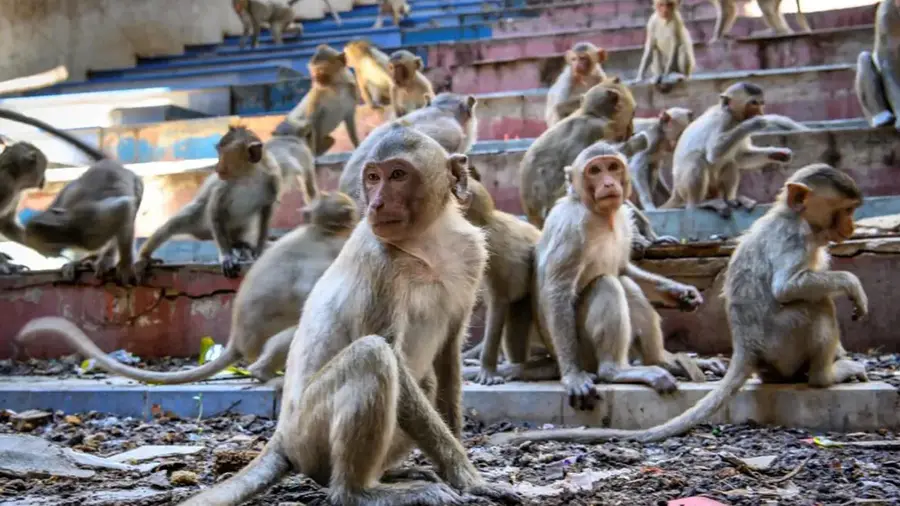
The discovery of 11 monkeys found dead in a forested area of Tumakuru district has triggered alarm among forest officials, wildlife activists, and local residents, with strong suspicion pointing towards deliberate poisoning. The carcasses were found scattered within a short radius, indicating an unnatural and sudden cause of death rather than disease or predation. Forest department officials have confirmed that viscera samples have been collected and sent to a laboratory for detailed analysis to ascertain the exact cause.

The incident came to light after villagers noticed several monkeys lying motionless near a forest fringe and alerted authorities. A team from the forest department rushed to the spot and cordoned off the area to prevent contamination of evidence. Preliminary observations suggested no visible external injuries on the animals, strengthening the suspicion of poisoning. Officials said the monkeys belonged to a troop frequently seen moving between the forest patch and nearby human settlements.

Local residents expressed shock and distress, saying the monkeys were a familiar presence and rarely aggressive. Many described the deaths as disturbing, noting that such a large number of animals dying simultaneously was unprecedented in the area. The forest department has initiated an inquiry to determine whether toxic substances were intentionally placed or whether the monkeys consumed contaminated food or water.

Senior forest officials stated that poisoning cases often arise from human-wildlife conflict, particularly in regions where monkeys raid crops or enter residential areas in search of food. While no conclusion has been drawn yet, authorities acknowledged that retaliation by humans remains a serious possibility that must be investigated thoroughly.11 monkeys found dead in Tumakuru forest area in suspected case of poisoning,  viscera sent for lab tests - The Hindu


SUSPICION, SAMPLING, AND THE SEARCH FOR ANSWERS

Forest veterinarians who conducted the preliminary post-mortem said the pattern of deaths was consistent with ingestion of a toxic substance. The monkeys appeared to have died within a short time frame, suggesting exposure to a fast-acting poison. Viscera samples, including stomach contents and vital organs, were preserved following protocol and dispatched to a forensic laboratory for chemical analysis.

Officials explained that laboratory reports would help identify whether pesticides, rodenticides, or other chemical agents were involved. Results are expected to take several days, after which further legal action may be initiated. Until then, the forest department has increased surveillance in the surrounding areas to ensure no additional wildlife is affected.

The incident has raised serious concerns about the availability and misuse of agricultural chemicals in rural and semi-forest regions. Wildlife experts noted that substances commonly used to control pests in farms can be lethal to animals if left exposed. They warned that careless disposal or deliberate placement of poisoned food can have cascading effects on the ecosystem, killing not just target animals but also birds, scavengers, and predators.

Forest officials said they are questioning locals to trace recent activities in the area, including farming practices, waste disposal, and any prior conflicts involving monkeys. CCTV footage from nearby habitations, where available, is also being examined to identify suspicious movements or behaviour.

Activists pointed out that proving poisoning cases is often difficult due to delays in reporting and lack of direct evidence. However, they stressed that timely detection and sample collection in this case increased the chances of identifying the culprit. They urged authorities to pursue the investigation rigorously to set a precedent against wildlife crimes.

Officials from the animal husbandry department have also been roped in to assist the forest department, particularly to assess any risks to nearby livestock. Veterinary teams were instructed to remain alert for symptoms of poisoning in domestic animals, as secondary exposure through water sources or grazing areas cannot be ruled out at this stage.

Sources said the forest department is mapping recent human activity in the area, including temporary settlements, agricultural plots, and waste dumping points. This exercise aims to identify potential sources of contamination and narrow down the timeline of exposure. Officers said even unintentional poisoning, such as discarded pesticide-laced food waste, would attract legal scrutiny.

Residents living along the forest boundary have been urged to report any suspicious substances, bait, or unusual animal behaviour immediately. Helpline numbers have been circulated locally, and village-level officials have been tasked with maintaining close communication with forest guards to ensure swift information flow.

The discovery of 11 monkeys found dead in a forested area of Tumakuru district has triggered alarm among forest officials, wildlife activists, and local residents, with strong suspicion pointing towards deliberate poisoning. The carcasses were found scattered within a short radius, indicating an unnatural and sudden cause of death rather than disease or predation. Forest department officials have confirmed that viscera samples have been collected and sent to a laboratory for detailed analysis to ascertain the exact cause.

As attention now turns to the laboratory findings, conservationists stress that the outcome should translate into concrete preventive action. They argue that unless systemic gaps are addressed—ranging from chemical regulation to conflict mitigation—the risk of similar incidents will persist, threatening not just wildlife but the ecological stability of the region as a whole.


HUMAN-WILDLIFE CONFLICT AND A WIDENING CONCERN

Tumakuru district, like several parts of Karnataka, has witnessed increasing interaction between wildlife and human settlements due to shrinking forest cover and changing land-use patterns. Monkeys, in particular, are highly adaptable and often venture into villages and towns in search of food, leading to frequent confrontations.11 Monkeys Found Dead in Tumakuru Forest, Tests Underway - Deshabhimani

Farmers in nearby villages acknowledged that monkey raids on crops have been a recurring problem, especially during harvesting seasons. Some said losses to fruits and vegetables had increased over the years, causing frustration among cultivators. However, many also condemned the suspected poisoning, calling it cruel and unacceptable regardless of the inconvenience caused by animals.

Wildlife conservationists argue that such incidents reflect a failure of long-term mitigation strategies. They say measures like improved waste management, crop protection techniques, and awareness programmes are often inadequate or poorly implemented. Without sustainable solutions, tensions between humans and wildlife continue to escalate, sometimes with fatal consequences.

Experts also highlighted that poisoning wildlife is a punishable offence under wildlife protection laws. They warned that if the deaths are confirmed to be caused by toxic substances, those responsible could face serious legal consequences, including imprisonment and fines. Forest officials reiterated that strict action would be taken if culpability is established.

The deaths have also sparked fear among residents about secondary poisoning. Authorities cautioned villagers not to touch the carcasses or consume water from nearby sources until investigations are complete. Instructions were issued to safely dispose of the remains following laboratory examinations to prevent further harm to animals or humans.


ECOLOGICAL IMPACT AND ETHICAL QUESTIONS

The death of 11 monkeys in a single incident has wider ecological implications beyond the immediate tragedy. Monkeys play a crucial role in forest ecosystems by dispersing seeds and maintaining plant diversity. Sudden loss of multiple individuals can disrupt local ecological balance, particularly if the affected troop was part of a stable population.

Environmentalists warned that poisoning incidents often go underreported, making it difficult to assess their cumulative impact. They noted that the use of poison does not discriminate, often killing unintended species such as birds of prey, stray animals, and even domestic livestock. In some cases, humans have also fallen ill after accidental exposure.

Ethical concerns were also raised about society’s response to wildlife challenges. Several activists argued that resorting to poisoning reflects a breakdown in coexistence values and inadequate institutional support for conflict resolution. They called for stronger education campaigns to promote humane and lawful ways of dealing with wildlife issues.

Veterinary experts emphasised the need for rapid response units equipped to handle wildlife emergencies, including suspected poisoning. Early intervention, they said, can sometimes save animals and help identify hazards before they spread. In this case, however, the deaths appear to have occurred before any intervention was possible.

Forest department officials said they would review existing protocols and consider additional preventive measures in vulnerable areas. These may include community outreach, monitoring of chemical sales, and collaboration with agricultural departments to promote safer pest control methods.11 monkeys found dead in Tumakuru forest area in suspected case of poisoning,  viscera sent for lab tests - The Hindu


ADMINISTRATIVE RESPONSE AND NEXT STEPS

The district administration has sought a detailed report from the forest department and assured support for the investigation. Officials said coordination with police would be strengthened if criminal intent is established. Local leaders have also been briefed, with appeals made for public cooperation.

Forest authorities plan to conduct awareness programmes in surrounding villages, emphasising the legal and environmental consequences of harming wildlife. They believe community participation is essential to prevent recurrence, as enforcement alone cannot address deeply rooted conflicts.

Animal welfare groups have demanded transparency in the investigation and timely disclosure of laboratory findings. They stressed that accountability is crucial, not only to punish offenders but also to deter similar acts elsewhere. Several groups have offered to assist authorities with community education and conflict mitigation strategies.

Meanwhile, forest guards have intensified patrols in the affected area and neighbouring forest patches. Surveillance has been stepped up to monitor unusual animal behaviour or additional deaths. Officials said any further incidents would be treated with utmost seriousness.

As the forest waits for answers from the laboratory, the silent deaths of the monkeys have left a profound impact on the community. For many, the incident is a grim reminder of the fragile relationship between humans and wildlife. Whether driven by negligence, frustration, or malice, the suspected poisoning has raised urgent questions about coexistence, responsibility, and the cost of unresolved conflict.

Until the test results arrive, the case remains under investigation. But the loss of 11 lives has already underscored a harsh truth: protecting wildlife requires not just laws and enforcement, but empathy, awareness, and sustained efforts to address the root causes of human-animal conflict.

Follow: Karnataka Government

Also read: Home | Channel 6 Network – Latest News, Breaking Updates: Politics, Business, Tech & More

Shocking, 3 MINORS: Stone-Pelting Incident Jolts Religious Harmony

A tense situation unfolded in the district after three minors were taken into custody for allegedly pelting stones at a religious procession, triggering widespread concern over communal harmony and law-and-order preparedness. The incident, which occurred during a peaceful procession passing through a mixed-population locality, led to panic among participants and bystanders, though no serious injuries were reported. Swift police intervention prevented escalation, but the episode has reignited debates around juvenile involvement in violence, political responsibility, and the fragile nature of communal coexistence.

District administration officials said additional peace meetings would be held over the coming days to ensure sustained calm. Revenue, police, and municipal officers have been instructed to remain in close coordination, particularly in sensitive localities. Officials emphasised that preventive policing, rather than reactive measures, would guide their approach in the aftermath of the incident.

Sources in the police department said they were also reviewing standard operating procedures for religious processions, including crowd control measures and deployment strategies. Lessons from the stone-pelting episode, they said, would be incorporated into future planning to minimise blind spots and ensure faster response times in case of disturbances.

Women residents in the area expressed concern over safety during late evening hours following the incident. Several said that while tensions had visibly subsided, fear lingered due to the suddenness of the violence. Local authorities assured them that patrols had been intensified and that emergency response teams were on standby.

Youth organisations from both communities issued joint appeals urging restraint and dialogue. In a rare show of unity, representatives condemned the incident and called upon young people not to fall prey to rumours or provocations. They stressed that impulsive acts by a few individuals should not define entire neighbourhoods.

Psychologists working with child welfare committees highlighted the need for counselling for the detained minors. They said early intervention was critical to address behavioural triggers and prevent recurrence. Experts warned that punitive responses alone could deepen alienation among vulnerable youth if not accompanied by rehabilitation efforts.

Religious institutions in the vicinity announced that upcoming events would be scaled down or rescheduled to avoid any possibility of renewed tension. Clergy members said the decision was taken voluntarily as a gesture of responsibility and respect for public order, reinforcing messages of peace during prayers and gatherings.

Opposition leaders urged the State government to release a comprehensive report on communal incidents involving minors over the past few years. They argued that data-driven policy responses were necessary to understand emerging patterns and to design targeted prevention strategies rather than ad hoc interventions.

As the locality slowly regained a sense of normalcy, residents reflected on the fragility of peace in densely populated urban and semi-urban spaces. Many said the incident served as a sobering reminder that harmony cannot be taken for granted and must be actively protected through vigilance, empathy, and collective accountability.

According to police officials, the procession was proceeding with prior permission and adequate security arrangements when stones were allegedly hurled from a nearby area, forcing authorities to temporarily halt the march. Security personnel immediately formed a cordon and dispersed the crowd to prevent retaliatory violence. The three minors were later identified and detained for questioning, with officials stating that further action would be taken in accordance with juvenile justice norms.

Residents of the area described moments of confusion and fear, as rumours spread rapidly following the incident. Shopkeepers hurriedly pulled down shutters, while families remained indoors amid uncertainty. Though calm was restored within hours, the psychological impact lingered, particularly among communities that have previously witnessed sporadic tensions. Senior police officers remained stationed in the locality through the night as a precautionary measure.

Authorities emphasised that preliminary inquiries suggest the act was not part of a larger organised conspiracy, but cautioned that investigations were ongoing. Officials said they were examining whether the minors acted on provocation, misinformation, or external influence, while also analysing the role of social media narratives that may have contributed to heightened emotions.Three minors held for pelting stones at religious procession - The Hindu


POLITICAL VISITS AND COMMUNITY RESPONSE

Soon after the incident, leaders from both the Congress and the Bharatiya Janata Party visited the spot, underscoring the political sensitivity surrounding the episode. While both sides appealed for calm, their statements reflected differing narratives. Congress leaders stressed the need to avoid communal polarisation and urged the administration to handle the matter with sensitivity, particularly given the involvement of minors. BJP leaders, on the other hand, demanded strict action against those responsible, warning that leniency could embolden similar acts in the future.

The presence of political leaders drew significant attention, with supporters and local residents gathering at the site. Police increased deployment to manage crowds and ensure that political visits did not inadvertently inflame tensions. Officials said permissions were regulated and movements monitored to maintain order and prevent the situation from spiralling into confrontation.

Community elders and religious leaders from both sides also stepped in, holding informal discussions aimed at diffusing anger and preventing misinformation. Several appealed to residents not to generalise the actions of a few individuals to entire communities. They emphasised that coexistence and mutual respect were essential to preserving peace, particularly in neighbourhoods where diverse religious groups have lived together for decades.

Local peace committees convened emergency meetings, urging youth to remain restrained and not be swayed by provocative messages circulating online. Volunteers went door-to-door in some areas, reassuring families and encouraging cooperation with law enforcement agencies. These efforts were credited by officials for helping stabilise the situation quickly.

A tense situation unfolded in the district after three minors were taken into custody for allegedly pelting stones at a religious procession, triggering widespread concern over communal harmony and law-and-order preparedness. The incident, which occurred during a peaceful procession passing through a mixed-population locality, led to panic among participants and bystanders, though no serious injuries were reported. Swift police intervention prevented escalation, but the episode has reignited debates around juvenile involvement in violence, political responsibility, and the fragile nature of communal coexistence.

Parents of students in nearby schools expressed anxiety, with some choosing to keep children at home the following day. School authorities issued advisories assuring parents of safety measures and coordinating with police for patrols during opening and closing hours. Though educational institutions remained open, attendance was visibly lower.


LAW, JUVENILES, AND THE BROADER SOCIAL CONTEXT

The involvement of minors in the incident has raised deeper questions about youth radicalisation, supervision, and accountability. Legal experts pointed out that while the law mandates a reformative approach under the Juvenile Justice Act, repeated instances of minors being involved in violent acts demand closer scrutiny of social environments influencing them. They stressed that rehabilitation must go hand in hand with counselling and community engagement.

Police officials confirmed that the minors would be produced before the Juvenile Justice Board and that their families were being counselled. Authorities also indicated that responsibility would be fixed if any adult involvement or instigation was found during the investigation. Officers said they were analysing call records, online activity, and local interactions to determine whether the act was spontaneous or guided.Bengaluru: Stones Pelted at Religious Procession in JJ Nagar, 2 Women  Injured; Panic Erupts | Bengaluru News - Times Now

Sociologists noted that religious processions often become flashpoints due to heightened emotions, noise levels, and perceived territorial assertions. They argued that better route planning, advance community consultations, and stricter monitoring of vulnerable stretches could reduce friction. While the law guarantees the right to religious expression, experts stressed the importance of balancing it with sensitivity to local demographics.

Civil rights groups cautioned against politicising the incident, warning that inflammatory rhetoric could deepen divisions. They urged leaders to focus on accountability without collective blame and to resist the temptation to use the episode for electoral messaging. According to them, long-term peace requires consistent engagement, not reactive gestures following flashpoint incidents.

A tense situation unfolded in the district after three minors were taken into custody for allegedly pelting stones at a religious procession, triggering widespread concern over communal harmony and law-and-order preparedness. The incident, which occurred during a peaceful procession passing through a mixed-population locality, led to panic among participants and bystanders, though no serious injuries were reported. Swift police intervention prevented escalation, but the episode has reignited debates around juvenile involvement in violence, political responsibility, and the fragile nature of communal coexistence.

The administration reiterated its commitment to maintaining neutrality and fairness. Senior officials said any attempt to spread rumours or incite hatred would be dealt with firmly under relevant legal provisions. Cybercrime units were tasked with monitoring online platforms for misleading or provocative content related to the incident.

As life gradually returned to normal, security presence remained heightened, serving as a reminder of how quickly peace can be disrupted. For many residents, the incident underscored the delicate balance that sustains communal harmony. While swift policing and community intervention prevented a larger crisis, the episode left behind an urgent message: maintaining peace is a continuous process that demands responsibility from citizens, leaders, and institutions alike.

Stone-pelting on Om Shakti devotees: 3 minors detained, says Karnataka  Minister

A tense situation unfolded in the district after three minors were taken into custody for allegedly pelting stones at a religious procession, triggering widespread concern over communal harmony and law-and-order preparedness. The incident, which occurred during a peaceful procession passing through a mixed-population locality, led to panic among participants and bystanders, though no serious injuries were reported. Swift police intervention prevented escalation, but the episode has reignited debates around juvenile involvement in violence, political responsibility, and the fragile nature of communal coexistence.

Follow: Karnataka Government

Also read: Home | Channel 6 Network – Latest News, Breaking Updates: Politics, Business, Tech & More

Passengers Slam Extension of Bengaluru–Kannur Express: Surprising 3 ROUTES

The Railway Ministry’s decision to extend the Bengaluru–Kannur Express via Mangaluru up to Kozhikode has triggered strong resentment among regular patrons, who say the move ignores long-standing passenger needs and disrupts an already strained travel corridor. Frequent travellers, railway user associations, and commuter groups have criticised the proposal as ill-planned, arguing that it will dilute connectivity for Kannur-bound passengers while disproportionately benefiting a different segment of travellers. The announcement has reopened debates around route rationalisation, passenger consultation, and the prioritisation of regional travel needs over administrative convenience.

Passenger groups have also flagged safety and fatigue concerns arising from longer overnight journeys. Extending the route to Kozhikode means crew members, including drivers and onboard staff, will be on duty for extended hours. Railway unions have previously warned that longer duty cycles, especially on congested routes, increase the risk of operational lapses. Commuters argue that safety considerations should outweigh attempts at operational consolidation.

Students from Kannur studying in Bengaluru expressed particular anxiety over the change. Many rely on the express service to travel overnight and reach classes or examinations on time. They said any delay or loss of reservation priority could force them to depend on costlier alternatives or unreliable road transport, adding to both financial and mental stress.

Small traders and business travellers echoed similar concerns, noting that predictable arrival times are crucial for commerce. Several said they plan their logistics around early morning arrivals in Kannur, allowing same-day business operations. A prolonged route, they fear, could disrupt schedules and indirectly affect local economies dependent on timely movement of people and goods.

Former railway officials pointed out that route extensions often begin as temporary “experimental” measures but gradually become permanent without comprehensive evaluation. They stressed the need for periodic audits to assess whether such decisions genuinely improve connectivity or merely shift inconvenience from one passenger group to another.

Environmental observers added that prolonged halts and congestion on the coastal stretch increase fuel consumption and emissions. They argued that smoother, shorter routes are more energy-efficient, and extending services on already crowded corridors runs counter to sustainability goals the Railways has publicly committed to.

Civil society organisations in coastal Karnataka have begun informal consultations to assess collective response options. While some advocate petitions and formal representations, others are considering peaceful demonstrations to highlight the issue. Organisers say the aim is not confrontation but constructive dialogue based on passenger welfare.

Railway analysts also questioned whether infrastructure upgrades on the Mangaluru–Kozhikode section are adequate to support additional long-distance services. Without parallel investments in signalling upgrades, loop line expansion, and traffic management, they warn that congestion could worsen for all trains operating on the route.

As uncertainty lingers, passengers continue to hope that the Railway Ministry will pause implementation and reassess the proposal. Many believe that inclusive planning, grounded in regional needs and passenger feedback, is the only way to restore confidence. Until then, the proposed extension remains a symbol of frustration for those who feel their everyday realities have once again been overlooked.

For decades, the Bengaluru–Kannur Express has served as a crucial overnight link for students, government employees, traders, and families travelling between Karnataka’s capital and north Kerala. Passengers say the train’s reliability and direct routing made it a preferred option, especially for those who depended on predictable arrival times. The proposed extension to Kozhikode, critics argue, will lengthen journey duration, increase congestion on an already saturated coastal stretch, and potentially reduce punctuality, undermining the train’s original purpose.

Railway officials have defended the move by citing operational efficiency and the need to optimise rolling stock utilisation. However, passengers contend that such reasoning overlooks ground realities. They say the coastal section between Mangaluru and Kozhikode is among the busiest and slowest stretches in the Southern Railway zone, frequently affected by signal congestion, maintenance blocks, and seasonal disruptions. Adding another long-distance extension, they warn, could make delays inevitable.

Many regular commuters feel that Kannur is once again being sidelined in broader railway planning. They point out that despite its growing population, economic activity, and educational institutions, the region continues to struggle for adequate long-distance train connectivity. Instead of strengthening existing services or introducing new dedicated trains, they argue, the extension effectively reduces Kannur’s prominence as a terminal station.Patrons frown at Railway Ministry's move to extend Bengaluru-Kannur express  via Mangaluru to Kozhikode - The Hindu


PASSENGER ANGER AND OPERATIONAL CONCERNS

Railway passenger associations in Karnataka and Kerala have jointly expressed disappointment, stating that no meaningful consultation preceded the decision. Representatives said they learned about the extension only after internal railway communications surfaced, leaving commuters feeling excluded from decisions that directly affect their daily lives. Several groups have demanded that the Railway Ministry reconsider the move or at least conduct a detailed passenger impact assessment.

The Railway Ministry’s decision to extend the Bengaluru–Kannur Express via Mangaluru up to Kozhikode has triggered strong resentment among regular patrons, who say the move ignores long-standing passenger needs and disrupts an already strained travel corridor. Frequent travellers, railway user associations, and commuter groups have criticised the proposal as ill-planned, arguing that it will dilute connectivity for Kannur-bound passengers while disproportionately benefiting a different segment of travellers. The announcement has reopened debates around route rationalisation, passenger consultation, and the prioritisation of regional travel needs over administrative convenience.

One major concern raised is the likelihood of overcrowding. The Bengaluru–Kannur Express already operates at near full capacity on most days, especially during weekends and holiday seasons. Extending the route to Kozhikode, a major urban centre with heavy rail demand, could exacerbate crowding issues, making it harder for Kannur-bound passengers to secure confirmed berths. Travellers fear that reservation quotas may gradually shift in favour of longer-distance passengers, marginalising intermediate users.Railway Ministry not to extend Bengaluru-Kannur Express via Mangaluru to  Kozhikode - The Hindu

Operational experts have also questioned the logic of extending an overnight express on a congested coastal route. They note that the Mangaluru–Kozhikode section has limited scope for speed enhancement due to curvature, signalling constraints, and dense suburban traffic. Any delay on this stretch often cascades backward, affecting punctuality all the way up to Bengaluru. In such a scenario, passengers worry that the train’s arrival at Kannur could become increasingly unpredictable.

Passengers from Kannur highlighted that terminal status offers practical advantages, including better maintenance attention, cleaner coaches, and predictable turn-around times. Losing terminal status, they argue, often leads to neglect, as trains prioritise longer hauls over intermediate halts. This, they fear, could gradually degrade service quality for Kannur users.

There is also unease among travellers who rely on tight connections. Many passengers use the Bengaluru–Kannur Express to catch onward buses or local trains early in the morning. Even minor delays could disrupt entire travel plans, particularly for students attending exams, patients with hospital appointments, and professionals reporting for duty.


BROADER POLICY QUESTIONS AND REGIONAL IMPLICATIONS

Beyond immediate passenger inconvenience, the controversy has sparked a broader debate on railway policy and regional equity. Critics argue that route extensions are increasingly being used as a substitute for introducing new trains, a practice that may save resources in the short term but creates long-term inefficiencies. They say that instead of stretching existing services thinner, the Railways should invest in additional rakes and dedicated services tailored to specific corridors.

Transport policy analysts note that Kerala’s coastal belt already has multiple long-distance trains terminating at Kozhikode, while Kannur continues to face gaps in direct connectivity to major cities. From this perspective, extending the Bengaluru–Kannur Express appears redundant rather than strategic. Experts suggest that a separate Bengaluru–Kozhikode service, if justified by demand, would be a more balanced solution.

Political reactions have also begun to surface, with local leaders from Kannur and parts of coastal Karnataka raising concerns informally. While no official protest has been announced yet, sources say representations are being prepared to be submitted to the Railway Board. Observers believe that sustained public pressure could force a review, especially if the issue gains traction across party lines.

Railway officials, meanwhile, maintain that the extension is part of a larger effort to improve connectivity across the southern region. They insist that operational data supports the move and that passenger inconvenience will be minimal. However, they have not clarified whether additional coaches will be added or whether schedules will be recalibrated to account for the longer route.Opposition to extension of Bengaluru-Kannur express via Mangaluru to  Kozhikode - The Hindu

As the debate continues, passengers say the episode reflects a deeper disconnect between policymakers and end users. For many, the Bengaluru–Kannur Express is not just a train, but a dependable link woven into their personal and professional lives. Any alteration to its route, they argue, should be guided not only by spreadsheets and logistics, but by the lived experiences of those who rely on it daily. Until then, resentment over the extension is likely to persist, fuelled by the sentiment that convenience for some should not come at the cost of certainty for many.

The Railway Ministry’s decision to extend the Bengaluru–Kannur Express via Mangaluru up to Kozhikode has triggered strong resentment among regular patrons, who say the move ignores long-standing passenger needs and disrupts an already strained travel corridor. Frequent travellers, railway user associations, and commuter groups have criticised the proposal as ill-planned, arguing that it will dilute connectivity for Kannur-bound passengers while disproportionately benefiting a different segment of travellers. The announcement has reopened debates around route rationalisation, passenger consultation, and the prioritisation of regional travel needs over administrative convenience.

Follow: Karnataka Government

Also read: Home | Channel 6 Network – Latest News, Breaking Updates: Politics, Business, Tech & More

1 Violent Episode Tarnishes Public Trust as Savadi, Son Booked in Emotional Bank Assault Case

Follow: Karnataka Government

Also read: Home | Channel 6 Network – Latest News, Breaking Updates: Politics, Business, Tech & More