Thursday, April 30, 2026
Home Blog Page 168

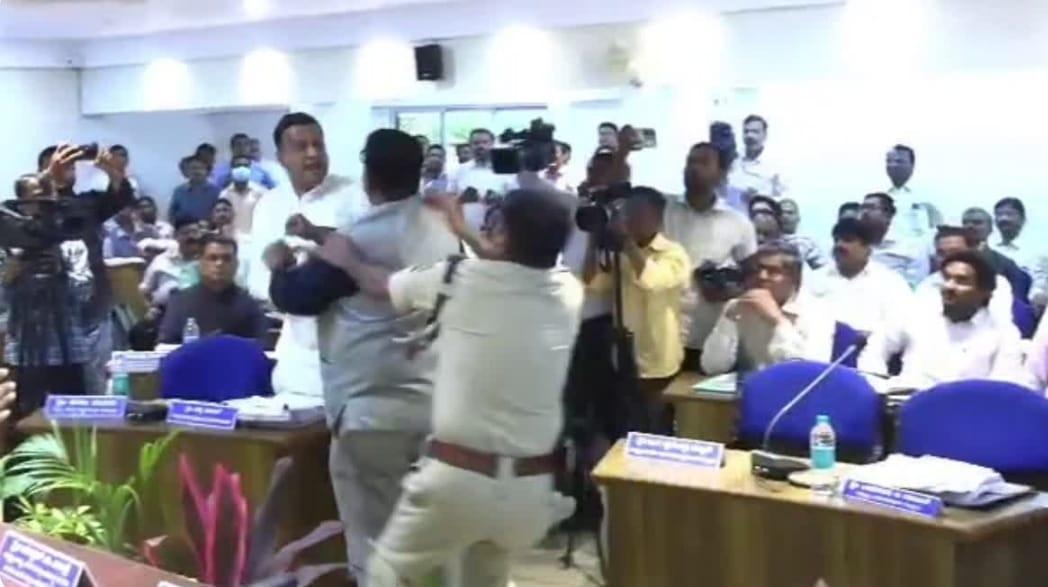
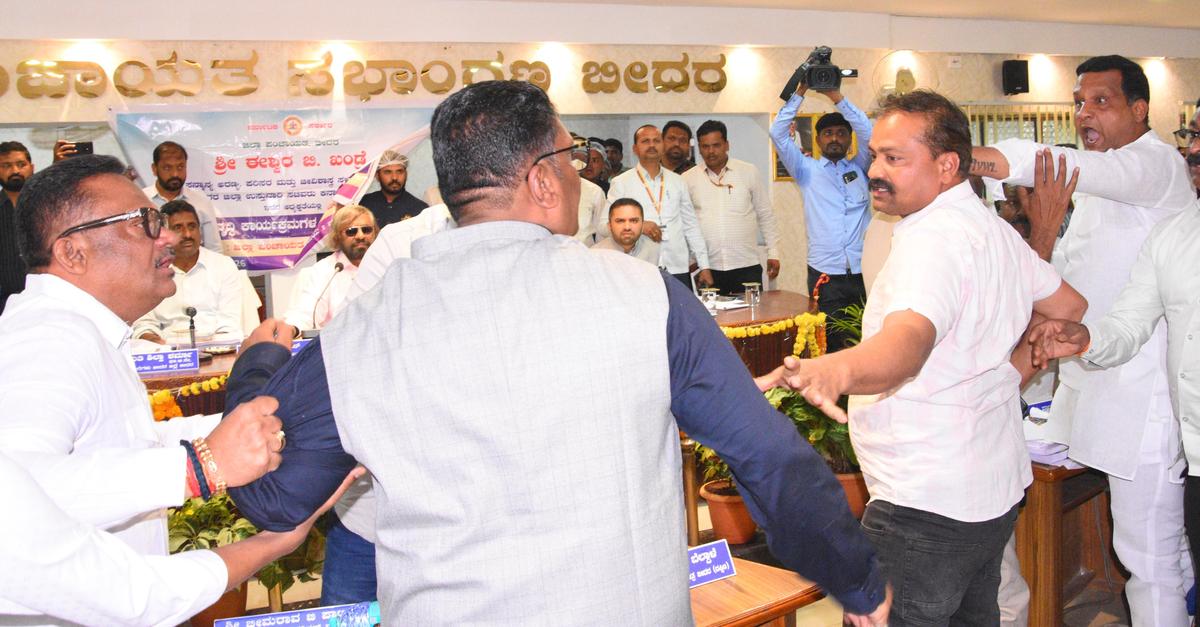
1 Fierce Clash Derails Emotional Bidar KDP Meeting: Political Flashpoint

Follow: Karnataka Government

Also read: Home | Channel 6 Network – Latest News, Breaking Updates: Politics, Business, Tech & More
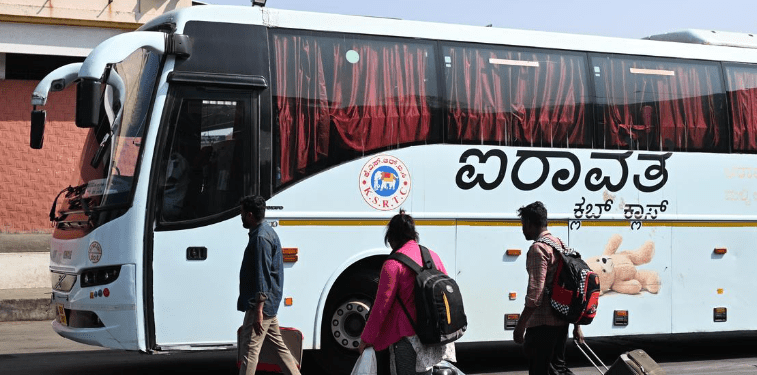
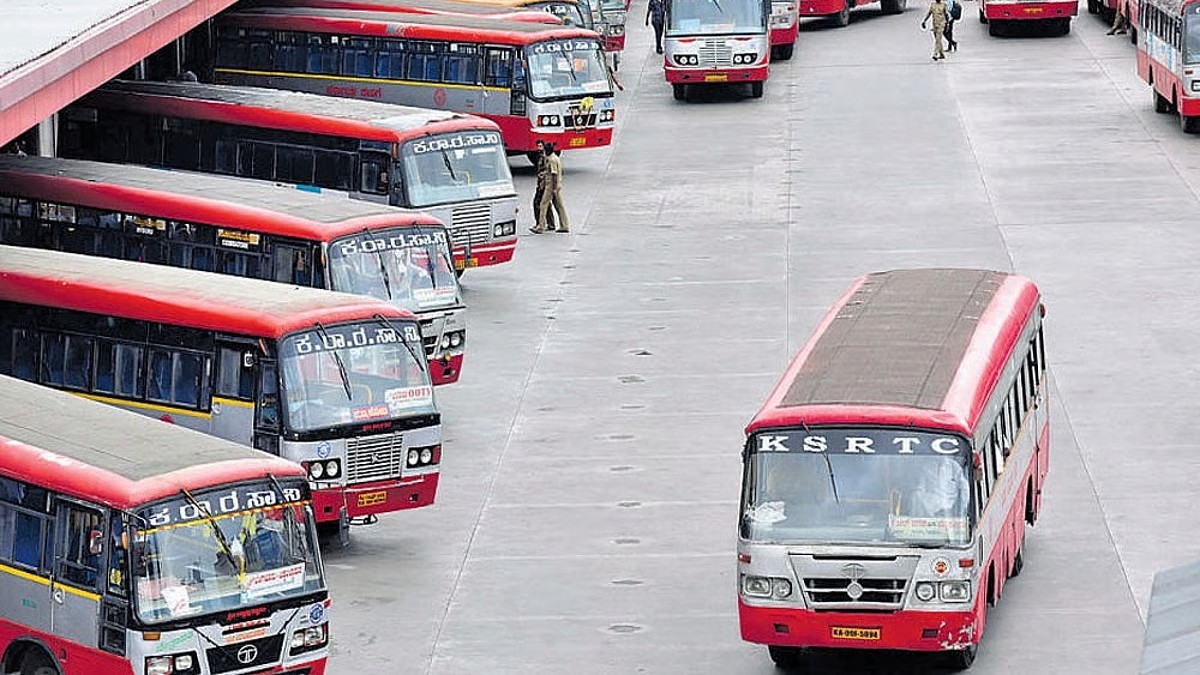
Smart Relief: 3 Fare Cuts Aim to Rekindle Traveller Hope as KSRTC Targets Off-Season Slump

In a bid to stimulate passenger demand during the traditionally lean travel period, the Karnataka State Road Transport Corporation has announced a reduction in fares on its premium bus services. The decision, officials said, is aimed at making high-end public transport more attractive to passengers who often scale back travel plans during the off-season due to cost considerations. The move is being positioned as both a customer-friendly measure and a strategic intervention to improve seat occupancy on premium routes that witness a sharp dip outside peak holiday months.

KSRTC’s premium fleet includes services such as Airavat, Airavat Club Class, Ambari, Ambari Dream Class, and other luxury and semi-luxury buses operating on intercity and interstate routes. These services, known for better comfort, punctuality, and onboard amenities, typically see high demand during festivals, long weekends, and vacation seasons. However, during off-season months, occupancy levels drop significantly, impacting revenue despite fixed operational costs.

According to senior KSRTC officials, the fare reduction is not uniform across all routes but has been calibrated based on distance, demand patterns, and competition from private operators. The revised fares are expected to make premium buses more competitive, particularly on popular corridors connecting Bengaluru with major cities such as Mysuru, Mangaluru, Hubballi-Dharwad, Kalaburagi, and destinations in neighbouring States.

Officials said the decision was taken after reviewing passenger data and revenue trends over the past few years, which showed that marginal fare reductions often result in disproportionately higher ridership. “Empty seats generate no revenue. A slightly lower fare that attracts more passengers ultimately helps both commuters and the corporation,” a senior official said.KSRTC slashes fares on premium services to Bengaluru - The Hindu

Reviving Demand During the Lean Season

The off-season period, typically spanning several weeks outside major holidays, poses a recurring challenge for state transport undertakings. While operational expenses such as fuel, maintenance, and staff salaries remain constant, passenger volumes fluctuate sharply. KSRTC officials said premium services are particularly vulnerable during this phase, as price-sensitive travellers tend to opt for ordinary or express buses, trains, or postpone travel altogether.

By cutting fares, the corporation hopes to convert occasional or hesitant travellers into regular users of premium services. Officials said the strategy is also aimed at attracting younger commuters, working professionals, and students who may otherwise consider luxury buses unaffordable except during special occasions.

Transport economists noted that the move reflects a shift from a purely cost-recovery mindset to a demand-stimulation approach. “Public transport undertakings are increasingly recognising that pricing can be a powerful tool. Lower fares during off-peak periods can help smoothen demand across the year,” an expert said.

KSRTC has also been facing stiff competition from private bus operators, many of whom aggressively discount fares during off-season months through online platforms. Officials acknowledged that aligning fares more closely with market rates was necessary to retain passengers who might otherwise migrate to private services offering comparable comfort at lower prices.

The fare cut is also expected to benefit passengers who rely on premium buses for work-related travel. Business travellers and government employees, who frequently travel between district headquarters, often prefer premium services for reliability and comfort. Reduced fares could encourage them to continue using KSRTC even during low-demand periods.

Balancing Revenue and Public Service

While fare reductions may appear to reduce per-ticket revenue, KSRTC officials stressed that the primary objective is to improve overall earnings through higher occupancy. They pointed out that premium buses involve higher capital and maintenance costs, and leaving seats unfilled during off-season months results in avoidable losses.

The corporation said it would closely monitor passenger response to the revised fares and make data-driven adjustments if required. “This is not a one-time announcement. We will study booking patterns, load factors, and revenue over the coming weeks before deciding on further steps,” an official said.

Labour unions within KSRTC have largely welcomed the move, saying higher passenger volumes could indirectly benefit staff by ensuring better utilisation of services. However, some union leaders cautioned that fare cuts should not lead to unrealistic revenue expectations being placed on crews operating premium services.

Passenger associations also reacted positively, with several commuters saying the reduced fares make premium travel more accessible. Frequent travellers said they often switch to ordinary services during off-season purely due to cost, despite preferring the comfort of luxury buses.

At the same time, some observers raised concerns about the long-term financial health of state transport undertakings. They argued that fare reductions should be accompanied by broader reforms, including route rationalisation, fuel efficiency measures, and better fleet management, to ensure sustainability.KSRTC slashes premium bus fares between Coastal Karnataka and Bengaluru to boost  off-season travel

Operational Strategy and Market Competition

KSRTC officials said the fare reduction is part of a broader operational strategy to remain competitive in a rapidly changing transport market. With the expansion of highways, increased car ownership, and the growth of app-based mobility services, public bus operators are under pressure to innovate and adapt.

Premium services, once considered a niche offering, have become a crucial component of KSRTC’s brand identity and revenue model. Maintaining their relevance requires continuous adjustment to passenger expectations, pricing trends, and service quality.

The corporation has also been investing in digital booking platforms, real-time tracking, and improved customer support to enhance the travel experience. Officials said fare reductions are most effective when combined with ease of booking and reliable service delivery.

Private operators, meanwhile, are expected to respond with their own discounts, potentially intensifying competition. Transport analysts said this could benefit passengers in the short term but cautioned that a prolonged price war may strain operators already dealing with rising fuel and maintenance costs.

KSRTC officials maintained that as a public service provider, the corporation’s primary mandate is to ensure affordable and reliable transport rather than maximise profits. “Our goal is to serve passengers while remaining financially viable. Fare adjustments are a tool, not an end in themselves,” an official said.

Passenger Response and Early Indicators

Initial booking data following the announcement reportedly shows a modest uptick in reservations on select premium routes. KSRTC officials said while it is too early to draw definitive conclusions, the early response suggests that price sensitivity plays a significant role in off-season travel decisions.

Some passengers said the reduced fares have prompted them to advance travel plans that they might otherwise have postponed. Others noted that premium buses offer better value for money when fares are closer to those of ordinary services.

Tourism stakeholders also welcomed the move, saying improved affordability of premium bus travel could encourage short leisure trips even during non-peak months. Hoteliers and tour operators in destinations such as coastal Karnataka and the Western Ghats said transport costs often influence travel decisions for domestic tourists.

KSRTC has indicated that if the fare reduction proves effective, similar pricing strategies could be explored for other categories of services during off-peak periods. However, officials stressed that any such decisions would be guided by financial data and operational feasibility.

A Measured Step Toward Sustainable Mobility

The fare cut on premium services reflects a pragmatic approach by KSRTC to navigate the challenges of seasonal demand fluctuations. Rather than reducing services or allowing losses to mount, the corporation has chosen to use pricing as a lever to attract passengers and improve utilisation.

Policy analysts said such measures align with broader goals of promoting public transport usage, reducing reliance on private vehicles, and ensuring inclusive mobility. Affordable premium services can bridge the gap between ordinary buses and private transport, offering comfort without excessive cost.

At the same time, experts emphasised that fare adjustments alone cannot address all structural challenges faced by state transport undertakings. Long-term sustainability will depend on factors such as fleet modernisation, fuel efficiency, route optimisation, and supportive government policies.

For now, passengers stand to gain from lower fares and improved access to premium travel options. As KSRTC navigates the off-season, the success of this initiative will be closely watched by both commuters and policymakers, potentially shaping future strategies for public transport in Karnataka.KSRTC Cuts Fares on Premium Bus Services to Bengaluru; Check New KSRTC Bus  Fares Here - Oneindia News

By choosing to prioritise passenger affordability during a slow period, KSRTC has signalled its intent to remain responsive to market realities while upholding its public service mandate. Whether the fare cuts translate into sustained gains will become clearer in the weeks ahead, but the move has already sparked renewed interest in premium bus travel across the State.

Transport planners pointed out that dynamic pricing models, where fares are adjusted based on demand cycles, are increasingly being adopted by public transport agencies worldwide. They said KSRTC’s decision mirrors this trend and could help the corporation better align supply with passenger behaviour without compromising service availability.

Officials also clarified that the fare reductions would not affect concessions extended to senior citizens, students, and other eligible categories. Existing discounts will continue to apply on the revised base fares, potentially offering even greater savings for these groups during the off-season.

Some regular commuters said the move could gradually change perceptions around premium buses, which are often viewed as aspirational rather than practical choices. By narrowing the price gap, they believe KSRTC can encourage passengers to prioritise safety and comfort over cheaper but less reliable alternatives.

As the off-season progresses, KSRTC is expected to use passenger feedback and booking data to fine-tune its pricing strategy. Authorities indicated that future decisions will be guided by occupancy levels, revenue performance, and operational sustainability, ensuring that fare adjustments remain both passenger-friendly and fiscally responsible.

Follow: Karnataka Government

Also read: Home | Channel 6 Network – Latest News, Breaking Updates: Politics, Business, Tech & More

1 Leader, a CM Legacy, and the Weight of Respect: Humility Over History

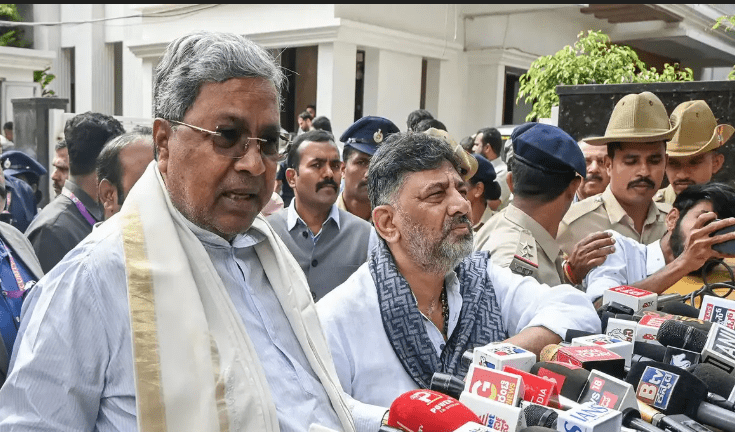
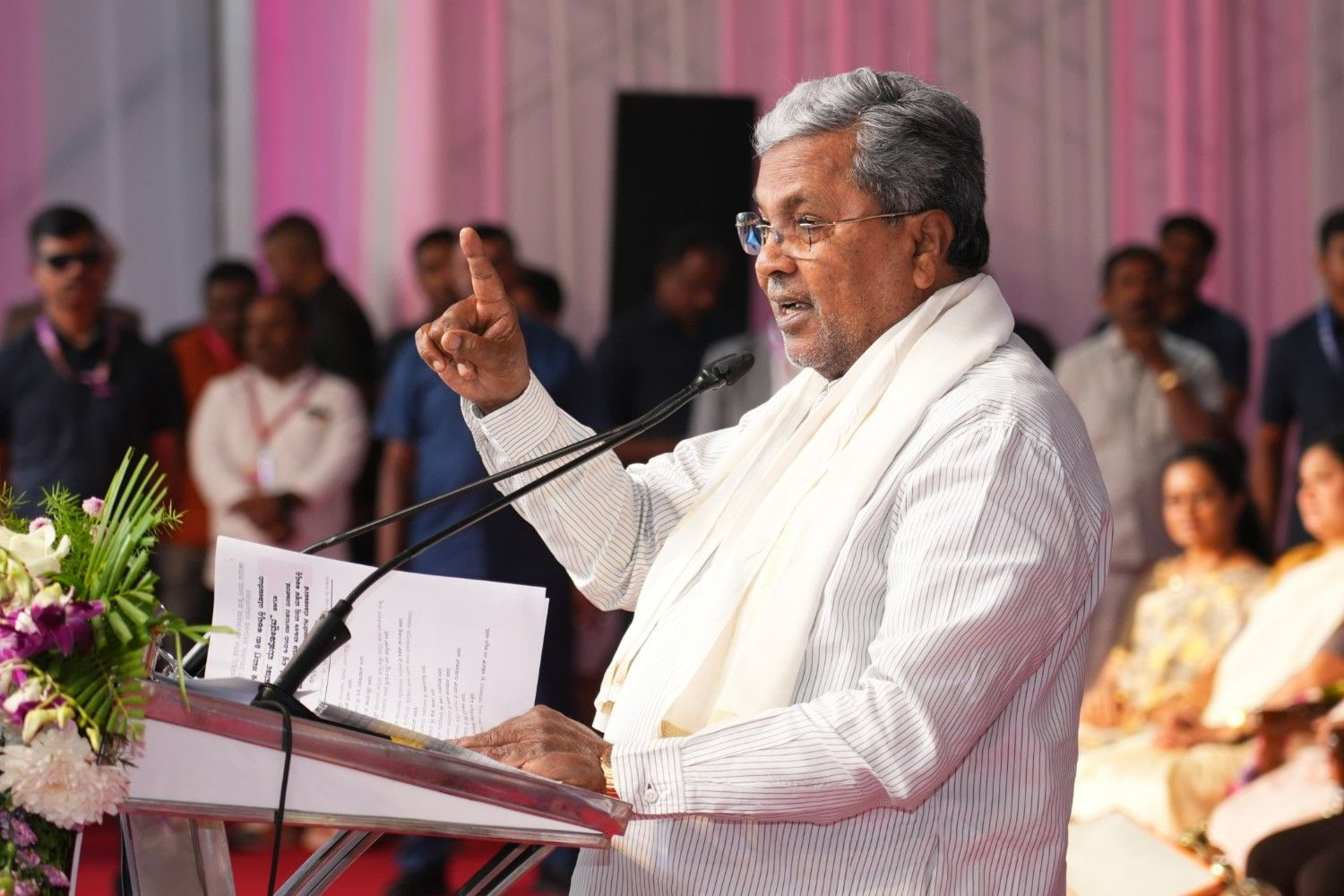
As Karnataka’s Chief Minister stands on the verge of surpassing the record of the longest-serving Chief Minister in the State’s history, he has chosen restraint over self-comparison, humility over celebration. Addressing the media and party colleagues, the Chief Minister said there was “no comparison” between himself and the legendary Devaraj Urs, underlining that Urs’ contribution to Karnataka’s social and political transformation remains unmatched. The statement comes at a moment of political symbolism, as the Chief Minister is poised to overtake Urs’ tenure record, a milestone that inevitably invites historical parallels and public scrutiny.

Political commentators noted that moments like these often test a leader’s ability to frame personal milestones within a larger institutional narrative. By shifting attention away from himself and towards the legacy of Devaraj Urs, the Chief Minister reinforced the idea that democratic leadership is part of a continuum rather than an individual pursuit of historical ranking.

As the State watches the record being crossed, many observers believe that the coming months will ultimately define how this tenure is remembered. They argue that policy outcomes, responsiveness to public concerns, and the ability to leave behind durable institutions will matter far more than numerical records, shaping whether this period of governance earns a distinct place in Karnataka’s political history.

The Chief Minister acknowledged that while longevity in office is significant, it should not be mistaken for greatness. He said that Urs was a towering figure whose leadership reshaped Karnataka’s social structure, empowered marginalised communities, and left an imprint that continues to influence governance decades later. “Records are numerical milestones. Leadership is measured by impact,” he remarked, setting the tone for a reflective rather than triumphant moment.

Political observers note that the Chief Minister’s remarks appear carefully calibrated to avoid alienating sections of society that continue to revere Urs as a transformative leader. Urs, who served multiple terms during the 1970s and early 1980s, is widely credited with championing land reforms, expanding social justice, and decentralising power in Karnataka. Any direct comparison with him is often viewed as politically risky, especially in a State where his legacy cuts across caste and regional lines.

The Chief Minister’s imminent record has sparked discussion across political circles, social media platforms, and civil society, with supporters hailing administrative continuity and critics questioning whether tenure alone can be equated with legacy. Against this backdrop, the Chief Minister’s insistence on drawing a clear distinction between duration in office and historical stature has been seen as an attempt to steer the narrative away from personal glorification.

Respecting a Colossus of Karnataka Politics

Devaraj Urs is remembered not merely as a long-serving Chief Minister but as a reformer who altered the trajectory of Karnataka politics. His tenure is often associated with bold decisions that challenged entrenched power structures and prioritised the upliftment of backward classes. By invoking Urs’ name with deference, the current Chief Minister placed himself within a tradition of acknowledging the past rather than competing with it.

The Chief Minister said that Urs governed during a period of profound social churn and had the courage to take decisions that were unpopular among elites but transformative for the marginalised. He pointed out that Urs’ leadership went beyond administrative efficiency and entered the realm of social engineering, something that cannot be reduced to the number of days spent in office.

Senior leaders within the ruling party echoed these sentiments, saying the Chief Minister’s comments reflected political maturity. One leader noted that Urs’ era was marked by structural reforms that required extraordinary political will, while contemporary governance involves navigating coalition pressures, economic constraints, and heightened public expectations. “Every era has its challenges. Comparing leaders across eras oversimplifies history,” the leader said.Siddaramaiah aims to become Karnataka's longest-serving chief minister  surpassing Devaraj Urs - India Today

Opposition parties, while critical of the government on various fronts, also acknowledged the sensitivity shown in recognising Urs’ stature. Some opposition leaders, however, argued that the comparison had been triggered by the ruling party’s own celebrations of the tenure milestone. They cautioned against using the record as a political tool while simultaneously disavowing comparison.

Historians observed that Urs occupies a unique place in Karnataka’s political memory because his policies redefined access to power. His legacy is often invoked during debates on social justice, reservations, and inclusive development. In that context, the Chief Minister’s statement was seen as an acknowledgment that historical legacies are built on transformative change, not merely continuity.

Longevity, Governance, and the Politics of Records

As the Chief Minister prepares to surpass Urs’ tenure record, attention has inevitably shifted to evaluating his time in office. Supporters point to policy stability, administrative reforms, and welfare initiatives as evidence of effective governance. They argue that sustained leadership has allowed for long-term planning and implementation, which shorter tenures often disrupt.

The government has highlighted achievements in infrastructure development, welfare delivery, and fiscal management, presenting the prolonged tenure as a sign of political stability and public trust. Ministers have said that continuity in leadership has enabled the State to respond more effectively to economic challenges and social demands.

Critics, however, argue that longevity must be accompanied by transformative outcomes to merit historical comparison. They contend that while the government may have maintained stability, it has not fundamentally altered socio-economic structures in the way Urs did. For them, the Chief Minister’s record is a statistical milestone rather than a historical turning point.

Political analysts say the debate reflects a broader tension in Indian politics between continuity and change. In an era of coalition governments and frequent leadership changes, long tenures are rare and often celebrated. At the same time, public memory tends to reserve its highest regard for leaders who brought about structural shifts rather than administrative steadiness.

The Chief Minister’s refusal to embrace direct comparison can be seen as an attempt to manage these competing narratives. By acknowledging the record while downplaying its historical equivalence, he appears to be seeking a balance between recognition and restraint.

Public Memory and the Weight of Legacy

Public reactions to the Chief Minister’s statement have been mixed but largely reflective. Many citizens expressed appreciation for the tone of humility, noting that political discourse often leans towards self-congratulation. For them, acknowledging Urs’ unmatched contribution resonated as a sign of respect for Karnataka’s political heritage.

Others questioned whether such statements would translate into policy choices that mirror Urs’ commitment to social justice. Activists from backward class organisations said that paying tribute to Urs should involve strengthening welfare measures, protecting affirmative action policies, and ensuring equitable development.

Academics pointed out that Urs’ legacy is sustained not just through rhetoric but through institutions and policies that continue to shape society. They argued that contemporary leaders who invoke his name should be mindful of the expectations it creates among marginalised communities.Siddaramaiah Creates History As He Becomes Karnataka's Longest Serving CM  Surpassing Devraj Urs' Record on January 1

At the same time, some supporters of the Chief Minister argued that every leader should be judged within the context of their time. They noted that governance today involves managing a far more complex economy, navigating global pressures, and addressing aspirations shaped by rapid urbanisation and technological change.

This divergence of views highlights how legacy is negotiated in public discourse. While records provide a clear numerical benchmark, their meaning is shaped by collective memory, lived experience, and perceived impact.

The Political Significance of Restraint

The Chief Minister’s remarks also carry strategic political significance. By distancing himself from direct comparison, he avoids provoking debates that could polarise opinion along historical or caste lines. Urs’ reforms deeply affected Karnataka’s social fabric, and invoking his legacy without sensitivity can easily alienate constituencies.

Political strategists suggest that the Chief Minister’s approach reflects an understanding of Karnataka’s nuanced political landscape, where historical figures are revered across party lines. Showing reverence rather than rivalry helps preserve a broad appeal and avoids unnecessary controversy.

The ruling party, meanwhile, is expected to mark the tenure milestone in a low-key manner, focusing on governance achievements rather than historical claims. Party insiders said the emphasis would remain on future priorities rather than past records.

Opposition parties are likely to continue using the milestone to scrutinise the government’s performance, but analysts believe the Chief Minister’s statement has blunted attempts to frame the record as self-aggrandisement.Siddaramaiah set for record Karnataka CM tenure, uses Tendulkar-Kohli  analogy

Looking Ahead Beyond the Record

As the Chief Minister crosses the historic threshold, the focus is expected to shift quickly from the symbolism of the record to the substance of governance ahead. With key policy decisions, economic challenges, and political contests on the horizon, the longevity milestone may soon fade into the background.

The Chief Minister himself signalled this when he said that the true test of leadership lies not in how long one holds office, but in how responsibly one uses that time. He reiterated his commitment to governance that prioritises public welfare, social harmony, and institutional integrity.

Observers say that this moment offers an opportunity for reflection rather than celebration. By acknowledging Urs’ unparalleled legacy, the Chief Minister has implicitly accepted the high standards against which history judges leaders.

In Karnataka’s political narrative, Devaraj Urs remains a benchmark of transformative leadership. As a new record is set, the Chief Minister’s insistence that there is no comparison serves as a reminder that while time in office can be counted, legacy must be earned.

Follow: Karnataka Government

Also read: Home | Channel 6 Network – Latest News, Breaking Updates: Politics, Business, Tech & More

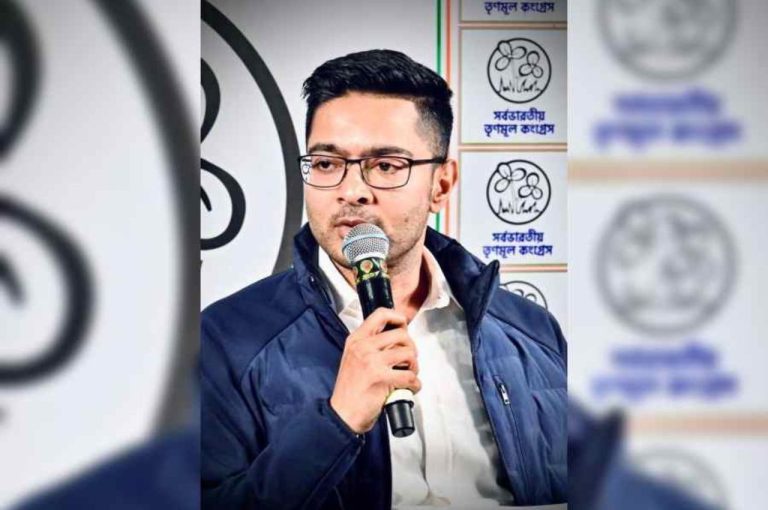
Bengal Tea Wage Hike Promise 2026 – Detailed Analysis of Abhishek Banerjee’s Outreach, Worker Struggles, and Governance Lessons for North Bengal’s Brew Belt

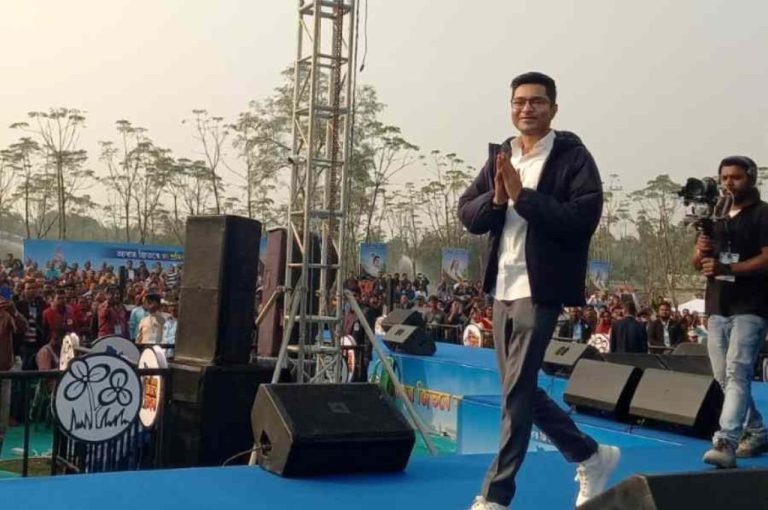
The Bengal tea wage hike promise 2026 has become a central talking point in the run‑up to the Assembly elections. At a rally in Alipurduar, Abhishek Banerjee assured tea workers that if Trinamool Congress (TMC) is voted to power, their daily wage will be increased from ₹250 to ₹300 within a month. His statement was both a welfare pitch and a political strategy aimed at dismantling BJP’s dominance in the tea belt.


2. Current Wage Scenario

  • Present wage: ₹250 per day.
  • In 2011, when Mamata Banerjee became CM, tea workers earned ₹67 per day.
  • Wages have been revised multiple times through negotiations, but the minimum wage committee formed in 2015 has not reached a final decision.
  • Workers demand parity with other states where tea wages are higher.

3. Bengal Tea Wage Hike Promise 2026: Political Context

  • Tea workers influence 10–12 Assembly seats in North Bengal.
  • In 2021, BJP won all five seats in Alipurduar, despite TMC’s welfare schemes.
  • Abhishek accused BJP of halting central funds after losing the 2021 polls.
  • TMC hopes wage promises and welfare outreach will shift voter loyalty.

4. Worker Voices

  • Workers submitted questions on wages, provident fund, housing, and fringe benefits.
  • Abhishek responded directly, promising tripartite talks and wage hikes.
  • Union leaders said the announcement would impact families across the tea belt.

5. Governance Challenges

The tea wage issue reflects:

  • Delayed policy decisions despite committees.
  • Dependence on political promises rather than institutional reforms.
  • Economic vulnerability of tea workers.
  • Need for sustainable welfare schemes beyond election cycles.

6. Government External Links for Assistance


7. Historical Context of Tea Wages in Bengal

  • Colonial era: Tea workers were paid meagre wages under exploitative contracts.
  • Post‑Independence: Wages remained low compared to industrial labour.
  • 2011 onwards: Incremental hikes under TMC government.
  • 2026: Promise of ₹300 daily wage reflects both welfare and electoral urgency.

8. Community Impact

  • Families rely on tea wages for survival, with limited access to healthcare and education.
  • Welfare schemes like crèches, health centres, and buses for schoolchildren have been introduced.
  • Wage hikes would directly improve nutrition, schooling, and living standards.

9. Global Comparisons

  • Sri Lanka: Tea workers earn higher wages but face inflation challenges.
  • Kenya: Strong unions negotiate better pay and housing.
  • Assam (India): Tea wages slightly higher, creating disparity with Bengal.

Bengal’s case mirrors global struggles where tea workers fight for fair compensation in a competitive industry.


10. Governance Lessons

The tea wage debate teaches:

  • Tripartite negotiations must be time‑bound and transparent.
  • Minimum wage policies should be codified to avoid political manipulation.
  • Worker welfare must include housing, healthcare, and education.
  • Political promises must translate into institutional reforms.

11. Future Outlook – Tea Industry in Bengal

India must move towards:

  • Digital wage monitoring systems for transparency.
  • Diversification of tea estates into eco‑tourism and allied industries.
  • Skill development programmes for tea workers’ families.
  • Cross‑border cooperation with Nepal and Bhutan for tea trade.

12. Conclusion

The Bengal tea wage hike promise 2026 is more than an electoral pitch—it is a reflection of decades of worker struggles. Abhishek Banerjee’s assurance of ₹300 daily wages has energised the tea belt, but the challenge lies in institutionalising reforms beyond campaign rhetoric. For Bengal, the lesson is clear: tea workers deserve not just promises, but lasting policies that secure their dignity and livelihoods.

Also read: Home | Channel 6 Network – Latest News, Breaking Updates: Politics, Business, Tech & More

Sikkim Snowfall Tourism 2026 – Detailed Analysis of Winter Attractions, Visitor Surge, and Governance Lessons for Himalayan Eco‑Tourism

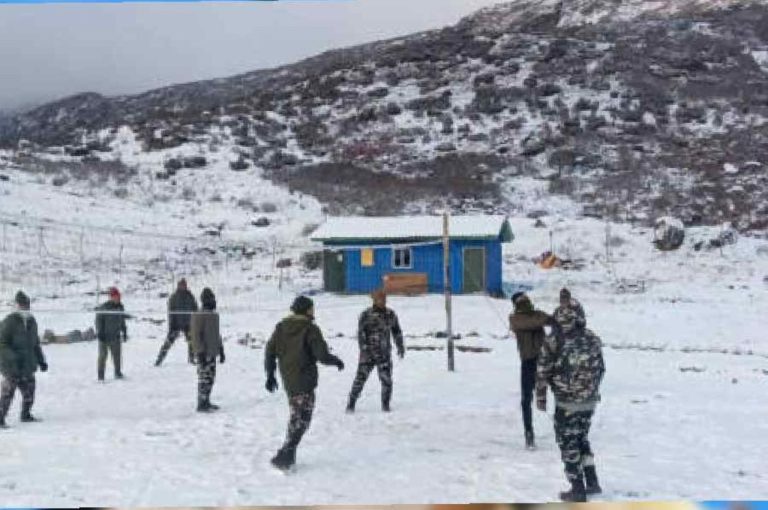
The Sikkim snowfall tourism 2026 story has captured the imagination of travellers across India. In the first week of January, vast stretches of the Himalayan state were covered in a thick white blanket of snow, transforming Sikkim into a winter wonderland. From Nathula and Tsomgo Lake to Yumthang Valley and Lachung, the snowfall has created postcard‑perfect landscapes, enticing tourists and boosting local livelihoods.


2. The Snowfall Event

  • Heavy snowfall reported across East and North Sikkim.
  • Tourist hotspots like Tsomgo Lake, Nathula Pass, and Lachung witnessed snow accumulation.
  • Roads were temporarily blocked but cleared by the Border Roads Organisation (BRO).
  • Local hotels reported a surge in bookings, with occupancy rates crossing 90%.
  • Travel agencies in Gangtok received a flood of inquiries from domestic tourists.

3. Tourism Surge

  • Visitors from West Bengal, Assam, and Delhi rushed to Sikkim to witness the snow.
  • Families, honeymooners, and adventure seekers formed the bulk of arrivals.
  • Tour operators introduced special winter packages for Nathula and Tsomgo.
  • Social media posts of snow‑covered landscapes boosted visibility.
  • The snowfall coincided with New Year holidays, amplifying demand.

4. Economic Impact

  • Hotels and homestays in Gangtok, Lachung, and Pelling reported record earnings.
  • Local taxi drivers benefited from increased demand for sightseeing trips.
  • Handicraft shops and restaurants saw higher footfall.
  • Tourism contributed significantly to state GDP and employment.

5. Governance Challenges

The snowfall surge also highlighted challenges:

  • Road safety risks due to icy conditions.
  • Environmental stress from unregulated tourism.
  • Waste management issues in fragile ecosystems.
  • Need for better infrastructure in high‑altitude zones.

6. Government External Links for Assistance


7. Historical Context of Snowfall in Sikkim

  • 2010–2015: Regular snowfall attracted tourists but infrastructure was limited.
  • 2016–2020: Improved roads and hotels boosted winter tourism.
  • 2021–22: Pandemic disrupted arrivals, but domestic tourism revived quickly.
  • 2025: Snowfall in December drew thousands of visitors.
  • 2026: Current snowfall marks the coldest start to the year in a decade.

8. Community Impact

  • Local residents benefited from tourism income.
  • Farmers faced challenges due to frost affecting crops.
  • Students enjoyed extended holidays due to road closures.
  • NGOs launched awareness drives on eco‑friendly tourism practices.

9. Global Comparisons

Similar winter tourism models worldwide:

  • Switzerland: Snowfall drives ski tourism in the Alps.
  • Japan: Hokkaido’s snow festivals attract millions.
  • Nepal: Himalayan snowfall boosts trekking demand.

Sikkim’s case mirrors these global practices where snowfall becomes a tourism asset but requires careful management.


10. Governance Lessons

The Sikkim snowfall teaches:

  • Eco‑tourism policies must balance conservation and livelihoods.
  • Infrastructure upgrades are essential for safe winter travel.
  • Community participation ensures sustainable tourism.
  • Climate resilience planning is vital for Himalayan states.

11. Future Outlook – Himalayan Eco‑Tourism

India must move towards:

  • Smart tourism platforms for real‑time updates on weather and road conditions.
  • Green hotels and homestays to reduce carbon footprint.
  • Integrated waste management systems in tourist zones.
  • Cross‑border cooperation with Bhutan and Nepal for regional tourism circuits.

12. Sikkim Snowfall Tourism 2026: Conclusion

The Sikkim snowfall tourism 2026 phenomenon is more than a seasonal attraction—it is a reminder of the state’s unique ecological and cultural wealth. As tourists flock to Nathula, Tsomgo, and Yumthang, the challenge lies in balancing economic gains with environmental sustainability. For Sikkim, the lesson is clear: snowfall can be a blessing for tourism, but only if managed responsibly.

Also read: Home | Channel 6 Network – Latest News, Breaking Updates: Politics, Business, Tech & More

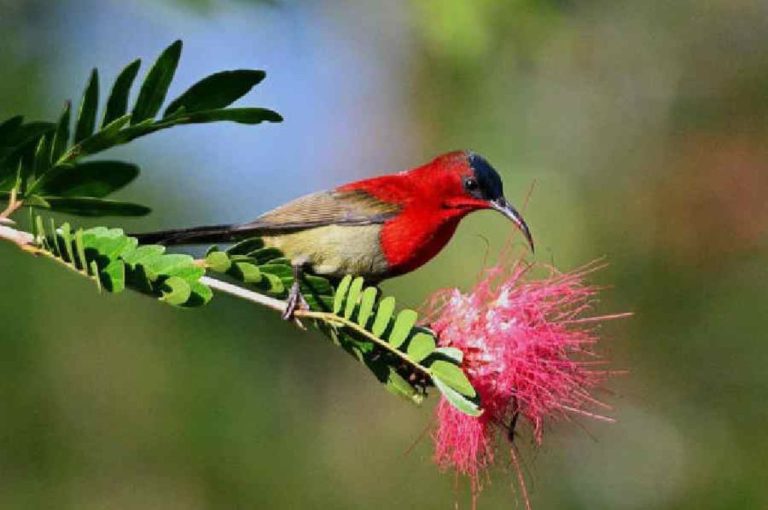
Buxa Tiger Reserve Bird Festival 2026 – Detailed Analysis of Biodiversity, Conservation Challenges, and Governance Lessons for Eco‑Tourism in Bengal

The Buxa Tiger Reserve Bird Festival 2026 is set to reaffirm Bengal’s reputation as a hub of avian diversity. Scheduled from January 6–9, the festival will bring together seasoned birders, experts, and conservationists from across India. Organised annually since 2016 (except during the pandemic year 2021), the event has become a signature eco‑tourism initiative, showcasing Buxa’s exceptional biodiversity and raising awareness about conservation.


2. The Festival’s Significance

  • 8th edition of the festival.
  • Venue: Jainti Range of Buxa Tiger Reserve, around 7 km from Alipurduar town.
  • Participants: Around 20 experts and birdwatchers invited.
  • Target: Document at least 300 bird species, surpassing last year’s record of 226.
  • Activities:
    • Birdwatching surveys along four routes.
    • Evening reviews of photographs by experts.
    • Discussions on conservation strategies.

3. Buxa Tiger Reserve – A Biodiversity Hotspot

  • Location: Alipurduar district, West Bengal.
  • Area: 760 sq km, including buffer zones.
  • Habitat: Ranges from plains to hilly terrain, supporting diverse species.
  • Avifauna: Home to hornbills, sunbirds, woodpeckers, kingfishers, and migratory species.
  • Mammals: Includes tigers, elephants, leopards, gaur, and clouded leopards.
  • Flora: Rich mix of sal forests, bamboo groves, and grasslands.

4. Voices from the Field

  • Debasish Sharma (DFO, BTR East): Confirmed participation of 20 birders and assured fog would not hinder noon birdwatching.
  • Animesh Bose (HNAF Coordinator): Praised Buxa’s “exceptional biodiversity” and unique birding habitat.
  • Local foresters emphasised the importance of community involvement in conservation.

5. Governance Challenges

The festival highlights broader issues:

  • Habitat fragmentation due to human settlements.
  • Poaching threats in buffer zones.
  • Tourism pressure on fragile ecosystems.
  • Need for scientific monitoring of bird populations.

6. Government External Links for Assistance


7. Historical Context of the Festival

  • 2016: First edition launched to promote eco‑tourism.
  • 2017–2020: Festival grew in scale, attracting national birders.
  • 2021: Cancelled due to COVID‑19 pandemic.
  • 2022–2025: Resumed with renewed vigour, documenting hundreds of species.
  • 2026: Ambitious target of 300 species reflects growing expertise.

8. Community Impact

  • Local villagers benefit from eco‑tourism income.
  • Youth trained as bird guides and eco‑volunteers.
  • Awareness campaigns reduce hunting and deforestation.
  • Schools in Alipurduar integrate birdwatching into environmental education.

9. Buxa Tiger Reserve Bird Festival 2026: Global Comparisons

Similar bird festivals worldwide:

  • UK (Rutland Bird Fair): Major international birdwatching event.
  • USA (Biggest Week in American Birding, Ohio): Attracts thousands of birders.
  • Kenya (Lake Naivasha Bird Festival): Promotes African avifauna.

Buxa’s festival mirrors these global initiatives where eco‑tourism supports conservation and community livelihoods.


10. Governance Lessons

The Buxa Bird Festival teaches:

  • Eco‑tourism can be a conservation tool if managed sustainably.
  • Community participation ensures long‑term success.
  • Scientific documentation builds knowledge for policy decisions.
  • Partnerships with NGOs and experts strengthen conservation outcomes.

11. Future Outlook – Eco‑Tourism in Bengal

India must move towards:

  • Integrated eco‑tourism policies balancing conservation and livelihoods.
  • Digital bird databases for citizen science contributions.
  • Climate resilience planning to protect migratory species.
  • Cross‑border cooperation with Bhutan and Nepal for Himalayan bird corridors.

12. Conclusion

The Buxa Tiger Reserve Bird Festival 2026 is more than a celebration of avian diversity—it is a symbol of Bengal’s commitment to conservation and eco‑tourism. With experts aiming to document 300 species, the festival underscores the importance of community involvement, scientific monitoring, and sustainable tourism. For Bengal, the lesson is clear: protecting biodiversity is not just about saving birds, but about safeguarding ecosystems and livelihoods.

Also read: Home | Channel 6 Network – Latest News, Breaking Updates: Politics, Business, Tech & More

CITU National President Sudip Dutta 2026 – Detailed Analysis of Siliguri Leader’s Election, Labour Movement Challenges, and Governance Lessons for Workers’ Rights

The CITU National President Sudip Dutta 2026 is a landmark moment for India’s labour movement. At just 40, Dutta represents a younger generation of trade unionists, bringing fresh energy to an organisation historically led by veteran leaders. His rise from Siliguri, where he worked closely with the Darjeeling tea industry, signals a renewed focus on grassroots struggles and the need to modernise union strategies in the face of new labour codes and economic reforms.


2. CITU National President Sudip Dutta 2026: Background of Sudip Dutta

  • Age: 40 years.
  • Base: Siliguri, West Bengal.
  • Experience: Worked with the Joint Forum, a coalition of 20+ trade unions in the Dooars‑Terai and hill regions.
  • Focus: Tea industry workers’ rights, minimum wages, and land rights.
  • Reputation: Known for being militant yet pragmatic, with a clear understanding of working‑class movements.

3. Election at Visakhapatnam Conference

  • Event: 18th All‑India CITU Conference.
  • Location: Visakhapatnam, Andhra Pradesh.
  • Date: January 4, 2026.
  • Outcome: Dutta elected as All‑India President of CITU, affiliated with the CPM.
  • Support: Former Rajya Sabha MP Saman Pathak hailed him as a capable leader with clarity of vision.

4. CITU National President Sudip Dutta 2026: Immediate Priorities

  • February 12 Nationwide Strike: Ten unions have called for a strike against the Centre’s new labour codes.
  • Possibility of extended strikes if the government pushes ahead with implementation.
  • Tea industry agitation: Workers have been fighting for minimum wages and land rights for over 11 years.
  • Youth focus: With 65% of India’s workforce below 35, Dutta aims to represent their anger and aspirations.

5. Governance Challenges

The election reflects broader challenges:

  • Labour codes vs workers’ rights: New laws are seen as diluting protections.
  • Tea industry neglect: Despite being a major foreign exchange earner, workers face poverty wages.
  • Union modernisation: Need to adapt to digital tools, gig economy, and fragmented workforces.
  • Militancy vs negotiation: Balancing aggressive protest with constructive dialogue.

6. Government External Links for Assistance


7. Historical Context of CITU

  • Founded in 1970, affiliated with the Communist Party of India (Marxist).
  • Known for militant struggles in industries like coal, steel, and tea.
  • Played a major role in nationwide strikes against privatisation and labour law changes.
  • Leadership traditionally dominated by senior CPM leaders; Dutta’s election marks a generational shift.

8. Community Impact

  • Tea workers in Darjeeling and Dooars see hope in Dutta’s leadership.
  • Young workers across India feel represented by a leader closer to their age.
  • Employers and government anticipate more assertive union strategies.
  • Civil society groups highlight the importance of balancing worker rights with economic growth.

9. Global Comparisons

Similar generational shifts in labour movements worldwide:

  • UK: Younger leaders revitalised trade unions during austerity protests.
  • USA: Rise of youth‑led unions in tech and service sectors.
  • South Africa: Militant youth leaders reshaped union politics post‑apartheid.

India’s case mirrors these global struggles where new leadership energises old organisations.


10. Governance Lessons

Sudip Dutta’s election teaches:

  • Generational renewal is vital for union relevance.
  • Grassroots struggles must remain central to national agendas.
  • Modernisation of union work is essential in the digital age.
  • Dialogue with government must balance militancy with constructive negotiation.

11. Future Outlook – Labour Movement in Bengal

India must move towards:

  • Transparent wage policies in industries like tea.
  • Digital union platforms for gig and informal workers.
  • Inclusive strikes that represent youth and women workers.
  • International solidarity with global labour movements.

12. Conclusion

The election of Sudip Dutta as CITU’s national president in 2026 is more than a leadership change—it is a generational shift in India’s labour movement. His focus on youth, militancy, and grassroots struggles reflects the urgency of protecting workers’ rights in a rapidly changing economy. For Bengal and India, the lesson is clear: labour movements must modernise while staying rooted in the struggles of the working class.

Also read: Home | Channel 6 Network – Latest News, Breaking Updates: Politics, Business, Tech & More

Bhangar TMC Clash 2026 – Detailed Analysis of Factional Violence, Electoral Stakes, and Governance Lessons for Democracy in Bengal

The Bhangar TMC clash 2026 has once again exposed the deep fissures within the ruling party of West Bengal. On January 4, rival factions of the Trinamool Congress engaged in a violent confrontation in South 24‑Parganas, leaving at least six workers injured. The clash involved loyalists of Canning East MLA Saokat Molla and supporters of Hakimul Subhasish Chaudhuri, son of former strongman Arabul Islam. The incident underscores the volatile mix of factionalism, electoral stakes, and governance challenges in Bengal’s political landscape.


2. Bhangar TMC Clash 2026: The Incident

  • Location: Bhangar II Panchayat Samiti area.
  • Trigger: Hakimul visited fellow member Odud Molla’s residence after reports of an attack.
  • Saokat’s aides allegedly surrounded Hakimul’s car, beat him, and damaged the vehicle.
  • Saokat’s supporters branded Hakimul a “traitor,” sparking a pitched battle.
  • Police from Uttar Kashipur station intervened and escorted Hakimul to safety.
  • Casualties: Six injured, including Hakimul himself.

3. Political Context

  • Saokat Molla was recently entrusted with organisational responsibilities in four Assembly segments, including Bhangar.
  • The leadership’s inclusion of leaders close to the anti‑Saokat camp in the “Unnayaner Sanglap” outreach programme angered his loyalists.
  • Tensions escalated when Arabul‑Hakimul supporters alleged attacks on Odud Molla’s home.
  • The clash reflects power struggles over organisational control ahead of candidate selection for the Assembly polls.

4. Governance Challenges

The clash highlights:

  • Factionalism within ruling parties undermines governance.
  • Law and order concerns in politically sensitive districts.
  • Weak conflict resolution mechanisms within parties.
  • Public insecurity when political violence spills into communities.

5. Government External Links for Assistance


6. Historical Context of Bhangar Violence

  • 2017–18: Violent protests erupted over a power grid project, with fatalities reported.
  • 2021 Assembly polls: Rival factions clashed repeatedly during candidate selection.
  • 2024 Panchayat elections: Reports of booth capturing and intimidation surfaced.
  • 2026: The latest clash adds to Bhangar’s reputation as a political flashpoint.

7. Community Impact

  • Residents expressed fear of escalating violence as polls approach.
  • Daily life disrupted by clashes, with shops and schools closing temporarily.
  • Families of injured workers face financial and emotional strain.
  • Civil society groups demand peaceful campaigning and accountability.

8. Global Comparisons

Similar factional clashes occur worldwide:

  • Nigeria: Party rivalries often erupt into violence during elections.
  • Bangladesh: Intra‑party conflicts destabilise local governance.
  • Pakistan: Factionalism within ruling parties leads to street clashes.

Bengal’s case mirrors these global struggles where internal party rivalries undermine democratic processes.


9. Governance Lessons

The Bhangar clash teaches:

  • Parties must strengthen internal dispute resolution to prevent violence.
  • Police neutrality is essential in politically sensitive districts.
  • Community engagement can reduce tensions.
  • Election Commission oversight ensures fair campaigning.

10. Future Outlook – Democracy in Bengal

India must move towards:

  • Stricter enforcement of electoral codes of conduct.
  • Conflict‑resolution cells within political parties.
  • Public awareness campaigns against political violence.
  • Transparent candidate selection processes to reduce factional disputes.

11. Conclusion

The Bhangar TMC clash 2026 is more than a local skirmish—it is a warning sign for Bengal’s democracy. With six injured and tensions rising, the incident underscores the dangers of factionalism within ruling parties. For Bengal, the lesson is clear: political unity and peaceful campaigning are essential to safeguard electoral integrity and public trust.

Also read: Home | Channel 6 Network – Latest News, Breaking Updates: Politics, Business, Tech & More

Bengal Electoral Roll SIR Farce 2026 – Detailed Analysis of Mamata Banerjee’s Objections, EC’s Role, and Governance Lessons for Democracy

The Bengal electoral roll SIR farce 2026 controversy has become one of the most heated political debates in the state. On January 3, Chief Minister Mamata Banerjee wrote her third letter since November to Chief Election Commissioner Gyanesh Kumar, describing the Special Intensive Revision (SIR) of electoral rolls as a “farce” that threatens to disenfranchise genuine voters. Her strongly worded letter accused the Election Commission of conducting the exercise in an unplanned, ill‑prepared, and ad hoc manner, raising questions about transparency, accountability, and democratic integrity.


2. Mamata Banerjee’s Key Allegations

  • Undue haste: The SIR was conducted without adequate groundwork or preparation.
  • Defective IT systems: Software used was unstable, unreliable, and prone to errors.
  • Inconsistent instructions: Orders issued to officials were contradictory and confusing.
  • Lack of training: Booth Level Officers (BLOs) and Electoral Registration Officers (EROs) were not properly trained.
  • Informal communication: Critical instructions were allegedly issued via WhatsApp and text messages instead of formal circulars.
  • Backend deletions: Mamata alleged voters were being removed secretly through IT systems without statutory officers’ knowledge.
  • Exclusion of BLAs: Booth Level Agents were denied access during hearings, undermining democratic checks.

She warned that if the exercise continued in its present form, it would cause irreparable damage, large‑scale disenfranchisement, and a direct assault on democratic governance.


3. Ground Reality and Citizen Hardship

  • Elderly and seriously ill citizens were forced to travel 20–25 km for hearings.
  • Millions of voters were flagged for “logical discrepancies” by a secretive algorithm.
  • Families struggled to prove identity due to rejection of documents like the family register, which was accepted in Bihar but not in Bengal.
  • Temporary domicile certificates issued by panchayats and municipalities were inconsistently recognised.

4. Political Context

  • Mamata’s letter followed a confrontation in New Delhi where her nephew Abhishek Banerjee accused CEC Kumar of “losing his temper” and “wagging his finger” at a Trinamool delegation.
  • The Trinamool Congress has framed the SIR as an attempt to manipulate voter lists ahead of elections.
  • The BJP, on the other hand, has defended the exercise as necessary to weed out fictitious and illegal voters.

5. Governance Challenges

The controversy reflects:

  • Trust deficit between the ruling party and the Election Commission.
  • Implementation gaps in electoral roll management.
  • Public confusion due to inconsistent instructions.
  • Perception of bias in the EC’s actions.

6. Government External Links for Assistance


7. Historical Context of Electoral Roll Disputes in Bengal

  • 2000s: Allegations of bogus voters became common in Kolkata and border districts.
  • 2011–2019: Electoral roll revisions often coincided with political clashes.
  • 2024–25: SIR flagged millions of discrepancies nationwide.
  • 2026: The current row reflects Bengal’s long history of contested voter lists.

8. Community Impact

  • Citizens fear wrongful deletions of genuine names.
  • Minority communities express concern about targeted exclusions.
  • Political cadres mobilise voters to check their names, creating tension at local offices.
  • Civil society groups demand transparent grievance mechanisms.

9. Global Comparisons

Similar voter roll controversies worldwide:

  • USA: Allegations of voter suppression through purges in Georgia and Florida.
  • UK: Concerns about disenfranchisement under new voter ID laws.
  • Nigeria: Disputes over duplicate registrations and ghost voters.

Bengal’s case mirrors these global struggles where electoral integrity collides with political suspicion.


10. Bengal Electoral Roll SIR Farce 2026: Governance Lessons

The SIR controversy teaches:

  • Transparency in communication is vital to build trust.
  • Independent audits of IT systems can reassure citizens.
  • Community engagement ensures inclusivity.
  • Judicial oversight provides a safeguard against arbitrary deletions.

11. Future Outlook – Democracy in Bengal

India must move towards:

  • Digitised grievance redressal portals for voter roll issues.
  • Periodic audits of electoral rolls by independent agencies.
  • Public dashboards showing deletions and additions transparently.
  • Educational campaigns to help citizens verify their status.

12. Conclusion

The Bengal electoral roll SIR farce 2026 is more than a bureaucratic dispute—it is a test of democratic integrity. Mamata Banerjee’s warnings of disenfranchisement and the Election Commission’s defence of the process highlight the fragile balance between accuracy and inclusivity in voter list management. For Bengal, the lesson is clear: democracy must be safeguarded not only at the ballot box but also in the processes that determine who gets to vote.

Also read: Home | Channel 6 Network – Latest News, Breaking Updates: Politics, Business, Tech & More

Bengal Lock Up Wives Remark Controversy 2026 – Detailed Analysis of BJP Leader’s Statement, Abhishek Banerjee’s Fury, and Governance Lessons for Women’s Empowerment

The Bengal Lock Up Wives Remark Controversy 2026 has ignited a political storm in West Bengal. At a BJP rally in West Midnapore, party state committee member Kalipada Sengupta urged husbands to “lock up” women beneficiaries of the Lakshmir Bhandar scheme on polling day to prevent them from voting for the Trinamool Congress. The remark was widely condemned as patriarchal, feudal, and anti‑woman, drawing sharp responses from Trinamool leaders including Abhishek Banerjee, who accused the BJP of deploying a “Bangla‑Birodhi toolkit.”


2. The Remark and Its Context

  • Sengupta claimed that while many women beneficiaries supported BJP, others leaned toward Trinamool.
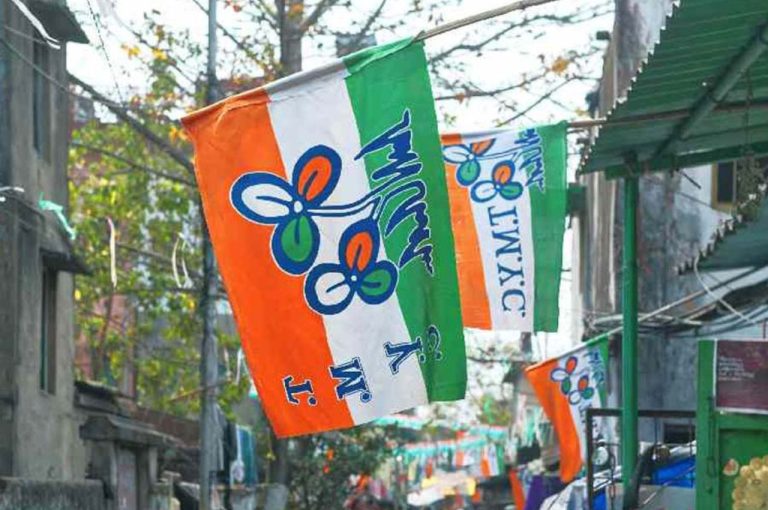
  • He urged husbands to confine wives indoors so they could not vote for Trinamool’s symbol, the twin flowers.
  • The statement reflected BJP’s concern over the popularity of Lakshmir Bhandar, Mamata Banerjee’s flagship financial aid scheme for women.
  • The remark was made at a Kalaikunda ground rally in Daspur.

3. Abhishek Banerjee’s Response

  • Abhishek, Trinamool’s national general secretary, posted on X condemning the remark.
  • He accused BJP of feudal barbarism and patriarchal mindset.
  • He reminded that BJP had earlier threatened to scrap Lakshmir Bhandar, calling it “bhikkha” (alms).
  • He declared: “In 2026, women will march to polling booths in millions and bury your regressive, Bangla‑Birodhi, Nari‑Birodhi politics.”

4. Other Trinamool Leaders’ Reactions

  • Arup Chakraborty: Said the remark endorsed “domestic violence for political ends.”
  • Shashi Panja (Industry Minister): Called it proof of BJP’s anti‑women stance.
  • She linked it to BJP’s hypocrisy in slogans like Beti Bachao, Beti Padhao.
  • She alleged that in BJP‑ruled states, women face torture and discrimination.

5. BJP’s Damage Control

  • State general secretary Jagannath Chattopadhyay distanced the party from Sengupta’s remark, calling it “unwarranted.”
  • He insisted BJP would continue beneficial schemes if elected.
  • Sukanta Majumdar (Union Minister) said Lakshmir Bhandar would continue under BJP, possibly with a new name and higher benefits.

6. Governance Challenges

The controversy reflects:

  • Gendered political rhetoric undermining women’s agency.
  • Electoral stakes of welfare schemes like Lakshmir Bhandar.
  • Trust deficit between parties and women voters.
  • Need for safeguards against misogynistic campaigning.

7. Government External Links for Assistance


8. Historical Context of Women’s Suffrage in Bengal

  • 1950s: Women gained full voting rights under the Indian Constitution.
  • 1970s–80s: Women’s participation in Bengal elections grew steadily.
  • 2011 onwards: Mamata Banerjee’s welfare schemes, including Lakshmir Bhandar, boosted women’s political agency.
  • 2026: Sengupta’s remark reignited debates on patriarchy vs empowerment in electoral politics.

9. Community Impact

  • Women expressed anger at being portrayed as political pawns.
  • Civil society groups condemned the remark as anti‑democratic.
  • Families debated the role of welfare schemes in shaping voting choices.
  • The controversy mobilised women voters further in defence of their rights.

10. Global Comparisons

Similar controversies worldwide:

  • USA: Debates over voter suppression targeting minority women.
  • Afghanistan: Restrictions on women’s movement during elections.
  • Nigeria: Patriarchal norms limiting women’s political participation.

Bengal’s case mirrors these global struggles where women’s suffrage collides with patriarchal politics.


11. Governance Lessons

The lock‑up wives controversy teaches:

  • Political rhetoric must respect women’s agency.
  • Electoral commissions should monitor misogynistic campaigning.
  • Welfare schemes must be safeguarded from partisan attacks.
  • Women’s empowerment is central to democratic legitimacy.

12. Future Outlook – Women’s Empowerment in Bengal

India must move towards:

  • Gender‑sensitive political codes of conduct.
  • Expanded welfare schemes empowering women economically.
  • Educational campaigns on women’s voting rights.
  • Stronger representation of women in political parties.

13. Bengal Lock Up Wives Remark Controversy 2026: Conclusion

The Bengal lock‑up wives remark controversy 2026 is more than a political spat—it is a test of India’s democratic values. Sengupta’s statement exposed patriarchal attitudes, while Abhishek Banerjee’s furious response highlighted the stakes of women’s empowerment. For Bengal, the lesson is clear: democracy cannot thrive if half the population is silenced, and women’s suffrage must remain inviolable.

Also read: Home | Channel 6 Network – Latest News, Breaking Updates: Politics, Business, Tech & More