Friday, May 1, 2026
Home Blog Page 180

Kolkata Festive Dining Boom – Detailed Analysis of 2026 Restaurant Sales Surge, Alcohol Trends, and Governance Lessons for Urban Hospitality

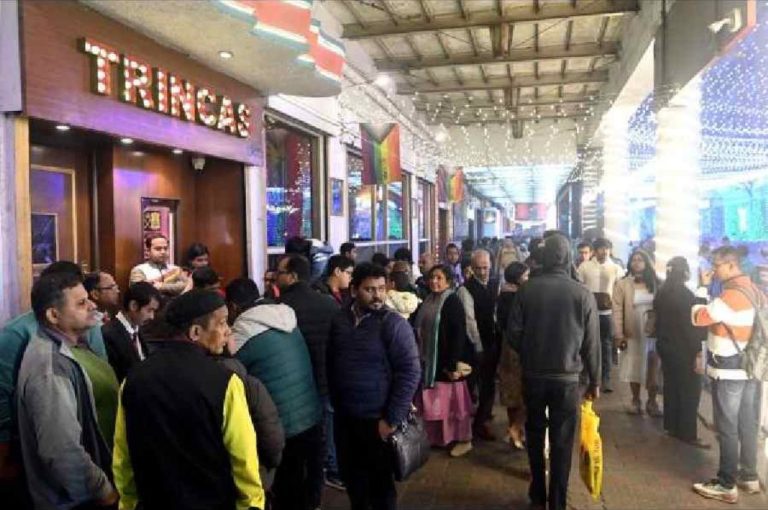
The Kolkata festive dining boom of 2026 has become a defining moment for the city’s hospitality industry. Restaurants, pubs, and cafés across Park Street, Southern Avenue, and other hotspots reported a 20% rise in footfall and sales compared to 2025, reflecting the city’s appetite for food, drink, and celebration. From premium single malts to decadent desserts, Calcuttans embraced the festive spirit with gusto, making New Year’s Eve one of the most profitable nights for the industry.


2. Surge in Alcohol Consumption

  • A popular Park Street pub doubled its single malt sales on New Year’s Eve, selling four bottles compared to two the previous night.
  • Brands like Glenmorangie and Chivas Regal dominated orders.
  • Oasis restaurant reported that 60% of its alcohol stock was consumed in a single night.
  • Warm drinks like hot toddy with rum or whiskey became popular as temperatures dipped.

3. Restaurant Footfall and Expansion

  • Peter Cat added an extra floor, increasing seating from 175 to over 300, yet remained full from noon till midnight.
  • Mocambo and Peter Hu? also reported a 20% rise in business compared to previous years.
  • Guests preferred window seats overlooking Park Street lights, even waiting longer for the view.
  • Traffic management on Park Street allowed smoother access, encouraging diners to linger rather than rush.

4. Kolkata Festive Dining Boom: Dessert Trends

  • Lille Dessert saw high demand for Bailey’s dark chocolate entremet and rum balls.
  • Sweet indulgences paired with premium alcohol reflected Kolkata’s evolving taste for fusion dining experiences.

5. Citywide Buzz Beyond Park Street

  • Restaurants across Kolkata reported similar growth.
  • MS Lounge & Bar in central Kolkata sold two cases (24 bottles) of Chivas under a festive offer.
  • Southern Avenue, emerging as a dining hub in the past five years, was packed with revellers.
  • Scrapyard reported a 15% sales growth compared to last year, despite new competitors entering the market.

6. Governance Challenges

The boom reflects:

  • Need for better traffic management during festive nights.
  • Alcohol regulation enforcement to balance safety with celebration.
  • Infrastructure upgrades for restaurants to handle surging demand.
  • Tourism integration, as NRIs and visitors from neighbouring states added to the crowd.

7. Government External Links for Assistance


8. Historical Context of Kolkata’s Festive Dining

  • Colonial era: Park Street became the hub of nightlife and dining.
  • 1970s–80s: Restaurants like Mocambo and Peter Cat defined Kolkata’s culinary culture.
  • 2000s: Rise of cafés and pubs expanded the dining scene.
  • 2026: Record growth in festive dining, reflecting both tradition and modernity.

9. Community Impact

  • Families celebrated indoors, avoiding cold outdoor venues.
  • Restaurants became social hubs, reinforcing Kolkata’s reputation as a city of food lovers.
  • Hospitality workers benefited from higher tips and bonuses.
  • The boom boosted confidence in the industry after pandemic‑era struggles.

10. Global Comparisons

Similar festive dining booms occur worldwide:

  • London: Christmas and New Year see surges in pub and restaurant sales.
  • New York: Times Square celebrations drive record food and beverage consumption.
  • Tokyo: Izakayas and restaurants thrive during year‑end parties.

Kolkata’s case mirrors these global patterns where urban hospitality thrives on festive tourism and local enthusiasm.


11. Governance Lessons

The Kolkata boom teaches:

  • Public‑private partnerships can improve festive traffic and safety.
  • Tourism boards should integrate dining into promotional campaigns.
  • Alcohol regulation must balance enjoyment with responsible consumption.
  • Urban planning should anticipate seasonal surges in hospitality demand.

12. Future Outlook – Hospitality in Bengal

India must move towards:

  • Smart reservation systems to manage crowds.
  • Eco‑friendly dining practices to reduce waste during festivals.
  • Expanded dining hubs beyond Park Street to decentralize traffic.
  • International collaborations to showcase Kolkata’s culinary heritage globally.

13. Conclusion

The Kolkata festive dining boom of 2026 is more than a seasonal surge. It reflects the resilience of the hospitality industry, the evolving tastes of Calcuttans, and the city’s enduring love for food and drink. With restaurants reporting a 20% rise in guests and sales, the festive season has reaffirmed Kolkata’s status as a culinary capital of India. For policymakers, the lesson is clear: urban hospitality must be nurtured with infrastructure, regulation, and cultural promotion to sustain growth.

Also read: Home | Channel 6 Network – Latest News, Breaking Updates: Politics, Business, Tech & More
Kolkata New Year Chill – Detailed Analysis of Drop in Reveller Footfall, Indoor Festivities, and Governance Lessons for Urban Tourism

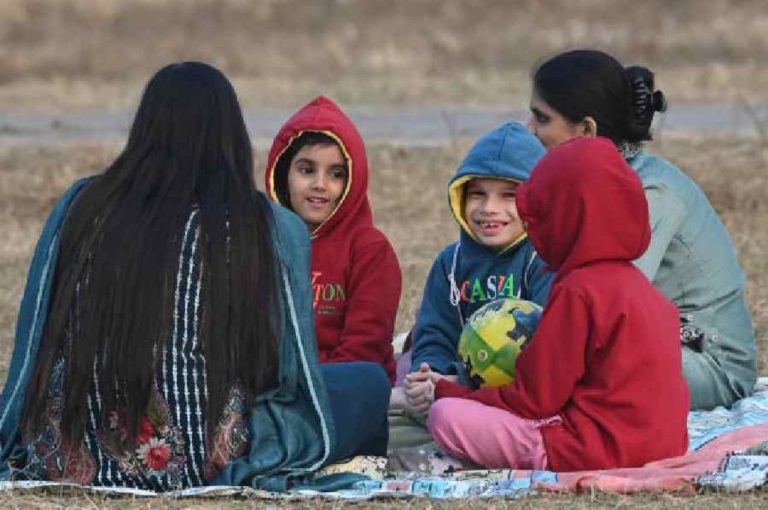
The Kolkata New Year chill of 2026 reshaped the city’s festive celebrations. Traditionally, January 1 sees massive crowds at the Maidan, Eco Park, Alipore Zoo, Victoria Memorial, and Science City. This year, however, the biting cold nudged many merrymakers indoors. Restaurants and cinema halls reported packed houses, while outdoor attractions saw a noticeable decline in footfall compared to previous years.


2. Kolkata New Year Chill: Weather Conditions

  • Minimum temperature: 11.6°C, nearly three degrees below normal.
  • Maximum temperature: 22.6°C, 2.5 degrees below average.
  • Meteorologists attributed the chill to a Western Disturbance, the first powerful one of the season.
  • Forecast: Slight warming over the next few days, followed by another dip after January 5.

3. Footfall Statistics

  • Alipore Zoo: 52,341 visitors, down from 82,000 last year.
  • Science City: 25,000 visitors, compared to 30,000 in 2025.
  • Victoria Memorial: 36,000 visitors, slightly lower than 38,000 last year.
  • Eco Park & Maidan: Crowded but not as packed as usual.
  • Traffic to Eco Park was lighter than the gridlock usually seen on January 1.

4. Indoor Festivities

  • Restaurants across Kolkata reported long waiting times and packed tables.
  • Cinema halls ran full houses, with films like Projapoti 2 drawing crowds.
  • Families opted for indoor lunches and matinee shows instead of picnics.
  • Example: A Bhowanipore couple abandoned plans for an al fresco lunch at their club, choosing instead a restaurant meal followed by a movie.

5. Outdoor Scenes

  • At Eco Park, families spread mats and newspapers on lawns, enjoying food despite the chill.
  • Popular selfie spots included replicas of the Seven Wonders of the World.
  • At Alipore Zoo, children perched on shoulders to view tigers, giraffes, and chimpanzees.
  • Security staff encouraged visitors to keep moving to avoid crowding at enclosures.

6. Governance Challenges

The drop in footfall reflects:

  • Weather vulnerability of outdoor tourism.
  • Need for better winter amenities like heated shelters and warm food stalls.
  • Traffic management improvements that reduced gridlock this year.
  • Balancing indoor and outdoor attractions to sustain festive tourism.

7. Government External Links for Assistance


8. Historical Context of Kolkata’s New Year Celebrations

  • Colonial era: Picnics at the Maidan became a tradition.
  • Post‑independence: Alipore Zoo and Victoria Memorial emerged as family favourites.
  • 2000s: Eco Park and Science City added modern attractions.
  • 2026: First time in years that cold weather significantly reduced outdoor crowds.

9. Community Impact

  • Families adapted by choosing indoor venues.
  • Food businesses benefited from increased demand.
  • Outdoor vendors saw reduced sales, especially at picnic spots.
  • The incident highlighted the resilience of Kolkata’s festive spirit, shifting seamlessly indoors.

10. Global Comparisons

Similar weather‑driven shifts occur worldwide:

  • London: Cold snaps push New Year crowds into pubs and theatres.
  • New York: Times Square celebrations continue outdoors, but restaurants see surges during extreme cold.
  • Tokyo: Shrines see reduced footfall during unusually cold New Year’s Days.

Kolkata’s case mirrors these global patterns where urban tourism adapts to weather shocks.


11. Governance Lessons

The Kolkata chill teaches:

  • Flexible tourism planning is essential.
  • Indoor attractions must be promoted alongside outdoor ones.
  • Weather‑resilient infrastructure can sustain footfall.
  • Public transport coordination ensures smoother traffic even during reduced crowds.

12. Future Outlook – Urban Tourism in Bengal

India must move towards:

  • Smart tourism dashboards integrating weather forecasts with crowd management.
  • Hybrid festive packages combining indoor and outdoor experiences.
  • Eco‑friendly heating solutions at outdoor venues.
  • Community engagement to sustain traditions despite climate variability.

13. Conclusion

The Kolkata New Year chill of 2026 reshaped the city’s festive map. While outdoor attractions saw fewer visitors, indoor venues thrived. The incident underscores the adaptability of Kolkata’s citizens and the importance of governance in balancing tourism, weather, and infrastructure. For Bengal, the lesson is clear: festive spirit endures, but urban tourism must evolve with climate realities.


Also read: Home | Channel 6 Network – Latest News, Breaking Updates: Politics, Business, Tech & More
Kolkata Drink Driving Awareness – Detailed Analysis of New Year’s Eve Decline, Police Tech Measures, and Governance Lessons for Safer Roads

The Kolkata drink driving awareness campaign during New Year’s Eve 2025–26 has been hailed as a success story in urban safety management. Police records show a one‑third decline in prosecutions compared to the previous year, with only 149 motorists booked between December 31 night and January 1 morning, down from 214 cases in 2024. This achievement reflects a combination of awareness drives, technological interventions, and community participation, ensuring that festive celebrations did not turn into tragedies.


2. Police Vigilance and Statistics

  • 149 prosecutions in 2025–26, compared to 214 in 2024.
  • Majority of drivers tested were found negative for alcohol consumption.
  • Police attributed the decline to:
    • Fewer cars on the road.
    • Fear of prosecution.
    • Growing awareness of drink‑driving dangers.
  • Officers deployed near Park Street and Sector V reported that many vehicles had professional chauffeurs instead of owners behind the wheel.

3. Role of App‑Based Driver Services

  • Local aggregator Drivers4Me recorded 1,200 bookings between December 31 and January 1, nearly double the 650 bookings from the previous year.
  • Peak demand occurred between 11 p.m. and 1 a.m., especially in nightlife zones like Park Street.
  • Collaboration between restaurants and driver services discouraged drink‑driving.
  • Patrons increasingly relied on chauffeur services when returning from clubs and parties.

4. Restaurant and Community Measures

  • Restaurants trained waiters to monitor inebriated guests and discourage them from driving.
  • The National Restaurants Association of India (NRAI) local chapter promoted safe return options.
  • Owners arranged in‑house drivers for guests during peak hours.
  • App cabs sometimes fell short during rush hours, but driver aggregators filled the gap.

5. Kolkata Drink Driving Awareness: Legal Framework

  • Under the Motor Vehicles Act, anyone with more than 30 mg of alcohol per 100 ml of blood is considered over the limit.
  • Offenders face:
    • Fine of ₹2,000 or up to six months in prison.
    • Repeat offenders: up to two years in prison or fine of ₹3,000.
  • Police use breathalysers for on‑the‑spot testing.

6. Governance Challenges

The campaign reflects:

  • Need for sustained awareness beyond festive nights.
  • Infrastructure gaps in late‑night transport availability.
  • Balancing enforcement with community cooperation.
  • Ensuring affordability of chauffeur services for wider adoption.

7. Government External Links for Assistance


8. Historical Context of Drink‑Driving in Kolkata

  • 2010s: Drink‑driving cases surged with nightlife expansion in Park Street.
  • 2015–2020: Police intensified campaigns, introducing breathalyser checkpoints.
  • 2021–2024: App‑based services began to play a role in reducing cases.
  • 2025–26: First year showing a significant decline, proving that awareness and tech can work together.

9. Community Impact

  • Families felt safer celebrating outdoors.
  • Tourists praised Kolkata’s proactive measures.
  • Local residents reported fewer accidents and disturbances.
  • The campaign boosted public trust in police initiatives.

10. Global Comparisons

Similar strategies worldwide:

  • USA: “Designated driver” campaigns during holidays.
  • UK: Strict breathalyser enforcement and awareness ads.
  • Japan: Severe penalties discourage drink‑driving, supported by taxi services.

Kolkata’s case mirrors these global efforts where community awareness and enforcement combine to reduce risks.


11. Governance Lessons

The Kolkata campaign teaches:

  • Public‑private partnerships are vital for safety.
  • Technology adoption (apps, breathalysers) enhances enforcement.
  • Community vigilance (waiters, drivers) complements police action.
  • Legal deterrents must be backed by awareness drives.

12. Future Outlook – Safer Roads in Bengal

India must move towards:

  • AI‑driven traffic monitoring for real‑time detection.
  • Expanded chauffeur networks for affordability.
  • School and college awareness campaigns to shape responsible behaviour.
  • Integration of transport apps with police monitoring systems.

13. Conclusion

The Kolkata drink driving awareness campaign during New Year’s Eve 2025–26 is a model for urban safety. With prosecutions down by one‑third, the success reflects the synergy of police vigilance, app‑based driver services, restaurant initiatives, and community awareness. For Bengal, the lesson is clear: festive nights can remain joyous when safety, responsibility, and governance work hand in hand.

Also read: Home | Channel 6 Network – Latest News, Breaking Updates: Politics, Business, Tech & More
Thane Marijuana Arrest: Massive 638kg Drug Seizure Worth Rs.2.04 Crore

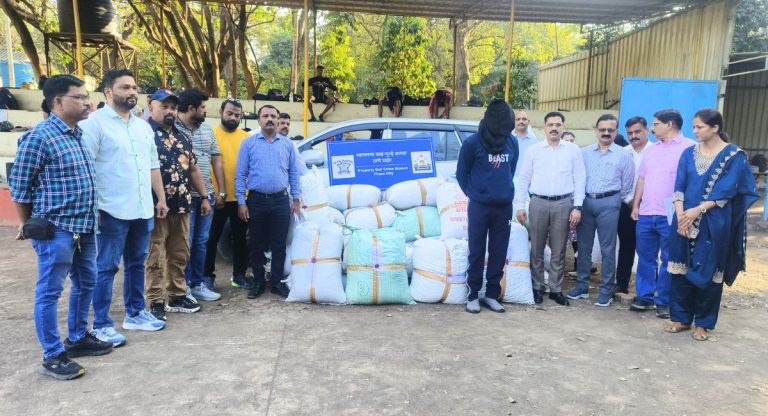
Thane – The Thane crime branch has executed a major operation resulting in the apprehension of a suspected drug smuggler and the confiscation of a massive quantity of contraband. The Thane marijuana arrest operation conducted on December 30 has exposed what investigators believe to be part of a larger interstate drug trafficking network operating across multiple states.

Major Drug Haul Intercepted on Highway

The Thane marijuana arrest operation led to the seizure of 638 kilograms of ganja, valued at approximately ₹2.04 crore in the illicit market. This substantial quantity represents one of the significant drug busts in the region in recent times, highlighting the scale of narcotics trafficking through Maharashtra.

Acting on credible intelligence, the property cell of the Thane crime branch received information that a large drug consignment was being transported into the city. Based on this tip-off, law enforcement officials strategically planned an interception operation to apprehend the suspects and seize the contraband before it could reach its destination.

A carefully coordinated trap was set up at Kharegaon toll naka in Kalwa on the Mumbai-Nashik highway. Officers positioned themselves at this strategic location, which serves as a key transit point for vehicles traveling between major cities in the region.

Details of the Interception Operation

During the Thane marijuana arrest operation, police intercepted an Innova vehicle that matched the description provided in the intelligence report. Upon stopping and inspecting the vehicle, officers discovered 638 kilograms of ganja cleverly concealed inside, confirming the accuracy of the information that had prompted the operation.

The seized contraband, along with the vehicle used for transportation, represents significant material evidence in the case. The Innova car used in the crime has been valued at approximately ₹10 lakh, bringing the total value of seized material to ₹2.14 crore.

Accused Identified as Interstate Smuggler

The Thane marijuana arrest led to the detention of a 36-year-old man identified as Chinna Tagur Laxman Nayak. The accused is a resident of Mehabubnagar district in Telangana and has been described by investigators as a regular courier in the drug smuggling operation.

According to preliminary investigation, Nayak would frequently transport drugs from source locations in Odisha and Telangana to destinations in Maharashtra. This pattern of repeated trips suggests his established role within the drug trafficking network, rather than being a one-time offender.

The accused’s familiarity with the routes and his apparent connections in multiple states indicate a sophisticated operation that relied on experienced couriers to move large quantities of contraband across state boundaries.

Legal Proceedings and Custody

Following the Thane marijuana arrest, the accused was formally charged under relevant sections of the Narcotic Drugs and Psychotropic Substances Act. This central legislation provides the legal framework for prosecuting drug-related offenses in India and carries stringent penalties for trafficking large quantities of narcotics.

The accused was produced before a local court, where judicial authorities granted police custody until January 3. This period of remand allows investigating officers to conduct detailed interrogation and gather additional information about the drug network’s operations, supply chains, and other individuals involved in the criminal enterprise.

Also Read: BEST Bus Accident: Tragic Incident at Bhandup Claims 4 Lives

Broader Network Under Investigation

The Thane marijuana arrest has opened up leads pointing to a more extensive criminal organization. Preliminary investigation revealed that the accused was part of a larger drug network operating across multiple states, with established connections facilitating the movement of contraband from source regions to consumer markets.

Amarsinh Jadhav, Deputy Commissioner of Police (Crime) for Thane, provided insight into the ongoing investigation. “Our team is investigating further to identify the source of the contraband and the individual to whom the consignment was to be delivered. We suspect that an entire gang is operating in the region, and we will soon trace the remaining members,” he stated.

Rising Narcotics Trafficking in the Region

The Thane marijuana arrest is not an isolated incident but part of a concerning trend. Police officials have noted that several narcotics seizures have been made in and around Thane in recent months, indicating increased drug trafficking activity in the area.

Investigators have observed that rising demand, particularly in high-income residential pockets in the region, appears to be driving this increase in drug smuggling operations. This demand-supply dynamic has attracted organized criminal networks that see the area as a lucrative market for narcotics distribution.

Ongoing Investigation and Future Action

Following the Thane marijuana arrest, investigators are working to map the complete network involved in this drug trafficking operation. The focus extends beyond the arrested courier to identify suppliers at the source, other transporters in the chain, and the ultimate distributors who would have received the consignment.

Authorities are particularly interested in tracing the contraband back to its origin points in Odisha and Telangana, understanding the logistics of the operation, and identifying financial trails that could lead to the masterminds behind the network.

The investigation also aims to determine whether this network has connections to other drug trafficking operations that have been detected in the region, potentially revealing a broader criminal ecosystem involved in narcotics trade across state lines.

The Thane marijuana arrest demonstrates law enforcement’s commitment to disrupting drug trafficking networks and preventing the distribution of narcotics in urban areas. As the investigation progresses, authorities expect to make additional arrests and seizures that will further dismantle the criminal organization exposed by this operation.

West Delhi Murder Suicide: Tragic Death of Couple in Anand Parbat

0

New Delhi – A tragic incident has shocked residents of Anand Parbat as authorities investigate a disturbing West Delhi murder suicide case involving a married couple. The 44-year-old man allegedly killed his wife before taking his own life at their residence on Wednesday evening, with preliminary investigations pointing toward prolonged mental health issues as a contributing factor.

Emergency Response to Suspicious Report

The West Delhi murder suicide case came to light when police received a distress call at 5:26 PM on Wednesday. The caller reported a “suspicious case of suicide” at a residence in Nai Basti, located in the Anand Parbat area of west Delhi. The caller was later identified as the wife’s brother, who had arrived at the house after receiving a concerning phone call from his sister.

According to police officials, the brother-in-law told authorities that his relative was not responding to calls and knocks, and the room remained locked from the inside. This detail would prove crucial in understanding the sequence of events in the West Delhi murder suicide investigation.

When police personnel reached the Nai Basti residence, they found the door of a room securely locked from inside. “As repeated knocks and calls elicited no response, the door was cut open,” a senior police officer explained. The forced entry revealed the tragic scene that had unfolded behind the locked door.

Discovery of the Tragic Scene

Inside the room, investigating officers discovered both a man and a woman who had died. The circumstances surrounding the West Delhi murder suicide began to emerge as police examined the scene and gathered preliminary information from family members present at the location.

Based on the circumstances at the spot and initial inquiry, police determined that the man had first bolted the door from inside, allegedly strangled his wife, and subsequently died by suicide. The methodical nature of the actions suggested a premeditated sequence of events.

The crime team was immediately summoned to inspect the room thoroughly and collect forensic evidence. This standard procedure in the West Delhi murder suicide case aimed to document all physical evidence that could help reconstruct the events and confirm the preliminary findings.

Medical Examination and Forensic Investigation

Following the examination of the crime scene, both bodies were transported to different medical facilities. One body was shifted to Ram Manohar Lohia Hospital while the other was taken to Lady Hardinge Medical College. Doctors at both institutions declared the victims dead upon arrival.

Post-mortem examinations were conducted on Thursday to determine the exact cause of death in the West Delhi murder suicide case. These medical examinations form a critical component of the investigation, providing scientific evidence to support or refute the preliminary theories developed by investigators.

Police have registered a case under Section 103(1) of the Bharatiya Nyaya Sanhita, which pertains to murder charges. Authorities stated they are examining all aspects of the case, including medical history, statements from relatives, and forensic reports, to accurately reconstruct the sequence of events.

Family Background and Mental Health Context

A senior police officer revealed that the couple lived with their nine-year-old son, while extended family members resided in close proximity. At the time of the West Delhi murder suicide incident, the child was playing outside the home and did not witness the tragic events. The boy is now under the care of other family members.

Initial inquiries with family members provided crucial context about the man’s mental state. “The man had been suffering from depression for nearly 13 years. He was undergoing treatment from at least two government hospitals and was on medication as well,” the investigating officer stated.

The victim worked at a company in Anand Parbat, while his wife was a homemaker. Despite his professional commitments, the man had been battling severe mental health challenges for over a decade.

Events Leading to the Tragedy

The timeline of the West Delhi murder suicide began to take shape through statements from family members. The woman had called her brother around 4 PM on Wednesday, informing him that her husband was “really feeling unwell” and requesting him to come over immediately.

When the brother arrived at the residence, no one answered the door despite repeated attempts to make contact. Growing concerned about the situation, he decided to contact police authorities, triggering the emergency response that led to the discovery of the tragedy.

“Family members have said that the man was under prolonged mental stress over reasons not known to them,” the officer added, highlighting the complexity of understanding the full circumstances surrounding the West Delhi murder suicide.

Investigation Status

Police officials confirmed that family members of both deceased individuals have not expressed any suspicion or alleged foul play in the West Delhi murder suicide case. No eyewitnesses have come forward so far, making the investigation heavily dependent on forensic evidence and family statements.

Authorities continue to piece together the events, examining medical records spanning 13 years of depression treatment, analyzing statements from relatives, and awaiting final forensic reports. The comprehensive investigation aims to provide clarity on the tragic circumstances that led to this devastating loss of life in Anand Parbat.

Signature Bridge Maintenance: PWD Takes Bold Control With Rs.1.5 Crore Security Plan

0

New Delhi – The Public Works Department has officially taken charge of the iconic elevated structure over the Yamuna River, marking a significant administrative transition in the management of one of Delhi’s most prominent landmarks. This transfer of Signature Bridge maintenance responsibility comes after repeated requests from the previous custodian citing financial constraints and operational challenges.

Administrative Transfer From Tourism Department

The Signature Bridge maintenance was previously handled by the Delhi Tourism and Transportation Development Corporation, which constructed the elevated structure and opened it to the public in 2018. The bridge, built at a cost of ₹1,518.37 crore, represents a major investment in Delhi’s infrastructure and stands as a landmark connecting different parts of the capital.

Citing lack of adequate funds, DTTDC had written to the PWD multiple times throughout last year, requesting the agency to assume responsibility for the bridge’s upkeep. The repeated appeals finally resulted in the administrative handover, with PWD officials confirming the transfer on Thursday.

A government official explained that DTTDC was initially provided funds to build the bridge and maintain it for three years. “After three years, the DTTDC started facing budget issues and decided to hand over the maintenance to PWD. The bridge is a technically advanced infrastructure and required specialised maintenance and upkeep,” the official stated.

Comprehensive Security Overhaul Planned

A major component of the new Signature Bridge maintenance strategy involves a complete security transformation. PWD has announced plans to invest ₹1.5 crore specifically on watch and ward services to address multiple security concerns that have plagued the structure.

“Guards will be deployed round-the-clock in three eight hour shifts and an armed gunman will also be deployed. ₹1.5 crore will be spent on the watch and ward of the bridge,” a senior PWD official revealed. This represents a substantial commitment to ensuring the safety and security of both the structure and its users.

The enhanced security measures for Signature Bridge maintenance come in response to recurring problems that have affected the landmark. Several incidents of theft have been reported, with parts, nut-bolts, and other components of the bridge being stolen. Additionally, the structure has become a popular spot for people performing dangerous stunts and shooting social media reels, raising safety concerns.

Bidding Process and Timeline

To implement the new security arrangements for Signature Bridge maintenance, the PWD has invited bids for the project. According to officials, the bidding process is expected to be finalized by January 7, enabling the rapid deployment of the enhanced security infrastructure.

The quick timeline reflects the urgency with which PWD is approaching its new responsibilities, recognizing that delays in implementing proper security could lead to further deterioration of the structure and ongoing safety issues.

Current Condition and Challenges

The transfer of Signature Bridge maintenance responsibilities comes at a time when the structure faces multiple operational challenges. Beyond the theft issues, the bridge suffers from poor sanitation conditions, presenting an unpleasant experience for visitors and commuters.

Additionally, the lifts installed in the structure are frequently dysfunctional, limiting accessibility and causing inconvenience to users. These operational failures have diminished the bridge’s functionality and appeal, despite its architectural significance.

Perhaps most notably, the viewing box located in the pylon and the lifts providing access to it have never been opened for public use since the bridge’s inauguration. This represents a significant missed opportunity, as the 154-meter high viewing box was designed to be a major tourist attraction.

Also Read: Delhi Cold Wave Alert: IMD Issues Severe Fog Warning Through January 6

Architectural and Connectivity Significance

The structure under new Signature Bridge maintenance arrangements connects Outer Ring Road with Karawal Nagar and Bhajanpura in northeast Delhi. It provides direct connectivity to Loni, Rajinder Nagar, Ghaziabad, and the northeast and central parts of the capital, serving as a crucial transportation link.

The bridge is projected as India’s first asymmetrical cable-stayed bridge, featuring 127 strands of steel cables. This unique design distinguishes it from other bridges in the country and contributes to its status as an engineering marvel.

The pylon of the bridge holds the distinction of being the tallest structure in Delhi, standing double the height of the historic Qutub Minar. This impressive height makes it a dominant feature of Delhi’s skyline and underscores the importance of proper maintenance and security.

Future Prospects Under PWD Management

With PWD now overseeing Signature Bridge maintenance, expectations are high that the structure will receive the specialized attention it requires. The agency’s commitment to substantial security investment and systematic approach to addressing existing problems signals a potentially positive transformation.

The technical complexity of the bridge demands specialized knowledge and resources for proper upkeep. PWD’s decision to prioritize security as the first major intervention suggests a methodical approach to addressing the various challenges that have accumulated since the bridge’s opening.

As the bidding process concludes and new security arrangements take effect, the improved Signature Bridge maintenance regime may finally allow this landmark to fulfill its intended purpose as both a functional transportation link and a tourist destination showcasing Delhi’s modern infrastructure capabilities.

The ₹1.5 crore security investment represents just the beginning of what will likely be an ongoing commitment to preserving and enhancing one of Delhi’s most distinctive modern landmarks under its new custodian.

Assam Illegal Foreigners Deportation: Bold 7-Day Pushback Policy Announced

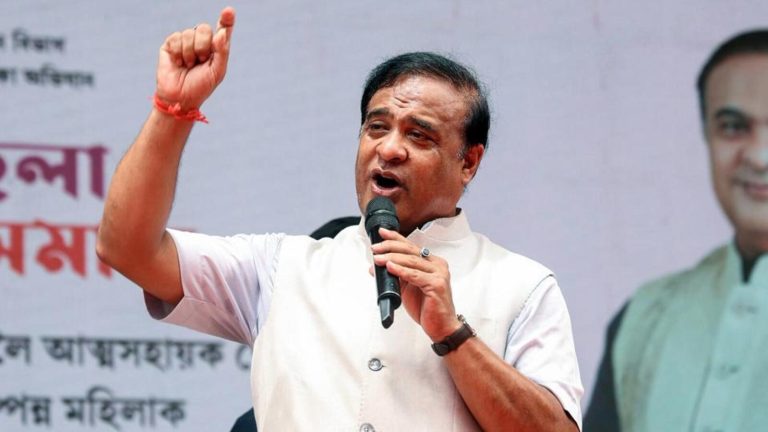
Assam – Assam Chief Minister Himanta Biswa Sarma has announced a stringent new policy regarding the deportation of undocumented Assam Illegal Foreigners, declaring that the state will push back those declared as illegal foreigners within seven days of a foreigners’ tribunal order. This announcement came during a press conference on New Year’s Day, where the chief minister also revealed significant progress in the state’s efforts to address unauthorized immigration.

2,000 Deportations Completed in Recent Months

The Assam government has successfully identified and pushed back approximately 2,000 foreign nationals across the international border with Bangladesh in recent months. This action has been carried out under provisions of the Immigrants (Expulsion from Assam) Act (IEAA), 1950, a legal framework that empowers district authorities to evacuate individuals found to be undocumented immigrants.

“In the past few months, we have pushed back nearly 2,000 (illegal) foreigners through the (international) border. This would definitely result in reduction of entry of foreigners illegally into Assam,” Sarma stated during his address to media persons.

The chief minister’s announcement regarding Assam illegal foreigners demonstrates the state government’s commitment to addressing what it considers a persistent challenge to the demographic and cultural integrity of the region.

New Seven-Day Deportation Timeline

The most significant aspect of the new policy on Assam illegal foreigners is the expedited timeline for deportation following tribunal decisions. Once a person is declared an ‘illegal foreigner’ by a foreigners’ tribunal, the state machinery will initiate the pushback process within one week.

“We have taken a decision that those declared foreigners by FT would be pushed back within seven days so that the process (of sending them back) don’t delayed with them appealing against the order in high court and Supreme Court,” Sarma explained.

This swift action timeline represents a marked departure from previous procedures, where the deportation process could be significantly delayed through appeals in higher courts. The new approach aims to create a more efficient system for handling cases involving Assam illegal foreigners.

Legal Framework and Supreme Court Support

The chief minister emphasized that a “no-compromising attitude” in dealing with Assam illegal foreigners was lacking in the past. However, with the Supreme Court seeking expulsion of unauthorized immigrants and upholding the IEAA, 1950, the state government has made pushback of undocumented individuals an official government policy.

In October 2024, a constitutional bench of the Supreme Court upheld the validity of Section 6A of the Citizenship Act, 1955, which grants Indian citizenship to those who entered Assam from Bangladesh prior to March 24, 1971. The bench also held that Section 6A read with the Immigrants (Expulsion from Assam) Act, 1950, was “sufficient to address the issue of illegal immigration into Assam.”

Under IEAA, district authorities in Assam receive empowerment from the central government to evacuate any person found to be an unauthorized immigrant.

Foreigners’ Tribunals System

Foreigners’ tribunals are quasi-judicial bodies exclusive to Assam that adjudicate whether a person suspected of being an unauthorized immigrant is Indian or not. Currently, 100 such tribunals operate in the state, playing a crucial role in the identification process of Assam illegal foreigners.

Also Read: BMC Poll Pact: Historic Agreement Sees BJP Get 137 Seats

The border wing of Assam Police is entrusted with detecting and deporting unauthorized immigrants who entered the state and preventing infiltrations. They also forward cases of people suspected of being undocumented to the foreigners’ tribunals, which determine a person’s nationality based on documentation.

Election-Related Announcements

With assembly elections scheduled for March-April 2026, Sarma made several significant announcements regarding welfare schemes. The flagship Orunodoi scheme, which provides ₹1,250 monthly to vulnerable women in approximately 3.8 million households, will see a modified payout structure.

To avoid controversy near elections, beneficiaries will receive a lumpsum payment of ₹8,000 on February 20 as a gift for the coming Bohag Bihu (Assamese new year). This amount covers January through April, with an additional ₹3,000 added as a festival gift. Regular monthly payments will resume in May after elections conclude.

Additionally, seven million ration card users who currently receive 1kg each of lentil, sugar, and salt monthly at ₹117 will now get these items at ₹100.

Focus on Identity and Development

Addressing the upcoming elections, Sarma outlined the government’s dual focus on protecting indigenous identity while promoting development. The policy on Assam illegal foreigners fits within this broader framework of identity preservation.

“Our politics will hinge on both on the question of preserving our identity as well as rapid development of the state. We don’t see development in isolation. If a state can’t protect its identity mere development won’t suffice,” the chief minister stated.

He emphasized that the government would continue evicting unauthorized encroachers from government lands and securing land rights for indigenous people while focusing on infrastructure development and investments to create employment opportunities.

The chief minister expressed confidence that these measures would bring marked change to the issue of Assam illegal foreigners, signaling the government’s determination to maintain what it views as demographic and cultural balance in the state.

Zohran Mamdani Umar Khalid Letter: NYC Mayor’s Powerful Message to Jailed Activist

Washington D.C. – A handwritten letter has created a poignant connection between New York City Mayor Zohran Mamdani and jailed activist Umar Khalid, bridging a distance of 11,700 kilometers with words of solidarity and remembrance. The gesture underscores the growing international attention surrounding Khalid’s detention and the circumstances of his incarceration.

Historic Mayor Reaches Out to Jailed Activist

The connection between Zohran Mamdani Umar Khalid became public when the newly sworn-in mayor personally delivered a handwritten note to Khalid’s parents during their visit to the United States in December 2025. Mamdani, who made history as New York City’s first Asian American and Muslim mayor at age 34, met with Khalid’s parents—Sahiba Khanam and Syed Qasim Rasool Ilyas—during their trip.

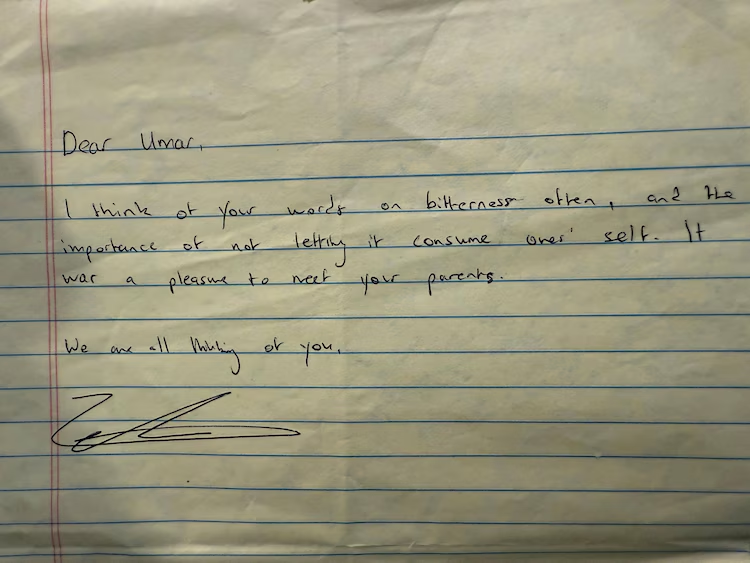
In the letter addressed directly to the detained activist, Mamdani wrote: “Dear Umar, I think of your words on bitterness often, and the importance of not letting it consume one’s self. It was a pleasure to meet your parents. We are all thinking of you.”

The note was shared publicly on Thursday by Khalid’s partner, Bunojyotsana Lahiri, coinciding with Mamdani’s official swearing-in ceremony as mayor. The timing of the revelation added symbolic weight to the gesture, connecting the celebration of democratic leadership with concerns about individual liberty.

Context Behind the Meeting

According to Lahiri, the meeting between Zohran Mamdani Umar Khalid’s parents occurred during a family visit to the United States. Khalid’s parents had traveled to meet their elder daughter, who lives in the US and was unable to attend the wedding of their youngest daughter back in India.

“They met Mamdani and a few others in the US and spent quite some time with him. That’s when he wrote this note,” Lahiri explained. The extended conversation between the mayor and Khalid’s parents provided an opportunity for personal connection and discussion about the activist’s situation.

The Zohran Mamdani Umar Khalid exchange reflects a deeper engagement with issues of civil liberties and justice that transcends geographical boundaries, highlighting how cases of alleged political detention attract international attention and concern from elected officials abroad.

Khalid’s Current Legal Situation

Umar Khalid has been incarcerated since 2020 under sections of the Unlawful Activities Prevention Act (UAPA), facing charges related to the 2020 Delhi riots. His prolonged detention without trial has become a focal point for human rights organizations and legal experts questioning the fairness of the investigative and judicial processes.

In December, Khalid received interim bail to attend his sister’s wedding, providing a brief respite from incarceration. However, the bail conditions were restrictive, as Lahiri noted: “Umar spent all his time at home as his bail conditions did not allow him to step out.”

Also Read: Trump Health Under Scrutiny, Bold President Blames Aspirin for Bruised Hand

Despite the limitations, the time at home proved meaningful. “But it went by so fast as it did the two times earlier he was out on bail. He had home-cooked food which his mother often fed him and he spent a lot of time with his nieces and nephews,” Lahiri recalled. Khalid has since returned to jail following the expiration of his interim bail.

Previous Connection Between the Two

The relationship between Zohran Mamdani Umar Khalid predates this recent letter. In 2023, during an event in New York, Mamdani publicly read from a letter written by Khalid. The activist’s words focused on his conscious effort to avoid bitterness despite his circumstances and to maintain a larger perspective on his situation.

This previous public reading demonstrates Mamdani’s sustained interest in Khalid’s case and his willingness to use his platform to bring attention to issues of justice and detention. The mayor’s reference in his recent note to thinking “often” about Khalid’s “words on bitterness” confirms the lasting impact of that earlier correspondence.

Growing International Concern

The Zohran Mamdani Umar Khalid connection exists within a broader context of international scrutiny. Congress member James P McGovern has written to India’s ambassador to the United States, Vinay Mohan Kwatra, expressing concern over the pre-trial incarceration of individuals charged in connection with the 2020 Delhi riots.

In his letter, McGovern stated: “For allegedly instigating the violence, authorities issued charges against Umar Khalid and other Muslim rights defenders. Human rights organisations, legal experts, and global media have raised questions about the fairness of the investigation and legal process.”

McGovern further noted: “Independent investigations conducted by reputable human rights groups did not find evidence linking Mr. Khalid to terrorist activity.” He reminded India of its obligations under the International Covenant on Civil and Political Rights to uphold individuals’ rights to receive a “trial within a reasonable time or to be released” and to be presumed innocent until proven guilty.

Symbolic Significance

The gesture connecting Zohran Mamdani Umar Khalid carries symbolic weight beyond the personal message. The Zohran Mamdani Umar Khalid letter represents solidarity across borders, the power of elected officials to highlight human rights concerns, and the ongoing international dialogue about civil liberties, detention without trial, and the principles of justice that transcend national boundaries.

As Mamdani begins his historic tenure as New York City’s mayor, his connection to Khalid’s case signals a willingness to engage with complex international human rights issues while maintaining personal compassion for individuals caught in legal controversies.

Dhurandhar Box Office Record: Big 25-Day Double-Digit Collection Streak

0

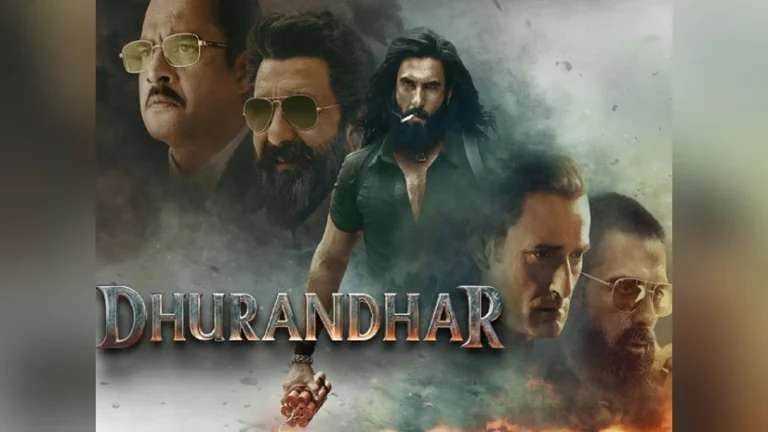
New Delhi – The action spy thriller Dhurandhar has rewritten the record books with an unprecedented achievement at ticket windows across India. The Dhurandhar box office performance has created history by becoming the first Hindi film ever to earn double-digit figures for 25 consecutive days, establishing a milestone that sets it apart from every other release in Indian cinema history.

Unprecedented Commercial Success

Directed by Aditya Dhar and starring Ranveer Singh in the lead role, Dhurandhar hit theatres on December 5 and has since created a tsunami at the box office, both domestically and internationally. The film has emerged as the number one film of 2025, shattering previous records and setting new benchmarks for commercial success.

The Dhurandhar box office collection in India has already crossed the remarkable ₹700 crore mark, based solely on its Hindi release. This extraordinary performance demonstrates the film’s widespread appeal and staying power in an increasingly competitive theatrical landscape where sustaining momentum beyond the opening weeks proves challenging for most releases.

Day-by-Day Collection Breakdown

The consistency of the Dhurandhar box office numbers tells the story of a film that has maintained strong audience interest throughout its theatrical run. The daily collections showcase impressive stability:

The opening day saw ₹28 crore, which grew to ₹32 crore on Day 2 and peaked at ₹43 crore on Day 3. The first week concluded with steady collections of ₹23.25 crore, ₹27 crore, ₹27 crore, and ₹27 crore on subsequent days.

The second week demonstrated remarkable resilience with ₹32.5 crore on Day 8, followed by the highest single-day collection of ₹58 crore on Day 10. The week continued with ₹30.5 crore, ₹30.5 crore, ₹25.5 crore, and ₹23.25 crore, maintaining the crucial double-digit threshold.

Into the third week, the Dhurandhar box office performance showed no signs of significant decline, collecting ₹22.5 crore, ₹34.25 crore, ₹38.5 crore, ₹16.5 crore, ₹17.25 crore, ₹18 crore, and ₹25 crore across Days 15 through 21.

The fourth week continued the historic streak with ₹15 crore, ₹20.5 crore, ₹22.5 crore, and ₹10.5 crore on Days 22 through 25, cementing the film’s position as the first Hindi release to achieve this unprecedented 25-day double-digit earning streak.

Global Box Office Dominance

Beyond domestic success, the Dhurandhar box office performance has resonated internationally, with the film collecting over ₹1,100 crore worldwide. This global appeal demonstrates the universal nature of its storytelling and the effectiveness of its action sequences in transcending cultural and linguistic barriers.

The worldwide collections position Dhurandhar not just as a domestic phenomenon but as a film with significant international market penetration, a crucial factor in determining the overall commercial viability and success of modern Indian cinema productions.

Plot and Production Details

Helmed by Aditya Dhar, this spy action thriller serves as the first installment of a planned two-part film series. The narrative follows an Indian spy who infiltrates Karachi’s criminal and political underworld in Pakistan, weaving together several real-life events involving geopolitical tensions.

The plot incorporates historically significant incidents including the 1999 IC-814 hijacking, the 2001 Indian Parliament attack, the 2008 Mumbai attacks, and events surrounding Operation Lyari. This grounding in real events has added authenticity and gravitas to the Dhurandhar box office appeal.

Star-Studded Cast and Critical Reception

The film features an ensemble cast including Ranveer Singh, Akshaye Khanna, Arjun Rampal, R Madhavan, and Sanjay Dutt in lead roles, supported by Rakesh Bedi, Sara Arjun, and Danish Pandor in key positions. This combination of established stars has contributed significantly to the Dhurandhar box office draw.

Also Read: Dhurandhar Has Officially Reached a Rare 1,000-Crore Mark in Just 21 Days

While the film received mixed reviews from critics, strong word-of-mouth among audiences transformed it into a commercial juggernaut. This demonstrates the often unpredictable nature of box office success, where audience reception can override critical opinion.

Industry Acclaim and Recognition

Several prominent filmmakers and stars have praised the film’s achievement. Ram Gopal Varma offered particularly strong appreciation, stating: “The film doesn’t ask for your attention… it commands it. From the very first shot, there’s a sense that something irreversible has been set in motion, and the audience is no longer a spectator but an accomplice to the happenings on screen.”

He continued: “This is a film that refuses to be polite. The writing cuts with intent, the staging breathes menace, and the silences are as weaponized as the thunderous sound effects.” Such endorsements from industry veterans have further amplified the Dhurandhar box office momentum.

Setting New Standards

The historic 25-day streak of double-digit collections represents more than just numbers—it signifies a shift in how Indian cinema measures sustained commercial success. The Dhurandhar box office performance has created a new benchmark that future releases will aspire to match, establishing it as a case study in maintaining theatrical relevance in an era of rapidly shifting audience preferences and entertainment options.

Delhi Cold Wave Alert: IMD Issues Severe Fog Warning Through January 6

0

New Delhi – The India Meteorological Department has issued a weather alert predicting harsh winter conditions for the national capital, with the Delhi cold wave expected to persist through January 5. The forecast comes as the city continues to battle poor visibility due to dense fog and deteriorating air quality levels that have firmly settled in the ‘very poor’ category.

IMD Issues Cold Wave Warning for Multiple States

The Delhi cold wave prediction is part of a broader weather pattern affecting northern India. According to the IMD, cold wave conditions are likely at isolated places in Delhi between January 2 and 5, with similar warnings issued for Rajasthan, Punjab, and Haryana during the same period.

The meteorological department defines a cold wave as a condition when the minimum temperature drops 4.5 to 6.5 degrees Celsius below the normal average temperature. This technical definition helps authorities and citizens prepare for potentially dangerous weather conditions that can affect health and daily activities.

On Thursday, Delhi recorded a maximum temperature of 17.3 degrees Celsius, which was two notches below normal, while the minimum temperature settled at 10.6 degrees Celsius, surprisingly 3.7 notches above normal. This temperature variation indicates the unpredictable nature of the Delhi cold wave conditions currently affecting the region.

Dense Fog Reduces Visibility Significantly

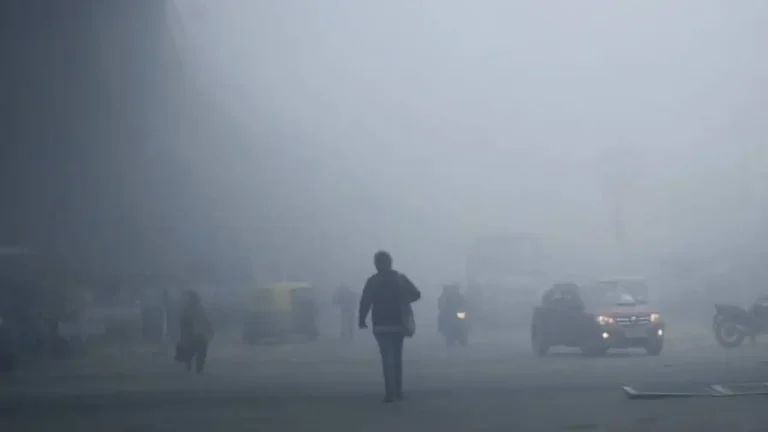
Beyond the Delhi cold wave, another major concern for residents is the persistent fog that has severely reduced visibility across the city. The IMD has predicted that a layer of dense to very dense fog will continue through the night and morning hours in Delhi until January 6.

Visibility remained critically poor in several areas on Thursday. Safdarjung, one of Delhi’s key monitoring stations, reported the lowest visibility at 500 metres from 10:30 PM on December 31 until 8:30 AM on Thursday. The visibility improved marginally to 600 metres by 9:00 AM, but conditions remained hazardous for transportation.

Similarly, Palam recorded 500-metre visibility from 9:30 PM on December 31 to 8:00 AM on Thursday, which improved to 600 metres by 8:30 AM. Such low visibility conditions pose significant risks for road traffic and aviation operations, with authorities advising extreme caution during travel.

The weather office has indicated that these fog conditions are likely to continue in the coming days, potentially disrupting normal life and transportation networks across the national capital region.

Coldest December Day Since 2019

The severity of the current Delhi cold wave became evident when the city recorded its coldest December day in six years on Wednesday. The maximum temperature plunged to 14.2 degrees Celsius, approximately 6.2 degrees below normal, marking a biting end to 2025.

Historical data from the IMD reveals that the last time Delhi recorded a lower maximum temperature in December was on December 31, 2019, when the day’s maximum dipped to 9.4 degrees Celsius. This comparison highlights the exceptional nature of the current cold spell.

Looking ahead, the IMD has forecast a partly cloudy sky in Delhi, with moderate fog at many places and dense fog at a few places during morning hours. The maximum temperature is expected to range between 16 and 18 degrees Celsius, while the minimum temperature is predicted to settle between 8 and 10 degrees Celsius.

Air Quality Remains a Serious Concern

Compounding the challenges posed by the Delhi cold wave, the city’s air quality has remained firmly entrenched in the ‘very poor’ category. According to the Central Pollution Control Board, Delhi’s 24-hour average air quality index stood at 380 on Thursday.

Also Read: Farm Fires Delhi: Dramatic Drop in PM2.5 Pollution Revealed

The CPCB’s SAMEER app data showed that 26 monitoring stations across the city were recording readings in the ‘very poor’ zone, while 11 stations had escalated to the ‘severe’ category. Anand Vihar recorded the worst AQI at 423, indicating extremely hazardous air quality conditions for residents in that area.

Officials have attributed the poor air quality to multiple factors that are exacerbating the Delhi cold wave situation. An unfavourable ventilation index of less than 6,000 square metres per second, combined with low wind speeds, has created conditions that are not conducive to the dispersion of pollutants.

Health and Safety Implications

The combination of the Delhi cold wave, dense fog, and very poor air quality presents a triple threat to public health. Vulnerable populations, including children, elderly individuals, and those with respiratory conditions, face heightened risks during this period.

The persistent fog associated with the Delhi cold wave not only reduces visibility but also traps pollutants closer to the ground, intensifying the AQI levels. This creates a feedback loop where weather conditions worsen air quality, which in turn affects public health and quality of life.

Authorities are advising residents to take necessary precautions, including limiting outdoor activities during peak pollution hours, wearing appropriate warm clothing to combat the cold, and exercising caution while traveling during low-visibility conditions. The Delhi cold wave is expected to continue challenging the city’s residents through the first week of January, requiring sustained vigilance and preparedness.