Friday, May 1, 2026
Home Blog Page 185

Fear Corruption Have Become Bengal’s Identity: Amit Shah Hints at Mamata, TMC; Takes Bhaipo Dig Amid Political Heat 2025

0

Fear Corruption Have Become Bengal’s Identity: Amit Shah’s Remarks Add Heat to Bengal Politics

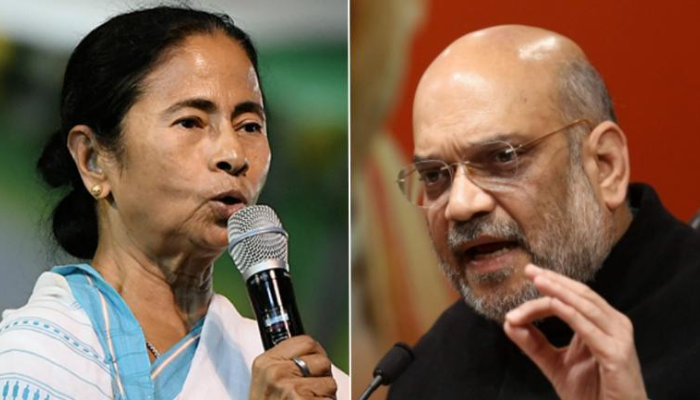
Fear corruption have become Bengal’s identity: Amit Shah hints at Mamata, TMC; takes bhaipo dig as the Union Home Minister stepped up his criticism of the Trinamool Congress government in West Bengal. Addressing party workers and supporters, Amit Shah accused the state leadership of allowing corruption, fear, and insecurity to grow under its long rule. His remarks were aimed directly at Chief Minister Mamata Banerjee and senior TMC leaders, signalling an aggressive political tone ahead of the 2026 Assembly elections.

Shah alleged that corruption and intimidation have become a regular part of life in the state. He claimed that ordinary citizens live in fear and that political violence has replaced democratic debate. According to him, Bengal, which once had a strong cultural and political legacy, is now struggling under misgovernance and lack of accountability.corruption
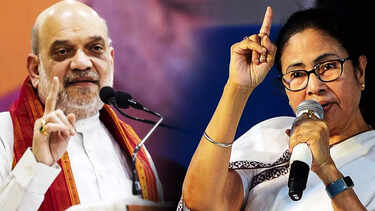
The Home Minister also raised concerns about border security, stating that the state government has failed to support fencing along the Bangladesh border. He said this failure has allowed illegal infiltration to continue, turning a state issue into a national security concern. Shah stressed that protecting borders is not just about politics but about safeguarding the country.

Fear Corruption Have Become Bengal’s Identity: Amit Shah Links Border Issues and Governance

During his address, Amit Shah pointed out that infiltration through West Bengal’s borders has wider implications for India’s safety. He compared the situation with other border states, saying infiltration has been controlled elsewhere due to cooperation between state and central authorities. In Bengal, he claimed, lack of support from the state government has weakened these efforts.

Shah argued that unchecked infiltration changes local demographics and puts pressure on resources. He accused the ruling party of ignoring these issues for political benefit. According to him, a strong and committed government is required to secure borders and maintain law and order.

He also spoke about women’s safety, saying that statements suggesting women should avoid going out after certain hours show failure of governance. Shah said providing security is the duty of the government at all times. He added that fear should not decide how people live their daily lives.corruption

Fear Corruption Have Become Bengal’s Identity: Amit Shah Takes Aim at TMC Leadership

A major part of Shah’s speech focused on alleged nepotism within the TMC. Taking a sharp dig at the leadership, he said that only a few individuals close to power benefit from the system, while ordinary people are left behind. His “bhaipo” remark was a clear reference to senior party figures, suggesting concentration of power and resources within a small circle.

Shah claimed that corruption scandals have damaged public trust and that political violence has silenced opposition voices. He said Bengal has moved from political competition to politics driven by fear. According to him, this environment discourages development and investment.

Highlighting BJP’s growth in the state, Shah pointed out that the party has steadily increased its vote share over the years. He said this rise reflects public dissatisfaction with the current government. Shah expressed confidence that the people of Bengal are ready for change and that the BJP offers an alternative focused on development, security, and transparent governance.

He also addressed various communities, assuring them that they need not fear change. Shah said that equal rights, safety, and dignity would be ensured for all under a different political leadership. He appealed to voters to give the BJP an opportunity, stating that Bengal has already experienced governance by other parties. Also Read: This Is Why Amit Shah Said That Mamata Banerjee Government Can Collapse By 2025

Conclusion

Fear corruption have become Bengal’s identity: Amit Shah hints at Mamata, TMC; takes bhaipo dig reflects the sharpening political battle in West Bengal. With strong allegations on governance, security, and corruption, the Home Minister’s remarks set the tone for an intense political contest as the state moves closer to the next Assembly elections.
PM Modi On Alleged Ukraine Attack On Putin’s Residence Brings Focus Back to Peace Talks 2025

PM Modi On Alleged Ukraine Attack On Putin’s Residence Draws Global Attention

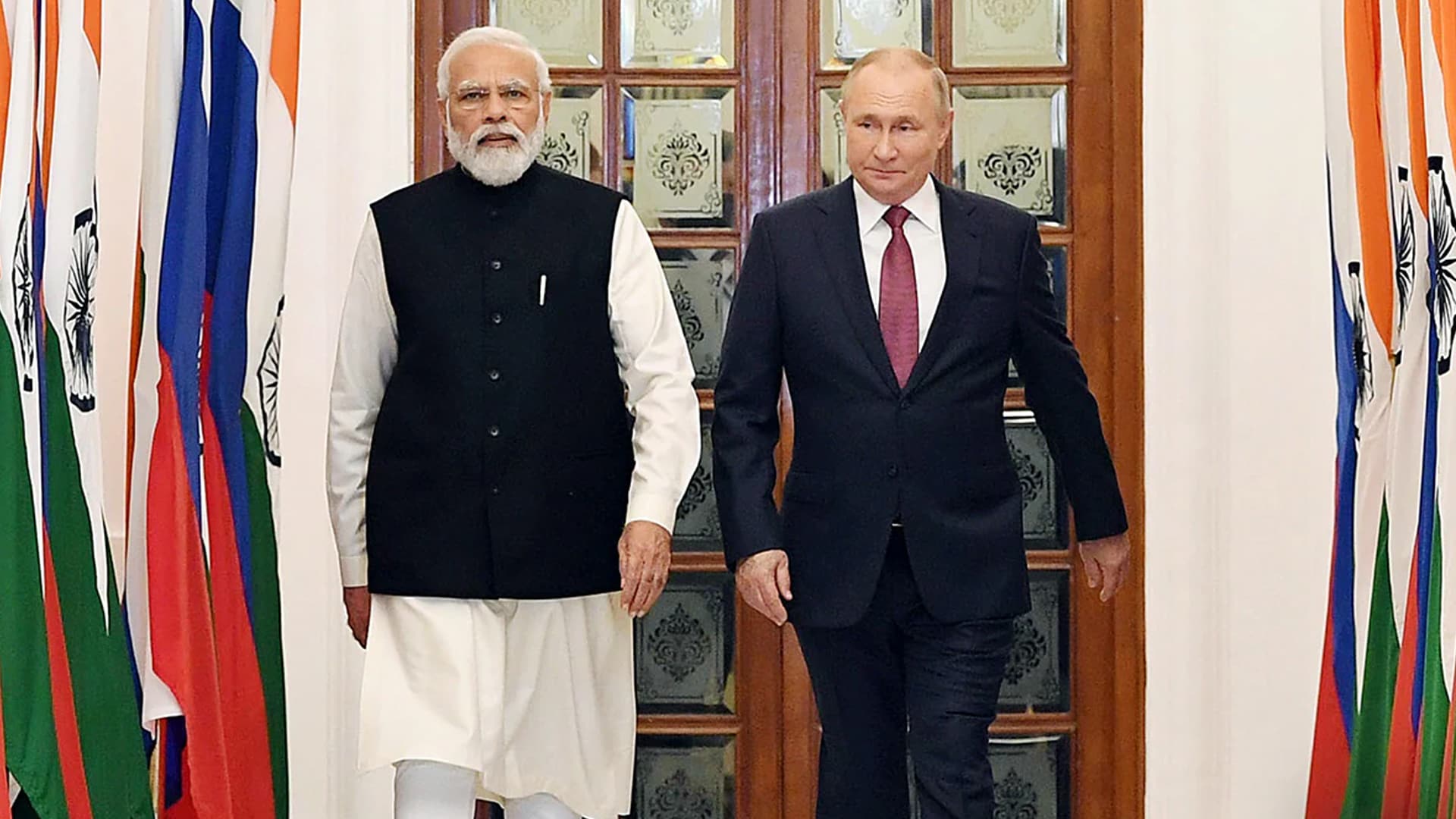
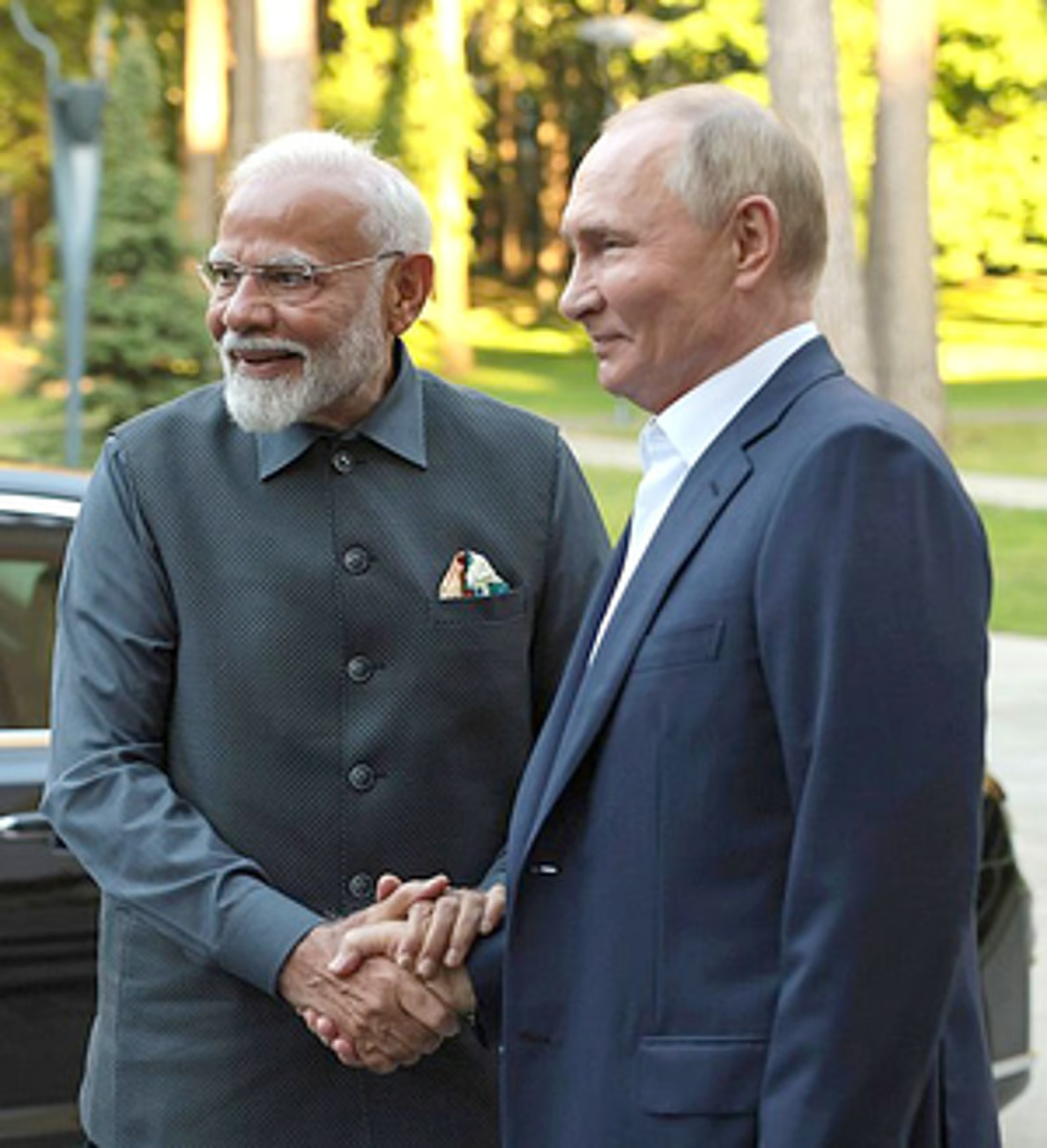
PM Modi On Alleged Ukraine Attack On Putin’s Residence has drawn fresh international focus as reports emerged about a suspected drone incident near Russian President Vladimir Putin’s official residence. Prime Minister Narendra Modi expressed deep concern over the situation and once again highlighted the importance of diplomacy over conflict. His statement comes at a time when the Russia-Ukraine war continues to strain global peace efforts.

India has maintained a balanced and cautious approach since the conflict began in February 2022. PM Modi’s response reflects India’s consistent stand that prolonged war benefits no one and that dialogue remains the only practical solution. The reported incident has added new tension to an already fragile situation, raising fears that peace talks could face further setbacks.Ukraine

According to Russian officials, a large number of drones were intercepted near Putin’s residence located between Moscow and Saint Petersburg. Authorities stated that there was no damage or loss of life. Despite this, the allegation itself has triggered strong reactions across global capitals, especially due to its possible impact on ongoing diplomatic efforts.

In his public statement, PM Modi emphasized that actions which increase tensions can weaken the chances of peace. He urged all parties involved to stay focused on diplomacy and avoid steps that could escalate the conflict further. His message underlined India’s role as a voice of calm during international crises.

PM Modi On Alleged Ukraine Attack On Putin’s Residence Highlights India’s Diplomatic Stand

PM Modi’s remarks are in line with India’s long-standing foreign policy approach of promoting peaceful resolution of conflicts. Since the start of the Russia-Ukraine war, India has consistently called for dialogue, humanitarian consideration, and respect for international stability.

Russian Foreign Minister Sergey Lavrov claimed that the alleged drone activity could force Russia to reconsider its position in peace negotiations. This statement raised concerns that the fragile diplomatic process could suffer another blow. Any shift in negotiation stance risks prolonging the war, which has already caused widespread human and economic losses. Ukraine

On the other hand, Ukraine firmly rejected the allegations. Ukrainian leadership described the claims as misleading and stated that Ukraine has no interest in actions that could derail diplomatic talks. Ukrainian officials stressed that they remain committed to working with international partners to reach a lasting peace settlement.

The exchange of accusations between the two sides reflects the deep mistrust that continues to define the conflict. Each such incident, whether confirmed or denied, adds pressure to ongoing efforts by global leaders to bring both sides to the negotiating table.

PM Modi On Alleged Ukraine Attack On Putin’s Residence Reflects Global Diplomatic Tension

The situation also drew reactions from international leaders, including the United States. Former US President Donald Trump acknowledged being informed about the alleged incident and described it as inappropriate during a sensitive phase of negotiations. He indicated that while peace talks appeared close, such developments could complicate progress.

The broader peace process still faces unresolved challenges. Key issues such as territorial control, long-term security guarantees, and strategic infrastructure remain points of disagreement. Russia continues to assert claims over certain regions, while Ukraine seeks firm international assurances for its future security.

The alleged drone incident has intensified fears that renewed hostilities could overshadow diplomatic gains. Global leaders are now under pressure to prevent further escalation and ensure that talks remain on track.

India’s response, led by PM Modi, stands out for its clarity and restraint. By focusing on diplomacy rather than blame, India reinforces its position as a responsible global actor advocating peace and stability. Also Read: PM Modi ‘deeply concerned’ over Ukraine’s alleged Putin residence attack

Conclusion

PM Modi On Alleged Ukraine Attack On Putin’s Residence underscores the fragile nature of current peace efforts. As tensions rise, India’s call for dialogue serves as a reminder that lasting peace can only be achieved through restraint, communication, and sincere diplomatic engagement.

IIT Kanpur Suicide: Tragic 4th Year Student Found Dead

Kanpur, Uttar Pradesh – A tragic IIT Kanpur suicide incident has shocked the academic community as a fourth-year BTech student allegedly took his own life in his hostel room on Monday. This devastating IIT Kanpur suicide marks the fourth such case at the prestigious institute during 2025, raising serious concerns about student mental health and the support systems available at premier educational institutions. The 26-year-old student, who was pursuing his degree in the department of biological sciences and bioengineering, was found dead in his accommodation at Block 2 of the hostel complex.

According to police reports, the IIT Kanpur suicide victim first slit his wrists before hanging himself from a ceiling fan in room number 148. The student, originally from Ajmer, Rajasthan, had been studying at the institute since July 2020 and was in his final year of the BTech program. The tragic discovery was made on Monday afternoon when concerned peers noticed the student’s absence and failure to respond to repeated knocks on his door.

Discovery of the IIT Kanpur Suicide

The IIT Kanpur suicide came to light when fellow students grew increasingly worried about their peer’s unresponsiveness. After multiple attempts to contact the student through his door failed, concerned peers alerted the institute management about the unusual situation. The management immediately informed local police authorities, understanding the gravity of the situation. Personnel from Kalyanpur police station were dispatched to the scene and arrived promptly to investigate the matter.

Upon arrival at the location of the IIT Kanpur suicide, police officers had to break open the locked door to gain entry into room number 148. Inside, they discovered the student’s body hanging from the ceiling fan, confirming the worst fears of those who had raised the alarm. The scene indicated that the young man had been struggling with severe emotional distress before taking the extreme step.

Evidence Found at IIT Kanpur Suicide Scene

At the site of the IIT Kanpur suicide, investigating officers recovered a suicide note that simply read “Sorry Everyone…” This brief message suggests the student was experiencing overwhelming guilt or emotional pain but provides limited insight into the specific circumstances that led to his tragic decision. A senior police official involved in the investigation revealed additional disturbing details about the IIT Kanpur suicide scene.

The preliminary investigation into this IIT Kanpur suicide suggests that the student had slashed his wrists before proceeding to hang himself. Multiple wounds were discovered on his forearm, indicating the severity of his self-harm actions. The police official stated that the forensic evidence clearly showed the sequence of events leading to the student’s death, painting a picture of profound despair and determination to end his life.

Family’s Shock Over IIT Kanpur Suicide

The elder brother of the deceased spoke to reporters about receiving the devastating news of the IIT Kanpur suicide. He revealed that the family was informed of the tragedy around 1 pm on Monday, and the news came as a complete shock to everyone. The timing of this IIT Kanpur suicide is particularly poignant, as the institute had recently closed for winter vacations on December 28, just one day before the incident occurred.

Also Read: Delhi Online Classes: Alarming Digital Divide Impacts Thousands

The family had been expecting the student to return home shortly for the winter break, making the IIT Kanpur suicide even more unexpected and devastating. The brother’s statement suggests that the family had no indication of their loved one’s mental state or any warning signs that might have suggested he was contemplating such a drastic action. This sudden loss has left the family grappling with grief and unanswered questions about what drove their relative to take his own life.

Official Institute Response to IIT Kanpur Suicide

In response to this latest IIT Kanpur suicide, the institute released an official statement expressing deep grief over the loss of the promising student. The statement acknowledged that the deceased had joined the institute in July 2020 and had been pursuing his studies with dedication. IIT Kanpur’s official communication stated, “The institute mourns the tragic loss of a bright young mind and extends its deepest condolences to the bereaved family.”

The institute’s response to this IIT Kanpur suicide reflects the seriousness with which the administration views student welfare, though questions remain about whether existing support systems are adequate to address the mental health crisis evident in four such deaths within a single year. The statement emphasized the student’s potential and the institution’s sense of loss at his untimely death.

Post-Mortem Examination and Investigation

Following standard protocol in the IIT Kanpur suicide case, the body has been sent for a post-mortem examination to determine the exact cause and time of death. The examination was scheduled to be conducted on Tuesday, allowing time for the student’s parents to arrive from Rajasthan. The post-mortem will provide official medical documentation of the circumstances surrounding this IIT Kanpur suicide and may offer additional insights into the student’s final hours.

The police investigation into this IIT Kanpur suicide continues as authorities work to piece together the events leading up to the tragedy. Investigators are examining the student’s recent activities, communications, and any potential stressors that might have contributed to his decision. The recovery of the suicide note, combined with forensic evidence from the scene, will form the basis of the official inquiry into this IIT Kanpur suicide.

Broader Concerns About Student Mental Health

This IIT Kanpur suicide represents the fourth such incident at the prestigious institute during 2025, highlighting a disturbing pattern that demands attention from administrators, mental health professionals, and policymakers. The frequency of these tragedies raises critical questions about the pressures faced by students at premier technical institutions and whether adequate mental health support and intervention systems are in place to identify and assist students in crisis before they reach such desperate measures.

Farm Fires Delhi: Dramatic Drop in PM2.5 Pollution Revealed

0

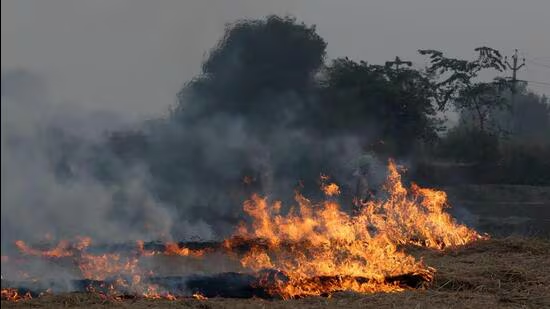
New Delhi – The contribution of farm fires Delhi to the capital’s PM2.5 pollution has witnessed a dramatic reduction during this year’s burning season, according to official data from the Central Pollution Control Board (CPCB). The farm fires Delhi contribution dropped to just 3.5% from 10.6% recorded last year, representing a significant improvement in air quality metrics. This data was revealed through a Right to Information (RTI) application filed by Noida-based activist Amit Gupta, providing crucial insights into the changing dynamics of Delhi’s air pollution sources.

The declining trend in farm fires Delhi impact marks a notable departure from recent years when stubble burning was considered a major contributor to the capital’s deteriorating air quality during winter months. The figures indicate a consistent reduction compared to recent years, when the average contribution stood at 11% in 2023, 9% in 2022, and 13% in both 2021 and 2020. This substantial decrease suggests that either enforcement measures have become more effective or farmers have adopted alternative methods for crop residue management.

Methodology Behind Farm Fires Delhi Assessment

The CPCB’s assessment of farm fires Delhi contribution relies on estimates from the Indian Institute of Tropical Meteorology’s Decision Support System (DSS). This sophisticated model uses satellite data on active fires across the region, converts this information into emissions data, and then simulates the impact based on prevailing wind patterns and weather conditions. The DSS methodology represents the standard approach for tracking farm fires Delhi and their contribution to air pollution in the national capital region.

The technical framework employed for measuring farm fires Delhi impact involves multiple layers of data processing and atmospheric modeling. Satellite sensors detect thermal anomalies indicative of active fires, which are then processed to estimate emission volumes. These emissions are subsequently tracked using atmospheric dispersion models that account for meteorological variables such as wind speed, wind direction, temperature, and atmospheric stability. This comprehensive approach provides authorities with quantitative estimates of how farm fires Delhi contribute to PM2.5 and PM10 levels in the capital.

Controversy Over Satellite Detection and Timing

Despite the positive trend shown in farm fires Delhi data, some experts have raised concerns about potential underestimation of the actual impact. A recent report by the think tank International Forum for Environment, Sustainability and Technology (iFOREST) revealed that farmers in Punjab and Haryana have increasingly been burning crop residue after 3pm to evade detection by satellites with afternoon pass times. This tactical shift in the timing of farm fires Delhi region could mean many fires go uncounted in daily tallies, potentially skewing the actual contribution figures.

The timing issue surrounding farm fires Delhi detection has emerged as a significant challenge for accurate pollution monitoring. Traditional satellite systems used for detecting farm fires Delhi have specific pass times, typically in the afternoon hours. Farmers who have become aware of these limitations may be deliberately timing their burning activities to avoid detection, thereby circumventing both legal restrictions and monitoring systems. This cat-and-mouse dynamic raises questions about the reliability of satellite-based assessments of farm fires Delhi contribution to air pollution.

CPCB Defense of Data Collection Methods

CPCB officials have defended their methodology for assessing farm fires Delhi contribution, stating that while short-term forecasts use satellite passes until 2.30pm, the system’s final calculations of daily pollution contribution incorporate fire data up to 5pm. According to an official explanation, this extended timeframe ensures more comprehensive coverage. The official stated, “This is why estimates may be inaccurate for fires happening after the satellite pass time of 2.30pm, but the actual contribution has full data.”

Also Read: Delhi Pollution Level: Shocking Resignation Rocks Pharmaceutical Giant

However, this explanation regarding farm fires Delhi monitoring has not satisfied all independent analysts. The question of whether the extended data collection window adequately captures late-evening burning activities remains contentious, particularly given the iFOREST findings about farmers’ adaptive behavior in timing their stubble burning to avoid satellite detection.

Independent Analysts Challenge Farm Fires Delhi Data

Sunil Dahiya, founder of Envirocatalysts, has questioned the accuracy of farm fires Delhi contribution estimates, noting that the DSS relies on fire counts from specific satellites rather than geostationary satellites that can monitor late-evening burns. Dahiya explained that DSS uses an old emission inventory and methodology, which considers fire count incidents through satellites rather than burnt area assessment using geostationary satellites. According to Dahiya, the farm fires Delhi data might be underreporting the contribution of stubble burning to some extent, as highlighted by some of the latest independent assessments done using geostationary satellites.

The critique of farm fires Delhi monitoring methodology suggests that current systems may have structural limitations that prevent accurate assessment of the full impact of agricultural burning on Delhi’s air quality. Geostationary satellites, which maintain a fixed position relative to Earth and can provide continuous monitoring, could offer more comprehensive data compared to polar-orbiting satellites that pass over the same area only at specific times.

Broader Context of Delhi’s Pollution Sources

The RTI response regarding farm fires Delhi also sought details about other sources contributing to Delhi’s PM2.5 and PM10 pollution. In response, CPCB cited a 2018 source apportionment study, highlighting a significant gap in updated research on pollution sources. Activist Amit Gupta noted that the RTI reply highlights two key points: that the contribution of farm fires Delhi is fairly low overall, with other sources likely playing a more significant role, and that stubble burning is not a dominant source of pollution in Delhi but rather one among many smaller sources.

Gupta emphasized the need for updated data, stating, “The fact that we are referring to a 2018 source apportionment study shows we need to update our data.” This observation underscores a critical gap in Delhi’s pollution monitoring infrastructure—while farm fires Delhi receive significant attention and policy focus, the capital may be operating with outdated information about the relative contributions of various pollution sources. A comprehensive, updated source apportionment study would provide policymakers with better information for targeting interventions effectively and allocating resources to address the most significant contributors to Delhi’s air quality crisis.

Trump MTG Rift: Explosive Claims Over Epstein Files Emerge

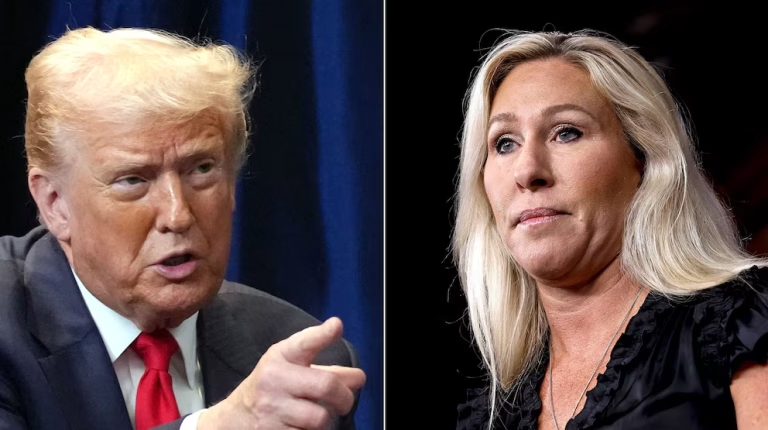
Washington D.C. – In a revealing profile interview, outgoing U.S. Representative Marjorie Taylor Greene has made explosive claims about the Trump MTG rift, alleging that President Donald Trump once yelled at her on speakerphone after she threatened to disclose names linked to convicted sex offender Jeffrey Epstein’s criminal network. The shocking revelation provides unprecedented insight into the deteriorating relationship between the longtime MAGA ally and the former president, suggesting that the Epstein files issue became the breaking point in their previously close political partnership.

Greene’s detailed account of the Trump MTG rift was shared with journalist Robert Draper in a comprehensive profile that explores the breakdown of her relationship with her former political leader. According to Greene’s testimony, Trump allegedly warned her during the heated phone conversation, saying, “My friends will get hurt.” This stark warning apparently came after Greene had been advocating for the release of documents related to Epstein’s criminal network and pushing for greater accountability on behalf of survivors.

Epstein Files as the Breaking Point

The Trump MTG rift appears to have reached its climax over the controversial Epstein files issue. Greene explicitly told the journalist that while Trump was probably irritated by her minor arguments with him throughout the year, “it was Epstein” that caused the final rupture between them. She emphasized the significance of this issue by stating emphatically, “Epstein was everything.” This revelation suggests that the Trump MTG rift was not merely about political differences but centered on a deeply contentious issue involving powerful elites and allegations of serious criminal conduct.

Greene’s advocacy for accountability regarding the Epstein case intensified following her direct interactions with survivors. She claims that after speaking with victims face-to-face during a closed House Oversight Committee hearing in September, her commitment to seeking justice became even stronger. This personal engagement with survivors apparently fueled her determination to push for transparency, ultimately contributing to the Trump MTG rift that has now become public knowledge.

Greene’s Perspective on Washington Corruption

In explaining her motivation and the context of the Trump MTG rift, Greene characterized the Epstein files as representing “everything wrong with Washington.” She elaborated on this theme by describing a system where “rich, powerful elites doing horrible things and getting away with it” while “the women are the victims.” This framing suggests that Greene viewed her push for Epstein file disclosure as part of a broader crusade against corruption and abuse of power, even if it meant confronting her former ally and triggering the Trump MTG rift.

Greene’s willingness to pursue this issue despite knowing it would damage her relationship with Trump demonstrates the depth of her commitment to the cause. The Trump MTG rift that resulted from her advocacy represents a significant political development, as Greene had been one of Trump’s most vocal supporters in Congress prior to this falling out.

The Controversial Phone Call

According to details revealed about the Trump MTG rift, Trump called Greene’s Capitol Hill office to express his dissatisfaction with her public support for Epstein file disclosure. The call, which was learned about through Greene and one of her employees, was reportedly conducted on speakerphone with Trump shouting loud enough that the entire office could hear. This public nature of Trump’s anger underscores the intensity of the Trump MTG rift and suggests that the president felt particularly threatened by Greene’s advocacy on this issue.

Also Read: Trump Netanyahu Talks: Big Progress Made at Mar-a-Lago Summit

Greene also revealed that Trump was dismissive of her calls to invite Epstein survivors to the Oval Office as a show of support. According to Greene’s account, Trump said that the survivors “had not done anything to merit the honor” of an Oval Office visit. This response apparently deepened the Trump MTG rift, as it demonstrated a fundamental disagreement about how to handle the sensitive issue of Epstein’s victims and the broader question of accountability for those connected to the disgraced financier.

Legislative Success Despite Personal Conflict

Despite the Trump MTG rift, Greene achieved significant legislative success on the Epstein files issue. She teamed with lawmakers from both sides of the aisle, including Republican Thomas Massie and Democrat Ro Khanna, to advance the Epstein Files Transparency Act. This bipartisan legislation compelled the Department of Justice to release related case files, representing a major victory for transparency advocates.

The Epstein Files Transparency Act passed the House in a sweeping 427-1 vote with Greene’s help, demonstrating overwhelming congressional support for the measure. On November 18, the legislation was also overwhelmingly approved by the Senate. These legislative victories occurred even as the Trump MTG rift was developing behind the scenes, suggesting that Greene’s advocacy resonated with lawmakers across the political spectrum regardless of Trump’s objections.

White House Dismisses Claims as “Petty Bitterness”

Following the publication of Greene’s interview detailing the Trump MTG rift, the White House issued a dismissive response characterizing her comments as “petty bitterness.” White House spokesperson David Ingle defended Trump by stating, “President Trump remains the undisputed leader of the greatest and fastest growing political movement in American history, the MAGA movement.” This response attempts to minimize the significance of the Trump MTG rift by portraying Greene as a disgruntled former ally rather than addressing the substance of her allegations.

Ingle further discredited Greene by pointing out that she is “quitting on her constituents in the middle of her term and abandoning the consequential fight we’re in.” He concluded by stating, “We don’t have time for her petty bitterness.” This aggressive response from the White House suggests that the Trump MTG rift has created genuine political tensions and that the administration views Greene’s revelations as potentially damaging.

Final Communication Between Former Allies

According to Greene’s account, the confrontational phone call about the Epstein files represented their last meaningful conversation before they effectively ceased communication. This detail about the Trump MTG rift suggests a complete breakdown in what was once a close political alliance, with both parties apparently deciding that continued communication was no longer productive or desirable.

BMC Poll Pact: Historic Agreement Sees BJP Get 137 Seats

Maharashtra – After weeks of intense negotiations and protracted parleys, the Bharatiya Janata Party and Shiv Sena have successfully concluded a comprehensive BMC poll pact for the upcoming Brihanmumbai Municipal Corporation elections. The landmark agreement, announced late Monday evening, allocates 137 seats to the BJP while Shiv Sena will contest from 90 seats. This BMC poll pact represents a significant political development in Mumbai’s civic governance landscape and demonstrates the coalition partners’ ability to reach consensus despite initial disagreements over seat distribution.

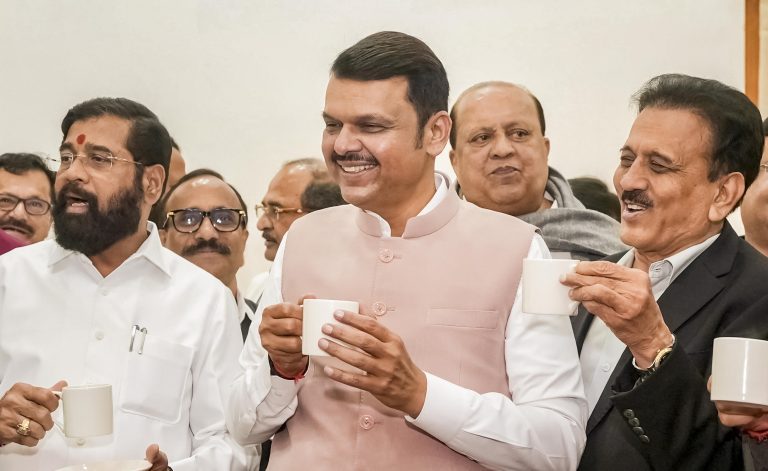
The BMC poll pact was declared jointly by both parties following a marathon meeting between senior BJP leaders and Shiv Sena president and Deputy Chief Minister Eknath Shinde. The negotiations, which stretched over several weeks, finally culminated in an agreement that both parties have characterized as fair and mutually beneficial. The formula addresses the concerns of both alliance partners while maintaining the coalition’s unity ahead of the crucial municipal elections.

Official Announcement at Nandanvan

Mumbai BJP president Ameet Satam made the official announcement of the BMC poll pact at Nandanvan, which serves as Shiv Sena chief Eknath Shinde’s official residence. Satam confirmed the seat-sharing arrangement, stating that 137 seats would come under BJP’s quota while the remaining 90 seats would be allocated to Shiv Sena. Speaking to gathered party workers and media personnel, Satam expressed confidence in the alliance’s electoral prospects, declaring that they “are ready to wave the saffron flag on the BMC.”

The venue for announcing the BMC poll pact holds symbolic significance, as conducting the announcement at Shinde’s residence underscores the collaborative nature of the negotiations and the respect accorded to the Shiv Sena leader in finalizing this crucial political agreement. The choice of location also reflects the personal involvement of senior leadership from both parties in hammering out the final details of the seat-sharing formula.

Shinde’s Strategic Negotiation Success

Deputy Chief Minister Eknath Shinde demonstrated considerable political acumen during the BMC poll pact negotiations, driving a hard bargain despite pressure from BJP leadership. Initial speculation within political circles suggested that Shiv Sena would not receive more than 80 seats in any potential agreement. However, Shinde had set his sights on securing 100 seats for his party, ultimately negotiating a settlement of 90 seats.

The final BMC poll pact represents a significant achievement for Shinde, who managed to secure a substantially better deal than what many political observers had anticipated. The agreement demonstrates his negotiating skills and his ability to maintain Shiv Sena’s relevance within the broader alliance framework. Despite being the smaller partner in the coalition, Shinde ensured that his party received a respectable share of seats that provides genuine opportunities for electoral success.

BJP’s Dominant Position in BMC Poll Pact

The BMC poll pact awards the BJP a commanding position with 137 seats, reflecting the party’s status as the senior partner in the Maharashtra coalition government. This larger allocation acknowledges the BJP’s organizational strength, electoral performance in recent elections, and its role as the dominant force in state politics. The seat distribution in the BMC poll pact mirrors the broader power dynamics within the Mahayuti alliance at the state level.

Also Read: BEST Bus Accident: Tragic Incident at Bhandup Claims 4 Lives

Mumbai BJP president Ameet Satam’s confident assertion about waving the saffron flag on the BMC indicates the party’s optimism about capturing power in India’s richest municipal corporation. The BJP views this BMC poll pact as a strategic opportunity to consolidate its presence in Maharashtra’s commercial capital and establish control over one of the country’s most important civic bodies.

Accommodation of Smaller Allies

An important aspect of the BMC poll pact involves provisions for smaller alliance partners within the Mahayuti coalition. According to sources familiar with the negotiations, smaller allies will be given seats from both the BJP and Shiv Sena quotas. This arrangement ensures that junior partners in the alliance also have opportunities to participate in the BMC elections while maintaining the cohesion of the broader coalition.

The flexibility built into the BMC poll pact regarding smaller allies demonstrates the pragmatic approach adopted by both major partners. By agreeing to accommodate other parties from their respective quotas, BJP and Shiv Sena have ensured that the entire alliance remains united and presents a consolidated front against opposition parties in the upcoming municipal elections.

Unanimous Decision and Party Unity

Shiv Sena leader Rahul Shewale emphasized the collaborative nature of the BMC poll pact, stating that all leaders had been accommodated and that a unanimous decision was reached. His comments suggest that internal consultations within both parties were extensive and that leadership from various levels participated in finalizing the agreement. The unanimous nature of the BMC poll pact strengthens its credibility and reduces the likelihood of internal dissent during the election campaign.

Shewale’s statement regarding the BMC poll pact indicates that both parties successfully managed potential internal conflicts over seat allocation. The process of accommodating various leaders and their preferences required careful negotiation and compromise, but ultimately resulted in a formula that enjoys broad support within both organizations.

Electoral Implications and Future Prospects

The finalization of the BMC poll pact marks a crucial milestone in the alliance’s preparation for the upcoming municipal elections. With the seat-sharing formula now settled, both parties can focus their energies on candidate selection, campaign strategy, and voter outreach. The BMC poll pact provides clarity that was essential for moving forward with election preparations and mobilizing party resources effectively.

The seat distribution under the BMC poll pact will have significant implications for Mumbai’s civic governance. The Brihanmumbai Municipal Corporation controls substantial financial resources and oversees critical urban infrastructure, making control of this body highly significant for any political party. The alliance partners hope that their BMC poll pact will translate into electoral success and enable them to govern India’s financial capital at the municipal level.

Delhi Dense Fog: Critical Red Alert Disrupts Air Travel

0

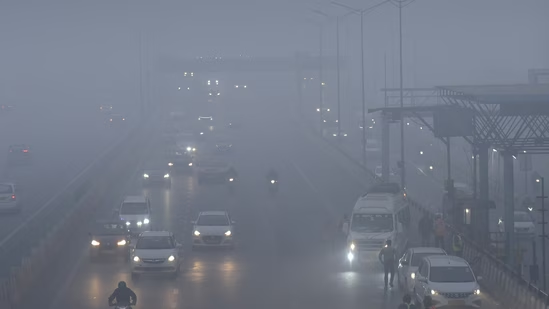
New Delhi – The national capital has been placed under red alert as Delhi dense fog conditions have significantly reduced visibility across multiple areas of the city. The meteorological phenomenon has created hazardous conditions for commuters, with thick fog enveloping roads, residential neighborhoods, and major highways throughout the region. Social media platforms have been flooded with visuals showing the extent of the Delhi dense fog crisis, demonstrating how severely it has impacted daily life and transportation in the capital.

According to the India Meteorological Department (IMD), Delhi dense fog conditions are expected to persist during night hours and early morning periods. The weather bureau has warned residents and travelers about the challenging visibility conditions that are likely to continue over the coming days. Areas like Saket have been particularly affected, with the Delhi dense fog making commuting extremely difficult for residents and creating dangerous driving conditions on major thoroughfares.

Massive Flight Disruptions at IGI Airport

The Delhi dense fog situation has caused unprecedented disruptions at Indira Gandhi International (IGI) Airport, one of the busiest aviation hubs in South Asia. On Monday morning, the zero-visibility conditions resulted in at least 128 flight cancellations, while eight flights had to be diverted to alternative airports. The scale of these disruptions highlights the severity of the Delhi dense fog crisis and its impact on air travel connectivity across the country and internationally.

Airport authorities have implemented low-visibility procedures to manage operations safely during the Delhi dense fog conditions. The implementation of CAT III (Category III) operations demonstrates the critical nature of the situation, as this protocol is reserved for the most challenging visibility conditions. CAT III allows aircraft to land in extremely low visibility, but not all aircraft are equipped for such operations, leading to inevitable cancellations and delays.

Official Airport Advisory for Passengers

In response to the Delhi dense fog emergency, IGI Airport has issued a comprehensive advisory for travelers. The official statement acknowledges that flight operations are currently functioning under CAT III conditions, which has resulted in widespread flight disruptions affecting thousands of passengers. Airport officials have emphasized that ground staff are working closely with all stakeholders to provide assistance and necessary support across all terminals.

The Delhi dense fog advisory specifically requests passengers to contact their respective airlines for the latest flight updates and information. Airport authorities have expressed sincere regret for the inconvenience caused to travelers, while assuring them that every effort is being made to minimize disruptions and maintain safety standards during these challenging Delhi dense fog conditions.

Weather Forecast and Expected Conditions

The meteorological outlook suggests that Delhi dense fog will continue to affect the capital over the next several days, significantly impacting visibility and disrupting normal daily activities. The IMD forecast indicates that early mornings will witness very dense fog conditions, which will gradually reduce to dense fog during late morning hours before clearing somewhat in the afternoon.

Temperature predictions during the Delhi dense fog period show that maximum temperatures will hover around twenty-three degrees Celsius, while minimum temperatures are expected to drop to approximately eight degrees Celsius. These relatively low temperatures, combined with the Delhi dense fog, create challenging conditions for outdoor activities and transportation. Humidity levels are forecast to remain exceptionally high, ranging between ninety-eight to one hundred percent, which contributes to the persistence and intensity of the fog conditions.

Also Read: PUCC Certificate Delhi: Bold Permanent Restrictions Announced Now

Air Quality Concerns and Health Advisories

Beyond the visibility challenges, the Delhi dense fog situation has raised concerns about air quality in the capital region. Authorities have warned that air quality is likely to remain poor during the fog episodes, posing potential health risks to vulnerable populations. Medical experts have specifically advised elderly citizens and individuals with respiratory conditions to take necessary precautions during the Delhi dense fog period.

The combination of poor air quality and Delhi dense fog creates a particularly hazardous environment for people with pre-existing health conditions such as asthma, chronic obstructive pulmonary disease, and cardiovascular problems. Health officials recommend that vulnerable individuals minimize outdoor exposure during early morning hours when the Delhi dense fog is most intense and air quality typically reaches its worst levels.

Mid-Week Weather Developments

Weather forecasters predict that skies will be generally cloudy during the middle of the week, with a possibility of light rain or drizzle. This precipitation could provide temporary relief from the cold and potentially help dissipate some of the Delhi dense fog conditions. However, meteorologists caution that temperatures will largely remain consistent, with maximum readings in the low twenties and minimum temperatures remaining in single digits.

The anticipated light rainfall during the Delhi dense fog period may offer a brief respite, as precipitation can help clear atmospheric pollutants and improve overall air quality. However, the improvement is expected to be temporary, with fog conditions likely to return once the rain subsides and humidity levels rise again.

Extended Forecast and Ongoing Challenges

Looking ahead to the latter part of the week, moderate fog is expected to persist during early morning hours throughout the Delhi dense fog alert period. The pattern suggests that fog will gradually clear as each day progresses, offering better visibility during afternoon and evening hours. However, the cycle is expected to repeat daily, with dense conditions returning each night and early morning.

The Delhi dense fog phenomenon affecting the capital is part of a seasonal pattern common during winter months in North India. The combination of high humidity, low temperatures, and atmospheric stability creates ideal conditions for fog formation. Commuters are advised to plan their journeys accordingly, allowing extra travel time during early morning hours when the Delhi dense fog is at its peak intensity. The Delhi-Meerut Expressway and other major highways have seen vehicles moving at significantly reduced speeds due to poor visibility caused by the persistent Delhi dense fog conditions affecting the entire region.

BEST Bus Accident: Tragic Incident at Bhandup Claims 4 Lives

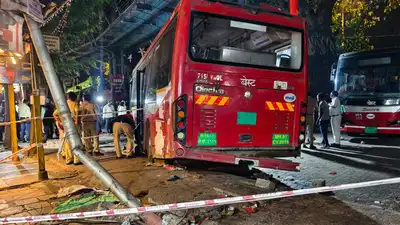
Mumbai – A devastating BEST bus accident occurred outside Bhandup suburban railway station on Monday night, claiming four lives and leaving nine others severely injured. The tragic incident took place at approximately 10:03 pm when a Brihanmumbai Electric Supply and Transport (BEST) bus mowed over passengers while reversing near the station premises. The BEST bus accident has raised serious questions about the safety protocols and operational standards of Mumbai’s civic-run transport undertaking.

Emergency response teams, including the police, fire brigade, BEST officials, and ambulances, were immediately activated and rushed to the scene. Senior police inspector Balasaheb Pawar confirmed that the police team reached the spot promptly and transported the injured victims to nearby hospitals for urgent medical treatment. The swift response of emergency services, however, could not prevent the tragic loss of four lives in this horrific BEST bus accident.

Driver Taken into Police Custody

Following the BEST bus accident, authorities took swift action by placing the driver under arrest. The 52-year-old driver, identified as Santosh Ramesh Sawant, has been taken into police custody for investigation. Police personnel from the deputy commissionerate confirmed Sawant’s detention as they began their inquiry into the circumstances that led to this fatal BEST bus accident at Bhandup station.

According to BEST officials, while Sawant was operating the bus at the time of the BEST bus accident, conductor Bhagwan Bhau Ghare was also present aboard the vehicle. Investigators are examining whether proper safety procedures were followed and what factors contributed to the driver losing control while reversing the bus in such a crowded area near the railway station.

Details of the Vehicle and Route

The bus involved in the BEST bus accident was a Wetlease Bus Olectra operating on route number A-606, attached to the Vikhroli depot. BEST operates an extensive fleet of buses covering Mumbai city and its neighboring urban areas, providing essential public transportation services to millions of commuters daily. The specific vehicle involved in this tragic BEST bus accident was part of the organization’s wet-leasing arrangement.

Despite operational constraints including inadequate turning radius, BEST has been introducing Olectra-made midi buses on various routes due to a shortage of buses in its fleet. These midi buses have been deployed on routes from Bhandup (West) station, where the fatal BEST bus accident occurred. The decision to deploy these buses despite operational challenges has now come under scrutiny following this deadly incident.

Chief Minister Announces Financial Assistance

Maharashtra Chief Minister Devendra Fadnavis responded swiftly to the BEST bus accident tragedy by announcing financial assistance for the victims’ families. The Chief Minister declared that the government would provide ₹5 lakh to each family of the four casualties who lost their lives in the devastating BEST bus accident. Fadnavis expressed his condolences through his social media platform X, describing the incident as “extremely unfortunate” and extending tributes to those who perished.

Also Read: JJ Hospital Shootout: Shocking 1992 Case Returns to Haunt Mumbai

The Chief Minister’s prompt announcement of compensation demonstrates the government’s acknowledgment of the severity of the BEST bus accident and its commitment to supporting the bereaved families during this difficult time. However, opposition leaders and public transport advocates have emphasized that financial compensation alone cannot address the systemic issues that may have contributed to this tragedy.

Political Response and Calls for Investigation

The BEST bus accident has triggered strong political reactions, with opposition leaders demanding a comprehensive investigation into the incident. Mumbai Congress president and Lok Sabha MP Varsha Gaikwad issued a statement seeking a thorough inquiry into the circumstances surrounding the BEST bus accident. Her remarks highlighted deeper concerns about the deteriorating state of Mumbai’s public transportation system.

Gaikwad criticized the current state of BEST operations, stating that the organization, once recognized as a world-class public transport system, has been deliberately weakened. She specifically targeted what she termed the “disastrous wet-leasing model” and accused the government of refusing to restore a fully public-run BEST system. In her statement regarding the BEST bus accident, Gaikwad alleged that the government’s approach of handing over services to contractor friends has pushed Mumbai into a dangerous situation.

Concerns About Wet-Leasing Model

The BEST bus accident has intensified debates about the wet-leasing model adopted by Mumbai’s transport authority. Critics argue that this model, which involves leasing buses along with drivers and maintenance from private operators, compromises safety standards and accountability. The tragic BEST bus accident at Bhandup has become a focal point for those questioning whether cost-cutting measures and privatization efforts are compromising passenger safety.

Opposition leaders have pointed out that the BEST bus accident reflects broader systemic issues within Mumbai’s public transportation infrastructure. They argue that the focus on wet-leasing arrangements rather than maintaining a robust, publicly-operated fleet has created vulnerabilities that can lead to such catastrophic incidents. The shortage of buses mentioned by officials further compounds these concerns, as it suggests that operational pressures may be forcing the deployment of vehicles in challenging conditions.

Investigation and Safety Protocols

As authorities investigate the BEST bus accident, several critical questions have emerged regarding safety protocols and driver training. Investigators are examining whether adequate safety measures were in place at the Bhandup station area, particularly for buses conducting reversing maneuvers in crowded zones. The BEST bus accident has highlighted the need for enhanced safety protocols around railway stations where pedestrian traffic is typically high.

The investigation into this BEST bus accident will likely examine multiple factors, including the driver’s experience and training, the mechanical condition of the vehicle, visibility conditions at the time of the incident, and whether proper safety procedures were followed. The findings of this investigation could have far-reaching implications for BEST operations and public transport safety standards across Mumbai.

Aravallis Order Stay: Supreme Court Decision Welcomed Across India

0

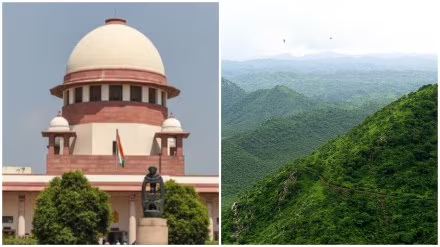
Haryana – The Supreme Court‘s decision regarding the Aravallis order stay on Monday drew widespread acclaim from political leaders across party lines and environmental activists. The top court put in abeyance its November 20 judgment that had narrowed the definition of the Aravalli range, providing temporary relief to conservationists who had raised serious concerns about the ecological implications of the earlier ruling. Union Environment Minister Bhupender Yadav welcomed the Aravallis order stay and pledged complete assistance for the protection and restoration of the ancient mountain range.

The Aravallis order stay addresses a contentious issue that had sparked significant controversy in environmental and political circles. The November 20 judgment had accepted an expert committee’s recommendation to define the Aravallis purely on an elevation-based criterion, which environmental experts argued would exclude large tracts of ecologically significant terrain from protection.

Technical Details of the Modified Definition

Under the definition that the Aravallis order stay has now suspended, only landforms rising at least 100 meters above the local relief would qualify as Aravalli hills. This measurement was to be taken from the lowest contour encircling the landform to its peak. Environmental experts and conservationists had flagged serious concerns with this new definition, pointing out that it excluded large tracts of smaller hills, ridges, and undulating terrain from the continuous geological and ecological system of the Aravallis.

The bench comprising Chief Justice of India Surya Kant and Justices JK Maheshwari and AG Masih heard the matter suo motu and proposed the constitution of a high-powered expert committee. This committee will assess concerns relating to the height-based definition, ecological continuity, and permissible mining in the region.

Government’s Response to Aravallis Order Stay

Union Environment Minister Bhupender Yadav publicly welcomed the Aravallis order stay through a post on social media platform X. He stated his commitment to extending all assistance sought from the Ministry of Environment, Forest and Climate Change in the protection and restoration of the Aravalli range. Yadav clarified that as things currently stand, a complete ban on mining remains in effect regarding new mining leases or renewal of old mining leases.

The minister’s supportive stance on the Aravallis order stay represents the government’s official position on the matter, though opposition parties have questioned the consistency of this approach given the ministry’s earlier support for the redefinition.

Opposition Demands and Political Reactions

While welcoming the Aravallis order stay, opposition parties launched sharp criticism of the government’s environmental policies. Congress general secretary Jairam Ramesh, a former environment minister, described the Supreme Court directive as giving a “flicker of hope” in efforts to protect the Aravallis. The Indian National Congress welcomed the directives, characterizing the redefinition effort as being pushed through by the Modi Government.

Ramesh emphasized that the issue required detailed study, noting that the new definition had been opposed by the Forest Survey of India, the Central Empowered Committee of the Supreme Court, and the amicus curiae himself. He warned that despite the Aravallis order stay providing temporary respite, sustained resistance would be necessary to save the Aravallis from what he termed “machinations” to open the range up to mining, real estate, and other activities.

Also Read: No-Confidence Motion: Haryana BJP Government Boldly Defeats Congress Challenge

Most significantly, Ramesh demanded that Minister Yadav resign immediately, arguing that the Aravallis order stay represented “a rejection of all the arguments he has been giving in favour of the redefinition.” This call for resignation underscores the political dimensions of the environmental controversy.

Regional Political Leaders Join Chorus

Shiv Sena (UBT) leader Aaditya Thackeray also hailed the Aravallis order stay, though he cautioned that the relief, while substantial, must be made permanent. Thackeray expressed hope for bringing the strongest protection to the Aravalli range and to nature across the country. He warned against falling prey to misinformation campaigns suggesting the Aravalli range is safe, emphasizing that it remains threatened by the government’s intent to redefine and potentially commercialize it.

Environmental Experts’ Perspectives

Environmental experts provided crucial technical context for understanding the significance of the Aravallis order stay. RP Balwan, a former Indian Forest Services officer who moved a review petition against the November 20 order, called the Aravallis order stay a welcome step. He argued that ecosystem fragmentation based on vertical limits in the highly fragile Aravalli ecosystem would lead to its destruction, warning that once biodiversity is lost, it cannot be revived due to prevalent harsh environmental factors.

Balwan emphasized that the Aravallis require no new definition, as they are already well-defined in geology as stratigraphic succession, with every Aravalli rock unit clearly identified along with its structures.

Focus Shifts to Expert Committee Formation

Forest analyst Chetan Agarwal noted that following the Aravallis order stay, focus now shifts toward the constitution and terms of reference of the high-powered expert committee proposed by the Supreme Court. He expressed hope that the new committee would view the Aravallis as an ecological entity—a living, breathing habitat providing remaining forest cover, wildlife habitat, air pollution moderation, and groundwater recharge enhancement—while functioning transparently with wide consultations.

Controversy Over December Meeting

The controversy surrounding the Aravallis order stay intensified after the Union environment ministry convened a meeting on December 8 to initiate groundwork for delineating Aravalli areas according to the November 20 definition. This exercise was intended to serve as the baseline for the Management Plan for Sustainable Mining for the entire Aravalli range through the Indian Council of Forestry Research and Education. The delineation process is now expected to be paused until the Supreme Court settles the definition issue conclusively.

Trump Netanyahu Talks: Big Progress Made at Mar-a-Lago Summit

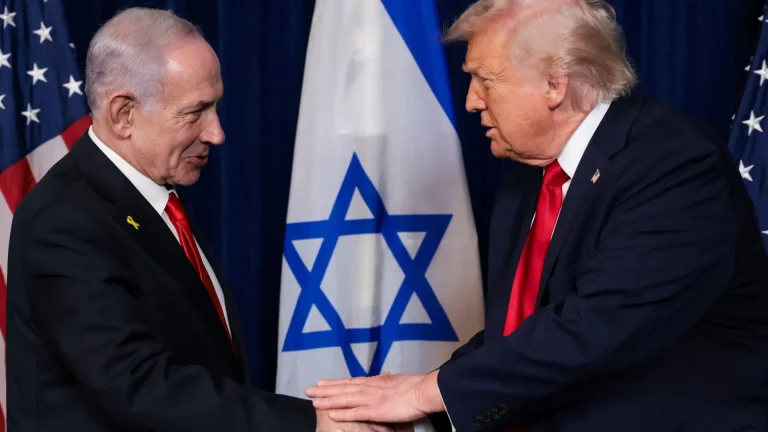
Washington D.C. – US President Donald Trump announced substantial progress following his meeting with Israeli Prime Minister Benjamin Netanyahu at his Mar-a-Lago resort in Florida on Monday. The Trump Netanyahu talks focused on critical Middle East issues, including the Gaza ceasefire, Iranian nuclear ambitions, and the situation with Lebanese group Hezbollah. Trump expressed optimism about the discussions, stating they had already resolved approximately three difficulties in just a five-minute initial meeting.

The Trump Netanyahu talks took place at the Mar-a-Lago club in Palm Beach, Florida, coming just one day after Trump met with Ukrainian President Volodymyr Zelensky. The strategic timing of these high-level diplomatic engagements underscores the administration’s commitment to addressing multiple international crises simultaneously.

Strong Support for Israeli Leadership

During the Trump Netanyahu talks, the US President struck a decidedly supportive tone toward the Israeli Prime Minister, emphasizing the critical importance of Netanyahu’s leadership for Israel’s survival. Trump made a remarkable statement expressing his belief that without the right prime minister, Israel would cease to exist. This strong endorsement highlights the depth of support that characterizes current US-Israel relations and sets the stage for continued cooperation on regional security matters.

The supportive atmosphere during the Trump Netanyahu talks reflects a broader alignment between Washington and Jerusalem on key strategic issues affecting the Middle East. As Israel remains vigilant against potential threats from adversaries, the backing of the United States proves crucial for maintaining regional stability and security.

Gaza Ceasefire Implementation Challenges

A central focus of the Trump Netanyahu talks involved the ongoing ceasefire agreement between Israel and Hamas. President Trump expressed his desire to move quickly to the second phase of the ceasefire deal, emphasizing that progress depends on the complete disarmament of Hamas. The current ceasefire, agreed upon in October, involves Israel’s withdrawal from Gaza territory and Hamas surrendering its weapons while relinquishing its governing role.

The first phase of the ceasefire included a partial Israeli withdrawal, increased humanitarian aid delivery, and an exchange of hostages for Palestinian detainees and prisoners. However, implementation has faced significant challenges. Despite the official ceasefire beginning in October, violence has not completely ceased. Gaza health officials report that Israeli strikes have killed more than 400 Palestinians since the ceasefire began, while Palestinian militants have killed at least three Israeli soldiers.

During the Trump Netanyahu talks, the issue of the Rafah crossing between Egypt and Gaza emerged as a key concern. Israel has not yet opened this crucial border crossing, which forms part of Trump’s comprehensive plan. The US President has conditioned the opening on Hamas returning the remains of hostages, creating a complex diplomatic challenge that requires careful negotiation.

Strategic Considerations and Electoral Politics

The Trump Netanyahu talks occur against the backdrop of domestic political considerations in both countries. Former Israeli deputy national security adviser Freilich noted that Netanyahu seeks to avoid confrontation with Trump during an election year in Israel. Trump’s push to move forward on various initiatives means Netanyahu will likely need to make compromises on certain positions, balancing domestic political pressures with maintaining strong US-Israel relations.

Also Read: Temporary Ceasefire: Russia’s Shocking Warning Before Trump-Zelensky Meeting

Iran Nuclear Threat and Military Options

The Trump Netanyahu talks addressed the persistent concerns about Iran’s nuclear weapons and ballistic missile programs. Trump affirmed his openness to supporting another rapid Israeli attack on Iran if the country continues developing these capabilities. This stance demonstrates the administration’s willingness to consider military options against Iranian nuclear ambitions.

Earlier in June, Iran and Israel engaged in nearly 12 days of warfare, during which Trump ordered US strikes on Iranian nuclear facilities. Since then, the administration has also explored potential diplomatic arrangements with Tehran, reflecting a dual-track approach combining pressure with negotiation possibilities.

Netanyahu previously stated that Israel does not seek confrontation with Iran but remains aware of intelligence reports regarding Iranian activities. The Israeli Prime Minister indicated he would raise Tehran’s actions during the Trump Netanyahu talks, seeking American support for countering Iranian regional influence.

Lebanon and Hezbollah Disarmament

The Trump Netanyahu talks also covered the situation in Lebanon, where a US-backed ceasefire ended more than a year of fighting between Israel and Hezbollah in November 2024. The agreement requires the disarmament of the powerful Iran-backed Shiite group, particularly in areas south of the river adjacent to Israel.

Lebanon claims it is close to completing the mission of disarming Hezbollah within the year-end deadline, but the group has resisted calls to surrender its weapons. Israel continues conducting near-daily strikes in Lebanon, maintaining these operations are necessary to prevent Hezbollah from rebuilding its military capabilities.

Regional Ceasefire Achievements

The Trump Netanyahu talks occurred as Washington celebrates brokering three major ceasefires over the past year: between Israel and Hamas, Israel and Iran, and Israel and Lebanon. These diplomatic achievements represent significant progress toward regional stability, though implementation challenges persist across all three agreements.

The productive nature of the Trump Netanyahu talks suggests continued close cooperation between the United States and Israel on addressing Middle East security challenges and pursuing lasting peaceful solutions.