Dhaka – Bangladesh’s political landscape has been shaken by the news that Khaleda Zia dies at the age of 80 after battling multiple health complications. The former prime minister and Bangladesh Nationalist Party (BNP) leader passed away on Tuesday morning at approximately 6:00 am, shortly after Fajr prayer, marking the end of an era in the country’s political history.
According to the official announcement made on the BNP’s Facebook page, Khaleda Zia dies following a prolonged struggle with various serious health conditions. Her medical team had been treating her for advanced cirrhosis of the liver, arthritis, diabetes, and multiple chest and heart problems. The party requested everyone to offer prayers for her departed soul and expressed their grief over the loss of Bangladesh’s pioneering woman leader.
Health Struggles and Medical Complications
The news that Khaleda Zia dies comes after years of deteriorating health. Her doctors had been managing a complex array of medical conditions that significantly impacted her quality of life in recent years. The advanced cirrhosis of the liver was particularly concerning, combined with her ongoing battles with arthritis, diabetes, and cardiovascular issues. These multiple health challenges required constant medical attention and care, restricting her ability to participate actively in political activities.
The former prime minister’s health had been a matter of national concern for several years, with supporters and well-wishers regularly inquiring about her condition. Her medical team worked tirelessly to manage her various ailments, but the combination of serious conditions ultimately proved overwhelming.
Funeral Arrangements and Public Mourning
Following the announcement that Khaleda Zia dies, funeral arrangements have been swiftly organized. According to Salahuddin Ahmed, a member of the party’s standing committee, the funeral is scheduled to be held at Manik Mia Avenue in Dhaka on Wednesday. This central location will allow thousands of supporters, party members, and citizens to pay their final respects to the woman who served as their prime minister and political leader for decades.
Legal Battles and Political Persecution
The circumstances surrounding Khaleda Zia’s final years were marked by significant legal and political challenges. In 2018, she was convicted in a corruption case dating back to 2008, related to allegations of misappropriating funds meant for orphans. The BNP consistently maintained that these charges were politically motivated, claiming that Sheikh Hasina’s government targeted their leader for partisan reasons.
Khaleda Zia’s prison sentence was suspended in 2020 due to her deteriorating health condition, though she remained under house arrest with strict conditions. She was prohibited from traveling abroad or engaging in political activities. This house arrest continued until Sheikh Hasina was ousted from power, which led to Zia’s release from confinement.
In a significant legal victory, Bangladesh’s Supreme Court acquitted Khaleda Zia in January of this year, overruling her previous 10-year prison sentence in the corruption case. This acquittal came as a vindication for the BNP, which had long argued that the charges were fabricated for political purposes.
Historic Political Legacy
When Khaleda Zia dies, Bangladesh loses its first female prime minister and a towering figure in its political history. She served as prime minister from 1991 to 1996 and again from 2001 to 2006, becoming a trailblazer for women in South Asian politics. As the widow of Ziaur Rahman, the former president and army commander, she entered politics following her husband’s legacy.
Khaleda came to power through a democratic vote in the 1991 national election, marking a significant moment in Bangladesh’s journey toward democratic governance. During her tenure as prime minister, she implemented crucial reforms, including restoring the parliamentary system of government and introducing the caretaker government system designed to ensure free and fair elections.
Her political journey was not without challenges. In 2007, when an army-backed caretaker government took control, she was imprisoned along with other political leaders, including her long-time rival Sheikh Hasina. After her release, she contested the 2008 parliamentary election, though her party failed to secure victory.
Family and Succession
Khaleda Zia dies leaving behind her elder son Tarique Rahman, his wife, and their daughter. Notably, Tarique Rahman returned to Bangladesh on December 25 after spending 17 years in exile, arriving just days before his mother’s passing. His return marked a potential new chapter in the BNP’s political future, though it has now been overshadowed by the profound loss of the party’s matriarch and Bangladesh’s first female prime minister.
The Bruhat Bengaluru Solid Waste Management Limited has cited satellite imagery to assert that several families living near waste processing zones are recent occupants, a claim that has triggered strong opposition from residents who insist they have lived there for years. The dispute has emerged amid eviction notices issued as part of a wider drive to clear what authorities describe as unauthorised habitations on public land. While officials argue that satellite data offers objective evidence, affected families say the reliance on remote imagery ignores lived histories, local records, and the socio-economic realities of informal settlements in a rapidly expanding city.
The episode has also intensified scrutiny of how public agencies communicate technological findings to affected communities. Residents argue that satellite images and analytical conclusions were never properly explained to them in accessible terms, deepening mistrust. Experts in public administration note that transparency is not only about making data available but also about ensuring that people understand how decisions affecting their lives are reached. Without such clarity, even accurate data risks being perceived as arbitrary or hostile.
There are growing calls for the establishment of independent review committees comprising urban planners, legal experts, social workers, and community representatives. Such bodies, activists argue, could examine disputed cases where satellite data and residents’ claims diverge, ensuring a balanced assessment. They believe this would introduce an element of procedural fairness, reducing the likelihood of wrongful evictions while still allowing authorities to enforce environmental and planning regulations where genuinely necessary.
The dispute has also caught the attention of elected representatives, some of whom have begun engaging with both BSWML officials and affected families. While responses have varied, a few leaders have urged the administration to adopt a rehabilitation-first approach, especially where long-term residence can be reasonably established. They argue that governance should prioritise humane outcomes over rigid enforcement, particularly in cases involving economically vulnerable groups.
Urban sociologists observe that such conflicts are likely to become more frequent as cities increasingly rely on digital tools for land management. While these technologies can improve efficiency, they caution that over-reliance may erode the role of local knowledge and community memory. Cities like Bengaluru, they note, are layered with histories that cannot always be neatly captured through technological snapshots.
For the families involved, the uncertainty continues to cast a shadow over daily life. Children attend school not knowing whether their homes will still stand when they return, while adults hesitate to invest even in basic repairs. This state of limbo, residents say, is emotionally draining and economically destabilising, reinforcing their plea for timely and compassionate resolution.
As Bengaluru charts its future as a technology-driven metropolis, the outcome of this dispute will carry symbolic weight. It will indicate whether digital governance can coexist with social justice or whether efficiency will override empathy. The choices made now will not only determine the fate of these families but also shape public confidence in how technology is used to govern the city’s most vulnerable residents.
BSWML officials have maintained that high-resolution satellite images, analysed over different time periods, show no permanent structures at the locations in question until recently. According to the agency, this indicates fresh encroachments that cannot be regularised under existing policies. The findings, officials say, were part of an internal assessment aimed at ensuring compliance with environmental norms and preventing further pressure on waste management infrastructure. They argue that unchecked habitation near landfills and processing units poses health and safety risks not only to residents but also to the city at large.
Families facing eviction, however, have strongly disputed these claims, calling them inaccurate and misleading. Many residents insist they have lived in the area for over a decade, producing ration cards, voter identity documents, electricity bills, and school records to support their case. They argue that satellite images fail to capture incremental housing development, such as temporary shelters gradually converted into permanent homes, a common pattern in informal settlements. For them, the issue is not merely about land ownership but about recognition, dignity, and the right to be heard.
Residents also allege that the sudden invocation of satellite data reflects a selective approach to enforcement. They point out that informal settlements across Bengaluru have existed for decades with tacit administrative acceptance, only to face eviction when land values rise or infrastructure projects are proposed. In this context, the use of satellite imagery is seen by many as a convenient tool to justify displacement rather than a neutral instrument of governance.
Disputed Evidence and Administrative Standpoints
Officials defending the BSWML’s position argue that satellite data provides an unbiased, time-stamped record that reduces dependence on potentially manipulated local documents. They claim that traditional proofs such as ration cards or electricity connections can be obtained even without legal land tenure, making them unreliable indicators of lawful occupation. Satellite imagery, they say, allows authorities to establish a clearer timeline of settlement growth and identify recent encroachments that violate environmental and planning regulations.
The agency has also stressed that its actions are guided by statutory responsibilities. Waste processing zones, officials note, are governed by strict buffer norms intended to protect public health and ensure smooth operations. Any new habitation within these zones, they argue, compromises safety and hampers waste management activities. From this perspective, clearing recent encroachments is framed as a regulatory necessity rather than an administrative choice.
However, urban planners and legal experts caution against treating satellite data as conclusive evidence in isolation. They point out that while remote sensing is a powerful tool, it must be interpreted alongside ground-level verification. Factors such as tree cover, roofing materials, and seasonal variations can affect image clarity, potentially leading to misinterpretation. Experts argue that relying solely on satellite imagery without comprehensive field surveys risks administrative errors with severe human consequences.
Civil rights groups have echoed these concerns, warning that technology-driven governance can become exclusionary if not tempered with social sensitivity. They argue that informal settlements often evolve invisibly, with structures blending into the landscape in ways that may not be immediately apparent in aerial images. For residents, the absence of early satellite visibility does not negate years of residence, community formation, and contribution to the city’s economy.
The dispute has also raised questions about due process. Families allege that eviction notices were issued without adequate consultation or opportunity to challenge the satellite-based findings. They argue that meaningful hearings, transparent sharing of data, and independent verification should precede any action that threatens livelihoods and shelter. Without such safeguards, they fear that technological evidence could override constitutional protections.
Lives, Livelihoods, and the Question of Justice: Bengaluru
Beyond the technical debate lies a deeper human story of vulnerability and survival. Many of the affected families depend on informal employment linked to the city’s waste economy, construction sector, or domestic work. Proximity to their workplaces, they say, reduces travel costs and enables precarious livelihoods. Eviction would not only displace them physically but also disrupt fragile economic networks built over years.
Women residents have expressed particular anxiety about displacement, citing concerns over safety, access to schools, and healthcare. For them, relocation to distant sites often translates into longer commutes, loss of income opportunities, and increased domestic burdens. Community elders also fear the erosion of social support systems that have evolved within the settlement, including shared childcare and mutual aid during crises.
Activists argue that the conflict reflects a broader failure to address affordable housing in Bengaluru. As land prices soar and formal housing remains out of reach for low-income groups, informal settlements become the only viable option. They contend that eviction drives, justified through technological assessments, treat symptoms rather than root causes. Without inclusive housing policies, they warn, displacement will continue to reproduce vulnerability elsewhere in the city.
The role of satellite data in governance has thus become a focal point of debate. While technology promises efficiency and objectivity, critics argue that it must be embedded within a framework of social justice. Data, they say, does not exist in a vacuum and must be contextualised within historical, economic, and human realities. Otherwise, there is a risk of reducing complex lives to pixels on a screen.
Officials, for their part, insist that they are open to reviewing grievances through appropriate channels. Some have indicated that representations from residents will be examined, and additional verification may be conducted where discrepancies arise. However, families remain sceptical, citing past experiences where assurances did not translate into relief on the ground.
As the standoff continues, the issue has attracted wider public attention, prompting debates on urban governance, technological authority, and the rights of the urban poor. The outcome will likely set an important precedent for how data-driven tools are deployed in sensitive contexts involving displacement. Whether satellite imagery becomes an unquestioned arbiter of legality or one component in a more humane decision-making process remains to be seen.
Ultimately, the conflict underscores a central challenge facing Indian cities: balancing regulation and development with empathy and inclusion. For the families contesting the BSWML’s claims, the fight is not just about land but about recognition of their existence and contribution. As Bengaluru grapples with growth and governance, the resolution of this dispute will signal whose voices matter when technology and human lives intersect.
As 2025 draws to a close, Samsung is gearing up for a pivotal start to 2026 with CES 2026 in Las Vegas, followed closely by the launch cycle of the Galaxy S26 series. However, industry reports suggest that the South Korean tech giant is facing multiple strategic and cost-related challenges—from pricing pressures on its flagship smartphones to ambitious bets on in-house chip development, foldable innovation, and software expansion. Here is a comprehensive look at the key developments shaping Samsung’s roadmap.
Galaxy S26 Series: Price Complications Emerge
The Galaxy S series, Samsung’s most successful premium smartphone lineup, is reportedly facing pricing uncertainty ahead of the Galaxy S26 launch. Industry sources indicate that Samsung has not yet finalized the pricing for the upcoming Galaxy S26, S26 Pro, and S26 Ultra models due to rising component costs across the supply chain.
One of the biggest challenges lies in memory pricing. The rapid growth of AI-driven data centers has significantly increased demand for high-bandwidth memory (HBM), prompting chipmakers to shift production away from traditional DDR and LPDDR memory used in smartphones. This constrained supply has already driven up costs and analysts warn of a potential 30–40% price increase in memory components by 2026.
In addition, OLED display panels, camera modules, and premium chipsets continue to see cost inflation. The reliance on Qualcomm Snapdragon processors, particularly in key global markets, remains one of Samsung’s largest cost burdens. This pricing dilemma places Samsung in a tight spot—raising prices could impact sales volumes, while maintaining current pricing may compress margins.
For context, the Galaxy S25 series launched with unchanged pricing:
Galaxy S25: $799.99
Galaxy S25 Plus: $999.99
Galaxy S25 Ultra: $1,299.99
The Ultra model had already seen a $100 increase over the S23 Ultra, indicating limited headroom for further hikes without consumer pushback.
Exynos Modem and In-House GPU Development
To counter rising chipset costs, Samsung is accelerating efforts to revive its Exynos platform. Reports suggest that the upcoming Exynos chipset for the Galaxy S26 series could feature a Samsung-designed GPU, reducing dependence on third-party solutions.
The move aligns with long-term strategy to control costs, improve vertical integration, and optimize performance across hardware and software. While Snapdragon processors are expected to remain dominant in major markets, a positive reception for Exynos-powered variants could gradually shift this balance in future releases.
WideFold and TriFold: Samsung’s Next Foldable Bet
Samsung is also preparing to intensify competition in the foldable smartphone segment. Industry leaks point to the development of a “WideFold” device, designed to rival Apple’s anticipated entry into the foldable market.
Alongside this, the much-discussed Galaxy TriFold concept continues to gain traction, signaling it’s intent to push form-factor innovation beyond current foldable designs. These devices are expected to play a key role in Samsung’s premium differentiation strategy in 2026.
One UI 8.5 Expansion Gains Momentum
On the software front, Samsung is expanding the One UI 8.5 beta program to additional global markets. The update is expected to bring refined AI features, deeper ecosystem integration, and performance optimizations across Galaxy devices.
The wider rollout highlights Samsung’s focus on long-term software support and global availability, a factor increasingly important for premium smartphone buyers.
HBM4 and Semiconductor Division Outlook
Samsung’s Semiconductor division is reportedly securing new deals ahead of 2026, reflecting strong growth expectations. With continued investment in HBM4 memory technology, aiming to strengthen its position in the AI and high-performance computing market—despite the spillover impact this has on consumer electronics component pricing.
CES 2026: What to Expect
At CES 2026, company expected to showcase its latest consumer electronics innovations, including advancements in mobile devices, displays, AI-powered home appliances, and semiconductor technologies. The event will serve as a global stage to outline Samsung’s vision for 2026 and beyond.
Conclusion Samsung enters 2026 at a strategic crossroads. While rising component costs complicate pricing for the Galaxy S26 series, the company is countering these pressures through in-house chip development, aggressive foldable innovation, and expanded software support. With CES 2026 around the corner and key product launches on the horizon, it’s ability to balance cost, innovation, and consumer expectations will be crucial in shaping its performance next year.
Karnataka has formally flagged serious concerns over the financial implications of the proposed VB G-RAM G Act, warning that the legislation could significantly worsen the State’s already stretched fiscal position. In communications to the Union government and during intergovernmental consultations, the State has argued that the Act places additional expenditure responsibilities on States without ensuring commensurate financial support. Officials have maintained that while the objectives of the Act may appear administratively progressive, its design risks transferring long-term financial burdens to States like Karnataka, which are already grappling with rising welfare commitments, infrastructure costs, and debt servicing obligations.
The discussion around the VB G-RAM G Act has also revived demands for a stronger role for the Finance Commission in assessing the fiscal implications of new central legislation. Policy experts argue that mandatory financial impact assessments, vetted by an independent constitutional body, could prevent disputes after laws are enacted. Such a mechanism, they say, would ensure that States are not left grappling with unforeseen costs and that fiscal responsibilities are distributed more equitably from the outset.
Within Karnataka, the issue has triggered internal reviews of expenditure prioritisation and contingency planning. Senior bureaucrats have reportedly begun mapping out scenarios to assess how additional obligations under the Act could affect ongoing and proposed projects. These exercises, officials admit, are precautionary, but they underline the seriousness with which the State views the potential fiscal fallout if corrective measures are not introduced.
There is also concern that persistent financial pressure could limit Karnataka’s capacity to invest in long-term development initiatives. Economists warn that when States are forced to allocate a larger share of resources to statutory obligations, capital expenditure often becomes the first casualty. Reduced spending on infrastructure, innovation, and human capital, they caution, can slow economic growth and undermine the very objectives that national legislation seeks to achieve.
Legal experts have weighed in, suggesting that the debate could eventually test the boundaries of legislative competence and fiscal responsibility under the Constitution. While Parliament has the authority to enact laws on subjects within its domain, they note that the spirit of federalism requires sensitivity to State capacities. Prolonged disagreements over funding could invite judicial scrutiny or prompt calls for clearer constitutional safeguards against unfunded mandates.
Civil society groups have largely supported Karnataka’s call for greater financial clarity, arguing that fiscal stress ultimately affects service delivery at the grassroots. They point out that delays in welfare payments, understaffed institutions, and underfunded local bodies are often indirect consequences of budgetary strain. From this perspective, ensuring adequate funding for new laws is seen as essential to protecting citizen interests.
The issue has also found resonance in inter-State forums, where finance ministers from multiple States have informally discussed shared concerns. While no unified position has emerged yet, the growing consensus is that States must collectively engage the Centre on reforming fiscal arrangements. Karnataka’s articulation of its concerns is thus being viewed as part of a broader push for recalibrating Centre–State financial relations.
As the debate unfolds, the VB G-RAM G Act is increasingly being seen as more than a standalone piece of legislation. It has become a symbol of the ongoing struggle to balance governance reform with fiscal realism in a complex federal system. Whether this moment leads to structural changes in how laws are funded or fades into routine negotiation will have lasting implications for State finances and the future of cooperative federalism in India.
Senior officials in the State finance department have pointed out that Karnataka has consistently complied with centrally sponsored schemes and legislative mandates, often absorbing costs that exceed original estimates. The VB G-RAM G Act, they argue, follows a similar pattern by expanding institutional and operational requirements at the grassroots level without clearly outlining funding mechanisms. This, the State fears, could compel Karnataka to divert funds from critical sectors such as health, education, and rural development to meet statutory obligations arising from the new law.
The State’s concerns are rooted in its current fiscal context. Karnataka’s revenue expenditure has seen steady growth over recent years, driven by social welfare schemes, salary and pension commitments, and increased allocations for urban infrastructure. While revenue generation has improved, officials caution that expenditure growth has outpaced revenue expansion, narrowing fiscal flexibility. In this backdrop, any additional unfunded mandate could undermine budgetary stability and complicate medium-term fiscal planning.
Economists observing the debate have noted that Karnataka’s apprehensions reflect a broader tension in India’s federal framework. States are often tasked with implementing ambitious legislative and policy initiatives, but the financial architecture does not always evolve in tandem. The VB G-RAM G Act, they argue, has reignited questions about cooperative federalism and the need for clearer cost-sharing arrangements between the Centre and the States.
Rising Obligations and Shrinking Fiscal Space
According to State estimates, the implementation of the VB G-RAM G Act would require significant recurring expenditure on staffing, infrastructure, capacity building, and administrative oversight. Officials have explained that these costs are not one-time investments but long-term commitments that would place sustained pressure on the State budget. Karnataka has argued that without assured central assistance, the Act could force States to either increase borrowing or cut back on essential public services.
The State government has also highlighted the cumulative impact of multiple legislative and policy measures introduced in recent years. While each initiative may appear manageable in isolation, their combined financial effect has steadily eroded fiscal headroom. Karnataka has stressed that responsible fiscal management requires a holistic assessment of obligations rather than a piecemeal approach to policy design.
Political leaders across party lines in the State have echoed these concerns, cautioning that fiscal stress ultimately affects citizens through reduced service quality or delayed development works. They have argued that States should not be placed in a position where compliance with national legislation comes at the cost of local priorities. Some leaders have also warned that persistent financial strain could weaken States’ ability to respond to unforeseen challenges such as natural disasters or economic shocks.
Karnataka has formally flagged serious concerns over the financial implications of the proposed VB G-RAM G Act, warning that the legislation could significantly worsen the State’s already stretched fiscal position. In communications to the Union government and during intergovernmental consultations, the State has argued that the Act places additional expenditure responsibilities on States without ensuring commensurate financial support. Officials have maintained that while the objectives of the Act may appear administratively progressive, its design risks transferring long-term financial burdens to States like Karnataka, which are already grappling with rising welfare commitments, infrastructure costs, and debt servicing obligations.
Ultimately, the controversy underscores a fundamental challenge facing India’s governance structure: aligning legislative ambition with fiscal sustainability. Karnataka’s warning is less about opposition and more about caution, reflecting a desire to ensure that progress does not come at the cost of financial instability. How this balance is struck will shape not only the fate of the VB G-RAM G Act but also the future contours of Centre–State relations.
Experts in public finance have noted that Karnataka’s objections are not necessarily a rejection of the Act’s intent but a call for realistic financial planning. They point out that effective governance depends not just on legislative ambition but also on sustainable funding models. Without such models, even well-intentioned laws risk becoming administrative burdens rather than instruments of reform.
The debate has also drawn attention to the issue of vertical fiscal imbalance, where the Centre controls a larger share of revenue while States shoulder a significant portion of expenditure responsibilities. Analysts argue that unless this imbalance is addressed through greater devolution or targeted grants, conflicts over funding mandates like the VB G-RAM G Act will continue to surface.
Federal Concerns and the Road Ahead
Karnataka has urged the Union government to revisit the financial architecture of the VB G-RAM G Act, proposing clearer guidelines on cost-sharing and phased implementation. State officials have suggested that transitional support, special grants, or flexibility in compliance timelines could ease the immediate fiscal impact. They have emphasised that such measures would strengthen cooperation rather than confrontation between different levels of government.
The State has also called for structured consultations with States before finalising the operational framework of the Act. Officials argue that States possess on-ground insights into administrative capacity and fiscal constraints, which are essential for realistic policy design. Incorporating State feedback, they contend, would enhance the effectiveness of the law while minimising unintended financial stress.
Observers note that the Centre’s response to Karnataka’s concerns will be closely watched by other States facing similar pressures. Several States, particularly those with large populations and extensive welfare commitments, share apprehensions about unfunded mandates. The outcome of this debate could set an important precedent for how future legislation balances national objectives with State-level fiscal realities.
Public policy analysts have also underlined the importance of transparency in estimating and communicating costs associated with new laws. Clear financial projections, they argue, allow States to plan better and avoid sudden budgetary shocks. In the absence of such clarity, legislative initiatives risk eroding trust between different tiers of government.
As discussions continue, Karnataka has reiterated its commitment to constructive engagement. The State maintains that it supports reforms aimed at strengthening governance and service delivery but insists that such reforms must be underpinned by fiscal prudence. The VB G-RAM G Act, in its current form, is seen as a test case for the resilience of India’s federal compact.
Ultimately, the controversy underscores a fundamental challenge facing India’s governance structure: aligning legislative ambition with fiscal sustainability. Karnataka’s warning is less about opposition and more about caution, reflecting a desire to ensure that progress does not come at the cost of financial instability. How this balance is struck will shape not only the fate of the VB G-RAM G Act but also the future contours of Centre–State relations.
GIS survey: A comprehensive Geographic Information System survey has revealed that nearly 37% of lakes across Karnataka are affected by encroachment, raising serious concerns about environmental degradation, water security, and urban governance. The findings place Bengaluru’s districts among the worst performers, highlighting the severe strain rapid urbanisation has placed on the State’s traditional water bodies. Experts warn that the scale of encroachment threatens not only ecological balance but also the long-term sustainability of cities and rural regions alike.
Environmental economists have pointed out that the loss of lakes carries hidden financial costs that are often ignored in policy discussions. Flood damage to homes and infrastructure, increased expenditure on water supply projects, and rising public health costs linked to water scarcity all impose a heavy burden on the State exchequer. They argue that protecting and restoring lakes is not merely an environmental obligation but also a sound economic investment that can reduce long-term public spending.
Climate experts warn that lake encroachment will amplify the impacts of climate change in Karnataka. With rainfall patterns becoming increasingly erratic, cities and towns need natural buffers to absorb excess water during intense downpours and retain moisture during dry spells. Encroached and concretised lakes lose this buffering capacity, making urban areas more vulnerable to both floods and droughts, a pattern already evident in recent years.
Officials involved in urban governance have acknowledged that political will will be critical in translating the GIS findings into action. Eviction of encroachments, especially in densely populated areas, often triggers resistance and legal challenges. However, administrators note that failure to act decisively now will only worsen future crises, making eventual interventions more disruptive and costly.
Urban planners have also stressed the need to rethink development indicators that prioritise built-up area expansion over ecological health. They argue that cities must be evaluated not just on economic growth or infrastructure creation but also on the condition of natural assets such as lakes, wetlands, and green spaces. The GIS survey, they say, offers an objective benchmark to measure environmental governance performance.
Educational institutions and research bodies have called for the survey data to be integrated into academic and professional training for planners, engineers, and administrators. By embedding real-world spatial data into curricula, future decision-makers can develop a deeper understanding of the consequences of ignoring natural systems in development planning, fostering a more responsible governance culture.
Ultimately, the survey has reignited a broader public debate on the kind of urban future Karnataka envisions. Citizens, experts, and policymakers alike are being forced to confront uncomfortable questions about past choices and present priorities. Whether the stark revelation of widespread lake encroachment leads to meaningful reform or fades into another unheeded warning will shape the State’s environmental resilience and urban livability in the years ahead.
The survey, conducted using high-resolution satellite imagery and spatial mapping techniques, assessed the physical boundaries, catchment areas, and buffer zones of lakes across multiple districts. It found that a significant portion of lake beds, rajakaluves, feeder channels, and surrounding wetlands have been taken over by residential layouts, commercial buildings, roads, and even government infrastructure. Environmentalists describe the findings as a wake-up call that exposes decades of neglect and weak enforcement.
Bengaluru Urban, Bengaluru Rural, and parts of Ramanagara emerged as the most affected districts, with encroachments ranging from partial narrowing of lake boundaries to complete disappearance of smaller water bodies from official records. Once known as the “city of lakes,” Bengaluru has seen hundreds of interconnected tanks either shrink drastically or vanish entirely, disrupting natural drainage systems and groundwater recharge.
Officials involved in the survey said the use of GIS technology has brought unprecedented clarity to the extent of the problem. Unlike earlier manual surveys, which were often outdated or inconsistent, the digital mapping provides precise, tamper-resistant data that can be used for legal action, restoration planning, and policy formulation. Authorities acknowledged that the findings expose uncomfortable truths about governance failures over several decades.
The report has sparked concern across policy, environmental, and civic circles, particularly as Karnataka continues to face recurring floods during monsoons and water shortages during summer. Experts argue that lake encroachment lies at the heart of both crises, as blocked drainage channels lead to urban flooding while the loss of water bodies reduces natural storage capacity.
As public debate intensifies, the survey has placed renewed pressure on the State government and local bodies to move beyond rhetoric and take decisive action to protect and revive Karnataka’s rapidly vanishing lakes.
Bengaluru’s Lakes Under Severe Stress
The GIS survey paints a grim picture of Bengaluru’s lake ecosystem, revealing that a significant percentage of lakes in the city and its surrounding districts have been compromised. Encroachments were found not only on lake beds but also along feeder channels and buffer zones, areas critical for maintaining hydrological balance. Experts note that even minor narrowing of these zones can disrupt water flow and reduce a lake’s capacity to absorb excess rainfall.
Urban planners attribute the crisis largely to unplanned expansion and weak regulatory oversight. As Bengaluru grew into a major technology and economic hub, land values soared, creating immense pressure on open spaces and water bodies. Over time, lakes were viewed less as ecological assets and more as vacant land available for development. This mindset, experts say, has had devastating consequences.
The survey revealed that many encroachments occurred gradually, often with tacit administrative approval or delayed enforcement. In several cases, residential layouts and commercial complexes were developed after feeder channels were diverted or covered, permanently altering natural drainage patterns. These changes, environmentalists argue, directly contribute to flooding in low-lying areas during heavy rainfall.
Officials admitted that multiple agencies share responsibility for lake management, leading to fragmented oversight. Revenue departments, urban local bodies, development authorities, and environmental agencies often operate in silos, allowing encroachments to slip through gaps in jurisdiction. The GIS survey, by consolidating data across regions, has exposed the cost of this lack of coordination.
The impact on groundwater levels has also been severe. Lakes traditionally acted as recharge zones, replenishing aquifers that supplied water to wells and boreholes. With encroachments reducing lake surface area and depth, groundwater recharge has declined, forcing greater dependence on distant water sources and deep borewells.
Residents’ groups in Bengaluru have expressed alarm at the findings, stating that the survey validates long-standing concerns raised by citizen activists. Many argue that community-led lake protection efforts have often been undermined by official inaction, despite repeated warnings about the consequences of encroachment.
The findings have also raised questions about the accountability of past administrations. Environmental lawyers point out that court orders protecting lakes and buffer zones have existed for years, yet violations continued largely unchecked. The GIS data now provides concrete evidence that could be used to pursue enforcement and restoration.
Statewide Implications and the Road Ahead
While Bengaluru districts dominate the list of worst performers, the survey makes it clear that lake encroachment is a statewide issue. From rapidly urbanising tier-two cities to rural regions facing agricultural pressure, lakes across Karnataka are under threat. Experts warn that ignoring the problem outside major cities could lead to similar crises in smaller towns in the coming years.
Environmental scientists emphasise that lakes are not isolated features but part of interconnected watershed systems. Encroachment on one lake can affect downstream water bodies, increasing flood risk and reducing water availability across entire regions. The loss of wetlands and marshes further exacerbates climate vulnerability, as these ecosystems act as natural buffers against extreme weather.
The State government has described the GIS survey as a foundational document for future action. Officials indicated that the data will be used to identify priority lakes for restoration, initiate eviction of encroachments where legally feasible, and strengthen monitoring mechanisms to prevent future violations. However, they acknowledged that enforcement will be politically and socially challenging.
One of the key challenges lies in balancing environmental protection with human concerns. In several cases, encroachments involve long-settled communities or essential infrastructure. Experts argue that restoration efforts must be accompanied by fair rehabilitation policies to avoid humanitarian crises while still reclaiming critical ecological spaces.
Urban policy analysts have called for a single empowered authority to oversee lake protection, citing the failure of fragmented governance models. They argue that without clear accountability and consistent enforcement, even the most accurate surveys risk becoming mere documentation exercises rather than catalysts for change.
The findings have also renewed calls for integrating lake protection into urban planning processes. Experts stress that master plans must treat water bodies and drainage networks as non-negotiable elements rather than obstacles to development. Incorporating GIS data into planning approvals could help prevent encroachments before they occur.
Citizen participation is seen as another crucial component of long-term protection. Environmental groups argue that local communities must be empowered to monitor lakes, report violations, and participate in restoration efforts. Transparency in sharing GIS data with the public could strengthen civic oversight and reduce opportunities for illegal occupation.
Legal experts note that the survey strengthens the evidentiary basis for judicial intervention. Courts have increasingly relied on scientific data in environmental cases, and the GIS findings could play a key role in future litigation aimed at protecting lakes and wetlands across the State.
As Karnataka grapples with the dual challenges of urban flooding and water scarcity, the survey’s findings underscore the urgent need for decisive, coordinated action. Restoring lakes is no longer just an environmental concern but a necessity for urban resilience, public safety, and sustainable development.
In conclusion, the revelation that 37% of Karnataka’s lakes are encroached upon is both alarming and instructive. It exposes the cumulative impact of decades of unplanned growth, weak enforcement, and undervaluation of natural resources. At the same time, it offers an opportunity to reset priorities using technology-driven insights. Whether the State chooses to act decisively on this knowledge will determine not only the future of its lakes but also the quality of life for generations to come.
In a significant scientific advancement with far-reaching implications for disaster management and environmental safety, the National Institute of Technology Karnataka NITK has developed a machine learning–based model to predict landslides in the Western Ghats. The initiative comes at a crucial time, as the ecologically sensitive mountain range continues to witness frequent landslides triggered by intense rainfall, deforestation, and changing climate patterns. Researchers involved in the project say the technology has the potential to save lives, reduce economic losses, and transform the way disaster preparedness is approached in vulnerable regions.
The Western Ghats, stretching across several States, are among the world’s most biodiversity-rich regions but are also highly prone to landslides, especially during the monsoon season. In recent years, landslides in Karnataka, Kerala, and parts of Maharashtra have claimed dozens of lives and caused widespread damage to homes, roads, and public infrastructure. Traditional landslide prediction methods have largely relied on historical data, rainfall thresholds, and manual surveys, which often fail to provide timely or location-specific warnings.
Against this backdrop, the work undertaken by NITK researchers represents a decisive shift toward data-driven, predictive disaster management. By leveraging machine learning algorithms, the team has created a system capable of analysing vast datasets related to rainfall, soil composition, slope angle, vegetation cover, and land-use patterns to assess landslide susceptibility with greater accuracy. The project underscores the growing role of artificial intelligence in addressing complex environmental challenges.
Researchers emphasised that the model is not designed to replace conventional geological assessments but to complement them by providing early warnings and probabilistic risk assessments. The technology can help authorities prioritise high-risk zones, plan evacuations, and deploy resources more effectively during extreme weather events. The development has been welcomed by disaster management officials and environmental experts, who see it as a crucial step toward proactive rather than reactive disaster response.
The project also highlights the expanding role of academic institutions in developing practical solutions to real-world problems. By applying advanced computational techniques to regional environmental challenges, NITK has demonstrated how research can directly contribute to public safety and policy planning, especially in climate-vulnerable regions like the Western Ghats.
Researchers involved in the project have also highlighted the importance of local calibration to improve the model’s effectiveness. The Western Ghats exhibit significant geological and climatic variation across districts, meaning that landslide triggers in one area may differ from another. By fine-tuning the algorithm with location-specific data, the system can provide more precise predictions, reducing false alarms and increasing trust among authorities and local communities.
Collaboration with State disaster management authorities is expected to be the next critical step. NITK scientists have indicated that pilot implementations could be carried out in highly vulnerable districts during upcoming monsoon seasons. Such pilots would allow real-world testing of the model’s predictive capabilities, helping refine alert thresholds and response protocols before wider deployment across the region.
Community engagement has also been identified as a crucial component of effective landslide prediction and response. Researchers stress that technological warnings must be accompanied by public awareness and preparedness measures. Local residents need to understand the meaning of risk alerts and the actions required when warnings are issued, ensuring that scientific predictions translate into life-saving behaviour on the ground.
Experts note that the integration of machine learning into disaster prediction also raises questions about data governance and responsibility. Ensuring accuracy, accountability, and timely dissemination of alerts will be essential to prevent panic or complacency. Authorities will need clear protocols defining how predictions are communicated, who issues official warnings, and how uncertainty in forecasts is explained to the public.
The initiative has also sparked interest among policymakers who view it as a potential model for evidence-based decision-making. By grounding disaster preparedness in scientific analysis rather than ad hoc judgment, such systems can strengthen institutional credibility and reduce political blame during natural calamities. Analysts suggest that this approach could mark a shift toward more transparent and data-driven governance in disaster-prone regions.
Ultimately, the NITK project reflects a broader transformation in how societies confront natural hazards. As climate change intensifies rainfall patterns and increases geological instability, reliance on traditional methods alone may no longer suffice. The use of machine learning to anticipate landslides signals a forward-looking strategy, where technology augments human expertise to build resilience, protect lives, and safeguard fragile ecosystems like the Western Ghats.
How Machine Learning Is Transforming Landslide Prediction
The machine learning model developed at NITK is based on the analysis of multi-dimensional data collected over several years. Researchers compiled extensive datasets that included rainfall intensity and duration, soil moisture levels, geological formations, slope gradients, land cover changes, and human interventions such as road cutting and construction activity. These variables were fed into supervised learning algorithms to identify patterns associated with past landslide events.
According to the research team, one of the major advantages of machine learning lies in its ability to handle complex, non-linear relationships between multiple factors. Landslides are rarely caused by a single trigger; instead, they result from a combination of natural and human-induced factors. Machine learning algorithms can identify subtle correlations that may be overlooked in traditional statistical models, improving predictive accuracy.
The model was trained using historical landslide data from different parts of the Western Ghats, including regions that have experienced repeated slope failures. By learning from these past events, the system can assign risk scores to specific locations under given weather and environmental conditions. These risk scores indicate the probability of a landslide occurring within a defined time frame.
Researchers noted that the system has undergone multiple validation tests to ensure reliability. Preliminary results have shown encouraging levels of accuracy, particularly in identifying high-risk zones during periods of intense rainfall. The model’s performance improves as more data is added, making it adaptable and scalable for long-term use.
Another key feature of the system is its ability to integrate real-time data. Rainfall information from weather stations and satellite inputs can be continuously fed into the model, allowing dynamic updates to risk assessments. This capability is critical for issuing timely alerts during extreme weather events, when conditions can change rapidly.
The researchers also focused on ensuring that the model’s outputs are understandable to non-technical users. Risk maps generated by the system visually highlight vulnerable areas, making it easier for district administrations, disaster response teams, and local authorities to interpret the findings and take action. This emphasis on usability is seen as essential for translating scientific innovation into practical governance tools.
Implications for Disaster Management and Regional Safety
The introduction of machine learning–based landslide prediction has significant implications for disaster preparedness in the Western Ghats. One of the most immediate benefits is the potential for early warning systems that can alert communities before a disaster strikes. Even a few hours’ advance notice can make a critical difference, enabling evacuations and reducing loss of life.
Disaster management authorities have expressed interest in integrating such predictive tools into existing monitoring frameworks. By combining machine learning outputs with ground-level observations and meteorological forecasts, officials can adopt a more targeted approach to risk mitigation. This could include temporary relocation of residents, closure of vulnerable roads, and pre-positioning of emergency response teams.
The technology could also play a role in long-term planning and policy formulation. Risk maps generated by the model can inform decisions on land-use zoning, infrastructure development, and environmental conservation. Areas identified as highly susceptible to landslides could be subject to stricter construction regulations, helping prevent future disasters caused by unplanned development.
Environmental experts believe the initiative could strengthen arguments for sustainable development in the Western Ghats. By scientifically demonstrating how factors such as deforestation and slope modification increase landslide risk, the model provides evidence-based insights that can guide conservation efforts. This aligns with broader calls to balance development needs with ecological preservation in sensitive regions.
The project also has educational and capacity-building value. Students and researchers involved in the initiative gain hands-on experience in applying machine learning to environmental science, fostering interdisciplinary expertise. Such skill development is seen as essential for addressing future challenges linked to climate change and natural disasters.
Officials pointed out that while the model shows great promise, it must be continuously refined and supported by robust data collection systems. Expanding the network of weather stations, improving soil monitoring, and maintaining updated land-use records are crucial for sustaining predictive accuracy. Collaboration between academic institutions, government agencies, and local communities will be key to successful implementation.
Looking ahead, the NITK team aims to extend the model’s application beyond the Western Ghats. Similar approaches could be adapted for landslide-prone regions elsewhere in India, as well as for predicting other climate-related hazards such as floods and coastal erosion. Researchers believe that the integration of artificial intelligence into disaster management is no longer optional but essential in an era of increasing climate volatility.
In conclusion, NITK’s use of machine learning to predict landslides in the Western Ghats represents a powerful convergence of technology, science, and social responsibility. By transforming complex environmental data into actionable insights, the initiative offers hope for safer communities and more resilient landscapes. As climate risks intensify, such innovations stand as a reminder that intelligent planning and technological foresight can play a vital role in protecting both people and the environment, turning research into a shield against nature’s most unpredictable threats.
Electronics retail major Vijay Sales has rolled out significant discounts on Apple products with the launch of its Apple Days Sale, offering consumers an opportunity to purchase premium Apple devices at reduced prices. The sale, which began on December 28, 2025, is available across Vijay Sales’ extensive offline and online retail network and will continue until January 4, 2026, according to official announcements by the company.
Apple Days Sale: Dates and Availability
The Apple Days Sale is being conducted across over 160 Vijay Sales retail outlets nationwide as well as on its official e-commerce platform, www.vijaysales.co. Customers can access deals both in-store and online, ensuring wider reach and convenience during the promotional period.
Products Covered Under the Sale
As per details shared by Vijay Sales, the sale covers a wide range of Apple’s premium product lineup, including:
iPhones, including select latest-generation models
MacBooks, across popular configurations
iPads
Apple Watches
AirPods and other Apple accessories
The retailer has positioned the sale to cater to both first-time Apple buyers and existing users looking to upgrade their devices.
Special Offers on Demo and Open-Box Units
In addition to standard discounts, Vijay Sales is offering demo and open-box units of select Apple devices at special reduced prices. These units will be available both at physical stores and on the company’s online platform. However, the retailer has clarified that such units are available in limited quantities and will be sold on a first-come, first-served basis, subject to stock availability.
Consumer Demand and Festive-Year-End Buying
Industry observers note that year-end sales typically see heightened consumer interest in high-value electronics, especially premium smartphones and laptops. With aggressive pricing and bundled offers, Vijay Sales aims to attract customers looking to make purchases ahead of the New Year or take advantage of limited-time price reductions on Apple products.
Conclusion Vijay Sales’ Apple Days Sale presents a timely opportunity for consumers to purchase Apple devices at discounted prices across both online and offline channels. With offers spanning iPhones, MacBooks, wearables, and accessories—along with special pricing on demo and open-box units—the sale is expected to draw strong footfall and online traffic before it concludes on January 4, 2026.
The completion of track electrification on the challenging Sakleshpur–Subramanya Road section marks a major milestone in Indian Railways’ efforts to modernise rail infrastructure through ecologically sensitive and technically demanding terrain. Cutting through the Western Ghats, one of the most fragile and picturesque landscapes in the country, this ghat section has long been considered an engineering marvel as well as an operational challenge. With electrification now complete, railway officials say the project represents not just a technological upgrade but a decisive step toward sustainable, efficient, and future-ready rail transport in Karnataka.
Railway officials have noted that the completion of electrification will also simplify crew management and locomotive deployment on this route. Earlier, the steep gradients required specialised diesel locomotives and additional banking engines, often leading to delays and operational complexity. With electric traction, locomotives can be interchanged more seamlessly across sections, improving scheduling efficiency and reducing turnaround times at key junctions.
The project is also expected to contribute to long-term cost savings for Indian Railways. Although electrification involves high initial investment, officials pointed out that lower energy costs, reduced maintenance expenditure, and longer service life of electric locomotives will yield significant financial benefits over time. These savings can be redirected toward passenger amenities, safety upgrades, and further infrastructure expansion.
Local residents and regular passengers have welcomed the development, viewing it as a sign of sustained investment in the region’s connectivity. For communities along the ghat section, the railway line is a crucial link to education, healthcare, and employment opportunities. Improved reliability and efficiency of train services are expected to enhance daily travel experiences and strengthen socio-economic integration between the Malnad and coastal belts.
Environmental experts have also observed that electrification could reduce secondary ecological impacts associated with diesel operations, such as fuel transportation and storage in sensitive forest zones. By lowering pollution levels and noise, the shift to electric traction is expected to create a more harmonious interface between rail operations and the surrounding natural ecosystem, which is home to diverse flora and fauna.
As electric services gradually become the norm on this route, railway authorities believe the Sakleshpur–Subramanya Road section will stand as a benchmark for future projects in difficult terrain. The successful completion demonstrates that infrastructure development and environmental responsibility need not be mutually exclusive, reinforcing confidence in Indian Railways’ ability to modernise even its most challenging corridors while respecting nature and community interests.
The Sakleshpur–Subramanya Road stretch, known for its steep gradients, sharp curves, deep valleys, and numerous tunnels, has historically relied on diesel traction. This dependence often led to operational limitations, including speed restrictions, additional banking locomotives, and higher fuel costs. The successful electrification of this section eliminates many of these constraints, enabling smoother train operations and improved reliability while significantly reducing carbon emissions.
Railway authorities described the project as one of the most complex electrification efforts undertaken in recent years. Engineers and workers had to navigate difficult terrain, unpredictable weather, and dense forest cover while ensuring minimal environmental disturbance. The completion of the project is being hailed as a testament to meticulous planning, advanced engineering, and sustained coordination among multiple railway departments.
Beyond technical achievement, the electrification carries emotional and symbolic significance for passengers, railway staff, and local communities who have long viewed this ghat section as a lifeline connecting the coastal and Malnad regions of Karnataka. The development is expected to enhance passenger comfort, improve freight efficiency, and strengthen regional connectivity, reinforcing the railways’ role in balanced regional growth.
The project aligns with Indian Railways’ broader mission to achieve full electrification of its broad-gauge network, reduce dependence on fossil fuels, and move toward greener transport solutions. Officials emphasised that the Sakleshpur–Subramanya Road section stands out not only for its scenic beauty but also for the engineering precision required to electrify it safely and sustainably.
Engineering Through Nature and Complexity
Electrifying a railway line through the Western Ghats posed unique challenges that demanded innovative engineering solutions. The Sakleshpur–Subramanya Road section features steep gradients, some exceeding 1 in 60, along with over 50 tunnels and multiple high bridges. Installing overhead electric traction infrastructure in such conditions required careful alignment, precision drilling, and robust safety protocols to ensure long-term operational stability.
Engineers had to design and erect overhead equipment in narrow cuttings and tunnel approaches, often with limited working space. Special foundations were constructed to anchor masts securely in rocky and uneven terrain. In tunnel zones, clearances had to be recalculated and modified to accommodate electrification equipment without compromising safety. Railway officials noted that each tunnel presented its own set of challenges, requiring customised engineering solutions rather than standard templates.
Weather conditions added another layer of complexity. The region receives heavy monsoon rainfall, increasing the risk of landslides and work disruptions. Construction schedules were carefully planned to avoid peak monsoon periods, and additional slope stabilisation measures were implemented to protect both workers and infrastructure. Environmental safeguards were strictly enforced to prevent damage to forest cover and wildlife habitats.
Officials highlighted that coordination between civil, electrical, and signal departments was critical to the project’s success. Every stage of work required synchronisation to ensure that electrification did not interfere with existing track geometry, signalling systems, or drainage structures. Regular safety audits and inspections were conducted to maintain high standards throughout the execution phase.
The use of modern surveying tools, high-strength materials, and advanced installation techniques played a crucial role in overcoming the terrain’s constraints. Railway authorities emphasised that lessons learned from this project would serve as valuable reference points for future electrification efforts in other ghat sections across the country.
Beyond the technical dimension, the project also involved close engagement with local communities. Railway officials coordinated with district administrations and residents to minimise inconvenience during construction. Temporary disruptions were managed through advance communication and phased execution, helping maintain public trust and cooperation.
With electrification now complete, trial runs and safety checks have confirmed the readiness of the section for regular electric traction. Officials stated that the transition from diesel to electric locomotives would be gradual but steady, ensuring operational continuity while reaping the benefits of the upgraded infrastructure.
Transforming Connectivity and Sustainability
The electrification of the Sakleshpur–Subramanya Road section is expected to bring significant operational and environmental benefits. Electric locomotives offer higher hauling capacity, better acceleration, and lower maintenance requirements compared to diesel engines. This is particularly important on ghat sections, where gradients demand greater traction power and precise control.
Passenger services on this route are likely to become smoother and more punctual, with reduced reliance on multiple locomotives for banking operations. Railway officials noted that electric traction would also reduce noise levels, enhancing passenger comfort and minimising disturbance to wildlife in the surrounding forest areas.
In conclusion, the electrification of the Sakleshpur–Subramanya Road ghat section represents a powerful blend of engineering excellence, environmental responsibility, and visionary planning. It is a milestone that goes beyond wires and masts, symbolising progress powered by perseverance and respect for nature. As electric trains begin to glide through the misty Ghats, the project stands as a testament to Indian Railways’ commitment to sustainable growth and seamless connectivity, carrying both people and aspirations forward into a cleaner, more efficient future.
For freight operations, the impact is expected to be substantial. The section serves as a crucial link between the hinterland and coastal ports, facilitating the movement of commodities such as cement, food grains, and industrial goods. Electrification will allow longer and heavier freight trains to operate more efficiently, reducing transit times and logistics costs.
Environmental sustainability is a key outcome of the project. By eliminating diesel traction on this stretch, Indian Railways will significantly cut greenhouse gas emissions and reduce fuel consumption. Officials emphasised that electrification aligns with national climate goals and reinforces railways’ role as an eco-friendly mode of transport compared to road-based alternatives.
The project is also expected to boost tourism in the region. The Sakleshpur–Subramanya Road section is renowned for its scenic beauty, attracting rail enthusiasts and travellers alike. Improved reliability and efficiency of train services could encourage more visitors, benefiting local economies and promoting sustainable tourism.
From a strategic perspective, the electrification strengthens network resilience. Electric locomotives can be deployed flexibly across the electrified network, reducing dependence on specific diesel fleets and enhancing operational planning. This integration supports Indian Railways’ long-term vision of a unified, electrified rail system.
Railway officials also highlighted the human aspect of the achievement. The dedication of engineers, technicians, and workers who laboured under demanding conditions has been widely acknowledged. Many spent months away from families, working long hours in remote locations to ensure the project’s timely completion.
Looking ahead, the completion of this electrification is expected to pave the way for further modernisation initiatives, including advanced signalling, higher speeds, and improved safety systems. Authorities indicated that the Sakleshpur–Subramanya Road section could serve as a model for integrating infrastructure development with environmental sensitivity.
In conclusion, the electrification of the Sakleshpur–Subramanya Road ghat section represents a powerful blend of engineering excellence, environmental responsibility, and visionary planning. It is a milestone that goes beyond wires and masts, symbolising progress powered by perseverance and respect for nature. As electric trains begin to glide through the misty Ghats, the project stands as a testament to Indian Railways’ commitment to sustainable growth and seamless connectivity, carrying both people and aspirations forward into a cleaner, more efficient future.
Kerala politics has spilled decisively into Karnataka following the controversial eviction drive in Bengaluru, triggering a sharp political exchange that has expanded far beyond urban governance into the realm of inter-State ideological confrontation. What began as a civic action aimed at clearing alleged encroachments in parts of Bengaluru has now transformed into a politically charged debate, with Kerala’s leadership openly criticising Karnataka’s approach and framing it as emblematic of coercive governance. The spillover has underlined how local administrative actions can quickly assume national political significance in a deeply interconnected federal system.
The controversy has also prompted renewed discussion on the political responsibility of States toward migrant populations, many of whom form the backbone of Bengaluru’s informal economy. Activists point out that a significant number of those affected by the eviction drive come from neighbouring States, including Kerala, Tamil Nadu, and Andhra Pradesh. The displacement of such workers, they argue, has ripple effects beyond Karnataka, affecting livelihoods, remittance-dependent families, and regional labour mobility, thereby giving neighbouring States a stake in the issue.
Academicians studying urban governance have observed that eviction drives often expose long-standing contradictions in city planning. Bengaluru’s rapid expansion, they note, has historically outpaced regulatory enforcement, allowing informal settlements and commercial structures to flourish with tacit administrative approval. When corrective action finally arrives in the form of demolitions, it disproportionately targets those with the least capacity to resist or recover, raising questions about delayed governance and selective enforcement.
The episode has also intensified debates within policy circles on the politicisation of urban space. Analysts argue that cities have increasingly become arenas for ideological signalling, where actions like eviction drives are framed either as symbols of strong governance or as markers of authoritarian tendencies. The Bengaluru case, magnified by Kerala’s intervention, illustrates how urban policy decisions are no longer judged solely on technical merit but on the narratives they generate across political boundaries.
Observers further caution that prolonged political sparring between States could distract from the urgent need for practical solutions. While debates over ethics and legality continue, affected families and traders remain focused on immediate concerns such as shelter, income loss, and uncertainty about rehabilitation. Experts stress that sustained political attention should translate into concrete policy responses, including temporary relief measures, transparent compensation frameworks, and long-term housing solutions.
The eviction drive, carried out by Karnataka authorities as part of an infrastructure and urban rejuvenation effort, involved the demolition of structures identified as illegal encroachments on public land. State officials justified the action as long overdue, arguing that encroachments had choked roads, obstructed stormwater drains, and worsened flooding and traffic congestion. However, images of bulldozers razing shops and homes, many belonging to small traders and migrant families, sparked widespread criticism and emotional reactions across States.
Kerala’s Chief Minister emerged as the most vocal critic, condemning the Bengaluru drive and describing it as a disturbing example of “bulldozer politics.” His remarks resonated strongly in Kerala’s political discourse, where welfare-oriented governance and social justice narratives hold significant weight. By questioning the moral legitimacy of the eviction process, Kerala’s leadership elevated the issue from a municipal matter to a debate on democratic values, governance ethics, and the use of state power.
Karnataka’s political leadership responded swiftly, accusing Kerala of politicising an administrative action and interfering in matters outside its jurisdiction. Senior ministers defended the eviction drive as lawful and necessary, stressing that development cannot be indefinitely stalled by illegal occupations. They argued that governance requires tough decisions and accused critics of romanticising encroachments while ignoring the broader public interest.
As statements and counter-statements multiplied, the eviction drive became a flashpoint for ideological positioning. The confrontation revealed contrasting political philosophies between the two States, with Karnataka projecting administrative decisiveness and Kerala emphasising humane governance. The spillover has since drawn attention from political analysts, civil society groups, and opposition parties, all of whom see the episode as reflective of deeper tensions in contemporary Indian politics.
Evictions, Ethics, and Competing Models of Governance
At the core of the controversy lies a clash between two competing visions of governance. Kerala’s leadership framed the Bengaluru eviction drive as a warning sign of governance that prioritises speed and spectacle over compassion and due process. By invoking the term “bulldozer politics,” Kerala’s Chief Minister tapped into a broader national critique of demolition-led governance, arguing that such actions intimidate the poor and normalise excessive use of state power.
He asserted that development must be inclusive and that governments have a responsibility to rehabilitate and protect vulnerable populations affected by redevelopment projects. Drawing implicit comparisons, Kerala leaders pointed to their State’s emphasis on consultation, compensation, and resettlement in urban projects. According to them, democratic governance is measured not by how quickly structures are demolished but by how sensitively people are treated.
Karnataka, however, rejected these moral judgments as selective and politically motivated. Officials maintained that the eviction drive followed legal procedures, including advance notices and opportunities for occupants to present ownership documents. They emphasised that many structures stood on stormwater drains, road margins, and footpaths, creating hazards for the wider public and exacerbating urban flooding during monsoons.
The Karnataka government argued that decades of inaction had emboldened encroachments and that decisive intervention was essential to restore civic order. Ministers stressed that governance involves balancing individual hardships against collective welfare, particularly in a city struggling with infrastructure stress. From their perspective, failing to act would have been a dereliction of duty toward millions of residents affected by congestion and poor urban planning.
Despite official assurances, reports of families losing livelihoods overnight and shopkeepers watching years of investment reduced to rubble intensified criticism. Civil society groups within Karnataka questioned whether legal compliance alone was sufficient justification, especially when rehabilitation measures appeared inadequate or unclear. These concerns echoed Kerala’s criticism, giving the inter-State remarks added traction within Karnataka’s own political discourse.
The episode has thus become less about the legality of evictions and more about governance philosophy. It has forced a public reckoning on whether development-driven actions should be evaluated solely on administrative grounds or also on ethical and humanitarian considerations. The competing narratives from Kerala and Karnataka reflect broader ideological divides shaping Indian politics today.
Federal Sensitivities and Political Messaging
The spillover of Kerala politics into Karnataka has also raised questions about federal etiquette and inter-State relations. Karnataka leaders accused Kerala’s Chief Minister of breaching federal norms by commenting on another State’s administrative decisions. They argued that such interventions undermine cooperative federalism and risk turning governance issues into political battlegrounds.
Kerala’s leadership countered this criticism by asserting that constitutional values, human dignity, and democratic principles are universal and cannot be confined by State boundaries. According to them, speaking out against what they perceive as unjust governance is an exercise of moral responsibility rather than political interference. This stance has found support among rights groups and activists who view silence as complicity.
Political analysts note that the exchange reflects an evolving nature of Indian federalism, where States increasingly comment on each other’s policies, especially when ideological differences are stark. Such interventions can deepen democratic debate but also sharpen political polarisation. In this case, the eviction drive has become a symbolic issue through which States articulate their governance identities.
The language used in the confrontation has further intensified its impact. The phrase “bulldozer politics” has emerged as a powerful emotional and political metaphor, shaping public perception of the eviction drive far beyond its administrative context. Visuals of demolitions circulating widely have amplified the narrative, making the issue resonate strongly with audiences who associate bulldozers with coercion rather than planning.
Within Karnataka, the spillover has had tangible political consequences. Opposition parties have seized upon Kerala’s criticism to step up attacks on the ruling government, demanding a halt to demolitions and the formulation of a comprehensive rehabilitation policy. They argue that the State’s image as a technology and innovation hub risks being tarnished by perceptions of insensitivity.
In Kerala, meanwhile, the Chief Minister’s stance has reinforced his government’s ideological positioning ahead of future political contests. Supporters view his comments as consistent with Kerala’s welfare-oriented legacy, while critics accuse him of using an external issue to divert attention from local challenges. Regardless of motivation, the remarks have firmly placed Kerala within a national conversation on urban governance.
Experts have also highlighted the absence of a uniform national framework governing urban evictions. In the absence of clear guidelines, States adopt varied approaches, leaving room for political interpretation and controversy. Urban planners argue that without policies mandating rehabilitation, compensation, and stakeholder consultation, eviction drives will continue to provoke backlash and inter-State friction.
Legal scholars point out that courts have repeatedly emphasised the importance of proportionality and humane treatment in eviction cases. While governments have the authority to remove encroachments, they are also expected to ensure that actions do not violate the right to livelihood and shelter. The Bengaluru episode, now amplified by Kerala’s intervention, has renewed calls for clearer safeguards.
As the political exchange continues, neither State appears inclined to soften its stance. Karnataka remains committed to the eviction drive, framing it as essential for urban order, while Kerala’s leadership has stood by its criticism, asserting that development devoid of empathy is unacceptable. The Centre’s silence so far suggests reluctance to step into what has become an ideologically charged inter-State debate.
In conclusion, the spillover of Kerala politics into Karnataka following the Bengaluru eviction drive highlights the complex intersections of development, rights, and federalism in contemporary India. What started as a municipal action has evolved into a national-level debate on how power should be exercised in a democracy. As Indian cities continue to expand and confront challenges of encroachment and infrastructure stress, this episode underscores the urgent need for development models that combine efficiency with compassion, legality with legitimacy, and authority with accountability.
Indian equity markets closed sharply lower on Monday, December 29, 2025, as sustained selling pressure across sectors dragged benchmark indices down. Weakness in index heavyweights, particularly in infrastructure, IT, and power stocks, overshadowed selective buying interest in FMCG and metal counters. The cautious mood reflected year-end profit booking and risk-off sentiment among investors.
The Nifty 50 ended the session at 25,942.10, down 100.20 points or 0.38%. The index opened higher at 26,063.35 and touched an intraday high of 26,106.80, but persistent selling through the session pulled it to a low of 25,920.30, indicating clear distribution at higher levels.
Broader and sectoral indices mirrored the weakness:
Nifty Next 50 declined 0.47%, signaling pressure in the broader market.
Nifty Financial Services fell 0.25%, extending losses seen earlier in the day.
Nifty Bank slipped 0.13%, as PSU and private lenders witnessed mild selling.
Top Gainers: FMCG and Metals Show Relative Resilience
Despite the overall bearish close, select stocks managed to post gains, supported by defensive positioning and sector-specific strength.
Tata Steel rose 1.88% to ₹172.30, backed by strong volumes, highlighting continued interest in metal stocks.
Tata Consumer Products gained 1.59% to ₹1,194.40, reinforcing FMCG’s defensive appeal in a weak market.
Asian Paints advanced 1.04% to ₹2,775.00, supported by steady buying in consumption-led stocks.
Grasim Industries added 1.00% to ₹2,846.00, reflecting selective accumulation.
Nestlé India edged up 0.58% to ₹1,280.00, continuing its role as a safe-haven stock.
Top Losers: Infrastructure, IT and Power Stocks Drag Indices
Losses were led by heavyweights across infrastructure, technology, and utilities, exerting significant pressure on benchmarks.
Adani Ports declined 2.27% to ₹1,453.40, emerging as the top laggard.
HCL Technologies slipped 1.82% to ₹1,630.60, amid weakness in IT stocks.
Power Grid Corporation fell 1.75% to ₹260.80, tracking selling in PSU power stocks.
Trent declined 1.43% to ₹4,224.20, reflecting profit booking after recent gains.
Adani Enterprises eased 1.30% to ₹2,201.00, adding to pressure on infrastructure-linked names.
Market Outlook: December, 29
The session highlighted a clear risk-averse stance, with investors reducing exposure to cyclical and capital-intensive sectors. Defensive stocks such as FMCG provided limited support, but not enough to offset the widespread selling in heavyweights. Market breadth remained weak, suggesting cautious near-term sentiment.
Conclusion Indian equity markets closed the session firmly in the red, with the Nifty 50 slipping below the 26,000 mark amid broad-based selling. While FMCG and metal stocks displayed relative resilience, sharp declines in infrastructure, IT, and power stocks weighed heavily on indices. In the near term, markets are expected to remain volatile and range-bound as investors navigate year-end adjustments and await fresh domestic and global cues.


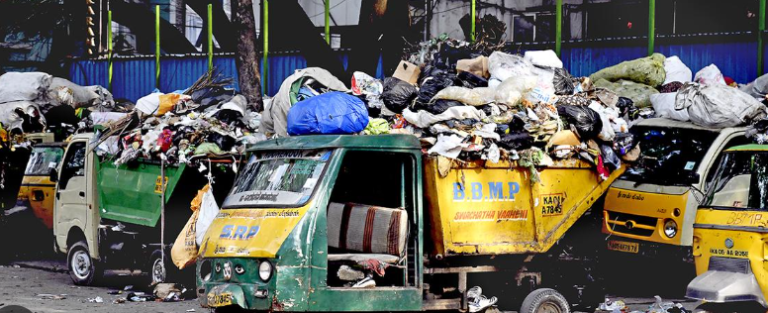
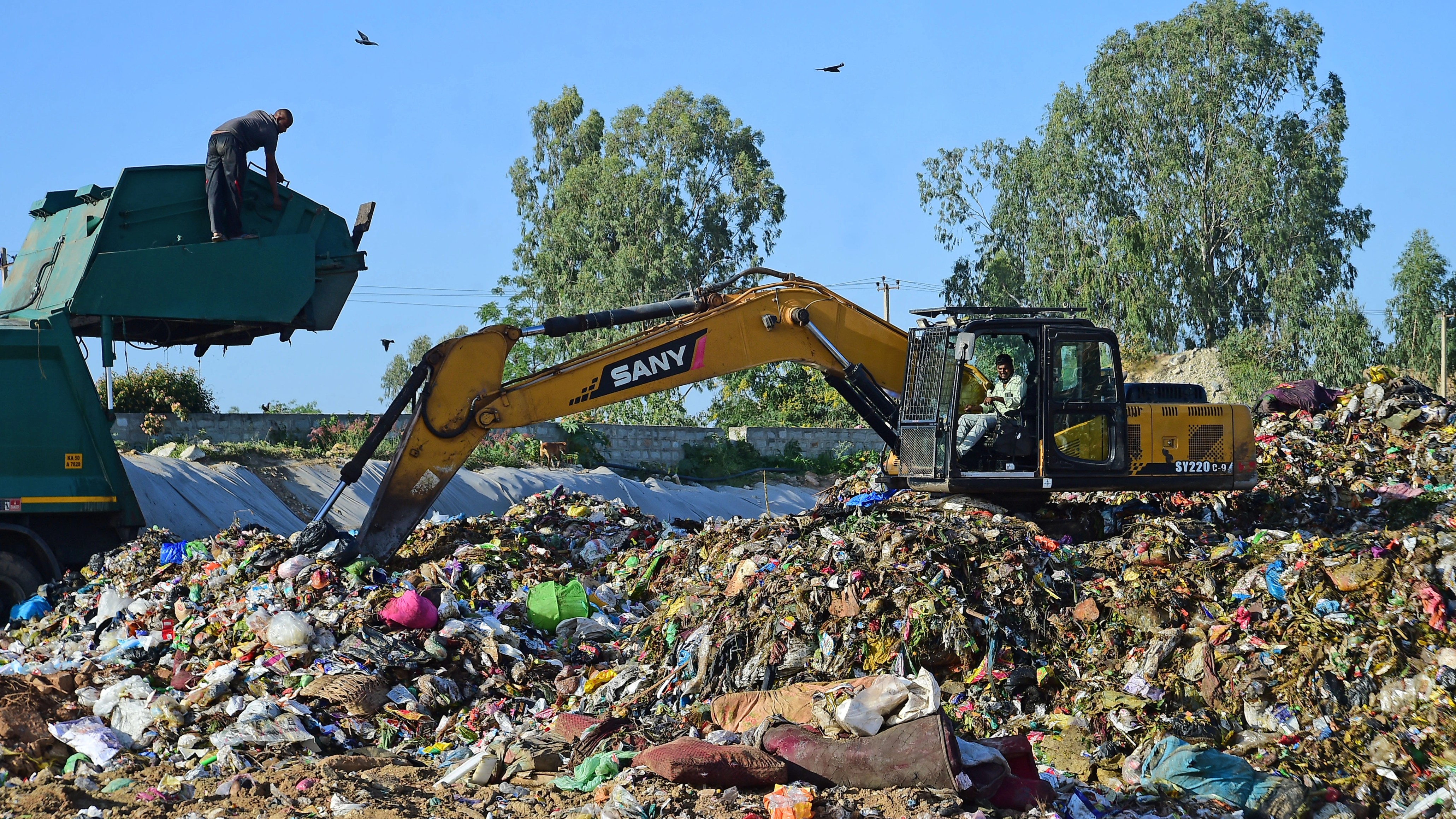
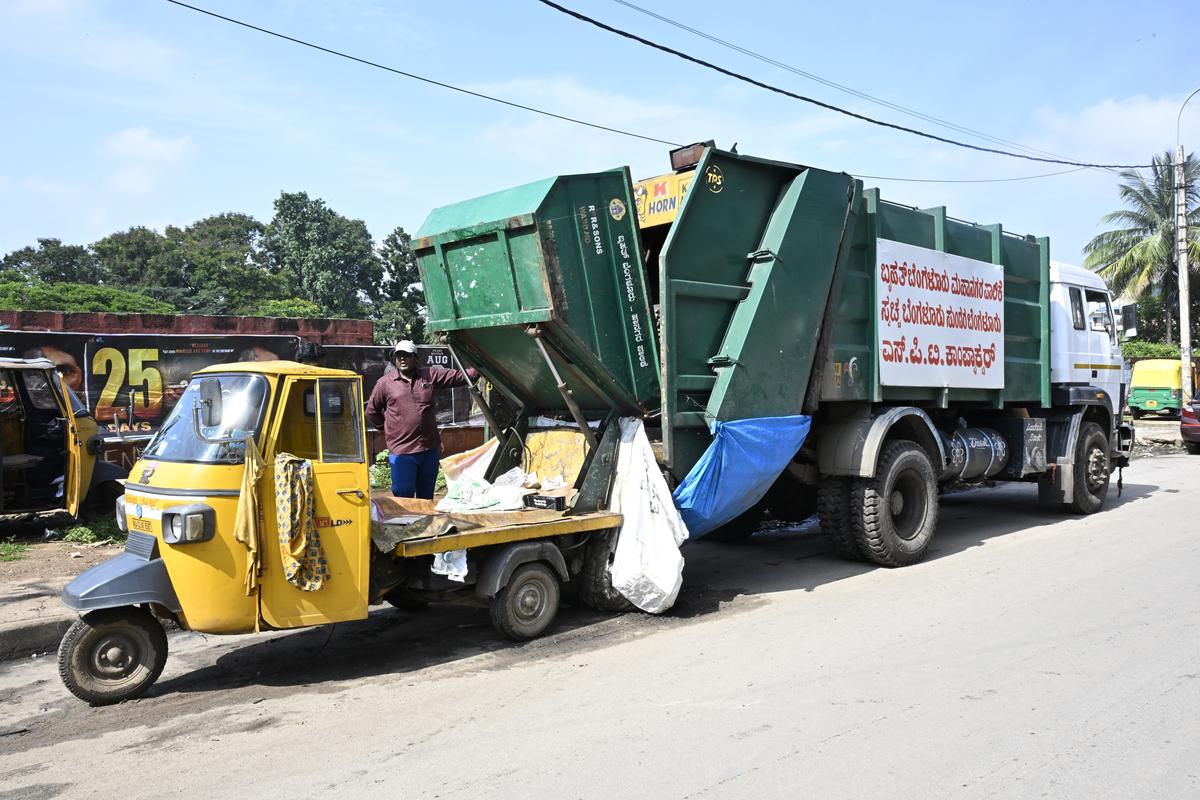
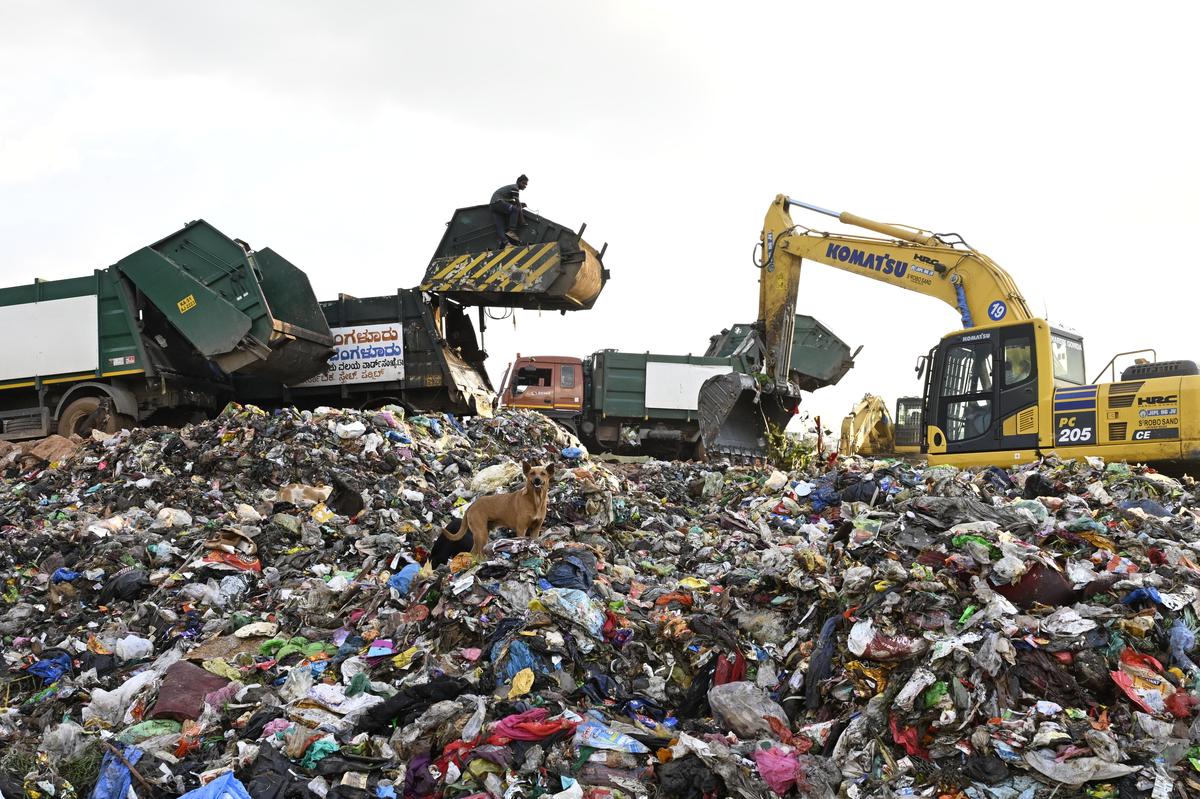

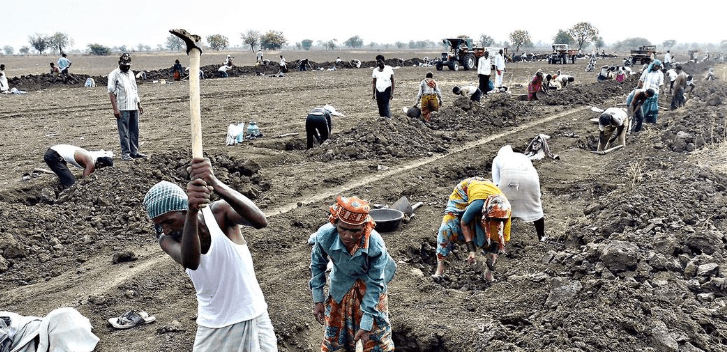

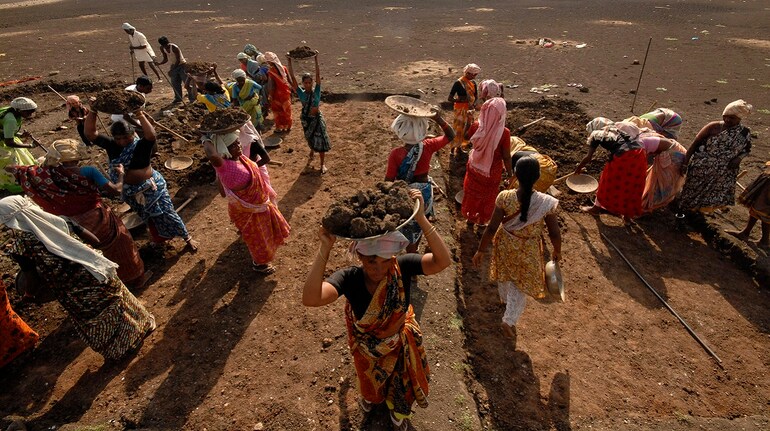
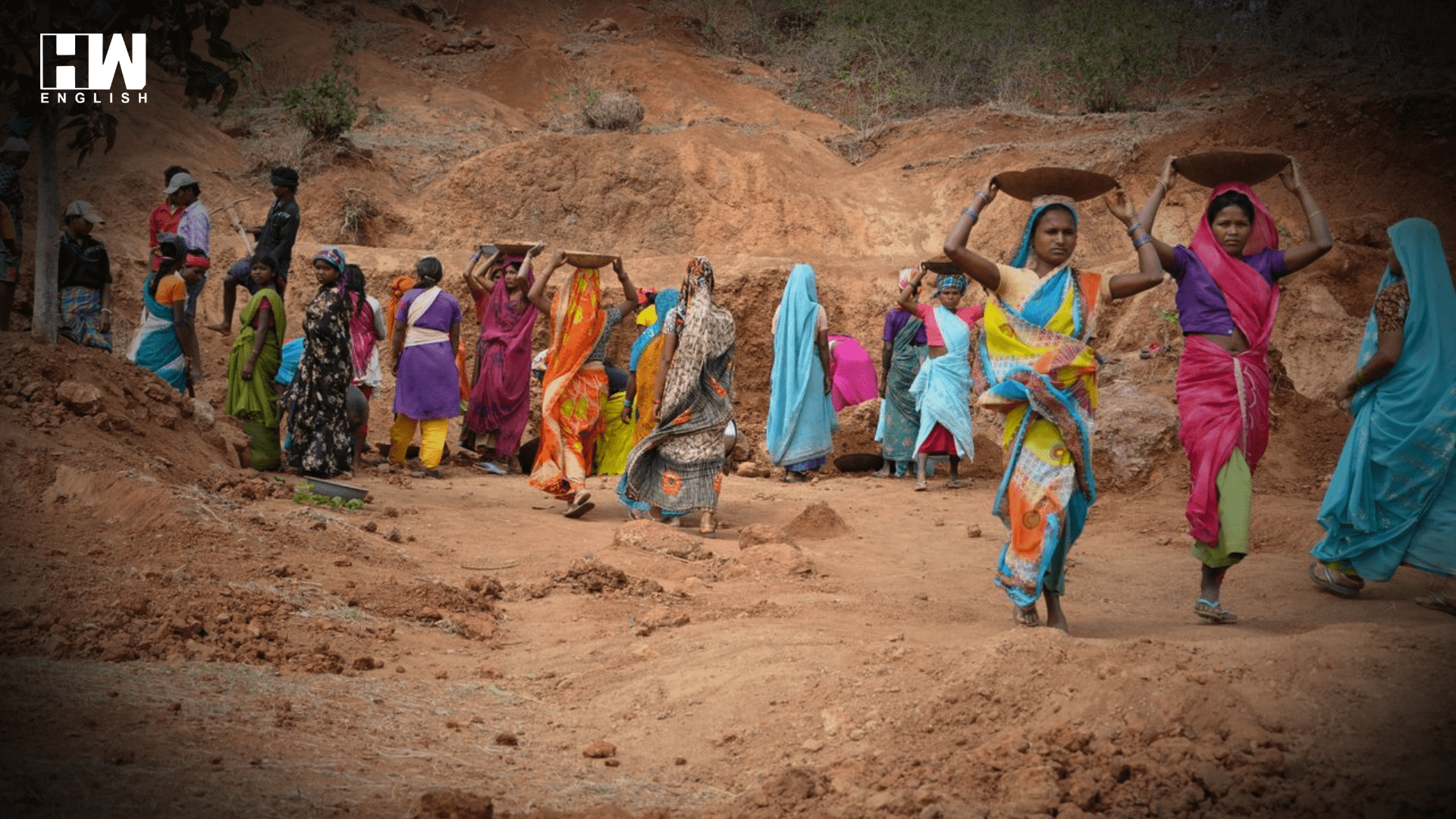
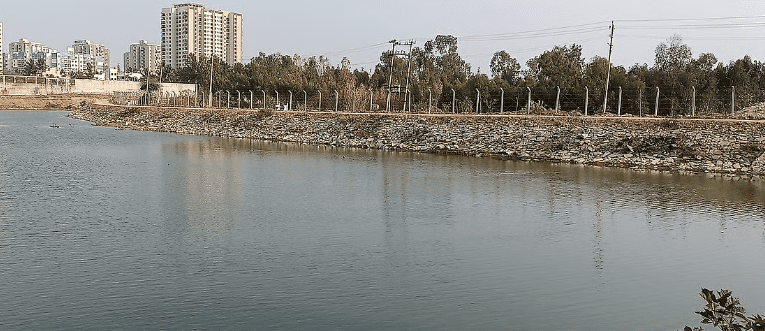
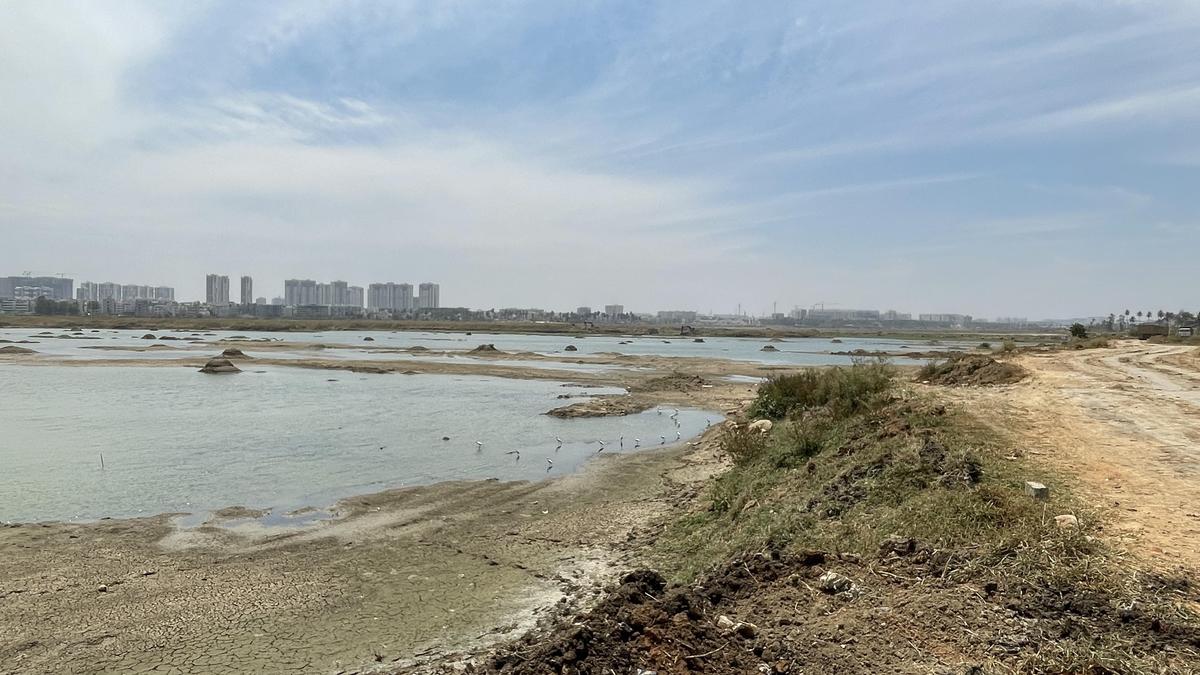

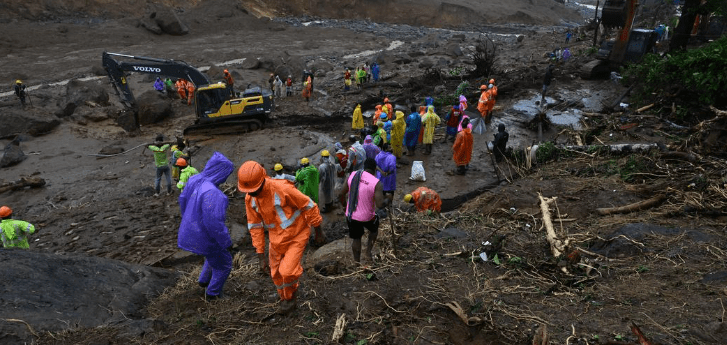

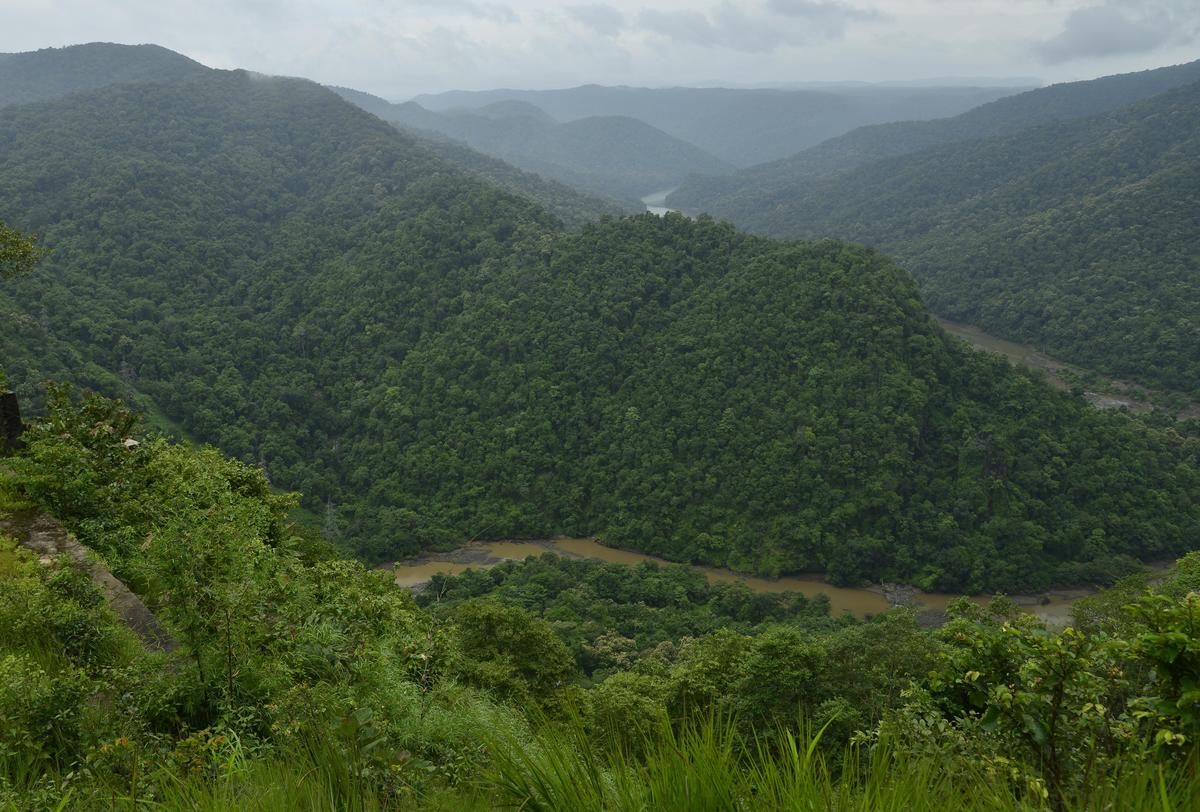








 Nifty Financial Services fell 0.25%, extending losses seen earlier in the day.
 Asian Paints advanced 1.04% to ₹2,775.00, supported by steady buying in consumption-led stocks.
 Power Grid Corporation fell 1.75% to ₹260.80, tracking selling in PSU power stocks.