Friday, May 1, 2026
Home Blog Page 187

1 Fierce Battle as ‘Bulldozer Politics’ Sparks Emotional Federal Row Between Kerala and Karnataka: Explosive Standoff

A sharp political confrontation has erupted between Kerala and Karnataka following comments by Kerala Chief Minister strongly criticising the Bengaluru eviction drive, terming it an instance of “bulldozer politics.” The remarks have intensified an already sensitive debate around urban redevelopment, displacement, and the use of state power, drawing national attention to the methods adopted by governments in the name of infrastructure expansion and city planning. The controversy has also triggered a wider conversation on federal relations, constitutional morality, and the limits of executive authority.

The controversy has also drawn reactions from urban policy experts, who caution that eviction drives, when carried out without a clearly communicated rehabilitation roadmap, risk deepening public distrust in governance. They argue that cities like Bengaluru, which rely heavily on migrant labour and informal economies, cannot afford policies that abruptly disrupt livelihoods. According to them, long-term urban planning must integrate affordable housing, legal vending zones, and inclusive infrastructure to prevent repeated cycles of encroachment and eviction.

Social activists in both Kerala and Karnataka have pointed out that eviction drives often expose systemic failures rather than individual wrongdoing. Many encroachments, they argue, emerge due to inadequate housing policies, weak enforcement over decades, and administrative neglect. By focusing only on demolition, governments may be addressing symptoms rather than root causes, leaving vulnerable communities to bear the brunt of institutional shortcomings they did not create.

The political language used in the debate has also attracted attention. Analysts note that phrases such as “bulldozer politics” are emotionally charged and resonate strongly with public sentiment, particularly when images of demolished homes circulate widely. Such terminology can shape narratives far beyond the immediate policy issue, influencing how citizens perceive state power, justice, and accountability. This underscores the growing role of symbolism and perception in modern governance.

Observers further note that the row could influence future inter-State political interactions, especially when leaders publicly comment on each other’s governance models. While such exchanges can enrich democratic debate, they can also harden political positions and reduce scope for cooperative problem-solving. Experts suggest that structured inter-State dialogues on urban challenges may be a more constructive way forward than confrontational public statements.

Ultimately, the episode serves as a reminder that development-led governance operates under intense public scrutiny in an era of instant information and visual documentation. As States pursue ambitious infrastructure goals, the balance between authority and empathy will increasingly define public judgment. Whether the current confrontation leads to policy introspection or remains a political flashpoint, it has already amplified the national conversation on humane development, federal responsibility, and the ethical exercise of power.

The eviction drive in Bengaluru, undertaken as part of an infrastructure and road-widening initiative, has involved the demolition of structures allegedly encroaching on public land. While Karnataka officials have defended the move as lawful and necessary for long-term urban development, critics argue that the process has been abrupt and insensitive, disproportionately affecting small traders, migrants, and economically vulnerable residents. Visuals of demolished homes and shops have fuelled outrage, especially on social media, intensifying political reactions across State boundaries.

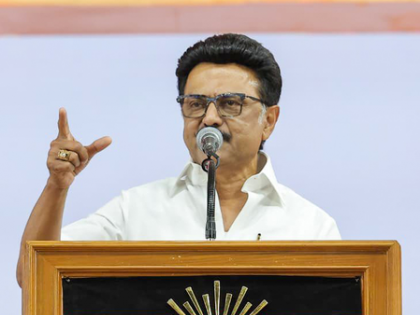
Kerala Chief Minister’s intervention has elevated the issue from a State-level administrative matter to a larger political and ideological debate. By publicly questioning Karnataka’s approach, he framed the eviction drive as part of a growing trend where coercive state action is prioritised over humane governance. He asserted that development cannot come at the cost of dignity and due process, emphasising that democratic governments must protect the vulnerable rather than intimidate them.Bulldozer | Heavy-duty, Construction, Earthmoving | Britannica

The comments were swiftly rebutted by Karnataka leaders, who accused Kerala’s leadership of politicising an administrative action and interfering in another State’s internal affairs. Karnataka officials maintained that all legal procedures were followed and adequate notices were issued before demolitions were carried out. They argued that encroachments had stalled public projects for years and that decisive action was unavoidable to improve infrastructure in a rapidly expanding metropolis like Bengaluru.

The exchange has since escalated into a war of words, with leaders from both States invoking constitutional principles, governance ethics, and political ideology to defend their positions. What began as an eviction drive has now transformed into a symbolic confrontation over the nature of governance, the balance between development and rights, and the tone of inter-State political discourse in India.

Clash Over Governance and Human Cost

At the heart of the controversy lies a fundamental disagreement over governance philosophy. Kerala’s Chief Minister described the eviction drive as reflective of “bulldozer politics,” a term increasingly used to criticise swift demolitions perceived as punitive or populist. He argued that such actions create fear among citizens and undermine trust in democratic institutions, especially when carried out without adequate rehabilitation measures or transparent consultations.

According to Kerala’s leadership, development should be inclusive and participatory, with affected communities taken into confidence. The Chief Minister highlighted Kerala’s own urban development models, where resettlement, compensation, and dialogue form the core of redevelopment efforts. He warned that normalising demolition-driven governance sets a dangerous precedent, particularly in a country with deep socio-economic inequalities.

Karnataka, however, rejected these assertions, stating that comparisons were misleading and unfair. Senior officials clarified that the Bengaluru eviction drive was not targeted or politically motivated but was aimed solely at reclaiming public land encroached upon over decades. They emphasised that encroachments had contributed to traffic congestion, flooding, and delays in infrastructure projects, severely affecting the city’s livability.Bulldozer Politics: Introduction - THE FUNAMBULIST MAGAZINE

The Karnataka government also stressed that eviction notices had been issued in advance and that residents were given opportunities to present documents and objections. Authorities claimed that many of the demolished structures lacked legal sanction and were built on stormwater drains, footpaths, or road margins. From their perspective, inaction would have amounted to neglect of civic responsibility.

Despite official clarifications, civil society groups and opposition parties within Karnataka have raised concerns about the humanitarian impact of the drive. They pointed out that many affected individuals were daily-wage workers and small business owners who lost their livelihoods overnight. Critics argued that even if demolitions were legally justified, the absence of adequate rehabilitation and compensation exposed the harshness of the approach.

The Kerala Chief Minister’s remarks resonated with these concerns, amplifying voices that questioned whether speed and visibility were being prioritised over compassion. His intervention has been interpreted by supporters as an act of moral solidarity, while critics view it as political grandstanding aimed at reinforcing Kerala’s image as a welfare-oriented State.

Federal Friction and Political Messaging

The row has also brought into focus the delicate nature of India’s federal structure, where States enjoy autonomy but remain politically interconnected. Karnataka leaders accused Kerala’s Chief Minister of breaching federal etiquette by commenting on another State’s administrative decisions. They argued that such public criticism undermines cooperative federalism and risks setting off unnecessary political confrontations.

Kerala’s leadership countered this by asserting that human rights and democratic values transcend State boundaries. According to them, speaking out against what they perceive as unjust governance is not interference but a moral obligation. They maintained that federalism should encourage dialogue and accountability, not silence in the face of questionable practices.

Political analysts note that the timing and tone of the exchange are significant. With urban evictions becoming increasingly visible across Indian cities, the debate has broader electoral and ideological implications. The term “bulldozer politics” itself has emerged as a powerful rhetorical tool, often used to criticise governments accused of using demolition drives as symbols of strong leadership.

In Karnataka, the ruling dispensation has defended the eviction drive as evidence of administrative resolve, appealing to voters frustrated by urban chaos and encroachments. In contrast, Kerala’s leadership has positioned itself as a defender of social justice, reinforcing its long-standing political narrative centred on welfare and rights-based governance.

The confrontation has also triggered reactions from opposition parties in both States. In Karnataka, opposition leaders have cited the Kerala Chief Minister’s comments to intensify their criticism of the government, demanding a halt to demolitions and a comprehensive rehabilitation policy. In Kerala, opposition parties accused the Chief Minister of diverting attention from local issues by engaging in inter-State rhetoric.

Beyond immediate politics, the episode has reignited discussions on the need for national guidelines on urban evictions. Urban planners and legal experts argue that India lacks a uniform framework that balances development imperatives with the rights of informal settlers. The absence of clear standards often leaves States vulnerable to accusations of arbitrariness and excessive force.Bulldozer | Heavy-duty, Construction, Earthmoving | Britannica

Legal experts have also pointed out that while encroachment removal is legally permissible, courts have repeatedly emphasised the importance of due process, proportionality, and rehabilitation. They argue that governments must go beyond legality and consider ethical governance, particularly when actions affect housing and livelihoods.

As the debate continues, both States appear firm in their positions. Karnataka shows no signs of rolling back the eviction drive, while Kerala’s leadership has stood by its criticism, reiterating that development must be humane. The Centre has so far remained silent, avoiding intervention in what it may view as a political dispute between States.

In conclusion, the “bulldozer politics” row between Kerala and Karnataka reflects deeper tensions in contemporary governance, where the pursuit of rapid development often collides with questions of rights, dignity, and democratic values. What began as a city-level eviction drive has evolved into a symbolic national debate on how power should be exercised in a democracy. As Indian cities continue to expand and redevelop, this confrontation underscores the urgent need for policies that combine efficiency with empathy, ensuring that progress does not trample upon the very people it is meant to serve.

Follow: Karnataka Government

Also read: Home | Channel 6 Network – Latest News, Breaking Updates: Politics, Business, Tech & More

Indian Equity Markets Edge Lower on December 29, 2025 as Financials Drag; Select Metal and FMCG Stocks Outperform

Indian equity benchmarks traded with a mild negative bias on Monday, December 29, 2025, as selling pressure in banking, financial services, and select index heavyweights capped market sentiment. The Nifty 50 hovered around the 26,000 mark, reflecting cautious investor positioning amid mixed global cues and year-end portfolio adjustments. While frontline indices slipped marginally, stock-specific action remained visible, particularly in metals, energy, and FMCG names.

Also Read: Markets End Lower on December 26 as Financial Stocks Drag; PSU and Infra Counters Outperform


Benchmark Indices: Nifty Holds 26,000 Amid Volatility

The Nifty 50 was trading at 26,001.95, down 40.35 points or 0.15%, at the time of the update. The index opened at 26,063.35, touched an intraday high of 26,106.80, and slipped to a low of 25,999.65, indicating a narrow trading range but sustained selling near higher levels.

Sectoral indices largely mirrored the benchmark’s cautious tone.

  • Nifty Bank declined 0.17%, weighed down by select large-cap lenders.

  • december 29Nifty Financial Services fell 0.24%, reflecting profit-booking in financial stocks.

  • Nifty Next 50 was marginally lower by 0.10%, suggesting subdued broader market participation.


Top Gainers: Metals, Energy and FMCG Stocks Show Strength

Despite broader weakness, several stocks managed to post healthy gains, supported by strong volumes and sector-specific optimism.

  • Tata Steel emerged as a top gainer, rising 2.42% to ₹173.21, backed by robust trading volumes, indicating renewed interest in metal counters.

  • Eternal advanced 1.17% to ₹285.05, reflecting steady buying interest.

  • Screenshot 2025 12 29 104745Nestlé India gained 1.06% to ₹1,286.10, reinforcing FMCG’s defensive appeal amid market uncertainty.

  • ONGC rose 1.06% to ₹237.02, supported by firmness in energy stocks.

  • JSW Steel added 0.82% to ₹1,103.40, further strengthening the metals pack.


Top Losers: Heavyweights Weigh on Market Sentiment

On the downside, several index heavyweights exerted pressure on benchmarks.

  • Adani Ports declined 1.65% to ₹1,462.60, emerging as the biggest loser among the tracked stocks.

  • Power Grid slipped 1.17% to ₹262.35, amid weakness in PSU utilities.

  • Screenshot 2025 12 29 104756HCL Technologies fell 0.84% to ₹1,647.00, as IT stocks saw mild profit-taking.
  • Reliance Industries eased 0.74% to ₹1,547.60, limiting upside in the Nifty due to its heavy index weight.

  • Jio Financial Services declined 0.61% to ₹295.15, adding to pressure in the financial services space.


Market Outlook: December, 29: 2025 

Overall market sentiment remained cautious, with investors selectively accumulating stocks while trimming exposure to index heavyweights. The divergence between gainers and losers highlights a stock-specific market, where sectoral fundamentals and near-term triggers are driving price action rather than broad-based momentum.


Conclusion
Indian equity markets witnessed a subdued session with the Nifty 50 marginally lower, weighed down by financials and key heavyweight stocks. However, resilience in metals, energy, and FMCG counters provided pockets of strength, preventing a sharper decline. As the year draws to a close, markets are expected to remain range-bound, with investors closely tracking global developments, sector-specific cues, and upcoming macroeconomic data.


For real time stock Updates, visit NSE website.

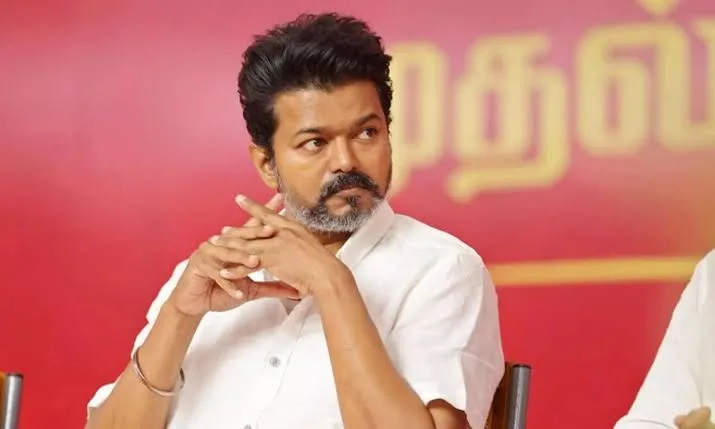
Thalapathy Vijay has officially stepped away from cinema after decades of dominance in 2025

0

Thalapathy Vijay has officially announced retirement from acting after 33 years

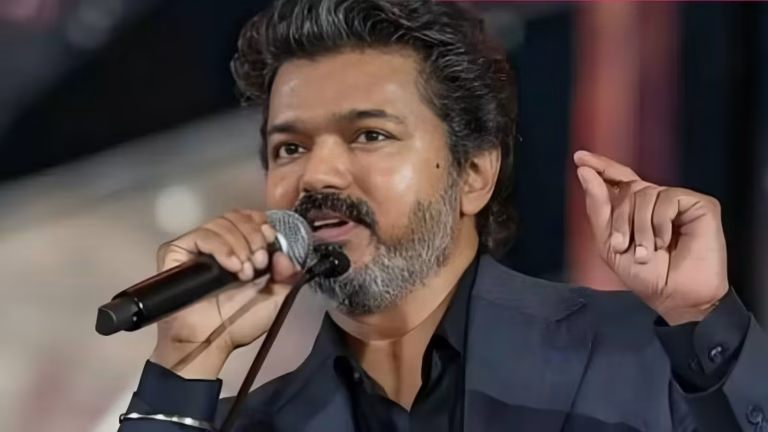
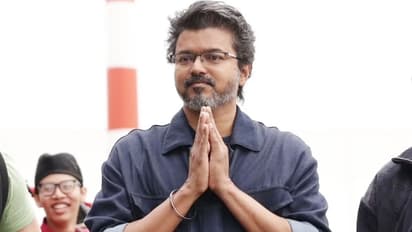
Thalapathy Vijay has officially announced his retirement from acting, bringing an end to a film career that shaped modern Tamil cinema for more than three decades. The announcement was made during the audio launch of his final film Jana Nayagan held on December 27, 2025, where the actor addressed fans and industry members with clarity and restraint.Thalapathy Vijay has officially

Vijay stated that his journey in cinema, which began as a child artist and evolved into one of the most influential careers in South Indian films, has reached its natural conclusion. He explained that the decision was not sudden but carefully thought through over time. According to him, stepping away now allows space for new responsibilities and priorities.

The actor’s words were met with emotional silence followed by applause, reflecting the deep connection he shares with audiences across generations. For many fans, this announcement marked the close of a chapter that defined their relationship with Tamil cinema.

Thalapathy Vijay has officially closed his acting career with Jana Nayagan

Thalapathy Vijay has officially confirmed that Jana Nayagan will be his last appearance as a lead actor. The film, positioned as a socially rooted story, was chosen deliberately as his final project. Vijay stated that he wanted his last film to reflect values that mattered to him rather than focusing on spectacle alone.Thalapathy Vijay's Shocking Announcement: Retirement From Acting Confirmed | Asianet Newsable

Over 33 years, Vijay evolved from romantic roles to action-driven performances and later to socially conscious characters. His films consistently drew massive audiences, and his screen presence turned releases into major events. Beyond box office success, he built a loyal fan base through consistent discipline, limited public exposure, and controlled communication.

Industry observers note that Vijay’s exit is rare in a film culture where actors often continue far beyond their peak. His decision to stop while still commanding influence is seen as intentional and strategic. Many directors and co-stars have expressed respect for the clarity with which he has chosen to conclude his acting career.

Thalapathy Vijay has officially shifted focus beyond cinema

Thalapathy Vijay has officially indicated that his retirement from films does not mean withdrawal from public life. Though he avoided detailed future plans during the event, his statement strongly suggested a transition toward social and political engagement.Thalapathy Vijay Announces Retirement from Acting After 33 Years; 'Jan Nayakan' to Be His Last Film

In recent years, Vijay has increased his involvement in public issues through his fan associations, education initiatives, and public statements. His decision to step away from acting is widely viewed as a move to dedicate time and energy toward long-term goals beyond entertainment.

The response from fans has been mixed, combining pride with disappointment. While many respect his decision, they acknowledge the void his absence will leave in Tamil cinema. Social media platforms were filled with tributes recalling iconic films, dialogues, and performances that shaped popular culture.

Film analysts believe Vijay’s retirement may also change industry dynamics, opening space for newer actors while reshaping box office expectations. His disciplined career path and controlled exit are likely to be studied as a rare example in Indian cinema. Also Read: Hrithik Roshan 51 Shows Why Age Has Little Meaning in Modern Relationships

Conclusion

Thalapathy Vijay has officially ended his acting career with intention and dignity. As he steps away from cinema, his influence remains deeply rooted in Tamil film history, marking the close of an era that defined a generation.

Former gymnast Isabelle remembered as Brazilian gymnastics mourns a young champion in 2025

0

Former gymnast Isabelle passes away at 18, leaving the sports world in shock

Former gymnast Isabelle Marciniak, a well-known name in Brazilian rhythmic gymnastics, passed away on Wednesday at the age of 18. The news was confirmed through an official statement released by the Paranaense Gymnastics Federation. Her death has deeply affected the gymnastics community, athletes, coaches, and supporters across Brazil.Isabelle Marciniak" - Results on X | Live Posts & Updates

Former gymnast Isabelle had been undergoing treatment for Hodgkin’s lymphoma, a cancer that affects the lymphatic system, which plays a crucial role in the body’s immune defense. Despite her illness, she remained an inspiring figure for young athletes who followed her career and admired her dedication to the sport.

Isabelle was known not only for her competitive achievements but also for her discipline and commitment at a young age. Her passing has raised a wave of tributes, with many remembering her strength both inside and outside the gym. The loss is being felt strongly in Paraná, where she trained and represented her clubs with pride.

Former gymnast Isabelle’s career shaped by discipline and national success

Former gymnast Isabelle built an important part of her sporting career at the Agir Club, where she trained rigorously and steadily progressed through national-level competitions. She stood out in the Paranaense Championships and later made her mark in Brazilian national events, earning respect from coaches and fellow athletes.Brazilian rhythmic gymnastics champion Isabelle Marciniak dies at 18 after battling cancer | Mix Vale

In 2023, Former gymnast Isabelle achieved one of the most significant milestones of her career when she became a Brazilian champion as part of the adult trio team. Competing at a higher level despite her young age, she showed maturity, control, and technical precision that set her apart.

Her coaches often described her as focused and determined, qualities that helped her balance intense training schedules with personal challenges. Even while facing health issues, Isabelle remained connected to the sport, showing resilience that inspired many around her.

The Paranaense Gymnastics Federation highlighted her contribution to gymnastics as more than just medals or titles. According to the federation, Isabelle’s journey reflected how sport can shape character, discipline, and purpose. Her career became an example of how rhythmic gymnastics can influence personal growth beyond competition results.

Former gymnast Isabelle leaves behind a legacy beyond competition

The death of Former gymnast Isabelle has sparked reflection across Brazil’s sports community. Messages from gymnasts, clubs, and federations emphasized not only her achievements but also her attitude, humility, and passion for gymnastics.Former gymnast Isabelle

Tributes shared by the Paranaense Gymnastics Federation described her as an athlete whose story would continue to inspire future generations. Her dedication to training, respect for the sport, and strength during illness were frequently mentioned by those who knew her personally.

Isabelle’s journey has also brought attention to the challenges young athletes face when dealing with serious health conditions. Her experience has opened conversations about emotional support, medical awareness, and the importance of care systems within competitive sports environments.


View this post on Instagram


A post shared by Forbes Brasil (@forbesbr)

While her life was brief, her influence remains strong among young gymnasts who looked up to her. Many see her as proof that commitment and love for sport can leave a meaningful impact, even in a short time. Also Read: Hrithik Roshan 51 Shows Why Age Has Little Meaning in Modern Relationships

Conclusion

Former gymnast Isabelle Marciniak’s passing is a tragic loss to Brazilian rhythmic gymnastics. Her achievements, discipline, and courage will continue to be remembered as part of the sport’s history, leaving behind an enduring example of dedication and strength.

Manipuri Bride Creates a Moment of Cultural Pride Across Social Media

0

Manipuri bride draws nationwide attention with traditional wedding elegance

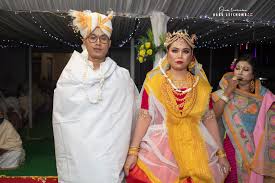
Manipuri bride visuals from a recent wedding have gone viral, drawing attention not just for beauty, but for the cultural depth they represent. The short video circulating online shows a bride dressed in full traditional attire, standing calmly as wedding rituals take place. What caught public attention was not glamour or performance, but the quiet dignity of Manipur’s bridal customs.Manipuri bride

The Manipuri bride is seen wearing the traditional Potloi, a cylindrical skirt that is central to Meitei wedding traditions. The attire is heavily structured, detailed with embroidery and carefully placed decorative elements. Unlike modern bridal outfits that focus on trends, the Potloi reflects discipline, symbolism, and cultural continuity.

Viewers across the country and outside India have shared the video, many expressing admiration for how distinct the Manipuri bride looks compared to mainstream bridal fashion. The attention has helped bring focus back to Northeastern traditions that often remain underrepresented in popular media.

Manipuri bride attire reflects heritage, discipline, and spiritual meaning

The Manipuri bride outfit is not chosen for appearance alone. Every part of the attire has cultural and spiritual meaning. The Potloi is traditionally worn during sacred rituals and is designed to maintain form and posture, symbolising grace and restraint. The structure of the dress prevents excessive movement, reinforcing calmness and respect during the ceremony.Manipuri bride

Gold ornaments worn by the Manipuri bride are also significant. These are not excessive or oversized, but balanced and symbolic. Neckpieces, head ornaments, and ear jewellery are designed to complement the attire without overpowering it. Traditional makeup remains subtle, focusing on symmetry and serenity rather than dramatic enhancement.

What stood out in the viral video was the bride’s composed expression. There was no forced smile or staged movement. This natural presence reminded viewers that Manipuri weddings prioritise ritual and meaning over display. Many cultural observers noted that such visuals help educate people about traditions that are often misunderstood or ignored.

The growing attention has also sparked conversations about preserving traditional craftsmanship. Potloi skirts are handmade and require skilled artisans, some taking weeks or months to complete a single piece. As the Manipuri bride video spreads, it has indirectly highlighted the importance of supporting these local art forms.

Manipuri bride visuals change how traditional weddings are viewed onlineManipuri Wedding, Rituals in Manipuri Wedding, Manipuri Marriage

The viral response to the Manipuri bride video shows a shift in how audiences engage with cultural content. Instead of reacting only to glamour or celebrity weddings, viewers are now appreciating authenticity and tradition. Many comments focused on the calm atmosphere of the ceremony and the bride’s dignified presence rather than surface-level beauty.

This change matters because it allows traditional communities to be seen on their own terms. The Manipuri bride was not presented as a trend or costume but as part of a living tradition. Cultural experts believe such visibility can encourage younger generations to value their heritage rather than abandon it for modern imitations.

The response also reflects growing curiosity about Northeastern customs. As more people search for information about Manipuri weddings, it opens space for deeper understanding rather than stereotypes. The bride’s image has become a symbol of cultural identity rather than viral entertainment alone. Also Read: Hrithik Roshan 51 Shows Why Age Has Little Meaning in Modern Relationships

Conclusion

The Manipuri bride video has done more than trend online. It has drawn attention to Manipur’s wedding traditions, craftsmanship, and values in a simple yet powerful way. Without exaggeration or performance, it reminds viewers that tradition still holds meaning when presented with honesty and respect.

Hrithik Roshan 51 Shows Why Age Has Little Meaning in Modern Relationships

0

Hrithik Roshan 51 and the quiet confidence shaping his relationship journey

Hrithik Roshan 51 has become a topic of steady public attention, not because of controversy or loud statements, but due to the calm and mature way he carries his personal life. At a time when celebrity relationships are often judged by age gaps and public expectations, Hrithik’s bond with Saba Azad has taken a different route. It has remained steady, respectful, and largely private.Hrithik Roshan, 51, and Saba Azad, 35, continue to prove that love isn't defined by age ❤️✨ Their relationship is admired for its maturity, comfort, and mutual respect. In a world that

Instead of addressing opinions or responding to criticism, Hrithik Roshan 51 appears focused on emotional balance and personal clarity. This approach has resonated with many people who see his relationship not as a headline-driven story, but as a natural phase of life built on mutual understanding.

Public appearances of the couple are minimal yet consistent. Whether at events or casual outings, their interactions reflect ease rather than performance. This has shifted the conversation from age difference to emotional compatibility, a topic that feels more relevant in today’s social climate.

Hrithik Roshan 51 reflects a mature view of companionship and respect

What stands out about Hrithik Roshan 51 is not just his age, but how he approaches companionship. The relationship does not appear rushed or staged. There is no visible pressure to meet social timelines or public expectations. Instead, it reflects a steady pace rooted in respect and independence.Beneath this 51-years-old man, he's still the same shy 26-years-old young boy Hrithik Roshan : r/HrithikMania

Both individuals continue their professional journeys without overshadowing one another. This balance has drawn appreciation from audiences who are increasingly aware that healthy relationships allow space rather than control. Hrithik Roshan 51 seems to embody that understanding clearly.

Fans and observers often note that the relationship feels grounded. There are no dramatic declarations or constant online validation. This restraint has helped the relationship be seen as genuine rather than performative. In a culture where visibility often replaces substance, this quiet approach stands out.

The attention around Hrithik Roshan 51 also reflects a broader change in how people view relationships later in life. Emotional readiness, stability, and shared values are becoming more important than age-based assumptions.

Hrithik Roshan 51 and the changing public perception of age in love

The discussion around Hrithik Roshan 51 goes beyond celebrity interest. It mirrors a larger societal shift where age is no longer seen as a barrier to connection. Many now recognize that maturity does not arrive at a fixed number and that emotional growth varies for everyone.Hrithik Roshan, 51, and Saba Azad, 35, continue to prove that love isn't defined by age ❤️✨ Their relationship is admired for its maturity, comfort, and mutual respect. In a world that

By living openly yet privately, Hrithik Roshan 51 challenges the outdated idea that relationships must follow a specific timeline. His choices suggest that clarity, peace, and compatibility matter more than public approval.

This has influenced how fans respond. Instead of criticism, there is growing acceptance and even admiration. People relate to the idea that life evolves, priorities change, and companionship can take new forms over time.


View this post on Instagram


A post shared by Desi Joke (@desi.joke)

Hrithik Roshan 51, without making statements or defending himself, has contributed to this shift simply by being consistent. His relationship reflects a reality many experience but rarely see represented without judgment. Also Read: CM Stalin Names Coimbatore Flyover After a National Icon in 2025

Conclusion

Hrithik Roshan 51 represents a calm and grounded approach to relationships in the public eye. His personal choices highlight that emotional understanding and respect hold greater value than age or opinion. As perceptions continue to evolve, his journey stands as a quiet reminder that meaningful connections are built on maturity, not numbers.

Tatanagar-Ernakulam Express Fire: Tragic Death Shocks Passengers

Andhra Pradesh – A tragic incident involving the Tatanagar-Ernakulam Express fire at Yalamanchili, approximately 66 kilometers from Visakhapatnam, claimed one life in the early hours of Monday morning. The incident, which saw two compartments of the long-distance train engulfed in flames, has raised serious questions about railway safety and emergency response protocols.

Midnight Emergency at Yalamanchili

The Tatanagar-Ernakulam Express fire erupted at approximately 12:45 am, according to information received by local police authorities. The sudden outbreak of flames in two compartments of the passenger train created panic among travelers and prompted an immediate emergency response from railway officials and local law enforcement agencies.

Senior police officials who arrived at the scene confirmed that the Tatanagar-Ernakulam Express fire affected two coaches carrying a significant number of passengers. The incident occurred at Yalamanchili station, a location situated about 66 kilometers from the coastal city of Visakhapatnam in Andhra Pradesh.

Passenger Count and Casualties

Police officials revealed that there were 82 passengers traveling in one of the affected coaches at the time of the Tatanagar-Ernakulam Express fire, while another 76 passengers were present in the second damaged compartment. The total of 158 passengers in both coaches faced a terrifying ordeal as flames spread through their compartments during the late-night hours.

Tragically, despite evacuation efforts, one passenger lost his life in the incident. “Unfortunately, a dead body was found from the B1 coach,” a senior police official told reporters, confirming the fatality resulting from the Tatanagar-Ernakulam Express fire.

Victim Identification

The deceased passenger was identified as Chandrasekhar Sundaram. Details about his travel plans, origin, and destination remain limited at this time. The discovery of Sundaram’s body in the B1 coach highlights the severity of the Tatanagar-Ernakulam Express fire and the deadly conditions that developed within the affected compartment.

Authorities have not yet disclosed whether Sundaram died from burns, smoke inhalation, or other causes related to the fire. The exact circumstances of his death will likely be determined through forensic examination and post-mortem analysis.

Emergency Response and Train Operations

Following the Tatanagar-Ernakulam Express fire, railway authorities took immediate action to manage the crisis and ensure passenger safety. The two damaged coaches were detached from the train to prevent the fire from spreading to other compartments and to allow the remaining train to continue its journey.

After the damaged coaches were separated, the Tatanagar-Ernakulam Express proceeded towards its destination of Ernakulam with the remaining compartments intact. This decision allowed the majority of passengers aboard the train to continue their journeys with minimal disruption, though undoubtedly shaken by the traumatic incident.

Arrangements for Affected Passengers

Railway officials confirmed that special arrangements are being made for the 158 passengers who were traveling in the coaches affected by the Tatanagar-Ernakulam Express fire. According to statements from authorities, these passengers will be sent to their respective destinations through alternative arrangements.

Also Read: Navi Mumbai Airport Operations Launch: 40 Daily Flights by January

The nature of these alternative arrangements—whether through subsequent trains, bus services, or other transportation methods—was not immediately specified. However, railway officials emphasized their commitment to ensuring that all affected passengers reach their intended destinations safely.

Forensic Investigation Underway

To determine what caused the Tatanagar-Ernakulam Express fire, authorities have deployed two forensic teams to examine the damaged coaches and surrounding areas. These specialized teams are working to ascertain the exact cause of the fire, according to the senior police official who addressed reporters at the scene.

The forensic investigation into the Tatanagar-Ernakulam Express fire will likely examine multiple potential causes, including electrical short circuits, mechanical failures, passenger negligence, or external factors. Such investigations typically involve detailed examination of the damaged coaches, including wiring systems, electrical components, and other potential ignition sources.

Railway Safety Concerns

This incident adds to growing concerns about fire safety on Indian trains. The Tatanagar-Ernakulam Express fire serves as a stark reminder of the vulnerabilities inherent in railway travel and the need for robust safety measures, including fire detection systems, adequate fire extinguishers, and clear emergency evacuation protocols.

Previous incidents involving train fires have prompted Indian Railways to implement various safety measures, including installation of fire detection and suppression systems in coaches. However, the occurrence of the Tatanagar-Ernakulam Express fire demonstrates that challenges remain in preventing such tragic incidents.

Route and Service Information

The Tatanagar-Ernakulam Express connects Tatanagar in Jharkhand with Ernakulam in Kerala, traversing multiple states and covering considerable distance. The train serves as an important link for passengers traveling between eastern and southern India, making any disruption to its service significant for numerous travelers.

The Tatanagar-Ernakulam Express fire occurred at Yalamanchili in Andhra Pradesh, roughly at the midpoint of the train’s journey, affecting passengers who had been traveling for several hours and still had considerable distance to cover to reach their destinations.

Awaiting Investigation Results

As forensic teams continue their examination of the site, passengers, railway officials, and the public await answers about what triggered the Tatanagar-Ernakulam Express fire. The findings of this investigation will be crucial in preventing similar incidents in the future and ensuring the safety of millions who rely on India’s extensive railway network for daily travel.

A Man Beat His Son to Death After Family Dispute in Chengalpattu

0

A Man Beat His Son to Death in Chengalpattu Village Incident

A man beat his son to death in Ovarasanpettai village near Chengalpattu after repeated family arguments linked to the cancellation of the son’s marriage. The incident shocked local residents and has raised serious concerns about family pressure, emotional stress, and violence inside homes.Merck, Bristol Myers' Blockbuster Cancer Drugs Under Threat by Cheaper  Dosing

According to police officials, the accused has been identified as Johnson, aged 54, who worked as a driver. His son Wesley, 28, was employed as a food delivery executive with a private company. The family had recently been preparing for Wesley’s marriage, which later became the cause of rising tension inside the house.

The incident occurred late on Saturday night when an argument between father and son turned violent, leading to the death of the young man on the spot.

A Man Beat His Son to Death After Marriage Plans Fell Apart

A man beat his son to death following frequent quarrels that began after Wesley’s marriage was suddenly called off. Police said the family had arranged the match and even visited the bride’s house to complete initial engagement rituals, including presenting a gold ring.

However, after the visit, the bride’s family reportedly informed Wesley’s parents that the bride was not interested in the marriage. As a result, the wedding was cancelled, leaving Wesley emotionally disturbed.Popping Pills In Silhouette Stock Illustration - Download Image Now - In  Silhouette, Illustration, Pill - iStock

After the marriage was called off, Wesley reportedly became depressed and started consuming alcohol regularly. Under the influence of alcohol, he often argued with his parents and blamed them for not convincing the bride’s family to reconsider the decision.

Neighbours stated that loud arguments were frequently heard from the house, especially during the night. The situation at home continued to worsen as the emotional pressure and frustration increased.

A Man Beat His Son to Death During Violent Night Argument

A man beat his son to death during a heated argument that escalated into physical violence. On Saturday night, another quarrel broke out between Johnson and Wesley. According to police, both father and son attacked each other during the fight.

Wesley allegedly used a wooden stick, while Johnson had an iron rod. During the struggle, Johnson managed to snatch the iron rod from his son and struck him on the head. The blow was severe, and Wesley collapsed immediately.A Man Beat His Son to Death

He suffered heavy bleeding from his head and died on the spot before any medical help could arrive. Family members and neighbours alerted the police soon after the incident.

Chengalpattu police personnel rushed to the scene after receiving information. They secured the area and conducted an initial investigation at the house.

A Man Beat His Son to Death, Police Take Swift Action

A man beat his son to death, following which police registered a murder case and took immediate action. The body was recovered and sent to Chengalpattu Government Hospital for postmortem examination.

Johnson was arrested and later produced before a magistrate. He has been remanded in judicial custody as further investigation continues. Police are examining the sequence of events, family history, and circumstances that led to the violent act.

Officials stated that alcohol abuse, emotional stress, and unresolved family conflict appear to have played a major role in the incident. Police are also speaking to neighbours and relatives to understand the background of the repeated quarrels. Also Read: Traditional Medicines of India Gain Global Recognition Through Strategic International Engagements: 2025

The incident has deeply disturbed residents of Ovarasanpettai village, with many expressing concern over rising domestic violence linked to emotional and social pressure.

Conclusion:
A man beat his son to death in a heartbreaking incident that highlights how unchecked stress, alcohol abuse, and family conflicts can turn fatal. Police have urged families to seek help early and resolve disputes before they spiral into irreversible tragedy.

CM Stalin Names Coimbatore Flyover After a National Icon in 2025

CM Stalin Names Coimbatore Flyover in Honour of C Subramaniam

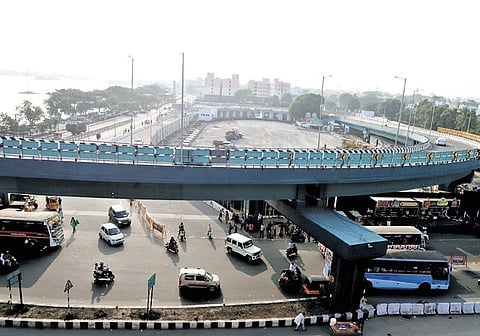
CM Stalin names Coimbatore flyover after Bharat Ratna C Subramaniam, marking a significant moment of public recognition for one of India’s most respected national leaders. The Chief Minister announced that the high-level flyover connecting Aathupalam and Ukkadam Junction on Oppanakara Road will carry the name of the architect of India’s Green Revolution.CM Stalin names Coimbatore flyover after Bharat Ratna C Subramaniam

The decision was announced during a public interaction on Sunday, where the Chief Minister spoke about the importance of remembering leaders who worked beyond political boundaries and dedicated their lives to the nation. The flyover, located in one of Coimbatore’s busiest traffic corridors, is seen as a fitting tribute to a leader closely associated with the region.

CM Stalin said that honouring C Subramaniam was a way of acknowledging service that continues to benefit generations. He noted that public infrastructure should reflect the values and contributions of those who helped shape modern India.

CM Stalin Names Coimbatore Landmark After Green Revolution Pioneer

CM Stalin names Coimbatore landmark following a request made by Dr PK Krishnaraj Vanavarayar, which the Chief Minister said he was pleased to accept. He expressed happiness that a major infrastructure project in Coimbatore could be dedicated to a leader whose vision transformed India from a food-deficient country into a self-reliant agricultural nation.CM Stalin inaugurates TN's longest flyover 'Avinashi Road Elevated  Corridor' - www.lokmattimes.com

The Chief Minister highlighted that C Subramaniam earned respect across political and regional lines due to his integrity, leadership, and commitment to public welfare. Despite belonging to a different political tradition, Subramaniam’s contribution to the country remained beyond dispute.

Stalin remarked that leaders like C Subramaniam stood above party divisions and worked solely for national progress. Naming the flyover after him, he said, was a symbolic reminder of how public service should be guided by purpose rather than politics.

The announcement was welcomed by several sections of society, particularly in Coimbatore, where Subramaniam was born and spent his early years. Many see the naming as a long-overdue recognition of his national role.

CM Stalin Names Coimbatore Flyover Honouring a Historic Legacy

CM Stalin names Coimbatore flyover to honour the legacy of C Subramaniam, whose policies as Union Agriculture Minister laid the foundation for India’s Green Revolution. His efforts led to increased food grain production, improved farming practices, and long-term food security for the country.CM Stalin Names Coimbatore

Born on February 15, 1910, in Senguttai Palayam near Pollachi in Coimbatore district, Subramaniam had a long public career that spanned several decades. He served as Union Minister for Agriculture, Finance, and Defence, and later held the position of Governor of Maharashtra. He also represented people both in the Tamil Nadu Legislative Assembly and in Parliament.

As a freedom fighter, Subramaniam actively participated in the Quit India Movement and was imprisoned in 1942 for opposing British rule. His life reflected a deep commitment to national service, from the freedom struggle to post-independence governance.

In recognition of his immense contribution to the country, he was awarded the Bharat Ratna in 1998, India’s highest civilian honour. His work continues to influence agricultural policy and rural development even today. Also read: Traditional Medicines of India Gain Global Recognition Through Strategic International Engagements: 2025

The flyover bearing his name now stands as a public reminder of a leader whose vision changed the course of Indian history and strengthened the nation’s foundations.

Conclusion:
CM Stalin names Coimbatore flyover after C Subramaniam as a tribute to a life devoted to national service. The gesture reinforces the importance of remembering leaders whose work continues to shape India’s progress.

TN Has Higher Debt Than UP Sparks Political Unease in 2025

TN Has Higher Debt Than UP Comment Triggers Political Row

TN Has Higher Debt Than UP has become a flashpoint in Tamil Nadu politics after a senior Congress functionary compared the state’s financial position with that of Uttar Pradesh. The remark has led to sharp reactions from the ruling DMK and has placed the Congress–DMK alliance in an awkward position ahead of the 2026 Assembly elections.

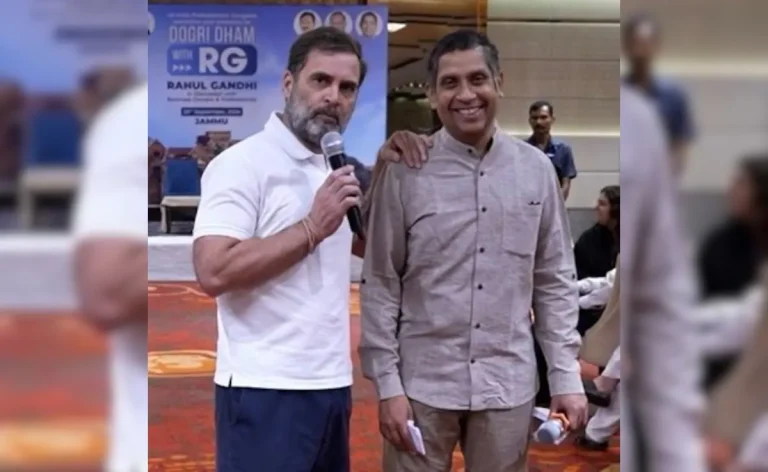
The controversy began after Congress leader Praveen Chakravarthy stated that Tamil Nadu’s total outstanding debt has overtaken that of Uttar Pradesh. He described the situation as worrying and pointed to rising interest payments and a high debt-to-GDP ratio. His comments were shared on social media and quickly gained political attention.

The timing of the remark has added to the tension, coming soon after discussions around possible changes in political alliances in the state. Observers say the statement has reopened debates about economic management and alliance discipline within opposition ranks.

TN Has Higher Debt Than UP Draws Strong DMK Response

TN Has Higher Debt Than UP was strongly rejected by DMK leaders, who accused the Congress leader of spreading fear and ignoring economic context. They argued that borrowing should not be viewed in isolation and said the state’s loans were largely used for long-term development projects.TN Has Higher Debt Than UP

DMK representatives highlighted Tamil Nadu’s economic growth over the last five years, stating that the state economy has expanded significantly through investments in infrastructure, welfare schemes, and industrial development. They stressed that borrowing aimed at asset creation cannot be equated with unproductive debt.

According to the DMK, focusing only on debt numbers without considering outcomes presents a misleading picture. Leaders pointed out improvements in public services, employment generation, and revenue growth as indicators of economic strength.

The ruling party also defended its financial policies by saying that post-pandemic recovery required increased spending to protect livelihoods and maintain development momentum. They maintained that fiscal responsibility must be assessed alongside growth and social impact.

TN Has Higher Debt Than UP Causes Unease Within Congress

TN Has Higher Debt Than UP did not receive unanimous backing within the Congress either. Several party leaders distanced themselves from the comparison, calling it inappropriate and poorly timed. They argued that Tamil Nadu and Uttar Pradesh differ widely in social indicators, governance models, and development outcomes.Tamil Nadu Has Higher Debt Than UP": Row Over Congress Leader's Remark

Congress voices within the state said debt figures should be evaluated alongside education standards, healthcare access, industrial output, and welfare delivery. They cautioned that simplistic comparisons could harm alliance unity and confuse voters.

Party leaders also stressed that internal disagreements should not be aired publicly, especially at a time when opposition unity is seen as crucial ahead of future elections. Attempts were made to downplay the controversy and reaffirm the stability of the alliance.

TN Has Higher Debt Than UP Fuels Wider Political Debate

TN Has Higher Debt Than UP has also been seized upon by the BJP, which supported the Congress leader’s claim and accused the DMK of mismanaging state finances. BJP leaders said the debate exposed deeper economic concerns and questioned whether the ruling party was transparent about borrowing levels.Tamil Nadu Has Higher Debt Than UP": Row Over Congress Leader's Remark

They alleged that Tamil Nadu’s debt has increased sharply in recent years and demanded greater accountability. The BJP also suggested that the public disagreement reflected underlying tensions within the broader opposition alliance.

Meanwhile, senior Congress leadership in Tamil Nadu attempted to calm speculation by stating that alliance talks with the DMK remain on track and that discussions on seat-sharing would proceed as planned. However, political analysts note that the episode has added strain to relationships that were already under pressure.

The debate has now moved beyond numbers to questions of political messaging, alliance discipline, and electoral strategy. With elections approaching, every statement is being closely watched for its impact on voter perception. Also Read: Traditional Medicines of India Gain Global Recognition Through Strategic International Engagements: 2025

Conclusion:
TN Has Higher Debt Than UP has turned a financial comparison into a political flashpoint. While the DMK defends its borrowing as growth-driven, the controversy highlights internal challenges within alliances and signals that economic narratives will play a major role in Tamil Nadu’s upcoming political battles.