Friday, May 1, 2026
Home Blog Page 188

No Deadline in Ukraine War Signals a Shift in Trump–Zelenskyy Talks

0

No Deadline in Ukraine War Shapes High-Level Florida Meeting

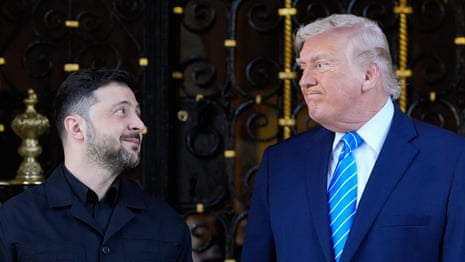
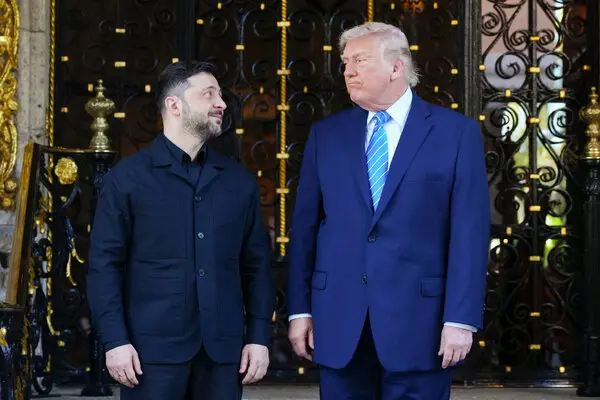
No Deadline in Ukraine War was the central message delivered by US President Donald Trump during his meeting with Ukrainian President Volodymyr Zelenskyy in Florida. The two leaders met at Trump’s Mar-a-Lago estate, where they addressed the media before holding closed-door discussions on a renewed proposal aimed at ending the long-running conflict between Russia and Ukraine.US sees progress after talks in Florida with Ukraine, but more work needed to reach deal | Reuters

Trump made it clear that his administration is not setting a fixed timeline for negotiations. Instead, the priority remains bringing the war to a complete and lasting end. He stated that while talks have entered an advanced phase, rushing the process could weaken the final outcome. According to Trump, peace efforts are now in their final stages, but careful handling is required to avoid future instability.

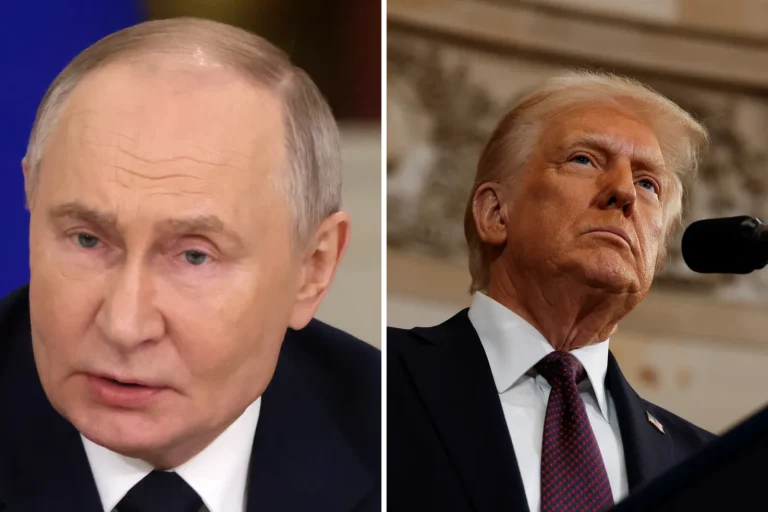
The meeting came shortly after Trump held a phone conversation with Russian President Vladimir Putin. Trump described that discussion as productive and said Putin appeared serious about pursuing peace. He added that further communication with the Russian leader would continue after the Florida talks, indicating ongoing diplomatic engagement at the highest level.

Zelenskyy, standing alongside Trump, appeared focused and reserved as discussions moved forward. The Ukrainian leader has consistently stressed that any agreement must protect Ukraine’s sovereignty and future security. While public details of the proposal remain limited, both sides suggested that meaningful progress has been made behind the scenes.

No Deadline in Ukraine War Highlights Security and Regional Pressure

No Deadline in Ukraine War also reflects the complex balance between diplomacy and pressure from all sides. Trump confirmed that security guarantees for Ukraine would be a key part of any final settlement, with European nations expected to play a major role in supporting long-term stability. These assurances are seen as essential for Ukraine to consider compromises without risking renewed conflict.Live updates: Putin tells NBC News the ball is in Ukraine's court to end war and signals no new compromise
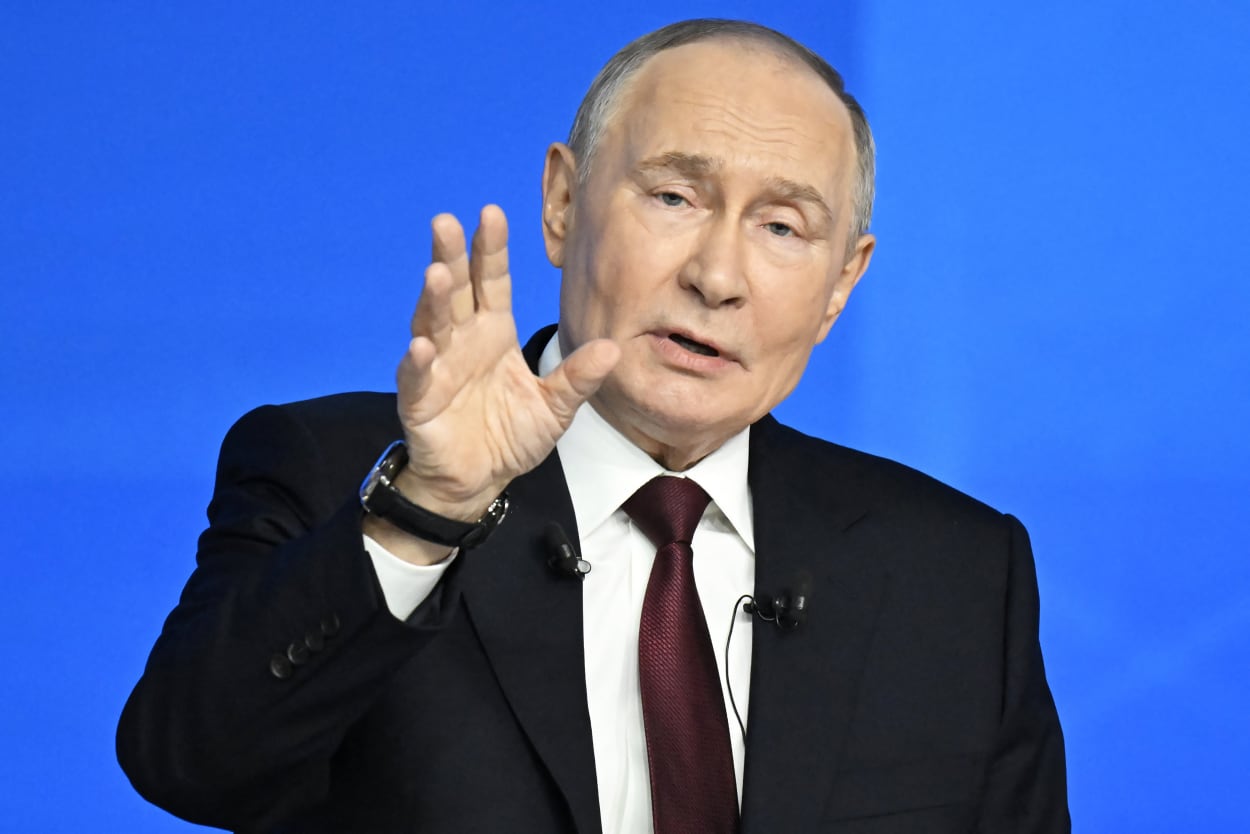
At the same time, Russia has continued to press its demands. Following Trump’s call with Putin, senior Russian officials reiterated their position that Ukraine must withdraw its troops from parts of the eastern Donbas region. Moscow views this withdrawal as a necessary step toward ending the war, particularly in areas of the Donetsk region still under Ukrainian control.

Russian officials have also rejected proposals for a temporary ceasefire. According to Moscow, any short-term pause in fighting would only delay a final resolution and allow Ukraine to strengthen its military position. Russia insists that only a comprehensive settlement addressing what it calls the root causes of the conflict can bring true peace.

Trump acknowledged these challenges, noting that territorial issues remain among the most difficult aspects of the negotiations. However, he maintained that discussions are moving forward and that both sides understand the importance of reaching a stable agreement rather than a rushed compromise.No Deadline in Ukraine War
No Deadline in Ukraine War Keeps Territorial Issues Unresolved

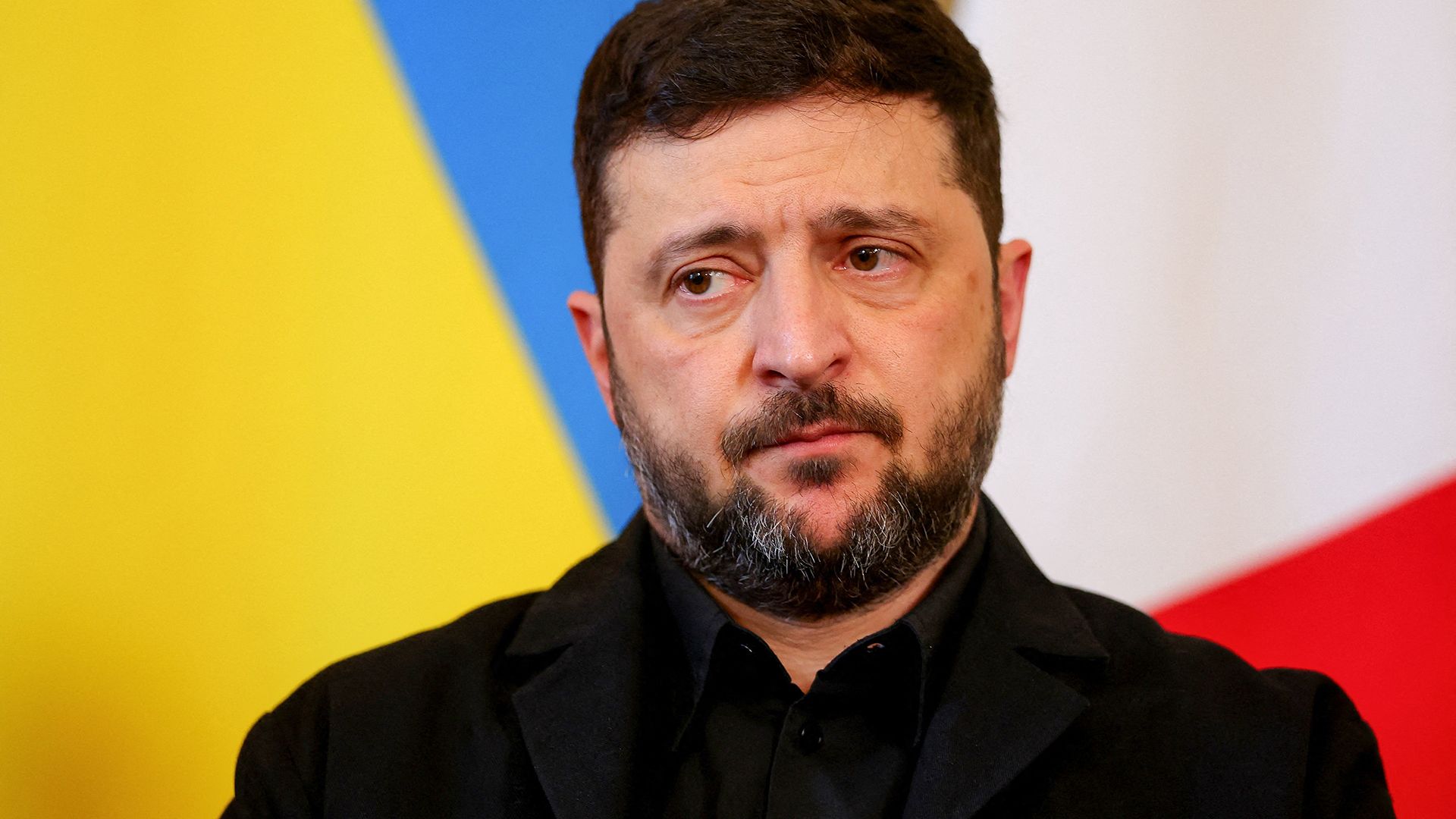
Zelenskyy continues to face strong expectations at home, where public opinion remains cautious about negotiations with Russia. Past agreements have failed, leading many Ukrainians to approach new peace efforts with skepticism. Despite this, Ukrainian leadership appears willing to continue talks as long as national security is not compromised.


View this post on Instagram


A post shared by CBS News (@cbsnews)

International attention remains focused on the outcome of these discussions. European leaders have been kept informed, and broader cooperation is expected if an agreement begins to take shape. The absence of a fixed deadline may give negotiators the flexibility needed to resolve deeply rooted disagreements. Also Read: Shruti Haasan Recently Chose Simplicity Over Grand Marriage Traditions

Conclusion:
No Deadline in Ukraine War underscores a strategic shift toward careful negotiation rather than speed. As Trump and Zelenskyy continue talks, the path to peace remains difficult, but sustained dialogue and security guarantees may determine whether the conflict finally moves toward resolution.
Trump and Zelenskyy Talks Signal a Possible Turning Point in the Ukraine War

Trump and Zelenskyy Move Closer to a Peace Understanding

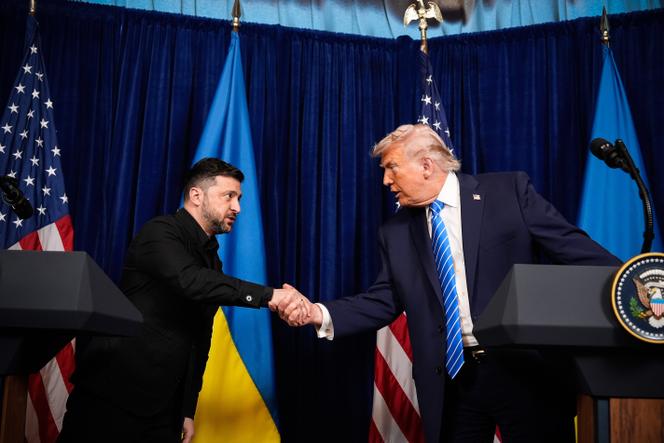
Trump and Zelenskyy have publicly signaled that a long-discussed peace agreement between Russia and Ukraine may finally be nearing completion. After meeting in Florida, both leaders shared a rare sense of optimism, suggesting that months of negotiations and diplomatic pressure are beginning to show results. Their statements come at a critical moment, with the war entering its fourth year and global fatigue over the conflict steadily growing.Trump says Ukraine deal closer than ever, but no apparent breakthrough  after talks

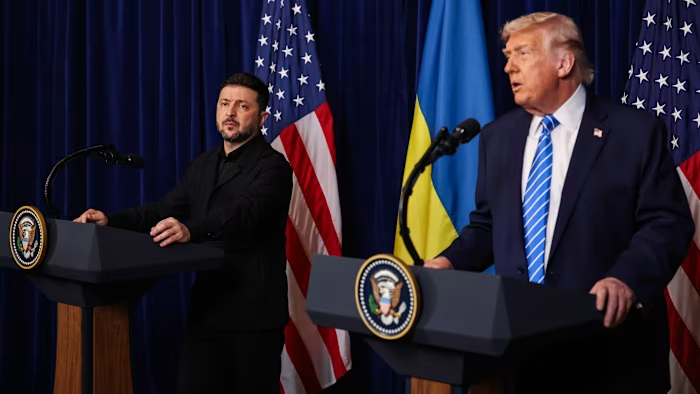
The meeting took place at Trump’s Mar-a-Lago estate, where discussions focused on ending hostilities while protecting Ukraine’s long-term security. Speaking to reporters, Trump stated that negotiations had reached an advanced stage and described the current moment as one of the closest points to peace since the war began. While he acknowledged unresolved challenges, his tone suggested that meaningful progress had already been achieved.

Zelenskyy echoed this sentiment, explaining that a proposed peace framework was largely agreed upon. According to him, most points in the plan had received approval, especially those related to international security guarantees. He emphasized that these guarantees are not symbolic but essential for ensuring that Ukraine does not face renewed aggression after any agreement is signed.

Trump and Zelenskyy Focus on Security and Difficult Compromises

Trump and Zelenskyy placed significant emphasis on security arrangements during their talks, recognizing that trust remains fragile. The Ukrainian president stressed that any lasting peace must include firm protection measures supported by international partners. These assurances, he said, are a key condition for Ukraine to accept any broader settlement.Trump and Zelenskyy

Despite progress, both leaders admitted that some of the most sensitive issues remain unresolved. Chief among them is the status of eastern Ukrainian territories affected by Russian occupation since 2022. Trump acknowledged that territorial questions are among the toughest elements of the negotiation, noting that they involve history, identity, and national pride.

One proposal under discussion involves transforming parts of the disputed region into a special economic zone. Under this idea, military forces would withdraw, and the area would operate under negotiated terms aimed at stabilizing the region. Trump clarified that while no final agreement exists on this point, talks are moving in a constructive direction.

Zelenskyy reiterated that decisions about land cannot be made by leaders alone. He stated that Ukraine’s citizens must have a voice, as the territory belongs to the nation as a whole. He suggested that public consultation or referendums could be considered for certain aspects of the plan, reinforcing the idea that legitimacy matters as much as diplomacy.

Trump and Zelenskyy Engage Global Leaders as Talks Continue

Trump and Zelenskyy extended their discussions beyond bilateral talks by engaging key European leaders through a joint phone call. Leaders from France and the United Kingdom were included, highlighting the international nature of the negotiations and the shared responsibility in maintaining stability in Europe.Zelenskyy, Trump signal near deal on ending Ukraine war

Trump has made ending the Ukraine war one of his priorities since returning to office. However, he has also acknowledged the difficulty of balancing expectations from all sides. At different moments, he has expressed frustration with both Kyiv and Moscow, underlining the complexity of reaching a deal that satisfies security, sovereignty, and geopolitical realities.

The United States has reportedly offered Ukraine security commitments similar to those given to NATO allies, even as Ukraine signals flexibility on formal alliance membership. This approach reflects a compromise aimed at ensuring safety without escalating tensions with Russia. Also Read: Shruti Haasan Recently Chose Simplicity Over Grand Marriage Traditions

However, skepticism remains within Ukraine. Analysts and observers have warned that previous peace efforts failed due to broken ceasefires and unfulfilled promises. While many Ukrainians support dialogue, trust in Russia remains low, and expectations are cautious.

For now, the focus remains on achieving at least a ceasefire, which could open the door to a more durable peace process. Both leaders appear aware that any agreement must be realistic, enforceable, and backed by international oversight.

Conclusion:
Trump and Zelenskyy have brought renewed momentum to peace efforts, but the final outcome depends on resolving territorial disputes and ensuring credible security guarantees. While optimism is growing, lasting peace will require careful decisions, public support, and sustained international cooperation.

Fire Broke Out Near Anna Nagar 6th Street Creating Sudden Panic

0

Fire Broke Out Creating Panic Near Anna Nagar 6th Street

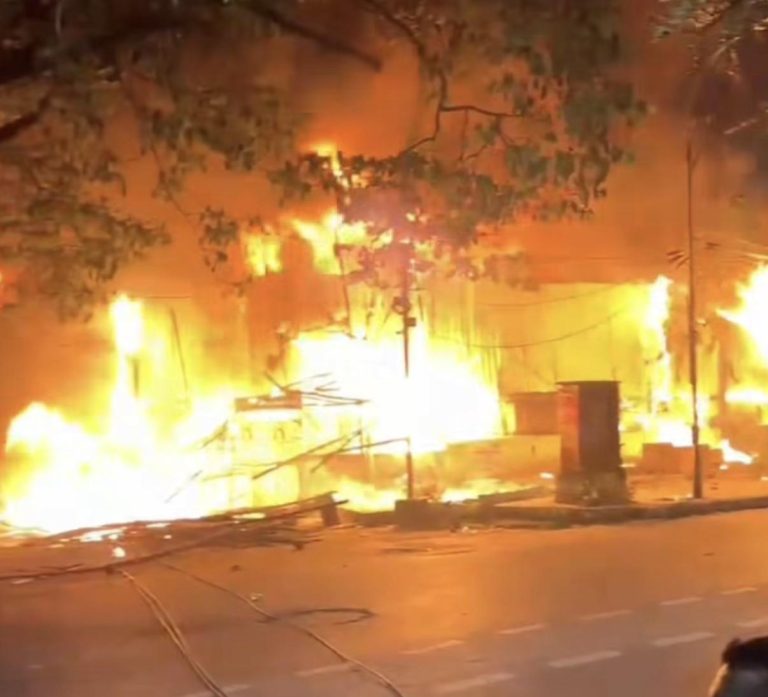
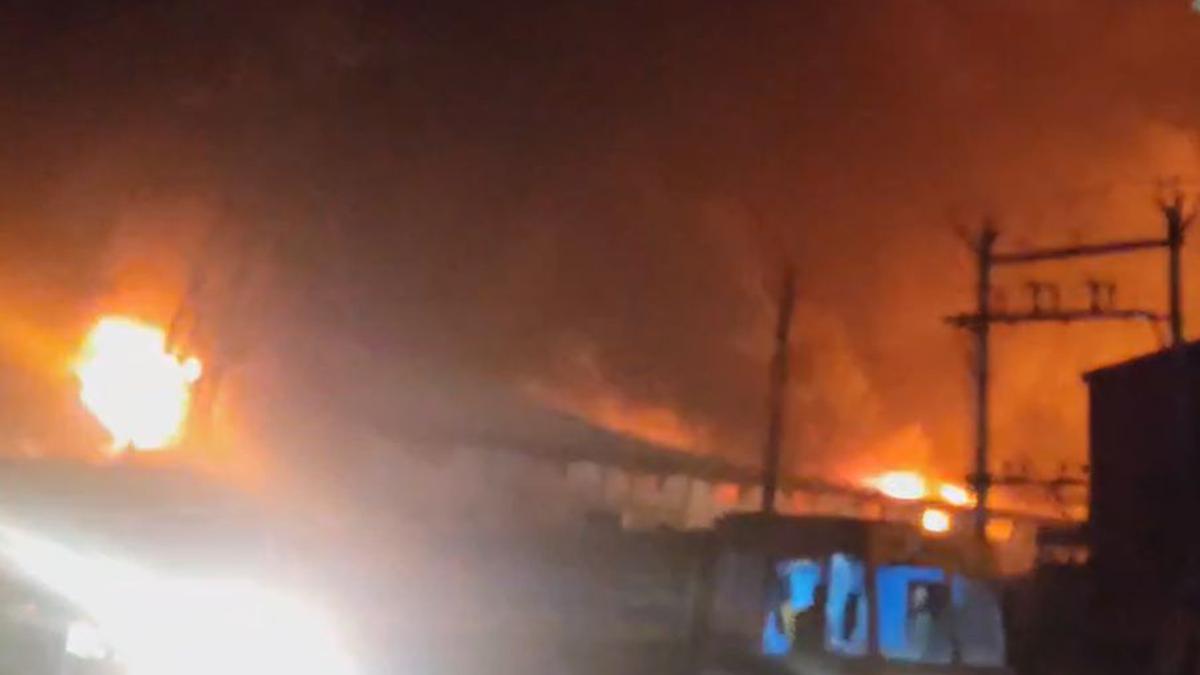
Fire broke out near Anna Nagar 6th Street on a busy day, sending thick smoke into the air and creating fear among local residents. The incident occurred in a densely populated residential area, where people noticed flames spreading quickly and immediately alerted the fire and rescue department. Within minutes, the street saw heavy movement as residents stepped out of their homes for safety.STAY SAFE ⚠️⚠️🚨🚨

Eyewitnesses said the fire appeared to have started suddenly and grew rapidly due to nearby structures and stored materials. Many residents rushed to move vehicles and valuables away from the area as smoke reduced visibility. The situation caused temporary disruption to traffic and daily activities in the neighbourhood.

Fire and rescue teams reached the spot promptly and began containment efforts to prevent the flames from spreading to adjacent houses and shops. Their quick action helped control the situation before it could turn into a larger disaster.

Fire Broke Out Triggering Swift Action by Fire and Rescue Teams

Fire broke out and immediately drew the attention of emergency services, who arrived with multiple fire engines. Firefighters worked carefully to control the flames while ensuring the safety of residents living nearby. Water hoses were deployed, and power supply in the area was temporarily cut as a precautionary step.Fire Broke Out

Local residents cooperated with officials and followed safety instructions, moving away from the affected zone. Some people reported hearing loud sounds as parts of the structure were damaged by the fire. Firefighters continued cooling operations even after the flames were brought under control to avoid re-ignition.

According to preliminary observations, the fire may have started due to an electrical issue, though officials stated that the exact cause would be confirmed only after a detailed investigation. No immediate reports of serious injuries were noted, which brought relief to the local community.

Police personnel were also present at the scene to manage crowd control and ensure smooth movement for emergency vehicles. The coordinated response helped prevent panic from escalating further.

Fire Broke Out Highlighting Safety Concerns in Residential Areas

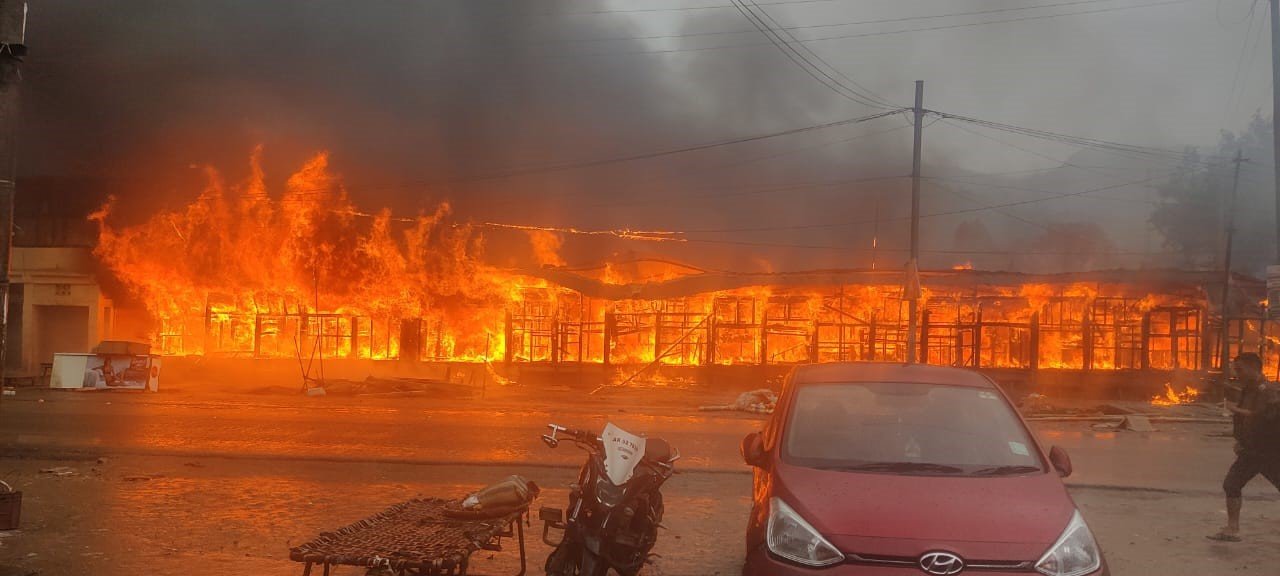
Fire broke out and once again raised concerns about fire safety in crowded residential localities. Residents expressed worry over how quickly the situation developed and stressed the importance of regular safety checks, especially in older buildings with heavy electrical usage.Fire ravages Arunachal's oldest market, at least 700 shops gutted - Nagaland TribuneNagaland Tribune

Many locals mentioned that the narrow streets in the area make it difficult for large fire engines to move freely, which can delay response time in emergencies. This incident has reminded residents to remain alert and to keep emergency contact numbers easily accessible.


View this post on Instagram


A post shared by Sarath Kumar (@itssarathhere)

Officials advised the public to regularly inspect electrical wiring and avoid overloading power connections. They also encouraged residents to install basic fire safety equipment such as extinguishers in homes and small establishments.

After the fire was controlled, damage assessment work began, and authorities continued monitoring the site to ensure there were no lingering risks. Cleanup operations were initiated once the area was declared safe. Also Read: Shruti Haasan Recently Chose Simplicity Over Grand Marriage Traditions

Conclusion

Fire broke out near Anna Nagar 6th Street and caused brief panic, but timely action by emergency teams prevented major damage. The incident serves as a reminder of the need for fire safety awareness and quick response in residential areas.

JJ Hospital Shootout: Shocking 1992 Case Returns to Haunt Mumbai

Mumbai – A special court constituted under the Terrorist and Disruptive Activities (Prevention) Act has recently recorded further evidence against accused Farooq Mansuri, also known as Farooq Takla, and Tribhuvan Rampati Singh alias Shrikant Rai Rampati Rai, bringing renewed attention to the infamous JJ Hospital shootout of 1992. This brazen underworld attack, which claimed three lives including two on-duty police constables, remains one of the most audacious gang-related incidents in Mumbai’s criminal history.

The Deadly Attack at Sir JJ Hospital

The JJ Hospital shootout occurred in the early hours of September 12, 1992, at the state-run medical facility where gangster Shailesh Haldankar, an alleged sharpshooter of the Arun Gawli gang, had been admitted for treatment. The attack was meticulously planned and executed with military precision, demonstrating the reach and ruthlessness of organized crime in Mumbai during the early 1990s.

According to the prosecution’s case, fugitive gangster Dawood Ibrahim Kaskar personally ordered the assault to avenge the killing of his brother-in-law, Ismail Parkar. Dawood blamed members of the Gawli gang for Parkar’s death, setting the stage for the violent retaliation that would become known as the JJ Hospital shootout.

Planning and Execution of the Attack

Court documents, including confessional statements recorded in the case, provide detailed insights into the sequence of events leading up to the JJ Hospital shootout. Members of the Dawood gang first conducted reconnaissance at the hospital to assess police deployment and security arrangements around Haldankar.

Subsequently, a heavily armed team of approximately two dozen shooters arrived at the hospital in the early morning hours. The assailants came equipped with AK-47 rifles, pistols, and revolvers, indicating the level of firepower they were prepared to deploy. According to evidence presented in court, the attackers allegedly posed as police escorts to gain access to the ward where Haldankar was being held under guard.

Confrontation and Fatal Exchange of Fire

When the armed men attempted to enter the ward during the JJ Hospital shootout, the police constables on guard demonstrated remarkable presence of mind by shutting the door to prevent entry. This action triggered a violent response from the assailants, who began firing at the closed door with automatic weapons.

The situation quickly escalated into a full-scale gun battle inside the hospital premises. Shots were fired with automatic weapons, leading to an intense exchange of fire in an active medical facility. Tragically, Haldankar and the two constables posted for his security were killed in the shooting. This episode underscored the intensity of gang warfare in Mumbai during the early 1990s and its alarming spillover into public institutions like hospitals.

Key Figure: Subhashsingh Thakur

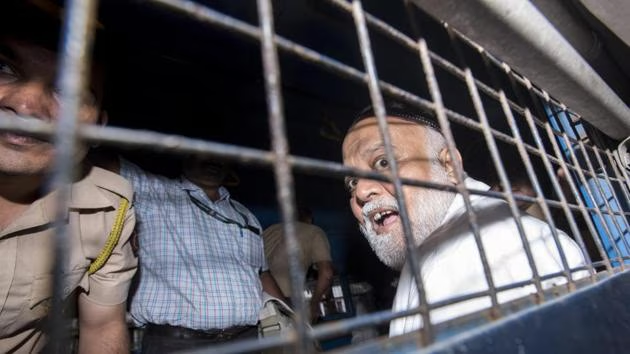
A central figure in the prosecution narrative of the JJ Hospital shootout was Subhashsingh Thakur, who was arrested by the Delhi Police in July 1993. His confessional statement was recorded in November of that year, providing crucial evidence about the planning and execution of the attack.

Portions of Thakur’s confession, extracted by appellate courts for adjudication, detailed his alleged role in the JJ Hospital shootout operation. The statement included specifics about the movements of the assailants before and after the shooting and their attempts to flee Mumbai following the attack.

Trial court proceedings culminated in Thakur being sentenced to death, though this sentence was subsequently commuted to life imprisonment on appeal. Thakur is presently incarcerated in connection with a 2022 murder case registered by the Mira-Bhayander, Vasai-Virar police, under the Maharashtra Control of Organised Crime Act. Police have described Thakur—known in the Vasai-Virar region as “Chacha”—as a once-feared underworld figure who allegedly acted as an intermediary in property-related disputes.

Also Read: Navi Mumbai Airport Operations Launch: 40 Daily Flights by January

Decades of Delay and Recent Developments

The trial against Takla and Rampati Singh in the JJ Hospital shootout case has reached the evidence stage only after decades of delay. This postponement was largely due to their prolonged abscondence and the consequent separation of their trial from proceedings against other accused in the case.

Farooq Takla was arrested in the JJ Hospital shootout case on April 19, 2018, after being deported to India a month earlier in connection with the 1993 Mumbai serial blasts case. He was subsequently taken into custody by Mumbai police’s crime branch while lodged at Arthur Road Jail.

Tribhuvan Rampati Singh was arrested much more recently, in October 2024, after being traced in Uttar Pradesh where he had been living under an assumed identity. He was then produced before the special TADA court to face charges related to the JJ Hospital shootout.

Renewed Judicial Scrutiny

With both accused now before the court, the prosecution has begun leading evidence in the long-pending case arising from the 1992 incident. This development revives judicial scrutiny of one of the most notorious episodes of Mumbai’s underworld violence, bringing closure to families of victims who have waited over three decades for justice.

The JJ Hospital shootout remains a stark reminder of the brazen gang warfare that once plagued Mumbai, demonstrating how organized crime penetrated even the sanctity of medical institutions in pursuit of revenge and territorial dominance.

PUCC Certificate Delhi: Bold Permanent Restrictions Announced Now

0

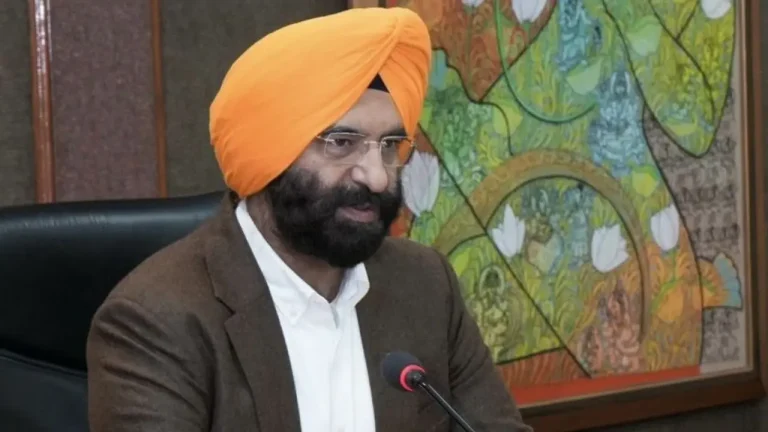
New Delhi – Delhi has implemented sweeping permanent restrictions aimed at combating the capital’s severe air pollution crisis, making two critical measures under the Graded Response Action Plan (GRAP)-4 indefinite. Environment Minister Manjinder Singh Sirsa announced that the PUCC certificate Delhi requirement for fuel purchase and restrictions on non-BS6 vehicles entering the city will remain in force until further orders, marking a significant shift in the city’s pollution control strategy.

Two GRAP-4 Measures Made Permanent

In a landmark policy decision, the Delhi government has transformed temporary pollution control measures into permanent fixtures of the city’s environmental management framework. The announcement by Sirsa represents one of the most aggressive steps taken by any Indian state government to address vehicular pollution through sustained regulatory enforcement.

“From now on, it has been decided that out of the restrictions under GRAP-4, we have made two restrictions permanent,” Sirsa declared on Friday, emphasizing the government’s commitment to long-term air quality improvement rather than reactive seasonal measures.

No Fuel Without Valid PUCC Certificate Delhi

The first and most impactful permanent restriction mandates that petrol will not be provided to any vehicle lacking a valid Pollution Under Control Certificate. This PUCC certificate Delhi requirement effectively makes pollution certification a prerequisite for vehicle operation rather than merely a regulatory compliance matter.

“You will not get petrol anywhere without a PUCC certificate until next orders,” Sirsa stated emphatically, making clear that this represents an indefinite policy rather than a temporary pollution response measure.

The PUCC certificate Delhi mandate was formally notified by the Delhi government earlier in the week following a cabinet meeting chaired by Delhi Chief Minister Rekha Gupta. This decision makes it compulsory for all vehicle owners operating in the capital to possess and maintain a valid PUCC certificate Delhi documentation at all times.

The enforcement mechanism is straightforward: petrol pump operators across Delhi will be required to verify the PUCC certificate Delhi validity before dispensing fuel. This creates a direct link between emission compliance and vehicle operability, ensuring that non-compliant vehicles cannot function within the city limits.

Non-BS6 Vehicle Entry Restrictions

The second permanent restriction targets vehicles entering Delhi from outside the city that fail to meet Bharat Stage VI emission standards. “Vehicles from outside Delhi that are below Bharat Stage VI (BS6) will also face restrictions on entering Delhi,” Sirsa announced, extending the PUCC certificate Delhi enforcement philosophy to inter-state vehicle movement.

This measure addresses a significant source of Delhi’s pollution: vehicles registered in other states that may not meet the stricter emission standards enforced within the capital. By permanently restricting entry of non-BS6 vehicles, the government aims to prevent older, more polluting vehicles from contributing to Delhi’s air quality problems.

Also Read: Dense Fog in Delhi: Critical Airport Advisory as AQI Reaches Severe Levels

Long-Term Compliance Mechanism

According to government officials, the permanent implementation of the PUCC certificate Delhi requirement and BS6 vehicle restrictions will serve as a long-term compliance mechanism specifically designed to reduce vehicular emissions. Unlike temporary GRAP measures that are activated and deactivated based on air quality levels, these restrictions will remain in force regardless of prevailing pollution conditions.

This approach represents a fundamental policy shift from reactive pollution management to proactive emission control. The PUCC certificate Delhi mandate ensures continuous monitoring and compliance rather than seasonal enforcement during pollution peaks.

Vehicular Emissions as Major Pollution Source

Environment Minister Sirsa emphasized that vehicular emissions rank among the biggest contributors to Delhi’s air pollution crisis, justifying the stringent permanent restrictions. “A vehicle running without a valid PUC certificate is no less than committing a crime against Delhi’s air,” Sirsa stated, framing the PUCC certificate Delhi requirement as a matter of environmental justice.

This characterization elevates the importance of the PUCC certificate Delhi mandate beyond mere regulatory compliance, positioning it as a civic responsibility that vehicle owners owe to fellow residents who must breathe the capital’s air.

Current Air Quality Situation

The announcement comes as Delhi continues to grapple with poor air quality. The city’s air quality remained in the ‘very poor’ category for the second consecutive day on Saturday, with the average Air Quality Index reading at 10 pm standing at 391.

Earlier in the week, the AQI had slipped to ‘severe’ levels on Tuesday, December 23, before improving to the ‘poor’ category on Wednesday with an average AQI of 271. However, air quality deteriorated again on Friday, demonstrating the volatile nature of Delhi’s pollution levels and underscoring the need for permanent measures like the PUCC certificate Delhi requirement.

Implementation and Enforcement

The successful implementation of the PUCC certificate Delhi mandate will require coordination between multiple agencies, including petrol pump operators, transport departments, and enforcement authorities. Vehicle owners will need to ensure their PUCC certificate Delhi documentation remains current to avoid fuel access disruptions.

The permanence of these restrictions signals that the Delhi government views pollution control as requiring sustained, year-round effort rather than seasonal interventions. The PUCC certificate Delhi requirement and BS6 vehicle entry restrictions represent the foundation of this long-term strategy to improve air quality and protect public health in the national capital.

Delhi Pollution Level: Shocking Resignation Rocks Pharmaceutical Giant

0

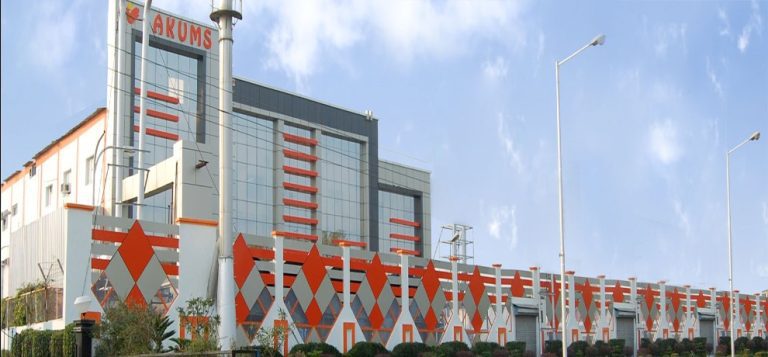
New Delhi – In an unprecedented move highlighting the severity of environmental health concerns in India’s capital, the finance head of Akums Drugs and Pharmaceuticals has resigned from his position, explicitly citing the Delhi pollution level as the primary reason. Rajkumar Bafna, who served as President of Finance at the Delhi-based pharmaceutical company, tendered his resignation on December 28, according to an exchange filing that has drawn significant attention to the capital’s deteriorating air quality crisis.

Resignation Letter Cites Air Quality Concerns

In a direct and remarkably brief letter addressed to the company’s Chief Financial Officer Sumeet Sood, Rajkumar Bafna made his reasons unmistakably clear. “I would like to inform you that due Delhi Pollution level I m resigning from my position as President Finance. Kindly relieve me asap,” Bafna wrote in his resignation communication.

The stark simplicity of the letter underscores the urgency with which Bafna views the health threat posed by the Delhi pollution level. His message continued with a professional offer of assistance during the transition period: “If I can be any help during this transition Pls let me know,” demonstrating his commitment to ensuring a smooth handover despite his immediate health concerns.

Timeline of Resignation Process

According to the BSE filing documenting the corporate development, Rajkumar Bafna actually tendered his resignation on December 3, well before the December 28 public announcement. The filing reveals that his resignation was formally accepted by the company on December 12, indicating that the decision had been in process for several weeks before becoming public knowledge.

This timeline suggests that Bafna’s concerns about the Delhi pollution level were not impulsive but rather the result of sustained exposure to hazardous air quality conditions that ultimately made his position untenable from a health perspective.

Company’s Response Acknowledges Health Issues

Akums Pharma’s response to Bafna’s resignation was notably sympathetic and revealed additional context about the health implications of the Delhi pollution level on the executive. CFO Sumeet Sood replied: “Though we regret your decision however given your health issue we will not be able to persuade you. As desired we will formally relieve you on 31st December 2025.”

The company’s acknowledgment that they “regret his decision” but cannot “persuade him to stay on due to his health issues” confirms that the Delhi pollution level had already begun affecting Bafna’s physical well-being. This corporate response validates the seriousness of his health concerns and suggests that the company recognizes the legitimacy of his pollution-related resignation.

The formal relief date of December 31, 2025, gave Bafna a brief transition period while acknowledging his urgent need to relocate away from the hazardous Delhi pollution level environment.

Delhi’s Ongoing Air Quality Crisis

The resignation comes against the backdrop of Delhi’s persistent and severe air quality problems that worsen dramatically every winter season. The Delhi pollution level deteriorates annually due to a complex combination of human activities and unfavorable meteorological conditions that trap pollutants close to the ground.

Also Read: Dense Fog in Delhi: Critical Airport Advisory as AQI Reaches Severe Levels

This year proved no exception, with the air quality in the national capital deteriorating sharply with winter’s arrival. The seasonal pattern has become so predictable that residents and workers increasingly factor air quality into major life and career decisions, as Bafna’s resignation dramatically illustrates.

Hazardous AQI Readings Across Capital

Recent readings from the Central Pollution Control Board paint a disturbing picture of the Delhi pollution level situation. The Air Quality Index has frequently registered in the ‘very poor’ to ‘severe’ categories throughout recent months, with values consistently above 300 and at times approaching or exceeding 400 at multiple monitoring stations across the city.

These AQI levels are considered hazardous even for healthy individuals, let alone those with pre-existing respiratory or cardiovascular conditions. The Delhi pollution level measurements indicate that simply breathing the outdoor air in the capital can pose significant health risks, equivalent to smoking multiple cigarettes daily.

The ‘severe’ category designation means that the Delhi pollution level affects healthy people and seriously impacts those with existing health conditions. Prolonged exposure to such air quality can lead to respiratory diseases, cardiovascular problems, and other serious health complications.

Broader Implications for Corporate India

Bafna’s resignation represents a potentially watershed moment in how the Delhi pollution level crisis impacts corporate retention and talent management. While many residents have expressed concerns about air quality privately, a senior executive publicly citing the Delhi pollution level as grounds for resignation is relatively rare and significant.

This high-profile departure may prompt other corporations to consider the Delhi pollution level when making location decisions for offices and operations. It also raises questions about whether companies operating in severely polluted areas need to provide additional health benefits, air filtration systems, or relocation assistance to retain talent.

Health-Driven Career Decision

The case of Rajkumar Bafna underscores how the Delhi pollution level has evolved from an environmental concern to a career-determining factor for professionals. His willingness to leave a senior position at a major pharmaceutical company demonstrates that for some individuals, no salary or position can compensate for the health risks posed by prolonged exposure to hazardous air quality.

Vladimir Putin Serious Peace: Trump’s Stunning Declaration at Summit

Washington D.C. – US President Donald Trump delivered a significant assessment on Sunday, declaring that he believes Russian President Vladimir Putin is “very serious” about achieving peace in the ongoing Ukraine conflict. Trump’s remarks came as he welcomed Ukrainian President Volodymyr Zelensky to his Mar-a-Lago estate in Florida for crucial discussions aimed at ending the nearly four-year-long war.

Trump Welcomes Zelensky to Mar-a-Lago

The two leaders stood outside the Mar-a-Lago resort and addressed reporters as they prepared to discuss a new proposal aimed at ending the devastating conflict that has claimed countless lives and displaced millions. The atmosphere was one of cautious optimism as Trump emphasized the urgent need to reach an agreement.

When asked directly whether he thought Vladimir Putin serious peace intentions were genuine, Trump responded emphatically, “I do, I do. I think he is. I think they both are.” This affirmation marked a significant moment in the ongoing diplomatic efforts to bring the conflict to a close.

Standing alongside Zelensky, Trump stressed the human cost of the prolonged warfare. “Gotta make a deal. Gotta get it done, too many people dying, and I think both Presidents want to make a deal,” the US President stated, underscoring the urgency of the situation and his belief that Vladimir Putin serious peace commitment matches that of the Ukrainian leader.

Addressing Russian Attacks on Kyiv

A reporter challenged Trump’s assessment by questioning whether recent Russian attacks on Kyiv demonstrated that Vladimir Putin serious peace claims were questionable. Trump defended his position, providing a nuanced response that acknowledged the complex military realities on the ground.

“No, he’s very serious. I believe Ukraine has made some very strong attacks also – and I don’t say that negatively. You probably have to,” Trump explained, recognizing that both sides have engaged in military operations while maintaining that this doesn’t contradict Vladimir Putin serious peace intentions or Zelensky’s commitment to negotiations.

Both Sides Want Resolution

Trump emphasized the widespread desire for peace among all parties involved in the conflict. “The people of Ukraine want it to end, and the people of Russia want it to end, the two leaders want it to end,” he stated, painting a picture of universal war fatigue and readiness for resolution.

This assessment reflects Trump’s confidence that Vladimir Putin serious peace commitment extends beyond mere rhetoric and represents genuine willingness to negotiate a sustainable agreement. The US President’s remarks suggested that the conditions for a breakthrough in peace talks may finally be materializing.

No Deadlines for Peace Deal

When questioned about whether he expects a deal to be finalized before the end of the year, Donald Trump declined to impose artificial timelines on the negotiation process. “I don’t have deadlines. You know what my deadline is? Getting the war ended,” he responded, prioritizing substance over speed in the peace negotiations.

This flexible approach suggests that Trump is committed to securing a comprehensive and lasting agreement rather than rushing to meet arbitrary deadlines that might compromise the quality of the eventual settlement. His focus remains on ensuring that Vladimir Putin serious peace intentions and Zelensky’s commitment translate into concrete results.

Continued Dialogue with Putin

The Republican leader confirmed that he planned to speak again with the Russian president following the conclusion of his talks with Zelensky. The two leaders had spoken earlier ahead of the Ukraine-US meeting, demonstrating the active diplomatic engagement between Washington and Moscow.

This back-to-back communication strategy allows Trump to shuttle between the parties, gathering perspectives from both sides and potentially bridging gaps in their positions. The ongoing dialogue reinforces the assessment that Vladimir Putin serious peace commitment is matched by active diplomatic participation.

High-Level Trump Administration Presence

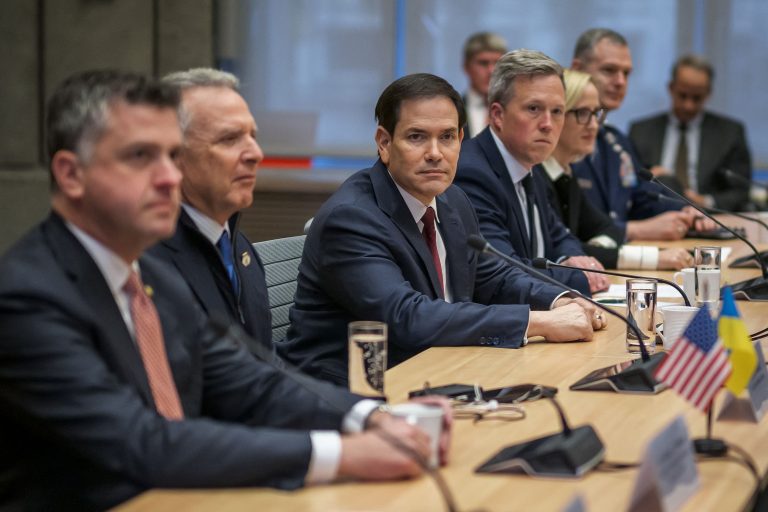
Various members of the Trump administration were seen in attendance as officials sat down for lunch at Mar-a-Lago ahead of the substantive talks. The presence of senior officials underscored the importance the administration places on achieving a breakthrough in peace negotiations.

Those present included Trump’s Middle East envoy Steve Witkoff, Secretary of State Marco Rubio, Secretary of Defense Pete Hegseth, Chairman of the Joint Chiefs of Staff Dan Caine, White House deputy chief of staff for policy Stephen Miller, and White House Chief of Staff Susie Wiles. Additionally, Trump’s son-in-law Jared Kushner and General Services Administration federal acquisitions service commissioner Josh Gruenbaum attended the gathering.

This comprehensive representation from across the Trump administration signals a whole-of-government approach to the peace process, with military, diplomatic, and policy experts all contributing to the effort.

Path Forward

The Mar-a-Lago meeting represents a critical juncture in efforts to end the conflict that has devastated Ukraine since Russia’s full-scale invasion on February 24, 2022. Trump’s assessment that Vladimir Putin serious peace commitment is genuine, combined with Zelensky’s presence at the negotiations, suggests that the international community may be closer to a resolution than at any point since the war began.

As discussions continue, the focus remains on translating the stated desire for peace from both leaders into concrete terms that can end the bloodshed and establish a framework for lasting stability in the region.

Minority Violence Bangladesh: Explosive Tensions Rise With India

Dhaka –  Bangladesh intensified its diplomatic confrontation with India on Sunday, sharply rejecting New Delhi’s concerns about minority violence Bangladesh while simultaneously accusing murder suspects of fleeing across the border into Meghalaya. The escalating rhetoric between the neighboring nations has pushed bilateral relations to new lows, with both countries lodging formal protests over developments that threaten regional stability.

Bangladesh Rejects India’s Concerns on Minorities

The Bangladeshi foreign ministry issued a strongly worded statement on Sunday, accusing India of spreading a “misleading narrative” about the condition of minorities in the country. Dhaka contended that there exists a “selective and unfair bias” in certain quarters in India, where “isolated incidents are amplified, misrepresented and propagated to incite common Indians against Bangladesh, its diplomatic missions and other establishments in India.”

The ministry warned that spreading such “misleading narratives” regarding minority violence Bangladesh has the potential to undermine “good neighbourly relations and mutual trust” between the two countries. This statement represents the most comprehensive official response from Dhaka to growing concerns about the treatment of Hindu minorities under the interim government.

India’s Documentation of Violence Against Minorities

The Bangladeshi statement came as a direct response to comments made by Ministry of External Affairs spokesperson Randhir Jaiswal, who had flagged “unremitting hostility against minorities in Bangladesh” following the December 18 lynching of Dipu Chandra Das. Das was brutally beaten to death by a mob after being accused of blasphemy, an incident that drew widespread condemnation and renewed focus on minority violence Bangladesh.

Jaiswal had told a weekly media briefing that India condemns the “gruesome killing” of Das and expects the perpetrators to be brought to justice. More significantly, he revealed that over 2,900 incidents of violence against minorities, including killings, arson, and land grabs, had been documented by independent sources during the tenure of the interim government in Dhaka.

“These incidents cannot be brushed aside as mere media exaggerations or dismissed as political violence,” Jaiswal emphasized, presenting a comprehensive picture of minority violence Bangladesh that contradicted Dhaka’s official narrative.

Dhaka’s Defense of Communal Harmony

Bangladesh’s foreign ministry insisted that Jaiswal’s comments “do not reflect the facts” and rejected “inaccurate, exaggerated, or motivated narratives that misrepresent Bangladesh’s longstanding tradition of communal harmony.” The ministry specifically contested characterizations of minority violence Bangladesh, arguing that “systematic attempts to portray the isolated incidents of criminal acts as systemic persecution of the Hindus” were being “used to propagate anti-Bangladesh sentiments” in India.

This defense of communal harmony stands in stark contrast to documented evidence and reports from independent observers who have tracked the deteriorating situation for minorities since the interim government took power in August 2024.

Murder Suspects Allegedly Fled to India

Adding another layer of complexity to the diplomatic tensions, Dhaka Metropolitan Police additional commissioner SN Nazrul Islam claimed on Sunday that two primary suspects in the murder of radical student leader Sharif Osman Hadi had crossed into Meghalaya via the Haluaghat border “with the help of local associates.”

According to Islam, suspects Faisal Karim Masud and Alamgir Sheikh entered India through the Haluaghat border, where they were initially received by an individual named Purti before being transported by a taxi driver named Sami to Tura city in Meghalaya. This allegation connected the sensitive issue of minority violence Bangladesh with cross-border security concerns.

Indian Agencies Reject Bangladesh’s Claims

The Border Security Force categorically rejected Bangladesh’s allegations. BSF Inspector General OP Upadhayay stated unequivocally: “There is no evidence whatsoever of these individuals crossing the international border from the Haluaghat sector into Meghalaya. No such incident has been detected or reported by the BSF. These claims are baseless and misleading.”

A senior Meghalaya police officer, speaking on condition of anonymity, confirmed there was “no input or intelligence to corroborate” the allegation from Bangladesh Police. “None of the accused named in the report have been traced in Garo Hills, and no arrests have been made. The narrative appears to have been constructed without verification or coordination with Indian authorities,” the official stated.

Also Read: Bangladesh Hindu Killing: Government Denies Communal Motive in Mob Violence

Both Meghalaya Police and BSF emphasized their openness to cooperation with Bangladesh authorities but stressed that action would be taken only on verified information shared through established formal channels, underscoring that narratives cannot substitute facts.

Deteriorating Bilateral Relations

Relations between India and Bangladesh have significantly deteriorated since the formation of Muhammad Yunus’s interim government in August 2024, following the ouster of Sheikh Hasina’s regime. Tensions have intensified recently after protests in Bangladesh over Hadi’s shooting—he was injured on December 12 and died in a Singapore hospital on December 18—took on an anti-India character.

The issue of minority violence Bangladesh has emerged as a central point of contention, with both sides calling in each other’s envoys to lodge formal protests. These spiraling tensions occur at a particularly sensitive time, just ahead of planned national elections in Bangladesh scheduled for February, raising concerns about further deterioration in bilateral ties.

Temporary Ceasefire: Russia’s Shocking Warning Before Trump-Zelensky Meeting

Kremlin, Russia – The Kremlin delivered a stark warning on Sunday, stating that both Russian President Vladimir Putin and US President Donald Trump believe a temporary ceasefire in the ongoing Ukraine conflict would only serve to prolong the war. This significant diplomatic development emerged just hours before Trump’s scheduled meeting with Ukrainian President Volodymyr Zelensky at Mar-a-Lago.

Putin and Trump’s Phone Call Discussion

Kremlin foreign policy aide Yuri Ushakov revealed crucial details about the telephone conversation between Putin and Trump, emphasizing their shared perspective on proposed peace arrangements. The call took place ahead of the US leader’s meeting with Ukrainian President Volodymyr Zelensky in Florida, setting the stage for critical negotiations.

According to Ushakov, the phone call between Putin and Trump was characterized by a cordial tone and lasted approximately one hour and fifteen minutes. The conversation occurred at Trump’s request, demonstrating the US President’s proactive approach to resolving the Ukraine conflict.

“The entire conversation took place in a friendly atmosphere. They agreed to speak again by telephone after the meeting between the US president and Zelensky,” Ushakov stated, highlighting the ongoing diplomatic engagement between the two leaders.

Shared Opposition to Temporary Ceasefire

The most significant revelation from the Putin-Trump discussion was their mutual stance against implementing a temporary ceasefire. Ushakov emphasized that both presidents hold remarkably similar views on this critical issue, which has been proposed by Ukrainian and European officials.

“The main thing is that the presidents of Russia and the United States hold similar views that the option of a temporary ceasefire proposed by the Ukrainians and the Europeans under the pretext of preparing for a referendum or under other pretexts only leads to a prolongation of the conflict and is fraught with renewed hostilities,” Ushakov explained.

This unified position suggests that both leaders prefer a comprehensive, permanent solution rather than a temporary ceasefire that might create false hope while potentially allowing both sides to rearm and regroup. The Kremlin’s concern centers on the belief that such an arrangement would merely postpone inevitable military confrontations rather than resolve underlying disputes.

Russia’s Demands on Donbas Region

Beyond rejecting the temporary ceasefire proposal, Russia articulated specific conditions for ending the conflict. Ushakov stated that Ukraine must make a “brave decision” to withdraw its troops “without delay” from the Donbas region to “put an end” to the hostilities.

The Donbas region has remained one of the most contentious territorial issues throughout the conflict. Russia’s insistence on Ukrainian troop withdrawal from this strategic area represents a core demand that has complicated peace negotiations since the conflict’s inception. This territorial question continues to pose the greatest challenge to achieving any lasting resolution beyond a temporary ceasefire.

Trump’s Pre-Meeting Statement

Prior to his scheduled meeting with Zelensky, Donald Trump publicly confirmed his conversation with Putin, characterizing it as productive and positive. The US President shared details about the call and his upcoming engagement with the Ukrainian leader through his Truth Social platform.

“I just had a good and very productive telephone call with President Putin of Russia prior to my meeting at 1:00 PM today with President Zelenskyy of Ukraine. The meeting will take place in the main dining room of Mar-a-Lago. Press is invited. Thank you for your attention to this matter!” Trump wrote.

Trump’s transparent communication style and willingness to engage with both parties demonstrates his administration’s commitment to mediating the conflict. By scheduling back-to-back diplomatic engagements, Trump positioned himself as a central figure in facilitating dialogue between the warring nations.

Diplomatic Strategy and Future Conversations

The arrangement for Putin and Trump to speak again after the Trump-Zelensky meeting indicates a coordinated diplomatic approach. This sequential communication strategy allows Trump to gather Ukrainian perspectives, share relevant information with Putin, and potentially bridge gaps between the conflicting parties.

The “friendly atmosphere” described by Ushakov suggests that despite disagreements over the temporary ceasefire concept and territorial issues, both leaders maintain open channels of communication. This diplomatic rapport could prove crucial in navigating the complex negotiations required to end the protracted conflict.

Implications for Peace Negotiations

Russia’s explicit rejection of a temporary ceasefire, coupled with its territorial demands, sets clear parameters for what Moscow considers acceptable terms for ending hostilities. The alignment between Putin and Trump on rejecting short-term solutions suggests that future negotiations will focus on comprehensive, permanent arrangements rather than interim measures.

The temporary ceasefire proposals from Ukraine and European partners were reportedly framed around preparing for referendums or other transitional processes. However, Russia’s characterization of such arrangements as mere pretexts indicates deep skepticism about the motivations behind these proposals.

As Trump proceeded with his Mar-a-Lago meeting with Zelensky, the international community watched closely to see whether the US President could leverage his relationships with both leaders to forge a path toward lasting peace that transcends the limitations of a temporary ceasefire.

Unnao Rape Case: Supreme Court Will Hear Critical CBI Appeal Today

0

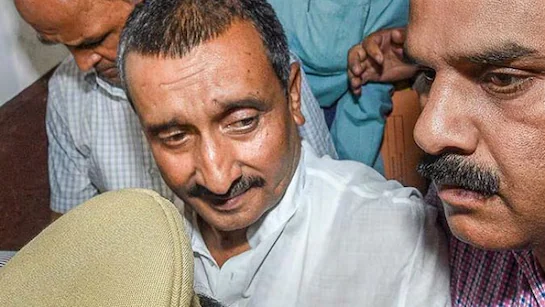
New Delhi – The Supreme Court is set to hear a pivotal plea on Monday filed by the Central Bureau of Investigation challenging the Delhi High Court’s decision to suspend the life sentence of expelled former BJP MLA Kuldeep Singh Sengar in the Unnao rape case. This development marks a significant turn in one of India’s most closely watched criminal cases involving abuse of power and sexual assault.

Supreme Court Bench to Review Appeal

According to the official cause list, a three-judge vacation bench comprising Chief Justice of India Surya Kant and Justices JK Maheshwari and Augustine George Masih will hear the matter. The bench will examine the CBI’s challenge to the high court order that suspended Sengar’s jail term after he served seven years and five months in prison for the Unnao rape case.

The apex court will also consider a separate petition filed by advocates Anjale Patel and Pooja Shilpkar, which similarly challenges the high court’s order and seeks an immediate stay on the sentence suspension. The dual petitions underscore the gravity and public interest surrounding the Unnao rape case.

CBI’s Legal Arguments Against Suspension

The Central Bureau of Investigation has presented compelling arguments in its appeal before the Supreme Court, challenging the legal reasoning employed by the Delhi High Court. The agency referenced the apex court’s landmark verdict in the L.K. Advani case, which established that individuals holding public office, including Members of Parliament and Members of Legislative Assembly, are deemed public servants under the law.

The CBI contends that the high court committed a fundamental error by declaring that Kuldeep Singh Sengar, who served as an MLA when the offense was committed, was not a public servant for prosecution purposes under the Protection of Children from Sexual Offences (POCSO) Act. This misclassification, according to the agency, led to the inappropriate granting of bail in the Unnao rape case.

“The high court failed to consider that a sitting MLA, by virtue of holding a constitutional office, is vested with public trust and authority over the electorate and that such a position carries heightened responsibility arising from duties owed to the state and society,” the CBI stated in its appeal.

The investigating agency further argued that the high court “erred in law by failing to adopt a purposive interpretation that advances the object and intent of the POCSO Act,” emphasizing that the lower court’s interpretation undermined the protective framework established by the legislation.

Delhi High Court’s Controversial Order

On December 23, the Delhi High Court made the contentious decision to suspend Kuldeep Singh Sengar’s jail term in the Unnao rape case, noting that he had already served seven years and five months in prison. The suspension remains in effect pending the resolution of his appeal challenging both his conviction and sentence in the rape case.

Sengar had originally challenged a December 2019 trial court verdict that found him guilty of kidnapping and raping the survivor when she was a minor. While his sentence in the Unnao rape case has been suspended, he will remain incarcerated as he is also serving a 10-year imprisonment term in the custodial death case of the victim’s father, for which he has not received bail.

The high court imposed several stringent conditions on Sengar’s release, including a personal bond of ₹15 lakh with three sureties of equal amount. The order also prohibited him from coming within a 5-kilometer radius of the survivor’s residence in Delhi and explicitly barred him from threatening her or her mother. Any violation of these conditions would result in immediate cancellation of bail.

Victim’s Plea for Justice and Safety

The survivor of the 2017 Unnao rape case addressed the media on Sunday during a protest in Delhi, expressing faith in the Supreme Court’s ability to deliver justice. She made serious allegations regarding corruption and interference in the legal process.

“I have faith that I will get justice in the Supreme Court. Kuldeep Sengar has bribed judge and CBI Investigating Officer. My husband’s job was snatched away, my children and witnesses are under threat,” the victim stated, highlighting the ongoing challenges faced by her family since Sengar’s bail in the Unnao rape case.

The victim made a direct appeal to Uttar Pradesh Chief Minister Yogi Adityanath, requesting adequate protection to enable her to fight her legal battle without fear. “Protection must be provided to those whom we name in front of the CBI. I request CM Yogi Adityanath to protect me in a way that I am able to fight my battle fearlessly,” she emphasized.

Implications for Justice System

The Supreme Court’s hearing on the Unnao rape case today represents a critical juncture in India’s ongoing struggle to ensure accountability for powerful individuals accused of serious crimes. The outcome will have far-reaching implications for how public servants are prosecuted under special protective legislation like the POCSO Act and whether victims can receive meaningful protection while pursuing justice through India’s legal system.