Tuesday, May 5, 2026
Home Blog Page 216

Rajya Sabha Passes SHANTI Bill 2025, Paving the Way for Safe, Sovereign and Future-Ready Nuclear Energy Reforms

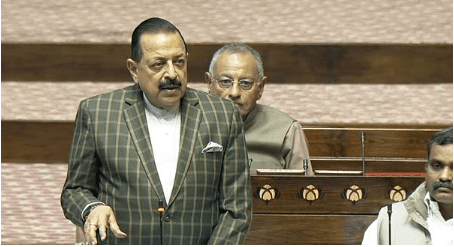
The Rajya Sabha on Thursday passed the Sustainable Harnessing and Advancement of Nuclear Energy for Transforming India (SHANTI) Bill, 2025, following its earlier approval by the Lok Sabha. Participating in an extensive discussion in the Upper House, Union Minister of State (Independent Charge) for Science & Technology, Earth Sciences, and Minister of State in the PMO, Personnel, Public Grievances, Pensions, Atomic Energy and Space, Dr Jitendra Singh clarified key provisions of the Bill, firmly asserting that nuclear safety, national sovereignty and public accountability remain non-negotiable.

The legislation marks a significant milestone in India’s clean energy journey, balancing reforms with robust safeguards while aligning nuclear governance with contemporary technological and global realities.


Strengthening Regulation Through Legislative Consolidation

Dr Jitendra Singh explained that the SHANTI Bill consolidates and rationalises provisions from the Atomic Energy Act, 1962 and the Civil Liability for Nuclear Damage (CLND) Act, while granting statutory status to the Atomic Energy Regulatory Board (AERB) by embedding it within the parent legislation.

Far from diluting oversight, the Minister said, the move strengthens regulatory supervision, enhances transparency, and reflects India’s adherence to global best practices in nuclear safety and governance.


Evolving Technology and New Energy Realities

Addressing concerns rooted in earlier debates on nuclear reforms, the Minister noted that objections raised in 2010 must be viewed in the context of today’s transformed technological landscape. Concepts such as Small Modular Reactors (SMRs) and Bharat Small Reactors, he said, were inconceivable fifteen years ago but are now emerging as safe, efficient and flexible solutions for providing clean, 24×7 power.

These advancements, he added, are critical for meeting rising energy demands in a low-carbon and sustainable manner.


Nuclear Safety Standards Remain Uncompromised

Reiterating the Government’s unwavering commitment to safety, Dr Jitendra Singh stated that nuclear operations in India continue to follow the foundational principle of “safety first, production next”, as enshrined in the Atomic Energy Act of 1962.

He detailed the stringent inspection and oversight regime, including:

  • Quarterly inspections during construction

  • Biannual inspections during operation

  • Five-yearly licence renewals

  • Enhanced powers to the now-statutory AERB

  • Oversight aligned with International Atomic Energy Agency (IAEA) parameters

He further reassured Members that Indian nuclear plants are geographically located away from seismic fault zones.


Radiation Levels Well Below Global Limits

Addressing public health concerns, Dr Jitendra Singh categorically stated that there is no scientific evidence of carcinogenic impact from Indian nuclear reactors. Citing radiation emission data in micro-sieverts, he explained that levels at facilities such as Kudankulam, Kalpakkam, Rawatbhata and Tarapur are many times lower than prescribed global safety limits.

He also highlighted significant upgrades in cybersecurity measures across the nuclear sector, including encryption, secure coding, regular audits, malware filtering and multi-layered digital protection to counter emerging cyber threats.


Government Retains Control Over Strategic Assets

Dispelling concerns regarding privatisation, the Minister clarified that while certain exploration activities may involve private partners under defined conditions, uranium mining beyond specified thresholds will remain exclusively under government control.

He emphasised that:

  • Spent fuel management will always remain with the government

  • Strategic materials, including source material, fissile material and heavy water, will continue to be strictly regulated

  • Sovereignty and strategic autonomy will not be compromised under any circumstances


Liability, Compensation and Judicial Oversight

On liability issues, Dr Jitendra Singh explained that the Bill introduces graded liability caps to encourage participation by smaller investors without weakening victim compensation. In cases where damage exceeds operator liability limits, government-backed funds and international conventions will ensure full compensation.

He added that the definition of “nuclear damage” has been expanded to explicitly include environmental damage. The Bill also introduces an Atomic Energy Redressal Commission to provide faster grievance resolution, without restricting access to civil courts or the higher judiciary.


Civilian Focus and Strategic Autonomy

Responding to concerns about foreign influence, the Minister made it clear that India will adopt only those international best practices that suit domestic conditions. He reiterated that the SHANTI Bill applies strictly to civilian nuclear energy, with uranium enrichment limited to reactor requirements and entirely unrelated to weapons-grade activity.


Nuclear Science Transforming Everyday Life

Dr Jitendra Singh highlighted the expanding role of nuclear science in healthcare, agriculture, food preservation and cancer treatment. He cited advancements in nuclear medicine, including treatments for childhood leukaemia and prostate cancer through institutions such as the Tata Memorial Centre, noting that broader research participation would further accelerate innovation.


Long-Term Nuclear Energy Roadmap

Outlining India’s nuclear capacity targets, the Minister stated that the country has already achieved nearly 9 GW of nuclear power and aims to reach:

  • 22 GW by 2032

  • 47 GW by 2037

  • 67 GW by 2042

  • 100 GW by 2047

This would contribute nearly 10% of India’s total energy needs, a critical component in meeting future demands driven by artificial intelligence, digital infrastructure and industrial growth.


Conclusion

Concluding his address, Dr Jitendra Singh said the SHANTI Bill reflects India’s scientific maturity, policy confidence and readiness to lead responsibly in the global clean energy transition. He assured the House that the Government remains open to constructive inputs during rule-making and reaffirmed that India’s nuclear journey will continue to be guided by safety, transparency, sovereignty and national interest.


For more real-time updates, visit Channel 6 Network.

Source: PIB
Government Scaling Up Cancer Care, Research and Affordable Advanced Therapies Across India: Dr. Jitendra Singh: 2025

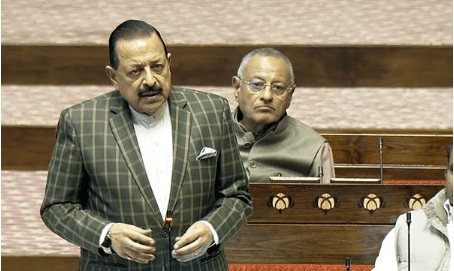
Responding to a series of questions in Parliament on the rising burden of cancer care in the country, Union Minister of State (Independent Charge) for Science & Technology and Earth Sciences, and Minister of State in the PMO, Personnel, Public Grievances, Pensions, Atomic Energy and Space, Dr. Jitendra Singh outlined the Government’s multi-pronged, future-ready strategy to strengthen cancer prevention, diagnosis, treatment, research and affordability. The focus, he said, is on ensuring equitable access, particularly for economically weaker sections, while leveraging research, technology and public health integration.


From Selective Excellence to Universal Accessibility

Dr. Jitendra Singh stated that cancer care in India is undergoing a fundamental shift—from being concentrated in a few centres of excellence to becoming universally accessible. Acknowledging the emotional and logistical stress faced by patients and their families during hospital admissions, he said the Government is working to streamline admission processes and expand oncology services at the district level, thereby reducing the burden on tertiary hospitals.


Expanding Infrastructure and National Cancer Grid

Highlighting major capacity-building efforts since 2014, the Minister informed the House that 11 Tata Memorial Centre hospitals have been established across the country. These are integrated into a National Cancer Care Grid covering over 300 hospitals, ensuring standardised protocols and accessible cancer services closer to patients’ homes. Major infrastructure expansions, including the Platinum Block at Navi Mumbai, are also underway to meet growing demand.


Rising Cancer Incidence: A Global Trend

Addressing concerns about the increasing prevalence of cancer, Dr. Jitendra Singh noted that this rise is a global phenomenon, driven by longer life expectancy, environmental exposure, lifestyle changes and the early onset of non-communicable diseases. He emphasised that cancer is no longer a disease confined to old age, and that early detection has transformed many cancers from fatal to curable, significantly improving survival outcomes.


Research, Innovation and Safer Therapies

The Minister highlighted ongoing research efforts through institutions such as the Board of Radiation and Isotope Technology (BRIT), Tata Memorial Centre and teaching hospitals. These initiatives focus not only on cancer treatment but also on reducing side effects of chemotherapy and radiotherapy through radioprotective agents and precision-targeted technologies, improving both outcomes and quality of life for patients.


Affordability at the Core of Cancer Policy

Affordability, Dr. Jitendra Singh said, remains central to the Government’s cancer care approach. At the Tata Memorial Centre, nearly 60% of patients receive treatment free of cost or at nominal charges, supported by schemes such as Ayushman Bharat. Even paid services, he added, are significantly more affordable than those at corporate hospitals.

The Government is also ensuring the timely availability of essential cancer medicines through public hospitals and indigenous manufacturing, reducing dependence on costly imports.


Preventive Care and Indigenous Vaccines

A major milestone highlighted by the Minister was the development of India’s first indigenous HPV vaccine, led by the Department of Biotechnology. The vaccine plays a preventive role against cervical cancer, one of the most common cancers among young Indian women, and marks a significant advancement in India’s preventive healthcare capabilities.


Global Collaboration and Capacity Building

On international cooperation, Dr. Jitendra Singh cited the Tata Memorial Centre’s partnership with the International Atomic Energy Agency (IAEA) under the “Rays of Hope” initiative, which trains healthcare professionals from low- and middle-income countries. He noted that Tata Memorial uniquely integrates patient care, education and advanced research, functioning as a deemed university and offering super-specialty training in oncology, paediatric oncology and nuclear medicine across several states, including Assam.


Advanced Nuclear Medicine and Theranostics

Responding to queries on advanced theranostic treatments such as Lutetium-177 PSMA-617 for prostate cancer, the Minister stated that India has developed 24 indigenous radioisotopes over the past decade for diagnostic and therapeutic use. These innovations include world-class solutions for prostate cancer and childhood blood cancers, ensuring that cutting-edge nuclear medicine remains affordable, scalable and accessible, even in remote and rural regions.


Conclusion

Dr. Jitendra Singh reaffirmed the Government’s commitment to building a comprehensive, inclusive and innovation-driven cancer care ecosystem. By expanding infrastructure, investing in research, promoting preventive measures and ensuring affordability, India is steadily transforming cancer care into a universal public health service—one that offers hope, dignity and advanced treatment options to patients across the country.


For more real-time updates, visit Channel 6 Network.

Source: PIB
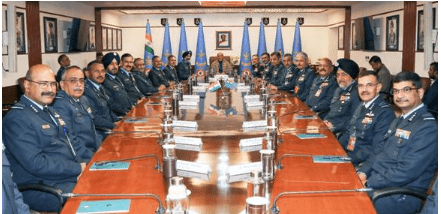
Operation Sindoor Demonstrated India’s High-Impact, Short-Duration Operational Capability: Raksha Mantri at Air Force Commanders’ Conclave: 2025

Raksha Mantri Shri Rajnath Singh on Thursday highlighted Operation Sindoor as a defining demonstration of India’s high-impact, short-duration operational capability, underscoring the Indian Air Force’s (IAF) role as a decisive instrument of national power. Addressing the Air Force Commanders’ Conclave in New Delhi, he described the IAF as a technologically advanced, operationally agile, strategically confident, and future-oriented force, well-equipped to safeguard India’s national interests amid a rapidly evolving global security environment.


Precision, Speed and People’s Trust

Commending the courage, speed and precision with which the IAF neutralised terror camps during Operation Sindoor, the Raksha Mantri also praised the force’s effective handling of the subsequent “irresponsible reaction” from Pakistan. He noted that the calm response of Indian citizens during attempted retaliatory actions reflected deep public trust in India’s air defence preparedness.

Emphasising the importance of understanding both offensive and defensive capabilities of adversaries, Shri Rajnath Singh urged IAF commanders to draw operational lessons from Operation Sindoor and remain vigilant and prepared to counter future challenges.


Air Power as a Strategic Instrument

Reflecting on the changing character of warfare, the Raksha Mantri stated that recent conflicts—including the Russia-Ukraine war, the Israel-Hamas conflict, the Balakot air strikes, and Operation Sindoor—clearly demonstrate that air power has emerged as a decisive force in modern warfare.

He stressed that air power is not merely a tactical asset but a strategic instrument, defined by speed, surprise and shock effect. Through reach and precision, air power enables national leadership to convey clear strategic messaging while aligning military capabilities with national objectives.


21st Century Warfare: Technology, Ideas and Adaptability

Reiterating the Government’s commitment to strengthening India’s security apparatus, Shri Rajnath Singh stated that 21st century warfare extends beyond weapons to ideas, technology and adaptability. He highlighted the growing importance of cyber warfare, artificial intelligence, unmanned aerial systems, satellite-based surveillance and space-enabled capabilities.

He added that precision-guided munitions, real-time intelligence and data-driven decision-making are now foundational requirements for success in modern conflicts. Nations that master the trinity of technology, strategic vision and adaptability, he said, are best positioned to emerge as global leaders.


Indigenous Capabilities and Aatmanirbharta

The Raksha Mantri expressed confidence that Sudarshan Chakra, announced by the Prime Minister during the Independence Day address this year, will play a vital role in protecting national assets. He also reiterated that the development of indigenous jet engines has become a national mission, with full governmental commitment to achieving this goal.

Highlighting collaboration with the private sector, start-ups and MSMEs, he noted that initiatives such as iDEX and ADITI are actively drawing young innovators into defence manufacturing. As of November 2025, 672 winners have emerged from 565 iDEX challenges, including 96 winners from 77 IAF-related challenges—reflecting growing private-sector interest in defence innovation.


Tri-Service Synergy and Humanitarian Role

Describing Operation Sindoor as a shining example of tri-service synergy, Shri Rajnath Singh emphasised the importance of jointness among the three Services in enhancing operational effectiveness in today’s dynamic security landscape.

He also lauded the IAF’s consistent role in Humanitarian Assistance and Disaster Relief (HADR) missions, both within India and overseas, noting that the successful execution of missions under challenging conditions has further strengthened public trust in India’s air warriors.


Conclusion

The Air Force Commanders’ Conclave reaffirmed the central role of air power in India’s national security strategy. With Operation Sindoor as a benchmark for precision, speed and jointness, the Raksha Mantri called upon IAF leadership to remain future-ready, technologically adept and strategically agile. The conclave, attended by Chief of Defence Staff General Anil Chauhan and senior IAF commanders, provided a vital platform to deliberate on operational priorities, emerging threats and the continued pursuit of Aatmanirbharta in defence capabilities.


For more real-time updates, visit Channel 6 Network.

Source: PIB
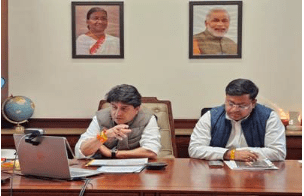
Comprehensive Vision to Position Tripura as a Global Cultural and Spiritual Tourism Destination: 2025

In a significant step toward strengthening Tripura’s tourism potential, Union Minister for Communications and Development of North Eastern Region (DoNER) Shri Jyotiraditya M. Scindia chaired a high-level review meeting on the development of the Matabari Tourism Circuit in Tripura. The meeting, held on December 18, 2025, was attended by Chief Minister of Tripura Prof. (Dr.) Manik Saha, senior officials from the Ministry of DoNER (MDoNER), and representatives of the Tripura State Government.

The discussions focused on shaping a comprehensive and sustainable tourism model that positions Tripura as a global destination for cultural and spiritual tourism.


Matabari Circuit as a Model Tourism Destination

The review assessed the overall strategy for developing the Matabari circuit as a benchmark tourism destination, with particular emphasis on inclusive growth. Shri Scindia highlighted the importance of capacity building and community participation, ensuring that local populations are meaningfully integrated into tourism-related activities and benefit through sustained livelihood opportunities.

The approach aims to transform tourism into a driver of socio-economic development while preserving the cultural essence of the region.


Institutionalising Historical Knowledge in Tourism

A key highlight of the meeting was the Minister’s emphasis on institutionalising historical knowledge within tourism services. Shri Scindia stressed that historians and subject-matter experts from Tripura should be actively engaged in the tourism ecosystem, particularly in training tourist guides and assistants.

This structured knowledge-sharing framework would ensure that visitors receive authentic, well-researched narratives about Tripura’s history, culture, and spiritual traditions, blending traditional scholarship with modern training methodologies.


Balancing Heritage with Modern Development

The discussions underscored that Tripura’s unique appeal lies in its ability to keep history alive within a contemporary setting. Development under the Matabari Tourism Circuit should reflect the State’s historical depth while maintaining soft aesthetics and an organic, natural approach to infrastructure and design.

Special emphasis was placed on promoting local Tripura cuisine as an integral component of the visitor experience, reinforcing the idea that food culture is a vital expression of regional identity.


High-End and Niche Tourism Integration

The meeting also highlighted the need to include a high-end, niche tourism component within the Matabari circuit. Shri Scindia encouraged the participation of major hospitality players to develop premium offerings, which would be seamlessly blended with mass tourism circuits to maximise economic benefits.

The Hon’ble Tourism Minister of Tripura was advised to take forward this model as a guidance framework, positioning the Matabari circuit as a standard for tourism development not only in the North Eastern Region but across the country.


Leadership and Way Forward

The meeting concluded with appreciation for the leadership of Chief Minister Prof. (Dr.) Manik Saha, whose vision and guidance were acknowledged as instrumental in shaping a balanced, forward-looking, and culturally sensitive tourism strategy for Tripura.


Conclusion

The review meeting reaffirmed the Government’s commitment to developing the Matabari Tourism Circuit as a holistic, heritage-driven destination that blends spirituality, culture, community participation, and modern tourism practices. With a strong focus on authenticity, sustainability, and inclusive growth, the initiative aims to position Tripura firmly on the global tourism map while preserving its rich historical and cultural legacy.


For more real-time updates, visit Channel 6 Network.

Source: PIB
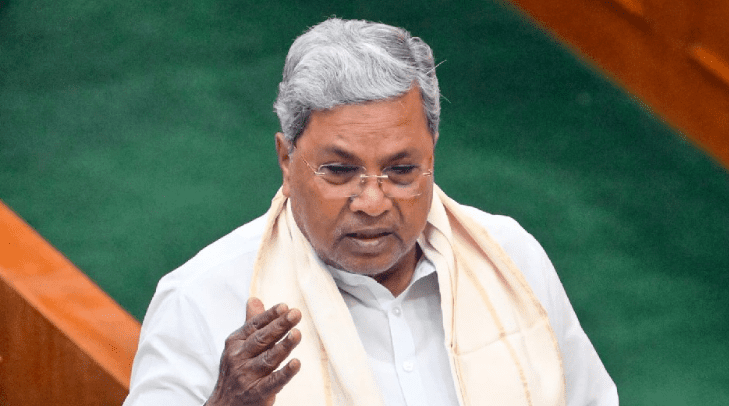
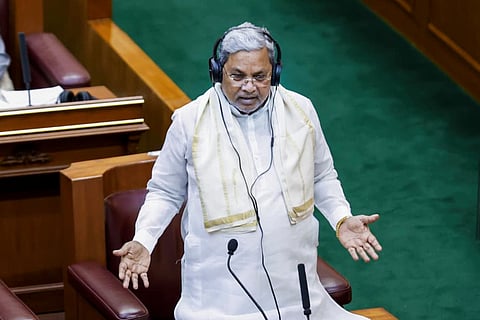
Siddaramaiah Asserts Full Term as Karnataka Chief Minister: Defiant 5-Year Promise, A Message of Confidence

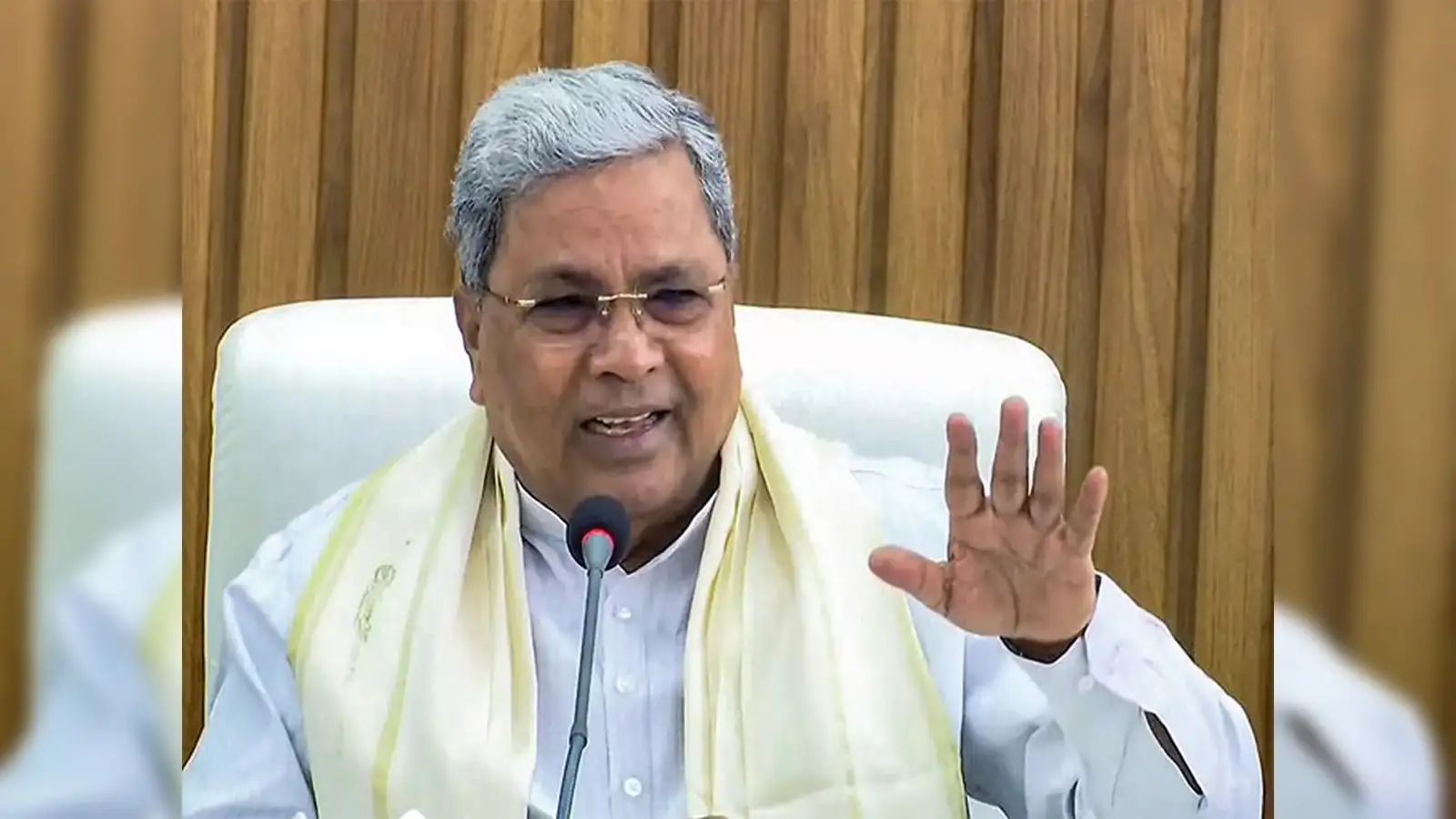
Karnataka Chief Minister Siddaramaiah has firmly asserted that he will complete his full term in office, dismissing speculation about leadership change and internal dissent within the ruling party. Speaking amid persistent political chatter, the Chief Minister said that the party high command is fully aware of the ground realities in the State and remains firmly in his favour. His statement is being seen as a clear signal of confidence and an attempt to draw a line under months of rumours surrounding stability within the government.

Siddaramaiah’s remarks come at a time when political corridors in Karnataka have been abuzz with discussions about power-sharing arrangements, leadership rotation and factional pressures within the ruling party. By publicly stating that he will complete the full five-year term, the Chief Minister has sought to project authority, continuity and administrative focus, while also reassuring party workers and supporters about the government’s direction.

Addressing questions on leadership speculation, Siddaramaiah said that such rumours were being deliberately spread by opponents to create confusion and weaken the government. He maintained that the high command evaluates performance based on governance, public welfare delivery and electoral commitments, not on speculation fuelled by political rivals. According to him, the government’s focus remains firmly on implementing its guarantees and development agenda.

The Chief Minister also underlined that he enjoys the confidence of the party leadership because of his experience, mass connect and track record. He pointed to the government’s efforts in stabilising administration, rolling out welfare schemes and addressing economic and social challenges since assuming office. Siddaramaiah said that rather than responding to every rumour, his priority was to deliver results on the ground.

His assertion has political significance, as it comes against the backdrop of repeated claims by the opposition that the ruling party is divided and unstable. By stating that he will complete the term, Siddaramaiah has attempted to counter the narrative of uncertainty and reinforce the image of a government that is here to stay.Leadership: Karnataka CM Siddaramaiah says high command in his favour; Never disputed that, says Shivakumar - The Economic Times

Within the ruling party, reactions to the statement have been measured. Several leaders have publicly reiterated their support for the Chief Minister, while emphasising collective leadership and discipline. Party insiders say the statement was aimed at calming speculation among legislators and cadres, many of whom have been unsettled by continuous media reports of leadership change.

Political observers note that leadership stability is a sensitive issue in Karnataka, given its history of frequent changes in government and chief ministers. Siddaramaiah’s remarks are therefore seen as both a reassurance and a strategic political message, signalling that the government intends to focus on governance rather than internal power dynamics.


Leadership Speculation, Party Dynamics and Political Messaging

Speculation about Siddaramaiah’s tenure has been circulating since soon after the government assumed office, driven by discussions around power-sharing formulas and the presence of multiple senior leaders within the party. Such speculation intensified periodically, often coinciding with electoral developments in other States or internal organisational meetings. Siddaramaiah’s firm statement is being interpreted as an attempt to put an end to these discussions, at least publicly.

The Chief Minister said that leadership decisions are not made based on rumours or pressure tactics, but through structured processes and assessments by the party leadership. He stressed that the high command is in constant touch with State leaders and legislators and has a clear understanding of the political situation in Karnataka. According to him, claims suggesting otherwise are aimed at misleading the public.

Siddaramaiah also highlighted that his relationship with the party leadership is built on mutual trust and shared political objectives. He said the high command’s priority is to ensure stable governance and fulfilment of promises made to the people. From that perspective, he argued, there is no question of abrupt or unnecessary leadership change.

Party sources say that the Chief Minister’s statement is also meant to send a message to legislators that speculation should not distract from governance responsibilities. In a State with a large and diverse legislative party, maintaining unity and discipline is a constant challenge. Clear messaging from the top, they say, helps prevent unnecessary jockeying for position.

Opposition parties, however, have dismissed the statement as defensive. Leaders from rival parties argue that repeated clarifications from the Chief Minister indicate underlying tensions. They claim that the ruling party is struggling to manage internal ambitions and that such statements are attempts to control damage rather than reflections of ground reality.

In response, ruling party leaders have accused the opposition of deliberately amplifying rumours to destabilise the government. They argue that opposition parties, having been rejected by voters, are resorting to misinformation instead of constructive criticism. According to them, the government’s majority and administrative control remain intact.

Political analysts point out that leadership speculation often thrives in the absence of clear communication. By making a categorical statement, Siddaramaiah has attempted to reclaim narrative control. Whether this effectively ends speculation or merely pauses it will depend on subsequent political developments and signals from the party leadership.

The statement also reflects Siddaramaiah’s political style, which has often combined assertiveness with emphasis on mass welfare. Known for his strong public positions, he has repeatedly projected himself as a leader who does not shy away from confronting political challenges head-on. This approach resonates with his support base, particularly among sections that value decisive leadership.I will remain CM for full 5-year term,' says Siddaramaiah as rumours of leadership change fly thick - The Economic Times


Governance Agenda, High Command Support and the Road Ahead

Beyond the immediate political messaging, Siddaramaiah’s assertion places renewed focus on governance and delivery. The Chief Minister reiterated that his government is committed to implementing its flagship welfare guarantees and addressing issues such as inflation, unemployment and social justice. He said that the government’s performance will ultimately be judged by the people, not by political rumours.

He pointed out that several welfare schemes have already been rolled out, benefiting large sections of society. According to him, these initiatives reflect the party’s ideological commitment to inclusive development and social equity. Siddaramaiah argued that consistent leadership is essential to ensure smooth implementation of such programmes, which often require sustained administrative effort.

Ultimately, Siddaramaiah’s declaration is both a political assertion and a promise. By stating that he will complete the full term with the backing of the high command, he has tied his leadership to the government’s success over the next five years. Whether this promise translates into sustained stability and effective governance will be determined not by words alone, but by actions and outcomes on the ground.

The Chief Minister also acknowledged the challenges facing the State, including fiscal pressures and administrative bottlenecks. He said that despite constraints, the government has prioritised welfare spending and development projects. The support of the high command, he added, gives the government the confidence to take tough decisions in the larger public interest.

Party leaders close to the Chief Minister say that the high command values his administrative experience and ability to manage complex political situations. They argue that his leadership provides continuity and stability, especially during a period when the party is focused on strengthening its position nationally. Karnataka, being a politically significant State, requires steady leadership, they say.

At the same time, political observers caution that sustaining unity within the party will require careful balancing of interests and aspirations. Large parties often face internal competition, and managing this without public discord is a key leadership challenge. Siddaramaiah’s confidence statement may help set the tone, but ongoing engagement with party colleagues will remain crucial.

Public response to the statement has been mixed. Supporters view it as a welcome assertion of stability and focus, while critics see it as a reaction to persistent rumours. For many citizens, however, the primary concern remains governance outcomes rather than internal party dynamics. Issues such as cost of living, employment opportunities and public services are likely to shape public opinion more than leadership debates.I am the Chief Minister now, and I will continue: Siddaramaiah dismisses two-and-a-half-year tenure talk

The Chief Minister’s assertion also has implications for administrative machinery. Clear leadership signals can help bureaucrats function with greater certainty, reducing hesitation caused by political speculation. Senior officials say that continuity at the top allows for better planning and execution of long-term projects, which often suffer when leadership is perceived as unstable.

Looking ahead, Siddaramaiah’s claim that he will complete the full term sets a benchmark against which future political developments will be measured. Any deviation from this trajectory would carry political costs, both for the leadership and the party. Conversely, a stable tenure could strengthen the government’s credibility and electoral prospects.

Political analysts note that Karnataka’s political history is marked by frequent shifts and instability. In that context, a full-term government carries symbolic significance, signalling maturity and democratic consolidation. Siddaramaiah’s statement taps into this sentiment, presenting stability as a virtue in itself.

As the government moves forward, the interplay between political messaging and governance delivery will remain critical. The Chief Minister’s confidence in high command support provides him with political breathing space, but sustaining that support will depend on performance, public perception and internal cohesion.

Ultimately, Siddaramaiah’s declaration is both a political assertion and a promise. By stating that he will complete the full term with the backing of the high command, he has tied his leadership to the government’s success over the next five years. Whether this promise translates into sustained stability and effective governance will be determined not by words alone, but by actions and outcomes on the ground.

Follow: Karnataka Government

Also read: Home | Channel 6 Network – Latest News, Breaking Updates: Politics, Business, Tech & More

African music enters a new global phase through HYBE’s expansion in 2025

0

African music gains global focus with HYBE’s latest move

African music is stepping into a new international spotlight as South Korea’s HYBE, the entertainment company behind globally known artists like BTS, begins its first major expansion into the African music space. The move signals a shift in how global music companies view African talent, not as a niche market, but as a powerful cultural force with worldwide appeal.BTS' HYBE expands into African music market with strategic partnership with Tyla

HYBE’s entry into African music is built on partnership rather than control. Instead of signing artists away from their existing teams, the company is offering its global resources, systems, and networks to support artists while they remain rooted in their local management structures. This approach reflects a growing understanding that authenticity and cultural identity are key to long-term success in global music.

African music and the partnership model behind HYBE’s strategy

The first artist to be supported under this initiative is South African singer Tyla, who has already gained strong international attention for her sound and presence. Under the new arrangement, Tyla will continue working with her current management while also gaining access to HYBE’s global infrastructure. This includes international promotion, strategic planning, distribution strength, and connections across major music markets.HYBE Enters African Music Market With Strategic Tyla Partnership - The Voice of Africa

For African music, this model is important. Many artists from the continent have historically faced barriers such as limited global distribution, weaker industry access, and lack of large-scale promotional support. HYBE’s partnership-based system avoids disrupting existing creative ecosystems while offering tools that can help artists scale globally.

This move also shows a shift in global music business thinking. Instead of exporting one dominant style, companies like HYBE are now focusing on collaboration, cultural exchange, and long-term development. African music, with its deep roots and wide stylistic range, fits naturally into this vision.

African music as a growing global influence

Over the past decade, African music has steadily gained recognition across international charts, festivals, and streaming platforms. Genres and sounds from the continent are no longer confined to regional audiences. They influence pop, hip-hop, electronic, and dance music worldwide. Artists from Africa are increasingly shaping global trends rather than following them.HYBE Expands Into Africa, Taps Tyla Managers Brandon Hixon and Colin Gayle

HYBE’s decision to invest in African music reflects this reality. The company is known for building structured, globally scalable artist systems. By applying this experience to African talent, HYBE is acknowledging that the future of global music will be more diverse, multilingual, and culturally grounded.

At the same time, the company’s approach avoids direct ownership or creative control, which has been a concern in past global expansions by major labels. This helps preserve artistic freedom while still enabling growth.

African music and what this means for the industry

This expansion is likely to influence how other global entertainment companies approach African music. HYBE’s move sets an example of how international companies can enter new cultural markets with respect and collaboration rather than dominance.


View this post on Instagram


A post shared by Afrika World (@afrika.world)

For artists, this opens new possibilities. Access to global stages, improved production support, and stronger international visibility can help African musicians build sustainable global careers without losing their identity. For listeners, it means more authentic African voices reaching mainstream platforms worldwide.

The partnership also highlights Africa’s role not just as a source of talent, but as a key player in shaping future global music culture. Also Read: Just 14 years old kid now shaping a powerful global K-pop journey

Conclusion:
African music is entering a new phase of global recognition, and HYBE’s expansion marks a meaningful step in that direction. By supporting artists through collaboration rather than control, the company is helping connect African talent with global audiences while preserving cultural roots. This move signals that African music is no longer on the margins of the global industry, but firmly at its center.

The Heirs scene that quietly caused tension behind the camera

0

The Heirs and the unexpected handbag moment

The Heirs remains one of the most talked-about Korean dramas of the 2010s, remembered for its wealthy characters, dramatic storylines, and iconic fashion. Even years after its release, new behind-the-scenes stories continue to surface, giving fans a closer look at what happened beyond the screen. One such moment involves f(x)’s Krystal and her older sister, Jessica Jung, and a luxury handbag that unexpectedly became part of a dramatic scene.Jessica Jung Reacts to The Heirs Bag Scene with Sister Krystal

During a recent appearance in a video for Harper’s Bazaar Korea, Krystal shared a lighthearted story from her time filming the 2013 drama. While the incident itself was small, it left a lasting impression, especially for Jessica, who was not part of the drama but was directly affected by one particular scene.

The Heirs luxury styling and a borrowed accessory

In The Heirs, Krystal played the role of Bona, a confident and wealthy heiress. To match the character’s background, the styling required high-end fashion and accessories. Instead of sourcing everything from production, Krystal decided to borrow one of Jessica Jung’s luxury handbags for filming. At the time, it seemed like a simple and practical decision.

However, the handbag became part of a dramatic moment in the drama. In one scene, the bag was forcefully thrown onto the floor to emphasize emotional tension. While this worked well on screen, the result was not well received at home. When Jessica later watched the episode, she was reportedly very upset to see her expensive bag treated so roughly.Krystal reveals luxury bag incident that made Jessica furious | allkpop

Krystal admitted that her sister’s reaction was immediate and intense. Seeing a personal item used in such a way, especially without fully expecting that outcome, naturally caused frustration. The moment became a lesson in mixing personal belongings with drama production.

The Heirs and sibling reactions behind the scenes

What makes this story interesting is not just the handbag itself, but the sibling dynamic behind it. Jessica Jung is known for her strong sense of style and appreciation for luxury fashion. Watching a prized item being thrown for the sake of a scene was not easy to accept, even if it was done professionally.

Krystal shared the story with humor, making it clear that while Jessica was genuinely angry at the time, the incident has since become something they can laugh about. It highlighted the contrast between on-screen drama and real-life reactions, reminding fans that actors often deal with unexpected consequences behind the scenes.

The Heirs lasting impact beyond the dramaThe Heirs

More than a decade later, The Heirs continues to generate conversation, not only for its storyline but also for moments like this that reveal the reality of filming. Small incidents, such as a borrowed handbag becoming part of a dramatic scene, show how even carefully planned productions can lead to personal surprises.


View this post on Instagram


A post shared by Koreanophiles (@koreanophiles)

For fans, stories like this add depth to their understanding of the drama. They show that while characters may live in luxury on screen, the actors behind them navigate ordinary situations, including sibling disagreements and unexpected mistakes. Also Read: 100 Days Of Lies Marks a New Chapter for Historical Korean Dramas on Global Streaming

Conclusion:
The Heirs may be remembered for its grand setting and dramatic relationships, but this small behind-the-scenes moment adds a human touch to its legacy. A single scene involving a luxury handbag turned into a memorable story, reminding viewers that even iconic dramas are shaped by real people and real reactions behind the camera.

‘Sanskriti: Jammu & Kashmir’ Stands as a Beacon of Cultural Memory Amid Attempts to Erase Traditions: Dr. Sachchidanand Joshi- 2025

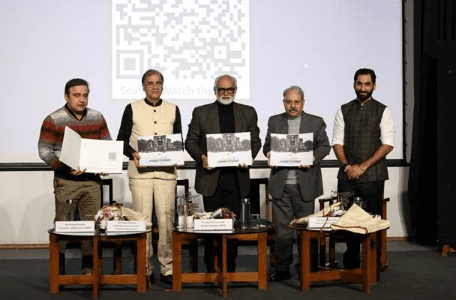
Reaffirming Jammu and Kashmir’s deep-rooted place in India’s cultural, spiritual, and philosophical heritage, a film and coffee table book titled ‘Sanskriti: Jammu & Kashmir’ was formally launched at the Indira Gandhi National Centre for the Arts (IGNCA), New Delhi. Organised by the Media Centre of IGNCA, the event underscored the region’s enduring civilisational legacy, often overshadowed in contemporary discourse by narratives of conflict.

Produced by IGNCA, the film is written and co-produced by Mr. Rajan Khanna, and directed and edited by Shivansh Khanna.


Cultural Heritage as a Living Lighthouse

Presiding over the programme, Dr. Sachchidanand Joshi, Member Secretary of IGNCA, described Sanskriti: Jammu & Kashmir as a “lighthouse” standing tall amid sustained attempts to distort history and erase traditional belief systems. He noted that filming at several locations featured in the documentary was exceptionally challenging due to difficult terrain and restricted access, making the captured visuals rare and significant.

Dr. Joshi emphasised that the film serves as an important bridge for younger generations who seek to understand the authentic history of Jammu and Kashmir but may not have access to credible narratives. He also suggested wider dissemination of powerful visuals from the film—particularly of ancient temples—through short digital reels to increase public engagement and outreach.


Panel Discussion: Reclaiming Civilisational Memory

A thought-provoking panel discussion on ‘Sanskriti: Jammu & Kashmir’ followed the screening, featuring Dr. Sachchidanand Joshi, Mr. Rajan Khanna, and senior writer and broadcaster Mr. Gaurishankar Raina. The discussion focused on the importance of reclaiming cultural narratives through rigorous research and visual storytelling.


Kashmir’s Connection to the Rigveda and Ancient India

Speaking at the event, Mr. Rajan Khanna articulated the inseparable relationship between nation, culture, and geography, likening it to the bond between body and soul. He remarked that while the body is perishable, culture and nationhood are eternal.

Describing India as a bouquet of diverse cultural expressions, Mr. Khanna highlighted Jammu and Kashmir as a distinct and profound embodiment of spirituality, history, and philosophical thought. He asserted that Kashmir is deeply connected to the Rigveda, and that its ancient cities—such as Anantnag, considered among the world’s oldest—are testimony to a civilisation spanning over 10,000 years.

He questioned why mainstream discourse often restricts Kashmir’s history to select medieval periods or focuses disproportionately on terrorism and conflict, ignoring its vast civilisational continuum. He cautioned that neglecting this foundational heritage would be a disservice not only to the past but also to future generations.


Challenges of Documenting Cultural History

Mr. Gaurishankar Raina highlighted the immense challenges involved in producing films on temples and cultural heritage. He noted that such projects demand extensive research, multiple permissions, and physical endurance, particularly in remote and sensitive regions. In the digital age, he stressed, cinema remains a powerful medium for conveying layered and meaningful narratives that might otherwise remain inaccessible.


IGNCA’s Role in Restoring Cultural Narratives

In his inaugural address, Mr. Anurag Punetha, Controller of the Media Centre, IGNCA, emphasised that for decades Jammu and Kashmir has largely been portrayed as a conflict zone. He stated that Sanskriti: Jammu & Kashmir is a conscious effort to restore balance to that narrative by foregrounding the region’s architectural, spiritual, and cultural heritage—elements that remain embedded in India’s collective memory.

He warned that societies which forget their heritage face deep cultural crises and described the film as a sincere attempt to revive and preserve this shared inheritance. The programme was moderated by Mr. Narendra Singh from the Media Centre.


About the Film: A Cinematic Rediscovery

Set against the majestic landscapes of Jammu and Kashmir, ‘Sanskriti: Jammu & Kashmir’ opens with a contemplative reflection on the region’s ancient spiritual consciousness. Drawing from Kalhana’s ‘Rajatarangini’, which describes Kashmir as a land once adorned with innumerable temples, the film documents both surviving structures and ruins that silently bear witness to history.

The documentary highlights:

  • The revival of temples and sacred sites under Sikh and Dogra rulers

  • The philosophical legacy of the Fourth Buddhist Council at Harwan Monastery, Srinagar

  • The Sikh spiritual tradition associated with Guru Hargobind Ji

  • Lesser-known shrines and traditions, from Mamleshwar Temple in Pahalgam to forgotten sites around Gulmarg and the historic temples of Jammu

Through evocative visuals and thoughtful narration, the film invites audiences to reconnect with a long-suppressed cultural and spiritual narrative, presenting Jammu and Kashmir as a land where history, devotion, and cultural continuity converge.


Conclusion

Sanskriti: Jammu & Kashmir emerges as a significant cultural intervention—one that seeks to reclaim and reassert the region’s civilisational identity beyond the confines of conflict-driven narratives. By documenting its spiritual, philosophical, and architectural legacy, the film reinforces the enduring relevance of Jammu and Kashmir within India’s cultural imagination and offers a powerful reminder of the need to preserve historical memory for generations to come.


For more real-time updates, visit Channel 6 Network.

Source: PIB
Raksha Mantri Proudly Holds Talks with Netherlands Foreign Minister in New Delhi; Defence Cooperation Deepened: 2025

Raksha Mantri Shri Rajnath Singh held a bilateral meeting with the Foreign Minister of the Netherlands, Mr David Van Weel, in New Delhi on December 18, 2025, reinforcing the growing momentum in India–Netherlands defence and strategic relations. The meeting marked a significant step forward in strengthening defence cooperation as a central pillar of the broader Strategic Partnership between the two nations.


Focus on Defence Partnership and Strategic Collaboration

During the discussions, the two Ministers reviewed the evolving security environment and deliberated on a wide range of bilateral defence and security issues. Particular emphasis was placed on priority areas for co-development and co-production of defence equipment, reflecting a shared commitment to deepen industrial and technological collaboration.

Both sides reiterated their intention to enhance military-to-military engagement, capacity building, and institutional cooperation, underlining the importance of long-term strategic convergence between India and the Netherlands.


Shared Commitment to a Free and Open Indo-Pacific

The meeting highlighted the common vision of India and the Netherlands for a free, open, inclusive, and rule-based Indo-Pacific region. The Ministers underscored the importance of upholding international law, freedom of navigation, and regional stability, and agreed that closer defence cooperation would contribute positively to peace and security in the Indo-Pacific.


Letter of Intent on Defence Cooperation Signed

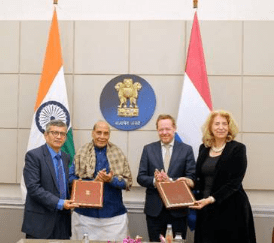
A key outcome of the meeting was the exchange of a Letter of Intent (LoI) on Defence Cooperation, formalised between Defence Secretary Shri Rajesh Kumar Singh and the Ambassador of the Netherlands to India, Ms Marisa Gerards, in the presence of the two Ministers.

The LoI aims to provide a structured framework for expanding cooperation in identified areas, including niche and emerging defence technologies, and for strengthening linkages between the defence industries of both countries.


Roadmap for Defence Industrial Collaboration

Both sides expressed their intent to explore new avenues of cooperation through the development of a Defence Industrial Roadmap, focusing on technology collaboration, co-production, and co-development of defence platforms and equipment. This roadmap is expected to enhance mutual capabilities while supporting self-reliance and innovation in defence manufacturing.


People-to-People Ties as a Strategic Asset

Shri Rajnath Singh highlighted the strong people-to-people ties between India and the Netherlands, noting that the vibrant Indian diaspora in the Netherlands acts as a living bridge between the two countries. He emphasised that these societal links further strengthen the foundation of bilateral relations and mutual trust.


Conclusion

The meeting between the Raksha Mantri and the Netherlands’ Foreign Minister reaffirmed the shared strategic outlook and growing defence cooperation between India and the Netherlands. With the signing of the Letter of Intent and a renewed focus on industrial and technological collaboration, the engagement marks a decisive step toward deepening the India–Netherlands Strategic Partnership and contributing to stability in the Indo-Pacific region.


For more real-time updates, visit Channel 6 Network.

Source: PIB
Just 14 years old kid now shaping a powerful global K-pop journey

0

Just 14 years old kid now and the early turning point in Lisa’s life

Just 14 years old kid now may sound like a simple phrase, but it strongly reflects the moment that changed Lisa’s life forever. Long before global fame, sold-out concerts, and international brand deals, Lisa was a young teenager from Thailand who made a bold decision. At an age when most children are still adjusting to school life, she stepped into a completely unfamiliar country, culture, and language to chase a dream that offered no guarantees.Lisa BLACKPINK Childhood | From 1 To 20 Years Old

Born as Lalisa Manobal in Thailand, Lisa showed interest in dance and performance from an early age. Her talent stood out, but talent alone was not enough. The turning point came when she auditioned for YG Entertainment in Thailand. Out of thousands of hopefuls, she was the only one selected. This single moment set her on a path that would demand discipline, sacrifice, and emotional strength far beyond her years.

Just 14 years old kid now facing life alone in a new country

When Lisa moved to South Korea at around 14, her life changed completely. She left behind her family, friends, and familiar surroundings. She did not know the Korean language when she arrived, which made everyday life difficult. Simple tasks required effort, and communication was a constant challenge. Despite this, she entered a highly competitive trainee system where expectations were strict and pressure was constant.BLACKPINK LISA's childhood photos demonstrate her beauty and talent that have flourished beautifully over time | allkpop

Training under YG Entertainment meant long hours of practice every day. Singing, dancing, and language lessons became part of her routine. Progress was slow and demanding, and there was always the risk of being cut from the program. For someone so young, this environment tested both mental and physical strength. Yet Lisa continued to push forward, driven by focus rather than comfort.

What makes her story stand out is not just her talent, but her consistency. While many trainees struggle to adapt, Lisa steadily improved. Learning a new language while perfecting performance skills required patience and resilience. Over the years, she earned recognition from trainers for her dedication, especially in dance, where her precision and energy became noticeable.

Just 14 years old kid now debuting into global attention

After years of preparation, Lisa finally debuted in 2016 as a member of BLACKPINK. The group quickly gained attention, not only in South Korea but internationally. Lisa’s stage presence, dance ability, and unique style made her stand out. What once began as a risky decision made at a young age now started to show results.BLACKPINK's Lisa Tells Her "Life Turning Point" - Asiana Times

As BLACKPINK’s popularity grew, Lisa’s individual recognition also increased. She became known for her strong performances and ability to adapt across different concepts. Her journey from a foreign trainee to a global star resonated with fans, especially those who admired her discipline and determination. The challenges she faced early in life became part of the story that fans connected with deeply.

Just 14 years old kid now becoming a global cultural figure

Today, Lisa is recognized far beyond the K-pop industry. She represents a global image of hard work crossing borders. Her success has also highlighted the increasing influence of international artists in South Korea’s entertainment industry. From music stages to fashion platforms, her presence continues to grow.

Despite her achievements, her early journey remains a key part of her identity. Fans often point back to the courage it took to leave home at such a young age. That decision, made quietly years ago, shaped everything that followed. It serves as an example of how long-term commitment often begins with uncomfortable choices.

Lisa’s story is not about overnight success. It is about time, patience, and steady improvement. Her rise reminds people that global recognition often comes from years of unseen effort. Also Read: 100 Days Of Lies Marks a New Chapter for Historical Korean Dramas on Global Streaming

Conclusion:
Just 14 years old kid now is more than a phrase, it captures the starting point of Lisa’s remarkable journey. From a young trainee far from home to one of the most influential figures in K-pop, her story reflects how early courage and long-term discipline can shape an extraordinary future.