Tuesday, May 5, 2026
Home Blog Page 215

Epstein Files Released: Shocking Details About Bill Clinton Emerge

Washington D.C. – The United States Justice Department has released more than 300,000 pages of records from investigations into Jeffrey Epstein, the late financier and convicted sex offender. The Epstein files released on Friday mark a significant moment in the ongoing saga surrounding one of America’s most notorious criminals. This disclosure comes after months of political pressure and the passing of the Epstein Files Transparency Act, which President Donald Trump signed into law on November 19.

Congressional Deadline Forces Transparency

The Epstein files released by federal authorities arrived precisely on the deadline set by Congress under the new bipartisan legislation. The Epstein Files Transparency Act gave the Justice Department 30 days to make public most unclassified material related to Epstein, including comprehensive files concerning the investigation into his 2019 death in a Manhattan jail, which officials ruled a suicide.

Deputy Attorney General Todd Blanche confirmed that the department released hundreds of thousands of pages on Friday, with several hundred thousand more expected in the coming weeks. In correspondence to Congress, Blanche indicated that additional documents remain under review, potentially requiring up to two more weeks to complete the process. Notably, the Epstein files released identify more than 1,200 names of victims or their relatives.

Photographs of Bill Clinton Surface

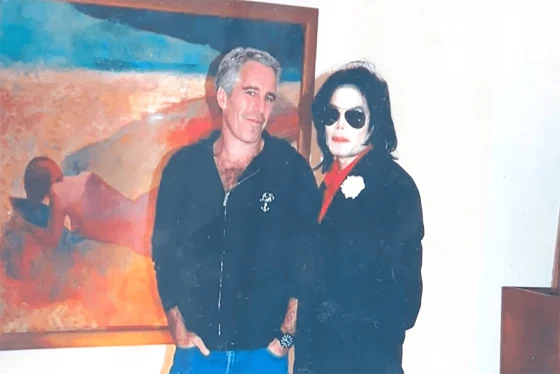
Among the most striking materials in the Epstein files released were several photographs featuring former Democratic President Bill Clinton. One particularly noteworthy image shows Clinton in a swimming pool with Ghislaine Maxwell, Epstein’s longtime associate and co-defendant, along with another individual whose face was obscured. Clinton has not immediately responded to requests for comment regarding these revelations, though he previously stated he regrets socializing with Epstein and maintained he was unaware of any criminal activity.

The inclusion of these images in the Epstein files released raised questions about Justice Department policy, especially considering Trump has ordered an investigation into Clinton’s ties to Epstein. Typically, material linked to active investigations is withheld from public disclosure.

Political Sensitivity Surrounds Release

The Epstein files released carry enormous political implications for the Trump administration. While Trump was once friendly with Epstein before a falling out in the mid-2000s, he has denied any knowledge of Epstein’s sex trafficking operations and has not been accused of wrongdoing. During the 2024 campaign, Trump promised to declassify the government’s records if elected, but after returning to office, he initially dismissed calls for transparency as a “Democrat hoax” and urged Republicans to oppose the disclosure law.

The administration’s reluctance fueled accusations from Trump voters that the government was covering up Epstein’s ties to powerful figures. A July memo from the FBI and Justice Department stating there was “no credible evidence” Epstein maintained a client list or blackmailed prominent individuals triggered fresh outrage and helped galvanize support for the transparency bill.

Democrats Criticize Incomplete Disclosure

Senate Minority Leader Chuck Schumer criticized the Epstein files released as incomplete. “The Trump administration had 30 days to release ALL the Epstein files, not just some,” Schumer said, characterizing the move as a cover-up. Democrats argued that the administration failed to meet the spirit of the law.

The White House rejected this criticism, stating that by releasing thousands of pages of documents and cooperating with House Oversight Committee subpoena requests, the Trump Administration has done more for victims than Democrats ever have.

Also Read: India Oman Trade Pact: CEPA Trade Pact Signed to Boost Bilateral Commerce

Previous Disclosures and Ongoing Investigations

Last month, House Democrats released thousands of emails obtained from Epstein’s estate, including one in which Epstein wrote that Trump “knew about the girls,” without explaining what he meant. House Republicans simultaneously released additional emails, including one claiming Trump visited Epstein’s home many times but “never got a massage.”

Two days later, Trump ordered the Justice Department to investigate Epstein’s connections to Clinton and JPMorgan Chase. Despite White House efforts to delay a vote, Congress passed the disclosure law, forcing the Friday release of the Epstein files released.

High-Profile Connections Revealed

Previous disclosures have shown that even after his 2008 conviction for soliciting a minor, Epstein continued corresponding with high-profile figures, including former Trump adviser Steve Bannon, former US Treasury Secretary Larry Summers, PayPal founder Peter Thiel, and Britain’s Prince Andrew. Summers stepped back from roles at Harvard University, OpenAI, and other institutions after documents showed he remained in contact with Epstein until 2019.

JPMorgan paid $290 million in 2023 to settle claims from Epstein’s victims that it ignored red flags and kept him as a client for years after his conviction.

Only Conviction Remains Maxwell’s

Ghislaine Maxwell remains the only person convicted in connection with Epstein’s crimes. She is currently serving a 20-year prison sentence for recruiting underage girls for Epstein.

Political Implications Continue

The partial nature of the Epstein files released means the issue is unlikely to fade quickly. A recent poll found that only 44% of Republicans approve of Trump’s handling of the matter, compared with his overall approval rating of 82% within the party, underscoring the lingering political risk as the president seeks to refocus on cost-of-living concerns ahead of the 2026 midterm elections.

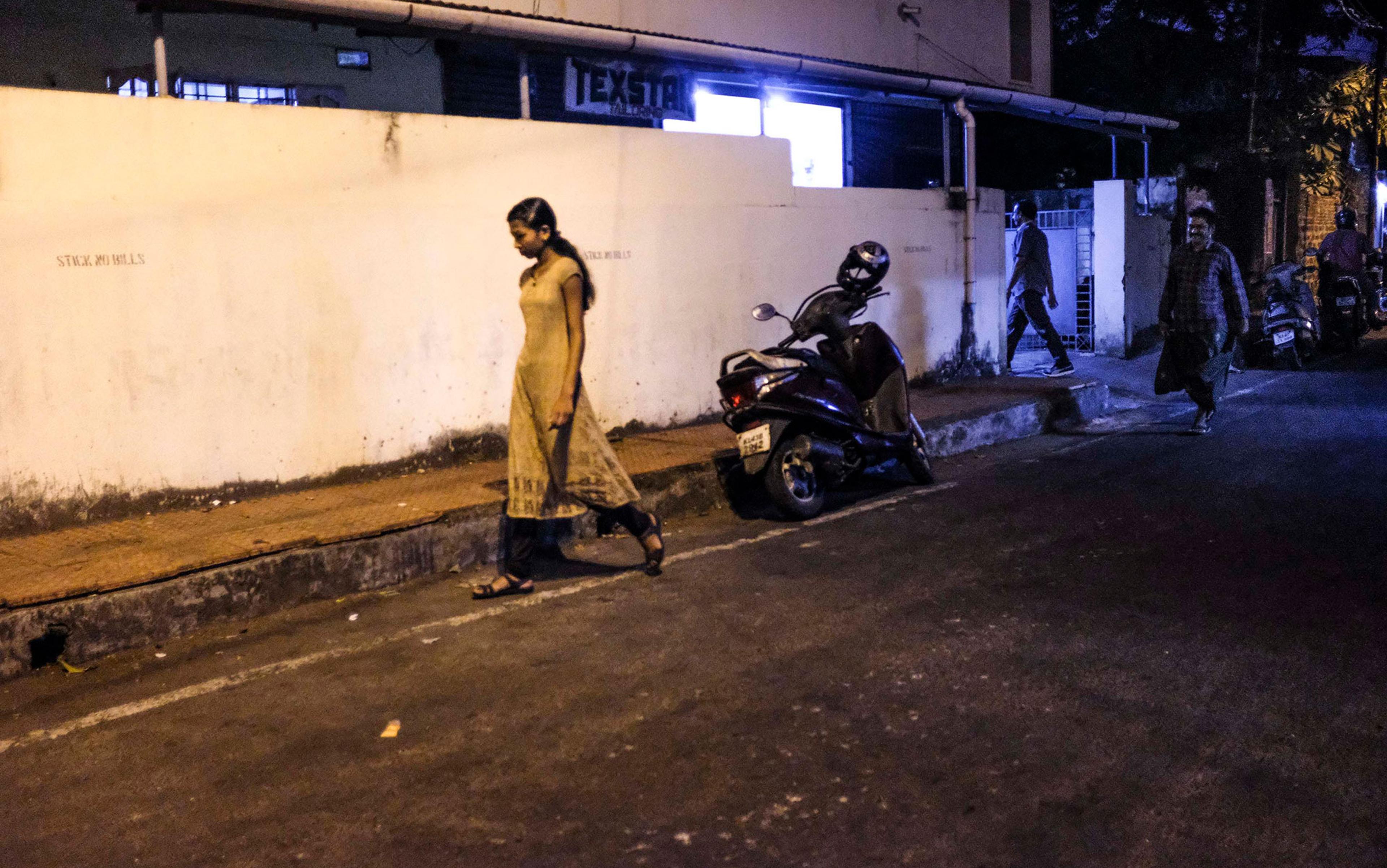
Doctor Molested While Walking Back Home After Work in Bengaluru: Shocking 1 Night, Broken Trust

A young doctor was allegedly molested while walking back home after completing her work shift in Bengaluru, triggering widespread outrage and renewed concerns over women’s safety in the city. The incident, which occurred late in the evening, has once again highlighted the vulnerabilities faced by working women, particularly those in essential services who often travel during odd hours. The case has prompted strong reactions from the medical fraternity, women’s groups and civil society, all of whom have called for swift justice and systemic measures to prevent such crimes.

Activists have highlighted that the issue extends beyond immediate law enforcement. They argue that urban design, street lighting, and public transport accessibility are critical elements in ensuring women’s safety. Narrow lanes, abandoned construction sites, and poorly maintained footpaths often become hotspots for harassment. Addressing these structural deficiencies, they suggest, could prevent crimes before they occur, rather than relying solely on punitive measures after the fact.

There has also been a push for hospitals and institutions employing women to take proactive responsibility. Suggestions include providing night shuttles, escort services, and safer exit routes from workplaces. Some institutions have begun piloting buddy systems, live location tracking, and coordinated transport for employees who finish late shifts. While such initiatives are not widespread, the incident has sparked renewed interest in institutional accountability for staff safety.

The psychological impact of such assaults has been emphasised repeatedly. Survivors often experience anxiety, insomnia, and long-term trauma, which can affect both personal and professional life. Experts recommend immediate access to counselling services, legal guidance, and support groups to help survivors navigate the aftermath. Many hospitals have started collaborating with mental health professionals to provide these services internally, but gaps remain.

Community involvement has also been cited as a key factor in preventing crime. Residents’ associations, local volunteers, and neighbourhood committees can play an active role by creating safer public spaces, organising night patrols, and reporting suspicious activity promptly. Experts note that community vigilance works best when coordinated with police and municipal authorities rather than taking the law into their own hands.

The incident has reignited debates around gender sensitisation, both in policing and broader society. Advocates argue that education on consent, respect, and legal consequences should begin in schools and continue through professional training. The aim, they stress, is to create a cultural shift where harassment is universally condemned and survivors feel supported rather than blamed.How did rape become a feature of Indian society, like caste? | Aeon Essays

Finally, the doctor’s case has prompted calls for systemic reforms in Bengaluru’s approach to women’s safety. Experts recommend integrated strategies combining urban planning, technology, policing, community participation, and institutional accountability. They argue that addressing the problem holistically, rather than in piecemeal reactive steps, is the only way to ensure that working women can travel without fear and reclaim the city as a safe space for all.

According to the police, the doctor had finished her hospital duties and was returning to her residence on foot when the accused allegedly followed her, intercepted her on a relatively deserted stretch of road and assaulted her. The survivor reportedly resisted and raised an alarm, following which the accused fled the scene. She later approached the police and lodged a complaint, leading to the registration of a case under relevant sections of the law.

The incident has sent shockwaves through Bengaluru’s medical community, where doctors, nurses and other healthcare workers routinely work late-night or early-morning shifts. Many have pointed out that despite repeated assurances from authorities, safety measures on the ground remain inadequate, especially in residential layouts and inner roads that lack proper lighting and regular patrolling.

Police officials stated that teams have been formed to identify and apprehend the accused, using CCTV footage from nearby areas and witness accounts. They assured that the case is being treated with seriousness and sensitivity, and that the survivor is being provided necessary support. However, the incident has once again exposed the gap between policy declarations and everyday realities faced by women in the city.

The assault has also reignited debates around urban planning, last-mile safety and the responsibility of employers, particularly hospitals, to ensure safe transport options for staff working late hours. As public anger grows, the incident is being seen not as an isolated crime but as part of a larger pattern of insecurity that women navigate daily.


A City on Alert as Healthcare Workers Speak Out

In the aftermath of the incident, doctors across Bengaluru have voiced deep concern and anger. Many described the assault as an attack not just on an individual but on the dignity and safety of an entire profession that has been at the forefront of public service. Messages of solidarity poured in from medical associations, resident doctors’ unions and healthcare workers, who demanded immediate action and long-term solutions.

Several doctors pointed out that women in the healthcare sector often have little choice but to commute during late hours due to the nature of their work. Emergency duties, extended shifts and unpredictable workloads make fixed schedules impossible. Despite this, many hospitals, especially smaller private institutions, do not provide secure transport facilities or escorts, leaving staff to fend for themselves.

Women doctors shared personal accounts of harassment, stalking and fear while commuting, describing how vigilance has become a daily survival strategy. Some spoke about altering routes, avoiding poorly lit roads and constantly sharing live locations with friends or family. Others admitted that such incidents take a psychological toll, affecting their sense of safety and well-being long after the event.

Medical associations have demanded increased police patrolling around hospitals, hostels and residential areas where healthcare workers live. They have also urged the government to make transport facilities mandatory for institutions that require staff to work night shifts. According to them, safety should not be an optional welfare measure but a basic obligation.

The incident has also sparked conversations about how society views women’s mobility. Several speakers stressed that the responsibility for preventing crime must lie with the system and perpetrators, not with women modifying their behaviour. They cautioned against narratives that subtly blame victims for being out late or walking alone.Unnao gang-rape: Accused set minor Dalit victim's house on fire; her infant  son and sister fight for life - The Economic Times

Senior doctors and administrators have called for coordination between hospitals, local police stations and civic authorities to map vulnerable routes and improve infrastructure. Better street lighting, functional CCTV cameras and visible police presence were repeatedly cited as immediate necessities rather than long-term aspirations.


Questions of Policing, Infrastructure and Accountability

Beyond immediate outrage, the case has raised serious questions about policing and urban governance in Bengaluru. Residents of the area where the incident occurred reportedly complained about inadequate lighting and infrequent police patrols, especially during night hours. Such conditions, they argue, create an environment where offenders feel emboldened and victims feel abandoned.

Urban safety experts note that crimes against women are often concentrated in transitional spaces such as poorly lit streets, bus stops and narrow lanes. These spaces, they argue, require targeted interventions rather than broad assurances. Regular foot patrols, community policing and quick response mechanisms can significantly reduce the risk of such crimes.

Police officials have maintained that Bengaluru has a robust surveillance network, but activists argue that cameras alone are not enough. They point out that CCTV footage often becomes useful only after a crime has occurred. Prevention, they say, requires human presence, accountability and trust between the police and the community.

The case has also drawn attention to the issue of delayed justice in crimes against women. While arrests and investigations are important, activists stress that prolonged trials and low conviction rates often discourage survivors from pursuing cases. They have called for fast-track processes and trauma-informed policing that prioritises the dignity and agency of survivors.

Women’s rights groups have also emphasised the need for psychological support and counselling for survivors. Trauma, they say, does not end with the filing of a complaint. Long-term mental health care, workplace support and social acceptance are crucial for recovery. Employers, particularly in high-stress professions like healthcare, have a role to play in this process.

There have also been demands for stricter monitoring of repeat offenders and known troublemakers in neighbourhoods. Community vigilance, when coordinated responsibly with law enforcement, was suggested as a way to create safer environments without resorting to vigilantism.


The incident involving the doctor has resonated deeply because it underscores a painful contradiction. Those entrusted with caring for society continue to face neglect when it comes to their own safety. The applause and appreciation often extended to healthcare workers during crises stand in stark contrast to the risks they endure in everyday life.Bengaluru teachers, friend arrested for raping and blackmailing student

As investigations continue, public attention remains focused on whether swift and decisive action will follow. For many, justice in this case will be measured not only by the arrest and punishment of the accused but by tangible improvements in safety for women across Bengaluru.

The incident has become a moment of reckoning for the city, forcing citizens and authorities alike to confront uncomfortable truths. Ensuring that women can walk home without fear should not be an extraordinary demand but a basic guarantee. Until that becomes reality, incidents like this will continue to haunt Bengaluru’s conscience.

For the young doctor and countless other women navigating the city’s streets each night, the hope is that this case becomes a turning point rather than another statistic. Whether that hope is fulfilled will depend on the resolve shown in the days and months to come.

Follow: Karnataka Government

Also read: Home | Channel 6 Network – Latest News, Breaking Updates: Politics, Business, Tech & More

Kannada Cinema Roundtable 2025 Calls for Consistency, Originality and Rooted Storytelling: Resonant Bold 3 Voices, A Collective Soul

The Kannada Cinema Roundtable 2025 brought together filmmakers, writers, actors, producers and critics for an extended and introspective conversation on the state and future of the industry. What emerged was not a manifesto driven by trends or box office anxieties, but a collective call for discipline in craft, courage in originality and an unwavering commitment to stories rooted in lived realities. In a year marked by uneven releases and polarised audience responses, the roundtable became a space for honest self-assessment and shared responsibility.

Participants repeatedly returned to one central concern: inconsistency. While Kannada cinema has delivered landmark films that earned national and international attention, it has also struggled to sustain quality across releases. Speakers argued that sporadic excellence cannot substitute for a culture of consistency in writing, direction and production values. The discussion stressed that audiences are no longer patient with excuses framed around budget, language size or market limitations.

The discussions also touched upon audience engagement beyond box office numbers. Participants noted that meaningful engagement is built over time through trust and emotional connection rather than aggressive promotion. When films speak honestly and consistently to their audience, they argued, word-of-mouth becomes organic and enduring. This kind of engagement, rooted in respect rather than hype, was seen as crucial for sustaining Kannada cinema in a crowded entertainment landscape.

Another concern raised was the fragmentation of viewership across theatrical and digital spaces. While acknowledging the opportunities offered by streaming platforms, speakers cautioned against tailoring stories solely to algorithmic preferences. They argued that cinema must retain its narrative integrity regardless of the medium. The challenge, they said, lies in adapting formats without diluting voice, ensuring that Kannada stories remain distinct whether watched in a theatre or at home.

In concluding reflections, several participants emphasised the importance of patience in both creation and reception. Building a culture of consistency and originality, they said, cannot happen overnight. It requires long-term commitment from creators, producers and audiences alike. The roundtable ended on a note of quiet determination, with a shared belief that Kannada cinema’s future depends not on chasing validation elsewhere, but on deepening confidence in its own stories and strengths.

Another recurring theme was originality. Many speakers expressed concern over the increasing reliance on formulas, remakes and trend-chasing narratives. While acknowledging commercial pressures, they warned that imitation erodes identity. Kannada cinema, they argued, has historically drawn strength from its ability to reinterpret social realities, regional cultures and moral conflicts through distinctive voices. Losing that uniqueness risks reducing the industry to a derivative space rather than a creative force.

Rooted storytelling formed the emotional core of the roundtable. Participants spoke passionately about the need to tell stories grounded in Karnataka’s landscapes, languages, histories and contradictions. They argued that universality does not come from imitation of global tropes, but from specificity. When stories are honest to place and people, they said, audiences across geographies respond.
The roundtable was notable for its tone. Rather than placing blame on audiences, platforms or critics, speakers largely turned the lens inward. There was a shared acknowledgment that responsibility lies with creators to respect the audience’s intelligence and time. The conversation reflected a maturity shaped by both success and setbacks, signalling a moment of introspection for the industry.Why is Kannada movie industry not so popular or extravagant as their  neighbouring states industries ? (Eventhough they have huge population and  large theatre counts ) : r/IndianCinema


Consistency and Craft in an Era of Attention Deficit

One of the most pointed discussions revolved around the idea of consistency as a discipline rather than an accident. Filmmakers noted that Kannada cinema often celebrates peaks while ignoring the valleys in between. A few successful films, they argued, should not mask the systemic issues that lead to uneven output. Consistency, according to the speakers, begins with writing and extends through casting, production planning, editing and marketing.

Writers at the roundtable emphasised the need for stronger development processes. Too often, they said, scripts move into production without sufficient drafts, feedback or structural clarity. This results in films that begin with promise but lose direction midway. The absence of script labs, peer review cultures and time-bound development was cited as a major weakness.

Producers acknowledged their role in this ecosystem. Several admitted that financial pressures sometimes lead to rushed decisions, compromising quality. However, they also argued that consistency is economically sensible in the long run. A reputation for quality, they said, builds audience trust and reduces dependence on opening-weekend hype.

Actors added another layer to the conversation by speaking about preparation and choice. They noted that consistency also depends on performers being selective and committed. Taking on roles without adequate preparation or clarity, they argued, contributes to uneven performances that audiences quickly notice. Respect for craft, they said, must extend beyond the director’s chair.

Editors and technicians highlighted how technical inconsistency can undermine strong narratives. Variations in sound design, cinematography and post-production quality across films create an uneven viewing experience. Investing in training and retaining skilled technicians was identified as essential for sustaining standards.

The discussion also touched upon the impact of digital platforms and shortened attention spans. While acknowledging that audiences consume content rapidly, speakers rejected the idea that this justifies diluted storytelling. Instead, they argued that clarity and discipline are even more crucial in an era where audiences quickly disengage from incoherent narratives.

Consistency, the roundtable concluded, is not about playing safe but about being dependable in intent and execution. When audiences walk into a Kannada film, they should trust that the creators have done their homework, regardless of genre or scale.Movies and mass heroes are scarce in Kannada industry!


Originality, Roots and the Courage to Resist Templates

If consistency was framed as discipline, originality was framed as courage. Participants expressed concern over the growing tendency to chase trends set by other industries or past successes. While acknowledging the inevitability of influence, they warned against confusing inspiration with replication. Originality, they argued, is not about novelty for its own sake but about honest expression.

Several filmmakers spoke about the pressure to fit into perceived “pan-Indian” templates. They questioned whether such templates truly expand reach or simply flatten cultural texture. Kannada cinema, they said, has a rich tradition of narratives shaped by regional politics, social movements and everyday life. Abandoning this heritage in pursuit of scale risks losing the very voice that makes the cinema distinctive.

Rooted storytelling was discussed not as nostalgia but as relevance. Speakers argued that stories anchored in local realities often resonate more deeply because they carry emotional truth. Whether set in a village, a small town or an urban neighbourhood, rooted stories draw strength from observation and empathy rather than spectacle alone.

Language emerged as a crucial element of this rootedness. Writers stressed the importance of authentic dialogue that reflects how people actually speak across regions and communities. Sanitised or generic language, they said, distances audiences from characters and settings. Embracing linguistic diversity within Kannada itself was seen as a creative opportunity rather than a limitation.

Women filmmakers and writers highlighted the need for originality in perspective as well as content. They spoke about expanding the range of stories being told and who gets to tell them. Rooted stories, they argued, must also reflect varied lived experiences, including those of women, marginalised communities and less-represented regions.

There was also a candid discussion about risk. Original stories, participants admitted, do not always guarantee immediate commercial success. However, they argued that the long-term health of the industry depends on a willingness to take calculated risks. Playing safe repeatedly, they warned, leads to creative stagnation and audience fatigue.

Critics at the roundtable noted that audiences often reward originality when it is executed with conviction. Films that trust their material and resist unnecessary embellishment, they said, tend to find enduring appreciation even if initial responses are mixed. The challenge lies in maintaining faith in the story amid external pressures.


The roundtable also examined the role of institutions and collective action. Several speakers called for stronger collaboration between film bodies, educational institutions and independent collectives to nurture talent. Mentorship programmes, writing workshops and shared resources were suggested as ways to build a sustainable creative pipeline.

Another important thread was accountability. Participants agreed that calling for originality and consistency must be matched by self-critique. Celebrating mediocrity due to personal networks or star power, they argued, weakens the ecosystem. Honest feedback, even when uncomfortable, was seen as essential for growth.

The relationship between cinema and society featured prominently in the closing discussions. Speakers reflected on Kannada cinema’s historical engagement with social questions and moral dilemmas. They argued that rooted storytelling does not mean didacticism but an awareness of context and consequence. Cinema, they said, shapes imagination as much as it reflects reality.Kannada Film Industry | Facebook

Young filmmakers in attendance spoke about navigating contradictions. They described balancing reverence for tradition with the urge to experiment. The roundtable acknowledged these tensions and encouraged dialogue across generations, stressing that continuity does not require conformity.
As the day-long conversation drew to a close, there was no single prescription offered. Instead, what emerged was a shared resolve to recalibrate priorities. Consistency, originality and rooted storytelling were framed not as slogans but as practices that require patience, collaboration and integrity.

The Kannada Cinema Roundtable 2025 thus marked more than an industry discussion. It reflected a moment of collective pause, where practitioners chose reflection over rhetoric. Whether this introspection translates into sustained change will be seen in the films that follow. For now, the roundtable has articulated a clear aspiration: a cinema that is confident in its roots, disciplined in its craft and brave enough to tell stories that only it can tell.

Follow: Karnataka Government

Also read: Home | Channel 6 Network – Latest News, Breaking Updates: Politics, Business, Tech & More

Internal Reservation Bill Passed Amid Fierce Debate on Alemari and EWS Quota: Historic 1 Decision, A Fractured Consensus

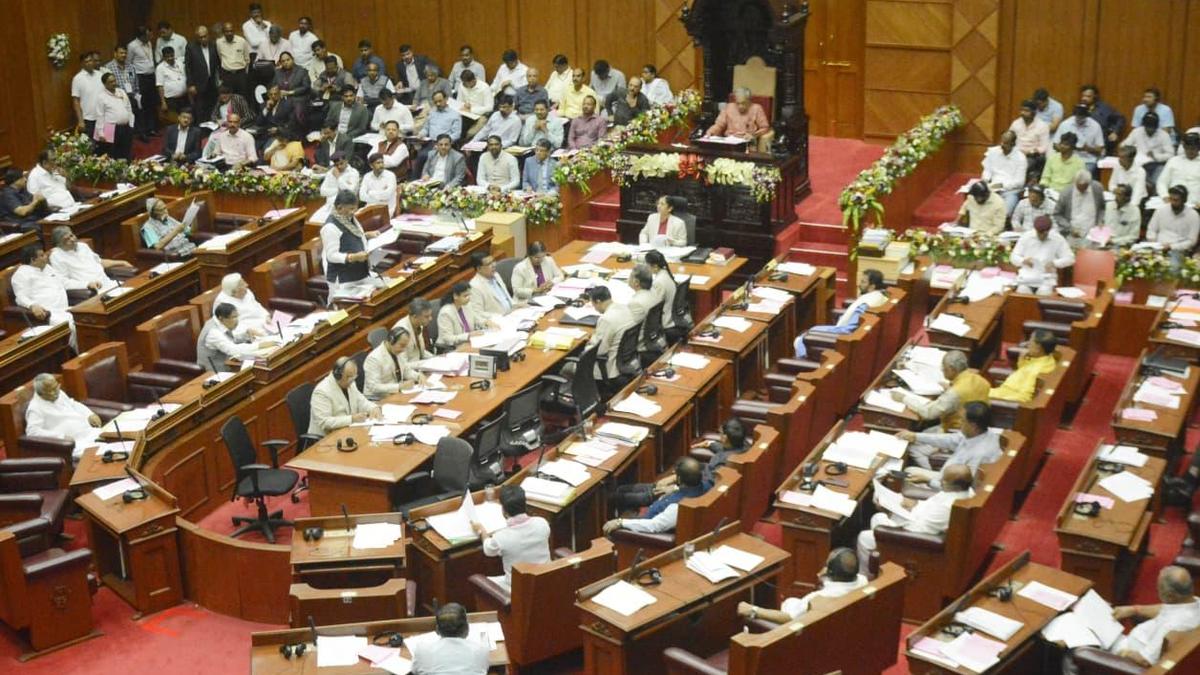
The Karnataka Legislative Assembly has passed the Internal Reservation Bill after an intense and emotionally charged debate that brought longstanding questions of social justice, equity and constitutional balance back into sharp focus. While the government described the Bill as a corrective step to ensure fair distribution of reservation benefits among Scheduled Castes, the discussion was repeatedly interrupted by disagreements over the inclusion of the Alemari community and concerns related to the Economically Weaker Sections quota, exposing deep divisions both within the House and beyond it.

The passage of the Bill has also triggered renewed mobilisation among various social groups, with organisations both supporting and opposing internal reservation planning meetings and representations to the government. Leaders from communities that have long demanded sub-classification see the legislation as validation of their struggle, while others fear that redistribution may reduce their already limited access to opportunities. This divergence has underscored the need for careful communication by the State to prevent misinformation and social friction.

Academics studying caste and affirmative action have pointed out that Karnataka’s move will be closely watched nationally. Internal reservation within Scheduled Castes has been debated in several States, but implementation has often been stalled by legal challenges and political resistance. How Karnataka operationalises the law, they argue, could influence future policy choices elsewhere and shape the broader discourse on reforming reservation mechanisms.

There are also concerns about data readiness. Experts caution that identifying beneficiary sub-groups requires up-to-date, disaggregated socio-economic data, which is often lacking or contested. Without credible data, they warn, implementation risks being perceived as arbitrary, undermining both public confidence and legal defensibility. Calls have been made for transparent publication of criteria and periodic review mechanisms.

Within the bureaucracy, preparations are expected to begin for framing rules and guidelines once the Bill receives assent. Officials acknowledge that translating legislative intent into administrative practice will be challenging, particularly in ensuring uniform application across departments and districts. Training officials and updating recruitment and admission systems will be essential to avoid confusion during the transition.

Political observers note that the debate has sharpened fault lines ahead of future electoral contests. Reservation policies have historically influenced voting behaviour in Karnataka, and the internal reservation Bill is likely to feature prominently in political messaging. Whether it consolidates support or alienates sections of the electorate will depend on how its impact is felt on the ground.

As the dust settles in the Assembly, the focus now shifts to outcomes rather than intent. For communities that have waited decades for recognition within the reservation framework, expectations are high. At the same time, apprehensions persist among those who fear loss. Balancing these competing emotions while upholding constitutional principles will test the government’s resolve and administrative capacity in the months to come.

The Bill seeks to introduce internal reservation among Scheduled Castes by categorising them into sub-groups to ensure that benefits reach communities that have historically remained marginalised even within the broader reservation framework. Proponents argue that certain Scheduled Caste communities have cornered a disproportionate share of opportunities over the years, leaving others underrepresented in education and public employment. The legislation aims to address this imbalance through a more granular approach.

As the Bill was tabled and debated, members across party lines acknowledged the sensitivity of the issue. Reservation, deeply intertwined with identity and historical injustice, remains one of the most politically and socially charged subjects in Karnataka. The Assembly proceedings reflected this complexity, with impassioned speeches, procedural objections and repeated demands for clarity on how the new framework would be implemented.

The Alemari community emerged as a focal point of contention during the debate. Several members questioned the community’s placement within the reservation structure, arguing that its socio-economic status warranted a re-examination. Others warned that reopening such classifications could destabilise existing arrangements and lead to further demands from other groups.

Adding to the complexity was the discussion around the Economically Weaker Sections quota. Opposition members argued that the Bill did not adequately address how internal reservation within Scheduled Castes would interact with the EWS framework, potentially leading to confusion and legal challenges. Government representatives countered that the Bill operates within established constitutional boundaries and that safeguards would be put in place to avoid overlap or dilution of benefits.

Despite the disagreements, the Bill was passed by voice vote, marking a significant legislative moment. The government hailed it as a long-overdue reform, while critics cautioned that its real impact would depend on careful implementation and judicial scrutiny.Internal reservation Bill passed in Karnataka Assembly amid debate on  Alemari and EWS quota - The Hindu


Social Justice Claims and the Alemari Question

At the heart of the debate lay competing interpretations of social justice. Supporters of the Bill argued that internal reservation is not about exclusion but correction. They cited studies and committee reports suggesting that benefits of reservation have been unevenly distributed, with some Scheduled Caste communities gaining greater access to education and employment, while others remain trapped in cycles of deprivation.

The Karnataka Legislative Assembly has passed the Internal Reservation Bill after an intense and emotionally charged debate that brought longstanding questions of social justice, equity and constitutional balance back into sharp focus. While the government described the Bill as a corrective step to ensure fair distribution of reservation benefits among Scheduled Castes, the discussion was repeatedly interrupted by disagreements over the inclusion of the Alemari community and concerns related to the Economically Weaker Sections quota, exposing deep divisions both within the House and beyond it.

Members advocating internal reservation said the Bill responds to demands raised over decades by communities who feel sidelined within the existing system. They contended that without internal categorisation, reservation risks reproducing inequality rather than dismantling it. For these legislators, the Bill represents a moral and constitutional obligation to ensure that affirmative action reaches those most in need.

The Alemari community’s position sparked sharp exchanges. Some legislators questioned whether the community’s nomadic lifestyle and occupational history have been adequately reflected in current reservation policies. They argued that the Alemari face distinct forms of social exclusion and that their classification requires nuanced understanding rather than blanket categorisation.

Others warned against singling out specific communities during the legislative process. They argued that such debates could inflame social tensions and undermine the spirit of unity among marginalised groups. According to them, any reclassification should be based on comprehensive data and expert recommendations rather than floor-level debates.

The government maintained that the Bill does not alter the constitutional status of any community but focuses on equitable distribution of benefits within the Scheduled Caste category. Ministers assured the House that the Alemari issue, along with other concerns, would be addressed through appropriate administrative mechanisms and further studies if required.

Legal experts observing the debate noted that internal reservation has previously faced judicial scrutiny, making precision in drafting and implementation crucial. They pointed out that courts have emphasised the need for empirical data to justify sub-classification, and any perceived arbitrariness could invite legal challenges.

Beyond the Assembly, social organisations representing various Scheduled Caste communities expressed mixed reactions. While some welcomed the Bill as a victory for long-neglected groups, others feared it could lead to fragmentation and competition among communities already facing structural disadvantage.Seven Bills passed in Karnataka Council - The Hindu


EWS Concerns, Political Fault Lines and What Lies Ahead

The debate around the Economically Weaker Sections quota added another layer of complexity to the proceedings. Opposition members argued that the Bill failed to clearly articulate how internal reservation would coexist with the EWS framework, raising concerns about overlapping eligibility and administrative confusion. They warned that beneficiaries could be caught between multiple criteria, leading to exclusion rather than inclusion.

Government representatives responded that the EWS quota operates independently of caste-based reservations and that existing rules provide sufficient clarity. They accused the opposition of conflating separate policy frameworks to create confusion and stall a reform aimed at social equity.

Political fault lines became evident as the discussion progressed. While the ruling side framed the Bill as a progressive step rooted in social justice, the opposition accused the government of rushing through sensitive legislation without adequate consultation. Some members demanded that the Bill be referred to a House committee for deeper examination, a demand the government rejected.

The passage of the Bill has now shifted attention to implementation. Officials will need to frame detailed rules, identify beneficiary sub-groups based on data and ensure transparency in allocation. Experts caution that without clear guidelines and robust monitoring, the objectives of the Bill could be undermined.

Civil society groups have called for continuous dialogue with affected communities to prevent misinformation and unrest. They argue that internal reservation, while potentially transformative, must be accompanied by outreach and education to explain its rationale and safeguards.

There is also anticipation of judicial review. Given the history of litigation around reservation policies, the Bill is expected to be examined closely by the courts. How well the government defends its empirical basis and constitutional validity will be critical in determining the law’s longevity.

For now, the passage of the Internal Reservation Bill marks a decisive yet contested moment in Karnataka’s ongoing negotiation with social justice. It reflects both the State’s willingness to revisit entrenched systems and the enduring challenges of balancing equity, unity and constitutional limits.Karnataka Cabinet approves internal quota, slicing SC reservation into 3  categories - The Hindu

Whether the Bill delivers on its promise of fairer distribution or deepens existing divides will depend on the choices made in the months ahead. As Karnataka moves forward, the legislation stands as a reminder that social reform, particularly in the realm of reservation, is rarely simple and never free from contention.

Follow: Karnataka Government

Also read: Home | Channel 6 Network – Latest News, Breaking Updates: Politics, Business, Tech & More

Government Yet to Refund Educational Expenses of Farmers’ Children: Painful 461 Promises, A Lingering Hope

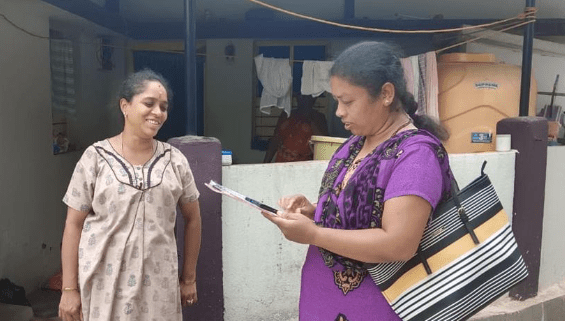
More than a year after assurances were given, the Karnataka government is yet to refund educational expenses incurred by 461 children of farmers who died by suicide due to drought-related distress, raising serious questions about administrative delays and the State’s commitment to welfare measures announced for the most vulnerable. For families already grappling with emotional loss and economic instability, the pending refunds have become another source of anxiety, compounding their struggle to secure education for their children.

The refund scheme was announced as part of a broader relief package for families of farmers who ended their lives amid consecutive droughts, crop failures and mounting debt. Under the scheme, the government had promised to reimburse educational expenses for children pursuing school and college education, recognising that education often becomes the first casualty after the death of the family’s primary breadwinner. However, official data indicate that refunds in the case of 461 children are still pending.

Families say the delay has forced many to borrow money, discontinue courses or shift children to cheaper institutions. Some parents and guardians allege that repeated visits to government offices have yielded little clarity, with files moving slowly between departments and officials citing procedural hurdles. For households that survive on marginal incomes or daily wage work, the promised refunds were seen as a lifeline rather than a concession.

Officials acknowledge the delay but attribute it to verification processes, documentation gaps and coordination issues between departments dealing with agriculture, social welfare and education. While they maintain that the government remains committed to releasing the funds, families argue that such explanations offer little comfort when academic fees and deadlines continue to loom.

The issue has drawn attention from civil society organisations and farmer unions, who say the delay reflects a pattern where relief announcements are not matched by timely implementation. They argue that for families affected by farmer suicides, delays are not mere administrative lapses but decisions that shape children’s futures in irreversible ways.Govt. yet to refund educational expenses of 461 children of farmers who ended their lives due to drought in Karnataka - The Hindu

There are growing concerns that prolonged delays may also discourage families from applying for similar welfare schemes in the future. Social workers say mistrust builds quickly when promised assistance does not reach beneficiaries on time, leading many to abandon follow-ups altogether. This, they warn, can result in underutilisation of welfare programmes and deepen the invisibility of vulnerable groups within policy frameworks.

Educationists have pointed out that children from families affected by farmer suicides already face multiple disadvantages, including emotional trauma, economic insecurity and social stigma. Interruptions in education exacerbate these challenges, often pushing children into early employment or forcing them to abandon higher studies. Timely refunds, they argue, are essential to ensure that such children are not denied opportunities solely due to circumstances beyond their control.

Some districts have reportedly fared better than others in processing claims, highlighting inconsistencies in implementation. Activists say this uneven performance underscores the need for uniform guidelines and closer monitoring at the State level. Without standardised procedures and deadlines, they caution, the pace of disbursal will continue to depend on local administrative efficiency rather than policy intent.

There have also been demands for interim relief measures, such as direct payment of fees to educational institutions or advance assistance pending final verification. Proponents argue that such mechanisms could prevent immediate disruptions to education while allowing authorities to complete necessary checks. Similar models, they note, have been used in other welfare schemes to balance urgency with accountability.

As pressure mounts from farmer groups, civil society and opposition leaders, the government faces a test of responsiveness. Clearing the pending refunds for the 461 children would not only address an immediate grievance but also send a message that welfare commitments are taken seriously. For families waiting anxiously, swift action could mean the difference between continued education and a future shaped by loss and deprivation.


A Scheme Meant to Protect Education Amid Tragedy

The educational refund scheme was introduced against the backdrop of severe agrarian distress in Karnataka, where prolonged drought conditions led to crop failures, loss of income and mounting indebtedness. Farmer suicides, often linked to financial stress, left behind families with limited means and uncertain futures. Recognising this, the State announced a package that included compensation, debt relief measures and educational support for children.

Education support was seen as a crucial intervention. Policymakers and experts have long argued that ensuring uninterrupted education for children of deceased farmers can break the cycle of distress and prevent long-term socio-economic marginalisation. The refund scheme aimed to cover tuition fees and related educational expenses, easing the burden on surviving family members.

According to government guidelines, eligible families were required to submit applications along with proof of admission, fee receipts and documents establishing the farmer’s death as suicide linked to drought. These applications were to be processed through district-level committees before funds were released.

However, families and activists say the process has been riddled with delays. In some cases, applications were returned for minor documentation issues, while in others, families were asked to resubmit papers already provided. Many applicants come from remote villages, making repeated visits to district headquarters both costly and time-consuming.

Parents say the emotional toll of navigating bureaucratic procedures while grieving a family member has been immense. For widows and elderly grandparents, who often become primary caregivers, dealing with multiple offices and unclear instructions has proven overwhelming.Govt. yet to refund educational expenses of 461 children of farmers who ended their lives due to drought in Karnataka - The Hindu

Educational institutions, meanwhile, have not always been willing to wait indefinitely. Some students have reportedly been denied hall tickets, asked to clear dues or threatened with discontinuation due to unpaid fees. Families say this has placed children under severe psychological stress, affecting their academic performance and well-being.

Officials insist that safeguards are necessary to prevent misuse of funds and ensure that benefits reach genuine beneficiaries. They argue that verification of suicide cases and eligibility criteria is essential, given the sensitivity and financial implications of the scheme. However, critics contend that the lack of fixed timelines and accountability mechanisms has allowed delays to persist unchecked.

As Karnataka continues to grapple with agrarian distress and its human consequences, the fate of these 461 children has become a symbol of the gap between intent and implementation. Whether the government can bridge this gap swiftly will determine not only the success of one scheme, but also the credibility of its broader response to farmer suicides.


Delays, Accountability and the Human Cost

The pending refunds have reignited debates about governance and accountability in welfare delivery. Farmer unions argue that the government must treat such schemes as urgent humanitarian interventions rather than routine administrative tasks. They point out that delays in educational support can have permanent consequences, including dropouts and loss of career opportunities.

Activists working with affected families say the problem is not limited to one department. Instead, it reflects fragmented coordination between agriculture, revenue, education and social welfare departments. Each stage of verification and approval involves different offices, increasing the risk of files getting stalled.

There is also concern about the absence of transparent public data. While officials have acknowledged that refunds for 461 children are pending, families say there is little clarity on timelines or reasons for individual delays. Many have not received formal communication explaining the status of their applications.

Opposition parties have seized upon the issue to criticise the government, accusing it of insensitivity towards families of deceased farmers. They argue that welfare schemes lose credibility when benefits are delayed, eroding public trust and deepening rural distress. Some leaders have demanded a special drive to clear pending cases within a fixed deadline.

The government, for its part, has reiterated its commitment to the scheme and assured that funds will be released after completion of verification. Officials say efforts are being made to streamline procedures and address bottlenecks. They also point to the scale of the challenge, noting that drought-related distress affected multiple districts and required coordination across several layers of administration.

Experts in public policy suggest that the issue highlights the need for simplified processes and decentralised decision-making. Empowering district-level authorities with greater autonomy and resources, they argue, could speed up disbursement and reduce the burden on applicants.

There is also a call for proactive support mechanisms. Instead of waiting for families to follow up repeatedly, officials could track applications digitally and communicate updates regularly. Such measures, experts say, would reduce uncertainty and restore confidence among beneficiaries.karnataka: Karnataka govt seeks Rs 17,901 cr drought relief funds from Centre - The Economic Times

For families awaiting refunds, however, policy debates offer little immediate relief. Many continue to juggle debts and expenses, hoping that the promised funds will arrive before it is too late to salvage their children’s education.

As Karnataka continues to grapple with agrarian distress and its human consequences, the fate of these 461 children has become a symbol of the gap between intent and implementation. Whether the government can bridge this gap swiftly will determine not only the success of one scheme, but also the credibility of its broader response to farmer suicides.

The unresolved refunds serve as a reminder that welfare policies are ultimately measured not by announcements, but by their impact on lives already pushed to the brink. For the families of farmers who died by suicide, timely educational support is not just financial assistance, but a promise of dignity, continuity and hope for the next generation.

Follow: Karnataka Government

Also read: Home | Channel 6 Network – Latest News, Breaking Updates: Politics, Business, Tech & More

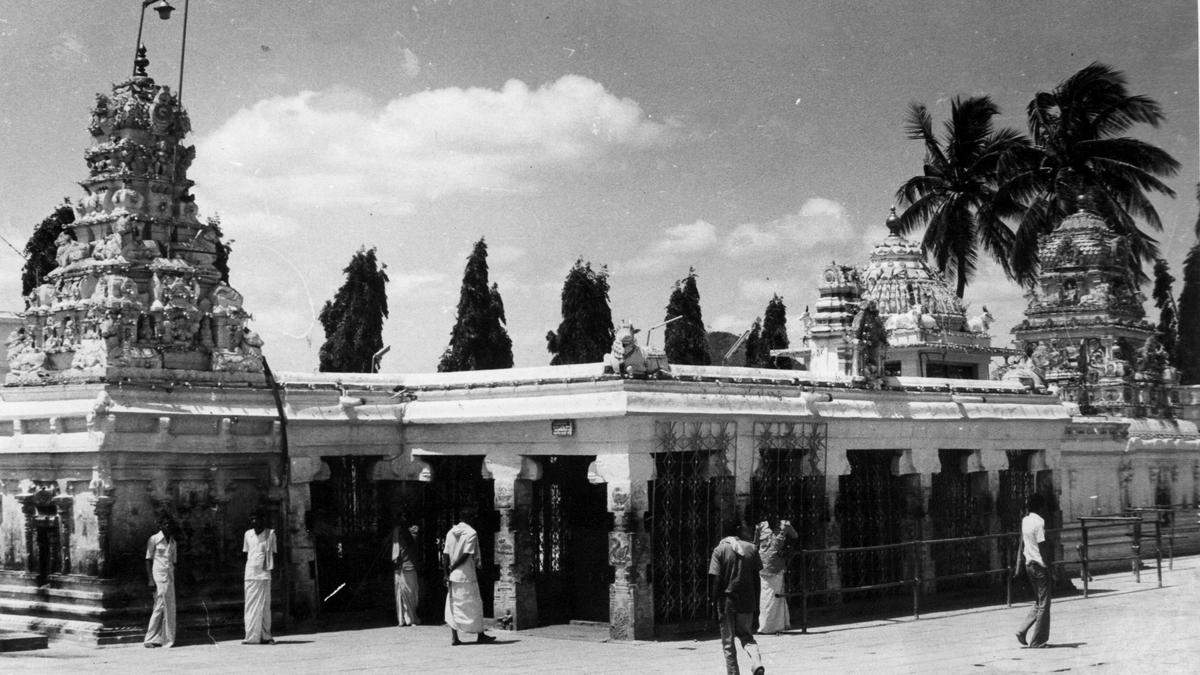
MLC Pushes for Use of Temple Funds to Develop Villages Near M.M. Hills: Controversial 5 Demands, A Sacred Debate

A proposal by a Member of the Legislative Council to utilise temple funds for the development of villages surrounding the Male Mahadeshwara Hills has triggered an intense debate in Karnataka, bringing into focus the intersection of faith, governance and rural development. The MLC has argued that temples located in and around the M.M. Hills region generate substantial revenue and that a portion of these funds should be channelled towards improving basic infrastructure and living conditions in nearby villages that remain socially and economically backward.

The discussion has also prompted renewed scrutiny of existing welfare activities already supported by the temple administration. Officials point out that free meal programmes, accommodation for pilgrims and occasional medical camps indirectly benefit nearby villages, even if they are not labelled as development projects. Critics, however, argue that such initiatives are episodic and do not substitute for sustained investment in infrastructure and public services.

Social activists working in the region say the controversy underscores the absence of a coherent development plan for pilgrimage-centric areas. They argue that regions hosting major religious centres experience unique pressures, including seasonal population surges and environmental stress, which require dedicated policy responses. In the absence of such planning, proposals like the use of temple funds emerge as stopgap solutions rather than part of a long-term strategy.

There are also concerns about accountability and transparency should temple funds be deployed for village development. Experts caution that without robust monitoring mechanisms, the risk of misuse or politicisation of funds could increase. Clear guidelines on project selection, implementation and auditing would be essential to maintain public trust and protect the sanctity of religious endowments.

Religious scholars have weighed in, noting that Hindu traditions emphasise dana, or charitable giving, as a moral duty, but also stress that such giving must be voluntary and aligned with dharmic principles. They argue that any redirection of temple funds should emerge from consensus within the religious and local community, rather than through political pressure or legislative demands.

As the debate continues, it has become evident that the issue is as much about governance gaps as it is about temple finances. Whether the proposal is accepted, modified or rejected, it has drawn attention to the lived realities of villages around M.M. Hills and the need for sustained development intervention. How the State responds will shape not only the future of these communities but also the broader discourse on the role of religious institutions in addressing social inequities.

The Male Mahadeshwara Hills, a prominent pilgrimage centre, attract lakhs of devotees every year. The temple administration oversees significant offerings made by devotees in the form of donations, hundi collections and special sevas. While these funds are traditionally used for temple maintenance, rituals and related charitable activities, the MLC has suggested that they could also serve as a resource for addressing chronic development deficits in surrounding habitations.

According to the MLC, villages around the hill shrine continue to struggle with poor road connectivity, lack of drinking water facilities, inadequate healthcare access and limited educational infrastructure. He has contended that despite the region’s religious importance and economic potential, local residents have seen little improvement in their quality of life over the years.

The proposal, raised during a public forum and later reiterated in political circles, has drawn mixed reactions. Supporters argue that temples have historically played a role in community welfare and that extending development support to nearby villages would be consistent with that tradition. Critics, however, warn that diverting temple funds for secular development purposes could set a problematic precedent and raise legal and ethical concerns.

Temple authorities have maintained that all financial decisions must adhere to existing laws governing religious institutions. They point out that temple funds are regulated under statutory frameworks that specify permissible uses, and any deviation would require careful legal scrutiny and approval from competent authorities.

The issue has gained political traction, with leaders across parties weighing in. While some have cautiously endorsed the idea in principle, others have accused the MLC of politicising religious institutions and attempting to tap into sensitive sentiments ahead of local development discussions.

As the debate unfolds, the proposal has reopened broader questions about the role of religious institutions in public welfare, particularly in regions where the State’s development reach remains limited.MLC seeks use of temple funds for development of villages near M.M. Hills -  The Hindu


Tradition, Law and the Question of Temple Funds

Historically, temples in Karnataka and across India have served as more than places of worship. They functioned as centres of learning, art, charity and community support. Food distribution, shelter for travellers and assistance to the poor were integral to temple activities, funded through donations and land grants. Supporters of the MLC’s proposal invoke this historical role to argue that village development aligns with the spirit of temple service.

However, modern governance frameworks have formalised the management of temple finances. Temple funds are typically earmarked for specific purposes such as maintenance of the shrine, payment of staff salaries, conduct of rituals, preservation of heritage structures and charitable activities directly linked to the temple’s objectives. Any expansion of this scope raises legal questions.

Legal experts point out that using temple funds for village development would require clear justification that such expenditure qualifies as charitable activity connected to the temple’s purpose. Infrastructure projects like roads, water supply systems or housing schemes may fall outside the traditional interpretation of permissible uses, unless explicitly allowed under governing statutes or through special government orders.

Critics of the proposal argue that once temple funds are opened up for general development work, it could blur the line between religious endowments and State responsibility. They caution that governments may gradually rely on temple resources instead of allocating public funds, effectively shifting the burden of development onto religious institutions.

There are also concerns about equity. Temples in Karnataka vary widely in terms of income. Allowing affluent temples to fund village development could create disparities, while poorer temples may struggle to meet even their basic needs. Opponents argue that development should be uniformly addressed through State budgets rather than through selective use of temple wealth.

At the same time, proponents counter that the villages near M.M. Hills bear the environmental and social impact of large pilgrim inflows. Increased footfall strains local resources, generates waste and affects livelihoods. In this context, they argue, using a portion of temple revenue for local development is a form of compensatory justice.

Temple administrators have adopted a cautious stance, emphasising that any decision must balance religious obligations with social responsibility. They note that existing charitable activities, such as free meals and healthcare camps, already benefit local populations, though perhaps not at the scale required to address systemic development gaps.


Development Needs, Political Responses and the Way Forward

Villagers living around the Male Mahadeshwara Hills say the debate reflects long-standing neglect rather than sudden political interest. Residents point to poor transport facilities, limited access to secondary healthcare and inadequate school infrastructure as daily challenges. Many argue that despite the temple’s prominence, development has largely bypassed their communities.

Local leaders supporting the MLC’s proposal say that targeted use of temple funds could deliver immediate benefits, especially for basic amenities. They argue that small investments in drinking water projects, sanitation facilities or school improvements could significantly improve living conditions without severely impacting temple finances.Green Deepavali' at M.M. Hills: Officials directed to ensure enforcement of  plastic ban - The Hindu

Opposition voices, however, have questioned the timing and intent behind the proposal. They allege that invoking temple funds risks polarising public opinion and distracting from the government’s responsibility to address rural development through transparent budgeting and planning. Some have demanded clarity on how funds would be managed and who would oversee their utilisation.

Policy analysts suggest that a middle path may be possible. Instead of direct funding of infrastructure projects, temple trusts could support development through clearly defined charitable initiatives such as scholarships for local students, healthcare outreach programmes or skill development centres. Such activities, they argue, are more likely to withstand legal scrutiny and align with the charitable mandate of religious institutions.

The State government has so far refrained from taking a definitive position, indicating that any proposal involving temple funds would be examined carefully within the existing legal framework. Officials have reiterated that religious endowments are governed by law and that decisions must be taken in consultation with authorities and legal experts.

Civil society groups have called for broader consultations, involving villagers, temple administrators, legal experts and policymakers. They argue that decisions affecting both religious institutions and rural communities should not be made unilaterally or in haste, but through inclusive dialogue that considers long-term implications.

As discussions continue, the proposal has highlighted deeper issues around rural development, governance capacity and the role of non-State actors in welfare delivery. Whether temple funds should supplement State efforts or remain strictly confined to religious purposes remains a contentious question.

For the villages near M.M. Hills, the immediate concern is not ideological but practical. Residents seek roads that remain usable during monsoons, reliable access to clean water and basic healthcare facilities. Whether these needs are met through public funds or charitable initiatives, they argue, matters less than tangible improvement on the ground.After protests, Karnataka govt withdraws circular stopping funds to temples  | Bangalore News - The Indian Express

The debate sparked by the MLC’s demand has thus moved beyond a single proposal to reflect broader tensions between faith and administration. Its outcome will not only shape policy around temple funds but also signal how Karnataka navigates the delicate balance between respecting religious institutions and addressing persistent development gaps in its most marginalised regions.

Follow: Karnataka Government

Also read: Home | Channel 6 Network – Latest News, Breaking Updates: Politics, Business, Tech & More

Karnataka High Court Restores Jan Aushadhi Kendras in Government Hospitals: Bold 1 Judgment, A Public Relief

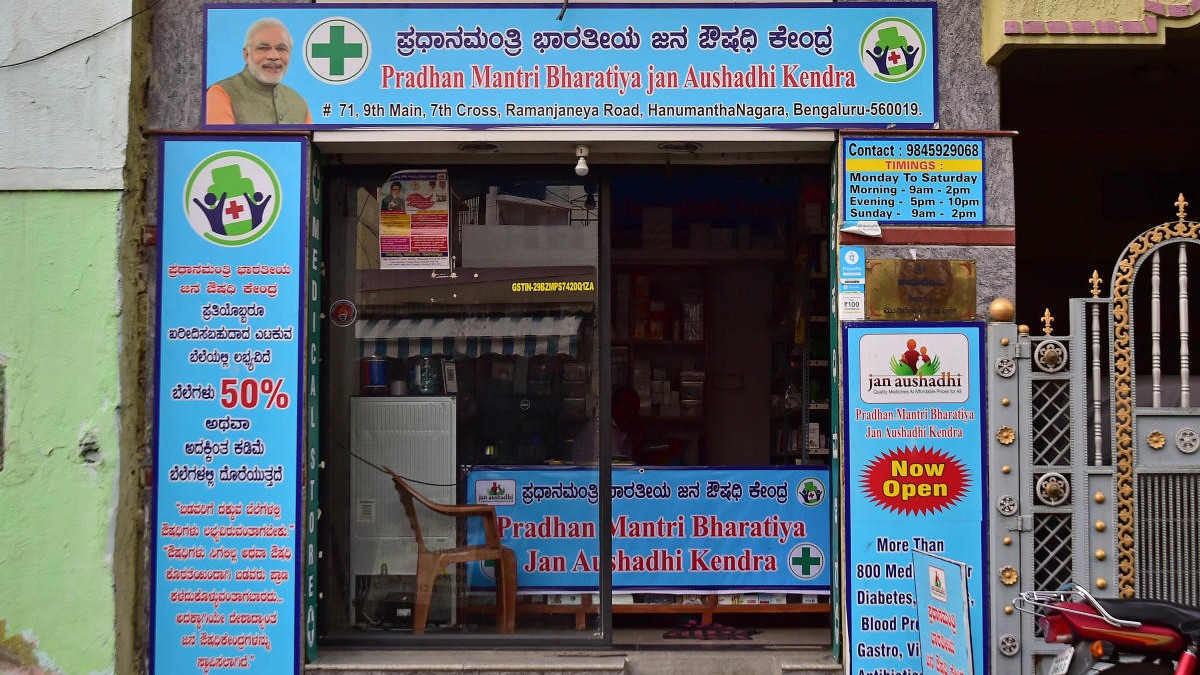
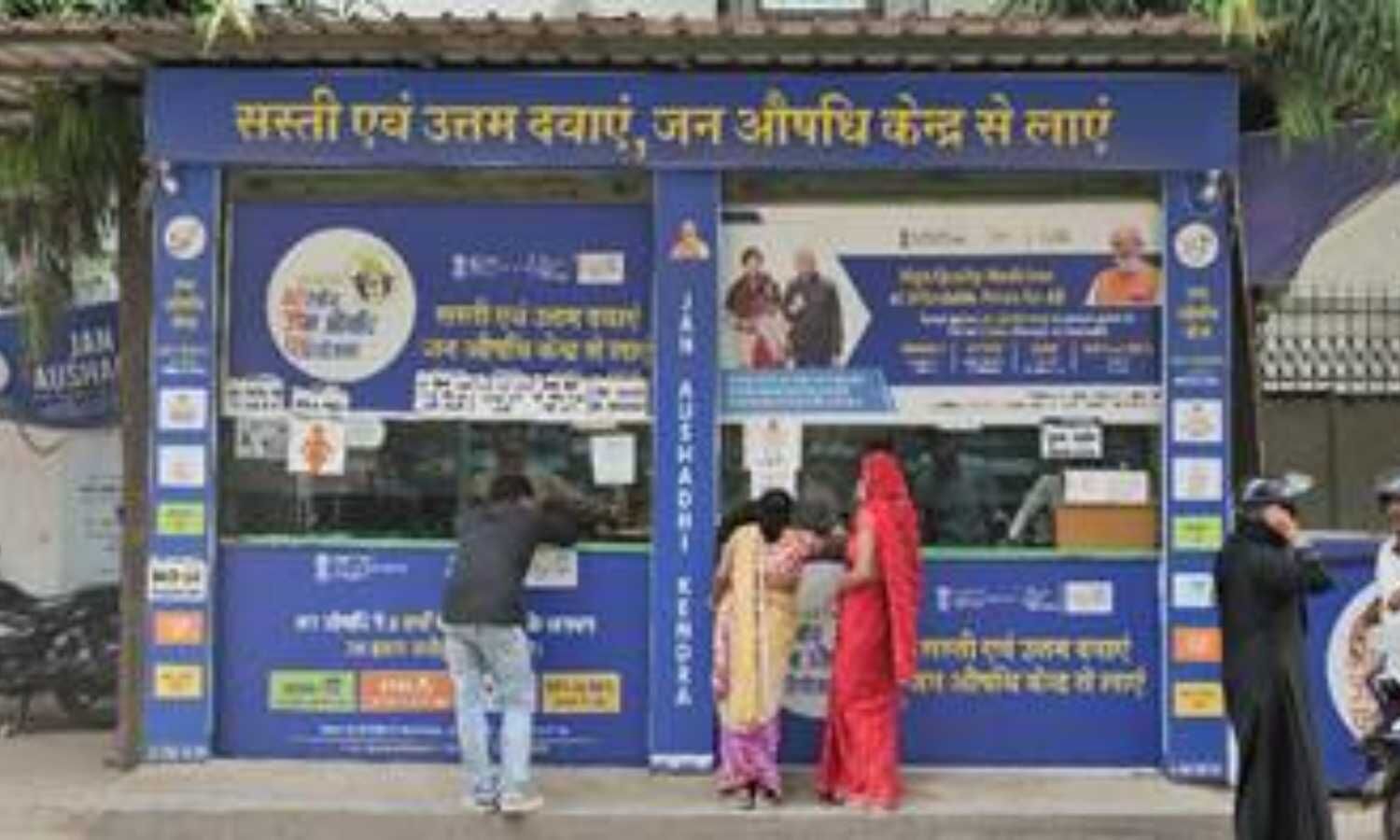
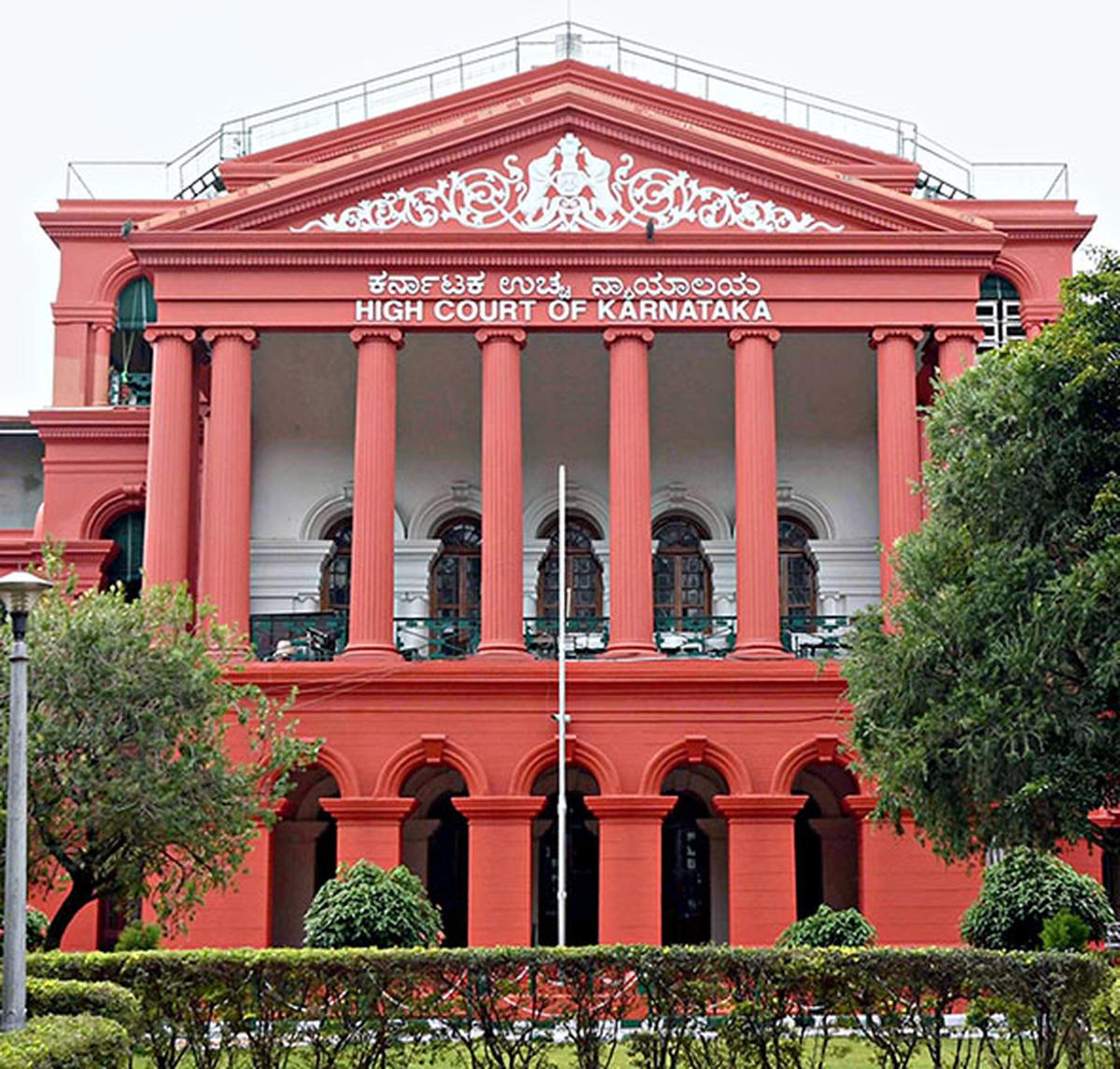
In a significant ruling with far-reaching implications for public healthcare access, the Karnataka High Court has set aside the State government’s decision to discontinue Jan Aushadhi kendras functioning on the premises of government hospitals. The court held that the move was arbitrary and contrary to the objective of ensuring affordable medicines to the public, especially to economically vulnerable sections who depend heavily on public health institutions for treatment.

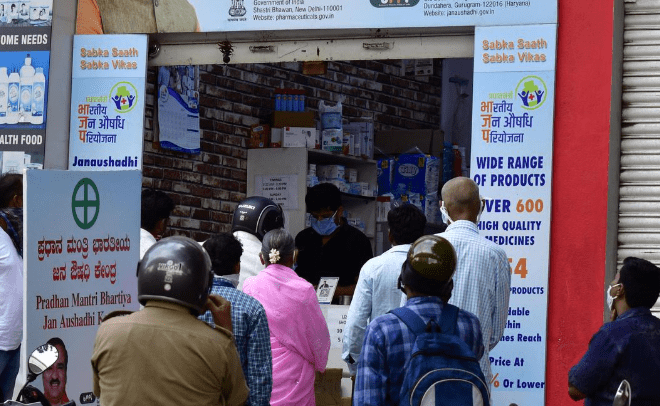
The decision brings immediate relief to patients across the State who rely on Jan Aushadhi kendras for low-cost generic medicines. These kendras, established under a national programme to promote access to affordable drugs, have been operating within government hospital campuses to ensure that patients can conveniently procure prescribed medicines at subsidised rates.

The High Court observed that the presence of Jan Aushadhi kendras within hospital premises directly supports the right to health and access to essential medicines. Discontinuing them, without placing an equally effective alternative mechanism, would impose an additional financial burden on patients and undermine the purpose of public healthcare institutions.

The case arose after the State government issued directions proposing to remove Jan Aushadhi kendras from government hospital premises, citing administrative and policy considerations. This decision was challenged by stakeholders, including kendras’ operators and public interest litigants, who argued that such a move would adversely affect patients and defeat the core objective of the scheme.

After examining the matter, the High Court ruled that the decision lacked adequate justification and failed to consider the larger public interest. The court emphasised that government policies must be guided by constitutional values, particularly when they affect access to essential services such as healthcare and medicines.

The State government, while bound by the court’s ruling, is expected to review its internal policies to align them with the judgment. Officials indicate that efforts may now focus on improving management practices and ensuring that kendras function efficiently without causing administrative inconvenience to hospital authorities.Karnataka HC quashes govt order to shut Jan Aushadhi Kendras

Health economists note that the ruling could influence similar policy decisions in other States. As governments grapple with balancing fiscal constraints and welfare obligations, judicial interventions such as this one serve as reminders that public health considerations must remain central to decision-making.

There is also renewed discussion on expanding the Jan Aushadhi network within government hospitals, particularly in rural and semi-urban areas where access to private pharmacies may be limited. Experts argue that strategically located kendras can significantly improve medicine access for patients who travel long distances for treatment.

The judgment has been welcomed by patient advocacy groups, public health experts and civil society organisations, who see it as a reaffirmation of the State’s responsibility to prioritise affordable healthcare. They argue that the ruling reinforces the principle that policy decisions cannot be driven solely by administrative convenience when fundamental welfare concerns are at stake.

For patients visiting government hospitals, the verdict ensures continuity of access to generic medicines at significantly lower prices compared to branded alternatives available in the open market. Doctors working in public hospitals say the presence of Jan Aushadhi kendras within hospital premises helps ensure better treatment compliance, as patients are more likely to purchase prescribed medicines when they are affordable and easily accessible.


Court’s Reasoning and Public Health Implications

In its detailed reasoning, the High Court noted that Jan Aushadhi kendras are an integral part of the public healthcare ecosystem. The court observed that government hospitals cater predominantly to low-income and marginalised populations, many of whom struggle to afford medicines even when consultation and treatment are provided free of cost.

The judges pointed out that the decision to discontinue kendras did not adequately assess the consequences for patients. Merely suggesting that medicines could be purchased from outside pharmacies, the court noted, ignores the economic realities faced by large sections of the population. For many patients, even a small increase in medicine costs can result in discontinuation of treatment.

The court further observed that the Jan Aushadhi scheme is designed to reduce out-of-pocket expenditure on healthcare, which remains one of the major causes of financial distress among Indian households. Any policy decision that potentially increases this burden must be backed by compelling reasons and a clear demonstration of public benefit.

Addressing the government’s argument regarding administrative difficulties, the court held that logistical or management challenges cannot override the fundamental objective of public welfare schemes. If issues exist in the functioning of kendras, the appropriate response, the court said, would be to improve oversight and coordination rather than dismantle the system altogether.

The High Court also took note of the fact that Jan Aushadhi kendras function under a regulated framework, supplying medicines that meet prescribed quality standards. The concern that generic medicines may be inferior in quality, often cited informally in public discourse, was rejected as unfounded when not supported by evidence.

Public health experts say the ruling underscores the judiciary’s recognition of access to medicines as a core component of the right to health. They argue that affordable medicines are as critical as infrastructure and medical personnel in ensuring effective healthcare delivery.

Doctors in government hospitals point out that prescribing generic medicines through Jan Aushadhi kendras also helps rationalise treatment costs. When patients are unable to afford medicines, doctors often face ethical dilemmas, knowing that the prescribed treatment may not be followed. The availability of low-cost generics within hospital premises alleviates this concern.

The judgment also has implications for healthcare equity. By ensuring that Jan Aushadhi kendras remain within government hospitals, the court has reinforced the idea that public health systems must actively bridge economic disparities rather than inadvertently widen them through policy decisions.Karnataka HC Allows Jan Anushadhi Kendras to Continue Operations in Government  Hospitals


Policy Debate, Stakeholder Responses and the Way Forward

The High Court’s ruling has reopened broader policy debates around the role of generic medicines, public-private dynamics in healthcare spaces and the State’s responsibility in regulating access to essential drugs. While some sections had argued that hospital premises should be reserved exclusively for clinical services, others countered that pharmacies dispensing affordable medicines are a natural extension of patient care.

Operators of Jan Aushadhi kendras have welcomed the judgment, saying it provides much-needed stability to the scheme. Many kendras had been operating under uncertainty, with staff and suppliers unsure about their future. The ruling, they say, allows them to continue serving patients without fear of abrupt closure.

Patient advocacy groups have highlighted that the decision is particularly significant in the context of rising healthcare costs. Even as government hospitals provide subsidised or free treatment, medicine expenses often form a substantial part of a patient’s total healthcare spending. Keeping Jan Aushadhi kendras within hospital premises helps mitigate this burden.

At the same time, experts caution that the judgment should not be seen as an endpoint but as an opportunity to strengthen the system. They argue that issues such as stock availability, timely replenishment and coordination between doctors and kendras must be addressed to maximise the scheme’s impact.

The State government, while bound by the court’s ruling, is expected to review its internal policies to align them with the judgment. Officials indicate that efforts may now focus on improving management practices and ensuring that kendras function efficiently without causing administrative inconvenience to hospital authorities.

Health economists note that the ruling could influence similar policy decisions in other States. As governments grapple with balancing fiscal constraints and welfare obligations, judicial interventions such as this one serve as reminders that public health considerations must remain central to decision-making.

There is also renewed discussion on expanding the Jan Aushadhi network within government hospitals, particularly in rural and semi-urban areas where access to private pharmacies may be limited. Experts argue that strategically located kendras can significantly improve medicine access for patients who travel long distances for treatment.

Medical associations have suggested closer integration between hospital pharmacies and Jan Aushadhi kendras, including coordinated prescription practices and information-sharing. Such measures, they say, could enhance efficiency and reduce confusion among patients.Karnataka High Court stays termination of Jan Aushadhi Kendras operating in  the premises of State public health centres and hospitals - The Hindu

For patients, the immediate impact of the ruling is reassurance. Many had expressed anxiety over the prospect of losing access to affordable medicines, fearing increased expenses and treatment disruptions. The High Court’s decision restores confidence that welfare-oriented schemes will be protected when challenged.

As the healthcare landscape continues to evolve, the judgment stands as a reminder that policy decisions affecting essential services must be guided by empathy, evidence and constitutional values. The court’s emphasis on public interest over administrative expediency reinforces the principle that healthcare is not merely a service, but a social responsibility.

In setting aside the decision to discontinue Jan Aushadhi kendras on government hospital premises, the Karnataka High Court has reaffirmed the centrality of affordable medicines in public healthcare. The ruling not only preserves an important welfare mechanism but also sends a clear message that access to essential drugs cannot be compromised without compelling justification.

Whether the State uses this moment to strengthen and expand the scheme will determine the long-term impact of the judgment. For now, the continuation of Jan Aushadhi kendras within government hospitals stands as a concrete step towards more inclusive and equitable healthcare for Karnataka’s citizens.

Follow: Karnataka Government

Also read: Home | Channel 6 Network – Latest News, Breaking Updates: Politics, Business, Tech & More

Van Ingen Heir Seeks Community Use for Disputed Properties: Bold Compassionate 2 Proposals, A Shared Legacy

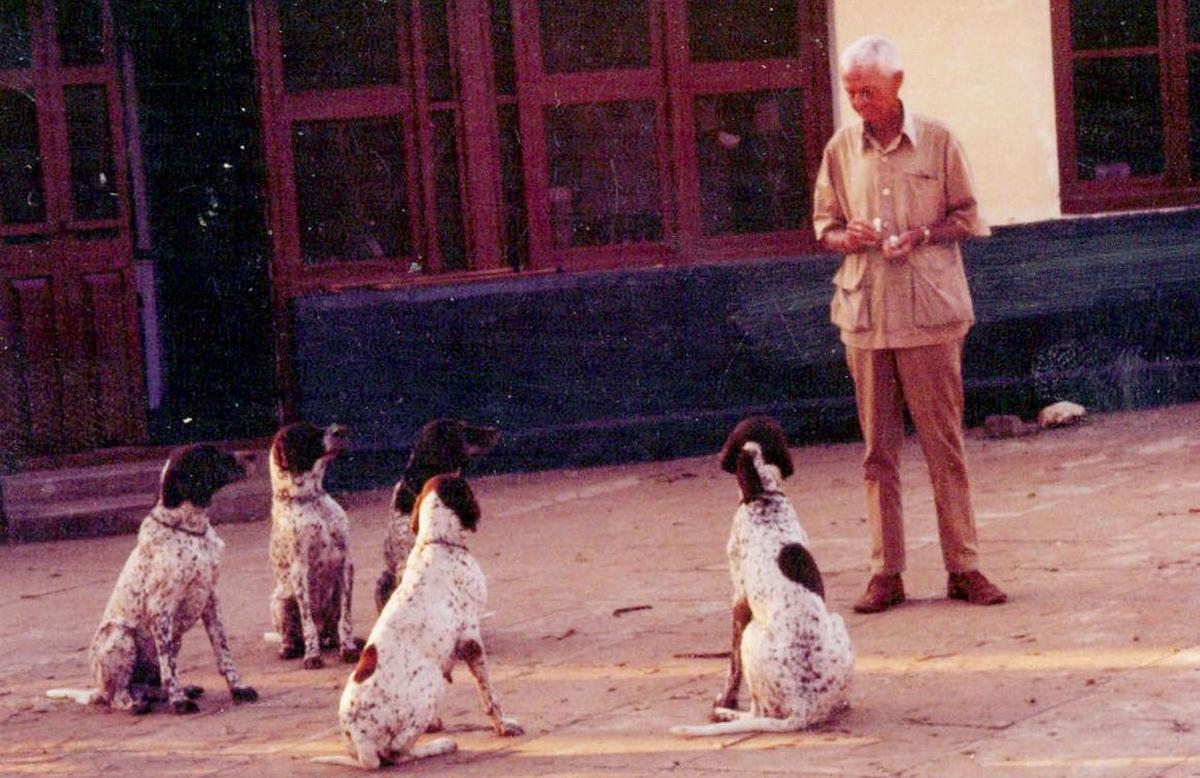
A long-running dispute surrounding properties linked to legendary taxidermist Edwin Joubert Van Ingen has taken a new turn, with his nephew proposing that the contested properties in Mysuru and Wayanad be put to community use. Framing the suggestion as an effort to honour both family legacy and public interest, the proposal seeks to move the debate beyond ownership claims and legal contention, towards a resolution rooted in collective benefit and historical responsibility.

The proposal has also reopened conversations about ethical engagement with legacies rooted in colonial-era practices. While Van Ingen’s work is widely admired for technical excellence, contemporary debates around taxidermy, wildlife conservation and historical context add layers of complexity to how such heritage is interpreted today. Scholars argue that community-oriented spaces could provide room for nuanced narratives, acknowledging both craftsmanship and changing values, rather than presenting an uncritical celebration.

In Wayanad, local voices have highlighted the potential for the disputed property to support region-specific needs, such as environmental education, tribal heritage documentation or sustainable tourism initiatives. Residents and activists say that if managed sensitively, the site could become a platform for local knowledge and participation, rather than an externally imposed project disconnected from the area’s social fabric.

There is also growing interest from academic institutions, which see opportunities for interdisciplinary research linked to the Van Ingen legacy. Departments working on museum studies, conservation science and history have indicated that access to such sites could support field-based learning and archival work. Formal partnerships, experts suggest, could ensure that community use is backed by academic rigour and long-term sustainability.

As the dialogue evolves, much will depend on whether stakeholders can move from symbolic proposals to concrete action. The nephew’s suggestion has shifted the tone of the debate, but translating intent into practice will require patience, legal clarity and genuine collaboration. Whether this moment marks a turning point or remains a missed opportunity will shape how the Van Ingen properties are remembered in years to come.

The properties in question are closely associated with Van Ingen, whose name is inseparable from the history of taxidermy in India. For decades, the Van Ingen firm in Mysuru was globally renowned, producing museum-quality work that found its way into prestigious collections and institutions. Over time, however, questions over ownership, inheritance and usage rights of certain properties linked to the family have led to prolonged disputes, particularly concerning sites in Mysuru and Wayanad.

In this context, the nephew’s intervention has been viewed as an attempt to de-escalate tensions and introduce a socially constructive perspective. He has suggested that instead of remaining locked in legal battles or lying unused, the properties could be repurposed for community-oriented activities such as cultural centres, museums, educational spaces or conservation-related initiatives. According to him, such an approach would align more closely with the spirit of Van Ingen’s life and work.

Observers note that disputes over heritage-linked properties often become emotionally charged, blending legal complexity with questions of memory, identity and moral ownership. By advocating community use, the nephew appears to be appealing not only to legal stakeholders but also to public sentiment, positioning the properties as shared cultural assets rather than purely private holdings.

The suggestion has sparked renewed discussion among historians, conservationists and local residents, many of whom have long argued that the Van Ingen legacy deserves careful preservation rather than fragmentation through prolonged disputes. They see potential in transforming contested spaces into sites that educate, commemorate and serve the public, while also respecting the sensitivities of the family.

At the same time, the proposal raises questions about feasibility, governance and consent. Any move towards community use would require agreement among stakeholders, clarity on legal status and a well-defined management structure. Still, many see the suggestion as a rare opening for dialogue in a dispute that has otherwise remained entrenched.Van Ingen's kin to fight '˜adopted son'


A Legacy Rooted in Craft, Conservation and Controversy

Edwin Joubert Van Ingen occupies a unique place in India’s cultural and natural history. Trained in Europe, he established his taxidermy practice in Mysuru in the early twentieth century, at a time when princely patronage and colonial scientific interest intersected. His work, known for anatomical precision and lifelike presentation, became synonymous with excellence in the field.

The Van Ingen studio in Mysuru functioned not merely as a workshop but as a space of learning and experimentation. Over generations, it trained artisans and assistants who contributed to the development of taxidermy as both a scientific and artistic practice in India. The firm’s output included specimens for museums, educational institutions and private collections, many of which continue to be displayed today.

However, the very prominence of the Van Ingen name has also complicated matters of inheritance and ownership. As the original practice declined and family members dispersed, properties associated with the legacy became subject to competing claims. In Mysuru, questions arose over how certain buildings and land parcels linked to the studio should be treated, particularly given their historical significance. In Wayanad, similar disputes emerged over properties believed to have been part of the family’s extended holdings.

Legal proceedings and administrative interventions over the years have left the status of these properties unclear. In some cases, restrictions on alteration or sale have been imposed due to heritage considerations. In others, prolonged litigation has resulted in neglect, with buildings falling into disrepair and land remaining unused. Local residents have often expressed concern that valuable heritage spaces are being lost to inertia.

The nephew’s proposal must be understood against this backdrop. By suggesting community use, he is effectively reframing the question from “who owns” to “who benefits.” Supporters argue that this shift reflects a broader trend in heritage discourse, where the social value of historic properties is increasingly emphasised alongside legal ownership.

Cultural historians point out that Van Ingen’s work itself straddled the line between private enterprise and public service. While the firm operated commercially, its contributions to museums and educational institutions had enduring public value. Seen in this light, repurposing associated properties for community use could be interpreted as an extension of that legacy.

Yet, critics caution that good intentions alone cannot resolve complex disputes. They argue that any proposal must carefully navigate legal frameworks, respect the rights of all claimants and ensure that community use does not become a vague slogan masking unresolved conflicts. Transparency and inclusive consultation, they stress, will be essential.Taxidermist Van Ingen's nephew suggests community use for disputed  properties in Mysuru and Wayanad - The Hindu


Community Use as Resolution: Possibilities and Challenges

The idea of converting disputed heritage properties into community assets is not new, but its implementation is rarely straightforward. In the case of the Van Ingen-linked properties, several models are being discussed by experts and local stakeholders. One possibility is the establishment of a museum or interpretation centre focusing on the history of taxidermy, conservation practices and the Van Ingen contribution. Such a centre could serve educational institutions and tourists alike.

Another suggestion involves creating cultural or research spaces that support biodiversity studies, art conservation or traditional craftsmanship. Given Van Ingen’s association with natural history, conservation-focused initiatives are seen as particularly appropriate. Advocates argue that this would not only preserve the physical structures but also activate them with relevant, meaningful use.

For local communities in Mysuru and Wayanad, access and inclusion are key concerns. Residents have emphasised that any community use must genuinely benefit local people, rather than becoming exclusive or symbolic projects. This could include public access, educational programmes, employment opportunities and partnerships with local institutions.

Administrative challenges, however, loom large. Determining who would manage such facilities, how funding would be secured and how accountability would be ensured are critical questions. Some suggest a trust or foundation model, involving representatives from the family, government agencies, experts and the local community. Others argue for direct public management to avoid conflicts of interest.

Legal clarity remains the biggest hurdle. Without resolution of ownership and usage rights, any proposal risks being stalled or challenged. Legal experts note that courts and authorities may be more receptive to solutions that demonstrate public benefit, but formal agreements would still be necessary to safeguard all parties.Taxidermist Van Ingen's nephew suggests community use for disputed  properties in Mysuru and Wayanad - The Hindu

There is also the question of precedent. How this case is handled could influence future disputes involving heritage-linked private properties. A successful community-use model could encourage similar resolutions elsewhere, while a poorly managed attempt could deepen scepticism.

Despite these challenges, the nephew’s proposal has injected a new tone into the conversation. Instead of adversarial positions, it introduces the possibility of collaboration and shared responsibility. For many observers, this shift itself is significant, signalling a willingness to look beyond zero-sum outcomes.

As discussions continue, the fate of the disputed properties remains uncertain. What is clear, however, is that they occupy a space where law, memory and public interest intersect. Whether they become symbols of unresolved conflict or exemplars of inclusive heritage management will depend on how stakeholders respond to this call for community-oriented thinking.

In the end, the question is not merely about land or buildings, but about how society chooses to engage with its past. The Van Ingen legacy, shaped by skill, curiosity and global connection, now faces a moment of reckoning. The proposal for community use offers one possible path forward, asking whether shared heritage can also inspire shared solutions.

Follow: Karnataka Government

Also read: Home | Channel 6 Network – Latest News, Breaking Updates: Politics, Business, Tech & More

Who Will Make Karnataka’s Traditional Toys Next?: Shocking 3 Generations, A Cultural Question

Karnataka’s traditional toys, once a symbol of childhood, craftsmanship and cultural continuity, are facing an uncertain future as ageing artisans struggle to find successors willing to carry forward the legacy. From the brightly lacquered wooden toys of Channapatna to regional craft traditions passed down within families, the question today is no longer about market demand alone, but about who will make these toys in the years to come. As senior artisans retire or pass away, the absence of younger hands threatens to turn a living craft into a museum artefact.

The role of local governance institutions is increasingly being seen as crucial in determining the survival of traditional toy-making clusters. Panchayats and urban local bodies in craft-dense regions can influence outcomes through zoning support, infrastructure provision and local procurement policies. Artisans argue that if government-run anganwadis, schools and cultural centres are encouraged to source traditional toys locally, it could create a steady, institutional demand that sustains livelihoods beyond seasonal markets and festivals.

Another emerging concern is the loss of raw material access. Traditional toy-making depends heavily on specific types of softwood and natural lac, both of which are becoming harder to procure due to regulatory restrictions and rising costs. While environmental protection is essential, artisans say the absence of clear, craft-sensitive policies has made legal sourcing complicated and expensive. Younger artisans, in particular, find it difficult to navigate these regulations, further discouraging their participation in the craft.

Cultural scholars warn that once the chain of transmission breaks, revival becomes far more difficult. Skills refined over generations cannot be easily recreated through short-term training programmes alone. The nuances of carving, proportion, colour balance and storytelling embedded in traditional toys are learned through years of observation and practice. Losing master artisans without documenting and passing on their knowledge could result in irreversible gaps.

There is also a growing debate on intellectual property and cultural ownership. While traditional toy designs inspire contemporary adaptations, artisans often see their motifs reproduced commercially without acknowledgment or fair compensation. This has led to resentment and a sense of exploitation. Experts argue that stronger protection mechanisms and benefit-sharing models could restore trust and make the craft economically meaningful for future generations.

As Karnataka positions itself as a hub of innovation and culture, the fate of its traditional toys stands as a test of inclusive development. Whether policy, markets and society can come together to support those who keep this heritage alive will determine if future generations encounter these toys in living homes and classrooms, or only as remnants of a fading past preserved in archives and exhibitions.

For decades, toy-making clusters in Karnataka have relied on generational knowledge, with skills transmitted orally and through practice rather than formal training. Workshops doubled as homes, and children grew up watching their parents carve, paint and polish wooden figures. Today, many of those children have chosen different paths, seeking education and employment outside the craft, leaving behind ageing parents and silent workbenches.

Artisans say the decline is not due to lack of pride in the craft, but economic reality. Traditional toy-making is labour-intensive and time-consuming, yet earnings remain uncertain and often insufficient. While the toys are celebrated for their eco-friendly materials and cultural value, artisans struggle to compete with mass-produced plastic toys that are cheaper and widely available.

The situation has raised concerns among cultural historians, craft activists and policymakers, who warn that without urgent intervention, Karnataka risks losing not just a craft, but a form of storytelling embedded in wood and colour. Each toy, they argue, reflects local myths, rural life and artistic sensibilities shaped over centuries.

Senior artisans recall a time when toy-making was a viable livelihood. Festivals, fairs and local markets ensured steady demand, and families could sustain themselves through the craft. Globalisation and changing consumer habits, however, have disrupted this ecosystem. Today, even artisans recognised with awards find it difficult to ensure financial stability.

Government initiatives, cooperatives and design interventions have provided periodic relief, but many artisans say these measures have not addressed the core issue of generational continuity. Young people, they note, are reluctant to commit to a profession that offers uncertain income and limited social security.

As workshops fall quiet and tools gather dust, the pressing question remains: who will make Karnataka’s traditional toys next, and what will it take to ensure that the craft survives as a living tradition rather than a nostalgic memory?Who will make Karnataka's traditional toys next? - The Hindu


Why Younger Generations Are Walking Away

Artisans and researchers point to a complex mix of economic, social and educational factors driving younger generations away from traditional toy-making. One of the most significant is income instability. Earnings fluctuate based on seasonal demand, exhibitions and occasional bulk orders, making it difficult to plan for the future or meet rising living costs.

Younger artisans also compare their prospects with peers who pursue salaried jobs or migrate to cities. For many, the choice is stark: continue a demanding craft with uncertain returns, or seek alternative employment that promises regular income, social security and perceived social mobility. Even those emotionally attached to the craft often choose stability over sentiment.

Education has played a dual role. While increased access to schooling has expanded opportunities, it has also distanced children from the workshop environment. Artisans say earlier generations learned the craft informally while attending school, but today’s academic pressures leave little room for apprenticeship within the family.

There is also a shift in aspirations. Many young people associate traditional crafts with hardship and social marginalisation. Despite growing appreciation for handmade and sustainable products among urban consumers, artisans feel that this recognition has not translated into respect or financial security at the grassroots level.

Women artisans face additional challenges. While women have always played a crucial role in painting and finishing toys, their labour often remains undervalued. Younger women, given a choice, prefer jobs that offer independence and recognition beyond the confines of home-based work.

Market access remains another barrier. Artisans often depend on middlemen, who control pricing and limit profits. Without direct access to buyers or digital platforms, young artisans feel disadvantaged in an increasingly connected economy. The lack of business training further discourages them from continuing in the craft.

Health concerns also weigh heavily. Long hours of repetitive work can lead to physical strain, while exposure to chemicals, even natural dyes, poses risks without proper safety measures. For parents, encouraging children to pursue other careers is often seen as an act of care rather than abandonment of tradition.

Craft experts argue that the decline of young artisans is not due to lack of interest alone, but the absence of a supportive ecosystem. Without assured income, modern infrastructure and social security, traditional toy-making struggles to compete with contemporary career options.Who will make Karnataka's traditional toys next? - The Hindu


Can Tradition Be Reimagined for the Future?

Despite these challenges, there are signs of cautious optimism. Some younger artisans are returning to the craft, driven by renewed interest in sustainability, cultural identity and entrepreneurship. They are experimenting with contemporary designs, storytelling themes and digital marketing to reach new audiences.

Design interventions have played a role in this revival. Collaborations with designers have introduced modern aesthetics while preserving traditional techniques. Artisans say such partnerships help make the craft relevant to contemporary consumers without compromising its essence.

Government support, though uneven, has provided some relief. Training programmes, common facility centres and financial assistance have helped improve production capacity. However, experts argue that these measures must go beyond short-term schemes and focus on long-term viability.

One proposed solution is integrating craft education into formal curricula. By introducing traditional toy-making in schools and vocational institutes, young people can learn the craft without sacrificing academic goals. Such exposure could also foster respect for manual skills and cultural heritage.

Digital platforms offer another opportunity. Direct-to-consumer sales through online marketplaces allow artisans to bypass middlemen and access wider markets. Younger artisans familiar with technology are better positioned to leverage these platforms, potentially making the craft more attractive to the next generation.

Social security remains a critical concern. Artisans and activists argue that health insurance, pension schemes and minimum income support could significantly change perceptions about the viability of traditional crafts. Knowing that their future is protected may encourage young people to stay.

Cultural recognition also matters. While awards and exhibitions celebrate craftsmanship, experts say everyday recognition through fair pricing and consistent demand is more meaningful. Consumers, they argue, play a role in sustaining the craft by valuing handmade toys beyond novelty purchases.Who will make Karnataka's traditional toys next? - The Hindu

There is also a growing movement to position traditional toys as educational tools. Made from natural materials and rooted in cultural narratives, these toys align with concerns about screen addiction and environmental sustainability. If integrated into mainstream education and parenting practices, demand could become more stable.

Ultimately, the future of Karnataka’s traditional toys depends on collective effort. Artisans, governments, designers, educators and consumers must work together to create an ecosystem where craftsmanship is not just preserved, but valued as a viable livelihood.

The question of who will make these toys next is, therefore, not merely about succession within artisan families. It is about whether society is willing to invest in the people behind the craft, ensuring dignity, security and opportunity.

If such support materialises, the sound of chisels on wood may continue to echo in Karnataka’s toy-making clusters, carrying forward stories shaped by generations. If not, these toys may survive only behind glass cases, admired for what they once were, rather than cherished for what they continue to be.

Follow: Karnataka Government

Also read: Home | Channel 6 Network – Latest News, Breaking Updates: Politics, Business, Tech & More

Karnataka to Separate Medical Colleges from District Hospitals: Revolutionary 8 Milestones, A Long-Awaited Relief

In a major reform aimed at strengthening public healthcare delivery, the Karnataka government has decided that regions where government medical colleges are currently attached to district hospitals will get separate hospitals, a move expected to significantly reduce pressure on district-level healthcare facilities. The first such standalone hospital is slated to open in February 2026, marking the beginning of a phased transition that officials say will improve patient care, streamline administration and enhance medical education across the State.

At present, several district hospitals function simultaneously as general hospitals for the public and as teaching hospitals for government medical colleges. While this model has helped expand medical education infrastructure, it has also led to overcrowding, stretched resources and competing priorities between patient care and academic requirements. The government’s decision seeks to address these long-standing concerns by clearly separating the two functions.

Health department officials said the reform is intended to ensure that district hospitals can focus exclusively on providing timely and accessible healthcare services to the general population, while newly established teaching hospitals attached to medical colleges will cater to academic, training and tertiary care needs. This separation, they said, is expected to improve efficiency on both fronts.

The first standalone hospital under this plan is expected to be inaugurated in February 2026. Preparatory work, including infrastructure planning, land identification and administrative approvals, is already under way. Officials described the upcoming facility as a model institution that will guide similar projects in other regions over the next few years.

The announcement has been welcomed by healthcare professionals, who have long argued that district hospitals are overburdened due to their dual role. Doctors working in such hospitals say patient load often overwhelms available staff and infrastructure, affecting both service quality and teaching standards. The separation, they believe, will allow for better allocation of resources and clearer accountability.

The move is also being seen as a response to public complaints about overcrowding and long waiting times at district hospitals. In many regions, district hospitals serve as the first point of referral for surrounding taluks, leading to heavy footfall. When combined with the additional responsibilities of medical education, the strain becomes severe, often impacting patient experience.

Officials said the reform aligns with the government’s broader vision of strengthening public healthcare infrastructure and improving access to quality medical services in both urban and semi-urban areas. By decentralising functions and expanding facilities, the State aims to reduce pressure on existing institutions and bring healthcare closer to people.


Why Separation Matters for Healthcare and Medical Education

Healthcare experts explain that the current model of attaching government medical colleges to district hospitals was initially adopted to optimise resources and accelerate the expansion of medical education. However, as patient volumes and academic demands grew, the limitations of this arrangement became increasingly evident. District hospitals, designed primarily for secondary-level care, found themselves struggling to accommodate tertiary care needs and teaching activities simultaneously.

One of the key challenges has been overcrowding. District hospitals attached to medical colleges often witness an influx of patients seeking specialised treatment, drawn by the presence of senior doctors and advanced facilities meant for teaching. This leads to longer waiting times, overcrowded wards and increased pressure on nursing and support staff. For patients seeking basic care, the experience can be frustrating and exhausting.Two government medical colleges to start in Ramanagara and Kanakapura - The  Hindu

From an academic perspective, medical educators say that teaching in overcrowded district hospitals poses its own difficulties. Clinical training requires structured exposure, supervision and adequate infrastructure. When doctors are overwhelmed by patient load, the quality of teaching inevitably suffers. Students may not receive the focused mentoring needed to develop clinical skills effectively.

Separating teaching hospitals from district hospitals is expected to address these issues by creating dedicated spaces for education and advanced care. Standalone teaching hospitals can be designed with modern infrastructure, simulation labs, specialised departments and academic facilities that support contemporary medical education. This, experts say, will raise the overall standard of training for future doctors.

District hospitals, freed from academic obligations, can concentrate on delivering efficient secondary care. Health officials believe this will enable better management of outpatient and inpatient services, quicker decision-making and improved patient satisfaction. With clearer mandates, administrators can tailor staffing, equipment and workflows specifically for patient care.

Another important aspect is administrative clarity. Currently, hospital administrators often juggle competing priorities, balancing the needs of patients with academic schedules and examinations. Separate institutions would allow for independent administrative structures, reducing confusion and improving governance. Officials say this will also make performance monitoring more effective.

Public health specialists point out that the reform could strengthen referral systems. With district hospitals focusing on secondary care and teaching hospitals handling tertiary and specialised services, patient movement across the healthcare system can become more structured. Clear referral pathways can reduce unnecessary congestion and ensure patients receive appropriate care at the right level.

The decision also reflects an acknowledgment of the changing healthcare landscape. With rising population, increasing non-communicable diseases and greater demand for specialised care, the burden on public hospitals has grown significantly. Experts argue that infrastructure models must evolve to keep pace with these realities.


Implementation Plans, Challenges and the Road Ahead

The government has indicated that the separation will be implemented in a phased manner, prioritising regions with the highest patient load and most acute infrastructure constraints. The first standalone hospital, expected to open in February 2026, will serve as a pilot project. Lessons learned from its operation will inform subsequent rollouts across the State.

Officials said land availability and funding are among the key considerations in implementing the plan. In some regions, suitable land for constructing new teaching hospitals has already been identified, while in others, acquisition processes are under way. Budgetary allocations will be made in phases to ensure financial sustainability without disrupting ongoing healthcare services.

Recruitment and redistribution of staff will be another critical challenge. Separating hospitals will require careful planning to ensure that both district hospitals and teaching hospitals are adequately staffed. Health department officials said they are working on manpower plans that include new appointments as well as rational redeployment of existing personnel.

Medical professionals have cautioned that the transition phase must be managed carefully to avoid temporary disruptions. Shifting departments, patients and academic activities requires detailed planning and clear communication. Experts stress that continuity of care must remain a priority during the transition.

The government has also emphasised the importance of community engagement. Residents in regions where new hospitals are planned will be informed about changes in services and referral patterns. Clear communication, officials say, will help manage expectations and ensure smooth adaptation to the new system.11 new medical colleges to come up under PPP model in Karnataka - The Hindu

For medical students, the reform promises improved learning environments but also raises questions about transition timelines. Authorities have assured that academic calendars and training requirements will be protected, with minimal disruption. Dedicated committees are expected to oversee the shift and address concerns raised by students and faculty.

Health economists view the move as a long-term investment in public health. While the initial costs of constructing new hospitals and hiring staff may be high, the benefits in terms of improved efficiency, better health outcomes and stronger medical education are expected to outweigh the expenses. They argue that underinvestment in public healthcare ultimately costs more in terms of disease burden and lost productivity.

Opposition parties and civil society groups have broadly welcomed the announcement but urged the government to ensure timely execution. Past experiences, they warn, show that ambitious infrastructure projects can face delays due to administrative bottlenecks and funding constraints. Sustained political will and transparent monitoring will be essential to keep the project on track.

Doctors working in district hospitals say the reform has raised hopes of better working conditions. Reduced overcrowding and clearer roles could alleviate burnout and improve morale among healthcare workers. Many say that the current system places unrealistic demands on staff, affecting both patient care and personal well-being.

The planned February 2026 inauguration of the first standalone hospital has therefore become a symbolic milestone. It represents not just a new building, but a shift in how public healthcare and medical education are structured in Karnataka. Officials say meeting this deadline will demonstrate the government’s commitment to reform.

As Karnataka continues to expand its network of government medical colleges, the need for sustainable and efficient models becomes more pressing. The decision to separate district hospitals from teaching hospitals marks a significant step in that direction. If implemented effectively, it could set a precedent for other States grappling with similar challenges.

Ultimately, the success of this reform will be judged by its impact on patients, students and healthcare workers. Reduced waiting times, improved quality of care, better training outcomes and stronger institutional governance will be key indicators. The coming years will reveal whether this ambitious plan translates into tangible improvements on the ground.Massive health infrastructure is coming up in government hospitals at  Rajapalayam, Sivakasi, Aruppukottai, and Srivilliputhur. Along with  Virudhunagar Medical College Hospital, these will greatly improve access to  advanced care for the district

For now, the announcement has generated cautious optimism. In a healthcare system under constant strain, any move that promises clarity, capacity expansion and better outcomes is likely to be welcomed. The first standalone hospital, opening in February 2026, will be closely watched as a test case for Karnataka’s vision of a more balanced and resilient public healthcare system.

Follow: Karnataka Government

Also read: Home | Channel 6 Network – Latest News, Breaking Updates: Politics, Business, Tech & More