Girl group IVE Ends Acceptance of Fan Gifts and Support
Girl group IVE has officially announced that it will no longer accept gifts or material fan support, choosing to receive only handwritten letters from fans going forward. The decision was confirmed through a formal notice released by the group’s agency, Starship Entertainment, marking a notable shift in how the group interacts with fan culture.
According to the agency, the move was made with careful consideration and a clear intention. Starship stated that the group hopes fans will redirect their goodwill toward places where support is more genuinely needed. The agency also asked for understanding and cooperation from fans, emphasising that the decision applies to all current and future gift plans without exception.
The announcement makes it clear that any fan support currently being prepared or planned will not be accepted. Instead, the group expressed gratitude for emotional support conveyed through handwritten letters, describing them as sincere and meaningful expressions of care.
Girl group IVE Addresses Longstanding Tribute Culture
The decision by Girl group IVE directly touches on a long-established practice within the K-pop industry known as tribute culture, referred to in Korean as jogong. This culture involves fans offering gifts, luxury items, food support, or services to celebrities as a way of expressing loyalty and appreciation.
Over the years, tribute culture has grown increasingly elaborate, with some fans spending large amounts of money on gifts intended to stand out. While often rooted in admiration, the practice has also raised concerns about pressure on fans, unequal expectations, and unnecessary financial strain.
By drawing a firm boundary, Girl group IVE joins a small but growing number of artists who are reassessing this tradition. The agency’s statement suggests that the group does not want fan appreciation to be measured by spending or material value. Instead, emotional sincerity and personal connection are being prioritised.
This approach also removes any unspoken competition among fans to provide more expensive or eye-catching support. By allowing only letters, the group ensures that all fans are placed on equal ground, regardless of financial ability.
Girl group IVE Signals a Broader Industry Awareness
The announcement reflects a broader shift within the entertainment industry toward more responsible and sustainable fan engagement. As K-pop continues to grow globally, agencies are becoming more conscious of how fan behaviour evolves alongside commercial success.
For international fans especially, tribute culture can feel confusing or overwhelming, as expectations vary by region and fandom norms. Clear policies like this reduce ambiguity and prevent misunderstandings between fans and artists.
Starship Entertainment’s wording was deliberate and restrained, avoiding emotional appeals while clearly outlining expectations. This indicates that the policy is not temporary or reactive but part of a longer-term approach to fan relations.
Industry observers note that such decisions also protect artists from logistical burdens and ethical concerns related to gift handling, storage, and distribution. By limiting support to letters, the group can focus fully on their work without additional obligations tied to fan contributions.
Girl group IVE Redefines Appreciation Through Simplicity
For fans, handwritten letters now become the primary channel for expressing support. While simple, letters offer something material gifts cannot: direct communication, personal stories, and emotional honesty.
The decision may initially disappoint some fans who view gifting as a meaningful tradition. However, the clarity of the policy leaves little room for confusion or negotiation, setting a clear standard for future interactions.
Conclusion
Girl group IVE’s decision to stop accepting fan gifts marks a thoughtful and deliberate step away from material-based fan culture. By choosing handwritten letters as the only form of support, the group sends a clear message about values, equality, and responsible appreciation. As fan dynamics continue to evolve, this move may influence how both artists and audiences redefine meaningful connection in the modern music industry.
TYLA x HYBE Marks a New Direction in Global Music Expansion
TYLA x HYBE has become a key talking point in the global music industry after HYBE officially confirmed its expansion into the African music market. The South Korean entertainment company, known for building globally successful artists and systems, is now extending its reach beyond Asia and the West to focus on Africa’s fast-growing and influential music ecosystem.
This expansion is part of HYBE’s long-term “multi-home, multi-genre” strategy, which aims to support artists in different regions without forcing them into a single cultural or musical framework. Rather than importing a K-pop model into Africa, the company has made it clear that the goal is to work alongside local expertise and preserve authenticity while building global access.
To lead this initiative, HYBE has partnered with Brandon Hixon and Colin Gayle, two respected music executives who currently co-manage Grammy-winning South African artist Tyla. The partnership sets the foundation for a global management model designed to support Africa-based artists as they move onto international stages.
TYLA x HYBE Partnership Focuses on Global Reach With Local Roots
At the centre of this initiative is Tyla, who will be the first artist to receive support under the expanded management vision. While Tyla already has international recognition, the collaboration is intended to strengthen long-term global positioning rather than chase short-term success.
HYBE will provide access to its global infrastructure, including touring support, international marketing, creative development, and strategic planning. This backing is expected to help African artists navigate global markets more effectively, especially in regions where access, representation, and industry networks have traditionally been limited.
What makes this move notable is the structure of the partnership. Brandon Hixon and Colin Gayle remain closely involved in artist management, ensuring that creative direction and cultural identity stay rooted in African music traditions. HYBE’s role is positioned as an amplifier rather than a replacement, offering scale without control.
Industry observers see this as a calculated and timely decision. African music has seen rapid global growth in recent years, driven by digital platforms, international collaborations, and growing listener interest. HYBE’s entry signals that major global companies now see Africa not as an emerging market, but as a central force in the future of popular music.
TYLA x HYBE Reflects a Broader Industry Shift Toward Africa
The TYLA x HYBE collaboration reflects a broader shift in how global music companies approach expansion. Instead of exporting a fixed system, HYBE is testing a partnership-based approach that relies on local leadership and shared resources.
This strategy reduces cultural friction and increases sustainability. Artists are developed within their own musical environments while gaining access to international platforms that were once difficult to reach without relocation or major label contracts abroad.
For Africa-based artists, this model could offer an alternative path to global visibility. Rather than adapting to foreign industry norms, they can retain creative control while benefiting from global distribution, promotion, and touring opportunities.
HYBE has described the initiative as a long-term investment rather than a one-off collaboration. The company has indicated that Tyla is only the starting point, with plans to identify and support more artists from the region over time.
TYLA x HYBE Could Redefine Cross-Regional Artist Development
If successful, this initiative may influence how other major entertainment companies structure international partnerships. The emphasis on authenticity, shared leadership, and regional expertise challenges older models that prioritised centralised control.
For HYBE, the move strengthens its position as a global entertainment company rather than a genre-specific label. For African artists, it opens doors to structured global growth without compromising cultural identity.
TYLA x HYBE represents more than a single artist partnership. It signals a strategic recognition of Africa’s growing influence in global music and a shift toward more balanced, collaborative expansion models. As the initiative develops, it may reshape how artists from the region reach international audiences while staying rooted in their own musical worlds.
Following the breakdown of negotiations with the Karnataka government, RTC unions have announced plans to begin a statewide awareness drive on the possibility of a ‘surprise strike,’ warning that employees may halt services without prior notice if long-standing demands are not addressed. Union leaders stated that repeated meetings with the Transport Ministry failed to yield satisfactory resolutions on pending issues, including pay revisions, working conditions, and allowances. The unions have emphasised that the awareness campaign is intended to inform the public while pressuring authorities to act before service disruptions occur.
Union leaders stressed that the awareness campaign would also serve as a platform to highlight the historical contribution of RTC employees to Karnataka’s transport sector. They pointed out that employees have consistently maintained services despite infrastructural challenges, long working hours, and limited resources. “We keep the State moving, yet our demands for fair treatment are ignored,” one union leader remarked, emphasising the frustration that has accumulated over years of unresolved grievances.
Several depots across the State have been identified as key centers for the awareness drive, where employees will participate in meetings, discussions, and training sessions to understand the procedural aspects of a potential strike. Leaders said that these sessions aim to educate staff on their rights, the legal framework governing industrial action, and the mechanisms available to ensure safety and public accountability during work stoppages.
The unions have also planned an outreach programme targeting commuters, with pamphlets and posters explaining the reasons behind potential strike action. The goal, according to union leaders, is to ensure transparency and garner public understanding rather than provoke confrontation. They stressed that the campaign is intended to inform the public about employee hardships, wage issues, and working conditions that necessitate urgent attention.
Transport Ministry officials acknowledged that public awareness campaigns by unions are a legitimate form of expression but warned that escalation into a full-blown strike could disrupt essential services. They highlighted that urban centers such as Bengaluru, Mysuru, and Hubballi rely heavily on RTC services for daily commuting, and sudden service interruptions could severely impact education, healthcare access, and commercial activities.
The unions cited specific examples of unmet demands, including delays in salary increments, irregular allowance disbursements, and inadequate safety measures for staff. Many employees, particularly those operating buses in rural and difficult terrains, reported working under challenging conditions with minimal medical support and outdated equipment. Union leaders argued that addressing these issues is crucial to maintaining employee morale and ensuring uninterrupted public transport services.
Experts in labour relations warned that prolonged unrest in the transport sector could have broader economic consequences. They pointed out that supply chains, especially for perishable goods, rely heavily on timely RTC transport services. Disruptions could result in cascading effects on markets, trade, and rural economies, underscoring the critical importance of resolving the deadlock before it escalates into a surprise strike.
Political observers noted that the unions’ move may also carry electoral significance, as the transport sector forms a vital part of the workforce demographic. Several parties, they suggested, could leverage the issue to gain support among employees and commuters. Legislators, meanwhile, have urged the government to engage proactively with unions to prevent industrial unrest and protect the interests of citizens who depend on daily public transportation.
The Transport Minister confirmed that the government is open to resuming talks and has proposed setting up a joint committee to review employee demands comprehensively. Officials said the committee would examine budgetary feasibility, operational limitations, and policy constraints to identify practical solutions. Union representatives, however, have insisted on a clear timeline for implementation, warning that vague promises will not prevent further mobilization.
Commuters expressed apprehension about potential disruptions, especially in districts where buses are the primary mode of transport. Students, office-goers, and senior citizens voiced concerns that sudden work stoppages could leave them stranded or force them to seek costly alternative transportation. The unions acknowledged these concerns and assured the public that they aim to strike a balance between advocating for employee rights and minimising inconvenience to citizens.
Observers emphasised that the current deadlock highlights the need for structural reforms in the RTC sector. Measures such as digitisation of payroll, improved depot infrastructure, enhanced safety protocols, and clearer channels for grievance redressal could prevent similar conflicts in the future. Both government authorities and unions are now under pressure to find a sustainable solution that addresses employee demands while maintaining uninterrupted public service.
Union representatives accused the government of neglecting long-pending proposals submitted years ago, arguing that transport employees are facing growing financial and operational pressures. They highlighted issues such as irregular salary disbursements, lack of adequate facilities at depots, and delayed promotions, which have created widespread dissatisfaction. According to leaders, the awareness drive will include distribution of pamphlets, digital campaigns, and informal gatherings to educate both employees and the public about the rationale behind potential industrial action.
The Transport Minister expressed concern over the unions’ announcement, urging them to exercise restraint and continue dialogue. Officials said the government remains committed to addressing employee grievances but noted that budgetary constraints and administrative procedures prevent immediate resolution of all demands. The Minister cautioned that any strike action could significantly affect daily commuters and public transportation, particularly in urban and semi-urban areas.
Union Grievances and Government Response
Union leaders reiterated that they had presented a detailed list of demands during previous meetings, including adjustments in allowances, better safety measures, and clear timelines for promotions and transfers. They claimed the government’s responses were vague and lacked concrete commitments, leaving employees frustrated and distrustful. The unions stressed that the awareness drive is necessary to mobilize support and ensure that employees are prepared if negotiations fail completely.
The government, however, argued that it has already taken steps to address certain concerns, citing increases in operational funding, upgrades to depots, and partial implementation of allowances. Officials also emphasised ongoing discussions with union representatives and said that a full settlement requires time to align with fiscal priorities and administrative approvals. Nevertheless, union leaders maintained that these measures fall short of meeting the core issues affecting daily operations and employee welfare.
Transport experts warned that prolonged strikes could have cascading effects on the State’s economy, particularly in sectors dependent on timely logistics and commuter movement. They noted that RTC employees serve millions of passengers daily, and any disruption in services would not only inconvenience the public but could also delay supply chains and essential services in towns and rural areas. Such warnings have been echoed by civic bodies and city administrators, urging both sides to seek an amicable resolution quickly.
Public Concerns and Potential Impact
Commuters expressed mixed reactions to the announcement of the awareness drive. While some sympathised with RTC employees’ grievances, others voiced frustration over potential disruptions in daily travel. Many residents rely heavily on bus services for work, education, and healthcare, making them vulnerable to sudden industrial action. Union leaders, acknowledging public inconvenience, said the awareness drive aims to minimise surprises and ensure that citizens are informed of the reasons behind any possible strikes.
The unions plan to launch the awareness campaign across major depots and routes, engaging employees at various levels to explain the implications of a surprise strike. Leaders emphasised that the drive is not the strike itself but a preparatory step to consolidate employee support and draw attention to unresolved issues. They also hinted at public meetings and interactions with media outlets to communicate their stance effectively.
Political observers noted that the situation reflects a long-standing tension between government authorities and RTC unions. While previous negotiations have occasionally resulted in temporary settlements, systemic issues such as staffing shortages, infrastructure deficits, and wage revisions remain unresolved. Analysts warn that failure to address these concerns could escalate conflicts, leading to repeated disruptions and heightened political scrutiny.
As Karnataka braces for the awareness drive, stakeholders are watching closely to see whether dialogue can prevent escalation. The outcome will have implications for transport operations, employee morale, and public confidence in the RTC system. Both government authorities and union leaders appear aware that swift and meaningful action is essential to avoid a crisis that could disrupt daily life across the State.
Experts in labour relations suggested that proactive dialogue, coupled with phased implementation of pending demands, could prevent industrial unrest. They emphasised the importance of involving independent mediators or labour boards to bridge gaps between union expectations and government capabilities. According to specialists, such steps could not only avert immediate strikes but also build long-term trust between employees and the administration.
The Transport Ministry has indicated readiness to convene another round of talks with union representatives to explore possible compromises. Officials stressed that the government prefers negotiation over confrontation and hopes to address employee grievances in a structured manner. They urged unions to participate constructively, warning that unplanned strike actions could have severe consequences for both commuters and public perception.
As Karnataka braces for the awareness drive, stakeholders are watching closely to see whether dialogue can prevent escalation. The outcome will have implications for transport operations, employee morale, and public confidence in the RTC system. Both government authorities and union leaders appear aware that swift and meaningful action is essential to avoid a crisis that could disrupt daily life across the State.
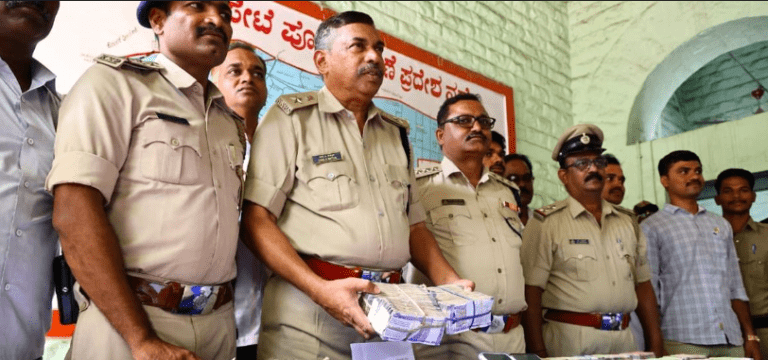
Molakalmur Police have successfully arrested a thief accused of diverting customers’ attention in banks to siphon off cash, recovering ₹4 lakh in the process. The accused, who reportedly targeted multiple customers over the past few weeks, used distraction techniques to manipulate victims while they conducted transactions at bank counters or ATMs. Officials confirmed that the thief had developed a systematic modus operandi, focusing on crowded banks during peak hours to reduce the risk of being noticed.
The Molakalmur Police have highlighted the importance of training staff in banks to identify suspicious behavior. Officials noted that while security cameras capture the act, real-time intervention can prevent losses before they occur. Bank personnel are being encouraged to monitor customer interactions more closely and to assist elderly or vulnerable customers who may be more susceptible to diversion techniques. The police emphasized that proactive vigilance at the transaction counter can significantly reduce opportunities for such thefts.
Authorities are also exploring the use of technology to strengthen security measures. Proposals include linking bank weigh stations and ATMs to centralized monitoring systems that flag unusual activity, such as repeated interactions by the same individual across multiple banks. Mobile alert systems and notification apps could inform both authorities and customers in real-time if a potential diversion attempt is detected, ensuring quicker intervention and recovery of funds.
The accused, according to police sources, had carefully observed the routines of targeted banks before executing thefts. His planning included visiting multiple branches, identifying peak hours, and learning how to exploit gaps in customer and staff attention. Investigators said that understanding such behavioral patterns is crucial for developing preventive measures and educating the public about maintaining personal vigilance during financial transactions.
Community members have praised the Molakalmur Police for the arrest, saying that swift action restores public confidence. Local shopkeepers and residents reported feeling a heightened sense of security, knowing that authorities are taking concrete steps to protect citizens from opportunistic crimes. Several residents also suggested that similar strategies could be extended to markets, ATMs, and other public spaces where cash transactions are frequent.
Victims who lost money in previous incidents expressed relief at the recovery of ₹4 lakh. While they are thankful for the restitution, they also emphasized the need for long-term solutions to prevent recurrence. Several farmers, small business owners, and elderly citizens have called for awareness campaigns and workshops to teach simple yet effective security practices while handling cash, especially during busy hours in banks.
Experts in criminology and public safety have stressed that thefts of this nature, though seemingly minor, reflect broader social vulnerabilities. Opportunistic criminals exploit both structural gaps in bank security and human behavior patterns. By combining law enforcement vigilance, technology, and public awareness, authorities can create a deterrent framework that not only addresses individual incidents but also reduces the likelihood of repeat offenses, ensuring safer financial spaces for all.
Police on Duty
According to police sources, the suspect was tracked following multiple complaints lodged by victims who reported sudden losses of significant sums while withdrawing or depositing money. Investigations revealed that the accused would often engage in casual conversation or create minor disturbances, successfully diverting the attention of bank-goers before discreetly transferring cash from their possession. The method, officials noted, required careful planning and opportunism, making detection difficult until a pattern emerged.
The arrested individual, whose identity has been withheld pending further investigation, is reportedly cooperating with authorities. Police have begun interrogating the suspect to uncover whether others were involved in a larger network operating across the region. Authorities have also confirmed that the recovered ₹4 lakh is being returned to the affected customers, and additional steps are being taken to verify all previous incidents potentially linked to the accused.
The arrest has shed light on the increasing sophistication of petty crimes in banking spaces, where thieves exploit the rush and distraction among customers. Experts say such crimes are not limited to Molakalmur and are emerging as a broader challenge across urban and semi-urban centers. With more people relying on banks for routine financial transactions, the opportunity for opportunistic theft increases, particularly when vigilance lapses. Authorities note that even brief distractions can be enough for skilled criminals to execute their plans.
Molakalmur Police have successfully arrested a thief accused of diverting customers’ attention in banks to siphon off cash, recovering ₹4 lakh in the process. The accused, who reportedly targeted multiple customers over the past few weeks, used distraction techniques to manipulate victims while they conducted transactions at bank counters or ATMs. Officials confirmed that the thief had developed a systematic modus operandi, focusing on crowded banks during peak hours to reduce the risk of being noticed.
Police sources explained that the accused was under surveillance for several days before the arrest. Investigators used CCTV footage from multiple banks and nearby ATMs to track his movements and identify patterns in timing, location, and victim targeting. Each case revealed a striking consistency in technique, which eventually allowed officers to predict likely next targets. The recovered cash, officials said, corresponds to only a portion of the suspect’s alleged thefts, indicating that further investigations could reveal additional victims.
Theft at Molakalmur
The Molakalmur Police have highlighted the role of community cooperation in apprehending the thief. Victims who came forward with complaints, combined with quick responses by local authorities, created an environment in which the suspect could no longer operate freely. The police have urged citizens to continue reporting suspicious behavior immediately, stressing that prompt information can prevent losses and assist in faster recovery.
Bank officials have confirmed that the incidents caused significant concern among customers, especially those withdrawing large sums. Several branches have now introduced additional monitoring measures, including increased staff vigilance, periodic training on recognizing distraction techniques, and ensuring that security cameras cover all transaction counters comprehensively. These measures aim to create an environment that discourages potential thieves from targeting bank customers.
Criminologists note that distraction-based thefts often exploit human psychology. Criminals rely on the victim’s natural inclination to assist, respond to noise, or engage in minor social interaction. The Molakalmur thief reportedly leveraged these tendencies, creating minor disturbances or asking innocuous questions while subtly handling the victim’s cash. Such psychological manipulation underscores the importance of awareness campaigns to educate bank customers about remaining alert during transactions.
Authorities are also investigating whether the thief operated alone or as part of a larger network. In many regions, small-time criminals collaborate with accomplices who may act as spotters or decoys, enabling the theft to occur unnoticed. Police said forensic examination of seized mobile phones, transaction records, and personal items may reveal potential connections to other similar cases in neighboring districts.
Community leaders have welcomed the arrest, emphasizing that building trust between residents and law enforcement is crucial. Local business owners and residents have called for public awareness sessions on safe banking practices and preventive measures. They also urged banks to take responsibility for customer security, proposing initiatives such as dedicated security personnel near cash withdrawal zones and informative posters on common diversion techniques.
Victims who came forward have described feelings of shock and vulnerability upon realizing how easily their cash could be taken. Several customers reported experiencing anxiety when visiting banks after the incidents, fearing repeat offenses. Police officials emphasized that the recovered ₹4 lakh, while significant, cannot compensate for the psychological impact, and recommended that banks and authorities support victims through awareness programs and reassurance campaigns.
Experts suggest that the rise of such thefts may be linked to broader socio-economic conditions. Opportunistic criminals often target areas with high cash flow and minimal monitoring. Urbanization, increased banking penetration, and limited resources for bank security collectively create favorable conditions for such crimes. Addressing these issues requires a combination of technological solutions, administrative vigilance, and customer education.
The Molakalmur Police concluded that the arrest serves as a deterrent for others contemplating similar offenses. Officers have promised increased patrolling near banks, random inspections of suspicious individuals, and collaborative efforts with local bank management to identify gaps in security. The department reaffirmed its commitment to ensuring that banking spaces remain safe and accessible to all citizens, stressing that crime prevention is a shared responsibility between authorities, institutions, and the public.
The case is being treated as a high-priority investigation, and police have assured the public that more preventive measures will be introduced to safeguard citizens from similar criminal attempts in the future. The successful arrest, officials said, demonstrates the effectiveness of coordinated vigilance, complaint follow-ups, and prompt action in maintaining public trust and safety in banking spaces.
Local residents and bank officials expressed relief at the swift action by Molakalmur Police, noting that such thefts had created unease among customers and affected daily banking operations. The police have urged bank patrons to remain vigilant, avoid distractions, and immediately report any suspicious activity. They have also called for heightened awareness among banks to train staff in detecting diversion techniques used by thieves targeting customers.
The case is being treated as a high-priority investigation, and police have assured the public that more preventive measures will be introduced to safeguard citizens from similar criminal attempts in the future. The successful arrest, officials said, demonstrates the effectiveness of coordinated vigilance, complaint follow-ups, and prompt action in maintaining public trust and safety in banking spaces.
At just 19 Tushar Shaw Turns a Classroom Project into a Nationally Awarded Assistive Device
At just 19 Tushar Shaw, a second-year engineering student from Bengaluru, has drawn national attention for developing an AI-powered smart glasses system designed specifically for people with complete blindness. The device, named Percevia, was not created as a commercial gadget or experimental showcase but as a practical solution to a real and persistent accessibility problem.
What began as a midterm academic project at the Scaler School of Technology slowly evolved into a field-tested assistive device. Through continuous feedback from visually impaired users and guidance from faculty mentors, Percevia moved beyond theory and into real-world application. This steady development ultimately earned Tushar a place among the four national winners at Samsung Solve for Tomorrow 2025, along with the top prize of ₹25 lakh.
The recognition did not come from presentation polish or hype. It came from clarity of purpose, technical discipline, and direct user impact.
At just 19 Tushar Shaw’s Percevia Focuses on Function, Not Flash
Unlike many experimental accessibility tools, Percevia avoids unnecessary complexity. The smart glasses provide navigation support through sound and vibration cues, allowing users to move safely without visual input. The system processes live visual data and translates it into usable information in real time.
The device uses Google Gemini 2.0 Flash to identify objects, detect distance and depth, recognize familiar faces, read text aloud, and summarise written information when needed. Alerts are delivered through audio prompts and vibration signals, helping users avoid obstacles and understand their surroundings without distraction.
Importantly, Percevia relies on smartphone-powered processing rather than heavy onboard hardware. This choice keeps the glasses lightweight, reduces cost, and improves comfort for long-term use. The frame design itself has been refined repeatedly based on user testing, ensuring it is practical rather than experimental.
Samsung, in its evaluation, highlighted the project’s engineering clarity and human-centred design. The Scaler School of Technology described it as an example of how student-led deep-tech can translate into measurable social impact when developed with discipline.
At just 19 Tushar Shaw Advances from Prototype to Real-World Testing
The success at Samsung Solve for Tomorrow was not the end goal. With the prize funding, Tushar is now focused on developing a production-ready version of Percevia. The next phase involves structured pilot testing in blind schools across India, where usability, comfort, and AI accuracy will be tested under everyday conditions rather than controlled environments.
A major focus going forward is affordability. Tushar has stated that the target price for Percevia is close to ₹9,999, a figure deliberately chosen to remain within reach for a wider user base. To achieve this, he plans to collaborate with NGOs and accessibility-focused organisations that can help with distribution, testing, and cost reduction.
The approach is pragmatic rather than idealistic. Scaling assistive technology in India requires cost control, durability, and local support systems, not just innovation. Percevia’s design choices reflect that understanding.
At just 19 Tushar Shaw’s Work Highlights a Shift in Student Innovation
What sets this project apart is not the age of its creator but the method behind it. Percevia was shaped through repeated user interaction, not assumptions. Features were added only when they served a clear purpose. Others were removed when they created confusion or fatigue for users.
At just 19 Tushar Shaw has shown that impactful assistive technology does not require grand promises or inflated claims. With Percevia, the focus remains on safety, independence, and usability for people with complete blindness. As pilot testing expands and partnerships develop, the project has the potential to become a widely adopted accessibility tool rather than a one-time award-winning prototype.
The Karnataka Assembly witnessed sharp exchanges after a Minister candidly admitted that the government was “helpless” in compelling private sugar mills to install weighbridges, triggering strong backlash from legislators cutting across party lines. The admission came during a discussion on complaints by sugarcane farmers who allege systematic under-weighing of their produce at mills, leading to financial losses year after year. The Minister’s statement, intended to explain administrative limitations, instead intensified anger among MLAs, many of whom accused the government of surrendering regulatory authority to powerful sugar industry interests.
Members argued that the absence of weighbridges at mill premises has long enabled opaque practices, forcing farmers to rely on manual or mill-controlled measurements. Several legislators said farmers had repeatedly flagged discrepancies between the actual cane supplied and the weight recorded by mills, but their grievances had remained unresolved. The Minister’s remark that the government lacked the power to enforce compliance was seen as an alarming abdication of responsibility, particularly in a sector that supports lakhs of rural households.
The issue holds political significance as the sugar belt remains a key electoral region. Legislators warned that continued inaction could deepen rural distress and erode public trust in governance. They stressed that while farmers are bound by strict rules under various agricultural and revenue laws, mills appear to operate with impunity, creating an uneven and unjust system.
Several sugarcane farmers addressed the media outside the Legislature, expressing frustration over what they describe as a systemic failure. They said repeated complaints to local authorities and mill management had yielded little result, and many now feel compelled to pursue legal avenues to recover dues. “We deliver our cane in good faith, yet the weights recorded are often manipulated. How can we survive if the government itself admits it cannot enforce fairness?” one farmer asked, highlighting the human cost of administrative inaction.
Union leaders have also stepped up pressure, warning of statewide agitations if decisive measures are not taken. They argued that sugarcane farmers form the backbone of Karnataka’s rural economy and that delayed payments or under-weighing creates cascading effects on credit, household expenses, and social welfare. Several unions have proposed mass mobilisations, demonstrations at mills, and even temporary refusal to supply cane until weighbridges are installed and compliance is ensured.
Experts in agricultural policy point to gaps in the legal framework governing sugar mills. While the Sugarcane Control Order and State regulations prescribe responsibilities for mill operators, enforcement mechanisms remain weak. Most importantly, penal provisions for non-compliance are rarely invoked, and courts often take years to adjudicate disputes. Without binding enforcement, voluntary compliance is insufficient, leaving farmers vulnerable to exploitation despite existing rules.
Digital solutions have been suggested as a potential way forward. Proposals include installing automated weighbridges connected to centralised monitoring systems that allow real-time verification of weights and billing. While the Minister mentioned exploring such options, MLAs argued that pilot projects should have been rolled out long ago and called for immediate implementation. “Technology can reduce disputes and restore trust. The government must move faster,” said a senior legislator from the opposition.
Financial constraints cited by mills were challenged by lawmakers and experts alike. Several mills have reported record profits in recent years, benefiting from high sugar prices and government procurement policies. Legislators argued that claiming financial inability to install weighbridges is not acceptable when the costs are marginal relative to profits and the social responsibility involved. The ethical and moral imperative of fair play, they said, cannot be ignored.
The debate also touched on political accountability. MLAs accused successive governments of ignoring the issue for decades, allowing a culture of opacity to persist. Some legislators pointed out that sugarcane-growing regions often hold significant electoral weight, making inaction politically costly. Yet, bureaucratic hesitancy and legal caution have consistently delayed reforms, aggravating farmers’ grievances and feeding distrust toward authorities.
Several technical officers explained that enforcement is complicated by multiple ownership structures. Some mills operate as cooperative societies with complex management hierarchies, while others are private corporations. This diversity makes standardised enforcement challenging. Officials said efforts were underway to issue revised guidelines mandating weighbridge installation and periodic audits, but final notification and implementation are still pending.
In some districts, farmers have taken matters into their own hands, deploying independent weighing services or hiring private engineers to monitor delivery. While this ensures greater transparency locally, it imposes additional costs on smallholders and cannot be scaled across the State. Lawmakers highlighted that it is the government’s responsibility to institutionalise transparency, rather than leaving farmers to fend for themselves.
Economic analysts also warned of broader implications. Sugarcane is a major input for the sugar and ethanol industries, both of which contribute to Karnataka’s revenue and rural employment. Disputes over weighing and payments risk disrupting supply chains, affecting mill operations and downstream production. Ensuring fair measurement is therefore not just a farmers’ issue but a matter of economic stability and rural livelihoods.
In concluding remarks, several legislators urged the government to convene an expert committee to study the weighbridge issue and recommend enforceable solutions within a fixed timeline. They stressed that symbolic gestures or advisory circulars would not suffice. Farmers, unions, and politicians alike are watching closely, and the government’s next steps will be critical in determining whether trust between producers and mills can be restored, or whether years of simmering resentment will escalate into a larger crisis.
Farmers’ Grievances and Legislative Anger
During the debate, MLAs recounted instances where farmers were allegedly short-paid despite supplying high-quality cane. Many said weighbridges are the most basic transparency mechanism and questioned why mills had been allowed to function for decades without them. Opposition members accused the government of shielding mill owners, some of whom wield significant political and economic influence in the State.
The Minister attempted to clarify that sugar mills operate under a mix of State and central regulations, and that enforcement powers are limited unless specific provisions are invoked. He said repeated advisories had been issued, but compliance could not be forced without legal backing. This explanation, however, failed to pacify the House. Legislators demanded to know why amendments had not been brought in or why existing laws were not being strengthened to protect farmers’ interests.
Some ruling party MLAs also expressed discomfort, distancing themselves from the Minister’s remarks. They argued that telling farmers the government is powerless sends a damaging message and emboldens exploitative practices. A few members demanded that the government fix accountability on officials who failed to ensure basic infrastructure at mills despite repeated complaints.
Structural Gaps and Regulatory Limits
Officials later pointed out that many sugar mills claim logistical and financial constraints in installing weighbridges, especially older units. Some mills argue that cane is weighed at collection centres, making weighbridges at factory gates redundant. Farmers, however, contest this claim, saying weights recorded at collection points are often altered during final billing, leaving them with little recourse.
Experts note that Karnataka’s sugar sector reflects a broader regulatory challenge. While the government fixes cane prices, controls movement schedules, and enforces supply obligations on farmers, monitoring mechanisms remain weak. The absence of mandatory weighbridges creates a trust deficit that disproportionately affects small and marginal farmers, who lack bargaining power.
The Minister said the government was examining the possibility of framing clearer guidelines and incentivising mills to adopt transparent weighing systems. He added that digital solutions were also being explored to reduce disputes. However, MLAs insisted that voluntary compliance had failed and that only firm legal mandates would restore confidence.
Political Fallout and Farmer Anxiety
The controversy has sparked concern beyond the Assembly. Farmer unions described the Minister’s statement as “deeply disturbing” and warned of protests if the government failed to act swiftly. They argued that the admission confirmed what farmers had long suspected: that the system is stacked against them. Union leaders demanded immediate intervention, including surprise inspections and penalties for mills found violating fair trade norms.
Political observers say the episode exposes tensions within the government between administrative caution and political accountability. While ministers may be constrained by legal frameworks, public admission of helplessness risks appearing insensitive to rural suffering. With sugarcane arrears and delayed payments already fuelling discontent, the weighbridge issue has added another layer of grievance.
Opposition parties have indicated they will continue to press the matter, both inside and outside the Legislature. They argue that the government must choose between standing with farmers or appearing subservient to industrial lobbies. Some leaders have demanded a House committee to study the issue and recommend enforceable solutions.
The Road Ahead
In response to the uproar, the Minister assured the House that the government would revisit the legal framework governing sugar mills and explore all options to ensure fair weighing practices. He said protecting farmers’ interests remained a priority, even as he acknowledged the complexities involved. Whether this assurance translates into concrete action remains to be seen.
For farmers in Karnataka’s sugar belt, the debate has reinforced a long-standing demand for transparency and accountability. The weighbridge controversy is no longer just a technical issue; it has become a symbol of the power imbalance between cultivators and industry. As pressure mounts, the government faces a critical test of credibility. Its response will determine whether trust can be rebuilt or whether resentment in the cane fields will continue to grow, season after season.
The National Forensic Service and the Ongoing Audio Investigation
The National Forensic Service has officially informed investigators that it is unable to confirm whether a controversial audio recording was altered using artificial intelligence. The recording, which surfaced online and triggered public debate, is alleged to contain a conversation involving actor Kim Soo Hyun and the late actress Kim Sae Ron. Due to technical limitations, forensic experts stated that they could not conclusively determine if the audio was manipulated or artificially generated.
This development has added complexity to an already sensitive case. While the forensic findings did not validate the recording, they also did not dismiss it outright. Authorities have clarified that the investigation remains active and that further analysis is underway to reach a final conclusion.
The National Forensic Service Explains Technical Limitations in AI Detection
According to officials familiar with the process, the National Forensic Service conducted a detailed technical review of the audio file. However, current forensic tools were not sufficient to decisively identify advanced AI-based manipulation. Investigators noted that as artificial intelligence technology evolves, detecting subtle alterations in audio recordings has become increasingly difficult.
The forensic agency emphasized that an inconclusive result does not imply authenticity or fabrication. It simply reflects the present limitations of available technology. Law enforcement officials acknowledged that AI-generated content poses growing challenges for digital forensics, particularly in cases involving voice replication and sound reconstruction.
This statement has drawn public attention to the broader issue of how emerging technologies can complicate legal investigations, especially when reputations and legal responsibilities are involved.
The National Forensic Service Findings and Legal Response
Following the forensic update, Kim Soo Hyun’s legal team reiterated their position that the recording is fabricated using artificial intelligence. They have formally filed a defamation lawsuit against the YouTube channel that first released the audio. The legal complaint argues that the content caused serious reputational harm and spread unverified claims during an ongoing investigation.
The legal team has maintained that without definitive forensic confirmation, the circulation of such material is irresponsible. They also stressed that conclusions should only be drawn after all evidence is reviewed by authorities.
Police have confirmed that alongside the forensic audio review, they are examining digital devices seized during the investigation. These devices are expected to provide additional context and may help establish timelines, communication records, or inconsistencies related to the audio clip.
The National Forensic Service Case Highlights Wider Digital Evidence Challenges
The situation has sparked renewed discussion about the role of digital evidence in high-profile cases. Experts note that AI-generated media has blurred the line between real and fabricated content, making investigations more complex than ever before. The National Forensic Service has reportedly been working to update its analytical methods, but officials admit that technology often advances faster than regulatory and forensic frameworks.
Authorities stated that a final determination will be made only after completing the examination of all seized devices and related data. Until then, police have urged the public to avoid speculation and wait for verified findings.
Public interest remains high, but officials continue to emphasize that legal processes must rely on evidence rather than online narratives. The case remains under close observation as investigators move toward a formal conclusion. Also Read: Kim Go Eun revealed her genuine love for Explosive Kiss and its emotional pull
Conclusion
The National Forensic Service report has not delivered clear answers, but it has underscored the growing difficulty of handling digital evidence in the age of artificial intelligence. With investigations still ongoing, authorities are expected to present a final assessment after reviewing all available data. Until then, the case remains unresolved, highlighting the need for caution, accuracy, and patience in matters involving emerging technology and serious allegations.
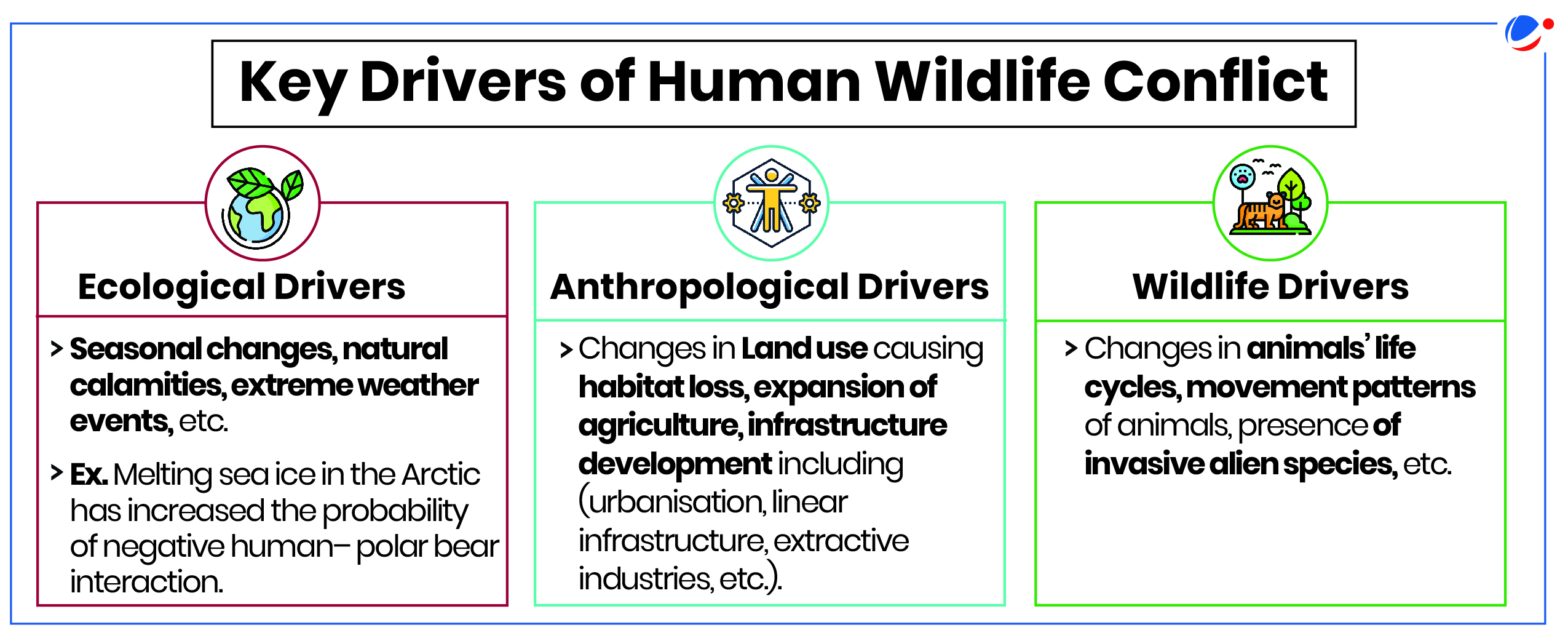
The Forest Minister has attributed the steady rise in human–animal conflict across Karnataka to a significant increase in wildlife populations, particularly elephants, leopards, and wild boar, asserting that conservation success has brought with it complex new challenges. Speaking in the Legislature, the Minister said sustained protection measures, improved forest cover in select regions, and stricter enforcement of wildlife laws have allowed animal numbers to recover over the years. However, he cautioned that the same success has intensified pressure on landscapes shared by humans and animals, resulting in more frequent encounters, crop damage, and, in some tragic cases, loss of human life.
The Minister stressed that human–animal conflict must be understood as a multi-dimensional issue rather than a simple law-and-order or forest management problem. He said animals do not recognise administrative boundaries, and their movement patterns are increasingly influenced by fragmented habitats, shrinking corridors, and expanding human settlements. As wildlife populations grow within limited forest spaces, animals are compelled to move beyond traditional habitats in search of food, water, and territory, inevitably bringing them into closer contact with villages and farmlands.
Another emerging concern highlighted by conservation planners is the rapid transformation of buffer zones around protected forests. Areas once designated as low-intensity human use have seen a rise in real estate activity, resorts, plantations, and linear infrastructure such as roads and power lines. These developments, experts say, create ecological traps where animals are drawn by crops or water sources but find their movement restricted, leading to repeated conflict. The Minister acknowledged that better regulation of buffer zones is essential, noting that unplanned development undermines both conservation goals and human safety.
Forest officials also pointed to changing agricultural practices as an indirect contributor to conflict. The shift towards water-intensive and high-nutrition crops has made farmlands increasingly attractive to wildlife. Crops such as sugarcane, banana, and maize offer easy calories, encouraging animals to repeatedly raid fields. Once such patterns are established, officials said, deterrence becomes difficult, as animals remember food-rich locations and return season after season, escalating conflict over time.
There is growing recognition within the department that conflict mitigation cannot be handled by forest authorities alone. The Minister stressed the need for inter-departmental coordination involving revenue, rural development, irrigation, and local governance bodies. Issues such as land records, compensation, water access, and alternative livelihoods fall outside the forest department’s direct control but are critical to reducing friction at the human–wildlife interface. Without coordinated governance, he warned, even well-designed forest interventions will have limited impact.
Academics studying conflict dynamics cautioned against relying solely on reactive responses such as capture or relocation. They noted that translocated animals often struggle to adapt to new environments and may create conflict in receiving areas. In some cases, relocated animals attempt to return to their original ranges, traversing dangerous landscapes in the process. This, experts argue, reinforces the need for place-based solutions that focus on coexistence rather than displacement.
Concluding the discussion, the Minister said the path forward requires patience and societal consensus. He emphasised that coexistence is not a static goal but an evolving process that must adapt to ecological, social, and climatic change. As wildlife populations recover and human landscapes expand, conflict management will test governance capacity at every level. The success of Karnataka’s approach, he said, will depend not on isolated measures, but on the collective willingness to recognise shared spaces, shared risks, and shared responsibility.
Data presented by the Forest Department shows a steady increase in reported incidents over the past decade, particularly in districts bordering forested regions and newly urbanising belts. Elephants account for a substantial share of fatalities and property damage, while leopard encounters have become more common even near city outskirts. Crop-raiding by wild boar and deer has added to rural distress, affecting livelihoods and aggravating tensions between communities and forest officials.
Conservation Success Meets Habitat Stress
According to the Minister, Karnataka’s wildlife population growth reflects decades of conservation investment, including anti-poaching measures, protected area expansion, and community-based conservation initiatives. He noted that flagship species such as elephants and tigers have shown measurable recovery, a trend mirrored in several other States. However, he said conservation outcomes must now be viewed alongside ecological carrying capacity, which determines how many animals a given habitat can sustainably support.
Forest officials explained that many forest landscapes are reaching saturation points. Natural food sources fluctuate due to climate variability, invasive species, and degradation of grasslands, pushing animals to venture outside forest boundaries. Seasonal water scarcity further compounds the problem, particularly during prolonged dry spells, when animals follow traditional water routes that now pass through human habitations.
The Minister rejected claims that forest diversion alone was responsible for rising conflict, saying the issue was more nuanced. While acknowledging that infrastructure projects and land-use change have altered habitats, he said conflict trends were also visible in relatively undisturbed landscapes where animal populations had grown faster than habitat expansion. This, he argued, underscores the need for scientific population management rather than reactive blame.
Wildlife experts point out that elephants, in particular, have complex social structures and long memory of migratory routes. When corridors are disrupted or crowded, herds may alter paths, leading them into agricultural zones. Leopards, being adaptable predators, thrive in mosaic landscapes of scrub, plantations, and villages, increasing the likelihood of encounters.
Policy Responses and Ground-Level Challenges
The Forest Minister outlined a series of measures being undertaken to address the situation, including strengthening rapid response teams, improving early warning systems, and enhancing compensation mechanisms for affected families. He said the government is investing in technology such as radio collars, camera traps, and real-time alert systems to track animal movement and issue timely warnings to villagers.
He also emphasised the importance of physical barriers such as solar-powered fences and elephant-proof trenches, while cautioning that these are not permanent solutions. Maintenance challenges, funding constraints, and terrain limitations often reduce their effectiveness. In some cases, barriers merely divert animals to neighbouring villages, shifting rather than solving the problem.
Compensation for crop loss and human casualties remains a sensitive issue. The Minister acknowledged delays and procedural hurdles, saying efforts are underway to simplify processes and ensure timely relief. He said compensation alone cannot address emotional trauma or livelihood insecurity but is essential to maintaining public trust in conservation efforts.
At the same time, forest officials face operational challenges, including staff shortages, vast patrol areas, and growing expectations from both conservationists and local communities. Field staff often operate under intense pressure, responding to emergencies at odd hours while navigating public anger and political scrutiny.
Community Perceptions and Political Undercurrents
Human–animal conflict has increasingly become a political issue, particularly in rural and semi-urban constituencies. Opposition members accused the government of prioritising wildlife over human lives, citing repeated incidents of fatalities and crop destruction. They demanded stricter control measures and questioned the emphasis on conservation without parallel investment in human safety.
The Minister countered that framing the issue as humans versus animals was misleading and dangerous. He said conservation and human welfare are not mutually exclusive and warned that reactionary policies could undermine decades of ecological progress. He urged lawmakers to approach the issue with empathy and scientific temper rather than political expediency.
Villagers living along forest fringes expressed mixed feelings. While many recognise the importance of wildlife protection, repeated losses have bred resentment and fear. Farmers spoke of sleepless nights guarding crops and children walking long distances to school through forest paths. In some areas, fear of animal movement has altered daily routines, affecting education, work, and social life.
Civil society groups argue that meaningful community participation is often missing from policy implementation. They advocate for locally tailored solutions, including crop diversification, community vigilance groups, and shared decision-making in conflict-prone zones. They also stress the need for mental health support for families affected by traumatic encounters.
Long-Term Strategies and Ethical Dilemmas
Looking ahead, the Minister said Karnataka must rethink how landscapes are planned and governed. He called for integrated land-use planning that accounts for wildlife corridors, agricultural needs, and urban expansion. Protecting and restoring corridors, he said, is critical to reducing conflict by allowing animals to move safely between habitats.
The question of population control has emerged as a contentious topic. While some have called for translocation or fertility control measures, experts caution that such interventions are complex, expensive, and fraught with ethical concerns. The Minister said no decision would be taken without scientific evidence and broad consultation.
Climate change adds another layer of complexity. Altered rainfall patterns, rising temperatures, and extreme weather events affect vegetation and water availability, indirectly influencing animal movement. Forest officials warn that conflict patterns may become less predictable in the coming years, requiring adaptive management strategies.
Education and awareness were highlighted as long-term solutions. The Minister said fostering coexistence requires changing perceptions, particularly among younger generations. Programmes aimed at teaching safe behaviour, respect for wildlife, and understanding animal behaviour are being expanded in schools and villages.
Balancing Coexistence in a Crowded Landscape
As Karnataka grapples with rising human–animal conflict, the Minister’s remarks underscore a difficult reality: conservation success brings new responsibilities. Protecting wildlife in an increasingly crowded and changing landscape demands constant adaptation, sustained funding, and social consensus.
The challenge lies in balancing ecological integrity with human safety and dignity. Simplistic narratives risk deepening divisions and eroding support for conservation. Instead, experts argue for a holistic approach that recognises humans as part of the ecosystem, not external to it.
For now, the government maintains that rising wildlife populations are both a triumph and a test. How Karnataka responds to this test will shape not only the future of its forests and fauna, but also the lives and livelihoods of millions who live alongside them. In this delicate equation, coexistence is no longer a choice but an urgent necessity, demanding patience, innovation, and collective will.
The Karnataka government has categorically stated that the regularisation of licensed surveyors is not possible under existing legal and administrative frameworks, putting to rest long-standing demands from sections of surveyors who have been seeking permanent status. Revenue Minister clarified in the Legislature that licensed surveyors are engaged under a specific statutory arrangement and do not fall within the definition of government employees, making their absorption into regular service legally untenable. The statement has triggered renewed debate among professionals, unions, and policy experts, many of whom argue that the issue reflects deeper structural gaps in land administration rather than a simple employment dispute.
The clarification came amid repeated representations from associations of licensed surveyors, who have been demanding regularisation citing years of continuous service, growing workload, and the critical role they play in land-related processes. The Minister, however, maintained that while the government recognises their contribution, policy decisions must conform strictly to constitutional provisions, service rules, and judicial precedents. Any deviation, he said, would invite legal challenges and undermine established recruitment norms.
Legal Boundaries and Administrative Constraints
At the heart of the government’s position is the distinction between licensed professionals and appointed civil servants. Licensed surveyors operate under permissions granted by the Revenue Department to undertake survey-related work for citizens, particularly in land measurement, boundary demarcation, and mutation-related processes. They are paid through fees collected from applicants rather than receiving a salary from the State exchequer. According to the Minister, this fundamental difference makes regularisation legally impossible, as there is no sanctioned cadre or recruitment process under which they were originally engaged.
Officials explained that regularisation typically applies to individuals appointed against sanctioned posts through a defined selection process, even if such appointments were initially temporary or contractual. In contrast, licensed surveyors function more like authorised service providers. Courts have consistently held that regularisation cannot be claimed as a right by individuals who entered service through non-statutory routes. The Minister cited multiple judgments to underline that policy decisions must align with constitutional principles of equality and fair opportunity in public employment.
The government also expressed concern that regularising licensed surveyors would set a precedent affecting other licensed or outsourced professionals across departments. Such a move, officials argued, could open the floodgates to similar demands from categories such as document writers, notaries, and other authorised intermediaries who support government processes but are not employees in the strict sense.
Surveyors’ Role and Ground Realities
Despite the legal position, there is broad acknowledgment of the indispensable role played by licensed surveyors in Karnataka’s land administration system. With increasing land fragmentation, urban expansion, and a surge in property transactions, demand for survey services has grown sharply. Licensed surveyors are often the first point of contact for citizens seeking to resolve boundary disputes, update land records, or regularise property ownership.
Many surveyors argue that while they are technically independent professionals, their work is deeply intertwined with government functions. They operate under departmental supervision, follow prescribed procedures, and are accountable to revenue officials. Over the years, several surveyors have spent decades in this role, building expertise comparable to that of regular government survey staff. From their perspective, denial of regularisation feels like a denial of recognition for long years of service.
Surveyors’ associations point out that the number of regular government surveyors has steadily declined due to retirements and limited recruitment. As a result, licensed surveyors now shoulder a significant portion of the workload, especially in rural areas. They argue that the system effectively relies on them while withholding job security, social protection, and career progression.
Government’s Alternative Measures
Responding to these concerns, the Minister said the government is exploring alternative measures to improve working conditions without violating legal norms. These include revising fee structures, streamlining licensing procedures, and expanding training opportunities. The government is also considering the use of technology to reduce workload pressures and ensure transparency in survey operations.
One proposal under discussion involves strengthening the regulatory framework governing licensed surveyors. Officials believe clearer guidelines, better monitoring, and periodic skill upgradation can enhance service quality while safeguarding professionals from arbitrary action. The Minister also indicated that the government is open to dialogue with surveyor associations to address operational grievances, even if regularisation itself is off the table.
There is also a push to modernise land records through digital surveys, satellite imagery, and geographic information systems. While these initiatives aim to reduce disputes and delays, they have raised fresh concerns among surveyors about job displacement. The government has assured that technological adoption will be gradual and that human expertise will continue to play a crucial role, particularly in complex or contested cases.
Political and Union Reactions
The Minister’s statement has elicited mixed reactions across the political spectrum. Opposition members accused the government of being insensitive to the plight of surveyors who have served the public for years under difficult conditions. They argued that legal constraints should not become an excuse for inaction and urged the government to find innovative solutions, including the creation of a new cadre through legislative intervention.
For licensed surveyors across Karnataka, the announcement is both a setback and a moment of reckoning. While their demand for permanent status has been rejected, the spotlight on their role has never been sharper. How the State chooses to support, regulate, and integrate their services in the coming years will shape not only their future but also the effectiveness and credibility of Karnataka’s land administration system.
Some legislators pointed to past instances where governments have regularised categories of workers by amending rules or enacting special provisions. They questioned why a similar approach could not be explored for licensed surveyors, especially given their critical role in revenue administration. The government countered that such measures have often been struck down by courts, resulting in prolonged litigation and uncertainty.
Surveyor unions have announced plans to intensify their agitation, including protests and representations to senior officials. Union leaders insist that their demand is not merely about job security but about dignity and recognition. They argue that without institutional support, surveyors face increasing pressure from landowners, local power structures, and even departmental officials, often without adequate legal protection.
Impact on Land Governance
Experts warn that prolonged uncertainty surrounding the status of licensed surveyors could have wider implications for land governance in Karnataka. Delays in surveys and demarcations already contribute to a backlog of cases in revenue offices and courts. If surveyors feel demoralised or withdraw services, the impact could be felt across property transactions, infrastructure projects, and welfare schemes dependent on accurate land records.
Land policy specialists note that Karnataka’s experience reflects a broader national challenge. Many States rely heavily on licensed or outsourced professionals to bridge gaps in administrative capacity. While this model offers flexibility, it also creates grey zones in accountability and labour rights. Addressing these issues requires a comprehensive rethink of how public services are delivered in an era of expanding demand and limited government staffing.
There is also concern that the absence of a clear career pathway discourages young professionals from entering the field. Surveying requires technical skill, fieldwork, and familiarity with complex regulations. Without long-term incentives, the profession risks losing talent, further straining the land administration system.
Judicial Precedents and Policy Dilemmas
Legal experts say the government’s position is largely consistent with prevailing judicial doctrine. Courts have repeatedly emphasised that regularisation cannot be used to bypass open recruitment or constitutional safeguards. At the same time, the judiciary has occasionally urged governments to address exploitative arrangements where workers perform essential functions without adequate protection.
This tension places policymakers in a difficult position. On one hand, they must uphold legal principles and fiscal discipline. On the other, they face genuine human and administrative concerns arising from long-term reliance on quasi-formal labour arrangements. The licensed surveyor issue exemplifies this dilemma, highlighting the need for policy solutions that go beyond binary choices of regularisation or rejection.
Some analysts suggest creating a structured public service provider model with defined rights, responsibilities, and benefits, distinct from regular government employment. Such a framework, they argue, could offer stability without violating constitutional norms. Whether the government will explore such an approach remains to be seen.
Looking Ahead
As matters stand, the government’s clarification has closed the door on regularisation, at least for now. However, the debate is far from settled. Continued pressure from surveyors, political interventions, and evolving administrative needs may yet force a re-examination of existing models. The Minister has reiterated the government’s willingness to engage constructively, even as he draws a firm line on legal boundaries.
For licensed surveyors across Karnataka, the announcement is both a setback and a moment of reckoning. While their demand for permanent status has been rejected, the spotlight on their role has never been sharper. How the State chooses to support, regulate, and integrate their services in the coming years will shape not only their future but also the effectiveness and credibility of Karnataka’s land administration system.
In the larger context, the issue serves as a reminder that governance is as much about people as it is about rules. Bridging the gap between legal formality and lived reality remains one of the most pressing challenges for public policy, and the fate of licensed surveyors may well become a test case for how that balance is struck.
Takashi Miyagawa and the Unusual Case That Shocked Japan
Takashi Miyagawa became the center of national attention in Japan after details emerged about his involvement with dozens of women at the same time, all built on carefully planned lies. The case stood out not because of celebrity or wealth, but because of how methodical and deliberate the deception was. What initially appeared to be normal romantic relationships slowly revealed a disturbing pattern that eventually led to police action.
Reports confirmed that Takashi Miyagawa was dating around 35 women simultaneously. Each relationship followed a similar structure, but with one crucial twist. He told every woman a different birthday. This detail allowed him to receive gifts throughout the year without raising suspicion. Many of the women believed the relationships were exclusive and emotionally serious, with some even considering marriage.
Takashi Miyagawa’s Pattern of Deception Across Multiple Relationships
As more details surfaced, it became clear that Takashi Miyagawa had carefully managed his stories. He presented himself differently to each woman, adjusting personal details to avoid overlap. The false birthdays were only one part of a broader system of lies designed to maintain trust and emotional dependence.
The women involved reportedly gave him gifts during birthdays and special occasions. These included cash, clothing, accessories, and even a formal suit. The total value of the items was estimated to be around 100,000 yen. While the amount itself was not massive, the intent behind receiving these gifts under false pretenses raised serious legal concerns.
Many of the women believed they were in long-term relationships. Some were under the impression that discussions about future plans were genuine. The emotional impact of the deception turned out to be far more severe than the financial loss.
Takashi Miyagawa Exposed After Victims Compared Experiences
The situation began to unravel when a few of the women started talking to one another. Small inconsistencies appeared first, including conflicting dates and repeated behaviors. Over time, the similarities between their experiences became impossible to ignore.
Once they realized they had all been given different birthdays and similar explanations for personal absences, the women understood that Takashi Miyagawa had been manipulating them. Acting together, they approached authorities and shared their accounts. This collective action became a key factor in moving the case forward.
Police later arrested Takashi Miyagawa on suspicion of fraud. While some reports varied in minor details, authorities confirmed that the core facts of the case were consistent. The deception involved intentional misrepresentation and financial benefit obtained through false emotional claims.
Takashi Miyagawa Case Raises Wider Questions About Trust and Accountability
The Takashi Miyagawa case sparked discussion across Japan about emotional fraud and legal responsibility in romantic relationships. While dating multiple people is not illegal, deliberately lying to gain money or gifts crosses a clear legal line.
Experts pointed out that the case highlights how emotional manipulation can be used as a tool for financial gain. The women involved were not simply disappointed partners but victims of calculated fraud. The arrest set an important example that emotional deception with financial intent can carry consequences. Also Read: Kim Go Eun revealed her genuine love for Explosive Kiss and its emotional pull
Public reaction ranged from disbelief to anger. Many questioned how one person could maintain so many relationships without detection for such a long time. Others focused on the courage of the women who spoke up and worked together despite personal embarrassment.
Conclusion
The Takashi Miyagawa case stands as a rare but real example of how trust can be exploited through long-term planning and lies. While the financial loss was limited, the emotional damage and breach of trust were significant. The incident serves as a reminder that honesty in relationships is not just a moral expectation but, in some cases, a legal necessity.











 The case is being treated as a high-priority investigation, and police have assured the public that more preventive measures will be introduced to safeguard citizens from similar criminal attempts in the future. The successful arrest, officials said, demonstrates the effectiveness of coordinated vigilance, complaint follow-ups, and prompt action in maintaining public trust and safety in banking spaces.