Tuesday, May 5, 2026
Home Blog Page 224

Tech Advances Complicate Fight Against Sex Detection: Invisible Threat, 1 Law, Vanishing Daughters

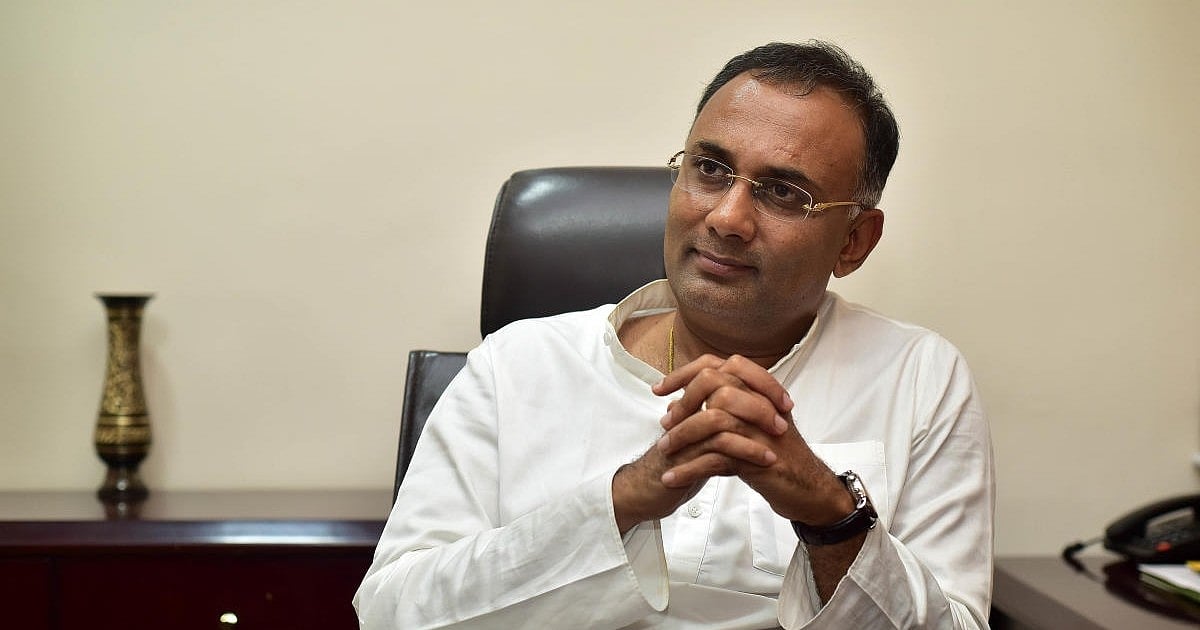
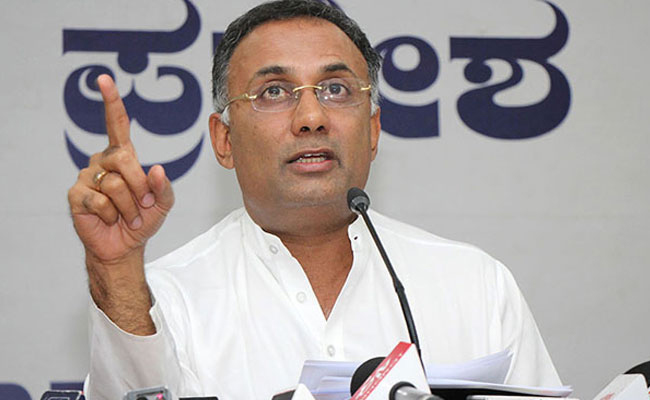
Advances in medical technology have made it increasingly difficult for authorities to crack down on illegal sex determination, Karnataka Health Minister Dinesh Gundu Rao has said, warning that enforcement mechanisms are struggling to keep pace with rapidly evolving diagnostic tools. Speaking on the challenges faced in implementing the law against sex-selective practices, the Minister said that while the legal framework remains strong, technological sophistication has introduced new layers of complexity that demand constant vigilance, updated strategies, and stronger institutional coordination.

Sex determination and sex-selective abortions are prohibited under the law, aimed at protecting the girl child and correcting skewed sex ratios. However, the Minister said that offenders are exploiting technological loopholes, portable devices, and covert networks to bypass detection. Unlike earlier decades, when ultrasound machines were relatively easy to track and regulate, newer technologies are smaller, more mobile, and harder to monitor, making enforcement a moving target.

Despite repeated assurances from successive governments, public health experts caution that the gap between policy intent and ground-level outcomes remains wide. They argue that while Karnataka has taken steps to strengthen inspections and monitoring, enforcement often depends on local administrative will and political backing. In districts where officials proactively pursue violations, deterrence is visible, but in others, lax oversight allows illegal practices to resurface quietly. This unevenness, experts say, undermines the overall impact of the law and allows offenders to shift operations geographically rather than abandon them altogether.

Women’s rights groups have also pointed out that the burden of enforcement disproportionately falls on pregnant women rather than on the networks that facilitate sex detection. In several instances, women have faced questioning and social stigma, while middlemen and unethical service providers remain insulated. Activists argue that fear of harassment discourages women from seeking legitimate prenatal care, inadvertently pushing them towards informal systems where regulation is weakest. They stress that enforcement must be sensitive, rights-based, and focused on dismantling supply chains rather than penalising vulnerable individuals.

The Minister acknowledged concerns about misuse of authority and said the government is working to ensure that enforcement does not become oppressive. He said clear guidelines are being reinforced to prevent harassment of expectant mothers and ethical practitioners. Training programmes, he added, are being planned to sensitise officials to the gender and ethical dimensions of the issue, ensuring that legal action targets deliberate violations rather than creating fear around pregnancy-related healthcare.

Data trends continue to be a critical indicator for policymakers. Demographers note that while Karnataka’s overall sex ratio has shown gradual improvement over decades, child sex ratio figures in certain pockets remain worrying. These localised distortions suggest the persistence of sex-selective practices, even if they are not immediately visible. Officials concede that such trends often emerge years after violations occur, making retrospective enforcement difficult and underscoring the importance of preventive measures.

There is also growing concern about the role of informal counselling networks that influence family decisions long before medical intervention occurs. Social workers say pressure from extended families, coupled with misinformation about economic burdens, pushes couples towards sex selection. In this context, technology is only one link in a longer chain of discrimination. Addressing these pressures, they argue, requires community-level engagement, economic support for families with girl children, and visible success stories that challenge traditional assumptions.

Concluding his remarks, the Health Minister reiterated that the State’s approach must remain dynamic. He said complacency would only embolden violators who constantly adapt to new tools and loopholes. The fight against illegal sex detection, he said, must combine law enforcement, ethical medical practice, social reform, and sustained public dialogue. Only when technological oversight and societal values move in tandem, he added, can the cycle of discrimination be meaningfully broken and the promise of gender justice upheld.

The Minister emphasised that the issue is not merely technological but deeply social. He said the persistent demand for sex determination reflects entrenched patriarchal attitudes and economic anxieties, particularly around inheritance and social status. Technology, he noted, has simply become a tool that enables these biases to manifest in more concealed and sophisticated ways. As long as the social preference for male children exists, enforcement alone will remain an uphill task.

Karnataka, like several other States, has made significant efforts to improve its sex ratio over the years through awareness campaigns, inspections, and legal action. Yet, the Minister acknowledged that progress has been uneven. In some regions, improvements have plateaued, while in others, subtle declines raise concerns about the resurgence of covert practices. He said these trends underscore the need for renewed focus and innovation in both policy and implementation.Sex determination cases: Karnataka Health Minister Dinesh Gundu Rao orders  probe
Officials from the Health Department said that enforcement teams now face challenges in tracing digital records, informal referrals, and cross-border networks that facilitate illegal sex detection. Many violations no longer occur in fixed clinics but through loosely connected systems that operate intermittently, making them difficult to pin down. This fragmentation, they said, allows offenders to evade scrutiny and complicates evidence gathering.

Evolving Technology, Enforcement Gaps, and Institutional Strain

The Health Minister pointed out that regulatory systems were originally designed for a different technological era. Laws governing prenatal diagnostic techniques focus heavily on physical equipment and registered facilities. While these remain important, the emergence of handheld diagnostic devices, tele-consultations, and data-sharing platforms has created grey zones that are harder to regulate using traditional methods.

Enforcement officers say that inspections now require a higher level of technical expertise. Identifying misuse often involves analysing digital footprints, financial transactions, and informal referral patterns rather than simply sealing machines or inspecting clinic registers. This has placed additional pressure on district-level authorities, who may lack specialised training or resources to keep up with such complexities.

The Minister acknowledged that frontline officers often operate under intense pressure, balancing enforcement with routine public health responsibilities. He said that while the law mandates strict action, effective implementation requires sustained investment in training, technology, and manpower. Without these, enforcement risks becoming symbolic rather than substantive.

There is also the challenge of legal thresholds. Prosecuting cases of illegal sex determination requires strong evidence, and courts demand high standards of proof. As practices become more discreet, gathering admissible evidence becomes harder, leading to fewer convictions despite widespread suspicion of violations. The Minister said this gap between detection and prosecution weakens deterrence.

Health activists argue that this has led to a sense of impunity among offenders. While raids and inspections continue, the low rate of successful prosecution sends mixed signals. The Minister agreed that enforcement must be both visible and effective, stressing that sporadic action is insufficient to address a deeply entrenched problem.

Another concern raised by officials is the misuse of legitimate medical services. Advanced diagnostic tools play a crucial role in maternal and fetal health, and excessive restrictions risk hampering genuine medical care. The Minister said striking a balance between regulation and access is critical, as overregulation could discourage ethical practitioners and harm patient trust.

Social Mindsets, Accountability, and the Way Forward

Beyond technology and enforcement, the Minister stressed the importance of addressing the social roots of sex selection. He said that laws can prevent access, but they cannot change mindsets on their own. Persistent gender bias, economic insecurity, and social pressure continue to drive demand for male children, particularly in certain communities.

Public awareness campaigns, he said, must evolve alongside technology. Traditional messaging may no longer be sufficient to counter modern forms of discrimination. Campaigns need to engage families, schools, and community leaders in sustained dialogue about gender equality, rather than relying solely on fear of legal consequences.Separate nodal officer in all districts to prevent female foeticides in  Karnataka: Minister
The Minister also called for greater accountability within the medical community. While the majority of doctors adhere to ethical standards, a small number of violators tarnish the profession and undermine public trust. Strengthening professional self-regulation, he said, could complement government enforcement and help identify violations early.

Inter-departmental coordination was highlighted as another priority. The Health Department alone cannot address the issue, the Minister said, pointing to the need for collaboration with law enforcement, women and child welfare departments, and local administrations. Sharing data and intelligence across departments could improve detection and response.

Experts have also suggested leveraging technology itself as part of the solution. Digital tracking of diagnostic equipment, data analytics to identify suspicious patterns, and anonymous reporting mechanisms could help authorities stay ahead of offenders. The Minister said such measures are under consideration but cautioned that they require careful design to protect privacy and prevent misuse.

Civil society organisations working on gender issues emphasised that progress must be measured not just by enforcement statistics but by lived realities. They said improvements in sex ratios, education levels of girls, and women’s economic participation are interconnected indicators of change. Without broader social transformation, enforcement gains may remain fragile.

The Minister acknowledged that the fight against sex detection is a long-term struggle requiring persistence and adaptability. He said that complacency would be dangerous, especially as technology continues to evolve. Continuous review of laws, procedures, and strategies is essential to ensure relevance and effectiveness.'No cause for concern': Karnataka health minister Dinesh Gundu Rao on Covid  cases surge | Bengaluru

As Karnataka grapples with these challenges, the debate highlights a sobering reality. Technology, while a force for medical progress, can also be misused in ways that deepen social inequities. The responsibility of the State, the Minister said, is to ensure that innovation serves life and dignity, not discrimination.

In the end, the issue goes beyond devices and diagnostics. It is about the value society places on daughters and the willingness to confront uncomfortable truths about gender bias. As enforcement struggles to keep pace with technology, the real test lies in whether social conscience can evolve faster than the tools used to undermine it.

Follow: Karnataka Government

Also read: Home | Channel 6 Network – Latest News, Breaking Updates: Politics, Business, Tech & More

Shah Rukh Khan Pathaan 2 signals a major expansion in the YRF Spy Universe

0

Shah Rukh Khan Pathaan 2 moves forward with growing expectations

Shah Rukh Khan Pathaan 2 has already emerged as one of the most closely followed projects in the YRF Spy Universe, and fresh reports have only strengthened that attention. After the massive success of Pathaan, the sequel is being positioned as a much larger film in scale, storytelling, and casting. Industry buzz now suggests that Jr NTR may join the franchise, a development that has generated significant discussion across film circles.Pathaan 2' announced in Dubai? Shah Rukh Khan hints at his return as the spy | - The Times of India

While there has been no official announcement from Yash Raj Films, multiple sources indicate that talks are underway. If confirmed, this collaboration would mark a notable crossover between Hindi cinema and Telugu cinema within the spy universe framework. The sequel is expected to carry forward the character of Pathaan while expanding the universe with new faces and conflicts.

The makers appear focused on building long-term value rather than rushing production, which explains the controlled flow of information so far.

Shah Rukh Khan Pathaan 2 strengthens the YRF Spy Universe vision

The YRF Spy Universe has steadily grown with interconnected stories and recurring characters. Films like Ek Tha Tiger, War, Tiger 3, and Pathaan have laid the foundation for a shared cinematic world driven by action, intelligence agencies, and international threats. Pathaan played a crucial role in reviving audience interest after a difficult phase for Hindi cinema, largely due to Shah Rukh Khan’s screen presence and the film’s polished action design.Shah Rukh Khan To Collaborate With Jr NTR In Pathaan 2: Report | Bollywood  News - News18

With Shah Rukh Khan Pathaan 2, the studio appears to be aiming higher. Bringing in an actor like Jr NTR would not only add star power but also introduce a fresh dynamic to the narrative. Jr NTR is known for intense performances and strong screen command, qualities that align well with the tone of the spy universe.

Such casting decisions indicate that the sequel may move beyond a direct continuation and instead function as a key chapter that reshapes the overall direction of the franchise.

Shah Rukh Khan Pathaan 2 casting buzz reflects strategic planning

Reports suggest that the role being discussed for Jr NTR is not a brief appearance. Instead, it is expected to be a significant character with long-term relevance within the universe. This approach mirrors previous casting choices where characters introduced in one film later influenced events in others.Has Shah Rukh Khan Just Verified Pathaan 2? Here's What We've Learned | Zoom TV

Shah Rukh Khan’s Pathaan is already established as a central figure, and the introduction of a powerful counterpart or rival could elevate the emotional and dramatic stakes. Rather than relying solely on spectacle, the sequel may focus on character-driven conflict, allowing performances to carry equal weight alongside action sequences.

The timing of these discussions also reflects careful planning. With upcoming spy universe films already in various stages of development, Pathaan 2 is expected to align closely with the larger roadmap rather than operate independently.

Shah Rukh Khan Pathaan 2 expected to balance scale and storytelling

One of the key reasons Pathaan resonated with audiences was its balance between mass appeal and clear storytelling. The sequel is expected to retain that structure while expanding its scope. Larger action set pieces, international locations, and more complex alliances are likely to be part of the film’s design.

Shah Rukh Khan’s return to the role carries expectations not just from fans but also from the industry, as Pathaan marked a significant turning point in his career. The sequel is therefore being approached with caution and ambition in equal measure.


View this post on Instagram


A post shared by News18.com (@cnnnews18)

The reported casting discussions suggest that the makers are prioritising substance alongside star value. Instead of repeating familiar patterns, Shah Rukh Khan Pathaan 2 appears to be positioning itself as a film that pushes the spy universe into a more layered phase. Also Read: Kim Go Eun revealed her genuine love for Explosive Kiss and its emotional pull

Conclusion

Shah Rukh Khan Pathaan 2 continues to build anticipation as reports of Jr NTR’s possible involvement add new weight to the sequel. While official confirmation is still awaited, the developments point toward a carefully planned expansion of the YRF Spy Universe. With strong focus on casting, scale, and narrative depth, the sequel is shaping up to be a defining project in the franchise’s future.

Elephant Task Force Set to Begin Work in Dakshina Kannada: 1 Week, Shocking Fragile Coexistence

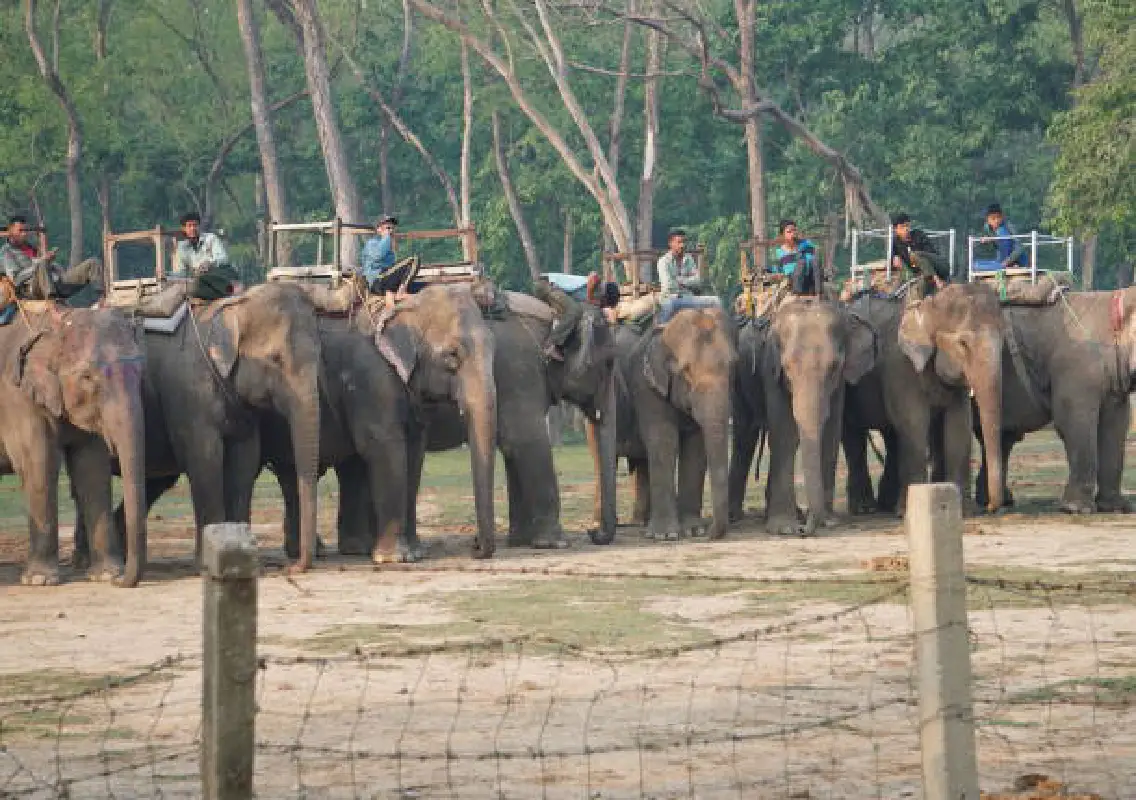
The Karnataka Forest Minister has announced that a dedicated elephant task force in Dakshina Kannada district will become functional within a week, marking a decisive administrative response to growing incidents of human-elephant conflict in the coastal and Western Ghats regions. The assurance comes amid increasing anxiety among farmers and forest-edge communities who have faced repeated crop damage, property loss, and, in some cases, fatal encounters involving wild elephants. The Minister said the task force would operate as a rapid-response unit with clearly defined responsibilities, aiming to prevent conflict rather than merely react after damage has occurred.

Forest department officials also indicated that specialised training sessions are being planned for members of the task force before full-scale deployment. These sessions will focus on understanding elephant behaviour, stress indicators, and safe crowd management techniques to prevent panic during encounters. By equipping personnel with both technical knowledge and soft skills, the department hopes to reduce the risk of impulsive actions that can endanger lives on either side.

There is an effort to integrate traditional knowledge into the task force’s operations. Experienced local trackers and elders familiar with elephant movement patterns in the region are expected to play an advisory role. Officials believe that such indigenous knowledge, when combined with scientific monitoring, can significantly improve the accuracy of early warnings and the effectiveness of intervention strategies.

Coordination with neighbouring districts is also being explored, as elephant movement does not adhere to administrative boundaries. Forest officers said communication channels will be strengthened with adjoining divisions to share alerts and movement data. This regional approach is expected to prevent situations where elephants are pushed from one area only to resurface in another without preparedness.

The task force is also expected to play a role in community education. Awareness programmes will be conducted in villages to inform residents about safe practices, such as avoiding confrontation, securing food sources, and responding calmly during sightings. Officials noted that misinformation and fear often lead to risky behaviour, which education can help mitigate.

Environmental groups have urged the government to use the task force as a platform to collect long-term data on conflict patterns. Such data, they argue, can inform future land-use planning and conservation policy. By documenting when, where, and why conflicts occur, authorities can move from reactive measures to preventive strategies grounded in evidence.

As implementation begins, the effectiveness of the task force will be closely watched by both supporters and sceptics. Its success could shape how Karnataka addresses emerging wildlife conflicts in non-traditional elephant landscapes. For communities in Dakshina Kannada, the hope is that this initiative marks not just an administrative response, but a sustained commitment to safeguarding lives, livelihoods, and the ecological balance they depend on.

Dakshina Kannada, unlike the traditional elephant corridors of southern Karnataka, has witnessed a noticeable rise in elephant movement over the past few years. Forest officials attribute this shift to habitat fragmentation, changing land-use patterns, and the availability of crops that attract elephants closer to human settlements. Villages bordering forest areas have reported frequent night-time raids, leading to fear, disrupted livelihoods, and growing resentment toward wildlife conservation efforts. The proposed task force, the Minister said, is intended to rebuild trust between communities and forest authorities while prioritising safety for both humans and elephants.

According to the Minister, the task force will include trained forest personnel, wildlife veterinarians, local trackers, and support staff equipped to monitor elephant movement, guide herds away from settlements, and respond swiftly to distress calls. The unit will be supported by vehicles, communication systems, and field-level intelligence gathered from local residents. The emphasis, he stressed, will be on non-invasive and humane methods of managing elephant movement, in line with national wildlife protection norms.

The announcement follows several meetings with district officials, forest department staff, and elected representatives, during which concerns were raised about the lack of a dedicated mechanism to deal with elephant-related emergencies. While ad hoc teams have been deployed in the past, their limited coordination and delayed response often exacerbated tensions. The Minister acknowledged these shortcomings and said the new task force would operate under a structured command system with round-the-clock readiness.Elephant Task Force with 48 personnel sanctioned for Dakshina Kannada:  Minister Khandre

Rising Conflict, Administrative Response, and Ground Realities

Human-elephant conflict has emerged as one of the most complex conservation challenges in Karnataka, particularly in districts where rapid development intersects with forest landscapes. In Dakshina Kannada, the problem is compounded by dense human habitation, plantations, and narrow forest patches that leave elephants with limited space to roam. Farmers cultivating crops such as arecanut, banana, and paddy have repeatedly reported losses, while residents living near forest fringes describe constant fear, especially during the monsoon and post-harvest seasons.

Forest officials say that elephants entering Dakshina Kannada are often part of small, transient groups exploring new ranges rather than resident herds. This unpredictability makes traditional mitigation measures less effective. The task force, officials explained, will focus on early-warning systems by tracking elephant movement through field reports and technological inputs. By anticipating movement patterns, teams can alert villages in advance and take steps to divert elephants before they reach populated areas.

The Minister emphasised that community participation will be central to the task force’s functioning. Local residents, including farmers and plantation workers, will be encouraged to share real-time information without fear of reprisal or bureaucratic delays. He said trust deficits between communities and the forest department have often hindered timely reporting, allowing situations to escalate. By positioning the task force as a supportive presence rather than an enforcement-heavy unit, the government hopes to change this dynamic.

Compensation for crop loss and property damage also featured prominently in the Minister’s remarks. He acknowledged delays in disbursing relief payments and assured that procedures would be streamlined. While compensation alone cannot address the emotional and psychological toll of repeated encounters, timely relief, he said, can reduce hostility toward wildlife and conservation efforts. The task force will coordinate with revenue and district authorities to ensure faster assessment and processing of claims.Karnataka forms 48-member elephant task force in Dakshina Kannada | News  Karnataka

Experts caution, however, that enforcement-focused responses must be complemented by long-term ecological planning. Habitat restoration, protection of corridors, and regulation of development near forest boundaries are essential to reduce conflict sustainably. The Minister agreed that the task force is not a standalone solution but part of a broader strategy that includes habitat management and inter-departmental coordination.

Balancing Conservation and Livelihoods in a Changing Landscape

The announcement has evoked cautious optimism among conservationists and local leaders. Wildlife experts welcomed the move, noting that specialised teams with local knowledge are far more effective than sporadic deployments from distant divisions. They stressed that consistent presence and familiarity with terrain and communities are crucial for managing large mammals like elephants, whose behaviour is shaped by memory and repeated experience.

At the same time, activists have urged the government to ensure that the task force is adequately staffed and resourced beyond its initial launch. Past initiatives, they warned, have often lost momentum due to staff shortages, lack of training, or diversion of personnel to other duties. The Minister responded by stating that the government is committed to sustaining the unit and reviewing its performance regularly.

There is also growing recognition that conflict mitigation must address the underlying socio-economic pressures faced by rural communities. In Dakshina Kannada, where landholdings are small and livelihoods precarious, even a single instance of crop damage can have severe consequences. The fear of elephants has also altered daily routines, with people avoiding fields after dusk and children facing disruptions to schooling in some areas. The task force, officials said, will work closely with local administrations to identify vulnerable households and prioritise support.

Technological tools are expected to play a supporting role. Forest officials indicated that data from camera traps, field observations, and mobile-based reporting systems could help map movement trends over time. While technology cannot replace ground-level expertise, it can enhance situational awareness and improve response times. The Minister said investments in such tools would be considered based on field requirements.

Political leaders from the district welcomed the announcement, calling it a long-pending demand. They said the absence of a dedicated mechanism had left both citizens and frontline forest staff exposed to risk. The task force, they argued, could serve as a model for other regions facing emerging wildlife conflict due to environmental change.Karnataka Forms Special Task Force to Tackle Elephant Intrusions

As the task force prepares to become operational, expectations are high but tempered by experience. Residents hope that the promised one-week timeline translates into visible action on the ground, not just administrative orders. For many living at the forest’s edge, the issue is not ideological but deeply personal, shaped by sleepless nights and uncertain livelihoods.

The Forest Minister concluded by appealing for cooperation from all stakeholders, emphasising that coexistence is the only viable path forward. Elephants, he said, are an integral part of Karnataka’s ecological heritage, but human safety and dignity cannot be compromised. The success of the task force will depend not only on official preparedness but also on collective responsibility.

In a landscape where forests and farms increasingly overlap, the coming weeks will test whether institutional resolve can match the urgency of lived reality. If implemented with sensitivity, consistency, and transparency, the elephant task force in Dakshina Kannada could mark a step toward restoring a fragile balance between people and wildlife, where fear gives way, slowly, to cautious coexistence.

Follow: Karnataka Government

Also read: Home | Channel 6 Network – Latest News, Breaking Updates: Politics, Business, Tech & More

Nora Fatehi draws attention as Jailer 2 buzz grows around a major dance number

0

Nora Fatehi gains spotlight amid Jailer 2 production updates

Nora Fatehi has become the centre of growing attention as reports around Jailer 2 continue to surface. According to information circulating within the film industry, the Bollywood actor and dancer is said to be filming a special dance number alongside Superstar Rajinikanth for the much-anticipated sequel directed by Nelson Dilipkumar. While the makers have not released an official confirmation, the development has already created strong interest among fans and trade circles.Nora Fatehi joins Rajinikanth in Jailer 2 for a dance number | Hindustan Times

Sources close to the production indicate that the song is a high-energy South-style track composed by Anirudh Ravichander. The shoot is reportedly taking place in Chennai and is scheduled over eight days, suggesting a carefully planned sequence rather than a brief cameo. If these reports hold true, the song is expected to be revealed closer to the film’s planned release in 2026.

The possibility of Nora Fatehi joining Jailer 2 adds a new layer of excitement, especially given the franchise’s earlier musical success.

Nora Fatehi linked to a major musical moment in the sequel

The first Jailer film created a strong cultural impact, not only through its storyline and performances but also through its music. Tamannaah’s dance number ‘Kaavaalaa’ became a nationwide sensation, setting high expectations for the sequel. With Jailer 2, the makers appear to be aiming for a similarly memorable musical moment.Jailer 2 song shoot in Chennai with Nora Fatehi and Rajinikanth highlights Tamil film sequel - India Today

Nora Fatehi’s reported involvement fits that strategy. Known for her sharp dance skills and strong screen presence, she has built a reputation for delivering songs that gain wide reach across languages and regions. Pairing her with Rajinikanth for a vibrant number suggests that the sequel may once again rely on music to create buzz beyond traditional film promotions.

Anirudh Ravichander’s involvement further strengthens this expectation. His previous collaborations with Rajinikanth and Nelson Dilipkumar have consistently produced chart-topping tracks. Industry observers believe that the combination of Anirudh’s composition style and Nora Fatehi’s performance could result in a song designed for mass appeal rather than limited cinematic use.

Although there is no official statement yet, the scale of the reported shoot points toward a song meant to stand out as a promotional highlight.

Nora Fatehi’s presence reflects Jailer 2’s wider appeal

If confirmed, Nora Fatehi’s appearance would also reflect Jailer 2’s effort to broaden its audience. Casting a performer with strong recognition across Hindi cinema and digital platforms indicates a focus on pan-Indian visibility. This approach aligns with current industry trends, where major South Indian films aim to connect with viewers beyond regional boundaries.Expresso Magazine

The decision to film the song in Chennai over an extended schedule suggests attention to choreography, visuals, and production value. Rather than relying on quick edits or minimal screen time, the makers appear to be investing in a polished sequence that complements the film’s scale.

Rajinikanth’s presence in such a number also carries weight. His dance sequences, when combined with strong music, often become talking points regardless of screen time. A collaborative performance with Nora Fatehi would naturally attract interest from both long-time fans and newer audiences.

Nora Fatehi rumors add momentum to Jailer 2 anticipation

While the production team has remained silent on the reports, speculation itself has already contributed to Jailer 2’s growing momentum. Fans are actively discussing whether the film can recreate the musical impact of its predecessor while offering something fresh.


View this post on Instagram


A post shared by Varnam MY (@varnammalaysia)

The lack of official confirmation has not slowed interest. Instead, it has kept conversations active across social media and film forums. For a project still in production, this level of attention signals strong audience curiosity.

If the reports are accurate, the song featuring Nora Fatehi could serve as one of the film’s key promotional tools ahead of release. Also Read: Kim Go Eun revealed her genuine love for Explosive Kiss and its emotional pull

Conclusion

Nora Fatehi’s reported involvement in Jailer 2 has added fresh excitement to the sequel’s journey. While confirmation is still awaited, the possibility of a high-energy dance number composed by Anirudh Ravichander and featuring Rajinikanth has already raised expectations, reinforcing the film’s position as one of the most closely watched projects ahead of 2026.

Prakash Veer on Darshan and Crafting ‘The Devil’: Creative Fire, 1 Vision, Emotional Truth

For filmmaker Prakash Veer, cinema has always been less about spectacle and more about intent. Known for his grounded storytelling and sharp understanding of mass emotions, Veer sees films as living conversations with audiences rather than finished products frozen on screen. His latest project, The Devil, marks a significant chapter in his career, not only because of its scale and ambition, but also because it brings him together with actor Darshan, a collaboration that has generated intense interest within the Kannada film industry.

Speaking about The Devil, Prakash Veer describes the film as a journey into moral ambiguity rather than a conventional tale of heroism. He explains that the title itself is symbolic, representing the inner conflicts individuals carry and the choices they make under pressure. According to him, the film does not aim to glorify violence or rebellion but instead seeks to question the circumstances that push people toward extreme decisions. He says that The Devil was conceived as a character-driven narrative where emotions dictate action, not the other way around.

Working with Darshan, Veer says, was both a challenge and an opportunity. Darshan’s immense screen presence and loyal fan base come with certain expectations, but Veer was clear from the beginning that the film would demand restraint as much as intensity. He recalls early discussions where both of them spoke at length about tone, silence, and the power of understatement. Darshan, he says, surprised him with his willingness to shed familiar tropes and embrace vulnerability, which became central to the character’s arc.

Veer believes that Darshan’s strength lies not just in his physicality but in his ability to convey emotional weight through stillness. In The Devil, there are moments where the actor speaks very little, yet communicates volumes through his eyes and body language. The director says these moments were deliberately written and shot to allow audiences to sit with discomfort and reflection rather than being constantly guided by dialogue or background score.

The making of The Devil was also an exercise in discipline. Veer says he was determined to avoid excess, whether in action sequences or emotional beats. Every scene, he notes, was questioned for relevance. If it did not move the story or deepen character understanding, it was reworked or removed. This approach, he believes, is essential in an era where films often rely on noise and scale to hold attention. For him, silence can be just as powerful, if not more.

On the writing process, Prakash Veer explains that the script went through multiple revisions, especially after casting Darshan. While the core idea remained unchanged, certain layers were added to align with the actor’s strengths. He stresses that this was not about tailoring the film to stardom, but about using Darshan’s experience to add credibility to the character. The actor’s understanding of mass psychology, Veer says, helped refine several scenes to make them more authentic.

Veer also speaks about the responsibility that comes with directing a star of Darshan’s stature. He acknowledges that expectations from fans can be overwhelming, but insists that honesty to the story must come first. He says he never felt pressured to insert unnecessary hero moments, and credits Darshan for supporting this approach. According to Veer, mutual trust was the foundation of their collaboration, allowing both to push boundaries without fear.The Devil' Box Office Collection: Darshan's Action Thriller Crosses Rs 17 Crore in 3 Days | - The Times of India

Music and background score, Veer says, play a crucial but controlled role in The Devil. Rather than using music to dictate emotion, he wanted it to subtly enhance the atmosphere. He believes that over-scoring can manipulate audiences in ways that dilute genuine emotional responses. In this film, sound design and silence work together to create tension and introspection, reflecting the protagonist’s internal struggle.

Cinematography was another area where Veer was deeply involved. He says visual framing was used to mirror the character’s psychological state. Confined spaces, shadow-heavy compositions, and restrained color palettes dominate the film, reinforcing themes of isolation and moral conflict. Veer explains that these choices were intentional, aimed at making viewers feel the weight of the character’s decisions rather than merely observing them.

Crafting a Star Beyond Stardom: Darshan, Restraint, and Trust

Discussing action sequences, Veer clarifies that while The Devil does contain moments of intensity, they are not designed for spectacle alone. Each action scene is rooted in emotion and consequence. He believes that action without emotional context becomes hollow, and was careful to ensure that violence, when it appears, serves the narrative purpose. Darshan, he adds, was fully aligned with this philosophy and approached such scenes with seriousness rather than flamboyance.

Veer also reflects on the changing landscape of Kannada cinema. He feels that audiences today are more receptive to layered storytelling and are willing to engage with complex characters. This shift, he says, gives filmmakers greater freedom but also increases responsibility. Viewers are no longer satisfied with surface-level narratives, and filmmakers must respect their intelligence.

On working conditions and the set environment, Veer says he prioritised calm and clarity. He believes that chaos on set often reflects in the final product. By maintaining open communication with actors and technicians, he aimed to create a space where ideas could flow freely. Darshan’s professionalism, he notes, set the tone for the entire team, fostering discipline and focus.

Veer is particularly proud of the supporting cast, whom he feels add depth and texture to the story. He says that every character, no matter how small, was written with intent. These characters, he explains, act as mirrors to the protagonist, reflecting different responses to similar circumstances. Their interactions with Darshan’s character help reveal layers that would otherwise remain hidden.

When asked about the title The Devil, Veer reiterates that it is not meant to be taken literally. For him, the devil represents unresolved anger, suppressed guilt, and moral compromise. He says the film challenges viewers to question who the real devil is: the individual who commits an act, or the system and circumstances that shape that act. This moral ambiguity, he believes, is what gives the film its emotional resonance.

Veer admits that making such a film comes with risks, especially in a star-driven industry. However, he believes that taking creative risks is essential for growth. He says that playing safe may guarantee short-term success, but meaningful cinema requires courage and conviction. The Devil, according to him, is a film made with that belief.

Reflecting on his collaboration with Darshan, Veer says it has been one of the most fulfilling experiences of his career. He describes the actor as deeply intuitive and emotionally invested in his work. Despite his stardom, Darshan remained open to discussion and critique, which Veer says is rare and invaluable. Their partnership, he adds, was built on mutual respect rather than hierarchy.Devil' making in Udaipur - Darshan's film shooting in final stages!

As for audience expectations, Veer hopes viewers approach The Devil with an open mind. He does not promise comfort or easy answers, but assures an honest cinematic experience. He believes the film will provoke discussion and introspection, which, for him, is the true measure of success.

Cinema as Moral Inquiry: Why ‘The Devil’ Rejects Easy Answers, Prakash

Looking ahead, Prakash Veer says The Devil has reinforced his belief in storytelling driven by emotion and integrity. While he remains open to exploring different genres, he insists that his core focus will always be on characters and their inner worlds. Success, he says, is fleeting, but staying true to one’s creative voice is enduring.

In The Devil, Veer sees not just a film, but a reflection of the choices that define people and societies. Through his collaboration with Darshan, he hopes to offer audiences a story that lingers long after the final frame, urging them to confront uncomfortable questions rather than escape them. For Prakash Veer, cinema’s greatest power lies not in distraction, but in its ability to hold up a mirror, and The Devil is his attempt to do just that.

Veer also spoke about the audience reception he anticipates across different sections of viewers. He believes that while mass audiences may initially be drawn by Darshan’s presence, the film’s emotional depth will gradually reveal itself. According to him, repeat viewings may allow audiences to notice subtler details, including visual cues and narrative pauses that are easy to miss on first watch. He says the film has been designed to grow with the viewer rather than deliver instant gratification.

Addressing criticism that serious films often struggle at the box office, Veer said commercial success and meaningful cinema need not be opposites. He argues that audiences respond to honesty when it is presented with conviction. For him, the challenge lies in balancing accessibility with depth, a balance he consciously pursued while shaping The Devil. He believes that respecting the audience’s intelligence is the most commercially sound strategy in the long run.Darshan's 'The Devil' Set for Blockbuster Release in Karnataka | - The Times of India

Veer also reflected on how his own worldview influenced the film. He said personal observations about power, guilt, and moral compromise found their way into the narrative organically. Rather than preaching, he wanted the film to ask questions and leave space for interpretation. He feels that cinema should provoke thought without dictating conclusions, allowing viewers to engage with the story on their own terms.

Follow: Karnataka Government

Also read: Home | Channel 6 Network – Latest News, Breaking Updates: Politics, Business, Tech & More

Congress Protest Shakes Belagavi: Defiant Stand, 2 Battles, Democratic Dissent

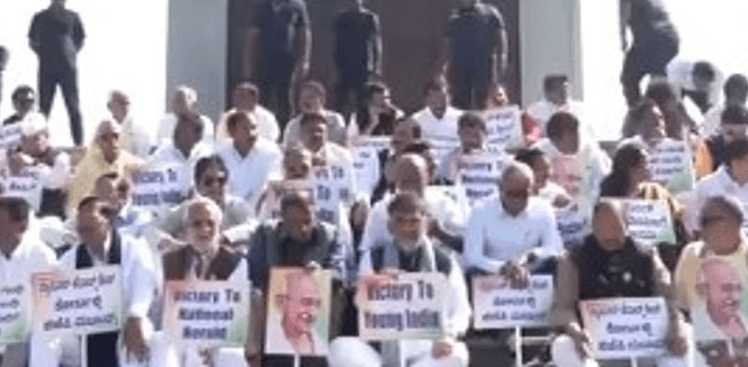
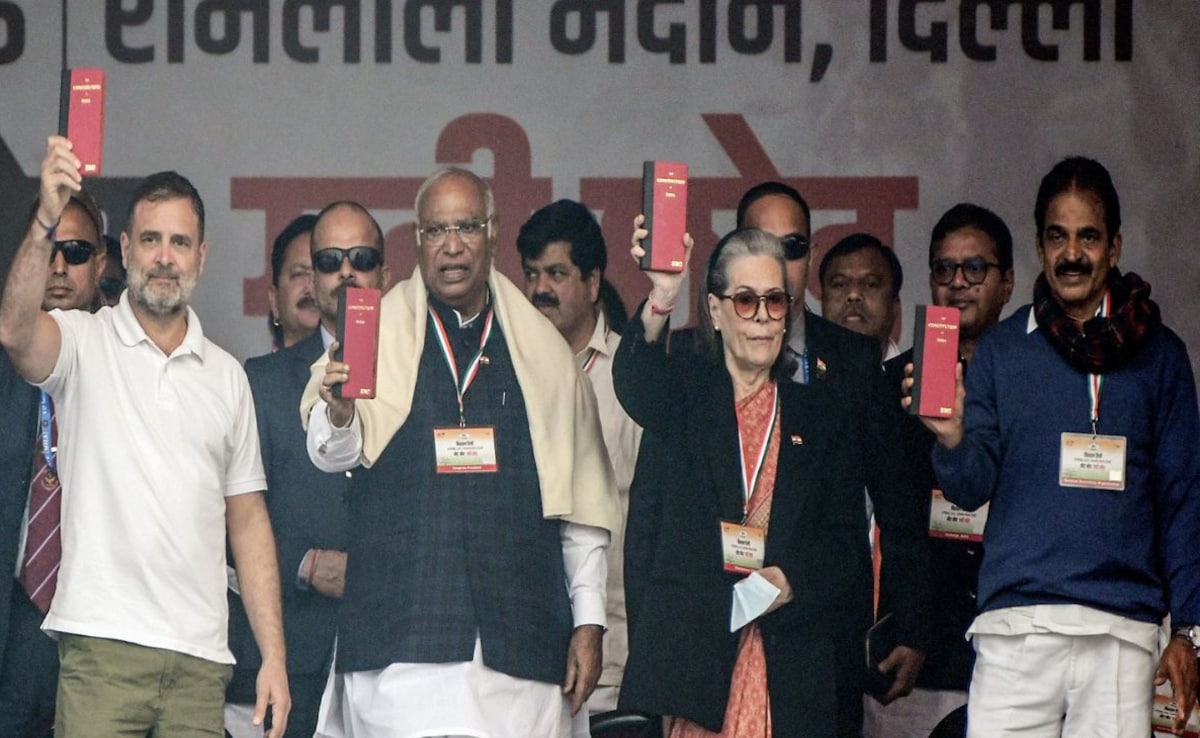
Congress legislators staged a strong protest in Belagavi, accusing the Union government of undermining democratic values through the renaming of the Mahatma Gandhi National Rural Employment Guarantee Act scheme and what they described as the “targeting” of senior party leaders in the National Herald case. The protest, held within the precincts of the legislature, brought legislative proceedings to a halt for a brief period and underscored the deepening political confrontation between the ruling party at the Centre and the Opposition.

Raising slogans and holding placards, Congress members said the renaming of MNREGA was a deliberate attempt to erase the legacy of Mahatma Gandhi and weaken the ideological foundations of a scheme that has provided livelihood security to millions of rural households. They argued that the programme is not merely an employment initiative but a constitutional commitment to social justice, enshrined in law after years of political struggle. Any attempt to rebrand or dilute it, they said, amounts to rewriting history for political convenience.

Alongside the MNREGA issue, the legislators accused central agencies of selectively targeting Opposition leaders under the guise of legal action, particularly in the National Herald case. They claimed that investigative processes were being weaponised to intimidate political opponents and distract from governance failures. The protest reflected broader concerns within the Opposition about shrinking democratic space and the increasing use of state power against dissenting voices.

Senior Congress leaders said Belagavi was chosen deliberately as the site of protest to signal that issues affecting national democracy resonate deeply in Karnataka. They emphasised that the State has a long tradition of political debate and constitutional values, which they said must be defended against what they described as authoritarian tendencies. The demonstration, they added, was not about disrupting governance but about drawing attention to issues of national importance.Congress To Hold Nationwide Protest Over Decision To Rename MGNREGA

MNREGA and the Politics of Symbolism

At the heart of the protest was the renaming of the MNREGA scheme, which Congress leaders described as an ideological move rather than an administrative necessity. They argued that Mahatma Gandhi’s name symbolises dignity of labour, rural empowerment, and the moral foundation of public welfare. Removing or sidelining that association, they said, risks reducing the scheme to a transactional programme devoid of its ethical core.

Legislators pointed out that MNREGA has been a lifeline during times of distress, including droughts, floods, and the pandemic. In Karnataka, the scheme has supported rural incomes, strengthened local infrastructure, and empowered women through guaranteed employment. Congress members accused the Centre of undermining the scheme by altering its identity while simultaneously reducing allocations and delaying payments, allegations the Union government has denied in the past.

The protest also highlighted fears that renaming schemes sets a precedent for politicising welfare initiatives. Lawmakers warned that frequent rebranding could confuse beneficiaries and weaken institutional continuity. Welfare schemes, they argued, should transcend political cycles and be protected from partisan reinterpretation. By foregrounding MNREGA, Congress leaders sought to frame the issue as one of principle rather than party rivalry.

Several legislators invoked Mahatma Gandhi’s philosophy, stating that the struggle for economic justice is inseparable from the values of truth and non-violence. They said retaining his name on the scheme was a reminder of the moral responsibilities of the state toward its most vulnerable citizens. The renaming, they argued, was symbolic of a broader attempt to reshape national narratives.

National Herald Case and Allegations of Selective Action

The second pillar of the protest centred on the National Herald case, which Congress legislators described as an example of selective enforcement. They claimed that senior party leaders were being subjected to repeated summons and investigations despite cooperating with legal processes. According to them, the timing and intensity of the actions suggested political motivation rather than impartial law enforcement.

Congress leaders argued that the case, which has been in the public domain for years, was being revived periodically to keep Opposition leaders under constant pressure. They warned that such practices could have a chilling effect on political dissent and weaken public faith in independent institutions. The protestors reiterated that no individual is above the law but insisted that the law must be applied uniformly and without prejudice.

During the protest, legislators drew parallels with past instances where, they said, investigative agencies acted with restraint and autonomy. They contrasted this with what they described as the current climate of hyper-vigilance against Opposition figures, while alleged violations involving those aligned with the ruling party were ignored or delayed. These allegations were strongly contested by supporters of the Centre, who maintain that agencies act independently.

The issue sparked sharp exchanges on the floor of the House, with ruling party members accusing Congress of deflecting attention from legal accountability. Congress legislators responded by saying that questioning the misuse of institutions is not an attempt to evade scrutiny but a defence of constitutional balance. The heated atmosphere reflected the broader polarisation shaping national politics.Karnataka Congress to protest against Centre over National Herald case,  MGNREGA name row

The protest also brought into focus the role of State legislatures as platforms for articulating national concerns. Congress members argued that federalism allows States to question decisions taken at the Centre, especially when they affect schemes implemented on the ground by State governments. By raising MNREGA and the National Herald case in Belagavi, they sought to underline that issues of constitutional propriety are not confined to Parliament alone.

Within the Congress ranks, leaders described the demonstration as a show of unity at a time when Opposition cohesion is being tested. They said that standing together on issues of welfare and institutional integrity sends a message to party workers and supporters that the leadership remains committed to core ideological values. The protest, they added, was also intended to energise grassroots cadres ahead of future political battles.

Political observers noted that the choice of issues reflects a calibrated strategy. MNREGA appeals directly to rural voters, while the National Herald case resonates with concerns about political freedoms and agency autonomy. By combining the two, the Congress aimed to bridge economic and democratic narratives, presenting itself as both a defender of livelihoods and a guardian of constitutional norms.

The ruling party, while dismissing the protest as theatrics, acknowledged that welfare schemes remain a sensitive political terrain. Supporters of the Centre argued that renaming or restructuring programmes does not diminish their impact, while critics countered that symbolism matters deeply in public policy. The divergence of views highlighted how governance decisions are increasingly interpreted through ideological lenses.

There was also discussion about the long-term implications of frequent legislative disruptions. Some members expressed concern that repeated protests, regardless of their cause, could erode the effectiveness of legislative forums. Others countered that protest is an integral part of parliamentary democracy and becomes necessary when conventional debate fails to elicit adequate responses.

As the session in Belagavi progressed, the protest left behind a charged atmosphere that continued to influence subsequent discussions. While no immediate resolutions emerged, the issues raised are likely to reappear in future debates, both in Karnataka and at the national level. For now, the Belagavi protest stands as a reminder that political contestation in India is increasingly shaped by questions of identity, accountability, and the meaning of democracy in a changing political landscape.

Beyond immediate political stakes, analysts say the protest reveals a deeper anxiety within Opposition parties about the erosion of institutional neutrality. As legal and administrative processes increasingly intersect with political competition, the boundaries between governance and contestation have become blurred. The Belagavi protest, in this sense, was as much about safeguarding democratic norms as it was about specific cases.

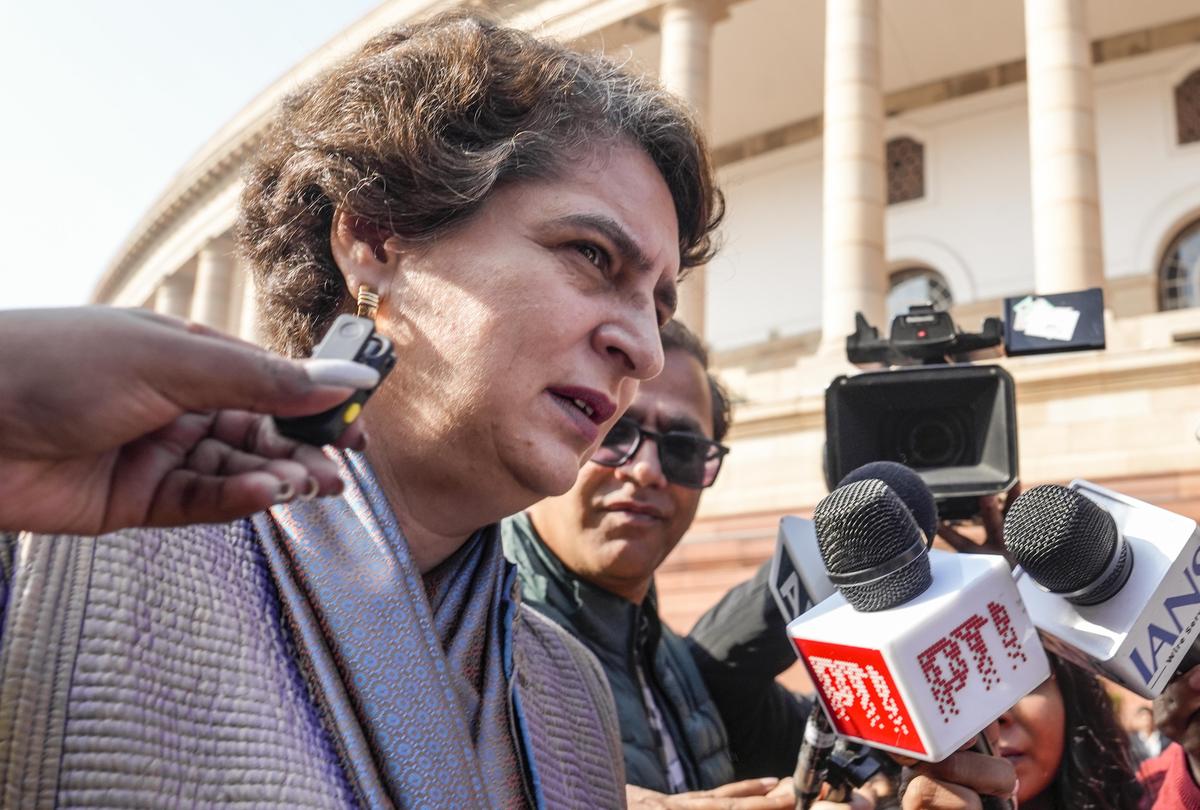
As the protest concluded and legislative business resumed, Congress leaders said the demonstration was only one step in a sustained campaign to raise these issues across forums. They indicated that similar protests and discussions would continue, both within legislatures and outside, to mobilise public opinion. Whether these efforts translate into policy changes or legal outcomes remains uncertain.VB-G RAM G' Bill will weaken MGNREGA: Priyanka Gandhi - The Hindu

What is clear, however, is that the twin issues of MNREGA’s identity and the National Herald case have become rallying points for the Opposition. In Belagavi, they converged into a single expression of dissent, reflecting the intensity of political contestation in contemporary India. As debates over welfare, accountability, and institutional integrity intensify, such protests are likely to remain a recurring feature of the political landscape, shaping not only legislative discourse but also public perception of democracy itself.

The protest also brought into focus the role of State legislatures as platforms for articulating national concerns. Congress members argued that federalism allows States to question decisions taken at the Centre, especially when they affect schemes implemented on the ground by State governments. By raising MNREGA and the National Herald case in Belagavi, they sought to underline that issues of constitutional propriety are not confined to Parliament alone.

Within the Congress ranks, leaders described the demonstration as a show of unity at a time when Opposition cohesion is being tested. They said that standing together on issues of welfare and institutional integrity sends a message to party workers and supporters that the leadership remains committed to core ideological values. The protest, they added, was also intended to energise grassroots cadres ahead of future political battles.

Political observers noted that the choice of issues reflects a calibrated strategy. MNREGA appeals directly to rural voters, while the National Herald case resonates with concerns about political freedoms and agency autonomy. By combining the two, the Congress aimed to bridge economic and democratic narratives, presenting itself as both a defender of livelihoods and a guardian of constitutional norms.

The ruling party, while dismissing the protest as theatrics, acknowledged that welfare schemes remain a sensitive political terrain. Supporters of the Centre argued that renaming or restructuring programmes does not diminish their impact, while critics countered that symbolism matters deeply in public policy. The divergence of views highlighted how governance decisions are increasingly interpreted through ideological lenses.

There was also discussion about the long-term implications of frequent legislative disruptions. Some members expressed concern that repeated protests, regardless of their cause, could erode the effectiveness of legislative forums. Others countered that protest is an integral part of parliamentary democracy and becomes necessary when conventional debate fails to elicit adequate responses.

As the session in Belagavi progressed, the protest left behind a charged atmosphere that continued to influence subsequent discussions. While no immediate resolutions emerged, the issues raised are likely to reappear in future debates, both in Karnataka and at the national level. For now, the Belagavi protest stands as a reminder that political contestation in India is increasingly shaped by questions of identity, accountability, and the meaning of democracy in a changing political landscape.

Follow: Karnataka Government

Also read: Home | Channel 6 Network – Latest News, Breaking Updates: Politics, Business, Tech & More

Gruha Lakshmi Row Rocks Karnataka Politics: Storm of Bold Accountability, 1 Apology

A political storm unfolded in Karnataka after Women and Child Development Minister Laxmi Hebbalkar issued a public apology in the Legislative Council for providing what she described as “wrong” information regarding payments under the Gruha Lakshmi scheme. The apology came after BJP members staged a dharna inside the House, accusing the government of misleading legislators and beneficiaries about the status of fund disbursement under one of the State’s flagship welfare programmes. The episode triggered an intense debate on transparency, administrative accountability, and the political handling of welfare delivery in Karnataka.

The Gruha Lakshmi scheme, which provides monthly financial assistance to women heads of households, has been projected by the Congress government as a cornerstone of its social welfare agenda. Since its launch, the programme has reached lakhs of beneficiaries across the State, but it has also faced criticism over delays, technical glitches, and exclusion errors. The controversy erupted when the Minister, responding to a question in the Council, shared figures related to pending payments that were later challenged by the Opposition as inaccurate.

The episode has also drawn attention to the pressures faced by ministers in legislatures where real-time data is increasingly demanded. With welfare schemes operating through digital platforms that are constantly updated, figures can change within hours. Analysts point out that this creates a challenging environment where political accountability intersects with technical complexity. They argue that governments may need to institutionalise periodic data freezes for legislative reporting to ensure consistency and avoid contradictory statements.

Women’s groups observing the developments said the apology, while significant, must translate into tangible administrative improvements. Several organisations working at the grassroots level reported that beneficiaries often struggle to understand why payments are delayed or skipped, as official communication rarely reaches them in accessible formats. They urged the government to involve local anganwadi workers, self-help groups, and panchayat-level officials to disseminate accurate information and assist women in resolving issues related to bank accounts or documentation.

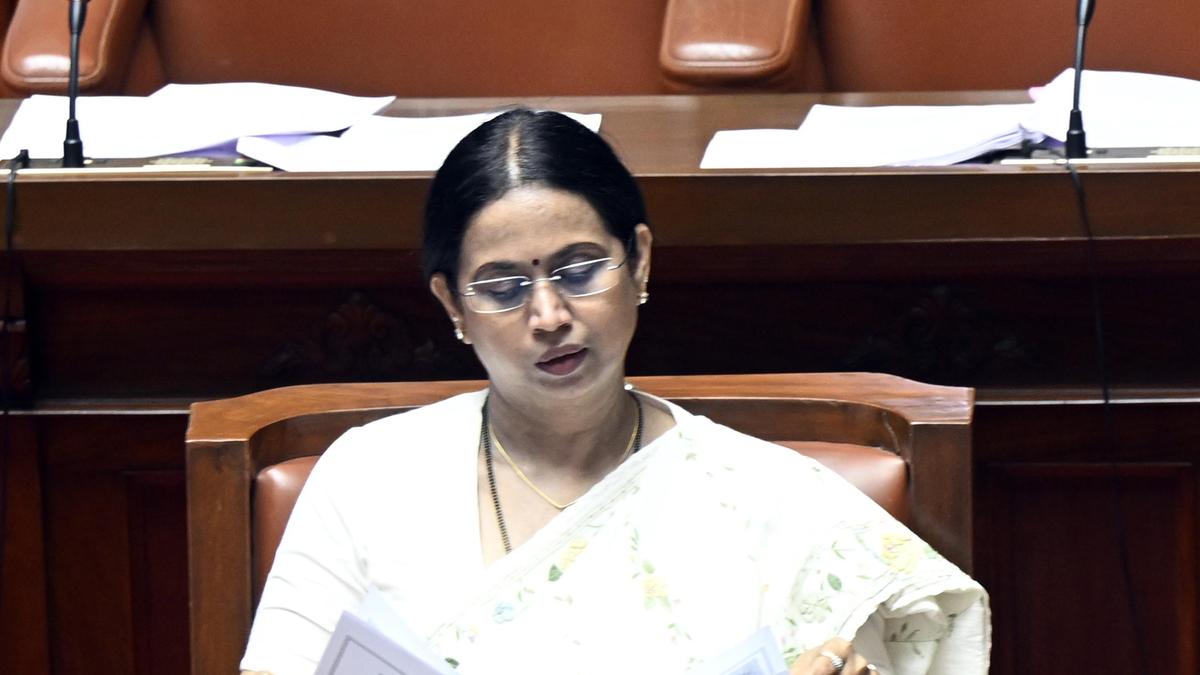
Within the Congress party, leaders have sought to downplay the controversy, emphasising that the core objective of the Gruha Lakshmi scheme remains intact. Party insiders said that internal reviews are underway to strengthen coordination between the Women and Child Development Department, the finance wing, and district administrations. The aim, they said, is to ensure that future legislative responses are backed by cross-verified data, reducing the scope for similar disputes.Karnataka Minister apologises for 'wrong' info on Gruha Lakshmi payment  after BJP stages dharna - The Hindu

The Opposition, meanwhile, has signalled that welfare delivery will remain a central plank of its legislative strategy. BJP leaders believe that scrutiny of flagship schemes resonates strongly with the public, particularly when economic pressures are high. By focusing on gaps between official claims and beneficiary experiences, they aim to position themselves as watchdogs of governance rather than mere critics of policy intent.

Political commentators note that such confrontations are becoming more frequent as welfare programmes expand in scale and visibility. Cash transfer schemes, while popular, expose governments to heightened scrutiny because delays are immediately felt by households. Unlike infrastructure projects, where timelines are longer and impacts less direct, welfare payments create daily expectations that leave little room for administrative lapses.

There is also growing discussion about the role of technology partners in welfare implementation. Experts argue that outsourcing critical components such as payment processing and data management requires robust oversight. When glitches occur, responsibility often becomes diffused between departments and vendors, complicating accountability. Clear contractual obligations and performance benchmarks, they say, are essential to prevent beneficiaries from bearing the brunt of systemic failures.

From a legislative standpoint, some members suggested the need for a dedicated oversight committee on welfare schemes. Such a body could regularly review implementation data, hear grievances, and recommend corrective measures. Proponents believe this would shift debates from confrontational protests to more structured scrutiny, benefiting both policymakers and beneficiaries.

The controversy has also sparked introspection within the civil services. Senior officials acknowledged that welfare schemes demand not just efficient execution but also precise communication. Training programmes are being discussed to help officials present complex data in clear and accurate ways, especially when briefing ministers or responding to legislative questions.

For beneficiaries, however, the political and procedural dimensions matter less than the assurance of timely support. Many women depend on the Gruha Lakshmi assistance to meet essential expenses such as food, school supplies, and healthcare. Any disruption, even for a month, can upset household finances, reinforcing the importance of reliability over rhetoric.

As Karnataka’s legislature resumes its regular business, the Gruha Lakshmi episode is likely to serve as a reference point in future debates on governance and accountability. Whether it leads to sustained improvements in data integrity and service delivery remains to be seen. What is clear, observers say, is that welfare schemes now operate under an unforgiving spotlight, where accuracy, transparency, and responsiveness are no longer optional but fundamental to political credibility.

BJP members alleged that the information presented understated the extent of payment delays and sought an official clarification. When the discrepancy persisted, Opposition members stormed the well of the House and staged a sit-in protest, demanding an apology and a clear statement on the actual status of disbursements. The House witnessed repeated adjournments as tempers flared, with ruling party members accusing the Opposition of politicising a welfare scheme and the BJP insisting that accountability was non-negotiable.

Eventually, Minister Laxmi Hebbalkar rose in the House and acknowledged that the data she had earlier presented was incorrect. She apologised to the Council, stating that the mistake was unintentional and arose from reliance on preliminary departmental inputs. She assured members that she would place corrected and verified information on record and reiterated the government’s commitment to ensuring that all eligible beneficiaries receive payments without further delay.Karnataka minister apologises over Gruha Lakshmi payments delay

Dharna, Data Dispute, and the Politics of Welfare

The BJP, however, maintained that the issue went beyond a clerical error. Opposition leaders argued that inaccurate statements on welfare delivery erode public trust, especially when schemes like Gruha Lakshmi directly affect the livelihoods of economically vulnerable women. They pointed out that beneficiaries across several districts had been complaining of missed installments, Aadhaar seeding issues, and banking failures, which were not adequately reflected in official responses.

During the debate, BJP members accused the government of projecting an overly optimistic picture of welfare implementation while ignoring ground realities. They demanded that the government release district-wise data on payments made, pending cases, and reasons for delays. Some members also sought a third-party audit of the scheme’s implementation, arguing that internal reviews may not capture systemic failures.

Ruling party members countered these allegations by highlighting the scale and complexity of the programme. They said that implementing a universal cash transfer scheme of this magnitude inevitably involves transitional challenges, particularly during the initial months. Congress leaders accused the BJP of selective outrage, noting that similar issues had occurred in welfare schemes implemented by previous governments without provoking comparable protests.

The Minister herself stressed that the government had already resolved many technical issues and that pending cases largely involved documentation mismatches or banking problems beyond the immediate control of the department. She said continuous coordination was underway with banks, district administrations, and technology partners to streamline the process. The apology, she maintained, should be seen as an act of responsibility rather than an admission of systemic failure.

Transparency, Trust, and the Road Ahead for Gruha Lakshmi

The incident has reignited broader discussions about the governance of large-scale welfare schemes. Policy experts note that while direct benefit transfer programmes have significantly reduced leakages, they have also made governments more dependent on accurate data integration across departments. Even minor discrepancies, when amplified in political forums, can undermine confidence in otherwise impactful initiatives.

Social activists working with women beneficiaries said that the controversy reflects a deeper communication gap between policymakers and recipients. Many women, they pointed out, are less concerned about political debates and more anxious about irregular payments that affect household budgeting. They urged the government to establish clearer grievance redressal mechanisms at the local level and to proactively communicate timelines and reasons for delays.BJP accuses min of providing 'wrong info' to Assembly, takes a swipe at  Cong's "dinner politics"

Within bureaucratic circles, the episode has reportedly prompted a review of internal data verification processes before ministers respond to legislative queries. Senior officials acknowledged that real-time data from welfare schemes can fluctuate due to daily updates and that greater caution is needed when presenting figures in the House. Strengthening coordination between departments and ensuring finalised data before public disclosure has emerged as a key lesson.

The Opposition, while welcoming the apology, said it would continue to monitor the scheme’s implementation closely. BJP leaders indicated that they would raise the issue again if discrepancies persist, framing their stance as a duty toward beneficiaries rather than a political tactic. They also urged the government to table a detailed status report in the next session to prevent similar controversies.

For the Congress government, the incident is a reminder of the political risks associated with high-profile welfare promises. Gruha Lakshmi remains central to its social justice narrative, and any perception of mismanagement could have electoral implications. At the same time, the Minister’s apology has been interpreted by some observers as an attempt to set a tone of accountability, even amid adversarial politics.

As the House moved on after the apology, the underlying questions remained unresolved. Can large welfare schemes maintain accuracy and transparency at scale? How should governments balance optimism with realism when reporting progress? And how can political debate be structured to improve delivery rather than merely score points? The answers to these questions will shape not only the future of the Gruha Lakshmi scheme but also the credibility of welfare governance in Karnataka.

Follow: Karnataka Government

Also read: Home | Channel 6 Network – Latest News, Breaking Updates: Politics, Business, Tech & More

Delhi Agricultural Land Circle Rates: Big Eight-Fold Hike After 17 Years

0

New Delhi – The Delhi government is preparing to implement a significant revision of Delhi agricultural land circle rates for the first time in 17 years, with draft proposals indicating a potential increase of up to eight times over existing rates. Officials familiar with the matter confirmed on Tuesday that this move could substantially alter land valuations across the Capital’s rural belt, marking a watershed moment in the city’s property valuation framework.

According to two officials aware of the proposal, the Delhi agricultural land circle rates could surge to as much as ₹5 crore per acre in select locations, compared with the current uniform rate of ₹53 lakh per acre. This dramatic increase reflects the massive urbanization and development that Delhi has witnessed over nearly two decades while agricultural land valuations remained frozen in time.

Long-Pending Update Finally Moves Forward

The existing Delhi agricultural land circle rates were last revised in 2008, creating a 17-year gap that has resulted in significant discrepancies between official valuations and actual market prices. Although the government announced an increase in 2023, implementation could not proceed due to administrative and procedural hurdles, leaving agricultural land values unchanged despite rapid urbanization transforming the Capital’s landscape.

The revision of Delhi agricultural land circle rates follows a series of meetings held over the past two months between the revenue department and various stakeholders including farmers’ representatives and agricultural organizations. Officials emphasized that this exercise forms part of a broader review of property valuation norms in Delhi, but agricultural land has been prioritized separately due to the unusually long gap since the last revision.

Revenue Loss and Market Mismatch

A senior revenue official explained the urgent need for revising Delhi agricultural land circle rates, stating: “Unlike residential and commercial properties, where revised circle rates are still under examination by a committee, agricultural land has been prioritized. There is a huge mismatch between actual transaction values and the notified circle rate. Land is being sold at much higher prices, but stamp duty is being paid on ₹53 lakh per acre, which means the government is losing revenue.”

This substantial gap between official Delhi agricultural land circle rates and actual market transactions has led to widespread undervaluation, depriving the government of legitimate revenue while creating distortions in the property market. The frozen rates have failed to reflect the dramatic appreciation in land values that has accompanied Delhi’s expansion and development.

Location-Based Differential Rates

The draft proposal for Delhi agricultural land circle rates does not envisage a uniform rate across all villages. Instead, circle rates are likely to vary based on multiple factors including location, surrounding development, and prevailing land use patterns. This approach recognizes the diverse characteristics of agricultural land across different parts of Delhi.

Also Read: Delhi Minister Apologises Pollution: Shocking Admission on AQI Crisis

Officials indicated that areas retaining large, contiguous tracts of farmland could see sharper increases over the base rate in the revised Delhi agricultural land circle rates. Conversely, villages where agricultural land has largely transitioned into residential or semi-urban use may witness relatively lower degrees of change, reflecting their altered character and reduced agricultural viability.

Scope of Agricultural Land in Delhi

According to revenue department estimates, more than 50,000 acres of land across over 200 villages in Delhi remain under agricultural use. These include villages such as Tigipur, Khampur, Hamidpur, Jhangola, Bankner, Bhorgarh, Lampur, Bakhtawarpur, Dariyapur Kalan, Najafgarh, Bijwasan, and Dhichau Kalan, among others. The revision of Delhi agricultural land circle rates will impact all these locations, though to varying degrees.

Officials noted that the current blanket valuation system has led to widespread undervaluation, masking sharp differences in land prices between villages on the city’s periphery and those closer to urbanized zones. The new Delhi agricultural land circle rates aim to address these disparities more accurately.

Stakeholder Consultations and Proposals

Consultations with farmers regarding Delhi agricultural land circle rates were held in October, following which stakeholders were invited to submit suggestions until October 15. During these discussions, farmers’ representatives proposed circle rates ranging from ₹5 crore to ₹8 crore per acre, depending on various factors including proximity to developed areas, road connectivity, and surrounding infrastructure.

The revenue department has also studied Delhi agricultural land circle rates in comparison with neighboring states to develop a comprehensive framework. This comparative analysis ensures that the revised rates remain competitive while reflecting ground realities in the Capital.

Broader Property Valuation Review

The revision of Delhi agricultural land circle rates is linked to a larger exercise to overhaul property valuation norms in Delhi. A committee constituted under an order dated October 28, 2025, has been tasked with examining existing circle rates notified in 2014 for residential, commercial, and industrial properties. The panel includes representatives from multiple civic bodies and departments.

As part of its mandate, the committee is analyzing transaction data from the past five years, market trends, location-wise variations, and inputs received through public consultations. However, officials indicated that revisions to residential and commercial circle rates will likely take longer than Delhi agricultural land circle rates, as the committee continues evaluating sub-category-wise and district-wise data.

Future-Proofing Through Periodic Reviews

The proposal for Delhi agricultural land circle rates also includes a provision for periodic upward revision at fixed intervals, instead of allowing prolonged gaps between updates. “The idea is to ensure that circle rates remain closer to prevailing market values and reduce disputes and discrepancies during property registration,” an official explained.

This mechanism aims to prevent the recurrence of the current situation where Delhi agricultural land circle rates remained unchanged for 17 years. Once finalized, the proposal will be placed before the competent authority for approval, though officials did not specify an implementation timeline.

Harsh Vardhan Bansal, president of NAREDCO Delhi, emphasized the importance of aligning rates with market realities to encourage investment, particularly in industrial and commercial zones, noting that current multipliers applied to registration rates are significantly higher than those in neighboring states.

Yashasvi Jaiswal Hospitalized: Alarming Health Scare After SMAT Match

0

Pune – India opener Yashasvi Jaiswal hospitalized with acute gastroenteritis after experiencing severe stomach pain hours following Mumbai’s Syed Mushtaq Ali Trophy Super League encounter against Rajasthan in Pune. The incident occurred on a day when cricket fans worldwide were focused on IPL auction proceedings in Abu Dhabi, where 77 cricketers’ futures were being determined through franchise bidding. While attention was diverted to the glamorous auction event, the 23-year-old cricketer was fighting a health battle that required immediate medical attention.

According to reports from senior journalists, Yashasvi Jaiswal hospitalized after stomach cramps that he had been enduring during the match intensified dramatically in the hours following the game’s conclusion. The young opener was promptly taken to Aditya Birla Hospital in Pimpri-Chinchwad, where medical professionals conducted comprehensive examinations to determine the cause of his distress.

Medical Diagnosis and Treatment

At Aditya Birla Hospital, doctors diagnosed the condition that led to Yashasvi Jaiswal hospitalized as acute gastroenteritis, a serious inflammation of the gastrointestinal tract. The medical team conducted thorough diagnostic procedures to assess the severity of his condition and rule out any complications. The 23-year-old batter underwent multiple medical examinations including ultrasound scans and CT scans to ensure accurate diagnosis and appropriate treatment.

Following the comprehensive evaluation that resulted in Yashasvi Jaiswal hospitalized, medical staff administered intravenous medication to address his acute gastroenteritis. The IV treatment was necessary to manage his symptoms effectively and prevent dehydration, a common complication associated with gastroenteritis. Doctors have since advised the India opener to continue his prescribed medication regimen and take adequate rest to ensure complete recovery.

Playing Through Pain

What makes this incident particularly concerning is that Yashasvi Jaiswal hospitalized after playing the entire match despite experiencing significant discomfort. The young cricketer featured in Mumbai’s crucial Super League encounter against Rajasthan, scoring 15 runs off 16 balls as his team chased down a challenging target of 217 runs. His dedication to the team’s cause was evident as he battled through stomach cramps throughout the innings.

Mumbai secured a three-wicket victory in the match, largely due to stellar performances from Ajinkya Rahane, who remained unbeaten on 72, and Sarfaraz Khan, who played an explosive innings of 73 runs from just 22 balls. Despite this hard-fought win and the circumstances that led to Yashasvi Jaiswal hospitalized, Mumbai eventually crashed out of the tournament in subsequent rounds.

Visible Discomfort During Match

Reports indicate that Yashasvi Jaiswal hospitalized after being in visible discomfort throughout the game against Rajasthan. Observers noted that the young opener appeared to be struggling physically during his time at the crease and in the field. The pain, which had been manageable during the match, worsened significantly in the post-match period, prompting teammates and support staff to seek immediate medical attention for their star opener.

The situation where Yashasvi Jaiswal hospitalized highlights the often-overlooked physical demands and health challenges faced by professional cricketers. Despite experiencing stomach cramps during the game, the 23-year-old chose to continue playing, demonstrating his commitment to the team. However, the escalation of symptoms after the match underscored the seriousness of his condition and the need for professional medical intervention.

Recent Form and Performance

Prior to the health scare that saw Yashasvi Jaiswal hospitalized, the young opener had been enjoying an exceptional run of form across multiple formats. In the Syed Mushtaq Ali Trophy, he accumulated 145 runs in three matches at an impressive average of 48.33 and a remarkable strike rate of 168.6. His performances demonstrated the aggressive yet controlled batting approach that has become his trademark.

Also Read: IPL Auction 2026: Explosive Mini-Auction Drama in Abu Dhabi Begins

The period before Yashasvi Jaiswal hospitalized also saw him excel in international cricket. During the recent ODI series against South Africa, the left-handed opener amassed 156 runs in three matches at an outstanding average of 78, including his maiden ODI century. This achievement marked a significant milestone in his burgeoning international career and solidified his position as one of India’s most promising young talents.

Recovery Timeline and Future Commitments

The BCCI is yet to issue an official update on the health status of Yashasvi Jaiswal hospitalized with acute gastroenteritis, though further information is expected to be released soon. Cricket fans and officials alike are anxiously awaiting updates on his recovery progress and expected return to competitive action.

Fortunately for the young cricketer, the timing of Yashasvi Jaiswal hospitalized coincides with a period of no immediate international assignments for India. Additionally, he is not currently part of India’s T20I setup, which provides him with a window to focus entirely on recovery without the pressure of missing crucial matches. This extended break is expected to give Yashasvi Jaiswal sufficient time to recover fully and regain his fitness ahead of India’s next international commitments scheduled for mid-January.

Medical experts typically recommend complete rest and adherence to prescribed medication for acute gastroenteritis cases. With proper treatment and adequate recovery time, Yashasvi Jaiswal hospitalized should make a complete recovery and return to peak fitness. The cricketing fraternity hopes to see the talented opener back in action soon, continuing his impressive performances that have made him one of India’s most exciting batting prospects in recent times.

IGI Airport Marijuana Smuggling: Shocking Rs.48 Crore Bust Leads to 6 Arrests

0

New Delhi – The customs department at Indira Gandhi International Airport executed a significant operation resulting in the arrest of six Indian passengers for allegedly attempting large-scale narcotic trafficking. The IGI airport marijuana smuggling case came to light on December 11 when customs officials intercepted the suspects at Terminal 3, leading to the seizure of contraband valued at nearly ₹48 crore. This major bust highlights the ongoing challenges faced by airport authorities in combating international drug trafficking networks operating through Indian airports.

The IGI airport marijuana smuggling operation involved sophisticated concealment techniques, with the accused attempting to exploit the Green Channel clearance process meant for passengers with nothing to declare. The successful interception demonstrates the vigilance and effectiveness of customs officials in identifying suspicious passengers despite their attempts to appear as ordinary travelers.

Details of the Seizure Operation

The IGI airport marijuana smuggling case unfolded when six Indian nationals arrived from Bangkok on a flight that landed at Terminal 3. Customs officials, acting on intelligence or suspicious behavior patterns, intercepted the men as they attempted to clear through the Green Channel on December 11. The Green Channel is typically reserved for passengers who have nothing to declare, making it a target for smugglers hoping to avoid detailed scrutiny.

According to customs officials involved in the IGI airport marijuana smuggling investigation, a detailed examination of the suspects’ luggage resulted in the recovery of 24 polythene pouches strategically hidden inside four trolley bags. The contraband, packed into these pouches, was found concealed in various compartments of the luggage, demonstrating careful planning and preparation by the smuggling network.

Quantity and Value Assessment

The seized material in the IGI airport marijuana smuggling case consisted of a green-colored narcotic substance suspected to be ganja or marijuana, with a total net weight of 48.02 kilograms. A customs official confirmed that preliminary diagnostic testing was conducted immediately following the seizure to verify the nature of the substance. The tests indicated the material to be ganja or marijuana, confirming initial suspicions.

“Preliminary diagnostic testing indicated the substance to be ganja or marijuana. The approximate market value of the seized contraband is ₹48.01 crore,” the official stated, highlighting the massive scale of this IGI airport marijuana smuggling attempt. The substantial quantity suggests this was not a case of personal consumption but rather a well-organized commercial smuggling operation intended for large-scale distribution in the Indian market.

Legal Proceedings and Charges

Following the discovery in this IGI airport marijuana smuggling case, all six accused individuals were formally arrested under Section 43(b) of the Narcotic Drugs and Psychotropic Substances Act on December 12, one day after the initial interception. The suspects have been booked under multiple sections of the NDPS Act, 1985, including Sections 20, 23, and 29, which deal with various aspects of narcotic trafficking and possession.

The IGI airport marijuana smuggling case involves serious legal consequences for the accused, as the NDPS Act provides for stringent punishment for offenses related to commercial quantities of narcotics. Section 20 of the Act deals with the punishment for contravention in relation to cannabis plant and cannabis, Section 23 addresses punishment for illegal import and export of narcotic drugs, and Section 29 covers abetment and criminal conspiracy.

Evidence Seized and Investigation Status

In the IGI airport marijuana smuggling case, customs authorities have seized not only the suspected narcotic substance but also the concealing material used to hide the contraband under Section 43(a) of the NDPS Act. The four trolley bags that contained the 24 polythene pouches have been retained as crucial evidence, as they may provide forensic clues about the smuggling network’s operations and methods.

“All six were arrested under Section 43(b) of the NDPS Act on December 12, while the suspected narcotic substance and the concealing material has been seized under Section 43(a). Further investigation in the matter is underway,” a customs official confirmed, indicating that this IGI airport marijuana smuggling case is part of an ongoing investigation that may lead to more arrests and revelations.

Also Read: Yamuna Expressway Pile-Up: Tragic Fog Accident Kills 4 in Mathura

Bangkok Connection and International Angle

The IGI airport marijuana smuggling case has brought attention to the Bangkok-Delhi route as a potential corridor for drug trafficking. Thailand has long been known as a transit point for narcotics moving through Southeast Asia, and the involvement of Indian nationals traveling from Bangkok suggests a well-established international smuggling network. Investigators are likely examining the suspects’ travel histories, contacts in Thailand, and potential connections to larger trafficking organizations.

The choice of Bangkok as the origin point in this IGI airport marijuana smuggling operation is significant, as it indicates the smugglers’ familiarity with international drug routes and their ability to coordinate across borders. Authorities are expected to work with Thai law enforcement agencies to identify other members of the smuggling network and potential suppliers.

Implications and Ongoing Investigation

This IGI airport marijuana smuggling case underscores the critical role of customs officials in preventing narcotics from entering the Indian market. The seizure of 48 kilograms of marijuana represents a significant disruption to drug supply chains and potentially prevents widespread distribution of illegal substances. The approximate market value of ₹48.01 crore indicates the substantial profits involved in such operations and explains why traffickers take considerable risks.

Further investigation in the IGI airport marijuana smuggling case is currently underway, with authorities examining various aspects including the source of the contraband, intended distribution networks, financial transactions, and potential involvement of additional conspirators. The investigation may reveal connections to larger organized crime syndicates operating in the narcotics trade between Southeast Asia and India.