Tuesday, May 5, 2026
Home Blog Page 225

PM Modi Car Diplomacy: Remarkable Trend Reshapes International Relations

New Delhi – Prime Minister Narendra Modi‘s recent international engagements have given rise to an unprecedented diplomatic phenomenon known as PM Modi car diplomacy. This unique approach to personal diplomacy has captured global attention as world leaders increasingly embrace this intimate gesture of respect and friendship. During his visit to Ethiopia, Prime Minister Modi was personally received by Nobel Peace Prize-winning Prime Minister Abiy Ahmed at the Addis Ababa airport, marking the latest instance of this distinctive diplomatic practice.

The PM Modi car diplomacy trend represents a departure from traditional formal protocols, replacing rigid ceremonial procedures with warm, personal interactions that symbolize deep mutual respect between nations. This innovative approach has transformed routine diplomatic transfers into meaningful moments of bilateral engagement, creating lasting impressions and strengthening international relationships.

Ethiopian Prime Minister’s Warm Welcome

The latest demonstration of PM Modi car diplomacy occurred during the Prime Minister’s visit to Ethiopia, where he received an exceptionally warm reception from Ethiopian Prime Minister Abiy Ahmed. Not only was Modi personally received by the Ethiopian leader at the airport, but Ahmed also personally drove the Indian Prime Minister to his hotel, showcasing the strong bonds between the two nations.

According to reports, the two leaders made an unscheduled stop at the Science Museum and Friendship Park before proceeding to the hotel where PM Modi was scheduled to stay. This spontaneous detour exemplifies how PM Modi car diplomacy creates opportunities for informal conversations and genuine relationship-building beyond the constraints of formal diplomatic settings.

Origins with Russian President Putin

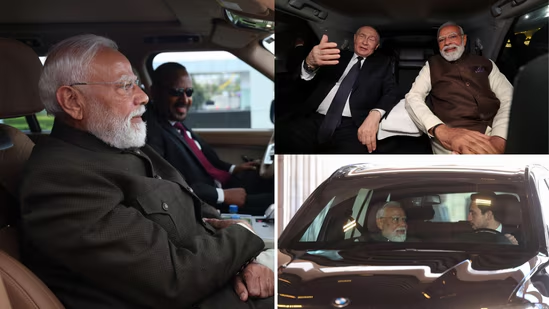
The genesis of PM Modi car diplomacy can be traced back to an earlier encounter with Russian President Vladimir Putin. The trend initially kicked off when PM Modi and Putin rode together for their bilateral meeting on the sidelines of the Shanghai Cooperation Organisation Summit in Tianjin, China, earlier this year. This shared car ride marked the beginning of what would become a signature element of Modi’s diplomatic style.

Several months following the SCO car ride, PM Modi car diplomacy reached new heights when the Indian Prime Minister broke protocol and personally received Vladimir Putin at Palam Airport during the Russian president’s two-day visit to India. This was Putin’s first visit to India since the Ukraine war, making the gesture particularly significant. Putin traveled with the Prime Minister in the back seat of a white Toyota Fortuner to Modi’s residence at 7 Lok Kalyan Marg, where he attended a private dinner, demonstrating the depth of personal rapport between the two leaders.

Jordan Crown Prince’s Gesture

The PM Modi car diplomacy phenomenon gained further momentum during the Prime Minister’s rare visit to Jordan, where Crown Prince Al Hussein bin Abdullah II personally drove the Indian leader around the capital. This gesture of respect and friendship represented a significant moment in India-Jordan relations, with the young crown prince taking the wheel himself rather than relying on diplomatic chauffeurs.

In photographs shared by PM Modi on social media platform X, the 75-year-old Indian leader was seen in the passenger seat of the 31-year-old prince’s BMW car as they traveled to the Jordan Museum in Amman. The stark age difference between the two leaders made this instance of PM Modi car diplomacy even more remarkable, symbolizing the bridging of generations through personal diplomacy and mutual respect.

Symbolism and Significance

The PM Modi car diplomacy trend serves as a powerful symbol of significant respect and represents a new paradigm in international relations. These gestures transcend traditional diplomatic formalities, creating moments of genuine human connection between world leaders. By sharing intimate spaces like car interiors, leaders can engage in frank, off-the-record conversations that might not occur in formal settings surrounded by advisors and protocol officers.

The PM Modi car diplomacy approach has been highlighted in recent engagements as a testament to India’s growing stature on the world stage and Modi’s personal rapport with global leaders. These gestures indicate that foreign dignitaries are willing to break their own protocols to honor the Indian Prime Minister, reflecting both personal relationships and the strategic importance of bilateral ties with India.

Impact on Bilateral Relations

The practice of PM Modi car diplomacy has had tangible effects on strengthening bilateral relationships between India and various nations. These personal gestures create positive public perceptions and generate goodwill that extends beyond government-to-government relations, resonating with citizens of both countries who see their leaders engaging in warm, friendly interactions.

The PM Modi car diplomacy instances with Putin, the Jordan Crown Prince, and Ethiopian Prime Minister Abiy Ahmed demonstrate how small, personal gestures can carry significant diplomatic weight. In an era where international relations are often characterized by transactional dealings and formal protocols, these moments of genuine personal connection stand out as refreshing examples of relationship-driven diplomacy.

Breaking Traditional Protocol

What makes PM Modi car diplomacy particularly noteworthy is its departure from established diplomatic norms. Traditionally, heads of state and government maintain formal distance during official visits, with carefully choreographed movements and limited personal interaction. However, this new trend shows world leaders prioritizing personal bonds over rigid protocol.

The PM Modi car diplomacy trend reflects a broader shift in international relations toward more personalized, relationship-based diplomacy. As global challenges require unprecedented levels of cooperation between nations, these personal connections fostered through shared car rides and informal interactions may prove increasingly valuable in building the trust necessary for effective multilateral cooperation and bilateral partnership in addressing complex global issues.

Trump Travel Ban: Shocking Expansion Adds 7 More Countries to Restricted List

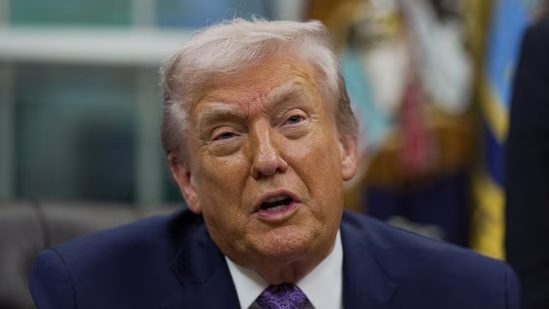
Washington D.C. – US President Donald Trump has signed a sweeping new proclamation on Tuesday that significantly expands the Trump travel ban to restrict entry of foreign nationals from seven additional countries. According to the official statement from the White House, this expansion increases the total number of countries facing complete travel restrictions from 12 to 19 nations. The Trump travel ban, which has been a cornerstone of the administration’s immigration and national security policy, now encompasses a broader range of nations across multiple continents.

The White House has justified the Trump travel ban expansion as a necessary measure to “protect the security of the United States.” This latest action represents one of the most significant immigration policy changes in recent months and affects millions of potential travelers and immigrants seeking entry into the United States.

Seven New Countries Added to Ban

The Trump travel ban now includes seven additional nations that face complete restrictions on their nationals entering the United States. These newly added countries are Syria, Burkina Faso, Mali, Niger, South Sudan, Laos, and Sierra Leone. Each of these nations has been identified by the administration as presenting specific security concerns that warrant comprehensive travel restrictions.

Syria’s inclusion in the Trump travel ban carries particular significance following recent deadly incidents. The country was added to the restricted list after two US soldiers and an American civilian interpreter were killed in an ISIS ambush. The deaths of Brian Torres-Tovar and William Nathaniel Howard mark the first killings of US troops since the fall of former Syrian President Bashar al-Assad in 2024, highlighting the ongoing security concerns in the region.

Complete List of Banned Nations

The Trump travel ban now encompasses a total of 19 countries whose nationals face complete restrictions from entering the United States. The seven newly added nations join the existing list of 12 countries that were already subject to comprehensive travel bans. These previously restricted countries include Afghanistan, Burma, Chad, Republic of the Congo, Equatorial Guinea, Eritrea, Haiti, Iran, Libya, Somalia, Sudan, and Yemen.

This comprehensive Trump travel ban represents a significant portion of the global population, affecting millions of individuals who may have family, business, educational, or humanitarian reasons for seeking entry to the United States. The restrictions apply across various visa categories, effectively barring most nationals from these countries from traveling to American soil.

Palestinian Travel Document Restrictions

In addition to the country-specific restrictions, the Trump travel ban has introduced full restrictions and entry limitations on individuals holding Palestinian-Authority-issued travel documents. This represents a significant policy shift that affects Palestinian travelers regardless of their current location or residence. The inclusion of Palestinian travel document holders in the Trump travel ban adds another layer of complexity to Middle Eastern travel and immigration patterns.

Partial Restrictions on High-Risk Nations

Beyond the complete bans, the Trump travel ban proclamation has imposed partial restrictions on numerous other countries identified as high-risk nations. These partial restrictions affect a substantial list of countries including Burundi, Cuba, Togo, Venezuela, Angola, Antigua and Barbuda, Benin, Cote d’Ivoire, Dominica, Gabon, The Gambia, Malawi, Mauritania, Nigeria, Senegal, Tanzania, Tonga, Zambia, and Zimbabwe.

Also Read: Trump Sues BBC: Shocking $10 Billion Defamation Lawsuit Filed

The partial restrictions under the Trump travel ban typically involve enhanced vetting procedures, limitations on specific visa categories, or additional documentation requirements. While not as comprehensive as complete bans, these measures still significantly impact travelers from these nations seeking entry to the United States.

Turkmenistan Removed From List

In a notable development within the Trump travel ban framework, Turkmenistan has been removed from the restricted list. The White House cited “productive engagements” with the United States as the reason for this change. However, the removal comes with important caveats. Despite the waiver on non-immigrant visas, which allows for temporary travel such as tourism or business visits, the US government continues to impose a ban on Turkmen nationals as immigrants to the United States.

This nuanced approach to the Trump travel ban demonstrates that the administration is willing to adjust restrictions based on diplomatic engagement and cooperation from affected countries. The Turkmenistan case may serve as a model for other nations seeking relief from travel restrictions.

Security Justification and Implementation

The Trump travel ban expansion reflects the administration’s continued emphasis on what it describes as necessary security measures to protect American citizens and interests. The White House has consistently maintained that these restrictions are based on thorough assessments of each country’s ability to share information, cooperate on counterterrorism efforts, and maintain adequate identity management systems.

The implementation of the Trump travel ban affects various categories of travelers, including tourists, students, workers, and immigrants. The restrictions apply to individuals seeking both immigrant and non-immigrant visas, though the specific limitations vary depending on the country and the type of restriction imposed.

Impact on International Relations

The expanded Trump travel ban is likely to have significant diplomatic ramifications, affecting bilateral relationships between the United States and the affected nations. Countries subject to these restrictions may view the measures as discriminatory or counterproductive to international cooperation. The policy also raises questions about humanitarian considerations, particularly for refugees and individuals fleeing persecution or violence in their home countries.

The Trump travel ban continues to be one of the most controversial aspects of US immigration policy, drawing both support from those prioritizing security concerns and criticism from advocates emphasizing humanitarian obligations and international cooperation. As the policy evolves, its impact on global mobility, diplomatic relations, and security outcomes will continue to be closely monitored and debated.

Brown University Shooting: Chilling Video Timeline Released by FBI Director Kash Patel

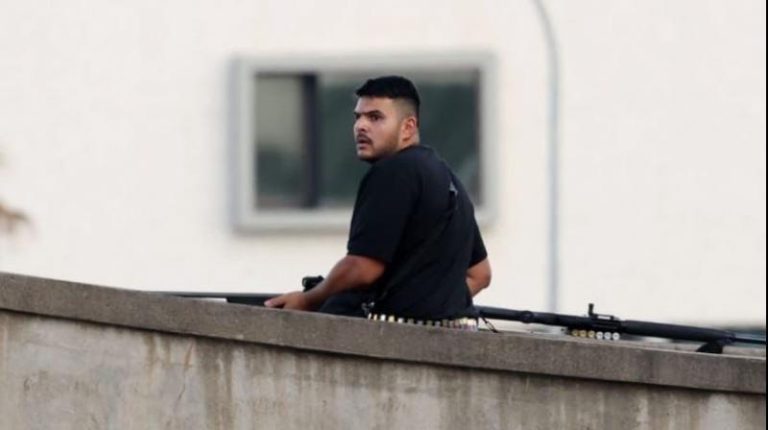
Washington D.C. – FBI Director Kash Patel has shared a comprehensive video timeline documenting the movements of a person of interest in the Brown University shooting that occurred on Saturday, December 13. The nearly five-minute video provides crucial visual evidence as authorities intensify their manhunt for the individual responsible for the deadly attack on Brown University’s Providence campus in Rhode Island. The Brown University shooting left two people dead and several others injured, prompting one of the most extensive investigations in recent Rhode Island history.

The manhunt for the suspect was renewed after authorities released a man they had previously detained as a person of interest. This development has added a new dimension to the ongoing investigation into the Brown University shooting, with law enforcement agencies working around the clock to identify and apprehend the perpetrator.

Substantial Reward Offered

The FBI has announced a significant reward of $50,000 for information leading to the identification, arrest, and conviction of the individual responsible for the Brown University shooting. This substantial incentive underscores the seriousness with which federal and state authorities are treating this case. Rhode Island Attorney General Peter Neronha told reporters on Monday afternoon, December 15, that the person responsible for the deadly attack is considered likely to be armed and dangerous, urging the public to exercise extreme caution.

Kash Patel emphasized the collaborative nature of the investigation in his social media post, stating: “The FBI, in coordination with the Providence Police Department and Rhode Island State Police, is releasing a video timeline showing the movements of a person of interest in the 12/13 shooting at Brown University. The FBI is offering a reward of up to $50,000 for information leading to the identification, arrest, and conviction of the individual responsible.”

Details from the Video Evidence

The video timeline released in connection with the Brown University shooting reveals critical details about the suspect’s appearance and behavior. The footage shows an individual wearing a hat or winter head covering that comes down over their ears, with material covering the lower part of their face. This deliberate concealment suggests premeditation and awareness of surveillance systems in the area.

Notably, the person is seen walking around calmly in the video, not visibly carrying anything in their hands. This composed demeanor has struck investigators as particularly concerning, indicating a level of comfort or familiarity with the campus environment. The methodical nature of the movements captured in the Brown University shooting video timeline has become a focal point of the investigation.

Enhanced Surveillance Footage

Providence Police have complemented the FBI’s efforts by sharing an enhanced video of the person of interest, utilizing advanced technology to zoom in and show the individual’s face as clearly as possible. According to Providence Police, this footage was captured on the East Side of Providence on Saturday afternoon, before the Brown University shooting incident occurred.

The enhanced video represents a significant breakthrough in the Brown University shooting investigation, as it provides the clearest view yet of the suspect’s facial features. Law enforcement officials have emphasized that this enhanced imagery could prove crucial in identifying the perpetrator and bringing them to justice.

New Photographic Evidence

In addition to the video timeline, the FBI has shared a new image of the individual sought in connection with the Brown University shooting. This photograph has been widely circulated across law enforcement networks and social media platforms, with authorities seeking the public’s help in identifying the person depicted. The combination of video and photographic evidence provides multiple angles and perspectives that could trigger recognition from someone who knows the individual.

Public Appeal for Information

Anyone with information about the suspect’s whereabouts in the Brown University shooting case has been urged to contact the FBI at 1-800-CALL-FBI or through tips.fbi.gov. Additionally, the Providence Police Department can be reached at 401-272-3121. Authorities have emphasized that even seemingly minor information could prove vital to the investigation.

The collaborative approach between federal, state, and local law enforcement agencies demonstrates the high priority being given to solving the Brown University shooting case. Multiple jurisdictions are pooling resources and expertise to ensure no stone is left unturned in the pursuit of justice.

Official Statements and Response

Daniel McKee, Rhode Island’s governor and a Democrat, recently addressed the tragedy at a press conference, expressing the state’s determination to achieve justice. “We want to see the individual that pulled the trigger on these young kids identified, apprehended and brought to justice,” McKee stated, reflecting the collective sentiment of the Rhode Island community.

The governor’s words underscore the profound impact the Brown University shooting has had on the state, particularly on the academic community and families of the victims. The incident has sent shockwaves through the Providence area and raised serious questions about campus security measures.

Ongoing Investigation Status

The Brown University shooting investigation remains active and ongoing, with multiple law enforcement agencies dedicating substantial resources to identifying and capturing the perpetrator. The person of interest is considered armed and dangerous, and authorities have cautioned the public against attempting to approach or confront the individual if spotted.

The release of the video timeline and enhanced imagery represents a strategic effort to leverage public assistance in solving the Brown University shooting case. Law enforcement officials remain confident that the combination of technological evidence, public awareness, and the substantial reward will ultimately lead to a breakthrough in this tragic case that has devastated the Brown University community and beyond.

Bondi Beach Shooting Gunman: Shocking Hyderabad Connection Revealed After 27 Years

Telangana – The Bondi Beach shooting gunman has been identified as Sajid Akram, a 50-year-old Indian national who migrated to Australia nearly three decades ago. The Philippines’ Bureau of Immigration confirmed on Tuesday that the perpetrator of the devastating terror attack on a Jewish gathering in Australia was an Indian national and Australian resident. Telangana Police subsequently verified that the Bondi Beach shooting gunman was originally from Hyderabad, having left India in November 1998, though he continues to carry an Indian passport.

The deadly attack at Bondi Beach in Sydney on Sunday resulted in 15 fatalities and left 42 people injured when Sajid Akram and his 24-year-old son Naveed Akram opened fire with rifles during a Hanukkah event. The Bondi Beach shooting gunman was killed in an exchange of fire with police, while his son remains hospitalized under police guard.

Hyderabad Connections and Family Background

The Bondi Beach shooting gunman’s elder brother, Sahid Akram, who works as a doctor, resides in Al Hasarath Colony in Hyderabad’s Tolichowki area. As reports about Sajid Akram’s Hyderabad links began circulating through various platforms, Sahid Akram and his family members reportedly vacated their residence for an undisclosed location to avoid media attention and public scrutiny.

Telangana Director General of Police B Shivadhar Reddy issued a comprehensive statement confirming the gunman’s origins. According to the DGP, the Bondi Beach shooting gunman completed his Bachelor of Commerce degree in Hyderabad before migrating to Australia in search of employment approximately 27 years ago in November 1998. He subsequently married Venera Grosso, a woman of European origin, before settling permanently in Australia. The couple had two children—son Naveed, who participated in the attack, and one daughter.

Limited Contact With Indian Family

The Bondi Beach shooting gunman maintained remarkably sparse contact with his relatives in India over the past 27 years, according to the Telangana Police statement. After migrating to Australia, Sajid Akram visited India on only six occasions, primarily for property-related matters and to meet his elderly parents. However, the statement revealed a particularly striking detail: the Bondi Beach shooting gunman did not travel to India even at the time of his father’s death.

Before leaving their Hyderabad residence, Sahid Akram briefly spoke to local reporters, expressing shock over the incident and confirming they had not been in contact with Sajid for many years. “Sajid left Hyderabad for Australia more than 25 years ago. We cut ties with him long ago,” he stated, adding that his brother had not visited Hyderabad even when their father passed away in 2009. He further revealed that their mother, who is over 80 years old and has been unwell, received no inquiries from Sajid about her health.

According to available information, Sajid’s family reportedly severed ties with him after he married a Christian woman, highlighting the complete estrangement between the Bondi Beach shooting gunman and his Indian relatives.

Pre-Attack Travel to Philippines

Dana Sandoval, spokesperson for the Philippines’ Bureau of Immigration, provided crucial details about the Bondi Beach shooting gunman’s recent movements. Sajid Akram and his son Naveed arrived in the Philippines together on November 1, 2025, from Sydney, Australia. Both reported Davao as their final destination and departed the country on November 28, 2025, on a connecting flight from Davao to Manila, with Sydney as their final destination.

This travel pattern has drawn significant attention from investigators, as Davao is the largest city on the island of Mindanao, considered the gateway to southern Philippines, which remains a center of Islamic State activity. In 2017, Islamic State fighters besieged the city of Marawi in Mindanao for five months, prompting a massive government military operation.

Also Read: Sajid Akram Bondi Beach Shooter: Shocking Details of Hyderabad Man’s Terror Attack

Immigration and Citizenship Status

Australian Home Minister Tony Burke provided details about the Bondi Beach shooting gunman’s immigration history at a news conference. According to Burke, the father arrived in Australia in 1998 on a student visa, transferred to a partner visa in 2001, and “after each trip overseas since then has been on resident return visas, which has occurred three times.” These resident return visas allowed the Bondi Beach shooting gunman to travel in and out of Australia while retaining permanent residence status.

Despite his long residence in Australia, Sajid Akram continued to carry an Indian passport. His son Naveed and daughter were born in Australia and hold Australian citizenship.

Radicalization and Ideology

Australian Prime Minister Anthony Albanese stated on Tuesday that the two attackers were motivated by Islamic State ideology and were apparently radicalized by beliefs associated with the terror group. However, the Telangana Police statement emphasized that “the factors that led to the radicalisation of Sajid Akram and his son Naveed appear to have no connection with India or any local influence in Telangana.”

Family members in India stated they had “no knowledge of his radical mindset or activities, nor of the circumstances that led to his radicalisation,” according to the official statement. A former colleague of Naveed Akram described the detained attacker’s background as Indian and Italian, noting that while Naveed spoke about religion sometimes, “he wasn’t somebody to force things down your throat” and possessed a firearms license.

International Diplomatic Response

Australian Foreign Minister Penny Wong spoke with External Affairs Minister S Jaishankar on Monday, briefing him on the terrorist attack and ongoing investigation. Wong thanked Jaishankar for his condolences and the Indian government’s messages of support, with both ministers agreeing that there must be no place for antisemitism, violence, and terrorism. Jaishankar conveyed “our deepest condolences about the Bondi beach terrorist attack and offered our fullest support.”

Manipur Bishnupur Churachandpur Tension: Breaking Violence Leaves One Injured in Torbung

0

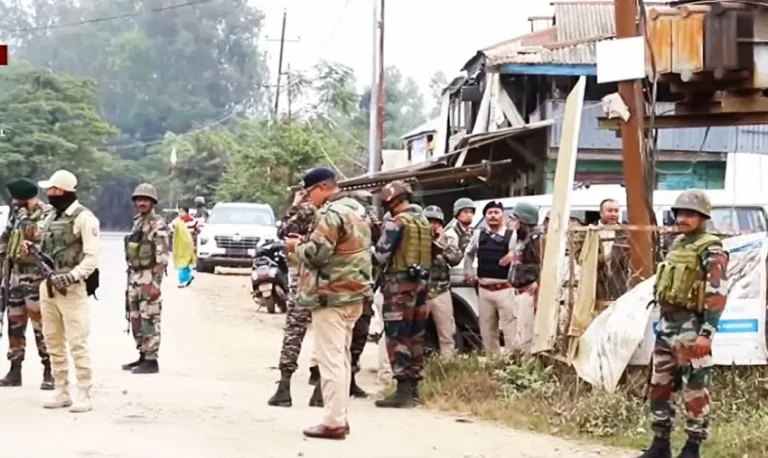
Manipur – The Manipur Bishnupur Churachandpur tension intensified dramatically on Tuesday evening when a fresh gunfight erupted at the Torbung area, which serves as the border between Bishnupur and Churachandpur districts. The incident occurred at approximately 8:30 pm, involving cross-firing between security forces and unknown armed miscreants, according to official confirmation. This latest outbreak of violence has once again highlighted the fragile security situation in the northeastern state, which has been grappling with ethnic strife for over a year and a half.

Officials reported that at least one civilian sustained injuries during the violent exchange, though the identity of the injured person is yet to be ascertained. The Manipur Bishnupur Churachandpur tension has created an atmosphere of fear and uncertainty among residents of both districts, particularly those living in border areas like Torbung.

Details of the Tuesday Night Attack

The Manipur Bishnupur Churachandpur tension reached a critical point when unknown armed miscreants from the Churachandpur side allegedly launched an attack on Torbung village. Security forces deployed in the area immediately retaliated to counter the assault. According to officials, the armed miscreants used bombs during the attack, which lasted approximately 20 minutes before subsiding.

The fresh gunfight has triggered widespread panic among villagers in the affected area. Residents reported hearing continuous gunfire and explosions that shattered the evening calm, forcing families to seek shelter inside their homes. The intensity of the attack and the use of explosives have raised serious concerns about the escalating nature of violence in the region.

Resettlement Efforts Complicated by Violence

The Manipur Bishnupur Churachandpur tension has particularly affected resettlement efforts initiated by the government. According to locals from Phougakchao Ikhai and Torbung, approximately 389 internally displaced persons from 67 families had been resettled at Torbung under government instructions. These families, who had been displaced due to previous violence, were attempting to rebuild their lives when the fresh attack occurred.

The timing of this attack is especially concerning as it directly threatens the government’s rehabilitation initiatives. The Manipur Bishnupur Churachandpur tension has made it increasingly difficult for displaced families to return to normalcy, with security concerns overshadowing hopes for peaceful coexistence.

Security Response and Current Situation

Following the outbreak of violence, reinforcement teams comprising State police and central security forces rushed to the area to control the deteriorating situation. Despite the deployment of additional forces, officials confirmed that the situation in Torbung remains tense. The Manipur Bishnupur Churachandpur tension continues to pose significant challenges for security personnel tasked with maintaining peace along the volatile border areas.

Security forces have established additional checkpoints and increased patrolling in the region to prevent further escalation. However, the unpredictable nature of these attacks and the difficult terrain make comprehensive security coverage challenging.

Background of the Ongoing Crisis

The current Manipur Bishnupur Churachandpur tension is part of a larger crisis that has engulfed the state since May 3, 2023. The prolonged conflict has resulted in devastating consequences, with over 260 individuals killed and more than 60,000 people displaced from their homes. The scale of displacement and loss of life has made this one of the most serious internal security challenges faced by the northeastern state in recent decades.

Also Read: Brown University Shooting: Critical Person of Interest Arrested After Deadly Attack

To address the ongoing crisis, Manipur has been under President’s Rule since February 13, giving the central government direct control over the state’s administration. Despite this intervention, the Manipur Bishnupur Churachandpur tension continues to simmer, with periodic outbreaks of violence disrupting peace efforts.

Recent Political Developments

In a significant political development, BJP MLAs, including four from the Kuki-Zo community, held a high-level closed-door meeting in the national capital on December 14. The MLAs who attended this meeting expressed optimism, describing it as a pathway to restoration of peace. However, the fresh violence in Torbung just days after this meeting raises questions about the effectiveness of political dialogue in addressing ground-level tensions.

High-Level Security Review

On the same day as the violence, the Director General of Police of Manipur visited Churachandpur district to assess the security situation. During his visit, the DGP inaugurated the Conference Room at the Office of the Superintendent of Police, Churachandpur, and subsequently chaired a comprehensive security review meeting with officers from Manipur Police and other security forces deployed in the district.

The meeting focused on assessing the prevailing security situation and reviewing preparedness to handle potential threats. The DGP also held interactions with representatives of various Civil Society Organizations from the district, seeking their input on maintaining peace. This visit underscores the administration’s recognition of the serious Manipur Bishnupur Churachandpur tension and the need for coordinated efforts to prevent further violence.

Government’s Resettlement Initiative

Despite the challenging security environment, the government has initiated resettlement of displaced persons from Bishnupur district. However, the fresh outbreak of violence demonstrates the difficulties in implementing such initiatives while the Manipur Bishnupur Churachandpur tension remains unresolved. The safety and security of resettled families remain paramount concerns as authorities work to restore normalcy in affected areas.

Sajid Akram Bondi Beach Shooter: Shocking Details of Hyderabad Man’s Terror Attack

Sydney – The Sajid Akram Bondi Beach shooting incident that shocked Australia on December 14 has revealed a complex story of a Hyderabad-born man whose ties to India had virtually severed over nearly three decades. Telangana Police issued a comprehensive statement on Tuesday detailing the limited connection the 50-year-old perpetrator maintained with his homeland, highlighting that he did not even return to India following his father’s death.

The 50-year-old Sajid Akram Bondi Beach attacker originally hailed from Hyderabad, where he completed his Bachelor of Commerce degree before departing for Australia in November 1998. According to Telangana Police, he continued to hold an Indian passport despite spending 27 years abroad, during which his contact with relatives in Hyderabad remained minimal.

Limited Connections to Homeland

Telangana Police emphasized that the Sajid Akram Bondi Beach shooter had remarkably sparse interactions with his family over the past 27 years. During this extended period, he visited India only six times, with these trips primarily focused on property-related matters and visiting his elderly parents rather than maintaining familial bonds.

“It is understood that he did not travel to India even at the time of his father’s demise,” the police statement revealed, underscoring the extent of his disconnection from his roots. This detail has become significant as investigators across multiple countries attempt to piece together the timeline and motivations behind the deadly attack.

The Deadly Attack Details

The Sajid Akram Bondi Beach shooting unfolded during a Hanukkah event attended by Jewish community members. Sajid Akram and his 24-year-old son Naveed Akram opened fire on the gathering, resulting in 15 immediate fatalities and injuries to at least 42 others. The violence ended when police shot and killed Sajid Akram during the encounter, bringing the total death toll to 16. Naveed Akram survived and remains hospitalized under police guard.

Australian Prime Minister Anthony Albanese characterized the incident as a targeted terrorist attack motivated by Islamic State ideology, marking it as one of the most severe terror incidents in recent Australian history.

Life in Australia and Family

After settling in Australia, the Sajid Akram Bondi Beach perpetrator married a woman of European origin and established a new family. The couple had two children—a son and a daughter—both of whom are Australian citizens. This new family unit appeared to represent a complete departure from his Indian heritage and previous life in Hyderabad.

Telangana Police noted that family members remaining in India expressed complete ignorance regarding any radical mindset or activities that might have influenced the Sajid Akram Bondi Beach shooter. They claimed no knowledge of circumstances that could have led to his radicalization or that of his son.

Pre-Attack Travel Patterns

The Philippines’ Bureau of Immigration confirmed that the Sajid Akram Bondi Beach attacker was an Indian national and Australian resident who traveled to the Philippines shortly before the deadly incident. Dana Sandoval, a bureau spokesperson, confirmed that both father and son arrived together from Sydney on November 1, 2025, reported Davao as their final destination, and departed on November 28 for their return journey to Sydney.

This travel to Davao in Mindanao has drawn particular attention from investigators, as the region has a documented history of Islamic State-linked activity. Australian officials have indicated that this trip forms a crucial component of their ongoing investigation into the attack’s planning and execution.

No Indian Connection to Radicalization

Telangana Police firmly stated that factors leading to the radicalization of the Sajid Akram Bondi Beach shooter and his son appear to have no connection with India or any local influence within Telangana. The statement emphasized that there was no adverse record against him during his residence in India before his 1998 departure.

“The factors that led to the radicalisation of Sajid Akram and his son Naveed appear to have no connection with India or any local influence in Telangana,” the official statement clarified, distancing the attack from any potential Indian involvement or influence.

Ongoing Investigation

The Sajid Akram Bondi Beach shooting has prompted extensive investigations across multiple jurisdictions, with agencies in Australia, India, and the Philippines cooperating to understand the full scope of the attack. Authorities continue examining the father and son’s activities, travel patterns, and potential connections to extremist networks that may have influenced their actions.

The tragic incident serves as a stark reminder of the global nature of terrorism and the challenges authorities face in preventing such attacks, particularly when perpetrators maintain minimal ties to their countries of origin while becoming radicalized abroad.

Sikkim Border Tourism Destinations of Valour – Detailed Analysis of Cho‑La and Dok‑La Opening, P.S. Tamang’s Initiative, and Governance Lessons for Sustainable Travel

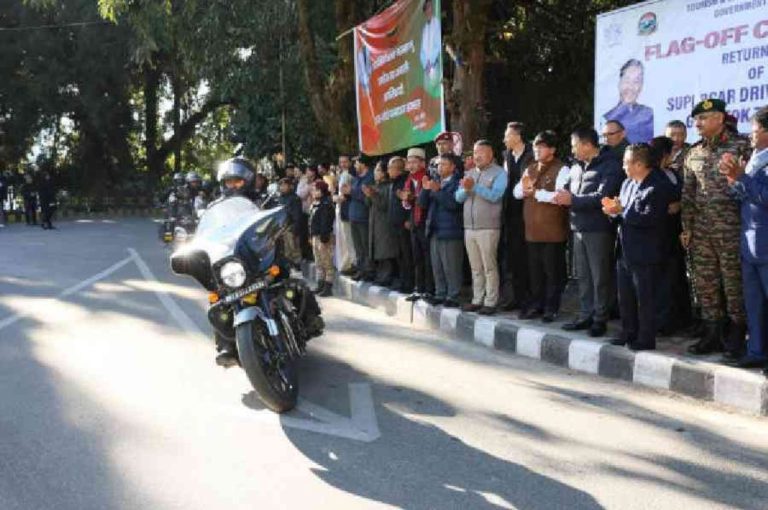
The Sikkim border tourism Destinations of Valour initiative has marked a historic moment in India’s tourism and heritage preservation. Chief Minister P.S. Tamang flagged off a convoy of 25 motorbikes and vehicles from Ridge Park in Gangtok, officially opening the Cho‑La and Dok‑La battlefronts to tourists. These sites, once restricted due to their military significance, are now part of a national program to promote battlefield tourism and strengthen local livelihoods.


2. Background of the Initiative

  • The Union Home Ministry has identified 67 Destinations of Valour across India.
  • Cho‑La and Dok‑La in Sikkim are among the most strategically important.
  • The initiative aims to combine heritage, military history, and tourism.
  • It is implemented in coordination with the Indian Army, central government, and state authorities.

3. Sikkim Border Tourism: Cho‑La Pass

  • Located at 5,330 metres in East Sikkim.
  • Site of the 1967 clashes between Indian and Chinese forces.
  • Offers panoramic views of the Himalayas.
  • Symbolizes India’s resilience in defending its borders.

4. Dok‑La Plateau

  • Situated at 4,000–4,300 metres at the trijunction of India, Bhutan, and China.
  • Known for the 2017 standoff between Indian and Chinese troops.
  • Strategically important due to proximity to the Siliguri Corridor (“Chicken’s Neck”).
  • Now part of a two‑day battlefield tourism circuit.

5. Government External Links for Assistance


6. Tourism Infrastructure

  • Homestay accommodations are being developed.
  • Fixed vehicle rates ensure affordability.
  • Basic facilities have been put in place, with more under construction.
  • The circuit is designed as a two‑day battlefield tourism experience.

7. Economic Impact

  • Tourism will generate sustainable livelihoods for border communities.
  • Local guides, drivers, and homestay owners benefit directly.
  • Promotes responsible tourism while respecting military sensitivities.

8. Historical Context of Battlefield Tourism in India

  • India has opened sites like Hili (South Dinajpur, Bengal) and other warfronts.
  • Battlefield tourism is part of a global trend:
    • Normandy (France): WWII memorial tourism.
    • Gettysburg (USA): Civil War heritage tourism.
    • Gallipoli (Turkey): WWI battlefield tourism.

9. Governance Challenges

The initiative must address:

  • Security concerns in sensitive border areas.
  • Environmental sustainability at high altitudes.
  • Community participation to prevent exploitation.
  • Coordination between multiple agencies.

10. Governance Lessons

The Sikkim initiative teaches:

  • Tourism can coexist with military heritage.
  • Local communities must be central stakeholders.
  • Infrastructure must balance accessibility with sustainability.
  • Transparent coordination between centre, state, and army is essential.

11. Future Outlook – Sustainable Border Tourism

India must move towards:

  • Smart tourism models with digital permits.
  • Eco‑friendly infrastructure at high altitudes.
  • Educational battlefield tours for students.
  • Integration with cultural tourism (tea gardens, monasteries).

12. Conclusion

The Sikkim border tourism Destinations of Valour initiative is a landmark in India’s tourism and heritage preservation. By opening Cho‑La and Dok‑La to visitors, the government has combined military history with sustainable livelihoods. If managed responsibly, these sites can become symbols of resilience, pride, and unity, while boosting Sikkim’s economy and strengthening India’s cultural tourism landscape.

Also read: Home | Channel 6 Network – Latest News, Breaking Updates: Politics, Business, Tech & More

Cooch Behar Statue Controversy in West Bengal – Detailed Analysis of TMC Feud Between Udayan Guha and Rabindranath Ghosh, Heritage Politics, and Governance Lessons

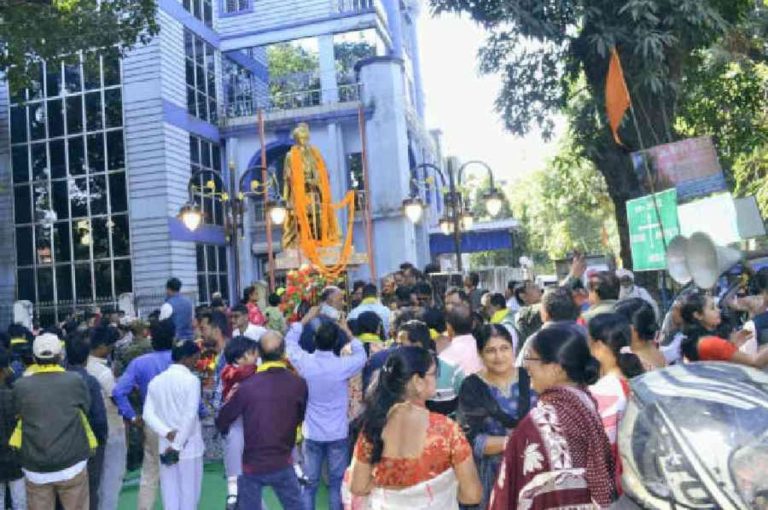
The Cooch Behar statue controversy in West Bengal has become a flashpoint in state politics. The unveiling of a statue of Maharaja Jagaddipendra Narayan Bhup Bahadur, the last king of the erstwhile princely state of Cooch Behar, coincided with his 111th birth anniversary. Instead of being a unifying cultural event, the ceremony exposed a simmering feud between Trinamool Congress leaders Udayan Guha and Rabindranath Ghosh.


2. Cooch Behar Statue Controversy: The Statue Unveiling

  • The statue was installed at Amtala, on the bank of Sagar Dighi, in front of the North Bengal Development Department’s office.
  • It was unveiled by Rabindranath Ghosh, chairman of Cooch Behar municipality.
  • The absence of Udayan Guha, minister of North Bengal Development, raised eyebrows.
  • The event was attended by district officials, Trinamool leaders, and members of the Rajbanshi Development Board.

3. The Political Feud

  • Rabindranath Ghosh: A veteran Trinamool leader, spearheaded the statue project.
  • Udayan Guha: Minister of North Bengal Development, skipped the event citing improper invitation.
  • Guha alleged that only a WhatsApp message was sent, not an official letter.
  • The feud reflects deeper factionalism within Trinamool Congress in Cooch Behar.

4. Heritage Politics in Cooch Behar

  • Cooch Behar is known for its royal legacy, including palaces and temples.
  • Statues of rulers like Bishwa Singha are also planned.
  • The initiative aims to preserve heritage but has become politicized.
  • Rajbanshi organizations demanded respect for the memory of the last ruler.

5. Public Reaction

  • Rajbanshi groups expressed resentment at earlier objections to the statue.
  • Protests were held demanding installation at the designated location.
  • The chief minister Mamata Banerjee intervened to resolve disputes.
  • Citizens see the feud as undermining heritage preservation.

6. Government External Links for Assistance


7. Historical Context of Royal Legacy

  • Maharaja Jagaddipendra Narayan Bhup Bahadur was the last king before Cooch Behar merged with India.
  • The princely state had strong cultural and political influence in Bengal.
  • The Rajbanshi community continues to celebrate royal anniversaries.
  • Statues serve as symbols of identity and pride.

8. Governance Challenges

The controversy reflects:

  • Factionalism within ruling parties.
  • Politicization of heritage projects.
  • Weak communication between leaders.
  • Public distrust in governance.

9. Global Comparisons

Heritage controversies occur worldwide:

  • UK: Debates over colonial statues.
  • USA: Conflicts over Confederate monuments.
  • South Africa: Removal of apartheid‑era statues.

India’s challenge lies in balancing heritage preservation with political interests.


10. Governance Lessons

The Cooch Behar statue controversy teaches:

  • Need for transparent heritage policies.
  • Community involvement in decisions.
  • Avoidance of factional politics in cultural projects.
  • Respect for historical figures across party lines.

11. Future Outlook – Heritage and Politics

India must move towards:

  • Depoliticized heritage preservation.
  • Digital archives to complement statues.
  • Community heritage boards for inclusive decision‑making.
  • Educational programs to promote awareness of royal legacies.

12. Conclusion

The Cooch Behar statue controversy in West Bengal is more than a local feud. It reflects the intersection of heritage, identity, and politics. While the statue of Maharaja Jagaddipendra Narayan Bhup Bahadur should have been a unifying symbol, it instead exposed divisions within Trinamool Congress. If governance lessons are learned, Bengal can ensure that heritage projects strengthen unity rather than deepen political rifts.

Also read: Home | Channel 6 Network – Latest News, Breaking Updates: Politics, Business, Tech & More

West Bengal Tourism Driver Impasse – Detailed Analysis of Plains and Hills Transport Conflict, Mayor Gautam Deb’s Intervention, and Governance Lessons for Sustainable Travel

The West Bengal tourism driver impasse has become a pressing issue in North Bengal, threatening the state’s lucrative winter tourism season. Mayor Gautam Deb of Siliguri has been urged by stakeholders to intervene in the ongoing conflict between drivers from the plains and those from the hills. The dispute, which escalated after incidents of vandalism in Darjeeling’s Lebong area, has created insecurity among transporters and raised concerns about the future of tourism in the region.


2. Background of the Conflict

  • The dispute involves drivers from the plains (Siliguri, Jalpaiguri) and drivers from the hills (Darjeeling, Kalimpong).
  • Plains drivers allege that hill drivers are preventing them from conducting sightseeing tours in Darjeeling.
  • Hill drivers argue that plains drivers should only drop tourists at hotels and not compete for local tours.
  • The situation worsened after vehicles from the plains were vandalized in Lebong.

3. Mayor Gautam Deb’s Role

  • Tourism stakeholders appealed to Mayor Deb for immediate intervention.
  • Deb promised to speak with Anit Thapa, Chief Executive of the Gorkhaland Territorial Administration (GTA).
  • He emphasized dialogue and peaceful resolution.
  • His intervention is seen as crucial to prevent further escalation.

4. West Bengal Tourism Driver Impasse: Impact on Tourism

  • The conflict threatens the Christmas and New Year tourist season.
  • Tourists are hesitant to travel due to safety concerns.
  • Hotels, homestays, and tour operators fear cancellations.
  • The tourism industry, already recovering from pandemic losses, faces another setback.

5. Government External Links for Assistance


6. Historical Context of Transport Conflicts in Bengal

  • Darjeeling transport disputes have occurred periodically since the 1990s.
  • Past conflicts often involved union rivalries and political patronage.
  • Tourism has repeatedly suffered due to strikes, blockades, and violence.

7. Governance Challenges

The driver impasse reflects:

  • Weak regulation of transport unions.
  • Political interference in local disputes.
  • Lack of clear tourism transport policies.
  • Insufficient policing in sensitive tourist zones.

8. Global Comparisons

Tourism transport conflicts are not unique to Bengal:

  • Kenya: Safari tour operators clash over routes.
  • Thailand: Taxi unions resist ride‑sharing platforms.
  • Italy: Local drivers protest against unlicensed tour operators.

India’s challenge lies in balancing local livelihoods with tourist convenience.


9. Governance Lessons

The impasse teaches:

  • Need for mediation councils in tourism hubs.
  • Clear transport guidelines for plains and hill drivers.
  • Community policing to prevent vandalism.
  • Tourist safety protocols to restore confidence.

10. Future Outlook – Sustainable Tourism Transport

India must move towards:

  • Integrated transport systems linking plains and hills.
  • Digital permits for sightseeing tours.
  • Joint driver associations to reduce rivalry.
  • Tourist grievance redressal mechanisms for safety.

11. Conclusion

The West Bengal tourism driver impasse is a reminder of the fragile balance between local livelihoods and tourism growth. Mayor Gautam Deb’s intervention offers hope for dialogue, but systemic reforms are needed to prevent recurring conflicts. By prioritizing safety, transparency, and cooperation, Bengal can ensure that its tourism industry thrives without disruption.

Also read: Home | Channel 6 Network – Latest News, Breaking Updates: Politics, Business, Tech & More

West Bengal Police Custodial Torture Case – Detailed Analysis of Malda Mason’s Detention, Wife’s Petition, Human Rights Concerns, and Governance Lessons for Justice

The West Bengal police custodial torture case in Malda has sparked outrage and raised serious questions about law enforcement accountability. A mason named Jiaul Haque was allegedly detained without charges at Kaliachak police station, severely beaten, and released only after public protest. His wife, Sabera Bibi, has filed a petition in the Chief Judicial Magistrate’s court, demanding justice and accountability.


2. West Bengal Police Custodial Torture Case: The Incident

  • On December 2, 2025, Jiaul Haque was summoned to Kaliachak police station.
  • He was detained for two days without formal charges.
  • Family members were denied access to him.
  • On December 4, local villagers staged a protest outside the police station.
  • Under pressure, police released Haque, who was immediately hospitalized.

3. Medical Evidence of Torture

  • Doctors found multiple bruises on Haque’s body.
  • His hearing ability was severely affected, allegedly due to assault.
  • Injuries were documented in a hospital report.
  • The medical evidence strengthens the wife’s petition in court.

4. The Wife’s Petition

  • Filed in the Chief Judicial Magistrate’s court.
  • Accuses three police officers (two sub‑inspectors, one assistant sub‑inspector) and three civic volunteers.
  • Alleges illegal detention and custodial torture.
  • Requests judicial intervention and accountability.

5. Police Response

  • District Superintendent of Police Avijit Banerjee stated: “Once the complaint formally reaches my office, we will examine the matter.”
  • No immediate action was taken against the accused officers.
  • The silence has fueled public anger and distrust.

6. Government External Links for Assistance


7. Legal Framework

Custodial torture violates:

  • Article 21 of the Indian Constitution (Right to Life).
  • Indian Penal Code (IPC): Sections on wrongful confinement and assault.
  • Code of Criminal Procedure (CrPC): Rules on arrest and detention.
  • Supreme Court guidelines in D.K. Basu vs State of West Bengal (1997).

8. Historical Context of Custodial Violence in Bengal

West Bengal has witnessed similar cases:

  • 1990s: Allegations of police excesses during political protests.
  • 2010s: Custodial deaths in Kolkata and North Bengal.
  • 2020s: Rising complaints of police brutality in rural districts.

9. Human Rights Concerns

  • Custodial torture is a gross violation of human rights.
  • India is a signatory to the UN Convention Against Torture, though it has not ratified it.
  • NHRC has repeatedly stressed the need for accountability in custodial cases.

10. Global Comparisons

Custodial violence is a global issue:

  • USA: Police brutality cases spark nationwide protests.
  • Brazil: Custodial deaths linked to systemic corruption.
  • South Africa: Post‑apartheid reforms still struggle with police accountability.

India’s challenge lies in balancing law enforcement authority with human rights protections.


11. Governance Lessons

The Malda case highlights:

  • Need for independent oversight of police.
  • Mandatory CCTV in police stations.
  • Stronger witness protection for victims.
  • Judicial monitoring of custodial cases.

12. Future Outlook – Reforming Policing in India

India must move towards:

  • Police reforms ensuring accountability.
  • Human rights training for officers.
  • Community policing models to build trust.
  • Ratification of UN Convention Against Torture.

13. Conclusion

The West Bengal police custodial torture case in Malda is a grim reminder of systemic failures in law enforcement. The courage of Sabera Bibi in filing a petition reflects the resilience of citizens demanding justice. If reforms are implemented, Bengal can move towards a policing system that respects human rights and upholds constitutional values.

Also read: Home | Channel 6 Network – Latest News, Breaking Updates: Politics, Business, Tech & More