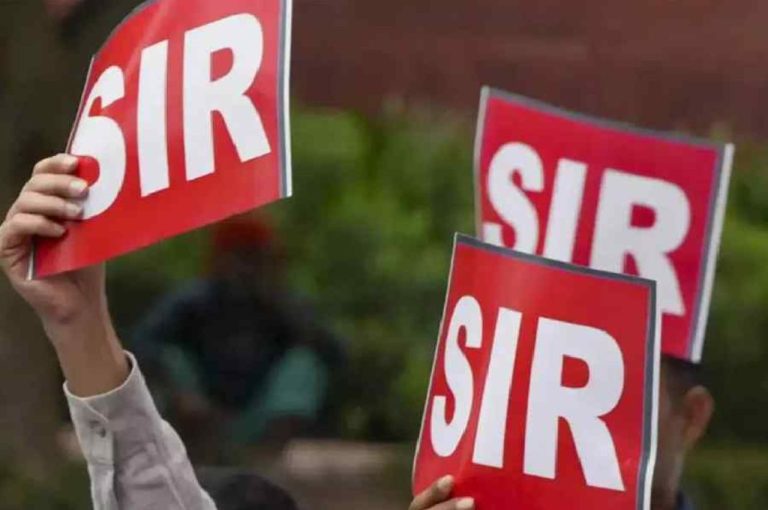
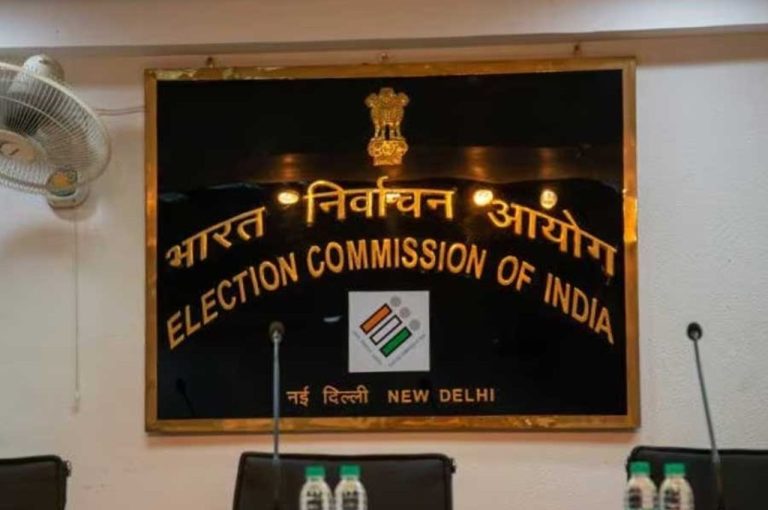
The West Bengal draft voter list deletion check has become a critical issue ahead of the 2026 Assembly elections. The Election Commission of India (ECI) published the draft rolls under the Special Intensive Revision (SIR) exercise, revealing that over 58 lakh names have been deleted. This has sparked concern among citizens, political parties, and civil society groups about the accuracy and fairness of the electoral process.
2. West Bengal Draft Voter List Deletion: Why Names Were Deleted
According to the Commission, deletions were made due to:
Death of voters recorded during enumeration.
Migration to other constituencies or states.
Non‑verification during door‑to‑door checks.
Logical discrepancies in age, parentage, or household records.
Opposition parties have alleged targeted deletions in certain constituencies.
The ruling Trinamool Congress has urged citizens to attend hearings and restore names.
Civil society groups are demanding greater transparency in the process.
7. Historical Context of Voter List Revisions in Bengal
West Bengal has faced repeated challenges:
2014 Lok Sabha elections: Complaints of missing voters.
2021 Assembly polls: Allegations of irregularities in rolls.
2025 SIR: Largest deletion exercise yet, with 58 lakh names removed.
8. Governance Lessons
The SIR exercise highlights:
Need for digitized voter rolls linked to Aadhaar.
Transparency in deletions with clear reasons.
Citizen awareness campaigns to prevent disenfranchisement.
Accountability of electoral officers in hearings.
9. Future Outlook – Smart Electoral Rolls
India must move towards:
AI‑based error detection in voter lists.
Biometric verification to prevent duplication.
Online correction portals accessible to rural citizens.
Integration with census and property records for accuracy.
10. Conclusion
The West Bengal draft voter list deletion check under the SIR exercise is a landmark in electoral transparency. While the deletion of 58 lakh names has raised concerns, the hearing process offers citizens a chance to restore their voting rights. By combining technology, accountability, and citizen participation, India can strengthen its democracy and ensure that every eligible voter is counted.
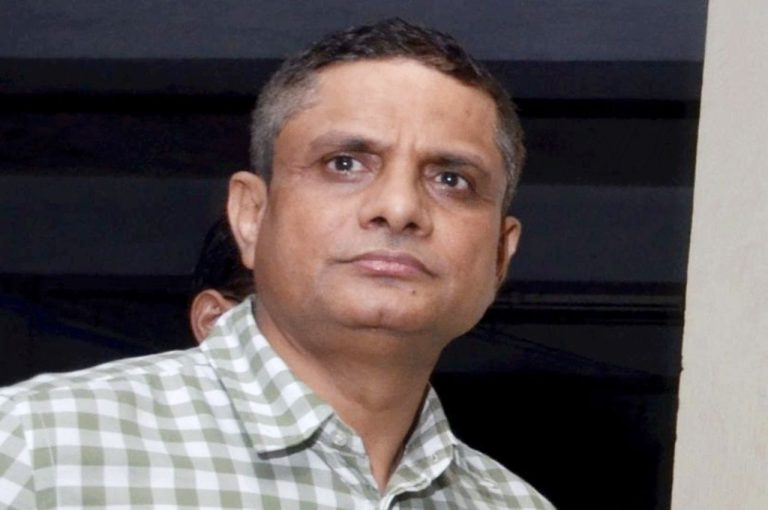
The West Bengal police accountability after Messi event fallout has become a major political and administrative issue. Following the chaos at Salt Lake Stadium during Lionel Messi’s “GOAT India Tour,” the state government issued show‑cause notices to Director General of Police Rajeev Kumar and Bidhannagar Police Commissioner Mukesh Kumar, while suspending Deputy Commissioner of Police Aneesh Sarkar.
2. Background of the Messi Event Chaos
On December 13, 2025, Lionel Messi appeared at Salt Lake Stadium.
The event was marred by poor crowd management, vandalism, and chaos.
Fans complained of poor visibility, overcrowding, and lack of coordination.
Bottles and chairs were hurled, seats were broken, and Messi left early.
The incident embarrassed Bengal on the global stage.
3. Disciplinary Action Against Police Officials
Rajeev Kumar (DGP): Issued a show‑cause notice for lapses in security and coordination.
Mukesh Kumar (Bidhannagar Police Commissioner): Asked to explain failures in crowd control.
Aneesh Sarkar (DCP): Suspended for negligence in duties.
A special investigation team (SIT) was formed to probe the incident.
4. West Bengal Police Accountability: Political Fallout
Opposition leader Suvendu Adhikari demanded accountability from ministers, not just police.
State Congress accused the government of scapegoating police to protect politicians.
Mamata Banerjee announced a three‑member inquiry committee headed by retired Justice Ashim Kumar Ray.
Public outrage grew as ticket refunds and safety concerns remained unresolved.
Police accountability in such cases is governed by:
Indian Penal Code (IPC): Sections on negligence and public safety.
Police Act, 1861: Governs disciplinary action.
West Bengal Police Regulations.
Judicial oversight: Courts can intervene in cases of public interest.
7. Historical Context of Police Controversies in Bengal
West Bengal has faced similar controversies:
Nandigram violence (2007): Police accused of excessive force.
Singur protests (2006): Allegations of mishandling demonstrations.
Birbhum violence (2022): Police criticized for delayed response.
The Messi event adds to this list, showing recurring challenges in law enforcement accountability.
8. Global Comparisons
Mega events worldwide have faced similar policing controversies:
Brazil World Cup (2014): Police accused of brutality during protests.
South Africa World Cup (2010): Security lapses raised concerns.
Tokyo Olympics (2021): Criticism over crowd management during COVID‑19.
India’s challenge lies in balancing public enthusiasm, political accountability, and police efficiency.
9. Governance Lessons
The Messi fallout highlights:
Need for professional event management.
Transparency in police accountability.
Coordination between government, police, and organizers.
Public communication strategies to manage expectations.
10. Future Outlook – Strengthening Police Accountability
India must move towards:
Independent police complaints authorities.
AI‑based crowd monitoring in stadiums.
Training programs for mega event policing.
Integration of police accountability with judicial oversight.
11. Conclusion
The West Bengal police accountability after Messi event fallout is more than a disciplinary matter. It reflects deeper issues of governance, transparency, and law enforcement in the state. While show‑cause notices and suspensions may provide symbolic accountability, structural reforms are needed to prevent future embarrassments. If lessons are learned, Bengal can rebuild its reputation and ensure that global icons are hosted safely and successfully.
Messi Event Fallout in Bengal: The West Bengal sports minister resignation after Messi event fallout has become a defining episode in the state’s political and sporting narrative. Aroop Biswas, a trusted aide of Chief Minister Mamata Banerjee, stepped down from his sports portfolio following the chaos at Salt Lake Stadium during Lionel Messi’s much‑anticipated event. The resignation was announced by Trinamool Congress spokesperson Kunal Ghosh, who emphasized that the move was meant to facilitate a free and fair investigation.
2. Background of the Messi Event Chaos
On December 13, 2025, Lionel Messi appeared at Salt Lake Stadium as part of his “GOAT India Tour.”
Thousands of fans were left frustrated due to poor visibility and mismanagement.
Bottles and chairs were hurled, seats were broken, and chaos spread across the stadium.
Mamata Banerjee issued a public apology within half an hour of the incident.
A three‑member inquiry committee was formed to investigate lapses.
3. Messi Event Fallout in Bengal: Aroop Biswas’s Resignation
Biswas submitted a handwritten resignation letter to Mamata Banerjee.
He stepped down only from the sports portfolio, not from his cabinet rank.
Critics described the move as a “symbolic gesture” since he retained power and housing ministries.
The resignation was seen as an attempt to deflect criticism from the chief minister.
4. Political Fallout
Opposition leader Suvendu Adhikari called the resignation a “cover‑up.”
Trinamool insiders admitted Mamata acted quickly to prevent further damage.
The incident exposed tensions between Trinamool factions, especially between Abhishek Banerjee and senior leaders like Biswas.
Social media amplified images of ministers and family members posing with Messi, fueling public anger.
Bidhannagar Police issued show‑cause notices to senior officers.
State Director General of Police Rajeev Kumar was questioned.
Aroop Biswas’s resignation coincided with disciplinary action against police officials.
Mamata Banerjee emphasized “raj dharma” and accountability in governance.
7. Historical Context of Sports Controversies in Bengal
West Bengal has faced similar controversies:
1996 Cricket World Cup semi‑final: Crowd violence at Eden Gardens.
2002 Salt Lake Stadium stampede: Safety lapses during a local match.
2017 ISL final: Ticketing disputes and overcrowding.
The Messi event adds to this list, showing recurring challenges in managing mega sporting events.
8. Global Comparisons
Mega events worldwide have faced similar controversies:
Brazil World Cup (2014): Protests over public spending.
South Africa World Cup (2010): Allegations of corruption in stadium construction.
Tokyo Olympics (2021): Criticism over COVID‑19 management.
India’s challenge lies in balancing public enthusiasm, political accountability, and event management.
9. Governance Lessons
The resignation highlights:
Symbolic accountability is not enough; structural reforms are needed.
Transparency in event management must be prioritized.
Police coordination with organizers is critical.
Public communication strategies can prevent chaos.
10. Future Outlook – Governance in Sports Events
India must move towards:
Professional event management agencies for mega events.
Smart stadiums with AI‑based crowd monitoring.
Digital ticketing linked to identity verification.
Independent oversight committees for accountability.
11. Conclusion
The West Bengal sports minister resignation after Messi event fallout is more than a political drama. It reflects deeper issues of governance, accountability, and transparency in the state. While Aroop Biswas’s resignation may not change much administratively, it serves as a reminder that mega events require professional management and political responsibility. If lessons are learned, Bengal can rebuild its reputation and ensure that future global icons are hosted safely and successfully.
Bengaluru’s fragile water infrastructure, long associated with road digging, traffic snarls, and civic disruption, is witnessing a quiet robotic technological shift. The Bangalore Water Supply and Sewerage Board has deployed robotic technology to detect and fix underground water leakages at 38 locations across the city without resorting to excavation. Officials say this marks a significant change in how urban utilities respond to ageing pipelines, water loss, and public inconvenience. The initiative comes at a time when the city is grappling with water scarcity, rising demand, and mounting pressure to reduce non-revenue water, which continues to strain public resources.
The initiative has also prompted discussions within government circles about standardising the use of such technologies across departments. Officials said that lessons from BWSSB’s robotic interventions could be applied to other civic agencies responsible for gas lines, electrical conduits, and communication cables. A coordinated approach to underground infrastructure maintenance, supported by advanced inspection tools, could significantly reduce accidental damage and improve overall service reliability.
Experts in urban governance emphasised that technological adoption must be accompanied by institutional reforms. Clear protocols on when robotic repairs should be preferred over excavation, transparent procurement processes, and performance audits will be essential to ensure the technology delivers consistent outcomes. Without such frameworks, they warned, innovations risk remaining isolated successes rather than becoming systemic solutions.
The use of robots has also opened up new conversations about workforce transformation within civic bodies. While some employees initially expressed apprehension about automation, BWSSB officials clarified that the technology is designed to assist, not replace, human workers. Skilled technicians are still required to interpret data, make engineering decisions, and oversee field operations. In fact, the shift is creating demand for new technical skills, potentially improving job profiles and safety conditions.
Academics studying urban infrastructure noted that Bengaluru’s experiment reflects a global trend toward non-invasive maintenance techniques in dense cities. As underground spaces become increasingly crowded, traditional digging is no longer sustainable. Cities that invest early in inspection and repair technologies, they said, are better positioned to manage growth while limiting environmental and social costs.
There is also growing interest in how such technologies can support transparency and accountability. Visual records generated by robotic inspections provide verifiable evidence of pipeline conditions and repairs, reducing disputes over responsibility and quality of work. Civic activists believe this could strengthen public oversight and discourage substandard maintenance practices.
As BWSSB evaluates the outcomes of its initial deployments, officials indicated that future plans may include predictive maintenance models powered by data analytics. By combining robotic inspection data with information on pipe age, material, and usage patterns, the utility hopes to anticipate failures before they occur. If implemented effectively, this approach could redefine how Bengaluru manages one of its most critical resources, turning reactive crisis management into planned, preventive care for the city’s water network.
Traditionally, identifying and repairing leaks in underground pipelines required extensive digging, often damaging roads, disrupting traffic, and affecting nearby residents and businesses. In many cases, the excavation itself caused further stress to adjacent pipelines and civic infrastructure. With robotic intervention, BWSSB has been able to avoid such collateral damage, allowing repairs to be carried out from within the pipelines. Officials say this method is not only less intrusive but also more precise, helping address the root cause of leaks rather than relying on surface-level assumptions.
The robotic systems, operated remotely by trained engineers, are equipped with high-resolution cameras and sealing mechanisms. Once inserted into the pipeline through access points such as valves or manholes, the robot travels along the pipe, identifies cracks, joint failures, or corrosion, and seals them internally. This eliminates the need to break open roads or pavements, a move that has been welcomed by both residents and civic planners. BWSSB engineers noted that many of the leaks repaired through this method would have otherwise required days of digging and restoration work.
Water experts point out that Bengaluru loses a substantial quantity of treated water due to leakages, illegal connections, and ageing infrastructure. While exact figures vary, non-revenue water remains a persistent concern. The adoption of robotic technology, they say, represents a shift from reactive maintenance to proactive asset management. By detecting leaks early and repairing them efficiently, the city can conserve water, reduce operational costs, and extend the lifespan of existing pipelines without massive capital expenditure.
Inside the Technology: Precision Repairs Without Surface Disruption
Officials involved in the project explained that the robotic systems are particularly effective for large-diameter pipelines, where manual inspection is either unsafe or impractical. These pipelines, often laid decades ago, are prone to joint failures due to ground movement, pressure fluctuations, and material fatigue. The robots can operate in live pipelines, meaning water supply does not always have to be shut down completely during repairs, further reducing inconvenience to consumers.
As Bengaluru continues to grow, the pressure on its infrastructure will only intensify. The adoption of robotic technology to fix leakages without digging offers a glimpse of how cities can adapt to these challenges through smart, less invasive solutions. For residents weary of perpetual roadworks and water disruptions, the silent work of robots beneath the surface may signal a more thoughtful approach to urban living, where progress does not always have to come at the cost of daily comfort.
The technology also allows BWSSB to create detailed digital records of pipeline conditions. Each inspection generates visual data that can be archived and analysed to predict future failures. Engineers said this data-driven approach enables the utility to prioritise interventions based on risk rather than waiting for visible surface symptoms such as waterlogging or road collapse. Over time, this could lead to a more resilient and responsive water distribution system.
Cost efficiency is another major advantage cited by officials. While the initial investment in robotic equipment and training is significant, the long-term savings are substantial. Avoiding excavation reduces expenses related to road cutting, restoration, traffic management, and compensation claims. Moreover, faster repair times mean reduced water loss and lower energy costs associated with pumping and treatment. BWSSB estimates that robotic repairs can be completed in a fraction of the time required for conventional methods.
Urban planners have also welcomed the initiative, noting that repeated road digging has been one of the biggest irritants for city residents. Bengaluru’s roads, already under pressure from rapid urbanisation and increasing vehicle density, often deteriorate further after utility cuts. Robotic repairs help preserve road quality and reduce the cumulative impact of infrastructure maintenance on urban mobility. Experts argue that such technologies are essential if cities are to maintain infrastructure without constantly disrupting daily life.
Water Security, Sustainability, and the Road Ahead
The use of robotic technology aligns with broader goals of sustainability and climate resilience. As water scarcity becomes more acute, especially during summer months, reducing losses in the distribution network is as important as sourcing new supplies. BWSSB officials said that every litre saved through leak prevention directly contributes to the city’s water security. In a context where new water projects face environmental, financial, and political challenges, optimising existing systems is increasingly seen as the most viable solution.
There are, however, challenges in scaling up the technology. Not all pipelines are suitable for robotic inspection, particularly older or smaller-diameter lines with irregular layouts. Integrating robotic methods with conventional maintenance will require careful planning and capacity building. BWSSB has begun training its engineers and field staff to operate and interpret robotic systems, signalling a gradual shift in skill requirements within the organisation.
Public response to the initiative has been largely positive, especially in areas where residents have experienced repeated road cuts in the past. Civic groups have urged BWSSB to expand the use of such technology across the city and to coordinate with other utility agencies to minimise overlapping works. They argue that a comprehensive underground infrastructure mapping system, combined with robotic inspection, could transform how Bengaluru manages its civic assets.
Looking ahead, BWSSB officials said the success at 38 sites is only the beginning. Plans are underway to deploy robotic technology in more zones, particularly in older parts of the city where pipeline networks are complex and fragile. There is also interest in exploring similar solutions for sewer lines, where blockages and collapses pose serious health and environmental risks. By embracing innovation, the utility hopes to move beyond crisis-driven responses and towards a more sustainable, citizen-friendly model of urban water management.
Officials involved in the project explained that the robotic systems are particularly effective for large-diameter pipelines, where manual inspection is either unsafe or impractical. These pipelines, often laid decades ago, are prone to joint failures due to ground movement, pressure fluctuations, and material fatigue. The robots can operate in live pipelines, meaning water supply does not always have to be shut down completely during repairs, further reducing inconvenience to consumers.
As Bengaluru continues to grow, the pressure on its infrastructure will only intensify. The adoption of robotic technology to fix leakages without digging offers a glimpse of how cities can adapt to these challenges through smart, less invasive solutions. For residents weary of perpetual roadworks and water disruptions, the silent work of robots beneath the surface may signal a more thoughtful approach to urban living, where progress does not always have to come at the cost of daily comfort.
The West Bengal sports minister resignation after Messi event chaos has become a defining moment in the state’s political and sporting narrative. Aroop Biswas, one of Chief Minister Mamata Banerjee’s closest loyalists, stepped down from his sports portfolio following the fallout of the Lionel Messi event at Salt Lake Stadium. The resignation, however, has been described as symbolic, since Biswas continues to hold the powerful portfolios of power and housing.
2. Background of the Messi Event Chaos
On December 13, 2025, Lionel Messi appeared at Salt Lake Stadium as part of his “GOAT India Tour.”
Thousands of fans were left frustrated due to poor visibility and mismanagement.
Bottles and chairs were hurled, seats were broken, and chaos spread across the stadium.
Mamata Banerjee issued a public apology within half an hour of the incident.
A three‑member inquiry committee was formed to investigate lapses.
3. Aroop Biswas’s Resignation
Biswas submitted a handwritten resignation letter to Mamata Banerjee.
He stepped down only from the sports portfolio, not from his cabinet rank.
Critics described the move as a “drama” since he retained power and housing ministries.
The resignation was seen as an attempt to deflect criticism from the chief minister.
4. West Bengal Sports Minister Resignation: Political Fallout
Opposition leader Suvendu Adhikari called the resignation a “cover‑up.”
Trinamool insiders admitted Mamata acted quickly to prevent further damage.
The incident exposed tensions between Trinamool factions, especially between Abhishek Banerjee and senior leaders like Biswas.
Social media amplified images of ministers and family members posing with Messi, fueling public anger.
Bidhannagar Police issued show‑cause notices to senior officers.
State Director General of Police Rajeev Kumar was questioned.
Aroop Biswas’s resignation coincided with disciplinary action against police officials.
Mamata Banerjee emphasized “raj dharma” and accountability in governance.
7. Historical Context of Sports Controversies in Bengal
West Bengal has faced similar controversies:
1996 Cricket World Cup semi‑final: Crowd violence at Eden Gardens.
2002 Salt Lake Stadium stampede: Safety lapses during a local match.
2017 ISL final: Ticketing disputes and overcrowding.
The Messi event adds to this list, showing recurring challenges in managing mega sporting events.
8. Global Comparisons
Mega events worldwide have faced similar controversies:
Brazil World Cup (2014): Protests over public spending.
South Africa World Cup (2010): Allegations of corruption in stadium construction.
Tokyo Olympics (2021): Criticism over COVID‑19 management.
India’s challenge lies in balancing public enthusiasm, political accountability, and event management.
9. Governance Lessons
The resignation highlights:
Symbolic accountability is not enough; structural reforms are needed.
Transparency in event management must be prioritized.
Police coordination with organizers is critical.
Public communication strategies can prevent chaos.
10. Future Outlook – Governance in Sports Events
India must move towards:
Professional event management agencies for mega events.
Smart stadiums with AI‑based crowd monitoring.
Digital ticketing linked to identity verification.
Independent oversight committees for accountability.
11. Conclusion
The West Bengal sports minister resignation after Messi event chaos is more than a political drama. It reflects deeper issues of governance, accountability, and transparency in the state. While Aroop Biswas’s resignation may not change much administratively, it serves as a reminder that mega events require professional management and political responsibility. If lessons are learned, Bengal can rebuild its reputation and ensure that future global icons are hosted safely and successfully.
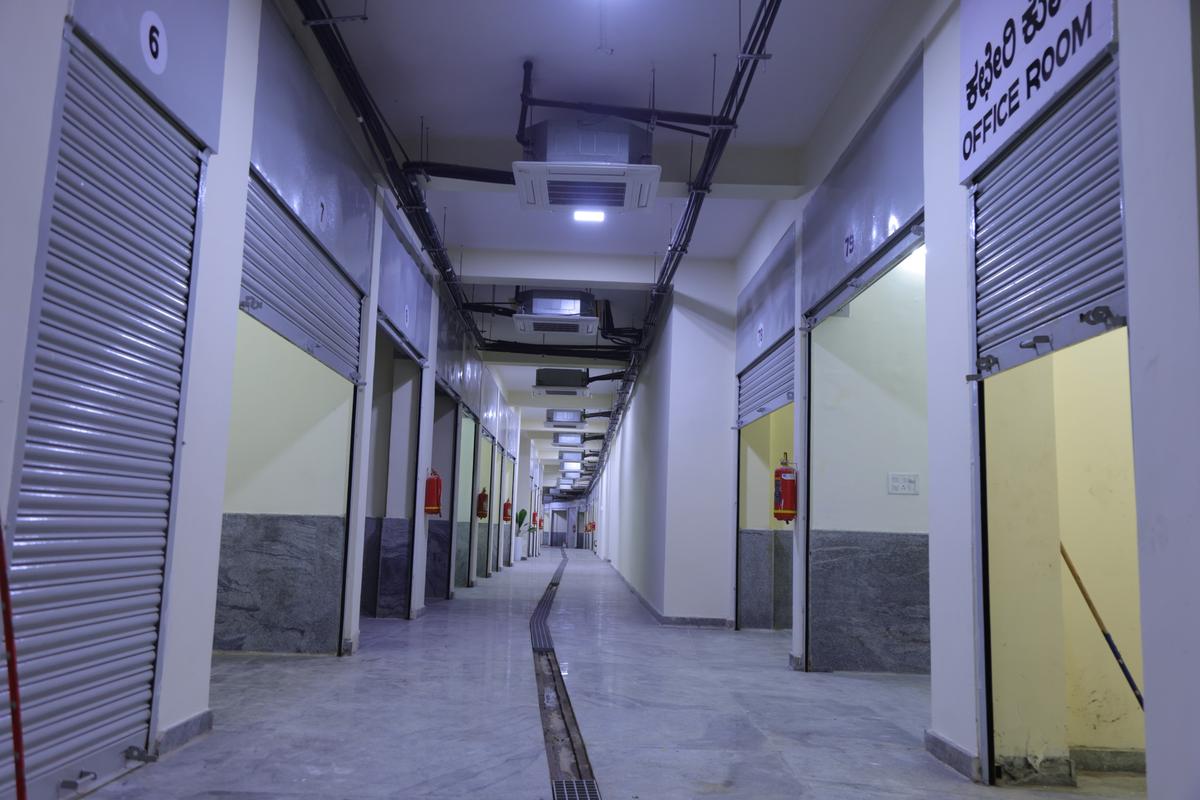
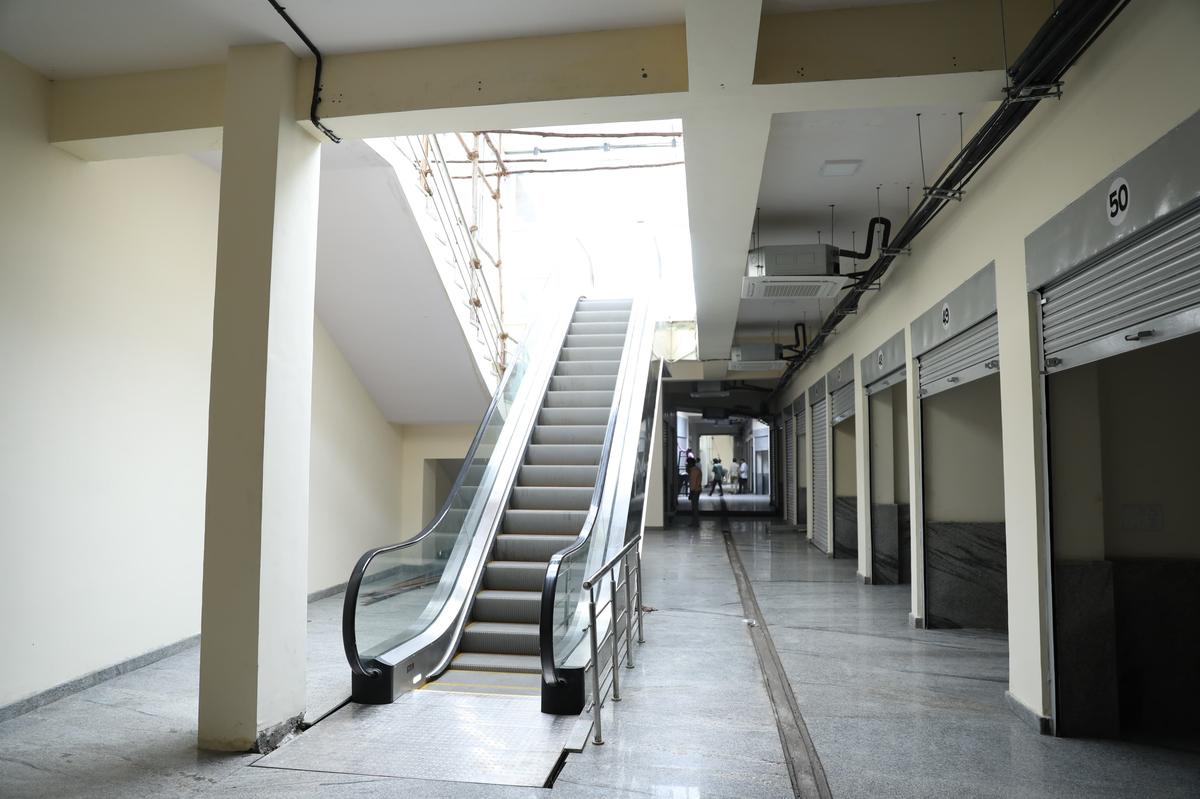
In a move aimed at strengthening transparency, eliminating discretionary practices, and maximising public revenue, the Vijayanagar City Municipal Council has decided to allot shops in its palike bazaars through an e-auction process. The decision marks a significant departure from earlier allotment methods that relied on manual procedures, renewals, and negotiated rents, often criticised for opacity and favouritism. Officials said the transition to a digital auction platform is intended to ensure fairness, competitive pricing, and equal opportunity for all eligible bidders.
The move towards e-auctioning municipal bazaar shops also reflects a broader shift in governance philosophy, where digital systems are increasingly seen as tools to curb discretion and improve institutional credibility. Senior officials pointed out that earlier allotment models often placed excessive power in the hands of a few, leading to complaints of favouritism and political interference. By standardising the process through an online platform, the palike aims to distance elected representatives and officials from day-to-day allotment decisions, thereby reducing allegations of bias and restoring public faith in municipal functioning.
From a financial governance perspective, the reform is expected to improve the palike’s ability to plan long-term expenditures. Predictable and enhanced revenue streams from leased commercial properties could allow the civic body to move away from short-term fixes and ad hoc borrowing. Officials said that funds generated through the auctions could be earmarked for specific urban priorities such as market redevelopment, pedestrian-friendly streets around bazaars, and improved drainage and waste management in commercial zones that experience heavy footfall.
Economists and urban policy analysts have also highlighted that market-driven pricing of municipal assets helps align civic finances with economic realities. Artificially low rents, they argue, distort local economies and indirectly subsidise a small group of beneficiaries at the cost of public welfare. At the same time, they caution that auctions must be carefully designed to avoid cartelisation or speculative bidding, which could inflate rents beyond sustainable levels and ultimately hurt both traders and consumers.
The social dimension of the reform remains a key area of concern. Municipal markets are not merely commercial spaces but social ecosystems where livelihoods, community ties, and local supply chains intersect. Experts suggest that the palike consider longer lease tenures and graded rent structures to provide stability, especially for small traders dealing in essential goods. Without such measures, there is a risk that traditional markets could gradually give way to homogenised commercial spaces dominated by larger players.
As Vijayanagar prepares to implement the e-auction policy, the coming months are likely to test the palike’s ability to balance reform with responsiveness. Transparent communication, grievance redressal mechanisms, and mid-course corrections will be crucial to ensuring acceptance of the new system. While the transition may not be without friction, officials maintain that a transparent, accountable, and economically sound approach to managing public assets is essential for the city’s future. The e-auction initiative, they say, is not an end in itself but a foundation for more responsible and inclusive urban governance.
The e-auction initiative will cover shops located in major municipal bazaars across Vijayanagar city, including commercial clusters that generate steady footfall and form the economic backbone of neighbourhood markets. The move comes amid broader efforts by the State government and urban local bodies to reform municipal asset management, improve revenue mobilisation, and restore public confidence in civic administration.
According to palike officials, the decision was taken after repeated audit observations flagged revenue loss and irregularities in shop allotments. In several cases, shops continued to be occupied for decades on outdated lease agreements, with rents far below prevailing market rates. The e-auction mechanism, they said, offers a structured and legally robust way to correct these distortions while creating a level playing field.
A push for transparency and revenue reform
Municipal authorities said the e-auction system will bring much-needed transparency to the allotment of commercial spaces owned by the palike. Under the new arrangement, details of available shops, base prices, auction schedules, eligibility criteria, and terms of lease will be published on the official platform. Interested bidders will be able to participate remotely, reducing human intervention and the scope for manipulation.
Officials emphasised that the primary objective is not merely revenue enhancement, but systemic reform. “Municipal assets belong to the public. Their allocation must be transparent, competitive, and fair. The e-auction process ensures that no individual or group receives undue advantage,” a senior palike official said.
Revenue considerations, however, remain significant. Preliminary estimates suggest that shop rents could increase substantially once market-based bidding replaces fixed or negotiated rates. The additional income is expected to be channelled into civic infrastructure, sanitation, road maintenance, and public amenities, particularly in underserved wards.
Urban governance experts note that Vijayanagar’s decision aligns with a wider trend across Karnataka, where municipal bodies are being encouraged to monetise assets responsibly. E-auctioning of shops, parking spaces, and advertisement hoardings has been promoted as a way to reduce dependence on State grants and improve financial autonomy.
Impact on existing shopkeepers
The announcement has generated mixed reactions among existing shop occupants, many of whom have been operating in palike bazaars for decades. Some shopkeepers expressed concern that they may be priced out if bidding becomes highly competitive, particularly in prime locations. Others fear that the uncertainty surrounding lease renewal could disrupt their livelihoods.
Palike officials sought to address these concerns by clarifying that safeguards would be built into the process. Existing occupants, they said, would be given advance notice, adequate time to prepare, and clear information on the auction process. While no automatic renewal would be granted, officials indicated that current shopkeepers would not be barred from participating in the auction.
“There is no intention to evict anyone arbitrarily,” an official said. “But public property cannot be allotted indefinitely at nominal rents. Everyone will have an equal opportunity to bid.”
Shopkeepers’ associations have demanded that the palike introduce protective measures, such as reasonable base prices, longer lease periods, and priority consideration for long-standing occupants. They argue that sudden exposure to open bidding could favour large traders or investors over small, family-run businesses that form the social fabric of local markets.
The palike has indicated that it is open to dialogue and that stakeholder consultations will be held before finalising auction terms. Officials said the aim is to balance economic reform with social stability, ensuring that small traders are not unfairly displaced.
Digital process and legal framework
The e-auction will be conducted in accordance with municipal laws and guidelines governing public asset management. Officials said the process will be legally vetted to withstand scrutiny and avoid future disputes. Each shop will be allotted on a lease basis for a fixed term, with conditions clearly outlined in the auction document.
The digital platform will record every bid in real time, creating an auditable trail that enhances accountability. Officials believe this will significantly reduce litigation related to allotment disputes, which have historically burdened municipal administrations.
Training sessions and help desks are also being planned to assist bidders unfamiliar with online auctions. Recognising the digital divide, the palike said it would ensure that the process does not exclude participants who lack technical expertise. Physical facilitation centres may be set up to guide bidders through registration and bidding.
Legal experts note that while e-auctioning improves transparency, its success depends on clear rules and consistent enforcement. Ambiguities in lease terms or post-auction management, they warn, could undermine the credibility of the reform.
Urban planning and market renewal
Beyond revenue and transparency, officials view the e-auction as an opportunity to revitalise municipal bazaars. Many palike-owned markets suffer from poor maintenance, outdated infrastructure, and inadequate facilities. Increased revenue from market-based rents could fund upgrades such as improved sanitation, fire safety measures, better lighting, and waste management systems.
Urban planners argue that well-managed municipal markets can serve as inclusive commercial spaces that support small traders while contributing to the local economy. By reinvesting auction proceeds into market infrastructure, the palike can create a virtuous cycle of improvement and compliance.
The move is also expected to bring greater order to market functioning. Standardised leases and clear conditions can help regulate subletting, unauthorised modifications, and encroachments, which have long plagued municipal bazaars.
Political reactions and public debate
The decision has sparked political debate within the municipal council and beyond. Ruling party councillors have defended the move as a reform-oriented step aligned with good governance principles. They argue that resistance to e-auction often comes from vested interests that benefit from opaque systems.
Opposition councillors, while broadly supporting transparency, have cautioned against implementing the policy without adequate safeguards. They have urged the palike to ensure that the reform does not become a revenue-driven exercise that ignores social consequences.
Public opinion appears divided. While many citizens welcome the promise of transparency and better use of public assets, others sympathise with long-time shopkeepers facing uncertainty. Civil society groups have called for a balanced approach that combines digital reform with social sensitivity.
Looking ahead
The Vijayanagar palike is expected to roll out the e-auction in phases, beginning with select bazaars before expanding to other municipal commercial properties. Officials said timelines would be announced well in advance to allow for preparation and feedback.
If implemented effectively, the initiative could set a precedent for other urban local bodies in the region. Governance experts say the success of the model will depend on transparent communication, fair base pricing, and consistent enforcement.
As cities grapple with rising infrastructure needs and limited resources, reforms in asset management are increasingly seen as unavoidable. Vijayanagar’s decision reflects this reality, signalling a shift toward digital governance and accountable administration.
At its core, the move raises fundamental questions about how public property should be managed in a rapidly urbanising society. The e-auction of palike bazaar shops represents not just a technical change, but a redefinition of the relationship between citizens, commerce, and the State.
Whether the reform delivers on its promise of transparency and fairness will become clear in the months ahead. For now, it marks a decisive step toward opening municipal markets to competition, scrutiny, and public trust, redefining how civic resources are allocated in Vijayanagar.
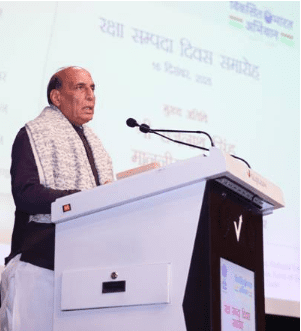
The Directorate General Defence Estates (DGDE), under the Ministry of Defence, celebrated Defence Estates Day 2025 with solemnity and pride at Raksha Sampada Bhawan, Delhi Cantonment, on 16 December 2025. Gracing the occasion, Raksha Mantri Shri Rajnath Singh described the Defence Estates Organisation as a shining example of transparency, efficiency and accountability, embodying the administrative ethos required to realise Prime Minister Shri Narendra Modi’s vision of Viksit Bharat by 2047.
As DGDE enters its 100th year of service to the nation, the Raksha Mantri commended the organisation’s evolution as a ground-oriented institution while urging it to remain future-ready through a sustainable culture of innovation and continuous improvement.
DGDE’s Role in Modern, Accountable Governance
Praising DGDE’s efforts in digital land records, use of satellite imagery and encroachment removal, Shri Rajnath Singh highlighted how the organisation has adapted to modern governance needs. He also lauded DGDE’s initiatives in environment conservation, education and skill development, noting that cantonments are emerging as models where security and sustainability go hand in hand.
“Making cantonments green and clean, working on water conservation and adopting a scientific approach to waste management show that security and sustainability can coexist. Students living in cantonments excelling in Artificial Intelligence and robotics reflect the need to connect our children with both tradition and technology,” he said.
Innovation and Annual Challenge Statements
To address both long-standing issues and emerging challenges, the Raksha Mantri urged DGDE to introduce Annual Challenge Statements every year. He suggested inviting experienced officers, young professionals and subject experts to propose innovative solutions to persistent problems such as rent recovery cases and lease compliance disputes.
“This approach will not only lead to incremental improvements but also bring about transformative change. It will help DGDE evolve into a learning institution that is agile, solution-oriented and future-ready,” he stated.
Strengthening Litigation Handling and Preventive Governance
Highlighting the significant time and resources consumed by litigation related to defence land, Shri Rajnath Singh stressed the need to strengthen litigation handling capacity and make it more intelligent and predictable. He recommended creating a real-time, integrated system capturing details such as case timelines, current status, next hearings, performance of legal counsel and financial exposure.
“Better land records, robust documentation, early dispute resolution and stronger coordination with civil authorities can shift us from reactive litigation management to preventive land governance,” he emphasised.
Citizen-Centric Cantonment Governance
As cantonments undergo modernisation, the Raksha Mantri said DGDE has a unique opportunity to become a benchmark for citizen-centric urban governance. He proposed developing a Citizen Satisfaction Index for cantonments, based on objective and measurable service outcomes, to improve accountability and transparency while identifying areas for improvement.
He also underscored the importance of institutional credibility and public perception, describing transparency, integrity and rule-based governance as the cornerstones of good governance. “Every decision and every file we sign should strengthen the credibility of our institutions. This is our collective responsibility,” he said.
Raksha Mantri Awards for Excellence 2025
On the occasion, Shri Rajnath Singh conferred the Raksha Mantri Awards for Excellence in Public Service 2025, recognising outstanding achievements by Cantonment Boards and Defence Estates Offices across the country in defence land management and municipal administration.
Award Categories and Winners:
Swachh Chhawani–Swasth Chhawani
Category A: Cantonment Board, Deolali
Category B: Cantonment Board, Barrackpore
Category C: Cantonment Board, Varanasi
Digital Accomplishments (DEOs)
Jointly: DEO, Jabalpur Circle and DEO, Pathankot Circle
The Raksha Mantri dedicated three major citizen-centric initiatives to cantonment residents:
Nationwide Telemedicine Services Telemedicine facilities from Delhi Cantonment General Hospital have been extended to all 61 Cantonment Boards, with support from AIIMS, New Delhi. Services include tele-consultations in Medicine, ENT, Obstetrics & Gynaecology, Paediatrics, Cardiology, Gastroenterology and Psychiatry, along with tele-education and workshops.
Integration of e-Chhawani with ABAS The integration of the e-Chhawani module with the Accrual Based Accounting System (ABAS) links financial management directly with citizen services. APIs developed by DGDE in collaboration with Bharat Electronics Limited (BEL) enable real-time payments, receipts and service requests through a unified platform.
DEMAP Integration with PM GatiShakti The Defence Estates Mapping Portal (DEMAP) has been integrated with PM GatiShakti, enabling transparent and efficient defence land management through advanced GIS-based, multi-layered digital mapping linked to Raksha Bhoomi land records.
Publications and Distinguished Presence
Shri Rajnath Singh also released two booklets—‘Strategic Roadmap to Developed India @ 2047’ and ‘Water Conservation Initiatives of DGDE’—highlighting DGDE’s long-term vision and sustainability initiatives.
The event was attended by Chief of Defence Staff General Anil Chauhan, Defence Secretary Shri Rajesh Kumar Singh, Secretary (Defence R&D) and Chairman DRDO Dr Samir V. Kamat, Financial Advisor (Defence Services) Shri Raj Kumar Arora, Director General Defence Estates Smt Shobha Gupta, and other senior officers.
Conclusion
The celebration of Defence Estates Day 2025 marked a historic milestone as DGDE completed 100 years of dedicated service to the nation. With renewed emphasis on transparency, innovation, citizen-centric governance and digital transformation, the Defence Estates Organisation stands poised to play a pivotal role in building a Viksit Bharat, exemplifying accountable administration, sustainable development and public welfare in the decades ahead.
The West Bengal voter list hearing process has become a central focus of electoral preparations ahead of the 2026 Assembly elections. Chief Electoral Officer (CEO) Manoj Kumar Agarwal announced that around 1.36 crore voters have been flagged for hearings during the Special Intensive Revision (SIR) of electoral rolls. This unprecedented scale of scrutiny reflects the Election Commission’s determination to ensure accuracy, transparency, and fairness in the democratic process.
2. Background of the Special Intensive Revision (SIR)
The SIR is a periodic exercise conducted by the Election Commission of India (ECI) to update electoral rolls. It involves:
Adding new voters who have turned 18.
Removing deceased or duplicate voters.
Correcting errors in names, addresses, and relationships.
Flagging suspicious entries for hearings.
In Bengal, the 2025 SIR exercise was completed within the stipulated timeframe, unlike other states that requested extensions.
3. Why 1.36 Crore Voters Were Flagged
CEO Agarwal explained that these voters were flagged due to:
Mismatches in documents.
Duplicate entries across constituencies.
Procedural errors during enumeration.
Logical flaws in family relationships (e.g., one person listed as parent of multiple voters).
While the number seems large, it is expected to reduce after hearings.
4. The Hearing Process
Flagged voters will be called for hearings before electoral officers.
Booth Level Officers (BLOs) are conducting door‑to‑door visits to inform affected voters.
Voters can submit Form 6 with supporting documents to correct errors.
Special camps and meetings with political party agents are being organized to ensure transparency.
6. West Bengal Voter List Hearing Process: Legal Framework
The voter list revision process is governed by:
Representation of the People Act, 1950 & 1951.
Election Commission guidelines on electoral rolls.
Supreme Court rulings on electoral transparency.
These laws ensure that every eligible citizen has the right to vote and that rolls remain accurate.
7. Historical Context of Voter List Revisions in Bengal
West Bengal has faced challenges in maintaining accurate rolls:
2002 SIR: Reports of duplication and errors.
2014 Lok Sabha elections: Complaints of missing voters.
2021 Assembly polls: Allegations of irregularities led to stricter monitoring.
The 2025 SIR is the most extensive exercise yet, with 1.36 crore names flagged.
8. Challenges in Maintaining Accurate Rolls
Migration: High mobility of workers across states.
Urbanization: Rapid changes in addresses.
Illiteracy: Errors in forms filled by citizens.
Political interference: Allegations of manipulation by parties.
9. Global Comparisons
Countries with advanced voter verification systems:
Estonia: Digital ID linked to national databases.
Canada: Address verification through utility bills.
Brazil: Biometric verification integrated with voting.
India’s manual enumeration makes errors more likely, especially in rural areas.
10. Governance Lessons
The Bengal SIR exercise highlights:
Need for stronger verification mechanisms.
Transparency through hearings and camps.
Accountability of electoral officers.
Citizen empowerment through awareness campaigns.
11. Future Outlook – Smart Electoral Rolls
India must move towards:
Digital voter rolls linked to Aadhaar and biometrics.
AI‑based error detection in enumeration forms.
Online correction portals accessible to rural citizens.
Integration with property and census records to prevent duplication.
12. Conclusion
The West Bengal voter list hearing process involving 1.36 crore flagged names is a landmark in electoral transparency. While the scale of scrutiny may seem daunting, it reflects the Election Commission’s commitment to free and fair elections. By combining hearings, community participation, and technological innovation, India can strengthen its democracy and ensure that every eligible citizen’s voice is heard.
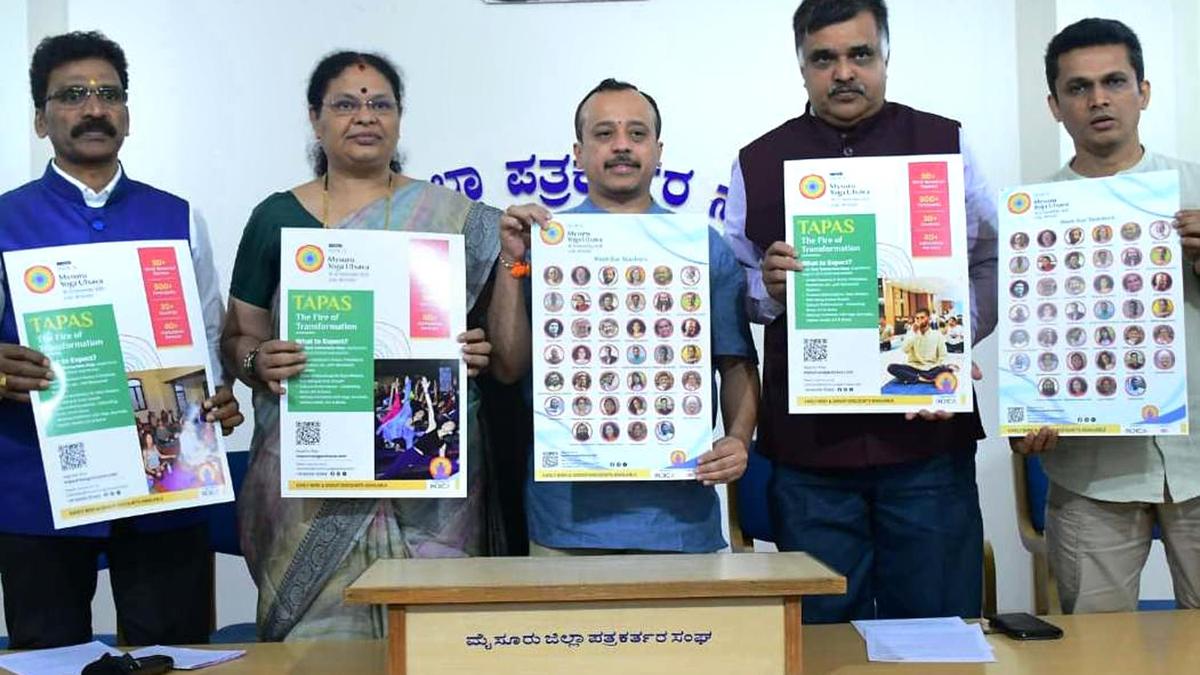
Grammy Award–winning composer and environmentalist Ricky Kej is set to inaugurate Mysuru Yoga Utsava 2025, marking a powerful confluence of music, mindfulness, and movement in one of India’s most culturally resonant cities. The annual event, organised to celebrate yoga as a holistic way of life, will unfold in Mysuru with an expanded vision this year, bringing together yogic traditions, global perspectives, students, practitioners, and cultural ambassadors under one shared platform.
The inauguration by Ricky Kej is being seen as symbolic and strategic. Known internationally for blending Indian classical elements with contemporary orchestration and environmental themes, Kej represents a bridge between tradition and modernity. Organisers believe his presence will set the tone for a festival that seeks to present yoga not merely as physical exercise, but as a living philosophy deeply connected to sustainability, mental health, cultural harmony, and global well-being.
Mysuru Yoga Utsava 2025 is expected to attract thousands of participants from across Karnataka, other States, and abroad. With the city’s long-standing association with Ashtanga yoga, royal patronage of wellness traditions, and its emergence as a global yoga destination, Mysuru provides both historical depth and contemporary relevance to the event.
A celebration rooted in tradition, expanding in vision
Yoga Utsava has, over the years, evolved from a modest regional celebration into a large-scale cultural and wellness festival. The 2025 edition is being planned as one of the most inclusive and expansive versions yet, with organisers emphasising accessibility, diversity of practices, and interdisciplinary dialogue.
Officials associated with the event said the focus this year will be on reconnecting yoga with its broader philosophical and ethical foundations. Alongside asana demonstrations, the programme will include sessions on pranayama, meditation, yogic diet, mental health, and the integration of yoga into daily life. Scholars and practitioners will also discuss classical yogic texts and their relevance in addressing contemporary stress, lifestyle disorders, and social fragmentation.
The inauguration ceremony is expected to reflect this holistic approach. Rather than a conventional opening, it will feature a carefully curated blend of music, guided reflection, and symbolic rituals that underscore yoga’s universal appeal. Ricky Kej’s participation is expected to elevate this moment, aligning sound, silence, and intention.
Ricky Kej and the language of inner harmony
Ricky Kej’s association with Yoga Utsava has generated excitement across artistic and wellness circles. A three-time Grammy Award winner, Kej has long used music as a medium to explore themes of peace, ecological balance, and inner awareness. His work often draws from Indian spiritual traditions while engaging global audiences, making him a fitting choice to inaugurate an event that positions yoga as a universal practice rooted in Indian wisdom.
Speaking about his involvement, organisers said Kej views yoga not as a static tradition but as a living, evolving discipline that must engage creatively with the modern world. His inauguration address is expected to reflect this philosophy, touching upon the role of mindfulness in addressing global crises, the importance of inner balance in an overstimulated world, and the responsibility of individuals to live consciously.
Kej’s presence also underscores the festival’s emphasis on cultural synthesis. By bringing together music, yoga, and environmental consciousness, the organisers aim to appeal to younger audiences who may not engage with yoga through traditional routes but resonate with its deeper values when expressed creatively.
Mysuru as a global yoga capital
Mysuru’s identity as a yoga hub lends particular significance to the Utsava. For decades, the city has attracted students and practitioners from around the world, many of whom come to study under traditional gurus or immerse themselves in disciplined practice. The city’s calm pace, architectural heritage, and cultural continuity make it an ideal setting for such a festival.
Officials noted that Yoga Utsava 2025 will also highlight Mysuru’s contribution to the global yoga movement. Exhibitions and talks will trace the city’s yogic lineage, including its role in preserving and popularising Ashtanga yoga. Local institutions, gurus, and long-term practitioners will be given prominence, ensuring that the festival remains grounded in lived traditions rather than becoming purely performative.
At the same time, the event seeks to avoid exclusivity. Free sessions, open demonstrations, and community outreach programmes are planned to ensure participation from students, senior citizens, and first-time learners. Schools and colleges across Mysuru are also being encouraged to involve students, reinforcing yoga’s relevance across age groups.
A platform for dialogue and well-being
Beyond practice sessions, Mysuru Yoga Utsava 2025 will function as a platform for dialogue on wellness and public health. Experts in psychology, education, and medicine are expected to participate in panel discussions exploring how yoga can complement conventional healthcare systems. Topics such as stress management, digital fatigue, and adolescent mental health are likely to feature prominently.
As preparations gather momentum, anticipation around Mysuru Yoga Utsava 2025 continues to build. Hoteliers, local businesses, and tourism stakeholders are also gearing up for an influx of visitors, viewing the festival as both a cultural milestone and an economic opportunity. However, organisers stress that the primary objective remains experiential and educational rather than commercial.
Authorities coordinating logistics have indicated that arrangements are being made to ensure smooth conduct, crowd management, and accessibility. Venues have been selected to balance scale with serenity, preserving the contemplative essence of the event even as participation expands.
For many, the choice of Ricky Kej as inaugurator encapsulates the festival’s ambition. It signals a desire to speak to the world in a language that is contemporary yet rooted, artistic yet disciplined, personal yet universal.
Organisers said this focus reflects a growing recognition of yoga’s role beyond fitness. With rising levels of anxiety and lifestyle-related illnesses, yoga is increasingly being viewed as a preventive and supportive practice. The festival aims to translate this understanding into actionable insights for individuals, educators, and policymakers.
Special sessions are also planned for teachers and instructors, focusing on pedagogy, ethics, and inclusivity in yoga education. By strengthening the quality of instruction, organisers hope to ensure that yoga’s rapid global spread does not dilute its core principles.
Cultural programmes and community participation
Cultural events will form an integral part of the Utsava, reflecting the inseparable link between yoga and India’s artistic traditions. Classical music, dance, and storytelling sessions inspired by yogic philosophy are planned for the evenings, creating a reflective and immersive atmosphere.
Local artists and cultural groups will be actively involved, reinforcing the festival’s community-centric approach. Organisers believe that such participation not only enriches the programme but also fosters a sense of ownership among residents, transforming the Utsava into a shared civic celebration rather than a spectator event.
Ricky Kej’s inauguration is expected to set the artistic tone for these programmes. His work, which often blends choral arrangements with traditional instruments and natural soundscapes, mirrors yoga’s emphasis on harmony and balance. Attendees anticipate that his involvement will leave a lasting emotional imprint, anchoring the festival’s message in lived experience rather than abstract discourse.
Youth, sustainability, and the future of yoga
A notable feature of Mysuru Yoga Utsava 2025 is its emphasis on youth engagement and sustainability. Workshops and interactive sessions will encourage young participants to explore yoga as a tool for self-awareness, resilience, and ethical living. Organisers are keen to counter the perception of yoga as either physically intimidating or culturally distant for younger audiences.
Environmental consciousness will also be woven into the festival’s design and messaging. From waste reduction measures to discussions on mindful consumption, the Utsava seeks to align yogic values with ecological responsibility. Ricky Kej’s long-standing advocacy for environmental causes adds weight to this dimension, reinforcing the idea that inner well-being and planetary well-being are deeply interconnected.
Anticipation and expectations
As preparations gather momentum, anticipation around Mysuru Yoga Utsava 2025 continues to build. Hoteliers, local businesses, and tourism stakeholders are also gearing up for an influx of visitors, viewing the festival as both a cultural milestone and an economic opportunity. However, organisers stress that the primary objective remains experiential and educational rather than commercial.
Authorities coordinating logistics have indicated that arrangements are being made to ensure smooth conduct, crowd management, and accessibility. Venues have been selected to balance scale with serenity, preserving the contemplative essence of the event even as participation expands.
For many, the choice of Ricky Kej as inaugurator encapsulates the festival’s ambition. It signals a desire to speak to the world in a language that is contemporary yet rooted, artistic yet disciplined, personal yet universal.
A mindful beginning
Mysuru Yoga Utsava 2025 begins not just as an event, but as an invitation to pause, reflect, and reconnect. Inaugurated by a global artist whose work resonates with themes of peace and balance, the festival seeks to reaffirm yoga’s relevance in a fragmented world.
As Mysuru prepares to welcome practitioners, seekers, and observers, the Utsava stands as a reminder that yoga’s strength lies in its adaptability without losing depth. With Ricky Kej setting the tone, the festival promises a beginning that is as soulful as it is significant, echoing the timeless message that harmony within is the foundation for harmony beyond.
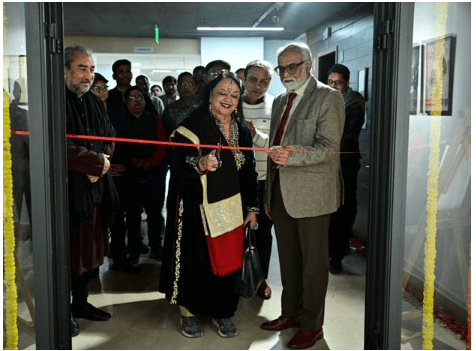
The Media Centre of the Indira Gandhi National Centre for the Arts (IGNCA), an autonomous institution under the Ministry of Culture, Government of India, organised a special exhibition titled ‘Stars Shine in Ads: an Unique Ad Exhibition’ at the Samvet Auditorium in New Delhi. The exhibition offered a reflective journey into the evolution of Indian advertising, examining its deep cultural, literary and social significance beyond commercial intent.
The exhibition was inaugurated by Ms. Rama Pandey, acclaimed film and theatre director and author; Dr. Sachchidanand Joshi, Member Secretary, IGNCA; and Shri Sushil Pandit, communication strategist. Shri Anurag Punetha, Controller, Media Centre, delivered the inaugural address. The exhibition has been curated by Shri Iqbal Rizvi of the Media Centre, IGNCA, and was accompanied by a panel discussion on the role of advertising in India’s cultural history.
Advertising Beyond Commerce: A Cultural Narrative
Moving beyond the cinematic world, the exhibition explored how advertising played a decisive role in bringing film personalities into everyday life, shaping public taste, fashion and aspirations. The trust inspired by film stars made them central to the growth of Indian advertising, marking a crucial phase in the country’s visual and cultural history.
The exhibition also paid tribute to the legendary Late Piyush Pandey, whose work redefined the language, imagination and emotional depth of Indian advertising, transforming it into a powerful medium of cultural communication.
Advertising as Literature: Rama Pandey’s Perspective
Speaking at the inauguration, Rama Pandey remarked that advertising should not be viewed merely as emotional appeal or market-driven language.
“Advertising is, in itself, a new, vibrant and contemporary form of literature,” she said.
Drawing parallels with poetry, storytelling and drama, she noted that advertising communicates with society through a few words, images and fleeting moments, yet carries the power to evoke emotion, reflection and meaning. She emphasised that advertising does more than sell products—it builds trust, relationships and a sense of belonging, often becoming a lasting cultural document.
She observed that advertisements that connect with common people through shared memories and experiences transcend commerce, which is why many iconic campaigns remain etched in public memory for decades.
Advertising, Media and Cultural Sustainability
Addressing the gathering, Shri Sushil Pandit reflected on advertising’s historical role in sustaining Indian media and cultural discourse. He recalled that during earlier decades, newspaper prices did not cover printing costs, and it was advertising that sustained journalism, literature and creative freedom.
“Advertising has always reflected the social, cultural and economic changes of its time,” he said.
Highlighting Piyush Pandey’s contribution, Shri Pandit noted that his greatest achievement was humanising advertising language, transforming it from formal communication into intimate, everyday conversation that fostered trust and emotional connection between brands and consumers.
Advertising in the Digital Age: New Challenges, Greater Responsibility
Shri Pandit further pointed out that while technology, products and platforms can evolve or be replicated, emotional bonds between brands and consumers are irreplaceable. In the digital era, communication has become more targeted, but the challenges of understanding changing aspirations, language and worldview of younger generations have grown.
He stressed that effective communication lies not only in what is said, but equally in how it is conveyed, making sensitivity and creativity more important than ever.
Preserving Advertising as Cultural Heritage
In his inaugural address, Shri Anurag Punetha highlighted IGNCA’s commitment to archiving and preserving India’s advertising legacy. He noted that the advertising archiving initiative aims to create a structured visual record of India’s creative marketing journey—capturing its aesthetics, humour, language, social impact and nostalgia.
The exhibition attracted advertising students, researchers, cultural scholars and enthusiasts, offering them an opportunity to view advertising as an intellectual, creative and historical medium rather than mere commercial messaging.
Conclusion
The ‘Stars Shine in Ads’ exhibition at IGNCA stands as a powerful reminder that advertising is deeply intertwined with India’s cultural, literary and social evolution. By preserving and showcasing iconic advertising narratives, IGNCA has created a platform that not only honours creative expression of the past but also offers valuable insights for shaping the future of communication. As the mediums evolve, understanding this journey becomes essential to preserving the cultural fabric that advertising has helped weave over decades.