The Armed Forces Medical Services (AFMS), in collaboration with the Dr. Rajendra Prasad Centre for Ophthalmic Sciences (RPC), AIIMS, and the eHealth AI Unit of the Ministry of Health & Family Welfare (MoHFW), today launched India’s first Artificial Intelligence (AI)–driven community screening programme for Diabetic Retinopathy (DR). The initiative marks a major milestone in leveraging digital health technologies for early detection, timely intervention and real-time health intelligence to address one of India’s fastest-growing public health challenges.
Inauguration and Strategic Collaboration
The programme was inaugurated at Army Hospital (Research & Referral), New Delhi, by Surgeon Vice Admiral Arti Sarin, Director General Armed Forces Medical Services, along with Prof. Radhika Tandon, Chief, Dr. Rajendra Prasad Centre for Ophthalmic Sciences, AIIMS. The initiative brings together the clinical reach of AFMS, academic leadership of AIIMS, and the digital innovation capabilities of MoHFW, creating a robust model for AI-enabled public health delivery.
MadhuNetrAI: AI at the Core of Community Screening
Anchored by MadhuNetrAI, a web-based AI platform developed by RPC, the programme enables automated screening, grading and triaging of retinal images captured through handheld fundus cameras. The system empowers trained Medical Officers, nursing staff and healthcare assistants to conduct community-level screenings efficiently.
Beyond diagnosis, the platform generates real-time data on disease prevalence and geographic distribution, supporting evidence-based planning, targeted interventions and policy formulation at scale.
Pilot Implementation Across Diverse Regions
As part of the pilot phase, AFMS will roll out the programme across seven strategically selected locations—Pune, Mumbai, Bengaluru, Dharamshala, Gaya, Jorhat and Kochi—covering metropolitan, rural, hilly, coastal and remote regions. Personnel from each site will undergo intensive training at RPC, AIIMS, followed by large-scale community screening, ensuring quality and standardisation across geographies.
Integrated Referral and Continuity of Care
Patients identified with Diabetic Retinopathy will be referred for optimal diabetic management, while cases of vision-threatening DR will be directed to vitreo-retina specialists at designated District Hospitals. District Health Administrations will coordinate referral pathways and integrate DR management within existing non-communicable disease (NCD) programmes, ensuring continuity of care and timely treatment.
Knowledge Sharing and Scalability
A Compendium detailing the methodology and operational guidelines of the programme was released at the launch, providing a blueprint for replication and scale-up. The contribution of Brig S K Mishra, HOD & Consultant Ophthalmology, Army Hospital (R&R), in establishing the collaboration was acknowledged.
The initiative is envisaged as a scalable and replicable national model, demonstrating how AI-enabled solutions can be seamlessly integrated into public health systems through strong institutional partnerships.
Conclusion
The launch of India’s first AI-driven community screening programme for Diabetic Retinopathy represents a transformative step in preventive healthcare. By combining AI innovation, clinical excellence and system-wide integration, the AFMS–AIIMS–MoHFW collaboration sets a new benchmark for early detection, equitable access and data-driven public health action, with the potential to significantly reduce avoidable vision loss across the country.
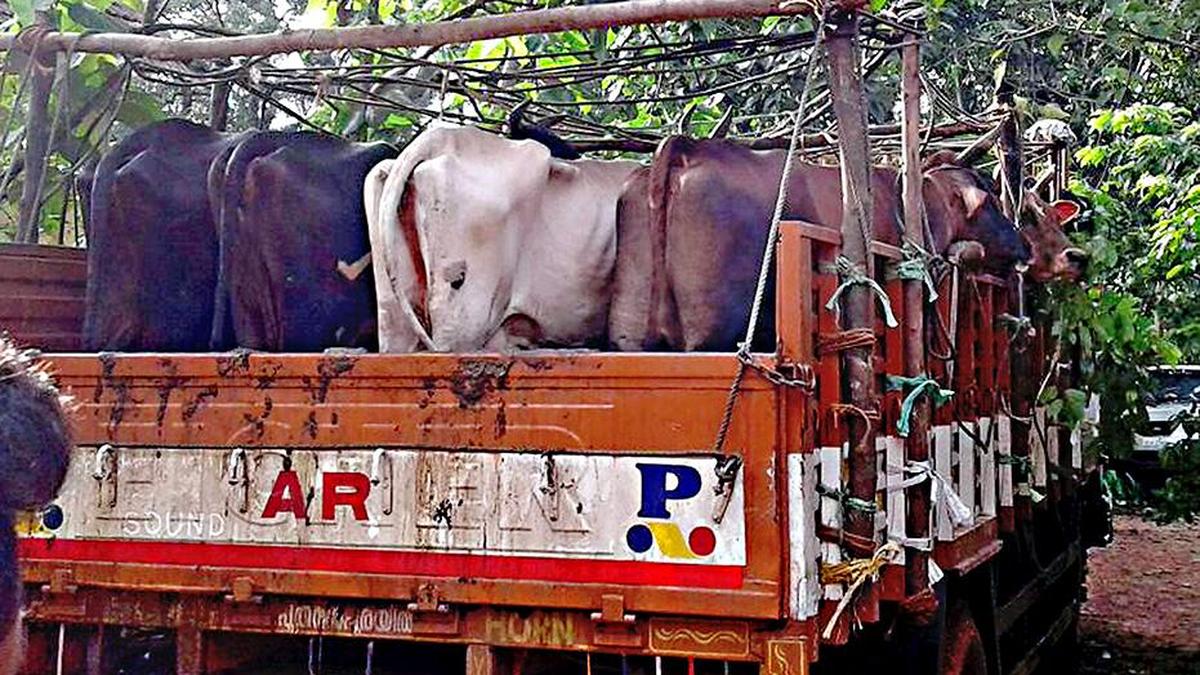
The State government has decided to hold back a proposed Bill seeking amendments to the Anti Cow Slaughter Act, triggering intense political debate, legal scrutiny, and renewed social unease across Karnataka. The decision, announced amid mounting pressure from multiple stakeholders, reflects the sensitive intersection of law, livelihood, faith, and federal politics that the legislation occupies. While the government has maintained that the move is temporary and intended to allow further consultations, the pause has opened up sharp disagreements between ruling party members, the Opposition, civil society groups, and communities directly affected by the Act.
The proposed amendment was expected to address several implementation-related issues that have emerged since the Anti Cow Slaughter Act came into force. These include procedural ambiguities, enforcement challenges, penalties, and concerns raised by farmers, traders, and minority communities. However, with the Bill now withheld from legislative consideration, uncertainty has returned to a policy space already marked by tension and polarisation.
Officials familiar with the decision-making process indicated that the government chose caution over confrontation, especially given the possibility of widespread protests and legal challenges. The timing of the proposed amendment, political observers note, also coincided with broader debates on governance priorities, social harmony, and the limits of criminal law in regulating traditional economic activity.
Political calculations and legislative hesitation
Within the corridors of power, the decision to hold back the amendment is widely seen as a product of political calibration rather than legislative indecision. Members of the ruling party acknowledged that while there was internal consensus on the need to clarify certain provisions of the Act, there was no unanimity on the scope and direction of the proposed changes. Some legislators argued that any amendment, even if procedural, would be interpreted as either dilution or reinforcement of the law, both of which carry political risks.
Opposition parties seized on the government’s hesitation, accusing it of lacking clarity and courage. Leaders claimed that the ruling dispensation was attempting to strike a balance between ideological commitments and electoral considerations, resulting in policy paralysis. They argued that the original Act itself was flawed and that any amendment should begin with a comprehensive review rather than piecemeal corrections.
Inside the legislature, debates revealed sharp ideological divides. Supporters of the Act insisted that strong legal protections were necessary to prevent illegal slaughter and cattle trafficking. They contended that enforcement challenges stemmed from administrative laxity rather than legislative defects. On the other hand, critics maintained that the law, as currently framed, criminalises livelihood activities, disproportionately affects certain communities, and grants excessive discretionary power to enforcement agencies.
The government, responding to these criticisms, stated that it was committed to upholding constitutional values while ensuring law and order. Ministers emphasised that holding back the Bill did not mean abandoning reform, but rather reworking it to avoid unintended consequences. However, this assurance has done little to quell speculation about internal divisions and external pressures influencing the decision.
Livelihood concerns and social impact
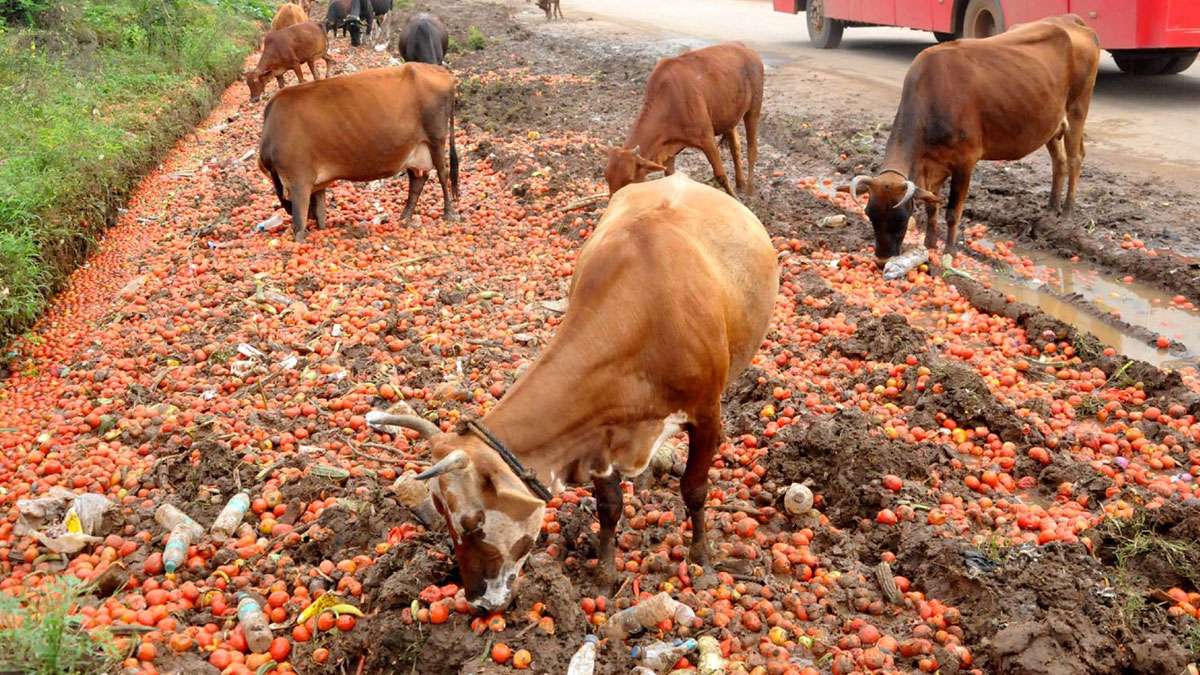
At the heart of the controversy surrounding the Anti Cow Slaughter Act and its proposed amendment lies the question of livelihood. Farmers, cattle traders, transporters, and workers in allied sectors have repeatedly raised concerns about the economic fallout of stringent enforcement. Many argue that restrictions on sale, transport, and disposal of cattle have led to increased costs, reduced income, and a rise in abandoned animals.
Dairy farmers, in particular, have highlighted the difficulty of managing unproductive cattle. With legal avenues for sale severely limited, farmers are often forced to bear the financial burden of maintaining ageing or infirm animals. This, they argue, has contributed to distress in rural areas and exacerbated existing agrarian challenges.
Communities traditionally involved in cattle trade and meat processing have also expressed anxiety over the uncertainty created by the government’s decision. For them, the delay in amending the Act prolongs a state of legal ambiguity, where enforcement practices vary widely across districts. Reports of harassment, arbitrary checks, and prolonged legal proceedings have deepened mistrust between affected communities and the State.
Social activists warn that such uncertainty fuels social tension. They argue that laws touching upon religious sentiment must be crafted with exceptional care, ensuring that enforcement does not become a tool for vigilantism or selective targeting. The decision to hold back the amendment, they say, offers an opportunity for meaningful dialogue but also risks prolonging hardship if consultations remain inconclusive.
Legal scrutiny and constitutional questions
Legal experts have consistently pointed out that the Anti Cow Slaughter Act raises important constitutional questions related to federalism, proportionality, and fundamental rights. While the State has the authority to legislate on animal preservation, the extent of criminal penalties and restrictions on trade invite judicial scrutiny. Several cases challenging aspects of the Act are already pending, and the proposed amendment was expected to address some of these concerns.
The government’s decision to pause the amendment process has been interpreted by some legal scholars as an attempt to avoid further complicating ongoing litigation. Introducing changes without resolving core constitutional issues, they argue, could weaken the State’s position in court. Others, however, believe that delaying reform only strengthens the perception that the law is being used more as a political signal than a carefully balanced regulatory framework.
Senior advocates have also highlighted the need for clarity in definitions and procedures under the Act. Ambiguities around cattle classification, transport permissions, and enforcement authority have led to inconsistent application. An amendment, if drafted transparently and inclusively, could have reduced scope for misuse. Holding it back, critics argue, leaves both citizens and officials navigating a grey zone.
Administrative challenges and enforcement realities
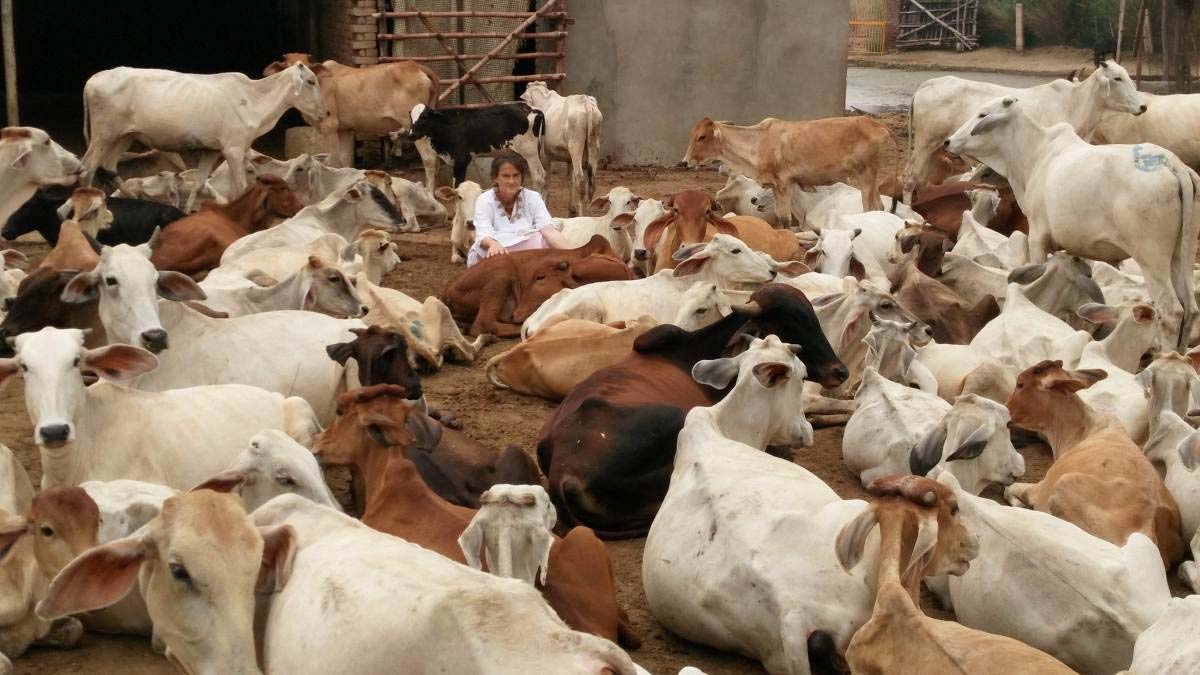
From an administrative standpoint, enforcing the Anti Cow Slaughter Act has proven to be complex and resource-intensive. Police officials privately acknowledge that distinguishing between legal and illegal transport, verifying documentation, and handling seized animals place significant strain on personnel and infrastructure. Gaushalas and shelters, already operating at capacity, struggle to accommodate animals confiscated during enforcement drives.
District administrations have also flagged coordination issues between departments. Veterinary certification, transport regulation, and policing often operate in silos, leading to delays and disputes. The proposed amendment was expected to streamline some of these processes, making enforcement more predictable and less confrontational.
By holding back the Bill, the government has effectively postponed administrative reform. Officials argue that interim guidelines and advisories can address immediate concerns, but ground-level experience suggests that such measures lack the force and clarity of statutory provisions. This gap, observers note, increases dependence on individual discretion, which can vary widely in its application.
Civil society voices and calls for consultation
Civil society organisations have responded to the government’s decision with mixed reactions. Some view the pause as a positive step that opens space for broader consultation. They have called for structured dialogue involving farmers’ groups, legal experts, religious leaders, and human rights organisations to re-examine the objectives and impact of the law.
Others, however, fear that the consultation process may become a symbolic exercise rather than a substantive one. Past experiences with contentious legislation, they argue, show that consultations are often rushed or selectively inclusive. For these groups, the real test lies in whether the government is willing to reconsider foundational aspects of the Act rather than merely adjusting procedural details.
Student groups and rights collectives have also weighed in, framing the issue within a larger debate on criminalisation and governance. They argue that laws rooted in moral or cultural considerations must be evaluated through the lens of social justice and economic reality. Holding back the amendment, they say, should not become an excuse to avoid these difficult conversations.
The road ahead for the government
Politically, the government faces a delicate balancing act. Proceeding with the amendment risks alienating sections of its support base, while abandoning reform could deepen dissatisfaction among affected communities. The decision to hold back the Bill suggests an attempt to buy time, but time itself can be a double-edged sword in a charged political environment.
Senior ministers have indicated that the government will revisit the amendment after further deliberation. They have emphasised the need to maintain social harmony while ensuring that laws are enforceable and just. However, without a clear timeline, such assurances offer limited comfort to those living with the law’s consequences on a daily basis.
Analysts note that the episode reflects a broader pattern in contemporary governance, where contentious social legislation often becomes a site of hesitation and recalibration. The Anti Cow Slaughter Act, with its symbolic weight and practical implications, exemplifies the challenges of legislating in a plural society.
A pause that speaks volumes
The decision to hold back the Bill amending the Anti Cow Slaughter Act is more than a procedural delay; it is a moment that reveals the complexities of lawmaking in Karnataka today. It underscores the difficulty of reconciling ideology with administration, sentiment with livelihood, and political conviction with constitutional obligation.
Whether the pause leads to a more inclusive, balanced, and workable legal framework remains to be seen. What is clear, however, is that the issue will not fade quietly. As long as the Act continues to shape lives and livelihoods, pressure for clarity and fairness will persist.
For the government, the challenge lies not just in deciding when to bring the amendment back, but in demonstrating that lawmaking can be both principled and pragmatic. In holding back the Bill, it has chosen caution. The coming months will determine whether that caution translates into constructive reform or prolonged uncertainty.
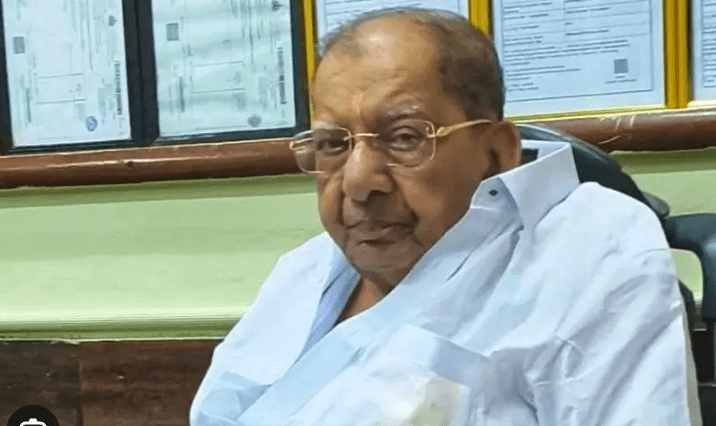
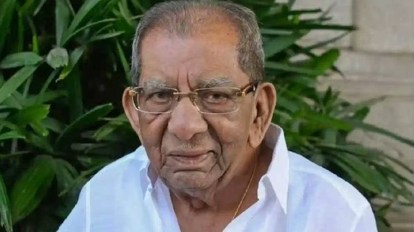
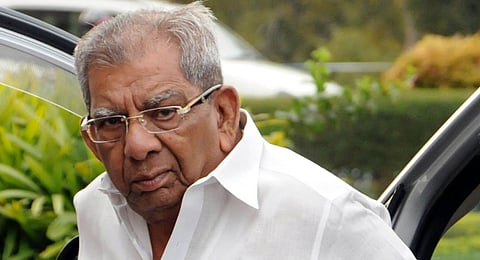
Senior Congress leader and veteran Karnataka legislator Shamanur Shivashankarappa passed away on Sunday, bringing to a close one of the longest and most influential political journeys in the State’s modern history. He was 94. The senior leader breathed his last at a private hospital after battling age-related ailments. His demise has triggered widespread grief across Karnataka, cutting across party lines, as leaders, institutions, and citizens remembered him as a rare blend of administrator, mass leader, educationist, and community figure.
Born on June 16, 1931, in Davanagere district, Shamanur Shivashankarappa’s life was closely intertwined with the political, social, and educational evolution of central Karnataka. Rising from humble beginnings, he carved out a public career spanning more than five decades, earning recognition as one of the most senior legislators in the country. His longevity in public life was matched by his deep-rooted connection with people, particularly in Davanagere and surrounding regions, where he remained a dominant and respected presence until his final years.
Shivashankarappa began his political journey at the grassroots level, entering public life through local governance. His early years in municipal administration shaped his understanding of civic issues, infrastructure needs, and the everyday struggles of ordinary citizens. These experiences laid the foundation for his transition to State-level politics, where he would go on to leave an indelible mark as a legislator and minister.
Over the course of his career, he was elected six times as a Member of the Legislative Assembly, representing Davanagere South, and also served as a Member of Parliament from the Davanagere constituency. At the time of his passing, he was widely acknowledged as the oldest serving MLA in India, a distinction that symbolised not just longevity but sustained public trust.
Within the Congress party, Shivashankarappa held several key organisational roles, including that of treasurer of the Karnataka Pradesh Congress Committee. Known for his organisational discipline and financial prudence, he was often entrusted with responsibilities that required trust and administrative clarity. Party colleagues frequently described him as a leader who valued institutions over individuals and process over rhetoric.
A builder of institutions and opportunities
Beyond electoral politics, Shivashankarappa’s most enduring legacy lies in the institutions he helped build. He played a pivotal role in transforming Davanagere into a prominent educational hub. Through the Bapuji Educational Association, he spearheaded the establishment and expansion of schools, colleges, engineering institutions, medical colleges, and research centres. These institutions not only provided quality education to thousands of students but also generated employment and contributed to regional development.
One of Shivashankarappa’s defining traits was his ability to maintain cordial relationships across political lines. Even as a committed Congress leader, he was known for engaging constructively with opponents, often placing legislative decorum above partisan conflict. In the Assembly, he was respected for his experience, measured interventions, and institutional memory, frequently guiding younger legislators irrespective of party affiliation.
Education, according to those close to him, was not merely a sector of interest but a personal mission. He believed that access to education was the most sustainable path to social mobility and regional equality. Even during his later years, he remained actively engaged in the functioning of educational institutions, reviewing plans, attending meetings, and offering guidance.
His contributions extended into industrial and economic development as well. Associated with business ventures that supported local employment, he viewed industry as complementary to education, arguing that skilled graduates needed opportunities close to home. This integrated vision of development helped Davanagere evolve into a balanced urban centre with educational, industrial, and civic infrastructure.
Shivashankarappa also emerged as a prominent community leader. As National President of the Akhila Bharata Veerashaiva-Lingayat Mahasabha, he sought to promote unity, social harmony, and welfare initiatives within the community. While firmly rooted in his identity, he was careful to balance community leadership with constitutional values and inclusive politics, earning respect even among those outside his social base.
A politician across divides
One of Shivashankarappa’s defining traits was his ability to maintain cordial relationships across political lines. Even as a committed Congress leader, he was known for engaging constructively with opponents, often placing legislative decorum above partisan conflict. In the Assembly, he was respected for his experience, measured interventions, and institutional memory, frequently guiding younger legislators irrespective of party affiliation.
During debates, he was known to speak sparingly but with authority. Colleagues recall that when he rose to speak, the House listened, not because of volume or aggression, but because of the weight of experience behind his words. His approach reflected an older tradition of politics that valued consensus-building and long-term thinking.
Observers note that his greatest legacy lies not merely in electoral victories or positions held, but in the institutions that continue to function, the students who benefitted from educational access, and the civic infrastructure that reshaped Davanagere. His ability to remain relevant across decades of political change speaks to a leadership style grounded in adaptability without compromising core values.
As a Minister in various State governments, Shivashankarappa handled portfolios with a focus on administrative stability and developmental continuity. While not given to headline-grabbing announcements, his tenure was marked by steady implementation and attention to regional needs. Civil servants who worked with him often described him as accessible, detail-oriented, and respectful of institutional processes.
The State government accorded full State honours for Shivashankarappa’s last rites, recognising his long and distinguished service. His mortal remains were taken to Davanagere, where thousands of people gathered to pay their final respects. The streets bore witness to a steady stream of citizens, students, party workers, and community members who had, in different ways, been touched by his life’s work.
The funeral was conducted according to Veerashaiva-Lingayat traditions, with religious leaders offering prayers and blessings. Senior political leaders, including Ministers, legislators, and party officials, attended the ceremony, underscoring the collective sense of loss. A ceremonial guard of honour and the draping of the tricolour symbolised the State’s recognition of his contribution.
Tributes pour in from across Karnataka
News of Shivashankarappa’s passing prompted an outpouring of tributes from political leaders across parties. Chief Minister Siddaramaiah described his death as a major loss to Karnataka’s political and social life, recalling his commitment to public welfare and his role in shaping Davanagere’s growth. The Chief Minister noted that Shivashankarappa’s life reflected the values of service, discipline, and dedication to democratic institutions.
Deputy Chief Minister and Karnataka Congress President D.K. Shivakumar paid tribute to the veteran leader’s contribution to education and social service, describing him as a guiding force within the party. Senior Congress leaders at the national level recalled decades of association with Shivashankarappa, highlighting his organisational strength and loyalty to party ideals.
Leaders from opposition parties, including the BJP and regional groups, also expressed condolences, acknowledging his stature as a senior statesman. Several described him as a leader who upheld the dignity of public office and maintained respectful engagement even during intense political disagreements.
The Karnataka Legislature paid rich tributes to Shivashankarappa, with both Houses observing silence in his memory. Members recalled his long legislative career, his mentorship of younger lawmakers, and his role in upholding parliamentary traditions. Proceedings were briefly adjourned as a mark of respect, reflecting the esteem in which he was held across party lines.
Final journey and public farewell
The State government accorded full State honours for Shivashankarappa’s last rites, recognising his long and distinguished service. His mortal remains were taken to Davanagere, where thousands of people gathered to pay their final respects. The streets bore witness to a steady stream of citizens, students, party workers, and community members who had, in different ways, been touched by his life’s work.
The funeral was conducted according to Veerashaiva-Lingayat traditions, with religious leaders offering prayers and blessings. Senior political leaders, including Ministers, legislators, and party officials, attended the ceremony, underscoring the collective sense of loss. A ceremonial guard of honour and the draping of the tricolour symbolised the State’s recognition of his contribution.
Family members, including his son and Karnataka Minister S.S. Mallikarjun, performed the final rites. For many in attendance, the moment was both deeply personal and historically significant, marking the farewell of a leader who had shaped public life across generations.
An enduring legacy
Shamanur Shivashankarappa’s passing marks the end of an era in Karnataka politics, particularly in central Karnataka, where his influence was most deeply felt. His life story is often cited as an example of how sustained public engagement, institution-building, and community leadership can coexist within democratic politics.
Observers note that his greatest legacy lies not merely in electoral victories or positions held, but in the institutions that continue to function, the students who benefitted from educational access, and the civic infrastructure that reshaped Davanagere. His ability to remain relevant across decades of political change speaks to a leadership style grounded in adaptability without compromising core values.
As Karnataka reflects on his contributions, Shivashankarappa is remembered as a leader who bridged tradition and modernity, local roots and State-level vision. In a rapidly changing political landscape, his life serves as a reminder of the enduring impact of patience, persistence, and service-oriented leadership.
Though he is no longer present in public life, Shamanur Shivashankarappa’s imprint on Karnataka’s political, educational, and social fabric will continue to be felt for years to come, carried forward through the institutions he built and the generations he inspired.
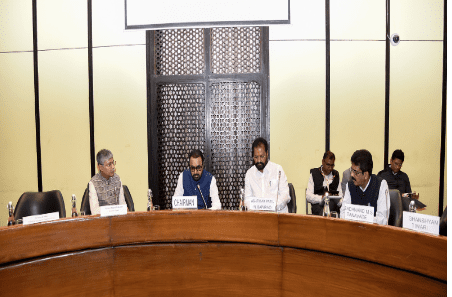
Union Minister of State (Independent Charge), Ministry of Ayush, Shri Prataprao Jadhav, on 15 December 2025, chaired the 2nd meeting of the Parliamentary Consultative Committee of the Ministry of Ayush in New Delhi. The meeting brought together Members of Parliament from both the Lok Sabha and Rajya Sabha, including Shri Sadanand Mhalu Shet Tanavade, Shri Ashtikar Patil Nagesh Bapurao and Shri Nilesh D. Lanke, to deliberate on strategies for strengthening the AYUSH sector, with a special focus on medicinal plant cultivation.
Medicinal Plant Cultivation: A Pillar of Farmer Empowerment
Addressing the Committee, Shri Prataprao Jadhav emphasised that medicinal plant cultivation is a powerful tool for empowering farmers, strengthening the AYUSH value chain and conserving biodiversity. He stated that under the leadership of Prime Minister Shri Narendra Modi, the Government of India is making sustained efforts to integrate AYUSH systems into the national healthcare framework, with an emphasis on preventive healthcare, healthy lifestyles and sustainability.
The Minister highlighted that expanding medicinal plant cultivation offers farmers diversified income opportunities, reduces dependence on conventional crops and contributes to ecological balance through the conservation of indigenous plant species.
Sustainable Cultivation Key to Quality AYUSH Medicines
Shri Jadhav underlined that the foundation of strong and credible traditional medicine systems lies in the availability of high-quality medicines, which in turn depends on the sustainable and assured supply of quality raw material derived from medicinal plants. He noted that ensuring quality at the source not only improves the efficacy of medicines but also leads to better and faster health outcomes for citizens.
Role of National Medicinal Plants Board
Highlighting the initiatives of the National Medicinal Plants Board (NMPB), the Minister informed that for the past 25 years, NMPB has been implementing the Central Sector Scheme on “Conservation, Development and Sustainable Management of Medicinal Plants” across the country. Special emphasis has been placed on Information, Education and Communication (IEC) activities to create awareness and build capacity among farmers.
Between 2020–21 and 2024–25, an amount of ₹1,161.96 lakh was approved through 139 projects for farmers’ training and awareness programmes. He also noted that seven Regional-cum-Facilitation Centres are providing technical support to farmers nationwide.
Digital Platforms and Market Linkages
The Minister highlighted the role of the “e-Charak” digital platform in strengthening market linkages by directly connecting farmers with buyers, thereby improving price discovery and reducing intermediaries. He reiterated that medicinal plant cultivation is emerging as a key driver of rural livelihoods, while simultaneously contributing to biodiversity conservation and sustainable agriculture.
He also drew attention to the global rise of millets (Shri Anna), catalysed by the United Nations’ declaration of 2023 as the International Year of Millets, which has boosted millet cultivation and enhanced farmers’ incomes, presenting valuable synergies with medicinal and traditional crop systems.
Role of Krishi Institutions in Scaling Outreach
Shri Jadhav emphasised the pivotal role of Krishi Vidyapeeths and Krishi Vigyan Kendras (KVKs) in farmer empowerment. He suggested that these institutions be actively engaged to raise awareness, provide technical guidance and promote medicinal plant cultivation, thereby expanding livelihood opportunities and augmenting rural incomes.
Conclusion
Concluding the meeting, Shri Prataprao Jadhav expressed gratitude to the Members of Parliament for their active participation and valuable suggestions. He stated that their inputs would be instrumental in strengthening the AYUSH ecosystem, empowering farmers, and advancing India’s leadership in traditional medicine at the global level. The deliberations reaffirmed the Ministry’s commitment to building a sustainable, farmer-centric and globally competitive AYUSH sector.
The meeting brought together Members of Parliament from both the Lok Sabha and Rajya Sabha, including Shri Sadanand Mhalu Shet Tanavade, Shri Ashtikar Patil Nagesh Bapurao and Shri Nilesh D. Lanke, to deliberate on strategies for strengthening the AYUSH sector, with a special focus on medicinal plant cultivation.
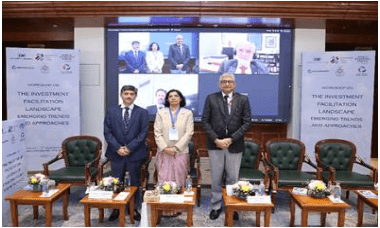
The Centre for Trade and Investment Law (CTIL), Indian Institute of Foreign Trade, in collaboration with leading national and international institutions, organised a high-level workshop titled “The Investment Facilitation Landscape: Emerging Trends and Approaches” at Bharat Mandapam, New Delhi. The workshop brought together policymakers, global experts, industry representatives and international organisations to deliberate on evolving approaches to investment facilitation and ease of doing business in a rapidly changing global economic environment.
The event was organised in partnership with the Confederation of Indian Industry (CII), International Trade Centre (ITC), United Nations Conference on Trade and Development (UNCTAD), the World Bank, and the World Economic Forum (WEF).
Platform for Policy Dialogue on Investment Facilitation
The workshop aimed to examine emerging global trends in investment facilitation, assess India’s reform trajectory, and explore ways to align domestic policy frameworks with global best practices. It served as a constructive platform for focused discussions on regulatory simplification, investor confidence, and international cooperation in investment governance.
Technical Sessions Covering Domestic and Global Perspectives
The programme comprised three in-depth technical sessions focusing on:
India’s Approach to Investment Facilitation
International Investment Facilitation Framework Landscape
Investment Facilitation, Ease of Doing Business and Cooperation Models
The sessions explored practical mechanisms to enhance transparency, predictability and efficiency in investment-related processes, while balancing regulatory objectives.
Focus on Reforms and Ease of Doing Business
Senior government officials and national and international experts shared insights on the role of investment facilitation in improving ease of doing business. Panel discussions highlighted India’s ongoing reform initiatives, including:
Licence rationalisation and regulatory simplification
Decriminalisation of minor business-related offences
Digital compliance and governance measures
Balanced regulation of Intellectual Property and Artificial Intelligence
Speakers noted that these reforms are creating a more predictable and investor-friendly environment, supporting both domestic and foreign investment.
FDI Trends and Global Value Chain Integration
Participants observed a steady rise in foreign direct investment (FDI), particularly in the services sector, reflecting growing investor confidence in India’s economic fundamentals. Reference was also made to initiatives such as the India–EFTA Trade and Economic Partnership Agreement (TEPA), which positions India strategically within global value chains and enhances its attractiveness as an investment destination.
International Comparisons and WTO Perspective
The discussions examined investment facilitation from a World Trade Organization (WTO) perspective, highlighting the evolving “trinity” of:
Investment protection agreements
Cooperation and Facilitation Investment Agreements (CFIA)
Trade agreements with investment-related provisions
Comparative insights were shared from countries such as Nigeria, Vietnam and Australia, demonstrating how investment climate reforms, institutional coordination and effective grievance redressal mechanisms play a critical role in attracting and retaining investment.
Interactive Engagement and Knowledge Exchange
Each technical session concluded with interactive question-and-answer segments, allowing participants to engage directly with speakers and share perspectives. The discussions were marked by diverse domestic and international viewpoints, underlining the workshop’s role as a valuable forum for policy dialogue, peer learning and knowledge exchange.
Participation of Senior Leadership
The event featured addresses by senior leaders and policymakers, including:
Shri Amitabh Kumar, Additional Secretary, Department of Commerce
Smt. Himani Pande, Additional Secretary, Department for Promotion of Industry and Internal Trade (DPIIT)
Shri Manoj Joshi, Secretary, Department of Land Resources
Shri B.V.R. Subrahmanyam, CEO, NITI Aayog
Shri V. Anantha Nageswaran, Chief Economic Advisor to the Government of India
Their participation underscored the Government’s commitment to strengthening India’s investment facilitation framework through informed, consultative and globally aligned policymaking.
Conclusion: CTIL
The CTIL-led workshop on investment facilitation reaffirmed the importance of coherent domestic reforms, international cooperation and institutional coordination in enhancing India’s investment ecosystem. By bringing together policymakers, global institutions and industry stakeholders, the event contributed meaningfully to advancing dialogue on ease of doing business, investor confidence and sustainable economic growth, positioning India as a competitive and reliable investment destination in the global economy.
Karnataka has emerged as the top-performing State at the National Energy Conservation Awards 2025, securing the highest overall recognition for its sustained efforts in promoting energy efficiency, renewable integration, and responsible consumption across sectors. The achievement reflects a decade-long push by the State government, public sector undertakings, industries, urban local bodies, and citizens to reduce energy intensity while supporting economic growth. Officials said the recognition places Karnataka at the forefront of India’s transition toward a low-carbon and energy-efficient development pathway.
The National Energy Conservation Awards, instituted by the Union Ministry of Power and administered by the Bureau of Energy Efficiency, recognise States, industries, buildings, transport utilities, and institutions that demonstrate measurable improvements in energy efficiency. Karnataka topped the overall rankings by winning the highest number of awards across categories, including State-level initiatives, industrial energy efficiency, municipal performance, and innovation-driven conservation practices. The State’s performance was assessed on parameters such as policy implementation, measurable energy savings, institutional capacity, and public participation.
Senior officials from the State Energy Department said Karnataka’s success was the result of consistent policy direction rather than isolated interventions. Energy efficiency, they noted, has been integrated into urban planning, industrial regulation, transport systems, and public service delivery. Over the years, Karnataka has treated energy conservation not merely as a compliance requirement but as a development tool that reduces costs, improves resilience, and enhances environmental outcomes.
A policy ecosystem built over time
Karnataka’s journey toward energy leadership has been shaped by a combination of early adoption, institutional innovation, and steady course correction. The State was among the first to operationalise the Energy Conservation Act through dedicated institutions and enforcement mechanisms. The Karnataka State Energy Conservation Cell, housed within the Energy Department, has played a central role in coordinating efforts across departments, utilities, and local bodies.
Officials point out that the State’s energy policy framework has consistently emphasised efficiency alongside generation. While Karnataka has made major strides in renewable energy capacity, particularly solar and wind, parallel investments were made to ensure that demand growth remained efficient. This dual approach helped Karnataka decouple economic growth from proportional increases in energy consumption.
Mandatory energy audits for designated consumers, time-bound implementation of audit recommendations, and incentives for adopting efficient technologies have been central to this approach. Industries in sectors such as cement, steel, textiles, and information technology have reported substantial reductions in energy intensity as a result of these measures.
Industrial leadership and innovation
One of the key contributors to Karnataka’s top ranking was the strong performance of its industrial sector. Several manufacturing units and technology parks from the State won individual awards for achieving significant energy savings through process optimisation, waste heat recovery, and adoption of advanced energy management systems.
Industrial associations in Karnataka have increasingly viewed energy efficiency as a competitiveness issue rather than a regulatory burden. Rising electricity tariffs and global sustainability standards have pushed companies to invest in efficient motors, boilers, lighting systems, and digital monitoring tools. These investments, officials said, have delivered both environmental and financial returns.
The State government has supported this shift through technical assistance, capacity-building programmes, and facilitation of financing for energy efficiency projects. Public sector banks and energy service companies have played a role in enabling industries, particularly small and medium enterprises, to adopt efficiency upgrades without prohibitive upfront costs.
Technology-driven sectors, including data centres and large IT campuses, have also contributed to Karnataka’s performance. Many campuses have adopted integrated energy management systems that optimise cooling, lighting, and power usage based on real-time data. Such measures have reduced peak demand and improved overall grid stability.
Urban local bodies and municipal performance
Karnataka’s cities and towns were another strong pillar of its success at the National Energy Conservation Awards. Several urban local bodies from the State were recognised for initiatives ranging from energy-efficient street lighting to improved water pumping systems and municipal buildings that comply with energy efficiency standards.
The large-scale replacement of conventional streetlights with LED systems across urban and semi-urban areas has resulted in substantial electricity savings for municipalities. Officials said these projects not only reduced power bills but also improved lighting quality and public safety. In many cases, savings from reduced electricity consumption were reinvested in further infrastructure upgrades.
Water supply and sanitation systems, which account for a significant share of municipal energy consumption, were another focus area. By upgrading pumps, reducing leakage, and optimising operating schedules, several local bodies achieved measurable reductions in electricity use. These improvements also enhanced service reliability, demonstrating the co-benefits of energy efficiency.
Municipal buildings, including offices, schools, and hospitals, increasingly comply with energy conservation building codes. Retrofitting initiatives have improved insulation, lighting, and ventilation, reducing operational costs while improving indoor comfort. Officials said these buildings serve as visible examples that influence private construction practices as well.
Leadership in building energy efficiency
Karnataka’s performance in the building sector was highlighted as a national benchmark. The State has been proactive in implementing and updating the Energy Conservation Building Code and promoting compliance through awareness and technical support. Bengaluru, in particular, has emerged as a leader in green and energy-efficient commercial construction.
Large commercial complexes, malls, and office buildings in the State have adopted high-performance façades, efficient air-conditioning systems, and smart controls. These features significantly reduce energy demand, especially during peak hours. Residential developments have also begun incorporating efficiency measures, driven by a combination of regulation, market demand, and rising energy costs.
The State government’s own building projects increasingly follow efficiency standards, setting an example for private developers. Officials said that lifecycle cost analysis, rather than just initial construction cost, has become a guiding principle in public building design.
Transport and mobility initiatives
Energy conservation efforts in Karnataka have extended beyond electricity to include transport and mobility. The State has made notable progress in promoting electric vehicles, particularly in urban areas. Policy incentives, charging infrastructure expansion, and public transport electrification have contributed to reduced fuel consumption and emissions.
Bengaluru’s public transport agencies have undertaken energy efficiency measures in depots, workshops, and offices, while also piloting electric buses. Though challenges remain in scaling up, officials said these initiatives demonstrate the State’s commitment to reducing energy use in a traditionally fossil-fuel-intensive sector.
Non-motorised transport and transit-oriented development policies have also played a role, albeit indirectly, by reducing reliance on private vehicles and associated energy consumption. Urban planners argue that such systemic interventions are essential complements to technology-focused efficiency measures.
Institutional capacity and governance
A recurring theme in Karnataka’s success story is institutional capacity. The State has invested in training engineers, planners, and administrators to understand and implement energy efficiency measures. Regular workshops, certification programmes, and knowledge exchanges have helped build a cadre of professionals capable of translating policy into action.
Coordination between departments has also improved. Energy efficiency is no longer treated as the sole responsibility of the Energy Department but as a cross-cutting issue involving urban development, industries, transport, and environment. This whole-of-government approach, officials said, has reduced fragmentation and duplication.
Data-driven governance has further strengthened outcomes. Karnataka has increasingly relied on monitoring and verification mechanisms to track energy savings. This emphasis on measurement has improved accountability and enabled evidence-based policy adjustments.
Public participation and behavioural change
Beyond institutions and infrastructure, Karnataka’s recognition reflects efforts to engage citizens in energy conservation. Awareness campaigns targeting households, students, and commercial establishments have promoted simple but impactful practices such as efficient lighting, appliance labelling awareness, and responsible consumption.
Schools and colleges in the State have incorporated energy conservation themes into curricula and extracurricular activities. Student-led audits and campaigns, officials said, have helped spread awareness beyond classrooms into homes and communities.
Residential welfare associations in urban areas have also played a role by adopting common-area efficiency measures and encouraging residents to switch to efficient appliances. While such actions may appear small individually, their cumulative impact has been significant given the State’s large urban population.
Measurable outcomes and economic benefits
According to officials associated with the awards process, Karnataka demonstrated clear and verifiable energy savings across sectors. Reduced electricity consumption translated into lower operational costs for industries and municipalities, freeing up resources for other priorities. At the State level, efficiency gains eased pressure on the power system, reducing the need for costly capacity additions.
Energy efficiency has also contributed to environmental benefits, including lower greenhouse gas emissions and reduced local air pollution. While Karnataka continues to face challenges related to urban growth and industrial expansion, efficiency measures have helped moderate their environmental footprint.
Economists note that such outcomes strengthen the case for energy conservation as a core development strategy. By lowering energy intensity, States can achieve growth without proportionate increases in resource use, improving long-term sustainability.
Recognition and national implications
At the awards ceremony, Union government representatives highlighted Karnataka as an example for other States to emulate. They noted that the State’s success lay not in any single flagship project but in consistent implementation across sectors and years. The recognition, they said, underscores the importance of States taking ownership of national energy efficiency goals.
Karnataka’s performance also carries implications for national targets related to emissions reduction and energy security. As India seeks to balance rapid economic growth with climate commitments, State-level leadership becomes increasingly critical. Karnataka’s experience suggests that decentralised, context-specific strategies can deliver substantial results.
Challenges and the road ahead
Despite the accolades, officials in Karnataka acknowledge that sustaining leadership will require continued effort. Rapid urbanisation, rising incomes, and increased appliance ownership are driving energy demand upward. Maintaining efficiency gains in such a context will require constant innovation and enforcement.
Equity considerations also remain important. Ensuring that energy-efficient technologies are accessible to low-income households and small enterprises is a continuing challenge. Policymakers emphasise the need for targeted support and financing mechanisms to avoid widening disparities.
Grid integration of renewable energy, while beneficial for sustainability, introduces new efficiency challenges related to storage and demand management. Karnataka will need to further strengthen smart grid capabilities and demand-side management to maintain system efficiency.
A model of steady progress
Karnataka’s top ranking at the National Energy Conservation Awards 2025 reflects a model of steady, incremental progress rather than dramatic breakthroughs. By embedding energy efficiency into everyday governance, industry practices, and citizen behaviour, the State has created a resilient foundation for sustainable growth.
The recognition serves as both validation and responsibility. As officials note, leadership brings expectations, and Karnataka will be watched closely in the coming years. If the State can build on its current momentum while addressing emerging challenges, its approach to energy conservation could continue to shape national policy and practice.
For now, the awards mark a milestone in Karnataka’s long journey toward efficient and responsible energy use. They signal that conservation, when pursued with consistency and collaboration, can become a defining strength rather than a constraint on development.
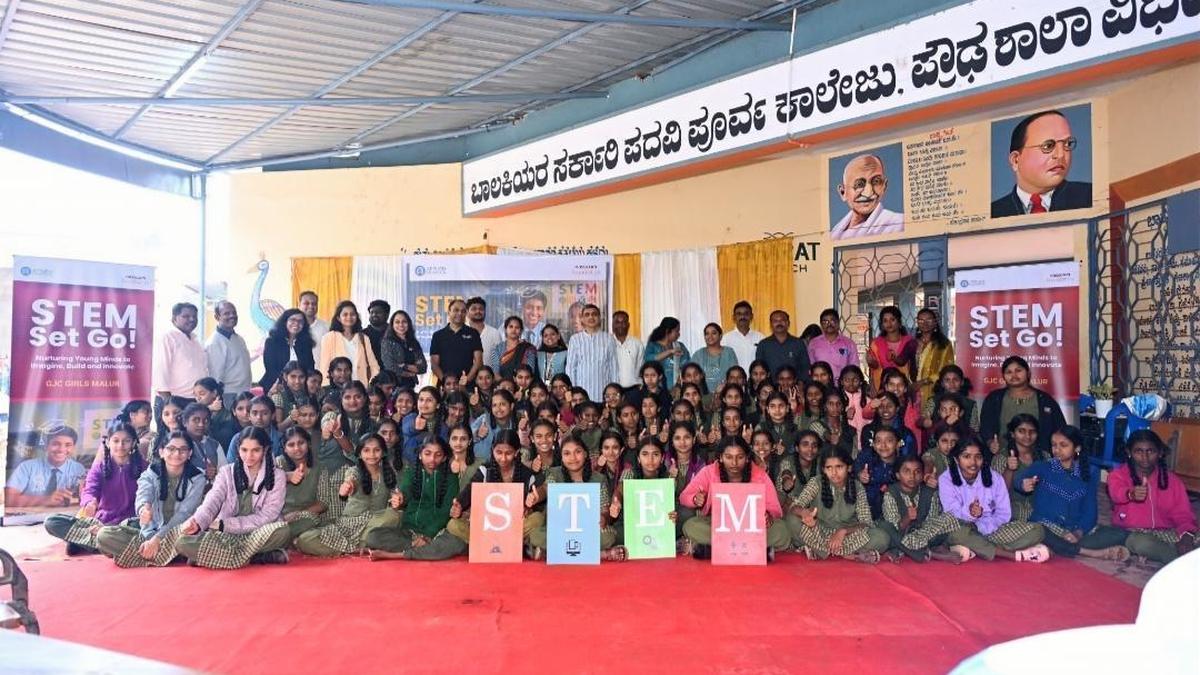
In a significant boost to public education and future-ready learning, Nasscom Foundation, in collaboration with Applied Materials, has launched a comprehensive STEM training programme for students and teachers in State-run schools across Malur taluk in Kolar district. The initiative aims to strengthen science, technology, engineering, and mathematics education at the grassroots level, with a focus on experiential learning, teacher capacity-building, and equitable access to quality resources. Education officials describe the programme as a critical intervention at a time when government schools are seeking to bridge learning gaps and prepare students for a rapidly evolving digital economy.
The programme will cover multiple government high schools and pre-university colleges in Malur, targeting students from Classes 6 to 12. According to organisers, the initiative is designed not merely as a short-term training module but as a structured, multi-year engagement that integrates STEM concepts into everyday classroom teaching. The collaboration brings together Nasscom Foundation’s experience in education and digital inclusion with Applied Materials’ expertise in advanced technology and engineering.
Officials involved in the rollout said the programme responds to long-standing concerns about uneven access to quality STEM education in semi-urban and rural areas. While private schools in urban centres increasingly offer robotics, coding, and advanced laboratory exposure, government school students often rely on outdated curricula and limited infrastructure. This initiative seeks to narrow that gap by introducing hands-on learning, problem-solving approaches, and real-world applications of scientific concepts.
At the heart of the programme is a dual focus on students and teachers. While students will receive structured training in core STEM areas, teachers will undergo intensive upskilling to ensure sustainability beyond the project period. Education department officials stressed that empowering teachers is key to ensuring that the benefits of such initiatives extend to future batches of students as well.
Representatives from Nasscom Foundation said the Malur programme aligns with their broader mission of fostering digital literacy, employability, and innovation among underserved communities. By focusing on government schools, the initiative aims to reach first-generation learners who may not otherwise have exposure to advanced STEM education. The Foundation believes that early exposure can spark curiosity, confidence, and aspiration among students.
Applied Materials officials highlighted that the partnership reflects the company’s commitment to inclusive growth and long-term community development. They said that investing in education, particularly STEM education, is essential for building a skilled workforce that can contribute to India’s technological and manufacturing ambitions. Malur, they noted, represents a microcosm of the challenges and opportunities present in semi-urban India.
Inside the Programme: Curriculum, Teachers, and Learning Spaces
The STEM training programme includes modules on basic coding, scientific inquiry, mathematics applications, and foundational engineering concepts. Students will engage in project-based learning, where they are encouraged to identify problems in their surroundings and develop simple technological or scientific solutions. This approach, educators say, helps demystify STEM subjects and makes learning more relatable and engaging.
Laboratory enhancement forms another key component of the initiative. Selected schools will receive equipment and learning kits designed to support practical experiments and demonstrations. These resources aim to move beyond rote learning and enable students to observe, test, and question scientific principles actively. Teachers say such facilities can significantly improve comprehension and retention.
Teacher training sessions will focus on modern pedagogical methods, including inquiry-based learning, classroom technology integration, and assessment techniques that prioritise understanding over memorisation. Many government school teachers, particularly in rural areas, have limited opportunities for professional development. The programme seeks to address this gap by offering structured workshops and continuous mentoring.
Education officials involved in the programme emphasised that teachers are not being treated merely as recipients of training but as partners in curriculum adaptation. Their feedback will be used to tailor modules to local contexts, ensuring that lessons are aligned with students’ linguistic, cultural, and academic realities. This collaborative approach, they said, increases the likelihood of meaningful impact.
The initiative also includes periodic evaluations to track student progress and teacher effectiveness. Data collected through assessments and classroom observations will be used to refine the programme over time. Organisers believe that evidence-based adjustments are essential to avoid one-size-fits-all interventions that fail to address local needs.
Students participating in pilot sessions have reportedly responded positively, particularly to hands-on activities that allow them to build, experiment, and collaborate. Teachers say that such engagement is often missing in traditional classrooms, where large class sizes and rigid syllabi limit interactive learning.
Bridging Gaps in Public Education
The Malur STEM initiative comes against the backdrop of broader concerns about learning outcomes in government schools. Studies and assessments have repeatedly highlighted gaps in conceptual understanding, particularly in mathematics and science. While enrolment rates have improved, quality of learning remains uneven, prompting calls for targeted interventions.
Officials from the Department of School Education said partnerships with credible organisations can help address systemic limitations without replacing the role of the State. By leveraging external expertise and resources, government schools can experiment with innovative models that may later be scaled up through public funding.
Parents in Malur have welcomed the programme, viewing it as an opportunity for their children to access skills typically associated with private education. For many families, especially those dependent on agriculture or informal labour, such exposure is seen as a pathway to better career prospects and social mobility.
Educationists caution, however, that short-term enthusiasm must be matched by long-term commitment. Sustained funding, continuous teacher support, and alignment with State curricula are necessary to ensure that gains are not lost once external partners exit. Organisers have acknowledged this concern and said the programme has been designed with scalability and continuity in mind.
Civil society observers note that Malur’s selection is significant. Located close to Bengaluru yet marked by rural characteristics, the region reflects the transitional nature of many parts of Karnataka. Interventions here, they argue, can offer valuable lessons for similar regions grappling with educational inequality.
The initiative also aligns with national priorities around STEM education and skill development. Policymakers have increasingly emphasised the need to strengthen science and technology education to support economic growth and innovation. Programmes like this, experts say, can complement government efforts by addressing local implementation challenges.
Teachers at the Centre of Change
Teachers participating in the training have described it as both challenging and energising. Many admit that they initially felt apprehensive about concepts such as coding or digital tools, particularly those who have taught for decades using traditional methods. However, hands-on workshops and peer learning have helped build confidence.
Senior educators note that teacher mindset plays a crucial role in the success of such initiatives. When teachers view STEM as accessible rather than intimidating, students are more likely to engage positively. The programme’s emphasis on continuous mentoring aims to reinforce this shift in attitude.
Some teachers have highlighted the importance of language-sensitive instruction. In government schools where Kannada is the primary medium, introducing STEM concepts requires careful translation and contextualisation. Trainers have reportedly worked closely with teachers to ensure that technical terms are explained clearly without alienating students.
Education officials say the programme also encourages interdisciplinary teaching, where science, mathematics, and technology are connected rather than treated as isolated subjects. This approach mirrors real-world problem-solving and helps students see the relevance of what they learn.
Looking Ahead: Aspirations and Accountability
Nasscom Foundation and Applied Materials have indicated that the Malur initiative will be closely monitored, with the possibility of expansion to other regions based on outcomes. Success, they say, will be measured not only by test scores but by changes in student confidence, curiosity, and aspirations.
There is also an emphasis on inclusivity, with efforts to ensure that girls and students from marginalised backgrounds participate fully. Organisers acknowledge that gender gaps persist in STEM fields and say early intervention in government schools is essential to address this imbalance.
Education department officials have expressed hope that such collaborations will inspire more public-private partnerships focused on quality rather than mere infrastructure. While classrooms and buildings are important, they argue, true transformation lies in pedagogy, teacher empowerment, and student engagement.
Critics caution against over-reliance on corporate-led initiatives, stressing the need for strong public investment and accountability. They argue that while partnerships can be valuable, the State must retain leadership in setting priorities and ensuring equitable access across regions.
As the programme unfolds, students in Malur are beginning to experience a different kind of classroom, one that encourages questions, experimentation, and imagination. For many, this exposure may be their first encounter with the idea that science and technology are not distant or abstract, but tools they can use to understand and shape the world around them.
In the long run, the success of the initiative will depend on how deeply it becomes embedded in everyday school life. If teachers continue to apply new methods, if students retain their curiosity, and if institutions commit to sustained support, the partnership could leave a lasting imprint.
For now, the collaboration between Nasscom Foundation and Applied Materials represents a hopeful step toward more equitable education. In classrooms across Malur, chalkboards are beginning to share space with experiments, ideas, and aspirations, signalling a quiet but meaningful shift in how young minds are being prepared for the future.
Male-centric administrative rules and rigid documentation norms are increasingly denying Scheduled Caste children their constitutional right to education in Karnataka, exposing deep structural gaps in welfare delivery and governance. What appears on paper as neutral eligibility criteria often translates, on the ground, into exclusion for children raised by single mothers, widows, deserted women, or female-headed households. As a result, thousands of SC students risk losing access to scholarships, hostels, fee reimbursements, and other educational entitlements that are meant to bridge historic inequalities.
At the heart of the problem lies the continued insistence on paternal identification as the primary marker of eligibility for welfare schemes. From caste certificates and income certificates to scholarship applications and hostel admissions, systems frequently demand the father’s name, income details, or caste proof as mandatory fields. For children whose fathers are deceased, absent, estranged, or undocumented, this requirement becomes an insurmountable barrier rather than a procedural formality.
Legal experts and child rights activists argue that such rules reflect an outdated, patriarchal understanding of family structures. In contemporary Karnataka, a growing number of children are being raised by mothers alone due to migration, death, abandonment, or domestic violence. Yet welfare systems continue to assume the presence of a male head of household, effectively rendering these children invisible within bureaucratic frameworks.
The impact is particularly severe for SC families, where economic vulnerability intersects with social marginalisation. Many SC women work in informal sectors such as domestic labour, sanitation, agriculture, or construction, without stable documentation of income or marital status. When their children attempt to access education-linked benefits, the absence of a father’s records often results in outright rejection or indefinite delays.
Educationists point out that these exclusions directly contradict constitutional guarantees under Articles 14, 15, and 21A, which promise equality, non-discrimination, and the right to free and compulsory education. They argue that administrative convenience cannot override fundamental rights, especially when the affected group includes some of the most vulnerable children in society.
In rural districts and urban slums alike, school administrators report cases of students being forced to drop out or skip exams because scholarships were denied due to “incomplete” family details. For many SC students, these scholarships are not incentives but necessities, covering uniforms, textbooks, transport, and basic nutrition. Without them, continuing education becomes financially impossible.
Patriarchy Embedded in Welfare Systems
Activists working with Dalit communities say the problem is not merely bureaucratic but deeply ideological. Welfare systems, they argue, are built around male lineage, inheritance, and authority, reinforcing the idea that legitimacy flows through fathers. This framework fails to recognise women as autonomous caregivers or heads of households, despite legal recognition of women’s rights and changing social realities.
In several documented cases, children of widows have been denied hostel admission because the application portal did not allow the mother to be listed as the primary guardian. In others, SC girls raised by single mothers were unable to obtain caste certificates because officials insisted on the father’s caste proof, even when the mother belonged to a Scheduled Caste and the child lived entirely under her care.
Officials often advise such families to approach local courts or revenue authorities for affidavits, a process that is time-consuming, expensive, and intimidating for economically weak households. Many women simply give up, unable to navigate complex legal procedures or take repeated days off work to pursue paperwork.
Social workers argue that this effectively punishes children for circumstances beyond their control. “A child does not choose their family structure,” one activist said. “Yet the system treats absence of a father as a disqualification rather than a vulnerability requiring support.”
The gendered bias is further compounded by digital governance. Online application portals, designed without flexibility, often have mandatory fields that cannot be bypassed. Mothers report being unable to submit forms because the system does not accept “not applicable” responses for father-related details, forcing them to enter inaccurate information or abandon the process altogether.
These digital barriers disproportionately affect SC families with limited digital literacy or access to assistance. What was intended as efficiency becomes exclusion, reinforcing inequalities under the guise of modernisation.
Consequences for Children and Society
The consequences of such exclusion extend far beyond individual cases. Educationists warn that denial of educational support at early stages leads to cumulative disadvantage, pushing SC children out of the schooling system altogether. Dropouts, they note, are rarely the result of lack of interest but of systemic neglect and economic pressure.
Girls are particularly vulnerable. In families headed by single SC women, girls are often the first to be withdrawn from school when resources dry up. Denial of scholarships or hostel facilities increases the likelihood of early marriage, child labour, or unpaid domestic work, perpetuating cycles of gender and caste oppression.
Mental health professionals highlight the psychological toll on children who repeatedly encounter rejection from institutions meant to support them. Being told that one is “ineligible” because of a missing father reinforces feelings of shame, illegitimacy, and alienation. Over time, this erodes trust in the State and its promises of equality.
Teachers in government schools report that students affected by such exclusions often show declining attendance and performance. Many are reluctant to participate in school activities due to inability to afford uniforms, stationery, or transport. Some eventually disappear from school rolls without formal dropout documentation, making the problem statistically invisible.
From a societal perspective, experts argue that denying education to SC children undermines long-term development goals. Education is a key driver of social mobility, economic productivity, and democratic participation. When structural barriers prevent access, the cost is borne not only by individuals but by society as a whole.
Legal and Policy Gaps
Legal scholars note that Karnataka’s welfare rules have not kept pace with progressive judgments recognising diverse family forms. Courts have repeatedly affirmed that a mother is a natural guardian and that children’s rights cannot be curtailed due to parental status. However, these principles are often not reflected in departmental circulars or implementation guidelines.
There is also a lack of inter-departmental coordination. While one department may recognise single mothers as heads of households, another continues to insist on paternal documentation. This fragmentation leaves families navigating contradictory requirements with little clarity or support.
Policy analysts argue that the problem is exacerbated by the absence of gender-sensitive audits of welfare schemes. Rules are rarely examined for their differential impact on women-led households or marginalised communities. As a result, discriminatory outcomes persist even without explicit discriminatory intent.
Civil society groups have called for immediate reforms, including acceptance of maternal lineage for caste and income certification, flexibility in digital forms, and clear instructions to officials to prioritise children’s rights over procedural rigidity. They stress that such changes require political will more than financial investment.
Some officials privately acknowledge the problem but cite fear of misuse or fraud as reasons for maintaining strict documentation norms. Activists counter that the solution to potential misuse cannot be blanket exclusion, especially when safeguards such as affidavits, community verification, and school records already exist.
Voices from the Ground
Single mothers from SC communities describe the process as humiliating and exhausting. Many recount being asked intrusive questions about their marital status, separation, or personal history while seeking certificates for their children. The lack of sensitivity, they say, discourages them from approaching authorities again.
Community organisations report that even when women manage to secure temporary relief through local intervention, benefits are often delayed or discontinued in subsequent years due to the same documentation issues. This uncertainty makes educational planning impossible for families already living on the edge.
Dalit rights groups argue that the issue reflects a broader failure to centre children’s rights in governance. Welfare schemes, they say, are designed around adult identities and hierarchies rather than children’s needs and lived realities.
The Way Forward
Experts agree that reform is both necessary and feasible. Recommendations include revising application forms to recognise mothers as primary guardians, issuing uniform guidelines across departments, training officials in gender and caste sensitivity, and establishing grievance redress mechanisms that are accessible and time-bound.
Some also advocate for proactive identification of at-risk children through schools, anganwadis, and local bodies, rather than relying solely on application-based systems. By shifting the burden from families to the State, they argue, welfare delivery can become more inclusive and rights-based.
There are also calls to involve SC women’s collectives and child rights organisations in policy design and monitoring. Their lived experience, activists say, is crucial to identifying blind spots that bureaucratic processes often overlook.
Ultimately, the debate is not merely about documentation but about dignity. When systems fail to recognise women as legitimate caregivers and children as rights-bearing citizens, they reinforce the very inequalities they claim to address.
As Karnataka positions itself as a leader in social justice and welfare, the persistence of male-centric rules poses a serious contradiction. For SC children standing at the intersection of caste, gender, and poverty, education remains the most powerful tool for transformation. Denying access to it, even indirectly, is not just administrative failure but moral injustice.
Whether the State chooses to reform these systems will determine not only the futures of thousands of children, but also the credibility of its commitment to equality, inclusion, and constitutional values.
Indian equity markets ended Tuesday’s session, December 16, 2025 on a decisively weak note, with benchmark indices closing near the day’s lows. Sustained selling pressure in banking, financial services and heavyweight stocks weighed heavily on sentiment, pulling the Nifty 50 well below the 25,900 mark, even as a few stocks delivered sharp, momentum-driven gains.
As of 3:30 PM IST, the Nifty 50 settled at 25,860.10, down 167.20 points (-0.64%). The index opened at 25,951.50, touched an intraday high of 25,980.75, and slipped to a low of 25,834.35, indicating persistent selling throughout the session.
Other key indices also ended firmly in the red:
Nifty Next 50: 68,337.20 (↓ 0.42%)
Nifty Financial Services: 27,385.55 (↓ 0.79%)
Nifty Bank: 59,034.60 (↓ 0.72%)
The sharp decline in banking and financial stocks remained the primary drag on the broader market.
Top Gainers: Sharp Rebounds and Momentum Plays
Despite the weak broader market, a handful of stocks posted strong gains, largely driven by momentum and stock-specific triggers:
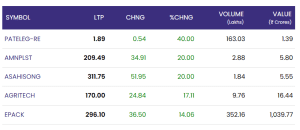
Patanjali Engineering RE (PATELEG-RE) surged 40.00% to ₹1.89, rebounding sharply on heavy volumes.
AMNS Power & Steel (AMNPLST) jumped 20.00% to ₹209.49.
Asahi Songwon (ASAHISONG) rose 20.00% to ₹311.75.
Agritech gained 17.11% to ₹170.00, extending its recent uptrend.
These gains underline continued selective risk-taking in momentum-driven names, even amid a weak index backdrop.
Top Losers: Selling Pressure in Select Counters
On the downside, several stocks saw notable corrections, reflecting profit booking and cautious sentiment:
Salona Cotspin (SALONA) fell 10.52% to ₹272.10.
Arvee Laboratories (ARVEE) declined 9.70% to ₹179.40.
VIP Clothing (VIPULLTD) slipped 8.56% to ₹10.90.
Ola Electric (OLAELEC) dropped 8.51% to ₹34.20, despite very high volumes.
Kridhan Infra (KRIDHANINF) eased 6.64% to ₹4.22.
The selling remained stock-specific, though the overall tone stayed cautious.
Market Outlook
Market sentiment continues to remain risk-averse as indices correct from record highs amid elevated valuations and sectoral pressure, particularly in financials. Analysts expect near-term volatility and consolidation, with markets likely to remain sensitive to global cues, interest-rate expectations and upcoming macroeconomic data.
While headline indices weakened, sharp divergence in individual stocks suggests opportunities for active traders, even as long-term investors may prefer a cautious, selective approach.
Conclusion: December 16, 2025
The trading session concluded with broad-based weakness across Indian equities, led by banks and financial services, dragging the Nifty 50 to close near the day’s low. However, sharp rallies in select stocks highlighted ongoing divergence beneath the surface. As volatility persists, investors are expected to remain selective, balancing risk while closely tracking sectoral trends and broader economic signals.
Indian equity markets remained under pressure in the early afternoon trade on Tuesday, December 16, 2025 with benchmark indices extending their losses. The Nifty 50 slipped further below the 25,900 mark, weighed down by sustained selling in banking, financial services and heavyweight stocks, even as select midcap and small-cap counters posted sharp, stock-specific gains.
As of 1:32 PM IST, the Nifty 50 was trading at 25,892.60, down 134.70 points (-0.52%). The index opened at 25,951.50, touched an intraday high of 25,980.75, and slipped to a low of 25,870.45, indicating persistent downside pressure through the session.
Other key indices also traded firmly in the red:
Nifty Next 50: 68,147.90 (↓ 0.69%)
Nifty Financial Services: 27,421.45 (↓ 0.66%)
Nifty Bank: 59,070.40 (↓ 0.66%)
The continued weakness in financials remained the primary drag on the broader market.
Top Gainers: Sharp Moves in Select Midcaps
Despite the weak market tone, a few stocks witnessed strong buying interest, driven by momentum and stock-specific triggers:
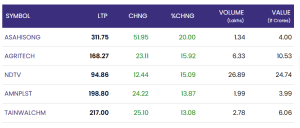
Asahi Songwon surged 20.00% to ₹311.75, emerging as the top gainer.
Agritech climbed 15.92% to ₹168.27, extending its recent rally.
NDTV advanced 15.09% to ₹94.86, backed by strong volumes.
AMNS Power & Steel (AMNPLST) gained 13.87% to ₹198.80.
Tainwala Chemical (TAINWALCHM) rose 13.08% to ₹217.00.
These gains highlight continued selective risk appetite in momentum-driven midcap stocks, even as benchmarks weaken.
Top Losers: Steep Declines in Select Counters
On the downside, several stocks saw sharp corrections, reflecting profit booking and stock-specific concerns:
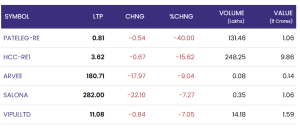
Patanjali Engineering RE (PATELEG-RE) plunged 40.00% to ₹0.81, the steepest decline of the session.
HCC-REI fell 15.62% to ₹3.62, amid heavy trading volumes.
Arvee Laboratories (ARVEE) declined 9.04% to ₹180.71.
Salona Cotspin (SALONA) slipped 7.27% to ₹282.00.
VIP Clothing (VIPULLTD) dropped 7.05% to ₹11.08.
The selling pressure remained largely stock-specific, with no signs of panic selling across the broader market.
Market Outlook
Market sentiment stayed cautious as indices corrected from record-high zones. Analysts expect continued near-term volatility, with markets likely to remain range-bound to weak until clarity emerges on global cues, interest-rate expectations and upcoming macroeconomic data.
While broader indices remain under pressure, the sharp divergence within midcaps suggests active stock-picking opportunities for traders.
Conclusion: December 16, 2025
The session so far reflects a risk-off undertone in Indian equities, with benchmarks extending losses and sectoral pressure led by banks and financials. However, strong gains in select stocks underline ongoing divergence beneath the surface. Investors are expected to remain selective, focusing on fundamentals and momentum while navigating near-term volatility.








/dq/media/media_files/2025/12/15/nasscom-2025-12-15-16-27-20.png)




 Nifty Next 50: 68,337.20 (↓ 0.42%)
 Asahi Songwon (ASAHISONG) rose 20.00% to ₹311.75.
 VIP Clothing (VIPULLTD) slipped 8.56% to ₹10.90.
 Nifty Next 50: 68,147.90 (↓ 0.69%)
 NDTV advanced 15.09% to ₹94.86, backed by strong volumes.
 Arvee Laboratories (ARVEE) declined 9.04% to ₹180.71.