Thursday, May 7, 2026
Home Blog Page 284

Nayagan Dance rehearsals build strong buzz as new visuals spark curiosity in 2025

Nayagan Dance rehearsals draw attention with powerful practice visuals

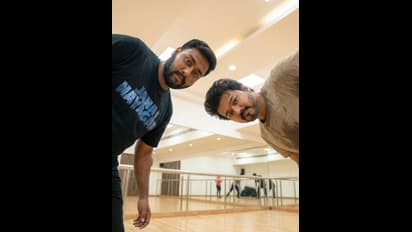
Nayagan Dance has become a major point of interest this week as new rehearsal visuals began circulating online, showing the performers in the middle of intense practice sessions. The images, though created using artificial intelligence for promotional purposes, successfully captured the energy, movement, and atmosphere of the preparation process. With every frame reflecting effort and focus, the rehearsals have triggered conversations about the scale of the upcoming presentation and the work happening behind the scenes.Jana Nayagan Dance Rehearsals 😍❣️ On Fire! 🔥 #AI_Pictures 💥 Sweat, energy & passion - every step count.

The interest around these visuals grew rapidly because they highlight something that audiences often do not get to see how much discipline goes into creating a strong performance. Instead of polished stage footage, these glimpses show the atmosphere of a rehearsal room filled with movement, sweat, and repeated attempts to perfect each step. Even though the images are AI-generated, they managed to convey the tone and the environment that typically surrounds a large-scale dance rehearsal.

As attention builds, many people are now looking at the upcoming project with fresh curiosity. The visuals have given a sense of how much effort is being invested in preparing for the performance and how the team is shaping each movement with consistency.

Nayagan Dance team focuses on precision and stamina during early preparations

During the ongoing preparation phase, the Nayagan Dance team is focusing on synchronisation, strength, and clarity of movement. Rehearsals appear to be structured around long hours of repetition, where dancers refine footwork, transitions, and collective timing. This kind of approach is common for large performances, where the final result depends heavily on discipline during the rehearsal stage.Jana Nayagan Dance Rehearsals On Fire! 🔥 #AI_Pictures 💥 Sweat, energy & passion - every step count

The new promotional images illustrate an atmosphere where dancers are pushing themselves through demanding routines. The flow of the scenes emphasises the physicality involved, where each step requires stability, balance, and endurance. It also reflects how a dance production grows slowly from repeated practice into a complete performance.

Even in AI-generated visuals, the tone remains grounded and realistic. The sweat, the expression of focus, and the commitment shown through posture and movement all suggest that the creators wanted to present an honest picture of the effort behind the project. This helped strengthen the interest around the rehearsals, especially among viewers who have been following the development of the Nayagan production.

The steady rise in attention also shows how behind-the-scenes content can play an important role in shaping public expectation. When audiences see how much preparation goes into a performance, they develop a deeper connection with the final outcome. This seems to be happening with the ongoing Nayagan rehearsals as well.

Nayagan Dance visuals highlight dedication as anticipation grows

The Nayagan Dance visuals circulating now focus strongly on mood and intensity. Instead of showcasing finished choreography, they spotlight the process one that involves commitment and repeated correction. These images highlight the seriousness of the preparations and the desire to deliver a performance that stands out.

AI Galatta: 'ஜனநாயகன்' Dance Rehearsal புகைப்படங்கள் என AI-ல் ரசிகர்கள் உருவாக்கிய படங்கள் இணையத்தில் வைரல்!The attention is not only on the dance team but also on the scale of the production. Whenever a rehearsal environment looks dynamic and organised, viewers assume that the final presentation will aim for a high level of impact. The current atmosphere surrounding Nayagan suggests that expectations are rising steadily, with viewers waiting to see how the practice-room energy will translate to the stage.

The promotional effort has also brought a different kind of visibility. Even though the images were created for representation and are not actual photographs, the realistic tone has allowed audiences to imagine the intensity of the rehearsals. In turn, it has pushed more people to follow updates related to the project. This combination of curiosity and anticipation is what currently drives the growing interest.

Nayagan Dance preparation builds momentum ahead of upcoming reveal

As work continues, the Nayagan Dance rehearsals are shaping the early impression of the upcoming performance. The steady sharing of visuals is creating a momentum that grows each day. Behind-the-scenes glimpses have always helped audiences understand the scale of preparation, and the same effect is visible here. Also Read: Samyuktha Shan got Married in an intimate event that surprised many in 2025

The development phase appears to be progressing with attention to detail, which is important for large ensemble choreography. When performers invest in repeated practice, the final presentation becomes more refined, and that expectation is now forming among viewers. The atmosphere of the rehearsal room represented through the promotional material has already set a tone of seriousness and ambition.


View this post on Instagram


A post shared by Libin Bahulayan (@libinbahulayan)

The team behind the project seems to understand that strong visibility during rehearsals can help prepare the audience for what is coming next. This is likely why the visuals were released at this stage before any official performance previews allowing people to focus first on the process, then the final result.

Conclusion

The rising attention around Nayagan Dance rehearsals shows how early glimpses of preparation can shape public interest. The visuals have created a sense of energy and effort, building curiosity for what the final performance will deliver.


Actor Park Jungmin draws new attention as his bold film journey gains fresh curiosity in 2025

0

Actor Park Jungmin rises in popularity after recent award-show appearance

Actor Park Jungmin has been appearing in daily headlines after performing a special congratulatory stage with singer Hwasa at the Youth Film Awards. His brief on-stage moment unexpectedly reignited public curiosity about his body of work, reminding many viewers of how consistently he has pushed himself through every role. What followed was a renewed interest in the films that shaped his career, from independent beginnings to major commercial recognition.Hwasa's heartfelt confession: Singer reveals crush on Park Jung-min while promoting 'Good Goodbye' | - The Times of India

Audiences familiar with him know that his transformation across genres is not sudden. His early performances already hinted at a performer willing to try roles that were far from predictable. Over time, each film added another layer to his reputation, and the resurfacing excitement today is a reflection of how strongly viewers remember his most striking characters.

Actor Park Jungmin and the turning points that shaped his screen identity

The rise of Actor Park Jungmin did not come from one specific hit but from years of work that carried a unique energy. His early entry into independent cinema allowed him to explore stories that were raw, personal, and driven by character rather than spectacle. These early roles built the base for the wide range he displays today.Actor Park Jung-min talks about his real personality - The Korea Times

His performance in “Dongju” became one of the defining early milestones. It reached a wide audience and proved that he could hold emotional depth while staying grounded in a historical narrative. Many viewers still remember the quiet strength he brought to the role, and that film is often mentioned when discussing performers who emerged from the independent sector with strong credibility.

Another major shift came with “That’s My World,” where he played Oh Jin Tae, a piano prodigy living with a condition that shaped both his talent and his struggles. The role demanded sensitivity and precision, and he delivered a performance that stayed with audiences long after release. It also marked a point where the general public began noticing his ability to take on characters that were emotionally complex.

He continued this pattern with “Save Me From Evil,” where he challenged himself further. Taking on a transgender role required patience, research, and commitment, and the result showed how far he was willing to go in order to expand his acting spectrum. It was not a typical mainstream choice, but it demonstrated his mindset as an actor who prioritises the craft over comfort.

Most recently, “Face,” released in 2025, pushed him into another area entirely. Playing two characters within one narrative required a balance of physical and emotional control, and audiences responded strongly to the contrast he created between the two identities. This film contributed to the renewed attention he is receiving now, as many viewers are rediscovering the wide range of his work.

Actor Park Jungmin and the roles that reflect his steady transformation

Throughout his filmography, Actor Park Jungmin has shown a pattern: he does not hesitate to take roles that require adjustment and risk. “Guardian,” one of his earlier works, gave him a foundation to grow from. Even in that period, he demonstrated a clear understanding of character-driven stories.Actor Park Jungmin

“Dongju” added recognition, “That’s My World” added emotional depth, “Save Me From Evil” added range, and “Face” added complexity and duality. Each film built on the last, forming a career shaped by careful selections rather than quick popularity. Even now, as attention grows again, viewers revisit his work not out of nostalgia but out of interest in how consistently he reinvents himself.

This renewed focus also highlights something that has been present across his entire journey: he is not an actor who repeats patterns. Instead, he seems to choose roles that challenge both him and the audience. As fans revisit his most memorable films, they recognise how each project reveals a different side of him, shaped by effort rather than image.

Actor Park Jungmin continues gaining expectations for future choices

The discussion surrounding Actor Park Jungmin today reflects how much trust viewers place in his choices. His approach to cinema shows a preference for characters with layers, whether in independent films or larger releases. This consistent approach explains why even a brief appearance at a public event can bring his entire filmography back into the spotlight.


View this post on Instagram


A post shared by 반지하에디터 (@banjiha.ed)

Instead of relying on a single image, he has shaped his career through steady transformation. Audiences now expect that whatever he chooses next will again differ from everything he has done before. With each new work, he strengthens the impression that he is an actor driven by experimentation rather than repetition. Also Read: Samyuktha Shan got Married in an intimate event that surprised many in 2025

Conclusion

The renewed attention on Actor Park Jungmin shows how strongly his work continues to resonate with audiences. His filmography reflects years of steady growth, careful choices, and a willingness to take risks. As public interest rises again, many viewers look forward to the direction he will take in the future.

Ram Gopal Varma sparks fresh interest after old remarks on Rajinikanth resurface in 2025

0

Ram Gopal Varma comments resurface and stir debate again

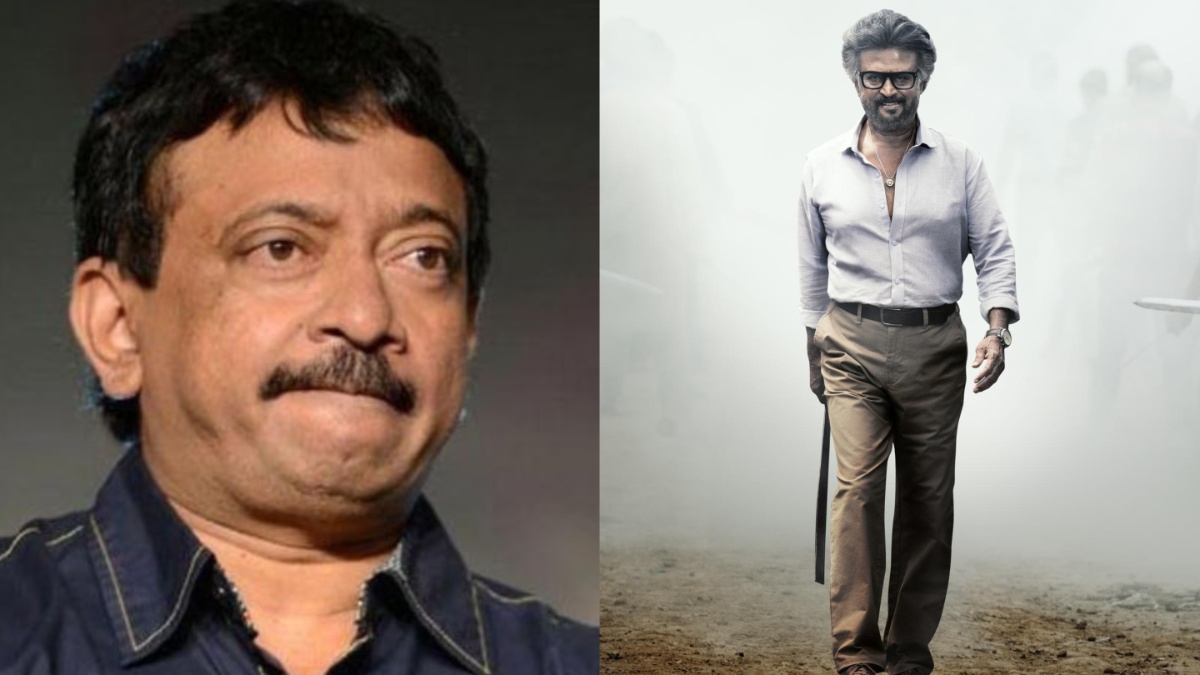
Ram Gopal Varma has once again become the centre of discussion after an old interview, where he compared the difference between a star and an actor, began circulating widely on social platforms. His statements about Rajinikanth have revived an ongoing conversation about how Indian cinema treats larger-than-life icons and what audiences expect from them. In the interview, he spoke about the role of style, slow motion, and charisma in building a star image and why certain performers are celebrated more for presence than traditional acting range.Ram Gopal Varma says Rajinikanth can't exist without slow motion - India Today

The clip has gained momentum because it touches on a long-standing debate in the industry: whether mass appeal relies more on personality than performance. Rajinikanth, being one of the most influential figures in Indian cinema, is often placed at the centre of such comparisons. Varma’s remarks were blunt and direct, and that tone is one reason the video is attracting fresh attention.

Ram Gopal Varma highlights how star image shapes audience reaction

In the resurfaced interview, Ram Gopal Varma stated that Rajinikanth’s screen presence is built around a certain style that audiences recognise instantly. He pointed out that viewers enjoy watching the actor even when he simply walks in slow motion, suggesting that this alone is enough to create excitement. According to him, the star’s signature moments have become an essential part of the film-viewing experience for fans.Ram Gopal Varma says he's unsure if Rajinikanth is a good actor: 'I don't know if he can exist without slow motion' | Hindustan Times

He also mentioned that when a well-known star plays a completely ordinary character without typical mass elements, the audience may feel underwhelmed. His argument centred on the idea that cinema treats stars differently from actors, and that expectations are tied strongly to public perception. In his view, fans look for the qualities that made the star famous, not necessarily the depth of the character being played.

This perspective is not new, but its reappearance now is reigniting conversation among movie enthusiasts. Some see it as a realistic take on how commercial cinema functions, while others feel it simplifies the craft of performers who have evolved over decades.

Ram Gopal Varma’s remarks bring back focus on the star-versus-actor debate

The viral clip has prompted people to discuss whether star-driven films depend too heavily on repeated visual elements, especially slow-motion sequences and stylised shots. Many believe Varma is pointing toward a larger pattern across industries, where certain actors are celebrated mainly for the persona they carry. Supporters of his view say that cinema has always relied on image-building and that audiences come to the theatre expecting specific traits from their favourite stars.Ram Gopal Varma

On the other hand, some argue that Rajinikanth’s appeal extends beyond style alone. They point out that his ability to connect with viewers emotionally and his consistency over decades are major reasons for his continued popularity. They believe that reducing his craft to slow-motion visuals does not reflect the full range of his career. This disagreement is partly why the resurfaced clip has attracted such strong reactions online.

What stands out is that the divide is not about Rajinikanth alone. It reflects a broader conversation on how mass entertainers are judged. Stars often carry the weight of public expectation, and filmmakers structure their scenes to match that image. Varma’s blunt approach simply brought those patterns back into the spotlight.

Ram Gopal Varma’s take reveals how commercial cinema functions todayRam Gopal Varma Questions Rajinikanth's Acting Skills: 'I Don't Know If He Can Exist Without Slow Motion…' - Entertainment

The timing of the clip’s return is also notable because discussions about mass cinema have been rising across different film industries. The filmmaker’s comments remind people how the structure of commercial films prioritises certain moments hero introductions, dramatic pauses, and memorable walk-ins that create excitement for the audience. According to Varma, these elements become part of a star’s identity, and fans return to see those familiar highlights.


View this post on Instagram


A post shared by Inside Box Office (@insideboxoffice)

Whether one agrees with him or not, his perspective stresses the idea that cinema operates as both an art form and a product. His comparison between stars and actors reflects how differently audiences respond to performance depending on the level of fame. Rajinikanth, being one of the most widely recognised names in Indian cinema, naturally becomes a reference point in such discussions. Also Read: Chennai One Serves Commuters Better as MTC Launches Fully Digital Monthly Pass in 2025

Conclusion

The renewed attention on Ram Gopal Varma shows how strongly audiences respond to opinions about major film icons. His comments have revived a long-running debate about what defines a star and how commercial cinema shapes their image. Regardless of disagreement, the topic continues to interest viewers who follow the evolution of mass entertainers and their impact on Indian cinema.

Abhishek Banerjee Accuses EC of Selective Leaks in Bengal SIR 2025

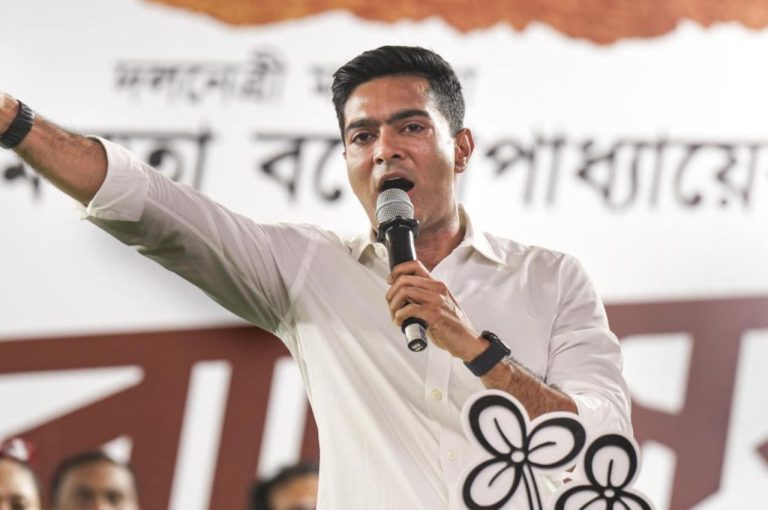
The Abhishek Banerjee Accuses EC of Selective Leaks in Bengal SIR 2025 controversy has become a defining moment in India’s democratic process. On November 28, 2025, Trinamool Congress (TMC) national general secretary Abhishek Banerjee accused the Election Commission of India (ECI) of planting “selective leaks” during the Special Intensive Revision (SIR) of electoral rolls in West Bengal. He demanded the release of full CCTV footage and all evidence linked to the exercise, alleging that the EC was hiding behind curated information.


2. The Special Intensive Revision (SIR): What It Means

The SIR is a voter roll update exercise mandated by the ECI.

  • BLOs must verify voter identities against the 2002 electoral roll benchmark.
  • Families without proper linkage risk exclusion.
  • Aadhaar is accepted only as identity proof, not citizenship proof.
  • Normally, the process takes 18–24 months.
  • In 2025, the EC compressed it into two months, sparking chaos.

This hurried timeline has become the root of the crisis, with BLOs collapsing under workload pressure and communities fearing disenfranchisement.


3. Abhishek Banerjee’s Allegations

Banerjee declared:

  • The EC was deliberately planting selective leaks.
  • These leaks were “outright lies” designed to mislead the public.
  • The Commission must release full CCTV footage and every piece of evidence.
  • Anything less exposes the EC’s “bad faith.”

His remarks sharpened TMC’s offensive against the EC, framing the issue as one of transparency versus manipulation.


4. The Five Questions TMC Posed Earlier

TMC had earlier asked five basic questions:

  1. Why is Bengal singled out for SIR while other border states are exempt?
  2. If rolls are unreliable, does that invalidate the Lok Sabha elected last year?
  3. Will EC take responsibility for BLO deaths linked to workload?
  4. Why are Bangla Sahayata Kendra staff barred from assisting BLOs?
  5. Does BJP’s claim of deleting one crore names mean it controls the EC?

The EC allegedly refused to answer these, intensifying mistrust.


5. Governance Challenges Exposed

The incident highlights systemic governance failures:

  • Unrealistic deadlines imposed by EC.
  • Weak communication with BLOs and political parties.
  • Poor technology infrastructure in rural areas.
  • Delayed response to BLO grievances and deaths.

Without reforms, electoral integrity itself is at risk.


6. Political Fallout

The controversy has political consequences:

  • TMC accused EC of bias and lack of transparency.
  • BJP defended EC’s autonomy, framing TMC as obstructive.
  • Civil society debated governance failures in electoral processes.

The issue has become a flashpoint ahead of the 2026 Assembly elections.


7. Abhishek Banerjee Accuses EC: Observers’ Warning

Special observers flagged:

  • BLOs were keeping forms without uploading them on the BLO app.
  • Dead, absent, shifted, and duplicate voters were not being marked.
  • Opposition parties alleged ruling party cadres pressured BLOs to hand over forms.
  • Around 7.03 crore forms digitised out of 7.65 crore distributed, but progress was slower than expected.

Their warning reflects the systemic risks of rushed electoral exercises.


8. Historical Context: Electoral Roll Controversies

India has witnessed similar controversies:

  • Assam’s NRC excluded millions due to documentation gaps.
  • Past revisions saw BLOs complain of underpayment and overwork.
  • Bengal’s SIR echoes these controversies, highlighting systemic flaws.

9. Broader Implications for Democracy

The incident raises fundamental questions:

  • Can elections be credible if BLOs collapse under workload?
  • Will voter rolls be accurate if frontline staff are demoralised?
  • Does democracy risk losing legitimacy if electoral processes are rushed?

10. Recommendations for Reform

Experts suggest:

  • Staggered timelines for voter roll revision.
  • Hiring additional staff to support BLOs.
  • Improved technology for faster digitisation.
  • Compensation packages for BLO families.
  • Policy reform to recognise BLOs as permanent electoral staff.

11. Comparative Lessons from Other States

Other states have faced similar controversies:

  • Assam’s NRC excluded millions despite decades of residence.
  • Tripura’s refugee politics shaped electoral outcomes.
  • Bengal’s case reflects a national challenge of balancing electoral integrity with human dignity.

12. Human Stories: Families in Distress

Families of BLOs describe:

  • Sudden collapses from exhaustion.
  • Panic attacks and high blood pressure.
  • Anxiety about punitive action if targets are missed.

These stories highlight the human cost of governance failures.


13. Law Enforcement and Accountability

Observers directed district magistrates to ensure:

  • BLOs are not forced to visit homes more than thrice.
  • No false information is uploaded on the BLO app.
  • Accountability measures are enforced to prevent manipulation.

This reflects the importance of institutional safeguards in democracy.


14. Conclusion: A Test of Governance and Democracy

The Abhishek Banerjee Accuses EC of Selective Leaks in Bengal SIR 2025 is more than a bureaucratic exercise — it is a test of governance, democracy, and human dignity. Unless systemic reforms are undertaken, BLOs will remain vulnerable, and public trust in institutions will erode.

The controversy underscores the urgency of balancing electoral integrity with compassion for frontline workers and transparency in governance.


🔗 Government External Links

For further reading and official updates, here are relevant government sources:

Also read: Home | Channel 6 Network – Latest News, Breaking Updates: Politics, Business, Tech & More

Rajya Sabha Chairman: Explosive Kharge-BJP Clash Over Dhankhar Exit

New Delhi – The first day of the Parliament Winter Session witnessed a heated exchange as Congress president Mallikarjun Kharge‘s remarks about the new Rajya Sabha chairman CP Radhakrishnan and former vice president Jagdeep Dhankhar’s sudden resignation drew sharp rebukes from BJP leaders. The controversy highlighted the charged political atmosphere as Parliament proceedings commenced on Monday.

Kharge Welcomes New Rajya Sabha Chairman

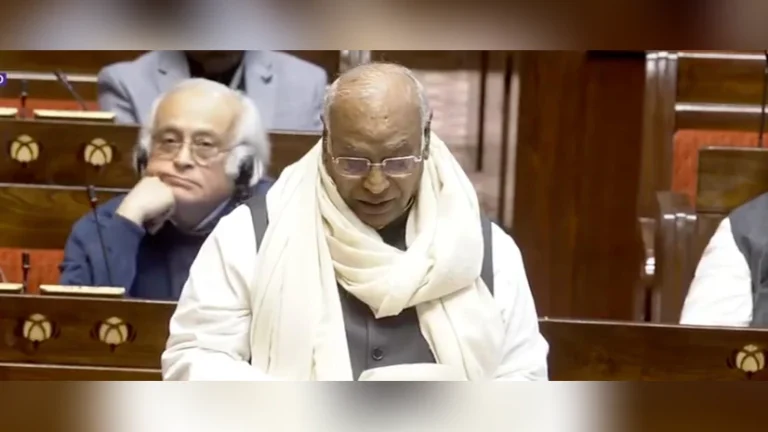
Mallikarjun Kharge, speaking on behalf of the Opposition, welcomed the new Rajya Sabha chairman CP Radhakrishnan on his first day presiding over the upper house. While assuring cooperation in conducting proceedings, Kharge also raised concerns about the unexpected departure of the previous chairman, setting off a political firestorm.

“I am constrained to refer to your predecessor’s unexpected and sudden exit from the office of Chairman, which is unprecedented in the annals of Parliamentary history,” stated Kharge, the leader of opposition in the Rajya Sabha. His comments about the Rajya Sabha chairman position immediately triggered uproar from ruling party benches.

Unprecedented Resignation Mentioned

Kharge highlighted that Jagdeep Dhankhar, who served as Rajya Sabha chairman by virtue of his position as Vice-President of India, had resigned from the post on July 21 over health issues. This resignation, by default, also vacated the Rajya Sabha chairman seat, creating what Kharge described as an unprecedented situation in parliamentary history.

“I was disheartened that this House did not get an opportunity to give him a farewell,” Kharge expressed, emphasizing the Opposition’s disappointment at the abrupt nature of the transition to the new Rajya Sabha chairman without proper parliamentary traditions being observed.

Constitutional Values and Parliamentary Traditions

While welcoming the new Rajya Sabha chairman, Kharge stressed that the Congress “staunchly stands by Constitutional values and time-honoured Parliamentary traditions.” He assured Radhakrishnan of Opposition cooperation in conducting proceedings but added a caveat about expectations from the office.

“Fair and impartial conduct of proceedings, providing just opportunity to members of each party, is essential for credibility of this office,” Kharge stated, laying out his expectations for how the new Rajya Sabha chairman should conduct parliamentary business.

Congress Connection Highlighted

Kharge also mentioned that the new Rajya Sabha chairman CP Radhakrishnan is related to former three-term Lok Sabha MP CK Kuppuswamy, who was a Congress member. “It is better if you keep a balance between both sides. I wish you a successful term… The background you come from was mentioned by the PM, but you should also not forget you are from a Congress family,” Kharge said.

This reference to family political history added another layer to Kharge’s welcome address for the Rajya Sabha chairman, subtly suggesting expectations based on this connection.

Kiren Rijiju’s Sharp Response

Parliamentary Affairs Minister Kiren Rijiju strongly criticized Kharge for mentioning Dhankhar’s resignation during what should have been a “solemn occasion” of welcoming the new Rajya Sabha chairman. “This is a very solemn occasion… The Prime Minister has made very dignified remarks as part of the felicitation event. Why did the honourable Leader of Opposition refer to a case which was not necessary to be raised at this moment?” Rijiju questioned.

Rijiju also referenced past conflicts: “The language you used for the former chairman, the way you insulted him, the motion you served, we still have that copy,” he stated, alluding to no-confidence motions moved against Dhankhar during his tenure as Rajya Sabha chairman.

JP Nadda’s ‘Doctor’ Jibe

Leader of the House JP Nadda intervened with even sharper criticism, urging members to maintain the dignity of the occasion while welcoming the Rajya Sabha chairman. He characterized Kharge’s comments as irrelevant and pointed to past Opposition actions against Dhankhar.

“This program is a pious occasion. We should maintain the dignity of the occasion. The issue that the Leader of Opposition raised, if we start discussing this, it is irrelevant… We will also have to mention that you brought a no-confidence motion against him twice,” Nadda stated.

Nadda then delivered a particularly pointed jab: “The loss of Bihar and Haryana must have given you a lot of pain… But you should express your pain and suffering to a doctor. You should speak to a doctor when the time comes,” he said, linking Kharge’s remarks about the Rajya Sabha chairman to electoral defeats.

PM Modi’s Pre-Session Address Context

The clash over the Rajya Sabha chairman welcome occurred against the backdrop of Prime Minister Modi’s pre-session address. Modi had stated that the Opposition was perturbed by electoral losses in Bihar and unable to digest its failure. “Defeat should not be the ground to create disruption. Victory should not convert into arrogance either,” Modi had said.

The Prime Minister emphasized that “Parliament is not a place for drama, it is a place for delivery,” and should not be used by the Opposition to vent frustration after poll defeats. This framing influenced how BJP leaders responded to Kharge’s Rajya Sabha chairman remarks.

PM Modi on Electoral Defeats

Kharge had also responded to PM Modi’s external statement: “Secondly, PM gave a statement outside [Parliament]. He attacked us indirectly as well, we will reply to it here,” he said before the BJP’s retorts followed. This exchange highlighted how remarks about the Rajya Sabha chairman became entangled with broader political conflicts.

Stormy Start to Winter Session

The controversy surrounding the Rajya Sabha chairman welcome ceremony set a contentious tone for the Parliament Winter Session. What should have been a dignified occasion to welcome CP Radhakrishnan descended into political accusations and counter-accusations, raising questions about cooperation during the session.

Conclusion

The heated exchange over welcoming the new Rajya Sabha chairman demonstrates the deep polarization in Indian parliamentary politics. Kharge’s attempt to raise concerns about Dhankhar’s unprecedented resignation while welcoming the new Rajya Sabha chairman backfired politically, providing BJP leaders opportunities for sharp rebuttals.

As CP Radhakrishnan assumes his role as Rajya Sabha chairman, the challenge of maintaining impartiality and parliamentary dignity amid such charged political dynamics becomes evident. The incident suggests the Winter Session may witness continued confrontations rather than the productive cooperation both sides claim to support.

EC Out of Sync with Reality in Bengal SIR 2025

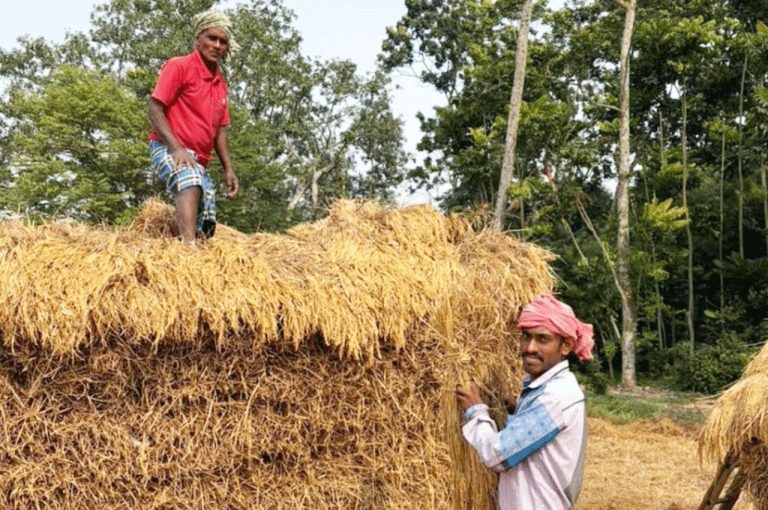
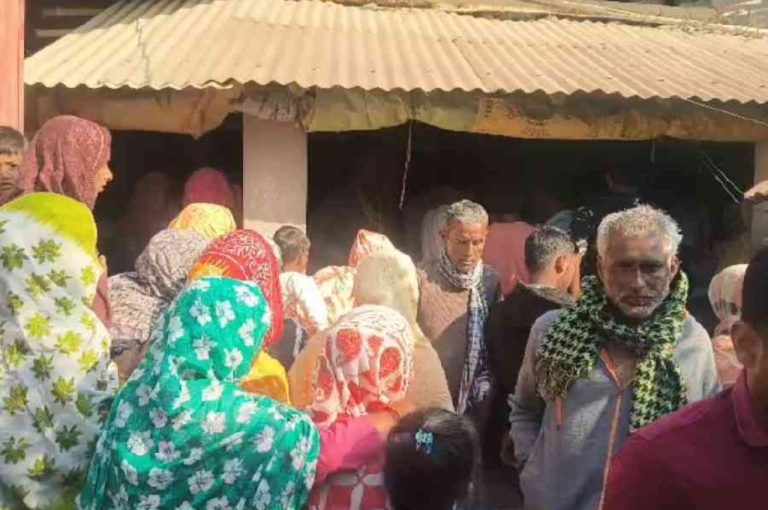
The EC Out of Sync with Reality in Bengal SIR 2025 controversy has become a defining moment in India’s democratic process. The Special Intensive Revision (SIR) of electoral rolls, mandated by the Election Commission of India (ECI), has triggered unprecedented stress among Booth Level Officers (BLOs) and panic among marginalized communities. Reports from villages across Hooghly, Burdwan, and North 24‑Parganas reveal that poor farmers, widows, and refugees fear losing their constitutional right to vote due to elitist paperwork requirements.


2. The Special Intensive Revision (SIR): What It Means

The SIR is a voter roll update exercise mandated by the ECI.

  • BLOs must verify voter identities against the 2002 electoral roll benchmark.
  • Families without proper linkage risk exclusion.
  • Aadhaar is accepted only as identity proof, not citizenship proof.
  • Normally, the process takes 18–24 months.
  • In 2025, the EC compressed it into two months, sparking chaos.

This hurried timeline has become the root of the crisis, with BLOs collapsing under workload pressure and communities fearing disenfranchisement.


3. The Elitist Paperwork Problem

The EC requires documents such as:

  • Passports.
  • Pension payment orders.
  • Birth certificates.
  • Land deeds.

For poor farmers, widows, and refugees, these documents are often unavailable. Many live in temporary settlements or have migrated since 2002, leaving them document‑less and vulnerable.


4. Human Dimension: Villagers’ Voices

Villagers described:

  • Chanpa Dawn, an 88‑year‑old widow, feared losing voting rights due to lack of documents.
  • Farmers in Singur expressed anxiety about exclusion.
  • Hindu refugees from Bangladesh in Burdwan refused to speak publicly, fearing repercussions.

These voices reflect the human cost of governance failures.


5. Governance Challenges Exposed

The incident highlights systemic governance failures:

  • Unrealistic deadlines imposed by EC.
  • Weak communication with BLOs and communities.
  • Poor technology infrastructure in rural areas.
  • Delayed response to BLO grievances and deaths.

Without reforms, electoral integrity itself is at risk.


6. EC Out of Sync with Reality: Political Fallout

The controversy has political consequences:

  • Opposition parties accused EC of bias and elitism.
  • BJP defended EC’s autonomy, framing SIR as necessary to remove “illegal infiltrators.”
  • Civil society debated governance failures in electoral processes.

The issue has become a flashpoint ahead of the 2026 Assembly elections.


7. Observers’ Warning

Special observers flagged:

  • BLOs were keeping forms without uploading them on the BLO app.
  • Dead, absent, shifted, and duplicate voters were not being marked.
  • Opposition parties alleged ruling party cadres pressured BLOs to hand over forms.
  • Around 7.03 crore forms digitised out of 7.65 crore distributed, but progress was slower than expected.

Their warning reflects the systemic risks of rushed electoral exercises.


8. Historical Context: Electoral Roll Controversies

India has witnessed similar controversies:

  • Assam’s NRC excluded millions due to documentation gaps.
  • Past revisions saw BLOs complain of underpayment and overwork.
  • Bengal’s SIR echoes these controversies, highlighting systemic flaws.

9. Broader Implications for Democracy

The incident raises fundamental questions:

  • Can elections be credible if BLOs collapse under workload?
  • Will voter rolls be accurate if frontline staff are demoralised?
  • Does democracy risk losing legitimacy if electoral processes are rushed?

10. Recommendations for Reform

Experts suggest:

  • Staggered timelines for voter roll revision.
  • Hiring additional staff to support BLOs.
  • Improved technology for faster digitisation.
  • Compensation packages for BLO families.
  • Policy reform to recognise BLOs as permanent electoral staff.

11. Comparative Lessons from Other States

Other states have faced similar controversies:

  • Assam’s NRC excluded millions despite decades of residence.
  • Tripura’s refugee politics shaped electoral outcomes.
  • Bengal’s case reflects a national challenge of balancing electoral integrity with human dignity.

12. Human Stories: Families in Distress

Families of BLOs describe:

  • Sudden collapses from exhaustion.
  • Panic attacks and high blood pressure.
  • Anxiety about punitive action if targets are missed.

These stories highlight the human cost of governance failures.


13. Law Enforcement and Accountability

Observers directed district magistrates to ensure:

  • BLOs are not forced to visit homes more than thrice.
  • No false information is uploaded on the BLO app.
  • Accountability measures are enforced to prevent manipulation.

This reflects the importance of institutional safeguards in democracy.


14. Conclusion: A Test of Governance and Democracy

The EC Out of Sync with Reality in Bengal SIR 2025 is more than a bureaucratic exercise — it is a test of governance, democracy, and human dignity. Unless systemic reforms are undertaken, BLOs will remain vulnerable, and public trust in institutions will erode.

The controversy underscores the urgency of balancing electoral integrity with compassion for frontline workers and marginalized communities.


🔗 Government External Links

For further reading and official updates, here are relevant government sources:

Also read: Home | Channel 6 Network – Latest News, Breaking Updates: Politics, Business, Tech & More

EC Ducks TMC Questions Amid Bengal SIR Voter List Row 2025

The EC Ducks TMC Questions Amid Bengal SIR Voter List Row 2025 controversy has become a defining moment in India’s democratic process. On November 29, 2025, a 10‑member TMC delegation met the Election Commission of India (ECI) in Delhi to raise concerns about the Special Intensive Revision (SIR) of electoral rolls in Bengal. Despite a two‑hour meeting, the EC allegedly refused to answer five critical questions posed by the delegation, intensifying political tensions and public mistrust.

EC Ducks TMC Questions


2. The Special Intensive Revision (SIR): What It Means

The SIR is a voter roll update exercise mandated by the ECI.

  • BLOs must verify voter identities against the 2002 electoral roll benchmark.
  • Families without proper linkage risk exclusion.
  • Aadhaar is accepted only as identity proof, not citizenship proof.
  • Normally, the process takes 18–24 months.
  • In 2025, the EC compressed it into two months, sparking chaos.

This hurried timeline has become the root of the crisis, with BLOs collapsing under workload pressure and communities fearing disenfranchisement.


3. The Five Questions Raised by TMC

The TMC delegation asked:

  1. Why is Bengal being targeted for SIR while border states in the Northeast remain untouched?
  2. If current rolls are disregarded, does BJP admit its government elected through them is “illegal”?
  3. Will EC take responsibility for BLO deaths linked to workload and panic?
  4. Why are Bangla Sahayata Kendra staff barred from assisting, while Bihar used self‑help groups?
  5. Does BJP’s claim of deleting one crore names mean it is running the Commission?

The EC allegedly dismissed these as “mere allegations,” refusing to provide direct answers.


4. Governance Challenges Exposed

The incident highlights systemic governance failures:

  • Unrealistic deadlines imposed by EC.
  • Weak communication with BLOs and political parties.
  • Poor technology infrastructure in rural areas.
  • Delayed response to BLO grievances and deaths.

Without reforms, electoral integrity itself is at risk.


5. Political Fallout

The controversy has political consequences:

  • TMC accused EC of bias and lack of transparency.
  • BJP defended EC’s autonomy, framing TMC as obstructive.
  • Civil society debated governance failures in electoral processes.

The issue has become a flashpoint ahead of the 2026 Assembly elections.


6. EC Ducks TMC Questions: Observers’ Warning

Special observers flagged:

  • BLOs were keeping forms without uploading them on the BLO app.
  • Dead, absent, shifted, and duplicate voters were not being marked.
  • Opposition parties alleged ruling party cadres pressured BLOs to hand over forms.
  • Around 7.03 crore forms digitised out of 7.65 crore distributed, but progress was slower than expected.

Their warning reflects the systemic risks of rushed electoral exercises.


7. Historical Context: Electoral Roll Controversies

India has witnessed similar controversies:

  • Assam’s NRC excluded millions due to documentation gaps.
  • Past revisions saw BLOs complain of underpayment and overwork.
  • Bengal’s SIR echoes these controversies, highlighting systemic flaws.

8. Broader Implications for Democracy

The incident raises fundamental questions:

  • Can elections be credible if BLOs collapse under workload?
  • Will voter rolls be accurate if frontline staff are demoralised?
  • Does democracy risk losing legitimacy if electoral processes are rushed?

9. Recommendations for Reform

Experts suggest:

  • Staggered timelines for voter roll revision.
  • Hiring additional staff to support BLOs.
  • Improved technology for faster digitisation.
  • Compensation packages for BLO families.
  • Policy reform to recognise BLOs as permanent electoral staff.

10. Comparative Lessons from Other States

Other states have faced similar controversies:

  • Assam’s NRC excluded millions despite decades of residence.
  • Tripura’s refugee politics shaped electoral outcomes.
  • Bengal’s case reflects a national challenge of balancing electoral integrity with human dignity.

11. Human Stories: Families in Distress

Families of BLOs describe:

  • Sudden collapses from exhaustion.
  • Panic attacks and high blood pressure.
  • Anxiety about punitive action if targets are missed.

These stories highlight the human cost of governance failures.


12. Law Enforcement and Accountability

Observers directed district magistrates to ensure:

  • BLOs are not forced to visit homes more than thrice.
  • No false information is uploaded on the BLO app.
  • Accountability measures are enforced to prevent manipulation.

This reflects the importance of institutional safeguards in democracy.


13. Conclusion: A Test of Governance and Democracy

The EC Ducks TMC Questions Amid Bengal SIR Voter List Row 2025 is more than a bureaucratic exercise — it is a test of governance, democracy, and human dignity. Unless systemic reforms are undertaken, BLOs will remain vulnerable, and public trust in institutions will erode.

The controversy underscores the urgency of balancing electoral integrity with compassion for frontline workers.


🔗 Government External Links

For further reading and official updates, here are relevant government sources:

Also read: Home | Channel 6 Network – Latest News, Breaking Updates: Politics, Business, Tech & More

EC Appoints Special IAS Observers for Bengal Voter List Revision SIR 2025

The EC Appoints Special IAS Observers for Bengal Voter List Revision SIR 2025 marks a significant intervention in India’s democratic process. On November 29, 2025, the Election Commission of India (ECI) appointed 12 senior IAS officers from the Bengal cadre to oversee the Special Intensive Revision (SIR) of electoral rolls. This decision came amid rising concerns about irregularities, political tensions, and workload pressures faced by Booth Level Officers (BLOs).


2. Why Special Observers Were Appointed

The EC explained that:

  • Bengal’s districts are large, with long international borders.
  • Complaints were rising about ineligible names being inserted under political pressure.
  • The ruling party had criticized the SIR process from the beginning.
  • The Chief Minister warned of turbulence once draft rolls were published on December 9, 2025.

The appointment of observers reflects the EC’s determination to ensure transparency and credibility.


3. The Role of IAS Observers

Observers will:

  • Monitor preparation and revision of electoral rolls.
  • Assist District Election Officers (DEOs) and Electoral Registration Officers (EROs).
  • Take corrective measures in case of irregularities.
  • Report directly to Bengal’s Chief Electoral Officer (CEO).

This strengthens institutional safeguards against manipulation.


4. The List of Appointed Observers

Some key appointments include:

  • Smita Pandey (2005 batch): Burdwan East & West, Birbhum.
  • Tanmoy Chakraborty (2006 batch): Murshidabad & Malda.
  • Randhir Kumar (2006 batch): North 24‑Parganas & North Calcutta.
  • C. Murugan (2007 batch): South 24‑Parganas & South Calcutta.
  • R. Arjun (2010 batch): Cooch Behar, Alipurduar & Jalpaiguri.
  • Rajeev Kumar (1997 batch) & Jagdish Meena (2004 batch): Howrah.
  • Neelam Meena (1998 batch): East & West Midnapore, Jhargram.
  • Ashwini Kumar Yadav (2001 batch): North & South Dinajpur.
  • Niranjan Kumar (2007 batch): Darjeeling & Kalimpong.
  • Devi Prasad Karanam (2008 batch): Purulia & Bankura.
  • Rachna Bhagat (2009 batch): Nadia.
  • Vishwanath (2010 batch): Hooghly.

This comprehensive deployment covers all critical districts of Bengal.


5. Governance Challenges Exposed

The move highlights systemic governance challenges:

  • Workload stress on BLOs, with reports of deaths linked to SIR duties.
  • Political pressure on DEOs and BLOs to manipulate rolls.
  • Weak communication between EC and state government.
  • Public mistrust in electoral processes.

6. EC Appoints Special IAS Observers: Political Fallout

The controversy has political consequences:

  • The ruling party accused EC of bias.
  • Opposition parties welcomed stricter monitoring.
  • Civil society debated governance failures in electoral processes.

The issue has become a flashpoint ahead of the 2026 Assembly elections.


7. Historical Context: Electoral Roll Controversies

India has witnessed similar controversies:

  • Assam’s NRC excluded millions due to documentation gaps.
  • Past revisions saw BLOs complain of underpayment and overwork.
  • Bengal’s SIR echoes these controversies, highlighting systemic flaws.

8. Broader Implications for Democracy

The incident raises fundamental questions:

  • Can elections be credible if BLOs collapse under workload?
  • Will voter rolls be accurate if frontline staff are demoralised?
  • Does democracy risk losing legitimacy if electoral processes are rushed?

9. Recommendations for Reform

Experts suggest:

  • Staggered timelines for voter roll revision.
  • Hiring additional staff to support BLOs.
  • Improved technology for faster digitisation.
  • Compensation packages for BLO families.
  • Policy reform to recognise BLOs as permanent electoral staff.

10. Comparative Lessons from Other States

Other states have faced similar controversies:

  • Assam’s NRC excluded millions despite decades of residence.
  • Tripura’s refugee politics shaped electoral outcomes.
  • Bengal’s case reflects a national challenge of balancing electoral integrity with human dignity.

11. Human Stories: Families in Distress

Families of BLOs describe:

  • Sudden collapses from exhaustion.
  • Panic attacks and high blood pressure.
  • Anxiety about punitive action if targets are missed.

These stories highlight the human cost of governance failures.


12. Law Enforcement and Accountability

Observers directed district magistrates to ensure:

  • BLOs are not forced to visit homes more than thrice.
  • No false information is uploaded on the BLO app.
  • Accountability measures are enforced to prevent manipulation.

This reflects the importance of institutional safeguards in democracy.


13. Conclusion: A Test of Governance and Democracy

The EC Appoints Special IAS Observers for Bengal Voter List Revision SIR 2025 is more than a bureaucratic exercise — it is a test of governance, democracy, and human dignity. Unless systemic reforms are undertaken, BLOs will remain vulnerable, and public trust in institutions will erode.

The controversy underscores the urgency of balancing electoral integrity with compassion for frontline workers.


🔗 Government External Links

For further reading and official updates, here are relevant government sources:

Also read: Home | Channel 6 Network – Latest News, Breaking Updates: Politics, Business, Tech & More

BLO Dies of Cardiac Arrest in Murshidabad’s Khargram Kin Blame Workload During Bengal Electoral Roll Revision SIR 2025: Governance Failures, Human Cost, Political Fallout, Public Trust Concerns, and Policy Reform Needs in India’s Election System

The BLO Dies of Cardiac Arrest in Murshidabad’s Khargram Kin Blame Workload During Bengal Electoral Roll Revision SIR 2025 controversy has become a defining moment in India’s democratic process. On November 29, 2025, a Booth Level Officer (BLO) collapsed and died of cardiac arrest while performing duties related to the Special Intensive Revision (SIR) of electoral rolls. His family blamed the excessive workload and unrealistic deadlines imposed by the Election Commission of India (ECI).


2. The Special Intensive Revision (SIR): What It Means

The SIR is a voter roll update exercise mandated by the ECI.

  • BLOs must verify voter identities against the 2002 electoral roll benchmark.
  • Families without proper linkage risk exclusion.
  • Aadhaar is accepted only as identity proof, not citizenship proof.
  • Normally, the process takes 18–24 months.
  • In 2025, the EC compressed it into two months, sparking chaos.

This hurried timeline has become the root of the crisis, with BLOs collapsing under workload pressure and communities fearing disenfranchisement.


3. The Human Cost: A BLO’s Death

Reports confirm:

  • The BLO collapsed suddenly while on duty.
  • He was rushed to hospital but declared dead.
  • Family members blamed stress and exhaustion.
  • Colleagues described overwhelming workloads and fear of punitive action.

This reflects the tragic human dimension of governance failures.


4. Governance Challenges Exposed

The incident highlights systemic governance failures:

  • Unrealistic deadlines imposed by EC.
  • Weak communication with BLOs.
  • Poor technology infrastructure in rural areas.
  • Delayed response to BLO grievances and deaths.

Without reforms, electoral integrity itself is at risk.


5. BLO Dies of Cardiac Arrest: Political Fallout

The controversy has political consequences:

  • Opposition parties accused ruling party cadres of manipulating BLOs.
  • BJP alleged TMC interference in voter roll management.
  • TMC accused EC of acting under BJP’s instructions.
  • Civil society debated governance failures in electoral processes.

The issue has become a flashpoint ahead of the 2026 Assembly elections.


6. Observers’ Warning

Special observer Subrata Gupta and others flagged:

  • BLOs were keeping forms without uploading them on the BLO app.
  • Dead, absent, shifted, and duplicate voters were not being marked.
  • Opposition parties alleged ruling party cadres pressured BLOs to hand over forms.
  • Around 7.03 crore forms digitised out of 7.65 crore distributed, but progress was slower than expected.

Their warning reflects the systemic risks of rushed electoral exercises.


7. Historical Context: Electoral Roll Controversies

India has witnessed similar controversies:

  • Assam’s NRC excluded millions due to documentation gaps.
  • Past revisions saw BLOs complain of underpayment and overwork.
  • Bengal’s SIR echoes these controversies, highlighting systemic flaws.

8. Broader Implications for Democracy

The incident raises fundamental questions:

  • Can elections be credible if BLOs collapse under workload?
  • Will voter rolls be accurate if frontline staff are demoralised?
  • Does democracy risk losing legitimacy if electoral processes are rushed?

9. Recommendations for Reform

Experts suggest:

  • Staggered timelines for voter roll revision.
  • Hiring additional staff to support BLOs.
  • Improved technology for faster digitisation.
  • Compensation packages for BLO families.
  • Policy reform to recognise BLOs as permanent electoral staff.

10. Comparative Lessons from Other States

Other states have faced similar controversies:

  • Assam’s NRC excluded millions despite decades of residence.
  • Tripura’s refugee politics shaped electoral outcomes.
  • Bengal’s case reflects a national challenge of balancing electoral integrity with human dignity.

11. Human Stories: Families in Distress

Families of BLOs describe:

  • Sudden collapses from exhaustion.
  • Panic attacks and high blood pressure.
  • Anxiety about punitive action if targets are missed.

These stories highlight the human cost of governance failures.


12. Law Enforcement and Accountability

Observers directed district magistrates to ensure:

  • BLOs are not forced to visit homes more than thrice.
  • No false information is uploaded on the BLO app.
  • Accountability measures are enforced to prevent manipulation.

This reflects the importance of institutional safeguards in democracy.


13. Conclusion: A Test of Governance and Democracy

The BLO Dies of Cardiac Arrest in Murshidabad’s Khargram Kin Blame Workload During Bengal Electoral Roll Revision SIR 2025 is more than a bureaucratic exercise — it is a test of governance, democracy, and human dignity. Unless systemic reforms are undertaken, BLOs will remain vulnerable, and public trust in institutions will erode.

The controversy underscores the urgency of balancing electoral integrity with compassion for frontline workers.


🔗 Government External Links

For further reading and official updates, here are relevant government sources:

Also read: Home | Channel 6 Network – Latest News, Breaking Updates: Politics, Business, Tech & More

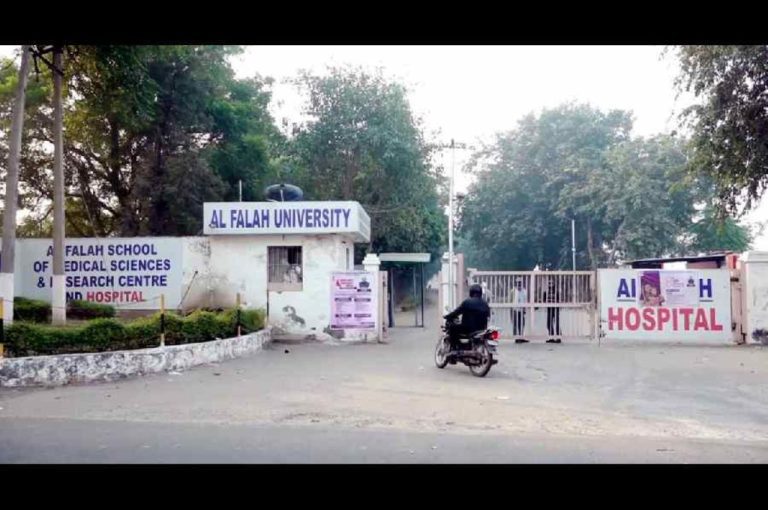
ED Unearths Shady Land Deals of Al Falah University Founder Jawad Ahmed Siddiqui in Delhi and Faridabad 2025: Forged GPA Documents, Money Laundering Charges, Governance Failures, Higher Education Irregularities, Public Trust Concerns, and Policy Reform Needs in India

The ED Unearths Shady Land Deals of Al Falah University Founder Jawad Ahmed Siddiqui 2025 controversy has become a defining moment in India’s governance and education sector. On November 18, 2025, the Enforcement Directorate (ED) arrested Siddiqui on charges of money laundering and forgery. Investigations revealed that land in Delhi’s Madanpur Khadar was acquired using forged General Power of Attorney (GPA) documents in the names of deceased owners. The scandal has shaken public trust in private universities and raised questions about regulatory oversight.


2. The Allegations Against Siddiqui

ED officials confirmed:

  • Siddiqui acquired land parcels through his private company, Tarbia Education Foundation.
  • Forged GPAs were executed decades after the original landowners had died.
  • Signatures and thumb impressions of deceased individuals were fabricated.
  • Land worth ₹75,00,000 was transferred fraudulently in 2013.

This reflects a systemic abuse of legal loopholes in property transactions.


3. The Role of Al Falah University

Al Falah University, based in Faridabad, Haryana:

  • Founded by Siddiqui as a private institution.
  • Claimed accreditation and recognition from national bodies.
  • Came under scrutiny after three doctors working there were linked to a “white‑collar terror module” connected to the Red Fort car blast of November 10, 2025.
  • The University Grants Commission (UGC) lodged complaints of forgery and cheating.

This positions the scandal at the intersection of education, governance, and national security.


4. The Forged GPA Documents

Investigations revealed:

  • Landowners Nathu (died 1972), Harbans Singh (died 1991), Harkesh (died 1993), Shiv Dayal (died 1998), and Jay Ram (died 1998) were listed as signatories in GPAs registered in 2004.
  • The land was sold to Tarbia Education Foundation in 2013.
  • GPAs carried fabricated signatures and thumb impressions of deceased individuals.

This highlights the brazen nature of forgery in property transactions.


5. Governance Challenges Exposed

The scandal exposes systemic governance failures:

  • Weak property registration oversight.
  • Delayed response to fraudulent accreditation claims.
  • Poor coordination between education regulators and law enforcement.
  • Inadequate monitoring of private universities.

6. ED Unearths Shady Land Deals: Political Fallout

The controversy has political consequences:

  • Opposition parties accused the government of lax oversight.
  • Civil society debated the credibility of private universities.
  • Students expressed fear about the validity of their degrees.

The issue has become a flashpoint in debates on higher education reform.


7. Human Dimension: Families of Landowners

Families of deceased landowners described:

  • Shock at seeing their relatives’ names used fraudulently.
  • Anger at systemic failures in property registration.
  • Anxiety about losing ancestral land.

Their voices reflect the human cost of governance neglect.


8. Historical Context: Land Scams in India

India has witnessed similar controversies:

  • Adarsh Housing Society scam in Mumbai.
  • DLF land deals in Haryana.
  • Bengal’s Saradha scam involving property investments.

The Al Falah case reflects a national pattern of land and education scams.


9. Broader Implications for Democracy and Development

The scandal raises fundamental questions:

  • Can private universities be trusted without strict oversight?
  • Will fraudulent land deals undermine governance credibility?
  • Does democracy risk losing legitimacy if education is compromised?

10. Recommendations for Reform

Experts suggest:

  • Transparent audits of private universities.
  • Stricter property registration checks.
  • Coordination between UGC, NAAC, and ED.
  • Community participation in monitoring educational institutions.

11. Comparative Lessons from Other Countries

Other nations have faced similar challenges:

  • US scandals involving for‑profit universities.
  • UK controversies over accreditation fraud.
  • India’s case reflects a global struggle for education integrity.

12. Human Stories: Students and Families

Students of Al Falah University described:

  • Fear about recognition of their degrees.
  • Anxiety about future employment.
  • Anger at being misled by false accreditation claims.

These stories highlight the human dimension of education fraud.


13. Law Enforcement and Accountability

ED officials confirmed:

  • Multiple raids across Delhi and Faridabad.
  • Seizure of fraudulent documents.
  • Registration of FIRs for cheating and forgery.
  • Revocation of Al Falah University’s membership in the Association of Indian Universities.

This reflects the importance of institutional safeguards in democracy.


14. Conclusion: A Test of Governance and Education Integrity

The ED Unearths Shady Land Deals of Al Falah University Founder Jawad Ahmed Siddiqui 2025 is more than a property scandal — it is a test of governance, democracy, and education integrity. Unless systemic reforms are undertaken, private universities will remain vulnerable, and public trust in institutions will erode.

The scandal underscores the urgency of balancing education integrity with governance accountability.


🔗 Government External Links

For further reading and official updates, here are relevant government sources:

Also read: Home | Channel 6 Network – Latest News, Breaking Updates: Politics, Business, Tech & More