Thursday, May 7, 2026
Home Blog Page 285

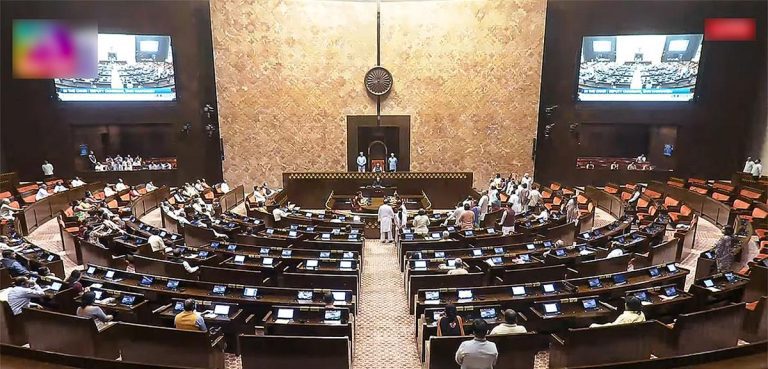
Parliament Winter Session: PM Modi Urges Opposition Against Drama

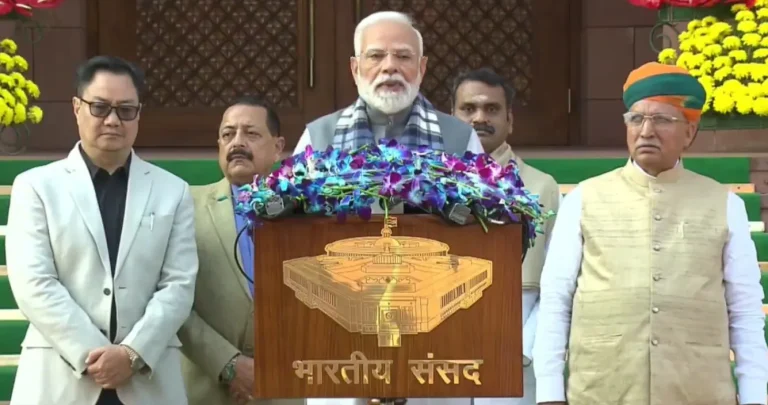
New Delhi – Prime Minister Narendra Modi delivered his customary address ahead of the commencement of the Parliament Winter Session on Monday, urging Opposition members to refrain from creating drama and focus on making the session productive. His remarks came against the backdrop of the recent Bihar assembly election results where the NDA secured a landslide victory.

PM Modi’s Appeal for Productive Parliament Winter Session

In his speech before the Parliament Winter Session began, PM Modi emphasized that India has lived democracy and strengthened faith in it. He cited the Bihar election turnout as a powerful display of Indian democracy, particularly highlighting the participation of women voters. “India has proven that democracy can deliver,” Modi stated, setting the tone for parliamentary proceedings.

The Prime Minister’s address ahead of the Parliament Winter Session included a direct appeal to Opposition members: “Don’t do drama in Parliament, but deliver.” This frank message underscored his expectations for constructive engagement during the session scheduled to run until December 19.

Taking Dig at Opposition Over Bihar Results

PM Modi used the Parliament Winter Session opening to take a veiled swipe at the Opposition regarding their recent electoral setback in Bihar. The Bharatiya Janata Party-led National Democratic Alliance secured a massive victory, winning 202 of 243 seats while restricting the Congress-led Mahagathbandhan or INDIA bloc to just 35 wins.

“I hoped that with time, opposition leaders would have come to terms with loss in Bihar, but their statements show loss has unsettled them,” PM Modi remarked, suggesting the defeat continues to impact Opposition morale as the Parliament Winter Session begins.

Offering Strategic Advice to Opposition

In an unprecedented move during his Parliament Winter Session address, PM Modi said he is willing to provide tips to the Opposition on how they can change their strategies and perform better. He suggested that Opposition parties should revamp their course of action after having failed to make a mark in elections.

This offer came with a pointed message: the Prime Minister asked Opposition members not to be frazzled by poll outcomes and instead make the Parliament Winter Session productive through meaningful participation and debate.

Cautioning His Own Alliance

While taking aim at the Opposition, PM Modi also addressed his own alliance members during the Parliament Winter Session opening. He cautioned the NDA to ensure their Bihar victory does not turn into arrogance, demonstrating his commitment to maintaining humility despite electoral success.

This balanced approach ahead of the Parliament Winter Session showed Modi’s awareness of the need to keep his coalition grounded while maintaining pressure on political opponents.

Democracy and Bihar Elections Highlight

The Prime Minister’s Parliament Winter Session address prominently featured praise for Indian democracy, using Bihar as a contemporary example. He emphasized how the high voter turnout, especially among women, demonstrates the strength and vitality of democratic institutions in India.

By linking the Bihar election success to democratic values at the start of the Parliament Winter Session, Modi sought to frame the NDA’s victory as a validation of the people’s will rather than merely a political win.

Opposition’s SIR Debate Demand

The Parliament Winter Session is expected to be stormy, with the Opposition insisting on holding a debate on the Special Intensive Revision (SIR) of electoral rolls. However, there has been no clear indication from the government agreeing to this demand, setting up potential confrontation during the Parliament Winter Session.

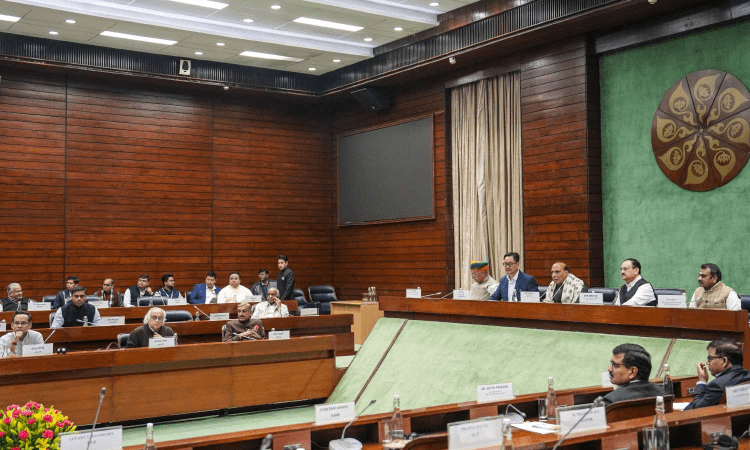
In three meetings held on Sunday—an all-party meet chaired by Defence Minister Rajnath Singh and the Business Advisory Committee meetings of both houses—the SIR debate formed the central theme of Opposition demands. Samajwadi Party lawmaker Ramgopal Yadav warned that the House would not be allowed to function without a debate on SIR.

Government’s Legislative Agenda

The government has listed 10 new bills for introduction during the Parliament Winter Session and has decided to hold a discussion on 150 years of Vande Mataram, India’s national song. This ambitious agenda suggests the government wants to focus on legislation rather than politically charged debates.

The Parliament Winter Session, which commenced on Monday, will conclude on December 19, giving both sides limited time to advance their respective priorities.

Parliamentary Affairs Minister’s Assurance

After the all-party meeting, Parliamentary Affairs Minister Kiren Rijiju attempted to downplay concerns about disruptions during the Parliament Winter Session. He stated that no leader explicitly said they would not allow the House to run over the SIR issue.

“On behalf of government, I assure that we will continue to discuss in order to run smoothly. In democracy, there are differences between the parties. Despite differences, the House should not be disturbed to improve productivity,” Rijiju said, emphasizing the government’s commitment to parliamentary functioning during the Parliament Winter Session.

Opposition Leaders’ Warnings

Other Opposition leaders made it clear to the government that it would be the latter’s responsibility if the House does not run smoothly during the Parliament Winter Session. This stance sets up a potential blame game if parliamentary proceedings face disruptions over the coming weeks.

The Opposition’s unified demand for a SIR debate and their warnings about House functioning indicate they view this issue as non-negotiable, creating the conditions for possible confrontation during the Parliament Winter Session.

Expectations for Productivity

Both sides have expressed desire for a productive Parliament Winter Session, though their definitions of productivity appear to differ. The government wants to pass legislation and hold celebratory discussions, while the Opposition seeks debates on issues they consider matters of democratic concern.

Whether these competing visions can coexist during the Parliament Winter Session or will result in disruptions remains to be seen. PM Modi’s appeal to avoid drama and focus on delivery has set a challenge for Opposition parties to articulate their concerns while maintaining parliamentary decorum.

Conclusion

As the Parliament Winter Session begins, PM Modi’s address has established clear expectations for Opposition behavior while celebrating his alliance’s Bihar victory. His “no drama” appeal coupled with offers of strategic advice creates an interesting dynamic. With the Opposition determined to discuss SIR and the government focused on its legislative agenda, the Parliament Winter Session promises to test the limits of parliamentary cooperation.

The next few weeks will reveal whether Modi’s call for productive engagement resonates or whether fundamental disagreements lead to the very disruptions he warned against. The responsibility for the Parliament Winter Session’s success or failure now rests with both the treasury and Opposition benches as they navigate these politically charged waters
Venezuela Maduro: Explosive US Offer to Flee Sparks Regional Crisis

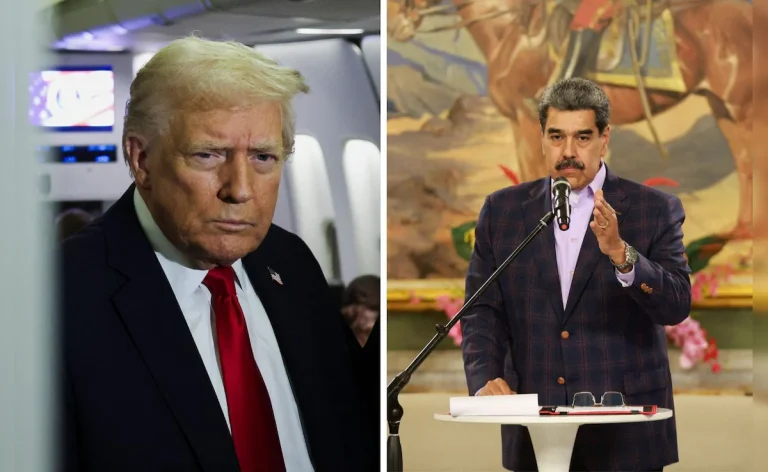
Washington D.C. – The United States has made an unprecedented offer to Venezuela Maduro, providing the embattled president with the option to leave his country for Russia or another destination. This revelation by Republican Senator Markwayne Mullin on Sunday has intensified already volatile US-Venezuela relations and raised serious questions about American foreign policy intentions in the region.

US Extends Departure Option to Venezuela Maduro

Senator Markwayne Mullin disclosed that the United States government approached Venezuela Maduro with a direct proposal to exit the country. “We gave Maduro an opportunity to leave. We said he could leave and go to Russia or he could go to another country,” Mullin stated, revealing the diplomatic overture that has shocked international observers.

This extraordinary offer to Venezuela Maduro represents a significant escalation in Washington’s efforts to resolve the Venezuelan political crisis. The suggestion that Russia could serve as a potential destination for Venezuela Maduro underscores the geopolitical dimensions of the conflict, with Moscow having maintained close ties with Caracas despite Western pressure.

No Military Invasion Planned

Despite the aggressive rhetoric and military posturing, Senator Mullin attempted to dispel fears of imminent US military intervention. When asked directly about invasion plans, he insisted that President Donald Trump has made clear his intentions. “No, he’s made it very clear we’re not going to put troops into Venezuela,” Mullin emphasized.

The senator characterized the US approach as defensive rather than offensive: “What we’re trying to do is protect our own shores.” This framing suggests the administration seeks to justify its actions as border security measures rather than aggressive foreign intervention, even as pressure on Venezuela Maduro intensifies dramatically.

Trump Declares Venezuelan Airspace Closed

President Trump issued his most forceful warning yet regarding Venezuela Maduro’s government on Saturday, declaring Venezuelan airspace completely off-limits. Posting on Truth Social, Trump announced: “To all Airlines, Pilots, Drug Dealers, and Human Traffickers, please consider THE AIRSPACE ABOVE AND SURROUNDING VENEZUELA TO BE CLOSED IN ITS ENTIRETY.”

This dramatic escalation represents an unprecedented unilateral declaration affecting international air traffic and sovereign airspace. The sweeping nature of Trump’s statement targeting Venezuela Maduro’s control over national airspace has raised immediate concerns about international law and the potential for miscalculation or confrontation.

Also Read: DC Shooting: Afghan Suspect Radicalized in US, Says Homeland Security

Venezuela’s Response to US Pressure

Venezuela Maduro’s government responded forcefully to Trump’s airspace declaration, condemning it as a “colonial threat” that violates the country’s sovereignty and international law. Caracas characterized the American statement as “illegal and unjustified aggression” against a sovereign nation.

The Venezuelan government accused Washington of maintaining a “permanent policy of aggression” against the country, framing the latest developments as part of a long-standing pattern rather than an isolated incident. This response from Venezuela Maduro’s administration demonstrates Caracas’s determination to resist what it views as external interference.

Operation Southern Spear: Military Actions

The escalating tensions with Venezuela Maduro occur alongside significant US military operations in the Caribbean and eastern Pacific regions. Since September, American forces have conducted airstrikes targeting suspected drug-smuggling vessels as part of Operation Southern Spear, resulting in at least 83 deaths according to official figures.

The operation has attacked at least 21 boats in waters near Venezuela Maduro’s territory. While the United States claims these vessels were operated by drug traffickers, officials have not released cargo evidence to substantiate these assertions. The lack of transparent evidence has fueled skepticism about the operation’s true objectives and their relationship to pressure on Venezuela Maduro.

Pentagon’s Terrorist Organization Designation

The Pentagon has escalated its characterization of the maritime networks allegedly operating in Venezuelan waters, labeling them as “foreign terrorist organisations.” This designation places these groups alongside internationally recognized terrorist entities like al Qaeda, significantly raising the stakes in operations near Venezuela Maduro’s jurisdiction.

This classification provides legal justification for expanded military action and suggests a framework that could extend beyond traditional counter-narcotics operations. Critics worry this designation could be used to justify broader intervention in Venezuela Maduro’s sphere of influence.

Regional Fears and International Implications

Growing concern throughout Latin America centers on the possibility of US military escalation against Venezuela Maduro despite Senator Mullin’s assurances. The combination of closed airspace declarations, ongoing military operations, and diplomatic pressure creates an environment ripe for miscalculation.

Regional governments are closely monitoring developments, concerned that action against Venezuela Maduro could destabilize the broader area and set precedents for future interventions. The offer for Venezuela Maduro to leave for Russia particularly troubles neighboring countries who see it as undermining principles of sovereignty and non-interference.

Drug Trafficking Justification

The Trump administration has consistently framed its actions against Venezuela Maduro through the lens of combating drug trafficking and protecting American borders. Officials argue that Venezuelan territory has become a major transit point for narcotics entering the United States, necessitating aggressive countermeasures.

However, critics question whether the scale of military operations and diplomatic pressure truly matches the counter-narcotics rationale, suggesting that regime change remains the underlying objective. The lack of evidence presented regarding intercepted cargo on destroyed vessels fuels these suspicions about actions targeting Venezuela Maduro.

Geopolitical Chess Game

The situation involving Venezuela Maduro has become a focal point in broader great power competition. Russia’s suggested role as a potential destination for Venezuela Maduro highlights Moscow’s strategic interest in maintaining influence in Latin America. China has also invested heavily in Venezuela, creating complex international dimensions.

These geopolitical factors mean that US actions against Venezuela Maduro carry implications far beyond bilateral relations, potentially affecting global power dynamics and setting precedents for how major powers interact with smaller nations.

Conclusion

The revelation that the United States offered Venezuela Maduro the option to flee to Russia or elsewhere marks a dramatic escalation in a crisis with deep historical roots and complex contemporary dimensions. As Trump closes Venezuelan airspace, conducts military operations, and maintains diplomatic pressure, the international community watches anxiously.

Whether Venezuela Maduro will accept any departure offer, how regional powers will respond, and whether military confrontation can be avoided remain critical questions. The situation demands careful diplomacy to prevent a humanitarian catastrophe and regional destabilization while addressing legitimate concerns about governance, drug trafficking, and international law.

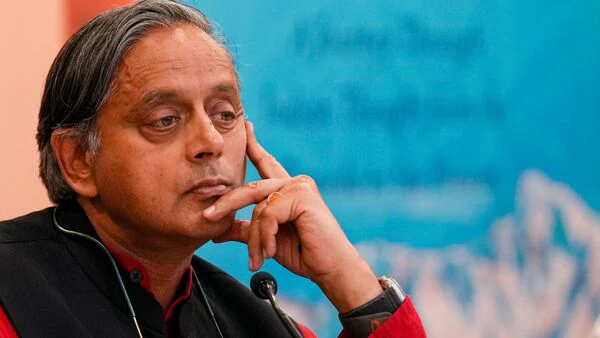
Congress Meeting: Shashi Tharoor’s Controversial Second Consecutive Absence

New Delhi – Congress Working Committee Member and MP Shashi Tharoor has once again missed a critical Congress meeting, marking the second consecutive absence from major party gatherings. The latest Congress meeting, led by Sonia Gandhi’s strategic group regarding the winter session of Parliament, proceeded without Tharoor’s participation, intensifying speculation about his standing within the party.

Second Consecutive Absence from Congress Meeting

Tharoor’s absence from the Congress meeting focused on parliamentary strategy has raised eyebrows within party circles. This marks the second time in succession that the prominent MP has missed crucial party deliberations, following his earlier absence from a Congress meeting called specifically to discuss the Special Intensive Revision (SIR) issue.

According to Tharoor’s office, he was in Kerala at the time of the Congress meeting and was traveling back to Delhi with his 90-year-old mother on a later flight. This explanation was provided to address concerns about his non-attendance at the strategic group session convened by Sonia Gandhi.

Other Notable Absences

Tharoor was not the only senior leader who could not attend the Congress meeting on Sunday. General Secretary of the Congress K.C. Venugopal was also unable to reach Delhi for the session. However, Venugopal’s absence was attributed to his active involvement in campaigning for local body elections in Kerala, which provided a clear political justification for missing the Congress meeting.

The contrast between Venugopal’s absence due to electoral duties and Tharoor’s personal travel arrangements has sparked different reactions within party circles regarding their respective commitments to organizational priorities.

Previous Congress Meeting Absence and Controversy

The pattern of Tharoor missing important party gatherings became controversial when he skipped an earlier Congress meeting on the SIR issue, citing ill health as the reason. However, questions emerged when Tharoor attended Prime Minister Modi’s event just one day before the Congress meeting he claimed to be too unwell to attend.

Adding fuel to the controversy, posts praising PM Modi appeared on Tharoor’s Instagram account around the same time he missed the Congress meeting on SIR. This sequence of events triggered sharp criticism from fellow Congress leaders who questioned his commitment to party positions and solidarity.

Internal Party Criticism

Following Tharoor’s comments praising PM Modi and his absence from the Congress meeting, he faced significant backlash from other party leaders. One Congress leader, speaking directly about the controversy, stated: “Shashi Tharoor’s problem is that I don’t think he knows a lot about the country. If, according to you, someone is doing good for the country by going against the Congress’s policies, then you should follow those policies.”

The leader continued with pointed questions: “Why are you in Congress? Is it only because you are an MP? If you really feel that the BJP or PM Modi’s strategies are working better than the party you are in, then you should give an explanation. If you are not giving one, you are a hypocrite.”

Supriya Srinate’s Response

Congress leader Supriya Srinate also weighed in on the controversy, expressing disagreement with Tharoor’s appreciation of PM Modi’s speech. “I didn’t find anything in the speech worth appreciating. I think PM must answer a lot of things. He was at an event of a newspaper. He should tell us what his problem is with fair journalism,” Srinate stated.

She added: “I don’t know how he (Shashi Tharoor) found one [reason to appreciate]. I found it to be a petty speech. He criticised Congress there too. PM thinks of Congress day and night. This is amazing.” Her comments reflected the broader party sentiment regarding Tharoor’s public positions.

Pattern of Discord

Tharoor’s continued absence from major Congress meetings has become a significant topic of discussion within political circles. The relationship between the Congress party and Tharoor has been under scrutiny for some time, particularly following his occasional public inclination towards PM Modi on various occasions.

Also Read: SIR Schedule Extended: Election Commission Revises Electoral Roll Timeline

This pattern became more pronounced post Operation Sindoor, with observers noting Tharoor’s willingness to acknowledge or praise the Prime Minister even when such positions appeared to contradict official Congress party stances. The repeated absences from Congress meetings have only intensified questions about his alignment with party priorities.

Strategic Group Meeting Importance

The Congress meeting that Tharoor missed was particularly significant as it involved Sonia Gandhi’s strategic group planning for the winter session of Parliament. Such sessions are crucial for coordinating opposition strategy, deciding on key issues to raise, and ensuring unified party positions on major legislative and political matters.

Missing such a Congress meeting means losing the opportunity to contribute to crucial strategic decisions and demonstrate solidarity with party leadership during an important parliamentary session. The winter session requires careful coordination among opposition parties, making attendance at planning meetings essential.

Questions About Party Commitment

The repeated pattern of missing Congress meetings while engaging in activities that appear to conflict with party positions has raised fundamental questions about Tharoor’s commitment to the organization. While personal circumstances like traveling with an elderly mother are understandable, the broader pattern of absences combined with public praise for political opponents has created perception challenges.

Party insiders have noted that the relationship between Congress leadership and Tharoor has been strained, with his absences from Congress meetings serving as visible symbols of this underlying tension. Whether this represents a temporary phase or signals deeper organizational challenges remains a subject of intense political speculation.

Conclusion

Shashi Tharoor’s second consecutive absence from a major Congress meeting has amplified concerns about his relationship with party leadership and commitment to organizational discipline. As the winter session of Parliament proceeds and internal party dynamics continue to evolve, Tharoor’s position within the Congress and his future role in party strategy remain questions of considerable political interest. The Congress meeting absences, combined with controversial public statements, have positioned Tharoor at the center of an ongoing debate about party loyalty and ideological consistency.

Cyclone Ditwah: Devastating Impact Claims 3 Lives in Tamil Nadu

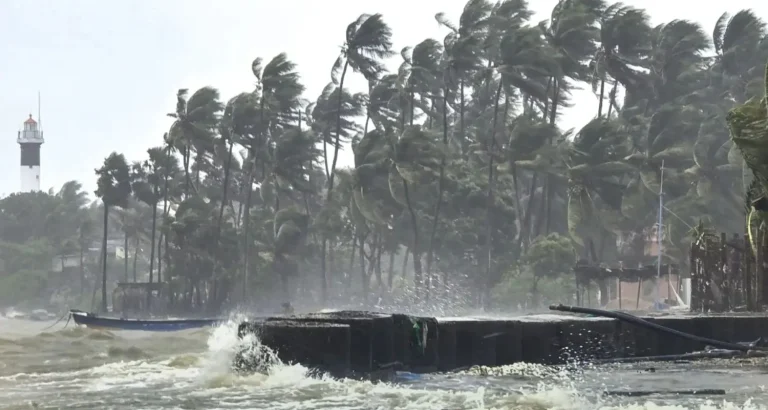
Tamil Nadu – Tamil Nadu is grappling with the severe aftermath of Cyclone Ditwah, which has claimed three lives and caused extensive agricultural damage across the state. The cyclonic system has brought heavy rainfall to delta districts, resulting in significant loss of livestock and crops, prompting state authorities to intensify relief and rescue operations.

Cyclone Ditwah’s Deadly Toll

State Revenue and Disaster Management Minister KKSSR Ramachandran confirmed that cyclone Ditwah has resulted in three fatalities over the past 24 hours in rain-related incidents across Tamil Nadu. The minister provided detailed information about the casualties during a briefing at the State Emergency Operations Centre on Sunday.

Two individuals lost their lives due to wall collapses in Tuticorin and Thanjavur districts respectively, highlighting the structural vulnerabilities exposed by the heavy rainfall accompanying cyclone Ditwah. Additionally, a 20-year-old youth died due to electrocution in Mayiladuthurai district, underscoring the multiple hazards posed by the cyclonic conditions.

Extensive Agricultural Damage from Cyclone Ditwah

The agricultural impact of cyclone Ditwah has been devastating for Tamil Nadu’s farming community. According to official reports, approximately 57,000 hectares of farmland have been damaged across various districts, with crops inundated by heavy rainfall. The minister emphasized that these figures represent preliminary assessments as floodwaters continue to affect agricultural areas.

The delta districts have borne the brunt of cyclone Ditwah’s agricultural destruction. Nagapattinam district has suffered the most severe damage, with crops affected across 24,000 hectares. Tiruvarur district follows with over 15,000 hectares of damaged farmland, while Mayiladuthurai district has seen approximately 8,000 hectares of crops impacted by the cyclonic conditions.

Livestock Casualties

Beyond human fatalities and crop damage, cyclone Ditwah has also resulted in significant livestock losses. Minister Ramachandran reported that nearly 150 cattle have died due to the impact of the cyclone in the delta districts. This livestock mortality represents a substantial economic blow to farming families who depend on cattle for dairy production and agricultural operations.

Compensation and Relief Measures

Tamil Nadu authorities have announced plans for comprehensive damage assessment and compensation following cyclone Ditwah. The minister stated that district officials will calculate the actual extent of damage after floodwaters recede completely. Based on these detailed assessments, the Chief Minister will announce appropriate compensation packages for affected farmers who have lost crops and livestock.

Meteorological Track of Cyclone Ditwah

The India Meteorological Department (IMD) has been closely monitoring cyclone Ditwah’s trajectory and intensity. According to IMD data, the cyclonic system was initially centered approximately 80 kilometers east of Jaffna in Sri Lanka, 140 kilometers southeast of Vedaranniyam in Tamil Nadu, and 280 kilometers south-southeast of Puducherry.

Notably, cyclone Ditwah had already caused catastrophic damage in Sri Lanka before impacting Tamil Nadu, claiming over 300 lives in the island nation. This devastating track underscored the serious threat the system posed to coastal Tamil Nadu.

Weakening of Cyclone Ditwah

By November 30 evening, cyclone Ditwah began showing signs of weakening. The IMD reported that the cyclonic storm weakened into a deep depression over southwest Bay of Bengal and adjoining North Tamil Nadu-Puducherry coasts. The Regional Meteorological Centre in Chennai provided detailed positional updates throughout the system’s progression.

At approximately 5:30 pm on November 30, cyclone Ditwah as a deep depression was centered about 90 kilometers east of Cuddalore, 130 kilometers northeast of Karaikal, 90 kilometers east-southeast of Puducherry, 180 kilometers north-northeast of Vedaranniyam, and 140 kilometers south-southeast of Chennai. The minimum distance of the deep depression’s center from the north Tamil Nadu-Puducherry coasts was approximately 80 kilometers.

Movement Pattern and Further Weakening

The cyclone Ditwah system moved northwards with a speed of 5 kilometers per hour, maintaining a path parallel to the North Tamil Nadu-Puducherry coasts. The IMD predicted that cyclone Ditwah would continue to weaken gradually, transforming into a depression by December 1 morning. This weakening trend provided some relief to coastal communities that had been on high alert.

Red Alert and Safety Warnings

The IMD had issued a red category warning for north Tamil Nadu, Puducherry, and adjoining south Andhra Pradesh coasts in anticipation of cyclone Ditwah’s impact. This highest-level alert prompted authorities to implement precautionary measures including fishing restrictions and coastal evacuations. Boats were docked at Marina Beach in Chennai as part of safety protocols.

Temperature Forecast for Other Regions

Beyond the immediate impact zone of cyclone Ditwah, the IMD has warned of temperature changes across other parts of India. A 2-3 degree Celsius fall in minimum temperatures is expected over the next two days across northwest and east India.

Current minimum temperatures are already at less than 6 degrees Celsius at many places in Jammu-Kashmir and isolated locations in Punjab. The range of 6-10 degrees Celsius has been recorded at many places over Uttarakhand, Haryana, Chandigarh, Delhi, and West Uttar Pradesh, with isolated cold pockets in north Rajasthan and West Madhya Pradesh.

Conclusion

Cyclone Ditwah has left an indelible mark on Tamil Nadu, with three lives lost, extensive agricultural damage, and significant livestock casualties. As the system continues to weaken and move away from the coast, authorities are focusing on damage assessment and providing relief to affected communities. The preliminary estimates of 57,000 hectares of damaged farmland and 150 cattle deaths highlight the economic impact farmers will face in the coming months. With compensation measures being prepared and the cyclonic threat diminishing, Tamil Nadu begins the long process of recovery and rebuilding from cyclone Ditwah’s devastating passage.

DC Shooting: Afghan Suspect Radicalized in US, Says Homeland Security

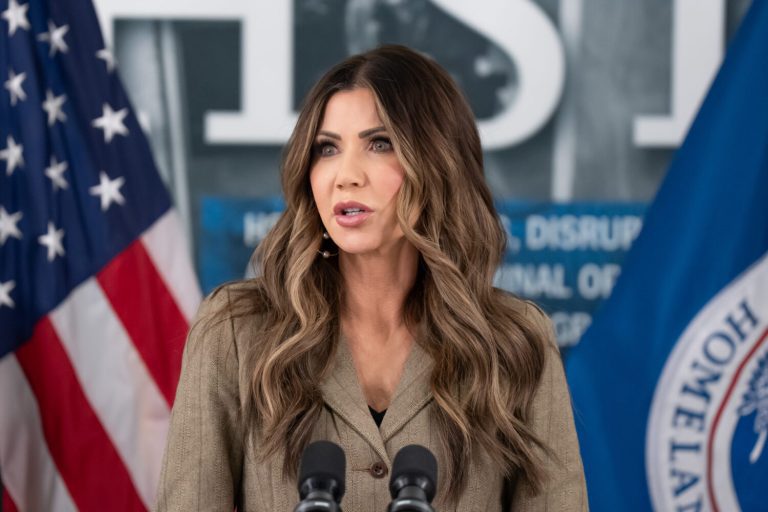
Washington D.C. – US Homeland Security Secretary Kristi Noem has provided critical updates on the DC shooting investigation, revealing that authorities believe the Afghan national accused of the attack was radicalized after arriving in the United States. The revelation has intensified political debate over immigration policies and vetting procedures for Afghan allies who assisted American forces.

Radicalization Occurred on American Soil

During an interview on Sunday, Noem addressed the motive behind the DC shooting, stating that investigators are continuing to build a comprehensive picture of the suspect’s radicalization. “But I will say we believe he was radicalised since he’s been here in this country,” Noem confirmed, adding that his “home community and state” appeared to have played a role in this transformation.

The Homeland Security chief indicated that officials are actively interviewing family members and contacts connected to the suspect. “So far we’ve had some participation,” she noted, suggesting cooperation from some individuals close to the accused. However, Noem declined to provide specific details about how the radicalization process may have occurred.

Details of the DC Shooting Incident

The DC shooting took place on Wednesday, just a few blocks from the White House, when an armed suspect opened fire on National Guard members. The attack resulted in the death of US Army Specialist Sarah Beckstrom, 20, who succumbed to her injuries on Thursday. US Air Force Staff Sergeant Andrew Wolfe, 24, remains hospitalized following the assault.

Both victims were West Virginia National Guard members who were targeted in what authorities are treating as a terror case. The suspect was subdued and arrested shortly after the DC shooting, preventing further casualties in the densely populated area near the nation’s capital.

Suspect Identification and Background

Federal authorities have identified the suspect in the DC shooting as Rahmanullah Lakanwal, a 29-year-old Afghan national. Significantly, Lakanwal previously worked with US forces and the CIA in Afghanistan before arriving in the United States in 2021, highlighting the complex nature of Afghan refugee and ally resettlement.

Lakanwal lived in Washington state with his wife and children prior to the DC shooting. Officials allege that he drove across the country specifically to carry out the attack, suggesting premeditation and planning. The investigation has stretched across multiple states, including searches conducted in Washington state and California.

Ongoing Terror Investigation

Authorities are treating the DC shooting as a terrorism case, though they have not publicly detailed a complete motive. US Attorney for the District of Columbia Jeanine Pirro announced that the suspect will face charges including first-degree murder. The severity of the charges reflects the gravity of the attack on military personnel in the nation’s capital.

US Attorney General Pam Bondi has already signaled that prosecutors will seek the death penalty in the DC shooting case. This decision underscores the government’s commitment to pursuing maximum punishment for what officials characterize as a terror attack on American soil.

Multi-State Investigation Scope

The investigation into the DC shooting has required coordination across multiple jurisdictions. Searches have been conducted in Washington state, where Lakanwal resided with his family, and extended to California. This cross-country investigation reflects the suspect’s alleged journey from his home state to the nation’s capital to carry out the attack.

Investigators continue gathering evidence and interviewing individuals connected to Lakanwal to understand the full scope of his radicalization and planning process. The multi-state nature of the investigation demonstrates the complexity of understanding how and why the DC shooting occurred.

Political Fallout and Immigration Debate

The DC shooting has triggered intense political clash in Washington over immigration policies. President Donald Trump, Vice President JD Vance, and other administration officials blamed the Biden administration for allowing Lakanwal into the United States, using the incident to advocate for stricter immigration controls.

Also Read: Trump Visa Asylum Suspension: Dramatic Crackdown After Guard Killing

The Trump administration has taken immediate action following the DC shooting, halting reviews of Afghan immigration cases and ordering fresh scrutiny of Afghans who have been admitted. This move could significantly restrict settlement rights for Afghan allies who assisted US forces during the two-decade war.

Trump Administration’s Immigration Response

On November 27, President Trump announced sweeping immigration policy changes in response to security concerns highlighted by the DC shooting. He vowed to permanently pause migration from “all Third World Countries” and “terminate” what he termed “illegal admissions” under the Biden administration.

Additional measures include ending federal benefits for non-citizens, deporting foreign nationals deemed security risks, and “denaturalising migrants who undermine domestic tranquility.” These policies represent a dramatic shift in approach to refugee resettlement and immigration enforcement.

Implications for Afghan Allies

The DC shooting has created significant complications for thousands of Afghan nationals who assisted American forces during the Afghanistan conflict. Many of these individuals arrived in the United States in 2021 during the chaotic withdrawal, expecting to find safety and new opportunities after risking their lives for American missions.

The case has raised difficult questions about vetting procedures, integration challenges, and the balance between humanitarian obligations and national security concerns. Afghan allies who worked alongside American forces now face increased scrutiny and uncertainty about their status.

Conclusion

The DC shooting investigation continues to unfold as authorities work to understand the complete picture of Lakanwal’s radicalization on American soil. As Homeland Security Secretary Noem stated, the belief that radicalization occurred after his arrival in the United States raises profound questions about community influences, integration failures, and security monitoring. The tragic loss of Army Specialist Sarah Beckstrom and the ongoing recovery of Staff Sergeant Andrew Wolfe serve as stark reminders of the human cost of this attack, while the political response signals significant changes ahead for immigration and refugee policies.

Elon Musk Praises Indian Talent, Talks About Immigration Benefits to America In Nikhil Kamath’s Latest Podcast

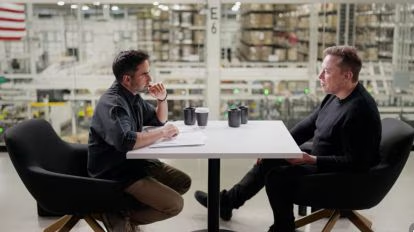
United States – Tesla and SpaceX chief Elon Musk has highlighted how Indian talent has significantly contributed to America’s success during a comprehensive podcast interview with Indian entrepreneur Nikhil Kamath. The conversation, posted on Sunday, covered multiple topics including Starlink’s India entry plans, the future of work, immigration policy, and advice for young Indian entrepreneurs.

Musk’s Strong Support for Indian Talent

During the long-form interview, Musk was unequivocal in his praise for Indian talent’s contribution to the United States. When Kamath described how Indians refer to professionals moving to America as “brain drain,” Musk emphasized the tremendous benefits America has received from this migration.

“America has benefited immensely from talented Indians that have come to America,” Musk stated emphatically. He reiterated this point, saying, “America’s been an immense beneficiary of talent from India.” This acknowledgment underscores the critical role Indian talent plays in driving innovation and economic growth in the United States.

Immigration Policy and H-1B Visa Program

Musk addressed the complexities of immigration policy while maintaining his support for Indian talent entering America through legitimate channels. He drew a contrast between different administrative approaches, noting that the Biden administration had “basically a total free-for-all with like no border controls,” adding that without border controls, “you’re not a country.”

However, while acknowledging concerns about the H-1B visa program, Musk made his position clear. He admitted that “some of the outsourcing companies have kind of gamed the system,” but firmly opposed shutting down the program entirely. “I’m certainly not in the school of thought that we should shut down the H1B program… that would actually be very bad,” he stated, recognizing the program’s importance in bringing Indian talent to American companies.

Starlink’s India Entry Plans

Musk expressed strong interest in bringing Starlink to India, stating, “Hopefully India. So we’d love to be operating in India. That would be great.” He explained how Starlink’s satellite internet technology is particularly suited for countries with large rural populations, complementing existing telecom infrastructure.

The SpaceX chief emphasized that Starlink “basically tends to serve the least served,” making it ideal for areas where ground networks struggle. He noted the service works best where internet access is “much worse,” in regions where people have “sometimes no access to internet or it’s extremely expensive or the quality is not very good.”

Technology Limitations in Urban Areas

While discussing Starlink’s India plans, Musk candidly addressed the physical limitations of satellite internet in densely populated cities. He explained, “It’s unfortunately so the physics don’t allow for that… we can’t beat something that’s 1 kilometre away, which the cell tower… physics is not on our side here.”

He clarified that it’s “not physically possible for us, for Starlink to serve densely populated cities” effectively. However, he highlighted Starlink’s resilience during disasters, noting that the satellite network continued functioning even when “the Red Sea cables were cut.”

Also Read: Trump Visa Asylum Suspension: Dramatic Crackdown After Guard Killing

Future of Work and Urbanization

Musk shared bold predictions about how technology will transform work and urban living. When Kamath asked about India’s urbanization patterns compared to China, Musk discussed how AI and robotics will fundamentally change the relationship between work and cities.

“I think in the future it won’t be the case that you have to be in a city for a job,” Musk predicted. He went further with a striking forecast: “My prediction is in the future working will be optional… in less than 20 years working will be optional.”

He described advances in technology creating a world where “people don’t have to work at all… maybe only I don’t know 10… less than 20 years,” pointing to a future where work becomes more “like a hobby.” Musk characterized this transformation as “we’re going to be in like a post-work society.”

AI and Robotics: A Supersonic Tsunami

Musk described the coming AI-driven changes in dramatic terms, calling AI and robotics “a supersonic tsunami” that would represent “the most radical change that we’ve ever seen.” Despite this upheaval, he suggested people could still pursue education in areas that interest them, such as sciences or arts.

On college education for young Indians, Musk noted one important reason remains valid: “To be around people your own age in a learning environment.” He advised students who choose to attend college should “try to learn as much as possible across a wide range of subjects.”

Advice for Indian Entrepreneurs

When Kamath asked what message Musk would share with young Indian builders and founders, the Tesla chief focused on value creation and contribution. “Aim to make more than you take. Be a net contributor to society,” he advised.

Musk emphasized that financial success follows usefulness rather than the reverse: “If you want to create something valuable financially… it’s best to actually pursue providing useful products and services… money will come as a natural consequence.”

He concluded by offering respect to anyone who tries to “make more than they take,” reinforcing his philosophy that genuine value creation leads to success.

Conclusion

Musk’s conversation with Kamath highlighted his appreciation for Indian talent while outlining ambitious plans for Starlink’s India entry. His vision of a post-work society powered by AI and robotics, combined with practical advice for young entrepreneurs, demonstrates his forward-thinking approach. As Indian talent continues contributing globally, Musk’s acknowledgment reinforces the significant impact Indian professionals have on technological innovation and economic development worldwide.

SIR Schedule Extended: Election Commission Revises Electoral Roll Timeline

0

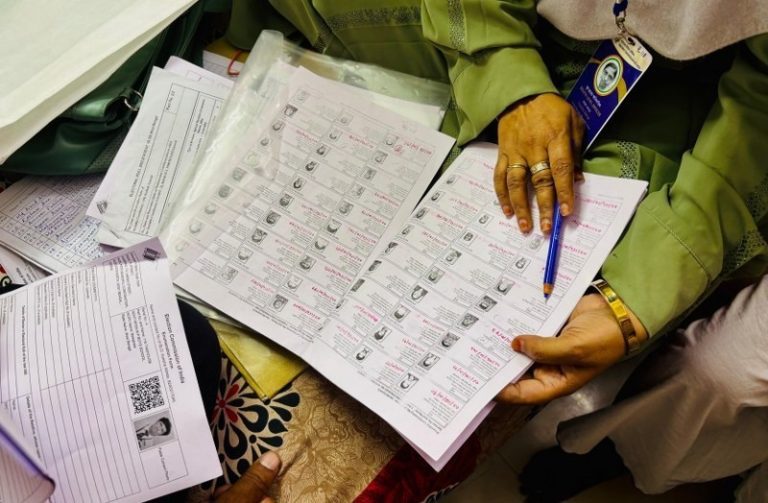
New Delhi – The Election Commission has announced that the SIR schedule extended by one week across 12 states and Union Territories, responding to concerns about tight timelines that were allegedly hindering voters and officials. The revised timeline comes amid growing Opposition criticism and uneven digitisation progress across various states, marking a significant development in India’s electoral preparation process.

Key Changes in Extended Timeline

With the SIR schedule extended, several critical deadlines have been pushed back to accommodate a more thorough verification process. The distribution of enumeration forms will now continue until December 11, replacing the previous deadline of December 4. Draft electoral rolls publication has been rescheduled from December 9 to December 16, while the period for filing claims and objections now extends until January 15, 2026.

Most significantly, the final voters’ list will be published on February 14, 2026, instead of the originally planned February 7. This week-long extension affects the second phase of the Special Intensive Revision covering nine states and three Union Territories, encompassing nearly half of India’s billion-strong electorate.

Election Commission’s Justification

According to poll panel functionaries, the SIR schedule extended primarily to ensure full transparency in the electoral process. An additional week has been allocated for Booth-Level Officers to share details of absent, shifted, deceased, and duplicate electors with Booth-Level Agents before preparing draft rolls.

“An additional week is being given for sharing details of absent, shifted, dead, and duplicate electors by the BLOs with the BLAs before preparing the draft rolls so as to ensure full transparency,” a poll panel functionary stated. Election Commission officials rejected Opposition charges, emphasizing that the extension provides adequate time for Booth-Level Agents to properly vet voter lists.

States and UTs Covered Under Revised Schedule

The SIR schedule extended applies to 12 regions where the second phase was launched on October 27. These include Andaman and Nicobar Islands, Lakshadweep, Chhattisgarh, Goa, Gujarat, Kerala, Madhya Pradesh, Puducherry, Rajasthan, Tamil Nadu, Uttar Pradesh, and West Bengal. Among these, Tamil Nadu, Puducherry, Kerala, and West Bengal are scheduled for Assembly elections in 2026, making the revision particularly significant for these states.

Opposition Criticism and Demands

Despite the SIR schedule extended announcement, Opposition parties have mounted strong criticism against the Election Commission. Samajwadi Party chief Akhilesh Yadav argued that a one-week extension remains insufficient, highlighting that Booth-Level Officers are under immense pressure to meet deadlines, adversely affecting their physical and mental well-being.

“The EC has paid no attention to this logical and practical demand. It seems the Commission has become insensitive and unconcerned about the problems,” Yadav stated. He emphasized that the extension, while welcome, does not adequately address the ground realities faced by electoral officials.

The Trinamool Congress, which has linked 40 deaths in West Bengal to the exercise, said the revised schedule vindicated its position that the process was ill-conceived and hasty. Party vice-president Jay Prakash Majumdar criticized the Election Commission for announcing the second phase in a hurry under alleged BJP instructions.

Congress leader Pramod Tiwari urged the poll panel to adopt the more extensive schedule used during the 2003 revision, suggesting that the current timeline remains inadequate for comprehensive voter verification.

BJP’s Response to Extension

The Bharatiya Janata Party defended the Election Commission’s decision, with Union minister Sukanta Majumdar stating that revising the SIR schedule extended falls within the poll panel’s jurisdiction. He characterized it as a procedural step to ensure the exercise is conducted in a foolproof manner, while alleging that opposition parties, particularly TMC, want to stall the process to benefit from infiltrators’ votes.

Ground-Level Concerns from BLOs

Even with the SIR schedule extended, Booth-Level Officers in West Bengal have called the announcement only a “partial victory.” Agitating BLOs maintain they require at least two to three more months to conduct the revision thoroughly and properly.

Also Read: Parliament Winter Session: Opposition Demands Critical Debates on SIR

“We need at least two more months, if not three, to do our job thoroughly,” stated one BLO who is a schoolteacher, requesting anonymity. This feedback suggests that the one-week extension may still be insufficient for comprehensive ground-level implementation.

Digitisation Progress Remains Uneven

The SIR schedule extended comes amid significant disparities in digitisation progress across states. While distribution of enumeration forms is nearly complete at 99.65% coverage across all 12 regions, digitisation rates vary considerably.

Uttar Pradesh, with over 150 million electors and the highest deployment of Booth-Level Officers, has digitised only 69.56% of forms. Kerala has achieved 81.19% digitisation, Gujarat stands at 85.96%, and Tamil Nadu has reached 87.64%. These uneven digitisation rates underscore the challenges in completing the revision within tight timelines.

Implications for 2026 Elections

With the SIR schedule extended and final rolls now published on February 14, states preparing for 2026 Assembly elections have more time for accurate voter list preparation. However, the political controversy surrounding the exercise continues, with transparency and adequate time for verification remaining contentious issues.

Conclusion

While the SIR schedule extended represents the Election Commission’s responsiveness to concerns, the debate over adequate timelines and proper implementation continues. As the revised deadlines approach, all stakeholders will monitor whether this extension sufficiently addresses the challenges of conducting India’s largest electoral roll revision exercise while maintaining transparency and accuracy.

Parliament Winter Session: Opposition Demands Critical Debates on SIR

New Delhi – The Parliament winter session is set to commence on December 1, 2025, amid significant tension between the government and Opposition parties. During an all-party meeting convened on November 30, Opposition leaders strongly demanded discussions on the Special Intensive Revision (SIR) of electoral rolls and national security, threatening to disrupt parliamentary proceedings if their demands are not met.

All-Party Meeting Highlights Key Concerns

The all-party meeting held before the Parliament winter session revealed deep divisions between the treasury and Opposition benches. Opposition parties characterized the meeting as a mere formality, alleging that the government has predetermined the agenda without proper consultation. Congress general secretary Jairam Ramesh criticized the Modi government for listing subjects for short duration discussions without Opposition input.

The Parliament winter session, scheduled for just 15 days, will be the shortest in parliamentary history according to Ramesh. He highlighted that the government has listed 13 bills for passage, with ten bills not examined by the concerned Standing Committee. This rushed approach has raised concerns about proper legislative scrutiny during the Parliament winter session.

Opposition’s Primary Demand: SIR Discussion

The most contentious issue heading into the Parliament winter session is the Special Intensive Revision of electoral rolls. The Samajwadi Party took a particularly strong stance, with leader Ram Gopal Yadav asserting that his party would not allow the House to function if discussion on SIR is not held during the session.

Yadav emphasized that the government cannot avoid discussing SIR by claiming it is being conducted by the Election Commission. The Opposition has raised serious concerns about the SIR process, alleging it could be used to delete legitimate voters from electoral rolls. Trinamool Congress MP Kalyan Banerjee revealed that 40 booth-level officers have died during the SIR process, raising questions about the exercise’s implementation.

National Security Debate Demanded

Following the recent Delhi blast incident, Opposition parties strongly pressed for a discussion on national security during the Parliament winter session. Congress deputy leader in the Lok Sabha Gaurav Gogoi stated that his party demanded comprehensive debate on security matters, including national security concerns arising from the blast.

However, Gogoi claimed that the government appears unwilling to hold short duration discussions on national security. TMC’s Banerjee also called for an elaborate discussion on national security, emphasizing its critical importance for the nation.

Democracy Under Threat Allegations

The Parliament winter session is beginning against a backdrop of serious allegations from Opposition parties about threats to democratic institutions. Gaurav Gogoi alleged that the ruling party under Prime Minister Narendra Modi’s leadership wants to “finish off” democracy, “derail” Parliament, and “bury” parliamentary traditions.

Also Read: Health Security Cess Bill: New Parliament Legislation Targets Sin Goods

Congress demanded discussions on multiple critical issues during the Parliament winter session including national security, air pollution, ensuring purity of voter lists, farmers’ issues, and foreign policy. Gogoi emphasized that the Opposition is united and does not want the temple of democracy used only to sing praises of one person.

Election Commission Bias Claims

The Parliament winter session will likely witness heated debates over allegations of Election Commission bias. Gogoi stated that the Election Commission has been acting in a biased manner before, during, and after elections. The Opposition has specifically demanded discussion on the purity of voter lists, linking it to the broader security of democracy.

TMC’s Kalyan Banerjee questioned why issues like SIR and MGNREGA raised by his party were not allowed to be discussed previously, claiming the Speaker had indicated the government was unwilling. He demanded that 40% of the Parliament winter session time be allocated to Opposition as 70% is currently taken by treasury benches.

Additional Issues on Opposition Agenda

Beyond SIR and national security, the Parliament winter session will see Opposition parties raising several other critical concerns. Congress highlighted air pollution as a major issue requiring discussion, with Gogoi emphasizing it as a matter of public health and environmental security.

Economic security, particularly regarding farmers not receiving appropriate prices for their produce and protection against natural disasters, was also flagged for debate. On foreign policy, Gogoi criticized the government for formulating policies based on other countries’ preferences, citing examples of pressure regarding oil purchases from Russia and defense investments.

Parliamentary Functioning at Stake

The Parliament winter session faces potential disruption if the government does not accommodate Opposition demands. While the Samajwadi Party has explicitly threatened to stall proceedings, TMC’s Banerjee expressed hope that good sense would prevail and the government would allow SIR discussion.

DMK’s Tiruchi Siva confirmed that all Opposition parties are united on the SIR issue, making it the common demand heading into the Parliament winter session. CPI MP P. Sandosh Kumar also raised concerns about alleged irregularities in SIR, national security following the Delhi blast, and air pollution.

Conclusion

As the Parliament winter session begins, the stage is set for confrontation between government and Opposition. The demand for debates on SIR and national security reflects deeper concerns about democratic processes and national priorities. Whether the shortest parliamentary session in history will address these critical issues or witness disruption remains to be seen, with implications for India’s democratic functioning and legislative productivity.

Vasant Kunj Accident: Tragic Wedding Night Collision Claims Life

0

New Delhi – A devastating Vasant Kunj accident on Sunday morning resulted in one fatality and left two others critically injured when a speeding Mercedes struck pedestrians near Ambience Mall. The incident, which occurred in the early hours, has shocked the community and raised serious questions about road safety in the capital.

Details of the Vasant Kunj Accident

The Vasant Kunj accident took place at approximately 2:33 am on Nelson Mandela Marg when a Mercedes, driven by 29-year-old software engineer Shivam Arora, lost control and crashed into three men waiting for an autorickshaw. The victims were employees of Paul, a French bakery-café chain located at Ambience Mall, who had just finished their work shift.

Arora, who works for an American multinational technology company and lives in Karol Bagh, was returning from his own wedding reception with his wife and elder brother when the tragedy occurred. He had borrowed the vehicle from a friend specifically for the wedding celebrations.

Victims of the Fatal Crash

The Vasant Kunj accident claimed the life of 23-year-old Rohit Singh, a chef at the Ambience Mall branch of Paul. Singh, originally from Chamoli district in Uttarakhand, was the sole breadwinner of his family and lived in a rented room in Munirka. He succumbed to his injuries during treatment later on Sunday.

The two other victims, identified as Kapil (35) and Lalit (25), are currently undergoing treatment at different hospitals across Delhi. Both men are colleagues of Singh and work at the same restaurant. Their conditions remain under medical supervision as they recover from the traumatic incident.

How the Vasant Kunj Accident Unfolded

According to police investigations, the Vasant Kunj accident occurred when the Mercedes was traveling from a hotel in Vasant Kunj at excessive speed. The vehicle first struck a road divider, causing the driver to lose control. The car then veered onto the sidewalk where it hit the three men who were standing at an auto stand, before finally crashing into a pole.

The road outside Ambience Mall has two directional routes—one leading towards Munirka and another to a U-turn. As per preliminary inquiry, the vehicle lost balance due to a diversion on the road, resulting in the catastrophic collision. A PCR call was received by police at 2:33 am reporting the accident.

Also Read: India Gate Violence: Shocking Police Custody Order and Digital Evidence Mystery

Driver Arrested and Legal Actions

Following the Vasant Kunj accident, Shivam Arora was immediately arrested by Delhi Police. DCP (Southwest) Amit Goel confirmed that all three victims worked at a restaurant in Ambience Mall and were rushed to hospital following the collision.

Arora underwent medical examination for intoxication, and police confirmed that no alcohol was detected in his blood sample. Despite the absence of alcohol, he has been booked under multiple sections of the Bharatiya Nyaya Sanhita (BNS). The charges include Section 106 for causing death by negligence, Section 125 for acts endangering life or personal safety of others, and Section 281 for rash driving on a public way.

Police continue to question the accused while simultaneously working to obtain statements from the two injured survivors of the Vasant Kunj accident.

Family’s Grief and Demands for Justice

The victim’s family from Chamoli is traveling to Delhi following the tragic Vasant Kunj accident. Rohit Singh’s uncle, Balwant, expressed profound grief over the loss, emphasizing that Singh was the family’s sole breadwinner and a hardworking individual.

“He was very hardworking and worked as a chef. We didn’t know this would happen. We last spoke to him last week. He had promised to take leave and come visit us,” Balwant shared. Singh’s mother is reportedly in shock upon hearing the devastating news.

The family has demanded strict action against the driver, questioning why their son had to pay with his life while simply waiting for transportation on the footpath. “Our son was standing near footpath, waiting for auto. What was his fault?” Balwant questioned, highlighting the innocence of the victims in this tragedy.

Road Safety Concerns

The Vasant Kunj accident has brought renewed focus to road safety issues in Delhi, particularly regarding speeding vehicles and driver negligence. Despite the absence of alcohol in this case, the incident demonstrates how excessive speed and loss of vehicle control can have fatal consequences.

The area near Ambience Mall sees significant pedestrian traffic, especially during late-night hours when mall employees finish their shifts. This Vasant Kunj accident underscores the vulnerability of pedestrians waiting at auto stands and the critical need for enhanced safety measures.

Conclusion

The Vasant Kunj accident serves as a grim reminder of how celebration can turn into tragedy within moments. As the investigation continues and the injured fight for recovery, this incident emphasizes the paramount importance of responsible driving and road safety awareness. The loss of a young life and the trauma inflicted on two others demand accountability and stricter enforcement of traffic regulations to prevent similar tragedies in the future.

Health Security Cess Bill: New Parliament Legislation Targets Sin Goods

New Delhi – Parliament is set to witness the introduction of a significant new legislation that will impose a health security cess on various sin goods. Union Finance Minister Nirmala Sitharaman is scheduled to present the “Health Security se National Security Cess Bill, 2025” in the Lok Sabha, marking a major shift in how the government approaches taxation on products deemed harmful to public health.

Understanding the Health Security Cess Framework

The proposed health security cess legislation aims to generate revenue for meeting expenditure on national security and public health initiatives. Initially, the health security cess will be imposed on pan masala, with provisions to extend it to other sin goods including cigarettes and tobacco products, excluding bidis. The bill strategically empowers the central government to add any item to the list in the future based on public welfare considerations.

According to the proposed framework, the health security cess will be calculated based on the production capacity of specified items. Manufacturers will be required to self-declare the location-wise production capacity of their units, ensuring transparency in the levy system. This approach represents a departure from traditional taxation methods and focuses on production capabilities rather than just sales.

Production-Based Levy Structure

The health security cess structure is designed with a graduated scale based on production capacity and product specifications. For pan masala manufacturers, if a facility has a production capacity of 500 units of 2.5-gram pouches per minute per machine, a cess of approximately ₹100 per month per machine is expected.

The levy increases substantially with higher production speeds and heavier product weights. For machines producing between 1,000 to 1,500 units of 2.5-gram pouches, the health security cess would amount to ₹30.3 lakh per month per machine. When pouches weigh between 2.5 grams and 10 grams, the cess jumps to ₹1,092 lakh per month per machine. For containers exceeding 10 grams, the levy reaches ₹2,547 lakh per month per machine.

Replacing GST Compensation Cess

The introduction of the health security cess bill is expected to replace the Goods and Services Tax compensation cess on tobacco products. The compensation cess was scheduled to cease after the government services remaining principal and interests of back-to-back loans taken during the Covid period to compensate states for revenue losses.

The 56th GST Council meeting in September 2025 decided to remove compensation cess in a phased manner. While the levy ended on most sin goods and luxury items from September 22, it continued on pan masala, gutkha, cigarettes, chewing tobacco products, and unmanufactured tobacco until loan obligations were completely discharged.

Additional Legislative Measures

Alongside the health security cess bill, Parliament will also consider The Insurance Laws (Amendment) Bill, 2025, which proposes raising the foreign direct investment limit in the insurance sector from 74% to 100%. Both bills have been prioritized by the government in the Business Advisory Committee meetings of both houses.

Also Read: Delhi MCD Bypolls 2025: Critical Battle For 12 Civic Wards Begins

The Central Excise (Amendment) Bill, 2025 is also scheduled for introduction on the same day, indicating a comprehensive approach to reforming indirect taxation and regulatory frameworks.

Implementation and Regulatory Mechanisms

Once the health security cess bill becomes law, it will come into effect on the date notified by the government in the official gazette. Procedural details, regulatory mechanisms, and operational guidelines will be framed through rules after parliamentary approval.

The government has emphasized that regulatory mechanisms and inspections will incorporate hi-tech solutions with extensive use of digital technologies. This modern approach aims to ensure efficient monitoring and compliance while minimizing bureaucratic procedures.

Historical Context of Compensation Cess

The GST regime initially assured states a 14% annual revenue increase for five years from July 1, 2017, to June 30, 2022. The compensation cess was levied on luxury goods and sin products including liquor, cigarettes, tobacco products, aerated water, automobiles, and coal to make good any revenue shortfalls.

This compensation mechanism was extended until March 31, 2026, specifically to retire debts taken to meet revenue shortfalls during the Covid period. The 56th GST Council limited the compensation cess scope to only tobacco-related items until all loan obligations are discharged, which was estimated to occur by December 2025.

Conclusion

The health security cess represents a strategic policy shift toward targeted taxation of harmful products while generating dedicated funds for national security and public health. As Parliament convenes to discuss this legislation, stakeholders across industries will closely monitor its implications for production, pricing, and public health outcomes. The bill’s passage would mark a significant milestone in India’s indirect taxation framework, replacing the temporary compensation cess with a permanent, purpose-driven levy system.