Thursday, May 7, 2026
Home Blog Page 286

Tribute to Alumni at Tech Fest College Honours Ex‑Students Involved in Chandrayaan‑3 Mission 2025: Jalpaiguri Government Engineering College Pride, ISRO Achievements, Student Innovation, Governance Challenges, Community Inspiration, and Policy Reform Needs in Indian Space Research

The Tribute to Alumni at Tech Fest College Honours Ex‑Students Involved in Chandrayaan‑3 Mission 2025 is more than a campus event — it is a celebration of India’s scientific achievements and the pride of a regional institution. On November 29, 2025, Jalpaiguri Government Engineering College (JGEC) honoured ten of its alumni who contributed to ISRO’s Chandrayaan‑3 lunar mission. The tribute was part of the college’s annual tech fest Start Srishti, where students organized a rocket‑launch competition to symbolize innovation and aspiration.


2. The Symbolism of Chandrayaan‑3

Chandrayaan‑3, launched in July 2023, marked India’s successful soft landing on the Moon’s south pole.

  • It demonstrated India’s growing space capabilities.
  • It placed ISRO among the world’s leading space agencies.
  • It inspired millions of students to pursue science and engineering.

JGEC’s tribute connects local pride with national scientific achievement.


3. The Alumni Connection

Ten JGEC alumni were part of ISRO’s Chandrayaan‑3 team.

  • They represented mechanical, electrical, and civil engineering disciplines.
  • Their contributions ranged from propulsion systems to structural design.
  • Their success reflects the strength of regional institutions in national missions.

4. The Rocket‑Launch Competition

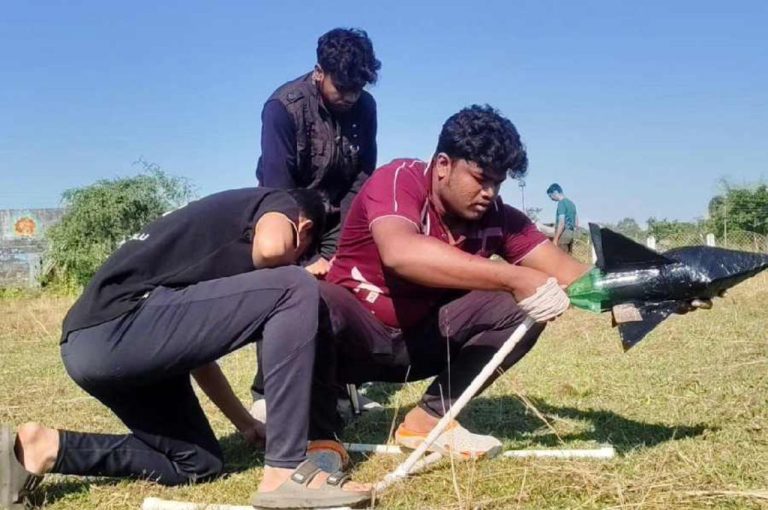
Students organized “Sputnik,” a rocket‑launch event:

  • Rockets were made from plastic bottles fitted with fins.
  • Bottles were filled with water and pressurized with air pumps.
  • Sudden release of pressure propelled rockets across the field.
  • One rocket reportedly traveled over 500 metres.

This playful yet scientific exercise symbolized low‑cost innovation and student creativity.


5. Tribute to Alumni at Tech Fest College: Voices from Students

Student organizers expressed:

  • Pride in honouring alumni.
  • Excitement about exploring low‑cost engineering innovations.
  • Hope that playful experiments could inspire future spacecraft design.

Their voices reflect the human dimension of scientific aspiration.


6. Governance and Institutional Pride

JGEC principal Amitabh Roy declared:

  • Participation of alumni in Chandrayaan‑3 is a matter of pride.
  • Student innovations, though playful, could inspire real technology.
  • The event strengthens the institution’s identity as a hub of innovation.

This reflects the role of governance in nurturing scientific culture.


7. Historical Context: JGEC’s Legacy

JGEC has long contributed to Bengal’s engineering education.

  • Alumni have served in national institutions.
  • The college has hosted annual tech fests to inspire innovation.
  • The Chandrayaan‑3 connection strengthens its legacy.

8. Broader Implications for Democracy and Development

The tribute raises broader questions:

  • Can regional institutions drive national scientific missions?
  • Will student innovation translate into real technology?
  • How can governance balance heritage with modernization?

9. Recommendations for Reform

Experts suggest:

  • Expand funding for regional engineering colleges.
  • Integrate student projects with national missions.
  • Promote eco‑friendly innovation like water‑propelled rockets.
  • Policy reforms to replicate similar models nationwide.

10. Comparative Lessons from Other States

Other states have undertaken similar initiatives:

  • IIT Madras contributed to Gaganyaan.
  • NITs supported satellite design.
  • JGEC’s case reflects a national trend of regional pride in space missions.

11. Human Stories: Families and Communities

Families of alumni expressed:

  • Joy at seeing their children honoured.
  • Pride in contributing to national missions.
  • Hope for future generations to follow.

These stories highlight the human impact of scientific achievement.


12. Scientific Impact

Researchers emphasized:

  • Chandrayaan‑3’s success strengthens India’s global standing.
  • Alumni contributions highlight the importance of regional talent.
  • Student experiments enrich scientific culture.

The findings enrich scientific knowledge and institutional pride.


13. Conclusion: A Test of Governance and Inspiration

The Tribute to Alumni at Tech Fest College Honours Ex‑Students Involved in Chandrayaan‑3 Mission 2025 is more than a campus event — it is a test of governance, democracy, and inspiration. Unless systemic reforms are undertaken, regional institutions will remain under‑recognized, and public trust in science will erode.

The tribute underscores the urgency of balancing scientific achievement with community pride and governance accountability.


🔗 Government External Links

For further reading and official updates, here are relevant government sources:

Also read: Home | Channel 6 Network – Latest News, Breaking Updates: Politics, Business, Tech & More

Navyug Khadi Fashion Show Strong Redefiness Khadi for Nation, Fashion and Transformation: 2025

New Delhi, November 30, 2025:
The Navyug Khadi Fashion Show, held at Pragati Maidan’s National Crafts Museum & Hastkala Academy, presented a bold, modern vision of Khadi, blending heritage with innovation. Organised by the Khadi and Village Industries Commission (KVIC) in collaboration with the Centre of Excellence for Khadi (CoEK), the National Institute of Fashion Technology (NIFT), and the Fashion Design Council of India (FDCI), the event celebrated the “New Khadi of New India” and highlighted its growing relevance in contemporary fashion and sustainable lifestyles.​

Modern Khadi on the Ramp

The show featured a curated selection of Khadi garments and products, including sarees, yardages, accessories, and home décor, all designed to appeal to modern consumers. Regional crafts such as Ikat from Odisha, Eri silk from Assam, Tangaliya from Gujarat, Silk from Karnataka, Cotton from Bengal, and traditional weaves from Telangana and Bihar were showcased, underscoring India’s rich textile diversity.​


Visionary Leadership and Artisan Empowerment

Shri Manoj Kumar, Chairman of KVIC, emphasized that the true strength of Khadi lies in its artisans. He credited Prime Minister Narendra Modi’s vision for transforming Khadi into a symbol of patriotism, modern lifestyle, and national transformation. “Khadi for Nation, Khadi for Fashion, and Khadi for Transformation” is now a guiding mantra, reflecting Khadi’s journey from village looms to global fashion ramps.​

Interactive Experience and Knowledge Portal

The event included interactive workshops on hand spinning, natural dyeing, and sari draping, allowing visitors to engage directly with the craft. The second volume of the Khadi Knowledge Portal was also launched, providing design directions and trends to empower Khadi institutions and designers across the country.​

Inclusive and Sustainable Fashion: Navyug Khadi

The Navyug Khadi exhibition, running from November 28 to December 3, features sales counters and engaging sessions, reinforcing Khadi’s role in employment generation, environmental sustainability, and self-reliance. The event brought together artisans and institutions from across India, with KVIC Chairman Manoj Kumar walking the ramp alongside weavers, symbolizing unity and pride in Khadi’s legacy.​


For more real-time updates, visit Channel 6 Network.

Source: PIB

Ahead of Winter Session of Parliament 2025 Government proudly Holds All-Party Meeting

New Delhi, November 30, 2025:
A high-level meeting was held under the chairmanship of Union Defence Minister Shri Rajnath Singh with leaders of 36 political parties, including Union Ministers, to discuss the agenda for the upcoming Winter Session of Parliament 2025. The meeting, convened by Union Minister of Parliamentary Affairs and Minority Affairs Shri Kiren Rijiju, saw the participation of 50 leaders from across the political spectrum.​

Key Details of the Winter Session

The Winter Session of Parliament is scheduled to commence on December 1, 2025, and is expected to conclude on December 19, 2025, with a total of 15 sittings spread over 19 days. Shri Rijiju informed the leaders that 14 items of legislative and other business have been tentatively identified for discussion during the session.​


Legislative Agenda and Bills

The government plans to introduce and discuss several significant bills, including:

  • The Jan Vishwas (Amendment of Provisions) Bill, 2025

  • The Insolvency and Bankruptcy Code (Amendment) Bill, 2025

  • The Manipur Goods and Services Tax (Second Amendment) Bill, 2025

  • The Repealing and Amending Bill, 2025

  • The National Highways (Amendment) Bill, 2025

  • The Atomic Energy Bill, 2025

  • The Corporate Laws (Amendment) Bill, 2025

  • The Securities Markets Code Bill, 2025

  • The Insurance Laws (Amendment) Bill, 2025

  • The Arbitration and Conciliation (Amendment) Bill, 2025

  • The Higher Education Commission of India Bill, 2025

  • The Central Excise (Amendment) Bill, 2025

  • The Health Security & National Security Cess Bill, 2025.​

Financial business will include the presentation, discussion, and voting on the first batch of Supplementary Demands for Grants for 2025-26, as well as the introduction and consideration of the related Appropriation Bill.​

Constructive Dialogue and Cooperation

Leaders of different political parties expressed their views on issues they intend to raise during the session and assured the government of their cooperation for the smooth functioning of both Houses of Parliament. Shri Rajnath Singh and Shri Kiren Rijiju thanked all participants for their active engagement and constructive contributions.​


For more real-time updates, visit Channel 6 Network.

Source: PIB

India Shines at WorldSkills Asia 2025, Secures 8th Rank in Historic Debut

New Delhi, November 30, 2025:
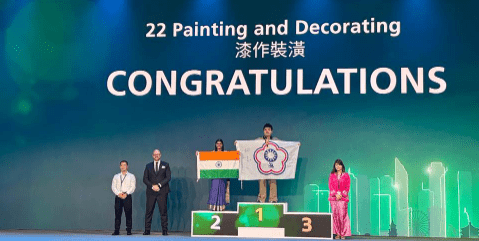
India made a remarkable entry on the global skills stage by finishing 8th at the WorldSkills Asia Competition (WSAC) 2025, held in Chinese Taipei from November 27–29. This debut marked a major milestone, as India competed against 29 nations and showcased excellence across high-demand and emerging skill categories.​

Medal Haul and Outstanding Performances

The Indian contingent, led by the Ministry of Skill Development and Entrepreneurship (MSDE) and supported by NSDC and technical partners, included 23 competitors across 21 skill areas, accompanied by 21 experts. India secured one Silver, two Bronze medals, and three Medallions for Excellence, highlighting the nation’s fast-growing reputation in global skills competitions.​


Medalists:

  • Silver: Painting & Decorating – Muskan

  • Bronze: Industrial Design Technology – Komal Panda

  • Bronze: Robot System Integration – Shivam Singh & Dinesh R

  • Medallion for Excellence: Software Application Development for Business – Mohamed Mafaz P R

  • Medallion for Excellence: Web Technologies – Aditya Nandan

  • Medallion for Excellence: Electrical Installations – Dhanush M G​

Women competitors stood out, contributing significantly to the medal tally and earning the “best in country” medal for scoring the highest among all Indian participants.​

Rigorous Selection and Training

India’s competitors were selected through the IndiaSkills National Competition 2024 and underwent months of intensive industry-led training by leading academic institutions, Sector Skill Councils, and global experts. This rigorous preparation ensured world-class readiness for the WSAC 2025 stage.​

National Commitment to Skills Excellence

Speaking on the achievement, Shri Jayant Chaudhary, Minister of State (I/C) for Skill Development and Entrepreneurship, praised the participants, trainers, and industry partners for their dedication. He highlighted that India’s performance reflects the country’s growing strength in skills development and its ambition to become a global hub for skilled talent.​

Looking Ahead: Worldskills asia 2025

India’s debut at WSAC 2025 sets a strong precedent for future international competitions. The event brought together over 500 young competitors from 29 Asian nations across 44 skill categories, providing a platform to showcase innovation and future-ready capabilities.​


For more real-time updates, visit Channel 6 Network.

Source: PIB

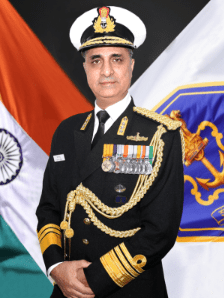
Vice Admiral Sanjay Sadhu Assumes Charge as Controller of Warship Production & Acquisition: 2025

New Delhi, November 30, 2025:
Vice Admiral Sanjay Sadhu, AVSM, NM, assumed charge as the Controller of Warship Production & Acquisition (CWP&A) on 28 November 2025. With over 38 years of distinguished service in the Indian Navy, Vice Admiral Sadhu brings extensive operational, technical, and managerial expertise to this critical role overseeing the production and acquisition of India’s warships.​

A Legacy of Leadership and Expertise

Commissioned into the Indian Navy in 1987, Vice Admiral Sadhu holds a postgraduate degree in Mechanical Engineering and an MPhil in Defence and Strategic Studies. His career includes key appointments such as Additional General Manager (Production) at Naval Dockyard (Mumbai), Commodore Superintendent of Naval Ship Repair Yard (Karwar), and Principal Director Marine Engineering at Naval Headquarters, New Delhi.​

He played a significant role in the modernisation and acquisition of the Aircraft Carrier Vikramaditya from Russia, serving in various capacities including Senior Naval Engineer Overseer at Warship Overseeing Team (Severodvinsk), Russia, Director Aircraft Carrier Projects, and Principal Director Aircraft Carrier Projects at Naval Headquarters.​


Flag Rank Appointments and Distinctions

On elevation to Flag Rank, Vice Admiral Sadhu served as Additional Director General Warship Design Bureau (Submarine Design Group), Chief Staff Officer (Technical) for both Eastern and Western Naval Commands, and Admiral Superintendent of major Dockyards on both the West and East Coasts. This rare distinction underscores his deep involvement in both strategic and technical aspects of naval operations.​

He is an alumnus of the Naval War College, Goa, and has been awarded the Ati Vishisht Seva Medal and Nausena Medal by the President of India for his exceptional service.​

Transition and Future Outlook: Vice Admiral Sanjay Sadhu

Vice Admiral Sadhu takes over from Vice Admiral Rajaram Swaminathan, AVSM, NM, who is retiring after 38 years of distinguished service. During Vice Admiral Swaminathan’s tenure, eight new ships were commissioned into the Indian Navy, marking a period of significant expansion and modernisation.​

Vice Admiral Sadhu’s appointment is expected to further strengthen India’s indigenous warship production capabilities and drive the nation’s maritime security objectives forward.


For more real-time updates, visit Channel 6 Network.

Source: PIB

Raksha Mantri Strong Cutting-Edge Defence Innovations Review at DMSRDE, Kanpur: 2025

Kanpur, November 30, 2025:
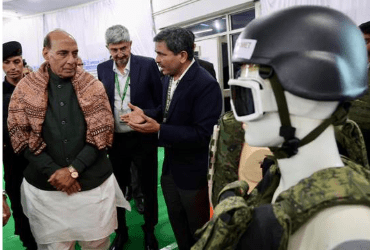
Defence Minister Shri Rajnath Singh visited the Defence Materials and Stores Research & Development Establishment (DMSRDE), a premier DRDO laboratory in Kanpur, to review the latest advancements in defence materials and technologies. The visit highlighted DMSRDE’s pivotal role in advancing India’s self-reliance in defence manufacturing and innovation.​

Showcasing Indigenous Defence Technologies

During his visit, Raksha Mantri was briefed on the laboratory’s vision, ongoing projects, and technology focus areas by the Director of DMSRDE. The lab demonstrated breakthroughs in ceramics and ceramic matrix composites, stealth and camouflage materials, nanomaterials, coatings, polymers and rubbers, fuels and lubricants, technical textiles, and personal protection systems.​

Notable products showcased included the Bullet Proof Jacket (Level-6), which is the lightest in the country and capable of withstanding sniper-grade ammunition, Naphthyl Fuel for the BrahMos missile, High-Pressure Polymeric Membranes for Indian Coast Guard ships, Silicon Carbide Fibre, and Activated Carbon Fabric-based Chemical, Biological, Radiological & Nuclear (CBRN) suits.​


Emphasis on Technology Transfer and Industry Collaboration

Raksha Mantri commended DMSRDE for carrying out the highest number of technology transfers among all DRDO labs over the past two years, fulfilling the government’s Aatmanirbhar Bharat vision. He called for exploring the export potential of these defence products and technologies and emphasized the need to enhance interactions between MSMEs, industries, and the Defence Technology and Testing Centre (DTTC) in Lucknow to better meet industrial requirements.​

The Minister lauded the growing synergy between DMSRDE, industry, and academia, aligning with Prime Minister Shri Narendra Modi’s vision for a Viksit Bharat by 2047.​

Tribute to Dr APJ Abdul Kalam and Leadership

Before his technical review, Shri Rajnath Singh paid floral tributes to the statue of former President Bharat Ratna Dr APJ Abdul Kalam at the DMSRDE premises. He was received by Secretary, (R&D) & Chairman DRDO, Dr Samir V Kamat, underscoring the high-level support for defense research and innovation in India.​


For more real-time updates, visit Channel 6 Network.

Source: PIB

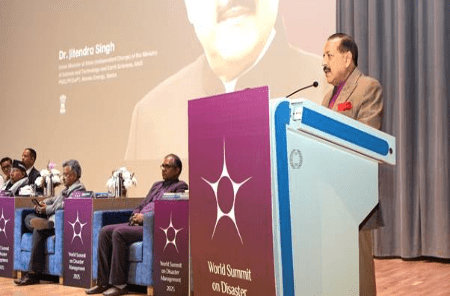
India Proudly Strengthens Disaster Preparedness: Dr. Jitendra Singh Addresses World Summit on Disaster Management in Dehradun: 2025

Dehradun, November 30, 2025:
At the World Summit on Disaster Management held in Dehradun, Union Minister of State (Independent Charge) for Science & Technology and Earth Sciences, Dr. Jitendra Singh, highlighted India’s robust disaster preparedness and the significant expansion of Uttarakhand’s weather monitoring infrastructure. The summit, which brought together global leaders, policymakers, scientists, and disaster management experts, was held at the Graphic Era Silver Jubilee Convention Centre and marked a major step toward enhancing climate resilience in the Himalayan region.​

Expansion of Weather Monitoring Infrastructure

Dr. Jitendra Singh announced the installation of three new weather radars at Haridwar, Pantnagar, and Auli, complementing the three already operational at Surkanda Devi, Mukteshwar, and Lansdowne. This expansion will significantly improve real-time forecasting and early warning capabilities in Uttarakhand, a state particularly vulnerable to hydrometeorological hazards such as cloudbursts and flash floods.​

The minister noted that the state now boasts 33 meteorological observatories, 142 automatic weather stations, 107 rain gauges, and extensive app-based outreach programs to disseminate alerts to farmers and communities. He emphasized that such infrastructure is vital for mitigating risks posed by climate change, glacial retreat, and ecological disruptions in the fragile Himalayan ecosystem.​


Uttarakhand as a Global Model for Disaster Resilience

Dr. Singh described Uttarakhand as the most appropriate venue for a global disaster management dialogue due to its unique geographical and ecological challenges, as well as its proven track record in disaster response. He cited the successful Silkyara Tunnel rescue operation as a landmark achievement in global disaster management literature and pointed out that future research on Himalayan disasters will inevitably reference Uttarakhand’s leadership and experiences.​

Himalayan Climate Study and Advanced Forecasting

The minister revealed that India has launched a specialized Himalayan climate study to analyze the triggers of sudden cloudbursts and generate predictive indicators for vulnerable districts. The “Nowcast” system, providing three-hour forecasts, is being expanded across Uttarakhand to deliver timely alerts to local administrations and communities. He also highlighted the coordinated efforts of the National Disaster Management Authority (NDMA), the Ministry of Earth Sciences, and scientific institutions in developing advanced forest fire weather services.​

Call for Strict Compliance and Sustainable Practices

Dr. Singh expressed concern over inadequate compliance with India Meteorological Department (IMD) alerts in some regions and stressed the need for stricter administrative action. He cited a recent incident in Jammu & Kashmir where timely closure of a highway following a red alert prevented a major tragedy. The minister warned against illegal mining and land-use violations that exacerbate flash flood risks and urged communities to prioritize long-term ecological health over short-term gains.​

Economic Opportunities and Global Leadership

Highlighting the economic potential of disaster resilience, Dr. Singh encouraged the replication of successful agri-startup and CSIR-led value-addition models in Uttarakhand. He noted India’s growing role in offering technical expertise and services to neighboring countries and reiterated Prime Minister Narendra Modi’s commitment to achieving Net Zero by 2070, with disaster preparedness and climate adaptation as key pillars of sustainable growth.​

Conclusion

The World Summit in Dehradun has reinforced India’s commitment to building a resilient, science-driven disaster management ecosystem. The expanded weather network, advanced forecasting systems, and cross-sector collaboration set a benchmark for other vulnerable regions and reaffirm India’s leadership in global disaster resilience.​


For more real-time updates, visit Channel 6 Network.

Source: PIB

MeitY Inaugurates e-Toys Lab at C-DAC Noida: Advancing India’s Strong Electronic Toy Ecosystem: 2025

New Delhi, November 30, 2025:
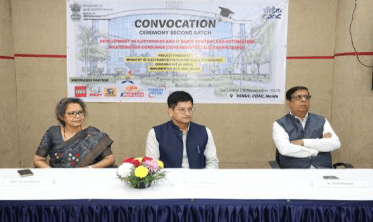
The Ministry of Electronics and Information Technology (MeitY), in collaboration with C-DAC, the Indian Toy Industries, and the LEGO Group, celebrated the convocation ceremony of the second batch of engineering graduates trained under the Electronic Toys Project. The event marked a significant milestone with the inauguration of the e-Toys Lab at C-DAC Noida, reflecting the ministry’s commitment to developing an inclusive and sustainable indigenous electronic toy manufacturing ecosystem.

Fostering Skill Development in the Toy Industry

The initiative titled ‘Development of Electronics and IT-based Control and Automation Solutions for Consumer Electronic Goods (Toy Industry)’ aims to nurture innovation and technical expertise among young engineers. Designed by MeitY’s R&D group, the project equips participants with practical knowledge to design and prototype advanced electronic toys.

The second batch of 18 engineers, selected from across India with a focus on SC/ST and North Eastern Region backgrounds, underwent a one-year training program. The training included six months of hands-on learning in the e-Toys Lab at C-DAC Noida, followed by a six-month industry internship to design prototypes based on real-world market requirements. Each participant received a monthly stipend of ₹25,000 during the training period.


Building a Robust Electronic Toys Ecosystem

During the convocation ceremony held on 29 November 2025, Shri Amitesh Kumar Sinha, Additional Secretary, MeitY, inaugurated the newly established e-Toys Lab. In his inaugural address, he emphasized the rapid growth potential of India’s electronic toy market and the pivotal role technology can play in shaping a self-reliant ecosystem.

He noted that with initiatives like this, the foundational infrastructure for an indigenous toy industry is being laid. Shri Sinha further highlighted plans to scale the program through the Centre of Excellence (CoE) at C-DAC Noida by onboarding institutions such as NIELIT and MSH to expand research and entrepreneurial opportunities in the toy sector.

Industry Collaboration to Drive Innovation

The convocation ceremony witnessed active participation from key figures in the sector, including Smt. Sunita Verma, Group Coordinator (R&D), MeitY; Shri Vivek Khaneja, Executive Director, C-DAC Noida; Shri Anirban Gupta from the Toys Association of India; and representatives from the LEGO Group and other toy industry stakeholders.

Industry leaders commended MeitY’s initiative for bridging the gap between technology and traditional toy manufacturing, ensuring that upcoming engineers are equipped with competencies aligned with global standards.

Conclusion

The inauguration of the e-Toys Lab and the successful completion of the second training batch underscore MeitY’s long-term vision to make India a global hub for innovative, safe, and sustainable electronic toys. This initiative not only strengthens research and development but also opens pathways for emerging engineers to become entrepreneurs and innovators in the country’s growing toy industry.


For more real-time updates, visit Channel 6 Network.

Source: PIB

In 27 Days Claims of 41 SIR Linked Deaths as Panic and Confusion Shift from Voters to BLOs in Bengal Electoral Roll Revision 2025: Governance Failures, Political Fallout, Administrative Pressure, Public Trust Concerns, and Policy Reform Needs in India’s Election System

The In 27 Days Claims of 41 SIR Linked Deaths as Panic and Confusion Shift from Voters to BLOs in Bengal Electoral Roll Revision 2025 controversy has become a defining moment in India’s democratic process. The Special Intensive Revision (SIR) of electoral rolls, mandated by the Election Commission of India (ECI), has triggered unprecedented stress among Booth Level Officers (BLOs). Reports of 41 deaths in less than a month have shocked the state, raising questions about governance, accountability, and the human cost of electoral exercises.


2. The Special Intensive Revision (SIR): What It Means

The SIR is a voter roll update exercise mandated by the ECI.

  • BLOs must verify voter identities against the 2002 electoral roll benchmark.
  • Families without proper linkage risk exclusion.
  • Aadhaar is accepted only as identity proof, not citizenship proof.
  • Normally, the process takes 18–24 months.
  • In 2025, the EC compressed it into two months, sparking chaos.

This hurried timeline has become the root of the crisis, with BLOs collapsing under workload pressure and communities fearing disenfranchisement.


3. The Human Cost: 41 SIR Linked Deaths in 27 Days

Reports confirm:

  • BLOs have collapsed from exhaustion, stress, and overwork.
  • Some deaths were linked to heart attacks and strokes.
  • Families of BLOs expressed fear and grief, blaming unrealistic deadlines.
  • Panic has shifted from voters to BLOs, who face immense pressure to meet targets.

This reflects the tragic human dimension of governance failures.


4. Governance Challenges Exposed

The incident highlights systemic governance failures:

  • Unrealistic deadlines imposed by EC.
  • Weak communication with BLOs.
  • Poor technology infrastructure in rural areas.
  • Delayed response to BLO grievances and deaths.

Without reforms, electoral integrity itself is at risk.


5. Political Fallout

The controversy has political consequences:

  • Opposition parties accused ruling party cadres of manipulating BLOs.
  • BJP alleged TMC interference in voter roll management.
  • TMC accused EC of acting under BJP’s instructions.
  • Civil society debated governance failures in electoral processes.

The issue has become a flashpoint ahead of the 2026 Assembly elections.


6. Observers’ Warning

Special observer Subrata Gupta and others flagged:

  • BLOs were keeping forms without uploading them on the BLO app.
  • Dead, absent, shifted, and duplicate voters were not being marked.
  • Opposition parties alleged ruling party cadres pressured BLOs to hand over forms.
  • Around 7.03 crore forms digitised out of 7.65 crore distributed, but progress was slower than expected.

Their warning reflects the systemic risks of rushed electoral exercises.


7. Historical Context: Electoral Roll Controversies

India has witnessed similar controversies:

  • Assam’s NRC excluded millions due to documentation gaps.
  • Past revisions saw BLOs complain of underpayment and overwork.
  • Bengal’s SIR echoes these controversies, highlighting systemic flaws.

8. Broader Implications for Democracy

The incident raises fundamental questions:

  • Can elections be credible if BLOs collapse under workload?
  • Will voter rolls be accurate if frontline staff are demoralised?
  • Does democracy risk losing legitimacy if electoral processes are rushed?

9. Recommendations for Reform

Experts suggest:

  • Staggered timelines for voter roll revision.
  • Hiring additional staff to support BLOs.
  • Improved technology for faster digitisation.
  • Compensation packages for BLO families.
  • Policy reform to recognise BLOs as permanent electoral staff.

10. Comparative Lessons from Other States

Other states have faced similar controversies:

  • Assam’s NRC excluded millions despite decades of residence.
  • Tripura’s refugee politics shaped electoral outcomes.
  • Bengal’s case reflects a national challenge of balancing electoral integrity with human dignity.

11. Human Stories: Families in Distress

Families of BLOs describe:

  • Sudden collapses from exhaustion.
  • Panic attacks and high blood pressure.
  • Anxiety about punitive action if targets are missed.

These stories highlight the human cost of governance failures.


12. Law Enforcement and Accountability

Observers directed district magistrates to ensure:

  • BLOs are not forced to visit homes more than thrice.
  • No false information is uploaded on the BLO app.
  • Accountability measures are enforced to prevent manipulation.

This reflects the importance of institutional safeguards in democracy.


13. Conclusion: A Test of Governance and Democracy

The In 27 Days Claims of 41 SIR Linked Deaths as Panic and Confusion Shift from Voters to BLOs in Bengal Electoral Roll Revision 2025 is more than a bureaucratic exercise — it is a test of governance, democracy, and human dignity. Unless systemic reforms are undertaken, BLOs will remain vulnerable, and public trust in institutions will erode.

The controversy underscores the urgency of balancing electoral integrity with compassion for frontline workers.


🔗 Government External Links

For further reading and official updates, here are relevant government sources:

Also read: Home | Channel 6 Network – Latest News, Breaking Updates: Politics, Business, Tech & More
NFR Ticket Vending Machines Reduce Waiting Times at 15 Railway Stations in North Bengal and Assam 2025: Digital Railway Transformation, Passenger Convenience, Governance Challenges, Smart Card Interface, Public Trust, and Policy Reform Needs in Indian Railways

The NFR Ticket Vending Machines Reduce Waiting Times at 15 Railway Stations 2025 initiative marks a significant step in modernizing passenger services in India. On November 17, 2025, the Northeast Frontier Railway (NFR) commissioned 21 Automatic Ticket Vending Machines (ATVMs) across 15 stations under the Alipurduar division. The machines are designed to ease crowding at unreserved ticketing counters, promote digital ticketing, and enable passengers to purchase journey and platform tickets quickly through a cashless, smart card–enabled interface.


2. The Problem of Long Queues

Traditionally, passengers in North Bengal and Assam faced:

  • Long queues at unreserved ticketing system (UTS) counters.
  • Delays during peak hours, especially in tourist seasons.
  • Limited staff availability at smaller stations.
  • Frustration among daily commuters and long‑distance travelers.

The ATVMs directly address these pain points of railway passengers.


3. NFR Ticket Vending Machines: The ATVM Rollout

NFR installed machines at key stations:

  • North Bengal: New Coochbehar, New Alipurduar, Alipurduar Junction, New Mal, Hasimara, Dinhata, Dalgaon, Jalpaiguri Road, Bamanhat, Dhupguri, Falakata.
  • Assam (Alipurduar division): Four stations including Kokrajhar and others.

This rollout reflects NFR’s commitment to regional connectivity and modernization.


4. How ATVMs Work

The machines operate through:

  • Smart card interface: Passengers recharge cards and use them for ticketing.
  • Cashless transactions: Promoting digital payments.
  • Quick ticket generation: Reducing waiting time drastically.
  • Platform ticketing option: Simplifying access for visitors.

This reflects the integration of technology with passenger convenience.


5. Governance Innovation

Officials emphasized:

  • ATVMs promote Digital India initiatives.
  • They reduce dependence on manual counters.
  • They enhance transparency in ticketing.
  • They empower passengers with self‑service options.

This reflects a new model of governance innovation in Indian Railways.


6. Passenger Benefits

The ATVMs provide:

  • Faster ticketing during rush hours.
  • Reduced crowding at counters.
  • Convenience for tech‑savvy passengers.
  • Accessibility for rural commuters through smart cards.

Passengers described the initiative as a game‑changer for daily travel.


7. Human Dimension: Voices from the Ground

Commuters expressed:

  • Relief at avoiding long queues.
  • Pride in seeing modern technology at local stations.
  • Hope for expansion to more stations.

Their voices reflect the human impact of railway modernization.


8. Historical Context: Railway Modernization in India

Indian Railways has long experimented with modernization:

  • Introduction of online ticketing through IRCTC.
  • Deployment of ATVMs in metropolitan cities.
  • Integration of UTS apps for mobile ticketing.

NFR’s rollout reflects a regional extension of national modernization trends.


9. Broader Implications for Democracy and Development

The initiative raises broader questions:

  • Can technology strengthen democracy by improving transparency in public services?
  • Will modernization reduce corruption and inefficiency?
  • How can governance balance heritage preservation with digital transformation?

10. Recommendations for Reform

Experts suggest:

  • Expand ATVM coverage to all major stations.
  • Integrate mobile apps with ATVMs for hybrid ticketing.
  • Enhance awareness campaigns for rural passengers.
  • Policy reforms to replicate similar models nationwide.

11. Comparative Lessons from Other States

Other zones have undertaken similar initiatives:

  • Western Railway deployed ATVMs in Mumbai suburban network.
  • Southern Railway expanded ATVMs in Chennai.
  • NFR’s case reflects a national trend of digital railway transformation.

12. Human Stories: Families and Communities

Families describe:

  • Easier travel during festivals.
  • Reduced stress for elderly passengers.
  • Convenience for students commuting daily.

These stories highlight the human dimension of railway reforms.


13. Challenges Ahead

Despite optimism, challenges remain:

  • Ensuring smart card availability in rural areas.
  • Training passengers unfamiliar with digital systems.
  • Preventing technical glitches.
  • Expanding coverage to remote stations.

14. Conclusion: A Model for Inclusive Governance

The NFR Ticket Vending Machines Reduce Waiting Times at 15 Railway Stations 2025 is more than a technological upgrade — it is a model for inclusive governance, sustainable modernization, and passenger empowerment. By integrating digital ticketing with traditional systems, NFR has created a blueprint for holistic development.

Unless systemic reforms are undertaken, challenges will persist. But the ATVM initiative underscores the urgency of balancing heritage, technology, and governance accountability in Indian Railways.


🔗 Government External Links

For further reading and official updates, here are relevant government sources:

Also read: Home | Channel 6 Network – Latest News, Breaking Updates: Politics, Business, Tech & More