Thursday, May 14, 2026
Home Blog Page 307

Volcanic Ash Cloud India: Stunning Ethiopian Eruption Impact Analyzed

0

New Delhi – A massive plume from Monday’s volcanic eruption in Ethiopia created extraordinary atmospheric conditions as it swept across the subcontinent, with the volcanic ash cloud India trajectory monitored closely by meteorological authorities. The India Meteorological Department tracked the cloud’s movement across multiple states before it exited the country on Tuesday evening, leaving minimal impact on ground-level air quality despite initial concerns.

High-Altitude Journey Across the Subcontinent

The volcanic ash cloud India followed an extraordinary high-altitude trajectory after being released during the Hayli Gubbi volcanic eruption in Ethiopia. Carried by strong westerly winds in the upper atmosphere, the plume initially traveled across Yemen, Oman, and the Arabian Sea before entering Indian airspace over the western coast around 6:30 pm on Monday.

The cloud passed over Gujarat, Rajasthan, the National Capital Region, Uttar Pradesh, Bihar, and the northeastern states before advancing toward China. By 11 pm Monday, the outer edge of the volcanic ash cloud India had reached Delhi at altitudes between 9 kilometers and 15 kilometers, continuing its rapid eastward sweep throughout Tuesday.

IMD Confirms Complete Exit

IMD Director General M Mohapatra confirmed that satellite imagery showed the volcanic ash cloud India had completely exited the country by 10:30 pm Tuesday. “These ash particles are moving at 8–15 km above the surface, so the main impact was on aviation operations over Delhi, Kolkata and Mumbai. There was no impact on the surface or the weather,” Mohapatra stated.

He explained that there was no concern regarding exposure because at those heights, wind speeds reach 100-150 kmph, causing particles to move away before they could settle on the ground. By 8:30 pm Tuesday, the plume had largely exited India, with only a thinning tail remaining over the northeast region.

Aviation Sector Bears Primary Impact

While the volcanic ash cloud India posed negligible risks to surface air quality, the aviation sector experienced significant disruption. Airlines and aviation authorities responded swiftly to the fast-changing upper-air conditions, implementing precautionary measures to ensure passenger safety.

The Directorate General of Civil Aviation issued advisories warning of possible hazards to aircraft engines, prompting airlines to cancel, delay, or divert numerous flights across multiple sectors. Key air routes across northwest India were particularly affected by the volcanic ash cloud India situation.

Major Flight Cancellations and Diversions

Air India, which had cancelled seven flights on Monday, scrapped four additional services on Tuesday, including Chennai-Mumbai and Hyderabad-Delhi routes. The airline issued a statement explaining that cancellations were precautionary and that checks were being conducted on aircraft that flew over certain geographical locations following the eruption.

IndiGo’s Kannur-Abu Dhabi service was diverted to Ahmedabad to avoid the volcanic ash cloud India path. At Delhi’s Indira Gandhi International Airport, seven international flights were cancelled and twelve were delayed by 6 pm Tuesday.

Akasa Air took extensive precautions, cancelling all international services to and from Jeddah, Kuwait, and Abu Dhabi on November 24 and 25, affecting several Gulf-bound passengers who had to make alternative arrangements.

Coordinated Government Response

The Union Ministry of Civil Aviation coordinated closely with air traffic control, IMD, airlines, and global aviation agencies to manage the volcanic ash cloud India crisis effectively. “AAI has issued the necessary NOTAM and all affected flights have been kept informed. Operations remain smooth, with only a few flights rerouted or descended as a precaution,” the ministry stated.

Also Read: Shocking Pregnant Woman Kills Mother-in-Law: Delhi Murder Case Exposed

Minimal Impact on Delhi’s Air Quality

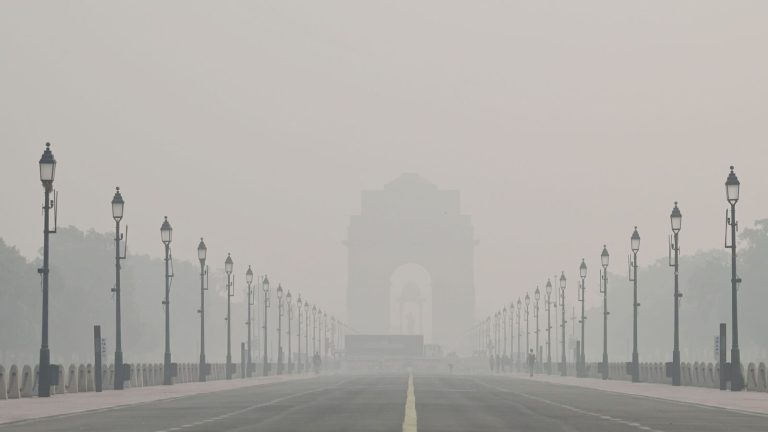
Despite initial fears that the volcanic ash cloud India might worsen pollution in Delhi-NCR, its presence was barely detectable at ground level. Delhi’s Air Quality Index stood at 370 when the plume first reached the city at 11 pm Monday, dipping to 353 by 4 pm Tuesday according to the Central Pollution Control Board.

Real-time monitoring data showed only minor, inconsistent fluctuations across various monitoring stations. At Mandir Marg, PM2.5 levels rose from 173 µg/m³ at 11 pm to 185 µg/m³ at midnight, touching 218 µg/m³ at 2 am. At Anand Vihar, PM2.5 increased from 328 µg/m³ to 382 µg/m³ at midnight, while at Punjabi Bagh, levels climbed from 306 µg/m³ to 345 µg/m³, showing no clear pattern attributable to the volcanic ash cloud India.

Scientific Explanation for Minimal Ground Impact

Professor Abhineety Goel from the Faculty of Environmental Studies at FLAME University explained why the volcanic ash cloud India had minimal surface impact. The ash cloud traveled at elevations between 27,000 and 50,000 feet—far above the tropospheric layer where Delhi’s pollution typically accumulates.

“Most pollutants that deteriorate Delhi’s air are confined to the lower layers of the atmosphere. This ash cloud is in the stratosphere. Although heavier particles may eventually descend, any deposition is more likely to affect soil, vegetation or water bodies than immediate air quality,” Goel explained, noting that primary advisories were therefore focused on aviation safety rather than public health.

Weather Systems and Future Outlook

While managing the volcanic ash cloud India situation, IMD also issued alerts regarding other weather systems. A well-marked low-pressure area over Malaysia and the Strait of Malacca intensified into a depression, while another low-pressure area formed over the southwest Bay of Bengal.

Heavy rainfall is forecast for Tamil Nadu until November 30, Kerala and Mahe on November 26, and coastal Andhra Pradesh, Yanam, and Rayalaseema during November 29 to December 1. The Andaman and Nicobar Islands are expected to receive precipitation until November 29, with very heavy rainfall predicted for Tamil Nadu during November 28-30.

The successful monitoring and management of the volcanic ash cloud India incident demonstrates the effectiveness of coordinated responses between meteorological agencies, aviation authorities, and airlines in handling rare atmospheric events while prioritizing public safety.
Ukraine Peace Deal: Critical Trump Claims vs European Skepticism Revealed

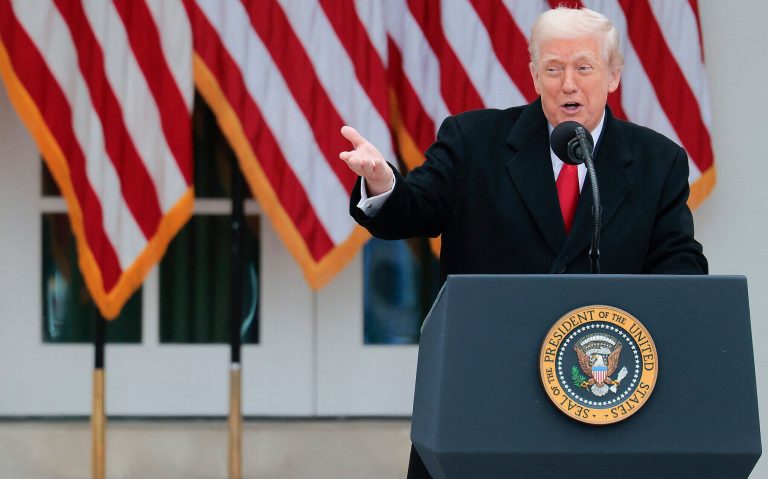
Washington D.C. – As the Russia-Ukraine conflict enters its third year since Moscow’s full-scale invasion in 2022, diplomatic efforts to forge a Ukraine peace deal have intensified dramatically. US President Donald Trump claimed on Tuesday that an agreement between the warring nations is “very close,” even as European leaders urged caution and Russian missiles continued striking Ukrainian territory.

Trump’s Optimistic Assessment

President Trump expressed confidence about the prospects of a Ukraine peace deal, stating emphatically, “We’re getting very close to a deal.” He insisted that recent diplomatic efforts were yielding significant movement toward ending the devastating conflict that has claimed countless lives and displaced millions of people.

According to officials familiar with the negotiations, Trump’s claim is based on revised proposals that have evolved substantially from their original form. The initial US proposal had faced widespread criticism for leaning heavily toward Moscow’s interests, but the updated version reportedly addresses more of Ukraine’s core concerns.

Revised Proposal Shows Progress

An official familiar with the updated draft of the Ukraine peace deal described the new version as “significantly better” than previous iterations. However, Washington has acknowledged that several “delicate” issues still require careful negotiation before any final agreement can be reached.

The revisions represent an important shift in diplomatic strategy, potentially creating space for more balanced negotiations that could satisfy both parties’ fundamental interests while ending the bloodshed.

Ukraine Signals Readiness to Engage

Kyiv has demonstrated its willingness to press ahead with the Ukraine peace deal framework backed by the United States. President Volodymyr Zelensky stated on Tuesday that Ukraine was ready to move forward with the proposed agreement and that he was prepared to discuss its most sensitive elements directly with Trump.

Importantly, Zelensky emphasized that any talks should involve key European partners, recognizing the crucial role that European nations play in Ukraine’s security architecture and future. This insistence on European involvement reflects Ukraine’s desire for comprehensive security guarantees beyond bilateral arrangements with the United States.

European Skepticism and Caution

Despite Trump’s optimistic pronouncements about the Ukraine peace deal, European leaders have adopted a far more restrained position. French President Emmanuel Macron issued a stark warning against assuming an imminent breakthrough, stating categorically that there is “clearly no Russian willingness” for a genuine ceasefire.

Macron further emphasized Russia’s apparent lack of interest in engaging with the more Ukraine-friendly proposal currently on the negotiating table. His assessment suggests that Moscow may be using diplomatic channels strategically while maintaining its military pressure on Ukraine.

British Prime Minister’s Measured Response

British Prime Minister Keir Starmer offered cautiously optimistic views on the Ukraine peace deal negotiations, acknowledging that there are signs of progress. “I do think we are moving in a positive direction and indications today that in large part the majority of the text, [Zelensky] is indicating, can be accepted,” Starmer stated.

However, his carefully worded statement reflected the general European approach of acknowledging progress while remaining vigilant about Russia’s true intentions and commitment to peaceful resolution.

Also Read: Historic Mark Carney India Visit 2026: Ambitious Trade Deal Announced

Intensive Diplomatic Activities

The push toward a Ukraine peace deal has intensified significantly since the weekend, with multiple diplomatic channels operating simultaneously. Ukrainian and US officials met in Geneva to review Trump’s initial 28-point plan, conducting detailed discussions about each provision and its implications.

Concurrently, fresh negotiations involving American and Russian delegates were reportedly underway in Abu Dhabi, suggesting that backchannel communications are being utilized alongside more formal diplomatic processes. These parallel tracks indicate the complexity and multi-layered nature of efforts to achieve a breakthrough.

Coalition Meeting Demonstrates Support

Leaders from a coalition of 30 countries supporting Ukraine held a video meeting on Tuesday to coordinate their positions regarding the Ukraine peace deal negotiations. This gathering underscored the international community’s continued commitment to supporting Ukraine’s sovereignty and territorial integrity while seeking peaceful resolution.

Ground Reality Contradicts Peace Hopes

Despite diplomatic optimism about a potential Ukraine peace deal, the violence on the ground painted a starkly different picture. In the early hours of Tuesday, powerful explosions shook Kyiv as Russian drones and missiles barraged the Ukrainian capital, igniting fires in residential blocks.

City officials reported that seven people were killed in the attacks. Witnesses described thick plumes of smoke glowing red and orange against anti-aircraft fire as terrified residents rushed into metro stations seeking shelter from the deadly bombardment.

The Diplomatic-Military Disconnect

The continued missile strikes on Kyiv while Ukraine peace deal negotiations proceed highlight the disconnect between diplomatic rhetoric and military reality. This pattern raises questions about Russia’s genuine commitment to peace and whether Moscow views negotiations as a pathway to settlement or merely as a tactical tool to achieve strategic objectives.

Critical Path Forward

As discussions about a Ukraine peace deal continue across multiple venues, the international community faces the challenge of bridging the gap between diplomatic possibilities and battlefield realities. The coming days will prove crucial in determining whether current negotiations represent genuine progress toward peace or merely another chapter in a protracted diplomatic dance.

The contrast between Trump’s confidence, European skepticism, and ongoing violence encapsulates the complex and fragile nature of current peace efforts. Only time will reveal whether the current diplomatic momentum can translate into a sustainable Ukraine peace deal that addresses the legitimate security concerns of all parties while ending the humanitarian catastrophe engulfing the region.

Mumbai Child Kidnapping Sold: Shocking Betrayal by Family Members Exposed

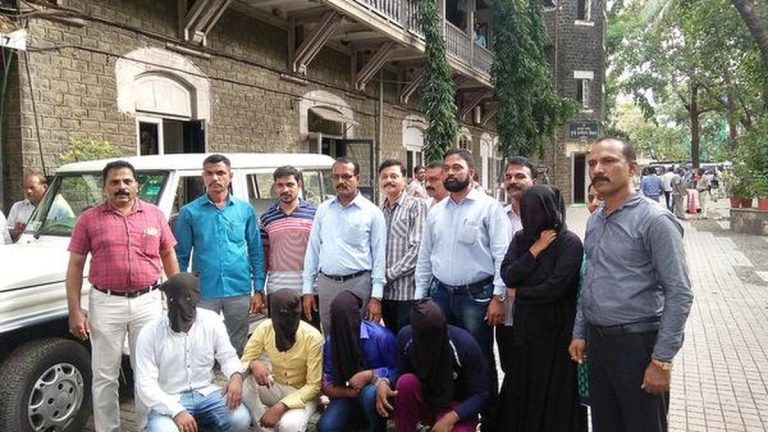
Maharashtra – In a deeply disturbing case that has shaken Mumbai, police have successfully rescued a 5-year-old girl who was kidnapped from Santacruz East and sold for ₹1.8 lakh. The Mumbai child kidnapping sold investigation led to the arrest of five individuals, including the victim’s own maternal aunt and uncle, exposing a heinous human trafficking network that operated across the city.

Mother’s Desperate Plea Triggers Investigation

The shocking Mumbai child kidnapping sold case began unfolding when the child’s mother approached Vakola police station around 12:30 pm on Saturday, reporting that her daughter had been kidnapped. The distressed mother’s complaint immediately triggered a serious police response, with authorities registering a case under relevant sections of the Bharatiya Nyaya Sanhita and the Protection of Children from Sexual Offences (POCSO) Act.

Given the gravity of the offense and the vulnerability of the victim, police authorities recognized the urgency of the situation and mobilized substantial resources to locate the missing child before any further harm could come to her.

Massive Police Operation Launched

Understanding the severity of the Mumbai child kidnapping sold case, seven specialized police teams were formed under Zone 8’s crime detection officer. For two continuous days, these teams worked relentlessly, scanning extensive CCTV footage from the Santacruz East area and following up on confidential tip-offs that came through various channels.

The investigation proved challenging as the teams had to piece together fragmented information and track movements across multiple locations. The dedication of the officers and their methodical approach would ultimately prove crucial in cracking the case and bringing the perpetrators to justice.

Breakthrough: Suspicious Autorickshaw Identified

The turning point in the Mumbai child kidnapping sold investigation came when police successfully identified a suspicious autorickshaw despite not having its registration number initially. Through painstaking analysis of CCTV footage and witness testimonies, investigators discovered that the autorickshaw had traveled from Panvel to Mumbai.

Further examination of surveillance footage and eyewitness accounts revealed that a couple had been traveling with the young girl on Saturday. “We received information that a motorcyclist and two other suspects were also patrolling the area along with the couple who kidnapped the girl,” confirmed an officer from Vakola police station, indicating the organized nature of this criminal operation.

Driver’s Arrest Unlocks the Case

Since the autorickshaw registration number was unavailable, police faced significant challenges in tracking down the vehicle. However, based on persistent intelligence gathering and tip-offs, investigators successfully located and arrested the autorickshaw driver in Vakola on Monday. This arrest proved to be the breakthrough that unraveled the entire Mumbai child kidnapping sold conspiracy.

Also Read: Shocking Body Found Suitcase: Mumbai Woman’s Decomposed Remains Discovered

The driver’s interrogation revealed shocking information: the child was familiar with her kidnappers because they were none other than her maternal relatives. This betrayal by family members added another layer of tragedy to the already horrific crime.

Family Members’ Shocking Betrayal

The investigation exposed that the Mumbai child kidnapping sold plot involved the victim’s own maternal uncle, Lawrence Nickles Fernandes, 42, and aunt, Mangal Dagdu Jadhav, 38. The duo was arrested on Tuesday from Vitthalwadi, and during interrogation, they confessed to selling the innocent child to a man named Karan Sanas for ₹90,000.

This revelation of family involvement shocked investigators and highlighted the depths to which the perpetrators had sunk in their criminal enterprise, exploiting the trust and familiarity the child had with them.

Trafficking Chain Exposed

As the Mumbai child kidnapping sold investigation progressed, police traced Karan Sanas to Urali Budruk in New Panvel and arrested him. Further interrogation revealed an even more disturbing trafficking chain. Sanas had resold the young girl to two women, Vrinda Vinesh Chavan, 60, and Anjali Ajit Korgaonkar, 57, for ₹1.80 lakh—double what he had paid for her.

This price escalation revealed the commercial nature of the child trafficking operation and suggested a potential network of buyers willing to pay substantial amounts for children.

Successful Rescue Operation

Following the leads obtained from Sanas’s interrogation, police traced the two women involved in the final transaction of the Mumbai child kidnapping sold case. Officers located Vrinda Vinesh Chavan’s residence in Panvel, where they successfully rescued the 5-year-old girl on Tuesday.

The child was found physically unharmed and was immediately reunited with her mother, bringing an end to the family’s traumatic ordeal. The reunion marked a successful conclusion to the intensive police operation that had worked around the clock for several days.

All Perpetrators Behind Bars

“We have arrested all those involved in the kidnapping and selling of the girl,” confirmed the investigating officer, emphasizing the comprehensive nature of the police action. The five arrests in the Mumbai child kidnapping sold case include the autorickshaw driver, the aunt and uncle, and the two women who ultimately purchased the child.

Legal Proceedings Ahead

All five accused in the Mumbai child kidnapping sold case now face serious charges under the Bharatiya Nyaya Sanhita and the POCSO Act. These stringent laws ensure that child trafficking and exploitation cases receive the serious treatment they deserve in the judicial system.

The successful resolution of this Mumbai child kidnapping sold case demonstrates the effectiveness of coordinated police work and sends a strong message that such heinous crimes against children will be pursued vigorously and perpetrators will face the full force of the law.

Rabri Devi Bungalow Vacate: Breaking Two-Decade Residence at Circular Road

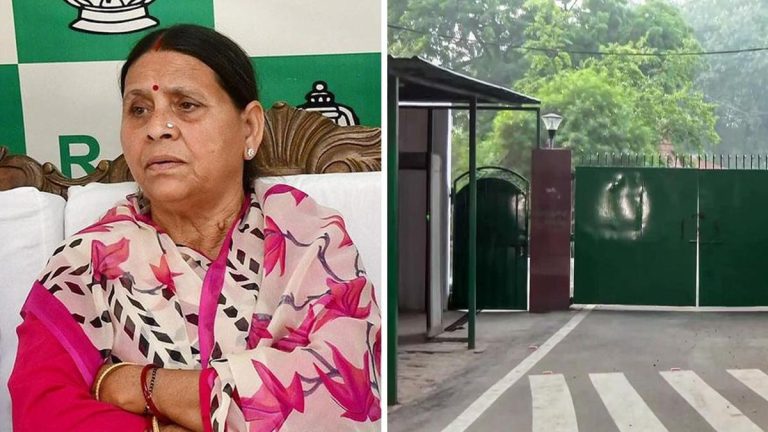
Bihar – In a significant administrative development in Bihar’s political landscape, former chief minister Rabri Devi has been directed to vacate her long-time residence, marking the end of an era. The Rabri Devi bungalow vacate order was issued by the Building Construction Department on Tuesday, coinciding with the maiden cabinet meeting of the newly formed government under Chief Minister Nitish Kumar.

Official Notification and New Allotment

The directive for Rabri Devi bungalow vacate comes from BCD joint secretary and estate officer Shiv Ranjan, who has allotted her a new residence at 39 Hardinge Road. This sprawling property spans over three acres and is typically reserved for ministers and high-ranking officials. The allotment has been made to Rabri Devi in her capacity as the leader of opposition in the Bihar legislative council.

BCD minister Vijay Kumar Chaudhary confirmed the allotment, emphasizing that the new bungalow offers ample space and meets the standards designated for senior political figures. The transition represents a significant shift in Bihar’s political real estate dynamics.

End of Two-Decade Residence

The Rabri Devi bungalow vacate order ends her nearly two-decade stay at 10 Circular Road, where she has resided since November 2005. She moved to this residence after stepping down as chief minister and handing over the official CM bungalow at 1 Anne Marg to Nitish Kumar following the change of government.

The 10 Circular Road property has served as more than just a residence for the RJD leadership. It has functioned as a hub for the Rashtriya Janata Dal, hosting numerous key meetings and political discussions over the years. The property is shared with her husband, RJD president and former chief minister Lalu Prasad, making it a significant center of opposition political activity in Bihar.

RJD’s Cautious Response

The Rashtriya Janata Dal has responded cautiously to the Rabri Devi bungalow vacate directive. State party spokesman Chitranjan Gagan noted that no official order for shifting has been received yet by the party leadership. “We will say after we receive the official notification,” he stated, reflecting the party’s measured approach amid ongoing political tensions following the recent assembly election results.

This careful response suggests that the opposition party is awaiting complete official documentation before making any definitive statements or taking action regarding the residential transition.

Historical Context: 2019 Court Ruling

The Rabri Devi bungalow vacate order revives echoes of a significant 2019 Patna High Court ruling that fundamentally altered residential privileges for former chief ministers. The court quashed lifetime bungalow allocations for ex-CMs, deeming them a misuse of public funds and an unjustified burden on taxpayers.

Acting on its own motion (suo motu), the court issued notices to the state government and affected former chief ministers, including Satish Prasad Singh, Jagannath Mishra, Jitan Ram Manjhi, and Rabri Devi, ordering them to vacate their government-provided residences. This landmark decision forced several ex-CMs to relinquish their properties, highlighting growing concerns over taxpayer-funded privileges for retired politicians.

Also Read: Dramatic Congress Expels Leaders: Bihar Poll Debacle Sparks Internal Crisis

Reframed Allotment Strategy

Following the 2019 court decision, Rabri Devi’s 10 Circular Road allotment was subsequently reframed under her role as leader of opposition, allowing her to retain the residence until the current Rabri Devi bungalow vacate order. This legal maneuvering had enabled her to continue residing at the prestigious address for an additional six years beyond the initial court directive.

Prior to these changes, one bungalow previously occupied by Nitish Kumar as a former CM was reassigned to the chief secretary, demonstrating the government’s commitment to implementing the court’s directives regarding official residences.

Political Timing and Electoral Context

The timing of the Rabri Devi bungalow vacate order is particularly significant, coinciding with the NDA’s dominant performance in the 2025 Bihar assembly elections. The alliance secured an impressive 202 out of 243 seats, marking its second landslide exceeding 200 seats after 2010.

Analysts attribute the NDA’s success to effective governance, popular welfare schemes, and a consolidated voter base, resulting in Nitish Kumar securing his fifth term as chief minister despite previous alliance realignments. The overwhelming victory has emboldened the new government to address pending administrative matters, including housing allotments for opposition leaders.

Ongoing Legal Challenges

Adding complexity to the Rabri Devi bungalow vacate situation is the ongoing legal proceedings involving the former chief minister. Rabri Devi, along with Lalu Prasad and their son Tejashwi Yadav, is currently on trial in the IRCTC hotel corruption case, facing charges of cheating and criminal conspiracy. All three have pleaded not guilty, but the proceedings have kept the family consistently in the political and media spotlight.

Broader Political Implications

The Rabri Devi bungalow vacate order underscores the evolving dynamics in Bihar’s political arena, where post-election adjustments often reflect broader power realignments. The residential reallocation represents more than just a change of address; it symbolizes the shifting balance of political power in the state following the decisive electoral mandate.

As Rabri Devi prepares for the move from 10 Circular Road to 39 Hardinge Road, political observers are watching closely for any ripple effects on opposition strategies and cohesion in Bihar. The Rabri Devi bungalow vacate directive may also set precedents for how government residences are allocated to opposition leaders in the future, potentially influencing administrative policies across other Indian states.

Ram Temple Flag Hoisting: Historic Moment Brings Peace to Martyrs’ Souls

Uttar Pradesh – In a momentous ceremony that marked the formal completion of one of India’s most significant religious structures, the saffron flag was hoisted atop the Ram Temple in Ayodhya on Tuesday. RSS chief Mohan Bhagwat declared that the souls of those who sacrificed their lives for the temple must now be at peace, describing the Ram Temple flag hoisting as a historic and deeply fulfilling moment for millions of devotees.

Prime Minister Leads Historic Ceremony

Prime Minister Narendra Modi ceremonially performed the Ram Temple flag hoisting in the presence of RSS chief Mohan Bhagwat, Uttar Pradesh Governor Anandiben Patel, and Chief Minister Yogi Adityanath. The Dwajarohan Utsav, as the ceremony is traditionally known, represents the classical completion of temple construction according to ancient Hindu architectural principles.

The event brought together political and religious leaders, marking the culmination of decades of effort, sacrifice, and unwavering determination by countless individuals who contributed to making the temple a reality.

Honoring the Martyrs and Leaders

Speaking at the Ram Temple flag hoisting ceremony, Bhagwat paid heartfelt tribute to numerous leaders and activists who were instrumental in the Ram Temple movement but could not witness this historic day. “Ashok Singhal Ji must have truly found peace today. Mahant Ramchandra Das ji Maharaj, Dalmia ji, and innumerable saints, householders, and students have persevered and sacrificed,” the RSS chief said.

He was referring to late Vishwa Hindu Parishad leaders Ashok Singhal and Vishnu Hari Dalmia, along with Mahant Ramchandra Das Paramhans, head of the Ram Janmabhoomi Nyas, who played pivotal roles in the movement. Bhagwat emphasized that those who worked tirelessly in the background every day also dreamt of this moment and their dedication has finally borne fruit.

Symbol of Dharma and Righteousness

The RSS chief described the Ram Temple flag hoisting as far more than a ceremonial event, calling it a reaffirmation of the resolve passed down by ancestors. “This flag is a symbol of dharma. Just as it took time to hoist it so high, it took decades to build this temple,” Bhagwat explained, adding that even setting aside five centuries of longing, the last thirty years involved tireless effort.

He elaborated that the saffron color of the flag represents dharma itself, embodying the values that safeguard the well-being of the entire world. Through this temple, he said, society has elevated principles that promote universal harmony and righteousness.

The Kovidara Tree Symbolism

During his address at the Ram Temple flag hoisting, Bhagwat explained the deeper symbolism embedded in the flag’s design. The Kovidara tree symbol on the flag is rooted in the traditions of the Raghukul, the Raghu dynasty to which Lord Ram belonged. He noted that the Kovindara resembles the Kachnar tree and combines qualities of the Mandar and Parijat trees.

“Trees stand in the sun, provide shade, bear fruit, and share it with others. If we are to live such a life, we must remain committed to righteousness, even amidst adversity, scarcity, or a world consumed by selfishness,” Bhagwat said, drawing parallels between nature and human virtues.

He highlighted that the Kachnar tree is both medicinal and edible, symbolizing a life of usefulness and virtue that all devotees should aspire to emulate.

The Sun’s Unwavering Determination

The RSS chief also spoke about the Sun symbol, representing brilliance and unwavering determination. Using an elaborate metaphor during the Ram Temple flag hoisting ceremony, he described the Sun as “a chariot with a single wheel, no clear path, seven horses, reins held by a serpent, and a charioteer without legs, yet it traverses the sky from east to west every day, tirelessly achieving its purpose.”

This imagery, Bhagwat explained, demonstrates that accomplishment comes through self-reliance and persistent effort despite all obstacles.

Five Centuries of Resilience

Reflecting on the historical journey leading to the Ram Temple flag hoisting, Bhagwat noted that Hindu society demonstrated remarkable resilience over five centuries of struggle. “Today is a day of great significance for all of us. Today, the classical process of temple construction is complete, and the flag has been hoisted,” he declared.

The RSS chief emphasized that witnessing this moment in their own lifetime represents the fulfillment of countless generations’ aspirations and prayers.

Vision for Global Harmony

The Ram Temple flag hoisting ceremony also provided Bhagwat an opportunity to articulate a broader vision for India’s role in the world. “The flag of Ram Rajya, which once flew in Ayodhya, spreading peace and joy across the world, has now risen again to its rightful pinnacle,” he proclaimed.

He stated that truth is eternal, represented by Omkar, and emphasized the need to establish an India that shares this truth with the world. “Our resolve has borne fruit. The work of creating an India that spreads dharma, knowledge, shelter, and positive outcomes globally has begun,” Bhagwat said.

Call for Continued Dedication

Concluding his address at the Ram Temple flag hoisting, the RSS chief issued a call to action for all devotees and citizens. “Keeping this symbol in mind, we must work together, continuously, even in adversity. Ram Lalla is present among us. Drawing inspiration from Him, we must accelerate our work,” he declared.

This statement reinforced that the Ram Temple flag hoisting represents not an end but a new beginning—a renewed commitment to the principles of dharma and the vision of creating a just and harmonious society based on ancient values adapted for modern times.

Uri Hydro Plant Attack: Heroic CISF Foils Pakistan’s Deadly Strike

New Delhi – In a dramatic display of courage and preparedness, India’s Central Industrial Security Force successfully thwarted a major attack on critical infrastructure during one of the most volatile nights along the Line of Control this year. The Uri hydro plant attack was repelled by vigilant security personnel who not only protected vital installations but also saved numerous civilian lives during intense cross-border hostilities.

Operation Sindoor Triggers Retaliatory Strike

The Uri hydro plant attack occurred hours after India launched Operation Sindoor during the intervening night of May 6-7, 2025. The military operation specifically targeted terrorist hideouts across the Line of Control in Pakistan-occupied Kashmir, prompting an aggressive response from Pakistani forces. In retaliation, the Pakistan Army launched intense and indiscriminate shelling on Indian territory, deliberately endangering vital infrastructure and threatening civilian populations living near the border areas.

The Uri Hydro Electric Power Projects (UHEP-I and II), positioned barely a few kilometers from the Line of Control, found themselves at the forefront of this sudden escalation. These strategic installations, operated by NHPC, represent critical national assets that provide essential power infrastructure to the region.

CISF Personnel Rise to the Challenge

When the Uri hydro plant attack began, CISF units stationed at the NHPC installations immediately sprang into action. Under the leadership of Deputy Commandant Ravi Yadav, the security team initiated comprehensive protective measures to shield both the installations and the surrounding township from the barrage of Pakistani shelling.

Despite facing heavy gunfire and explosive shells, the CISF personnel maintained their positions and executed their duties with exceptional professionalism. Their primary objective was clear: protect the hydroelectric infrastructure at all costs while ensuring the safety of civilian residents in the area.

Neutralizing Aerial Threats

A critical component of defending against the Uri hydro plant attack involved countering hostile drones that were specifically targeting the installations. CISF troops successfully neutralized these unmanned aerial vehicles before they could cause any damage to the vital infrastructure. This quick response demonstrated the preparedness and training of the security forces deployed at these strategic locations.

Additionally, the team secured armoury stockpiles by swiftly redistributing weapons to prevent potential destruction. This tactical decision ensured that defensive capabilities remained intact throughout the crisis, allowing personnel to maintain a robust security posture during the most volatile phases of the exchange.

Also Read: Arunachal Pradesh India Territory: Shocking Detention Sparks Diplomatic Row

Massive Civilian Evacuation Operation

As the Uri hydro plant attack intensified, CISF personnel undertook one of the most challenging aspects of their mission: evacuating civilians from harm’s way. As shells struck dangerously close to residential complexes, security forces conducted door-to-door evacuations, ensuring that women, children, NHPC staff, and their families were moved to safer locations.

This evacuation operation was carried out amidst ongoing shelling, requiring extraordinary courage and determination from the CISF personnel. The fact that this massive evacuation was completed without any loss of life stands as a testament to the professionalism and dedication of these security forces.

Recognition for Exceptional Service

In recognition of their exemplary performance during the Uri hydro plant attack, nineteen CISF personnel were awarded the prestigious Director General’s Disc at a ceremony held at CISF headquarters in New Delhi on Tuesday. This honor acknowledges the exceptional courage and dedication displayed by these individuals during one of the most challenging nights in recent memory along the Line of Control.

The award ceremony highlighted the crucial role that paramilitary forces such as CRPF, CISF, and ITBP play in providing protection for strategic installations and civilian populations under various security covers across the country.

Strategic Significance of Uri Projects

An officer familiar with the events of that night revealed that the hydroelectric projects were among the first targets during the Pakistani retaliation. “The Uri projects are right at the LOC so it was the first to be targeted,” the officer explained. However, the government’s robust intelligence network and well-prepared ground troops ensured that the Uri hydro plant attack was effectively neutralized.

The officer further emphasized that not only were hostile drones shot down, but the massive evacuation operation was also completed without any casualties, highlighting the comprehensive nature of the security response.

Protecting Critical Infrastructure

The successful defense against the Uri hydro plant attack underscores the importance of maintaining vigilant security at strategic installations, particularly those located in proximity to volatile border areas. The Uri hydroelectric projects represent critical national assets that provide essential power infrastructure to the region, making their protection a matter of national importance.

Throughout the crisis, the integrity of these critical installations remained completely intact due to the vigilance and preparedness of CISF personnel stationed there.

Lessons in Preparedness

The events surrounding the Uri hydro plant attack demonstrate the effectiveness of proper training, intelligence sharing, and coordinated response mechanisms. The CISF personnel’s ability to simultaneously neutralize aerial threats, secure weapons stockpiles, protect infrastructure, and evacuate civilians showcases the multi-dimensional nature of modern security operations.

As tensions along the Line of Control continue to pose challenges, the successful thwarting of the Uri hydro plant attack serves as a powerful reminder of the dedication and professionalism of India’s security forces who stand guard over the nation’s critical assets and civilian populations in the most challenging circumstances.

Arunachal Pradesh India Territory: Shocking Detention Sparks Diplomatic Row

Arunachal Pradesh – India has strongly reiterated its sovereignty over the northeastern state following a diplomatic incident that has brought the long-standing territorial dispute back into the spotlight. The Ministry of External Affairs issued a firm statement on Tuesday, emphasizing that the Arunachal Pradesh India territory question is not up for debate, describing the region as an integral and inalienable part of the nation.

Detention Incident Triggers Fresh Tensions

The latest controversy erupted when Prema Wangjom Thongdok, a UK-based Indian citizen, was detained at Shanghai airport on November 21 while traveling from London to Japan. What should have been a routine three-hour layover turned into a harrowing experience when Chinese immigration authorities declared her passport invalid simply because it listed Arunachal Pradesh as her birthplace. The incident has brought the sensitive issue of Arunachal Pradesh India territory to the forefront of bilateral relations once again.

Thongdok’s ordeal lasted several hours, during which she was reportedly subjected to questioning and denied the right to continue her journey as planned. The incident has raised serious concerns about the treatment of Indian citizens traveling through Chinese airports, particularly those hailing from the disputed region.

China Reiterates Territorial Claims

In response to the growing controversy, Chinese foreign ministry spokesperson Mao Ning defended the actions of immigration officials, claiming that no compulsory measures, detention, or harassment had occurred. However, she went further by reasserting China’s claim over the region, referring to it by the Chinese name “Zangnan” and stating that China has never acknowledged what she termed the “so-called Arunachal Pradesh illegally set up by India.”

This statement represents yet another attempt by Beijing to challenge India’s sovereignty over the Arunachal Pradesh India territory, a position that has been consistent in Chinese diplomatic rhetoric but remains unacceptable to New Delhi. The reference to the region as illegally established particularly drew sharp criticism from Indian officials.

India’s Firm Response to Chinese Claims

MEA spokesperson Randhir Jaiswal issued a strongly worded response, categorically rejecting China’s assertions. “Arunachal Pradesh is an integral and inalienable part of India, and this is a self-evident fact,” Jaiswal stated, adding that no amount of denial by the Chinese side would change this indisputable reality. The statement reinforced India’s unwavering position on the Arunachal Pradesh India territory matter.

Jaiswal further highlighted that the detention issue had been taken up strongly with Chinese authorities through diplomatic channels. He pointed out that Chinese officials have failed to provide a satisfactory explanation for their actions, which violate several international conventions governing air travel. The spokesperson noted that China’s own regulations permit visa-free transit for up to 24 hours for nationals of all countries, making the detention even more questionable.

Violation of International Travel Norms

The incident has raised broader questions about compliance with international aviation and transit protocols. India has emphasized that the treatment of Thongdok violated established norms that facilitate smooth international travel. The MEA’s statement underscored that Chinese authorities acted contrary to their own published guidelines, which should have allowed the Indian citizen to transit without impediment.

The Arunachal Pradesh India territory dispute has thus extended beyond mere territorial claims to affect the practical aspects of international travel, potentially impacting thousands of Indian citizens who may need to transit through Chinese airports.

Regional Leadership Condemns Incident

Arunachal Pradesh Chief Minister Pema Khandu expressed deep shock over the incident, describing the treatment of Thongdok as “appalling racial mockery.” His statement reflected the sentiments of residents of the northeastern state, who have increasingly found themselves caught in the crossfire of this territorial dispute.

The chief minister’s response highlighted the human dimension of the Arunachal Pradesh India territory controversy, emphasizing how geopolitical tensions directly affect ordinary citizens going about their daily lives.

Historical Context and Ongoing Tensions

India has consistently and categorically rejected all Chinese claims over the northeastern state, maintaining that the Arunachal Pradesh India territory is non-negotiable. The state is home to over 1.3 million Indian citizens and has been administered by India since the country’s independence.

In recent years, China has intensified its claims by renaming dozens of towns and geographical features in the region as part of a sustained campaign to assert sovereignty. These actions have been systematically rejected by India, which views them as attempts to create a false historical narrative.

Implications for Bilateral Relations

The Shanghai airport incident comes at a time when India-China relations remain strained following border tensions in recent years. The detention of an Indian citizen over her birthplace in Arunachal Pradesh India territory demonstrates how the territorial dispute continues to manifest in unexpected ways, affecting people-to-people contact and travel.

As diplomatic channels work to resolve this specific incident, the broader question of the Arunachal Pradesh India territory remains a fundamental point of contention between the two Asian giants, with neither side showing any willingness to compromise on their core positions.

West Bengal BLO Health Crisis During SIR 2025: Booth Level Officers Collapse Under Electoral Roll Workload, Governance Failures, Political Reactions, and Policy Reform Demands

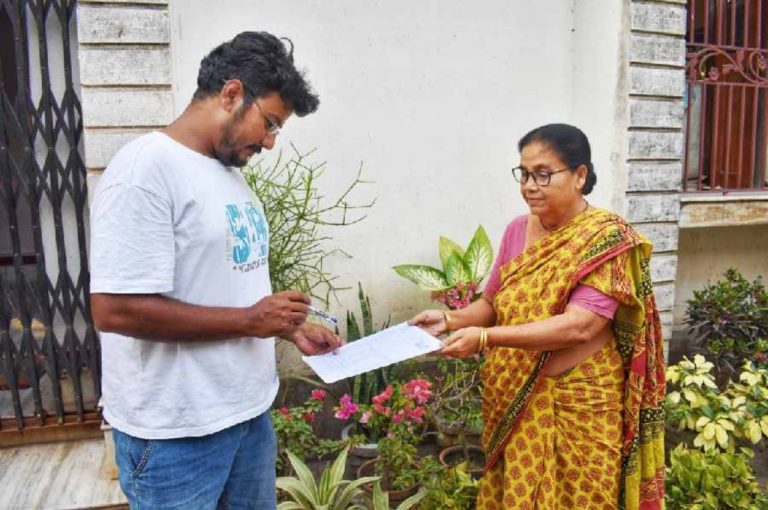
West Bengal BLO Health Crisis During SIR 2025: West Bengal BLO Health Crisis During SIR 2025: The Booth Level Officers (BLOs) of West Bengal, often described as the foot soldiers of India’s democracy, are facing an unprecedented health crisis. The Special Intensive Revision (SIR) of electoral rolls, launched in November 2025, has imposed crushing workloads on BLOs, leading to collapses, hospitalisations, and even suicides. Reports from across the state reveal that BLOs are working 12–16 hours daily, juggling outdoor verification with late‑night digitisation tasks, leaving them physically and mentally exhausted.


2. The SIR Process: What BLOs Are Tasked With

The Special Intensive Revision is a comprehensive exercise aimed at cleansing and updating voter rolls before the 2026 Assembly elections. BLOs are tasked with:

  • Distributing and collecting 7.64 crore enumeration forms across households.
  • Verifying voter details against official records.
  • Uploading data into the Election Commission’s app.
  • Correcting errors, handling duplicate entries, and ensuring accuracy.

The timeline is November 4 – December 4, 2025, with draft rolls scheduled for publication on December 9, 2025.


3. Human Toll: Collapses and Hospitalisations

Within weeks of the SIR launch, alarming incidents have been reported:

  • At least six BLOs collapsed in different districts, requiring hospitalisation.
  • BLOs complained of panic attacks, chest pain, and dangerously high blood pressure.
  • In Krishnanagar, BLO Rinku Tarafdar died by suicide, overwhelmed by workload and fear of punitive action.
  • In Baruipur, BLO Tanushree Haldar Naiya fainted while working late at night and was admitted to hospital.

Doctors treating BLOs confirmed that most cases were linked to excessive stress and exhaustion.


4. Voices from BLOs: “Beyond Human Limits”

BLOs themselves have spoken out:

  • Sukhdev Das (Katwa BLO): “Every day, new targets are set. Even after working outdoors for eight hours, I digitise 150 forms at night. I am not getting any rest. It is a helpless situation.”
  • Usha Devi (wife of Sukhdev): “My husband has been working inhumanly for two weeks. His blood pressure shot up to 195/110. He never had such problems before.”

These testimonies highlight the human dimension of the crisis, beyond statistics.


5. West Bengal BLO Health Crisis During SIR 2025: Governance Response

District magistrates and election officers acknowledged the burden but described the situation as “helpless.” They promised:

  • Technical assistance for digitisation issues.
  • Additional personnel to handle emergencies.
  • Patient handling by supervisors to reduce stress.

However, BLOs argue that these measures are inadequate, demanding deadline extensions and workload reduction.


6. Political Reactions

The crisis has triggered political controversy:

  • Trinamool Congress (TMC): Accused the Election Commission of imposing “inhuman and unexplained hurriedness.”
  • Mamata Banerjee: Wrote to the Chief Election Commissioner demanding a halt to the SIR, citing BLO deaths.
  • Opposition leaders: Compared the SIR to demonetisation and the Covid lockdown, calling it chaos imposed on citizens.

The issue has thus become a political flashpoint, with parties framing the narrative around governance and accountability.


7. Historical Context: BLOs as Democracy’s Backbone

Since their introduction, BLOs have been the backbone of electoral administration, ensuring that every voter is counted. Yet they remain underpaid, overworked, and underappreciated. The current crisis echoes past grievances about workload, recognition, and compensation, but the scale of distress in 2025 is unprecedented.


8. Governance Challenges

The crisis highlights systemic governance failures:

  • Unrealistic timelines: Two years’ work compressed into one month.
  • Understaffing: BLOs juggle regular duties with SIR responsibilities.
  • Technology gaps: The BLO app is slow and error‑prone.
  • Financial strain: BLOs spend personal money on stationery, transport, and mobile data.

9. Broader Implications for Democracy

The BLO health crisis raises fundamental questions:

  • Can voter rolls be updated fairly if BLOs are collapsing?
  • Will errors and omissions disenfranchise genuine voters?
  • Does the Election Commission risk losing credibility if frontline staff revolt?

The health and morale of BLOs directly affect the integrity of elections.


10. Recommendations for Reform

Experts suggest:

  • Staggered timelines for voter roll revision.
  • Hiring additional staff to support BLOs.
  • Improved technology for faster digitisation.
  • Compensation packages for BLO families.
  • Policy reform to recognize BLOs as permanent electoral staff.

11. Human Dimension: Families in Fear

Families of BLOs live in constant fear:

  • Wives and children worry about sudden collapses.
  • Communities rally around BLOs admitted to hospitals.
  • The crisis has created a climate of anxiety across districts.

12. Conclusion: A Cry for Justice

The West Bengal BLO Health Crisis During SIR 2025 is not just about workload; it is about dignity, recognition, and the survival of democracy’s frontline workers. Unless the Election Commission addresses their demands, the credibility of the 2026 Assembly elections may be at risk.

The BLOs’ cry — “Two years’ work in a month” — is a reminder that democracy cannot function without respecting the human limits of those who safeguard it.


🔗 Government External Links

For further reading and official updates, here are relevant government sources:

Also read: Home | Channel 6 Network – Latest News, Breaking Updates: Politics, Business, Tech & More

Malda Mango Market Mob Assault Death 2025: Youth Dies After Brutal Attack, Police Arrest Three, Governance Challenges, Law and Order Issues, and Policy Reform Needs in West Bengal

Malda Mango Market Mob Assault Death 2025: On November 23, 2025, Malda district in West Bengal, known for its thriving mango trade, witnessed a shocking incident of mob violence. A 28‑year‑old youth, Samjan Sheikh, was brutally assaulted at the wholesale mango market in Aambazar, Englishbazar, on suspicion of theft. Despite police intervention and medical attention, Sheikh succumbed to his injuries later that night. Another youth, Ajoy Harijan, also sustained serious injuries but survived.

The incident has sparked outrage, raising questions about law and order, mob justice, and governance failures in Bengal’s districts.


2. The Incident: Sequence of Events

  • Sheikh and Harijan were reportedly moving “suspiciously” around the mango market.
  • A mob cornered them, accusing them of theft.
  • Both were beaten severely before police arrived.
  • They were taken to Malda Medical College and Hospital (MMCH) for treatment.
  • Later that night, Sheikh collapsed in police custody and was declared dead on arrival at MMCH.

The brutality of the assault and the subsequent death highlight the dangers of mob vigilantism.


3. Malda Mango Market Mob Assault Death 2025: Police Response and Arrests

Malda Superintendent of Police Pradeep Kumar Yadav confirmed:

  • Three individuals — Pintu Mandal, Sujan Ghosh, and Raja Ghosh — were arrested for alleged involvement.
  • CCTV footage is being examined to identify other attackers.
  • A magisterial inquest and videography of the post‑mortem have been arranged.

The arrests mark an important step, but questions remain about why the mob was able to act unchecked in a busy market.


4. Family’s Complaint

Sheikh’s wife, Kaifa Khatun, lodged an FIR alleging mob lynching. She demanded justice and accountability, insisting that her husband was innocent. Her voice reflects the anguish of families who lose loved ones to mob violence without due process.


5. Mob Justice: A Growing Concern

The Malda incident is part of a troubling trend:

  • Mob assaults on suspicion of theft, cattle smuggling, or political rivalry have increased in Bengal.
  • Victims are often poor, marginalized, or without strong social protection.
  • Such incidents erode trust in law enforcement and judicial systems.

Experts warn that mob justice undermines the rule of law and normalizes violence.


6. Governance Challenges

The incident exposes governance gaps:

  • Weak policing: Failure to prevent mob formation in busy markets.
  • Delayed medical response: Victims often die due to inadequate emergency care.
  • Judicial delays: Perpetrators sometimes escape punishment due to slow trials.
  • Public mistrust: Citizens resort to mob action instead of reporting crimes.

7. Malda’s Socio‑Economic Context

Malda is famous for its mangoes, but also faces challenges:

  • High population density in market areas.
  • Economic vulnerability of daily wage earners.
  • Political volatility with frequent clashes.
  • Weak infrastructure in hospitals and policing.

These factors create conditions where mob violence can erupt quickly.


8. Human Cost: The Victim’s Story

Sheikh’s death is not just a statistic. He was a young man from Maheshmati village, with family responsibilities and aspirations. His sudden death leaves behind grieving relatives, economic hardship, and a community shaken by fear.


9. Political Reactions

  • Local leaders condemned the incident, demanding stricter policing.
  • Civil society groups highlighted the dangers of mob vigilantism.
  • Opposition parties accused the ruling government of failing to maintain law and order.

The incident has thus become a political flashpoint, reflecting broader tensions in Bengal’s governance.


10. Broader Implications for Democracy

Mob violence undermines democratic values:

  • Rule of law: Justice must be delivered through courts, not mobs.
  • Human rights: Every citizen deserves protection from arbitrary violence.
  • Public trust: Citizens must feel safe in markets and public spaces.

The Malda case is a reminder that democracy cannot thrive without law and order.


11. Recommendations for Reform

Experts suggest:

  • Stronger policing in market areas.
  • Awareness campaigns against mob justice.
  • Fast‑track courts for lynching cases.
  • Community policing to build trust.
  • Improved emergency healthcare for victims of violence.

12. Conclusion: A Call for Accountability

The Malda Mango Market Mob Assault Death 2025 is a tragic reminder of the dangers of mob justice. While arrests have been made, systemic reforms are needed to prevent recurrence. For Sheikh’s family, justice means accountability. For Bengal, it means restoring faith in law and governance.


🔗 Government External Links

For further reading and official updates, here are relevant government sources:

Also read: Home | Channel 6 Network – Latest News, Breaking Updates: Politics, Business, Tech & More

Samudra Utkarsh 2025: India Showcases Shipbuilding Strength and Maritime Ambition

Raksha Mantri Rajnath Singh called on international partners to harness India’s dynamic shipbuilding sector, co-developing next-generation maritime capabilities and resilient supply chains for a secure future. Speaking at Samudra Utkarsh, a seminar organized by the Department of Defence Production in New Delhi, Singh highlighted India’s integrated and indigenously developed shipbuilding ecosystem, which supports public and private shipyards, MSMEs, and a robust value chain spanning steel, propulsion, electronics, and advanced combat systems.​

Shipyards: Pillars of Blue Economy and Maritime Innovation

Indian shipyards were acclaimed as vital pillars of India’s emerging Blue Economy, capable of delivering everything from aircraft carriers (like INS Vikrant) to high-efficiency commercial vessels, research ships, and green-fuel enabled platforms. Singh underscored the sector’s technological depth, with indigenous platforms, modular construction, and digital shipyard tools, all aligned to global standards. Every Indian naval and coast guard vessel now under construction is built domestically—a testament to Aatmanirbhar Bharat and visionary policy reforms including Maritime India Vision 2030.​


Strengthening Global Role and Infrastructure

Forward-looking reforms have led Indian shipyards to become preferred hubs for commercial shipbuilding, ship repair, and maritime innovation, with growing international clients seeking complex refits in India. The seminar celebrated India’s journey from Lothal’s ancient docks to modern shipyards, emphasizing its consistent evolution and resilience. Advanced facilities, sustainability-focused practices, and digital transformation ensure competitiveness on the world stage.​

Heritage Meets Modern Ambition: Samudra Utkarsh

On the theme “2500 BCE to 2025 CE: Celebrating 4,524 Years of Shipbuilding Excellence”, Samudra Utkarsh showcased Indian shipbuilding expertise alongside expanded collaborations, skill development, and export competitiveness. The event featured releases of sectoral reports and exhibitions, while senior defence leaders reaffirmed commitment to modernisation, innovation, and a thriving maritime sector.​


For more real-time updates, visit Channel 6 Network.

Source: PIB