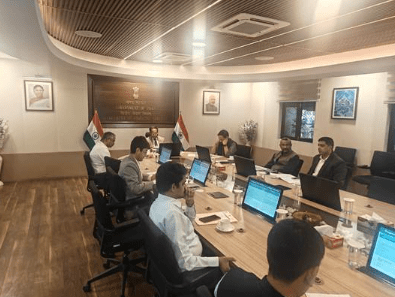
Secretary, Department of Financial Services (DFS), Shri M. Nagaraju, chaired a review meeting to address issues related to pending Insolvency and Bankruptcy Code (IBC) cases at National Company Law Tribunal (NCLT). Senior officials from the DFS, Insolvency and Bankruptcy Board of India (IBBI), and top management of public sector banks participated, acknowledging progress on cases admitted, resolved, and disposed outside the IBC framework. Secretary Nagaraju stressed strict adherence to timelines for admitting Corporate Insolvency Resolution Process (CIRP) applications and for resolving cases, aiming for an efficient and robust resolution environment.
Monitoring and Strategic Bank Action
Chief Executives of Public Sector Banks (PSBs) were advised to monitor the top twenty cases pending for admission and the top ten accounts pending for resolution at NCLT, encouraging personal oversight to accelerate outcomes. During discussions on cases where resolution plans are pending with the Committee of Creditors (CoC), banks were directed to take a coordinated approach and expedite actions by working with counsels to minimize delays in CIRP application filings.
Implementation of IBBI Circular and Asset Restitution
The meeting highlighted the newest IBBI circular (dated November 4, 2025), instructing Resolution Professionals to file required undertakings before Special PMLA Courts for restitution of assets attached by Enforcement Directorate. This procedural improvement is anticipated to resolve conflicts between insolvency and anti-money-laundering frameworks, accelerate recovery, and assure correct distribution of reclaimed assets for creditor benefit.
Streamlining the IBC Ecosystem: DFS Secretary
Secretary Nagaraju urged banks to adopt strategic approaches, streamline stakeholder collaboration, and reinforce the IBC ecosystem. These steps aim to maximize value, boost recoveries, and prevent future delays, aligning with principles of accountability and transparency throughout the insolvency process.
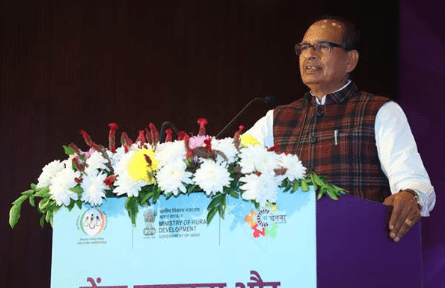
Union Minister for Agriculture & Farmers’ Welfare Shri Shivraj Singh Chouhan and Union Minister for Women and Child Development Smt. Annapurna Devi jointly launched ‘Nayi Chetna 4.0’, a month-long campaign to advance gender equality and rural women’s empowerment. The drive, organized under the Deendayal Antyodaya Yojana – National Rural Livelihoods Mission (DAY-NRLM), brings together 11 ministries to promote safer and more dignified environments while encouraging women’s economic contribution and shared responsibility for domestic work.
Lakhpati Didis, Women’s Voices, and Community Action
Shri Shivraj Singh Chouhan highlighted transformative progress made under Prime Minister Narendra Modi, noting more than two crore rural women have become ‘Lakhpati Didis’ through Self-Help Groups (SHGs). The campaign aims to change discriminatory social attitudes by fostering respect for daughters and empowering women to speak out against violence and injustice. “Our endeavor is to ensure no woman ever has tears in her eyes,” said Chouhan, who stressed community-led Action for violence-free villages and substance abuse awareness by women at the grassroots.
Joint Advisory and ‘Whole of Government’ Approach
A joint advisory was issued, signed by 11 key ministries covering women and child development, education, home affairs, justice, health, MSMEs, panchayati raj, information & broadcasting, agriculture, youth, and social justice. The initiative’s comprehensive approach leverages national resources to combat discrimination, strengthen safety nets, and expand women’s access to assets, credit, skills, and entrepreneurship.
Empowerment, Policy Advocacy, and Future Outlook; Nayi Chetna 4.0
The campaign empowers over 10 crore rural women mobilized through SHGs to build awareness against gender-based violence and establish gender-responsive villages. Nayi Chetna 4.0 directs policy attention to safe mobility, economic opportunities, unpaid care work, and leadership in decision-making, ensuring gender equality is integral to inclusive rural development.
Malda Doctor Heroic E Rickshaw Delivery: On November 23, 2025, in the bustling town of Englishbazar, Malda district, West Bengal, a young obstetrician, Dr. Debchandan Roy, performed a life‑saving act that captured public imagination. Responding to frantic cries outside his chamber, he rushed to find a heavily pregnant woman in acute labour inside an e‑rickshaw. With no time to reach a hospital, Dr. Roy improvised a makeshift labour room on the roadside, covering the vehicle with cloth, and successfully delivered a baby girl.
This incident, now widely discussed, highlights both the heroism of frontline doctors and the gaps in rural healthcare infrastructure that force such improvisations.
2. The Incident: Emergency in Motion
The patient, a 20‑year‑old woman from Jahaj Field, Malda, went into sudden labour while traveling with relatives. The jerks of the e‑rickshaw ride likely triggered acute contractions. Within minutes, the baby was about to be born.
Dr. Roy instructed family members and assistants to cover the rickshaw with cloth.
He performed the delivery in that improvised space.
The newborn was underweight and required urgent hospitalisation.
The mother needed stitches and primary care.
Both were rushed to a nearby nursing home, where they stabilised.
3. Community Response: Praise for Presence of Mind
Residents of Englishbazar, family members, and the Indian Medical Association (IMA) praised Dr. Roy’s quick thinking. In a region where maternal mortality remains a challenge, his intervention prevented tragedy. The story spread rapidly, symbolising the dedication of rural doctors who often work beyond their means.
4. Malda Doctor Heroic E Rickshaw Delivery: Rural Healthcare Challenges in Bengal
The incident underscores systemic issues:
Limited emergency facilities in smaller towns.
Delayed access to hospitals due to traffic and poor transport.
Shortage of trained obstetricians in rural areas.
Dependence on improvisation during emergencies.
Such challenges often force doctors to act outside conventional settings, risking their own safety and professional liability.
5. Maternal Health in India: A Broader Context
India has made progress in reducing Maternal Mortality Ratio (MMR), but challenges persist:
National MMR: 97 per 100,000 live births (2020 data).
West Bengal’s MMR remains higher than the national average.
Rural women face greater risks due to poor access to antenatal care and emergency obstetric services.
The Malda incident reflects these realities, where timely intervention by a single doctor saved two lives.
6. The Role of E‑Rickshaws in Rural Transport
Interestingly, the e‑rickshaw — a common mode of transport in Bengal — became the site of a life‑saving delivery. While usually criticised for unsafe rides, in this case it became a mobile labour room. This highlights the importance of community transport systems in emergencies, especially where ambulances are unavailable.
7. Policy Lessons: What Needs to Change
The incident offers lessons for policymakers:
Strengthen emergency obstetric care in rural hospitals.
Deploy mobile medical units in vulnerable districts.
Train paramedics and midwives for roadside emergencies.
Improve ambulance networks for faster response.
Raise awareness among families about safe maternal practices.
8. Human Dimension: Courage Under Pressure
Dr. Roy’s act was not just medical but deeply human. He overcame fear, improvised under pressure, and prioritised the lives of mother and child. His story resonates because it reflects the essence of medical ethics — saving lives at all costs.
9. Historical Parallels: Roadside Deliveries in India
Roadside deliveries are not uncommon in India, especially in rural belts:
Women often deliver in taxis, buses, or even fields due to lack of access.
Such cases highlight systemic gaps in maternal healthcare.
The Malda incident stands out because a trained doctor was present, ensuring safety.
10. Governance and Accountability
The incident raises governance questions:
Why are women still forced to deliver outside hospitals in 2025?
What measures are being taken to strengthen maternal health services?
How can doctors be supported to handle emergencies without risking professional liability?
These questions demand urgent answers from health authorities.
11. Recommendations for Reform
Experts suggest:
Infrastructure investment in district hospitals.
Maternal health monitoring through digital platforms.
Community health workers trained in obstetric emergencies.
Insurance coverage for maternal complications.
Recognition and support for doctors who act heroically in emergencies.
12. Conclusion: A Symbol of Hope and Urgency
The Malda Doctor Heroic E‑Rickshaw Delivery 2025 is both inspiring and sobering. It shows the courage of doctors and the resilience of communities, but also exposes the fragility of rural healthcare systems. For Bengal and India, it is a reminder that maternal health must remain a priority, and that no woman should be forced to deliver in unsafe conditions.
🔗 Government External Links
For further reading and official updates, here are relevant government sources:
Union Finance and Corporate Affairs Minister Nirmala Sitharaman chaired a review meeting with the Regional Directorates and Registrar of Companies in New Delhi, emphasizing the need for process simplification and user-centric reforms to enable India’s development goals for Viksit Bharat 2047. She called for governance that is easy, transparent, and facilitative, and urged the Ministry of Corporate Affairs (MCA) to adopt a forward-looking approach.
Driving Legislative and Structural Reforms
Sitharaman highlighted the importance of frequent legislative reforms, such as updates to the Insolvency and Bankruptcy Code (IBC), as evidence of India’s responsiveness to a rapidly changing regulatory environment. She directed the MCA to build a live dashboard for improved transparency and standardized manuals for enforcement, ensuring rule simplification and timely service delivery. The FM credited Indian corporate governance frameworks for earning public trust by delivering transparent financial information.
Maximum Governance, Minimum Government
Minister of State for Corporate Affairs Harsh Malhotra reiterated the motto of “maximum governance, minimum government,” advocating frequent stakeholder interactions, compliance simplification, and efforts to reduce the burden of forms. Malhotra further suggested digital guidance materials to empower stakeholders, along with time-bound processes for efficient service.
Elevating India’s Corporate Landscape
Discussions included improvements in the delivery of services such as incorporation, mergers, voluntary exits, e-governance, and adjudication procedures. Advanced compliance tools and harmonized forms will ease regulatory challenges and strengthen India’s competitive edge in the global market. The review meeting reinforced the government’s commitment to modernize systems aligned with national development goals.
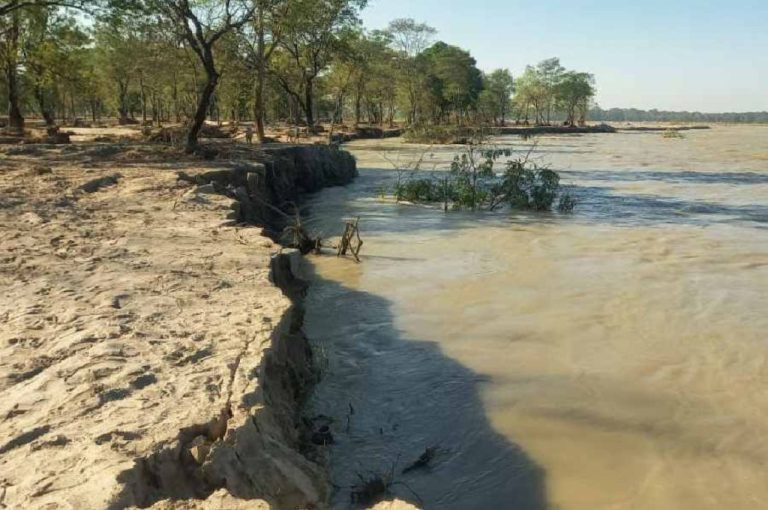
Tea Garden Shutdown Threat 2025: The Subhasini Tea Estate in Alipurduar district, West Bengal, is facing an unprecedented crisis. Following the October 2025 floods, nearly 92 hectares of young tea bushes were buried under heavy silt after the Torsha river changed its course and inundated the plantation. Estate officials warn that unless urgent government intervention arrives, the garden may be forced to suspend operations, leaving over 1,200 workers jobless.
2. The Floods: Nature’s Fury
On the intervening night of October 4–5, 2025, torrential rains caused the Torsha river to swell and breach its banks. The river diverted into the Subhasini estate, submerging vast stretches of tea plantations. Workers from the Nadi Line were evacuated to the garden school premises as waters rose dangerously. By morning, the damage was catastrophic:
92 hectares of plantation destroyed.
Entire stretches buried under silt, unfit for replantation.
One‑fourth of the estate’s productive area lost in a single day.
3. Tea Garden Shutdown Threat 2025: The Scale of Loss
Experts assessed that the silt‑covered land is unsuitable for tea cultivation. Replantation would require massive investment, soil rehabilitation, and years of waiting before bushes mature. For an estate already struggling with rising costs and stagnant tea prices, the loss is crippling.
4. Worker Crisis
The Subhasini Tea Garden employs 1,257 workers, most of whom live in estate quarters and depend entirely on the garden for livelihood. With operations threatened:
Workers fear loss of wages and rations.
Families face food insecurity.
Migration to towns may increase if shutdown occurs.
The crisis is not just economic but deeply social, affecting education, healthcare, and community stability.
5. Government Response
Chief Minister Mamata Banerjee visited Subhasini soon after the floods during a meeting at Nilpara to assess damage. She assured support but concrete measures are awaited. Estate officials argue that without financial aid or rehabilitation packages, closure is inevitable.
6. Tea Industry Context in Bengal
West Bengal’s tea industry, concentrated in Darjeeling, Jalpaiguri, and Alipurduar, is a major employer and export earner. However, it faces multiple challenges:
Climate change impacts — erratic rainfall, floods, and droughts.
Stagnant tea prices despite rising production costs.
Labour unrest over wages and benefits.
Competition from Assam and international markets.
The Subhasini crisis exemplifies how vulnerable tea estates are to environmental shocks.
7. Environmental Dimensions
The floods highlight broader ecological issues:
River course changes due to deforestation and soil erosion.
Experts urge integrated river management and climate‑resilient agricultural practices to protect tea estates.
8. Governance Challenges
The crisis exposes governance gaps:
Lack of disaster preparedness for tea estates.
Weak coordination between estate management and government agencies.
Insufficient insurance coverage for plantations.
Without systemic reforms, similar disasters may recur across North Bengal.
9. Worker Voices
Workers expressed despair: “If the garden shuts down, we have nowhere to go. Our children study here, our rations come from here. We cannot survive without the estate.” Their voices reflect the human dimension of the crisis, beyond statistics and economics.
10. Recommendations for Policy Reform
Experts suggest:
Emergency relief packages for affected estates.
Soil rehabilitation programs to restore fertility.
Insurance schemes for tea gardens against climate disasters.
Alternative livelihood training for workers.
Climate‑resilient planning integrating river management and plantation protection.
11. Broader Implications for Bengal’s Tea Industry
The Subhasini case is a warning for the entire industry. If one‑fourth of a plantation can be lost overnight, similar risks loom over other estates. The future of Bengal’s tea industry depends on climate adaptation, government support, and sustainable practices.
12. Conclusion: A Garden’s Plea for Survival
The Flood‑Hit Subhasini Tea Garden Shutdown Threat 2025 is not just about one estate — it is about the survival of an industry, the dignity of workers, and the resilience of communities. Unless urgent steps are taken, Subhasini may become a symbol of how climate change and governance failures can erase livelihoods overnight.
🔗 Government External Links
For further reading and official updates, here are relevant government sources:
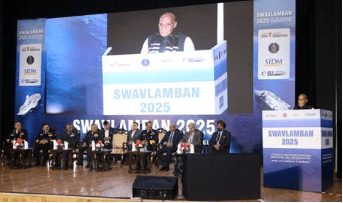
Raksha Mantri Rajnath Singh declared India’s defence sector is entering a golden era of innovation, propelled by young entrepreneurs and start-ups who fuse economic strength, strategic vision, and technological advancement. Addressing the fourth edition of the Indian Navy’s Swavlamban seminar in New Delhi, Singh called for a “profit-plus” approach in the private sector—blending financial returns with nationalism, duty, and strategic responsibility.
Strong Domestic Supply Chain and Reduced Import Dependency
The minister stressed that India must remain ahead of global geopolitical shifts by proactively strengthening its domestic defence supply chain. He noted that local manufacturing of components and subsystems would cut costs and boost reliability and strategic independence. Singh urged the private sector, R&D labs, and startups to help lift indigenous content and set a target for private industry’s share in defence manufacturing to exceed 50% in the coming years.
Swavlamban Seminar: Showcasing Innovation and Collaboration
Swavlamban 2025 featured an extensive exhibition with around 80 MSMEs and startups showcasing new naval technologies, including AI, autonomous systems, quantum computing, smart munitions, and stealth solutions. Products developed via iDEX (Innovations for Defence Excellence) challenges now strengthen Navy, Army, Air Force, Coast Guard, and CAPFs—highlighting pan-defence ecosystem impact and fostering collaboration for future operational deployments.
New Launches: SARATHI App and Innovathon
The SARATHI app, unveiled by the Defence Minister, is an analytical tool for managing all stages of naval armament, from development to disposal, enhancing quality and indigenisation. The event also launched Innovathon, a Naval hackathon inviting students, technologists, and developers to solve real-world maritime challenges in algorithms, encryption, and intelligence systems. MoUs between IIT Madras, Apollo Micro Systems, and the Navy further boosted indigenous R&D and production.
Conclusion
Swavlamban 2025 spotlights India’s transformation from technology importer to exporter, with defence innovation and strategic autonomy now central to growth. The integrated push—supported by government, industry, and research networks—aims to ensure India’s security, reduce import dependency, and position the nation as a builder and leader in the sector.
Doddagubbi residents are gripped by anxiety and anger after a sudden spike in pollution turned the local lake toxic, resulting in the death of fish, birds, and plant life over the past two days. What was once a serene neighbourhood waterbody, frequented by walkers and birdwatchers, has transformed into a foul-smelling mass of dark foam, chemical residue, and floating carcasses. Families living nearby say the disaster has unfolded rapidly, with dead fish washing up on the banks and birds collapsing mid-flight after attempting to drink the water. The incident has brought back fears of ecological collapse as locals anxiously blame unchecked sewage discharge and industrial waste for poisoning the ecosystem.
Residents claim that the problem has been building for months, but recent developments have made the situation unbearable. For many living close to the lake, the unbearable stench entering homes has caused headaches, nausea, and breathing difficulties. The visible contamination has sparked an intense outcry on local forums and WhatsApp groups, with citizens organizing to demand urgent intervention. Parents fear that children playing outdoors may be exposed to harmful airborne contaminants drifting from the water surface. Relatives of senior citizens with respiratory illnesses say immediate action is needed before the lake becomes a health hazard more dangerous than anyone anticipates.
Toxic Water, Silent Deaths: Locals Blame Sewage and Chemical Waste as Lake Ecology Collapses
For years, Doddagubbi lake has been shrinking due to encroachments and unplanned construction, but stakeholders say pollution has become the latest and most destructive threat. Environmental activists allege that untreated sewage from nearby residential pockets and small-scale industrial outlets has been flowing into the lake through unauthorized pipelines. Residents say they have repeatedly reported foul-smelling effluents entering water channels during night hours, suggesting systematic dumping. What once supported thriving aquatic life is now suffocating under layers of thick grey foam and oily residues, leaving fish gasping for oxygen before dying in massive numbers.
Environmentalists warn that the situation at Doddagubbi lake could set a dangerous precedent for other water bodies in the region. With Bengaluru’s rapid urban expansion, many lakes have already been reduced to stagnant pits or encroached upon for construction. Experts caution that if authorities fail to act promptly, the chemical contamination could seep into adjoining farmlands and groundwater, affecting crop yield and potable water supplies. The risk is particularly high during the upcoming monsoon season, when rainwater may carry toxins to neighbouring areas, multiplying the environmental impact far beyond the lake’s immediate vicinity.
Local communities are also raising concerns about accountability. Residents claim that nearby industries and informal sewage outlets have long discharged untreated waste into the lake without facing penalties. Some citizens allege collusion between private entities and municipal authorities, leading to lax monitoring and selective enforcement. Activists argue that without strict identification and punishment of polluters, any cleanup efforts will be short-lived. They are demanding public disclosure of all industrial permits, sewage inflows, and environmental audits to ensure transparency and prevent recurrence.
The human toll is already visible. Clinics in Doddagubbi report rising cases of skin rashes, eye irritation, and mild respiratory symptoms among those who live near the lake or use water from surrounding wells. Some families are now relying on bottled water for domestic use until authorities can confirm that groundwater has not been affected. Health professionals caution that long-term exposure to chemical pollutants and decomposing organic matter could lead to more serious illnesses if the contamination continues unchecked. Citizens fear that inaction could turn the crisis into a sustained public health emergency.
The ecological loss is equally alarming. Birdwatchers lament the disappearance of migratory and local species that once frequented the lake. The death of fish and aquatic plants has disrupted the food chain, affecting amphibians, reptiles, and smaller mammals that relied on the waterbody for survival. Conservationists emphasize that once an aquatic ecosystem reaches such a toxic state, recovery is extremely difficult and may require years of active restoration. They argue that early intervention is the only way to save remaining species and prevent the lake from becoming a biological dead zone.
Several residents have taken grassroots initiatives to raise awareness. Local youth groups are documenting the ongoing damage through photographs and videos, sharing them widely to generate public pressure on authorities. Community meetings have been organized to plan legal and civic actions, including petitions to environmental tribunals and appeals to the state pollution control board. Volunteers are also educating residents on precautions to avoid contamination from water and air exposure, while lobbying for emergency cleanup teams to be deployed immediately.
The crisis at Doddagubbi lake has now become a test of civic responsibility and governance. Citizens emphasize that water bodies are not just ecological assets but also social and cultural spaces that sustain communities. The current situation illustrates how neglect, pollution, and weak enforcement can combine to create environmental disasters that harm both nature and people. As residents, activists, and experts call for urgent, sustained action, the future of the lake—and the safety of the surrounding population—depends on whether authorities respond decisively to restore, regulate, and protect this vital ecosystem before it’s too late.
The sudden impact has disrupted wildlife patterns around the area. Local birdwatchers report that aquatic birds, especially egrets and kingfishers, are dying after feeding on poisoned fish or ingesting chemically contaminated water. Some birds have been found motionless on the banks, while others appear disoriented with sluggish movements, indicating toxic exposure. The disappearance of dragonflies and other insects around the lake has also alarmed ecologists, who note that rapid insect loss often signals a breakdown in ecosystem balance. Concerns are rising over potential contamination of soil and groundwater, with experts cautioning that pollutants may enter the food chain through crops grown near the lake.
Environmental researchers emphasize that the lake’s plight reflects an increasing urban ecological crisis driven by uncontrolled waste discharge into water bodies surrounding Bengaluru. They warn that the combination of sewage and industrial chemicals creates deadly water conditions that deplete oxygen, suffocate aquatic species, and trigger irreversible biodiversity loss. While cleanup efforts may be launched, they caution that restoring a dead ecosystem requires years of sustained rehabilitation and strict regulatory action. Residents believe that without accountability and enforcement, the disaster will continue to repeat, turning community lakes into toxic dumps rather than ecological assets.
A Community in Fear: Public Health Worries Rise as Experts Warn of Long-Term Risks
Residents across Doddagubbi are increasingly worried about the effects of living near a toxic lake for prolonged periods. Doctors in nearby clinics report a rise in complaints of skin irritation, mild respiratory distress, and headaches among people who frequently walk near the lake. Some veterinarians also confirm that pets have shown signs of illness after contact with the water, suggesting that toxicity is severe enough to affect mammals. Public health advocates caution that toxins released from decaying biomass combined with chemical contaminants can generate harmful gases, posing a serious threat to human health.
Concerned families are restricting outdoor activities for children and discouraging elderly residents from visiting lake pathways. Fear has spread among parents who say they previously encouraged morning walks and nature observation as a healthy alternative to city pollution. Now, schools in the area have received requests from parents asking that outdoor activities near the lake be avoided until authorities declare the space safe. Local medical professionals say they are preparing to offer awareness sessions to help residents avoid exposure until water quality reports are publicly released.
Despite urgent complaints, residents argue that authorities have responded slowly. Multiple messages shared by community groups highlight how officials often visit the lake only for brief surveys without clear commitments. Many call for immediate action such as water testing, removal of carcasses, and stoppage of pollution sources, criticizing the lack of real-time enforcement. The absence of transparent communication has intensified distrust, with citizens insisting they will escalate the matter to higher environmental bodies or pursue legal intervention if local governance continues to delay action.
Community volunteers are trying to salvage some parts of the lake environment using temporary measures. Groups of youths have taken it upon themselves to remove dead fish from the surface to control foul odour and prevent further spread of contamination. However, they acknowledge that their efforts only treat symptoms, not the cause. Residents emphasize that a scientific cleanup involving aeration, desilting, and chemical detoxification is required for any meaningful recovery. Several environmental experts have suggested appointing a dedicated monitoring body for the lake along with surveillance to prevent illegal waste dumping.
There are also growing demands for stricter penalties against polluters and for the installation of sewage treatment systems dedicated to the locality. Urban planners point out that lakes across Bengaluru are falling victim to similar patterns of neglect and mismanagement caused by rapid urbanization and weak enforcement. They stress that local governments must incorporate lake management into mainstream infrastructure planning instead of treating it as an afterthought. Citizens argue that if lakes are lost, the region will face irreversible consequences, including flooding, water scarcity, and public health crises.
The emotional connection that residents once had with Doddagubbi lake has now turned into collective anguish. Families recall how the lake once hosted migratory birds, supported fishing, and served as a peaceful recreational space. Its current toxic condition stands as a painful reminder of how ecological spaces can deteriorate when neglected. Locals say they will no longer remain silent observers and are mobilizing to protect what remains. As protests and petitions build, the fate of Doddagubbi lake now hinges on whether authorities act decisively or allow another urban waterbody to succumb to dangerous pollution.
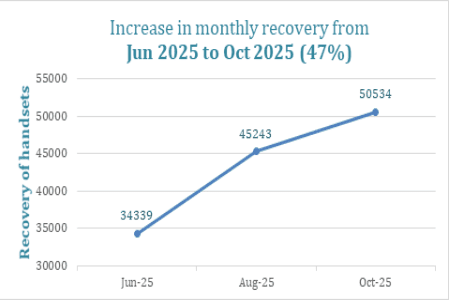
The Sanchar Saathi digital safety platform, spearheaded by the Department of Telecommunications (DoT), enabled the recovery of over 50,000 lost or stolen mobile phones across India in October 2025—a record for a single month. This achievement marks a significant milestone for citizen-centric digital governance and showcases the transformative impact of technology on day-to-day security.
Karnataka and Telangana Lead the Nation
Karnataka and Telangana are the top performers, each crossing 1 lakh recoveries since the launch of the Sanchar Saathi initiative. Maharashtra follows closely with over 80,000 recoveries. Since inception, the cumulative number of recovered devices has surpassed 7 lakh nationwide. Impressively, monthly recoveries have surged by 47% between June and October 2025, with the system now facilitating the recovery of more than one handset every minute across the country.
Advanced Tech and Police Coordination
Sanchar Saathi’s success is built on an indigenously developed platform that integrates automated workflows, real-time traceability, and collaboration between state and UT police forces, DoT’s Digital Intelligence Unit, and other field teams. When a SIM is inserted into a reported device, alerts are sent to both the registered user and the relevant police station, ensuring swift action and reducing potential misuse of blocked devices.
Citizen Empowerment and Digital India Vision
The initiative advances the Digital India vision by empowering citizens to report and block stolen/lost phones, verify devices before purchase, and report fraudulent calls/messages through the Sanchar Saathi app. The DoT urges all citizens to leverage the platform for better device security and to stay vigilant against telecom frauds.
India-Nepal: The 19th edition of Joint Military Exercise SURYAKIRAN XIX—2025 commenced today in Pithoragarh, Uttarakhand, running from 25 November to 8 December. The Indian contingent, primarily from the ASSAM Regiment, and the Nepalese contingent from the DEVI DATTA Regiment, each consist of 334 personnel. This annual exercise alternates between India and Nepal, aiming to deepen defence ties and operational synergy through joint training on pressing real-world scenarios.
Focused Training on Counter-Terrorism and Disaster Relief
SURYAKIRAN XIX is being conducted under the framework of Chapter VII of the UN mandate, with joint drills focused on sub-conventional operations such as:
Jungle warfare
Counter-terrorism in mountainous terrain
Humanitarian Assistance and Disaster Relief (HADR)
Medical response
Environmental conservation
Integrated ground-aviation missions
The exercise prioritizes adapting troops to challenging terrains and disaster environments, with increased emphasis on cooperative and coordinated action in peacekeeping and security operations.
Integration of Emerging Technologies
A key highlight for 2025 is the use of niche technologies, including Unmanned Aerial Systems (UAS), drone-based intelligence, AI-powered support tools, unmanned logistics, and armored protection platforms. The incorporation of these innovations will enhance tactical decision-making, risk reduction, and interoperability among participating troops in response to global security dynamics.
Throughout the exercise, both armies will exchange best practices and conduct joint drills across a range of combat skills. These activities are designed to boost mutual learning, fortify operational coordination, and further solidify defence cooperation between the Indian Army and Nepal Army, fostering strong bilateral relations between the two nations.
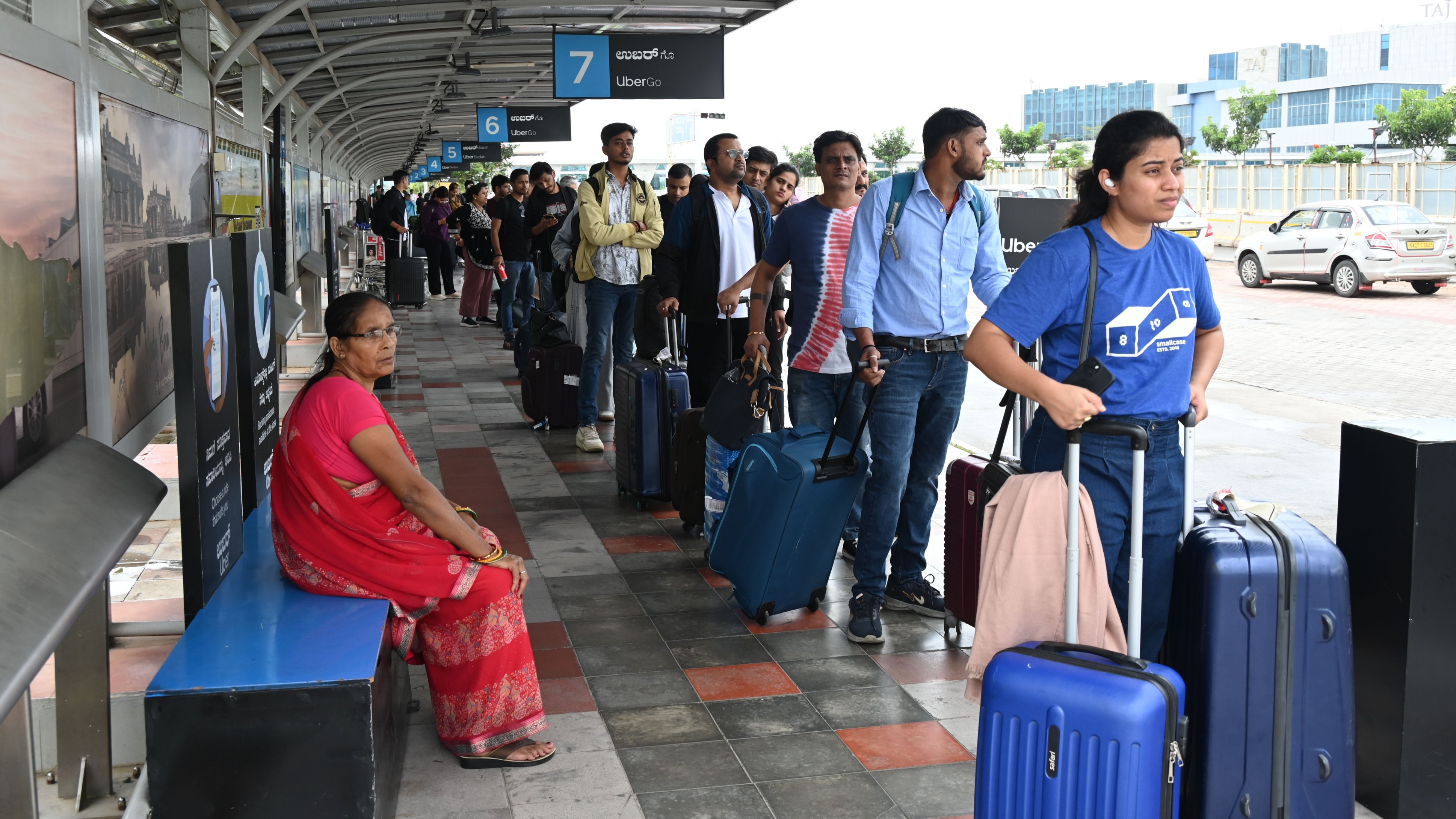
Passengers arriving at the Kempegowda International Airport (KIA) in Bengaluru are facing unprecedented hurdles in finding cabs, leading to prolonged waiting hours, last-minute fare hikes, and growing frustration among travelers. What began as sporadic complaints from a handful of passengers has now turned into a widespread issue affecting both domestic and international arrivals, including families, office commuters, students, and elderly travellers who depend heavily on app-based taxis for city transit. Many passengers assert that the shortage has deepened over the last two months, resulting in delays that they describe as “exhausting, unpredictable, and mentally draining.”
At the terminal pickup area, long queues now stretch across barricaded lanes where commuters wait for cabs that sometimes never arrive. Several app-based platform drivers say they prefer intra-city trips rather than airport pickups because of high parking charges and low incentives. For many passengers landing during late-night or early-morning hours, this has turned into a nightmare. A visibly stressed passenger arriving from Kolkata expressed that it took them nearly two hours just to receive a driver confirmation, only for it to be canceled minutes later. The terminal staff acknowledges the recurring complaints but insists that operational decisions lie with private taxi operators.
The pressure on the authorities has intensified as passenger groups begin to organize complaints collectively. Several citizens’ groups that track urban mobility have already drafted petitions, demanding a regulatory framework that forces ride-hailing companies to disclose how many cabs are allocated to the airport at any given time. They argue that transparency can expose whether the shortage is due to corporate incentive policies or driver decisions. Some activists emphasize that a lack of regulation allows platforms to operate without accountability, forcing passengers to deal with uncertainty as a routine part of travel rather than an avoidable breakdown.
Another increasingly discussed solution among airport regulars is the introduction of state-backed shuttle cabs that charge fixed fares. Advocates claim that a government-supported model could reduce dependency on private companies whose surge-based incentives regularly discourage drivers from servicing the airport. These passengers point to international airports that offer subsidized or structured taxi options, insisting that Bengaluru needs similar innovation to match its global aspirations. Many also believe that a competitive market where government services coexist with private taxis would force companies to offer better prices, reducing passenger exploitation.
Airport taxi unions, meanwhile, are pushing back against the assumption that they are abandoning passengers for profits. They argue that taxi drivers are being blamed for a crisis created by pricing strategies of private ride apps. According to them, inconsistent incentive structures compel drivers to avoid the airport to avoid losses. They say the problem would resolve if companies guaranteed minimum earnings for airport pickups, ensuring drivers do not have to choose between financial viability and public service. Their representatives emphasize that without economic dignity for drivers, no regulation can sustainably solve the issue.
Several drivers have also expressed fear over penalties imposed by app-based companies when they cancel trips due to passenger location changes or sudden route preferences. Many drivers allege that they are fined automatically, even if cancellations are not their fault. This, they claim, discourages them from accepting rides from locations where passengers frequently switch platforms, including airports. Passengers waiting outside terminals remain unaware of these dynamics, interpreting driver refusals as apathy rather than economic pressure. Thus, a cycle of mistrust has formed, deepening the divide between passengers and the driver community.
While the government has acknowledged receiving complaints, officials have yet to announce a clear corrective policy. A senior official indicates that discussions are underway to evaluate modifications to parking fees, incentive structures, and regulatory obligations for app services. However, passengers argue that a slow consultation process is out of sync with an urgent crisis affecting thousands daily. Civic bodies also face questions on why public transport alternatives—such as a direct metro link—have not been prioritized even after years of planning discussions. For now, broad promises offer little relief to those stranded at the terminal.
The situation has turned into a reflection of Bengaluru’s struggle to balance rapid urban expansion with fundamental infrastructure needs. The city’s growing reputation as a technology hub sits in stark contrast with its last-mile transport inefficiencies. Passengers say they are tired of hearing about ambitious future projects while suffering immediate distress. Their calls for swift intervention emphasize that mobility must be treated as a public right, not a market-driven privilege. As air traffic grows, the real test for policymakers will lie in whether they protect passenger dignity or continue to rely on unpredictable private solutions that leave travelers stranded.
Rising Complaints as Drivers Avoid Airport Trips, Leaving Passengers With No Options
App-based taxi drivers argue that airport trips are no longer profitable due to long waiting hours before receiving bookings, fuel expenses, and the airport’s parking fees that are deducted from their earnings. Many drivers state that they often spend up to an hour waiting in designated holding areas without assurance of a profitable trip. As drivers reduce their airport availability, demand far outstrips supply, forcing passengers to either wait indefinitely or negotiate with unauthorized operators who charge much higher fares. Some commuters have started walking out of the terminal to catch public buses or request relatives to pick them up after hours of frustration.
Families landing at the airport with children have particularly struggled during late hours when buses are less frequent and metro connectivity remains absent. Parents recount situations where exhausted children had to wait on cold seats with luggage piled around them, adding pressure to already long travel schedules. Office commuters who return from short work trips report missing connecting meetings and facing penalties for late reporting. The emotional distress has been particularly evident among international travellers after long flights, who face a second ordeal before reaching home.
KIA officials explain that the airport sees a 12–15% seasonal increase in passengers during holidays and long weekends, yet the number of cabs servicing the airport has not increased proportionately. Industry representatives argue that the city’s growing air traffic clearly warrants a scalable transport strategy that includes taxi, bus, and metro network expansion. Until a long-term plan is implemented, the burden continues to fall on fliers who are left negotiating transportation at the last minute.
City Transport Chaos Exposed as Bengaluru’s Growth Outpaces Mobility Planning
The chaotic situation has reignited a broader debate on whether Bengaluru’s transportation infrastructure can keep pace with its expansion. The airport authorities state that they have been requesting app-based platforms to provide more drivers during peak hours. However, drivers insist they earn more by operating shorter trips within the city during surge pricing. Drivers also oppose frequent cancellations by passengers who switch platforms to save a few rupees, claiming that these cancellations waste their time and fuel. This tug of war between drivers and passengers has created a near-gridlock situation where neither side gains.
Transport experts believe that the core of the crisis lies in the absence of real-time regulation or structured fare controls at the airport. They claim that private companies dominate decision-making without citywide regulatory oversight, effectively leaving passengers at the mercy of fluctuating driver availability and unpredictable pricing. The city’s airport is one of the busiest in India, yet the lack of seamless last-mile connectivity stands out as a glaring infrastructure gap. Critics point out that the city continues to focus heavily on air travel expansion while paying inadequate attention to how passengers will travel to and from the airport sustainably.
The shortage has also fueled a rise in informal operators who approach passengers near the exit gates offering premium-priced rides. Authorities have not issued an official directive on how these practices will be controlled, leading to concerns over safety and exploitation. Female travellers, especially those arriving late at night, warn that refusing such offers is difficult after waiting for hours. Many insist that the state government must intervene urgently to regulate operations and create safeguards, especially for vulnerable passengers.
Passengers continue to voice demands for guaranteed minimum cab availability and controlled fares during peak hours. A group of frustrated commuters has proposed that the government explore fixed-rate airport taxis, similar to prepaid counters seen at smaller airports. They argue that providing a transparent and predictable option could protect passengers from arbitrary surge pricing and fluctuating driver availability. Without such measures, they say travel costs will continue to depend more on luck than planning.
Transport analysts also recommend reworking parking fee structures to reduce financial burdens on drivers. They argue that incentivizing drivers during peak international arrival windows could stabilize service and lower wait times. Until such changes materialize, passengers are forced to gamble with long waits, high fares, or unreliable alternatives. With Bengaluru’s air passenger volumes projected to keep growing for the next decade, the ongoing cab shortage stands as a sharp reminder that air travel convenience must extend beyond the runway.
For now, stranded passengers wait anxiously under bright terminal lights, watching cabs appear and disappear on their phone screens, hoping that the next acceptance will not be cancelled. As more voices join the complaints and the city’s aviation operations expand, pressure is building on the state and transport authorities to finally treat last-mile connectivity as an essential service rather than a private experiment. If not addressed immediately, what passengers describe as today’s inconvenience could soon become a defining failure in Bengaluru’s transportation planning.