Thursday, May 14, 2026
Home Blog Page 309

Bold Campaign Against Rise in Crimes Against Women:1 Million Voices Promise Change

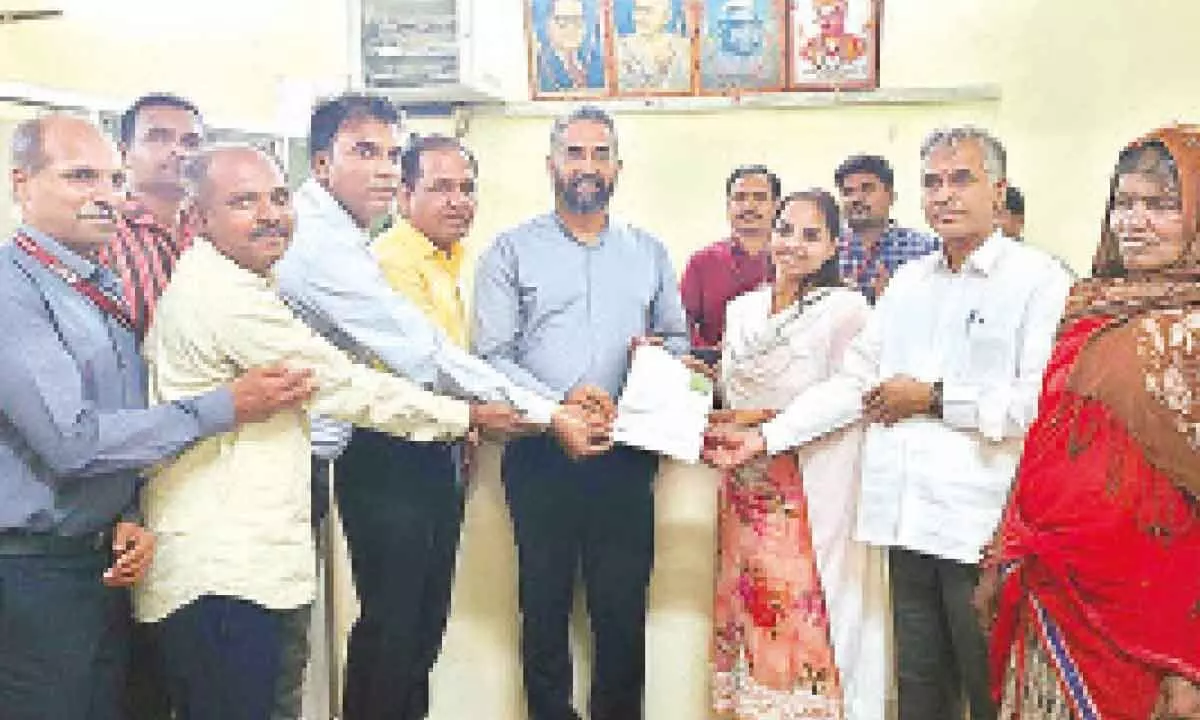
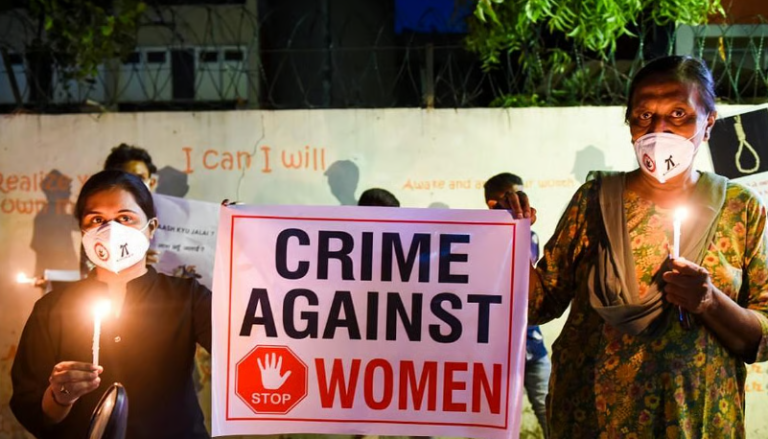
The All India Mahila Samskrutika Sanghatane (AIMSS) has raised strong concerns over the increasing number of crimes against women, calling it a pressing social emergency rather than a periodic headline issue. In response to this alarming trend, the organisation has launched a month-long nationwide signature campaign demanding stronger legal implementation, gender-sensitive policing, and immediate government intervention. The campaign aims to collect at least one million signatures from citizens across states, urging authorities to prioritise women’s safety as a national commitment instead of leaving it to sporadic legal responses after every violent incident.

The campaign also aims to highlight the gap between legal reforms and their implementation. AIMSS leaders stated that while India has passed several legislations for women’s safety—such as stronger anti-rape laws, anti-trafficking provisions, workplace harassment protections, and stricter penalties for acid attacks—the ground reality remains grim because enforcement is inconsistent.

According to activists, the existence of a law does not guarantee justice if officials lack training, sensitivity, or willingness to act. They emphasised that justice systems must not be shaped by personal biases or social hierarchies, especially when cases involve Dalit women, Adivasi women, or those from economically weaker backgrounds who face harsher intimidation and often have fewer support networks. AIMSS argued that a country that claims legal strength must show real protection in daily life, not just in official documents.

Another recurring issue raised during the launch was the absence of comprehensive rehabilitation systems for survivors of gender crimes. Activists pointed out that many women who report violence face long-term trauma, relocation challenges, financial insecurity, and social stigma. Without psychological counselling, legal assistance, safe shelters, and guaranteed job opportunities, survivors are often forced to withdraw complaints or reconcile with perpetrators for survival.

AIMSS demanded that the government create rehabilitation schemes that provide free counselling, employment quota support, housing provisions for abandoned or victimised women, and public funds for legal assistance. They argued that justice does not end at conviction but continues through rebuilding the life of a survivor, enabling her to live with dignity and independence.

The organisation also criticised society’s tendency to victim-blame women, especially in cases of sexual assault or harassment. AIMSS speakers noted that questions about a woman’s clothing, profession, social behaviour, or the time at which she travelled are repeatedly used to shift responsibility away from offenders. They stressed that such questions have no place in a legal system rooted in constitutional rights.

One activist stated that when courts, police officers, or community leaders entertain victim-blaming narratives, they indirectly legitimise violence. The organisation urged the government to introduce legal penalties for attempts to shame victims publicly or obstruct justice through moral policing, arguing that victim-blaming is not just insensitive—it is a form of psychological violence that pushes women into silence and depression.

Another concern raised by AIMSS was the lack of safe public infrastructure. Leaders pointed out that poorly lit streets, absence of CCTV surveillance in crowded markets, and lack of accessible complaint centres create an environment where crimes are easier to commit and harder to report.

They suggested that women’s safety must be treated as a key factor in city planning and rural development, not as an afterthought. The organisation asked urban bodies to install help kiosks, emergency response systems at bus stops, and GPS-linked monitoring of public transport. They believe that technology, when used responsibly, can act as a preventive force against crimes and ensure immediate intervention when women face threats.

AIMSS further emphasised that women’s safety must extend to digital spaces, where abuse is increasingly sophisticated. They cited examples of cyberbullying, revenge pornography, identity theft, data breaches involving personal photographs, and targeted hate campaigns. Activists argued that most women hesitate to file cybercrime complaints due to social judgment, lack of awareness, or lack of trained cyber police officers who can handle technology-based crimes efficiently.

AIMSS demanded expansion of women-friendly cyber cells, appointment of digital forensic specialists, and public education on legal remedies available to victims of online violence. They reiterated that digital harassment must be treated with the same seriousness as physical assault because its emotional and social consequences can be devastating.

In conclusion, the AIMSS campaign calls for systemic transformation, not symbolic promises. The organisation insists that women’s safety must be integrated into governance, education, law enforcement, and community values. They believe that a million signatures will reflect not just outrage but resolve—proving that women, alongside men, are demanding structural justice.

The campaign challenges governments to move beyond emotional rhetoric and create lasting protective systems. As volunteers mobilise across the country, the movement seeks to redefine safety as a constitutional guarantee that India must uphold with discipline, empathy, and accountability. Through public participation and persistent pressure, AIMSS hopes to build a future where women can live without fear, where justice is swift, and where dignity is not a privilege, but a fundamental right.

AIMSS members allege that crimes against women are not merely acts of individual violence but a symptom of a deeper societal imbalance rooted in discrimination, exploitation, and systemic neglect. The organisation pointed out that sexual assault cases, human trafficking, workplace harassment, and domestic violence continue to rise despite multiple laws and awareness initiatives. Members argued that these crimes are aggravated by slow investigation processes, weak evidence collection, lack of survivor counselling, and failure to ensure safety for victims who approach the police. They believe that without institutional reform, punitive laws alone cannot protect women effectively.

During the campaign launch, AIMSS leaders criticised what they describe as a culture of “reactionary outrage,” where authorities act only when faced with public protests after horrific crimes. They argued that women’s safety cannot depend on outrage-driven governance but requires proactive systems that catch offenders early and create deterrence. They also stressed that prevention must go beyond policing and include educational reforms, community awareness, and safe infrastructure in public spaces. According to AIMSS, emotional solidarity is not enough—society must build functional, gender-just institutions.AIMSS expresses concern over increase in crime against women; launches month -long signature campaign - The Hindu
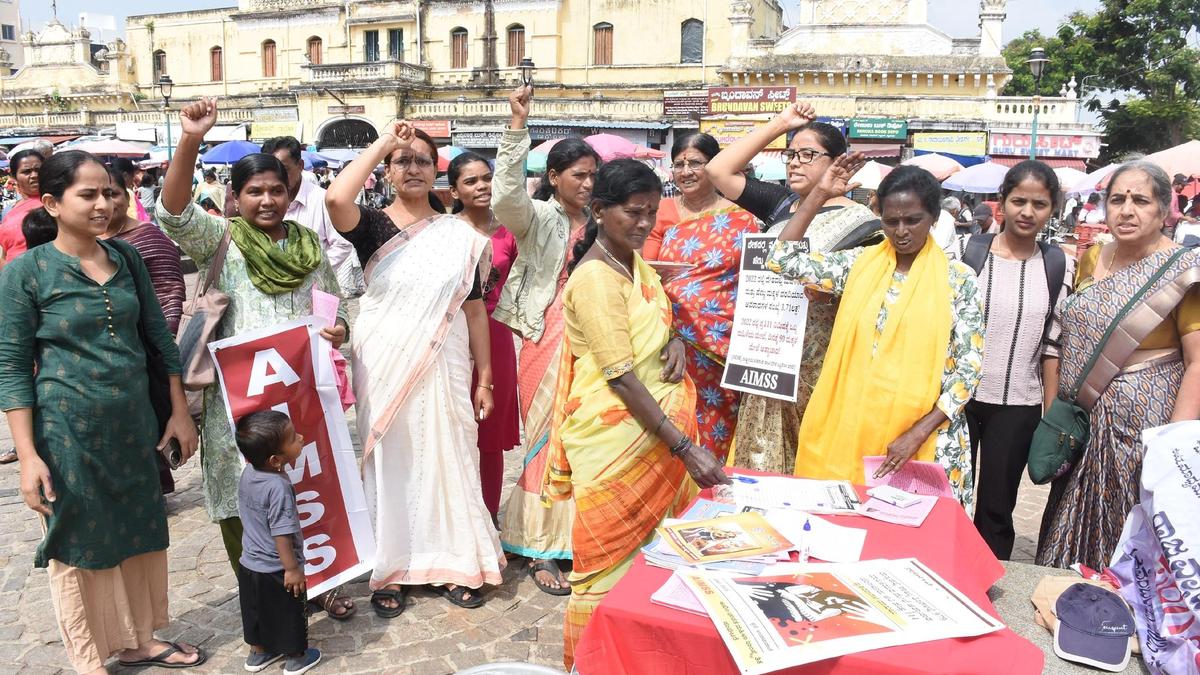
Many participants in the campaign spoke about their own experiences of harassment and intimidation, emphasising that crimes against women are not limited to remote areas or night-time violence. They described threats in classrooms, workplaces, public transport, and even online spaces. AIMSS representatives highlighted that cyber harassment and digital exploitation have rapidly increased, targeting women through blackmail, stalking, doctored images, and abusive messages. The organisation argues that without specialised cyber units and sensitised officers, many victims are discouraged from filing complaints, leaving offenders free to repeat crimes.


Demand for Accountability and Gender-Sensitive Policing

One of the central demands of AIMSS is the establishment of gender-sensitive policing backed by strict accountability mechanisms. Activists argue that many cases collapse not due to the absence of laws but because of poor investigation practices. They point out that delayed FIR registration, improper forensic collection, insensitive questioning, and intimidation by police personnel discourage victims from pursuing justice. To address this, AIMSS has proposed specialised training modules for officers handling women’s cases, mandatory timelines for FIRs, and periodic audits on the progress of investigations.

Another demand focuses on the creation of fast-track courts that are truly accessible to survivors and supported by legal-aid cells dedicated to women’s rights. Activists note that many women from rural and marginalised backgrounds do not file complaints because court processes are complicated, expensive, and emotionally traumatising. AIMSS states that unless the justice system supports women at every stage—from complaint to trial—laws remain symbolic. They argue that the courts must not simply deliver punishment but also protect survivors from retaliation by families, communities, or accused individuals.

Community involvement is another pillar of AIMSS’s strategy. The organisation insists that crimes against women cannot be solved through policing alone if communities continue to normalise harassment or shame survivors. Activists want local bodies, schools, colleges, and resident associations to adopt safety pledges and conduct workshops on gender equality. They say that prevention must start early, with boys being taught about consent, respect, and boundaries as part of school curriculum. Without such social change, policing efforts may reduce crimes temporarily, but inequalities will persist.Freedom run to create awareness on cyber crime against women in Coimbatore  on August 10 - The Hindu


Signature Campaign as Public Empowerment Tool

The AIMSS signature campaign does not stop at collecting public support—it aims to transform signatures into actionable recommendations that will be presented to state governments, law enforcement agencies, and parliamentary committees. Leaders emphasise that the campaign is a form of democratic participation, giving ordinary citizens a role in shaping policy changes. Volunteers will visit colleges, workplaces, marketplaces, and residential areas to collect signatures, while social media drives will encourage digital endorsements.

The organisation plans to use the data to highlight regions where women express fear or dissatisfaction with policing and legal outcomes. Such information could help authorities identify areas needing urgent safety reforms. AIMSS is also encouraging men to sign the campaign, underscoring that women’s safety is not a gender-exclusive responsibility but a human-rights issue requiring collective action. They believe public participation will force authorities to treat gender crimes as systemic threats rather than isolated acts committed by individuals.

Grassroots participation is expected to be a major strength of the movement. Volunteers from rural regions said that women in villages often face more severe barriers to justice because crimes are dismissed as “family matters” or “community issues” controlled by informal systems like caste panchayats. These practices deter victims and enable perpetrators. The signature campaign therefore aims to bypass informal barriers by directly appealing to formal state institutions, demanding that constitutional rights must override regressive community customs.

The campaign will also collect testimonies from survivors who choose to share their stories anonymously. AIMSS leaders say that these testimonies will not be used as emotional tokens but as evidence of systemic failures that need immediate correction. The organisation’s approach seeks to balance empathy with policy advocacy, ensuring that emotions lead to constructive demands rather than momentary outrage.Freedom run to create awareness on cyber crime against women in Coimbatore  on August 10 - The Hindu

At the campaign launch, AIMSS members expressed hope that building public pressure would push governments to integrate women’s safety into everyday governance, rather than treating it as a reactive response to brutal crimes. They stressed that long-term change depends on transforming policing, education, community culture, and public accountability systems. If the campaign meets its goal, it will not only symbolise solidarity but act as a documented demand for structural reforms.

Ultimately, AIMSS’s initiative shows that women’s safety is not a problem of individual behaviour alone—it reflects collective values, administrative priorities, and legal culture. As the campaign gathers signatures across India, it urges society to turn empathy into action and demand institutions that truly protect women. By standing together, citizens can replace fear with justice and transform signatures into social power.

Follow: Karnataka Government

Also read: Home | Channel 6 Network – Latest News, Breaking Updates: Politics, Business, Tech & More

A Memorable Return of Harriers to India’s Dwindling Grasslands: 8 Silent Visitors

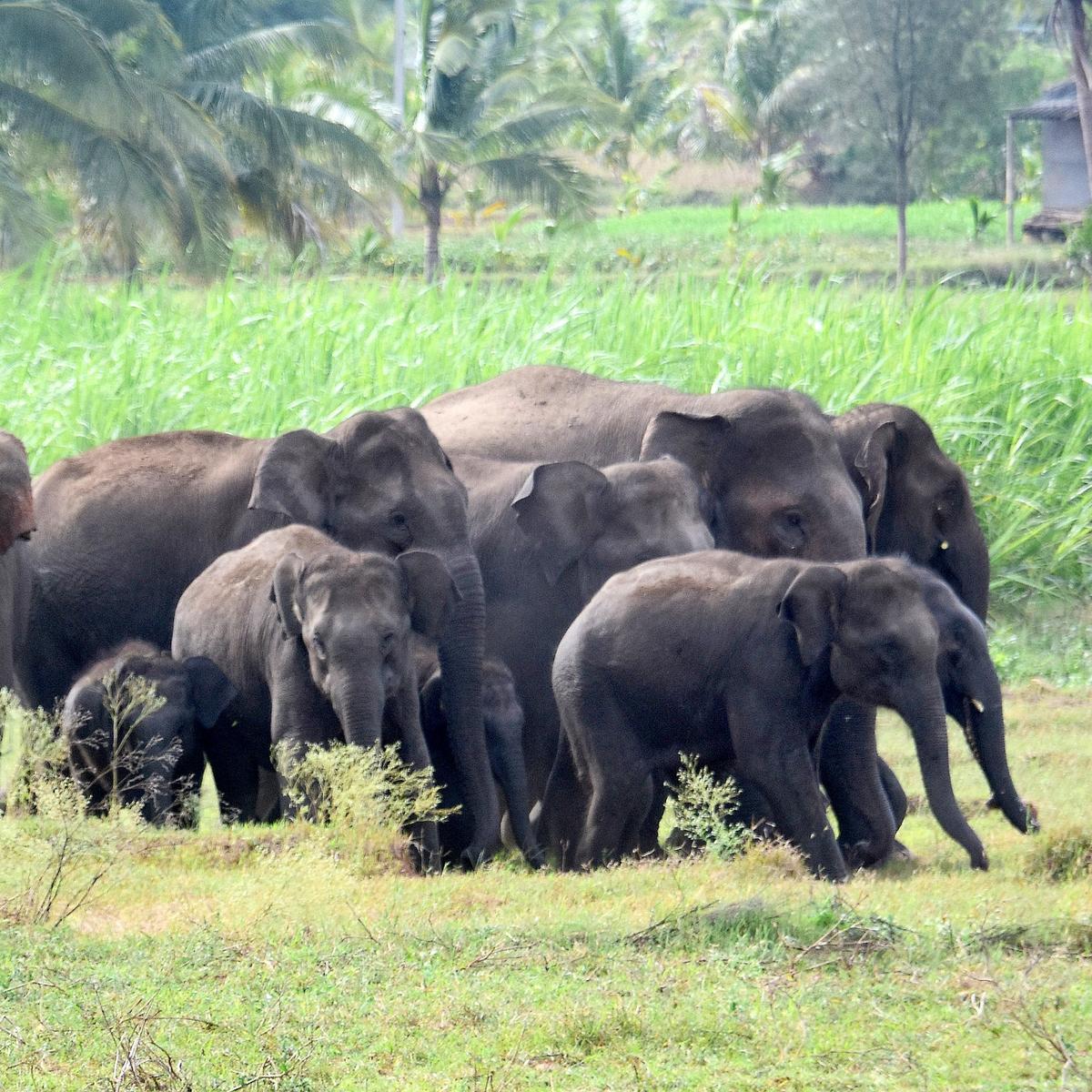
With the early onset of winter winds, harriers have begun arriving across India’s grasslands, marking their annual migration from Central Asia, Mongolia, Afghanistan, and parts of Europe. These elegant raptors, known for their low-flight hunting style, rely heavily on undisturbed open habitats to survive their winter stay. However, conservationists warn that the grassland ecosystems which once welcomed thousands of harriers every year are shrinking rapidly due to encroachment, agricultural expansion, and development projects. Their arrival this year highlights the fragile future of grassland-dependent species and the urgent need to rethink conservation strategies beyond forests and wetlands.

Loss of native grasslands also affects pastoral communities who depend on them for grazing. Villages that traditionally relied on open commons for livestock now face shrinking fodder resources, pushing herders to sell animals or buy costly feed. Conservationists argue that saving grasslands is not merely about protecting birds, but about sustaining long-standing rural economies. In places where grassland restoration has been attempted through native species planting and regulated grazing, both pastoral livelihoods and wildlife have shown signs of revival. This demonstrates that conservation does not have to oppose local communities; instead, it can support them through shared ecological goals.

Another emerging concern is the unregulated installation of solar power plants on grassland ecosystems. While renewable energy projects are vital for climate goals, conservationists say that many installations are built directly over important roosting areas without ecological assessments. Large solar farms require land clearance and fencing, which block access to prey and remove native vegetation. As a result, a project meant to fight climate change inadvertently displaces species that regulate grassland ecology. Experts suggest that renewable energy planning must avoid critical biodiversity sites and prioritise degraded lands instead of intact native grasslands.

Poaching and disturbance also threaten harriers, especially when communal roosts are not adequately protected. Harriers prefer to nest on the ground or in low vegetation, which makes them vulnerable to stray dogs, cattle trampling, and illegal hunting. Birdwatchers report that in some regions, roosting birds are disturbed by night-time vehicular movement or intentional fires lit for land clearing. These activities force birds to abandon safe sites and waste essential energy reserves needed for migration. Strict regulation, especially during peak roosting seasons, could help reduce such disturbances and protect vulnerable flocks.

Some state governments and conservation groups have begun discussing the creation of community-led grassland reserves. Such reserves would allow traditional grazing while preserving roosting areas and prey bases for migratory birds. Instead of excluding people, these reserves encourage coexistence by training locals to monitor roosts and prevent disturbances. This approach recognises that habitat protection is most effective when communities feel ownership over biodiversity resources. Ecologists believe that the success of such models could push policymakers to re-evaluate how land use is planned in grassland regions.

Education and awareness remain crucial for safeguarding harriers. Many local residents are unaware of how significant these winter visitors are to agriculture and biodiversity. Workshops in schools, farmer training sessions, and public events centred around roost counts help create a conservation mindset at the grassroots level. Once people understand that these birds help protect fields from pests, they are more willing to protect their habitats. Some farmers have even begun adopting harrier-friendly practices such as retaining patches of native grass or avoiding pesticide use during peak migration months.

Ultimately, the annual arrival of harriers is a reminder that migration patterns that have existed for centuries are now under unprecedented threat. As grasslands disappear, the skies lose not only the birds that travel from distant lands, but also the ecological protections they bring. The future of harriers in India will depend on whether governments, communities, and industries recognise the value of grassland ecosystems. Safeguarding these open habitats is not just about saving a migratory raptor—it is about preserving a delicate network of life, livelihoods, and landscapes that define the subcontinent’s drylands.

Harriers arrive with the onset of winter to shrinking grasslands - The Hindu

Harriers belong to a group of migratory birds that prefer open, wide landscapes with natural grass cover for roosting and feeding. The species most commonly spotted in India during winter include the pallid harrier, Montagu’s harrier, and the western marsh harrier. Historically, large flocks would gather in communal roosting sites, particularly in regions like the Deccan plateau, Kutch, Rajasthan plains, and central Karnataka. Birdwatchers and researchers say that while harriers continue to return, the flock sizes are noticeably smaller than in previous decades. Many now struggle to find safe roosting spaces as grasslands turn into croplands, industrial zones, or real estate layouts.

The migration of harriers is one of the most remarkable journeys undertaken by raptors, covering thousands of kilometres across continents. Their arrival signals the beginning of the winter ecological cycle, where they feed on locusts, small reptiles, insects, rodents, and other prey. This natural predation helps control pests in agriculture, making harriers allies of farmers rather than ecological competitors. Yet, many grasslands are being converted for commercial plantations and solar farms without evaluating their impacts on raptors. Experts argue that grasslands are wrongly perceived as “wastelands,” leading to policies that promote development in these areas without biodiversity assessments.

Bird researchers warn that the loss of grasslands also threatens the nesting habitats of resident species like the Indian courser, larks, floricans, and numerous reptiles and insects that form the prey base for harriers. Without food security, migratory birds may arrive only to starve or move further south in search of suitable feeding grounds. Some studies suggest that changing rainfall patterns and prolonged monsoon cycles have altered the arrival timings and roosting behaviour of harriers. While climate change affects migration routes, habitat destruction blocks crucial stopover points that birds need to rest and feed during long journeys.


Grasslands Under Threat from Rapid Land Conversion

Many ecologists emphasize that grasslands are among the most neglected ecosystems in Indian conservation policy. While forests receive protection under various laws, grasslands continue to lack legal recognition as biodiversity-rich habitats. In several states, common grazing lands, savannahs, and scrublands are leased out for developmental projects as non-productive land. This perception overlooks their role in supporting migratory birds, pollinators, and grazing ecosystems that sustain livestock-based rural economies.Harriers arrive with the onset of winter to shrinking grasslands - The Hindu

Reports from field researchers highlight that communal harrier roosts are shrinking in number and size. Areas that once hosted hundreds of birds now hold only a few dozen. Expansion of monoculture plantations, including eucalyptus and commercial grasses, has altered natural vegetation. In some regions, invasive plant species like Prosopis juliflora crowd out native shrubs and grasses, rendering the landscape unsuitable for low-flying predators. Urban expansion has added another layer of threat as fragmented grass patches cannot support the prey base required by harriers.

Agriculture plays a complex role in this transformation. While harriers benefit farmers by controlling pests, rapid mechanisation and pesticide use reduce grassland insects and rodents. Short-term crops that replace traditional grazing fields erase nesting grounds and feeding sites. Even when harriers arrive, they often avoid pesticide-laced fields, making large stretches of agricultural land useless as hunting grounds. Conservationists argue that sustainable agriculture policies must incorporate bird-friendly practices, including controlled pesticide usage, seasonal patches of unploughed land, and maintaining native grasses along field boundaries.


Why Harriers Matter to Local Ecology

The survival of harriers is intricately linked to the overall health of dryland ecosystems. Their presence indicates a balanced food chain, healthy insect populations, and intact habitats. Ecologically, harriers act as regulators, maintaining population control among fast-breeding prey such as locusts, which can become agricultural pests if unchecked. Farmers in states like Rajasthan and Gujarat unknowingly benefit from this natural pest management system. Some researchers claim that the economic value of harriers as pest control agents far exceeds the monetary returns from converting grasslands into short-term commercial projects.

Harriers also serve as umbrella species for grassland conservation. Protecting their roosting areas indirectly safeguards entire ecosystems, supporting mammals such as foxes, wild hares, and small herbivores, as well as several ground-nesting birds. The loss of harriers could trigger cascading ecological imbalances that extend beyond raptors, affecting crop health, pollinator diversity, and rural livelihoods linked to livestock grazing. Ecologists warn that without protection, grassland collapse would parallel the sudden decline of vultures experienced in the 1990s.Harriers arrive with the onset of winter to shrinking grasslands - The Hindu

Citizen science is proving to be a powerful tool in tracking harrier populations. Birdwatchers, local communities, and conservation groups are increasingly documenting roosting numbers and migration timings. Such data has helped identify declining patterns and prompted discussions on policy change. Some regions now conduct roost counts during winter, involving farmers and local youth. These initiatives not only gather crucial information but also build awareness about the ecological value of grasslands, fostering community-driven conservation.

For effective protection, experts recommend designating critical grassland zones as conservation reserves rather than forest lands. Traditional policies that prioritize dense forests fail to protect open landscapes. Conservationists argue that India’s environmental laws must evolve to include grasslands as unique ecosystems rather than degraded forests. This shift in classification could restrict industrial land-use change and encourage sustainable grazing, natural vegetation restoration, and eco-sensitive tourism centred on winter migratory birds.

The arrival of harriers every winter is more than a seasonal migration—it is a reminder of the fragile relationship between climate, land, and living species that travel across continents to survive. Their journey underscores the interconnectedness of global ecosystems and the consequences of local habitat neglect. As policymakers debate development priorities, harriers continue to fly thousands of kilometres, trusting that grasslands will welcome them.

Whether these birds will keep returning in large numbers depends on decisions made today. If grasslands continue to shrink, the silence of vanished wings may one day replace this winter spectacle. Protecting harriers means protecting an ecosystem that supports both biodiversity and human livelihoods. Their arrival brings beauty, balance, and ecological value. It now rests with society to ensure that the skies remain open and the ground remains habitable for these winter migrants, whose presence silently speaks of nature’s resilience.

Follow: Karnataka Government

Also read: Home | Channel 6 Network – Latest News, Breaking Updates: Politics, Business, Tech & More

Karnataka’s Surprising Push for Private-Sector Disability Quotas: Empowering 5 Million Lives

Karnataka is preparing a landmark reform that could significantly alter the landscape of disability rights in India. The State government has begun drafting a policy that proposes reservation for persons with disabilities (PwDs) not only in government jobs and educational institutions, but for the first time, in the private sector as well. Senior officials have indicated that discussions are underway to frame legally enforceable quotas that can compel private companies, colleges, and professional institutions to admit, train, and hire qualified individuals with disabilities. If implemented, this move could create a transformative shift in employment and academic opportunities for nearly 5 million persons living with disabilities in Karnataka.

According to government sources, the proposed quotas may require private companies with a certain employee strength to allocate a percentage of their workforce to disabled persons, similar to the mandatory reservation already applicable in the public sector. The State is reportedly studying international frameworks to devise a model that balances rights enforcement with industry participation. Officials believe that voluntary corporate inclusion programmes, while beneficial, have not been adequate to address widespread employment inequality. Many companies claim to support inclusivity, yet disability representation in the private labour market remains disproportionately low. Advocates therefore argue that a legal mandate is essential.

Alongside employment, the draft policy also aims to expand reservation in private educational institutions, including engineering colleges, business schools, medical courses, management academies, and professional training centres. Disability rights activists say that access to higher education is the foundation for meaningful employment, but many students face hidden barriers such as inaccessible infrastructure, high cost of assistive technologies, and limited scholarships. By pushing reservations into private institutions, the government seeks to reduce inequality at the root, enabling students with disabilities to pursue competitive careers rather than being forced into low-income roles due to lack of training.

The State’s move gains significance in light of the Rights of Persons with Disabilities (RPwD) Act, 2016, which mandates the government to “take measures” to ensure inclusion in both public and private workplaces. Legal experts point out that this language allows States to create their own frameworks extending quotas beyond public institutions. Karnataka’s current plan is therefore not just a welfare measure but a legal responsibility rooted in national law. Disability organisations welcome the State’s interpretation, saying that employment rights cannot depend solely on goodwill or corporate ethics. They insist that rights must be enforceable, not merely encouraged.Karnataka govt mulls PwD reservation in education, private jobs

However, the proposal is expected to face challenges in implementation, particularly from private industry groups that worry about mandatory employment liabilities. Business associations argue that firms may struggle to accommodate different disabilities without proper government guidance, funding, and precautionary infrastructure. They highlight the cost of workplace accessibility, assistive technology, and specialised training. Industry leaders say that any quota law must be accompanied by incentives, subsidies, and clear guidelines to avoid friction between employers and employees. Policymakers are therefore considering tax benefits, skill development support, assistive device grants, and shared training centres to ease corporate participation.


A Transformative Shift Towards Inclusive Workplaces: Karnataka

One of the most crucial elements of the policy is a proposed expansion of disability categories within private employment. Historically, companies tend to hire persons with mild physical disabilities while overlooking those with speech, cognitive, or neurodevelopmental conditions. Experts warn that a quota without comprehensive representation risks creating a narrow labour market that excludes several disability groups. The State is therefore working to ensure equitable distribution of opportunities among visual, hearing, locomotor, intellectual, psychosocial, and multiple disabilities.

Officials are also studying how to enforce anti-discrimination clauses that prevent termination or forced resignation due to disability. Activists emphasise that workplace discrimination often begins after hiring—when employers find ways to push workers out, citing “performance challenges” that stem from failed accessibility. As a result, companies may technically meet quotas without genuinely supporting disabled employees. Disability rights advocates are urging the government to impose penalties for non-compliance and require periodic audits to check whether workplace adaptations, safety protocols, and grievance mechanisms are functional.

Technology will play a central role in this reform. From screen readers and tactile displays to speech-recognition software and low-vision accessibility tools, modern workplaces must integrate adaptive systems. Officials believe that digital inclusion should be viewed not as an expense, but as a business investment that improves workforce diversity, problem-solving, and innovation. Corporate inclusion experts say that companies that embrace disability employment often benefit from stronger productivity outcomes and employee loyalty. International studies highlight that firms with inclusive hiring practices tend to outperform peers due to better organisational ethics and employee wellbeing.


Education Reform to Build Future Skill Pipelines

Parallel to workplace quotas, the government plans to strengthen disability-focused education initiatives in private institutions. The policy may require colleges to reserve seats and ensure accessible infrastructure such as tactile flooring, ramps, digital accessibility in classrooms, sign language interpreters, mobility assistance, and subsidised assistive devices. Activists argue that reservation alone is ineffective unless universities are mandated to implement universal accessibility norms. Many students with disabilities drop out due to lack of transportation support, appropriate learning materials, or accurate accommodations for exams.Skill development can't be looked only from a job or economy point of view:  Subroto Bagchi - The Hindu

To bridge the skill gap between education and employment, the State plans to integrate skill development programmes tailored to different disabilities. These may include training in IT, data entry, design, customer engagement, finance backend operations, and specialised trades like physiotherapy support, accessible tourism, and adaptive manufacturing. Vocational courses will be redesigned with flexible modules that accommodate cognitive diversity. The government may also require private institutes offering high-end courses—such as engineering, management, and biotechnology—to make their laboratories accessible, a move that has long been demanded by disability groups.

Scholarship expansion is also under consideration. Activists point out that disabled students often require expensive assistive technologies like Braille displays, mobility equipment, hearing aids, or medical treatments. Without financial support, reservation only helps numerically but fails to equalise the playing field. As a result, many students are either forced into less competitive courses or remain dependent on low-income government institutes despite high potential. The State may introduce need-based and technology grants to ensure that private education does not become a financial burden for disabled individuals.


The State government is also discussing a disability employment exchange that will allow private companies to find candidates based on skill, course background, and disability category. The proposed portal will connect employers with government-run training centres and specialised institutions, streamlining recruitment rather than leaving hiring to chance or individual outreach. Officials believe that structured digital recruitment will eliminate bias and expand corporate participation.

Another possible provision is the creation of a grievance redressal commission that will monitor complaints from disabled employees in the private sector. Such a body could allow workers to seek justice for harassment, workplace exclusion, or forced resignation. Activists emphasise that many disability discrimination cases never reach courts because affected individuals lack resources, awareness, or legal access. A dedicated commission with quick complaint resolution could help restore dignity after discriminatory treatment and prevent recurring abuse.

Political analysts observe that the timing of this policy reflects growing public expectations for social justice in employment. Karnataka has long positioned itself as a leader in education, technology, and healthcare. Expanding disability rights could strengthen its reputation as a progressive State responsive to inclusive development. Moreover, disability policy reform has bipartisan support, as leaders across parties acknowledge the importance of empowerment over charity-based solutions. The shift signals a broader transition from welfare thinking to rights-based governance.

Yet, significant execution challenges remain. For disability quotas to succeed, the State must invest in training teachers, sign language interpreters, therapists, corporate counsellors, and accessibility engineers. Policymakers must also confront deeply rooted prejudices about disability in classrooms and workplaces. Many employers still view disabilities through a lens of sympathy rather than equal aptitude. Experts argue that the reform will only succeed if companies understand disability as a spectrum of strengths and challenges rather than an inability to work productively.

The coming months will determine whether the government can convert its ambitious proposal into actionable law. Disability rights organisations plan to hold consultations to suggest improvements, while industry representatives are expected to negotiate terms that ensure clarity before enforcement. If Karnataka manages to balance legal accountability with corporate cooperation, it could create a national model that inspires other Indian States to broaden disability rights into the private sector.State has quota for the disabled, K'taka tells SC

For now, the draft proposal carries hopes of thousands of students denied professional opportunities and millions who remain unemployed despite possessing skills. By pushing inclusion into spaces that were previously inaccessible, Karnataka’s proposal aims to expand dignity, independence, and economic justice. Whether as employees, entrepreneurs, students, or professionals, individuals with disabilities may finally move beyond symbolic representation into empowered participation. The State’s bold initiative signals that disability inclusion is not merely an act of kindness—it is a fundamental right woven into the democratic promise of equal opportunity.

For now, the draft proposal carries hopes of thousands of students denied professional opportunities and millions who remain unemployed despite possessing skills. By pushing inclusion into spaces that were previously inaccessible, Karnataka’s proposal aims to expand dignity, independence, and economic justice. Whether as employees, entrepreneurs, students, or professionals, individuals with disabilities may finally move beyond symbolic representation into empowered participation. The State’s bold initiative signals that disability inclusion is not merely an act of kindness—it is a fundamental right woven into the democratic promise of equal opportunity.

Follow: Karnataka Government

Also read: Home | Channel 6 Network – Latest News, Breaking Updates: Politics, Business, Tech & More

November 25, 2025: Nifty 50 Ends Lower; Orientelec and Capillary Outperform While Adani-RE Drops Sharply

Indian markets closed Tuesday’s session, November 25, 2025 with the Nifty 50  down 74.70 points at 25,884.80, marking a 0.29% decline. Broader indices mirrored the weakness as Nifty Fin Service fell sharply while Nifty Next 50 eked out a modest 0.26% gain.​

Also Read: 25 November 2025: Nifty 50 Slides Marginally; Capillary and Orientelec Lead Gainers, ADANI-RE Sees Sharp Drop

Major Gainers: Orientelec and Capillary Dominate Volumes

  • ORIENTELEC  led the charts with a 20% surge, closing at 199.45 on huge trading volume of 326.09 lakh shares and a transaction value of ₹610.21 crore.

  • Screenshot 2025 11 25 224331CAPILLARY jumped 15.38% to 721.40, with a record volume of 240.55 lakh shares and value turnover exceeding ₹1,699 crore.

  • SVPGLOB, LPDC, and PASUPTAC also posted strong double-digit gains, signaling bullish activity in selected counter stocks despite the broader selloff.​


Top Losers: Adani-RE and Mangalam Under Pressure

  • ADANI-RE  slumped 14.72% to 511.00, with turnover of ₹169.47 crore from 30.83 lakh shares.

  • Screenshot 2025 11 25 224337VIJIFIN, MANGALAM, BILVYAPAR, and RKEC all ended down 10% or more, reflecting risk-off sentiment and profit booking in the midcap segment.​

Market Highlights and Sector Moves

November 25Sector indices continued to show divergence: Nifty Fin Service dropped 89.25 points (0.32%), while Nifty Next 50 ended up 175 points (0.26%). Overall market action underscored selective buying in outperformers even as index heavyweights struggled.

Conclusion: November 25

The session closed with clear outperformance from select stocks like ORIENTELEC and CAPILLARY , while ADANI-RE led the declines. Market volatility and focused rotation are likely to continue guiding short-term trends.​


For real time stock Updates, visit NSE website.

25 November 2025: Nifty 50 Slides Marginally; Capillary and Orientelec Lead Gainers, ADANI-RE Sees Sharp Drop

Indian stock markets opened Tuesday , 25 November 2025 trading with slight losses on benchmark indices, while select midcap stocks posted sharp swings both ways. The Nifty 50  slipped 8.95 points (0.03%) to 25,950.55 in early session, reflecting subdued sentiment despite sectoral rotation and standout moves among individual stocks.​

Also read: November 24, 2025: Nifty 50 Closes Lower Amid Sell-off; Sharp Moves in Midcaps Persist

Significant Declines: Adani-RE and Baidfin-RE Drag

25 November 2025Key laggards included ADANI-RE , which declined 61.60 points (10.28%) to 537.60, with heavy turnover of ₹92.85 crore. BAIDFIN-RE dropped 32% to just 0.17, while ATL-RE, BILVYAPAR, and MANGALAM all fell around 10%, weighed down by low volume and weak value realization.​


Morning Gainers: Capillary and Orientelec Surge

Screenshot 2025 11 25 111723Among the top gainers, CAPILLARY soared 80.75 points (12.91%) to 706.00, trading a massive ₹468 crore in value. ORIENTELEC  rallied 23.77 points (14.30%) to 189.98 on high volume, while SVPGLOB, LPDC, and SHYAMCENT all posted gains near 20% as money rotated to outperformers early in the day.​

Sectoral and Broader Index Moves

Screenshot 2025 11 25 111713Despite marginal slippage in Nifty 50 , Nifty Next 50 gained 101 points (0.15%) to 68,098.50, and Nifty Bank  advanced 19.40 points (0.03%) to 58,854.75, suggesting continued sector resilience and selective buying.

Conclusion: 25 November 2025

Tuesday’s opening session highlighted volatility below the index level, with heavyweight stocks and niche midcaps diverging sharply. Value churn and distinct rotation into stocks like CAPILLARY and ORIENTELEC signal the importance of tactical positioning amid subdued broader sentiment.​


For real time stock Updates, visit NSE website.

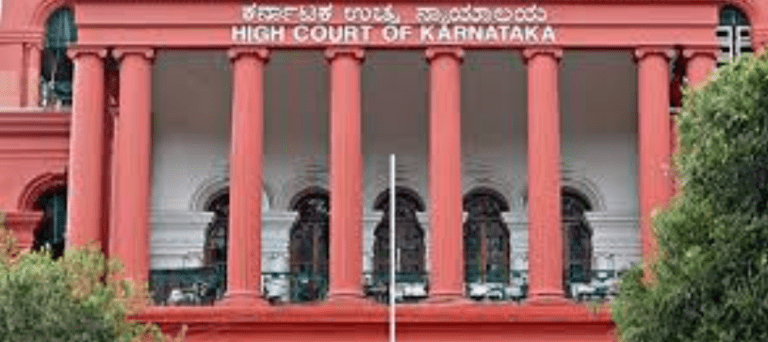
Karnataka HC Flags Grand Bold and Serious Loophole in Kaveri 2.0 Land Records Software

The Karnataka High Court has raised a strong objection to a critical loophole in the State’s Kaveri 2.0 land registration and mutation software, stating that it lacks a facility to record and implement civil court decrees in property records. During a hearing on land dispute petitions, the bench observed that the failure to integrate decrees passed by civil courts into the software has led to thousands of affected cases where rightful owners are unable to secure mutation or change of

Legal experts point out that civil decrees are often critical in settling land ownership disputes that drag on for years. Once the cases are resolved, the court orders must be legally reflected in revenue records to prevent further conflicts. Since Kaveri 2.0 does not allow this crucial step, individuals who have already won legal disputes are forced to run from one government office to another for manual updates. Lawyers argue that this undermines public faith in the justice system, as the software’s loophole essentially stalls the implementation of court decisions, delaying rightful ownership even after lengthy litigation.

Revenue department officials acknowledge practical difficulties but emphasise that complete digitisation is still a work in progress. Some officers say that integrating court decrees involves multiple legal layers and requires coordination with the judiciary’s database. They claim that the software’s current version was prioritised to streamline property registration and reduce corruption at sub-registrar offices. However, critics counter that prioritising ease of transactions without ensuring legal legitimacy defeats the purpose of digitisation. They argue that reforms should not only target efficiency but also accuracy and lawful enforcement, or else they risk creating a technologically advanced but legally weak system.

Former judges and land rights activists say the consequences could be severe if loopholes persist. They warn that unrecorded court decrees could lead to overlapping claims, fraudulent transfers, and disputes resurfacing after years. Farmers and landowners, who are often affected by fraudulent transactions, remain particularly vulnerable. Activists highlight that Karnataka has a long history of land-related conflicts involving tenancy rights, forest borders, and inheritance issues. If technology fails to respect judicial outcomes, it could worsen land insecurity instead of eliminating it. Several experts have urged the State to immediately upgrade Kaveri 2.0 to prevent cascading legal complications.

The High Court has suggested that the State government form a technical-legal committee to address these concerns within a fixed time frame. The panel would be expected to ensure compatibility between court orders and land records, propose legal safeguards against tampering, and create a transparent process for verification. Stakeholders believe that such reforms will help restore confidence in digital governance initiatives and reduce corruption. The court has also indicated that delays may lead to judicial intervention. With increasing reliance on digital systems for land administration, the government now faces pressure to ensure that technology strengthens, rather than undermines, the rule of law.

Bengaluru: With Kaveri -2.0 software in place, property registration gets  done in 10 minutes

According to the High Court, the software’s existing structure allows entries for sale deeds, gifts, partitions, and other registered instruments, but does not accommodate court decrees that determine ownership, possession, and succession rights after litigation. This omission has resulted in a situation where individuals who won property disputes in civil courts still cannot have their records updated because the software does not provide an input mechanism. The court called it a “serious legal lapse with constitutional ramifications,” since it threatens access to justice and erodes faith in the legal system.

The court further remarked that many litigants have spent years fighting disputes over inheritance, boundaries, tenancy claims, or fraudulent transactions, only to find that their victories remain unreflected in land records. In some districts, land officials rely on manual entries or outdated methods, causing inconsistencies, corruption, and delays. The judges noted that digital governance is intended to remove inefficiencies, not create obstacles that prevent valid judgments from being implemented. They stated that the situation cannot be dismissed as a mere technical issue, because it impacts fundamental property rights.


Judiciary Questions Administrative Accountability in Digitisation

The High Court asked the State government to file a detailed justification for why such a crucial feature was left out of a system designed to modernise land records. It questioned whether experts in law, revenue administration, and information technology were consulted before implementing the software. The bench observed that while digital platforms may streamline administration, they must be built around legal procedures, not the other way around. It insisted that the government cannot hide behind technology when citizens’ legal rights are blocked due to poor design.

Officials representing the government stated that the objective of Kaveri 2.0 was to eliminate manual interventions and create seamless integration between registration, mutation, and records maintenance. The court interrupted this explanation, asking how the system could be considered seamless when it excludes a legally binding instrument such as a court decree. It emphasised that civil courts are not external bodies functioning outside the scope of the land administration system, but integral institutions whose decisions must be automatically recognised.

The judges warned that leaving out decrees is dangerous because it allows bureaucratic discretion and local manipulation to continue despite digitisation. They pointed out that one of the central goals of digital records is transparency, and transparency loses its meaning if judicial decisions do not automatically inform the database. The court directed the government to treat the issue as a priority requiring a structural redesign rather than a temporary workaround or manual bypass clause.

The High Court stated that technology should respect the hierarchy of legal authority, where decisions by civil courts hold greater weight than registered instruments like sale deeds. A decree is often passed to correct fraud, enforce inheritance rights, or restore property to rightful owners. If such decrees cannot be recorded digitally, the software allows the continuation of injustice even after a court has settled the dispute. The court noted that such flaws could lead to litigation against the State itself for violating constitutional guarantees of property and justice.Kaveri 2.0 Portal Karnataka – Complete Guide to Property, Marriage &  Document Registration


Digital Records Must Respect Law, Not Restrict It

Legal experts present in court supported the judicial observations, stating that land governance cannot rely solely on transactional documents. Property litigation often resolves disputes that originate precisely because transactions were forged, manipulated, coerced, or contested. If registered documents alone are given digital validity while decrees are ignored, the system effectively protects fraudulent or disputed transactions while excluding legally corrected ones. Lawyers argued that such a structure disrupts the idea of due process and creates digital injustice.

Technology consultants working with land reforms have commented that the problem reflects a fundamental misunderstanding among software developers about the nature of land dispute resolution in India. They noted that systems like Kaveri 2.0 are often built with a transactional mindset, ignoring judicial data as a core part of governance. According to them, any land administration software must integrate with court databases or provide mandatory decree-based mutation pathways. Without this, digitisation becomes a model of exclusion.

Revenue officials privately acknowledge that the loophole has created confusion at the ground level. In many taluks, manual mutation requests based on decrees are kept pending because they do not fit into the software format. This has led to complaints that digitisation has increased delays instead of solving them. Some officers reported feeling vulnerable, as they can be accused of corruption when they are forced to handle decree requests outside the software. They emphasised that a clear, automated system would protect both citizens and officers.

Farmers’ associations have also expressed concern, stating that immovable property is the primary asset for rural families, and any disruption in ownership records affects their livelihood, access to loans, government schemes, and compensation for land acquisition. They said a decree that cannot be recorded digitally defeats the purpose of litigation and pushes people back into long cycles of bureaucracy. Farmer leaders demanded immediate government attention, stating that technology must not become a new form of harassment.


Systemic Changes Expected as Judiciary Pushes for Reform

Law professors analysing the issue say that the High Court has opened a broader debate about technology-driven governance. They argue that governments must stop seeing digitisation as a way to automate existing administrative patterns and instead align software design with constitutional values. Systems must ensure accessibility, fairness, and recognition of judicial supremacy. They warned that any digital system that weakens legal rights is an unconstitutional innovation masquerading as progress.

The High Court has instructed the government to respond with a timeline for corrective action and explain whether a formal blueprint exists to integrate decree-entry facilities into Kaveri 2.0. It also sought clarity on whether the Revenue Department will train officers to update records based on decrees and ensure consistency across districts. Observers note that this could lead to major reforms, including a unified interface between land records, court data, and registration offices, creating a legally robust digital ecosystem.Kaveri 2.0 Online: Step-by-Step User Guide - TimesProperty

The court made it clear that merely updating software is not enough. A decree-based workflow must be compulsory, automated, and documented, with strict penalties for non-compliance by revenue officials. The bench emphasised that public trust in the justice system depends on whether judgments translate into real-life outcomes. The judiciary cannot remain a symbolic authority while technology blocks its enforcement. For this reason, the court may monitor implementation through future hearings.

Legal activists welcomed the court’s stance, stating that vulnerable sections, including farmers, widows, senior citizens, and inheritance claimants, suffer the most when decrees are not recorded. They urged the government to adopt decree recognition as a core principle of land administration, not a secondary feature. They believe that the ruling has the potential to make digitisation more accountable, transparent, and inclusive. They also called for clear grievance redressal channels for those denied mutation despite decrees.

The High Court’s intervention now places moral, administrative, and legal responsibility on the State to redesign its land software in alignment with constitutional obligations. If the government implements the required reforms with seriousness, Karnataka could become a model for digital governance that respects judicial authority. If not, the court may escalate its oversight and consider broader directions impacting land administration policy. For now, Kaveri 2.0 remains under scrutiny, and citizens wait to see whether technology will finally serve justice, or continue to marginalise those who win their battles in court only to lose them at the level of bureaucratic implementation.

Follow: Karnataka Government

Also read: Home | Channel 6 Network – Latest News, Breaking Updates: Politics, Business, Tech & More

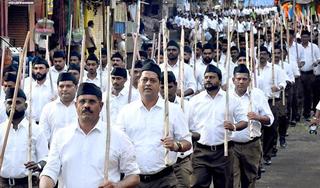
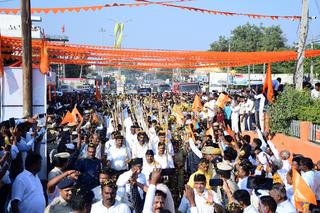
Dalit Sangharsha Samiti Says RSS Must Learn That Permissions Come from Law, Not “Jai Shri Ram: Fierce 9-Point Constitutional Stand

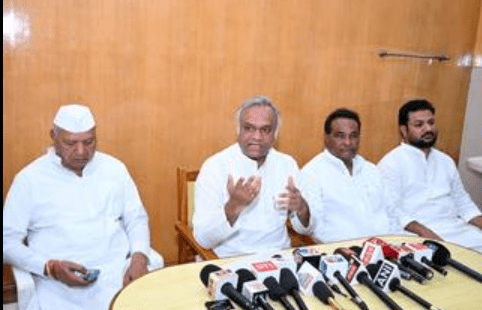
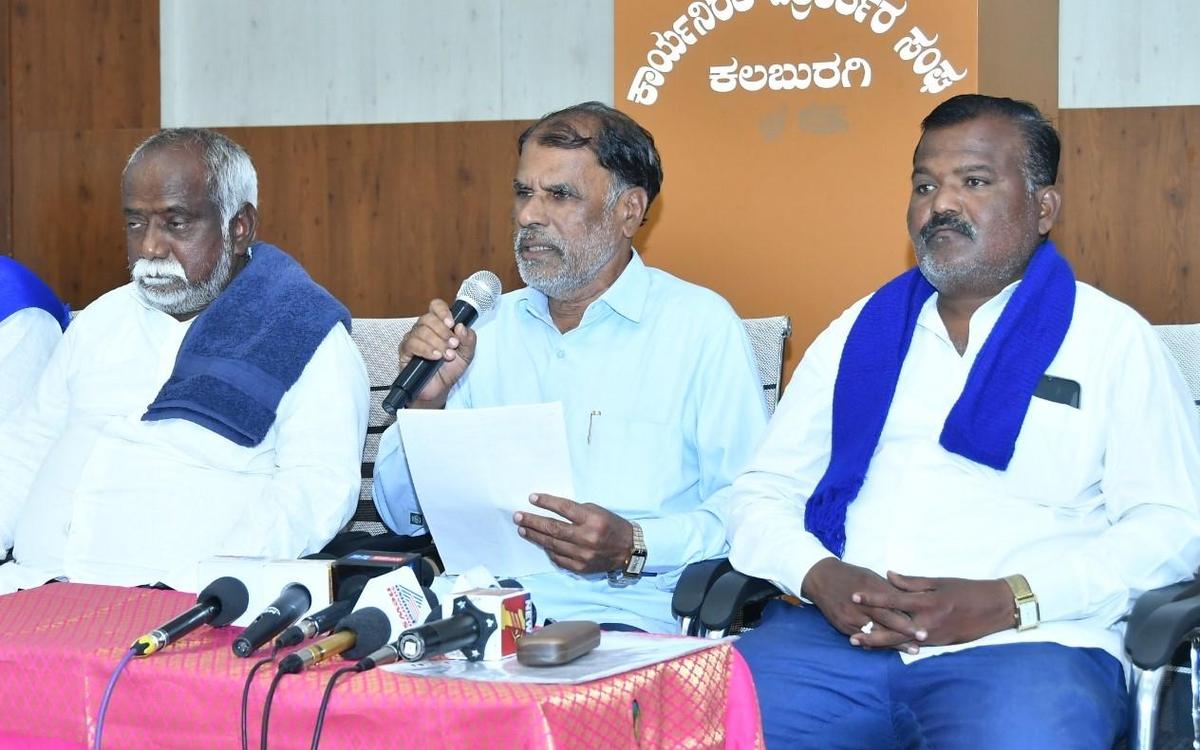
The Dalit Sangharsha Samiti (DSS) has issued a bold statement condemning the Rashtriya Swayamsevak Sangh (RSS) and its affiliates for what it described as an attempt to project religious slogans as a pathway to public authority. At a press briefing held in Bengaluru, DSS leaders declared that permissions for rallies, processions, and events come from constitutional provisions, not from chanting “Jai Shri Ram.” They argued that no individual or organisation can claim entitlement to public spaces on the basis of religious identity and insisted that state institutions cannot be pressured by emotional or religious majoritarianism.

Civil liberties groups have echoed the DSS stance, cautioning that public space cannot be distributed based on who shouts the loudest or commands the biggest street presence. They argued that the constitution is designed to prevent domination by powerful organisations and to protect citizens who may not mobilise large crowds. According to them, equating religious slogans with legitimacy erodes the rule of law and encourages mob politics. They believe that democratic societies must reject intimidation tactics, even when framed as expressions of cultural pride, as they undermine equal citizenship.

Grassroots observers said that the debate over permissions is a symptom of deeper tensions surrounding identity-based politics. They noted that both political parties and social groups often exploit religious sentiment to gain influence, while rarely advocating for constitutional education. According to them, the lack of awareness about legal structures enables misinformation to flourish. They suggested that communities need more exposure to civic education so they can differentiate between rights guaranteed by law and claims made using emotion. Without such awareness, they warned, society becomes vulnerable to manipulation.

Some religious leaders have also intervened, asserting that the sanctity of spiritual slogans should not be reduced to political bargaining tools. They argued that faith-based expressions must remain sacred and free from political misuse. A few Hindu priests urged organisations to protect the dignity of religious chants by not wielding them as weapons to demand privileges. They emphasised that genuine spirituality is rooted in ethics, humility, and discipline, not entitlement. According to them, politicising religion ultimately corrupts the moral value of traditions.Permissions come from Constitution, not from shouting Jai Shri Ram: Dalit  Sangharsha Samiti - The Hindu

Younger activists from the Dalit movement argued that such conflicts reveal how religion is often used to silence criticism rather than encourage dialogue. They said that questioning political strategies involving religious identity is not the same as disrespecting faith. For them, the real insult to religion lies in using it to gain unfair access to power. They warned that if constitutional norms are overridden by emotional claims, minorities, women, Dalits, and economically weaker groups will bear the brunt of discrimination. They insisted that resisting such trends is necessary to safeguard inclusive democracy.

Political analysts predict that confrontations like this will continue as groups attempt to expand influence through symbolic ownership of public space. They noted that many organisations prefer religious mobilisation because it generates loyalty through emotional appeal, often without the burden of legal accountability. Analysts said that the DSS response marks an attempt to shift the conversation back to constitutional responsibility and civic equality. Whether this will reduce the influence of religious entitlement in public administration remains uncertain, but it has forced a critical debate.

Ultimately, the DSS statement reflects a broader warning that India cannot afford confusion between spiritual faith and state authority. They argued that the strength of the nation lies in protecting equal rights for all, not in granting privilege to those who command cultural dominance. The organisation emphasised that respect for religion and respect for law must coexist without one overshadowing the other. Their message concludes that democracy will survive only when institutions remain independent, citizens remain informed, and the constitution remains above every slogan—no matter how popular or sacred.

The organisation emphasised that India’s constitutional framework guarantees equality for all communities, regardless of faith or ideology. DSS leaders criticised the growing narrative that demanding permissions by invoking religious slogans is a form of cultural right. According to them, cultural freedom is protected, but it must function within legal procedures set by state authorities. They alleged that certain groups attempt to bypass rules by projecting denial of permissions as an attack on Hindu identity, which they described as a deliberate tactic to exploit religious sentiment.

DSS leaders accused RSS-linked groups of pushing a narrative in which public institutions are challenged whenever they refuse to entertain requests that violate safety guidelines, traffic concerns, or local legal restrictions. They said that this strategy creates an illusion that government authorities are biased when they are merely enforcing regulations. The Samiti warned that no group—regardless of its religious affiliation—should be allowed to claim privilege over others. They stressed that constitutional order cannot bow to intimidation or emotional appeals.


Constitutional Authority vs. Religious Symbolism

The DSS demanded that law enforcement agencies remain neutral and firmly uphold constitutional duties without fear of being painted as anti-religion. Members argued that India’s constitution protects every religion equally, and therefore no community can assert a superior claim in the name of faith. They criticised what they described as a growing trend of substituting legal rights with religious symbolism, claiming that the misuse of slogans weakens democracy by blurring the boundary between cultural expression and governance.

The organisation urged citizens to understand the difference between religious freedom and political mobilisation using religion. While freedom to worship is fundamental, DSS argued that the constitution does not endorse religious majoritarianism or privilege groups that use aggressive methods to secure public space. They asserted that respecting constitutional rules is itself a patriotic responsibility, and that no slogan—however popular—can replace due legal process. According to them, attempts to weaponise religious emotion threaten India’s pluralism.

The DSS also responded to criticisms that they were targeting Hindu identity. Leaders clarified that their objection is not to the slogan itself but to “the misuse of slogans as instruments of political entitlement.” They emphasised that everyone has the right to chant religious slogans, but no one has the right to use them as a substitute for administrative procedures. They accused some political actors of deliberately manipulating faith to gain disproportionate influence. The Samiti stated that equality before law means all requests must undergo the same scrutiny, whether they come from Hindu, Muslim, Christian, or Dalit groups.Permissions come from Constitution, not from shouting Jai Shri Ram: Dalit  Sangharsha Samiti - The Hindu

They added that invoking the constitution to protect public order is not an attack on religious freedom but a defence against political opportunism. DSS leaders urged Hindus, Muslims, and other communities to reject any group that claims divine endorsement for political demands. They argued that collaborations across communities in defence of constitutional authority are crucial to safeguard democracy. In their view, progressive religious voices must also condemn the misuse of spiritual traditions for power struggles.


Law, Public Safety, and Accountability in a Polarising Climate

Legal experts supporting the DSS position argued that permissions for public events must be based on criteria like crowd control, infrastructure capacity, security risks, and local sensitivities. If these rules are ignored, the consequences fall on ordinary citizens who suffer through blocked roads, communal tensions, noise pollution, or disruptions in emergency services. They warned that substituting legal regulation with religious assertion could result in chaos and set a dangerous precedent where every group demands special treatment based on faith.

Public policy analysts noted that confrontations over permissions often escalate because authorities hesitate to enforce rules consistently, fearing backlash from politically influential organisations. They believe that clearer communication, stronger transparency, and documentation around permissions can prevent groups from claiming discrimination. Analysts suggested that digital systems could help depoliticise the process by showing objectively why requests are approved or rejected. They argued that administrative neutrality must be protected with technology when social pressures intensify.

Activists within the Samiti stated that they will continue to oppose any attempt to turn public regulation into a religious debate. They highlighted that Dalits, Adivasis, and marginalised communities have historically suffered when religious majoritarianism influences governance. DSS leaders said their struggle is not against any religion but against systems that weaponise faith to silence the oppressed and privilege the powerful. They reminded that constitutional values emerged precisely to protect society from authoritarian tendencies arising out of religion, caste, or class dominance.

Socio-political scholars commented that the confrontation between DSS and RSS over constitutional authority reflects a deeper battle over the idea of citizenship itself. The question, they said, is whether rights come from being a believer in a particular religion or from being an equal citizen of a democratic republic. They warned that if rights begin to depend on majoritarian identity, the foundational promise of justice, equality, and dignity will collapse. The scholars believe that organisations like DSS play a crucial role in reminding society that law—not faith—is the source of freedom.Permissions come from Constitution, not from shouting Jai Shri Ram: Dalit  Sangharsha Samiti - The Hindu

As tensions continue over permissions and public messaging, the DSS has announced plans to organise awareness campaigns across Karnataka to educate youth about constitutional values. They said that citizens must understand what it means to demand rights within legal frameworks instead of emotional rhetoric. Leaders vowed to resist any attempt to normalise intimidation in the name of religion. They concluded that the constitution represents the collective faith of India’s people, beyond any specific religious slogan, and that it remains the ultimate source of authority in a democratic nation.

Follow: Karnataka Government

Also read: Home | Channel 6 Network – Latest News, Breaking Updates: Politics, Business, Tech & More
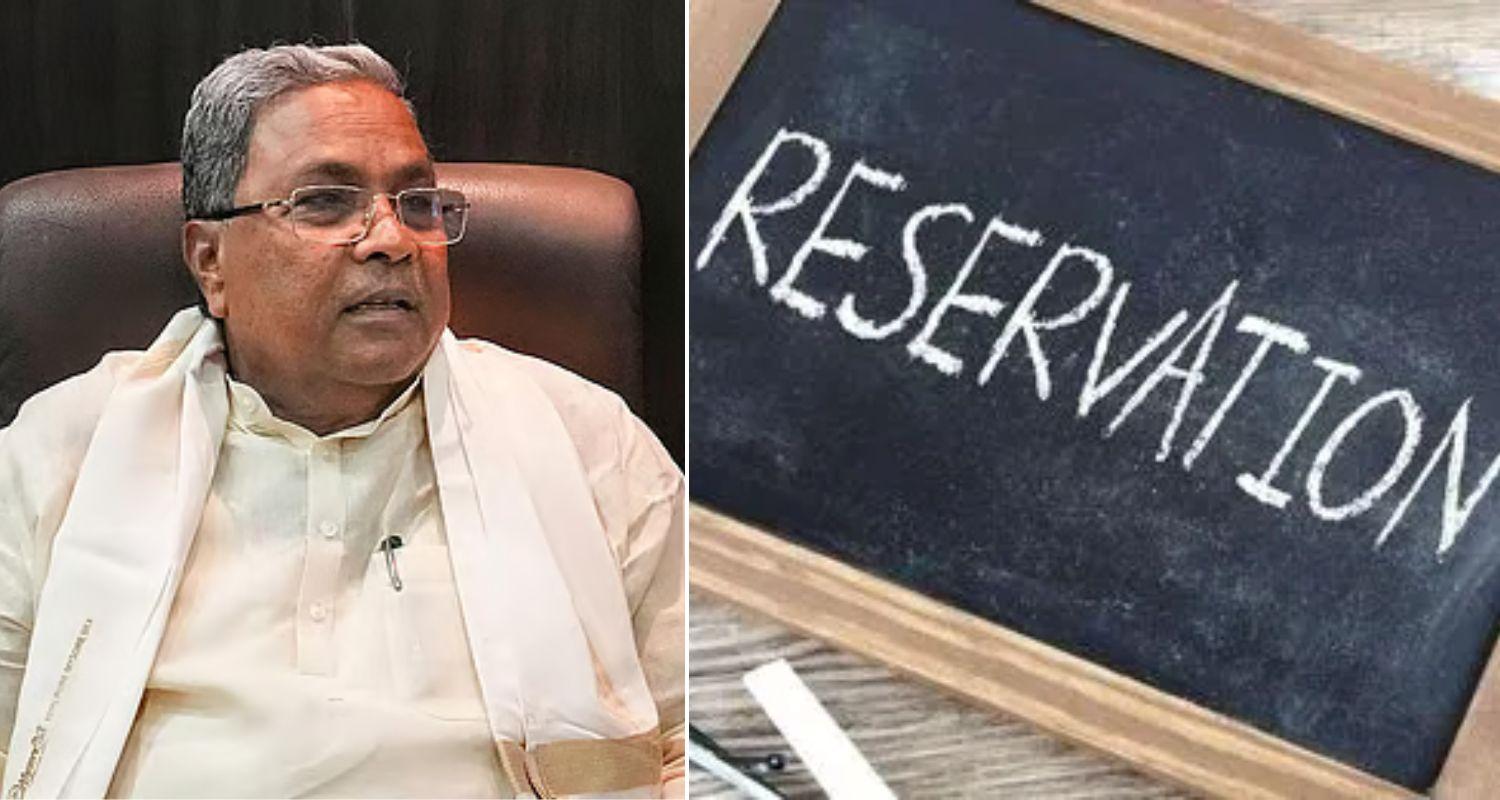
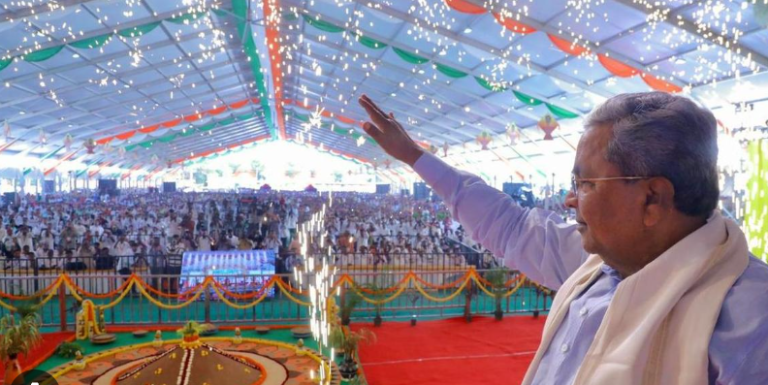
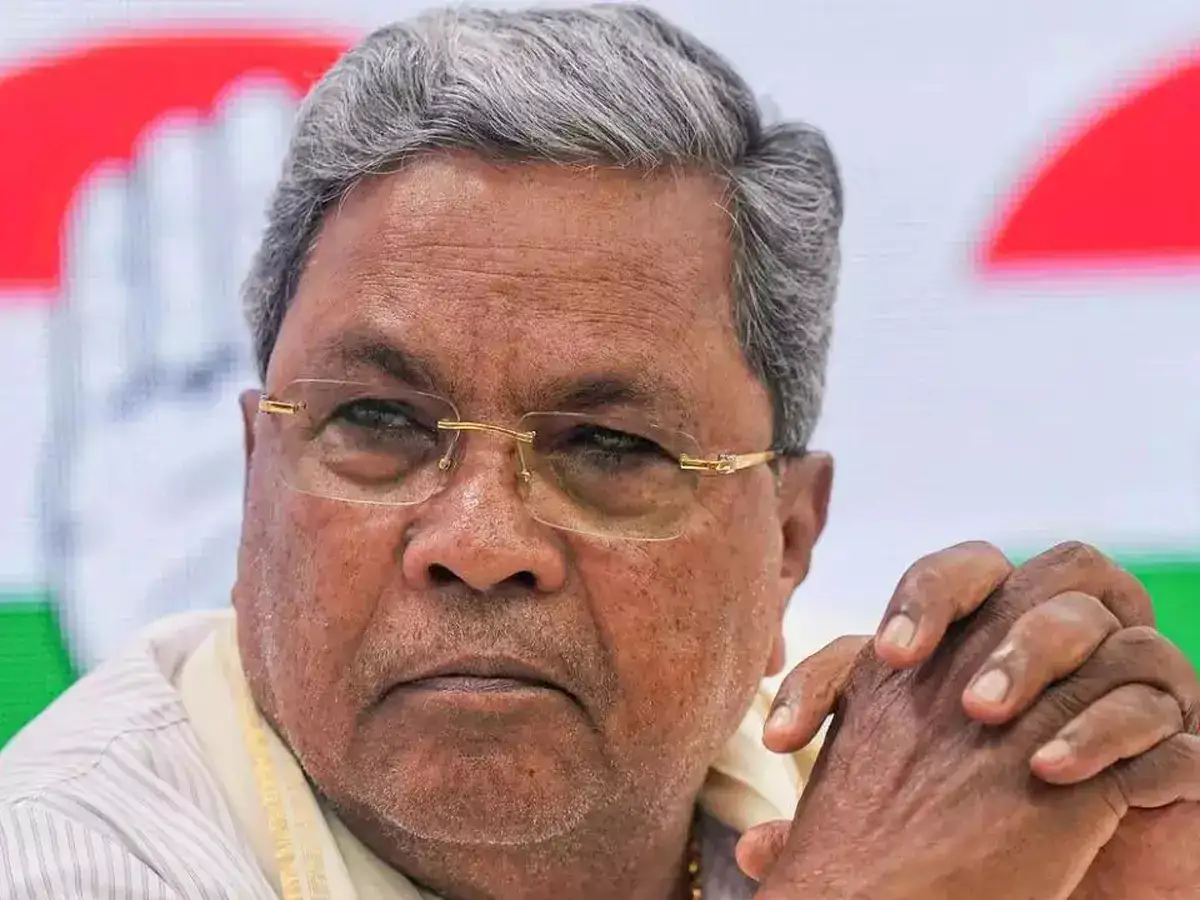
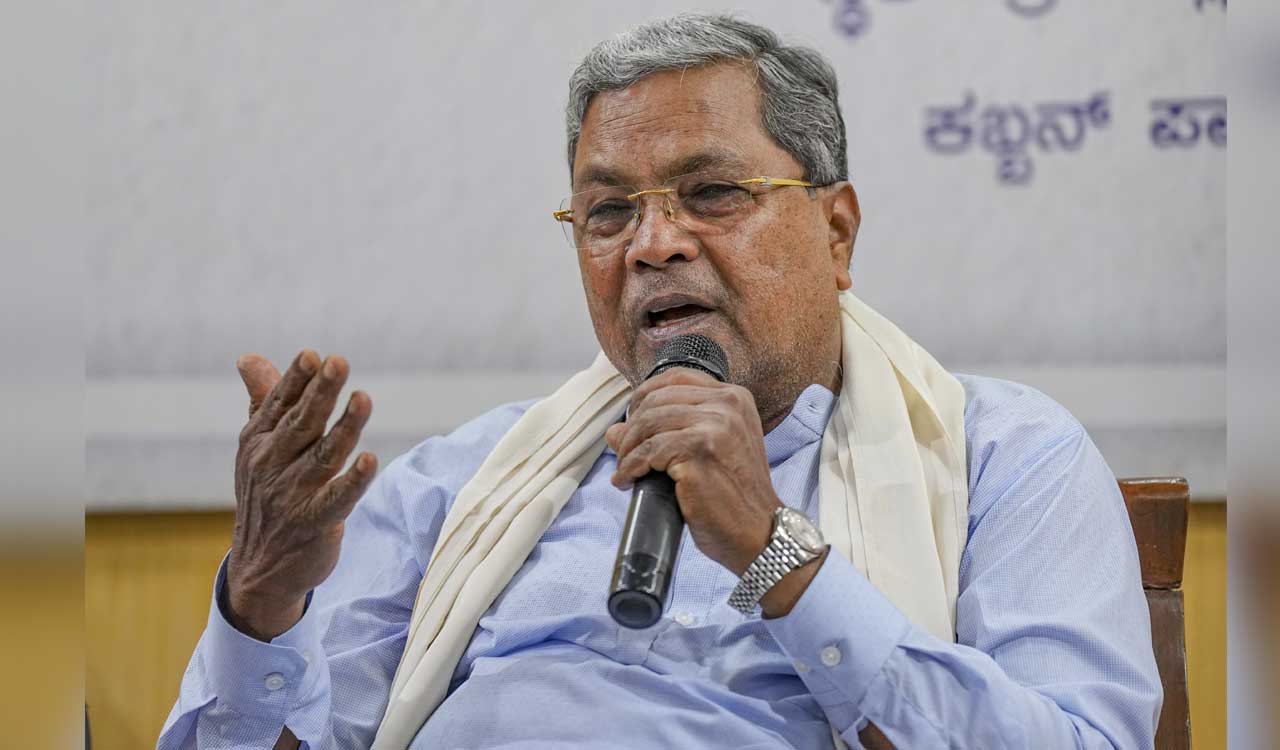
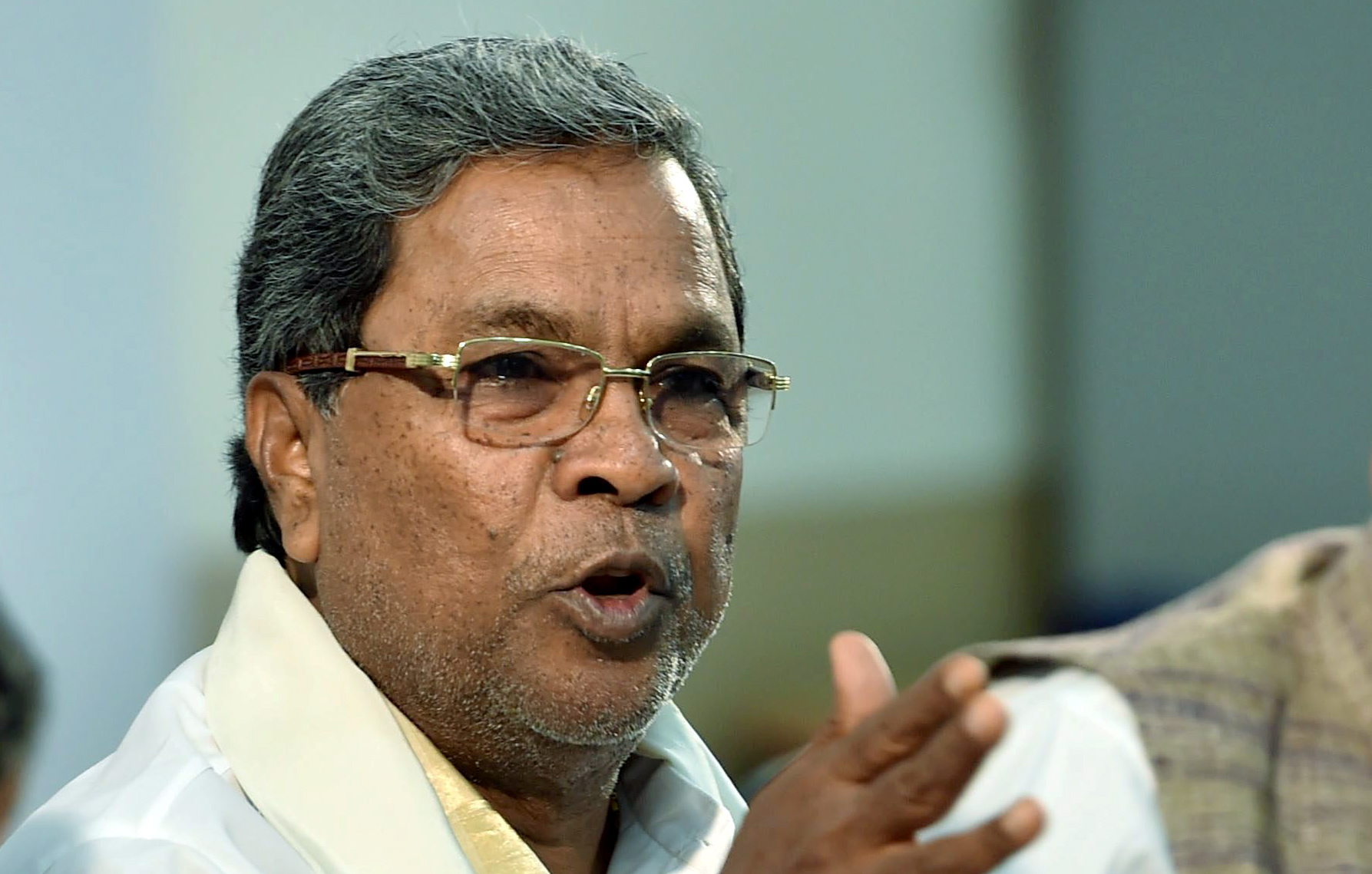
Siddaramaiah Urges Congress High Command to End CM Change Confusion in Karnataka: Powerful 7-Point Call

Chief Minister Siddaramaiah has issued a strong message to the Congress high command, urging immediate intervention to put an end to the ongoing political uncertainty over leadership change in Karnataka. Speaking at a media interaction in Bengaluru, Siddaramaiah said the rumours circulating around changing the Chief Minister have created unnecessary anxiety within the party and among the public. He emphasised that prolonged ambiguity could undermine the party’s moral authority and weaken the government’s ability to focus on governance. He appealed to the leadership in Delhi to “put a full stop to the confusion” and provide clarity for the stability of the state.

Siddaramaiah highlighted that the Congress government was elected on a promise of welfare and development, and constant speculation is diverting attention from those goals. According to him, the party should prioritise delivering on guarantees, addressing farmers’ issues, improving infrastructure, and maintaining social harmony instead of indulging in rumours. He stressed that the government’s achievements should be talked about more than hypothetical leadership changes. The Chief Minister insisted that his administration has maintained unity and coordination with party workers, legislators, and cabinet ministers despite the political noise created by external forces.

The Chief Minister dismissed allegations that he and Deputy Chief Minister D.K. Shivakumar were locked in an internal rivalry. He claimed that political opponents and certain media groups are deliberately playing up tensions to destabilise the Congress government. Siddaramaiah said that the government is functioning systematically and collectively, and that discussions between him and Shivakumar are based purely on administrative decisions and not political competition. He reiterated that the party must speak in one voice, especially in a state that has given it a strong mandate.Congress high command has to put full stop on CM change confusion:  Siddaramaiah - The Economic Times


Growing Pressure on High Command as Legislators Seek Clarity

The debate over possible leadership change has intensified in recent weeks, with some legislators openly expressing their loyalty to Deputy Chief Minister Shivakumar and travelling to Delhi to meet senior leaders. Siddaramaiah acknowledged that such moves were adding to the perception of internal discord and reminded that individual aspirations must not overshadow the party’s unity. He urged legislators to respect disciplinary norms and allow the high command to decide on matters affecting the government’s functioning.

At the same time, party sources indicate that some MLAs are seeking a time-bound assurance on the rotational Chief Minister arrangement that was hinted at during government formation. Siddaramaiah refused to comment directly on this claim, saying that leadership decisions rest solely with the Congress leadership and not with public debates. He added that the party must avoid creating a climate where high command decisions are influenced by pressure tactics. His comments are seen as a strategic message, both to supporters of Shivakumar and those in his own camp, to avoid unnecessary escalation.

Leaders close to Shivakumar argue that loyalty and organisational contributions must be respected, while Siddaramaiah loyalists call the CM a symbol of social justice and economic reform. Despite these differing views, both camps publicly insist that the alliance within the Congress is intact. However, political analysts warn that prolonged confusion could ignite more factional assertions, especially ahead of the upcoming panchayat and local body elections. Siddaramaiah’s remarks are therefore seen as an attempt to rein in public statements and realign focus towards collective governance.

Opposition parties, particularly the BJP, have seized this opportunity to claim that the government is unstable and distracted. Siddaramaiah contested these claims, asserting that the BJP is desperate to destabilise the Congress after being defeated in Karnataka. He said such political attacks are expected when a government delivers well and gains public approval. However, he added that internal rumours must not enable external criticism. He reiterated that the Congress high command has the wisdom to take decisions at the right time and that Karnataka’s administration remains solid.


Party Leadership Expected to Step In as Stakes Rise

Siddaramaiah expressed confidence that the high command, including Congress president Mallikarjun Kharge, would soon intervene. The Chief Minister said that long-term stability is essential to continue implementing major welfare schemes like Gruha Lakshmi, Anna Bhagya, Yuva Nidhi, and other guarantees. He argued that Karnataka has become a model of welfare governance and that such achievements should not be overshadowed by leadership talk. The Congress, according to him, must showcase its governance success across India instead of letting internal narratives dominate public conversations.Siddaramaiah urges Congress high command to end Karnataka CM change  speculation - Telangana Today

The Chief Minister also made an emotional appeal, stating that he has always acted as a disciplined Congressman and that personal ambition is not his driving force. He said he entered politics to work for backward classes, Dalits, farmers, and workers, and that the mandate belongs to the people, not an individual. He reminded that the party’s survival depends on respecting leadership hierarchy and collective decisions. His message was aimed at demonstrating maturity and distancing himself from accusations of wanting to continue unchallenged.

Political observers believe Siddaramaiah’s tone was calibrated to highlight his loyalty to the party while indirectly urging Delhi to pacify competing camps. They suggest that the high command is unlikely to rush into any change, especially when the government’s welfare programmes have gained acceptance and are shaping political mood. Any drastic interference could trigger resentment in one faction or another. At the same time, the leadership cannot ignore the demand for clarity from legislators seeking representation of their preferred leader.

Siddaramaiah ended his interaction by stating that Karnataka needs peaceful political conditions to implement progressive policies. He declared that the Congress government is determined to work for all sections of society, irrespective of caste, community, and economic background. He added that governance should be driven by cooperation, not speculation, and that the people of Karnataka expect stability, not political drama. He once again urged the high command to act decisively, saying that confusion must not become a tool for mischief or misunderstanding within the party.

In the coming weeks, the Congress leadership is expected to assess the situation and respond in a manner that does not upset the delicate balance between governance and political aspirations. If Siddaramaiah’s message is taken seriously and clarity is provided, the government may be able to move forward without distractions. Otherwise, political chatter may continue to overshadow major decisions. For now, Karnataka waits to see whether the high command will silence the debate decisively, reinforcing unity, or allow it to simmer as factions interpret silence in their favour.

As the debate over stability continues, senior leaders within the Congress have privately conveyed that the state unit must not forget its mandate. They argue that Karnataka is currently the party’s strongest laboratory for welfare-driven governance at a time when Congress struggles in several other states. A misstep could not only weaken Karnataka but also affect the party’s national image. They believe that Siddaramaiah’s call for clarity is not merely about leadership security but about protecting the political capital earned through welfare guarantees. The coming months, they say, will test whether the party values governance over internal arithmetic.

Several Congress cadres at the grassroots level have expressed frustration over the ongoing speculation. Local leaders from rural blocks report that villagers are questioning whether the government will survive long enough to implement large infrastructure and agricultural reforms. They worry that repeated rumours might slow bureaucratic work, discourage investor confidence, and embolden opposition attacks. Party workers argue that a clear message from the leadership will not only calm legislators but also give confidence to the bureaucracy, which is critical for executing welfare programmes. In their view, communication within the party must be stronger and more disciplined.Cong high command has to put full stop on CM change confusion: Siddaramaiah

Siddaramaiah’s appeal has also stirred discussions among economists who praise Karnataka’s welfare programmes but caution that administrative stability is crucial for fiscal planning. They argue that any disruption in policy implementation or leadership direction will affect long-term budgeting for subsidies, public health, education, and rural employment schemes. According to them, welfare guarantees need consistent policy backing and must not become contingent on political rivalries. Fiscal analysts believe that political instability could either delay reforms or push the government into making compromises that benefit neither governance nor social justice.

Meanwhile, political strategists say that the Congress must ensure that its greatest strength—its welfare agenda—is not overshadowed by personality contests. They point out that the BJP has already begun using the CM confusion as a narrative to undermine the government’s credibility, framing it as a party unable to manage its own affairs. If the Congress does not respond strategically, analysts warn that the opposition could convert internal uncertainty into voter dissatisfaction, especially in regions where welfare delivery is inconsistent. For this reason, they say, Siddaramaiah’s request reflects a broader need for communication discipline.

Grassroots party workers emphasize that both Siddaramaiah and Shivakumar command respect because of their contributions to the party’s victory. Many cadres argue that the Congress cannot afford to pit two strong leaders against each other, as both represent different constituencies within the electorate. Siddaramaiah is considered a champion of social justice and backward classes, while Shivakumar is seen as an organisational strategist with influence among Vokkaligas and the party’s state machinery. Workers believe the party should leverage the strengths of both leaders rather than let internal speculation reduce their public stature.

Ultimately, the situation now depends on how swiftly and decisively the Congress high command reacts. A statement reinforcing unity, clarifying its stand on leadership, and instructing legislators to refrain from public speculation could draw the curtains on the confusion. If the high command delays further, the silence could be interpreted as consent for more political manoeuvring. Siddaramaiah’s emotional yet assertive call—urging Delhi to put an end to the suspense—has brought the issue to the forefront. Whether the leadership chooses authority or ambiguity will shape not just Karnataka’s governance, but also the Congress’s national narrative of being a disciplined and welfare-driven party.

Follow: Karnataka Government

Also read: Home | Channel 6 Network – Latest News, Breaking Updates: Politics, Business, Tech & More
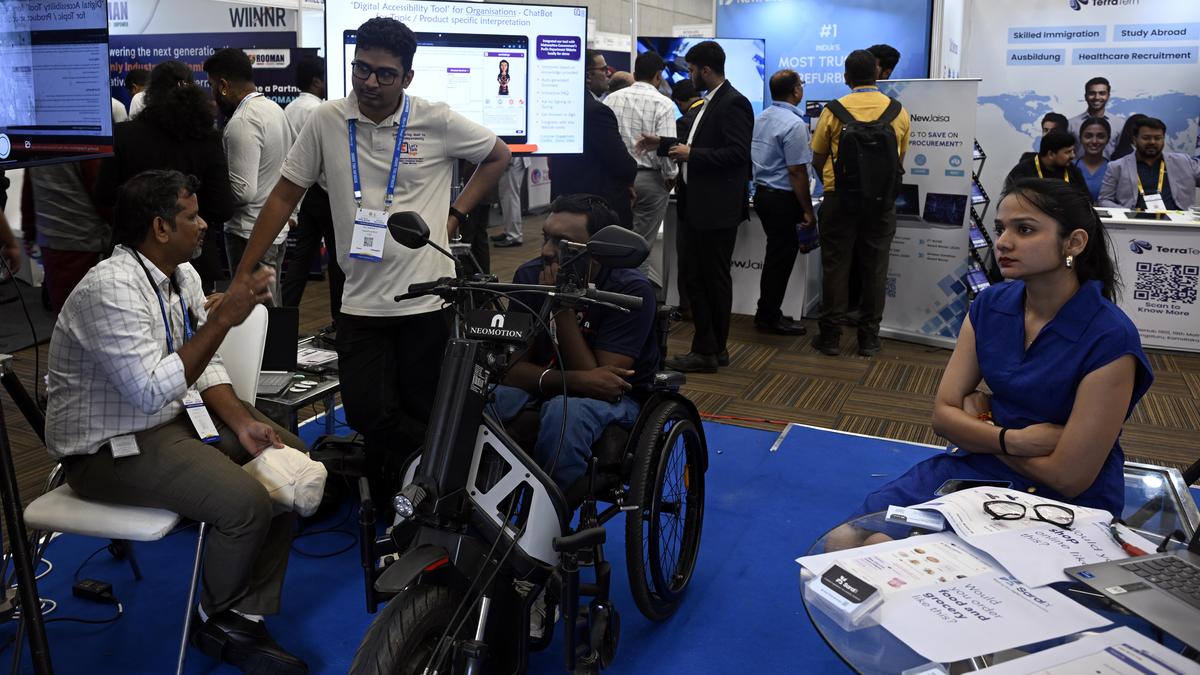
Shocking Arrests in Bengaluru ATM Cash Van Heist Worth ₹7.1 Crore

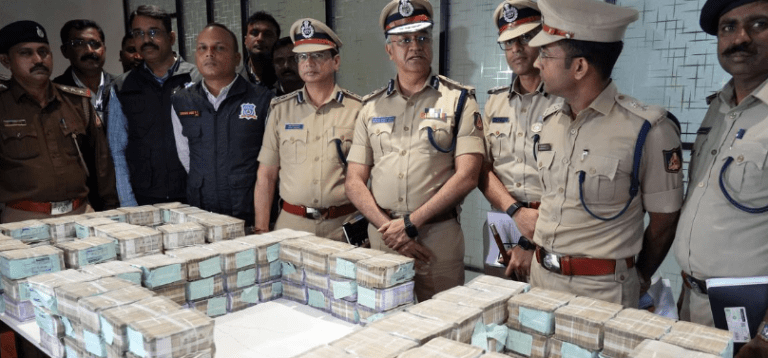
The Bengaluru City Police have cracked one of the most sensational cash robberies in recent memory, arresting nine suspects connected to a brazen ATM cash van heist that stunned the city and raised questions about internal collusion, security loopholes, and organised criminal planning. The stolen amount—₹7.1 crore—had triggered statewide alerts, and investigators said the crime displayed precision that suggested a deep understanding of cash transport operations. Police Commissioner M. N. Anucheth confirmed that the entire amount was recovered, calling it a major achievement in the face of growing concerns over high-value crimes targeting financial institutions and transport personnel.

The incident occurred when the cash van assistant entrusted with refilling ATMs allegedly vanished with the money after disconnecting GPS tracking, leaving the driver and security guard in confusion. The suspect reportedly abandoned the vehicle later and fled with the money packed in boxes. What initially looked like a desperate solo theft soon grew into a case involving multiple accomplices, safehouses, and secret handlers. Investigators say the accused had meticulously chosen a time and location where monitoring was weaker, enabling them to move the money undetected for several hours.

According to police, the arrested individuals include key planners, transport helpers, and those responsible for hiding the stolen cash in different areas around Bengaluru and neighbouring districts. The trail of arrests began when police used technical evidence, phone records, and CCTV tracking to identify suspicious movements following the heist. A few of the suspects initially tried to mislead police by pretending they had no connection to the van assistant, yet inconsistencies in their statements and unusual expenditure patterns gave them away. Police insist that the crime cannot be viewed as an impulsive act; it was an organised robbery executed with a surprisingly professional approach.Bengaluru ATM cash van heist: City Police arrest nine, recover ₹7.1 crore -  The Hindu

Investigators revealed that the stolen cash had been shifted several times in smaller packets to avoid raising suspicion. Some of the accused had attempted to store cash in rented rooms; others had divided it among relatives in small bundles. A few had already made purchases that drew police attention, including expensive electronics and sudden loan repayments. Police stated that the recovery was possible only because they acted within hours and sealed possible escape routes around the city. If the suspects had managed to move the money farther outside Karnataka, they believe the recovery would have become far more complicated.


Inside the Crime: How a Trusted Employee Turned into the Key Accused

The primary suspect in the case, a van assistant hired to load ATM currency, reportedly took advantage of his insider position and access to cash boxes. He is believed to have exploited weak monitoring by disconnecting the GPS device, choosing a route without CCTV, and timing the theft between scheduled refilling tasks. Police suggest he may have tested the system previously to understand where supervision was loose. This kind of crime, officers say, is not about brute force but about knowing exactly where vulnerabilities lie in the cash-in-transit network.

Forensic and technical teams traced the movements of the suspect soon after the disappearance by following his mobile phone locations, cross-checking toll gate entries, and scanning nearby petrol station footage. The narrow window in which the van was off-route told police that the act was intentional, not accidental. From that moment, suspicion turned inward. Investigators realized they were not looking at an external attack but at a betrayal within the system—someone with access, knowledge, and emotional motivation strong enough to risk everything.

Police sources suggest that the prime accused may have been facing financial pressures, including debt, personal problems, or an aspiration for fast wealth. However, investigators say the scale of the crime indicates he was not alone and may have been motivated or assisted by others who saw an opportunity to extract large amounts of money with minimal confrontation. The accused had also reportedly scouted places where cash could be hidden. Had it not been for the swift response of the police, these plans might have succeeded in breaking up the money trail permanently.Bengaluru ATM van heist: 2 confessed they had to repay loans; cop suspended  | Bengaluru News - The Times of India

Cash-van companies are expected to follow strict protocol for locking currency, monitoring vehicle routes, and maintaining transparency in accounting. Yet officers indicated that some of these procedures were not enforced properly that day, especially the tracking system and supervision of staff movements. The incident exposed gaps in private agency operations that handle enormous amounts daily on behalf of banks. Police have recommended that stronger restrictions be imposed on cash handlers, including psychological profiling, background checks, and constant digital tracking to reduce the risk of betrayal from within.


Security Loopholes, Corporate Questions, and the Future of Cash Transport

The heist has sparked debates among banking and security experts about whether India’s rapidly growing digital economy has overshadowed the risks faced by physical cash transport workers. While most financial attention is directed toward online fraud, cash vans still transport crores every day, and crimes targeting them are becoming more sophisticated. Critics argue that many security companies cut corners by appointing poorly trained staff, underpaying employees, and using outdated tracking tools. Such practices make theft tempting and detection harder, especially when internal collusion is involved.

Several questions have emerged over how such massive amounts were accessible to a single employee with minimal supervision. Industry specialists say that when staff members are overworked, poorly paid, or lack accountability mechanisms, trust is often taken for granted rather than safeguarded through checks. Protocols such as dual-key systems, biometric access to cash chests, and sealed GPS devices remain rare. Instead, companies rely on the belief that employees will not misuse access. The Bengaluru heist has exposed the fragility of such assumptions.

Police are expected to submit a report suggesting reforms, including mandating two-person authentication for access to ATM currency boxes, installing tamper-proof GPS systems, and enforcing surprise audits on cash vans. The report may also propose real-time tracking monitored externally by independent agencies rather than by security companies alone. Officers believe that a failure to reform could push criminals to study internal weaknesses further, increasing the frequency of insider crimes rather than violent armed attacks.

The heist has also revealed a troubling pattern: in many high-value cash transport crimes, emotional or personal motives play a strong role. Investigators found that some of the accused in this case appeared desperate for “instant change” in their financial situation. Police believe this emotional factor must be studied seriously. Security companies need to consider psychological screening and counselling for employees handling large sums daily. The stress of debt, family obligations, and economic insecurity can push individuals toward risky decisions, especially when they believe the system around them is exploitable.


Public Shock, Legal Consequences, and the Long Road Ahead

The public reaction to the arrests has been a mix of shock, curiosity, and relief. Bengaluru residents expressed concern over safety of ATM transactions and the integrity of the banking support system that operates behind the scenes. Some citizens questioned whether banks will now raise service charges to cope with increased security costs. Others feared that reduced trust in cash delivery systems might lead to stricter withdrawal regulations. In a financially vibrant city where thousands of transactions rely on ATMs, the incident has triggered wider debates about reliability and reform.

Legal experts say the arrested suspects face charges that may lead to prolonged prison sentences due to the scale of the theft and the involvement of multiple individuals. Under existing laws, conspiracy, theft involving breach of trust, and organized planning carry heavy penalties. Courts are expected to scrutinize not only the heist but also the failures of security agencies. If negligence is proven, companies may face regulatory penalties or be ordered to compensate banks for material or procedural lapses. The legal case will likely become a benchmark for how India deals with insider crimes in cash handling systems.

Banks and financial institutions have begun reassessing their agreements with cash transport companies. Industry leaders are discussing whether direct bank-employed teams should replace outsourced services or whether new regulations must mandate stricter monitoring. Some believe that outsourcing remains practical, but only if companies are forced to invest in technology and training. Others argue that money transport should be treated as a critical national service with government oversight similar to public security agencies.Bengaluru ATM cash van heist: City Police arrest nine, recover ₹7.1 crore -  The Hindu

As the case progresses, the Bengaluru heist stands as a dramatic reminder that financial security does not depend solely on vaults, locks, or guns. It depends on systems that protect against human vulnerabilities—greed, desperation, opportunity, and betrayal. The swift arrests have restored confidence temporarily, but the deeper questions raised by this episode demand answers beyond recovery announcements. Whether banks, governments, and private agencies will use this incident to push lasting reforms remains the final test.

As the case progresses, the Bengaluru heist stands as a dramatic reminder that financial security does not depend solely on vaults, locks, or guns. It depends on systems that protect against human vulnerabilities—greed, desperation, opportunity, and betrayal. The swift arrests have restored confidence temporarily, but the deeper questions raised by this episode demand answers beyond recovery announcements. Whether banks, governments, and private agencies will use this incident to push lasting reforms remains the final test.

Follow: Karnataka Government

Also read: Home | Channel 6 Network – Latest News, Breaking Updates: Politics, Business, Tech & More

9 Bold Protests as Farmers Oppose Safari Revival in Bandipur and Nagarahole

A fresh political and environmental protest is unfolding across Karnataka’s forest fringes, as farmers and local communities warn the state government against restarting safari operations in the tiger reserves of Bandipur and Nagarahole. They argue that reopening safaris would worsen the already severe problem of animal incursions into agricultural land, destroy crops, and increase human–wildlife conflicts that claim lives and livelihoods every year. Farmers from villages bordering the forests say they will launch widespread agitations if the government prioritises tourism revenue over their safety and survival. Their anger reflects the mounting frustration of rural residents who feel they are being ignored in decisions involving forest protection and tourism planning.

The controversy surfaced after authorities hinted at the possibility of reintroducing expanded safari routes and increasing visitor access to boost eco-tourism and generate revenue for wildlife conservation. Tourism interests have welcomed this proposal, claiming that safaris can support conservation funding and local employment. However, farmers fiercely oppose the idea, stating that the government first needs to address the damage caused by elephants, tigers, leopards, wild boars, and deer straying into landscapes where people cultivate crops or rear cattle. They insist that tourism benefits only a small section, while the costs are borne by rural communities whose farms and lives remain under constant threat.

Leaders from farmers’ organizations accused the Department of Forests of neglecting their demands for stronger mitigation mechanisms. They argue that authorities continually invest in tourism projects while delaying urgent interventions like elephant-proof trenches, solar fencing, relocation where necessary, and advanced early-warning systems. For many farmers, wildlife threats are not occasional incidents but daily battles—fending off animals at night, guarding fields, and suffering repeated losses to crops they have nurtured for months. They stress that until accountability mechanisms are strengthened and compensation becomes fast and fair, expanding tourism is an irresponsible move that sacrifices rural lives for the sake of recreation.

Several farmers also pointed out that cattle-killing incidents by tigers and leopards have increased in recent years, and compensation for livestock loss is often delayed or inadequate. They argue that the value of a cow, buffalo, or goat cannot be reduced to payout numbers that do not represent the full economic reality. For many families, livestock is not just a source of income but security against debts, illness, and unexpected household expenses. Losing an animal means losing a backup life plan. Farmers emphasize that until the government respects the true value of rural livelihoods, any decision concerning forest tourism will be treated as a violation of their rights.Karnataka farmers warn against resuming safari in Bandipur and Nagarahole, threaten  agitation - The Hindu


Conflict of Conservation: Farmers Say Tourism Growth Comes at Their Cost

The core grievance of farmers near Bandipur and Nagarahole is that the state tends to treat tourism expansion and conservation as separate from local livelihoods. According to them, eco-tourism profits too often stay in the hands of private operators, urban policy makers, and forest officials, instead of trickling down as benefits for those who endure wildlife conflicts year-round. Villagers claim that promises of employment in safari services rarely materialize for locals, who are instead hired only for intermittent, low-pay work. They argue that real conservation must involve those who live closest to wildlife, not treat them as bystanders or obstacles.

Many residents feel they are being punished for living close to forests, although they have never encroached illegally on protected areas. They insist that their families have lived in these landscapes for generations, long before the concept of wildlife tourism existed. Yet, instead of empowering these communities with better safety infrastructure, the government expects them to tolerate displacement, crop loss, fear of animal attacks, and the death of cattle. Farmers say that the forest department values wild animals more than the people who grow food. They demand solutions that recognize their presence as legitimate, not as an inconvenience to tourism interests.

Farmers also question the claim that revenue from safaris directly benefits conservation. They point out that reserves like Bandipur and Nagarahole generate crores of rupees annually, yet elephant-proof trenches remain unfinished, and damaged solar fences remain unfixed for months. In many areas, trenches meant to keep elephants away have eroded into potholes that actually help animals cross into farms more easily. The gap between revenue potential and actual protection raises doubts among villagers about the state’s priorities. They believe that if tourism money truly strengthened wildlife management, mitigation structures would not be chronically broken or insufficient.

Local leaders emphasize that tourism cannot be justified as a conservation tool if it amplifies pressure on forests. More vehicles, more routes, and more tourists increase noise, pollute environments, and disturb animal movement patterns. When animals’ natural corridors are blocked by safari traffic or human presence, they often change routes and venture into agricultural lands instead. Farmers cite instances where elephants avoided tourist crowds and migrated toward villages to escape disturbance. In such cases, tourism becomes a catalyst for conflict rather than a supporter of conservation. They argue that this ecological reality is often ignored by tourism-driven policies.


Livelihoods, Safety, and Compensation: A Struggle Against Being Forgotten

Farmers near both reserves say they are helpless under growing threats. Crop damage by elephants, wild boar raids in paddy and sugarcane fields, and deer grazing on young saplings drain agricultural income. Compensation claims involve time-consuming paperwork, delayed assessment visits, and payout amounts that barely match market value. Villagers complain that government officials take weeks to inspect damaged farms, by which time evidence fades. Some farmers are forced to keep video proof of animals entering their land so that they can present it as evidence during compensation hearings. They resent having to document crises while scrambling to protect their crops.

Families who have lost loved ones to wildlife attacks describe an even deeper emotional trauma. They recount incidents where those who were guarding fields at night or walking on forest-adjacent roads were unexpectedly attacked by elephants or big cats. Compensation for loss of life or injury, they say, arrives late and fails to reflect the long-term suffering of affected families. Widows, single parents, and elderly dependents are often pushed into debt after the death of the main earning member. In such circumstances, the decision to reopen safaris appears insensitive, as it prioritizes tourism over supporting communities that experience tragedy firsthand.Karnataka farmers warn against resuming safari in Bandipur and Nagarahole, threaten  agitation - The Hindu

Farmers argue that the only way tourism could be acceptable is if it brings direct benefits, safety guarantees, and meaningful participation in decision-making. They demand stronger fencing, more guard posts, instant compensation through digital systems, and accessible grievance windows staffed by local representatives who understand ground realities. They also propose that a portion of safari revenue must be mandatorily shared with local panchayats to fund mitigation projects and livelihood support. Farmers insist that the government must first solve existing problems before promoting wildlife destinations that deepen marginalization.

Women in these villages have played an important role in mobilizing resistance to safari revival. They are the ones who often stay home, protect kitchen gardens, and take cattle to graze. They feel unsafe letting children play outdoors, walking alone on roads near forest edges, or going to work on fields early in the morning. Women’s groups argue that tourism policies overlook their anxieties and domestic burdens. They demand stronger voice representation in all discussions concerning forest-adjacent communities. Their participation signifies that the protest is not just economic or political but a personal and emotional fight for basic dignity and security.


The Road Ahead: Government Caught Between Tourism and Threatened Communities

The state government’s challenge now lies in balancing eco-tourism revenue with the rights of people who live closest to forests. Forest officials acknowledge that the protests reflect real problems, but they also believe that regulated tourism raises awareness and generates funds for conservation. The question is whether the government can design a system where benefits do not flow only one way. Conservationists argue that community-inclusive tourism, where locals run homestays, transport, and guide services, may reduce resistance. However, farmers remain skeptical as past assurances did not translate into structural changes that protect their crops or lives.

Political observers note that the protest could influence regional voting behaviour. Forest-fringe villages in Mysuru, Kodagu, Chamarajanagar, and parts of Hassan play a significant role in electoral outcomes. If the government fails to act sensitively, it risks losing support in these key constituencies. Opposition parties may use the issue to portray the government as urban-centric and indifferent to rural suffering. Therefore, the government must approach the safari issue with caution, ensuring that conservation strategies do not undermine social justice.Karnataka farmers warn against resuming safari in Bandipur and Nagarahole, threaten  agitation - The Hindu

Farmers have announced that they will intensify protests if the government proceeds without consulting them. They plan road blockades, sit-ins, and village-level mobilizations led by local unions and non-governmental groups. The protests may also draw participation from organizations representing rural women, youth, and cattle farmers. Farmers are determined to ensure that their voice carries equal weight to tourism lobbies. Their demand is not merely to delay safaris but to reform an outdated system that treats forest-adjacent communities as collateral damage.

Ultimately, this conflict is a reminder that conservation cannot succeed by excluding the people who share space with wildlife. For Bandipur and Nagarahole to remain models of ecological protection, the government must recognise that protecting forests also requires safeguarding the dignity and livelihoods of those who live alongside them. A balanced approach must begin with acknowledging farmers not as obstacles to tourism but as vital partners in wildlife coexistence. The government’s next steps will determine whether Karnataka chooses confrontation or collaboration, crisis or compassion, exclusion or empowerment. The voices rising from the forest borders demand not silence but justice rooted in shared survival.

Follow: Karnataka Government

Also read: Home | Channel 6 Network – Latest News, Breaking Updates: Politics, Business, Tech & More