Thursday, May 14, 2026
Home Blog Page 314

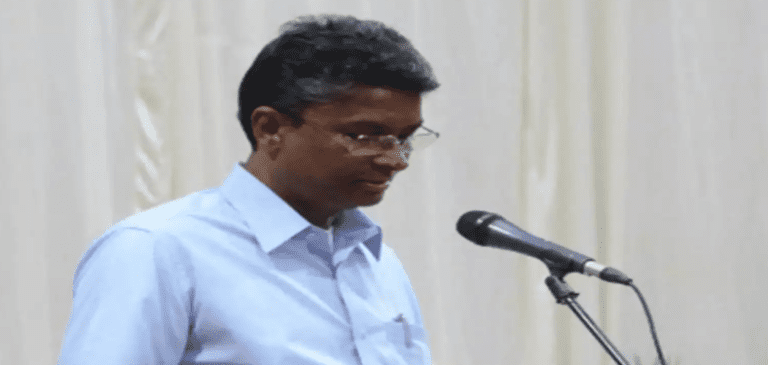
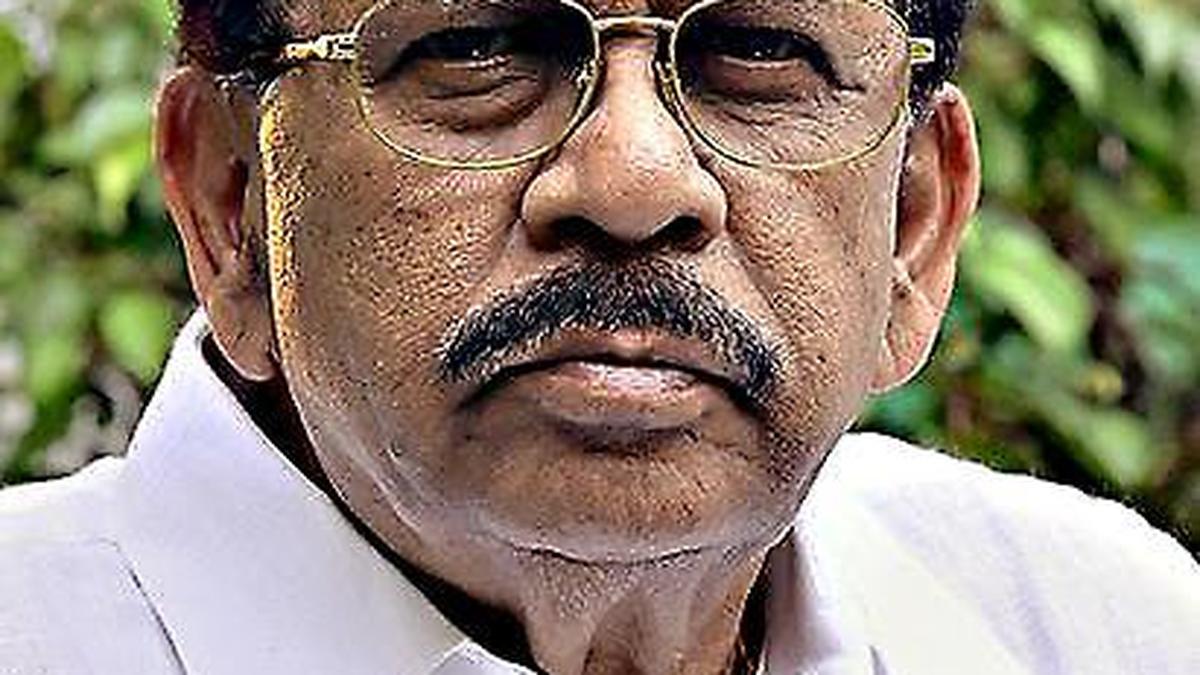
5 Bold Emotional Demands as Udupi MLA Warns Stir over Delayed Hospital Project

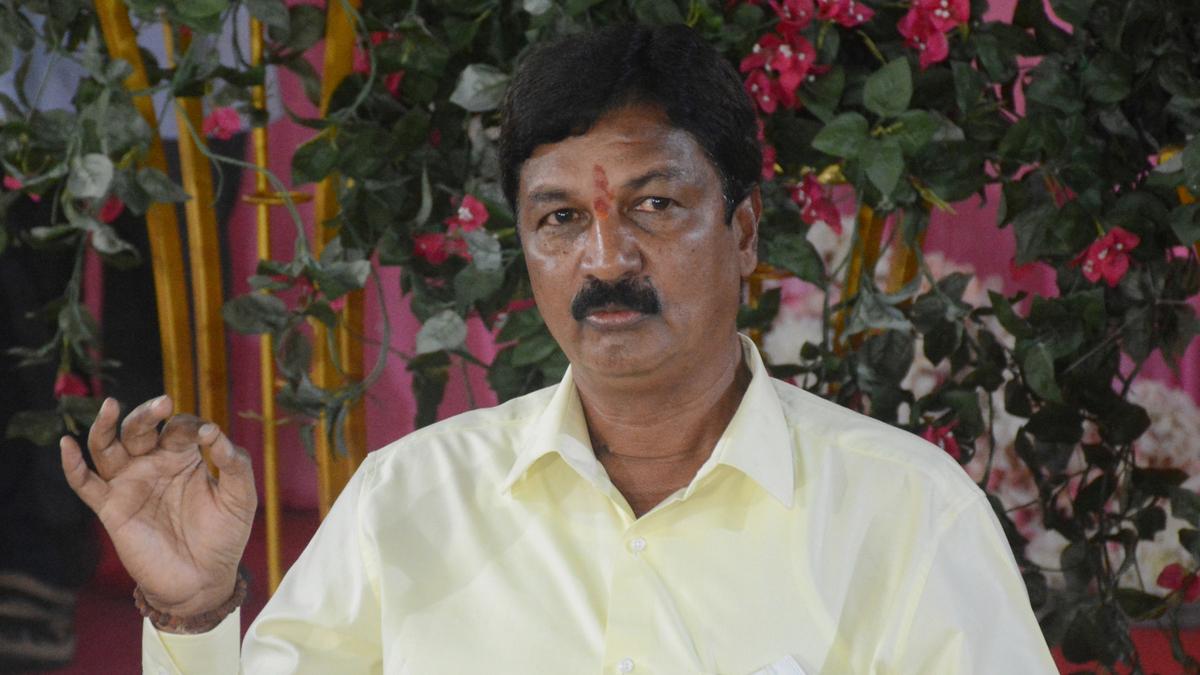
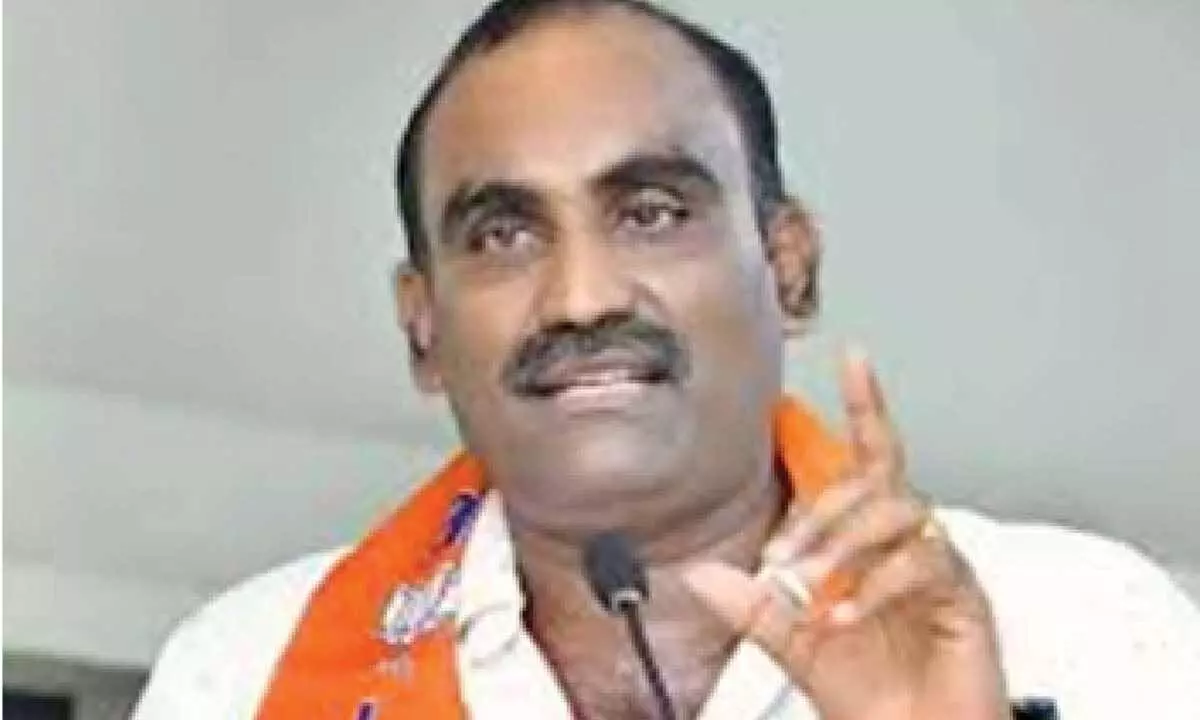
Udupi MLA has issued a strong warning to the district administration and State government over the prolonged delay in completing the new Udupi District Government Hospital. Claiming that stalled works are jeopardising public healthcare in one of Karnataka’s fast-growing districts, the legislator declared that he would lead a public agitation if the administration failed to provide a clear deadline for the project. According to him, the government promised world-class facilities, expanded departments, and upgraded emergency services, yet after years of announcements, only a partly constructed structure remains. Patients, particularly those from low-income backgrounds, are the primary victims of the delay, as they continue to depend on limited existing facilities.

The MLA stated that Udupi has outgrown its current medical infrastructure due to population expansion, tourism inflow, and increasing number of referral cases from neighbouring districts. Yet, the crucial upgrade meant to serve these demands remains trapped in bureaucratic inertia. He alleged that despite repeated fund allocations on paper, ground-level progress has been negligible, resulting in an incomplete building that now stands as a symbol of negligence. Hospitals, he argued, cannot afford delays because healthcare delays cost lives, and government projects must prioritise health over contractor disputes or administrative paperwork.

Meanwhile, the Health Department’s delayed actions have created growing frustration among medical staff and the hospital’s administrative workers. Doctors who were promised improved facilities and new specialist units are now forced to operate in cramped rooms with outdated equipment. Nurses working round the clock complain that the absence of additional beds and wards leaves them unable to handle peak patient loads. Technicians say that promises of diagnostic upgrades, like advanced scanners, remain unfulfilled. Their grievances reflect a deeper failure of planning and execution, reinforcing the MLA’s argument that the government is not treating the hospital project as a priority.

Local elected representatives worry that incomplete public infrastructure projects may weaken political trust at the grassroots level. Citizens who voted with expectations of improved healthcare now question whether their representatives truly have power to bring change. Some community leaders argue that hospitals should not be entangled in political or administrative delays, as they directly affect human lives. They emphasise that villages surrounding Udupi depend on government hospitals because private care is unaffordable for large sections of the population. Any delay, they say, pushes poor patients into debt, forcing them to choose between treatment and survival.Udupi MLA threatens stir over incomplete district govt. hospital project -  The Hindu
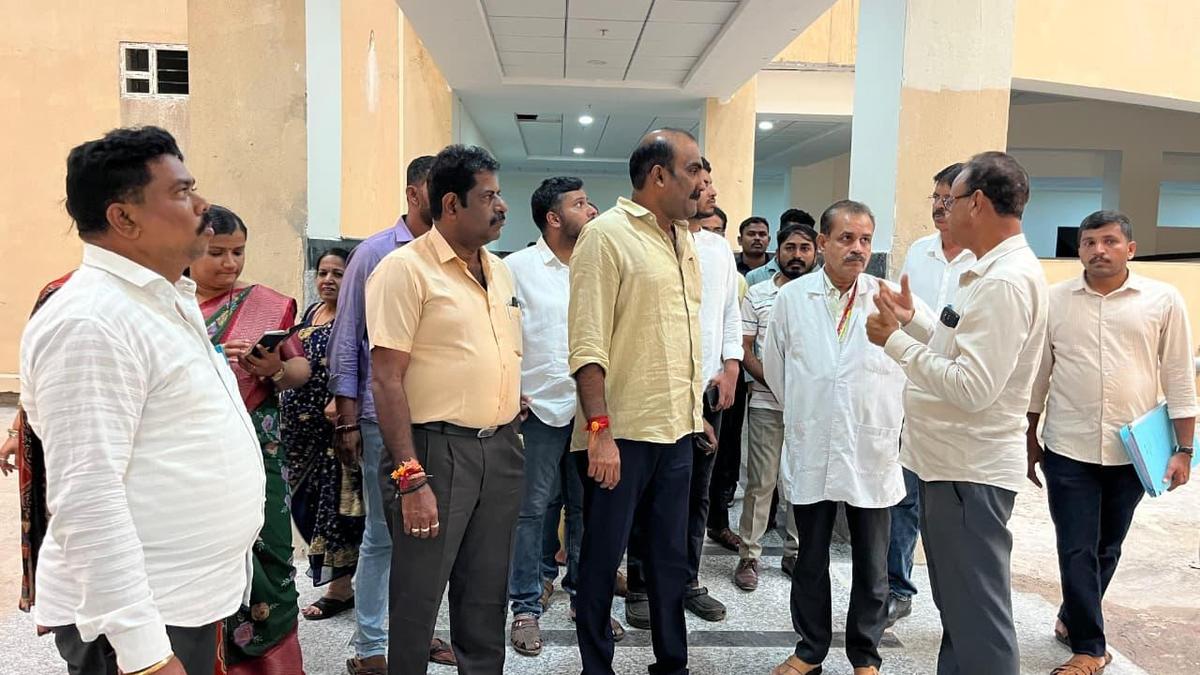
In response to growing criticism, district officials have tried to reassure the public by stating that budgetary clearance and contractor approvals are being processed. However, these explanations have not convinced the public or political representatives who insist that the government has had ample time to act. They argue that repeated promises without action undermine public faith in bureaucracy. For many residents, the hospital project has become a symbol of how development often stalls at the intersection of paperwork and political uncertainty. The more officials speak of procedures, the more citizens demand timelines instead of excuses.

The MLA’s threat to launch a protest highlights a common tactic used when negotiations with the government are slow or unsuccessful. Historically, people’s movements and political agitations have been catalysts for stalled projects in Karnataka. Leaders argue that without public pressure, urgent works rarely get completed. Activists note that while protests may seem confrontational, they serve as the final tool to ensure accountability when patience runs out. In this case, the MLA hopes that a strong public mobilisation may push the government into taking immediate corrective action before delays become irreparable.

This growing dispute also exposes differing priorities between state ministries. While some departments focus on mega urban projects and infrastructure expansion, projects that address basic social needs such as healthcare often move slowly. Analysts believe that schemes tied to visible political gains or large investments receive faster action because they generate attention, media coverage, and credit for leaders. On the other hand, hospitals, schools, and rural welfare projects impact voters deeply but lack the glamour associated with larger construction works. This imbalance shapes the pace of development and contributes to public resentment when essential facilities remain unfinished.

Healthcare experts caution that the delay in completing the Udupi hospital may create long-term challenges. They warn that the current building, which is serving beyond capacity, may soon experience structural strain and safety concerns. Additionally, the district’s growing population demands more specialists, advanced treatment units, and greater bed capacity. Without timely infrastructure expansion, doctors will have little space to accommodate new departments or emergency upgrades. Experts argue that the government risks future costs rising significantly if construction continues to stall, as inflation and material demands steadily increase.

Residents in nearby areas believe the new hospital project could transform the region’s healthcare landscape if completed on time. They feel that a fully developed government hospital would reduce medical migration to cities like Mangaluru or Manipal, where hospital charges are steep for poorer families. Parents of young children, elderly citizens, and daily wage workers are among the strongest supporters of the MLA’s stance. They argue that timely completion of the project would not only improve immediate treatment standards but also elevate public confidence in state-run healthcare. Such public sentiment is increasingly shaping political discourse around the issue.Udupi MLA sets January 15 deadline for completion of new district hospital
Ultimately, this dispute is no longer just about construction delays — it has become a test of governance. The public, hospital staff, officials, and political leaders all recognise that healthcare is a core responsibility of the government. The MLA’s decision to escalate the issue through protest indicates a growing urgency that deadlines must replace discussions. If the government acts promptly, it can resolve tensions and deliver a vital facility for Udupi district. If not, it risks facing a wave of political backlash fuelled by public disappointment. The coming weeks will determine whether promises translate into tangible progress or yet another stalled dream.

Local residents have echoed the MLA’s frustration. Patient families narrate stories of long waiting hours, overcrowded wards, and ambulance referrals to hospitals located in Mangaluru or private facilities they cannot afford. In emergency trauma cases, such referrals have proven fatal. Community groups argue that a fully upgraded district hospital would reduce dependence on private hospitals that charge exorbitant fees, and would prevent poor patients from slipping into debt. The MLA’s agitation warning, therefore, reflects a grassroots anger that has been building for months across the district.


Crumbling Infrastructure and Rising Patient Burden Fuel Public Anger

The existing district hospital’s emergency unit, maternity departments, and diagnostic units have been battling capacity constraints for years. Doctors, nurses, and technicians struggle to accommodate rising patient numbers in ageing infrastructure. Many departments still run with outdated equipment, limited beds, and insufficient specialised units. According to staff, even routine outpatient services slow down due to cramped space and inadequate facilities. The incomplete new building was meant to solve these long-pending problems, but the delay has turned a solution into a continuing crisis.

The MLA criticised what he called “development without urgency,” stating that the absence of a functioning facility contradicts the State’s claims of prioritising health infrastructure. Behind the delay are issues such as pending contractor bills, procedural disputes, administrative gaps, and sluggish coordination between Public Works Department (PWD) authorities and hospital management. The MLA insisted that none of these excuses justify putting thousands of patients at risk. He further asserted that if private hospital buildings can be completed on schedule, government authorities must explain why public hospitals suffer repeated delays.

Healthcare activists in Udupi argue that the district’s changing demographics require expanded healthcare capacity. Udupi is not just a coastal town with local residents—it attracts tourists, students, migrant workers, and floating populations from nearby areas. The district’s educational institutions, industrial workforce, and pilgrim inflow significantly raise its healthcare demands. Yet, the government hospital infrastructure remains designed for a past population scale. This mismatch fuels congestion, with casualty departments overflowing during weekends, festival seasons, and tourist peaks.

The MLA highlighted that without a modern government hospital, many patients are forced into private medical facilities that impose heavy financial burdens on ordinary families. Even government insurance cardholders face restrictions and limited coverage when forced into private institutions. For daily-wage earners, fisherfolk, and workers from semi-urban belts, medical debt becomes a life-long burden after a single emergency admission. A fully functional government district hospital could have cushioned them from such debt traps. The incomplete building, therefore, is not merely a delayed project—it represents health inequality.


Call for Accountability and Public Participation in Healthcare Monitoring

The MLA has demanded that the State government release a transparent timeline for project completion, along with disclosure of fund utilisation so far. He remarked that the public has the right to know where allocated funds have gone and how much work is pending. He also called for regular monitoring committees involving citizens, doctors, and local representatives to review progress. Transparency, he said, would eliminate blame games and expose where delays truly originate—from contractors, departments, or policy decisions. Without such accountability, he warned that people will assume that authorities simply do not care.

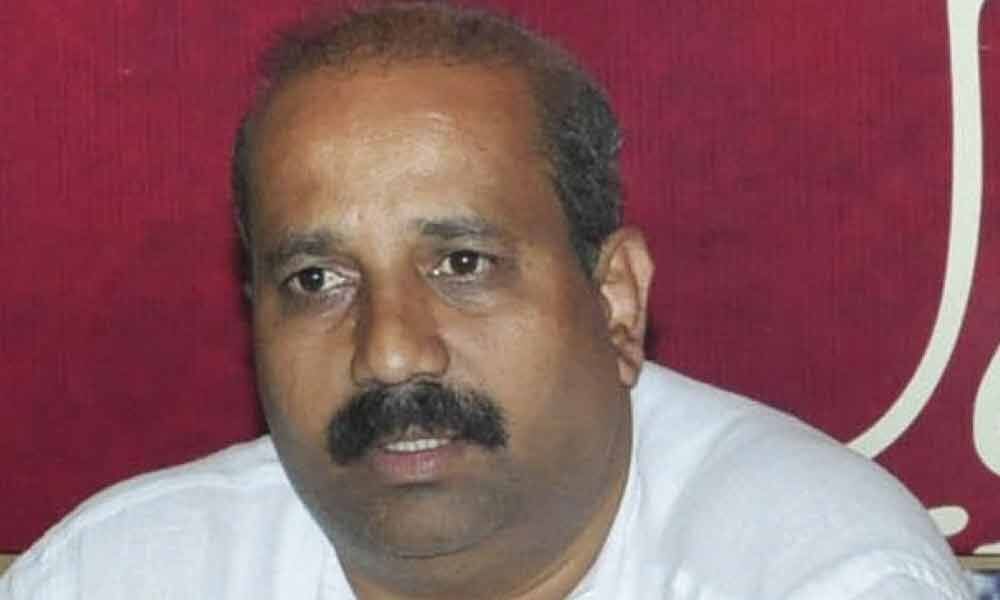
Doctors have expressed mixed reactions. While many support the MLA’s demand for project completion, they prefer peaceful advocacy rather than large protests, fearing disruption to hospital functioning. However, they acknowledge that a strong push from elected officials may finally speed up the stalled work. Medical professionals emphasise that infrastructure alone is not enough; the government must also recruit specialist doctors, nurses, technicians, and paramedical staff to match new capacities. If the building is completed without workforce expansion, they fear a decorative structure with inadequate staffing.Govt medical college in Udupi in PPP mode: MLA Raghupati Bhat
Nurses and paramedical personnel point out that improved space and upgraded equipment would reduce workload pressures. They describe situations where staff must work extra hours due to continuous patient inflow. Many say that current facilities limit their efficiency even when they are willing to work hard. Staff shortages require multitasking even in critical departments. Thus, they believe that the new hospital building must be accompanied by training, increased manpower, and technical equipment support.

The MLA also warned that if deadlines are not announced soon, he would mobilise support from civic groups, medical associations, patient families, and youth organisations to pressure authorities. Public demand for better healthcare, he said, cannot be ignored, and agitational pressure is a legitimate democratic tool when essential public welfare is compromised. He argued that the protest would not be political theatre but a moral responsibility to defend the right to accessible healthcare.

Citizens welcomed the possibility of collective mobilization, stating that silent suffering has gone on too long. Many believe that political attention is the only way to make infrastructure demands heard. If the fear of public agitation compels speedy completion, they argue, then mobilizing people is justified. Patient advocacy groups are preparing to support the demand and have encouraged transparency in construction contracts, fund release, and budget allocation.

Follow: Karnataka Government

Also read: Home | Channel 6 Network – Latest News, Breaking Updates: Politics, Business, Tech & More

Karnataka’s Safari Shutdown Cripples Livelihoods: 9 Heartfelt Urgent Voices

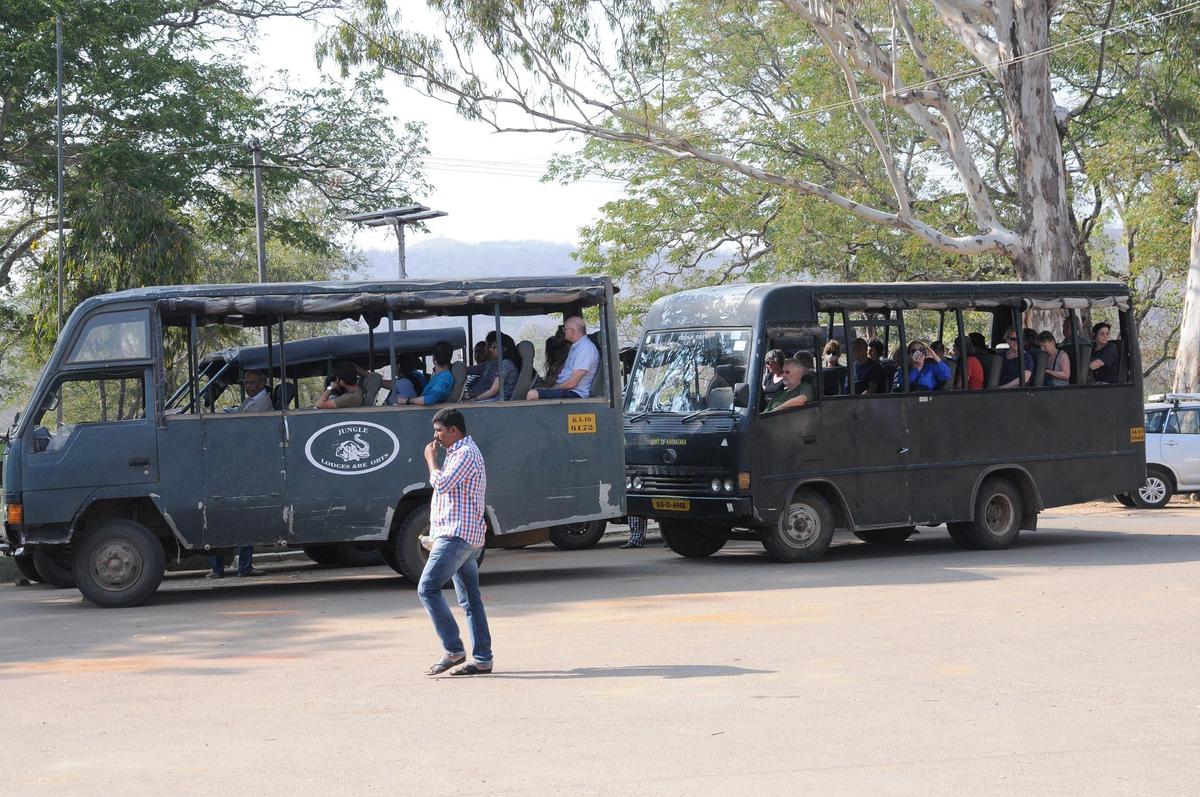
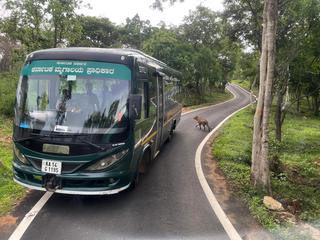
A growing chorus of travel operators, jeep drivers, homestay owners, and local guides across Karnataka have appealed to the State government to resume wildlife safaris, claiming their livelihoods are severely affected by the prolonged suspension. Safaris in several tiger reserves and wildlife sanctuaries were halted due to various administrative and environmental concerns, including safety advisories, seasonal restrictions, and pending clearances. While the government has maintained that its priority is responsible tourism and wildlife protection, thousands dependent on eco-tourism say they are facing the harsh consequences of stalled decisions and bureaucratic delays. For communities whose earnings are tethered to forest-based tourism, the past few weeks have been marked by financial strain, job uncertainty, and mounting distress.

The ripple effects of halted safaris extend beyond tourist operators. Local economies in areas around national parks rely heavily on the inflow of visitors who contribute to income generation through accommodation, food services, transportation, souvenir shops, and guide fees. Resorts and small lodges that once hosted a steady stream of wildlife enthusiasts now report large-scale cancellations. Travel operators argue that while the government is rightly focused on conservation, it cannot do so by ignoring the socio-economic realities of the people who coexist with forests. Sustainable conservation, they say, should emerge from cooperation with local communities rather than imposing blanket restrictions without compensation or alternative arrangements.Travel operators urge Karnataka government to resume safaris as livelihoods  hit - The Hindu


Safari Shutdown Brings Economic Instability to Forest Fringe Communities

The most immediate and visible impact of the safari suspension is the financial crisis facing forest-edge households. In regions like Bandipur, Nagarahole, Bhadra, Kali, and Bannerghatta, scores of drivers, nature guides, photographers, canteen workers, vehicle maintenance mechanics, and local vendors are out of work. For many of them, safaris are not just a profession but a generational livelihood, especially among families who have historically lived close to wildlife habitats. Travel operators say that safari-based employment provides a dignified income without forcing communities to harm forests or hunt wildlife, making it a model worth safeguarding rather than disrupting.

Many workers reveal that they had already suffered severe losses during the pandemic years when lockdowns kept tourists away. With the safari closures, they now face a second blow, leaving them with shrinking savings and rising debts. Jeep owners who purchased vehicles through loans say they are receiving recovery calls from banks. Guides worry that delays might force them into unskilled labor, cutting their connection with nature and wildlife expertise honed over years. Travel associations claim that while conservationists frequently highlight the value of linking communities with nature, current restrictions are breaking that link and pushing local populations away from eco-tourism, which could backfire in the long run.

Restaurants, tea stalls, and roadside food vendors located near entrances to national parks are also in crisis. Their business depends almost entirely on visitors who travel early for morning safaris or return in the evening after jungle excursions. Homestays, especially family-run units in remote locations, fear closure if the situation persists for weeks. Many operators warn that if rural tourism networks collapse, restarting them will be costly and time-consuming because the system relies on local expertise and informal economies built over years. The longer the shutdown lasts, the harder it will be to revive the ecosystem of nature-based tourism.

The economic disruption has also impacted women who run small craft shops or serve as cooks and cleaners in nature resorts. Several women’s self-help groups in safari regions sell handmade products ranging from forest honey to bamboo artefacts to woven baskets. Without tourists, they have no buyers. In some villages, these groups are considering returning to agriculture or daily wage labor, but land scarcity and low agricultural income limit their options. What was once a sustainable model for women’s empowerment is now at risk because the government has not yet provided clear compensation or livelihood support despite prolonged tourism interruption.

Wildlife photography trainers, travel bloggers, and adventure tour planners have also taken a hit. They argue that by stalling safaris without a roadmap, the government is damaging the state’s reputation among international and national tourists who plan their travel months in advance. Cancellations have triggered a shift in demand toward states like Madhya Pradesh, Maharashtra, and Assam, whose wildlife circuits remain open. Operators fear that Karnataka may lose its hard-earned place as a premier eco-tourism destination if visitors begin perceiving the state as unreliable due to unpredictable closures and poor communication.


Operators Demand Balanced Conservation: Protect Wildlife Without Punishing Local Jobs

While travel operators are demanding the resumption of safaris, they are quick to clarify that they are not opposing conservation efforts. Many of them have worked closely with forest officials, non-governmental organizations, and research groups, participating in awareness drives against poaching, respecting route restrictions, and supporting habitat protection rules. They insist that eco-tourism is not anti-conservation; rather, it builds a community-driven ethic that highlights the value of wildlife. In fact, many say that local participation in safari-led tourism reduces wildlife conflict because communities become stakeholders in protecting animals that generate economic value.

Operators argue that if the government’s concerns are related to wildlife safety or overcrowding, the solution should not be suspension but better regulation. For example, controlled visitor numbers, stricter timings, guided tours, and improved monitoring technology could address concerns without halting income flows. Travel associations also propose seasonal restrictions only in highly sensitive breeding zones while allowing eco-tourism in areas that do not harm animal habitats. This model is in practice in many international reserves, where smart tourism ensures conservation and economic growth coexist.Travel operators urge Karnataka government to resume safaris as livelihoods  hit - The Hindu

Experts in the sector point out that eco-tourism revenue directly funds forest department activities. Vehicle permit fees, entry charges, and photography fees generate significant income, which supports patrol units, rescue centers, fire prevention squads, and conservation programs. If safaris stop, the forest department may lose key revenue, forcing it to depend on limited government grants. Operators warn that starving eco-tourism could indirectly starve conservation if the government fails to balance ecology with livelihood economics.

There is also frustration over the lack of communication from authorities. Operators claim that decisions are being made without regular public updates or consultations with stakeholders who rely on tourism. They demand a system where policy decisions affecting livelihoods should involve dialogue with local communities and associations. Many tourism workers believe that policies must acknowledge decades of knowledge possessed by local guides and residents who understand animal behavior and landscape changes far better than distant administrators.

The suspension is also having social consequences. Idle youth in forest-fringe communities are now at risk of migrating to cities for low-paying jobs or worse, getting involved in informal activities that could conflict with forest laws. Travel operators worry that cutting off nature-based livelihoods could unintentionally create conditions where some may resort to illegal forest activities like woodcutting or poaching due to financial desperation. They argue that when eco-tourism thrives, communities themselves protect forests, but when tourism collapses, villagers lose their incentives to conserve wildlife, undermining years of progress.

The associations have now formally appealed to the State tourism and forest ministries to devise a clear timeline for reopening, supported by guidelines that ensure responsible tourism. They also suggest interim relief to workers, including loan moratoriums for vehicle owners, minimal livelihood support packages, and subsidized training sessions in conservation practices. Many believe that the pandemic taught the government how crucial it is to provide relief to vulnerable sectors. They ask: if urban industries receive subsidies and support, why should eco-tourism workers in rural belts be ignored when their entire income source has been paused due to State policy?


Future Path: A Blueprint for Sustainable Safaris and Inclusive Conservation

To prevent this crisis from repeating, operators propose a new eco-tourism framework that combines strict ecological norms with steady employment. The proposed framework includes cap-based entry systems with limited safari vehicles, GPS monitoring to prevent overcrowding in animal corridors, training for guides in ethical wildlife viewing, and strict penalties for tourist misconduct. They also advocate expanding community-run safaris, where local cooperatives manage vehicles and guides rather than private tourism companies. This model has worked well in parts of Africa, where communities directly earn revenue, encouraging deep-rooted conservation ethics.Travel operators urge Karnataka government to resume safaris as livelihoods  hit - The Hindu

Another suggestion is to diversify tourism beyond jeep safaris. Guided trekking, birdwatching trails, research-based tourism, butterfly walks, tribal heritage tours, forest produce markets, and wilderness photography camps could spread tourist traffic across seasons and reduce pressure on specific safari zones. Karnataka’s rich biodiversity—including amphibians, butterflies, medicinal plants, and lesser-known animals—can attract niche tourism markets if promoted strategically. By reducing overdependence on tiger sightings, eco-tourism can become more inclusive, educational, and sustainable.

Training programs could empower youth in wildlife documentation, eco-guiding, sustainable craft business, and forest product management. Instead of treating local communities as passive participants, a new policy should make them conservation partners. By investing in community skills, the government can make eco-tourism resilient to shutdowns while providing safer alternatives during sensitive seasons.

In conclusion, while the government aims to protect wildlife, it must remember that conservation thrives only when communities living alongside forests prosper. The voices emerging from Karnataka’s travel sector are not demanding reckless tourism but a balanced policy that respects both biodiversity and human dignity. Safaris are more than excursions for tourists; they are lifelines for thousands who have chosen to live in harmony with forests.

Ignoring them not only endangers livelihoods but risks weakening community support for conservation. As Karnataka decides its next steps, its choices will determine whether eco-tourism remains an industry of coexistence or becomes a casualty of rigid policymaking. For now, the hopes of forest-edge families depend on the timely reopening of safaris—before economic hardship pushes them away from the very landscapes they strive to protect.

Follow: Karnataka Government

Also read: Home | Channel 6 Network – Latest News, Breaking Updates: Politics, Business, Tech & More
Centre Blocks Quarry Projects in the Western Ghats: 7 Powerful Hopeful Moves

In a significant step toward environmental preservation, the Centre has rejected multiple quarrying proposals across the Western Ghats, signalling a major boost for biodiversity protection and sustainable development. This decision comes after years of debate over the balance between economic interests and ecological responsibility in one of the world’s most fragile and irreplaceable natural ecosystems. For conservationists, tribal communities, and environmental scientists, the move serves as a powerful endorsement of sustainable thinking during a period when natural resources face record exploitation. The Centre’s decision underscores the importance of protecting living landscapes over short-term commercial gains.

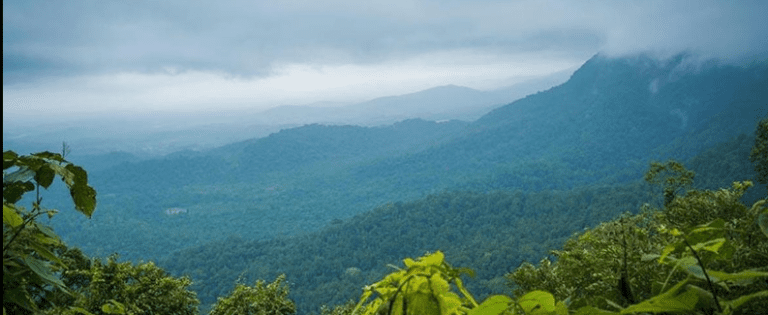
The Western Ghats, a UNESCO World Heritage Site, have long been at the epicentre of environmental conflicts, with miners, developers, and local administrations pushing for resource extraction while experts warn of irreversible damage. Stretching across six Indian states, the Ghats are home to thousands of endemic plant and animal species. Quarrying activities have historically led to landslides, loss of wildlife corridors, water contamination, and soil erosion. By halting fresh proposals, the Centre has directly intervened to safeguard the natural equilibrium of this biodiversity bank. The rejection highlights how government policy can act as a strong counterweight to corporate expansion when ecological interests are at stake.


Protecting Fragile Landscapes from Irreversible Harm

Quarrying in the Western Ghats has had a long and problematic history. From mineral extraction to stone cutting, aggressive industrial activities have wreaked havoc on sensitive landscapes. The Centre’s new decision is a direct response to alarming ecological warnings issued by environmental experts, including scientists who have tracked the deteriorating condition of forests, rivers, and soil quality in high-risk areas. Many hillsides that once stood strong have been weakened by decades of excavation, increasing the vulnerability of nearby communities to landslides and flash floods. By blocking proposals, the government has essentially paused a cycle that could have worsened an already fragile situation.

Scientists argue that quarries often operate near water bodies that feed into vital rivers. These rivers supply drinking water, support agriculture, and nourish entire ecosystems downstream. Even small disruptions to their flow can escalate into large-scale environmental problems. Contamination from sediment displacement, chemical runoff, and heavy machinery can kill aquatic life and reduce water quality for human consumption. The Centre’s rejection therefore not only protects wildlife but also strengthens water security for millions of residents in adjoining districts. Environmentalists point out that restoring damaged mountain ranges takes decades, whereas preventing their destruction requires just one strong policy intervention.In a boost to conservation, Centre rejects quarry proposals in Western Ghats  - The Hindu

Additionally, researchers have emphasized the importance of soil integrity in sustaining the Western Ghats’ dense vegetation. Quarrying exposes topsoil, leaving vast patches barren and incapable of regeneration. Forest deprivation consequently impacts rainfall patterns, micro-climates, and humidity levels. The decision to deny new quarry licenses is particularly important because many proposed sites were located in highly sensitive ecological zones, where one disturbance could escalate into cascading environmental consequences. The move reflects an understanding that conservation cannot be reactionary—protection must be proactive, especially in ecosystems known for their slow regeneration.

Local communities, including tribal groups, have long demanded the halt of quarrying activities. For many years, they faced deteriorating livelihood conditions as forests thinned, water quality dropped, and farmlands became more prone to soil erosion. These communities depend on forest produce, medicinal plants, and stable soil for agriculture. Even though many quarry firms promised employment, locals often viewed these promises as short-term incentives that would lead to long-term loss. The Centre’s decision has thus been interpreted as both an ecological and social win, giving indigenous and rural inhabitants a stronger sense of control over their natural resources and way of life.


A Policy Shift with Broad Ecological and Social Implications

The government’s stance is not merely an administrative rejection; it represents a deeper shift in how national policy approaches ecological security. Over the past decade, India has wrestled with competing aspirations: rapid industrialisation and the necessity of natural preservation. The Western Ghats have often become the testing ground for this ideological conflict, with economic arguments frequently overshadowing environmental concerns. The Centre’s latest move signifies an attempt to reverse that trend. It demonstrates that ecologically critical regions must be treated as shared national assets rather than commercial mining zones waiting to be monetised.

There is also a strong climate perspective attached to this decision. The Western Ghats act as a natural climate regulator, influencing rainfall and acting as a major carbon sink. Forest destruction in such regions directly contributes to rising temperatures, disrupted monsoons, and unpredictable weather cycles. Climate experts argue that protecting the Ghats is not just about saving trees—it’s about stabilising India’s future climate patterns. The rejection of quarries sends a message that the cost of industrial activity cannot be judged solely by market value; it must factor in the climatic losses that future generations will suffer.

Furthermore, the decision highlights the growing responsiveness of public institutions to environmental activism. Citizen groups, student collectives, and environmental organisations have intensively campaigned against quarrying in sensitive zones. Protests, scientific reports, and legal interventions have consistently pushed the issue into public consciousness. The Centre’s decision reflects how democratic participation and public pressure can contribute to environmental governance. In many ways, it validates citizen activism as a legitimate tool in shaping public policy, especially where ecological risk is too high to ignore.

Economically, the rejection also challenges assumptions that development necessarily requires resource exploitation. For decades, miners argued that quarrying brings revenue and employment. Critics countered that the resulting ecological damage outweighs monetary benefits over time. Soil degradation impacts agriculture, tourism declines due to ecosystem loss, and rebuilding damaged landscapes consumes huge public funds. By rejecting quarry projects, the government acknowledges that sustainable development must encompass long-term ecological value, not just immediate profit. This signals a shift toward diversified economic opportunities such as eco-tourism, scientific research, and community-based forest economies.

Another crucial dimension relates to legal frameworks governing protected lands. The Western Ghats have been at the centre of multiple conservation reports, including those proposed by scientific committees. However, implementation has often been slow, partly due to political resistance and lobbying. The Centre’s new stance reinforces the idea that environmental reports are not optional recommendations but must shape policy action. Sustainable regulation requires enforcement, not just consultation. The rejection thus strengthens regulatory precedent and creates room for stricter ecological policies in other sensitive landscapes, such as the Himalayas and river basins.In a boost to conservation, Centre rejects quarry proposals in Western Ghats  - The Hindu


Toward a Future of Smart Conservation and Inclusive Growth

Looking ahead, the Centre’s decision could spark a wave of reforms related to land use planning, wildlife corridor protection, and ecological tourism. Conservationists believe that India must now invest in comprehensive regional planning that prohibits harmful industries while enabling community-led utilisation of natural resources. Effective conservation requires not only banning destructive activities but building economic systems that empower local populations to benefit from biodiversity. In this model, the Western Ghats can become a living laboratory for sustainable development, demonstrating how economic growth can coexist with environmental stewardship.

The decision also raises questions about long-term enforcement. Rejecting quarry proposals is a vital first step, but illegal mining remains a threat. Without strong monitoring, judicial support, and technological surveillance, rejected licenses may result in clandestine extraction. Experts call for the establishment of permanent environmental monitoring units equipped with satellite tracking and regular audits. They argue that conservation must be active, not symbolic, and must adapt to evolving commercial pressures. Success will depend on how seriously the government treats enforcement alongside its public declarations.

Education and community awareness will play a crucial role in the future of the Western Ghats’ conservation story. As rural and urban populations expand, pressures on resources intensify. To counter this, community-driven conservation programs must become mainstream. Training young people in biodiversity management, creating local conservation jobs, and integrating environmental science into public education can build a generation capable of protecting the Ghats. Conservation cannot rely only on legislation; it must become a socio-cultural value embedded in people’s everyday decisions.

In conclusion, the Centre’s rejection of quarry proposals in the Western Ghats represents more than a bureaucratic restraint—it is a collective affirmation of India’s ecological responsibility. By protecting one of the world’s richest biodiversity zones, the government has chosen long-term environmental security over immediate commercial gain. This decision offers hope, momentum, and a powerful reminder that natural treasures cannot be replaced once destroyed. The path ahead will require robust implementation, community participation, and ongoing vigilance. But the message is clear: preserving life-giving landscapes is not just an environmental obligation, but a moral and national imperative.Centre puts Sharavathy project on hold, warns of 'enormous damage' to  biodiversity in Western Ghats

In conclusion, the Centre’s rejection of quarry proposals in the Western Ghats represents more than a bureaucratic restraint—it is a collective affirmation of India’s ecological responsibility. By protecting one of the world’s richest biodiversity zones, the government has chosen long-term environmental security over immediate commercial gain. This decision offers hope, momentum, and a powerful reminder that natural treasures cannot be replaced once destroyed. The path ahead will require robust implementation, community participation, and ongoing vigilance. But the message is clear: preserving life-giving landscapes is not just an environmental obligation, but a moral and national imperative.

Follow: Karnataka Government

Also read: Home | Channel 6 Network – Latest News, Breaking Updates: Politics, Business, Tech & More
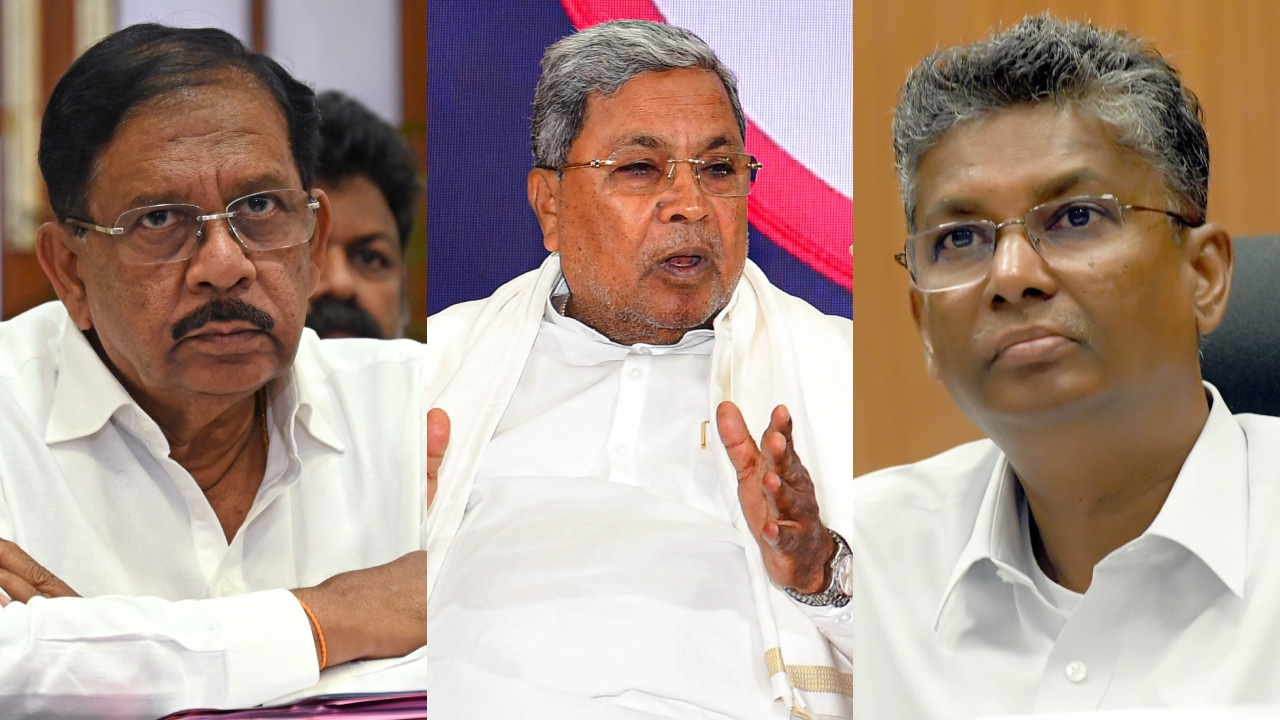
5 Deeply Signals as Satish Jarkiholi and Parameshwara Emphasize Team Spirit in Congress Victory

In a pointed yet cohesive display of political unity, senior Congress leaders Satish Jarkiholi and G. Parameshwara have together reiterated that the party’s recent electoral success in Karnataka was the result of collective effort. Their joint message, delivered at separate but coordinated public events, is being interpreted as a deliberate signal to both internal stakeholders and rivals. Against the backdrop of rising factional pressures and a swirling atmosphere of leadership intrigue, their remarks reinforce the idea that the party’s strength comes from collaboration — not individual ambition.

This emphasis on team effort is significant for several reasons. First, it seeks to counteract narratives of a growing divide within the Congress, where different camps appear to be jockeying for influence. By publicly stating that no single leader is solely responsible for the win, Jarkiholi and Parameshwara are staking a claim for a balanced power equation. Second, their message is designed as a warning to potential challengers: any attempt to destabilise the government based on the false premise of monopolised influence will be firmly resisted. Finally, it’s a strategy to reassure the rank-and-file that the party remains united, committed to its collective goals, and focused on governance rather than internal power games.


Projecting Collective Strength Amid Leadership Waves

Satish Jarkiholi — a seasoned veteran in Karnataka politics and deeply embedded in the party’s grassroots structure — addressed a rally where he credited every cadre, legislator, and worker for the Congress’s victory. He insisted that the party’s success was not just about prominent faces, but about “every volunteer, every supporter, every hand that worked behind the scenes.” In doing so, he consciously avoided singling out any individual as the architect of victory. This was more than modesty; it was a deliberate framing of political success as shared, and power as distributed.

At almost the same time, G. Parameshwara — another influential leader with clout in both the party’s organisational machinery and among its grassroots — echoed similar sentiments. Speaking to party workers and the public, he stressed that the Congress machinery in Karnataka had operated like a well-coordinated team, with legislators, district leaders, and volunteers working in tandem. According to him, this collective dynamic had created a strong foundation for the government to both win and deliver. He also underlined that governance would be driven by consultation, collaboration, and continuous teamwork — rather than power monopolies.Satish Jarkiholi and Parameshwara send a political message by saying  Congress came to power due to team effort - The Hindu

Political analysts see this double act as strategically timed. With whispers of leadership change in the air, especially in the context of debates about power sharing and internal balance, these leaders are likely signalling to the broader party that unity matters more than ambition. By elevating the narrative of team effort, Jarkiholi and Parameshwara are staking out moral high ground: any internal power play that threatens the cohesion of the party will be questioned. Their remarks are not just praise for the past, but a politically potent message for the future — that collective strength should define how Congress evolves in Karnataka.

Moreover, this narrative may serve as a bridge across various factions within the party. Karnataka Congress has long been characterised by multiple power centers, each led by its own set of loyalists. In recent times, the growing voices within the Deputy Chief Minister’s camp and other groupings have spurred speculation of a power tussle. By stressing “team effort,” Jarkiholi and Parameshwara are appealing to everyone: not just to their supporters, but to rivals too — inviting them into a united front rather than isolating them.


A Strategic Appeal to Stability and Governance

The underlying message of their joint remarks is unmistakable: stability is not up for negotiation. Jarkiholi and Parameshwara seem to be cautioning that internal conflict could erode what the Congress has built together. Their invocation of collective effort is a reminder that the party’s mandate is larger than individual leadership dreams, and disrupting that unity would be a betrayal of the trust voters placed in the Congress.

This appeal comes at a sensitive moment in Karnataka’s governance cycle. As the government approaches its mid-term phase, questions about leadership, power-sharing, and cabinet reshuffling are beginning to gain traction. By foregrounding a narrative of collective ownership, these senior leaders are countering factionalism with a stronger political ethic. They appear to be making a case for a political culture where achievements are seen as shared, and where legitimacy does not rest on a single face, but on multiple contributors.

Moreover, the team-effort message strengthens the Congress’s electoral narrative. It allows the party to present itself not just as a coalition of convenience, but as a well-oiled organisation with deep roots in every corner of the state. For voters who are weary of personalised politics, this framing is likely reassuring: it suggests that governance will not be hijacked by ego, but will be driven by collective accountability and mutual responsibility.

At the same time, this strategy sends a warning to the opposition — particularly the BJP. By emphasising unity and shared credit, Jarkiholi and Parameshwara are making it more difficult for rivals to exploit internal divides. Their message suggests that any attempt to destabilise the party must first confront a united front, not a fragmented group. The clarity of that message may act as a deterrent, making potential defectors or dissenters think twice about external manipulation.New power politics? Dinner meet triggers buzz in Karnataka Congress


Broader Implications: What This Means for Congress and Karnataka

The joint message from Jarkiholi and Parameshwara has far-reaching implications. For Congress in Karnataka, it could strengthen internal cohesion by encouraging legislators and grassroots leaders to think and act collectively. This might reduce the intensity of factional rivalries and shift the political culture toward more inclusive decision-making. If successful, this could well become a defining moment in how the party manages leadership transitions going forward — promoting collaboration instead of competition.

On the governance front, the emphasis on team effort could translate into a more participatory administration. If the leaders are sincere about their message, there may be increased engagement of legislators, workers, and district functionaries in policy planning and implementation. Such involvement could foster better accountability, as decisions are less likely to be confined to a small circle of power brokers. In the long term, this could improve governance outcomes and deepen the party’s connect with its base.

Nationally, this narrative sends a signal to Congress’s high command: Karnataka’s political future should be built around collective strength rather than personal ambition. Jarkiholi and Parameshwara are effectively arguing for a democratic distribution of power, where leadership is rewarded not just on the basis of electoral popularity, but on organisational contribution. In doing so, they position themselves as proponents of a “new Congress culture” — one that respects internal teamwork and shared responsibility.

At the same time, their message may influence how other regional Congress units think about power dynamics. If Karnataka can successfully navigate internal tension through a team-based approach, it could become a model for how Congress handles leadership challenges elsewhere. This may inspire other state units to move away from factional divides and toward more inclusive and grounded political strategies.


Challenges and Risks in the Path Ahead

However, the path ahead is not without hurdles. First, the very fact that these messages are being emphasised publicly is an acknowledgement that internal tensions exist — and that the leadership feels the need to confront them. If not followed by substantive action, their words could be dismissed as performative, used merely to maintain the facade of unity rather than to build it.

Secondly, translating grand statements into practical coordination is difficult. Teamwork in electoral victory is one thing; working together in governance is quite another. Leaders and MLAs may agree in public, but when it comes to policy, ministerial portfolios, or political advantage, old rivalries could resurface. Without institutional mechanisms — such as a transparent leadership transition plan or regular consultative forums — the unity message may remain a strategy, not a reality.Congress leader Satish Jarkiholi withdraws 'Hindu is Persian' remark

Thirdly, there is a risk that emphasizing “team effort” could dilute individual accountability. While collaboration is healthy, it must not turn into a cover for inaction or lack of responsibility. If leadership is spread too thin, or if power is too diffused, the government may struggle to make bold decisions, take swift action, or enforce discipline. For the team narrative to work, it needs a framework that supports both shared credit and clear responsibility.

Finally, the opposition may not be deterred merely by words. The BJP, for instance, may continue to test the Congress’s unity through strategic provocations, defections, or legislative manoeuvres. Even with Jarkiholi and Parameshwara pushing the narrative of cohesion, the real threat to stability could come from external actions. The Congress will need to back its moral appeals with political preparedness, organisational resilience, and legal safeguards.


Conclusion: Unity as Message, and Message as Power

By jointly emphasising that Congress’s rise to power was the result of teamwork, Satish Jarkiholi and G. Parameshwara are doing more than offering a political platitude. They are intentionally crafting a message about how power should be shared, how credit should be distributed, and how leadership should grow — through cooperation, not confrontation. Their words resonate deeply with both the party rank-and-file and the public, positioning the Congress’s success as grounded in collective effort rather than individual dominance.

Their appeal for unity is not just symbolic. It carries a strategic undertone: if the party truly believes in its shared mandate, then attempts to divide or dislodge it will be met with a united front. For Congress workers and legislators, this could bolster trust in the leadership and reduce the temptation for factionalism. For the opposition, it crystallizes the challenge: destabilising a government built on teamwork may not be easy.

In the broader political context of Karnataka, this moment could define how Congress navigates power transitions going forward. If followed up with real engagement, consultative decision-making, and inclusive governance, the “team effort” narrative may lay the foundation for a more mature political culture. On the other hand, if the message remains rhetorical, the risk of fragmentation will persist, and the credibility of such declarations will weaken.

Ultimately, the stand taken by Jarkiholi and Parameshwara is a reminder that in politics — especially in a democracy — strength lies not in the ambitions of a few, but in the unity of many. Their words are both a rallying cry and a caution: for Congress to succeed, it must see itself not as a collection of individuals, but as a team with a shared purpose. Whether this message translates into lasting unity or fades into mere symbolism will determine the course of Karnataka’s political future.

Follow: Karnataka Government

Also read: Home | Channel 6 Network – Latest News, Breaking Updates: Politics, Business, Tech & More
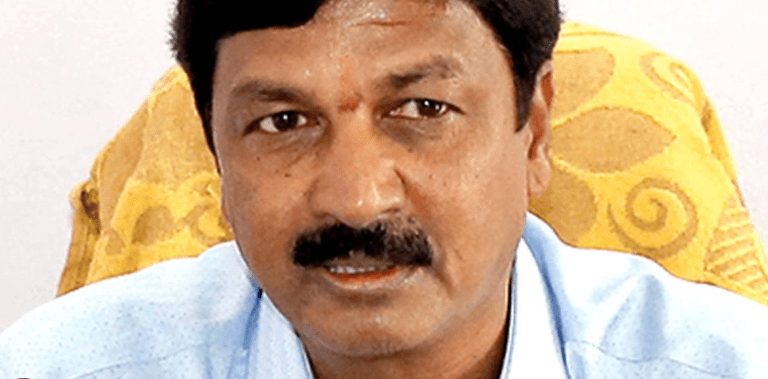
5 Urgent Moral Pleas from MLA Ramesh Jarkiholi: Why BJP Must Not Upend Karnataka’s Congress Government

In a striking intervention in Karnataka’s political crisis, Congress MLA Ramesh Jarkiholi has publicly cautioned the Bharatiya Janata Party (BJP) against attempting to destabilize the current Congress-led government. His remarks come amid mounting speculation that the BJP could exploit emerging intra-party rifts or alleged dissent to dislodge the administration and force fresh elections.


Jarkiholi’s Warning: Political Stability Over Partisan Gain

Speaking at a press conference, Jarkiholi emphasized that any attempt by the BJP to engineer a fall of the Congress government would be deeply harmful to public trust. He framed his warning in moral terms, arguing that Karnataka citizens voted for the Congress with certain expectations — stability, welfare, and governance continuity — and these aspirations should not be undermined for partisan advantage.

He further stressed that resorting to political opportunism would open a dangerous precedent. According to him, a successful bid by the BJP to topple the government could even weaken democratic institutions. Instead of viewing a fragile or divided opposition as a chance for personal gain, Jarkiholi appealed for restraint, saying that political responsibility demands protecting the government, not exploiting its internal challenges.BJP should not try to dislodge the Congress government, says MLA Ramesh  Jarkiholi - The Hindu


Jarkiholi’s Broader Message: Democracy First, Elections Later

Beyond his immediate warning to the BJP, Jarkiholi’s words also carried a broader message to his own party. He urged Congress legislators to avoid factionalism and intensify internal dialogue. For him, what matters most is keeping the government intact so that it can continue delivering on its key policy goals: improving education, improving rural infrastructure, and strengthening social welfare.

He acknowledged that all political parties naturally face internal tensions, but said the right way to resolve them is within party mechanisms — not through outside manipulation. In his view, Congress must confront its differences transparently and constructively so that governance does not come to a standstill. By doing so, he believes the party can preserve its credibility with the electorate and avoid the kind of chronic instability that damages governance.

Jarkiholi also appealed directly to Karnataka’s people, telling them that democratic accountability does not require instant elections. He argued that governance can improve if the current government stays intact and delivers on its promises, rather than being subjected to a constant cycle of instability and re-election.


Risks and Bigger Implications If BJP Acts

If the BJP were to attempt to bring down the Congress government, the fallout could be significant and wide-ranging, according to political analysts. Firstly, it could erode the institutional strength of the state assembly — constant toppling and reformation of government undermines both policy consistency and public faith in elected representatives.

Secondly, a successful congressional government ouster could embolden the BJP to replicate this strategy elsewhere, signalling that legislative numbers matter more than mandate legitimacy. This could, in turn, create a political environment where governance becomes transactional rather than ideological, with shifting loyalties and alliances overshadowing policy priorities.

Thirdly, the people of Karnataka — especially the underprivileged and marginalized who depend on state welfare schemes — might pay the heaviest price. Dislodging a government midterm can disrupt important welfare programs, delay project execution, and create administrative chaos. In Jarkiholi’s words, “the cost of political instability is not borne solely by politicians; it is borne by the people.”

BJP should not try to dislodge the Congress government, says MLA Ramesh  Jarkiholi - The Hindu


Conclusion: A Plea for Responsibility

Through his public remarks, MLA Ramesh Jarkiholi is making more than a political point: he is issuing a moral plea. He is asking rival parties, especially the BJP, to think beyond short-term gains and to consider the long-term well-being of Karnataka’s people and its democratic institutions. His appeal for stability, even amid internal challenges, suggests a deep-seated belief that good governance should come before partisan advantage.

Ultimately, Jarkiholi is reminding all stakeholders that democracy is not just about electoral numbers; it’s about responsibility. Getting through a crisis without tearing the government apart, according to him, is the true test of political maturity — and the legacy that should define Karnataka’s present leadership.

BJP should not try to dislodge the Congress government, says MLA Ramesh  Jarkiholi - The Hindu

Jarkiholi’s statement has also sparked a conversation about political ethics within Karnataka’s democratic framework. Many believe that his words highlight a rare example of political thought that places public administration above party rivalry. At a time when defections, engineering resignations, and coalition collapses have become common tactics in India’s state politics, his appeal stands out as a plea to restore dignity to the electoral mandate. By focusing on safeguarding the government instead of fueling instability, he attempts to shift the conversation from strategy to responsibility.

The timing of his intervention is particularly significant. Karnataka is facing intense political speculation, as several Congress legislators have recently been seen travelling to Delhi to meet the central leadership. This has created assumptions of internal conflict and leadership tussles within the party. In such a climate, the opposition could easily see an opportunity to gain advantage. Yet, Jarkiholi’s caution tries to cut off that possibility by warning that opportunistic moves would be viewed as disservice to democracy rather than tactical brilliance.

Furthermore, Jarkiholi’s appeal reflects a larger anxiety among legislators who fear that repeated political disruptions could leave voters disillusioned. Many lawmakers worry that if the government fails to complete its tenure, the blame might not only fall on any external attempts to destabilize it, but also on the Congress itself for failing to maintain unity. This creates pressure on the ruling party to settle internal issues quickly and prevent any perception of weakness that could be exploited.

Another underlying factor in Jarkiholi’s statement is the message it sends to his fellow Congress MLAs. By asking the BJP not to interfere, he implies that the Congress must first focus on cleaning up its own house. The appeal indirectly urges legislators to avoid providing opportunities for outside forces to intervene. This suggests a call for internal discipline, stating that even if disagreements exist, they should not spill into the political arena where they can be used against the government.

At the grassroots level, his warning resonates strongly with voters who are fatigued by political drama. Karnataka citizens have repeatedly witnessed the fall of governments well before their terms, resulting in stalled projects, shifting budgets, and long periods of administrative confusion. For a villager waiting for irrigation support, or a student relying on scholarship continuity, political instability does not appear as strategy — it appears as disruption to daily life. Jarkiholi’s stance thus positions stability as a service to the public.

Another layer of his argument is that disruption can also weaken the image of Karnataka nationally. The state has been viewed as one of India’s most progressive economic and educational hubs. Frequent leadership crises could undermine investor confidence and administrative credibility. In that sense, Jarkiholi’s remarks extend beyond party politics and touch the larger ambition of building Karnataka as a stable governance model. Instability, in his view, is bad not just for the Congress, but for the state’s overall trajectory.

The moral angle in his statement also triggers debate about how governments should be judged. Should they be evaluated based on how long they stay stable, or by how efficiently they deliver development? Jarkiholi seems to argue that stability is a prerequisite for delivery. Without time, continuity, and clear leadership, policies remain trapped on paper. His view suggests that before measuring performance, one must first ensure that the administration is allowed to function without fear of interruption.

Critics, however, point out that political appeals alone cannot guarantee stability. They argue that the Congress must demonstrate visible unity if it wants its plea to be respected. According to this counter-view, appealing to the BJP not to destabilize the government is only half the work; the other half is ensuring that the Congress appears prepared to govern without internal fractures. Thus, Jarkiholi’s statement, while moral, also subtly pressures his own party to display cohesion rather than confusion.

Despite criticism, his intervention may ultimately help reduce political tension by bringing public attention to the consequences of government collapse. When debates move from backroom strategies to public ethics, political actors become more cautious about how their actions will be received. In this scenario, the BJP may find itself scrutinized if it attempts to topple the government, and the Congress may face public frustration if it fails to manage its own leaders. The warning creates a shared accountability narrative.

As the situation unfolds, Jarkiholi’s remarks could become a turning point in Karnataka’s political discourse. If parties choose restraint, the government may finally receive the space it needs to fulfill its mandate. If they ignore the plea, the state could be dragged back into another cycle of instability and election speculation. Ultimately, the coming months will reveal whether Karnataka’s leaders heed the call for stability or succumb once again to the lure of power games. For now, Jarkiholi’s voice stands as a reminder that the true test of politics is not winning power, but preserving the people’s mandate with honesty and respect.

As the situation unfolds, Jarkiholi’s remarks could become a turning point in Karnataka’s political discourse. If parties choose restraint, the government may finally receive the space it needs to fulfill its mandate. If they ignore the plea, the state could be dragged back into another cycle of instability and election speculation. Ultimately, the coming months will reveal whether Karnataka’s leaders heed the call for stability or succumb once again to the lure of power games. For now, Jarkiholi’s voice stands as a reminder that the true test of politics is not winning power, but preserving the people’s mandate with honesty and respect.

Follow: Karnataka Government

Also read: Home | Channel 6 Network – Latest News, Breaking Updates: Politics, Business, Tech & More
Karnataka Congress Legislators Rally Behind Shivakumar in Delhi: 7 Powerful Emotional Ripples

In a significant escalation of political pressure within Karnataka’s ruling Congress government, a growing number of party legislators supporting Deputy Chief Minister D.K. Shivakumar have travelled to New Delhi. Their visit is being read as a strategic effort to urge the party leadership to implement a long-discussed leadership transition at the state’s highest level. This movement, involving multiple rounds of travel by different groups of MLAs, highlights building tension over an alleged power-sharing promise made during the formation of the government in 2023. What initially appeared as an isolated lobbying trip by a handful of politicians has now transformed into a ripple spreading through the party’s legislative ranks, signalling a much deeper shift in internal sentiment.

The emotional undercurrent of this political moment also reveals a deeper truth about Indian politics: leadership is rarely just about designation, but about affirmation. Leaders like Shivakumar build their persona not through speeches alone, but through years of silent crisis management, commitment during elections, and the ability to keep a flock together in the darkest hours. His supporters feel that denying him leadership could send a message that organisational loyalty is less valued than public visibility. This sentiment has become the backbone of their argument, pushing them to travel to Delhi not as rebels, but as loyalists asking for justice.

At the same time, one cannot overlook Siddaramaiah’s undeniable contribution to the government’s popularity. He has positioned himself as a social justice leader, framing policies that resonate with strong welfare-based narratives. His governance style emphasizes ideological clarity, especially regarding rights for backward classes and economic equality. This has given many in the party confidence in his leadership continuity. They believe that removing him abruptly could unsettle ongoing programmes, weaken public trust in the Congress government, and give the opposition a narrative of disruption. Thus, even his critics acknowledge the value he brings to the administration.

For the Congress high command, the challenge lies not just in making the right decision, but in ensuring that whichever decision is made does not fracture the relationship between two towering leaders. A transition, if it happens, must be timed and narrated with dignity. A continuation, if chosen, must come with reassurance that no promises were broken. The central leadership needs to navigate emotion, respect, and political logic with equal precision. Failure to do so could jeopardise Karnataka, the party’s strongest state pillar, risking both internal morale and public perception at a critical time.Karnataka news: DK Shivakumar meet Congress president Kharge late night  amid Karnataka power shift buzz

Ultimately, this issue has emerged as a profound test of political maturity. It demands that all stakeholders choose dialogue over confrontation, clarity over assumptions, and unity over ego. The journey to Delhi is not just a physical travel by a few legislators, but a symbolic march carrying questions of fairness, loyalty, and recognition. The next decisions will not only determine who becomes Chief Minister but will shape the Congress party’s culture for years to come. If handled well, this could be remembered not as a crisis, but as a landmark moment where a political family discovered a more respectful way to resolve its differences.


Rising Tide of Support: Multiple Waves of MLAs Reach Delhi

The legislators who have now reached the national capital are widely believed to be lobbying for what they consider an overdue transition in leadership. Their continued arrival in small but coordinated groups has made it abundantly clear that this is not an act of personal ambition or spontaneous solidarity, but a calculated political message. The MLAs backing Shivakumar are reportedly meeting senior party figures and making it unequivocally known that they expect a clear decision regarding the leadership structure of Karnataka.

Their movement comes at a time when the state government has completed its mid-term milestone. Many within the party recall discussions that took place during the formation of the cabinet, in which a rotational Chief Ministership was allegedly agreed upon. Supporters of Shivakumar believe that the present moment marks the fulfilment of that understanding. For them, this is not just about political ambition, but honouring a commitment that played a crucial role in securing unity and victory during the assembly elections.

The legislators’ arrival in Delhi has also boosted Shivakumar’s standing in an emotional sense. For many years, he has been a devoted organisational man within the party, often taking up the toughest assignments and spearheading resource mobilisation during elections. His supporters argue that his loyalty, strategic intelligence, and resilience have positioned him as a deserving leader who should now assume full responsibility as the Chief Minister. They view the present moment as a recognition of service and sacrifice, and not merely a tussle over power.

Interestingly, Shivakumar has continued to publicly distance himself from the perception of being the leader of a faction. When questioned about the Delhi travels, he has consistently maintained a neutral tone, emphasising that all MLAs in the party are his own and that he does not personally endorse group politics. While such statements convey humility, they also shield him from the perception of initiating a rebellion. His supporters, however, seem determined to make their demand clear on his behalf, ensuring that he continues to be perceived as loyal while still benefitting from the pressure being created.


Siddaramaiah Stands Firm, But the Political Mood Shifts

Chief Minister Siddaramaiah has remained composed throughout the escalating whirlwind. His public stance has been consistent and disciplined: he has stated repeatedly that any decisions concerning leadership will be made exclusively by the central leadership, and that he is willing to abide by whatever they decide. This calculated posture allows him to remain above the fray, portraying himself as a responsible and dedicated leader who is committed to governance over politics. It also ensures that he does not appear insecure or threatened, which would weaken his image among the public and within the party.Shivakumar moves to Delhi as tensions escalate in K'taka Congress

Nevertheless, beneath this calm exterior lies a clear effort on Siddaramaiah’s part to solidify his administration. He has been pushing for a cabinet reshuffle, focusing on expanding ministerial responsibilities and rewarding those who have displayed competence. A cabinet reshuffle before any leadership transition could serve as a significant advantage for him. If new ministers loyal to Siddaramaiah are inducted, the balance of internal power could shift, reducing the leverage of Shivakumar’s supporters. Thus, the coming weeks could prove decisive: if the high command approves Siddaramaiah’s proposal before addressing the leadership question, the window for a transition may narrow considerably.

From a historical perspective, Siddaramaiah has long commanded the loyalty of a wide base across Karnataka, especially among backward communities. His programmes and social welfare schemes have amplified his popularity, making him a formidable figure in the state’s politics. Supporters of Shivakumar, however, argue that popularity alone cannot justify leadership continuity. They contend that Shivakumar has been equally instrumental in ensuring electoral success, organisational discipline, and financial strength, and now deserves the opportunity to convert his administrative efforts into political leadership.

Political observers note that if the central leadership chooses to ignore the rising tide behind Shivakumar, it could dampen morale among a crucial segment of the party. Legislators who have taken the risk of openly expressing their support may feel ignored or disrespected, possibly leading to long-term discontent. Conversely, replacing Siddaramaiah too abruptly could alienate those who view him as an ideological and administrative pillar. Both men enjoy loyalty, and favouring one over the other could result in a crack within the party ranks. Thus, the decision must be crafted with tactical precision, diplomatic articulation, and emotional intelligence.


The Silent Battle of Influence: Stakes Higher Than Leadership

The tension surrounding the Delhi visits is not merely about who will become Chief Minister; it is an exploration of the Congress party’s future structure in Karnataka and beyond. Shivakumar commands strong influence among party workers, younger leaders, and grassroots organisers. He has cultivated relationships built on mutual benefit, loyalty, and shared political experiences. By contrast, Siddaramaiah has a mass public appeal that dominates policy narratives and electoral messaging. The party leadership must carefully balance these two distinct forms of political capital.

Additionally, the Congress high command faces a broader national dilemma. Karnataka stands as the party’s most significant power centre in the current political landscape. Any instability in the state could provide ammunition to the opposition and weaken Congress’s confidence ahead of future electoral battles. The leadership must therefore demonstrate firmness and unity, while also appearing to be fair. Choosing between honouring promises and maintaining continuity is a delicate balancing act.

In the eyes of Shivakumar’s supporters, delaying the promised transition would reflect betrayal. For Siddaramaiah’s supporters, disrupting the current leadership could jeopardise governance stability at a crucial stage. This ideological and emotional tug-of-war goes beyond individuals: it reflects two visions of how leadership should be rewarded and recognised. Is it to be based on public charisma, or on organisational hard work? Should government leadership be a reward for election strategy, or for administrative accomplishments? These questions echo beyond the present debate and could define how the party develops future leaders nationwide.Karnataka Congress leaders express reservations about D K Shivakumar  singing RSS anthem in Assembly | Bangalore News - The Indian Express

Moreover, the unfolding events have become a test of political communication. The Congress needs to present its decision in a way that does not portray conflict, division, or betrayal. Any public perception of internal strife could undermine its credibility. As political opponents watch eagerly, the Congress must remain mindful that every word, gesture, and announcement carries repercussions.


Conclusion

The growing movement of Karnataka Congress legislators travelling to Delhi has ignited a political storm that goes far deeper than a simple change in leadership. It has opened a window into the party’s inner workings, tested relationships among powerful leaders, and highlighted the intense emotional connection between loyalty and political recognition. The stakes are immense. The leadership decision made in the coming days will not only determine who governs Karnataka, but also define how the party values commitment, power-sharing, and ideological unity.

Whether the Congress chooses continuity under Siddaramaiah or marks a transition to Shivakumar, the decision must balance both sentiment and strategy. For legislators, the journey to Delhi is more than a political trip — it is a statement of belief in what they consider to be fair and rightful. For the party’s high command, the moment calls for wisdom, caution, and emotional sensitivity. The future of Karnataka’s leadership now rests not just on political arithmetic, but on a defining emotional question: how does a party honour both service and trust without breaking its own heart?

Follow: Karnataka Government

Also read: Home | Channel 6 Network – Latest News, Breaking Updates: Politics, Business, Tech & More

On Assam: 3 Major Developments as Non-Government Report Heads to Assembly

0

On Assam Report Moves Toward Assembly for the First Time

On Assam the state is preparing for an unusual move as a privately formed commission’s report is set to be placed before the Assembly. This decision marks a rare moment in the state’s legislative history, as it is the first instance where findings from a non-government body will be officially tabled. The choice reflects increasing pressure from civil society groups who want past events of the Assam Agitation to be documented openly. With the next Assembly session beginning soon, the government aims to make the full document available to all lawmakers instead of restricting it to selected officials.Mehta Comission report on Assam agitation to be tabled in assembly - The Economic Times
On Assam Agitation Findings Gain New Attention

The report was prepared by a commission formed through civil society organisations to revisit incidents linked to the anti-infiltration Assam Agitation. The movement, which shaped modern Assamese politics, has remained a sensitive topic for decades.Assam bans complete consumption of beef in public places, hotels

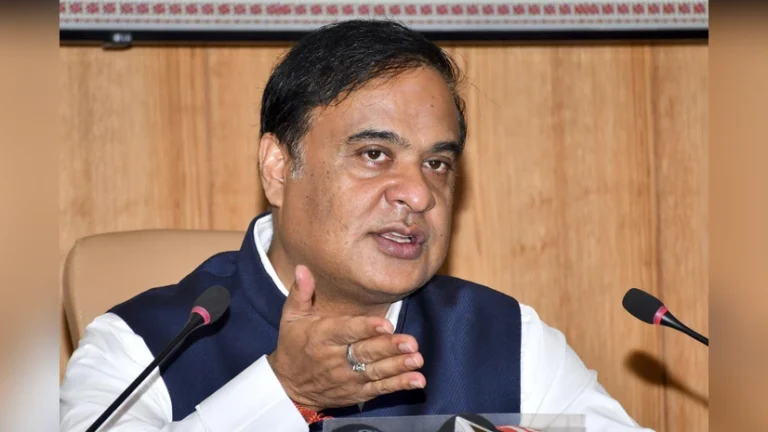
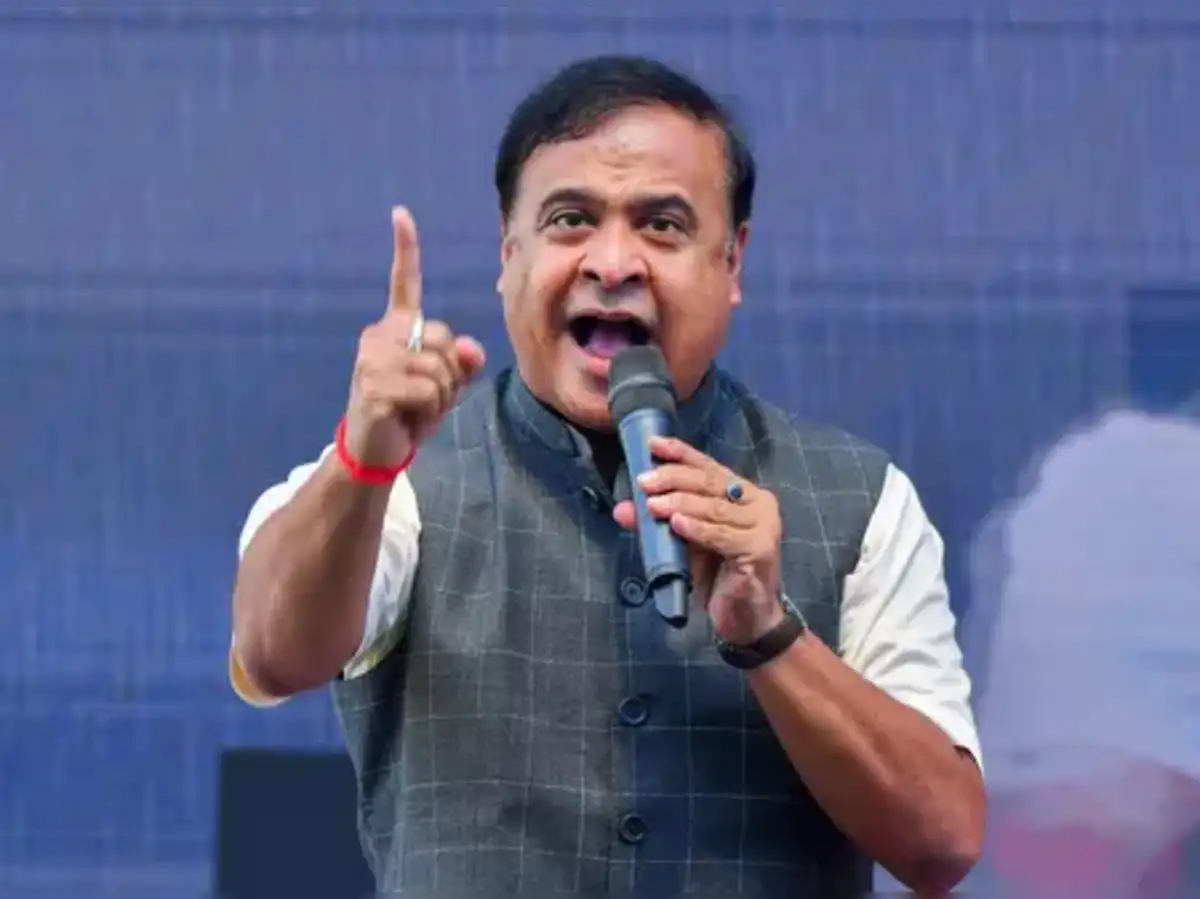
Chief Minister Himanta Biswa Sarma confirmed that the cabinet supported releasing this report so the public can understand various perspectives that were not part of earlier official investigations. Groups like the All Assam Students’ Union had demanded that the report of the Justice T. U. Mehta Commission be made public, arguing that people deserve transparent access to historical details instead of limited summaries or selective disclosures.

On Assam Cabinet Adds Tewary Report for Full Transparency

The cabinet has also approved distributing the older Tewary Commission report, which examined violent incidents from 1983. Although this document was technically tabled many years ago, only a single copy was submitted to the Speaker. As a result, most MLAs and the wider public never had a chance to read it. The government now plans to provide fresh copies to all members during the upcoming session. According to the Chief Minister, the Tewary report is an important historical record created after extensive work, and withholding it any longer would risk leaving crucial information forgotten over time.Assam to stop issuing Aadhaar to adults to curb fraudulent enrolment of  'infiltrators'

On Assam Issues That Continue Beyond the Agitation

The Assam Agitation ended in 1985 with the signing of the Assam Accord, yet the central issue of illegal migration still influences political debates today. By making both reports available at once, the government aims to offer a more complete picture of the events that shaped the movement. Also Read: Ramaphosa Modi Meeting: Delightful Exchange at G20 Summit in Johannesburg

Sarma stated that fears of the reports being politically sensitive are overstated, adding that they should instead be treated as academic documents. He maintained that releasing them publicly removes assumptions and allows people to study past events with clarity rather than speculation.


View this post on Instagram


A post shared by GPlus (@guwahatiplus)

Conclusion

The decision to table both non-government and older commission reports marks a significant step in bringing past events On Assam into open view. It offers lawmakers and citizens a clearer record of the agitation-era incidents and ensures these documents do not fade into obscurity.

24th November school update brings 1 major set of headlines for students today

0

24th November school news highlights major national, global, business and sports updates

24th November school headlines today bring a clear summary of important national, international, business and sports developments. These updates help students stay informed about major events happening around them. The news includes legal developments, government decisions, global movements, sports achievements and economic announcements that shaped the last 24 hours.24th November school

24th November school national and international news captures key moments across India and the world

In national news, a significant moment emerged in a long-standing case when an important witness identified separatist leader Yasin Malik in court as one of the attackers involved in the 1990 incident targeting IAF personnel in Srinagar. This testimony added weight to a high-profile case that has continued for decades.School Assembly News Headlines For September 24: Top National, International  & Other News | Education and Career News - News18


At the G20 Summit, Prime Minister Narendra Modi put forward a global Critical Minerals Initiative to strengthen supply chains and reduce dependence on China for resources like rare earth elements. The proposal focused on securing materials needed for modern technology and manufacturing.


In Rajasthan, 24 people, including several children, were hospitalised after inhaling toxic fumes from an illegal chemical dumping site. Authorities began investigating the source of the hazardous waste and its impact on the surrounding area.
Punjab Police uncovered a major drug network with suspected ISI links, seizing 50 kg of heroin and arresting one person involved in the operation.


Actor-politician Vijay resumed his Tamizhaga Vetri Kazhagam campaign in Kanchipuram as preparations intensify for the 2026 Assembly elections in Tamil Nadu.
In Telangana, 37 Maoists surrendered, including three who carried a combined reward of ₹20 lakh, marking a major step in ongoing operations.

School Assembly News: Must-Know national, global and sports headlines for  November 10, 2025
Prime Minister Narendra Modi returned to India after a three-day visit to South Africa for the G20 Summit, concluding a high-level diplomatic engagement.

International news brought several important developments. The French Navy strongly denied reports from Pakistani media suggesting Rafale losses, calling the claims misinformation. Israel’s intelligence agency Mossad stated that it had found evidence of Hamas-linked groups planning attacks across European cities such as Vienna and Berlin.


On the sidelines of the G20 Summit, PM Modi met with South African President Cyril Ramaphosa and Brazilian President Luiz Inácio Lula da Silva to discuss issues affecting the Global South, including development priorities and cooperation.In the US–Ukraine diplomatic space, President Donald Trump warned Ukrainian President Volodymyr Zelenskyy that American support would not continue if he refused to cooperate with peace talks in Geneva.The Netherlands temporarily shut Eindhoven Airport after multiple unauthorised drone sightings near the runway.

Several airlines suspended operations to and from Venezuela after the US FAA issued a safety alert for the country’s airspace.

24th November school sports and business news reflect achievements and major economic plans

In sports, India made history by winning the first-ever Women’s T20 World Cup for the Blind after defeating Nepal in the final. This victory marked an important moment for the team and for inclusive sports.
Indian badminton player Lakshya Sen ended his title drought by winning the Australian Open, adding a major trophy to his year.


Cricketer Smriti Mandhana postponed her wedding due to her father’s serious illness, as confirmed by her management team.


Liverpool manager Arne Slot accepted responsibility for the club’s heavy defeat to Nottingham Forest in the Premier League.
Reports indicated that the quick two-day finish of the Perth Ashes Test may cause large financial losses for Cricket Australia due to ticketing and hospitality shortfalls.School Assembly News Headlines for 24 April 2024: Top Stories, National,  International, Sports | CollegeDekho

Business news brought several economic updates. India and Israel are close to finalising the first phase of their Free Trade Agreement, with talks for a full agreement expected to continue.
The government plans to introduce a bill during the Winter Session to raise the foreign direct investment limit in the insurance sector to 100%, aiming to attract more global participation.
Byju Raveendran announced that he would appeal the $1.07 billion default judgment issued in the US against Byju’s Alpha.


Tata Motors projected around 5% growth in domestic passenger vehicle sales for the current financial year.
Global commodities faced renewed volatility due to changing expectations surrounding US interest rate cuts and developments in Ukraine peace discussions. Also Read: Ramaphosa Modi Meeting: Delightful Exchange at G20 Summit in Johannesburg

24th November school thought of the day for morning assembly

Here are simple and meaningful thought-of-the-day options suitable for students:

  1. “Small steps every day lead to big achievements.”

  2. “Discipline is choosing what you want most over what you want now.”

  3. “A little kindness can change someone’s whole day.”

  4. “Success grows when you stay consistent, not when you stay perfect.”

  5. “Your mind is a garden, what you plant is what will grow.”

Conclusion
The 24th November school news update gives students a quick and clear look at major happenings across India and the world, helping them stay aware and informed.

Top global cues point to 1 strong market signal as Sensex and Nifty eye a steady start

0

Top global cues shape the early outlook for Indian markets on November 24

Top global cues are expected to guide the Indian markets today, with early indications suggesting a steady to positive opening for benchmark indices. GIFT Nifty traded higher around 26,180, hinting at a mildly optimistic start after Indian equities ended lower in a volatile previous session. On November 21, both Sensex and Nifty slipped as broad selling pressure dragged the indices below key levels, breaking a brief two-day recovery.Pro Market Outlook | Strong momentum meets weak sentiment

The Sensex closed 400.76 points lower at 85,231.92, while the Nifty dropped 124 points to 26,068.15. Market participants noted that investors booked profits across sectors following global uncertainty and selective weakness in domestic pockets. With today’s trading session driven largely by global signals, traders are keeping a close eye on currency moves, crude prices, bond yields and risk sentiment.

Top global cues reflect mixed signals across US markets, currencies, and commodities

US markets finished Friday’s session with a strong rebound as investors increased expectations of a Federal Reserve rate cut next month. The Dow Jones gained 493 points, the S&P 500 advanced more than 64 points, and the Nasdaq rose nearly 195 points. Despite the strong session, all three indices posted losses for the week due to concerns about expensive technology valuations and profit-taking in high-growth segments. Small-cap stocks also faced pressure, with the Russell 2000 closing lower for a fourth consecutive week, marking its longest losing streak since March.First Tick: Top global cues to watch in today's trade

Currency movements added another layer to global sentiment. The dollar index remained steady, with traders cautious about yen intervention risks. The upcoming British budget and the New Zealand policy meeting, where a possible rate cut is expected, also contributed to cautious trade in early Asian hours.

In the bond market, US Treasury yields softened slightly. The 10-year yield eased to around 4.06 percent, while the 2-year yield dropped to nearly 3.50 percent. These moves signaled mild relief for interest-sensitive sectors globally, though markets remain alert to central bank commentary. Also Read: Ramaphosa Modi Meeting: Delightful Exchange at G20 Summit in Johannesburg

Asian currencies showed improvement in early trade. The Japanese Yen led the gains, followed by the Philippine Peso, Indonesian Rupiah, South Korean Won and China’s Renminbi. The Malaysian Ringgit also traded higher, while the Taiwan Dollar and Thai Baht slipped marginally. The overall tone indicated reduced volatility ahead of key global data releases.Indian Markets May Open Lower Amid Crude Spike, Tensions

In commodities, crude oil extended its decline after posting the steepest weekly fall since early October. Reports suggesting progress toward a possible Ukraine-Russia peace arrangement raised expectations of increased crude flows into an already well-supplied market. The market remains cautious about demand trends and geopolitical developments.

Gold was steady in Asian trade as investors evaluated the likelihood of another US rate cut before year-end. With rising expectations of easing, gold prices may gain support, but the market stayed largely range-bound.

Top global cues influence domestic fund flows and short-term market direction

Foreign Institutional Investors shifted their stance after two sessions of buying and turned net sellers on November 21, offloading equities worth ₹1,766 crore. Meanwhile, Domestic Institutional Investors continued to provide support, purchasing more than ₹3,160 crore worth of equities. This contrast highlighted the tug-of-war between global sentiment and domestic confidence.

Market analysts noted that FII flows may remain sensitive to global interest rate expectations and risk appetite. Softening bond yields and stable currency movements may offer short-term relief, but traders remain cautious due to concerns around global growth and sector-specific pressures.Global action at this hour - Here are top 5 global cues to watch ahead of  market opening - Market News | The Financial Express

Broader market action is likely to depend on how global trends shape intraday movement. Asian markets opened mixed, reflecting varied reactions to US market recovery, weakness in tech valuations and uncertainty around central bank policies. Indian traders will also watch inflation signals, crude price shifts and currency movements, all of which influence domestic stability.

Top global cues guide traders ahead of a data-heavy week

With several economic updates expected globally, markets may remain sensitive through the week. Movement in crude, US bond yields and Asian currencies could influence sector rotations in Indian equities. Traders are also tracking commentary from central banks as expectations of a rate cut continue to grow.

The near-term outlook for Indian markets will depend on whether global cues support risk-taking or drive caution. As of now, early signals remain mildly positive, supported by GIFT Nifty and a recovery in US indices.

Conclusion
The Top global cues indicate a cautious but stable market environment for India, with global trends playing a major role in shaping today’s early movement.

Union Minister outlines 1 major push for integrated farming at global agronomy meet in New Delhi

0

Union Minister highlights the need for long-term integrated farming strategies at the 6th International Agronomy Congress

Union Minister Shivraj Singh Chouhan inaugurated the Sixth International Agronomy Congress in New Delhi, marking the beginning of a three-day event dedicated to strengthening the future of agronomy and agricultural sustainability. Opening the conference, he stressed that integrated farming must become a major focus in the coming years, especially for marginal farmers who depend on small holdings for their livelihood. He emphasised that the next phase of agricultural progress will require clear, practical planning supported by scientific research.

Shivraj Singh Chouhan to inaugurate 6th International Agronomy CongressChouhan urged agricultural researchers and agronomy experts to prepare a five-year roadmap for promoting integrated farming systems. According to him, this approach would help farmers increase income stability, diversify their production and reduce dependence on singular crops. He added that India’s agricultural landscape continues to transform, but large sections of the population still rely on farming for survival.

Nearly 46 per cent of the nation’s population is directly connected to agriculture, making it essential for policymakers and scientists to work together on long-term strategies. Chouhan stated that future farming practices must be built on accurate data, scientific methods and continuous research. He noted that diversification of crops, improved soil health, and region-specific solutions will play critical roles in helping farmers adapt to climate shifts and market challenges.

Union Minister brings attention to research-driven planning and the evolving role of agronomy

The Minister highlighted that agronomy is no longer limited to traditional crop management. Instead, it has expanded into an essential scientific discipline that influences food systems, environmental stability and long-term sustainability. He said that technology and data-based decision-making should guide farming methods, allowing farmers to reduce risks and handle unpredictable weather patterns.Union Agriculture Minister Highlights Role of Space Science in Transforming  Indian Agriculture-Views Today

He pointed out that integrated farming combines crops, livestock, fisheries and other components into a single, efficient system. This approach, he said, could help farmers generate multiple sources of income while improving soil quality and resource use. Chouhan called on scientists to ensure that their recommendations reach farmers in a form they can understand and apply.

The three-day congress is set to feature plenary sessions, theme-based symposia, keynote addresses, poster presentations and an exhibition. It will also include a dedicated conference for young scientists and students, giving them a platform to present ideas and develop skills for future agricultural research. This year’s theme, “Re-envisioning Agronomy for Smart Agro-Food Systems and Environmental Protection,” reflects the rising global need for sustainable solutions.

Experts attending the event will discuss challenges related to food security, climate resilience, soil degradation and digital agriculture. Several sessions will examine how smart farming tools, precision inputs and improved crop varieties can support sustainable food systems. The Minister said that such discussions must lead to real outcomes that can help farmers adapt to modern challenges.

Union Minister underlines the importance of cooperation between scientists and farmers

Chouhan stated that the success of agronomy depends on the connection between scientific work and ground-level farming. He said that new ideas must be tested, refined and communicated clearly so that farmers can adopt them without hesitation. As farming conditions change rapidly across states, region-specific advice becomes more important.Press Release:Press Information Bureau

Researchers attending the event were urged to examine soil conditions, climate variations and cropping patterns more closely. The Minister noted that farming cannot rely on uniform solutions across the country. Instead, tailored recommendations will help ensure that farmers get the maximum benefit from new technologies and updated practices.

Union Minister emphasises the need to prepare farmers for future environmental and economic shifts

Chouhan said that the agriculture sector must be prepared for factors like shifting monsoon patterns, rising temperatures and market fluctuations. He encouraged scientists to focus on resilience-based planning, which would support farmers through both environmental risks and economic uncertainties.

The sessions scheduled over the next three days aim to offer practical insights into strengthening crop systems, improving water management and expanding diversification. Officials noted that the event brings together experts from India and abroad, providing an opportunity for knowledge exchange and collaborative action.  Also Read: Pakistan paramilitary attack leaves 3 dead and exposes new signs of rising instability

Conclusion

The Union Minister’s address set the tone for a forward-looking agronomy congress, stressing integrated farming, data-driven decisions and long-term planning. With a focus on research and farmer welfare, the event aims to contribute meaningful direction to India’s agricultural future.