Friday, May 15, 2026
Home Blog Page 315

Tamil Nadu rains trigger 1 major round of school closures as districts brace for more impact

0

Tamil Nadu rains lead to widespread alerts and precautionary holidays across several districts

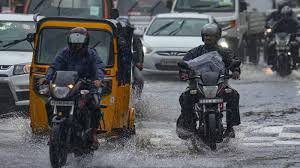
Tamil Nadu rains continued to intensify on Monday as the Northeast monsoon strengthened over the southern belt, prompting multiple districts to announce school holidays and step up precautionary work. With steady and widespread showers reported since late Sunday, officials moved early to avoid travel issues and risks for students.Heavy rain alert in Tamil Nadu: Schools shut in multiple districts today
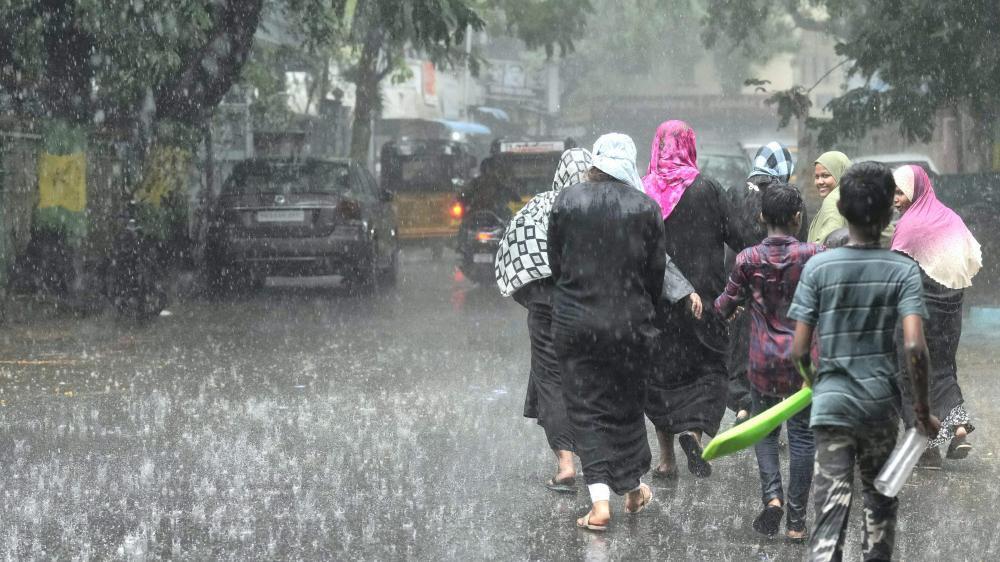
District administrations in Virudhunagar, Thanjavur, Tiruchi, Pudukottai, Nagapattinam, Mayiladuthurai, Tiruvarur, Ariyalur and Karur declared holidays for schools after updated forecasts signalled persistent rainfall across these regions. The decision followed warnings issued by weather agencies as low-lying areas began reporting early signs of waterlogging.

Tamil Nadu rains push IMD to issue focused alerts and government to strengthen district preparedness

According to the India Meteorological Department, heavy rain is likely in Cuddalore, Ariyalur, Mayiladuthurai, Nagapattinam, Tiruvarur, Thanjavur, Pudukkottai, Sivaganga, Madurai, Virudhunagar and Ramanathapuram. Collectors of these districts were instructed to monitor vulnerable zones, ensure drainage clearance and keep disaster response units ready.
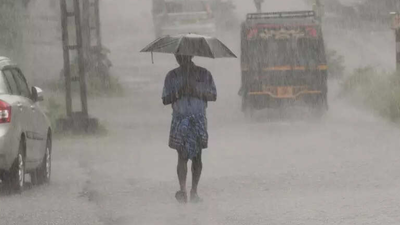
Tamil Nadu Rains: Chennai on orange alert, 4 districts on red; trees uprooted, schools closed, 10 key updates | Chennai News - The Times of IndiaTwo SDRF teams were deployed to Thoothukudi and one team to Tirunelveli as a precaution, given the rising intensity in southern coastal stretches. The Regional Meteorological Centre in Chennai also issued a nowcast warning predicting light to moderate rain with isolated thunderstorms in several districts over a three-hour window.

Areas including Kallakurichi, Kanniyakumari, Madurai, Perambalur, Ramanathapuram, Sivaganga, Tenkasi, Theni, Tiruchirappalli, Tirunelveli, Thoothukudi, Viluppuram and Virudhunagar were listed under the immediate alert. Officials said the warning would stay in effect until early afternoon.Tamil Nadu Weather Highlights: IMD upgrades alert to 'orange' for Chennai and neighbouring districts, several flights delayed - The Times of India
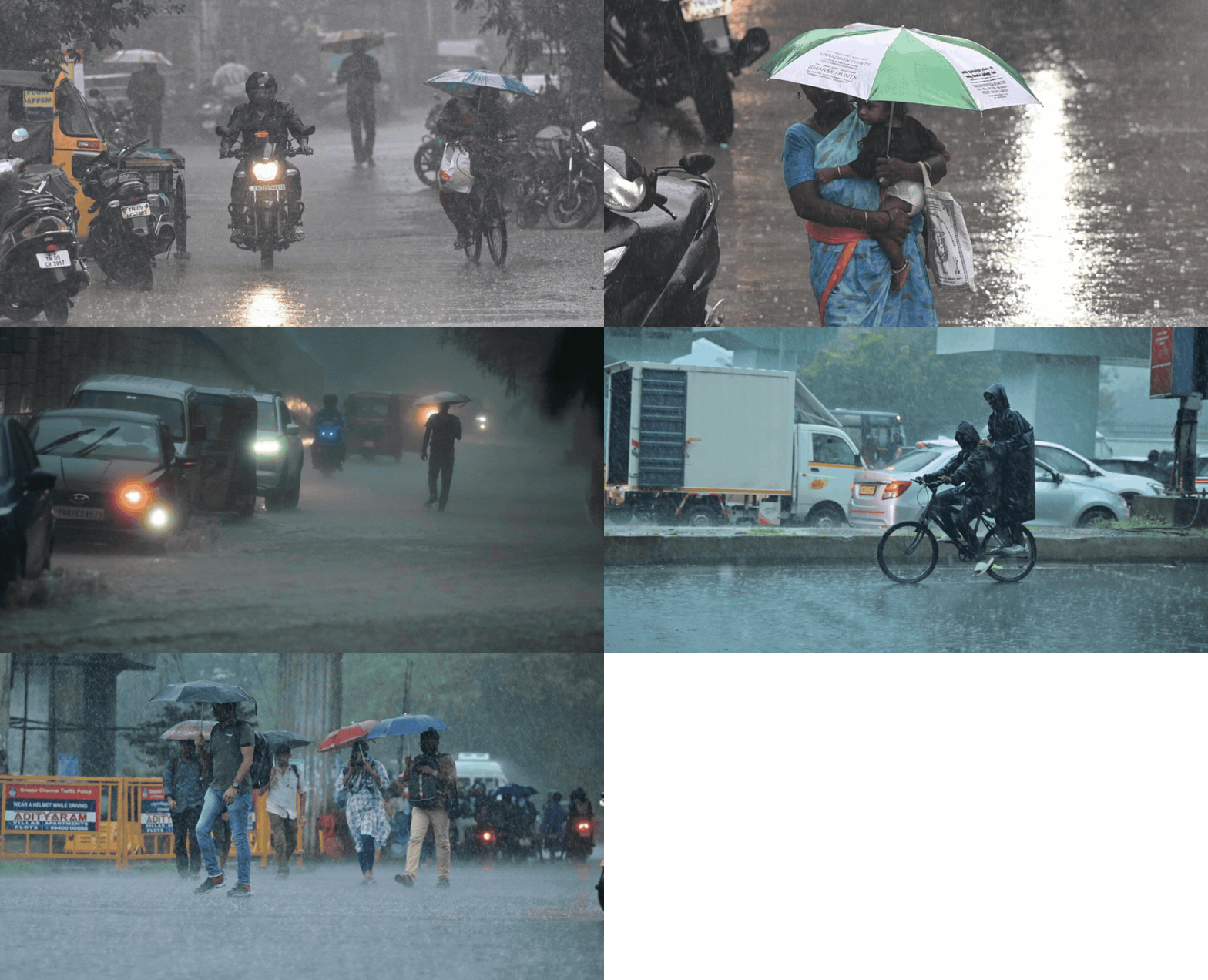
In Madurai, the district administration confirmed school closures due to continuous rainfall since last night. Waterlogging in sensitive pockets and disruption of transport were among the reasons cited. The announcement came from District Collector Praveenkumar, who emphasised that preventing inconvenience to students was the priority as conditions remained unpredictable. Also Read: Pakistan paramilitary attack leaves 3 dead and exposes new signs of rising instability

Tamil Nadu rains bring intensified monsoon pattern and renewed focus on local safety measuresChennai Weather: IMD issues orange alert for heavy rains in Tamil Nadu's capital city, Vellore, other districts | Today News

Field reports from several zones noted stagnant water in interior streets and slower movement on district roads. Local bodies were directed to clear blockages, monitor drainage points and stay prepared for further rain bands expected through the day.

Tamil Nadu rains highlight the need for faster coordination as southern districts stay on alert

With monsoon winds holding strong, authorities are preparing for more rainfall in the coming hours. Emergency units and district administrations remain on standby to prevent escalation and maintain essential services through the wet spell.


View this post on Instagram


A post shared by SathiyamTv (@sathiyamnews)

Conclusion

The Tamil Nadu rains have pushed several districts to enforce early precautions, prioritising school safety and readiness measures. With forecasts showing continued activity, officials remain focused on response, monitoring and minimising disruption for residents.
Dharmendra Death: Heartbreaking Loss for Indian Cinema Legacy

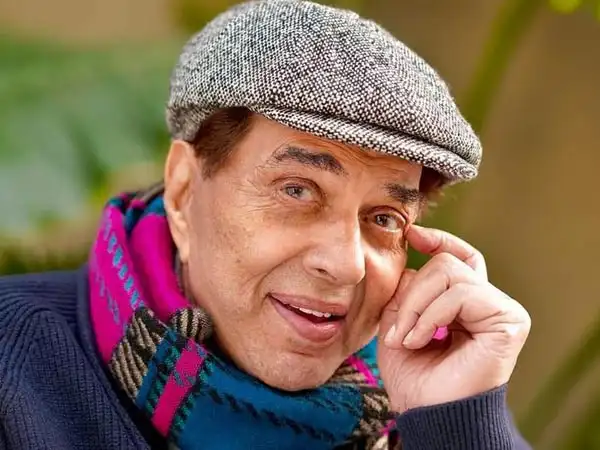
Mumbai – The Dharmendra death on Monday at the age of 89 has sent shockwaves through the Indian film industry and left millions of fans across the world in mourning. The veteran Bollywood star, whose career spanned an impressive six decades, passed away, marking what Prime Minister Narendra Modi described as “the end of an era in Indian cinema.” The legendary actor’s contribution to Indian cinema remains unparalleled, with his charismatic presence and versatile performances leaving an indelible mark on multiple generations of moviegoers.

The Dharmendra death announcement came as a devastating blow to the entertainment industry, which had been hoping for the actor’s recovery after he was recently discharged from the hospital. His wife, veteran actress Hema Malini, and daughter Esha Deol were spotted by media personnel on Monday afternoon outside a crematorium in Mumbai, where the family gathered to bid farewell to the beloved actor.

Prime Minister Modi’s Heartfelt Tribute

Prime Minister Narendra Modi took to X (formerly Twitter) to condole the Dharmendra death, expressing the nation’s collective grief. In his emotional tribute, Modi wrote: “The passing of Dharmendra Ji marks the end of an era in Indian cinema. He was an iconic film personality, a phenomenal actor who brought charm and depth to every role he played. The manner in which he played diverse roles struck a chord with countless people.”

The Prime Minister’s message following the Dharmendra death further highlighted the actor’s personal qualities that endeared him to millions. “Dharmendra Ji was equally admired for his simplicity, humility and warmth. In this sad hour, my thoughts are with his family, friends and innumerable fans. Om Shanti,” Modi added, capturing the sentiment of a nation in mourning.

Recent Health Challenges

The Dharmendra death occurred just two weeks after the family brought him back home from the hospital, where he had been admitted due to ill health. The actor had been battling health issues in recent times, and his family had been by his side throughout his medical treatment. The hospitalization had raised concerns among fans and well-wishers across the country, who had been praying for his speedy recovery.

Also Read: Steve Harrington and 3 Subtle Moves Showing Joe Keery’s Support for LGBTQ+ Youth

Despite the recent health setbacks, the Dharmendra death still came as a shock to many who had hoped the veteran actor would overcome his health challenges. His resilience and fighting spirit had been evident throughout his life, both on and off the screen, making his passing all the more poignant for those who admired him.

A Stellar Career Spanning Six Decades

The Dharmendra death brings to a close one of the most remarkable careers in Indian cinema history. The veteran actor had a stellar career spread across six decades, during which he played everything from action heroes to romantic leads, and even veteran statesmen in his later years. His versatility as an actor was unmatched, and he successfully transitioned through different phases of cinema while maintaining his star power and audience appeal.

Dharmendra began his cinematic journey with the film “Dil Bhi Tera Hum Bhi Tere” in 1960 at the age of 24. However, he shot to fame in 1965 with the critically acclaimed film “Haqeeqat,” which established him as a force to be reckoned with in Bollywood. From that point forward, there was no looking back for the actor who would go on to become known as Bollywood’s “He Man.”

The ‘He Man’ Legacy

The Dharmendra death marks the end of an era when Bollywood had larger-than-life heroes who combined action prowess with romantic appeal. Known affectionately as the “He Man” of Bollywood, Dharmendra created a unique niche for himself in the industry. His rugged good looks, combined with his natural acting ability, made him one of the most bankable stars of his generation.

Throughout his career, Dharmendra delivered numerous blockbuster films that remain classics of Indian cinema. His ability to portray diverse characters with equal conviction—whether playing an action hero, a romantic lead, or a character actor in his later years—demonstrated his exceptional range as a performer. The Dharmendra death leaves behind a filmography that will continue to inspire and entertain generations to come.

Final Journey and Last Rites

Following the Dharmendra death announcement, arrangements were made for the actor’s final journey. The last rites were scheduled to be held at the Pawan Hans crematorium in Mumbai, where family members, friends, colleagues from the film industry, and countless fans gathered to pay their final respects to the legendary actor.

The crematorium witnessed an outpouring of grief as people from all walks of life came to bid farewell to the man who had entertained them for decades. The presence of Hema Malini and Esha Deol outside the crematorium highlighted the family’s grief during this difficult time.

An Irreplaceable Loss

The Dharmendra death represents an irreplaceable loss for Indian cinema. His contributions went beyond mere entertainment; he helped shape the very fabric of Bollywood during its most transformative years. His simplicity, humility, and warmth—qualities that Prime Minister Modi emphasized in his condolence message—made him not just a great actor but also a beloved human being.

As the nation comes to terms with this tremendous loss, Dharmendra’s legacy lives on through his extensive body of work, his family who continue in the film industry, and the countless memories he created for audiences worldwide.

Tejas crash at Dubai show draws strong reaction as US pilot questions event’s response in 2025

Tejas crash prompts global aviator grief and raises concern over Dubai show handling

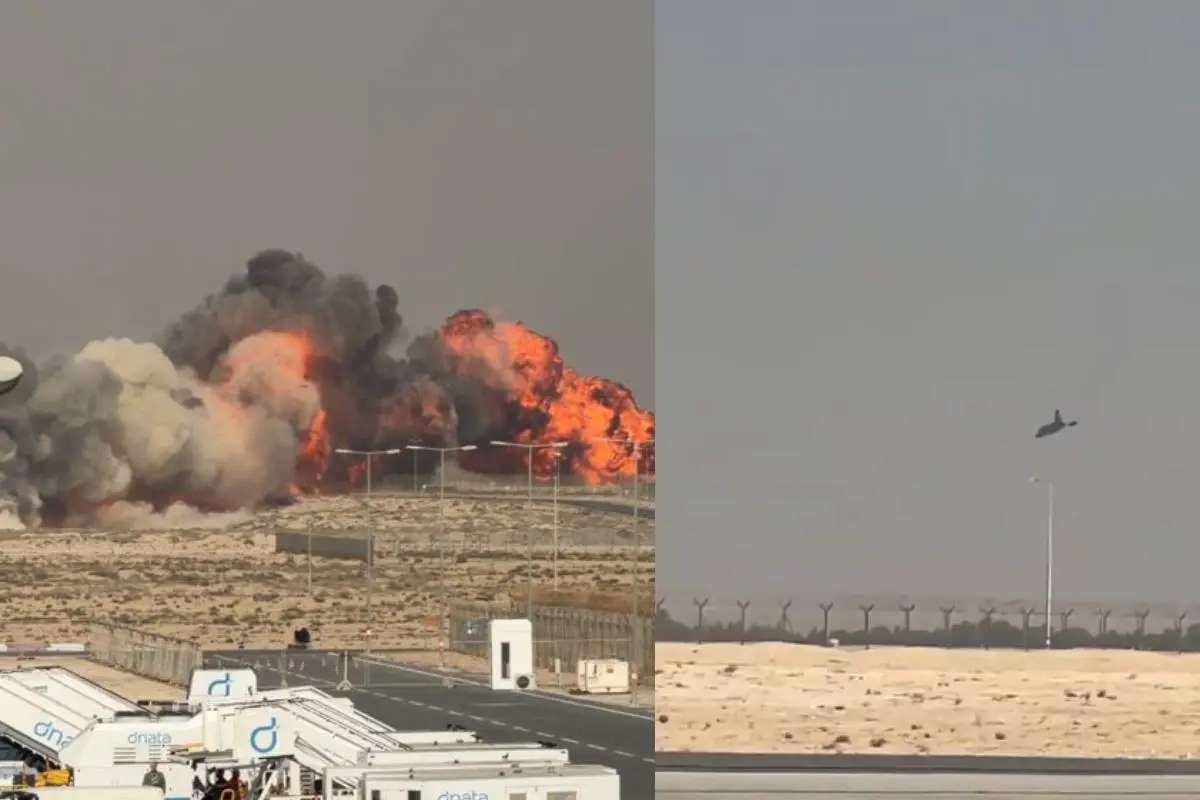
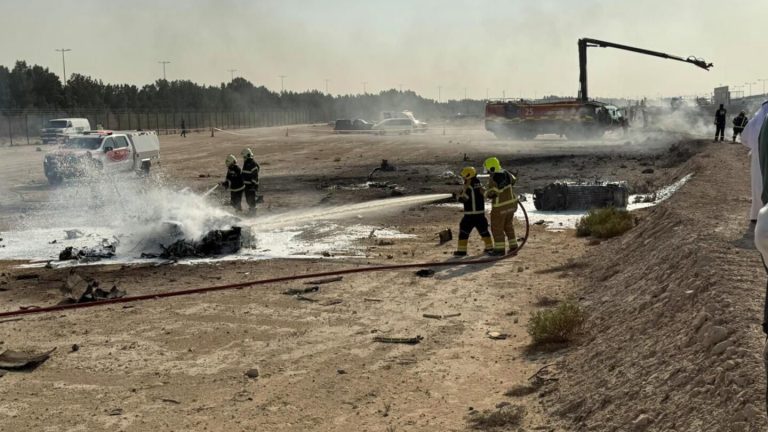
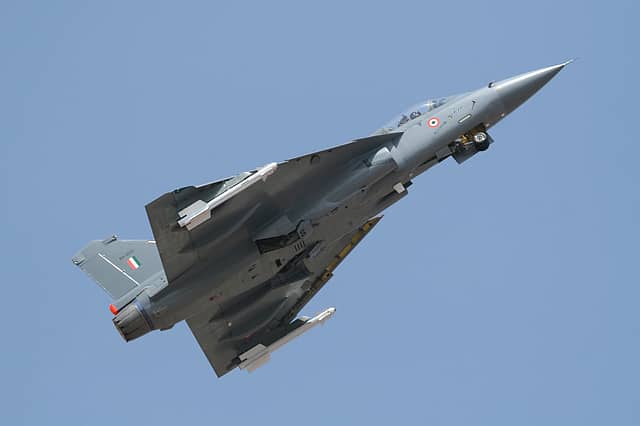
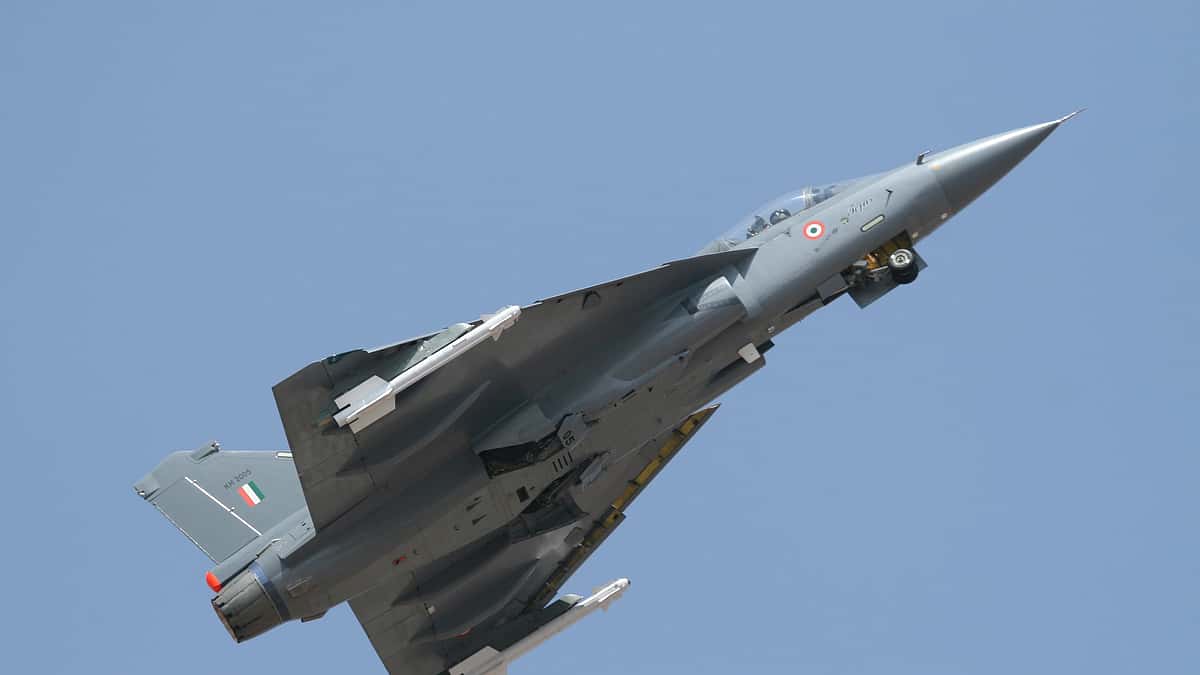
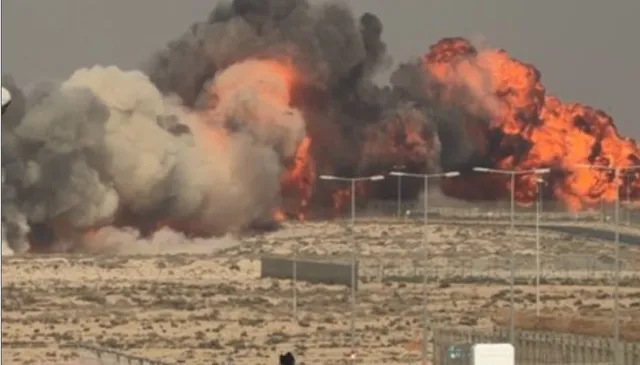
Tejas crash at the Dubai Air Show turned the aero event into a moment of shock after the Indian Air Force fighter jet went down during a negative-G manoeuvre, killing Wing Commander Namansh Syal. The incident halted the excitement of the biennial show and left crews across countries stunned. Soon after, a post from US F-16 demonstration pilot Taylor “FEMA” Hiester gave a direct and emotional look at how the tragedy affected those preparing for their own displays.

tejas crash| fighter jet video dubai air show 2025 | tejas crash video | india uae newsHiester, who serves with a US Air Force demonstration team, was readying for his scheduled routine when the crash unfolded. His account described a silent ramp, with Tejas crew standing motionless near an empty parking spot where the aircraft should have been. He said the pilot’s belongings were still untouched in his rental car, a detail that captured the suddenness of the loss and the quiet disbelief among the personnel.

His team made the uncommon decision to cancel their final performance out of respect for the fallen pilot. In the high-pressure world of air shows, where schedules, sponsors and public expectations drive every hour, withdrawing is rare. But Hiester said it felt necessary, both for the crew and for what the moment represented.

Tejas crash reaction from US pilot highlights conflict between grief and show routine

Hiester wrote that as the day continued, the air show resumed with upbeat announcements and closing remarks that felt disconnected from the mood on the tarmac. He noted how music played loudly and crowds cheered, even as the Tejas team was dealing with the immediate aftermath of losing a colleague. The contrast, he said, felt uncomfortable and out of place.Tejas Fighter Jet Crashes At Dubai Air Show

He imagined how it would feel for his own team to begin packing equipment while such noise and celebration continued around them. This contrast, he explained, became a harsh reminder of how quickly events move on, even when individuals are processing difficult moments.

The US pilot reflected that this experience reinforced something deeper: the value of the people who stand beside a pilot long before and long after any performance. He said that beyond the attention, the travel and the show atmosphere, what matters most are the teammates who become like family.

Tejas crash brings renewed focus on the connection shared among global aviators

HAL Tejas crash: What is Negative G manoeuvre that led to crash at Dubai Air Show, killing pilot | Today NewsHis message resonated across aviation groups and forums, where tributes for Wing Commander Syal continued to appear. Many pointed out that pilots across nations share a bond shaped by training, risk and trust. Hiester, who has over 1,500 hours on the F-16, became an example of how that bond extends far beyond national boundaries. Also Read: Pakistan paramilitary attack leaves 3 dead and exposes new signs of rising instability
Tejas crash also raises questions over how major air shows handle sudden tragedies

A number of pilots and veterans commented that large events often struggle to balance schedules with unexpected emergencies. While investigations proceed, the main focus remains on understanding the cause of the manoeuvre failure and ensuring safety for future demonstrations.


View this post on Instagram


A post shared by THE LEGION CLUB (@thelegionclubb)

Conclusion

The Tejas crash not only took a life but also exposed the quiet emotional weight carried by aviators worldwide. Hiester’s account added a human view to a technical tragedy, reminding the aviation community of the respect and solidarity that cut across borders.

Pakistan paramilitary attack leaves 3 dead and exposes new signs of rising instability

Pakistan paramilitary headquarters strike raises concern after coordinated assault

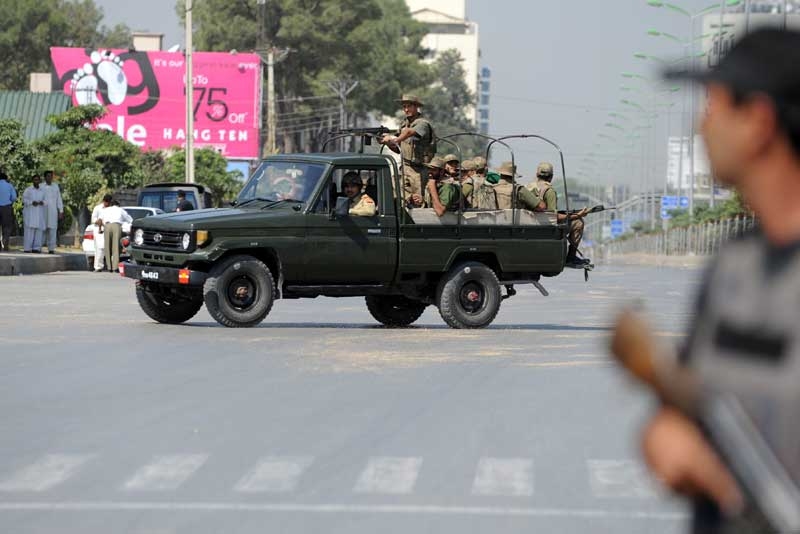
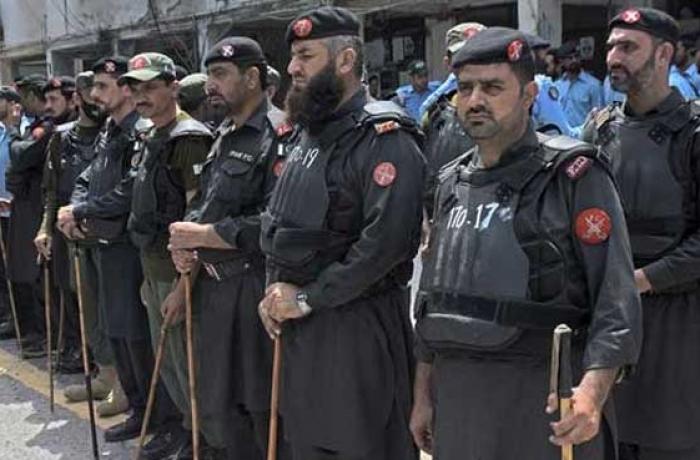
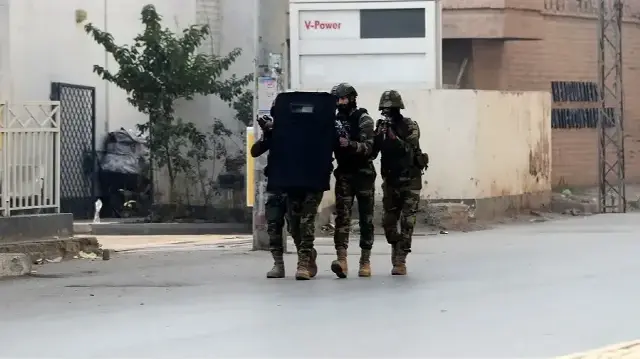
Pakistan paramilitary headquarters in Peshawar faced a deadly assault that left three people dead and triggered heavy security deployment across the area. The attack took place in a busy zone near the military cantonment, where militants targeted the Frontier Corps base with a combination of blasts and gunfire. Security forces reacted immediately, sealing the area and beginning clearance operations.Deciphering the Attack on Pakistan's Army Headquarters | Asia Society

Initial reports indicated that a suicide bomber detonated explosives at the entrance of the compound, followed by armed attackers attempting to gain entry. Two militants were killed in the exchange, and security teams moved in to prevent further escalation. Local officials confirmed that several explosions were heard before the firing began, signalling a planned and coordinated operation rather than a lone-wolf strike.

The attack occurred during the morning drill hours, when a large number of personnel were gathered in the open ground inside the headquarters. This timing increased the vulnerability of the site and shows that the militants had precise knowledge of the daily routine. Authorities stated that the building and surrounding area were immediately cordoned off to stop additional threats.

Pakistan paramilitary base hit during peak hours, pointing to deeper planning

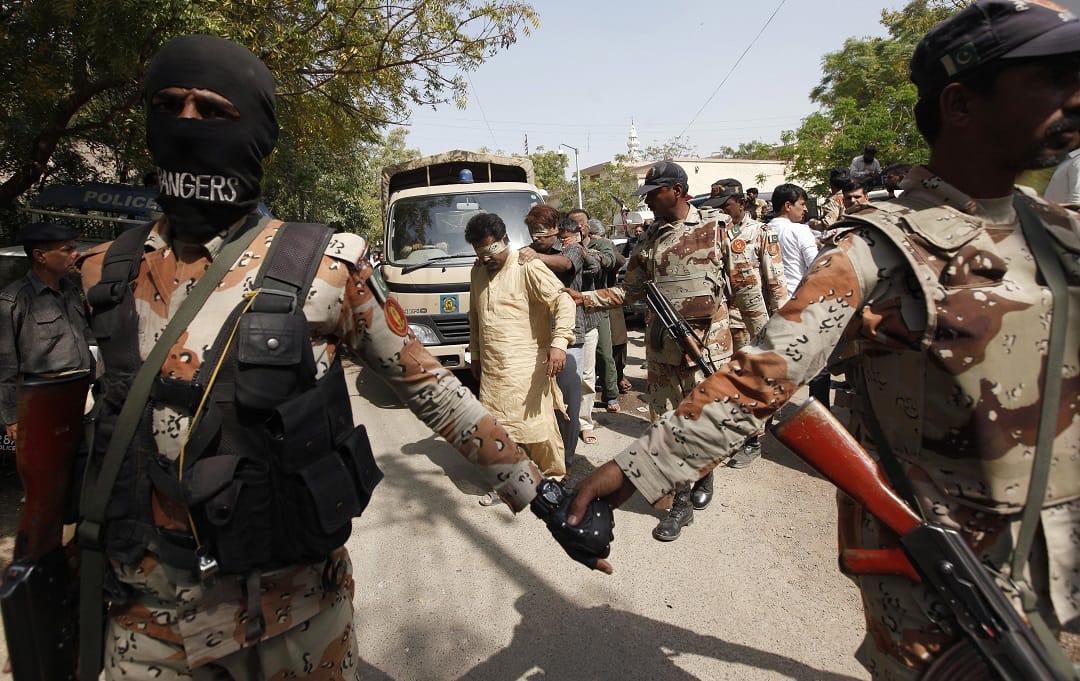
A faction of the banned Tehreek-i-Taliban Pakistan, Jamatul Ahrar, claimed responsibility for the assault. The group has carried out multiple high-impact attacks in the past, often targeting security installations in urban zones. According to official sources, the first bomber struck the main gate, clearing the way for another attacker who attempted to enter the compound. The sequence matched tactics used in earlier militant operations in the region.Pakistan: Stoking the Fire in Karachi | International Crisis Group

Eyewitness accounts suggested that chaos spread quickly through the area as sirens, gunfire, and smoke filled the surroundings. Social media updates from residents reported two major blasts before security forces began counter-measures. Local police confirmed that personnel were already assembled for routine training activities when the attack unfolded, making evacuation difficult.

The Frontier Corps headquarters is located in a densely populated belt of Peshawar, increasing both civilian risk and operational challenges for responding units. Because the location is close to key defence facilities, the strike is seen as a symbolic message aimed at undermining the state’s sense of control in an already tense environment.

Pakistan paramilitary strike adds pressure to security agencies amid rising militant activity

Authorities said the immediate priority was securing the perimeter and ensuring no additional explosives were planted. Investigators believe the attack was designed to test the response time and readiness of security forces. The choice of location and timing suggests a deliberate attempt to exploit gaps during high-density gatherings.PAKISTAN The government's new paramilitary force raises fears about political repression

The incident adds to a series of recent security challenges across Pakistan’s northwest, where militant groups continue to operate through splinter cells. Analysts note that despite large-scale operations in the past, pockets of extremist networks still remain active and capable of coordinated strikes. Also Read: Ramaphosa Modi Meeting: Delightful Exchange at G20 Summit in Johannesburg

Pakistan paramilitary assault signals renewed aggression from TTP-linked groups

Security officials are expected to review protocols around major military and paramilitary bases following the strike. The presence of multiple attackers, use of explosives, and focus on a central headquarters indicates more than isolated violence. It points to a renewed pattern of coordinated attacks aimed at weakening state confidence.


View this post on Instagram


A post shared by The Tatva (@thetatvaindia)

Conclusion

The Pakistan paramilitary headquarters attack marks another severe blow to Peshawar’s security environment. While the situation has been contained, the event highlights persistent militant threats and the need for tighter protection around critical installations.

At Dubai Air Show and 5 Market Signals Driving HAL’s Sudden Share Price Fall

At Dubai Air Show Crash Adds Pressure on HAL as Investors React Quickly

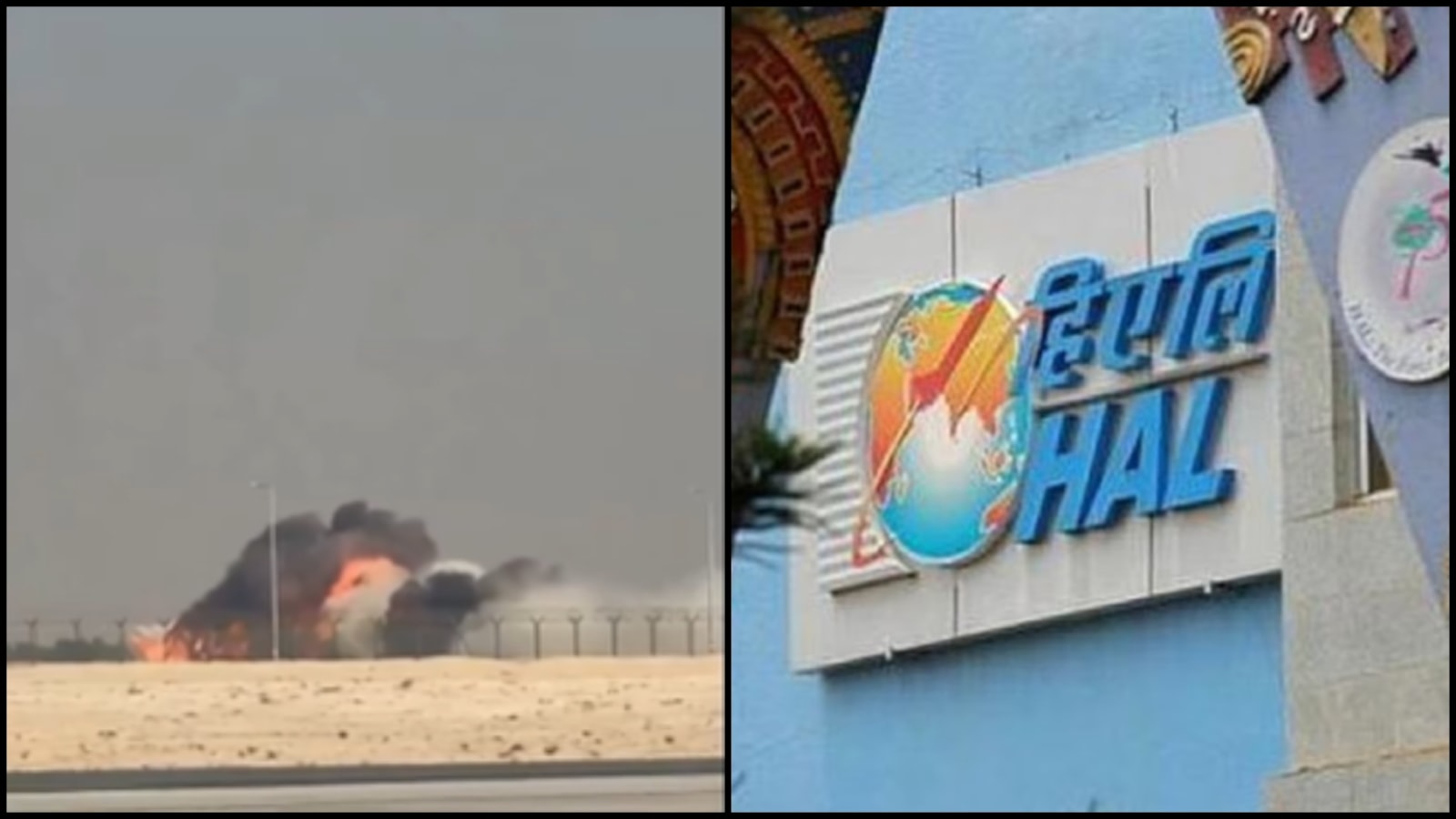
At Dubai Air Show, the Tejas fighter jet crash created immediate shock in the defence sector, leading to a sharp fall in Hindustan Aeronautics Limited (HAL) shares. The stock opened weak and slipped heavily in early trade as investors responded to the unexpected incident. The fall reflects short-term sentiment rather than a change in the company’s long-term strength, but the market rarely waits for detailed clarity before pricing in risk.HAL Share Price Tumbles After Tejas Crash At Dubai Air Show — CLSA Says Its A Buying Opportunity

The crash involved a Tejas aircraft performing a low-altitude demonstration, resulting in the loss of pilot Wing Commander Namansh Syal. The Indian Air Force set up a Court of Inquiry to determine the technical cause. HAL clarified that the incident had no effect on its business continuity, financial position, or upcoming deliveries. The company stated that it would fully support the investigation and share updates as required.

Despite this assurance, the stock saw volatility because defence aviation carries reputational risks. Investors typically react strongly to high-profile crashes, especially during public demonstrations. The sudden fall was amplified by the fact that HAL had been trading at elevated valuations, where expectations of flawless execution were already priced in.

At Dubai Air Show Incident Triggers Short-Term Pressure but Analysts See Stable Core Strength

Market analysts believe the crash does not indicate any structural problem within the Tejas programme. Defence aviation globally has experienced similar incidents, even among top aircraft such as the F-35. Experts pointed out that India’s indigenous fighter jet continues to maintain a low accident ratio compared to many modern platforms.HAL Share Price Tumbles After Tejas Crash At Dubai Air Show — CLSA Says Its A Buying Opportunity

However, when valuation multiples are high, even a single event can act as a trigger for profit-booking. HAL recently secured one of its largest orders 97 additional Tejas units along with continued demand for helicopters, engines, and support systems. The order book now stands at more than seven times its FY25 revenue, giving the company a long revenue runway.

Still, because expectations were already stretched, the crash pushed investors to reassess near-term risk. Analysts noted that the fall is sentiment-driven rather than fundamental. The broader defence push in India remains intact, and HAL continues to play a central role in long-term capability building.

At Dubai Air Show Crash Brings Extra Scrutiny as HAL Navigates High Valuations

The government confirmed that earlier concerns regarding oil leakage were unrelated. Even with that clarification, the visibility of the accident means HAL will face additional technical scrutiny in the coming weeks. The company’s performance continues to be judged against high expectations due to its large order pipeline and its importance in India’s defence manufacturing plans.HAL shares drop up to 9% after Tejas fighter jet crashes in Dubai: Here's what analysts say

Brokerages maintain that incidents like this, while unfortunate, fall within the operational risk boundary of military aviation. For investors, the immediate concern is sentiment rather than performance. Large institutional participants may wait for the inquiry results before making major moves, while short-term traders react faster to news events.

At Dubai Air Show Event Doesn’t Change Long-Term Outlook but Raises Short-Term Uncertainty

Choice Broking and other research firms have maintained their positive long-term view. They believe HAL’s execution capability, visibility in orders, and strategic relevance remain strong. The firm continued its Buy rating with a target of ₹5,570, valuing the stock on forward earnings estimates. According to analysts, the long-term defence growth cycle is intact and HAL remains one of its key beneficiaries.


View this post on Instagram


A post shared by Viral Bhayani (@viralbhayani)

Recent performance shows mixed momentum. HAL shares have fallen around 7% in one month and nearly 10% in six months. However, the stock has still posted 8% gains over the last year and has delivered over 1,000% returns in five years, making it one of the strongest multibagger names in India’s defence sector. Also Read: Ramaphosa Modi Meeting: Delightful Exchange at G20 Summit in Johannesburg

Conclusion

The At Dubai Air Show crash created short-term pressure, but the long-term outlook for HAL remains stable. Market volatility is expected until more clarity emerges from the investigation.

Most Polluted Capital and 4 Urgent Alarming Signals as Delhi Faces Severe Smog Again

0

Most Polluted Capital Delhi Struggles Through Another Season of Hazardous Air

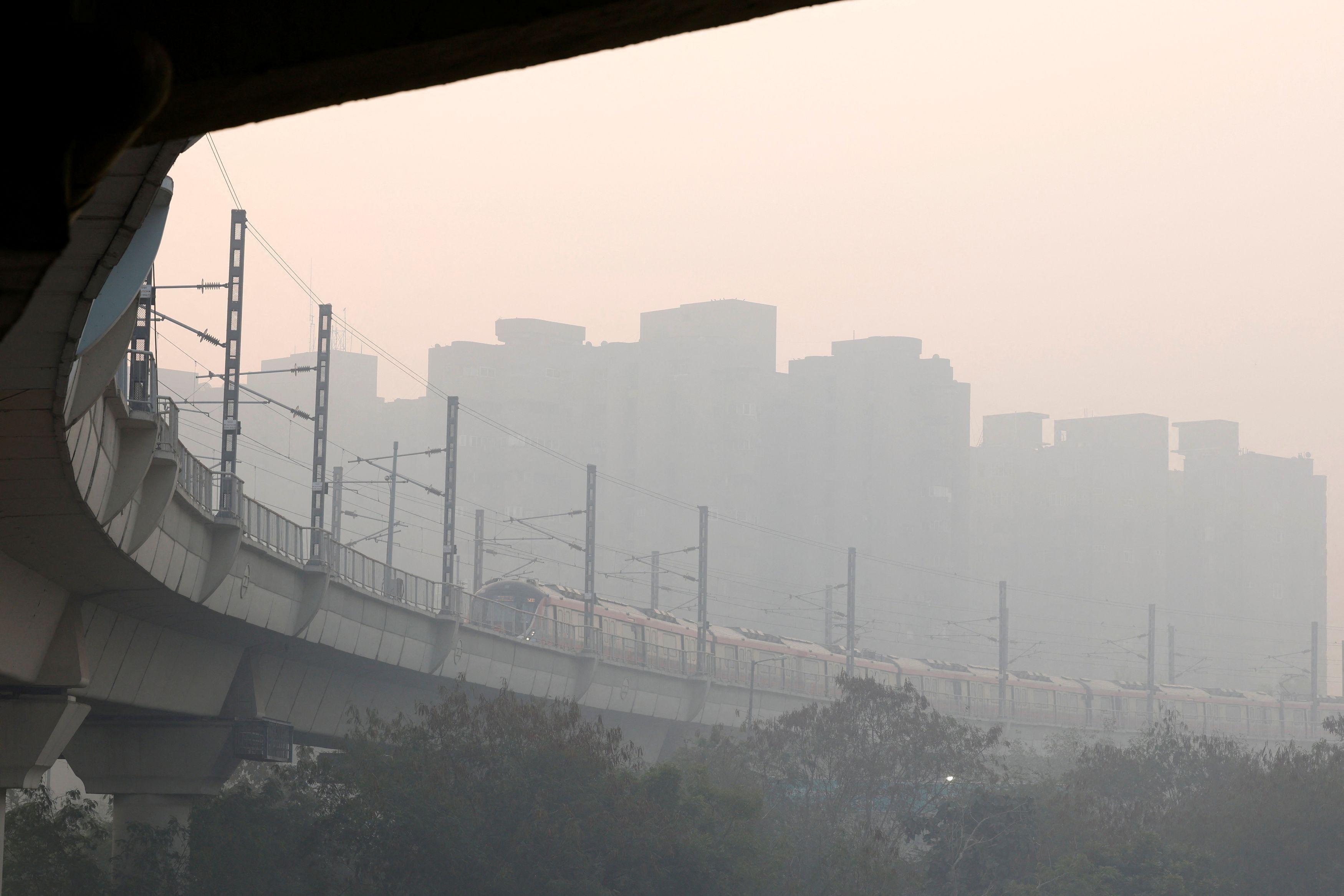
Most polluted capital Delhi is once again covered in thick toxic air as winter arrives, bringing back the familiar combination of smoke, dust, and trapped pollutants. The smog has turned the city’s atmosphere darker and heavier, affecting the breathing of millions. What used to feel seasonal has now become a constant threat, with residents increasingly vocal about the absence of strong action.

Most Polluted CapitalPollution has been part of Delhi’s reality for decades. Even historic monuments like the Red Fort are slowly changing colour, with black crusts forming due to high levels of carbon and heavy metals in the air. For many citizens, this represents not just environmental decay but a failure of governance. People have taken to the streets demanding accountability and immediate solutions. Protesters holding masks and nebulizers underline the severity of the crisis.

Every year, air quality worsens when cooler temperatures trap emissions from vehicles, construction work, fireworks, and crop burning. While the city has had plans since the 1990s, repeated attempts have not eased the situation. Delhi continues to top global air-pollution charts, with readings frequently reaching hazardous levels.

Most Polluted Capital Attempts Experimental Fixes but Sees Little Improvement

The government’s recent decision to attempt cloud seeding sparked attention but delivered no relief. Small aircraft released silver iodide and sodium chloride into the clouds with the aim of inducing rain. However, experts had already warned that the moisture levels were too low for the technique to work. With only around 15% humidity on the test days, the attempts were unsuccessful.

Delhi AQI misses 'severe' mark by 1 point; air quality improves after 3 days of alarming pollution level | Today NewsCloud seeding has been used in India before in other regions, but not for pollution control. Even if it had worked, scientists argue it would have provided only temporary relief. The IIT Kanpur team involved confirmed that the project failed due to unsuitable atmospheric conditions. Further trials were postponed because the winter months rarely offer the moisture needed for the process.

Meanwhile, the government stated it has installed anti-smog guns, increased dust-control measures, and monitored construction activity. But officials also conceded that long-term damage cannot be reversed quickly. Critics argue that these steps do not address the underlying contributors such as emissions, industrial growth, and seasonal burning.

Most Polluted Capital Faces Severe Health Risks for Children and Vulnerable Groups

Doctors in the city are reporting increasing respiratory issues, especially among children. Pediatricians warn that young lungs cannot handle prolonged exposure to toxins. Some children cannot even use masks due to age restrictions. Many families are forced to send kids to school despite the worsening air. Health professionals describe the situation as a direct threat to the long-term wellbeing of the population.Delhi experiences 500 AQI; Schools Shut Down As GRAP Stage 4 Imposed In Capital City

Residents are also struggling with cough, breathlessness, eye irritation, and fatigue. For people with asthma, heart conditions, or weakened immunity, the impact is even harsher. The city continues to operate under an environment that experts classify as unsafe for human health, yet daily life goes on with limited protection.

Most Polluted Capital Shows Visible Environmental Damage Across LandmarksSchools in Indian capital shut indefinitely as smog worsens | Environment News | Al Jazeera

The effects of pollution are not limited to health. Delhi’s built heritage is deteriorating as pollutants cling to stone surfaces. The Red Fort’s once red sandstone walls now show signs of blackening, indicating the presence of carbon and metal residues from the air. Environmental researchers consider this a warning sign of long-term atmospheric toxicity.


View this post on Instagram


A post shared by The Informly (@theinformly)

The discolouration reflects not just environmental stress but also the scale of pollution that cities like Delhi face during winter. The impact on cultural landmarks underlines how deeply the problem is embedded in daily life. The worsening condition of monuments has become symbolic of the larger crisis. Also Read: Ramaphosa Modi Meeting: Delightful Exchange at G20 Summit in Johannesburg

Conclusion

The most polluted capital continues to face a growing public-health and environmental emergency. Temporary measures and experimental fixes offer little relief, while daily life becomes harder for residents. Without strong, sustained action, the gap between political promises and lived reality will only widen.

Chief Justice of India and 5 Key Developments Marking Justice Surya Kant’s Rise

Chief Justice of India Justice Surya Kant Begins His Tenure After Swearing-In Ceremony

Chief Justice of India Justice Surya Kant officially took charge after being sworn in by the President at Rashtrapati Bhavan. He begins his term with a tenure that runs until February 2027, giving him a little over a year in office. His oath was administered in Hindi, marking the ceremonial start of his responsibilities as the head of the judiciary and the guardian of the Constitution.Chief Justice of India

Justice Kant’s elevation follows decades of legal experience shaped across district courts, High Courts, and the Supreme Court. His appointment to the apex court in 2019 placed him at the centre of several major decisions, and his role now expands to steering the functioning of the entire judicial system. His career path reflects gradual progression through merit, responsibility, and consistent involvement in major national matters.

Chief Justice of India and the Long Judicial Journey of Justice Surya Kant

Justice Surya Kant was born in Hisar, Haryana, in 1962. He completed his education locally and earned his law degree from Maharishi Dayanand University in 1984. Beginning his practice at the Hisar district court, he later moved to Chandigarh, where he built a substantial legal presence in the Punjab and Haryana High Court.Justice Surya Kant's tenure begins amid reform imperatives

His rise was steady and marked by significant milestones. He became the youngest Advocate General of Haryana in 2000 and was designated a senior advocate the following year. His appointment as a High Court Judge came in January 2004, and by 2018, he was elevated as the Chief Justice of the Himachal Pradesh High Court. His career eventually brought him to the Supreme Court, where he was appointed in May 2019, leading to his present role as the 53rd CJI.

Chief Justice of India and His Role in Major Constitutional Decisions

Justice Kant has been involved in several important rulings during his time in the Supreme Court. He was part of the Bench that upheld the abrogation of Article 370, a decision that reshaped the constitutional status of Jammu and Kashmir. He also played a role in the verdict declaring the electoral bonds scheme unconstitutional, a judgment that had major implications for political funding transparency.New Role: Justice Surya Kant to Take Oath as 53rd Chief Justice of India Today

His participation in cases concerning the Pegasus spyware issue and the suspension of the sedition law showed his engagement with matters linked to privacy, civil liberties, and the limits of state power. These decisions positioned him as a Judge closely associated with some of the most sensitive and impactful legal developments in recent years. Also Read: Ramaphosa Modi Meeting: Delightful Exchange at G20 Summit in Johannesburg

Chief Justice of India Set to Lead the Judiciary Through a Limited but Crucial Term

With a tenure of just over a year, Justice Kant steps into a period where judicial efficiency, constitutional clarity, and backlog management remain major expectations. His experience across multiple courts and his involvement in prominent cases give him a platform to guide ongoing legal discussions. His time as CJI, though brief, comes at a point where stability and consistency are essential in the judicial system’s functioning.


View this post on Instagram


A post shared by truth. (@thetruth.india)

Conclusion

The Chief Justice of India, Justice Surya Kant, begins his leadership at a significant moment for the judiciary. His long legal journey, combined with his involvement in landmark rulings, sets the tone for a focused and steady tenure.

Delhi AQI: Alarming Surge Toward Severe Pollution Levels

0

New Delhi – Delhi continues to struggle with hazardous air quality as the Delhi AQI stayed dangerously close to the ‘severe’ threshold on Sunday, with forecasters predicting no improvement in the coming days. Low wind speeds and dipping temperatures have created a perfect storm for pollutant accumulation, leaving residents trapped in a cycle of toxic air that shows no signs of abating. The Capital’s air quality has become a major public health emergency, affecting millions of residents daily.

On Sunday at 4pm, the city’s 24-hour average Delhi AQI stood at 391—firmly in the ‘very poor’ category. This represents a concerning upward trend, as the reading was 370 at the same time on Saturday and 364 on Friday, according to data from the Central Pollution Control Board. The steady increase demonstrates how meteorological conditions are conspiring to worsen an already dire situation.

Eighteen Days of Continuous Poor Air Quality

The Delhi AQI has remained in the ‘very poor’ category for 18 near continuous days since November 6, creating an extended period of hazardous breathing conditions for the city’s residents. During this period, the capital experienced three ‘severe’ air days between November 11 and 13, when pollution levels reached their most dangerous threshold. Perhaps most alarmingly, Delhi has not recorded any ‘good’ air days in two years, highlighting the chronic nature of the air quality crisis facing the metropolis.

The CPCB classifies air quality across a spectrum: ‘good’ when Delhi AQI is 50 or lower; ‘satisfactory’ between 51 and 100; ‘moderate’ between 101 and 200; ‘poor’ between 201 and 300; ‘very poor’ between 301 and 400; and ‘severe’ when it exceeds 400. With current readings hovering in the high 300s, the capital teeters on the edge of severe pollution.

Public Health Crisis Deepens

The dense haze still lingering over the city continues to impact visibility significantly and has prompted serious health concerns among residents. Medical facilities across Delhi have reported increased cases of respiratory, ocular and pulmonary issues among residents exposed to the toxic air. The prolonged exposure to elevated Delhi AQI levels poses particular risks to vulnerable populations including children, elderly citizens, and those with pre-existing respiratory conditions.

Citizens have begun taking to the streets in protest against the worsening air quality. On Sunday, protesters gathered at India Gate to raise slogans demanding action on the air pollution crisis, demonstrating growing public frustration with the seemingly intractable problem that returns every winter season.

Monitoring Stations Reveal Severe Hotspots

At 4pm on Sunday, CPCB data revealed a troubling picture across Delhi’s monitoring network. Of the capital’s 39 ambient air quality monitoring stations, 19 were recording ‘severe’ Delhi AQI readings with the remaining 20 in ‘very poor’ category. This means nearly half of the city’s monitoring locations had crossed the critical 400 AQI threshold.

Also Read: GRAP 4 Measures: Critical Revision After Supreme Court Approval

The worst impacted area was Wazirpur with a staggering reading of 464, followed by Vivek Vihar at 458 and Rohini at 457. These severely affected zones highlight how certain neighborhoods face even more dangerous conditions than the city’s overall average Delhi AQI suggests, with residents in these areas breathing air far more toxic than health standards permit.

Meteorological Factors Compound Crisis

Calm surface winds and long winter nights are allowing pollutants to accumulate in the atmosphere, preventing the Delhi AQI from improving naturally. According to an India Meteorological Department official, consistent winds over 15-20 km/hr could help disperse accumulated pollutants. However, no significant change in weather conditions is likely in the coming days, meaning natural relief remains elusive.

Wind speeds will remain low during nighttime and early morning hours, possibly picking up to only 5-10 km/hr during the day—insufficient to clear the accumulated pollution. This stagnant air pattern acts like a lid, trapping pollutants close to the ground where they continue to affect public health.

Temperature Drop Adds to Woes

Delhi’s minimum temperature on Sunday was 10.4°C—a degree below normal and lower than Saturday’s 11.8°C. The maximum temperature reached 26.7°C, broadly normal for the season, after touching 27.3°C a day earlier. These cooler temperatures, while typical for November, contribute to the Delhi AQI crisis by creating atmospheric conditions that trap pollutants.

According to IMD forecasts, the minimum temperature is expected to dip further to between 9°C and 11°C on Monday, and to between 8°C and 10°C on Tuesday and Wednesday. The maximum temperature is likely to stay between 24°C and 26°C until Tuesday, possibly falling by another degree on Wednesday.

No Relief on the Horizon

Shallow fog is expected during early morning hours over the next three days, the IMD warned. These conditions may further limit pollutant dispersion and keep the haze across the city intact, suggesting that elevated Delhi AQI readings will persist. The combination of low wind speeds, dropping temperatures, and morning fog creates a meteorological scenario that prevents natural air quality improvement.

As the capital braces for more days of hazardous air, the Delhi AQI crisis underscores the urgent need for both immediate emergency measures and long-term structural solutions to address the recurring pollution emergency that has become an annual public health disaster for millions of residents.

GRAP 4 Measures: Critical Revision After Supreme Court Approval

0

New Delhi – In a significant development for air quality management in the National Capital Region, the Commission for Air Quality Management has formally revised the Graded Response Action Plan schedule, bringing several GRAP 4 measures under Stage 3 implementation. This major revision comes days after the Supreme Court permitted modifications to the pollution control framework, marking a proactive shift in how Delhi-NCR addresses its recurring air quality crisis. The changes aim to implement stricter pollution control measures at earlier stages rather than waiting for air quality to deteriorate to dangerous levels.

The main pollution control watchdog in Delhi-NCR, CAQM, finalized these revisions following apex court orders dated November 21, which observed that the Commission should take proactive actions based on stakeholder consultations for preventing further deterioration of air quality in the region. The revised framework represents a fundamental change in approach, emphasizing preventive action over reactive measures.

Understanding the Revised GRAP Framework

GRAP is a set of pollution-control restrictions that take effect in stages as air quality deteriorates across the National Capital Region. With Delhi already under GRAP Stage III, most pollution curbs have been implemented, but the new revisions mean that GRAP 4 measures will now activate much earlier than previously mandated. This cascading effect ensures that more aggressive interventions begin before air quality reaches critical levels.

The revised system works on a cascading principle: GRAP 4 measures will be implemented when GRAP Stage 3 is enforced (AQI 401-450), Stage 3 measures will be implemented at Stage 2 (AQI 301-400), and Stage 2 advisories will activate at Stage 1 (AQI 201-300). This systematic downward shift means pollution control actions begin at substantially better air quality levels than before.

Supreme Court Hearings Trigger Policy Change

The changes were triggered after crucial hearings in the Supreme Court on November 17 and 19. The court’s November 21 order specifically noted that CAQM should engage in consultations with stakeholders for preventing further air quality deterioration. Following this directive, CAQM held comprehensive consultations with all relevant departments on November 20 before finalizing the framework revisions, ensuring a collaborative approach to pollution management.

Work-From-Home Provisions Under GRAP 4 Measures

One of the most significant GRAP 4 measures now being implemented at Stage 3 is the work-from-home provision. The order states that NCR governments can now take decisions on allowing public, municipal and private offices to work on 50% strength with the remainder working from home. This measure, which previously required air quality to reach Stage 4 levels (AQI above 450), will now activate when AQI remains between 401 and 450.

Also Read: Delhi Class 10 Student Suicide: Shocking CCTV Evidence Reveals Teacher Humiliation

Similarly, the central government may decide to implement work-from-home arrangements for central government employees under GRAP-3, one full stage earlier than the previous framework. This change affects millions of employees across the Delhi-NCR region and represents a major shift in how authorities balance economic activity with public health concerns during pollution episodes.

Educational Implications and Student Safety

While the revised GRAP 4 measures do not include new instructions specifically for whether schools will permit online classes, existing GRAP 3 rules already provide provisions for remote learning. Students up to Class 5 are currently allowed to attend their classes from home under these provisions, protecting young children from exposure to hazardous air quality levels during their commute and outdoor activities.

Staggered Office Timings Implemented Earlier

Another crucial change in the GRAP 4 measures involves staggered office timings for government and municipal bodies. These timings will now begin at an earlier stage than before across Delhi, Gurgaon, Faridabad, Ghaziabad and Gautam Buddha Nagar. This measure, which earlier came under Stage 3 of GRAP, has now been moved to GRAP Stage 2, meaning it will activate when AQI is between 301 and 400 rather than waiting for worse conditions.

Staggered timings help reduce vehicular congestion during peak hours, one of the major contributors to air pollution in the densely populated region. By spreading out commute times, the measure aims to reduce the concentration of vehicle emissions during traditional rush hours.

Immediate Implementation Mandate

The CAQM has emphasized that these changes are effective immediately, leaving no room for delayed compliance. “All agencies responsible for implementation of GRAP are now required to take note of the modifications made in the Schedule of GRAP and implement the same immediately,” the order clearly states. This urgent directive underscores the seriousness with which authorities are approaching the air quality crisis.

Current Air Quality Status

Delhi’s overall AQI stood at 360 in the ‘very poor’ category at 9 am on Saturday, according to the Central Pollution Control Board. The changes, finalized on November 21, bring stricter GRAP 4 measures to earlier stages of the short-term action plan, ensuring more robust responses before air quality reaches emergency levels.

GRAP functions as an emergency response mechanism for the entire NCR, based on average AQI levels and forecasts for meteorological conditions in Delhi. The framework brings together multiple stakeholders, implementing agencies and authorities in NCR to respond to situations of deteriorating air quality in the region, making it a comprehensive collaborative effort to protect public health and environmental quality in one of the world’s most polluted metropolitan areas.

Shocking Voter Threat By Ajit Pawar Sparks Democratic Crisis

Maharashtra – Maharashtra Deputy Chief Minister Ajit Pawar has found himself at the center of a major political controversy after making highly objectionable remarks during campaigning for the Malegaon Nagar Panchayat elections. The Nationalist Congress Party (Sharadchandra Pawar) has issued a strong condemnation of Ajit Pawar’s statements, which party spokesperson Mahesh Tapase characterized as an explicit threat against the democratic rights of the people. The controversy erupted when Ajit Pawar, who holds the state’s Finance portfolio, made statements that directly linked development funding to electoral outcomes.

During his campaign speech, Ajit Pawar shockingly declared to voters that they “have votes, I have funds.” He proceeded to warn that if voters did not back the NCP candidates and “rejected” them, then he would also “reject” development in return. The Deputy Chief Minister promised there would be no shortage of funds if all 18 NCP candidates were elected, creating a clear quid pro quo scenario that has raised serious questions about democratic principles and the misuse of public office.

NCP-SP Condemns Anti-Democratic Statements

Mahesh Tapase, the spokesperson for NCP-SP, issued a scathing response to Ajit Pawar’s remarks, describing them as nothing short of threatening and intimidating the electorate. “The Constitution of India vests the real authority in the people, and any attempt by a powerful public office holder to coerce their franchise is a direct attack on democracy itself,” Tapase stated emphatically.

The NCP-SP spokesperson emphasized that Ajit Pawar’s statements represent a fundamental violation of democratic norms and constitutional principles. By explicitly threatening to withhold development funds based on electoral outcomes, Ajit Pawar has crossed a line that separates legitimate political campaigning from coercion and intimidation of voters, according to the opposition party.

Public Funds: Custodianship vs Ownership

In his strongly worded statement, Tapase reminded Ajit Pawar of the solemn oath he took before assuming office as Finance Minister. The NCP-SP spokesperson stressed that Ajit Pawar must execute his duties faithfully and impartially, without allowing political considerations to influence the distribution of public resources.

“Let us be absolutely clear: Ajit Dada Pawar is merely the custodian of the public exchequer, not its owner. These funds are given from the taxes paid by the common people,” Tapase asserted. He emphasized that public funds must be used for the all-around development of the state and all its citizens, irrespective of whether Ajit Pawar’s chosen candidates win or lose an election.

Tapase further argued that explicitly linking development aid to electoral success constitutes a corrupt practice and represents a gross misuse of the power entrusted to Ajit Pawar as Finance Minister. The distinction between custodianship and ownership of public funds lies at the heart of this controversy, with the NCP-SP accusing Ajit Pawar of treating state resources as personal political tools.

Demands for Election Commission Intervention

The NCP-SP has demanded immediate and stringent action from the Election Commission of India. Tapase questioned how long the Election Commission can remain a silent spectator while a prominent state leader like Ajit Pawar openly threatens voters and attempts to leverage state resources for political gain.

Also Read: Bihar Congress Workers Protest: Explosive Demonstrations Target Party Leadership After Loss

“The ECI must take immediate action against DCM Ajit Pawar as per the law,” Tapase urged. The party’s demand reflects growing concerns about the enforcement of electoral laws and the need for accountability when senior political leaders make statements that potentially violate democratic norms and election regulations.

The opposition party has also raised questions about the role of Ajit Pawar’s alliance partners in this controversy. Tapase specifically addressed Prime Minister Narendra Modi and the central leadership of the BJP, asking whether they endorse such tactics.

Questions for BJP Leadership

“We must ask Prime Minister Narendra Modi and the central leadership of the BJP: How is this politics of blatant coercion and financial threat tolerated by the alliance you support?” Tapase questioned. He further asked whether the BJP endorses using the state’s Finance Ministry to blackmail voters, putting pressure on Ajit Pawar’s coalition partners to respond to the controversy.

This line of questioning places the spotlight not just on Ajit Pawar individually but on the broader political ecosystem that enables or tolerates such behavior. The NCP-SP’s strategy appears designed to create political pressure from multiple directions, forcing both the Election Commission and coalition partners to take a stand.

Demand for Public Apology

Tapase concluded his statement by demanding that Ajit Pawar immediately and publicly apologize for his highly objectionable and anti-democratic remarks regarding the use of public funds and voter rejection. The NCP-SP insists that such an apology is necessary to restore public confidence in democratic institutions and the proper use of public resources.

“The development of Maharashtra is not conditional upon the whims of one individual. It is the fundamental right of every citizen, paid for by their tax money,” Tapase emphasized. He asserted that Ajit Pawar must apologize for attempting to turn a constitutional responsibility into a political weapon.

The controversy surrounding Ajit Pawar’s statements highlights ongoing tensions in Maharashtra politics and raises fundamental questions about the relationship between electoral politics and the distribution of public resources. As the situation develops, all eyes will be on the Election Commission’s response and whether Ajit Pawar will address the growing criticism of his campaign remarks.