Friday, May 15, 2026
Home Blog Page 321

500 Stray Dogs to Be Bold Relocated Permanently from Sensitive Public Spaces in Kalaburagi

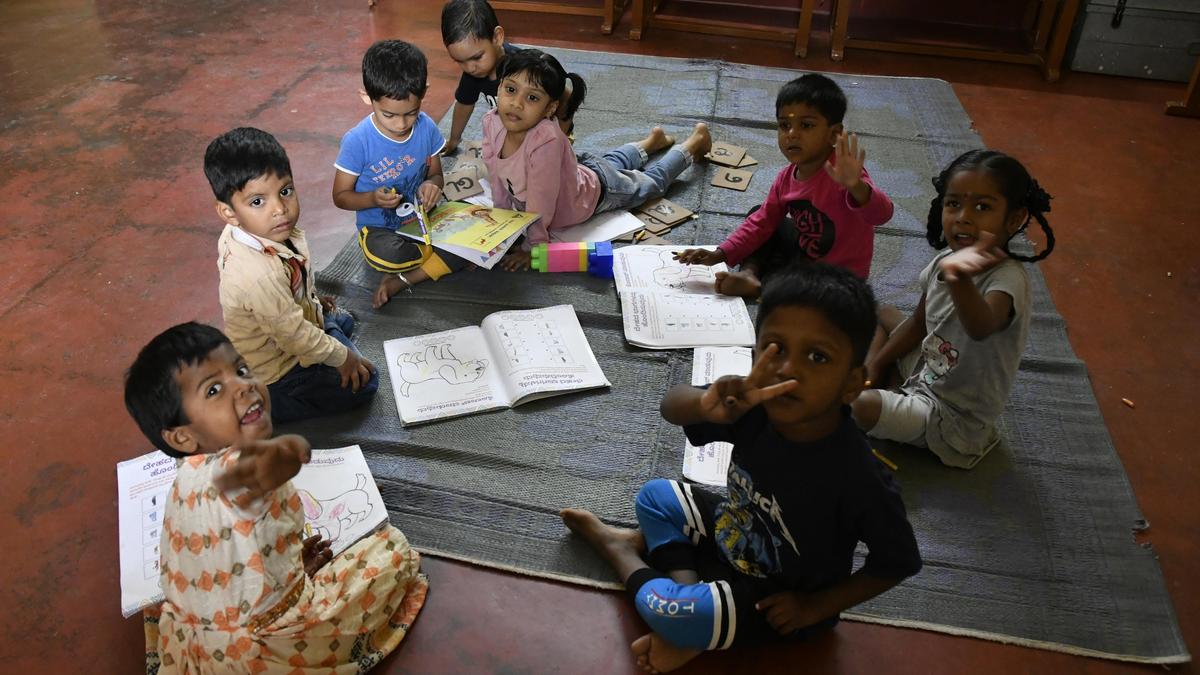
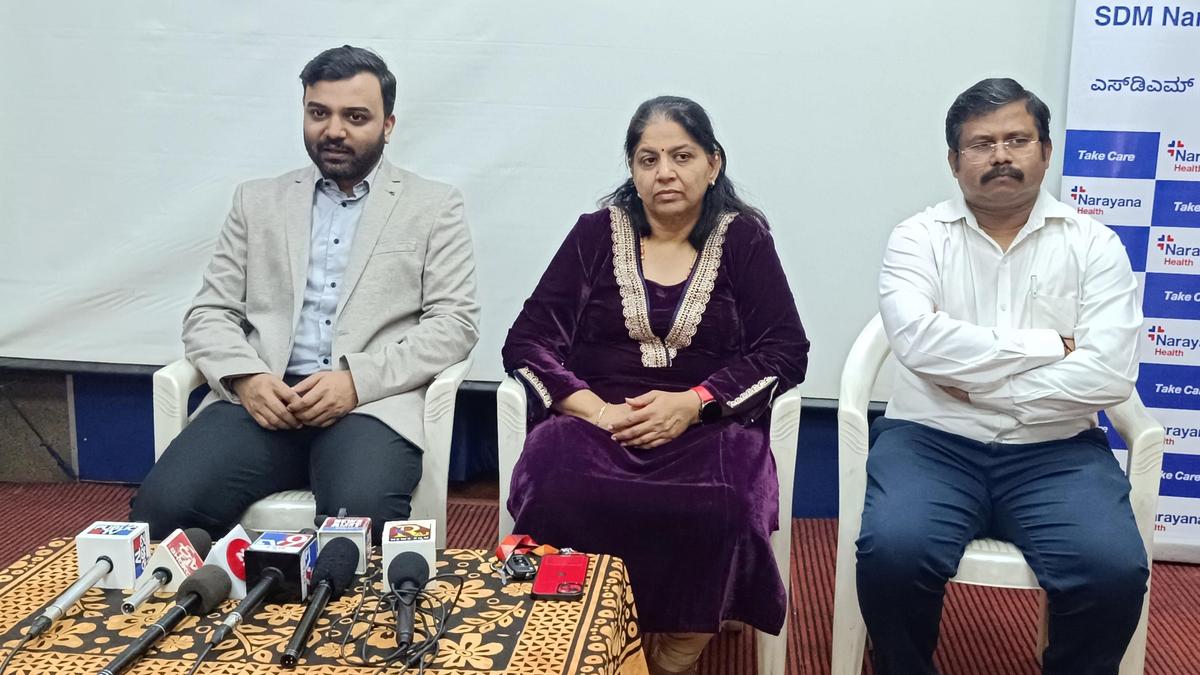
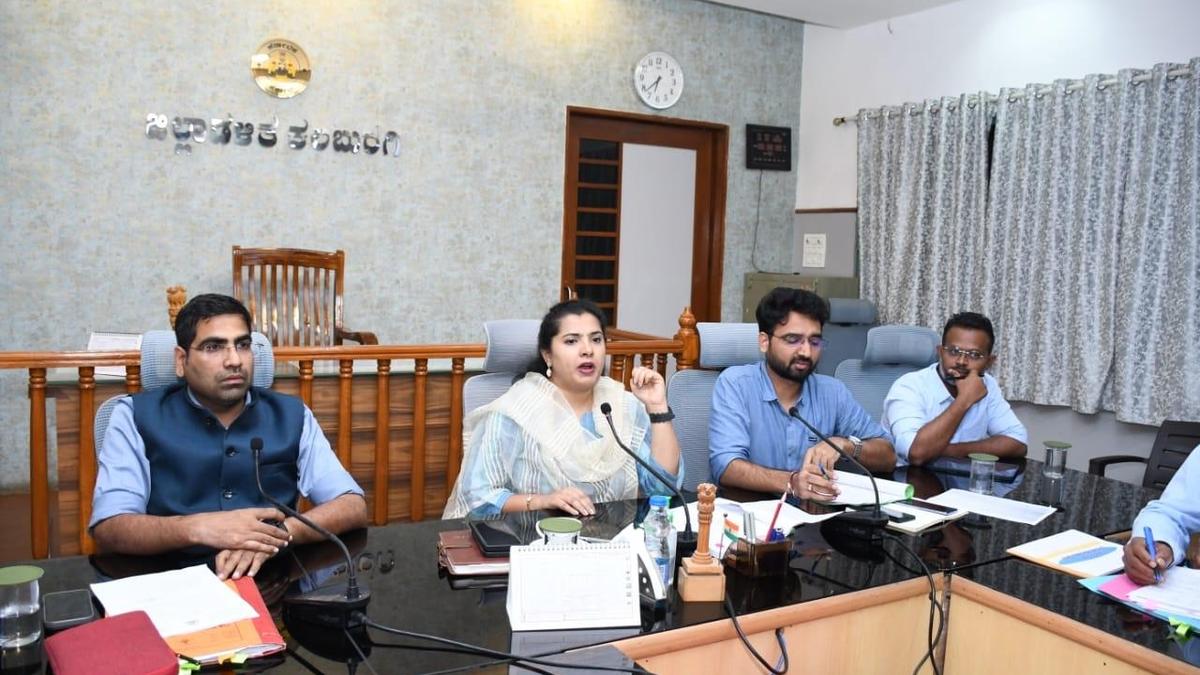
Deputy Commissioner Fouzia Taranum has issued a directive for the permanent relocation of stray dogs from school, college, hospital, and anganwadi premises in Kalaburagi district. The instruction follows multiple complaints from educational institutions and healthcare centres about increasing dog attacks, safety risks to children, and disturbances caused by packs entering campuses. The order aims to protect vulnerable groups such as students, patients, pregnant women, and newborns, who face safety and health hazards due to uncontrolled stray presence. The new directive has brought relief to worried parents, teachers, and hospital authorities who have been struggling with the menace for years.

According to district officials, the relocation move will be implemented in collaboration with local urban bodies and animal welfare organisations. The Deputy Commissioner emphasised that the initiative is not merely a reaction to isolated incidents but a preventive safety measure. Parents in the district have expressed repeated concerns, especially after reports of dog bites and aggressive behaviour near school gates. Hospital administrators have similarly flagged issues of stray dogs entering emergency wards, maternity units, and OPD areas, causing fear among patients. The directive mandates strict monitoring of these premises to ensure that dogs do not return after relocation.

The decision also takes into account the hygiene concerns surrounding unattended dogs around sensitive public institutions. Stray animals often search for food near hospitals, where biomedical waste, leftovers, and open garbage attract them. This increases the risk of infections spreading in medical facilities, particularly for immunocompromised patients. School premises also report issues of dog litter, territorial fights, and continuous barking during class hours, leading to disruption in learning environments. Parents claim they worry daily about children walking to school in areas where packs of dogs chase passing vehicles or pedestrians.

Animal welfare norms will be followed during relocation, ensuring that no cruelty is inflicted during transportation or sheltering. The Deputy Commissioner clarified that the intent of the move is protection of humans, not harming animals. Stray dogs will be shifted to authorised animal care centres and shelters that meet welfare guidelines. Authorities are instructed to maintain sterilisation drives alongside relocation to control the dog population in the long term. The district administration believes that humane and systematic relocation will reduce conflict, prevent attacks, and create safer public spaces without violating animal rights.Kalaburagi DC directs permanent relocation of dogs from school and hospital  premises - The Hindu
Growing Threat Leads to Strict Policy Enforcement

Over the past year, Kalaburagi has witnessed increasing complaints of dog bites, schoolchildren being chased, and dogs occupying hospital corridors. The situation has become critical, according to several educational institutions, particularly when small children are involved. Parents narrate horrifying experiences of toddlers being knocked down or students running in panic after dogs began following them. Some schools have even restricted outdoor activities or sports to protect children from stray packs. Alarmed by the rising cases, the district administration decided that temporary removal and sterilisation alone were not sufficient to address the threat.

Hospital staff also reported incidents that revealed an urgent need for a stricter system. In some government and private hospitals, stray dogs were frequently seen roaming near waiting halls and maternity blocks. Visitors often hesitated to move freely, especially during night hours when strays gathered in groups around hospital compounds. Health experts warned that such environments pose dual threats — physical attacks and risk of contamination due to animal movement in sterile zones. Administrators emphasised that controlling dog presence in hospitals is as important as keeping insects or rodents away, as patient safety must come first.

Parents and school authorities have welcomed the new measure, stating that searching for a long-term solution was much needed. Several schools have attempted temporary fixes, such as installing gates, fencing boundaries, or using security personnel to chase away dogs. However, these efforts have failed against persistent stray groups that return daily in search of food and shelter. Teachers have described how aggressive or territorial dogs bark at students, interrupt classes, and frighten children. Some students even avoid school toilets or playgrounds due to dog presence, highlighting the growing fear that affects learning and overall school culture.

Animal activists also expressed cautious support, stating that relocation must be carried out responsibly and not through mass culling or illegal disposal. They emphasised that dogs should be relocated to shelters that meet animal care standards, where adequate food, health check-ups, and sterilisation will be provided. They acknowledged that protecting children and patients is legitimate, but stressed that relocation must not become an excuse for cruelty. The Deputy Commissioner’s insistence on humane implementation has helped balance public safety demands with ethical treatment. Officials have promised transparent monitoring and documentation of the relocation process.Kalaburagi DC directs permanent relocation of dogs from school and hospital  premises - The Hindu

Implementation Plan and Long-Term Animal Welfare Strategy

The relocation initiative will prioritise areas frequented by children and medically vulnerable populations. Teams from the municipal corporation and panchayat bodies will work with registered animal shelters to ensure safe transportation of dogs. Veterinary teams will examine each captured dog to check for diseases and vaccination status. Sterilisation will be continued simultaneously for population control, as relocation without sterilisation could lead to a new rise in dog numbers. The administration aims to build a long-term strategy wherein relocated dogs do not return, and reproduction levels are regulated humanely.

To strengthen preventive measures, the administration plans to educate the public against feeding dogs on school or hospital premises. Feeding strays attracts other packs and increases territorial aggression among dogs, according to veterinary experts. Awareness campaigns will be organised in schools, colleges, and hospital communities to discourage behaviors that unknowingly worsen the stray menace. The Deputy Commissioner has also directed waste management teams to ensure strict garbage handling near public institutions. Food waste left unattended is one of the major contributors to stray population clusters near educational and medical facilities.

The directive may also influence future urban planning within Kalaburagi, prompting authorities to include dedicated stray management systems within public spaces. Construction of government-funded animal care centres, wider sterilisation capacity, and stricter coordination between local bodies are being discussed as possible measures. Urban planners believe that stray dog population management should be seen as part of public safety planning rather than treated as a one-time crisis response. If the relocation initiative proves successful, similar policies may be introduced in other districts facing problems with stray threats in sensitive areas.

Many government hospitals and schools in Kalaburagi have already begun cooperating with the directive, reporting better security and reduced fear among visitors and students. Teachers say children feel more at ease playing outdoors when dogs are not present nearby. Hospital workers also state that emergency wards and entrances appear safer, allowing patients to move without hesitation. The administration hopes that over time, the relocation will create cleaner, quieter, and safer environments. The effort has become a coordinated project that serves both public welfare and animal well-being, marking a major shift in local governance practices.

Four Additional Paragraphs

Citizens in Kalaburagi have responded positively, though some express concerns regarding funding and long-term maintenance of relocated dogs. Animal shelters require regular support to manage food, medical care, space, and trained staff. Activists argue that relocation alone will fail if shelters are underfunded or overcrowded. The administration, however, has promised that funds will be allocated based on the growing need for stray management, and NGOs will be invited to collaborate. Officials support a public–private partnership model in which government oversight and NGO expertise create sustainable, ethical solutions.Kalaburagi DC directs permanent relocation of dogs from school and hospital  premises - The Hindu

Experts also urge authorities to look beyond relocation and sterilisation, addressing root causes such as abandoned pets and unethical breeding. Many stray dogs originate from households that abandon pups or adult animals due to lack of responsibility or rising costs. Pet owners rarely vaccinate or sterilise their dogs, indirectly adding to the stray population. Veterinarians and activists believe that strict penalties for abandonment and regulations on breeding centres must be reinforced. Awareness programmes promoting responsible pet ownership will be crucial in ensuring that the stray population does not keep regenerating through human negligence.

Urban sociologists point out that stray animals play a complex role in city ecosystems, sometimes controlling rodents and providing emotional comfort to communities. However, when safety risks increase beyond a manageable level, intervention becomes necessary. They state that the Kalaburagi model shows an attempt to balance the coexistence of animals and humans through structured policies, rather than neglect or harsh elimination. Treating relocation as part of public safety, environmental hygiene, and ethical urban management reflects evolving attitudes towards street animals. The district is becoming a case study in mixing compassion with precaution.

Residents now await visible results over the coming months to judge the success of the relocation drive. Schools and hospitals are expected to submit progress reports to the district administration, documenting changes in safety, cleanliness, and public feedback. A monitoring committee may be formed to track complaints, assess recurring issues, and ensure relocated dogs do not return. If proven effective, the directive could inspire other districts to replicate similar relocation frameworks. For Kalaburagi, this policy marks a turning point in redefining how public spaces must prioritise human safety while maintaining humane treatment of animals.

Follow: Karnataka Government

Also read: Home | Channel 6 Network – Latest News, Breaking Updates: Politics, Business, Tech & More

Shocking Corruption: 1 Assistant Caught Taking Bribe to Secure Elderly Pension in Sedam

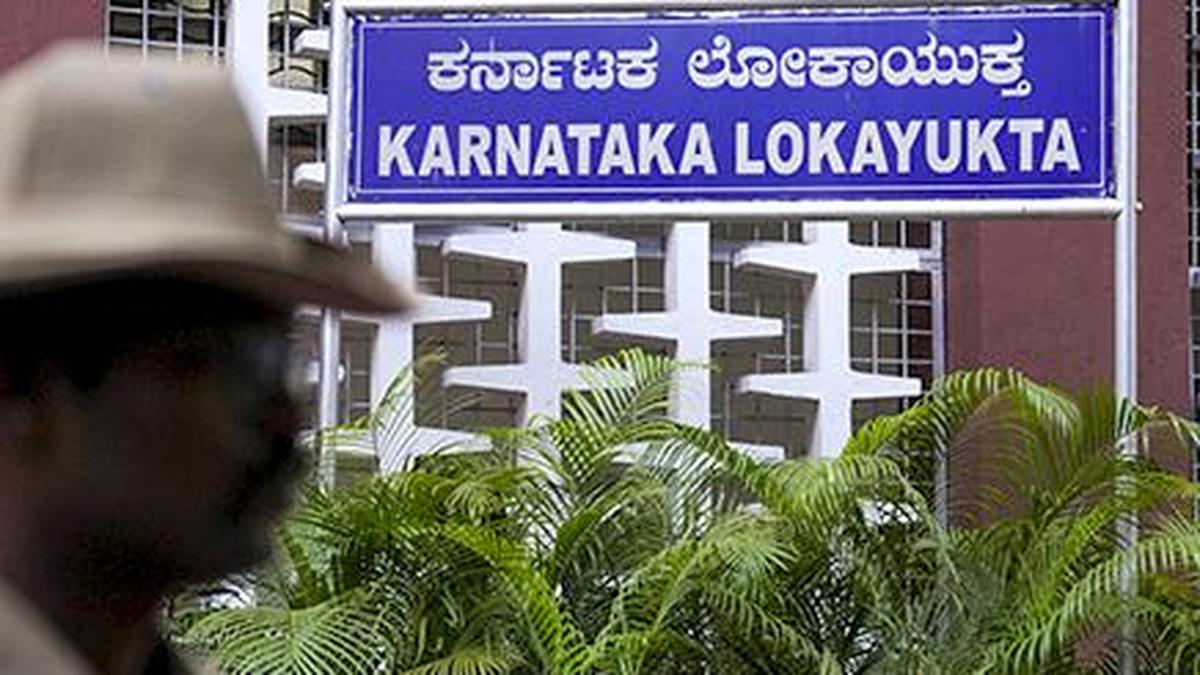
An assistant working at the Block Education Office (BEO) in Sedam, Kalaburagi district, has been caught red-handed by the Karnataka Lokayukta while accepting a bribe to release pension benefits meant for elderly citizens. The accused was allegedly demanding money from pension applicants and their families in exchange for clearing files that should have been processed without a fee. The Lokayukta team raided the office after receiving a complaint from a pension applicant who was asked to pay to get the approval for his rightful benefit. The incident has triggered outrage among locals and exposed deep-rooted corruption in rural welfare delivery.

According to officials, the assistant had been delaying the pension clearance intentionally to force beneficiaries into paying bribes. The complainant approached the Lokayukta after repeated harassment and prolonged waiting, even after submitting all required documents. The Lokayukta probe was swiftly initiated, and officials carried out a planned trap to catch the assistant while accepting the money. The accused was immediately taken into custody for interrogation, and the marked currency used in the operation was seized as evidence. Residents have condemned the exploitation of vulnerable citizens who depend on timely pensions for their daily survival.

The pension schemes targeted by the bribe demand include benefits for senior citizens, widows, and differently-abled individuals. These welfare programmes are intended to assist some of the most financially dependent sections of society, many of whom cannot afford to pay illegal fees. People seeking pensions often face long queues, repeated document verifications, and uncertain waiting periods. For many, the amount asked as a bribe is a large portion of their monthly needs. The Sedam case has raised questions about how frequently such exploitation occurs in rural Karnataka without being reported, since many citizens fear retaliation from officials.Sedam BEO assistant caught by Karnataka Lokayukta taking bribe to release  pension benefits - The Hindu

Local witnesses stated that the accused assistant had been working in the department for several years and had built a reputation for intentionally delaying files. Some allegedly paid bribes in the past simply to avoid waiting indefinitely. However, the Lokayukta operation has now emboldened more people to speak out. Many residents expect similar hidden corruption in other pension or welfare offices but lack awareness about how to file complaints. Officials say that more enquiries will be made in Sedam’s BEO office to determine whether others in the department were involved or aware of the misconduct.

Lokayukta Trap Operation Exposes Bureaucratic Misuse

The Lokayukta team planned the operation after the complainant approached them with audio recordings and specific demands made by the assistant. Once the trap was approved, officers monitored the movements of the accused and executed the raid when the bribe was being taken in cash at the office premises. According to sources, the team acted discreetly to ensure no one in the office was alerted, as sudden disturbances could jeopardize evidence. The successful capture of the assistant has now become an example of how citizens can fight corruption through legal channels.

The investigation revealed that the bribe amount, though seemingly small, was significant for the pension applicant, whose livelihood depended on the welfare amount. Lokayukta officials emphasized that corruption is not measured by the size of the bribe but by the unethical exploitation of citizens’ needs. If left unchecked, such practices would discourage pension-seekers from applying altogether, limiting their access to a benefit that is rightfully theirs. Authorities noted that similar traps will continue as long as complaints come forward, and stern action will follow to deter corrupt behaviour among government employees.

Lokayukta officials also instructed administrators in the education and revenue departments to cooperate in extended investigations. The Sedam office records are likely to go through detailed scrutiny, particularly older pension approvals, as there is suspicion that this illegal practice may have continued for years. The suspect’s work history and previous approvals will be checked for irregular delays or favoritism. Officials have warned that anyone found hand-in-glove with the assistant will face legal action. The sweep by Lokayukta has not only targeted the accused individual but is expected to have a ripple effect across similar offices in the region.

The accused reportedly tried to justify his actions by claiming that applicants voluntarily offered money to speed up paperwork. Officials rejected this rationale entirely, stating that citizens only pay due to helplessness and fear of losing benefits. Pension processing timelines have been clearly defined by state policies, and no employee has the authority to charge beneficiaries. The Karnataka Lokayukta has reiterated that bribe demands, regardless of the context, are criminal offences. Officials will now use the Sedam incident as a platform to encourage statewide complaints against corruption, urging people to come forward without hesitation.Sedam BEO assistant caught by Karnataka Lokayukta taking bribe to release  pension benefits - The Hindu

Public Anger, Demand for Transparency in Welfare Programs

Residents in Sedam and surrounding regions have expressed anger and disappointment at the misuse of welfare schemes. Several citizens who gathered outside the office after hearing the news said that the accused should face strict punishment to set an example. They expressed frustration that people who are dependent on government support are being deliberately targeted and harassed. Community leaders have demanded digital tracking of pension applications to reduce human interference and eliminate manipulation. According to them, corruption thrives because officials have too much unchecked authority in processing documents manually.

Social activists in Sedam are now advocating for awareness campaigns to educate citizens about filing complaints against corrupt officials. Many elderly applicants do not understand how to navigate legal systems or rights-based interventions. Activists believe training local citizens to use anti-corruption helplines, document evidence, and file official complaints will reduce bribery significantly. They also emphasized that complaints should remain confidential to protect vulnerable beneficiaries. The Sedam incident highlights that awareness must complement enforcement, especially in rural regions where illegal payments are often normalized because citizens feel powerless.

Government pension beneficiaries are among the most financially fragile groups, including daily wage workers, widows, and elderly people with no other income sources. Any delay in pension disbursement creates severe hardship, affecting their ability to afford food, medicines, and essential needs. Many elderly citizens walk long distances to offices and queue for hours, only to be asked to return again with more documents. In this context, a bribe is not a shortcut but an act of forced exploitation. Citizens in Sedam say the assistant’s arrest is a reminder that welfare delivery must remain humane and transparent.

The Karnataka Lokayukta has assured the public that the arrested assistant will face strict legal consequences. Officials stated that a formal charge sheet will be prepared once the investigation is complete, and more staff may be questioned if there are links to wider malpractice. The Sedam incident is expected to inspire more pension applicants statewide to speak up if they face bribery demands. Lokayukta authorities hope that increased vigilance from both citizens and the administration will reduce corruption in welfare offices. For now, the arrest has given residents a sense of justice and renewed belief in accountability.

Four Additional Paragraphs

Activists argue that the state government must integrate technology to combat routine bribery in welfare distribution. A transparent online tracking system would allow applicants to monitor the progress of their pension requests without repeatedly visiting government offices. Such a system could include SMS updates, digital uploading of documents, and fixed deadlines that officials must follow. With reduced face-to-face dependency, officials would have fewer opportunities to demand illegal payments. Experts believe that digitisation is crucial not just for convenience but as an anti-corruption mechanism that empowers beneficiaries.Sedam BEO assistant caught by Karnataka Lokayukta taking bribe to release  pension benefits - The Hindu

Meanwhile, senior citizens and pension applicants are requesting grievance cells specifically dedicated to welfare-related complaints. Many argue that existing mechanisms are complicated, inaccessible, or lengthy, discouraging victims from reporting wrongdoing. A direct complaint system with simpler steps, multilingual assistance, and community-level support could encourage larger participation. Social workers suggest that officers from Lokayukta should occasionally visit rural offices to interact with beneficiaries and listen to concerns firsthand. Such visible vigilance would create fear among corrupt officials and assurance among citizens seeking justice.

Economists studying welfare policies emphasize that corruption within pension distribution undermines the entire purpose of government-funded social support. Public money is allocated to uplift vulnerable communities, yet illegal transactions weaken its impact and erode trust. When citizens lose faith in state benefits, they become economically insecure and socially marginalised. In some cases, applicants give up on claiming pensions altogether, further worsening poverty. The Sedam incident has therefore raised broader questions not just about individual misconduct but about systemic negligence that allows exploitation to continue unchecked.

Across Karnataka, citizens are now observing whether the Sedam case will lead to long-term reforms or remain a single punishment without wider impact. Residents, activists, and policy observers believe that true justice must extend beyond the arrest, ensuring structural changes in pension administration. They expect the government to review staffing practices, reduce bureaucratic bottlenecks, and make welfare access more citizen-friendly. The Sedam assistant’s arrest is seen as a necessary step, but the real victory will be achieved when pension benefits reach every eligible person without fear, delay, or corruption.

Follow: Karnataka Government

Also read: Home | Channel 6 Network – Latest News, Breaking Updates: Politics, Business, Tech & More
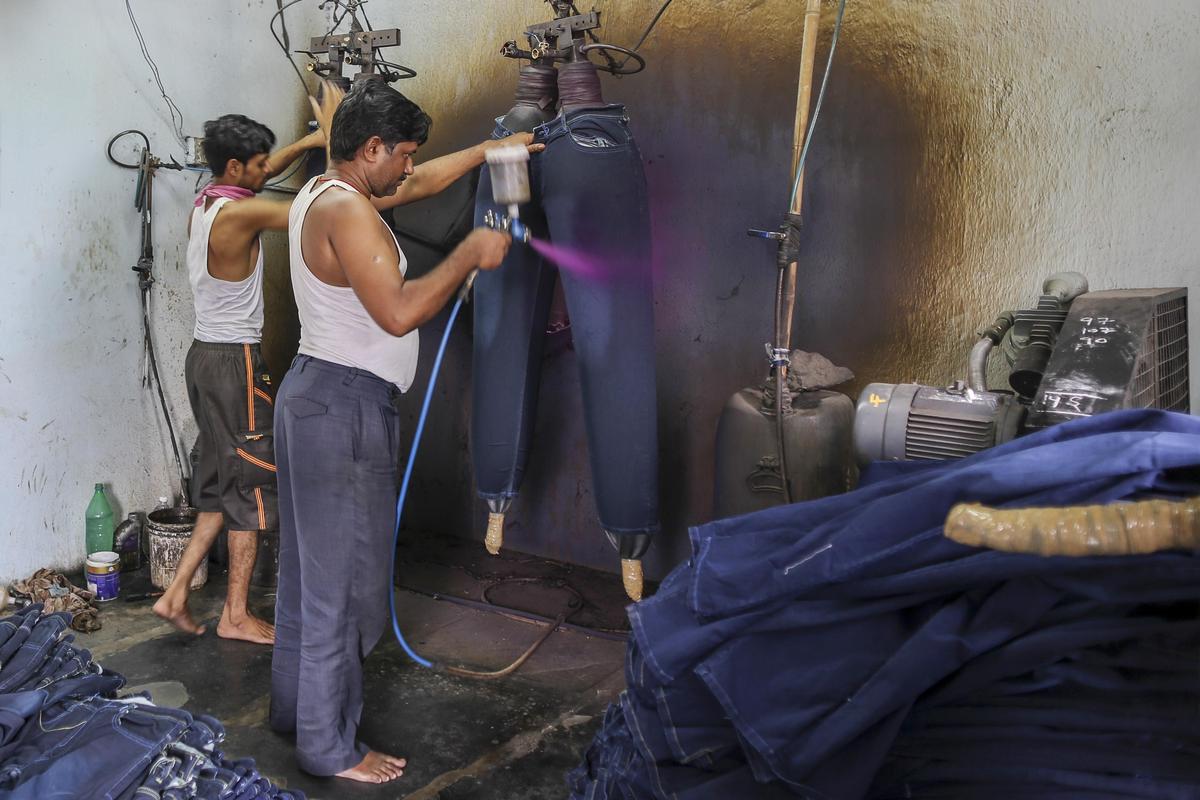
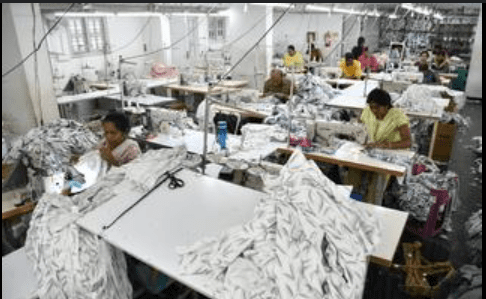
Ballari Jeans Units With ETP Win Re-Opening Approval: Powerful Return, 12 Hopeful Steps

The industrial district of Ballari, long known as one of India’s denim hubs, is set to restart production after months of uncertainty, economic loss, and rising anxiety among workers. MLA Nara Bharath Reddy has confirmed that all jeans manufacturing units equipped with their own Effluent Treatment Plants (ETPs) have now received approval to reopen. For thousands of workers who depend on the denim sector for their livelihood, the news is not just administrative relief — it is an emotional resurgence that may help revive a shrinking industrial identity.

The reopening comes after weeks of closure triggered by concerns around untreated wastewater discharged from several denim washing and dyeing units. These concerns led to strict environmental inspections and a shutdown order that impacted a wide section of the industry, including compliant units. While authorities maintained that environmental safety could not be compromised, industries argued that compliant factories should not suffer because of others that failed to follow norms. The latest approval marks an attempt to strike a balance: protecting water bodies without paralysing economic activity.

The MLA stated that units that have installed individual Effluent Treatment Plants are being given priority for reopening by the local administration and the Pollution Control Board. Technical inspections are under way to ensure that wastewater discharge parameters strictly adhere to environmental norms. Officials have reportedly asked units to present monthly records of waste treatment, chemical usage details and proof of sludge disposal through authorised handlers. The MLA said that the government will adopt a zero-tolerance approach towards units that attempt to operate without compliant ETP systems, warning that strict legal action will follow any violation.

Industry representatives from Ballari expressed relief over the reopening process, claiming that prolonged shutdowns had affected their financial stability, leading to delayed wages and uncertainty for contract workers. Many unit owners said they had already invested large sums in setting up advanced ETP systems, including upgraded mechanised filters and chemical neutralisers, but awaited clearance for months. They urged the administration to speed up clearances for units that are fully compliant rather than punishing the entire sector. Owners also claimed that environmental compliance requires continuous support from authorities, including technical guidance.

Workers’ associations welcomed the reopening but stressed that the government must ensure long-term stability for the industry. According to labour representatives, the jeans sector in Ballari supports thousands of sewing staff, washers, helpers, transporters and small ancillary businesses. Frequent shutdowns due to regulatory conflicts reportedly put workers at risk of job loss and irregular payments. Association members demanded that the government create a uniform monitoring mechanism that prevents sudden closures. They also requested that skill-training programmes and welfare schemes be introduced to strengthen workforce security.Ballari jeans units with own ETP get approval to re-open: MLA Nara Bharath Reddy - The Hindu

Environmental activists, however, cautioned that reopening should not compromise ecological safety. Some activists claimed that past operations by several washing units had severely polluted local water bodies and agricultural lands. They argued that stricter surveillance and digital monitoring of ETP operations will be crucial in ensuring long-lasting reforms. Activists also called for regular public access to pollution-related data and community inspection rights. They recommended periodic water quality testing in affected areas to track improvement. The MLA assured that the government would maintain rigorous checks to balance industrial growth with sustainability.


APPROVAL BRINGS RELIEF TO WORKERS AND MANUFACTURERS

For thousands of textile workers, the reopening announcement has arrived like long-awaited rain in a parched season. Ballari’s jeans sector employs a large workforce — from stitchers, cutters, washermen, and packaging staff, to transporters, suppliers, and small vendors who depend on daily industry operations. When units were closed, many households faced reduced earnings, delayed salaries, and food insecurity. The approval has unlocked the doors of income stability again.

MLA Nara Bharath Reddy has stated that the reopening is restricted to only those factories that have fully functional Effluent Treatment Plants. This rule aims to ensure that the revival of the denim sector does not come at the cost of ground and river water contamination. These compliant industries are now expected to showcase responsible practices, testing and treating wastewater before disposal. The administration hopes that this will set a precedent that pushes other units to upgrade their infrastructure if they wish to resume operations.

Industry associations have welcomed the decision, saying they can finally restart orders and avoid losing clients to other emerging textile clusters in states like Gujarat, Tamil Nadu, and Maharashtra. For the units that maintained treatment facilities even during downtime, the approval feels like an acknowledgement of their long-term investment. Many say they were being punished despite obeying the rules, and this new clarity brings a sense of justice as well as economic stability.

Workers outside factory gates have expressed relief that machines will restart, shifts will resume, and wages will flow again. Several labourers reported that they preferred fixed industrial employment over shifting to uncertain seasonal jobs. The reopening gives them not just a workplace, but a community — one where familiar faces, shared routines, and skilled tasks reflect a dignified professional life. For many, this is not just industrial news; it is personal restoration.

Ballari jeans units with own ETP get approval to re-open: MLA Nara Bharath Reddy - The Hindu


WHY ETP COMPLIANCE WAS THE KEY

The centre of the entire controversy rested on the question of environmental responsibility. Ballari’s denim processing, particularly dyeing and washing, generates significant quantities of chemically contaminated water. If untreated, this wastewater can pollute drinking sources, farmland soil, and natural streams. Environmental officers found that while some units treated water responsibly, others discharged effluents directly into drains and open lands.

Effluent Treatment Plants (ETPs) were established as the deciding factor for reopening because they indicate a factory’s ability to treat wastewater by separating chemicals, neutralising harmful substances, and releasing water at permissible standards. Officials have noted that ETP-equipped units invest more in running costs, electricity, and maintenance, unlike non-compliant units that cut corners to save expense. The recent crisis, therefore, became a wake-up call for the industry: survival now depends on sustainability.

The reopening approval is also expected to reshape industrial competition within Ballari. For years, some manufacturers allegedly benefited by skipping treatment costs and underpricing products. The enforcement of ETP compliance should now ensure fair pricing and business ethics, benefiting companies that follow environmental norms. Workers have also expressed that they prefer to work in units that do not put health and surroundings at risk, as untreated waste can harm not just nature but also local communities where factory labourers live.

Environmentalists have appreciated the selective reopening, stating that development must not destroy natural resources. They argue that industrial growth can coexist with ecological protection only when safety measures are strictly followed. The new rules are not merely punitive but transformational — they push companies to align profitability with responsibility. If this approach continues, Ballari’s jeans industry may eventually earn a reputation not only for its denim but also for its sustainable manufacturing practices.


IMPACT ON LOCAL ECONOMY AND FUTURE CHALLENGES

The reopening has come as a lifeline to Ballari’s business ecosystem. Beyond direct factory employees, the jeans industry fuels tailors, embroidery units, button sellers, thread dealers, transport owners, and wholesalers. During the shutdown, many ancillary services faced declining orders and delayed payments. Small families who stitch labels or package items from their homes also struggled. Restarting factory operations will revitalize these micro-economies by reviving demand for their services.

However, reopening alone will not solve all challenges. Orders that were paused or cancelled during the closure may take time to return. Buyers, especially from large markets and exporters, need assurance that production timelines will not be disrupted again. To rebuild trust, units may have to showcase not only compliance but also stability. Industrial associations are planning awareness campaigns to communicate that Ballari’s denim production is reliable enough to meet national and international needs without compromising environmental safety.

Another challenge lies in upgrading the remaining non-compliant factories. The government might face pressure to allow these units to restart with a timeline to install ETPs. However, granting such permission without visible progress risks repeating the same crisis. The administration is expected to take a firm but supportive approach: guiding units through funding options, shared treatment facilities, or subsidies, while ensuring strict deadlines and penalties for violations.

Debt and capital shortages are also expected concerns. Installing an ETP requires lakhs to crores of rupees depending on size. Smaller units may be unable to bear these expenses without financial assistance. Some manufacturers argue that creating a Common Effluent Treatment Plant (CETP) shared by multiple factories may be a long-term solution. This approach would reduce cost burdens while enabling standardized compliance. Officials are likely to study this possibility in the coming months.Ballari jeans units with own ETP get approval to re-open: MLA Nara Bharath Reddy - The Hindu

Social awareness is another crucial aspect. Locals living near industrial zones must be sensitized about reporting illegal effluent dumping and supporting environmentally responsible factories. Communities that participate in vigilance become partners in sustainable industrial growth. Ballari’s future as a denim hub may depend not only on machines or markets but also on collective responsibility between business leaders, workers, residents, and policymakers.


REBUILDING TRUST, INDUSTRY IDENTITY, AND A SAFER FUTURE

The resumption of ETP-compliant units is more than a bureaucratic decision — it is a narrative of economic hope, environmental accountability, and industrial rebirth. For families dependent on this sector, it means children can return to school without financial worry, medical bills can be paid without borrowing, and daily meals can return to the security of earned wages. For business owners, it is a reminder that long-term prosperity demands lawful practices, not shortcuts.

MLA Nara Bharath Reddy’s confirmation of reopening is seen as a pivotal moment in resolving the crisis. His intervention, combined with cooperation from environmental authorities, has helped balance both ecological safety and livelihood stability. If proper monitoring continues, this decision could transform Ballari from a troubled denim hub into a model industrial district that blends growth with green ethics.

The path ahead will require innovation, investment, and strict enforcement. Manufacturers will need to adopt new technologies, diversify product ranges, and stabilise supply chains. The government must ensure constant inspections instead of waiting for crises to erupt. Workers and communities must remain aware and empowered, playing an active role in safeguarding both their livelihoods and the land they depend on.

Ultimately, Ballari’s denim identity is stitched from more than fabric; it is stitched from families, history, and resilience. The reopening of compliant units marks the beginning of a new chapter — one where industry revival becomes inseparable from environmental respect. If this balance is sustained, the district can once again wear its pride like its product: durable, adaptable, and made to last.

Follow: Karnataka Government

Also read: Home | Channel 6 Network – Latest News, Breaking Updates: Politics, Business, Tech & More

105-Tonne Reckoning: Bengaluru’s Sentimental Battle With Waste After the Iconic Kadlekai Parishe

The bustling streets of Basavanagudi witnessed yet another grand edition of the historic Kadlekai Parishe, an annual groundnut fair that has survived centuries of tradition, devotion, and cultural sentiment. This year, more than 12 lakh people visited the event, turning the area into a vibrant mix of vendors, farmers, residents, and tourists eager to celebrate Bengaluru’s heritage. However, this enormous gathering brought with it an urgent civic challenge: nearly 105 tonnes of waste were generated during the two-day fair. The striking volume of waste has sparked conversations on sustainability, responsibility, and the preservation of cultural festivals in changing times.

Kadlekai Parishe, held on the streets surrounding the revered Bull Temple, has been a cherished event for farmers across Karnataka, who travel long distances to sell their produce directly to consumers. For many, this is more than a market; it is a sacred offering to Nandi, believed to safeguard crops. The fair’s emotional value keeps it alive, but with rapid urban growth and rising consumerism, the environmental impact has become more difficult to ignore. This year’s waste figures have amplified the debate on how to retain culture while addressing modern ecological sensibilities.

A Heritage Celebration Strained by Urban Consumption

The Bruhat Bengaluru Mahanagara Palike (BBMP) deployed over 500 pourakarmikas to manage waste during the festival, along with additional trucks, supervisors, and monitoring squads. Even with these preparations, the massive turnout overwhelmed infrastructure, forcing civic workers to work overtime to segregate mixed wet and dry waste dumped by visitors. Street food packaging, plastic cups, groundnut shells, disposable plates, and leftover food formed the largest part of the garbage. Officials revealed that despite repeated announcements against littering, most visitors chose convenience over responsibility, leaving behind large piles near food stalls and walkways.

Traditionally, groundnut shells were not considered waste, as they served as cattle fodder or compost material in rural regions. However, urban visitors often disposed of them alongside plastics and food waste, making segregation extremely challenging. The BBMP had attempted to introduce more eco-friendly waste bins, yet segregation at source seemed nearly impossible in such a crowded space. The civic body acknowledged that without public participation, even the best systems cannot prevent waste mismanagement. As crowds continued enjoying the festive spirit, sanitation teams quietly battled tonnes of waste, exposing the unfair burden placed on civic workers.

Vendors have also become an increasingly important part of this conversation. Many street food sellers switched to single-use plastics due to affordability and convenience, even though they were informed about alternatives. Paper and arecanut plates were used widely, but liquids and snacks were still served in plastic cups and laminated covers, which are harder to recycle. Farmers selling groundnuts used cloth sacks and paper, but traders selling baked items, instant snacks, and chai often turned to disposable packaging. As consumer demand grew through the day and into late-night hours, vendors struggled to maintain eco-compliance, prioritising sales over regulations.Bengaluru's historic Kadlekai Parishe ends with estimated 12 lakh visitors; generates  105 tonnes of waste - The Hindu

Farmers expressed pride in being part of the event, which brings direct business without middlemen. Yet they too recognised the undeniable change in urban behaviours that make the fair increasingly difficult to sustain. While earlier generations carried their own bags, today’s customers rely on disposable carry options. Educational institutions, resident welfare groups, and social activists stress that responsibility cannot rest solely on the government—citizens must change their festival habits. The debate has transformed from “How do we manage waste?” to “How do we prevent waste?” This shift is crucial if Kadlekai Parishe is to remain both culturally vibrant and environmentally bearable.

Sustainability Push Sparks New Policy Ideas

The waste generated at this year’s event has encouraged suggestions for stronger policies ahead of future editions. Civic organisations propose mandatory guidelines banning plastics completely at cultural gatherings, while some activists urge the government to impose deposit systems for cups and plates, encouraging returnable items. Urban planners recommend extending composting units near festival streets to process organic waste like groundnut shells immediately. Others suggest that the BBMP collaborate with informal recycling workers to sort waste faster, instead of forcing them to segregate garbage already mixed carelessly by festival-goers.

Government officials are also exploring digital awareness campaigns that can reach younger audiences who attend such events in large numbers. QR-based information boards, mobile app notifications, and announcements from local influencers are among the proposals being discussed. Schools and colleges could adopt awareness drives, turning cultural participation into educational responsibility. Citizen groups argue that traditions should adapt to the era, not merely repeat nostalgia. They insist that sustainability must become a natural part of cultural pride rather than being treated as a bureaucratic instruction. The future of the fair may depend on whether tradition and modern awareness can meet halfway.

Several civic bodies are studying waste patterns from the fair to design better infrastructure for next year. For instance, decentralised waste collection could reduce littering by placing specialised bins at more frequent intervals. Signboards reminding visitors to segregate could be accompanied by volunteers guiding them. Vendors may be offered incentives if they adopt reusable containers, while those violating plastic regulations might face fines or denial of stalls. These ideas are still under discussion, but they reflect an important shift in how authorities view cultural events—not just as celebrations but as logistical challenges requiring deliberate planning.

Environmentalists warn that the issue is broader than just one festival. Bengaluru hosts multiple large-scale events every year, many of which generate enormous waste. Dasara processions, flower shows, and religious gatherings attract lakhs of visitors, but very little effort is made to integrate sustainability into their planning. Kadlekai Parishe, with its emotional significance, offers an opportunity to lead by example. If organisers embrace eco-conscious strategies, it could inspire several other cultural gatherings. The waste problem, therefore, is not an isolated inconvenience but a marker of how India is attempting to balance heritage and urban sustainability.

The 105 tonnes of waste collected this year must serve as a wake-up call rather than a repeated statistic. Cities often celebrate the scale of participation, but rarely reflect on the environmental cost. Bengaluru’s cherished festival deserves protection, not merely preservation. Sanitation workers, farmers, vendors, authorities, and lakhs of visitors are stakeholders in its future. To safeguard the historic Kadlekai Parishe, civic responsibility must extend beyond streets and bins and enter habits, consumption choices, and public awareness. Only then will the fair continue as a symbol of heritage without turning into a burden on the city that lovingly hosts it.

The financial cost of managing massive waste generation has become another major area of concern for the BBMP. Officials revealed that deploying extra workers, hiring additional vehicles, and transporting segregated waste across units significantly increases expenditure during large-scale events. The cost goes far beyond manpower; it includes landfill processing, recycling fees, and transportation logistics. When public littering increases, taxpayers unknowingly bear the burden of negligence. Civic experts argue that reducing waste at the source would cut costs drastically. Instead of spending heavily on clearing trash after events, the city could redirect those funds toward public amenities, environmental infrastructure, or heritage preservation.Bengaluru's historic Kadlekai Parishe ends with estimated 12 lakh visitors; generates  105 tonnes of waste - The Hindu

Many residents living around Basavanagudi have voiced concerns about post-event hygiene and its impact on their daily lives. Streets near the Bull Temple remain crowded even after the fair ends, and waste often clogs storm drains before the cleanup is complete. The lingering smell of food waste, rotting shells, and stagnant remnants creates sanitation worries for families and shops located nearby. Local health practitioners warn that poor waste disposal during such gatherings can lead to rodent activity and insects, increasing the risk of infections. Residents insist that festival joy should not translate into days of pollution and discomfort for neighbourhoods that host it.

Technology-driven solutions are increasingly being suggested as a way to reduce waste at future editions of Kadlekai Parishe. Some experts envision an app-based monitoring system that allows vendors to register their waste output, while citizens could earn reward points for eco-friendly behaviour during the festival. Others propose RFID-enabled bins that track waste levels and generate alerts for faster collection. While these ideas may take time and investment, planners believe such innovations will eventually become essential in managing mega events. Technology, when aligned with tradition, can not only sustain cultural heritage but transform it into a model of modern civic discipline.

Voices from the farming community offer a different perspective. Many farmers believe that the culture of disposable waste is a reflection of urban lifestyles, not the festival’s inherent values. They point out that rural celebrations still rely on reusable materials and limited packaging, creating little waste. Some farmers advocate for awareness campaigns that highlight indigenous sustainable practices, including the use of banana leaves, natural fibres, and reusable containers. They argue that promoting traditional eco-friendly habits would make the festival more authentic, healthier for the city, and truer to its cultural roots. For them, protecting the event means protecting its original simplicity.

Young volunteers from various organisations stepped in during the event, demonstrating how youth participation could change waste management practices. Groups of students educated visitors about segregation, distributed cloth bags, and guided children in proper disposal. Their presence generated positive responses and encouraged mindful disposal among many families. Activists noted that children, when educated early, often influence adults and reshape collective habits. Encouraging volunteer participation at larger scales could make future events more responsible and community-driven. With training, coordination, and incentives, youth groups could become ambassadors of zero-waste festivals, turning civic responsibility into a movement rather than a task for authorities alone.Kadalekai Parishe draws lakhs of visitors as Bengaluru’s iconic groundnut  fair returns

Ultimately, the fate of Bengaluru’s iconic fair depends not on controlling the number of visitors but on transforming their behaviour. The love for Kadlekai Parishe must evolve into respect for the spaces that host it. Litter-free participation should become a point of pride, just like buying the first groundnut of the season. Rather than viewing waste management as a post-event inconvenience, it must be embraced as part of the celebration itself. Bengaluru’s heritage is not only about rituals and gatherings but about how its people care for their city. Culture thrives when citizens protect tradition with mindful, responsible action.

Follow: Karnataka Government

Also read: Home | Channel 6 Network – Latest News, Breaking Updates: Politics, Business, Tech & More

Maharashtra Martyrs’ Memorial Day Observed – Powerful Tribute to Brave Heroes

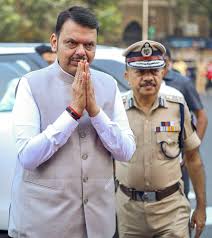
Maharashtra Martyrs’ Memorial Day Observed holds deep historical and emotional significance for the state, symbolising not only remembrance but also gratitude for those who laid down their lives in pursuit of justice, statehood, and democratic rights. Every year, citizens, leaders, and institutions come together to reflect on the selfless contributions of the martyrs. This year, Maharashtra Martyrs’ Memorial Day Observed became a solemn moment at Hutatma Chowk in Mumbai, where the Chief Minister paid tribute to the heroes whose courage paved the way for modern Maharashtra. The commemoration reaffirmed why Maharashtra Martyrs’ Memorial Day Observed remains a vital reminder of sacrifice, unity, and democratic integrity.

ALSO READ: Maharashtra Martyrs’ Memorial Day Observed

OTHER: Trump Defends Saudi Prince

hq720 13The Significance of Hutatma Chowk in State History

Hutatma Chowk stands as a central landmark in Mumbai, known for its enduring connection to the Samyukta Maharashtra Movement. The location carries the memories of those who lost their lives during the struggle for a unified Marathi-speaking state. This historical backdrop makes the Maharashtra Martyrs’ Memorial Day, observed at Hutatma Chowk, especially poignant. The site’s statue, the iconic Flora Fountain, and the memorial plaque collectively form a space of reflection for visitors who come year-round. When Maharashtra Martyrs’ Memorial Day is observed here, it strengthens public understanding of the sacrifices that shaped the region’s democratic structure.

Chief Minister’s Tribute at the Memorial

The Chief Minister’s presence added gravitas to Maharashtra Martyrs’ Memorial Day Observed, signifying the state’s formal respect for the martyrs. The wreath-laying ceremony at Hutatma Chowk was held with dignity, maintaining the ceremonial protocols that honour those who fought for Marathi identity and administrative rights. By participating personally, the Chief Minister reinforced the government’s commitment to safeguarding the ideals for which the martyrs stood. In this context, Maharashtra Martyrs’ Memorial Day Observed becomes not just a ritual but a reaffirmation of accountability and remembrance.

Connecting the Past to the Present

Understanding why Maharashtra Martyrs’ Memorial Day Observed continues to matter requires revisiting the events that led to the formation of Maharashtra. The Samyukta Maharashtra Movement, driven by linguistic, cultural, and administrative aspirations, faced strong resistance. Demonstrators from diverse backgrounds participated courageously, ultimately giving rise to several casualties. Their sacrifice pressured authorities into recognising the legitimacy of the demand, resulting in the creation of the state in 1960. When Maharashtra Martyrs’ Memorial Day is observed and honoured each year, it ensures that this pivotal chapter in history is never forgotten by new generations.

Maharashtra Martyrs’ Memorial Day Observed
Public Participation and Emotional Resonance

Across Mumbai and Maharashtra, citizens engage in observances that keep the memory of the martyrs alive. This year’s memorial activities saw attendees from different walks of life, reaffirming why Maharashtra Martyrs’ Memorial Day Observed continues to resonate strongly even decades later. Cultural organisations, educational institutions, and social groups acknowledge the day through tributes, speeches, and moments of silence. The unified participation proves that Maharashtra Martyrs’ Memorial Day Observed remains deeply rooted in public consciousness, symbolising collective pride and gratitude.

The Role of Education in Preserving Memory

Schools and colleges across the state integrate discussions about the martyrs and the movement, ensuring that younger citizens understand the historical context. When these institutions observe Maharashtra Martyrs’ Memorial Day, they are contributing to intergenerational knowledge. Students are encouraged to learn about constitutional rights, civic duties, and democratic values—principles the martyrs defended. Thus, Maharashtra Martyrs’ Memorial Day Observed becomes a yearly educational touchpoint, strengthening public awareness and responsibility.

Why This Year’s Observance Matters More Than Ever

As Maharashtra confronts contemporary challenges—administrative, political, social—the values symbolised by Maharashtra Martyrs’ Memorial Day Observed remain relevant. The courage of the martyrs inspires present-day citizens and leaders to defend democratic processes, maintain cultural integrity, and promote unity. This year’s tribute by the Chief Minister emphasised continuity between past and present struggles, reminding the public that Maharashtra Martyrs’ Memorial Day Observed is not merely ceremonial; it is a call to uphold justice and fairness in governance.

The Emotional Power of Collective Remembrance

Commemorations like Maharashtra Martyrs’ Memorial Day Observed foster a shared emotional experience among citizens. Reflection on sacrifice strengthens societal bonds and elevates the sense of belonging. Public gatherings, even modest ones, serve as unifying spaces where individuals collectively honour the bravery of those who shaped Maharashtra’s destiny. This emotional solidarity underscores why Maharashtra Martyrs’ Memorial Day Observed remains a revered tradition.

images 44Symbolism and Identity in Modern Maharashtra

The values upheld during Maharashtra Martyrs’ Memorial Day Observed—courage, justice, cultural pride—continue to shape the state’s identity. Whether in governance, public administration, or civic culture, the legacy of the martyrs influences present-day decision-making. Recognising this connection helps ensure that Maharashtra Martyrs’ Memorial Day Observed remains meaningful beyond symbolic gestures.

Conclusion: Carrying Forward a Legacy of Courage

In marking Maharashtra Martyrs’ Memorial Day, observed this year at Hutatma Chowk, the state collectively honoured a legacy of sacrifice that made modern Maharashtra possible. The Chief Minister’s tribute, along with public participation, reinforced the commitment to uphold democratic values and historical memory. As long as Maharashtra Martyrs’ Memorial Day Observed continues to be commemorated with sincerity, Maharashtra will remain rooted in the principles its martyrs fought to defend. Through remembrance, reflection, and respect, the state carries forward the bravery and conviction that shaped its foundation.

November 21, 2025: Nifty 50 Slides 0.47% on Heavy Selloff; Select Midcaps Buck the Trend, High Volumes in Top Movers

The Indian stock market reversed much of its recent rally on November 21, 2025, with the Nifty 50  shedding 124 points (0.47%) to end at 26,068.15. Broad-based declines marked the session, with powerful profit-booking witnessed across financials, banks, and major sectoral indices. Still, a handful of midcap and smallcap stocks managed to deliver solid gains amid the bearish tide.

Also Read: November 21, 2025 (Mid-cap): Nifty 50 Retreats After Hitting Highs; Select Midcaps Stand Out Amid Broader Market Correction

Market Overview:

november 21Nifty 50 opened at 26,109.55, reached an intraday high of 26,179.20, and closed just above its low at 26,052.20. The Nifty Next 50 , Nifty Financial Services , and Nifty Bank  all posted steeper losses, indicating broad-based weakness across market segments.​


Leading Gainers:

Some countercyclical midcaps managed to clock double-digit rally even in a falling market:

  • APEX led the gainers, soaring 20% to ₹332.28 on active turnover and large volumes.

  • ASTEC moved up 12.42% to ₹825.20 with one of the top turnovers of the day at ₹1,444.95 crores.

  • Screenshot 2025 11 21 230806MCLOUD climbed 11.73% to ₹59.80 with 1,356 lakh shares changing hands.

  • NINSYS rose by 11.58% to ₹448.00.

  • DEVX gained 10.64% to ₹46.80.​

Strong fund flows and interest in niche growth stories kept these stocks resilient.

Major Losers:

Major profit-taking, especially in recent outperformers, led to sharp single-day falls:

  • SPECTRUM tanked 11.02% to ₹1,159.90.

  • SHYAMCEMT fell 9.14% to ₹4.97.

  • Screenshot 2025 11 21 230814BANCOINDIA slid 8.66% to ₹707.00.

  • PWL dropped 7.98% to ₹130.60 with massive volumes of 1,623 lakh shares and a turnover of ₹2,284 crores.

  • JPPOWER retreated 7.86% to ₹19.94, as it led trading activity with nearly 2,798 lakh shares.​

Active profit-booking in these names reflected traders locking in gains after sharp previous rallies.

Conclusion: November 21, 2025

The decline in Nifty 50 on November 21, 2025, underscores a shift to risk-off mode after an extended rally, while select midcaps like APEX and ASTEC showed that focused opportunities remain in a volatile market. Heavy trading volumes highlighted ongoing market participation even as benchmarks moved lower, setting the tone for increased volatility in upcoming sessions.


For real time stock Updates, visit NSE website.

Powerful, 1 Bold Promise: Karnataka CM’s Reassuring Stand

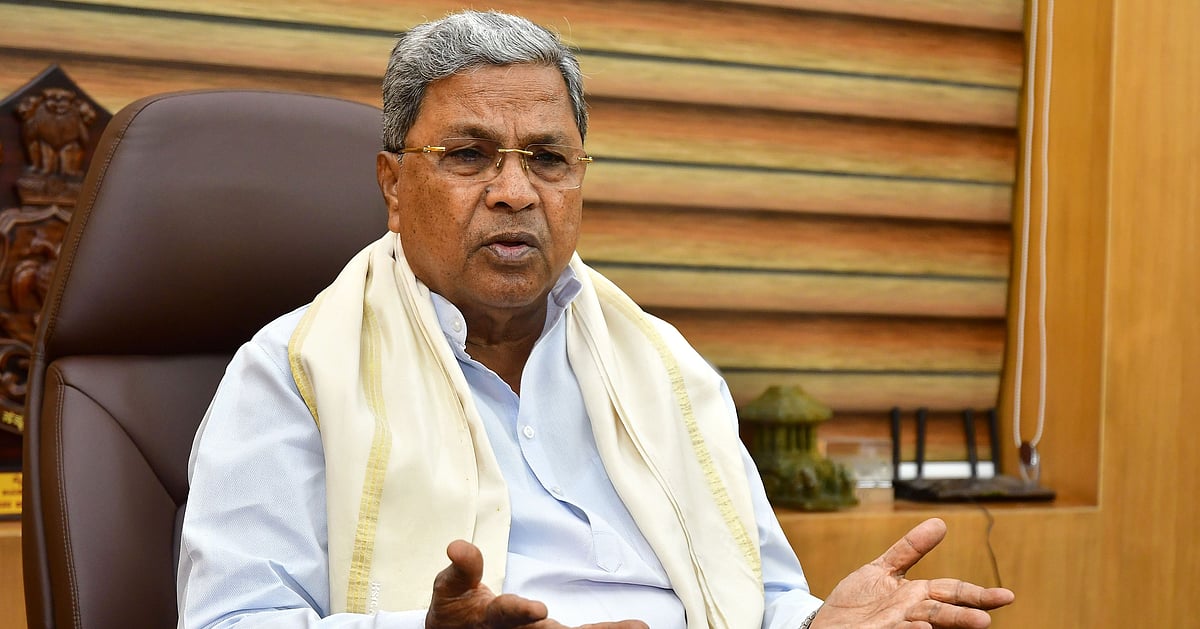
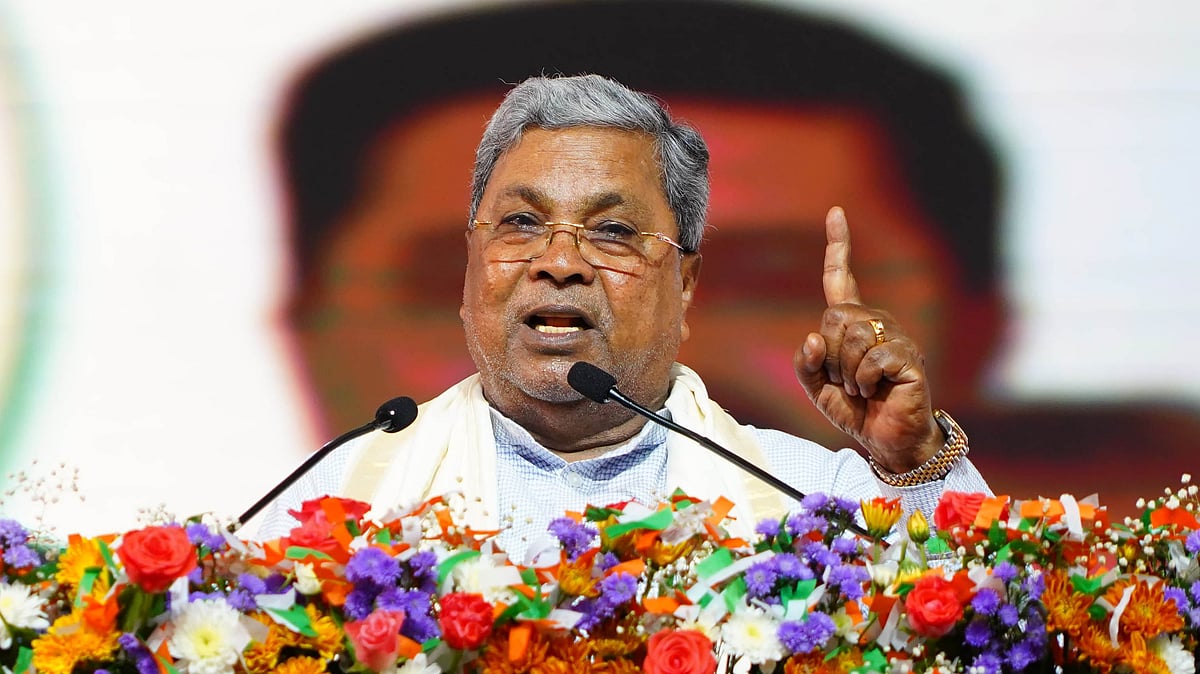
In a firm assertion of his leadership, Karnataka Chief Minister Siddaramaiah has ruled out any imminent change in the state’s top political post and confirmed that he will personally present the upcoming state budget. His declaration comes amid swirling speculation about a possible leadership shuffle following internal party tensions and public noise over governance challenges. With this bold move, Siddaramaiah is not just defending his position — he is staking his political capital on delivering financial clarity, promising stability, and projecting unwavering commitment to his government’s mandate.

Siddaramaiah’s repeated assurances have come at a critical moment in Karnataka’s political landscape. As the Congress government reaches the midpoint of its tenure, speculation about a “rotational leadership agreement” has continued to circulate. Several party insiders had hinted that Deputy Chief Minister D. K. Shivakumar might replace Siddaramaiah halfway through the term. However, Siddaramaiah has firmly dismissed these rumours, insisting that he will remain at the helm and personally present the next state budget.

Support for Siddaramaiah has been vocal from his close political allies. Cooperation Minister K. N. Rajanna openly declared that Siddaramaiah would not only present the next budget but also continue leading the state confidently in the years ahead. According to Rajanna, there is no ambiguity about the Chief Minister’s authority, and attempts to suggest otherwise are politically motivated. This statement has sent a strong message to groups both within and outside the party who may have anticipated a leadership change.

Deputy Chief Minister D. K. Shivakumar has also endorsed Siddaramaiah’s claim. He has publicly acknowledged that the Chief Minister deserves to present the next budget and described the existing fiscal plan as a model for other states. Shivakumar’s remarks are significant because he has often been seen as a key contender for the Chief Minister’s post. His gesture of support appears aimed at projecting party unity, even as internal ambitions remain an open secret.

Siddaramaiah’s son, Yathindra Siddaramaiah, has also made assertive comments that underline the Chief Minister’s continued dominance. According to him, the Congress high command and party legislators strongly back Siddaramaiah, and he may even present multiple budgets before the government completes its tenure. His statements reiterate that Siddaramaiah’s leadership is not merely secure for the present but likely to shape the state’s political direction for several years.

At a recent public event, Siddaramaiah reflected on his own political journey. He recalled how early critics doubted his ability to handle finance-related responsibilities. Today, as a leader who has successfully presented several state budgets, he claimed that his experience has been both transformative and symbolic. His remarks carried a personal tone as he spoke about rising from an oppressed background to becoming a central figure in Karnataka’s governance.

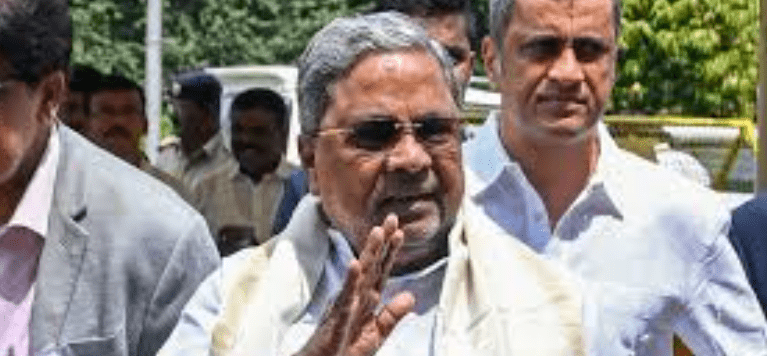
The Chief Minister also strongly cautioned the media against speculative reporting. He emphasized that journalism should be grounded in accountability and facts rather than sensational narratives. Siddaramaiah argued that constant rumours about leadership changes create unnecessary political instability and undermine democratic institutions. His remarks were not only directed at opposition narratives but also aimed at sections of the press that thrive on political gossip.Karnataka CM Siddaramaiah Reaffirms His Position Amid Leadership Speculation

Political analysts observe that Siddaramaiah’s statements serve a dual purpose. On one hand, they reassure his supporters that there will be no sudden shift in leadership. On the other, they send a clear message to potential adversaries within the party that the Chief Minister has no intention of stepping aside anytime soon. By choosing to personally present the upcoming budget, he is reinforcing his relevance as both a policymaker and a political strategist.

However, the declaration also brings challenges. The upcoming budget will be closely scrutinized by the public, especially because Siddaramaiah has raised expectations by promising a people-friendly fiscal plan. With increasing demands for social welfare benefits and rising financial pressures on the state, the Chief Minister must balance populist commitments with pragmatic governance. A failure to deliver may weaken his political narrative and give his critics room to escalate their objections.

While Siddaramaiah appears confident, his stance has placed pressure on factions within the Congress who may have been anticipating a change in leadership. His firm refusal to consider a “power-sharing arrangement” sends a message that internal negotiations must align with his priorities. If any dissatisfaction lingers behind closed doors, it may now surface in more strategic and subtle ways, instead of open demands for transition.

In the end, Siddaramaiah’s decision to present the next state budget is far more than a procedural responsibility. It is a symbolic assertion that his leadership will continue to guide the direction of Karnataka. By claiming the budget stage as his own, Siddaramaiah is not only defending his position — he is shaping the political tone for the remainder of his term. In doing so, he reinforces that the leadership mantle is not up for negotiation, and the future course of governance will be defined under his watch.


STEADFAST CONFIDENCE IN LEADERSHIP

Siddaramaiah delivered a strong message to both his critics and political allies during a press conference in Bangalore: there will be no leadership change. Despite ongoing rumors of power plays within his party, he emphasized that he is fully capable and willing to steer Karnataka through key fiscal decisions. By publicly confirming his intention to personally present the budget, he sought to reassure the public, bureaucrats, and party workers that he remains in control and ready to drive the government’s financial agenda.

His statement appears aimed at resolving deep-rooted uncertainties amid speculations about ambitions within his party. Sources close to the chief minister report that friction among senior leaders has grown, with some suggesting a shift at the helm. But Siddaramaiah’s defiant response signals a clear rejection of such internal dissent. He expressed readiness to face any challenge, citing his experience and political maturity and reaffirming his commitment to leading through both triumphs and trials.

Political analysts suggest that Siddaramaiah’s reaffirmation is a calculated attempt to reinforce his authority ahead of a critical budget session. Presenting the state budget is not just a procedural task — it represents the heart of governance, policy direction, and political legitimacy. By opting to take on this responsibility personally, Siddaramaiah is demonstrating that he is not avoiding accountability. Instead, he is embracing the spotlight, using the budget as a platform to articulate his vision for Karnataka’s development and growth.

The timing of his announcement is key. Budget season is often when governments outline their priorities — infrastructure, social welfare, education, and fiscal reform. By positioning himself as the face of the budget, Siddaramaiah may also be asserting his strategy to balance political pressure with administrative performance. This move could shore up support among his own party’s base, reassure allies, and project confidence to the electorate that his government is stable and purposeful, even in a politically fraught moment.Siddaramaiah news: Karnataka CM post not vacant, no doubt that I will  continue in the position, asserts Siddaramaiah


WHAT’S AT STAKE AS SIDDARAMAIAH PRESENTS THE BUDGET

The upcoming budget holds major significance for Karnataka: it will come at a time when the state faces rising demands for social welfare spending, investments in infrastructure, and balancing economic recovery post-pandemic. Voters and opposition parties alike are watching closely, expecting announcements that could reshape public policy for years to come. Siddaramaiah’s decision to present it himself underscores the political weight he is placing on this financial plan — this is not just a routine exercise, but a defining moment for his leadership.

Insiders say that Siddaramaiah intends to push for bold reforms in key sectors. There is speculation that he may target increased spending on health care, education, and rural development, aligning with his past emphasis on welfare measures. At the same time, industry stakeholders are anticipating allocations for infrastructure expansion, smart cities, and road connectivity. If his budget reflects both populist ambition and long-term economic vision, it could strengthen his political position and serve as a rebuttal to critics who question his fiscal acumen.

However, there are risks. The state’s financial health is under pressure, with concerns about mounting debt and revenue constraints. Critics argue that ambitious spending commitments may not be sustainable unless matched with credible revenue-generation strategies. Opposition leaders are likely to challenge allocations that they deem misaligned or politically motivated, especially when welfare measures are emphasized. Siddaramaiah must navigate these conflicting expectations: deliver social programmes without compromising fiscal prudence, and manage his political image while confronting criticism.

Beyond amount allocations, Siddaramaiah may also use the budget speech to set the tone for his political narrative heading into future elections. His personal presentation could become a rallying moment, reinforcing his image as a decisive, stable, and people-focused leader — someone who takes responsibility and sets the development agenda. With the budget serving as a strategic political tool, Siddaramaiah can leverage it to reaffirm his commitment to Karnataka’s growth while managing intra-party dynamics and external dissent.No question of leadership change: Siddaramaiah asserts he will continue as Karnataka  CM ahead of Delhi meet


Conclusion

By ruling out a leadership change and promising to personally present the state budget, Chief Minister Siddaramaiah is staking his political reputation and authority on the upcoming fiscal exercise. Through his bold declaration, he projects an image of firm control, while placing the budget at the heart of his leadership narrative. Karnataka now awaits the unveiling of a plan that could define not just the state’s financial trajectory, but also Siddaramaiah’s legacy — as a leader unshaken by turmoil and focused on delivering his vision.

Follow: Karnataka Government

Also read: Home | Channel 6 Network – Latest News, Breaking Updates: Politics, Business, Tech & More
Heartbreaking 2-Man Espionage Case: A Shocking Blow to India’s Naval Confidence

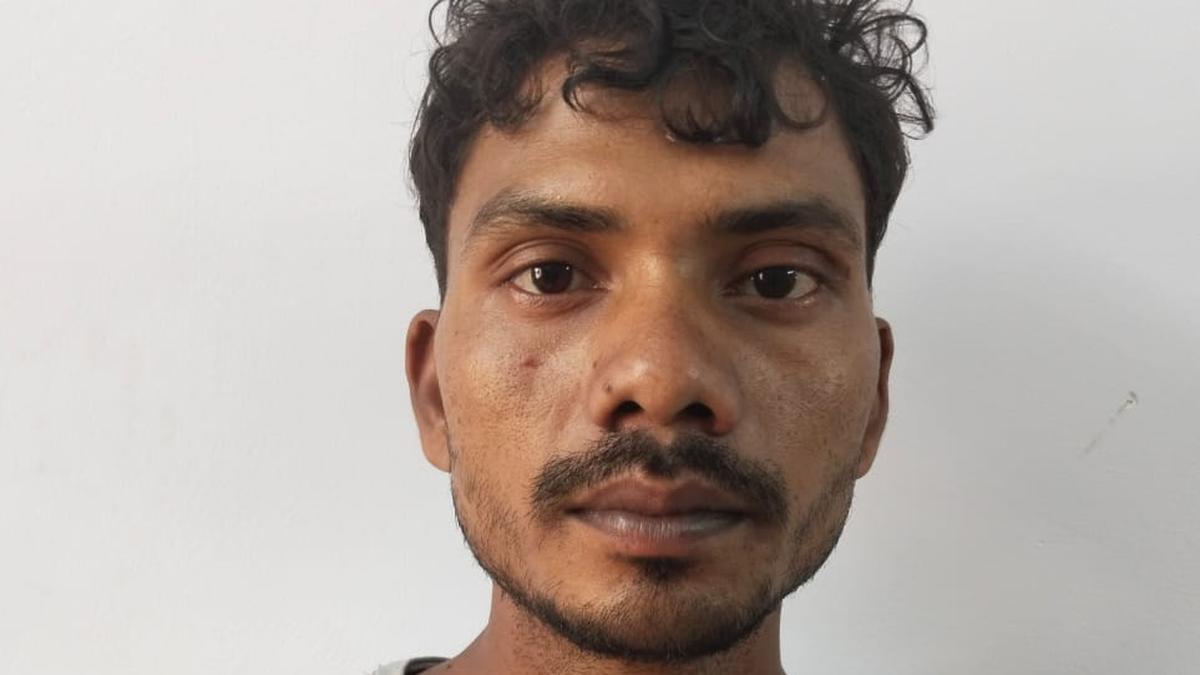
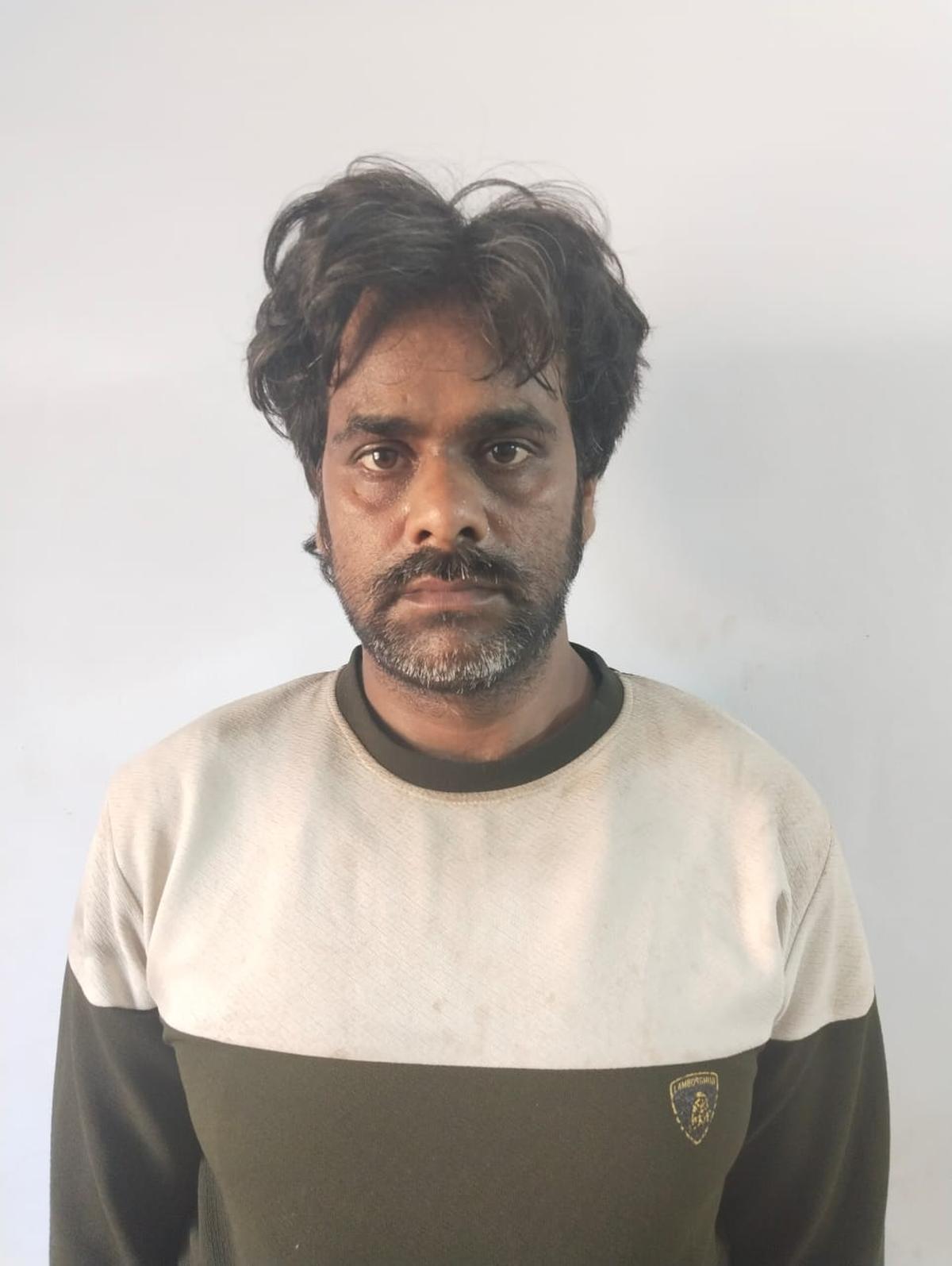
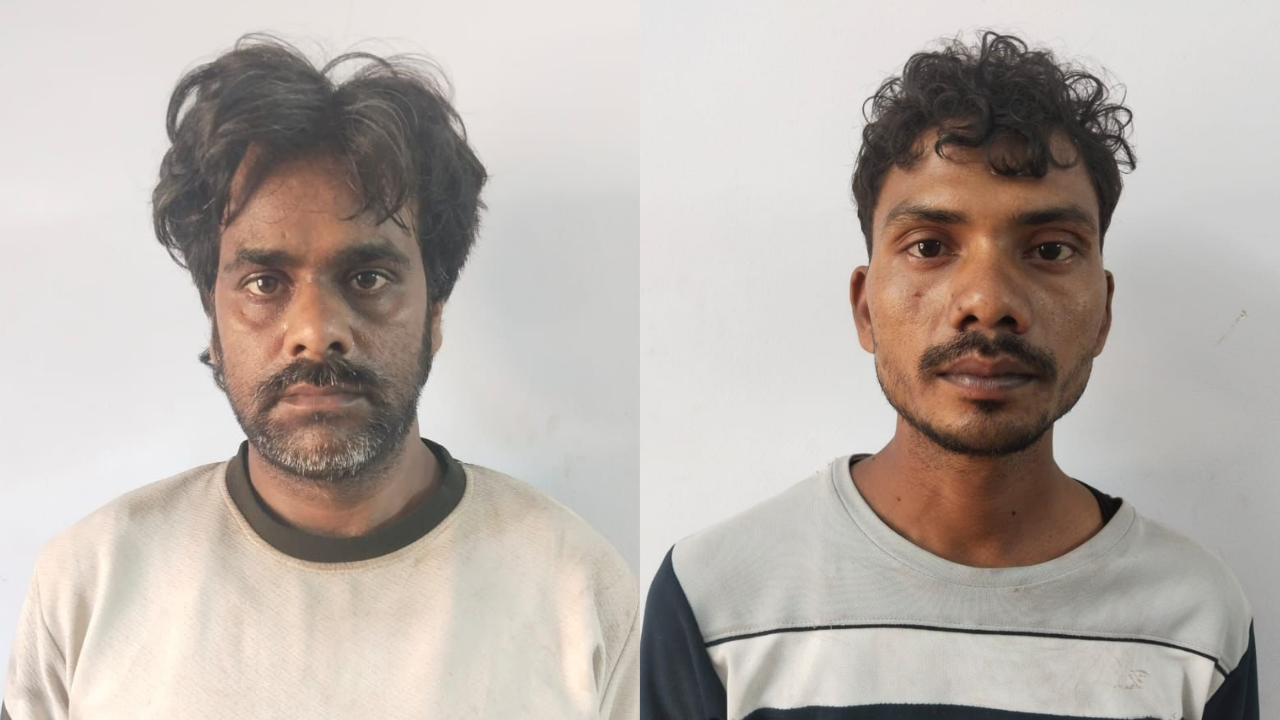
India’s maritime security has been shaken by the arrest of two men from Uttar Pradesh, accused of leaking highly confidential information regarding Indian Navy vessels to Pakistan. The arrests were made by Udupi Police in Karnataka after a confidential complaint from a shipyard involved in building support vessels for the Indian Navy. Investigators say this is not an isolated lapse, but a case that exposes the critical vulnerabilities that exist within India’s growing defense infrastructure. What appears at first like a minor personnel violation has exposed the shocking scale of insider espionage.

The two accused, said to be employees of the shipyard, allegedly used their access to restricted environments to photograph areas under construction, document ship identification numbers, and share details that could reveal design and capability features of new naval vessels. These communications were allegedly sent to contacts linked to Pakistan. According to officials, the data shared was highly sensitive and could compromise national defense planning if misused. The incident has not only triggered an investigation but has sparked a nationwide assessment of shipyard security protocols.

Early investigations reveal that the two men allegedly shared information repeatedly over an extended period through messaging applications. Their actions are believed to have been financially motivated. Even though the amount they received may appear small, investigators warn that espionage networks often depend on such low-profile insiders who unknowingly cause massive damage. Security personnel stress that these individuals may not fully understand the consequences of leaking information, but their actions effectively assist foreign agencies in mapping India’s maritime strengths and weaknesses.

The case also reflects a deeper threat: the exploitation of ordinary civilians working in defense-related environments. These workers, who are neither high-ranking officers nor trained in handling classified information, are seldom monitored as closely as strategic personnel. Their access, even if minimal, becomes dangerous in the age of smartphones, instant messaging, and digital communication tools. The espionage network uncovered in Udupi highlights how data collection has shifted from physical spying to online sharing by unsuspecting employees who get caught in financial traps or manipulated networks.

Authorities were alerted after irregular digital activity triggered suspicion. Shipyard management noticed photography taking place where it was prohibited, and unexplained communication patterns eventually formed a red flag. When the suspicious actions persisted, a complaint was filed, leading Udupi Police to launch an investigation. What began as a company inquiry quickly escalated into a serious national security case. Devices of the accused were seized, call records were obtained, and specialized cyber forensic teams were called in to trace every possible digital trail.

Both men have been booked under provisions of the Official Secrets Act, a strict law designed to protect India’s sovereignty by criminalizing the handling or sharing of classified information related to defense. They have also been charged under relevant sections of the Bharatiya Nyaya Sanhita dealing with threats to national integrity. Legal experts state that if proven guilty, the accused could face long prison terms, as the crimes involve compromising the safety of naval infrastructure critical to national security.

INDIA’S NAVY UNDER THREAT: SHIPYARD SECRETS EXPOSED

Udupi police arrest two UP men for sharing info on Indian Navy ships with Pakistan - The Hindu

Investigators further suspect that one of the accused may have leaked information from another shipyard before arriving in Udupi. This detail has widened the investigation, pushing security agencies to examine whether similar breaches may have occurred at other ports or construction sites. Intelligence teams are now reviewing surveillance policies at shipyards that engage with the Indian Navy and are analyzing whether additional employees may have been targeted by espionage brokers. The possibility of a broader spy network cannot be dismissed at this stage.

With the Indian Navy expanding its presence in the Indian Ocean region, and with several new marine support vessels under construction, even small leaks could have severe consequences. Experts note that knowledge about vessel structure, propulsion systems, or design upgrades could help adversaries determine their operational role. Knowing such details allows opposing forces to build counterstrategies, exploit vulnerabilities, or assess how India is preparing for future maritime conflicts. With global attention on Indo-Pacific security, every piece of naval intelligence holds value.

Cybersecurity specialists warn that the espionage threat today is defined not by sophisticated spy missions, but by seemingly mundane exchanges through personal devices. A smartphone photograph sent through messaging apps is enough to break years of classified planning. The Udupi leak is thus being interpreted as a warning call: India cannot depend solely on strict laws but must invest in preventive systems and constant monitoring. Increased employee screening, security drills, frequent background verification, stricter device policies, and technological oversight are now being demanded by defense experts.

The recent arrests have sparked serious conversations about whether India’s internal security systems are equipped to handle insider threats in an age where every citizen carries a high-resolution camera and instant communication in their pockets. Experts argue that the solution is not to ban devices entirely, but to adopt controlled access technology, restricted internal networks, and heightened digital surveillance inside defense workplaces. Workers must also be trained to recognize recruitment attempts and financial traps that espionage groups frequently use.

As investigators continue to unravel the scale of the leak, many are asking whether these men acted alone or were recruited as part of a chain. Intelligence agencies are mapping communication patterns and financial records to determine whether they were merely intermediaries who passed data to a larger handler network. The fear is not only the quantity of information shared but the time span over which it remained undetected. Months of leaks could mean several layers of defense planning were exposed, although the exact damage remains undisclosed for security reasons.

Defense analysts are cautious but hopeful that the arrests will trigger reforms that protect the nation more effectively. They stress that while it is crucial to punish those who betray national interests, the real solution lies not only in legal action but proactive security transformation. Preventing leaks must begin long before employees are caught, and prevention must become as important as weapon development itself. In this sense, the Udupi arrests, while alarming, have the potential to inspire stronger, preventive safeguards.Udupi police arrest two UP men for sharing info on Indian Navy ships with Pakistan - The Hindu

What might appear as the betrayal of two individuals is actually a reminder of a wider issue: defense security is not compromised only by powerful external agents, but by overlooked internal cracks that go years without repair. The Indian Navy may build some of the most advanced vessels in the world, but those ships are only as safe as the systems and people who help construct them. National security begins not just in naval command centers or war rooms, but in every workshop, construction bay, and shipyard where the foundation of defense begins.

The arrests, therefore, are not the end of a case but the beginning of a larger responsibility. As India tightens its maritime strategy and expands naval construction, the real battle is not just at sea but on land — against espionage networks that look ordinary, speak casually, work quietly, and yet may carry secrets that determine the strength of a nation. As the investigation continues, India watches with concern, hoping that in uncovering this breach, the country can reinforce its defenses more securely and prevent future betrayal.

The current case has also reignited debate on background verification procedures followed by private companies working on defense projects. Many such shipyards hire workers on contract, where the focus often lies on technical ability rather than deeper security checks. Experts argue that without extensive background profiling, including financial scrutiny and behavioral red flags, defense infrastructure could unknowingly employ individuals who are vulnerable to recruitment by foreign agents. The lack of regular monitoring once employees secure their position further creates a silent gap. Strengthening verification procedures could be the first step toward preventing infiltration at early stages.

HOW THE INVESTIGATION DEEPENED AND EXPANDED

Another emerging concern is the absence of controlled digital zones inside defense constructions. While phones are banned in strategic areas, enforcement often slips due to routine familiarity between workers and security staff. Over time, rules become flexible, and monitoring becomes casual. This casualness was reportedly exploited in the Udupi incident, where prohibited photography was allegedly carried out without immediate consequence. Security experts insist that digital regulation must be strict, technologically enforced, and integrated into daily workflow, rather than dependent on human vigilance alone. Without automated restrictions, manual monitoring will always risk failure.

The incident has also emphasized the responsibility of employees working around defense assets to act as the first line of prevention. Workers often hesitate to report suspicious behavior, fearing backlash, job insecurity, or being judged for misinterpretation. Greater awareness programs, anonymous reporting systems, and reward mechanisms for whistleblowers could encourage vigilance among staff. The country’s defense safety should not depend solely on senior officers or external agencies, but on the shared responsibility of every worker with access to sensitive spaces. A national culture of alertness must accompany technical security upgrades to make defenses impenetrable.

It is equally important to recognize that espionage is not always driven by ideology. Many individuals are lured into leaking information due to debt, unemployment pressure, or promises of small financial rewards that appear insignificant to the outside world. They may not perceive their actions as treason, but simply as opportunities. Foreign handlers often target such people through digital messaging, social media befriending, or fake job offers. The Udupi espionage case is a reminder that national security threats begin not with arms or bombs, but with subtle manipulation of ordinary individuals who underestimate the value of what they hold.Udupi police arrest two UP men for leaking sensitive shipyard data with Pakistan via WhatsApp | Bengaluru News - The Times of India

As the investigation progresses, the focus is now shifting toward prevention models rather than reactionary punishment. The future of India’s naval security must rely on multi-layered protection: advanced surveillance technology, strict digital control, employee education, background screening, and continuous monitoring systems. Every ship, warship, and naval vessel being built today carries not just steel and machinery, but the responsibility of a nation relying on it for protection. To safeguard that responsibility, India must seal every gap exposed by the Udupi case. The incident may serve as the turning point that strengthens the silent shields protecting the nation.

Follow: Karnataka Government

Also read: Home | Channel 6 Network – Latest News, Breaking Updates: Politics, Business, Tech & More
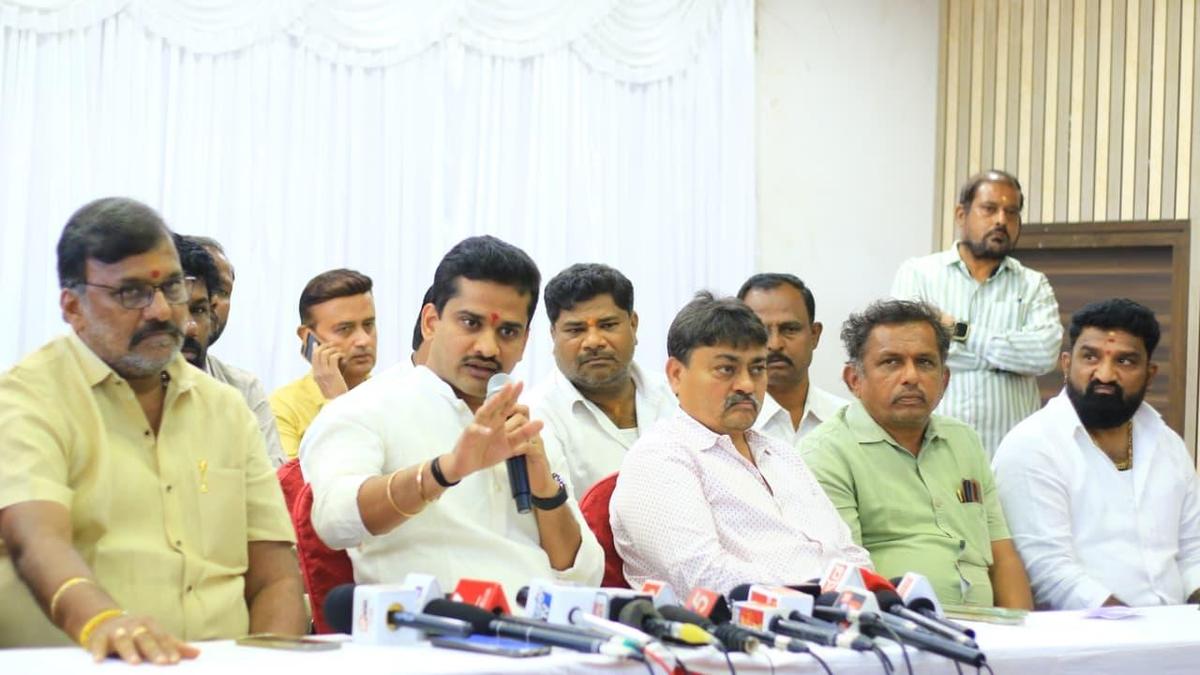
ICDS Lifeline for India’s Children: 50 Years of the Powerful and Emotional

The Integrated Child Development Services (ICDS) programme, one of India’s most significant welfare initiatives, has completed 50 years of service to the nation. Introduced in 1975, this flagship programme has been a lifeline for millions of children, pregnant women, and lactating mothers across rural, urban, and tribal regions. ICDS was envisioned to tackle child malnutrition, reduce infant mortality, support early childhood education, and strengthen maternal health. Over the decades, it has become more than a government scheme — it has emerged as a compassionate safety net for vulnerable communities, bridging inequity and shaping healthier generations.

ICDS primarily functions through Anganwadi centres, which deliver a package of six services: supplementary nutrition, preschool education, health check-ups, referral services, immunisation support, and nutrition awareness for women. These centres often serve as the first point of contact between government services and communities in remote areas. For millions of families, the Anganwadi worker becomes a trusted figure who monitors child growth, guides mothers on breastfeeding practices, and offers preschool learning opportunities. The programme’s ability to bring health and education together at the grassroots remains its strongest contribution to national development.

Over five decades, ICDS has fought persistent challenges such as undernutrition, low literacy levels, and limited maternal healthcare access. It has significantly contributed to reducing child mortality rates by supporting timely immunisation and encouraging nutrition-rich diets among infants. Supplementary meals provided by Anganwadi centres have helped vulnerable children receive essential calories and micronutrients, especially those who belong to low-income families. Pregnant women also benefit from nutritional support, ensuring healthier pregnancies and reducing anaemia levels. These combined interventions illustrate how ICDS has nurtured early life stages that determine long-term mental and physical development.

The programme has evolved with changing needs, incorporating technology and modern nutrition guidelines. Many states now monitor Anganwadi services through mobile apps, digital attendance, and real-time growth records. The introduction of fortified foods, diversified menus, and nutrition counselling has strengthened dietary planning for children and mothers. The evolution from simple feeding programmes to structured health education shows how ICDS adapts to emerging developmental concerns. This flexibility has allowed the programme to influence national nutrition policy while retaining its core goal of ensuring equitable childhood development across India’s socio-economic landscape.Integrated Child Development Services programme: A 50-year lifeline - The  Hindu

Anganwadi Workers: The Human Backbone of ICDS

Behind the success of ICDS stand millions of Anganwadi workers and helpers who act as teachers, nutrition guides, health monitors, and community counsellors. Their work demands empathy, patience, and trust-building within communities that often struggle with poverty, illiteracy, or cultural barriers. These frontline workers persuade reluctant mothers to vaccinate their children, encourage breastfeeding, identify malnourished kids, and maintain growth records meticulously. Many work beyond official hours, visiting homes to track absentee children or pregnant women requiring medical attention. Their role makes ICDS not only a policy but a lived experience shaped by grassroots dedication.

Despite being essential public service workers, Anganwadi workers have long demanded better wages, training support, and recognition. Their responsibilities have grown over the years, but financial compensation has not matched their workload. Many states have introduced performance-based incentives and training workshops to improve service delivery. The pandemic highlighted their importance when workers delivered rations door-to-door, distributed learning materials, and ensured children continued receiving nutritional support. The growing acknowledgment of their contribution has renewed calls for professional training, job security, and status equivalent to other community healthcare workers.

The programme’s network has steadily expanded, with nearly every village and urban settlement hosting Anganwadi centres that serve as community hubs. These centres offer spaces not just for preschool learning but also for maternal meetings, health camps, and government awareness programmes. They introduce young children to basic learning through play-based activities, preparing them for school. In many tribal and rural regions, children attending Anganwadi centres perform better when they enter primary schools. By integrating early education with nutrition, ICDS ensures that learning does not remain limited to feeding the mind alone but nourishes the body as well.

Anganwadi centres also function as safe spaces for women, allowing them to access information on nutrition, family planning, infant care, and government welfare schemes. They empower women by spreading awareness about their rights, maternal health protocols, and modern childcare practices. Through regular interactions, women begin to trust Anganwadi workers and seek help for health issues they might otherwise ignore. This has significantly reduced stigma around maternal healthcare and encouraged early medical intervention. The centres thus represent an intersection of social empowerment, education, and primary healthcare that benefits entire communities beyond children alone.

Transforming Policy, Battling Malnutrition, Promoting Equity

ICDS has been instrumental in shaping India’s National Nutrition Mission, Poshan Abhiyaan, and other policies aimed at eliminating malnutrition. The programme provides crucial data on child weight, height, and growth patterns, helping governments understand trends at the micro level. These insights influence food budgets, nutrition fortification plans, and scientific diet charts. ICDS has helped India shift from calorie-based approaches to balanced nutrition models that prioritise protein, vitamins, and micronutrients. As malnutrition increasingly includes micronutrient deficiencies, ICDS continues adapting its strategies to ensure dietary diversity in meals served at Anganwadi centres.ICDS at 50: Why India's Lifeline for Nutrition and Early Learning Needs  Urgent Renewal

The programme has also addressed social inequities by supporting marginalised groups such as tribal communities, migrant workers, and children in slum areas. In many parts of India, children from disadvantaged families receive their only nutritious meal of the day at Anganwadi centres. Without ICDS, millions would remain trapped in a cycle of poor health, low academic performance, and intergenerational poverty. By providing nutrition at the earliest stage of life, the programme breaks developmental inequalities before they become irreversible. Its impact is therefore not just medical or educational but deeply social and economic.

Community participation has helped strengthen ICDS over the years, especially where parents and local groups oversee food quality, attendance, and hygiene. Village committees and women’s groups increasingly work with Anganwadi workers to ensure transparency and accountability. Some regions have experimented with local sourcing of vegetables and grains to improve menu quality while supporting small farmers. These innovations build ownership among communities, making ICDS a shared responsibility rather than a top-down government service. Community involvement transforms Anganwadi centres into collaborative spaces that respond to local cultural and dietary needs.

As India moves into the next phase of development, the future of ICDS depends on sustained investment in infrastructure, nutrition science, and worker empowerment. Experts suggest that centres must be upgraded with better classrooms, play materials, clean kitchens, and sanitation facilities. Digital training for workers, stronger monitoring tools, and regular health screenings can further enhance outcomes. The pandemic has shown the importance of resilience in welfare programmes, urging governments to strengthen ICDS rather than merge or dilute its services. A programme that has shaped half a century of childhood must evolve into a modern, fully supported institutional pillar.

Four Additional Paragraphs

With non-communicable diseases and lifestyle-related health issues rising, ICDS must expand its focus from early nutrition to preventive education for future health. Teaching families about balanced diets, exercise habits, and mental well-being during early childhood can shape healthier adulthood. Incorporating nutrition counselling into preschool activities could help children learn healthy eating through stories, games, and gardening. Such interventions build lifelong habits that reduce obesity, diabetes, and other emerging health challenges. ICDS can therefore become the foundation of preventive healthcare, rather than only a solution to malnutrition.

Experts also recommend integrating stronger collaboration between ICDS and public schools to ensure seamless transition from preschool to formal education. Children who receive early learning support through Anganwadi centres often need follow-up support to prevent dropout. Bridging programmes, joint curriculum planning, and shared training for educators can create continuity in learning. Anganwadi teachers can support primary schools by sharing growth and learning records, helping teachers understand students better. A coordinated system would reduce learning gaps and improve academic outcomes, especially for first-generation learners from socio-economically disadvantaged backgrounds.

The digital era offers opportunities to modernise ICDS while preserving its core values. Apps that track child nutrition, online training for workers, and community feedback tools can improve efficiency. However, technology must be inclusive, ensuring accessibility even in areas with poor network connectivity. A blended approach, combining digital systems with grassroots human interaction, will ensure no community is left behind. Digital innovations must support workers rather than replace their interpersonal role, as trust and cultural understanding remain a key aspect of ICDS delivery.Integrated Child Development Services programme: A 50-year lifeline - The  Hindu

As ICDS completes five decades, its legacy stands as a testimony to the belief that national progress begins in childhood. The programme’s impact extends across generations, shaping healthier citizens, empowered mothers, and stronger communities. Future reforms must honour its achievements while addressing its limitations, ensuring that every child receives nutrition, care, and learning opportunities regardless of income or location. With proper investment and innovation, ICDS can continue serving as India’s most compassionate developmental vision — a lifeline that proves how a nation’s greatness is measured by its ability to nurture its youngest and most vulnerable citizens.

As ICDS completes five decades, its legacy stands as a testimony to the belief that national progress begins in childhood. The programme’s impact extends across generations, shaping healthier citizens, empowered mothers, and stronger communities. Future reforms must honour its achievements while addressing its limitations, ensuring that every child receives nutrition, care, and learning opportunities regardless of income or location. With proper investment and innovation, ICDS can continue serving as India’s most compassionate developmental vision — a lifeline that proves how a nation’s greatness is measured by its ability to nurture its youngest and most vulnerable citizens.

Follow: Karnataka Government

Also read: Home | Channel 6 Network – Latest News, Breaking Updates: Politics, Business, Tech & More

10 patients suffering life-threatening clots in veins get new lease of life at SDM Narayana Heart Centre in Dharwad

Ten critically ill patients suffering from life-threatening clots in their major veins have received a new lease of life at the SDM Narayana Heart Centre in Dharwad. In a significant medical intervention, specialists at the centre used advanced clot-removal techniques to treat individuals who were on the brink of fatal complications. Venous clots, often underestimated by the general public, can block blood flow to vital organs and lead to severe disability or sudden death. The latest procedures performed in Dharwad have now brought relief and hope to patients and their families, showcasing a major feat in regional healthcare.

The rising number of venous clot cases in the country highlights an urgent need for systemic screening and preventive policies. Healthcare experts believe that regular vascular assessments should become part of routine medical check-ups for people above the age of 40. While many hospitals conduct blood pressure and sugar tests, clot-related screening remains rare, despite its potentially fatal consequences. Preventive screening especially benefits individuals with sedentary work schedules, diabetes, or cardiac ailments. The cases treated in Dharwad are now being cited as examples of why routine vascular health checks are no longer optional but essential for public health.

The SDM Narayana Heart Centre’s achievement is expected to influence healthcare protocols in other institutions across Karnataka. Already, several regional hospitals have contacted the Dharwad centre for training modules on advanced thrombectomy techniques. Experts believe that decentralising such specialised procedures will significantly reduce mortality in semi-urban and rural districts. Venous blockages often become fatal not because of medical limitations but due to delays caused by lack of infrastructure. If more hospitals adopt catheter-based procedures, patients in emergency situations will not have to travel long distances for life-saving treatment.

Economic implications also play a crucial role in timely treatment, especially for patients from low-income backgrounds. In many cases, treatment is delayed because families hesitate due to fear of high hospital expenses. However, doctors insist that early medical intervention is often more affordable than prolonged medication or emergency surgeries that come later when the condition worsens. The success of minimally invasive clot removal proves that advanced healthcare can be cost-effective when executed in time. Financial assistance schemes and insurance awareness are also helping reduce economic barriers, encouraging more patients to seek immediate care.

Looking ahead, specialists at the centre believe that spreading awareness will save more lives than technology alone. They emphasize the importance of public education campaigns in schools, workplaces, and community health programmes. Awareness drives can teach people to recognise early symptoms, take preventive measures, and make informed medical choices. The hospital plans to collaborate with local civic groups, educational institutions, and media platforms to destigmatize vascular diseases and encourage proactive health behaviour. With medical expertise advancing rapidly and awareness increasing, the recent success in Dharwad could become a turning point in the fight against venous clot-related fatalities.

10 patients suffering life-threatening clots in veins get new lease of life in Dharwad hospital - The Hindu

The SDM Narayana Heart Centre, known for its expertise in handling complex cardiac and vascular disorders, deployed new minimally invasive methods to remove clots without open surgery. Many of these patients were at an advanced stage of Deep Vein Thrombosis (DVT) and Pulmonary Embolism (PE), both considered life-threatening conditions when not treated promptly. The use of specialized catheter-based technology enabled doctors to extract large clots that were obstructing blood circulation. Doctors described the cases as challenging yet immensely rewarding, given the urgent risks involved and the successful outcomes achieved.

The group of ten patients ranged from middle-aged individuals to older adults, many of whom arrived with severe swelling, intense pain, and difficulty breathing. Some were unable to walk due to blockage of blood flow in their legs, while others risked complications affecting the lungs and heart. These recent interventions have not only saved lives but also prevented long-term disability and organ damage. Families expressed emotional gratitude as the victims walked out of the hospital after treatment that might not have been possible in many other centres across the region.

Advanced Clot-Removal Method Redefines Emergency Care

The clot-removal procedure used by the doctors at SDM Narayana Heart Centre marks a crucial shift in managing severe venous diseases. Traditionally, such patients would undergo long-term medication, sometimes accompanied by risky open surgery. The modern catheter-based treatment allows doctors to directly target the clot and dissolve or remove it in a controlled manner. Unlike open surgeries, which require long recovery periods, patients treated with minimally invasive clot removal often recover within hours or days.

Doctors at the centre used high-end intravascular ultrasound and mechanical thrombectomy devices to identify and remove clots. This precise technology allows experts to see inside the veins, locate the obstruction, and deploy devices that physically break and suction out clots. In one case, the clot was so extensive that it had reached the lungs, posing the threat of a sudden collapse. Physicians acted swiftly, using a combination of medications and mechanical removal to prevent further spread.

The hospital team involved interventional cardiologists, vascular surgeons, radiologists, and critical care professionals who worked together to stabilise the patients. Each patient underwent individual assessments because venous blockages differ in size, location, and severity. Doctors highlighted that timely medical attention is the key to survival in such conditions. Many people ignore warning signs like swelling of limbs, persistent pain, or difficulty breathing, assuming these symptoms are minor. The cases treated at the Dharwad centre now serve as a reminder that clots in veins require urgent action.

In addition to removing the clots, doctors also placed venous stents in some patients to ensure blood flow remains unobstructed after treatment. Stents, which are small mesh-like tubes, help reinforce weakened or compressed veins. The use of stents prevents recurrence and gives patients long-term comfort. In several cases, patients who were bedridden are now mobile again and able to resume normal daily activity. Physicians stated that awareness and timely diagnosis could prevent many such life-threatening conditions in the future.10 patients suffering life-threatening clots in veins get new lease of life in Dharwad hospital - The Hindu

The success of the procedure also showcases the growing healthcare advancements available in Tier-2 cities like Dharwad. Previously, complex vascular treatments were mostly accessible in metropolitan hospitals. The presence of advanced treatment at SDM Narayana Heart Centre now promises accessible care for North Karnataka and neighbouring regions. The centre is becoming a destination for emergency cardiac and vascular treatment, significantly reducing travel time for patients who require urgent interventions. Doctors emphasised that the availability of immediate care dramatically increases survival chances in clot-related emergencies.10 patients suffering life-threatening clots in veins get new lease of life in Dharwad hospital - The Hindu

Recovered Patients Share Emotional Journey and Raise Awareness

For the ten patients treated at the centre, the experience was not only medical but deeply emotional. Many had arrived believing they might not survive the complications they were facing. One patient, a 56-year-old who suffered intense leg pain and swelling, said he could not even stand when he reached the hospital. The clot had blocked his entire leg vein, posing a risk of tissue damage and amputation. Within hours of treatment, circulation was restored, and he was able to walk with support the next day. He said that he had never imagined such a quick and effective recovery without surgery.

Another patient, a 68-year-old woman, had developed a large clot that travelled toward her lungs. She had severe breathlessness and could not lie down without discomfort. Her family described the situation as terrifying, fearing sudden collapse at any moment. The intervention removed the clot and prevented a massive pulmonary embolism. Doctors said that if she had delayed treatment even by a few hours, the outcome might have been fatal. She now hopes that more people learn about these symptoms and avoid waiting too long before seeking help.

Several patients shared that they initially assumed their symptoms were due to fatigue or age-related discomfort. Ignorance played a significant role in delaying their medical care. The hospital now plans to conduct awareness sessions on the risks of Deep Vein Thrombosis and Pulmonary Embolism. Specialists highlight that clots can develop after long travel, prolonged sitting, surgery, trauma, or underlying health issues like obesity, smoking, or hormone-related changes. Being informed can prevent severe consequences.

Doctors further urged the public to identify symptoms early: redness or swelling in limbs, unexplained pain, shortness of breath, or rapid heart rate should not be ignored. People who are bedridden, recovering from major surgery, or engaged in long hours of desk work are especially vulnerable. Simple lifestyle habits like light exercise, proper hydration, and timely medical checks can reduce risks. The recent cases highlight how medical advancement can save lives, but awareness and prevention must walk hand in hand.

The families of the treated patients expressed gratitude to the hospital team, calling the recovery a miracle of modern science and compassionate healthcare. Several praised the nurses and critical care staff who provided emotional comfort through the treatment period. Many stated that they now feel responsible for spreading awareness because they have firsthand experience of how dangerous venous clots can be. What began as a fight for survival has now turned into a message of hope for many more at risk.

The SDM Narayana Heart Centre is expected to continue investing in specialised vascular treatment. Doctors say that training medical professionals in clot-management, increasing access to diagnostics, and ensuring early referral systems with smaller hospitals will make major impact in preventing deaths. The centre plans to encourage general practitioners across the region to identify clot symptoms early and refer patients immediately instead of relying only on long-term medication. With more collaboration among hospitals and health workers, patients can reach life-saving treatment at the right time.

These ten patients represent only a small portion of the population vulnerable to venous clots. Doctors urge the public to treat the condition as seriously as heart attacks. The success stories from Dharwad are proof that modern healthcare can reverse even life-threatening situations when timely action is taken. The message is loud and clear—knowing the symptoms, acting quickly, and having access to advanced treatment can make the difference between life and death. The patients who walked away from the SDM Narayana Heart Centre today walked out with more than recovery; they left with a renewed sense of life, gratitude, and awareness.

Follow: Karnataka Government

Also read: Home | Channel 6 Network – Latest News, Breaking Updates: Politics, Business, Tech & More