Friday, May 15, 2026
Home Blog Page 326

Kardashian Moves Through 3 New Challenges as Her Legal Journey Continues

0

Kardashian Maintains Her Legal Path With Determination After Exam Delay

Kardashian continues her legal studies with a steady mindset, keeping her long-term plan intact even after not clearing the exam recently. Kardashian stated that the challenge has not discouraged her and that she will return to her studies and attempt the exam again in the future.

This approach shows that she is treating the process as a gradual climb instead of a sudden achievement. Has been consistent about her interest in the legal field over the past few years, and this recent development does not change her direction. The focus remains on progress and preparation, with the next attempt seen as part of a larger journey rather than a final result.Kim Kardashian says she passed baby bar exam in California

Kardashian Draws Strength From Personal History as She Moves Forward

Kardashian also carries a strong personal connection to the legal profession, as her late father, Robert Kardashian, was a well-known lawyer in Los Angeles. she often mentions him as a source of motivation, and the influence of his work continues to guide her choices. Robert Kardashian played a major role in the 1995 O.J. Simpson trial, which remains one of the most widely discussed legal cases in American history.

She’s interest in law did not appear suddenly; it has been shaped by years of exposure to legal conversations, documentation practices, and the broader culture of legal work. Kardashian’s decision to continue, even after a setback, reflects how seriously she takes this connection. It is not a short-term pursuit but something tied to her family’s legacy and her personal ambitions.Kim Kardashian passes California 'baby bar' law exam

Kardashian Adjusts Her Study Plan as She Prepares for the Next Phase

Kardashian has begun reorganising her study approach to build a more stable pace for the upcoming attempt. Her earlier preparation schedule was intense, and this new phase is expected to be more structured. she intends to focus on core subjects, case reviews, and practice assessments to strengthen areas where she felt less confident. This method allows her to move through the material with fewer gaps.

Kardashian is also expected to balance her studies with her ongoing professional commitments, creating a schedule that is demanding but workable. The goal is to maintain consistency instead of rushing. Kardashian’s willingness to rework her plan shows that she views legal qualification as a serious responsibility, not a symbolic goal.Kim Kardashian prepares to trade fame for courtroom

Kardashian’s Ongoing Commitment Shapes Public Interest in Her Legal Progress

Kardashian continues to attract attention because her legal journey stands apart from her entertainment career. The shift toward legal advocacy has created new discussions about how public figures can transition into serious professional roles.

Kardashian has already taken part in criminal-justice reform projects, case reviews, and legal-support campaigns, which give practical context to her studies. Also Read: Zhao Lusi actress Makes a Remarkable Move: Major Reasons Her 2025 Bvlgari Return Is Stirring Excitement

This ongoing involvement helps her build experience while she prepares academically. Kardashian’s steady progress keeps the public focused on her long-term efforts rather than short-term results. As she moves toward the next exam attempt, industry observers expect her to maintain the same level of commitment that has defined her work so far.


View this post on Instagram


A post shared by Mothership (@mothershipsg)

Conclusion

Kardashian continues her legal journey with patience and determination, drawing strength from her personal history while preparing carefully for her next steps.

Wonka 2 Brings Fresh Developments Ahead of Its Planned 2026 Release

0

Wonka 2 Begins Its Path Toward a 2026 Release With New Production Moves

Wonka 2 has entered a new stage of preparation as the studio sets its target for a 2026 release. The first film’s success created strong demand for a follow-up, and the early signals show that the next installment is moving steadily into active development. Wonka 2 is expected to carry forward the tone and visual style that turned the original into a global favourite. With schedules aligning and internal planning underway, the project is becoming one of the most watched upcoming titles in the family-entertainment category. Wonka 2 now stands as a major release expected to shape the 2026 film lineup.Wonka 2 (2025) - Teaser Trailer - Timothée Chalamet, Sequel Release Date,  Spoilers, Ending, Review

Wonka 2 Expands Its World With New Story Additions and Returning Leads

Wonka 2 is building its foundation on a mix of familiar elements and new creative directions. Early reports indicate that the film will continue exploring the early life of the character, a theme that resonated strongly with audiences. Is expected to extend the world introduced earlier by adding more characters, new locations, and a deeper look at the challenges behind the chocolatier’s rise. The studio aims to retain the charm and calm storytelling that made the first movie widely accessible. It also plans to bring back key cast members whose performances shaped the original’s identity, while introducing new roles that broaden the narrative.Wonka 2 - New Trailer (2026) - Timothée Chalamet | Concept

Wonka 2 Strengthens Its Production Schedule for a Stable 2026 Window

Wonka 2 is positioned for a smooth production timeline due to early planning and faster coordination between departments. The studio has been preparing for the sequel since the first film’s positive reception, which allows them to avoid delays commonly seen in large-scale projects. It will likely complete casting, set-building, and script refinement across the coming months as part of its controlled approach. This structured method reduces production risks and keeps the 2026 release in a stable position. Is being handled as a long-term project that must maintain consistency with its earlier world-building.A sequel to Wonka is now in the works with filming expected to start  January 2026 💜

Wonka 2 Gains Industry Attention as a Key Family Release for 2026

Wonka 2 is drawing industry interest because of its potential impact on the 2026 global box-office landscape. Family-friendly films with established recognition often anchor major release seasons, and this sequel fits firmly into that pattern. It benefits from its strong brand identity, an existing audience, and the universal appeal of its storyline. By securing a 2026 release, the film positions itself to perform during a favourable market period. Industry analysts already view Wonka 2 as a project that can influence the year’s wider trends due to its reach across multiple age groups and international markets. Also Read: Past weekend: 3 Major Concerns as Jungkook Faces Repeated Home Intrusions in November 2025

Conclusion

Wonka 2 moves closer to its planned 2026 release as development progresses, with story expansion, production stability, and industry expectations shaping its arrival.

EPFO Files Police Complaint Against Patkapara Tea Estate Over ₹33 Lakh PF Default: A Deep Dive into Labour Rights, Provident Fund Recovery, and the Crisis in Tea Gardens

EPFO Files Police Complaint: In a striking development, the Employees’ Provident Fund Organisation (EPFO) has filed a criminal complaint with the Alipurduar police against the management of the Patkapara tea estate, alleging non-payment of provident fund (PF) contributions despite deducting them from workers’ wages. The total outstanding liability is pegged at ₹33 lakh, covering the period from June to October 2024. This case highlights systemic problems in PF compliance within the tea-garden sector, raises broader questions about worker protection in plantations, and signals EPFO’s growing assertiveness in enforcement.


What Happened: Key Facts of the Complaint

Non-Payment Despite Deductions

According to EPFO regional authorities, the Patkapara tea estate — which reportedly employs around 2,200 workers — failed to deposit the PF contributions for five consecutive months, even though the corresponding amounts were routinely deducted from workers’ salaries. The Regional Provident Fund Commissioner in Jalpaiguri, Pawan Bansal, confirmed that the amount in default stands at roughly ₹33 lakh for the specified period.

Official Response & Escalation

After repeated notices to the tea estate management failed to yield results, the EPFO took the serious step of lodging a police complaint. This complaint marks a clear shift from administrative follow-up to a legal enforcement route, suggesting EPFO’s urgency in recovering the dues and deterring further default.

Broader Pattern in Region

Bansal also noted that in the districts of Jalpaiguri, Alipurduar, and Cooch Behar, EPFO has identified several crore-rupees worth of outstanding PF liabilities. A significant portion—around 70%—of these arrears, he said, is from various tea gardens. The Patkapara case is at least the third defaulter complaint filed by EPFO against tea estates in 2025; earlier, similar actions were taken against estates named Sitarampur and Choonabhutti.


Why This Matters: The Tea Garden Sector & Workers’ Rights

Vulnerability of Tea Garden Laborers

Tea garden workers are among India’s most economically vulnerable labor groups. They often depend on daily wages, live in remote areas, and have limited legal and financial literacy. For many of them, PF contributions represent a critical social security net. When the employer fails to remit these contributions, workers lose not just retirement or savings benefits, but also trust in the system.

Trust Deficit & Worker Disillusionment

Workers who see PF deducted but not deposited may feel cheated. Over time, repeated defaults can erode confidence in EPFO, discourage workers from contributing fully, or result in them leaving the system altogether due to disillusionment.

Regulatory & Enforcement Challenges

Tea estates often operate in rural, low-governance regions where EPFO enforcement may be weaker. Defaulting firms might use delayed notices, fragmented union coverage, or bureaucratic loopholes to avoid compliance—unless EPFO actively pursues the matter.


EPFO’s Enforcement Approach: Significance and Strategy

Move from Administrative to Legal Action

By involving the police, EPFO is signaling that it considers the non-payment as not just a regulatory breach but a potentially criminal act. This could act as a deterrent for other defaulters in the sector.

Surveillance and Recovery Mechanisms

EPFO’s regional office claims to be conducting “regular surveillance and operations” to monitor other tea gardens with similar dues. Such a proactive approach suggests that EPFO is stepping up its field-level monitoring and not just depending on self-reporting by defaulting employers.

Use of Penal Provisions

Under the Employees’ Provident Funds and Miscellaneous Provisions Act, 1952, EPFO has the authority to impose penal damages for delayed remittance. Recent policy changes (for example, under the Vishwas Scheme) aim to rationalize these penalties and reduce litigations, but default enforcement remains a challenge.
Moreover, the EPF Act and corresponding legal provisions allow for recovery through court, attachment of property, and even arrest in some defaulter cases.


Historical & Structural Context: EPFO Defaults in West Bengal

Legacy of Defaults

Defaulting on PF contributions in the tea sector is not new. Historical EPFO records indicate persistent issues with non-compliance in certain industries in West Bengal. As far back as the late 1970s, EPFO annual reports listed many defaulting establishments in the region.

EPFO’s Long-Term Strategy

According to past EPFO annual reports, the organisation has routinely pursued defaulters through both civil and criminal routes: property attachments, jail notifications, and police complaints are standard features of its enforcement toolkit.
At the same time, EPFO provides mechanisms for employers to regularize their default by paying dues and interest, and sometimes through negotiated settlements.


Stakeholder Reactions & Implications

EPFO Officials

EPFO’s regional leadership justifies the police complaint as necessary to protect worker interests. By taking legal action, they hope to reinforce the message that defaults will not be tolerated, especially in a critical sector like tea.

Tea Garden Management

From the estate management’s perspective, such defaults may stem from cash flow problems, seasonal revenue fluctuations, or lack of financial planning. However, continued non-payment—even after repeated notices—suggests institutional complacency or unwillingness to prioritize PF dues.

Labor and Trade Unions

Tea labor unions are likely to welcome the EPFO’s decision. For them, enforcement action enhances their bargaining power, as they can leverage legal accountability to press for better worker welfare and transparency in financial operations.

Political Landscape

In West Bengal, PF default issues in tea estates may have political resonance. Local politicians may face pressure from labor unions and EPFO’s actions, especially in constituencies dependent on plantation labor. This case could also fuel debates about labor rights, social security, and corporate accountability in the state.


Legal Risks for the Patkapara Estate Management

Criminal Liability

By lodging a police complaint, EPFO may push for prosecution under relevant penal provisions. Depending on the investigation, the estate managers could face charges for willful default or misapplication of funds.

Financial Recovery

EPFO can demand recovery of not only the ₹33 lakh arrears but also penal damages under Section 14B of the EPF Act, which penalizes delayed remittance.

Reputational Damage

Legal action, once public, can tarnish the estate’s reputation in both the political sphere and among workers. It may affect its ability to attract labor or finance in the future.

Compliance Cost

To regularize its position, the estate might need to pay dues, penalties, and interest, which could put further stress on its finances—unless it restructures or finds additional revenue.


Significance of the ₹33 Lakh Figure

Scale Relative to Workforce

For a workforce of over 2,200 workers, a default of ₹33 lakh for five months suggests a significant failure in financial governance. It also implies a steady pattern of non-compliance rather than a one-off omission.

Indicator of Broader Sectoral Risk

EPFO has indicated that several crores of dues remain unpaid in the region, with a major share coming from tea gardens. The Patkapara case represents both a financial and symbolic flashpoint: if more gardens default, it could create a systemic risk to the retirement savings of thousands of workers.

Signal to Other Employers

This move by EPFO can serve as a warning to other defaulter estates: monitoring is intensifying, and non-compliance may lead to criminal prosecution, not just administrative penalties.


Challenges to EPFO’s Enforcement

Resource Constraints

EPFO’s regional offices may have limited manpower and legal capacity to chase hundreds of defaulter firms. Police investigations take time, and recoveries from small estates might not always cover enforcement costs.

Resistance from Employers

Some defaulters might challenge the EPFO’s demand, citing cash-flow issues or contesting the calculation of arrears and penalties. Negotiation may be protracted and contentious.

Legal Delays

Even after a complaint, legal resolution could be slow. Court cases, appeals, and procedural hurdles may delay actual recovery or penal action.

Worker Awareness

Not all workers may know that their PF contributions are being deducted without deposit. Low awareness can weaken collective pressure and limit union pushback.


EPFO’s Broader Strategy: Enforcement + Settlement

Use of Coercive Measures

EPFO leverages both coercive and conciliatory tools: property attachments, bank account freezing, and criminal complaints are used alongside negotiations. As per past annual reports, EPFO has recovered substantial dues in West Bengal via such measures.

Litigation Reduction Efforts

In recent years, EPFO has launched the Vishwas Scheme, which seeks to rationalise penal damages and resolve default litigation. Under this scheme, defaulting employers can regularise their position by paying reduced penalties, thereby avoiding prolonged court battles.

Proactive Monitoring

Regional EPFO offices are reportedly maintaining regular surveillance on high-risk sectors (like tea gardens) to identify defaulting establishments early and take prompt action.


Worker-Centric Implications & Benefits

Restoration of Trust

If dues are recovered and deposited correctly, workers reclaim their rightful PF benefits. This restores trust in both their employer and EPFO, strengthening the social security system in plantations.

Financial Security

PF contributions serve as a retirement cushion, offer insurance-like benefits, and provide financial stability in old age. Recovering defaulted PF is therefore directly aligned with worker welfare.

Precedent for Accountability

A criminal complaint can set a benchmark for accountability, not just in Patkapara but across other defaulter estates. It signals to other employers that PF is non-negotiable and that default has serious consequences.


Political and Policy Ramifications

Labor Rights Narrative

This case may amplify demands for better labor regulations in tea estates, including mandatory audits, better union representation, and stricter enforcement of PF norms.

Role of State and Center

While EPFO is a central organisation, state governments also play a role in ensuring labor compliance. The case could push West Bengal’s labor department to take stronger action or collaborate with EPFO in recovery.

Sectoral Reforms

If multiple defaulter cases move forward, policymakers may consider structural reforms: creating a PF compliance board for the plantation sector, mandating escrow accounts for worker wages, or offering special financial assistance to compliant gardens.


Conclusion: A Turning Point for PF Compliance in Tea Gardens

EPFO’s decision to involve the police against Patkapara tea estate signals a critical escalation in its strategy to recover PF dues from defaulting employers. The ₹33 lakh outstanding amount is not just a financial liability — it is a symbol of systemic neglect in a sector heavily reliant on cheap labor and historically weak financial governance.

For workers, this is potentially a vindication of their wage deductions and a pathway to reclaiming their social security rights. For EPFO, it is a demonstration of commitment to enforcing PF laws rigorously, even in resource-challenged and politically sensitive sectors.

Whether this action results in full recovery, better compliance by other tea estates, or broader reforms in labor security for plantation workers will depend on EPFO’s follow-through, legal rigour, and cooperation from state authorities.

At its core, this case is about justice for workers: ensuring that what was taken from their wages in the name of provident fund is actually safeguarded and delivered—a fundamental responsibility of employers, regulators, and the state.


Government / Institutional Reference Links

Also read: Home | Channel 6 Network – Latest News, Breaking Updates: Politics, Business, Tech & More

Radiocarbon Reveals 3 Remarkable Insights Into the Centuries-Long Life of Greenland Sharks

0

Radiocarbon Findings Push Greenland Shark Longevity Into Unprecedented Territory

Radiocarbon research continues to reshape what scientists know about the oldest vertebrates on the planet. The new data shows that Greenland sharks, already known for slow growth and deep-sea living, may survive far longer than previously believed. Radiocarbon measurements taken from eye-lens proteins suggest that some individuals fall between 335 and 392 years old, placing them among the most long-lived creatures in recorded scientific history. Also Read: Past weekend: 3 Major Concerns as Jungkook Faces Repeated Home Intrusions in November 2025

Radiocarbon analysis also supports a widely noted estimate that one female shark could have been born around 1620, a period when early European ships had only begun crossing the Atlantic. Even though age estimates carry uncertainty, the range highlights a level of longevity that few marine species can match.Radiocarbon

Radiocarbon Data Shows How Slow Growth and Cold Waters Shape Extreme Lifespans

Radiocarbon studies point to a simple but powerful explanation behind the sharks’ longevity. Greenland sharks mature extremely slowly, reaching reproductive age only after roughly 150 years. Their lifestyle in deep, cold Arctic waters keeps metabolism low, growth steady, and energy use minimal. results match this pattern, showing that their biological timeline operates on an unusually extended scale. This slow pace influences every part of their lives, from movement to reproduction, and makes their lifespan an important biological marker for long-living marine animals.Scientists Discover 400 Year-Old Greenland Shark | Marine Science

Radiocarbon Age Estimates Raise Major Conservation Concerns

Radiocarbon estimates highlight a serious conservation challenge. When a species takes more than a century to reach maturity, recovery from population pressure becomes extremely slow. If Greenland sharks reproduce only after crossing the 150-year mark, the impact of fishing, environmental damage, or habitat disturbance becomes far more severe. evidence strengthens the argument that even minor population losses can take centuries to repair. This makes long-term protection essential, as the species cannot respond quickly to threats.Study ranks Greenland shark as longest-lived vertebrate

Radiocarbon Uncertainty Remains, But the Longevity Patterns Are ClearA long life can be a disadvantage | ConservationBytes.com

analysis involves some natural limitations. Scientists cannot confirm an exact birth year for each shark because the estimates come from modelled ranges rather than exact historical data. The deep Arctic environment also hides most of the animals’ lives from human observation, which makes continuous tracking almost impossible. Despite these uncertainties, the radiocarbon evidence points to a consistent pattern: Greenland sharks live far beyond normal vertebrate expectations. Even a conservative reading places them in a category of life that stretches across centuries.


View this post on Instagram


A post shared by FamousPulse (@famous.pulse)

Conclusion

Radiocarbon research on Greenland sharks provides a rare look into a species that measures time on a scale humans rarely consider. The findings show a lifespan that spans centuries, a slow and steady biology shaped by cold waters, and the urgent need for stronger protection.

Anthony Edwards Mission to Build a National Hill Voice Network in Delhi: North Bengal Leadership Strategy, Gorkha Identity Politics, and Push for Policy Inclusion

Anthony Edwards Mission: In a rapidly shifting political and socio-economic landscape, the representation of India’s hill communities—particularly the Gorkhas—continues to remain a subject of national debate. The hills of North Bengal, especially Darjeeling and Kalimpong, have witnessed prolonged phases of political assertion, autonomy movements, identity struggles, and competing demands for recognition. Against this backdrop, the renewed effort to build a broader nationwide network of hill leaders led by Anthony Edwards introduces a fresh chapter in the ongoing crisis and aspirations surrounding hill representation.

Edwards’ initiative, which seeks to unify voices beyond North Bengal and extend them to a coordinated platform in Delhi, is designed to engage key policymakers at the national level. His efforts coincide with increasing calls for safeguarding ethnic identity, socio-political inclusion, and policy attention for communities residing across hill regions in India.

This extensive news feature examines the motivations, strategy, political positioning, and broader implications of Edwards’ move while connecting them to government policies, national frameworks, and ongoing debates on identity and representation.


Anthony Edwards Mission: A NEW HILL VOICE PLATFORM TO EMERGE

Anthony Edwards’ initiative represents a major endeavour to restructure how hill communities—particularly Indian Gorkhas—interface with the central government. His strategic plan aims to surpass the boundaries of North Bengal and tap into a much larger demographic pool, including:

  • Hill communities of Northeast India
  • Himachal and Uttarakhand communities
  • Gorkhas residing in mainland cities
  • Diaspora networks in metropolitan centres
  • Delhi-based students and professionals from hill regions

The expansion of this network beyond state boundaries is intended to bring together individuals united by shared issues such as citizenship worries, language rights, scheduled tribe demands, land rights, pension eligibility of ex-servicemen, rural development access, and cultural identity concerns.


HILL IDENTITY AND THE DELHI FACTOR

Delhi is undeniably the most critical political space for any such network. With the presence of key ministries such as:

Edwards sees an opportunity to elevate the concerns of the Gorkha community and other hill groups directly before policy architects.

The push for national recognition has become even more necessary with the growing conversation around citizenship documentation, border-area vulnerabilities, and demands for inclusion in constitutional lists.


ADDRESSING THE CORE ISSUE: REPRESENTATION

One of Edwards’ chief arguments is that hill communities have long lacked collective representation at national forums. He claims fragmentation within local hill politics only weakens their impact in Delhi. Several problems have persisted for years due to this lack of unity:

  • No uniform demand on hill development needs
  • Fragmented voices on identity and language recognition
  • Internal party rivalries undermining national-level advocacy
  • Absence of a consistent delegation to central ministries
  • Lack of policy follow-up after meetings with state or central authorities

Edwards believes a network built around policy coherence, research support, legal guidance, and unified representation can bring an unprecedented shift.


CONNECTING NORTH BENGAL’S HILLS WITH NATIONAL CONCERNS

The Darjeeling hills have historically stood apart due to their geography, culture, language, and political aspirations. Yet in national politics, their issues are often lumped under West Bengal’s administrative framework. As a result, many policy concerns remain underrepresented.

Edwards’ network is expected to highlight:

1. Citizenship & Documentation Concerns

Many Gorkhas continue to face documentation challenges, especially in:

  • Birth certificates
  • Land records
  • Legacy documents
  • Identification proof

These complications have ripple effects on job applications, scholarships, and access to government welfare.

2. Tribal Status Demand

The long-pending ST status demand for several Gorkha sub-communities remains unresolved despite multiple committee engagements at the national level.

3. Border-Area Development

Many villages near international borders in North Bengal face acute issues of:

  • Poor connectivity
  • Lack of healthcare
  • Weak financial access
  • Riverine erosion
  • Inadequate disaster response

4. Educational and Employment Gaps

Limited higher education opportunities in the hills force students to migrate. A structured Delhi-based support network, Edwards argues, will create new avenues for internships, counselling, and career guidance.


THE DELHI MOVEMENT: STRATEGY AND EXECUTION

Edwards’ planned structure includes several distinct layers:

A. Delhi Coordination Wing

Responsible for:

  • Scheduled meetings with MPs and central ministries
  • Documentation of petitions
  • Regular policy updates
  • Legal consultations

B. Research and Policy Analysis Team

This team is expected to prepare:

  • White papers
  • Socio-economic reports
  • Legislative history of Gorkha demands
  • Demographic studies
  • Budget utilisation assessments

C. State-level Chapters

Including:

  • Bengal hills
  • Sikkim
  • Assam and Northeast
  • Uttarakhand
  • Himachal
  • Maharashtra and Delhi-NCR chapters

D. Youth and Students Network

Concentrating on:

  • Scholarships
  • UPSC and SSC guidance
  • Skill development initiatives
  • Leadership training

GOVERNMENT POLICIES LIKELY TO BE ENGAGED

Edwards’ network will aim to connect with several national policies, including:

This structured engagement is expected to increase the visibility of hill issues in national planning.


IMPACT ON NORTH BENGAL POLITICS

Edwards’ rising prominence introduces new dynamics:

  • Existing hill parties may see this as a challenge
  • The apolitical nature of his movement may attract broader support
  • Youth are gravitating towards organised platforms rather than party-centric structures
  • Delhi-based engagement increases credibility among government officials
  • Unification attempts may disrupt traditional leadership equations

Political observers believe this could trigger realignment before upcoming elections.


COMMUNITY RESPONSE: HOPE AND CAUTION

Within the hills, responses vary:

SUPPORTERS SAY:

  • The time has come for national visibility
  • Delhi outreach is the only effective route
  • A unified front is essential for long-term solutions
  • Economic issues must replace emotional politics

CRITICS ARGUE:

  • Too many leaders have attempted similar initiatives before
  • Risk of political co-option by larger parties
  • Local issues might be overshadowed by national optics

Edwards maintains the platform is policy-driven, not party-driven.


ECONOMIC ANGLES INTERLINKED WITH POLITICAL REPRESENTATION

Hill regions frequently face:

  • Unemployment
  • Lack of industry diversification
  • Overdependence on tea and tourism
  • Seasonal income patterns
  • Migration of youth

Edwards intends to use the Delhi network to advocate for:

  • MSME cluster development
  • Tea industry reform
  • Hill tourism circuits under national schemes
  • Skill development through central programmes
  • Greater budget allocation for road & health infrastructure

THE GORKHA DIASPORA: A CRUCIAL ELEMENT

The Gorkha community living across India—particularly in Mumbai, Delhi, Pune, Bengaluru, and Hyderabad—holds substantial economic and professional strength. Edwards aims to:

  • Integrate diaspora professionals
  • Create mentorship and networking chains
  • Build investment channels for local entrepreneurship
  • Strengthen legal and policy literacy among citizens

THE ROAD AHEAD

In the coming months, the network will likely intensify:

  • Policy advocacy in Delhi
  • Community mobilisation in hill districts
  • Consultations with experts
  • Grassroots-level outreach programmes
  • Publication of policy reports

Whether this movement becomes a transformative force or remains symbolic will depend on its ability to sustain transparency, inclusivity, and long-term engagement.


CONCLUSION

Anthony Edwards’ expanding network marks a significant moment in India’s hill politics. By uniting hill voices across states and directing them toward policy corridors in Delhi, the initiative seeks to create a historic shift in representation and identity recognition.

If successful, it may finally bridge the long-standing gap between hill aspirations and national policymaking.

This journey is not merely a political effort—
it is a reimagining of how the Gorkhas and other hill communities claim space in the Indian Union’s constitutional, cultural, and developmental ecosystem.

Also read: Home | Channel 6 Network – Latest News, Breaking Updates: Politics, Business, Tech & More

Zhao Lusi actress Makes a Remarkable Move: Major Reasons Her 2025 Bvlgari Return Is Stirring Excitement

0

Zhao Lusi actress Confirmed for Bvlgari’s Polychroma 2025 Event

Zhao Lusi actress is set to take part in one of the most anticipated luxury events of the year, as Bvlgari officially confirms the Polychroma 2025 showcase in Shanghai. The announcement came after CEO Jean-Christophe Babin shared the brand’s upcoming schedule on social media, building strong curiosity among fashion and luxury followers. This confirmation marks the actress’s return to high-profile gala events after a long gap, increasing expectations surrounding her appearance. The event is scheduled for November 9, the day after the actress celebrates her birthday.Zhao Lusi actress

Zhao Lusi actress Set for a Strong Comeback to Luxury Events

According to internal sources close to the brand, the Polychroma 2025 showcase will bring together leading ambassadors and global talents. Zhao Lusi actress, known for her steady influence in the luxury and fashion space, is expected to be one of the central highlights of the evening. Babin’s announcement also mentioned the return of other ambassadors for the new high jewelry and luxury watch collections. The event will run alongside Bvlgari’s participation in the CIIE 2025 program, where the brand will conduct sessions on craftsmanship, heritage, and modern innovation including AI-based design processes.

Zhao Lusi actress Attendance Adds Curiosity to Upcoming CelebrationsZhao Lusi Shines with a New Enchanting Look at the BVLGARI Event in Wuhan - YouTube

Her participation has already created strong anticipation among her fans, especially with the timing aligning closely with her birthday on November 8. Reports claim she will travel to Shanghai the following day to join the Polychroma celebrations. Her previous appearances at major fashion events have always gained attention, and this return is expected to be no different. Many are looking forward to seeing how she carries Bvlgari’s new collection on the global stage. Also Read: Past weekend: 3 Major Concerns as Jungkook Faces Repeated Home Intrusions in November 2025

Zhao Lusi actress Rumored to Join Additional High-Profile DinnerWhether at a High Jewelry High profile event or simply walking the street with the new @bvlgari #tubogas collection, Zhao Lusi epitomizes the modernity, sophistication, independance, style, cultural substance and career determination

There are also circulating rumors that Zhao Lusi actress may attend the Love’s Ambition Dinner on November 10, another event connected to the brand’s extended celebrations. While not officially confirmed, the possibility has drawn interest due to the actress’s strong association with major luxury campaigns. If she attends, it would further strengthen her presence during the three-day celebrations in Shanghai, marking a notable moment in her recent public appearances.

Conclusion

Zhao Lusi actress returning to major luxury events through Bvlgari’s Polychroma 2025 has sparked renewed attention and curiosity. With her confirmed appearance and the potential for additional engagements, the upcoming days in Shanghai are set to highlight both the brand’s vision and the actress’s rising influence in the global luxury scene.

SIR Fear Among 1157 No-Mans-Land Residents in West Bengal: How Missing from the 2002 Voter List Is Risking Their Electoral Identity, and Why the Special Intensive Revision Could Marginalize a Vulnerable Community

SIR Fear Among 1157 No-Mans-Land: In a remote tract of West Bengal, about 1,157 residents living in so-called “no-man’s land” face a distressing reality: their names are not on the 2002 electoral list, which is being used as a baseline for the current Special Intensive Revision (SIR) of voter rolls. With SIR underway, these residents — many of whom live in borderland or semi-isolated areas — fear that omission now could mean permanent disenfranchisement. The controversy raises serious questions about citizenship rights, electoral fairness, and the administrative burden on marginalized communities.


Understanding “No-Man’s Land” in This Context

The phrase “no-man’s land” here refers not to abandoned wasteland, but to border or ambiguous territories, enclaves, or settlements that historically lacked formal civil registration or systematic inclusion in electoral rolls. These areas often lie in peripheral zones, sometimes near rivers or in regions with fluid habitation patterns, making consistent documentation difficult.

In West Bengal, certain border or semi-rural pockets face long-standing administrative neglect. These localities may not have consistently participated in earlier electoral exercises, leading to weak historical documentation of their residents in official voter lists.


SIR Explained: What Is Special Intensive Revision?

Special Intensive Revision (SIR) is a process mandated by the Election Commission of India (ECI) to clean, verify, and update the electoral rolls. Its primary goals are:

  • Verifying existing voter data
  • Removing ineligible or duplicate entries
  • Adding newly eligible voters
  • Correcting errors in names, addresses, or family details

The SIR exercise is especially critical in areas where electoral data may be outdated, incomplete, or flawed. However, the inclusion of a “foreigners detection” component in some states has made the process more sensitive and politically charged.

Official ECI reference for Electoral Roll Management:
https://eci.gov.in/electoral-roll/


SIR Fear Among 1157 No-Mans-Land: The 2002 Voter List as a Benchmark

SIR often uses past voter lists as reference points. In this case, the 2002 electoral roll is being treated as a crucial baseline. If someone was not registered in 2002, and if they are not now able to trace their lineage or provide adequate proof, they may not be “mapped” back into the list. For communities with weak or missing documentation, this becomes an obstacle.

From the perspective of residents in these no-man’s-land zones, the use of 2002 lists feels exclusionary: if they were never included back then — for administrative or demographic reasons — they are being penalized now, even if they have long-standing residence.


Human Stories: Lives At Stake

Life in Administrative Limbo

Many of these 1,157 residents live in small settlements, farming hamlets, or riverine stretches. Their homes may not have formal survey numbers or civic addresses, making state-level documentation difficult. Over generations, families have lived without birth certificates, property titles, or formal identity proofs.

Fear of Disenfranchisement

With SIR underway, residents have voiced fears: if they fail to satisfy new verification requirements, they could be delisted. For them, being registered as a voter is not just a political right — it’s a key part of their social identity and access to government schemes.

Generational Displacement

Some families argue that their forebears were never included in the voter list due to geographic or administrative neglect. Despite being taxpayers or informal workers in agriculture, they remain invisible in formal electoral systems — a historical grievance now resurfacing under SIR.


Administrative Challenges: Why These Omissions Persist

Lack of Address Documentation

Many people in no-man’s land lack formal addresses. Their homes may be makeshift, seasonal, or non-registered, making it difficult to trace or confirm them in government databases.

Weak Civil Registration

Births, deaths, and migrations sometimes go unrecorded in these areas. Without proper birth certificates or death certificates, reconstructing voter lineage across generations becomes a near-impossible administrative task.

Infrequent Enumeration

Earlier rounds of voter-list enumeration may have missed remote or transient populations. Poor staffing, difficult terrain, and lack of awareness meant some communities were undercounted or skipped entirely.

Boundary Ambiguities

Borderland areas sometimes fall outside clear administrative boundaries, leading to confusion over which electoral rolls they belong to. The lack of clear jurisdiction or overlapping local governance makes inclusion difficult.


Legal and Electoral Implications

Right to Vote vs Legal Formalities

The Representation of the People Act, 1950 ensures every citizen’s right to be included in electoral rolls. However, the lack of documentation or administrative recognition can put this right in jeopardy for marginalized communities.

Representation of the People Act, 1950 (Government of India):
https://legislative.gov.in/sites/default/files/A1950-43.pdf

Risk of Disenfranchisement

If these residents are unable to satisfy SIR’s documentation demands, there is a real risk that they will be missing from the updated roll altogether. This is not merely an administrative error — it could be permanent electoral exclusion.

Legal Recourse

To protect their rights, affected individuals may resort to:

  • Submitting Form 8 or other voter-registration claims
  • Filing claims or objections with Electoral Registration Officers (EROs)
  • Raising public interest litigation (PIL) on behalf of disenfranchised communities

ECI Forms for Voters (including claims):
https://eci.gov.in/for-voters/forms/


Social and Development Costs

Exclusion from Civic Benefits

Electoral registration often ties to civic recognition. Missing from electoral rolls can impact access to government schemes, public distribution systems, and even identity verification mechanisms for welfare programs.

Marginalization Intensified

For marginalized communities, lack of formal recognition exacerbates social exclusion. When they are not part of the electoral system, their voices remain underrepresented in local governance.

Psychological Impact

Repeated exclusion and uncertainty can take a heavy toll. Residents express frustration, fear, and a sense of injustice — leading to distrust in institutions that were meant to include them.


Political Stakes: Power, Representation, and Trust

Electoral Manipulation Risks

The omission of certain communities from voter rolls can be politically advantageous to particular parties. If exclusion disproportionately affects certain demographic groups, the electoral landscape can be skewed.

Public Confidence

If citizens believe that SIR is systematically excluding marginalized communities, it undermines trust in the entire electoral exercise. This has long-term implications for democratic legitimacy.

Calls for Reform

Civil society groups, local politicians, and community activists are calling for reforms to make SIR more inclusive. These demands include:

  • Better local enumeration practices
  • Mobile/Electoral camps in remote areas
  • Translation of forms into native languages
  • Transparent public reporting of how many are excluded for documentation reasons

How the ECI Can Address These Challenges

Outreach and Education Campaigns

The electoral authorities could run targeted awareness drives in affected no-man’s-land areas. This would help communities understand:

  • Their rights during SIR
  • What documentation is required and how to obtain it
  • How to file claims or objections

Mobile Electoral Camps

Deploying mobile registration booths or camps in remote localities would help those far from fixed offices to submit claims or complete forms.

Linguistic Inclusion

SIR forms should be made available in local tribal or regional languages. Translation of forms and assistance during enumeration could significantly reduce documentation barriers.

Data Transparency Mechanism

ECI should publish regular updates on:

  • How many individuals in no-man’s-land applied for registration
  • How many were accepted or rejected
  • Reasons for rejection (e.g., lack of documentation)

Legal Safeguards

Establishing fast-track grievance mechanisms for denied claims can protect vulnerable residents. Citizens should have a clear, accessible route to appeal adverse decisions.


Precedents and Comparative Examples

Lessons from Other States

In states such as Assam, where voter roll revisions and “infiltrator” detection have historically been sensitive issues, electoral authorities have experimented with flexible documentation rules and camp-based registration drives. These could serve as models for West Bengal to make SIR more inclusive.

International Examples

In other democracies, voter registration challenges among marginalized populations (e.g., remote, border communities) have been addressed through mobile outreach, community validation mechanisms, and legal aid for voting rights. Such models could be adapted to the Indian context.


Experts’ Viewpoint: Balancing Integrity and Inclusion

Political Scientists

Experts warn that excluding citizens from electoral lists in the name of “purity” undermines democratic legitimacy. They stress that electoral integrity must not come at the cost of disenfranchisement.

Legal Scholars

Constitutional lawyers emphasize that universal suffrage is a fundamental right. Administrative reforms should instead make the registration process more accessible, not more exclusionary.

Social Activists

Grassroots activists argue for greater institutional accountability. They call for ECI to proactively accommodate communities lacking documentation, rather than penalizing them for administrative neglect.


Conclusion: A Test for Democracy in West Bengal

The plight of the 1,157 no-man’s-land residents missing from the 2002 electoral list is a potent symbol of how administrative technicalities can intersect with fundamental civic rights. As the SIR exercise unfolds, their fate will be a real test of whether electoral reforms are truly inclusive or whether they risk disenfranchising already marginalized populations.

If the Election Commission acts with empathy, transparency, and structural support, it can ensure that the SIR strengthens democracy by including those historically left out. But if these communities are silenced again by bureaucratic hurdles, the process risks reinforcing inequality and eroding trust.

In a democracy, voter rolls should reflect not just numbers, but people — their rights, histories, and dignity.


Key Official / Government Reference Links

Also read: Home | Channel 6 Network – Latest News, Breaking Updates: Politics, Business, Tech & More

Election Commission Tweaks BLO App to Let Booth-Level Officers Edit Submitted SIR Forms: Implications, Risks, and Ground Realities


Election Commission Tweaks BLO App: The Election Commission of India (ECI) has introduced a significant update to its BLO (Booth-Level Officer) mobile application, allowing BLOs to edit previously submitted enumeration forms during the ongoing Special Intensive Revision (SIR) of electoral rolls. The change, announced in November 2025, is being welcomed by many BLOs who say it provides relief and autonomy — but it also raises vital questions about checks, pressure, and accountability.

Until now, once a BLO submitted form data via the app, there was no built-in mechanism to revisit, correct, or unmap any suspicious entries. This lack of flexibility, combined with reports of political pressure, data-entry errors, and field stress, prompted calls for a revision. With the new update, BLOs can now open and modify submitted forms, correct mistakes, and flag potentially “suspicious” entries, according to multiple accounts.

This move comes at a critical juncture: SIR is underway in multiple states, and BLOs have reported being under enormous stress, with allegations of coercion, interface glitches, and an overload of administrative duties. The app tweak is a major operational shift — one that could rein in some of the risks, but could also create new ones.


Why the ECI Made the Change — Relief for Field Workers

Addressing Real Field Challenges

According to BLOs on the ground, the absence of an “edit” feature in the app was a major pain point. Once they tapped “submit,” they couldn’t go back, even if they realized they had entered wrong data or had been pressured to include names they were unsure of.

Some BLOs say they felt they were forced into compromising positions: local political actors allegedly pushed them to enter certain names, or to mark data in ways that didn’t reflect reality. According to BLO-welfare groups, this pressure sparked anxiety among many election officials. The app change is thus being seen as a step toward field-level empowerment and error correction.

Correcting Genuine Mistakes

Not all errors stemmed from pressure. Several BLOs have admitted that they made honest mistakes: misspelled names, wrong date-of-birth entries, incorrect serial numbers, or uploaded the wrong image of a form. The new feature will allow them to:

  • Reopen forms submitted earlier
  • Change key fields (name, DOB, relatives, etc.)
  • Unmap entries that appear suspicious or duplicated
  • Save and resubmit corrected entries to the ECI portal

For many BLOs, this is a critical operational upgrade. As one BLO reportedly put it, “Now I can return home, reopen what I submitted, and correct things I couldn’t before.”


But There Are Risks: Accountability, Pressure, and Manipulation

Risk of Political Pressure and Manipulation

While the feature gives BLOs more control, it could also expose them to renewed influence from local political actors. Some BLOs have claimed that previous entries were made under duress — they now fear that even after reopening forms, they could be pressured again to “correct” things in favor of local power structures.

In areas where opposition presence is weak and the ruling party dominates, BLOs say they previously had no recourse when asked to enter data that didn’t feel right. The new edit function may make it easier for them to comply — but at the cost of reinforcing power imbalances.

Potential for Malpractice

Allowing edits also introduces risk: What if BLOs misuse the tool to add or delete entries after political or party pressure? What if erroneous or fraudulent entries are mapped back in without adequate oversight?

Because the lines of accountability are blurred, there is a danger that this “undo” option could be used to obfuscate data or hide problematic entries — unless rigid checks, logs, and verification processes are in place.

Workflow Concerns and Mental Load

The feature adds a second layer of work for BLOs. Now, instead of a one-time data entry, they must:

  1. Revisit forms
  2. Decide which entries need correction
  3. Submit changes again
  4. Ensure changes are accepted upstream

This increases their mental load significantly. In SIR (which is already time-sensitive and labor-intensive), such added tasks could stretch BLOs further, potentially increasing burnout or errors.


Field Reactions: Relief, but Also Demand for Protection

Many BLOs have expressed relief at being able to correct mistakes and “unmap” suspect entries.

  • Swapan Mandal, general secretary of Votekarmi & BLO Aikya Mancha (a support body for BLOs), said the new option has “brought immense relief.” He added that many BLOs had feared legal action for incorrect entries, especially when made under local political pressure.
  • In regions with only one active BLA (Booth-Level Agent) from the opposition, BLOs said they were more vulnerable to coercion. The edit option, they feel, gives them the breathing room to fix errors once they are back in a safer space.

Still, some BLOs are calling for more protection beyond the app: for formal guarantees of their safety, procedural immunity, and clear accountability guidelines so that corrections cannot be misused.


Institutional and Policy Implications: What the ECI Needs to Ensure

Audit Trails & Transparency

To prevent misuse:

  • The edited forms must carry a version history: who made changes, when, and what was changed.
  • ECI should implement supervisory audits of edited entries, with checks by AEROs/EROs to validate that corrections are legitimate.

Training and Capacity Building

  • BLOs must be trained extensively on how to use the edit function responsibly.
  • Training should include scenarios of undue pressure, error correction, and documentation protocol for changes.
  • Supervisors should also be trained on how to monitor and verify corrected entries.

Worker Protection Protocols

  • BLOs requesting corrections after political pressure must be able to document or report such incidents.
  • A formal grievance-redressal mechanism should be made available specifically for BLOs: to report coercion, manipulation, or threats.
  • There should be assurances that corrections made in good faith will not be penalized.

Supervisory Oversight & Verification

  • Once a form is edited, the submission should trigger a secondary verification step by the AERO or ERO.
  • The ECI may need to randomize checks of edited forms to ensure legitimacy.
  • There must be strict cut-offs for edits: e.g., corrections cannot be made post final list publication, or edits made after a certain phase must be flagged separately.

Broader Context: Why This Matters for SIR’s Integrity

SIR Is Already Politically Sensitive

The Special Intensive Revision is not just about technical cleanup. In many states, SIR carries high political stakes — including allegations that it’s being used to manipulate voter rolls. The quality and neutrality of BLO data entry is under high scrutiny.

By allowing edits, the ECI is effectively acknowledging that data entry errors or external interference are real and widespread. However, whether the correction mechanism becomes a tool of transparency or a loophole for manipulation will depend on its governance.

Trust Among Voters

For voters, knowing that BLOs can now correct their mistakes might increase confidence — especially for those who submitted forms hurriedly or under duress. But unless the process is transparent, the fear of behind-the-scenes manipulation may continue, especially in politically polarized areas.

Legal Safeguards

The ability to correct is a double-edged sword. While it helps BLOs clean up genuine mistakes, it could be exploited. Without legal safeguards, there’s risk right to audit, and legal recourses must be in place to challenge suspicious corrections.


Challenges and Risks Going Forward

  1. Misuse Under Coercion
    Even with editing, BLOs under pressure may simply resubmit entries that reflect the demands of local political actors.
  2. Lack of Log Auditing
    If the ECI does not maintain a robust log and audit trail, edited entries could be hard to trace, allowing data tampering.
  3. Field-Level Capacity Constraints
    BLOs in resource-poor, remote areas may lack bandwidth to revisit forms. The process could become uneven.
  4. Delayed Roll Finalization
    With revised entries being submitted, finalizing the electoral roll on time could become more challenging — particularly if there is a large volume of edits.
  5. App Reliability
    The app’s stability becomes more critical. Any glitches, crashes, or data loss could have serious implications once editing is allowed.

Possible Improvements & Safeguards

  • Mandatory Justification: Require a mandatory “reason for edit” field before resubmission, so each correction is documented.
  • Two-Level Approval: After BLO edits, AERO or ERO should review before final submission.
  • Audit Mode: Randomly sample edited forms for full verification — including field verification or voter confirmation.
  • Feedback Mechanism: Enable voters to be notified (via SMS or other means) when their form has been edited, giving them a chance to object.
  • Time-Limited Editing: Allow form edits only in a defined window — after which changes should be locked or flagged separately.

Conclusion: A Risk-Mitigation Move or Band-Aid Fix?

The ECI’s decision to allow BLOs to edit previously submitted SIR forms is a response to very real, very pressing field-level challenges. For many BLOs, it represents a sigh of relief — a way to correct mistakes, resist external pressure, and feel more ownership of their work.

But this change also opens the door to new risks. Without strong oversight, version control, accountability, and protective safeguards, the editing function could be misused. The integrity of the SIR process — already under scrutiny — could be compromised.

Whether this tweak becomes a step forward for transparency or a loophole for manipulation will depend on how carefully the ECI manages its implementation. In the final analysis, the measure must strengthen both the accuracy of the revision exercise and the confidence of BLOs and voters in the system.


Key Official / Government References

Also read: Home | Channel 6 Network – Latest News, Breaking Updates: Politics, Business, Tech & More

Identifying Foreigners Under SIR: Why West Bengal’s Special Intensive Revision Faces Efficiency Risks and High Socio-Economic Costs — Detailed Analysis With Government Reference Links

Identifying Foreigners Under SIR: West Bengal’s Special Intensive Revision (SIR) of Electoral Rolls 2025-26 represents one of the most expansive and rigorous voter-verification drives undertaken in the state’s recent history. The initiative, mandated by the Election Commission of India (ECI), is intended not only to correct technical inaccuracies such as duplicate, deceased, or shifted voters but also — for the first time in explicit terms — to identify “foreigners” enrolled in the voter list.

Such a mandate substantially elevates the complexity of the exercise, creating concerns about efficiency, documentation burdens, and socio-economic fallout for vulnerable communities.

Official guideline reference:
Election Commission of India – Electoral Roll Management Rules
https://eci.gov.in/electoral-roll/


A Major Shift in Purpose: From Routine Cleanup to Citizenship Scrutiny

Earlier Special Revision exercises focused primarily on:

  • Removal of duplicate entries
  • Scrutiny of deceased voters
  • Correction of clerical errors
  • Updating addresses for migrated voters

However, SIR 2025-26 adds the sensitive objective of identifying “foreign nationals” allegedly enrolled in the voter database. This fundamentally changes the nature of electoral verification.

The requirement for voters to trace electoral lineage — sometimes dating back over two decades — and link documentation with past rolls significantly complicates the task.

Relevant government reference:
ECI – FAQs on Eligibility of Electors
https://eci.gov.in/faqs/


Why Detecting “Foreigners” Increases Administrative and Social Risk

1. Documentation Complexity for Ordinary Citizens

The SIR mandates that electors provide:

  • Ancestor voter details (names of parents/grandparents)
  • Residence history
  • Supporting identification records

However, records from 2002–2004 SIR cycles are not readily available to most rural households. Many older citizens never maintained documents beyond voter slips.

This leads to high error risks in form submission.

2. Administrative Burden on Booth Level Officers (BLOs)

BLOs must now:

  • Verify past lineage-based entries
  • Conduct multiple re-visits
  • Upload supporting documents
  • Flag suspicious cases for further inquiry

This expanded workload may result in burnout, rushed verification, and mistakes.

Government reference:
ECI Handbook for Booth Level Officers
https://eci.gov.in/files/file/6924-hand-book-for-blo/


Socio-Economic Fallout: Who Is Most Vulnerable?

Migrant Workers

Many migrants returning home sporadically may not have retained earlier documents or proof of ancestral voter listings. Their names are more likely to be incorrectly flagged.

Economically Marginalised Groups

Communities lacking formal documentation — agricultural laborers, landless households, elderly widows — may face difficulty proving historical residence.

Transgender Persons & Displaced Populations

Transgender citizens who have undergone identity changes may find old records incompatible with their current documents.
Displaced groups (river erosion victims, informal settlers) often lack records linking them to past SIR cycles.

Citizenship Anxiety

Any process tied to “foreigner identification” heightens fear among border-district populations, causing stress, misinformation, and panic withdrawals from civic processes.


Political Implications: Trust Deficit vs Electoral Integrity

Opposition Concerns

Opposition parties allege:

  • The SIR could become a tool to disproportionately target certain communities.
  • The process lacks transparency regarding how many are flagged and why.

Government & ECI Position

Election authorities assert that:

  • The process is legally bound by the Representation of the People Act, 1950.
  • No eligible citizen will be removed without due diligence and appeal rights.
  • All objections and claims follow a structured legal process.

Government reference:
Representation of the People Act, 1950
https://legislative.gov.in/sites/default/files/A1950-43.pdf


Legal and Procedural Safeguards: What Citizens Should Know

1. Claims & Objections

Any person whose name is excluded or objected to can file a formal claim.

ECI Form 6/7/8/8A:
https://eci.gov.in/for-voters/forms/

2. Right to Appeal

All decisions made by Electoral Registration Officers (EROs) can be appealed as per statutory procedure.

3. Final Roll Publication

The final list must be published publicly before enforcement. Citizens may verify their inclusion online.

Check your voter details:
https://voters.eci.gov.in/


Comparative Lessons from Other States

Past exercises in states like Assam and Bihar showed:

  • Massive workloads for BLOs
  • High error rates in initial drafts
  • Heavy socio-economic impact on poor communities
  • Deletions requiring long appeal processes
  • Many flagged cases ultimately being cleared

Such experiences raise alarms for West Bengal, where population diversity and migration rates are higher.

Identifying Foreigners Under SIR: Can AI Improve Accuracy?

The ECI’s recent plans to modernise voter-roll scrutiny include:

  • Facial duplication detection
  • AI-assisted matching of demographic data
  • Digitised legacy record comparison
  • Address verification tools

However, these tools must be audited for accuracy, bias, and due-process compliance.

Government reference:
ECI Digital Voter Services
https://eci.gov.in/digital-voter-services/


Human Cost: The Psychological Burden of SIR

Reports across the state indicate:

  • Anxiety about wrongful exclusion
  • Stress among elderly citizens unable to recall old details
  • Economic loss due to repeated visits to documentation centres
  • Parents struggling to provide multi-generational proof

The psychological toll is severe, particularly in border districts already affected by migration and displacement.


Is the Cost Worth the Outcome?

Efficiency Concerns

  • Increased documentation burden
  • Higher error probability
  • Overloaded BLOs
  • Rushed timelines

Socio-Economic Concerns

  • Loss of daily wages during repeated verification visits
  • Travel costs for obtaining documents
  • Legal fees for appeals
  • Stress, stigma, and fear

Political Concerns

  • Perceived bias
  • Distrust in institutions
  • Polarisation along community lines

Recommended Safeguards for a Fair SIR

1. Extended Deadlines & Public Awareness

Expanding time windows and conducting literacy camps can help reduce errors.

2. Multilingual Form Availability

Vernacular-language versions of forms must be provided widely for accessibility.

3. Transparent Reporting

ECI should publicly disclose:

  • Number of cases flagged
  • Number of cases cleared
  • Region-wise error rates

4. Community Verification

For under-documented populations, community-based testimony systems should be incorporated.

5. Psychological Support Mechanisms

Helpdesks and counseling hotlines should accompany the process, especially in high-fear districts.

6. Strong AI Oversight

All AI-assisted decisions must be reviewable by humans.


Conclusion: Balancing Security, Sensitivity, and Democracy

The Special Intensive Revision 2025-26 aims to enhance electoral integrity. However, the addition of “foreigner” identification raises significant risks — administrative, legal, social, and psychological. While the ECI insists that due-process protections are in place, real-world implementation will determine whether the SIR strengthens democracy or inadvertently undermines citizens’ trust.

The ultimate measure of success should not be how many names are flagged, but how fairly, accurately, and humanely the revision is carried out.


Government-Only Reference Links (As Requested)

Here are only official Government of India / State Government / ECI links:

  1. Election Commission of India – Electoral Roll Information
    https://eci.gov.in/electoral-roll/
  2. ECI Forms (6, 7, 8, 8A) for Claims & Objections
    https://eci.gov.in/for-voters/forms/
  3. Check Voter Details Online
    https://voters.eci.gov.in/
  4. Representation of the People Act, 1950
    https://legislative.gov.in/sites/default/files/A1950-43.pdf
  5. ECI Digital Voter Services
    https://eci.gov.in/digital-voter-services/
  6. ECI Handbook for Booth Level Officers
    https://eci.gov.in/files/file/6924-hand-book-for-blo/

Also read: Home | Channel 6 Network – Latest News, Breaking Updates: Politics, Business, Tech & More

Rest in peace: 3 Notable Points as the Film Industry Mourns the Loss of a Respected Actor

0

Rest in peace: Film Circles Reflect on the Sudden Loss

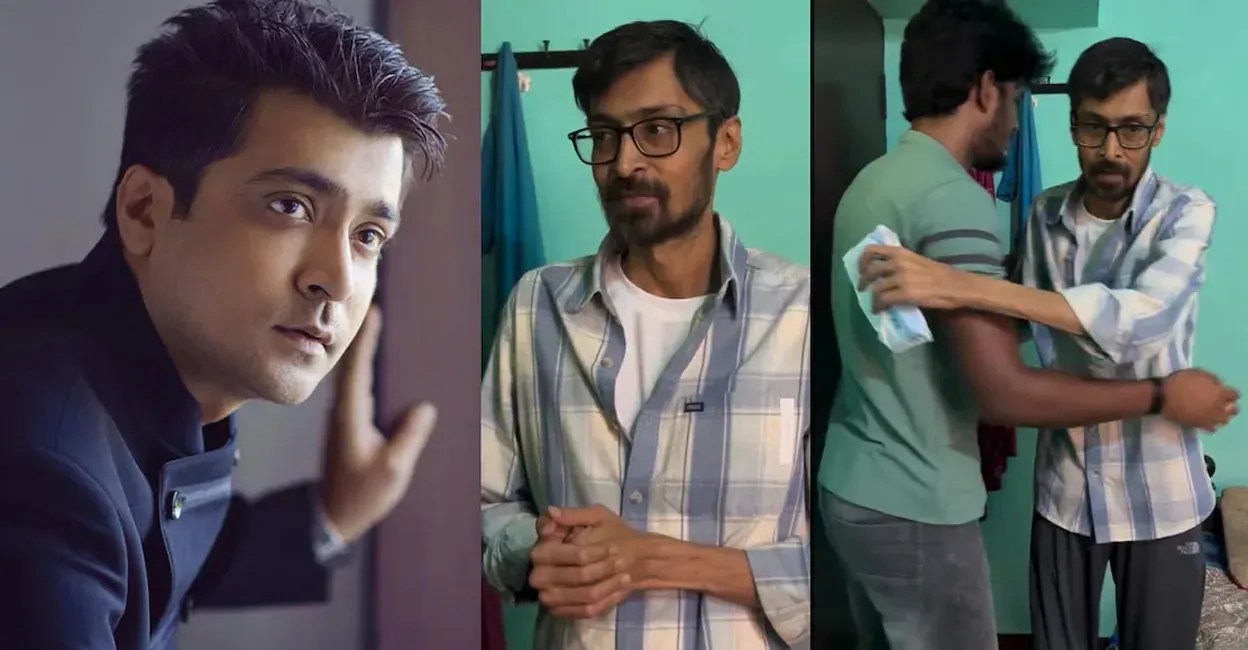
Rest in peace these words are being shared widely today as the film industry marks the passing of a well-known actor who had been under medical care for several days. His role in a recently released emotional drama had brought him renewed attention, but news of his health struggles had already raised concern among colleagues and followers. The confirmation of his death has now created a wave of reflection across cinema circles.Tamil actor Abhinay dies: Film union to perform last rites since he had no wife, children | Regional-cinema News – India TV

The actor’s condition had been a matter of discussion within the industry in recent weeks. Reports indicated that he had been receiving treatment due to complications linked to prolonged stress and physical strain. Medical teams had been monitoring him closely, but despite persistent efforts, his decline continued. The announcement of his passing early today has led to a measured but sincere response from those who worked with him over the years.

Rest in peace: A Career Remembered With Steady Admiration

His entry into films began in a period when character roles were gaining strong importance. He was known for performances built on restraint and realism, qualities that set him apart at a time when dramatic styles were more common. Over the years, he built a filmography that reflected steady effort rather than high publicity. Many colleagues have noted that he was consistent, disciplined, and deeply committed to his work even when recognition did not always come easily.Abhinay Kinger Dies: Famous Actor Passes Away at 44 Due to Serious Illness | Latest News | Patrika English News

In recent times, he had taken part in projects that required emotional depth and maturity. His performance in his final film, where he portrayed a man struggling through personal hardship, had been praised by audiences for its honesty. Even though the role demanded heavy emotional weight, he handled it with the same seriousness he brought to all his earlier work. His dedication to portraying everyday human challenges made his screen presence relatable to many.

The news of his passing has led to quiet gatherings among industry colleagues. Several directors and actors have spoken about how he was known for arriving early on sets, finishing work without delays, and maintaining a calm presence even in demanding shoot conditions. Such qualities made him a dependable collaborator and earned him respect beyond the roles he played. Also Read: Past weekend: 3 Major Concerns as Jungkook Faces Repeated Home Intrusions in November 2025

Rest in peace: The Industry Observes the Impact of His Departure

For fans who followed his work, the loss feels personal. Many viewers grew familiar with him through supporting roles that often carried emotional importance in the story. He had become a familiar face in realistic cinema, especially in films that explored family, hardship, and the complexities of ordinary life. His ability to portray vulnerability without exaggeration is being remembered with particular appreciation.RIPAbhinay November 10th Actor #Abhinay best known for his performance in #ThulluvadhoIlamai passes away at the age of 44 #துள்ளுவதோ_இளமை #அபிநய் இன்று காலமானார்

Industry observers also note that his career represents the many artists who contribute steadily without seeking constant visibility. His body of work, though not built on commercial dominance, stands as proof of how consistent effort can leave a lasting impression. His passing has brought attention to the pressures and health challenges faced by actors working continuously in demanding environments.

The final arrangements are being completed by his family, who have requested privacy as they manage the situation. Close friends from the industry are expected to gather for a simple farewell. The focus remains on respecting his contribution rather than turning the moment into a large public event.

Conclusion

Rest in peace the actor leaves behind a record of sincere performances and a legacy built on steady dedication rather than publicity. His absence will be felt by those who valued his quiet but meaningful presence in cinema.