Friday, May 15, 2026
Home Blog Page 328

Tharoor Praises Modi: Explosive Controversy Divides Congress Party

0

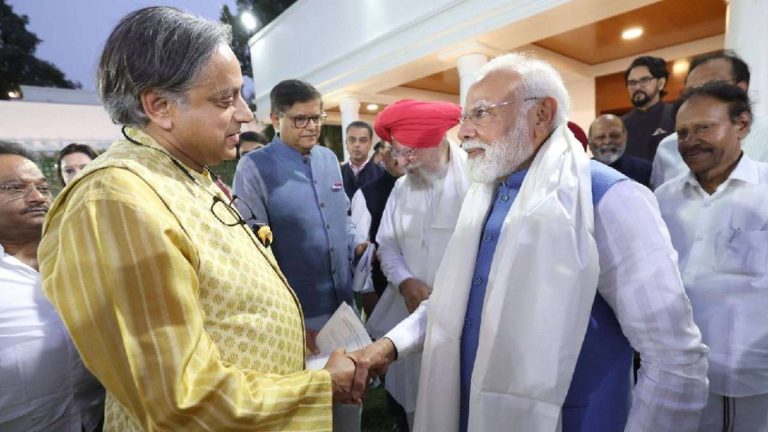
New Delhi – Congress MP Shashi Tharoor has ignited a firestorm within his own party after publicly lauding Prime Minister Narendra Modi‘s recent address at the Ramnath Goenka Lecture. The incident where Tharoor praises Modi has triggered sharp reactions from Congress colleagues who have questioned his alignment with party ideology and even suggested he should join the Bharatiya Janata Party instead.

Controversial Social Media Post Sparks Outrage

The controversy erupted on Tuesday when Tharoor praises Modi in a detailed post on X (formerly Twitter), describing the Prime Minister’s lecture as serving both as an economic outlook and a cultural call to action. The Thiruvananthapuram MP mentioned he was glad to have attended the event despite battling a bad cold and cough, expressing appreciation for Modi’s vision for India’s progress.

This latest instance where Tharoor praises Modi is not an isolated incident but part of a pattern where the veteran Congress politician has frequently “spoken for himself” rather than adhering to the party line. His independent stance has repeatedly caused discomfort within the Congress leadership and rank-and-file members.

Sandeep Dikshit’s Scathing Attack

Congress leader Sandeep Dikshit launched a particularly harsh attack on Wednesday in response to the situation where Tharoor praises Modi. Dikshit questioned Tharoor’s continued association with the Congress party, suggesting that the MP probably “does not know a lot about the country.”

“I don’t think he knows a lot about the country… If, according to you, someone is doing good for the country by going against the Congress’s policies, then you should follow those policies… Why are you in Congress? Is it only because you are an MP?” Dikshit stated, directly challenging Tharoor’s party loyalty.

The former MP went further, stating that if Tharoor genuinely feels that the BJP or PM Modi’s strategies are working better than the party he represents, then he should provide an explanation to Congress members and supporters. Dikshit concluded his criticism by calling Tharoor a “hypocrite” for not offering such an explanation while continuing to remain in the Congress.

Supriya Shrinate Questions Praise-Worthiness

Another prominent Congress voice, Supriya Shrinate, also weighed in on the controversy where Tharoor praises Modi. Shrinate stated on Wednesday that she found nothing “praiseworthy” in Prime Minister Modi’s address at the recent event, directly contradicting Tharoor’s enthusiastic assessment.

Shrinate’s remarks highlighted the stark difference in perspective between Tharoor and other Congress leaders regarding the Prime Minister’s public addresses and policy positions. Her statement underscored the party’s collective disapproval of Tharoor’s independent appreciation of the BJP leader’s rhetoric.

Details of Tharoor’s Praise for Modi’s Speech

In the controversial post where Tharoor praises Modi, the Congress MP highlighted several aspects of the Prime Minister’s Ramnath Goenka Lecture that he found compelling. Tharoor noted that PM Modi emphasized India is no longer just an “emerging market” but an “emerging model” for the world, highlighting the nation’s economic resilience.

Also Read: New Bihar Deputy CM: Critical Race Unfolds as Cabinet To Take Oath Today

According to Tharoor’s account, Modi addressed criticism about being in “election mode” all the time by clarifying he was actually in “emotional mode” to redress the problems of the people. This human touch in Modi’s presentation apparently resonated with the Congress MP.

Cultural Heritage and National Pride

A significant portion of Tharoor’s post where Tharoor praises Modi focused on the Prime Minister’s discussion of India’s cultural heritage. Modi dedicated substantial time to addressing what he termed Macaulay’s 200-year legacy of “slave mentality,” appealing for a 10-year national mission to restore pride in India’s heritage, languages, and knowledge systems.

Tharoor, while appreciating this cultural nationalism, added his own perspective, wishing that Modi had also acknowledged how Ramnath Goenka had used English to raise a voice for Indian nationalism. This nuanced addition showed Tharoor attempting to balance his praise with constructive commentary.

Pattern of Independent Stance

The incident where Tharoor praises Modi came close on the heels of another controversial post that had irked Congress leadership. Recently, Tharoor had defended BJP veteran LK Advani over criticism of the Rath Yatra of the 1990s, which had triggered the Ram Janmabhoomi movement. The Congress party had promptly distanced itself from those remarks as well.

This pattern suggests that Tharoor’s independent thinking and willingness to appreciate opposition leaders’ positions has become a recurring source of tension within the Congress party. His refusal to conform to strict party lines on all issues sets him apart from most Congress MPs who maintain disciplined public messaging.

Questions About Party Loyalty

The repeated instances where Tharoor praises Modi or other BJP leaders have raised fundamental questions about party loyalty and discipline within the Congress. Critics within the party argue that public appreciation of the Prime Minister undermines the opposition’s efforts to hold the government accountable and present an alternative vision to voters.

Dikshit’s pointed question—”Why are you in Congress?”—encapsulates the frustration many party members feel about Tharoor’s approach. They argue that while internal debate is healthy, public praise of political opponents, especially the Prime Minister, sends mixed signals to party workers and supporters who are working to challenge the BJP’s dominance.

Tharoor’s History of Independent Thinking

Shashi Tharoor has built a reputation over his political career as an independent thinker who often expresses views that don’t align perfectly with party orthodoxy. As a former diplomat and acclaimed author, Tharoor brings an intellectual approach to politics that sometimes clashes with the partisan nature of Indian electoral politics.

The situation where Tharoor praises Modi reflects his consistent tendency to evaluate ideas and statements on their merits rather than automatically opposing everything from the ruling party. This intellectual honesty, while appreciated by some observers, has made him a controversial figure within his own party.

Implications for Congress Unity

The strong reaction to the incident where Tharoor praises Modi highlights broader challenges facing the Congress party regarding internal discipline and messaging. As the party struggles to present a united front against the BJP, dissenting voices like Tharoor’s complicate efforts to maintain a coherent opposition narrative.

The criticism Tharoor faces from colleagues like Dikshit and Shrinate suggests that the Congress leadership may need to address the question of how much ideological flexibility is acceptable for party members, especially those holding elected positions. The “hypocrite” accusation indicates that tolerance for independent voices may be wearing thin.

Political Future and Party Dynamics

As the controversy where Tharoor praises Modi continues to generate discussion, questions arise about the Thiruvananthapuram MP’s future within the Congress party. While he remains a prominent figure with significant public following, his frequent departures from party positions create ongoing tension with leadership and colleagues.

Whether this latest incident will lead to any formal action from the party remains to be seen. However, it has certainly reignited debates about party discipline, the space for independent thinking in Indian politics, and whether Congress can accommodate diverse viewpoints while maintaining effective opposition to the BJP.

The episode serves as a reminder that in India’s highly polarized political environment, even measured appreciation of an opponent’s statements can trigger significant backlash and raise questions about political allegiances.

On social media BTS RM Shares Rare Family Moment in New Update

0

On social media BTS Member Shows His Warmer Side

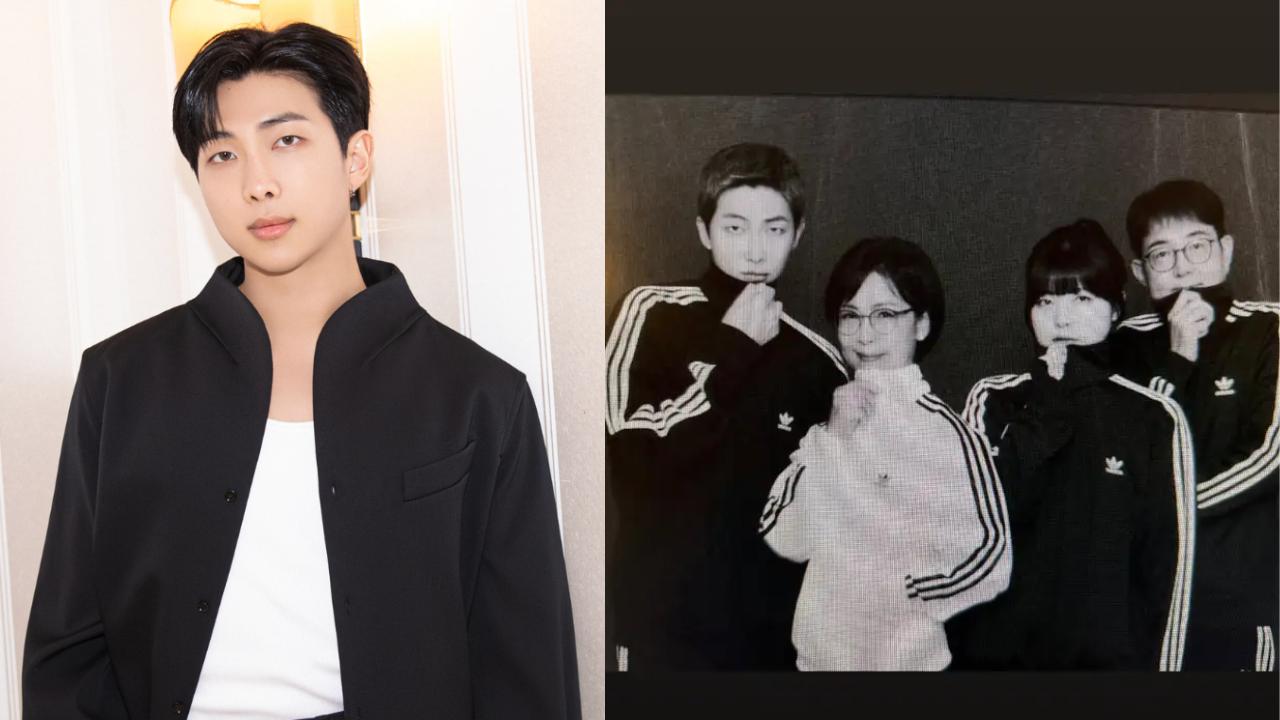
On social media BTS fans witnessed a rare personal glimpse from RM after he shared a quiet family moment online. The BTS leader, usually known for maintaining a balanced distance between his public and private life, offered a simple update that still managed to create a strong wave among fans. This moment did not include large statements, staged photos, or promotional content. Instead, it was a short look into his surroundings that showed a softer side of him.On social media BTS

RM has always maintained a steady presence on platforms where he shares parts of his daily routine, his thoughts, and his work. But this family-related post stood out because it carried a different feeling calm, grounded, and noticeably personal. Without using dramatic captions or exaggeration, he allowed fans to see a small part of his private world. This was enough to spark discussions among followers who appreciate these rare glimpses.

On social media BTS Update Draws Attention

The update came during a period when fans have been watching BTS members complete their schedules, military duties, and occasional updates. RM’s simple moment felt refreshing because it broke away from the usual patterns of official releases or work-related posts. His expression and the setting suggested comfort, familiarity, and a sense of normal life that fans rarely get to witness from global artists.BTS RM shares serene family getaway moments in latest Instagram post | allkpop

Many followers reacted quietly but strongly, expressing how rare it is to see RM in such a peaceful mood. They highlighted that moments like these remind them that behind the global fame, he still tries to keep meaningful personal connections. The reaction also showed how closely fans observe even small updates from BTS members, especially during periods when their activities are less frequent.

The post also reminded fans of RM’s consistency. He does not share personal content very often, but when he does, it is purposeful and simple. This style has become part of his identity: open enough to connect with fans, but private enough to protect the parts of his life that matter to him.

On social media BTS Moment Stands Out for Its Simplicity

BTS Leader RM Shares Rare Family Photos on InstagramHis update created a sense of warmth within the fan community. Many fans expressed appreciation without crossing boundaries. They recognised that RM sharing even a small slice of his personal life is intentional and should be respected. The tone of the reactions also reflected maturity, focusing more on gratitude than over-excitement.

This moment served as a reminder that public figures like RM balance many responsibilities. When they decide to open a window into their family life, even briefly, it carries weight. It shows their connection with followers who have supported them for years, and it also shows their effort to maintain a stable, grounded personal life despite the massive attention around them. Also Read: Past weekend: 3 Major Concerns as Jungkook Faces Repeated Home Intrusions in November 2025

RM’s update also added to the broader anticipation for future group activities. Fans often connect these small updates to the larger emotional thread of waiting for BTS members’ full return after completing their duties. A simple family photo or moment becomes part of that timeline, marking both progress and calm.


View this post on Instagram


A post shared by KISS Magazine Korea (@kiss.mag_korea)

In the end, the post did not need deep symbolism. It was a natural, warm moment shared by someone who usually maintains clear boundaries. Fans received it the same way—calm, appreciative, and respectful.

Conclusion

RM’s quiet family moment shared on social media BTS platforms gave fans a rare and warm look into his personal side, reminding them of his grounded nature while maintaining simple and respectful communication with his followers.

Red Fort Blast: Shocking Links to Al Falah University Emerge As 10 Found Missing

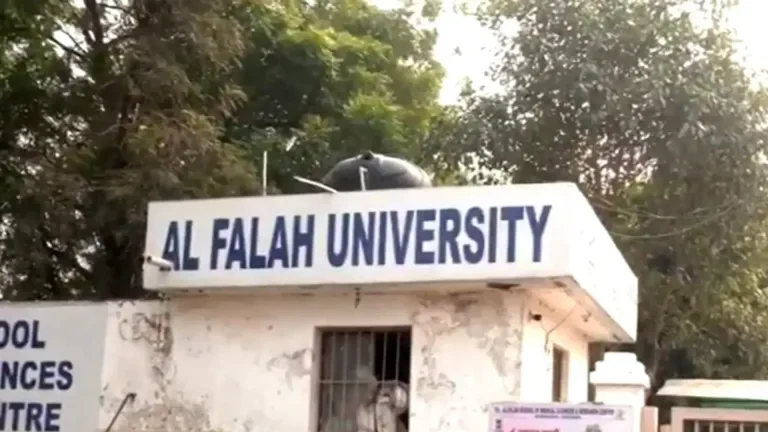
Haryana – Intelligence agencies investigating the deadly Red Fort blast have uncovered alarming connections to Al Falah University in Haryana’s Faridabad, with at least 10 people associated with the institution now reported missing. The devastating attack, which claimed 15 lives, has been identified as Delhi’s first encounter with Vehicular-Borne Improvised Explosive Devices (VBIEDs), marking a dangerous escalation in terror tactics targeting the national capital.

Missing Persons Raise Red Flags

According to intelligence sources, at least 10 individuals who either worked or studied at Al Falah University have disappeared, with their mobile phones turned off. Among the missing are three Kashmiris, raising significant concerns about their potential involvement in the Red Fort blast conspiracy. The university has been flagged by investigating agencies as the likely ground zero for orchestrating the terror attack that shook Delhi.

The disappearance of these 10 people was identified following a joint operation conducted by Jammu and Kashmir Police and Haryana Police. While investigators caution that it is still too early to draw definitive conclusions, intelligence inputs suggest that the missing individuals may be part of what has been termed the ‘terror doctor’ module responsible for executing the Red Fort blast.

Details of the Attack

The Red Fort blast involved a sophisticated operation where terrorists stuffed a Hyundai i20 vehicle with ammonium nitrate fuel oil (ANFO) and detonated it outside the iconic 16th century Mughal fort. This marked Delhi’s first experience with VBIEDs, a tactic that has proven devastatingly effective in other conflict zones around the world.

The vehicle explosion claimed 15 lives and caused significant damage to the historic site and surrounding areas. Officials familiar with the investigation have confirmed that the terror cell responsible for the Red Fort blast was operated by Jaish-e-Mohammed (JeM), the Pakistan-based terrorist organization with a long history of attacks against Indian targets.

The Terror Doctor Module

The Red Fort blast investigation has revealed the involvement of what intelligence agencies call the ‘terror doctor’ module. Dr Umar Mohammad, who was driving the explosive-laden Hyundai i20, was killed in the blast itself. His role as a medical professional who turned to terrorism highlights the sophisticated nature of the recruitment and radicalization network.

Nine other individuals, including three doctors from Al Falah Medical College, have been arrested in connection with the Red Fort blast. This unprecedented involvement of medical professionals in a terror operation has sent shockwaves through security establishments and raised questions about radicalization in educational institutions.

Jaish-e-Mohammed’s Fundraising Campaign

Intelligence sources have revealed that following the Red Fort blast, Jaish-e-Mohammed has issued a call for ‘donations’ to fund more fidayeen or suicide attacks. The Pakistan-based terror group is demanding sums of PKR 20,000 (approximately Rs 6,400) from supporters to finance future operations against Indian targets.

Also Read: Al Falah Founder Arrested: Shocking Money Laundering Charges

Clues discovered during the Red Fort blast investigation suggest that Jaish leaders are conducting this fundraising campaign through digital means, including a Pakistani application called SadaPay. This modern approach to terror financing demonstrates the group’s adaptation to contemporary technology for planning and executing attacks.

Women’s Wing Connection

A particularly concerning dimension of the Red Fort blast investigation involves potential links to Jaish-e-Mohammed’s women’s wing, known as Jamat ul-Muminat. Intelligence agencies are investigating whether the terror group may be plotting a women-led attack following the success of their recent operation.

The women’s wing was established under the leadership of Sadiya Azhar, sister of Jaish terror boss Masood Azhar. This unit was created after Operation Sindoor, India’s military response to the Pahalgam attack, which successfully destroyed JeM camps in Pakistan’s Bahawalpur region.

Key Suspect: Dr Shahina Saeed

One of the key suspects in the Red Fort blast is Dr Shahina Saeed, whose alleged codename was ‘Madam Surgeon.’ Intelligence sources believe she may have been responsible for financing the attack and is reportedly a member of Jaish-e-Mohammed’s women’s wing, Jamat ul-Muminat.

Dr Saeed’s involvement in the Red Fort blast represents a significant development in understanding the terror network’s structure and operational capabilities. Her alleged role in financing suggests a sophisticated support system that enabled the attack’s execution.

Arrest of University Founder

The Red Fort blast investigation took a dramatic turn with the arrest of Jawad Ahmed Siddiqui, the founder of Al Falah University. Siddiqui was detained by the Enforcement Directorate in connection with a money laundering case linked to terror financing.

This arrest underscores the institutional nature of the support network that facilitated the Red Fort blast. Authorities are examining whether the university served as more than just a meeting ground for conspirators, potentially functioning as a center for radicalization and operational planning.

Understanding VBIED Threat

The Red Fort blast has introduced India’s capital to the terrifying reality of Vehicular-Borne Improvised Explosive Devices. VBIEDs have been used extensively in conflict zones globally, causing massive casualties and destruction due to their ability to carry large quantities of explosives and their mobility.

Officials emphasize that the Red Fort blast represents a significant evolution in terrorist tactics targeting India. The use of a common civilian vehicle—a Hyundai i20—loaded with ammonium nitrate fuel oil demonstrates both the accessibility of materials and the sophistication of planning involved.

Ongoing Investigation and Security Concerns

The Red Fort blast investigation continues to unfold, with security agencies pursuing multiple leads across different states. The joint operations between Jammu and Kashmir Police and Haryana Police have proven crucial in identifying connections and tracking suspects.

The involvement of medical professionals from a recognized educational institution has prompted a comprehensive review of security protocols at universities and colleges across the National Capital Region. Authorities are examining radicalization patterns and recruitment methods used by terrorist organizations to target educated professionals.

National Security Implications

The Red Fort blast has exposed vulnerabilities in India’s counter-terrorism framework, particularly regarding the monitoring of educational institutions and the tracking of radicalization among professionals. The case has prompted calls for enhanced surveillance of vulnerable populations and improved coordination between state and central intelligence agencies.

As investigators continue piecing together the complete picture of the Red Fort blast conspiracy, the nation remains on high alert for potential follow-up attacks. The Jaish-e-Mohammed’s fundraising campaign for future fidayeen operations suggests that the threat remains active and evolving.

The discovery of the Al Falah University connection to the Red Fort blast has opened new avenues of investigation, with authorities working to locate the 10 missing individuals and determine the full extent of the terror network’s reach. The case serves as a stark reminder of the persistent security challenges facing India and the need for constant vigilance against evolving terrorist threats.

Epstein Files Release: Breaking News as Trump Signs Historic Bill

Washington D.C. – President Donald Trump signed legislation Wednesday night mandating the Epstein files release, marking a dramatic conclusion to months of political pressure and internal Republican divisions. The president announced the signing on Truth Social rather than holding a public ceremony, capping a tumultuous journey that saw him reverse his longstanding opposition to making the documents public.

Congressional Approval Forces Presidential Action

The path to the Epstein files release reached its culmination when both chambers of Congress demonstrated extraordinary bipartisan unity. The House of Representatives approved the Epstein Files Transparency Act on Tuesday with a remarkable 427-1 vote, with only Representative Clay Higgins of Louisiana casting a dissenting vote. Higgins cited concerns about potential harm to innocent witnesses and family members.

The Senate moved with equal swiftness, agreeing to pass the bill through unanimous consent even before it was formally transmitted from the House. This procedural maneuver bypassed the need for a formal roll call vote, underscoring the widespread support for the Epstein files release across party lines. The bill was officially transmitted to the White House at 4:38 pm on Wednesday.

Trump’s Dramatic Reversal

President Trump’s journey to signing the Epstein files release legislation was marked by significant resistance and eventual capitulation to political reality. For months, the president opposed efforts to compel the release of documents related to the convicted sex offender, a former friend with whom he had a falling out in the early 2000s.

On Sunday night, November 17, Trump executed a complete reversal, posting on Truth Social urging House Republicans to vote in favor of the bill. “House Republicans should vote to release the Epstein files, because we have nothing to hide, and it’s time to move on from this Democrat Hoax,” he wrote. Despite this public support, Trump continued expressing frustration with the ongoing focus on the matter.

In his Wednesday night announcement of the signing, Trump used a 390-word Truth Social post to characterize Epstein as a “lifelong Democrat” who “was deeply associated with many well-known Democrat figures,” attempting to redirect attention toward his political opponents.

What the Legislation Mandates

The Epstein Files Transparency Act requires the Department of Justice to release “all unclassified records, documents, communications and investigative materials” in its possession related to the investigation and prosecution of Jeffrey Epstein. Attorney General Pam Bondi has 30 days from the bill’s signing to comply with this mandate.

The legislation specifically requires that documents be made available in a searchable and downloadable format, ensuring maximum public accessibility. However, the Epstein files release includes important protections: the DOJ may withhold personal information of victims and redact names and identifying details to prevent further trauma to survivors. Additionally, the department can withhold information that might jeopardize active federal investigations or contains child sex abuse material.

Survivors Celebrate Hard-Won Victory

The Epstein files release represents a significant victory for survivors of Epstein’s abuse who fought relentlessly for transparency. On Tuesday morning, survivors gathered outside the U.S. Capitol alongside Representatives Ro Khanna, Thomas Massie, and Marjorie Taylor Greene to advocate for the bill’s passage.

Jena-Lisa Jones, one survivor, held up a photograph of herself at age 14—when she met Epstein—as a powerful reminder of the human cost of the financier’s crimes. “I was a child. I was in ninth grade. I was hopeful for life and what the future had held for me. He stole a lot from me,” she said.

Another survivor stated, “Today, we stand in a moment that will decide whether our government still belongs to the American people, or to those who prey on them.” Representative Massie acknowledged the difficulty of their campaign, telling reporters, “We fought the president, the attorney general, the FBI director, the speaker of the House and the vice president to get this win.”

Timeline of Mounting Political Pressure

The campaign for the Epstein files release gained momentum throughout 2025. During the 2024 presidential campaign, Trump suggested he would support releasing files related to Epstein. Early in his second term, officials including Attorney General Pam Bondi signaled progress toward disclosure, with Bondi claiming in February that Epstein’s rumored “client list” was “sitting on my desk right now to review.”

However, in July 2025, the DOJ released an unsigned memo stating that a review revealed no incriminating “client list” and concluded that no further disclosure would be appropriate. This announcement sparked outrage across the political spectrum, intensifying demands for the Epstein files release.

Representatives Thomas Massie and Ro Khanna introduced the legislation in July, and Massie filed a discharge petition in September to force a vote, circumventing Republican leadership. The petition required 218 signatures, gaining support from all Democrats and several Republicans. The final signature came when Representative Adelita Grijalva was sworn in after the government shutdown ended, accelerating the bill’s path to a vote.

Republican Division and Political Fallout

The Epstein files release effort exposed significant divisions within the Republican Party. Representative Marjorie Taylor Greene, a longtime Trump loyalist, became one of his most vocal critics on this issue. Last week, Trump lashed out at Greene and others who supported the measure, calling her a “traitor” after she characterized his opposition to the Epstein files release as a “huge miscalculation.”

Trump reversed his endorsement of Greene before ultimately reversing his position on the bill itself. Representative Khanna spoke of the “extraordinary political consequences” suffered by Massie, Greene, and other Republicans who supported the measure despite presidential opposition.

House Speaker Mike Johnson expressed disappointment that the Senate made no amendments to the bill, stating he had “made clear for months that I thought there were serious flaws in the underlying bill, and I had hoped that the Senate would work to fix and correct those.”

Attorney General’s Response

Attorney General Pam Bondi addressed the Epstein files release at a Wednesday news conference, stating that the administration would “follow the law” and maintain “maximum transparency.” She noted that the Justice Department has already released over 33,000 Epstein documents to Capitol Hill.

Last week, Bondi announced the DOJ was initiating a renewed investigation into potential ties between high-profile Democrats and Epstein, following Trump’s order on Truth Social. When pressed about the department’s July memo stating no further disclosures were planned, Bondi cited “new information, additional information” as justification for the changed approach.

However, sources suggest it’s unlikely the Justice Department would release the entire Epstein file. Materials related to ongoing investigations or subject to claims of executive privilege will likely remain confidential.

Epstein’s Background and Connections

Jeffrey Epstein was a financier who sexually abused girls and young women for years while maintaining connections to powerful figures in media, politics, academia, and business. He first pleaded guilty to charges of solicitation of prostitution with a minor in 2008, serving just 13 months in minimum-security detention with work-release privileges—a punishment widely criticized as inadequate.

After a Miami Herald investigation prompted federal authorities to reopen the case, Epstein was arrested and charged with sex trafficking of minors in 2019. Two months later, he was found dead in his jail cell in New York, with his death ruled a suicide.

Epstein’s associates included former President Bill Clinton, former British Prince Andrew (who was stripped of his royal title over the matter), former Israeli Prime Minister Ehud Barak, and former Harvard University President Larry Summers. On Wednesday, Summers announced his resignation from OpenAI’s board of directors amid scrutiny of his Epstein connections, which are now subject to an internal Harvard investigation.

Trump’s Continued Frustration

Despite signing the Epstein files release bill, President Trump continues expressing frustration with media attention on the matter. When ABC News reporter Mary Bruce questioned him about the files on Tuesday, Trump lashed out repeatedly, insulting her and calling for ABC’s broadcast license to be revoked.

Trump has attempted to redirect focus by ordering a Justice Department investigation into Epstein’s ties to Democrats. In his Truth Social post announcing the signing, he wrote, “Perhaps the truth about these Democrats, and their associations with Jeffrey Epstein, will soon be revealed.”

The president characterized the controversy as a “Democrat hoax to try and get me not to be able to talk about” his administration’s accomplishments, urging Republicans not to “take their eyes off all of the Victories that we’ve had.”

House Oversight Investigation Continues

While the Epstein files release legislation moves forward, the House Oversight Committee continues conducting its separate investigation into Epstein. Last week, the committee released thousands of documents obtained through a subpoena of Epstein’s estate, including emails showing Epstein discussing Trump.

The Wall Street Journal previously reported the existence of a “bawdy” and cryptic note to Epstein bearing Trump’s signature, part of a collection for Epstein’s 50th birthday in 2003. Trump has denied writing the letter and filed a defamation lawsuit against the Journal’s publisher Rupert Murdoch.

What Happens Next

Following Trump’s signature, the 30-day countdown for the Epstein files release begins. Senators from both parties have emphasized that the DOJ must comply with the legislation’s requirements. Senate Minority Leader Chuck Schumer warned Trump against selectively releasing documents and pledged that Democrats would hold him accountable.

Questions persist about what new information the Epstein files release will reveal about the financier’s network of connections to powerful figures. While the DOJ previously claimed no comprehensive “client list” exists, advocates hope the released materials will provide greater insight into Epstein’s activities and those who enabled them.

The actual scope and content of the Epstein files release remain subjects of intense speculation. Attorney General Bondi’s discretion to withhold certain information for investigative purposes means the public may not receive complete transparency, despite the legislation’s intent. As the 30-day deadline approaches, the nation awaits what may be one of the most significant document releases in recent American history.

Delhi Student Suicide: Tragic 16-Year Old’s Death Highlights Teacher Harassment Claims

0

New Delhi – In a heart-wrenching incident that has raised serious questions about the treatment of students in educational institutions, a Delhi student suicide case has emerged from central Delhi, where a 16-year-old Class 10 boy ended his life at a west Delhi metro station on Tuesday afternoon. The teenager, still wearing his school uniform, left behind a note that has sent shockwaves through the education community and sparked urgent discussions about student welfare.

Incident Details and Discovery

The tragic Delhi student suicide case came to light when police received a distress call around 3pm on Tuesday about a boy falling from a metro station building in west Delhi. When emergency responders and police teams reached the location, the teenager was immediately rushed to a private hospital, where medical professionals declared him dead on arrival.

The young student, who had been attending a prominent school in central Delhi, was discovered still dressed in his school uniform at the time of the incident, suggesting he had come directly from his educational institution before taking this drastic step.

Disturbing Contents of Suicide Note

The Delhi student suicide investigation took a serious turn when authorities recovered a note from the deceased boy’s possession. In this note, the teenager explicitly blamed his teachers and the school principal for his death, alleging sustained harassment and ill-treatment over an extended period.

According to the contents of the suicide note in this Delhi student suicide case, the boy described being subjected to persistent mistreatment by his schoolteachers. He specifically named four teachers in his note, stating that they “must be punished” for their actions. The teenager’s last wish, as documented in the note, was that no other student should ever be treated the way he was treated during his time at the school.

The note also contained an apology to his parents and older brother, indicating the emotional turmoil and guilt the young student experienced before making this irreversible decision.

Family’s Account of Harassment

The father of the victim in this Delhi student suicide case, a 48-year-old businessman who runs his enterprise in Karol Bagh, shared disturbing details about his son’s experiences at school. The family consists of the father, a homemaker mother, and an older son who is currently pursuing his college education in south Delhi.

According to the father, his younger son had been studying at the same school since Class 2, making him a long-term student of the institution. However, for the last one year, the teenager had been experiencing what the father described as being “scolded and troubled by his teachers over petty issues.”

The father revealed that his son had communicated these problems to the family, and they had raised their concerns with the teachers on multiple occasions. Unfortunately, despite their interventions, nothing changed. The father also mentioned that even the boy’s friends were troubled by the same teachers, suggesting a pattern of behavior that extended beyond his son alone.

Academic Pressure and Constant Criticism

A particularly troubling aspect of this Delhi student suicide case involves the alleged academic pressure placed on the teenager. According to the father’s account, the teachers kept pressuring the boy to score better marks continuously. The child repeatedly told them “he was trying,” but this explanation apparently fell on deaf ears.

Also Read: Delhi-NCR Air Pollution: Alarming Severe Levels Choke Region

Despite the ongoing difficulties, the family had made the decision to transfer him to another school after he completed Class 10. However, they asked him to continue at his current institution until the board exams because the school held discretion over 20 internal marks, which could significantly impact his final results.

Tuesday’s Alleged Incident

The day of the Delhi student suicide reportedly began with another distressing incident at school. According to the father’s allegations, his son collapsed at school on Tuesday, but his teacher told him he was faking the episode. When the boy insisted that he had genuinely fainted and began crying, the teacher allegedly dismissed his tears as fake as well.

This incident, which the boy described in his suicide note, appears to have been the final trigger in a series of events that led to this tragic Delhi student suicide. The dismissal of his physical distress and emotional response may have left the teenager feeling completely unheard and without any avenue for support.

Legal Action Initiated

Following the discovery and investigation of this Delhi student suicide case, police have registered a formal case under section 107 (abetment to suicide) and section 3(5) of the Bharatiya Nyaya Sanhita (BNS) at Raja Garden police station. An investigation is currently underway to examine all allegations made in the suicide note.

Police authorities have stated that they will be issuing an official notice to the school administration, requesting them to share CCTV footage of the incidents mentioned in the teenager’s note. This evidence will be crucial in establishing the timeline and verifying the claims made by the deceased student.

Additionally, investigators have announced that they will ask the teachers specifically named in the note to join the investigation. Police also plan to speak with the boy’s friends and classmates to gather additional information about the environment at school and corroborate the allegations made in this Delhi student suicide case.

School Administration’s Response

Attempts to reach the school’s senior headmaster for comment regarding this Delhi student suicide case have been unsuccessful. The absence of any official statement from the educational institution has left many questions unanswered about their policies, the conduct of their teaching staff, and the support systems in place for students experiencing difficulties.

Broader Implications for Education System

This Delhi student suicide case has reignited conversations about the mental health crisis affecting students across India. The incident highlights the urgent need for educational institutions to create supportive environments where students feel safe to express their struggles without fear of ridicule or dismissal.

The case also raises critical questions about teacher training, oversight mechanisms, and accountability structures within schools. The allegations of sustained harassment over petty issues and the dismissal of a student’s physical and emotional distress point to systemic failures that must be addressed.

Support Systems and Prevention

While this Delhi student suicide represents an irreversible tragedy, it serves as a stark reminder of the importance of suicide prevention and mental health support. Educational institutions must implement robust counseling services, anonymous reporting mechanisms for harassment, and regular mental health awareness programs.

Parents, teachers, and school administrators need to work collaboratively to create environments where students feel valued, supported, and heard. Warning signs of distress should never be dismissed, and academic pressure must be balanced with empathy and understanding of individual capabilities.

Delhi-NCR Air Pollution: Alarming Severe Levels Choke Region

0

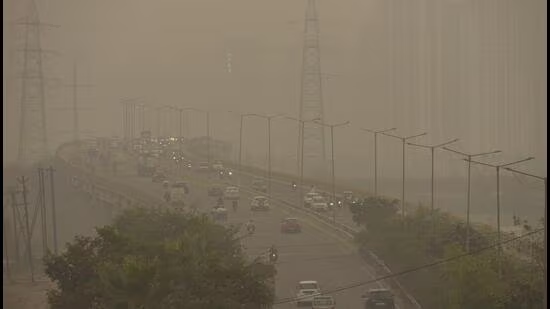
New Delhi – The National Capital Region is grappling with a dangerous environmental crisis as Delhi-NCR air pollution reached alarming levels on Wednesday, with three cities officially entering the “severe” category. A thick, immovable haze has settled across the region, creating hazardous breathing conditions for millions of residents and raising urgent concerns about public health.

Three Cities Enter Severe Category

The Delhi-NCR air pollution crisis intensified dramatically on Wednesday as only three cities in the entire country recorded “severe” air quality—all located within the National Capital Region. Ghaziabad, Greater Noida, and Noida emerged as the nation’s most polluted cities, while Delhi itself hovered dangerously close to the severe threshold.

Data from the Central Pollution Control Board (CPCB) revealed Ghaziabad topping the national pollution charts with an air quality index reading of 422, plunging it deep into the severe category. Greater Noida followed closely at 420, with Noida recording 409. Delhi’s 4pm reading stood at 392, categorized as “very poor” but alarmingly missing the severe threshold by only nine points.

NCR Dominates National Pollution Rankings

The Delhi-NCR air pollution crisis became even more evident when examining the broader picture of India’s most polluted cities. All 10 of the country’s most polluted cities on Wednesday were part of the National Capital Region, underscoring how the nation’s air pollution battle remains concentrated in this area.

After the top three severely polluted cities came Hapur, Rohtak, Meerut, Bulandshahr, Baghpat, and Bhiwadi—all recording dangerous air quality levels. Even Gurugram and Faridabad, which fared marginally better, registered readings in the “poor” category at 300 and 265 respectively, indicating widespread deterioration across the entire region.

Persistent Pattern Throughout November

Officials and analysts pointed out that the current Delhi-NCR air pollution crisis represents a continuing trend rather than an isolated incident. Ghaziabad, Noida, and Greater Noida have consistently been the worst-hit towns in the country throughout November’s first 19 days.

CPCB data shows that these three cities topped the national pollution charts on at least three days during this period. Of the remaining 13 days, NCR towns dominated the list 11 times. Between November 1 and 19, the severity of Delhi-NCR air pollution is evident in the data: Noida recorded three “severe” air days, Greater Noida five, Ghaziabad four, and Delhi three.

Meteorological Factors Behind the Crisis

The spike in Delhi-NCR air pollution has been largely attributed to unfavorable meteorological conditions that have created a perfect storm for pollutant accumulation. Ankit Kumar, regional officer of the UP Pollution Control Board in Ghaziabad, explained that very slow wind speed has significantly affected AQI figures, as there is hardly any dispersal of pollutants.

Also Read: Delhi Yamuna Cruise: Revolutionary Water Transport Launch Soon

Weather experts emphasized that low wind speed remains the primary culprit. Mahesh Palawat, vice president for meteorology and climate change at Skymet Weather, stated that due to very slow wind speed, pollutants have accumulated and are not getting dispersed. This condition is likely to prevail for the next two to three days, with no forecast of any western disturbance or rainfall for the next week.

Grim Forecast for Coming Days

The outlook for Delhi-NCR air pollution appears increasingly dire according to official forecasts. The Centre’s Air Quality Early Warning System (EWS) for Delhi predicted the Capital’s AQI to remain “very poor” on November 20 and 21, but then deteriorate to “severe” on November 22 as meteorological conditions largely remain unfavorable.

The EWS daily bulletin warned that the outlook for the subsequent six days from November 23 onwards shows air quality likely to oscillate between “severe” and “very poor” categories, indicating no immediate relief for residents suffering from the Delhi-NCR air pollution crisis.

Understanding AQI Categories

To contextualize the severity of Delhi-NCR air pollution, CPCB classifies air quality into distinct categories. Air is considered “good” when the AQI ranges from 0-50, “satisfactory” between 51 and 100, “moderate” between 101 and 200, “poor” between 201 and 300, “very poor” between 301 and 400, and “severe” above 400.

The current readings across NCR cities clearly demonstrate that the region is operating at the most dangerous end of this spectrum, with multiple cities exceeding the 400 mark and others hovering just below it.

Stubble Burning Impact Declining

Data from the Decision Support System (DSS) indicated that the contribution of stubble burning to Delhi-NCR air pollution is currently reducing due to a change in wind direction. The contribution of stubble burning to Delhi’s PM2.5 was 3.88% on Wednesday, down from 5.43% on Tuesday and 16.13% on Monday.

This declining contribution suggests that while stubble burning played a significant role earlier in November, the current Delhi-NCR air pollution crisis is being driven more by local emission sources and unfavorable meteorological conditions that prevent pollutant dispersal.

GRAP Stage-3 Restrictions in Effect

The NCR region is currently operating under Stage-3 curbs of the Graded Response Action Plan (GRAP) in response to the Delhi-NCR air pollution emergency. These restrictions include bans on non-essential construction and demolition activities, alongside prohibitions on private four-wheelers running on BS3 petrol and BS4 diesel.

Stage-3 curbs were implemented on November 11, when Delhi’s AQI first touched “severe” this year. Despite these measures, the Delhi-NCR air pollution levels have continued to worsen, raising questions about the effectiveness of current mitigation strategies.

Enforcement Actions Underway

Authorities are intensifying efforts to combat Delhi-NCR air pollution through various enforcement actions. Teams are taking action against garbage burning, sealing ready-mix concrete plants, and intensifying mechanized road sweeping and water sprinkling operations across affected areas.

However, experts acknowledge that these measures, while necessary, may prove insufficient given the combination of high emission loads and unfavorable meteorological conditions currently plaguing the region.

Multiple Contributing Factors

Sunil Dahiya, founder and lead analyst at the think-tank Envirocatalysts, explained that Delhi-NCR air pollution results from a complex interplay of factors. The region’s high population load, combined with unfavorable meteorological conditions and geographical factors, creates a pollution hub.

High energy consumption, heavy vehicular load, massive waste generation, and numerous industries all contribute to a high emission load. When winds are low and temperatures are dipping, it leads to stagnation. Geographically, the Aravallis and Himalayas create a corridor for pollution to travel to NCR from Punjab and Haryana, stretching as far as the Indo-Gangetic plains.

Temperature Trends

Delhi’s base weather station at Safdarjung recorded a minimum temperature of 10.2°C on Wednesday, which was two degrees below normal, down from 9.6°C on Tuesday. The minimum temperature is likely to oscillate between 10 and 12°C until Friday as conditions marginally become milder.

The maximum temperature in Delhi stood at 28.3°C, a degree above normal. The maximum is forecast to hover between 26 and 28°C until Friday. These temperature patterns, particularly the cooler mornings, contribute to the Delhi-NCR air pollution crisis by creating inversion layers that trap pollutants close to the ground.

New Bihar Deputy CM: Critical Race Unfolds as Cabinet To Take Oath Today

Bihar – Bihar is witnessing a momentous political event on Thursday as the state’s fresh cabinet prepares to take oath at Patna’s iconic Gandhi Maidan. While JD(U) chief Nitish Kumar is set to reclaim the chief minister position for a record 10th time, intense speculation surrounds the selection of the Bihar deputy CM, with several prominent leaders positioning themselves for this coveted role.

Historic Oath Ceremony at Gandhi Maidan

All eyes are fixed on the grand oath-taking ceremony scheduled for Thursday at Gandhi Maidan, one of Bihar’s most significant political venues. Nitish Kumar, the state’s longest-serving chief minister, is poised to lead the new National Democratic Alliance government following the coalition’s emphatic victory in the recent assembly elections.

The ceremony represents not just the formation of a new government but also the continuation of Nitish Kumar’s nearly two-decade-long political dominance in Bihar. However, the question of who will serve as Bihar deputy CM has emerged as the most discussed aspect of the government formation, with multiple contenders making strong cases for their selection.

Leading Contenders for Bihar Deputy CM

The race for the Bihar deputy CM position features several prominent figures from the NDA coalition, primarily from the Bharatiya Janata Party. Samrat Chaudhary and Vijay Kumar Sinha, who served as Nitish Kumar’s deputies in the previous regime, are once again eyeing these key positions, leveraging their experience and proven track record in state administration.

On Wednesday, the BJP legislature party made crucial decisions that provide strong hints about the Bihar deputy CM selections. Samrat Chaudhary was chosen as the BJP legislature party leader, while Vijay Kumar Sinha was elected as the deputy leader. These appointments suggest that both leaders are frontrunners for retaining their positions as deputy chief ministers in the new government.

Also Read: Nitish Kumar Bihar CM: Big 10th Term Oath Ceremony Today

The duo’s selection as party leaders indicates the BJP’s confidence in their administrative capabilities and political acumen. Their performance in the previous government and their electoral victories in the recent polls have strengthened their claims to the Bihar deputy CM posts.

Samrat Chaudhary’s Electoral Victory

Samrat Chaudhary demonstrated his political strength by securing victory from the Tarapur constituency in the recent assembly elections. He defeated strong opponents including RJD’s Arun Kumar and Vikassheel Insan Party (VIP)’s Sakaldeo Bind, consolidating his position as a key BJP leader in Bihar.

Chaudhary’s electoral success from Tarapur, combined with his experience as the outgoing Bihar deputy CM, makes him a natural choice for continuing in this role. His administrative track record and ability to navigate coalition politics have been noted by party leadership, positioning him favorably for retention in the new cabinet.

Vijay Kumar Sinha’s Political Standing

Vijay Kumar Sinha secured victory from the Lakhisarai constituency, further cementing his position within the BJP’s Bihar leadership. As the deputy leader of the BJP legislature party, Sinha’s role in the new government appears significant, though there are indications he might be considered for alternative important positions.

Sources suggest that while Sinha remains a contender for the Bihar deputy CM position, he is also being considered as a candidate for the Speaker’s post in the Bihar assembly. The Speaker’s position is a prestigious role that carries significant constitutional importance and could represent an equally valuable appointment for the senior BJP leader.

Mangal Pandey in the Mix

Adding another dimension to the Bihar deputy CM race is Mangal Pandey of the BJP, who has emerged as an additional candidate being considered for the coveted post. Pandey’s inclusion in the deliberations indicates that the party is evaluating multiple options before finalizing the deputy chief minister positions.

Pandey secured the Siwan seat for the NDA in the recent elections, demonstrating his electoral appeal and political relevance. His candidacy for the Bihar deputy CM position reflects the party’s attempt to balance various considerations including regional representation, caste equations, and administrative experience.

Chirag Paswan’s Aspirations

An interesting subplot in the Bihar deputy CM deliberations involves Lok Janshakti Party (Ram Vilas) chief and Lok Sabha MP Chirag Paswan, who has reportedly expressed interest in securing one of the deputy chief minister positions. As the leader of a party with 19 MLAs, Paswan’s LJP(RV) is seen as a crucial mobilizer of Dalit votes within the NDA coalition.

However, Paswan’s aspirations for the Bihar deputy CM post have reportedly faced resistance from both the BJP and JD(U). The larger alliance partners have held extensive internal consultations to discuss ministerial roles and the structure of the new government, and the current indications suggest that the deputy chief minister positions are likely to remain with the BJP.

Cabinet Composition and Ministerial Roles

With JD(U) electing Nitish Kumar as the leader of the NDA legislature party in the state, preparations are underway for 20 other ministers to take oath alongside the chief minister. The distribution of portfolios and the selection of the Bihar deputy CM remain subjects of intense negotiation among the alliance partners.

The parties of the NDA alliance group held extensive internal consultations on Tuesday to discuss ministerial roles and ensure balanced representation across the coalition. These discussions have been crucial in determining not just the Bihar deputy CM selections but also the allocation of key portfolios among the various alliance partners.

Political Significance of Deputy CM Selection

The selection of the Bihar deputy CM carries immense political significance beyond just administrative considerations. These positions must balance multiple factors including regional representation, caste dynamics, political experience, and coalition management skills. The deputy chief ministers play crucial roles in coordinating between the coalition partners and ensuring smooth governance.

The BJP’s dominant position in the alliance, having emerged as the largest party with 89 seats, gives it considerable leverage in determining the Bihar deputy CM selections. However, maintaining coalition harmony with JD(U) and other partners requires careful negotiation and balanced representation in the cabinet.

Awaiting Final Announcement

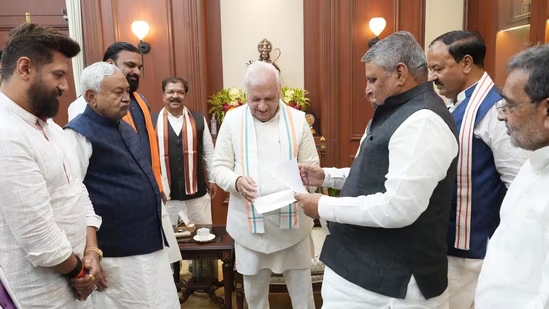
As Bihar prepares for the oath-taking ceremony at Gandhi Maidan, the final announcement regarding the Bihar deputy CM positions is expected shortly. Governor Arif Mohammed Khan will receive the complete list of ministers on Thursday morning, with the selected leaders being informed just ahead of the ceremony.

The resolution of the Bihar deputy CM question will provide clarity on the new government’s power structure and signal the coalition’s priorities for the coming term. Whether Samrat Chaudhary and Vijay Kumar Sinha retain their positions, or whether new faces emerge in these crucial roles, will be revealed as the ceremony unfolds at Gandhi Maidan.

Orry Drugs Case: Shocking Summons in Rs.252-Crore Investigation

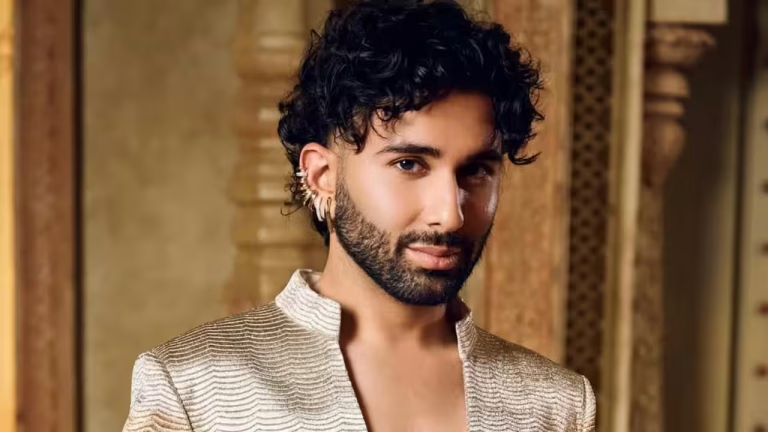
Mumbai – Mumbai Police has issued a summons to prominent social media influencer Orhan Awatramani, popularly known as Orry, in connection with the high-profile Orry drugs case involving a massive ₹252-crore drug bust. This development marks a significant escalation in an investigation that has already implicated numerous celebrities and high-profile personalities across India’s entertainment and political circles.

Summons Details and Timeline

The Orry drugs case took a dramatic turn when Mumbai Police’s Anti-Narcotics Cell directed the influencer to appear before their Ghatkopar unit at 10 am on Thursday for questioning. This summons places Orry among several prominent figures who have come under the scanner in what has become one of Mumbai’s most significant drug-related investigations in recent years.

The social media personality, whose real name is Orhan Awatramani, has built a substantial following through his connections with Bollywood celebrities and his presence at high-profile events. His involvement in the Orry drugs case represents a new chapter in an investigation that continues to expand its reach across India’s elite social circles.

Origins of the ₹252-Crore Investigation

The Orry drugs case stems from a major operation conducted by law enforcement authorities in March 2024. During this operation, police seized an astounding 126.14 kilograms of mephedrone, commonly known as ‘MD,’ at a mephedrone-manufacturing facility located on a farm in Maharashtra’s Sangli district. The street value of the seized narcotics was estimated at approximately ₹252 crore, making it one of the largest drug busts in recent Indian history.

The discovery of this large-scale manufacturing operation set in motion an extensive investigation that would eventually lead authorities to uncover a complex network of drug distribution, lavish parties, and connections to organized crime syndicates. The Orry drugs case is just one thread in this larger tapestry of alleged criminal activity.

Key Arrest and Confession

A breakthrough in the Orry drugs case came when authorities arrested Mohammed Salim Mohammed Suhail Shaikh after his deportation from Dubai last month. Shaikh’s arrest proved pivotal to the investigation’s expansion, as he provided crucial information to Mumbai Police during questioning.

According to police sources, Shaikh confessed to organizing elaborate rave parties across India and abroad specifically for celebrities and influential personalities. His confession opened new avenues of investigation and led authorities to scrutinize the guest lists and attendees of these exclusive events, ultimately connecting the Orry drugs case to a broader network of alleged illegal activities.

Rave Parties and Celebrity Connections

The Mumbai Police probe in the Orry drugs case revealed that Mohammad Salim Shaikh had organized numerous rave parties in both Mumbai and Dubai. These lavish events were allegedly attended by a constellation of famous celebrities, social media influencers, and some politicians, creating a web of connections that has complicated the investigation.

Also Read: Disney Lisa, 3 Strong Signs Pointing to Her Possible Role in the Tangled Live-Action Film

The parties organized by Shaikh were reportedly exclusive affairs that catered to India’s entertainment elite and powerful political figures. The Orry drugs case investigation suggests these gatherings may have been venues where illegal substances were distributed and consumed, though the extent of each individual’s involvement remains under investigation.

Organized Crime Connections

A disturbing dimension of the Orry drugs case emerged when investigators discovered links to organized crime. Shaikh is identified as a close aide of fugitive drug kingpin Salim Dola, who is reported to be a key member of the notorious Dawood Ibrahim gang. This connection elevates the Orry drugs case from a simple drug investigation to one potentially involving India’s most wanted criminal organizations.

The Anti-Narcotics Cell of the Mumbai Crime Branch disclosed that the lavish parties at the center of the Orry drugs case were allegedly attended by Alishah, the son of Dawood Ibrahim’s deceased sister Haseena Parkar. This revelation underscores the serious nature of the investigation and its potential implications for national security.

Celebrities Under Scanner

The Orry drugs case has cast a spotlight on numerous Bollywood personalities and entertainment industry figures. According to police sources, actors Nora Fatehi and Shraddha Kapoor, along with Shraddha’s brother Siddharth Kapoor, allegedly attended these parties. Their presence at these events has brought them under the investigative lens, though attendance alone does not imply criminal wrongdoing.

Furthermore, in their remand application before a Mumbai court, police identified additional prominent figures allegedly present at these gatherings. Film producers Abbas-Mustan, rapper Loka, and NCP leader Zeeshan Siddique were also named in connection with the parties that form a crucial element of the Orry drugs case investigation.

Legal Proceedings and Investigation Scope

The Orry drugs case represents just one aspect of a multi-faceted investigation that continues to evolve. Mumbai Police’s methodical approach includes summoning various individuals for questioning to establish the full scope of the alleged drug distribution network and the parties that may have served as distribution points.

The remand application submitted to the Mumbai court provides insight into the prosecution’s strategy and the evidence they believe supports their investigation. As authorities continue to piece together the connections between the drug manufacturing operation, the rave parties, and the various personalities involved, the Orry drugs case may yet reveal more surprises.

International Dimensions

The Orry drugs case has demonstrated significant international dimensions, with parties allegedly organized in Dubai and the deportation of key suspect Mohammed Salim Shaikh from the United Arab Emirates. This cross-border element has required coordination between Indian law enforcement and international authorities, adding complexity to the investigation.

The fact that law enforcement successfully secured Shaikh’s deportation from Dubai indicates the seriousness with which authorities are treating the Orry drugs case and their determination to prosecute all individuals involved, regardless of their current location.

Ongoing Developments

As the Orry drugs case continues to unfold, authorities are expected to summon additional individuals for questioning. The investigation’s expanding scope suggests that more revelations may be forthcoming, potentially implicating additional celebrities, influencers, and political figures.

The Anti-Narcotics Cell’s systematic approach to investigating the Orry drugs case demonstrates their commitment to uncovering the full extent of the alleged drug network and holding accountable all those who may have facilitated or participated in illegal activities. The coming weeks are likely to bring further developments as questioned individuals provide statements and investigators continue their work.

The Orry drugs case serves as a reminder of the ongoing challenges law enforcement faces in combating drug trafficking and the sometimes-unexpected connections between organized crime, the entertainment industry, and high society.

Russia-Ukraine Peace Plan: Stunning 28-Point Proposal Approved by Trump

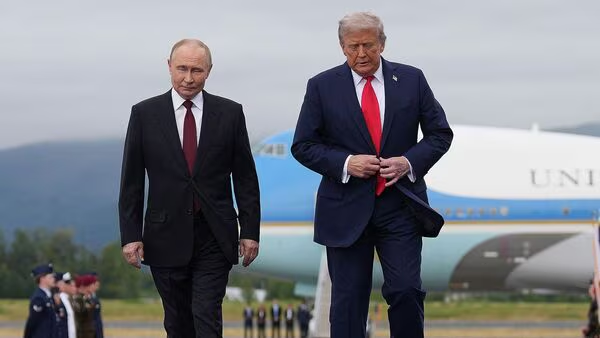
Washington D.C. – In a potentially groundbreaking development that could reshape the trajectory of Europe’s most significant military conflict in decades, US President Donald Trump has quietly approved a comprehensive Russia-Ukraine peace plan this week. The 28-point proposal represents months of diplomatic work and could mark a turning point in efforts to bring the devastating conflict to an end.

Details of the Russia-Ukraine Peace Plan

According to a senior administration official, the Russia-Ukraine peace plan consists of 28 specific points designed to address the complex issues underlying the conflict that began with Russia’s invasion in February 2022. Top administration officials have quietly developed this framework over the last several weeks through careful consultation with multiple stakeholders.

The development of the Russia-Ukraine peace plan has involved direct engagement with Russian envoy Kirill Dmitriev and Ukrainian officials, indicating that both sides have had input into the proposal’s formation. This collaborative approach suggests that the plan may have a realistic chance of acceptance by the warring parties, though significant challenges remain.

The proposal reportedly draws inspiration from Donald Trump’s 20-point Gaza peace plan, suggesting a similar comprehensive approach to addressing the multifaceted dimensions of the conflict. However, the official who confirmed the Russia-Ukraine peace plan declined to share specific details, noting that the proposal remains subject to ongoing negotiation among key stakeholders.

Diplomatic Developments and Negotiations

The timing of the Russia-Ukraine peace plan’s completion is significant, aligning with a visit to Ukraine by an American Army delegation. This coordination suggests a strategic approach to integrating military and diplomatic efforts in pursuit of a peaceful resolution.

The US delegation arrived in Kyiv on Wednesday morning with dual objectives that complement the broader peace initiative. According to multiple officials, including two US officials, a European official, and a source close to the Ukrainian government, the delegation’s mission centered on two critical goals: discussing military strategy and technology, and helping to reinvigorate the stalled peace process.

This visit represents a tangible effort to advance the Russia-Ukraine peace plan from proposal to active negotiation. The delegation’s presence in Ukraine signals the Trump administration’s commitment to finding a diplomatic solution while maintaining support for Ukraine’s defense capabilities.

Status of Formal Presentation

Despite the approval of the Russia-Ukraine peace plan by President Trump, three US officials have indicated that the peace deal framework has not yet been formally presented to Ukrainian leaders. This suggests that the administration is taking a measured approach to introducing the proposal, possibly to ensure that the timing and presentation maximize the chances of acceptance.

The lack of formal presentation to Ukrainian leadership raises questions about the diplomatic strategy surrounding the Russia-Ukraine peace plan. Officials may be waiting for the right political moment or seeking to secure additional assurances from Russia before formally proposing the framework to Ukraine. Alternatively, the administration might be conducting preliminary discussions to gauge receptiveness before making an official presentation.

Background of the Russia-Ukraine Conflict

Understanding the context in which the Russia-Ukraine peace plan has been developed requires examining the scope and scale of the ongoing conflict. Russia’s invasion of Ukraine in February 2022 has evolved into Europe’s most significant war in decades, with far-reaching consequences for regional security and global stability.

The fighting has primarily centered on eastern and southern Ukraine, where intense battles continue to rage. The conflict has been characterized by drone strikes, long-range attacks, and conventional warfare that has caused widespread destruction across Ukrainian territory. The humanitarian toll has been staggering, with civilian infrastructure repeatedly targeted and entire communities displaced.

Also Read: Trump Defends Saudi Prince: Shocking Khashoggi Murder Response

Ukraine, receiving substantial Western military and economic support, has focused its efforts on defending its territory and pushing back against Russian advances. The country’s resistance has been fiercer than many analysts predicted, with Ukrainian forces successfully defending Kyiv and reclaiming significant territories in some regions.

Meanwhile, Russia has aimed to consolidate control over occupied regions in eastern and southern Ukraine while applying pressure through sustained military operations and attacks on critical infrastructure. The conflict has settled into a prolonged stalemate in many areas, with neither side able to achieve a decisive breakthrough.

Humanitarian Impact and Displacement

The conflict that the Russia-Ukraine peace plan seeks to resolve has resulted in catastrophic humanitarian consequences. Massive displacement has affected millions of Ukrainian citizens, with many fleeing to neighboring countries while others remain displaced within Ukraine’s borders. Thousands of casualties, both military and civilian, have been recorded, though exact numbers remain difficult to verify.

The destruction of infrastructure, including power plants, hospitals, schools, and residential areas, has created a humanitarian crisis requiring sustained international assistance. The Russia-Ukraine peace plan, if successfully implemented, could begin to address these urgent humanitarian needs and create conditions for reconstruction and recovery.

International Implications

The development of a Russia-Ukraine peace plan carries significant implications for international relations and global security architecture. The conflict has strained relations between Russia and Western nations, resulted in extensive economic sanctions, and prompted a reassessment of European security arrangements.

A successful peace agreement could reshape diplomatic dynamics across Europe and beyond. However, the path from proposal to implementation remains fraught with challenges, including questions about territorial integrity, security guarantees, accountability for war crimes, and the timing of sanctions relief.

Challenges Ahead for Peace Implementation

While the approval of the Russia-Ukraine peace plan represents progress, substantial obstacles remain before peace can be achieved. The prolonged nature of the conflict has created deep mistrust between the parties, making negotiations extremely difficult. Both sides have articulated maximalist positions that may be difficult to reconcile within a single framework.

Ukraine has consistently emphasized the importance of territorial integrity and sovereignty, while Russia has sought recognition of its control over occupied territories. Bridging these fundamental differences will require significant compromise from both parties and sustained international diplomatic pressure.

Looking Forward

The Russia-Ukraine peace plan represents a potential pathway toward ending Europe’s bloodiest conflict in decades. As diplomatic efforts continue and the proposal moves toward formal presentation to Ukrainian leaders, the international community watches closely. Whether this 28-point framework can succeed where previous efforts have failed remains to be seen, but its development marks a serious attempt to break the current stalemate and create conditions for lasting peace.

The coming weeks will be critical in determining whether the Russia-Ukraine peace plan can transition from a proposal on paper to a viable roadmap for ending the conflict that has caused immense suffering and geopolitical upheaval.

Nitish Kumar Bihar CM: Big 10th Term Oath Ceremony Today

Bihar – Bihar is witnessing a historic moment as Nitish Kumar Bihar CM prepares to take oath for an unprecedented 10th term at the iconic Gandhi Maidan in Patna on Thursday, November 20. The 74-year-old JD(U) leader, Nitish Kumar continues his nearly two-decade-long political legacy in the state, marking another significant milestone in Bihar’s political landscape.

Grand Ceremony at Gandhi Maidan

The swearing-in ceremony is scheduled to commence at 11:30 am at Gandhi Maidan, a venue that holds special significance for Nitish Kumar Bihar CM. This marks the fourth time since 2005 that Kumar will take his oath at this historic location. The venue has been transformed into a fortress with comprehensive security arrangements befitting the presence of several national leaders.

Prime Minister Narendra Modi, Home Minister Amit Shah, BJP national president JP Nadda, and key NDA ally Chandrababu Naidu are among the dignitaries expected to attend the ceremony. Other prominent guests include Andhra Pradesh IT Minister Nara Lokesh, Odisha Chief Minister Mohan Charan Majhi, and chief ministers from various NDA-ruled states. Senior party leaders estimate that more than three lakh people will attend this grand event.

Unprecedented Security Measures

The Special Protection Group (SPG) has overseen the implementation of heavy security arrangements at Gandhi Maidan. Patna police has established a special monitoring team at the control room, utilizing drone surveillance to monitor the event area. Approximately 128 CCTVs have been strategically installed throughout the venue to ensure comprehensive coverage.

The security deployment includes over 2,500 security personnel, 250 police officers, and more than 250 magistrates. Snipers have been positioned on high-rise buildings surrounding Gandhi Maidan, providing an additional layer of protection. Roads around the venue have been barricaded for crowd management, and metal detectors have been installed at all entry gates. Traffic restrictions are in effect on routes leading to the venue and surrounding areas.

Political Developments and Leadership

After the NDA’s emphatic victory, Nitish Kumar Bihar CM staked his claim to form the next government following his election as the leader of the NDA legislature party on Wednesday. He resigned from his previous term and approached Governor Arif Mohammed Khan to stake his claim for forming the new government.

Samrat Choudhary has been chosen as the leader of the BJP legislature party, while Vijay Kumar Sinha was elected as his deputy. This development strongly indicates that both leaders will retain their positions as deputy chief ministers in the new administration. Additionally, BJP’s Mangal Pandey is being considered for a deputy chief minister post.

Cabinet Formation and Portfolio Allocation

NDA leaders conducted intensive discussions on Wednesday to finalize the list of ministers from each party and allocate portfolios among alliance partners. Governor Arif Mohammed Khan will receive the final ministers’ list on Thursday morning, and the selected ministers will be informed just ahead of the ceremony. However, clarity remains pending on whether Cabinet ministers will also take oath on Thursday.

The Cabinet composition is expected to include 16 ministers from the BJP and 14 from JD(U), including Nitish Kumar Bihar CM himself. The new Cabinet is likely to feature five to six fresh faces from both BJP and JD(U). While the JD(U) is expected to retain its current ministers, the BJP plans to introduce three new faces while maintaining most ministers from the outgoing administration.

Also Read: Tej Pratap Backs Rohini: Explosive Family Crisis Demands Probe

Portfolio Distribution Challenges

Both the BJP and JD(U) are competing for the coveted home portfolio, which was held by JD(U) in the outgoing government. The education ministry, previously with JD(U), represents another point of contention between the alliance partners.

The position of Bihar assembly speaker remains undecided. BJP’s Nand Kishore Yadav held the post in the outgoing government, but both parties are now vying for this key position. Frontrunners include BJP leader Prem Kumar and JD(U)’s Vijay Chowdhary. Narendra Narayan Yadav of JD(U), who served as deputy speaker, is also in contention.

Representation for Smaller Allies

Other NDA constituents will receive ministerial berths based on a formula of one position for every six MLAs, ensuring balanced representation. The Rashtriya Lok Morcha (RLM) and Hindustani Awam Morcha (Secular) are likely to receive one slot each, while Chirag Paswan’s Lok Janshakti Party (Ram Vilas) is expected to get three positions. The remaining 30-31 Cabinet positions will be divided between BJP and JD(U). The 243-member Bihar assembly can accommodate up to 36 ministers, including Nitish Kumar Bihar CM.

Electoral Mandate

The BJP-JD(U)-led NDA secured a landslide victory in the 2025 Bihar assembly elections, winning 202 seats in the 243-member assembly. The BJP emerged as the largest party with 89 seats, while the opposition Mahagathbandhan managed only 36 seats. Asaduddin Owaisi’s AIMIM won five seats, and Prashant Kishor’s Jan Suraaj Party failed to open its account.

As Nitish Kumar Bihar CM prepares for his 10th term, Bihar enters a new chapter in its political journey under the NDA coalition’s leadership.