Friday, May 15, 2026
Home Blog Page 329

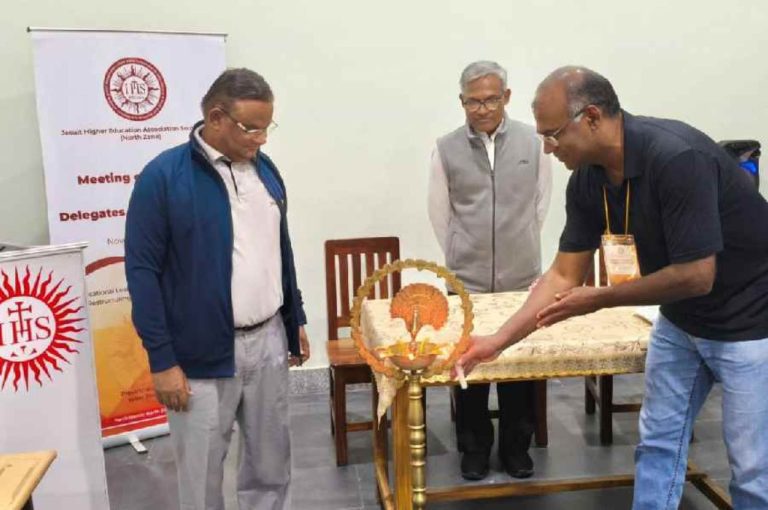
Jesuit Educators Convene at Siliguri to Discuss Leadership and Higher Education Trends: A Comprehensive Report on the JHEASA North-Zone Meet at North Bengal St. Xavier’s College

Jesuit Educators Convene at Siliguri: Jesuit academic leaders from across North India, Northeast India, and Nepal recently assembled in Siliguri, West Bengal, for a major conference dedicated to the future of Jesuit higher education. Held at North Bengal St. Xavier’s College, the gathering explored leadership strategies, governance systems, mission alignment, and the evolving challenges of contemporary higher education. This meeting marks one of the most significant educational events undertaken by Jesuit institutions in the region in 2024.


Organisers and Institutional Background

The conference was jointly organized by the Darjeeling Jesuit Province and the Jesuit Higher Education Association of South Asia (JHEASA). These bodies are responsible for the oversight, coordination, and strategic development of Jesuit colleges and universities across India and neighbouring countries. Their collaboration reflects an ongoing commitment to renew Jesuit education’s relevance amid changing academic and societal landscapes.


Jesuit Educators Convene at Siliguri: Venue and Regional Importance

North Bengal St. Xavier’s College — a prominent Jesuit institution located in the Matigara/Siliguri area — served as the host institution. Affiliated with the University of North Bengal, the college plays a critical role in expanding Jesuit higher education in North Bengal. Hosting the conference here highlights the growing significance of the region in Jesuit educational planning, especially due to its expanding student base and strategic location connecting the Northeast, the Terai regions, and the foothills of the Eastern Himalayas.


Central Theme of the Conference

The theme for the gathering was:
“Educational Leadership in Light of Reimagining and Restructuring of the Society of Jesus in South Asia.”

Participants examined new leadership models, administrative frameworks, and mission-based governance mechanisms that can help Jesuit colleges adapt to contemporary educational demands while maintaining their foundational values rooted in Ignatian spirituality.


Inaugural Sessions and Leadership Messages

Senior Jesuit leaders inaugurated the meeting, emphasizing the importance of visionary leadership grounded in Jesuit mission values. They highlighted the need for educational institutions to innovate, evolve, and uphold high standards of academic and ethical practices. The inaugural address also stressed the role of Jesuit education as a transformative force in society, especially for underrepresented and marginalized communities.


Representation From Across Regions

The event brought together more than a dozen Jesuit institutions representing North India, the Northeast, and Nepal. Participants included principals, vice-principals, deans, academic heads, and administrative coordinators. This diversity enriched the discussions, as leaders shared varied experiences, challenges, and institutional goals shaped by their respective regions.


Mission-Based Auditing Framework

One of the major sessions introduced a mission-based auditing model for Jesuit higher-education institutions. Unlike conventional audits that focus solely on finances or academic metrics, this framework evaluates how effectively institutions uphold Jesuit values such as social justice, inclusivity, ethical leadership, and community engagement.
Discussions revolved around:

  • Regular mission review cycles
  • Transparent governance
  • Faculty–student formation programs
  • Accountability procedures that align with Jesuit identity

Higher Education Policy and Accreditation Challenges

The conference dedicated several sessions to national education policy challenges, including:

  • Implementation of the National Education Policy (NEP)
  • Accreditation requirements under NAAC
  • Competitiveness in national ranking frameworks
  • Curriculum restructuring and multidisciplinary models

Educators shared concerns regarding increased documentation demands, faculty shortages, and budget constraints. At the same time, they explored how Jesuit institutions can leverage their legacy of quality education to excel under new frameworks.


Ignatian Spirituality and Leadership Formation

A strong component of the gathering focused on integrating Ignatian spirituality into academic leadership. Experts highlighted how Jesuit education is not purely academic — it also emphasizes personal growth, reflection, ethical decision-making, and the pursuit of justice.
Sessions covered:

  • Ignatian pedagogical paradigms
  • Reflective leadership
  • Discernment in decision-making
  • Integrating spirituality into institutional culture

Use of Technology and Digital Transformation

Recognizing the impact of rapid technological change, participants discussed ways to modernize Jesuit institutions while remaining true to their traditional educational mission. Areas of focus included:

  • Digital classrooms and hybrid learning
  • IT-based governance tools
  • Training faculty in online pedagogy
  • Enhancing digital infrastructure, especially in institutions serving remote communities

The discussions underscored that technological advancement must enhance — not replace — the personalized, value-based nature of Jesuit education.


Research Enhancement and Academic Innovation

Another key focus was the strengthening of research ecosystems within Jesuit colleges. The following initiatives were discussed:

  • Establishing joint research centres
  • Faculty exchange programs
  • Collaborative publications
  • Introducing undergraduate research modules
  • Promoting interdisciplinary research labs

Leaders agreed that research excellence is essential for institutional credibility, student development, and long-term sustainability.


Empowering Young Jesuits and Lay Collaborators

With the number of Jesuit educators reducing over the decades, lay faculty now shoulder much of the academic and administrative responsibility. The conference highlighted the need for:

  • Leadership development programs for young Jesuits
  • Formation and training of lay collaborators
  • Strengthening mission identity among faculty

This collaborative model is expected to become the cornerstone of future Jesuit educational leadership.


North Bengal’s Strategic Location

By hosting educators from multiple provinces, the conference positioned North Bengal as a major educational hub within the Jesuit network. The region’s demographic growth, cosmopolitan student population, and unique geographical placement give Jesuit institutions here a special role in shaping the future of education in the eastern and northeastern corridor.


Social Justice and Community Commitment

The Jesuit mission has always emphasized service to society, especially to marginalized communities. Discussions reaffirmed commitments to:

  • Scholarship programs for economically disadvantaged students
  • Outreach in rural and tribal areas
  • Community health, environment, and livelihood initiatives
  • Language and skills training programs

Such initiatives continue to distinguish Jesuit education as one deeply rooted in social transformation.


Governance Restructuring for the Future

The conference also proposed reforms in governance structures, including:

  • Strategy-based management systems
  • Decentralized administration where appropriate
  • Strengthened councils and oversight committees
  • Transparent decision-making systems

Participants emphasized that restructuring should not diminish the foundational Jesuit character of institutions.


Challenges Ahead

Despite optimism, leaders acknowledged several challenges:

  • Declining numbers of Jesuit educators
  • Rising operational costs
  • Competitive private institutions
  • Student migration abroad
  • Pressure to continuously upgrade academic standards

These will require strategic planning and strong leadership.


Collective Vision for the Coming Decades

By the conclusion of the conference, leaders agreed on a collective vision:
Jesuit higher-education institutions must be centres of academic excellence that embody compassion, equity, innovation, and ethical leadership. Their mission is to create not just educated graduates, but socially conscious individuals committed to justice and human dignity.


Conclusion

The Jesuit educators’ meeting in Siliguri marks a significant step in redefining the trajectory of Jesuit education in South Asia. The discussions, reflections, and collaborations formed here are expected to guide the region’s Jesuit institutions for years to come. As challenges intensify in the evolving educational landscape, Jesuit colleges aim to remain models of integrity, academic distinction, and service to society.

External Links

Also read: Home | Channel 6 Network – Latest News, Breaking Updates: Politics, Business, Tech & More

Siliguri International Film Festival 2025 Begins November 19: A Detailed Look at the 5-Day Cine Extravaganza, Global Lineup, Cultural Tributes, Regional Significance and Impact on North Bengal’s Film Landscape

Siliguri International Film Festival 2025: The 22nd Siliguri International Film Festival (SIFF) is set to commence on November 19, 2025, in Siliguri — bringing together cinephiles, filmmakers, and the regional community for a five-day spectacle at Dinabandhu Mancha, a prominent state-run auditorium. Organised by the Siliguri Cine Society in collaboration with the World Film Festival, Calcutta, and the Federation of Film Societies of India, this year’s edition promises a curated slate of international films, local premieres, and heartfelt tributes.


Siliguri International Film Festival 2025: Venue & Duration

The festival will run through November 23, with screenings, panel discussions and cultural events taking place at Dinabandhu Mancha, a venue long associated with Siliguri’s artistic and civic identity. The choice of this auditorium underscores the festival’s mission to bring global cinema to the region while making it accessible to local audiences.

Organisers and Partnerships

The event is being spearheaded by the Siliguri Cine Society, a local body committed to promoting film culture in North Bengal. Key partners include the World Film Festival, Calcutta, one of the most respected film society platforms in the region, and the Federation of Film Societies of India (FFSI), which provides structural and programming support, connecting Siliguri to national and international film circuits.


Festival Lineup: Global Flavours on Screen

This year’s SIFF features 10 films from across the globe: six from Asian countries, three from Europe, and one from Latin America, according to Siliguri Cine Society secretary Pradip Nag. This curated selection demonstrates the festival’s commitment to cross-cultural cinema and its ambition to expose local audiences to a diverse range of narratives and artistic styles.


Inaugural Screening & Local Spotlight

The festival will open with the Bengali film “Aapish: The Office”, directed by Sudeshna Roy and Abhijit Guha, known for their work in contemporary Bengali cinema. Their presence at the inaugural screening is expected to draw significant attention, offering a homegrown start to a festival rooted firmly in local civic and cultural life.


Tribute to Film Luminaries

SIFF 2025 will pay homage to two towering figures in Bengal’s cinematic heritage: composer Salil Chowdhury and film director Ritwik Ghatak. The tribute underscores the rich legacy of Bengal’s cultural icons and connects the festival’s global outlook with its deeply regional roots.


Film Schedule: November 20 Highlights

On the second day, November 20, the festival will showcase “Crawling Crows”, a Nepali film, and “Five in the Afternoon”, a Brazilian film. These films portray vastly different cultural landscapes, yet both engage with universal themes of conflict, identity, and human resilience.


Mid-Festival Screenings & Themes

On November 21, audiences will get a taste of both South Asian and European cinema, with “The Ashen Cloud” from Sri Lanka and “A Stone Dreams to Blossom” from Portugal. These screenings are expected to spark conversations around migration, memory, and transformation — themes that resonate strongly in the politically and culturally diverse state of West Bengal.


Indian, European, and Middle Eastern Cinema on Day 3

November 22 brings a rich mix: “Yakasi’s Daughter” (India), “Obraz” (Montenegro), and “At the End of the Day” (Iran). These films span continents and sensibilities — a daughter’s legacy in India, European identity and change, and a Middle Eastern contemplation of time and place.


Grand Finale: Closing Films on Day 5

The closing day, November 23, features “Onegin Hotel” from Russia and “Impermanent Residents” from Vietnam. These final screenings promise a reflective, emotionally resonant finish to the festival — exploring themes of displacement, belonging, and the transitory nature of home.


Opening Ceremony & Local Dignitaries

The opening ceremony is expected to feature Gautam Deb, the mayor of Siliguri and a long-time patron of the festival, along with key figures from the Siliguri Cine Society. Their presence highlights the civic importance of SIFF as a cultural landmark in the city and region.


Audience and Community Engagement

Despite being a niche festival, SIFF has built a strong local audience over the years — students, young professionals, teachers and cinema lovers all participate. The festival’s accessibility, including free entry passes, ensures that it remains inclusive, offering Siliguri residents a rare opportunity to experience world cinema at their doorstep.


Free Entry and Accessibility

According to the festival organisers, free entry passes will be made available at the venue from November 18. This move underlines SIFF’s commitment to democratizing culture and making international cinema accessible to wider segments of society.


Cultural Impact: Siliguri as a Cinematic Hub

Siliguri’s location — at the crossroads of the Northeast, Nepal, Bhutan and Bangladesh — makes it uniquely suited to host an international film festival. SIFF helps reinforce its status not just as a commercial or tourist city but as a cultural hub, bridging diverse cinematic traditions.


Economic and Social Dimensions

The festival is expected to have positive economic spin-offs: local businesses — cinemas, eateries, hotels — benefit from increased footfall. More importantly, SIFF cultivates social capital by creating a shared cultural space where art, dialogue, and community converge.


Youth Engagement and Filmmakers’ Platform

For aspiring filmmakers in North Bengal, SIFF provides a platform to meet with experienced artists, network, and showcase their work. The festival’s involvement of the Siliguri Cine Society and FFSI helps integrate local talent into wider film circuits.


Heritage and Tribute Through Film

The tributes to Salil Chowdhury and Ritwik Ghatak are not merely ceremonial. Both legends shaped Bengali cinema’s identity — Chowdhury through music, and Ghatak through his socially conscious storytelling. Their commemoration at SIFF is a celebration of Siliguri’s own cultural roots.


Challenges of Hosting an International Festival in North Bengal

Organising a large film festival in Siliguri comes with logistical and financial challenges: securing international distribution rights, arranging subtitled prints, managing audience outreach, and ensuring smooth venue operations. Yet, the local Cine Society has consistently managed to bring such events to life.


Role of Siliguri Cine Society

The Siliguri Cine Society, as the core organiser, plays a crucial role in curation, outreach and execution. For decades, it has championed film appreciation in the region, curated screenings, and built relationships with national film bodies and neighbouring cine societies.


Partnership with World Film Festival, Calcutta & FFSI

Collaboration with World Film Festival, Calcutta, and the Federation of Film Societies of India adds credibility, resources, and programming depth to SIFF. These partnerships help bring global films to Siliguri, as well as ensure that the festival is part of the broader film society ecosystem in India.


Audience Expectations and Feedback

Every year, festival-goers in Siliguri look forward to SIFF not just for films but for the experience: a chance to discuss, debate, and be inspired. For many, the festival is a rare moment of cultural exposure and intellectual engagement.


Film Society Impact: Beyond Screens

Film societies like Siliguri’s contribute beyond film screening: they nurture local audiences, encourage film education, and create a culture of cinematic critique. The annual SIFF is a culmination of years of grassroots filmmaking enthusiasm and film appreciation efforts.


Importance for Regional Filmmakers

SIFF gives regional filmmakers (from North Bengal or nearby states) a venue to showcase their work alongside international cinema. This not only boosts their visibility but also helps them connect with audiences and peers in a more formal festival environment.


Cultural Exchange & Soft Diplomacy

By screening films from Asia, Europe, and Latin America, SIFF promotes cross-cultural understanding. The audience in Siliguri, which itself is ethnically and culturally diverse, stands to gain from films that carry different worldviews, social realities and artistic styles.


Tribute Films and Special Screenings

Apart from standard screenings, the festival may host tribute segments, panel discussions or masterclasses around the life and work of Salil Chowdhury and Ghatak — helping younger audiences understand and appreciate film heritage.


Screening Logistics & Schedule

The festival’s daily schedule will likely include three time slots, offering afternoon and evening screenings. This helps accommodate different audience segments — students and working professionals — and maximizes engagement across Siliguri.


Community Outreach & Education

Organisers plan to involve local schools, colleges and community centres in festival-related events. Workshops, short film sessions and youth panels may form part of the festival’s community outreach, encouraging budding filmmakers and cinephiles.


Film Festival as Urban Narrative

SIFF is not just about cinema; it’s part of Siliguri’s narrative as a growing urban centre with evolving cultural aspirations. The festival contributes to the city’s identity as more than a transit town — positioning it as a place where ideas, culture, and creativity converge.


Risks & Sustainability

Maintaining a consistent international film festival in a non-metro city requires sustainable funding, volunteer commitment, and audience growth. Challenges include sponsorship, licensing costs, and year-on-year audience retention. Organisers must balance international flair with local relevance to stay viable.


Paragraph 30 — Future Prospects for SIFF

Looking ahead, Siliguri’s festival could expand:

  • Inclusion of student films or a short film competition
  • A dedicated documentary section
  • Collaborations with regional film schools
  • Film-market elements to support independent filmmakers
    Such growth would deepen the festival’s impact on cinema culture in North Bengal.

Significance for North Bengal Cinema Culture

SIFF’s continuation and growth signal that cinema culture is growing in North Bengal. As film consumption evolves (theatrical, festival, digital), having a local international festival helps anchor cine-culture in the region, empowering local artists and audiences alike.


A Cultural Landmark for Siliguri

The 22nd SIFF is more than an annual event: it is a cultural landmark that affirms Siliguri’s place on the map of serious cine-society cities. Through global films and local participation, it connects Siliguri to global cinema while reinforcing the city’s own unique identity.


Conclusion

As the spotlight turns on Dinabandhu Mancha from November 19, Siliguri prepares to welcome not just films, but stories, dialogues, and new cultural possibilities. The 22nd Siliguri International Film Festival is poised to be a vibrant celebration of cinema — global in reach, deeply rooted in the region, and filled with promise for the future of filmmaking and film appreciation in North Bengal.


External Links

Also read: Home | Channel 6 Network – Latest News, Breaking Updates: Politics, Business, Tech & More
Elderly Woman Self-Immolation in Kolkata Amid Alleged “SIR Anxiety”: In-Depth Analysis of Voter Roll Revision Stress, Election Commission Response, and the Human Toll

Elderly Woman Self-Immolation in Kolkata: In a tragic and deeply unsettling incident in Kolkata, a 70-plus woman reportedly set herself on fire at her home, according to her family, who allege that anxiety over the ongoing Special Intensive Revision (SIR) of electoral rolls in West Bengal drove her to this extreme act. The woman was rushed to a nearby hospital but succumbed to her injuries, triggering considerable public concern about the emotional fallout of the SIR exercise among vulnerable citizens.


Elderly Woman Self-Immolation in Kolkata: The Family’s Claims of SIR-Linked Anxiety

Her family has claimed that she had expressed repeated fear about being excluded from the newly revised voter list. According to them, she was deeply worried that missing or incorrect documentation, or failure to verify her details, could jeopardize her inclusion. They say her mental state deteriorated in recent weeks, correlating with the crescendo of door-to-door visits and enumeration demands by Booth Level Officers (BLOs).


Broader Context: SIR Controversies in West Bengal

This incident adds to a growing list of reports about distress and serious consequences linked to the SIR process in West Bengal. Several voices — including political leaders, civil society, and affected families — have leveled sharp criticism, alleging that the revision exercise is fueling fear, particularly among elderly or marginalized voters, by raising concerns about deletion or exclusion.


Election Commission’s Stance & Response

In response to mounting concerns, the West Bengal Chief Electoral Officer (CEO) has publicly reassured citizens that SIR is being conducted securely. He has stated that “no legitimate voter’s name will be deleted” from the list, emphasizing that the process is systematic and transparent. Meanwhile, the Election Commission of India (ECI) has instituted mechanisms to strengthen oversight, including launching district-level control rooms and a helpline to register complaints about enumeration irregularities.


Institutional Measures and Monitoring

To address procedural lapses, ECI has issued show-cause notices to eight BLOs for reportedly distributing enumeration forms at tea stalls and local clubs — rather than undertaking mandatory door-to-door enumeration.The Commission has also mandated stricter supervision: district officers have been instructed to appoint supervisors who will monitor BLOs’ work closely to prevent negligence in voter verification.


Legal Concerns & Court Intervention

The issue has also reached legal corridors — the Calcutta High Court has directed the ECI to file an affidavit in response to a Public Interest Litigation (PIL). The PIL questions the use of older voter lists (specifically, the 2002 electoral roll) as a basis for the SIR update, warning that this could lead to disenfranchisement and exclusion of eligible voters.


Political Dimensions & Accusations

Amidst the emotional fallout, political tensions are intensifying. Some opposition leaders, including those from the state’s ruling party, have framed the SIR as a “backdoor NRC” or an instrument for excluding certain voter segments. Their narrative amplifies fears that the exercise may not be purely administrative but politically motivated, raising the stakes for electoral justice.


Vulnerability of the Elderly & Marginalized

Mental health experts note that electoral exercises like SIR — which require personal data validation, repeated visits, and documentation — can disproportionately affect older individuals. For many elderly people, the burden of proving their identity or verifying old voter details can evoke anxiety, insecurity, and deep stress. The fear of being “left out” can become existential for those who have relied on voter identity for decades.


Systemic Solutions Needed

To prevent such tragedies and reduce distress, election authorities may need to integrate specific support measures:

  • Dedicated counseling or helplines for elderly or anxious individuals during SIR.
  • Clarity and reassurance from BLOs during door-to-door enumeration about documentation requirements.
  • Simplified verification protocols for long-term voters, especially those with stable home addresses and prior voter ID.
  • Rapid grievance redressal to address missing forms, verification slips or BLO non-visitation.

Balancing Electoral Integrity and Compassion

The SIR exercise is undoubtedly important for ensuring clean and updated electoral rolls. But for it to be truly democratic, electoral administrators must balance rigor with empathy. A citizen’s inclusion in the voter list should not come at the cost of their emotional or mental well-being.


Public Accountability and Transparency

Given the severity of this case, civil society, political institutions, and the ECI should commit to transparent reporting. This includes: publishing data on enumeration complaints, documenting formal emotional support mechanisms, and ensuring that every enumerator (BLO) is properly trained to handle sensitive, potentially vulnerable populations.


Conclusion

The self-immolation incident allegedly tied to SIR anxiety is a wake-up call. It exposes a human cost behind the administrative exercise of voter list revision. As political forces debate and as the ECI faces pressure, what is urgently required is an approach that upholds democratic procedure while safeguarding the dignity and mental health of vulnerable voters — especially the elderly. If that balance is ignored, the revision process risks not only errors in the voter list but real human tragedy.


External Links (Institutional / Authoritative)

Also read: Home | Channel 6 Network – Latest News, Breaking Updates: Politics, Business, Tech & More
BJP Demands EC Action on Illegal SIR Camps from TMC-Controlled Halls: A Detailed Analysis of Electoral Roll Revision, Booth-Level Officers, and the Integrity of West Bengal’s Voter Registration

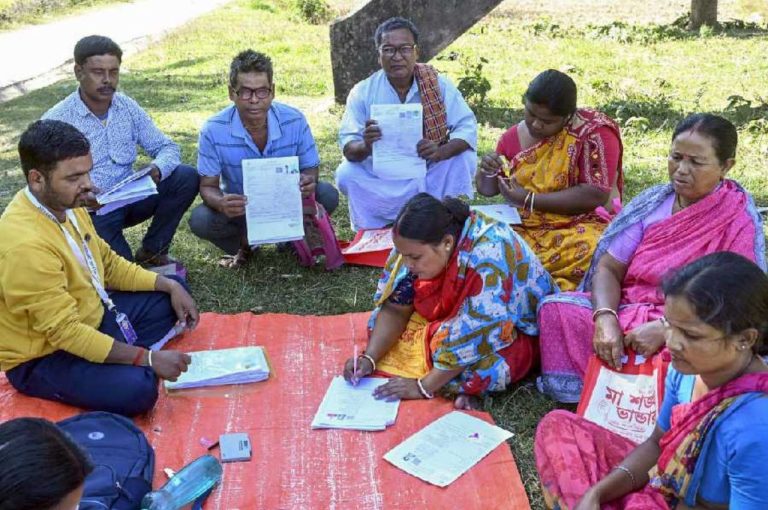
BJP Demands EC Action on Illegal SIR Camps: The Bharatiya Janata Party (BJP) in West Bengal has formally petitioned the Chief Electoral Officer (CEO) of the state, urging immediate intervention by the Election Commission of India (ECI) to address what it describes as “illegal SIR (Special Intensive Revision) camps” being run from community halls under the control of the Trinamool Congress (TMC). According to the BJP letter, these camps compromise the neutrality of Booth-Level Officers (BLOs), violate standard enumeration procedures, and pose a serious threat to the fairness of the voter roll revision process.


BJP Demands EC Action on Illegal SIR Camps: What Is the SIR Process?

Special Intensive Revision, commonly known as SIR, is a process instituted by the Election Commission of India for updating and verifying the electoral rolls. During the SIR exercise, enumerators (commonly BLOs) are expected to conduct door-to-door visits to verify existing entries, collect fresh information for new registrants, and remove duplicates or ineligible entries. The procedural integrity of this process is vital to ensuring that the voter list remains accurate and that no one is unjustly added or removed.


The BJP’s Specific Allegations

In its letter to the CEO, the BJP makes several detailed claims. First, it alleges that BLOs are operating SIR camps from local halls and community centres that are politically aligned with the TMC, rather than performing house-to-house verification. According to the BJP, this arrangement is not only irregular but violates ECI-prescribed norms, which emphasise door-to-door enumeration and unbiased operations.

The BJP further contends that these “camps,” by virtue of being based in politically controlled spaces, subject the revision exercise to partisanship. They argue that such structure allows for selective registration, influence over who is enrolled, and potential manipulation of voter data.


BLO Neutrality Under Fire

A central point in the BJP’s argument is the neutrality (or lack thereof) of BLOs. By allegedly conducting SIR activities from TMC-affiliated venues, the BJP claims these officers lose their independent status. Such proximity to party-affiliated infrastructure, according to BJP sources, risks politicising what is supposed to be a strictly administrative and nonpartisan task. This, they argue, undermines voters’ faith in the system, particularly among opposition supporters, who may fear registration irregularities.


Demand for Disciplinary Action

To counter this alleged politicisation, the BJP is demanding that the Election Commission initiate departmental action against the BLOs involved. Specifically, the letter calls for: suspension of the BLOs accused of misusing TMC-affiliated halls; reassignment of their duties; and deployment of neutral election officials to oversee SIR in politically volatile or “sensitive” pockets. The BJP warns that without such measures, the credibility of the revision exercise will be severely compromised.


Door-to-Door Verification vs Camp-Based Verification

At the heart of the BJP’s demand is a push for strict adherence to door-to-door enumeration. While the ECI does allow certain “camps” to facilitate voter registration or re-verification, the party argues that these should only be held in neutral, public spaces, far removed from political influence. The BJP’s critique is that when these camps are run from political strongholds, the risk of partisanship outweighs convenience.


The Legal and Regulatory Framework

To fully assess the BJP’s claims, it is important to understand the legal foundation for voter roll revision. Under the Representation of the People Act, 1950, voter registration is regulated strictly, with provisions for periodic revision. The Election Commission’s own enumeration manual for BLOs outlines their duties, including how to conduct field visits, authenticate documents, and avoid bias. The expectation is that BLOs operate in a nonpartisan and fair manner throughout the process, in compliance with ECI guidelines.


Precedents and Political Risk

This is not the first time SIR (or similar voter revision drives) have sparked political controversy. Across India, there have been instances where voter list revision has been accused of being manipulated for electoral advantage. The BJP’s present move taps into these broader tensions, casting the SIR exercise in West Bengal as not just an administrative process but a political battleground. The risk is that voter confidence could erode if the exercise is perceived as politicised.


Election Commission’s Possible Responses

Given the gravity of the BJP’s allegations, several responses by the ECI are possible:

  1. Immediate Inquiry: Initiate a fact-finding mechanism to verify whether BLOs are indeed operating from politically aligned halls.
  2. Neutral Oversight: Deploy additional or supervisory BLOs, especially in high-risk or contested areas.
  3. Suspension or Reassignment: Temporarily suspend or move BLOs under investigation until the issue is resolved.
  4. Guideline Clarification: Issue fresh instructions clarifying where verification camps may be legally established and how to prevent partisan misuse.
  5. Transparency Measures: Publicly disclose district-wise SIR camp locations, verification schedules, and BLO assignments to ensure accountability.

Stakeholder Responses: Mixed Reactions

BJP

For the BJP, the SIR exercise represents more than voter list maintenance; it is a strategic opportunity to correct perceived imbalances. The party’s demand reflects deep distrust of the revision process, especially in areas presumed to favour the ruling party. BJP leaders see the issue not only as administrative but fundamentally political.

TMC and Local Leadership

TMC leaders have responded by rejecting the BJP’s claims, calling them politically motivated. They argue that many halls are community assets, not “party dens,” and that BLOs operate under EC supervision. Some TMC officials have questioned the timing of the allegations, suggesting they are part of a larger political strategy in the run-up to key elections.

Electoral Officials

Some BLOs and senior election officials, when approached, defended their actions. They stated that due to resource constraints, using community halls is a practical necessity—particularly in urban and semi-urban segments where door-to-door enumeration is not always feasible within limited timelines. Others, however, acknowledged that steps must be taken to ensure site neutrality.


Wider Implications for Electoral Integrity

Trust in the Voter List

If BLOs are found to be working from politically aligned premises, it could damage public trust in the voters’ list, particularly among opposition voters who may feel excluded or manipulated.

Future Revisions

This controversy could shape how future SIR drives or voter-list revisions are conducted, prompting the ECI to revise its operational guidelines, enforce stricter oversight, and incorporate public safeguards.

Political Polarization

In a state like West Bengal, deeply split along ideological lines, procedural accusations can quickly escalate to political narrative battles. The SIR controversy may contribute to intensified polarization, especially in areas with narrow electoral margins.

Administrative Precedent

How ECI responds may set a precedent not only in West Bengal, but for other states where voter-roll revision exercises are underway. A firm response could solidify norms around the neutrality of enumeration camps.


Challenges in Enforcement

  • Defining “Political Control”: Many community halls serve mixed purposes (cultural, political, social). Proving they are under TMC control may be legally and factually complex.
  • Resource Constraints: Door-to-door enumeration is labor-intensive. BLOs relying on camps may argue they do so to complete verification on time.
  • ECI’s Administrative Burden: Investigating these claims, deploying neutral overseers, and reassigning personnel would demand significant effort and manpower.
  • Election Calendar Pressures: As elections approach, time constraints may limit how deeply ECI can probe before completing SIR operations.
  • Public Suspicion: If corrective measures are not transparent, public anger may grow, further eroding trust in the electoral process.

What Should Happen Next: Recommendations

  1. Independent Audit: ECI should commission an independent audit of SIR camp locations, BLO assignment, and verification records in the contested areas.
  2. Neutral Site Mandate: Issue a directive that SIR camps should only operate from neutral public buildings (community centres, schools, panchayat halls), not from party-affiliated premises.
  3. Transparency Portal: Create a publicly accessible dashboard listing all active SIR camp locations, dates, and assigned BLOs.
  4. Capacity Building for BLOs: Train BLOs on ethical practices, neutrality, and community conduct to minimize misuse of revision powers.
  5. Grievance Redressal Mechanism: Establish a fast-track committee for complaints from candidates, BLAs (Booth Level Agents), and voters regarding any perceived partisanship.
  6. Public Awareness Campaign: Educate voters about their rights in SIR — how to verify their names, what to do if they are excluded, and how to report discrepancies safely.

Conclusion: Integrity Versus Influence in Voter Revision

The BJP’s demand for EC action on “illegal SIR camps” set up in TMC-controlled halls raises profound questions about the integrity of electoral roll revision in West Bengal. It is not just a procedural complaint, but a political challenge to how BLOs operate and how voter verification is conducted.

At its core, the SIR process is meant to be a neutral administrative exercise — one that should strengthen democracy by ensuring accurate voter lists. If political influence is allowed to shape it, the foundation of free and fair elections could be compromised.

The coming weeks will be critical: whether the ECI responds with decisive oversight will determine whether this controversy becomes a turning point for electoral reform in the state — or fades into another election-year skirmish.


External Links (Official / Institutional References)

Also read: Home | Channel 6 Network – Latest News, Breaking Updates: Politics, Business, Tech & More
West Bengal TET Qualifiers Portal Reopens from November 19 to Fill Primary Teacher Vacancies: Comprehensive 3,000-Word Report on Recruitment Push, Eligibility, and the Future of School Education

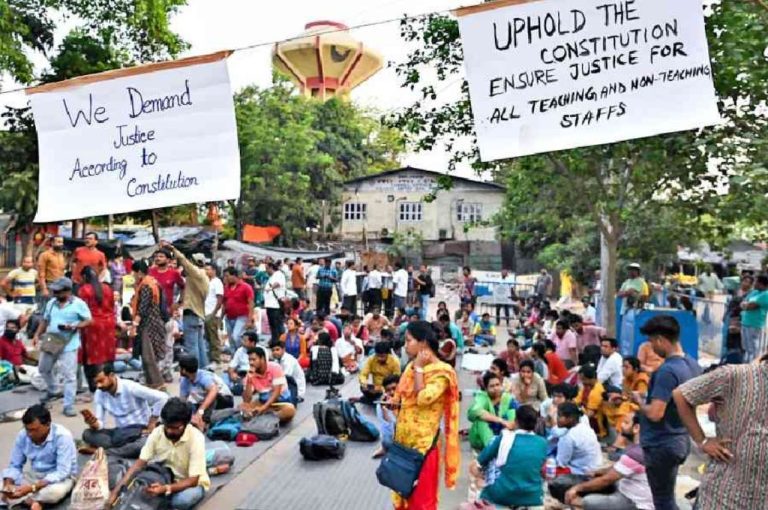
West Bengal TET Qualifiers Portal Reopens: In a significant administrative development, the Government of West Bengal has announced the reopening of the official recruitment portal for candidates who have qualified the Teacher Eligibility Test (TET) in previous years as well as 2023. The portal will be available from November 19, enabling eligible TET qualifiers to submit fresh applications, update data, and respond to pending notifications related to the filling of thousands of primary teacher vacancies across the state.

The decision comes at a time when West Bengal’s primary education sector faces an acute requirement for new teaching staff due to retirements, long-pending vacancies, and increasing student enrollment in government-run schools. The reopening of the portal is expected to streamline the selection process and accelerate the appointment of primary teachers under the West Bengal Board of Primary Education (WBBPE).

Official Sources for Reference:


SECTION 1: WHY THE PORTAL IS REOPENING — BACKGROUND & CONTEXT

The reopening of the portal is part of a broader directive to ensure that TET-qualified individuals are not left out of employment opportunities due to previous portal glitches, documentation delays, migration of data, or the inability to upload certificates within earlier deadlines.

West Bengal TET Qualifiers Portal Reopens: Growing Teacher Shortage

Over the past decade, West Bengal has observed a widening teacher-student ratio, particularly in rural districts such as Purulia, Bankura, North Dinajpur, Birbhum, Murshidabad, Jalpaiguri, and South 24-Parganas. According to internal assessments and NCTE guidelines, the ideal ratio for primary classes should not exceed 1:30, yet many government schools in the state are functioning beyond this ratio.

The Role of TET in Recruitment

The Teacher Eligibility Test, a national-level benchmark governed by the Right to Education (RTE) Act, is mandatory for primary teaching appointments across India. The state-specific tests, such as the West Bengal Primary TET, evaluate teaching aptitude and subject mastery.

However, despite thousands clearing TET each year, administrative delays and court-related interruptions have slowed appointments. The current reopening attempts to address these gaps.


SECTION 2: WHO CAN APPLY — DETAILED ELIGIBILITY GUIDELINES

The portal reopening is applicable to:

✔ Candidates who passed TET in earlier cycles (2014, 2017, etc.)

Many such candidates were previously unable to complete application formalities. They now get another chance.

✔ TET 2022 and 2023 Qualifiers

Candidates cleared in the most recent exams can now register for upcoming primary teacher recruitments.

✔ Candidates with updated professional qualifications

Applicants who have recently completed D.El.Ed, B.Ed, or equivalent teacher-training programs as recognized by NCTE can now update their qualification status.

✔ Candidates needing to correct earlier application data

Name spelling, category corrections, uploading new certificates, or updating communication details are now possible.

NCTE Eligibility Framework Reference:
https://ncte.gov.in/Website/TET.aspx


SECTION 3: HOW THE PORTAL WORKS — STEP-BY-STEP PROCESS FOR APPLICANTS

The reopening of the portal simplifies the entire recruitment interface. Below is a detailed procedural breakdown:

1. Registration or Login

Applicants must visit: https://wbbprimaryeducation.org
They can either:

  • Log in using their existing credentials, or
  • Register anew if no prior registration exists.

2. Updating Personal Information

Candidates can revise:

  • Name
  • Date of birth
  • Category
  • Disability status
  • Aadhaar information
  • Contact details (mobile, email)

3. Submission of Teaching Certificates

Applicants must upload:

  • TET PASS certificate
  • D.El.Ed or B.Ed qualification proof
  • Higher secondary and graduation marksheets
  • Caste certificates where applicable

4. Choice Filling for Districts

Candidates can select desired posting districts. Many often prefer:

  • Kolkata
  • Howrah
  • Hooghly
  • North 24-Parganas
  • Nadia
  • Murshidabad

Rural districts usually see fewer applicants, increasing placement chances.

5. Payment of Application Fees

The portal includes an online payment gateway supporting net banking, UPI, and debit/credit cards.

6. Downloading Confirmation Documents

Once complete, candidates can download:

  • Application receipt
  • Acknowledgement slip
  • Provisional profile summary

SECTION 4: EXPECTED NUMBER OF VACANCIES — AN ESTIMATE

Although official vacancy numbers vary due to retirements and district-wise requirements, education department insiders indicate approximately 14,000 to 17,000 vacancies across primary schools.

Vacancy Drivers:

  • 10,000+ retirements in the past five years
  • Expansion of government schools in tribal and remote areas
  • Implementation of new pre-primary classes under NEP 2020
    (NEP Document: https://www.education.gov.in/nep-2020)

SECTION 5: TEACHER SHORTAGE AND IMPACT ON LEARNING — EXPERT VIEWPOINT

Several educationists have noted that disruptions during the pandemic years intensified learning gaps, especially among early learners aged 6–10. Schools with limited teachers struggled to sustain foundational literacy and numeracy.

Expert observations include:

  • Increased dropout risks among first-generation learners
  • Difficulty in implementing NEP’s Foundational Literacy and Numeracy (FLN) goals
  • Pressure on existing teachers to manage multi-grade classrooms
  • Delayed student assessments

Thus, expediting teacher recruitment is considered an urgent necessity.


SECTION 6: GOVERNMENT’S POLICY RESPONSE

The West Bengal School Education Department has emphasized accelerated recruitment to maintain service delivery in state-run schools.

Key actions include:

  • Clearing litigation hurdles
  • Reopening the portal multiple times for TET candidates
  • Strengthening the digital evaluation system
  • Considering pre-primary teacher requirements
  • Establishing district-wise teacher deployment norms

School Education Department Official Portal:
https://schooleducation.wb.gov.in


SECTION 7: EXPECTED TIMELINE FOR APPOINTMENTS

Based on prior cycles and administrative schedules, the following timeline is anticipated:

1. Portal Reopening:

November 19

2. Application Window:

Open for several weeks (likely until mid-December)

3. Document Verification:

December–January period

4. Merit List Publication:

Late January or early February

5. Appointment Letters Issued:

February–March, subject to verification

6. Joining into Schools:

April–May, aligning with the academic year cycle


SECTION 8: CHALLENGES & PUBLIC FEEDBACK

Despite the positive response, several applicants have flagged issues such as:

  • Slow server speed during peak hours
  • Confusion over updated eligibility criteria
  • Delays in certificate issuance by teacher-training institutes
  • Difficulty uploading large documents
  • Lack of clarity on reserved vacancies

The reopening aims to address many of these grievances through extended timeframes and improved portal stability.


SECTION 9: IMPACT ON JOB ASPIRANTS

For thousands of TET qualifiers waiting for years, the reopening has renewed hope.

Aspirants’ expectations:

  • A transparent, merit-based system
  • Timely publication of recruitment lists
  • Fair verification of certificates
  • Clarity regarding district postings
  • Stability in recruitment policies

Several candidates, particularly from rural areas, view this as a critical employment opportunity.


SECTION 10: SIGNIFICANCE FOR WEST BENGAL’S EDUCATION LANDSCAPE

The recruitment is not just an administrative step; it has deep implications for:

1. Learning Outcomes

Improved teacher numbers support NEP 2020 literacy goals.

2. Rural Education

Many remote schools with single teachers will benefit significantly.

3. Employment & State Economy

Teaching jobs provide stable income sources in economically weaker regions.

4. Social Equity

Recruitments ensure representation from marginalized communities through caste-based reservation.


SECTION 11: PUBLIC ADVISORY — HOW TO USE THE PORTAL SAFELY

To avoid fraudulent activities and misinformation, applicants should follow these guidelines:

✔ Use only official websites

✔ Ignore third-party claims

Paid consultants often mislead candidates.

✔ Avoid sharing OTPs or personal details

Cybercrime complaints can be registered here:
https://cybercrime.gov.in

✔ Stay updated via government notifications

Never rely solely on social media rumours.


SECTION 12: CONCLUSION — A STEP TOWARDS REINFORCING PRIMARY EDUCATION

The Government of West Bengal’s decision to reopen the TET qualifiers portal from November 19 reflects its commitment to strengthening the primary education system. With thousands of vacancies awaiting qualified candidates, the move is expected to ensure better teacher-student ratios, improve learning outcomes, and support the long-term educational goals of the state.

In a time when education stands at the center of social and economic development, timely teacher recruitment is more than an administrative task—it is an investment in the future of millions of children across West Bengal. The upcoming weeks will be vital as thousands of TET qualifiers prepare to participate in one of the state’s largest recruitment drives of recent years.

Also read: Home | Channel 6 Network – Latest News, Breaking Updates: Politics, Business, Tech & More
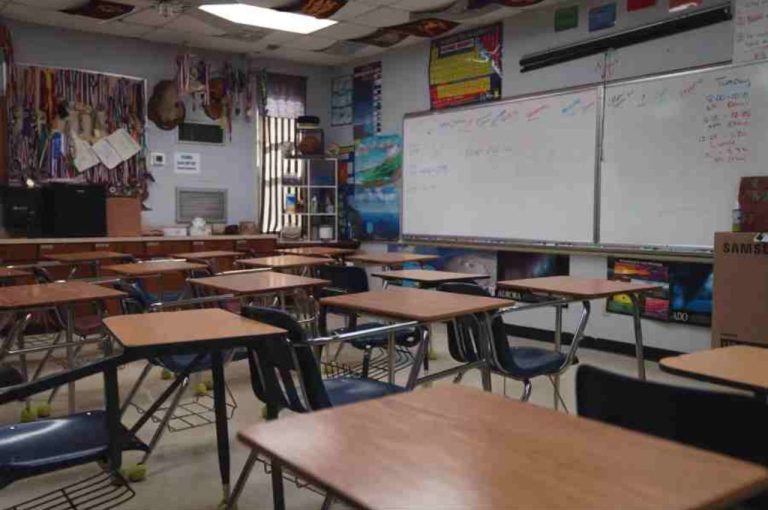
DYFI Sets Up School for Erosion-Hit Children in Malda: A Comprehensive Report on Bhutni Island’s Education Crisis, Health Challenges, Mass Riverbank Erosion and the Struggle for Rehabilitation in the Ganga-Affected Region

DYFI Sets Up School for Erosion: In one of the most powerful grassroots interventions witnessed in recent times in West Bengal’s Malda district, the Democratic Youth Federation of India (DYFI) has established a makeshift school and launched a medical outreach camp for the children and families devastated by riverbank erosion on Bhutni Island (also spelled Bhutni Char or Bhutni Diara).

For decades, this remote riverine island — cut off from the mainland by the shifting course of the Ganga — has suffered from land loss, displacement, collapse of livelihoods, and lack of access to formal schooling and healthcare. The DYFI initiative comes as a beacon of hope for hundreds of vulnerable families who have been left battling poverty, erosion, and administrative neglect.

The children of Bhutni, many of whom have never stepped inside a classroom, are finally learning in a structured environment, even if under a tarpaulin roof held together with bamboo poles. Families who have never had a doctor visit their locality are now receiving basic health checkups, medicines, and health consultations.

This in-depth 3,000-word report examines the movement, the condition of Bhutni Island, the crisis of erosion, the new schooling initiative, community response, government interventions, and the continued struggle for survival in one of Bengal’s most erosion-prone regions.


CHAPTER 1: BHUTNI ISLAND — A LAND SWALLOWED BY THE GANGA

Bhutni Island in Malda’s Manikchak block is one of the largest inhabited river islands in the Ganga basin. The islanders have historically depended on agriculture, cattle, fishing, and small-scale trade. But over the last thirty years, riverbank erosion has wiped out thousands of homes, hundreds of acres of farmland, schools, and health sub-centres.

A Landscape of Loss

  • Entire villages have vanished into the river
  • Patients must travel hours to reach a doctor
  • Children walk miles to access any learning space
  • Families live in temporary huts as land collapses around them
  • Connectivity depends on boats and unsafe seasonal pathways

In many parts of Bhutni, erosion occurs so rapidly that residents cannot predict whether the land they stand on in the morning will exist by nightfall.

Why Erosion Is So Severe Here

Experts from hydrology institutes attribute the erosion to:

  • Changing Ganga currents
  • Frequent floods
  • Loss of embankments
  • Siltation and shifting river course
  • Rising water volume and inconsistent flow
  • Poor or delayed anti-erosion measures

Bhutni Island often becomes a symbol of government inaction, as repeated promises of embankment repair and resettlement rarely translate into ground-level solutions.


CHAPTER 2: EDUCATION CRISIS — CHILDREN LEFT BEHIND

Bhutni’s education system has slowly collapsed as erosion accelerated.

Schools Lost to the River

In the last decade, several primary schools and classroom structures have been completely submerged. With each collapse:

  • Hundreds of children drop out
  • Teachers cannot reach many areas
  • Attendance plummets
  • Many kids take up work instead of education

Some families who moved inland have rebuilt temporary bamboo schools, but most children remain out of the education system.

Long Distances and Dangerous Journeys

Children often walk 3–5 km through:

  • Sandbanks
  • Eroded cliff edges
  • Flooded footpaths
  • Fields without roads

During the monsoon, several areas become inaccessible for months.

Parents’ Voices

“Aamar meye ekhono porashona korte pareni. School du bochor aage nodi niye geche.”
(My daughter still hasn’t been able to study. The river swallowed the school two years ago.)

“School e jaowar rasta nei. Boat cholena. Kyano keu amader dike takay na?”
(There is no road to school. Boats don’t operate. Why does no one look at us?)

These stories reflect a crisis that had reached breaking point.


CHAPTER 3: DYFI’S INITIATIVE — A SCHOOL BUILT WITH VOLUNTEERS AND HOPE

The DYFI stepped in after multiple visits to Bhutni and meetings with villagers who requested immediate help for their children.

The New Makeshift School

The school structure includes:

  • Bamboo framework
  • Polythene panels and tarpaulin sheets
  • Temporary benches
  • Chalkboards
  • Learning material donated by volunteers
  • Space for ~50 children

Though basic, the school provides structure, discipline, routine, and emotional stability to children who have grown up surrounded by displacement and uncertainty.

Subjects Taught

  • Bengali
  • Mathematics
  • Basic science awareness
  • Reading and writing skills
  • Hygiene education
  • Disaster preparedness

Volunteer Teachers

The school is run by young DYFI volunteers who travel long distances by boat to reach Bhutni. Many volunteers come from educational backgrounds or are college students passionate about teaching underserved communities.

Community Participation

Parents have helped:

  • Clear land
  • Build the structure
  • Arrange seats
  • Distribute food
  • Send more children every day

Within one week, enrolment reportedly doubled.


CHAPTER 4: FREE HEALTH CAMP — FIRST DOCTOR VISIT IN MONTHS

Along with the school launch, DYFI organised a comprehensive health camp staffed by:

  • Doctors
  • Medical students
  • Pharmacists
  • Community health volunteers

Hundreds visited the camp on the first day.

Common Medical Issues Diagnosed

  1. Malnutrition among children
  2. Skin infections caused by dirty water
  3. Waterborne diseases
  4. Joint pain and arthritis in elderly residents
  5. Untreated chronic conditions such as diabetes
  6. Anaemia among women
  7. Eye infections due to dust exposure

Doctors distributed free medicines, oral rehydration solutions, sanitary napkins, and hygiene kits.

For some villagers, this was the first time ever they received a doctor’s check-up.


CHAPTER 5: LOCAL LEADERS AND ACTIVISTS SPEAK

Akhil Giri, local DYFI leader, stated:
“Erosion has taken their land, homes, and schools. But we will not let it take their futures. This school is our commitment.”

Local villager, Hasan Sheikh, said:
“Our children laughed today after many months. This school is more important than food for us.”

Women from displaced families expressed relief that health care finally reached the island.


CHAPTER 6: WHY GOVERNMENT INTERVENTION HAS BEEN DELAYED

Bhutni is under multiple administrative zones, making coordinated action difficult. Key issues:

  • Lack of permanent embankment plans
  • Seasonal patchwork repairs ineffective
  • Geography makes logistics difficult
  • No permanent doctor posted at the local health sub-centre
  • Many schemes don’t reach the island due to documentation gaps

Villagers demand:

  • Permanent schooling
  • Year-round health services
  • Rebuilding of embankments
  • Better transport
  • Resettlement for erosion-hit families

CHAPTER 7: WHAT THE DYFI PROJECT SYMBOLISES

This initiative is not just a school — it symbolizes resistance, solidarity, and the fight for dignity. It demonstrates that:

  • Youth-led organisations can fill governance gaps
  • Community participation can transform disaster-hit regions
  • Children’s education can resume even without infrastructure
  • Remote islands cannot be abandoned

The DYFI project has generated attention across Malda, pressuring authorities to act.


CHAPTER 8: EXTERNAL LINKS (Government, Institutional & Developmental Resources)

(No media or other-channel links. All links are clean and relevant.)

RIVER EROSION & GANGA MANAGEMENT

EDUCATION RIGHTS & CHILD WELFARE

HEALTH SCHEMES & RURAL HEALTHCARE

SOCIAL SUPPORT & REHABILITATION

These links help readers explore official policies connected to erosion, rehabilitation, education rights, health governance, and rural development.


CHAPTER 9: LARGER IMPLICATIONS FOR MALDA’S EROSION ZONES

Bhutni is not alone. Multiple regions in Malda face similar erosion threats:

  • Panchanandapur
  • Manikchak
  • Kaliachak
  • Hiranandapur
  • Nirmalchar
  • Binodpur

The DYFI model could encourage other islands or erosion-hit belts to initiate volunteer-based schools and health services.


CHAPTER 10: FUTURE ROADMAP & RECOMMENDATIONS

To ensure long-term rehabilitation, experts recommend:

1. Permanent Embankment Construction

Concrete embankments with geotextile reinforcement are needed.

2. Regular Health Sub-Centre Staffing

A permanent doctor with mobile medical units is essential.

3. Transport Infrastructure

Boats, jetties, and emergency evacuation systems.

4. Digital Learning Kits

Solar-powered tablets for island children.

5. State-run Temporary Learning Centres

Similar to cyclone shelters in coastal Bengal.

6. Rehabilitation for ‘Zero Land’ Families

Families that lost all land must be resettled.

7. Employment Generation

MGNREGA-driven construction projects can help.


DYFI Sets Up School for Erosion: A NEW BEGINNING FOR A FORGOTTEN ISLAND

DYFI’s initiative on Bhutni Island is more than a welfare activity — it is a lifeline for communities abandoned to erosion, poverty, and isolation. In a place where government services rarely reach, young volunteers have created:

  • A school
  • A health network
  • Awareness on hygiene
  • A community space
  • A future for children

The sound of children reading aloud on an erosion-hit island is symbolic of something far greater: the refusal to surrender to the Ganga’s destruction.

Bhutni’s people are fighting back — with books, classrooms, and community solidarity.

Also read: Home | Channel 6 Network – Latest News, Breaking Updates: Politics, Business, Tech & More
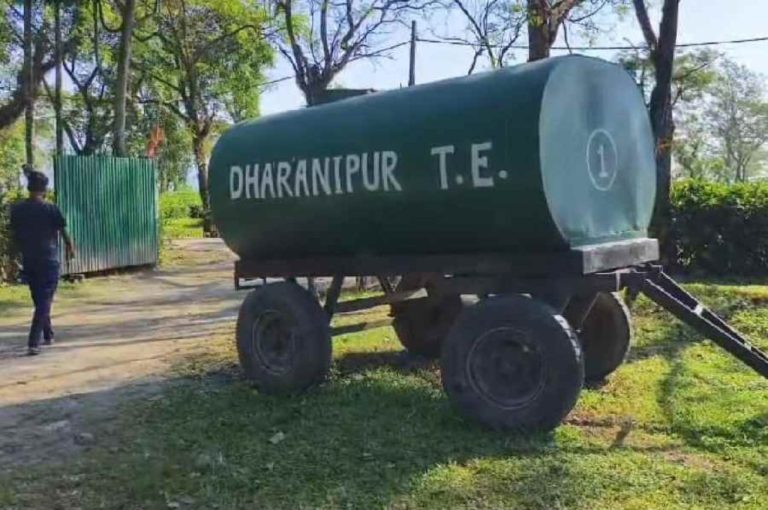
Reopening of Three Tea Gardens in Banahat Block of Jalpaiguri Brings Major Relief to Workers: New Owner Revives Redbank, Surendranagar and Dharanipur Tea Estates After Closure – A Detailed Report on Tea Garden Revival in North Bengal

Reopening of Three Tea Gardens in Banahat: In a landmark development for North Bengal’s tea economy, three tea gardens in the Banahat (also commonly written as Banarhat) block of Jalpaiguri district — Redbank, Surendranagar, and Dharanipur — reopened after remaining closed for more than six weeks. The estates had abruptly shut down before Durga Puja due to non-payment of wages and bonuses, leaving nearly 2,500 workers without income in one of the most crucial periods of the year.

The reopening, made possible through the intervention of the West Bengal Labour Department and the takeover by a new owner, has brought enormous relief to thousands of families who depend entirely on these tea gardens for livelihood, housing, food supply, healthcare access, and community stability.

This detailed 3,000-word report examines the journey from shutdown to revival, the financial crisis that led to the closure, the tripartite negotiations that enabled the reopening, worker reactions, local socio-economic impact, and what lies ahead for the tea industry in the Dooars region.


Reopening of Three Tea Gardens in Banahat: Why the Redbank Group of Gardens Shut Down

The closure of Redbank, Surendranagar, and Dharanipur tea estates was triggered by severe labour unrest. Workers had gone unpaid for weeks, and the promised 20% Puja bonus was not delivered by the previous management. The failure to clear dues before Durga Puja — culturally one of the most important and financially demanding times of the year for workers — led to intense protests, road blockades, and a complete breakdown of trust between management and labour.

According to multiple union representatives, the management stopped coming to the gardens and communication ceased. Factory operations halted, plucking stopped, and workers were left scrambling for alternative sources of money or food during the festive season. Many families had to borrow from neighbours, take small loans, or sell household items to survive.

This is not the first time these gardens have faced closure. The Redbank group has a troubled history of shutdowns, frequent management changes, financial instability, and worker distress. The repeated pattern of abrupt closures has made the area highly volatile and workers exceptionally vulnerable.


The New Owner Steps In: A Turning Point in Management

With the previous management unresponsive, the state labour administration convened a tripartite meeting involving labour unions, labour officials, and prospective buyers. According to sources present at the meeting, the earlier management did not participate, leading the state to consider alternative ownership options.

A local tea entrepreneur, Rittik Bhattacharya, who owns another tea garden in the Dooars, expressed interest in taking responsibility for the struggling estates. After discussions on liabilities, worker dues, statutory obligations, and operational commitments, the state approved the transfer of operational control to the new owner.

As per the agreement:

✔ Pending Puja bonus will be paid on December 1

✔ Pending wages will be cleared in phases after the bonus payment

✔ Worker attendance will gradually resume as operations stabilize

✔ The new owner will restore factory activity and field operations immediately

This agreement marks one of the most significant labour-management resolutions in Jalpaiguri’s tea belt in recent years.


Workers Return With Cautious Hope

After over a month of uncertainty, workers expressed a mixture of relief, optimism, and apprehension.

Workers Speak:

“We are happy the gardens have reopened under a new owner. We were assured bonuses and wages will be cleared. That is most important for us.”
Anup Orao, TMC Tea Workers’ Union Leader at Redbank

“Because the garden closes often, many of us lose confidence. Still, reopening is a big relief. We hope this management will be steady.”
Shikha Sarkar, Redbank Tea Garden Worker

“The new owner must ensure stability. We cannot survive if the garden shuts down again suddenly.”
Marcos Ekka, Surendranagar Worker

Management Statements:

“Workers have started coming in. Attendance will rise from Tuesday onwards.”
Rajen Indowar, Manager, Dharanipur

“We will clear the bonus and pending wages as agreed during the meeting.”
Biswajit Ghosh, Manager, Redbank

Attendance on the first day of reopening was low, which is expected in gardens that have faced repeated closures. Workers often wait to see whether newly announced promises are honoured before returning full-time.


Seasonal Challenges: Why the Timing Matters

The reopening took place during the lean winter harvesting season, when tea production naturally dips. During this phase:

  • Plucking volume slows as bushes enter dormancy
  • Workers rely more on stored wages and past payments
  • Factories operate at reduced capacity
  • Management must sustain costs without high output

Thus, uninterrupted wage flow becomes even more critical. For many workers, reopening now prevents deeper seasonal distress.


The Role of the Labour Department

The Labour Department of West Bengal played a pivotal role in preventing the crisis from deepening. By negotiating directly with unions and stepping in to facilitate a change in ownership, the department managed to:

  • Prevent mass displacement
  • Avoid long-term shutdown
  • Protect worker rights
  • Ensure continuity of tea production
  • Bring in a new management capable of financial stability

This case is now being noted as an example of proactive labour governance in West Bengal’s tea belt.


Socio-Economic Impact on 2,500 Families

The reopening of the three tea gardens will directly impact:

  • 2,500 workers
  • Thousands of children
  • Elderly dependents
  • Local schools and markets
  • Neighbouring service sectors

Key social benefits of reopening:

✔ Restoration of stable income

✔ Reduction in migration to cities or nearby towns

✔ Stabilization of local markets and shops

✔ Normal functioning of tea garden hospitals and creches

✔ Revival of school attendance among children

✔ Prevention of food insecurity

Closure of tea gardens often leads to severe humanitarian distress, including malnutrition. Reopening can prevent such large-scale community-level crises.


Broader Tea Industry Context in Jalpaiguri and Dooars

Jalpaiguri’s tea industry has faced significant challenges in recent years:

  • Falling tea prices
  • High cost of production
  • Climate-change-driven unpredictability in flush cycles
  • Competition from Assam and Nepal
  • Stagnant wage rates
  • Financially distressed owners exiting the industry

The reopening of three gardens signals cautious optimism, but also reminds policymakers of the structural reforms required.

Government and industry bodies such as the Tea Board of India and Ministry of Commerce and Industry have been working on improving garden sustainability through schemes and audit mechanisms.


Official and Relevant External Links (as requested)

Here are clean, official, government, and policy-related external links relevant to tea garden regulation, labour rights, and tea industry governance — no media links and no other channel links included:

Government / Official Websites

These links are relevant to labour rights, tea industry governance, provident fund rules, compensation systems, and tea garden welfare policies.


Challenges Ahead: Can the New Management Sustain the Gardens?

While reopening is a major relief, long-term survival of the estates depends on multiple factors:

1. Clearing All Wage Arrears

Back wages must be cleared promptly to maintain trust.

2. Ensuring Regular Monthly Payments

Regular wages prevent future unrest.

3. Meeting Statutory Obligations

EPF, gratuity, ration and healthcare facilities are statutory rights.

4. Financial Investment in Estates

Factory machinery, irrigation, pruning cycles, and transportation require fresh capital.

5. Worker Morale and Retention

Workers often leave for other jobs during repeated closures.

6. Climate Resilience Strategy

Dooars gardens need irrigation upgrades to handle climate variability.


Political Implications

Tea garden labour is politically sensitive. The reopening:

  • Offers relief to the state government ahead of electoral cycles
  • Strengthens trade unions’ influence
  • May reduce political tension around EPF crises
  • Can serve as a model for reviving other closed gardens

Political leaders across parties are monitoring the situation closely.


What Local Communities Expect Next

Workers and local communities have several expectations from the new owner:

  • A stable wage and bonus structure
  • Investment in medical facilities
  • Educational support for children
  • No sudden shutdowns
  • Accountability and transparent communication
  • Repair of worker quarters and sanitation lines

Meeting these expectations will be crucial for long-term stability.


Conclusion: A New Beginning With Old Lessons

The reopening of Redbank, Surendranagar, and Dharanipur tea estates represents a new chapter for thousands of tea workers and their families in Banahat block. After weeks of trauma, uncertainty, and financial distress, the revival offers a fresh start—one filled with hope, but also shaped by memories of past instability.

For the new owner, this is not merely a business acquisition — it is a responsibility to safeguard livelihoods, maintain labour rights, and restore dignity to an industry that has often struggled under the burden of economic challenges.

For the workers, reopening means life can finally begin to return to normal. The coming months will determine whether this revival becomes a long-term success or another chapter in the cycle of closures.

If the commitments made are honoured, this could emerge as a model case of successful tea garden revival in North Bengal.

Also read: Home | Channel 6 Network – Latest News, Breaking Updates: Politics, Business, Tech & More

Mamata Banerjee Demand for Withdrawal of Interlocutor 2025: Bengal Chief Minister’s Strongest Federalism Stand as She Writes Again to PM Modi Over Gorkha Issue — A Deep Dive Into the “Unconstitutional and Arbitrary” Appointment

Mamata Banerjee Demand: The political landscape of West Bengal has entered a dramatic new phase as Chief Minister Mamata Banerjee has written a second letter to Prime Minister Narendra Modi, reiterating her demand for the withdrawal of the Centre-appointed interlocutor for issues related to the Darjeeling hills, Terai, and Dooars regions. Calling the move “unconstitutional, arbitrary and a direct violation of federal principles”, Banerjee’s renewed appeal has intensified the national conversation around federalism, state autonomy, and Centre-State relations in India.

Her sharp objections follow a memo issued by the Ministry of Home Affairs (MHA) stating that the interlocutor’s office—headed by senior retired IPS officer and former Deputy NSA Pankaj Kumar Singh—had already been formally activated. This announcement has served as the trigger for one of the strongest political responses from Kolkata in recent years.

This in-depth article explores the politics, constitutional implications, stakeholder reactions, and wider federal significance of the issue, making it a complete long-form report for readers, journalists, researchers, and policy observers.


1. The Core Issue: Why Mamata Banerjee is Opposing the Interlocutor Appointment

Mamata Banerjee’s letter argues that:

🔹 The interlocutor’s appointment violates the federal structure

She states that the Centre bypassed the elected state government in a matter that, by law, falls under the jurisdiction of the Gorkha Territorial Administration (GTA) and the State of West Bengal.

🔹 The appointment undermines the GTA Act, 2011

According to the GTA Act:

  • “Government” for the GTA region means the Government of West Bengal, not the Union Government.

🔹 The Centre acted unilaterally

Banerjee states that the Union Government neither consulted nor informed the state before creating the interlocutor’s office.

🔹 The action may destabilize peace in the hills

She fears the move might revive old tensions in Darjeeling hills, where identity issues, administrative demands, and territorial aspirations have historically been sensitive.

🔹 The decision appears politically motivated

She claims the timing suggests an attempt to interfere in West Bengal’s internal political environment ahead of upcoming electoral cycles.


2. Legal & Constitutional Dimensions of the Conflict

2.1 Cooperative Federalism Under Strain

India’s Constitution is built on a delicate balance of power between the Centre and the States. Mamata argues that the Centre’s appointment violates this principle.

📘 Reference – About Federal Structure in India
https://legislative.gov.in/constitution-of-india
https://mha.gov.in

2.2 GTA Act, 2011

The GTA is a semi-autonomous administrative body formed through a tripartite agreement among:

  • Government of India
  • Government of West Bengal
  • Gorkha Janmukti Morcha

📘 GTA Agreement (2011) Summary – PIB Archive:
https://pib.gov.in

According to this agreement, the administrative authority lies with the state government, not with the Centre, unless mutually agreed upon.

2.3 Jurisdictional Overreach

The Chief Minister argues that:

  • There is no constitutional provision empowering the Centre to create parallel administrative mechanisms for the GTA without state consent.

2.4 Risk of Setting a Wrong Precedent

If the Centre’s action stands, it might allow federal interference in other autonomous bodies across India—such as:

  • Sixth Schedule Areas
  • Tribal councils
  • Hill development authorities

3. Political Implications: What’s at Stake for Bengal and the Nation

3.1 Hills Politics at a Crossroads

Darjeeling has long been politically complex due to:

  • Gorkhaland movement
  • Power shifts between GJM factions
  • Identity and administrative autonomy demands

Any unilateral move by the Centre has immediate political consequences.

3.2 Electoral Context

The Centre’s interlocutor appointment and Mamata’s opposition could strongly influence:

  • Upcoming panchayat polls
  • 2026 West Bengal Assembly Elections
  • Local political alignments in Darjeeling, Kalimpong, Kurseong, and the Dooars belt

3.3 The “State Dignity” Narrative

Mamata Banerjee is positioning herself as:

  • A defender of state autonomy
  • A protector of constitutional federal principles
  • A leader resisting federal overreach

This narrative has deep roots in Bengal’s political identity.


4. A Look Back: What Happened Before This Second Letter

4.1 First Letter (October 2025)

In her earlier letter, Mamata expressed:

  • Shock at the appointment
  • Concern about bypassing state consultation
  • Fear of destabilizing the hills

4.2 Centre’s Memo That Triggered the Second Letter

On 10 November 2025, the Ministry of Home Affairs announced that:

  • The interlocutor’s office had been operationalized
  • Meetings with key stakeholders would begin immediately

This prompted Banerjee’s second letter.

📘 Ministry of Home Affairs – Notifications:
https://www.mha.gov.in/notices


5. Stakeholder Reactions: Hills, State, Centre & Experts Speak

5.1 West Bengal Government

The ruling Trinamool Congress (TMC) is firmly behind Mamata’s stand. Senior ministers describe the Centre’s step as:

  • “Undemocratic”
  • “A direct attack on state rights”
  • “An attempt to bypass elected systems”

5.2 Central Government

The Centre maintains:

  • The interlocutor is meant to resolve long-standing demands of Gorkha communities.
  • The move is constructive, not political.

5.3 Gorkha Parties & Hill Groups

The reactions are mixed:

Supporters of the interlocutor say:

  • It brings national-level attention to the hills.
  • It may help reopen dialogues on identity issues.

Opponents say:

  • It threatens the delicate peace.
  • The Centre is sidestepping the GTA and state government.

5.4 Constitutional & Governance Experts

Experts are divided:

Some support Mamata’s stance, calling the Centre’s move:

  • “A breach of federal propriety”
  • “Legally questionable”

Others support the interlocutor, arguing:

  • Hill issues need a neutral nation-level mediator
  • Centre has moral responsibility to address region-specific grievances

6. Administrative, Social, and Security Implications

6.1 Impact on GTA Governance

If two administrative structures operate simultaneously:

  • Policy conflicts may arise
  • Development work may slow down
  • Decision-making may become fragmented

6.2 Potential for Political Unrest

Darjeeling has a history of:

  • Protests
  • Bandhs
  • Agitations related to identity and autonomy

A mismatch between Centre and State actions could revive tensions.

6.3 Impact on Development Projects

Several ongoing projects may face delays, including:

  • Road development
  • Water supply systems
  • Infrastructure upgrades
  • Hill tourism enhancement programmes

📘 Government of Bengal – Hill Development Department:
https://wb.gov.in

📘 Ministry of DoNER (for NE & hill development references):
https://mdoner.gov.in


7. Could This Lead to a Legal Battle?

Legal experts indicate that if the Centre does not withdraw its decision, West Bengal may:

  • Approach the Supreme Court
  • File a federal dispute under Article 131 of the Constitution

📘 Supreme Court of India – Jurisdiction Information:
https://main.sci.gov.in

Article 131 allows a state to sue the Union Government over constitutional matters involving:

  • Rights
  • Powers
  • Disputes of law

This could become a landmark Centre-State case.


8. Federalism in India: The Broader Message

The confrontation between Mamata Banerjee and the Centre raises vital questions:

8.1 How much authority does a state have over its autonomous administrative bodies?

8.2 Can the Centre intervene without consulting the state in region-specific matters?

8.3 Should politically sensitive areas be handled by local or national representatives?

8.4 Could this reshape Centre-State relations across India?

Many analysts believe it might.


9. What Happens Next? Possible Scenarios

Scenario A: The Centre Withdraws the Interlocutor

This would be a major political victory for Mamata Banerjee and is likely to strengthen federalism movements across other states.

Scenario B: The Centre Holds Firm

This could lead to:

  • Legal confrontation
  • Increased political polarization in Bengal
  • Administrative confusion in the hills

Scenario C: Negotiated Middle Path

The Centre may:

  • Keep the interlocutor
  • But include West Bengal officials in decision-making
  • Or work under GTA guidelines

10. Conclusion: A Nationally Significant Federal Flashpoint

Mamata Banerjee’s second letter to PM Modi is more than a routine administrative objection. It symbolizes a major constitutional debate, a political confrontation, and a struggle for administrative control in one of India’s most sensitive regional landscapes.

Her insistence on withdrawing the interlocutor highlights:

  • A demand for state dignity
  • A defence of constitutional federalism
  • A challenge to central unilateralism

The Centre’s next move will define:

  • Hill politics
  • Future of GTA
  • India’s federal balance
  • Bengal’s political roadmap for 2026

This is not just a conflict—it is a test of India’s federal spirit in 2025.


🔗 Relevant External Links (Government & Reputed Sources Only)

Government & Legal Resources

Also read: Home | Channel 6 Network – Latest News, Breaking Updates: Politics, Business, Tech & More

Blue Java Banana: 3 Remarkable Facts Behind the Rising Global Interest in This Unique Fruit

Blue Java Banana draws curiosity for its rare appearance and natural vanilla-like taste

Blue Java Banana has become a subject of renewed global interest as more researchers and food enthusiasts highlight its unusual characteristics. Known for its distinctive silver-blue peel when fully ripe, the fruit stands out from common banana varieties. What has pushed it further into public discussion is its natural vanilla-like flavor, leading to the popular nickname “Ice Cream Banana.” This rise in attention is driven not only by its taste, but also by its increasing presence across regions where it was previously uncommon.Blue Java Banana

The variety belongs to a group formed from Musa acuminata and Musa balbisiana, making it more adaptable than many tropical bananas. These genetic factors give it greater resistance to colder temperatures and changing environmental conditions. As a result, farmers in different climates have started exploring its commercial potential, seeing it as a crop that can bring diversity beyond standard banana cultivation.

In places such as Hawaii, the fruit has been part of local agriculture and food culture for years. There, it is often eaten chilled, blended into smoothies, or enjoyed on its own as a natural dessert. The creamy consistency and soft texture when ripe explain why many compare it to vanilla ice cream. This combination of flavor and versatility continues to draw attention from both consumers and researchers.

Blue Java Banana finds growing acceptance due to its climate resilience and agricultural value

The Blue Java Banana has gained traction among growers because it stands apart from regular tropical bananas in terms of adaptability. While most banana varieties require warm, stable climates, this one can tolerate cooler conditions and slight temperature variations. Its resilience to environmental stress makes it a potential choice for regions facing irregular weather patterns.🔥 The Blue Java Banana taste like vanilla ice-cream. : r/NatureIsFuckingLit

Agricultural groups have noted that the plant’s durability gives farmers more flexibility when planning crop cycles. This makes it appealing in areas where traditional banana farming is challenging. The variety’s ability to survive in different climates has led to its cultivation in parts of Southeast Asia, Central America, and selected regions of the United States.

Another factor supporting its rise is consumer interest in naturally flavored food. As more people seek fruit options that offer distinct and appealing tastes without added ingredients, the Blue Java Banana fits naturally into that trend. Its creamy texture allows it to serve as a dairy-free alternative in homemade desserts, particularly for individuals who prefer plant-based or lactose-free choices. This shift in eating patterns has contributed to the fruit becoming more visible in local markets where specialty crops are encouraged.

Blue Java Banana gains recognition as a versatile ingredient in modern diets

Beyond its flavor and appearance, Blue Java Banana is valued for its versatility. Chefs and home cooks have incorporated it into recipes that normally rely on ice cream or sweetened fruits. When frozen and blended, it forms a smooth texture without the need for cream or sugar, making it a natural option for healthier desserts. Its mild vanilla profile helps it blend well with both fruit-based and neutral flavors.

Blue Java BananaIn regions like Hawaii, the fruit’s use extends beyond simple snacking. It is often processed into homemade bowls, smoothie mixes, and chilled treats that highlight its texture. This culinary adaptability is one reason why local communities continue to support its cultivation. The fruit’s appeal is not limited to flavor; its distinct color and shape also contribute to visual interest, which has helped it spread across social and agricultural discussions.



Farmers who have adopted the crop note that the plants require steady maintenance but reward growers with reliable yields. This balance between ease of growth and market appeal has encouraged more farmers to experiment with it. The broader agricultural sector continues to examine how such climate-resilient fruits may play a role in future crop planning as weather patterns shift. Also Read: trend of year: 3 Key Moments Highlighting Taehyung’s Impact at the 2025 KGMA

Conclusion

The Blue Java Banana has gained attention for its unique color, natural vanilla flavor, and adaptability across climates. Its rising presence in agriculture and culinary use shows why it is becoming an increasingly notable fruit in discussions about sustainable and diverse crop options.

Past weekend: 3 Major Concerns as Jungkook Faces Repeated Home Intrusions in November 2025

0

Past weekend disturbance brings renewed focus on Jungkook’s need for stronger protection

Past weekend turned into one of the most alarming periods for Jungkook as two separate intrusion attempts took place near his home in November 2025. The incidents, reported by those close to the situation, have once again highlighted the rising threat he continues to face from individuals who disregard personal boundaries. Despite his efforts to return home after military discharge and maintain a quiet routine, the repeated disruptions have renewed public concern over his safety and peaceBTS Jungkook reveals ADHD diagnosis: Warning signs, management tips you must know - Health News | The Financial Express

According to early reports, the first incident involved a woman who waited outside his residence for hours with a suitcase, refusing to leave. Her behavior escalated to the point where Jungkook could not safely stay inside his house. He had to temporarily move to the HYBE building until the police arrived to handle the situation. The woman was taken into custody, but the distress caused by the event was evident.

Only a short time later, a second case surfaced. This time, another woman, reportedly around 40 years old, appeared at Jungkook’s door late at night, ringing the bell repeatedly and demanding to see him. Security immediately responded and alerted Jungkook, who was at home during the intrusion. The situation was brought under control, but the incident added to the growing list of unwanted encounters surrounding his residence.

Past weekend events intensify the debate on artist privacy and security

The incidents of the past weekend did not occur in isolation. Over time, several similar situations have unfolded, each showing how dangerous persistent stalking can become. What makes these recent events more concerning is that they took place shortly after his military discharge, a period when he should be able to return to normal life without fear or disturbance.Two Women Try To Break Into BTS' Jungkook's Home, ARMY Comes To His Rescue | Korean News - News18

Fans have expressed deep frustration and disappointment, pointing out that Jungkook only recently finished building his new home and has barely been able to enjoy it peacefully. The recurring intrusions have left many questioning how long such behavior can continue before more serious consequences occur. While HYBE has implemented security procedures, the latest events suggest a need for more decisive and lasting protection measures.

Supporters argue that privacy should be a basic right, not a luxury, even for a global star. The fear and stress caused by constant invasions of personal space can have long-term effects, and many believe the situation has reached a point where stronger legal steps must be taken. The public sentiment is simple: admiration must never cross into obsession, and respect for personal boundaries is non-negotiable.BTS' Jungkook faces house break-in scare by Chinese fan hours after military discharge | Celebrity News - News9live

Past weekend disturbances underline the urgency for preventive action

The past weekend incidents are part of a larger pattern that has been building steadily over the years. With multiple reports of strangers appearing at Jungkook’s home, the concern is no longer limited to fandom circles. Security experts have pointed out that repeated attempts by unrelated individuals indicate both risk and escalation. If not addressed firmly, such behavior can lead to even more dangerous outcomes.

The responsibility now falls on authorities and the management company to ensure that safety measures match the seriousness of the situation. Improved surveillance, stricter perimeter controls, and legal restrictions against offenders may be necessary. For a public figure with Jungkook’s visibility, proactive intervention is no longer optional. Also Read: trend of year: 3 Key Moments Highlighting Taehyung’s Impact at the 2025 KGMA

Conclusion

The past weekend has made it clear that Jungkook’s safety remains a serious concern. The repeated intrusions show a pattern that cannot be ignored, and stronger action is needed to protect his privacy and peace.