Friday, May 15, 2026
Home Blog Page 335

Rs 57 Lakh Cyber Fraud Targeting TMC MP Kalyan Banerjee: How the Bank’s Swift Action Reversed a Digital Heist

Rs 57 Lakh Cyber Fraud: In a dramatic turn of events that spotlighted India’s growing battle with cyber fraud, Trinamool Congress (TMC) MP Kalyan Banerjee became the latest high-profile target of an online banking scam. Nearly ₹57 lakh was siphoned off from his account through unauthorized online transfers — only to be recovered and credited back after rapid intervention by the concerned bank and cybercrime authorities.

The incident, reported in early November, underscores both the vulnerability of digital financial systems and the efficiency of modern cybersecurity response mechanisms when handled with precision.

“The money has been credited back. I appreciate the swift response from the bank and the cybercrime team,” Banerjee said, expressing relief after the tense episode that briefly disrupted his financial and personal peace.


🔍 A Sudden Shock: Unauthorized Transactions Detected

According to preliminary reports, Banerjee — a senior lawyer and multiple-term Member of Parliament from Serampore — noticed suspicious activity in his account with a leading private sector bank. Multiple high-value transfers, amounting to ₹57 lakh in total, were made over a short period without his consent or knowledge.

Banerjee immediately alerted the bank and lodged a formal complaint with the Cyber Crime Police Station, triggering an emergency freeze on the linked accounts.

“The transactions were unauthorized. I do not know how the fraudsters accessed the account. Thankfully, immediate action helped recover the full amount,” he told reporters.


🕵️‍♀️ How the Cyber Fraud May Have Happened

While official details of the method remain under investigation, experts suspect the use of phishing, SIM swapping, or malware intrusion — common techniques employed in sophisticated digital thefts.

Phishing involves tricking users into revealing confidential banking information through fake messages or links that appear legitimate. Once fraudsters gain login credentials or OTP access, they can initiate transfers.

SIM swapping, another major concern in India’s digital ecosystem, allows criminals to hijack a person’s phone number to intercept authentication messages.

Cybersecurity researcher Anirban Sen explained that high-profile individuals, including politicians, executives, and celebrities, are often prime targets for personalized attacks due to public data availability.

“Fraudsters study public figures’ digital patterns, social media, and even leaked databases to design custom phishing campaigns,” said Sen. “One careless click or data leak can open doors to massive financial breaches.”

For more on these tactics, see Cybercrime in India – Wikipedia.


🏦 Rs 57 Lakh Cyber Fraud: Bank’s Rapid Response and Refund

The bank’s response was notably swift. Upon receiving Banerjee’s complaint, it initiated immediate reversal protocols and worked in tandem with the Reserve Bank of India (RBI)’s cyber fraud reporting framework. Within hours, they traced the fraudulent transactions to intermediary accounts and managed to block and recall the siphoned amount.

The recovery process followed the standard guidelines under the RBI’s circular on unauthorized electronic transactions issued in July 2017, which mandates that victims who report fraud promptly are not held liable for losses if negligence is not proven.

(Reference: RBI Guidelines on Unauthorized Transactions)


⚖️ Complaint Registered with Cyber Police

A formal complaint has been lodged at the Bank Fraud and Cybercrime Investigation Cell under the West Bengal Police. Sources close to the investigation said that IP addresses and transaction trails have been traced to accounts in another state.

Cyber forensic teams are analyzing data packets, timestamps, and transaction logs to determine whether it was an insider-assisted breach or an external phishing exploit.

According to a senior official involved in the probe, “There is evidence suggesting the use of a cloned device or remote access tool. We are examining whether credentials were stolen through malware or fake links.”

Learn more about digital forensics here: National Cyber Crime Reporting Portal – Government of India.


👤 Who is Kalyan Banerjee?

Kalyan Banerjee is a senior politician, lawyer, and Member of Parliament from the Serampore constituency in West Bengal. Known for his sharp courtroom skills and active participation in the Lok Sabha, Banerjee has been part of Trinamool Congress (TMC) since the early 2000s.

He has also represented several landmark legal cases and served as one of the party’s prominent spokespersons.

(More on Kalyan Banerjee – Wikipedia).

His political and professional stature made the breach particularly alarming — exposing how even well-informed individuals can fall victim to advanced cyber frauds.


💸 Growing Trend of Bank Account Frauds in India

The case adds to a worrying trend. According to RBI’s Annual Report on Banking Frauds (2023–24), India reported more than 12,000 digital payment-related frauds amounting to ₹1,200 crore in the last financial year alone.

These include UPI scams, online banking phishing, and credit card misuse.

With the rise of mobile banking and digital wallets, cybercriminals are exploiting loopholes in both human behavior and technology. Even as India pushes toward becoming a cashless economy, such incidents remind consumers of the importance of digital hygiene.

(Reference: RBI Annual Report on Banking Frauds 2023-24).


🧠 Expert Take: Preventing Digital Banking Scams

Experts emphasize cyber-awareness as the first line of defense.
Security consultant Ritika Deshmukh noted that banks often introduce multiple layers of verification — biometrics, two-factor authentication, and real-time alerts — but user complacency remains a weak link.

“We receive daily reports of people clicking fake bank update links or sharing OTPs. Fraudsters capitalize on fear or urgency,” said Deshmukh. “Education is as critical as encryption.”

Key preventive measures include:

  • Avoid clicking on unknown links or attachments.
  • Regularly update passwords and mobile apps.
  • Verify messages from official sources only.
  • Report suspicious activity instantly through official bank helplines or RBI’s Ombudsman Scheme.

The Indian Computer Emergency Response Team (CERT-In) also provides national-level cyber advisories (official site).


📊 Timeline of the Incident

Event Details
November 4, 2025 Suspicious transactions detected in Kalyan Banerjee’s bank account
Same Day Complaint lodged; account temporarily frozen
November 5, 2025 Cyber police and bank coordinate to trace funds
November 6, 2025 ₹57 lakh successfully credited back
Ongoing Investigation continues to identify perpetrators

The speed of recovery — within 48 hours — has been described as “exceptional” by banking officials.


🧩 How Cybercriminal Networks Operate

Modern-day cybercrime syndicates use complex multi-layered setups to launder stolen funds. After siphoning money, they distribute it through mule accounts — often belonging to unsuspecting individuals who rent their credentials for small commissions.

Funds are then transferred across multiple digital wallets and sometimes converted into cryptocurrency to evade traceability.

Law enforcement agencies, including Interpol and India’s CBI, have been strengthening global cooperation to track such digital footprints.
(See: Interpol Global Cybercrime Strategy).


🧾 Public Reaction and Political Implications

Though Banerjee himself refrained from politicizing the issue, opposition leaders seized the incident to highlight vulnerabilities in India’s digital security ecosystem.

Some questioned whether lawmakers should receive enhanced cybersecurity briefings given their access to sensitive personal and government data.

Within the TMC, however, the focus remained on gratitude toward the bank’s efficiency and the success of the cybercrime redressal system.

“This is a lesson that digital safety is not about status but awareness,” said a senior TMC leader.


🧑‍⚖️ Legal Protections and RBI Compensation Policy

Under the RBI’s Customer Protection Framework, individuals who report fraudulent digital transactions within three working days are entitled to full reimbursement if the fault lies with the bank or a third party.

The same rule applied in Banerjee’s case. His quick response ensured that liability did not fall on him, triggering an automatic refund.

(Details: RBI Circular on Customer Protection in Digital Transactions).


🔒 Broader Lesson: No One is Immune

The Kalyan Banerjee bank account fraud 2025 case is a stark reminder that cybercrime spares no one — not politicians, bureaucrats, or ordinary citizens.

India’s digital banking revolution has connected millions, but it has also created fertile ground for cyber predators.

In 2024 alone, India’s National Crime Records Bureau (NCRB) registered over 65,000 cybercrime cases, a 25% increase from the previous year.
(Source: NCRB Crime in India Report 2024).

Cyber experts warn that the next frontier of financial crime will involve AI-generated phishing and deepfake voice scams, where fraudsters mimic bank officials or family members.


🌐 Building a Safer Digital Ecosystem

Authorities are now advocating multi-pronged strategies to build resilience:

  • Strengthening bank–cyber cell coordination
  • Launching mass awareness campaigns in regional languages
  • Promoting digital literacy in schools and workplaces
  • Encouraging adoption of secure hardware-based authentication

Government-led initiatives like Digital India and National Cyber Security Strategy 2025 are aimed at improving cyber resilience nationwide.
(Reference: National Cyber Security Policy – India).


🕊️ Conclusion: A Wake-up Call for Digital Vigilance

The recovery of ₹57 lakh from the Kalyan Banerjee bank account fraud is undoubtedly a success story — a testament to swift coordination between the victim, the bank, and cyber authorities.

However, it also signals an urgent need for greater digital vigilance, not only among the public but also policymakers, banks, and regulators.

Banerjee’s experience encapsulates a simple truth: in the digital age, security is not guaranteed by privilege but by prudence.

As India marches toward deeper financial digitalization, such incidents will remain cautionary tales — urging citizens to think before they click, verify before they trust, and report before it’s too late.


External References (For Context and Verification)

Also read: Home | Channel 6 Network – Latest News, Breaking Updates: Politics, Business, Tech & More

Exceptional School Awards North Bengal 2025: Celebrating Grit, Glory, and Educational Excellence Across the Hills and Plains

Exceptional School Awards North Bengal 2025: The heart of North Bengal resonated with applause and inspiration as the Exceptional School Awards North Bengal 2025 unfolded at Birla Divya Jyoti School, Uttarayon, Siliguri. The two-day event — organized by The Telegraph Education Foundation (TTEF) in association with The Bhawanipur Education Society College and supported by the PCM Group — honoured schools, teachers, and students whose determination and creativity stood as beacons of hope and excellence.

For a region that often faces infrastructural and geographical challenges, the ceremony became more than an award function — it evolved into a celebration of courage, resilience, and community spirit in education.

“It’s not just about medals and certificates. It’s about stories of perseverance, hope, and human willpower,” said Amitabha Datta, Chairman of the TTEF, addressing an auditorium filled with students, teachers, and parents.

Day One: Showcasing the Spirit of North Bengal

The first day of the Exceptional School Awards North Bengal 2025 featured a moving series of recognitions, performances, and heartfelt stories. Students from across Darjeeling, Jalpaiguri, Alipurduar, Cooch Behar, Malda, and North Dinajpur gathered under one roof to celebrate the best in academics, innovation, and social responsibility.

Awards were presented in multiple categories:

  • Academic Excellence
  • All-Round Achievement
  • Outstanding Teacher Contribution
  • Sports and Cultural Brilliance
  • Eco-Friendly Initiatives
  • Social Service and Leadership

Each award underscored one idea — that education thrives on human values as much as academic results.

One of the most touching moments came when Rikiya Saha, a 17-year-old student from Kamakhyaguri High School, Alipurduar, received a scholarship and recognition for her extraordinary academic performance. Despite losing her father early and her mother managing a family of three children on less than ₹4,000 a month, Rikiya secured 87.2% in Class XI — an achievement that drew tears and applause across the hall.

Her story mirrored many others — stories of North Bengal’s quiet warriors, children who study under lantern light, teachers who travel long distances through rain and tea estates, and schools that turn scarcity into opportunity.

(For context: learn more about North Bengal’s geography and socio-economic backdrop.)

Honouring Teachers Who Shape Generations

The highlight of the evening was the felicitation of educators who have dedicated decades to nurturing young minds. One such honouree, Arup Baran Chattopadhyay, from Malbazar Adarsha Vidya Bhaban in Jalpaiguri, received the Dr. A.P. O’Brien Memorial Lifetime Achievement Award for a Teacher.

Chattopadhyay, known for his humility and devotion, chose to remain in the Dooars despite offers from urban schools. His former students — now professionals across India — sent video messages recalling how he “taught beyond textbooks and believed in every student’s potential.”

“Once a teacher, always a teacher. This recognition isn’t just mine — it belongs to my students and my school,” said Chattopadhyay, holding his plaque with quiet pride.

The recognition of veteran teachers like him reinforces the vital role of educators in rural and semi-urban India, where personal guidance often compensates for infrastructural gaps.
To learn about Indian education initiatives improving teacher welfare, visit the Ministry of Education, Government of India.


Exceptional School Awards North Bengal 2025: Scholarships and Social Impact

The TTEF and PCM Group also announced a new series of scholarships and grants for meritorious but financially underprivileged students. Over ₹5 lakh has already been distributed this year under this initiative.

Among the beneficiaries was Aditi Das, a ninth-grader from Kamakhyaguri Girls High School, who aspires to become a sports coach. Her passion for athletics, despite minimal resources, earned her a sponsorship to pursue sports training.

Such initiatives embody the purpose of the Exceptional School Awards North Bengal 2025 — to ensure that recognition transforms into real opportunity.


Excellence Beyond Classrooms

The second segment of Day One highlighted extracurricular brilliance. From classical dance to robotics, students demonstrated their diverse talents.

One of the most applauded moments came from Palmu Dolma Sherpa, a young swimmer from Siliguri, who has represented her school in multiple state-level competitions.

Another standout was 8-year-old tennis prodigy Atharva Kachari of G.D. Goenka Public School, who competes nationally despite his age. Their stories symbolize how North Bengal’s youth are emerging on national platforms, overcoming geographic isolation through talent and perseverance.

“These young achievers remind us that excellence is not limited by location. It’s about vision and guidance,” said Sujata Sen, educationist and jury member.

To explore India’s youth sports ecosystem, see Khelo India Initiative.


Participation Across Eight Districts

This year, the awards attracted participation from 47 schools across all eight districts of North Bengal. Entries poured in through July and August, with schools submitting applications, videos, and photographs that captured their achievements.

A distinguished jury of academicians, cultural figures, and administrators meticulously evaluated submissions through October. The panel included names such as Sukanta Chaudhuri, Uma Dasgupta, Raju Mukherji, and Sujata Sen, among others.

The process emphasized transparency, inclusivity, and qualitative assessment, ensuring that smaller rural schools stood equal chance alongside elite city institutions.


💬 Stories That Stirred the Audience

Throughout the event, audiences heard deeply personal stories — each illustrating the transformative power of education.

  • A single mother from Cooch Behar shared how her son, once on the verge of dropping out, went on to top his district.
  • A teacher from Darjeeling narrated how his students built low-cost water filters during floods.
  • A group of girls from North Dinajpur received applause for creating a local literacy campaign.

These testimonies reflected the collective resilience of North Bengal’s education ecosystem. They also underlined the awards’ broader mission — to bring recognition where it’s due, not just where it’s visible.


Day Two: Glory and Grandeur

The second day opened with anticipation. The auditorium buzzed as final award categories were announced, including School of the Year, Best Community Outreach, Green Campus Award, and Outstanding Principal Award.

The title of “School of the Year 2025” went to Birla Divya Jyoti School, Siliguri, for its innovative learning approach and consistent excellence in academics, environment, and social engagement.

The Outstanding Principal Award was presented to Soma Chakraborty, whose leadership at St. Joseph’s High School, Jalpaiguri, has transformed it into a model of inclusive education.

“Our success is collective. A school is not brick and mortar — it’s dreams, discipline, and compassion combined,” said Chakraborty during her acceptance speech.

(More about India’s schooling system: School Education in India – National Portal)

Eco-Friendly and Socially Responsible Schools

Environmental consciousness was another recurring theme at the Exceptional School Awards North Bengal 2025.

Schools like Alipurduar Vivekananda Vidyalaya and Siliguri Model High School received recognition for initiatives in waste segregation, solar power use, and afforestation drives. Students also organized campaigns on climate awareness, aligning with the United Nations Sustainable Development Goals (SDGs) on quality education and environmental action.

You can learn more about the global framework here: United Nations SDG Goal 4 – Quality Education.

Beyond Awards: Inspiring the Future

What makes the Exceptional School Awards North Bengal 2025 distinctive is not only the glamour of trophies but its impact on the ground.
TTEF representatives announced new collaborations with local NGOs to extend mentorship and digital learning facilities to rural schools.

The awards also encourage community participation. Parents, teachers, and local businesses were invited to contribute to education-based crowdfunding, ensuring continuity beyond recognition.

Such sustained engagement could help bridge the urban-rural education divide — a major challenge in regions like North Bengal.
(For insights, refer to Annual Status of Education Report (ASER) India).

Conclusion: Grit Meets Glory

As the curtains fell on the two-day celebration, there was more than applause echoing through the auditorium — there was hope.
Hope that every child in North Bengal, regardless of background, can aspire to education that uplifts, empowers, and transforms.

The Exceptional School Awards North Bengal 2025 served as a vivid reminder that true excellence is born not in privilege but in perseverance.

The event has now become an annual tradition — not merely an award show but a movement for educational equity and recognition.

“Every story here is a lesson in resilience,” said one jury member. “This is where grit meets glory — and North Bengal shines brightest.”

External References for Further Reading

Also read: Home | Channel 6 Network – Latest News, Breaking Updates: Politics, Business, Tech & More

Inspirational Teacher in West Bengal: Students’ All-Time Favourite ‘Sir’ Wins Hearts On and Off the Stage

Inspirational Teacher in West Bengal: The applause was deafening inside the packed school auditorium in Cooch Behar as “Sir”, a man known for his chalk-stained sleeves and compassionate heart, walked up to the stage. The students, many of whom had once struggled under the weight of equations and essays, now screamed in joy and reverence for the teacher who had once taught them both grammar and gratitude, formulas and friendship.

That evening, as he performed a heartfelt recitation in the annual school cultural fest, his students saw what they had always known — a teacher whose lessons went beyond textbooks. This story of an inspirational teacher in West Bengal embodies everything the education system hopes to achieve under the National Education Policy (NEP) 2020 — holistic learning, emotional intelligence, and lifelong mentorship.

(External Reference: Ministry of Education, Government of India)


The Journey of a Humble Educator

Born in a modest family in North Bengal, Subhendu Chatterjee (name changed for privacy) never saw teaching as a mere profession. For him, it was a calling. After completing his Master’s degree in English Literature, he began his teaching career in a small government school in Cooch Behar in the late 1990s. His early years were spent walking miles to reach school, carrying lesson plans handwritten on loose sheets.

Over the years, Subhendu became a household name in the district. His unique approach to teaching combined literary appreciation, life skills, and moral reasoning — elements that made his classroom vibrant and relevant. His former students today are spread across India and abroad — doctors, engineers, social workers, and even teachers — who recall his lessons as “the most human part of school life.”

(External Reference: National Council for Teacher Education (NCTE))


Students’ Voices — “He Made Us Believe in Ourselves”

“He never scolded us for making mistakes,” says Ritika Ghosh, now a psychology major in Kolkata. “Instead, he asked us why we thought we failed and what we could learn from it. That approach changed my life.”

Another student, Rahul Dey, who now teaches mathematics at a Siliguri high school, said, “Sir’s faith in us was extraordinary. He would say, ‘Every student carries a story, and a teacher must read it before judging their handwriting.’ I still quote him in my classes.”

For his students, he was not just a teacher but a guide, counsellor, and friend — someone who remembered their birthdays, asked about their dreams, and made learning feel personal.

(External Reference: University Grants Commission (UGC))


Classroom Magic — Lessons That Touched Hearts

Chatterjee’s classroom was famously alive with creativity. Lessons often began with poetry readings, folk songs, or a line from Rabindranath Tagore. He believed literature and language could nurture empathy.

During his English lessons, he connected Shakespearean tragedies to students’ real-life challenges, turning difficult texts into relatable stories. His blackboard often had quotes like “Education is not the filling of a pail but the lighting of a fire.”

He encouraged his students to express themselves through essays, debates, theatre, and art. Every annual event became an opportunity to showcase learning through emotion and imagination.

(External Reference: UNESCO Education for Sustainable Development)


Recognition and Awards — A Community’s Gratitude

Last month, Subhendu Chatterjee was honoured with the District Excellence in Teaching Award by the Cooch Behar Education Department. The citation read: “For outstanding contribution to student empowerment and innovative classroom practices.”

The recognition came as no surprise to his students and colleagues. “He is the soul of our school,” said Principal Arpita Roy, adding that “even after 25 years of service, his enthusiasm for each class is infectious.”

The school plans to name its new library after him — a fitting tribute to a man who spent his life surrounded by books and bright minds.

(External Reference: Ministry of Education – Teacher Awards Section)


Cultural & Social Impact — ‘Sir’ Beyond the Syllabus

Beyond teaching, Chatterjee has always been deeply involved in community and cultural initiatives. His annual stage performances — often recitations of poems by Sukumar Ray and Tagore — have become local legends. He also mentors students in writing and theatre, helping them find their voices on and off the stage.

During the COVID-19 lockdown, when schools shut down, he started online reading sessions from his veranda. The sessions drew not just his own students but children from neighbouring villages. “It wasn’t just about lessons,” says former student Meenakshi Das. “It was about hope.”

(External Reference: National Education Policy 2020)


Educational Insights — The Philosophy Behind His Success

Chatterjee often says, “A teacher should teach less and listen more.” His classroom model aligns with the principles of learner-centred pedagogy promoted under NEP 2020.

According to the National Council for Teacher Education (NCTE), such educators play a key role in developing emotional intelligence and moral grounding among students — qualities that cannot be measured by exams but define a student’s character for life.

He also believes that education must adapt to changing times. He incorporates technology, uses visual media, and encourages students to publish blogs and podcasts. His school now has a “creative lab” — a small space where students write, paint, or record interviews about social issues.

(External Reference: AICTE – Teacher Training and Innovation)


A Broader View — Bengal’s Culture of Inspirational Teaching

West Bengal has long been home to iconic educators — from Ishwar Chandra Vidyasagar to Rabindranath Tagore — who believed in holistic learning. Chatterjee’s teaching spirit follows that lineage.

Many rural and semi-urban schools in the state are now following his example — setting up creative clubs, storytelling classes, and open discussion groups. These efforts align with India’s push for competency-based learning and experiential education.

(External Reference: Ministry of Education – NEP Implementation Reports)


Expert Views — What Makes an Inspirational Teacher

Dr. Anindita Sen, an educationist and NEP consultant, says, “Inspirational teachers like Chatterjee show that empathy is a form of pedagogy. You can’t replace it with technology or tests.”

Dr. Sudip Sarkar, a professor of educational psychology, adds, “The most effective teachers create emotional connections that motivate lifelong learning. They make students feel seen and heard.”

The UNESCO Teacher Education Framework also emphasizes such mentorship, identifying emotional literacy as a key component of sustainable education.

(External Reference: UNESCO Teacher Education)


The Stage Moment — A Standing Ovation That Spoke Volumes

At this year’s school cultural function, when Chatterjee recited “Birpurush” on stage, the entire hall stood up in spontaneous applause. Some of his students wept openly. “We have seen him teach us with passion, but that night we saw the artist in him,” said Arjun Chakraborty, a Class XII student.

It wasn’t the poem alone that moved the crowd — it was what he represented: a generation of teachers who give everything and expect nothing in return.

As the curtains fell, one could feel that the applause wasn’t for a performance, but for a lifetime of dedication.


The Larger Picture — Teachers as Nation Builders

India’s Ministry of Education recently reiterated that teacher empowerment is central to the success of NEP 2020. The policy emphasizes continuous professional development (CPD), creative freedom, and psychological support for educators.

Experts argue that teachers like Chatterjee are real-life proof that great education begins with great teachers. When empathy meets excellence, classrooms become laboratories of humanity.

(External Reference: National Mission for Mentoring (NMM) under NEP 2020)


Challenges of Teaching in Today’s India

Despite his success, Chatterjee remains grounded. “The hardest part today,” he says, “is keeping students emotionally engaged in an age of distraction.”

He points out the pressure teachers face due to administrative duties and frequent evaluation reforms. “We need time to reflect, read, and evolve,” he says softly. “Teaching is not about results, it’s about relationships.”

His words echo the sentiment shared by thousands of teachers across India who struggle with outdated infrastructure, lack of recognition, and the growing digital divide.

(External Reference: UNESCO Report on Teacher Status)


The Next Generation — Carrying the Torch Forward

Many of Chatterjee’s students have followed in his footsteps. Former pupil Koushik Paul now runs a literacy NGO for underprivileged children in Jalpaiguri. “Sir taught me to believe that teaching can change lives. That’s all I needed to start my journey,” he says.

Another former student, Sneha Basu, now a school principal in Burdwan, introduced “Teacher Story Fridays” — weekly sessions where teachers share personal experiences with students, inspired by her mentor’s storytelling approach.


Community Bond — Beyond School Walls

Chatterjee’s influence extends beyond the school gates. He regularly conducts evening literacy camps in nearby villages and mentors dropout children to rejoin school. Parents in the area see him as a moral guide — someone who listens without judgment.

During the floods of 2021, he organized student volunteers to deliver food and books to affected families. “Education is not just for classrooms,” he said at the time, “it’s for rebuilding society.”

(External Reference: UNESCO Education and Community Development)


Inspirational Teacher in West Bengal— The Lasting Legacy of a True Teacher

As dusk falls on another busy school day, Subhendu Chatterjee walks out of his classroom, smiling as students rush to show him their drawings and essays. The joy in his eyes reveals a quiet truth — teaching, at its best, is an act of love.

In a world obsessed with competition and credentials, this inspirational teacher in West Bengal reminds us that education is ultimately about connection, compassion, and courage. His life is a standing lesson — that the most meaningful impact often happens not in policy papers, but in the small, unforgettable moments between a teacher and a student.


External Resource Links:

Also read: Home | Channel 6 Network – Latest News, Breaking Updates: Politics, Business, Tech & More

Excellence Beyond Classrooms: Campus Champs Who Hit It Out of the Park at a Young Age Redefine Bengal’s Education Landscape

Excellence Beyond Classrooms: At dawn, when most of her classmates are still asleep, 17-year-old Priyanka Ghosh from Siliguri laces up her running shoes, jogs past tea gardens, and trains for the 400-metre sprint. By 9 a.m., she’s seated in her commerce class at Siliguri Girls’ High School, maintaining a stellar academic record while preparing for the state athletics championship. Her teachers call her “a symbol of balance.” Priyanka is one of Bengal’s new generation of students proving that excellence no longer lives inside classrooms alone.

Across West Bengal, hundreds of school and college students are emerging as multi-dimensional achievers — excelling in academics, sports, innovation, entrepreneurship, arts, and community service at an age when most are still discovering their ambitions. These “campus champions” are challenging traditional ideas of merit, showing that success today is as much about creativity, discipline, and empathy as it is about examination scores.


Young achievers redefining Bengal’s learning culture

In Kolkata’s Jadavpur University, 19-year-old Ritam Saha, an engineering student, recently won an international robotics competition for designing a low-cost robotic arm to assist disabled persons. The same week, Ananya Bhattacharya, a first-year political science student at Presidency University, was invited to present a research paper on gender representation in local governance at a national seminar.

Both students embody a growing movement in Bengal’s educational institutions that emphasizes “excellence beyond classrooms” — nurturing skills and passions that go far beyond textbooks.

According to the Ministry of Education, Government of India, more than 65% of higher education institutions in the state have introduced interdisciplinary clubs, innovation hubs, and student-led social initiatives in line with the National Education Policy 2020.

“Today’s learners are far more independent and motivated,” says Dr. Sanchita Bose, principal of Loreto College, Kolkata. “We see students launching startups, volunteering in climate campaigns, and participating in national hackathons — all while managing academic excellence.”


Excellence Beyond Classrooms: Rural Bengal joins the march of achievers

The story of academic transformation is not limited to Kolkata or urban districts. In Cooch Behar, 16-year-old Subham Roy, a farmer’s son, built a solar-powered irrigation system using scrap materials to support his village’s paddy fields. His invention earned him recognition from the All India Council for Technical Education (AICTE) and an opportunity to join a national-level youth innovation camp.

Similarly, in Birbhum, Sufia Begum, a student of a government girls’ school, started a weekend literacy drive for women in her village. Her initiative inspired a dozen more teenagers to volunteer.

These examples reflect a new, inclusive understanding of success — one that values innovation, empathy, and leadership as much as academic scores.


Institutions embracing holistic development

Bengal’s educational institutions are increasingly prioritizing sports, research, and entrepreneurship alongside academics. The state’s education department recently partnered with the University Grants Commission (UGC) to introduce project-based learning models.

At St. Xavier’s College, Kolkata, the “Campus Champions” initiative recognizes students who excel in social work, cultural activities, or sports. “We don’t just produce graduates; we nurture citizens,” says Fr. Dominic Savio, Principal, emphasizing that moral and emotional growth are integral to the modern learning experience.

Meanwhile, universities such as the Indian Institute of Science Education and Research (IISER), Kolkata, and Visva-Bharati University are leading in youth innovation challenges — from climate tech solutions to AI-based education models.


The sports connection: Beyond medals and tournaments

Bengal’s sports education system has also evolved. Under the guidance of the National Sports Development Fund, schools and colleges are promoting athletics, football, kabaddi, and cricket at grassroots levels.

The rise of young athletes like Richa Ghosh (India’s women’s cricket team) and Pasang Dorjee Tamang (Team India footballer) has become a motivational force for thousands of students.

“We are seeing a surge of student athletes balancing education and professional sports,” says Debasish Dutta, coach at the Bengal Sports Academy. “Institutions now provide flexibility in attendance, scholarships, and even counselling for players to manage dual pressures.”


Technology and digital innovation as learning accelerators

The pandemic era unlocked an unexpected opportunity — digital empowerment. Students who once lacked exposure to advanced learning platforms now use online resources for coding, research, and global collaboration.

Startups led by college students have emerged across Kolkata and Siliguri — from e-learning apps to community health-tech models. Platforms such as the Atal Innovation Mission and Smart India Hackathon have given young innovators a global stage.

At Techno India University, students built a drone to monitor forest fires in North Bengal. “The drone project was entirely student-driven,” says professor Dr. Sougata Chakraborty. “It’s proof that the classroom is only the beginning of discovery.”


Challenges that remain

Despite the wave of success, Bengal’s education system continues to face infrastructural and socio-economic hurdles. Many students, especially from rural or economically weaker backgrounds, struggle with limited access to resources or mentorship.

“There’s still a digital divide,” says Dr. Mousumi Dey, an education policy researcher. “Students in cities have access to laptops and mentors, while rural achievers rely mostly on government support.”

Mental health is another growing concern. A recent study by the Ministry of Education found that nearly 25% of high school students in urban Bengal reported stress due to academic pressure and competitive expectations.

To address this, institutions are integrating counselling cells and life skills training.


How NEP 2020 is shaping a new academic vision

The National Education Policy 2020 has become a catalyst for change. It emphasizes experiential learning, skill integration, and multilingual education — enabling flexibility across disciplines.

“Earlier, students were forced into rigid streams,” says Prof. A.K. Banerjee of Calcutta University. “Now a student of physics can also pursue music or entrepreneurship. That’s a revolution in itself.”

Many universities have launched “Design Your Degree” programs allowing students to combine subjects such as economics and data science, or literature and environmental studies.


Global recognition and opportunities

International collaborations are also opening new doors. Bengal’s universities have tied up with global institutions for research and cultural exchange.

Recently, students from Presidency University represented India at the UNESCO Youth Forum, presenting projects on sustainable urban planning. “It was eye-opening to see how student research from Bengal is influencing global discussions,” says participant Arpita Chatterjee, 21.

Through digital platforms like Coursera and SWAYAM, young learners are also accessing advanced courses from MIT, Harvard, and IITs — democratizing education like never before.


Social impact and youth leadership

Bengal’s young achievers are not only excelling in academics and sports but also in social leadership. Student groups in Kolkata, Howrah, and Darjeeling are running climate awareness campaigns, blood donation drives, and literacy programs.

At North Bengal University, the “Green Campus Movement” launched by students helped reduce plastic use by 40%.

“We’ve realized that education is meaningful only when it helps society,” says Ritwika Das, a sociology student and team leader.


The role of parents and teachers

Educators across the state emphasize the need for a supportive ecosystem. Parents and teachers now collaborate to identify students’ passions early.

“Earlier, talent outside textbooks was seen as distraction,” says Sudip Chakraborty, a school teacher from Howrah. “Now we encourage it — because today’s dancer, coder, or athlete could be tomorrow’s innovator.”

Many schools have introduced mentorship programs and flexible assessment models to reward all-round growth.


A quiet revolution across Bengal’s campuses

Whether it’s a child coding from a remote village in Malda or a student researcher presenting at an international conference, Bengal’s youth are scripting a story of resilience and reinvention.

These young achievers are proof that education, when truly holistic, can change communities. As Bengal continues to modernize its educational framework, the spirit of its students — curious, ambitious, and compassionate — remains its strongest asset.


Conclusion: The future belongs to all-rounders

The concept of “excellence beyond classrooms” has become Bengal’s new academic philosophy. It celebrates the dreamers who balance equations and emotions, science and art, books and life.

As India’s National Education Policy continues to shape flexible learning, Bengal stands at the forefront of nurturing well-rounded, socially conscious leaders.

“Education is no longer about passing exams — it’s about finding purpose,” says Dr. Bose of Loreto College. “Our students are living examples of that change.”


External References

Also read: Home | Channel 6 Network – Latest News, Breaking Updates: Politics, Business, Tech & More

Bike Taxi: Shocking 1-Case Crime Sparks Fear in Bengaluru

The Wilson Garden police on Friday arrested a bike taxi rider for allegedly molesting a woman during a ride in Bengaluru, bringing yet another unsettling reminder of persistent safety concerns faced by women in urban transport systems. The incident has triggered strong public reactions, with many demanding tighter regulatory frameworks for ride services. The swift police action has been praised, yet citizens continue to question the adequacy of preventive measures. As the investigation unfolds, the case has once again drawn attention to systemic vulnerabilities in app-based ride platforms and the urgent need to strengthen safeguards for commuters.

Police reports indicate that the woman had booked a two-wheeler taxi through an app-based aggregator. The rider allegedly diverted from the designated route, initiated inappropriate physical contact, and subjected the woman to molestation. Shocked by the sudden turn of events, the woman raised an alarm and subsequently approached the police, who registered a case and initiated immediate action. The accused rider, reportedly in his mid-20s, was apprehended on Friday and taken into custody for interrogation. Authorities stated that the rider did not have previous criminal records, but the investigation would probe deeper into his past.

The police have registered a case under relevant provisions of the Indian Penal Code pertaining to molestation and outraging the modesty of a woman. Officials confirmed that the survivor’s medical examination has been completed, and her statement has been recorded before the investigating officer. The incident, though isolated, highlights a recurring pattern of vulnerabilities in public mobility systems. Policymakers and civil society organisations are increasingly advocating for stricter ride-service regulations, including enhanced background checks, route-tracking mechanisms, and immediate SOS response units.

INCREASING URBAN TRANSIT ANXIETY

Public debates around women’s safety in shared and app-based transport have intensified over the past decade. Experts say the rapid expansion of ride-hailing services has outpaced the evolution of safety infrastructure. Women often choose bike taxis for affordability and speed, but these benefits sometimes come with compromised security. Urban planners emphasise that transportation policies must integrate gender-sensitive approaches, prioritising harassment prevention, safe pickup points, driver verification, and stronger surveillance systems. The present incident has reignited demands for broader reforms to ensure safer mobility experiences.

Transport activists point to gaps in the verification processes for drivers. While aggregators claim to conduct background checks, the absence of transparent systems raises doubts about their thoroughness. Many bike taxi riders operate on minimal documentation, lacking in-depth scrutiny. Additionally, the two-wheeler format makes it harder for riders to install and monitor cameras, further weakening security. Women travelling alone, especially during late hours, face heightened risks. Though the current case occurred in daytime, experts argue that preventive frameworks should remain uniform across time zones and geographical boundaries.Bengaluru Crime News: Bhaiya Mat Karo: Woman In Bengaluru Says Rapido Rider  Tried To Grab Her Legs

Civil society organisations have urged the Karnataka Transport Department to push for mandatory GPS trip enforcement, regular behaviour-training sessions for drivers, and stringent penalties for violations. They emphasise that safe urban mobility is not merely an operational requirement but a core necessity for equitable access. The call to strengthen legal consequences for perpetrators also gains relevance, particularly when behavioural crimes often rely on survivor testimony. Streamlined reporting systems could empower survivors to come forward without fear of stigma or systemic inadequacy.

CALL FOR POLICY STRENGTHENING

The Wilson Garden case has also reignited broader conversations about the need for public awareness and proactive policing. Citizens argue that ensuring women’s safety must remain a shared responsibility involving law enforcement, private platforms, and community networks. The Bengaluru Police have intensified patrolling and promised to increase vigilance in busy commercial hubs as well as residential clusters. Officials also emphasise the usefulness of existing mobile safety applications, urging citizens to make full use of them when in distress.

Legal experts note that the accused rider, if convicted under relevant IPC sections, could face imprisonment in addition to fines. However, they stress that criminal procedures must remain survivor-centric, prioritising privacy, mental health support, and timely trial processing. Gender-rights advocates further argue that many survivors avoid reporting such incidents due to fear of backlash or disbelief. Ensuring a supportive environment at police stations, coupled with survivor-friendly investigation practices, could help bridge this gap.

This case, while centred on one incident, is reflective of a larger national challenge. According to gender-safety advocates, mobility for women is deeply intertwined with professional independence, educational access, and overall quality of life. Episodes like this create psychological barriers, forcing many to modify routines, avoid late-evening travel, or completely opt out of certain transit modes. Such behavioural shifts impact economic participation and reinforce gendered inequalities. Thus, the need for comprehensive safety reforms remains not only a legal obligation but also a sociocultural priority.

In response to the incident, several citizens took to public forums to express shock and demand swift justice. Many emphasised that policing alone cannot solve the issue and that ride-service platforms must assume greater responsibility. They propose enhanced panic-button integration, real-time monitoring dashboards, and clear helpline visibility within the application interface. In cities like Bengaluru, where reliance on two-wheelers remains high due to traffic constraints, collaborative strategies between companies and authorities could transform commuter experiences.

The Bengaluru Police have assured that the case will be prosecuted with urgency. They encourage witnesses and those with relevant information to come forward. Authorities are also evaluating whether the aggregator followed due process before onboarding the accused. Any negligence could result in regulatory action. Meanwhile, the survivor is reportedly receiving necessary assistance, though privacy concerns limit disclosure. Police officials reiterated their commitment to ensuring that the city remains safe for all, urging the public to stay alert and utilise available emergency mechanisms.Bengaluru: Rapido Rider Arrested for Sexually Harassing Woman Passenger

As the incident continues to stir debate, policymakers and citizens alike recognise that isolated arrests must evolve into systemic reform. Improved surveillance, educational interventions around gender sensitivity, and legal streamlining could help rebuild trust. Advocates assert that urban safety planning must transcend infrastructure, integrating culture, behaviour, and accountability. Without such holistic frameworks, cities risk normalising unsafe environments. The Wilson Garden case stands not merely as an offence against an individual but as a reminder of the collective responsibility to safeguard societal well-being.

Conclusion

The arrest of a bike taxi rider in Bengaluru for allegedly molesting a woman has sparked fresh debate on commuter safety, prompting urgent calls for action. While the swift police response is commendable, the episode underscores persistent systemic weaknesses in regulating app-based mobility platforms. As Bengaluru advances as a technology-driven metropolis, the governance of public transportation must evolve alongside it. The incident reinforces that women’s safety is not solely a policing issue but a broader socio-institutional responsibility. Sustainable solutions will require collaboration among law enforcement, service platforms, policymakers, and civil society to ensure safe, dignified, and equitable mobility for all.

Concerns have also arisen regarding the psychological aftermath experienced by survivors of transit-related harassment. Mental health professionals note that such incidents can create long-term anxiety, hypervigilance, and trust issues, especially when they occur during routine activities like commuting. Counsellors stress the need for accessible post-incident support, including guidance for survivors navigating legal processes. Women’s groups have urged state authorities to partner with mental health organisations to establish standardised support frameworks. They argue that emotional recovery must be recognised as an integral component of justice and rehabilitation. Without institutional focus on mental health, survivors often endure unseen consequences long after the case concludes.

The latest case also highlights the urgent role of community awareness in fostering safer environments. Experts insist that bystander intervention training could help individuals recognise unsafe situations and respond constructively. Many incidents escalate due to public hesitation or lack of awareness. Neighbourhood watch-style initiatives and citizen safety workshops have been proposed as active prevention mechanisms. Such models, already piloted in some metros, encourage residents to collaborate with law enforcement, report suspicious activity, and support vulnerable commuters. Advocates argue that proactive community engagement expands safety beyond institutional boundaries, transforming urban spaces into collective guardianships rather than isolated environments.

Women’s safety activists also point to the larger cultural context surrounding harassment. They argue that preventive action must begin with long-term education—instilling respect, consent, and empathy from an early age. Schools and colleges could implement gender-sensitivity and anti-harassment modules to help shift public consciousness. Campaigns promoting safe conduct in public spaces, supported by influencers and local leaders, could normalise conversations around harassment prevention. Such cultural investments, though gradual, create durable change. Many believe that without addressing societal mindsets, legal reforms and policing will remain reactive tools rather than holistic solutions capable of building a secure social fabric.

Meanwhile, there is growing demand for technological innovation to be leveraged more effectively for public safety. While ride-hailing apps already feature GPS tracking, digital safety shields, and emergency buttons, activists argue that these tools must be more intuitive and responsive. Suggestions include mandatory trip recordings, AI-based route deviation alerts, periodic driver evaluations, and instant escalation systems that notify authorities automatically. Technology researchers add that aggregated safety data could help identify high-risk zones, enabling strategic deployment of patrol resources. Improved digital transparency could also empower users to make informed decisions about their travel choices, particularly during late hours.Rapido Rider Booked For Harassing Woman Passenger In Bengaluru; Video  Triggers Outrage

Amid ongoing debate, law enforcement agencies are reassessing their current standard operating procedures. Senior police officials have hinted at plans to expand special task units focused on transit-linked crimes, promising more dedicated manpower for rapid response. Discussions are underway to increase cooperation with ride platforms, potentially creating real-time data-sharing channels for emergencies. Police training modules may also be updated to prioritise victim sensitivity, ensuring respectful treatment throughout legal processes. While these proposals remain in developmental stages, authorities affirm their commitment to continuous improvement. The Wilson Garden incident, they say, serves as a critical opportunity to re-evaluate existing models and strengthen public safety mechanisms for the future.

Follow: Karnataka Government

Also read: Home | Channel 6 Network – Latest News, Breaking Updates: Politics, Business, Tech & More

Calcutta High Court Strong Directive: Centre Must Immediately Resume Work Under MGNREGA in Bengal Amid Massive Fund Blockage and Worker Distress

Calcutta High Court Strong Directive: In a landmark judgment with far-reaching implications for rural employment and federal fiscal coordination, the Calcutta High Court (HC) on Friday directed the Government of India to immediately resume works under the Mahatma Gandhi National Rural Employment Guarantee Act (MGNREGA) in the state of West Bengal, after nearly three years of suspension. The court’s decision follows the Supreme Court of India’s dismissal of the Centre’s appeal, thereby upholding earlier directions issued by the High Court.

The resolution of the stalled job-guarantee programme in Bengal comes at a critical juncture: with tens of millions of rural households facing livelihood insecurity, delayed wages, and pending dues, the court’s intervention marks a major turn in the interplay between central and state governments on social-welfare obligations.


1. Suspension of the Scheme and Its Fallout

The MGNREGA — India’s flagship rural employment guarantee scheme that promises 100 days of unskilled manual labour annually to rural households — was effectively halted in West Bengal from March 2022, following repeated allegations of large-scale irregularities and fund misuse.

During the suspension period:

  • The State government claimed the Centre had withheld funds amounting to ₹1.16 lakh crore owed to it.
  • Workers and rural households were left without employment opportunities under the scheme; job-cards lay unused, wages remained unpaid, and many projects were abandoned for lack of funding.
  • The High Court flagged that the scheme “cannot be put in cold storage for eternity”.

The rupture of this social-security net has raised serious questions about the gap between entitlements under law and actual implementation on the ground. For many rural families in Bengal, the absence of MGNREGA work heralded deeper distress — migration, debt, and acute livelihood uncertainty.


2. The High Court’s Judgment: Key Directions

The division bench of Acting Chief Justice Sujoy–Paul and Justice Partha Sarathi Sen delivered a crisp ruling:

  • The Centre must resume the scheme forthwith in Bengal, as no current legal or administrative impediment remains.
  • The Bengal government must formally write to the Centre claiming its pending dues of approximately ₹564 crore as identified, and the Centre must within four weeks file its affidavit on arrears.
  • The bench reiterated that while action can be taken against past irregularities, they cannot indefinitely delay future implementation of the scheme.

The Judgment thus draws a clear line: Enforcement of welfare rights cannot be held hostage by legacy issues — the entitlement to work under MGNREGA must operate even while past glitches are probed and addressed.


3. Centre-State Tensions: Funds, Irregularities and Accountability

At the heart of the conflict lay a fiscal stalemate: the State flagged non-release of funds, while the Centre underscored alleged misuse. Senior counsel for the State told the court approximately ₹4,500 crore in wages were pending. (MillenniumPost)
The Centre, represented by Additional Solicitor General Ashoke Chakraborty, conceded that “there exists no impediment in implementing MGNREGA prospectively,” but maintained investigations into past absences of compliance. (Deccan Herald)

Expert observers note this case illustrates a deeper challenge in Indian federalism: the balancing of conditional central funds, state accountability, and the right to livelihoods for citizens. The High Court’s ruling emphasises that rights-based welfare cannot be indefinitely deferred waiting for fault-finding.


4. Impact on Rural Workers and Local Economies

In Bengal’s rural economy, MGNREGA has historically been a key source of income during slack agricultural seasons. Its pause created ripple effects:

  • Peasants and labourers were forced into seasonal migration.
  • Local infrastructure projects under MGNREGA (panchayat roads, flood mitigation channels) stalled, impacting rural resilience.
  • Thousands of job-cards lay unused; the activation rate dropped sharply.

Activists warn that further delays would intensify rural distress. A rural worker from Murshidabad stated:

“Our fields rest, the job cards rest; now we wait for the scheme to wake again.”

The court’s direction thus offers hope of revival, though implementation will hinge on timely release of funds and administrative preparedness.


5. Administrative Preparedness: Steps Ahead

Following the ruling, both the State rural-development department and the agencies under the Centre must mobilise quickly:

  • Updating job-cards and Aadhaar-bank linkage for beneficiaries.
  • Social audits of previous works to ensure transparency.
  • Issuing block-wise work plans for immediate engagement of labourers.
  • Ensuring the fund-flow mechanism is activated without further delay.

State officials told the court hearings that district administrations had already started updating e-KYC records and verifying job-cards — a preparatory step emphasised by the bench.

Implementation on the ground will test whether the legal directive translates into livelihood impact.


6. Past Irregularities: A Shadow That Lingers

The suspension of MGNREGA was triggered by audit reports and central-team findings that cited misuse of funds, fake job-cards and non-compliance with scheme norms in several districts.

However, critics argue that while past wrongs must be corrected, they cannot indefinitely block the rights of genuine workers. The High Court echoed this sentiment, urging the state and Centre to proceed “prospectively” while investigations continue.


7. Political Fallout and Rural Electorate

The MGNREGA suspension has become politically charged in Bengal. The ruling All India Trinamool Congress (TMC) has accused the Centre of “punishing Bengal’s poor” for transparency, while opposition parties claim the delay is due to State mismanagement.

With rural employment emerging as an electoral issue, the court’s directive may influence upcoming panchayat and state-assembly contests. Analysts note that revival of the scheme could shift rural political dynamics back in favour of the grassroots.


8. Workers’ Rights and Legal Interpretations

The right to work under MGNREGA links with fundamental rights: Article 41 of the Constitution (right to work) and Article 21 (right to livelihood). Legal scholars argue the long suspension denied many their entitlements.

“Welfare entitlements cannot become discretionary based on fund-flow disputes,” said an employment-rights lawyer based in Kolkata.

The High Court’s order reinforces the principle that administrative paralysis cannot curtail statutory entitlements.


9. Economic Implications for State and Union

For Bengal, the unpaid dues of more than ₹1 lakh crore represents a significant fiscal burden and lost stimulus for rural areas. For the Centre, the case sets a precedent on responsibility for fund-release and accountability.

Economists note that revival of MGNREGA would inject demand in rural Bengal — for hired labour, for non-farm services, and for local infrastructure — thus improving multiplier effects in the state’s slower-growing districts.


10. Monitoring, Audit and Future Safeguards

The court allowed the Centre to impose “special conditions” to guard against repeat irregularities, signalling that revival must be accompanied by stronger safeguards. Suggested measures include:

  • Independent social-audit mandates.
  • Real-time public dashboards of works and wages.
  • Penalties and recovery for fraudulent job-cards.
  • Collaboration with civil society for local monitoring.

If implemented, these safeguards can help rebuild trust and improve effectiveness of the programme.


11. What Happens Next: Timelines and Milestones

Key upcoming timelines to watch:

  • Within four weeks, the Centre must file its affidavit on arrears.
  • State must issue formal letter claiming dues and initiate rollout of new works.
  • District administrations expected to issue work-orders and open muster-registers within days of funding.
  • Periodic public updates from the High Court on compliance.

Any delay or failure could invite contempt petitions or further judicial intervention, signalling the seriousness of the mandate.


12. Calcutta High Court Strong Directive: Voices from Rural Bengal

On the ground, the ruling is drawing cautious optimism. A group of women labourers in Nadia district said:

“We have 200 days of job-cards waiting for work. If the scheme starts, we hope to stay in the village and eat at night rather than migrate.”

Another youth from Murshidabad remarked:

“We heard the court order. Now we look for sign-boards, works coming. If that happens, the long wait will end.”

Such voices reflect both hope and scepticism — the real test now lies in execution.


13. Challenges Ahead: Implementation Bottlenecks

Despite the legal directive, several hurdles remain:

  • District offices must manage back-log of unpaid wages and resolve disputes over prior years.
  • Funding mechanisms must ensure seamless release so works do not stall again.
  • Job-card holders must be re-verified, especially in migration-heavy areas or tribal zones.
  • Capacity‐building of panchayats and frontline staff is essential for transparent rollout.
  • Political will and central-state coordination must hold through disruptions.

Without these, the court order may stay on paper while rural workers continue to wait.


14. Broader Significance: Labour Rights, Rural Resilience & Democracy

The case in Bengal resonates beyond state boundaries: It raises questions about how India’s largest social-welfare schemes are anchored in constitutional rights, and how inter-governmental fiscal responsibilities affect vulnerable populations.

The directive re-emphasises that schemes like MGNREGA are not optional — they are statutory rights of rural households. Implementation thus becomes a matter of governance, human dignity and democratic accountability.


15. Conclusion: A Turning Point for Rural Bengal

The Calcutta High Court’s strong directive to resume MGNREGA work in Bengal signals a turning point. After years of suspension, rural labourers may finally get the relief and employment they were denied. But the path ahead will require swift action, transparent fund-flow, and responsive administration.

For the 2.5 lakh job-card holders awaiting work, the judgement is more than just a legal outcome — it is a lifeline.

If properly implemented, the revival of the scheme could restore faith in rural governance, boost local economies and reaffirm the promise of the right to work. But if delays persist, the court’s decision may become yet another unfulfilled assurance in the corridors of justice.

Time now moves from bench-order to batch-work, from legal pages to rural plough-lines. For Bengal’s millions of rural workers, the next weeks could well determine whether the promise of employment finally translates into everyday reality.


External Reference Links

Also read: Home | Channel 6 Network – Latest News, Breaking Updates: Politics, Business, Tech & More
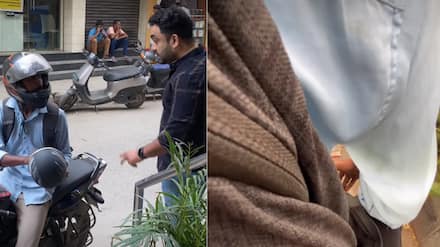
2 Women Arrested for Attempting to Heartbreaking Abduct Newborn from Hospital

The arrest of two women who allegedly attempted to abduct a newborn baby from a hospital has shaken the local community and renewed concerns about child-safety protocols in public health institutions. The incident, which unfolded inside a maternity ward, left families distressed and authorities scrambling to tighten security. Hospital staff and relatives of the infant reacted with disbelief as police intervened swiftly, preventing what could have been a devastating tragedy. The case highlights the vulnerability of newborns in crowded medical settings and raises urgent questions about surveillance, caregiving responsibility and institutional preparedness.

Early reports indicate that the accused women entered the hospital posing as visitors. Their behaviour, initially calm, later shifted when they attempted to approach the child under the pretext of assisting its exhausted mother. Suspicion emerged when nurses noticed the pair lingering near the ward without clear purpose. Quick communication among medical staff triggered emergency protocols, leading to the alerting of security personnel. This vigilance ultimately influenced the safe recovery of the infant before the women could flee. Their arrest followed shortly after.

Police sources stated that the women attempted to remove the child when attendants momentarily stepped away. Though their motive is under investigation, authorities suspect possible links to child-trafficking networks or illegal adoption channels. The investigation aims to determine whether the accused acted independently or as part of a larger operation exploiting vulnerable families. Officers have said that both women were not related to the newborn, confirming deliberate intent. Residents expressed deep concern that such an incident could occur within a hospital, where families expect utmost safety.

Relatives of the mother recounted panic and confusion as events unfolded. The mother is said to have been resting when the accused tried to take the baby, leading to alarm when she awoke to find strangers near her child. Nurses rushed in, noticing the suspicious interaction. Witnesses described the scene as tense, with staff acting promptly to block exits. The women attempted to evade questioning, but coordinated intervention led to their detainment. The baby was returned safely to its family, though shaken by the situation.

News of the incident travelled quickly across the region, stirring emotional reactions among parents, caregivers and community leaders. Many expressed relief that the attempted abduction was prevented, while others urged deeper inquiry into systemic vulnerabilities. Child safety advocates stressed that this near-miss should serve as a wake-up call. They emphasised the need to understand how the women gained access to restricted areas and how security protocols could be strengthened to prevent repeat incidents. For many, the emotional weight of the situation lingers.Four women arrested for stealing newborn in Telangana's Sangareddy district  hospital - The Hindu

Hospital management issued a statement praising staff for their alertness while pledging full cooperation with investigators. Administrators acknowledged that despite routine precautions, unexpected breaches can occur. They assured that new measures will be implemented, including tighter visitor screening and increased surveillance. Staff were reminded to verify visitor identities rigorously, especially in maternity wards. However, some families questioned whether current systems had been sufficiently enforced before the incident, demanding accountability and transparency.

The arrested women are currently undergoing police interrogation. Investigators are scrutinising their personal backgrounds, travel histories and communication networks to determine whether they had prior involvement in similar offences. Authorities revealed that preliminary questioning suggests a degree of planning rather than spontaneous action. Police are investigating if they conducted multiple visits before attempting the abduction. These findings may expand the case beyond a single incident, increasing urgency for broader criminal mapping.

POLICE VIGILANCE REVEALS DEEPER SOCIAL ANXIETIES

Law-enforcement officials believe the incident could reflect a disturbing rise in child-trafficking attempts, though concrete links have not yet been established. They emphasised that hospitals must consistently coordinate with police to maintain heightened alertness. In the aftermath, multiple state agencies are collaborating to assess threats, especially in facilities with high deliveries. Officers are expected to conduct workshops with hospital staff to share preventive strategies. They also plan to monitor black-market networks suspected of profiting from infant trafficking.

The case has prompted renewed conversation around identity-tagging systems for infants. Many hospitals in major cities use secure tags that set off alarms if a child is taken beyond designated perimeters. Advocates argue that similar technologies should be installed in mid-sized hospitals as well. They say while such systems require investment, the stakes are too high to ignore. Child-rights activists insist that human oversight must be accompanied by technological safeguards. This combined approach could significantly reduce vulnerabilities.

Meanwhile, members of the local community expressed heartbreak that women—often seen as natural caregivers—were implicated. Residents stated that the betrayal of trust intensified emotional reactions. Many questioned what social, economic or criminal pressures could lead individuals to participate in such acts. Commentators suggested examining whether poverty, coercion or organized syndicates influenced their behaviour. Conversations across neighbourhoods reflected both anger and sorrow, underscoring complex social dimensions behind the crime.

Experts note that newborn abduction attempts, while rare, are deeply traumatic due to their vulnerability and dependence. Hospitals tend to be chaotic environments where movement is frequent and identification protocols vary. Perpetrators may exploit emotional exhaustion among families and high patient turnover. The latest case is a stark reminder that safety cannot be assumed, particularly during visiting hours. Families of newborns may need more guidance during hospital stays, including instructions for minimizing risk.

Investigators remain focused on tracking anyone the suspects may have contacted before the incident. Forensic teams are examining their phones, searching for evidence of communication with external handlers. If connections to wider networks surface, the case could expand significantly. Police departments may coordinate with national agencies to monitor inter-state movements and prevent cross-border trafficking. Officers have spoken about the psychological training required to handle cases involving infant crime, acknowledging the emotional toll on personnel.

Parallel to the criminal investigation, hospitals are evaluating behavioural patterns that could indicate risk. Staff may receive training to recognize nervousness, extended loitering and attempts to interact with multiple patients. Security experts recommend having clear lines of authority that allow staff to challenge unknown individuals without hesitation. Hospitals are also encouraged to implement password-based handover systems so that only verified caregivers can access newborns. Though these measures complicate daily operations, they are increasingly seen as necessary safeguards.

Child-protection agencies have urged families not to rely solely on institutional oversight. They encourage relatives to keep newborns within view and ensure that authorised caretakers remain informed. Families must stay alert even during routine phases such as feeding and resting. Social workers stress that shared responsibility is essential—while institutions must fortify security, families play an active role in vigilance. Community education campaigns may help reinforce this mindset and distribute safety awareness more broadly.

Civil-society groups have highlighted the emotional aftereffects of such incidents. Even though the baby was rescued unharmed, families often experience lasting anxiety. Mental-health experts recommend counselling services for affected families to help them process trauma. They argue that hospitals should prepare psychological support teams in emergency scenarios. Though much focus is placed on physical safety, emotional well-being remains equally critical. The experience of nearly losing a child can leave lasting scars if not addressed sensitively.

The emotional ripple from this episode has extended beyond the hospital, affecting new parents and expectant mothers. Many took to community forums to share fears and coping strategies. Some called for stricter entry rules for maternity wards, such as limiting visitors or requiring digital passes. The incident raises broader philosophical concerns about how society protects its most vulnerable. Parents voiced that trust in institutions must be met with consistent safeguards. The emotional dimension remains deeply felt.Setting An Example Of Humanity, Villagers In Kerala Rescue Newborn Baby  From Garbage Dump | Outlook India

HOSPITALS REASSESS PROTOCOLS AFTER CLOSE CALL

Hospital authorities have begun reviewing structural layouts to reduce unmonitored corridors and strengthen checkpoints. New cameras may be installed, especially near maternity rooms. Personnel are being instructed to verify visitor identities and maintain entry logs. Nurses may require additional support to ensure that caregiving duties do not compromise supervision. Some suggest that trained volunteers could assist in monitoring entryways during busy hours, easing pressure on medical staff.

Doctors emphasized that maternity wards require specialised security due to high emotional and medical intensity. Crowding is common as families gather to support new mothers. While such visits provide comfort, they also complicate oversight. Balancing emotional care with firm security requires thoughtful planning. Some hospitals are now revisiting visitation rules, especially during nights when supervision hours decline. Officials argue that controlled access does not diminish compassion but enhances safety.

Conversations among municipal leaders have emphasized the need for multi-layered safety plans. Government officials are evaluating whether guidelines for maternity-ward security should be standardized across public hospitals. Committees may be formed to review hospital readiness and recommend upgrades. Administrators insist that budget allocations must recognize security as part of essential healthcare infrastructure. Long-term planning is necessary to ensure that hospitals evolve alongside growing safety demands.

Public reactions underscore a clash between traditional openness and increasing need for caution. In many cultures, families freely visit mothers and infants, reflecting community support. However, this openness can create vulnerabilities. Experts encourage families to remain vigilant without sacrificing warmth. They advise parents to rely on verified hospital personnel and question anyone unfamiliar. Balancing community engagement with protective knowledge is key in preventing future incidents.

Across the region, training efforts are expanding to help hospital staff manage emergency responses. Simulated drills may be carried out to test reaction times in hypothetical abduction scenarios. Security teams will practice intercepting suspicious individuals, and nurses will review communication chains. Though drills can be stressful, they foster confidence and reduce uncertainty during real incidents. Preparedness, officials argue, is a crucial layer of protection.

Public health experts also recommend that social welfare agencies collaborate with hospitals to detect vulnerable families who may be targets. Some parents may face socioeconomic pressure, making them susceptible to illegal adoption networks. Outreach programs could help these families access legal support and counselling. Trust-based guidance can dismantle trafficking incentives by offering alternative solutions. Hospitals are seen as crucial frontline institutions in this preventive ecosystem.

As communities reflect on the incident, many express hope that it will catalyse meaningful change. Parents appreciate that hospital staff intervened decisively, preventing tragedy. They say continued vigilance can help rebuild trust. Schools, community centres and local organisations have begun discussing how to educate families about newborn safety. This shared dialogue may transform the emotional shock into lasting resilience. Communities often evolve collectively after difficult events.

While the child remained unharmed, emotional waves continue to influence wider discussions about safety. Many argue that the incident must not be dismissed merely as an isolated crime. Rather, it must encourage deeper reassessment of hospital infrastructure and family preparedness. Experts insist that continuous improvement is necessary because threats evolve over time. The collective commitment to safeguard newborns is both moral and practical.Four women arrested for stealing newborn in Telangana's Sangareddy district  hospital - The Hindu

Conclusion

The attempted abduction of a newborn by two women, followed by their swift arrest, has sparked strong emotional and institutional reactions. While authorities continue investigating broader networks, hospital management is reviewing security protocols to prevent recurrence. Families express both relief and fear, calling for stronger safeguards and clearer accountability.

This incident underscores the fragile trust placed in healthcare spaces and the need for continuous vigilance. Through coordinated reforms, community involvement and improved surveillance, institutions can better protect the vulnerable. The episode leaves an indelible reminder: newborn safety is not merely a procedural responsibility, but a collective promise requiring unwavering commitment.

Follow: Karnataka Government

Also read: Home | Channel 6 Network – Latest News, Breaking Updates: Politics, Business, Tech & More

Minister Orders Re-Tendering of Delayed Civic Works in Bengaluru South: ChatGPT said: 5 Powerful Directives Spark Hope

The Minister overseeing Bengaluru South City Corporation has directed officials to initiate re-tendering for delayed civic works, bringing fresh urgency to stalled projects across the region. The move aims to accelerate long-pending infrastructure improvements while holding contractors accountable for lapses. Officials have been instructed to streamline processes, reassess bids and ensure timely delivery to prevent further inconvenience to residents. The directive marks a decisive push from the administration to restore public confidence, especially in neighbourhoods affected by repeated delays. Citizens view the intervention as a necessary step to revive essential services and improve quality of life.

CITY CALLS FOR TRANSPARENCY AND QUICK MOBILISATION

The order follows widespread complaints regarding stalled drainage upgrades, road repair works and public-utility enhancements. Local communities have reported prolonged neglect, leading to waterlogging, traffic congestion and sanitation concerns. Many residents expressed frustration as half-completed works created accessibility challenges, especially during rainy spells when poorly managed construction zones exacerbated flooding. The Minister’s decision to re-tender signals that the government intends to enforce accountability mechanisms and expedite projects critical for urban well-being.

Authorities highlighted that several contracts had exceeded stipulated timelines without substantial progress. Re-tendering will allow the administration to evaluate new bidders, review cost effectiveness and potentially rope in more efficient service providers. Officials have been instructed to verify credentials, performance history and financial commitment before awarding replacement contracts. This proactive approach is expected to improve transparency and reduce the likelihood of repeated delays. Citizens, weary of unresponsive governance, welcomed the move with cautious optimism.Blame game on between civic body and vendors, as Benglauru's markets remain  messy - The Hindu

Bengaluru South, a rapidly expanding urban zone, has experienced persistent pressure on its civic infrastructure. Road deterioration, combined with frequent pipe and cable-laying works, has contributed to commuting difficulties. The re-tendering directive prioritizes completion of works that impact daily life: residential road surfacing, stormwater drain rehabilitation and footpath construction. By tightening oversight, authorities aim to resolve structural bottlenecks that have hindered long-term progress. Many civic activists believe the new mandate could reinforce the need for timely compliance.

Officials noted that contractors who fail to deliver within agreed timelines may face blacklisting measures. This serves as both punitive and preventive action. Ensuring that only reliable agencies participate is crucial to restoring schedule certainty. The Minister emphasized that departments must maintain detailed progress reports, document site visits and facilitate open communication with local representatives. Enhanced tracking is expected to improve coordination, as multiple agencies often operate simultaneously in shared spaces, leading to conflicting timelines.

Public representatives have raised concerns that earlier contract awarding lacked thorough scrutiny, resulting in slow execution. The fresh directive, they hope, will prompt more rigorous examination of proposals before tendering. Rather than emphasizing cost alone, selection committees are expected to focus on long-term performance indicators. Community members believe this shift could encourage better workmanship and discourage corner-cutting practices that compromise durability. Citizens stressed that quality must not be sacrificed for speed.

Rising urban density in Bengaluru South has highlighted the necessity of resilient infrastructure. Rapid housing development, IT corridor expansion and commercial growth have strained drainage networks. Improperly managed civic works have contributed to recurring water stagnation and unexpected road sinkholes. The re-tendering order prioritizes structural soundness to prevent short-term repairs turning into chronic issues. Officials acknowledged that previous contractors often cited material shortage and labour unavailability as reasons for delays, but accountability must remain strong.

The region’s political representatives have expressed support for the directive, stating that local governance mechanisms require firm intervention to ensure continuous improvement. Many MLAs and ward members are expected to coordinate with the corporation to identify high-priority zones. Their involvement could help streamline grievance redressal, reducing communication gaps between communities and municipal bodies. Public involvement is seen as crucial to both project monitoring and long-term maintenance awareness.

The Minister’s announcement underlines a broader push for administrative reform. Civic works form the backbone of urban functioning—affecting mobility, hygiene and economic activity. Delayed works adversely affect small businesses whose revenues depend on steady footfall. Disrupted roads often deter customers, affecting livelihoods. The renewed tendering process may revive confidence among merchants who rely on dependable civic planning. Many hope the initiative will prevent future instances where civic flaws persist for years due to bureaucratic stagnation.

A multi-agency coordination model has been proposed to ensure that power, water, telecom and environmental departments collaborate effectively. Past civic failures frequently arose because agencies operated independently, leading to repeated digging and fragmented execution. The new system encourages integrated scheduling to reduce waste. Officials propose joint inspections to ensure that roadwork aligns with drainage and utility repair plans. Though challenging to implement, this model could significantly boost efficiency.

Residents have long requested better communication regarding civic developments. Apps and notice boards have often lacked real-time updates. The Minister suggested strengthening digital dashboards that track project timelines, cost breakdowns and contractor details. This would allow citizens to monitor progress transparently. Improved communication could reduce confusion when roads are blocked or services disrupted. Feedback loops may also evolve, enabling residents to report issues earlier and inform authorities about unintentional lapses.Bengaluru roads break down as civic body delays funded repair projects

Some citizen groups have offered to assist by conducting independent monitoring visits. Their involvement reflects growing civic consciousness, with communities eager to play a role beyond complaining. Volunteers are working with local councillors to identify chronically ignored pockets. Slum areas are often last to receive upgrades, despite urgent need. If implemented inclusively, the re-tendering process could create opportunity for more equitable development. However, activists caution that vulnerable areas must be prioritized proactively.

HOPE RISES AMID ACCOUNTABILITY PUSH

The corporation continues examining legal aspects of cancelling earlier contracts. In several cases, penalties may be issued to defaulters. Departments are compiling documentation to support disciplinary measures, ensuring that enforcement is fair and justified. Transparency in this process is critical to avoid allegations of bias. Officials noted that re-tendering is not merely punitive—it is a corrective mechanism intended to restore momentum in stalled initiatives. Public trust often depends on visible administrative fairness.

In neighbourhoods like Jayanagar, JP Nagar and Banashankari, residents have voiced optimism. Many faced repeated barricading and excavation near their homes. Workers abandoned sites mid-project, leaving open trenches. Monsoon rains worsened hazards, raising fears of accidents. Community representatives believe swift re-allocation of contracts could finally resolve these long-standing problems. They added that elderly residents face particular difficulty navigating uneven surfaces. Advocates insist that renewed tendering must be paired with stakeholder empathy.

Business leaders have also cautiously welcomed the directive. For commercial complexes in Bengaluru South, smooth connectivity is vital. Traffic diversions caused by incomplete works often result in delivery delays. Logistics companies reported higher operational costs due to elongated route planning. A structured timeline for civic works could stabilize commercial planning and reduce unpredictability. Office spaces reliant on pedestrian employees also hope that improved walkways will ensure safer daily movement.

However, some caution that re-tendering must be carefully executed to prevent further stagnation. The bureaucratic cycle of cancelling, reframing and approving contracts can be lengthy. Experts recommend pre-approved contractor panels to expedite processes. Responsive agencies with proven municipal experience could be fast-tracked. If re-tendering drags on, existing problems will worsen. Critics argue that simultaneous monitoring reforms must accompany contractor replacement to prevent repeating administrative bottlenecks.

Meanwhile, engineers reassigned to critical projects are conducting quality checks on partially completed works. They will decide whether repairs are needed before new contractors are appointed. In some areas, poorly laid foundation layers must be replaced to ensure safety. This adjustment phase may temporarily extend deadlines but is considered necessary for longevity. Past experiences show that rushing projects without assessment leads to further faults, resulting in double expenditures.

The Minister urged officials to strengthen contract clauses outlining accountability expectations. Future agreements will likely include stringent completion schedules, milestone-based payments and quality assurance parameters. Legal provisions for compensation in case of failure may increase. Contractors could be required to provide expanded warranties. This shift indicates growing institutional determination to ensure public money is protected. Long-term, the corporation hopes to build a competitive contractor ecosystem driven by reliability.

Urban planners said that the directive reflects a broader shift toward proactive governance. Bengaluru’s growth has outpaced infrastructure, resulting in mismatches between population density and civic readiness. Policy advocates argue that periodic re-tendering of underperforming contracts should be normalized to maintain momentum. Removing non-performing agencies keeps project pipelines strong. As the city adapts to new realities, flexible procurement systems may evolve into policy benchmarks nationwide.

Civic participation will remain central to the initiative’s success. Regular inspection visits and public reporting systems can identify delays early. Administrators hope that close oversight will deter contractor negligence. Resident-welfare associations are expected to play a more structured role in project reviews. Ultimately, collaboration between officials and citizens is necessary to maintain accountability and align development with community expectations. The re-tendering initiative symbolizes renewed commitment to inclusive, responsible governance.Secunderabad Cantonment | ₹303.62 crore compensation for elevated corridors  land to be used for SCB civic works - The Hindu

The directive also aligns with sustainability goals. Improved drainage and road systems can mitigate environmental vulnerabilities, including flash flooding. Upgraded footpaths encourage walking, reducing road congestion. Development models increasingly emphasize smart, eco-friendly planning. Completing pending civic projects is therefore not only about convenience but also environmental resilience. Modern design parameters aim to reduce resource wastage and increase green cover integration. Officials believe that timely execution can strengthen climate-responsive infrastructure.

Sociologists note that functional civic services influence community morale. Neglected infrastructure fosters dissatisfaction, affecting mental well-being. Conversely, timely repairs can increase neighbourhood pride and foster social harmony. When residents witness responsive governance, civic trust strengthens. This intangible benefit encourages cooperation in future initiatives. The Minister’s firm directive signals engagement with these deeper social dynamics. Public sentiment suggests enthusiasm for continued administrative intervention.

Conclusion

The Bengaluru South Minister’s directive to re-tender delayed civic works has ignited renewed hope among residents, business owners and local representatives. While implementation challenges remain, the decision marks a significant step toward improving transparency, accountability and structural quality. Accelerated processes may ease long-standing civic burdens and pave the way for more responsible urbanisation.

As Bengaluru evolves, timely infrastructural delivery will define the city’s capacity to sustain growth. Community participation, transparent bidding and rigorous oversight will be essential. The re-tendering initiative demonstrates commitment to restoring momentum and addressing systemic challenges. If successful, it could serve as a blueprint for efficient governance across expanding Indian metros.

Follow: Karnataka Government

Also read: Home | Channel 6 Network – Latest News, Breaking Updates: Politics, Business, Tech & More

Drone Use Banned During Vice-President’s Visit to Melkote: 7 Stern Directives Stir Deep Concern

The upcoming visit of the Vice-President to Melkote in Karnataka has prompted authorities to strictly prohibit the use of drone cameras in the area, triggering conversations around preparedness, public safety and civic restrictions. The directive, issued by district officials in coordination with law-enforcement agencies, emphasises preventing any form of aerial photography or surveillance by civilian devices for the duration of the visit. The ban is seen as a preventive measure meant to eliminate potential security breaches, reflecting India’s wider shift towards more cautious event-management protocols for high-level dignitaries.

The directive extends across the temple town, including residential clusters, historical zones and pilgrim routes, with authorities instructing locals and visitors to comply immediately. According to officials, Melkote will witness intensified monitoring, traffic restrictions, deployment of police personnel and segmented public access in the run-up to the Vice-President’s arrival. While drone bans are not new, their enforcement in smaller towns like Melkote signals expanding national security parameters beyond metropolitan regions.

HEIGHTENED SANCTITY AND SECURITY IN A TEMPLE TOWN

The prohibition has placed Melkote, known for its serene temple landscape and pilgrimage-driven economy, under advanced preparation. Historically, the town has hosted religious events attracting thousands, yet rarely seen such layered security frameworks. The announcement, made ahead of the Vice-President’s visit, is intended to avoid unauthorized documentation of movement patterns, crowd mobilization or VIP routes, all of which could pose security vulnerabilities. The ban also aligns with larger policy concerns surrounding sensitive data leaks and illegal aerial reconnaissance.

Police officers have clarified that no drone flights—commercial or hobby-based—will be tolerated under any circumstances. Officials warned that violations may result in immediate confiscation of equipment, legal action or even arrest depending on severity. This firm tone has sparked mixed responses among residents, many supporting police caution while others deem the move excessive for a town without prior major security incidents. However, experts point out that increased drone usage globally has pushed governments to adopt anticipatory measures rather than react post-incident.Use of drone cameras prohibited during Vice-President's visit to Melkote in  Karnataka - The Hindu

Local shopkeepers and temple administrators have expressed relief, believing that tighter management could minimize crowd disturbances and maintain the spiritual ambience surrounding Cheluvanarayana Swamy Temple. Melkote often experiences congestion during festivals, and with a national leader’s presence, the risk of unruly gathering escalates. The restriction, therefore, is perceived by some as a balanced approach that places community safety above convenience. Public cooperation, police insist, will remain crucial in ensuring smooth transitions throughout the dignitary’s itinerary.

Nevertheless, some photographers and documentary videographers have raised concerns. Many argue that drone technology is an essential tool for capturing Melkote’s architectural magnificence, geographical elevation and cultural essence. Restrictions temporarily halt such creative pursuits, affecting local freelancers who rely on visual tourism projects. While officials acknowledge the inconvenience, they assert that national security must take precedence over professional requirements. They recommend rescheduling commercial shoots until after the visit.

For daily visitors and young hobbyists experimenting with drone photography, the order is a reminder of the regulatory boundaries that surround scenic landscapes. Several travellers expressed disappointment, though many recognized the rare nature of the occasion. Ultimately, the ban is expected to impact videography-based tourism, but only temporarily, prompting businesses to adjust their timelines. The district administration is reportedly planning informational briefings to help locals understand the logic behind the directive and avoid unintentional violations.

Melkote’s historical significance also contributes to heightened vigilance. The temple precincts draw spiritual seekers year-round, placing them under cultural importance as well as infrastructural sensitivity. With the Vice-President visiting, authorities anticipate greater footfall from regional followers and political representatives, necessitating orderly crowd management. Some residents view this as an opportunity: increased visibility may draw infrastructural upgrades and bring global attention to the region. Yet, the drone ban symbolizes an equally strong desire to preserve sanctity.

Safety experts suggest that the prohibition aligns with international best-practice models that prioritize layered security during VVIP visits. Drones can easily capture entry points, structural layouts and crowd concentration, creating vulnerable data that might be misused. Because of their affordability and growing accessibility, drones are particularly difficult to track, and even recreational users could accidentally invade restricted airspace. Officials believe that banning usage beforehand significantly reduces that risk, helping maintain seamless security shielding.

TIGHTER RESTRICTIONS REFLECT CHANGING SECURITY REALITIES

Drone-related concerns have multiplied globally because of their potential to interfere with aircraft, record sensitive spaces and transport hazardous materials. India’s rising aerospace engagement has brought forward discussions on clearer regulations and usage caps. While national guidelines exist, district administrations often tailor them to event-specific requirements. The Melkote ban, therefore, aligns with a growing pattern: temporary localized restrictions during sensitive occasions.More surveillance incoming? Karnataka police will learn to fly drones

Security officers have reportedly deployed personnel trained in drone detection, ensuring that authorities can track any unauthorized activity instantly. Ground patrols, CCTV enhancements and rooftop postings are being synchronized to create a multi-tier network. Civil defense groups are assisting on-site mapping, while volunteers have been instructed to direct crowds to alternative temple areas where movement is permitted. The Vice-President’s schedule includes temple offerings, public interactions and private meetings with religious heads—activities requiring sterile planning.

Businesses reliant on daily tourism foresee minor disruptions but remain hopeful of post-visit gains. Hotels, restaurants and souvenir outlets expect more visitors in the lead-up to the event, though consumer behavior may vary depending on local messaging. Some tour guides fear that the drone ban may deter adventure travellers who seek aerial photography opportunities. However, local leaders argue that Melkote’s charm lies equally in ground-based cultural immersion—architecture, rituals and scenic trails—which do not require drones.

Authorities are also contemplating regulated public seating and emergency health stations. Past large events in temple towns have highlighted risks such as heat stress, stampedes and infrastructural overload. The drone directive is one strand of a larger safety net designed to anticipate every possibility. Civic groups have been distributing informational leaflets explaining the do-and-don’t list to both residents and travellers. Posters have been placed at temple entrances, bus stops and marketplaces—key congregation zones that require alertness.

Civil liberties voices argue that repeated usage of temporary bans could normalize excessive surveillance culture. They warn that authorities may increasingly justify new restrictions by citing security concerns even when evidence of risk is minimal. However, the Melkote case differs in scale and context: national leadership visits often entail mandatory clearance protocols that align more with protective governance than intrusive oversight. It will be crucial, observers note, to lift the ban promptly once the event concludes to avoid long-term precedents.

Police are encouraging citizens to report any suspicious flight-capable devices or unknown photographers accessing rooftops. This citizen-policing model reflects inclusive security: community partnership helps cover blind spots while reinforcing mutual accountability. Meanwhile, amateur videographers are exploring alternative creative expressions, focusing on handheld visuals and phone-based panoramic filming. Local photography groups are planning to document the preparations through street-level coverage which remains permitted.

The drone camera ban in Melkote, though temporary, is a timely case study of how ancient towns manage 21st-century regulatory challenges. As more remote areas draw national dignitaries, blending spiritual sanctity with logistical vigilance becomes essential. The region’s topography, with elevated vantage points, makes drone activity harder to regulate, prompting a firm enforcement approach. The directive marks a significant moment in dense security planning that prioritizes both tradition preservation and protective caution.Yogi Government Deploys Advanced Anti-Drone Systems for Devotees' Safety at  Mahakumbh 2025

Beyond the temples and event spaces, the prohibition also influences rural pockets located on the Vice-President’s travel route. Officials have gently informed farmers and shepherding communities about the restrictions to ensure that hobby drones used for land mapping do not accidentally breach compliance. Local radio channels have been broadcasting the order in simplified language to reach non-internet users.

In the broader debate, commentators emphasize that India must continue developing digital governance frameworks that blend personal freedoms with national safety responsibilities. Drone technology will continue advancing. Instead of merely prohibiting usage, governments may need to integrate educational modules on responsible operation. This could include mandatory training, flying-zone awareness and licensing protocols even for casual fliers, especially near religious or heritage locations.

As Melkote prepares for the Vice-President’s arrival, energy in the town is a mixture of anticipation and caution. Devotees hope for an uninterrupted event, while authorities intend for security oversight to remain invisible yet effective. The balance between hospitality and secure boundaries underpins planning in heritage locations, where infrastructural complexity requires layered monitoring.

In a symbolic sense, the drone ban reaffirms the sanctity of the temple town: a traditional space where spiritual devotion conveys greater meaning than visual spectacle. While technology expands how landscapes are captured and shared, Melkote’s temporary regulatory step calls for conversational reflection—about the changing relationship between heritage spaces and modern tools.

Conclusion

The prohibition on drone cameras during the Vice-President’s visit to Melkote marks a cautious yet necessary approach to safeguarding India’s cultural heritage and national leadership. Though it draws mixed reactions, the decision aligns with responsible planning intended to prevent misuse of easily available aerial devices. Residents appear largely willing to cooperate, acknowledging that security considerations outweigh short-term inconvenience.

As the visit approaches, Melkote stands ready—its community united under caution, its temples offering continuity, and its administration weaving tradition with modern vigilance. Whether temporary or precedent-setting, this ban underscores a broader truth: evolving technology demands evolving responsibility, especially in spaces that hold historical, spiritual and national significance.

Follow: Karnataka Government

Also read: Home | Channel 6 Network – Latest News, Breaking Updates: Politics, Business, Tech & More

KPCC Chief Says Leaders Skipping Campaign Will Be Sacked: Fierce 11-Point Emotional Warning

The Karnataka Pradesh Congress Committee (KPCC) has taken a firm and uncompromising stance as reports of internal inactivity surfaced ahead of upcoming polls. Issuing a stern warning, the KPCC Chief declared that any party leaders who fail to participate in the campaign will be removed from their posts. The statement came in response to mounting allegations of vote theft and political manipulation, prompting Congress leadership to reinforce organisational discipline. With elections drawing closer, the party’s goal is to present a unified front, prioritising collective effort and accountability over complacency or internal discord that could jeopardise electoral performance.

The declaration is being seen as a message to leaders who have remained silent, neutral, or inactive during critical campaign periods. Party executives highlighted that political responsibility demands consistent engagement, particularly during heightened election pressure. The KPCC warned that absentee leaders weaken grassroots mobilisation and ignore public mandates. This new directive places undeniable pressure on legislators, district-level leaders, and local office-bearers to work visibly and energetically. Analysts say the strict tone signals a shift toward tighter discipline amid rising competition and allegations of voter manipulation that have deeply troubled party ranks.

Vote theft, a term increasingly used to describe electoral interference, malpractice, or manipulation of public sentiment, has become a central concern within the Congress fold. Recent incidents have revived criticism that party representatives are not doing enough to protect their constituencies or counter misinformation campaigns allegedly orchestrated by political rivals. The KPCC stated that leaders must take proactive ownership in safeguarding the democratic process. Absence translates to weakness, and weakness enables malpractice. The renewed urgency underscores that Congress aims to fortify its electoral machinery ahead of a highly contested season.

The warning has resonated particularly among party members responsible for ground-level engagement. These leaders carry the burden of campaigning in remote, diverse, and often volatile constituencies. Their presence reassures voters, resolves immediate grievances, and ensures information flows smoothly between headquarters and local offices. Without such involvement, campaign machinery falters, risking voter alienation and rumour proliferation. The KPCC reaffirmed that every internal actor must contribute meaningfully, especially during a crisis of trust and unrest. Failure to comply could pave the way for opposition takeover.Vote theft: Leaders not participating in campaign will be sacked, says KPCC  chief - The Hindu

STRICT ACCOUNTABILITY AS CAMPAIGN HEATS UP

The KPCC’s intensified position reflects a broader strategy of internal consolidation. Party leaders say the campaign requires resolute participation to overcome organisational fatigue and public disillusionment. With allegations of vote theft circulating, Congress believes that absenteeism only contributes to instability, as disengaged leaders are often unable to counter narratives damaging the party’s credibility. The KPCC Chief emphasised that participation is not just symbolic; it determines whether communities feel represented. Absence cultivates distance and may be interpreted as a silent protest or collusion with external forces.

This new policy will require leaders to actively attend campaign events, reach out to voters, and support coordinated mobilisation initiatives. Campaign supervisors are expected to report non-participation and poor performance. Sources within the party say the list of absent leaders will be updated regularly and forwarded to disciplinary committees. By institutionalising accountability, the KPCC hopes to eliminate complacency and ensure that only dedicated members remain in key positions. The party argues that such focus is imperative to regain momentum in districts where its presence has recently weakened.

Senior party figures note that electoral success demands more than policy promises. It requires a visible, relatable network of local representatives who understand challenges on the ground. Leaders must maintain constant dialogue with communities to build trust and address frustrations. At a time when misinformation campaigns and vote theft rumours circulate widely, proximity to citizens becomes crucial. The KPCC fears that absence fuels mistrust and dulls its ability to counter disinformation. This fuels opposition narratives and hampers the party’s prospects.

Some state-level observers believe the warning is partly designed to quell internal rivalries. The KPCC acknowledges informal groups within the party that may not always align with central directives. Suppressing factionalism requires strong messaging that highlights collective duty over individual ambition. Publicly threatening dismissal signals that dissent or indifference carries consequences. Leaders who pursue private agendas over organisational priorities risk losing influence. This cultivated unity intends to convey strength as the party navigates complex ground realities.

Moreover, local developments indicate that contested regions are witnessing heightened competition. Opposition parties have intensified local outreach, organising rallies, coordinating social media pressure, and consolidating coalition support. Under such competitive climate, any lapse in Congress participation could translate into quick electoral losses. Recognising these stakes, the KPCC is determined to remove weak links and reinforce organisational resilience. The party’s stance reminds workers that elections are the ultimate test not just of ideology, but of discipline and labour.Vote theft: Leaders not participating in campaign will be sacked, says KPCC  chief - The Hindu

Government officials and community stakeholders have noted that recent accusations of vote theft in several districts have disrupted public trust. Communities are anxious about their electoral rights being compromised. Congress leadership believes that authority vacuums or absentee officials worsen public anxiety and embolden malpractice. Reassuring voters requires presence, transparency, and swift response. Thus, the KPCC has framed participation not as an optional responsibility but as a defence of democracy. The threat of dismissal serves to emphasise urgency.

Analysts argue that the directive could shake up internal dynamics. Some leaders, accustomed to slower campaign rhythms or private negotiations, now face scrutiny. Although some MLAs fear losing influence, others welcome the new rules as a revitalising step. For them, discipline ensures that dedicated workers receive recognition, while inactive representatives lose leverage. This realignment could pave the way for fresh leadership that reflects party commitment rather than legacy positions. Supporters hope that this push will energise grassroots cadres with renewed optimism and discipline.

Local activists and booth-level workers are particularly encouraged. They have long complained that senior leaders appear only during peak election periods. Increased participation among top figures fosters morale, enhances collaboration, and improves campaign outcomes. By tying accountability directly to participation, the KPCC aims to create a culture of shared responsibility. Grassroots activists believe that visible involvement by senior members will strengthen public trust and enhance communication across organisational layers.

INTERNAL MOBILISATION AND FUTURE IMPLICATIONS

A more stringent organisational framework is emerging inside the KPCC. The party intends to implement weekly performance reviews of key campaign leaders. These assessments will track voter engagement, event participation, coordination with local workers, and responsiveness to public complaints. The KPCC hopes that structured monitoring will prompt leaders to develop long-term strategies rather than rely on last-minute appearances. This performance system also enables the party to identify emerging talent for future leadership roles.

Some political insiders speculate that the new strategy could reshape candidate selection. Leaders known for strong organisational involvement may enjoy new prominence, while those with weaker participation risk marginalisation. This shift could influence future elections by expanding the pool of active representatives capable of leading campaigns. By rewarding participation and punishing absence, Congress may gradually build a more hardworking leadership base. The KPCC has indicated that it is committed to long-term reforms, not only short-term discipline.

In parallel, discussions have emerged on how to protect elections from interference and vote theft. Experts and civil-society observers suggest that collaboration between political parties and electoral authorities remains vital. They argue that parties must support efforts to enhance transparency and credibility in the voting process. Congress leaders seem inclined to incorporate these suggestions into their policies. Local committees could soon receive training on safeguarding voter data, identifying irregularities, and reporting violations.

KPCC insiders note that the concern over vote theft reflects real anxieties. Technological advancements, social-media manipulation, and coordinated misinformation campaigns threaten electoral integrity. Rural voters, in particular, face challenges accessing reliable information. Engaged leaders can confront misinformation directly. Presence at village meetings, door-to-door interactions, and grassroots media campaigns strengthen awareness. The KPCC insists that absentee leaders undermine such safeguards, making communities vulnerable to manipulation.

Critics of the Congress say that discipline should not overshadow internal debate. Some prominent opposition voices claim that dismissing inactive leaders could silence legitimate criticism. They argue that a vibrant party must allow dissension and discussion within. According to critics, internal silence does not always indicate disengagement; it could reflect deeper concerns about strategy or leadership. Yet, the KPCC holds that electoral urgency outweighs prolonged internal debates.

While the public response to the KPCC directive is mixed, several communities express relief that political parties acknowledge concerns about vote theft and manipulation. Voters argue that visible campaigning builds relationships, encourages accountability, and helps identify immediate local needs. In their view, absent leaders seem disconnected from public experience. The new directive may therefore restore confidence in the Congress organisational network. Some citizens see the decision as a necessary step toward transparent politics.Vote theft: Leaders not participating in campaign will be sacked, says KPCC  chief - The Hindu

Urban analysts believe that the move could boost Congress prospects in competitive constituencies. There, tight electoral battles rely heavily on effective on-ground coordination. By consolidating organisational discipline, the KPCC hopes to maximise voter contact during peak campaigning. This could improve turnout and strengthen emotional connection between the electorate and local candidates. The strategy attempts to convert organisational unity into electoral energy.

Nonetheless, challenges remain. The threat of dismissal could create friction among leaders who feel targeted. Some argue that the KPCC must clearly define participation expectations to avoid confusion. If guidelines remain vague, disciplinary action could appear arbitrary. To mitigate this risk, the KPCC is reportedly preparing detailed instructions outlining campaign obligations. These may include minimum public meetings, structured constituency visits, and mandatory coordination with booth-level workers.

Civil-society leaders urge all parties to adopt similar measures. They insist that constant voter engagement must be a universal democratic responsibility. Waiting until elections to connect with citizens often leaves residents desperate for support. If leaders stay active throughout the year, policy implementation becomes more inclusive and efficient. The KPCC directive, they argue, aligns with this philosophy, emphasising visibility and accessibility throughout the campaign period.

As the election atmosphere intensifies, youth groups have stepped up engagement. Students and young professionals are leading awareness campaigns, encouraging democratic participation and exposing misinformation. The KPCC’s performance mandate could amplify these efforts by ensuring that senior leaders support youth-led initiatives. Collaboration between generations may enrich campaign narratives, fostering trust and mutual respect. The dynamic could revitalise political participation among first-time voters.

Economic experts caution that discipline must translate into policy focus. They argue that campaign unity alone is insufficient without clear commitments on jobs, investment, and social welfare. The KPCC must sustain attention on fundamental economic issues, ensuring that the campaign message resonates across social classes. Addressing inflation, agricultural distress, and infrastructural deficiencies requires extensive planning and coordinated delivery. If these efforts succeed, they could set Congress apart.

Conclusion

The KPCC Chief’s warning that leaders who skip campaign duties will be dismissed marks a decisive and emotionally charged moment for the party. In the context of looming elections and anxiety over vote theft, this tough directive underscores the urgency of participation, presence, and unified organisational energy. By prioritising accountability, the KPCC intends to reinforce trust among voters and strengthen internal discipline. Whether this strategy translates into electoral success will depend on how effectively leaders respond, collaborate, and convert discipline into action.

Follow: Karnataka Government

Also read: Home | Channel 6 Network – Latest News, Breaking Updates: Politics, Business, Tech & More