Saturday, May 16, 2026
Home Blog Page 336

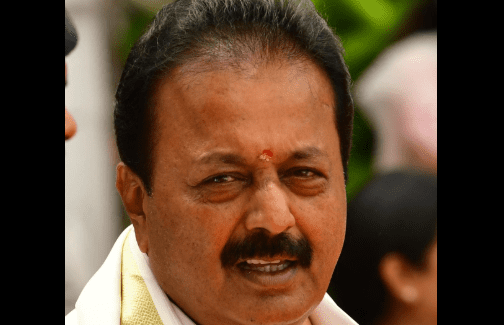
H.D. Kumaraswamy Dismisses Talks of a ‘November Revolution’ in Karnataka Congress Rule: Bold 9-Point Hopeful Stand

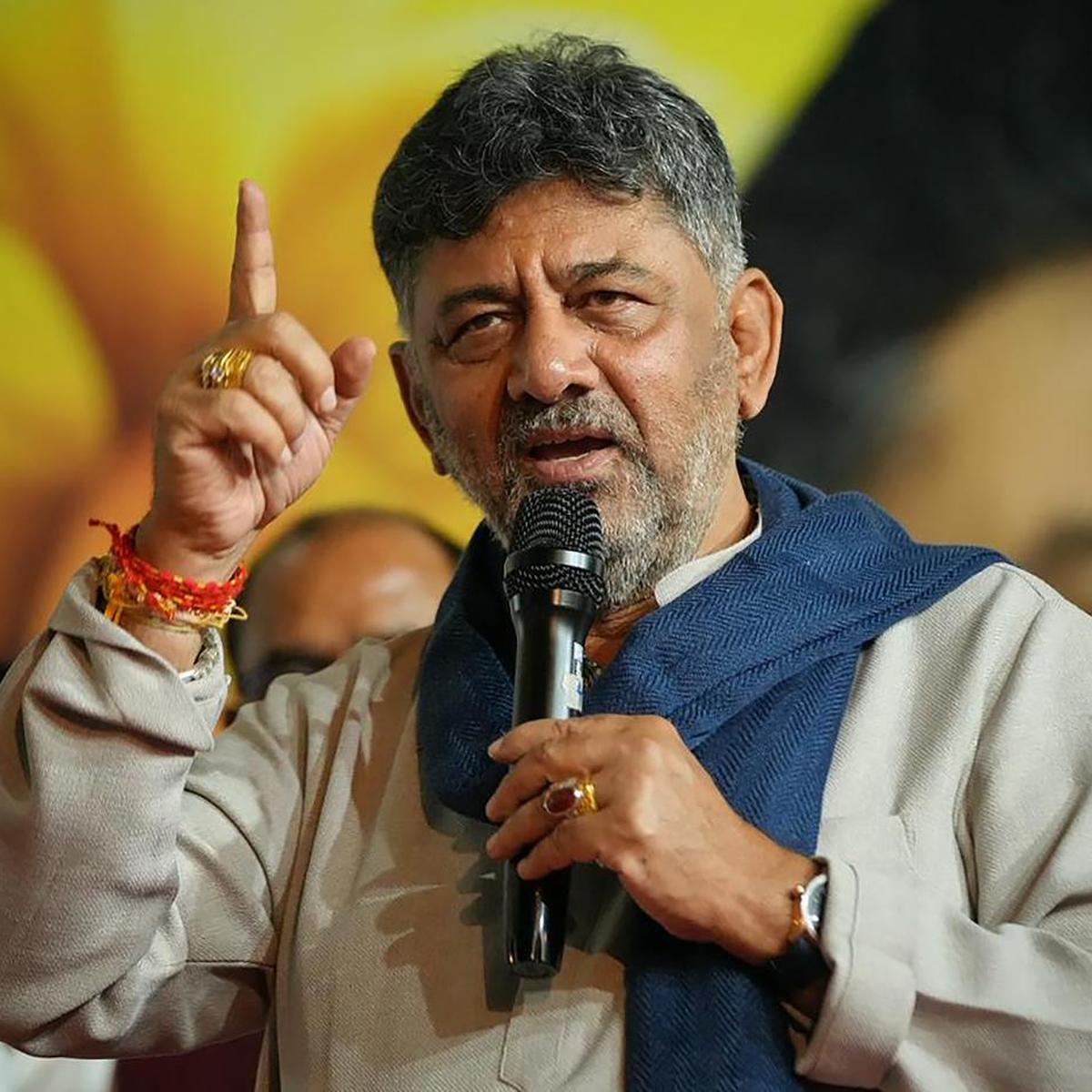
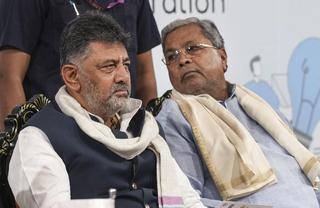
Former Karnataka Chief Minister and senior Janata Dal (Secular) leader H.D. Kumaraswamy has categorically denied speculation that the Congress government in Karnataka is on the brink of what some have sensationally termed a ‘November Revolution.’ Rumours in political circles suggested that the ruling party could face internal turbulence severe enough to lead to a collapse or dramatic realignment, but Kumaraswamy firmly stated that no such dramatic shift is expected this month. His remarks have brought a renewed sense of curiosity about the intentions of opposition parties while tempering expectations among those predicting sudden governmental upheaval.

Kumaraswamy acknowledged growing dissatisfaction among several Congress legislators over leadership dynamics, resource distribution, and regional representation, but insisted that these internal frictions were not strong enough to trigger major upheaval. He emphasised that although dissatisfaction is a natural feature of any political structure, it seldom translates into total collapse without coordinated intent. The former Chief Minister’s statement has sparked debate, as some analysts interpret his tone as cautious reassurance, while others view it as a strategic understatement meant to buy time amid complex political manoeuvring. These interpretations underscore how delicate the current situation remains.

While speaking to reporters, Kumaraswamy addressed claims that multiple legislators had been in talks with rival formations and could defect en masse, causing the Congress to lose its strength in the Assembly. He dismissed these claims as exaggerations, stating that formal alignments require far more groundwork than rumour-based narratives reveal. According to him, the political culture of Karnataka has historically witnessed periodic whispers of instability every few months, making the current chatter neither unprecedented nor alarming. He argued that power transitions are more likely to emerge through elections than spontaneous disruptions.

Congress leaders, meanwhile, have responded to the rumours with a mixture of confidence and caution. On the one hand, they state that the government remains secure under its current leadership, which continues to enjoy a majority in the Assembly. On the other, they acknowledge that disgruntlement over ministerial distribution and local development priorities continues to simmer. Party insiders suggest that leadership is conducting back-channel negotiations to ensure every MLA feels heard and supported. They insist that such measures will keep the coalition stable and responsive.H.D. Kumaraswamy rules out 'November Revolution' in Congress govt in  Karnataka - The Hindu

RISING WHISPERS OF POLITICAL REALIGNMENT

The phrase ‘November Revolution,’ borrowed metaphorically from historic political disruptions elsewhere, began circulating in Karnataka’s corridors of power weeks ago. The expression quickly gained traction among political commentators and social media users, who suggested that a mass shift or governmental fall could occur before the end of the month. However, few sources supporting these claims appeared credible, and the narrative soon seemed to rest on tenuous assumptions. Kumaraswamy, known for his cautious but direct language, seized the moment to clarify that speculation should not be mistaken for evidence.

He noted that Karnataka’s political environment thrives on rumour, where every minor disagreement within a party fuels predictions of catastrophe. Such culture allows narratives to escalate with remarkable speed. The former Chief Minister explained that while Congress MLAs may be restless about unmet promises or slower development in their constituencies, this does not imply imminent rebellion. Instead, he described ongoing negotiations within the ruling party as part of regular realignments among stakeholders. His perspective emphasised continuity rather than collapse.

Political analysts attribute this wave of speculation to intensified factional competition within the ruling party. They note that recent debates over development funds, ministerial authority, and perceived neglect of certain regions have created undercurrents of dissent. This has led to media amplification, with commentators framing the issues as precursors to dramatic change. Yet, these analysts argue that Karnataka’s democratic institutions are robust enough to weather internal party conflicts without spiralling into instability. Thus, predictions of government collapse remain speculative at best.

In addition, coalition arithmetic at the legislative level does not currently favour abrupt realignment. Even if dissenting members sought to disrupt the government, they would require coordination beyond symbolic gestures. Such coordination is difficult to achieve because legislators face legal hurdles like anti-defection laws, which impose penalties if members resign or switch affiliations. These structural barriers create strong incentives for dissenters to maintain flexibility without committing to irreversible decisions. Hence, the current leadership appears secure in the short term.

Kumaraswamy also hinted that the opposition is not actively engaged in destabilisation efforts at present. He pointed out that the Janata Dal (Secular) is prioritising internal consolidation and strengthening its long-term organisational base. Meanwhile, the Bharatiya Janata Party, though vocal about government shortcomings, has yet to mobilise substantial legislative support to force a change. Without broad, coordinated momentum, large-scale political shifts remain improbable. His comments underline that meaningful realignments require synchronised leverage.

Despite this, the rumours have created uncertainty among segments of the public. Some speculate that hidden negotiations are underway behind closed doors, while others suggest that internal power struggles are reaching a boiling point. The general public, however, remains more focused on governance issues such as rising costs of essential commodities, infrastructure shortages, and agricultural concerns. Voters appear less interested in speculative political games unless such developments threaten to derail governance performance in significant ways.

Farmers’ organisations, for instance, have expressed that political distractions must not supersede policy mandates. They emphasise that ongoing demands for fair pricing, debt relief, and water management must receive the government’s full attention. As such, speculation about political instability is viewed as an unwelcome diversion. Social groups insist that both ruling and opposition parties focus on economic priorities, as uncertainty only deepens public anxiety. Their concerns reflect a broader demand for stability beyond symbolic political battles.

Local political observers have noted that Kumaraswamy’s words are carefully measured. While dismissing the November Revolution narrative, he left room for acknowledging that political conditions are always subject to evolution. They interpret his comments as both stabilising and cautious. This duality has long defined his political persona, allowing him flexibility in responding to shifting realities. His approach signals preparedness for change without encouraging premature speculation.H.D. Kumaraswamy rules out 'November Revolution' in Congress govt in  Karnataka - The Hindu
STABILITY VERSUS UNCERTAINTY AMID INTERNAL STRAINS

Within the Congress, factions have surfaced over developmental priorities. Some MLAs are frustrated that budgets are disproportionately allocated to certain districts. Others express dismay that promises made during elections remain only partially fulfilled. This strain has fuelled dissatisfaction. However, senior Congress leaders argue that grievances are being addressed gradually through ongoing negotiations, funding adjustments, and expanded development reviews. They assure that such cycles are common and not indicative of collapse.

In parallel, the ruling leadership is reportedly preparing a fresh round of developmental initiatives. These efforts are intended to reassure impatient MLAs and reframe internal discussions around performance rather than discontent. Officials hint at targeted investments in infrastructure, health, and agricultural sectors. These interventions aim to increase public confidence and unify legislative members. Such policy-led reconciliation may serve as a buffer against ongoing political manoeuvring.

Meanwhile, opposition parties have capitalised on the rumours to extend criticism. They allege that internal conflicts within the Congress indicate an unsteady government with weak leadership. Yet, despite their strong rhetoric, opposition groups have not presented a cohesive plan to replace the current administration. This gap underscores that speculation is outpacing strategy. Political analysts argue that until the opposition aligns behind a united front, discussions of governmental fall remain largely hypothetical.

Observers note that the ‘November Revolution’ phrase serves more as rhetorical symbolism than literal prediction. It evokes dramatic historical precedents, inadvertently pushing public imagination toward an exaggerated political climax. This dramatic quality has been fuelled by digital media narratives, where sensationalism often overtakes nuanced discussion. Social media conversations have amplified every subtle political movement, interpreting even routine meetings as signs of imminent revolt. The digital environment has thus reinforced uncertainty.

Amid this scenario, Kumaraswamy has chosen a pragmatic stance. He emphasises that his party remains committed to long-term political goals rather than short-term opportunism. This positioning allows him to mediate emerging political tensions without committing to speculative narratives. He maintains that if change is meant to occur, it will do so through deliberate coalition-building and electoral mandate, not sudden upheaval. His statement urges patience and democratic faith.

The Congress government continues to stress the importance of stability as a foundation for governance. Ministers argue that political theatre distracts from meaningful progress in healthcare, education, and rural welfare. They maintain that governance indicators remain positive and that local administration is functioning efficiently. Yet, citizens observing infrastructural delays and high costs of living remain sceptical. Such scepticism highlights the gap between government messaging and lived experiences on the ground.

Political scientists conclude that the rumours may ultimately strengthen the Congress, forcing it to address internal tensions proactively. They suggest that party leadership could use this moment to reaffirm ideological coherence, elevate underrepresented voices within its ranks, and sharpen policy execution. These efforts may solidify unity while undercutting opposition rhetoric. In this view, the November Revolution narrative functions as a catalyst rather than a threat.

Economic experts argue that prolonged uncertainty, even if unsubstantiated, can hinder investment and slow growth. They warn that businesses may delay decisions until after rumours subside. Thus, clarity from political leaders becomes essential to preserving confidence. Kumaraswamy’s denial, therefore, carries implications beyond party politics. His voice contributes to stabilising the economic mood, reinforcing predictability at a time marked by inflation and supply-chain fluctuations.

As political commentary escalates, civil society groups remain watchful. Many urge leaders to practise transparent governance, engage citizens, and provide factual clarity. They argue that uncertainty breeds misinformation, which can escalate into social tension. Public-engagement platforms are advocating measured conversations, encouraging people to differentiate between rumours and reality. These initiatives aim to cultivate informed civic participation rather than reactive speculation.H.D. Kumaraswamy rules out 'November Revolution' in Congress govt in  Karnataka - The Hindu
Conclusion

Although rumours of a ‘November Revolution’ have captivated Karnataka’s political imagination, H.D. Kumaraswamy’s dismissal of such claims signals a return to pragmatic realism. While internal tensions within the ruling Congress party persist, they do not appear poised to transform into immediate governmental collapse. The current political landscape remains dynamic but largely stable, sustained by constitutional safeguards and institutional resilience. As the State navigates development challenges, public expectations centre on consistent governance rather than dramatic power shifts. Whether this stability endures will depend on how effectively stakeholders address ongoing grievances, maintain transparency, and build trust.

Follow: Karnataka Government

Also read: Home | Channel 6 Network – Latest News, Breaking Updates: Politics, Business, Tech & More
AIADMK Raises Concerns Over BLO Appointments Amid SIR Verification in Tamil Nadu in 2025

0

AIADMK Alleges Irregularities in BLO Appointments During SIR Process

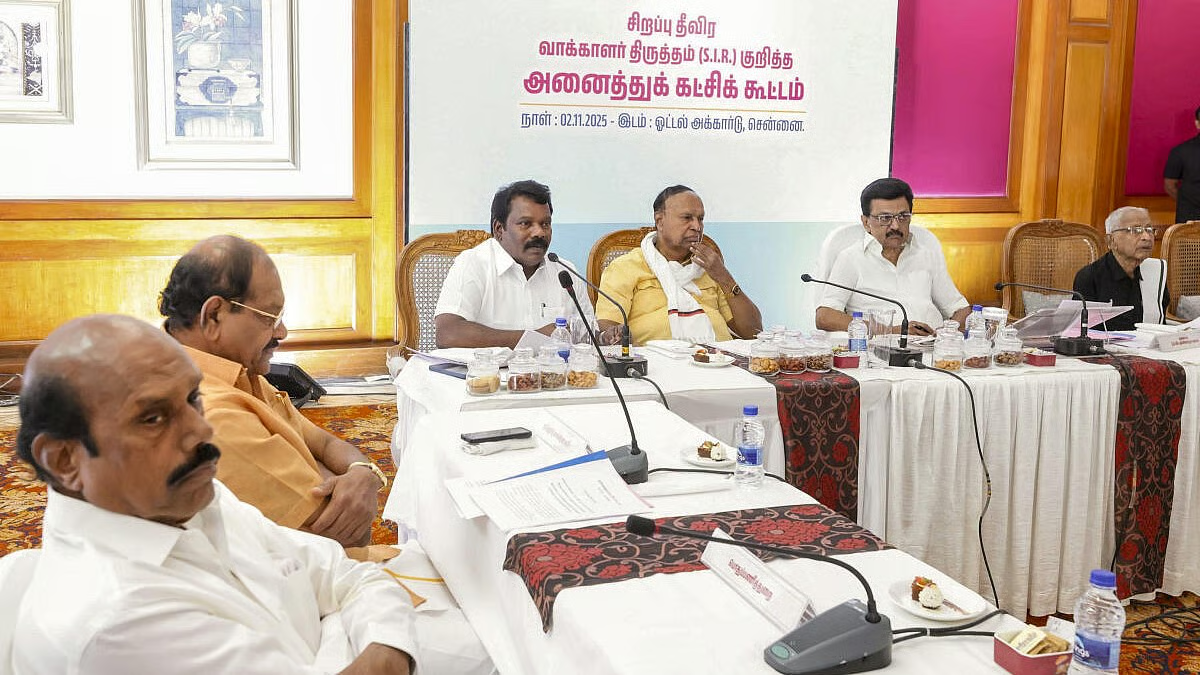
AIADMK has raised serious allegations against the Election Commission of India (ECI), claiming that the ongoing Special Intensive Revision (SIR) of electoral rolls in Tamil Nadu is being carried out with irregularities in the appointment of Booth Level Officers (BLOs). The party stated that many of those appointed as BLOs are not qualified government employees, as required, but rather contract workers and individuals with limited educational backgrounds.AIADMK

In a petition submitted to Chief Electoral Officer Archana Patnaik, AIADMK advocates’ wing secretary I.S. Inbadurai pointed out several specific cases to highlight the alleged discrepancies. For instance, in the Chepauk–Thiruvallikeni constituency, one BLO, identified as Murali, reportedly works as a gym watchman with only a Class III education. Another person named Bhavani, who is serving as a DMK booth-level agent (BLA-2) for Part No. 131, has allegedly been appointed as the BLO for Part No. 97.

The opposition party claimed that such appointments undermine the neutrality of the election process and could lead to manipulation or inaccuracies in voter data collection. The petition demanded that the ECI review the list of BLOs across the state and replace unqualified or politically affiliated individuals with eligible government staff.

DMK Launches Special Cell to Address SIR-Related Complaints

Meanwhile, the ruling DMK has announced the formation of a special cell at its headquarters, Anna Arivalayam, to address complaints related to the SIR process. Chief Minister M.K. Stalin said that while the Election Commission has already provided a helpline for reporting SIR-related issues, the party decided to establish its own mechanism to ensure quick resolution of grievances raised by its cadre.Press Trust of India's Video on X

The special cell will function under the supervision of the party’s legal wing, headed by advocate N.R. Elango. Stalin explained that if any DMK member faces confusion or difficulty during the SIR verification process, they can reach out directly to the cell for guidance. The cell has already received over 600 calls in a single day, according to sources, reflecting the intensity of voter verification activities across the state.

Stalin also instructed the legal wing and the special cell to present the compiled complaints and findings to the Election Commission of India to ensure transparency and fairness in the ongoing process.

AIADMK and MDMK Criticize ECI Over Alleged Bias and Haste

Adding to the growing tension, AIADMK and MDMK have both expressed dissatisfaction with the way the Election Commission is handling the SIR process. MDMK, led by Vaiko, alleged that the revision is being conducted hastily, potentially favouring the Bharatiya Janata Party (BJP). During a recent administrative committee meeting, the party also passed a resolution criticizing the ECI’s decision to link the SIR process with the Citizenship Amendment Act (CAA), arguing that such a move exceeds the Commission’s authority.In the run-UP to SIR: EC's BLO hiring hits snag, sends notice to 600 teachers for refusing to work | Kolkata News - The Indian Express

At the same meeting, MDMK urged the Tamil Nadu government to hold public consultations with residents affected by quarrying activities and to provide proper compensation for damages.

Meanwhile, AIADMK leaders accused the ruling party of using the SIR process as an opportunity to influence electoral rolls. They argued that by placing BLO appointments under local political influence, the integrity of voter verification may be compromised. The party demanded that the Election Commission intervene immediately to ensure the process remains neutral and free from political interference.

Stalin’s Remarks on Vigilance and Electoral Responsibility

During his recent address at a wedding function, Chief Minister Stalin reminded party members of their responsibility to remain vigilant throughout the SIR process. He warned that if enumeration forms distributed by BLOs are not filled and submitted on time, many eligible voters especially labourers, villagers, and people from financially weaker sections may lose their right to vote.

He also drew attention to irregularities reported in other states, citing Congress leader Rahul Gandhi’s comments on issues in Haryana. Stalin emphasized that such situations must be prevented in Tamil Nadu through active participation and monitoring by booth-level agents. Also Read: Bihar SIR Voter Turnout: Remarkable 64.66% Reveals Electoral Truth

The Chief Minister further spoke about the resilience of DMK’s history, recalling the hardships faced by party leaders during the Emergency period. He said that those who attempt to destroy the party’s legacy “will never succeed,” reinforcing DMK’s commitment to democratic values and organizational unity.

Conclusion

As the SIR verification continues across Tamil Nadu, the AIADMK’s allegations of irregular BLO appointments and the DMK’s proactive measures through its special cell have added political tension to an already sensitive process. With opposition parties demanding transparency and the ruling party urging vigilance, all eyes are now on the Election Commission to ensure that the voter list revision remains fair, accurate, and free from political bias.

Karnataka HC Told That RSS and Others Will Get Separate Procession Days in Chittapur: Powerful 7-Point Emotional Stand

The Karnataka High Court was informed by the Advocate-General that the Rashtriya Swayamsevak Sangh and several other organisations would be permitted to conduct their processions in Chittapur on different days, ensuring peaceful coordination and minimising the possibility of communal tension. The communication came amid legal scrutiny over the permissions granted to these groups following recent disputes and security-based restrictions. With the district administration trying to balance public order and organisational rights, the announcement is expected to shape how future permissions for such events are granted in the region.

The affidavit presented before the court clarified that the State recognised the importance of allowing lawful assemblies while ensuring that their schedules are arranged in a manner that avoids overlap and confrontation. This position has raised questions about long-term policy, as authorities try to prevent escalations while maintaining constitutional freedoms. Community leaders, legal observers, and opposition voices have noted that such decisions must be transparent to avoid perceptions of bias. Against this backdrop, the Chittapur situation has become a test case in managing sensitive public gatherings.

SEPARATE DATES AIM TO REDUCE STRAIN

The Advocate-General informed that separate dates for different groups were designated after consulting with relevant stakeholders, including local authorities and police departments. The intention was to accommodate their requests without compromising the law-and-order system. According to sources within the government, the decision came after several rounds of assessment of intelligence inputs pointing to heightened tensions if simultaneous events were held. The administrative machinery has reportedly devised crowd-management plans that ensure adequate staffing and surveillance for each procession.

Individuals associated with the RSS welcomed the update, expressing relief that their route would be allowed without conflict over scheduling. Representatives from other applicant groups, reportedly including regional religious or cultural bodies, also stated that they would comply with the designated dates, recognising that shared spaces require sensitive management. Observers believe that the scheduling strategy attempts to balance community rights with social responsibility. However, critics have suggested that such measures must not diminish the equal treatment that all groups deserve under the law.RSS and other groups will be allowed to hold their processions on different  days in Chittapur, A-G informs Karnataka High Court - The Hindu

Legal analysts have assessed the court disclosure as an attempt to reassure the judiciary that the government is not enforcing unilateral restrictions. By presenting defined dates and procedural adherence, the State hopes to demonstrate that the permissions are consistent with fairness. Analysts emphasize that while staggered timings appear practical, they must not be used as a tool for delaying permissions in a discriminatory manner. Meanwhile, the court has sought a detailed compliance report from the district administration to better examine structural safeguards.

Local residents are divided on the matter. Some feel that the arrangement will maintain peace and reduce crowd pressure. Others worry that multiple events spread across separate days could prolong traffic issues and create repetitive disruptions. Shopkeepers and small businesses in the procession routes have voiced concerns about closures or operational limitations that may affect economic activity. Nonetheless, many believe that if officials follow due diligence and communicate procedures early, disruptions could be minimised.

Law-enforcement agencies have begun preliminary preparations for the processions. Officers have reportedly mapped the routes, assigned patrolling units, and requested reinforcements in sensitive pockets. The decision to break up procession days is viewed as a tactical step to deploy security resources more efficiently. Senior police officials have stated that the public can expect continuous monitoring using CCTV coverage, mobile patrols, and traffic regulations to ensure safety. This framework underscores the State’s ongoing efforts to safeguard public cohesion while enabling organisational freedom.

POLITICAL RESPONSES AND FUTURE IMPACT

Political reactions have been predictably varied. Some members of the ruling establishment have supported the arrangement, calling it a positive step toward maintaining order and respecting the rights of groups. They have argued that such coordination sets a constructive precedent for other districts facing similar requests. Meanwhile, opposition parties have criticised the handling of the issue, claiming that the government has been slow to establish uniform guidelines for procession management across the State. Their critique revolves around administrative opacity and selective pace in decision-making.

Community organisations have urged transparency in the scheduling process, citing the need for public clarity. They have recommended that authorities publish guidelines detailing application procedures, timelines, rejection criteria, and avenues for appeal. According to these groups, transparent protocols will ensure that smaller or less influential organisations are not disadvantaged by bureaucratic hurdles. Civic activists insist that for processions to remain peaceful, long-term reforms must focus on accountability, resource distribution, and inter-community dialogue.RSS and other groups will be allowed to hold their processions on different  days in Chittapur, A-G informs Karnataka High Court - The Hindu

Security experts emphasise that while scheduling separate days reduces direct clashes, it does not eliminate systemic concerns. They argue that external provocations, misinformation, and small-scale conflicts could still threaten peace. Thus, proactive policing, community engagement, and communication remain critical. Some experts suggest that surge arrangements, including reserve contingents, can help authorities respond swiftly to unexpected developments. They add that comprehensive monitoring during and after the events will be necessary to evaluate the effectiveness of segmented scheduling.

The High Court has maintained a watchful stance, analysing official affidavits, administrative notes, and intelligence reports. Judges have underlined that the fundamental right to assembly is subject to reasonable restrictions in the interest of public order, but restrictions must be demonstrably fair and proportionate. They stressed that the State must avoid arbitrary denials, emphasising principles of natural justice. The court is likely to revisit the planning progress before the procession dates, reinforcing judicial oversight.

Underlying this legal debate is the broader narrative of balancing tradition and security. Processions are deeply embedded in Indian socio-cultural expression, and limiting them invites public discomfort. Yet, escalating tensions in various regions have compelled authorities to institute tighter frameworks. Chittapur now reflects this duality, serving as a microcosm of constitutional questions facing multiple States. The agreement to grant permissions on staggered days illustrates the effort to maintain harmony while recognising customary rights.

Public reaction has ranged from cautious optimism to hesitation. Some citizens appreciate that the State is taking active steps to monitor public gatherings. Others fear that repeated processions may in themselves become sources of prolonged anxiety. Residents near the designated routes have asked officials to provide clear traffic diversions and advance warnings. Many of them believe that improved communication from authorities will strengthen public trust and reduce confusion.

Senior bureaucrats have stated that after the processions conclude, the administration would undertake a review to evaluate its strategies. The review will reportedly consider feedback from police, local leaders, shop owners, and civil-society groups. Insights from this post-event analysis may shape new standing orders for public marches throughout Karnataka. The government has indicated that future scheduling will draw from these learnings, aiming toward sustained peace.

Educational institutions in the area have been asked to remain vigilant about student movement on procession days. School administrators plan to adjust timings, reduce outdoor activities, and strengthen guidance toward safe commuting. Some colleges may shift classes online during scheduled events to prevent disruption. Parent groups have urged officials to coordinate protective measures efficiently, noting that student safety remains a priority during large gatherings.

Religious leaders from various denominations have emphasised that peaceful observance benefits all communities. They have urged associates to cooperate with law-enforcement instructions, avoid provocative language, and maintain respectful conduct. Emphasising unity, several leaders have held interfaith dialogues to promote understanding. These conversations reflect a collective desire to prevent misinterpretation and extend goodwill among neighbours. Their engagement is expected to continue as the events draw closer.

The scheduling decision has also sparked debates on administrative capacity. Some scholars argue that the approach increases short-term logistical burdens but may reduce conflict-driven costs in the long run. Others contend that an overreliance on staggered permissions may discourage innovation in conflict resolution and community engagement. They recommend that authorities invest in technological tools, such as real-time route monitoring and mobile information systems, to lessen clerical strain.RSS and other groups will be allowed to hold their processions on different  days in Chittapur, A-G informs Karnataka High Court - The Hindu

As the district administration prepares, ordinary residents are adjusting their day-to-day routines. Cab drivers and rickshaw operators plan to modify operations to avoid congested areas. Homemakers have begun preparing for limited mobility on procession days, arranging supplies and adjusting household chores. Local markets are anticipating both temporary dips and surges depending on route locations. These subtle shifts show how significantly civic life is influenced by public events.

Legal experts believe that the High Court’s oversight will ensure accountability. Given the sensitivity around public processions, judicial scrutiny may help ensure proportionality in action. Experts also highlight the need for timely grievance-redressal mechanisms, so that groups or individuals who feel disadvantaged by scheduling can present their case. This procedural clarity fosters public trust in both judicial and administrative institutions, reinforcing democratic values.

In the run-up to the processions, civil-society groups are organising awareness campaigns on peaceful participation. Volunteers from student bodies, youth groups, and non-profits are collaborating to spread messages of safety and cooperation. Their efforts include distributing informational pamphlets, hosting small neighbourhood discussions, and encouraging people to contact authorities if they notice suspicious activity. These grassroots measures may help prevent miscommunication and reduce rumours.

Conclusion

The decision to allow the RSS and other organisations to conduct processions on separate days in Chittapur marks an important moment in managing public gatherings in Karnataka. Balancing constitutional rights and communal harmony remains a delicate challenge. With judicial review, administrative planning, and community cooperation, the staggered schedule suggests a practical route that safeguards both order and expression. Whether this strategy becomes a model for future public events will depend on its on-ground outcomes, long-term policymaking, and continued commitment to fairness. The coming days will reveal how effectively the region adapts to these coordinated decisions.

Follow: Karnataka Government

Also read: Home | Channel 6 Network – Latest News, Breaking Updates: Politics, Business, Tech & More

9 Dire Realities Antimicrobial Resistance: Global Warning

Antimicrobial resistance is emerging as one of the most urgent health challenges of the twenty-first century, warned a leading medical expert during an address at the Nitte convocation. Speaking to graduating students, faculty members, and health administrators, the expert emphasised that drug-resistant infections are spreading faster than medical systems can respond. Microorganisms once treatable with simple medications are evolving defence mechanisms, making routine care increasingly difficult. Hospitals are witnessing rising treatment failures, longer recovery times, and higher mortality rates. The expert urged fresh graduates to embrace responsibility, innovation, and research, shaping a health workforce capable of confronting this alarming threat.

Antimicrobial resistance, commonly referred to as AMR, occurs when bacteria, viruses, fungi, or parasites stop responding to medicines designed to kill them. Once resistant, these microbes continue to spread, turning treatable illnesses into persistent, life-threatening conditions. The expert explained that antibiotics have long been the backbone of modern medicine; without them, procedures such as surgeries, cancer therapies, and organ transplants carry much greater risks. Now, overuse and misuse of antimicrobial drugs have accelerated resistance development. From hospital settings to agricultural fields, irresponsible and unregulated consumption has empowered microbes to adapt quickly. The expert stressed that this silent evolution threatens to undo decades of medical progress.

In India and across the world, resistance is rising unevenly but consistently. Hospitals report that infections such as pneumonia, tuberculosis, and urinary tract infections no longer respond predictably to standard medications. Patients require stronger and costlier drugs, which further burden healthcare systems. The expert pointed out that in rural areas, lack of awareness and limited access to diagnostics often lead to casual antibiotic consumption. Meanwhile, in urban centres, self-medication is rampant. These behaviours enable resistant strains to flourish. As drugs lose potency, treatment pathways become uncertain, making routine ailments potentially fatal. The crisis is especially severe among children, elderly patients, and those with weakened immunity.

AMR does not evolve in isolation; it reflects broader patterns of human behaviour. Antibiotics are often taken without prescriptions, discontinued prematurely, or shared. Such habits expose microbes to sub-therapeutic doses, allowing them to survive and evolve. In addition, livestock industries widely use antibiotics to boost animal growth and prevent disease outbreaks. These chemicals—when overused—contribute significantly to soil and water contamination, spreading resistant organisms into the environment. Hospitals also play a role: inadequate infection-control measures can cause rapid transmission. The expert highlighted that antimicrobial resistance is thus a multisectoral challenge requiring coordinated response across healthcare, agriculture, industry, and society.Antimicrobial peptides: a solution for antimicrobial resistance?

Rising Threat and Global Consequences

The expert remarked that antimicrobial resistance has grown from a medical issue into a global emergency affecting economies, livelihoods, and demographic stability. International organisations estimate that millions of deaths annually may soon be linked to drug-resistant infections if urgent steps are not taken. The expert warned that diseases once thought under control are resurging. Tuberculosis strains show high resistance, making treatment harder and more expensive. Similarly, drug-resistant malaria and fungal infections are showing up in multiple regions. These developments underline that AMR could undo major public-health achievements. Without preventive action, fear may return to the forefront of medical practice, overshadowing confidence in clinical science.

A crucial consequence of AMR is its economic weight. Drug-resistant infections lead to prolonged hospitalisation, higher diagnostic costs, extended treatment schedules, and increased mortality. Families must often spend beyond their capacity. The expert said that low-income countries suffer disproportionately, as limited access to healthcare amplifies risks. Economists predict severe long-term consequences: reduction in labour productivity, increased healthcare expenditure, and stress on national budgets. Livestock and agricultural industries also face significant losses due to reduced production efficiency. As antimicrobial agents lose effectiveness, businesses must invest in expensive alternatives. This economic strain threatens long-term sustainability and pushes vulnerable communities into deeper poverty.

The expert also noted that AMR directly hinders progress toward global development goals. Without effective medicines, communities may witness reversals in maternal health improvements, childhood survival, and disease control. Surgical procedures could become less safe because infection risks would increase substantially. Hospitals would need to invest heavily in advanced sanitation and protective equipment, escalating costs. Training new specialists would also become essential, straining medical institutions. The expert highlighted that the failure to curb AMR could destabilise public trust in healthcare systems. When patients believe treatment no longer works, they delay seeking care, worsening outcomes and allowing infections to spread further.Antimicrobial resistance and its impact on cancer care | UICC

Research suggests that microbes are evolving resistance at unprecedented speed. Scientists believe that gene exchange among microbes accelerates the spread of resistant traits. Certain bacteria carry mobile genetic elements that help them transfer resistance quickly across species. These transfers occur in hospitals, communities, and natural settings. The expert emphasised that resistance does not remain confined to one region; international travel, trade in livestock, and food transport facilitate global transmission. As resistant microbes cross borders, mitigation becomes increasingly complex. Countries with strong infrastructure may slow spread within their systems, but no nation remains completely insulated from the threat.

AMR’s fast-growing presence in everyday infections highlights a disturbing reality—ordinary diseases may become silent killers. Patients with routine fevers or respiratory issues often find their symptoms worsening rather than improving. In many regions, doctors must prescribe powerful, last-resort drugs, contributing further to resistance development. The expert expressed concern that soon, even these advanced medicines may lose their efficacy. Without reliable tools, clinicians face difficult decisions, and mortality rates rise. AMR is thus a catastrophic scenario unfolding in real time, challenging modern clinical philosophies. The expert insisted that multidisciplinary strategies should be prioritised immediately.

Public awareness remains a critical gap. Many communities believe antibiotics work on all infections, including viral diseases like influenza. This misconception leads to uncontrolled consumption. The expert urged healthcare students to promote responsible medicine usage in their communities. Public engagement campaigns need to highlight the difference between bacterial and viral infections. When patients demand antibiotics unnecessarily, doctors must educate rather than concede. Behavioural change is central to slowing resistance. The expert reiterated that taking antibiotics without diagnosis is not merely a personal decision—it affects collective health. Improved awareness could prevent thousands of resistant infections annually.

Preventive healthcare also emerged as a strong AMR defence. Vaccination campaigns support reduced transmission and minimise antibiotic demand. Clean water, sanitation, and good hygiene practices reduce infection spread. Without infectious pressure, antibiotic use naturally drops. The expert praised local health programmes that improve sanitation in rural regions. Yet, more effort is needed. Communities must be empowered to adopt these habits. Government bodies can strengthen environmental policies that monitor industry waste, livestock management, and drug-disposal practices. Resistance thrives in polluted water, unfiltered hospital effluents, and soil contaminated by pharmaceutical chemicals. Addressing these systemic issues is crucial for long-term AMR control.

Scientific Preparedness and Multi-Layered Solutions

The Nitte convocation audience heard that tackling AMR demands strong research and innovation frameworks. Developing new antibiotics is difficult, expensive, and time-consuming. Pharmaceutical companies often hesitate due to low profitability—new antibiotics are reserved for dire cases, limiting commercial returns. The expert called for government-supported incentives to encourage research. Collaboration between industry, medical institutions, and academia could accelerate drug discovery. Alternative therapies such as bacteriophages, targeted immunomodulation, and synthetic peptides are promising. Strong investment is essential to build resilient medical future. Without scientific innovation, humanity risks returning to a pre-antibiotic era where minor infections turn fatal.

Robust surveillance is a second pillar of AMR management. India needs widespread diagnostic systems capable of identifying resistant infections quickly. Tracing resistance patterns allows informed treatment decisions and guides policymaking. The expert recommended linking hospitals, laboratories, and research centres to share real-time data. Early detection helps prevent outbreaks from spreading. Surveillance also reveals misuse patterns, enabling tighter control. Many districts lack microbiology facilities, forcing clinicians to prescribe drugs blindly. Strengthening diagnostic capability would refine antibiotic usage and slow resistance development. Implementation requires coordinated government backing, investment in technologies, and trained workforce.Saving Antibiotics - The global threat of antimicrobial resistance - One  Health Trust

Education remains equally critical. The expert urged institutions to emphasise infection-control practices, antibiotic stewardship, and proper hygiene. Medical students must understand when and how to prescribe medications responsibly. Training in infection-prevention protocols will reduce hospital-acquired infections. The expert emphasised that graduation is only the beginning; continuous learning is essential. As microbes evolve, so must professionals. Hospitals must establish stewardship committees that evaluate prescription patterns and ensure compliance. These committees will guide clinicians, reducing unnecessary antimicrobial use. Strong educational grounding empowers future healthcare workers to promote rational drug practices in their communities.

Environmental stewardship, the expert said, must form part of national AMR strategies. Waste from hospitals, pharmaceutical plants, and animal farms enters waterways, facilitating resistance development. Investing in waste-water treatment systems, monitoring soil contamination, and regulating industrial discharge would curb environmental spread. Communities living near polluted rivers and ponds face heightened exposure to resistant microbes. In such settings, medical crises could intensify. Environmental cleanliness supports broad public-health gains, offering a frontline defence. The expert added that special focus should be given to densely populated regions where sanitation infrastructure lags behind population growth.

Regulating animal antibiotic use is also a high priority. Livestock industries often depend on antimicrobial agents to maintain profitability. Routine use for growth promotion rather than disease treatment has driven widespread resistance. Resistant microbes move through meat and dairy chains, posing risk to consumers. The expert suggested that veterinary services adopt stewardship policies similar to hospitals. Farmers should receive training to recognise disease early and seek proper treatment. Agricultural universities could play a central role in awareness campaigns. Strict guidelines and monitoring systems would ensure antibiotic use only when necessary. Reducing dependence helps protect both food security and public health.

The expert celebrated young scientists for embracing AMR research and encouraged them to pursue innovative solutions. Many students expressed interest in exploring epidemiology, pharmaceutical chemistry, and environmental biology. This interdisciplinary enthusiasm could strengthen national AMR capacity. The expert emphasised that academic networks must remain open to global collaboration. Transfer of knowledge across countries helps build robust responses. AMR is not a national problem—the microbes crossing borders illustrate shared vulnerability. Collaborative research could accelerate breakthroughs, whether in diagnostics, therapeutics, or surveillance systems.

The emotional message of the convocation address was clear: responsibility begins now. Graduates must view AMR not as a distant threat but as a defining challenge of their careers. Whether working in hospitals, laboratories, or community health units, they can influence behaviour change and model responsible practice. The expert reminded students that medical progress is rooted in humility—doctors must continue learning from patients, colleagues, and evolving science. Failure to act now would betray future generations. Acting collectively preserves humanity’s trust in medicine and protects countless lives.

Conclusion

The convocation ended with a powerful call to action. Antimicrobial resistance is silently advancing, threatening global health, social progress, and economic stability. The expert emphasised that coordinated intervention—spanning scientific innovation, policy reform, environmental protection, and behavioural change—is the only path forward. Graduates were reminded that their commitment will help shape resilient healthcare systems. As communities face rising infections, healthcare leaders must guide them with evidence, empathy, and vigilance. Antimicrobial resistance is not merely a scientific issue; it is an emotional one, demanding unity and courage. With sustained global focus and local dedication, a safer, healthier future remains within reach.

Follow: Karnataka Government

Also read: Home | Channel 6 Network – Latest News, Breaking Updates: Politics, Business, Tech & More

Sugarcane Growers’ Relief: 7 Strong Appeals Stir Emotional Demand

Karnataka Minister N. Cheluvarayaswamy has urged the Union government to step in and resolve the growing distress among sugarcane farmers, stressing the urgency of timely intervention amid mounting financial pressure. His comments come at a time when sugar mills across the State are struggling to clear dues, leaving growers in prolonged uncertainty. The Minister noted that despite the State’s efforts, several issues lie beyond its jurisdiction and require Centre-level engagement. With rural livelihoods heavily dependent on sugarcane cultivation, the unresolved crisis threatens to push many households into deeper economic setbacks. Farmer organisations have expressed cautious optimism.

Cheluvarayaswamy highlighted that the Fair and Remunerative Price disputes and delayed payments continue to burden the agricultural community. He said many farmers have invested heavily in the current harvest cycle, but with mills defaulting on payments, debt is growing faster. Several growers have begun relying on informal borrowing, often at exorbitant interest rates, to manage household and farm-related expenses. Although the Karnataka government initiated dialogues with mill owners, the Minister stressed that only central intervention can enforce systemic changes. He emphasised that sugarcane pricing and export regulations fall under national purview, making cooperative policy essential for a durable resolution.

Farm unions have repeatedly staged protests, demanding immediate release of pending dues and clearer guidelines on cane pricing. In many districts, farmers claim dues have been pending for months, impacting their readiness for the next cycle. The minister acknowledged their frustration, noting that producing cane involves year-long labour, high costs, and unpredictable weather risks. When payments are delayed, the entire cycle collapses, forcing farmers to abandon or reduce planting. The situation has also affected migrant labour employed in cane cutting and transport. The Minister said failing to strengthen the sugar sector will have a cascading impact on rural economies statewide.

The Minister reaffirmed Karnataka’s commitment to safeguard farmers but insisted that central policy alignment is crucial. He pointed out that the State has been engaging with mill operators to expedite dues, yet requires Central backing to streamline revenue channels and stabilise the sector. Cheluvarayaswamy observed that agriculture is a shared responsibility, and cooperative planning must prevail over political criticism. According to him, ensuring continuity of payments is essential to keep farmers motivated. He also called for a uniform national framework to prevent regional imbalances, stating that growers in different states often receive varied rates despite similar production costs.Centre should resolve sugarcane growers' issue, says Karnataka Minister N.  Cheluvarayaswamy - The Hindu

Current challenges include fluctuating market prices, unpredictable monsoons, declining soil quality, and rising input costs. Many farmers are struggling to balance fertiliser expenses, labour charges, and irrigation needs. With delayed returns, they cannot reinvest efficiently, weakening productivity. Cheluvarayaswamy warned that prolonged distress may lead to reduced cultivation, ultimately affecting sugar output and market stability. He added that a strong policy must encourage mills to adopt operational discipline and ensure transparency. If mills cannot honour payments, they must be held accountable. Without such safeguards, farmers alone cannot shoulder the entire financial burden of domestic and international market variations.

Appeal for Central Intervention Gains Momentum

The Minister emphasised that the Centre must prioritise the sugarcane issue, given its socio-economic relevance. He urged the Union government to initiate consultations with both producing states and mill owners to build consensus. Cheluvarayaswamy proposed that scheme-based support, interest-free loans to mills for clearing arrears, and timely export clearances could ease immediate pressure. He also suggested revisiting cane pricing formulas to make them reflective of input inflation. Farmer leaders responded positively to the State’s stance, welcoming a collaborative federal approach. They stressed that the issue has persisted across multiple harvests, and only sustained central engagement can offer lasting clarity.

Disputes around the Fair and Remunerative Price remain central to farmer discontent. Many growers argue that the FRP does not align with rising production costs, especially when paired with late payments. While the State fixes the State Advisory Price, final implementation often depends on mills. When mills delay or refuse, farmers have no immediate recourse. Cheluvarayaswamy insisted on a national mechanism compelling compliance, including penalty provisions for delays. He also noted that input cost trends must be regularly tracked, ensuring revised rates keep pace with inflation. These, he argued, will help protect farmers from unpredictable market swings.

The minister discussed the role of the export policy, stating that restrictions last year severely impacted mill revenue. With reduced export opportunities, mills faced storage challenges, declining profit margins, and liquidity strain. In turn, they delayed overdue payments to farmers. Cheluvarayaswamy explained that export flexibility would help mills maintain healthy cash flow, directly benefiting growers waiting for dues. He urged the Centre to take a pragmatic stance balancing domestic supply and export potential. Such policy clarity would help avoid sudden disruptions. Farmer groups echoed this concern, recalling that abrupt export curbs often trigger extended payment delays.

Farmers’ financial worries are compounded by credit challenges. Many borrowers from cooperative institutions and private banks face repayment deadlines while they wait for mills to release payments. Penalties for missed instalments further narrow their income. The Minister said that loan restructuring options must remain available during crises. Cheluvarayaswamy proposed that the Centre consider temporary moratoriums for distressed growers. Many farmers expressed that such measures would protect their credit scores and help them recover. Without repayment assistance, farmers risk losing land or assets pledged as collateral, deepening long-term financial instability and increasing migration out of farming.

Climate-related uncertainty continues to strain cane production. Erratic rainfall has led to variable yields, with many regions reporting lower productivity. This has made farmers even more dependent on timely payments to manage losses. Cheluvarayaswamy highlighted that climate mitigation efforts need to accompany economic reforms. Improved irrigation planning, soil health programmes, and crop insurance accessibility must form part of a long-term support system. He added that the Centre must invest in research for climate-resilient cane varieties. With pests and diseases becoming more frequent, farmers require both financial and technical support to maintain yields and retain confidence in cultivation.

Experts have expressed that mills’ liquidity issues stem from multiple factors—market price fluctuations, delayed sales, poor operational planning, and export restrictions. Cheluvarayaswamy insisted that while these constraints are real, growers cannot remain unsecured creditors. He said that mills must provide transparent payment calendars and share revenue data publicly. Without transparency, farmers face decision-making challenges, often unsure how to manage their finances while waiting for payments. He suggested the Centre enforce strict rules mandating timely disbursal. Accountability mechanisms must ensure that mills unable to operate efficiently are either restructured or supported through timely intervention.

Farmers Await Strong, Compassionate Policy Roadmap

Many cane farmers say they feel ignored despite contributing significantly to the State’s economy. Their dependence on a single crop leaves them vulnerable. Cheluvarayaswamy acknowledged these concerns, urging the Centre to reaffirm its responsibility. He stressed that ignoring agricultural distress risks deeper social consequences, including rural out-migration and mental health challenges. The Minister’s appeal reflects a broader sentiment that policies must be farmer-centric beyond election cycles. He noted that agriculture is not merely an economic activity but an emotional lifeline sustaining families and local traditions. Protecting their dignity must remain a priority.Centre should resolve sugarcane growers' issue, says Karnataka Minister N.  Cheluvarayaswamy - The Hindu

In many rural areas, sugarcane is more than a crop; it is embedded in cultural identity. Festive rituals, local enterprises, and community partnerships revolve around the harvest cycle. When payments are delayed, the social fabric weakens. Families postpone marriages, healthcare, and children’s education, waiting for their dues. Cheluvarayaswamy pointed out that the ripple effect hurts more than individual households; it halts entire village economies. Small traders, transporters, and vendors also face reduced income. The Minister said that these cascading losses require holistic solutions. When farmers thrive, allied sectors flourish, strengthening rural markets and encouraging entrepreneurship.

Despite ongoing tensions, Cheluvarayaswamy conveyed optimism that coordinated dialogue can yield results. He credited farmers’ resilience and discipline, noting that they continue working despite adversity. The Minister reiterated that timely intervention can prevent further decline. He called for collaboration among ministries including agriculture, commerce, and finance to craft a multi-layered strategy. If successfully implemented, such reforms could streamline transactions between mills and farmers, promote transparent pricing, and support cane research. The Minister said district administrations would continue monitoring the situation and resolve local bottlenecks until stronger national frameworks take shape.

Farmer organisations have welcomed the Minister’s firm position but insist that action must follow. Several leaders noted that annual appeals have become routine, yet structural challenges remain untouched. They demanded deadlines for Centre-State consultations and reminded administrators that payment delays violate basic farmer rights. Grower associations proposed mechanisms such as escrow accounts where sale proceeds remain protected until dues are cleared. This would prevent mills from diverting funds elsewhere. Empowering farmers legally can shift the balance of power. They argue that without such protection, every season will bring the same cycle of hope, delay, and protest.

Cheluvarayaswamy concluded by asserting that Karnataka would continue advocating until the Centre offers structured relief. He encouraged farmers to stay united, promising that their concerns would not be sidelined. The Minister reiterated the emotional dimension of agricultural distress, reminding policymakers that the issue is not just economic but humanitarian. He said that farmers’ contributions deserve respect, stability, and consistent income. Strengthening the sugarcane ecosystem would help rebuild trust. He expressed hope that future policies would emerge from empathy and consultation rather than unilateral directives.Centre should resolve sugarcane growers' issue, says Karnataka Minister N.  Cheluvarayaswamy - The Hindu

Conclusion

The growing call for central intervention highlights the fragility of India’s sugarcane sector and its deep rural dependence. Karnataka Minister N. Cheluvarayaswamy’s earnest appeal reflects escalating stress among growers fighting delayed payments, rising costs, and market uncertainty. By urging systemic reforms, transparent pricing, export clarity, and financial safeguards, he amplifies farmer voices demanding dignity and timely support. His stance underlines that agriculture requires coordinated national planning, not fragmented responses. As families await relief, the Centre’s actions in the coming months will determine whether confidence can be restored. The outcome may shape the future of sugarcane cultivation and rural well-being across the region.

Follow: Karnataka Government

Also read: Home | Channel 6 Network – Latest News, Breaking Updates: Politics, Business, Tech & More

Velu Launches ₹50 Crore Road Widening Project to Boost Connectivity in Vellore

0

Velu Inaugurates Major Road Development Work in Anaicut Region

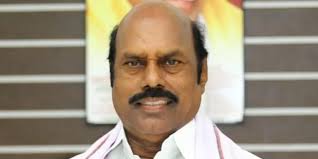
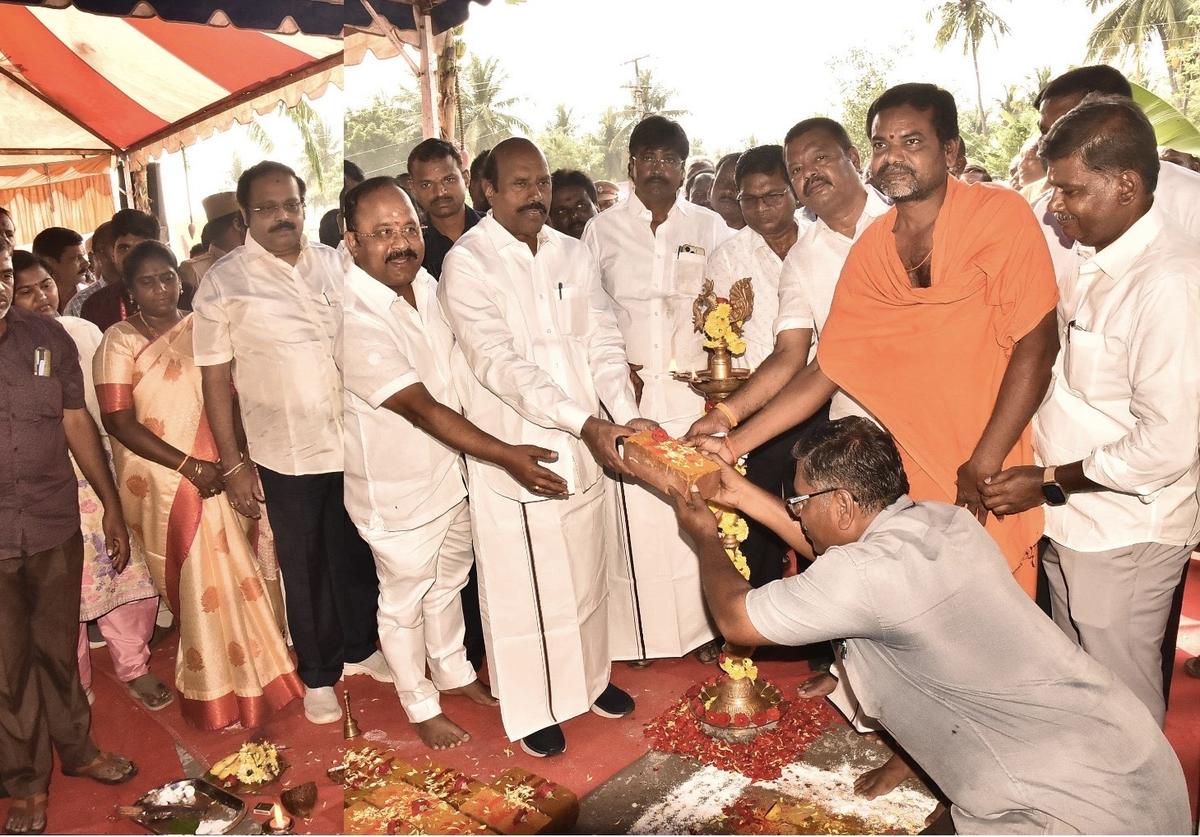
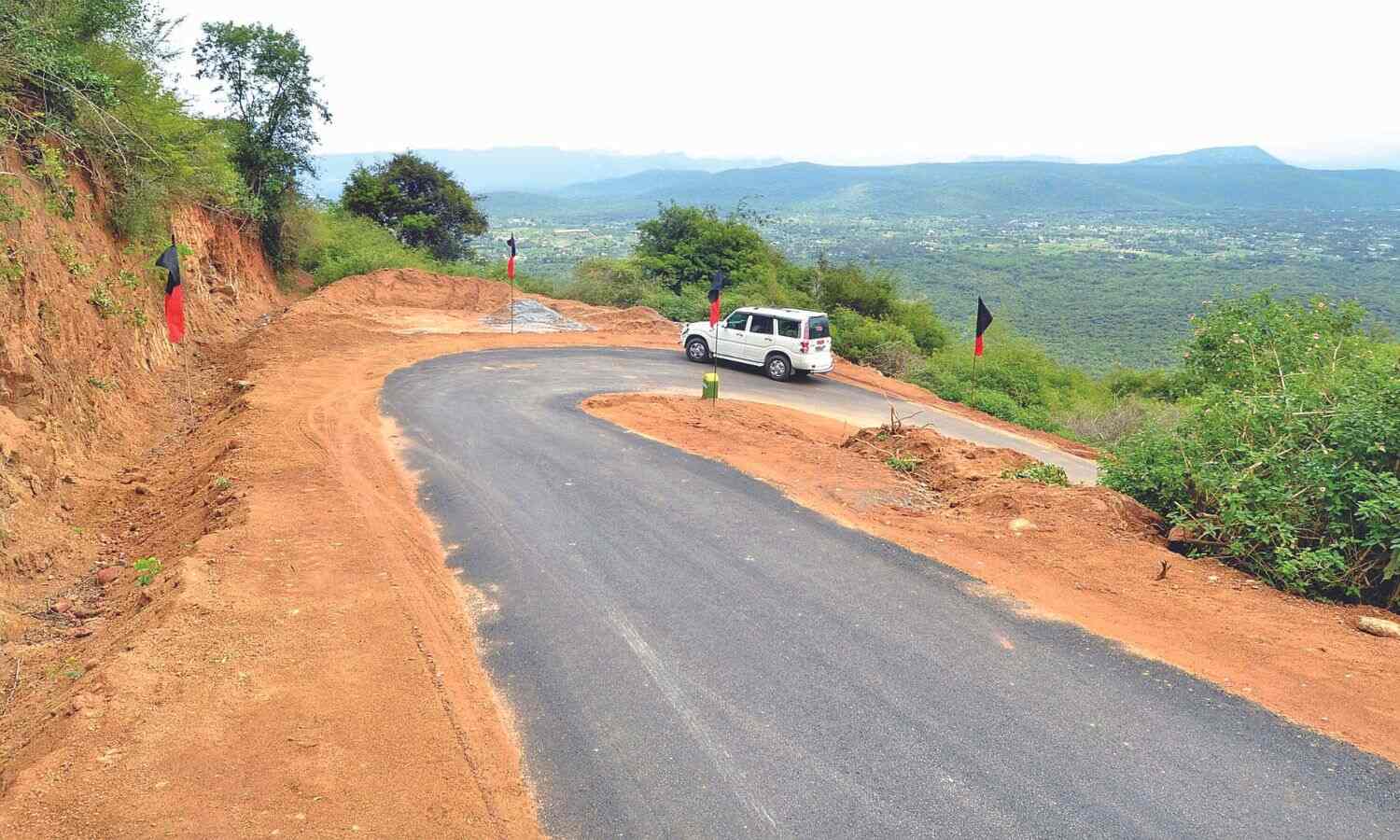
Velu, Minister for Public Works Department, officially launched the road widening project in Genganallur near Anaicut, Vellore district. The project aims to convert the existing eight-kilometre stretch of the Abdullapuram–Asanampattu–Alangayam–Tirupattur road into a modern four-lane route. This work is being carried out under the Chief Minister’s Road Development Scheme at an estimated cost of ₹50 crore.Velu

The development of this key road section is expected to enhance connectivity for several nearby towns, including Anaicut, Odugathur, Melarasampattu, Asanampattu, Alangayam, Vaniyambadi, and Tirupattur. The upgraded route will not only improve travel comfort for local residents but also provide better infrastructure support for education, business, and tourism.

As part of the project, retaining walls, median dividers, upgraded road junctions, and bus bays will be built to improve safety and accessibility. This integrated plan reflects the state’s focus on long-term, sustainable infrastructure growth in rural and semi-urban regions of Tamil Nadu.

Velu Highlights Benefits of Road Project for Public and Local Economy

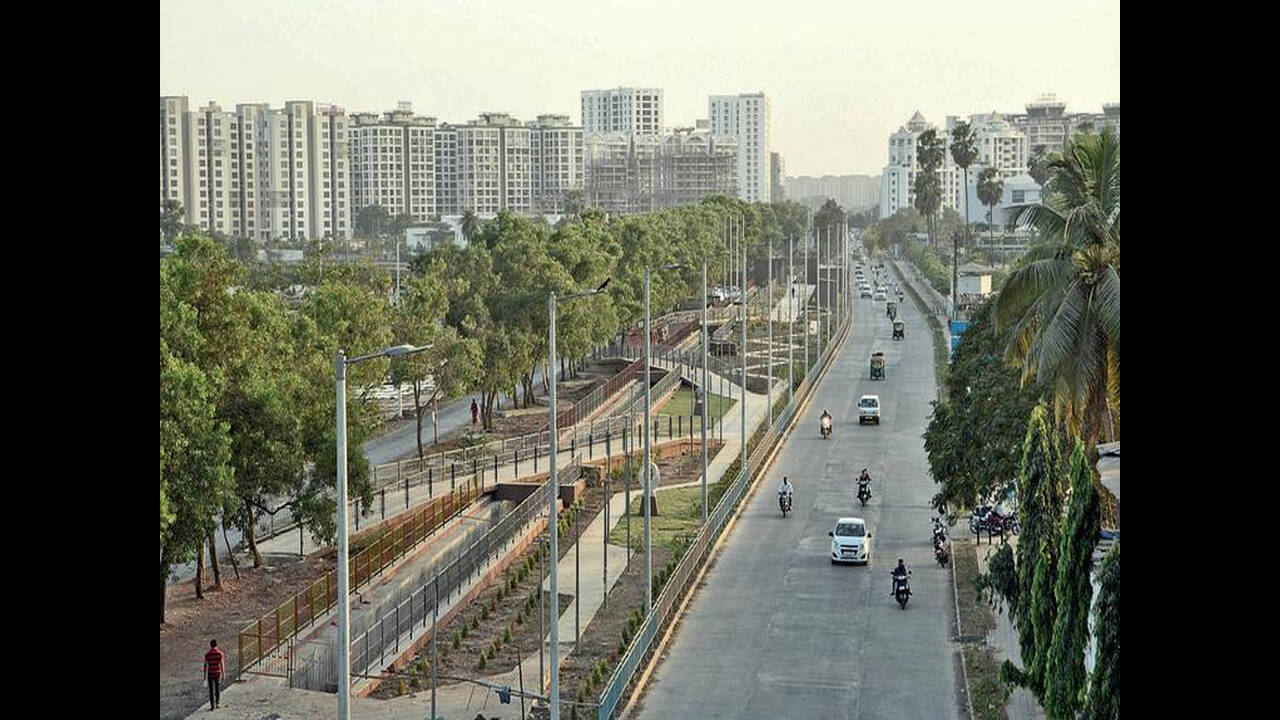
Minister Velu stated that the upgraded road would play a vital role in supporting local livelihoods. Students from Agaram village will find it easier to reach MGR Government Arts and Science College through the newly widened road. The route will also make it simpler for farmers to transport their locally grown flowers to major markets in Vellore, Tiruvannamalai, and Chennai.Makeover of Vesu Canal Rd by Nov-end | Surat News - Times of India

Additionally, the improved road will connect directly to NH48, the Krishnagiri–Ranipet highway, providing smoother travel for commercial vehicles and tourists. It will also create easier access to the Kavalur Observatory and promote tourism in the nearby areas, including the popular Sripuram Golden Temple.

The project forms part of a broader plan to strengthen road networks that link educational institutions, marketplaces, and cultural destinations within the district.

Velu Announces New Bypass for Tirupati Pilgrims

During the event, Velu also announced a new bypass road project to benefit pilgrims travelling from southern Tamil Nadu to Tirupati. This 7-kilometre bypass will connect Katpadi to the Ranipet–Krishnagiri Highway, helping travellers avoid congestion within Vellore town. The bypass will be built at a cost of ₹100 crore, aimed at easing traffic flow and reducing travel time for devotees and commuters alike.Ministers open 6.4-km road to tribal village in Vellore district

Velu emphasized that the government has been investing consistently in improving the region’s infrastructure. Over the past four years, nearly ₹600 crore has been allocated for road maintenance, widening, and new projects in the Vellore district. These efforts are part of the state’s ongoing mission to create safer, wider, and better-connected roads for the public.

Velu Criticizes Lack of Central Support for Road Repairs

Addressing the media, Velu expressed concern over the central government’s limited support for road improvement in Tamil Nadu. He mentioned that despite several requests, funds were not sanctioned for repairing roads damaged by cyclones in recent years.

The minister also pointed out that the previous regime had announced plans for 70 railway overbridges but failed to acquire the necessary land for service roads. Under the current administration, however, 36 railway overbridges have been completed, with the remaining ones progressing steadily. This, he said, demonstrates the government’s commitment to completing infrastructure projects on time and ensuring tangible progress for the people.

Velu reaffirmed that the state will continue to push forward with essential public works even without central funding, ensuring that Tamil Nadu’s transport network remains efficient and modernized. Also Read: Breaking News: 1 Big Update from CSK CEO on MS Dhoni’s IPL Future Shocks Fans

Conclusion

Minister Velu’s latest initiative marks another significant step toward transforming Vellore’s road infrastructure. The four-lane expansion in Anaicut, along with the proposed Tirupati bypass, will not only improve connectivity but also uplift trade, education, and tourism across the region. With ongoing projects valued in hundreds of crores, the state’s commitment to infrastructure development continues to pave the way for safer and more convenient travel for its citizens.

A Reassuring Look at Sagar Kavach Coastal Security Drill: POWERFUL 2-Day Vigil:

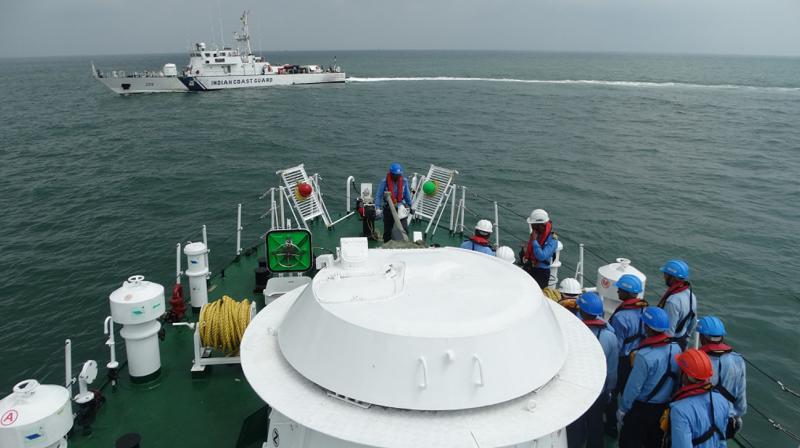
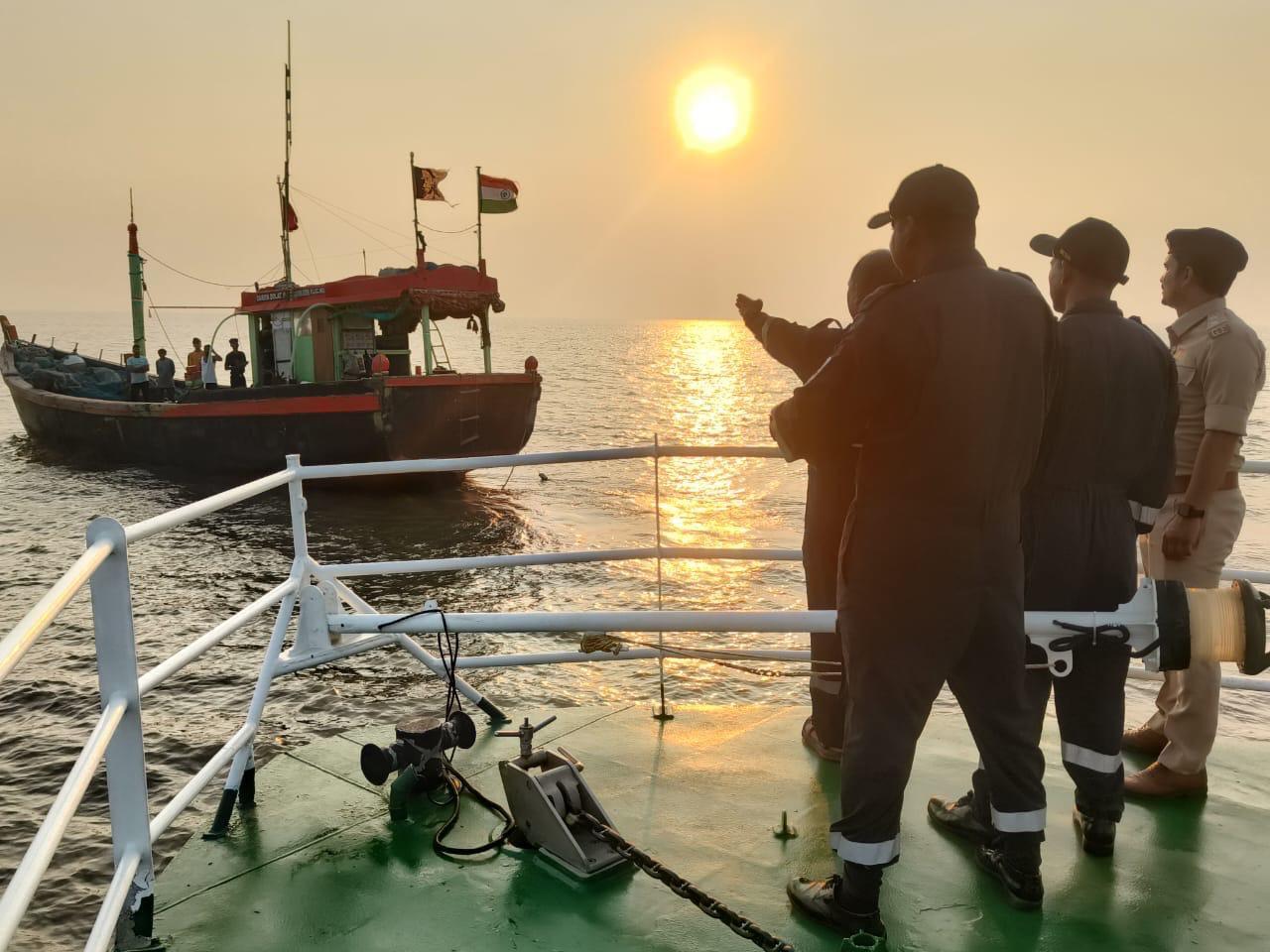
The Indian Coast Guard recently conducted the two-day Sagar Kavach security exercise across the coastal belts of Karnataka and Kerala, marking a renewed commitment to maritime protection. Designed to simulate real-time emergencies, the exercise tested the collaborative capacity of multiple defence and civil agencies. Over land, sea, and air, personnel navigated potential infiltration scenarios, resource mobilisation challenges, and coordination gaps to assess preparedness levels. The drill has reaffirmed India’s evolving maritime defence strategy, especially considering increasing coastal vulnerabilities, expanding trade corridors, and security concerns. Through these coordinated efforts, authorities seek to ensure that coastal residents feel safer and better protected.

The Sagar Kavach drill included systematic communication channels, swift decision-making assessments, and resource alignment across agencies. Teams monitored movement of vessels, evaluated vulnerabilities in infrastructure, and practiced neutralising infiltration attempts by simulated hostile groups. The exercise also included training in rapid medical aid, public alert mobilisation, and surveillance network management. By mapping weaknesses and strengthening response capability, authorities aimed to refine operational clarity. The focus remained on protecting ports, fishing harbours, offshore installations, and maritime trade routes. These initiatives underline India’s urgency to secure its expansive, diverse coastline in an era of shifting regional geopolitics.

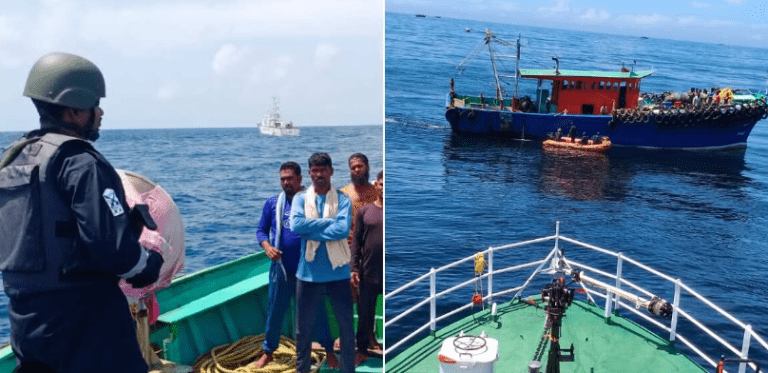
Officials conducted vulnerability mapping of fishing harbours and nearby coastlines. Details such as docking activity, night-time movement, and vessel tracking were assessed to ensure stronger oversight. Data gathered supported the development of improved surveillance architecture. Fisherfolk, who represent a continuous coastal presence, were briefed on identifying suspicious activities at sea. They were encouraged to enhance information sharing through hotlines and cooperative networks. These community partnerships are vital because fishermen often observe maritime routes daily, making them strong surveillance partners. This model exemplifies shared stakeholder responsibility in making India’s coastline safer and more vigilant.

The two-day drill further assessed communication efficiency between central and regional agencies. Authorities focused on resolving delays in message transmission, improving language standardisation, and refining protocols. Local police stations, coastal police, command operations, and surveillance zones participated in timed relay tasks. These drills highlighted the significance of clarity, accuracy, and urgency in message exchange. Officials emphasised that even small delays can impact national security. Communication upgrades, such as better radio networks and centralised data platforms, were recommended. These provisions strengthen real-time monitoring, helping decision-makers respond faster and more effectively to evolving threats.Indian Coast Guard conducts Sagar Kavach exercise for two days in Karnataka,  Kerala - The Hindu

Fisherfolk safety training received special attention. As first responders, their role in reporting potential infiltrations or unregistered craft is critical. Sessions focused on identifying vessel irregularities, monitoring navigation behaviour, and basic distress signalling. The programme also encouraged secure document handling to prevent misuse of identity cards. Fishermen were guided on how to safely approach authorities, without compromising their own security. Behavioural training strengthened community trust in security forces, promoting smoother information transmission. By widening the surveillance net through local involvement, authorities aim to create proactive coastal communities that act swiftly during unprecedented events.

The importance of inland coordination was highlighted during the drill. The possibility of infiltrators using land routes after entering coastal waters was thoroughly explored. Police checkpoints at interior nodes were activated, while surveillance teams monitored suspicious vehicle movements. Coordination with transport authorities ensured vehicle tracing, while intelligence groups analysed behavioural patterns. Mock infiltrators attempted to move inland, helping agencies review weaknesses in internal tracking. These efforts exhibited how coastal security extends beyond the sea, making inland vigilance equally crucial. Robust monitoring networks help prevent illegal activities from spreading to urban and sensitive regions.

Large-scale exercises like Sagar Kavach serve dual purposes: testing capability and inspiring public confidence. Authorities indicated that the exercise reinforced national commitment to coastal development and community well-being. The presence of trained responders, better infrastructure, and continued technology upgrades collectively contribute to safeguarding vulnerable regions. Public participation deepens the democratic fabric of national security. When communities witness coordinated operations, they better understand the depth of government responsibility and preparedness. This fosters long-term faith in public institutions and encourages citizens to follow awareness guidelines, ultimately strengthening the safety architecture.

The event unfolded at a time when maritime security has gained global attention. Geopolitical fluctuations, territorial tensions, and increased shipping traffic require nations to consistently examine defence strategies. India’s proactive stance reflects its dedication to maintaining regional stability. Drills such as Sagar Kavach strengthen national credibility by demonstrating resource preparedness and collaborative capacity. This visibility signals that India remains committed to supporting maritime safety and thwarting challenges. As trade networks expand, stable coastal systems become the backbone of economic growth. Advanced planning paves the way for balanced development and resilient regional security.

Strengthening Inter-State Synchronisation

The multi-state nature of the drill reinforced inter-state coordination between Karnataka and Kerala. Authorities harmonised command roles, resource allocation, and timing sequences. This systematic alignment addressed practical challenges when threats move between borders. Shared operational frameworks improved fluidity in planning, communication, and execution. Officials also reviewed the integration of state-level intelligence inputs with national-level platforms. Resistance drills simulated coastal infiltration attempts that traversed state boundaries. By refining these engagements, agencies can address potential loopholes. Efficient synchronisation reduces response gaps and enhances maritime defence. Such structure is crucial in protecting long coastlines with diverse ecosystems.

Inter-state security operations offer unique learning opportunities. Different coastal environments require adaptive strategies, as potential threats can vary. Kerala’s dense harbour activity contrasts with Karnataka’s longer dispersed coastline, making versatile responses necessary. Agencies analysed how coastal police stations adapted their patrolling models, issuing recommendations based on geographic realities. Exercises evaluated how command units responded during overlapping emergency reports. Structured communication timelines helped eliminate confusion and improved decision-making clarity. Through this shared learning framework, officers from both states benefited from collective insights. These collaborative models strengthen national maritime security in a holistic, inclusive manner.Sagar Kavach coastal security exercise concludes

The drill also focused on logistics and operational maintenance. Equipment reliability was assessed, identifying gaps that could hinder real-time safety. Patrol boats, emergency communication units, and surveillance equipment were tested under field-simulation stress. Any mechanical failure or delay was documented for further review. Supplies, including fuel, food, and medical kits, were examined to ensure operational continuity. Officials highlighted that efficient logistics allow uninterrupted deployment, supporting faster coastal patrol cycles. Strengthening logistical pipelines ensures that resource shortages do not compromise emergency response. This helps create long-term systems designed for unpredictable coastal environments.

Environmental concerns added another dimension to the exercise. Agencies evaluated how ecological conditions could affect coastal surveillance. Strong winds, fluctuating tides, and dense fisheries influence movement patterns. Knowing this helps teams predict potential vulnerabilities. Coordination with environmental authorities supported risk assessments. Officials also noted that preserving marine health is integral to national security. Cleaner waters encourage safer navigation, while stable ecosystems support sustainable coastal livelihoods. Disaster management teams participated to explore how environmental disruptions may affect emergency responses. Integrating environmental perspectives ensures more resilient coastal systems capable of withstanding multiple future challenges.

As maritime industries grow, security infrastructure must evolve in parallel. Karnataka and Kerala both witness rising trade, tourism, and fishing operations, increasing pressure on existing systems. Drills like Sagar Kavach encourage capacity building through continual evaluations. Officials recommended modern training programmes, improved documentation procedures, and technological upgrades. Enhanced vessel identification systems, advanced communication platforms, and trained human resource teams can fortify safety. Aligning security frameworks with industry growth reflects commitment to balanced development. When coastal networks operate smoothly, societies benefit economically and socially, reinforcing the importance of integrated security planning.

Reassurance Through Collaboration

Beyond tactical objectives, the drill delivered emotional reassurance to coastal communities. Residents observed coordinated agency performance, reinforcing belief in public safety systems. The presence of trained teams projected a sense of readiness, comfort, and care. Authorities noted that emotional security is just as critical as physical safety. When communities trust emergency infrastructure, they respond more calmly during crises. Trust encourages people to report suspicious activities, ensuring faster detection. Empowered communities further strengthen frontline resilience. This synergy between technical preparedness and public confidence forms the backbone of effective coastal defence.

Outcome reports indicated that the two-day drill successfully met its goals. Participating teams demonstrated increased agility, improved communication, and enhanced analytical capability. Although some procedural gaps emerged, they were documented for revision. Officials stressed that drills are learning platforms, not final assessments. Every exercise adds to a growing knowledge network that supports continuous improvement. The Coast Guard reiterated its commitment to reviewing feedback and implementing recommendations. This iterative model promotes adaptability, an essential trait in maritime defence. Agility ensures readiness in unpredictable environments.

The significance of this drill extends beyond national borders. As India strengthens coastal defence, it contributes to regional maritime stability. Secure coastlines deter threats, encourage stable trade, and support diplomatic relations. Strong maritime systems signal reliability, benefiting neighbouring countries and international trade routes. India’s continued focus on coastal exercises positions it as a proactive maritime force. It protects both national interests and regional harmony. These international benefits underline the larger purpose behind routine coastal drills.

Through Sagar Kavach, India reaffirmed its commitment to holistic security. By integrating technology, community participation, inter-state coordination, and ecological awareness, the country demonstrated a balanced approach. Strong coastal security uplifts communities, safeguards industries, and protects national sovereignty. Regular drills encourage preparedness, building strong institutional memory. The exercise highlighted that collective responsibility, from officials to fishermen, forms the foundation of maritime safety. This fabric of shared vigilance creates a safer future.Coast Guard conducts 'Sagar Kavach' exercise along Maharashtra, Goa coast |  External Affairs Defence Security News - Business Standard

Conclusion

The Sagar Kavach exercise showcased India’s expanding maritime capabilities and inter-state collaborative strength. It tested operational coordination, strengthened communication systems, and empowered communities. Through its structured, multi-agency design, the exercise helped refine broader security strategies. Karnataka and Kerala benefited from systematic vulnerability assessments and reinforced surveillance networks. Most importantly, the drill reassured coastal residents, strengthening emotional security alongside physical protection. As maritime landscapes evolve, continuous training ensures India is prepared for future challenges. This exercise stands as a testament to the nation’s unwavering commitment to safeguarding its shoreline, economic stability, and people.

Follow: Karnataka Government

Also read: Home | Channel 6 Network – Latest News, Breaking Updates: Politics, Business, Tech & More

Woodcutter killed by truck in Kumarganj South Dinajpur: Villagers torch vehicle in anger, highlighting West Bengal’s rural road safety crisis

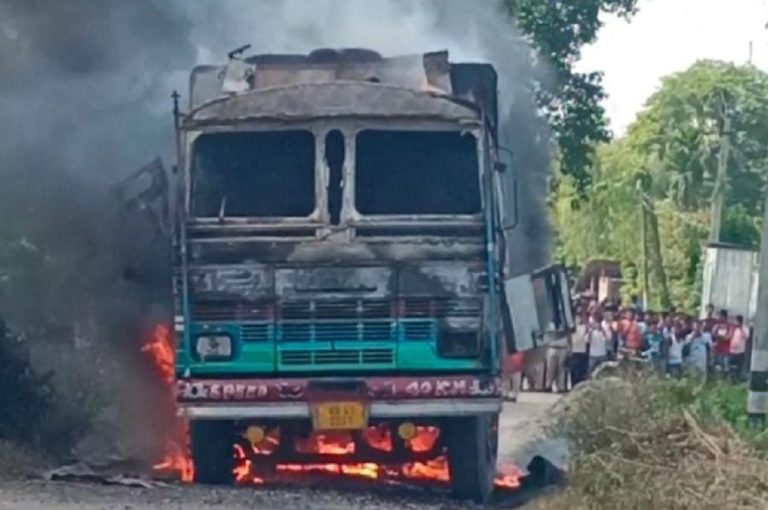
Woodcutter killed by truck in Kumarganj: A tragic incident in the quiet village of Keshuraile under Kumarganj block of South Dinajpur district has once again thrown light on the growing road-safety crisis in rural West Bengal. A 49-year-old woodcutter, identified as Rashidul Mondal, was killed after being struck by a speeding truck, triggering an outburst of public anger that led to the vehicle being set on fire by irate villagers.

According to local sources and district police, the truck — reportedly loaded with fish feed — was travelling from Balurghat towards Hili when it hit Rashidul early on Wednesday morning. The driver allegedly did not stop, prompting villagers to chase the vehicle for nearly two kilometres before intercepting it near a small bridge outside the village. In a moment of collective rage, locals poured petrol and torched the truck, forcing the driver and helper to flee the spot.

Officials from the Kumarganj Police Station later reached the site and called the Fire and Emergency Services Department, but by then the vehicle was completely gutted. The incident has sparked widespread debate about poor road management, lack of accountability for transport operators, and the deep frustration among rural communities facing repeated fatalities.


1. The incident: From collision to confrontation

Eyewitnesses described the sequence as horrifying yet quick. Rashidul Mondal, a daily wage woodcutter, was walking home along the roadside carrying a bundle of firewood when a truck suddenly appeared from behind and hit him. The impact threw him several feet away, killing him instantly.

“He had just crossed the culvert near the mango grove. The truck came at high speed — it didn’t even slow down,” said villager Abdul Karim, who was among the first to reach the scene.

Locals soon gathered, blocking the road and shouting for justice. Within minutes, dozens of people started pursuing the truck on motorcycles and tractors. Once they caught up, they dragged out the driver’s belongings and set the truck ablaze. By the time police arrived, thick smoke was billowing from the vehicle, and traffic in the area came to a standstill for nearly two hours.


2. Background of the victim: Life and loss in the margins

Rashidul Mondal lived with his wife, two sons, and a daughter in Keshuraile village. Like many rural labourers in South Dinajpur, he worked as a woodcutter and small-scale supplier of firewood to nearby tea stalls and brick kilns. His earnings rarely crossed ₹300 a day, but his family depended entirely on his income.

His death, villagers say, has left the household devastated. His eldest son, aged 21, is unemployed; his younger children are still in school.

“He was the only earning member. Who will feed the children now?” cried Rashidul’s wife, Sabina Begum, clutching a bundle of half-burnt firewood found near the accident site.

Social activists from Balurghat and Kumarganj have already started demanding compensation and employment support for the bereaved family under state schemes like the West Bengal Samajik Suraksha Yojana (WBSSY).


3. The mob reaction and fire department struggle

When the fire brigade from Patiram reached the scene, villagers were still agitated and refused to let firefighters douse the flames. Police officers had to form a human barricade to prevent further escalation. The fire engine sustained minor damage after being pelted with stones.

Local authorities later condemned the arson, calling it “an unfortunate reflection of deep community frustration.”

“The villagers’ anger is understandable, but taking the law into one’s own hands is never the answer,” said a senior officer of the South Dinajpur District Police.

Police have registered two separate cases — one under Sections 279 and 304A of the Indian Penal Code (IPC) for negligent driving, and another under Sections 435 and 353 for mischief by fire and obstruction of public servants.

(For reference: Indian Penal Code, 1860)


4. Community reaction: Rage rooted in neglect

Residents say the tragedy is not isolated. In the last six months alone, three people have been killed on the same stretch — all pedestrians or cyclists hit by speeding commercial vehicles.

“Every week, trucks and tractors speed through our narrow lanes. There are no speed breakers, no warning signs, nothing. When accidents happen, we get no justice,” said panchayat member Rekha Das.

The district’s rural road network, managed by the Public Works Department (PWD), has long been criticised for poor design and lack of pedestrian safety. Many routes double as state transport corridors used by trucks carrying sand, fish feed, and fertiliser.

According to the Ministry of Road Transport & Highways, rural road fatalities in West Bengal have risen by over 12% in the past five years, with most victims being pedestrians or cyclists.


5. Administrative response and investigation

The District Magistrate (DM) of South Dinajpur, in an official statement, announced an inquiry into the accident and assured immediate relief measures:

“We have directed the local Block Development Officer to release an ex-gratia payment of ₹3 lakh from the State Disaster Response Fund. The driver and vehicle owner will face strict legal action.”

Police sources confirmed that the truck’s registration number was traced from the burnt chassis, and its owner, based in Malda district, has been summoned for questioning.

The Forensic Science Laboratory (FSL) in Siliguri is assisting in examining tyre marks, brake traces, and burnt components to establish speed and mechanical condition prior to impact.


6. Larger pattern: Road safety crisis in North Bengal

Experts point to a broader pattern of unsafe roads and lack of monitoring. Data from the National Crime Records Bureau (NCRB) shows that West Bengal ranks among the top ten states in road-accident deaths, with a disproportionate number occurring on rural or semi-urban roads.

In North Bengal districts like Jalpaiguri, Cooch Behar, and South Dinajpur, heavy trucks often use local shortcuts to avoid toll roads — exposing villagers to frequent danger. The absence of CCTV cameras and patrol vehicles compounds the problem.

Civil engineers and transport experts have urged the state government to introduce:

  • Speed-control zones near rural settlements
  • Reflective signage and lighting along low-visibility stretches
  • Regular patrols by district traffic police
  • Public awareness drives through local schools and panchayats

7. The human cost: A family’s struggle for justice

On Thursday morning, Rashidul’s family received his body after post-mortem examination at the Balurghat District Hospital. Hundreds of villagers joined the funeral procession.

His brother, Abdul Rahim Mondal, has filed an FIR demanding immediate arrest of the driver and lifelong pension for Rashidul’s widow under government social-welfare provisions such as the National Family Benefit Scheme (NFBS).

“We are poor people. If rich people die, there are headlines and help. For us, there is silence. We will not rest until justice is done,” Rahim told reporters.


8. Political reactions: Parties trade blame

The incident has also taken a political turn. Opposition leaders have accused the ruling state government of neglecting rural infrastructure. A local representative of the Bharatiya Janata Party (BJP) visited the victim’s family, while the Trinamool Congress (TMC) district leadership promised compensation.

Political observers say both parties are seeking to capitalise on growing public anger before the next panchayat elections, as road-safety failures have become symbolic of governance issues in the region.


9. Experts weigh in: Why rural accidents turn violent

Sociologists and crisis-management experts note that such mob reactions are a symptom of long-term frustration with bureaucratic delays and lack of accountability.

Dr Ananya Bhattacharya, a behavioural-studies researcher at the University of North Bengal, explains:

“In rural areas, people feel they are left to fend for themselves. When tragedies strike, and when they see no immediate action, anger explodes collectively. The violence is both emotional and political.”

This analysis mirrors findings in a recent World Bank report on Rural Road Safety in South Asia which highlighted that inadequate law enforcement and absence of grievance channels often lead to vigilante actions.


10. Legal proceedings: What happens next

Police have launched a two-pronged investigation — one into the cause of the accident, and another into the violence that followed. Forensic experts will examine whether brake failure or driver negligence caused the collision.

The truck’s insurance company has been notified, and officials from the Regional Transport Office (RTO) in Balurghat have been asked to verify whether the vehicle had a valid fitness certificate and permit.

Under the Motor Vehicles (Amendment) Act, 2019, the truck owner may face penalties up to ₹1 lakh and possible licence cancellation if found negligent. (Motor Vehicles Act, 2019 – Official Text)


11. Socio-economic aftermath: Ripple effects on livelihoods

The incident has created a climate of fear among local woodcutters, daily labourers, and cyclists who travel early morning to forest areas. Many now refuse to work along highways without proper lighting.

Village markets have reported lower attendance, and transporters are wary of entering the area without police escort. Local NGOs, including those supported by the National Rural Livelihood Mission (NRLM), have called for counselling and livelihood support for affected families.

“We are demanding long-term compensation, not just one-time money,” said Afsar Ali, a community organiser from Kumarganj.


12. Environmental and infrastructural dimension

The tragedy also underlines the growing conflict between rural livelihood routes and commercial transport corridors. Roads built primarily for agricultural connectivity are now being used for industrial transport without upgradation.

According to the Public Works Department of West Bengal, nearly 40% of rural roads in South Dinajpur are below safety standards. Experts say unplanned expansion, absence of drainage, and lack of enforcement of axle-load limits worsen risks.

Local residents have urged authorities to install speed bumps, street lighting, and warning signage immediately.


13. Policy recommendations from safety advocates

Road-safety organisations such as the SaveLIFE Foundation recommend a multi-layered approach for districts like South Dinajpur:

  1. Mandatory speed-governors in heavy vehicles operating in rural routes.
  2. Dedicated pedestrian lanes and reflective markings.
  3. District-level accident data dashboards to monitor black-spots.
  4. Integration of panchayat feedback in road-design approvals.
  5. Immediate counselling and rehabilitation for families of accident victims.

Implementing these could prevent future tragedies like Rashidul Mondal’s death.


14. The path forward: Restoring trust and safety

The South Dinajpur administration has announced a joint review meeting between the PWD, Transport Department, and local panchayats to identify accident-prone zones. Officials also hinted at installing CCTV cameras at critical points using funds from the District Rural Infrastructure Development Scheme.

Local schools and youth clubs have been roped in to start “Safe Village Road” campaigns, supported by the West Bengal Transport Department’s Road Safety Cell.

Police have also promised increased night patrols, while the administration plans to deploy reflective road markers before the winter fog sets in.


15. Conclusion: A tragedy that mirrors systemic neglect

The death of Rashidul Mondal is not just another rural accident; it is a grim reflection of structural neglect. Poor infrastructure, weak enforcement, and socio-economic precarity converge to make villages like Keshuraile vulnerable to such disasters.

As investigators piece together evidence and officials issue assurances, one question looms large: how many more lives will be lost before rural safety becomes a state priority?

Until concrete changes emerge — safer roads, faster justice, and better livelihoods — the memory of the woodcutter killed by truck in Kumarganj South Dinajpur will remain an enduring symbol of the price rural citizens pay for progress without protection.


External Reference Links (Official and Credible):

Also read: Home | Channel 6 Network – Latest News, Breaking Updates: Politics, Business, Tech & More

Department of Commerce Successfully Concludes Special Campaign 5.0 for Enhanced Efficiency and Clean Governance

The Department of Commerce, Government of India, has successfully wrapped up Special Campaign 5.0 conducted from October 2 to October 31, 2025. This initiative centered on resolving pending references, promoting cleanliness, boosting work efficiency, and addressing grievances within the Department, its Public Sector Undertakings (PSUs), and affiliated bodies.

Campaign Overview and Achievements

The campaign involved rigorous monitoring and participation, resulting in the review of 88,385 files with 46,255 files weeded out to streamline record management. Through 277 cleanliness drives, approximately 36,005 sq. ft. of office space was freed, and ₹70 lakh was generated from e-waste and scrap disposal.

Noteworthy initiatives included installing electric vehicle charging stations at the Export Credit Guarantee Corporation (ECGC) headquarters in Mumbai, implementing rooftop solar power systems, and establishing a Zero Carbon Zone. The Department also undertook greenery development, parking improvements, space optimization, and lake rejuvenation near the Madras Export Processing Zone (MEPZ).


Sustainability and Digital Transformation

The campaign emphasized digitization, integrated solid waste management, awareness of e-waste hazards, and inventory management of electrical equipment and elevator inspections, thereby fostering a culture of environmental responsibility. These efforts align with the government’s vision for good governance and administrative excellence, ensuring clean, efficient, and sustainable workplaces.

Conclusion: Department of Commerce

Special Campaign 5.0 under the Department of Commerce exemplifies a committed drive towards efficiency, transparency, and environmental stewardship in government administration. The initiative’s multi-pronged approach has set new benchmarks for workplace cleanliness and governance.

For more real-time updates, visit Channel 6 Network.

Source: PIB 

Union Civil Aviation Minister Reviews and Oversees Resolution of Delhi ATC Technical Glitch Affecting Flight Operations: 2025

A technical glitch in the Air Traffic Control (ATC) messaging system at Delhi Airport on November 6, 2025, caused significant disruptions including delays and cancellations of approximately 46 flights over two days. The incident triggered a concerted multi-agency response to restore normalcy and minimize passenger inconvenience.

Immediate Response and Management

Teams from Airports Authority of India (AAI), Air Navigation Services (ANS), and Electronics Corporation of India Limited (ECIL) collaborated intensively to diagnose and resolve the issue. ECIL quickly deployed additional manpower to support restoration efforts. Meanwhile, ATC staff managed flight operations manually, demonstrating readiness and commitment to passenger safety and operational continuity.


Ministerial Oversight and Directives

Union Civil Aviation Minister Shri Rammohan Naidu personally visited the Delhi ANS Centre late on the night of November 7 to assess the situation. Accompanied by senior officials including Secretary (MoCA) Shri Samir Kumar Sinha and Chairman (AAI) Shri Vipin Kumar, the Minister directed ECIL to increase technical manpower and ensured additional ATC staff deployment to support manual air traffic control operations during the downtime.

Due to these coordinated efforts, the ATC messaging system was fully restored to automatic mode by the afternoon of November 8, with no flight cancellations reported on that day.

Future Preventive Measures

The Minister has mandated a detailed root-cause analysis to prevent such glitches in the future and instructed officials to plan upgrades involving additional or fallback servers to enhance system robustness and operational security.

Conclusion

The swift response and leadership led by Union Civil Aviation Minister Shri Rammohan Naidu ensured seamless management of the Delhi Airport ATC glitch, safeguarding passenger safety and minimizing disruption. The incident underscored the critical importance of technological resilience in air traffic management and demonstrated India’s capability to respond effectively to operational challenges.

For more real-time updates, visit Channel 6 Network.

Source: PIB