Saturday, May 16, 2026
Home Blog Page 340

7 Powerful Moments as Karnataka Raises Sugarcane FRP

The Karnataka government has announced a ₹100 per tonne increase in the Fair and Remunerative Price (FRP) for sugarcane, prompting striking farmer groups across major districts to call off their protest. The decision comes after weeks of sustained agitation, chakka jams, and heated negotiations with State authorities. Farmers welcomed the partial victory, calling it a “step forward,” though many reiterated that the final demand of higher procurement rates remains unresolved. For now, the relief has restored mobility along disrupted highways, with police withdrawing traffic control deployments. The development marks a temporary easing of tensions between cane growers, mill managements, and the government.

The sugarcane farmers’ protest had intensified in recent days, with multiple farmer unions from Belagavi, Mandya, Haveri, Shivamogga, and Vijayapura participating in a coordinated agitation. Their primary demand centred on improving FRP to reflect rising cultivation costs, delayed payments, and increased input expenses including labour, fertilizer, and diesel. Many farmers argued that existing FRP structures were outdated and inadequate for sustaining families dependent on cane farming. The new announcement has brought relief, but senior members say it must be implemented without delay to rebuild trust. Farmers also stressed the need for more transparent pricing mechanisms.

As per the new framework, the State’s revised FRP applies to the 2024–25 crushing season, and mills are expected to pay the updated base rate immediately upon procurement. Farmer leaders, however, have demanded written assurances on payment timelines to prevent mills from deferring dues under pretext of financial stress. Over the years, Karnataka’s sugar sector has navigated payment backlogs that often stretch beyond policy norms. State ministers have reiterated that this time, strict orders will be issued to ensure compliance. They emphasised that the FRP revision is aimed at preventing mass distress and ensuring supply continuity for the sugar industry.

Farmers opposing the earlier price system pointed out that FRP should ideally account for yield uncertainties and climatic stress. Sugarcane crops face vulnerability to erratic monsoon patterns, irrigation shortfalls, and sudden pest attacks, resulting in fluctuating production. Many have insisted that production-linked incentives must be included beyond the base FRP. Some farmer groups said the ₹100 increase, though symbolically significant, still falls short of a sustainable threshold. Their internal consultations acknowledged political sensitivity around procurement pricing, but said the announcement demonstrated the strength of collective action. The temporary settlement has encouraged unions to continue dialogues with factory managements.Karnataka enhances sugarcane FRP by ₹100; farmers call off strike - The Hindu

Ground Sentiments: Relief, Uncertainty, and a Call for Transparency

In Mandya, the heartland of Karnataka’s sugarcane cultivation, farmers celebrated modestly, saying the decision validates weeks of hardship. Local leaders mentioned that while the State responded, hopes of a larger economic correction remain. Farmers noted that diesel rates, fertiliser costs, and wage bills have steadily increased, eroding margins. They added that cane cultivation requires long-duration crop cycles, demanding assured returns. Some growers claimed that higher FRP is essential not just for survival but also for investing in modern agricultural practices to increase yield and quality. They warned that constant financial pressure could push rural youth away from farming.

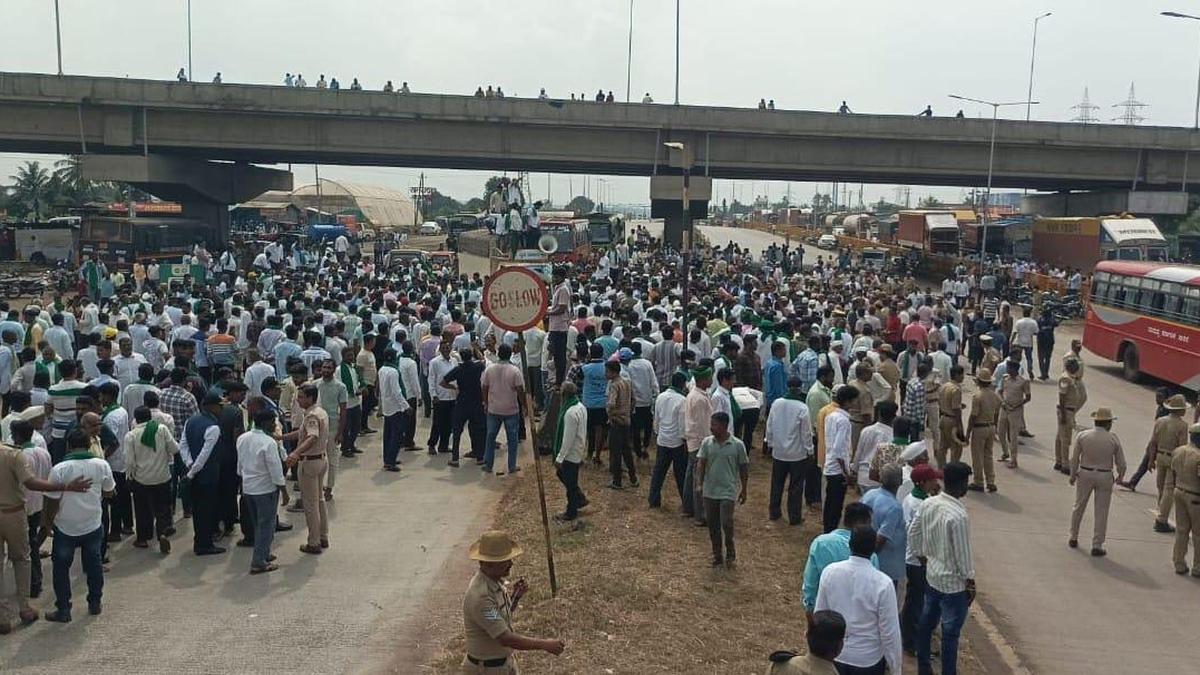
Across Belagavi and Vijayapura, where protests had blocked major highways, the announcement led to quick withdrawal of tents, tractors, and banners. Police removed barricades, restoring normal vehicle movement. Residents expressed relief, as prolonged blockades had disrupted transport, business, and school schedules. Many shopkeepers said the end of the strike would revive local commerce. Farmer unions, however, clarified that the protests are only suspended, not concluded. If mills delay payments or fail to honour revised pricing, unions may resume their demonstrations. Political observers are watching closely, sensing that both ruling and opposition parties may attempt to mobilise the issue.

Economic analysts believe the new FRP will have ripple effects across Karnataka’s agricultural economy. The sugar sector directly influences rural purchasing power, and the announcement is expected to inject liquidity during harvesting months. Increased earnings may improve household spending, including education, healthcare, and essential commodities. Experts also say mills must streamline financial operations to support higher prices. While many larger mills can comply, smaller units may face capital limitations. Some analysts suggest targeted subsidies or interest relief to mills, ensuring they remain viable without squeezing farmers. The government is expected to hold regular reviews to manage implementation challenges.

Local mill owners, though accepting the government directive, expressed concerns about cost escalation affecting their profit margins. They said rising FRP could result in higher borrowing requirements and operational burdens, especially for mills recovering from pandemic-era disruptions. Many mill operators urged the government to consider export incentives, tax relief, or support for ethanol expansion. They claimed that such steps are necessary to balance farmer earnings and industry sustainability. Farmer unions countered that mills have enjoyed years of favourable policies and must now reciprocate. They highlighted that delayed payments have caused substantial hardship among cane cultivators, warranting stronger enforcement.

In districts with significant cane production, such as Shivamogga and Haveri, smaller unions echoed similar sentiments but emphasised cautious optimism. The revised FRP is seen as an immediate boost, yet leaders indicated that structural reforms remain crucial. They urged the government to establish a data-based pricing model, linking returns to variable market factors and real-time inflation indices. Many farmers now look to upcoming budget announcements for strengthening irrigation infrastructure, procurement guarantees, and expanded crop insurance. They also called for establishing prompt redressal systems for payment disputes. Agricultural economists believe that the revised FRP could signal broader agricultural policy recalibration.Karnataka, India: Massive Protest by Sugarcane Farmers Demanding Better Price Support


A Long Road Ahead: Policy, Pressure, and Agriculture’s New Demands

The resolution of the strike followed marathon negotiations involving farmer associations, State ministers, and local district authorities. Leaders from various unions expressed that the dialogue was constructive but hinted that pressure tactics were essential for achieving results. They said the government must now demonstrate commitment through robust implementation and timely disbursals from mills. Beyond price updates, farmers demand focus on strengthening soil health programs, affordable crop loans, and micro-irrigation subsidies. Many reiterated that agriculture remains the backbone of Karnataka’s economy, and pricing reforms must reflect the essential nature of farm livelihoods.

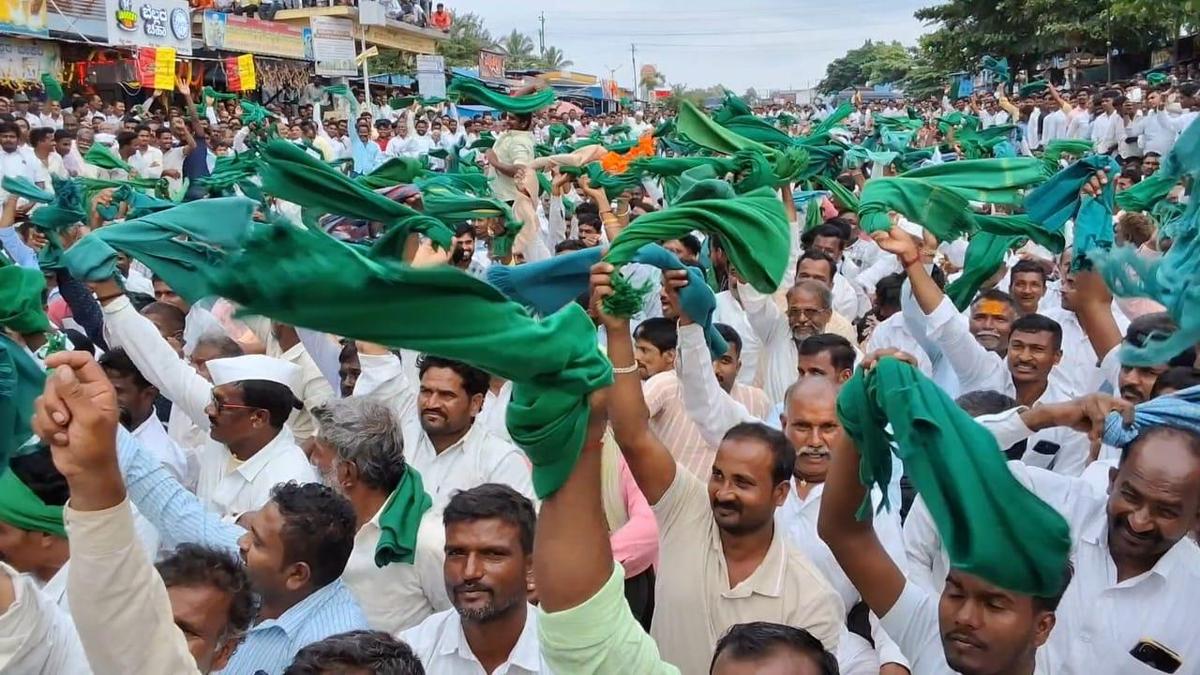
Observers noted that the strike drew wide attention due to disruptions along key transportation routes. The protest blocked stretches of the Pune–Bengaluru National Highway, causing long traffic delays and supply-chain bottlenecks. Local police and transport officials struggled to control crowds as convoys of tractors and villagers camped along the highway. Public sentiment oscillated between solidarity and frustration, particularly among commuters and truck drivers. When news of the FRP increase arrived, many farmers celebrated with drum beats, tea gatherings, and symbolic flag displays. Authorities subsequently requested locals to disperse peacefully, preventing further congestion.

The State has also announced that a working group will review long-term reforms in the sugar sector. The panel, expected to include farmer representatives, economists, and industry leaders, will examine pricing structures, seasonal cane supply management, and ethanol blending opportunities. Expansion of ethanol production is considered a significant solution to excess sugar stock. However, farmers insist that diversification must not become an excuse to reduce procurement rates. They also noted that technology adoption and farm mechanisation could improve efficiency, but such investments require predictable income flows.

Meanwhile, the opposition accused the ruling government of delaying action until protests escalated. They alleged that the revised FRP is insufficient and cosmetic. Roadshows and media briefings criticised the administration for inadequate rural support. The ruling party countered that the ₹100 increase demonstrates responsiveness and stewardship, calling it a balanced decision considerate of both farmers and industry. Political analysts say sugarcane pricing has become a recurring battleground, particularly before election seasons. They predict continued mobilisation among farmer groups as they negotiate for elevated price floors and timely payments.

Women farmers, who constitute a crucial yet under-recognised segment of agricultural labour, shared mixed reactions. While welcoming the rate increase, many highlighted the need for broader social support programs. These include pensions, maternity benefits, credit access, and training in value-addition techniques. They emphasised that many women handle cane harvesting and transportation responsibilities without formal recognition. Inclusion of women in negotiation panels and agricultural committees, they believe, will help shape more inclusive policies. Rural cooperatives are increasingly advocating for intensified focus on women’s financial independence within the sugar sector.Govt hikes sugarcane FRP by 4.41% to Rs 355 per quintal for 2025-26 season | Agriculture - Business Standard

Rural youth, increasingly skeptical of agriculture as a secure livelihood avenue, were also closely watching the agitation. Many expressed that stable FRP systems could encourage them to continue farming. Others hoped for training in allied sectors like jaggery processing, agri-machinery services, or ethanol-unit jobs. Educators and local NGOs encouraged the government to invest in agricultural colleges and community training centres in cane-producing belts. They believe strengthening knowledge ecosystems can empower young farmers with modern tools, scientific techniques, and entrepreneurial skills for emerging rural industries.

Looking ahead, farmers are preparing to monitor mill compliance closely. Several farmer groups plan to maintain committees that track payment flows, report delays, and engage district officials. The government assured that punitive measures would be taken against mills that violate payment norms. Some senior leaders suggested creating an online FRP tracking portal, ensuring transparent reports accessible to cultivators. Experts say participatory monitoring could reduce vulnerability among small and marginal farmers. The success of the revised FRP will depend not only on its value but on transparent execution across multiple districts.

As cane harvesting season advances, farmers now turn their attention to field operations. Many who delayed harvest in anticipation of revised prices are rushing to coordinate cutting, transport, and factory supply. Contractors have increased demand, leading to labour shortages in some regions. To address this, unions have urged district authorities to support mechanised tools and temporary labour pools. Additionally, mills hope timely supply will prevent operational gaps that could affect seasonal output. Rural communities are preparing for intensified activity, celebrating the settlement but advocating for vigilance to ensure continuous fair treatment.

In conclusion, Karnataka’s decision to enhance the FRP for sugarcane by ₹100 marks a significant moment in the ongoing dialogue between cultivators, mills, and the State. While the announcement calmed rising tensions and ended widespread protests, structural challenges persist. Farmers view the hike as an acknowledgment of their pressing concerns but continue to seek stability, transparency, and long-term reforms. The agricultural sector anticipates more well-defined policies to strengthen economic resilience. For now, the fields of Mandya, Belagavi, Shivamogga, and Haveri witness renewed activity, reflecting the persistent hope that fair pricing remains central to sustaining farm life.

Follow: Karnataka Government

Also read: Home | Channel 6 Network – Latest News, Breaking Updates: Politics, Business, Tech & More

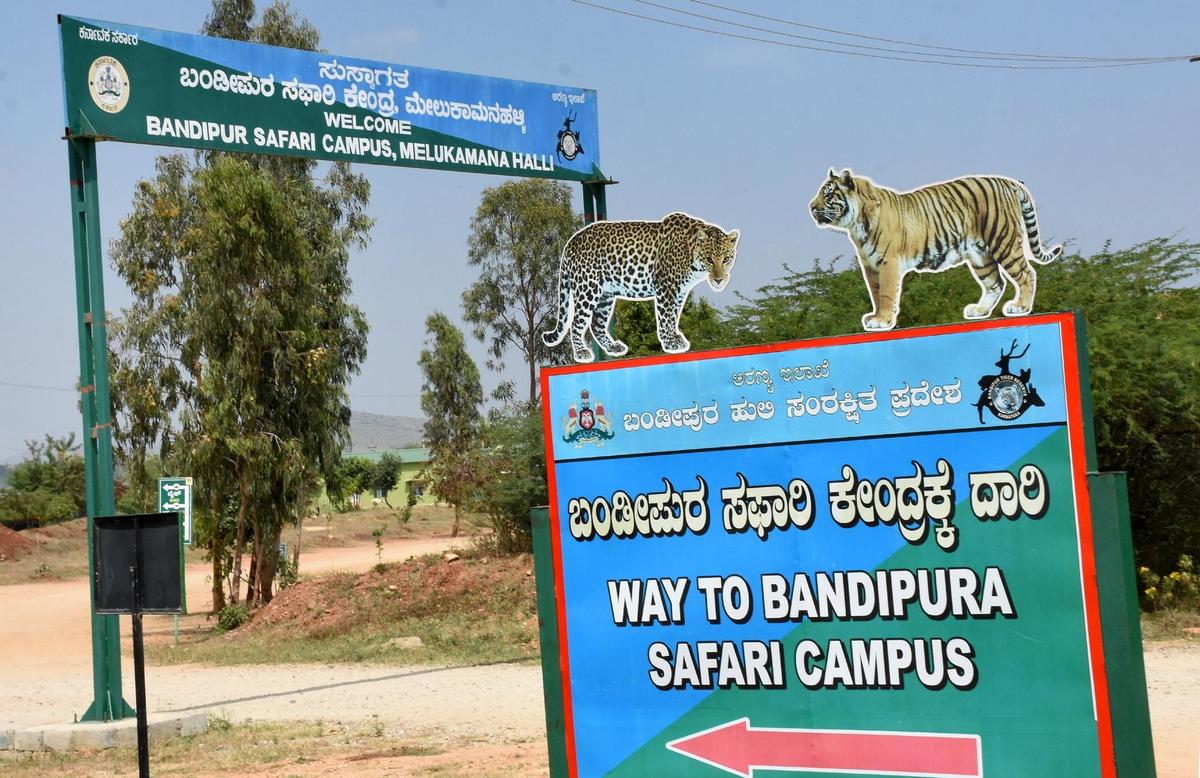
Karnataka Shuts Safaris in Bandipur & Nagarahole After Tiger Attacks: Fierce 7-Point Alarming Alert

A series of tiger attacks in Karnataka’s forest zones has prompted an immediate shutdown of safari operations in the Bandipur and Nagarahole Tiger Reserves, following directives issued by Forest Minister Eshwar Khandre. The precautionary order comes amid rising concern for visitor safety after repeated incidents involving big cats in the forest fringes. The developments have refuelled the debate over human–wildlife conflict and increased scrutiny of eco-tourism practices in densely biodiverse landscapes.

Some experts believe the temporary safari shutdown could become an opportunity to reassess long-term tourism policies within protected reserves. They argue that the pause allows the state to audit vehicular caps, guide training, waste disposal, and route planning. Several conservationists have long stressed that tourism must be approached with ecological sensitivity rather than aggressive promotion. By analysing visitor patterns during the closure, the Forest Department may derive valuable insights into stress points within the landscape, enabling future safari operations to prioritise wildlife comfort over tourist expectations. Such recalibrations could create a more sustainable eco-tourism model.

Environmental sociologists note that tiger attacks often spark strong emotional reactions, which can influence policymaking. Some communities demand aggressive measures such as capturing or relocating tigers, while conservationists advocate patience and habitat protection. The current decision to temporarily halt safaris attempts to bridge these opposing narratives, signalling that authorities are attentive to community anxieties while protecting ecological integrity. This balancing act highlights the need for educational outreach that helps the public understand tiger behaviour. Without such awareness, human fear may escalate, pressuring governments to adopt measures that undermine long-term biodiversity goals.

In addition, wildlife health has become a point of discussion, especially with climate change altering patterns of prey availability. Shifts in rainfall, temperature, and water scarcity can affect herbivore populations, indirectly influencing predator movement. Experts warn that tiger dispersal during lean seasons is not uncommon, and sudden encounters may be symptomatic of broader ecological strain. Continuous monitoring is therefore required not only to track individual tigers but also to assess ecosystem health. This holistic approach, scientists say, must guide future responses to conflict incidents rather than relying on reactive animal-centric interventions.

The shutdown also invites reflection on the cultural significance of tigers in Karnataka. Revered across South India as symbols of power and protection, tigers occupy an important place in local folklore and identity. Communities living near reserve boundaries often perceive their presence with both reverence and apprehension. By pausing tourism activity, the state acknowledges this emotional dimension while reaffirming the tiger’s intrinsic value beyond economic and recreational aspects. As Karnataka navigates this sensitive moment, the hope is that communities and authorities can strengthen their shared commitment to coexistence — honoring a species that remains central to India’s natural heritage.Tiger attacks: Karnataka Minister orders closure of safari in Bandipur,  Nagarahole - The Hindu

The Minister’s directive emphasises that human activity within forest ranges must be curtailed until predator movement stabilises. Forest department units have begun monitoring safaris, visitor centres, and internal transport routes to ensure compliance. While the closure has inconvenienced tourists at the peak of the travel season, officials argue that safeguarding lives — both animal and human — is the overarching priority.

Experts note that the tiger attacks may be linked to shifting territorial patterns driven by prey migration or climatic fluctuations. Increased agricultural expansion near reserve boundaries has also been cited as a major trigger for interactions. Villagers living along these border regions have expressed fear, urging the government to expedite compensation processes and reinforce patrol systems. The temporary safari halt is seen as a stabilising measure to give authorities time to assess field conditions more scientifically.


MAJOR SAFETY SHIELD

Forest Minister Khandre’s decision has drawn both praise and criticism. Conservationists have welcomed the move, stating that tourism pressures often disturb wildlife, especially during seasonal transitions. They argue that tigers remain highly sensitive to sound and vehicular intrusion, which risks pushing them further into buffer zones where human settlements exist. A temporary tourism ban, they say, is a rational corrective measure that prioritises ecological wellbeing over revenue.

Tour operators and resort owners, however, fear a financial setback. The reserves attract both domestic and international visitors, producing considerable income for local communities. Many depend on jeep safaris, lodges, and nature camps for employment. With the closure, several bookings have been cancelled, impacting revenue flow for the coming weeks. Operators have requested a minimum-duration timeline to plan financially, but authorities insist that decisions will depend solely on ground reports.

Forest officials are deploying specialised tracking units to observe tiger movement inside core zones. These teams rely on camera traps, patrolling logs, and pugmark identification to map predator behaviour. The aim is to determine whether individual tigers involved in attacks have shifted territory or displayed signs of conflict-driven aggression. If necessary, intervention measures — including tranquilisation and relocation — may be considered. Analysts say such decisions must be backed by scientific evaluation to avoid unnecessary displacement.

The closure also indicates a shift in strategy toward conflict mitigation rather than conflict retaliation. Authorities reiterated that killing problem animals is not a preferred option unless human safety faces immediate threat. This stance reflects India’s conservation philosophy, which prioritises coexistence with wild species that share critical ecosystems. The minister declared that saving tiger populations remains a national responsibility, given their ecological and cultural significance.Karnataka Suspends Tiger Safaris After Series of Fatal Attacks: Trekking  Banned Statewide | Bengaluru News - The Times of India

Local villagers, meanwhile, have urged faster compensation disbursal for victims of recent attacks. They argue that bureaucratic delays worsen suffering and increase hostility toward wildlife. Forest officials claim compensation mechanisms are in place but admit paperwork remains slow. Community leaders have recommended decentralised relief funds to ensure timely assistance. The government is expected to review procedural hurdles in upcoming meetings.

Conservation groups are also calling for strict enforcement of buffer-zone regulations. Encroachment, livestock grazing, and unregulated vehicular movement remain long-standing problems. Experts say that despite multiple advisories, illegal entry points continue to appear near highways and farmlands. Addressing these gaps requires inter-departmental coordination between forest, police, and revenue officials — a challenge that has historically hampered response efforts.


BIG CONSERVATION FOCUS

The tiger attacks have brought renewed attention to habitat fragmentation. Expansion of agriculture, energy projects, and roadways has squeezed wildlife into narrower corridors, intensifying competition among predators. This leads to unpredictable patterns of dispersal, with young tigers venturing beyond traditional boundaries. Scientists warn that unless natural corridors are secured, human–wildlife interactions will increase in frequency and severity.

Bandipur and Nagarahole, part of the Nilgiri Biosphere, host one of the world’s largest tiger populations. Their landscapes form a critical ecological belt stretching across Karnataka, Tamil Nadu, and Kerala. Though considered conservation success stories, the reserves face continuous pressure from tourism, traffic on adjoining highways, and mushrooming tourism infrastructure. Stakeholders insist that balancing revenue generation with ecological protection remains a difficult responsibility.

Wildlife experts believe the recent incidents highlight the need for deeper community engagement. Villagers are primary responders during emergencies, yet they often lack awareness of safe behavioural practices. Training programmes focused on early-warning systems, mobile alert networks, and livestock safety are now being prioritised. Building trust with local residents could reduce hostility and improve reporting accuracy, which is essential for timely intervention.

There are also calls to improve scientific documentation. Though Karnataka leads in tiger conservation, researchers say there is insufficient long-term data on predator behaviour following conflict events. Better mapping of kill patterns, seasonal dispersal, and pressure zones could allow predictive modelling to prevent accidents. Universities and research institutes have expressed willingness to collaborate, but funding remains uncertain.

With safaris suspended, conservationists hope the reserves can temporarily recover from tourist-driven noise. They argue that a period of undisturbed stability could allow tiger families to settle, especially during mating or denning seasons. Reduced vehicular pressure may also support prey movement, reinforcing predator-prey balance. Authorities say reopening will depend on improved safety, but emphasise that such decisions must respect both ecological rhythms and community needs.

Several activists are urging the government to examine long-term alternatives to traditional tourism. Controlled foot trails, interpretive centres, and virtual safari platforms have been suggested to reduce vehicle dependence. These initiatives could preserve visitor interest while ensuring that wildlife remains undisturbed in core areas. Models used in African parks are being studied for possible adaptation in the Indian context.Tiger kills farmer, safari suspended in Karnataka reserves - Rediff.com

Local political representatives, meanwhile, have demanded accountability. They argue that repeated attacks signify systemic gaps that require structural reform rather than temporary bans. Proposals have been made to increase staffing, modernise communication gear, and improve vet-unit readiness. Critics believe that without administrative overhaul, Karnataka will find itself responding reactively rather than managing conflict proactively.

The tourism sector is pushing for the government to consult resort operators before issuing long closures. They highlight that early notifications can reduce economic shock and enable coordinated visitor management. Many suggest that limited safari routes could remain open under heightened safety measures, but officials maintain that tiger unpredictability makes partial relaxations risky. Authorities must now negotiate a delicate balance between ecology and economy.

As the situation unfolds, the broader debate centres on coexistence. Karnataka’s forests are not merely wilderness zones but shared spaces shaped by centuries of human presence. Ensuring safety while retaining ecological vibrancy requires collaborative governance that respects both community livelihood and forest autonomy. Though the reserve shutdown has disrupted economic activity, many agree it sends a strong message: protection takes precedence.

The coming weeks will be critical in determining how long the closures last. Forest staff are monitoring field reports daily, and further instructions may follow based on tiger sightings and behavioural assessments. Meanwhile, communities near the reserves are being counselled to follow safety instructions and avoid deep-forest movement. If conditions stabilise, phased reopening could begin — but authorities refuse to offer guarantees.

Ultimately, the closure underscores the fragility of coexistence. With tiger numbers steadily rising due to conservation success, territories are expanding — sometimes intersecting with human spaces. Strengthened ecological corridors, scientific vigilance, and public cooperation will determine whether Karnataka can sustain its wildlife heritage without compromising human safety.

If successful, the response to these attacks may offer a template for conflict-resolution protocols across India’s tiger reserves. For now, Karnataka waits — hopeful that temporary silence inside Bandipur and Nagarahole will help restore balance and pave the path for safer coexistence.

Follow: Karnataka Government

Also read: Home | Channel 6 Network – Latest News, Breaking Updates: Politics, Business, Tech & More
Congress Plans Massive Signature Push on ‘Vote Chori’ Across India: Powerful 5-Point Emotional Drive

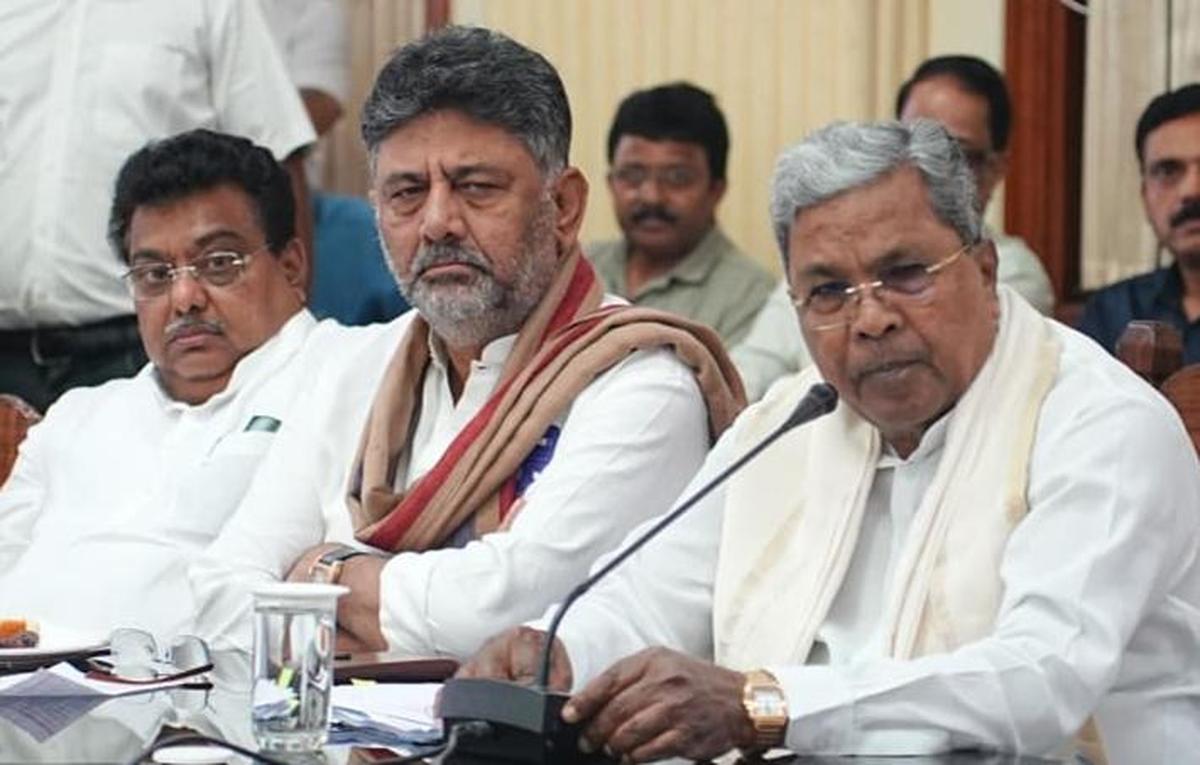
The Congress party has announced a nationwide campaign to collect five crore signatures to highlight what it calls widespread “vote chori” — or electoral theft — across India. Led by MLC Manjunath Bhandary, the initiative seeks to mobilise public support, demand electoral transparency, and build political pressure ahead of upcoming regional and national polls. The exercise, the party says, is aimed at amplifying concerns over the legitimacy of recent electoral outcomes, which Congress alleges were influenced by opaque processes and institutional bias.

The campaign could also create new pathways for collaboration among political parties that oppose the ruling establishment. Though Congress has not formally sought other parties’ participation, analysts say the scale of the initiative leaves open the possibility of broader alliances. If regional parties see value in adding their own organisational heft, the movement may evolve into a multi-party pressure group. Such a development could reshape opposition dynamics, potentially forming a unified reform front. However, differences in ideology and regional focus may prevent seamless cooperation, making grassroots coordination a key testing ground for coalition feasibility.

Another anticipated outcome is the effect this campaign may have on younger political workers. Party insiders say mobilising students and first-time voters could give Congress a critical advantage, especially in constituencies where youth populations dominate electoral rolls. Street-level engagement may also help young volunteers gain firsthand experience in public mobilisation and democratic advocacy. Congress leaders believe this exposure could cultivate new leadership capable of communicating complex institutional issues with clarity. As India’s political landscape increasingly shifts toward youth-driven activism, this campaign may help the party groom future organisers and ideological custodians.

There is also conversation about how the data collected through the campaign might be used beyond symbolic submission. Large-scale signature records could reveal patterns of political interest and public opinion at a granular level. This could help Congress refine its policy messaging, identifying regions where concerns over electoral integrity resonate more deeply. The information might also guide resource allocation during campaign seasons, informing decisions on candidate selection, grassroots outreach, and communication strategy. Some observers, however, caution that such data must be handled responsibly to avoid accusations of political exploitation.

Despite its ambitious design, the campaign faces logistical barriers. Collecting such an enormous volume of signatures requires strong coordination, reliable tracking, and meticulous verification. Ensuring standardisation across states could also be difficult, particularly in linguistically diverse regions. Critics argue that large-scale drives risk inconsistencies that could undermine credibility. To counter this, Congress leaders are emphasising training and digital documentation, hoping to prevent duplication or manipulation. Whether ground-level execution can match strategic vision remains uncertain, but party officials say they are committed to transparency and organisational discipline throughout the exercise.

Ultimately, the signature drive underscores Congress’ attempt to recast its public image as a party capable of large-scale civic mobilisation. While challenges remain, the initiative signals a willingness to evolve beyond traditional campaigning and engage citizens through participatory channels. Whether the campaign results in institutional reform, electoral gains, or only symbolic momentum, it marks an important experiment in people-centred political advocacy. As the movement unfolds, its success will depend on sustained enthusiasm, organisational clarity, and the party’s ability to transform public sentiment into actionable political outcomes.Congress to collect 5 crore signatures to highlight 'vote chori': MLC  Manjunath Bhandary - The Hindu

This mass push reflects a renewed attempt to energise grassroots workers and counter what party leaders describe as the diminishing trust in democratic institutions. According to Bhandary, Congress intends to not only gather signatures but also hold conversations with communities across states, launching booths and field drives to create awareness regarding voting rights. The campaign would culminate in the submission of the signatures to central authorities along with a request to reform electoral mechanisms in India.

Congress leaders say they aim to re-imagine public participation by directly involving citizens in a symbolic effort that underscores their constitutional rights. Political analysts view the initiative as both a mobilisation strategy and a narrative-shaping exercise, particularly important amid intensifying national debates over the impartiality of elected bodies. The effort, they believe, could significantly influence political alignments in the months ahead.


BIG NATIONAL PUSH

The drive is expected to be rolled out across every district, with party workers, supporters, student groups, and civil society members recruited as signature collectors. The campaign will also utilise door-to-door outreach to interact with households, particularly in rural segments where Congress believes voters were most affected by alleged electoral malpractice. Leaders assert that when combined with digital record-keeping, the activity could become one of the largest political signature campaigns in the country’s history.

Party representatives say the campaign is not only about contesting past results but also ensuring future elections occur in a fair atmosphere. According to insiders, leaders are preparing training modules, pamphlets, and messaging templates to ensure the campaign maintains narrative cohesion across states. The initiative will run for several weeks, after which the signatures will be compiled and presented to election authorities with a formal memorandum.

Congress claims that the electoral landscape has deteriorated due to reduced autonomy of institutions, administrative pressure, and misuse of state machinery. Bhandary reiterated that democracy must guarantee fair play, and only through people’s participation can systemic change be realised. This, he said, is why the party has chosen the language of signatures — to tangibly demonstrate public sentiment on the matter.

Political commentators suggest that the party has chosen a layered strategy to counter what it perceives as the dominance of the ruling party. The signature campaign will likely provide Congress with valuable data on regional engagement, public mood, and volunteer strength. These metrics could then be used for organisational restructuring and strategic planning in upcoming contests. Opposition parties are expected to observe the campaign closely, with some possibly considering similar public-centred initiatives.

Grassroots-level organisers expect high participation in Karnataka, Maharashtra, Rajasthan, and parts of South India, where Congress continues to retain strong local support. To ensure transparency, the party is planning to maintain digital tracking of sheets, verifying participation numbers. This may also help the party assess where further organisational strengthening may be required. Youth welfare departments within the party will assist in digital coordination, including uploading scanned entries.


GROWING POLITICAL SENTIMENT

Within Karnataka, Bhandary’s announcement has sparked renewed conversation around the party’s approach to national-level issues. With the state government already pushing welfare-focused schemes, the signature campaign is expected to reinforce Congress’ statewide visibility. Leaders believe this alignment will help build political continuity between local governance efforts and broader national debates, creating a consistent narrative bridge ahead of future elections.

Civil society organisations aligned with Congress ideology are expected to join the movement, helping facilitate public discussions on political representation. Some rights-based groups have welcomed the effort, stating that citizen-driven initiatives could lend weight to calls for greater electoral transparency. Critics, however, argue that the campaign could be primarily symbolic, achieving limited structural impact unless coupled with legal or institutional pushback.

Bhandary insisted that the campaign is meant to be an emotional democratic exercise — one that brings people’s voices together in a collective call for accountability. He emphasised that electoral reforms must be continuous, ensuring that India’s democracy remains vibrant and inclusive. Supporters believe this framing will resonate especially with first-time voters who seek fairness and institutional integrity.Congress to collect 5 crore signatures to highlight 'vote chori': MLC  Manjunath Bhandary - The Hindu

Political experts say this mobilisation could be strategically harnessed by the party to deepen political empathy among voters. Emotional engagement, they note, is central to building momentum, and Congress appears intent on turning allegations of irregularities into a unifying cause. This could place pressure on ruling authorities to respond, even if the campaign’s immediate demands are not accepted.

The BJP and its allies are likely to dismiss the campaign as another political tactic, arguing that India’s electoral systems are secure and robust. Party insiders say counter-narratives may focus on past electoral outcomes favourable to Congress, aimed at discrediting accusations of systemic bias. This ongoing verbal clash is expected to fuel further political polarisation across states.

The signature drive could also strengthen internal party discipline. Bringing cadres onto a single mission could enhance coordination and improve communication between state-level units and national leadership. If executed successfully, the campaign may help the party identify emerging leaders, inspire on-ground participation, and foster renewed enthusiasm among its workers. Such outcomes may prove critical for Congress’ organisational revival.

At a broader level, the initiative reflects heightened political sentiment across India. As narratives of democratic erosion and institutional weakening dominate public debate, citizens increasingly seek to participate in governance discourse. Congress hopes to channel this sentiment toward electoral reform. The campaign’s scale signifies an attempt to translate public emotion into tangible political expression — a strategy with both symbolic and strategic implications.

Congress is also expected to integrate the campaign into a larger communication matrix involving social media, district-level town halls, campus interactions, and women-centric public meets. The party believes these channels will help bridge age and demographic divides. Some segments — particularly among women and marginalised communities — may engage deeply, driven by concerns over representation and access to fair administration.

Analysts believe the campaign could emerge as a platform for broader political conversations on democratic culture. The party may utilise the campaign to educate citizens about voting procedures, administrative reforms, and constitutional preparedness. This pedagogical approach could elevate the campaign beyond symbolic protest, transforming it into a civic education movement that empowers young voters.Congress to collect 5 crore signatures to highlight 'vote chori': MLC  Manjunath Bhandary - The Hindu

The campaign’s timing is crucial. With political temperatures rising as the country edges toward future elections, the signature initiative may help Congress create a forward-facing narrative that underscores its role as a defender of electoral democracy. The success of the initiative, however, will depend on sustained participation, credible documentation, and consistent messaging. If achieved, the campaign could significantly influence political discourse nationwide.

Ultimately, the Congress party’s five-crore signature drive represents a fusion of strategy, emotional outreach, and collective mobilisation. Whether the campaign translates into tangible reform remains to be seen. Yet, by engaging citizens in a highly visible democratic exercise, Congress hopes to signal its commitment to electoral fairness — and position itself as the custodian of people’s democratic rights.

Follow: Karnataka Government

Also read: Home | Channel 6 Network – Latest News, Breaking Updates: Politics, Business, Tech & More
Farmers’ Fury Erupts on Pune–Bengaluru Highway Over Sugarcane Prices: Bold 9-Hour Standoff

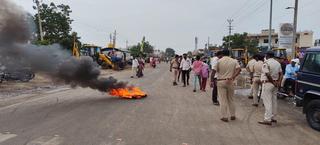
A major flashpoint erupted in Karnataka’s Belagavi district when protesting sugarcane farmers hurled stones and damaged vehicles on the Pune–Bengaluru National Highway in a dramatic bid to halt traffic. The agitation intensified as farmers, angered by the ongoing deadlock over Fair and Remunerative Price (FRP) payments, attempted to block movement on one of the region’s most critical transport corridors. Police presence was swiftly reinforced, yet tension continued to escalate as convoys of private vehicles and goods carriers found themselves trapped in the crossfire. The highway briefly resembled a conflict zone, reflecting deepening frustration among farmers who feel unheard and economically cornered.

The protest, which began as a peaceful assembly, escalated unexpectedly after repeated pleas went unanswered. Demonstrators demanded that sugar factories immediately release pending payments and announce a fair price in accordance with cost of cultivation. The crowd slowly swelled, with many farmers arriving in tractors and farm vehicles. Tempers flared as rumours spread that authorities had postponed dialogue, triggering anger among farmers who see delayed action as a tactic to weaken their struggle. Their discontent quickly turned aggressive, symbolizing wider agricultural anxiety stemming from inconsistent pricing structures and prolonged payment cycles.

The farmers’ actions disrupted traffic movement significantly, triggering long queues of stranded vehicles on the highway. Some motorists attempted to maneuver around damaged sections, while others abandoned their vehicles out of fear. Witnesses reported hearing loud bursts as stones shattered glass panes of cars and buses. Videos recorded by commuters showed chaotic scenes: dust clouds, angry sloganeering, and police trying to assert control. News of the blockage spread rapidly through nearby villages, bringing more supporters to the protest site. The demonstration, initially planned as symbolic, evolved into an emotionally explosive confrontation between the public, farmers, and state authorities.

Police attempted to negotiate with farmer groups, urging them to move to designated protest sites away from the highway. However, infuriated by what they said were repeated false assurances from both government representatives and mill owners, protesters refused to disperse. Several farmers accused factories of deliberately delaying FRP payments under the guise of market fluctuations. They said farmers were pushed into debt cycles while mills accumulated large profits. Though officials promised fresh talks, protesters rejected the claims, insisting that until a concrete price announcement was made, they would continue blocking the national highway.

The stone-pelting and vehicular damage underscored the level of desperation among cane farmers, who argue that without decisive government intervention, they face financial ruin. The violent turn of events triggered strong condemnation from commuters and civil groups, but farmers defended their actions. They insisted that disruptive protests were their only remaining tool to pressure authorities. Many recalled past meetings where promises were made and forgotten, leaving them burdened with loans. Their escalating tactics, they asserted, reflected not malice but sheer survival instinct. Despite police warnings, they stood their ground, insisting that their demands must be secured immediately.

Local business owners and transport associations criticised the highway blockade, citing significant economic losses due to halted transport movement. Perishable goods loaded in trucks began spoiling under the sun, adding further stress to logistics chains. Hotels and shops near the highway remained shut as precautionary measures. The protest ripple-effect extended to industrial zones, as factories reported delays in raw material arrivals. Airport-bound vehicles were also affected, causing anxiety among travellers. However, farmers argued that economic losses faced by businesses paled in comparison to the chronic exploitation they endured. They stated that their distress warranted national urgency and moral empathy.Sugarcane price protest: Farmers throw stones at vehicles on Pune-Bengaluru NH - The Hindu


DEEP ANGUISH FUELS GROWING RIFT BETWEEN FARMERS AND STATE

The protest reflects a widening divide between farmers and state machinery, rooted in mistrust and repeated delays in price settlements. Farmers feel excluded from critical decision-making processes, despite being central to sugar production. For years, they have demanded a transparent mechanism that ties crop prices to input costs and inflation. They also seek timely payments without excuse-based extensions from factories. While the government claims it has prioritised farmer welfare, protesters say these assurances rarely translate into ground-level improvement. Their extreme street action is therefore seen as a desperate attempt to force accountability into an indifferent system.

Many farmers lamented that their pleas for fair compensation have been ignored for decades. They argued that policymakers evaluate agriculture as an abstract economic sector rather than as the lived experience of rural livelihoods. According to them, the FRP system—while theoretically protective—is rendered ineffective when mills fail to honour deadlines. This produces a cascading effect: unpaid dues make farmers borrow more, while rising fertiliser, fuel, and labour costs compound problems. The protest became an emotional outlet where participants voiced anger, grief, and exhaustion. They emphasised that the struggle was not just financial—it was existential.

Elders present at the demonstration recounted how sugarcane once offered reliable income. However, they said that market unpredictability, administrative silence, and industrial dominance have eroded the crop’s stability. The presence of youth at the protest was especially notable. Many said they were witnessing farming being pushed into crisis, forcing younger generations to quit agriculture. In some families, land holdings have shrunk, while debt pressures increased. Young farmers declared they would not allow this decline to continue, promising that agitation would intensify unless pricing justice was delivered uniformly across Karnataka and neighbouring states.

Protesters repeatedly invoked emotional narratives of family hardship. Some spoke of children dropping out of school due to unaffordable fees, while others described elderly parents unable to access medical treatment because incomes were stalled. These stories, shared publicly at the protest site, triggered tears among participants. Many believed that only a public confrontation—strong enough to halt a national highway—could draw attention to their silent suffering. They said that while officials express sympathy during televised statements, the real measure of support comes from legally enforced guarantees that ensure timely and fair sugarcane pricing without negotiation roadblocks.

Authorities acknowledge that the situation demands immediate negotiation. Senior administrative officers visited the protest zone in an attempt to appease crowds. They urged farmers to allow movement on the highway, assuring them that talks with mill owners and the Chief Minister were underway. However, activists representing farmer unions insisted that verbal assurances were insufficient. They demanded written commitments guaranteeing price clarity and deadlines for payment release. They further demanded that agricultural inputs be subsidised proportionately to market fluctuations, and that price-defaulting factories be penalised heavily to deter future abuse.

Experts note that continued volatility in cane pricing threatens Karnataka’s agricultural backbone. Sugarcane occupies extensive acreage in the state, and lakhs of families depend on its steady returns. If the price structure remains unstable, farmers may shift to alternative—but less organised—crops, resulting in industrial imbalance. The Belagavi protest sends a message that grievances have reached an explosive threshold. Economists warn that if unresolved, the instability will trigger production gaps, erode processing consistency, and damage regional employment associated with mill operations. Thus, the protest is not merely about payments; it is about preserving an essential pillar of agrarian economy.

Sugarcane price protest: Farmers throw stones at vehicles on Pune-Bengaluru NH - The Hindu


SEARCH FOR SOLUTIONS GAINS URGENCY AS UNREST DEEPENS

As the protest spread, authorities began exploring temporary relief measures. Some government representatives proposed interim payments until final price decisions were made. However, farmers viewed these steps as half-hearted. They said real change required long-term structural reform: legally binding price formulas, stricter control on mill practices, and avenues for dispute redressal. Several farmer leaders demanded that the state copy mechanisms from countries where farmers are compensated fairly regardless of market volatility. They argue that if agriculture collapses under unsustainable structures, no industrial reform can compensate for rural devastation.

Technology-based aggregation models were also discussed. Some policymakers suggested digital platforms where farmers could track payment timelines, crop demand, and pricing benchmarks. While farmers welcomed the idea in principle, they argued that digital solutions must follow—not replace—policy reform. They emphasised that technological tools are only meaningful when accompanied by regulations that protect farmers first. Grassroots organisations present at the protest echoed this sentiment, arguing that reform must begin by rectifying power imbalances between small farmers and factory lobbies who control pricing narratives.

The Belagavi protest also reignited debate over the distribution of economic value within the sugar supply chain. Farmers argued that mills and private distributors gain the most profit, while growers shoulder production risk. This imbalance forces farmers to operate at margins too thin for survival. They demanded transparent cost reporting by mills to reveal profit margins. If mills cannot justify low procurement rates, farmers believe that intervention must be mandated. A few union representatives called for greater public sector participation to regulate sugarcane trade and reduce monopoly-driven exploitation.

Communal sentiment strengthened at the protest site, as villagers arrived with food and water for the demonstrators. Elderly women walked barefoot on hot asphalt, distributing buttermilk to tired farmers. The atmosphere mirrored a moral struggle rather than a political protest. Cultural songs and rhythmic slogans filled the air as farmers reminded each other of their shared sacrifices. Several participants said they were prepared to continue for as long as it took. One sentiment echoed repeatedly: “We have nothing left to lose.” This emotional resolve formed the backbone of the agitation’s persistence.

With pressure mounting, political parties began issuing statements. Many supported the farmers, while others accused rivals of mishandling price negotiations. Protesters, however, remained cautious. They said that political entities—regardless of affiliation—must show responsibility in resolving the crisis collectively. They reiterated that agriculture should not be held hostage to political rivalry. Leaders warned parties not to exploit the situation for election gain. A farmer leader said, “We need justice, not speeches. We want written guarantees, not campaign promises.” The insistence reflects a hardened political cynicism built over decades of broken commitments.

Despite the unrest, farmers maintained that their protest was not anti-people. They expressed regret over the damaged vehicles but said such outcomes were inevitable when authorities ignore peaceful pleas. They emphasised that the government should focus on preventing such escalations by developing transparent agricultural frameworks. Volunteers helped clear debris and distribute water to stranded travellers as a sign of goodwill. Several passersby acknowledged the farmers’ plight, stating that although the roadblock caused inconvenience, their struggle deserved national attention. This sentiment brought a surprising degree of solidarity amid tense confrontation.BJP leader B.Y. Vijayendra joins farmers demanding higher price for sugarcane in Karnataka - The Hindu

By late evening, tensions eased slightly as negotiations resumed. Still, protesters refused to disperse until written commitments materialised. Police continued surveillance to prevent further clashes, while commuters navigated diversions. For now, the highway remains a symbolic battlefield—one that represents not lawlessness but systemic distress. The incident demonstrates how agricultural unrest can spill into public infrastructure when socioeconomic tension reaches boiling point. As Karnataka races to de-escalate the crisis, all eyes remain on upcoming negotiations that will determine whether healing or further conflict awaits the rural communities who fuel the state’s economy.

Follow: Karnataka Government

Also read: Home | Channel 6 Network – Latest News, Breaking Updates: Politics, Business, Tech & More

Buldak Noodle Warning in California Sparks Global Concern, The Hidden Truth Behind the Label

Buldak Noodle Label Raises Health Concerns Across the World

Buldak noodle, one of South Korea’s most popular instant ramen brands, has recently sparked attention after a chilling health warning appeared on packages sold in California. The warning, which complies with the state’s strict safety regulations, alerts consumers that the product may contain substances that could pose health risks including those that might affect the reproductive system.Buldak Noodle

While this notice was issued under California’s Proposition 65, which mandates businesses to inform consumers of potential exposure to harmful chemicals, the discovery has left many global fans alarmed. What makes this more concerning is that the Buldak noodle recipe remains the same across all countries only the packaging and labeling differ. This revelation has raised questions about how much consumers truly know about what’s in their favorite spicy noodles.

The Samyang Food company, the manufacturer behind Buldak, has not altered the ingredients for the American market, meaning the same product millions enjoy worldwide may technically contain elements considered unsafe under certain U.S. regulations.

Understanding the Buldak Noodle Controversy

The Buldak noodle warning has quickly gone viral on social media, as fans expressed shock over seeing a caution label on a product known more for its extreme spice challenge than potential health risks. The California warning label does not mean the noodles are banned or unsafe to eat; rather, it reflects the state’s particularly cautious approach to public health.Ramen Lovers In Disbelief As Packet Carries Cancer Warning | WATCH | Viral News - News18

Proposition 65, introduced in 1986, requires businesses to disclose any presence of chemicals known to cause cancer, birth defects, or reproductive harm. These substances can sometimes appear in trace amounts due to manufacturing or packaging processes, even if they are within limits approved by global food standards.

Experts suggest that the warning may stem from specific flavoring compounds, preservatives, or even packaging materials that, under California’s standards, must be disclosed. However, this does not imply that consuming Buldak noodle poses immediate danger to health. Still, for many loyal customers, the news has prompted a closer look at the ingredients list something often overlooked when convenience and flavor take priority.

The manufacturer, Samyang, has built a global empire around Buldak, with its signature “Hot Chicken Flavor” noodles becoming a cultural phenomenon among spice lovers. The product line includes flavors like Carbonara, 2x Spicy, and Cheese, all maintaining the same fiery base sauce. Given its worldwide distribution, the discovery of a warning label in one region has naturally fueled public curiosity and anxiety.Ramen lovers shocked after video of packet with cancer warning goes viral | WATCH | Trending News – India TV

Why the Same Buldak Noodle Recipe Matters Worldwide

What makes this situation more noteworthy is that Buldak noodle has not been reformulated for different markets. The same recipe enjoyed by consumers in Asia, Europe, and the Middle East is used for products sold in the United States. The only difference lies in the packaging, where California’s regulations require visible health warnings. Also Read: JK December 12: India Awaits the Grand ‘Golden: The Moments’ Exhibition Celebrating Jung Kook’s Legacy

This means that fans across the world are eating the exact same noodles even if the labels look different. For some, this has raised concerns about whether other countries should adopt similar transparency measures. For others, it’s a reminder of how local food laws vary from one nation to another.Ramen lovers shocked as viral video reveals 'cancer and reproductive harm' warning on packaging | Trending News - The Indian Express

Despite the controversy, the brand continues to dominate instant noodle shelves globally. Many nutrition experts emphasize moderation rather than avoidance, noting that processed foods like instant noodles should be an occasional treat rather than a daily habit.


View this post on Instagram


A post shared by TEXT | MESSAGES | MAIL (@laughmail)

Conclusion

The Buldak noodle warning in California serves as a reminder of how regional laws and consumer protection policies can differ, even for globally popular products. While the presence of the label does not necessarily indicate immediate danger, it encourages more awareness about what goes into the foods we love.

As discussions continue online, one thing remains clear — the world’s obsession with spicy noodles isn’t slowing down. But this latest incident has certainly added a new layer of thought the next time someone reaches for a pack of Buldak noodle and prepares to take on its fiery challenge.

Zootropolis 2 Brings Back the Magic After 9 Years, Here’s What to Expect This November

0

Zootropolis 2 Set to Hit Theatres on November 26 with New Surprises

Zootropolis 2 is finally making its grand return to the big screen after nearly a decade, and fans across the world couldn’t be more thrilled. The sequel to Disney’s much-loved animated hit Zootropolis (also known as Zootopia in some regions) is all set to release on November 26, marking the comeback of everyone’s favorite duo Judy Hopps and Nick Wilde.Disney’s Zootopia 2 | Final Trailer | In Cinemas November 26, 2025

The original Zootropolis captured hearts back in 2016 with its brilliant mix of humor, social commentary, and a heartfelt message about diversity and dreams. Now, Zootropolis 2 promises to take that same charm to new heights with an even more vibrant world, a deeper storyline, and some exciting new characters joining the adventure.

Disney’s animation studios have reportedly spent years refining the sequel’s storyline, ensuring it maintains the spirit of the original while expanding on its universe. According to early insiders, the upcoming film will continue to explore the challenges of life in the animal metropolis but with a more emotional tone and new twists that will surprise audiences both young and old.

Zootropolis 2 to Explore a Deeper Side of the City and Its HeroesZootopia 2' Trailer Teases Quinta Brunson Quokka

One of the most exciting aspects of Zootropolis 2 is how it will further develop the relationship between Officer Judy Hopps and con artist-turned-cop Nick Wilde. Their dynamic was the heart of the first movie, and this time, fans can expect to see more depth, humor, and warmth in their bond.

Reports suggest that the sequel might dive into larger themes like trust, identity, and courage, giving viewers a story that balances fun and meaning something Disney does best. While details about the new villain or supporting characters are being kept under wraps, hints suggest a more complex storyline involving both mystery and emotional growth.

Visually, Zootropolis 2 is expected to push the boundaries of animation once again. The creators have used advanced techniques to make the city look more detailed and lifelike, capturing the bustling energy of every corner from the icy Tundratown to the sunny Sahara Square.Zootropolis 2

Fans who have been waiting for years to revisit the world of Zootropolis are also looking forward to its iconic soundtrack. The first film’s hit song “Try Everything,” performed by Shakira as the character Gazelle, became an instant classic. There are strong rumors that Gazelle might make a return, possibly with a new song that captures the essence of this sequel. Also Read: JK December 12: India Awaits the Grand ‘Golden: The Moments’ Exhibition Celebrating Jung Kook’s Legacy

Why Zootropolis 2 Feels More Than Just a Sequel

What makes Zootropolis 2 special is that it doesn’t just aim to repeat the success of the first movie. It seeks to evolve to show how both the characters and their world have grown over time. The story reportedly highlights how Judy and Nick continue to navigate their responsibilities in a city that’s still learning to balance harmony and difference.Zootopia 2 trailer shows Hopps and Wilde chasing down a snake

Disney’s choice to release the movie in late November is no coincidence it’s the perfect time for families to return to cinemas and celebrate the warmth of storytelling. The anticipation surrounding the film has already begun building, with fans sharing their excitement across social media and revisiting the original movie in preparation.


View this post on Instagram


A post shared by Disney Italia (@disneyit)

Conclusion

With its release just around the corner, Zootropolis 2 is shaping up to be one of Disney’s most anticipated animated films of the decade. The sequel brings together nostalgia, adventure, and emotional storytelling in a way that’s sure to resonate with audiences of all ages. As the countdown to November 26 begins, one thing is certain the city of animals is ready to welcome us back, and this time, the story promises to be even more heartwarming and unforgettable.

Camp Elephant Runs Amok in Gundlupet Town: 7 Shocking Moments of Chaos

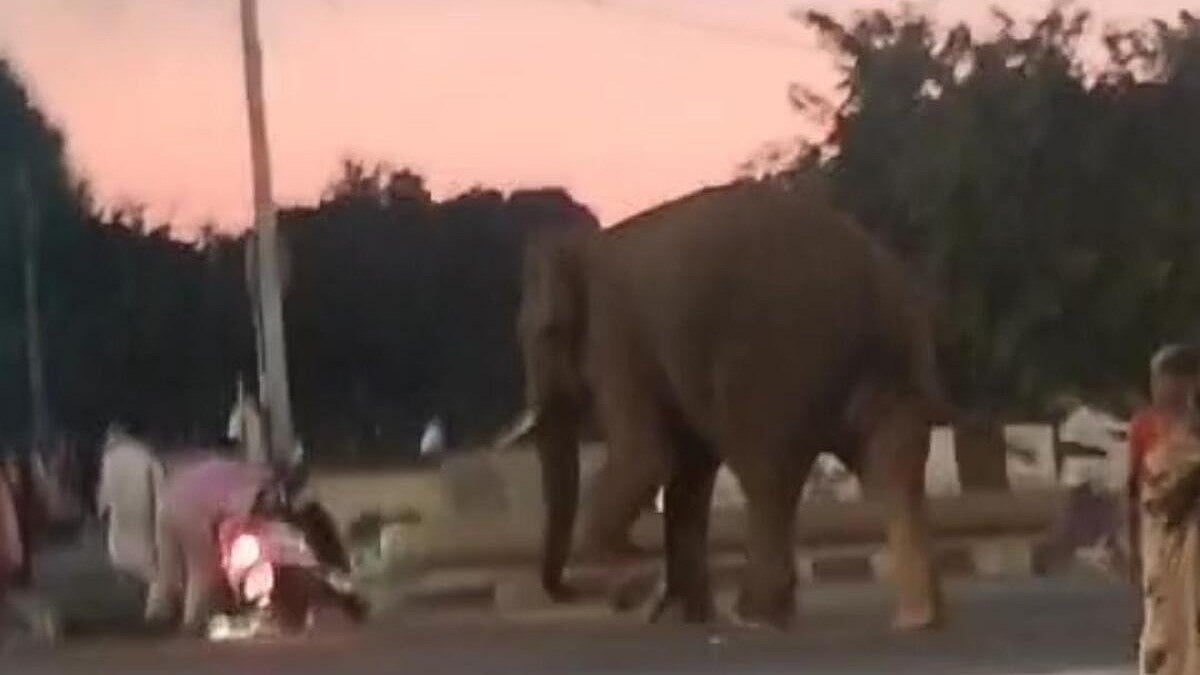
A startling episode unfolded in Karnataka’s Gundlupet town when a camp elephant broke free from its handlers and ran through nearby residential and commercial areas, triggering chaos, fear, and large-scale disruption. The unexpected incident, which witnesses described as both terrifying and heartbreaking, sent townspeople scrambling for safety as the animal charged through narrow lanes, damaging vehicles, shopfronts, and property before authorities managed to contain the situation. Forest officials, who were rushed in, said the elephant’s sudden behaviour may have been triggered by stress, insecurity, or external disturbance. The event has sparked debate on captive elephant care, training systems, and public safety preparedness.

Residents recounted moments of confusion as the elephant emerged from a peripheral road and began running erratically. Families sought refuge inside their homes as business owners hurriedly secured shutters. Several autos, bikes, and carts were overturned in the sudden frenzy. Early reports revealed that while a few individuals sustained minor injuries during the chaotic retreat, there were no confirmed casualties. The incident lasted for nearly an hour, prompting multiple agencies—including forest personnel, trained mahouts, and police—to coordinate in managing the situation, restoring order, and preventing further damage. Authorities acknowledged that the response posed significant challenges due to the density of the locality and the animal’s unpredictable movement.

The elephant, according to officials, had been part of a forest camp programme and was accustomed to human proximity. However, it reportedly became aggressive and unresponsive when separated from its handlers. Experts note that captive elephants may exhibit sudden behavioural shifts due to loud noises, unfamiliar spaces, dehydration, or health issues. As the animal sprinted into town, reports say that its handlers attempted repeatedly to calm it with verbal cues and familiar signals but struggled due to surrounding noise and public panic. Only after reinforcement arrived were they able to guide the elephant toward an open zone where sedatives could be safely administered.

The swift mobilisation of forest officials and police force helped contain the situation before widespread damage unfolded. Officers established a perimeter and temporarily halted vehicular movement in Gundlupet to isolate the path of the elephant and prevent stampedes. Mahouts brought equipment and feed in an attempt to lure the animal to a quieter area. The forest department later transported the elephant under supervision for medical inspection. Officials stated that the animal showed signs of stress but appeared physically stable. Authorities are now studying possible triggers, including dietary issues or environmental changes within the camp.Camp Elephant Runs Amok in Gundlupet After Bee Attack, Triggers Panic

The emotional weight of the event lingered long after calm was restored. Sensitive responses emerged across social groups as many residents expressed empathy for the elephant, stating that fear-driven behaviour was likely a survival response. Animal welfare advocates contend that such incidents highlight systemic pressure faced by camp elephants, whose compromised autonomy may lead to emotional distress. They argue that aggression is not inherent but triggered by unnatural environments. Residents who witnessed the incident also reflected that the animal appeared frantic more than violent, suggesting that the episode was rooted in panic rather than intentional harm.


BEHAVIOUR, WELFARE, AND RESPONSIBILITY

Experts say incidents like the Gundlupet chaos reveal deeper tensions between tradition, conservation, and animal welfare. Karnataka hosts numerous forest camps that train elephants for eco-tourism, rescue operations, and festival duties. While mahouts share intimate bonds with their animals, activists assert that changing social and ecological conditions complicate care. New noises, increased human population, vehicular traffic, and urban expansion near wildlife corridors could overwhelm elephants accustomed to quieter camp environments. Sudden journeys, unfamiliar routines, or lack of proper mental stimulation may intensify instability.

Veterinarians examining the situation emphasised that stress is frequently underestimated in elephant management. Elephants display immense memory and emotional sensitivity, and sudden behavioural changes may signal distress, illness, or trauma. Medical teams will assess the Gundlupet elephant for infection, dental issues, and dehydration—common triggers for agitation. Wildlife researchers urge regular psychological analysis of camp elephants to ensure that emotional welfare is prioritised alongside physical needs. They warn that repeated exposure to stressful episodes can lead to long-term behavioural disorders.

Locals believe the elephant may have reacted to noise from a construction site on the outskirts of town. The rapid growth of Gundlupet has led to expansion projects near forest-adjacent villages. Residents argue that boundaries between wildlife spaces and human settlements have blurred, creating overlapping zones of stress. Forest officials acknowledged that urbanisation has complicated human-wildlife interactions, even with camp animals. They note that elephants have complex sensory systems that can be deeply affected by vibrations, machinery, and unregulated movement.

Mahouts involved in the containment process described the elephant’s initial refusal to heed commands. One handler shared that the animal seemed distracted and uncharacteristically reactive, repeatedly turning back toward the town instead of returning to the forest road. Senior officials are reportedly reviewing safety requirements for camp movement. Some experts propose designated transit corridors to ensure that elephants are not forced into congested areas. They argue that proper planning could reduce exposure to triggering environments and prevent future incidents.

Cultural history often frames elephants as symbols of wisdom, endurance, and divine connection. Karnataka’s forest camps have contributed significantly to their protection and rehabilitation. Yet, many believe that evolving urban landscapes demand more nuanced strategies. The Gundlupet incident has reignited discussions on whether traditional management systems can keep pace with changing realities. Several wildlife experts argue for more open, nature-based enclosures rather than camp structures. They believe that improving autonomy and allowing more spatial freedom may mitigate behavioural volatility.

The Forest Department has initiated an internal review to examine standard protocols for monitoring camp elephants. Officials said they may mandate periodic behavioural documentation, updated movement procedures, and better mental-stimulation regimens. With increased public scrutiny, the department is expected to expedite training for mahouts and support staff. Civil society groups are calling for transparent reporting on elephant welfare, citing that early intervention can prevent violent outbursts. Some activists suggest structured rest cycles and environmental enrichment activities as necessary reforms.EXPLAINED: Reasons behind rising elephant death toll in Karnataka's Sakrebailu camp

Local business owners affected by the incident are reportedly meeting with district administrators to request compensation. Many suffered property damage including broken doors, shattered display glass, overturned carts, and trampled goods. While authorities have promised an evaluation, some shopkeepers worry that compensation will be delayed. They emphasise that events like these bring significant emotional and financial setbacks, especially to small vendors. Despite grievances, many expressed sympathy for the elephant, asserting that the issue is rooted more in systemic lapse than malice.


LEARNING FROM CRISIS, CHARTING SAFER FUTURES

In the aftermath, town officials convened a meeting to discuss emergency response coordination. Residents recommended more robust alert systems so that individuals can quickly move to safe areas during wildlife emergencies. Community groups proposed workshops to enhance awareness on how to behave when elephants appear in public spaces. They stressed that panicked crowds escalate danger for both animals and people. Clear guidance could prevent accidental confrontation or self-injury during such events.

Wildlife experts underscore that camp elephants are often caught between conservation narratives and spectacle. Many assist in rescue missions or cultural festivals, yet their routines are dictated by human demands. The combination of physical labour, transportation, and crowded engagements may compound stressors. As Karnataka reconsiders its wildlife management approach, some propose shifting elephants held for cultural reasons into sanctuary-style zones. These spaces could offer protection without imposing human performance expectations.

Historically, Karnataka has recorded several elephant-related incidents in semi-urban belts. While wild elephant incursions are more common, the Gundlupet episode stands out because of the animal’s camp origin. Analysts say this should prompt a reassessment of captive elephant vulnerability, especially as camp operating conditions evolve. If the line between forest and town blurs further, camp elephants may be exposed to unpredictable triggers—noise pollution, traffic, crowds—that exceed their acclimation capacity.

Mahouts remain central to elephant well-being. Their daily interactions help regulate behaviour and identify early signs of distress. Experts argue that empowering mahouts with better training, healthcare support, and welfare protections is crucial. Many mahouts work under physically demanding and financially limited conditions, reducing their ability to provide consistent care. Institutions are being encouraged to expand training to include psychological assessment, environmental enrichment, crisis management, and updated veterinary practices.

Forest officers point out that humane sedation protocols proved critical during containment. Their ability to administer calming agents helped restore order, but experts caution that sedation should remain a last resort. Overuse can harm elephants physically and emotionally. Specialists recommend combining preventive care, emotional monitoring, and controlled environments to reduce reliance on tranquilising responses. Ensuring that elephants have restful zones and behavioural autonomy are also seen as central to long-term stability.

Residents, though alarmed, expressed admiration for the coordinated efforts of authorities. Many acknowledged that forest personnel worked under intense pressure amid a dynamic, unpredictable scenario. Their ability to prevent major casualties demonstrated preparedness, yet officials agree that response frameworks should continue evolving. Proposals include equipping more towns with rapid-response wildlife units and improving transport for mahouts. Such steps could reduce time delays and minimise damage in similar situations.

Community emotional responses ranged widely—from fear to empathy. Witnesses described the incident as a humbling reminder of wildlife vulnerability in human-dominated spaces. For many, the elephant was not a villain but a distressed being, struggling amid circumstances beyond its control. These narratives highlight a public willingness to understand rather than judge. Policymakers see this sentiment as an opportunity to strengthen humane conservation.THEPPAKADU ELEPHANT CAMP (2025) All You Need to Know BEFORE You Go (with Photos) - Tripadvisor

Veterinarians emphasise that the next few weeks are vital for the elephant’s recovery. They will monitor physical health, hydration, appetite, and behavioural stability. Elephants may exhibit delayed anxiety symptoms after traumatic events, requiring attentive care. If necessary, counsellors skilled in animal behaviour may be consulted to support reintegration. Experts recommend gradual reintroduction to familiar routines rather than forcing immediate duties.

The incident has catalysed conversation about designing urban peripheries with wildlife sensitivity. Development projects near forested spaces require careful planning to minimise disturbance. Experts propose green buffers, noise-control measures, and zoning guidelines as part of preventive frameworks. These steps, they say, could foster coexistence even in complex environments.

In schools and community centres, educators are designing awareness activities inspired by the event. They hope to cultivate understanding of wildlife behaviour at an early age. Lessons emphasise respecting animal autonomy and recognising distress cues. This educational approach could shape a future generation that coexists more responsibly with wildlife.


CONCLUSION

The episode of a camp elephant running amok in Gundlupet town was a powerful reminder of the fragile balance between humans and wildlife. Although panic dominated the immediate scene, compassion, reflection, and coordinated action defined the aftermath. As the town rebuilds and the elephant heals, the emotional and ethical lessons linger: that distress is often misread as aggression; that animals require environments aligned with their natural instincts; and that human expansion must be tempered with empathy. The event has sparked renewed calls for modernised welfare standards, stronger emergency protocols, and deeper community engagement. Ultimately, Gundlupet’s shock may serve as a catalyst to reimagine coexistence with dignity and care.

Follow: Karnataka Government

Also read: Home | Channel 6 Network – Latest News, Breaking Updates: Politics, Business, Tech & More

Min Yoongi’s 6 Billion Won Act of Kindness Proves Why He’s a True Inspiration

Min Yoongi Extends His Generosity with ₩1 Billion Donation to Children’s Hospital

Min Yoongi, known worldwide as SUGA from BTS, has once again proven that his heart is as powerful as his music. The artist recently donated an additional ₩1 billion KRW to Severance Children’s Hospital in Seoul, further strengthening his reputation as one of South Korea’s most generous and compassionate public figures.BTS' Suga donates 5 billion won to build autism centre for children, scripts history with music-led therapy programme | Mint

Earlier this year, Min Yoongi made headlines for his ₩5 billion KRW contribution to the same hospital. That donation was used to establish the “Min Yoongi Treatment Center,” a specialized facility for children and adolescents living with autism spectrum disorder (ASD). His latest contribution now brings his total donation to ₩6 billion KRW a gesture that reflects his deep commitment to making a difference in children’s healthcare.

Min Yoongi’s Legacy of Compassion and Hope

The newly added ₩1 billion KRW donation has earned Min Yoongi a place on the hospital’s Donation Board, honoring his continuous efforts to support medical advancements for young patients. Hospital representatives expressed their heartfelt gratitude, noting how his kindness has inspired others to participate in similar charitable initiatives.BTS' Min Yoongi aka SUGA makes 'biggest donation ever' of five billion won; Indian fans join ...

Min Yoongi’s journey with philanthropy isn’t new. Throughout his career, he has quietly extended support to various causes  from child welfare to disaster relief and mental health initiatives. Unlike many, he prefers his actions to speak louder than words, consistently showing that success holds true meaning only when shared with those in need.


View this post on Instagram


A post shared by Koreanophiles (@koreanophiles)

Fans around the world, known as ARMY, have followed his example, initiating donation drives and charity events in his name. Many have praised Min Yoongi not just as an artist but as a role model who embodies empathy, humility, and generosity.

Beyond Music – A True Reflection of Humanity

Min Yoongi’s approach to giving back highlights his grounded personality. Despite being a global star, he has often spoken about the importance of using his influence for the greater good. His thoughtful gestures whether through music that heals or donations that save lives continue to inspire countless individuals across generations.BTS' Suga donates 5 bn won to autism hospital for establishing Min Yoongi Center, largest single donation by K-pop idol | Hindustan Times

What makes this moment more special is that his contributions go far beyond the numbers. Each act of kindness represents his genuine concern for the well-being of others, especially vulnerable children who need access to quality treatment and care. Also Read: JK December 12: India Awaits the Grand ‘Golden: The Moments’ Exhibition Celebrating Jung Kook’s Legacy

Conclusion

Min Yoongi’s ₩6 billion KRW donations stand as a testament to his compassionate nature and unwavering sense of social responsibility. While his music connects people emotionally, his generosity connects them through hope and humanity. In a world that often celebrates fame, Min Yoongi reminds everyone that true greatness lies in giving.

The Good Doctor Actor Freddie Highmore Welcomes His First Child: 5 Heartwarming Details About His New Family Life

The Good Doctor Actor Freddie Highmore Secretly Becomes a Father

The Good Doctor actor Freddie Highmore, 33, has quietly entered a new chapter of life fatherhood. The British star, admired for his roles in Charlie and the Chocolate Factory and The Good Doctor, was seen enjoying a peaceful autumn stroll in London with his wife, Klarissa Munz, and their newborn baby.The Good Doctor Actor

The couple, known for keeping their relationship out of the spotlight, appeared joyful and relaxed as they walked together. Highmore was seen gently holding his baby close to his chest, often caressing the child’s head and body with evident affection. The images mark the first public confirmation that the actor has become a father.

The Good Doctor Actor Freddie Highmore’s Private Life and Rare Glimpse into Fatherhood

Freddie Highmore is famously private when it comes to his personal life. While he confirmed his marriage to Klarissa Munz back in 2021 during a TV appearance, he has rarely spoken about his family since. Klarissa, a screenwriter, has largely remained out of public attention, aligning with Highmore’s preference for privacy.Highmore_Daily | First photos! The actor has secretly become a father. First baby for Freddie Highmore and his wife Klarissa Munz, seen on an autumn stroll... | Instagram

In the new photos, the couple were also seen viewing houses, sparking speculation that they might be looking for a family home in London. The serene atmosphere of their walk, accompanied by laughter and soft smiles, gave fans a rare glimpse into the actor’s off-screen happiness.

Despite his fame, The Good Doctor actor has always maintained a grounded lifestyle. He once mentioned in an interview that he wanted to keep his life separate from his work a promise he seems to have kept even during this major life event. The exact birth date and name of the baby have not been revealed, respecting the family’s wish for privacy.

The Good Doctor Actor Freddie Highmore’s Journey from Child Star to Family Man

Highmore’s journey in the entertainment industry began at a young age, and over the years, he has successfully transitioned from a child prodigy to a respected actor and producer. Best known for his portrayal of Dr. Shaun Murphy in The Good Doctor, he has earned widespread admiration for his sensitive and authentic performances.The Good Doctor returns with its sixth season and we catch up with protagonist, Freddie Highmore, to

His decision to keep his personal milestones private reflects his humble nature and respect for normalcy despite being in the spotlight. Fans around the world have praised his ability to maintain balance between fame and personal happiness, a rare quality in Hollywood.

This new chapter as a father marks yet another evolution in The Good Doctor actor’s life, symbolizing growth not just in his career but also in his personal journey. Also Read: JK December 12: India Awaits the Grand ‘Golden: The Moments’ Exhibition Celebrating Jung Kook’s Legacy

The Good Doctor Actor’s Fans React with Love and Warm Wishes

As soon as news of Highmore’s quiet family moment surfaced online, fans flooded social media with congratulatory messages. Admirers from around the world shared their love, highlighting how happy they were to see their favorite actor embracing parenthood.Shaun's a Dad: THE GOOD DOCTOR Season 6 Finale

Many commented on how the actor’s caring and empathetic screen roles mirror his real-life warmth and humility. The moment feels especially touching for fans who have followed his career from childhood witnessing the beloved actor now step into fatherhood feels like watching a full circle of life unfold.


View this post on Instagram


A post shared by Highmore_Daily (@highmore_daily)

Conclusion

The Good Doctor actor Freddie Highmore’s quiet entry into fatherhood is a beautiful reminder that the most meaningful moments often happen away from the cameras. His gentle presence with his wife Klarissa Munz and their baby reflects the calm, sincere personality that fans have admired for years. As he continues to captivate audiences on-screen, his latest role that of a devoted father might just be his most heartwarming one yet.

Stray Kids Lee Know Donates 200 Million Won: 5 Heartwarming Facts About His Birthday Charity Gift

Stray Kids Member Lee Know Spreads Love Through His Birthday Donation

Stray Kids member Lee Know marked his 27th birthday with a meaningful act of generosity that touched fans and the public alike. The idol donated a total of 200 million won, dividing the amount equally between two causes 100 million won to the Samsung Medical Center to support patients in financial need, and 100 million won to the cat rescue organization “Nabiya, Saranghae”, which focuses on helping stray and abandoned cats.Stray Kids' Lee Know Makes Heartfelt Donation On His Birthday | Soompi

Lee Know’s compassionate move reflected both his love for people and his well-known affection for animals. He personally expressed gratitude to STAY, the Stray Kids fandom, for inspiring and supporting him in this charitable act. “I hope this donation provides even a little comfort and strength to those who need it most,” he shared in a heartfelt message.

Stray Kids Idol Known for His Quiet but Consistent Kindness

Though known for his powerful stage performances and sharp dance skills, Stray Kids’ Lee Know has always shown a soft, caring side offstage. This isn’t the first time he’s participated in charity work he has previously donated to animal welfare organizations and taken part in various campaigns supporting underprivileged communities.Stray Kids' Lee Know makes a heartfelt donation on his birthday

Fans often praise Lee Know for balancing his global stardom with genuine empathy. His choice to donate to both medical patients and stray cats reflects his balanced personality compassionate toward both humans and animals. It also highlights a growing trend among K-pop idols, who are increasingly using their fame to drive social impact.

Lee Know’s bond with his fans, STAY, remains central to his motivation. Each year, his fandom celebrates his birthday by organizing donation drives, tree-planting campaigns, and social welfare initiatives a reflection of the kindness he inspires.

Stray Kids Star Lee Know’s Love for Cats and His Meaningful Gesture

Animal lovers know that Lee Know, whose real name is Lee Minho, has always had a special love for cats. He has three cats of his own Sooni, Doongi, and Dori and often shares how much they mean to him. His donation to “Nabiya, Saranghae,” a well-known animal welfare organization, reflects this deep connection.Lee Know Birthday Donation | TikTok

The group helps in rescuing, sheltering, and finding homes for abandoned cats across South Korea. By donating to this cause, Stray Kids member Lee Know once again showed that his compassion extends beyond fame. Fans noted that this act of kindness perfectly aligns with his personality someone who quietly gives without seeking recognition.

Stray Kids Continue to Inspire Fans Through Acts of Generosity

Lee Know’s donation adds to Stray Kids’ growing legacy of positive influence. The group as a whole has been known for promoting meaningful causes, including environmental awareness, mental health, and community welfare. Other members have also engaged in similar acts, proving that the group’s success is built not only on talent but also on empathy and responsibility.


View this post on Instagram


A post shared by Koreanophiles (@koreanophiles)

Their connection with STAY goes beyond music it’s a bond built on shared values of kindness, respect, and compassion. Lee Know’s birthday donation is another reminder of how celebrities can lead with heart and inspire millions worldwide to give back to society. Also Read: JK December 12: India Awaits the Grand ‘Golden: The Moments’ Exhibition Celebrating Jung Kook’s Legacy

Conclusion

Stray Kids’ Lee Know has once again proven that true greatness lies in kindness. His 200 million won donation, made in honor of his 27th birthday, reflects his deep compassion for both people and animals. As fans continue to celebrate this gesture, Lee Know stands as a shining example of how fame can be used to spread goodness one thoughtful act at a time.