Saturday, May 16, 2026
Home Blog Page 348

A Moving Look at How ‘Blue Futures’ Reimagines Indigo at Hampi Art Labs: 10 Inspiring Echoes

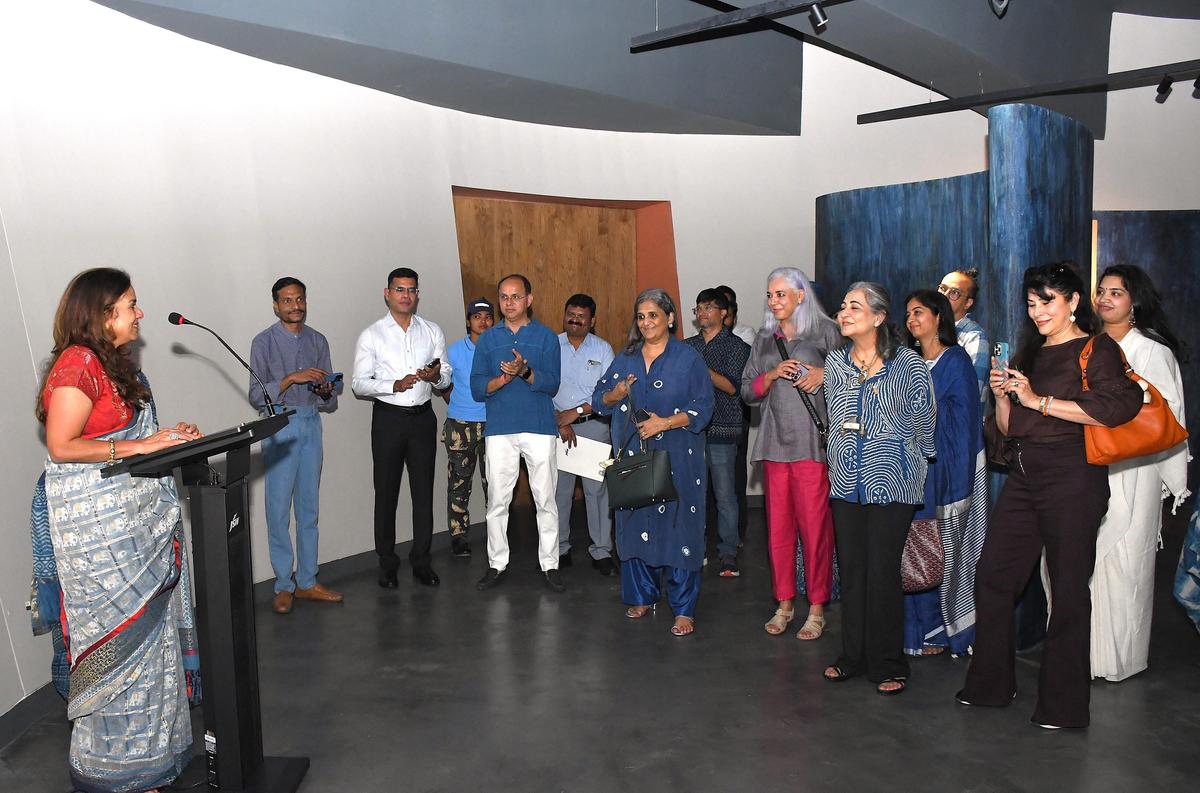
The Blue Futures exhibition at Hampi Art Labs arrives as a stirring tribute to India’s historic relationship with indigo — a colour born from soil, revolution, memory, and trade. The exhibition serves as a bridge between the emotional past and uncertain future, blending traditional dyeing arts with contemporary interpretations. Artists, archivists, and textile historians converge to explore indigo’s multi-layered influence on India’s cultural DNA. Set in the quiet, heritage-rich environment of Hampi, the initiative offers audiences both a nostalgic reflection and a bold reimagining of how indigo exists within modern identities and global sustainability conversations.

Visitors stepping into the gallery encounter indigo not merely as a shade but as a metaphor — for struggle, pride, pain, and resurrection. The curation begins with an immersive exploration of indigo’s historical weight: its arrival through ancient trade, its weaponisation during colonial rule, and its place in political memory. This immediate narrative contextualises the dye as an emotional thread between artisans of the past and designers reinventing it today. The exhibition unfolds chronologically, yet the transitions between eras are fluid, demonstrating how culture adapts without abandoning its roots.

The venue invites viewers to consider the darker corners of indigo history — farmers coerced during the colonial period, communities who bore the economic burden of monoculture, and activists who transformed dye production from exploitation to empowerment. Through installations, projections, and archival materials, this chapter underscores that indigo is not just a colour; it is a witness to human resilience. At the same time, the narrative expands to include the revival of ethical dye practices and how sustainability movements are bringing dignity back to traditional craft.

One of the central motifs of Blue Futures is the idea that craft sometimes outlives memory. As techniques pass from generation to generation, each layer is altered, hidden, or reinterpreted. Pieces by contemporary artists showcase indigo as an experimental tool: splashed in abstract forms, folded into sculptural fabric, or encoded with data-driven commentary. These installations highlight that indigo’s survival is tied not only to heritage but to its ability to reinvent within shifting creative philosophies. The works present an emotional duality — grief for disappearing knowledge and hope for renewed appreciation.

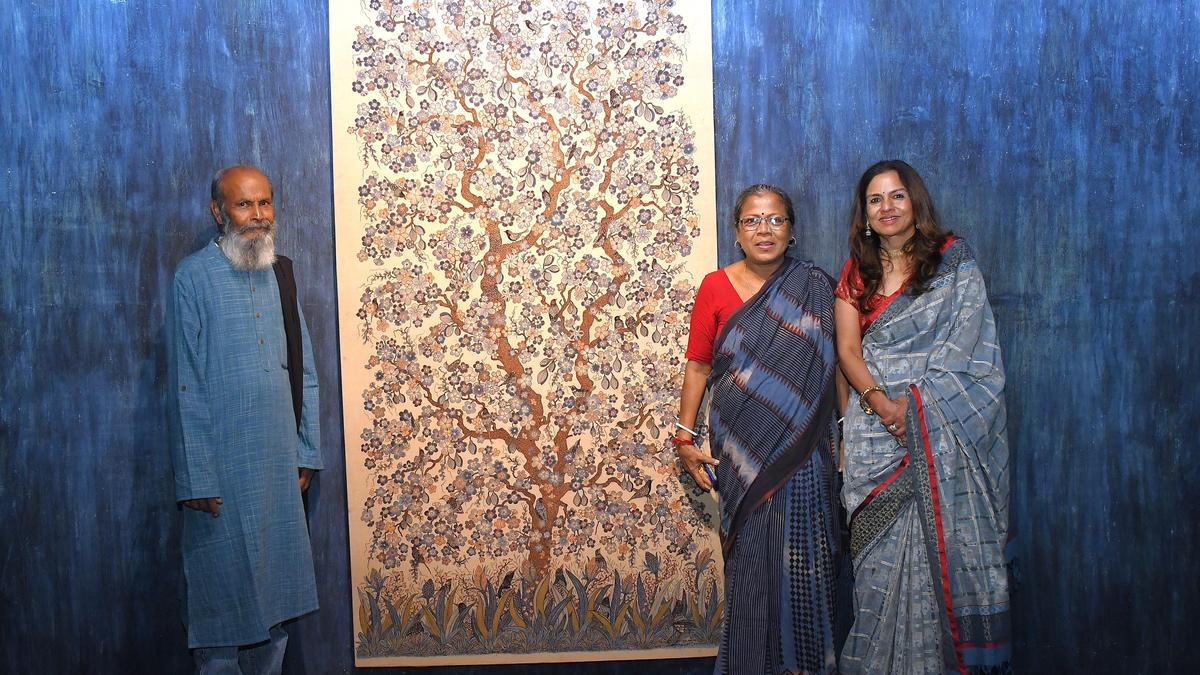
Audiences find themselves surrounded by textures: hand-woven cloth, natural fibres soaked in precise gradations of blue, prints echoing river currents, and panels layered with botanical motifs. These tactile elements bring indigo’s intimate character to the forefront. Many of the showcased materials come from regions where natural dyeing remains a livelihood. Profiles of the artisans accompany their works, narrating personal histories of perseverance, evolving skill sets, and the challenges of competing with synthetic industries. Their stories emphasise that preserving indigo means preserving people.Blue Futures exhibition at Hampi Art Labs reimagines legacy of indigo - The  Hindu

A CONTEMPORARY DIALOGUE WITH AN ANCIENT PIGMENT

The heart of Blue Futures lies in the dialogue it fosters between past and present. The curators have intentionally paired historical representations with modern artworks, creating a layered narrative that mimics the process of dyeing itself: repeated immersion leading to deeper tone. Visitors are encouraged to reflect on how colour accumulates meaning over time. This approach positions indigo as both a cultural relic and a living medium, still capable of influencing aesthetics, activism, and environmental studies.

The exhibition further challenges audiences to rethink how natural resources are valued. A series of installations highlights the environmental implications of chemical dyes and global textile waste. In contrast, artists working with traditional indigo demonstrate how regenerative cultivation and ethical dyeing reduce ecological strain. Their practices also sustain vulnerable craft ecosystems. These works urge viewers to appreciate heritage not merely as nostalgia but as a blueprint for sustainable futures, where innovation and nature can coexist.

One particularly striking piece draws from agricultural mapping, where shades of blue chart the migration of dye cultivators. The installation illustrates how indigo farmers adapt to climate shift, land scarcity, and trade volatility. It serves as a sobering reminder that cultural heritage exists within fragile ecological landscapes. The artist’s use of data-driven storytelling broadens the conversation beyond aesthetics, posing urgent questions about the future of agricultural communities dependent on plant-based dye production.

Another vivid exhibit transforms indigo vats into interactive sculptures — a metaphor for transformation both material and emotional. Visitors are invited to observe the dyeing process, witnessing how cloth enters green, then oxidises into blue as it meets the air. The experience evokes a meditative rhythm, drawing parallels to personal and cultural rebirth. This hands-on interaction deepens the learning experience, reminding viewers that indigo is not passive; it is a colour that reacts, evolves, and binds observer to maker.

The curators frame indigo as a global connector. Trade routes once carried it from India to Europe and Africa, embedding it into various textile traditions. The exhibition showcases African resist-dye techniques, Japanese shibori practices, and European blue-printed fabrics. This cross-continental presence expands the narrative, demonstrating how indigo transcends borders, becoming an aesthetic and economic symbol across civilisations. These global expressions emphasise shared histories while celebrating diversity of technique.

Blue Futures also takes a philosophical turn, discussing why certain colours resonate emotionally. Through studies and interviews, the exhibition suggests that blue carries a universal sense of calm, longing, and introspection. Indigo deepens this emotional palette. It is presented as a “thinking colour,” one that invites contemplation. This affective perspective encourages audiences to reconsider their relationship with colour as more than visual experience — as a psychological encounter woven into memory.

Another powerful set of artworks explores themes of gender and labour within indigo production. Women dyers, often uncredited in historical records, are celebrated here. Their contributions are documented through photographs, oral histories, and textile samples. These stories reshape the centre of indigo history, placing female craftsmanship at the heart of cultural preservation. Their narrative voices provide emotional dimension, honouring resilience, innovation, and the intimate knowledge passed through families.Blue Futures exhibition at Hampi Art Labs reimagines legacy of indigo - The  Hindu

RENEGOTIATING HERITAGE, COMMUNITY, AND FUTURE PRACTICE

A major segment of the exhibition addresses how communities renegotiate their heritage amid rapid industrialisation. As synthetic dyes continue to dominate markets, natural indigo producers face declining demand. Blue Futures traces how certain craft clusters have reinvented themselves: cultivating diversified crops, collaborating with fashion designers, and building international networks that prioritise fair trade. These case studies illustrate adaptive resilience and the collective dream to keep indigo relevant beyond museum walls.

Educational panels introduce visitors to the chemistry of indigo — a pigment that resists water and needs to be “developed” through fermentation. Scientific models allow audiences to understand why the dye’s transformation is symbolic: changing through exposure, time, and patience. The chemistry reflects emotional truths embedded in history — change requires reaction. Through these explanations, younger audiences gain foundational curiosity, blending art and science into an inclusive experience meant to inspire further research and practice.

A dedicated textile archive presents rare pieces dating back centuries, allowing viewers to trace evolving dyeing methods, motifs, and weaving techniques. The fabrics narrate how local ecosystems shaped craft — the soil’s mineral content affected colour intensity; water properties altered vibrancy. These displays highlight the intimate relationship between nature and textile culture, demonstrating how geography becomes both canvas and collaborator. Scholars consider this material evidence crucial to keeping collective memory alive.

Workshops accompanying the exhibition provide hands-on learning. Artisans demonstrate vat preparation, plant harvesting, and resist-dyeing techniques, while scholars contextualise these acts within cultural and political history. Participants are encouraged to experiment with cloth and pigment, deepening understanding through personal interaction. This educational initiative strengthens the exhibition’s commitment to community-centred preservation, empowering visitors to become advocates for natural dyes and sustainable fashion.

Performative pieces narrate indigo’s revolutionary role during colonial resistance. Stories of farmers who fought oppressive policies are brought to life through dance, spoken word, and dramatic reading. These performances blend scholarship with expression, emphasising that cultural remembrance is not static but dynamic. They underline how indigo once symbolised injustice, later transforming into a force of national pride. The emotional power embedded in these stories remains central to the exhibition’s impact.

A corner of the exhibition contemplates indigo as a spiritual metaphor. In many philosophies, blue symbolises intuition, transcendence, and inner journey. Artists explore these themes through layered imagery, where indigo worlds unfold as dream spaces — tranquil, uncertain, and boundless. Viewers are invited to reflect on personal narratives tied to colour memory: the clothes of a beloved grandparent, the horizon at dusk, the ink of a diary. These connections reveal how indigo quietly enters emotional landscapes.

Curators have integrated soundscapes — river sounds, loom rhythms, dye bubbles, and village chatter — creating immersive atmospheres. These audio installations echo indigo’s multi-sensory identity, connecting visual storytelling with embodied experience. The sound design anchors the intangible: the labour behind every metre of dyed cloth, the communal laughter shared around fermentation vats, the songs passed between generations. These sound memories affirm that craft is alive not only through product but through practice.

In the concluding gallery, artists speculate on indigo’s future. Will climate pressures reshape how plants are cultivated? Can digital tools preserve disappearing techniques? How will contemporary fashion respond to ecological demands? The answers emerge not as prescriptions but as possibilities. Proposals include blockchain-verified ethical sourcing, AI-assisted cataloguing of motifs, and bio-engineering. These visions marry tradition with innovation, proposing that indigo’s next chapter need not abandon its past; instead, it can evolve responsibly.The hues of heritage come alive at Hampi Art Labs as JSW Foundation opens Blue  Futures: Reimagining Indigo — an exhibition that celebrates the timeless  legacy of indigo and its deep-rooted connection

The concluding reflection space invites visitors to write personal thoughts. Responses range from nostalgia to calls for activism. Collectively, these voices form a living archive, proof that cultural encounters generate new emotional meaning. With each response, the exhibition achieves its purpose: to transform viewers from passive observers into conscious participants in cultural continuity. The dialogue continues beyond the gallery, encouraging people to recognise and nurture the fragile yet vibrant threads of heritage.


Conclusion

Blue Futures at Hampi Art Labs is more than an exhibition; it is a celebratory confrontation with memory. Its 360-degree storytelling — from agriculture to philosophy, from history to futurism — binds indigo’s past with its unfolding relevance. By amplifying craft voices, challenging environmental narratives, and inviting emotional engagement, it ensures that indigo remains a living, breathing symbol. Most importantly, the exhibition affirms that heritage is not merely something to protect but something to reshape with care, creativity, and collective imagination.

Follow: Karnataka Government

Also read: Home | Channel 6 Network – Latest News, Breaking Updates: Politics, Business, Tech & More
Volunteers Serve Free Meals at Shivamogga’s McGann Hospital: Heartwarming 5-Day Initiative Sparks Hope

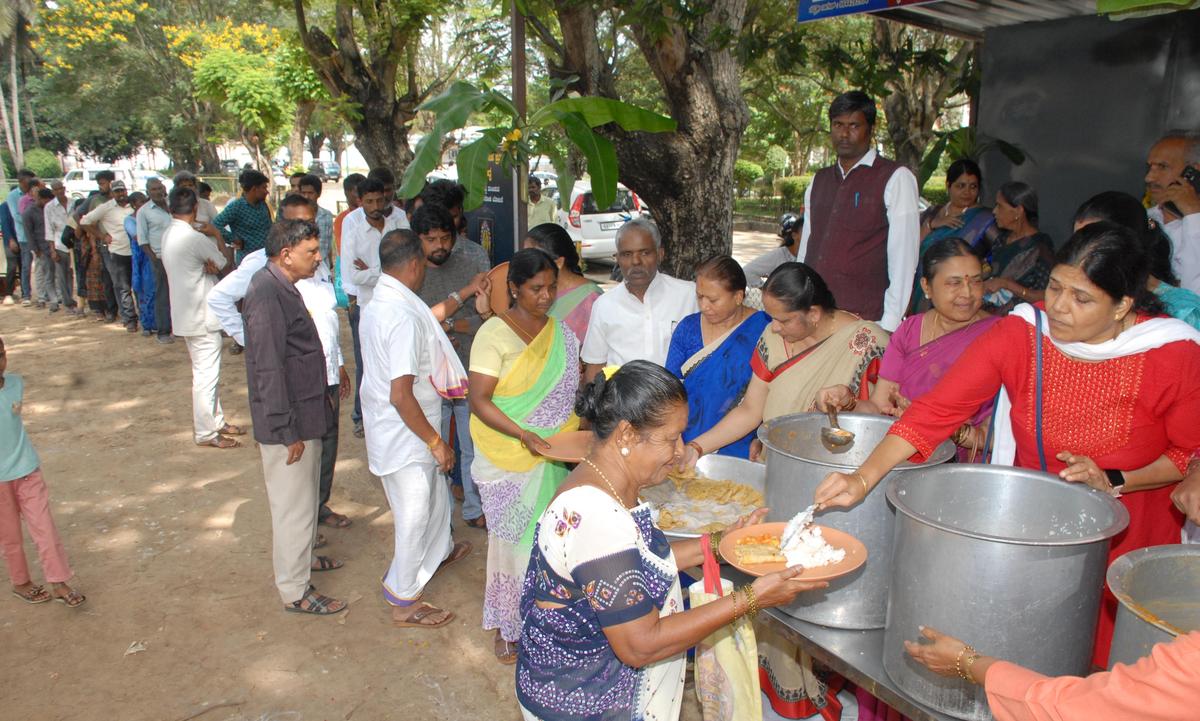
In a powerful display of compassion, volunteers in Shivamogga have stepped forward to provide free meals to patients’ families and visitors at McGann Teaching District Hospital. The gesture, sparked by growing concern over rising costs faced by attendants staying long hours to care for loved ones, has brought immense emotional relief to hundreds. For many vulnerable families, especially from rural and low-income backgrounds, this act of kindness has turned into a lifeline, affirming that community support remains strong even amidst hardship. The initiative has quickly gathered public attention, transforming routine hospital visits into experiences rooted in empathy and solidarity.

The hospital serves a large population from surrounding towns and villages. Many patient families travel long distances, often remaining on the premises for days. Their tight budgets leave little room to manage both treatment expenses and food. The arrival of free, nourishing meals has reduced financial anxiety and provided comfort during emotionally demanding times. Volunteers have coordinated distribution with hospital staff to ensure the process remains smooth, safe, and accessible. Stories from beneficiaries reflect genuine gratitude, proclaiming that acts of kindness during medical emergencies hold profound significance.

The movement is run entirely on community goodwill. Volunteers procure ingredients, cook meals at nearby kitchens, and transport them to the hospital premises twice a day. The food, freshly prepared, focuses on nutritious, easily digestible items suitable for individuals under stress. Many describe the initiative as a silent revolution driven by empathy rather than recognition. It stands as a reminder that communities can initiate impactful support systems even without institutional directives. Volunteers say their primary goal is to reduce suffering and uphold humanity. Their message is simple: no one should go hungry while caring for a loved one in crisis.

This initiative comes at a time when healthcare costs and related expenses have become overwhelming for poor families. Transportation, medication, diagnostic tests, and accommodation already place significant burden on households. In such circumstances, free meals can help retain dignity and emotional balance. Hospital staff have expressed admiration for the volunteers, noting that the effort significantly supports families who are already struggling. The hospital environment has begun to feel more humane as shared meals create bonds among strangers united by circumstance.

Beyond financial relief, the initiative underscores the psychological impact of shared food. Eating together offers emotional comfort to people grappling with fear, uncertainty, and exhaustion. Volunteers say that conversations formed during serving hours often turn into moments of solace. Visitors share stories, exchange prayers, and offer strength to one another. Food becomes a medium to remind them they are not alone. Volunteers believe this emotional nourishment is as important as a meal itself. This bond brings a sense of healing beyond prescribed medicines.Volunteers come forward to offer free meals to visitors at McGann hospital  in Shivamogga - The Hindu


Community Spirit, Compassion, and Ground-Level Efforts

One of the most inspiring aspects of the initiative is its grassroots nature. There is no formal organisation or political leadership directing the effort. Instead, ordinary residents — students, shopkeepers, retirees, homemakers — have united to shoulder responsibility. Contributions come in multiple forms. Some donate money, while others provide vegetables, rice, spices, or utensils. A few volunteer kitchens open specifically for this purpose. The programme demonstrates how collective goodwill can operate effectively without rigid structures. It offers a model of decentralised social care.

Planning begins with assessing the hospital’s daily footfall. Volunteers then calculate approximate meal requirements. The intention is to cover as many individuals as possible, prioritising attendants who spend nights in hospital premises. Food usually includes rice, lentils, vegetables, and occasionally curd. The menu depends on donations and kitchen capacities, yet volunteers aim to maintain consistency in nutritional value. They emphasise hygienic cooking and packaging, ensuring the meals remain fresh. After distribution, teams stay back to clean up the space, preventing any waste accumulation around the premises.

Cooperation between volunteers and hospital authorities keeps operations fluid. Hospital officials have designated safe, convenient spots for distribution to prevent overcrowding. They also provide sanitation support before and after mealtimes. Volunteers commend this collaboration, noting that institutional partnership elevates efficiency. However, the initiative remains independently managed, relying predominantly on community-driven contributions. This combination of informal support and basic administrative backing helps sustain high turnout without chaos.

For many families, these meals represent more than food — they are acts of emotional recognition. Visitors often share that during hospital stays, their personal needs are overshadowed by fear for loved ones. They hardly eat properly, prioritising treatment over nutrition. Free meals relieve this emotional negligence, providing warmth and human connection. A mother from a nearby village said she had spent two nights without proper food after her son was admitted. The volunteer meal helped restore her strength and confidence, reminding her that the community cares.

Fundraising takes place through word of mouth. Individuals willing to support contact volunteers directly. Contributions often appear spontaneously — a farmer donates sacks of rice, a shopkeeper offers oil, or a temple group provides cooking space. This fluid participation means the initiative adapts quickly to daily needs. Volunteers estimate serving hundreds each day. They have expressed hope that more people will join, further strengthening the system. Their vision is to continue as long as there is need. The initiative has also inspired similar efforts in neighbouring areas.

Local religious organisations have shown enthusiastic interest by offering kitchen access or mobilising material contributions. Such participation does not overshadow the initiative’s neutral, humanitarian nature. Volunteers emphasise that their objective is to support families regardless of background, belief, or language. They describe the hospital grounds as an emotional crossroads where suffering dissolves personal barriers. This health-based compassion creates an overarching sense of unity. It allows the initiative to serve not only physical hunger but collective dignity.

From a sociocultural perspective, the act mirrors longstanding traditions of shared meals in India. Feeding the hungry is deeply rooted in community ethics. Volunteers say the initiative is an extension of this ethos, adapted to modern challenges. Hospitals, which can be emotionally draining, are appropriate spaces for such interventions. The initiative reinforces these values in contemporary society, where individualism often overshadows community responsibility. By bringing community care into clinical spaces, volunteers revive human warmth in environments dominated by urgency and grief.Volunteers come forward to offer free meals to visitors at McGann hospital  in Shivamogga - The Hindu

Regular beneficiaries of the programme include elderly individuals accompanying spouses, single mothers tending to injured children, and migrant labourers with little financial support. Many lack local accommodation and sleep in hospital corridors or under staircases. Meals provide vital nourishment to sustain these demanding circumstances. Volunteers also take effort to identify those who require special assistance — people with disabilities, caregivers without transport, and families with infants. This targeted prioritisation indicates growing maturity in coordination.


Impact, Emotional Resonance, and Hopes for Future Expansion

The emotional impact of the initiative cannot be overstated. Hospital environments often feel overwhelming, filled with anxiety, uncertainty, and waiting. Volunteers acknowledge that along with medical treatment, families need care. Providing a simple plate of food becomes a way of sharing strength. Parents of critically ill patients find moments of peace. The emotional energy of the space has shifted — less isolation, more collective endurance. This emotional buffer helps families sustain long hours of caregiving without feeling abandoned.

Hospital staff have reported that the presence of volunteer kitchens also improves patient care. Caregivers who eat regularly are more attentive, engaged, and calm. Their reduced stress translates into better communication with doctors and nurses. Staff members also note that families are less likely to leave patients unattended in search of food, helping maintain medical supervision. In some cases, volunteers offer hot tea during late-night emergencies. These gestures demonstrate their commitment beyond scheduled mealtimes.

Social workers observing the effort say that small interventions like these can significantly change health outcomes for vulnerable families. Proper nutrition helps caregivers make clearer decisions. Stress reduction fosters emotional resilience. Positive atmosphere generates trust in medical systems. The initiative thus performs a dual function: direct nourishment and indirect emotional stabilisation. When communities rally to support their most vulnerable, hospitals become holistic healing spaces rather than sterile institutions of treatment alone.

Families receiving the meals often share personal stories with volunteers. One man from a distant village said he had spent his entire savings on dialysis for his father and felt helpless about buying meals daily. Free food allowed him to focus solely on treatment. Another woman explained that she skipped food for a day so she could save money for her daughter’s medicines. The volunteers’ intervention ended her emotional conflict. These narratives highlight harsh realities: caregivers often sacrifice their own well-being to ease financial stress.

The initiative has sparked conversations about long-term sustainability. Volunteers are considering structured coordination to ensure steady food supply, even during holidays or emergencies. While the movement is intentionally informal, establishing minimal documentation could help manage resources better. Some suggest creating a rotational kitchen system where different community groups take responsibility weekly. Others propose partnerships with local businesses, restaurants, and farmers for uninterrupted food flow. Despite varying opinions, all agree on preserving the initiative’s grassroots nature.Volunteers come forward to offer free meals to visitors at McGann hospital  in Shivamogga - The Hindu

Replicating this model in other hospitals could bring widespread relief. District and taluk hospitals often serve the poorest populations, where families struggle most with ancillary costs. Volunteers believe such programmes could be scaled with minimal expense. Community kitchens require basic ingredients, coordination, and dedicated labour. Public awareness can mobilise enough support to ensure sustainability. Several college students who participated said the experience had changed their outlook, inspiring them to stay involved in social causes. This generational engagement signals long-term continuity.

Psychologists note that such initiatives strengthen social cohesion. During crisis, emotional bonds often feel frayed. Community support reaffirms trust in shared humanity. Food, being deeply symbolic, becomes a vessel of empathy. The patient-attendant relationship is emotionally draining; serving caregivers honours their invisible labour. This recognition encourages resilience. Volunteers say they often witness families comforting each other during meals; shared emotional strength becomes a secondary benefit of the programme.

Looking ahead, volunteers hope to add breakfast services. Many attendants arrive at the hospital early morning without having eaten. A nutritious first meal could significantly improve their emotional and physical capacity to navigate stressful hours. They are also exploring ways to provide milk or fruit to children. Some donors have expressed interest in sponsoring medical supplies, blankets, and toiletries. While these ideas are under discussion, priority remains on sustaining meal distribution consistently.

Follow: Karnataka Government

Also read: Home | Channel 6 Network – Latest News, Breaking Updates: Politics, Business, Tech & More
Sikkim Cultural Dress Mandate: A Step Towards Preserving Heritage and Identity — Government Employees to Wear Traditional Attire Once a Week as State Embarks on Cultural Revival Mission

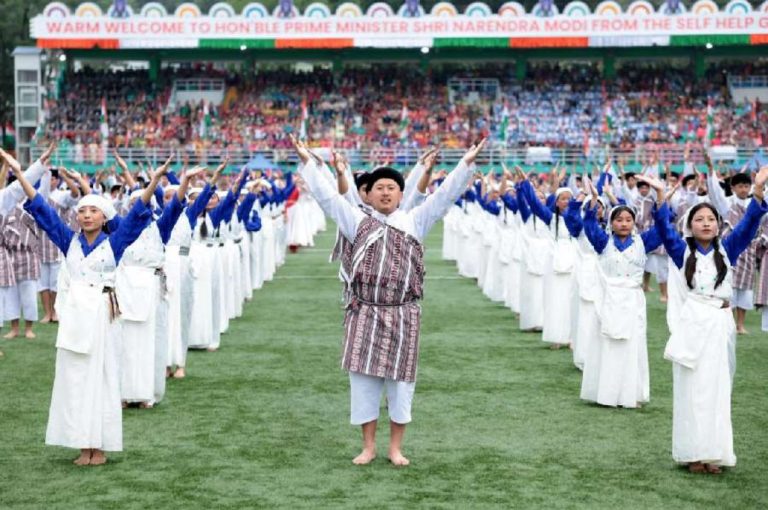
Sikkim Cultural Dress Mandate: In a historic and culturally charged move, the Government of Sikkim has announced a new policy requiring all government employees to wear traditional attire at least once a week, reaffirming the state’s commitment to preserving its unique ethnic identity and diverse cultural heritage.

This initiative, which blends administrative discipline with cultural symbolism, seeks to remind the people of Sikkim — both young and old — of the beauty, diversity, and historical depth embedded in their traditional dress.

With this policy, Sikkim joins a growing list of Indian states that are turning to cultural integration within governance to strengthen local identity amid rapid modernization and globalization.


The Policy: A Blend of Culture and Civic Identity

According to the official notification issued by the Sikkim government, all state government employees will be required to wear their respective traditional dresses once a week, likely every Wednesday or Friday, depending on departmental discretion.

The move is intended not merely as a display of culture, but as a conscious effort to promote respect for indigenous traditions and instill cultural pride among younger generations.

Chief Minister Prem Singh Tamang (Golay) stated that the policy reflects the government’s commitment to “revive and reinforce the roots that define Sikkim’s plural identity.”

“Our traditional attire is more than clothing — it is a symbol of who we are as a people. Wearing it with pride strengthens our unity, diversity, and cultural consciousness,” the Chief Minister said.

The initiative has been widely welcomed across communities, including Bhutia, Lepcha, and Nepali groups, who see this as an opportunity to showcase their distinctive styles in public spaces, creating a colorful tapestry of diversity.


Sikkim’s Cultural Landscape: A Mosaic of Ethnic Identities

Nestled in the Eastern Himalayas, Sikkim is one of India’s most ethnically diverse states, home to three major ethnic groups — Lepchas (the original inhabitants), Bhutias (of Tibetan origin), and Nepalis (migrants from Nepal) — along with several sub-groups.

Each of these communities has distinct traditional attire:

  • Lepchas wear the Dumpra (a striped dress for men) and Dumvum for women, paired with a sash called Tago.
  • Bhutias don the Bakhu, a loose gown fastened with a belt, typically worn over silk shirts.
  • Nepalis wear the Daura Suruwal for men and Gunyu Cholo for women, each reflecting specific regional and cultural motifs.

By making traditional dress a visible part of the state’s administrative culture, the government aims to revitalize pride in ethnic attire and promote cultural coexistence in a rapidly urbanizing society.


Public Response: Pride, Debate, and Practicality

The announcement has sparked widespread conversation across Sikkim’s districts — from Gangtok to Namchi, and from Mangan to Gyalshing.

While many have welcomed the move as a progressive cultural revival, others have raised questions about logistics, inclusivity, and comfort.

  • Sonam Bhutia, a government clerk in Gangtok, said:

    “It’s a beautiful idea. Wearing our Bakhu in the office gives us a sense of pride. It also allows our colleagues from other communities to appreciate our tradition.”

  • Ritika Chettri, a junior engineer from Namchi, noted:

    “Some departments work in the field or in technical settings. We just hope the rule is flexible enough for those who need practical clothing during duty hours.”

Officials have clarified that the mandate will be implemented sensitively, ensuring it does not disrupt operational needs. Employees who have fieldwork or safety-related tasks can seek exemptions for specific days.


Sikkim Cultural Dress Mandate: A Cultural Renaissance in Motion

This policy follows a broader pattern of cultural revival efforts undertaken by the Sikkim government over recent years.

Some of the notable initiatives include:

  • Sikkim Cultural Documentation Project, aimed at archiving oral histories, folk songs, and indigenous knowledge.
  • Support for Local Festivals such as Losar, Pang Lhabsol, Maghe Sankranti, and Tendong Lho Rum Faat.
  • Heritage Education Programs in schools to teach traditional songs, dances, and crafts.
  • Promotion of Traditional Weaving and Textile Craft, providing subsidies and training to local artisans.

The traditional dress mandate fits naturally within this broader mission of cultural sustainability, emphasizing that modernization and heritage can coexist harmoniously.


The Symbolism of Dress: More Than Aesthetic

Sociologists and cultural experts note that dress is one of the most powerful markers of identity. It carries stories of ancestry, climate, belief, and craftsmanship.

Dr. Tsering Lhamu, an anthropologist at Sikkim University, explained:

“Traditional clothing is not just fabric — it is woven with meaning. When people wear their attire proudly, they reaffirm belonging. This mandate will help revive that cultural consciousness.”

Furthermore, such symbolic acts have ripple effects on local economies, particularly those engaged in handloom and textile crafts. With increased demand for authentic traditional wear, local artisans and weavers stand to benefit economically.


Economic and Social Impact: Weaving Livelihoods and Identity

The policy is expected to boost local textile industries across Sikkim, where traditional garments are handcrafted using sustainable methods.

  • Weavers in Namthang, Tashiding, and Melli are already reporting an uptick in orders since the announcement.
  • Several local cooperatives are planning to introduce “Government Employee Dress Packages” — affordable sets of traditional attire tailored for office wear.

The Department of Commerce and Industries is considering setting up artisan hubs and workshops where government staff can directly purchase locally made attire, thereby creating a closed loop of cultural and economic sustainability.

“When the state itself becomes a patron of local tradition, it sends a powerful message to the private sector and citizens alike,” said a spokesperson for the Sikkim Handloom and Handicrafts Development Board.


Cultural Identity in the Modern State

In a time when globalization and urbanization often overshadow indigenous cultures, Sikkim’s move stands as an example of cultural assertion through policy.

Experts argue that such initiatives go beyond aesthetics — they are political statements of self-definition.

Dr. Mohan Subba, a cultural historian, observed:

“Small states like Sikkim are asserting that development must coexist with identity. By bringing culture into the government office, the administration is saying: ‘Our heritage belongs in our everyday life, not just in museums or festivals.’”

He added that the visual visibility of traditional attire in government offices may also encourage private institutions to adopt similar voluntary practices, creating a ripple of cultural consciousness across the workforce.


Parallels in Other Regions

Sikkim’s dress mandate is part of a broader national trend of cultural reaffirmation.

  • Nagaland and Mizoram have encouraged local dress codes during festivals and official events.
  • Bhutan, Sikkim’s neighbor, has long required citizens to wear the Gho and Kira as part of its national identity program.
  • Rajasthan promotes the wearing of Pagri (traditional turban) among government staff during cultural days.

Sikkim’s model, however, is unique for its inclusive approach, recognizing multiple ethnic identities under one administrative framework. It acknowledges diversity as strength rather than division.


Challenges and Implementation

While the initiative has been widely lauded, certain implementation challenges remain.

Some concerns include:

  • Ensuring availability and affordability of traditional garments for all employees.
  • Maintaining comfort and practicality in work settings.
  • Avoiding cultural stereotyping or rigid enforcement.

To address these, the Department of Personnel and Administrative Reforms (DPAR) has been directed to issue guidelines ensuring flexibility, inclusivity, and cultural respect.

“This is not about imposing culture; it’s about celebrating it,” clarified a senior official from the department.

Workshops and awareness sessions will also be organized to familiarize employees with the significance of each ethnic attire, promoting inter-community understanding.


Educational and Youth Outreach

Beyond the government offices, schools and universities are also being encouraged to host “Cultural Fridays” — voluntary days where students wear their traditional dress and learn about its history.

This move aims to foster intergenerational knowledge transfer, ensuring that cultural identity remains alive among youth who are increasingly influenced by urban and digital lifestyles.

“If our children grow up seeing their parents wear traditional clothes with pride, it will normalize cultural pride rather than make it feel outdated,” said educationist Sonika Lepcha.


Tourism and Global Perception

Sikkim, already renowned for its eco-tourism and sustainable travel, is poised to benefit from this initiative in terms of cultural tourism as well.

Tour operators have noted growing interest among visitors in authentic experiences — from traditional attire workshops to home-stay programs showcasing local customs.

The visual impact of government offices and streets filled with traditional attire will create an aesthetic charm that reinforces Sikkim’s identity as a cultural and environmental model state.

The Tourism and Civil Aviation Department plans to integrate this theme into promotional campaigns, highlighting Sikkim as “Where Governance Meets Heritage.”


Digital Promotion and Global Recognition

In an era dominated by social media, such initiatives also have immense digital potential.

The government is expected to launch a social media campaign under the hashtag #WearYourHeritage, encouraging citizens and officials to post pictures in traditional attire.

This not only enhances visibility but also engages the Sikkimese diaspora worldwide, connecting them emotionally to their roots.


Conclusion: A Model for Cultural Governance in India

Sikkim’s decision to institutionalize cultural pride through dress is a landmark experiment in governance and heritage management.

It demonstrates that tradition and progress are not opposites — they can coexist, reinforce each other, and create more humane models of development.

As officials in Dumpra, Bakhu, and Daura Suruwal take their places behind government desks, they will not only be serving the state — they will be wearing its story.

Sikkim has shown that cultural policy can be more than symbolic — it can be an act of preservation, participation, and pride.

In the words of Chief Minister Tamang:

“When we wear our heritage, we carry forward our ancestors’ blessings. This is our identity, and it must live through us.”


External Reference Links for Further Reading

Also read: Home | Channel 6 Network – Latest News, Breaking Updates: Politics, Business, Tech & More
Siliguri Cup of Pride Overflows as Richa Ghosh Returns Home: Bengal’s Rising Star of Indian Women’s Cricket Inspires a Generation After World Cup 2025 Victory

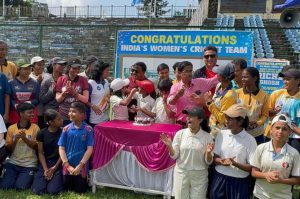
Siliguri Cup of Pride Overflows: The streets of Siliguri, the gateway to North Bengal, are preparing for a grand celebration as the city’s own cricketing sensation, Richa Ghosh, returns home after making history in India’s ICC Women’s Cricket World Cup 2025 victory.

Siliguri Cup of Pride Overflows

For the residents of Siliguri, this triumph is far more than a sporting milestone — it is a moment of collective pride, regional recognition, and inspiration for thousands of young girls across Bengal.

Richa Ghosh, the 21-year-old wicketkeeper-batter, played a crucial role in India’s first-ever Women’s World Cup title, helping seal victory over South Africa in a thrilling final. Her fearless batting, composed wicketkeeping, and aggressive shot-making have turned her into an icon overnight — a symbol of talent rising from small-town India to global fame.


The Making of a Champion: Richa’s Journey from Siliguri to Stardom

Born in 2003 to Manabendra and Swapna Ghosh, Richa’s journey is a story of persistence and grit. Her father, a local club cricketer, spotted her passion early. With limited facilities in Siliguri, young Richa trained with boys at the Baghajatin Athletics Club, where her determination began to shine.

Facing initial resistance due to gender norms, Richa refused to back down. She would often wake before dawn, train for hours, and travel long distances with her father to attend practice sessions.

Siliguri Cup of Pride Overflows

Her hard work paid off when she broke into the Bengal Women’s team, impressing selectors with her consistency and powerful batting. At just 16, she debuted for India in 2020, and within a few years, became a regular in both the T20I and ODI squads.

Her journey from Siliguri’s narrow lanes to cricket’s grandest stage stands as a testament to what unwavering belief and family support can achieve — even without elite infrastructure.


World Cup 2025: Richa Ghosh Shines Bright

The 2025 ICC Women’s Cricket World Cup, held in India, turned out to be a defining tournament for Richa Ghosh. Batting in the middle order, she delivered consistent performances throughout, including match-winning cameos in pressure situations.

In the final against South Africa, Richa displayed nerves of steel. Her quickfire 37 runs off 24 balls and flawless wicketkeeping were pivotal to India’s victory. As the Indian women lifted the trophy at the DY Patil Stadium, chants of “Richa! Richa!” echoed from the stands to Siliguri’s Baghajatin Park, where locals watched the match on big screens.

Her success added her name to the list of Bengal’s cricketing legends, alongside Jhulan Goswami, another daughter of Bengal who inspired generations of women cricketers.


A City in Celebration: Siliguri Awaits Its Hero

From Hill Cart Road to Sevoke More, the entire city of Siliguri has been transformed into a festival ground. Posters bearing Richa’s smiling face line shopfronts and billboards, while local clubs are organizing community screenings and cricket matches in her honor.

When India’s victory was confirmed, thousands poured into Baghajatin Park to celebrate late into the night. Firecrackers lit up the skies, while drums and chants echoed across neighborhoods.

The Siliguri Municipal Corporation, led by Mayor Gautam Deb, has announced a grand civic felicitation at Dinabandhu Mancha, the city’s cultural hub. Richa will be welcomed at Bagdogra Airport, followed by a celebratory procession through the streets before the formal event.

“Richa is the pride of North Bengal and all of West Bengal. Her success has made every Siligurian proud,” Mayor Deb said.

Local traders, schools, and clubs are contributing funds for decorations and banners, while girls from local cricket academies are rehearsing to perform a guard of honor when she arrives.


Voices from Siliguri: Pride and Inspiration

For the people of Siliguri, Richa’s success feels personal.

  • Bibek Sarkar, her first coach at Baghajatin Athletics Club, said:

    “Richa was the only girl among boys when she joined us, but she never showed fear. Her hard work, discipline, and self-belief were extraordinary even as a child.”

  • Nasima Khatun, a young cricketer from nearby Matigara, said:

    “I want to be like Richa Didi. She has shown that a girl from Siliguri can play for India. She has given us the courage to dream.”

Even local businesses are joining the celebration. Tea stalls have renamed their signature brew “Richa Chaa,” and a popular sweet shop has launched a special dessert called “World Cup Sandesh.”


Siliguri Cup of Pride Overflows: Family at the Heart of Success

Richa’s parents, who still live in their modest home near Siliguri’s Deshbandhu Para, have become local celebrities. Her father recalls those early years when they couldn’t afford professional coaching equipment.

“We had to make sacrifices, but Richa’s determination kept us going,” he said. “Seeing her hold the World Cup trophy brought tears to our eyes.”

Her mother, Swapna, said she was overwhelmed by the city’s affection:

“When people call her the pride of Bengal, I feel our efforts were worth it. She always said, ‘Ma, one day Siliguri will know my name.’ Now the whole country does.”


Women’s Cricket in Bengal: A New Era

Richa’s success has reignited discussions about women’s cricket infrastructure in North Bengal, where facilities are still sparse compared to Kolkata.

The Cricket Association of Bengal (CAB) has already indicated that it will expand its women’s development program to Siliguri, considering it as a potential hub for upcoming talent.

Local authorities are also planning to upgrade the Kanchenjungha Stadium for women’s tournaments and host more national-level camps.

Sports activists argue that Richa’s achievement can push the state government to improve coaching centers and scholarships for female athletes, ensuring more girls from small towns can pursue professional sport.


Inspiration Beyond Cricket

Richa’s journey resonates beyond sports — it represents the growing visibility of women from small towns in India achieving international acclaim.

Sociologist Dr. Nandini Bhattacharya from North Bengal University explains:

“Richa’s success has symbolic power. It shows that young women from middle-class families in regional India can now redefine ambition. She stands at the intersection of talent, aspiration, and empowerment.”

Schools across Siliguri have started organizing talks on women’s participation in sports, and local NGOs are planning mentorship programs inspired by Richa’s journey.


Looking Ahead: The Road to Leadership

As Richa basks in the glory of the World Cup, her journey is far from over. With several upcoming international tours, including series against England and Australia, expectations are sky-high.

Cricket experts see her as a future captaincy contender due to her calm temperament and game awareness. With veterans like Harmanpreet Kaur nearing retirement, the new generation — led by players like Richa Ghosh, Shafali Verma, and Jemimah Rodrigues — is poised to take Indian women’s cricket into its golden era.

For Siliguri, Richa’s continued rise would mean an enduring place on India’s cricket map.


Siliguri’s Transformation: From Tea Town to Talent Town

Historically known for its tea trade and gateway to the Himalayas, Siliguri is now becoming synonymous with sporting excellence. Richa’s success complements the region’s growing sporting identity, which already includes rising football and athletics stars.

The local government is considering dedicating a cricket academy in her name — a step that could cement Siliguri’s reputation as North Bengal’s sports capital.

“Richa’s success is the spark that can ignite a new generation of talent,” said a senior official from the Siliguri Sports Development Board.


A City’s Heartbeat: Emotions and Unity

The emotional resonance of Richa’s victory can be felt everywhere — from classrooms to market stalls.

  • In schools, students are preparing handmade posters and murals celebrating her.
  • At clubs, young cricketers practice the “Richa pull shot.”
  • In homes, families proudly claim, “She’s one of us.”

Even rival political groups in the city are uniting to celebrate her homecoming — a rare display of solidarity in Bengal’s polarized political landscape.


Conclusion: The Power of One Dream

Richa Ghosh’s story is more than the tale of a cricketer; it is a narrative of resilience, empowerment, and regional pride.

Her journey from the cricket grounds of Siliguri to the world stage mirrors the aspirations of millions of young Indians who dream big despite humble beginnings. She has redefined what it means to represent Bengal and India — with confidence, grace, and unyielding determination.

As Siliguri decks up to welcome its world champion, the message is clear: Talent knows no boundaries — not geography, not gender.

The sound of drums, the fluttering of tricolours, and the sparkle in young eyes tell the story of a city and a champion who rose together.

When Richa Ghosh steps out of the airport and waves to the crowd, Siliguri will not just welcome a hero — it will embrace a legacy.


External Reference Links for Further Reading

Also read: Home | Channel 6 Network – Latest News, Breaking Updates: Politics, Business, Tech & More

Gay Prime Minister Rob Jetten Creates History as Netherlands Elects Youngest Leader at 38

Gay Prime Minister Rob Jetten’s Victory Signals a New Chapter for the Netherlands

Gay Prime Minister Rob Jetten is set to create history as the youngest and first openly gay leader of the Netherlands following his party D66’s unexpected triumph in the 2025 general elections. At just 38, Jetten’s victory represents a major shift in the Dutch political landscape, bringing hope, inclusivity, and a strong pro-European vision back into the national spotlight.कौन हैं रॉब जेटन? नीदरलैंड्स के नेता जो बन सकते हैं दुनिया के पहले गे  प्रधानमंत्री - netherlands rob jetten first gay prime minister d66 election  europe politics history positive ...

The centrist D66 party, led by Jetten, secured a surprise edge over far-right leader Geert Wilders, who was expected to dominate the elections. Jetten’s campaign, which focused on unity, optimism, and environmental progress, resonated deeply with younger voters and those seeking an alternative to divisive politics. His message that “populism can be beaten with positivity” has now become the defining statement of the election season.

Political analysts suggest that Jetten’s success stems from his focus on practical solutions and emotional intelligence in leadership, traits that contrast sharply with the fear-based narratives often seen in European politics. His victory is being hailed as a symbolic win for liberal democracy and progressive values at a time when Europe is facing increasing polarization.

Gay Prime Minister Rob Jetten’s Rise and Political Vision

Born in 1987, Rob Jetten has long been considered one of the most promising figures in Dutch politics. Before becoming the leader of D66, he served as a member of parliament and as Minister for Climate and Energy, where he played a key role in shaping the country’s sustainability policies. His commitment to climate action, equality, and European cooperation earned him respect across party lines.Meet Rob Jetten: Youngest, First Openly Gay Politician Eyeing Dutch PM Seat

Jetten’s rise to the position of gay prime minister is more than a personal achievement—it’s a reflection of the Netherlands’ longstanding reputation as one of the world’s most socially progressive nations. His leadership also reinforces the country’s tradition of embracing diversity and advancing LGBTQ+ representation in public life.

In his first address after the victory, Jetten expressed gratitude to voters who believed in change. “This is not just my win; it’s a win for everyone who believes politics can be hopeful again,” he said, promising to lead a government rooted in compassion, fairness, and opportunity.

Gay Prime Minister Rob Jetten’s Challenges Ahead

Despite the celebrations, the road ahead for Jetten’s administration is expected to be challenging. He faces the task of building a stable coalition in a fragmented parliament, managing economic recovery, and balancing environmental goals with industrial interests. Analysts also point to the need for continued dialogue with rural and conservative voters who feel disconnected from urban-centric politics.Netherlands elections: Who is Rob Jetten, poised to be the first openly gay  and youngest Dutch PM? – Firstpost

Still, Jetten’s reputation for diplomacy and calm leadership could help bridge divides. His focus on innovation, renewable energy, and education is seen as a roadmap for rebuilding trust in governance. Also Read: Actor Millie Bobby Brown Files Serious Complaint Against Co-Star David Harbour: Inside the Shocking Allegations in 2025

Internationally, Jetten’s election as gay prime minister has drawn attention from leaders across Europe, many of whom have congratulated him for setting an example of inclusive leadership. His stance on strengthening the European Union, supporting green initiatives, and defending human rights is expected to shape the Netherlands’ global role in the coming years.


View this post on Instagram


A post shared by India Today (@indiatoday)

Conclusion

The rise of Gay Prime Minister Rob Jetten marks a turning point in Dutch and European politics. His election combines youth, progress, and inclusivity, elements that reflect the evolving voice of a new generation of voters. As the Netherlands steps into this new political era, Jetten’s leadership will be closely watched, both for its optimism and its promise to unite a diverse nation under the banner of hope.

Actor Millie Bobby Brown Files Serious Complaint Against Co-Star David Harbour: Inside the Shocking Allegations in 2025

Actor Millie Bobby Brown’s Allegations Rock Stranger Things Production

Actor Millie Bobby Brown has reportedly filed a formal complaint against her Stranger Things co-star David Harbour, accusing him of bullying and harassment during the filming of the show’s fifth and final season. The allegations have triggered a major internal investigation within the production team, just months before the release of the new season.Actor Millie Bobby Brown

According to early reports, the complaint includes multiple instances of alleged misconduct, creating a tense atmosphere on set. Sources revealed that the investigation began well before filming wrapped up, with several people being questioned and “pages and pages” of documentation collected as part of the inquiry. However, the production house and both actors have chosen to remain silent publicly, refusing to comment until the investigation concludes.

Actor Millie Bobby Brown’s Complaint Leads to Investigation

The investigation reportedly started during the pre-production phase of Stranger Things Season 5 when certain incidents were brought to the attention of the internal review team. Over several months, the inquiry focused on verifying claims and ensuring a safe working environment for all members of the cast and crew.Millie Bobby Brown: Best photos of the 'Stranger Things' star's career

While details of the complaint have not been made public, the nature of the accusations suggests ongoing interpersonal conflict during filming. Despite the controversy, sources from the production have clarified that the show’s release timeline remains unaffected. The final season, split into two parts, is still expected to premiere on Netflix later this year as scheduled.

Crew members have described the situation as “deeply unfortunate,” given the strong on-screen chemistry between Brown and Harbour, who play central characters in the beloved Netflix series. Many within the entertainment industry have expressed surprise at the news, as both actors were often seen speaking highly of each other in past interviews.

Actor Millie Bobby Brown’s Silence Raises Curiosity Among Fans

Neither Actor Millie Bobby Brown nor David Harbour has released an official statement addressing the allegations. Fans across social media platforms have been speculating about the situation, while some have urged patience until verified information becomes available. The controversy comes at a sensitive time for Netflix, with Stranger Things entering its final and most anticipated season.Millie Bobby Brown's OLD interview hints at alleged feud with Stranger Things co-star David Harbour | Watch

Industry insiders note that it’s not uncommon for large-scale productions to face internal disputes, especially during high-pressure final seasons. However, the seriousness of Brown’s complaint has brought new scrutiny to the studio’s workplace policies and accountability measures.


View this post on Instagram


A post shared by CABLGRAM. (@cablgram)

The production team has reportedly introduced stricter on-set guidelines to prevent similar incidents and maintain professional conduct during the remaining stages of post-production and promotions. Also Read: Zohran Mamdani Creates History as New York’s Youngest and First Muslim Mayor

Conclusion

The controversy surrounding Actor Millie Bobby Brown and David Harbour has cast a shadow over one of Netflix’s biggest upcoming releases. While the internal investigation continues, fans await official clarification from both sides. For now, Stranger Things Season 5 remains on track, but the behind-the-scenes tension has undoubtedly added a layer of intrigue to its final chapter.

BJP Sukanta Majumdar Flags ‘Infiltrator Couple’ in Raiganj — Alleges Police Inaction and Raises Alarm on Illegal Migration in Bengal’s Border Districts Amid Voter Roll Revision 2025

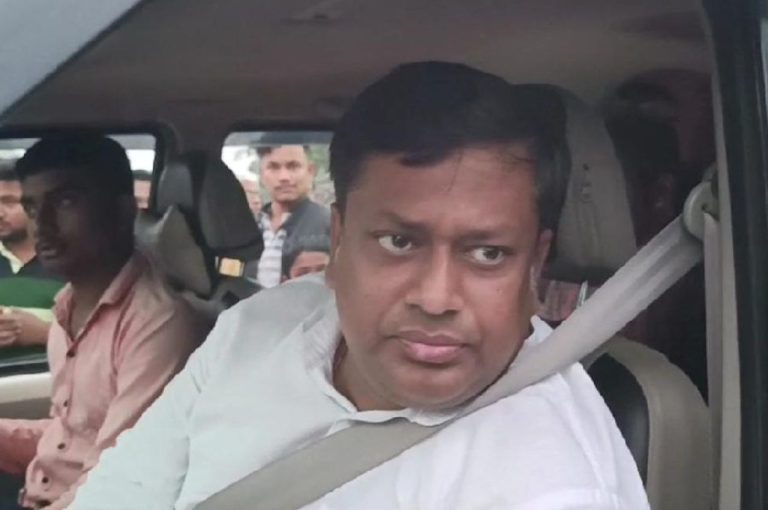
BJP Sukanta Majumdar Flags: A fresh political controversy has erupted in West Bengal after BJP state president and Union Minister of State Sukanta Majumdar publicly accused a couple in Raiganj’s Karkha village of being Bangladeshi infiltrators, blaming local police for inaction despite repeated complaints.

The allegation comes at a politically sensitive time — just as the Special Intensive Revision (SIR) of the voter rolls 2025 is being rolled out across Bengal, and amid growing tensions between the BJP and Trinamool Congress (TMC) over voter verification, illegal migration, and electoral integrity.

Majumdar’s statement, made through a viral social media post, has drawn intense attention to border security, voter list legitimacy, and administrative negligence, sparking renewed debate over the governance of Bengal’s border districts.


Majumdar’s Allegation: “Police Ignored Complaint on Illegal Migrants”

According to the details revealed by Majumdar, a formal complaint was lodged in 2023 at the Bansihari Police Station in South Dinajpur district against a couple — identified as Abdul Mannan and Lovely Begum — allegedly living illegally in India after crossing over from Bangladesh.

The BJP MP claimed that the police took no action for nearly two years, allowing the couple to live freely in Karkha village until the matter was made public through his social media post.

Majumdar, who represents Balurghat constituency, shared copies of the original complaint and what he described as Bangladeshi identification documents belonging to the couple, saying this was proof of cross-border infiltration being ignored by the local administration.

“The people of Karkha village have long complained about this couple being illegal migrants. Despite evidence, the police turned a blind eye. This shows how deep infiltration has spread and how inactive the state machinery has become,” Majumdar said.

He further alleged that after his post went viral, the couple fled their home, which villagers later found locked.


Villagers’ Voices: “They Disappeared Overnight”

Locals in Karkha confirmed that the couple had been living in the area for several months and were engaged in small business activities. However, after Majumdar’s post on social media, their house remained locked and abandoned.

Nasima Parveen, wife of the original complainant Feroz Miah, said:

“We filed the complaint back in November 2023, but nothing happened. They were living in the same house until this weekend. After the MP posted about them online, they left in the night. Now, nobody knows where they went.”

Villagers also expressed frustration with what they called “administrative apathy”, saying their concerns about undocumented residents had been ignored by both police and panchayat authorities.


Police Response: Silence Raises Questions

Despite the seriousness of the allegations, no formal police statement has been released in response. The Bansihari Police Station has not confirmed whether any new investigation has been initiated into the complaint or the alleged couple’s disappearance.

A senior district officer, speaking off record, said the matter was being “looked into” but did not elaborate further. The lack of transparency and communication has only fueled speculation about systemic negligence or political pressure on law enforcement in sensitive border districts.

Political observers point out that the silence of the police might reflect a larger administrative dilemma — between enforcing law and avoiding communal or political backlash.


Why Raiganj Matters: A Borderland Under Watch

Raiganj, located in Uttar Dinajpur district, is not far from South Dinajpur, where Karkha village lies. Both districts share porous borders with Bangladesh, making them hotspots for alleged cross-border migration and smuggling.

Experts have long highlighted that border management in North Bengal faces unique challenges:

  • Long stretches of unfenced terrain.
  • Shared ethnic and linguistic communities across the border.
  • Daily informal movement of people for work or trade.
  • Weak verification systems at the local level.

This makes it difficult for local police and panchayats to distinguish genuine residents from undocumented entrants — an administrative vulnerability that often gets weaponized in Bengal’s political battles.


Political Context: BJP vs. TMC on Infiltration Narrative

Majumdar’s accusation is not isolated. It fits into the BJP’s broader political narrative accusing the ruling TMC government of being “soft on infiltrators” and allowing “fake voters” to remain on the electoral rolls for political gain.

The timing is crucial. Bengal is currently undergoing the Special Intensive Revision of Electoral Rolls (SIR) — a statewide campaign to update and verify voter data before the 2026 Assembly Elections.

The BJP has already demanded re-verification of voter documents, arguing that fake birth and identity certificates are being used to include non-citizens in the rolls. The TMC, on the other hand, has dismissed these allegations as an attempt to spread fear and division.

Political analyst Dr. Nirmalya Ghosh explains:

“Every electoral revision in Bengal becomes a political contest. The issue of infiltration is tied not just to identity but also to political demography. Whoever controls the narrative of legitimacy gains electoral advantage.”


A Pattern of Negligence: From Complaints to Inaction

The case in Karkha village isn’t the first time such allegations have surfaced. Local records and media reports reveal multiple instances where citizens filed complaints about illegal entrants, yet no visible action was taken by the administration.

The reasons often cited include:

  • Lack of resources for verification and deportation.
  • Absence of coordination between local police and the Border Security Force (BSF).
  • Fear of communal tension in mixed-population villages.
  • Political pressure to avoid “sensitive” issues before elections.

As a result, many complaints remain pending or unresolved — creating a growing perception that law enforcement in Bengal’s border districts is paralyzed by politics.


Majumdar’s Broader Message: “Bengal Cannot Ignore Border Security”

Majumdar’s public statement extends beyond the single incident. It reflects a broader political strategy by the BJP to keep issues of illegal migration, citizenship, and national security at the forefront of Bengal’s political debate.

The MP said that ignoring such infiltration not only affects demographic balance but also compromises national integrity.

“We are not against any community. But illegal entry and unchecked settlement threaten the sanctity of our borders. The administration’s indifference is unacceptable,” Majumdar said in his statement.


Experts Weigh In: A Governance Crisis in the Making

Policy and security experts agree that Bengal’s border governance system needs urgent reform.

Professor Arindam Dutta, a border studies researcher at North Bengal University, noted:

“The Karkha episode shows a typical failure of local governance — complaints go unacknowledged, and action is delayed until it becomes a political issue. The administration needs a coordinated approach involving police, BSF, and local bodies.”

Former IPS officer Satyajit Roy added:

“The political blame game has overshadowed genuine security concerns. Bengal’s borders are unique — you cannot solve migration issues by rhetoric. What’s needed is transparent data-sharing and community-based verification.”


Human Cost: Fear, Suspicion, and Distrust in Villages

Incidents like this have a social impact beyond politics.
Residents in Karkha and nearby villages describe an atmosphere of mistrust — where locals suspect neighbors, and every new resident is viewed with doubt.

Community leaders worry that this growing suspicion could divide villages along religious or ethnic lines.

Local schoolteacher Rupa Islam said:

“Ordinary people just want peace. When leaders bring up infiltration and documents, it creates fear. People who have lived here for years are now worried they’ll be accused falsely.”

This fear underscores the delicate balance between maintaining national security and preserving local harmony in border areas.


Election Commission’s Role and Accountability

As the Special Intensive Revision proceeds, the Election Commission of India (ECI) faces renewed pressure to ensure that:

  1. Every genuine citizen is included.
  2. No ineligible or undocumented person is listed.
  3. Political neutrality is maintained throughout the process.

The ECI’s Chief Electoral Officer (CEO) in West Bengal has directed all districts to verify voter documents rigorously, especially in border and minority-dominated areas like North and South Dinajpur.

However, without strong inter-agency coordination — between the police, BSF, panchayats, and ECI — the process risks being both incomplete and controversial.


Administrative and Legal Hurdles

Experts point to several barriers that make handling such infiltration allegations complex:

  • Lack of legal framework for swift verification and deportation.
  • Diplomatic sensitivity with Bangladesh over identifying and returning citizens.
  • Ambiguity in citizenship documentation for residents born before 1971.
  • Limited digital records in rural areas, making verification slow.

These challenges mean that local police often avoid taking initiative without explicit state or central instructions — leading to the kind of inaction Majumdar has accused them of.


Historical and Demographic Background

The issue of cross-border movement in Bengal has historical roots:

  • Post-Partition (1947), millions migrated from East Pakistan (now Bangladesh).
  • The 1971 Liberation War further increased refugee flows.
  • Over time, generations settled, often without complete documentation.

This blurred boundary between migration, refuge, and citizenship continues to complicate administrative action today.


National Implications: The Bengal-Bangladesh Border Debate

Majumdar’s allegations also revive the national debate over border infiltration — a subject that has influenced India’s internal politics and foreign policy.

The BSF has repeatedly reported challenges such as human trafficking, cattle smuggling, and undocumented crossings in Malda, Murshidabad, and Dinajpur districts.

The Ministry of Home Affairs (MHA) has in past reports urged tighter coordination between state police and central security forces.

While Bengal’s ruling government accuses the Centre of “politicizing border issues,” the Centre argues that state-level enforcement failures weaken national security.


Voices of Caution: Need for Balanced Enforcement

Human rights groups caution that while illegal migration is a legitimate concern, the rights of legitimate residents must be safeguarded during investigations.

People’s Union for Civil Liberties (PUCL) member Shantanu Mitra noted:

“Whenever border migration becomes politicized, innocent poor families often face harassment. Authorities must investigate based on evidence, not political directives.”

Balancing law enforcement with humanitarian sensitivity remains one of the toughest governance challenges in Bengal’s border areas.


Path Forward: Restoring Faith in Law and Administration

Experts recommend several steps to address both the security and trust deficit highlighted by the Raiganj controversy:

  1. Independent Verification Committees: Multi-agency task forces including police, BSF, and district magistrates to handle migration complaints transparently.
  2. Digital Complaint Tracking: Public online dashboards to track status of migration-related FIRs and actions taken.
  3. Training for Police and BLOs: Special training on legal frameworks and human rights during voter roll revisions.
  4. Public Awareness Drives: Educating residents about documentation and legal procedures to prevent panic and misinformation.
  5. Dialogue with Bangladesh: Continued diplomatic engagement to create humane and legal mechanisms for deportation of proven illegal entrants.

Conclusion: A Local Case Reflecting a Larger Crisis

The Karkha “infiltrator couple” case is more than a local controversy — it’s a reflection of how politics, policing, and public sentiment intersect in Bengal’s complex border landscape.

Sukanta Majumdar’s allegations highlight a failure of administrative accountability and a rising trust deficit between citizens and state institutions. Whether the couple in question were truly illegal migrants or victims of a political storm, the episode underscores one undeniable truth — West Bengal’s border governance system is under severe strain.

Unless the Election Commission, state government, and law enforcement agencies act decisively to restore transparency and trust, such incidents will continue to shape Bengal’s electoral politics and communal balance in the years ahead.


BJP Sukanta Majumdar Flags: External Reference Links for Further Context

6 People UP Train Tragedy: How a Wrong Step at Mirzapur Station Led to a Heartbreaking Loss

6 People UP Train Accident Leaves Mirzapur in Grief

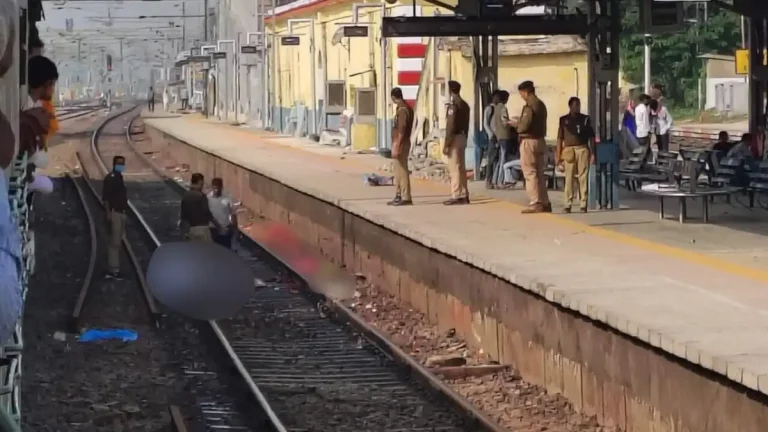
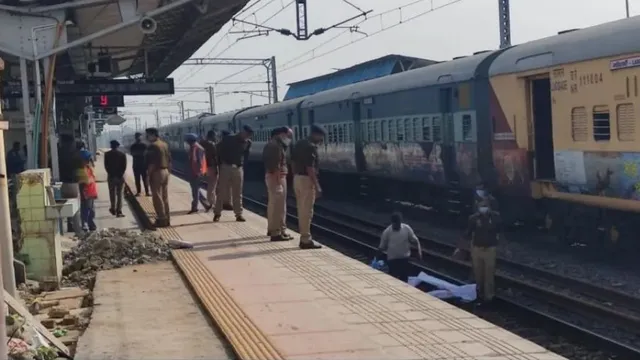
6 People UP train accident has left Mirzapur in deep sorrow after six women passengers were killed in a tragic mishap at Chunar Railway Station on Wednesday morning. The unfortunate incident took place around 9:30 am when the Chopan Express stopped at platform four, and several passengers mistakenly chose to alight from the wrong side of the train. At the same time, the Netaji Express passed through the main line and ran over the passengers who were crossing the tracks.Mirzapur train accident: Passengers on track run over by train; 6 dead | Highlights | Latest News India

According to the Indian Railways, the tragedy occurred due to passengers attempting to get off on the side opposite the platform, ignoring the available foot overbridge. The deceased, identified as Savita (28), Sadhna (16), Shiv Kumari (12), Anju Devi (20), Sushila Devi (60), and Kalawati (50), were on their way to Mirzapur for Kartik Purnima Snan, a holy ritual that attracts thousands of devotees every year.

6 People UP Train Mishap: Eyewitness Accounts and Official Statements

Government Railway Police Inspector Raghvendra Singh confirmed the deaths and said that all the victims were from Mirzapur and Sonbhadra districts. Amit Singh, Public Relations Officer of NCR Prayagraj Division, explained that the accident took place when the Netaji Express, passing through the main line, struck the passengers who had descended onto the tracks. “Despite the presence of a foot overbridge, people were crossing from the wrong side, which led to this unfortunate tragedy,” he stated.Mirzapur Accident: 6 Pilgrims Killed After Being Hit By Train At Chunar Station; CM Yogi Offers Condolences

In its official statement, Indian Railways reiterated that the accident could have been avoided if passengers had used the designated foot overbridge. “Train no. 13309 (Chopan–Prayagraj Express) had stopped at platform 4 when some passengers chose to get down on the wrong side. At the same moment, Train no. 12311 (Netaji Express) passed through the main line, leading to the fatalities,” the statement read.

Authorities React to the 6 People UP Train Accident

Uttar Pradesh Chief Minister Yogi Adityanath expressed deep sorrow over the loss of lives and directed officials to reach the site immediately to oversee rescue and relief operations. He announced an ex gratia of ₹2 lakh each to the families of the deceased and assured that all necessary assistance would be provided.

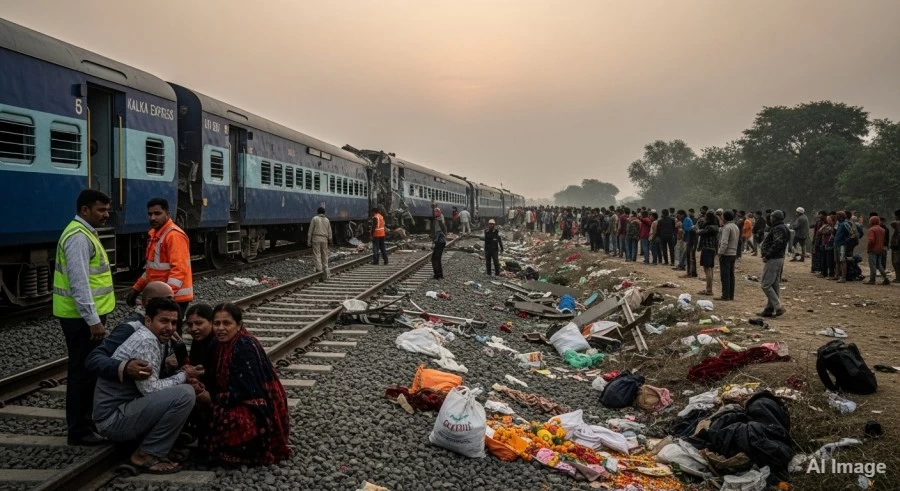
Mirzapur Train Tragedy: Devotees Hit by Kalka ExpressUP Minister Sanjeev Kumar Gaud, who visited the site, described the incident as extremely tragic. “We came to know that six people have died here five from Mirzapur and one from Sonbhadra. The families were on their way for Ganga Snan. I offer my deepest condolences to them,” he said.
 

View this post on Instagram


A post shared by First India (@thefirstindia)

He also stated that if any negligence is found during the investigation, strict action will be taken against those responsible. Another statement from the local MP echoed similar sentiments, urging railway passengers to follow safety guidelines while traveling.

6 People UP Tragedy Sparks Safety Concerns

This 6 People UP train tragedy has once again raised serious questions about passenger safety awareness at railway stations. Officials highlighted that while railways provide proper infrastructure such as foot overbridges and warning signs, passengers often ignore them in a hurry to exit. The Mirzapur accident serves as a grim reminder of how a single wrong step can lead to devastating consequences.Mirzapur Train Accident: Five killed while crossing track at Chunar railway station in Uttar Pradesh - The Hindu

As authorities investigate the incident, railway staff have been instructed to intensify public announcements and deploy additional personnel at busy stations to prevent such accidents in the future. Also Read: Zohran Mamdani Creates History as New York’s Youngest and First Muslim Mayor

Conclusion

The 6 People UP train accident at Mirzapur stands as a painful reminder of the importance of safety and awareness while traveling. Six innocent lives were lost in a matter of moments lives that could have been saved by a simple act of caution. The state now mourns their loss while urging every passenger to follow safety measures and avoid shortcuts that can cost lives.

JNU Election Result 2025: Left Maintains Strong Lead in All Four Key Posts After First Round of Counting

0

JNU Leads Early as Vote Counting Begins for Students’ Union Elections

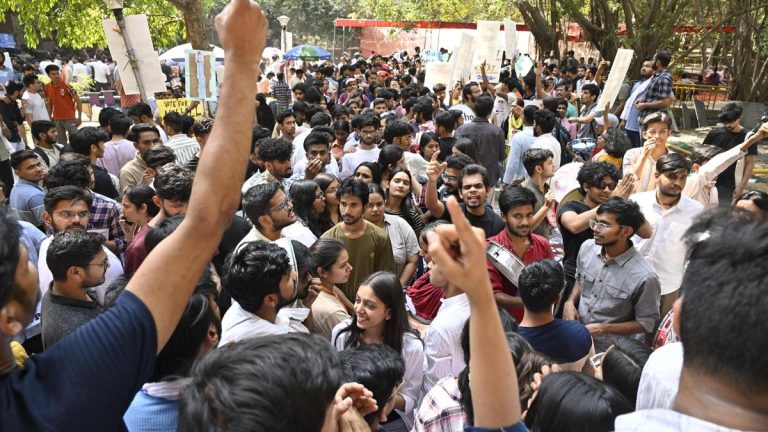
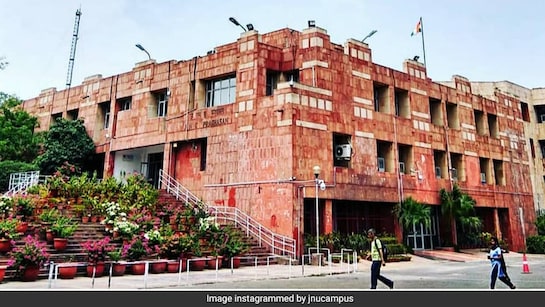
JNU witnessed high political energy as the first round of vote counting for the Jawaharlal Nehru University Students’ Union (JNUSU) Election 2025 concluded. The Left alliance surged ahead in all four major posts President, Vice President, General Secretary, and Joint Secretary after the first round. The results reflected the continuation of the Left’s stronghold on campus politics, as students eagerly awaited the next rounds of counting.Students cast votes in JNU students' union elections, counting to be held on November 6

Around 9,043 students were eligible to vote in this year’s election. Despite intense campaigning, the voter turnout stood at 67%, slightly lower than the 70% recorded in the previous polls and the decade-high of 73% seen in 2023–2024.

Inside the JNU Polls – The Contest and Campus Mood

The 2025 JNUSU election saw seven candidates vying for the president’s seat, three for vice president, and five each for general secretary and joint secretary. Campaigns across the campus were vibrant and issue-driven, with discussions ranging from academic freedom and hostel conditions to larger national issues impacting student life.Voting For JNU Students' Union Polls Begins

The polling, held on Tuesday, was conducted peacefully with students turning up early at the voting booths. The atmosphere was charged but orderly, reflecting JNU’s deeply rooted democratic culture.

Delhi’s Air Quality and MCD Poll Preparations Add to Political Buzz

While the JNU vote counting drew attention, the national capital’s air quality showed a slight improvement on Wednesday but remained in the ‘poor’ category, with an AQI of 273. According to CPCB’s Sameer app, 27 monitoring stations registered poor air, while Shadipur recorded a ‘very poor’ reading of 308. The minimum temperature was 18.4°C, and humidity stood at 89% at 8:30 AM.73% turnout to vote in JNU students union elections | Latest News Delhi

Meanwhile, political activity extended beyond campus as Delhi geared up for the MCD bypolls scheduled for November 30. The nomination process is underway, with parties including AAP, BJP, and Congress actively finalizing candidates. Both the BJP and AAP view the bypolls as crucial to shaping their influence in the city’s political landscape.


View this post on Instagram


A post shared by The Wire (@thewirein)

What’s Next for JNU’s Student Politics?

As the counting progresses, anticipation builds around whether the Left alliance can retain its winning streak or if any independent or rival groups can turn the tide. Early trends suggest that the Left continues to hold sway over JNU’s political culture, with students resonating strongly with their stance on issues of inclusivity, education reforms, and campus democracy.Voting For JNU Students' Union Polls Begins, Result Expected By April 28

Outside the campus, student leaders have expressed that this election is not merely about representation but also about reaffirming JNU’s long-standing values of debate, equality, and activism. Also Read: Zohran Mamdani Creates History as New York’s Youngest and First Muslim Mayor

Conclusion:

The JNU election 2025 continues to capture attention for its democratic spirit and politically aware student community. With the Left leading after the first round and the final results awaited, all eyes are on how this year’s verdict will shape the university’s next chapter in student politics.

Trump Fires Back After Zohran Mamdani’s Victory: A New Political Rivalry Takes Shape in New York in 2025

Trump Fires Back After Mamdani’s Win: A New Chapter in US Politics

Trump Fires back, these two words summed up the tension that erupted hours after Zohran Mamdani’s historic win as New York City’s first Indian-origin mayor. The 34-year-old Democrat’s bold remarks during his victory speech directly addressed US President Donald Trump, setting off what many believe could become one of the most charged political confrontations in recent memory.Donald Trump threatens to block funds if Zohran Mamdani wins NYC mayoral race - India Today

Shortly after Mamdani’s speech, Trump took to Truth Social with a brief but pointed message: “And so it begins!” The post, though short, carried an unmistakable warning. Mamdani, during his celebratory address, had said, “Donald Trump, since I know you’re watching, I have four words for you: turn the volume up!” a line that instantly went viral across social media platforms.

The exchange marked the symbolic beginning of a political tug-of-war between the nation’s most powerful Republican and one of the Democratic Party’s rising progressive leaders.

Trump Fires Back, The Start of a Fierce Political Battle Between Trump and Mamdani

In his victory address, Zohran Mamdani promised to challenge what he called Trump’s “authoritarian tendencies” and “divisive policies.” His plans include countering federal immigration measures, pushing for a rent freeze, and introducing universal childcare programs proposals aimed at addressing New York’s long-standing cost-of-living crisis.

Trump, however, had already drawn his battle lines even before election day. He warned that if Mamdani won, his administration might cut billions of dollars in federal funding to New York City, a move reminiscent of his earlier political targeting of Democratic strongholds.Donald Trump rages after Zohran Mamdani wins New York mayoral primary: 100% communist lunatic - India Today

For Mamdani, these warnings appear to have only fueled his determination. Addressing supporters, he declared, “If anyone can show a nation betrayed by Donald Trump how to defeat him, it is the city that gave rise to him.” His words reflected both defiance and strategy portraying New York as the heart of a movement determined to challenge federal overreach.

Democrats Regain Ground, But Challenges Lie Ahead

The political landscape shifted dramatically with the Democrats’ recent sweep of three major elections, including Mamdani’s win. The victories were seen as a morale boost for the party, which has been struggling to rebuild momentum since Trump’s return to power nine months ago.Trump escalates attacks on Mamdani, who says president is attacking democracy - The Washington Post

Mamdani’s campaign focused heavily on affordability, worker rights, and urban reform, appealing to younger and working-class voters. His message of inclusivity and change helped him stand out in a city historically shaped by complex political loyalties. Also Read: Zohran Mamdani Creates History as New York’s Youngest and First Muslim Mayor

However, even Mamdani acknowledges the road ahead will not be easy. Implementing what he calls “the most ambitious agenda since the 1940s” will require navigating federal resistance and private sector pushback. His proposed policies ranging from rental freezes to universal childcare, could face both legal and political hurdles.


View this post on Instagram


A post shared by NEWS9 (@news9live)

Conclusion

The phrase Trump Fires perfectly captures the unfolding drama in American politics. With Zohran Mamdani’s victory, New York becomes the stage for a fresh confrontation between progressive city leadership and conservative federal authority. Trump’s sharp response signals that this clash is only beginning, and the months ahead could redefine the balance of power between Washington and one of America’s most influential cities. Whether this rivalry brings constructive change or deeper division remains to be seen but one thing is certain: a new political era has begun in the heart of New York.